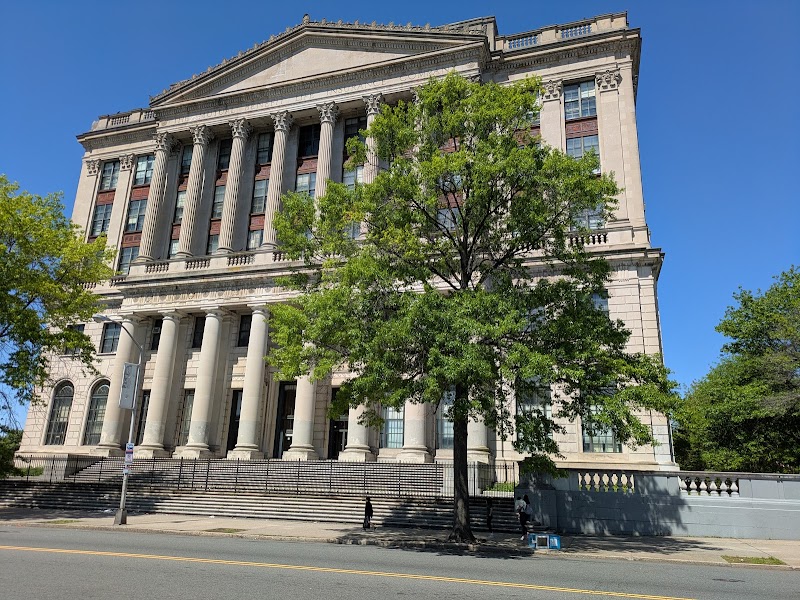
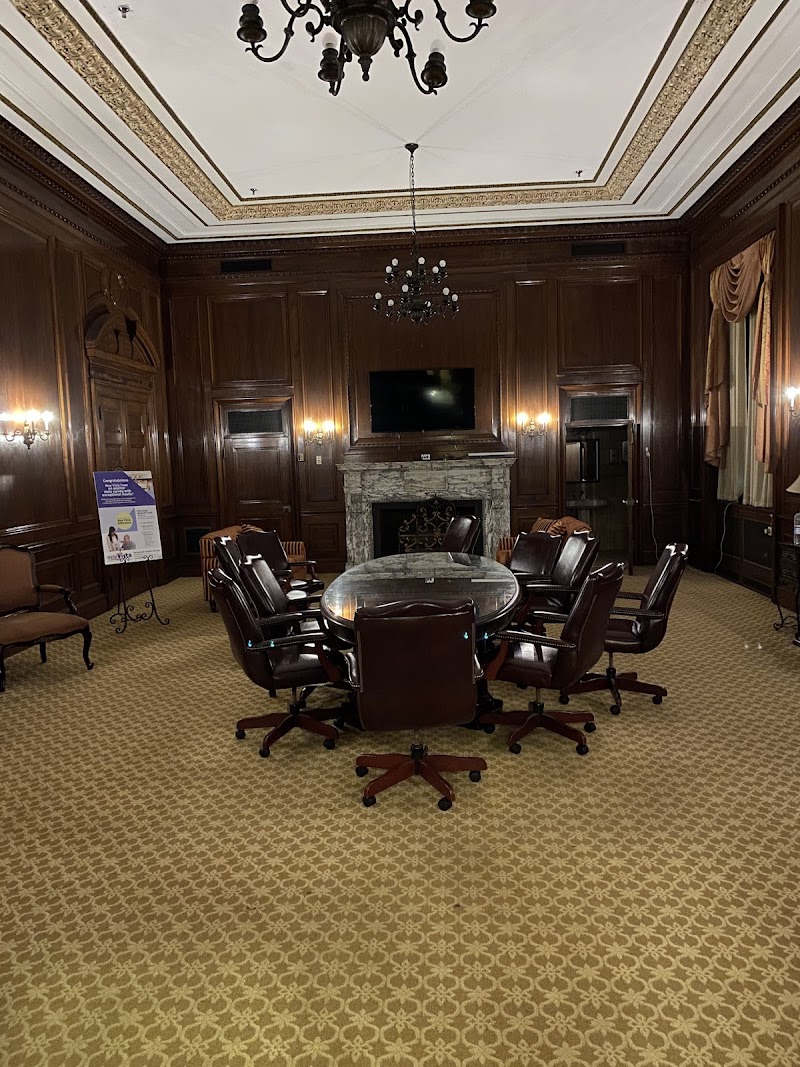
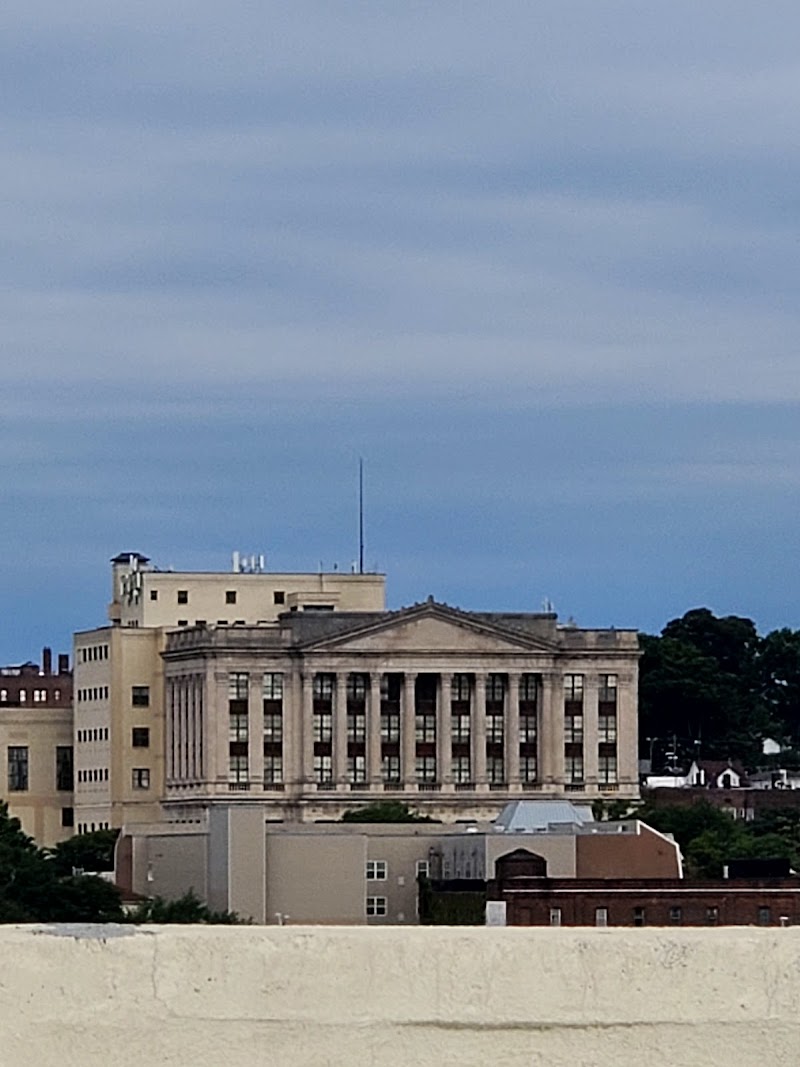
NEW VISTA NURSING & REHABILITATION CTR

300 BROADWAY, NEWARK, NJ 07104 (973) 484-4222
For profit - Limited Liability company 340 Beds Independent Data: November 2025
Trust Grade
25/100
#329 of 344 in NJ
Last Inspection: February 2024

Within standard 12-15 month inspection cycle. Federal law requires annual inspections.

Overview

New Vista Nursing & Rehabilitation Center has received a Trust Grade of F, indicating significant concerns about the facility. Ranking #329 out of 344 in New Jersey places it in the bottom half of nursing homes in the state and #31 out of 32 in Essex County, meaning there is only one local option that performs worse. The facility is improving, with issues decreasing from 27 in 2024 to just 7 in 2025. Staffing is a notable strength, earning a 5/5 star rating with a low turnover rate of 23%, which is well below the state average of 41%. However, the facility has faced concerning fines totaling $107,324, which is higher than 79% of New Jersey facilities, suggesting ongoing compliance issues. Specific incidents have raised serious alarms, including two residents experiencing physical abuse from each other, resulting in significant injuries that required medical attention. Additionally, the facility has struggled to maintain adequate linen supplies for residents, impacting their basic cleanliness needs. There have also been repeated concerns regarding kitchen sanitation practices, which could lead to foodborne illnesses. Overall, while there are strengths in staffing, the facility has significant weaknesses in safety and care quality that families should carefully consider.

Trust Score
F
25/100
In New Jersey
#329/344
Bottom 5%
Safety Record
High Risk
Review needed
Inspections
Getting Better
27 → 7 violations
Staff Stability
✓ Good
23% annual turnover. Excellent stability, 25 points below New Jersey's 48% average. Staff who stay learn residents' needs.
Penalties
⚠ Watch
$107,324 in fines. Higher than 82% of New Jersey facilities, suggesting repeated compliance issues.
Skilled Nurses
✓ Good
Each resident gets 49 minutes of Registered Nurse (RN) attention daily — more than average for New Jersey. RNs are trained to catch health problems early.
Violations
⚠ Watch
50 deficiencies on record. Higher than average. Multiple issues found across inspections.
★☆☆☆☆
1.0
Overall Rating
★★★★★
5.0
Staff Levels
★☆☆☆☆
1.0
Care Quality
★☆☆☆☆
1.0
Inspection Score
Stable
2024: 27 issues
2025: 7 issues

The Good

  • 5-Star Staffing Rating · Excellent nurse staffing levels
  • Low Staff Turnover (23%) · Staff stability means consistent care
  • Full Sprinkler Coverage · Fire safety systems throughout facility
  • No fines on record
  • Staff turnover is low (23%)

    25 points below New Jersey average of 48%

Facility shows strength in staffing levels, staff retention, fire safety.

The Bad

1-Star Overall Rating

Below New Jersey average (3.2)

Significant quality concerns identified by CMS

Federal Fines: $107,324

Well above median ($33,413)

Significant penalties indicating serious issues

The Ugly 50 deficiencies on record

1 actual harm
Mar 2025 7 deficiencies
CONCERN (D) 📢 Someone Reported This

A family member, employee, or ombudsman was alarmed enough to file a formal complaint

Potential for Harm - no one hurt, but risky conditions existed

Deficiency F0578 (Tag F0578)

Could have caused harm · This affected 1 resident

**NOTE- TERMS IN BRACKETS HAVE BEEN EDITED TO PROTECT CONFIDENTIALITY** Based on interview, record review, and policy review, the facility failed to ensure Practitioner Orders for Life-Sustaining Trea...

Read full inspector narrative →
**NOTE- TERMS IN BRACKETS HAVE BEEN EDITED TO PROTECT CONFIDENTIALITY** Based on interview, record review, and policy review, the facility failed to ensure Practitioner Orders for Life-Sustaining Treatment (POLST) was documented to clarify resident/resident representative the choice between cardiopulmonary resuscitation (CPR) and do not resuscitate (DNR), were thoroughly completed to include a date and physician signature for three of three residents (Residents (R) 9, R1, and R10) of 19 sample residents. This failure had the potential to affect the accuracy of POLST forms used when transferred from the facility to communicate resident/resident representative choice. Findings include: 1. Review of R9's admission Record located in the electronic medical record (EMR) under the Profile tab, revealed an admission date in [DATE] with a readmission date in [DATE] and medical diagnoses to including dementia and other cerebrovascular disease. Review of R9's quarterly Minimum Data Set (MDS) located in the EMR under the MDS tab with an Assessment Reference Date (ARD) of [DATE] revealed a Brief Interview for Mental Status (BIMS) score of three out of 15 which indicated R9 was severely cognitively impaired. Review of the code status located under the header and face sheet in the EMR on [DATE] for R9 documented full code. Review of the paper chart for R9 documented two undated POLST forms. One form stated DNR, allow for natural death and lacked a date and physician signature. The second form stated full code and lacked a date and physician signature. Review of R9's EMR under the Prog Notes tab revealed a note by Social Worker (SW) 3 documented on [DATE] at 12:26 PM, The resident [Family Member (FM) 1] had spoken to the nurse and social services and the resident's [FM1] discussed putting a DNR order in place. During an interview on [DATE] at 2:01 PM SW3 explained the process for completing the POLST form was once the request was made by the resident/resident representative for DNR, the form was to be followed up by nursing to get the physician signature and complete the form with date and signature. SW3 stated the process was not followed and should have been. During an interview on [DATE] at 3:39 PM, Licensed Practical Nurse (LPN) 1, after reviewing the EMR and the paper chart, stated the choice to do CPR or not if R9 stopped breathing was unclear and needed to be verified. During an interview on [DATE] at 3:42 PM, Registered Nurse (RN) 3 reviewed the EMR and paper chart for R9 and stated the POLST documentation was incomplete due to lacking a date and physician signature. RN3 stated the EMR was where to look to know wishes of the resident to be full code or DNR. RN3 stated for R9 it was not clear, therefore if R9 stopped breathing the choice would be to do a full code. 2. Review of R1's admission Record located in the EMR under the Profile tab, revealed an admission date in [DATE], readmission date in [DATE], and discharged in [DATE] with medical diagnosis that included chronic obstructive pulmonary disease. Review of R1's annual MDS located in the EMR under the MDS tab with an ARD of [DATE] revealed a BIMS score of 15 out of 15, indicating R1 was cognitively intact. Review of the closed record for the code status located under the header and face sheet in the EMR for R1 documented DNR. Review of the paper chart for R1 revealed an undated POLST form signed by R1 indicating DNR and lacked a date and physician signature. During an interview on [DATE] at 2:01 PM, SW2 confirmed the POLST form was incomplete without a date and physician signature. 3. Review of R10's admission Record located in the EMR under the Profile tab, revealed an admission date of [DATE], with a readmission date in [DATE] and medical diagnoses that included pneumonia and chronic obstructive pulmonary disease. Review of R10's quarterly MDS located in the EMR under the MDS tab with an ARD of [DATE], revealed a BIMS score of 15 out of 15, indicating R10 was cognitively intact. Review of the code status located under the header and face sheet in the EMR on [DATE] for R10 documented full code. Review of R10's physician orders located under the Orders tab of the EMR, dated [DATE] at 12:53 PM, documented Full Code/CPR (cardiopulmonary resuscitation). The order was a phone order entered by the Registered Nurse Supervisor and lacked a physician signature in the EMR system. Review of the paper chart for R10 revealed a document titled Advanced Directive/Living Will, signed and dated [DATE], answered the question I do or do not, wish to be resuscitated (CPR) with the words do not circled and document signed by R10, SW3, and one other witness. During an interview on [DATE] at 2:01 PM, SW3 confirmed R10 code status in the EMR was full code and the form dated [DATE] was unfamiliar to SW3 and stated, the code status for R10 was uncertain about the choice of the resident for full code or DNR. During an interview on [DATE] at 2:10 PM, SW1 confirmed the POLST form for R10 was incomplete unless dated and signed by the physician. During an interview on [DATE] at 2:17 PM, the Social Services Director (SSD) confirmed the process for the completion of the POLST was to be followed up by nursing for the physician's signature. He stated the date on the form represented the conversation between the resident and/or resident representative and the physician. SSD stated residents with a BIMS 11 or higher could sign for themselves. The SSD acknowledged the stated process was currently not working very well. During an interview on [DATE] at 3:00 PM, the Administrator stated the POLST form was incomplete without the date and physician's signature and the Administrators expectation was the POLST form should be completed with date and physician's signature. During an interview on [DATE] at 3:37 PM, the Director of Nursing (DON) explained that the social workers were to give the POLST to the DON to follow up, have the forms completed by the physician, and update the EMR. The DON confirmed this practice was not consistent and some of the POLST forms had not been presented to the physician for signature. The DON stated the POLST form was incomplete if the date and signature were not on the form. Review of the facility policy titled, Quality of Life - Resident self Determination and Participation, revised on 12/16, revealed [To] gather information about the residents' personal preferences on initial assessment and periodically thereafter, and document these preferences in the medical record. Review of the facility policy titled, Advanced Directives, revised on 12/16, revealed The plan of care for each resident will be consistent with his or her documented treatment preferences and/or advance directive .The definition of Do Not Resuscitate (DNR) - indicates that, in case of respiratory or cardiac failure, the resident, legal guardian, health care proxy, or representative (sponsor) has directed that no cardiopulmonary resuscitation (CPR) or other life-sustaining treatments or methods are to be used.
CONCERN (D) 📢 Someone Reported This

A family member, employee, or ombudsman was alarmed enough to file a formal complaint

Potential for Harm - no one hurt, but risky conditions existed

Grievances (Tag F0585)

Could have caused harm · This affected 1 resident

Based on interviews, record reviews, and facility policy reviews, the facility failed to resolve grievances for two of three residents (Resident (R) 3 and R5) reviewed for grievances of 19 sample resi...

Read full inspector narrative →
Based on interviews, record reviews, and facility policy reviews, the facility failed to resolve grievances for two of three residents (Resident (R) 3 and R5) reviewed for grievances of 19 sample residents. Specifically, the facility failed to resolve grievances related to misappropriation of funds and transportation concerns related to medical appointments. This failure had the potential to violate resident rights for all residents residing in the facility. Findings include: 1. Review of R3's admission Record located in the electronic medical record (EMR) under the Resident tab revealed the resident was admitted to the facility in July 2021 with diagnoses including type two diabetes, bipolar disorder, hypertension, and bladder cancer. Review of R3's Resident Concern Form provided by the facility and dated 06/16/24, revealed R3 states that the unit clerk continuously messes up his/her doctor appointment. She gets dates mixed up, she'll forget transporter or transportation. The action section at the bottom of the form was blank. During an interview on 03/25/25 at 1:06 PM, R3 stated that he/she had ongoing concerns regarding his/her medications not being given on time and occasionally staff running out of medications. R3 stated that he/she recently told the Administrator that he/she was not going to talk to anyone else about his/her grievances because nothing ever changes or happens to remedy the problems. 2. Review of R5's admission Record located in the EMR under the Resident tab revealed the resident was admitted to the facility in April 2024 with diagnoses including quadriplegia, hypertension, muscle weakness, and benign prostatic hyperplasia. Review of R5's Social Service Intervention form provided by the facility and dated 06/23/24, revealed identified problem: 6:00 PM Pt [patient] called 911 states staff is taking to [sic] long to respond. Refuse [sic] to go out to the hospital. Several attempts were made to attend to pt needs. Follow-up at the bottom of the form was blank. Review of R5's Social Service Intervention form provided by the facility and dated 07/07/24, revealed identified problem: Refusing all staff from 3-11 PM on Sunday evening accusing staff of stealing his/her money and now washing him/her properly. Follow-up at the bottom of the form was blank. During an interview on 03/26/25 at 10:25 AM, the Social Services Director (SSD) stated that he started working at the facility six weeks ago and since that time he started a Grievance Binder. The previous SSD that was employed in June-July 2024 was not available for interview and was terminated in October 2024. During an interview on 03/27/25 at 12:05 PM, R5 stated that in July he/she had taken a nap and when he/she woke up his/her money was gone. He/She stated he/she notified the police, and they told him/her that since it was a small amount of money to talk to the staff about it. He/She stated he/she notified Social Worker (SW) 5 and no resolution was offered. Regarding the complaint in June, he/she stated that it was not uncommon for staff to take almost an hour to assist him/her when he/she pressed the call light. He/She stated he/she did not know why they wanted to take him/her to the hospital. He/She stated no solution was provided, and no one had spoken with him/her about concerns with staff taking too long to assist him/her. During an interview on 03/27/25 at 6:38 PM, the DON stated that she was aware of R3's concerns and that SW5 should have addressed the grievance and then the interdisciplinary team (IDT) should have resolved the concerns. Review of the facility's policy titled, Grievances/Complaints, Filing, revised 04/17, revealed .The Administrator has delegated the responsibility of grievance and/or complaint investigation to the Grievance Officer who is Social Worker .Upon receipt of a grievance and/or complaint, the Grievance Officer will review and investigate the allegations and submit a written report of such findings to the Administrator within 5-10 working days or review immediately depending on the nature of the grievance .The Administrator will review the findings with Grievance Officer to determine what corrective actions, if any, need to be taken .The resident, or person filing the grievance and/or complaint on behalf of the resident, will be informed of the findings of the investigation and the actions that will be taken to correct any identified problems .
CONCERN (D) 📢 Someone Reported This

A family member, employee, or ombudsman was alarmed enough to file a formal complaint

Potential for Harm - no one hurt, but risky conditions existed

Quality of Care (Tag F0684)

Could have caused harm · This affected 1 resident

**NOTE- TERMS IN BRACKETS HAVE BEEN EDITED TO PROTECT CONFIDENTIALITY** Based on interviews, record reviews, and facility policy review, the facility failed to ensure that a medical appointment was id...

Read full inspector narrative →
**NOTE- TERMS IN BRACKETS HAVE BEEN EDITED TO PROTECT CONFIDENTIALITY** Based on interviews, record reviews, and facility policy review, the facility failed to ensure that a medical appointment was identified and implemented following a surgical procedure according to professional standards of practice for one of three residents (Resident (R) 8) reviewed for medical appointments of 19 sample residents. This failure had the potential to negatively impact on the residents' health status. Findings include: Review of R8's admission Record located in the electronic medical record (EMR) under the Resident tab indicated he/she was admitted to the facility in August 2022 with a primary diagnosis of acute cerebrovascular insufficiency. Review of R8's quarterly Minimum Data Set (MDS) located in the EMR under the MDS tab with an Assessment Reference Date (ARD) of 02/06/25 included a Brief Interview for Mental Status (BIMS) score of six out of 15 indicating R8 was severely cognitively impaired. Review of R8's Care Plan located in the EMR under the Care Plan tab and revised 04/11/24 included cholecystectomy status. Review of R8's Progress Notes located in the EMR under the Progress Notes, dated 04/05/24, revealed Pt [patient] disoriented sent to [Hospital Name] per MD [Medical Doctor] request . Review of R8's Progress Notes located in the EMR under the Progress Notes, dated 04/10/25, revealed readmission received from [Hospital Name] via stretcher @ 710pm [sic], Alert/Responsive, S/P [status post] Lapraroscopic [sic] Cholecystectomy [gall bladder removal], Abd [abdominal] anterior surgical incision x4 . on PO [oral] Abt [antibiotic] ciprofloxacin and metronidazole x12 days d/t [due to] cholecystitis, total dependence with all ADL's [activities of daily living] . Review of [Hospital Name] document titled, Discharge Education, dated 04/10/24, revealed .Please call . to make an appointment in the ACC [ambulatory care center] Clinic in two weeks . Review of [Hospital Name] document, dated 11/07/24, titled, After Visit Summary revealed .Return in about 3 (three) months (around 02/07/25) .Today's Visit you saw [Name] on Thursday November 7, 2024. The following issue was addressed: Abnormal weight loss . During an interview with R8's Complainant (C) 8 on 03/26/25 at 5:05 PM stated that R8 had his/her gall bladder removed in April 2024 and did not receive his/her follow up visit two weeks after the surgery. She notified the facility, and the visit was never scheduled. During an interview on 03/27/25 at 1:00 PM, the Unit Clerk (UC) stated she was not employed with the facility in April 2024 and did not know why the surgical follow up appointment was not scheduled. UC stated that the facility protocol was for the Clerk to review the packet of information that returned with the resident after hospitalization or a physician appointment. UC reviewed the Log Book that was kept by staff of all resident medical appointments and stated C8 did not have any appointments in late April 2024 or early May 2024 that would have correlated with the needed follow up visit. UC confirmed that R8 was to have a follow up visit in February 2025 per the hospital visit notes, dated 11/07/24. UC stated she called the physician's office that confirmed that no follow up visit had been made for February 2025 and no pending appointments were noted. During an interview on 03/27/25 7:15 PM, the Director of Nursing (DON) reviewed the hospital discharge documents for R8 dated 04/10/24 and stated she did not see any physician orders that would indicate that an appointment was to be scheduled. Her expectation was for the nurse re-admitting the resident after hospitalization or an appointment should review the documentation with recommendations for any appointments. The DON stated the recommendation should have been then relayed to the physician to ensure that they wanted it scheduled. She stated a progress note would have been made as to what was determined. She stated in the absence of the Clerk; the nurse would be responsible for ensuring appointments were scheduled. During an interview on 03/27/25 at 7:21 PM, Registered Nurse Supervisor (RN Sup) confirmed that R8 had been discharged from the hospital on [DATE] and documentation recommended that he/she have a follow-up appointment in two weeks status post gall bladder removal. RN Sup stated that she had not seen the documentation nor was she aware that the resident had missed follow-up appointments. Review of the facility policy titled, Health, Medical Condition and Treatment Options, Informing Residents of, revised 12/16, did not include information regarding ongoing treatment.
CONCERN (D) 📢 Someone Reported This

A family member, employee, or ombudsman was alarmed enough to file a formal complaint

Potential for Harm - no one hurt, but risky conditions existed

Medical Records (Tag F0842)

Could have caused harm · This affected 1 resident

Based on interview, record review, and review of facility policy, the facility failed to maintain a complete and accurate medical record for one of 19 sampled residents (Resident (R) 3). Specifically,...

Read full inspector narrative →
Based on interview, record review, and review of facility policy, the facility failed to maintain a complete and accurate medical record for one of 19 sampled residents (Resident (R) 3). Specifically, the nursing staff failed to document the completion of physician orders on the resident's medication administration records. This failure had the potential to affect accuracy of records. Findings include: Review of R3's admission Record located in the electronic medical record (EMR) under the Resident tab indicated he/she was admitted to the facility in July 2021with a primary diagnosis of diabetes mellitus. Comorbidities included bipolar disorder, benign prostatic hypertrophy, hyperlipidemia, malignant neoplasm of the bladder, and major depressive disorder (MDD). Review of R3's quarterly Minimum Data Set (MDS) located in the EMR under the MDS tab with an Assessment Reference Date (ARD) of 01/13/25 included a Brief Interview for Mental Status (BIMS) score of 14 out of 15 indicating R3 was cognitively intact. Medications included antipsychotics, antidepressants, antihypnotics, and anticoagulants. Review of R3's Care Plan located in the EMR under the Care Plan tab and initiated 07/22/21 included administration of medications as ordered. Review of R3's Order Summary located in the EMR under the Orders tab included orders for -Atorvastatin calcium oral tablet 10 MG (milligram) one tablet to be given by mouth (PO) at bedtime (HS) for hyperlipidemia starting 04/10/24, -Eszopiclone oral tablet 1 MG one tablet PO at HS starting 07/15/24, -Gabapentin oral capsule 100 MG one capsule PO four times per day (QID) starting 05/15/24, -Omeprazole capsule delayed release (DR) 20 MG one capsule PO every morning (AM) for gastroesophageal reflux disease (GERD) starting 04/10/24, -hydroxyzine pamoate oral capsule 25 MG one capsule PO at HS for anxiety, eszopiclone oral tablet 1 MG one tablet PO at HS for insomnia starting 07/15/24, -Seroquel oral tablet 100 MG one tablet PO at HS for bipolar disorder starting 04/13/24, -Tamsulosin HCL oral capsule 0.4 MG capsule one capsule PO in AM and one capsule in the afternoon starting 04/10/24, and -Trazodone HCL oral tablet 50 MG one tablet PO at HS for depression starting 02/13/25. Review of R3's Medication Administration Record (MAR) provided by the facility for the month of November 2024 included -Atorvastatin calcium oral tablet 10 mg, eszopiclone oral tablet 1 mg, hydroxyzine pamoate oral capsule 25 mg, -Seroquel oral tablet 100 mg tablet, and trazodone HCL oral capsule 100 mg were documented on 11/29/24 as 9 indicating the nurse should enter a progress note regarding medication availability/medication administration, -Omeprazole capsule delayed release 20 mg documented as blank on 11/08/24, 11/23/24, and 11/29/24, -Tamsulosin hydrochloride (HCL) oral capsule 0.4 mg capsule documented as 9 on 11/29/24 at 9:00 AM, documented as 9 on 11/29/24, and -Gabapentin oral capsule 100 mg documented as blank on 11/14/24 and 11/18/24 for 10:00 PM dose, 10/23/24 documented as blank for 6:00 AM dose, and documented as 9 on 11/29/24 for 10:00 PM dose. Review of R3's MAR provided by the facility for the month of December 2024 included omeprazole capsule delayed release 20 mg documented as blank on 12/14/24, tamsulosin hydrochloride (HCL) oral capsule 0.4 mg capsule documented as 9 on 12/05/24 at 9:00 AM, 12/07/24 at 6:00 PM, 12/09/24 at 6:00 PM, 12/10/24 at 9:00 AM, 12/11/24 at 9:00 AM, 12/12/24 at 9:00 AM, 12/30/24 at 9:00 AM, and 12/31/24 at 9:00 AM. Review of R3's MAR provided by the facility for the month of February 2025 included atorvastatin calcium oral tablet 10 mg, eszopiclone oral tablet 1 mg, hydroxyzine pamoate oral capsule 25 mg, and Seroquel oral tablet 100 mg, trazodone HCL oral tablet 50 mg tablet, and gabapentin oral capsule 100 mg on 02/07/25 documented as blank and omeprazole capsule delayed release 20 mg documented as blank on 02/01/25. Review of R3's MAR provided by the facility for the month of March 2025 included eszopiclone oral tablet 1 mg on 03/11/25 documented as 9, omeprazole capsule delayed release 20 mg documented as blank on 03/06/25 and 03/22/25, tamsulosin HCL capsule 0.4 mg documented as 9 on 03/12/25, and gabapentin oral capsule 100 mg documented as blank on 03/06/25 6:00 AM, 03/13/25 10:00 PM and 03/21/25 10:00 PM. During an observation on 03/27/25 at 1:35 PM of the medication cart containing R3's medications, it was confirmed that all medications prescribed for R3 were available on the medication cart. During an interview on 03/25/25 at 1:06 PM, R3 stated that sometimes staff told him/her medications had been ordered and then he/her went without his medications. Specifically, he/she recalled being out of tamsulosin, Seroquel, and eszopiclone. During an interview on 03/27/25 at 1:35 PM, Licensed Practical Nurse (LPN) 8 stated that she currently had R3's medications available but sometimes he/she would run out of tamsulosin because the health insurance was holding up authorization. When this happened, she would put in a progress note and also document on the 24-hour nursing report. LPN8 stated she thought this had happened at least three times that she was aware of but could not recall the dates. During an interview on 03/27/25 at 7:14 PM the Director of Nurses (DON) stated that R3 worried about his/her Seroquel and eszopiclone running out. In the past she had checked the medication cart to confirm that the medications were on hand. After reviewing the MARs for November-December 2024 and February-March 2025, the DON stated that she was not sure why there were blank spaces in the MAR other than they had experienced their internet down in the past. She stated she wasn't sure what the dates were when the incident occurred. She stated regarding MAR's having 9 documented; this typically meant that the medication wasn't available, or medication was possibly pending insurance approval for payment. The DON stated that it was the expectation that if a medication was not available or not given the nurse should have entered a progress note, notified the physician, and documented if the medication could be given late or held until the medication was available. The DON confirmed that documentation was not available in the EMR to determine if medications were administered, held, or were unavailable. The DON stated additionally, the pharmacy performed MAR audits and had identified documentation issues as of the facility's annual survey in February 2024. She stated she was not aware that documentation errors were still occurring. During an interview on 03/27/25 at 7:36 PM, Registered Nurse Supervisor (RN Sup) stated that it was her expectation that all nurses documented whether medications were administered and if 9 was entered, a progress note should be entered in the EMR indicating the circumstances. Review of the facility policy titled, Documentation of Medication Administration, revised 04/07, revealed .A Nurse or Certified Medication Aide (where applicable) shall document all medications administered to each resident on the resident's medication administration record (MAR) .reason(s) why a medication was withheld, not administered, or refused (as applicable) .
CONCERN (E) 📢 Someone Reported This

A family member, employee, or ombudsman was alarmed enough to file a formal complaint

Potential for Harm - no one hurt, but risky conditions existed

Report Alleged Abuse (Tag F0609)

Could have caused harm · This affected multiple residents

**NOTE- TERMS IN BRACKETS HAVE BEEN EDITED TO PROTECT CONFIDENTIALITY** Based on interviews, record reviews, and facility policy reviews, the facility failed to report three allegations of abuse for t...

Read full inspector narrative →
**NOTE- TERMS IN BRACKETS HAVE BEEN EDITED TO PROTECT CONFIDENTIALITY** Based on interviews, record reviews, and facility policy reviews, the facility failed to report three allegations of abuse for three of six residents (Resident (R) 12, R13, and R16) reviewed for abuse allegations and one allegation of misappropriation for one of three residents (R5) reviewed for misappropriation of property to the state survey agency within two hours out of a total sample of 19 residents. This had the potential to allow continued abuse and misappropriation of property for all residents in the facility. Findings include: 1. a. Review of R12's admission Record located in the resident's electronic medical record (EMR) under the Profile tab revealed the resident was admitted to the facility in June 2024 with diagnoses which included paranoid schizophrenia and major depressive disorder. R12 was discharged from the facility in September 2024. b. Review of R13's admission Record located in the resident's EMR under the Profile tab, revealed the resident was admitted to the facility in March 2023 with diagnoses which included legal blindness, diabetes mellitus, end stage renal disease, and dependence on renal dialysis. Review of the facility Accident and Incident Log provided by the facility did not include an incident between R12 and R13 on 06/20/24. Review of a facility document titled Investigation Report Sheet, dated 06/19/24, Registered Nurse (RN) 3 stated I was working Wednesday 06/19/24 when [R12] who don't see well and his/her roommate [R13] ask [R13] too [sic] get his/her urinal and he/she was trying to help and I intervened and [AA2] from activities saw and I was able to assist [R13] with urinal. I asked [R12] what was he/she doing, he/she said the man/woman ask for urinal to pee. Review of a facility document titled Investigation Report Sheet, dated 06/19/24 by Social Worker (SW) 3, stated The social worker was making rounds on the unit and stopped in to see residents. Both residents were fine. One resident says he/she had asked for help with urinal because he/she had to pee. Both residents are blind. Nursing staff stated that they intervened when they saw this occurring. Review of a document provided by the facility titled, Investigation Report Sheet by Activities Assistant (AA) 2, dated 06/20/24, revealed I Activities Assist [AA 2] witnessed [R12] inappropriately touching [R13] on top of his/her clothes between his/her legs. I reported it to a CNA (unknown) to witness what I was seeing. He/She was then separated from [R13] by the CNA. Happened 06/19/24. Review of an untitled document provided by the facility dated 06/20/24 by Social Worker (SW) 4 stated, Hello [SW5], I went to investigate the complaint about [R13] and [R12]. The Activities [NAME] informed that she saw [R12] touching [R13] on his/her two laps. I took [R13] to his/her room, and he/she stated that [R12] touched him/her on his/her two laps .[R13] requested that he/she or [R12] should be moved to another room as soon as possible. SW4 and SW5 no longer worked at the facility. Review of the facility document titled, Reportable Event Record/Report, dated 06/20/24 at 3:30 PM by SW5, stated that an unspecified event occurred in the residents [sic] room. A description of the event stated, CNA shared that she saw [R12] touching [R13] inappropriately. c. Review of the facility Accident and Incident Log provided by the facility included an incident between R12 and R16 on 08/02/24. Review of R16's admission Record located in the resident's EMR under the Profile tab, revealed the resident was admitted to the facility in November 2011 with diagnoses which included hemiplegia and hemiparesis following cerebral infarction and unsteadiness on feet. Review of R12's Progress Notes located in the EMR under the Progress Notes tab, dated 08/02/24 at 10:13 PM, indicated at 9:00 PM on 08/02/24, R16 was heard yelling out, assigned nurse arrived at the room noting R12 standing by the roommate and yelling. The nurse attempted to redirect the R12 became more aggressive, hostile, and using profanity. Review of the facility document titled, Reportable Event Record/Report, dated 08/02/24 at 10:00 AM [sic], stated [R12] had a psychotic episode and room mate [R16] was in the same room at the time .[R12] psychotic episode and threw objects around room causing resident to be fearful and curtain to brush against his/her shoulder .[R16] was present [sic] in the room .yelled for help due to room mates behavior as he/she was scaredhe [sic] may hurt him/her. He/She informed that he/she just wanted to get out from the room aide moved him/her out and supervisor assessed no injures [sic] and upon interview stated he/she never hit me but when he/she was throwing things around only the privacy curtain touched my shoulder. During an interview on 03/26/25 at 3:35 PM, the Director of Nurses (DON) stated that the incident between R12 and R13 was a staff-to-staff issue and not necessarily something between the residents. She stated she was not aware that the incident was alleged sexual abuse and stated that she would report the incident at that time. The DON stated she was not aware that AA2 had reported R12 had inappropriately touched R13 in the private area. The DON confirmed that any suspected abuse should be reported to the State Agency immediately/within two hours. The DON stated the previous Social Worker (SW5) was the Abuse Coordinator up until October 2024, since that time she (DON) was the Abuse Coordinator. During an interview on 03/26/25 at 4:51 PM the Quality Assurance department confirmed that the State Agency had not received any reportable incidents from the facility since 05/24/24. During an interview on 03/27/25 at 12:17 PM the Social Services Director (SSD) stated that he was not aware that he was the Abuse Coordinator and was unfamiliar with the requirements of being the Abuse Coordinator. The SSD stated this was the first time that it was his responsibility as the Abuse Coordinator role. He stated the above incidents occurred prior to this SSD's employment at the facility. The SSD began employment six weeks ago. 2. Review of R5's admission Record located in the resident's EMR under the Profile tab, revealed the resident was admitted to the facility in April 2024 with diagnoses which included quadriplegia and hypertension. Review of R5's Progress Note, dated 07/07/24 at 6:21 PM and located in the EMR under the Progress Notes tab, stated .Uncooperative with assigned CNA [Certified Nursing Assistant] accusing staff of stealing his money and not caring for him properly . During an interview on 03/27/25 at 6:30 PM, Licensed Practical Nurse (LPN) 6 stated that she did not know who the abuse coordinator was, but that any suspected abuse should be reported immediately to a supervisor. During an interview on 03/27/25 at 6:40 PM, LPN5 stated that she did not recall the abuse coordinator's name, but if she suspected abuse it should be reported to the unit manager, a nurse, Social Worker, or the Ombudsman immediately. During an interview on 03/27/25 at 6:22 PM, the DON stated that she was not aware of R5 having any money missing or accused staff of taking his/her money. When the DON was made aware of a grievance dated 07/07/24 made by R5 with concerns of staff taking his/her money, she stated that should have been documented as a behavior, and that she wasn't sure if he/she had money in the first place to be taken. Her expectation was that staff should present this information at the morning meeting. The DON felt that staff needed to have more education regarding addressing resident behaviors. Review of the facility's policy titled, Abuse Investigation and Reporting, revised 07/17, revealed All reports of resident abuse, neglect, exploitation, misappropriation of resident property, and/or injuries of unknown source (abuse) shall be promptly reported to local, state and federal agencies (as defined by current regulations) and thoroughly investigated by facility management. Findings of abuse investigations will also be reported . All alleged violations involving abuse .and misappropriation of property will be reported by the facility Administrator, or his/her designee, to the following persons or agencies: a. The State licensing/certification agency responsible for surveying/licensing the facility .2. An alleged violation of abuse . or misappropriation .will be reported immediately, but not later than: a. Two (2) hours if the alleged violation involves abuse OR has resulted in serious bodily injury; or b. Twenty-four (24) hours if the alleged violation does not involve abuse AND has not resulted in serious bodily injury .
CONCERN (E) 📢 Someone Reported This

A family member, employee, or ombudsman was alarmed enough to file a formal complaint

Potential for Harm - no one hurt, but risky conditions existed

Investigate Abuse (Tag F0610)

Could have caused harm · This affected multiple residents

Based on interviews, record reviews, and facility policy review, the facility failed to properly investigate two allegations of abuse for three out of seven residents (Resident (R) 12, R13, and R16) r...

Read full inspector narrative →
Based on interviews, record reviews, and facility policy review, the facility failed to properly investigate two allegations of abuse for three out of seven residents (Resident (R) 12, R13, and R16) reviewed for abuse and one incident of misappropriation of property for one of three residents (R5) reviewed for misappropriation of property of 19 sample residents. This failure had the potential for ongoing abuse and misappropriation of property. Findings include: 1. a. Review of R12's admission Record located in the resident's EMR under the Profile tab, revealed the resident was admitted to the facility in June 2024 with diagnoses which included paranoid schizophrenia and major depressive disorder. R12 was discharged from the facility in September 2024. b. Review of R13's admission Record located in the resident's EMR under the Profile tab, revealed the resident was admitted to the facility in March 2023 with diagnoses which included legal blindness, diabetes mellitus, end stage renal disease, and dependence on renal dialysis. Review of the facility document titled, Reportable Event Record/Report, dated 06/20/24 at 3:30 PM, by Social Worker (SW) 5 revealed that an unspecified event occurred in the residents [sic] room. A description of the event revealed CNA shared that she saw R12 touching R13 inappropriately. Review of the incident packet documentation between R12 and R13 provided by the facility included witness statements by Registered Nurse (RN) 3 dated 06/19/24, SW3 dated 06/19/24, Activities Assistant (AA) 2 dated 06/20/24, SW4 dated 06/20/24, and SW5 dated 06/20/24. There were no investigation notes or investigation summary indicating that a full investigation had been completed related to suspected sexual abuse. 2. Review of R5's admission Record located in the resident's electronic medical record (EMR) under the Profile tab, revealed the resident was admitted to the facility in April 2024 with diagnoses which included quadriplegia and hypertension. Review of R5's Progress Notes located in the EMR under the Progress Notes tab indicated the resident had concerns with staff taking his money. Review of R5's documentation provided by the facility included a Grievance, dated 07/07/24, revealed that R5 accused staff of stealing his money. No further investigation was provided by the facility. 3. Review of R16's admission Record located in the resident's EMR under the Profile tab, revealed the resident was admitted to the facility in November 2011 with diagnoses which included hemiplegia and hemiparesis following cerebral infarction and unsteadiness on feet. Review of the facility document titled, Reportable Event Record/Report, dated 08/02/24 at 10:00 AM [sic], revealed [R12] had a psychotic episode and room mate [R16] was in the same room at the time .[R12] psychotic episode and threw objects around room causing resident to be fearful and curtain to brush against his/her shoulder .[R16] was present [sic] in the room .yelled for help due to room mates behavior as he/she was scared he/she [sic] may hurt him/her. He/She informed that he/she just wanted to get out from the room aide moved him/her out and supervisor assessed no injures [sic] and upon interview stated he/she never hit me but when he/she was throwing things around only the privacy curtain touched my shoulder. During an interview on 03/26/25 at 3:35 PM, the Director of Nurses (DON) confirmed that investigations were not completed by the previous Abuse Coordinator for the incidents on 06/19/24, 07/07/24, or 08/02/24 but should have been. The DON stated that the new Social Services Director (SSD) was the Abuse Coordinator and was responsible for reporting concerns to her so she could report and assist in completing investigations. Review of the facility's policy titled, Abuse Investigation and Reporting, revised 07/17, revealed All reports of resident abuse .misappropriation of resident property .shall be reported .and thoroughly investigated by facility management .The individual conducting the investigation will, as a minimum: a. Review the completed documentation forms .interview person(s) reporting incident .any witnesses to the incident .staff members .other residents .Witness reports will be obtained in writing .5. Upon conclusion of the investigation, the investigator will record the results of the investigation on approved documentation forms and provide the completed documentation to the Administrator .
CONCERN (F) 📢 Someone Reported This

A family member, employee, or ombudsman was alarmed enough to file a formal complaint

Potential for Harm - no one hurt, but risky conditions existed

Safe Environment (Tag F0921)

Could have caused harm · This affected most or all residents

Based on observation, interview, and policy review, the facility failed to ensure enough linen supplies were available for staff to provide resident care including towels and washcloths for resident u...

Read full inspector narrative →
Based on observation, interview, and policy review, the facility failed to ensure enough linen supplies were available for staff to provide resident care including towels and washcloths for resident use for two of two residents (Resident (R) 4 and R10) and to include all 262 census residents in the facility. As a result of this deficient practice the facility had the potential of not meeting basic cleanliness needs of the residents to maintain a homelike environment. Findings include: During a phone interview on 03/25/25 at 4:17 PM, Complainant (C) 4 stated, spoke to a staff member who explained there was not enough linen provided for the staff to provide the necessary care after C4 found the R4 in a soiled brief, so then R4 could not be changed. During an interview on 03/26/25 at 9:30 AM, the Director of Building Services explained linen disappeared when sent up to the floors, ended up in the garbage, hidden by staff, or staff were giving it to families. During an interview on 03/26/25 at 1:10 PM, Certified Nursing Assistant (CNA) 1 and CNA 4 verbalized there were not enough linens to provide care for all of the residents on the floor. They stated sometimes, the CNA's needed to go to another unit to get enough linen supplies or call downstairs for laundry to get more. They stated if the laundry staff answered the phone, they would request 10 towels, and the linen staff brought six. They stated many times; they did not answer the phone when calling to request more linen. During an interview on 03/25/25 at 1:25 PM, Licensed Practical Nurse (LPN) 5 verbalized hearing a lot of complaints from the CNAs that they often ran out of needed linen to provide basic resident care. During an interview on 03/27/25 at 1:50 PM, LPN5 explained there was not enough linen to meet the needs of the residents. LPN5 stated residents would request an extra towel or washcloth, and the CNA must tell them No due to the supply needed for other residents. LPN5 stated sometimes the residents took the towels off the cart to meet their needs. LPN5 stated when calls were made to laundry to request more linen, the phone was not answered so CNAs were not supported for what was needed. She stated there was never enough when the supply was one towel per resident. LPN5 stated the average census on unit 3E (East) was 46-47 residents and 90 percent (%) of the residents used briefs and towels; and washcloths were needed for each brief change. LPN5 stated brief changes were made at least twice a shift and as needed for the residents. She stated when the unit was cold, like today, the residents asked for blankets and there were not enough blankets for the residents' needs. During an interview on 03/26/25 at 5:44 PM, R10 stated that staff were short on linen and not enough gowns or towels. R10 reported the facility only gave the CNAs two towels for nine residents. R10 stated this happened on all shifts and on all days of the week. During an interview on 03/27/25 at 2:50 PM, the Staffing Office Scheduler (SCH) confirmed the average census on each nursing unit was for the third floor, E and W (West), about 46-47 residents on each side, for fourth floor, E and W, 46-48 residents on each side, and on fifth floor, E and W, 47 on one side and about 38 on the other side. During an interview on 03/27/35 at 1:34 PM, the Housekeeping Aide (HKPG) 2 working with the linen explained a large cart was filled for each nursing unit with 40 towels and 40 sheet sets for each cart. She stated a cart was sent to each unit on each shift. During an interview on 03/27/35 at 3:37 PM, the Director of Nursing (DON) stated the expectation was there was enough linen supplied to the CNA staff to provide the needed and necessary resident care. The DON confirmed the linen use was high on the day shift since the shift usually bathed some of the residents each day, there were two meals on the shift and residents wearing briefs needed changing more often on the day shift. Review of the facility policy titled, Quality of Life - Homelike Environment, revised on 05/2017, revealed The facility staff and management shall maximize, to the extent possible, the characteristics of the facility that reflect a personalized, homelike setting. These characteristics include .Clean bed and bath linens that are in good condition.
Feb 2024 27 deficiencies
CONCERN (D)

Potential for Harm - no one hurt, but risky conditions existed

Resident Rights (Tag F0550)

Could have caused harm · This affected 1 resident

Based on observation, interview, and record review, it was determined that the facility failed to serve all residents seated at a table their lunch trays in a timely manner for one (1) of five (5) tab...

Read full inspector narrative →
Based on observation, interview, and record review, it was determined that the facility failed to serve all residents seated at a table their lunch trays in a timely manner for one (1) of five (5) tables observed, involving a total of four residents (Residents #90, #91, #133, and #148) reviewed for Resident Rights. This deficient practice was evidenced by the following: On 1/31/24 at 12:11 PM, the surveyor observed the 4 East dining area having three Certified Nursing Aides (CNA), one (1) nurse, and 18 residents during lunch. There were five tables located in the 4 East dining area with residents seated for lunch. The 1st lunch truck was already in the process of being distributed at the time of the observation. On 1/31/24 at 12:12 PM, the surveyor observed table one, located near the wall with a total of 4 residents seated at the table. At table one there were two residents seated that had their lunch served at the time of the observation and two residents were already eating. At this time, the surveyor observed Table two with four residents seated. Resident # 90 seated at Table two was served with a lunch tray and started eating. The other residents at Table two did not receive their lunch trays, Resident #91, Resident #148, and Resident #133. On 1/31/24 at 12:16 PM, the surveyor interviewed CNA#1, a CNA who was distributing coffee to residents in the 4 East dining area. CNA #1 could not explain why all the residents at Table two were not served lunch at the same time. CNA #1 agreed that all residents should get their lunch trays at the same time. CNA #1 could not explain why the trays for Resident #91, #148, and Resident #133 were not delivered yet. On 1/31/24 at 12:20 PM, the surveyor observed the second food truck arriving to the 4 East dining area. On 1/31/24 at 12:21 PM, the surveyor observed lunch served to Resident # 91. On 1/31/24 at 12:22 PM, the surveyor observed lunch served to Resident # 148. On 1/31/24 at 12:23 PM, the surveyor interviewed CNA#2 regarding Table two. CNA #2 verified that Resident #133 still had not received their lunch tray. CNA #2 acknowledged that all the residents seated at the same table should receive trays at the same time. CNA #2 could not explain why residents seated at Table two did not receive their lunch trays at the same time. On 1/31/24 at 12:27 PM, the surveyor observed Resident #133 receive their lunch tray. On 1/31/24 at 3:02 PM, the surveyor asked the Licensed Nursing Home Administrator (LNHA) for the facility's policy regarding dining services. On 2/05/24 at 01:21 PM, the survey team met with the LNHA and the Director of Nursing (DON) to inform them of the dining room observations and concern. On 2/06/24 at 8:39 AM, the LNHA provided the facility's Meal Service Policy with an effective date of 01/01/99. The policy did not include the procedure for serving residents in the dining room. On 2/06/24 at 11:30 AM, the survey teams met with the Director of Nursing (DON) and LNHA for facility responses. The LNHA did not provide any additional information regarding this issue. On 2/06/24 at 1:35 PM, the survey teams met with the LNHA, the DON, and the Business Office Personnel for an exit conference. There was no additional information provided by facility management. NJAC 8:39-4.1 (a) (12)(28)
CONCERN (D)

Potential for Harm - no one hurt, but risky conditions existed

Deficiency F0578 (Tag F0578)

Could have caused harm · This affected 1 resident

Based on observation, interview, and record review, it was determined that the facility failed to ensure that the resident or resident's representative were offered the opportunity to formulate an Adv...

Read full inspector narrative →
Based on observation, interview, and record review, it was determined that the facility failed to ensure that the resident or resident's representative were offered the opportunity to formulate an Advance Directive (AD), a written statement of a person's wishes regarding medical treatment, often including a living will be made to ensure those wishes are carried out should the person be unable to communicate to them. This deficient practice was noted to 1 of 39 residents reviewed for AD, Resident #77. This deficient practice was evidenced by the following: On 2/5/24 at 10:15 AM, the surveyor observed Resident #77 lying in bed with eyes closed. The surveyor reviewed Resident #77's hybrid medical records. The admission Record reflected that Resident #77 was admitted to the facility with medical diagnoses which included but were not limited to Dementia, Hypertension, Type II Diabetes Mellitus, and Anxiety Disorder. A review of the Quarterly Minimum Data Set, an assessment tool used to facilitate the management of care, dated 1/15/24 reflected that the resident had a Brief Interview for Mental Status score 3 out of 15 indicating that the resident had severely impaired cognition. A review of the active physician's orders (PO) revealed that the resident was documented having a Full code status indicating that all life saving measures would be implemented if the need arose. The surveyor was unable to locate any documentation that would indicate that the resident's end of life wishes had been discussed or addressed with the resident's responsible party. A review of the form titled, Advance Directive Up-Date 2023 dated 9/18/23, 5/28/22, 8/5/21, 9/16/20 reflected under comments that Resident #77 was unable to make any changes due to their cognition. Further review of the hybrid medical records revealed that the resident did not have a New Jersey Practitioner Orders for Life-Sustaining Treatment (POLST) form (a written medical order from physician, nurse practitioner or physician assistant that helps give people with serious illnesses more control over their own care by specifying the types of medical treatment they want to receive during serious illness). On 2/5/24 at 1:15 PM, the surveyor discussed the above concern with the facility's Licensed Nursing Home Administration (LNHA) and Director of Nursing (DON). The DON stated that if the resident does not have any AD or POLST indicated upon admission, the code status will be defaulted as a full code. On 2/6/24 at 10:30 AM, the surveyor interviewed the facility's social worker (SW) assigned to Resident #77. The SW informed the surveyor that she had not discussed the topic of AD with the resident's responsible party. The SW could not provide any further information as to why she did not discuss AD with responsible party for Resident #77, being that the resident was unable to make any decisions, due to their cognitive impairment. A review of the facility's policy and procedure titled, Advanced Directives reflected under #3. If the resident is incapacitated and unable to receive information about his or her right to formulate an advanced directive, the information may be provided to the resident's legal representative. On 2/6/24 at 11:31 AM, the surveyor spoke with the LNHA and DON regarding the above concerns. There was no further information provided. NJAC 8:39-4.1(a)11; 31.1(b)
CONCERN (D)

Potential for Harm - no one hurt, but risky conditions existed

Report Alleged Abuse (Tag F0609)

Could have caused harm · This affected 1 resident

Based on observation, interview, record review and review of pertinent facility documents, it was determined that the facility failed to report to the New Jersey Department of Health (NJDOH) an injury...

Read full inspector narrative →
Based on observation, interview, record review and review of pertinent facility documents, it was determined that the facility failed to report to the New Jersey Department of Health (NJDOH) an injury of unknown origin in accordance with federal and state requirements for reporting such injury to the state agency. The deficient practice was identified for one (1) of five (5) residents reviewed for falls (Resident #185) and was evidenced by the following: Reference: According to Centers for Medicare and Medicaid Services (CMS) definition: Injuries of unknown source - An injury should be classified as an injury of unknown source when all of the following criteria are met: The source of the injury was not observed by any person; and The source of the injury could not be explained by the resident; and The injury is suspicious because of the extent of the injury or the location of the injury (e.g., the injury is located in an area not generally vulnerable to trauma) or the number of injuries observed at one particular point in time or the incidence of injuries over time. On 01/29/24 at 11:12 AM, the surveyor observed Resident #185 seated in a wheelchair in the day room of the unit. The surveyor observed a bump on the resident's head in the area of the left upper forehead. The resident also had a purplish, yellowish and greenish discoloration on the left side of his/her face below the bump. A review of Resident #185's admission Record face sheet (an admission summary) reflected that the resident was admitted to the facility with diagnoses which included but were not limited to chronic obstructive pulmonary disease (COPD, a condition involving constriction of the airways and difficulty or discomfort in breathing.), heart failure (a chronic condition in which the heart doesn't pump blood as well as it should) and history of falling. Resident #185's most recent comprehensive Minimum Data Set (MDS), an assessment tool used to facilitate the management of care, dated 12/12/23, reflected that the resident had a Brief Interview for Mental Status (BIMS) score of 00 out of 15, which indicated that Resident #185's cognition was severely impaired. Further review of the MDS indicated that the resident had a fall in the last month prior to admission/entry or reentry to the facility. A review of Resident #185's Progress Notes included the following Nurses Note dated 01/25/24 23:43: I was the nurse yesterday for patient on 3-11 PM. I saw resident cared for and resident had no hematoma on his/her face then today when I came in I saw a hematoma on resident's forehead red in color. I asked the resident what happen to head first he/she said he/she does not know what I mean then I told him/her that he/she had a hematoma on his/her head that was not there yesterday. The resident then stated that he/she might have bump their head and did not tell anyone . The only prior Nurses Note was on 01/21/2024 at 05:59. There was no documentation to indicate that there was any witnessed incident that could have caused the hematoma. On 01/30/24 at 9:10 AM, the surveyor requested from the Director of Nursing (DON) any incidents or accidents for Resident #185 since the resident's admission. The DON stated that Resident #185 had two incidents and that one was a fall and one was a bump on the head. At 9:30 AM, the DON stated that the bump was associated with the resident's side rail. She added that the bump was not there the day before according to the day shift nurse [that first observed the bump]. On 01/30/24 at 12:15 PM, the surveyor interviewed the Certified Nursing Assistant (CNA) regarding Resident #185. The CNA stated that the resident was at risk for falls and that the resident would try to get up and walk without assistance. She added that the staff watch the resident and that the staff reminded the resident not to get up without assistance. The CNA stated that she asked the resident what happened to his/her head and that the resident told her that he/she fell but that when the CNA asked the resident where and how that the resident did not know. On 01/30/24 at 12:37 PM, the surveyor attempted to interview Resident #185. The surveyor asked the resident if he/she could tell the surveyor the name of the facility where he/she was currently located at and the resident answered [name redacted] hospital. The resident did not name the current facility's name. The surveyor asked the resident if he/she knew how he/she got the bump on his/her head and if the resident had fallen. Resident #185 stated that he/she was told that resident fell but that resident never fall. Resident #185 then stated that the rumor was that resident fell. On 01/30/24 at 01:58 PM, the surveyor reviewed the two facility provided incident report/investigations for Resident #185 which included the following information: Incident report #1, dated 12/08/23 indicated a fall. Incident report #2, dated 01/25/24 09:13 indicated a hematoma. Incident location: Unknown. Incident description: Nursing Description: Resident noted with hematoma red in color that was not present from the day before. Resident may have hit their head as resident does attempt to get out of bed unassisted due to resident's confusion and is closely monitored to prevent falls. The resident may have hit it on the side rail. Resident description: Aide reported when she asked the resident how he/she got the bump showed her [aide] the side rails. Mental status: Oriented to Person- checked. Oriented to situation-left blank. Oriented to Place-left blank. Oriented to Time-left blank. Other Info: Resident probably hit his/her face on the side rails because the resident normally tries to get out of bed and is closely monitored to prevent falls. Witnesses: No Witnesses found. Notes: 01/25/24 Resident was received in bed alert and verbally responsive noted with a redden hematoma on the left frontal lobe/face. On assessment the resident denied pain on touching to the site. When asked what happened to him/her resident stated that he/she don't know and then told aide he/she hit it and pointed to the side rail. Doctor notified with orders for a skull X-ray and neuro check. Family made aware. 01/26/24 IDCP Team met to discuss hematoma on resident noted to be red and was not there prior. Nurse on the night shift reported that patient tries to get out of bed during the night and was leaning toward side rails and was reposition and she [nurse] left pt (patient) was sleeping she [nurse] had seen resident leaning on side rails and had placed a pillow to prevent resident from hitting their head on the side rail. When morning aide came in he/she told her [aide] asked him/her what happened and resident told her [aide] he/she bumped it on the side rail No evidence of abuse or neglect noted. There was one handwritten statement included with the incident report which was dated 01/25/24 shift 7-2 which included the following: On arrival on duty doing my rounds I saw my pt (patient) with red swelling on head I told nurse. nurse said night shift said resident was moving around in bed and probably hit on side rail so the[they] put pillow. On 01/31/24 at 11:31 AM, the surveyor interviewed the Registered Nurse (RN) who documented Incident report #2 regarding the process for an injury of unknown origin. The RN stated that she would assess the resident, ask what happened, get X-ray if ordered and get statements from previous shifts. The surveyor then asked the RN if Resident #185's hematoma was an injury of unknown origin. The RN stated that it looked like it was. She added that she came in morning and saw the bump and that she had the resident the day before and there was no bump. The RN stated that she did an incident report and an investigation was done. She added that the physician assessed the resident, an X-ray was done and neuro checks were implemented. The RN stated that a conclusion was done by the DON and that the resident was on supervision and reminded to call for help. The RN stated that the resident did not know what the bump was from. She added that initially the resident told her that the resident did not know, then resident said maybe it was from the floor and then resident told someone it was from the bedrail. The surveyor asked if it was witnessed. The RN stated that it was not witnessed and that she considered it an injury of unknown origin. On 01/31/24 at 12:46 PM, the surveyor interviewed the DON regarding Resident #185's hematoma. The DON stated that she did not report the incident to the NJDOH because she did not think the incident was abuse or neglect. She added that based on the information she had received, she could substantiate how the injury happened and that she knew how it happened. The DON stated that the nurse saw Resident #185's head against the siderail and placed a pillow. On 02/01/24 at 10:21 AM, the DON provided the surveyor an additional handwritten statement that was not initially provided with Resident #185's Incident Report #2's investigation documents to the surveyor. The surveyor asked the DON what the process was for an incident investigation. The DON stated that at the time of the incident the nurse would make an incident report and then gather statements from staff to determine if there was abuse or neglect and if the incident needed to be reported or not reported. She added that if the supervisor determines it was a reportable incident, then they would tell me and I would call it in. The surveyor asked the DON what incidents were reportable. The DON stated that they were abuse, neglect and elopement. The surveyor asked the DON if an injury of unknown origin was reportable. The DON stated that it was not. The surveyor asked the DON why the statement that was just provided to the surveyor was not with the investigation. The DON added that she had called the 11-7 nurse on the day of the incident and got a telephone statement from the nurse and then asked the nurse to write the statement. She added that the nurse left it with the 11-7 supervisor. A review of the additional facility provided statement on 02/01/24 which was dated 01/25/24 included the following: I am the nurse in charge of Resident #185 on 11-7 shift. Around 11:30 PM I made my rounds and saw the resident trying to get out of bed and stripping his/her clothes which he/she usually does every time. Resident was reminded not to get out of bed and clothes was put back on and made him/her comfortable in bed. Bed kept at lowest position and mattress was placed on both side of the bed on the floor. 12:30 AM resident found leaning on the side rails with left side of the face on the railings. I placed him/her back on the center of the bed and pillows were placed to both side of the rails for protection. Resident was monitored frequently every hour. He/she was sleeping comfortably. 5:30 AM given neb and morning care was done. 6:50 AM left resident sleeping. There was no documentation in the statement that the resident was observed to have hit their head on the side rail. There was no documentation in the statement that indicated there was any observation of redness or a hematoma by the nurse. On 02/05/24 at 01:53 PM, in the presence of the survey team and two federal surveyors, the surveyor told the Licensed Nursing Home Administrator (LNHA) and DON the concern that Resident #185, who was coded as having severely impaired cognition, had an injury of unknown origin that was not reported to the NJDOH. On 02/06/24 at 9:26 AM, the LNHA stated that the facility did not have a specific policy for injury of unknown or specific policy for reporting. On 02/06/24 at 9:54 AM, the DON provided the surveyor a Physician's Progress Note for Resident #185 which was not included in the Incident Report #2's investigation that was provided to the surveyor. A review of the document dated 01/25/24 included the following: Examined patient accompanied by nurse. Resident denies falling when asked how he/she developed bruise red in color. He/she pointed to side rails said He/she hit it there in his/her native language. Translated by nurse. Nurse placed pillow to prevent further bruise. Further review of the document indicated that the document was faxed to the facility with a fax date of 02/05/24 11:51p (11:51 PM). On 02/06/24 at 12:08 PM, in the presence of the survey team, two federal surveyors and the LNHA, the DON stated that the incident happened on the 11-7 shift and that the physician saw the resident at the time of incident. She added that the resident specifically told the physician. The DON stated that the nurse documented incorrectly. She added that the nurse came in late and did not listen to report from the night shift nurse. The surveyor asked the DON if the Physician's progress note should have been in the resident's medical file and included in the investigation file. The DON stated that it should be in the chart and a copy should be in the investigation file. She added that there was a break in communication. The DON stated that she reviewed the incident and wrote the summary. On that same date and time, the surveyor asked what the definition of injury of unknown origin was. The DON stated that the definition was if you cannot determine what happened. She added that for her, she did not consider it an injury of unknown origin. The surveyor asked if anyone witnessed the resident hit their head. The LNHA stated that there was an obvious discrepancy. He added that the DON believed that she [DON] knew what happened. The facility did not provide any additional information. A review of the undated facility provided policy titled Incident/Accident Reporting included the following: 15. Reporting will be completed if necessary once abuse or neglect cannot be ruled out. A review of the facility provided policy titled Residents Right to Freedom from Abuse, Neglect, and Exploitation Policy and Procedure dated 2022, included the following: XIII. Response A. In response to allegations of abuse, neglect, exploitation, or mistreatment, the Facility shall a) Ensure that all alleged violations involving abuse, neglect, exploitation or mistreatment, including injuries of unknown source are reported in the proper timeframe pursuant to this policy e) Facility will ensure that all alleged violations involving abuse, neglect, exploitation mistreatment, including injuries of unknown source .are reported immediately, but not later than 2 hours after the allegation is made N.J.A.C. 8:39-5.1(a)
CONCERN (D)

Potential for Harm - no one hurt, but risky conditions existed

Investigate Abuse (Tag F0610)

Could have caused harm · This affected 1 resident

Based on observation, interview, and review of pertinent facility documentation, it was determined that the facility failed to complete a thorough investigation of a fall incident for one (1) of five ...

Read full inspector narrative →
Based on observation, interview, and review of pertinent facility documentation, it was determined that the facility failed to complete a thorough investigation of a fall incident for one (1) of five (5) residents, (Resident #149) reviewed for falls. This deficient practice was evidenced by the following: On 01/30/24 at 12:56 PM, the surveyor asked the Director of Nursing (DON) for investigations and incidents/accident records of Resident #149, and the DON stated that she would get back to the surveyor. On that same date at 02:02 PM, the surveyor observed the resident laying on the bed, awake, nonverbal, and the tube feeding (a medical device used to provide nutrition to people who cannot obtain nutrition by mouth, are unable to swallow safely) was off. The surveyor reviewed the hybrid (a combination of paper-based and electronic health records that primarily involves tracking and storing a resident's health records in several formats and places) medical records of Resident #149 as follows: The admission Record (an admission summary) reflected that the resident was admitted to the facility with diagnoses that included but were not limited to dysphagia (difficulty swallowing), gastrostomy status (alternate means of feeding through the stomach), heart failure, chronic kidney disease (a disease characterized by progressive damage and loss of function in the kidneys), bipolar disorder (causes extreme mood swings that include emotional highs (mania or hypomania) and lows (depression), and anxiety disorder. The quarterly Minimum Data Set (qMDS) with an assessment reference date (ARD) of 12/08/23, and Section C Cognitive Skills for Daily Decision Making showed that the resident was severely impaired. A review of the Progress Notes (PN) dated 7/05/23 at 6:12 AM, the type of PN was an Incident Note that was electronically documented and signed by Licensed Practical Nurse (LPN) that Resident was found on the floor by resident's assigned Certified Nursing Aide (CNA) as she about to render am (morning) care. Resident was assessed for injuries, none noted. Placed a call to Physician #1 (P#1) but was told that P#2 was on call. Placed a call to resident's responsible party (RP) and notified RP. 11-7 Supervisor notified. Will continue to monitor resident. Further review of the PN showed that there was no further documentation what was the cause of the fall and what interventions were put into place to prevent the recurrence of the fall. A review of the Fall Risk Assessment (FRA) revealed that no FRA was done on 7/05/23 when the resident had a fall incident. The care plan revealed the following interventions for focus of fall: 1. Was created by the DON on 12/05/23 included 7/05/23: Resident was assessed for injuries, none noted. Placed a call to P#1 but was told that P#2 was on call. Placed a call to resident's RP and notified RP. Skin assessment done pain assessment done X-ray ordered by md (medical doctor). 2. Was revised by the MDS Coordinator/Registered Nurse (MDSC/RN) on 02/01/24, 7/05/23: Resident was assessed for injuries, none noted. Placed a call to P#1 but was told that P#2 was on call. Placed a call to resident's RP and notified RP. Skin assessment done pain assessment done Encourage to attend activities and keep in supervised environment while awake X-ray ordered by md. 3. Was created on 02/01/24 by the DON, Encourage to be in day room when awake and frequent room checks. A review of the provided fall investigations showed the following: 1. The MDS Coordinator/Registered Nurse (MDSC/RN) provided the fall investigation on 01/31/24 at 11:26 AM for a fall incident dated 7/05/23 that included information under Nursing Description: Resident was noted on the floor, on resident's stomach by resident's assigned CNA as she went to render am care. Vitals checked and was within normal limits. No injuries noted no apparent s/s (signs/symptoms) of pain or discomfort. brought back to bed. Due care rendered. The resident was unable to give a description and no witness was found. The person preparing the report was the LPN. There were no conclusions and summaries documented in the 7/05/23 fall investigation. 2. The DON provided the fall investigation on 02/01/24 at 10:35 AM for a fall incident dated 7/05/23 that included Resident was noted on the floor, on resident's stomach by resident's assigned CNA as she went to render am care she was noted trying to get of bed unassisted and fell. Vitals checked and was within normal limits. No injuries noted. No apparent s/s of pain or discomfort. Brought back to bed. Due care rendered. The resident was unable to give a description and no witness was found. The person preparing the report was the LPN. On the last part of the investigation was a note dated 7/06/23 which did not reflect on the first investigation provided to the surveyor by the MDSC/RN. The 7/06/23 notes included that the IDCP (interdisciplinary care plan) team met to discuss the plan of care for the resident and the plan to check the resident frequently and while awake and encourage to be in a day room or supervised environment, incontinent care and frequently used items within reach. Further review of the above showed that there were discrepancies on previously provided investigation of the MDSC/RN and that the submitted investigation of the DON included notes that reflected in the care plan interventions that were dated 02/01/24 for a fall incident that happened on 7/05/23 which was seven (7) months after the incident. Also, there were no documented statements from the CNA. On 02/01/24 at 12:09 PM, the surveyor interviewed the DON in the presence of the survey team. The surveyor asked the DON what was the facility's practices and policy regarding incidents/accidents and any reportables. The DON informed the surveyor that in the investigations process, we fill out the report in the electronic record in Risk Management. The DON stated that the nurse initiates it whenever it occurs, and gets statements if the incident was not witnessed, like for a fall that happened on 7/05/23 which was an unwitnessed fall. On that same date and time, the surveyor asked the DON how long the facility would complete the investigation for the fall incident that happened on 7/05/23. The DON stated that the investigation should have been completed and closed within a week. The DON confirmed that the meaning of complete and closed within a week was that the Risk Management fall investigation was considered closed and complete when you can not add more documentation or revise the investigation. At this time, the surveyor asked the DON why there was a discrepancy between what the MDSC/RN and the DON provided 7/05/23 investigation from Risk Management and there was additional information that was added from the investigation from what the DON provided that was not seen in the investigation provided by the MDSC/RN. Also, the surveyor notified the DON of the above findings and concerns. The DON stated that she edited the information yesterday which did not reflect on the submitted Risk Management of the MDS Coordinator. She further stated that there were delays in completing of investigations. The DON also confirmed that the last note in the investigation was considered the conclusion wherein the interventions identified to prevent the recurrence of the falls should have been documented in the care plan. The DON had no response when asked why there was no CNA statement. The DON did not respond also when asked by the surveyor, if the last note was the conclusion and included the interventions that were dated 7/06/23 and why it was reflected in the care plan interventions that they were created on 02/01/24. On 02/05/24 at 01:21 PM, the survey team met with the Licensed Nursing Home Administrator (LNHA) and DON. The surveyor notified the facility management of the above concerns. On 02/06/24 at 01:35 PM, the survey team met with the LNHA, the DON, and the Business Office Personnel for an exit conference, and there was no additional information provided by the facility management. The facility management did not provide the facility's fall policy. On 02/07/24 at 8:58 AM, the surveyor called the CNA, and the CNA did not call back. NJAC 8:39-27.1(a)(b)
CONCERN (D)

Potential for Harm - no one hurt, but risky conditions existed

Assessment Accuracy (Tag F0641)

Could have caused harm · This affected 1 resident

**NOTE- TERMS IN BRACKETS HAVE BEEN EDITED TO PROTECT CONFIDENTIALITY** 3. On 01/30/24 at 11:39 AM, the surveyor observed Resident #145, resting in bed in their room. Resident #145 was awake, alert, a...

Read full inspector narrative →
**NOTE- TERMS IN BRACKETS HAVE BEEN EDITED TO PROTECT CONFIDENTIALITY** 3. On 01/30/24 at 11:39 AM, the surveyor observed Resident #145, resting in bed in their room. Resident #145 was awake, alert, and verbally responsive. Resident #145 was receiving oxygen (O2) via a nasal cannula (NC-plastic prongs attached to a tube, inserted into the nostrils that O2 flows through) which was attached to a concentrator (an O2 delivery system) set at 2 liters per minute (LPM). On 01/29/24 at 12:17 PM, the surveyor reviewed the hybrid medical records of Resident #145 which revealed the following: The resident's AR revealed that Resident #145 was admitted with diagnoses that included, but were not limited to, chronic obstructive pulmonary disease (COPD, A group of lung diseases that block airflow and make it difficult to breathe). A comprehensive MDS dated [DATE], indicated that the facility assessed the resident's cognitive status using a Brief Interview for Mental Status (BIMS). The resident scored a 12 out of 15 which indicated that the resident's had moderate cognitive impairment. Section O of the MDS assessment, the resident was not coded for O2 therapy use. A physician order dated 8/17/23 read, O2 at 2L/MIN [LPM].VNC [via nasal cannula] FOR COPD every shift for COPD. On 01/30/24 at 12:25 PM, the surveyor interviewed the MDSC/RN about Resident #145's MDS assessment and O2 therapy not being coded. The MDSC/RN stated she would review and provide further information. On 01/30/24 at 12:33 PM, the MDSC/RN informed the surveyor that it was a data entry error after reviewing the MDS assessment and the resident's medical records. She confirmed the resident was receiving O2 therapy at the time of the assessment and it should have been coded on the assessment. On 02/05/24 at 01:35 PM, the surveyor informed the LNHA and the DON about the above concern. There was no additional information provided. NJAC 8:39-33.2 (d) Based on observation, interview, and record review it was determined that the facility failed to accurately code the Minimum Data Set (MDS), an assessment tool used to facilitate the management of care, in accordance with federal guidelines for three (3) of 38 residents, Residents #77, #145, and #242, reviewed for accuracy of MDS assessment coding. This deficient practice was evidenced by the following: 1. On 02/05/24 at 10:15 AM, the surveyor observed Resident #77 lying in bed with eyes closed. The surveyor reviewed Resident #77's hybrid medical (combination of paper and electronic) records. The admission Record (AR, admission summary) reflected that Resident #77 was admitted to the facility with medical diagnoses which included but were not limited to dementia, hypertension (elevated blood pressure), type II diabetes mellitus, and anxiety disorder. The surveyor reviewed the most recent MDS assessment dated [DATE] under Section O0250. Influenza Vaccine (IV) which reflected that Resident #242 received the IV on 10/14/22. The surveyor interviewed the facility's MDS Coordinator/Registered Nurse (MDSC/RN) who stated that the IV date did not reflect the most up to date for the influenza season for 2023. The MDSC/RN stated those dates auto populate from the resident's electronic medical health record and she missed to check it. A review of the Resident Assessment Instrument with a revision date of October 2023 under page O-12, Steps for Assessment 1.) Review the resident's medical record to determine whether an influenza vaccine was received in the facility for this year's influenza vaccination season. On 02/06/24 at 11:31 AM, the surveyor spoke with the Licensed Nursing Home Administrator (LNHA) and Director of Nursing (DON) regarding the above concerns. There was no further information provided. 2. On 01/31/24 at 10:10 AM, the surveyor observed Resident #242 in the room lying in bed. The surveyor reviewed Resident #242's hybrid medical records. The resident was admitted to the facility with diagnosis that included but not limited to cerebral infarction (occurs as a result of disrupted blood flow to the brain due to problems with the blood vessels that supply it), type II diabetes mellitus, hypertension; and hyperlipidemia (A condition in which there are high levels of fat particles (lipids) in the blood). The surveyor reviewed the most recent MDS assessment dated [DATE] under Section O0250. IV which reflected that Resident #242 did not receive the influenza vaccine for the year's influenza vaccination season. Further review of Resident #242's hybrid medical records revealed under Immunization that the resident received the influenza vaccination on 11/28/23. The surveyor interviewed the facility's MDSC/RN who stated that the resident received the influenza and the MDS was coded in error.
CONCERN (D)

Potential for Harm - no one hurt, but risky conditions existed

Deficiency F0658 (Tag F0658)

Could have caused harm · This affected 1 resident

**NOTE- TERMS IN BRACKETS HAVE BEEN EDITED TO PROTECT CONFIDENTIALITY** Based on observation, interview, record review and review of other pertinent documentation, it was determined that the facility ...

Read full inspector narrative →
**NOTE- TERMS IN BRACKETS HAVE BEEN EDITED TO PROTECT CONFIDENTIALITY** Based on observation, interview, record review and review of other pertinent documentation, it was determined that the facility failed to ensure: a) medication was administered in accordance with manufacturer's cautionary specifications and professional standards of clinical practice for one (1) of three (3) nurses administered medications to one (1) of three (3) residents (Resident #69, observed during medication administration and b) care and services were followed for resident who was at risk for wandering for one (1) of two (2) residents, (Resident #55) reviewed for elopement according to physician's order, assessment and standards of clinical practice. This deficient practice was evidenced by the following: Reference: New Jersey Statutes, Annotated Title 45, Chapter 11 Nursing Board, The Nurse Practice Act for the State of New Jersey state: The practice of nursing as a registered professional nurse is defined as diagnosing and treating human responses to actual or potential physical and emotional health problems, through such services as case finding, health teaching, health counseling, and provision of care supportive to or restorative of life and wellbeing, and executing a medical regimen as prescribed by a licensed or otherwise legally authorized physician or dentist. Reference: New Jersey Statutes, Annotated Title 45, Chapter 11 Nursing Board, The Nurse Practice Act for the State of New Jersey state: The practice of nursing as a licensed practical nurse is defined as performing tasks and responsibilities within the framework of case finding; reinforcing the patient and family teaching program through health teaching, health counseling and provision of supportive and restorative care, under the direction of a registered nurse or licensed or otherwise legally authorized physician or dentist. 1. On 01/31/24 at 8:54 AM, during the medication (med) administration observation, the surveyor observed the Licensed Practical Nurse #1 (LPN#1) prepare eight meds for administration to Resident #69 which included the following: -Budesonide and Formoterol Fumarate combination aerosol 160-4.5 microgram/actuation (mcg/act; medication used to treat asthma). -MiraLAX (polyethylene glycol 3350, 17 grams; powder) one packet, one time a day for constipation. At that time, the surveyor observed the LPN#1 measure the MiraLAX powder and dissolve the powder into water. On 01/31/24 at 9:12 AM, the LPN#1 informed the surveyor that she was ready to administer the meds to Resident #69 and proceeded into the resident's room. The resident was seated behind the meal tray table with the breakfast tray and drinks on top. The resident was agreeable to the administration of his/her med. At that time, the LPN#1 administered the budesonide and formoterol fumarate combination inhalation to the resident followed by the dissolved MiraLAX liquid and then the remainder of the resident's meds. The resident began to eat their breakfast. On 01/31/24 at 9:18 AM, the surveyor and the LPN#1 reviewed the cautionary sticker on the box for Resident #69's budesonide and formoterol fumarate combination aerosol. Affixed on the box was a cautionary label that indicated Rinse mouth thoroughly. On 01/31/24 at 9:20 AM, during an interview with the surveyor, the LPN#1 acknowledged that she should have read and followed the cautionary on the box of the budesonide and formoterol fumarate combination aerosol. She stated that she should have provided water for the resident to rinse their mouth prior to administering the MiraLAX. This would have been the appropriate sequencing of the meds. At that time, the LPN#1 also acknowledged that the sequencing of the med administration was not in accordance with professional standards of clinical practice. The LPN#1 specified that she should have requested that Resident #69 rinse their mouth with water prior to administering an oral med that has to be swallowed, MiraLAX. A review of Resident #69's admission Record (AR) (an admission summary) reflected that the resident was admitted to the facility with diagnoses which included but were not limited to type II diabetes (a disease that occurs when your blood glucose, also called blood sugar, is too high), hypertension (high blood pressure) and paranoid schizophrenia (a serious mental illness that affects how a person thinks, feels, and behaves). Resident #69's most recent quarterly Minimum Data Set (qMDS), an assessment tool used to facilitate the management of care, dated 01/09/24, reflected that the resident had a Brief Interview for Mental Status (BIMS) score of 15 out of 15, which indicated that Resident #69's cognition was intact. A review of the manufacturer's specifications for Symbicort (budesonide and formoterol fumarate; for oral inhalation aerosol) Section 2.1 Administration Information. Symbicort should be administered as 2 inhalations twice daily (morning and evening, approximately 12 hours apart), every day by the orally inhaled route only. After inhalation, the patient should rinse the mouth with water, without swallowing. Review of the manufacturer's specifications for Symbicort (Budesonide and Formoterol fumarate; for oral inhalation aerosol) Section 5.4 Local Effects, included: Advise the patient to rinse his/her mouth with water without swallowing following inhalation to help reduce the risk of oropharyngeal candidiasis [mouth and throat fungal infection]. On 01/31/24 at 12:37 PM, during an interview with the surveyor, the Director of Nursing (DON) was made aware of the concerns that occurred during the med pass observation for Resident #69. A review of the LPN#1's competency for med administration performed by the facility's employed Registered Nurse (RN), dated 10/12/23, revealed that the LPN#1 was coached on the following: - Med storage - Special directions for preparation and administration are followed, i.e., liquids, shaken, give with food . - External feeding tubes, checked for placement/residual. - A total of one (1) error was observed. A review of the facility provided policy of Administering Medications, dated/revised 4/2010, included the following under Policy Statement, Medications shall be administered in a safe and timely manner as prescribed. Continued review of the Policy Interpretation and Implementation explained, 6. The individual administering the meds must check the label three (3) times to verify the right med . and the right method (route) of administration before giving the med. On 02/06/23 at 12:27 PM, the surveyor discussed the above concerns with the facility DON and Licensed Nursing Home Administrator (LNHA). No additional information regarding the concerns discussed were provided. 2. On 01/30/24 at 11:36 AM, the surveyor observed Resident #55 ambulating in the day room of the unit with a rolling walker. On 01/31/24 at 9:38 AM, the surveyor observed Resident #55 in their room with a wander guard bracelet (a bracelet or anklet that triggers alarms and can have the capability to lock monitored doors to prevent a resident from leaving a facility unattended) on the resident's left wrist. A review of Resident #55's AR reflected that the resident was admitted to the facility with diagnoses which included but were not limited to end stage renal disease, hypertensive heart disease and dementia. A review of Resident #55's most recent comprehensive MDS, dated [DATE], reflected that the resident had a BIMS score of 5 out of 15, which indicated that Resident #55's cognition was severely impaired. Further review of the MDS indicated that Resident #55 had a wander/elopement alarm used daily. A review of the January 2024 Treatment Administration Record (TAR) revealed an order for wander guard every shift .check placement every shift. Further review included the following: There was no indication that the placement was checked on the day shift on 01/14/24, 01/15/24, 01/16/24, 01/26/24 and 01/29/24. There was no indication that the placement was checked on the evening shift on 01/03/24, 01/17/24, 01/25/24 and 01/26/24. There was no indication that the placement was checked on the night shift on 01/09/24. There was a total of ten shifts that a nurse did not sign, left blank on the January 2024 TAR to indicate the placement of the wander guard was checked. On 01/31/24 at 9:39 AM, the surveyor interviewed the LPN#2 regarding the process for a resident that had a wander guard bracelet. LPN#2 stated that the wander guard should be checked for placement every shift and that an alarm would go off if the resident went near an exit. On 01/31/24 at 12:36 PM, the surveyor interviewed the DON regarding the process for checking placement of the wander guard bracelet. The DON stated that the nurse should have checked the placement of the wander guard on each shift. The DON confirmed that Resident #55's January 2024 TAR had ten shifts that were blank. The DON stated that there should not be any blanks on the January 2024 TAR. A review of Resident #55's Wandering Risk Assessment dated 11/15/23 indicated the resident was a low risk for wandering with no risks associated with wandering documented. This was inconsistent with the surveyor's observation of the resident with a wander guard bracelet and a diagnosis of dementia on the AR. On 02/01/24 at 10:09 AM, the surveyor interviewed the Registered Nurse (RN) regarding the wandering risk assessment. The RN stated that it was a questionnaire in the computer. The surveyor showed the RN Resident #55's Wandering Risk Assessment form. The RN stated that she would not expect that it would be blank. On 02/05/24 at 01:00 PM, the surveyor interviewed the DON regarding Resident #55's Wandering Risk Assessment form. The DON stated that Resident #55's Wandering Risk Assessment form looked like it was blank and that it should be filled out correctly. She added that she knew Resident #55 was at risk for wandering and that the resident's Wandering Risk Assessment form was not completed correctly. On 02/05/24 at 01:53 PM, in the presence of the survey team and two federal surveyors, the surveyor informed the LNHA and DON of the concern that Resident #55's January 2024 TAR had ten blanks indicating that the wander guard bracelet was not checked and that the Wandering Risk Assessment was not accurate. A review of the facility provided policy titled, Elopement (Missing Resident) with an effective date of 02/28/2002, did not include any information about the wander guard bracelet or the Wandering Risk Assessment. On 02/06/24 at 12:20 PM, in the presence of the survey team and two federal surveyors, the DON did not provide any additional information. NJAC 8:39-27.1(a), 29.2 (d)
CONCERN (D)

Potential for Harm - no one hurt, but risky conditions existed

Pressure Ulcer Prevention (Tag F0686)

Could have caused harm · This affected 1 resident

Based on observation, interview, record review, and review of other facility provided documents, it was determined that the facility failed to provide wound care in accordance with the facility's poli...

Read full inspector narrative →
Based on observation, interview, record review, and review of other facility provided documents, it was determined that the facility failed to provide wound care in accordance with the facility's policy and professional standards of clinical practice for one (1) of one (1) resident reviewed and observed for wound care observation, Resident #56. This deficient practice was evidenced by the following: According to the U.S. CDC guidelines Hand Hygiene Recommendations, Guidance for Healthcare Providers (HCP) for Hand Hygiene and COVID-19, page last reviewed 01/08/2021 included that the HCP should perform hand hygiene before and after direct contact with the residents, before moving from work on a soiled body site to a clean body site on the same patient, after touching a patient or the patient's immediate environment, after contact with blood, body fluids or contaminated surfaces, and immediately after glove removal. In addition, wear gloves, according to Standard Precautions, when it can be anticipated that contact with blood or other potentially infectious materials, mucous membranes, non-intact skin, potentially contaminated skin, or contaminated equipment could occur; gloves are not a substitute for hand hygiene; if your task requires gloves, perform hand hygiene prior to donning gloves, before touching the patient or the patient environment, and after removing gloves. Change gloves and perform hand hygiene during patient care, if gloves become damaged, gloves become visibly soiled with blood or body fluids following a task, moving from work on a soiled body site to a clean body site on the same patient or if another clinical indication for hand hygiene occurs. On 02/05/24 at 10:47 AM, the state surveyor observed wound care performed for Resident #56 in the presence of a federal surveyor. The Wound Care Registered Nurse (WCRN) was scheduled to perform wound treatment on the left heel. During the wound treatment observation, the surveyors observed that the WCRN did not perform hand hygiene on 12 of 17 opportunities. This was observed by the surveyors between 10:47 AM and 11:29 AM. Upon entry to the Resident #56's room, the WCRN identified herself to the resident and asked if the resident had any pain and she proceeded to check the resident's name bracelet to identify them. ~WCRN then washed her hands at the sink. ~WCRN gloved, cleaned the bedside table, removed her gloves, and did not perform hand hygiene. ~WCRN proceeded to take the supplies from the wound care cart. (Blue prep pad, saline, plastic cups, iodine, island 4 x 4, tape, left heel, trash bag, gloves, Foley catheter insertion tray being used for sterile gloves, tongue depressors, wound tape, trash bag). ~WCRN gloved and did not perform hand hygiene. ~WCRN was observed dropping the plastic cups she took out for supplies; she picked them up, removed gloves during the entire procedure (including removing her gloves because she forgot gauze dressing) but did not perform hand hygiene prior to starting wound care and removed the soiled dressing. ~WCRN proceeded to redress the residents wound with bare hands and did not perform hand hygiene. ~WCRN gloved to reapply the residents heel protectors prior to walking away to get the gauze and did not perform hand hygiene. At this point the surveyor interrupted the process and asked the WCRN to wash her hands prior to going into the wound care cart. After washing her hands and getting her supplies, the WCRN gloved and proceeded with the wound care. ~WCRN removed the residents heel protectors as well as the dressing, measured the wound, took off her gloves and did not perform hand hygiene. ~With bare hands WCRN opened the foley kit to get the white prep pad on the cleaned bedside table covered with a barrier, then proceeded to open five (5) 4 x 4 inch gauze pads onto the prep pad. She got a plastic cup and poured normal saline (NS) in it and prepared another cup with iodine in it. She dated and signed the NS with an opening date. ~ Without performing hand hygiene, WCRN put on gloves, and placed the blue prep pad under the resident's foot. ~ Without performing hand hygiene, WCRN applied sterile gloves. She performed wound care on the heel with soaked gauze in NS and Iodine. Without performing hand hygiene, WCRN removed her gloves. She reached in her pocket to get a pen and proceeded to initial and date the resident's 4 x 4 dressing. to cover the resident's heel. ~ Without performing hand hygiene or changing her gloves, WCRN proceeded to complete the left plantar wound care (a different area) with the same gloves. ~WCRN then removed her sterile gloves, without performing hand hygiene changed gloves and proceeded to apply the heel boots on the resident. ~WCRN then proceeded with the same gloves to clean up the room, bedside table, pulled the trash and brought the trash to the dirty utility room. ~WCRN was observed returning to the room, without gloves using hand foam sanitizer in the hallway. ~WCRN applied gloves to clean bedside table and inserted a new trash bag. ~WCRN then removed her gloves and properly washed her hands at the sink. The surveyor reviewed the medical record for Resident #56. The resident's admission Record (an admission summary) reflected that the resident was admitted to the facility with a diagnosis that included but were not limited to type 2 diabetes mellitus (DM) (is a condition that happens when blood sugar (glucose) is too high, it develops when pancreas doesn't make enough insulin), and chronic obstructive pulmonary disease (COPD) (a chronic inflammatory lung disease that causes obstructed airflow from the lung). The resident's most recent quarterly Minimum Data Set (MDS), an assessment tool used to facilitate the management of care, with an assessment reference date (ARD) of 11/17/23, revealed a Brief Interview for Mental Status (BIMS) score of 15 out of 15 which indicated the resident's cognition was intact. A review of the facility provided personalized care plan initiated on 8/10/23 and revised on 12/28/23, with a focus of risk for pressure ulcer development related to related to (r/t) immobility and non-adherence to care plan. Patient is at risk for worsening r/t immobility and comorbidities and non-wound healing. A review of the order summary report (OSR) revealed an order for Povidone/Iodine (or betadine, a topical antiseptic that provides infection protection against a variety of germs for minor cuts, scrapes, and burns) external solution 5%, apply to left heel, topically cover every 8 hours as needed for pressure. Apply betadine then cover to protect. A review of the Skin and weekly note dated 01/24/24 indicated: a.) Left heel: pressure ulcer 1.5 centimeters (cm) length (L) x1.0cm width (W) x 0cm depth (D), b.) Left plantar foot: blood blister 5.4cm/ L x 1.8cm/ W x 0 cm /D. On 02/05/24 at 11:45 AM, the surveyor interviewed the WCRN, and asked what the wound care process for the facility was. She responded, introduce yourself, tell them what is happening, check pain and their identification band, clean your table, place a patient bib down. WCRN stated, I didn't use the bibs, because they are not sterile. When the surveyor inquired about the facility wound care policy, WCRN responded, I don't know if the policy is the same or not, at this moment there is no infection preventionist in the building, the Director of Nursing (DON) is covering that role. The surveyor reviewed the 13 opportunities out of 17 for handwashing. with the WCRN that was observed during the wound care. She responded, I didn't realize that. Once the surveyor reviewed the observation with WCRN, she stated, I agree I should have washed my hands for those instances and could have used a bottle of hand sanitizer on the top of the bedside table to perform hand hygiene more appropriately and frequently during the wound care. On 02/05/24 at 01:15 PM, in the presence of the survey team, the surveyor interviewed the DON who stated, hand washing is essential during wound care and having a clean environment while performing the wound care to protect against infection and the spread of germs. A review of the facilities handwashing policy, dated 2001, revised 2009 documented: #1 All personnel shall be trained and regularly in-serviced on the importance of hand hygiene in preventing the transmission of healthcare associated infections. #2 All personnel shall follow the handwashing/hand hygiene procedures to help prevent the spread of infections to other personnel, residents, and visitors. #8 The use of gloves does not replace handwashing/hand hygiene. A review of the facility's Wound Care Policy, dated 2001, revised 2010 provided by the Licensed Nursing Home Administrator (LNHA) indicated the purpose of the policy is to provide guidelines for the care of wounds to promote healing. Under the section steps in the procedure hand hygiene and gloves were instructed throughout the wound care process . On 02/06/24 at 01:30 PM, the survey team met with the LNHA and DON. There was no additional information provided by the facility. NJAC 8:39-11.2(b), 19.4(a), 27.1(a), 29.2(d)
CONCERN (D)

Potential for Harm - no one hurt, but risky conditions existed

Incontinence Care (Tag F0690)

Could have caused harm · This affected 1 resident

**NOTE- TERMS IN BRACKETS HAVE BEEN EDITED TO PROTECT CONFIDENTIALITY** 2. On 01/29/24 at 10:45 AM, the surveyor observed Resident #266 seated up in bed. The surveyor observed Resident #266 had a cath...

Read full inspector narrative →
**NOTE- TERMS IN BRACKETS HAVE BEEN EDITED TO PROTECT CONFIDENTIALITY** 2. On 01/29/24 at 10:45 AM, the surveyor observed Resident #266 seated up in bed. The surveyor observed Resident #266 had a catheter that was draining clear yellow urine into a drainage bag that was hung on the side of the bed. Resident #266 stated that the catheter had been placed because he/she had trouble urinating. Resident #266's AR reflected that the resident was admitted to the facility with diagnoses which included but were not limited to urinary tract infection (an illness in any part of the urinary tract, the system of organs that makes urine), type 2 diabetes mellitus (a long-term condition in which the body has trouble controlling blood sugar and using it for energy) and benign prostatic hyperplasia (a benign (not cancer) condition in which an overgrowth of prostate tissue pushes against the urethra and the bladder, blocking the flow of urine). A review of Resident #266's most comprehensive MDS, dated [DATE], reflected that the resident had a BIMS score 15 out of 15 indicating that the resident's cognition was intact. A review of the active PO did not reflect that Resident #266 had a PO to monitor the urinary output of the resident. A review of the January 2024 eMAR and electronic Treatment Administration Record (eTAR) did not reflect any documentation for the urinary output of the resident. On 02/01/24 at 9:31 AM, the surveyor interviewed the Certified Nursing Assistant #1 (CNA#1) regarding the documentation of Resident #266's urinary output. CNA#1 stated that the facility had placed the output in the computer system but that they did not have the computer system now and that they documented it in an ADL (Activities of Daily Living) binder. She added that she was not assigned to Resident #266. On 02/01/24 at 09:34 AM, the surveyor interviewed Resident #266's assigned CNA#2. CNA#2 stated that she emptied the drainage bag, measured the amount, documented the amount and gave it to the nurse. She added that it used to be in the computer and that now it was in the ADL binder. A review of Resident #266's ADL sheet for January 2024 did not include any amounts of urine output. On 02/01/24 at 9:41 AM, the surveyor interviewed the Registered Nurse (RN) who stated that the catheter is monitored to see if was draining but that the amount of output was not recorded anymore. On 02/05/24 at 01:01 PM, the surveyor interviewed the DON regarding output. The DON stated that it depended on the policy. The DON stated that the facility did not document the output. She added that for quality improvement would want it to be done. On 02/05/24 at 01:53 PM, in the presence of the survey team and two federal surveyors, the surveyor notified the LNHA and DON the concern that Resident #266 did not have their output of the catheter measured, documented and monitored. The facility did not provide any additional information. NJAC 8:39-33.2(c)5 Based on observation, interview and record review, it was determined that the facility failed to ensure that the urinary output of resident's with indwelling catheters (IC) were monitored to ensure patency to further prevent any infections. This deficient practice was noted to two (2) of two (2) resident's reviewed with IC, Resident #242 and Resident #266. This deficient practice was evidenced by the following: 1. On 01/31/24 at 10:10 AM, the surveyor observed Resident #242 in the room lying in bed. The surveyor reviewed Resident #242's hybrid (combination of paper and electronic) medical records. The resident was admitted to the facility with diagnosis that included but not limited to cerebral Infarction (occurs as a result of disrupted blood flow to the brain due to problems with the blood vessels that supply it), type II diabetes mellitus, hypertension (elevated blood pressure), and hyperlipidemia (a condition in which there are high levels of fat particles (lipids) in the blood). A review of the quarterly Minimum Data Set (qMDS), an assessment tool used to facilitate the management of care, dated 01/12/24 reflected that the resident had a Brief Interview for Mental Status (BIMS) score 6 out of 15 indicating that the resident had severe cognitive impairment. A review of the Progress Notes (PN) dated 01/30/24 at 01:53 PM reflected that Resident #242 was transferred to the hospital due to complaints of stomach pain and were unable to urinate. Further review of the PN dated 01/30/24 at 11:09 PM reflected that Resident #242 came back from the hospital at 10:50 PM with a new IC. A review of the active physician orders (PO) did not reflect that Resident #242 had a PO to monitor the urinary output of the resident. On 02/01/24 at 12:05 PM, the surveyor interviewed the Licensed Practical Nurse (LPN) assigned to the resident who stated that for any resident with an IC, the urinary output must be documented every shift in the electronic Medication Administration Record (eMAR). A review of the January 2024 and February 2024 eMAR did not reflect any documentation for the urinary output of the resident. On 02/01/24 at 01:49 PM, the surveyor discussed the above concern to the facility's Director of Nursing (DON) who stated that any residents with an IC, the urinary output must be documented in the eMAR to ensure patency including the urine characteristics which could indicate any infection. A review of the facility's policy and procedure (P&P) titled, Emptying a Urinary Collection Bag revealed under General Guidelines 1. Empty the urinary collection bag at least every eight (8) hours or more often if needed to keep the bag from becoming full. Further review of the P&P revealed under Documentation The following information should be recorded in the resident's medical record: 2. The amount of urine emptied from the drainage bag On 02/05/24 at 01:15 PM, the above concerns were discussed to the facility's Licensed Nursing Home Administrator (LNHA) and DON. There were no further information provided.
CONCERN (D) 📢 Someone Reported This

A family member, employee, or ombudsman was alarmed enough to file a formal complaint

Potential for Harm - no one hurt, but risky conditions existed

Deficiency F0710 (Tag F0710)

Could have caused harm · This affected 1 resident

Deficiency Text Not Available

Read full inspector narrative →
Deficiency Text Not Available
CONCERN (D)

Potential for Harm - no one hurt, but risky conditions existed

Deficiency F0728 (Tag F0728)

Could have caused harm · This affected 1 resident

Based on observation, interview and review of pertinent facility documents, it was determined that the facility failed to ensure a) a non-certified Nurse Aide (NA) did not continue to work as an NA af...

Read full inspector narrative →
Based on observation, interview and review of pertinent facility documents, it was determined that the facility failed to ensure a) a non-certified Nurse Aide (NA) did not continue to work as an NA after the specified 120 days for one (1) of three (3) NAs reviewed during the Sufficient and Competent Nurse Staffing task (NA #1) and b) there was a delineated policy and/or program in place for the hiring, staffing, and assignments of non-certified NAs. This deficient practice was evidenced by the following: Reference: State of New Jersey Department of Health memo dated April 21, 2023 sent to Nursing Homes included the following: On February 27, 2023, the Centers for Medicare and Medicaid Services (CMS) announced that all nurse aide emergency training waivers will terminate at the end of the Federal Public Health Emergency (PHE). The PHE is expected to end on May 11, 2023. At that time, all Temporary Nurse Aides (TNAs) hired prior to the end of the PHE and who have enrolled in a NATCEP (Long Term Care Facilities Training and Competency Evaluation Program) program and completed the first 16 hours of training prior to May 11, 2023, must complete the NATCEP and pass the nurse aide written exam and the clinical skills competency exam by September 10, 2023. Nurse aides hired after the end of the PHE will have four months to complete a NATCEP program and pass the exams, as required by N.J.A.C. 8:39-43.1. The New Jersey Department of Health issues this memorandum to update facilities on the interpretation of the CMS guidance, P.L. 2021, c. 326, c. 368 and Executive Directive (ED) 20-004 (Revised July 6, 2022). Facilities are advised as follows: I. TNAs A. Individuals who are working as TNAs must pass the nurse-aide written or oral exam and the State-approved clinical skills competency exam by May 11, 2023, or the end of the federal PHE, whichever comes first. B. If a TNA does not pass the exams by the end of the federal PHE, the TNA may not work after May 11, 2023, unless the TNA meets the requirements of Paragraph C below. C. In order to work beyond May 11, 2023, TNAs must, by May 11, 2023: 1. Be enrolled in a NATCEP CNA training program, and 2. Have completed the first 16 hours of training, and 3. Be working in a facility before May 11, 2023. 4. Note that the TNA only has until September 10, 2023 to complete the NATCEP program and pass the exams. II. Nurse Aides Nurse Aides (not TNAs) who are enrolled in a NATCEP program must finish training and pass the nurse-aide written or oral exam and the State approved clinical skills competency exam within the usual 120 days, pursuant to N.J.A.C. 8:39-43.1. After completing the first 16 hours of training, the nurse aide may work in a nursing home while completing the training and testing. On 01/29/24 at 10:22 AM, in the presence of a federal surveyor, the survey Team Coordinator met with the Licensed Nursing Home Administrator (LNHA) for an entrance conference and requested a list of the facility's CNAs with their date of hire and license numbers listed. On 01/30/24 at 9:10 AM, the surveyor asked the LNHA and Director of Nursing (DON) for the list of the facility's CNAs with their date of hire and license numbers listed. On 01/30/24 at 01:48 PM, the surveyor asked the LNHA if he had the previously requested facility CNA list. The LNHA stated that he had the list but that the license numbers were not on it and that someone was working on placing the license numbers on the list. On 02/01/24 at 11:02 AM, the LNHA informed the survey Team Coordinator that some of the CNAs that were on the list provided no longer worked at the facility. The LNHA provided the survey team a new list of CNAs with the date of hire and license numbers listed. A review of the list revealed that some of the CNAs listed did not have a license number listed next to their name and that certificate was listed in lieu of a license number. On 02/01/24 at 11:13 AM, in the presence of another surveyor, the surveyor interviewed the Staffing Coordinator (SC) regarding the staffing schedule of non-certified NAs. The SC stated that she did not identify whether the staff was a CNA or a NA on the schedule and that the nurses on the floor knew who was not certified. On 02/01/24 at 11:26 AM, the surveyor interviewed the Human Resources Clerk (HRC) regarding the process of hiring CNAs. The HRC stated that she was new and that the Human Resources Manager (HRM) was not in. The HRC stated that the process was to perform a background check and a license verification. The surveyor asked what if the person did not have a license The HRC stated that they cannot work until they get a license. The surveyor asked if the facility had any NAs working. The HRC stated that it was her understanding that they did not have any NAs. She added that the Director of Activities (DoA) who worked previously in the Human Resources (HR) department would know. The surveyor requested NA #1's employee file. On 02/01/24 at 11:34 AM, the surveyor interviewed the DoA regarding NAs. The DoA stated that she worked in HR from October 2021 until October 2023. The DoA stated that the facility had NAs and that as long as the NA was in school, passed the skills test and was observed by a Registered Nurse that the NA could continue to be on the schedule. She added that the NA was just waiting to take the written exam. At that time, the DoA stated that she would get proof of their school and that they passed the skills test. The surveyor asked if there was a certain time frame that they had to take the test and continue to work for. The DoA stated that we tell them to take the written test as soon as possible. The surveyor reviewed the facility provided employee file which revealed the following: NA #1, hired 9/15/23, had a photo copy of a document from the NJ DOH which included the following: Exam Date: 5/01/23 Exam Name: NJ CNA Written Exam Result: Pass You MUST complete a CBI (New Jersey requires all new nurse aide candidates, new personal care assistant candidates, and nurse aides applying for recertification or reciprocity, and homemaker/home health aides to undergo a Criminal Background Investigation (CBI) application and schedule a fingerprint appointment before being considered for permanent certification in New Jersey. Please note that a passing examination score is not a license. There was no verification printout that NA #1 was licensed. There was no documentation that NA #1 was enrolled in school during their employment. The NA #1 was working at the facility for more than 120 days. It was eight months since NA #1 passed the written exam. On 02/01/24 at 12:35 PM, in the presence of another surveyor and the DON, the surveyor interviewed the LNHA regarding NAs. The LNHA stated that he thought the NAs were CNAs and that they passed the skills test, had a certificate and were just waiting to take the written test. He added that he reviewed it with the Department of Health and that the NA could work for a year as long as there was a Registered Nurse in the facility. On that same date and time, the surveyor asked who verified the NA had the required schooling and passed the skills test before the NA was hired on worked on the unit. The DON stated that she did not verify the information. The LNHA stated that HR verified the information. The surveyor asked about NA #1 who had CNA listed on their employee file but did not appear on the NJDOH online Public Registry license verification website as having a license. The DON stated that NA #1 had a date of hire of 9/15/23 and that during her interview she told me she was a CNA. She then stated that if they do not have a license then they are not a CNA. The LNHA stated that HR checked everyone that was hired. On 02/01/24 at 12:46 PM, in the presence of another surveyor and the LNHA, the surveyor interviewed NA #1 via telephone on speaker setting. NA #1 stated that she was waiting for her license to be mailed to her. NA #1 stated that she completed CNA school November 2022. She further stated that she had been working as a TNA at two other Nursing Home (NH) facilities. She stated that she worked at NH #1 from 2021 September 2022 and NH #2 from September 2022 to April 2023. NA #1 stated that she sent in the required application to get her license in September 2023. On 02/01/24 at 01:02 PM, in the presence of another surveyor and LNHA, the surveyor interviewed the Human Resources Manager (HRM) via telephone on speaker setting. The HRM stated that the NAs are required to submit certificate from school that they completed their clinicals and passed the skills test and that they are waiting to take the written state test. She added that the facility had some TNAs in the past that that they had to enroll in school to continue to use them. At that time, the surveyor asked how long after they finished school and waiting to take test could the NA work. The HRM stated that she believed it was a year. She added that if they fail the test then they could not use them anymore. The surveyor asked if they were following a facility policy or a regulation. The HRM stated that they followed the state regulation regarding the Temporary Nurse Aide. She added that if they were not in school then they could not use them. On 02/05/24 at 11:01 AM, in the presence of the LNHA, the DoA stated that she thought they could accept anyone that was in enrolled in school and that they had one year to pass the written test. On 02/05/24 at 01:53 PM, in the presence of the survey team and two federal surveyors, the surveyor notified the LNHA and DON the concern that there was a NA that was working past the 120 days since their date of hire. On 02/06/24 at 9:26 AM, the LNHA stated that the facility did not have a policy regarding NAs. On 02/06/24 at 12:06 PM, the LNHA stated that they started a QAPI (Quality Assurance and Performance Improvement). The facility did not provide any additional information. N.J.A.C. 8:39-43.1
CONCERN (D)

Potential for Harm - no one hurt, but risky conditions existed

Staffing Information (Tag F0732)

Could have caused harm · This affected 1 resident

Based on observation, interview, and review of pertinent facility documents, it was determined that the facility failed to ensure that the 24-hour staffing report was posted in a prominent place withi...

Read full inspector narrative →
Based on observation, interview, and review of pertinent facility documents, it was determined that the facility failed to ensure that the 24-hour staffing report was posted in a prominent place within the facility and readily accessible to the residents and the visitors. This deficient practice was evidenced by the following: On 1/29/24 at 9:18 AM, the survey team entered the facility and observed that there was no Nursing Home Resident Care Staffing Report (NHRCSR) posted at the entrance area or elevator area. On 1/30/24 at 9:25 AM, after the surveyor did not observe a NHRCSR posted, the surveyor interviewed the Security staff in the front lobby regarding the posting of the NHRCSR. The Security staff stated that the Administration staff usually place the posting on the bulletin board that was behind the wall near the elevators. The Security staff confirmed that there was no NHRCSR posted on the bulletin board. On 1/30/24 at 9:31 AM, the surveyor interviewed the Staffing Coordinator (SC) regarding the posting of the NHRCSR. The SC stated that she usually posted the NHRCSR in the lobby. She added that she did not post it today because she was running late. The surveyor told the SC that the NHRCSR was not posted the previous day. The SC confirmed that she had not posted the NHRCSR on 1/29/24 and 1/30/24. On 2/5/24 at 1:53 PM, in the presence of the survey team and two federal surveyors, the surveyor discussed with the Licensed Nursing Home Administrator (LNHA) and Director of Nursing (DON) their concern that the 24-hour staffing report was not posted for two days in a prominent place within the facility readily accessible to the residents and the visitors. On 2/6/24 at 12:07 PM, in the presence of the survey team, two federal surveyors and the DON, the LNHA stated that the person who usually posted the report had a medical emergency and came in late each day, 1/29/24 and 1/30/24. The LNHA added that the facility recognizes that where the NHRCSR was usually posted was not a readily visible location. The facility did not have a policy on posting staffing. The facility did not provide any additional information. N.J.A.C. 8:39-41.2 (a)(b)(c)
CONCERN (D)

Potential for Harm - no one hurt, but risky conditions existed

Pharmacy Services (Tag F0755)

Could have caused harm · This affected 1 resident

Based on observation, interview, record review, and review of other facility provided documents, it was determined that the facility failed to provide pharmaceutical services in accordance with profes...

Read full inspector narrative →
Based on observation, interview, record review, and review of other facility provided documents, it was determined that the facility failed to provide pharmaceutical services in accordance with professional standards to ensure, a) labeling of medication with an expiration date, b) expired medication was removed from active inventory, c) beyond use date was in accordance with standard of practice, and d) discontinued medications were removed from active inventory. The deficient practice was identified for two (2) of six (6) medication carts, and (one) 1 of three (3) medication rooms and was evidenced by the following: Reference: USP Compounding Standards and Beyond-Use-Dates (BUDs; the date or time after which a compounded sterile preparation may not be stored or transported and is calculated from the date and time of compounding). According to the revised <795> -Non-preserved aqueous had a BUD of 14 days. 1) On 01/31/23 at 9:58 AM, in the presence of the Registered Nurse #1 (RN#1), the surveyor began the inspection of Cart A on the west wing of the fifth floor. The surveyor observed an open, and undated multiple-dose vial (MDV) of Lantus for Unsampled Resident #104. The MDV vial reflected a received date of 01/24/24, without a date of when the bottle was opened and/or removed from the refrigerator. At 10:22 AM, during an interview with the surveyor, RN#1 stated that the MDV vial should have been dated once removed from the refrigerator for use. RN#1 informed the surveyor that she had not administered the medication (med) to the resident since the order was for bedtime. A review of the manufacturer's specification for Lantus indicated that a multiple-dose vial, opened, and in-use bottle that is refrigerated or at room temperature were in date for 28 days. 2.) On 01/31/24 at 11:53 AM, in the presence of the Licensed Practical Nurse (LPN), the surveyor began the inspection of the med room on the East side of the third floor. The surveyor observed an amber bottle of Omeprazole (used to treat certain conditions where there is too much acid in the stomach) 2 milligram (mg)/1 milliliter(ml) solution, with a use by date of 01/23/24 for Resident #47. At that time, the LPN reviewed the bottle of Omeprazole and stated that the label on the bottle indicated the Omeprazole expired on 01/23/24. The LPN also stated that Resident #47 was assigned to med cart A, and the resident was a G-tube resident (gastrostomy; a tube inserted through the belly that allows air, fluid to leave the stomach and can be used to administer food, liquid, and meds). The LPN informed the surveyor that she was assigned to cart B on that day. The surveyor reviewed the hybrid medical record for Resident #47. A review of the admission Record (AR, an admission summary) for Resident #47 revealed the resident was admitted with diagnoses that included heart failure, blindness in the left eye, normal vision on the right eye, unspecified dementia without behavioral disturbance, psychotic disturbance, and type 2 diabetes mellitus (an impairment in the way the body regulates glucose (sugar)). A review of the annual Minimum Data Set (aMDS), an assessment tool used to facilitate the management of care, dated 01/12/24 under section C0500 for Brief Interview for Mental Status (BIMS) revealed a score of 6 out of 15 which indicated the resident had a severely impaired cognition. A review of the active Order Summary Report (OSR) as of 02/01/24 reflected an order for Omeprazole 2 mg/1 ml solution, give 20 ml via G-tube one time a day for GERD (gastroesophageal reflux disease) with an order date of 01/06/22. A review of the electronic Medication Administration Record (eMAR) from 01/01/24 to 01/31/24 reflected the nurses signed the administration of Omeprazole every day from the use by date of 01/23/24 to 01/31/24. On 01/31/24 at 12:12 PM, during an interview with the surveyor, RN #2 stated she had administered the med to Resident #47 on that day. At that time, RN#2 stated she should have looked at the expiration date on the bottle prior to administration. At that time, RN #2 stated that all nurses on all shifts were responsible for ensuring that expired meds were not with the active inventory. On 01/31/24 at 2:52 PM, the surveyor observed the Director of Nursing (DON) assessed the resident. A review of RN #2's med pass competency performed by the facility's employed Registered Nurse, dated 10/17/23, revealed RN#2 was coached to check the external feeding tubes (nasogastric (NG) or G-tubes) with one error out of 20 medications passed. 3.) On 02/05/24 at 9:26 AM, the surveyor received an email correspondence between the pharmacy provider and the Licensed Nursing Home Administrator (LNHA). The letter reflected that the expiration date for the Omeprazole would be 30 days thereafter and that the pharmacy had randomly pick an earlier date for the use by just to give the facility some extra runway, not to come to close to the expiration. On 02/06/24 at 10:31 AM, during an interview with the surveyor, the pharmacist from the provider pharmacy stated that Omeprazole suspension had a shelf life of 14 days. The pharmacist had informed the surveyor that the compounded Omeprazole (Prilosec) for G-tube consisted of Prilosec capsules with sodium bicarbonate powder and diluted in sterile water. A review of the Omeprazole bottle revealed the med had a label from the pharmacy with a beyond use date (BUD) of 21 days. 4.) On 01/31/24 at 11:53 AM, during the med storage and labeling observation of the med room located on the east wing of the third floor, the surveyor observed the following: - A Pneumococcal syringe labeled for Resident #100, dated 7/04/23. - A Pneumococcal syringe labeled for Resident #127, dated 9/11/23. The surveyor reviewed the hybrid medical record for Resident #100. A review of the AR for Resident #100 revealed the resident was admitted with diagnoses that included type 2 diabetes mellitus, end stage renal disease ((condition in which a person's kidneys permanently stop functioning), and cerebral infarction (a result of decreased blood flow to the brain) without residual deficits. A review of the OSR from 7/01/23 to 7/31/23 revealed the Pneumococcal Vaccine (Pneumovax 23) had an order date of 7/03/23 and an end date of [discontinued on] 7/04/23. A review of the eMAR from 7/01/23 to 7/31/23 reflected that on 7/04/23 the nurse documented a number nine (9) which indicated, refer to the nurses' progress notes (PN). A review of the nurses' PN for 7/04/23 did not reveal a documentation that the resident refused the administration of the Pneumococcal vaccine or that the vaccine was administered. The surveyor reviewed hybrid medical record for Resident #127. A review of the AR for Resident #127 revealed the resident was admitted with diagnoses that included cerebral infarction, and hypertension (high blood pressure). A review of the OSR from 9/01/23 to 9/30/23 revealed the Pneumococcal vaccine (Pneumovax 23) had an order date of 9/10/23 and an end date of [discontinued on] 9/12/23. A review of the eMAR from 9/01/23 to 9/30/23 reflected that on 9/12/23 the nurse documented a number nine (9) which indicated, refer to the nurses' PN. A review of the nurses' PN for 9/12/23 did not reveal a documentation that the resident refused the administration of the Pneumococcal vaccine or that the vaccine was administered. On 01/31/24 at 01:06 PM, in the presence of RN #2, the surveyor began the inspection of cart A on the west side of the third floor. The surveyor observed a box of Ipratropium/Albuterol 0.5 -3 mg/3 ml nebules for inhalation. The box was labeled for Unsampled Resident #172 with a date of 9/08/23. At 01:16 PM, the surveyor and RN #2 reviewed the electronic Medical Record which indicated the Ipratropium/Albuterol for Resident #172 was discontinued (d/c) and was not included in the active electronic Administration Record for January 2024. At that time, RN #2 stated that all nurses on all shifts were responsible for ensuring that d/c meds were not with the active inventory. On 01/31/24 at 02:24 PM, the surveyor discussed the concerns with the DON. On 02/05/23 at 01:21 PM, in the presence of the survey team, the federal surveyors, the DON and the LNHA, the surveyor discussed the concerns regarding the facility's failure to label with a date an opened biological, remove from active inventory expired and d/c meds. A review of the provided facility policy April 2010 included the following: Policy Statement: The facility shall store all drugs and biologicals in a safe, secure, and orderly manner. Policy Interpretation and Implementation: 3. The drug containers that have missing, incomplete, improper, or incorrect labels shall be returned to the pharmacy for proper labeling before storing. 4. The facility shall not use d/c, outdated, or deteriorated drugs or biologicals. All such drugs shall be returned to the dispensing pharmacy or destroyed. 9. Meds requiring refrigeration must be stored in a refrigerator located in the drug room at the nurses' station or other secured location .Med must be stored separately from food and must be labeled accordingly. A review of the provided facility policy, Administering Meds, dated/revised on 4/2010, included under, Policy Interpretation and Implementation section 8. The expiration date on the med label must be checked prior to administering. When opening a multi-dose container, the date shall be recorded on the container. A review of the provided facility policy provided, Med Administration via Enteral Tube, included under Policy; It is the policy of this facility to ensure the safe and effective administration of meds via enteral feeding tubes by utilizing best practice guidelines. NJAC 8:39-11.2(b), 27.1(a), 29.4(a)
CONCERN (D) 📢 Someone Reported This

A family member, employee, or ombudsman was alarmed enough to file a formal complaint

Potential for Harm - no one hurt, but risky conditions existed

Deficiency F0804 (Tag F0804)

Could have caused harm · This affected 1 resident

**NOTE- TERMS IN BRACKETS HAVE BEEN EDITED TO PROTECT CONFIDENTIALITY** Complaint #: NJ 167957 REPEAT DEFICIENCY Based on observation, interview, and review of pertinent facility documents, it was det...

Read full inspector narrative →
**NOTE- TERMS IN BRACKETS HAVE BEEN EDITED TO PROTECT CONFIDENTIALITY** Complaint #: NJ 167957 REPEAT DEFICIENCY Based on observation, interview, and review of pertinent facility documents, it was determined that the facility failed to ensure the safe and appetizing temperatures of hot foods served to the residents. This deficient practice was identified for one (1) of one (1) resident complaint, Resident #107, and confirmed during the lunchtime meal service on 01/31/24 for one (1) of three (3) nursing units tested for food temperatures and was evidenced by the following: A review of a complaint in-take form indicated the food is not received on time. 1. On 01/29/24 at 10:41 AM, during the initial tour, the surveyor observed Resident #107 sitting on his/her bed. The resident was pleasant and stated, the food is bad here. At 12:05 PM, the surveyor interviewed Certified Nursing Assistant #1 (CNA #1) who stated there were four of them assigned to the west side of the fourth floor, at that time. The surveyor visually saw four CNA's adjacent to the dining area. At 12:12 PM, the surveyor entered the main dining area on the west side of the fourth floor, and observed eight residents seated in the main dining area. Their lunch had not arrived. At 12:34 PM, the surveyor observed CNA #1 pass sanitary wipes to the residents to wipe their hands. At that time, the surveyor observed the first meal truck arrive. The meal truck was an open system, covered by a clear plastic. Each plate had a plate cover on the tray. Two of the CNAs (CNA #2 and CNA#3) began passing the trays to the resident rooms which started at room [ROOM NUMBER]. The CNAs passed the tray in sequence by room number. At 12:38 PM, the second meal truck arrived, and CNA #4, and CNA #1 began passing the trays to the other rooms of the west side. At that time, the first meal truck included the meal trays for the main dining area. CNA #1, CNA #2, and CNA #3 began passing the meal trays to the residents seated in the main dining area. The residents who received their lunch began to eat. At 12:46 PM, CNA #1, CNA #2 and CNA #3 continued to pass the lunch trays into the other rooms conjoined with the main dining area. 2. On 01/31/24 at 11:30 AM, the surveyor calibrated a state issued digital thermometer via the ice bath method to 32 degrees Fahrenheit (F) in the presence of the survey team. At 12:06 PM, the surveyor, Food Service Director (FSD) and two Federal Surveyors (FS) observed the first food truck arrived at the 4th floor East unit. A regular diet consistency tray was identified by the surveyor and Licensed Practical Nurse (LPN). This tray was removed from the food truck and placed at the nurse's station in the presence of the surveyor, FSD and two FS. The FSD replaced the resident's tray from the kitchen. At 12:08 PM, the nursing staff began delivering the resident's food trays. At 12:33 PM, the last tray was delivered to the residents' and the surveyor tested the food temperatures with the reserved tray in the presence of the FSD and two FS. The temperatures were as follows: Beef Stew: 121.9 degrees Fahrenheit (F) Boiled Potatoes: 125.5 degrees F Peas and Carrots: 119.2 degrees F Apple Juice: 55.2 degrees F Hot Dog: 121.8 degree F Milk: 55 degrees F At 12:37 PM, the surveyor interviewed the FSD in the presence of two FS. The FSD stated that their kitchen equipment to maintain meal temperatures were working adequately and all the items on the lunch tray were within normal temperatures limits prior to leaving the kitchen, but the passing out of the lunch trays took entirely too long which caused the food items to lose their temperature. On 02/05/24 at 01:23 PM, the survey team met with the Licensed Nursing Home Administrator (LNHA) and the Director or Nursing (DON). The LNHA acknowledged the food temperatures were below the recommended 135 degrees F for hot foods and below 40 degrees F for cold food and beverages. The LHNA further stated, the facility is exploring options to pass out the meal trays in a timelier fashion. On 02/06/24 the LNHA provided the surveyor with multiple facility policies which included, Food: Quality and Palatability and Meal Distribution. Neither facility policy had a created or revised dated available. Under the policy statement for the Food: Quality and Palatability policy it states, Food will be palatable, attractive and served at a safe and appetizing temperature. Under the policy statement for the Meal Distribution facility policy it states, Meals are transported to the dining location in a manner that ensures proper temperature maintenance, protects against contamination, and are delivered in a timely and accurate manner. Under the procedure section of the same policy it states, 2. All food items will be transported promptly for appropriate temperature maintenance .4. The nursing staff will be responsible for verifying meal accuracy and the timely delivery of meals to residents/patients. No further comments made by the LHNA and/or DON prior to exiting the facility. NJAC 8:39-17.2(a) 2, (e)
CONCERN (D)

Potential for Harm - no one hurt, but risky conditions existed

Garbage Disposal (Tag F0814)

Could have caused harm · This affected 1 resident

Based on observation, interviews, and review of other facility documentation, it was determined that the facility failed to provide a sanitary environment for residents, staff, and the public by faili...

Read full inspector narrative →
Based on observation, interviews, and review of other facility documentation, it was determined that the facility failed to provide a sanitary environment for residents, staff, and the public by failing to keep the garbage compactor and dumpster free of garbage and debris. On 1/29/24 at 9:56 AM, the surveyor, in the presence of the Food Service Director (FSD) and a Federal Surveyor toured the kitchen and the designated garbage area observing the following: There was garbage debris that included food, cups, bottles, gloves, paper products, and brown paper bags, surrounding the garbage compactor and dumpster. The FSD stated that the area should have been cleaned by the maintenance and dietary departments. On 2/5/24 at 1:23 PM, the surveyor informed the Licensed Nursing Home Administrator (LNHA) and Director of Nursing (DON) of the debris findings. The LNHA clarified that the garbage disposal area is shared with another facility on the same property but admitted that the facility maintenance department is responsible for keeping the area clean and free of debris. On 2/6/24 at 12:54 PM, the LNHA provided the surveyor with a copy of the facility policy titled, Food-Related Garbage and Rubbish Disposal, with a revised date of December 2008. Under the policy interpretation and implementation section of the policy it states, 7. Outside dumpsters provided by garbage pickup services will be kept closed and free of surrounding litter. No further information was provided by the LNHA or DON prior to exiting the facility. NJAC 8:39-19.7
CONCERN (D) 📢 Someone Reported This

A family member, employee, or ombudsman was alarmed enough to file a formal complaint

Potential for Harm - no one hurt, but risky conditions existed

Medical Records (Tag F0842)

Could have caused harm · This affected 1 resident

Complaint NJ#162723, 162811 Based on observation, interview, record review, and review of other pertinent documents, it was determined that the facility failed to maintain complete and readily accessi...

Read full inspector narrative →
Complaint NJ#162723, 162811 Based on observation, interview, record review, and review of other pertinent documents, it was determined that the facility failed to maintain complete and readily accessible medical records. This deficient practice was identified for two (2) of 38 residents reviewed (Residents #470 and #269). This deficient practice was evidenced by the following: 1. On 02/05/24 at 11:20 AM, the surveyor interviewed the Licensed Practical Nurse (LPN) about where Certified Nurse Assistants (CNAs) documented resident care. The LPN showed the surveyor an ADL [Activities of Daily Living] binder at the nurses station. The ADL binder consisted of monthly forms which the CNAs would document CNA and ADL care for residents. The LPN stated the CNAs used to document electronically but now it was paper based. The LPN could not recall exactly when the change occurred and stated sometime last year. On 02/05/24 at 12:25 PM, the surveyor reviewed the closed hybrid (paper and electronic) medical records of Resident #470. The admission Record (AR, admission summary) reflected that Resident #470 had diagnoses that included but were not limited to: chronic obstructive pulmonary disease (group of lung diseases that block airflow and make it difficult to breathe), epilepsy (convulsion), type 2 diabetes mellitus, acute kidney failure, unspecified protein-calorie malnutrition, and muscle weakness. A quarterly Minimum Data Set (qMDS), an assessment tool used to facilitate the management of care, with an assessment reference date (ARD) 3/27/23, indicated the facility assessed the resident's cognition using a Brief Interview Mental Status (BIMS) test, Resident #470 scored 6 out of 15, which indicated the resident had severe cognitive impairment. Under Section G Functional Status, the resident was documented as needing extensive assistance with personal hygiene and toilet use. Under Section H Bowel and Bladder, the resident was documented as having occasional incontinent episodes. Further review of the hybrid medical records revealed no documentation related to CNA documentation of ADL care which included incontinence and hygiene care. On 02/05/24 at 12:45 PM, the surveyor requested from the Director of Nursing (DON) and Licensed Nursing Home Administrator (LNHA), CNA documentation for ADL care of Resident #470 for 2023. On 02/06/24 at 08:55 AM, the surveyor asked the LNHA regarding the documentation requested for Resident #470. The LNHA stated the DON would have further information. On 02/06/24 at 10:45 AM, the DON informed the surveyor that she was still looking to provide requested documentation for Resident #470. On 02/06/24 at 12:40 PM, the DON did not provide any CNA or ADL care documentation for Resident #470. The DON was made aware of the concern that the documentation was not available. The DON could not provide a response as to why the documentation for Resident #470 was not available in the electronic and paper medical record of the resident. 2. On 01/30/24 at 8:25 AM, the surveyor asked the DON for closed records that included Resident #269, and the DON stated that she would get back to the surveyor. The surveyor reviewed the hybrid medical records of Resident #269 as follows: Resident's AR reflected that the resident was admitted to the facility with diagnoses that included but were not limited to; unspecified convulsions (epilepsy), fluid overload unspecified, anemia in chronic kidney disease (kidneys cannot make enough erythropoietin which causes their red blood cells to drop and anemia), and dependence on renal dialysis (type of treatment that helps body remove extra fluid and waste products from blood when the kidneys are not able to). A review of the most recent discharge MDS (dMDS) Section A2105 Discharge status revealed that the resident had an unplanned discharge (d/c) from the facility to the community. A review of the Progress Notes (PN), a late entry alert note that was electronically documented and signed by the DON on 12/19/23 at 7:53 PM (created date) for an effective date on 10/31/23 at 01:44 AM included that the resident was d/c AMA (against medical advice). On 01/31/24 at 02:15 PM, the surveyor reviewed the hybrid medical records again of the resident and revealed that there was no Discharge Summary from the physician when the resident was d/c AMA. On 01/31/24 at 02:40 PM, the surveyor interviewed the DON regarding the Discharge Summary, and she stated that the physician was responsible for the physician discharge summary. The DON further stated that she was not sure what was the regulation on when they should do the discharge summary. She further stated that the discharge summary should be in the hard medical chart and not in the computer. On that same date and time, the surveyor then asked the DON to check the resident's medical records if there was a discharge summary of the physician. The DON in the presence of the survey team checked and confirmed that there was no physician discharge summary. The DON did not provide additional information as to why there was no discharge summary from the physician. On 01/31/24 at 3:02 PM, the surveyor asked the LNHA for the facility's policy regarding physician discharge summary and he stated that he would get back to the surveyor. On 02/01/24 at 9:08 AM, the LNHA provided a copy of a policy that he stated was their facility's policy regarding transfer and discharge. The Policy had no date. The policy included that to ensure that residents being transferred or discharged are subject to a standardized process that ensures regulatory compliance and ethics as well as maintenance of the resident's quality of care. When the facility transfers or discharges a resident under any of the circumstances specified in Section I. (A-F), the facility shall ensure that the transfer or discharge is documented in the medical record and appropriate information is communicated to the receiving health care institution or provider. B. The documentation must be made by: a. the resident's physician when transfer or discharge is necessary under section I. A or section I. B of this policy; and b. a physician when transfer or discharge is necessary under Section I.C or section I.D of this policy F. All other necessary information, including a copy of the resident's discharge summary, as applicable, and any other documentation, as applicable, to ensure a safe and effective transition of care X Residents that sign out of the Facility or leave Against Medical Advice (AMA); A. The facility shall not force, pressure, or intimidate a resident or resident representative into leaving AMA, which would be considered to be a facility-initiated discharge. On 02/05/24 at 01:21 PM, the survey team met with the LNHA and DON. The surveyor notified the facility management of the above concerns. On 02/06/24 at 11:30 AM, the survey team met with the DON and LNHA. The LNHA stated that the physician had sent the note that included the discharge summary of the resident that was kept on file. The LNHA provided a copy of the PN and Certification paper dated 11/01/23 for a Discharge Summary. The PN and Certification paper had a piece of fax information from the physician and included a date of 02/04/24 10:47p (10:47 PM). The surveyor asked why it was not on the file that the surveyor had reviewed and why the information was faxed on 02/05/24 after the surveyor's inquiry. Both the LNHA and the DON had no response. On 02/06/24 at 01:35 PM, the survey team met with the LNHA, Business Office Personnel, and DON for an exit conference, and there was no additional information provided by the facility management. NJAC 8:39-35.2 (d)(12)(15)(16), (e)
CONCERN (E)

Potential for Harm - no one hurt, but risky conditions existed

Safe Environment (Tag F0584)

Could have caused harm · This affected multiple residents

**NOTE- TERMS IN BRACKETS HAVE BEEN EDITED TO PROTECT CONFIDENTIALITY** Based on observation, interview, and review of pertinent facility documentation, it was determined that the facility failed to p...

Read full inspector narrative →
**NOTE- TERMS IN BRACKETS HAVE BEEN EDITED TO PROTECT CONFIDENTIALITY** Based on observation, interview, and review of pertinent facility documentation, it was determined that the facility failed to provide the residents with a safe, comfortable, clean, and homelike environment. This deficient practice was identified in one (1) of three (3) residents' rooms, (Resident #132) and one (1) of two (2) dining areas on the 4th floor observed during environmental rounds. This deficient practice was evidenced by the following: 1. On 01/30/24 at 8:25 AM, the surveyor observed Resident #132 on the bed with an air mattress, indwelling catheter in use, and head of the bed elevated approximately 45 degrees while on tube feeding (TF, a way to provide nutrition when a resident cannot eat or drink safely by mouth) pump, at 75 ml/hr (milliliters per hour). The surveyor observed that the TF pole with scattered dried brownish color and resembled the color of the milk that was hung on the pole, and the surrounding floor area with the same dried brownish color. On that same date and time, the surveyor observed that the resident was on oxygen (O2) at 2 LPM (liters per minute) via a nasal cannula (N/C, a device that delivers extra oxygen through a tube and into the resident's nose) attached to a concentrator (is a type of medical device used for delivering oxygen to individuals with breathing problem). The concentrator had an accumulation of black and grayish substances around the concentrator. The electric fan was in use with an accumulation of a grayish substance around the metal part where it was blowing air. The fan was near the foot part of the resident's bed. The nightstand table near the window, the second drawer was broken, and no cover. On 01/30/24 at 02:06 PM, the surveyor asked Licensed Practical Nurse #1 (LPN#1) the assigned nurse of the resident to accompany the surveyor to Resident #132's room. Inside the resident's room, both the surveyor and LPN#1 observed the electric fan and the O2 concentrator with an accumulation of grayish and blackish substances, the TF pole and the floor beneath had brown dried substances, and the nightstand table near the window second drawer was broken with no cover. On that same date and time, the LPN stated that the dried brownish was from the milk residue, and she was not sure who should be cleaning it, LPN#1 confirmed it should be cleaned. The LPN further stated that the concentrator should have been cleaned. The LPN wiped out the concentrator with gloves on and noted grayish substances. The LPN also stated that it was the responsibility of the housekeeper to clean the dust around the fan and she will notify the housekeeper. On 02/01/24 at 8:46 AM, the surveyor interviewed LPN#2 regarding the resident. The LPN informed the surveyor that Resident #132 was cognitively impaired and required total assistance with adls (activities of daily living), on pleasure food but declined to eat, and currently on TF. Afterward, the surveyor asked LPN#2 to accompany the surveyor inside the resident's room. Both the surveyor and LPN#2 observed that the electric fan was in use with an accumulation of dust, the floor where the TF pole was located had dried milk from the formula, and the nightstand's second drawer was broken. LPN#2 confirmed the observation and stated that he will ask Maintenance for the fan and drawer and that the floor should have been cleaned. The surveyor reviewed the hybrid (a combination of paper-based and electronic health records that primarily involves tracking and storing a resident's health records in several formats and places) medical records of the resident as follows: Review of the admission Record (an admission summary) reflected that the resident was admitted to the facility with diagnoses that included but were not limited to dysphagia oropharyngeal phase (difficulty swallowing), gastrostomy status (resident with TF), altered mental status unspecified, and need for assistance with personal care. The quarterly Minimum Data Set (qMDS), an assessment tool used to facilitate the management of care, an ARD (assessment reference date) of 12/23/23, and Section C Cognitive Skills for Daily Decision Making showed that the resident's cognition was severely impaired. Section K Swallowing/Nutritional Status revealed that the resident was on TF. On 02/05/24 at 10:48 AM, the surveyor interviewed the Director of Nursing (DON) regarding the above concerns and findings. The DON stated that there should be no broken supplies and equipment inside the resident's room, and if the nurse was aware, it should be logged in the maintenance book. She further stated that the room should be cleaned. 2. On 01/31/24 at 12:12 PM, the surveyor observed 4 East during lunchtime. There were a total of five tables in the dining area. The 1st table was toward the nursing station and the 5th table was toward room [ROOM NUMBER], 443, 444, and 445. In the dining area, near the 5th table, in front of rooms [ROOM NUMBERS], the surveyor observed that there was a commode that was placed in the hallway, the leg part of the commode was noted with brownish, rust-like substances. Furthermore, in the same dining area, the surveyor observed across was room [ROOM NUMBER] and outside the room in the hallway were two blocks of wood. Inside room [ROOM NUMBER], the bed near the door (from 442-A), had a nightstand table that was broken, with a missing wood cover for the first drawer, at that time the Certified Nursing Aide (CNA) was inside room [ROOM NUMBER] washing her hands. Afterward, the surveyor interviewed the CNA when she came out of the room, and the surveyor asked why there were two blocks of wood outside the room. The CNA confirmed that was the broken part of 442-A's nightstand table for the 1st drawer and she did not know who put it outside. The CNA further stated that it should not be placed outside in the hallway for safety. The CNA confirmed that the broken nightstand table was for Resident #49. The surveyor then asked the CNA about the commode outside which was near Table 5 and in the hallway as well. The CNA stated that she did not know who the commode for and that it should not be there. The CNA took the wood but did not remove the commode from the hallway while the residents were eating in the dining area. On that same date and time, Resident #71 who was seated at Table 5 with three other residents, confirmed that a staff left the commode and the resident did not identify the staff. The resident further stated that someone left the commode because the lunch came and had to distribute the trays to the resident. The resident also stated that she was not bothered because the resident knew that it would be removed later. On 01/31/24 at 12:25 PM, both the surveyor and LPN#3 observed the commode in the dining area. The LPN stated that she did now know who put the commode in the dining area. She further stated that the commode should not be there and would ask the CNA to take it out. At that same time, LPN#3 asked the CNA to remove the commode. The surveyor observed the CNA dragged the commode away from the 4 East dining area. On 01/31/24 at 3:02 PM, the surveyor asked the Licensed Nursing Home Administrator (LNHA) for the facility's policy regarding the environment. On 02/05/24 at 01:21 PM, the survey teams met with the LNHA and DON. The surveyor notified the facility management of the above concerns and findings. On 02/06/24 at 11:30 AM, the survey teams met with the DON and LNHA for facility responses regarding the above findings and concerns. The LNHA informed the surveyors that the facility had a log for cleaning the O2 concentrators in the building. The LNHA stated that the facility had no cleaning log or accountability for other items that should include the TF and electric fans. On that same date and time, the DON informed the surveyors that the nurse did not put it in the log for maintenance of the broken nightstand table. She further stated that the log was the nursing communication to the maintenance for repairs. Furthermore, the DON stated that the wood should not be there for safety. The DON further stated that the commode should not be in the dining area. The surveyor then asked why was it important that the commode was not in the dining area, and the facility management did not respond. A review of the facility's Quality of Life-Homelike Environment Policy that was provided by the LNHA, with a revised date of August 2009 that included residents are provided with a safe, clean, comfortable, and homelike environment and encouraged to use their personal belongings to the extent possible. The facility staff and management shall maximize, to the extent possible, the characteristics of the facility that reflect a personalized, homelike setting. These characteristics include cleanliness and order and personalized furniture and room arrangements; pleasant. On 02/06/24 at 01:35 PM, the survey teams met with the LNHA, the DON, and the Business Office Personnel for an exit conference. There was no additional information provided by facility management. NJAC 8:39-31.2 (e), 31.4(a)(b)(f)
CONCERN (E)

Potential for Harm - no one hurt, but risky conditions existed

Abuse Prevention Policies (Tag F0607)

Could have caused harm · This affected multiple residents

Based on interview and review of pertinent documentation provided by the facility it was determined that the facility failed to ensure licensed staff credentials were verified upon hire. This deficien...

Read full inspector narrative →
Based on interview and review of pertinent documentation provided by the facility it was determined that the facility failed to ensure licensed staff credentials were verified upon hire. This deficient practice was identified for five (5) of seven (7) newly hired licensed staff reviewed, Staff #2, #4, #5, #7, and #10 evidenced by the following: On 02/05/24 at 10:03 AM, the surveyor reviewed ten randomly selected new facility employee files. The review for license verification for seven of the new licensed employees revealed the following: 1. Review of Staff Member #2 (SM2), an Occupational Therapist, hired on 5/02/22, had a New Jersey Division Consumer Affairs (NJDCA) license verification printout (used to verify the status of a license for license verification) dated 11/03/22. The verification was completed after the staff member was hired. There was no documented evidence that SM2's license was verified prior to the date of hire (doh). 2. Review of Staff Member #4 (SM4), a Registered Nurse, hired on 12/05/23, did not have a NJDCA license verification printout. There was no documented evidence that SM4's license was verified prior to the doh. 3. Review of Staff Member #5 (SM5), a Licensed Practical Nurse, hired on 6/21/22, had a NJDCA license verification printout dated 10/19/22. The verification was completed after the staff member was hired. There was no documented evidence that SM5's license was verified prior to the date of hire (doh). 4. Review of Staff Member #7 (SM7), a Certified Nursing Assistant (CNA #1), hired on 8/28/23, had a New Jersey Department of Health (NJDOH) online Public Registry license verification printout (used to verify the status of a CNA's license and to check the nurse aide registry) which did not include the date that the verification was done. There was no documented evidence that SM7's license was verified prior to the doh. 5. Review of Staff Member #10, a Certified Nursing Assistant (CNA #2), hired on 3/13/23, had a NJDOH online Public Registry license verification printout which did not include the date that the verification was done. There was no documented evidence that SM10's license was verified prior to the doh. On 02/05/24 at 10:47 AM, in the presence of the Licensed Nursing Home Administrator (LNHA), the surveyor interviewed the Director of Activities (DOA) who worked previously in the Human Resources (HR) department regarding the process for new employee hiring. The DOA stated that when she worked in HR she would perform license verification and that she used two different websites, one for CNAs and one for RNs as well as LPNs. The surveyor asked if the license verification printouts were dated (to show which date they were performed). The DOA was not sure if they were or were not dated. The DOA explained that the doh was the first physical day that the employee worked at the facility. The DOA verified that the license verification should be done prior to them starting, the doh. On 02/05/24 at 11:42 AM, the DOA reviewed the employee files and confirmed that the five employees did not have documented evidence that the license verifications were done prior to the doh. On 02/05/24 at 01:08 PM, the surveyor interviewed the Director of Nursing (DON) regarding the license verification. The DON stated that the license verification should be dated and done prior to the doh. On 02/05/24 at 01:53 PM, in the presence of the survey team and two federal surveyors, the surveyor discussed their concern with the LNHA and DON regarding the five newly hired employees lacking documented evidence that their licenses were verified prior to their doh. On 02/06/24 at 9:26 AM, the LNHA stated that the facility did not have a specific policy for new employee hiring other than the checklist. The LNHA provided two documents in lieu of a policy regarding new hires. The first document was an Employee File Check List which included the following: The following shall be completed on each new employee as it pertains to his/her job Verification of License with Board of Nursing (if applicable) Date verified. The reviewed employee files did not include this or any check list. The second document was not titled but had entry areas for information that included the following: New Hire Orientation will be scheduled on .Original Documents Needed Any licenses or certificates pertaining to your position. A review of the facility provided policy titled Residents Right to Freedom from Abuse, Neglect, and Exploitation Policy and Procedure dated 2022, included the following: The Facility will not employ or otherwise engage individuals who: A. Have been found guilty of abuse, neglect, exploitation, misappropriation of property, or mistreatment by a court of law. B. Have had a finding entered into the State nurse aide registry concerning abuse, neglect, exploitation, mistreatment of residents or misappropriation of their property. C. Have a disciplinary action in effect against his or her professional license by a state licensure body as a result of a finding of abuse, neglect, exploitation, mistreatment of residents or misappropriation of resident property. The facility did not provide any additional information. N.J.A.C. 8:39-43.15(a)
CONCERN (E)

Potential for Harm - no one hurt, but risky conditions existed

Comprehensive Care Plan (Tag F0656)

Could have caused harm · This affected multiple residents

**NOTE- TERMS IN BRACKETS HAVE BEEN EDITED TO PROTECT CONFIDENTIALITY** Based on observations, interviews, and review of medical records and facility documents, it was determined that the facility fai...

Read full inspector narrative →
**NOTE- TERMS IN BRACKETS HAVE BEEN EDITED TO PROTECT CONFIDENTIALITY** Based on observations, interviews, and review of medical records and facility documents, it was determined that the facility failed to develop and implement a comprehensive plan of care to meet residents' preferences and goals and address the resident's medical, physical, mental, and psychosocial needs. This deficient practice was identified for four (4) of 38 residents (Residents #19, #36, #132, and #267) reviewed for a care plan. This deficient practice was evidenced by the following: 1. On [DATE] at 12:54 PM, the surveyor observed Resident #19 in their room with tube feeding (TF, a way to provide nutrition when a resident cannot eat or drink safely by mouth). The surveyor reviewed the hybrid (a combination of paper-based and electronic health records that primarily involves tracking and storing a resident's health records in several formats and places) medical records of Resident #19 as follows: Resident's admission Record (AR, admission summary) reflected that the resident was admitted to the facility with diagnoses that included but were not limited to; other cerebrovascular diseases (a group of conditions that affect blood flow and the blood vessels in the brain), hemiplegia unspecified affecting unspecified side (indicates partial paralysis), aphasia (a language disorder that affects a person's ability to communicate), heart failure, and essential hypertension (occurs when a resident have abnormally high blood pressure that's not the result of a medical condition). The quarterly Minimum Data Set (qMDS), an assessment tool used to facilitate the management of care with assessment reference date (ARD) [DATE] showed in Section C Cognitive Skills for Daily Decision Making that the resident's cognition was severely impaired. Section N Medications revealed that the resident received an anticoagulant (commonly known as a blood thinner, a chemical substance that prevents or reduces coagulation of blood, prolonging the clotting time) medication during the last seven days. The February 2024 Order Summary Report (OSR) revealed a physician order (PO) date of [DATE] for Apixaban (an anticoagulant medication used to treat and prevent blood clots and to prevent stroke) tablet (tab) 2.5 mg (milligram) to give one tab via TF every 12 hours (hrs) of VTE (Venous thromboembolism is a condition that occurs when a blood clot forms in a vein) related to abnormal coagulation profile. The above order for Apixaban was transcribed to the February 2024 electronic Medical Records (eMAR) and signed daily by nurses as administered. A review of the personalized care plan revealed that the resident did not have a plan of care for an anticoagulant. On [DATE] at 8:48 AM, the surveyor interviewed Licensed Practical Nurse #1 (LPN#1) who informed the surveyor that Resident #19 was cognitively impaired and required total care with activities of daily living (adls). The LPN stated that the resident was recently hospitalized and came back three weeks ago with a diagnosis of pneumonia (lung infection) from the hospital. On that same date and time, LPN#1 stated that it was the responsibility of the Unit Manager (UM) to initiate, develop, and update the resident's care plan. The LPN further stated that there was no UM for one and a half (1 ½) years and he did not know who does the care plan now. The LPN also stated there should be a care plan for anticoagulants. On [DATE] at 10:55 AM, the surveyor interviewed the Director of Nursing (DON) regarding the above concerns and findings. The DON stated that there should be a care plan for anticoagulants. 2. On [DATE] at 8:25 AM, the surveyor observed Resident #132 on the bed with an air mattress, indwelling catheter in use, and head of the bed elevated approximately 45 degrees while on TF pump, at 75 ml/hr (milliliters per hour). The surveyor reviewed the hybrid medical records of Resident #132. The AR reflected that the resident was admitted to the facility with diagnoses that included but were not limited to dysphagia oropharyngeal phase (difficulty swallowing), gastrostomy status (resident with TF), altered mental status unspecified, and need for assistance with personal care. The qMDS with an ARD of [DATE], and Section C Cognitive Skills for Daily Decision Making showed that the resident's cognition was severely impaired. Section N revealed that the resident received an opioid (a broad group of medicines used to relieve pain and are considered controlled medications) medication during the last seven days. The February 2024 OSR revealed a PO date of [DATE] for Percocet oral tab 5-325 mg (Oxycodone [contains opioid] with Acetaminophen) to give one tab via TF two times a day for severe pain 30 minutes prior to wound treatment. The above order for Percocet was transcribed to the February 2024 eMAR and signed twice a day by nurses as administered. A review of the personalized care plan revealed that the resident did not have a plan of care for pain. On [DATE] at 8:46 AM, the surveyor interviewed LPN#1 regarding Resident #132. The LPN informed the surveyor that the resident had multiple hospital-acquired wounds and was currently on pain medication. The LPN further stated that the resident should have a care plan for pain. He confirmed that he was not responsible for initiating and developing a care plan because it was the responsibility of the UM. On [DATE] at 10:57 AM, the surveyor interviewed the MDS Coordinator/Registered Nurse (MDSC/RN) in the presence of the survey team. The MDSC/RN informed the surveyor that the care plan was the responsibility of the admitting nurse to start the care plan for example for falls, skin, certain medications including anticoagulants, and pain. The MDSC/RN stated that upon admission, the next morning when she came to work, the MDSC/RN also updated and revised the care plan. She further stated that anyone from nursing including the DON and UM can write a care plan that requires a nursing care plan. She further stated that as an MDSC/RN, care plans also are reviewed during a quarterly MDS and any comprehensive MDS and that would be her responsibility to make sure that care plan was there. At that same time, the surveyor asked the MDSC/RN if the nurses in the unit were aware that they were responsible to initiate and update the care plan. The MDSC/RN stated, I know from previous DON that all nurses knew that they will do the care plan, but I did not talk to nurses if they were aware. The MDSC/RN informed the surveyor that she started to work at the facility in [DATE]. Furthermore, the surveyor asked the MDSC/RN why was it important that the resident have a personalized care plan for anticoagulants. The MDSC/RN stated that so the staff knows how to monitor side effects like bruising. In addition, the surveyor asked the MDSC/RN why was it important for the resident to have a personalized care plan for pain. The MDSC/RN stated that it was important to make sure that pain is controlled. On [DATE] at 10:48 AM, the surveyor interviewed the DON regarding the above concerns, and the DON stated that there should be a pain care plan. On [DATE] at 01:21 PM, the survey team met with the Licensed Nursing Home Administrator (LNHA) and DON. The surveyor notified the facility management of the above concerns. On [DATE] at 11:30 AM, the survey team met with the DON and LNHA. The DON that she added an anticoagulant care plan after the surveyor's inquiry for Resident #19. The LNHA further stated that the care plan for pain for Resident #132 was added after the surveyor's inquiry. 3. On [DATE] at 01:01 PM, the surveyor observed Resident #36 in their room watching television. Resident #36 stated they are a smoker, and the smoking area is on the 6th floor. The resident further stated that the facility staff holds onto their cigarettes and lighters. The surveyor reviewed the hybrid medical records of Resident #36 as follows: Resident's AR reflected that the resident was admitted to the facility with diagnoses that included but were not limited to; type 2 diabetes mellitus (a disease that occurs when your blood glucose, also called blood sugar, is too high), hypertensive heart disease (a constellation of changes in the left ventricle, left atrium, and coronary arteries as a result of chronic blood pressure elevation), anxiety disorder (a condition in which a person has excessive worry and feelings of fear, dread, and uneasiness), and major depression disorder (a mental health disorder characterized by persistently depressed mood or loss of interest in activities, causing significant impairment in daily life). The annual MDS (aMDS) with an ARD [DATE] showed in Section J, that Resident #36 was a current tobacco user. Resident #36 last smoking assessment (an assessment may help the facility determine how you can help a patient who smokes. Variables worth assessing include amount smoked. degree of dependence (e.g., cigarettes per day, time to first cigarette) patterns of smoking) dated [DATE], indicated under Section E. Safety subsection 9. Plan of care is used to assure resident is safe while smoking, was checked of as yes. A review of Resident #36's care plan, last reviewed on [DATE], did not show a resident focused care plan for smoking. A review a Federal Guideline 42 CFR 483.25(H)(1) and (2) also requires that the care plan for residents that states, when smoking reflects specific information and that the resident's plan of care be reviewed and revised periodically as needed. On [DATE] at 11:17 AM, the surveyor interviewed the DON. The DON stated, on admission or re-admission the nursing department and MDS department create a care plan for each resident. The DON further stated all residents who are smokers, should have an individualized care plan that addresses the resident's goals and interventions with regards to smoking. On [DATE] at 01:21 PM, the survey team met with the LNHA and DON. The surveyor notified the facility management of the above concerns. A review of the facility's Safe Smoking Policy that was provided by the LNHA with a revised date of [DATE] stated under the procedure section; 1. Any resident who wishes to smoke will be assessed by the nurse on admission and quarterly. 4. On [DATE] at 10:54 AM, the surveyor reviewed the closed record for Resident #267, who expired in the facility. The surveyor reviewed the hybrid medical records of Resident #267 as follows: The [DATE] OSR revealed a physician order date of [DATE] for DNR (Do Not Resuscitate) DNI (Do Not Intubate) DNH (Do Not Hospitalize) Pt (patient) has cancer and choose palliative care. A review of Resident #267's nursing progress notes revealed a nursing note dated [DATE] at 11:55 PM, Resident placed on Palliative Care. Now DNR, DNI, DNH. The closed care plan dated [DATE] did not show a resident focused care plan for palliative care. On [DATE] at 11:17 AM, the surveyor interviewed the DON. The DON stated, on admission, re-admission and/or as changes occur the nursing department and MDS department create and update care plans for each resident. The DON further stated any residents who are placed on palliative care, should have an individualized care plan that addresses the resident's goals and interventions with regards to palliative care. On [DATE] at 01:21 PM, the survey team met with the LNHA and DON. The surveyor notified the facility management of the above concerns. On [DATE] at 11:30 AM, the survey team met with the DON and LNHA. The LHNA stated all the care plan concerns have reviewed and resident care plans will be updated as needed. A review of the facility's Care Plans-Comprehensive Policy that was provided by the LNHA with a revised date of [DATE] included an individualized comprehensive care plan that included measurable objectives and timetables to meet the resident's medical, nursing, mental, and psychological needs is developed for each resident. Assessments of residents are ongoing and care plans are revised as information about the resident and the resident's condition change. A review of the facility's Palliative/End-of-Life-Care Clinical Protocol that was provided by the LNHA with a revised date of [DATE] revealed under the assessment and recognition section, 3. The physician will review the resident's decision-making capacity and help the staff obtain maximum participation in the care plan. Under the treatment and management section of the policy it revealed, 5. Nursing staff will implement comfort measures identified in the comprehensive care plan. On [DATE] at 01:35 PM, the survey team met with the LNHA, the DON, and the Business Office Personnel for an exit conference, and there was no additional information provided by the facility management. NJAC 8:39-11.2 (e)
CONCERN (E)

Potential for Harm - no one hurt, but risky conditions existed

Respiratory Care (Tag F0695)

Could have caused harm · This affected multiple residents

2. On 01/29/24 at 11:06 AM, the surveyor observed Resident #145, resting in bed in their room. Resident #145 was awake, alert, and verbally responsive. Resident #145 was receiving O2 via a NC which wa...

Read full inspector narrative →
2. On 01/29/24 at 11:06 AM, the surveyor observed Resident #145, resting in bed in their room. Resident #145 was awake, alert, and verbally responsive. Resident #145 was receiving O2 via a NC which was attached to a concentrator. The surveyor observed there was no indicator visible on the concentrator to show the LPM of O2 the resident was receiving. Resident #145 was not aware of the LPM of O2 that they should be receiving and stated that the nurses took care of it. On 01/29/24 at 11:15 AM, the surveyor interviewed LPN#2 about Resident #145's O2 therapy. LPN#2 stated the resident was ordered to receive O2 at 2 LPM continuously. The LPN accompanied the surveyor to the resident's bedside to check the resident's O2 setting on the concentrator. The LPN was unable to read the LPM of O2 the resident was currently receiving and acknowledged the setting of LPM could not be read on the concentrator. LPN#2 did not provide a verbal response as to when the O2 setting, or the concentrator was last checked. LPN#2 called central supply to replace the concentrator for the resident. The surveyor reviewed the hybrid medical records of Resident #145 which revealed the following: The resident's AR reflected that Resident #145 was admitted with diagnoses that included, but were not limited to, chronic obstructive pulmonary disease (COPD, group of lung diseases that block airflow and make it difficult to breathe). The comprehensive MDS (cMDS) with an ARD 10/23/23, indicated that the facility assessed the resident's cognitive status using a Brief Interview for Mental Status (BIMS). The resident scored a 12 out of 15 which indicated that the resident's had moderate cognitive impairment. A PO dated 8/17/23 read, O2 at 2L/MIN [LPM].VNC[via nasal cannula] FOR COPD every shift for COPD. A review of the January 2024 electronic Treatment Administration Record (eTAR) revealed there were five (5) of 85 entries were not signed by the nurses for O2 therapy order. On 01/31/24 at 01:12 PM, the surveyor informed the DON about observation of O2 concentrator in use by Resident #145 and the January 2024 TAR with five entries not signed. The DON acknowledged eTAR should be signed by the nurses and would follow up to provide further information. On 02/05/24 at 01:35 PM, the surveyor informed the LNHA and DON about the above concern for the observation of Resident #145's O2 concentrator. The DON stated the nurse changed the concentrator right away for the resident. There was no further verbal response by the facility. A review of the undated facility policy with the subject of O2 THERAPY under Policy read, O2 therapy is administered only as ordered only by a physician or as an emergency measure until an order can be obtained. The policy did not further address O2 concentrator setting or checking O2 settings. 3. On 01/29/24 at 10:54 AM and 01/30/24 at 11:58 AM, the surveyor observed resident #235, out of bed in a wheelchair. The resident's N/C tubing was not properly labeled with a date and the nebulizer equipment was not labeled. The face mask was sitting on the bedside table face down not in a bag or labeled with date and time. The residents' respirations were not labored. The N/C tubing the resident was wearing was attached to an O2 concentrator with the O2 liters set at 3 LPM. The surveyor reviewed the hybrid medical records for resident #235. The AR reflected that the resident was admitted to the facility with a diagnosis that included but was not limited to COPD, acute respiratory failure (ARF) with hypoxia (ARF is a condition in which your blood does not have enough O2 or has too much carbon dioxide). The qMDS with an ARD 9/22/23, reflected a BIMS score of 15 of 15 which revealed that resident #235's cognitive status was intact. A review of the January 2024 Active OSR showed a PO dated 6/15/23 at 11 PM Oxygen via N/C continuous every shift at 3 L/min. There was another PO dated 6/21/23 at 6 AM change O2 cannula weekly, one time a day every Wednesday. Further review of the January 2024 Active OSR revealed a PO dated 6/16/23 at 6 AM, AR formoterol Tartrate Inhalation Nebulization Solution 15 MCG/2ML (microgram/milliliter), one (1) vial inhale orally via nebulizer every 12 hours related to COPD. The above orders for weekly change of O2 cannula was transcribed and signed by nurses. On 01/24/24, the nurse signed the eTAR as the O2 cannula was changed but the observation of the surveyor did not reflect that the O2 tubing was dated and labeled. The surveyor interviewed LPN#3, the assigned nurse on 01/30/24 at 12:02 PM. LPN#3 stated, my practice is to check the resident and their O2 level prior to giving any treatments. The night shift is assigned to change the tubing weekly. When the tubing is changed it should be dated and labeled. If the equipment is not in use, it should be in a bag that is labeled and dated. Storage is to prevent infection until next use. The surveyor asked if it is the assigned nurse's responsibility to labeled and date the tubing if they found it not appropriate. The LPN stated, yes, it should be done as needed not just the assigned day. On 02/01/24 at 10:00 AM, the surveyor interviewed the DON in the presence of the survey team. The DON stated, The O2 should be administer based on the doctor order. The nursing staff is supposed to check the O2 concentrator for volume flow correctness. They are to follow the schedule for changing the tubing and placing other O2 and nebulizer equipment into a bag that is labeled. It is to prevent contamination or infection. If there is an issue, they are supposed to inform me of it and write a note in the electronic medical record (eMR). A review of the undated policy titled, Oxygen Administration Policy provided by the DON indicated, Purpose: The purpose of this policy and procedure is to provide guidelines for safe oxygen administration. 1. Verify that there is a physician order. 2. Review residents care plan to assess for any special needs of the resident. A review of policy titled, Nebulizer Therapy Policy provided by the DON on indicated, Policy: It is the policy of this facility for nebulizer treatments, once ordered, to be administered by nursing staff as directed using proper technique and standard precautions. Care of equipment: #7 Once completely dry, store nebulizer cup, mouthpiece, mask, in a plastic bag. #8 Change the nebulizer tubing every seventy-two hours or per facility policy. On 02/06/24 at 01:35 PM, the survey team met with the LNHA, Business Office Personnel, and DON for an exit conference, and there was no additional information provided by the facility management. NJAC 8:39-11.2(b); 25.2(c)3; 27.1(a) REPEAT DEFICIENCY Based on observation, interview, and review of other pertinent provided facility documents, it was determined that the facility failed to ensure that oxygen care and services were provided according to the standard of clinical practice and physician's order for three (3) of five (5) residents, (Residents #19, #145, and #235 reviewed for respiratory care. This deficient practice was evidenced by the following: 1. On 02/01/24 at 8:48 AM, the surveyor interviewed Licensed Practical Nurse #1 (LPN#1) who informed the surveyor that Resident #19 was cognitively impaired and required total care with activities of daily living (ADL). He further stated that the resident was recently hospitalized and came back three weeks ago for pneumonia (an infection that affects one or both lungs). On that same date and time, LPN#1 stated that it was the responsibility of the Unit Manager (UM) to initiate and update the care plan of the resident including the care plan for oxygen (O2) use. He further stated that there was no UM for one and a half (1 ½) years and he did not know who does the care plan now. On 02/01/24 at 8:51 AM, the surveyor observed the resident laying in bed asleep with O2 at 5 LPM (five liters per minute) via nasal cannula (N/C, device that delivers extra O2 through a tube and into the resident's nose) attached to a concentrator (a medical device that produces O2). At that same time, the surveyor notified LPN#1 regarding the resident's O2. The LPN stated that the resident's O2 should be at 3 LPM. Then, the LPN went inside the resident's room, assessed the resident, and adjusted the O2. The surveyor reviewed the hybrid (a combination of paper-based and electronic health records that primarily involves tracking and storing a resident's health records in several formats and places) medical records of Resident #19 as follows: Resident's admission Record (AR, admission summary) reflected that the resident was admitted to the facility with diagnoses that included but were not limited to; other cerebrovascular diseases (a group of conditions that affect blood flow and the blood vessels in the brain), hemiplegia unspecified affecting unspecified side (indicates partial paralysis), aphasia (a language disorder that affects a person's ability to communicate), heart failure, and essential hypertension (occurs when a resident have abnormally high blood pressure that's not the result of a medical condition). The quarterly Minimum Data Set (qMDS), an assessment tool used to facilitate the management of care with assessment reference date (ARD) 01/22/24 showed in Section C Cognitive Skills for Daily Decision Making that the resident's cognition was severely impaired. Section O Special Treatments, Procedures, and Programs revealed that the resident was not on O2 while a resident of the facility for 14 days. A review of the Progress Notes (PN) showed that on 01/13/24 at 12:28 PM, 01/21/24 at 6:30 AM, and 01/22/24 at 10:06 PM, there was documentation that the resident had used the O2. A review of the January 2024 orders revealed that there was a physician's order (PO) created on 01/10/24 for O2 at 2 LPM via N/C every eight hours as needed (PRN) for shortness of breath (SOB). The order for O2 at 2 LPM was discontinued (d/c) on 01/14/24 and the reason for d/c was because the resident was hospitalized . The February 2024 Order Summary Report (OSR) showed that there was no order for O2 use. The personalized care plan did not include O2 use, goals, and interventions. Further review of the above information showed that the MDS did not capture the use of O2 in the resident's qMDS ARD of 01/22/24. On 02/05/24 at 8:23 AM, both the surveyor and LPN#1 went inside the resident's room and observed the resident was on 2 LPM via N/C attached to a concentrator and the resident was asleep. Outside the resident's room, the surveyor asked the LPN what was the order for O2 and he said that the order should be continuous at 2 LPM. Then the surveyor notified the LPN of the above concerns. The LPN checked the electronic medical records and confirmed that there was no order, he stated that he would call the doctor to obtain an order. He further stated that the admitting nurse should have obtained an order for O2, and it was missed when the resident came back from a recent hospitalization. He further stated that it was his fault too. He claimed that he should have seen that there was no order because he was taking care of the resident. On 02/05/24 at 10:55 AM, the surveyor interviewed the Director of Nursing (DON) regarding the above observations and findings. The surveyor asked the DON if there should be an order and care plan for O2 use, and she stated yes. On 02/06/24 at 11:30 AM, the survey team met with the DON and Licensed Nursing Home Administrator (LNHA). The DON stated that O2 should be part of a PO and the O2 care plan should be developed and initiated.
CONCERN (E)

Potential for Harm - no one hurt, but risky conditions existed

Deficiency F0730 (Tag F0730)

Could have caused harm · This affected multiple residents

Based on observation, interview, and review of facility documentation, it was determined that the facility failed to ensure that the facility Certified Nursing Aides (CNA) received annual performance ...

Read full inspector narrative →
Based on observation, interview, and review of facility documentation, it was determined that the facility failed to ensure that the facility Certified Nursing Aides (CNA) received annual performance reviews for five (5) of five (5) CNA files reviewed. This deficient practice was evidenced by the following: On 1/29/24 at 10:22 AM, in the presence of a federal surveyor, the survey Team Coordinator met with the Licensed Nursing Home Administrator (LNHA) for an entrance conference and requested a list of the facility's CNAs with their date of hire and license numbers listed. On 2/1/24 at 11:02 AM, the LNHA provided the survey Team Coordinator an updated list of CNAs. The surveyor randomly chose five CNAs from the updated facility list and requested the education provided, annual performance reviews and competencies done for the five CNAs. On 2/5/24 at 11:16 AM, the surveyor still had not received the annual performance reviews for the selected 5 CNAs and once again requested them from the LNHA. The facility did not provide the requested performance reviews. There was no documented evidence that a performance review was conducted for the five CNAs randomly reviewed. On 2/5/24 at 1:53 PM, in the presence of the survey team and two federal surveyors, the surveyor discussed the concern related to the five CNAs who did not receive annual performance reviews, with the LNHA and Director of Nursing. The facility did not provide any additional information. The facility did not provide a policy referring to the CNA annual performance review. N.J.A.C. 8:39-43.17 (b)
CONCERN (E)

Potential for Harm - no one hurt, but risky conditions existed

Infection Control (Tag F0880)

Could have caused harm · This affected multiple residents

**NOTE- TERMS IN BRACKETS HAVE BEEN EDITED TO PROTECT CONFIDENTIALITY** REPEAT DEFICIENCY Based on observation, interview, and review of pertinent facility documents, it was determined that the facili...

Read full inspector narrative →
**NOTE- TERMS IN BRACKETS HAVE BEEN EDITED TO PROTECT CONFIDENTIALITY** REPEAT DEFICIENCY Based on observation, interview, and review of pertinent facility documents, it was determined that the facility failed to maintain infection control standards and procedures to address the risk of infection transmission by failing to: a) conduct COVID-19 testing and to conduct appropriate surveillance for COVID-19 (a deadly, highly transmissible infectious disease) during an outbreak, for three (3) of three (3) residents (Residents #62, #121 and #155) and three (3) of (3) staff members reviewed for unit-based testing, b) follow appropriate storage of PPE (personal protective equipment) for one (1) of one (1) nurse (Licensed Practical Nurse #1 [LPN#1]), and c) follow appropriate hand hygiene practices for two (2) of three (3) staff (LPN#2 and Certified Nursing Aide #3), in accordance with the facility's policies and Centers for Disease Control and Prevention (CDC) guidelines for infection control. The deficient practice was evidenced by the following: According to the CDC guidance titled Interim Infection Prevention and Control Recommendations for Healthcare Personnel During the Coronavirus Disease 2019 (COVID-19) Pandemic with an updated date of Sept. 23, 2022, included the following: Perform SARS-CoV-2 Viral Testing Asymptomatic patients with close contact with someone with SARS-CoV-2 infection should have a series of three viral tests for SARS-CoV-2 infection. Testing is recommended immediately (but not earlier than 24 hours after the exposure) and, if negative, again 48 hours after the first negative test and, if negative, again 48 hours after the second negative test. This will typically be at day 1 (where day of exposure is day 0), day 3, and day 5 . Nursing Homes . Responding to a newly identified SARS-CoV-2-infected HCP (Health Care Personnel) or resident When performing an outbreak response to a known case, facilities should always defer to the recommendations of the jurisdiction's public health authority. A single new case of SARS-CoV-2 infection in any HCP or resident should be evaluated to determine if others in the facility could have been exposed. The approach to an outbreak investigation could involve either contact tracing or a broad-based approach; however, a broad-based (e.g., unit, floor, or other specific area(s) of the facility) approach is preferred if all potential contacts cannot be identified or managed with contact tracing or if contact tracing fails to halt transmission. Perform testing for all residents and HCP identified as close contacts or on the affected unit(s) if using a broad-based approach, regardless of vaccination status. Testing is recommended immediately (but not earlier than 24 hours after the exposure) and, if negative, again 48 hours after the first negative test and, if negative, again 48 hours after the second negative test. This will typically be at day 1 (where day of exposure is day 0), day 3, and day 5 . According to the CDC Hand Hygiene in Healthcare Settings, Healthcare Providers, last reviewed: January 8, 2021, . When cleaning your hands with soap and water, wet your hands first with water, apply the amount of product recommended by the manufacturer to your hands, and rub your hands together vigorously for at least 15 seconds, covering all surfaces of the hands and fingers . 1. On 01/31/24 at 01:12 PM, the surveyor interviewed the Director of Nursing (DON) who stated the facility's most recent COVID-19 outbreak started in December 2023. The DON further explained contact tracing was initiated when there was a positive COVID-19 case in the facility and if unable to conduct contact tracing wider based testing would be conducted. The surveyor requested the line list for the December 2023 COVID-19 outbreak and any contact tracing conducted. On 02/01/24 at 10:00 AM, the DON provided the surveyor a line list for the most recent COVID-19 outbreak. The DON to provide further documentation on the contact tracing and testing at onset of the COVID-19 outbreak. A review of the line list indicated on 12/17/23 Resident #252 tested positive for COVID-19. A review of the electronic medical record for Resident #252 indicated the resident presented on 12/17/23 with symptoms that included cough, fatigue, and a sore throat. The resident was given a rapid antigen test, which resulted as positive, and the resident was placed on transmission-based isolation precautions (TBP, are infection control measures designed to interrupt pathogen transmission). The physician was made aware, and the physician ordered Paxlovid (oral antiviral pill used to treat COVID-19) medication treatment for Resident #252. The resident remained on TBP for 10 days. On 02/01/24 at 10:57 AM, the surveyor interviewed the Licensed Nursing Home Administrator (LNHA) who stated the facility's infection control practice was based on the facility policies, along with CDC guidance, state, and federal regulations. On 02/05/24 at 9:28 AM, the Minimum Data Set (MDS) coordinator provided resident and staff testing documentation for the COVID-19 outbreak from the DON. A sample of three residents and three staff members were reviewed for the positive case of COVID-19 on 12/17/23. Residents #62, 121, and 155 were tested on [DATE] and 12/21/23. Staff members, Certified Nursing Aide #1 (CNA#1), CNA#2, and Registered Nurse #1 (RN#1) were tested on [DATE] and 12/21/23. The residents and staff members were tested on Day 1 and Day 4. They were not tested on Day 1, 3, and 5 as indicated by CDC guidance and facility policy. On 02/05/24 at 10:13 AM, the surveyor interviewed the DON who stated COVID testing for potentially exposed individuals through contact tracing or unit based tested should be performed day 1, then day 3, and day 5. The surveyor discussed the concern with the COVID-19 testing reviewed. The DON believed that the testing conducted followed the testing policy of Day 1,3, and 5. On 02/05/24 at 01:35 PM, the surveyor informed the LNHA and the DON about the above concerns of COVID-19 testing not following facility policy and national standards. On 02/06/24 at 8:34 AM, the surveyor interviewed RN#2 who worked during COVID-19 outbreak. RN#2 stated residents and staff were being tested twice a week. RN#2 further stated that the nurse supervisor performed COVID-19 testing. On 02/06/24 at 10:53 AM, the surveyor interviewed the RN Supervisor (RNS) over the phone. The RNS stated the facility policy for COVID-19 testing when there was a COVID-19 positive case in the facility was day 1, day 3, and day 5. The RNS further stated that she conducted testing for residents and staff at the time of the positive case on 12/17/23. The RNS also stated the DON and previous Infection Preventionist (IP) would oversee COVID-19 testing. On that same date and time, the surveyor discussed testing documentation on 12/18/23 and 12/21/23. The RNS stated she thought she did the testing, and that she did tests on 12/19/23. The RNS acknowledged the testing dates were not on day 1, 3 and 5. The RNS further stated she did a lot of testing at the time and all staff would come to get tests done. The RNS stated nurses would also perform testing for residents on the unit. On 02/06/24 at 11:30 AM, the survey team met with the LNHA and DON. No additional information was provided by the facility. A review of the provided facility policy Outbreak Plan with an updated date of 02/12/2023 read under Testing Procotol- COVID-19: .Testing of all residents and HCP will be conducted as directed by federal, state, or local governing bodies, or facility medical directorship . A review of the provided facility policy titled Coronavirus Disease (COVID-19)- Testing Residents with a revised date of September 2022 read under Broad-Based Testing: 12. When utilizing broad-based testing, all residents and staff identified as close contacts or on the affected unit (s) are tested, regardless of vaccination status . 13. Testing is done immediately (but not earlier than 24 hours after the exposure) and, if negative, again 48 hours after the first negative test and, if negative, again 48 hours after the second negative test. This will typically be at day 1 (where day of exposure is day 0), day 3, and day 5 . 2. On 01/30/24 at 8:12 AM, the surveyor observed CNA#3 for an incontinence check of Resident #107. Afterward, the CNA performed handwashing inside the resident's room for 11 seconds. On that same date, outside the resident's room, the surveyor interviewed CNA#3 regarding handwashing. The CNA notified the surveyor that it was the IP Nurse (IPN) whom she forgot the name was, who provided education and training about hand hygiene. CNA#3 stated that handwashing should be at least 20 seconds by singing a Happy Birthday song. The surveyor then asked the CNA if she did follow the protocol for handwashing, and CNA#3 stated that she probably did not because she was hurrying up, and she claimed that she did handwashing for 10 seconds. 3. On 01/30/24 at 02:06 PM, the surveyor asked LPN#1, the assigned nurse of the resident to go to the resident's room. The LPN took a surgical mask from her uniform pocket and used it and donned (put) a pair of gloves from the PPE box outside the room before entering the resident's room. The LPN informed the surveyor that the resident was not in isolation. 4. On 01/31/24 at 8:36 AM, the surveyor observed LPN#2 administered the medications to Resident #179. The surveyor observed the LPN performed handwashing inside the resident's toilet room for 11 seconds. There was no garbage can inside the toilet room and the LPN placed the used paper towels on top of the sink and stated that he would let the housekeeper know later about the missing garbage can. On 02/01/24 at 8:34 AM, the surveyor interviewed LPN#2 regarding hand hygiene. The LPN stated that handwashing should be at least 40 seconds. The surveyor notified the LPN of the above concerns and the LPN stated that he believed the surveyor for 11 seconds observations of handwashing during medications administration because he was not counting at that time. He further stated that he was hurrying up. On 02/05/24 at 10:41 AM, the surveyor interviewed the DON regarding the above concerns for infection control. The DON informed the surveyor that the infection control education including hand hygiene, PPE use, and the like was a collaborative effort between the IP, 3-11, and 11-7 shift Supervisors. The DON stated that for the use of sanitizer, at least 15 seconds until dry. The DON further stated that handwashing the whole process is 40 seconds, scrubbing both hands for 20 seconds under the water. The surveyor then asked the DON if that was the facility's protocol and policy, the DON stated that the policy was at least 15 seconds of hand scrubbing. The surveyor then asked the DON what should the facility staff follow, the DON stated it should be the policy for 15 seconds. On that same date and time, the surveyor also asked if it was appropriate for the staff to store their surgical mask inside their uniform pocket. The DON responded that no, because of the bacteria on the mask that will go to the uniform pocket, and it will be considered contaminated. At this time, the surveyor notified the DON of the concerns regarding CNA#3, LPN#1, and LPN#2. On 02/05/24 at 01:21 PM, the survey team met with the LNHA and DON. The surveyor notified the facility management of the above concerns. On 02/06/24 at 11:30 AM, the survey team met with the DON and LNHA. The LNHA stated that there should be one garbage can inside Resident #179's toilet room. A review of the provided Handwashing/Hand Hygiene Policy that was provided by the LNHA with a revised date of December 2009 included that this facility considers hand hygiene the primary means to prevent the spread of infections. Employees must wash their hands for at least 15 seconds using antimicrobial or non-microbial soap and water under the following conditions: when coming on duty; when hands are visibly soiled and before and after direct resident contact. On 02/06/24 at 01:35 PM, the survey team met with the LNHA, Business Office Personnel, and DON for an exit conference, and there was no additional information provided by the facility management. NJAC 8:39-5.1(a), 19.4 (a)
CONCERN (E)

Potential for Harm - no one hurt, but risky conditions existed

Deficiency F0883 (Tag F0883)

Could have caused harm · This affected multiple residents

**NOTE- TERMS IN BRACKETS HAVE BEEN EDITED TO PROTECT CONFIDENTIALITY** Based on observation, interview, and record review, it was determined that the facility failed to ensure: a) that the resident's...

Read full inspector narrative →
**NOTE- TERMS IN BRACKETS HAVE BEEN EDITED TO PROTECT CONFIDENTIALITY** Based on observation, interview, and record review, it was determined that the facility failed to ensure: a) that the resident's medical record included documentation that indicated the consent for administration or refusal of the Influenza Annual Vaccination for four (4) of six (6) residents (Resident #7, #132, #149, and #214) reviewed for influenza immunizations, and b) the Pneumococcal vaccine was administered to the residents, (Residents #100 and #127) identified during the medication storage and labeling observation for one (1) of three (3) medication rooms. This deficient practice was evidenced by the following: Reference: A review of the Centers for Disease and Control Prevention (CDC) guidelines for Pneumococcal vaccination included: For adults who only received the Pneumococcal polysaccharide vaccine (Pneumovax/PPSV 23) regardless of risk and condition, should received one (1) dose of Pneumococcal conjugate vaccine (PCV 15 or PCV20) at least one year after the most recent PPSV23. 1. On 02/1/24 at 9:55 AM, the surveyor reviewed the hybrid (paper and electronic record) medical records of Resident #7. The resident's admission Record (AR, an admission summary) reflected that Resident #7 had diagnoses that included but were not limited to, malignant neoplasm [cancer] of genitourinary organ, schizoaffective disorder, dysphagia, muscle weakness, and cognitive communication deficit. A quarterly Minimum Data Set (qMDS), assessment tool used to facilitate the management of care, with an assessment reference date (ARD) 11/26/23, indicated that the facility assessed the resident's cognitive status using a Brief Interview for Mental Status (BIMS). The resident scored a 3 out of 15 which indicated that the resident's had severe cognitive impairment. Section O Special Treatments, Procedures, and Programs indicated last influenza vaccination received on 9/16/22. A review of the resident's paper chart on the unit, revealed there was no documentation for influenza vaccination for this season. There was no documentation to indicate administration or declination of the vaccine. The paper chart also indicated the resident had a resident representative who was involved in the resident's care planning and was the responsible party for the resident. A review of immunizations listed in the electronic medical record (EMR) documented an influenza vaccine for Resident #7 completed on 9/16/22. There was no documentation for 2023 to indicate administration or declination of the influenza vaccine. A review of physician orders (PO) revealed there was no PO for influenza vaccination administration from September 2023 to January 2024. On 02/01/24 at 01:15 PM, the surveyor informed the Director of Nursing (DON) of the above concerns that no 2023/2024 influenza vaccination status for Resident #7 found in the hybrid medical records. The DON stated she would follow up to provide further information. On 02/05/24 at 10:13 AM, the surveyor interviewed the DON regarding influenza vaccination status for Resident #7. There was no information provided at this time. The DON stated she had not been able to follow up yet. The DON stated immunizations were assessed upon admission and as needed. The DON further explained for influenza vaccination it was offered to residents every flu season, beginning end of October. A consent form would be completed by the resident or resident representative. The DON stated the infection preventionist would be responsible for keeping track of resident influenza vaccination. On 02/05/24 at 01:35 PM, the surveyor informed the Licensed Nursing Home Administrator (LNHA) and DON about the concerns that there was no documentation found regarding Resident #7's influenza vaccination status. There was no verbal response at this time. On 02/06/24 at 11:30 AM, the survey team met with the LNHA and the DON. The DON provided an influenza vaccination declination form for Resident #7. A review of the untitled document regarding Resident #7's influenza vaccination status. The form was dated 11/18/23 and indicated with a check mark Do not consent to an annual flu vaccination. On the form written in ink it read [resident representative] said no. There was a line with at the bottom with the name of Resident #7 and there was a signature line with an unknown signature. On 02/06/24 at 12:30 PM, the surveyor interviewed the DON about the provided form. The DON stated the signature was from a nurse who completed the form. The DON stated the form was found in separate binder and did not specify which binder. The DON provided no verbal response as to why the form would not be found in the resident's paper chart. The surveyor asked the DON if the documentation on the form was appropriate for obtaining consent. There was no documentation in the EMR to confirm vaccination discussion with the resident's representative and no documentation found in the resident's paper chart. The DON provided no further verbal response. 5. On 01/31/24 at 11:53 AM, during the medication storage and labeling observation of the medication room located on the east wing of the third floor, the surveyor observed the following: -A Pneumococcal syringe labeled for Resident #100, dated 7/04/23. -A Pneumococcal syringe labeled for Resident #127, dated 9/11/23. The surveyor reviewed the hybrid medical records for Resident #100. The AR for Resident #100 revealed the resident was admitted with diagnoses that included type 2 diabetes mellitus (an impairment in the way the body regulates glucose (sugar)), end stage renal disease ((condition in which a person's kidneys permanently stop functioning), and cerebral infarction (a result of decreased blood flow to the brain) without residual deficits. The qMDS with an ARD of 12/19/23, and Section C Cognitive Patterns with a BIMS score of 15 out of 15 which reflected that the resident was cognitively intact. Further review of the qMDS dated [DATE], under section O0300 A. Was the resident's Pneumococcal vaccine to date? The response was marked zero, which reflected a non-responsive answer to the yes or no question. Section B. indicated the Pneumococcal vaccine was offered and declined. The active PO for February 2024 did not include an order for the Pneumococcal vaccine. Review of the EMR under immunization for the resident under Pneumococcal 23 reflected an undated documentation of consent refused. The surveyor reviewed the resident's physical medical record which included a New Jersey Immunization Information System that indicated Pneumonia vaccine was due now 6/9/2011. Further review of the physical chart did not include a Pneumococcal/Influenza informed consent form or a refusal form. 6. The surveyor reviewed the hybrid medical records for Resident #127. The AR for Resident #127 revealed the resident was admitted with diagnoses that included cerebral infarction, and hypertension (high blood pressure). The cMDS with an ARD of 11/21/23, and Section C Cognitive Patterns with a BIMS score of 13 out of 15 which reflected that the resident was cognitively intact. Further review of the cMDS dated [DATE], under section O0300 A. indicated the resident's Pneumococcal vaccine was up to date. The active PO for February 2024 did not include an order for the Pneumococcal vaccine. Review of the electronic medical record under immunization for the resident under Pneumococcal 23 reflected the resident received Pneumovax on 11//16/17. Review of the physical chart did not include a Pneumococcal/Influenza informed consent form or a refusal form. On 02/05/24 at 12:48 PM, during an interview with the surveyor, the MDS Coordinator/Registered Nurse (MDSC/RN) stated that when she completed the MDS for the resident she reviewed the progress notes from the nurse and the immunization record on the hybrid medical record. The MDSC/RN informed the surveyor that she did not check for the immunization consent/refusal form when answering section O0300 of the MDS. On 02/05/24 at 01:21 PM, in the presence of the survey team, DON and the LNHA, the surveyor discussed the concern regarding the Pneumococcal vaccine. At 2:30 PM, during a follow-up interview with the surveyor, the DON stated the nurse who placed the order for the Pneumococcal vaccine should have obtained the informed consent/refusal form from the resident. The DON also stated the nurse who received the refusal from the resident should have obtained the informed refusal form [which included the benefit versus risk of the refusal]. On 02/06/23 at 12:27 PM, during a meeting with the survey team, the LNHA and the DON, did not provide an additional information regarding the concerns discussed yesterday. A review of the provide facility policy Immunization: Influenza/Pneumococcal reviewed/revised 7/2020 under Procedure section 1. Upon admission, request permission from resident or healthcare decision maker for pneumovax and annual influenza vaccine. Use Pneumococcal/ Influenza informed consent form. On 02/06/24 at 01:35 PM, the survey team met with the LNHA, the DON, and the Business Office Personnel for an exit conference, and there was no additional information provided by the facility management. NJAC 8:39-19.4 (h), (i) 2. The surveyor reviewed the hybrid medical records of Resident #132 as follows: The AR reflected that the resident was admitted to the facility with diagnoses that included but were not limited to dysphagia oropharyngeal phase (difficulty swallowing), gastrostomy status (resident with TF), altered mental status unspecified, and need for assistance with personal care. The qMDS with an ARD of 12/23/23, and Section C Cognitive Skills for Daily Decision Making showed that the resident was severely impaired. Section O Special Treatments, Procedures, and Programs indicated the last influenza vaccination was received on 10/21/22. A review of the resident's paper chart on the unit revealed there was no documentation for influenza vaccination for this season. There was no documentation to indicate administration or declination of the vaccine. The paper chart also indicated the resident had a resident representative who was involved in the resident's care planning and was the responsible party for the resident. A review of immunizations listed in the EMR documented an influenza vaccine for Resident #132 completed on 10/21/22. There was no documentation for 2023 to indicate the administration or declination of the influenza vaccine. A review of PO revealed there were no PO for influenza vaccination administration from September 2023 to January 2024. 02/01/24 08:46 AM, the surveyor interviewed the Licensed Practical Nurse (LPN) regarding the resident's influenza vaccination for 2023. The LPN confirmed that if the resident's electronic record in immunization did not have the 2023 influenza vaccination and nothing in the chart, then the resident did not receive the vaccine. 3. On 01/30/24 at 12:30 PM, the surveyor reviewed the hybrid medical records of Resident #149 as follows: The AR reflected that the resident was admitted to the facility with diagnoses that included but were not limited to dysphagia (difficulty swallowing), gastrostomy status (alternate means of feeding through the stomach), heart failure, chronic kidney disease (a disease characterized by progressive damage and loss of function in the kidneys), bipolar disorder (causes extreme mood swings that include emotional highs (mania or hypomania) and lows (depression), and anxiety disorder. The qMDS with an ARD of 12/08/23, and Section C Cognitive Skills for Daily Decision Making showed that the resident was severely impaired. Section O Special Treatments, Procedures, and Programs indicated the last influenza vaccination was received on 10/21/22. A review of the resident's paper chart on the unit revealed there was no documentation for influenza vaccination for this season. There was no documentation to indicate administration or declination of the vaccine. The paper chart also indicated the resident had a resident representative who was involved in the resident's care planning and was the responsible party for the resident. A review of immunizations listed in the EMR documented an influenza vaccine for Resident #149 completed on 10/21/22. There was no documentation for 2023 to indicate the administration or declination of the influenza vaccine. A review of PO revealed there were no PO for influenza vaccination administration from September 2023 to January 2024. On 02/01/24 at 10:57 AM, the surveyor interviewed the MDS Coordinator/Registered Nurse (MDSC/RN) in the presence of the survey team. The MDSC/RN informed the surveyor that the MDS for immunization section, I checked the EMR immunization record. She stated that if a resident is a new admit, the hospital record will be checked, and then I reflect it in MDS. She further stated that if she did not see record of immunization it will be reflected in the MDS. On that same date and time, the surveyor asked the MDSC/RN if she asked nursing if she did not find any record for immunization, and the MDSC/RN did not respond. The surveyor then notified the MDSC/RN of the above concerns regarding Residents #132 and #149's that the influenza vaccine last received according to MDS documentation was from 10/21/22. The surveyor also notified the MDSC/RN that there was no documentation that it was offered and declined. At that time, the MDSC/RN confirmed that the influenza vaccine was not given and that there was no documentation that showed that it was offered and declined that was why she documented in MDS Section that the influenza vaccine last received on 10/21/22 for both residents. 4. On 02/05/24 at 9:23 AM, the surveyor reviewed the hybrid medical records for Resident #214. The AR for Resident #214 revealed that they were admitted to the facility with diagnoses included but not limited to dementia with other behavioral disturbance, generalized muscle weakness, and encephalopathy (a broad term for any brain disease that alters brain function or structure). The comprehensive MDS (cMDS) with an ARD of 11/10/23, and Section C Cognitive Patterns with a BIMS score of 3 out of 15 which reflected that the resident's cognitive status was severely impaired. Section O Special Treatments, Procedures, and Programs indicated the last influenza vaccination was received on 10/14/22. Review of the POs from 9/2023 to 02/2024 lacked any orders for administering the Influenza Vaccine to Resident #214. A review of the provided facility policy titled, Immunization: Influenza/Pneumococcal with a revised date of July 2020 under Procedure 1b. it read: .Influenza vaccine is offered in the fall of each year according to Influenza management Program . Under Procedure #4 it read: .Document: a. Immunizations given and date in resident's Medical Records .b. Immunizations given on Medication Administration Record (MAR) .c. If Immunization refused, document resident's or decision maker's refusal of immunization and education and counseling given regarding the benefit of immunization in the resident's Medical records (interdisciplinary progress notes) A review of the provided, undated facility policy titled, Infection Control Policy and Procedure under Procedure IV it read: .a. Before offering the influenza immunization each resident or the resident's representative receives education regarding the benefits and potential side effects of the immunization; b. Each resident is offered an influenza immunization October 1 through March 31 annually, unless the immunization is medically contraindicated, or the resident has already been immunized during this time period; c. The resident or the resident's representative has the opportunity to refuse immunization; and d. The resident's medical record includes documentation that indicates at a minimum, the following: i. That the resident or resident's representative was provided education regarding the benefits and potential side effects of influenza immunization; and ii. That the resident either received the influenza immunization or did not receive the influenza immunization due to medical contraindications or refusal . A review of the provided, undated policy titled, Influenza Vaccine under Policy Interpretation and Implementation it read: .6. A resident's refusal of the vaccine shall be documented on the Informed Consent for Influenza Vaccine and placed in the resident's medical record . On 02/05/24 at 10:30 AM, the surveyor interviewed the DON, and requested any information related to the administration or refusal of the Influenza Vaccination for this year's Influenza Vaccination season (2024). No further information was provided.
CONCERN (F)

Potential for Harm - no one hurt, but risky conditions existed

Food Safety (Tag F0812)

Could have caused harm · This affected most or all residents

REPEAT DEFICIENCY Based on observation, interview, and review of facility policies, it was determined that the facility failed to maintain proper kitchen sanitation practices as well as store and disc...

Read full inspector narrative →
REPEAT DEFICIENCY Based on observation, interview, and review of facility policies, it was determined that the facility failed to maintain proper kitchen sanitation practices as well as store and discard potentially hazardous foods in a manner to prevent food borne illness. This deficient practice was observed and evidenced by the following: On 01/29/234 at 9:24 AM, the surveyor in the presence of the Food Service Director (FSD) and a Federal Surveyor (FS) observed the following during the kitchen tour: 1. On a tray cart, the surveyor observed multiple 6 ounce (oz) disposable individual cups that the FSD stated the contained rice crispy cereal. No labels with made or use by dates noted. FSD stated the cereal cups were put together yesterday but could not state why they were not labeled. 2. The juice machine was observed with a clear tubing from orange juice with brown colored spots on the tubing. FSD unable to state what the brown spots were but would call the service company to change the tubing. 3. Dietary aide (DA #1) was observed preparing salads with lettuce, cucumbers, and carrots. The Surveyor further observed DA #1 unwrapping the lettuce from plastic wrapper and not washing lettuce prior to chopping lettuce for salad. Both DA #1 and FSD both stated the lettuce does not need to be washed prior to prepping. Surveyor further observed manufactures plastic wrap for the lettuce that stated, wash before eating. The FSD instructed DA #1 to wash all lettuce that was being used for today's salads. FSD stated the lettuce they normally are delivered in ready to use straight from the bag, but the lettuce they were delivered was different from their normal delivery. 4. Surveyor observed nine (9) individually wrapped loafs of white bread, all not labeled. The FSD stated all bread came from single box that was labeled with a delivery date, but unable to produce that box or state if individual breads should be labeled. 5. In dry pots and pans area, the surveyor observed 2, 1/4 tray pans with wet nesting, FSD stated all pots and pans in that area should be dry. 6. Surveyor observed the FSD perform hand hygiene. The FSD failed to scrub hands with soap for 20 seconds before rinsing as well as turning off the faucet with contaminated paper towels that the FSD used to dry their hands. FSD stated she used contaminated paper towel because the towel dispenser did not have any clean towels. Surveyor observed paper towels next to dispenser. FSD acknowledged hand washing was completed incorrectly. 7. Surveyor observed multiple packages of opened hamburger buns, not labeled with open or use by date. The FSD stated they do not label individualized packages of bread or buns, all bread products are labeled on the box they are delivered in, but unable to produce the box the hamburger buns were delivered in. 8. In the chef preparation area. The surveyor observed crumb-like debris in-between the upper and lower ovens of the dual standing oven. The FSD stated the ovens should be clean and wiped down after each use and when visibly soiled. 9. Surveyor observed a dual oven with six (6) range stove top and griddle. The FSD stated both ovens were not currently working. Inside the right side oven, surveyor observed two boxes of Adobo seasoning. FSD stated, sorry that should be in there, they staff likes to take that home. In the left oven, surveyor observed two pots with a handle, the first contained partially melted butter with brown colored spots on non-melted area and second pot had used cooking grease/oil. Both pots were covered with plastic wrap and was dated 01/28/24. FSD stated, nothing should be stored inside those ovens, the butter and oil must have been left over from yesterday and not properly disposed of. The FSD had the Chef dispose of the butter and oil. 10. On top of the flat top griddle was a removable cast iron flat top griddle that was observed with black debris. The FSD stated, the cast iron griddle should be cleaned after each use. 11. In the walk-in refrigerator #1, the surveyor observed multiple items stored 18 inches from top of ceiling as well as a black dust-like debris on light bulb and connected wiring. The FSD stated they had a food delivery was today and that was the reason for items being stored 18 inches from ceiling but could not explain the dust-like debris. 12. In walk-in refrigerator #2, the surveyor observed multiple items stored 18 inches from ceiling. The FSD could not state why the food items were stored that high. 13. In the walk-in freezers. Surveyor observed multiple items stored 18 inches from ceiling. The FSD could not state why the food items were stored that high. 14. In the dry storage area, all opened seasonings were observed with open dates, but no use by/discard dates noted. The FSD stated once the seasoning are opened, they are good for one year. 15. In the dry storage area, the air conditioning unit (AC) was observed with a thick layer of black colored debris on the vent. The FSD stated, they would call maintenance to clean the AC unit immediately. The FSD unable to state when the AC unit vent was last cleaned because the AC unit is cleaned by the maintenance department. 16. In the dry storage area, the surveyor observed multiple broken, partial moved, and missing ceiling tiles. The FSD stated the facility had been doing some repairs in the dry storage area but could not state why the ceiling tiles had not been replaced or put back. On 01/31/24 at 9:40 AM, the FSD provided the surveyor with multiple facility policies. The policies were titled; dating and Labeling Policy with a revised date 1/24/2017, Pot Washing Policy with created date 1/1/2017, Handwashing/Hand Hygiene with a revised date December 2009, and Food Storage, no date available. The policy for dating and labeling states under the procedure section, 2. Label products in storage with date the package was opened .7. Keep all storage areas clean and dry. The pot washing policy states under the procedures section, 10. Air dry all clean and sanitized pots and wares. The hand washing and hand hygiene policy states under the procedures section, 3. Vigorously lather hands with soap and rub them together, creating friction to all surfaces, for at least fifteen (15) seconds under moderate stream of running water, at a comfortable temperature .4. Dry hands thoroughly with paper towels and then turn off faucets with a clean, dry paper towel. The food storage policy states under the storage section of the policy, Dry and staple foods must be stores on shelving at least 6 (inches) from the floor and 18 from the sprinkler heads in clean well-ventilated rooms .All fruits and vegetables upon receive shall be stored properly and must be wash before using for food preparation. On 02/05/24 at 01:23 PM, the survey team met with the Licensed Nursing Home Administrator (LNHA) and Director of nursing (DON). The LNHA stated all the kitchen issues will be addressed and corrected by the FSD immediately. No further comments made. NJAC 8:39-17.2(g)
CONCERN (F)

Potential for Harm - no one hurt, but risky conditions existed

QAPI Program (Tag F0867)

Could have caused harm · This affected most or all residents

Based on interviews, and review of pertinent facility provided documents, it was determined that the facility failed to ensure the Quality Assurance and Performance Improvement (QAPI) committee develo...

Read full inspector narrative →
Based on interviews, and review of pertinent facility provided documents, it was determined that the facility failed to ensure the Quality Assurance and Performance Improvement (QAPI) committee developed and implemented appropriate plans of action to correct identified quality deficiencies. This failure had the potential to affect all 273 residents who currently live in the facility. Refer to F607E, F728E, F730E, F804D, F883E, and S0560 The deficient practice was evidenced by the following: On 01/29/24 at 10:22 AM, during the entrance conference held with the facility's Licensed Nursing Home Administrator (LNHA) and the Director of Nursing (DON), the surveyor in the presence of another surveyor requested information regarding the QAA (Quality assessment and assurance) committee, last three quarters sign in sheets for QAPI meetings, and QAPI plan. On 02/05/24 at 01:09 PM, the surveyor reviewed the facility provided QAA (a committee composition and frequency of meetings in nursing facilities requires facilities to develop and implement appropriate plans of action to correct identified quality deficiencies) Committee Information did not include the Infection Preventionist as members. Further review of the provided documents, the facility's QAPI Policy was last reviewed in December 2021. The listed QAPI procedure included that the QAPI will be reviewed annually and upon any significant change at the facility. In addition, the QAPI Program did not have a review date. The QAPI Plan included departments: Social Services (SS), Housekeeping/Maintenance (H/M), Nursing: All 2019 POCs (plan of corrections), Infection Control (IC), MDS (Minimum Data Set), Admissions, Food Services (FS), Dietician, Rehab and Recreation. The goal descriptions for departments: SS, H/M, IC, and FS were on December 31, 2019. The goal descriptions for departments: Nursing, MDS, and Admissions were in 2019. The goal description for the Dietician was to be completed by the 10th of each month in 2019 and Recreation was each month in 2019. There was no documented evidence in the minutes and the documents that were provided to the surveyor to confirm plans of action, developed and implemented appropriate plans of action to correct identified quality deficiencies for the last four years. A review of the above information showed that the last QAPI Plan was for 2019. On 02/06/24 at 10:07 AM, the surveyors met with the LNHA and discussed the QAPI and QAA. The surveyor asked the LNHA how often the facility reviews the QAPI plan, QAA, and Program. The LNHA stated that I review every quarterly before the upcoming QAPI. The surveyor showed the LNHA the provided QAPI Plan, QAA Committee Information, QAPI Program, and QAPI Plan. The surveyor then notified the LNHA of the above findings and concerns. At that same date and time, the LNHA had no answer when asked by the surveyor why the QAPI plan was for 2019. Later on, the LNHA showed a piece of paper with no title and not dated. The LNHA stated that the untitled and undated paper was the facility's QAPI plan. The surveyor reviewed the paper in the presence of another surveyor, then asked the LNHA if that was the QAPI plan and why there was no goals determined in each department: Human Resources, MDS, Rehab, Activities, SS, Dietitian, FS, and Maintenance. Also, the surveyor asked why Nursing and Infection Control were not included, and the LNHA did not respond. The heading statement that was documented in the provided piece of paper of the LNHA included: QAPI all documents uploaded in [electronic medical record]. Appointments. I will help them set up an audit. The document was not reflective of a comprehensive QAPI plan as stipulated in the facility's previously submitted QAPI plan for 2019. On that same date and time, the surveyor asked the LNHA based on the back and forth communications between the facility management and the survey team, what were the areas of concerns that the survey team had identified that the facility were not able to identify in their QAPI. The LNHA stated that the surveyor's identified concerns about employee files, non certified Nursing Aides, staffing, vaccinations of staff and residents, and other areas of concerns with food temperature. On 02/06/24 at 11:30 AM, the survey team met with the DON and LNHA, and the surveyor notified the facility management of the above concerns. The LNHA further stated that there was no additional information that the facility could provide and the survey team could proceed with the decision-making. A review of the facility's QAPI Policy dated 12/2021 included that it is the policy of the facility to develop a QAPI plan in accordance with Federal Guidelines to describe how the facility will address clinical care, resident quality of life, and residents' choice. The QAPI Plan will be reviewed annually and upon any significant change at the facility. On 02/06/24 at 01:35 PM, the survey team met with the LNHA, the DON, and the Business Office Personnel for an exit conference, and there was no additional information provided by the facility management. N.J.A.C. 8:39-33.1(a)(b); 33.2(b)(d); 34.1(a)(b)(d)
CONCERN (F)

Potential for Harm - no one hurt, but risky conditions existed

Deficiency F0868 (Tag F0868)

Could have caused harm · This affected most or all residents

Based on the interview and review of pertinent facility documentation, the facility failed to have the Infection Preventionist present for three (3) of three (3) quarterly Quality Assurance Performanc...

Read full inspector narrative →
Based on the interview and review of pertinent facility documentation, the facility failed to have the Infection Preventionist present for three (3) of three (3) quarterly Quality Assurance Performance Improvement (QAPI) meetings. This failure had the potential to affect all 273 residents who currently live in the facility. The deficient practice was evidenced by the following: On 02/05/24 at 8:45 AM, the surveyor in the presence of the Social Services Director interviewed the Licensed Nursing Home Administrator (LNHA) regarding the submitted QAPI Attendance for the last three quarters: 5/11/23, 9/07/23, and 11/30/23. The surveyor asked the LNHA to confirm who attended the last three quarters of QAPI because the 5/11/23 QAPI Attendance did not include the title and department for some attendees. During an interview, the LNHA confirmed that on 5/11/23, 9/07/23, and 11/30/23 there was no Infection Preventionist (IP) who attended the quarterly QAPI meetings. The LNHA acknowledged that IP was part of the key members of the QAPI team that should be present in the QAPI meetings. A review of the facility's provided QAA (Quality Assessment and Assurance, a committee composition, and frequency of meetings in nursing facilities requires facilities to develop and implement appropriate plans of action to correct identified quality deficiencies) Committee Information that was provided by the Nursing Clerk showed that the QAPI Meetings are held quarterly in the 2nd-floor conference room. Also, according to the QAA Committee Information, the members included the Medical Director (MD), Administrator (or LNHA), Director of Nursing (DON), Admissions Director, FSD (Food Service Director), Director of Building Services, Director of Recreation, Director of Social Services, Director of Rehabilitation, MDS Supervisor, Dietician, Pharmacy Consultant, and [company name] Pharmacy. Further review of the QAA Committee Information above revealed that the IP was not included in the list of members. On 02/05/24 at 01:21 PM, the survey team met with the LNHA and DON. The surveyor notified the facility management of the above concerns. 02/06/24 at 10:07 AM, the two surveyors met with the LNHA and discussed the QAPI and QAA. The LNHA again confirmed that no IP attended the last three quarters of QAPI meetings. The LNHA also confirmed that the QAA Committee Information that was submitted above did not include the IP as part of the committee list and the LNHA had no answer why the IP was not listed. On that same date and time, the surveyor asked the LNHA what were the areas that the survey team had identified as concerns during the survey period and the facility did not identify. The LNHA stated a few concerns that the survey team identified as concerns were testing for COVID-19 and vaccinations for both residents and staff. The LNHA confirmed that they were all important parts of infection control which is the Infection Preventionist's responsibility. A review of the facility's QAPI Policy dated 12/2021 included that it is the policy of the facility to develop a QAPI plan in accordance with Federal Guidelines to describe how the facility will address clinical care, resident quality of life, and residents' choice. The Quality Assessment and Assurance Committee consists at a minimum of: The Administrator, DON, Medical Director, or his/her designee; at least three other members of the facility's staff. On 02/06/24 at 01:35 PM, the survey team met with the LNHA, the DON, and the Business Office Personnel for an exit conference, and there was no additional information provided by the facility management. NJAC 8:39-33.1 (b)
MINOR (C)

Minor Issue - procedural, no safety impact

Transfer Notice (Tag F0623)

Minor procedural issue · This affected most or all residents

Based on interview, record review, and review of pertinent facility documentation, it was determined that the facility failed to provide written notification of the emergency transfer to the Office of...

Read full inspector narrative →
Based on interview, record review, and review of pertinent facility documentation, it was determined that the facility failed to provide written notification of the emergency transfer to the Office of the Long-Term Care Ombudsman (LTCO) for one (1) of two (2) residents (Resident #149), reviewed for hospitalizations. This deficient practice was evidenced by the following: The surveyor reviewed the hybrid (a combination of paper, scanned, and computer-generated records) medical records of Resident #149. The admission Record (an admission summary) reflected that the resident was admitted to the facility with diagnoses that included but were not limited to dysphagia (difficulty swallowing), gastrostomy status (alternate means of feeding through the stomach), heart failure, chronic kidney disease (a disease characterized by progressive damage and loss of function in the kidneys), bipolar disorder (causes extreme mood swings that include emotional highs (mania or hypomania) and lows (depression), and anxiety disorder. A review of the New Jersey Universal Transfer Form (a form that communicates pertinent, accurate clinical patient care information at the time of a transfer between health care facilities/programs) showed that the resident was transferred to the hospital on 4/19/23 and the reason for the transfer was due to vaginal bleeding. The Progress Notes that were a late entry on 4/26/23 (created date) for an effective date of 4/19/23 that was documented by the Licensed Practical Nurse (LPN) showed that the resident was transferred to the hospital due to frank red vaginal discharge, the physician and the responsible party was notified. On 01/31/24 at 10:54 AM, the surveyor reviewed the provided binder for the Ombudsman Report Long Term Care Acute Transfer 2021-2024 and showed that there was no notification for transfer to the acute care facility (hospital) for the date of 4/19/23. On 01/31/24 at 10:59 AM, the surveyor interviewed the Nursing Clerk (NC), assigned person to LTCO notification of acute transfer (hospitalization). The NC stated that the process of LTCO notification was that she checks the electronic medical records of residents who went out for acute transfer to the hospital, lists them, and put into draft. She further stated that she prepares the draft every 5th of the month, then submits it to the Director of Nursing (DON) for checking and verification of the admitting diagnosis and completeness of the report, when the DON is finished, the NC will finalize and fax it to the Ombudsman. She indicated that the submission to LTCO was done monthly. On that same date and time, the surveyor notified the NC of the concern regarding 4/19/23 that there was no notification to LTCO. The NC confirmed also that no notification of LTCO was filed on the binder that was provided to the surveyor. The NC stated that she did not know what happened or why there was no notification submitted to the LTCO. She further stated that she thinks that because the previous DON who reviewed the notification missed it. On 02/01/24 at 9:08 AM, the Licensed Nursing Home Administrator (LNHA) in the presence of the survey teams stated that there was no facility policy regarding Ombudsman notification of acute transfer and that the facility just follows the regulations. On 02/05/24 at 01:21 PM, the survey teams met with the LNHA and DON. The surveyor notified the facility management of the above concerns. On 02/06/24 at 11:30 AM, the survey teams met with the DON and LNHA. The DON and LNHA confirmed that there were no other responses. On 02/06/24 at 01:35 PM, the survey teams met with the LNHA, the DON, and the Business Office Personnel for an exit conference, and there was no additional information provided by the facility management. NJAC 8:39-4.1(a)(32), 5.3; 5.4
MINOR (C)

Minor Issue - procedural, no safety impact

Antibiotic Stewardship (Tag F0881)

Minor procedural issue · This affected most or all residents

Based on interview and review of other pertinent facility documentation, it was determined that the facility failed to ensure facility-wide implementation of the Antibiotic Stewardship program, which ...

Read full inspector narrative →
Based on interview and review of other pertinent facility documentation, it was determined that the facility failed to ensure facility-wide implementation of the Antibiotic Stewardship program, which included a system for routine feedback reports and tracking measures of outcome surveillance related to antibiotic use was followed, as per facility policy and national standards. This deficient practice was evidenced by the following: On 01/31/24 at 01:12 PM, the surveyor interviewed the Director of Nursing (DON) who stated the Infection Preventionist (IP) was responsible for Antibiotic (ABT)Stewardship. The DON further explained the newly hired IP was still in training and that the facility was in contact with the previous IP who left approximately two weeks ago. The DON stated the facility had access to the former IP's reports and antibiotic tracking documentation. The surveyor requested for the DON to provide the facility's antibiotic stewardship policy, reports, and documentation. On 02/01/24 at 9:40 AM, the DON informed the surveyor she was still gathering the requested documents. On 02/01/24 at 10:37 AM, the surveyor interviewed the former IP over the phone. The former IP stated her last day of work was on 01/16/24. The IP stated she was responsible for antibiotic review and infection surveillance during her time in the facility. The IP stated she reported to the Licensed Nursing Home Administrator (LNHA) and the DON, who would have all the documentation related to ABT stewardship and ABT tracking reports. On 02/01/24 at 10:57 AM, the surveyor interviewed the LNHA who stated infection control was discussed in QAPI meetings and on an as needed basis. The LNHA confirmed the IP would report to him and the DON. The LNHA stated he and the DON would provide documentation of ABT stewardship including ABT tracking, surveillance and trend reports completed by the IP. On 02/05/24 at 9:20 AM, the LNHA provided the surveyor with the facility's policy titled Antibiotic Stewardship Program. On 02/05/24 at 10:13 AM, the surveyor interviewed the DON about ABT stewardship. The DON stated the former IP reviewed residents who were prescribed antibiotics using the Mcgreer's criteria (a set of guidelines used to assess the appropriateness of ABT initiation) to determine the reason for the ABT treatment and to ensure an appropriate treatment was carried out. The DON further explained that there was no standardized assessment form used in the facility for ABT use assessment. The DON acknowledged she was responsible for overseeing infection control processes and ensuring IP duties were being completed. The surveyor requested the DON to provide any documentation for ABT stewardship recently conducted. On 02/05/24 at 10:35 AM, the DON provided the surveyor with an untitled and undated document that she stated was the ABT tracking for December 2023 that was completed by the IP. No additional information was provided at this time. A review of the untitled document consisted of a list of residents, the start date of their prescribed ABT, the stop date for their ABT and their diagnosis. There was no information documented regarding diagnostic testing, type of organism if any identified, and signs/symptoms of the residents. On 02/05/24 at 01:35 PM, the surveyor informed the LNHA and the DON regarding the concern for ABT stewardship as there was no documentation of comprehensive assessment of prescribed antibiotics, no documentation of feedback reports, trend reports, and surveillance provided. There was no verbal response by the facility at this time. On 02/06/24 at 8:34 AM, the surveyor interviewed a staff Registered Nurse (RN) about ABT stewardship. The RN stated it was to ensure appropriate ABT use. The RN further explained the nurses ensure to follow up with physicians for the order of appropriate diagnostic tests, such as cultures, and to review results to ensure the ABT ordered by the physician was appropriate. The RN stated it was also important for the ABT order to include a stop date to establish the duration of the ABT treatment. On 02/06/24 at 11:25 AM, the LNHA provided an email documentation of a summary for 3rd quarter QAPI for infection control review sent by the former IP to the DON and LNHA on 11/29/23. No additional information was provided by the facility. A review of the provided email documentation included a list of residents (identified by number) who were on antibiotics in July, August, and September. For each resident, the category of infection (such as CAI [catheter acquired infection] or soft tissue infection) was documented, whether the resident received an ABT, and whether the resident met McGreers criteria. There was no detailed information on the specific ABT prescribed, diagnosis, or microorganism of infection identified. The document did not indicate further why a resident met or did not meet McGreers criteria. The email documentation did not detail the tracking ofABT resistant microorganisms and infections. There was no trend report or QAPI report for October, November, and December 2023 provided. No additional information was provided by the facility. A review of the facility's policy titled, Antibiotic Stewardship Program with effective date of March 2018, under Policy it read: New Vista Nursing and Rehabilitation c Center ASP [Antibiotic Stewardship Program] activities should, at a minimum, include these basic elements: leadership, accountability, drug expertise, action to implement recommended policies or practices, tracking measures, reporting data, education for clinicians, nursing staff, residents and families about ABT resistance and opportunities for improvement . Under Procedure, 2. Accountability it read, .The ASP [Antibiotic Stewardship Program] Team may consist of: ASP Physician Champion and/or Medical Director, Administrator, Director of Nursing, Infection Preventionist (IP), pharmacy consultant, and laboratory representative. As a team they will: i. Review infections and monitor ABT usage patterns on a regular basis .ii. Obtain and review antibiograms for institutional trends of resistance .iii. Monitor ABT resistance patterns (MRSA, VRE, ESBL, CRE, etc.) and Clostridium difficile infections .iv. Report on number of antibiotics prescribed (e g. days of therapy) and the number of residents treated each month .v. Include a separate report on the number of residents on antibiotics that did not meet criteria for active infection . NJAC 8:39-19.4(d)(g)
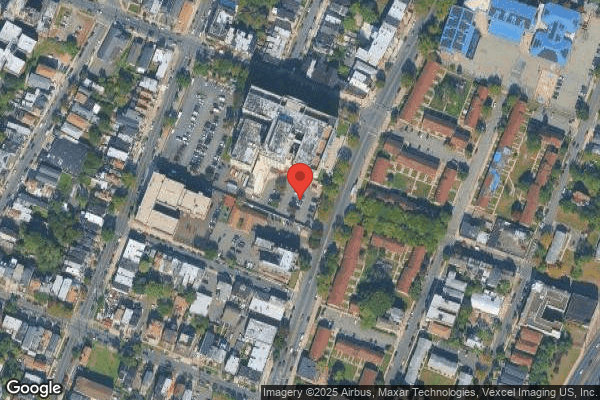
Mar 2023 2 deficiencies 1 Harm
SERIOUS (G) 📢 Someone Reported This

A family member, employee, or ombudsman was alarmed enough to file a formal complaint

Actual Harm - a resident was hurt due to facility failures

Free from Abuse/Neglect (Tag F0600)

A resident was harmed · This affected 1 resident

**NOTE- TERMS IN BRACKETS HAVE BEEN EDITED TO PROTECT CONFIDENTIALITY** Based on interview, record review, and facility policy review, the facility failed to ensure two of two residents (Residents (R)...

Read full inspector narrative →
**NOTE- TERMS IN BRACKETS HAVE BEEN EDITED TO PROTECT CONFIDENTIALITY** Based on interview, record review, and facility policy review, the facility failed to ensure two of two residents (Residents (R) 4 and R17) reviewed were free from resident-to-resident physical abuse. This resulted in harm when R4 was hit with a metal object and sustained nine sutures to the face, a laceration to the left cheek, and bruise to the left eye. Additionally, R17 was hit with a metal bar and sustained facial trauma and a human bite mark on his forearm. Findings include: Review of the New Jersey Department of Health (NJ DOH) Reportable Event Record/Report, provided by the NJ DOH, dated [DATE] and completed by the Director of Nursing (DON), revealed R4 and R17 had a physical altercation with a metal object. Further review of the Reportable Event Record/Report revealed the metal object was described as round with 6 holes in it, some sort of bracket, not a metal bar, that both residents stated was in a drawer in their room. Per the Reportable Event Record/Report the object did not match any facility equipment or hardware and was immediately removed. Review of R4's admission Record printed from the facility's electronic medical record (EMR) showed a facility admission date of [DATE] with medical diagnoses that included bipolar disorder, depressive disorder, and abnormalities of gait and mobility. During an interview on [DATE] at 4:25 PM, R4 related there had been an incident between him and his former roommate and he received seven stitches from a metal bar he was hit with over the television volume. Review of R4's EMR Minimum Data Set (MDS) with an Assessment Reference Date (ARD) of [DATE] revealed a Brief Interview for Mental Status (BIMS) score of 15 out of 15 indicating R4 had intact cognition and no behaviors. Review of R4's EMR Care Plan tab revealed no care plan for behaviors prior to the altercation on [DATE]. Review of R4's EMR Progress Notes tab showed a nurse's note written by Licensed Practical Nurse (LPN) 5 on [DATE] at 12:49 AM, that stated, Resident came to the nurses [sic] station at about 10:58 PM with blood to his face and shirt. He stated that his roommate [R17] hit him several times with an iron bar which he presented to the nurse. I went to the room to take the statement from the roommate [R17]. Roommate [R17] stated that it was that [R4] hit him first with the bar on his right face. Both were cleaned, first aid treatment applied, MD's [physicians] and families made aware. Review of R17's admission Record printed from the facility's EMR showed a facility admission date of [DATE], readmission date of [DATE], with medical diagnoses that included schizophrenia and major depressive disorder. Review of R17's EMR MDS with an ARD of [DATE] revealed a BIMS of 15 out of 15 indicating R17 had intact cognition and no behaviors. Review of the EMR Care Plan tab revealed no behavior care plan prior to the altercation. Review of R17's EMR Progress Notes showed a note written by LPN5 on [DATE] at 1:30 AM that stated, Note Text: Resident in room [room number, B bed] came to the nurse's station at about 10.58 PM [sic] with blood to his face and shirt. He stated that his room mate [sic] hit him several times with an iron bar which he presented to the nurse. I went to the room to take the statement from the resident [R17's name]. [R17's name] stated that it was his room mate [sic] that hit him first with the bar on his right face. He had an [sic] hematoma to each of his right face and jaw. R17 had since expired, unrelated to the altercation, and was not available for an interview. Further review of R4 and R17's EMR Progress Notes did not show documentation of any confrontations between the roommates or any other resident in the months preceding the incident. Both residents were sent to the hospital emergency room and R4 returned from the hospital with multiple laceration sites; left temporal which required three staples, right temporal which required three staples, left forehead which required three sutures, the left cheek was laceration was closed with derma bond, and a bruise to the left outer eye. R17 returned from the emergency room with a diagnosis of facial trauma, abrasions of multiple sites, and a human bite mark of forearm. R17 was prescribed a broad-spectrum antibiotic, twice daily for seven days. Review of the facility incident report showed the residents were separated with R4 moving to a different unit on a different floor. There was no determination on where the metal object came from since both residents were able to sign themselves out into the community and may have obtained the metal object while on a leave of absence. Interview with the Director of Nursing (DON) on [DATE] at 2:08 PM stated the residents had no history of behaviors. After the incident the residents were separated and sent to the hospital. We followed our procedure for resident to resident [altercations]. When asked to review the resident to resident altercation procedure, the DON stated they did not have a written procedure to provide regarding resident to resident abuse procedure. Due to conflicting statements from R4 and R17, the facility was not able to determine who the aggressor was, who had the metal object, or where the metal object came from. Review of the facility policy titled Abuse Reporting and Response, reviewed [DATE], revealed, Procedure 1. Our facility will not condone resident abuse by anyone, including staff members, other residents, consultants, volunteers, staff of other agencies serving the resident, family members, legal guardians, sponsors, friends, or other individuals. This citation is related to Intake NJ 00160829.
CONCERN (D) 📢 Someone Reported This

A family member, employee, or ombudsman was alarmed enough to file a formal complaint

Potential for Harm - no one hurt, but risky conditions existed

Report Alleged Abuse (Tag F0609)

Could have caused harm · This affected 1 resident

Based on interviews, record review, review of facility documentation, the facility failed to immediately report to the New Jersey Department of Health (NJDOH) 2 incidents of resident-to-resident physi...

Read full inspector narrative →
Based on interviews, record review, review of facility documentation, the facility failed to immediately report to the New Jersey Department of Health (NJDOH) 2 incidents of resident-to-resident physical altercations. A physical altercation between two residents (Residents (R) 4 and R17) which resulted in injuries was not reported within two hours to the SA; and 2. A physical altercation between R20 and R21 resulting in no serious injuries reported. Also, the facility failed to update their Abuse reporting and response policy to indicate that allegations of abuse, neglect, exploitation or mistreatment, the facility must: a. Ensure that all alleged violations involving abuse, neglect, exploitation or mistreatment, including injuries of unknown source and misappropriation or resident property, are reported immediately, but not later than 2 hours after the allegation is made, if the events that cause the allegation involve abuse or result in serious bodily injury, or not later than 24 hours if the [events] that cause the allegation do not involve abuse and do not result in serious bodily injury. Findings include: 1. Review of both R4 and R17's electronic medical records (EMR) Progress Note tab revealed Progress Notes dated 02/19/22, that documented an incident between R4 and R17 that happened prior to 10:58 PM on 02/18/22. According to the Progress Note created on 02/19/22 at 12:49 AM, revealed Resident [R4] came to the nurses [sic] station at about 10.58 PM with blood to his face and shirt. He stated that his roommate [R17] hit him several times with an iron bar which he presented to the nurse. I went to the room to take the statement from the roommate [R17]. Roommate [R17] stated that it was that [R4] hit him first with the bar on his right face. Both were cleaned, first aid treatment applied, MD's [physicians] and families made aware. Review of the facility Reportable Event Record/Report, provided by the facility and dated 02/21/22, revealed the incident happened on 02/19/22 at 10:50 PM, and the SA was notified called in on 02/21/22 at 2:00 PM, 15.5 hours after the incident occurred. 2. Review of the facility's Reportable Event Record/Report, provided by the facility, showed an incident occurred on 02/05/23 at 9:50 PM between R20 and R21. The form showed the SA was notified on 02/06/23 at 3:26 PM, 17.75 hours after the incident occurred. Further review of the facility Reportable Event Record/Report regarding R20 and R21, showed the investigation was faxed to the SA on 02/20/23 at 7:11 AM, which was 15 days after the incident occurred. In an interview on 03/21/23 at 12:50 PM, the Assistant Director of Nursing (ADON) reviewed notes regarding the incident between R20 and R21 and stated she called the SA on 02/06/23 at 3:26 PM. When asked what the reporting timeline should be, the ADON responded, I know you have to have the initial investigation within 48 hours. During an interview on 03/21/23 at 2:05 PM regarding the reporting times, the Director of Nursing (DON) stated, There is no timeline for turning in the investigation, you have to call within 48 hours. Review of the facility's policy titled Abuse Reporting and Response Policy, revised 10/10/06, showed, Policy Statement- It is the policy of New Vista Nursing & Rehabilitation Center that all personnel must promptly report any incident or suspected incident of resident abuse, including injuries of an unknown source and misappropriation of resident property. Procedure . 4. When an egregious allegation of abuse/neglect and substantiated abuse cases, which result in significant injuries is reported, the Director of Nursing or designee or the facility Administrator, or his/her designee, will notify the following persons or agencies of such incident: a. New Jersey Department of Health and Senior Services (Notification should be done within 48 hours) . New Jersey Administrative Code § 8:39-5.1(a) This citation is related to Intake NJ 00160829.
Sept 2021 8 deficiencies
CONCERN (D)

Potential for Harm - no one hurt, but risky conditions existed

Deficiency F0688 (Tag F0688)

Could have caused harm · This affected 1 resident

**NOTE- TERMS IN BRACKETS HAVE BEEN EDITED TO PROTECT CONFIDENTIALITY** Based on observation, interview, review of medical records and other pertinent facility documentation it was determined that the...

Read full inspector narrative →
**NOTE- TERMS IN BRACKETS HAVE BEEN EDITED TO PROTECT CONFIDENTIALITY** Based on observation, interview, review of medical records and other pertinent facility documentation it was determined that the facility failed to ensure the necessary services to maintain a resident's highest functional level were provided by failing to: a.) implement interventions designed by the Occupational Therapy Assistant (OTA) to promote mobility, positioning, and strength training exercises and b.) ensure the proper equipment was obtained and utilized for 1 of 1 residents (Resident #240) reviewed for rehabilitation and restorative care. The deficient practice was evidenced by the following: On 09/10/21 at 10:02 AM, during tour, the surveyor observed Resident #240 sitting upright in a bariatric bed (a bed for people who are overweight or obese). The resident agreed to be interviewed at this time and stated he/she had been in the facility for six weeks and had met with a rehabilitation therapist only twice since admission. The resident stated that he/she had not been out of bed and was not provided with a wheelchair to enable the resident to get out of bed. He/she stated that he/she asked staff members (did not specify names) why he/she could not get out of bed and he/she was not provided with a response. The surveyor reviewed the medical record which revealed the following information: The admission Record (AR) indicated that Resident #240 was admitted to the facility with diagnoses which included, but were not limited to, heart failure, morbid obesity, and chronic obstructive pulmonary disease (COPD). The admission Minimum Data Set (MDS) an assessment tool dated 08/20/21, indicated that the resident did not move from a seated or standing position, did not walk and there were no mobility devices utilized such as a cane/crutch, walker, or wheelchair. The MDS revealed that balance with walking did not occur and that the resident did not receive any restorative nursing (the purpose of restorative care is to maintain a person's highest level of physical, mental, and psychosocial function in order to prevent declines that impact quality of life). The Psychosocial assessment dated [DATE], timed 15:04 PM (3:04 PM), indicated that the resident's goals were to be able to be mobile, walk, go to church and be a productive member of society. The daily skilled note, dated 09/14/21, revealed that Resident #240 had intact skin. On 09/14/21 at 9:28 AM, the surveyor interviewed the primary care Certified Nursing Assistant (CNA) who had been employed by the facility for 15 years. The CNA stated that Resident #240 required complete care with all aspects of activities of daily living (ADL's). The CNA also revealed that the resident stayed in bed every day, was incontinent of bladder and bowel and wore incontinent briefs. She added that Resident #240 required a mechanical lift to get out of bed, however, stated Resident #240 had not been out of bed yet because he/she didn't have a wheelchair. The CNA stated we have not tried to get [him/her] up yet and that therapy brought the bariatric wheelchair a couple of days ago, and we did not yet determine if he/she was able to fit into the wheelchair. On 09/14/21 at 11:10 AM, the surveyor interviewed the Director of Rehabilitation who was also an Occupational Therapist (RD/OT). The RD/OT stated that Resident #240 was admitted approximately one month ago on 08/12/21. She stated that the resident was admitted for long term care and was bed bound for a year prior to being admitted to the facility. She indicated that all residents that come into the facility were evaluated by therapy and added that Resident #240 was evaluated by physical therapy (PT), occupational therapy (OT) and speech therapy (ST) upon admission. The RD/OT revealed that skilled PT and OT were recommended, however, authorization from the resident's insurance company denied coverage for skilled therapy and that Resident #240 filed an appeal with the insurance company. At that time the RD/OT provided the surveyor with the following rehabilitation evaluations: The Occupational Therapy Evaluation (OTE) dated 08/31/21, reflected services were recommended to facilitate sitting tolerance and postural control and to increase functional activity tolerance to enhance the patient's quality of life by improving ability to perform activities of daily living (ADL's) with increased safety. The OTE dated 09/1/21- 09/30/21, indicated that OT services were recommended to facilitate sitting tolerance and postural control and to increase functional activity tolerance to enhance the patient's quality of life by improving ability to perform activities of daily living with increased safety. The Occupational Discharge Summary (ODS) dated 08/31/21 - 09/1/21 reflected discharge recommendations: assistance with ADL's and mechanical lift for transfers. The ODS also reflected that a restorative nursing program would be recommended for upper and lower body passive and active range of motion. The Physical Therapy Evaluation (PTE) and Plan of Treatment dated 08/13/21-09/11/21, indicated that Resident #240's goals were to increase dynamic sitting balance. The PTE indicated that wheelchair mobility was not tried. The PTE also indicated that the resident required skilled PT services to assess functional abilities, increase lower extremity range of motion and strength and enhance rehab potential in order to enhance the patient's quality of life by improving ability to exhibit preserved skin integrity and relieve pressure for decreased skin breakdown. The PTE and Plan of Treatment dated 09/01/21 - 09/30/21, reflected that wheelchair mobility was not initiated and that Resident #240 would benefit from Skilled PT for wheelchair propulsion. The PT Discharge summary dated [DATE], indicated that the goal for Resident #240 was to increase ability to safely propel self in the wheelchair 15 feet with maximum assistance on level surfaces to decrease level of care required from caregivers and was discontinued on 09/01/21 due to exhausted benefits. There was no additional documentation that any staff attempted to provide Resident #240 with a wheelchair to enable the resident to get out of bed. The RD/OT stated that the therapy department recommended a Restorative Nursing Program (RN) on 08/30/21 and at that time, provided the surveyor with a form titled; Restorative Referral Form dated 08/30/21. The form indicated that Resident #240 was to begin a Restorative Program (RP) that incorporated two goals: Goal #1- bilateral upper extremity strength (BUE) training in all tolerated planes 3 sets or 10 reps or as tolerated. Goal #2-Log rolling left to right, scooting in supine (lying face upward) and transitioning to sitting on the edge of the bed for bed mobility. The RD/OT further stated that the therapy department planned and recommended the RP for Resident #240. The RD/OT explained that the Restorative Certified Nursing Assistant (RCNA) continued to provide restorative nursing to Resident #240, 5-6 times a week for BUE strength training, log rolling, scooting in supine and transitioning to sitting on the edge of the bed. The RD/OT further stated that when the RCNA provided the recommended restorative program that the RCNA would then sign off that she completed the service in the restorative book. The RD/OT stated that she was responsible to ensure that the RCNA provided the service and that Resident #240 had been on the restorative program since 08/30/21. She stated that resident #240 was provided with a bariatric wheelchair just the other day so that staff could start to transfer him/her out of the bed. The RD/OT did not have a response as to why Resident #240 was not provided a bariatric wheelchair until after surveyor inquiry. On 09/14/21 at 12:03 PM, the surveyor interviewed the RCNA who stated that she performed restorative nursing for residents in the facility to either enhance or maintain their functional mobility. The RCNA stated that the PT and OT department provided a form to the RCNA that contained resident instructions and goals for the restorative nursing that was to be provided for Resident #240. The RCNA further stated that the Assistant Director of Rehabilitation, Occupational Therapy Assistant (ADOTA) told the RCNA to hold off on restorative nursing for Resident #240 until after the results of the resident's appeal was decided upon. The RCNA stated that Resident #240 had not received restorative nursing since he/she was admitted to the facility. On 09/14/21 at 12:07 PM, the surveyor interviewed the ADOTA who stated that he instructed the RCNA to hold off on the restorative nursing program for Resident #240 until the facility received the appeal decision from the insurance company. The ADOTA stated that Resident #240 had not received any restorative nursing or any therapy since admission and stated if the resident did not receive the recommended restorative it could have led to bed sores, stiffening or muscle weakness overall functional deterioration. The ADOTA did not respond to the surveyor inquiry regarding why he asked the RCNA to hold off on providing Resident #240 with the recommended RP. On 09/14/21 at 12:13 PM, the surveyor interviewed RD/OT who stated that the purpose and recommendations for a RP was to increase a resident's quality of life and to prevent decline in a resident's functional status. She admitted that she was unaware that the ADOTA put Resident #240's RP on hold and did not know that Resident #240 was not receiving the RP as recommended. She stated, I don't know why Resident #240 was not receiving restorative therapy when we referred her on 08/30/21, or why it was not communicated to me that the RP was put on hold. I really thought that the resident was receiving it. On 09/15/21 at 9:06 AM, the surveyor interviewed the RD/OT who stated that rehab and nursing never attempted to transfer Resident #240 out of bed. The RD/OT provided the surveyor with a hand written social service note dated 08/19/21 [untimed] that the Social Worker (SW) spoke with the resident regarding restorative nursing and the resident stated that he/she did not want restorative exercises because it was not skilled therapy. The RD/OT did not have an explanation as to why the restorative nursing program was not explained to the resident by therapy or the RCNA. On 09/15/21 at 9:40 AM, the surveyor interviewed Resident #240 who stated that he/she did not remember having a conversation with the social worker or rehabilitation department regarding participation in a restorative nursing exercise program since the skilled therapy was denied by the insurance company. The resident stated that he/she had never heard of the terminology restorative. The resident further added that if a RP pertained to receiving an exercise program that he/she would have been willing to participate because his/her goals were to increase mobility and to get out of bed. The resident further stated that a wheelchair was only provided a couple days ago and on 09/14/21, was the first time the staff attempted to get him/her out of bed. He/she stated that it was unsuccessful because the wheelchair was too small. A handwritten social service note dated 08/19/21 contradicted what the resident had stated to the surveyor. On 09/15/21 at 9:45 AM, the surveyor interviewed the Registered Nurse Unit Manager (RN/UM) who stated that the resident did not have a wheelchair so the staff could not attempt to get the resident out of bed without having the proper equipment. The RN/UM also added that she notified the RD/OT from the therapy department a couple of times that the resident did not have a bariatric wheelchair and stated I did not get a response from therapy. The RN/UM stated that she did not know if she documented that she attempted to speak with therapy about getting Resident #240 a wheelchair and stated that when bariatric residents were admitted to the facility, equipment should be obtained by the next day so the residents could be as mobile as they are able. On 09/15/21 at 10:10 AM, the surveyor interviewed the SW who stated that she documented in the computer program any conversations or concerns that were conducted with the family or resident. She stated that it would be important to document all information in the computer program so that information could be shared with all departments. She further added that Resident #240 came here primarily for therapy and that the resident's insurance company denied payment for skilled therapy. The SW stated that she documented in a handwritten social service progress note, dated 08/19/21 (untimed), that Resident #240 refused suggested restorative service. The SW stated that she asked the resident about doing exercises but did not explain the term restorative nursing to the resident. The SW stated that was my mistake in the documentation. I never used or explained the term restorative to Resident #240. The SW further added that upon admission the therapy department was responsible to obtain or request adaptive equipment such as a wheelchair. The SW's stated her responsibility was to ensure that the resident had proper equipment before being discharged to home. The SW added that Resident #240 expressed to the SW that he/she wanted to be more mobile, and that the resident was very discouraged that insurance denied skilled therapy. On 09/15/21 at 11:27 AM, the surveyor interviewed the DR/OT who stated that the nursing department was responsible to ensure that Resident #240 had the correct bed, and therapy was responsible for obtaining the wheelchair. The DR/OT could not provide the surveyor with any documentation that Resident #240 was evaluated or provided with a bariatric wheelchair until after surveyor inquiry on 09/14/21 . On 09/16/21 at 8:49 AM, the surveyor interviewed the Licensed Practical Nurse Unit Manager (LPN UM) from the 3rd floor who stated that if a bariatric resident was admitted to the facility then nursing would be responsible to obtain the special bed, and rehabilitation would be responsible to obtain equipment such as a wheelchair, walker, or any other adaptive equipment. She further statws that a reasonable time expected for the resident to have received the equipment would be within a couple of days of admission to the facility. On 09/16/21 at 12:43 PM, the surveyor interviewed the Director of Nursing (DON) who stated that nursing was responsible for ordering a bariatric bed upon admission, but that it was the rehabilitation department's responsibility to ensure that the resident was assessed for a proper wheelchair. The DON stated that he was not sure what happened with Resident #240 but he would investigate it. The facility policy titled, Restorative Nursing Policy dated 10/20/20, indicated that the purpose and goals was to; -Achieve and maintain resident's optimal physical, mental, psychosocial functioning and to maintain health related quality of life. - -The resident will maintain independence or his/her maximum potential in activities of daily living and mobility or prevent functional decline. -Prevent complications that can lead to depression, withdrawal, social isolation, complications of immobility, such as incontinence and pressure ulcers/injuries. The policy indicated that the RP is a nursing intervention that promotes the resident ability to adapt and adjust to living as independently and safely as possible. The policy further indicated that a resident may be started on a RP when he or she was admitted to readmitted to the facility with restorative needs but is not a candidate with a formalized rehabilitation therapy or when a resident was discharge from a formalized physical, occupational, or speech therapy and rehab recommended to continue RP. NJAC 8:39-27.1 (a)
CONCERN (D)

Potential for Harm - no one hurt, but risky conditions existed

Deficiency F0692 (Tag F0692)

Could have caused harm · This affected 1 resident

Based on observation, interviews, review of medical records and other facility documentation, it was determined that the facility failed to ensure: a.) resident re-weights were obtained per facility p...

Read full inspector narrative →
Based on observation, interviews, review of medical records and other facility documentation, it was determined that the facility failed to ensure: a.) resident re-weights were obtained per facility policy, and b.) a significant unplanned weight loss of 15.9% (18.8 pounds over a 16 day period) was identified and addressed. This deficient practice was identified for 1 of 5 residents reviewed (Resident #215) for weight loss and was evidenced by the following: On 09/15/21 at 9:57 AM, the surveyor observed that Resident #215 was seated on the side of the bed and appeared very thin. At that time, the surveyor interviewed Resident #215 and the resident stated that he/she weighed 130 pounds prior to hospitalization and now he/she weighed 100 pounds. During the interview, the resident's physician entered the room. At that time the surveyor interviewed the physician who stated that he was aware that Resident #215 had lost weight from the admission from the fifth-floor nursing unit and the weight when the resident was transferred to the third-floor nursing unit. The physician did not elaborate further on the weight loss and informed the surveyor that he would ask the Registered Dietician (RD) to assess the resident again. According to the facility's admission Record, Resident #215 was admitted to the facility recently with diagnoses which included but were not limited to; syncope (temporary loss of consciousness) and collapse and chronic kidney disease (stage 4, severe). A review of the admission Minimum Data Set (MDS), an assessment tool dated 07/26/21, revealed that Resident #215 scored 15 on the Brief Interview for Mental Status (BIMS) which indicated intact cognition. Additionally, the MDS revealed the resident required supervision and setup for eating and the resident's height and weight was recorded at 71 inches and 118 pounds (lbs.). A review of Resident #215's Care Plan (CP), dated 07/20/21, revealed the following: A moderate nutritional risk of nutritional deficiency and weight changes secondary to recent hospitalization, transfer to facility and diagnoses (syncope, urinary tract infection, acute kidney failure, sepsis (potentially life-threatening infection) due to Escherichia (E. Coli, a gram-negative bacterium commonly found in the lower intestine), hypertension (high blood pressure), chronic Hepatitis C and Stage III sacral pressure ulcer (per admission report). The goals for Resident #215 included that the resident would maintain weight at Current Body Weight (CBW) +/- 3% as evidenced by weight records and optimally would obtain Body Mass Index (measurement of weight with respect to height and correlates to total body fat) in range of 20-22 with slow, non-significant weight gain. The CP goals also included that Resident #215 would accept and tolerate the meal plan prescribed by the MD (Medical Doctor) as evidenced by the medical record and that nutritional needs would be met as per nutritional assessment as evidenced by weight records and medical chart. Interventions included: Monitor/record/report to MD PRN (as needed) signs and symptoms of malnutrition: Emaciation (abnormally thin), muscle wasting, significant weight loss: 3 lbs. in 1 week, >5% in 1 month, >7.5% in 3 months, >10% in 6 months. A review of Resident #215's Order Summary Report (OSR) revealed the following physician's orders dated 07/19/21: -Weigh patient on admission and repeat the next day. -Weight patient every day shift on every Wednesday for four weeks with a start date of 07/21/21. -Weight patient every day shift starting on the 4th and ending on the 5th of every month with a start date of 08/04/21. -No Added Salt diet with regular texture and thin liquids. -Ensure Plus three times daily for supplement. A review of Resident #215's Medication Administration Records (MAR) for July, August and September 2021 revealed that on 07/20/21 a single admission weight of 119.4 lbs. was documented. Further review of the MARS and Treatment Administration Record (TAR) for August and September 2021, revealed that no additional weight orders were transcribed from staff to obtain and document Resident #215's weights. A review of Resident #215's Nutritional Assessment (NA), effective 07/20/21, signed by RD #1, revealed that the resident's height was 71 inches and the admission weight was 118 lbs., with an ideal body weight of 172 lbs. +/- 10% range between 155-189 lbs., and a BMI of 16.4. Further review of the document revealed that the resident reported a usual body weight range was between 134-135 lbs. The NA indicated that the weight goal was to optimally obtain a BMI in range of 20 - 22 with slow, non-significant weight gain, as evidenced by weight records. Further review of the NA revealed that the RD would assess labs, weight monitoring per facility protocol, collaborate with Interdisciplinary Care Team (IDC), provide nutritional counseling as receptive by resident and monitor all nutrition related parameters and intervene as needed. A review of a Dietary Note (DN) dated 07/31/21 at 10:55 PM, revealed that RD#2 documented that Resident #215's weight was 118 lbs., appetite was described as fair, and had an intake at most meals of between 50-75%. RD #2 documented that she would continue to monitor all nutritional parameters and make recommendations as needed. A review of Resident #215's weight records contained in the Weights and Vitals Summary within the electronic health record (EHR) revealed the following: -07/19/21 (admission) weight 118 lbs. (Mechanical Lift/Hoyer) -07/20/21 weight 119.4 lbs. (Mechanical Lift/Hoyer) -07/21/21 weight 117.5 lbs. (Mechanical Lift/Hoyer) -08/05/21 weight 99.2 lbs. -09/07/21 weight 99.4 lbs. A review of a DN dated 08/30/21 at 09:08 AM, revealed that the RD#2 failed to address the 08/05/21 weight of 99.2 lbs. The RD indicated the weight was questionable and a re-weight was pending. At that time there was no further nutrition interventions implemented and will continue to monitor all nutrition related parameters and make recommendations as needed. Review of a subsequent DN, completed by the RD#2 on 09/16/21, failed to address the significant weight loss that occurred from 07/20/21 to 08/05/21 and RD#2 documented that the weight this month was 99.2 lbs.which remains stable over thirty days. During an interview on 09/15/21 at 10:49 AM, RD#1 stated that she completed Resident #215's Nutritional Assessment on 07/20/21 while she provided coverage for RD#2 who was not working. She stated that the Resident #240 was underweight. RD#1 reviewed the Monthly Weights form for September 2021 in the presence of the surveyor which revealed that on 09/05/21, Resident #240 weighed 99.4 lbs., pending re-weigh (a re-weight). She stated that the re-weight should have been obtained and documented by 09/10/21, and that the responsibility for obtaining weights was a collaboration between nursing and nutrition. The RD#1 further explained that she spoke with RD#2 prior to the surveyor interview and confirmed the weight loss was not addressed. RD#1 stated that the CNAs weighed the residents and gave the weights to the Unit Managers and if there was a glaring issue a re-weight should have been obtained immediately. RD#1 stated, This is pretty glaring. There should have been a re-weight right away. RD#1 stated that a reweight should have been done by 09/10/21, and nursing should have informed the RD of the weight. RD#1 added that nursing was responsible to document if the resident refused to be weighed. She stated that if a resident weight was stable, she only reviewed the weights monthly. She stated that the facility policy for confirmed weight loss was to weigh the resident weekly for four weeks which depended on the calendar date. On 09/15/21 at 11:22 AM, the surveyor interviewed RD#1 who confirmed that Resident #215 had a significant weight loss of about 15%. She stated that in response to the significant weight loss, weekly weights should have been initiated. During an interview with the surveyor on 09/15/21 at 11:45 AM, the Director of Nursing (DON) stated that it was the facility policy to obtain resident weight upon admission, and then weekly for one month, and monthly thereafter. The DON stated that Resident #215's hospital transfer records indicated that the resident weighed 107 lbs. and Resident #215's facility admission weight was 118 lbs. The DON stated the RD should have noted that discrepancy and the RD should have noted the discrepancy when the resident changed floors and when the resident's weight decreased from 118 lbs. to 99 lbs. During a phone interview with the surveyor on 09/15/21 at 1:00 PM, RD#2 stated that she was responsible to cover both the third and fifth floors and RD#1 covered for her while she was on vacation. She stated that when she observed Resident #215, that she did not believe that the resident's documented weight was 118 lbs. as the resident appeared thinner than 118 lbs. She stated that when the resident's weight was documented as 99 lbs. in August (08/05/21), she thought that was impossible and she ordered weekly weights (a re-weight confirmation was not ordered). She stated that she completed a Weight Note at the end of August (08/30/21) to question the 118 lbs. weight value and she stated that she was required to do a significant weight loss note by the end of the month. RD#2 then stated that after the resident's weight was recorded at 99.2 lbs. on 08/05/21, a re-weigh should have been done shortly thereafter. She stated that nothing was ever communicated to her after she requested a re-weight more than one time and that by the end of the month she asked for a re-weight and it was still not completed. The RD#2 further stated that if there was a significant weight change it was discussed in the Clinical Meeting that was held in the morning, and was attended by the Nursing Staff, DON, Assistant Director of Nursing, RD, Recreation and Social Work. RD#2 stated that any weight loss or gain over 5 lbs. required a re-weight and that was just what she and RD#1 did as they were contracted through an outside company. She stated that she did not know what the facility policy regarding re-weights entailed. The RD #2 stated that the Licensed Practical Nurse/Unit Manager (LPN/UM) phoned her today (09/15/21) and informed her that the resident's weekly weight was 101.4 lbs. She stated to the surveyor that she was only one person and covered two floors and she could not keep going back and forth between the nursing units for one resident. She further stated that she threw it out there in the Clinical Meeting that she was still waiting on Resident #215's re-weight to ensure that the weight loss was not a fluke. On 09/16/21 at 8:53 AM, the surveyor observed Resident #215 lying in bed. The resident stated that he/she weighed 101 lbs. yesterday when the LPN weighed him/her on the scale. Resident #215's weight, in the presence of the surveyor, was 100.6 lbs. During an interview with the surveyor on 09/16/21 at 9:15 AM, the Licensed Practical Nurse/ Unit Manager (LPN/UM) stated that Resident #215 transferred to the third floor on 08/02/21 and that she reviewed the resident's weight in the computer and determined that when the resident was weighed on 07/21/21 he/she should have been weighed again on 07/28/21. The LPN/UM stated admission weight policy was to weigh the resident weekly for the first four weeks. She explained that the resident should have been weighed on 08/04/21 and 08/11/21. The LPN/UM further stated that the RD#2 told her that she needed re-weights for Resident #215 in August. The LPN/UM stated that she instructed the CNA to do the re-weight and the weight on 08/11/21 and it was not completed. The LPN/UM stated I am not going to lie, I am not sure when I asked the CNA to do the re-weight. She admitted that it was her responsibility as well as the nurse's responsibility, and they should have followed up and ensured that the weight was done on 08/11/21 after RD#2 requested a re-weight. She stated, I do not know, I think we did not believe that [he/she] lost that much weight and there was something wrong with the weight that was obtained on the fifth-floor. She stated that ideally, if there was a change in the weight of five pounds + or -, the RD asked for a re-weight and upon completion, the RD reviewed the weight. During an interview with the surveyor on 09/16/21 at 9:56 AM, RD#2 stated, in the presence of the LPN/UM, Resident #215's weight of 99.2 lbs. was obtained on 08/05/21, and was the last documented weight that she was aware of prior to the 09/07/21 weight of 99.4 lbs. During an interview with the surveyor on 09/17/21 at 10:19 AM, the DON stated the facility did monthly weights and it was the RD's responsibility to review the weights. He stated that the resident should have been weighed weekly for four weeks. He stated that we should have weighed the resident prior to transferring the resident to another unit, and told the receiving unit to weigh the resident for two more weeks. He further stated that on 08/05/21 Resident #215 weighed 99.2 lbs. and had a documented 18.8 lbs. weight loss. The DON stated that in response to the weight change the RD was required to write a note and make recommendations. He stated that the process should have happened at the same time, and the RD should have written a note to address the weight loss. He stated that it was part of the RD's scope of practice, you must document what you do. If you did not write it, it did not happen. A review of the Registered Dietician's Job Description included, but was not limited to: In cooperation with other members of the health care team, manages the therapeutic and clinical nutrition needs for the residents on an assigned unit, initiates and completes nutritional assessments for new and re-admissions, completes nutrition consults, completes monthly weight variance report and documentation on weight changes, initiates Comprehensive Care Plans and updates every three months and/or when indicated, observation of resident's nutritional progress with proper diagnosis, monthly documents of wounds, provides nutritional education and counseling to residents and family members as indicated, interviews patients for medical nutrition needs, updates resident preferences, likes, and dislikes as needed, performs resident visitations as needed, conducts supplement audits as indicated, observes residents at meal times, completes calorie counts in a timely manner and acts as a liaison between the medical staff and the dietary department. Review of the facility policy, Weights (Revised 09/2020) included but was not limited to the following: Policy: It is the policy of the facility to monitor for a resident's weight to ensure the resident maintains his/her weight within acceptable parameters. Procedure: Weight will be taken within 24 hours of admission/readmission and will be recorded on the Nursing admission Assessment record, Weekly weights will be taken for 4 weeks from admission and will be recorded in the MAR (Medication Administration Record) weekly weight sheet and Point Click Care (EHR), readmission weight must have a reweigh next day if with discrepancy of 5 lbs. or more from previous. Weekly weights per dietician's recommendation, Monthly weights will be recorded by the dietician in the facility computer program by the 10th of the month, the dietician will notify the UM for any significant weight change, any significant weight change will be discussed in the morning clinical meeting . A review of the Comprehensive Care Plan policy, dated March 2018, included but was not limited to the facility policy that an individualized comprehensive care plan that includes measurable objectives and timetables to meet the resident's medical, nursing, mental and psychological needs is developed for each resident. The Interdisciplinary Team, in coordination with the resident, his/her family or representative (sponsor), develops and maintains a comprehensive care plan for each resident that identifies the highest level of functioning the resident may be expected to attain. The comprehensive care plan is based on a thorough assessment that includes, but is not limited to, the MDS .Identifying problem areas and their causes, and developing interventions that are targeted and meaningful to the resident are interdisciplinary processes that require careful data gathering, proper sequencing of events and complex clinical decision making. The resident's physician is integral to the process. Assessments of residents are ongoing and care plans are revised as information about the resident's condition change. The Care Planning/Interdisciplinary Team is responsible for the review and updating of the care plans: When there has been a significant change in the resident's condition; When the desired outcome is not met; When the resident has been readmitted to the facility from a hospital stay; and at least quarterly. A review of the Care Plan Update dated, March 2020, included that it is the policy of the facility to update the comprehensive care plan for any significant change observed or presented by the resident to meet the current resident needs. The procedure included that any change of condition observed or presented by the resident to the nursing staff will be reported to the UM and will be discussed during the clinical meeting, MD will be made aware of the change in the resident's condition. Once determined that the change is significant the IDT will meet and will update the comprehensive care plan, Nursing staff assigned to the resident will be in serviced on the care plan updates, IDT will discuss changes/update in the comprehensive care plan with the resident, family or guardian. Nursing staff will continue to monitor and assess the resident's change in condition. NJAC 8:39-17.1(c),17.2(d), 27.2 (e)
CONCERN (D)

Potential for Harm - no one hurt, but risky conditions existed

Respiratory Care (Tag F0695)

Could have caused harm · This affected 1 resident

**NOTE- TERMS IN BRACKETS HAVE BEEN EDITED TO PROTECT CONFIDENTIALITY** 2. A review of the AR for Resident #144 revealed the following: Resident #144 was admitted to the facility with diagnoses that i...

Read full inspector narrative →
**NOTE- TERMS IN BRACKETS HAVE BEEN EDITED TO PROTECT CONFIDENTIALITY** 2. A review of the AR for Resident #144 revealed the following: Resident #144 was admitted to the facility with diagnoses that included, but was not limited to, acute and chronic respiratory failure with hypoxia (an absence of enough oxygen in the tissues to sustain bodily functions), muscle weakness, asthma, primary pulmonary hypertension (high blood pressure in the lungs), and chronic obstructive pulmonary disease (a group of lung diseases that block air flow and make it difficult to breathe). The resident's most recent annual MDS, dated [DATE], indicated that Resident #144 had BIMS score of 15 out of 15, which indicated the resident was cognitively intact. On 09/13/21 at 11:49 AM, the surveyor observed Resident #144 in his/her private room wearing O2 via nasal cannula at 8 liters (l) per minute. The resident stated that he/she, fixed the O2 and, put it up to what he/she wanted to. On 09/14/21 at 10:09 AM, the surveyor observed the resident in his/her room wearing O2 via nasal cannula at 8 l/minute. On 09/15/21 at 9:49 AM, the surveyor entered Resident #144's room and observed that the resident was not wearing O2. The surveyor further observed the resident correctly place the nasal cannula O2 tubing into his/her nares (nostrils) and then tuck the O2 tubing behind his/her ears. The surveyor observed that the oxygen was again, set at 8 l per minute on the O2 concentrator. At that time the surveyor interviewed the resident who stated that he/she never touched the O2 concentrator or adjusted the flow rate of the O2. The surveyor further reviewed the medical record for Resident #144. Resident #144's September 2021 POS reflected a PO dated 07/18/20 for O2 at 4 l via nasal cannula. Review of the resident's September 2021 TAR reflected that the nurses that cared for the resident signed that the resident was receiving O2 at 4 l per minute on the day, evening, and night shifts throughout the entire month of September. Review of the resident's progress notes from 09/08/21 to 09/16/21 did not reveal that the resident was observed to be wearing O2 at 8 l/minute via nasal cannula or that the resident was adjusting the O2 flow rate on the O2 concentrator. Review of the resident's Care Plan (CP) revised on 08/05/21, reflected a focus area that the resident had an alteration in respiratory status due to difficulty breathing related to diagnoses of chronic obstructive pulmonary disease, asthma, and acute respiratory failure. The goal of the resident's CP reflected that the resident would have no complications related to shortness of breath through the review plan. The interventions included to provide oxygen as ordered and to monitor and document changes in orientation, increased restlessness, anxiety, and air hunger. A further review of the resident's CP, revised on 09/15/21 and after surveyor inquiry with the Licensed Practical Nurse/Unit Manager (LPN/UM), reflected a focus area that the resident was on O2 therapy at 4 l/minute via nasal cannula as needed for shortness of breath. The goal of the resident's O2 care plan reflected that the resident would have no signs and symptoms of poor O2 absorption through the review date. The interventions for the resident CP reflected that the oxygen settings were 4 l per minute via nasal cannula for SOB. On 09/15/21 at 10:41 AM, the surveyor interviewed the CNA that cared for the resident. The CNA stated that the resident was alert and oriented with periods of confusion and forgetfulness. The CNA further stated that the resident could place the nasal cannula O2 tubing in his/her nose. The CNA stated that the resident did not touch the O2 concentrator. On 09/15/21 at 10:45 AM, the surveyor interviewed the LPN who stated that the resident was alert with periods of forgetfulness and needed to be re-directed at times. The LPN stated that the resident had a physician's order for O2 at 4 l/minute via nasal cannula and that the resident never touched or adjusted the O2 flow rate on the O2 concentrator. The LPN further stated that she checked the resident's O2 everyday to make sure that the O2 concentrator was functioning and the O2 was being administered correctly according to the physician's order. On 09/15/21 at 10:52 AM, the surveyor interviewed the LPN/UM who stated that the resident was highly functional and needed limited assistance with activities of daily living. The LPN/UM stated that the resident had a physician's order for O2 at 4 l/minute via nasal cannula and would sometimes remove the O2 tubing from the O2 concentrator and take it with him/her out of the room. The LPN/UM stated that the resident would sometimes adjust the O2 on his/her own and the staff would tell the resident not to do that. On 09/16/21 at 10:50 AM, the surveyor conducted a follow up interview with the LPN/UM who stated that if the resident changed the O2 flow rate on the O2 concentrator, the resident should have been educated not to do so and the verbal education to the resident would be documented in the resident's progress notes. The facility policy titled, Oxygen Administration and dated March 2018, indicated that the policy of the facility was to provide comfort to residents by administering oxygen when insufficient oxygen is being carried by the blood to the tissues. This policy confirmed that it was the procedure of the facility to place a No Smoking sign on the resident's door. The facility policy titled Nursing Documentation and dated January 2020, indicated that nursing documentation will be initiated to maintain good communication pertaining to resident's care and their improvement. It will be concise, clear, pertinent and accurate. Nursing documentation will follow the facility procedure and federal and state regulations. NJAC 8:39-11.2(b); 27.1(a) Based on observation, interview, record review, and review of pertinent facility documentation, it was determined that the facility failed to: a.) post a cautionary and safety sign to indicate the use of oxygen (O2), and b.) accurately sign the Treatment Administration Record (TAR) for the administration of oxygen per a physician order. This deficient practice was identified for 2 of 3 residents reviewed, (Resident #144 & Resident #157) for respiratory care and was evidenced by the following: 1. The admission Record (AR) indicated that Resident #157 was admitted to the facility with diagnoses that included, but were not limited to, congestive heart failure (the heart fails to pump blood well - CHF) and stage 5 chronic kidney disease (the kidneys are close to failure - CKD). The five-day Medicare Minimum Data Set (MDS) an assessment tool dated 08/4/21, indicated that Resident #157 was cognitively intact and required limited assistance with activities of daily living (ADL's). On 09/10/21 at 9:38 AM, during the initial tour, the surveyor observed the O2 concentrator machine (a device that produces and supplies the administration of O2). inside Resident #157's room. The O2 concentrator machine was turned on, and it was set to administer 3 liters (l)/min (liters per minute). During that observation, the resident was not present in the room and there was no oxygen cautionary signage posted on the door to the room that indicated Resident #157 received oxygen. On 09/13/21 at 12:41 PM, the surveyor conducted a second observation inside Resident #157's room and observed the O2 concentrator was turned on and was set to administer 3 liters/min. During that observation the resident was not present in the room, and there was no cautionary signage posted on the door that indicated the resident received oxygen. The surveyor reviewed Resident #157's medical record which revealed the following: The Physician Order Sheet (POS) revealed the following: A physician order (PO), dated 07/28/21, that indicated O2 was to be applied at 3 liters (l)/ minute (min) via (by way of) nasal cannula as needed (prn) for shortness of breath (SOB) every 8 hours as needed for SOB. The Treatment Administration Record (TAR) reflected a physician's order for O2 to be applied at 3 l/min via nasal cannula prn for shortness of breath (SOB) every 8 hours prn for SOB. There were no signatures from nursing, between 09/01/21 to 09/13/21, that indicated the resident received oxygen. On 09/14/21 at 9:38 AM, the surveyor observed Resident #157 sitting up in the chair in his/her room. The resident was wearing O2 at 3 liters via nasal cannula. At that time, the surveyor interviewed Resident #157. The resident stated that he/she wore O2 daily because he/she could not walk without the O2 because he/she became short of breath. On 09/14/21 at 9:41 AM, the surveyor interviewed the Certified Nursing Assistant (CNA) who stated that the resident utilized O2 daily. On 09/14/21 at 10:01 AM, the surveyor interviewed the Licensed Practical Nurse (LPN) who stated that he had been employed in the facility for one year. The LPN explained to the surveyor the process for administration of prn medications or treatments. He stated that if a resident was ordered a prn medication or treatment and it was provided to the resident, then the nurse would then document in the TAR or Medication Administration Record (MAR) to confirm it was administered, and would also document a note in the nursing progress notes. Then, in the presence of the surveyor, the LPN reviewed the TAR and confirmed there were no nursing signatures on the TAR from 09/01/21 to 09/14/21 that indicated that the resident received prn O2. The LPN then stated that since the resident wore the O2 continuously, that the physician should have been notified and that continuous O2 should have been ordered. On 09/16/21 at 8:49 AM, the surveyor interviewed the 3rd floor Licensed Practical Nurse Unit Manager (LPN/UM). The LPN/UM explained that the policy of the facility was that if a resident had a prn O2 order, and the O2 was applied to the resident, the nurse was required to sign the TAR that indicated the resident received the O2. She revealed that if the resident required the prn O2 every day continuously, then the nurse was responsible to call the physician and get the O2 order changed to a continuous order. On 09/16/21 at 9:07 AM, the surveyor interviewed the 5th floor Registered Nurse Unit Manager (RN/UM) who explained to the surveyor that if a resident had a physician order for prn O2, and it was administered to the resident, the nurse should then be documenting that the O2 was administered in the TAR by placing his/her signature on the corresponding date that the O2 was applied. The RN/UM stated if the resident was wearing the oxygen daily, then the nurse should have called the physician to get the order changed to a continuous O2 order. On 09/16/21 at 12:35 PM, the Director of Nursing (DON) stated that he would have to investigate the reason the nurses failed to document in the TAR that the resident was administered prn O2. The DON further added that the nurses should have documented the administration of O2 in the TAR. The DON did not provide an explanation as to why there was no cautionary sign posted on the resident's doorway that indicated the resident was on O2. On 09/17/21 at 9:37 AM, two surveyors interviewed the RN/UM who stated that a staff member or visitor would identify that a resident was on oxygen because a sign would be placed on the resident's door. The RN/UM accompanied the surveyors to the resident's room and observed there was no cautionary oxygen signage posted outside of Resident #157's door. The surveyors observed that another resident room, located next to Resident #157's room, had an oxygen sign placed on the outside of the door. The RN/UM stated that the oxygen sign was on the other resident's door to indicate that resident received oxygen. The RN/UM stated that Resident #157's door should have had an oxygen sign posted outside of the door to alert staff that oxygen was in use.
CONCERN (D)

Potential for Harm - no one hurt, but risky conditions existed

Deficiency F0804 (Tag F0804)

Could have caused harm · This affected 1 resident

**NOTE- TERMS IN BRACKETS HAVE BEEN EDITED TO PROTECT CONFIDENTIALITY** Based on observation, interview, and review of pertinent facility documentation it was determined that the facility failed to se...

Read full inspector narrative →
**NOTE- TERMS IN BRACKETS HAVE BEEN EDITED TO PROTECT CONFIDENTIALITY** Based on observation, interview, and review of pertinent facility documentation it was determined that the facility failed to serve hot and cold foods at an acceptable temperature for the residents. This deficient practice was identified for 10 of 10 residents who attended a Resident Council group meeting, and on 1 of 3 nursing units during the lunch meal service. The deficient practice was evidenced by the following: 1. On 09/14/21 at 10:36 AM, the surveyors conducted a group meeting with ten residents who regularly attended the facility resident council meetings. Ten out of ten residents indicated the food was always cold. 2. On 09/16/21 two surveyors conducted a test tray with the Assistant Food Service Director (AFSD) and Food Service Director (FSD) which resulted in the following: At 11:53 the Surveyor #1 exited the kitchen with the test tray and the AFSD. At 11:57 AM Surveyor #2 observed a blank food service temperature log for the lunch meal, with the FSD. At that time, the FSD audibly sighed and had no response. At 11:57 AM, the ASFD delivered the meal cart, which included the test tray, to the 3 East nursing unit. At 11:58 AM, the resident meal pass began. At 11:59 AM the FSD continued the observations with both surveyors. Surveyor #1 interviewed the FSD regarding the calibration of the FSD's thermometer and the FSD confirmed the thermometer he brought to take the food temperatures was calibrated. The surveyor observed that the meal trays being distributed did not contain the heated metal pellet that would be inserted into the insulated base for the purpose of keeping the hot foods at the appropriate temperature. The FSD stated to the surveyor that normally the had the insulated bases, however, they were wet a lot, they are wet the majority of the time. The FSD stated he thought the main reason was that there was not enough racks to dry the bases. At 12:09 PM, the last resident tray was served. At 12:10 PM the surveyor observed the FSD take the following food temperatures: Turkey [NAME]: 138 degrees Fahrenheit (F) Green beans: 124 degrees F Pureed turkey: 126 degrees F Vegetable puree: 110 degrees F Pureed potatoes: 118 degrees F Carton of milk: 56 degrees F At that time, the surveyors interviewed the FSD regarding what the appropriate food temperatures should be when the food is served. The FSD stated the hot foods should be above 140 degrees F and the milk should be below 41 degrees F. Review of the facility's policy, Food Temperatures, dated 2019, revealed Policy: The temperatures of all food items will be taken and properly recorded prior to service of each meal. Procedure: 1. All hot food items must be cooked to appropriate internal temperatures, held and served at a temperature of at least 135 degrees F. B. Hot food items may not fall below 135 degrees F after cooking .2. All cold food items must be stored and served at a temperature of 41 degrees F or below. 6. Foods sent to the units for distribution (such as meals, snacks, nourishments, oral supplements) will be transported and delivered to unit storage areas to maintain temperatures at or below 41 degrees F for cold foods and at or above 135 degrees F for hot foods. NJAC 8:39-17.4 (a)
CONCERN (D)

Potential for Harm - no one hurt, but risky conditions existed

Infection Control (Tag F0880)

Could have caused harm · This affected 1 resident

Based on observation, interview and review of facility documentation, it was determined that the facility failed to follow infection control protocol to prevent the spread of infection during a wound ...

Read full inspector narrative →
Based on observation, interview and review of facility documentation, it was determined that the facility failed to follow infection control protocol to prevent the spread of infection during a wound care treatment observation. The deficient practice was identified for 1 of 1 sampled residents (Resident #215) and was evidenced by the following: On 09/15/21 at 9:57 AM, the surveyor observed Resident #215 seated on the bed. Resident #215 had a pressure relieving device attached to the bed. The surveyor interviewed, Resident #215 at that time and the resident stated he/she had a wound on his/her buttocks that was cared for by the staff. The surveyor reviewed Resident #215's medical record which revealed the following information: Resident #215 was admitted to the facility with diagnoses which included chronic kidney disease, neuromuscular dysfunction of the bladder and an unstageable pressure sore (full thickness tissue loss and is covered by necrotic tissue or eschar) to the sacrum. The admission Minimum Data Set (MDS), a resident assessment tool, dated 07/26/21, revealed that Resident #215 scored a 15 on the Brief Interview for Mental Status which indicated that the resident had intact cognition. Section M of the MDS indicated that Resident #215 had an unstageable pressure ulcer on the buttocks. On 09/16/21 at 10:11 AM, the surveyor observed the Licensed Practical Nurse (LPN ) perform wound care to Resident #215's pressure sore located on the buttocks. The LPN donned (applied) gloves and then cleaned the bedside table. The LPN doffed (removed) her gloves and failed to wash her hands prior to gathering the supplies needed for the wound care treatment. The LPN then used her bare hands to remove the gauze from the package. She then retrieved a pair of scissors from the drawer and placed them on the clean field without first disinfecting them. The LPN performed the treatment and after completing the wound care and without washing her hands, the LPN assisted the resident with his /her clothing. The LPN then failed to wash her hands prior to touching the treatment cart and did not wipe the used bottle of saline solution (used for the dressing change) with a disinfectant prior to returning into the treatment cart. On 09/16/21 at 10:54 AM, the surveyor interviewed the LPN regarding the observed treatment procedure. The LPN admitted to the surveyor that she should have washed her hands after cleaning the bedside table and after assisting the resident. She then further admitted that she should have disinfected the saline solution bottle prior to returning it to the treatment cart. The facility was made aware of the above concerns on 09/16/21 at 12:20 PM. The Infection Control Preventionist (IP) stated to the surveyor that the wound treatment should be performed under aseptic (practices to prevent contamination) technique. The IP stated there was potential for contamination if staff failed to follow infection control protocol during a wound care treatment. The surveyor interviewed the LPN on 09/16/21 at 10:54 AM, the LPN stated that she never had a wound treatment competency or observation by the facility. The LPN stated that she was provided with the wound treatment policy upon hire but was not observed for a competency. An interview with the Director of Nursing on 09/16/21 at 1:56 PM, revealed that all new employees were to complete wound care competency upon hire and yearly. The surveyor requested the policy for hand hygiene and wound care which was not provided. A review of the Undated Treatment Observation provided by the DON on 09/17/2021 at 12:22 PM revealed the following: Wash hands when returning to cart for supplies. Disinfect scissors with alcohol pad before and after use if needed. Do not return unused supplies to cart. Wash hands at the completion of dressing change and before leaving the room. Clean the treatment cart and replace needed supplies. The procedure provided by the DON was not followed during the surveyors wound treatment observation. NJAC: 8:39-19.4(a)
CONCERN (E)

Potential for Harm - no one hurt, but risky conditions existed

PASARR Coordination (Tag F0644)

Could have caused harm · This affected multiple residents

Based on interview and record review it was determined that the facility failed to ensure that residents who were admitted into a newly created behavioral unit received a pre-admission screening and r...

Read full inspector narrative →
Based on interview and record review it was determined that the facility failed to ensure that residents who were admitted into a newly created behavioral unit received a pre-admission screening and resident review (PASRR) assessment, prior to admission, to determine the appropriateness of long term care (LTC) placement. This deficient practice occurred for 25 of 33 unsampled residents reviewed for PASRR and was evidenced by the following: On 09/10/21 at 10:05 AM, the surveyor conducted the facility entrance conference with the Director of Nursing (DON) and Administrator (LHNA). The LHNA stated there were 33 residents who were transferred from the temporary boarding home which was located on the the 6th floor, and now resided on the 5th floor East unit (5E) . The LHNA stated the residents were transferred in June, 2021 and the facility was working with another [State agency] (Agency #1) regarding the residents. The DON stated the 5E was considered a behavioral unit without aggression and it was a locked unit. On 09/14/21 at 12:10 PM, the surveyor interviewed the social worker (SW) regarding the 5E resident unit. The SW stated the residents were in the secured locked unit upon direction from the State. She further stated all of the residents were being followed by Agency #1, and another stated agency (Agency #2) who was responsible for the boarding home. On 09/16/21 at 9:45 AM, the surveyor interviewed the 5E Licensed Practical Nurse, Unit Manager (UM). The UM stated that some of the residents would be considered for LTC as most of them had a diagnosis of schizophrenia and some had behaviors. On 09/16/21 at 10:27 AM, the surveyor interviewed the DON regarding the 5E unit. The DON stated the 5E unit was the Covid unit prior to being utilized for the boarding home residents. He stated the unit was a secured unit because the residents were diagnosed with schizophrenia and bipolar disorder. Residents with sexual behaviors were excluded from admission. The DON further stated that it was Agency #2's job to place everybody and Agency #1 visited the resident's weekly to also assist with placement. On 09/16/21 at 1:45 PM, the surveyor interviewed the DON regarding the admission process when the boarding home residents were transferred to 5E. The DON stated a consultant administrator (CA) assisted with the screening process to determine the appropriateness for LTC placement. He stated the CA interviewed the residents, took notes, and then determined who would benefit from skilled nursing. The DON also stated that the Medical Director (MD) was not involved in the process, and the admission office verified and determined if there was a payer source. The DON did not offer the PASRR process as part of the determination of the appropriateness of the transferred residents for LTC placement. The PASRR assessment's were not provided for the 33 residents transferred from the boarding home at that time. On 09/17/21 at 10:40 AM, the surveyor interviewed the facility Medical Director (MD). The MD stated some of his responsibilities were to oversee the resident medical care to ensure timeliness of progress notes, physicals and he also reviewed medications and cases with the staff. The MD stated he also conferred with other physicians as needed regarding resident care and may intervene as needed. The surveyor inquired to the MD as to how it would be known if a resident would be appropriate for LTC. The MD stated it depended on the needs, there was nothing formal and each resident was reviewed independently. The surveyor inquired to the MD if he was involved with the care or placement of the residents on the 5E unit. The MD stated that he was not involved with the 5E process and stated I had nothing to do with them. On 09/17/21 at 10:59 AM, the surveyor interviewed the Director of Admissions (DA) regarding the admission process. The DA stated most of the admissions were from the hospital and were reviewed by the DON and the billing department. She stated the same process was used or the boarding home residents. She stated we had very little information on those residents from Agency #2. On 09/17/21 at 11:08 AM, the surveyor interviewed the billing department representative (BD). The BD stated she worked with the insurance companies to ensure they had a payor source and some of the residents did not meet nursing requirements. She went on to state that some of the residents met little bits and pieces, but mentally they needed assistance. She stated the Medical Director from the insurance company approved some of the residents to be at the facility. On 09/17/21 at 10:44 AM, the surveyor interviewed the attending physician (AP) for the 33 5E residents. The AP stated the boarding home was shut down and the, state brought the resident's here. He stated he was assigned to the resident's when they transferred to the 5E unit and he completed a history and physical at that time. He stated most of the 5E residents needed psychiatric care. The surveyor inquired as to how the physician would know the 5E residents were appropriately placed. The AP stated that he was the physician and if they needed him to do anything, including paperwork, that he would do that. The AP stated he did not decide where the resident's were placed and that was determined by the case manager and the social worker. He further stated that he thought the residents were all appropriate, because they had psychiatric issues and could not take care of themselves. The surveyor inquired to the AP if he was willing to document and certify that the 5E resident's he provided care to were all certified as appropriate for LTC. The AP stated I guess if that is what was needed. The AP stated I don't think I qualify to document they are appropriate for Long Term Care, but I think they are. He further stated usually the psychiatrist would do that. On 09/21/21 at 12:39 PM, the DON provided the surveyor, via electronic mail, the 33 resident PASSR's for the 5E residents. Upon surveyor review, it was determined that 25 of 33 PASSR'S were completed after the resident was admitted to LTC. NJAC 8:39-27.(a);40.3(d)
CONCERN (E)

Potential for Harm - no one hurt, but risky conditions existed

Deficiency F0725 (Tag F0725)

Could have caused harm · This affected multiple residents

Complaint #000148010 Complaint #000147748 Based on observation, interview, and review of pertinent facility documentation it was determined that the facility failed to provide sufficient nursing staff...

Read full inspector narrative →
Complaint #000148010 Complaint #000147748 Based on observation, interview, and review of pertinent facility documentation it was determined that the facility failed to provide sufficient nursing staff to: a.) provide nursing and related services to ensure the residents safety and attain or maintain the highest practicable physical, mental, and psychosocial well-being of each resident, as determined by resident assessments, individual plans of care and in accordance with the facility assessment, and b.) meet minimum staffing requirements. This deficient practice was identified on 3 of 3 nursing units, during interviews conducted with 2 of 10 residents (Resident #27 & Resident #57) who attended a resident council meeting, for 2 of 40 residents reviewed, (Resident #215 & Resident #240) for care concerns related to staffing and during a meal observation. The deficient practice was evidenced by the following: Refer to F688 & F692, & NJAC 8:39-5.1(a) The deficient practice was evidenced by the following: 1. On 09/10/21 at 10:02 AM, during tour, the surveyor observed Resident #240 sitting up in a bariatric bed (for people who are overweight or obese). During that observation the surveyor interviewed the resident who stated he/she had been in the facility for six weeks and had only seen a rehabilitation therapist two times since admission. The resident stated that he/she had not been out of bed and was not provided with a wheelchair to be able to get out of bed. He/she stated that he/she asked staff members (did not specify names) why he/she could not get out of bed and he/she stated the staff would not respond. On 09/14/21 at 9:28 AM, the surveyor interviewed the primary care Certified Nursing Assistant (CNA) who had been employed by the facility for 15 years. The CNA stated that Resident #240 required complete care with all aspects of activities of daily living (ADL's). The CNA also revealed that the resident stayed in bed every day, was incontinent of bladder and bowel and wore protective briefs. She added that the resident required a mechanical lift to get up but has not gotten up yet because he/she didn't have a wheelchair. We have not tried to get him/her up yet, but they brought the bariatric w/c a couple days ago and we don't know yet if he/she could fit into the chair. 2. On 09/13/21 at 12:16 PM the surveyor observed the lunch meal on the 3rd floor [NAME] unit. The surveyor observed a Certified Nurse Aide (CNA) place a meal in front of an unsampled resident. At 12:20 PM the surveyor observed the CNA provide the resident with a cup of coffee. The surveyor then observed the CNA, without performing hand hygiene, proceed to cut another unsampled resident's meal, and then touched the resident's cookies with her bare hands. At that time the surveyor interviewed the CNA who stated, sometimes we wash hands but we are busy today, we are so short we have three CNA's for 45 residents. At 12:27 PM the surveyor interviewed the unit clerk, who showed the surveyor the CNA assignment sheet. The Unit Clerk said they usually had four CNA's and they split up an assignment and stated, I am not sure how they did that. 3. On 09/14/21 at 10:36 AM, the surveyor conducted the resident council meeting with ten alert and oriented residents. Two out of ten of the resident's had specific concerns related to lack of staffing. Resident #27 stated, not enough aides [CNA's]. I have to wait a long time to be changed. Resident #27 further stated that there were often only two CNAs on the floor when there should have been three or four. Resident #57 stated that there were always staffing issues and it wasn't fair to the resident's or the CNA's. The resident stated that two CNAs could not meet the needs of all the residents and the facility, the facility needed to hire more people, and the resident worried about the other residents who lived at the facility because they might not be getting the help that they needed. Resident #57 stated, Weekends are a ghost town, often one CNA for the floor. 4. On 09/10/21, 09/13/21, 09/14/21, 09/15/21, 09/16/21, and 09/17/21, the survey team observed that one, two, or three Certified Nurse Aides (CNA)s working on the third, fourth, and fifth floors of the facility. The resident units were split into east and west and the the number of residents varied per unit. Review of New Jersey Department of Health Long Term Care Assessment and Survey Program Nurse Staffing Report for the weeks of 06/13/21 and 06/20/21 revealed that the facility was not in compliance with the state of New Jersey minimum staffing requirements for nursing homes for 12 of 14 days shifts (7:00 AM - 3:00 PM), deficient for total staff to residents on two of 14 evening shifts (3:00 PM - 11:00 PM, and on one of 14 night shifts (11:00 PM - 7:00 AM). Review of New Jersey Department of Health Long Term Care Assessment and Survey Program Nurse Staffing Report for the weeks of 08/22/21 and 08/29/21 revealed that the facility was not in compliance with the state of New Jersey minimum requirements for nursing homes for 14 of 14 day shifts, deficient for total staff to residents on three of 14 evening shifts, and for three of 14 night shifts. The surveyors entered the facility to conduct a Re-certification Survey on 09/10/21. The surveyor reviewed the facility CNA staffing from 09/10/21 through 09/17/21 which revealed the following: Review of the facility submitted New Jersey Department of Health Long Term Care Assessment and Survey Program Nurse Staffing Report revealed the following: Friday, 09/10/21 the facility's census (number of residents who resided in the facility) was 232. 7:00 AM - 3:00 PM shift, 14 CNA's. 232/ (divided by) 232/14 = (equals) 16.5 residents to one CNA assignment. 3:00 PM - 11:00 PM shift, 18 CNA's 232/18 = 12.8 11:00 PM - 7:00 AM shift, 12 CNA's 232/12 = 19.3 Saturday, 09/11/21 the facility census was 231. 7:00 AM - 3:00 PM shift , 17 CNA's 231/17 = 13.5 3:00 PM - 11:00 PM shift, 16 CNA's 231/16 = 14.4 11:00 PM - 7:00 AM shift, 10 CNA's 231/10 = 23.1 Sunday, 09/12/21 the facility census was 231. 7:00 AM - 3:00 PM shift , 16 CNA's 231/16 = 14.4 3:00 PM - 11:00 PM shift, 14 CNA's 231/14 = 16.5 11:00 PM - 7:00 AM shift, 9 CNA's 231/9 = 25.6 Monday, 09/13/21 the facility census was 229. 7:00 AM - 3:00 PM shift , 21 CNA's 229/21 = 10.9 3:00 PM - 11:00 PM shift, 18 CNA's 229/18 = 12.7 11:00 PM - 7:00 AM shift, 12 CNA's 229/12 = 19.0 Tuesday, 09/14/21 the facility census was 228. 7:00 AM - 3:00 PM shift , 17 CNA's 228/17 = 13.4 3:00 PM - 11:00 PM shift, 17 CNA's 228/17 = 13.4 11:00 PM - 7:00 AM shift, 13 CNA's 228/13 = 17.5 Wednesday, 09/15/21 the facility census was 230. 7:00 AM - 3:00 PM shift , 19 CNA's 230/19 = 12.1 3:00 PM - 11:00 PM shift, 19 CNA's 230/19 = 12.1 11:00 PM - 7:00 AM shift, 14 CNA's 230/14 = 16.4 Thursday, 09/16/21 the facility census was 232. 7:00 AM - 3:00 PM shift, 19 CNA's 232/19 = 12.2 3:00 PM - 11:00 PM shift, 14 CNA's 232/14 = 16.5 11:00 PM - 7:00 AM shift, 13 CNA's 232/13 = 17.8 Friday, 09/17/21 the facility census was 232. 7:00 AM - 3:00 PM shift, 16 CNA's 232/16 = 14.5 3:00 PM - 11:00 PM shift, 15 CNA's 232/15 = 15.4 11:00 PM - 7:00 AM shift, 12 CNA's 232/12 = 19.3 Review of the facility submitted New Jersey Department of Health Long Term Care Assessment and Survey Program Nurse Staffing Report for the week of 06/13/21, and 06/20/21 revealed that the facility was not in compliance with the state of New Jersey minimum staffing requirements for nursing homes for 12 of 14 days shifts (7:00 AM - 3:00 PM), deficient for total staff to residents on two of 14 evening shifts (3:00 PM - 11:00 PM, and on one of 14 night shifts (11:00 PM - 7:00 AM). The Nurse Staffing Report revealed the following: 06/13/21 had 12 CNAs for 201 residents on the day shift. 06/13/21 had 17 total staff for 201 residents on the evening shift. 06/13/21 had 6 CNAs to 17 staff on the evening shift. 06/14/21 had 21 CNAs for 201 residents on the day shift. 06/15/21 had 20 CNAs for 201 residents on the day shift. 06/18/21 had 20 CNAs for 201 residents on the day shift. 06/18/21 had 13 CNAs to 27 total staff on the evening shift. 06/19/21 had 18 CNAs for 203 residents on the day shift. 06/20/21 had 13 CNAs for 224 residents on the day shift. 06/21/21 had 21 CNAs for 224 residents on the day shift. 06/22/21 had 23 CNAs for 224 residents on the day shift. 06/23/21 had 25 CNAs for 224 residents on the day shift. 06/24/21 had 24 CNAs for 224 residents on the day shift. 06/25/21 had 22 CNAs for 230 residents on the day shift. 06/25/21 had 16 total staff for 230 residents on the overnight shift. 06/26/21 had 15 CNAs for 230 residents on the day shift. Review of the facility submitted New Jersey Department of Health Long Term Care Assessment and Survey Program Nurse Staffing Report for the weeks of 08/22/21 and 08/29/21 revealed that the facility was not in compliance with the state of New Jersey minimum requirements for nursing homes for 14 of 14 day shifts, deficient for total staff to residents on three of 14 evening shifts, and for three of 14 night shifts. The Nurse Staffing Report revealed the following: 08/22/21 had 13 CNAs for 237 residents on the day shift. 08/22/21 had 20 total staff for 237 residents on the evening shift. 08/22/21 had 16 total staff for residents on the overnight shift. 08/23/21 had 18 CNAs for 235 residents on the day shift. 08/23/21 had 22 total staff for 235 residents on the evening shift. 08/24/21 had 21 CNAs for 235 residents on the day shift. 08/25/21 had 26 CNAs for 235 residents on the day shift. 08/26/21 had 21 CNAs for 235 residents on the day shift. 08/27/21 had 19 CNAs for 238 residents on the day shift. 08/28/21 had 16 CNAs for 235 residents on the day shift. 08/29/21 had 13 CNAs for 234 residents on the day shift. 08/29/21 had 16 total staff for 234 residents on the overnight shift. 08/30/21 had 20 CNAs for 234 residents on the day shift. 08/31/21 had 21 CNAs for 233 residents on the day shift. 09/1/21 had 24 CNAs for 233 residents on the day shift. 09/1/21 had 15 total staff for 233 residents on the overnight shift. 09/2/21 had 17 CNAs for 233 residents on the day shift. 09/2/21 had 22 total staff for 233 residents on the evening shift. 09/3/21 had 15 CNAs for 233 residents on the day shift. 09/4/21 had 11 CNAs for 233 residents on the day shift. On 09/13/21 at 11:01 AM, the surveyor interviewed the 4 [NAME] CNA who stated that she currently had a full assignment which consisted of 10 residents. The CNA stated that her assignment consisted of resident's that required total care with Activities of Daily Living (ADL)s and residents that were more independent with care, and could perform ADLs independently. On 09/13/21 at 11:28 AM, the surveyor interviewed the fourth floor Licensed Practical Nurse/Unit Manager (LPN/UM) who stated that the current census for the fourth floor was 84 residents, and she confirmed seven CNA's were working. This indicated that there were 12 residents on each CNA's care assignment (84/7 = 12). The fourth floor LPN/UM further stated that there were usually six to seven CNA's working on the fourth floor during the 7:00 AM - 3:00 PM shift, six to seven CNA's working on the 3:00 PM - 11:00 PM shift, and four CNAs scheduled to work on the 11:00 PM - 7:00 AM shift. On 09/13/21 at 12:20 PM, the surveyor interviewed the Registered Nurse/Unit Manager (RN/UM) on the fifth floor who stated that the current censusfor 5West was 29 and confirmed that three CNA's were working. This indicated that there were 9 to 10 residents on each CNA's assignment (29/3 = 9.6). The fifth floor RN/UM further stated that the number of staff working depended on the census of the unit. The RN/UM stated that during the 7:00 AM - 3:00 PM shift there were usually three to four CNA's scheduled to work and during the 3:00 PM - 11:00 PM and 11:00 PM - 7:00 AM shifts, there were usually three CNAs scheduled to work. On 09/14/21 at 9:59 AM, the surveyor interviewed the 3West 7:00 AM - 3:00 PM Licensed Practical Nurse (LPN) who stated that she worked the day and evening shifts at the facility. The LPN stated that the number of residents on a CNA's assignment varied and depended upon how many people were working and how many residents resided on the unit. The LPN further stated that the 7:00 AM - 3:00 PM CNAs usually had 12 residents on their assignment. The LPN stated that the census on 3West was 43 and there were three CNA's working. This indicated that there were approximately 14 residents on each CNA's assignment that day (43/3 = 14.3). On 09/17/21 at 9:24 AM, the surveyor interviewed the Staffing Coordinator who stated that the minimum staffing requirements for the state of New Jersey (NJ) were eight residents per one CNA on the 7:00 AM - 3:00 PM, 3:00 PM - 11:00 PM shift, and the 11:00 PM - 7:00 PM shift. On 09/17/21 at 1:10 PM, the surveyor interviewed the Director of Nursing who stated that the minimum staffing requirements for the state of NJ were eight residents per one CNA on the 7:00 AM - 3:00 PM shift, 12 residents per one CNA on the 3:00 PM - 11:00 PM shift, and 14 residents per one CNA on the 11:00 PM - 7:00 AM shift. On 09/17/21 at 9:24 AM, the surveyor interviewed the Staffing Coordinator who stated that the minimum staffing requirements for the state of New Jersey (NJ) were eight residents per one CNA on the 7:00 AM - 3:00 PM, 3:00 PM - 11:00 PM shift, and the 11:00 PM - 7:00 PM shift. Review of the facility's Assessment Profile updated 07/20 indicated that the facility assessment must address or include the facility's resident population related to, the care required by the resident population considering the types of diseases, conditions, physical and cognitive disabilities, overall acuity, and other pertinent facts within that population; The staff competencies that are necessary to provide the level and types of care needed for the resident population. NJAC 8:39-5.1(a)
CONCERN (F)

Potential for Harm - no one hurt, but risky conditions existed

Food Safety (Tag F0812)

Could have caused harm · This affected most or all residents

**NOTE- TERMS IN BRACKETS HAVE BEEN EDITED TO PROTECT CONFIDENTIALITY** Based on observation, interview and review of facility documentation it was determined that the facility failed to: a.) properly...

Read full inspector narrative →
**NOTE- TERMS IN BRACKETS HAVE BEEN EDITED TO PROTECT CONFIDENTIALITY** Based on observation, interview and review of facility documentation it was determined that the facility failed to: a.) properly handle and store potentially hazardous foods in a manner to prevent the potential development of food borne illness, b.) maintain equipment and kitchen areas in a clean and sanitary manner to prevent microbial growth and cross contamination, and c.) maintain adequate infection control practices during the meal service in the kitchen. This deficient practice was observed and evidenced by the following: On 09/10/21 from 9:04 AM - 11:07 AM the surveyor toured the kitchen in the presence of the Food Service Director (FSD) and observed the following: 1. The FSD had visible facial hair that was not restrained. The FSD acknowledged he was not wearing a beard restraint and stated that he should have covered his facial hair. The FSD stated it was important to wear hairnets to prevent contamination of the food. 2. The foot pedal trash can that was located at handwashing sink #3 did not contian an interior liner. The interior of the un-lined trash can contained trash and food debris. The FSD acknowledged the debris should not be inside the unlined can, and stated there should be a bag inside the trash can. 3. The milk box refrigerator contained the following: a. A metal food preparation cart was covered with a clear plastic bag. The bag was dated 9/9 use by 9/13. The cart contained 39 Styrofoam cups with lids with an unidentified product inside. The FSD stated the cups contained vanilla pudding. The cart also contained 31 unlabeled Styrofoam cups with lids and the FSD identified the containers as containing applesauce. The FSD acknowledged that none of the cups were labeled and he stated the applesauce and pudding should have been individually labeled and dated. b. A metal food preparation cart was covered with a clear plastic bag over the cart that was dated 9/9, use by 9/16. The cart contained a foil covered tray labeled noodles, a foil covered tray labeled baked beans, and a foil covered tray labeled manicotti. The FSD stated they were all cooked items that should have already been used and then discarded. c. A metal food preparation cart was covered with a clear plastic bag dated 9/9, use by 9/15. There was one uncovered tray of raw chicken stored above three foil covered trays labeled corned beef hash. The FSD confirmed the trays that contained the corned beef hash were cooked, and that the raw chicken was stored above the cooked item. d. A metal food preparation cart was covered with a clear plastic bag dated 9/9, use by 9/13. There was a foil covered tray labeled beans, a foil covered tray labeled chicken [NAME], and a foil covered tray labeled meatballs. At that time, the surveyor interviewed the FSD who stated that the metal food preparation carts should not have contained raw food items. He stated that the cooked foods should have been dated for use within three days, and that the food would all be disposed of. He further stated the importance of labeling and dating food items correctly was to prevent outdated, or bad food, and that proper storage was important to prevent cross contamination of the food. 4. The refrigerator #3 contained the following: a. A plastic food cart contained 29 covered Styrofoam cups. The FSD identified that the cups contained fruit and was unlabeled and undated. b. A tray containing 37 unlabeled and undated, covered Styrofoam cups. The FSD identified that the cups contained fruit. c. A metal food preparation cart was covered with a clear plastic bag, and contained ten trays of raw chicken. The trays of raw chicken were not labeled or dated. d. There was one 7 pound sealed cooked roast beef marked sell or freeze by 09/15/21. There was no use by date on the roast. e. There was one 7.5 pound sealed salami marked sell by July 20, 2021. f. There was one unsealed 5 pound bag of pepperoni wrapped in clear plastic wrap. The bag did not contain a use by date. g. There was one unsealed package of 160 slices of American cheese. The cheese was exposed to air and was not labeled with a use by date. The FSD acknowledged the cheese was open to air and stated it should have be wrapped and dated. h. One unsealed covered 20 pound container of hard boiled eggs was not labeled with a use by date. i. One tray contained 40 unlabeled and undated covered Styrofoam cups. The FSD identified the cups as containing applesauce and vanilla pudding. j. Five- 10 pound sealed packages of ground beef. There were no use by date on the packages of ground beef. The FSD stated all food items should be labeled with a received by date, and an opened date so the staff knows when the product was received. He further stated that once the food is pulled from the freezer and thawed it must be used within three days to prevent bacteria, pathogens and E. coli (a bacteria that causes food borne illness). At 10:10AM, the Assistant Food Services Director (AFSD) joined the tour. 5. The following was observed in freezer #2: a. One box of frozen pork sausage patties had an unsealed inner plastic bag, that was open to air, and contained nine pork sausage patties. The pork sausage patties were not labeled with a use by date. b. Two opened boxes of frozen cheese omelets had an unsealed inner plastic bags, that was open to air, and were not labeled with a use by date. c. The top shelf of a metal rack contained one unlabeled, undated, Styrofoam cup wrapped in foil. The FSD stated he was unsure what the contents were and that it was a staff member's personal item and removed it. d. One 8 ounce sealed package of bacon was on the shelf. The FSD identified the bacon as a staff's personal item and he then removed the bacon. The FSD stated the personal items should only be stored inside the staff refrigerator. e. One unsealed 6 pound undated plastic bag of plantains was on the shelf . The AFSD stated the unused portions should have been thrown away and the bag should have been removed. f. One unsealed 10 pound box of frozen tilapia had an unsealed inner plastic bag, and the tilapia was exposed to air. The Tilapia was not dated with an open or use by date. The AFSD stated the tilapia should have been wrapped, labeled and dated. g. One large unlabeled and undated clear plastic bag, was identified by the AFSD as containing garlic bread sticks. The AFSD stated the garlic bread sticks should have been labeled and dated. h. One opened box was on a shelf and contained two sealed frozen turkeys. There was no received date or use by date on either the turkey. i. One unsealed 24 pound box of sugar snap peas had the inner plastic bag open, and the peas were visible and exposed to air. There was no label or use by date and the peas were covered in a white substance. The AFSD removed the box from the shelf, stated the peas were freezer burned, and the peas would be thrown away. j. One unsealed box of frozen corn cobs was observed with the inner plastic bag open, and the corn was visible and exposed to air. There was no label or use by date on the box. The corn was covered in a white substance and the FSD stated the corn had freezer burn. The FSD stated that the delivery staff member was responsible for labeling and dating the food upon arrival, and the FSD, or supervisor was supposed to complete quality checks after every delivery to ensure that occurred. k. The top shelf of a metal rack contained one white small plastic bag. The FSD identified the item as a staff's personal chicken sausage. The FSD removed the bag and stated that all employee personal food items should be labeled with their name and date and placed in the staff refrigerator. 6. The top right convection oven contained a brown sticky substance throughout the inner and outer doors. There was orange debris and small pieces of foil inside the oven. The bottom right convection oven, the top left convection oven, and the bottom left convection oven contained brown stuck on substances on the inner and outer doors. The FSD identified the substances as build up and stated that the convection ovens needed to be cleaned. 7. The bottom shelf of a metal cook preparation station contained a red sanitizer bucket with a clear liquid and a cloth inside of the bucket. At that time, the FSD tested the liquid with a chemical test strip. The test strip registered 50 ppm (parts per million). The FSD stated the chemical should have registered between 200-400 ppm to effectively sanitize, and that the chemical was changed every 3-4 hours, and when soiled. The FSD then removed the bucket. 8. The six burner stove contained black and yellow debris that was stuck on the stove surface and on the burners. The back splash contained a brown and black debris that was stuck on the surface. The FSD stated the debris was burned food. The FSD stated the burned food should not have been there, and that the stove was cleaned bi-weekly. 9. The buffalo slicer was covered with a green trash bag. The FSD stated that when the equipment was cleaned and bagged it meant it was ready to be used. The FSD then removed the bag and white debris was observed inside the bowl of the buffalo slicer. The FSD stated the debris should not have been inside of the slicer bowl. 10. The clean dish rack contained one yellow and one white cutting cutting board. The cutting boards had deep gouges with black imbedded debris on the surface of the boards. The FSD stated the boards were dirty and the gouges were from cutting on the surface of the cutting boards. The FSD stated the cutting boards would be removed and replaced. 11. On 09/10/21 at 11:06 AM, the surveyor observed the AFSD wash her hands. The AFSD wet her hands, applied soap, lathered her hands under the stream of running water for a total of 28 seconds. Upon completion, the surveyor interviewed the AFSD regarding the process for hand washing. The AFSD stated she should lather her hands for one second, and that she should not rinse her hands under the water while lathering. She further stated it was important to handwash correctly to kill germs. On 09/14/21 at 8:46 AM, the surveyor interviewed the FSD regarding the proper procedure for handwashing. The FSD stated the process was to wet both hands, apply soap and lather hands, wrist, and nails for 20-25 seconds, then hands should be rinsed under water with the hands facing downward. The hands should be dried with a paper towel and a separate paper towel should be used to turn off the faucet. On 09/14/21 from 08:57 AM to 10:35 AM, the surveyor toured the kitchen in the presence of the FSD and observed the following: 1. The dry storage room contained a rack with cans. The can rack contained 1- dented 63.4 ounce can of cut sweet potatoes, 1- dented 6 pound 6 ounce can diced tomatoes in juice, 1- dented 6 pound 10 ounce tomato ketchup, and 1- dented 6 pound 11 ounce can of meat containing sloppy joe sauce. The FSD acknowledged the cans were dented and then removed the cans to the dented can section of the storage room. The FSD stated to it was important to not use dented cans because they could cause botulism (a food borne illness caused by the botulinum toxin that may occur in metal cans that were rusted or damaged). 2. The milk box refrigerator contained a metal food prep cart. The bottom shelf of the cart contained 29 unlabeled and undated Styrofoam cups with lids. The FSD identified that the cups containted fresh fruit. The FSD stated it was important to label foods correctly to properly identify the product and prevent bacteria and pathogens from old food. 3. Refrigerator #3 contained one full sized metal pan with sliced meat the FSD identified as cooked ham. The clear plastic wrap was open and the meat was exposed to air. The clear wrap was dated 9/13 use by 9/17. The FSD was unsure of how long the meat was exposed to air and stated that when in doubt to throw it out and removed the pan. 4. At 9:17 AM, a cook was observed with unrestrained facial hair and was preparing food. The cook acknowledged he was not wearing a beard restraint and that he should be covering his beard because hair sheds. 5. At 9:19 AM, a supervisor walked through the kitchen without wearing a hair restraint. The supervisor acknowledged her hair was not covered and stated the hair net slid off her head, and that it was important to wear a hairnet when around food. 6. The bottom shelf of the cook preparation area contained a red sanitizer bucket with a clear liquid. The FSD tested the liquid with the chemical test strip and the test strip read 150 ppm (parts per million). The FSD emptied the bucket and stated the sanitizer should be at 400 ppm . On 09/16/21 at 08:35 AM, the surveyor interviewed a prep cook who stated he prepped and labeled the cart the surveyor observed on 9/10/21 that was marked 9/6 use by 9/16. The cook stated dating the the plastic bag was not correct. The prep cook stated it was important to wrap and label food to know what was made for each day and where it would go, and he added that the residents could get sick if they ate outdated food. A review of the facility's policy Personal Hygiene, undated, revealed Procedure: 3. Cover all hair and facial hair with restraint (hairnet, cap or hat). A review of the facility's policy Hand Washing, dated 2019, revealed Procedure: 2. How to wash hands: A. turn on the faucet using a paper towel to avoid contaminating the faucet. B. wet hands and forearms with warm water and apply antibacterial soap. C. scrub well with soap .scrub for a minimum of 10-15 seconds within the 20-second hand washing procedure. D. rinse thoroughly. E. dry hands with paper towel .F. use the paper towel to turn the faucet off and open the door if needed, and then discard it. A review of the facility's policy Food Storage, dated 2019, revealed Procedure: 7. B. food should be dated as it is placed on the shelves if required by state regulation. C. date marking will be visible on all high-risk food to indicate the date by which a ready-to-eat, TCS food should be consumed, sold or discarded. 11. leftover food will be stored in covered containers or wrapped carefully and securely. Each item will be clearly labeled and dated before being refrigerated. 12. refrigerated food storage: E. cooked foods must be stored above raw foods to prevent contamination. Raw animal foods will be separated from each other and stored on lower shelves (below cooked foods or raw fruits and vegetables) and in drip proof containers. F. all foods should be covered, labeled and dated. All foods will be checked to assure that foods (including leftovers) will be consumed by their safe use by dates, or frozen (where applicable), or discarded. 13. frozen foods: C. all foods should be covered, labeled and dated. All foods will be checked to assure that foods will be consumed by their safe use by dates or discarded. A review of the facility's policy Cleaning Instructions: Ranges/Griddles, dated 2019, revealed Policy: the range/griddle will be cleaned after each use. Spills and food particles will be wiped up as they occur. A review of the facility's policy Cleaning Instructions: Ovens, dated 2019, revealed Policy: ovens will be cleaned as needed and according to the cleaning schedule (at least once every two weeks). Spills and food particles will be removed after each use. NJAC 8:39-17.2(g)
Sept 2019 6 deficiencies
CONCERN (D)

Potential for Harm - no one hurt, but risky conditions existed

Deficiency F0657 (Tag F0657)

Could have caused harm · This affected 1 resident

**NOTE- TERMS IN BRACKETS HAVE BEEN EDITED TO PROTECT CONFIDENTIALITY** 2. According to the admission Record, Resident #38 was admitted on [DATE] and re-admitted on [DATE]. The admission Record also r...

Read full inspector narrative →
**NOTE- TERMS IN BRACKETS HAVE BEEN EDITED TO PROTECT CONFIDENTIALITY** 2. According to the admission Record, Resident #38 was admitted on [DATE] and re-admitted on [DATE]. The admission Record also reflected the resident had a diagnosis of Gastrointestinal Hemorrhage (GI Bleed), bleeding in the digestive tract. Review of the resident's Quarterly Minimum Data Set (MDS), an assessment tool dated, 09/09/19, revealed the resident had a Brief Interview for Mental Status (BIMS) of 8 which indicated that the resident's cognition was moderately impaired. Review of the resident's progress notes reflected the resident was transferred to the hospital on [DATE], 05/07/19, and 08/22/19 related to GI Bleeds. Review of the resident's current care plan revealed no inclusion of the resident's diagnosis of GI Bleed nor the three hospitalizations. On 09/19/19 at 9:22 AM, the surveyor observed Resident #38 sitting in his/her wheelchair in the dayroom participating in a coloring activity. During an interview with the surveyor on 09/24/19 at 12:02 PM, LPN/UM #2 stated the resident was sent to the hospital three times this year related to GI Bleeds. LPN/UM #3 also stated that resident care plans are updated quarterly and as needed to include the resident's diagnoses and interventions. LPN/UM #3 acknowledged that the resident's GI Bleed history should be included on the care plan along with interventions, such as monitoring for syncope (fainting due to low blood pressure), abdominal discomfort, and nausea/vomiting. LPN/UM #3 further stated that the care plan should have been updated in April 2019 after the resident's first hospitalization. During an interview with the surveyor on 09/26/19 at 1:08 PM, the DON stated that a resident's care plan should be updated if there are any significant changes, such as a hospitalization. The DON further stated that care plans are important because they instruct staff on the resident's risks and how to provide care for the resident. Review of the facility's Comprehensive Care Plan policy, revised 10/01/17, revealed, The Comprehensive Care Plan (CCP) will be reviewed by the Interdisciplinary Care (IDC) Team assigned on their specialty role every quarter and annually thereafter, on admission and readmissions or any change in the resident's condition will be noted within 28-72 hours. NJAC 8:39-11.2 (g) Based on observation, interview, and review of medical records and other facility documentation, it was determined that the facility failed to 1.) update a resident's individualized care plan for 1 of 1 residents reviewed for isolation (Resident #84), and 2.) revise a resident's individualized care plan for 1 of 8 residents reviewed for hospitalizations (Resident #38). This deficient practice was evidenced by the following: 1. According to the admission Record, Resident #84 was admitted to the facility on [DATE] with diagnoses that included, but were not limited to, other specified functional intestinal disorders. Review of the Physician's Orders revealed an order dated 09/20/19 for Vancomycin (an antibiotic) to treat a new diagnosis of clostridium difficile (c-diff: a contagious bacterial infection of the colon) and for contact isolation. The Physician's Orders also revealed entries after the physician's order for 09/20/19, 09/21/19, 09/22/19, and 09/23/19 which indicated the nursing staff had conducted a 24-hour chart check to ensure all orders were documented. Review of the Daily Skilled Notes for Shift 7-3 (7 AM-3 PM), dated 09/20/19, revealed a lab result with positive c-diff, physician was notified with order for Vancomycin. Review of Resident #84's Care Plan revealed the c-diff, the Vancomycin and contact precautions were not added until 09/24/19, which was four days after the physician order for Vancomycin and contact isolation. During an interview with the surveyor on 09/25/19 at 10:19 AM, the Registered Nurse Unit Manager (RN/UM) #1 stated if there was a change in a resident's status, the Care Plan should be update immediately. RN/UM #1 stated the purpose was so the plan of care can be executed right away by all the staff. The RN/UM #1 stated specifically that the c-diff order and precautions should have been placed on the care plan right away. During an interview with the surveyor on 09/25/19 at 10:48 AM, the Assistant Director of Nursing (ADON) stated any change in condition of a resident goes on the Care Plan. The ADON stated if a resident is placed on isolation and c-diff results came in on a Friday, the supervisor on duty should have updated the Care Plan during the weekend. The ADON further stated that if the supervisor does not have the time, the unit manager should update the Care Plan by Monday when they are made aware of it and see it on the 24-hour report. The ADON stated they have daily meetings to review and identify issues with residents. The ADON stated the purpose was to make sure the current care of a resident is identified and so staff will know what has go be done to care for that resident. The ADON stated Resident #84 had been discussed at morning meeting on Monday 09/23/19. During an interview with the surveyor on 09/25/19 at 11:30 AM, the Licensed Practical Nurse (LPN) #6 stated she took the lab result and physician's order on Friday 09/20/19 at 2 PM. During an interview with the surveyor on 09/25/19 at 11:31 AM, the ADON stated that the RN/UM should have checked the Care Plan and updated it.
CONCERN (D)

Potential for Harm - no one hurt, but risky conditions existed

Deficiency F0658 (Tag F0658)

Could have caused harm · This affected 1 resident

**NOTE- TERMS IN BRACKETS HAVE BEEN EDITED TO PROTECT CONFIDENTIALITY** 2. According to the admission Record, Resident #188 was admitted on [DATE] with a diagnosis of Dementia with Behavioral Disturba...

Read full inspector narrative →
**NOTE- TERMS IN BRACKETS HAVE BEEN EDITED TO PROTECT CONFIDENTIALITY** 2. According to the admission Record, Resident #188 was admitted on [DATE] with a diagnosis of Dementia with Behavioral Disturbance. Review of the resident's Quarterly Minimum Data Set (MDS), an assessment tool, dated 07/25/19, reflected the resident had a Brief Interview for Mental Status (BIMS) of 3 which indicated the resident's cognition was severely impaired. Further review of the MDS revealed that the resident wandered daily. Review of the resident's Physician Order Form (POF), dated 09/2019, revealed there was no order for a wander guard. Review of the resident's Treatment Administration Record (TAR), dated 09/2019, revealed no inclusion of a wander guard. Review of the resident's assessments revealed no Wander Risk Assessments. Review of the resident's current care plan reflected the resident's elopement risk and included an intervention for a wander guard. On 09/18/19 at 10:05 AM, the surveyor observed the resident ambulating in the hallway wearing a wander guard to his/her left wrist. On 09/19/19 at 10:38 AM, the surveyor observed the resident ambulating in the hallway from the nurse's station to his/her room. The resident showed the surveyor the wander guard on his/her left wrist and stated, I don't know what that is, they gave it to me. During an interview with the surveyor on 09/25/19 at 10:28 AM, the Licensed Practical Nurse (LPN) #2 stated if a resident had a wander guard, there would be an order on the POF. LPN #2 further stated the nurse checks for placement every shift and signs off on the TAR. During an interview with the surveyor on 09/25/19 at 10:35 AM, LPN #3 stated Resident #188 wears a wander guard to prevent him from leaving the building. LPN #3 further stated that when she checks for placement, she will sign off in the resident's TAR. After reviewing the most current TAR with the surveyor, LPN #3 acknowledged the wander guard was not included on the TAR. During an interview with the surveyor on 09/25/19 at 10:49 AM, the Unit Manager (UM) stated that wander guards should be placed on the POF and TAR, and the nurses are responsible for checking the placement of the wander guard. The UM further stated that a wander guard is working if the alarm sounds when the resident goes downstairs. On 09/25/19 at 11:16 AM, the surveyor observed the resident going towards an elevator. The UM walked the resident back to the unit and stated the wander guard alarm is on the ground floor. On 09/25/19 at 11:34 AM, the surveyor accompanied the UM as she took the resident downstairs in the elevator. When the elevator doors opened on the ground floor, the wander guard alarm sounded. During an interview with the surveyor on 09/26/19 at 1:08 PM, the Director of Nursing (DON) stated the night shift checks the wander guards to make sure they are functional and signs off in a log. The DON further stated that nurses check for the wander guard placement every shift, but that she didn't know if the nurses sign off anywhere. At 2:20 PM, the DON added that the wander guard should be included on the POF and TAR. During a follow up interview on 09/27/19 at 10:36 AM, the UM stated the purpose of the wander risk assessment was determine if the resident was at high risk for elopement. The UM also stated the assessment is completed quarterly and acknowledged the assessments were not completed for Resident #188. Review of the facility's Wander Guard policy, revised 6/20/16, revealed, wander guard should be applied on residents identified as an elopement risk and check for placement every shift, and resident should be re-assessed for use of wander quarterly. NJAC 8:39-27.1(a) Based on observation, interview, and review of medical records and other facility documentation, it was determined that the facility failed to 1.) clean and properly store, in-use syringes for 1 of 6 residents reviewed for medication administration (Resident #33), and 2.) failed to monitor and document the use of a wander guard for 1 of 2 residents reviewed for wandering (Resident #188). These deficient practices were evidenced by the following: Reference: New Jersey Statutes, Annotated Title 45, Chapter 11. Nursing Board. The Nurse Practice Act for the state of New Jersey states: The practice of nursing as a registered professional nurse is defined as diagnosing and treating human responses to actual or potential physical and emotional health problems, through such services as case finding, health teaching, health counseling and provision of care supportive to or restorative of life and wellbeing, and executing medical regimes as prescribed by a licensed or otherwise legally authorized physician or dentist. Reference: New Jersey Statutes, Annotated Title 45, Chapter 11. Nursing Board. The Nurse Practice Act for the state of New Jersey states: The practice of nursing as a licensed practical nurse is defined as performing tasks and responsibilities within the framework of case finding, reinforcing the patient and family teaching program through health teaching, health counseling and provision of supportive and restorative care, under the direction of a registered nurse or licensed or otherwise legally authorized physician or dentist. 1. According to the admission Record, Resident #33 was admitted on [DATE] with diagnoses which included but were not limited to; unspecified convulsions and gastrostomy (a tube placed in the abdomen to support nutritional needs and administer medications). Review of the Physician's Order Form revealed a physician's order, dated 06/11/19, for Phenytoin (medication to treat convulsions/seizures) suspension 125 milligrams (mg) / 5 milliliters (ml), give 4 mls (100 mg) via peg (gastrostomy) tube daily for seizures. On 09/26/19 at 11:01 AM, the surveyor observed a medication cart on the 3rd floor, high side. The Licensed Practical Nurse (LPN) #1, in charge of the medication cart was present. In the bottom right draw of the medication cart, the surveyor observed a Styrofoam cup. The Styrofoam cup had been crushed in on the top and contained a dried, orange substance on the bottom. The Styrofoam cup also contained two Rapamune (medication used to prevent organ rejection after transplant) for oral use syringes, both were visibly soiled with a dried, sticky substance on the tip and up half the syringe. The Styrofoam cup also contained one larger syringe which was visibly soiled with a dried, sticky orange substance on the tip and inside the tip as well as on the outside of the syringe. LPN #1 stated he used to use the smaller, Rapamune syringes previously but now used the larger syringe to administer the Phenytoin suspension through Resident #33's gastrostomy tube. The LPN stated he used the larger syringe that morning at about 9:00 AM to administer the Phenytoin suspension through Resident #33's gastrostomy tube. LPN #1 acknowledged that all three syringes and the Styrofoam cup were visibly soiled and stated, I can clean them if you want. The LPN stated he should have cleaned the syringes after they were used. The LPN further stated the soiled syringes could cause an infection to the resident. The LPN stated he checked his cart for supplies and cleanliness when he came on shift but had no response to the condition of the Styrofoam cup or the three syringes. The Assistant Director of Nursing, Infection Control Registered Nurse (ADON/IC RN) was present and stated the medication carts should be checked every shift by each nurse for cleanliness. The ADON/IC RN acknowledged all syringes and the Styrofoam cup were visibly soiled and should not be used. The ADON/IC RN stated the syringes should have been cleaned and kept in plastic zip lock bag for infection control purposes and being dirty and exposed to the environment and debris in the cup could cause infection if used. Review of the medication administration record, dated September 2019, revealed the LPN signed as having had administered the Phenytoin suspension at 9 AM on 09/26/19. During an interview with the surveyor on 09/26/19 at 11:55 AM, the ADON/IC RN provided the facility Medication Pass Techniques policy and procedure, dated 03/18. The ADON/IC RN stated the policy did not speak to the use of clean syringes but that it was considered nursing 101 that the nurses know to use clean syringes, clean the syringes after use and store them in a zip lock bag. The ADON/IC RN was also the facility staff educator and stated she had no competency for the LPN for the administration of medication through a gastrostomy tube.
CONCERN (D)

Potential for Harm - no one hurt, but risky conditions existed

Infection Control (Tag F0880)

Could have caused harm · This affected 1 resident

**NOTE- TERMS IN BRACKETS HAVE BEEN EDITED TO PROTECT CONFIDENTIALITY** Based on observation, interview, and review of medical records and other facility documentation, it was determined that the faci...

Read full inspector narrative →
**NOTE- TERMS IN BRACKETS HAVE BEEN EDITED TO PROTECT CONFIDENTIALITY** Based on observation, interview, and review of medical records and other facility documentation, it was determined that the facility failed to 1.) handle linens to prevent the spread of infection for 1 of 1 Certified Nurse Assistant (CNA) providing morning care, and 2.) perform hand hygiene, wear gloves and clean an overbed table in an isolation room to prevent the spread of infection for 1 of 1 residents reviewed for transmission based precautions (Resident #84). These deficient practices were evidenced by the following: 1. On 09/23/19 at 10:04 AM, during a morning care observation in room [ROOM NUMBER]-2, the surveyor observed un-bagged linen and a shirt on the floor in the resident's room. At 10:09 AM, after completing the morning care, Certified Nursing Assistant (CNA) #1 removed the soiled linen from the resident's bed and placed in a plastic bag. She then removed the linen and shirt from the floor and placed it into the same bag. At that time, the surveyor observed CNA #2 wash her hands. CNA #2 applied soap and water and then immediately rinsed her hands for 20 seconds. CNA #2 did not wash her hands by applying friction before rinsing. During an interview with the surveyor on 09/23/19 at 12:16 PM, CNA #1 stated that the linen was already present on the floor when she walked in, and stated that it should have been bagged. During an interview with the surveyor on 09/23/19 at 12:27 PM, the 3rd floor Unit Manager stated that linen should not be directly on the floor and should be placed into plastic bags as they remove the linen. The Unit Manager stated that the process for handwashing was to wet hands, apply soap, rub hands for thirty seconds, rinse, and then dry with a paper towel. During an interview with the surveyor on 09/23/19 at 1:36 PM, CNA #2 stated the process for handwashing was to wet hands, apply soap, rub hands together for thirty seconds, and then rinse. The surveyor explained to CNA #2 what was observed earlier and CNA #2 stated she was rushing because she had to go to another room. During an interview with the surveyor on 09/26/19 at 10:53 AM, the infection control Registered Nurse (RN) stated the staff should place used linen in a plastic bag and not put linen on the floor. The infection control nurse stated during handwashing, the process is to wet hands, apply soap, scrub hands for thirty seconds (not under running water) then 10 seconds of rinsing. Review of a facility Handwashing policy, revised March 2018, indicated to wet hands, apply soap, rub hands vigorously with friction for 30 seconds, and rinse hands thoroughly for 10 seconds. Review of a facility Handling Linen policy, revised March 2019, reflected to handle all soiled linen as though it was potentially infectious and to not place linens on the floor. 2. According to the admission Record, Resident #84 was admitted to the facility on [DATE] with diagnoses that included, but were not limited to, other specified functional intestinal disorders. Review of the Physician Orders revealed an order, dated 09/20/19, for an antibiotic to treat a new diagnosis of clostridium difficile (c-diff: a contagious bacterial infection of the colon) and for contact isolation. The Physician Orders also revealed entries after the physician's order for 09/20/19, 09/21/19, 09/22/19, and 09/23/19 which indicated the nursing staff had conducted a 24-hour chart check to ensure all orders were documented. On 09/24/19 at 11:56 AM, the surveyor observed CNA #3 enter Resident #84's room with a lunch tray. CNA #3 did not perform hand hygiene prior to entering and did not don gloves. CNA #3 placed the lunch tray on the overbed table and touched the overbed table with her bare hands to move it closer to Resident #84. CNA #3 left the room without having performed hand hygiene. In the hallway, CNA #3 stood next to the cart with the lunch trays on it. As CNA #3 reached for the lunch cart, the surveyor approached CNA #3 to interview her regarding infection control practices. After the interview, CNA #3 used the wall-mounted hand sanitizer to perform hand hygiene. During the interview with the surveyor on 9/24/19 at 11:59 AM, CNA #3 stated the isolation set up outside the resident's door was to alert the staff of an infection. CNA #3 stated Resident #84 had c-diff. CNA #3 explained that since she was just putting the tray on the overbed table, she did not need to wear gloves or perform handwashing because she was not taking care of the resident or touching the resident. CNA #3 stated the overbed table would normally be considered dirty but that housekeeping cleaned it this morning. CNA #3 stated that the housekeeper cleaned the overbed table after breakfast at 9 AM and that she did not know what housekeeping used to clean the overbed table. CNA #3 stated Resident #84 could touch and use the overbed table and was incontinent of stool. CNA #3 stated she had yearly training on infection control and PPE (personal protective equipment) use and that the purpose of these educations was to prevent the spread of infection. CNA #3 stated that since the overbed table could have been touched or used by the resident, it should have been cleaned because she could have touched a dirty area that could cause infection to others. During an interview with the surveyor on 09/24/19 at 12:03 PM, the Registered Nurse Unit Manager (RN/UM) on the 5th floor stated Resident #84 was on isolation for c-diff and that all CNAs should wash their hands and wear gloves for tray delivery to prevent the spread of infection. During an interview with the surveyor on 09/24/19 at 12:14 PM, the Assistant Director of Nursing Infection Control RN (ADON/IC RN) stated the isolation cart and stop sign on the door would alert the staff and family of infection and instruct them to go to the nurse. The ADON/IC RN stated with c-diff, the CNA does not have to don any PPE if the area was clean. The ADON/IC RN stated the overbed table was not considered clean unless just cleaned by housekeeping and that the CNA should have worn gloves, cleaned the overbed table, removed gloves and washed hands to prevent spread of infection. During an interview with the surveyor on 09/24/19 at 12:57 PM, Resident #84 stated to they knew they had some infection. Resident #84 stated they needed help getting cleaned. Resident #84 stated the last time housekeeping was there was that morning after breakfast about 9 AM. Resident #84 also stated they kept stuff on the overbed table that they use during the day and that they were able to move and touch the overbed table. Review of the Daily Skilled Notes 11-7, dated 09/24/19, revealed Resident #84 had loose stools. Review of the facility Infection Control Policy, dated 06/2018, revealed that Contact Precautions: transmission of disease can occur through direct and indirect contact .contact of a susceptible host with a contaminated intermediate object. The policy also indicated that gloves should be worn whenever the possibility of transmission from one patient to another exists and to wear a gown when entering the room if the resident has diarrhea. NJAC 8:39-19.4(a 1-6)(b)(l)(m)(n)
CONCERN (E)

Potential for Harm - no one hurt, but risky conditions existed

Report Alleged Abuse (Tag F0609)

Could have caused harm · This affected multiple residents

**NOTE- TERMS IN BRACKETS HAVE BEEN EDITED TO PROTECT CONFIDENTIALITY** 2. According to the admission Record, Resident #247 was admitted on [DATE] with diagnoses that included: Volvulus (an obstructio...

Read full inspector narrative →
**NOTE- TERMS IN BRACKETS HAVE BEEN EDITED TO PROTECT CONFIDENTIALITY** 2. According to the admission Record, Resident #247 was admitted on [DATE] with diagnoses that included: Volvulus (an obstruction caused by twisting of the stomach or intestine), difficulty walking, dysphagia (difficulty swallowing), and altered mental status. Review of Resident #247's MDS, dated [DATE], revealed the resident had a BIMS of 14, which indicated that the resident was cognitively intact. Review of Resident #247's CP, dated 09/10/19, revealed the resident was at risk for demonstrating verbally abusive behaviors toward staff related to ineffective coping skills. During an interview with the surveyor on 09/20/19 at 10:18 AM, Resident #247 stated that he/she had an altercation with a Recreation Staff (RS) member. Resident #247 stated that while the resident was waiting for a phone call in front of the nurse's station, the RS member touched the resident's shoulder. The resident told the RS member not to touch them. Resident #247 stated that the RS member stated, I will kick your ass outside. Resident #247 stated that the Unit Manager was aware. Resident #247 was unable to recall the date that this occurred but stated it happened last week. Review of the Resident Concern Form, dated 09/11/19, revealed that Resident #247 reported that he/she was verbally abused by a RS member and stated that the RS told the resident that he/she would meet the resident outside and would kick her ass. The action portion of the form revealed the Recreation Director (RD) spoke with the RS, who stated it was Resident #247 that became very loud and began to threaten the RS. The Resident Concern Form was signed by the Administrator on 09/11/19 at 2:30 PM. Attached to the concern form were Investigation Report Sheets from the RS, RD, LPN #4, and CNA #4. The statements did not reflect that the RS had been verbally abusive to Resident #247. During an interview with the surveyor on 09/23/19 at 1:47 PM, the RS stated that an incident had occurred on 09/09/19 between the RS and a resident after the RS member had clocked out. The RS member observed Resident #247 sitting at the nurses station on 5E, the RS touched the residents shoulder. Resident #247 started cursing at the RS, telling the RS not to touch the resident. The RS member stated they walked away to avoid any further altercation. The RS stated Resident #247 continued to yell as the RS left the unit. The RS stated that the morning after the altercation, the RS reported the incident to the RD and gave a written statement. During an interview with the surveyor on 09/24/19 at 10:17 AM, the RD stated that the RS had reported the incident to the RD the morning of 09/10/19 and that the RD immediately asked for a statement. The RD stated that the process after a report of abuse is received is to immediately write concerns, and talk to Administration. If the incident involved the RD's staff, the RD would interview staff and witnesses, and obtain written statements. The incident would be reported to the Assistant Director of Nursing (ADON), DON and the SW. During an interview with the surveyor on 09/24/19 11:42 AM, the Administrator stated that he was made aware of the event the following morning, on 09/10/19. During an interview with the surveyor on 09/26/19 at 1:08 PM, the DON stated the process for an alleged abuse is to investigate right away, interview the resident and make the DON aware. The DON will ask all the witnesses for statements and the SW would speak to the resident. If the allegation is verified, it would be reported to the Administrator and reported to the NJDOH. The DON stated that the DON should have been made aware of the allegations, included in the investigations and a summary should have been completed. Additionally, the DON stated that substantiated allegations are reported to the NJDOH. During an interview with the surveyor on 09/27/19 at 9:32 AM, the Administrator confirmed that the alleged allegation should have been reported to the NJDOH. Review of the facility Abuse Prevention policy, dated 10/06/17, reflected that the Director of Nursing/Administrator should report any occurrence of suspected abuse, neglect or mistreatment to the NJDOH as well as to the NJ State Office of the Ombudsman. NJAC 8:39-9.4 (f) NJAC 8:39-13.4(2)(v) Based on interview, observations, and review of medical records and other facility documentation, it was determined that the facility failed to report allegations of sexual and verbal abuse to the New Jersey Department of Health (NJDOH) for 2 of 3 residents (Resident #279 and #247) reviewed for abuse. This deficient practice was evidenced by the following: 1. According to the admission Record, Resident #279 was admitted to the facility on [DATE] with diagnoses that included Parkinson's Disease and Muscle Weakness. Review of the resident's Quarterly Minimum Data Set (MDS), an assessment tool, dated 08/17/19, reflected the resident had a Brief Interview for Mental Status (BIMS) of 11 which indicated the resident's cognition was moderately impaired. Further review of the MDS revealed the resident was dependent on staff for Activities of Daily Living (ADLs). Review of Resident #279's Care Plan, dated 08/21/19, reflected the resident's history of feeling lonely, verbalizing sexual fantasies, and fabricating stories for attention. During an interview with the surveyor on 09/18/19 at 10:30 AM, the Certified Nursing Assistant (CNA) #6 translated for Resident #279, whose primary language is Spanish. Through translation, the resident stated that about a month ago, a resident (Resident #100) entered his/her room, urinated on the floor and curtain, and placed his/her private area on the Resident #279's knee. When the incident occurred, the resident stated he/she screamed for CNA #7, who slipped on the urine on the floor. The resident also stated that he/she told the Social Worker (SW) about the incident and that it had not happened again. Review of Resident #279's Incident Report (IR), dated 08/19/19 at 8:30 PM, revealed that the resident was in bed and called the CNA into the room stating someone was in the room. The conclusion was written by the Unit Manager which indicated that Resident #100 was at the nurses station when Resident #279 was yelling. Resident #100 was moved to another floor until the investigation was completed. Attached to the report was an Investigation Report Sheet, written by the 3 PM-11 PM nursing supervisor and dated 08/19/19 at 8:30 PM, which revealed that Resident #279 stated Resident #100 went to the room, urinated on the floor and touched his/her private area on the resident's leg. Review of Resident #100's IR, dated 08/19/19 at 8:30 PM, reflected Resident #100 urinated in Resident #279's room and Resident #279 reported that Resident #100 rubbed his/her private area on Resident #279's left leg. Attached to the report was an Investigation Report Sheet, written by the 3 PM-11 PM nursing supervisor and dated 08/19/19 at 8:30 PM, which revealed that Resident #100 denied going into Resident #279's room and Resident #100 was moved to a different floor. On 09/27/19 at 10:20 AM, the Administrator provided the surveyor with an undated Incident Investigation Summary, completed by the 3rd floor Unit Manager (UM). The document revealed a summary and conclusion of the investigation which was deemed unsubstantiated by the interdisciplinary team. The UM stated that the summary and conclusion was completed the day prior on 09/26/19. During an interview with the surveyor on 09/23/19 at 1:14 PM, Licensed Practical Nurse (LPN) #2 stated that if abuse is suspected, he would report it to the supervisor, and it would be reported to the NJDOH within 24 hours. During an interview with the surveyor on 09/23/19 at 1:50 PM, the Unit Manager (UM) stated that she was notified by the night shift nurse on 08/20/19 of the alleged abuse. The UM further stated that the incident was investigated, but it was determined that nothing happened. The UM acknowledged that Resident #100 urinates in areas other than the toilet, but that he/she has never had behaviors of touching other residents. The UM also stated that Resident #100 was moved to another floor during the investigation and was moved back afterwards. When asked if the abuse allegation was reported to the NJDOH, the UM replied, I can't answer that. During an interview with the surveyor on 09/25/19 at 11:20 AM, Registered Nurse (RN) #2 stated the facility's protocol for abuse allegations was to investigate the incident, notify the doctor, call the family, complete an investigation report, obtain statements from the staff, and notify the DON and Administrator who would report the incident to the NJDOH. The RN explained that she was notified of Resident #279's abuse allegation by LPN #8 and reported the incident to the DON and Administrator. During an interview with the surveyor on 09/26/19 at 1:08 PM, the DON stated that abuse allegations are investigated right away, interviews are obtained, the SW is notified, and if the incident is substantiated, the Administrator will be made aware to report it to the NJDOH. The DON further stated that Resident #279's allegation was considered sexual abuse, and that it was not reported to the NJDOH because it was determined to be unsubstantiated at a team meeting. During an interview with the surveyor on 09/27/19 at 9:32 AM, the Administrator stated that every abuse allegation should be treated as if it did happen and should be reported to the NJDOH.
CONCERN (E)

Potential for Harm - no one hurt, but risky conditions existed

Investigate Abuse (Tag F0610)

Could have caused harm · This affected multiple residents

**NOTE- TERMS IN BRACKETS HAVE BEEN EDITED TO PROTECT CONFIDENTIALITY** 2. According to the admission Record, Resident #247 was admitted on [DATE] with diagnoses that included but was not limited to; ...

Read full inspector narrative →
**NOTE- TERMS IN BRACKETS HAVE BEEN EDITED TO PROTECT CONFIDENTIALITY** 2. According to the admission Record, Resident #247 was admitted on [DATE] with diagnoses that included but was not limited to; Volvulus (an obstruction caused by twisting of the stomach or intestine), difficulty in walking, Dysphagia (difficulty swallowing), and altered mental status. Review of Resident #247's Annual Minimum Data Set (MDS), and assessment tool dated 09/05/19, revealed the resident had a Brief Interview for Mental Status (BIMS) of 14, which indicated that the resident was cognitively intact. Review of Resident #247's CP, dated 09/10/19, revealed the resident was at risk for demonstrating verbally abusive behaviors toward staff related to ineffective coping skills. During an interview by the surveyor on 09/20/19 at 10:18 AM, Resident #247 stated that the resident had an altercation with a Recreation Staff (RS) member. Resident #247 stated that while the resident was waiting for a phone call in front of the nurse's station, the RS member touched the resident's shoulder. The resident told the RS member not to touch them. Resident #247 alleged the RS member stated I will kick your ass outside. Resident #247 stated that the UM was aware. Resident #247 was unable to recall the date that this occurred but stated it happened last week. Review of the Resident Concern Form, dated 09/11/19, revealed that Resident #247 reported that he/she was verbally abused by a recreational staff (RS) member and stated that the RS told the resident that he/she would meet the resident outside and would kick her ass. The action portion of the form revealed the RD spoke with the RS, the RS stated it was Resident #247 that became very loud and began to threaten the RS. The Resident Concern Form was signed by the Administrator on 09/11/19 at 2:30 PM. Attached to the concern form were Investigation Report Sheets from the RS, Recreation Director (RD), Licensed Practical Nurse #4, and CNA #4. The statements did not reflect the RS being verbally abusive to Resident #247. There were no IR, summary or conclusion attached. Review of the Investigation Report Sheet, by the RS and dated 09/09/19 at 6:00 PM, revealed that the RS touched Resident #247 on the shoulder and said see you later. The resident started cursing at the RS and stated that the resident would get the resident's daughter and meet the RS outside. Review of the Investigation Report Sheet, from LPN #4 and dated 09/09/19 at 6:00 PM, revealed that LPN #4 stated that Resident #247 was screaming at the RS do not touch me, I don't like being touched and threatening the RS to meet outside. Review of the Resident Concern form, signed and dated by the RD on 09/11/19 at 12:30 PM, revealed that Resident #247 stated the RS touched the resident, the resident told the RS not to touch the resident because the resident does not like to be touched. Resident #247 stated the RS then stated the RS would meet the resident outside and kick the resident's ass. Review of the Investigation Report Sheet by CNA #4 and dated 09/13/19 at 03:00 PM, revealed Resident #247 stated that the resident would meet the RS outside and kick the RS's ass. Review of the Social Service Progress Note, dated 09/12/19, revealed the SW was called because the resident became upset that one of the RS touched the resident. The SW immediately called the RD and encouraged the RD to speak with RS and get a statement. SW spoke and interviewed all staff who witnessed the incident. It further reflected, SW was later informed that an investigation was being conducted. During an interview with the surveyor on 09/23/19 at 12:54 PM, the UM stated that a staff member should report an alleged abuse immediately to the supervisor. The UM denied being aware of the alleged altercation between Resident #247 and the RS until the morning of 09/23/19. The UM stated that if a nurse witnessed a confrontation between a resident and a staff member it would be documented on the 24-hour report. Review of the 24-hour report by the surveyor did not reveal documentation on a confrontation between Resident #247 and the RS member. The UM stated that a staff member would be removed immediately if they became verbally abusive to a resident and it would be reported to the DON. During an interview with the surveyor on 09/23/19 at 1:47 PM, the RS stated that approximately two weeks ago, after the RS member had clocked out, the RS member observed Resident #247 sitting at the nurses station on 5E. The RS stated she touched the residents shoulder and the resident started cursing at the RS, telling the RS not to touch the resident. The RS member stated she walked away to avoid any further altercation and that the resident continued to yell as the RS member left the unit. The RS stated that the morning after the altercation, on 09/10/19, the RS reported the incident to the Recreation Director (RD) gave a written statement. During an interview with the surveyor on 09/24/19 at 10:17 AM, the RD stated that the RS had reported the incident to the RD the morning after it happened. The RD immediately asked for a statement. The RS told the RD that the RS touched resident #247 to say hello. The resident became really upset and told the RS that the resident and the resident's daughter will meet the RS in the parking lot and kick the RS's ass. The RD instructed the RS member to remain on his/her unit which was 5W and to avoid Resident #247's unit, which was 5E. The RD stated the next evening after the incident occurred, the RD was leaving for the night and saw Resident #247 in the lobby. Resident #247 asked the RD if the RD aware that the RS member touched the resident. Resident #247 stated that he/she does not like to be touched. Resident #247 then stated that the RS member stated, I will meet you in the parking lot and kick your ass. The RD started to take notes. The RD stated that the incident was not reported at that time to the DON or Administrator because it was between 5 or 6 in the evening and that the Social Worker (SW) was notified the next morning. The RD started an investigation. The RD stated that the process after a report of abuse is received is to immediately write concerns, and talk to Administration. If the incident involves the RD's staff, the RD would interview staff and witnesses, obtain written statements and report the incident to the Assistant Director of Nursing (ADON), DON and the SW. During an interview with the surveyor on 9/24/19 at 10:55 AM, the SW stated on 09/09/19, she heard staff talking about the incident. The SW went to 5E to speak with Resident #247 about the incident. Resident #247 reported that the resident does not like to be touched. The SW requested statements from the staff that had witnessed the incident. At that time, the SW was not made aware of the allegation that the RS stated to Resident #247, I will kick your ass outside. The SW stated that if a staff member were to threaten a resident, it would be abuse. The employee would be removed immediately and the incident would be reported to the New Jersey Department of Health (NJDOH) and police if necessary. The SW stated that the RD came in the next morning to do further investigations. The SW stated that the process if an allegation of abuse is received is to report it immediately to the department supervisor, investigate, get statement and give them the Administrator or DON. During an interview with the surveyor on 09/24/19 11:32 AM, the DON and ADON stated that they were not made aware of the incident. The process for an alleged abuse between a staff member to a resident would be to ensure the resident is safe, investigate, let the staff member go home, and not return until the investigation is complete. During an interview with the surveyor on 09/24/19 11:42 AM, the Administrator stated that he/she was made aware of the event the following morning, 09/10/19. During a telephone interview with the surveyor on 09/25/19 at 11:45 AM, CNA #4 stated that she heard the whole altercation between Resident #247 and the RS on 09/09/19. CNA #4 stated the resident was by the pay phone in front of the nurses' station with a RS member. Resident #247 started yelling don't touch me, and continued to curse and yell. The RS stated, I don't have anything to say to her and walked away. The resident continued to yell and curse. During a telephone interview with the surveyor on 09/25/19 at 11:54 AM, LPN #4 stated that she was returning the medication cart to the nurses station on 09/09/19 and heard Resident #247 screaming. LPN #4 saw the RS standing near the resident. Resident #247 was screaming and cursing that the RS touched her shoulder. The resident stated, I don't want her to touch me. The RS did not say anything. The resident rolled herself away and continued cursing. LPN #4 stated that a resident concern note was completed and placed on the UM's desk that night. During an interview with the surveyor on 09/26/19 at 1:08 PM, the DON stated the process for an alleged abuse is to investigate right away, interview the resident and make the DON aware. The DON will ask all the witnesses for statements. The SW will speak with the resident. If the allegation is verified it would be reported to the Administrator and reported to the NJDOH. The DON stated that she should have been made aware of the allegations, included in the investigations, and a summary should have been completed. During an interview by the surveyor on 09/27/19 at 9:05 AM, the DON stated that an incident report, summary and conclusion should have been done for Resident #247's allegation. During an interview by the surveyor on 09/27/19 at 9:32 AM, the Administrator stated that the process for an alleged abuse between a resident and a staff member is to immediately separate the two agents, suspend the employee, get statements from all parties in a timely manner, and complete an investigation. The interdisciplinary team would meet to review the incident and a summary and conclusion should be done. The Administrator stated that the alleged allegations should have been reported to the NJDOH. A review of the facility Grievance Policy, revised 03/17/18, reflected that a concern/grievance reported by a resident or family member would be responded to by the social worker or responsible department head closet to the cause of the concern/grievance. The policy indicated that the Director of Nursing or Designee will review all complaints and that once concerns were confirmed, an investigation should be initiated by gathering data, interviews and a chart review. A review of the facility Reporting/Investigating Resident Accidents/Incidents policy, revised January 2017, reflected that all accidents/incidents that involved residents should be reported to the Director of Nursing and the Administrator. It further reflected that an accident/incident report should be completed on the shift in which the accident/incident occurred will include the following: . a. a description of what happened, including witness accounts, b. a description of action taken, g. the date and time the resident's representative and attending physician were notified. It also reflected that all accidents/incidents that involved a resident should be thoroughly investigated by the unit manager and an incident investigation report would be conducted that summarized the supervisor investigation to include the conclusion, corrective action and plan of care if applicable. The policy further reflected that the completed incident report and subsequent investigative reports would be reviewed, signed and dated by the Director of Nursing and the Administrator. A review of the facility Abuse policy, dated 10/06/17, reflected that if there was reasonable cause to suspect that a resident had been abused, the Director of Nursing and or nurse in charge at that time would conduct an initial investigation which would include interviews and written statements from staff. It further reflected that the employee alleged to have been involved in any abuse would be suspended until a thorough investigation was completed. A review of the facility Abuse Prevention policy, dated 10/06/17, reflected that each resident had the right to be free from mistreatment, neglect and misappropriation of property. It further reflected that observations, complaint and evidence of alleged abuse, neglect and/or mistreatment should be thoroughly investigated. It also reflected that a Nurse Manager/Supervisor would conduct an initial investigation to include but not limited to: interviewing witnesses, obtaining written statements and a review of the resident's record. In addition, the incident should be reported to the Director of Nursing and/or the Administrator. The policy also reflected that the Director of Nursing/Administrator should report any occurrence of suspected abuse, neglect or mistreatment to the NJ Department of Health and Senior Services as well as to the NJ State Office of the Ombudsman. NJAC 8:39-4.1(a)(5) NJAC 8:39-13.4(c)(2)(i)(iii) Based on observation, interview, and review of medical records and other facility documentation, it was determined that the facility failed to timely and thoroughly investigate allegations of abuse for 2 of 3 residents (Resident #279 and #247) reviewed for abuse. This deficient practice was evidenced by the following: 1. According to the admission Record, Resident #279 was admitted on [DATE] with diagnoses that included: Parkinson's Disease and Muscle Weakness. Review of the resident's Quarterly Minimum Data Set (MDS), an assessment tool, dated 08/17/19, reflected the resident had a Brief Interview for Mental Status (BIMS) of 11 which indicated the resident's cognition was moderately impaired. Further review of the MDS revealed the resident was dependent on staff for Activities of Daily Living (ADLs). Review of Resident #279's Care Plan (CP), dated 08/21/19, reflected the resident's history of feeling lonely, verbalizing sexual fantasies, and fabricating stories for attention. On 09/18/19 at 10:20 AM, the surveyor observed the resident lying in bed with his/her hands resting on each other on top of his/her abdomen. The resident's hands had tremors and the resident stated he/she cannot move them. The resident then requested a translator because his/her primary language is Spanish. During an interview on 9/18/19 at 10:30 AM, the Certified Nursing Assistant (CNA) #6 translated for Resident #279. Through translation, the resident stated that about a month ago, Resident #100 entered his/her room, urinated on the floor and curtain, and placed his/her private area on the Resident #279's knee. When the incident occurred, the resident screamed for CNA #7 who slipped on the urine on the floor. The resident also stated that he/she told the Social Worker (SW) about the incident and that it has not happened again. Review of Resident #279's progress notes (PN), dated 08/20/19 at 12:44 AM, revealed that at 8:30 PM (on 08/19/19), a resident went into Resident #279's room looking for a bathroom. Resident #279 felt afraid and called a CNA and reported that someone was in the room. The nurse left a message for the resident's family and notified the physician. Review of Resident #279's Incident Report (IR), dated 08/19/19 at 8:30 PM, revealed that the resident was in bed and called the CNA into the room stating someone was in the room. The conclusion was written by the Unit Manager (UM) which indicated that Resident #100 was at the nurses station when Resident #279 was yelling. Resident #100 was moved to another floor until the investigation was completed. The Incident Report was signed by LPN #7 but was incomplete in the following areas: Time of Notification for the Physician and Family Member, Medical Director Signature, Actions Taken, Team Meeting and Signatures, Reviewed By, and Notifications. The incident report contained one staff statement made by the evening shift supervisor. There was no evidence of additional statements from staff obtained. Attached to the report was an Investigation Report Sheet, written by the 3 PM-11 PM nursing supervisor and dated 08/19/19 at 8:30 PM, which revealed that Resident #279 stated Resident #100 went to the room, urinated on the floor and touched his/her private area on the resident's leg. Review of Resident #100's IR, dated 08/19/19 at 8:30 PM, reflected Resident #100 urinated in Resident #279's room and Resident #279 reported that Resident #100 rubbed his/her private area on Resident #279's left leg. The Incident Report was signed by LPN #8 and was incomplete in the following areas: Medical Director Signature, Team Meeting and Signatures, Reviewed By, and Notifications. The incident report had one staff statement made by the evening shift supervisor. Attached to the report was an Investigation Report Sheet, written by the 3 PM-11 PM nursing supervisor and dated 08/19/19 at 8:30 PM, which revealed that Resident #100 denied going into Resident #279's room and Resident #100 was moved to a different floor. Review of a Social Worker's Progress note, dated 08/20/19, revealed that the SW spoke with Resident #279's family member about the incident, and the family member stated that the resident had a history of similar behaviors at home. Review of an interdisciplinary progress note, dated 08/20/19, revealed that the interdisciplinary care plan team (IDCP) met to discuss the incident. The note revealed that Resident #100 was moved to another floor and did not have a history of inappropriate sexual behaviors. On 09/27/19 at 10:20 AM, the Administrator provided the surveyor with an undated Incident Investigation Summary, completed by the 3rd floor UM. The document revealed a summary and conclusion of the investigation which was deemed unsubstantiated by the interdisciplinary team. The UM stated that the summary and conclusion was completed the day prior on 09/26/19, which was over a month since the alleged incident occurred. During an interview with the surveyor on 09/23/19 at 1:14 PM, Licensed Practical Nurse (LPN) #2 stated abuse in-services are held every few months and they cover verbal, physical, and emotional abuse. LPN #2 explained that if abuse is suspected, he would report it to the supervisor, and the investigation would include interviews with the residents involved and staff, as well as a summary of the incident. During an interview with the surveyor on 9/23/19 at 1:29 PM, LPN #3 stated she was the regular nurse for Resident #279 and explained that if abuse was suspected, she would report it to the supervisor, write up an incident report, and document the incident. When asked about Resident #279's abuse allegation, LPN #3 stated she was not there when it happened but knew that statements from staff were obtained. LPN #3 further stated, I don't know the end result. During an interview with the surveyor on 09/23/19 at 1:50 PM, the UM stated that she was notified by the night shift nurse on 08/20/19 of the alleged abuse. The UM further stated that the incident was investigated, but it was determined that nothing happened. The UM acknowledged that Resident #100 urinates in areas other than the toilet, but that he/she has never had behaviors of touching other residents. The UM also stated that Resident #100 was moved to another floor during the investigation and was moved back afterwards. During an interview with the surveyor on 09/25/19 at 9:41 AM, LPN #9 stated that he is the regular nurse for Resident #100 and that he has heard staff re-educating Resident #100 regarding disrobing in public. When asked about the abuse allegation, LPN #9 explained that the incident occurred on evening shift, so he monitored Resident #100 on night shift to make sure he/she did not enter any resident rooms. During an interview with the surveyor on 09/25/19 at 10:19 AM, CNA #7 stated Resident #279 reported that a resident pulled down his/her pants and touched the resident with his/her private area. There was also urine on the floor when CNA #7 first entered the room, which the CNA stated knew wasn't from Resident #279 because he/she had a urinary catheter, a tube inserted into the bladder that drains urine into a bag. CNA #7 stated she did not know who the resident was that entered Resident #279's room. During an interview with the surveyor on 09/25/19 at 11:20 AM, Registered Nurse (RN) #2 stated the facility's protocol for abuse allegations was to investigate the incident, notify the doctor, call the family, complete an investigation report, obtain statements from the staff, and notify the Director of Nursing (DON) and Administrator. The RN explained that she was notified of Resident #279's abuse allegation by LPN #8 and reported the incident to the DON and Administrator. The RN further explained that she called the psychiatrist who recommended moving Resident #100 to another floor and monitoring his/her behaviors hourly. During an interview with the surveyor on 09/25/19 at 11:34 AM, LPN #8 stated CNA #7 notified her about the abuse allegation. When the LPN #8 entered Resident #279's room, there was urine on the floor and the resident stated Resident #100 urinated on the floor. LPN #8 stated she notified LPN #7 and RN #2 of the incident. LPN #8 explained that she investigated the incident, but the only physical evidence was the urine on the floor. The LPN also stated that she filled out an incident report and notified the doctor of the incident. During an interview with the surveyor on 09/25/19 at 12:01 PM, LPN #7 stated Resident #279 reported to her that Resident #100 entered his/her room and urinated on the floor but did not mention if the resident touched him/her. LPN #7 acknowledged that Resident #100 would urinate in rooms, but she had never seen him/her act sexually inappropriate. The LPN also stated that she did not know what the outcome of the investigation was, but that Resident #279 was calm after the incident. During an interview on with the surveyor 09/26/19 at 9:02 AM, the SW stated that when she interviewed Resident #279, he/she denied Resident #100 touching him/her. The SW added that Resident #279 did not feel alarmed but had seen Resident #100's private area. The SW further explained the investigation process which included moving Resident #100 to another floor and monitoring his/her behavior, interviewing staff, and notifying families. The SW stated Resident #100 did have a tendency of urinating in places other than the bathroom and that Resident #279 had a history of being sexually inappropriate. The SW explained that when the investigation was complete, a stop sign banner was placed on Resident #279's door to discourage wanderers and Resident #100 was moved back to the unit. During an interview on 09/26/19 at 1:08 PM, the DON stated that abuse allegations are investigated right away, interviews are obtained, the SW is notified, and if the incident is substantiated, the Administrator would be made aware. When asked if an investigation was completed, the DON stated that the SW completed her own investigation. The DON also stated that an investigation summary was not completed because she didn't have time to write it. The DON then acknowledged that incomplete areas of the incident reports for both residents should have been filled out. On 9/27/19 at 10:20 AM, the Administrator provided the summary for Resident #279's investigation dated 08/20/19, written by the UM which included, I do not feel [Resident #100] attempted to sexually harm [Resident #279]. During an interview with the surveyor on 09/27/19 at 11:55 AM, the UM stated she wrote the investigation the day after the incident. The UM further stated that a summary was not written at the completion of the investigation until she was notified by the DON to complete it on 9/26/19.
MINOR (B)

Minor Issue - procedural, no safety impact

Transfer Notice (Tag F0623)

Minor procedural issue · This affected multiple residents

**NOTE- TERMS IN BRACKETS HAVE BEEN EDITED TO PROTECT CONFIDENTIALITY** Based on interview and review of the medical record and other facility documentation, it was determined that the facility failed...

Read full inspector narrative →
**NOTE- TERMS IN BRACKETS HAVE BEEN EDITED TO PROTECT CONFIDENTIALITY** Based on interview and review of the medical record and other facility documentation, it was determined that the facility failed to send a representative of the Office of the State Long-Term Care Ombudsman a notification of transfer letter for 2 of 3 residents reviewed for transfers (Resident #33 and #198). This deficient practice was evidenced by the following: 1. According to the facility admission Record, Resident #33 was originally admitted to the facility on [DATE] with diagnoses which included: Hemiplegia (weakness) to the left side, Cardiac Arrthymia (abnormal heart beat), and Gastro-esophageal reflux disease (heart burn). Review of the Quarterly Minimum Data Set (MDS), an assessment tool dated 06/14/19, revealed Resident #33 had short and long term memory problems. Review of the New Jersey Universal Transfer Form revealed that the resident was transferred to the hospital on [DATE]. Review of Resident #33's Progress Note (PN), dated 06/02/19 at 1:06 PM, revealed that the resident was transferred to the hospital. Review of an additional PN, dated 06/02/19 at 10:06 PM, revealed that the resident was admitted to the hospital. The resident was readmitted to the facility on [DATE]. Review of Resident #33's medical record did not include a notification letter to the Office of the State Long-Term Care Ombudsman of the transfer to the hospital. 2. According to the facility admission Record, Resident #198 was originally admitted to the facility on [DATE] with diagnoses which included: Dementia (disease that causes impairment of thought, language and memory) and Type 2 Diabetes Mellitus (high blood sugar) Review of the Quarterly MDS, dated [DATE], revealed Resident #198 has a Brief Interview for Mental Status (BIMS) score of 3 which indicated that the resident had severe cognitive impairment. Review of the New Jersey Universal Transfer Form revealed that the resident was transferred to the hospital on [DATE]. Review of Resident #198's PN, dated 07/18/19 at 7:11 PM, revealed that the resident was transferred to the emergency room. An additional PN, dated 07/19/19 at 6:58 AM, revealed that the resident was admitted to the hospital. The resident was readmitted to the facility on [DATE]. A review of Resident #198's medical record did not include a notification letter to the Office of the State Long-Term Care Ombudsman of the transfer to the hospital. During an interview with the surveyor on 09/26/19 at 12:12 PM, the Social Worker stated that the facility does not notify the Ombudsman of transfers or discharges. The Administrator was unable to provide any additional information. NJAC 8:39-4.1(a)(32)
Understanding Severity Codes (click to expand)
Life-Threatening (Immediate Jeopardy)
J - Isolated K - Pattern L - Widespread
Actual Harm
G - Isolated H - Pattern I - Widespread
Potential for Harm
D - Isolated E - Pattern F - Widespread
No Harm (Minor)
A - Isolated B - Pattern C - Widespread

Questions to Ask on Your Visit

  • "Can I speak with families of current residents?"
  • "What's your RN coverage like on weekends and overnight?"

Our Honest Assessment

Strengths
  • • 23% annual turnover. Excellent stability, 25 points below New Jersey's 48% average. Staff who stay learn residents' needs.
Concerns
  • • Multiple safety concerns identified: 1 harm violation(s), $107,324 in fines, Payment denial on record. Review inspection reports carefully.
  • • 50 deficiencies on record, including 1 serious (caused harm) violation. Ask about corrective actions taken.
  • • $107,324 in fines. Extremely high, among the most fined facilities in New Jersey. Major compliance failures.
  • • Grade F (25/100). Below average facility with significant concerns.
Bottom line: Trust Score of 25/100 indicates significant concerns. Thoroughly evaluate alternatives.

About This Facility

What is New Vista Nursing & Rehabilitation Ctr's CMS Rating?

CMS assigns NEW VISTA NURSING & REHABILITATION CTR an overall rating of 1 out of 5 stars, which is considered much below average nationally. Within New Jersey, this rating places the facility higher than 0% of the state's 100 nursing homes. A rating at this level reflects concerns identified through health inspections, staffing assessments, or quality measures that families should carefully consider.

How is New Vista Nursing & Rehabilitation Ctr Staffed?

CMS rates NEW VISTA NURSING & REHABILITATION CTR's staffing level at 5 out of 5 stars, which is much above average compared to other nursing homes. Staff turnover is 23%, compared to the New Jersey average of 46%. This relatively stable workforce can support continuity of care.

What Have Inspectors Found at New Vista Nursing & Rehabilitation Ctr?

State health inspectors documented 50 deficiencies at NEW VISTA NURSING & REHABILITATION CTR during 2019 to 2025. These included: 1 that caused actual resident harm, 46 with potential for harm, and 3 minor or isolated issues. Deficiencies causing actual harm indicate documented cases where residents experienced negative health consequences.

Who Owns and Operates New Vista Nursing & Rehabilitation Ctr?

NEW VISTA NURSING & REHABILITATION CTR is owned by a for-profit company. For-profit facilities operate as businesses with obligations to shareholders or private owners. The facility operates independently rather than as part of a larger chain. With 340 certified beds and approximately 257 residents (about 76% occupancy), it is a large facility located in NEWARK, New Jersey.

How Does New Vista Nursing & Rehabilitation Ctr Compare to Other New Jersey Nursing Homes?

Compared to the 100 nursing homes in New Jersey, NEW VISTA NURSING & REHABILITATION CTR's overall rating (1 stars) is below the state average of 3.2, staff turnover (23%) is significantly lower than the state average of 46%, and health inspection rating (1 stars) is much below the national benchmark.

What Should Families Ask When Visiting New Vista Nursing & Rehabilitation Ctr?

Based on this facility's data, families visiting should ask: "Can I visit during a mealtime to observe dining assistance and food quality?" "How do you handle medical emergencies, and what is your hospital transfer rate?" "Can I speak with family members of current residents about their experience?"

Is New Vista Nursing & Rehabilitation Ctr Safe?

Based on CMS inspection data, NEW VISTA NURSING & REHABILITATION CTR has a clean safety record: no substantiated abuse findings (meaning no confirmed cases of resident harm), no Immediate Jeopardy citations (the most serious violation level indicating risk of serious injury or death), and is not on the Special Focus Facility watch list (a federal program monitoring the lowest-performing 1% of nursing homes). The facility has a 1-star overall rating and ranks #100 of 100 nursing homes in New Jersey. While no facility is perfect, families should still ask about staff-to-resident ratios and recent inspection results during their visit.

Do Nurses at New Vista Nursing & Rehabilitation Ctr Stick Around?

Staff at NEW VISTA NURSING & REHABILITATION CTR tend to stick around. With a turnover rate of 23%, the facility is 23 percentage points below the New Jersey average of 46%. Low turnover is a positive sign. It means caregivers have time to learn each resident's needs, medications, and personal preferences. Consistent staff also notice subtle changes in a resident's condition more quickly. Registered Nurse turnover is also low at 11%, meaning experienced RNs are available to handle complex medical needs.

Was New Vista Nursing & Rehabilitation Ctr Ever Fined?

NEW VISTA NURSING & REHABILITATION CTR has been fined $107,324 across 18 penalty actions. This is 3.1x the New Jersey average of $34,152. Fines at this level are uncommon and typically indicate a pattern of serious deficiencies, repeated violations, or failure to correct problems promptly. CMS reserves penalties of this magnitude for facilities that pose significant, documented risk to resident health or safety. Families should request specific documentation of what issues led to these fines and what systemic changes have been implemented.

Is New Vista Nursing & Rehabilitation Ctr on Any Federal Watch List?

NEW VISTA NURSING & REHABILITATION CTR is not on any federal watch list. The most significant is the Special Focus Facility (SFF) program, which identifies the bottom 1% of nursing homes nationally based on persistent, serious quality problems. Not being on this list means the facility has avoided the pattern of deficiencies that triggers enhanced federal oversight. This is a positive indicator, though families should still review the facility's inspection history directly.