CAREONE AT ORADELL

600 KINDERKAMACK ROAD, ORADELL, NJ 07649 (201) 967-0002
For profit - Limited Liability company 154 Beds CAREONE Data: November 2025
Trust Grade
35/100
#252 of 344 in NJ
Last Inspection: December 2024

Within standard 12-15 month inspection cycle. Federal law requires annual inspections.

Overview

CareOne at Oradell has received a Trust Grade of F, which indicates significant concerns about the facility's quality of care. It ranks #252 out of 344 nursing homes in New Jersey, placing it in the bottom half, and #22 out of 29 in Bergen County, meaning there are few better local options. The facility is showing an improving trend, having reduced its number of issues from 15 in 2023 to 12 in 2024. Staffing is rated average with a turnover rate of 32%, which is better than the state's average, but the facility has concerning fines totaling $74,344, higher than 85% of New Jersey facilities. Specific incidents include a failure to provide proper care for a resident with a pressure ulcer, which worsened significantly, and inadequate assessment updates that could impact all residents' health and safety. While there are some strengths, such as decent staffing levels, the overall issues raise serious red flags for prospective families.

Trust Score
F
35/100
In New Jersey
#252/344
Bottom 27%
Safety Record
Moderate
Needs review
Inspections
Getting Better
15 → 12 violations
Staff Stability
○ Average
32% turnover. Near New Jersey's 48% average. Typical for the industry.
Penalties
○ Average
$74,344 in fines. Higher than 59% of New Jersey facilities. Some compliance issues.
Skilled Nurses
✓ Good
Each resident gets 42 minutes of Registered Nurse (RN) attention daily — more than average for New Jersey. RNs are trained to catch health problems early.
Violations
⚠ Watch
30 deficiencies on record. Higher than average. Multiple issues found across inspections.
★★☆☆☆
2.0
Overall Rating
★★★☆☆
3.0
Staff Levels
★★★★★
5.0
Care Quality
★☆☆☆☆
1.0
Inspection Score
Stable
2023: 15 issues
2024: 12 issues

The Good

  • 5-Star Quality Measures · Strong clinical quality outcomes
  • Full Sprinkler Coverage · Fire safety systems throughout facility
  • No fines on record
  • Staff turnover below average (32%)

    16 points below New Jersey average of 48%

Facility shows strength in quality measures, fire safety.

The Bad

2-Star Overall Rating

Below New Jersey average (3.2)

Below average - review inspection findings carefully

Staff Turnover: 32%

14pts below New Jersey avg (46%)

Typical for the industry

Federal Fines: $74,344

Well above median ($33,413)

Moderate penalties - review what triggered them

Chain: CAREONE

Part of a multi-facility chain

Ask about local staffing decisions and management

The Ugly 30 deficiencies on record

1 actual harm
Dec 2024 11 deficiencies 1 Harm
SERIOUS (G)

Actual Harm - a resident was hurt due to facility failures

Pressure Ulcer Prevention (Tag F0686)

A resident was harmed · This affected 1 resident

**NOTE- TERMS IN BRACKETS HAVE BEEN EDITED TO PROTECT CONFIDENTIALITY** Based on observation, interview, record review, and review of pertinent facility documents, it was determined that the facility ...

Read full inspector narrative →
**NOTE- TERMS IN BRACKETS HAVE BEEN EDITED TO PROTECT CONFIDENTIALITY** Based on observation, interview, record review, and review of pertinent facility documents, it was determined that the facility failed to ensure that a resident received care consistent with professional standards of practice, to prevent pressure ulcers, and promote healing. This deficient practice was identified for 1 of 2 residents, (Resident #197) who was identified as having a pressure right hip injury on 11/13/24, with no description of a wound, which progressed to an unstageable wound to the right hip with 30% slough (necrotic tissue that needs to be removed from the wound for healing to take place) with serosanguinous drainage. The wound measured 3 centimeters (cm) x 4 cm x 0.1 cm and was identified during routine wound rounds by a consultant on 11/20/24. The resident developed an unstageable pressure wound to the right hip on 11/20/24, which required chemical debridement when the resident was hospitalized on [DATE]. The evidence was as follows: Reference: New Jersey Statutes Annotated, Title 45. Chapter 11. Nursing Board. The Nurse Practice Act for the State of New Jersey states: The practice of nursing as a registered professional nurse is defined as diagnosing and treating human responses to actual and potential physical and emotional health problems, through such services as case-finding, health teaching, health counseling, and provision of care supportive to or restorative of life and wellbeing, and executing medical regimens as prescribed by a licensed or otherwise legally authorized physician or dentist. Reference: New Jersey Statutes Annotated, Title 45, Chapter 11. Nursing Board. The Nurse Practice Act for the State of New Jersey states: The practice of nursing as a licensed practical nurse is defined as performing tasks and responsibilities within the framework of case finding; reinforcing the patient and family teaching program through health teaching, health counseling, and provision of supportive and restorative care, under the direction of a registered nurse or licensed or otherwise legally authorized physician or dentist. According to the National Pressure Injury Advisory Panel (NPIAP), Pressure Injury Stages, the updated staging system includes the following definitions: Pressure Injury: A pressure injury is localized damage to the skin and underlying soft tissue usually over a bony prominence or related to a medical or other device. The injury can present as intact skin or an open ulcer that may be painful. The injury occurs as a result of intense and/or prolonged pressure or pressure in combination with shear. The tolerance of soft tissue for pressure and shear may also be affected by microclimate, nutrition, perfusion, co-morbidities, and condition of the soft tissue . Unstageable Pressure Injury: Obscured full-thickness skin and tissue loss. Full-thickness skin and tissue loss in which the extent of tissue damage within the ulcer cannot be confirmed because it is obscured by slough or eschar. If slough or eschar is removed, a Stage 3 or Stage 4 pressure injury will be revealed . According to [name of immediate care company], Types of Wound Drainage and How to Tell When It is Serious, it's important to be able to identify different types of drainage in order to best care for wounds and discuss possible treatment options with the doctor. According to Disease and Condition, 4 Types of Wound Drainage: 1. Serous Drainage, a thin, watery, and clear substance exiting the wound is classified as serous drainage. When the wound is fresh and going through the inflammatory wound healing stages, it's perfectly normal to experience this type of drainage. If notice an overwhelming amount of serous drainage, it may indicate high bioburden or the presence of unsterilized bacteria living on the wound. 4. Serosanguineous is the most common type of drainage. It is thin, watery, and tends to be pink in color, but can also be shades of darker red. The pink/red coloring has to do with red blood cells in the fluid, a sign of capillary damage. 1. On 12/02/24 at 10:12 AM, the surveyor met with the Licensed Nursing Home Administrator (LNHA) and the Director of Nursing (DON) for an entrance conference. The DON informed the surveyor that residents with wounds including pressure ulcers, tube feeding, tracheostomy, dialysis, and an opening in their bodies were placed on EBP (Enhanced Barrier Precautions, are an infection control intervention to reduce MDRO (mutidrug resistant organism; are germs that are resistant to many antibiotics and can cause infections) transmission in nursing homes). The surveyor asked the LNHA and DON for list of residents with facility acquired wounds. On 12/2/24 at 11:09 AM, the surveyor observed a posted sign outside the door for EBP. Inside the room, Resident # 197 was lying on the geri chair. The surveyor reviewed the medical records of Resident #197. The admission Record (an admission summary) revealed that the resident was admitted to the facility with the following medical diagnoses that were not limited to; unspecified dementia, contracture right knee and left knee, and abnormal posture. A review of the Braden scale (to measure risks of resident's developing pressure ulcers) dated 10/29/24, the resident scored 11 out of 23 which indicated high risk for developing pressure ulcers. The most recent comprehensive Minimum Data Set (cMDS), an assessment tool used to facilitate the management of care, with an assessment reference date of 10/27/24, revealed that the resident's cognitive skills for daily decision-making were severely impaired. The cMDS indicated that the resident had no wounds. A review of the Resident Evaluation for admission dated 10/21/24, revealed sacrum, left heel, and right heel redness. There was no documented evidence of sacrum or left and right heel redness measurements. A review of the Resident Evaluation for readmission dated 11/25/24, revealed left heel blanchable skin ecchymosis, right heel blanchable skin ecchymosis, sacrum skin excoriation on a pressure point, and right trochanter (hip) suspected deep tissue injury (DTI). There was no documented evidence of measurements of the mentioned skin impairments on the left and right heels, sacrum, and right hip. A review of the list of residents with facility-acquired wounds provided by the LNHA on 12/02/24 at 12:10 PM, revealed two residents which included Resident #197 for sacral wound stage 2 (sore area of skin has broken through the top layer of skin (epidermis) and some of the layer below (dermis)) pressure ulcer that started on 11/20/24. A review of the wound consultation reports revealed the following: -10/23/24: recommended moisture barrier cream to bilateral buttocks and sacrum, skin prep and offload blanchable heels. There was no documented evidence that there were pressure ulcers identified for the sacrum. -11/20/24: Unstageable right hip 3 cm x 4 cm x 0.1 cm, 40% dermis, 30% slough, 30% epithelization, full thickness, serosanguineous, cleanse with saline medihoney dry dressing daily/prn (as needed), reposition side to side, monitor for changes. There was no documented evidence that there was a pressure ulcer identified for the sacrum. -11/27/24: Stage 2 right hip 3 cm x 3 cm x 0.1 cm, 100% dermis, partial thickness, cleanse with saline medihoney dry dressing daily/prn, reposition side to side, monitor for changes. There was no documented evidence that there was a pressure ulcer identified for the sacrum. A review of the physician orders (PO) revealed the following: -Calmoseptine external ointment 0.44-20.6% apply to sacrum topically every day and evening shift for redness with a start date of 10/22/24 and discontinued (d/c) on 11/22/24. -Weekly skin observations every day shift every Wed (Wednesday) 0-NO skin breakdown, 1-Previously identified wound 2-Newly identified wound with an order date of 10/22/24 and d/c order on 11/22/24. The above order for skin observations revealed that the nurse every Wed at 7:00 AM-3:00 PM (day shift) will code 0 if there was no skin impairment, code 1 if there was a previously identified wound, and code 2 if a newly identified wound was identified. -Offload heels while in bed as tolerated every shift with an order date of 10/21/24 and d/c on 11/22/24. -Optifoam to left hip every day shift for protection with a start date of 11/14/24 and d/c 11/21/24. -apply optifoam to right hip everyday shift for protection with an order date of 11/13/24 and d/c order on 11/21/24. -Cleanse Right ischium (hip) with NSS, pat dry, apply Medi-honey ointment (wound and burn gel made from honey that has antibacterial and bacterial resistant properties, meaning it prevents bacteria from building a tolerance to its beneficial effects) to the wound bed, and cover with Opti foam (is a foam dressing that has a silicone adhesive border, waterproof backing and can stay in place up to 7 days, depending on the amount of wound drainage) every day shift for Pressure with an order date of 11/21/24. -Weekly skin observations every evening shift every Thu (Thursday) 0-NO skin breakdown, 1-Previously identified wound 2-Newly identified wound with an order date of 11/25/24. -Offload heels while in bed every shift with a start date of 11/25/24. -Skin prep right heel every day and evening shift with a start date of 11/26/24. -Skin prep left heel every day and evening shift for protection with a start date of 11/26/24. -Cleanse right trochanter/hip wound with NSS (normal saline solution), pat dry, apply Medi-honey ointment, cover with optifoam dressing every day shift for wound care with a start date of 11/26/24. -Apply optifoam dressing to sacrum every day shift for protection with a start date of 11/27/24 and d/c 12/03/24 -Apply optifoam dressing to left hip every day shift for protection with a start date of 11/27/24 and d/c 12/03/24. The above PO were transcribed to the electronic Treatment Administration Record (eTAR) for November and December 2024 and revealed: -on 11/13/24, the Licensed Practical Nurse (LPN) signed the eTAR and coded 1 (previously identified wound) of the weekly skin observations for the day shift. A review of the Pressure Injury Documentation in the electronic medical record revealed: -11/21/24 at 3:23 PM, the first observation: right hip stage 2, measurement: 3 cm x 4 cm x 0.1 cm, 30% epithelial, 30% sloughed, 40%dermis, serosanguineous drainage, and electronically signed by the Registered Nurse (RN). -11/27/24 at 3:42 PM, the first observation: right hip stage 2, measurement 3 cm x 3 cm x 0.1 cm, 100% dermis, serous drainage, and electronically signed by the RN on 12/02/24 at 3:44 PM. Further review of the above medical records revealed that there was no documented evidence that the facility staff identified the right hip wound prior to the wound doctor identifying the pressure injury. The unstageable wound to the right hip was identified during the wound rounds. A review of the personalized care plan (CP) revealed that there was no documented evidence that the actual new pressure injury in the right hip was identified and initiated an intervention to promote healing and prevent further development of new pressure injury. Further review of the medical records revealed that there was no documented evidence that the physician was notified of the new pressure injury to the right hip. A review of the most recent hospitalization records revealed that Resident #197 was seen by the Advance Practice Nurse (APN) on 11/22/24, for wound evaluation. The APN documented on her assessment that the resident was dependent on mobility, and skin characteristics: right trochanter with a full-thickness wound, stage 3 pressure injury (prior to admission to the hospital) approximately 2.5 cm x 2.5 cm, wound based appeared 70% viable tissue and 30% yellow fibrinous debris, and with a scant amount of serosanguinous exudate. The APN also documented the topical care: apply collagenase to the site for enzymatic debridement and cover with a silicone dressing to promote moist wound healing and for protection, change daily. On 12/04/24 at 12:54 PM, the surveyor interviewed the Registered Nurse/Unit Manager (RN/UM) of 2 North. The RN/UM informed the surveyor that it was the responsibility of the nurses to initiate a care plan upon admission, and he was responsible for updating the care plan. The surveyor notified the RN/UM of the above concerns that there was no CP initiated for the right hip pressure ulcer when it was first identified by the wound doctor on 11/20/24. The RN/UM stated, I missed it. He also confirmed that there was no stage 2 pressure injury to the sacrum and the facility-acquired wound was the right hip. At that same time, the surveyor notified the RN/UM of the concern that there was no documented evidence in the 10/21/24, admission that there was right hip skin impairment and 11/25/24, readmission resident's evaluations (assessment) that the skin impairment in the right hip was measured. The RN/UM responded that the nurse should have documented wound measurements. The RN/UM stated that the right hip had a previously healed wound which was why on 11/13/24, optifoam dressing was ordered as protection. The RN/UM further stated that he would get back to the surveyor as to why there was no documented evidence that there was a previously identified wound to the right hip. On 12/04/24 at 02:27 PM, the surveyor notified the DON of the concern that the resident's unstageable right hip wound was identified on 11/20/24, by the wound doctor during the routine wound rounds. The surveyor asked the DON why there was an order for optifoam dressing on 11/13/24, and the DON responded that there was no wound or redness on the right hip on 11/13/24, it was ordered for protection. At that same time, the DON stated that she understood the concern of the surveyor as to why the facility did not see the right hip wound, and it was the wound doctor who identified it, when the wound doctor saw the wound, it was unstageable with slough and drainage. The DON stated that she would get back to the surveyor. On 12/05/24 at 10:46 AM, the surveyor interviewed the RN regarding skin and wound assessment. The RN stated that she knew that for an open wound, the nurse should measure the wound, but she was unsure if she had to measure intact skin or intact skin impairment like redness or bruise. She further stated that it was the responsibility of the wound doctor to stage the wound every Wednesday during wound rounds. The surveyor asked the RN, what would happen for residents who developed new wounds, new admission, and readmission with wounds, who would stage the wound and document appropriate wound description to obtain the correct treatment if the wound doctor came on Wednesday only. At that same time, the RN acknowledged that she was the nurse who documented pressure injury documentation for the dates 11/21/24 and 11/27/24, for the right hip. She stated that the 11/21/24, right hip documentation was based on the 11/20/24 wound consult notes documentation. The surveyor then asked if she copied the wound documentation from the wound doctor, and why she documented stage 2 as not unstageable considering that there were no changes from the description of the wound doctor, and the RN did not respond. On 12/05/24 at 10:54 AM, the surveyor observed the wound treatment of Resident # 197 done by RN/UM and was assisted by the RN. The RN/UM read the order: to cleanse the right hip wound with NSS (normal saline solution), pat dry, apply medihoney ointment, and cover with optifoam dressing everyday shift for wound care (start date 11/26/24). The RN/UM removed the right hip dressing and informed the surveyor that the wound was beefy red, and the measurement was 0.5 cm x 0.5 cm. The RN did not perform hand hygiene in between gloves use, after direct contact to resident's environment (garbage receptacle), and prior to exiting the resident's room. The RN/UM did not disinfect the marker used to sign the dressing applied to the resident before and after use, and did not disinfect the container of medihoney that was brought inside the resident's room prior to returning inside the treatment cart. On 12/05/24 at 11:26 AM, the surveyor interviewed the LPN. The LPN confirmed that she was the nurse on 11/13/24 and 11/20/24 who signed the eTAR for a weekly skin evaluation. She stated that she coded 1 which meant that there was a previously identified wound. The LPN further stated that the previously identified wound was the right hip and she remembered it was definitely not a redness, it was more than that, it was worse and open. She further stated that on 11/13/24, she remembered that was the time the resident was moved to her side and assignment, and she did the skin evaluation and signed the eTAR. The surveyor asked why she coded it a previously identified wound that was not identified in the admission, and the LPN responded that when she notified the RN/UM at that time, the RN/UM told her that they knew about it, and they had been monitoring it and the RN/UM took care of it that was why she coded 1 as previously identified wound for the right hip. Further review of the EMR revealed the following: -The Late Entry Progress Notes (PN) with an effective date of 11/30/24, created on 12/08/24 at 4:23 PM, that was electronically signed by the Medical Doctor (MD) revealed that the right hip wound was covered with a dressing. -The PN with an effective date of 12/08/24, that was electronically signed by the MD revealed that the MD was called by the nurses on 11/13/24, that the resident had right hip pressure noted, optifoam dressing daily was ordered, the staff was advised to monitor for worsening changed of the area, wound care consult advised, and monitor for fever. -The Late Entry PN with an effective date of 11/20/24, created on 12/03/24 at 12:47 PM, that was electronically signed by the DON revealed that the RN/UM reported to her that during wound rounds with the wound team, the resident was noted with right hip pressure ulcer, 3 cm x 4 cm x 0.1 cm with small amount of serosanguineous drainage, 40% dermis, 30% slough, 30% epithelialization. Further review of the above EMR revealed that the advice of the MD on 11/13/24, to consult the wound doctor was not followed for the right hip pressure wound. On 12/05/24 at 12:25 PM, the survey team met with the LNHA and DON. The surveyor notified the facility management of the concerns with Resident #197's right hip facility-acquired wound. On 12/09/24 at 11:34 AM, the survey team met with the LNHA and DON. The DON informed the surveyor that she asked the RN/UM to create another wound timeline that would include more information on Resident #197's right hip facility-acquired wound. The DON stated that the nurses should be able to assess, describe a wound, stage a wound, and relay to the doctor the wound to obtain an appropriate treatment order promptly. She further stated that the nurse should measure any skin impairment either a bruise, pressure ulcer, or skin tear as part of the assessment. At that same time, the DON stated that there was no documentation from the nurse why the order for optifoam dressing was obtained and it was missed by the nurse. The DON further stated that there was no documentation from the facility before the wound doctor identified the facility-acquired unstageable pressure injury to the right hip. The DON stated that there was a knowledge deficit on the part of the nurse on how to describe and assess the appearance of the wound, because if the nurse had seen that it should have been documented and notified the doctor to obtain a proper treatment for that skin impairment. Furthermore, the surveyor asked the LNHA and the DON if they were able to verify with the LPN that she was able to identify the right hip wound on 11/13/24, during weekly skin observation, why it was not investigated, and why the LPN did not notify the physician of the observation that the right hip was an open wound and non-intact skin. The DON stated that she would get back to the surveyor. On 12/09/24 at 01:29 PM, the surveyor interviewed the DON regarding the Pressure Injury Investigation Form (PIIF) dated 11/13/24, the PIIF revealed an investigation for right hip pressure injury with no description of the pressure injury, no measurements, and did not include what stage the wound was. In the summary, it was documented that the pressure injury was unavoidable. The PIIF instruction included in the summary was if unavoidable, a box should be checked off for a yes or a no if the physician has completed the physician documentation form or written a progress note, and it was not checked off. The DON stated that she had to ask the RN/UM who did the PIIF because she did not have a copy of the PIIF. The surveyor also notified the DON of the concern that the PIIF investigation on 11/13/24, did not match what was previously provided information of the DON and the RN/UM about the right hip and that no wound was why the order for optifoam the physician was for protection. On 12/09/24 at 01:33 PM, the DON provided a copy of the Pressure Injury investigation dated 11/20/24, which was prepared by the DON for the right hip that was identified during wound rounds, that the incident was unwitnessed, and that no statements were found. Attached to the investigation were the Pain Evaluation and Braden Scale assessment with an effective date of 11/20/24, which was electronically signed by the DON on 12/03/24. The surveyor asked the DON why the pressure injury investigation on 11/20/24, was incomplete, with no staff statements, and was not completed until 12/03/24, after the surveyor's inquiry. The DON stated that she had to get back to the surveyor. On 12/11/24 at 8:49 AM, the surveyor called and left a message for the Wound Doctor (WD#1), and the doctor did not return the call. On 12/11/24 at 10:50 AM, the surveyor interviewed WD#2 and notified that WD#1 did not return the call of the surveyor. WD#2 informed the surveyor that she was the covering wound doctor of the facility and acknowledged that WD#1 was the other doctor who was caring for the resident. WD#2 stated that she was familiar with the resident and had seen the resident since last week. She further stated that the wound team rounds were every Wednesday between 7:00 AM-9:00 AM. On that same date and time, the surveyor asked WD#2 about the identified unstageable pressure injury to the right hip on 11/20/24, and WD#2 stated that a resident would be possible to develop an unstageable open wound or intact DTI if the resident was immobilized for 6 hours that was why it was important to turn and reposition the resident. A review of the facility's Pressure Ulcers/Skin Breakdown-Clinical Protocol Policy with a revision date of March 2014 that was provided by the DON revealed: Assessment and Recognition: 1. The nursing staff and Attending Physician will assess and document an individual's significant risk factors for developing pressure sores; for example, immobility, recent weight loss, and a history of pressure ulcer(s). 2. In addition, the nurse shall describe and document/report the following: a. Full assessment of pressure sore including location, stage, length, width and depth, presence of exudates or necrotic tissue; 3. Staff will examine the skin of a new admission for ulcerations or alterations in skin . On 12/11/24 at 01:21 PM, the survey team met with the LNHA and DON for an exit conference. The facility management did not provide additional information. NJAC 8:39-27.1 (a,e)
CONCERN (D)

Potential for Harm - no one hurt, but risky conditions existed

Resident Rights (Tag F0550)

Could have caused harm · This affected 1 resident

Based on observation, interview, record review, and review of pertinent facility documents, it was determined the facility failed to treat a resident with respect and dignity in a manner that promotes...

Read full inspector narrative →
Based on observation, interview, record review, and review of pertinent facility documents, it was determined the facility failed to treat a resident with respect and dignity in a manner that promotes maintenance or enhancement of their quality of life specifically by honoring the resident's shower schedule and preferences for 1 of 2 residents, Resident #52, reviewed for activities of daily living. This deficient practice was evidenced by the following: On 12/3/24 at 9:50 AM, the surveyor observed Resident #52 sitting in a chair in their room dressed in well-fitted clothes. The resident was alert, oriented, and verbally responsive. Resident #52 stated for the last couple of weeks they only received a shower once a week. The resident stated that previously they had received a shower twice a week although they felt that was not enough. The resident stated that they were ambulatory and independent with ADLs (activities of daily living). On 12/3/24 10:02 AM, the surveyor interviewed the Registered Nurse/Unit Manager about showers for residents. The RN/UM stated that residents were scheduled to have showers twice a week. The RN/UM showed the surveyor a shower schedule list that was on the back of the Certified Nurse Aide (CNA) assignment binder. The RN/UM provided a copy of the shower schedule to the surveyor. On 12/3/24 at 10:15 AM, the surveyor interviewed Certified Nurse Aide #1 (CNA#1) about residents receiving showers. CNA #1 stated the binder at the nurses' station had the list based on resident's bed/room for which day and shift they were scheduled for showers. CNA #1 stated residents received bed baths daily and were to have a shower at least two times per week. The CNA explained a shower meant the resident would be taken to the bathing room for a shower and the CNAs documented in the electronic medical record (EMR) section. CNA #1 stated if the resident refused a shower or was not able to get shower, the resident would be provided a bed bath, and it would be documented in the EMR. The surveyor with CNA #1 toured the bathing room which was across from the nurses' station on the unit. The bathing room had 4 shower stalls with a shower chair in 1 of the shower stalls. On 12/3/24 at 11:54 AM, the surveyor interviewed CNA #2 who was assigned to care for Resident #52. CNA #2 stated that she knew which residents were assigned for showers on the shift by checking the EMR which would have an entry for which days the resident would have a routine shower. CNA #2 was not familiar with a binder or shower schedule at the nurses' station. CNA #2 further explained residents received bed baths every day and showers were provided at least twice a week for residents. CNA #2 confirmed a shower meant the resident would shower in the bathing room. The surveyor asked if the CNA had any residents scheduled for a shower today and if she had used the bathing room today. CNA #2 replied that she had not taken any residents to shower today and stated she only had one resident (not Resident #52) scheduled for a shower. The surveyor asked about Resident #52. The CNA replied the resident was independent and was scheduled to receive showers Fridays and Tuesdays on the 7:00 AM-3:00 PM shift. The surveyor asked if the resident had received a shower as it was Tuesday. The CNA stated she may be mistaken and would have to double check the EMR. CNA #2 reviewed the EMR and showed the surveyor the resident had a scheduled entry which indicated Resident #52 was to have showers every Monday and Thursday on the evening shift and as needed. The CNA confirmed it would be documented in the EMR if a resident was provided a shower and if they refused. On 12/3/24 at 12:03 PM, the surveyor interviewed the RN/UM about the list of residents for showers and CNA documentation of showers. The RN/UM stated it was expected for staff to bring residents to the bathing room for showers and if a resident refused a bed bath would be provided. Staff would also be expected to document if a shower was refused and a bed bath given. The RN/UM confirmed besides the shower schedule on the binder it was indicated in the EMR which residents were scheduled for showers. The surveyor toured the bathing room with the RN/UM, the shower stalls and entire bathing room floor remained dry and there was no evidence of it being used. The RN/UM acknowledged that it did not appear that the bathing room was used on the shift. The RN/UM stated that he would have to follow up with nursing staff to determine if any residents were showered. On 12/3/24 at 12:17 PM, the surveyor observed Resident #52 sitting at a table in the dayroom. The surveyor asked the resident if they received a shower today. The resident replied that they had not received a shower yet. Resident #52 confirmed the previous week when they had received a shower it was on Tuesday in the morning. On 12/3/24 at 12:47 PM, the surveyor interviewed the RN/UM about Resident #52. The RN/UM stated the resident was independent and should be able to have a shower at least twice a week if not more. The surveyor informed the RN/UM about the above concerns related to showers and Resident #52 not receiving a shower at least twice a week. The RN/UM stated it was expected for residents to have a shower twice a week, that he would in-service CNAs about shower schedules and in-service CNA#2 about the shower schedule list on the binder. On 12/3/24 at 12:50 PM, the surveyor interviewed the DON about expectations for resident showers. The DON replied that residents should have showers at least two times per week. The DON stated the shower schedule with the CNA assignment at the nurses' station indicates which residents are due for shower on shift and the CNAs were to document in the EMR, including if the resident refused. The surveyor informed the DON of the above concerns. The surveyor requested the November 2024 and December 2024 EMR documentation record for Resident #52. On 12/3/24 at 1:30 PM the DON provided a copy of the November and December 2024 EMR report for Resident #52. A review of the report revealed was no documentation of the resident receiving routine showers twice a week on assigned days. The surveyor requested from the DON any policy related showers and ADL care. On 12/3/24 at 2:05 PM, the surveyor reviewed the EMR of Resident #52. The admission Record (a summary of important information about the resident) documented that Resident #52 had diagnoses that included hypertension, anxiety, muscle weakness, and a history of fall. A comprehensive Minimum Data Set (MDS), an assessment tool used to facilitate the management of care, with an assessment reference date of 9/17/24, indicated the facility assessed the resident's cognition using a Brief Interview Mental Status (BIMS) test. Resident #52 scored a 15 out of 15, which indicated the resident was cognitively intact. Section GG for Functional Abilities and Goals indicated that the resident required supervision/touching assistance (E.g.-steadying, contact guard assistance, verbal cueing). A care plan with a focus on ADL care had an initiation date of 6/21/24. It included interventions that detailed: Assist of (1 person or supervise) with ADL's with an initiation date of 6/21/24; and supervise with daily hygiene, grooming, dressing, as needed with an initiation date of 6/21/24. On 12/4/24 at 8:33 AM, the DON provided the surveyor the ADL policy. On 12/9/24 at 11:34 AM, the DON and LNHA met with the survey team. The DON acknowledged the concern for Resident #52. A grievance was created, the DON spoke with the resident who reported they only got 1 shower. The DON further explained in-service education was provided to nursing staff and the protocol would be updated to ensure residents received showers. A review of the facility's Activities of Daily Living Policy with a last revised date of March 2018 under Policy Statement revealed: Residents will be provided with care, treatment, and services as appropriate to maintain or improve their ability to carry out ADLs. Under Policy Interpretation and Implementation revealed: Appropriate care and services will be provided for residents who are unable to carry out ADLs independently, with the consent of the resident and in accordance with the plan of care, including appropriate support and assistance with . hygiene (bathing, dressing, grooming, and oral care) . and mobility (transfer and ambulation, including walking). A review of the facility's Resident Rights Policy with a last revised date of 5/30/24 under Policy Interpretation and Implementation revealed: Federal and state laws guarantee certain basic rights to all residents of this facility. These resident rights included: a. a dignified existence . e. self-determination . N.J.A.C. 8:39-4.1
CONCERN (D)

Potential for Harm - no one hurt, but risky conditions existed

Deficiency F0658 (Tag F0658)

Could have caused harm · This affected 1 resident

REPEAT DEFICIENCY Based on interviews, record review, and review of pertinent facility documentation, it was determined that the facility failed to adhere to professional standards of clinical practic...

Read full inspector narrative →
REPEAT DEFICIENCY Based on interviews, record review, and review of pertinent facility documentation, it was determined that the facility failed to adhere to professional standards of clinical practice for failing to prevent a potential medication interaction by administering two (2) potential interacting medications at the same time for one (1) of four (4) residents (Resident #55), reviewed during the medication pass observation. The deficient practices are evidenced by the following: Reference: New Jersey Statutes Annotated, Title 45. Chapter 11. Nursing Board. The Nurse Practice Act for the State of New Jersey states: The practice of nursing as a registered professional nurse is defined as diagnosing and treating human responses to actual and potential physical and emotional health problems, through such services as case-finding, health teaching, health counseling, and provision of care supportive to or restorative of life and wellbeing, and executing medical regimens as prescribed by a licensed or otherwise legally authorized physician or dentist. Reference: New Jersey Statutes Annotated, Title 45, Chapter 11. Nursing Board. The Nurse Practice Act for the State of New Jersey states: The practice of nursing as a licensed practical nurse is defined as performing tasks and responsibilities within the framework of case finding; reinforcing the patient and family teaching program through health teaching, health counseling, and provision of supportive and restorative care, under the direction of a registered nurse or licensed or otherwise legally authorized physician or dentist. On 12/4/24 at 8:23 AM, the surveyor began the Medication (med) Pass Observation task. At 9:06 AM, the surveyor observed the Licensed Practial Nurse (LPN) prepare and administer medications (meds) to Resident #55. The resident had a total of 14 meds to be administered. The meds included 1 sodium bicarbonate (an antacid) 650 mg (milligram) tablet (tab) and 1 ferrous sulfate (an iron supplement) 325 mg tab. Both meds were ordered by the physician and were scheduled to be given during the 9:00 AM med pass (medpass). The surveyor observed the LPN administered these meds to Resident #55. The surveyor concluded the medpass observation. The surveyor interviewed the LPN of the results of the medpass as well as a reconciliation of the meds administered to the residents (a verification of medication doses, times, orders, and other pertinent information). The review reflected that sodium bicarbonate and ferrous sulfate may interact if given at the same time and cause a decrease in absorption of the ferrous sulfate in the body. On 12/5/24 at 10:39 AM the surveyor interviewed the LPN. The surveyor asked how the nursing staff find out if there was a potential or actual drug interaction. The LPN stated that there were notifications on the electronic med administration record (eMAR), which are usually part of the directions that can be clicked on for more information, there can be notifications from the pharmacy provider, or from the Consultant Pharmacist (CP). The pharmacy provider may not even send a med until the order was clarified sometimes. On 12/5/24 at 12:25 PM The survey team met with the Licensed Nursing Home Administrator (LNHA) and Director of Nursing (DON) and notified them of the concerns with the medpass and potential drug interaction. The surveyor reviewed the electronic medical record (eMR) for resident #55. According to the admission record (an admission summary) that reflected that the resident was admitted to the facility with diagnoses which included but were not limited to: Hypercalcemia (high levels of calcium in the blood), chronic kidney disease stage 4 (severe loss of kidney function), and anemia (lack of healthy red blood cells to carry oxygen). A review of Resident #55's Order Summary Report reflected a physician order (PO) dated 11/28/24 for ferrous sulfate tablet 325 mg 1 tab by mouth three times daily for anemia avoid dairy products, tetracycline, etc within 2 hours, and a PO dated 11/4/24 for Sodium Bicarbonate Oral Tab 650 mg Give 1 tablet by mouth two times a day for supplement. The surveyor accessed drug interaction data for ferrous sulfate. The data revealed that administering ferrous sulfate and sodium bicarbonate together may result in the decreased absorption of ferrous sulfate (iron) by the body by up to 50%. This can be avoided by separating the dose by 2 hours. A review of an unsampled resident's medical record revealed a CP report dated 11/11/24 that reflected a recommendation to separate Iron products from sodium bicarbonate by at least 2 hours to maximize absorption. The med administration times were separated. On 12/9/24, the DON provided a CP admission review report for Resident #55. The surveyor reviewed the CP report which did not reveal any mention of separating Iron from sodium bicarbonate. A review of the facility's Administering Medications Policy dated April 2019 revealed: The policy reflected under number 5. Med administration times are determined by resident need and benefit, not staff convenience. Factors that are considered include: b. Preventing potential med or food interactions. NJAC 8:39- 29.2 (c)(3)
CONCERN (D)

Potential for Harm - no one hurt, but risky conditions existed

Respiratory Care (Tag F0695)

Could have caused harm · This affected 1 resident

REPEAT DEFICIENCY Based on observation, interview, record review, and review of other pertinent facility documentation, it was determined that the facility failed to ensure the necessary respiratory c...

Read full inspector narrative →
REPEAT DEFICIENCY Based on observation, interview, record review, and review of other pertinent facility documentation, it was determined that the facility failed to ensure the necessary respiratory care and services of residents that were receiving oxygen, according to the standard of clinical practice and the facility's policy and procedure. Specifically, a.) administer oxygen therapy according to the physician's order, b.) obtain a valid order for continuous oxygen use, c.) clarify the physician's order for as needed (PRN) oxygen, and d.) document the use of PRN oxygen therapy for 1 of 3 residents, Resident #19. This deficient practice was evidenced by the following: Reference: New Jersey Statutes Annotated, Title 45. Chapter 11. Nursing Board. The Nurse Practice Act for the State of New Jersey states: The practice of nursing as a registered professional nurse is defined as diagnosing and treating human responses to actual and potential physical and emotional health problems, through such services as case-finding, health teaching, health counseling, and provision of care supportive to or restorative of life and wellbeing, and executing medical regimens as prescribed by a licensed or otherwise legally authorized physician or dentist. Reference: New Jersey Statutes Annotated, Title 45, Chapter 11. Nursing Board. The Nurse Practice Act for the State of New Jersey states: The practice of nursing as a licensed practical nurse is defined as performing tasks and responsibilities within the framework of case finding; reinforcing the patient and family teaching program through health teaching, health counseling, and provision of supportive and restorative care, under the direction of a registered nurse or licensed or otherwise legally authorized physician or dentist. On 12/2/24 at 11:17 AM, during initial tour, the surveyor observed Resident #19 in bed, awake, with oxygen (O2) being administered by nasal cannula (N/C) (tubing that fits around the face and provides O2 into the nostrils). The rate of O2 delivery reflected on the supply gauge was 2 liters per minute (LPM). The N/C was displaced from the resident's nostrils and located on the bridge of the nose. On 12/3/24 at 10:52 AM, the surveyor observed the resident in bed, sleeping. The resident was observed with O2 in use at 2 LPM via N/C. On 12/5/24 at 10:50 AM, the surveyor observed the resident in bed, sleeping. The resident was observed with O2 in use at 2 LPM via N/C. The surveyor reviewed the hybrid (electronic and paper) medical record for Resident #19. According to the resident's list of diagnoses, the resident was admitted to the facility with diagnoses which included but was not limited to: chronic obstructive pulmonary disease [COPD] (an ongoing lung condition caused by damage to the lungs), type 2 diabetes mellitus, and anxiety disorder. The Annual Minimum Data Set (MDS), an assessment tool used to facilitate the management of care, dated 9/24/24, Section C reflected a Brief Interview for Mental Status (BIMS), an assessment test used to monitor cognition, score of 03 of 15 which indicated that Resident #19 had severe cognitive impairment. Further review of the MDS, Section O, revealed the resident was not using O2. A review of the resident's Care Plan (CP), dated 9/27/24, reflected, that the resident was at risk for respiratory impairment related to COPD with an intervention of administer O2 per physician order (PO). A review of Resident #19's Order Summary Report (OSR) reflected a PO dated 5/24/24 for O2 at 2 LPM via: N/C PRN for O2 less than less than 92. The above PO was transcribed in the electronic Treatment Administration Record (eTAR). A review of Resident #19's November 2024 eTAR revealed no documentation of the resident using O2 use for the month. Further review of December 2024 eTAR reflected no documentation of the resident using O2 as of December 5th, 2024. A review of Resident #19's O2 saturation (sats) levels, (saturation - a measure of how much O2 is in your blood) summary, from Weights and Vitals Summary, for November and December 2024 did not reveal any saturation levels less than 92. The sats reflected if the resident was on either O2 or room air. On 12/5/24 at 2:27 PM, the surveyor interviewed the Licensed Practical Nurse (LPN). The surveyor asked if Resident #19 uses O2 continuously and was there an order for it. The LPN replied yes, the O2 was continuous and proceeded to check the resident's electronic medical record (eMR) for the order. The LPN stated that there was an order for O2 2 LPM PRN sat less than 92. The LPN stated that Resident #19's family member who was involved with the resident's care wanted it on all the time. On 12/11/24 at 11:30 AM, the surveyor notified the Director of Nursing (DON) about the concern with Resident #19. On 12/11/24 at 11:45 AM, the DON provided a copy of Physician Order Sheet (POS) with a handwritten order dated 12/9/24, (after surveyor inquiry), by the attending physician (MD) that reflected instructions to increase O2 to 3 LPM at bedtime and to put back to 2 LPM during the day. The surveyor notified the DON that no order for 2 LPM routine was observed in the resident's eMR. The DON stated that the order needed to be clarified. The facility did not provide any further pertinent documentation. A review of the facility's Oxygen Administration Policy dated October 2010 revealed: The policy reflected, under Preparation, 1. Verify that there is a PO for this procedure. Review the PO or facility protocol for O2 administration. Documentation, .the following information should be recorded in the resident's medical record: 1. The date and time the procedure was performed. 5. The reason for PRN administration. NJAC 8:39-11.2(a,b); 27.1(a)
CONCERN (D) 📢 Someone Reported This

A family member, employee, or ombudsman was alarmed enough to file a formal complaint

Potential for Harm - no one hurt, but risky conditions existed

Deficiency F0725 (Tag F0725)

Could have caused harm · This affected 1 resident

Based on observation, interviews, and record reviews it was determined that the facility failed to provide sufficient nursing staff to ensure resident's highest practical wellbeing by failing to: a.) ...

Read full inspector narrative →
Based on observation, interviews, and record reviews it was determined that the facility failed to provide sufficient nursing staff to ensure resident's highest practical wellbeing by failing to: a.) provide nursing assistance care to resident in accordance with the resident care plans for 1 of 22 residents, Resident #22, reviewed and b.) maintain the required minimum direct care staff-to-shift ratios as mandated by the state of New Jersey . This deficient practice was evidenced by the following: 1. On 12/2/24 at 11:20 AM, the Resident Representative of Resident #27 requested to talk to the surveyor, who stated, They have a huge staffing issue, on Saturday 11/30/24, they had one aide on the floor, I got from a source that it was a scheduling issue and it was a common thing, these girls are working hard. On 12/3/24 at 11:11 AM, the surveyor observed Resident #22 sitting on the wheelchair in the resident's room. The surveyor interviewed the resident who stated that they attended resident council meeting every month and held a position in the council. The resident further stated that there was a problem with the number of aides and the resident was left on the toilet for about half an hour about a month ago. The resident was unable to state the exact date. The resident also stated that the aides on board were spread too thin and the weekend was terrible. The surveyor reviewed Resident #22's medical records and other documents and revealed: A review of the Resident Council minutes held on 11/22/24 at 2:00 PM under resident concerns revealed [Name Redacted] waited on toilet calling for aide for 10 minutes. Resident's #22's admission Record (admission summary) reflected diagnoses included but not limited to type 2 diabetes mellitus without complications, non-pressure chronic ulcer of unspecified part of left lower leg with unspecified severity. A review of the Quarterly Minimum Data Set (MDS), an assessment tool used to facilitate the management of care, with an assessment reference date of 10/11/24, reflected the resident had a brief interview for mental status (BIMS) score of 13 out of 15, indicating that the resident had an intact cognition. The MDS also revealed that the resident required substantial/maximal assistance for toileting. On 12/3/24 at 12:25 PM, the surveyor interviewed the Certified Nursing Aide (CNA) on the 2 North Wing. The CNA stated that the staffing depends on the census, the aides work short in the weekends. The CNA further stated that she got 10 residents when aides call out and they were give 1 to 2 extra residents. The CNA also stated that the facility management attempted to call people at home but they do not come and the facility did not offer any bonuses. The CNA informed the surveyor that last Saturday, 1 CNA called out, we worked with 4 CNAs, the census was like 58, Sunday we had six CNAs. The CNA further stated that last Saturday and Sunday she had 11 residents each day. On 12/4/24 at 11:34 AM, the surveyor interviewed the Staffing Coordinator (SC), regarding staffing for CNAs. The SC stated, Our CNA staffing, we can be challenged more on Saturdays and Sundays, during the week it was pretty good. I know that the ratio on days 1:8, evenings 1:10 and night shifts 1:14. The SC further stated that she was short as far as the aides and unable to meet the mandated staffing law because she did not have enough staff. The SC added that we lost 7 to 8 aides and had not replaced them. She further stated that the facility had a program for Hospitality Aides to get more CNAs, but most will go somewhere after graduation because they said they can go elsewhere and make more. On that same date and time, the SC informed the surveyor that it had been going on over time, a little less than a year the problem with short staff and that the SC spoke to Licensed Nursing Home Administrator (LNHA) and Director of Nursing (DON) about it. The SC stated that the facility do not utilized agencies, have not used bonuses and the SC did not know why. The SC further stated that I was told by other employees that families will complain that my relative was not changed, and that the SC knew because of short staff. On 12/4/24 at 12:12 PM, the surveyor interviewed the DON and the LNHA. The DON stated, We are aware of the state ratio regulations. I am aware of the shortage of CNAs for the last 3 months, during the week it was manageable even though we are not compliant with the regulations, the weekend is more challenging, we try to come in and help. We do not employ agencies, maybe in the beginning. So right now, the recent graduates of CNA class, the class is free, they get an increase once they are hired. I reviewed the staffing at least twice a day, communicate to staffing coordinator, about the staffing. The LNHA stated, We give a class that we offer free to CNAs. We do our best. I have given bonuses and used agencies in the beginning. We do have a referral bonus too. The surveyor notified the LNHA and the DON of the above concerns. 2. For the 8 weeks of AAS-11 staffing, the facility was deficient in CNA staffing as follows: For the 2 weeks of staffing prior to survey from 11/17/2024 to 11/30/2024, the facility was deficient in CNA staffing for residents on 14 of 14 day shifts as follows: -11/17/24 had 8 CNAs for 103 residents on the day shift, required at least 13 CNAs. -11/18/24 had 11 CNAs for 103 residents on the day shift, required at least 13 CNAs. -11/19/24 had 9 CNAs for 103 residents on the day shift, required at least 13 CNAs. -11/20/24 had 8 CNAs for 103 residents on the day shift, required at least 13 CNAs. -11/21/24 had 9 CNAs for 104 residents on the day shift, required at least 13 CNAs. -11/22/24 had 10 CNAs for 104 residents on the day shift, required at least 13 CNAs. -11/23/24 had 7 CNAs for 104 residents on the day shift, required at least 13 CNAs. -11/24/24 had 9 CNAs for 106 residents on the day shift, required at least 13 CNAs. -11/25/24 had 10 CNAs for 106 residents on the day shift, required at least 13 CNAs. -11/26/24 had 12 CNAs for 105 residents on the day shift, required at least 13 CNAs. -11/27/24 had 12 CNAs for 105 residents on the day shift, required at least 13 CNAs. -11/28/24 had 11 CNAs for 104 residents on the day shift, required at least 13 CNAs. -11/29/24 had 7 CNAs for 104 residents on the day shift, required at least 13 CNAs. -11/30/24 had 6 CNAs for 104 residents on the day shift, required at least 13 CNAs. A review of the facility's Staffing, Sufficient and Competent Nursing Policy dated August 2022. The policy statement revealed, Our facility provides sufficient numbers of nursing staff with the appropriate skills and competency necessary to provide nursing and related care and services for all residents in accordance with resident care plans and the facility assessment. NJAC 8:39-25.2(b), 27.1(a) REPEAT DEFICIENCY Complaint # 175734
CONCERN (D)

Potential for Harm - no one hurt, but risky conditions existed

Staffing Information (Tag F0732)

Could have caused harm · This affected 1 resident

REPEAT DEFICIENCY Based on observation, interview, and review of pertinent facility documentation it was determined that the facility failed to ensure the accurate daily report of licensed nurses, cer...

Read full inspector narrative →
REPEAT DEFICIENCY Based on observation, interview, and review of pertinent facility documentation it was determined that the facility failed to ensure the accurate daily report of licensed nurses, certified nursing assistant staffing, and the resident census was posted at the beginning of the current shift for 2 of 6 days during the annual re-certification survey. This deficient practice was evidenced by the following: On 12/2/24 at 9:00 AM, upon entry to the facility, the surveyor observed a Nursing Home Resident Care Staffing Report (NHRCSR) posted at the front desk by the main entrance. The NHRCSR posted was dated 11/30/24 with a census of 107, for the [7:00 AM to 3:00 PM] day shift. There was no NHRCSR for 12/2/24 posted. On 12/4/24 at 11:21 AM, the surveyor interviewed the covering Receptionist on the main entrance, who was also the Unit 2 South Unit Clerk (UC), regarding the posting of the NHRCSR. The UC stated, The Staffing Coordinator (SC), will print it out and give it to the receptionist to put it up. She will also print out the weekend and Monday schedules and give it to the receptionist every Friday. On 12/4/24 11:26 AM, the surveyor interviewed the SC. The SC stated, I leave it every night with the updated census in the receptionist desk and she will post it on the front desk. If there are any changes, she will manually change census. When I come in the morning, I will update the call outs for staff. Usually if I am not here, the supervisor will update, or the receptionist will update it manually then I will update it in the system when I come in. Usually on the weekends, I will leave the Saturday, Sunday and Monday NHRCSR reports. The SC acknowledged that the NHRCSR posted on Monday 12/2/24 was incorrect. What happened on Monday 12/2/24 that the staffing posted was dated 11/30/24, the receptionist that was working over the weekend forgot to put it in, but they had the forms, and when the fulltime receptionist came in on Monday morning 12/2/24, she posted the correct one on Monday, with the corrected census of 108, after the surveyors entered. On 12/4/24 at 12:12 PM, the surveyor interviewed the Director of Nursing (DON), and the License Nursing Home Administrator (LNHA). The DON stated that the Receptionist over the weekend will post the staffing report and that the Receptionist told her that she should have posted the right information for the posted staffing on 12/02/24. The DON and LNHA and both acknowledged the concerns. On 12/5/24 at 8:10 AM, the surveyor reviewed the 2 copies of posted NHRCSR and census list that were provided, the NHRCSR census was 112 and 113 while the Nursing Census Sheet and assignments for the 2 units total census was 111. On 12/5/24 at 9:30 AM, the surveyor interviewed the SC regarding, the census discrepancy on the NHRCSR for 12/5/24, and she stated, I usually will make corrections when I come in the morning, I don't know why the census was incorrect this morning, usually the night shift will make the corrections as well. On 12/05/24 at 12:24 PM, the surveyor met with the DON and LNHA regarding the inaccurate census posted on the NHRCSR for 12/5/24. A review of the facility's Staffing, Sufficient and Competent Nursing Policy dated August 2022, revealed under Competent Staff #6, Direct care daily staffing numbers (the number of nursing personnel responsible for providing direct care to residents) are posted in the facility for every shift. NJAC 8:39-41.2
CONCERN (D)

Potential for Harm - no one hurt, but risky conditions existed

Deficiency F0761 (Tag F0761)

Could have caused harm · This affected 1 resident

**NOTE- TERMS IN BRACKETS HAVE BEEN EDITED TO PROTECT CONFIDENTIALITY** Based on observation, interview, and review of pertinent facility documents, it was determined that the facility failed to prope...

Read full inspector narrative →
**NOTE- TERMS IN BRACKETS HAVE BEEN EDITED TO PROTECT CONFIDENTIALITY** Based on observation, interview, and review of pertinent facility documents, it was determined that the facility failed to properly store medication for 1 of 2 medication storage areas and 2 of 3 medication carts inspected according to facility's policy and standard of clinical practice. This deficient practice was evidenced by the following: Reference: New Jersey Statutes Annotated, Title 45. Chapter 11. Nursing Board. The Nurse Practice Act for the State of New Jersey states: The practice of nursing as a registered professional nurse is defined as diagnosing and treating human responses to actual and potential physical and emotional health problems, through such services as case-finding, health teaching, health counseling, and provision of care supportive to or restorative of life and wellbeing, and executing medical regimens as prescribed by a licensed or otherwise legally authorized physician or dentist. Reference: New Jersey Statutes Annotated, Title 45, Chapter 11. Nursing Board. The Nurse Practice Act for the State of New Jersey states: The practice of nursing as a licensed practical nurse is defined as performing tasks and responsibilities within the framework of case finding; reinforcing the patient and family teaching program through health teaching, health counseling, and provision of supportive and restorative care, under the direction of a registered nurse or licensed or otherwise legally authorized physician or dentist. On [DATE] at 11:56 AM, the surveyor began to inspect selected medication (med) storage areas in the facility. The surveyor observed the following: The surveyor in the presence of the med nurse on duty, inspected the med cart labeled Cart 4 located on the 2 South wing. The surveyor observed a vial of blood glucose testing strips (strips used with a portable meter that obtains a blood sugar value with a small blood sample) in the top drawer. The vial did not reflect a date when it was originally opened. The surveyor asked the med nurse if the vial should have a date when opened. The med nurse stated, yes, it should have one. The surveyor in the presence of the med nurse on duty, inspected the med car labeled Cart 3 located on the 2 South wing. The surveyor observed a vial of blood glucose testing strips in the top drawer. The vial did not reflect a date when it was originally opened. The surveyor asked the med nurse if the vial should have a date when opened. The med nurse stated, yes, there should be one written on it. On [DATE] at 12:30 PM the surveyor, in the presence of the Director of Nursing (DON), accessed the central supply stock room located on the 1st floor. The surveyor observed that the door to this room was not locked. The surveyor accessed a metal cabinet, also unlocked, containing the facility stock medications (meds). Upon inspection of the stock meds, the surveyor observed 5 bottles of 100 count Folic Acid 1 mg (milligram) with an expiration date of 11/24, 1 bottle of 100 count Folic Acid 1 mg with an expiration date of 8/22, and 1 bottle of 100 count Aspirin 325 mg with an expiration date of 9/24. The surveyor asked the DON if those meds were expired and should not be in stock. The DON agreed that those meds were expired and proceeded to remove them from the storage area to be disposed. The surveyor asked the DON if any room that contains meds or medical supplied should be secured. The DON stated yes, the door should have been locked. On [DATE], the survey team met with the Licensed Nursing Home Administrator (LNHA) and the DON and notified them of the concerns with med storage and labeling. On [DATE] at 12:36 PM, the surveyor attempted to contact the facility Consultant Pharmacist (CP) by telephone. The surveyor left a voice mail message. No return call was received as of [DATE]. The facility did not provide any further pertinent information. A review of the manufacturer package inserts for blood glucose test strips, reflected For vial test strips, record the date on the bottle when you open a new bottle of test strips. Discard any unused test strips six months after opening. Vial test strips are good six months after opening or until the expiration date on the vial, whichever comes first. A review of the facility policy titled Medication Labeling and Storage, dated February 2023, reflected under Policy Statement, The facility stores all meds and biologicals in locked compartments under proper temperature, humidity, and light controls. Only authorized personnel have access to keys. It also reflected under Policy Interpretation and Implementation, Med Storage, 3. If the facility has discontinued, outdated, or deteriorated meds or biologicals, the dispensing pharmacy is contacted for instructions regarding returning or destroying these items. 4. Compartments (including, but not limited to, drawers, cabinets, rooms, refrigerators, carts, and boxes) containing meds and biologicals are locked when not in use. And trays or carts used to transport such items are not left unattended if open or otherwise potentially available to others. NJAC 8:39-29.4(d)(g)
CONCERN (D)

Potential for Harm - no one hurt, but risky conditions existed

Deficiency F0883 (Tag F0883)

Could have caused harm · This affected 1 resident

Based on interview, review of medical record, and review of other pertinent facility documents, it was determined that the facility failed to offer residents a pneumococcal and influenza vaccines or d...

Read full inspector narrative →
Based on interview, review of medical record, and review of other pertinent facility documents, it was determined that the facility failed to offer residents a pneumococcal and influenza vaccines or document the refusal and reason for ineligibility for the vaccines for 4 of 22 residents reviewed for immunizations (Resident #42, #66, #94 and #197). The deficient practice was evidenced by the following: Reference: According to the Centers for Disease Control (CDC) and Prevention, recommends pneumococcal vaccination (PCV) for many adults based on age, having certain risk conditions, and pneumococcal vaccines already received . CDC recommends PCV15, PCV20, or PCV21 for adults who never received a PCV and are Ages 65 years or older Ages 19 through 64 years with certain risk conditions. Chronic conditions and other factors that increase someone's risk for pneumococcal disease include Chronic heart, kidney, liver, or lung disease (Chronic lung disease includes chronic obstructive pulmonary disorder (COPD), emphysema, and asthma); Diabetes; Immunocompromising condition (having a weakened immune system). According to CDC Public Law, dated 5/16/24, Influenza Vaccination Laws for State Long-Term Care Facilities, Flu vaccination laws for patients in long-term care facilities, All long-term care facilities In New Jersey, long-term care facilities must document evidence of annual vaccination against influenza for each resident. 1. The surveyor reviewed the Resident's #42 medical record which revealed the following information: The admission record (AR; an admission summary) revealed that Resident #42 had been admitted to the facility with diagnoses which included but not limited to encounter for orthopedic aftercare following surgical amputation; acquired absence of right leg above knee. The Admission/5Day Medicare Minimum Data Set (MDS), an assessment tool used to facilitate the management of care, with an assessment reference date (ARD) of 11/7/24, reflected the resident had a brief interview for mental status (BIMS) score of 15 out of 15, indicating that the resident had an intact cognition. The Electronic Health Record (EHR) Nursing admission Resident Evaluation immunization status and admission notes which revealed Influenza vaccination as Not assessed/no information. On 12/5/24 at 11:07 AM, the surveyor interviewed the License Practical Nurse (LPN) in the Unit 2 North, who had been working at facility for 13 years. The LPN stated, We seldom get admission/re-admission but when we do, we usually look at hospital records or ask resident/families for information on Flu shot, Pneumonia and COVID vaccines. If they don't have it, we offer it and if they refuse, we ask them to sign a consent form and let them know about vaccines. The surveyor and the LPN reviewed Resident's #42 vaccine information in the medical records, and the LPN acknowledged that the Flu shot information was missing. On 12/5/24 at 11:32 AM, the surveyor interviewed the Registered Nurse/Unit Manager (RN/UM) of Unit 2 North, who had been working in the facility for 10 years regarding immunizations. The RN/UM stated, On initial assessment we ask patient information if alert, if they don't have vaccines we ask family. Infection Preventionist (IP) also follows up, we offer vaccines, if they refuse, we put it on admission assessment and refusal consent signed and educated. I don't know why the resident does not have the Flu shot. On 12/5/24 at 12:51 PM, the survey team discussed immunization concerns with the Director of Nursing (DON), and the License Nursing Home Administrator (LNHA). The DON acknowledged and stated, It's part of our admission process, that admission nurse will ask about immunizations and if no information, we offer Pneumonia, FLU shot and COVID, we'll re-offer on the future time. We also ask the families for information. It depends on the information we gather; it should be documented. On 12/5/24 at 1:30 PM, the surveyor interviewed the RN/UM for Unit 2 North regarding Flu shot consent form for the Resident #42. The surveyor and the RN/UM reviewed the resident's chart and the RN/UM confirmed, If I have the consents for the vaccines, it's under the admission record tab or in the [electronic record] but I see that it was not here in the chart. On 12/5/24 at 1:40 PM, the surveyor observed the Resident #42 lying in bed. The Resident #42 stated regarding immunizations, I don't recall if I had the Flu vaccine but if they offered it, I would take it. I'm not an anti-vaccine. A review of the facility's Influenza Vaccine Policy with the revision date of March 2022, revealed, Residents admitted between October 1st and March 31st shall be offered the vaccine within 5 days of the resident's admission to the facility. 2. On 12/5/24 at 1:05 PM, the surveyor reviewed the paper chart and electronic medical record (EMR) of Resident #66. The AR documented that the resident had diagnoses that included muscle weakness. A comprehensive MDS (cMDS) with an ARD of 9/25/24, had a BIMS score of 12 out of 15, which indicated the resident had moderate cognitive impairment. Section I for Active Diagnoses indicated the resident had diagnoses that included but were not limited to Parkinson's disease and cancer. A review of immunizations listed in the EMR revealed for the flu vaccine, the last documented administration was on 11/3/23. Additional review of the EMR revealed no documentation of the resident being offered a flu vaccine for 2024. A review of the paper chart revealed there was no documentation to indicate Resident #66 was offered or declined the flu vaccine. On 12/5/24 at 1:30 PM, the surveyor interviewed the RN/UM about flu vaccine consent. The RN/UM stated consent forms for flu vaccine would be under the admission Record tab of the paper chart or in the EMR. The RN/UM reviewed the Resident #66's paper chart and confirmed that there was no consent form for the flu vaccine. On 12/9/24 at 9:20 AM, the surveyor reviewed the facility provided resident immunization binder, which included consent forms for residents' vaccinations. A review of the binder revealed flagged consent forms which included one flu vaccination consent form for Resident #66 and was dated 12/8/24. The surveyor requested a copy from the DON and confirmed it was dated 12/8/24. On 12/9/24 9:41 AM, the DON provided a copy of the signed flu vaccine consent for Resident #66 dated 12/8/24. Review of EHR, resident administered flu vaccine on 12/8/24 and monitoring for 3 days post vaccine. On 12/9/24 at 2:25 PM, the surveyor informed the DON of the concern regarding Resident #66 not being previously screened for or offered the flu vaccine for the 2024-2025 season until after surveyor inquiry. On 12/11/24 at 11:43 AM, the DON and LNHA met with the survey team. There was no additional information provided for Resident #66's flu vaccination concern. The DON stated the previous IP initiated flu vaccination for residents in the facility, had to take leave and current IP who started at end of October is trying to pick up all the previous IP's work. DON further stated .I know that's not excuse . for why residents' immunization records were not complete, and vaccinations not offered. 3. On 12/05/24 at 8:33 AM, the surveyor observed an Enhanced Barrier Precautions (EBP; an infection control intervention designed to reduce transmission of multidrug-resistant organisms (MDROs) in nursing homes) posted sign and personal protective equipment (PPE) hung outside the door of Resident #94. Inside the resident's room, there was a Resident Representative (RR) at the bedside. The surveyor observed Resident # 94 lying on the bed with the head of the bed elevated, eyes open, and non-verbal. The surveyor reviewed Resident #94's hybrid (combination of paper and electronic) medical record and revealed: Resident #94's AR indicated that the resident was admitted to the facility with medical diagnoses that included but were not limited to anoxic brain damage (a serious condition that occurs when the brain is deprived of oxygen) not elsewhere classified, other seizures, encounter for attention to gastrostomy (the creation of an artificial external opening into the stomach for nutritional support or gastric decompression), anemia (low blood count), and quadriplegia (a form of paralysis that affects 4 limbs) unspecified. In the most recent cMDS with an ARD of 10/28/24, Section C Cognitive Patterns, the decisions regarding tasks of daily life were coded 3 which reflected that the resident's cognitive status was severely impaired. Section O Special Treatments, Procedures, and Programs reflected that the resident did not receive an influenza vaccine in the facility for the flu season and the reason was not provided, the pneumococcal vaccine was not up to date and it was not offered. A review of the immunizations tab in the EMR revealed there was no documentation to indicate the administration, declination, or not eligible status of the influenza and pneumococcal vaccines. An additional review of Resident #94's hybrid medical record revealed no documentation of the resident's vaccination status being assessed or the influenza nor the pneumococcal vaccines being offered. On 12/05/24 at 8:57 AM, the Infection Preventionist Nurse (IPN) confirmed that the resident had no consent forms and no documented evidence in the medical records that the resident was offered flu and pneumonia vaccines. 4. On 12/02/24 at 11:09 AM, the surveyor observed a posted sign outside the door for EBP. Inside the room, Resident # 197 lying on the geri chair. The surveyor reviewed the hybrid medical records of Resident #197 and revealed: The AR revealed that the resident was admitted to the facility with the following medical diagnoses that were not limited to unspecified dementia, contracture right knee and left knee, and abnormal posture. The most recent cMDS with an ARD of 10/27/24 revealed that the resident's cognitive skills for daily decision-making were severely impaired. Section O reflected that the resident did not receive influenza vaccine in the facility for this year's influenza vaccination season and there was no reason specified as to why the resident did not receive, the pneumococcal vaccination was not up to date and was not offered. On 12/04/24 at 01:16 PM, the surveyor interviewed the MDS Director. The MDS Director confirmed that the flu and pneumococcal vaccines were being offered at the facility. The surveyor notified the MDS Director of the concern that the MDS reflected that the resident had not offered the vaccines, and she responded that because at the time of assessment probably, there was no documented evidence that it was offered. On 12/04/24 at 01:50 PM, the RN/UM confirmed in the 2 North nursing station after reviewing the resident's medical records that there was no documented evidence that the resident had consent or was offered vaccines. The RN/UM stated that the surveyor and the RN/UM can go to the IPN to check if they have a record. On 12/04/24 at 01:54 PM, the surveyor interviewed the IPN who informed the surveyor that she started working at the facility on 10/21/24 and was responsible for tracking and offering the vaccines to the residents according to the nurses and I think that was the policy of the facility. She further stated that the vaccines that the facility offered were flu, pneumonia, and COVID-19. The IPN also stated that the process was the IPN would offer vaccines, the resident or resident representative would sign the consent, and the vaccines would be administered. She further stated that once it was administered, she would enter it in the tracking and the consent would be then put in the chart of the resident and EMR. At that same time, the IPN stated that she was in the process of completing the tracking record for immunization for the residents in the facility. The surveyor notified the IPN of the concern that the resident had no documented evidence that the vaccines were offered as confirmed by the RN/UM. The IPN provided a copy of the tracking. A review of the tracking that was provided by the IPN revealed that Residents #94 and #197 information for influenza and pneumococcal vaccines were blank. On 12/05/24 at 12:25 PM, the survey team met with the LNHA and DON. The surveyor notified the facility management of the concerns with Resident #94 and Resident #197's immunizations. The DON stated that on admission we should know what vaccines and if they were eligible to receive vaccines. The DON further stated that immunizations were part of the admission packet process to offer vaccines, and it was the admission nurse or any nurse's responsibility to offer the vaccines on the day of admission or even on other days. She also stated that if the information was not available about the resident's vaccination status, the nurse should reach out to the family, there should be some documentation if it was declined and will be offered in future times. On 12/11/24 at 01:21 PM, the survey team met with the LNHA and DON for exit conference and there was no additional information provided by the facility. NJAC 8:39-19.4 (a,3,4)(d)(h)(i)
CONCERN (E) 📢 Someone Reported This

A family member, employee, or ombudsman was alarmed enough to file a formal complaint

Potential for Harm - no one hurt, but risky conditions existed

Safe Environment (Tag F0584)

Could have caused harm · This affected multiple residents

COMPLAINT# NJ178354 Based on observation, interview, and review of other facility documentation, the facility failed to ensure the facility was maintained in a safe, clean, and homelike environment. T...

Read full inspector narrative →
COMPLAINT# NJ178354 Based on observation, interview, and review of other facility documentation, the facility failed to ensure the facility was maintained in a safe, clean, and homelike environment. This deficient practice was identified for 2 of 2 units, (2 North and 2 South), and 1 of 22 residents, Resident #94. This deficient practice was evidenced by the following: 1. On 12/3/24 at 11:53 AM, during a tour of the 2nd floor nursing units, the surveyor observed a gray, dust or dirt like substance adhering to the air circulation vent covers on the 2 North Unit hallway. The surveyor observed 2 vent covers on the 2 North Unit. The surveyor proceeded to the 2 South unit nurses' station and observed a similar gray substance adhering to the vent cover in the ceiling over the desk area. The surveyor observed the gray dust like substance as well as stringy cobweb like material on vent covers in the hallway of the 2 South. The surveyor observed 2 vent covers on the 2 South Unit hallway. On 12/3/24 at 12:03 PM, the surveyor informed the Housekeeping Supervisor (HKS) and the Director of Maintenance (DM) of the concerns. The HKS and the DM accompanied the surveyor to the 2 North hallway, 2 South Hallway and 2 South Nurses station where the surveyor identified the air circulation vents mentioned above. The surveyor interviewed the HKS and DM. The surveyor asked if this was the normal appearance of the air vents, and the DM replied, no. The surveyor asked if this was an area that was normally cleaned, the HKS replied yes, it should be. The surveyor asked if the vents in question appeared to be clean, the HKS and DM replied, no. The surveyor asked if this could occur overnight, the HKS replied, no. The surveyor asked if this appeared to be homelike, clean, and sanitary, the HKS and DM replied no, it does not. The HKS and DM stated that the concerns would be taken care of right away. The surveyor observed housekeeping staff on ladders cleaning the air circulation vents. On 12/4/24 the surveyor interviewed the Director of Nursing (DON) and asked if there was any documentation that the air vents are cleaned regularly. The DON stated that there were no logs or documentation for cleaning of hallways or air vents by the housekeeping staff, and the only documentation that would be available was the housekeeping schedule with room assignments. 2. On 12/5/24, the surveyor observed the shower room located on Wing 1 in the 2 South nursing unit. In the shower room, the surveyor observed vinyl type disposable gloves on the floor in 2 areas, debris near the drain in one shower stall as well as a shampoo bottle on the floor. The shower room also contained lifts used for resident transfers, a wheelchair, shower chairs and shower gurneys. The floor of the shower room was observed to be completely dry. The surveyor brought Licensed Practical Nurse #1 (LPN#1), to the shower room. The surveyor asked LPN#1 if the floor was clean and the dry. The LPN#1 stated no, it was not clean, it was dry, and there should not be anything on the floors. The surveyor asked if the above items were usually stored here. LPN#1 stated, yes. On 12/9/24 the survey team met with the Licensed Nursing Home Administrator (LNHA) and the DON and discussed the above concerns. The surveyor reviewed the hybrid (paper and electronic) medical record for Resident #147 and revealed: According to the resident's list of diagnoses, the resident was admitted to the facility with diagnoses which included but was not limited to: malignant neoplasm of prostate (prostate cancer), type 2 diabetes mellitus, and hypertension (high blood pressure). The 5 Day Minimum Data Set (MDS), an assessment tool used to facilitate the management of care, with an assessment reference date (ARD) of 10/5/24, Section C reflected a Brief Interview for Mental Status (BIMS), an assessment test used to monitor cognition, score of 13 of 15 which indicated that Resident #147 had intact cognition. The resident reported that there was a stain on the shower room floor when they were brought for a shower. A nursing aide cleaned the floor before assisting with shower. A physician most recent discharge summary that reflected the resident left AMA (against medical advise), signed by the attending physician. 3. On 12/5/24 at 8:33 AM, the surveyor observed an Enhanced Barrier Precautions (EBP; an infection control intervention designed to reduce transmission of multidrug-resistant organisms (MDROs) in nursing homes) posted sign and personal protective equipment (PPE) hung outside the door of Resident #94. Inside the resident's room, there was a Resident Representative #1 (RR#1) at the bedside. The surveyor observed Resident # 94 lying on the bed with the head of the bed elevated, eyes open, and non-verbal. On that same date and time, the surveyor observed the floor with dried brownish substances and an accumulation of grayish substances. The heater near the window with multiple plastic covers, papers, and plastic. In between the heater a space between the windowsill with an accumulation of blackish substances. The resident's nightstand table with dried whitish substances. On 12/9/24 at 9:12 AM, the surveyor observed an EBP posted sign and PPE hung outside the door. Inside the room the surveyor observed RR#2 at the bedside. The surveyor observed the floor with dried brownish substances and an accumulation of grayish substances. The windowsill and the heater were the same with an accumulation of grayish substances, plastics, and papers. The nightstand table with dry whitish substances. At that same time, RR#2 confirmed that the brownish dry substances and whitish substances on the nightstand were there for days. RR#2 stated that they visited the resident almost every day and at times other members of the family. RR#2 further stated that the blinds in the window were hard to open and the facility staff was aware because RR#2 had to ask for help to close the blinds. On 12/9/24 at 9:16 AM, the surveyor asked LPN#2 to accompany the surveyor inside the resident's room. LPN#2 stated that the assigned nurse of Resident #94 was not at the unit at that time. Inside the resident's room, both the surveyor and LPN#2 observed the floor, nightstand table, and heater area. At that same time, LPN#2 stated that the dried brownish substances on the floor were consistent with the color of the tube feeding (TF) formula. LPN#2 further stated that the grayish substances were an accumulation of dust that was on the floor and table. LPN#2 stated that he was unsure what were the dried whitish substances on top of the nightstand table. RR#2 stated that the white dried substances were from the pistol syringe (the tube used for flushing the TF) and that RR#2 knew because they saw how the nurses used it. LPN#1 also stated that the heater had multiple plastic covers from the TF pistol syringes and confirmed that there were multiple plastics and papers. LPN#2 further stated that the floor and table should have been cleaned and that there should be no plastics and papers in the heater. He stated that he would call the Housekeeper to clean the room. On 12/9/24 at 11:34 AM, the survey team met with the LNHA and the DON. The surveyor notified the facility management of the above findings and concerns for Resident #94 regarding the environment. On 12/11/24 at 11:43 AM the survey team met with the LNHA and the DON. The LNHA stated that the blinds in the resident's window were replaced. A review of the facility's Cleaning and Disinfection of Environmental Surfaces Policy dated August 2019 that was provided by the DON revealed: The policy reflected: Policy Statement: Environmental surfaces will be cleaned and disinfected according to current CDC (Centers for Disease Control and Prevention) recommendations for disinfection of healthcare facilities and the OSHA (Occupational Safety and Health Administration) Bloodborne Pathogens Standard. 9. Housekeeping surfaces (e.g. floors, tabletops) will be cleaned on a regular basis, when spills occur, and when these surfaces are visibly soiled. 10. Environmental surfaces will be disinfected (or cleaned) on a regular basis (e.g., daily, three times per week) and when surfaces are visibly soiled. 14. Horizontal surfaces will be wet dusted regularly 15. Spills of blood and other potentially infectious materials will promptly be cleaned and decontaminated A review of the facility's Homelike Environment Policy dated February 2021 that was provided by the DON revealed: The policy reflected: 2. a. clean, sanitary, and orderly environment. On 12/11/24 at 01:21 PM, the survey team met with the LNHA and DON for an exit conference. The facility management did not provide additional information and did not refute the findings. NJAC 8:39-31.4(a)(b)(f)
CONCERN (E) 📢 Someone Reported This

A family member, employee, or ombudsman was alarmed enough to file a formal complaint

Potential for Harm - no one hurt, but risky conditions existed

Quality of Care (Tag F0684)

Could have caused harm · This affected multiple residents

Based on observation, interview, record review and review of pertinent facility documents it was determined the facility failed to: a.) ensure a resident's medication was available and administered as...

Read full inspector narrative →
Based on observation, interview, record review and review of pertinent facility documents it was determined the facility failed to: a.) ensure a resident's medication was available and administered as scheduled for 1 of 5 residents, Resident #66, reviewed for unnecessary medications and b.) ensure residents received medications as scheduled for 2 of 22 residents (Residents #79, 87) reviewed for quality of care, in accordance with physicians' orders, and standards of practice . This deficient practice was evidenced by the following: Reference: New Jersey Statutes Annotated, Title 45. Chapter 11. Nursing Board. The Nurse Practice Act for the State of New Jersey states: The practice of nursing as a registered professional nurse is defined as diagnosing and treating human responses to actual and potential physical and emotional health problems, through such services as case-finding, health teaching, health counseling, and provision of care supportive to or restorative of life and wellbeing, and executing medical regimens as prescribed by a licensed or otherwise legally authorized physician or dentist. Reference: New Jersey Statutes Annotated, Title 45, Chapter 11. Nursing Board. The Nurse Practice Act for the State of New Jersey states: The practice of nursing as a licensed practical nurse is defined as performing tasks and responsibilities within the framework of case finding; reinforcing the patient and family teaching program through health teaching, health counseling, and provision of supportive and restorative care, under the direction of a registered nurse or licensed or otherwise legally authorized physician or dentist. 1. On 12/3/24 at 10:01 AM, the surveyor observed Resident #66 sitting up on their bed in their room. The resident was alert, verbally responsive, and stated they had no concerns with their care in the facility. The surveyor reviewed the paper and electronic medical record (EMR) of Resident #66. The admission Record (AR; a summary of important information about the resident) documented that the resident had diagnoses that included muscle weakness. A comprehensive Minimum Data Set (cMDS), an assessment tool used to facilitate the management of care, with an assessment reference date (ARD) of 9/25/24, indicated the facility assessed the resident's cognition using a Brief Interview Mental Status (BIMS) test. Resident #66 scored a 12 out of 15, which indicated the resident had moderate cognitive impairment. Section I for Active Diagnoses indicated the resident had diagnoses that included but were not limited to Parkinson's disease and cancer. A physician's order (PO) dated 9/30/2023 documented Alprazolam 0.25 mg (milligram) tablet (tab), give 1 tab by mouth at bedtime for anxiety. The medication (med) was scheduled to be administered at 9:00 PM (9 PM). A review of the December 2024 Med Administration Record (MAR) revealed the following for the Alprazolam entry order: On 12/1/24 the nurse signed the med 9, which indicated Other/See nurses notes. On 12/2/24 the nurse signed the med as administered. On 12/3/24 the nurse signed the med 9. On 12/4/24 the nurse signed the med 9. On 12/5/24 the nurse signed the med 2, which indicated Drug Refused. On 12/6/24 the nurse signed the med 9. On 12/7/24 the nurse signed the med as administered. On 12/8/24 the nurse signed the med 2. A review of progress notes (PN) revealed the following: An administration note dated 12/1/24 by the nurse for alprazolam documented script needed, MD (Medical Doctor) aware. An administration note dated 12/3/24 by the nurse for alprazolam documented pharmacy was called, they enter in the system 12/4 at 9 PM tomorrow. An administration note dated 12/4/24 by the nurse for alprazolam documented not available [backup] under profile, called pharmacy and they said it will be added. still not available as of 9:30 PM and resident appears to be resting. An administration note dated 12/3/24 by the nurse for alprazolam documented Called pharmacy as it is not showing as available in resident profile in [backup], pharmacy said they can see it on their end and do not know why [backup] is not dispensing it. Pharmacy stated they will escalate the issue and call us back. There were no additional notes related to the alprazolam med administration. On 12/9/24 at 11:13 AM, the surveyor interviewed the Registered Nurse (RN#1) assigned to care for Resident #66. The RN stated that she received in report at shift change that the alprazolam was not being dispensed by the pharmacy. The RN stated the nurses could remove med from the [backup] machine for the residents and medications (meds) had to be listed under the resident's profile for a med to be removed. The RN further explained there was no house stock and med could not be removed from the [backup] as house stock. The RN stated the prescription for alprazolam was already sent to the pharmacy, she was not sure when and the RN/Unit Manager (RN/UM) was to follow up. On 12/9/24 at 12:15 PM, the surveyor observed Resident #66 sitting in a chair at their bedside. The resident was alert, calm, pleasant and verbalized no concerns. The resident stated they had been receiving alprazolam for a long time to help with restlessness at night. The resident reported no issues. On 12/9/24 at 12:17 PM, the surveyor interviewed the RN/UM about Resident #66's alprazolam. The RN/UM stated he was not aware of the issues with the med delivery and would follow up with the pharmacy. On 12/9/24 at 2:39 PM, the surveyor informed the Director of Nursing (DON) of the concern regarding Resident #66's alprazolam med signed as not administered for 6 of 8 days and the med not dispensed from the [backup] machine. The DON confirmed there was no house stock in the facility and stated that stat [immediate] delivery from the pharmacy could be requested if a med was not available. The DON stated she would review to provide additional information. The surveyor requested from the DON any supportive documentation including any delivery receipts and med dispensing reports for the alprazolam med. On 12/11/24 8:32 AM, the DON provided a Drug Location Reconciliation Report from 12/1/24 to 12/8/24 for Alprazolam 0.25 mg tab, and revealed 4 entries of when the medwas dispensed on 12/5/24 and 12/8/24. The list of residents did not include Resident #66. There was no additional information provided related to Resident #66's alprazolam med. On 12/11/24 at 11:43 AM, the Licensed Nursing Home Administrator (LNHA) and the DON met with the survey team. The DON called the pharmacy who were already aware of the issue of Resident #66's Alprazolam not being dispensed from the [backup] machine and addressed the issue. The DON stated that they have not gotten back to her about what happened during the time the med was not available from the [backup] machine. The surveyor asked about the entries on 12/2/24 and 12/7/24 signed as med administered to the resident as the provided report did not include alprazolam being removed for Resident #66 on those days. The DON could not speak to those days and stated she would have to follow up. The DON acknowledged the concern of the resident not receiving the med for multiple days and protocol not being followed by the nurses. The DON stated if a med was not available, the nurses should have informed her, the physician, and could have requested a stat delivery of a small quantity of the resident's med until the issue with the [backup] machine was resolved. The DON confirmed that there was no documentation that the nurses informed the physician regarding alprazolam not being available for the resident and the resident not receiving the med. The DON provided the Med Administration. The surveyor requested any additional policy related to med availability. There was no additional information provided by the facility. 2. On 12/2/24 at 10:42 AM, the surveyor observed Resident #87 sitting in bed with the head of bed elevated in their room. The resident was alert, oriented, and verbally responsive. Resident #87 reported concern at times of not receiving their morning meds at the time scheduled. The resident further explained that they did not receive their meds until the early afternoon, around 1 PM. Resident #87 stated they received med to help with dizziness which was important to them to receive on time as it had a positive effect on the rest of their day. The resident stated the meds were routine meds they received. Resident #87 recalled it occurred the past week, Saturday, Sunday, and last Monday. The resident stated they discussed their concern with Resident #79, their roommate, and they could provide additional information on its occurrence. The surveyor reviewed the paper and EMR of Resident #87. The AR documented that the resident had diagnoses that included but were not limited to, acute cystitis (a bladder infection), vertigo (dizziness), and muscle weakness. A cMDS with an ARD of 9/19/24, with a BIMS score of 15 out of 15, which indicated the resident was cognitively intact. A review of the PO, and the November and December 2024 MAR revealed the resident was scheduled to be administered the following meds on at 8:00 AM (8 AM) and 9:00 AM (9 AM): - Potassium Chloride crystals extended-release (ER) 20 milliequivalents (MEQ) tab, give 1 tab by mouth one time a day for hypokalemia (low potassium) at 8 AM, with a start date of 9/18/24. -Folic Acid 1 mg tab, give 1 tab by mouth one time a day for supplement at 9 AM, with a start date of 9/14/24. - Lexapro 10 mg tab. Give 1 tab by mouth one time a day for depression at 9 AM, with a start date of 10/31/24. - Magnesium Oxide 400 mg tab by mouth one time a day for supplement at 9 AM, with a start date of 9/14/24. - Multi-vitamin/minerals tab, give 1 tab by mouth one time a day for supplement at 9 AM, with a start date of 9/14/24. -Vitamin B-1 100 mg tab, give 1 tab by mouth one time a day for supplement at 9 AM, with a start date of 9/14/24. - Vitamin B12 1000 mcg (microgram) ER tab, give 1 tab by mouth one time a day for supplement at 9 AM, with a start date of 9/18/24. - Meclizine 25 mg tab, give 1 tab by mouth every 12 hours for dizziness at 9 AM and 9 PM, with a start date of 11/4/24. 3. On 12/2/24 at 10:51 AM, the surveyor observed Resident #79 sitting in a wheelchair at their bedside. Resident #79 was alert, oriented, and verbally responsive. Resident #79 reported concern of occasions where morning meds were not received at their scheduled time and confirmed meds were given late on Saturday, 11/30/24 and Sunday, 12/1/24. The resident further explained they recalled it was LPN #2 and that there was no reason provided why the med was administered late and that the nurse was taking long to provide meds. Resident #79 further stated on 11/25/24 that the meds were administered late and given in the afternoon. The resident could not recall the nurse's name. In addition, Resident #79 stated on 11/29/24 their evening meds at 5:00 PM to 6:00 PM were given at 9 PM and believed LPN # 3 was the nurse. The surveyor reviewed the paper and EMR of Resident #79. The AR documented that the resident had diagnoses that included but were not limited to, peripheral vascular disease, type 2 diabetes mellitus, and hyperlipidemia (high levels of lipids or fats in the blood). A cMDS with an ARD of 9/24/24, with a BIMS score of 15 out of 15, which indicated the resident was cognitively intact. A review of the PO, and the November and December 2024 MAR revealed the resident was scheduled to be administered the following meds at 8 AM, 9 AM, and 5:00 PM (5 PM): - Aspirin enteric coated (EC), delayed release 81 mg tab, give 1 tab by mouth one time a day for CAD [coronary artery disease] at 9 AM, with a start date of 1/24/24. -Artificial Tears Solution 1.4%, instill 1 drop to both eyes two times a day at 9 AM and 5 PM, with a start date of 11/15/24. -Active liquid protein sugar free 15 gram/30 milliliter (ml) 30 ml two times a day for supplement at 9 AM and 5 PM, with a start date of 9/10/24. -Calcium + Vitamin D3 600-200 mg, give 1 tab by mouth two times a day for supplement at 12:00 PM and 5 PM, with a start date of 6/14/24. -Gabapentin 100 mg capsule (cap), give 1 cap by mouth two times a day for neuropathy at 9 AM and 5 PM, with a start date of 1/24/24. - Metformin ER tab, give 1 tab by mouth two times a day for diabetes at 8 AM and 5 PM, with a start date of 6/14/24. - Peridex solution 0.12%, give 15 ml by mouth two times a day at 9 AM and 5 PM, with a start date of 8/23/24. - RisaQuad (Probiotic) cap, give 1 cap by mouth two times a day for supplement at 9 AM and 5 PM, with as start date of 1/24/24. - Xarelto 2.5 mg tab, give 1 tab by mouth two times a day at 9 AM and 5 PM, with a start date of 1/24/24. - Humalog 100 unit/ml solution, injection as per sliding scale, subcutaneously before meals for diabetes mellitus at 8 AM, 12:00 PM (12 PM), and 5 PM, with a start date of 8/15/24. - Multiple vitamins with minerals tab, give 1 tab by mouth in the evening for supplement at 5 PM, with a start date of 1/24/24. On 12/3/24 at 9:28 AM, the surveyor requested from the DON the med administration audit report (MAAR) for the November 2024 and December 2024 MAR of Residents #87 and #79. On 12/3/24 at 10:34 AM, the DON provided the MAAR for Resident #87 and #79. A review of the report for Resident #87's med administration revealed the following: On 11/25/24, Resident #87's 8 AM and 9 AM meds were documented and signed as administered by RN #1 at the times of 12:48 PM to 12:50 PM. On 11/30/24, Resident #87's 8 AM and 9 AM meds were documented and signed as administered by the Licensed Practical Nurse (LPN #4) at the times of 10:19 AM to 10:22 AM. On 12/1/24, Resident #87's 8 AM and 9 AM meds were documented and signed as administered by LPN #4 at the times of 10:27 AM to 10:28 AM. On 12/2/24, Resident #87's 8 AM and 9 AM meds were documented and signed as administered by LPN #1 at the times of 10:28 AM to 10:29 AM. A review of the report for Resident #79's med administration revealed the following: On 11/25/24, Resident #79's 8 AM and 9 AM oral meds and eye drops were documented and signed as administered by RN #1 between the times of 11:55 AM to 11:56 AM. On 11/28/24, Resident #79's 5 PM oral meds and eye drops were documented and signed as administered by LPN #3 between the times of 8:46 PM to 8:55 PM. On 11/29/24, Resident #79's 5 PM oral meds and eye drops were documented and signed as administered by LPN #5 between the times of 7:55 PM to 7:56 PM. On 12/1/24, Resident #79's 8 AM and 9 AM oral meds were documented and signed as administered by RN #1 between the times of 10:25 AM to 10:26 AM. On 12/2/24, Resident #79's 8 AM and 9 AM oral meds and eye drops were documented and signed as administered by LPN #1 between the times of 10:45 AM to 10:46 AM. On 12/4/24 at 11:51 AM, the surveyor interviewed LPN#1, about the timeframe for med administration. LPN #1 stated routine meds could be given one hour before and one hour after the scheduled time. The LPN further explained that documentation should be completed after the med was administered to the resident. LPN #1 acknowledged there may be times meds were not administered at the scheduled time due to a resident may refuse at the time due or there was an emergency situation. The surveyor asked what would be the protocol for when a med was not administered within the scheduled timeframe. LPN #1 replied that a nurse note should be documented with the reason why the med was given late. There was no additional response from the LPN. On 12/5/24 at 11:10 AM, the surveyor interviewed LPN #3 about med administration. LPN #3 stated meds were to be administered 1 hour before or an hour after it was scheduled to be administered. LPN #3 further explained after meds were administered the MAR would be signed that the med was administered. LPN #3 acknowledged there were times meds would not be administered within the scheduled timeframe due to it being busy, other residents needing assistance or other emergent situations that could be going on. On 12/5/24 at 11:16 AM, the surveyor interviewed LPN #5 who stated meds could be administered an hour before and an hour after a med was scheduled to be administered. Additionally, the nurses were to document and sign the MAR after a med was administered. LPN #5 acknowledged there were times meds were not administered at its scheduled time. The LPN further explained, there could be heavy workload, and computer issues may occur which could contribute to delay in administering meds. On 12/5/24 at 11:22 AM, the surveyor interviewed RN #1 who stated meds should be given within an hour before and an hour after the med was scheduled. The RN stated the MAR should be signed the moment after the med was administered. RN #1 stated she tried to be timely with med administration and may be delayed due to an emergency or incidents out of the ordinary. On 12/5/24 at 12:25 PM, the survey team met with the DON and LNHA. The surveyor interviewed the DON about med administration. The DON stated it was expected meds were to be given within an hour before and an hour after a med was scheduled to be administered. Additionally, the DON stated the nurses were expected to document and sign the MAR as soon as the med was administered. The surveyor reviewed the MAAR with the DON who confirmed that the documentation time listed the time the nurses documented for a med and the administration time was the time when med was administered to a resident. The surveyor informed the DON and LNHA of the reported concerns from Resident #79 and Resident #87 and the review of the MAAR which indicated the meds were administered outside of its scheduled timeframe. On 12/9/24 at 11:34 AM, the DON and LNHA met with the survey team. The DON stated that she spoke with the residents about their concerns and completed a grievance. The DON acknowledged it was a concern that meds were being administered late. The specified nurses were provided 1:1 in-service education and education was being provided to the other nurses. There was no additional information provided by the facility. A review of the facility's Administering Medications Policy with a last revised date of April 2019 revealed: Under Policy Statement indicated meds were to be administered in a safe and timely manner, and as prescribed. Under Policy Interpretation and Implementation, it revealed: 7. Meds are administered within 1 hour of their prescribed time, unless otherwise specified (for example, before and after meal orders). 21. If a drug is withheld, refused, or given at a time other than the scheduled time, the individual administering the med will enter the appropriate documentation code on the electronic MAR. 22. The individual administering the med initials the resident's MAR on the appropriate line after giving each med and before administering the next ones. For centers using electronic documentation, electronic signatures are utilized. N.J.A.C. 8: 39-27.1 REPEAT DEFICIENCY Complaint #175734
CONCERN (F) 📢 Someone Reported This

A family member, employee, or ombudsman was alarmed enough to file a formal complaint

Potential for Harm - no one hurt, but risky conditions existed

Deficiency F0838 (Tag F0838)

Could have caused harm · This affected most or all residents

**NOTE- TERMS IN BRACKETS HAVE BEEN EDITED TO PROTECT CONFIDENTIALITY** Based on observation, interviews, and a review of facility documentation, it was determined that the facility failed to ensure t...

Read full inspector narrative →
**NOTE- TERMS IN BRACKETS HAVE BEEN EDITED TO PROTECT CONFIDENTIALITY** Based on observation, interviews, and a review of facility documentation, it was determined that the facility failed to ensure that a facility wide assessment was reviewed and updated to identify the required services and procedures necessary to protect the health, safety, and welfare of all residents to ensure adequate facility resources to provide resident care and services. These failures had the potential to affect all 109 residents who currently live in the facility during the time of the survey. This deficient practice was evidenced by the following: During the entrance conference on 12/02/24 at 10:12 AM, the surveyor requested from the Licensed Nursing Home Administrator (LNHA) and the Director of Nursing (DON) documents to complete the survey process which included but were not limited to Facility Assessment (FA). Both the LNHA and DON stated that the facility's census (the number of residents currently under the care of a specific facility) was 109. On 12/03/2024 at 8:40 AM, the surveyor followed up with the DON regarding the requested documents during the entrance conference, and the DON responded that she would get back to the surveyor. On 12/04/24 at 10:58 AM, the surveyor met with 4 residents for the resident council meeting. Resident #79 stated that sometimes the gowns were not enough. Resident #72 stated that the facility maybe needed to order a little bit more and have the incontinence pads, the green, because at times staff was unable to find one when needed. All four residents confirmed and acknowledged the need for more supplies. On 12/05/24 at 8:39 AM, the surveyor interviewed Certified Nursing Aide #1 (CNA#1) who was in room [ROOM NUMBER] with a linen cart in front of the room. The CNA informed the surveyor that usually we have our linen cart for each CNA. She stated that today she had 9 residents and she received supplies that included but were not limited to a total of 4 towels and 5 sheets. She further stated that she had not received incontinence pads yet, because they would be delivered later, and was using the leftover from last night. She added that linen was delivered usually around 7:15 AM-7:30 AM and the incontinence pads delivered around 7:30 AM. She further stated that the green incontinence pads were the extra-large (XL), blue was the large, and white was the pull-ups. On that same date and time, CNA#1 stated that the supplies were not enough and that we could have more. She further stated that sometimes the aides go down to the laundry area to get more around 10:30 AM-11:00 AM because that was the time the laundry was finished washing and there would be available supplies. The surveyor asked the CNA how she could provide care if she had 4 towels and 5 sheets, and the CNA had no answer. On 12/05/24 at 8:45 AM, the surveyor interviewed CNA#2 from 2 South. The CNA stated that she had 8 residents today and her linen cart included but were not limited to 4 towels and 4 linens. The CNA accompanied the surveyor to the clean utility room where the CNA informed the surveyor that the incontinence pads were just delivered for 2 South and 2 North. Both the surveyor and the CNA counted the delivered incontinence pads as follows: -Large=31 pieces -XL=31 pieces -pull-ups=22 pieces There was a total of 6 packs of washcloths. At that same time, the surveyor asked the CNA how she was able to provide morning care specifically incontinence care and showers to the residents assigned to her if she only had 4 towels and 4 linens, the CNA had no response. On 12/05/24 at 8:51 AM, the surveyor interviewed CNA#3 from 2 North. The CNA informed the surveyor that she had 15 residents in her assignment today and her linen cart included but was not limited to 3 towels, 3 pieces of washcloths, 5 sheets, and 1 pad. The surveyor asked the CNA how she was able to provide morning care, showers, and incontinence care if she only had those supplies, and the CNA responded, Good question. The CNA acknowledged that it had been the same every day as what she receives for supplies. She further stated that the 2 North was a long-term care unit. The surveyor also asked was the facility management aware of the concern with supplies, the CNA responded Yes. The surveyor asked how the facility management responded to the concerns, the CNA responded that the facility management told them We are working on it. The CNA did not respond when the surveyor asked CNA#3 whom they mentioned the concerns with supplies. On 12/05/24 at 9:02 AM, the surveyor went to the laundry area and interviewed the Laundry Aide (LA) who informed the surveyor that she had been working as the LA for 7 years for 7:00 AM-3:00 PM (7-3) shift and there was another laundry person for the afternoon. The LA stated that there was a big linen cart for each shift, the one I brought for the 7-3 shift linen cart was the prepared one from last night, and that they followed the posted par level. The LA showed and provided the 7-3 shift carts and 3:00 PM-11:00 PM (3-11) shift carts for par level. The surveyor then asked the LA why there was no par level for the 11:00 PM-7:00 AM (11-7) shift and she responded that they followed the 3-11 par level for the 11-7 shift. The LA further stated that she prepared the 3-11 shift linen carts after she did the laundry. At that time, the surveyor observed the washing machines were in use and there were towels, and linens being laundered. The LA and the surveyor went to the next room (connected room) where the LA stated that was where the backup supplies were. The LA showed the big linen cart with extra pillows and clean heel booties. The LA showed the other big linen cart with 6 blankets, 18 gowns, and 27 yellow gowns. The LA informed the surveyor that the blankets and gowns were clean. She further stated that the 27 yellow gowns were being used by staff as PPE (personal protective equipment) when providing care to the residents. The LA confirmed that there were backup supplies and there was another room for emergency supplies next room. There was another blue linen cart (medium size) with supplies next to the empty big linen cart which the LA stated that the blue linen cart was for the rehabilitation (rehab) department. There were two big empty linen cart trucks in the laundry area, one had a marker for 3-11 and the other one for 11-7. Later, the surveyor and the LA went to the emergency supplies room and there were: 3 boxes of washcloths (1 box=10 dozen) 3 boxes of bath towels (1 box=5 dozen) 2 boxes of flat sheets (1 box=2 dozen) 1 box of fitted sheet (1 box=2 dozen) Furthermore, the LA informed the surveyor that the emergency supplies were only being used if in case the laundry staff filling out the big carts to be delivered in the unit did not meet the required number of supplies items in the par level. The LA confirmed the par level list below for 7-3 and 3-11 and stated that the 3-11 par will be the same for the 11-7 shift, and revealed: 7-3 shift carts par level: Items: Amount: towels 25 flats 40 fitted 12 gowns 25 blankets 140 pillowcase 20 3-11 shift carts par level: Items: Amount: towels 25 flats 40 fitted 12 gowns 10 blankets 16 washcloth 30 pillowcase 15 A review of the provided FA by the LNHA on 12/03/24 at 10:10 AM revealed that the date of assessment was 8/05/24, the reason for the assessment was for an annual review and change requiring a plan update. The FA also included the facility management who attended the meeting which were the LNHA, DON, Medical Director, Director of Social Services, and Director of Rehab. The FA review was based on the average daily census of 106. Part 3 of the FA included the facility resources needed to provide competent support and care for the resident population every day and during emergencies were based on the information and programming goals to meet the needs of the residents. In 3.9 Physical environment and building/plant included the physical resources category for non-medical supplies for soaps, cleansing products, incontinence supplies, waste baskets, bed/bath linens, communication devices, and computers that the planned changes this planning period for par levels reviewed on 8/01/24. Further review of the provided FA did not include attachments or information for par levels as specified on the 3.9 resources. A review of the provided 2 South 7-3 shift schedule for 12/05/24 by the Unit Clerk revealed that the census was 52, CNA#1 had 9 residents and CNA#2 had 8 residents. A review of the provided 2 North 7-3 shift schedule for 12/05/24 by the Registered Nurse/Unit Manager (RN/UM) revealed that the census was 61 and CNA#3 had 15 residents. A review of the provided incontinence list of the DON revealed: -CNA#1=1 resident incontinent both bladder and bowel (B & B) elimination. -CNA#2=5 residents incontinent of B & B. -CNA#3=9 residents incontinent of B & B. On 12/05/24 at 12:25 PM, the survey team met with the LNHA and DON. The surveyor notified the facility management of the concerns with supplies for linens, towels, incontinence pads, and laundry area supplies that could affect the care of residents. On 12/05/24 at 01:18 PM, the LNHA, Director of Maintenance (DM), and Housekeeping Director (HD) came to meet with the surveyor, the LNHA stated that he was concerned with the surveyor's findings with care issues related to not enough supplies of the facility as reported during a team meeting with the facility. The DM confirmed the par level copies that were provided to the surveyor by the LA. The facility management confirmed that the LA was assigned to laundry and distribution of the linen supplies to the units by following the par level posted in the laundry room for 7-3 shifts. On 12/05/24 at 01:31 PM, the surveyor interviewed the LNHA regarding the FA. The surveyor asked the LNHA while presenting the FA copy that LNHA previously provided on 12/03/24, if the copy was the facility's most updated FA, and the LNHA responded that he had to check his records again. The surveyor asked where the attached information about the par level was reviewed on 8/01/24 as part of the FA, and the LNHA responded that he had to check. The surveyor then asked the LNHA why he was unsure if what he had provided on 12/03/24 was the most updated one if the documents were requested at the entrance conference on 12/02/24 and today was the 4th day of the survey already, and the LNHA had no response. Both the surveyor and the LNHA went to his office and the LNHA was unable to provide the par level copy and stated that it was probably with the DM. On that same date at 01:34 PM, the LNHA provided another copy of FA, the same copy as what was provided on 12/03/24 at 10:10 AM with no attached par level and no information about the par level. The surveyor asked the LNHA again where the par level information and he said it was probably with the DM. On 12/05/24 at 01:39 PM, the DM confirmed with the LNHA that the information that should be in the FA was the same information that was posted in the laundry area that was provided by the LA to the surveyor. On 12/05/24 at 01:42 PM, the LNHA stated that the DON would be the one to discuss further the FA. On 12/05/24 at 01:46 PM, the surveyor interviewed the DON in the presence of the Director of Quality Assurance (DQA). The surveyor asked the DON if the two provided FA (12/03/24 and 12/05/24 at 01:34 PM) were the facility's FA, and the DON stated that she had to check again will have to be back. On 12/05/24 at 02:17 PM, the DON asked for another 10 minutes to be able to provide the requested attachments for the FA. On 12/05/24 at 02:44 PM, the surveyor followed up with the DON regarding the interview and the requested documents for the FA. The DON confirmed that the 8/05/24 FA was the facility's most updated FA. The DON informed the surveyor that the facility management met on 8/05/24 because both the LNHA and the DON were new, and they wanted to discuss updates and review the FA that required changes. The DON stated that as per protocol, the facility management meets at least annually, and if there were any changes or disasters that happened that needed modification in the FA to meet the needs of the residents in the facility. At that same time, the surveyor asked the DON if the par level of the supplies met the requirements. The DON stated No, and that the FA should have updated the par level for linen supplies to meet the needs of the residents. On 12/09/24 at 11:34 AM, the survey team met with the LNHA and DON. The DON stated they were able to obtain more supplies that included towels, the par level reviewed, and should be according to the census. The DON further stated that the facility management needs to do another meeting to revise and address their FA tool based on the needs of the resident to address the par level of the linen supplies. A review of the facility's Facility Assessment Policy with a revision date of June 2024 that was provided by the LNHA revealed: An FA is conducted annually to determine and update the capacity to meet the needs of and competently care for residents during day-to-day operations and emergencies. Policy Interpretation and Implementation: 2. The team responsible for conducting, reviewing, and updating the FA includes but is not limited to LNHA, DON, and other department heads . Review of Available Resources: 1. The FA also includes a detailed review of the resources and personnel available to meet the needs of the resident population. This part of the assessment includes the following: beguilement and supplies (medical and non-medical) . Facility Assessment: 2. The FA is used to identify current or potential gaps in care or services due to misalignment or lack of appropriate resources. 3. The FA is also used to help the facility plan and respond to changes in the needs of the resident population, and determine budget, staffing, equipment, and supplies needed . On 12/11/24 at 01:21 PM, the survey team met with the LNHA and DON for an exit conference. There was no additional information provided and the facility management did not refute the findings. NJAC 8:39-5.1(a); 27.1
Nov 2024 1 deficiency
CONCERN (D) 📢 Someone Reported This

A family member, employee, or ombudsman was alarmed enough to file a formal complaint

Potential for Harm - no one hurt, but risky conditions existed

Pharmacy Services (Tag F0755)

Could have caused harm · This affected 1 resident

**NOTE- TERMS IN BRACKETS HAVE BEEN EDITED TO PROTECT CONFIDENTIALITY** Complaint #: NJ00178451 Based on interviews, records review, and review of pertinent facility documents on 11/22/2024 and 11/25/...

Read full inspector narrative →
**NOTE- TERMS IN BRACKETS HAVE BEEN EDITED TO PROTECT CONFIDENTIALITY** Complaint #: NJ00178451 Based on interviews, records review, and review of pertinent facility documents on 11/22/2024 and 11/25/2024, it was determined that the facility failed to ensure and provide the correct medication for a resident (Resident #1) according to the Physician's Order when the facility's providing pharmacy sent a different medication to the facility. This deficient practice was observed in 1 of 4 residents reviewed for medications and was evidenced by the following: According to the admission Record (AR), Resident #1 was admitted to the facility with diagnoses which included but was not limited to Malignant Neoplasm of Left Breast, Cerebral Infarction, Altered Mental Status, Osteoarthritis, Muscle Weakness, and Anxiety Disorder. According to the Minimum Data Set (MDS), an assessment tool that provides a comprehensive assessment of a resident's functional capabilities, dated 09/30/2024, Resident #1 had a Brief Interview for Mental Status (BIMS) score of 06, indicating the Resident's cognition was severely impaired. The MDS furthermore revealed in Section GG-Functional Abilities and Goals that Resident #1 was totally dependent on staff for the completion of her/his Activities of Daily Living (ADLs). According to the facility's document titled, Investigation, Summary, and Conclusion (ISC) for Reportable Event 06/12/24, . On 06/12/24, the RN [Registered Nurse] unit manager conducted a medication review and observed the medication Anagrelide 1 mg [anti-cancer medication] in the medication cart for [Resident #1's name]. Anagrelide 1 mg was administered approximately 8 times from February 10, 2024, through June 12, 2024. The resident representative and attending physician were notified. The APN [nurse practitioner] examined [Resident's name] on 6/12/24, and the MD [physician] examined [Resident] on 6/13/24 with no untoward findings .The unit manager, upon finding the discrepancy, immediately notified the pharmacy, as well as the NP [nurse practitioner] and the attending physician .After a thorough investigation, including review of the medical record, and staff statements and pharmacy audit, it has been concluded the Anagrelide 1 mg was inadvertently sent to the facility by the pharmacy, and nursing administered the capsule in the place of the medication Anastrozole . A review of Resident #1's Order Summary Report (OSR) dated 02/01/2024 to 10/31/2024 showed the following physician order: Anastrozole Oral Tablet 1 mg (Anastrozole) Give 1 tablet by mouth one time a day for Post breast CA [cancer] with Order Date of 02/09/2024. Resident #1's OSR revealed no indications of a physician's order of Anagrelide 1mg. A review of Resident #1's Medication Administration Record (MARs) dated 02/01/2024 to 10/31/2024 showed a medication order entry of Anastrozole Oral Tablet 1 mg (Anastrozole) Give 1 tablet by mouth one time a day for Post Breast CA [cancer] with Start Date of 02/10/2024 0900 [morning]. The MARs mentioned above further revealed Anastrozole Oral Tablet 1 mg was checked and initialed [administered] by nursing staff for the months of 02/2024, 03/2024, 04/2024, 05/2024,06/2024, and 07/2024. There were no indications or medication entries of Anagrelide 1 mg in the MARs mentioned above. On 11/22/2024 at 1:31 p.m. [afternoon], in an interview, Registered Nurse #1 stated he found the medication Anagrelide 1 mg in the bingo card and reported it to the previous DON (DON #2). He further stated the medications were round, white tablets in a bingo card (BC) and could not affirm the number of tablets remaining in the card to the Surveyor. He stated he looked at the name of the Resident on the card and told the Surveyor there were no other residents with the medication Anagrelide at that time. A review of the document titled Pharmacy Occurrence Report (POR) submitted by the providing pharmacy [pharmacy name] to the facility with date reported of 06/12/2024, under Description of Occurrence: Anastrozole 1mg tab entered incorrectly on 02/09/2024 as Anagrelide 1mg cap .; Corrective Action taken: pharmacy issued a pick up for RX[number] (Anagrelide 1 mg caps); pharmacy processed and shipped the correct medication (Anastrozole 1 mg tab); education was provided to the staff involved in the error; Measures Taken to Prevent Reoccurrence: double check data entry by coding technician; double check initial pharmacist review by the verifying pharmacist; OE [order entry] must type the 1st 6 letters of the drug and the full strength in the drug search field to make sure correct medication is picked .Root Cause Analysis [RCA]: Wrong medication and wrong strength was picked; RPH [registered pharmacist] failed to detect error; Resolution: double check data entry by coding technician; double check initial pharmacist review by the verifying pharmacist; order entry must type the 1st 6 letters of the drug and the full strength in the drug search field to make sure correct medication is picked . Further review of the ISC and the statements collected by DON #2 from the nurses indicated the medication Anastrozole 1 mg was given and signed by the nurses, not the Anagrelide medication. On 11/25/2024 at 9:58 a.m. [morning], the Surveyor requested a copy of the Anagrelide medications receipts delivered from 02/2024 to 06/2024 for Resident #1 from the pharmacy. The DON provided the following documents: 1. Long Term Care (LTC) Pharmacy Shipping Manifest (PSM), dated 03/05/2024 at 01:05 a.m. [morning] indicated Anagrelide 1 mg cap (Gen for: Agrylin) RX: [number] QTY: 30 ea [each] was delivered to Nursing Unit [name] for Resident #1 and signed by nurse [initials]. 2. LTC PSM, dated 03/24/2024 at 12:09 a.m. [morning], indicated Anagrelide 1 mg cap (Gen for: Agrylin) RX: [number] QTY: 30 ea [each] was delivered to Nursing Unit [name] for Resident #1 and signed by a nurse [initials]. 3. LTC PSM, dated 06/06/2024 at 1:26 p.m. [afternoon], indicated Anagrelide 1 mg cap (Gen for: Agrylin) RX: [number] QTY: 30 ea [each] was delivered to Nursing Unit [name] for Resident #1 and signed by a nurse [initials]. On 11/25/2025 at 10:30 a.m. [morning], in an interview of the Surveyor with the DON, the DON stated the pharmacy processed the wrong medication which was sent to the facility for Resident #1. When asked by the Surveyor regarding the receipts provided earlier showing nurses' initials, the DON affirmed the nurses receiving the medications from the pharmacy should have reconciled or checked the medications against the residents' concurrent medication orders. She further stated the nurses overlooked the process. On 11/25/2024 at 10:44 a.m. [morning], in an interview with Resident #1's AP, AP stated, I checked her [Resident #1] multiple times when I was informed, and there were no negative or adverse effects on [Resident #1's name]. A review of the facility's policy on MEDICATION ORDERING AND RECEIVING FROM PHARMACY, dated and effective February 2019 under Medication Packaging . its Policy: Medications are provided in packaging to facilitate accurate administration and accountability of the medication .; Medications Acquired or Brought to the Facility .B. A licensed nurse: 1) Receives medications delivered to the facility, and documents delivery of the medication on the appropriate form. 2) Verifies medications received and directions for use with the original medication order. 3) Assures medications are incorporated into the Resident's specific allocation/storage area. N.J.A.C. 8:39-29.2 (b)
Sept 2023 15 deficiencies
CONCERN (D) 📢 Someone Reported This

A family member, employee, or ombudsman was alarmed enough to file a formal complaint

Potential for Harm - no one hurt, but risky conditions existed

Assessment Accuracy (Tag F0641)

Could have caused harm · This affected 1 resident

Complaint # NJ00160781 Based on observation, interview, record review, and review of pertinent facility documentation, it was determined that the facility failed to accurately code the Minimum Data Se...

Read full inspector narrative →
Complaint # NJ00160781 Based on observation, interview, record review, and review of pertinent facility documentation, it was determined that the facility failed to accurately code the Minimum Data Set (MDS), an assessment tool used to facilitate the management of care, for one (1) of 24 residents, (Resident #262) reviewed for MDS accuracy, and was evidenced by the following: According to the Centers for Medicare & Medicaid Services (CMS) Minimum Data Set 3.0 Public Reports page last modified 12/01/21, included that the MDS is part of the federally mandated process for clinical assessment of all residents in Medicare and Medicaid certified nursing homes. This process provides a comprehensive assessment of each resident's functional capabilities and helps nursing home staff identify health problems. Care Area Assessments (CAAs) are part of this process, and provide the foundation upon which a resident's individual care plan is formulated. MDS assessments are completed for all residents in certified nursing homes, regardless of the source of payment for the individual resident. MDS assessments are required for residents on admission to the nursing facility, periodically, and on discharge. All assessments are completed within specific guidelines and time frames. On 8/29/23 at 10:02 AM, the surveyor reviewed Resident #262's closed medical record. A review of Resident #262's admission Record (or face sheet; an admission summary) reflected that the resident was admitted to the facility with diagnoses which included but were not limited to hemiplegia (paralysis of one side of the body) and hemiparesis (muscle weakness on one side of the body that can affect the arms, legs, and facial muscles), and acute respiratory failure (the inability of the respiratory system to meet the oxygenation, ventilation, or metabolic requirements of the patient). The Discharge Assessment Return Not Anticipated MDS, reflected that the resident had a Brief Interview for Mental Status (BIMS) score of 8 out of 15, which indicated that Resident #262's cognition was moderately impaired. Further review indicated under Section M Skin Conditions that Resident #262 did not have one or more unhealed pressure ulcers/injuries. A review of the Patient Discharge Summary/Instructions-V7 included the following: Section III. Nursing . 5. Treatments A. Skin Status b. skin not intact at time of discharge (See treatment list) A1. Treatment list Clean sacral wound with nss (normal saline solution) and covered with gauze pad or optifoam. Ensure hydrocolloid dressing is in place to sacrum. On 8/31/23 at 9:41 AM, the surveyor called the visiting nurse services that was listed on the discharge instruction sheet and spoke with the Executive Director of Continuous Care (EDCC) regarding Resident #262. The EDCC stated that a day after discharge from the facility, a nurse was sent to the home of Resident #262 to start a home care visit and that an assessment was done. She stated that Resident #262 was assessed and had an inner buttock pressure ulcer that was unstageable with eschar (formed when slough, or other dead tissue debris, from a full thickness wound dries out and hardens), slough (any yellowish material noted on the wound surface), and non granulating (absence of granulation tissue; wound surface appears smooth as opposed. to granular. For example, in a wound that is clean but non-granulating, the wound surface appears smooth and red as opposed to berry-like). She added that the wound measured 6.8 cm length by 6.5 cm width and 1.3 cm depth. On 8/31/23 at 01:15 PM, in the presence of the survey team, the surveyor notified the Licensed Nursing Home Administrator, ADON/IPN and the [NAME] President of Special Clinical Projects (VPoSCP) the concern that Resident #262 had a documented pressure ulcer on the Discharge Summary/Instruction form and that the MDS was coded inaccurately. On 9/08/23 at 11:32 AM, the surveyor interviewed the MDS Specialist regarding MDS. The MDS Specialist stated that she followed the RAI (Resident Assessment Instrument) manual and that the facility did not have policy. The surveyor asked about Resident #262's inaccurate coding of a pressure ulcer. The MDS Specialist stated that she based her coding on the nursing notes and orders and that the resident did not have a pressure ulcer according to those. She added that she did not usually look at the discharge summary/instruction form. On 9/08/23 at 12:56 PM, in the presence of the survey team, the VPoSCP stated that there was no documentation of the pressure ulcer in the seven (7) day look back period. She added that she educated the MDS Specialist to look at the discharge summary/instruction form and that she contacted the visiting nurse services for the pressure ulcer note and will update the residents MDS. The facility did not provide a policy. N.J.A.C. 8:39-11.1
CONCERN (D) 📢 Someone Reported This

A family member, employee, or ombudsman was alarmed enough to file a formal complaint

Potential for Harm - no one hurt, but risky conditions existed

Deficiency F0658 (Tag F0658)

Could have caused harm · This affected 1 resident

2. The surveyor reviewed Resident #263's medical records. The AR reflected that the Resident #263, was admitted to the facility with a diagnosis that included but was not limited to unspecified cereb...

Read full inspector narrative →
2. The surveyor reviewed Resident #263's medical records. The AR reflected that the Resident #263, was admitted to the facility with a diagnosis that included but was not limited to unspecified cerebral infarction (also known as stroke), muscle weakness (generalized), aphasia (disorder that affects how you communicate) following cerebral infarct, dysphagia (difficulty or discomfort in swallowing) following cerebral infarct. The admission MDS, with an ARD of 7/15/22 revealed that the Section C Cognitive Patterns showed a BIMS score of 9 out of 15 which indicated that the resident's cognition was moderately impaired. A review of the OSR, dated 7/14/22 without an end date, revealed resident #263 had an order for nothing by mouth (NPO) and moderately thick consistency liquid and Enteral feed order with Jevity 1.5, total nutrients 1422 ml (milliliters) daily to be flushed six (6) times daily with 150 ml water with feedings for a total of 900 ml. A review of Diet Order and Communication form dated 8/15/22 written by the Unit Manager identified the diet as: NPO for solid food, moderately thick liquids. A review of the form Speech Therapy orders, dated 8/16/22 by Certificate of Clinical Competence in Speech Language Pathology (CCC-SLP) identified a recommendation for diet texture: pureed pleasure and liquid consistency: continue moderately thick liquid. A further review, revealed under patient care giver education section: aspiration precautions, slow-paced intake, increase to puree pleasure and moderately thick liquids, continue percutaneous endoscopic gastrostomy (PEG) as primary care of nutrition. Further review of the electronic medical records showed that there were no documentation that the 8/16/22 recommendations of the CCC-SLP were followed. There were no documentation why the recommendations were not followed. There were no documentation that the physician was called about the recommendations and if the physician declined the recommendations. On 8/30/23 at 11:16 AM, the surveyor in the presence of another surveyor met with the LNHA and the VPoSCP and made aware of the above findings that the 8/16/22 recommendations from the CCC-SLP were not followed through. On 9/07/23 11:24 AM, the surveyor interviewed the Registered Dietician (RD) to explain the process and communication with the CCC-SLP for nutrition orders. She stated the CCC-SLP and I work together. We update each other as we see patients, trialing or upgrading. I will let her know if the resident needs an evaluation or screen. I then review that resident as a whole but she does alert me to her recommendations verbally and when I go to the unit I review the chart. The nurse is responsible to notify the physician and get the order, if the order is not prescribed by the physician there should be documentation on why. For a pleasure feed the doctor must order first then I would confer with her re: what type of pleasure feed, doctor order must come first before leg work would be done. The consistency of pleasure feed as appropriate must be put in as a physician order then it would say pleasure feed in comments such as: puree pleasure feed. On 9/08/23 at 01:32 PM, the survey team met for exit conference with the LNHA, DON, VPoSCP. There was no additional information provided by the facility management, and the facility did not refute findings. NJAC 8:39-11.2(b) Complaint#NJ00157351 Based on interviews, record review, and review of pertinent facility documentation, it was determined that the facility failed to adhere to professional standards of clinical practice for a) not initialing the Electronic Treatment Administration Record (eTAR) for one (1) of three (3) residents (Resident#110), reviewed for oxygen order and b) ensure that the Speech Therapist's recommendations were followed through for one (1) of two (2) residents (Resident #263), reviewed for nutrition. The deficient practices are evidenced by the following: Reference: New Jersey Statutes Annotated, Title 45. Chapter 11. Nursing Board. The Nurse Practice Act for the State of New Jersey states: The practice of nursing as a registered professional nurse is defined as diagnosing and treating human responses to actual and potential physical and emotional health problems, through such services as casefinding, health teaching, health counseling, and provision of care supportive to or restorative of life and wellbeing, and executing medical regimens as prescribed by a licensed or otherwise legally authorized physician or dentist. Reference: New Jersey Statutes Annotated, Title 45, Chapter 11. Nursing Board. The Nurse Practice Act for the State of New Jersey states: The practice of nursing as a licensed practical nurse is defined as performing tasks and responsibilities within the framework of casefinding; reinforcing the patient and family teaching program through health teaching, health counseling and provision of supportive and restorative care, under the direction of a registered nurse or licensed or otherwise legally authorized physician or dentist. 1. The surveyor reviewed Resident #110's medical records. The resident's admission Record (AR or face sheet; admission summary) reflected that the resident was admitted to the facility and had diagnoses that were not limited to essential hypertension (elevated blood pressure), other seizures, type two diabetes mellitus without complications (is a chronic disease affecting blood glucose regulation), cerebral infarction unspecified (stroke), Alzheimer's disease unspecified. A review of the resident's Minimum Data Set (MDS), an assessment tool used to facilitate the management of care showed that the resident had no most recent admission MDS (aMDS) and quarterly MDS (qMDS) because the resident was in the facility for a total of 6 (six) days and did not require to have an aMDS and qMDS. The electronic medical records dated 7/07/23 showed that the MDS 3.0 Brief Interview for Mental Status (BIMS) assessment revealed that Resident #110's BIMS score was 0 which indicated that the cognitive status was severely impaired. The Order Summary Report (OSR) active orders as of 7/06/23 showed that the resident had an order for oxygen at 2 (two) Liters/minute (2 L/M) via NC (nasal cannula) as needed (PRN) for SOB (shortness of breath). The above order for PRN oxygen was transcribed to the eTAR for July 2023. No signature of nurses reflected in the July 2023 eTAR. A review of the Progress Notes (PN) showed that on 7/05/23 at 6:30 PM the Licensed Practical Nurse (LPN) and on 7/10/23 at 01:10 AM the Registered Nurse (RN) documented that the resident with oxygen in use via NC. Further review of the above medical records revealed that there was a discrepancy between the July 2023 eTAR and the PN of the LPN and the RN. Both the LPN and RN did not initial the eTAR for dates 7/05/23 and 7/10/23 when PRN oxygen was administered. On 8/30/23 at 11:16 AM, the surveyor in the presence of another surveyor met with the Licensed Nursing Home Administrator (LNHA) and the [NAME] President of Special Clinical Projects (VPoSCP) and made aware of the above findings that the July 2023 eTAR was not signed on 7/05/23 and 7/10/23 when the nurses administered the oxygen according to the PN. The VPoSCP stated that the July 2023 eTAR should have been signed by the RN and LPN when nurses administered the PRN oxygen. On 9/05/23 at 8:56 AM and 01:45 PM, the surveyor called the LPN, and the nurse did not return the surveyor's call. On 9/05/23 at 1:32 PM and 9/06/23 at 8:22 AM, the surveyor called the RN, and the nurse did not return the call of the surveyor on the first call and the second call, the mailbox was full and could not leave a message. A review of the facility provided Oxygen Administration Policy with an edited date of 4/02/19 that was provided by the LNHA included that the purpose of this procedure is to provide guidelines for safe oxygen administration. Documentation: After completing the oxygen setup or adjustment, the following information should be recorded in the resident's medical record: the date and time that the procedure was performed; the name and title of the individual who performed the procedure; and the reason for PRN administration.
CONCERN (D)

Potential for Harm - no one hurt, but risky conditions existed

Incontinence Care (Tag F0690)

Could have caused harm · This affected 1 resident

Based on observation, interview, and record review, it was determined that the facility failed to provide appropriate catheter care and services for one (1) of two (2) residents (Resident #72) reviewe...

Read full inspector narrative →
Based on observation, interview, and record review, it was determined that the facility failed to provide appropriate catheter care and services for one (1) of two (2) residents (Resident #72) reviewed for catheter. This deficient practice was evidenced by: On 8/24/23 at 10:39 AM, the surveyor observed Resident #72 sitting on a wheelchair, dressed and was conversant. The resident stated they were being discharged that morning. The surveyor observed the resident had a catheter drainage bag secured to the bottom of wheelchair without a privacy cover. The surveyor reviewed Resident #72's medical record. According to the admission Record (or face sheet; an admission summary), Resident #72 was admitted with diagnoses that included acute kidney failure, sepsis (body's overactive and extreme response to an infection; is a life-threatening medical emergency) , hyperlipidemia (an abnormally high concentration of fats or lipids in the blood), indwelling ureteral stent (implanted device in the ureter to help drain urine from the kidney, type 2 diabetes mellitus, and anemia ( lower than normal amount of healthy red blood cells). A review of Resident #72's Minimum Data Set (MDS), an assessment tool used to facilitate the management of care dated 7/21/23, included the resident had a Brief Interview Mental Status (BIMS) score of 15 out of 15, indicating the resident was cognitively intact. Further review of the MDS under section H Bladder and Bowel revealed the resident had an indwelling catheter and was frequently incontinent. The Resident's Care Plan dated 5/16/23, and revised 7/25/23, did not include an intervention to provide a privacy bag. On 8/28/23 at 12:51 PM, the surveyor interviewed the Certified Nursing Assistant (CNA) assigned to the resident's hallway. The CNA informed the surveyor that when a resident was to be discharged to home with a urinary catheter bag, she ensured that the resident would have a privacy bag. On 8/28/23 at 01:03 PM, during an interview with the surveyor, the Licensed Practical Nurse (LPN) confirmed the resident was discharged with a urinary catheter bag which should have had a privacy bag. On 8/29/23 at 11:01 AM, during a meeting with the surveyors, the surveyor discussed the concern regarding the failure to provide a privacy bag to a resident who was waiting to be discharged on that day with the [NAME] President of Special Clinical Projects (VPoSCP), the Registered Nurse/Infection Preventionist (IPN) and the Licensed Nursing Home Administrator (LNHA). On 8/31/23 at 12:29 PM, during a meeting with the surveyors, the VPoSCP stated all the residents in the facility were assessed and education was given to the staff. The VPoSCP acknowledged the resident should have had a privacy bag. The VPoSCP stated a specification of standard for quality of care also known as quality assurance was initiated for the use of urinary catheter bag with a privacy bag located on the bed and on the wheelchair. A review of the facility provided policy Catheter Care, Urinary revised August 2022, included the following: Preparation 1. Review the resident's care plan to assess for any special needs of the resident. 2. Assemble the equipment and supplies as needed. Steps in the procedure; Routine perineal hygiene 6. Provide privacy. N.J.A.C. 8:39-27.1 (a)
CONCERN (D)

Potential for Harm - no one hurt, but risky conditions existed

Respiratory Care (Tag F0695)

Could have caused harm · This affected 1 resident

**NOTE- TERMS IN BRACKETS HAVE BEEN EDITED TO PROTECT CONFIDENTIALITY** 2. On 8/23/23 at 10:26 AM, the surveyor observed the resident's head on the bed elevated, fitted with a trach collar and humidif...

Read full inspector narrative →
**NOTE- TERMS IN BRACKETS HAVE BEEN EDITED TO PROTECT CONFIDENTIALITY** 2. On 8/23/23 at 10:26 AM, the surveyor observed the resident's head on the bed elevated, fitted with a trach collar and humidifier (add moisture to the air) with an integrated flow generator [manufacturer name redacted;] reflected the fraction of inspired oxygen (FIO2; the concentration of oxygen in the gas mixture) was at 31%. The resident was no verbal and could not be interviewed. At that time, the Respiratory Therapist (RT) had entered the room and stated he was there to provide respiratory care to Resident #58. On 8/24/23 at 11:17 AM, during an interview with the surveyor, LPN #2), stated that the resident received trach care three time a day, once per shift. On 8/24/23 at 11:18 AM, the surveyor observed the resident's head on the bed elevated, eyes open and nonverbal. The surveyor and LPN #2 reviewed the humidifier. LPN#2 identified the humidifier was at 30%. On 8/31/23 at 10:41 AM, the surveyor observed the resident's head on the bed elevated and observed the humidifier was at 65%. On 8/31/23 at 10:42 AM, during an interview with the surveyor, LPN #1 stated she suctioned and replaced the inner cannula for the resident that day on her shift. LPN#1 admitted to not checking the FIO2 indicator after providing care to the resident although she knew how. LPN#1 also stated she had not touched the humidifier that was set up by the RT which was her reason for not checking the FIO2 at that time. The surveyor and the LPN reviewed the humidifier which reflected the FIO2 was at 65%. At that time, the surveyor and LPN#1 reviewed the Treatment Administration Record (TAR) together. The LPN confirmed the TAR contained a physician order that indicated [manufacturer name redacted] humidifier at 20 liters per minute (LPM), FIO2 at 35%. On 8/31/23 at 10:55 AM, the surveyor with the LPN #2 spoke with LPN #3, who was at the nurses' station about Resident #58. The surveyor and both LPNs entered the resident's room and reviewed the humidifier and exited the room. At that time, in the presence of the surveyor and LPN#2, LPN #3 confirmed the FIO2 was at 65% and should have been at 35%. LPN#3 informed the surveyor that she would contact the Infection Preventionist Nurse and the RT. The surveyor reviewed the medical record for Resident #58 A review of the admission Record, Resident #58 was admitted to the facility with diagnoses that included acute respiratory failure, Chronic Obstructive Pulmonary Disease (restrictive breathing affecting lung capacity) and cerebral infarction (a result of disrupted blood flow to the brain). According to the admission MDS dated [DATE], Resident #58 was documented as having a BIMS score of 00 out of 15, indicating that the resident had a severely impaired cognition. A review of the OSR, dated 8/31/23, revealed an order for [manufacturer name redacted; humidifier] at 20 LPM, FIO2 a 35% started on 7/21/23. A review of the TAR for 8/2023, reflected the resident's order for [manufacturer name redacted; humidifier] at 20 LPM, FIO2 a 35% started on 7/21/23 was signed every day on every shift. On 8/31/23 at 11:42 AM, during an interview with the surveyor, the VPoSCP stated it was important to follow physician orders for the resident to receive the correct oxygen order. The VPoSCP also confirmed it was important for the staff to know how to use the [manufacturer name redacted] humidifier. The VPoSCP also stated the humidifier length of use was dependent on the physician's order. On 8/31/23 at 11:45 AM, LPN #3 informed the surveyor that the RT who was contacted had not yet responded. On 8/31/23 at 11:46 AM, the surveyor and the VPoSCP reviewed the physician's order together. The VPoSCP stated the checks on the TAR meant the nurse had checked the FIO2. The surveyor asked the VPoSCP as to the reason why the nurses did not change the humidifier to a non-breather mask (used to deliver high concentrations of oxygen in emergency situations) when the order was available as an alternative. The VPoSCP stated she would investigate the matter personally. On 8/31/23 at 12:01 PM, during an interview with the surveyors, the Registered Nurse Educator (RN/E) stated she would give an in-service based on when someone had a problem. As for equipment the RN/E stated she would call the company to provide education to the staff which she would document. At that time, the RN/E informed the surveyors that she gave an orientation to agency and new staff nurses. She stated she was not aware that there was a concern regarding any machine including the [manufacturer name redacted] humidifier nor has any staffed approached her about not knowing how to use the machine. The RN/ E confirmed she had not provided education regarding the same humidifier. On 8/31/23 at 12:30 PM, the VPoSCP informed the surveyor that the malfunction did not involve the humidifier and it involved a faulty oxygen regulator. The regulator was changed immediately and was corrected to deliver the correct FIO2 to the resident. All nurses were educated and the oxygen flow meters were audited within the resident's hall by the director of maintenance. The VPoSCP confirmed education for the nurses was needed. A review of the facility provided policy Oxygen Administration edited 4/2/2019 included under Preparation, section 1. Verify that there is a physician's order for this procedure. Review the physician's orders or facility protocol for oxygen administration. NJAC 8:39-27.1(a) Based on observation, interview, and record review, it was determined that the facility failed to ensure that a.) tracheostomy (trach) care and services were provided according to the standard of practice for one (1) of two (2) residents (Resident #28) reviewed for tracheostomy care and b.) a resident received oxygen as ordered by the physician for one (1) of two (2) residents (Resident #58) reviewed for respiratory care. This deficient practice was evidenced by the following: 1. On 8/23/23 at 11:07 AM, surveyor observed Resident #28, lying in bed with their eyes closed, tracheotomy (a surgically created hole in windpipe (trachea) that provides an alternative airway for breathing) clean, dry, and intact. The surveyor reviewed the medical records for resident #28. The admission Record (AR; or face sheet; an admission summary) reflected that the resident was admitted to the facility with a diagnosis that included but was not limited to down syndrome (a congenital condition ), contact with and (suspected) exposure to other viral communicable diseases, and syncope and collapse. A review of the Minimum Data Set (MDS) dated [DATE], reflected that Cognitive Skills for Daily Decision Making was severely impaired (never/rarely makes decision). The Care Plan dated 7/11/2018 and revised 5/10/2019 revealed a focus for respiratory impairment related to (r/t) Tracheostomy, under the interventions and / tasks section it read, Tracheostomy care per protocol, dated 7/11/2018. A review of the August 2023 Active Order Summary Report (OSR) reflected a physician order (PO) dated 5/10/19 to Tracheostomy care every shift and Suction tracheostomy as needed. A review of the August 2023 Treatment Administration Record (TAR) revealed Tracheostomy care every shift. On 9/05/23 at 10:32 AM, during surveyor observation of tracheostomy care of Licensed Practice Nurse#1 (LPN#1), the LPN donned (applied) a new pair of gloves, disinfected the table, doffed (removed) off used gloves, donned a new pair of gloves without performing hand hygiene and immediately prepared tracheostomy care supplies, turned on the suction machine, and then doffed off the used gloves. Afterward LPN#1 donned a new pair of gloves without performing hand hygiene. On 9/07/23 at 12:24 PM, the surveyor interviewed the Infection Prevent Nurse (IPN) regarding handwashing during a tracheostomy suctioning treatment. She stated, Hand washing should be done prior to start of care, with every glove removal during the treatment, at the end of the treatment and after cleaning up from the treatment. Surveyor asked what was the reason for washing after gloves discarded? Facility protocol is to wash your hands after glove removal to prevent transferring of bacteria. It does not matter that gloves were worn they are only another barrier to decrease prevention, but fluid could get into the gloves and have skin contact. That is why we wash our hands it is another way to prevent infection. A review of policy titled, Suctioning the lower airway (endotracheal (ET) or Tracheostomy tube, level III, dated 2001, revised 10/2010, edited 6/25/2015. Revealed under steps in procedure perform hand antisepsis. On 9/07/23 at 01:00 PM the surveyor discussed the above finding with the Licensed Nursing Home Administrator (LNHA), and the Director of Nursing (DON).
CONCERN (D)

Potential for Harm - no one hurt, but risky conditions existed

Staffing Information (Tag F0732)

Could have caused harm · This affected 1 resident

Based on observation, interview, and review of pertinent facility documents, it was determined that the facility failed to ensure that the 24-hour staffing report that was posted was up to date and pr...

Read full inspector narrative →
Based on observation, interview, and review of pertinent facility documents, it was determined that the facility failed to ensure that the 24-hour staffing report that was posted was up to date and provided an accurate information. This deficient practice was evidenced by the following: On 8/23/23 at 8:56 AM, the survey team entered the facility and observed that the 24-hour staffing report that was posted was dated 8/18/23. The staffing report was not up to date. On 8/28/23 at 6:30 AM, two surveyors entered the facility and observed that the 24-hour staffing report that was posted was dated 8/25/23 and that the census listed was 118. The staffing report was not up to date. On 8/28/23 at 7:35 AM, the surveyor asked the Licensed Nursing Home Administrator (LNHA) to provide a copy of Resident Census from Friday, Saturday, Sunday, and Monday. On 8/28/23 at 8:11 AM, the LNHA provided a copy of the facility census from Friday through Monday as follows: Date: 8/25/23; Census: 121 Date: 8/26/23; Census: 121 Date: 8/27/23; Census: 122 Date: 8/28/23; Census: 122 The 24-hour staffing report that was posted on 8/23/23 that was dated 8/18/23 had an inaccurate census listed. On 8/28/23 at 9:50 AM, the surveyor interviewed Staffing Coordinator (SC) regarding the posting of the 24-hour staffing report. The SC stated that she does the posting on Friday for the weekend and Monday and that she tried to project the census. She added that the receptionist would try to help out and would update the census number. The surveyor asked the SC if the 24-hour staffing report that was posted should be up to date. The SC stated that the expectation was for the posting to be up to date. On 8/31/23 at 01:21 PM, in the presence of the survey team, the surveyor notified the LNHA, Assistant Director of Nursing/Infection Preventionist Nurse (ADON/IPN) and the [NAME] President of Special Clinical Projects (VPoSCP) the concern that the 24-hour staffing report that was posted on 8/23/23 and 8/28/23 was not up to date and that the 24-hour staffing report that was posted on 8/25/23 was not accurate. On 9/06/23 at 10:48 AM, the survey team met with the LNHA, ADON/IPN, Director of Nursing and VPoSCP. The VPoSCP stated that they would audit and check the posting and provided copies of corrected census. She added that she educated the receptionist and SC regarding the importance of reporting the correct number. A review of the facility provided policy titled, Posting Direct Care Daily Staffing Numbers with a revised date of August 2022 included the following: Policy Statement Our facility will post on a daily basis for each shift nurse staffing data, including the number of nursing personnel responsible for providing direct care to residents. Policy Interpretation and Implementation 1. Within two (2) hours of the beginning of each shift, the number of Licensed Nurses (RNs, LPNs, and LVNs) and the number of unlicensed nursing personnel (CNAs and NAs) directly responsible for resident care is posted in a prominent location (accessible to residents and visitors) and in a clear and readable format. 2 Shift staffing information is recorded on a form for each shift. The information recorded on the form shall include the following: a. The name of the facility; b. The current date (the date for which the information is posted); c. The resident census at the beginning of the shift for which the information is posted; d. Twenty-four (24)-hour shift schedule operated by the facility; e. The shift for which the information is posted; f. Type (RN, LPN, LVN, or CNA) and category (licensed or non-licensed) of nursing staff working during that shift who are paid by the facility (including contract staff); g. The actual time worked during that shift for each category and type of nursing staff; and h. Total number of licensed and non-licensed nursing staff working for the posted shift. 3. Within two (2) hours of the beginning of each shift, the charge nurse or designee computes the number of direct care staff and completes the Nursing Staffing Information form. The charge nurse completes the form and posts the staffing information in the location(s) designated by the administrator. 4. The form may be typed or handwritten . N.J.A.C. 8:39-41.2 (a)(b)(c)
CONCERN (D)

Potential for Harm - no one hurt, but risky conditions existed

Drug Regimen Review (Tag F0756)

Could have caused harm · This affected 1 resident

Based on interviews, record review, and review of the facility provided documents, it was determined that the facility failed to act upon the recommendations in the monthly Medication Regimen Reviews ...

Read full inspector narrative →
Based on interviews, record review, and review of the facility provided documents, it was determined that the facility failed to act upon the recommendations in the monthly Medication Regimen Reviews (MRR) identified irregularities of the Consultant Pharmacist's (CP's) for one (1) of three (3) residents, (Resident #110) reviewed for closed records. This deficient practice was evidenced by the following: The surveyor reviewed Resident #110's medical records. The resident's admission Record (or face sheet; admission summary) reflected that the resident was admitted to the facility and had diagnoses that were not limited to essential hypertension (elevated blood pressure), other seizures, type two diabetes mellitus without complications (is a chronic disease affecting blood glucose regulation), cerebral infarction unspecified (stroke), Alzheimer's disease unspecified. A review of the resident's Minimum Data Set (MDS), an assessment tool used to facilitate the management of care showed that the resident had no most recent admission MDS (aMDS) and quarterly MDS (qMDS) because the resident was in the facility for a total of 6 (six) days and did not require to have an aMDS and qMDS. The electronic medical records dated 7/07/23 showed that the MDS 3.0 Brief Interview for Mental Status (BIMS) assessment revealed that Resident #110's BIMS score was 0 which indicated that the cognitive status was severely impaired. The Order Summary Report (OSR) active orders as of 7/06/23 showed that the resident had an order of Lorazepam (belongs to a group of medicines called benzodiazepines, a controlled medication; it's used to treat anxiety and sleeping problems that are related to anxiety; psychoactive medication) Intesol Oral Concentrate 2 (two) mg/ml (milligrams/milliliters) to give 0.25 ml sublingually every 6 (six) hours (hrs) as needed (PRN) for agitation and may repeat dose x 1 (one) in 30 minutes (mins), 0.25 ml=0.5 mg with an order date of 7/05/23. The OSR also included an active order for Morphine Sulfate (a controlled pain medication) concentrate solution 20 mg/ml to give 0.25 ml sublingually every 1 (one) hr PRN for SOB/Pain (shortness of breath/pain), 0.25 ml=0.5 mg, may repeat dose x 1 (one) in 30 mins if ineffective. The above order for PRN Lorazepam was transcribed to the electronic Medication Administration Record (eMAR) for July 2023 with no stop date. The above order for PRN Morphine was transcribed to the July 2023 eMAR and signed by nurses that it was administered on 7/08/23 one time, 7/09/23 twice, and 7/10/23 twice. A review of the CP's MRR dated 7/07/23 revealed that the CP recommended the following: A. To re-evaluate the resident's PRN Lorazepam order. CMS (Centers for Medicare and Medicaid Services) phase two regulations required a 14 day limit on all PRN psychoactive orders regardless of the indication of use. If this medication should continue please specify the rationale and its duration. B. To clarify the sequencing of Morphine every one hour indicated for PRN SOB/Pain. Further review of the medical records of the resident showed that the above CP's MRR recommendations were not followed and there was no documentation why the recommendations were not followed. On 8/30/23 at 10:22 AM, the surveyor interviewed the Registered Nurse/Unit Manager (RN/UM). The RN/UM informed the surveyor that it was the nurse's responsibility to notify the physician of the CP's recommendations, obtain orders from the physician according to the CP's recommendations, transcribe the orders to the eMAR and/or electronic Treatment Administration Record (eTAR), and document in the progress notes the reason why the physician did not agree with the CP's recommendations. At that same time, the surveyor notified the RN/UM of the above concerns and findings. The RN/UM informed the surveyor that Resident #110 was a resident in 1 North and remembered the resident as a hospice resident in the facility. The RN/UM stated that the order for Morphine PRN for Pain/SOB should have been separated and followed the recommendation of the CP. He further stated that the nurse should have clarified and notified the doctor to put a separate order for PRN Morphine for pain and SOB. On 8/30/23 at 11:16 AM, the surveyor in the presence of another surveyor met with the Licensed Nursing Home Administrator (LNHA) and [NAME] President of Special Clinical Projects (VPoSCP) and were notified of the above findings. The VPoSCP stated that as a facility practice, it was the responsibility of the nurse, specifically the Unit Manager to review the monthly MRR of the CP, follow up with the recommendations, call the physician, and document if the physician declined the recommendations. She further stated that there should be a 14 day stop date for all psychoactive medications including hospice residents. The VPoSCP stated that the recommendation for sequencing PRN Morphine for pain and SOB should have been followed. On 8/30/23 at 12:49 PM, the surveyor interviewed Licensed Practical Nurse #1 (LPN#1). The LPN confirmed that she was the nurse who administered PRN Morphine to the resident on 7/10/23 at 11:35 AM for pain. She further stated that there should be a separate order written for PRN Morphine for pain and SOB. The surveyor then asked the LPN if she called the physician at the time she administered the PRN Morphine to clarify the order, and LPN#1 stated that she could not remember, Honestly, I've seen a lot of orders like that here. She further stated that it was not her responsibility to respond to CP's monthly MRR and that it was the Unit Manager's or the Supervisor's responsibility. On 8/31/23 at 12:29 PM, the survey team met with the VPoSCP and the Infection Preventionist Nurse (IPN), and later on, the LNHA joined the meeting. The VPoSCP stated that the RN/UM was not aware that the resident on hospice with PRN psychoactive medications should also have a 14 days stop date. She further stated that PRN Morphine of Resident #110 should have separated the order for pain and SOB as recommended by the CP. The VPoSCP acknowledged that the CP's recommendations on 7/07/23 should have been acted upon for Resident #110's PRN Lorazepam to have a stop date on day 14 and to sequence the PRN Morphine for pain and SOB. On 9/05/23 at 01:32 PM and 9/06/23 at 8:22 AM, the surveyor called and left a message to the Registered Nurse (RN), the RN who administered the PRN Morphine on 7/09/23 at 02:07 AM and 7/10/23 at 01:07 AM. The RN did not call back. A review of the facility provided MRR Policy with a revised date of May 2019 that was provided by the VPoSCP included that the CP reviews the medication regimen of each resident at least monthly. The MRR involves a thorough review of the resident's medical record to prevent, identify, report, and resolve medication related problems, medication errors, and other irregularities, for example: incorrect medications, administration times or dosage forms; or other medication errors, including those related to documentation. A review of the facility provided Psychopharmacologic Medication Policy with a revised date of 9/06/18 that was provided by the VPoSCP included that the CP shall regularly review and assess the psychopharmacologic drug therapy of residents on these medications and will compile, analyze, and present data related to pharmacologic medication use in the facility. The need to continue PRN orders for psychotropic medications beyond 14 days requires that the practitioner document the rationale for the extended order. The duration of the PRN order will be indicated in the order. On 9/06/23 at 10:48 AM, the survey team met with the VPoSCP, IPN, Director of Nursing, and Licensed Nursing Home Administrator. The facility management had no additional information about the concern above. NJAC 8:39- 29.3 (a)(1)
CONCERN (D)

Potential for Harm - no one hurt, but risky conditions existed

Unnecessary Medications (Tag F0759)

Could have caused harm · This affected 1 resident

Based on observation, interview, and record review, it was determined that the facility failed to ensure that all medications were administered without error of 5% or more. During the medication obser...

Read full inspector narrative →
Based on observation, interview, and record review, it was determined that the facility failed to ensure that all medications were administered without error of 5% or more. During the medication observation conducted on 8/28/23, the surveyor observed four nurses administer medications to sixteen residents. There were 25 opportunities, and two errors were observed which resulted in a medication error rate of 8%. This deficient practice was identified for one (1) of three (3) residents, that was administered by one (1) of three (3) nurses. This deficient practice was evidenced by the following: A review of the manufacturer's specifications for Metoprolol Tartrate (Lopressor) reflected that the medication was to be administered with or immediately following a meal. A review of the manufacturer's specifications for Potassium Chloride (Klor-Con) reflected should be taken with meals and with glass of water or other liquid. This product should not be taken on an empty stomach because of its potential for gastric irritation. During the initial tour on 8/23/23 at 10:16 AM, the surveyors interviewed the Assistant Director of Nursing (ADON)/ Registered Nurse/Infection Preventionist (IPN) who stated she was filling in as the charge nurse on the second floor. The surveyors asked the ADON/IPN for the mealtimes on the floor, The ADON/IPN stated the mealtimes were from 8:00 AM to 8:30 AM. On 8/28/23 at 8:25 AM, the surveyor observed the Licensed Practical Nurse (LPN) prepare medications for Resident #64. The medications included the following: -Famotidine 20 milligram (mg), 1 tablet by mouth two times a day for heartburn for prophylaxis administer 30 minutes before meals. Start date of 5/19/23. -Acetaminophen 500 mg, 2 tablet s by mouth one time a day for generalized pain. Start date of 8/28/23 -Docusate 100 mg, 1 capsule by mouth one time a day for constipation. Start date of 5/19/23. -Eliquis 5 mg, 1 tablet by mouth two times a day for atrial fibrillation, monitor for bleeding, bruising, and black tarry stools. Start date of 5/19/23. -Furosemide 20 mg, 1 tablet by mouth one time a day for edema. Start date of 5/19/23. - Metoprolol Tartrate 25 mg, give 1 tablet by mouth two times a day for hypertension. Start date of 5/19/23. -Potassium Chloride Extended Release 10 milliequivalent (mEq), 1 tablet by mouth one time a day for hypokalemia (low potassium level). Do not crush or chew. Take with a meal. Take with plenty of water. Start date of 5/19/23. At 8:34 AM, the LPN confirmed she had eight (8) medications in the cup and was ready to administer the medications to Resident #54. At 8:36 AM, the surveyor did not observe the breakfast trays in the resident's room. In the presence of the LPN, the resident informed the surveyor that he/she had not received breakfast that morning. The LPN proceeded towards the resident to administer the medications to the resident. The surveyor stopped the LPN and asked to speak with the LPN outside the resident's room. At 8:37 AM, during an interview with the surveyor, the LPN stated, the meal truck for this hallway is not here. At that time, the surveyor, and the LPN reviewed the resident's electronic Medication Administration Record (eMAR) and the bingo card (a multidose card containing individually packaged medications) together. The eMAR revealed that Metoprolol was scheduled to be administered at 9:00 AM and 5:00 PM. The bingo card had an affixed cautionary label that indicated take with a meal or immediately after a meal. The eMAR also revealed that Potassium was scheduled to be administered at 9:00 AM and had instructions for administration that included Take with a meal. The bingo card for the Potassium had an affixed cautionary label Take with food. At that time, after reviewing the eMAR and the bingo cards with the surveyor, the LPN stated that Metoprolol and Potassium should not be taken on an empty stomach because of stomach irritation could occur and that she was unsure if taking a medication on an empty stomach affected the absorption of the medication. The LPN confirmed her medication administration error could have been prevented by reading the cautionary on the eMAR and the bingo card. At 8:43 AM, in the presence of the surveyor the LPN removed the Metoprolol and Potassium from the cup and disposed of the medication in the liquid drug disposal system and proceeded to continue the medication pass. The surveyor reviewed the medical record for Resident #64. A review of the resident's admission Record (an admission summary) reflected that Resident #293 was admitted to the facility with diagnoses that included but were not limited to encephalopathy (a decrease in blood flow or oxygen to the brain), urinary tract infection, acute respiratory failure, and muscle weakness. According to the admission Minimum Data Set, an assessment tool used to facilitate management of care dated, 8/9/23, Resident #293 was documented as having a Brief Interview for Mental Status score of 15 out of 15, indicating the resident was cognitively intact. On 8/29/23 at 11:01 AM, in the presence of the survey team, [NAME] President of Special Clinical Projects (VPoSCP), ADON/IPN and Licensed Nursing Home Administrator (LNHA), the surveyor discussed the concerns regarding the medication pass errors observed. On 8/31/23 at 12:29 PM, in the presence of the survey team, the LNHA, and the ADON/IPN, the VPoSCP stated the nurse was educated to read the cautionary prior to administration. The VPoSCP stated the meal truck arrived at 8:40 AM. The VPoSCP acknowledge that manufacturer specifications should be considered. A review of the facility provided policy, edited 5/21/19 included the following: Policy Statement: Medications are administered in a safe and timely manner, and as prescribed. Policy Interpretation and Implementation: 4. medications are administered in accordance with prescriber orders, including any required time. 5. Medication Administration times are determined by resident need and benefit not staff convenience. Factors are considered include: a. enhancing optimal therapeutic effective medication b. preventing potential medication or food interaction. 7. Medications are administered within one (1) hour of their prescribed time, unless otherwise specified (for example, comma before and after meal orders). 8. If a dosage is believed to be inappropriate or excessive for a resident or a medication has been identified as having potential adverse consequences for the resident or suspected of being associated with an adverse consequences, the person preparing or administering the medication will contact the prescriber, the residents attending physician or the facilities medical director to discuss the concerns. N.J.A.C. 8:39-29.2 (d)
CONCERN (D)

Potential for Harm - no one hurt, but risky conditions existed

Infection Control (Tag F0880)

Could have caused harm · This affected 1 resident

2. On 8/31/23 at 10:49 AM, the surveyor observed right posterior heel wound care being performed by the Licensed Practical Nurse (LPN). During the right heel wound treatment, she removed the dirty dre...

Read full inspector narrative →
2. On 8/31/23 at 10:49 AM, the surveyor observed right posterior heel wound care being performed by the Licensed Practical Nurse (LPN). During the right heel wound treatment, she removed the dirty dressing and cleansed the wound. After cleansing the wound, she placed the resident's foot back on the support pillow that was previously on the resident's bed. There was no barrier drape applied to the pillow top to stop contamination from used pillow to clean heel. The surveyor reviewed Resident #79's medical record. The resident's admission Record (or face sheet; an admission summary) reflected that the resident was admitted to the facility with a diagnosis that included but were not limited to adjustment disorder with mixed anxiety and depressed mood (feelings of sadness, hopelessness, crying and lack of joy from previous pleasurable things), dysphagia oropharyngeal stage (swallowing problems occurring in the mouth and/or the throat), cognitive communication deficit (an impairment in organization/ thought organization, sequencing, attention, memory, planning, problem-solving, and safety awareness). The most recent admission Minimum Data Set (MDS), an assessment tool used to facilitate the management of care, with an assessment reference date of 7/20/23 and with a brief interview for mental status (BIMS) score of 3 of 15 which reflected that the resident's cognitive status was severely impaired. A review of the care plan, dated 5/04/23, had a focus for patient has actual skin breakdown related to heel right. The intervention reads administer treatment per physician orders. A review of the order summary report, dated August 2023, revealed: cleanse right heel wound with Normal Saline, pat dry, apply Medi-honey gel 2x2, cover with 1' rest on foam, cut hole in the middle, apply a non-skid sock every day (7am-330pm) shift for wound care. On 09/07/23 at 12:24 PM the surveyor interviewed the IPN in presence of another surveyor. The IPN stated, we want to maintain, clean barrier on the bed because you want to have a clean field to prevent whatever was dirty from coming back onto the wound. We do this to prevent infection because whatever bacteria you cleaned off from the wound could re-expose it. On 9/08/23 at 01:32 PM, the survey team met for an Exit Conference with LNHA, DON, and VPoSCP. The facility management had no additional information provided and did not refute the findings. NJAC 8:39-19.4 (a)(1) Based on observation, interview, and review of the facility provided documents, it was determined that the facility failed to ensure: a) appropriate use of personal protective equipment (PPE) for two (2) of four (4) staff observed during meal observation and b) appropriate hand hygiene practice for one (1) of two (2) staff observed during treatment observation according to facility policy and Centers for Disease Control and Prevention (CDC) guidelines. This deficient practice was evidenced by the following: According to the CDC, Hand Hygiene in Healthcare Settings, last reviewed on January 30, 2020, Hand Hygiene Guidance, The Core Infection Prevention and Control Practices for Safe Care Delivery in All Healthcare Settings recommendations of the Healthcare Infection Control Practices Advisory Committee (HICPAC) include the following strong recommendations for hand hygiene in healthcare settings. Healthcare personnel should use an alcohol-based hand rub or wash with soap and water for the following clinical indications: Immediately before touching a patient Before performing an aseptic task (e.g., placing an indwelling device) or handling invasive medical devices Before moving from work on a soiled body site to a clean body site on the same patient After touching a patient or the patient's immediate environment After contact with blood, body fluids, or contaminated surfaces Immediately after glove removal. 1. On 8/23/23 at 9:05 AM, the survey team entered the facility and was instructed by the Receptionist to use the alcohol-based hand rub (ABHR) for hand hygiene and to sign in the paper log. The Receptionist informed the surveyors that there were COVID-19 positive residents in the building in Unit 1. There were posted signs for respiratory etiquette, COVID information, and area for hand hygiene. On that same date and time, the Director of Nursing (DON) accompanied the survey team in the conference room. The DON informed the surveyors that two residents in Unit 1 were hospital-acquired COVID-19 positive. On 8/30/23 at 8:30 AM, the surveyor observed the 1st-floor Private Dining room with residents assisted by staff for breakfast. Table two with two residents (Residents #22 and #31) assisted by the Recreation Director (RD) with gloves in use. The two residents were eating breakfast with food and drinks on their table. The surveyor and the RD went outside the dining area. While in the hallway, both the surveyor and the RD observed the Activity Assistant (AA) with both gloves in use. During an interview, both the RD and AA informed the surveyor that they (RD and AA) received an infection control education including appropriate use of PPE included use of gloves. The RD stated that gloves should not be used in the hallway. On 8/30/23 at 8:35 AM, the surveyor interviewed the RD in the conference room. The RD informed the surveyor that she was educated and forgot the name who told her that she could use gloves while clearing tables, that was why I have the gloves on. On 8/30/23 at 9:48 AM, the surveyor interviewed the Infection Preventionist Nurse (IPN) in the presence of another surveyor regarding hand hygiene and the use of gloves in the dining area and hallway. The surveyor notified the IPN of the above findings regarding dining observation during breakfast. On that same date and time, the IPN stated that the RD should not wear gloves while residents are being served and still eating. She further stated that staff should not wear gloves in the hallway according to facility practice. On 8/30/23 at 11:16 AM, the surveyor met with the Licensed Nursing Home Administrator (LNHA) and [NAME] President of Special Clinical Projects (VPoSCP) in the presence of another surveyor. The surveyor also notified the facility management regarding the concern with the 1st floor Private Dining Room during breakfast observation. On 8/31/23 at 12:29 PM, the survey team met with the VPoSCP and IPN, later on, the LNHA joined the meeting. The VPoSCP stated that gloves should not be worn in the dining area while residents were eating and in the hallway. A review of the provided Assistance with Meals Policy by the VPoSCP with a revised date of March 2022 included that all employees who provide resident assistance with meals will be trained and shall demonstrate competency in the prevention of foodborne illness, including personal hygiene practices and safe food handling.
CONCERN (D)

Potential for Harm - no one hurt, but risky conditions existed

Deficiency F0882 (Tag F0882)

Could have caused harm · This affected 1 resident

**NOTE- TERMS IN BRACKETS HAVE BEEN EDITED TO PROTECT CONFIDENTIALITY** Based on the interview and review of pertinent facility documents, it was determined that the facility failed to ensure: a) the ...

Read full inspector narrative →
**NOTE- TERMS IN BRACKETS HAVE BEEN EDITED TO PROTECT CONFIDENTIALITY** Based on the interview and review of pertinent facility documents, it was determined that the facility failed to ensure: a) the designated Infection Preventionist (IP) dedicated solely to the infection prevention and control program (IPCP) for one (1) of one (1) staff and b) the IP participated in Quality Assurance Performance Improvement (QAPI) for two (2) of three (3) quarters reviewed QAPI in accordance with the facility policy and Centers for Medicare and Medicaid Services (CMS) and New Jersey (NJ) guidelines. This deficient practice was evidenced by the following: According to the NJ Executive Directive 21-012 (revised 12/22/22) included ii. The facility's designated individual(s) with training in infection prevention and control shall assess the facility's IPCP by establishing or revising the infection control plan, annual infection prevention and control program risk assessment, and conducting internal quality improvement audits. According to the CMS QSO-22-19-NH Memo dated 6/29/22 and Fact Sheet, Updated Guidance for Nursing Home Resident Health and Safety dated 6/29/22, effective date on October 24, 2022 Overview of New and Updated Guidance, Summary of Significant Changes, included that in Infection Control, requires the facilities to have a part-time IP. While the requirement is to have at least a part-time IP, the IP must meet the needs of the facility. The IP must physically work onsite and cannot be an off-site consultant or work at a separate location. IP's role is critical to mitigating infectious diseases through an effective infection prevention and control program. IP specialized training is required and available. On 8/23/23 at 10:11 AM, the surveyor met with the Licensed Nursing Home Administrator (LNHA), and the Director of Nursing (DON) during an entrance conference. The DON informed the surveyor that the facility had a full-time Infection Preventionist Nurse (IPN) and completed the required training and certificate of an IP. He further stated that the IPN was a Registered Nurse. A review of the signed job description of the IPN that was provided by the LNHA showed that she was hired on 3/31/21 and started as IPN on 01/01/23. A review of the facility provided QAPI Meeting Attendance sign-in sheet by the LNHA for the last three (3) quarters revealed the following: -02/02/23=there was no IP in the meeting -4/20/23=IP was present in the meeting -7/20/23=the IPN was the designated DON and there was no IP in the meeting Further review of the 7/20/23 QAPI Meeting Attendance sign-in sheet showed that there were no Unit Managers (UMs) and ADON in the meeting. On 8/29/23 at 8:23 AM, the surveyor interviewed the Registered Nurse/Supervisor (RN/S) for the 11-7 shift. The RN/S informed the surveyor that the IPN had multiple job responsibilities at the facility that included deals with narcotic (controlled medications) stuff, audit orders of residents, and she does infection control. The RN/S stated that the IPN also provided education about infection control, and other mandatory in-services like abuse, pain, and falls. He further stated that the IPN had been performing the responsibility of a UM in 2 South because we lost the UM. The RN/S stated that approximately a month ago when the previous UM left and the IPN took over to help. On 8/29/23 at 8:59 AM, the surveyor in the presence of another surveyor interviewed the IPN. The IPN informed the surveyors that she started as a UM in the 2 South unit on 8/31/21 and as an IPN on January 2023. The IPN stated that the previous DON (pDON) left the faciity on June 2023 and she was the acting DON when the pDON left. She further stated that when she was the acting DON at that time (June 2023) there was no covering IP. The IPN also stated that the previous Assistant Director of Nursing ([NAME]) left July 2023 and that when she (IPN) was the acting DON there was no ADON. On that same date and time, the IPN informed the surveyors that the previous IPN (pIPN) left the facility in August 2021 and I think it was the pDON who took the responsibility of an IP (pDON) until she (IPN) started to be the new IP on January 2023. At that same time, the IPN informed the surveyors that the UM in the 2 South unit left in July this year (unable to state the exact date), and everyone was pitching in, to help. The IPN acknowledged that as an IP, she was doing more responsibilities other than as an IP. Furthermore, the IPN informed the surveyors that it was her responsibility to attend the QAPI meeting and that she was aware that she was one of the key person who should be present in the meeting according to CMS regulations. The IPN confirmed that there was no IP on 02/20/23 in the QAPI meeting because she was on vacation at that time. She further confirmed that on 7/20/23 there was no IP in the QAPI meeting because she was the acting DON at that time. She acknowledged that there was no ADON in the 7/20/23 meeting as well. On 8/29/23 at 11:01 AM, the survey team met with LNHA, IPN, and VPoSCP and were made aware of the above findings. The VPoSCP acknowledged the above findings. The VPoSCP further stated that she was aware of the regulation that the IP should be dedicated solely to the IPCP, and did not refute the findings regarding the IPN. A review of the facility provided Infection Preventionist Policy that was provided by the LNHA with a revised date of September 2022 did not include the requirement that based upon the assessment, facilities should determine if the individual functioning as the IP should be dedicated solely to the IPCP. On 8/30/23 at 12:10 PM, The VPoSCP informed the surveyor that the pDON's last day of work was on 6/14/23. A review of the provided last two weeks Time & Attendance-Employee Punch History of the pDON and [NAME] showed the following: From 5/29/23 through 6/14/23=the pDON did not work on 6/02/23, 6/08/23, and 6/14/23 From 6/26/23 through 7/07/23=the [NAME] (also the facility's Wound Care Nurse) did not work on 6/26/23 and 6/30/23 Further review of the above Time & Attendance-Employee Punch History showed that the pDON last day of work week was on 6/14/23 and the [NAME]'s last day of work week was on 6/30/23. On 9/08/23 at 01:32 PM, the survey team met for an Exit Conference with LNHA, DON, and VPoSCP. The facility management had no additional information provided and did not refute the findings. NJAC 8:39-19.1(b)
CONCERN (D)

Potential for Harm - no one hurt, but risky conditions existed

Deficiency F0944 (Tag F0944)

Could have caused harm · This affected 1 resident

Based on observation, interview, and review of pertinent facility documents, it was determined that the facility failed to ensure facility staff had mandatory training that outlined and informed staff...

Read full inspector narrative →
Based on observation, interview, and review of pertinent facility documents, it was determined that the facility failed to ensure facility staff had mandatory training that outlined and informed staff of the elements and goals of the facility's QAPI (quality assurance and performance improvement) program for two (2) of five (5) Certified Nurse Assistants (CNAs) reviewed for mandatory education. This deficient practice was evidenced by the following: On 9/01/23 at 9:09 AM, the surveyor reviewed the annual in-service education hours for five randomly selected CNA files, which were provided by the facility. The Staff In-service Logs showed the following: CNA #1 had a hire date of 3/14/18. According to the Training Hours Transcripts, CNA #1 did not have QAPI training. CNA #2 had a hire date of 7/22/19. According to the Training Hours Transcripts, CNA #1 did not have QAPI training. On 9/01/23 at 10:45 AM, the surveyor interviewed the Facility Educator/Registered Nurse (FE/RN) regarding the process for CNA education. The FE/RN stated that they have 12 hours of mandatory continuing education. She stated that some was done every month on site but that they also have some assigned in a computer system but that some are listed as offline. On 9/06/23 at 10:48 AM, the survey team met with the Licensed Nursing Home Administrator (LNHA), Assistant Director of Nursing/Infection Preventionist Nurse (ADON/IPN) and the [NAME] President of Special Clinical Projects (VPoSCP) and notified the facility administration of the concern that two (2) of the five (5) CNAs did not have education for the topic of QAPI. On 9/08/23 at 12:21 PM, in the presence of the survey team, the VPoSCP stated that the two CNAs did not have QAPI in-services and that they should have had the in-services. A review of the facility provided policy titled, In-Service Training, Nurse Aide with a revised date of August 2022, included the following: Policy Interpretation and Implementation 1. All personnel are required to participate in regular in-service education . 4. Annual in-services: . 9. Required training topics for all staff (including nurse aides) include: . d. quality assurance and performance improvement (QAPI); . N.J.A.C. 8:39-33.1
CONCERN (E) 📢 Someone Reported This

A family member, employee, or ombudsman was alarmed enough to file a formal complaint

Potential for Harm - no one hurt, but risky conditions existed

Grievances (Tag F0585)

Could have caused harm · This affected multiple residents

Complaint#00154889 Based on interviews, record review, and review of pertinent facility documentation, it was determined that the facility failed to: a) ensure written grievance decisions met document...

Read full inspector narrative →
Complaint#00154889 Based on interviews, record review, and review of pertinent facility documentation, it was determined that the facility failed to: a) ensure written grievance decisions met documentation requirements and b) maintain evidence of the result of all grievances for no less than three (3) years from the date the grievance decision was issued according to facility practice and policy. 1. The surveyor reviewed Resident #161's medical records. The admission Record (AR; or face sheet; an admission summary) revealed that the resident was admitted to the facility with diagnoses that included but were not limited to Dementia in other diseases classified elsewhere without behavioral disturbance, essential hypertension (occurs when you have abnormally high blood pressure that's not the result of a medical condition), muscle weakness, dysphagia (difficulty swallowing), and difficulty walking. The admission Minimum Data Set (aMDS), an assessment tool used to facilitate the management of care, with an Assessment Reference Date (ARD) of 4/21/22 showed a Brief Interview for Mental Status (BIMS) score of 8 out of 15 which indicated that the resident's cognitive status was moderately impaired. A review of the 5/19/22 at 10:01 AM phone interview of another surveyor with the resident's Responsible Party (RP) revealed that according to the RP, the resident had missing clothes worth $300. The RP alleged that the previous Director of Nursing (pDON) was notified of the missing clothes upon the resident's discharge home and that the investigation was started, and the clothing was never found. Furthermore, the RP indicated that the previous Licensed Nursing Home Administrator (pLNHA) told the RP to submit receipts for reimbursement. The RP further stated that reimbursement was not received. A review of the Misc (Miscellaneous) tab of the electronic medical record showed a copy of a cheque dated 6/21/22 for $200.86 paid to the order of RP. On 8/24/23 at 11:52 AM, the surveyor asked for a close record of Resident #161 from the new LNHA (nLNHA) including investigation and grievance reports. On 8/25/23 at 11:18 AM, the surveyor asked the nLNHA for a copy of the missing clothes report from March 2022 to July 2022. On 8/28/23 at 11:35 AM, the surveyor followed up with the nLNHA on the pending documents that the surveyor previously asked for including any grievance and report of missing clothes from April 2022 through July 2022. He stated that he would get back to the surveyor. On 8/28/23 at 12:31 PM, the nLNHA informed the surveyor that the Grievance Officer was the nLNHA. The nLNHA stated that the facility files the reported grievance in a binder. He further stated that anyone (facility staff and management) can fill out the Grievance Form (GF), and the resident and RP can file a grievance in the form of complaints and missing clothes. He informed the surveyor that the facility had no log for missing clothes. The nLNHA stated, Unfortunately, I was not here for that (Resident #161's report of missing clothes), but I agree there should be a GF. He acknowledged that the facility should have kept a file for resident RP's grievance of missing clothes. The nLNHA informed the surveyor that he started working at the facility in July 2022 and the incident of Resident #161's missing clothes report was on April 2022. On 8/29/23 at 11:01 AM, the survey team met with the nLNHA, Infection Preventionist Nurse (IPN), and [NAME] President of Clinical Special Project (VPoCSP) and were made aware of the above findings and concerns. 2. A review of the Residents' Council Meeting minutes (RCMm) that were provided by the Recreation Director (RD) for the last three (3) months showed the following: A. RCMm on 8/21/23 included concerns with laundry where Resident #31 was missing a silk pillowcase. Attached to RCMm was the Department Response to Issues (DRtI) revealed that Residents #23 and #31 laundry concerns laundry not coming back, and that the Housekeeping Director (HD also known as Housekeeping Supervisor) will address the situation. The DRtI form was incomplete, the Department Supervisor and the Administrator were blank and the date was blank to indicate that both Department Supervisor and Administrator were notified of the concern. B. RCMm on 7/17/23 showed no concern with regard to laundry. C. RCMm on 6/19/23 included concerns with laundry where Resident #22 was missing clothes. The attached DRtI included that the HD was looking for Resident #23's missing clothes. A review of the Grievance Concern Log revealed that 6/19/23 and 8/21/23 reported concerns of Residents #22, #23, and #31 of missing clothes were not included in the log. There were no provided grievance reports. The surveyor reviewed Residents#22, #23, and #31's MDS as follows: A. The quarterly MDS (qMDS) of Resident #22 with an ARD of 7/11/23 showed a BIMS score of 12 out of 15 which indicated that the resident's cognitive status was moderately impaired. B. The qMDS of Resident #23 with an ARD of 5/29/23 showed a BIMS score of 15 out of 15 which indicated that the resident's cognitive status was intact. C. The annual MDS of Resident #31 with an ARD of 7/25/23 revealed a BIMS score of 14 out of 15 which indicated that the resident's cognitive status was intact. On 8/29/23 at 12:25 PM, the surveyor notified the nLNHA of the concern regarding RCMm of missing clothes of Residents #22, #23, and #31, and that the GF was not done. On 8/29/23 at 12:46 PM, the survey team met with the nLNHA and the VPoCSP and were made aware of the above concern regarding RCMm of missing clothes of Residents #22, #23, and #31, and that the GF was not done. The VPoCSP stated that the RD used a different form when getting the information from the resident council meeting reports of concerns. She further stated that the RD documented the resolution in that paper (DRtI). On that same date and time, the surveyor notified the facility management that the DRtI was done and attached to the printed copy of RCMm that was provided to the surveyor, and the DRtI forms were filled out by the RD and it was incomplete. At that time, the facility management acknowledged that a GF should have been initiated, and as per regulation, the grievance should be kept within three (3) years. On 8/30/23 at 8:35 AM, the surveyor interviewed the RD. The RD informed the surveyor that she started working in the facility on 4/10/23. The RD stated that during the resident council meeting, if there will be a concern reported by the residents about missing clothes, she will fill out the DRtI, attached to the RCMm and that there should be a resolution. On that same date and time, the RD informed the surveyor that she was not aware that once a resident voiced out a problem about missing clothes, she had to initiate a grievance report and utilize the GF. The RD stated that she thought that she had to do the grievance once the problem was resolved. She further stated that I am aware now of the GF, and that she should have immediately filled out the Grievance Form for Residents #22, #23, and 31. She indicated that was why there were no grievances on 6/19/23 and 8/21/23. On 8/30/23 at 11:16 AM, the surveyor met with the nLNHA and VPoCSP in the presence of another surveyor and notified the facility management of the above concerns. On 8/31/23 at 12:29 PM, the survey team met with the VPoCSP and IPN. Later on, the nLNHA joined the meeting. The VPoCSP informed the surveyor that the GF should be utilized for any report of the problem including missing clothes from the residents and RP. She further stated that the grievance should be investigated and obtain resolution to the reported problem. A review of the facility's Resident Council Policy that was provided by the nLNHA with a revised date of February 2021 included that the purpose of the resident council is to provide a forum for residents, families, and resident representatives to have input in the operation of the facility; discussion of concerns and suggestions for improvement, and a Resident Council Response Form will be utilized to track issues and their resolution. The facility department related to any issues will be responsible for addressing the item(s) of concern. A review of the Grievances/Complaints, Recording, and Investigating Policy that was provided by the nLNHA with an edited date of 4/12/18 included that All grievances and complaints filed with the facility will be investigated and corrective actions will be taken to resolve the grievance(s). Policy Interpretation and Implementation: The investigation and report will include, as applicable. The Resident Grievance/Complaint Investigation Report Form will be filed with the Administrator within 5 working days of the incident. NJAC 8:39-4.1(a)(35);13.2(c)
CONCERN (E) 📢 Someone Reported This

A family member, employee, or ombudsman was alarmed enough to file a formal complaint

Potential for Harm - no one hurt, but risky conditions existed

Deficiency F0661 (Tag F0661)

Could have caused harm · This affected multiple residents

**NOTE- TERMS IN BRACKETS HAVE BEEN EDITED TO PROTECT CONFIDENTIALITY** 3. The surveyor reviewed the medical records of Resident #109. The AR reflected that the resident was admitted to the facility a...

Read full inspector narrative →
**NOTE- TERMS IN BRACKETS HAVE BEEN EDITED TO PROTECT CONFIDENTIALITY** 3. The surveyor reviewed the medical records of Resident #109. The AR reflected that the resident was admitted to the facility and had diagnoses that were not limited to metabolic encephalopathy (an alteration in consciousness caused due to brain dysfunction), and urinary tract infection, unspecified, (a bacterial infection of the bladder and associated structures). A review of the aMDS with an ARD of 4/22/23 and with a BIMS score of 12 out of 15, reflected that the resident's cognitive status was intact. A review of the OSR, date range 01/01/23-6/01/23 revealed resident #109 had an order for controlled carbohydrate diet (CCHO; meals contain carbohydrate-rich foods in fairly equal amounts). A review of the PDS/I, dated 6/01/23 showed that the nutrition section was not signed or documented. The social service and nursing description was signed on 6/01/2023. The nutrition description was signed on 9/02/23 after surveyor inquiry. A review of the PDS/I dated 6/01/23 revealed the following: -Physician-Community Primary Care Physician=a copy of the discharge summary and complete medication that was sent to the Community Care Physician was not checked off if the information was sent via fax, email, mail, and other. -Nutritional Needs for diet type, texture, route, fluid consistency, supplements, and special instructions were blank. There was no signature of the Dietician reflected in the PDS/I. -The nursing section was incomplete. A review of the treatment section did not indicate the cold cream and the diphenhydramine-zinc acetate external cream (can help soothe the skin, ease inflammation, and help with wound repair) as prescribed on the discharge medication from the physician. The T/DR current medications dated 6/01/23 that was attached to the PDS/I included all medications of the resident except for the orders of cold cream external cream apply to right thigh graft site every day for pain and diphenhydramine-zinc acetate external cream, apply to left leg every day shift for itching, The PN of LPN #1 dated 6/01/23 included that Resident #109 was picked up by two (2) transportation staff via stretcher, all paperwork gone over, signed, and given to resident. Provided with colostomy supplies. Patients brought Metformin (a diabetic medication) from home & was provided to resident. Further review of LPN #1 PN did not include information about the cold cream and the diphenhydramine-zinc acetate external cream as prescribed on the discharge medication from the physician. 4. The surveyor reviewed the medical records of Resident # 263. The AR reflected that the Resident #263, was admitted to the facility with a diagnosis that included but was not limited to unspecified cerebral infarction (also known as stroke), muscle weakness (generalized), aphasia (disorder that affects how you communicate) following cerebral infarct, dysphagia following cerebral infarct. The aMDS with an ARD of 7/15/22 revealed a BIMS score of 9 out of 15 which indicated that the resident's cognition was moderately impaired. A review of the OSR, dated 7/14/22 with out an end date, revealed resident #263 had an order for nothing by mouth (NPO) and moderately thick consistency liquid and Enteral feed order with Jevity 1.5, total nutrients 1422 ml (milliliters) daily to be flushed 6 times daily with 150 ml water with feedings for a total of 900 ml. A review of the PDS/I dated 8/17/22 revealed the following: -Physician-Community Primary Care Physician=VHS working with daughter to establish PCP in the community. A review of section (Aa) was not checked off if the information was sent via fax, email, mail, and other. -Nutritional Needs for diet type, texture, route, fluid consistency, supplements, and special instructions were blank. There was no signature of the Dietician reflected in the PDS/I. The PN of LPN #2 dated 8/18/22 included that Resident #263 was Patient left the facility at 11:15 AM via car. No discomfort noted. Vitals stable and without fever. All discharged papers given to patient. A review of the PDS/I, dated 8/17/22 showed that the nutrition section was not signed or documented. The nutrition description was signed on 9/6/23 after surveyor inquiry. A review of the facility's Discharge Summary and Plan Policy that was provided by the VPoSCP with a revised date of October 2022 included that when a resident's discharge is anticipated, a discharge summary and post-discharge plan is developed to assist the resident with discharge. Policy Interpretation and Implementation: 1. The discharge summary includes a recapitulation of the resident's stay at the facility and a final summary of the resident's status at the time of the discharge in accordance with established regulations governing the release of resident information and as permitted by the resident. The discharge summary shall include a description of the resident's: a. current diagnosis; b. medical history (including any history of mental disorders and intellectual disabilities); c. course of illness, treatment, and/or therapy since entering the facility; d. current laboratory, radiology, consultation, and diagnostic test results; e. physical and mental functional status; f. ability to perform activities of daily living including; 1. bathing, dressing and grooming, transferring and ambulating, toilet use, eating, and using speech, language, and other communication systems; 2. the need for staff assistance and assistive devices or equipment to maintain or improve functional abilities; and 3. the ability to perform relationships, make decisions including health care decisions, and participate in the day-to-day activities of the facility . h. nutritional status and requirements including; 1. weight and height; 2. nutritional intake; and 3. eating habits, preferences, and dietary restrictions; j. special treatments or procedures (treatments and procedures that are not part of basic services provided); p. medication therapy (all prescription and over-the-counter medications taken by the resident including dosage, frequency of administration, and recognition of significant side effects that would be most likely to occur in the resident). 2. As part of the discharge summary, the nurse reconciles all pre-discharge medication with the resident's post-discharge medications. The medication reconciliation is documented . 12. A copy of the following is provided to the resident and receiving facility and a copy will be filed in the resident's medical records: a. an evaluation of the resident's discharge needs; b. the post-discharge plan; and c. the discharge summary. On 9/08/23 at 01:32 PM, the survey team met with the LNHA, DON, and VPoSCP. There was no additional information provided by the facility management, and the facility did not refute findings. NJAC 8:9-36.1(b), (c) 2. On 8/29/23 at 10:02 AM, the surveyor reviewed Resident #262's closed medical record. The AR reflected that the resident was admitted to the facility with diagnoses which included but were not limited to hemiplegia (paralysis of one side of the body) and hemiparesis (muscle weakness on one side of the body that can affect the arms, legs, and facial muscles), and acute respiratory failure (the inability of the respiratory system to meet the oxygenation, ventilation, or metabolic requirements of the patient). A review of Resident #262's Discharge Assessment Return Not Anticipated Minimum Data Set (MDS), dated [DATE], reflected that the resident had a BIMS score of 8 out of 15, which indicated that Resident #262's cognition was moderately impaired. Further review indicated that Resident #262 was discharged to the community. A review of the PDS/I indicated that section II. Nutrition was not filled out and was not signed or dated by a staff member. Further review of the PDS/I included the following: Section III. Nursing . 5. Treatments A. Skin Status b. skin not intact at time of discharge (See treatment list) A1. Treatment list Clean sacral wound with nss (normal saline solution) and covered with gauze pad or optifoam. Ensure hydrocolloid dressing is in place to sacrum. The T/DR current medications dated 8/02/22 that was attached to the PDS/I included all medications of the resident except for the order of Hydrocolloid dressing. Complaints#: NJ00160781 and NJ00157351 Based on interviews, record review, and review of pertinent facility documentation, it was determined that the facility failed to ensure that: a) the discharge summary provides necessary information to continuing care providers pertaining to the course of treatment while the resident was in the facility and the resident's plans for care after discharge and b) the discharge summary must include an accurate and current description of the clinical status of the resident and sufficiently detailed, individualized care instructions, for four (4) of five (5) residents (Residents #108, #109, #262, and 263) reviewed for discharge home. This deficient practice was evidenced by the following: 1. The surveyor reviewed the medical records of Resident #108. The admission Record (or AR; face sheet; an admission summary) reflected that the resident was admitted to the facility and had diagnoses that were not limited to essential hypertension (elevated blood pressure), unspecified fracture of the right acetabulum with routine healing (right hip fracture), age-related osteoporosis without current pathological fracture (deterioration in bone mass and with increasing risk to fragility fractures), history of falling, muscle weakness, dysphagia (difficulty swallowing), and difficulty walking. A review of the admission Minimum Data Set (aMDS), an assessment tool used to facilitate the management of care, with an Assessment Reference Date (ARD) of 5/16/23 and with a Brief Interview for Mental Status (BIMS) score of 14 out of 15, reflected that the resident's cognitive status was intact. A review of the Ortho (Orthopedic) Consultation report dated 6/12/23 signed by PA-C (A physician assistant-certified (PA-C) is a graduate of an accredited physician assistant educational program who has undergone testing by the National Commission on Certification of Physician Assistants. PA-Cs are state-licensed to practice medicine with a supervising physician), included an A/P (assessment/plan) for Resident #108 as follows: A. To continue nonweight bearing (certain period of time following injury or surgery you are NOT allowed to put any weight through the operated or injured limb to allow it to heal) precautions to right hip. B. To continue Tylenol or Tramadol as needed (PRN) to control pain. C. To follow up in two (2) weeks for repeat x-rays and re-evaluation. The above A/P was transcribed as an order dated 6/12/23 via a phone order to a physician and electronically signed by Licensed Practical Nurse#1 (LPN#1). The active orders as of June 2023 in the Order Summary Report (OSR) included but were not limited to the following: -Regular diet texture, thin consistency, fortified cereal at breakfast (start date 5/10/23) -Ensure plus two times a day for supplement (start date 5/11/23) -Lac-hydrin (used to treat dry, scaly skin conditions and can also help relieve itching from these conditions) lotion to bilateral feet every day shift for dry skin (start date 5/19/23) -Teds (or T.E.D (Thrombo Embolic Deterrent) Stockings, are anti-embolism stockings for the legs that help prevent blood clots) on in am off at bedtime every day and evening shift (start date 5/11/23) A review of the Patient Discharge Summary/Instructions (PDS/I) dated 6/14/23 revealed the following: -Physician-Community Primary Care Physician=a copy of the discharge summary and complete medication that was sent to the Community Care Physician was not checked off if the information was sent via fax, email, mail, and other. -Nutritional Needs for diet type, texture, route, fluid consistency, supplements, and special instructions were blank. There was no signature of the Dietician reflected in the PDS/I. The nursing section was incomplete, there was no signature from the nurse. The Transfer/Discharge Report (T/DR) current medications dated 6/14/23 that was attached to the PDS/I included all medications of the resident except for the orders of Lac Hydrin lotion and Teds. The Progress Notes (PN) of LPN#1 dated 6/14/23 included that Resident #108 was picked up by the Responsible Party (RP), paperwork gone over and signed by resident. Scripts to be called into [pharmacy] in [town]. belongings packed by RP. Further review of LPN#1's PN did not include information about the repeat x-ray in two weeks, and Teds and Lac hydrin lotion orders. The PN dated 6/14/23 by the Social Worker (SW) included that the SW called the RP to discuss the plan after following up with Ortho and ordered to remain in non-weight bearing. Further review of the SW's PN revealed that the SW did not inform the RP regarding the repeat x-ray recommendation of the Ortho doctor and that P#1 ordered to repeat x-ray of the right hip in two weeks. On 9/05/23 at 8:56 AM and 01:45 PM, the surveyor called LPN#1, and the nurse did not return the surveyor's call. On 9/06/23 at 10:48 AM, the survey team met with the [NAME] President of Special Clinical Project (VPoSCP), Infection Preventionist Nurse (IPN), Director of Nursing (DON), and Licensed Home Administrator (LNHA). The VPoSCP informed the surveyor that the PDS/I was incomplete for the Dietician and Nursing parts. On that same date and time, the surveyor notified the facility team about the physician's order on 6/12/23 and Ortho's recommendation for a repeat x-ray. The facility management acknowledged that the order for repeat x-ray should have been included in the PDS/I. On 9/07/23 at 11:24 AM, the surveyor interviewed the Dietician in the presence of another surveyor. The surveyor asked the Dietician about the facility's practice and protocol for PDS/I. The Dietician informed the surveyor that the SW and Nurse should fill out PDS/I for Nutrition in their absence according to previous education that the facility management and nurses received when the new form for PDS/I was introduced to the facility. The Dietician was unable to remember when the new PDS/I was introduced to the facility and when was the education provided. The Dietician stated that she knew ahead of time who would be discharged because the MDS Coordinator provided their department list of residents for discharge and that the SW also at times initiated in the electronic medical records the PDS/I. She further stated that the Dietician can also initiate the PDS/I. On that same date and time, the surveyor asked the Dietician, if she was aware ahead of time of the resident's discharge date , and why Resident#108's PDS/I was not done. The Dietician stated, I do not know why it was not done. The Dietician stated that she was not aware that according to the VPoSCP that there were at least 20% of 500 audited PDS/I of Nutrition part were not done. She further stated that was the first time that she was notified of the concern and there was no QAPI (Quality Assurance Performance Improvement) discussion about it until the surveyor's inquiry.
CONCERN (E) 📢 Someone Reported This

A family member, employee, or ombudsman was alarmed enough to file a formal complaint

Potential for Harm - no one hurt, but risky conditions existed

Quality of Care (Tag F0684)

Could have caused harm · This affected multiple residents

Complaint # NJ00160781 Based on interviews and record review and review of pertinent facility documentation, the facility failed to ensure that residents received treatment and care in accordance wit...

Read full inspector narrative →
Complaint # NJ00160781 Based on interviews and record review and review of pertinent facility documentation, the facility failed to ensure that residents received treatment and care in accordance with professional standards of practice that meet each resident's physical, mental and psychosocial needs. This deficient practice was identified for one (1) of four (4) residents reviewed for closed record review, (Resident #262) and was evidenced by the following: Reference: NEW JERSEY ADMINISTRATIVE CODE TITLE 13 LAW AND PUBLIC SAFETY CHAPTER 37 NEW JERSEY BOARD OF NURSING 13:37-6.5 NON-DELEGABLE NURSING TASKS b) A registered professional nurse shall not delegate the physical, psychological, and social assessment of the patient, which requires professional nursing judgment, intervention, referral, or modification of care. The surveyor reviewed Resident #262's closed medical record. The admission Record (or face sheet; an admission summary) reflected that the resident was admitted to the facility with diagnoses which included but were not limited to hemiplegia (paralysis of one side of the body) and hemiparesis (muscle weakness on one side of the body that can affect the arms, legs, and facial muscles), and acute respiratory failure (the inability of the respiratory system to meet the oxygenation, ventilation, or metabolic requirements of the patient). A review of the most recent Resident #262's Discharge Assessment Return Not Anticipated Minimum Data Set (MDS), an assessment tool used to facilitate the management of care, reflected that the resident had a Brief Interview for Mental Status (BIMS) score of 8 out of 15, which indicated that Resident #262's cognition was moderately impaired. Further review indicated under Section M Skin Conditions that Resident #262 did not have one or more unhealed pressure ulcers/injuries. A review of the most recent Patient Discharge Summary/Instructions-V7 included the following: Section III. Nursing . 5. Treatments A. Skin Status b. skin not intact at time of discharge (See treatment list) A1. Treatment list Clean sacral wound with nss (normal saline solution) and covered with gauze pad or optifoam. Ensure hydrocolloid dressing is in place to sacrum. The form was signed by a Licensed Practical Nurse (LPN). A review of the last Physician Discharge Summary signed by the physician did not include any information about a sacral pressure ulcer and/or treatment for a sacral ulcer. The Transfer/Discharge Report did not include a diagnosis of a sacral pressure ulcer. Further review of the current medication list provided to the resident at time of discharge did not include any medication or treatment for a sacral pressure ulcer. A review of Resident #262's care plan, with an initiated date of 5/26/22, indicated the resident was at risk for alteration in skin integrity related to impaired mobility. It did not indicate the resident had an actual skin breakdown. Further review of Resident #262's care plan indicated that the resident had an actual skin breakdown related to a skin tear to the groin area which was initiated on 5/26/22 and was resolved on 6/18/22. A review of Resident #262's electronic Progress Notes did not indicate the resident had a sacral pressure ulcer. A review of Resident #262's Universal Transfer Form dated 6/15/22 indicated the resident was transferred from the hospital to the facility and included the following: Wound/Ulcer Type: .perineal dermatitis . Further review of Resident #262's electronic medical record did not indicate that the resident was being seen by a wound physician. A review of Resident #262's July and August 2022 Medication Administration Record (MAR) and Treatment Administration Record (TAR) included the following order: Apply hydrocolloid dressing to sacrum every day shift every 3 day(s) for wound prevention for 30 Days erythema and discomfort -Start Date-7/07/2022 0700. The last date that a nurse signed that the dressing was administered was 7/31/22. On 8/31/23 at 9:41 AM, the surveyor called the visiting nurse services that was listed on the discharge instruction sheet and spoke with the Executive Director of Continuous Care (EDCC) regarding Resident #262. The EDCC stated that the following day after discharge from the facility, a nurse was sent to the home of Resident #262 to start a home care visit and that an assessment was done. She stated that Resident #262 was assessed and had an inner buttock pressure ulcer that was unstageable with eschar (formed when slough, or other dead tissue debris, from a full thickness wound dries out and hardens), slough (the yellow/white material in the wound bed) and non granulating (absence of granulation tissue; wound surface appears smooth as opposed to granular. For example, in a wound that is clean but non-granulating, the wound surface appears smooth and red as opposed to berry-like). She added that the wound measured 6.8 cm (centimeters) length by 6.5 cm width and 1.3 cm depth. On 8/31/23 at 11:47 AM, in the presence of another surveyor, the surveyor interviewed the Licensed Practical Nurse (LPN) that signed Resident #262's Discharge Summary/Instructions form regarding the process when a new pressure ulcer is identified. The LPN stated that when a new wound was identified she would inform the physician, the family and wound nurse if there was one at the time. She then stated that she would document in risk management and in the progress notes. The surveyor asked if an assessment was done and what it would include. The LPN stated that an assessment would be done and it would include what it looked like, the measurement and if any discharge. The surveyor then asked what the process was in regards to discharge instructions and a pressure ulcer and if an assessment was done. The LPN stated that she would notify the physician for prescriptions and would do a skin assessment before the resident leaves. She added if there was a wound the resident would continue the treatment. The surveyor asked who would do the assessment. The LPN stated that she would do the assessment as the discharge nurse. The surveyor then showed the discharge summary of Resident #262 and asked the LPN if the resident had a pressure ulcer. The LPN stated that she did not remember and just read the treatment that was listed on the summary. The surveyor asked the LPN if she took care of the resident or if she just did the discharge summary/instruction form. The LPN stated that she did not remember. On 8/31/23 at 11:55 AM, in the presence of another surveyor, the surveyor interviewed the Assistant Director of Nursing/Infection Preventionist Nurse (ADON/IPN) regarding the process when a pressure ulcer is initially identified. The ADON/IPN stated that when a pressure ulcer is identified, the nurse would write an incident report, notify the physician, family and wound nurse. She added that the care plan would be updated and a progress note or skin note would be documented with the assessment which would include the characteristics and measurement. The ADON/IPN stated that the nurses do not do staging of the wound but that the wound team would stage the pressure ulcer. She then stated that the nurse documented the assessment and the Unit Manager who is usually a Registered Nurse (RN) would follow up and sign off that if the assessment was done by an LPN that the assessment was correct. At that same time, the surveyor asked if an investigation was done. The ADON/IPN stated that an investigation was done as part of the incident report. The surveyor asked if an assessment is done at discharge and if it should be done by an LPN or RN. The ADON/IPN stated that the expectation was always to do an assessment and document it at discharge and that she was not sure if it had to be an LPN or RN. On 8/31/23 at 12:07 PM, the surveyor asked the ADON/IPN and the Director of Nursing from another facility if there were any incident reports or investigations for Resident #262 during the residents stay at the facility. On 8/31/23 at 01:15 PM, in the presence of the survey team, the surveyor notified the Licensed Nursing Home Administrator, ADON/IPN and the [NAME] President of Special Clinical Projects (VPoSCP) the concern that Resident #262 had a new pressure ulcer that was not assessed and documented to include the characteristics and measurement by an RN, that the physician was not notified and the care plan was not updated to include an actual skin breakdown. On 9/01/23 at 10:41 AM, the VPoSCP stated that there were no incident reports or investigations for Resident #262 in the computer system. The surveyor then notified the VPoSCP that was also a concern that an investigation was not done. On 9/06/23 at 10:48 AM, the survey team met with the LNHA, Director of Nursing (DON), ADON/IPN and VPoSCP. The VPoSCP stated that she was unable to locate the weekly wound measurement form for Resident #262 and that she did not find an investigation for a wound. She stated that process was to investigate a wound and document in the Risk assessment. The VPSCP stated that there was a progress note written by the wound nurse that was not employed at the facility anymore and that she did an assessment and documented that she called the doctor for a hydrocolloid dressing on 7/06/22. She added that there should have been a risk assessment note and that there should have been a weekly flow sheet for weekly skin monitoring which would have been done on paper and that she could not locate any flow sheets for Resident #262. The VPoSCP then stated that the wound nurse who documented on 7/06/23 should have called the family and documented it in progress notes ideally. On 9/08/23 at 12:56 PM, in the presence of the survey team, the VPoSCP stated that on 7/06/22 Resident #262 was having pain in the sacrum and the nurse did an assessment and there was a red area and notified the physician who ordered a hydrocolloid dressing. She added that there was no incident report done. The surveyor asked if the pressure ulcer should have been documented in the medical record prior to the discharge summary/instruction sheet and include the measurement. The VPoSCP stated yes. The surveyor asked if the physician and family should have been notified. The VPoSCP stated yes. The surveyor asked if there should have been an investigation done for the pressure ulcer. The VPoSCP stated yes. The surveyor asked if the discharge summary/instruction form assessment should be done by an RN. The VPoSCP stated that an LPN can do it. A review of the facility provided policy titled Pressure Ulcers/Skin Breakdown-Clinical Protocol with a revised date of April 2018, included the following: Assessment and Recognition .2. In addition, the nurse shall describe and document/report the following: a. Full assessment of pressure sore including location, stage, length, width and depth, presence of exudates or necrotic tissue. N.J.A.C. 8:39-27.1 (a)
CONCERN (E)

Potential for Harm - no one hurt, but risky conditions existed

Accident Prevention (Tag F0689)

Could have caused harm · This affected multiple residents

**NOTE- TERMS IN BRACKETS HAVE BEEN EDITED TO PROTECT CONFIDENTIALITY** Based on observation, interview, record review, and review of pertinent documentation it was determined the facility failed to: ...

Read full inspector narrative →
**NOTE- TERMS IN BRACKETS HAVE BEEN EDITED TO PROTECT CONFIDENTIALITY** Based on observation, interview, record review, and review of pertinent documentation it was determined the facility failed to: a) ensure the facility policy for Accidents and Incidents was followed to thoroughly investigate each fall, appropriately assess a resident, determine the causal factor of each fall and provide conclusion and summary, implement appropriate interventions to prevent recurrent falls, and update care plan for six (6) out of six (6) investigations, b) implement policies and procedure for reporting a fall that resulted in a major injury to State Agency in accordance to current guidelines for one (1) of three (3) residents, (Resident #46) reviewed for falls; and c) complete an initial smoking assessment and initiate a care plan for smoking for one (1) of one (1) resident reviewed for smoking (Resident #93). This deficient practice was evidenced by the following: According to the N.J. (New Jersey) Admin. (Administrative) Code § 8:43E-10.6 Current through Register Vol. 54, No. 41, September 5, 2023 Section 8:43E-10.6 - Reporting of serious preventable adverse events (a) A health care facility shall report to the Department or, in the case of a State psychiatric hospital, to the Department of Human Services, every serious preventable adverse event that occurs in the facility 1. On 8/23/23 at 10:53 AM, the surveyor observed Resident #46 sitting on a wheelchair next to the bed, well dressed, wearing sneakers and conversant. The resident stated he/she fell here in the facility and went to the hospital. The resident stated the fall occurred in the bathroom while alone; I was told not to go by myself, but I had to go. The surveyor observed the call bell was on the bed, within reach by the resident. The surveyor reviewed the medical record for Resident #46. The admission Record (AR; or face sheet; an admission summary) reflected that Resident #46 was admitted to the facility with diagnoses that included traumatic subarachnoid hemorrhage (head injury resulting in bleeding) without loss of consciousness, fracture of unspecified part of left clavicle, muscle weakness, difficulty in walking, repeated falls, atherosclerotic heart disease (thickening or hardening of the arteries caused by buildup of plaque in the inner lining of an artery). According to admission Minimum Data Set (aMDS), an assessment tool used to facilitate management of care dated, 7/13/23, Resident #46 was documented as having a Brief Interview for Mental Status (BIMS) score of 12 out of 15, indicating the resident had a moderately impaired cognition. Further review of the MDS under section G Functional Status revealed that the resident was an extensive assist for activities with daily living and required one-person physical assist except when eating. The surveyor reviewed the facility Risk Management Report (RMR) dated: 5/08/23, 5/12/23, 5/22/23, 7/16/23, 7/29/23, and 8/16/23 revealed Resident #46 had fallen on each one of these dates. The RMR on 5/08/23, 5/12/23, 5/22/23, 7/16/23, 7/29/23, and 8/16/23 showed the following: A review of the RMR dated 5/08/23 revealed that the fall was unwitnessed in the bathroom, with no injury. The predisposing factor was gait imbalance. There were no indications of other interviews and/or signed statements, the conclusion was missing, and the Report of Incident/Accident form as per facility policy was missing. A review of the RMR dated 5/12/23 revealed that the fall was witnessed by the aide by the bed, with no injury. The predisposing factor was gait imbalance. The report did not reflect the name of the aide, who was also the witness. There were no indication of other interviews or witness statements, the conclusion was missing, and the Report of Incident/Accident form as per facility policy was not provided. A review of the RMR dated 5/22/23 revealed that the fall was unwitnessed with no injury, the location of the fall was not specific. The predisposing factor were gait imbalance, weakness or fainted. There were no indications of other interviews and/or signed statements, the conclusion was missing, and the Report of Incident/Accident form as per facility policy was missing. Further review of the RMR under incident description reflected the resident was closely monitored. The report did not include the description or evidence of closely monitored. A review of the RMR dated 7/16/23 revealed that the fall was unwitnessed in the bathroom, with no injury. The predisposing factors were gait imbalance, weakness or fainted. There were no indication of other interviews and/or signed statements, the conclusion was missing, and the Report of Incident/Accident form as per facility policy was missing. A review of the RMR dated 7/29/23 revealed that the fall was unwitnessed in the bathroom, with no injury. The predisposing factors were gait imbalance, hypotensive, and currently on hypertensive medications. There were no indication of other interviews and/or signed statements, the conclusion was missing, and the Report of Incident/Accident form as per facility policy was missing. A review of the RMR dated 8/16/23 revealed the fall was unwitnessed in the bathroom, with no injury. The predisposing factors were gait imbalance, weakness or fainted on hypertensive medications. There were no indication of other interviews and/or signed statements, the conclusion was missing, and the Report of Incident/Accident form as per facility policy was missing. A review of Resident #46's Care Plan (CP) revealed it was not updated to include new interventions to reduce the risk for falls after each identified fall. The fall interventions remained unchanged from the initiated date of 5/06/23. The interventions included the following: -Therapy evaluation and treatment as ordered; date initiated 5/06/23 -Encourage transfer and change position slowly; date initiated 5/06/23 -Maintain bed in low position; date initiated 5/06/23 -Provide assistance to transfer and ambulate as needed; date initiated 5/06/23 -Reinforce the need to call for assistance; date initiated 5/06/23 -Reinforce wheelchair safety as needed such as locking brakes; date initiated 5/06/23 -Report development of pain, bruises, change in mental status/ADL (assistance of daily living) function, appetite, or neurological status per facility guidelines; date initiated 5/06/23 A review of the Progress Note (PN) revealed the following: On 5/22/23 at 01:45 AM late entry, the Registered Nurse (RN) documented the resident was seen on the floor. When the RN asked what happened the resident replied I don't know. On 5/22/23 at 10:51 AM, the Unit Manager (UM) documented in the PN, based on the resident and family statement, the resident fell while trying to get up and go to the bathroom .The resident was described as having a preexisting left clavicular fracture, wearing a sling, light minor abrasion on the forehead and discoloration that looked like an older stage of bruising . The UM also documented that the family was concerned about the fall and the resident's risk for bleeding. On 5/22/23 at 3:59 PM late entry the UM documented in the PN at 01:30 AM, patient was seen on the floor. When asked what happened patient stated, I don't know. On 5/22/23 at 6:09 PM Licensed Practical Nurse#1 (LPN#1) documented in the PN, hospital. On 5/23/23 at 3:48 AM, the Registered Nurse/Supervisor (RN/Supervisor) documented in the PN, patient admitted to hospital with brain bleed. On 8/29/23 at 12:46 PM, during a meeting with the surveyors, and the Licensed Nursing Home Administrator (LNHA), the [NAME] President of Special Clinical Projects (VPoSCP) informed the surveyors of the facility's process for investigating falls. The VPoSCP stated for an unwitnessed/witnessed fall, the Certified Nursing Assistant (CNA) speaks with the nurse who would conduct an assessment, followed by a team meeting and a root cause analysis. The interview statements, root cause analysis, and conclusion were obtained on paper. The VPoSCP stated she did not know where the papers were. The surveyor discussed the concern regarding the incomplete investigation for each identified falls. On that same date and time, the VPoSCP confirmed that no new intervention was made in CP after each resident fall. The surveyor asked the VPoSCP, if the CP should have been updated after each identified fall, no response was given. At that same time, the LNHA stated there were few incidents of reportable found but was unsure if the incident involving Resident #46 on 5/22/23 was reported to the State Agency. The concern regarding the missing report for the resident's unwitnessed fall resulting in hospitalization was discussed with the VPoSCP and LNHA. On 8/31/23 at 12:29 PM, in the presence of the survey team, Registered Nurse/ Infection Preventionist Nurse (IPN), and LNHA, the VPoSCP. The VPoSCP stated that the Post fall assessment by the interdisciplinary team and signed witness statements were not found as part of the fall investigation. The VPoSCP did not provide further information to the surveyors regarding the fall investigations form paper documents for Resident #46. On that same date and time, The VPoSCP stated that there should have been previous post fall interventions in the CP to reduce the risk of fall after each identified fall. In addition, the VPoSCP stated that in relation to the previous falls, the team was relying on the Director of Nursing (DON) for direction. The VPoSCP stated there is now a committee for falls. The VPoSCP was unsure if the facility reported the fall with injury sustained on 5/22/23, to the State Agency and was unable to provide proof of submission. The VPoSCP informed the survey team that a reportable event was then submitted on at 8/29/23 at 4:00 PM, after surveyor inquiry. She further stated that all departments were educated, and a quality assurance (QA)was initiated post surveyor inquiry. At that time, the LNHA stated a Quality Assurance and Performance for Improvement (QAPI; a data driven and proactive approach to quality improvement that included QA and Performance Improvement to ensure services are meeting quality standard and assuring care reached a certain level) was also initiated after surveyor inquiry. On 9/07/23 at 9:28 AM, during an interview with the surveyor, the Rehabilitation Director (RD) stated she has been the director in the facility since 2017. She was part of the fall prevention team which met once or twice a week. The RD stated she was familiar with Resident #46 because when a resident had a fall, and was receiving rehabilitative services, it was noted. The RD informed the surveyors that the interventions were to continue with rehabilitative services. On 9/7/23 at 12:16 PM, the RD submitted pages from her personal notebook that included the following: 5/08/23, the resident was status/post fall 5/05/23, on rehabilitative program. 5/17/23, the resident was status/post fall 5/8 and 5/12, (no skilled authorization from insurance needed, needed ortho follow-up). 7/17/23, the resident was status/post fall 7/16/23, continue with Physical Therapy/Occupational Therapy. Further review of the above provided documents of the RD showed that there was no evidence that the Care Plan interventions were re-assessed, or updated by the facility team to prevent the risk or recurrent falls. A review of the facility provided policy Accidents and Incidents edited 4/24/19, included: Policy Statement: all accidents or incidents involving residents, employees, visitors, vendors, etc., occurring on our premises shall be investigated and reported to the Administrator. Policy Interpretation and Implementation: 1. The nurse supervisor/ charge nurse and/ or the department director or supervisor shall promptly initiate and document investigation of the accident or incident 2. The following data, as applicable, shall be included on the Report of Incident/Accident form . 3. This facility is in compliance with current rules and regulations governing accidents and/ or incidents involving a medical device. 5. The nurse supervisor/ charge nurse and/ or the department director or supervisor shall complete a report of incident/ accident form and submit the original to the director of nursing services within 24 hours of the incident or accident. 6. the director of nursing shall ensure that the administrator receives a copy of the report of incident/ accident form for each occurrence. 7. Incidents/ accidents reports will be reviewed by the safety committee for trends related to accident or safety hazards in the facility and to analyze any individual resident vulnerabilities. 2. On 8/23/23 during entrance conference, Resident #93 was identified as a smoker by the facility. On 8/23/23 at 10:15 AM, the surveyor interviewed the IPN regarding residents on the 2 South unit that smoked. The IPN stated that she was filling in as Unit Manager (UM) for 2 South since there was not a UM currently for the unit. She stated that Resident #93 smoked. On 8/23/23 at 10:58 AM, the surveyor toured Resident #93's unit but the surveyor did not observe Resident #93 in their room. On 8/24/23 at 11:25 AM, the surveyor interviewed the Receptionist regarding the process for residents that smoked. The Receptionist stated that nursing gave the residents their cigarettes and lighter and that she only knew which residents went outside to smoke. She stated that Resident #93 was one of the residents that was on her list. On 8/24/23 at 11:37 AM, the surveyor interviewed Resident #93's assigned LPN #2 regarding the process for residents that smoked. LPN #2 stated that the facility was a non-smoking facility but that there were residents that smoked. She stated that there were certain times that residents could go outside to smoke and that nursing kept the cigarettes and lighter in the medication cart. The surveyor asked LPN #2 if Resident #93 smoked. LPN #2 stated that Resident #93 only smoked when the resident's spouse came to visit and that the facility did not have any of Resident #93's smoking supplies. On 8/24/23 at 12:04 PM, the surveyor reviewed Resident #93's medical record. A review of Resident #93's AR reflected that the resident was admitted to the facility with diagnoses which included but were not limited to cerebral infarction (also known as a stroke, happens when there is a loss of blood flow to part of the brain), hemiplegia (paralysis of one side of the body) and hemiparesis (muscle weakness on one side of the body that can affect the arms, legs, and facial muscles), and acute respiratory failure with hypoxia (when the respiratory system cannot adequately provide oxygen to the body). Resident #93's quarterly MDS dated [DATE], reflected that the resident had BIMS score of 15 out of 15, which indicated that Resident #93 was cognitively intact. A review of Resident #93's care plan did not indicate that there was a care plan for smoking. Further review of Resident #93's electronic medical record indicated that Resident #93 had a Safe Smoking Evaluation-V2, an assessment used to evaluate if a resident was able to smoke independently or needed to be supervised, done on 8/23/23 at 12:15 PM. The evaluation indicated the following: Determination: Independent smoker . Additional comments/information Patient's [spouse] accompanies patient while smoking and is responsible for smoking materials. Patient smokes while [spouse] is visiting which is daily and remains with patient from time he/she wakes up until the time he/she is put to bed. Patient's [spouse] is aware of smoking policy and designated smoking area. On 8/24/23 at 12:17 PM, the surveyor interviewed Resident #93's spouse who stated that Resident #93 was not smoking when first admitted but that the resident started smoking about a month ago. Resident #93 was then brought to the smoking section by wheelchair by a physical therapy staff member. Resident #93 stated that he/she started smoking about three weeks ago after being in bed for three months. On 8/28/23 at 9:29 AM, the surveyor interviewed Resident #93's assigned LPN #3 regarding the process for a resident that smoked. LPN #3 stated that on admission a smoking evaluation is done to see if the resident can hold the cigarette and is safe to smoke. He added that the nurses keep the resident's cigarettes and lighter. The surveyor asked LPN #3 if there should be a care plan for smoking. LPN #3 stated that there should be a care plan for smoking and that the UM would do the care plan. He added that there was no manager on the unit right now and that the ADON/IPN was covering the unit. The surveyor then asked LPN #3 when the smoking evaluation should be done if a resident decided to start smoking after admission. LPN #3 stated that when you find out if someone is smoking or wants to start smoking that the evaluation should be done as soon as possible. The surveyor then asked if Resident #93 smoked. LPN #3 stated that the resident smoked and that the resident started to smoke about two months ago but was not sure. The surveyor asked if Resident #93 started smoking last week. LPN #3 stated no. At that time, the surveyor then asked LPN #3 to view Resident #93's Safe Smoking Evaluation-V2. LPN #3 confirmed that Resident #93 only had a Safe Smoking Evaluation-V2 done on 8/23/23. The surveyor asked if Resident #93 should have had a Safe Smoking Evaluation-V2 done prior to that date. LPN #3 stated that he believed it should have been done prior. The surveyor then asked LPN #3 if Resident #93 had a care plan for smoking. LPN #3 confirmed that Resident #93 did not have a care plan for smoking and that he believed that the resident should have one. On 8/28/23 at 12:45 PM, the surveyor interviewed the ADON/IPN regarding the process for smoking. The ADON/IPN stated that the facility was usually smoke free but that there were longterm residents that smoked and they had the right to smoke. She added that we do an assessment to see if they can safely smoke but that she was not sure of what the facility policy was. The surveyor asked when the assessment should be done. The ADON/IPN stated that once we know the resident smoked the assessment should be done on initial admission but that she was not quite sure how often after that. The surveyor asked about what if a resident decided to smoke after admission. The ADON/IPN stated that if we find out if a resident smoked that the assessment should be done right away and that a care plan should be updated with a smoking care plan at the same time as the assessment is done. On that same date and time,the surveyor then asked about Resident #93. The ADON/IPN stated that she just found out last week that Resident #93 smoked. She added that she did not know how long the resident had been smoking. The surveyor asked who does the smoking assessment and care plan. The ADON/IPN stated that if the nurse that has the resident is aware that the resident was smoking that nurse could do the assessment and update the care plan. She then added that if the nurse would let the management know then we would do it. The surveyor then asked what the expectation of when the assessment should have been done. The ADON/IPN stated that the expectation would be that an assessment should have been done when the resident started smoking. She then stated that she thought the resident was a longtime smoker and that the resident was so sick when admitted and was not going out to smoke. The surveyor asked if the resident should have a care plan for smoking. The ADON/IPN stated that the resident should have a care plan for smoking ideally. She added that when the nurse knew the resident was smoking the nurse should have done the assessment and care plan or notify someone else to do it. She then stated that she was not always on the floor and that she was outside and saw the resident smoking last week. On 8/29/23 at 11:01 AM, in the presence of the survey team, the surveyor notified the LNHA, ADON/IPN, and the VPoSCP the concern that Resident #93 did not have a smoking assessment and care plan for smoking done prior to surveyor inquiry. On 8/31/23 at 12:54 PM, in the presence of the survey team, LNHA, ADON/IPN, the VPoSCP stated that the facility did an audit on all residents that smoked to ensure an assessment and care plan for smoking were done. She added that she did not know why Resident #93's assessment was done that day and that she did not know when the resident was smoking before then. The VPoSCP stated that an assessment for safe smoking should be done as soon as a resident is identified as a smoker and that ideally a care plan for smoking should be done at that time. A review of the facility provided policy titled, Smoking Policy; Residents, with a revision date of 10/25/22, included the following: Process: 1. Prior to and at time of admission the Admissions Director, or designee, will review the smoking policy and rules with prospective and new admissions. 2. In center where smoking is permitted in designated outdoor areas: 2.1. Complete the smoking evaluation for residents who express a desire to continue smoking upon admission, despite being aware of risks associated with smoking. The evaluation is updated quarterly, and with each significant change in condition . 2.6. Develop a plan of care that addresses smoking with input from the interdisciplinary team. 2.6.1 Consider the need for individualized interventions such as smoking schedules, safety devices such as smoking aprons, and the need for direct supervision or assistance . N.J.A.C. 8:39-27.1(a)
CONCERN (F) 📢 Someone Reported This

A family member, employee, or ombudsman was alarmed enough to file a formal complaint

Potential for Harm - no one hurt, but risky conditions existed

Deficiency F0725 (Tag F0725)

Could have caused harm · This affected most or all residents

**NOTE- TERMS IN BRACKETS HAVE BEEN EDITED TO PROTECT CONFIDENTIALITY** 6. On 8/23/23 at 11:14 AM, Resident #13 was observed sitting in a wheelchair, well dressed, the call bell was on the bed adjacen...

Read full inspector narrative →
**NOTE- TERMS IN BRACKETS HAVE BEEN EDITED TO PROTECT CONFIDENTIALITY** 6. On 8/23/23 at 11:14 AM, Resident #13 was observed sitting in a wheelchair, well dressed, the call bell was on the bed adjacent to the resident and conversant. The surveyor reviewed the medical record for Resident #13. A review of the AR reflected the resident was admitted to the facility with diagnoses that included chronic obstructive pulmonary disease (restrictive breathing affecting lung capacity), shortness of breath, chest pain, cerebral infarction (a result of disrupted blood flow to the brain), history of falling, hypertension (high blood pressure) and overactive bladder. The MDS dated [DATE] showed a BIMS score of 9 out of 15, indicating the resident had a moderately impaired cognition. A review of the requested staffing for the weeks of 7/30/23 to 8/5/23 showed that the NJDOH Long Term Care Assessment and Survey Program Nurse Staffing Report revealed the facility was deficient in CNA staffing for residents on 7 of 7 day shifts as follows: -07/30/23 had 7 CNAs for 114 residents on the day shift, required at least 14 CNAs. -07/31/23 had 10 CNAs for 112 residents on the day shift, required at least 14 CNAs. -08/01/23 had 10 CNAs for 112 residents on the day shift, required at least 14 CNAs. -08/02/23 had 13 CNAs for 112 residents on the day shift, required at least 14 CNAs. -08/03/23 had 13 CNAs for 112 residents on the day shift, required at least 14 CNAs. -08/04/23 had 10 CNAs for 112 residents on the day shift, required at least 14 CNAs. -08/05/23 had 13 CNAs for 117 residents on the day shift, required at least 15 CNAs. On 9/5/23 at 12:38 PM, the surveyor telephonically interviewed CNA #4 who recalled being scheduled to the Resident's unit on 8/03/23 with 55 Residents. The CNA informed the surveyor that there were times that she worked and there were only three CNAs and at times a fourth nurse came in later. The CNA also stated it was very hard when we have a call out to get the job done with three nurses, but the job gets done. It is hard with the diaper changes, call bells and residents who need total assistance and every Resident's needs varies. 7. The surveyor reviewed the closed records for Resident #312 A review of the AR revealed the resident was admitted with diagnoses that included hypertension (high blood pressure), atrial fibrillation (irregular heartbeat), heart failure, gastrointestinal hemorrhage (intestinal bleeding), muscle weakness, difficulty walking and open wound on the right and left lower leg. According to the aMDS with an ARD of 7/05/22, Resident #312 was documented as having a BIMS score of 12 out of 15, indicating that the resident had a moderately impaired cognition. Further review of the MDS, section M Skin Conditions revealed the resident had open lesions other than ulcers, rashes, or cuts. The resident had pressure reducing device for the chair and bed; nutrition and hydration interventions were present to manage skin problems and non-surgical dressings were applied. A review of the requested staffing for the weeks of 7/17/22 to 7/30/22 showed that the NJDOH Long Term Care Assessment and Survey Program Nurse Staffing Report revealed the facility was deficient in CNA staffing for residents on 12 of 14 day shifts as follows: -07/17/22 had 7 CNAs for 115 residents on the day shift, required at least 14 CNAs. -07/18/22 had 12 CNAs for 111 residents on the day shift, required at least 14 CNAs. -07/19/22 had 9 CNAs for 109 residents on the day shift, required at least 14 CNAs. -07/21/22 had 12 CNAs for 109 residents on the day shift, required at least 14 CNAs. -07/22/22 had 12 CNAs for 109 residents on the day shift, required at least 14 CNAs. -07/23/22 had 8 CNAs for 115 residents on the day shift, required at least 14 CNAs. -07/24/22 had 9 CNAs for 115 residents on the day shift, required at least 14 CNAs. -07/26/22 had 12 CNAs for 116 residents on the day shift, required at least 14 CNAs. -07/27/22 had 10 CNAs for 113 residents on the day shift, required at least 14 CNAs. -07/28/22 had 11 CNAs for 113 residents on the day shift, required at least 14 CNAs. -07/29/22 had 7 CNAs for 111 residents on the day shift, required at least 14 CNAs. -07/30/22 had 5 CNAs for 111 residents on the day shift, required at least 14 CNAs. On 9/8/23 at 8:35 AM, during an interview with the surveyor CNA #5 stated she had worked in facility for about 6 years. She could not recall Resident #312 who was in the facility over a year ago. CNA#4 stated she cared for 24 to 28 residents with another CNA although sometimes there was three CNAs in the unit. CNA#4 admitted to knowing the mandated ratio and that the supervisors and administrator were aware of the staffing shortages. I was told they are working on hiring more people; We work as a team to complete our work. A review of the facility provided Staffing, Sufficient and Competent Nursing Policy that was provided by the LNHA with a revised date of August 2022 included our facility provides sufficient numbers of nursing staff with the appropriate skills and competency necessary to provide nursing and related care and services for all residents in accordance with resident care plans and the facility assessment. Included in the Policy Interpretation and Implementation that minimum staffing requirements imposed by the state, if applicable, are adhered to when determining staff ratios but are not necessarily considered a determination of sufficient and competent staffing. A review of the facility provided Facility Assessment Tool with a QA (Quality Assurance) committee reviewed January 2023 that was provided by the VPoSCP included that a staffing plan has been developed to meet the professional, technical, and administrative needs of the center. The plan is informed by historical experience and projected changes. The approach takes into consideration both the type of staff (licensure or other credential) and the number required. The attachment included the Daily Staffing Schedule Week #1 for 2 North with approximately a census of 61 residents for 11-7 shifts for two nurses and four CNAs. On 9/08/23 at 01:32 PM, the survey team met with the LNHA, DON, and VPoSCP. There was no additional information provided by the facility management, and the facility did not refute findings. N.J.A.C. 8:39-27.1(a) 3. Review of the requested staffing for the weeks of 5/29/2022 to 6/04/2022 showed that the NJDOH Long Term Care Assessment and Survey Program Nurse Staffing Report revealed the facility was deficient in CNA staffing for residents on 4 of 7 overnight shifts as follows: -05/29/22 had 14 CNAs for 121 residents on the day shift, required at least 15 CNAs. -06/02/22 had 13 CNAs for 114 residents on the day shift, required at least 14 CNAs. -06/03/22 had 10 CNAs for 114 residents on the day shift, required at least 14 CNAs. -06/04/22 had 13 CNAs for 114 residents on the day shift, required at least 14 CNAs. 4. On 8/23/23 at 12:00 PM, the surveyor asked the LNHA and the VPoSCP the whereabouts of Resident #263 and the LNHA informed the surveyor that the resident was discharged (d/c). The surveyor reviewed the medical records of Resident #263 as follows: The admission Record (AR; or face sheet; an admission summary) reflected that the resident was admitted to the facility with a diagnosis that included but was not limited to unspecified cerebral infarction (also known as stroke), muscle weakness (generalized), aphasia (disorder that affects how you communicate) following cerebral infarct, dysphagia (difficulty or discomfort in swallowing) following cerebral infarct. The admission Minimum Data Set (aMDS), an assessment tool used to facilitate the management of care, with an Assessment Reference Date (ARD) of 7/15/22 revealed that the Section C Cognitive Patterns showed a Brief Interview for Mental Status (BIMS) score of 9 out of 15 which indicated that the resident's cognition was moderately impaired. The aMDS in Section G Functional Status for toilet use was coded 3/2 (extensive assistance with one-person physical assist). A review of the Detailed Census Report for August 2022 in the electronic medical record (eMR) revealed that Resident #263 was on 2 South from 7/9/22 through 8/18/22. Review of the requested staffing for the weeks of 8/14/2022 to 8/20/2022 showed that the NJDOH Long Term Care Assessment and Survey Program Nurse Staffing Report revealed the facility was deficient in CNA staffing for residents on 7 of 7 day shifts as follows: -08/14/22 had 8 CNAs for 122 residents on the day shift, required at least 15 CNAs. -08/15/22 had 11 CNAs for 122 residents on the day shift, required at least 15 CNAs. -08/16/22 had 12 CNAs for 122 residents on the day shift, required at least 15 CNAs. -08/17/22 had 9 CNAs for 120 residents on the day shift, required at least 15 CNAs. -08/18/22 had 10 CNAs for 119 residents on the day shift, required at least 15 CNAs. -08/19/22 had 12 CNAs for 119 residents on the day shift, required at least 15 CNAs. -08/20/22 had 9 CNAs for 119 residents on the day shift, required at least 15 CNAs. 5. On 8/6/23 at 10:30 AM, the surveyor asked the LNHA and the VPoSCP for any grievances, incidents/accident reports, and reportable events since the last recertification and the facility management stated that they will get back to the surveyor. The surveyor reviewed the medical records of Resident #4 as follows: The AR reflected that the resident was admitted to the facility with a diagnosis that included but was not limited to Covid -19 (an infectious disease caused by the SARS-CoV-2 virus) and hyperlipidemia (an abnormally high concentration of fats or lipids in the blood.) The aMDS with an ARD of 8/16/23 revealed that the Section C Cognitive Patterns showed a BIMS score of 3 out of 15 which indicated that the resident's cognition was severely impaired. The aMDS in Section G Functional Status for toilet use was coded 3/3 (extensive assistance with two-person physical assist). A review of the Detailed Census Report in the electronic medical record (eMR) revealed that Resident #4 was on 2 North. Review of the requested staffing for the weeks of 4/02/2023 to 4/08/2023 showed that the NJDOH Long Term Care Assessment and Survey Program Nurse Staffing Report revealed the facility was deficient in CNA staffing for residents on 7 of 7 day shifts as follows: -04/02/23 had 7 CNAs for 112 residents on the day shift, required at least 14 CNAs. -04/03/23 had 8 CNAs for 111 residents on the day shift, required at least 14 CNAs. -04/04/23 had 8 CNAs for 109 residents on the day shift, required at least 14 CNAs. -04/05/23 had 10 CNAs for 109 residents on the day shift, required at least 14 CNAs. -04/06/23 had 8 CNAs for 109 residents on the day shift, required at least 14 CNAs. -04/07/23 had 6 CNAs for 109 residents on the day shift, required at least 14 CNAs. -04/08/23 had 5 CNAs for 109 residents on the day shift, required at least 14 CNAs. 2. On 8/28/23 at 10:35 AM, the surveyor met with eight residents for a resident council meeting. The surveyor asked the group does staff respond to your call light timely. One resident stated that the regular facility staff would answer the call bell within 15 to 30 minutes but that sometimes they would have to wait for one to one and half hours or more and it was worse on the weekends. Five additional residents agreed with the statement. Complaints #: NJ00163185, NJ00166154, NJ00157351, NJ00155283 Based on observation, interview, record review, and review of other pertinent facility documentation, it was determined that the facility failed to provide sufficient nursing staff to ensure resident's highest practical wellbeing by failing to: a.) maintain the required minimum direct care staff-to-shift ratios as mandated by the state of New Jersey (NJ) and b.) ensure that 7 AM-3 PM, 3-11 PM, and 11-7 shifts were staffed to provide the ADLs (activities of daily living) for nine (9) of 17 residents, (Residents#4, #13, #22, #23, #32, #233, #235, #312, and #263) according to facility practice, required minimum direct care staff-to-shift ratios as mandated by the state of NJ, and facility assessment. This deficient practice was evidenced by the following: Reference: New Jersey Department of Health (NJDOH) memo, dated 01/28/2021, Compliance with N.J.S.A. (New Jersey Statutes Annotated) 30:13-18, new minimum staffing requirements for nursing homes, indicated the New Jersey Governor signed into law P.L. 2020 c 112, codified at N.J.S.A. 30:13-18 (the Act), which established minimum staffing requirements in nursing homes. The following ratio(s) were effective on 02/01/2021: One Certified Nurse Aide (CNA) to every eight residents for the day shift. One direct care staff member to every 10 residents for the evening shift, provided that no fewer than half of all staff members shall be CNAs, and each direct staff member shall be signed in to work as a CNA and shall perform nurse aide duties: and One direct care staff member to every 14 residents for the night shift, provided that each direct care staff member shall sign in to work as a CNA and perform CNA duties. 1. On 8/24/23 at 11:04 AM, the surveyor interviewed the Licensed Practical Nurse/Unit Manager (LPN/UM) who informed the surveyor that the 2 North unit census was 54 with three LPNs including the LPN/UM, five CNAs, and there was no Registered Nurse in the unit. A review of the facility's Nursing Home Resident Care Staffing Report (NHRCSR) that was provided by the [NAME] President of Special Clinical Projects (VPoSCP) for 8/24/23 Day Shift, shift hours 7:00 AM - 3:00 PM included a census of 118 and Staff to Resident Ratio as follows: Registered Nurse (RN)=1 (one) RN: 39.3 Residents Licensed Practical Nurse (LPN)=1 LPN: 14.8 Residents Certified Nurses Aide (CNA)=1 CNA: 9.1 Residents On 8/28/23 at 6:30 AM, the surveyor in the presence of another surveyor entered the facility lobby and observed the NHRCSR posted near the reception area date was 8/25/23 Day Shift with a census of 118 and included the following Staff to Resident ratio: 1 RN: 29.5 Residents 1 LPN: 13.1 Residents 1 CNA: 11.8 Residents At the back of the 8/25/23 NHRCSR Day shift were the following: 8/25/23 Evening Shift 3:00 PM - 11:00 PM=Census 118=the Staff to Resident Ratio: 1 RN: 118 Residents, 1 LPN: 19.7 Residents, 1 CNA: 9.1 Residents 8/25/23 Night Shift 11:00 PM - 7:00 AM=Census 118; Staff to Resident Ratio: 1 RN: 118 Residents, 1 LPN: 19.7 Residents, 1 CNA: 16.9 Residents Further review of the NHRCSR revealed that there was no posted information of Staff to Resident Ratio from 8/26/23, 8/27/23, and 8/28/23. On 8/28/23 at 6:47 AM, the surveyor went to the 2 North unit and interviewed LPN#1. LPN#1 informed the surveyor that she was the assigned nurse of 2 North for the 11-7 shift. On 8/28/23 at 6:57 AM, the surveyor interviewed LPN#1 after the incontinence round of Residents #32, #4, #233, and #235. The four residents were found to be dry, and clean, and no smell of urine inside their room during the incontinence round of both the surveyor and LPN#1. During an interview of the surveyor with LPN#1 in the nursing station, the LPN informed the surveyor that the 2 North Census was 56, there were two CNAs, and that no one called out in their unit. She further stated that there was no other nurse except the LPN and that was the regular schedule in the unit with one nurse in the 11-7 shift. On that same date and time, LPN#1 provided the surveyor with a copy of 2 North Assignment and showed the following: Nurse 1: LPN#1 Nurse 2: blank Census: 55 Date: 8/27/23-8/28/23 room [ROOM NUMBER] D-250=CNA#1; total residents=28 room [ROOM NUMBER] D-265=CNA#2; total residents=28 LPN#1 also provided The Daily Staffing Schedule Week#2 with the following information but were not limited to: Date: 8/27/23 11P-7A (11-7 shift) 2 North: Nurses: LPN#1 CNA's: CNA #1 and #2, and CNA#3 c/o (called out) On 8/28/23 at 7:01 AM, the surveyor interviewed CNA #1. The CNA informed the surveyor that she was the regular aide for the 11-7 shift and was assigned last night (Sunday) at 2 North with another CNA, a total of two CNAs in the unit last night. The CNA confirmed that there were more than 50 residents in the unit last night and was divided into two CNAs. On that same date and time, the surveyor asked CNA #1 how many CNAs regularly work in the 2 North for the 11-7 shift and how it was working with two CNAs last night. The CNA stated, I don't want to talk about it and I don't want to lose my job. The CNA later walked away and went to the employee clock to punch out, and stated while walking It's crazy here. On 8/28/23 at 7:05 AM, the surveyor interviewed LPN#1 in the 2 North Dining Room. The LPN informed the surveyor I want to correct, that there were three CNAs in the schedule but one called out. LPN#1 stated that the regular schedule in the 11-7 shift of 2 North was one nurse and three CNAs but occasional call out and that it varies weekdays and weekends. At the same time, LPN#1 stated that the CNA tries their best to work out if only two CNAs, they start earlier than usual when providing incontinence care to residents. She further stated, I help with care but I was not assigned to certain or specific residents and I am not in the assignment as a CNA. On 8/29/23 at 8:23 AM, the surveyor interviewed the Registered Nurse/Supervisor (RN/S). The RN/S informed the surveyor that he was the regular 11-7 shift supervisor. The RN/S stated that he was aware of NJ mandated nurse staffing law, and confirmed that 1 CNA: 14 residents ratio for 11-7 shift. He further stated, I would say most of the time we are complying with the law unless there is a call out. He further stated that 2 North usual staffing was one nurse and four CNAs. The RN/S informed the surveyor that in the fourth year that he was in the facility, he recommended to the administration that three CNAs were not enough for the 2 North unit because of the workload and it was changed from three CNAs to four CNAs. He further stated that lately (he can not remember when it started) there had been three CNAs assigned to the 2 North unit. On that same date and time, the RN/S stated It is harder in a weekend for staffing. The RN/S confirmed that on Sunday, 8/27/23, 1 CNA: 28 Residents for 2 North unit 11-7 shift because the census was 56 and there were two CNAs. He further stated, It was hard for them (CNAs). On 8/29/23 at 11:01 AM, the survey team met with the Licensed Nursing Home Administrator (LNHA), Infection Preventionist Nurse (IPN), and [NAME] President of Special Clinical Projects (VPoSCP) and were made aware of the above findings. A review of the 2 North paper list of residents that was provided by the LNHA showed that there were 56 residents in 2 North and 32 out of 56 were incontinent residents.
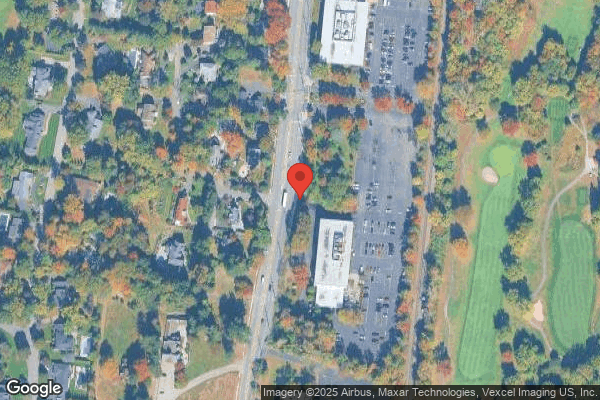
Jun 2021 3 deficiencies
CONCERN (D)

Potential for Harm - no one hurt, but risky conditions existed

Resident Rights (Tag F0550)

Could have caused harm · This affected 1 resident

**NOTE- TERMS IN BRACKETS HAVE BEEN EDITED TO PROTECT CONFIDENTIALITY** 5. On 6/25/21 at 10:02 AM, the surveyor observed the Nurse Practitioner (NP) enter Resident #87's room, walk to the resident and...

Read full inspector narrative →
**NOTE- TERMS IN BRACKETS HAVE BEEN EDITED TO PROTECT CONFIDENTIALITY** 5. On 6/25/21 at 10:02 AM, the surveyor observed the Nurse Practitioner (NP) enter Resident #87's room, walk to the resident and proceeded to talk to the resident. The surveyor observed that the NP did not pull the curtain nor close the door to provide the resident with privacy. The NP took her stethoscope from around her neck and placed the diaphragm of the stethoscope on the resident's exposed back area. The NP placed the stethoscope around her neck and was leaving the resident's room. The surveyor interviewed the NP who not aware that she didn't provide privacy. At 6/25/21 at 10:20 AM, the surveyor interviewed the Licensed Practical Nurse Charge Nurse (LPNCN) who stated the NP should have provided privacy. At 6/25/21 at 10:48 AM, the surveyor asked the resident if it bothered the resident that the NP did not provide privacy and the resident replied I don't know. The surveyor reviewed the admission MDS dated [DATE] that revealed the facility performed a BIMS and assessed the resident's score a 2 out of 15, which indicated the resident had severe cognitive deficit. The surveyors discussed concerns with the Administrator and Director Of Nursing on 6/29/21 at 1:43 PM. The DON provided the surveyors with the facility policy on Quality of Life - Dignity, revised August 2009. The policy indicated all residents are always to be treated with dignity and respect. Resident's private spaces shall be respected. Staff will knock and request permission before entering residents' room. Staff shall speak respectfully to resident at all times. NJAC 8:39-4.1(a)12 Based on observation, interview, and record review it, was determined that the facility failed to consistently provide services in a manner to preserve the dignity of 5 residents observed (Residents #10, 88, 41, 52, and 87). The evidence is as follows: 1. The surveyor observed Resident #10 awake and alert in bed watching television on 6/23/21 at 10:23 AM. The surveyor observed four handwritten 8 ½ by 11-inch signs posted over the resident's bed indicating the resident was not to use straws due to a choking hazard. The surveyor reviewed the medical record of the resident which revealed the following. The admission Record indicated the resident was admitted to the facility with a diagnosis of amyotrophic lateral sclerosis. The 3/27/21 Quarterly Minimum Data Set assessment tool (MDS) indicated the Brief Interview for Mental Status (BIMS) score was 13 of a possible 15, indicating the resident was cognitively intact. The resident was assessed to usually make self understood and to understand others. The resident received a mechanically altered diet. The resident's care plan reflected a physician prescribed mechanically altered diet for dysphagia (impaired swallowing ability). The surveyor interviewed the unit Licensed Professional Nurse (LPN #1) on 6/24/21 at 10:26 AM. LPN #1 stated the signage above the resident's bed was placed by a family member. She stated the signs would be better placed on the inside of the resident's closet. Additionally, the surveyor observed the Certified Nursing Assistant (CNA) enter the resident's room on 6/24/21 and 6/28/21 without knocking on entry. The surveyor observed LPN #1 enter the resident's room on 6/24/21 without knocking or announcing herself first. 2. Two surveyors observed the lunch meal in the 2nd floor dining room on 6/23/21 at 12:30 PM. LPN #1 delivered a food tray to Resident #88. The resident asked LPN #1 is this shrimp cooked? LPN #1 replied no, it's raw. The resident did not respond. The surveyor reviewed the resident's medical record which revealed the following: The 6/10/21 Quarterly MDS indicated a BIMS score of 5, indicating severe cognitive impairment. The resident was assessed to be able to make self understood and able to understand others. The resident was assessed to eat independently after staff set up of the food tray. The surveyor interviewed LPN #1 on 6/28/21 at 12:37 PM regarding the 6/23/21 exchange between her and Resident #88. LPN #1 did not recall the exchange and stated it would have been inappropriate. The surveyor interviewed Resident #88 on 6/28/21 at 12:37 PM. The resident stated LPN #1 was joking with them. 3. The surveyor observed LPN #2 administer medications to Resident #41 on 6/29/21 at 8:25 AM. LPN #2 opened the computer tablet on top of the medication cart and reviewed the resident's Medication Administration Record (MAR). The MAR listed all medications the resident was prescribed. The medication cart was positioned in the unit hallway in front of the doorway to Resident #41's room. Without locking the computer screen, leaving the listing of prescribed medications visible, the nurse entered the resident's room and spoke to the resident at the bedside. The nurse did not maintain visual contact with the medication cart. LPN #2 stated the computer screen should have been locked. Additionally, during the medication administration, LPN #2 entered Resident #41's room twice without knocking or announcing herself before entering the room. The surveyor reviewed the resident's medical record which revealed the following: The 5/5/21 Annual MDS indicated the resident's BIMS score was 15, indicating no cognitive impairment. 4. The surveyor observed LPN #1 administer medications to Resident #52 on 6/29/21 at 8:05 AM. During the medication administration LPN #1 entered the resident's room twice without knocking. Additionally, she did not provide visual privacy while checking the resident's vital signs. On 6/30/21 at 8:34 AM, the surveyor interviewed the Resident Council President, Resident #9. The resident stated that staff entering resident rooms without knocking has been brought up in resident council. A review of the resident council meeting minutes revealed during the 6/9/2021 meeting residents stated they would like CNAs to always knock on the door before entering.
CONCERN (D)

Potential for Harm - no one hurt, but risky conditions existed

Deficiency F0658 (Tag F0658)

Could have caused harm · This affected 1 resident

**NOTE- TERMS IN BRACKETS HAVE BEEN EDITED TO PROTECT CONFIDENTIALITY** 4. On 6/23/21 at 11:32 AM, the surveyor observed Resident #71 lying on a pressure relieving mattress, there was a clean bandage ...

Read full inspector narrative →
**NOTE- TERMS IN BRACKETS HAVE BEEN EDITED TO PROTECT CONFIDENTIALITY** 4. On 6/23/21 at 11:32 AM, the surveyor observed Resident #71 lying on a pressure relieving mattress, there was a clean bandage to the right lower extremity. The resident was pleasant during the interview. The surveyor reviewed Resident #71's medical record that revealed the following: According to the admission Record, Resident #71 was admitted with diagnoses that included Venous Insufficiency, Chronic Kidney Disease, Unspecified Open Wound to the Right and Left Lower Extremities. The admission MDS dated [DATE], revealed that Resident #71 had a BIMS performed by the facility and the resident scored a 15 out of 15, which indicated the resident was cognitively intact. The June 2021 Order Summary Report (physician's orders) revealed several physician's orders that were located in the ETAR. The following orders on the ETAR had missing nurse's initials on the following dates: - Weekly skin observations every evening shift was not signed 6/11/21 on 3-11 shift. - Bacitracin ointment to the right temporal area cover with dry dressing twice a day was not signed 6/11/21 on 3-11 shift, and 6/21/21 on 7-3 shift. - Cream to both feet twice a day was not signed 6/11/21 on 3-11 shift and 6/21/21 on 7-3 shift. - Wash wound on the abdomen with double antibiotic solutions, apply Procardia cream, place a layer of xeroform and cover with ABD dressing was not signed on 6/11/21 and 6/28/21 on 3-11. - Cleanse right lower extremity with NS, then apply Procardia cream, apply a single layer of xeroform and cover with ABD dressing was not signed 6/11/21 and 6/28/21 on 3-11 shift. - Daily weights was not signed for on 11-7 shift 6/3/21, 6/6/21, 6/10/21, and 6/17/21. - Catheter output every shift was not signed 6/3/21 on 11-7 shift, 6/11/21 on 3-11 shift, and 6/20/21 and 6/21/21 on the 7-3 shift. - Urinary Catheter Care every shift was not signed 6/11/21 on the 3-11 shift. - Fluid Intake and Output every shift was not signed 6/3/21 on 11-7 shift and 6/11/21 on 3-11 shift. - Off load heels while in bed as tolerated every shift was not signed 6/11/21 on 3-11 shift. On 6/29/21 at 11:25 AM, the surveyor interviewed the Registered Nurse on the unit who stated that all treatment orders should be signed after administration. At 6/29/21 at 1:38 PM, the surveyors discussed the above concerns with the Administrator and Director of Nursing (DON). On 6/30/21 the DON provided the surveyor with the facility policy addressing Administering Medications, revised 5/21/2019, The policy indicated the individual administering medications checks the label 3 times to verify the right resident, right medication, right dosage, right time and the right route of administration before give the medication. The policy did not address leaving medications unattended at a resident's bedside. NJAC 8:39-11.2(b) 3. On 6/28/21 at 11:00 AM, the surveyor observed a wound treatment to the right heel of Resident #29. Prior to starting the wound treatment LPN #2 wheeled the treatment cart over to the resident's room. LPN #2 checked the drawer in the treatment cart for the needed supplies such as dressings and saline. The surveyor asked LPN #2 how resident supplies were stored in the treatment cart. LPN #2 showed the surveyor the drawer that held various medicated creams that were individually bagged and/or in separate compartments. There were also dressings and bottles of saline in the treatment cart. LPN #2 then left the unlocked treatment cart and walked down the hall to the medication cart to retrieve a computer. LPN #2 was away from the unlocked treatment cart for about 2 minutes. There were no residents in the area. At 11:12 AM, after setting up a clean field with wound treatment supplies, LPN #2 went into the bathroom to wash her hands. The treatment cart was unlocked. There were no residents in the area. The Unit Manager (UM), who was there to assist LPN #2, was standing next to the cart. At 11:13 AM, the UM locked the cart and walked away from the room while LPN #2 remained in the bathroom washing her hands. LPN #2 returned to the treatment cart outside the resident's room after she washed her hands. She finished preparing the supplies she needed for the wound treatment. At 11:19 AM, LPN #2 left the treatment cart unlocked and entered the resident's room to do the wound treatment. While LPN #2 was speaking to the resident at the resident's bedside behind the closed privacy curtain, the UM went to the unlocked treatment cart to retrieve a waterproof pad to place under the resident's right foot. The UM left the cart unlocked while she brought the waterproof pad to LPN #2. The UM went back to the unlocked treatment cart while LPN #2 was in the bathroom washing her hands. The UM retreived a package of Kling dressing from inside of the unlocked treatment cart, leaving the treatment cart outside of the resident's room unlocked, and brought the Kling dressing to the resident's bedside. LPN #2, not aware that the UM had already retrieved the Kling dressing, came out of the bathroom and while walking over to the treatment cart stated I forgot the Kling. The UM told LPN #2 that she had already retrieved the Kling dressing and brought it to the bedside of the resident. At 11:26 AM, LPN #2 locked the treatment cart and returned to the resident's bedside to complete the wound treatment. On 6/29/21 at 11:45 AM, the surveyor reviewed the resident's record which revealed the following: A current physician's order dated 6/27/21 on the Physician's Order Sheet that read Cleanse right heel with NSS. Pat dry. Apply Xeroform and dry gauze. Wrap with Kling dressing every day shift. A Treatment Administration Record with an order that read Cleanse right heel with NSS. Pat dry. Apply Xeroform and dry gauze. Wrap with kling dressing every day shift. The LPN that had been observed doing the wound treatment on 6/28/21 had initialed that the wound treatment had been completed on 6/28/21. A Quarterly MDS dated [DATE], that indicated the resident scored a 7 when the BIMS completed. This score indicated the resident had moderate cognitive impairement. On 6/29/21 at 10:00 AM the surveyor reviewed the facility's policy and procedure dated 4/29/2016 titled Clean dressing change. The policy and procedure did not address the need to lock the treatment cart when out of direct view of the nurse. Based on observation, interview, and record review, it was determined that the facility failed to adhere to professional standards of nursing practice for a) leaving medication unattended on a resident's bedside 1 of 2 residents (Resident #41); b) not checking medication labels three times prior to administering medications for 2 of 2 residents (Resident #41, 52); and c) not initialing the Electronic Treatment Administration Record (ETAR) for 1 of 21 residents (Resident #71). The deficient practices are evidenced by the following: Reference: New Jersey Statutes Annotated, Title 45. Chapter 11. Nursing Board. The Nurse Practice Act for the State of New Jersey states: The practice of nursing as a registered professional nurse is defined as diagnosing and treating human responses to actual and potential physical and emotional health problems, through such services as casefinding, health teaching, health counseling, and provision of care supportive to or restorative of life and wellbeing, and executing medical regimens as prescribed by a licensed or otherwise legally authorized physician or dentist. Reference: New Jersey Statutes Annotated, Title 45, Chapter 11. Nursing Board. The Nurse Practice Act for the State of New Jersey states: The practice of nursing as a licensed practical nurse is defined as performing tasks and responsibilities within the framework of casefinding; reinforcing the patient and family teaching program through health teaching, health counseling and provision of supportive and restorative care, under the direction of a registered nurse or licensed or otherwise legally authorized physician or dentist. 1. The surveyor observed Licensed Practical Nurse (LPN #1) administer medications to Resident #41 on 6/29/21 at 8:25 AM. LPN #1 prepared the resident's medications, entered the resident's room, and placed the medications on the nightstand at the bedside. LPN #1 left the room to obtain a blood pressure machine from the unit hallway. The medications were not in the line of sight of the nurse. Additionally, LPN #1 did not check the medication labels 3 times prior to administration to verify the correct medications were prepared. A review of the resident's 5/5/21 annual Minimum Data Set assessment tool (MDS) indicated the resident's Brief Interview for Mental Status (BIMS) score was 15 reflecting no cognitive impairment. 2. The surveyor observed LPN #2 administer medications to Resident #52 on 6/29/21 at 8:05 AM. LPN #1 did not check medication labels 3 times prior to administration to verify the correct medications were prepared.
CONCERN (E)

Potential for Harm - no one hurt, but risky conditions existed

Infection Control (Tag F0880)

Could have caused harm · This affected multiple residents

**NOTE- TERMS IN BRACKETS HAVE BEEN EDITED TO PROTECT CONFIDENTIALITY** 6. On 6/25/21 at 10:02 AM, the surveyor observed the Nurse Practitioner (NP) enter Resident #87's room, walk to the resident and...

Read full inspector narrative →
**NOTE- TERMS IN BRACKETS HAVE BEEN EDITED TO PROTECT CONFIDENTIALITY** 6. On 6/25/21 at 10:02 AM, the surveyor observed the Nurse Practitioner (NP) enter Resident #87's room, walk to the resident and proceeded to talk to the resident. The NP took her stethoscope from around her neck and placed the diaphragm of the stethoscope on the resident's exposed back area. The NP placed the stethoscope around her neck and was leaving the resident's room. The surveyor observed the NP stop at the door to exit and turned around to wash her hands. The NP put soap on her hands and began to scrub her hands under running water for approximately three seconds. The NP exited the room and did not clean the stethoscope that was placed around her neck. The surveyor interviewed the NP who was not aware she didn't wash her hands according to CDC guidelines and did not clean the stethoscope. At 6/25/21 at 10:20 AM, the surveyor interviewed the Licensed Practical Nurse Charge Nurse (LPNCN) who stated the NP should have properly wash her hands and sanitized the stethoscope. On 6/29/21 at 1:36 AM, the surveyors discussed the above noted infection control concerns with the Administrator and DON. On 6/30/21 at 10:00 AM the DON and the IP confirmed that LPN #2 and the CNA should have worn gloves when entering rooms on the PUI unit. The DON provided the surveyor following policies: The Cleaning and Disinfection of Resident-Care Items and Equipment policy, revised 3/4/2019, indicated reusable medical equipment items are cleaned and disinfected or sterilized between residents. The Handwashing/Hand Hygiene policy, revised 4/12/2018, indicated hand hygiene must be performed before and after direct contact with residents; before and after handling medications; before performing any non-surgical invasive procedures; before and after handling an invasive device. According to the U.S. CDC guidelines Hand Hygiene Recommendations, Guidance for Healthcare Providers for Hand Hygiene and COVID-19, updated 5/17/2020, included, Hands should be washed with soap and water for at least 20 seconds when visibly soiled, before eating, and after using the restroom. It further specified the procedure for hand hygiene which included, When cleaning your hands with soap and water, wet your hands first with water, apply the amount of product recommended by the manufacturer to your hands, and rub your hands together vigorously for at least 15 seconds, covering all surfaces of the hands and fingers. Rinse your hands with water and use disposable towels to dry. Use a towel to turn off the faucet. The Subcutaneous Injections policy, revised March 2011, indicated the first 2 steps of the procedure were 1) perform hand antisepsis (hand hygiene) and 2) put on gloves. NJAC 8:39-19.4 (a) Based on observation, interview, and review of facility documents, it was determined that the facility failed to implement infection control protocols to decrease the possibility of the spread of infection. This was found with 3 of 4 Licensed Practical Nurses (LPN) during medication pass observation, 1 of 2 LPNs during wound treatment observations, and on 1 of 1 units for residents under observation for signs and symptoms of Covid-19 (Yellow Unit). The deficient practice was evidenced by the following: 1. On 6/28/21 at 11:00 AM, the surveyor observed a wound treatment to the right heel of Resident #29. LPN #1, who was preparing to do the wound treatment, used a sanitizing wipe to clean the over bed table prior to setting up the clean field. While cleaning the table, LPN #1 did not wear any gloves. When she was done cleaning the table she placed a waterproof pad on the table, then went into the resident's bathroom to wash her hands. When LPN #1 was done with the wound treatment she cleaned the scissors that she used to cut the bandage off the right foot of the resident. She used an alcohol pad to clean the scissors. LPN #1 did not wear gloves while cleaning the scissors with alcohol pad. After cleaning the scissors LPN #1 cleaned the over bed table with a sanitizing wipe. While cleaning the table, LPN #1 did not wear any gloves. On 6/30/21 at 10:00 AM, the surveyor reviewed the facility's policy and procedure titled Clean Dressing Change dated 4/29/16. Under Process number 2 read: Prepare for the procedure. Number 2.2 read Clean the surface of the overbed table and dry thoroughly. The policy and procedure did not address wearing gloves during the cleaning of the table, the type of product to clean with, or the required contact time to wait before setting up the clean field. 2. On 6/29/21 at 8:26 AM, on the Yellow Unit (a unit where the residents are unknown or potentially incubating-on quarantine for 14 days and being observed for symptoms of Covid-19) the surveyor observed a Certified Nursing Assistant (CNA) enter room [ROOM NUMBER] and retrieve the resident's breakfast tray. The CNA was not wearing a gown or gloves. The CNA was wearing an N95 mask and a face shield. The CNA picked up the resident's breakfast tray and carried it to the cart in the hallway. On 6/29/21 at 8:32 AM, the CNA then went into room [ROOM NUMBER] with no gown or gloves. The CNA was wearing an N95 mask and a face shield. The CNA talked to the resident at the bedside, moved some items around on the resident's breakfast tray, and left the room. The CNA then went into room [ROOM NUMBER], touched a container on the resident's breakfast tray, then picked up the resident's breakfast tray and brought it to the cart in the hallway. The CNA was wearing an N95 mask and a face shield. The CNA was not wearing a gown or gloves. On 6/29/21 at 8:37 AM, LPN #2 told the CNA that she should have been wearing a gown and gloves when entering the rooms on the yellow unit. Thereafter the surveyor observed the CNA wearing a gown and gloves, as well as the N95 and face shield when entering the rooms on the yellow unit. On 6/29/21 at 8:48 AM, the surveyor asked the CNA if she was instructed on what type of PPE to use on the yellow unit. The CNA stated it was her understanding that the gown was only needed if she was doing care, not if she was going in to get a tray. The CNA stated she didn't usually work on the yellow unit. On 6/29/21 at 8:50 AM, the surveyor asked LPN #2 if she monitored the staff to make sure they were wearing the appropriate PPE on the unit. LPN #2 stated I can't be checking everyone all the time, but it is my responsibility to tell them if I see them doing things incorrectly. On each door on the yellow unit, including the three rooms the CNA was observed entering, there was a sign that read Quarantine Droplet/Contact Precautions- In addition to Standard Precautions-Only essential personnel should enter this room- Everyone must: including visitors, doctors, and staff, clean hands when entering and exiting, Gown (prior to entering the room for any purpose) N95 respirator, Eye Protection, Gloves. 3. On 6/29/21 at 8:57 AM, the surveyor observed LPN #2 administer medication to a resident on the yellow unit. LPN #2 was wearing an N95 mask and a face shield, she put on a gown before entering the resident's room. The nurse did not put on gloves. When LPN #2 entered the resident's room she handed the resident the resident's cup of water from the resident's over bed table and handed the resident the cup of medication. After the resident took the medication LPN #2 removed the gown at the door way and placed it in the receptacle at the door. LPN #2 used alcohol based hand gel. The surveyor asked LPN #2 if she was supposed to wear gloves when passing medication on the yellow unit. LPN #2 said yes, I should have, I don't know why I didn't. I usually do. On 6/29/21 at 11:03 AM, the surveyor interviewed the Director of Nursing (DON) and the Infection Preventionist (IP). The surveyor expressed the concern with LPN #1 cleaning the overbed table and scissors without gloves; the CNA entering 3 rooms on the PUI unit without wearing a gown or gloves; LPN #2 administering medication to a resident on the yellow unit without gloves; and LPN #4 administering insulin to a resident without wearing gloves. The DON and the IP confirmed that LPN #1 should have worn gloves when cleaning the over bed table and the scissors, the CNA should have worn a gown when entering the 3 rooms on the quarantine unit, and LPN #4 should have worn gloves to administer insulin to the resident. The DON and the IP were not sure if LPN #2 and the CNA should have been wearing gloves when LPN #2 and the CNA entered the rooms of resident's on the yellow unit. They would have to check on that. During the interview with the DON and the IP the surveyor asked what the process was when a CNA went into a room on the yellow unit to get a resident's breakfast tray. The DON and IP stated They would have to wear an N95 mask, a face shield, and a gown. The surveyor spoke again about the observation of the CNA going into the three rooms on the yellow unit. The IP said that it was a breach in infection control, and further stated It is every employees responsibility to wear the proper PPE and to call out a co-worker if they see them without the proper PPE. The surveyor asked the IP and the DON who was responsible for process surveillance for infection control in the facility. The IP and the DON said they were responsible as well as all department heads. The DON provided the facility's policy titled General Cohort Guidelines with a revision date of 4/20/21 indicated the following; Under Yellow (unknown or potentially incubating) it read PPE use-Fit tested N95 or equivilant KN95, facemask if not available, eye protection, gown, gloves-per optimization of PPE & Yellow Zone PPE use. Under Isolation Type it read TBP-sign on each door; separate gowns & gloves for each patient at point of use; extended use of masks is permitted, replace when doffed (ie. meal break); extended use of eye protection permitted. Patients stay in room with doors closed as much as possible. Gown is worn each time staff enters the room. 4. The surveyor observed LPN #3 administer medications to Resident #52 on 6/29/21 at 8:05 AM. LPN #3 stated she had sanitized the blood pressure machine and the cuff prior to the surveyor arriving at the medication cart. She measured the resident's blood pressure, brought the machine out of the room to the hallway, and did not sanitize the machine or cuff. LPN #3 completed Resident #52's medication administration at 8:20 AM. The surveyor asked the nurse if she had completed the medication administration. She replied that she had finished. The surveyor alerted the nurse that she had not sanitized the blood pressure machine or cuff after use. Additionally, she had not performed hand hygiene when the medication pass was completed. 5. The surveyor observed LPN #4 administer medications to Resident #41 on 6/29/21 at 8:25 AM. LPN #4 did not perform hand hygiene prior to pouring medications for the resident. LPN #4 sanitized the blood pressure machine and cuff without the use of gloves after pouring medications. The nurse then administered the resident's medications without performing hand hygiene. Additionally, LPN #4 administered an insulin subcutaneous injection to Resident #41's abdominal area without the use of gloves. The surveyor interviewed LPN #4 after the medication administration observation. LPN #4 stated she was told that gloves are not necessary when injecting insulin. She stated she does not routinely wear gloves when administering injections.
Understanding Severity Codes (click to expand)
Life-Threatening (Immediate Jeopardy)
J - Isolated K - Pattern L - Widespread
Actual Harm
G - Isolated H - Pattern I - Widespread
Potential for Harm
D - Isolated E - Pattern F - Widespread
No Harm (Minor)
A - Isolated B - Pattern C - Widespread

Questions to Ask on Your Visit

  • "Can I speak with families of current residents?"
  • "What's your RN coverage like on weekends and overnight?"

Our Honest Assessment

Strengths
  • • 32% turnover. Below New Jersey's 48% average. Good staff retention means consistent care.
Concerns
  • • 30 deficiencies on record, including 1 serious (caused harm) violation. Ask about corrective actions taken.
  • • $74,344 in fines. Extremely high, among the most fined facilities in New Jersey. Major compliance failures.
  • • Grade F (35/100). Below average facility with significant concerns.
Bottom line: Trust Score of 35/100 indicates significant concerns. Thoroughly evaluate alternatives.

About This Facility

What is Careone At Oradell's CMS Rating?

CMS assigns CAREONE AT ORADELL an overall rating of 2 out of 5 stars, which is considered below average nationally. Within New Jersey, this rating places the facility higher than 0% of the state's 100 nursing homes. A rating at this level reflects concerns identified through health inspections, staffing assessments, or quality measures that families should carefully consider.

How is Careone At Oradell Staffed?

CMS rates CAREONE AT ORADELL's staffing level at 3 out of 5 stars, which is average compared to other nursing homes. Staff turnover is 32%, compared to the New Jersey average of 46%. This relatively stable workforce can support continuity of care.

What Have Inspectors Found at Careone At Oradell?

State health inspectors documented 30 deficiencies at CAREONE AT ORADELL during 2021 to 2024. These included: 1 that caused actual resident harm and 29 with potential for harm. Deficiencies causing actual harm indicate documented cases where residents experienced negative health consequences.

Who Owns and Operates Careone At Oradell?

CAREONE AT ORADELL is owned by a for-profit company. For-profit facilities operate as businesses with obligations to shareholders or private owners. The facility is operated by CAREONE, a chain that manages multiple nursing homes. With 154 certified beds and approximately 120 residents (about 78% occupancy), it is a mid-sized facility located in ORADELL, New Jersey.

How Does Careone At Oradell Compare to Other New Jersey Nursing Homes?

Compared to the 100 nursing homes in New Jersey, CAREONE AT ORADELL's overall rating (2 stars) is below the state average of 3.2, staff turnover (32%) is significantly lower than the state average of 46%, and health inspection rating (1 stars) is much below the national benchmark.

What Should Families Ask When Visiting Careone At Oradell?

Based on this facility's data, families visiting should ask: "Can I visit during a mealtime to observe dining assistance and food quality?" "How do you handle medical emergencies, and what is your hospital transfer rate?" "Can I speak with family members of current residents about their experience?"

Is Careone At Oradell Safe?

Based on CMS inspection data, CAREONE AT ORADELL has a clean safety record: no substantiated abuse findings (meaning no confirmed cases of resident harm), no Immediate Jeopardy citations (the most serious violation level indicating risk of serious injury or death), and is not on the Special Focus Facility watch list (a federal program monitoring the lowest-performing 1% of nursing homes). The facility has a 2-star overall rating and ranks #100 of 100 nursing homes in New Jersey. While no facility is perfect, families should still ask about staff-to-resident ratios and recent inspection results during their visit.

Do Nurses at Careone At Oradell Stick Around?

CAREONE AT ORADELL has a staff turnover rate of 32%, which is about average for New Jersey nursing homes (state average: 46%). Moderate turnover is common in nursing homes, but families should still ask about staff tenure and how the facility maintains care continuity when employees leave.

Was Careone At Oradell Ever Fined?

CAREONE AT ORADELL has been fined $74,344 across 1 penalty action. This is above the New Jersey average of $33,822. Fines in this range indicate compliance issues significant enough for CMS to impose meaningful financial consequences. Common causes include delayed correction of deficiencies, repeat violations, or care failures affecting resident safety. Families should ask facility leadership what changes have been made since these penalties.

Is Careone At Oradell on Any Federal Watch List?

CAREONE AT ORADELL is not on any federal watch list. The most significant is the Special Focus Facility (SFF) program, which identifies the bottom 1% of nursing homes nationally based on persistent, serious quality problems. Not being on this list means the facility has avoided the pattern of deficiencies that triggers enhanced federal oversight. This is a positive indicator, though families should still review the facility's inspection history directly.