WHITE HOUSE HEALTHCARE AND REHABILITATION CENTER
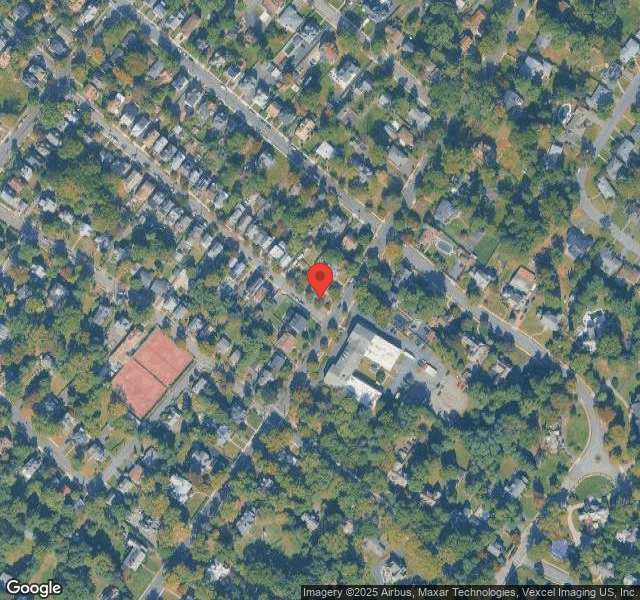
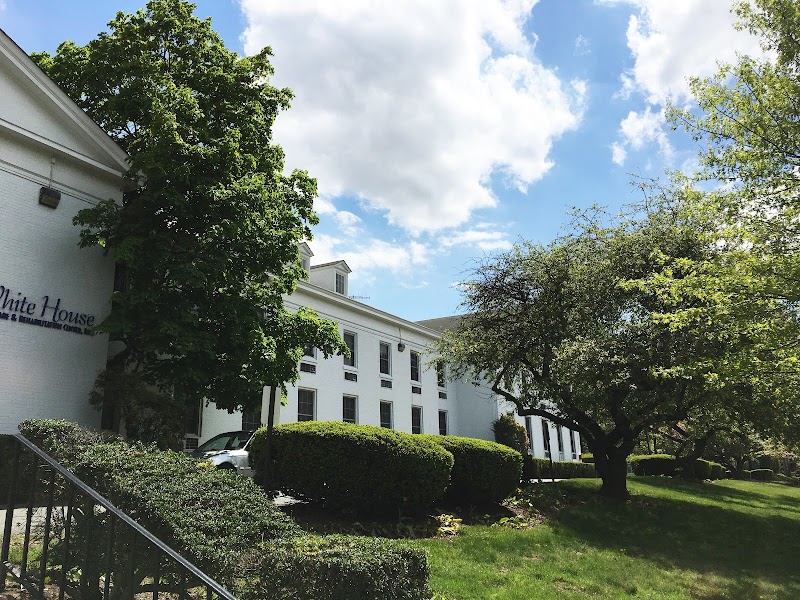
560 BERKELEY AVENUE, ORANGE, NJ 07050 (973) 672-6500
For profit - Limited Liability company 176 Beds COLEV GESTETNER Data: November 2025
Trust Grade
93/100
#80 of 344 in NJ
Last Inspection: June 2024

Within standard 12-15 month inspection cycle. Federal law requires annual inspections.

Overview

White House Healthcare and Rehabilitation Center has received a Trust Grade of A, indicating it is highly recommended and considered excellent in quality. Ranking #80 out of 344 facilities in New Jersey places it in the top half, while its county rank of #6 out of 32 means there are only five other local facilities rated higher. The facility has shown a stable trend with two issues reported in both 2022 and 2024, suggesting consistency in its operations. Staffing is a strength, with a 4/5 rating and a turnover rate of just 26%, which is significantly lower than the state average. Notably, the facility has not incurred any fines, indicating good compliance with regulations. However, there are some concerns. Recent inspections revealed issues such as several residents having physician orders that were not signed for multiple months, which could lead to lapses in care. Additionally, a pharmacist failed to report irregularities in a resident's medical records, which raises questions about oversight. There was also a cleanliness issue regarding a resident’s oxygen equipment, which could potentially increase infection risk. Overall, while the facility has many strengths, families should be aware of these specific concerns when considering care options.

Trust Score
A
93/100
In New Jersey
#80/344
Top 23%
Safety Record
Low Risk
No red flags
Inspections
Holding Steady
2 → 2 violations
Staff Stability
✓ Good
26% annual turnover. Excellent stability, 22 points below New Jersey's 48% average. Staff who stay learn residents' needs.
Penalties
✓ Good
No fines on record. Clean compliance history, better than most New Jersey facilities.
Skilled Nurses
○ Average
Each resident gets 36 minutes of Registered Nurse (RN) attention daily — about average for New Jersey. RNs are the most trained staff who monitor for health changes.
Violations
✓ Good
Only 5 deficiencies on record. Cleaner than most facilities. Minor issues only.
★★★★★
5.0
Overall Rating
★★★★☆
4.0
Staff Levels
★★★★★
5.0
Care Quality
★★★★★
5.0
Inspection Score
Stable
2022: 2 issues
2024: 2 issues

The Good

  • 4-Star Staffing Rating · Above-average nurse staffing levels
  • 5-Star Quality Measures · Strong clinical quality outcomes
  • Low Staff Turnover (26%) · Staff stability means consistent care
  • Full Sprinkler Coverage · Fire safety systems throughout facility
  • No fines on record
  • Staff turnover is low (26%)

    22 points below New Jersey average of 48%

Facility shows strength in staffing levels, quality measures, staff retention, fire safety.

The Bad

Chain: COLEV GESTETNER

Part of a multi-facility chain

Ask about local staffing decisions and management

The Ugly 5 deficiencies on record

Jun 2024 2 deficiencies
CONCERN (D)

Potential for Harm - no one hurt, but risky conditions existed

Drug Regimen Review (Tag F0756)

Could have caused harm · This affected 1 resident

Based on interview and record review, it was determined that the Consultant Pharmacist (CP) failed to report irregularities found in the medical records to the facility. This deficient practice was ob...

Read full inspector narrative →
Based on interview and record review, it was determined that the Consultant Pharmacist (CP) failed to report irregularities found in the medical records to the facility. This deficient practice was observed for the following resident. On 6/4/24 at 12:21 PM, the surveyor reviewed the hybrid medical record (paper and electronic) for Resident #83. The resident's admission Record (AR) reflected that the resident was admitted with diagnoses including but not limited to Hypertension (elevated blood pressure) and Gastrostomy (G-tube) (an opening into the stomach from the abdomen, for the introduction of food or medications). A review of the resident's Medicare 5 Day Minimum Data Set (MDS) (a standardized assessment tool that measures health status in nursing home residents) dated 4/8/24, which reflected that the resident had a Brief Interview for Mental Status (BIMS) (a tool used to screen and identify the cognitive condition) Score of three (3) which reflects severe cognitive impairment. The surveyor reviewed the May and June 2024 electronic medication administration record (eMAR) and the current Physician's Order sheet which reflected orders for Sucralfate (a medication used to treat stomach ulcers) 1gm tablet by G-tube four (4) times a day, Nexium (a medication used to reduce stomach acid production) 40mg packet, 1 packet by G-Tube in the morning, Levothyroxine (a medication used to treat an underactive thyroid) 175mcg by G-tube once a day, and an order for enteral feeding (food given by G-tube) Jevity 1.5 (a liquid food product) bolus feed (given a one time) five (5) times per day. The eMAR reflected the administration times of the Sucralfate as 6 AM, 1 PM, 3 PM and 8 PM, the Nexium as 6 AM, the Levothyroxine at 6 AM, and the feeding as 12 midnight, 6 AM, 12 PM, and 9 PM. The Surveyor reviewed the manufacturer package information sheet for Sucralfate which reflected that the medication should be given on an empty stomach and that there was a potential for a drug interaction between the Sucralfate and the Levothyroxine which could be avoided by giving the Levothyroxine two (2) hours before the Sucralfate. The Surveyor reviewed the manufacturer package information sheet for Nexium which reflected that the medication should be given at least 1 hour before meals. The surveyor reviewed the Consultant Pharmacist Review sheet (CPR) for the resident. The CP's responsibility was to review all resident's medication monthly for discrepancies, continued monitoring and correct dose of medications. The CPE sheet did not reflect any comment related to timing of medications and the tube feeding. The Surveyor reviewed the Consultant Pharmacist's Monthly Report (CPMR) for April 2024 and May 2024. The CPMR reflected that the CP had made recommendations on other unrelated irregularities for the resident during those months but did not make a recommendation on the potential drug interaction or the timing of Nexium or Carafate. On 6/5/24 at 11:58 AM, The surveyor interviewed the CP by telephone. The surveyor asked the CP if he was aware of the manufacturer dosing recommendations for Sucralfate and Nexium with food and interactions with Sucralfate and Levothyroxine. The CP stated that Sucralfate and Nexium should be given sixty (60) minutes before a meal and Levothyroxine should be separated by two (2) hours from Sucralfate. On 6/5/24 at 1:56 PM, the surveyor interviewed the Unit Manager LPN (UM) and the medication nurse on duty on the unit where Resident #83 resides. The medication nurse stated that she gives medications to residents as they are ordered in the eMAR. The UM stated that the CP had just called him to have medication times changed for Resident #83. On 6/5/24 at 2:15 PM, the surveyor in the presence of the survey team informed the facility administrative team of the concern with Resident #83's medication timing and the failure of the CP to report the irregularity. NJAC 8:39-29.3(a)(1)
CONCERN (E)

Potential for Harm - no one hurt, but risky conditions existed

Deficiency F0711 (Tag F0711)

Could have caused harm · This affected multiple residents

**NOTE- TERMS IN BRACKETS HAVE BEEN EDITED TO PROTECT CONFIDENTIALITY** 15. Resident #33's hybrid medical records revealed the resident's physician had not hand signed or electronically signed the mon...

Read full inspector narrative →
**NOTE- TERMS IN BRACKETS HAVE BEEN EDITED TO PROTECT CONFIDENTIALITY** 15. Resident #33's hybrid medical records revealed the resident's physician had not hand signed or electronically signed the monthly physician's orders for December 2023, January 2024, February 2024, March 2024, April 2024, and May 2024. 16. Resident #80's hybrid medical records revealed the resident's physician had not hand signed or electronically signed the monthly physician's orders for December 2023, January 2024, February 2024, March 2024, April 2024, and May 2024. 17. Resident #138's hybrid medical records revealed the resident's physician had not hand signed or electronically signed the monthly physician's orders for February 2024, March 2024, April 2024, and May 2024. 18. Resident #75's hybrid medical records revealed the resident's physician had not hand signed or electronically signed the monthly physician's orders for the months of December 2023 through March 2024 and May 2024. 19. Resident #118's hybrid medical records revealed the resident's physician had not hand signed or electronically signed the monthly physician's orders for the months of December 2023 through May 2024. On 6/4/24 at 11:02 AM, the surveyor interviewed the Unit Manager (UM), License Practical Nurse (LPN), on the 1st floor North Wing, who has been working in the facility for four years. She stated, The doctors mostly document in the Electronic Health Records (EHR) and the monthly orders are signed electronically. On 6/5/24 at 10:37 AM, interviewed the UM, Registered Nurse (RN), on the second floor North Wing, who has been working in the facility for 13 years. The RN stated, The physicians document in the EHR and some have a hard copy in the chart. Doctor [Name Redacted] still documents in the chart. The physicians sign their monthly orders electronically. On 6/5/24 at 12:14 PM, the survey team met with the administration: License Nursing Home Administrator (LNHA), Director of Nursing (DON), Assistant DON, two Assistant LNHAs and the Administrator in Training (AIT), regarding concerns with the completion of physician visits and monthly signage of physician orders. On 6/6/24 at 9:37 AM, the survey team met with the DON who acknowledged no improvements on the current concerns regarding physician visits, progress notes completion and monthly signage of physician orders. A review of the most current facility policies and procedures titled, Physician's Orders, and Physician Services stated, The attending physician must certify physician's orders monthly and Physician visits, emergency care of residents, etc., are provided in accordance with current OBRA regulations and facility policy. NJAC 8:39-23.2 (b), (d) 9. Resident #53's hybrid medical record review revealed no monthly physician-signed or electronically signed monthly orders for December 2023, January 2024, February 2024, March 2024, April 2024, and May 2024. 10. Resident #10's hybrid medical record review revealed that the physician electronically signed the monthly physician orders for December 2023, March 2024, and May 2024. There were no other signed monthly physician orders for January 2024, February 2024, and April 2024. Additionally, no monthly physician progress notes were written by the physician in January 2024, March 2024, and May 2024. 11. Resident #101's hybrid medical record review revealed that the physician electronically signed the April 2024 monthly physician orders. No other signed monthly physician orders for December 2023, January 2024, February 2024, March 2024, and May 2024. 12. Resident #11's hybrid medical record review revealed no monthly physician-signed or electronically signed monthly orders for December 2023, January 2024, February 2024, March 2024, April 2024, and May 2024. 13. Resident #2's hybrid medical record review revealed no monthly physician-signed or electronically signed monthly orders for December 2023, January 2024, February 2024, March 2024, April 2024, and May 2024. 14. Resident #69's hybrid medical record review revealed no monthly physician-signed or electronically signed orders for December 2023, January 2024, February 2024, March 2024, April 2024, and May 2024. 7. A review of the hybrid medical record for Resident #97 revealed the resident's physician had not hand signed or electronically signed the monthly physician's orders for December 2023, January 2024, or February 2024. There were no physician or NPP progress notes entered into the record for January 2024, or February 2024. 8. A review of the hybrid medical record for Resident #116 revealed the resident's physician had not hand signed or electronically signed the monthly physician's orders for December 2023, January 2024, February 2024, March 2024, April 2024, or May 2024. There were no physician or NPP progress notes entered into the record for January 2024, February 2024, or May 2024. 4. On 5/30/24 at 10:48 AM, the surveyor observed Resident #51 in bed in their room and the resident was unable to be interviewed. The surveyor reviewed the hybrid medical records (paper and electronic) for Resident #51. A review of the resident's admission Record, (one page summary of important information about a resident) revealed diagnoses that included Alzheimer's Disease, hypertension (high blood pressure), and cerebral infarction (stroke). A review of the annual Minimum Data Set (MDS), an assessment tool used to facilitate the management of care, dated 3/5/24, revealed that the resident had had a Brief Interview for Mental Status (BIMS) score of three (3) out of 15, indicating a severely impaired cognition. A review of the monthly physician's orders revealed that the resident's primary care physician had not signed the resident's monthly orders for the months of December 2023 through May 2024. 5. On 5/30/24 at 10:52 AM, the surveyor observed Resident #65 in a bed in their room. The resident stated that he/she went for dialysis every Monday, Wednesday and Friday. The surveyor reviewed the hybrid medical records (paper and electronic) for Resident #65. A review of the resident's admission Record revealed diagnoses that included Diabetes (high blood sugar levels in the blood), heart failure and chronic kidney disease. A review of the quarterly MDS (QMDS), dated [DATE], revealed that the resident had a BIMS score of 13 out of 15, indicating an intact cognition. A review of the monthly physician's orders revealed that the resident's primary care physician had not signed the resident's monthly orders for the months of December 2023 through May 2024. 6. On 5/30/24 at 10:36 AM, the surveyor observed Resident #121 in a wheelchair in their room. The resident stated that he/she was waiting for his/her aide who then walked into the room. The surveyor reviewed the hybrid medical records (paper and electronic) for Resident #121. A review of the resident's admission Record revealed diagnoses that included Diabetes, dysphagia (a swallowing disorder) following cerebral infarction and hypertension. A review of the QMDS dated [DATE], revealed that the resident had a BIMS score of 12 out of 15, indicating an intact cognition. A review of the monthly physician's orders revealed that the resident's primary care physician had not signed the resident's monthly orders for the months of December 2023 through May 2024. Based on observation, interview and record review, it was determined that the facility failed to a.) ensure the physician signed and dated monthly medication orders and b.) ensure the physician or the non-physician practitioner (NPP) performed face-to-face monthly visits. The deficient practice was identified for 19 of 32 residents reviewed (#29, 129, 22, 51, 65, 121, 97, 116, 53, 10, 101, 11, 2, 69, 33, 80, 138, 75, 118) and occurred over a 6 month period. The deficient practice was evidenced by the following. 1. A review of the hybrid medical record for Resident #29 revealed the resident's physician had not hand signed or electronically signed the monthly physician's orders for January, February, March, April, or May 2024. 2. A review of the hybrid medical record for Resident #129 revealed the resident's physician had not hand signed or electronically signed the monthly physician's orders for January, February, March, April, or May 2024. One physician progress note (5/4/24) was electronically entered into the medical record, however, no other physician or NPP progress notes were documented for January, February, March, or April 2024. 3. A review of the hybrid medical record for Resident #22 revealed the resident's physician had not hand signed or electronically signed the monthly physician's orders for January, February, March, April, or May 2024.
Aug 2022 2 deficiencies
CONCERN (D)

Potential for Harm - no one hurt, but risky conditions existed

Respiratory Care (Tag F0695)

Could have caused harm · This affected 1 resident

**NOTE- TERMS IN BRACKETS HAVE BEEN EDITED TO PROTECT CONFIDENTIALITY** Based on observation, interview, record review, and facility policy review, the facility failed to maintain the cleanliness of t...

Read full inspector narrative →
**NOTE- TERMS IN BRACKETS HAVE BEEN EDITED TO PROTECT CONFIDENTIALITY** Based on observation, interview, record review, and facility policy review, the facility failed to maintain the cleanliness of the oxygen concentrator filter, change nasal cannula tubing, and transfer orders from the hospital to the residents Electronic Medical Record (EMR), for one of two residents (Resident (R) 120), sampled for respiratory care. This deficient practice increased the risk for infection in a resident that had respiratory distress. Findings include: 1. Review of R120's Profile located in the EMR revealed that R120 was initially admitted to the facility on [DATE] and readmitted on [DATE], from a hospital admission. Diagnoses included; adult failure to thrive and respiratory distress. Observation on 08/08/22 at 1:37 PM and 08/09/22 at 9:14 AM, revealed that R120's oxygen tubing was dated 07/27/22. The oxygen concentrator that was black in color, was completely covered in a thick white dust. Observation on 08/10/22 at 8:51 AM, revealed that R120's oxygen tubing had been changed and was dated 08/10/22. The oxygen concentrator had not been cleaned. Review of R120's Orders located in the EMR revealed that R120 did not have an order for oxygen or cleaning of oxygen equipment. During an interview on 08/10/22 at 10:36 AM, with the Assistant Director of Nursing (ADON), revealed that upon observation of R120's oxygen tubing, which was now dated correctly, the oxygen concentrator filter was covered in dust. The ADON stated, the concentrator is dirty, and that maintenance cleans the filters. I have no idea why the tubing was not changed. Observation on 08/10/22 at 10:48 AM, revealed the Assistant Administrator in R120's room putting on gloves and washing the oxygen filter with soap and water. Upon interviewing the Assistant Administrator at 10:50 AM, he stated the filter had some dust on it. He then agreed that the entire filter was covered in a layer of white dust. I then asked for the maintenance logs for oxygen concentrator filter cleaning. Interview on 08/10/22 at 10:53 AM, with the Registered Nurse/Unit Manager (RN), revealed that the oxygen tubing is changed for all residents on Wednesday's during the night shift. A piece of tape with the date is placed on the tubing. When the RN was asked if the person changing the tubing has to sign-off for completing the procedure, she stated no, and that maintenance has to clean the concentrator filter. Interview on 08/10/22 at 1:45 PM, the Assistant Administrator stated that maintenance was not keeping logs of when oxygen filters were cleaned. Administration identified the lack of completion of monthly logs by the maintenance department and stated that this would be addressed in the next Quality Assurance (QA) meeting that will be held this month. Interview on 08/10/22 at 4:04 PM, with the Director of Nursing (DON), revealed that her expectations for the nursing staff is to change the oxygen tubing weekly and follow protocol. The oxygen concentrator should not have been dirty, and the tubing should have been changed. During an interview on 08/11/22 at 9:36 AM, with the DON, revealed that R120 had been in the hospital and returned to the facility on [DATE]. Upon his return, the nurse did not enter the orders for his oxygen. The resident did not have oxygen before he went to the hospital. The order was on the hospital discharge papers and just did not get transferred to the EMR. Orders are now in the system. Review of the facility's policy titled, Respiratory Therapy Equipment, undated, revealed, The purpose of this procedure is to provide guidelines to help prevent nosocomial infections associated with respiratory therapy equipment, and to prevent transmission of infections to residents and staff .Change oxygen cannula and tubing weekly during the (11-7) shift .Wash filters from oxygen concentrators monthly. NJAC 8:39-19.4(k)
CONCERN (D)

Potential for Harm - no one hurt, but risky conditions existed

Deficiency F0883 (Tag F0883)

Could have caused harm · This affected 1 resident

**NOTE- TERMS IN BRACKETS HAVE BEEN EDITED TO PROTECT CONFIDENTIALITY** Based on interview, record review, review of the Centers for Disease and Prevention (CDC) guidelines, and facility policy review...

Read full inspector narrative →
**NOTE- TERMS IN BRACKETS HAVE BEEN EDITED TO PROTECT CONFIDENTIALITY** Based on interview, record review, review of the Centers for Disease and Prevention (CDC) guidelines, and facility policy review, the facility failed to ensure that one Resident(R)111, of five residents sampled for immunization reviews, were offered and given the option to receive or decline an additional pneumonia vaccine. Findings include: Review of the CDC guidelines located at: https://cdc.gov/vaccines/vpd/pneumo/hcp/recommendations, revealed adults with a previous Pneumococcal Vaccine Polyvalent (PPSV23) only, the CDC recommends for those over [AGE] years of age a Pneumococcal valent Conjugate Vaccine (PCV), either PCV20 or PCV15 should be given greater than one year after their last PPSV23 dose. 1. Review of R111's undated Face Sheet located in R111's electronic medical record (EMR) located under the Profile tab, indicated R111 was initially admitted to the facility on [DATE] with a readmission on [DATE], with diagnoses including; metabolic encephalopathy, streptococcal sepsis, and type 2 diabetes mellitus. Further review of the EMR revealed the resident was [AGE] years of age. Review of R111's undated Clinical Immunizations, located in R111's EMR under the Immunization tab, revealed R111 received pneumovax 23 on 01/16/19. Further review of R111's EMR and physical medical record revealed that R111 had not been offered, administered, or declined the PCV20 or PCV15 vaccine as recommended by the CDC. During an interview conducted with the Infection Control Preventionist (ICP) on 08/11/22 at 11:13 AM, after research of resident's documents and vaccinations, the ICP stated, no, the resident had not received the PCV20 or PCV15 vaccine. We will offer it to her now. The ICP confirmed the resident had not received the vaccination and should have been offered it. Review of the facility's undated policy titled, Vaccination Policy, revealed All residents have the option to receive the pneumonia vaccine to prevent the spread of infection .Vaccine will be offered to residents 65 years and older, or if ordered by a physician .the resident's medical record includes documentation that indicates, at a minimum, the following : Intent (A) that the resident or resident's representative was provided education regarding the benefits and potential side effects of pneumococcal immunization; and (B) that the resident either received the pneumococcal immunization or did not receive the pneumococcal immunizations due to medical contraindication or refusal. The policy did not address giving those residents over [AGE] years of age an additional pneumonia vaccine per CDC guidelines. NJAC 8:39-19.4(i)
Feb 2020 1 deficiency
CONCERN (D)

Potential for Harm - no one hurt, but risky conditions existed

Infection Control (Tag F0880)

Could have caused harm · This affected 1 resident

**NOTE- TERMS IN BRACKETS HAVE BEEN EDITED TO PROTECT CONFIDENTIALITY** Based on observation, interview, and review of other facility documentation, it was determined that the facility failed to maint...

Read full inspector narrative →
**NOTE- TERMS IN BRACKETS HAVE BEEN EDITED TO PROTECT CONFIDENTIALITY** Based on observation, interview, and review of other facility documentation, it was determined that the facility failed to maintain appropriate infection control practices for 1 resident who tested positive for clostridium difficile (C-Diff). This deficient practice was identified for Resident #145, 1 of 3 residents reviewed for infections and was evidenced by: On 02/12/20 at 10:50 AM, the surveyor observed Resident #145 seated in a wheelchair in the resident's shared room. Resident #145 told the surveyor he/she had gotten diarrhea after being on antibiotics. On 02/13/20 at 12:26 PM, Resident #145 told the surveyor he/she had C-Diff. but remained in a shared room and continued to use the shared bathroom with the adjoining room. Clostridum Difficile (C-Diff) is a contagious bacterial infection of the large intestine which causes diarrhea. The resident said he/she has resided in a room and shared a bathroom with another resident since admission. This was confirmed by surveyor review of the facility Census List that revealed Resident #145 has resided in the shared room since admission. A review of Resident #145's records revealed Resident #145 was admitted to the facility on [DATE] with diagnosis including streptococcal sepsis and noninfective gastroenteritis and colitis. A review of Resident #145's admission Minimum Data Set (MDS), an assessment tool, dated 1/29/20 revealed Resident #145 had a Brief Interview for Mental Status (BIMS) score of 12/15, which indicated the resident's cognition was moderately impaired, required extensive assistance of a staff member for toileting and hygiene, and was always continent of bowel and bladder. A review of Resident #145's Order Summary Report revealed an order dated 02/04/20, for the antibiotic Vancomycin Suspension 250 milligrams (mg) per 5 milliliters (ml). Give 2.5 ml by mouth four times a day for 10 days for treatment of C-Diff. A review of Resident #145's Order Summary Report revealed an order dated 02/05/20, for Vancomycin Suspension 250 milligrams (mg) per 5 milliliters (ml). Give 2.5 ml by mouth four times a day for C-Diff for 10 days. This order contained the clarification that 2.5 ml equals 125 mg. A review of Resident #145's Medication Administration Record confirmed the resident received the antibiotic Vancomycin from 02/04/20 through 02/14/20. The surveyor reviewed a final laboratory report with an approval date of 02/04/20 indicating the resident tested positive for C-Diff toxin B. The surveyor reviewed a final laboratory report with an approval date of 02/07/20 indicating the resident tested positive for C-Diff toxin B. The report further indicated that contact precautions were recommended. The surveyor reviewed the Laboratory Report for Resident #145 which revealed on 01/29/2020 the resident's WBC result was noted to be an elevated 14.7 (normal range on the report was 4-10.5) and an elevated 13.3 on 02/03/20. On 02/13/20 at 12:39 PM, The surveyor asked the Certified Nursing Assistant (CNA) to identify any resident on isolation on the unit. The CNA was not able to identify Resident #145 as being on isolation. On 02/13/20 at 12:41, the unit Registered Nurse (RN) revealed if a resident had C-Diff, they should be on isolation. The RN identified another room with a resident that was on contact precautions and indicated a resident with C-Diff would go on contact precautions and either be moved to a single room, or be cohorted with someone with the same infection. On 02/13/20 at 12:45, the RN Unit Manager (UM) revealed that residents with C-Diff are assigned a private room. The RN UM further revealed that although Resident #145 tested positive for C-Diff and was initially going to be moved to a single room, based on the Infectious Disease (ID) physician's recommendation the facility allowed the resident to remain in a room with a resident who did not have a C-Diff infection because Resident #145 did not have additional symptoms which would include fever, leukocytosis and abdominal cramping. The surveyor was provided an Email from the ID physician which indicated the facility informed him Resident #145 did not have diarrhea when he made the recommendation to stop contact isolation. The facility provided the surveyor with a copy of Clinical Infectious Disease Guidelines from the Infectious Disease Society of America which the ID physician referenced in his Email for residents with C-Diff. Under section XVI Infection Prevention and Control the guideline indicated a resident should remain on contact isolation for at least 48 hours after diarrhea has resolved. On 02/20/20 at 10:19 AM, in the presence of the surveyor team and the assistant administrator, the surveyor had a telephone interview with the ID physician who confirmed if a resident tested positive for C-Diff and had loose stools, they should be isolated. The ID physician further indicated if the resident had other symptoms such as an elevated white blood cell count (WBC's) in addition to a positive C-Diff test, the C-Diff test would prove more positive. The ID physician indicated that he believed Resident #145 was colonized with C-Diff and loose stools were secondary to medication for constipation. On 02/20/20 at 12:17 PM, the surveyor interviewed the Director of Nursing (DON) who confirmed if a resident tested positive for C-Diff, they should be put on contact precautions and placed in a private room. The DON further revealed the facility follows McGeer Criteria for Infection Surveillance Checklist and provided the surveyor a copy of the checklist. The surveyor observed the criteria for C-Diff infection included a positive test for C-Diff and 3 or more liquid or watery stool (diarrhea). The surveyor reviewed a written statement from the Nurse Practitioner (APN) and was provided by the facility on 02/21/20. The statement revealed Resident #145 started on Vancomycin after the resident tested positive for C-Diff and lab work confirmed the resident had leukocytosis (elevated WBC's) in addition to multiple loose bowel movements. The surveyor reviewed the statement provided by the Infection Control Preventionist (ICP) RN, dated 2/14/20, which indicated although Resident #145 tested positive for C-Diff, and experienced loose bowel movements, the resident did not exhibit other symptoms of C-Diff including foul smelling stool. The progress notes for Resident #145 revealed the following: 1. Physician Progress note indicated the resident had 4 episodes of diarrhea on 01/26/20. 2. Nursing Progress note indicated the resident had 2 loose bowel movements, with foul odor reported, on 02/01/20. 3. Nursing Progress note indicated the resident requested an antidiarrhea medication because the resident was having loose bowel movements every 4 hours. 4, Infection note dated 02/02/20, indicated Resident #145 tested positive for C-Diff and was being transferred to another room and contact (isolation) precautions were maintained 5. Physician Progress note dated 02/05/20, revealed the resident had loose stools for 3 to 4 days and tested positive for C-Diff. The note further indicated an intervention to place the resident on contact precautions. 6. The surveyor further read nurse Progress notes dated 02/06/20, 02/07/20 (from 2 different nurses), 02/12/20 02/13/20 (from 2 different nurses) and 02/14/20 (from 2 different nurses), and Infection notes dated 02/06/20, 02/10/20 all documenting contact precautions were being maintained for Resident #145 related to C-Diff. The surveyor reviewed the Medication Administration Record for Resident #145 which documented that the resident had an order for Milk of Magnesia (a laxative), administer as needed for constipation. According to the Medication Administration Record for January and February of 2020 the resident did not receive any Milk of Magnesia. The surveyor reviewed the policy titled, Antibiotic Stewardship Program, with a revision date of 12/12/19, provided by the Assistant Administrator. This policy revealed if isolation was indicated, the facility would follow the policy for isolation as directed by the Infectious Disease Consultant. The surveyor reviewed the undated policy titled, Isolation, Initiating which revealed Isolation precautions should remain in effect until discontinued by the attending physician or criteria are met. The surveyor reviewed the undated, Infection Prevention and Control, Contact Precautions, provided by the facility administrator. The policy's purpose was to reduce the risk of epidemiologically important microorganisms by direct or indirect contact. The policy indicated residents on contact Precautions should be in a private room or cohorted with residents with the same organism. At the surveyor's request, the facility was unable to provide documentation indicating the residents sharing Resident #145's room and bathroom had C-Diff. NJAC 8:39-19.4(a)
Understanding Severity Codes (click to expand)
Life-Threatening (Immediate Jeopardy)
J - Isolated K - Pattern L - Widespread
Actual Harm
G - Isolated H - Pattern I - Widespread
Potential for Harm
D - Isolated E - Pattern F - Widespread
No Harm (Minor)
A - Isolated B - Pattern C - Widespread

Questions to Ask on Your Visit

  • "Can I speak with families of current residents?"
  • "What's your RN coverage like on weekends and overnight?"

Our Honest Assessment

Strengths
  • • Grade A (93/100). Above average facility, better than most options in New Jersey.
  • • No major safety red flags. No abuse findings, life-threatening violations, or SFF status.
  • • No fines on record. Clean compliance history, better than most New Jersey facilities.
  • • Only 5 deficiencies on record. Cleaner than most facilities. Minor issues only.
Concerns
  • • No significant concerns identified. This facility shows no red flags across CMS ratings, staff turnover, or federal penalties.
Bottom line: Generally positive indicators. Standard due diligence and a personal visit recommended.

About This Facility

What is White House Healthcare And Rehabilitation Center's CMS Rating?

CMS assigns WHITE HOUSE HEALTHCARE AND REHABILITATION CENTER an overall rating of 5 out of 5 stars, which is considered much above average nationally. Within New Jersey, this rating places the facility higher than 99% of the state's 100 nursing homes. This rating reflects solid performance across the metrics CMS uses to evaluate nursing home quality.
How is White House Healthcare And Rehabilitation Center Staffed?

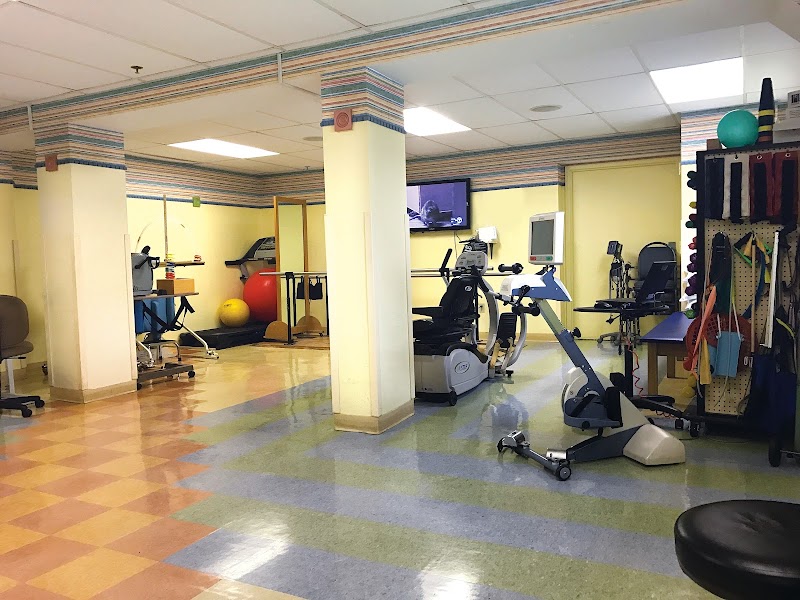
CMS rates WHITE HOUSE HEALTHCARE AND REHABILITATION CENTER's staffing level at 4 out of 5 stars, which is above average compared to other nursing homes. Staff turnover is 26%, compared to the New Jersey average of 46%. This relatively stable workforce can support continuity of care.

What Have Inspectors Found at White House Healthcare And Rehabilitation Center?

State health inspectors documented 5 deficiencies at WHITE HOUSE HEALTHCARE AND REHABILITATION CENTER during 2020 to 2024. These included: 5 with potential for harm.
Who Owns and Operates White House Healthcare And Rehabilitation Center?

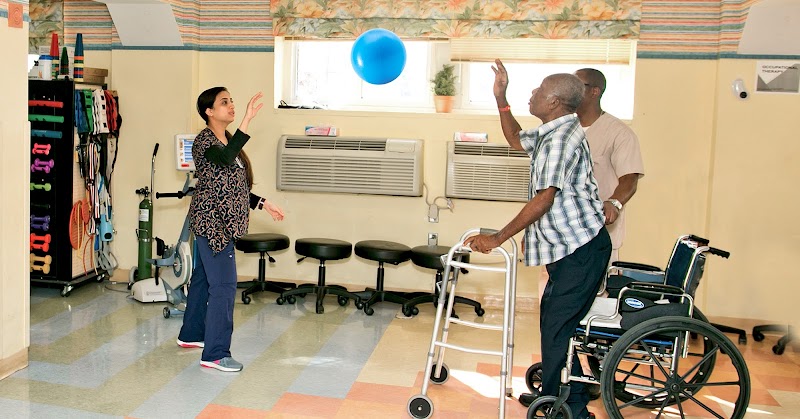
WHITE HOUSE HEALTHCARE AND REHABILITATION CENTER is owned by a for-profit company. For-profit facilities operate as businesses with obligations to shareholders or private owners. The facility is operated by COLEV GESTETNER, a chain that manages multiple nursing homes. With 176 certified beds and approximately 163 residents (about 93% occupancy), it is a mid-sized facility located in ORANGE, New Jersey.
How Does White House Healthcare And Rehabilitation Center Compare to Other New Jersey Nursing Homes?

Compared to the 100 nursing homes in New Jersey, WHITE HOUSE HEALTHCARE AND REHABILITATION CENTER's overall rating (5 stars) is above the state average of 3.3, staff turnover (26%) is significantly lower than the state average of 46%, and health inspection rating (5 stars) is much above the national benchmark.

What Should Families Ask When Visiting White House Healthcare And Rehabilitation Center?

Based on this facility's data, families visiting should ask: "Can I visit during a mealtime to observe dining assistance and food quality?" "How do you handle medical emergencies, and what is your hospital transfer rate?" "Can I speak with family members of current residents about their experience?"

Is White House Healthcare And Rehabilitation Center Safe?

Based on CMS inspection data, WHITE HOUSE HEALTHCARE AND REHABILITATION CENTER has a clean safety record: no substantiated abuse findings (meaning no confirmed cases of resident harm), no Immediate Jeopardy citations (the most serious violation level indicating risk of serious injury or death), and is not on the Special Focus Facility watch list (a federal program monitoring the lowest-performing 1% of nursing homes). The facility has a 5-star overall rating and ranks #1 of 100 nursing homes in New Jersey. While no facility is perfect, families should still ask about staff-to-resident ratios and recent inspection results during their visit.

Do Nurses at White House Healthcare And Rehabilitation Center Stick Around?

Staff at WHITE HOUSE HEALTHCARE AND REHABILITATION CENTER tend to stick around. With a turnover rate of 26%, the facility is 19 percentage points below the New Jersey average of 46%. Low turnover is a positive sign. It means caregivers have time to learn each resident's needs, medications, and personal preferences. Consistent staff also notice subtle changes in a resident's condition more quickly. Registered Nurse turnover is also low at 30%, meaning experienced RNs are available to handle complex medical needs.

Was White House Healthcare And Rehabilitation Center Ever Fined?

WHITE HOUSE HEALTHCARE AND REHABILITATION CENTER has no federal fines on record. CMS issues fines when nursing homes fail to meet care standards or don't correct problems found during inspections. The absence of fines suggests the facility has either maintained compliance or corrected any issues before penalties were assessed. This is a positive indicator, though families should still review recent inspection reports for the full picture.

Is White House Healthcare And Rehabilitation Center on Any Federal Watch List?

WHITE HOUSE HEALTHCARE AND REHABILITATION CENTER is not on any federal watch list. The most significant is the Special Focus Facility (SFF) program, which identifies the bottom 1% of nursing homes nationally based on persistent, serious quality problems. Not being on this list means the facility has avoided the pattern of deficiencies that triggers enhanced federal oversight. This is a positive indicator, though families should still review the facility's inspection history directly.