BERGEN NEW BRIDGE MEDICAL CENTER
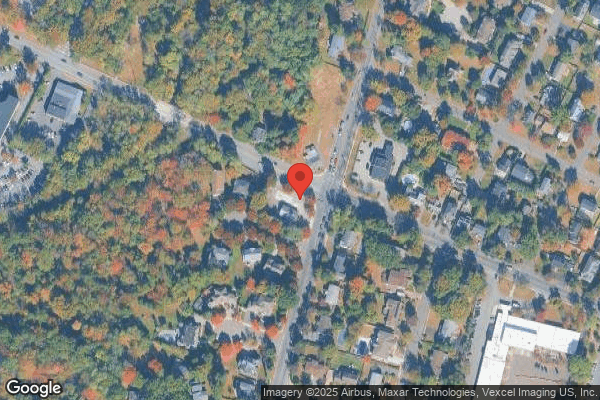
230 E RIDGEWOOD AVE, PARAMUS, NJ 07652 (201) 967-4000
Non profit - Corporation 574 Beds Independent Data: November 2025
Trust Grade
70/100
#96 of 344 in NJ
Last Inspection: May 2025

Inspected within the last 6 months. Data reflects current conditions.

Overview

Bergen New Bridge Medical Center has received a Trust Grade of B, indicating it is a good choice among nursing homes. It ranks #96 out of 344 facilities in New Jersey, placing it in the top half for care quality. Unfortunately, the facility is experiencing a worsening trend, with the number of issues increasing from 5 in 2023 to 9 in 2025. Staffing is a strength, with a 4 out of 5-star rating and a low turnover rate of 16%, significantly better than the state average. However, the facility has incurred $47,430 in fines, which is concerning and suggests ongoing compliance problems. Specific incidents noted in inspections include a serious concern where a resident was not repositioned for several days, risking pressure sores, and issues with the food service where pans were found wet and improperly stacked, posing a risk for microbial growth. Additionally, there was a failure to ensure that call bell notifications were functioning properly, which could affect residents' ability to receive timely assistance. While there are strengths in staffing and overall care, these incidents highlight areas needing attention.

Trust Score
B
70/100
In New Jersey
#96/344
Top 27%
Safety Record
Moderate
Needs review
Inspections
Getting Worse
5 → 9 violations
Staff Stability
✓ Good
16% annual turnover. Excellent stability, 32 points below New Jersey's 48% average. Staff who stay learn residents' needs.
Penalties
✓ Good
$47,430 in fines. Lower than most New Jersey facilities. Relatively clean record.
Skilled Nurses
✓ Good
Each resident gets 58 minutes of Registered Nurse (RN) attention daily — more than average for New Jersey. RNs are trained to catch health problems early.
Violations
⚠ Watch
16 deficiencies on record. Higher than average. Multiple issues found across inspections.
★★★★☆
4.0
Overall Rating
★★★★☆
4.0
Staff Levels
★★★★★
5.0
Care Quality
★★★☆☆
3.0
Inspection Score
Stable
2023: 5 issues
2025: 9 issues

The Good

  • 4-Star Staffing Rating · Above-average nurse staffing levels
  • 5-Star Quality Measures · Strong clinical quality outcomes
  • Low Staff Turnover (16%) · Staff stability means consistent care
  • Full Sprinkler Coverage · Fire safety systems throughout facility
  • No fines on record
  • Staff turnover is low (16%)

    32 points below New Jersey average of 48%

Facility shows strength in staffing levels, quality measures, staff retention, fire safety.

The Bad

Federal Fines: $47,430

Above median ($33,413)

Moderate penalties - review what triggered them

The Ugly 16 deficiencies on record

1 actual harm
May 2025 9 deficiencies
CONCERN (D)

Potential for Harm - no one hurt, but risky conditions existed

Deficiency F0552 (Tag F0552)

Could have caused harm · This affected 1 resident

Based on observation, interview, and record review, it was determined that the facility failed to inform the resident or their representative in advance of treatment risks and benefits, options, and a...

Read full inspector narrative →
Based on observation, interview, and record review, it was determined that the facility failed to inform the resident or their representative in advance of treatment risks and benefits, options, and alternatives to a resident receiving antipsychotic medications. This deficient practice was identified for 1 of 5 residents (Resident #213), reviewed for unnecessary medications. This deficient practice was evidenced by the following: On 5/8/25 at 10:35 AM, the surveyor observed Resident #213 walking in the hallway towards the activity room. On 5/12/25 at 10:00 AM, the surveyor observed the resident in the day/activity room sitting on a chair with other residents, non-verbal, and no behaviors observed. The surveyor reviewed the medical records of Resident #213, and revealed: A review of the face sheet (admission summary) reflected that the resident was admitted to the facility with diagnosis which included but was not limited to; Alzheimer's (progressive disease that affects memory, thinking and behavior), dementia (declining memory and thinking skills), major depressive disorder (MDD) recurrent, unspecified mood affective disorder, and psychosis (a mental state where the individual loses touch with reality). A review of the quarterly Minimum Data Set (MDS), an assessment tool, with an assessment reference date (ARD) of 2/26/25, revealed the resident as rarely understood. A review of the order summary, revealed the following orders for antipsychotic medication (med) as followed: -Seroquel 50 milligram (mg), 1 tablet (tab) orally at bedtime for psychosis, ordered on 7/31/24. -Seroquel 25 mg, one-half tab (12.5 mg) orally every morning for psychosis, ordered on 7/31/24, and was discontinued (d/c) on 3/10/25. -Seroquel 25 mg, 1 tab orally every morning for psychosis, ordered on 3/10/25. A review of the resident's care plan, reflected, alteration in mood and behavior due to impaired cognition and impaired safety awareness related to; advanced neurocognitive disorder with behavior disturbance, MDD with psychosis, mood disorder, has episodes of exploring/entering to other residents' room and pulling pants down, episodes of pacing/walking around in the unit without purpose, sad face, and dementia. A review of the psychiatry notes, dated 3/10/25, which revealed, the resident continued to ambulate in and out of other resident's rooms uninvited. Resident had a habit of standing over residents' bed and staring at them while they were asleep. Plan at was to start seroquel in the morning and monitoring. Further review of the medical records, revealed, there was no documented evidence that consents was obtained or the resident representative (RR) was notified and agreed in writing when antipsychotic med was changed. On 5/12/25 at 11:36 AM, the surveyor interviewed Registered Nurse/Unit Manager (RN/UM) regarding consents for antipsychotic med-seroquel. The RN/UM stated that the facility just started getting consents, we were educated in April 2025 about it, and that we did not know before. She further stated that I understand whenever antipsychotic med was increase of new med was started, consent should have been obtained. The RN/UM also confirmed that she did not have the written consent, and that she will look for the documentation that the RR was notified. The surveyor asked the RN/UM if the expectation was to have a written consent for psychotropic med, and she stated, Yes, I will get consent as soon as possible. On 5/12/25 at 2:01 PM, the RN/UM confirmed that there was no written consent at the time on 7/31/24 and 3/10/25, when the seroquel order was changed. The RN/UM provided a written consent for seroquel dated 5/12/25, signed by the RR, after surveyor's inquiry. A review of the facility's Psychotropic Drug Use Policy, revised 4/2025, reflected that in the event a psychotropic drug/agent must be used, this facility shall implement a system to assure proper consent .The written or witnessed verbal consent form (Informed Consent for use of Psychotropic Med) will serve as evidence of a resident's consent to receive the new or increased dose of a psychotropic med . On 5/14/25 at 12:30 PM, the survey team met with the License Nursing Home Administrator (LNHA) and Director of Nursing (DON), and the surveyor notified them of the above concern with antipsychotic med-seroquel. On 5/16/25 at 10:31 AM, the surveyor asked the LNHA and the DON what was the facility's process with regard to change in the psychotropic med order was, and the DON responded, We really did not have anything regarding consent, we have it now starting April 23, 2025, for the new regulations. The LNHA stated, It was a loose process. At that same time, the surveyor asked the DON, regarding the change of order to increase seroquel on 3/10/2025, what was the expectation when there were changes. The DON and the LNHA confirmed, consents should have been issued and the RR should have been informed. NJAC 8:39-4.1(a)2
CONCERN (D)

Potential for Harm - no one hurt, but risky conditions existed

Deficiency F0558 (Tag F0558)

Could have caused harm · This affected 1 resident

Based on observation, interview, and review of pertinent facility documentation, it was determined that the facility failed to ensure 3 of 32 residents (Residents #20, #83, and #228) call bells were w...

Read full inspector narrative →
Based on observation, interview, and review of pertinent facility documentation, it was determined that the facility failed to ensure 3 of 32 residents (Residents #20, #83, and #228) call bells were within reach and able to use to accommodate residents' needs. This deficient practice was evidenced by the following: 1. On 5/8/25 at 1:09 PM, Surveyor #1 (S#1) observed Resident #20 in their room and observed that the call bell was not visible. The resident stated that they did not know where the call bell was located. On 5/12/25 at 10:20 AM, Surveyor #2 (S#2) interviewed Certified Nursing Assistant #1 (CNA#1), who cared for Resident #20, who stated that the resident should have the call bell in reach for use. 2. On 5/8/25 at 12:20 PM, S#1 observed Resident #228 awake and alert in their bed. The surveyor observed that the call bell was not visible. The resident stated that they did not know anything about a call bell and that they would call out to the staff for help. On 5/12/25 at 10:48 AM, S#2 observed Resident #228 in bed, and observed the call bell hanging off the wall, behind the residents' bed, and not in reach of Resident #228. At 10:55 AM, S#2 interviewed CNA#2, who cared for Resident # 228, who stated that Resident # 228 would shout out for help, and then stated that the resident should have the call bell in reach for use. CNA#2 went to the resident's room and gave them the call bell for use. On 5/15/25 at 12:25 PM, S#2 discussed above concerns with Licensed Nursing Home Administrator (LNHA) and the Director of Nursing (DON). The LNHA and DON both stated that the residents should have their call bells within reach. 3. On 5/8/25 at 11:51 AM, Surveyor #3 (S#3) observed Resident #83 lying on bed and did not observe a call bell within reach. The resident stated that there was no call bell and had to yell for help for anything and even to change television (TV) channel. Surveyor #4 (S#4) reviewed the medical record for Resident #83. A review of the face sheet (admission summary) reflected that the resident was admitted with diagnoses that included but were not limited to; osteoarthrosis (the joints affected most commonly are the knee, hip, hands and the first metatarsophalangeal joint, the three main symptoms are pain, morning stiffness and a tendency for the affected joint to gel with immobility) and allied disorders, interverbal disc disorders, and essential hypertension (occurs when you have abnormally high blood pressure that's not the result of a medical condition) unspecified. A review of the most recent quarterly Minimum Data Set (MDS), an assessment tool, with an assessment reference date (ARD) of 3/18/25, revealed in Section C Cognitive Patterns, revealed that resident had moderately impaired cognitive skills for daily decision making. Section GG Functional Abilities revealed that the resident had functional limitation in range of motion (ROM) and was coded 2, impairment on both sides for upper and lower extremities. On 5/13/25 at 9:08 AM, S#4 observed Resident #83 lying on an air mattress with a push button call bell within reach on top of resident's bed. The surveyor observed the resident unable to use the call bell due to limitations to both upper extremities. CNA#3 was inside the resident's room and stated that morning care was done. On 5/13/25 at 9:15 AM, S#4 interviewed the Registered Nurse/Unit Manager (RN/UM) in the presence of the Assistant Director of Nursing (ADON) in unit 8-7 nursing station. The RN/UM informed S#4 that Resident # 83 was alert with some forgetfulness, able to make needs known to staff and can follow directions. The RN/UM further stated that the resident had bilateral upper extremities (BUE) limitations. The ADON stated the contracture was not something new to the resident. At that same time, S#4 asked if the resident had contracture BUE, would the resident be able to use the push button call bell and how the resident would be able to call for assistance. The ADON and RN/UM both stated that staff anticipate needs and do rounds. Both ADON and RN/UM also stated that they would re-evaluate the need of the resident. Furthermore, the ADON stated that there were residents on the same problem with inability to use push button call bell due to limitations and the facility was able to provide a flat call bell to accommodate the need of the residents. S#4 then asked the ADON and RN/UM, why it was not provided to the resident if they were aware of the limitations of the resident, and the ADON stated they would reevaluate the resident. On 5/13/25 at 9:30 AM, S#4 interviewed CNA#3, who informed the surveyor that Resident #83 was cognitively intact, able to follow the commands, and make needs known to staff verbally. CNA#3 further stated that the resident was unable to use call bell due to limitations to BUE, total care, and incontinent of both bladder and bowel. S#4 asked how the resident call for help can if the resident unable to use the call bell, and CNA#3 responded that staff anticipate needs and do rounds. On 5/14/25 at 12:15 PM, the survey team met with the LNHA and DON, and S#4 notified the LNHA and DON of the above concerns regarding Resident #83's call bell. The LNHA stated that Resident #83's call bell was changed yesterday to a flat call bell after surveyor's inquiry. S#4 followed up with the DON about the policy that S#4 asked regarding accommodation of needs, and the DON stated that there was no specific policy about accommodation of needs. The DON further stated that the policy for call bell was the policy they follow for accommodation of needs for call bell. On 5/16/25 at 10:30 AM, the survey team met the LNHA and DON, and there was no additional information provided by the LNHA and DON except for the typewritten Response/Follow Up paper that reflected that after the surveyor's inquiry on 5/12/25, the facility reviewed the resident's needs, identified that the resident was unable to push the call light system due to contracture and physical limitations, and the resident was provided with pad call bell alarm that the resident was able to utilize. A review of the provided Call Bell/Light Policy with a reviewed date of 7/20/24, that was provided by the LNHA, revealed: Policy: It is the policy of the facility to ensure that the home is adequately equipped to allow a resident to call for assistance through a call bell communication system which contacts a staff member in the nurses' station. The call bell system will have an auditory alert at the station ensure high quality resident care and outcomes. Procedure with Responsibility: 1. Residents will be shown and demonstrate the use of the call bell light located at bedside and in the bathroom/shower room to new resident. 2. Ensure the call bell is in easy reach of the resident. 3. If a resident is unable to use a call bell button, ensure there are regular checks on theses residents. 4. Answer and acknowledge the call bell light in a timely manner as soon as possible . On 5/16/25 at 11:26 AM, the survey team met with the LNHA and DON for an exit conference. The LNHA and the DON did not provide additional information and did not refute the findings. NJAC 8:39-4.1(a)11, 31.8 (c)(9)
CONCERN (D)

Potential for Harm - no one hurt, but risky conditions existed

Safe Environment (Tag F0584)

Could have caused harm · This affected 1 resident

**NOTE- TERMS IN BRACKETS HAVE BEEN EDITED TO PROTECT CONFIDENTIALITY** Based on observation and interview it was determined the facility failed to maintain the residents' living environment in a clea...

Read full inspector narrative →
**NOTE- TERMS IN BRACKETS HAVE BEEN EDITED TO PROTECT CONFIDENTIALITY** Based on observation and interview it was determined the facility failed to maintain the residents' living environment in a clean, sanitary, and homelike manner for 1 of 32 residents (Resident #132), and 1 unsampled resident (Resident room [ROOM NUMBER]). The deficient practice is evidenced by the following. 1. On 5/8/25 at 11:10 AM, the upon initial tour of the 6th floor, the surveyor observed that inside of Resident room [ROOM NUMBER] (RR#606), there was damage to residents' wall with paint chipped off in five areas, across from the residents' bed. The surveyor also observed damage to the cove base near the residents' closet. The surveyor also observed a 1 inch sized break in the floor tile, also near the resident's closet. 2. On 5/8/25 at 11:16 AM, the surveyor observed that inside Resident #132's room, there were 11 areas of chipped off paint on wall near bathroom. The surveyor also observed damage to the cove base near the resident's closet and damage to wall, exposing sheetrock near closet as well. Lastly, the surveyor observed a 1 inch sized broken piece of wood on residents door, under the residents' door handle. On 5/15/25 at 12:25 PM, the surveyor discussed above concerns with Licensed Nursing Home Administrator (LNHA) and the Director of Nursing (DON). The LNHA and the DON both stated that the resident's rooms should be in good repair. NJAC 8:39-4.1(a), 11, 31.4 (a), (b), (c), (f)
CONCERN (D)

Potential for Harm - no one hurt, but risky conditions existed

Deficiency F0688 (Tag F0688)

Could have caused harm · This affected 1 resident

Based on observation, interview, and review of other pertinent facility documents, it was determined that the facility failed to ensure timely revision of the individualized comprehensive care plan an...

Read full inspector narrative →
Based on observation, interview, and review of other pertinent facility documents, it was determined that the facility failed to ensure timely revision of the individualized comprehensive care plan and implementation of interventions created by the occupational therapist to stimulate functional performance and prevent further decline. This deficient practice was identified for 1 of 3 residents reviewed for limited range of motion, Resident #25 and was evidenced by the following: On 5/8/25 at 10:30 AM, the surveyor observed the Certified Nursing Assistant (CNA), walking into Resident #25's room, and stated she was there to provide morning care to the resident. On 5/8/25 at 10:36 AM, the surveyor observed the same CNA exited Resident #25 room. The surveyor observed the resident awake, alert, in bed, with closed fist on both hands. The surveyor reviewed the medical record for Resident #25. A review of Resident #25's face sheet (an admission summary) reflected that the resident was admitted to the facility with diagnoses which included unspecified injury and skull fractures. A review of Resident #25's most recent quarterly Minimum Data Set (qMDS), an assessment tool, with an assessment reference date (ARD) of 4/29/25, reflected that the resident had a Brief Interview for Mental Status (BIMS) score of 15 out of 15, which indicated that Resident #25's cognition was intact. Section G reflected that the resident had upper and lower extremity impairment to both sides (involving the following: shoulder, elbow, wrist, hand, hip, knee, ankle and foot). Further review of Section O. 400B, under Occupational Therapy reflected the resident was started on 2/19/25. Section O.500 Restorative Nursing Program (RNP)did not reflect the resident received passive or active range of motion was performed in the last seven calendar days of the qMDS review. A review of the facility provided interdisciplinary progress notes (IDPN) from 8/25 to 3/25, included the following: -On 8/6/24, the resident received passive range of motion (PROM, movement without effort from the individual) to lower extremities and active assisted range of motion (AAROM, the individual moves with assistance) to both shoulders and abduction daily. -On 10/6/24, the resident continued to receive AAROM to the right upper extremity and PROM for both lower extremities during care to prevent further contractures. -On 11/6/24, the resident continued to receive PROM to both lower extremities and left upper extremities and AAROM to right upper extremities to prevent further contractures. -On 12/6/24, the resident continued to receive PROM to both upper and lower extremities during care as tolerated to prevent further contractures. -On 1/6/25, the resident continues to receive PROM to both upper and lower extremities daily to prevent further contractures. -On 2/7/25, the resident continues to receive PROM to both upper and lower extremities daily to prevent further contractures -On 3/7/25, the resident continues to receive PROM to both upper and lower extremities daily. The resident was on for OT (Occupational Therapy) for upper extremity strengthening and Physical Therapy for contracture management. - On 5/6/25, the resident had bilateral heel boots that was applied when in bed and removed in the morning when getting out of bed and the skin was checked for redness or irritation. There was no corresponding accountability to show implementation of the IDPN. A review of the individualized comprehensive care plan (ICCP) for Resident #25, did not include a focus to address the interventions the resident needed to regain or maintain loss of function and abilities to improve their overall well-being through the RNP as recommended by the OT. Further review of the ICCP did not reflect revisions to reflect the IDPN from 8/6/24 to 5/6/25. According to the Annual Screen (AS) dated 8/19/25, Resident #25 was screened. The OT documented on the AS that the resident had no noted significant change and recommended to continue with the current RNP that included for the resident to receive AAROM, open and close hands, hip flex (bringing the knee/leg toward the body), hip adduction (inward, midline), knee extension, According to the OT Evaluation and Plan of Treatment (PT) dated 2/19/25, the resident was seen for the quarterly assessment. The assessment indicated that the resident presented with impairment in fine motor coordination (involving smaller muscles in the hands, fingers, and wrists), gross motor coordination (larger muscles including arms, legs and torso), mobility and strength resulting in limitations and/or participation restrictions in the areas of mobility and self-care. The resident required OT services to develop, instruct in the exercise program and improve rehabilitation (rehab) potential; summarily to increase the Resident's health literacy, optimize health wellness and function. A review of the OT Discharge Summary signed/dated 5/9/25, reflected that the restorative program was not indicated at that time and the functional maintenance program was also not indicated at that time. The reason provided for discharge from therapy was that the resident had reached their highest practical level. A review of the facility provided Long Term Care RNP, list of residents for May 2025, did not include Resident #25. On 5/14/25 at 1:05 PM, during an interview with the surveyor, CNA #2/restorative aid stated that Resident #25 was not part of the RNP and was not on the list of residents who received restorative services. On 5/14/25 at 1:35 PM, during an interview with the surveyor, the OT/Director of Rehabilitation (DOR) stated that Resident #25 was referred to therapy for evaluation at the resident representative's request. The OT/DOR also stated that the resident's left hand was frozen with minimal mobility with fingers but was able to use their laptop with their finger. The surveyor asked why there were no interventions or recommendations to prevent decline or maintain the resident's fine motor skills function, when the OT ended on 5/7/25. The DoR stated the resident was already on RNP prior to 2/19/25, and had not recommended discontinuation of the previous RNP. The OT/DoR was not sure where the documentation of the accountability to ensure the resident was for RNP, since it was a nursing program. On 5/14/25 at 2:20 PM, during an interview with the surveyor, CNA #1 informed the surveyor that she was assigned to give care to the resident and documented the care given into the computer under point of care (POC). CNA #1 stated that she knew the care that had to be given by reading the care plan and the POC enumerated the task she needed to complete for the resident. The POC reviewed did not reflect PROM or AAROM for Resident #25. On 5/14/25 at 2:39 PM, in the presence of a surveyor, the Director of Nursing (DON) and the DoR, the surveyor discussed the concerns regarding the ICCP that did not reflect revisions to reflect the IDPN from 8/6/24 to 5/6/25, the missing accountability to show the resident received RNP services from 8/19/24 to 2/19/25, and the RNP that was not continued after discharge from OT rehab on 5/7/25, against the intended treatment plan of the OT/DoR. On 5/16/25 at 10:30 AM, during a meeting with the survey team, the DON acknowledged that the accountability should have shown daily documentation as opposed to some documentation to ensure against decline of current functional status (contracture). The DON also confirmed that the care plan should have reflected a focus and intervention for the residents limited range of motion. The DON stated the resident was re-evaluated after surveyor inquiry and was placed back on the RNP. A review of the provided facility policy for RNP, dated/revised 8/23, under process/procedure included that the Rehab developed a personalized RNP with specific goals to achieve/maintain at highest functional level, educated the restorative care aid and CNA on the needs of each resident. The care plan for RNP initiated and completion of restorative monthly summary . NJAC 8:39-11.2 (e)(1)(2), 27.1(a)
CONCERN (D)

Potential for Harm - no one hurt, but risky conditions existed

Respiratory Care (Tag F0695)

Could have caused harm · This affected 1 resident

Based on observation, interview, record review, and review of other pertinent facility documentation, it was determined that the facility failed to ensure the necessary respiratory care and services o...

Read full inspector narrative →
Based on observation, interview, record review, and review of other pertinent facility documentation, it was determined that the facility failed to ensure the necessary respiratory care and services of residents that were receiving oxygen, according to the standard of clinical practice and facility's policy and procedure, specifically a.) the sterile water bottle utilized for humidification of oxygen was dated for 1 of 8 residents reviewed for respiratory care (Resident #80), and b.) that respiratory equipment were stored in accordance with infection control measures for 1 of 8 residents reviewed for respiratory care (Resident #124). This deficient practice was evidenced by the following: 1. On 5/13/25 at 12:15 PM, the surveyor observed Resident #80 lying in bed with oxygen (O2) being administered at 2 LPM (liters per minute) via nasal cannula (NC) tubing. The surveyor observed that the O2 being administered was being humidified by an attached bottle of sterile water and the bottle was not dated. On 5/13/25 at 12:16 PM, the surveyor interviewed the Licensed Practical Nurse (LPN), who stated that every Friday the Respiratory Therapist (RT) changed the O2 equipment and dated it. The LPN confirmed that the bottle of sterile water was not dated and that it should be. The LPN then removed the bottle, discarded it and placed a new bottle of sterile water and wrote the date on it. On 5/13/25 at 12:25 PM, the surveyor interviewed the Unit Manager of the 8-7 unit who stated that every Friday the equipment was changed by the RT and as needed. She added that the sterile water bottle should be dated. A review of Resident #80's face sheet (an admission summary) reflected that the resident was admitted to the facility with diagnoses which included but were not limited to; chronic obstructive pulmonary disease (COPD, group of lung conditions that cause airflow obstruction and breathing problems), shortness of breath (feeling that you can't get enough air into your lungs), and Parkinson's disease (disorder of the central nervous system that affects movement, often including tremors). A review of Resident #80's individualized care plan (ICP), indicated the resident received O2 therapy related to the diagnosis of COPD. On 5/13/25 at 12:38 PM, the surveyor interviewed the RT in the presence of the Director of Nursing (DON). The RT stated that the sterile water bottle should be dated. On 5/14/25 at 12:31 PM, the surveyor notified the Licensed Nursing Home Administrator (LNHA) and DON of the concern that Resident #80's sterile water bottle was not dated. On 5/15/25 at 12:30 PM, in the presence of the DON, the LNHA stated that the sterile water bottle should have been dated. The LNHA did not provide any additional information. 2. On 5/13/25 at 10:33 AM, the surveyor observed Resident #124 seated in a wheelchair at a sink brushing their teeth. The surveyor observed that a NC tubing which was connected to the O2 concentrator was laying on the resident's bed and not stored in the dated, clear plastic bag that was attached to the concentrator. The surveyor interviewed the Certified Nursing Assistant (CNA) that was in Resident #124's room. The CNA stated that the NC was taken off the resident so the resident could brush their teeth. The CNA confirmed that the NC was laid on the bed. The Unit Manager of 5-1 unit, who was also in the resident's room, confirmed that the NC tubing was laid on the resident's bed and that it should have been placed in the clear plastic bag when not in use. On 5/13/25 at 10:37 AM, the surveyor interviewed the Registered Nurse (RN). The RN stated that the NC tubing should be stored in a bag when not in use to prevent infection. A review of Resident #124's face sheet reflected that the resident was admitted to the facility with diagnoses which included but were not limited to; Parkinson's disease, type 2 diabetes mellitus (chronic condition characterized by high blood sugar levels), and hyperlipidemia (an abnormally high concentration of fats or lipids in the blood). A review of Resident #124's ICP, indicated the resident received O2 therapy related to shortness of breath. On 5/13/25 at 12:38 PM, the surveyor interviewed the RT in the presence of the DON. The RT stated that the NC tubing should be in a bag when not in use. On 5/14/25 at 12:31 PM, the surveyor notified the LNHA and DON of the concern that Resident #124's NC tubing was observed laid out on the resident's bed and not in a bag while not in use. On 5/15/25 at 12:30 PM, in the presence of the DON, the LNHA stated that the NC tubing should have been stored in a bag. The LNHA did not provide any additional information. A review of the facility's Oxygen Concentrators Policy, with an issued date of June 2024, included the following: Maintenance: Respiratory Therapists are responsible to check concentrators that are running on all patients in the hospital as part of O2 rounds on a weekly basis .Change humidifier bottles as needed and date when changed. A review of the facility's Nasal Cannula-Oxygen Policy, with an issued date of June 2024, did not include how to store the O2 NC tubing when not in use. A review of the facility's Oxygen Rounds & Equipment Policy, with an issued date of August 2013, did not include any information regarding dating or storing O2 equipment. N.J.A.C. 8:39-19.4(a); 27.1(a)
CONCERN (D)

Potential for Harm - no one hurt, but risky conditions existed

Deficiency F0760 (Tag F0760)

Could have caused harm · This affected 1 resident

Based on observation, interview, and record review, it was determined that the facility failed ensure a high blood pressure medication with parameters (defined set of conditions) was administered with...

Read full inspector narrative →
Based on observation, interview, and record review, it was determined that the facility failed ensure a high blood pressure medication with parameters (defined set of conditions) was administered without significant medication error, the physician's order was followed, adhered to the professional standards of practice and the facility policy of medication administration. The deficient practice was identified for 1 of 4 residents (Resident #81), administered by 1 of 4 nurses observed during the medication administration and was evidenced by the following: On 5/12/25 at 10:06 AM, the surveyor observed Licensed Practical Nurse (LPN) prepare 8 medications (meds) for Resident #81, which included a physician's order (PO) for metoprolol tartrate 25 milligrams (mg) 1 tablet (tab) orally three times a day at 8:00 AM, 2:00 PM (6 hours apart), and 10:00 PM for hypertension (high blood pressure). Hold if systolic blood pressure (bp) less than 110; hold if heart rate less than 55. To be taken with food or milk. Give medication (med) without regard to meals. At 10:29 AM, the LPN confirmed she was ready to administer the meds to Resident #81, turned and knocked on the resident's door. At 10:32 AM, the LPN took the Resident's vital signs, the bp was 139/85, and the heart rate was 81. At 10:36 AM, the LPN administered the meds to Resident #81 with Ensure liquid. At 10:42 AM, the surveyor and the LPN reviewed the Medication Administration Record (MAR) together. The MAR reflected the administration times for metoprolol were 8:00 AM, followed by a 2:00 PM, and a 10:00 PM dose; the order was started on 3/10/25. The LPN stated that she should have reached out to the doctor, when she was not able to administer the scheduled metoprolol dose at 8:00 AM. The LPN informed the surveyor that she had a window of one hour before and one hour after the scheduled time. The LPN acknowledged that she was more than 1 and ½ hour late for the administration of the metoprolol. At that time, the LPN stated that she thought it was worst to not give the med at all. After the surveyor inquiry, the LPN stated that she would inform the supervisor and the physician of the late administration of the metoprolol and request for instructions regarding the following dose that was to be administered at 2:00 PM [3 and ½ hours from last administration and can be administered as early as 2 and ½ hours from the last dose]. On 5/14/25 at 12:17 PM, during a meeting with the survey team, the Licensed Nursing Home Administrator (LNHA), and the Director of Nursing (DON), the surveyor discussed the concern regarding the late administration of Resident #81's metoprolol that required parameters and the concern regarding the LPN who did not inform the physician of the late administration and the failure of the LPN to adhere to professional standard of practice and facility policy for med administration. At that time, the DON confirmed the LPN should have called the physician about the late administration and for the 2:00 PM dose to be adjusted so the meds were not close together. A review of the provided facility policy, Medication Administration dated/revised 11/23, under Standards, included that medication will be administered in accordance with the standard of practice for nurses in the state of New Jersey. The administration timing guideline were 60 minutes before or after the ordered time. No additional information was provided. NJAC 8:39-11.2(b), 27.1 (a) 29.2(d)
CONCERN (D)

Potential for Harm - no one hurt, but risky conditions existed

Deficiency F0883 (Tag F0883)

Could have caused harm · This affected 1 resident

Based on interview, record review, and review of other facility documentation, it was determined that the facility failed to obtain written consent for the administration of an influenza (flu) vaccine...

Read full inspector narrative →
Based on interview, record review, and review of other facility documentation, it was determined that the facility failed to obtain written consent for the administration of an influenza (flu) vaccine and pneumococcal vaccine for 1 of 5 residents, Resident #213, reviewed for immunizations. This deficient practice was evidenced by the following: On 5/8/25 at 10:35 AM, the surveyor observed Resident #213 walking in the hallway towards the activity room, appears well groomed. The surveyor reviewed the medical record for Resident #213. A review of the Resident's face sheet (admission summary) revealed diagnosis which included but was not limited to Alzheimer's (progressive disease that affects memory, thinking and behavior) and dementia (declining memory and thinking skills. A review of the quarterly Minimum Data Set (MDS), an assessment tool, revealed the resident as rarely understood. According to the Resident's immunization electronic record, the resident received the flu vaccine on 10/2/24, and the pneumococcal vaccine on 11/6/19, with no consents found in the medical record. On 5/14/25 at 10:30 AM, the surveyor requested from Director of Nursing (DON) and License Nursing Home Administrator (LNHA) copies of consents for pneumococcal and flu vaccines for resident #213. On 5/14/25 at 11:45 AM, second request to DON to provide copies of consents for pneumococcal and flu vaccines for resident #213. On 5/14/25 at 12:17 PM, the survey team met with the LNHA and the DON. The surveyor asked, what was the facility's process with regard to residents' vaccinations. The DON stated, the facility had a standard order, if resident refuse, the staff educate the resident the risk, the staff ask for consent, and staff also provide the facts sheet. The DON further stated that in the form, there was in the bottom a FACT sheet from the Center for Disease Control (CDC) guidance information, and the information was given every time the facility staff offer vaccines. On 5/14/25 at 1:00 PM, the surveyor discussed the flu vaccine given on 10/2/24, pneumococcal given on 11/6/19, and Prevnar 20 vaccine given on 1/2/25, reflected on the electronic health record with the Decision documented as Facility Required. The surveyor asked where the consents for flu and pneumonia vaccines and the DON stated, We don't have a consent, it's a standard order from the doctor. There was no documented evidence that the Resident or Resident Representative (RR) signed consent nor education was provided in writing. On 5/14/25 at 1:15 PM, the surveyor notified the DON of the concern of no consents found for vaccines. The DON confirmed the vaccines were given by the staff in the facility for Resident #213 without consents from the RR who was the Power of Attorney (POA). The DON stated that it was not facility's practice to obtain consents for vaccines, but the facility notify the RR or the Resident. The DON further stated, the standard order from the doctor not enough? A review of the facility's Vaccines for Residents and Patients-Standing Orders Policy, revised 5/2025, which revealed, Nursing responsibilities/Procedure Long Term Care Division, document appropriate information on the Patient Immunization Record form . On 5/15/25 at 12:34 PM, the LNHA stated that We utilize the information found in our standing order policy for flu and pneumococcal vaccines that had been reviewed and approved. The LNHA further stated that upon admission, a resident or the RR allowed the physician to treat and manage medical conditions and concerns. The LNHA also stated that the RR had remained proactive and involved in every aspect of their care. On 5/16/25 at 10:00 AM, the surveyor requested from the DON for further documentation from the social worker or staff for informing the RR regarding vaccines upon administration. On 5/16/25 at 10:31 AM, The LNHA and the DON confirmed there was no additional information regarding documentation that the RR was notified of vaccines were administered. NJAC-8:39-19.4(h)(i)
CONCERN (F)

Potential for Harm - no one hurt, but risky conditions existed

Food Safety (Tag F0812)

Could have caused harm · This affected most or all residents

Based on observation, interview, record review, and policy review, it was determined that the facility failed to; a) sanitize and air-dry steam table pans correctly to prevent microbial growth, b) fol...

Read full inspector narrative →
Based on observation, interview, record review, and policy review, it was determined that the facility failed to; a) sanitize and air-dry steam table pans correctly to prevent microbial growth, b) follow labeling requirements on food products and use-by dates, and c) maintain food and supply storage. This deficient practice was evidenced by the following: On 5/8/25 at 9:45 AM, in the presence of the Operations Managers (OM #1 and # 2) and Executive Administrator (EA), the surveyor observed the following: 1. In the dishwashing area, the surveyor observed 42 steam table pans wet nested as they were stacked with pooling water between them. The surveyor interviewed the Food Service Worker (FSW), who stated, In the morning we stack the pans. The FSW could not explain why there was water between the pans. At this time, the surveyor also interviewed the OM # 1 and # 2, who stated The pans need to be air dried. 2. At 9:55 AM, in the dish washing area, the surveyor observed the three-compartment sink and the Food Service Director (FSD) used a test strip to check the chemical in the sanitizing third sink. The FSD showed the surveyor the test strip which revealed an improper sanitation level according to manufacturer specifications. The FSD stated that he acknowledged the issue. 3. At 10:10 AM, in the dishwashing area, the surveyor observed four fans in use the had significant dust buildup and they were blowing directly onto cleaned items. OM #1 and #2 stated, The fans should be cleaned before use. OM #1, #2, and EA acknowledged the concern regarding unclean fans in operation. 4. At 10:15 AM, in the walk-in milk refrigerator the surveyor observed five items inspected had past use by dates as well as three items that had no opened date or use-by date. The items with past use by dates included: Greek salad dressing, pickle relish, thousand island dressing, and balsamic dressing (expired 4/26/25). The opened containers with no date labels included mustard, sweet and sour sauce, and BBQ (barbecue) sauce. OM #1 and #2 acknowledged the concerns and stated the items needed to be removed for disposal. 5. At 10:20 AM, the surveyor observed in the prep refrigerator two containers of chicken soup and one full container of mac, and that were wrapped in plastic wrap with no dated labels indicated when they were made or when the needed to be used by. OM #1 and #2 could not confirm preparation date or expiration dates and stated the items would need to be discarded. 6. At 10:35 AM, The surveyor observed the following in the dry storage area. Two dented #10 cans were observed in the presence of the OM #1 and #2. One of the items was a #10 can of mushrooms with a 2-inch dent and the other was a #10 can of pork and beans with a 1-inch dent. OM #1 and #2 pulled the cans aside. A review of the facility's policy titled, Food Safety Product Labeling and Dating Guidelines, dated 12/6/22, revealed the product should be used by the use by date. A review of the facility's policy titled, Cleaning of Food and Nonfood Contact Surfaces, dated 8/24/22, revealed that the third (sink compartment) must contain sanitizer solution at the proper concentration. A review of the facility's policy titled, Storage or Pots, Dishes, Flatware, Utensils, dated 8/24/22, revealed that the facility is to air dry all food contact surfaces, including pots, dishes, flatware, and utensils before storage, or store in a self-draining position. Do not stack or store when wet. A review of the facility's policy titled, Food Supply and Storage, dated 8/30/22, revealed that dented cans must be removed and placed on a designated shelf for return to the vendor. During an interview on 5/14/25 at 12:00 PM, the surveyor brought the above concerns to the attention of the Licensed Nursing Home Administrator and Director of Nursing. NJAC 8:39-17.2(g).
CONCERN (F) 📢 Someone Reported This

A family member, employee, or ombudsman was alarmed enough to file a formal complaint

Potential for Harm - no one hurt, but risky conditions existed

Deficiency F0919 (Tag F0919)

Could have caused harm · This affected most or all residents

**NOTE- TERMS IN BRACKETS HAVE BEEN EDITED TO PROTECT CONFIDENTIALITY** Complaint NJ # 169798 Based on observation, interview, and review of pertinent facility documentation, it was determined that th...

Read full inspector narrative →
**NOTE- TERMS IN BRACKETS HAVE BEEN EDITED TO PROTECT CONFIDENTIALITY** Complaint NJ # 169798 Based on observation, interview, and review of pertinent facility documentation, it was determined that the facility failed to ensure that the devices used to identify call bell notifications were functioning properly. This deficient practice had the potential to affect all residents residing in Unit 8-7. This deficient practice was evidenced by the following: On 5/12/25 at 1:33 PM, the surveyor upon exit from the elevator, the surveyor observed unit 8-7's call light system machine in the nursing station had a red button on with no audible sounds. There were five staff in the nursing station including the Registered Nurse/Unit Manager (RN/UM). Afterward, the surveyor went to left wing side of Unit 8-7. While the surveyor in the hallway, the surveyor heard one resident yelling for a nurse in Resident room [ROOM NUMBER] (RR#709). The light on top of the door for RR#709 was on with no audible sounds. There was no staff responded to RR#709's call light. On 5/12/25 at 1:40 PM, the surveyor observed no one responded to the call light of RR#709, and the resident by the window was yelling for a nurse. At that time, the surveyor went to the nursing station to ask for the nurse of RR#709. The surveyor also asked the staff how the staff know that the resident was calling or need assistance. The RN/UM informed the surveyor that the resident use call bell then the staff responds to the call bell. The surveyor then asked the RN/UM why the call light of RR#709 was on from 1:33 PM to 1:40 PM, there were no audible sounds, and no staff had responded to the call light. The RN/UM then went to the call light system in the nursing station, the RN/UM press the button with light on and the audible sound was immediately heard. Furthermore, the RN/UM stated that she would have someone go RR#709. The surveyor also asked the RN/UM what happened why there was no audible sounds when the call light was on, the RN/UM stated she was unsure, and she would get back to the surveyor. On 5/12/25 at 1:59 PM, the surveyor notified the Licensed Nursing Home Administrator (LNHA) in the presence of the Director of Nursing (DON) the concerns regarding the call bell light system in Unit 8-7, and the LNHA stated that she would get back to the surveyor. On 5/13/25 at 8:49 AM, the surveyor followed up about the call light system concerns. The LNHA stated that I guess it was on listen mode, and that should have been on a standby mode for them (staff) to be able to hear who were calling. The surveyor then asked the LNHA if that appropriate to be on a listen mode and unable to hear audible sound when residents call, and the LNHA responded that it should not be. She further stated that it was an expectation that the call light system should be in a standby mode for them to be able to hear the call bell. At that same time, the DON stated that education was provided to all staff that call bell should be answered in timely manner and not to put on a listen mode. On 5/16/25 at 10:30 AM, the survey team met the LNHA and DON. The LNHA and DON did not provide additional information except that the LNHA stated that they provided a written response yesterday. A review of the provided Response/Follow Up, typewritten information that was provided by the DON and LNHA, reflected that after surveyor's inquiry, it was identified that there was a delay in responding to the resident call light, after review of the call bell system, it was noted that the audible part of the call bell system was in listen mode. Further investigation indicated that this was inadvertently done by a staff member after answering another call light. The typewritten information also included that the staff were in-serviced and re-educated same day to ensure the button was toggled to standby for the audible sound and to ensure response to visual lights even if audible is not heard. A review of the provided Call Bell/Light Policy with a reviewed date of 7/20/24, that was provided by the LNHA, revealed: Policy: It is the policy of the facility to ensure that the home is adequately equipped to allow a resident to call for assistance through a call bell communication system which contacts a staff member in the nurses' station. The call bell system will have an auditory alert at the station ensure high quality resident care and outcomes. Procedure with Responsibility: 1. Residents will be shown and demonstrate the use of the call bell light located at bedside and in the bathroom/shower room to new resident. 2. Ensure the call bell is in easy reach of the resident. 3. If a resident is unable to use a call bell button, ensure there are regular checks on theses residents. 4. Answer and acknowledge the call bell light in a timely manner as soon as possible . On 5/16/25 at 11:26 AM, the survey team met with the LNHA and DON for an exit conference, there was no additional information provided by the LNHA and DON, and the did not refute the findings. NJAC 8:39-31.8(c), 31.2(e)
Apr 2023 5 deficiencies 1 Harm
SERIOUS (G) 📢 Someone Reported This

A family member, employee, or ombudsman was alarmed enough to file a formal complaint

Actual Harm - a resident was hurt due to facility failures

Quality of Care (Tag F0684)

A resident was harmed · This affected 1 resident

**NOTE- TERMS IN BRACKETS HAVE BEEN EDITED TO PROTECT CONFIDENTIALITY** 2.) On 03/22/23 at 11:02 AM, Surveyor #2 observed Resident #38 lying flat on his/her back with the head of the bed slightly elev...

Read full inspector narrative →
**NOTE- TERMS IN BRACKETS HAVE BEEN EDITED TO PROTECT CONFIDENTIALITY** 2.) On 03/22/23 at 11:02 AM, Surveyor #2 observed Resident #38 lying flat on his/her back with the head of the bed slightly elevated. The resident was lying on a pressure relieving mattress. On 03/23/23 at 10:08 AM, Surveyor #2 observed Resident #38 lying in bed, flat on his/her back and was sleeping. There was cushioning observed under the resident's legs. On 03/23/23 at 12:18 PM, Surveyor #2 observed Resident #38 lying in bed flat on his/her back with cushioning under the resident's legs and in the same position as observed at 10:08 AM. Surveyor #2 observed there had been no repositioning or turning for the resident. On 03/27/23 at 8:51 AM, Surveyor #2 observed Resident #38 lying in bed flat on his/her back with cushioning under the resident's legs. On 03/27/23 at 9:55 AM, Surveyor #2 observed Resident #38 lying flat on his/her back in bed. The television was on. The surveyor observed cushioning under the resident's legs. On 03/27/23 at 10:30 AM, Surveyor #2 observed Resident #38 lying flat on his/her back in bed with cushioning under the resident's legs. On 03/27/23 at 10:54 AM, Surveyor #2 observed Resident #38 in the same position on his/her back as initially observed at 8:51 AM. At that time, the resident's CNA was in the hallway. During an interview with Surveyor #2, the CNA stated the resident was on hospice and required total care. The CNA stated she would do everything for the resident because the resident was unable to do anything for him/herself. The CNA stated the staff would have to change, wash, and clean up the resident. The resident remained in the same position for approximately two hours, and had not been turned or repositioned. Surveyor #2 reviewed Resident #38's hybrid medical records which revealed the resident had been admitted with diagnoses which included but were not limited to; unspecified dementia with behaviors, hypertensive (elevated blood pressure) heart disease with heart failure, and Type 2 diabetes mellitus. A review of the most recent Quarterly MDS dated [DATE], included but was not limited to: Section B, rarely/never understood and rarely/never understands. Section C, a BIMS was not conducted related to the resident rarely/never understood. Section G, functional status revealed the resident had total dependence on staff for Activities of Daily Living (ADL). Section H revealed the resident was always incontinent of urine and bowels. Section O revealed Resident #38 had been on hospice care while a resident. The facility provided, Plan of Care-Current, dated 3/30/23, included but was not limited to: a focus area of ADL self-care deficit and at risk for development of contractures due to impaired mobility; Intervention dated 5/18/22, turn and reposition q (every) 2 hours and prn (as needed), keep off body prominences, if able, use pillows to reposition; provide total assistance with ADL including bed mobility, toileting needs. A review of the [NAME] Summary (a care guide) revealed the resident was dependent on staff for care; to turn and reposition q (every) 2 hours, pillows to offload pressure areas; On hospice care. On 03/29/23 at 10:03 AM, Surveyor #2 observed Resident #38 lying in bed on his/her back with cushioning under the resident's legs. On 03/29/23 at 12:05 PM, Surveyor #2 observed Resident #38 in bed lying on his/her back with cushioning under the resident's legs. Surveyor #2 observed that no repositioning or turning had been done for over two hours. On 03/30/23 at 8:44 AM, Surveyor #2 observed Resident #38 lying flat on his/her back with cushioning under the resident's legs. On 03/30/23 at 10:45 AM, Surveyor #2 observed Resident #38 lying in bed flat on his/her back with cushioning under the resident's legs. Surveyor #2 observed that no turning or repositioning had been done for two hours. On 03/30/23 at 11:07 AM, Surveyor #2 observed Resident #2 lying flat on his/her back with cushioning under his/her legs. The CNA was observed in a resident room across from Resident #38's room, hanging up clothes. On 03/30/23 at 11:09 AM, during an interview with the surveyor, the CNA stated she would use the computer [NAME] to see what she would need to do for residents. The CNA showed Surveyor #2 the [NAME] for Resident #38 on the computer. The [NAME] indicated the resident was to be turned and repositioned every 2 hours. Surveyor #2 asked the CNA what repositioning and turning the resident involved. The CNA stated, we go one side, back, and other side. When asked how the CNA knew what the last position was, the CNA responded, I've been here all morning. Surveyor #2 and the CNA went to Resident #38's room. The CNA acknowledged the resident was positioned on his/her back. The CNA showed the surveyor what she would do to reposition a resident. The CNA lifted the two pads that were under the resident and stated she would put a pillow under there to keep the resident on their side. Surveyor #2 observed no other pillows in the room except the one under the resident's head and legs. The CNA stated a resident would be repositioned and turned to avoid pressure ulcers. When asked why Resident #38 had not been turned or repositioned, the CNA stated the hospice aide had been there about 9:00 AM and it was not time to reposition the resident. On 03/30/23 at 11:21 AM, during an interview with Surveyor #2, the Registered Nurse (RN) showed Surveyor #2 the book that the hospice aides use to sign in which revealed the hospice aide had been there at 7:45 AM. The RN stated a resident in bed should be repositioned and turned every 2 hours. She stated the CNA should be documenting the turning and repositioning in the computer. The RN stated, we want to prevent skin breakdown as the reason for turning and repositioning resident who were dependent on staff. On 03/30/23 at 11:32 AM, during an interview with Surveyor #2, the DON stated that bed bound residents should be repositioned every two hours to avoid skin breakdown. A review of the facility provided, CNA Flow Sheet, dated 2/1/23 to 2/28/23, revealed an area for turning/repositioning. Did you turn the resident Q2H [every two hours]? N (night), D (day), P (PRN-as needed). The dates of 2/1 through 2/15 revealed no documentation to indicate the resident had been turned or repositioned every 2 hours or at all on the night shift, day shift, or as needed. On the night shift it was documented 1 on 2/16, to indicate the resident was repositioned and turned only one time and not every 2 hours of the day. On 27 of 28 days there was no documentation to indicate that the resident was turned or repositioned on the night shift. On the day shift it was documented 1 on 2/16, 2/18, 2/20, 2/22, and 2/24, which indicated the resident was not turned and repositioned every 2 hours of the day. There was no documentation that the resident was turned and repositioned every 2 hours on the day shift on 8 of 28 days: 2/17, 2/19, 2/21, 2/23, 2/25, 2/26, 2/27, or 2/28. On the as needed area, it was documented that the resident was turned and repositioned only 1 time on 4 of the 28 days. This indicated the resident was not repositioned or turned every 2 hours of the day. A review of the facility provided, CNA Flow Sheet, dated run date 3/31/23 at 8:07 AM, revealed an area for turning/repositioning. Did you turn the resident Q2H? The night shift documented 1 on 28 of 30 dates (not including 3/31/23), and 2 on 1 of 31 dates. This indicated that the resident was not repositioned and turned every 2 hours of the day. Two of the dates, 3/4 and 3/5 had no indication that the resident had been turned or repositioned every two hours or at all. The day shift documented 1 time on 15 of 30 dates; 2 times on 5 of the 30 dates; and 3 times on 1 of the 30 dates. This indicated that the resident had not been turned or repositioned every 2 hours of the day. Nine of the dates, 3/2, 3/4, 3/5, 3/7, 3/14, 3/18, 3/19, 3/23, and 3/28 had no indication that the resident had been turned or repositioned every two hours or at all. On the as needed area, it was documented that the resident was turned and repositioned 1 time on 21 days and 2 times on one day. This indicated that the resident had not been turned and repositioned every 2 hours of the day. A review of the facility provided, Nursing Orientation for Assistive Personnel Clinical Staff C.N.A. & MHA [Mental Health Assistant], revised 1/23, included but was not limited to Pressure Injuries, preventative measures, and avoid pressure on bony prominences, turn and position q (every) 2 hours. Included in the book was a card the facility used which had turning and repositioning schedule times and positions as follows: 12 a.m. back, 2 a.m. door, 4 a.m. window, 6 a.m. door, 8 a.m. back, 10 a.m. window, noon back, 2 p.m. door, 4 p.m. window, 6 p.m. back, 8 p.m. door, and 10 p.m. window. Notes: follow above schedule when patient is in bed; otherwise directed by nurse. The turning and repositioning schedule had not been followed. The surveyor requested the facility policy regarding turning and repositioning for residents. The facility provided, Pressure Injury Prevention and Management, dated revised 8/22, included but was not limited to the responsibility of the RN, Licensed Practical Nurse (LPN), and CNA to ensure all residents in bed will be turned and repositioned every 2 hours per repositioning schedule or more often as indicated. A review of the facility provided, Certified Nursing Assistant, undated, included but was not limited to performs basic, routine duties related directly and indirectly to nursing care of patients; and assists patient with activities of daily living. A review of the facility provided, Registered Nurse, undated, included but was not limited to utilized patient care standards in clinical practice; and provides clinical supervision of LPN's, CNA's, and ancillary staff. NJAC 8:39-27.1 (a) C #NJ159085 C #NJ158716 Based on observation, interview, record review, and review of facility documentation, it was determined that the facility failed to follow the facility post fall procedure to ensure appropriate care was provided and there was no delay in treatment and ensure: a.) a supervisor was notified, b.) a physical assessment was completed and documented, c.) the physician was notified, and d.) the fall incident was documented in the medical record. This deficient practice occurred for 1 of 34 residents reviewed for quality of care (Resident #168) who had a history of falls, including a fall with a shoulder fracture on 11/30/21, and who sustained an unwitnessed fall when a noise was heard in Resident #168's room on 01/22/23 at 10:35 PM, and the Licensed Practical Nurse (LPN) found Resident #168 lying on the floor and transferred the resident back into bed. On 01/23/23 at 2:10 AM, Resident #168 complained of pain (approximately 4 hours later) and stated he/she had fallen out of bed and had been placed back into bed which resulted in a right distal tibia fracture that required surgical intervention on 01/24/23; and failed to d.) ensure a bed-bound resident was turned and repositioned every two hours per the resident centered Care Plan (CP). This deficient practice occurred for 1 of 34 residents reviewed for quality of care, and for 1 of 2 residents reviewed (Resident #38) for hospice care and was evidenced by the following: Reference: New Jersey Statutes, Annotated Title 45, Chapter 11. Nursing Board. The Nurse Practice Act for the state of New Jersey states: The practice of nursing as a licensed practical nurse is defined as performing tasks and responsibilities within the framework of case finding, reinforcing the patient and family teaching program through health teaching, health counseling and provision of supportive and restorative care, under the direction of a registered nurse or licensed or otherwise legally authorized physician or dentist. 1.) On 03/27/23 at 11:35 AM, Surveyor #1 observed Resident #168, sitting in the dayroom, appeared well groomed, and responded to the surveyor's greetings. Surveyor #1 reviewed Resident #168's electronic medical record which revealed in the Care Area Assessment Documentation that Resident #168 was triggered for Activities of Daily Living, (ADL), secondary to decline in overall ADL functions due to a recent post right ankle Open Reduction Internal Fixation (ORIF) on 02/03/23, status post fall with fracture of the right tibia. According to the admission face sheet, Resident #168 was admitted to the facility with diagnoses which included but were not limited to, other fracture of lower end of right tibia, major depressive disorder, and unspecified schizophrenia. The Significant Change Minimum Data Set (MDS), an assessment tool used by the facility to prioritize care, dated 02/05/23, reflected that Resident #168 scored 12 out of 15 on the Brief Interview for Mental Status (BIMS) indicative of moderate cognitive impairment. On 01/22/23, Resident #168 had an unwitnessed fall in their room. According to the facility provided incident report, Resident #168 was found on the floor next to the bedside. Resident #168 did not have any visible injuries. However, several hours later, Resident #168 complained of pain on the right leg. Upon assessment, Resident #168 was noted to have soft tissue swelling and pain. An X-ray was ordered and performed on 01/23/23 at 8:32 AM. The results were forwarded to the facility on [DATE] at 10:29 AM and revealed oblique comminuted fracture of the distal tibia diaphysis. Resident #168 was transferred to the hospital and underwent surgical intervention to repair the fracture. Review of Resident #168 electronic progress notes dated 01/22/23, did not contain any documentation regarding the fall that occurred on 01/22/23. A nursing progress note dated 01/23/23 at 2:00 AM, revealed the following documentation, Resident #168, c/o [complained of] pain to right leg to the CNA (Certified Nurse Aide). The CNA informed the nurse. The nurse went and assessed the resident and noted that the resident right shin was swollen. Resident #168 informed the nurse that he/she sustained a fall during the 3:00 PM-11:00 PM shift. The nurse alerted the Assistant Director of Nursing (ADON) on duty who came and assessed the resident. Resident #168 stated that he/she sustained a fall after dinner and the LPN assisted him/her into bed. Further review of Resident #168's medical record progress notes dated 01/23/23 timed at 11:58 AM, documented severe pain to the leg, Motrin (a non-steroid analgesic) 600 milligram (mg) administered for pain. The physician ordered to transfer Resident #168 to the hospital. A late entry dated 01/23/22 timed at 10:50 PM, revealed that Resident #168 was found on the floor the evening of 01/22/23 and was assisted to bed by a staff member. There was no evidence of a documented assessment. There were no progress notes to indicate that the physician was called and informed of the fall. The facility's post fall procedure was not available for review. On 03/28/23 at 9:07 AM, Surveyor #1 observed Resident #168, in the room sitting in a wheelchair next to the bed. An interview with the resident revealed that he/she fell while attempting to go to the bathroom. The resident stated the floor was slippery. The surveyor asked the resident how he/she managed to go back to bed, Resident #168 stated, he picked me up, but was unable to recall the name of the staff. On 03/28/23 at 11:30 AM, Surveyor #1 requested the fall investigation for review. According to the Occurrence Report dated 01/23/23, the resident reported the fall at 2:15 AM. Resident #168 informed the ADON that he/she fell after dinner and before 11:00 PM. The fall was not entered on the 24-hour report or in the clinical record to alert the incoming shift to monitor the resident during the night. On 03/28/23 at 12:21 PM, Surveyor #1 interviewed the LPN on duty regarding staffing on the floor. The LPN stated that staffing was very bad on the weekend. The LPN stated that sometimes there were only three CNAs for 56 residents and stated, we try to do our best. On 03/28/26 at 12:26 PM, Surveyor #1 then inquired about the facility post fall protocol. The LPN stated that the process was to ensure no fall recurrence. The LPN stated after a fall a resident assessment must be completed, the physician and the nursing supervisor must be notified. An incident report must be generated. The LPN further added it should be done immediately. You do not want any delay in treatment. The family or the resident's representative were to be made aware also. On 03/29/23 at 10:38 AM, during a second interview with the LPN, she stated that at the end of the shift, a unit report was written regarding day-to-day activities of the unit and a detailed report was entered on the computer. Surveyor #1 requested the detailed report for 01/22/23 for the 3:00 PM-11:00 PM shift, however, there was no detailed report available for review. On 03/29/23 at 11:39 AM, Surveyor #1 conducted a telephone interview with the LPN who worked the 3:00 PM - 11:00 PM shift on 01/22/23, the actual day of the fall. The LPN stated that he heard some movements emerging from Resident #168's room. He then entered the room and observed Resident #168 on the floor, and there was also water on the floor. Resident #168 stated that he/she wanted to go the bathroom and he/she fell. The LPN confirmed that he assisted Resident #168 back to bed. When asked if he assisted Resident #168 to the bathroom, he stated, No. The surveyor asked the LPN if he could recall the time of the incident, the nurse stated it was between 9:00 PM-10:00 PM. The nurse did not inform the physician nor the resident's representative of the fall. The LPN did not inform the ADON on duty that Resident #168 had a fall and needed to be assessed. During the telephone interview, the LPN did not indicate that he forgot to log the fall on the 24 hours report, or in the resident clinical record. The LPN stated clearly to the surveyor, I did not do it. The surveyor then asked the LPN if he was familiar with the facility's policy and protocol post fall, and he stated, Yes. The LPN went on to state the resident must be assessed, an incident report must be initiated, and the physician and the family are to be notified. The LPN further stated that it was negligence on his part not to report or discuss the fall with the ADON on duty that evening. On 03/29/23 at 12:11 PM, Surveyor #1 interviewed the Director of Nursing (DON) regarding the above incident. The DON revealed that she was aware of the incident. The DON stated that the LPN did not follow their protocol. The DON stated that the incident was not reported to DOH (Department of Health). The DON stated, My expectation is to ensure that our residents were safe. For staff, my expectation was that they follow the policy. All policies were reviewed during orientation and as necessary if there is a change in the policy. All policies could be accessed on the computer. The LPN did not follow the facility's policy. The DON stated that she had an open-door policy and staff were free to discuss any concerns. On 03/29/23 at 12:30 PM, Surveyor #1 interviewed the ADON who conducted the 01/22/23 fall investigation. The ADON revealed that the Fall Team committee investigated all falls for Long Term Care. The ADON stated normally all falls must be reported and entered on the 24-hour report. The Unit Managers must report all falls. Disciplines which participated in the Fall Committee included nursing, activities, and Physical Therapy (PT). All must interview the resident. The resident's clinical record was reviewed prior to interview. The ADON stated that the facility had daily meetings which discuss residents that were at risk or needed additional monitoring. The ADON stated that Resident #168 had a fall on 01/22/23, during the evening shift after dinner. The resident stated that he/she was trying to get out of bed to the bathroom, and he/she hit his/her leg. The ADON stated staff were looking for the incident report and could not locate the occurrence report that should have been initiated on 01/22/23. An investigation was started on 01/23/23. All CNAs who worked that shift were interviewed and were not aware of the fall. The ADON and the UM interviewed the LPN who worked that evening. The LPN stated that he was monitoring another resident next door when he heard noises in Resident #168's room. He entered the room and observed Resident #168 on the floor. The LPN did not observe a visible injury and then assisted the resident back to bed. The LPN was asked to elaborate on the protocol to follow a fall. He stated that he was aware of the need to write an incident report, notify the physician, notify the family and report to the next shift. The LPN stated he was sorry and received one day suspension and was reeducated verbally. On 03/30/23 at 8:54 AM, Surveyor #1 obtained and reviewed the LPN's employee file. On 01/31/23, the LPN received one day suspension for the 01/22/23 incident. On 03/30/23 at 9:01 AM, during an interview with the UM regarding the fall, she stated that she interviewed the LPN regarding the fall. The LPN stated that he was focused on another patient. The UM stated that the LPN did not mention that he forgot to report the fall. The UM stated that the LPN was reeducated. On 03/31/23 at 9:11 AM, Surveyor #1 interviewed the Administrator (LNHA) regarding the fall incident. The LNHA revealed that she was made aware that Resident #168 reported that he/she fell and was injured. The evening shift nurse did not report the incident. The incident should have been reported to the next shift for follow up. Any fall must be reported. The LNHA stated that they identified the event as an issue before the survey. The administrator added, As an Administrator, I expected all staff to follow the facility's policies. Interventions should have been put to place immediately. A review of the facility's policy titled,Policy/Procedure: Occurrences-Assessment, Reporting and Intervention, last revised 12/21, included the following: Policy: The facility will maintain systems for reporting, patient/resident, staff, visitor, and property occurrences or potential occurrences (near misses). This date will be used to monitor, evaluate, and trend occurrences to identify opportunities for improvement in patient/resident care and overall safety in the medical center. Occurrence: An occurrence is defined as any incident that is not consistent with routine hospital operation or patient/resident care or any circumstance that threatens physical safety and well-being regardless of whether an actual injury is involved. Responsibility The employee discovering the incident is responsible for completing the occurrence report and informing his/her immediate supervisor of the event. The supervisor will begin an initial investigation of the occurrence and forwarded to the Department/Division VP (Vice President). The VP/designee of the area is responsible to determine if additional action is required and for overseeing a complete and thorough investigation with corrective action plan when applicable. Under Guidelines for completing an Occurrence Report, the following were entered: An Occurrence Report should be completed ASAP [as soon as possible], while the facts are still fresh in everyone's mind. Include essential information, including complete names of all witnesses. Describe only what you saw and heard, and the actions taken on the scene, for example, unless you saw the patient fall, document Patient found on the floor . The Falls Prevention and Management Policy, Revised 12/2021 revealed a Post-Fall Algorithm: Fall; Perform Physical Assessment; Notify Physician, Supervisor; Patient/Resident's Next of Kin; Document Occurrence in Medical Record, Complete Occurrence Report; Perform Post Fall Huddle or Fall Team Meeting as per Divisional Protocol; Review and Update Care Plan Conduct a Fall Re-Assessment as per Policy & Procedure; Continue to re-evaluate patient for fall risk and follow division protocols.
CONCERN (D) 📢 Someone Reported This

A family member, employee, or ombudsman was alarmed enough to file a formal complaint

Potential for Harm - no one hurt, but risky conditions existed

ADL Care (Tag F0677)

Could have caused harm · This affected 1 resident

Deficiency Text Not Available

Read full inspector narrative →
Deficiency Text Not Available
CONCERN (D)

Potential for Harm - no one hurt, but risky conditions existed

Accident Prevention (Tag F0689)

Could have caused harm · This affected 1 resident

**NOTE- TERMS IN BRACKETS HAVE BEEN EDITED TO PROTECT CONFIDENTIALITY** Based on observation, interview, record review and review of pertinent documents it was determined that the facility failed to e...

Read full inspector narrative →
**NOTE- TERMS IN BRACKETS HAVE BEEN EDITED TO PROTECT CONFIDENTIALITY** Based on observation, interview, record review and review of pertinent documents it was determined that the facility failed to ensure safety measures were consistently followed for a resident who required a two- person transfer with a mechanical lift. This deficient practice occurred for 1 of 12 residents reviewed for accidents (Resident #5) and was evidenced by the following: On 03/29/23 at 10:27 AM, the surveyor conducted a tour of the Unit-8 Korean Unit and observed a Certified Nurse Aide (CNA) exit a resident room and enter another resident room across the hall where a Recreation Aide (RA) was visiting a resident. The CNA then stated to the RA, Can you stand by me? The surveyor observed both staff then enter the resident room across the hallway (Resident #5) and then closed the door. The RA exited the closed door at 10:30 AM (three minutes later) and the surveyor interviewed the RA at that time. The RA stated the CNA used the [mechanical lift] to transfer Resident #5 from the bed to a recliner chair. The surveyor asked the RA what her function was during the resident transfer and the RA stated, I watched. The surveyor asked the RA if she had helped with the transfer and the RA stated, that is not my job, and she stated she helped to watch to see if he/she was safe. The RA stated, I don't operate the [mechanical lift]. At that time, the CNA exited the room with Resident #5 who she pushed in a recliner chair down the hallway. The [mechanical lift] pad was sticking out from underneath the resident with the sides of the [mechanical lift] pad with the attached hook loops visible. The surveyor interviewed the CNA at that time regarding who is supposed to help with mechanical lift transfers. The CNA stated, it can be a CNA, recreation, nurse or a housekeeper, we just need someone to stand by us when we do the transfer. On 03/29/23 at 10:32 AM, the CNA returned, and the surveyor conducted an additional interview. The surveyor asked what the RA's function was during the [mechanical lift] transfer for Resident #5, and did the RA physically assist with the [mechanical lift] during the transfer. The CNA stated that the RA was not holding the [mechanical lift] and stated, just as long as someone was with you, it can also be a housekeeper, and you are not allowed to operate the [mechanical lift] alone. The CNA stated, usually someone else is with me, but the other CNA was busy with her own residents. The surveyor asked the CNA what would happen during the transfer if the other person was not trained to use the [mechanical lift] and the CNA stated, hopefully nothing happens. The CNA confirmed the RA was not holding the [mechanical lift]. On 03/29/23 at 10:44 AM, the surveyor interviewed the Assistant Director of Nursing (ADON) regarding the facility mechanical lift policy, and who was qualified to use the [mechanical lift]. The ADON stated the mechanical lift required a two person assist and it would be either a CNA or licensed staff including a nurse. The surveyor asked the ADON if a housekeeper can help with a [mechanical lift] transfer. The ADON stated no, they are not trained. The surveyor asked if a RA could assist with a [mechanical lift] transfer. The ADON stated no, they are not trained. The surveyor asked the ADON why two trained people were required to use the [mechanical lift]. The ADON stated, I believe that is our policy. The ADON then stated, I have never encountered anyone else other than a trained person, that is a big safety issue, to prevent any accidents or falls. At that same time, the surveyor requested the [mechanical lift] policy and asked the ADON what the second person was responsible for during the mechanical lift transfer. The ADON stated they always help one another during the [mechanical lift] transfer and it was part of the competency to use the [mechanical lift]. On 03/29/23 at 11:44 AM, the surveyor reviewed Resident #5's medical record that was located at the nursing station. The record revealed a Long-Term Care Quarterly Screen/Referral Form dated 05/05/22, and signed by an Occupational Therapist (OT). The decline in bed mobility and/or transfers was checked no and TD [total dependence] for transfers was documented in the comments. The 07/26/22 Annual review completed by an OT also revealed TD. At that same time, the surveyor interviewed the Charge Nurse (CN) regarding where a CNA would find the information on what type of transfer Resident # 5 would require. The CN provided the surveyor with a copy of Resident #5's CNA Care Plan. The CNA Care plan revealed that under ADLs (Activities of Daily Living), Transfer: Dependent, 2 Assist, [Mechanical lift]. At that same time, the surveyor requested to see Resident #5's Interdisciplinary Plan of Care which revealed a Plan of Care for ADL, originally dated 07/20/22, with an Effective date of 01/19/23. The Problems/Strengths section revealed .ADL self-care deficit, presence of pain and impaired [Range of Motion Left Lower Extremity] (hip/knee) secondary to history of repair to Left distal femur periprosthetic fracture. Needs assist from staff related to bowel and bladder, incontinence, impaired cognition, impaired communication, and impaired functional mobility related to Dementia and other ongoing medical conditions. A goal revealed Resident #5 will not have further decline in level of function X3 months, effective 01/19/23. Interventions included [Out of bed] to [recliner chair] via [mechanical lift] with at least 2-person assist for safety, effective 07/20/22, with disciplines listed [Licensed Nurse and Nurse Aide]. On 03/29/23 at 11:54 AM, the surveyor asked the UM if Resident #5 had falls and the UM stated yes. The UM stated the resident was a fall risk and was confused. On 03/29/23 at 12:15 PM, the Director of Nursing (DON) provided the Nursing Orientation Book, Version 12, reviewed for 2023 and the Mechanical Lift Policy/Procedure issued 03/00. The DON stated the book was part of the nursing orientation. The Points to Remember When Using the Mechanical Lift section revealed: Mechanical lifts can be used to transfer a physically compromised or obese resident from a bed, chair or floor to a bed, chair or toiled ., Always-No exceptions. Two people to transfer a resident when using a mechanical lift. From the moment the sling is being placed under the resident in addition to the actual transfer. One of the two staff members must be an employee the other one may be an agency staff. The surveyor asked the DON if the two people required meant that one person was watching. The DON stated, no, that the second person had to assist, two to assist. The Mechanical Lift Policy revealed The Mechanical Lift will be used for those residents who cannot be transferred comfortably and/or safely by normal transfer technique. On 03/29/23 at 12:40 PM, the surveyor reviewed the medical record for Resident #5 which revealed the following: An admission Record revealed the resident had diagnoses which included, but were not limited to, unspecified dementia, unspecified osteoarthritis, and essential hypertension. An Annual Minimum Data Set, dated [DATE], revealed a Brief Interview for Mental Status Score of 5/15 indicative of a severely impaired cognitive status. The Care Area Assessment (CAA) Documentation Notes revealed ADL Functional/Rehabilitation Potential dated 07/20/22, revealed ADLs was triggered due to extensive ADL assistance was needed for bed mobility, dressing, eating, personal hygiene, and total for transfer .[mechanical lift] is used with 2-person assist for safety . On 04/03/23 at 11:30 AM, the facility provided a copy of a Competency Day 2012 documented dated 09/05/12 and signed by the CNA. The document revealed a Mechanical Lift Post Test, #1. Always 2 staff members from the moment the sling is put under the resident, True was circled by the CNA. Additionally, on 04/29/21, the CNA was educated on Lifting and Moving Patients, and Quality and Patient/Resident Safety. NJAC 8:39-27.1(a)
CONCERN (D) 📢 Someone Reported This

A family member, employee, or ombudsman was alarmed enough to file a formal complaint

Potential for Harm - no one hurt, but risky conditions existed

Deficiency F0725 (Tag F0725)

Could have caused harm · This affected 1 resident

Deficiency Text Not Available

Read full inspector narrative →
Deficiency Text Not Available
CONCERN (E)

Potential for Harm - no one hurt, but risky conditions existed

Deficiency F0658 (Tag F0658)

Could have caused harm · This affected multiple residents

**NOTE- TERMS IN BRACKETS HAVE BEEN EDITED TO PROTECT CONFIDENTIALITY** Based on observation, interview, record review, and review of pertinent facility documents it was determined, the facility faile...

Read full inspector narrative →
**NOTE- TERMS IN BRACKETS HAVE BEEN EDITED TO PROTECT CONFIDENTIALITY** Based on observation, interview, record review, and review of pertinent facility documents it was determined, the facility failed to a.) transcribe a Physician's Order (PO) for a resident's multivitamin from 1/30/23 through 3/29/23 for (Resident #330); b.) obtained a PO for a dietary supplement from 11/1/22 through 2/6/23 for (Resident #90). This was idenified for two (2) of thirty-six (36) residents reviewed for professional standards of practice; and c.) obtain a re-weight on 11/2/22, 12/5/22 and 1/19/23, after a significant change of weight for one (1) of seven (7) residents, (Resident #90) reviewed for nutrition. This deficient practice was evidenced by the following: Reference: New Jersey Statutes Annotated, Title 45. Chapter 11. Nursing Board. The Nurse Practice Act for the State of New Jersey states: The practice of nursing as a registered professional nurse is defined as diagnosing and treating human responses to actual and potential physical and emotional health problems, through such services as case-finding, health teaching, health counseling, and provision of care supportive to or restorative of life and wellbeing, and executing medical regimens as prescribed by a licensed or otherwise legally authorized physician or dentist. Reference: New Jersey Statutes Annotated, Title 45, Chapter 11. Nursing Board. The Nurse Practice Act for the State of New Jersey states: The practice of nursing as a licensed practical nurse is defined as performing tasks and responsibilities within the framework of case finding; reinforcing the patient and family teaching program through health teaching, health counseling, and provision of supportive and restorative care, under the direction of a registered nurse or licensed or otherwise legally authorized physician or dentist. 1). On 3/22/23 at 11:43 AM, the surveyor observed Resident #330 lying-in bed in an upright position. The resident was alert with their eyes opened and did not respond to the surveyor. The resident was receiving enteral nutrition via a Gastrostomy Tube (G-Tube) [tube that provide nutrition directly to the stomach] at 40 ml/hr [milliliters/hours]. The surveyor reviewed Resident #330's medical records. Review of the admission Record (an admission summary) reflected that the resident was admitted to the facility with diagnoses which included but not limited to hypertension (elevated blood pressure), epileptic seizure (a condition in which the brain's electrical rhythms have a tendency to become imbalance, resulting in seizures) and generalized anxiety disorder (persistent worrying). Review of the Quarterly Minimum Data Set (QMDS), an assessment tool used to facilitate the management of care, dated 01/18/23, reflected that the resident's cognitive skills for daily decision making score was 3 out of 15, which indicated that the resident's cognition was severely impaired. A review of the Nutrition Communication/Physician Order dated 1/27/23, revealed that the Registered Dietician (RD) made two recommendations: 1. increasing the tube feeding rate to 40 ml/hour for 20 hours to provide adequate nutrition and 2. a multivitamin to meet the recommended dietary intake. Further review of the Nutritional Communication/Physician Order dated 1/27/23, revealed that the physician approved the RD's recommendations on 1/30/23 (three days later). A review of the February and March 2023 Physician's order forms revealed a new order for Osmolite 1.2 at 40 milliliters per hour for 20 hours until total volume of 800 milliliters was administered. There was no PO for the recommended multivitamins. On 3/29/23 at 11:05 AM, the surveyor interviewed Resident #330's Registered Nurse (RN#1) who stated that when the RD writes a recommendation, it is flagged in the chart. The nurse is responsible for reviewing the recommendation and notifying the physician regarding the RD's recommendation. RN#1 confirmed that the physician approved the above corresponding RD's recommendations, but the nurse forgot to carry out the PO. On 3/29/23 at 11:15 AM, the surveyor interviewed the Registered Nurse/Unit Manger (RN/UM#2), who stated that when Resident #330's nurse recieved the authorization from the physician approving the RD's recommendations, she should have written a telephone order for the multivitamin. On 4/4/23 at 10:15 AM, the survey interviewed the RD#1 who acknowleded that she wrote the recommendations on 1/27/23, and that she did not review the resident's medical chart to ensure that her recommendations were followed. She stated that it was her responsibility to review the resident's medical record to ensure that her recommendations were addressed by the physician. On 4/5/23 at 9:20 AM, the surveyor in the presence of the survey team met with the Licensed Nursing Home Adminsitrator (LNHA), Director of Nursing (DON), Clinical Nutrtion Manger, and the In-HousePharmaicst and discussed the above findings. There was no additional information provided. 2). On 3/22/23 at 10:15 AM, the surveyor observed Resident # 90 in bed. The resident was alert and oriented. The resident did not respond to the surveyor. On 3/30/23 at 12:10 PM, the surveyor observed the resident seated at a table with a small plate in front of the resident with a napkin over it. At that same time, the RN/UM #2 picked up the napkin which revealed a partially eaten sandwich. The remaining meal tray was untouched. The RN/UM #2 encouraged the resident to eat more of their meal, but the resident refused. The surveyor reviewed Resident #90's medical record. Review of the admission Record revealed the resident was admitted to the facility with diagnoses that included hyperlipidemia (a condition with high levels of fat particles in the blood), Alzheimer's Disease (Progressive disease that destroys memory and other important mental functions), and major depressive disorder (a mental health disorder characterized by persistently depressed mood or loss of interest in activities). Review of the QMDS, dated [DATE], reflected that the resident had a Brief Interview for Mental Status (BIMS) score of 10 out of 15, indicating that the resident had a moderately impaired cognition. A review of a Nutritional note dated 12/13/22, written by RD#1 indicated that the resident was recieving Ensure Plus High Protein (HP) three times daily. A review of a Nutritional note dated 01/11/23, written by RD#1 indicated that the resident was recieving Ensure Plus HP three times daily. A review of a Nutritional note dated 02/03/23, written by RD#1 indicated that the resident completed a three-day calorie count that included the consumption of Ensure Plus HP three times daily. A review of Resident #90's Physician's Renewal Orders form (PROF) from November 2022 through February 2023, revealed that the resident had no physician's order for Ensure Plus HP three times daily. Review of the February 2023, PROF revealed a telephone order dated 02/06/23, for Ensure Plus HP one (1) can (8-ounces) by mouth twice daily for supplement. Further review of the February 2023 PROF revealed a telephone order dated 2/14/23, to discontinue Ensure Plus HP Twice daily and a new order to for Ensure Plus HP 1 can (8-ounces) by mouth three times daily for supplement. On that same day, the surveyor interviewed the RN/UM #2 who stated that the resident had a physician's order for Ensure Plus HP three times daily, but when the resident was transferred to the hositpal the order was discontinued. She further stated that when the resident was re-admitted on [DATE], the Ensure Plus HP supplement was not reordered, but the resident was still receiving the supplement with each meal. She also stated that on 2/6/23, the resident's nurse realized that the resident had no physician's order for the Ensure Plus HP. The nurse contacted the physician and obtained a telephone order for Ensure Plus HP 1 can (8-ounces) by mouth twice daily for a supplement. The RN/UM #2 further stated that the order was clarified and changed on 2/14/23. The RN/UM #2 further stated that it was the facility's policy that all supplements required a physician's order and nursing was responsible to document the resident's consumption in the MAR. On 4/4/23 at 10:15 AM, the surveyor interviewed the RD#1 who stated that she was unaware that the resident had no physician's order for Ensure Plus HP from 10/26/22 through 2/6/23. She was also unaware that the nurses were not documenting the resident's consumption of Ensure Plus HP in the MAR. The RD acknowledged that reviewing the whole medical record which includes the physician's order and the MAR was part of her nutritional tool for assessing the resident. She also acknowledged that she did not review Resident #90's POS and MAR and was unable to respond to surveyor inquiry as to how she could monitor the resident's consumption of Ensure Plus HP if she was not reviewing the monthly MAR's. On 4/5/23 at 9:20 AM, the surveyor met with the facility's Administration team which included the LNHA, DON, Clinical Nutrition Manager, and the in-house Pharmacist and discussed the above findings. The LNHA stated that the facility had obtained a Physician's order for the Ensure Plus HP when Resident #90 was re-admitted to the facility. She further stated the resident was receiving Ensure Plus HP with their meal tray and that she was able to provide the surveyor with the resident's meal tracker which confirmed that the resident was recieving the supplement with each meal. The LNHA acknowledged that there should have been a PO for the Ensure Plus HP. A review of the facility's policy for Medication Orders dated 8/31/22, which was provided by the DON included that Orders for medications will be entered into a computerized order entry system or written on a Physician's Order Form or authorized hard copy forms. A review of the facility's policy for Physician Order Sheet dated 9/30/20, which was provided by the DON included that All Physician Order Sheets will include the following information .Complete diet, treatment, and medication orders. 3. On 3/22/23 at 10:15 AM, the surveyor observed Resident # 90 in bed. The resident was alert and oriented. The resident did not respond to the surveyor. On 3/30/23 at 12:10 PM, the surveyor observed the resident seated at a table with a small plate in front of the resident with a napkin over it. At that same time, the RN/UM #2 picked up the napkin which revealed a partially eaten sandwich. The remaining meal tray was untouched. The RN/UM #2 encouraged the resident to eat more of their meal, but the resident refused. The surveyor reviewed Resident #90's medical records. Review of the admission Record revealed the resident was admitted to the facility with diagnoses that included hyperlipidemia (a condition with high levels of fat particles in the blood), Alzheimer's Disease (Progressive disease that destroys memory and other important mental functions), and major depressive disorder (a mental health disorder characterized by persistently depressed mood or loss of interest in activities). Review of the QMDS, dated [DATE], reflected that the resident had a Brief Interview for Mental Status (BIMS) score of 10 out of 15, indicating that the resident had a moderately impaired cognition. A review of a Nutritional Note dated 12/13/22, reflected that Resident #90's December weight was 96.5 pounds (lbs) which indicated a significant weight loss for one month compared to November 2022's weight of 102.4 lbs. The RD documented Possible error with Novemeber weight. A review of the Resident's weight record revealed that the resident's weights were as follows: - 9/6/22 the resident's weight was 98.5 pounds - 10/10/22 the resident's weight was 96.6 pounds. - 11/2/22 the resident's weight was 102.4 pounds. - 12/5/22 the resident's weight was 96.5 pounds. - 1/9/23 the resident's weight was 89.6 pounds. The resident's weight record revealed that they were no re-weights for Resident #90. On 3/29/23 at 12:00 PM, the surveyor interviewed the Licensed Practical Nurse (LPN#1) and RN/UM #2 regarding facility policy for obtaining weights. RN/UM #2 stated that the resident's weight should be obtained by the 5th of the month and it was the responsibility of the nursing staff to obtain the resident's weight. If a resident's weight was plus or minus five (5) lbs from the previous weight (weight gain or weight loss), the facility policy included that a resident should have been re-weighed and the dietician should have been notified. LPN #1 and the RN/UM #2 were unable to provide docuemnted evidence to the surveyor that the resident's re-weights were obtained. On 4/4/23 at 10:00 AM, the surveyor interviewed the RD #1 regarding her nutritional note from 12/13/22. RD #1 stated that when a resident has a significant weight gain, weight loss or a change of weight by 5 pounds, that the resident should be re-weighed. RD #1 stated that Resident #90 was never re-weighed after having a significant weight gain on 11/2/22, when the resident weighed 102.4 pounds which was a 5.8-pound gain and 6% weight gain from October 2022. The RD #1 further stated that Resident #90 should have been re-weighed after the significant weight gain in November 2022. After the interview, the surveyor and RD #1 reviewed Resident #90's Weight Record and Unit 5-1. Review of the monthly weight book revealed that the resident was never re-weighed in November 2022. Further review of the resident's weight revealed they were no re-weights for 12/5/22 (-5.9 pounds and -5.8%) and 1/9/23 (-6.9 pounds and -7.2%) significant weight lost. On 4/5/23 at 9:20 AM, the surveyor met with the facility's administration team which included the LNHA, DON, Clinical Nutritional Manager and On-site Pharmacy Manager. The LNHA acknowledged that the facility did not obtain a re-weight for Resident #90's significant weight changes. She acknowledged that it was the facility policy to re-weigh any resident who had a significant weight gain or weight loss. A review of the facility's policy for Weight: Resident dated 7/31/22, whicg was provided by the DON included that the Dietician will review weights and, for any weight which is five (5) pounds greater or less than the previous month's weight, dietician will direct nurses to re-weight within 24-hours. All re-weights will be documented on monthly weight sheets by Nurses. Dietician will compare weights with the previous results and take appropriate action when variances are noted. All reweight must be supervised by the Licensed Nurse. NJAC: 8-39-27.1 (a)
Apr 2021 2 deficiencies
CONCERN (D)

Potential for Harm - no one hurt, but risky conditions existed

Safe Environment (Tag F0584)

Could have caused harm · This affected 1 resident

Based on observation, interview, and record review, it was determined that the facility failed to maintain resident care equipment and personal items clean and sanitary for 1 of 35 residents (Resident...

Read full inspector narrative →
Based on observation, interview, and record review, it was determined that the facility failed to maintain resident care equipment and personal items clean and sanitary for 1 of 35 residents (Resident #30) reviewed for safe, clean, comfortable, and homelike environment. This deficient practice was evidenced by the following: On 3/23/21 at 10:45 AM during the initial tour of unit 11-2, the surveyor observed Resident #30 in the bed with eyes closed. There was a tube feeding (TF) pole and feeding pump at the bedside providing the resident with nutritional support. The surveyor observed the base of the TF pole had a heavily soiled coating of dried tan colored substance and the floor under the TF pump was soiled with the same dried substance observed at the base. The TF pump was soiled with dried tan colored substance droplets that were sticky to the touch, and there was also a dried light tan colored film on the entire surface of the TF pump. The over bed table was soiled with splatter of dried white and tan colored substance. There was a suction machine on the over bed table that was soiled with dried white and tan colored substances and the base of the suction machine was heavily soiled with a dried tan color substance. The collection bottle that was attached by tubing from the suction machine had approximately 600 ml (milliliters) of a yellowish liquid inside. There was nothing to indicate how long the yellowish liquid had been in the collection bottle. The surveyor observed the resident's television (TV) on the nightstand. The TV screen was soiled with scattered drops of a dried white substance and under the entire length of the TV and on the top of the nightstand was a dried white substance that had dripped down to the first drawer. On 3/24/20 at 10:00 AM, the surveyor returned to Resident #30's room. The resident was in bed with eyes closed. The surveyor observed the same heavily soiled items that were observed during the initial tour on 3/23/20 and as mentioned above. On 3/25/21 at 9:20 AM, the surveyor observed the resident in bed with eyes closed. The TF pole was a different pole and appeared clean. The over bed table and suction machine had been cleaned and the collection bottle was emptied and clean. However, the surveyor observed the TF pump had the same dried tan substance and a tan film around the entire surface, the TV screen and nightstand remained soiled with the dried white substance, and the floor under the base of the pole remained soiled with the dried tan color substance that was observed on 3/23/20 and 3/24/20. On 3/25/21 at 9:30 AM, the surveyor interviewed the Certified Nursing assistant (CNA) assigned to Resident #30 who stated that she observed the area needed to be cleaned and she told the nurse about it. The Registered Nurse (RN) came into the room and the surveyor asked if the CNA had reported to her that the area needed to be cleaned. She stated no, she didn't tell me anything. The CNA then stated, you must have forgotten. The surveyor asked the RN if she noticed that the floor under the TF pole, TF pump, suction machine, overbed table, TV screen and nightstand were soiled. The RN stated she did not notice the area was soiled and stated that the 11 to 7 shift was responsible for emptying and cleaning the collection bottle. On 3/25/21 at 9:39 AM, the surveyor interviewed the housekeeper assigned to Resident #30's room. She informed the surveyor that she floats, and this was not her regular floor. The housekeeper stated that she would clean the over bed table and nightstand but did not clean the equipment. On 3/25/21 at 9:45 AM, the surveyor spoke to the RN Unit Manager (RNUM) and informed her of the concern regarding the soiled equipment, TV and nightstand that was observed over three days. The RNUM and surveyor went to the resident's room where the RNUM observed the TF pump, TV and nightstand that remained soiled. The RNUM stated that she knew the pole was changed on 3/24/20, but she was not aware that the resident's TF pump, floor, TV screen and nightstand were heavily soiled with the dried white and/or tan substance. On 3/25/21 at 9:47 AM, the surveyor interviewed the Director of Environmental Services (DES) who stated that the poles were scheduled to be cleaned weekly. The surveyor brought the DES to Resident #30's room and showed her the dried tan color substance on the floor under the TF pole, the dried white substance on the TV screen and nightstand. She said stated it was the responsibility of the housekeeper to clean the rooms, that the poles are cleaned weekly and all resident rooms are completely cleaned monthly. The surveyor asked the DES for the cleaning schedules. The surveyor reviewed Resident #30's medical record that revealed the following: According to the Physician's Renewal Order form, Resident #30 was admitted to the facility with diagnoses that included Huntington's Chorea (a progressive disease that affects mental and physical abilities), Dysphagia and Post PEG tube placement (percutaneous endoscopic gastrostomy tube that is placed through the abdominal wall and into the stomach that allows nutrition, fluids and/or medications to be put directly into the stomach). The Quarterly Minimum Data Set an assessment tool dated 3/18/20, indicated that the facility assessed the resident as severely cognitively impaired meaning the resident rarely or never understands and rarely or never made themselves understood. The resident was unable to be interviewed. The resident had a physician's order to be given nothing by mouth and to receive 1100 ml/day of Jevity 1.5 (a high protein feeding formula for nutritional support) through the PEG tube by way of the TF pump at 55 ml/hour. On 3/25/20 at 1:30 PM, the surveyor informed the Administrator of the above findings. The Administrator stated that she was made aware of the situation. On 3/29/21 at 11:08 AM, the DES provided the surveyor with the EVS Rolling Stock forms dated 3/3/20 to 3/24/20, that indicated on 3/3/20, 3/10/20 and 3/17/20 there were no poles cleaned on unit 11-2. On the 3/24/20 EVS Rolling Stock form revealed documentation that three poles were cleaned. A review of the Cycle Room Cleaning Schedule form indicated that Resident #30's room was last cleaned on 3/11/20. A review of the facility's policy titled Cycle Cleaning Procedure that was not dated indicated under Procedures #8 and #16 indicated the following: #8, Wipe low level surfaces, Surfaces to include, but not limited to, over bed table, bed rails, frames, dispensers, mirrors, walls, over bed table, bed rail, bedside table (inside/out), closets, storage units, phone, light switches, door knobs, nurses call button pad, chairs, baseboards, low ledges and counters. #16, .Damp mop hard surface floors beginning with corners and edges, moving from the far side of the room toward the door .'' NJAC 8:39-27.1(a)
CONCERN (D)

Potential for Harm - no one hurt, but risky conditions existed

Deficiency F0761 (Tag F0761)

Could have caused harm · This affected 1 resident

Based on observation, interview, and review of facility documents it was determined that the facility failed to store a controlled substance in a manner that would decrease the possibility of loss or ...

Read full inspector narrative →
Based on observation, interview, and review of facility documents it was determined that the facility failed to store a controlled substance in a manner that would decrease the possibility of loss or drug diversion. This deficient practice was found in 1 of 27 medication carts inspected (cart #2 on Unit 11-5) and was evidenced by the following: On 3/24/21 at 9:40 AM, the surveyor inspected medication cart #2 (1 of 2 medication carts) on Unit 11-5 in the presence of the Licensed Practical Nurse (LPN) assigned to that cart. Upon inspection of the top drawer of the cart the surveyor observed 1 Tramadol 50 mg pill (an opioid analgesic/controlled substance) in its unit dose packaging under a container that held an opened vial of insulin. The surveyor asked the LPN if she noticed the pill was there when she took possession of the medication cart that morning. She stated she did not notice it. The surveyor checked the compartment that held the controlled substances. The compartment was locked. The surveyor and the LPN counted the controlled substances in the compartment and compared them to the corresponding declining inventory sheets. There were no discrepancies. The surveyor confirmed with the LPN that there were three residents who were receiving Tramadol 50mg. The residents were Resident # 60, Resident #288, and Resident #137. The surveyor reviewed the current Medication Administration Records (MARs) for those residents. The MARs for the month of March 2021 did not indicate that any doses were missed for those residents. The surveyor then inspected Medication Cart #1 and counted the controlled substances in the locked compartment with the LPN assigned to that medication cart. There were no discrepancies. On 3/24/21 at 9:50 AM the surveyor spoke to the Unit Manager/Registered Nurse (UM/RN) and made her aware of the controlled substance improperly stored in the medication cart. The UM/RN took the pill and said she would start an investigation. On 3/24/21 after the discovery of the improperly stored controlled substance on Unit 11-5, the survey team inspected all medication carts in the facility including the count of all stored controlled substances and there were no discrepancies. On 3/24/21 at 1:00 PM the surveyor interviewed Resident #60 and asked if they ever missed any doses of pain medication or if they were ever in pain. The resident said no, they did not miss any doses of medication and did not experience pain that was not addressed by the staff. The surveyor then interviewed Resident #288 and asked if they ever missed any doses of pain medication or if they were ever in pain. The resident stated no, they did not miss any doses of medication and did not experience pain that was not addressed by staff. The surveyor then went to Resident #137 who was in bed. The resident did not respond when spoken to due to cognitive impairment. The resident did not appear to be in pain. On 3/29/21 at 11 AM the surveyor reviewed the facility's policy and procedure titled Controlled Substances Long Term Care. Under Number 4; Storage of Controlled Dangerous Substances a) read All CDS [controlled dangerous substances] medications will be stored under double lock, separate from all other medications. On 3/30/21 at 10:32 AM the surveyor asked the UM/RN for the outcome of the investigation. The UM/RN stated I gave the Tramadol to the Pharmacist, I went and spoke with all of the residents and assessed every resident for pain and asked those who could answer if they receive their pain medication. I interviewed the nurses on each shift for care of the cart #2 and also #1. As per the nurses they were not aware of the Tramadol tab in the top drawer of the cart. I did an in-service with all nurses day, evening, and nights on disposal of medication and controlled substances. The UM/RN said she was unable to conclude why the controlled substance was not stored properly and further stated We will monitor very closely. On 3/30/21 at 12:23 PM the surveyor asked the Director of Nursing (DON) what she expected the nurse to do when she took possession of the cart at the start of the shift. The DON stated They are responsible for the cart. When they receive the cart they do a count and make sure everything is there, the narcotics. They don't do drawer by drawer because that is a lot. NJAC 8:39-29.7 (c)
Understanding Severity Codes (click to expand)
Life-Threatening (Immediate Jeopardy)
J - Isolated K - Pattern L - Widespread
Actual Harm
G - Isolated H - Pattern I - Widespread
Potential for Harm
D - Isolated E - Pattern F - Widespread
No Harm (Minor)
A - Isolated B - Pattern C - Widespread

Questions to Ask on Your Visit

  • "Can I speak with families of current residents?"
  • "What's your RN coverage like on weekends and overnight?"

Our Honest Assessment

Strengths
  • • 16% annual turnover. Excellent stability, 32 points below New Jersey's 48% average. Staff who stay learn residents' needs.
Concerns
  • • 16 deficiencies on record, including 1 serious (caused harm) violation. Ask about corrective actions taken.
  • • $47,430 in fines. Higher than 94% of New Jersey facilities, suggesting repeated compliance issues.
Bottom line: Mixed indicators with Trust Score of 70/100. Visit in person and ask pointed questions.

About This Facility

What is Bergen New Bridge Medical Center's CMS Rating?

CMS assigns BERGEN NEW BRIDGE MEDICAL CENTER an overall rating of 4 out of 5 stars, which is considered above average nationally. Within New Jersey, this rating places the facility higher than 99% of the state's 100 nursing homes. This rating reflects solid performance across the metrics CMS uses to evaluate nursing home quality.

How is Bergen New Bridge Medical Center Staffed?

CMS rates BERGEN NEW BRIDGE MEDICAL CENTER's staffing level at 4 out of 5 stars, which is above average compared to other nursing homes. Staff turnover is 16%, compared to the New Jersey average of 46%. This relatively stable workforce can support continuity of care.

What Have Inspectors Found at Bergen New Bridge Medical Center?

State health inspectors documented 16 deficiencies at BERGEN NEW BRIDGE MEDICAL CENTER during 2021 to 2025. These included: 1 that caused actual resident harm and 15 with potential for harm. Deficiencies causing actual harm indicate documented cases where residents experienced negative health consequences.
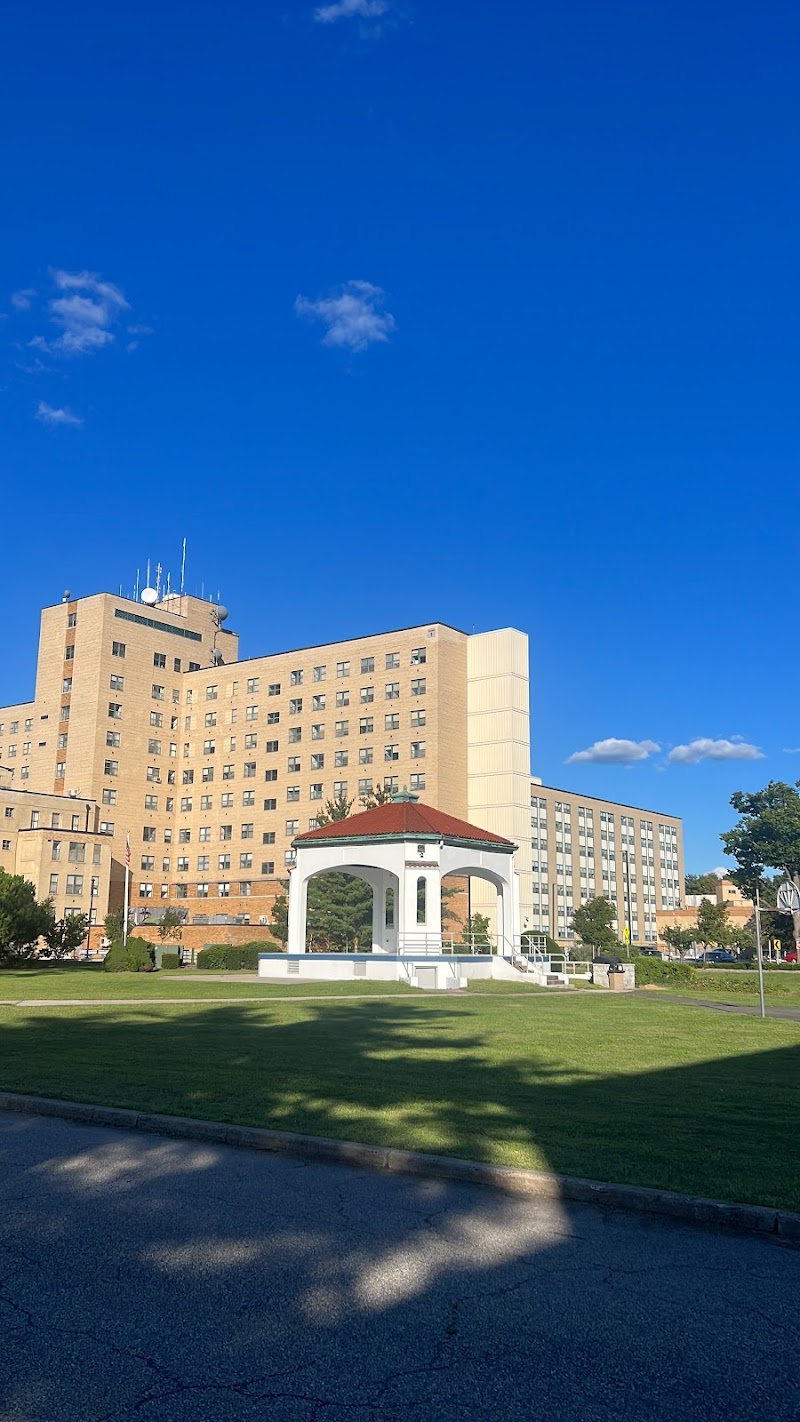
Who Owns and Operates Bergen New Bridge Medical Center?

BERGEN NEW BRIDGE MEDICAL CENTER is owned by a non-profit organization. Non-profit facilities reinvest revenue into operations rather than distributing to shareholders. The facility operates independently rather than as part of a larger chain. With 574 certified beds and approximately 353 residents (about 61% occupancy), it is a large facility located in PARAMUS, New Jersey.
How Does Bergen New Bridge Medical Center Compare to Other New Jersey Nursing Homes?

Compared to the 100 nursing homes in New Jersey, BERGEN NEW BRIDGE MEDICAL CENTER's overall rating (4 stars) is above the state average of 3.3, staff turnover (16%) is significantly lower than the state average of 46%, and health inspection rating (3 stars) is at the national benchmark.

What Should Families Ask When Visiting Bergen New Bridge Medical Center?

Based on this facility's data, families visiting should ask: "Can I visit during a mealtime to observe dining assistance and food quality?" "How do you handle medical emergencies, and what is your hospital transfer rate?" "Can I speak with family members of current residents about their experience?"

Is Bergen New Bridge Medical Center Safe?

Based on CMS inspection data, BERGEN NEW BRIDGE MEDICAL CENTER has a clean safety record: no substantiated abuse findings (meaning no confirmed cases of resident harm), no Immediate Jeopardy citations (the most serious violation level indicating risk of serious injury or death), and is not on the Special Focus Facility watch list (a federal program monitoring the lowest-performing 1% of nursing homes). The facility has a 4-star overall rating and ranks #1 of 100 nursing homes in New Jersey. While no facility is perfect, families should still ask about staff-to-resident ratios and recent inspection results during their visit.

Do Nurses at Bergen New Bridge Medical Center Stick Around?

Staff at BERGEN NEW BRIDGE MEDICAL CENTER tend to stick around. With a turnover rate of 16%, the facility is 29 percentage points below the New Jersey average of 46%. Low turnover is a positive sign. It means caregivers have time to learn each resident's needs, medications, and personal preferences. Consistent staff also notice subtle changes in a resident's condition more quickly. Registered Nurse turnover is also low at 10%, meaning experienced RNs are available to handle complex medical needs.

Was Bergen New Bridge Medical Center Ever Fined?

BERGEN NEW BRIDGE MEDICAL CENTER has been fined $47,430 across 1 penalty action. The New Jersey average is $33,553. While any fine indicates a compliance issue, fines under $50,000 are relatively common and typically reflect isolated problems that were subsequently corrected. Families should ask what specific issues led to these fines and confirm they've been resolved.

Is Bergen New Bridge Medical Center on Any Federal Watch List?

BERGEN NEW BRIDGE MEDICAL CENTER is not on any federal watch list. The most significant is the Special Focus Facility (SFF) program, which identifies the bottom 1% of nursing homes nationally based on persistent, serious quality problems. Not being on this list means the facility has avoided the pattern of deficiencies that triggers enhanced federal oversight. This is a positive indicator, though families should still review the facility's inspection history directly.