OUR LADYS CENTER FOR REHABILITATION & HEALTHCARE
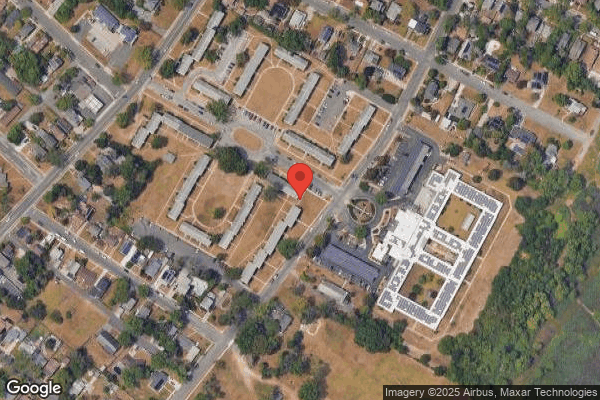
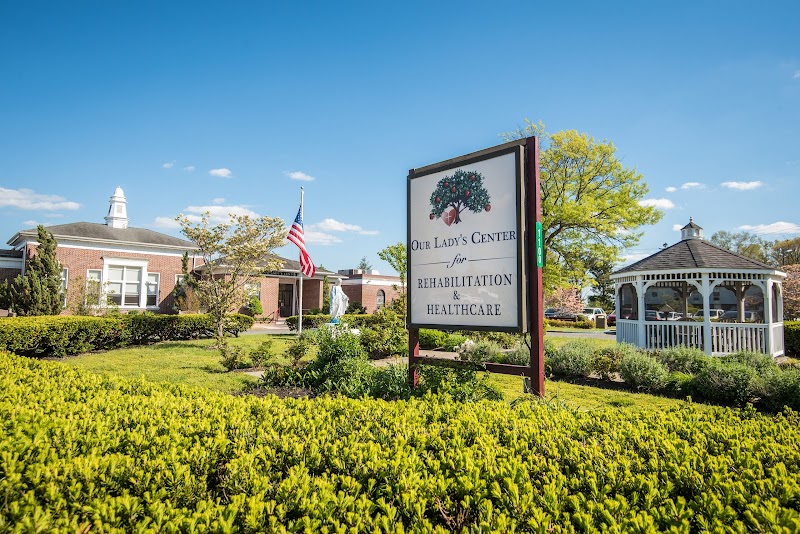
1100 CLEMATIS AVE, PLEASANTVILLE, NJ 08232 (609) 646-2450
For profit - Limited Liability company 214 Beds CENTER MANAGEMENT GROUP Data: November 2025
Trust Grade
68/100
#148 of 344 in NJ
Last Inspection: December 2024

Within standard 12-15 month inspection cycle. Federal law requires annual inspections.

Overview

Our Lady's Center for Rehabilitation & Healthcare in Pleasantville, New Jersey has a Trust Grade of C+, which indicates a decent but slightly above-average level of care. It ranks #148 out of 344 nursing homes in the state, placing it in the top half, and #2 out of 10 in Atlantic County, meaning there is only one local option considered better. The facility is showing improvement, reducing issues from 10 in 2023 to 8 in 2024. Staffing is rated average with a turnover of 40%, which is slightly below New Jersey's average, suggesting that staff tends to stay longer, helping them build relationships with residents. However, there are concerns, including specific incidents where food safety practices were not followed, such as improperly stored shelled eggs and undated sauces, as well as medication storage violations, with loose tablets and undated vials found in medication carts. While the facility has strengths, such as being in the top rankings and showing improvement, these weaknesses in food and medication safety are concerning and should be carefully considered.

Trust Score
C+
68/100
In New Jersey
#148/344
Top 43%
Safety Record
Low Risk
No red flags
Inspections
Getting Better
10 → 8 violations
Staff Stability
○ Average
40% turnover. Near New Jersey's 48% average. Typical for the industry.
Penalties
✓ Good
$6,307 in fines. Lower than most New Jersey facilities. Relatively clean record.
Skilled Nurses
○ Average
Each resident gets 39 minutes of Registered Nurse (RN) attention daily — about average for New Jersey. RNs are the most trained staff who monitor for health changes.
Violations
⚠ Watch
26 deficiencies on record. Higher than average. Multiple issues found across inspections.
★★★★☆
4.0
Overall Rating
★★★☆☆
3.0
Staff Levels
★★★★★
5.0
Care Quality
★★★☆☆
3.0
Inspection Score
Stable
2023: 10 issues
2024: 8 issues

The Good

  • 5-Star Quality Measures · Strong clinical quality outcomes
  • Full Sprinkler Coverage · Fire safety systems throughout facility
  • No fines on record
  • Staff turnover below average (40%)

    8 points below New Jersey average of 48%

Facility shows strength in quality measures, fire safety.

The Bad

Staff Turnover: 40%

Near New Jersey avg (46%)

Typical for the industry

Federal Fines: $6,307

Below median ($33,413)

Minor penalties assessed

Chain: CENTER MANAGEMENT GROUP

Part of a multi-facility chain

Ask about local staffing decisions and management

The Ugly 26 deficiencies on record

Dec 2024 8 deficiencies
CONCERN (D)

Potential for Harm - no one hurt, but risky conditions existed

Deficiency F0558 (Tag F0558)

Could have caused harm · This affected 1 resident

Based on observation, interview, and review of pertinent facility documents, it was determined that the facility failed to provide reasonable accommodation of a resident, specifically by having the re...

Read full inspector narrative →
Based on observation, interview, and review of pertinent facility documents, it was determined that the facility failed to provide reasonable accommodation of a resident, specifically by having the resident's call device on the floor while the resident was in bed. The deficient practice was identified for 1 of 4 residents (Resident # 320) reviewed under the Environmental Task. A review of Resident # 320's admission Record located in the Electronic Medical Record revealed a diagnoses of but not limited to, Osteomyelitis of Vertebra, Sacral and Sacrococcygeal Region (Infection of the bone). On 12/16/2024 at 10:15 AM, the surveyor observed Resident # 320 in bed. At that time, their call device was on the floor, outside of reach of Resident # 320. On 12/20/2024 at 9:40 AM, the surveyor observed Resident # 320 in bed. At that time, their call device was on the floor, outside of reach of Resident # 320. On 12/23/2024 at 9:15 AM during an interview with the surveyor, the Licensed Nursing Home Administrator said the facility provided education regarding call devices to the Certified Nurse Aide that was assigned to Resident # 320. A review of the facility-provided policy titled, Call Bell System with an effective date of 03/2020 revealed that, Facility utilizes a call bell system to allow residents to call for staff assistance. N.J.A.C. 8:39- 31.8 (c)(9)
CONCERN (D)

Potential for Harm - no one hurt, but risky conditions existed

Deficiency F0658 (Tag F0658)

Could have caused harm · This affected 1 resident

B.) On 12/18/24 at 10:58 AM, surveyor # 2 did not see Resident #51 in their room. Resident's roommate informed the surveyor that the resident went out for hemodialysis (a treatment to filter wastes an...

Read full inspector narrative →
B.) On 12/18/24 at 10:58 AM, surveyor # 2 did not see Resident #51 in their room. Resident's roommate informed the surveyor that the resident went out for hemodialysis (a treatment to filter wastes and water from your blood, as your kidneys did when they were healthy). The surveyor reviewed Resident #51's hybrid (electronic and paper) medical records that revealed the following: The admission Record reflected that Resident # 51 was admitted to the facility with diagnoses that included hypertension (high blood pressure), End Stage Renal [kidney] disease, Schizophrenia, anxiety disorder, insomnia and Anemia. A quarterly Minimum Data Set (qMDS) an assessment tool used to facilitate management of care, with an Assessment Reference Date (ARD) of 12/1/24, indicated the facility assessed the resident's cognition using a Brief Interview Mental Status (BIMS) test. Resident #51 scored 00 out of 15, which indicated that the resident's cognition was severely impaired. A review of the Order Summary Report (OSR) reflected that Resident #51 had an active physician order (PO) dated 12/9/24 for a med: Midodrine HCL (hydrocholoride) Oral Tab 5 mg- Give 1 tablet by mouth before meals for hypotension hold for SBP [systolic BP] greater than 135. The corresponding PO was transcribed into the October 2024 through December 2024 electronic Medication Administration Record (eMAR). Further review of the October - December 2024 eMARs for Resident #51 revealed that nurses signed and reflected a checkmark which means that the med was administered when the med should have been held for a SBP that was greater than 135 according to the PO, for the following dates and times: Date Time SBP 10/31 4 PM 136/88 12/6 11 AM 142/93 12/6 4 PM 142/93 12/7 11 AM 138/76 During an interview with surveyor # 2 on 12/19/24 at 10:38 AM, the Licensed Practical Nurse (LPN #1) stated that the Midodrine was given to increase blood pressure when its low. The LPN further stated that if the SBP was greater than 135 then she would hold the med as per the holding parameters [directions in the PO] otherwise it would raise the BP higher. During an interview with surveyor # 2 on 12/19/24 at 1:34 PM, the LPN #2 stated the check marks on the eMAR means the medication was administered. LPN #2 stated Midodrine would be given when the BP was low. The LPN #2 further stated she would hold the medication if SBP was greater than 135 as the BP was at a decent range. Surveyor # 2 reviewed the December eMAR with LPN #2, LPN #2 confirmed it was her signatures for 2 entries where Midodrine was administered and should have been held. The LPN #2 stated it might be incorrect documentation and I know I did not give it. The LPN #2 checked progress notes for supporting documentation. The LPN #2 was not able to provide any additional information or explanation to the surveyor. During an interview with surveyor # 2 on 12/20/24 at 10:07 AM, the Director of Nursing (DON) stated Midodrine was given for hypotension (low blood pressure), and it would be held for BP >135 as per the PO and if given it would raise the BP more. The surveyor notified the DON of the above-mentioned concerns. A review of the facility policy titled Administering Medications policy revised 3/20 included under Policy Statement: Medications shall be administered in a safe and timely manner, and as prescribed. Under section Policy Interpretation and Implementations-3.) Medications must be administered in accordance with the orders, including any required time frame. NJAC 8:39-11.2(b), 27.1 (a), 29.2(d) Based on observation, interview, and record review, it was determined that the facility A.) failed to maintain medication records that were complete with staff signatures according to professional standards of clinical practice. This was identified for 1 of 32 residents reviewed (Resident #23) and it was determined that the facility B.) failed to follow the physician orders with regard to medications (meds) with parameters for 1 of 34 residents (Residents #51) reviewed. This deficient practice was identified by the following: Reference: New Jersey Statutes Annotated, Title 45. Chapter 11. Nursing Board. The Nurse Practice Act for the State of New Jersey states: The practice of nursing as a registered professional nurse is defined as diagnosing and treating human responses to actual and potential physical and emotional health problems, through such services as case-finding, health teaching, health counseling, and provision of care supportive to or restorative of life and wellbeing, and executing medical regimens as prescribed by a licensed or otherwise legally authorized physician or dentist. Reference: New Jersey Statutes Annotated, Title 45, Chapter 11. Nursing Board. The Nurse Practice Act for the State of New Jersey states: The practice of nursing as a licensed practical nurse is defined as performing tasks and responsibilities within the framework of case finding; reinforcing the patient and family teaching program through health teaching, health counseling, and provision of supportive and restorative care, under the direction of a registered nurse or licensed or otherwise legally authorized physician or dentist. A.) On 12/16/2024 at 11:37 AM, surveyor # 1 observed Resident #23 in the bed on a pressure relieving mattress. Resident #23 was a resident in the facility and had diagnosis that included dementia and arthritis. A quarterly Minimum Data Set (qMDS) an assessment tool used to facilitate management of care, with an Assessment Reference Date (ARD) of 10/29/2024, indicated the facility assessed the resident's cognition using a Brief Interview Mental Status (BIMS) test. Resident #23 scored 00 out of 15, which indicated that the resident's cognition was severely impaired. On 12/19/2024 at 12:04 PM, the surveyor reviewed the December 2024 Treatment Administration Record (TAR) for Resident #23. When treatments were ordered by the physician, the order was placed on the TAR. When administered by the nurses, the nurse would sign their initials on the TAR indicating that they had completed the treatment. Surveyor # 1 observed the treatment for Medihoney (a topical cream) ordered on 9/19/2024 to be applied to the sacral wound daily. Surveyor # 1 observed blank areas, that is no nurse's initials which would indicate the completion of the treatment on 12/2/2024, 12/13/2024, 12/14/2024, and 12/16/2024 for the day shift. When interviewed on 12/19/2024 at 12:04 PM, the Licensed Practical Nurse stated that when the TAR is signed it means the treatment was completed. He stated there should not be blanks on the TAR. When interviewed on 12/19/2024 at 12:04 PM, the Registered Nurse Manager (RNM) stated there should not be blanks in the TAR. She stated the treatments should be completed then signed out. When interviewed on 12/19/2024 at 12:46 PM, the Director of Nursing stated there should not be blanks on the TAR. She stated if there are blanks, the nurse forgot to sign the TAR, or the nurses didn't complete the treatment. The surveyor reviewed the facility's Administering Medications policy with a revised date of 3/2020 which included the individual administering medication must initial the resident's MAR (Medication Administration Record) on the appropriate line after giving each medication and before administering the next ones.
CONCERN (D)

Potential for Harm - no one hurt, but risky conditions existed

ADL Care (Tag F0677)

Could have caused harm · This affected 1 resident

Based on observation, interview, record review, and review of pertinent facility documents, it was determined that the facility failed to provide nail care to a resident who was unable to carry out ac...

Read full inspector narrative →
Based on observation, interview, record review, and review of pertinent facility documents, it was determined that the facility failed to provide nail care to a resident who was unable to carry out activities of daily living (ADLs). This deficient practice occurred for 1 of 3 residents (Resident #122) reviewed for nail care and was evidenced by the following: On 12/17/24 at 12:38 PM, the surveyor observed Resident #122 sitting on the edge of their bed. The surveyor observed resident's both arms were shaking, and their nails were long, squared (Square shape) with sharp edges. On 12/18/24 at 11:47 AM, the surveyor observed Resident #122 sitting in their bed. Resident #122's nails were long, squared with sharp edges. Resident #122 stated I don't remember when my nails were cut last, and further stated, I am going to ask my family to bring me a nail cutter. On 12/18/24 at 11:54 AM, during an interview with the surveyor, the Certified Nursing Assistant (CNA) stated his responsibilities included feeding, bathing, and providing ADL care, such as grooming, shaving the resident, and cleaning their nails during morning care. The CNA further stated if he saw a resident with long nails, he would ask the resident if they want their nails trimmed. The CNA stated it was important to trim nails to avoid bacteria and prevent infections because residents use their hands to eat finger food. The CNA stated he was familiar with Resident #122 and the resident had never refused care. The CNA observed Resident #122's nails in the presence of the surveyor, the CNA acknowledged that the resident's nails were long, and he never provided nail care to Resident #122. The CNA further stated that he should have trimmed resident's nails because resident was not able to cut his/her own nails due to shakiness in their arms. A review of the admission Record face sheet (an admission summary) reflected the resident was admitted to the facility with diagnoses which included type II diabetes mellitus, anxiety disorder, muscle weakness, and lack of coordination. A review of the most recent quarterly Minimum Data Set (MDS), an assessment tool dated 10/29/24, reflected the Resident #122 had a brief interview for mental status (BIMS) score of 13 out of 15, which indicated resident was cognitively intact. Section GG documented that Resident #122 required supervision or touching assistance with personal hygiene. A review of the individualized comprehensive care plan (ICCP) included a focus area for an ADL care deficit related to decreased mobility, muscle wasting and atrophy [decrease in size or wasting away of a body part or tissue]. Interventions included assist with daily hygiene, grooming . as needed. Further review of the ICCP did not include a focused area for refusal of ADLs. On 12/19/24 at 10:20 AM, during an interview with the surveyor, the Licensed Practical Nurse (LPN) stated if she saw a resident with long nails, she will ask them if they want their nails trimmed. The LPN stated the nail care was important for infection control and to keep up with good hygiene. The LPN stated Resident #122's behavior was calm and cooperative and did not refuse any care. The LPN stated Resident #122 was confused and was asked on Friday and the resident did not want their nails cut. The LPN further acknowledged that the resident was not able to trim their own nails because he/she was too shaky. On 12/20/24 at 10:07 AM, during an interview with the surveyor, the Director of Nursing (DON) stated if a resident had long nails, it was important to cut their nails short for hygiene. The DON further stated if a resident refuses nail care, then the staff should ask them again at a later time. A review of the facility policy titled Resident Nail Care policy dated 3/23 included: The Purpose of this procedure is to provide guidelines for the provision of care to a resident's nails. Under section Policy Explanation and Compliance Guidelines:1.) Routine cleaning and inspection of nails will be provided during ADL care on an ongoing basis. A review of the facility policy titled Activities of Daily Living policy revised 3/2022 included under Policy Statement: The facility will ensure that ADLs are provided in accordance with accepted standards of practice . Under section Policy Interpretation:1.) The facility nursing staff will provide the resident who is unable to carry out ADLs on their own necessary services to maintain good nutrition, grooming, and personal and oral hygiene. NJAC 8:39-27.1(a), 27.2(g)
CONCERN (D)

Potential for Harm - no one hurt, but risky conditions existed

Deficiency F0698 (Tag F0698)

Could have caused harm · This affected 1 resident

Based on observation, interview and record review, it was determined that the facility failed to ensure medication administration times were sequenced to accommodate a resident's hemodialysis (HD) sch...

Read full inspector narrative →
Based on observation, interview and record review, it was determined that the facility failed to ensure medication administration times were sequenced to accommodate a resident's hemodialysis (HD) schedule in accordance with professional standards of practice. This deficient practice was identified for 1 of 2 residents reviewed on hemodialysis (Resident #43), and was evidenced by the following: On 12/18/2024 at 09:17 AM, the surveyor observed Resident #43 in their room. Resident #43 stated that the facility gets him/her to dialysis on time. The surveyor reviewed the medical record for Resident #43. The medical reflected Resident # 43 had a primary diagnosis of but not limited to anemia and end stage renal disease. A review of the admission Minimum Data Set (MDS), an assessment tool used to facilitate the management of care, dated 12/1/2024 which reflected that the resident had moderate cognitive impairment and that the resident received hemodialysis (a procedure that uses special equipment to clean the blood). The care plan reflected an intervention to confer with physician and/or dialysis treatment center regarding changes in medication administration times/dosage pre-dialysis as needed. A review of the order Summary Report with active orders as of 11/25/24 reflected physician orders for the following: 1. Resident receives dialysis on Tuesday, Thursday, and Saturday, 11am. 2. Clonidine HCl Oral Tablet 0.3 MG Give 1 tablet by mouth three times a day for hypertension. (high blood pressure) 3. Isosorb Dinitrate-hydralazine Oral Tablet 20-37.5 MG Give 2 tablets by mouth three times a day for hypertension. A review of the dialysis communication sheets from 11/26/24 through until 12/19/2024 resident did not receive clonidine or isosorb dinitrate-hydralazine while at dialysis. A review of the electronic Medication Administration Record (eMAR) for November and December 2024, indicated that clonidine and isosorb dinitrate-hydralazine were not given to the resident on 11/26/2024, 11/30/2024, 12/5/2024,12/12/2024, 12/14/2024, 12/17/2024, and 12/19/24 at 1:00 PM because the resident was off the unit in dialysis: On 12/20/2024 at 09:36 AM, the surveyor interviewed the Licensed Practical Nurse who was familiar to Resident # 43. She stated Resident #43 attends dialysis on Tuesdays, Thursdays, and Saturdays he/she leaves the facility around 9:30 AM and returns around 3:30 PM. The LPN and surveyor reviewed the December 2024 MAR together. She stated that Resident #43 is not receiving clonidine and isosorb dinitrate-hydralazine while at dialysis. She stated the resident should be receiving the medication and will call the physician to clarify the orders. On 12/20/2024 at 09:45 AM, the surveyor interviewed the Nurse Manager. She stated Resident #43 should be receiving the medications as ordered. She stated she will speak with the doctor to clarify and change the medication times to coincide with dialysis. The surveyor reviewed the facility provided policy titled Hemodialysis, with a revised date of 06/2024 which reflected that resident medications will be administered as ordered. Medication times may be altered based on dialysis times. NJAC 8:39-11.2(d), 27.1(a)(b)
CONCERN (D)

Potential for Harm - no one hurt, but risky conditions existed

Deficiency F0712 (Tag F0712)

Could have caused harm · This affected 1 resident

**NOTE- TERMS IN BRACKETS HAVE BEEN EDITED TO PROTECT CONFIDENTIALITY** Based on observations, interviews, and record review, it was determined that the facility failed to ensure that the physician re...

Read full inspector narrative →
**NOTE- TERMS IN BRACKETS HAVE BEEN EDITED TO PROTECT CONFIDENTIALITY** Based on observations, interviews, and record review, it was determined that the facility failed to ensure that the physician responsible for supervising the care of residents A.) conducted face-to-face visits and wrote progress notes at least every thirty days for the first ninety days of admission, B.) were seen by the physician or nurse practitioner every thirty days with a physician visit at least every sixty days. This deficient practice was observed for 4 of 34 residents (Resident #51, #52, #119, and #122) reviewed for physician visits. This deficient practice was evidenced by the following: 1.) A review of Resident #51's hybrid (electronic and paper) medical records (MR) from May 2024 - December 2024 revealed the following: The admission Record reflected that the resident was admitted to the facility with diagnoses that included but weren't limited to hypertension (high blood pressure), End Stage Renal [kidney] disease, Schizophrenia, anxiety disorder, insomnia, and Anemia. A review of the quarterly Minimum Data Set (qMDS) an assessment tool dated 12/1/24, revealed the Resident #51 had a Brief Interview Mental Status (BIMS) of 00 out of 15, which indicated that the resident's cognition was severely impaired. A review of the Electronic Medical Record (EMR) revealed the Nurse Practitioner (NP) visit progress notes (PN) dated 7/18/24, 7/25/24, 8/1/24, 8/8/24, 8/15/24, 8/22/24, 8/26/24, 9/13/24, 9/16/24, 9/19/24, 9/27/24 (Note Text - History and Physical [H&P]), 10/4/24, 10/31/24,11/18/24. A further review of the PN did not reveal any PN from the attending physician from May 2024 through December 2024. A review of the EMR did not reveal a PN from the attending physician or the attending NP for May 2024 and June 2024 or that the physician and NP were consistently alternating monthly visits. On 12/19/24 at 1:52 PM, during an interview with the surveyor, the Registered Nurse (RN) stated that physicians made rounds everyday and documented in the EMR. For a new admission, the staff would call the doctor. The RN further stated the expectation would be that the doctor would be in to see the resident for an H&P within 24-hours as per facility policy and write physician visit PN once a month. The RN reviewed Resident #51's EMR in the presence of the surveyor and confirmed that there were no PN from the attending physician from May-Dec. The RN further stated Resident #51's attending physician did not come to the facility anymore. 2.) On 12/17/24 at 11:43 AM, the surveyor observed Resident #52 lying in their bed. The resident was watching television. A review of Resident #52's hybrid MR from May 2024 - December 2024 revealed the following: The AR reflected that the resident was admitted to the facility with diagnoses that included hypertension (high blood pressure), anxiety disorder, weakness, and difficulty in walking. A review of the qMDS dated [DATE], revealed the Resident #52 had a BIMS of 7 out of 15, which indicated that the resident's cognition was severely impaired. A review of the EMR revealed an attending physician PN dated 5/23/24, 5/29/24 and 11/26/24. Further review of the EMR revealed the Physician Assistant (PA)/ NP PN also documented visits for the resident on 5/13/24, 5/31/24, 7/8/24, 8/23/24. A review of the EMR did not reveal a PN from the attending physician or the attending NP for June 2024, September 2024, and October 2024 or that the physician and NP were consistently alternating monthly visits. 3.) On 12/17/24 at 11:21 AM, the surveyor observed a non-verbal Resident #119 sitting in their bed. Resident had a tracheostomy [a procedure to help air and oxygen reach the lungs by creating an opening into the trachea (windpipe) from outside the neck.] and was able to use communication board to communicate with the surveyor. A review of Resident #119's hybrid MR from May 2024 - December 2024 revealed the following: The AR reflected that the resident was admitted to the facility with diagnoses that included hypertension (high blood pressure), anxiety disorder, muscle weakness, malignant neoplasm (cancerous tumor) of tongue and mouth. A review of the qMDS dated [DATE], revealed the Resident #119 had a BIMS of 15 out of 15, which indicated that the resident was cognitively intact. A review of the EMR revealed the NP visit PN dated 5/31/24, 8/23/24, and 12/11/24. A further review of the PN did not reveal any PN from the attending physician from May 2024 through December 2024. A review of the EMR did not reveal a PN from the attending physician or the attending NP for June 2024, July 2024, September 2024, October 2024, and November 2024 or that the physician and NP were consistently alternating monthly visits. 4.) On 12/17/24 at 12:38 PM, the surveyor observed the Resident #122 sitting on the edge of their bed. Resident was calm and cooperative. A review of Resident #122's hybrid MR from June 2024 - December 2024 revealed the following: A review of the AR reflected the resident was admitted to the facility with diagnoses which included type II diabetes mellitus, anxiety disorder, muscle weakness, and lack of coordination. A review of the most recent quarterly Minimum Data Set (MDS), an assessment tool dated 10/29/24, reflected the Resident #122 had a brief interview for mental status (BIMS) score of 13 out of 15, which indicated resident was cognitively intact. A review of the EMR revealed the NP visit PN dated 7/18/24, 7/25/24, 8/1/24, 8/8/24, 8/15/24, 8/22/24, 8/29/24, 9/6/24, 10/7/24, 10/26/24, 11/25/24. A further review of the PN did not reveal any PN from the attending physician from June 2024 through December 2024. A review of the EMR did not reveal a PN from the attending physician or the attending NP for June 2024 or that the physician and NP were consistently alternating monthly visits. On 12/20/24 at 10:26 AM, during an interview with the surveyor, the Director of Nursing (DON) stated attending physician would see their residents and write PN within 24-48 hours of admission other than if the resident was admitted on Friday, then attending physician would see the resident by Monday. The DON further stated that the attending physician would make rounds every month for first 90 days after that every 60 days and as needed. The surveyor notified the DON of the above-mentioned concerns. At 1:57 PM, the LNHA provided an additional handwritten PN for Resident # 51 titled as Doctor's Progress Note dated 7/15/24 indicated as ID (infectious disease)/IM (internal medicine). A review of the facility policy titled Physician Services dated 3/20 included under Policy Interpretation and Implementation section: Physician orders and progress notes shall be maintained in accordance with current OBRA regulations. All attending physician or physician groups will document physician orders, progress notes, and physician history or physicals in the facility health record Physician visits, frequency of visits, are provided in accordance with current OBRA regulations and facility policy. NJAC 8:39-23.2 (b), 23.2 (d)
CONCERN (D)

Potential for Harm - no one hurt, but risky conditions existed

Infection Control (Tag F0880)

Could have caused harm · This affected 1 resident

Based on observation, interview, record review and review of pertinent facility documentation, it was determined that the facility failed to use appropriate infection control practices specifically, b...

Read full inspector narrative →
Based on observation, interview, record review and review of pertinent facility documentation, it was determined that the facility failed to use appropriate infection control practices specifically, by staff not wearing a personal-protective gown while entering a room under Contact Precautions. The deficient practice observed for 1 of 2 residents (Resident # 320) reviewed for Transmission-Based Precautions under the Infection Control task. The deficient practice was evidenced by the following: Reference: Use personal protective equipment (PPE) appropriately, including gloves and gown. Wear a gown and gloves for all interactions that may involve contact with the patient or the patient's environment. Donning PPE upon room entry and properly discarding before exiting the patient room is done to contain pathogens. https://www.cdc.gov/infection-control/hcp/basics/transmission-based-precautions.html A review of Resident # 320 admission Record located in the Electronic Medical Record (EMR) revealed a diagnoses of but not limited to, Methicillin Resistant Staphylococcus Aureus Infection as of the cause of diseases classified elsewhere (multi-drug resistant organism). On 12/16/2024 at 12:56 PM, the surveyor observed Registered Nurse (RN) # 1 in Resident # 320's room. Resident # 320 was in his/her bed. RN # 1 was wearing gloves but no gown. Outside of the room, the surveyor observed a sign that revealed, Contact Precautions Providers and Staff Must Also: Put on gloves before room entry. Discard gloves before room exit. Put on gown before room entry. Discard gown before room exit . Outside of the doorway, the surveyor observed a plastic bin containing masks, gloves, and gowns. At that time, during an interview with the surveyor, RN # 1 said she wasn't doing direct care except shutting off a pump alarm. On 12/17/2024 at 12:11 PM during an interview with the surveyor, the Infection Preventionist confirmed Resident # 320 was on Contact Precautions. When the surveyor asked if a gown is required to be worn upon entering the room, the Infection Preventionist replied that may be the expectation but we go by the policy. On 12/23/2024 at 10:32 during an interview with the surveyor, the Director of Nursing (DON) said they gave the nurse education on entering rooms under Contact Precaution and that she will have to wear a mask, gown, and gloves. The DON concluded that they are going to give all staff re-education. A review of the facility policy titled, Transmission Based Precautions revised 4/2024 revealed, In addition to Standard Precautions, implement contact Precautions for residents known or suspected to be infected with microorganisms that can be transmitted by direct contact with the resident or indirect contact with environmental surfaces or resident - care items in the resident's environment. The decision on whether precautions are necessary will be evaluated on a case by case basis. Secondly, the policy revealed, p. Wear a gown whenever anticipating that clothing will have direct contact with the resident or potentially contaminated environmental surfaces or equipment in close proximity to the patient. [NAME] gown upon entry into the room or cubicle. Remove gown and observe hand hygiene before leaving the patient-care environment. N.J.A.C. § 8:39-19.4 (a)
CONCERN (E) 📢 Someone Reported This

A family member, employee, or ombudsman was alarmed enough to file a formal complaint

Potential for Harm - no one hurt, but risky conditions existed

Safe Environment (Tag F0584)

Could have caused harm · This affected multiple residents

**NOTE- TERMS IN BRACKETS HAVE BEEN EDITED TO PROTECT CONFIDENTIALITY** On 12/16/2024 at 10:08 AM during initial tour surveyor # 2 observed pillowcases tucked in the window of the bathroom on unit B r...

Read full inspector narrative →
**NOTE- TERMS IN BRACKETS HAVE BEEN EDITED TO PROTECT CONFIDENTIALITY** On 12/16/2024 at 10:08 AM during initial tour surveyor # 2 observed pillowcases tucked in the window of the bathroom on unit B room [ROOM NUMBER]. Also observed on unit B in room [ROOM NUMBER] A-side, surveyor # 2 observed the wall next to the bed with scratches and peeling paint. On 12/19/2024 at 09:54 AM during a tour of the Unit C and D nourishment room surveyor # 2 observed the following: 1. Under the sink there was a water bottle with a blue substance not labeled and a sponge open to air. 2. The ice machine was observed with white stains on the front and the tray was filled with water and rust was noted on the rack in the tray. 3. A stack of 3 paper cups were observed facing up and open to air. During an interview on 12/19/2024 at 09:57 AM with surveyor # 2, Registered Nurse/Unit manger #1 (RN/UM) said that the cups should be facing down to keep germs out. The RN/UM #1 also said that the blue substance was his/her own personal dish soap and that it should not have been in there. She removed the bottle and sponge. On 12/19/2024 at 10:02 AM during a tour of the Unit G and H nourishment room surveyor # 2 observed the following: 1. The kitchen cabinet if poor condition with a missing drawer, missing knob on one of the drawers and the cabinet doors missing knobs and attached paperclips used as a way to open the cabinet doors. 2. Peeling and chipped paint at the bottom of the cabinet. During an interview on 12/19/2024 at 10:08 AM with surveyor # 2, the RN #2 said the cabinet had been like that for about a month and that she thinks a new one was ordered. On 12/19/2024 at 10:10 AM during a tour of Unit and B nourishment room surveyor # 2 observed the following: 1. Cabinet doors under the counter with missing knobs and attached paper clips in their place. 2. A tied plastic bag with a mop head in it left in one of the cabinets. 3. An open bag with what appeared to be clothes in it left on a chair. During an interview on 12/19/2024 at 10:12 AM with surveyor # 2 the RN/UM #3 said she didn't know the mop got into the cabinet and removed it. She also said that the bag of clothes was a staff members jacket. On 12/19/2024 at 10:22 AM during a tour of the Unit E and F nourishment room surveyor # 2 observed the following: 1. The upper cabinets were open and empty with visible dirt and a dead bug in them. 2. The bottom cabinets were all nailed shut. 3. A layer of dust noted on the counter tops. 4. Six tied plastic bags of clothes on the counters that were identified as staff belongings. 5. Missing paint around the soap dispenser where it had been moved. 6. A layer of dirt and debri behind the sink. During an interview on 12/20/2024 at 10:22 AM with surveyor # 2, the Director of House Keeping (DHK) said they start with room cleanings after breakfast, they empty all the trash, multiple microfibers are used per room. One for the bathroom and one for the rest of the room. They sweep the floors then mop their way out. He said they clean the nourishment rooms daily. They wipe the counters, empty trash and clean the floor. The unit hallway floors, and the nourishment rooms get a deep cleaning monthly, nursing staff empty the cabinets and drawers then house keeping goes in and wipes them out. The DHK said that the bottle of dish soap should not have been left under the counter, and that counters and floors should be clean. During an interview on 12/20/2024 at 10:30 AM with the surveyor, the Maintenance Director (MD) said that maintenance does rounds on rooms and hallways daily. They prioritize what is most important for the residents and handle those issues as soon as possible. The MD agreed that the counters and lower cabinets in the nourishment needed replacing and said they have started the process by ordering a new one for one of the units. The MD was unsure of the time frame when they would all be replaced. During and interview on 12/20/2024 at 12:58 PM with surveyor # 2, the Licensed Nursing Home Administrator (LNHA) said there should be appropriate ways of opening the drawers and doors to the cabinets in the nourishment, they are working on replacing them. The LHNA also said that staff does have lockers and that is where their belongings should be kept. Lastly the LHNA said they were aware the cabinets in the panty need replacing and they are working on it. A review of a facility provided Policy dated 03/20 and titled Homelike Environment revealed under Policy Statement that, Residents are provided with a safe, clean, comfortable and homelike environment . § 8:39-31.2 (e) Complaint # 179819 Based on observation, interview, and review of pertinent facility documents, it was determined that the facility failed to keep all areas clean, in good repair and, a bed rail in place. The deficient practice was identified for 3 of 4 residents reviewed under the Environmental Task and 4 out 4 nourishment rooms. The deficient practice was evidenced by the following: On 12/16/2024 at 10:01 AM during the initial tour of the facility, the surveyor # 1 observed Resident # 11's bathroom. At that time, surveyor # 1 observed a toilet paper dispenser mounted to the wall that was crooked and appeared loose. There were also stains located on the floor near the resident's window. Lastly, surveyor # 1 observed stains on the wall outside the bathroom door. On the same date at 10:09 AM during the initial tour of the facility, surveyor # 1 observed Resident # 319's room. At that time, surveyor # 1 observed the bed rail on the left side disconnected from the bed frame and left on the floor along with the bed remote control. On 12/17/2024 at 11:17 AM during observation of the smoking area grounds, surveyor # 1 observed over a dozen discarded, used cigarettes on the ground in the grass areas and sidewalks. During the same observation, surveyor # 1 observed an outdoor bench that was cracked. On 12/18/2024 at 9:37 AM, the surveyor visited Resident # 20, surveyor # 1 observed a discarded medication cup, liquid, and a straw on the floor. The resident was unsure of what the liquid was. On the same date at 11:14 AM while visiting Resident # 11 in their room, surveyor # 1 observed one, loose, unidentified tablet under the bed and an opened package of incontinence briefs left on the bed side table. At that time, Resident # 11 confirmed that he/she has visitors from time to time and he/she does not want the incontinence briefs left out. He/She stated, They should be put away. A review of the facility policy titled, Cleaning of Resident Rooms with an effective date of 3/20 revealed under, General Guidelines that Housekeeping surfaces (e.g., floors, tabletops) will be cleaned on a regular basis, when spills occur, and when these surfaces are visibly soiled. A review of the facility policy titled, Smoking revealed that, 11. The designated area will be closed for a short duration for regular cleaning. § 8:39-31.4 (a)
CONCERN (E)

Potential for Harm - no one hurt, but risky conditions existed

Deficiency F0761 (Tag F0761)

Could have caused harm · This affected multiple residents

Based on observation, interview, and review of pertinent facility documents, it was determined that the facility failed to ensure all medications and biologicals were stored and labeled properly in me...

Read full inspector narrative →
Based on observation, interview, and review of pertinent facility documents, it was determined that the facility failed to ensure all medications and biologicals were stored and labeled properly in medication carts. The deficient practice was identified for 4 of 5 medication carts reviewed under the Medication Storage and Labeling Task. The deficient practice was evidenced by the following: On 12/16/2024 at 12:47 PM, the surveyor inspected the D-Hall medication cart. At that time, the surveyor observed two, loose tablets in the second drawer of the medication cart. Secondly, the surveyor observed one, multi-use vial of Insulin Lispro (fast-acting medication used to treat blood sugar levels) and one, multi-use vial of Lantus (long-acting medication used to treat blood sugar levels) undated. Lastly, the surveyor observed loose vials of Heparin (medication used to thin the blood) placed in a plastic basket with the insulins. At that time, during an interview with the surveyor, Licensed Practical Nurse (LPN) # 1 said they [insulins] should be dated. She also removed the Heparin vials and placed them in the 3rd drawer box of Heparin. On 12/17/2024 at 11:01 AM, the surveyor inspected the B-Hall medication cart. At that time, the surveyor observed five, loose tablets in the second drawer of the medication cart. At that time, LPN # 2 placed the loose tablets in the drug-buster (bottled solution used to disintegrate medications). On the same date at 11:07 AM, the surveyor inspected the A-Hall medication cart. At that time, the surveyor observed seven, loose tablets in the second drawer of the medication cart. At that time, during an interview with the surveyor, LPN # 3 replied, I'm not sure. It happens on night shift. when the surveyor asked how often are carts cleaned. On the same date at 1:25 PM, the surveyor inspected the G-Hall low medication cart. At that time, the surveyor observed one, loose tablet in the second drawer of the medication cart. At that time, the nurse placed the tablet in the drug buster. A review of the facility policy titled, Treatment & Medication Cleaning dated 03/2020 revealed under, Procedure that, 3. Treatment and Medication carts are cleaned routinely. A review of the facility policy titled, Medication Storage dated 03/2020 revealed under Policy Interpretation and Implementation that, 1. The nursing staff shall be responsible for maintaining medication storage AND preparation areas in a clean, safe, and sanitary manner. and that, 7. Drugs shall be stored in an orderly manner in cabinets, drawers, carts, or automatic dispensing systems. Each resident's medications shall be assigned to an individual cubicle, drawer, or other holding area to prevent the possibility of mixing medications of several residents. A review of the facility policy titled, Administration of Insulin dated 03/2020 revealed under Steps in the Procedure (Insulin Injections via Syringe) that, 4. Check expiration date, if drawing from an opened multi-dose vial. If opening a new vial, record expiration date and time on the vial (follow manufacturer recommendations for expiration after openings). N.J.A.C. § 8:39-29.4 (a)(b)2
Nov 2023 10 deficiencies
CONCERN (D)

Potential for Harm - no one hurt, but risky conditions existed

Comprehensive Care Plan (Tag F0656)

Could have caused harm · This affected 1 resident

Based on observation, interview, and record review, it was determined that the facility failed to implement a comprehensive, person-centered care plan to prevent fall and fall related injury for 1 of ...

Read full inspector narrative →
Based on observation, interview, and record review, it was determined that the facility failed to implement a comprehensive, person-centered care plan to prevent fall and fall related injury for 1 of 34 residents reviewed (Resident #52). This deficient practice was evidenced by: On 11/14/2023 at 10:50 AM during initial tour, the surveyor observed Resident #52 resting in bed. There was no floor mat on the floor. On 11/17/2023 at 08:10 AM, the surveyor observed Resident #52 resting in bed and watching TV. The floor mat was not on the floor. During that time, the surveyor observed Resident #52's room and did not see the floor mat. The surveyor also observed a bed alarm pad placed underneath Resident #52, with gray cord extending on the floor and not connected to the powering device (a box with batteries which makes the alarm work). On 11/20/2023 at 08:38 AM, the surveyor observed Resident #52 sleeping in bed. The floor mat was not on the floor by Resident #52's bed. A review of admission Record found in the Electronic Medical Record (EMR) indicated that Resident #52's diagnosis included, but were not limited to, muscle weakness, muscle wasting and atrophy (thinning of muscles), abnormal posture, unsteadiness on feet, spinal stenosis (spinal narrowing), osteoarthritis, history of bone fractures, chronic pain, and dementia. A review of a quarterly Minimum Data Set (MDS; an assessment tool) dated 07/08/2023 revealed that Resident #52's Brief Interview for Mental Status (BIMS; a tool use to screen cognitive condition) was 03 (severe cognitive impairment). A review of Resident #52's Care Plan (CP) located in the EMR revealed CP for falls dated 02/01/2020 with Focus: Actual fall r/t [related to] multiple fx [fractures], osteoporosis, lack of coordination. Furthermore, the CP indicated interventions for bed alarm initiated on 06/14/2023 and floor mat to side of bed initiated on 12/29/2021 to prevent injury. A review of Progress Notes found in the EMR and facility provided Incident Report revealed that Resident #52 had unwitnessed fall without injury on 06/14/2023. A review of Fall Risk Assessment 1.0 Revised found in the EMR and dated 12/26/2022 revealed that the resident was at high risk for falls. On 11/17/2023 at 12:12 PM during interview with the surveyor, Certified Nurse Assistant (CNA#1) replied, I usually help [resident's name] get washed and dressed. [Resident's name] needs lots of support with transfers when asked about Resident #52' care needs. On 11/17/2023 at 12:17 PM during interview with the surveyor, Unit Manager/Licensed Practical Nurse (UM/LPN #1) stated, Yes! [Resident's name] had one fall in June. We put bed alarm on her/his bed to prevent her/him from getting out and falling when asked about Resident #52's risk for falls or history of falls. At that time and in the presence of UM/LPN #1, the surveyor showed the bed alarm pad which was not connected to the powering device. The UM/LPN #1 lifted the mattress, checked around the room, but could not locate the powering device. At that time, UM/LPN #1 confirmed that the powering device was not present, and the cord extending from the bed alarm pad should have been connected to the powering device in order to work. The UM/LPN #1 stated, Yes, absolutely! The alarm should have the box [powering device]. It won't work without it. On 11/20/2023 at 08:35 AM during interview with the surveyor, UM/LPN #1 replied, Yes when asked if documented care plan interventions should be followed in practice. During the same interview, UM/LPN #1 also said, Yes when asked by the surveyor if Resident #52's interventions outlined in the care plan (floor mat and bed alarm) should be implemented when the resident is in bed. On 11/20/2023 at 01:05 PM during interview with the surveyor, the Director of Nursing (DON) stated, If we put care plan, we should be putting interventions as well, and we follow it. We put it in TAR [treatment administration record] and POC [point of care; documentation system] if it is needed for the aides when asked about expectations for care planning. During the same interview, the DON said, Yes when asked if care planned intervention such as bed alarm and floor mat should be followed in practice. Furthermore, the DON stated, Bed alarm, because when they [residents] try to get out of bed, we respond to the alarm. Floor matt is needed to prevent injury from fall when asked by the surveyor why it was important to have a floor mat at the bedside and a functioning bed alarm. The DON also stated, If it's defective, it is not going to work. We aren't going to hear it when asked by the surveyor why it was important to ensure that bed alarm is not defective or malfunctioning. A review of policy titled Fall Prevention/Management and revised on 2/2021 revealed under section Approaches to Managing Falls and Fall Risk that Staff will identify and implement relevant interventions to try to minimize serious consequences of falling. N.J.A.C. 8:39-11.2(f); 27-1(a)
CONCERN (D) 📢 Someone Reported This

A family member, employee, or ombudsman was alarmed enough to file a formal complaint

Potential for Harm - no one hurt, but risky conditions existed

Quality of Care (Tag F0684)

Could have caused harm · This affected 1 resident

Complaint # NJ163585 Based on interview, record review, and review of pertinent facility documentation, it was determined that the facility failed to provide the needed care and services in accordance...

Read full inspector narrative →
Complaint # NJ163585 Based on interview, record review, and review of pertinent facility documentation, it was determined that the facility failed to provide the needed care and services in accordance to professional standards of practice that met the resident's physical needs by not obtaining laboratory diagnostics, specifically a blood test as ordered by the physician for the next day. The deficient practice was discovered for 1 of 3 residents (Resident # 355) investigated for Change of Condition. The deficient practice was evident by the following: A review of Resident # 355's Electronic Medical Record (EMR) revealed that he/she had diagnoses of but not limited to a fracture of unspecified part of right clavicle, subsequent encounter for fracture with routine healing, paroxysmal atrial fibrillation (irregular heart rhythm), and chronic obstructive pulmonary disease (lung disease). A review of Resident # 355's Physician Orders revealed an order to Send to ER [Emergency Room] re: critical lab result 3/24/2023 and that the resident is a Full Code (provide life sustaining measures). A review of Resident # 355's EMR revealed a Routine Nursing Progress Note dated 3/22/2023 that revealed, PACE MD called to order CBC [complete blood count test] lab for next morning then follow up on the result. The EMR did not reveal any orders for a CBC blood test for 3/23/2023 and showed no laboratory results under Results in the EMR at all for 3/23/2023 as the previous progress note revealed the physician ordered a CBC for that morning. A follow-up review of Resident # 355's EMR revealed that the next CBC blood test was obtained on 3/24/2023 at 06:30 AM. The result revealed that Resident # 355's white blood cell count was abnormally high at 30.1. The reference range for white blood cell counts according to the laboratory results was 3.5 through 11.0. Once the physician was notified of the abnormally high white blood cell count, and order was given to send the resident to the Emergency Room. The previous CBC blood test obtained from Resident # 355 on 3/22/2023 resulted in a white blood cell count of 8.2. On 11/17/2023 at 12:08 PM during an interview with the surveyor, the Unit Manager/Registered Nurse (UM/RN) # 2 replied, Yes. when the surveyor asked if a physician orders labs for the following morning, do they get added as an order. On the same date at 12:45 PM during an interview with the surveyor, the UM/RN # 3 replied, Yes, definitely. when asked by the surveyor if a resident has a change of condition and the physician orders labs for the next morning, does an order for that need to be added to the EMR. On 11/21/2023 at 1:17 PM during an interview with the surveyor, the Licensed Nursing Home Administrator (LNHA) replied, That would be reasonable. when the surveyor asked is it reasonable to believe that if the labs were completed on March 23rd, the elevated white blood cells may have been discovered earlier. On 11/22/2023 at 10:21 AM during an interview with the surveyor, the Director of Nursing (DON) replied, She [RN/LPN # 3] forgot to put the physician's order for March 23rd to the [EMR]. A review of the facility-provided policies titled, Physician Orders and Venipuncture for Lab Draws did not contain pertinent information about laboratory orders. N.J.A.C. § 8:39-11.2 (b)
CONCERN (D)

Potential for Harm - no one hurt, but risky conditions existed

Deficiency F0698 (Tag F0698)

Could have caused harm · This affected 1 resident

Resident #133 Based on observation, interview, review of the medical record (MR) and review of other pertinent facility documents, it was determined that the facility failed to consistently ensure com...

Read full inspector narrative →
Resident #133 Based on observation, interview, review of the medical record (MR) and review of other pertinent facility documents, it was determined that the facility failed to consistently ensure communication with a contracted dialysis facility according to facility policy and procedure. This deficient practice was evidenced for 1 of 1 resident (Resident #133) investigated for dialysis. This deficient practice was evidenced by the following: On 11/16/2023 at 09:06 AM Resident #133 stated to the surveyor that they had attended dialysis for approximately (1) year and is transported via the facility contracted transportation service. Resident #133 stated that he/she had no issues with transportation. Resident #133 also stated that he/she does not take a communication binder when attending dialysis and does not recall staff checking his/her dialysis site upon return to the facility. According to the admission Record, Resident #133 was admitted to the facility with the following but not limited to diagnoses: Calculus in bladder (bladder stones), heart failure, acute respiratory failure, acute kidney failure, retention of urine, and dependence on renal dialysis. According to the 10/27/2023 quarterly Resident Assessment Instrument Minimum Data Set (MDS), an assessment tool, Resident #133 had a Brief Interview for Mental Status Score of 15/15, indicating intact cognitive status. Section H of the MDS revealed that Resident #133had an indwelling catheter (inside the body). Section I revealed active diagnosis of renal insufficiency, renal failure, end stage renal disease and obstructive uropathy (a structural hindrance of normal urine flow). According to Section O, Resident #133 received dialysis while a resident at the facility. A review of the Order Summary Report, dated 11/21/2023 revealed the following physician orders for Resident #133: Assure retrieval of dialysis communication book post dialysis treatment. If center did not return book, call center for communication. Every day shift every Mon, Wed, Fri. Order date: 08/01/2023. Resident receives dialysis on Monday, Wednesday, and Friday 4 AM at [facility name]. Send completed communication form to dialysis center with patient on scheduled days. Every night shift every Mon, Wed, Fri. A review of Resident #133's comprehensive care plan revealed a care plan Focus: Renal insufficiency related to Chronic Renal failure, Presence of fistula/graft/catheter. Date Initiated: 07/07/2023. Care planned Interventions included: Coordinate dialysis care with the dialysis treatment center. Date Initiated: 07/07/2023. On 11/20/2023 at11:23 AM the surveyor reviewed Resident #133's dialysis communication book that is sent with the resident on dialysis treatment days. The communication form was reviewed for the following dates: 11/20, 11/17, 11/15, 11/10, 11/8, 11/13, 11/6, 11/3, 11/1, 10/30, 10/27, 10/25, 10/23, 10/20, 10/18, 10/16, 10/13, 10/11, 10/9, 10/6, 10/29/29, 9/27, 9/25,9/27, 9/20, 9/18, 9/15, 9/13, 9/11, and 9/8/2023. The following dialysis communication forms were not completed by the dialysis center: 9/20/2023, 9/27/2023, 9/25/2023, 10/11/2023, 10/13/2023, and 11/8/2023. On 11/20/2023 at 11:35 AM the surveyor interviewed the Licensed Practical Nurse (LPN#1), assigned to Resident #133's unit. The surveyor asked what the procedure was for Resident #133's dialysis communication book/form. LPN #1 stated, We fill it out before the resident leaves, for any medications provided, vitals, and any new pertinent issues. Then dialysis sends it back with the resident. They do pre and post vitals and weights and any medications provided. Upon arrival back from dialysis the assigned nurse reviews the communication form. LPN #1 further stated, We will review for any new requests. If dialysis does not complete the form the assigned nurse will call dialysis and get the required information. The surveyor asked LPN #1 what they would do if a resident returned from the dialysis treatment center with a blank communication form for Information from the Dialysis Center.? LPN #1 replied, If the form is blank for the dialysis section the nurse should call just to make sure there are no changes. On 11/20/2023 at 12:02 PM the surveyor conducted an interview with the facility Director of Nursing (DON). The surveyor asked the DON what the purpose of the dialysis communication book/form. The DON replied, The purpose of the communication book is to have open dialogue between the facility and the dialysis center. The surveyor then asked the DON what should be done if the dialysis communication form is received blank from the dialysis treatment center. The DON stated, If the form comes back blank, the assigned nurse or supervisor is responsible for contacting dialysis to get the necessary information. During another interview on 11/22/2023 at 10:48 AM the facility DON told the surveyor, They (nurse) call the dialysis center and if there is no recommendation then they just sign the MAR (medication administration record). The surveyor asked the DON if the receiving nurse should contact the dialysis center if a dialysis communication form is received blank from the dialysis center. The DON told the surveyors, Yes, it should be done (contact the dialysis center) upon return to the facility to get the necessary information even if there are no new recommendations. The receiving nurse assigned to the dialysis resident should sign the dialysis communication form upon return to the facility to ensure that the form was reviewed. The surveyor reviewed the facility provided policy and procedure with subject: Dialysis Services, revised date: 2/2020. The following was revealed under the Interpretation and Process heading: 5. Resident will be sent with communication book to each treatment to assure collaborative care. 6. Transport company will return communication book to charge nurse. 7. The resident's nurse will review the communication book upon return from treatment for evaluation and any recommendations/treatments that had occurred at the dialysis center. N.J.A.C. 8:39-27.1 (a)
CONCERN (D)

Potential for Harm - no one hurt, but risky conditions existed

Deficiency F0868 (Tag F0868)

Could have caused harm · This affected 1 resident

Based on interview and review of pertinent facility documents, it was determined that the facility failed to have a Quality Assurance and Process Improvement Committee (QAPI) and Quality Assurance Ass...

Read full inspector narrative →
Based on interview and review of pertinent facility documents, it was determined that the facility failed to have a Quality Assurance and Process Improvement Committee (QAPI) and Quality Assurance Assessment (QAA) that consisted of the minimum required members by failing to include the facility's Medical Director in any of the provided attendance sheets. The Medical Director's attendance was not documented on 10 of 10 attendance sheets provided by the facility. The deficient practice was evidenced by the following: On 11/20/2023 at 12:24 PM during an interview with the surveyor, the Licensed Nursing Home Administrator (LNHA) said that the facility-provided Quality Assurance Meeting signature sheets are the same signature sheets for QAPI Committee. A review of the signature sheets the facility provided to the surveyor did not include the Medical Director's signature as proof of attendance to any meetings held during 2023, specifically from January through October. On 11/21/2023 at 11:24 AM during an interview with the surveyor, the Medical Director stated he attends the facility's QAPI meetings every three months. He further stated that if he has a prior commitment, he will follow up after. On 11/22/2023 at 10:21 AM during an interview with the surveyor, the LNHA said, I don't have physical signatures but I do a review call afterwards with the Medical Director. It's hard to catch him . A review of the facility provided policy titled, Quality Assurance and Process Improvement with a revised date of 6/2022 revealed under, Committee Membership that, 3. The following individuals will serve on the committee: . c. Medical Director . The policy also revealed under the section titled, Committee Reports and Records that, 1. The committee shall maintain minutes of all regular and special meetings that include at least the following information: . b. the names of committee members present and absent . N.J.A.C. § 8:39-23.1 (a) 3
CONCERN (D)

Potential for Harm - no one hurt, but risky conditions existed

Infection Control (Tag F0880)

Could have caused harm · This affected 1 resident

**NOTE- TERMS IN BRACKETS HAVE BEEN EDITED TO PROTECT CONFIDENTIALITY** Resident #109 B.) On 11/14/2023 at 11:15 AM, Surveyor # 2 observed Resident #109 sitting on the side of the bed, wound vacuum (d...

Read full inspector narrative →
**NOTE- TERMS IN BRACKETS HAVE BEEN EDITED TO PROTECT CONFIDENTIALITY** Resident #109 B.) On 11/14/2023 at 11:15 AM, Surveyor # 2 observed Resident #109 sitting on the side of the bed, wound vacuum (device used to gently pull fluid from the wound over time) hanging on his/her walker. At that time, Resident #109 stated that he/she has a wound vacuum applied to a lower back wound. Resident #109 stated that he/she had the wound vacuum dressing changed this morning. A review of Resident #109's Electronic Medical Record (EMR) revealed that resident #109 was admitted to the facility with the following diagnoses including but not limited to: post-laminectomy syndrome (chronic back or neck pain following back surgery), Disruption of external operation (surgical) wound (surgical incision reopens), and Methicillin Resistant Staphylococcus Aureus infection (bacterial infection that is resistant to some antibiotics), Diabetes Mellitus type 2 (a disease of inadequate control of blood levels of glucose), and Hypertension (high blood pressure). A review of Resident #109's Minimum Data Set (MDS), an assessment tool, dated 11/27/2023, revealed that Resident #109 had a Brief Interview for Mental Status score of 15/15, indicating intact cognition. Section M of the MDS was reviewed and revealed that Resident #109 was at risk for pressure ulcers. A review of Resident #109's EMR revealed that he/she had the following physician's order that revealed Wound vacuum to lower back area. Change Vac dressing daily Tue-Thur-Sat. Set Vac 120mgHg (milligrams mercury). Cleanse lower back wound with NSS [normal saline solution], apply wound vacuum. Resident #109 also had a physician order for the surgical incision site: Monitor lower back every shift for signs/symptoms of infection, dehiscence, drainage every shift for surgical Incision wound. A review of Resident #109' EMR under care plan revealed that he/she had a comprehensive care plan initiated on 10/29/2023 for: Infection of Wound/Skin, following a procedure other surgical site, MRSA, DM, Morbid Obese secondary diagnosis. Interventions included: Infection will be resolved without complications. Administer medication per physician orders. Maintain precautions as ordered for infection control. Obtain labs/diagnostic tests as ordered and notify physician of results. Obtain vital signs as indicated. Resident #109 had a care plan initiated on 11/14/2023 for Actual skin breakdown related to Back open wound, Diabetes, Nutritional deficit, Pressure ulcer, Recent surgery. Interventions were as follows: Will show continued signs of healing through next review. Will show no signs of infection through next review. Administer analgesia per physician orders (offer prior to treatment/therapy). Administer treatment per physician orders. Air Mattress. Application/Maintenance of wound vacuum. Obtain labs as ordered and report results to physician. Report evidence of infection such as purulent drainage, swelling, localized heat, increased pain, etc. Notify physician as needed. Therapy evaluation and treatment as ordered. Weekly skin assessment. On 11/21/2023 at 10:21AM Surveyor # 2 obtained verbal permission from Resident #109 to observe his/her wound care. On the same date and approximate time, Surveyor # 2 observed Licensed Practical Nurse (LPN) # 4 begin to perform wound care that included changing the wound vacuum. At that time, LPN #4 did not perform hand hygiene prior to donning gloves at the start of the wound care. The surveyor then observed LPN #4 doffing gloves after removing the wound vacuum and placing it in the trash. At that time, LPN #4 did not perform hand hygiene. LPN #4 donned a new pair of gloves, helped reposition resident #109, removed the gloves and then performed hand hygiene using soap and water. LPN #4 then donned a new pair of gloves and prepared to perform wound care on Resident #109. Surveyor # 2 observed LPN #4 set up the wound vacuum kit on the bedside table. At that time, LPN # 4 removed the gloves no hand hygiene was performed. LPN #4 then donned a new pair of gloves to perform the wound care treatment. LPN #4 doffed the gloves once the wound care treatment was completed, no hand hygiene performed. LPN #4 then donned a new pair of gloves and started to clean up the bed side table. LPN#4 then doffed the gloves and performed hand hygiene. During the wound care treatment this surveyor observed LPN #4 cut the wound vacuum transparent dressing with scissors located on the bed side table. Prior to the use of the scissors, LPN #4 did not wipe the scissors clean with alcohol or a disinfectant wipe. On the same date at 10:56 AM during an interview with the surveyor, when asked what is the expectation of hand hygiene when doing wound care, LPN #4 stated, I would perform hand hygiene before starting the care, after removing the dirty dressing and after I am done with everything. The surveyor asked LPN #4 if hand hygiene should be performed between glove changes. LPN #4 stated, Yes, every time you remove your gloves. The surveyor asked if the scissors that were used during wound care were included in the wound vacuum kit. LPN #4 stated, The scissors were from the treatment cart. They do not come in the wound vacuum kit. The surveyor asked LPN #4 if sanitized the scissors prior to using them for wound care. LPN #4 stated, I did not wipe them before cutting the transparent dressing or before cutting the foam. On 11/21/2023 at 1:17 PM the surveyor asked the facility Director of Nursing (DON) what are your expectations for staff for hand hygiene while performing wound care. The DON said, They should wash their hands before and after the procedure. If they are visibly soiled and in between glove changes. If they remove their gloves, they need to also do hand hygiene with either hand sanitizer or by washing them. The surveyor asked the DON should hand hygiene be done in between glove changes. The DON stated, Yes, they should be cleaned with either hand sanitizer or hand washing. This surveyor then asked the DON, when providing wound care should instruments such as scissors be cleaned prior to use. The DON said, Yes, they must wipe the instruments prior to using them with wipes. On 11/22/2023 at 09:33 AM, a review of the facility policy and procedure for Wound Care, revised on 12/2021, revealed the following under the Purpose section: The purpose of this procedure is to provide guidelines for the care of wounds to promote healing. Under the Preparation section of the policy, it included the following: 1) Verify that there is a physician's order for this procedure. 2) Review the resident's care plan to assess for any special needs of the resident. a) For example, the resident may have PRN orders for pain medication to be administered prior to wound care. 3) Assemble the equipment and supplies as needed. Under the Procedure section it included the steps of the procedure as follows, Steps in the Procedure: 1) Establish a clean field on resident's overbed table. Place all items to be used during the procedure on the clean field. Arrange the supplies so they can easily be reached. 2) Wash and dry your hands thoroughly or use ABHR (alcohol-based hand rub) 3) Position patient 4) Put on exam gloves. Loosen tape and remove dressing. 5) Pull glove over dressing and discard into appropriate receptacle. Wash and dry your hands thoroughly or use ABHR. 6) Put on gloves . 13) Dress wound. Pick up sponge with paper and apply directly to area. [NAME] tape with initials, time, and date and apply to dressing. 14) Discard disposable items into the designated container. Discard all soiled laundry, linen, towels, and washcloths into the soiled laundry container. Remove disposable gloves and discard into designated container. Wash and dry your hands thoroughly or use ABHR. 15) Reposition the bed covers. Make the resident comfortable. Use supportive devices as instructed. 19) Wash and dry your hands thoroughly or use ABHR Based on observation, interview, and review of pertinent facility documents, it was determined that the facility failed to use appropriate hand hygiene and proper disinfection while providing wound care to residents. The deficient practice was observed A.) for 1 of 1 resident (Resident # 85) investigated for Pressure Ulcers/Injury and B.) 1 of 2 residents (Resident #109) investigated for Skin Condition. The deficient practices were evident by the following: A.) A review of Resident # 85's Electronic Medical Record (EMR) revealed a Nutrition Note in the progress notes dated 11/3/2023. The Nutrition Note revealed that Resident # 85 had an unstageable pressure ulcer to the sacral area. A review of Resident # 85's Significant Change 5-Day Minimum Data Set (MDS) dated [DATE] revealed under section, M that Resident # 85 was at risk for pressure ulcers/injury. The MDS did not reveal that he/she had a pressure ulcer or injury at that time. A review of Resident # 85's medical diagnoses located in the EMR revealed that Resident # 85 was diagnosed with but not limited to unspecified severe protein-calorie malnutrition and hemiplegia and hemiparesis following cerebral infarction (disrupted blood flow to the brain) affecting left dominant side. A review of Resident # 85's EMR revealed under Orders that he/she had a physician's order for Santyl External Ointment 250 Units/Gram. The order revealed to apply Santyl to the sacrum topically every day shift for wound care. The order further revealed to cleanse the sacral wound with Dakin's solution (solution used to decrease irritation on the skin) moistened gauze and a clean, dry dressing daily and PRN (as needed). A review of Resident # 85's Care Plans located in the EMR revealed a Care Plan with a focus of, Actual skin breakdown related to multiple sacral wounds, friction, impaired mobility, incontinence, nutritional deficit. On 11/16/2023 at 11:20 AM, Surveyor # 1 obtained permission from Resident # 85 to observe his/her wound care. On the same date and time, Surveyor # 1 observed Licensed Practical Nurse (LPN) # 3 begin to prepare to perform wound care on Resident # 85. At that time, LPN # 3 placed Dakin's Solution, Santyl, unpackaged gauze, a wood applicator, and an abdominal pad (pad used for preventing contamination of large wounds) on the top surface of the nightstand next to Resident # 85's bed. LPN # 3 did not apply any disinfectant to the nightstand surface prior to placing the items onto it. On the same date and approximate time in the presence of Surveyor # 1, LPN # 3 donned disposable gloves and began to clean Resident # 85's sacral wound with gauze saturated with Dakin's solution. Upon completion of cleaning the wound, LPN # 3 removed the disposable gloves and donned a new pair of disposable gloves and began to apply Santyl to the wound using the wood applicator. LPN # 3 did not perform hand hygiene with soap and water or alcohol-based hand sanitizer between the change of gloves. On the same date at 11:40 AM during an interview with Surveyor # 1, LPN # 3 replied, Yes, we should have wiped it down when Surveyor # 1 asked if anything should have been done to the nightstand surface. LPN # 3 also replied, Yes, sorry about that. when Surveyor # 1 asked if she should have washer her hands in between changing gloves. On 11/21/2023 at 01:17 PM during an interview with Surveyor # 1, the Licensed Nursing Home Administrator replied, I would like that, yes. when the surveyor asked if the nurse providing wound care should disinfect the surface that supplies will be placed upon. At that time, the Director of Nursing (DON) also replied, Should be cleaned. The DON replied, To make sure there is no contamination on the wound . when Surveyor #1 asked what was the importance of doing that [disinfection]. During the same interview, the DON replied, Yes, with either hand sanitizer or handwashing. when Surveyor # 1 asked should hand hygiene be completed between changing gloves. A review of the facility provided policy titled, Wound Care with a revised date of 12/2021 revealed under Steps in the Procedure that, 1. Establish a clean field on the resident's overbed table. Place all items to be used during procedure on the clean field . The policy also revealed under Steps in the Procedure that, Put on exam gloves. Loosen tape and remove dressing. 5. Pull glove over dressing and discard into appropriate receptacle. Wash and dry your hands thoroughly or use ABHR [alcohol-based hand sanitizer]. 6. Put on gloves . N.J.A.C § 8:39-19.4
CONCERN (D)

Potential for Harm - no one hurt, but risky conditions existed

Deficiency F0883 (Tag F0883)

Could have caused harm · This affected 1 resident

**NOTE- TERMS IN BRACKETS HAVE BEEN EDITED TO PROTECT CONFIDENTIALITY** 2) A review of Resident #63's Electronic Medical Record (EMR) revealed that resident #63 was admitted to the facility with the f...

Read full inspector narrative →
**NOTE- TERMS IN BRACKETS HAVE BEEN EDITED TO PROTECT CONFIDENTIALITY** 2) A review of Resident #63's Electronic Medical Record (EMR) revealed that resident #63 was admitted to the facility with the following diagnoses including but not limited to: Infection of amputation of stump, Diabetes Mellitus type 2 (a disease of inadequate control of blood levels of glucose) and acquired absence of right leg below knee. Resident #63 is over the age of 65. A review of Resident #63 Minimum Data Set (MDS) an assessment tool used to facilitate care, dated 11/8/2023, revealed that the resident has a Brief Interview for Mental Status Score of 15/15, indicating intact cognition. A record review of Resident #63's paper medical record revealed a Pneumonia and Influenza Vaccination Information and Permission Form, signed, and dated by resident #63 on 9/27/2023, giving permission for the Pneumonia and Flu vaccine. No immunization records were found in the paper medical record. A review of Resident #63's MDS, dated [DATE], section O0300 revealed that Resident #63's Pneumococcal vaccination is not up to date. Further, it revealed that the pneumococcal vaccination was documented as not offered. On 11/17/2023 at 11:20 AM, during an interview with the surveyor, Resident #63 was asked if the facility offered him/her the influenza, pneumonia or COVID vaccines when he/she was admitted to the facility. Resident #63 stated, Yes, I was offered the influenza vaccine. Resident #63 stated he/she also had three vaccines for Covid already. At that time, the surveyor asked Resident #63 if the facility had you fill out documentation, such as a vaccination information and permission form. Resident #63 replied, I believe I did sign the form. Resident #63 denied being offered the pneumococcal vaccine. A review of Resident #63's EMR under Immunizations did not yield any information that Resident #63 received the Pneumococcal vaccination. A review of resident #63's progress notes revealed that there were no documented progress notes in reference to the pneumonia vaccination being offered or that resident #63 had declined the vaccination. 3) A review of Resident #109's EMR revealed that Resident #109 was admitted to the facility with the following diagnoses including but not limited to: post-laminectomy syndrome (chronic back or neck pain following back surgery), Disruption of external operation (surgical) wound, Methicillin resistant staphylococcus aureus infection, Diabetes Mellitus type 2 (a disease of inadequate control of blood levels of glucose), and Hypertension (high blood pressure). Resident #109 is over the age of 65. A review of Resident #109's MDS, dated [DATE], revealed that Resident #109 had a Brief Interview for Mental Status Score of 15/15, indicating intact cognition. Section O0300 indicated that Resident #109's Influenza and pneumococcal vaccinations were not offered. A review of Resident #109's paper medical record which revealed the Pneumonia and Influenza Vaccination Information and Permission form for resident #109 was blank. The form reveled that Resident #109 had his/her name at the top with the admission date adjacent to it. It did not have any check offs for permission or the do not wish boxes for the Pneumonia vaccine or the Influenza vaccines. The line for patient signature and the line for responsible party signature was left blank. Also, the date was not written adjacent to the line. No immunizations records were in the paper medical record under the immunizations tab. On 11/17/2023 at 10:25 AM during an interview with the surveyor, Resident #109 was asked if the facility offered him/her the influenza, pneumonia or COVID vaccines when he/she was admitted to the facility. Resident #109 stated, No, I already had the vaccinations done in August. Resident #109 was then asked if the facility had him/her fill out documentation such as a vaccination information and permission form. Resident #109 stated, No, I do not remember filling out or signing that form. A review of Resident #109's progress notes in the EMR did not reveal any reference to influenza and pneumonia vaccinations being offered to the resident or if Resident #109 had declined the vaccinations. On 11/17/2023 at 10:05 AM, during an interview with the surveyor, when asked what is the process for new admissions and immunizations? Unit Manager/Registered Nurse (UM/RN #2) stated We will ask them upon admission if they were vaccinated. If they can't tell us, such as being nonverbal then we would contact family and ask them if they know. Sometimes the admission department will find out if they have had their vaccinations if they are a new admission. When asked where current immunizations can be found, UM/RN #2 said, They will be documented in our system under the immunizations tab. The surveyor then asked UM/RN #2, if all residents were offered the flu and pneumonia vaccines. She stated, Yes. The person doing the admission assessment would offer it to them. If They decline initially then the infection control and/or unit manager can follow up with them to see if they have changed their mind and would like to receive it. UM/RN #2 was asked if there is a form that the residents fill out upon admission stating if they would like to be offered the flu/pneumonia vaccines UM/RN #2 replied, Yes, we use a form that they can check off if they would like to receive it or decline it. The surveyor then asked if they decline to receive the immunizations would you document it anywhere? UM/RN #2 said, If they declined, you would go to the immunization tab and check off that they declined. You would also document it in the progress notes stating they were offered and declined. On 11/21/2023 at 1:45 PM during an interview with the facility Director of Nursing (DON), the surveyor asked what is the facility process for new admissions and immunizations? The DON stated, The nurse will review or question the resident as to if they have been vaccinated. If they received it prior to admission, we would then document it in the EMR. If they give consent for the immunizations the nurse will notify the doctor. The doctor will then order it. When asked if all residents are offered the influenza and pneumonia vaccines upon admission the DON stated, Yes. They will fill out a consent form. On the consent form they will either check off decline or accept. If the physician gives the ok to give the vaccine the nurse will put the order in. The surveyor then questioned if a blank consent form indicated that vaccines were not offered. The DON said, There may be another consent form signed that isn't in the chart. The infection control department may have it. The surveyor then asked the DON if it should be documented in the EMR under Immunizations if a resident had received vaccinations prior to admission. The DON, stated, Yes. N.J.A.C. 8:39-19.4(i) Based on interview, record review and review of other pertinent facility documents, it was determined that the facility failed to ensure documentation in the resident's medical record of the information provided regarding the benefits and risks of immunization and the administration or the refusal of the vaccine, specifically the pneumococcal vaccination (vaccine used to prevent pneumonia). This deficient practice was identified for 3 of 5 residents (Resident # 135, Resident #63, & Resident # 109) reviewed for immunization status. This deficient practice was evidenced by the following: 1.) A review of the Electronic Medical Record (EMR) revealed that Resident #135 had diagnoses including but not limited to: Diabetes Mellitus type 2 (a disease of inadequate control of blood levels of glucose), dysphagia (difficulty swallowing), hyperlipidemia (high cholesterol). Resident #135 is over the age of 65. A review of the most recent Minimum Data Set (MDS), an assessment tool used to facilitate care, dated 10/29/2023, indicated a BIMS of 12/15 indicating moderate cognitive impairment. Section O0300 indicated Resident 135's pneumococcal vaccine was not up to date and that the vaccine was not offered. A review of the physician orders from admission to present did not reveal an order for the pneumococcal vaccine. A review of the Medication Administration Records (MARS) of April 2023 through November 2023 did not indicate that the pneumococcal vaccine was given. On 11/16/2023 at 12:20 PM, during surveyor #1 interview with Resident #135, he/she said they were not offered the pneumococcal vaccine and stated that he/she would take it if it were offered. On 11/16/2023 at 11:50 AM, during surveyor #1 interview with Licensed Practical Nurse (LPN) #2, when asked if Resident #135 was offered the pneumococcal vaccine she stated she did not see it in the electronic medical record. On 11/16/2023 at 1:45 PM, during surveyor #1 interview with Unit Manager / Registered Nurse (UM/RN #1), she stated that Resident #135 consented to the pneumococcal vaccine and Infection Preventionist (IP) was in the process of administering it. On 11/20/2023 at 12:48 PM, during surveyor #1 interview with UM/RN #1 she stated that when a new admission comes in, nursing asks the resident or power of attorney (POA) if the resident has had immunizations and if not, if the resident would like them. If the resident would like an immunization, they sign consent, and it is given (if seasonally appropriate). For the pneumococcal vaccine specifically, the resident's medical record and age are checked to see if they qualify and if they do qualify, the records are checked and the resident and/or POA are asked if they have had it previously and if yes, it is documented in the medical record as historical. She provided a paper copy of the consent signed on 4/22/23 by Resident #135, which indicated he/she consented to the flu vaccine, the Covid 19 vaccine, and the pneumonia vaccine. UM/RN#1 also stated she is not sure why the pneumococcal vaccine had not been administered yet and would have to ask the Infection Preventionist. On 11/20/2023 at 1:28 PM, during surveyor #1 interview with IP, he stated that this is his fourth week at this facility, and he has audited all charts to see who is due for vaccines. He also stated he was working on the pneumococcal vaccines on A & B halls today and was currently ordering them from the pharmacy. On 11/21/2023 at 1:32 PM, during surveyor #1 interview with the Director of Nursing (DON), she stated that when a new resident is admitted , the nurse reviews if they've had vaccines. If vaccines were received, they are put in the medical record, and if vaccines had not been received, the resident is asked if they want it, and they then sign a refusal or consent. If the resident consents, the nurse lets the physician know of request, the order is obtained, and the vaccine is given. She further stated that all residents are offered the flu and pneumococcal vaccines. On 11/22/2023 at 10:27 AM, during surveyor #1 interview with the DON, she stated that for some reason the pneumococcal vaccine was missed for Resident #135, and it was not given. Resident #135 was given the pneumococcal vaccine today (11/22/2023). A review of Infection Control Policy Pneumococcal Vaccination revised date of [DATE], revealed under policy section: The purpose of the policy is to minimize the risk of residents acquiring pneumococcal pneumonia. The procedure section included: 7. The consent form is filed in the resident's medical record and is not to be thinned off of the chart. 8. The Infection Prevention Nurse/designee will review the records for consents 9. The Infection Prevention Nurse or RN designee will administer the vaccine 11. Administration of the pneumococcal vaccine is documented in the medical chart and includes the date given 12. Administration of the vaccine is also documented in the medical chart. This documentation includes date, lot number of the vaccine and it's expiration date (Lot number and expiration date are found on the vaccine's packaging.)
CONCERN (D)

Potential for Harm - no one hurt, but risky conditions existed

Deficiency F0919 (Tag F0919)

Could have caused harm · This affected 1 resident

**NOTE- TERMS IN BRACKETS HAVE BEEN EDITED TO PROTECT CONFIDENTIALITY** Based on observation, interview and review of other facility documentation, it was determined that the facility failed to ensure...

Read full inspector narrative →
**NOTE- TERMS IN BRACKETS HAVE BEEN EDITED TO PROTECT CONFIDENTIALITY** Based on observation, interview and review of other facility documentation, it was determined that the facility failed to ensure resident call devices where within reach of the residents for 2 of 32 sampled residents, (Resident #99 and Resident #201). This deficient practice was evidenced by the following: 1.) During the initial tour of the facility on 11/14/2023 at 10:58 AM, Resident #99 was observed lying in bed and the call bell was observed on the floor, under the overbed table and under a can out of the reach of the resident. Resident did not respond when asked if he/she uses the call bell. On 11/15/2023 at 9:22 AM, Resident #99 was observed to be lying in bed and the call bell was observed to be inside the top drawer of the dresser that was next to the bed. The call bell was not in reach of the resident. On 11/20/2023 at 8:29 AM, Resident #99 was observed lying in bed and the call bell was observed to be draped over top of the dresser. The call bell was out of reach of the resident. A review of the admission Record revealed Resident #99 was admitted with diagnoses including but not limited to: Unspecified Dementia. A review of the most recent Minimum Data Set (MDS) and assessment tool used to facilitate care dated 10/28/2023 revealed Resident #99 had moderately impaired cognition. A review of the Care Plan revealed a Focus area of Risk for Falls characterized by history of falls/ injury, multiple risk factors related to: impaired balance secondary to vision. (very dense cataracts along with narrow angle to angle closure glaucoma to B/L eyes). (Actual fall 4/8/23). Under the Goal section No falls with serious injury through the quarter. Interventions included but were not limited to: call bell in reach. 2.) During the initial tour of the facility on 11/14/2023 at 10:47 AM, Resident #201 was observed lying in bed. Resident #201's call bell was observed to be on the floor at the foot of bed out of reach of the resident. When asked if he/she uses the call bell, Resident #201 was asking about ginger ale. A review of the admission Record revealed Resident #201 was admitted to the facility with diagnoses including but not limited to: Schizoaffective Disorder (a mental illness that can affect your thoughts, mood and behavior), Fracture of the skull, Traumatic subdural Hemorrhage (a kind of intracranial hemorrhage, which is the bleeding in the area between the brain and the skull.). A review of the most recent MDS dated [DATE], revealed Resident #201 had a Brief Interview for Mental Status score of 03/15 indicating severe cognitive impairment. A review of the Care Plan did not include documentation as to placement of the call bell. During an interview with the surveyor on 11/20/2023 at 8:30 AM, Certified Nursing Assistant (CNA #1) was asked by the surveyor, where the surveyor would expect a call bell to be when I walk in a resident room. CNA #1 replied on the bed. Hooked onto the bed in their reach. During an interview with the surveyor on 11/20/2023 at 9:55 AM, Unit Manager/Registered Nurse (UM/RN #3) was asked where the surveyor would expect a call bell to be when I walk in resident room. UM/RN #3 responded the call bell should be right next to them where they can reach, clipped to them so they can easily access it. During an interview with the surveyor on 11/21/2023 at 1:23 PM, the Director of Nursing (DON) was asked where the surveyor would expect a call bell to be when I walk in a resident room. The DON replied it should be near the patient and reachable whether in bed or chair arm distance away. A review of a facility policy titled Call Bells with revised date of 12/2021, revealed under the policy section Staff is to assure that the call bell is in reach for ease of use. NJAC 8:39-29.1(a)
CONCERN (E)

Potential for Harm - no one hurt, but risky conditions existed

Safe Environment (Tag F0584)

Could have caused harm · This affected multiple residents

**NOTE- TERMS IN BRACKETS HAVE BEEN EDITED TO PROTECT CONFIDENTIALITY** Based on observation, interview, and review of other facility documentation, it was determined that the facility failed to maint...

Read full inspector narrative →
**NOTE- TERMS IN BRACKETS HAVE BEEN EDITED TO PROTECT CONFIDENTIALITY** Based on observation, interview, and review of other facility documentation, it was determined that the facility failed to maintain a clean, safe and sanitary environment. This was identified for 3 of 4 units and was evidenced by the following: During the initial tour of B hall on 11/14/2023 at 10:58 AM the surveyor observed the following; -privacy curtain between the beds in room B 09 had dark stains on it. -The floor at foot of A bed had a dark orange/brown stain. -The floor was observed to have brown pieces of debris scattered on it. -There was no foot board on A bed. On 11/15/23 at 9:23 AM, the surveyor observed the radiator cover between rooms [ROOM NUMBERS] on B hall in disrepair, with chipped paint. Multiple doorways into resident rooms on B hall observed with chipped paint. During a tour of A hall on 11/17/2023 at 9:19 AM, the surveyor observed the following: -A Hall door jams where they meet floor were observed to have dark areas for rooms 3, 4, 5, 6, 7, 8, 9, 10 11, 12, and 14. -The privacy curtain in room [ROOM NUMBER] was observed to have dark stains. On 11/17/2023 at 9:24 AM, the surveyor observed A hall soiled linen room threshold to be stained and appears dirty. On 11/17/2023 at 9:28 AM, the surveyor observed on B hall, the threshold on the shower room and tub room [ROOM NUMBER] to be black with underlying white color. On 11/17/2023 at 9:35 AM, the surveyor observed the radiator B hall with dust, debris in top cover between rooms [ROOM NUMBERS]. On 11/17/2023 at 9:45 AM, the surveyor observed that on B unit all rooms had debris and dark stains where the door casing meets the floor. The lower walls were observed with dark marks, and stains. On 11/17/2023 at 09:48 AM in the hallway between A/B and C/D units by Rainbow room, the floor was observed with dark stains where the floor meets the baseboards with dark debris and stains on the baseboard itself. The radiator cover behind the smoke door at the end of B hall was observed with dust in top cover. On 11/17/2023 at 9:56 AM, the surveyor observed dark marks on the floor by the doctor's office door, under the chart rack on G/H hall. On 11/20/2023 at 9:24 AM, the surveyor observed the baseboards where they meet the floor on G hall to have dark stains throughout the length of the hallway along with dust. On 11/20/2023 at 9:26 AM, the surveyor observed a large trash can at the nurse's station for G/H hall that had dark spots on the lower end facing the hallway. On 11/20/2023 at 9:27 AM, the surveyor observed that on H hall the baseboards where they meet the floor have dirt and dark marks throughout the length of the hall. The surveyor observed that all the corners of door jams where they meet the floor were observed with dark marks on G and H hall. During an interview with the surveyor on 11/17/2023 at 1:20 PM, the Director of Environmental Services (DEVS) said the process for cleaning rooms is a daily schedule and most housekeepers work 7-3. We work around trays being delivered. We clean all surfaces, fixtures, includes counter, windowsill, soap dispenser, toilet, sink, floor. We do a dry sweep the we use micro fiber wiping pads. We use 2 to a room [ROOM NUMBER] for the bathroom, 1 for living space. After used we put pads in dirty linen bag as they are washable. Also, empty trash and rebag. When asked how often resident rooms are cleaned, the DEVS replied they are cleaned daily. The surveyor questioned if there are any type of deep cleaning done in resident rooms and the DEVS said a schedule is posted and we deep clean the room that coincides with the date of the month (example room [ROOM NUMBER] on all units done on the 12th day of the month). This includes all high dusting, light fixtures, over the bed table and legs, walls are cleaned, corners behind doors windows are done with windowsills. The DEVS went on to say the privacy curtains are washed weekly from all the rooms. All rooms are done monthly. The housekeepers are responsible for the deep cleaning. The porters are responsible for the curtains. Beds, railing and mattresses are also cleaned. The DEVS said he was responsible to make sure resident rooms are deep cleaned. The DEVS went on to say that throughout the day, I am constantly on the floor, and I always do spot inspections and check carts, rooms etc. The surveyor asked what the process is for cleaning the hallways and floors in the hallways. The DEVS said My porters are responsible for cleaning hallways. They dry sweep 1 uses traditional mop with water and auto scrubber that mops and scraps the floor. They are done daily. The DEVS went on to say At the same time baseboards and corners are done. The porters are responsible for walls, handrails, fixtures, and radiators. [NAME] is responsible for top grill of the radiator to clean. We spray with solution and wipe them down and brush for dust that gets caught in between. During an interview with the surveyor on 11/20/2023 at 11:17 AM, the Director of Maintenance (DOM) was asked what the process is for identifying areas of the facility that need repair, paint or replacement. The DOM said usually we take a walk around and check rooms to see if anything needs to be painted or repaired. I jot it down. We have an electronic system and if the aides find if anything needs to be fixed they put it in the system. The DOM went on to say I have 1 guy that does the painting, and the other guy will assist if needed. Most of time I have 3 guys beside myself, and I may take care of it or one of the other guys would take care of it. The DOM confirmed Yes, I would assign them. The surveyor asked if there are any type of environmental rounds performed and if so who is included in this. The DOM replied, I do this once or twice a month, resident rooms, hallways, office, activity rooms, kitchen area dining rooms therapy. The DOM confirmed Yes, it is just me. A review of a facility policy titled Routine Cleaning and Disinfection with a date reviewed/revised 02/2023 revealed under the Policy section It is the policy of this facility to ensure the provision of routine cleaning and disinfection in order to provide a safe, sanitary environment and to prevent the development and transmission of infections to the extent possible. Under the Policy Explanation and Compliance Guidelines section 1. Routine cleaning and disinfection of frequently touched or visibly soiled surfaces will be performed in common areas, resident rooms, and at time of discharge. 13. Cleaning of walls, blinds and window curtains will be conducted when visibly soiled. 14. Privacy curtains in resident rooms will be changed when visibly dirty by laundering or cleaning with an EPA (Environmental Protection Agency) registered disinfectant per the curtain and disinfectant manufacturer's instructions. NJAC 31.4(a)
CONCERN (E)

Potential for Harm - no one hurt, but risky conditions existed

Deficiency F0925 (Tag F0925)

Could have caused harm · This affected multiple residents

Based on observations, interview, and review of pertinent facility documents, it was determined that the facility failed to maintain an effective pest control program so that the facility is free of p...

Read full inspector narrative →
Based on observations, interview, and review of pertinent facility documents, it was determined that the facility failed to maintain an effective pest control program so that the facility is free of pests by failing to remove insect traps filled with carcasses from a resident's room and failing to remove dead insect carcasses from a resident dining area. The deficient practice was observed for 1 of 8 residents (resident # 71) and 1 of 2 Dining Areas under the Environmental Task. The deficient practiced was evidenced by the following: On 11/14/2023 at 10:37 AM during the initial tour, the surveyor met Resident # 71 in his/her room. At that time, the resident said he/she that insects were observed in the room on multiple occasions. At that time, the surveyor observed two insect traps underneath the baseboard heater. The traps mechanism for action was a sticky substance that prevents the insects from moving out of the trap. The traps were filled with insect carcasses. The majority of the insects in the trap appeared to be but not limited to cockroaches. On 11/15/2023 at 8:15 AM, the surveyor observed what appeared to be a live cockroach climbing the wall in the G/H Dining/Lounge room where the surveyors were stationed for the survey. On 11/15/2023 at 12:48 PM, the surveyor again observed the insect traps in Resident # 71's room in the same location as the day before. The traps contained numerous insect carcasses. On 11/16/23 09:40 AM, during an interview with the surveyor, Registered Nures/Unit Manager (RN/UM #1) said if we see any bugs or pests, we notify maintenance and the pest company comes. She further said that when the pest company does spray, all residents are taken off the unit and they spray. She concluded by saying we stay off the unit for two to three hours that it is more frequent than every two to three months. On 11/17/2023 at 12:31 PM while in the dining room referred to as the Rainbow Room, the surveyor observed numerous carcasses of flying insects on top of the baseboard heater. The insects were observed at the same time that residents were eating lunch in the room. On 11/20/2023 at 11:19 AM during an interview with the surveyor, the Maintenance Director said the facility is treated for pests once a week. He explained that the facility uses a communication log book where staff can write where they observed insect activity. The Maintenance Director further explained that either the pest control company, housekeeping, or himself remove the insect traps from resident rooms. On 11/21/2023 at 09:05 AM during an interview with the surveyor, Resident # 71 stated that, They need to remove these traps. At that time, the surveyor again observed the insect traps in the room under the baseboard heater. On the same date at 01:17 PM during an interview with the surveyor, the Licensed Nursing Home Administrator stated, Once they notice, the Housekeeper should be checking that [insect traps] and taking that away. She further revealed that the Housekeeper for each unit is responsible for removal of insect traps. The surveyor reviewed the facility-provided Pest Control invoices. The invoice dated for 10/17/2023 revealed that the H Unit was treated for cockroaches. The invoice further revealed that insect activity was mainly around the heaters. A review of the facility policy titled, Pest Control with an effective date of 6/2019 revealed under Policy Interpretation and Implementation that, 5. Maintenance services assist, when appropriate and necessary, in providing pest control services. N.J.A.C. § 8:39-31.5
CONCERN (F)

Potential for Harm - no one hurt, but risky conditions existed

Food Safety (Tag F0812)

Could have caused harm · This affected most or all residents

**NOTE- TERMS IN BRACKETS HAVE BEEN EDITED TO PROTECT CONFIDENTIALITY** FACILITY F812 Based on observation, interview, and review of other facility documentation, it was determined that the facility f...

Read full inspector narrative →
**NOTE- TERMS IN BRACKETS HAVE BEEN EDITED TO PROTECT CONFIDENTIALITY** FACILITY F812 Based on observation, interview, and review of other facility documentation, it was determined that the facility failed to handle potentially hazardous food and maintain sanitation in a safe and consistent manner to prevent food borne illness. This deficient practice was evidenced by the following: On 11/14/2023 at 9:20 AM the surveyor, accompanied by the Food Service Director (FSD), observed the following in the kitchen: 1. Upon entry to the walk-in refrigerator a previously opened box contained shelled eggs. The box was open, and the eggs were exposed. The box was sitting on the floor of the walk-in refrigerator. 2.- In addition, a bulk bottle of Ranch dressing and a bottle of bulk BBQ sauce were previously opened. The bottles did not have an open or use by date. A pan contained Jello and was covered with clear plastic wrap. The pan of Jello was undated, and the plastic wrap did not completely cover the Jello, exposing it to the air. 3. On a middle shelf of the walk-in refrigerator a white plastic bin contained what appeared to be oranges. The oranges were in the process or were turned brown and several of the oranges had a fuzzy white mold-like substance on the exterior of the orange. 4. In the walk-in freezer, a previously opened box of Tyson Chicken filet had no dates. The box was opened and the bag inside the box that contained the chicken filets was opened and the chicken filets were exposed. 5. In the reach-in refrigerator, a previously opened bottle of lemon juice had no open or use by date. On the same shelf a clear plastic take-out style container appeared to contain a salad. The container had no dates. 6. In the food prep area a cleaned and sanitized meat slicer and stand-up mixer were not in use. The meat slicer and stand-up mixer were not covered and were exposed. 7. In the dry storage area a bulk container contained a previously opened bulk bag of rice. The bulk container did not have the clear plastic cover in place and the bag of rice was opened and exposed to the air. In addition, the bag of was observed to contain a clear plastic 4-ounce portion control cup and a plastic dessert dish in the rice used to access the rice for food production of resident meals. On 11/16/2023 from 11:24 AM to 11:42 AM the surveyor accompanied by the Licensed Practical Nurse (LPN # 5) observed the following on the G/H unit pantry: 1. In the pantry refrigerator (2) containers of Nepro (a liquid supplement designed for patients with renal disease) that were brought to the facility by a resident family had a manufacturer's use by date 10CT2022. A plastic take out style container with a clear plastic lid contained an unidentified food. The container had no name and no dates. In addition, a plastic take out container of tortellini in [NAME] sauce had no dates. An unopened container of Low Fat Cottage Cheese had a BEST IF USED BY date of 09/22/23. LPN #5 agreed that the unit nursing staff is responsible for monitoring the dates of food products in the pantry and that all food products should have a date and name on them, per facility policy. On 11/16/2023 from 11:47 to 11:56 AM the surveyor, accompanied by the Registered Nurse/Unit Manager (RN/UM#3) observed the following on the C/D Unit Pantry: 1. Inside the freezer there was an accumulation of ice build-up and unidentified yellow/orange food stains on the ice build-up. RN/UM #3: on interview agreed that the freezer required defrosting and sanitizing, and that maintenance would be responsible for that task. On 11/21/202 from 10:55 to 11:45 AM the surveyors, accompanied by FSD, observed the following in the kitchen: 1. In the dry storage room on the can good mobile storage rack the surveyor identified that a can of Cheddar Cheese Sauce and a can of Sauerkraut had significant dents on the seam. On interview the FSD stated, I missed those. 2. In the middle of the dry storage room a wheeled (7) compartment dishware storage cart, used to store cleaned and sanitized dishware used for resident meals, The cart contained (2) racks of dessert plates and (1) rack of monkey dishes (a small bowel with a flat bottom). The plates and dishes were stored uncovered, not in the inverted position, and were exposed to contamination. 3. In the walk-in refrigerator on a top rack, a half pan contained what appeared to be grape jelly. The 1/2 pan was covered with plastic wrap. The pan had no dates. 4. In the walk-in freezer on an upper rack two (2) clear plastic containers with lids contained pesto, according to the FSD. The containers had no dates. 5. In the reach-in refrigerator on an upper shelf (2) 4-ounce portion control cups with lids were labeled applesauce and had a use by date of 11/15. On a shelf below a previously opened package of orange cheese slices were wrapped in plastic wrap. The cheese had no dates. 6. Prior to taking food temperatures before the lunch meal tray line the facility cook performed hand hygiene. Lunch Tray Line: [NAME]/Cook: Hand hygiene performed. The surveyor watched the cook turn on the faucet, wet their hands, apply soap, and perform hand washing for approximately 25 seconds. The cook then rinsed their hands under running water. After rinsing his hands, the cook turned off the faucet with a bare hand after completing hand washing. The cook then secured a hand towel from the dispenser and proceeded to dry their hands. The cook then threw the hand towel into the waste receptacle. On interview the FSD agreed that the cook should not turn off the faucet with their bare hand after completing hand washing. 7. During preparation for the lunch meal tray line a kitchen staff was observed in the tray line area prior to the serving of the lunch meal. The staff had a lengthy beard. The staff had no beard guard, and the beard was exposed. The surveyor reviewed the facility policy titled Dating and Labeling Policy and Procedure, undated. The policy revealed the following under the PROCESS heading: 1. All food items must be labeled with either a manufacturer label or handwritten label. 2. All food products, upon receiving, must be dated with receiving date. 3. All prepared (individually wrapped) items will be dated with compliance of the 3-day rule and labeled with a use on or by date. Examples: Applesauce, Pudding, Sandwiches, Salads. **Note the day the item is prepped counts as the 1st day of usage.** 5. All bulk pre-packaged prepared items, i.e., mayonnaise, salad dressing, pickles, barbeque sauce, uncooked pastas, opened cake/brownie mixes, beef, or chicken base. bread crumb, bulk cheeses, sour creams, etc. will be marked with an opened date and discarded date of 30 days. Example: Open 5/10/22, Use by 6/10/22. 9. Any item which is found not properly dated and labeled shall be discarded. 10. All open boxes in the freezer of items that have not been cooked yet get an open date and a use by or use on date of 30 days. The surveyor reviewed the facility policy titled Hair Nets and [NAME] Guards, undated. The following was revealed under the heading [NAME] Restraints: All facial hair that is longer than a 1/4 inch must be restrained through the use of a beard net. The surveyor reviewed the facility policy titled Dented Cans, undated. The following was revealed under the heading Procedure: Place all dented cans in a clearly marked, specifically designated area away from other product so that the food service director can safely discard product and get a refund for said cans. The surveyor reviewed the facility policy titled Foods Brought by Family/Visitors, undated. The following was revealed under the heading Policy Interpretation and Implementation: 6. Perishable foods must be stored in re-sealable containers with tightly fitting lids in the refrigerator. Containers will be labeled with the resident's name, the item, and the use by date. 7. The nursing staff is responsible for discarding perishable foods on or before the Use by date. 8. The nursing and/or food service staff must discard any foods prepared for the resident that show obvious signs of potential foodborne danger (for example, mold growth, foul odor, past due package expiration dates.) The surveyor reviewed the facility provided competency titled Hand Washing. The following was revealed under the Procedure section: 1. Turn on faucet and run water until a desired temperature is achieved. Hot water is unnecessarily rough on the hands. 2. Vigorously lather hands with soap and rub them together, creating friction to all surfaces, for a minimum of 20 seconds (or longer) outside the stream of water. 3. Rinse hands thoroughly under running water. Hold hands lower than wrists. Do not touch fingertips to inside of sink. 4. Dry hands thoroughly with paper towels and then turn off faucets with a clean, dry paper towel. 5. Discard towels into trash. 6. When possible, utilize lotions throughout the day to protect the integrity of the skin. N.J.A.C. 18:39-17.2(g)
Feb 2022 8 deficiencies
CONCERN (D)

Potential for Harm - no one hurt, but risky conditions existed

Deficiency F0658 (Tag F0658)

Could have caused harm · This affected 1 resident

Based on observation, interview, record review, and review of pertinent documentation, it was determined that the facility failed to ensure that 1) assistive devices to protect the skin and prevent co...

Read full inspector narrative →
Based on observation, interview, record review, and review of pertinent documentation, it was determined that the facility failed to ensure that 1) assistive devices to protect the skin and prevent contractures were in place as required by the physician's order, and 2) assistive devices were in place prior to signing the Treatment Administration Record (TAR). This deficient practice was identified for Resident #22, one of the 32 sampled residents reviewed for care and services and was evidenced by the following: Reference: New Jersey Statutes, Title 45, Chapter 11, Nursing Board, The Nurse Practice Act for the state of New Jersey states; The practice of nursing as a registered professional nurse is defined as diagnosing and treating human responses to actual or potential physical and emotional health problems, through such services as case finding, health teaching, health counseling, and provision of care supportive to or restorative of life and well being, and executing medical regimes as prescribed by a licensed otherwise legally authorized physician or dentist: Reference New Jersey Statutes, Title 45, Chapter 11, Nursing Board, The Nurse Practice Act for the state of New Jersey states; The practice of nursing as a licensed practical nurse is defined as performing task and responsibilities within the framework of case finding; reinforcing patient family teaching, health counseling and provision of supportive and restorative care, under the duration of a registered nurse or licensed or otherwise legally authorized physician or dentist. Per professional standard, medication/ treatment are supposed to be signed after nurse have administered medications/treatment. Resident #22 was admitted to the facility with diagnoses which included but not limited to, muscle wasting/atrophy, contracture, acute kidney failure, heart disease, dysphagia, cerebral infarct, aphasia, congestive heart failure, opioid dependence, mild cognitive impairment, hypertension, hemiplegia and hemiparesis. The significant Minimum Data Set (MDS) an assessment tool to prioritize residents needs dated 11/04/2021, coded Resident #22 as scoring an 8 out of 15 on the Brief Interview for Mental Status (BIMS) which indicated that Resident #22 had some moderate cognitive impairment. Section G of the MDS which referred to Activities of daily living (ADL's), revealed that Resident #22 was totally dependent on staff for all activities of daily living. Section G 0400 which addressed Functional limitation in Range of Motion, revealed that Resident #22 had impairment on one side in upper and lower extremities. The comprehensive care plan dated 10/16/2020, documented Resident #22 with ADL self-care deficit related to Physical limitations. The care plan also addressed alteration in skin integrity related to: Impaired mobility, Incontinence The goal: Will receive assistance necessary to meet ADL needs through next review date. Some of the interventions to manage the goal included: Assist of 1 person with ADL's. Assist to bathe/shower as needed Assist with daily hygiene, grooming, dressing, oral care, and eating as needed. Resting hand splint right hand. One of the intervention to address skin integrity include the following intervention: Encourage and assist to reposition, use assistive devices as needed. An observation of Resident #22 on 01/31/2022 at 9:54 AM, revealed the resident was lying in bed. The 1st, 2nd, 3rd and 4th fingers of the resident's right hand were observed curled into the palm of that hand. Resident #22 did not have a hand roll or any other type of assistive device placed in the right hand to prevent contracture. Another observation on 02/01/2021 at 9:25 AM, revealed Resident #22 lying in bed. No palm protector was in place and no splint was observed to prevent further contraction on the right hand. On 02/02/2022 at 10:00 AM, the surveyor conducted a record review of Resident #22's electronic health record (EHR). Review of the Physician Order Sheet dated 01/2022 with an original date of 07/14/2021 revealed the following order, Don resident's right hand splint at 0900; doff at 1400 one time a day for Contracture management and remove per schedule. On 02/02/2022 an interview at 10:30 AM with the Certified Nursing Assistant (CNA) who cared for Resident #22, revealed that Resident #22 was dependent on staff for all care. When inquired about if Resident #22 used any assistive device for the right hand, the CNA stated that Resident #22 should have a splint to the right hand. The CNA further stated that Resident #22 was transferred to the COVID unit and since returning to the B Hall she could not locate the splint. An interview with the charge nurse that same day at 10:35 AM, revealed that Resident #22 returned to the B Hall on 01/11/2022. A review of the TAR revealed that the nurses had signed that the splint had been applied even on the days the surveyor observed the splint had not been on the resident's right hand. On 02/02/22 at 10:49 AM, the surveyor conducted an interview with the Physical Therapist (PT) Director regarding the process for the splint application. The PT/OT (Occupational Therapist) Director stated that Resident #22 was discharged from physical therapy on 07/09/2021. Prior to discharge, the staff (CNA and nurses) were educated on the schedule and application of the right hand splint. She further stated that the order was entered in the EHR by the Therapist. The PT Director stated that she received a request from the Registered Nurse Unit Manager (RN/UM) this morning for a splint replacement for Resident #22. On 02/02/22 at 11:36 AM, the surveyor reviewed the OT notes from 06/11/2021 through 07/09/2021. The notes read: Instruction in proper use, care and wearing time of device to nursing staff. Bilateral upper extremities [PROM] Passive Range of Motion therapeutic exercise to facilitate ability to wear orthotic device w/o complications, techniques to promote safety, to prevent skin breakdown, techniques to prevent further contracture, to improve tone, techniques to improve stability and therapeutic stretch techniques. On 02/02/2022 at 12:30 PM, the surveyor returned to the B Hall and again inquired about the splint. The RN/UM informed the surveyor that she was on vacation and returned today. She stated that during rounds she observed that Resident #22 did not have the splint on. She searched the room and was unable to locate the splint in the room. She informed the Therapy Department for a replacement. On 02/03/2022 at 12:30 PM, the surveyor conducted a simultaneous record review of Resident #22's EHR and interview with the charge nurse. The Charge nurse navigated Resident #22's EHR and confirmed that the nurses had signed that the splint had been on even on the days that Resident #22 did not have the splint on. The Charge Nurse confirmed that she had been educated by the Physical Therapy (PT) Department on how and when to apply the splint. On 02/03/2022 at 1:15 PM, during a second interview with the RN/UM, she stated that she was not made aware by the CNA or the nurses that the splint was missing. She further stated that the nurses were to ensure that the splint was on prior to sign the TAR. The RN/UM acknowledged that all nursing staff had received in-service education from the PT Department. On 02/08/2022 at 10:50 AM, an interview with the CNA confirmed that she did not informed the RN/UM that the splint was missing. The CNA also confirmed that she had been educated by the PT Department. The facility was made aware of the concerns with the splint on 02/02/20222. On 02/03/2022 at 8:50 AM, the facility provided the policy for Assistive Devices and Equipment. The following were included: Policy Statement Our facility provided the use of assistive devices and equipment for residents. Policy Interpretation and Implementation Devices and equipment that assist with resident mobility, safety and independence are provided for residents. These include, but not limited to: a. Wheelchairs (manual and powered ) b. Walkers c. Canes d. Splints 2. Recommendations for the use of devices and equipment are based on the comprehensive assessment and documented in the resident's plan of care. 3. Staff will be trained on the use of devices and equipment prior to assisting or supervising residents. 4. The following factors will be addressed to the extent possible to decrease the risk of avoidable accidents associated with devices and equipment. a. Appropriateness for resident condition- . b. Personal fit- . c. Device condition-. Requests or the need for special equipment should be referred to the Therapy/ Social Services Department. On 02/09/2022 at 12:15 PM, the Nurse Educator provided the in-service done for the staff regarding the missing splint and for not following the physician's order. NJAC 8:39-11.2 (b)
CONCERN (D)

Potential for Harm - no one hurt, but risky conditions existed

ADL Care (Tag F0677)

Could have caused harm · This affected 1 resident

Based on observation, staff interviews and clinical record reviews, it was determined that the facility failed to provide personal care for 1 of 32 residents reviewed for their ability to independentl...

Read full inspector narrative →
Based on observation, staff interviews and clinical record reviews, it was determined that the facility failed to provide personal care for 1 of 32 residents reviewed for their ability to independently carry out activities of daily living (ADL's), Resident # 22. The deficient practice was evidenced by the following: On 01/31/2021 at 9:54 AM, the surveyor toured the B Hall of the facility and observed Resident #22 lying in bed. The 1st, 2nd, 3rd and 4th fingers of the resident's right hand were observed curled into the palm of that hand. The fingertips of the contracted fingers could not be observed. When the resident was asked if the fingers could be straightened, he opened both hands and the fingernails were observed to be long with a dark coated substance approximately of ½ inch underneath the nails. Another observation on 02/01/2021 at 9:25 AM, revealed Resident #22 lying in bed. The 1st, 2nd, 3rd and 4th fingers of the resident's right hand were observed curled into the palm of that hand. The surveyor observed no palm protector in place or splint applied to prevent further contraction on the right hand. On 02/02/2022 at 9:30 AM, the surveyor with the assistance of surveyor #2, was able to further assess Resident #22's right hand. The nails were long and some dark color substances were present underneath the fingernails. When asked to open the left hand, Resident #22 replied: it is the same. On 02/02/2022 the surveyor reviewed Resident #22 clinical record. The admission Face sheet revealed that Resident #22 was admitted to the facility with diagnoses which included but not limited to muscle wasting/atrophy, contracture, acute kidney failure, heart disease, dysphagia, cerebral infarct, atrial fibrillation, aphasia, congestive heart failure,opioid dependence, hypertension, mild cognitive impairment, hemiplegia and hemiparesis. The significant Minimum Data Set (MDS) an assessment tool dated 11/04/2021, coded Resident #22 as scoring an 8 out of a possible 15 on the Brief Interview for Mental Status (BIMS) which indicated that Resident #22 had some moderate cognitive impairment. Section G of the MDS which referred to ADL's, indicated that Resident #22 was totally dependent on staff for all activities of daily living. The MDS further coded Resident #22 with no rejection of care exhibited. (Section E, E 0800 = 0). An entry in the Progress Notes dated 01/01/2022, documented that Resident #22 was awake and alert but unable to articulate needs verbally. He/she can make gestures by saying yes and no which is not always appropriate to questions. The comprehensive care plan dated 10/16/2020, documented Resident #22 with ADL self-care deficit related to Physical limitations. The goal: Will receive assistance necessary to meet ADL needs through next review. Some of the interventions to manage the goal included: Assist of 1 person with ADL's. Assist to bathe/shower as needed. Assist with daily hygiene, grooming, dressing, oral care, and eating as needed. Resting hand splint right hand. The Certified Nursing Assistant (CNA) kiosk (a computer station CNA's use to document and see the Resident's assessed needs) was reviewed with CNA #1. CNA #1 was able to show to the surveyor how to access and document the care on the Kiosk. The documentation revealed that hygienic care was completed, but there was no specific entry for nail care. An interview was conducted 02/02/2022 at 11:30 AM with the CNA #1 who cared for Resident #22 over the last 4 days. CNA #1 acknowledged Resident #22 was dependent on staff for care. CNA #1 stated that she provided care to Resident #22 this morning and she could not recall if the nails needed to be trimmed. An interview with CNA #2 assigned to the A/B Hall on 02/02/2022 at 12:30 PM, revealed the following, We try to do what we can. Make sure the residents are clean /dry, ensure that nails and hair care were done if residents permitted. We provide nail care x 2 monthly and documented under personal care on the Kiosk. The surveyor reviewed the entries on the kiosk with CNA #2 and could not verified any entry regarding nail care. On 02/02/2022 at 1:30 PM, the surveyor went to the room and observed CNA #1 assisted the resident with the lunch tray. The resident's fingernails were observed in the same condition. On 02/02/2022 at 1:30 PM, the facility was made aware of the concerns with Resident #22's care. On 02/02/2022 at 1:40 PM during a second interview with CNA #1, she acknowledged that Resident #22's nails were long and she would trim and clean the nails. On 02/03/2022 at 10:53 AM, the surveyor returned to the B Hall and observed Resident #22 sitting in the wheelchair by the bedside. With CNA #1's assistance, the surveyor was able to visualize Resident #22's hands. Nails were trimmed and cleaned. CNA #1 who cared for Resident #22, stated that she soaked, trimmed and provided nail care yesterday evening. CNA#1 went on to state, we are short of staff most of the time. Administrative staff are aware of the workload. It is a long process. We had to change the residents and check them. Even after lunch we are still doing morning care. On 02/03/2022 at 8:50 AM, the Director of Nursing (DON) provided an undated form titled, Care of fingernails which included the following: Purpose The purposes of this procedure are to clean the nail bed, to keep nails trimmed, and to prevent infections. Preparation Review the resident's care plan to assess for any special needs of the resident. Assemble the equipment and supplies as needed. General Guidelines 1. Nail care includes cleaning and regular trimming. 2. Proper nail care can aid in the prevention of skin problems around the nail bed. 3. Trimmed and smoothed nails prevent the resident from accidentally scratching and injuring his/or her skin. 4. Watch for and report any changes in the color of the skin around the nail bed, blueness of the nails, any signs of poor circulation, cracking of the skin, any swelling, bleeding, etc. 5. Stop and report to the nurse supervisor if there is evidence of ingrown nails, infections, pain, or if nails are too hard or too thick to cut with ease. Documentation The following information should be entered in the resident's clinical record: 1. The date and time that nail care was given. 2. The name and titled of the individual(s) who administered the nail care. 3. The condition of the resident's nails and nail bed, including: a. Redness or irritation of skin of hands; b. Breaks or cracks in skin, especially between fingers; c. Pale, bluish, or gray discoloration of fingers; d. Bluish or dark color of nails bed; e. Corns or calluses; f. Ingrown nails; g. Bleeding; and/ or h. Pain. 4. Any difficulties in cutting the resident's nails. 5. Any problems or complaints made by the resident with his/her hands or any complaints related to the procedure. On 02/08/2022 at 9:30 AM, the surveyor reviewed the Progress notes from 01/01/2022 to 01/31/2022 and could not find documentation regarding nail care. The facility could not provide documentation to verify when nail care was last provided to Resident #22. The policy was not being followed. On 02/08/2022 at 10:00 AM, the DON provided a form titled, Clinical Practice Referral regarding in service that was provided to the CNA. NJAC 8:39-27.2 (g)
CONCERN (D)

Potential for Harm - no one hurt, but risky conditions existed

Tube Feeding (Tag F0693)

Could have caused harm · This affected 1 resident

Based on observation, interview, record review, and review of other pertinent facility documentation, it was determined that the facility failed to ensure a resident (Resident #19) received the ordere...

Read full inspector narrative →
Based on observation, interview, record review, and review of other pertinent facility documentation, it was determined that the facility failed to ensure a resident (Resident #19) received the ordered rate of nutritional formula according to the physician's order for 1 of 3 resident reviewed for tube feeding (Resident #19). The deficient practice was evidenced by the following: On 1/31/22 at 10:57 AM, during the initial tour, Resident #19 was observed in bed receiving nutritional formula via a tube feeding pump (Pump designed to deliver formula through a tube placed in a stomach). The pumps electronic display showed the formula was being delivered at 75mL (milliliters)/hour. On 2/1/22 at 9:25 AM, Resident #19 was observed in bed receiving nutritional formula via the tube feeding pump. The pumps electronic display showed the formula was being delivered at 75mL/hour. A review of the Electronic Medical Record (EMR) revealed under Medical Diagnosis revealed Resident #19 was diagnosed with but not limited to, dysphagia (difficulty swallowing) and paralytic ileus (condition where the motor activity of the bowel is impaired). A review of Resident #19's EMR under Orders revealed a Physician's order with a start date of 1/24/22, for Jevity 1.5 (nutritional formula) to be delivered at 85mL an hour for a total volume of 1870mL. A review of Resident #19's EMR revealed a progress note from the Dietician dated 1/24/22 indicating Resident #19 was dependent on enteral nutrition via a percutaneous endoscopic gastrostomy tube (tube passed into a patient's stomach through the abdominal wall). The progress note also revealed that although Resident #19 was receiving Jevity 1.5 at 75mL/hour, the Dietician recommended an increase to 85mL/hour for enteral nutrition tolerance and gradual gain to the body mass index (value derived from the mass and height of a person). During an interview with the surveyor on 2/2/22 at 10:30 AM, Licensed Practical Nurse (LPN) #2, confirmed the physician's order for Jevity 1.5 to be delivered at 85mL/hour. She further confirmed the order was started on 1/24/22. On the same date and approximate time in Resident #19's room, LPN #2 confirmed to the surveyor that the feeding pump was set to 75mL/hour. The label on the formula bottle revealed handwriting indicating the delivery rate per hour is 75mL. During an interview with the surveyor on 2/2/22 at 10:42 AM, the Dietician said the rate of delivery was increased from 75mL/hour to 85mL/hour on 1/24/22. The Dietician confirmed that the rate of delivery should currently be 85mL/hour according to the order. A review of the facility policy titled, Enteral Nutrition with an effective date of 4/2016 and revised on 11/2021, revealed under Policy Interpretation and Implementation number 4: Enteral nutrition will be ordered by the Physician based on the recommendations of the Dietitian. N.J.A.C. 8:39-17.4(a)1
CONCERN (D)

Potential for Harm - no one hurt, but risky conditions existed

Respiratory Care (Tag F0695)

Could have caused harm · This affected 1 resident

2. On 1/31/2022 at 11:14 AM, while on the initial tour of the facility, the surveyor observed a nebulizer mask on the floor and in front of the bedside table of Resident #9. The surveyor observed the ...

Read full inspector narrative →
2. On 1/31/2022 at 11:14 AM, while on the initial tour of the facility, the surveyor observed a nebulizer mask on the floor and in front of the bedside table of Resident #9. The surveyor observed the nebulizer mask tubing connected to a gray and black Power Neb Ultra nebulizer machine (A nebulizer is an electrically powered machine that provides a breathing treatment into the lungs through a face mask or mouthpiece) on top of the bedside table. The mask was not bagged and was in contact with the floor. The nebulizer machine, mask, and tubing had no dates. According to the annual MDS, an assessment tool, dated 1/25/2022 Resident #9 had a Brief Interview for Mental Status score of 14, indicating he/she was cognitively intact. According to Section G, Resident #9 required extensive assist of one person for bed mobility, transfer, dressing, toilet use, and personal hygiene. In addition, Section I indicated that Resident #9 had an active diagnosis of asthma (COPD) or chronic lung disease and Section O of the MDS revealed that Resident #9 had not received oxygen while at the facility the past 14 days. During a review of the medical record (MR) it was revealed that Resident #9 had a care plan, revised on 1/27/2021 addressing, At risk for respiratory impairment related to asthma, low back pain, lumbar contusion. Interventions for the care plan included administer medications/treatments as ordered per physician orders. During a review of the MR on 1/31/2022 at 2:06 PM Resident #9 had the following orders, per the Order Summary Report: O2 via nasal cannula at 2L/min for SOB (shortness of breath), dated 1/28/2022 and Albuterol Sulfate Nebulization Solution (2.5 MG/3ML) 0.083% 1 vial inhale orally via nebulizer every 6 hours as needed for SOB, dated 1/28/2022. On 2/1/2022 at 9:40 AM the surveyor observed Resident #9's nebulizer mask lying on top of an opened box of disposable gloves on the bedside table. The mask was not bagged and was exposed. On 2/2/2022 at 9:24 AM the surveyor observed Resident #9's nebulizer mask lying on top of the bedside table in the same position as previously observed on 2/1/2022. The nebulizer mask was not bagged and was exposed. On 2/2/2022 at 10:18 AM the surveyor reviewed the January and February 2022 Treatment Administration Record (TAR). The January 2022 TAR revealed that Resident #9 received a nebulizer treatment on 1/28/2022 STAT (an abbreviation in medical jargon that means immediately) due to Resident #9 having an acute episode of SOB on 1/28/2022, as described in a progress note in the medical record on 1/28/2022 at 7:17 PM. On 2/2/2022 at 12:10 PM during a tour of C unit the surveyor overheard a Certified Nursing Assistant (CNA) in Resident #9's room. The CNA was heard to state the following, (resident name) are you having difficulty breathing? I am going to get the nurse. The CNA was observed to leave Resident #9's room and went to the C unit nursing station to alert the nurse. The nurse entered Resident #9's room at 12:11 PM with a wheeled portable oxygen container and what appeared to be a nasal cannula (a small, flexible tube that contains two open prongs to sit just inside your nostrils and are attached to an oxygen source) and oxygen tubing in a clear plastic bag. The nurse was observed to administer oxygen via nasal cannula to Resident #9. Prior to episode, the surveyor had observed Resident #9's nebulizer mask on bedside table, un-bagged and exposed. Staff closed door at 12:12 PM and surveyor was unable to observe further treatment at the time. On 2/2/2022 at 12:20 PM the surveyor observed Resident #9 receiving a nebulizer treatment with the Licensed Practical Nurse (LPN #2) present sitting on Resident #9's bed. Resident #9 had the nebulizer mask on their face covering their nose and mouth. The resident was actively receiving a nebulizer treatment. The surveyor questioned LPN #2 if she had used the nebulizer mask that the surveyor had observed to be on the bedside table previously (un-bagged and exposed). LPN #2 responded, I grabbed the mask that was in here, I did not bring a new one. The surveyor made LPN #2 aware that the nebulizer mask had been observed by the surveyor prior to use, laying on the resident's bedside table un-bagged and exposed. LPN #2 responded, I didn't know. I just put it on and administered his/her treatment. LPN #2 continued to deliver the nebulizer treatment after the surveyor made her aware of the possibly contaminated nebulizer mask that was not bagged prior to use on Resident #9. No date was observed on the nebulizer mask or tubing by the surveyor while in use. During an interview with the surveyor on 2/2/2022 at 12:32 PM the DON said, The nebulizer mask when not in use should be bagged. It should be bagged between uses after being cleaned, sanitized, and air dried. The surveyor then questioned for clarification, if not in use the nebulizer mask should be bagged. The DON responded, Yes, the mask should be bagged when not in use. On 2/2/2022 at 12:42 PM the surveyor observed Resident #9 seated in their wheelchair eating their lunch meal. Resident #9 had oxygen in place via nasal cannula at 2L/min. Resident#9 did not appear to be in any respiratory distress and was eating without any difficulty. The surveyor observed a clear plastic bag that contained a new nebulizer mask on the bedside table. During a follow-up interview with the surveyor on 2/2/2022 at 12:53 PM, LPN #2 was asked to explain what happened when providing Resident #9's nebulizer treatment. LPN #2 responded, I got the vial and placed it into the nebulizer machine. I applied the mask that was on the bedside table for the treatment. The surveyor questioned LPN #2 why the nebulizer mask is to be cleaned and bagged between treatments. LPN #2 responded, I am almost certain that the mask should have been bagged for infection control purposes. I was honestly just in a hurry and didn't realize the mask was not bagged prior to applying it to the residents face. On 2/9/2022 at 10:05 AM the DON, in the presence of the Regional Administrator and Regional Director of Clinical Services, explained why Resident #9 had a breach in respiratory equipment care. According to the DON The reason is the nurses are in a hurry or they forgot to do it. The surveyor then questioned the DON if nursing staff are in-serviced or required to complete competency testing for respiratory equipment care. The DON responded, It is reviewed on orientation but not part of our mandatory in-services. A review of a facility policy titled Respiratory Equipment Care, with revised date of 10/2021, under the policy Objective read as follows: To help prevent introduction of infection in the respiratory system. The following was revealed under the heading Policy: When oxygen tank is used on a resident for PRN (as needed) purposes, it shall be kept in the resident's room, nasal cannula or mask will be kept (when not in use) in a plastic bag at resident's bed side until oxygen tank is removed, then it should be discarded. Nebulizer equipment to be dated when provided to resident and kept at bedside in bag (see below). Nebulizer delivery system to be washed after each use with soap and water and left on a paper towel to dry. Unit to be kept in plastic bag at bedside for individual pt. Nebulizer system to be changed weekly on 11-7 shift. Dated and placed in bag for patient use. NJAC 8:39- 27.1 (a) Based on observation, interview, medical record review and review of other facility documentation, it was determined that the facility failed to a) administer oxygen at the prescribed liter per minute (L/PM) per the physician's order, and b) contain oxygen/nebulizer and medication delivery systems in protective coverings for 2 of 3 residents reviewed for respiratory care, (Resident #9 and #24). This deficient practice was evidenced by the following: 1. On 2/1/2022 at 11:29 AM, the surveyor observed Resident #24 sitting in their room in a wheelchair (w/c) watching television. The surveyor observed the resident was not wearing oxygen and there was no oxygen source in the room. The surveyor further observed the oxygen tubing and nasal cannula were draped across the dresser out of the resident's reach and not in a protective covering. At that time, Resident #24 stated the oxygen was somewhere, but he/she was not sure where. A review of the facility provided medical records for Resident #24 included: An admission Record that revealed Resident #24 was admitted with diagnoses which included COVID-19 and Heart Failure. The admission Minimum Data Set (MDS), an assessment tool dated 11/5/2021, revealed a Brief Interview for Mental Status (BIMS) score of 15/15 which indicated the resident was cognitively intact. Section G revealed the resident required Activities of Daily Living (ADL) support provided over all shifts, to be one to two staff physical assistance. Section O revealed the resident had received oxygen therapy while a resident and not a resident. The Order Recap Report which revealed a physician's order dated 11/5/2021 for oxygen at 2 L/PM via nasal cannula continuously. A physician's order dated 11/1/2021 to change and date oxygen tubing and humidification bottle weekly every evening shift on Thursday, and a physician's order dated 11/4/2021 Clean or change oxygen concentrator filter weekly every evening shift on Thursday. A review of the on-going Care Plan (CP) included but was not limited to the following: Congestive Heart Failure, dated 11/12/2021 which included an intervention of oxygen therapy per physicians order; and At risk for respiratory impairment, dated 2/3/2022 which included interventions of administer medications/treatments per physicians orders, administer oxygen per physicians orders, and provide assistance with ADLs as needed to conserve energy. During an interview with the surveyor on 2/1/2022 at 11:33 AM, the Registered Nurse (RN #1) caring for Resident #24, stated the resident required set up for hygiene and extensive assistance for ADLs and was on oxygen at 2 L/PM continuously. On 2/1/2022 at 11:37 AM, the surveyor went with RN #1 to the resident's room. RN #1 observed and acknowledged the resident was not on oxygen, there was no oxygen source in the room, and that the nasal cannula was not in any protective cover but was hanging on the dresser out of the resident's reach. RN #1 further stated the resident should be wearing the oxygen and that the oxygen tubing should be in protective bag for infection control. On 2/1/2022 at 11:42 AM, RN #1 returned to Resident #24's room with a portable oxygen tank and again acknowledged there had been no oxygen concentrator or other source of oxygen present. On 2/2/2022 at 1:02 PM, the surveyor observed Resident #24 sitting in their room in a w/c with a portable oxygen tank. The surveyor was unable to see the oxygen L/PM. RN #2 was in the hall. Resident #24 stated they had been sitting in the room only a few minutes. On 02/02/22 at 1:04 PM, RN #2 stated the resident just returned and she was going to change the oxygen from the tank to the concentrator. RN #2 entered the room with the surveyor. RN #2 unhooked the oxygen tubing from the portable oxygen tank and connected it to the oxygen concentrator. RN #2 stated she was going to change the oxygen tubing because the resident stated a feeling of water in their nose, and she would also change the humidification bottle because it was almost empty. On 02/02/22 at 1:10 PM, RN #2 obtained new humidification bottle and oxygen tubing. RN #2 washed her hands, put on gloves, dated the humidification bottle, removed the old tubing, and placed the new tubing in the resident's nostrils via nasal cannula. RN #2 set the oxygen at 3 L/PM and left the room. During an interview with the surveyor on 2/2/2022 at 1:15 PM, RN #2 stated when a resident returned to the facility, the nurse would remove the portable oxygen tank, place the resident on an oxygen concentrator and set the oxygen to the correct L/PM. RN #2 stated the facility process was to date the tubing and date the humidifier. RN #2 stated the purpose of dating was for infection control, no germs. RN #2 stated Resident #24's oxygen order was 3 L/PM. RN #2 stated when she comes on shift, she checks the oxygen L/PM, date, and the resident's vital signs and that was the nurse's responsibility. RN #2 stated she checked Resident #24 this morning and the oxygen was set at 3 L/PM. On 2/2/2022 at 1:19 PM, RN #2, in the presence of the surveyor, checked Resident #24's oxygen orders which revealed an order for continuous oxygen at 2 L/PM. RN #2 stated that oxygen provided over the prescribed amount could lead to over oxygenation of a resident. On 2/3/2022 at 11:44 AM, the surveyor met the Director of Nursing (DON) and the Infection Preventionist (IP) in the DON's office. At that time, the surveyor made the DON and IP aware of Resident #24's missing oxygen, oxygen set on the incorrect L/PM, and oxygen tubing and nasal cannula not in a protective covering. The DON stated the oxygen should not be like that because of infection control and it was important that the staff follow the physician's orders. The DON further stated that education needed to be done. During an interview with the surveyor on 2/8/2022 at 10:49 AM, RN #3 working on Resident #24's unit, stated the facility process for a resident on oxygen would be to get report from the previous shift, go to those resident's first to check the tubing was secure, the humidifier was full, and the L/PM matched the oxygen order. RN #3 stated she would also check the resident's oxygen saturation. RN #3 stated it was important to have the tubing labeled and dated for infection control purposes. A review of the facility provided, Oxygen Therapy, policy and procedure, revised 12/19, included but was not limited to: Purpose: to provide guidelines for safe oxygen administration; Preparation: 1. Verify there is a physician's order for this procedure; Procedure: 4. Turn the oxygen on. Start the flow of oxygen at the rate ordered.
CONCERN (D)

Potential for Harm - no one hurt, but risky conditions existed

Infection Control (Tag F0880)

Could have caused harm · This affected 1 resident

Based on observation, interview, and review of facility documentation, it was determined that the facility failed to properly wear Personal Protective Equipment (PPE) while on the COVID-19 positive un...

Read full inspector narrative →
Based on observation, interview, and review of facility documentation, it was determined that the facility failed to properly wear Personal Protective Equipment (PPE) while on the COVID-19 positive unit which the facility identified as the Red Zone unit. This deficient practice was identified for 2 staff members and was evidenced by the following: On 01/31/22 at 9:29 AM, the regional temporary Licensed Nursing Home Administrator (LNHA) stated the required PPE in the facility on the COVID-19 positive, RED zone unit was that staff were to wear N95 masks, eye protection, and PPE gowns in the hall and were to wear gloves when entering the resident's rooms. On the Persons Under Investigation (PUI) YELLOW zone, staff were to wear eye protection, N95 mask, and gown and gloves when entering the resident's rooms. On the GREEN zone well residents, staff were to wear surgical mask or N95 mask and eye protection. On 01/31/22 at 9:58 AM, the surveyor approached the closed double doors of the COVID-19 positive Red Zone and observed through the glass, a housekeeper in the hall wearing a KN95 mask and personal eyeglasses. The housekeeper was moving supplies around. During an interview with the surveyor on 01/31/22 at 9:59 AM, the housekeeper stated she had worked at the facility for 24 years and was educated on PPE. The housekeeper stated she had left her eye protection in her car and that she should have worn eye protection and was aware of the available PPE bins inside and outside the unit, but stated it was too hot on the unit. On 01/31/22 at 10:03 AM, the surveyor interviewed a Registered Nurse who identified herself as the Unit Manager (RN/UM #4) on the COVID-19 positive unit. RN/UM #4 stated anyone on the unit should wear goggles (eye protection) and a gown, and if going into a resident room should have gloves on. RN/UM #4 stated the housekeeper should have had all PPE on in the hall except gloves. During an interview with the surveyor on 02/01/22 at 9:30 AM, the Housekeeping Director (HD) stated the housekeeping staff was educated on PPE. The HD stated that while staff were in the hallways, the staff should wear an N95 or surgical mask and goggles; on the PUI hall, the staff should wear a PPE gown in each room; and on the COVID-19 positive unit, the staff should wear full PPE such as a gown, KN95 or N95 mask, eye protection and wear gloves in resident rooms. The HD stated this was done to stop the spread of COVID-19 infection. On 02/01/22 at 11:01 AM, the surveyor observed a staff member walking down the hall of the COVID-19 positive unit wearing a surgical mask under an N95 mask and eye goggles. The staff member was identified as the Admissions Concierge (AC). The AC stated she had been educated on PPE and had been wearing the surgical mask under the KN95 because it was more comfortable. During an interview with the surveyor on 02/01/22 at 12:34 PM, the IP stated that while staff were in the green zone, they must wear a surgical mask and eye protection; while in the yellow zone / PUI the staff must wear eye protection, N95 mask, and gown & gloves to enter a resident room; and while in the COVID-19 positive Red zone the staff must wear N95 mask, eye protection, and gown and gloves to enter a resident room. The IP further stated the correct way to wear multiple masks would be to wear the KN95 or N95 mask first and the surgical mask on top to protect the fitted mask. The IP stated the surgical mask under the KN95 or N95 masks, which were fitted masks, had no purpose, and may alter the fit of the masks. A review of the facility provided, Competency Assessment Personal Protective Equipment-Donning and Doffing, dated 11/2/21, revealed that the AC had been deemed competent in donning and doffing (applying and removing) PPE and included C) Procedure Guidelines, step 4. Put on N95 face mask. Nose piece should be fitted to the nose with both hands. Both your mouth and nose should be protected. A review of the facility provided, Competency Assessment Personal Protective Equipment-Donning and Doffing, dated 12/28/21 revealed that the housekeeper had been deemed competent in donning and doffing PPE. A review of the facility provided, Infection Control Staging Areas for COVID-19, revised 6/21, included but was not limited to: Purpose to provide guidelines for maintaining staging areas in skilled facility to prevent the spread of COVID-19; Process the facility will maintain 3 locations/zones utilizing recommended PPE for staff on resident units to minimize the spread of COVID-19; 2. Positive (COVID Unit) or (Red Zone) residents with a positive SARS-CoV-2 PCR and still within parameters of transmission-based precautions, PPE in use while in location or zone: 1) N95 mask 2) gown 3) gloves (in room) 4) Eye Protection. NJAC- 8:39: 19.4(a)(2)
CONCERN (D)

Potential for Harm - no one hurt, but risky conditions existed

Deficiency F0888 (Tag F0888)

Could have caused harm · This affected 1 resident

Based on observation, interview, and review of other facility documentation, it was determined that the facility failed to ensure that mitigation measures were followed to prevent the potential spread...

Read full inspector narrative →
Based on observation, interview, and review of other facility documentation, it was determined that the facility failed to ensure that mitigation measures were followed to prevent the potential spread of Covid-19 a contagious respiratory infection. This deficient practice was identified for 1 of 1 partially vaccinated staff, Licensed Practical Nurse (LPN #1) and was evidenced by the following: On 2/1/2022 at 11:10 AM, the surveyor observed Licensed Practical Nurse (LPN#1)wearing a KN95 mask as well eye protection. During an interview at that time, LPN #1 said this was her second day of work at the facility. She went on to say she was vaccinated 1 week ago and that she was due for her second vaccine on 2/13/2022. On the same day at 11:23 AM, LPN #1 was observed standing in the doorway of room B6. LPN #1 said she bought the KN95 by herself and that they (facility) gave her another mask to wear, but it gave her a migraine. She stated the mask she was wearing was like the surveyors (N95) with 2 straps. LPN #1 went to her locker to show it to the surveyor but couldn't find it. During an interview with the surveyor on 02/01/22 at 12:43 PM, the Infection Preventionist (IP) stated the staff who are not fully vaccinated, partially vaccinated or have religious or medical exemptions are required to wear an N95 mask and goggles any time they are in the building or providing care. The IP further said that she, the IP, Unit Managers (UM) and Director of Nursing (DON) are responsible to make sure that staff are wearing the proper Personal Protective Equipment (PPE). The IP said that during orientation the staff is fit tested and told what PPE they are required to wear. The IP said the staff are required to wear the N95 mask provided by the facility and yes it is made clear to them at orientation. A review of a Respirator Fit Test Record for LPN #1 revealed it was dated 2/1/22. A review of a facility policy titled Covid-19 Vaccination Mitigation for Exempted/Unvaccinated Healthcare staff with effective date of 2/1/2022 and revision date of 2/2/2022 revealed under the process section: Employees are expected to follow all Infection Prevention measures including: 1. Properly wear an N95 mask, face shield or goggles at all times while in the facility except while alone in a private area or eating at social distance of 6 feet from other individuals. NJAC 8:39-19.2
CONCERN (E)

Potential for Harm - no one hurt, but risky conditions existed

Resident Rights (Tag F0550)

Could have caused harm · This affected multiple residents

**NOTE- TERMS IN BRACKETS HAVE BEEN EDITED TO PROTECT CONFIDENTIALITY** Based on interview, record review, and review of pertinent facility documentation, it was determined that the facility failed to...

Read full inspector narrative →
**NOTE- TERMS IN BRACKETS HAVE BEEN EDITED TO PROTECT CONFIDENTIALITY** Based on interview, record review, and review of pertinent facility documentation, it was determined that the facility failed to ensure that residents were provided with the assurance of receiving care and related services per the Federal and State laws and regulations by: 1.) having residents sign a COVID-19 RIDER- New Jersey to waive care and services and 2.) failing to have a policy, procedure and process in place for the use of the COVID-19 RIDER- New Jersey. This deficient practice occurred for 38 of 135 residents (Resident #107, #108, #224, #225 and #475, and 36 unsampled residents who were admitted between 01/01/22 and 1/31/22, and 2 residents who presently resided at the facility (Resident #1 and #71). The deficient practice was evidenced by the following: On 01/31/22, the facility provided the survey team with an Admission/Discharge To/From Report, Admissions 01/01/2022 to 01/31/2022. The report was Dated: [DATE] and Timed: 11:25:37. On 01/31/22 at 11:30 AM, the Surveyor reviewed the electronic medical record (EMR) for Resident #225 and observed the following document which was included with the facility admission documents and was signed by the resident's Responsible Party. COVID-19 RIDER - New Jersey THIS RIDER PROVIDES CONSENTS OF LEGAL SIGNIFICANCE AND LIMITS FACILITY LIABILITY. PLEASE CONSULT WITH LEGAL COUNSEL, AND IF YOU DO NOT DESIRE COUNSEL, PLEASE CAREFULLY REVIEW AND ENSURE THAT YOU UNDERSTAND THE SAME BEFORE SIGNING. As you are aware, we are in the midst of a COVID-19 Pandemic. Nursing Homes are not designed to identify, prevent, treat, or cure mass infections. Nursing Homes do not have the medical, environmental, personnel, or financial capabilities of hospitals and hospitals are struggling to identify, contain, and treat the virus as are state governments and our Federal system. Those politicians, advisors and appointees charged with protecting the public health safety and welfare have changed their guidance over time, sometimes without pointing out those changes for fear of having to admit their prior guidance was ineffective or found to create harm. They have sometimes and will likely in the future make wrong decisions that contribute to the lack of ability of the skilled nursing facility to care for residents to the best of their ability. Guidance and directives are vague, inconsistent, and cannot be verified as being effective, ineffective, helpful, or harmful. Nursing homes have also found that in many cases financial resources, supplies, equipment, and staff are being diverted to Hospitals and others. The forgoing said, guidance and directives promulgated do not require the Facility to meet pre-COVID-19 standards in many instances as facilities and other health systems are overwhelmed, underfunded, and undersupplied. The virus is not understood, except we know it is not visible to the eyes and there may be carriers who can transmit the virus but are not themselves seemingly ill. It has spread throughout most of the world and has reportedly contributed to hundreds of thousands of deaths. It easily spreads in Nursing Homes. The symptoms, modes of transmission, disease progression, and so much more is not understood. Guesses are rampant but contradictory and cannot in real time be evaluated with the resources that this Facility has at its disposal. We need you to understand that while we will make efforts, the Facility is not likely to stop the virus, always be able to accurately identify it, or effectively treat it. If a resident can secure more optimal conditions, we recommend doing the so. For example, with unlimited funds a person could hire and house around the clock quarantined staff and a single resident in a private area so that staff and the resident quarantine together. Our Facility cannot provide this environment. That said, while a skilled nursing facility is by definition an imperfect care environment, that is without known effective standards to provide housing, personal and nursing care in a COVID-19 infected world, its failure to try would likely create much more harm. The Resident and Responsible Party acknowledge and contractually agree that the Facility and each of its agents and employees are not liable for any injury sustained by the Resident or any other by reason of services it provides to the Resident as the services provided are in support of the state's response to the COVID-19 pandemic . The Resident and Responsible Party acknowledge that this immunity exists regardless of how or under what circumstances or by what cause those injuries are sustained, unless it is established that such injury or death was caused by the gross negligence, as defined in N.J.S.A. 26:13-19, of such health care professional or designated health care facility. _________________ _________________ Resident Responsible The Resident and Responsible Party acknowledge and contractually agree that the Facility should under the circumstances be treated as a Good Samaritan when it admits residents. While it will receive some reimbursement for the same, the reimbursement has not been adequately adjusted to reflect the conditions. The significance of this designation is that neither the Resident, Responsible Party, nor the Resident's heirs or family may sue the Facility for negligence as the Facility is acting in large part without adequate resources or compensation for the common good. _________SIGNED by Responsible Party (RP) ________ _________________ Resident Responsible Party The Resident and/or Responsible Party expressly recognizes and understands that there have been, or will be, shortages in Medicine, all types of supplies, Medical Equipment, Staff and the like. At some point food may be in short supply. Likewise, there have been or will be difficulties with shippers and timely obtaining goods and services from outside vendors who are sometimes key to the success of our Facility. Visitation may not be possible due to facility governmental or facility restrictions and what would typically be a Resident or family right may be restricted during this time of crisis. Likewise, negative Residents will likely become ill, positive residents will likely have negative outcomes including in some cases, expiration. Because of the crisis and the Facility's part in the response, there is a risk that any Resident, regardless of diagnosis or need, may not have the same standard of care that predated COVID-19. The Resident and/or Responsible Party acknowledges and understands the challenges and knowingly accepts the risk of injury as a result of the foregoing. ___SIGNED by Responsible Party (RP) _____________ _________________ Resident Responsible Party The Resident and/or the Responsible Party expressly recognizes and understands that there are not currently any universally accepted or FDA approved ways to care for those infected with COVID-19. There is not even currently consensus on symptoms or testing protocols. As a result of the novel nature of this virus and disease Facility staff and the Medical Director may strive to provide care or treatment which is ineffectual and/or harmful. While in retrospect the best courses may become apparent, the Facility may in the interim act too soon upon rumors or false suppositions and/or too late on adopting true advancements. It is also probable under the circumstances that the Facility and/or its employees, contractors and agents will misallocate resources and therefore not provide all residents with enough to support all his or her needs. The Resident and Responsible Party understand and assume the risk of each of the foregoing and more generally that the Facility, and its employees, contractors, and agents will make mistakes and that those mistakes will cause injury to the Resident, the Responsible Party or any other. The Resident and Responsible Party also hereby consent to care and treatment which has not been approved to the extent such consent is required, but do not hereby require the facility or the Medical Director to engage in any particular course of treatment. ________SIGNED by Responsible Party (RP) _________ _________________ Resident Responsible Party The Resident and/or the Responsible Party recognize and understand that the Facility may, and likely will not be able to, obtain or retain, stable, trained licensed staff at rates which are commiserate with reimbursement. The Resident and Responsible Party hereby acknowledge that s/he or they are aware that there may be diminished staffing numbers, an increase in agency staff that are unfamiliar with the residents and/or the policies and/or procedures. As Good Samaritans the Facility may elect to pay bonuses and/or increase staffing rates, and/or pay rates to staffing agencies who charge a significant mark-up for providing a staff member which typically exceeds 125% of the traditional rate, but in crisis has exceeded 200% of the staff member's typical rates or to provide financial incentives to their employees, which prior to the Pandemic would have been unusual. The Resident and/or Responsible Party hereby agree that the Facility shall not be required to increase its pay rates or pay multiples for agencies beyond what was traditional prior to the COVID outbreak. It is understood that there likely will be less staff than the facility previously enjoyed and such staff may at times, or consistently, be considered by some to be inadequate and/or to have caused harm. The Resident and/or the Responsible Party recognizes and understand and assumes the foregoing risks. __________SIGNED by Responsible Party (RP) _______ _________________ Resident Responsible Party The Resident and/or Responsible Party acknowledges and agrees that the Facility may utilize un-licensed or minimally licensed or inexperienced staff or volunteers in place of fully licensed, and/or experienced staff to the extent permitted by law. This does not create a duty of the Facility to utilize unlicensed or inexperienced staff, or volunteers, but only an acknowledgement of understanding and assumption of all risks associated therewith. By executing at this paragraph, this also constitutes permission, to the extent the same is required. Resident and/or Responsible Party also acknowledge and assume the risk that there will be reduced staff and many will come from agencies or be newly recruited which creates difficulty with continuity and training. The Resident and/or the Responsible Party will not look to the Facility, or its employees, contractor or agents to warrant that such staff will be trained adequately or not make mistakes due to their newness. To the contrary, under the emergency conditions that exist, the undersigned expects and assumes the risk that mistakes will be made. ___________SIGNED by Responsible Party (RP) ______ _________________ Resident Responsible Party The Resident and/or the Responsible Party recognize and anticipated that the Facility will not be able to meet all requirements for documentation. Documentation may be missing or inaccurate, which is to be expected in an emergency and under the condition which exist today and are anticipated to continue to exist. In cases that have existed in the past, parties often disagree about the relevance of missing documentation with Plaintiffs arguing that missing means it was not done and the Defense saying otherwise. During the emergency condition caused by the COVID Crisis, the Resident and Responsible Party hereby agree that neither they nor their assigns or heirs shall claim that missing or inaccurate documentation is evidence or wrongdoing. _________________ _________________ Resident Responsible To the extent the Facility, in conjunction with its employees, contractors and agents, does have liability, including without limitation for intentional or reckless acts or otherwise, its collective liability shall be limited to the lesser of the amount charged for the length of the Resident's stay or one month's care. ________SIGNED by Responsible Party (RP) ______ _________ _________________ Resident Responsible Party In the event any provision, clause or application of this Rider is invalidated or found unreasonable or unenforceable by a court of competent jurisdiction for any reason whatsoever, it is the intention of the parties that such invalidated, unreasonable, or unenforceable provision, clause or application may be modified or amended by the court to render it enforceable to the maximum extent permitted by the laws of that state. If a court declines to amend this Rider as so provided herein, the invalidity or unenforceability of any provision, clause or application of this Rider shall not affect the validity or enforceability of the remaining provisions, clauses or application, which shall be enforced as if the offending provision had not been included in this Rider. __________SIGNED by Responsible Party (RP) _______ _________________ Resident Responsible Party. On 02/03/22 at 9:48 AM, Surveyor #1 interviewed the facility admission Director (AD), in the presence of Surveyor #2 & Surveyor # 3. Surveyor #1 inquired to the AD regarding the admission process. The AD stated she had worked at the facility for 6 years. The AD stated the admission process was that the new admissions would be admitted and the entire admission packet for each resident would be entered into a digital signing program and would be signed digitally by the resident using a transportable tablet, or it would be sent via email to the resident representative. The AD stated she did not provide the resident with any paper copies of the documents and would only provide paper copies if they request it. She stated that she would provide the short version verbally to some residents and stated that some residents would want to read every single word before they signed the documents. During an interview with Surveyor #3 on 02/03/22 at 9:47 AM, the AD stated all the admission agreements were done via docu-sign and the resident would only need to sign the document in three areas because the signatures would wrap into every paper. The AD further stated the COVID-19 RIDER informed the resident of the limits of the facility's liability. The AD confirmed the forms were not dated and added I am sure it means we have a COVID wing so they are not mixed in with COVID-19 positive patients, a PUI green zone and yellow zone. The AD stated she had been told to explain it that way by the previous administration. At 9:56 AM, Surveyor #1 inquired to the AD regarding the COVID-19 RIDER. The AD stated the document explained that the facility had limited legal liability and it was not dated because she thought it was newer and was from when COVID started. She stated she was pretty sure it meant that the facility had a COVID wing and for the residents to understand the virus. The AD stated the former Administration told her to explain about COVID. Surveyor #1 asked the AD to read the last paragraph of the COVID-19 RIDER In the event any provision, clause or application of this Rider is invalidated or found unreasonable or unenforceable by a court of competent jurisdiction for any reason whatsoever, it is the intention of the parties that such invalidated, unreasonable, or unenforceable provision, clause or application may be modified or amended by the court to render it enforceable to the maximum extent permitted by the laws of that state. If a court declines to amend this Rider as so provided herein, the invalidity or unenforceability of any provision, clause or application of this Rider shall not affect the validity or enforceability of the remaining provisions, clauses or application, which shall be enforced as if the offending provision had not been included in this Rider and to explain what it meant. The AD stated it is a legal document, and she was not sure where it came from and stated she was not sure if there was a policy for the COVID-19 RIDER. She stated that if the resident refused to sign the Rider, the former Administrator (ADM #1) would go see the resident and would talk to the resident and get the resident to sign it. She stated that it happened two times to her knowledge and was unable to recall the residents who refused to sign and were spoken to by ADM #1. The AD stated that the residents that resided in the facility the longest, would not have the document signed and stated it was only for the new patients. The AD stated that her employee, the admission Concierge (AC) would also have residents complete the admissions packet and the AD stated that there was no process in writing regarding the admission process, and the only new form was the COVID-19 RIDER that was added into the electronic documents. On 02/03/22 at 10:58 AM, Surveyor #3 interviewed the AC in the presence of Surveyor #1 & # 2 regarding the COVID-19 RIDER. The AC stated she would start the admission process with the COVID-19 Rider and would tell the resident they could have copy of the document. The AC indicated that in middle of pandemic, or if the facility was short or something and things may happen that was out of facility's control that they would try their best to fix it. The AC stated an example could be staffing shortages related to COVID, and stated that she only offered a copy of the COVID-19 RIDER, if resident asked for one. She stated that if someone refused to sign that she would contact the facility Administrator and would refer any questions or concerns to the Administrator or the AD and that it would be done electronically. The AC stated I was told by administration to explain the COVID rider as COVID information. On 02/03/22 at 11:50 AM, Surveyor #3, in the presence of the survey team, interviewed the current facility Administrator (Administrator #2), regarding the COVID-19 RIDER that was provided to the residents. Administrator #2 stated that from his understanding, the COVID-19 RIDER started with the inception of Covid but was not sure when it took effect. He stated it was put into place when the past Regional Administrator was there and it was through the facility compliance law firm. The survey team inquired if the COVID-19 RIDER was a legal document and the Administrator #2 stated I'm assuming so. The survey team inquired to the Administrator #2 if there was a policy for using the COVID-19 RIDER. The Administrator #2 stated not that I know of and stated the purpose was facility liability and he thought the idea was that if there was a shortage of supplies and things to treat patients during a crisis that the facility should not be liable. He stated a resident could refuse to sign it and that the facility could not force anyone to sign anything. The Administrator #2 stated I will have to call the law group to see if they have anything on the COVID-19 RIDER. On 02/03/22 at 1:58 PM, the Administrator #2 informed Surveyor #3 that he had spoken with the compliance firm and they were the ones who suggested to have the COVID-19 RIDER put into the admission agreement. On 02/03/22 at 2:46 PM, the survey team inquired to Administrator #2 regarding what circumstances would the COVID-19 RIDER be in effect. He stated it would take effect in the most extreme event possible and was created when Covid started and to protect the facility. He further stated that if something happened that was outside factors contributed to, we are not going to be liable for it, if there was no food delivery, if things come to that we should not be liable for it and reiterated that there was no facility policy related to the waiver. The survey team inquired to the Administrator #2 if the COVID-19 RIDER infringed on resident rights. He looked at the document and stated that all he could say was our lawyers looked through it and they requested that the residents sign it. He stated that he has not delved into it other than today, and stated he knew there was a rider and he never looked at it as an infringement on resident rights. On 02/03/22 at 11:54 AM Surveyor #2, interviewed Resident #71 about signing a COVID-19 Rider. Resident #71 stated that he/she had not signed or had been presented with information regarding a COVID-19 Rider. 02/03/22 at 11:58 AM, Surveyor #2 interviewed, Resident #1 regarding a COVID-19 Rider. Resident #1 stated that he/she had lived in the facility for ten years. Resident #1 stated that she was not provided with any information regarding a Covid-19 Rider. Resident #1 stated that he/she would not sign any form without reading it thoroughly. The resident asked the surveyor to explain what the Covid-19 Rider was. After the surveyor provided an explanation, the resident stated, I would never sign something like that. The Resident Rights Policy, Effective Date: 4/2016, Revised 10/2018, revealed Federal and state laws guarantee certain basic rights to all resident of this facility. These rights include the resident's right to: .f. communication with and access to people and services, both inside and outside the facility, g. exercise his or her rights as a resident of the facility and as a resident or citizen of the United States, i. exercises his or her rights without interference, coercion, discrimination or reprisal from the facility . N.J.A.C. 8:39-4.1(a)8, 34, 35(b)
CONCERN (E)

Potential for Harm - no one hurt, but risky conditions existed

Food Safety (Tag F0812)

Could have caused harm · This affected multiple residents

**NOTE- TERMS IN BRACKETS HAVE BEEN EDITED TO PROTECT CONFIDENTIALITY** Based on observation, interview, and review of other facility documentation, it was determined that the facility failed to handl...

Read full inspector narrative →
**NOTE- TERMS IN BRACKETS HAVE BEEN EDITED TO PROTECT CONFIDENTIALITY** Based on observation, interview, and review of other facility documentation, it was determined that the facility failed to handle potentially hazardous foods and maintain sanitation in a safe, consistent manner. This deficient practice was evidenced by the following: On 1/31/2022 from 9:38 to 10:27 AM the surveyor, accompanied by the Regional Director of Dietary (RDOD) observed the following in the kitchen: 1. On a middle shelf in the walk-in freezer, a Tupperware style container was labeled Hispanic Pork. The container had a label that read 5/18. The pork showed signs of freezer burn with excessive ice crystal buildup on the pork. On interview the RDOD stated, That's old. We usually go 6 months on frozen foods. I'm throwing it in the trash. 2. A cleaned and sanitized meat slicer on a prep shelf in the cook's area was uncovered and not in use. In addition, a cleaned and sanitized Buffalo chopper (a machine that chops or emulsifies food by rotating it in a bowl under spinning blades) was not in use and was not covered. Both pieces of equipment were exposed to possible contamination. Upon further observation of the meat slicer, it was determined to have tan/brownish unidentified food debris on the meat grip assembly and slicer base. On interview the RDOD stated, Yeah, they should be covered when not in use. I'm gonna have the staff reclean and sanitize the equipment. On 2/3/2022 from 10:58 to 11:27 AM the surveyor, accompanied by the Registered Nurse/Unit Manager (RN/UM), observed the following in the A/B Unit pantry: 1. The surveyor observed a container of Super Sani-Cloth Germicidal Disposable wipes with its lid partially opened on the pantry counter. A sign on the wall above the counter stated the following: March 21, 2020 (FROM THE UNIT MANAGER) DO NOT STORE OPEN BOXES OF GLOVES, BOXES OF TISSUES, SANIWIPES IN THE PANTRY OR ON THE FILE CABINETS!! THANK YOU, UNIT MANAGER. 2. The freezer had no internal thermometer to measure freezer temperature. 3. A container of Philadelphia Whipped Buffalo Style cream cheese was on top of a 4-drawer file cabinet in the A/B pantry. The container was exposed to room temperature, warm to the touch and the lid was not completely sealed, exposing the product to the air. The container was dated on the bottom of the container as follows: 09 [DATE]. 4. On 2/3/2022 at 11:16 AM the surveyor interviewed the RN/UM assigned to the A/B Unit The surveyor questioned the RN/UM if the Super Sani-Cloth container belonged on the pantry counter. The RN/UM responded, The Sani Cloths shouldn't be there according to the sign. When questioned concerning who is responsible for monitoring refrigerator and freezer temperatures the RN responded, The 11-7 shift is responsible for taking temperatures. We are not taking freezer temperatures just the refrigerator. The surveyor then asked the RN if the cream cheese was appropriately stored on the filing cabinet. The RN responded, The cream cheese should not be there, I'm throwing it in the trash. On 2/3/2022 from 11:58 AM to 12:04 PM the surveyor, accompanied by the Unit Manager/Licensed Practical Nurse (UM/LPN) observed the following on the E/F Unit pantry: 1. The Freezer/Refrigerator Temperature Log Sheet, dated 2/2022 recorded refrigerator temperatures only, no freezer temperatures were observed to be recorded on the log sheet. The surveyor observed the freezer, with the LPN/UM. No internal thermometer was present in the freezer on observation. The surveyor reviewed the Freezer/Refrigerator Temperature Log Sheet with the LPN/UM. When interviewed as to why no freezer temperatures were being recorded the LPN/UM stated, The state said we don't need to do freezer temps before. The surveyor questioned the LPN/UM when the state had advised that freezer temperatures were not to be monitored and the LPN/UM could not remember. The surveyor questioned the LPN/UM whether freezer temperatures should be monitored and recorded as per the instructions on the log sheet. The LPN/UM responded, I do agree we should be monitoring the freezer temps as well. A review of a facility policy titled USDA Policy freezer/refrigeration temperature log sheets, dated 2/2022, revealed the following: All refrigeratures (sic)/freezers containing USDA must maintain a temperature logged sheet. Each freezer and refrigerator containing USDA must have the temperature logged daily. Freezer temperature needs to be below Zero (0) degrees. Refrigerator temperature (sic) need to be between 32-40 degrees. A review of a facility policy titled Department Sanitation, with an effective date: 12/12/21, revealed under the heading PURPOSE: To ensure food and beverages are stored, prepared, and served in a clean and sanitary environment. In addition, the policy revealed the following under the heading PROCESS: 1. Food and Nutrition Services staff maintain the sanitation of department by assuring that: 1.3 Equipment is cleaned as soon after use as possible. 1.4 Cleaning schedules are followed, and cleaning procedures are utilized; The facility was unable to provide a specific policy for the cleaning and storage of fixed equipment which would include the meat slicer and Buffalo chopper. N.J.A.C. 18:39-17.2 (g)
Understanding Severity Codes (click to expand)
Life-Threatening (Immediate Jeopardy)
J - Isolated K - Pattern L - Widespread
Actual Harm
G - Isolated H - Pattern I - Widespread
Potential for Harm
D - Isolated E - Pattern F - Widespread
No Harm (Minor)
A - Isolated B - Pattern C - Widespread

Questions to Ask on Your Visit

  • "Can I speak with families of current residents?"
  • "What's your RN coverage like on weekends and overnight?"

Our Honest Assessment

Strengths
  • • No major safety red flags. No abuse findings, life-threatening violations, or SFF status.
  • • 40% turnover. Below New Jersey's 48% average. Good staff retention means consistent care.
Concerns
  • • 26 deficiencies on record. Higher than average. Multiple issues found across inspections.
Bottom line: Mixed indicators with Trust Score of 68/100. Visit in person and ask pointed questions.

About This Facility

What is Our Ladys Center For Rehabilitation & Healthcare's CMS Rating?

CMS assigns OUR LADYS CENTER FOR REHABILITATION & HEALTHCARE an overall rating of 4 out of 5 stars, which is considered above average nationally. Within New Jersey, this rating places the facility higher than 99% of the state's 100 nursing homes. This rating reflects solid performance across the metrics CMS uses to evaluate nursing home quality.
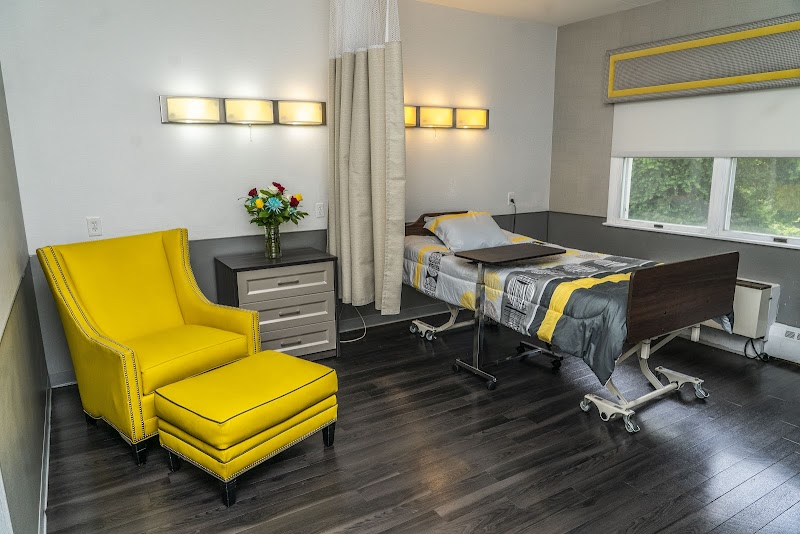
How is Our Ladys Center For Rehabilitation & Healthcare Staffed?

CMS rates OUR LADYS CENTER FOR REHABILITATION & HEALTHCARE's staffing level at 3 out of 5 stars, which is average compared to other nursing homes. Staff turnover is 40%, compared to the New Jersey average of 46%. This relatively stable workforce can support continuity of care.

What Have Inspectors Found at Our Ladys Center For Rehabilitation & Healthcare?

State health inspectors documented 26 deficiencies at OUR LADYS CENTER FOR REHABILITATION & HEALTHCARE during 2022 to 2024. These included: 26 with potential for harm.
Who Owns and Operates Our Ladys Center For Rehabilitation & Healthcare?

OUR LADYS CENTER FOR REHABILITATION & HEALTHCARE is owned by a for-profit company. For-profit facilities operate as businesses with obligations to shareholders or private owners. The facility is operated by CENTER MANAGEMENT GROUP, a chain that manages multiple nursing homes. With 214 certified beds and approximately 165 residents (about 77% occupancy), it is a large facility located in PLEASANTVILLE, New Jersey.
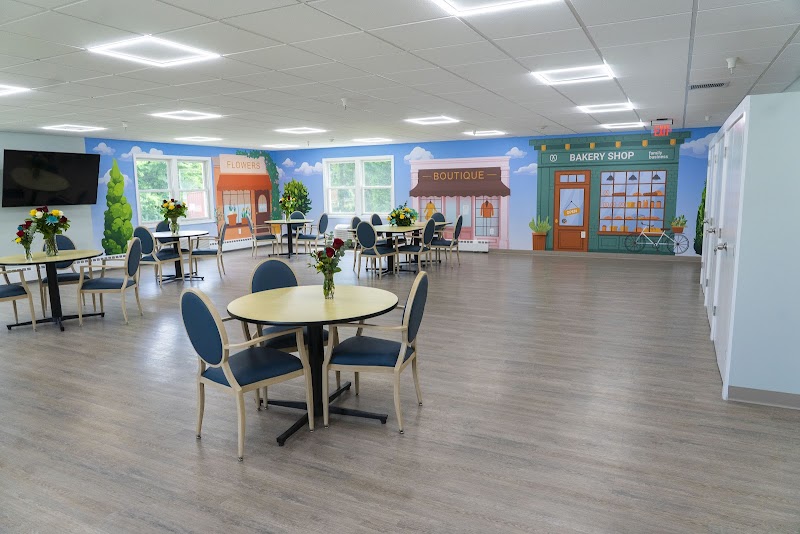
How Does Our Ladys Center For Rehabilitation & Healthcare Compare to Other New Jersey Nursing Homes?

Compared to the 100 nursing homes in New Jersey, OUR LADYS CENTER FOR REHABILITATION & HEALTHCARE's overall rating (4 stars) is above the state average of 3.3, staff turnover (40%) is near the state average of 46%, and health inspection rating (3 stars) is at the national benchmark.

What Should Families Ask When Visiting Our Ladys Center For Rehabilitation & Healthcare?

Based on this facility's data, families visiting should ask: "Can I visit during a mealtime to observe dining assistance and food quality?" "How do you handle medical emergencies, and what is your hospital transfer rate?" "Can I speak with family members of current residents about their experience?"

Is Our Ladys Center For Rehabilitation & Healthcare Safe?

Based on CMS inspection data, OUR LADYS CENTER FOR REHABILITATION & HEALTHCARE has a clean safety record: no substantiated abuse findings (meaning no confirmed cases of resident harm), no Immediate Jeopardy citations (the most serious violation level indicating risk of serious injury or death), and is not on the Special Focus Facility watch list (a federal program monitoring the lowest-performing 1% of nursing homes). The facility has a 4-star overall rating and ranks #1 of 100 nursing homes in New Jersey. While no facility is perfect, families should still ask about staff-to-resident ratios and recent inspection results during their visit.

Do Nurses at Our Ladys Center For Rehabilitation & Healthcare Stick Around?

OUR LADYS CENTER FOR REHABILITATION & HEALTHCARE has a staff turnover rate of 40%, which is about average for New Jersey nursing homes (state average: 46%). Moderate turnover is common in nursing homes, but families should still ask about staff tenure and how the facility maintains care continuity when employees leave.

Was Our Ladys Center For Rehabilitation & Healthcare Ever Fined?

OUR LADYS CENTER FOR REHABILITATION & HEALTHCARE has been fined $6,307 across 2 penalty actions. This is below the New Jersey average of $33,142. While any fine indicates a compliance issue, fines under $50,000 are relatively common and typically reflect isolated problems that were subsequently corrected. Families should ask what specific issues led to these fines and confirm they've been resolved.

Is Our Ladys Center For Rehabilitation & Healthcare on Any Federal Watch List?

OUR LADYS CENTER FOR REHABILITATION & HEALTHCARE is not on any federal watch list. The most significant is the Special Focus Facility (SFF) program, which identifies the bottom 1% of nursing homes nationally based on persistent, serious quality problems. Not being on this list means the facility has avoided the pattern of deficiencies that triggers enhanced federal oversight. This is a positive indicator, though families should still review the facility's inspection history directly.