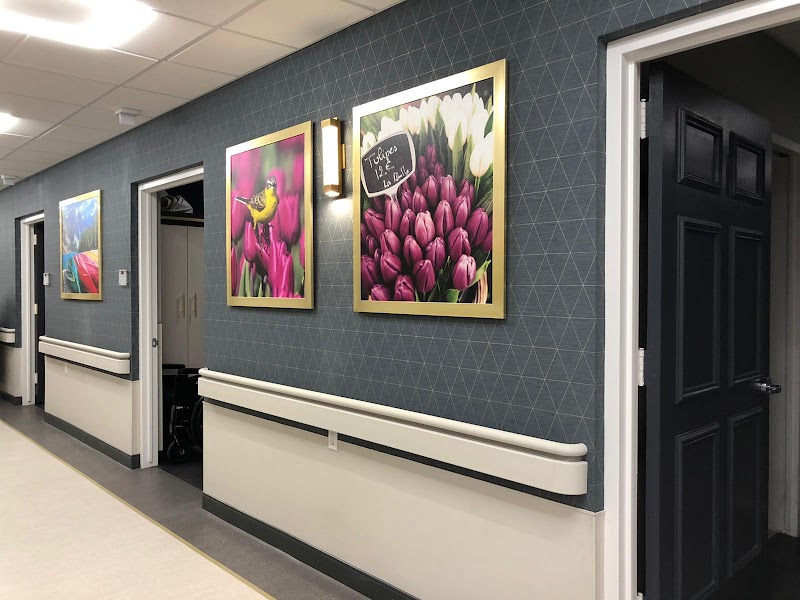
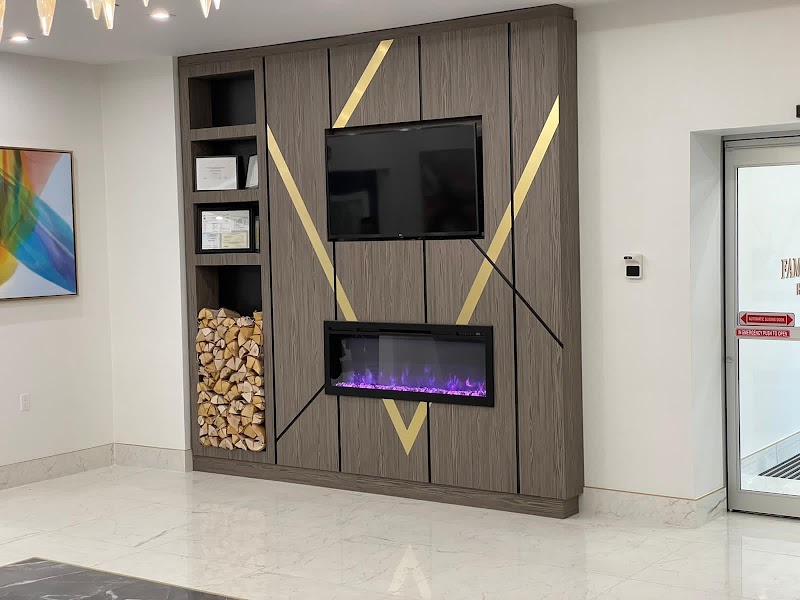
Family of Caring Healthcare at Ridgewood

304 S. VAN DIEN AVE, RIDGEWOOD, NJ 07450 (201) 445-8200
For profit - Limited Liability company 96 Beds FAMILY OF CARING HEALTHCARE Data: November 2025
Trust Grade
73/100
#132 of 344 in NJ
Last Inspection: May 2025

Inspected within the last 6 months. Data reflects current conditions.

Overview

Family of Caring Healthcare at Ridgewood holds a Trust Grade of B, indicating it is a good choice among nursing homes, offering solid care. It ranks #132 out of 344 facilities in New Jersey, placing it in the top half, and #16 of 29 in Bergen County, meaning there are only a few better local options. The facility is improving, with issues decreasing from 9 in 2023 to 5 in 2025. Staffing is a strong point, with a 4 out of 5-star rating and a turnover rate of 38%, which is below the state average of 41%. However, they incurred $9,750 in fines, which is average, and there are concerns about cleanliness, such as toilets in residents' rooms not being properly maintained and failure to accurately document care plans for residents, which could affect their overall health.

Trust Score
B
73/100
In New Jersey
#132/344
Top 38%
Safety Record
Low Risk
No red flags
Inspections
Getting Better
9 → 5 violations
Staff Stability
○ Average
38% turnover. Near New Jersey's 48% average. Typical for the industry.
Penalties
⚠ Watch
$9,750 in fines. Higher than 78% of New Jersey facilities, suggesting repeated compliance issues.
Skilled Nurses
✓ Good
Each resident gets 75 minutes of Registered Nurse (RN) attention daily — more than 97% of New Jersey nursing homes. RNs are the most trained staff who catch health problems before they become serious.
Violations
⚠ Watch
16 deficiencies on record. Higher than average. Multiple issues found across inspections.
★★★★☆
4.0
Overall Rating
★★★★☆
4.0
Staff Levels
★★★★☆
4.0
Care Quality
★★★★☆
4.0
Inspection Score
Stable
2023: 9 issues
2025: 5 issues

The Good

  • 4-Star Staffing Rating · Above-average nurse staffing levels
  • 4-Star Quality Measures · Strong clinical quality outcomes
  • Full Sprinkler Coverage · Fire safety systems throughout facility
  • No fines on record
  • Staff turnover below average (38%)

    10 points below New Jersey average of 48%

Facility shows strength in staffing levels, quality measures, fire safety.

The Bad

Staff Turnover: 38%

Near New Jersey avg (46%)

Typical for the industry

Federal Fines: $9,750

Below median ($33,413)

Minor penalties assessed

Chain: FAMILY OF CARING HEALTHCARE

Part of a multi-facility chain

Ask about local staffing decisions and management

The Ugly 16 deficiencies on record

May 2025 5 deficiencies
CONCERN (D)

Potential for Harm - no one hurt, but risky conditions existed

Deficiency F0658 (Tag F0658)

Could have caused harm · This affected 1 resident

Based on observation, interview, record review, and review of other pertinent facility provided documentation, it was determined that the facility failed to; a.) clarify the physicians' orders for 2 o...

Read full inspector narrative →
Based on observation, interview, record review, and review of other pertinent facility provided documentation, it was determined that the facility failed to; a.) clarify the physicians' orders for 2 of 21 residents, (Resident #27 and Resident #55), b.) adequately monitor target behavior of a resident with an order for antipsychotic medication (med), for 1 of 5 residents, (Resident #187), reviewed for unnecessary medications, and c.) follow the physician order for 1 of 3 residents, (Resident #335), observed during med administration, according to the standard of clinical practice and facility policy. This deficient practice was evidenced by the following: Reference: New Jersey Statutes Annotated, Title 45. Chapter 11. Nursing Board. The Nurse Practice Act for the State of New Jersey states: The practice of nursing as a registered professional nurse is defined as diagnosing and treating human responses to actual and potential physical and emotional health problems, through such services as case-finding, health teaching, health counseling, and provision of care supportive to or restorative of life and wellbeing, and executing medical regimens as prescribed by a licensed or otherwise legally authorized physician or dentist. Reference: New Jersey Statutes Annotated, Title 45, Chapter 11. Nursing Board. The Nurse Practice Act for the State of New Jersey states: The practice of nursing as a licensed practical nurse is defined as performing tasks and responsibilities within the framework of case finding; reinforcing the patient and family teaching program through health teaching, health counseling, and provision of supportive and restorative care, under the direction of a registered nurse or licensed or otherwise legally authorized physician or dentist. 1. On 4/29/25 at 10:48 AM, during an initial tour, Surveyor #1 (S#1) and the Minimum Data Set/Registered Nurse (MDS/RN) observed Resident # 27 inside their room seated in a chair. Resident #27 informed S#1 that they received a pain med recently due to complaint of generalized pain. S#1 reviewed the medical records of Resident #27 and revealed: A review of the admission Record (AR, an admission summary) or face sheet reflected that the resident was admitted with diagnoses that included but were not limited to; Parkinson's diseases without dyskinesia (when one or multiple parts of the body make movements involuntarily), without mention of fluctuations, spinal stenosis, lumbar region without neurogenic claudication, other specified joint disorders, right shoulder, major depressive disorder, recurrent, unspecified, other specified anxiety disorders, adjustment disorder with mixed anxiety and depressed mood, and encounter for palliative care. A review of the most recent comprehensive Minimum Data Set (cMDS), an assessment tool, with an assessment reference date (ARD) of 4/15/25, revealed in Section C Cognitive Patterns, a brief interview for mental status (BIMS) score of 13 of 15, which reflected that the resident's cognitive status was intact. A review of the active physician orders (PO) revealed the following orders of medications (meds): -start date 1/14/25, acetaminophen extra strength oral capsule (cap) 500 milligrams (mg), give 1 tablet (tab) by mouth every 8 hours as needed (PRN) for mild to moderate pain, do not exceed 3000 mg/day. -start date 4/25/25, morphine sulfate 20 mg/ml (milligrams/milliliters), give 0.25 ml by mouth every 4 hours PRN for pain (0.25 ml=5 mg). On 4/29/25 at 2:20 PM, S#1 interviewed Licensed Practical Nurse #1 (LPN#1) regarding the above active PO for PRN pain meds. LPN#1 reviewed the active PO in the electronic medical records (eMR) and she stated that she was the nurse who administered on 4/9/25, the PRN acetaminophen 500 mg to the resident. LPN#1 also stated that the order for PRN acetaminophen should have been clarified for cap or tab. LPN#1 acknowledged that the PRN morphine should have been clarified to indicate sequencing of pain med on when to administer the med. On 5/2/25 at 8:25 AM, S#1 interviewed the Director of Nursing (DON) in the South Ground nursing station regarding the above concern. The DON stated that the order for PRN acetaminophen should have been clarified if cap or tab. The DON further stated that the PRN morphine should have been clarified and sequenced when to give. On 5/2/25 at 12:29 PM, the survey team met with the Licensed Nursing Home Administrator (LNHA), DON, and the Regional DON (RDON). S#1 discussed the above concerns with Resident #27's PRN pain med orders. On 5/5/25 at 11:16 AM, the survey team met with the LNHA, DON, Assistant Administrator (AA), Director of Rehab/Occupational Therapist (DoR/OT), and RDON. The DON stated that for Resident #27, there was an order for acetaminophen cap and what was given was tab, the order was corrected, and the nurses were provided in-service. At that same time, S#1 asked the LNHA and the DON if there were additional information with regard to other concerns of S#1 with Resident #27, and both the DON and the LNHA stated that there was no additional information to provide. A review of the facility's Monthly Changeover Policy, with reviewed date of 10/2024, that was provided by the DON, revealed that the purpose of monthly change over process is to review the PO are correct and the physician signs the orders as accurate for the month. Procedure . 5. The nurse reviews any orders written since last med review for accuracy in transcription and makes necessary changes . On 5/5/25 at 12:57 PM, the survey team met with the LNHA, DON, AA, RDON, and Chief Operating Officer for an exit conference, and there was no additional information provided by the LNHA. 3. On 4/29/25 at 11:31 AM, Surveyor #3 (S#3) observed Resident #187 lying in bed with their eyes closed. A review of the AR reflected that the resident was admitted to the facility with diagnoses which included, but not limited to; metabolic encephalopathy (brain dysfunction resulting from systemic metabolic disturbances, rather than from primary structural brain damage or infection), unspecified dementia with other behavioral disturbance (a form of dementia where the underlying cause is unknown, and the individual experiences a range of behavioral and psychological changes beyond the typical memory and cognitive decline associated with dementia) and urinary tract infection (bacteria enter the urinary tract, usually through the urethra, and multiply, causing inflammation and infection). A review of Resident #187's most recent cMDS, reflected that the resident had a BIMS score of 00 out of 15, which indicated that Resident #187 cognition was severely impaired. Further review of the cMDS indicated that the resident had was taking or had taken in the last 7 days an antianxiety med, an antidepressant med, and a hypnotic med. There was no indication that the resident was taking or had taken an antipsychotic (prescribed to manage psychosis, primarily in individuals with schizophrenia but also can reduce or relieve symptoms of psychosis, such as delusions (false beliefs), and hallucinations (seeing or hearing something that is not there) med. A review of the resident's individualized care plan (CP) reflected the resident used antipsychotic meds related to behavior management secondary to delirium and dementia with behavioral disturbances. A review of the April 2025 eMAR and electronic Treatment Administration Record (eTAR) indicated the resident was prescribed the following antipsychotic med: Olanzapine Oral tab 2.5 mg, give 1 tab by mouth at bedtime for insomnia with associated delirium for 3 Days with a start date of 4/21/2025. Olanzapine Oral tab 5 mg, give 0.5 tab by mouth at bedtime for insomnia with associated delirium for 5 Days 0.5 tab equal to 2.5 mg with a start date of 4/24/2025. Further review indicated the following order: Behavior Monitoring: (Specify only one behavior). Record the number of times resident exhibited this behavior during the shift. Then, record the corresponding Non-Pharm intervention(s) every 4 hours for behavior monitoring on-going assessment to evaluate psychotropics with a start date of 4/25/25. There was no specific target behavior indicated to monitor related to the antipsychotic med olanzapine. On 4/30/25 at 10:37 AM, S#3 interviewed Licensed Practical Nurse #2 (LPN#2) regarding the process for behavior monitoring related to antipsychotic med. LPN#2 stated that there would be an order in the eMAR and eTAR for behavior monitoring every shift and that it would include the specific behavior to monitor. LPN#2 confirmed that Resident #187 did not have behavior monitoring specific for the antipsychotic olanzapine and that the resident's behavior monitoring order was for a different med. LPN#2 confirmed that there should be behavior monitoring for an antipsychotic. On 4/30/25 at 10:45 AM, S#3 interviewed the RN/UM regarding behavior monitoring for an antipsychotic med. The RN/UM stated that she would expect to see an order for behavior monitoring with a specific target behavior for olanzapine. On 4/30/25 at 10:56 AM, S#3 interviewed the DON regarding behavior monitoring and an antipsychotic med. The DON stated that there should be an order in the eMAR/eTAR for behavior monitoring with a target behavior specific to the resident. On 5/2/25 at 12:33 PM, S#3 notified the LNHA, AA, DON and RDON the concern that Resident #187 did not have behavior monitoring with a specific target behavior for the antipsychotic med olanzapine prior to surveyor inquiry. On 5/5/25 at 11:20 AM, in the presence of the LNHA, AA, and RDON, the DON stated that Resident #187's behavior monitoring was not specific to olanzapine. She added that the behavior monitoring was updated to include the targeted behavior and was now in the eMAR/eTAR. The DON stated that staff were educated. A review of the facility's Psychotropic Drug Use Policy, with an updated date of 2/26/25, included the following: E. The interdisciplinary team helps identify the behavioral target symptoms and specific behavioral concerns that warrant the use of an antipsychotic drug the CP intervention. 1. The resident's behavior is monitored. 2. The specific behavioral problems are tracked and documented as to the number of episodes or number of hours (if for pacing, yelling or screaming as determined by the interdisciplinary team CP. 2. On 4/29/25 at 9:54 AM, Surveyor #2 (S#2) observed Resident #55 sitting in a high-back wheelchair, alert, oriented to self, and verbally responsive. On 4/29/25 at 1:02 PM, S#2 reviewed the eMR of Resident #55. A review of the AR reflected that the resident had diagnoses that included but were not limited to; chronic heart failure, atrial fibrillation (an irregular, often rapid heart rate commonly causing poor blood flow), adult failure to thrive, and dementia. A review of the quarterly MDS (qMDS), with an ARD of 4/8/25, revealed a BIMS score of a 1 out of 15, which indicated the resident had severe cognitive impairment. A review of the PO dated 4/18/25, indicated acetaminophen rectal suppository 650 mg, insert 1 suppository rectally every 6 hours PRN for mild pain (1-3 on verbal pain scale), and/or elevated temperature greater than 100.4 Fahrenheit (F) degrees. A review of the April 2025 electronic Medication Administration Record (eMAR) revealed one order entry for acetaminophen rectal suppository order as indicated above. On 4/30/25 at 9:44 AM, S#2 interviewed Registered Nurse (RN) #1, about PRN med orders. RN #1 stated med orders with multiple indications should be entered as two separate orders for each indication. S#2 reviewed with RN #1 the acetaminophen suppository order of Resident #55. RN #1 acknowledged there should have been two separate orders for each indication, pain and fever, to adequately assess and monitor the resident. RN #1 stated she would clarify the order with the physician. On 4/30/25 at 12:19 PM, S#2 interviewed the RN/Unit Manager (RN/UM) who stated a PRN med with multiple indications such as acetaminophen for pain and fever should be entered as two separate orders. S#2 reviewed with the RN/UM the resident's acetaminophen suppository order for Resident #55. The RN/UM acknowledged two separate orders should have been entered to distinguish the pain and fever indications. The RN/UM checked RN #1 clarified the order after surveyor inquiry and would re-educate staff. On 5/2/25 at 12:29 PM, S#2 notified the LNHA, the DON, the AA, and the RDON of the concern for Resident #55's acetaminophen suppository order. S#2 asked if it would be expected for PRN pain meds with indications for pain and fever to have separate order entries. The DON acknowledged that it should be. A review of the facility's Pain Management Policy, with a last revised date of 2/18/2025, revealed under Procedure . 9. Acute onset of pain b. New or changed med orders are transcribed per facility standard of practice and a clinical note is documented . 4. On 4/30/25 at 9:03 AM, Surveyor #4 (S#4) observed Registered Nurse #2 (RN#2) assigned to med cart B on the 1-South Unit begin to prepare and administer meds to Resident #335. S#4 observed the eMAR for Resident #335, which reflected an order for docusate sodium 100 mg tab, give 1 tab by mouth two times a day for constipation. S#4 then observed RN#2 prepare to administer med from a bottle that contained docusate sodium 100 mg capsules (caps). S#4 observed RN#2 administer the docusate cap along with the resident's other due meds. S#4 asked RN#2, what docusate was administered, RN#2 selected the bottle of caps that they previously used. S#4 asked RN#2 to compare what was given to the PO listed on the eMAR. RN#2 stated that the order was for tablets (tabs). S#4 asked if there were docusate tabs in the med cart. RN#2 was able to locate the tabs in the med cart. S#4 asked RN#2 if they should follow what the PO indicated. RN#2 stated yes, the order should be followed. S#4 concluded the med observation. S#4 reviewed the eMR for Resident #335. A review of the AR documented that the resident had diagnoses that included but were not limited to, chronic atrial fibrillation (an irregular, often rapid heart rate commonly causing poor blood flow and hypertension. A review of the most recent cMDS, with an ARD of 4/16/25, reflected a BIMS score of 15 out of 15, which indicated the resident had no cognitive impairment. A review of the Order Summary Report (OSR), a listing of the resident's active med orders, which reflected an order for docusate sodium oral tab 100 mg, give 1 tab by mouth two times a day for constipation dated 4/22/25. A review of the eMAR report dated April 2025, which reflected the order for docusate tabs being administered on April 30th, 2025, during the 9:00 AM administration time. On 5/2/24 at 10:18 AM, S#4 interviewed the facility Consultant Pharmacist (CP) by telephone. S#4 asked the CP if the nursing staff should follow the PO in the medical record when administering meds. The CP stated, yes, the nurses should follow what the order was. On 5/2/24 at 12:39 PM, the survey team met with the LNHA, DON, AA, and RDON to discuss concerns with the med pass observation. S#4 asked the DON if there was an expectation of the nursing staff to follow the PO in the medical record. The DON stated, yes, the PO should be followed. On 5/5/24 at 11:17 AM, the survey team met with the LNHA, AA, DON and RDON for responses to concerns. The DON stated that RN#2 was educated on following the PO as they appear in the medical record. A review of the facility's Administering Medications Using Electronic System Policy, revised 10/2024. The policy revealed under Line 3, meds must be administered in accordance with doctor's orders . The facility did not provide any further pertinent information. NJAC 8:39-11.2(b); 27.1(a); 29.2(a)(d)
CONCERN (D)

Potential for Harm - no one hurt, but risky conditions existed

Deficiency F0711 (Tag F0711)

Could have caused harm · This affected 1 resident

Based on interview, record review, and review of other pertinent facility provided documentation, the facility failed to a.) review and evaluate the resident's condition and total program of care; b.)...

Read full inspector narrative →
Based on interview, record review, and review of other pertinent facility provided documentation, the facility failed to a.) review and evaluate the resident's condition and total program of care; b.) ensure that the Advance Practice Nurse (APN) accurately documented the resident's medications or plan of care at the time of the visit; and c.) ensure a resident's diagnoses were accurate. This deficient practice was identified for for 2 of 21 residents reviewed (Residents #27 and #71), and the evidence was as follows: 1. On 4/29/25 at 10:48 AM, during an initial tour, Surveyor #1 (S#1) and the Minimum Data Set/Registered Nurse (MDS/RN) observed Resident #27 inside their room seated in a chair. S#1 reviewed the medical records of Resident #27. A review of the admission Record (AR, an admission summary) or face sheet reflected that the resident was admitted with diagnoses that included but were not limited to; Parkinson's diseases without dyskinesia (when one or multiple parts of the body make movements involuntarily), without mention of fluctuations, spinal stenosis, lumbar region without neurogenic claudication, other specified joint disorders, right shoulder, major depressive disorder, recurrent, unspecified, other specified anxiety disorders, adjustment disorder with mixed anxiety and depressed mood, and encounter for palliative care. A review of the most recent comprehensive Minimum Data Set (cMDS), an assessment tool, with an assessment reference date (ARD) of 4/15/25, revealed in Section C Cognitive Patterns, a brief interview for mental status (BIMS) score of 13 of 15, which reflected that the resident's cognitive status was intact. The cMDS under Section N Medications reflected that the resident received an antianxiety, antidepressant, and opioid (controlled pain) medications (meds) during the lookback period (within seven days period from an ARD). A review of the active Clinical Physician Orders (CPO) included but were not limited to the following: -start date 9/9/24, lorazepam oral tablet (tab), 1 mg (milligram), give one tab by mouth in the evening for anxiety. [the order was discontinued (d/c) on 4/22/25] -start date 1/14/25, acetaminophen extra strength oral capsule (cap) 500 mg, give 1 tab by mouth every 8 hours as needed (PRN) for mild to moderate pain, do not exceed 3000 mg/day from all sources. -start date 2/2/25, lorazepam oral tab 1 mg, give 1 tab by mouth one time a day for anxiety. [the order was d/c on 4/22/25] -start date 4/23/25, lorazepam 1 mg tab by mouth twice a day for anxiety. A review of the Miscellaneous Tab in the electronic medical records (eMR) revealed an APN's visit note dated 3/7/25,4/4/25, 4/11/25, and 4/30/25, included but not limited to, Reviewed meds: acetaminophen 325 mg tab, take 2 tablets (tabs) every 4 hours by oral route PRN .lorazepam 1 mg tab, take 1 tab by mouth at bedtime .(may be left at bedside) . Further review of the above APN visit notes revealed that the reviewed meds for acetaminophen PRN and lorazepam orders were not reflected and did not match the active CPO. On 5/2/25 at 8:25 AM, S#1 notified Director of Nursing (DON) of the above concerns regarding the PRN acetaminophen and lorazepam documentation of the APN from March 2025 through April 2025, versus the electronically signed orders for the above meds did not match. The DON stated that she would get back to the surveyor. The DON acknowledged that the active physician orders and medication (med) list of the APN should be the same. On 5/2/25 at 10:17 AM, S#1 interviewed the APN. The APN informed S#1 that in average, she was at the facility three times a week, the visit notes were written when she gets home through their company's electronic record, then convert the visit notes to pdf (portable document format) file, and upload it to the resident's eMR. The APN further stated that she verbally discussed her visit for that day with the nurse assigned to the resident or whoever was available at that time. On that same date and time, the APN stated that meds that she reviewed that were listed in her visit notes were cumulative meds of the resident. S#1 asked the APN what she meant about cumulative meds, and she responded that those were meds that the resident was previously on and the current meds. S#1 asked how the IDT (interdisciplinary team) will be able to determine which meds were current and which one were d/c, and the APN responded, they were cumulative meds. Later, the APN stated that the facility followed what was signed by the APN and P#1 in the orders (also known as the CPO). On 5/2/25 at 12:29 PM, the survey team met with the Licensed Nursing Home Administrator (LNHA), DON, and the Regional DON (RDON). S#1 discussed the above concerns with Resident #27's reviewed meds and visit notes of the APN. The surveyor asked the LNHA, DON, and RDON would that be appropriate for the med to be left at the bedside of the resident. The LNHA, DON, and RDON acknowledged that the med should not be left at the bedside. On 5/5/25 at 11:16 AM, the survey team met with the LNHA, DON, Assistant Administrator (AA), Director of Rehab/Occupational Therapist, and RDON. S#1 asked the LNHA and the DON if there were additional information to provide about the above concerns. Both the DON and the LNHA stated that there was no additional information to provide. A review of the facility's Physician Services Policy, with a revised date of August 2006, that was provided by the AA, revealed, the medical care of each resident is under the supervision of a Licensed Physician. The Interpretation and Implementation: 1. The resident's attending physician participates in the resident's assessment and care planning, monitoring changes in resident's medical status, and providing consultation or treatment when called by the facility 2. The resident's attending physician is responsible for prescribing new therapy, ordering a transfer to the hospital, conducting required routine visits, delegating and supervising follow-up visits from Nurse Practitioners or Physician Assistants, etc., to ensure that the resident receives quality care and medical treatments. 3. Physician orders and progress notes (PN) shall be maintained in accordance with current OBRA (Omnibus Budget Reconciliation Act (OBRA) of 1987, legislation arose from concerns about substandard care and aimed to enhance life quality for residents by setting stricter standards. OBRA establishes a framework that ensures accountability and protection within these facilities.) regulations and facility policy . 6. The attending physician shall also be responsible for initial and ongoing medical evaluation as follows . b. The physician PN shall be maintained in accordance with acceptable professional standards and practices as necessitated by the medical beneficiary's and medical condition. On 5/5/25 at 12:57 PM, the survey team met with the LNHA, DON, AA, RDON, and Chief Operating Officer for an exit conference, and there was no additional information provided by the LNHA. 2. Surveyor #2 (S#2) reviewed Resident #71's eMR which revealed: A review of the AR reflected that Resident #71 was admitted to the facility with medical diagnoses which included but not limited to chronic atrial fibrillation (a longstanding irregular beating of the top part of the heart) and hypertension (high blood pressure). A review of the most recent quarterly MDS, with an ARD of 2/8/25, had a BIMS score of 6 out of 15, which reflected that the resident's cognition was severely impaired. A review of the resident's Order Summary Report (OSR), with an active date of 5/2/25, revealed an order for depakote sprinkles oral cap delayed release sprinkle 125 mg, give 1 cap by mouth two times a day for seizure with a date of 4/28/25, and an order for ritalin (a med used to reduce sleepiness) oral cap ER (extended release) 24 hour 40 mg, give 1 cap by mouth in the morning for narcolepsy, do not crush, dated 4/29/25. A review of the resident's electronic Medication Administration Report (eMAR) for April 2025, revealed an order for depakote for seizure dated 4/29/25, and marked as administered 4/29/25 and 4/30/25, and an order for ritalin for narcolepsy marked as administered 4/29/25 and 4/30/25. A review of the eMAR for May 2025, revealed the same orders being administered 5/1/25 and 5/2/25. Further review of the AR did not reflect diagnoses of narcolepsy (a disorder that causes sudden sleepiness) or seizures (sudden changes in the brain's electrical activity). A review of the resident's Individualized Comprehensive Care Plan (ICCP) dated 2/9/25, revealed a focus on Depakote as mood stabilizer, with a revision date of 3/16/25. The ICCP did not reflect any use of ritalin or narcolepsy. A review of the resident's Physician PN and Nurse Practitioner PN, including the most recent readmission, reflected use of ritalin for lethargy, and did not reflect any diagnosis of seizures or narcolepsy, nor did they reflect benefit versus risk documentation for the use of ritalin for lethargy. On 5/2/25 at 12:33 PM, the survey team met with the facility LNHA, AA, DON and RDON to discuss concerns. S#2 discussed the concerns regarding the physicians' and nurse practitioners' documentation of the use of ritalin for an unapproved use of lethargy in PN and signing for med orders reflecting a different diagnosis. S#2 also discussed concerns regarding physicians' and nurse practitioners' documentation of the use of depakote for mood or behaviors in PN and signing for med orders reflecting a different diagnosis. On 5/5/25 at 11:17 AM, the survey team met with the LNHA, AA, DON, RDON for responses to concerns. The DON stated that Resident #71 had recently returned from the hospital, and the prior indication for depakote on the orders was mood and dementia, but when the resident returned, the nurse who entered the orders made a mistake and put a diagnosis of seizure in the order. The DON also stated that Physician #2 did not document the correct diagnosis in the medical record. At that same time, S#2 asked the DON if there was a policy or procedure the nurse should follow when verifying orders on admission or re-admission. The DON stated that the nurse should verify all the meds with the physician as well as during shift change. The DON further stated that the record was corrected and provided documentation of PN to the survey team. The DON also provided documentation of staff education for verifying orders. The facility did not provide any further pertinent information. NJAC 8:39-23.2(b)(d)
CONCERN (D)

Potential for Harm - no one hurt, but risky conditions existed

Deficiency F0761 (Tag F0761)

Could have caused harm · This affected 1 resident

Based on observation, interview, and review of pertinent facility documents, it was determined that the facility failed to properly label medication in 1 of 4 medication carts (med cart) inspected acc...

Read full inspector narrative →
Based on observation, interview, and review of pertinent facility documents, it was determined that the facility failed to properly label medication in 1 of 4 medication carts (med cart) inspected according to facility's policy and standard of clinical practice. This deficient practice was evidenced by the following: Reference: New Jersey Statutes Annotated, Title 45, Chapter 11. Nursing Board. The Nurse Practice Act for the State of New Jersey states: The practice of nursing as a licensed practical nurse is defined as performing tasks and responsibilities within the framework of case finding; reinforcing the patient and family teaching program through health teaching, health counseling, and provision of supportive and restorative care, under the direction of a registered nurse or licensed or otherwise legally authorized physician or dentist. On 5/1/25 at 1:03 PM, the surveyor began to inspect selected medication (med) storage areas in the facility. The surveyor observed the following: The surveyor in the presence of the Registered Nurse (RN), the surveyor inspected the med cart identified as Cart A located on the 1-South Unit. The surveyor observed a small plastic bag containing an oral inhaler identified as Advair Discus 50/500 (a med used to prevent asthma attacks) (Advair). The surveyor observed that the plastic bag had a white label on the outside with the resident's name and a date of 4/16/25, written in ink and that the inhaler also had 4/16/25, written on it in ink. The surveyor did not observe any other resident specific or other identifiable information on the plastic bag or the inhaler. The surveyor asked the RN if there was a box or other container for the inhaler that came from the pharmacy with the pharmacy labeling on it. The RN stated that the box was lost. The surveyor concluded the inspection of the med cart. On 5/2/24 at 10:18 AM, the surveyor interviewed the facility Consultant Pharmacist (CP) by telephone. The surveyor asked the CP if all medications (meds) received from the pharmacy should have proper labels per Board of Pharmacy regulations. The CP stated yes, meds should have the original labels provided by the pharmacy when it was dispensed. The surveyor asked if a box or other container with the label becomes lost or damaged, should the staff re-label or but the item in another container. The CP stated, no, if the original container was missing the labels, it should either be disposed of or returned to the pharmacy. On 5/2/24 at 12:03 PM, the survey team met with the Licensed Nursing Home Administrator (LNHA), Director of Nursing (DON), Assistant Administrator (AA), and Regional DON (RDON) to discuss concerns with med storage. On 5/5/24 at 11:17 AM, the survey team met with the facility LNHA, AA, DON and RDON for responses to concerns. The LNHA stated that the inhaler in the plastic bag was disposed of and re-ordered from the pharmacy. The DON stated that the nursing staff was educated on proper storage and handling of meds. A review of the facility's Storage of Medications Policy, with a revised date of 10/2024, the policy reflected under Line 1. Drugs and biologicals shall be stored in the packaging, containers or other dispensing systems in which they are received. Only the issuing pharmacy is authorized to transfer meds between containers. Line 3. Drug containers that have missing, incomplete, improper, or incorrect labels shall be returned to the pharmacy for proper labeling before storing. The facility did not provide any further pertinent information. N.J.A.C. 8:39-29.4(a)1-11.
CONCERN (D)

Potential for Harm - no one hurt, but risky conditions existed

Medical Records (Tag F0842)

Could have caused harm · This affected 1 resident

Based on observation, interview, record review, and review of other pertinent documents, it was determined that the facility failed to maintain medical records that were accurate for 1 of 21 residents...

Read full inspector narrative →
Based on observation, interview, record review, and review of other pertinent documents, it was determined that the facility failed to maintain medical records that were accurate for 1 of 21 residents reviewed (Resident #185). This deficient practice was evidenced by the following: On 5/1/25 at 10:14 AM, the surveyor reviewed the closed hybrid (paper and electronic) medical record of Resident #185. A review of the admission Record (AR, an admission summary) reflected that the resident was admitted to the facility with diagnoses which included, but not limited to ulcerative colitis (a chronic inflammatory bowel disease (IBD) that causes inflammation and ulcers in the lining of the large intestine (colon) and rectum) and fracture of right lower leg (a break or crack in one of the bones in the leg). A review of Resident #185's most recent discharge return anticipated Minimum Data Set (MDS), an assessment tool used to facilitate the management of care, reflected that the resident had a Brief Interview for Mental Status (BIMS) score of 3 out of 15, which indicated that Resident #185 cognition was severely impaired. Further review indicated the resident did not have any unhealed pressure injuries/ulcers. A review of Resident #185's August 2024 Treatment Administration Record (TAR) included the following order: Silvadene External Cream 1 % (Silver Sulfadiazine) Apply to b/l (bilateral) buttocks topically every shift for wound care. Cleanse abrasion (a superficial injury to the skin caused by rubbing or scraping, resulting in a loss of the outer layers of the skin) to bilateral buttocks with NS (normal saline) and apply silvadene cream followed by nystatin powder and cover with bordered gauze dressing every shift with a start date of 8/14/2024. A review of Resident #185's Progress Notes (PN) included the following notes: Nurse note dated 8/14/24: Seen for wound rounds today. Abrasion to b/l buttocks, continues. Wound bed, 100% red in color. No drainage noted. Recommend to continue to cleanse areas with NS and apply silvadene cream followed by nystatin powder and cover with bordered gauze dressing every shift. Physician note dated 8/12/24: Skin exam reveals b/l buttock,sacral abrasion 100% pink. Further review of the PN did not reflect a note to indicate a description including measurement of the skin impairment/abrasion when it was initially observed. A review of Resident #185's Universal Transfer Form (UTF) dated 8/17/24, indicated under skin condition/wound that the resident had a wound and checked pressure as the type on the buttock/sacral. On 5/1/25 at 12:45 PM, the surveyor interviewed the Registered Nurse/Unit Manager (RN/UM) regarding the process for skin impairment. The RN/UM stated that if there was any redness it would be documented in the PN. The RN/UM stated that an abrasion was not considered a pressure ulcer. The RN/UM then stated that she had to review Resident #185's medical record. On 5/2/25 at 9:03 AM, the RN/UM provided a timeline of Resident #185's skin condition after she did an investigation. The RN/UM stated that the resident was admitted with intact skin and had a barrier ointment every shift for skin protection. The RN/UM stated that an air mattress was ordered on 8/11/24, and that the wound doctor evaluated the resident for the first time on 8/12/24, and noted a sacral/buttock abrasion. The RN/UM stated that she confirmed the nurse had put in the order for the air mattress and wound treatment, and did not put in a note for the skin impairment. The RN/UM stated that the same nurse filled out the UTF and that it was not filled out correctly. She added that it was not a not a pressure injury. She added that the assessment done at the hospital indicated no skin impairment. On 5/2/25 at 11:40 AM, the surveyor interviewed the Director of Nursing (DON) regarding skin changes. The DON stated that if there was redness, it should be documented and interventions placed. She added that her expectation would be there would be a PN to indicate a change in the skin. The DON stated that for Resident #185 the nurse should have documented the impairment. On 5/2/25 at 12:35 PM, the surveyor notified the Licensed Nursing Home Administrator (LNHA), Assistant Administrator (AA), DON and Regional DON (RDON) the concern that Resident #185's skin impairment was not accurately documented by the nurse when initially observed and on the UTF when the resident was transferred to the hospital. On 5/5/25 at 11:25 AM, in the presence of the LNHA, AA, and RDON, the DON stated that she was not at the facility when Resident #185 resided there. The DON stated that it appeared that the nurse (who no longer worked at the facility) did not document the finding of the skin impairment on the day that it was found and that it was documented on the UTF as pressure wound. She added that she could not determine what the skin impairment was but that according to the wound doctor, it was an abrasion. The DON stated that she educated the staff on proper documentation. The LNHA did not provide medical records policy. N.J.A.C. 8:39-35.2
CONCERN (E)

Potential for Harm - no one hurt, but risky conditions existed

Safe Environment (Tag F0584)

Could have caused harm · This affected multiple residents

**NOTE- TERMS IN BRACKETS HAVE BEEN EDITED TO PROTECT CONFIDENTIALITY** Based on observation, interview, and review of pertinent facility documentation, it was determined that the facility failed to p...

Read full inspector narrative →
**NOTE- TERMS IN BRACKETS HAVE BEEN EDITED TO PROTECT CONFIDENTIALITY** Based on observation, interview, and review of pertinent facility documentation, it was determined that the facility failed to provide a safe, clean, and comfortable homelike setting. This deficient practice was identified in 1 of 4 units, 3 of 3 Residents rooms, (South Ground unit: Residents Rooms #118, #119, and #122), and 1 of 1 activity room during environment tour. This deficient practice was evidenced by the following: 1. On 4/29/25 at 10:48 AM, Surveyor #1 (S#1) and the Minimum Data Set/Registered Nurse (MDS/RN) went inside Resident room [ROOM NUMBER] (RR#122), and two residents were inside the room. Both S#1 and the MDS/RN observed the residents' toilet room that the toilet bowl with a blackish substance. S#1 asked the MDS/RN what were those blackish substance and should that be there, and the MDS/RN did not respond. Later, the MDS/RN stated that she would notify the housekeeping. 2. On 5/1/25 at 9:30 AM, S#1 asked the Director of Rehabilitation/Occupational Therapist (DoR/OT) to accompany S#1 to residents' rooms. Inside RR#122, there were two residents inside the room, both S#1 and the DoR/OT observed the fan coil was covered with blackish grayish substances including the grill cover, and with pieces of small papers. In the nursing station, S#1 asked the DoR/OT what those in the fan coil and cover grill were, and the DoR/OT stated she was unsure. S#1 and DoR/OT observed there were two residents inside Resident room [ROOM NUMBER] (RR#119). Both S#1 and the DoR/OT observed the wheelchair and regular chair inside the toilet room, there was a basin on the floor near the toilet seat, and there was a brownish stain on the ceiling tile. In the nursing station, S#1 asked the DoR/OT why the basin was on the floor in RR#119, what was the brown stain on the ceiling tile, and the DoR/OT did not respond. Inside Resident room [ROOM NUMBER] (RR#118), the DoR/OT informed the surveyor that the resident was in the dialysis. Both S#1 and the DoR/OT observed the fan coil and the grill cover with accumulation of grayish and blackish substances. S#1 asked the DoR/OT why there was an accumulation of grayish and blackish substances in the fan coil and grill cover, and the DoR/OT did not respond. On 5/1/25 at 12:24 PM, S#1 interviewed the Maintenance and Environmental Services Director (MESD), who informed S#1 that he was made aware by the Assistant Administrator (AA) about S#1's concerns with rooms regarding fan coil that were dusty and with some pieces of papers, the brownish stain on the ceiling tile from the residents rooms. The MESD further stated that brownish discoloration in the ceiling tile of RR#122 was sweat from the pipe. On that same date and time, the MESD stated that he was aware of the concern with fan coil and that the facility was on the process of cleaning the fan coil system (air and heater system) in the South Ground unit. He further stated that the scheduled cleaning for the coil fan was every four months, the filter also being changed at that time, and that he had a log for scheduled cleaning. The MESD stated that it was important to keep the area clean for safety to prevent fire and for the resident to prevent inhaling the dust because once you open the aircon or the heater. He further stated that it was everyone's responsibility to report any concerns with residents' environment to him so it can be cleaned even it was not due yet for cleaning. The MESD acknowledged that it should have been reported and cleaned. At that same time, the MESD stated that the brownish stain on the ceiling tile in the toilet room should also been reported and he could change it. The MESD also stated that the facility used to utilize the logbook for each unit for repairs and reports for maintenance and other reports, but it was not being utilized as it should be, that was why it was changed. He stated that the new process was the staff to call the reception area, and the receptionist will call or text me of the things that needed to be done. He further stated that to be honest, at times his department was short of staff to do things that was why things were not being done. The surveyor asked for copy of monitoring or cleaning logs, and the MESD stated that he would get back to the surveyor. He also stated that the airconditioned system was last serviced or clean, either December 2024 or January 2025. On 5/1/25 at 1:02 PM, the MESD provided a copy of the Fan-coil filters replacement log, and revealed: Fan-coil filters replacement log for 2024: Date Filter Changed was done on January 8 to 12, NG (north ground) and SG (south ground) and on January 15 to 26, S1 (South 1) and N1(North 1). Date Filter Changed was done on June 13, S1 and SG. Date Filter Changed was done on October 20 to 24, OT rm (Occupational Therapy room), NG, and SG. Date Filter Changed was done on November 3 to 7, S1, and N1. Fan-coil filters replacement log for 2025: Date Filter Changed was done on March 11, NG, N1, S1, Gym, and Fellowship room. Date Filter Changed was done on April (no complete date), OT rm and SG ongoing. Further review of the above Fan-coil filters logs revealed that the SG fan coil filters replacement which was also the general cleaning of the fan coil for every four months were not followed, for 2024 it was cleaned on January, June (was five months after), and October 2024. For 2025 SG fan coil was serviced/cleaned in April 2025 (that was six months after). On 5/2/25 at 12:29 PM, the survey team met with the Licensed Nursing Home Administrator (LNHA), Director of Nursing (DON), and the Regional DON (RDON). The surveyor discussed the above concerns with environment for RR#118, RR#119, and RR#122. 3. On 4/29/25 at 10:42 AM, Surveyor #2 (S#2) and S#1 toured with the MDS/RN, and observed the Fellowship room, which was the main activity room on the ground floor, the window on the farthest right side of room with the glass broken. The MDS/RN and both S#1 and S#2 observed the windows with dirty screens and the windowsills with black stains. S#2 asked the MDS/RN if she was aware of the broken glass and for how long, and who was responsible for cleaning the windows. The MDS/RN stated that she did not know that the window glass was broke and usually, housekeeping was responsible for cleaning the windows. On 4/30/25 at 11:05 AM, S#2, the Registered Nurse/Unit Manager (RN/UM), and the MESD went to the Fellowship Room. S#2 showed the RN/UM and the MESD the windows. The MESD confirmed the window screens and windowsills were dirty, he stated, We power wash every summer all the windows. The RN/UM confirmed the room was being used for residents to do activities and RN/UM also confirmed that the glass on the window was broken, and the windows were dirty. The RN/UM stated, Honestly she was unaware that the window glass was broken. The RN/UM further stated that the expectation was, the window should not be broken, and that the facility will get them fix. S#2 asked the MESD how often he made rounds, and the MESD stated, I spot check periodically, and he did not know it was broken, not until surveyor's inquiry. On 4/30/25 at 11:22 AM, S#2 interviewed the MD/RN if she mentioned the broken glass to anyone yesterday and she replied that she notified the Maintenance to check the windows, but I did not specifically mention about the broken window. On 4/30/25 at 1:09 PM, S#2 reviewed the Resident Council Meeting minutes held on 4/28/25, with seven residents in attendance, the minutes reflected that the residents requested to have the windows washed from the outside, the action was, Housekeeping Director was informed, and the resolution: windows have been washed. On 5/1/25 at 9:37 AM, S#2 observed two residents in the Fellowship room sitting on their wheelchairs by the window, one resident looking out. The window on the right side of the room observed to be broken and the windows with dirty screens and dirty windowsills (accumulation of grayish and blackish substances). On 5/2/25 at 12:29 PM, the survey team met with the LNHA, AA, DON, and the RDON, to notify them of the above environment concerns. S#2 asked what the expectation was for homelike environment for resident areas, and the LNHA stated that the expectation was everything should be clean and in order. The LNHA further stated that the [Name Redacted] does the power washing annually, windows at the facility were very old, but should be kept clean. The LNHA also stated that the window repair company was at the facility to fix the cracked window. She also added that the MESD had the outside of the windows cleaned over the weekend for those residents who complained in Resident Council last Friday that their windows were dirty. A review of the facility's Quality of Life-Homelike Environment Policy, dated 10/2024, which revealed, Residents are provided with a safe, clean, comfortable and homelike environment characteristics include cleanliness and order. On 5/5/25 at 11: 16 AM, the LNHA, AA, DON, and the RDON responded to the environment concerns. The LNHA stated that on Saturday, [Name Redacted] replaced the cracked window on the Fellowship Room and there was ongoing cleaning today of the coil fans. The LNHA further stated that the staff were in-serviced on reporting on anything cracked, and the department heads were in-serviced on work orders and maintenance will pick them up every morning. On 5/5/25 at 12:57 PM, the survey team met with the LNHA, DON, AA, RDON, and Chief Operating Officer for an exit conference, and there was no additional information provided by the LNHA. NJAC 8:39-31.2(e), 31.4(a)(b)(f)
Mar 2023 9 deficiencies
CONCERN (D)

Potential for Harm - no one hurt, but risky conditions existed

Deficiency F0661 (Tag F0661)

Could have caused harm · This affected 1 resident

Based on the interview, review of the medical record, and review of other facility documentation, it was determined that the facility failed to obtain an order for discharge and document a discharge s...

Read full inspector narrative →
Based on the interview, review of the medical record, and review of other facility documentation, it was determined that the facility failed to obtain an order for discharge and document a discharge summary which included a recapitulation of the resident's stay and a final summary of the resident's status for one (1) of three (3) closed records reviewed for discharge (Resident #76). This deficient practice was evidenced by the following: On 02/24/23 at 11:29 AM, the surveyor reviewed the closed medical record for Resident #76 and revealed the following: The admission Record (or face sheet; admission summary) indicated that the resident was admitted to the facility with medical diagnoses that included but were not limited to encounter for orthopedic aftercare following surgical amputation (joint replacement surgery, requiring the resident for rehabilitation), acquired absence of right leg above the knee (also known as above the knee amputation or AKA), peripheral vascular disease (a blood circulation disorder that causes the blood vessels outside of your heart and brain to narrow, block, or spasm), and muscle weakness. The Nursing Home Discharge Minimum Data Set (MDS), an assessment tool used to facilitate the management of care, with an Assessment Reference Date (ARD) of 01/20/23 showed that the resident was discharged to another nursing home. A review of the Progress Notes dated 01/19/23 showed a Social Services Note (SSN) that indicated that Resident #76 will be transferred to another facility on 01/20/23, secured a bed and will be picked up at 11 AM. The 01/19/23 SSN revealed that the transfer was a resident-initiated planned discharge. The medical record revealed that there was no documented physician order, Universal Transfer Form (UTF; must be used by all licensed healthcare facilities and programs when a patient is transferred from one care setting to another to ensure that accurate communication of pertinent clinical patient care information is conveyed at the time of a transfer), and discharge summary. In addition, there was no documentation on the day of discharge a nurse's note about what time the resident left the facility, assessment of the resident's condition upon discharge, and notification of family representative nor the receiving facility. On 02/24/23 at 11:50 AM, the surveyor notified the Regional Director of Director of Nursing (RDDON) of the above findings, and the RDDON stated that she will get back to the surveyor. On that same date at 12:01 PM, the Infection Preventionist Nurse (IPN) showed to the surveyor the discharge (d/c) order to the hospital of the resident for chest pain dated 12/29/22 in the Order Summary Report of the resident's electronic medical record. The surveyor notified the IPN that the most recent d/c was a transfer to another facility on 01/20/23, the IPN stated oh I am sorry, I will get back to you. Furthermore, during an interview of the surveyor with the IPN, the IPN stated that all d/c orders should be in electronic medical records. She further stated that the nurse must obtain an order from the physician of an order to d/c the resident and document it in the electronic medical records. On 02/24/23 at 12:18 PM, the surveyor interviewed the Director of Social Services (DSS) who documented the 01/19/23 SSN the planned discharge to another facility. The DSS informed the surveyor of the facility d/c process when a resident initiated discharge to another facility. The DSS stated that the d/c will be discussed in the morning meeting with the IDT (interdisciplinary team), the social worker will talk to the resident, set up the transportation, the nurse will get an order for the d/c, and there should be an order for d/c. On that same date and time, the DSS stated that the d/c summary will be an IDT (nursing, social services, rehab, activity, and dietician) summary of each discipline together with d/c instructions provided for d/c to home. She further stated that the d/c to another facility does not require a d/c summary and that the facility just provide a UTF to the receiving facility. In addition, the DSS indicated that the nurse should have obtained a physician order for d/c. On 02/24/23 at 12:40 PM, the surveyor interviewed the Director of Nursing (DON). The DON informed the surveyor that the facility practice and policy for d/c to another facility included an order from the physician for d/c. The DON stated that we do not need a d/c summary if a resident will be transferred to another facility. She further stated that it was an expectation that the nurse document in the electronic medical record the resident's information of pick time and the assessment of the resident upon discharge. At that same time, the surveyor notified the DON of the above findings. The DON checked the paper medical record and was not able to locate an order for d/c and the UTF. The DON stated that she will get back to the surveyor with regard to the UTF. On 02/24/23 at 01:09 PM, the DON provided a copy of the UTF dated 01/20/23 that included the information of the resident's name, name of transferring and receiving facilities, date and time of transfer, language, date of birth , gender, physician's name, vital signs (blood pressure, respiratory rate, pulse, and temperature), allergies, and incomplete immunizations/screening. The 01/20/23 UTF information for code status, contact person, the reason for transfer, pain rating/assessment, primary diagnosis and secondary diagnosis, isolation precaution, sensory assessment, skin condition, diet, personal items sent to with patient, attached documents (current medication information, face sheet, MAR or medication administration record, TAR or treatment administration record, diagnostic studies, code status, discharge summary, therapy notes, and history and physical), at risk alerts, mental status, function, bowel and bladder assessment, sending facility contact and receiving facility contact (that included names, titles, units, and phone numbers) were left blank and unanswered. The one piece paper UTF that was provided by the DON was incomplete. On 02/27/23 at 10:39 AM, the surveyor interviewed the Licensed Practical Nurse (LPN) that was assigned to the resident on the day of the d/c. The LPN informed the surveyor that it was the facility's practice and protocol that the nurse obtain an order for d/c, complete a nurse's notes on the day of the d/c, complete the Skilled Note for d/c in the electronic medical record, complete the Discharge Instructions where all IDT can write their d/c notes, and fill out the UTF. The LPN showed the Assessment tab in the electronic medical record where to complete the Skilled Note for d/c. On that same date and time, the LPN acknowledged that she was the assigned nurse when the resident was d/c on 01/20/23 and stated I do not recall what had happened, why there was no d/c order from the physician and no d/c summary. She further stated that it was always very busy here, and that she was by herself in the unit as a nurse for 16 residents in the 7-3 PM shift when most of d/c of residents happened. On 02/27/23 at 11:37 AM, the survey team met with the Licensed Nursing Home Administrator (LNHA), DON, Regional DON (RDON), and Administrator in Training (AIT) and were notified of the above findings. A review of the facility's Discharge Summary and Plan of Care that was provided by the RDON with an effective date of 10/2018 included that there should be a d/c order, recapitulation of the resident's stay that includes, but is not limited to: diagnoses, course of illness/treatment therapy, and any pertinent lab, radiology, and consultation results, and the discharge summary should include: completion of a discharge form by the charge nurse or designee, for anticipated discharge home or to another facility. On 3/02/23 at 12:01 PM, the survey team met with the LNHA, RDON, Chief Operating Officer, AIT, DON, and the Medical Director. The facility management did not provide additional information and did not dispute the findings. NJAC 8:39-35.2(d)(16)
CONCERN (D)

Potential for Harm - no one hurt, but risky conditions existed

Respiratory Care (Tag F0695)

Could have caused harm · This affected 1 resident

Based on observation, interview, record review, and review of other facility provided documents, it was determined that the facility failed to maintain the necessary respiratory care and services for ...

Read full inspector narrative →
Based on observation, interview, record review, and review of other facility provided documents, it was determined that the facility failed to maintain the necessary respiratory care and services for residents who were receiving oxygen and nebulizer (neb) treatments according to standards of practice. This deficient practice was identified for two (2) of five (5) residents (Resident #8 and #32) reviewed for respiratory care. This deficient practice was evidenced by the following: 1. On 02/16/23 at 11:27 AM, the surveyor observed Resident #8 lying in bed with oxygen ongoing at three liters per minute (3 LPM) via nasal cannula (NC) that was attached to an oxygen concentrator (a medical device used for delivering oxygen). The oxygen NC was not dated. The surveyor asked Resident #8 if the NC had been changed weekly. Resident #8 did not know if the NC was being changed weekly. The surveyor reviewed the medical records of Resident #8. The resident's admission Record (AR; or face sheet, an admission summary) reflected that the resident was admitted to the facility with diagnoses that included but were not limited to chronic obstruction pulmonary disease with acute exacerbation (a condition involving constriction of the airways and difficulty or discomfort in breathing), congestive heart failure (a weakness of the heart that leads to a buildup of fluid in the lungs and surrounding body tissues) and pleural effusion (a buildup of fluid between the layers of tissue that line the lungs and chest cavity). A review of the 01/12/23 Comprehensive Minimum Data Set (CMDS), an assessment tool used to facilitate the management of care, revealed a Brief Interview for Mental Status (BIMS) score was 15, which indicated that the resident's cognition was intact. The CMDS reflected that the resident was on oxygen. The February 2023 Order Summary Report (OSR) revealed an order date of 12/15/22 for change oxygen tubing, cannula/mask weekly. Label with date, time, and nurse's initials every night shift every Thu (Thursday) for preventative care. In addition, the medical records showed that the above order was transferred to the February 2023 electronic Medication Administration Record (eMAR) and signed by nurses as administered on 02/09/23. 2. On 02/17/23 at 8:25 AM, the surveyor observed Resident #32 laying on the bed with a call bell on their right hand. The surveyor observed on the left side of the bed a nightstand table drawer was open, there was a neb mask not stored inside a plastic bag, and directly touched the personal belonging of the resident that including a shirt. The neb mask tubing had a date on it 01/19/23. On 02/17/23 at 10:15 AM, the surveyor observed the resident laying on the bed. The nightstand drawer was open with a neb mask inside the nightstand drawer not stored properly inside a plastic bag with neb tubing dated 01/19/23. On that same date at 10:17 AM, the surveyor asked the Licensed Practical Nurse (LPN) to go with the surveyor inside the resident's room because the assigned nurse was busy administering medications to another resident at that time. Inside the resident's room, both the surveyor and the LPN observed the neb mask not properly stored inside the plastic bag and dated 01/19/23. At that time, after exiting the resident's room, the surveyor interviewed the LPN. The LPN informed the surveyor that the neb tubing and mask should have been changed weekly by the 11-7 shift every Thursday. The LPN acknowledged that the date on the neb tubing was 01/19/23 and he stated that the neb mask should have been stored inside the plastic bag when not in use for infection control. The surveyor reviewed the medical records of Resident #32. The resident's AR reflected that the resident was admitted to the facility with diagnoses that included rhabdomyolysis (a medical condition that occurs when muscle tissue breaks down and leaks into the bloodstream), essential hypertension (elevated blood pressure), heart failure (occurs when the heart muscle doesn't pump blood as well as it should), primary pulmonary hypertension ( high blood pressure in the lungs), and malignant neoplasm of unspecified part of unspecified bronchus or lung (is a malignancy that forms in the tissues of the lung), and The 01/06/23 CMDS revealed a BIMS score of 10 out of 15, which indicated that the resident's cognition was moderately impaired. The CMDS reflected that the resident was on respiratory therapy. The February 2023 OSR revealed an order date of 01/17/23 for Budesonide suspension 0.5 mg (milligrams)/2 (two) ml (milliliters) inhale orally via neb every 12 hours for RSV (Respiratory syncytial virus, is a respiratory virus that infects the lungs and breathing passages). An order dated 01/02/23 for Ipratropium-Albuterol solution 0.5-2.5 (3) mg/3 ml inhale orally via neb every 8 (eight) hours for dyspnea/wheezing. In addition, the medical records showed that the above orders were transferred to the January and February 2023 eMAR and signed by nurses as administered. Further review of the February 2023 OSR showed that the order for neb tubing change was ordered after the surveyor's inquiry. The order was dated 02/23/23 to change neb tubing and bag weekly every night shift every Wednesday for neb treatment. The personalized care plan for respiratory care and neb treatment interventions was reflected after the surveyor's inquiry. The interventions to administer neb as ordered and to change the tubing weekly every Wednesday were documented and initiated on 02/23/23. On 02/22/23 at 11:55 AM, the surveyor interviewed the Infection Preventionist Nurse (IPN). The IPN informed the surveyor that it was an expectation that the nurse follows the facility policy with regard to respiratory tubing and mask changes that included neb and oxygen to be changed and dated weekly on the 11-7 shift, and stored inside a plastic bag when not in use for infection control. On that same date and time, the surveyor notified the IPN of the above findings. The IPN stated that the resident's neb mask should have been properly stored and changed weekly according to facility practice and policy. On 02/23/23 at 12:11 PM, the survey team met with the Licensed Nursing Home Administrator (LNHA), Director of Nursing (DON), Administrator In Training (AIT), and Regional DON (RDON), and were made aware of the above findings. On 02/27/23 at 8:58 AM, both the surveyor and the Minimum Data Set Coordinator (MDSC) went inside the resident's room. The MDSC opened the resident's nightstand drawer, and both the surveyor and MDSC observed the neb mask inside the drawer covered by the resident's personal belongings which included clothing and single-serve syrups. The neb mask was not stored inside a plastic bag and directly touching the surrounding of the drawer. The MDSC stated that she will discard the neb mask now. At that time, the assigned Registered Nurse#1 (RN#1) was inside the resident's room. On that same date and time, both the surveyor and the two nurses came out of the resident's room. RN#1 informed the surveyor that when she came in today at 7 AM, she was not able to check the resident's neb mask and she did not yet administer neb treatment. RN#1 acknowledged that the neb mask should have been stored inside a plastic bag when not in use. On 02/27/23 at 9:12 AM, the surveyor called and left a message for RN#2 who was the assigned nurse for the 11-7 shift last night. RN#2's information including phone number was provided by the MDSC. A review of the facility's Oxygen/Nebulizer Care Policy that was provided by the RDON with a last reviewed date of 6/2022 included that cannulas, masks, nebulizer tubing, and incentive spirometers should be changed weekly or as necessary, label with date and initials; and all tubing and masks shall be placed in a plastic bag for storage when not in use. On 02/27/23 at 11:37 AM, the survey team met with the LNHA, DON, RDON, and AIT. The RDON stated that the MDSC informed her of the concern with the resident's neb mask not properly stored inside a plastic bag when not in use. The RDON further stated that RN#2 was on vacation starting today after the RNs duty last night and that the facility will do a one-to-one education when RN#2 comes back. The RDON acknowledged that there was no care plan for the use and care of the neb mask and tubing not until the surveyor's inquiry. NJAC 8:39-11.2 (e)(1)(2)
CONCERN (D)

Potential for Harm - no one hurt, but risky conditions existed

Deficiency F0728 (Tag F0728)

Could have caused harm · This affected 1 resident

Based on observation, interview, and a review of the pertinent facility provided documents, it was determined that the facility failed to ensure that the staff complied with nursing aide requirements ...

Read full inspector narrative →
Based on observation, interview, and a review of the pertinent facility provided documents, it was determined that the facility failed to ensure that the staff complied with nursing aide requirements with federal and state guidance prior to providing direct care to the resident. This deficient practice was identified for one (1) of two (2) none Certified Nursing Aides observed during an initial tour as evidenced by the following: On 02/16/23 at 10:16 AM the surveyor observed a Hospitality Aide (HA) performing resident care on Resident #27. The HA toileted the resident and provided direct care to the resident. A review of the 02/16/23 staffing that was provided by the Staffing Coordinator (SC) revealed that the HA was on the schedule and listed as a Certified Nursing Assistant (CNA) for South Ground. A review of the HA's employee file revealed that on 8/12/2022 the employee applied for a CNA position. In addition, on 9/07/2022 the facility offered her a position as a full-time HA in training as N-CNA (non-CNA) as evidenced by her orientation checklist for dates 9/07/22-9/28/22 that was completed and had signatures by the employee, the preceptor, and the staff development officer. A review of a document from [name redacted], a school where the HA attended the CNA program, showed that the HA was enrolled with a start date of 8/01/22 and an ending date of 9/09/22. A review of the facility provided a timeline of the HA and showed that the HA had failed the 1st (11/05/22) and 2nd (01/02/23) written tests for CNA. On 02/21/23 at 12:39 PM, the Regional Director of Nursing (RDON) stated, There is nothing in the job description of Hospitality Aide that they should be helping a resident to the restroom. She (HA) should have gotten somebody to assist the resident once she answered the call bell for the resident's safety. It is not in the HA job description. During an interview on 02/21/23 at 12:39 PM, the SC stated, She (HA) should not have been on the schedule with an assignment, the nurse on the floor gives the room assignment for the staff. The surveyor asked the SC who was responsible for filling out the Daily Staffing Sheet (DSS) on 02/16/23, and the SC responded that he was the one who did the DSS on that day. On 02/23/23 at 12:11 PM, the survey team met with the Licensed Nursing Home Administrator (LNHA), DON, Administrator In Training (AIT), and RDON and were notified of the above findings. On 3/01/23 at 10:58 AM, the Human Resources Director (HRD) stated that the HA was hired as a hospitality aide and CNA in training. The HRD further stated, meaning if you attended a class for CNA and passed your skills test that is when we hire you. The HRD indicated that then they have 120 days to work as HA in training for CNA until they take their written test, We HR does not hire them unless they have completed their 6-week course and their skills test but before their written exam. On that same date and time, the surveyor asked the HRD who was responsible to follow up on their testing results to ensure it was done and advance their work assignment. The HRD stated, our SC is responsible to watch if they pass or fail and then he alerts HR of the upgrade in position. HR hired her as an HA. She has never transitioned to CNA status or received a raise to reflect it in our system. The surveyor inquired when the HA was hired. The HRD responded, On 9/07/2, she has been an employee for approximately five (5) months. A review of a document titled Position Title - Hospitality Aid Summary, implemented on 4/19 included #4) Answer call bell promptly and notify CNA or nurse of patient's needs. NJAC 8:39-43.1(a)(2)
CONCERN (D)

Potential for Harm - no one hurt, but risky conditions existed

Staffing Information (Tag F0732)

Could have caused harm · This affected 1 resident

Based on observation, interview, and review of pertinent facility documents, it was determined that the facility failed to accurately post the nurse staffing information on two (2) of nine (9) days du...

Read full inspector narrative →
Based on observation, interview, and review of pertinent facility documents, it was determined that the facility failed to accurately post the nurse staffing information on two (2) of nine (9) days during the survey period in a place within the facility readily accessible to the residents and the visitors. This deficient practice was evidenced by the following: On 02/16/23 at 10:00 AM, the surveyor observed the facility Resident Care Staffing Report (RCSR) dated 02/16/23 posted in a plastic cover attached to the front reception desk. The RCSR revealed that there was a current resident census (total number of residents) of 88 and there were 11 certified nursing aides (CNA) with 7.5 actual hours worked in the facility for the 7 AM to 3 PM shift which calculated to one (1) CNA to eight (8) residents for the staff to resident ratio. On 02/16/23 at 10:16 AM, the surveyor interviewed the Director of Nursing (DON) who was the acting Unit Manager for the South Ground (SG) unit. The DON stated that there was a census of 24 residents and there were two (2) CNAs and one (1) Nursing Aide (NA). The DON added that she was unsure of the NA certification date. On 02/16/23 at 10:38 AM, the Team Coordinator surveyor conducted an Entrance Conference with the Licensed Nursing Home Administrator (LNHA), Regional Director of Nursing (DON) and the Administrator in Training (AIT). The LNHA stated that the facility had no nursing assistants and provided the name of one (1) Hospitality Aide (HA). This contradicted the statement by the DON that a NA was working on the SG unit. On 02/16/23 at 10:53 AM, the surveyor was provided a facility Daily Staffing Sheet (DSS) dated 02/16/23 by the Minimum Data Set (MDS) Coordinator. The DSS revealed that there were three (3) names listed as CNA assigned to the SG unit which included the name of the NA and HA. On 02/17/23 at 10:00 AM, the surveyor observed the facility RCSR dated 02/17/23 posted in a plastic cover attached to the front reception desk. The RCSR revealed that there was a current resident census of 87 and there were 11 CNAs with 7.5 actual hours worked in the facility for the 7 AM to 3 PM shift which calculated to a one (1) CNA to 7.9 residents for the staff to resident ratio. On 02/17/23 at 10:02 AM, the surveyor interviewed the front desk receptionist (FDR) who stated that she was responsible for completing the RCSR that was posted at the front desk each day. The FDR added that she was given the responsibility of completing the RCSR a couple of months ago because the sheet was posted right at her desk. The FDR added that she bases the numbers listed on the RCSR from the DSS that she was given every day by the AIT. The FDR could not speak to the scheduling of the CNA names listed on the DSS. The FDR stated that the AIT was responsible for the DSS. On 02/17/23 at 10:26 AM, the surveyor was provided the facility CNA assignment sheets for all four (4) units by the DON which revealed that there was a total of 11 CNA names listed which included the name of the HA. The DSS was not provided for the date of 02/17/23. On 02/21/23 at 8:46 AM, the surveyor was provided employee folders for the HA and NA by the RDON. The RDON verified that the HA that had been identified during the Entrance Conference was actually a NA#1 and that the NA that had been identified by the DON on the SG unit was actually a HA#2. Further review of the DSS dated 02/16/23 revealed that in addition to two (2) of the three (3) CNA names listed inaccurately as a CNA, also had their job titles transposed during surveyor inquiry. On 02/23/23 at 10:47 AM, the surveyor interviewed the AIT who stated that he was responsible for the DSS and was the Staffing Coordinator (SC). The AIT/SC stated that he completed the DSS by using an electronic program. The AIT/SC added that he kept track of the CNAs from the list of licenses and that in the electronic program there was a different section for a NA. The AIT/SC stated he thought he was able to list NAs and HAs on the DSS. On that same date and time, the AIT stated that he was just told today that the unlicensed staff were not allowed to be counted as CNAs. The AIT/SC acknowledged that the RCSR for 02/16/23 and 02/17/23 were inaccurate. The AIT/SC further stated that he had changed the DSS. On 02/23/23 at 10:57 AM, the surveyor was provided by the AIT/SC a DSS dated 02/23/23. The AIT/SC stated that this was an example of how the DSS had been changed to reflect that a NA was assigned to the unit. The surveyor with the AIT/SC reviewed the DSS dated 02/23/23 which revealed that for the SG unit there were two (2) names listed as CNAs and there was one name listed as a NA#1. On 02/27/23 at 11:37 AM, the survey team met with the LNHA, RDON, DON and AIT/SC. The RDON stated that the DSS was updated to indicate NAs and HAs. The RDON also stated that the FDR was in serviced regarding the accuracy of completing the RCSR so that the posting would reflect accurate numbers. At that same time, the RDON acknowledged that the posting for 02/16/23 and 02/17/23 were inaccurate for the total number of CNAs. In addition, the RDON stated that the staff was educated as to what NA means and if the NA can have an assignment, as well as, that a HA would not have an assignment. On 3/01/23 at 12:55 PM, the survey team met with the facility administrative team. The RDON stated she was unsure if there was policy for posting the staffing report. The LNHA stated that the facility posted the staffing report to the public based on the regulation for posting the nurse staffing and following the ratio. On 3/02/23 at 11:01 AM, the survey team met with the facility administrative team. The LNHA stated that there was no facility policy for Posting and the protocol was as stated that the AIT/SC was responsible for completing the DSS and the FDR was responsible for completing the RCSR. NJAC 8:39-41.2 (a)(b)(c)(2)
CONCERN (D)

Potential for Harm - no one hurt, but risky conditions existed

Pharmacy Services (Tag F0755)

Could have caused harm · This affected 1 resident

Based on observation, interview and record review, it was determined that the facility failed to provide pharmaceutical services in accordance with professional standards to assure that a medication (...

Read full inspector narrative →
Based on observation, interview and record review, it was determined that the facility failed to provide pharmaceutical services in accordance with professional standards to assure that a medication (Midodrine) was administered according to a physician's order for one (1) of five (5) residents (Resident #69) reviewed for medication management. Reference: New Jersey Statutes Annotated, Title 45. Chapter 11. Nursing Board. The Nurse Practice Act for the State of New Jersey states: The practice of nursing as a registered professional nurse is defined as diagnosing and treating human responses to actual and potential physical and emotional health problems, through such services as case finding, health teaching, health counseling, and provision of care supportive to or restorative of life and wellbeing, and executing medical regimens as prescribed by a licensed or otherwise legally authorized physician or dentist. Reference: New Jersey Statutes Annotated, Title 45, Chapter 11. Nursing Board. The Nurse Practice Act for the State of New Jersey states: The practice of nursing as a licensed practical nurse is defined as performing tasks and responsibilities within the framework of case finding; reinforcing the patient and family teaching program through health teaching, health counseling and provision of supportive and restorative care, under the direction of a registered nurse or licensed or otherwise legally authorized physician or dentist. This deficient practice was evidenced by the following: On 02/16/23 at 11:14 AM, the surveyor interviewed Resident #69 who stated that he/she was at the facility for rehab because he/she had broken a hip and was going to be discharged tomorrow. The surveyor reviewed the medical record for Resident #69. The resident's admission Record (or face sheet, an admission summary) revealed that the resident had diagnoses which included hypertension (high blood pressure), chronic atrial fibrillation (a type of irregular heartbeat) and respiratory syncytial virus pneumonia (a virus that causes infections of the respiratory tract). The admission Minimum Data Set (MDS), an assessment tool used to facilitate the management of care, dated 01/20/23, reflected the resident had a brief interview for mental status (BIMS) score of 15 out of 15, indicating that the resident had an intact cognition. The Order Summary Report with an order date range of 01/13/23 to 02/17/23 revealed a physician's order (PO) dated 02/08/23 for Midodrine (a medication used to treat low blood pressure) HCl tablet 5 (five) milligrams, give one tablet by mouth two times a day for hypotension (low blood pressure) for three days, hold for systolic blood pressure (SBP; the first number of a blood pressure measuring the pressure in the arteries when the heart beats) greater than 120. A review of the February 2023 electronic medication administration record (eMAR) revealed that on 02/08/23, 02/09/23, 02/10/23 and 02/11/23 the resident had been administered the Midodrine. There were no blood pressure (BP) results on the eMAR that corresponded with the administration of the Midodrine. On 02/17/23 at 11:34 AM, the surveyor interviewed Resident #69 who stated that he/she was awaiting transport and was packed and ready to go home. The resident stated that during their stay at the facility, a blood pressure was taken by the nurses many times but was unaware if the BP was taken before being administered his/her medications. The resident further stated that he/she had been administered Midodrine for a short period of time because he/she had complications and was very weak at that time from a virus. On 02/17/23 at 11:47 AM, the surveyor interviewed the Registered Nurse (RN) who stated that she was familiar with Resident #69 and had administered medications to the resident. The RN also stated that she had taken the resident's BP frequently and documented electronically the results. The RN stated that she was aware that the resident had received Midodrine for a short time. At that time, the surveyor, with the RN, reviewed the eMAR which revealed the PO for Midodrine dated 02/08/23. The RN acknowledged that she had administered the Midodrine at 9 AM on 02/09/23 and on 02/10/23 according to the eMAR and that the eMAR had no BP results. The RN stated that usually when a PO had parameters to be obtained the eMAR would have the parameters documented with the medication. In addition, the surveyor, with the RN, reviewed the electronic vital signs that had been documented for Resident #69. The RN stated that she had entered a BP of 145/84 on 02/09/23 at 11:44 AM and a BP of 122/48 at 11:51 AM. The RN acknowledged that both days the SBP was greater than 120. The RN added that the BP results were not obtained prior to the administration of the Midodrine. The RN also stated that any medication that had a PO with parameters required that the parameters such as the BP were to be taken prior to administering the medication. The RN added that she should have obtained a BP result prior to the administration of the Midodrine. The RN also reviewed the BP of 107/69 documented on 02/09/23 at 22:35 (10:35 PM) and stated that she was not the nurse that administered the Midodrine on 02/09/23 for the administration time of 5 PM and was unsure if the BP was taken prior to the 5 PM dose because usually medications were administered within the hour of the administration time. On 02/23/23 at 12:11 PM, the survey team met with the Licensed Nursing Home Administrator (LNHA), Regional Director Of Nursing (RDON), DON and Administrator In Training (AIT). The RDON and DON acknowledged that when a medication had parameters the nurses were to obtain the the results and should document the results prior to the medication being administered. In addition, the RDON and DON acknowledged that the parameters should be documented in the eMAR and should correlate with the times of administration for the medication according to the PO. On 3/01/23 at 9:54 AM, the surveyor interviewed the Consultant Pharmacist (CP) via telephone who stated that she had completed a drug regimen review for Resident #69 in January but that the resident had not had a PO for Midodrine at that time. The CP added that when the next drug regimen review was due in February the resident had been discharged . The CP stated that any PO for a medication that included following parameters required that the nurses obtain and record the parameters prior to the administration of the medication. The CP added that the parameter that was obtained was used to determine whether the medication was held or administered. The CP stated that she thought the BP would be taken every shift but was unsure if that would coincide with the time prior to the administration of the medication. A review of the current facility policy dated as revised April 2010 for Administering Medications Using Electronic System provided by the RDON revealed that Medications shall be administered in a safe and timely manner, and as prescribed. In addition, the policy reflected that the individual administering the medication must check the label three (3) times to verify the right medication, right dosage, right time, and right method (route) of administration before giving the medication. In addition, the policy instructed that the following information must be checked/verified for each resident prior to administering medications: vital signs, if necessary. NJAC 8:39-11.2(b), 29.2(d)
CONCERN (D)

Potential for Harm - no one hurt, but risky conditions existed

Deficiency F0777 (Tag F0777)

Could have caused harm · This affected 1 resident

Based on observation, interview, record review, and review of pertinent facility documents, it was determined that the facility failed to notify the physician or nurse practitioner of the results that...

Read full inspector narrative →
Based on observation, interview, record review, and review of pertinent facility documents, it was determined that the facility failed to notify the physician or nurse practitioner of the results that fall outside the clinical reference ranges (abnormal results) in accordance with facility policies and procedures for notification of a practitioner for one (1) of 18 residents reviewed, (Resident #46). This deficient practice was evidenced by the following: On 02/17/23 at 08:29 AM, the surveyor observed Resident #46 laying on the bed with their eyes closed. There was a nebulizer (neb) machine on top of the nightstand table. On 02/21/23 at 9:54 AM, the surveyor observed the resident seated on the bed. There was no neb machine on top of the nightstand table. On 02/21/23 at 10:08 AM, the surveyor interviewed the Licensed Practical Nurse (LPN) regarding the resident's neb machine. The LPN informed the surveyor that the resident was noted last week with respiratory problems that included a cough, and the doctor ordered a chest x-ray. The LPN stated that in anticipation of a possible order for neb treatment, the nurse last week prepared a neb machine and left it in the resident's room. She indicated that she did not know who was the nurse who left the neb machine in the resident's room. She further stated that when she realized that there was no order for neb treatment, the LPN removed the neb machine after the surveyor's inquiry on Friday (02/17/23). The surveyor reviewed Resident #46's medical records and showed the following: The admission Record (or face sheet; an admission summary) revealed that the resident was admitted to the facility with diagnoses that included but were not limited to dysphagia following unspecified cerebrovascular disease (Swallowing problems associated with stroke), essential hypertension (elevated blood pressure), chronic atrial fibrillation (irregular and often very rapid heart rhythm), malignant neoplasm of the bladder (bladder cancer), Alzheimer's disease, and dementia in other diseases classified elsewhere with other behavioral disturbance. The admission Minimum Data Set (AMDS), an assessment tool used to facilitate the management of care, with an Assessment Reference Date (ARD) of 12/18/22 revealed a Brief Interview for Mental Status (BIMS) score of 7 (seven) out of 15, which reflected that the resident's cognitive status was severely impaired. The February 2023 Order Summary Report showed a physician order dated 02/15/23 for chest x-ray 2 (two) views c/o (complaint of) cough on 02/16/22. The Radiology results in the electronic medical record showed that there was an examination for 2 (two) views chest dated 02/16/23 with a review status: to be reviewed. The 02/16/23 chest x-ray impressions included chronic nonspecific interstitial lung disease with underlying emphysema (a chronic lung condition in which the air sacs (alveoli) may be destroyed, narrowed, collapsed, stretched, or overinflated) and the findings are new compared to 01/25/23. The printed Preventive Diagnostics patient report in the paper medical record (chart) showed that the date of service of two (2) views chest x-ray was on 02/16/23 with a referring physician name. The 02/16/23 printed chest x-ray report included the same impressions that were written on the electronic radiology results above. The printed 02/16/23 chest x-ray report did not have information that the results were relayed to the referring physician or other practitioners. A review of the Progress Notes (PN) revealed that there was no documentation that the results of the 02/16/23 chest x-ray were relayed and notified to the referring physician or other practitioners. The 24-hour Report/Change Condition North Ground showed that on 02/16/23 remarks on the 11AM-7 PM shift revealed that the chest x-ray for diagnosis of cough was ordered. The 24-hour Report for 7 AM-3 PM and 3 PM-11 PM shifts remarks did not include documentation that the physician was notified of the chest x-ray results on 02/16/23. On 02/22/23 at 9:44 AM, the surveyor interviewed the LPN. The LPN informed the surveyor that residents with laboratory blood and x-ray results should be relayed to the physician, document the information including the doctor's new order, or if the doctor did not have a new order in the PN and radiology results tabs in the electronic medical records. The LPN showed the radiology result tab which she explained that if the results were relayed to the physician, the review status will be reviewed. She further stated that the review status to be reviewed meant that the results were not relayed to the physician. She indicated that the paper printed x-ray report should have handwritten documentation of the date when the results were called to the physician and nurse information who called the results. On that same date and time, the surveyor asked the LPN why the 02/16/23 chest x-ray results review status was to be reviewed, the printed x-ray results in the paper medical record did not include the above handwritten information, and there was no documentation in the PN that the results were relayed to the physician. The LPN stated, I do not know. On 02/22/23 at 11:02 AM, the surveyor interviewed the Director of Nursing (DON) and was notified of the above findings. The DON claimed that she used to be the Unit Manager in the North Ground unit where the resident currently stayed. The DON informed the surveyor that it was the facility practice that PN from a nurse will be seen in the electronic medical records when x-ray results were relayed to the physician. The DON stated that the x-ray results should be relayed as soon as possible to the physician or within the day the result was received. On 02/22/23 at 12:14 PM, the surveyor interviewed the physician who was also the Medical Director (MD) via a phone conference. The MD informed the surveyor that Resident #46 had a diagnosis of dementia and renal carcinoma (cancer) which the responsible party (RP) was aware of and did not want a medical intervention or any aggressive treatment. The MD stated that the RP prefers supportive measures only and possible hospice care/end-of-life care. On that same date and time, the MD claimed that he was aware of the resident's cough and that was why the chest x-ray was ordered. The MD further stated that he was not called or notified of the chest x-ray results and was not sure if Nurse Practitioner#1 (NP#1) was. The MD stated that he will get back to the surveyor about the above findings and that he will have to talk to NP#1 first and verify what happened. On 02/23/23 at 8:23 AM, the surveyor interviewed the DON. The DON stated that probably the nurse called NP#1 at that time when the results came out and the NP did not respond to the call. The DON acknowledged that no documentation and interview will show who called and when the nurse called to notify NP#1 of the 02/16/23 chest x-ray abnormal results. At that same time, the DON informed the surveyor that there was a new NP, NP#1 (the DON was unable to recall the name) covering for the MD, and probably the reason why the incident happened. She further stated that NP#2, the in-house NP of the facility who covers all physicians was responsible for all x-ray reports and results of the residents in the facility was away. The DON acknowledged that the x-ray results should have been relayed to the physician because the resident did not have a diagnosis of emphysema and that the findings were new compared to the 01/25/23 report. A review of the facility's Acute Condition Changes-Clinical Protocol with a revised date of October 2010 that was provided by the Regional DON (RDON) showed that as part of the initial assessment, the Physician will help identify individuals with a significant risk for having acute changes condition during their stay, in addition, the Nurse shall assess and document/report the following baseline information which included vital signs, level of consciousness, recent labs, and/or radiology, all active diagnoses, and all current medications. On 02/27/23 at 11:37 AM, the survey team met with the Licensed Nursing Home Administrator (LNHA), DON, Administrator In Training (AIT), and Regional DON and were made aware of the above findings. The facility management provided an updated care plan to include the focus diagnosis of emphysema and pulmonary interstitial disease initiated on 02/23/23. The facility management did not refute the findings. NJAC 8:39-13.1 (d)
CONCERN (D)

Potential for Harm - no one hurt, but risky conditions existed

Infection Control (Tag F0880)

Could have caused harm · This affected 1 resident

**NOTE- TERMS IN BRACKETS HAVE BEEN EDITED TO PROTECT CONFIDENTIALITY** Based on observation, interview, record review, and review of facility provided documents, it was determined that the facility f...

Read full inspector narrative →
**NOTE- TERMS IN BRACKETS HAVE BEEN EDITED TO PROTECT CONFIDENTIALITY** Based on observation, interview, record review, and review of facility provided documents, it was determined that the facility failed to: a) perform hand hygiene appropriately for two (Recreation Assistant and Licensed Practical Nurse) of eleven staff and b) properly use PPE (personal protective equipment) for one (Recreation Assistant) of eight staff observed in accordance with the Centers for Disease Control and Prevention (CDC) guidelines and facility policy. This deficient practice was evidenced by the following: According to the U.S. CDC guidelines Hand Hygiene Recommendations, Guidance for Healthcare Providers (HCP) for Hand Hygiene and COVID-19, page last reviewed 01/08/2021 included that the HCP should perform hand hygiene before and after direct contact with the residents, before moving from work on a soiled body site to a clean body site on the same patient, after touching a patient or the patient's immediate environment, after contact with blood, body fluids or contaminated surfaces, and immediately after glove removal. In addition, wear gloves, according to Standard Precautions, when it can be anticipated that contact with blood or other potentially infectious materials, mucous membranes, non-intact skin, potentially contaminated skin, or contaminated equipment could occur; gloves are not a substitute for hand hygiene; if your task requires gloves, perform hand hygiene prior to donning gloves, before touching the patient or the patient environment. According to the U.S. CDC guidelines titled Use Personal Protective Equipment (PPE) When Caring for Patients with Confirmed or Suspected COVID-19, dated 6/03/20 included, Donning (putting on the gear): . 1. Identify and gather the proper PPE to don. Ensure choice of gown size is correct . 2. Perform hand hygiene using hand sanitizer. 3. Put on isolation gown. Tie all of the ties on the gown. Assistance may be needed by another HCP 1. On 02/16/23 at 9:28 AM, the survey team entered the facility. The Administrator In Training (AIT) and Director of Nursing (DON) welcomed and accompanied the surveyors to the 1st-floor dining area. The AIT informed the surveyor that the census (total number of residents) was 88, there were two in-house COVID-19 positive residents in the North Ground (NG) unit, and the most recent COVID-19 outbreak was on 02/14/23. The AIT further stated that staff must wear full PPE, that is, eye protection, N95 mask, gown, and gloves before entering the COVID positive room, and to perform hand hygiene before entering and after exiting the room. On 02/22/23 at 9:40 AM, the surveyor observed the Recreation Assistant (RA) with eye protection, and an N95 mask while holding papers in front of room [ROOM NUMBER] in the NG unit. The surveyor observed room [ROOM NUMBER] with a closed plastic zipper door, a PPE box outside the door, and three posted papers that included information about Contact (involves contact of a susceptible person with a contaminated intermediate object such as needles, dressings, gloves or contaminated (unwashed) hands) and Droplet Precautions (are steps that healthcare facility visitors and staff need to follow before going into or leaving a patient's room), to perform hand hygiene before and after exiting the room, and what PPE to use. Then, the RA placed the papers on top of the recreation cart, immediately applied a new pair of gloves without performing hand hygiene, did not tie all the ties on the gown, bend down to reach the zipper on the bottom of the door, and attempted to open the zipper door. The surveyor observed that the RA's gown touched the floor. Afterward, the surveyor asked the RA for an interview. The surveyor asked about hand hygiene and PPE use. The RA informed the surveyor that room [ROOM NUMBER] was in isolation due to positive COVID-19. The RA stated that she should have performed hand hygiene before applying a new pair of gloves and properly tied her isolation gown before entering the room for infection control and according to the education she received from the Nurse educator. The RA acknowledged that the isolation gown had touched the floor and should have been discarded because it was contaminated. On 02/22/23 at 11:55 AM, the surveyor interviewed the Infection Preventionist Nurse (IPN) and was notified of the above findings. The IPN informed the surveyor that the staff must perform hand hygiene before applying and removing gloves, before and after PPE use. The IPN stated that staff should properly tie the gown before going inside the isolation room because it will determine how to remove the gown, prevent contamination, and protect themselves. On that same date and time, the IPN stated that the RA should have performed hand hygiene before donning gloves and gown, and considered the gown contaminated because it touched the floor. On 02/23/23 at 12:11 PM, the survey team met with the Licensed Nursing Home Administrator (LNHA), DON, AIT, and Regional DON (RDON) and were made aware of the above findings. A review of the Droplet Precautions Stop sign that was provided by the IPN on 02/16/23 at 01:05 PM, which was posted outside the resident's room showed that Everyone Must: Clean their hands, including before entering and when leaving the room. 2. On 02/16/23 at 01:59 PM, the RDON informed the surveyor that Resident #32 was the only resident with facility acquired wound. The RDON provided a copy of the facility-acquired wound that showed the resident had a stage one wound to the midback spine. On 02/17/23 at 10:15 AM, the surveyor observed the resident laying on the bed. The surveyor reviewed the medical records of Resident #32. The resident's admission Record (or face sheet; an admission summary) reflected that the resident was admitted to the facility with diagnoses that included rhabdomyolysis (a medical condition that occurs when muscle tissue breaks down), essential hypertension (elevated blood pressure), heart failure (occurs when the heart muscle doesn't pump blood as well as it should), primary pulmonary hypertension (high blood pressure in the lungs), and malignant neoplasm of unspecified part of unspecified bronchus or lung (is a malignancy that forms in the tissues of the lung), and muscle weakness. The 01/06/23 Comprehensive Minimum Data Set (CMDS), an assessment tool used to facilitate the management of care, revealed a Brief Interview for Mental Status (BIMS) score was 10, which indicated that the resident's cognition was moderately impaired. The CMDS showed that the resident did not have an unhealed pressure ulcer. The February 2023 Order Summary Report revealed an order date on 02/08/23 for protective dressing to the midback (spine) every day shift. A review of the provided Wound Timeline by the RDON showed that the resident upon admission had no skin breakdown with preventative interventions of assisting with turning and positioning every two (2) hours and as needed, keep skin clean and dry, use of lotion on dry skin, and encourage good nutrition and hydration to promote healthy skin. On 02/08/23, midback redness was noted and measured one (1) x one cm (centimeter) with interventions of protective dressing daily, prompt care with each incontinent episode, back cushion to the wheelchair, and was referred to a wound doctor. On 02/23/23 at 9:30 AM, the surveyor observed the Licensed Practical Nurse (LPN) perform wound treatment to Resident #32's midback. The LPN placed the treatment supplies on top of the disinfected table inside the resident's room. The LPN after performing hand hygiene, draw the curtain of the resident for privacy, checked the resident's name band, verified the resident's identity, and transferred the call bell from the resident's chest to the side of the resident's pillow cover. The LPN with bare hands directly touched the resident's body and resident's environment, repositioned the resident, and applied a new pair of gloves without performing hand hygiene. The new pair of gloves were taken from the clean field (area) of treatment supplies. Then, the LPN pulled the table with treatment supplies towards the right side of the bed while the resident was positioned towards the left side, facing the wall, and the LPN removed the old dressing. At that same time, the LPN stated that the resident preferred to stay and lay back on their back due to kyphosis (or hunchback, which usually refers to an abnormally curved spine). The LPN further stated upon removing of old dressing that she had to measure the wound because it now progressed from stage one to stage two because of the small opening. She indicated that the measurement yesterday (02/22/23) was 0.8 x 0.8 cm (centimeters) with redness. In addition, the LPN stated that the wound was unavoidable due to the resident's comorbidities (associated with worse health outcomes; or occurs when a person has more than one disease or condition at the same time). Then, after the LPN removed her gloves and performed hand hygiene, applied a new pair of gloves. The LPN measured the midback stage two pressure wound and stated it was 0.2 x 0.2 cm. She further stated that she will call the physician and responsible party to notify the status of the midback wound. At that time, the LPN with the same pair of gloves, cleansed the wound, pat to dry the wound, applied the sting barrier film (is a liquid intended for use as a film-forming product, that upon application to intact or damaged skin forms a long lasting waterproof barrier, which acts as a protective interface between the skin and bodily wastes, fluids, adhesive products, and friction) on top of the midback wound, and covered it with a protective dressing with pre handwritten signed date and signature of the LPN. The LPN did not change gloves and perform hand hygiene in between after measuring the wound, cleaning the wound, and applying a new dressing. Then, the LPN repositioned back the resident to their back, discarded the unused and used supplies for wound care, removed her used gloves, disinfected the table, proceeded to perform handwashing, and left the resident's room. During an interview, the LPN stated that it was the facility's practice that she should have washed her hands after direct contact with the resident and the resident's surroundings for infection control. She further stated that she should have changed her gloves after direct contact with a soiled or contaminated object, and when transferring from a dirty to a clean area, and immediately perform hand hygiene. The surveyor then asked the LPN if she followed the facility's practice during the wound treatment of Resident #32. The LPN stated that the wound care was considered a clean technique not sterile but I should have changed my gloves, after cleaning the wound, wash my hands, and apply a new pair of gloves before putting on a new dressing. The LPN further stated that she should have washed her hands after direct contact with the resident's curtain, linen, and pillow when she repositioned the resident and the resident's call bell. On 02/23/23 at 11:25 AM, the IPN informed the surveyor in the presence of the survey team that she heard about what had happened during the wound treatment. The IPN further stated that the LPN acknowledged that she did not follow the facility's practice with the use of gloves and appropriate hand hygiene. A review of the facility's Wound Care Policy with a revised date of October 2010 that was provided by the DON, included the steps in the procedure indicated to put on the exam glove, remove the dressing then pull the glove over the dressing and discard into the appropriate receptacle, wash, and dry hands thoroughly before putting a new pair of gloves. The Policy also included that be certain all clean items are on the clean field. A review of the Handwashing/Hand Hygiene Policy with a revised date of January 2022 that was provided by the IPN included that employees must wash their hands for at least twenty seconds under the following conditions: before and after direct resident contact, before and after changing a dressing, after contact with a resident's mucous membranes and body fluids or excretions, after handling soiled or used linens, dressings, after holding soiled equipment, before and after entering isolation precaution settings, and after removing gloves. On 02/27/23 at 11:37 AM, the survey team met with the LNHA, DON, RDON, and AIT. The RDON stated that the resident's midback wound was re-assessed by the Registered Nurse (RN). The RDON further stated that the LPN acknowledged that she should have done the right hand hygiene protocol. NJAC 8:39-19.4 (a)(1)(n)
CONCERN (D)

Potential for Harm - no one hurt, but risky conditions existed

Deficiency F0882 (Tag F0882)

Could have caused harm · This affected 1 resident

Based on the interview and review of pertinent facility documents, it was determined that the facility failed to ensure that the designated Infection Preventionist (IP) a) completed the required train...

Read full inspector narrative →
Based on the interview and review of pertinent facility documents, it was determined that the facility failed to ensure that the designated Infection Preventionist (IP) a) completed the required training in infection prevention and control prior to assuming the position of an IP for one (1) of three (3) staff, b) met the required at least part-time position for one (1) of three (3) staff, and c) qualified for primary professional training requirement for one (1) of three (3) staff in accordance with the facility policy and Centers for Medicare and Medicaid Services (CMS) and New Jersey (NJ) guidelines. This deficient practice was evidenced by the following: According to the NJ Executive Directive 21-012 (revised 12/22/22) included ii. The facility's designated individual(s) with training in infection prevention and control shall assess the facility's Infection Prevention and Control (IPC) program by establishing or revising the infection control plan, annual infection prevention and control program risk assessment, and conducting internal quality improvement audits. According to the CMS QSO-22-19-NH Memo dated 6/29/22 and Fact Sheet, Updated Guidance for Nursing Home Resident Health and Safety dated 6/29/22, Overview of New and Updated Guidance, Summary of Significant Changes, included that in Infection Control, requires the facilities to have a part-time IP. While the requirement is to have at least part-time IP, the IP must meet the needs of the facility. The IP must physically work onsite and cannot be an off-site consultant or work at a separate location. IP's role is critical to mitigating infectious diseases through an effective infection prevention and control program. IP specialized training is required and available. According to the CMS Infection Prevention, Control & Immunizations pathway dated 10/2022 included that in reviewing the facility records for the designated IP, the facility must provide documentation of the IP's primary professional training, which must be one of the following: Certificate/diploma or degree in nursing; or Bachelor's degree (or higher) in microbiology or epidemiology; or Associate degree or higher in medical technology or clinical laboratory science; or Completion in training in another related field such as that for physicians, pharmacists, and physician's assistants. Specialized training in infection prevention and control was completed prior to assuming the role of the IP, and evidence of completion is available (example certificate). On 3/02/23 at 9:22 AM, the surveyor met with the Licensed Nursing Home Administrator (LNHA), the Director of Nursing (DON), and the Regional Director of Nursing (RDON). The RDON informed the surveyor that the Infection Preventionist Nurse (IPN) was hired in late December 2022 (unable to remember the date) and started in January 2023 (unable to remember the date). The RDON stated that between July 2022 through October 2022 the IP then was now the Regional IPN (R/IPN) and was transitioned to the Administrator In Training (AIT) from October 2022 through January 2023 before the IPN started. The RDON was unable to remember the exact date of coverage for the IP of the R/IPN. The surveyor then asked the facility management for the R/IPN and the AIT's resume, infection control certification of completion, and time card records from August 2022 through October 2022. A review of the facility provided Quality Assurance (QA) sign-in sheet by the RDON showed that the designated IP that attended the quarterly meeting on 8/16/22 and 10/04/22 was the AIT (IP designation next to AIT's name). The provided 01/10/23 QA sign-in sheet did not have a designated IP even though the AIT (IP designation was not attached to AIT's name) attended the meeting. Further review of the facility provided documents showed the following: AIT=did not comply with the requirements of an IP because he completed the Centers for Disease Control and Prevention (CDC) 19.3 hours Nursing Home Infection Preventionist Training on 10/09/22 (was completed after assuming the role of the IP), and did not meet the criteria for professional training because according to his resume, he graduated with a Bachelor of Science in Healthcare Administration with a focus on Leadership. R/IPN=did not comply with the requirement of an IP because the IP must physically work onsite and cannot be an off-site consultant or work at a separate location, and work at least part-time. The Chief Operating Officer (COO) provided the time cards record of the R/IPN from 8/28/22 through 9/10/22 (8/31/22 for four hours and 9/02/22 for 5.50 hours) for a total of 9.50 hours and from 10/01/22 through 10/15/22 (10/07/22 for seven hours and on 10/11/22 for 8.50 hours) for a total of 15.50 hours. The time cards did not reflect that the R/IPN attended the QA meeting on 8/16/22 and 10/04/22. A review of the facility's Infection Preventionist Policy that was provided by the RDON with the last reviewed date of 06/2022 did not include the updated guidance and regulation requirements for an IP. According to the facility's Infection Preventionist Job Description that was provided by the RDON included the Position Qualifications and Credentials as follows: 1. Professional licensure, epidemiology, microbiology, medical technology, public health, or other healthcare science is preferred but not required. 2. Specialty training in Infection Prevention and Control through accredited continuing education. 3. Must complete the CDC Infection Control training program and obtain certification within six months of employment. On 3/02/23 at 10:58 AM, the COO informed the surveyor that the R/IPN assumed the regional position on July 2021. On 3/02/23 at 11:01 AM, the survey team met with the RDON, LNHA, AIT, DON, and COO. The COO stated that the facility had been recruiting for a while for the IP position and that not every nurse has the qualifications. The COO acknowledged that the designated IP must attend the QA meeting as a requirement of an IP. On that same date and time, the RDON informed the surveyors that the AIT was not a nurse. The RDON acknowledged that she did not know that the AIT did not meet the required professional training because she thought that the AIT's Bachelor's degree and CNA (Certified Nursing Aide) certification were enough. The RDON stated that it was difficult to recruit an IP. NJAC 8:39-19.1(b)
CONCERN (E)

Potential for Harm - no one hurt, but risky conditions existed

Assessment Accuracy (Tag F0641)

Could have caused harm · This affected multiple residents

**NOTE- TERMS IN BRACKETS HAVE BEEN EDITED TO PROTECT CONFIDENTIALITY** Based on observation, interview, record review, and review of pertinent facility documentation, it was determined that the facil...

Read full inspector narrative →
**NOTE- TERMS IN BRACKETS HAVE BEEN EDITED TO PROTECT CONFIDENTIALITY** Based on observation, interview, record review, and review of pertinent facility documentation, it was determined that the facility failed to accurately code the Minimum Data Set (MDS), an assessment tool used to facilitate the management of care, for one (1) of 18 residents, (Resident #39) for a total of eight (8) quarters reviewed for oral/dental status and was evidenced by the following: According to the Centers for Medicare & Medicaid Services (CMS) Long Term Care Facility Resident Assessment Instrument (RAI) User's Manual dated October 2019, page L-1 (423), Item Rationale, Health-related Quality of Life, included that poor oral health has a negative impact on quality of life, overall health, and nutritional status. Assessment can identify periodontal disease that can contribute to or cause systemic diseases and conditions, such as aspiration, malnutrition, pneumonia, endocarditis, and poor control of diabetes. Planning for Care: assessing dental status can help identify residents who may be at risk for aspiration, malnutrition, pneumonia, endocarditis, and poor control of diabetes. On 02/16/2022 at 10:10 AM, the surveyor observed Resident #39 in bed in their room watching television. During the conversation of the surveyor with the resident, the surveyor observed that the resident's teeth were brown, discolored and some were missing. The surveyor asked the resident if he/she had soreness in their mouth and discomfort when eating. The resident stated that he/she did not have pain while eating. The surveyor reviewed the medical records of Resident #39 and revealed the following: The admission Record (or face sheet; an admission summary) showed that the resident was admitted to the facility with a diagnosis that included but was not limited to cachexia (weakness and wasting of the body due to severe chronic illness), unspecified severe protein-calorie malnutrition (a disorder caused by a lack of. proper nutrition or an inability to absorb nutrients from food), paranoid schizophrenia (characterized by predominantly positive symptoms of schizophrenia, including delusions and hallucinations), and pneumonia (lung inflammation caused by bacterial or viral infection), The admission Nutritional assessment dated [DATE] under dentition section #8 revealed the resident had missing teeth. The Quarterly MDS (QMDS), dated [DATE], showed that the resident had a Brief Interview for Mental Status (BIMS) score of 13 out of 15 which reflected that the resident's cognition was intact. The QMDS Section L Oral/Dental of Resident #39 did not reflect dental descriptions of the resident's current dental status. Further review of the resident's quarterly MDS for the following dates showed that Section L was not accurately coded to reflect the dental condition of the resident: 01/18/2023 Quarterly 10/18/2022 Quarterly 7/18/2022 Annual 4/18/2022 Quarterly 01/18/2022 Quarterly 10/18/2021 Quarterly 7/18/2021 Annual 4/18/2021 Quarterly There was no documentation that the resident's oral/dental assessment was done from April 2021 through February 26, 2023, to be reflected in the quarterly MDS. A review of the patient centered care plan showed no information that reflected the resident's dental status. On 02/23/23 at 10:14 AM, the Director of Nursing (DON) stated, when a resident is admitted they have a head-to-toe assessment, and the nurse documents any abnormalities found. Including, their teeth, hearing, and vision status. The DON further stated that then it is reported to the attending. He (the doctor) will give orders according to what the resident's issues are. On 02/21/23 at 10:58 AM, the Registered Nurse (RN) stated that it was the nurse's responsibility to call the physician to report any oral issues such as missing, brown discolored, chipped teeth, and noticeable issues upon admission or throughout their stay at the facility. The RN further stated, if a resident or their POA (power of attorney) refuses dental care it is documented in the nursing notes or on the admission assessment. On 02/23/23 at 10:56 AM, the surveyor asked the MDS Director what was the facility process in assessing the resident's dental status and whether should it be reflected in the resident's MDS. The MDS Director acknowledged that Section L in the MDS should reflect the resident's dental status. She further stated, we interview the resident, we physically look at the resident, but during this time the resident may have been wearing a mask because of Covid regulations. On that same date and time, the MDS Director acknowledged that when the Dietician documented on 7/12/19's admission Nutritional Assessment that the resident had missing teeth, the MDS should have been coded appropriately to reflect the current dental status of the resident. The MDS Director stated that the succeeding MDS assessment should reflect the current dental status of the resident. On 02/27/23 at 11:37 AM, the survey team met with the Licensed Nursing Home Administrator (LNHA), DON, Regional DON (RDON), and Administrator In Training (AIT) and were made aware of the above findings. On 02/28/23 at 01:06 PM, the survey team met with the Chief Operating Officer (COO), DON, LNHA, AIT, and the RDON. The RDON acknowledged that there was no care plan initiated for the resident's dental/oral care. On that same date and time, the LNHA stated that there was an insurance concern about resident's dental consultations. The surveyor notified the facility management that the surveyor's findings were about the accuracy of the assessment wherein the dental assessments for the past eight quarters did not have supporting documentation that the dental/oral assessments were done and MDS was not coded accurately from April 2021 through February 26, 2023, and that the personalized care plan of the resident did not reflect oral/dental care, not until the surveyor's inquiry. On 3/02/23 at 12:01 PM, the survey team met with the LNHA, RDON, COO, AIT, DON, and the Medical Director. The facility management did not provide additional information. NJAC 8:39-33.2 (d)
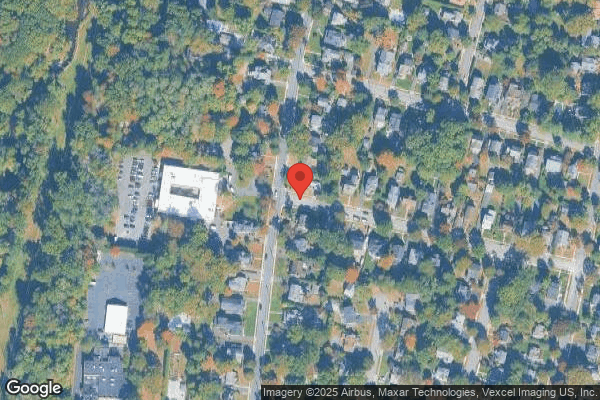
Mar 2021 2 deficiencies
CONCERN (E)

Potential for Harm - no one hurt, but risky conditions existed

Deficiency F0658 (Tag F0658)

Could have caused harm · This affected multiple residents

Based on observation, interview, and record review, it was determined that the facility failed to follow a physician's order and document the amount of a supplement intake for 1 of 18 residents (Resid...

Read full inspector narrative →
Based on observation, interview, and record review, it was determined that the facility failed to follow a physician's order and document the amount of a supplement intake for 1 of 18 residents (Resident #43) for three months, according to the standards of clinical practice. This deficient practice was evidenced by the following: Reference: New Jersey Statutes Annotated, Title 45. Chapter 11. Nursing Board. The Nurse Practice Act for the State of New Jersey states: The practice of nursing as a registered professional nurse is defined as diagnosing and treating human responses to actual and potential physical and emotional health problems, through such services as case-finding, health teaching, health counseling, and provision of care supportive to or restorative of life and wellbeing, and executing medical regimens as prescribed by a licensed or otherwise legally authorized physician or dentist. Reference: New Jersey Statutes Annotated, Title 45, Chapter 11. Nursing Board. The Nurse Practice Act for the State of New Jersey states: The practice of nursing as a licensed practical nurse is defined as performing tasks and responsibilities within the framework of case finding; reinforcing the patient and family teaching program through health teaching, health counseling, and provision of supportive and restorative care, under the direction of a registered nurse or licensed or otherwise legally authorized physician or dentist. On 2/26/21 at 11:21 AM, the surveyor observed Resident #43 laying on an air mattress with eyes closed. On 3/1/21 at 11:04 AM, the Certified Nursing Aide (CNA) informed the surveyor that the resident was alert with some confusion. The CNA stated that the resident had a variable appetite. She further noted that the resident consumes at least 50% of the supplement shake. On that same date at 11:25 AM, the Licensed Practical Nurse (LPN) informed the surveyor that the resident had some confusion, appetite was improving, but the resident's appetite depended on the resident's behavior. The LPN further stated that Resident #43 enjoys the health shake that the doctor ordered five times a day. A review of the resident's Face Sheet (an admission summary) reflected that the resident was admitted to the facility with diagnoses that included Iron-deficiency Anemia (a condition that lacks enough healthy red blood cells to carry adequate oxygen to the body), Chronic kidney disease, Congestive heart failure (a condition in which the heart cannot pump enough blood to meet body's needs), Depression, and Anxiety. A review of the 2/1/21 Quarterly Minimum Data Set, an assessment tool used to facilitate care management, indicated a Brief Interview for Mental Status (BIMS) score of 9, which reflected that the resident's cognition was moderately impaired. A review of the January, February, and March 2021 Order Summary Report with a Physician's Orders dated 1/6/21 revealed an order for Mighty shakes 4 ounces by mouth (chocolate) five times (5 x) a day as a supplement; chart amount taken. The corresponding physician order was transcribed into the January, February, and March 2021 electronic Medication Administration Record (eMAR). Further review of the January, February, and March 2021 eMAR's, revealed that the PO dated 1/6/21 for supplement was plotted at 12:00 AM, 7:00 AM, 12:00 Noon, 4:00 PM, 8:00 PM, and signed by the nurses as administered with no amount documented. A review of the 3/2/21 Nutrition/Dietary Note showed that the resident's weight was obtained this date and was noted with 1.4 pounds desirable weight gain since last week. On 3/2/21 at 10:55 AM, the LPN informed the surveyor that the supplement shake was transcribed on the eMAR and the amount should be documented in the eMAR according to the physician's order. The LPN then showed the surveyor the eMAR order for the mighty health shake and stated, I don't know what happened, why the amount consumed was not documented even though the order was there. On 3/2/21 at 11:05 AM, the Dietician informed the surveyor that the resident was monitored for weight trending. She stated that the resident had an order for a supplement 5 x/day due to variable appetite. She further noted that the amount consumed for the mighty shake should be documented in the eMAR to evaluate the resident's intake. The Dietician indicated that she checks the eMAR for the amount of consumption of the supplement, and if the amount of intake were not documented, I would talk to the nurse and the DON to discuss the problem. On that same date and time, the surveyor informed the Dietician of the above concerns. The Dietician could not speak to why she didn't notice that there was no documented consumption amount for the past three months. On 3/3/21 at 10:14 AM, the surveyors met with the Licensed Nursing Home Administrator (LNHA), Director of Nursing (DON), Dietician, and the wound doctor. The DON stated that the staff should have documented the intake amount of the supplement according to the physician's order. The Dietician further noted no adverse effect was identified for the resident because Resident #43 had 1.4 lbs desirable weight gain since last week. On that same date and time, the LNHA stated that the drop-down for documenting the amount of intake was omitted in the electronic medical records when the order was entered on 1/6/21 by the nurse that was why the amount of intake was not recorded when it was given 5 x a day according to the physician's order. A review of the facility Transcription of Orders Policy provided by the Assistant Administrator with a reviewed date of 9/20 indicated, Medications and treatments ordered by physician, nurse practitioner, including telephone orders, may be taken by a licensed nurse and signed by physician based on State requirements. Copy the orders to the Medication Administration Record and Treatment Record if appropriate. NJ 8:39-11.2 (b)
CONCERN (E)

Potential for Harm - no one hurt, but risky conditions existed

Infection Control (Tag F0880)

Could have caused harm · This affected multiple residents

Based on observation, interview, and review of pertinent facility documents, it was determined that the facility failed to: a) ensure proper use of personal protective equipment (PPE) for 3 of 7 staff...

Read full inspector narrative →
Based on observation, interview, and review of pertinent facility documents, it was determined that the facility failed to: a) ensure proper use of personal protective equipment (PPE) for 3 of 7 staff; b) perform handwashing appropriately for 1 of 8 staff; and, c) ensure that workers were knowledgeable of the cleaning chemicals and process used in the workplace for 1 of 3 staff in accordance with the Centers for Disease Control and Prevention guidelines for infection control to mitigate the spread of COVID-19. This deficient practice was evidenced by the following: According to the U.S. CDC guidelines Responding to Coronavirus (COVID-19) in Nursing Homes, Considerations for the Public Health Response to COVID-19 in Nursing Homes, updated 4/30/2020 included, All recommended COVID-19 PPE should be worn during care of residents under observation, which includes the use of an N95 or higher-level respirator, eye protection (i.e., goggles or a disposable face shield that covers the front and sides of the face), gloves, and gown. According to the U.S. CDC guidelines Hand Hygiene in Healthcare Settings, Glove Use: When and How to Wear Gloves, reviewed 1/31/2020 included, Wear gloves, according to Standard Precautions, when it can be reasonably anticipated that contact with blood or other potentially infectious materials, mucous membranes, non-intact skin, potentially contaminated skin or contaminated equipment could occur. Gloves are not a substitute for hand hygiene. Perform hand hygiene immediately after removing gloves. Change gloves and perform hand hygiene during patient care. If gloves become visibly soiled with blood or body fluids following a task, moving from work on a soiled body site to a clean body site on the same patient or if another clinical indication for hand hygiene occurs. Never wear the same pair of gloves in the care of more than one patient. Carefully remove gloves to prevent hand contamination. A review of the U.S. CDC's Cleaning and Disinfecting Your Facility, updated on 7/28/2020, included, Practice routine cleaning of frequently touched surfaces. High touch surfaces include tables, doorknobs, light switches, countertops, handles, desks, phones, keyboards, toilets, faucets, sinks, etc. Disinfect with a List N: disinfectants for use against SARs-CoV, the virus that causes COVID 19. For electronics, such as tablets, touch screens, keyboards, remote controls, and ATMs, consider putting a wipeable cover on electronics. Follow the manufacturer's instructions for cleaning and disinfecting. If no guidance, use alcohol-based wipes or sprays containing at least 70% alcohol. Dry surface thoroughly and wear appropriate PPE when cleaning or disinfecting frequently touched surfaces and electronics. Additional considerations for employers: Educate workers performing cleaning, laundry, and trash pick-up to recognize the symptoms of COVID-19. Develop policies for worker protection and provide training to all cleaning staff on-site prior to providing cleaning tasks. Ensure workers are trained on the hazards of the cleaning chemicals used in the workplace in accordance with OSHA's Hazard Communication Standard. 1. On 2/26/21 at 10:49 AM, the Registered Nurse/Supervisor (RN/S) of the N1 unit informed the surveyor that the unit was a combination of Subacute (SAR) and Long Term Care (LTC) residents who were on cohort (a group of people banded together) and maintained on observation; because the residents were a new admit or re-admitted to the facility, dialysis residents and residents who go out of the facility for a consult and returns to the facility under PUI (a person under investigation) for COVID-19. The RN/S further stated that staff should wear full PPE, which included a gown, gloves, an N95 mask, and eye protection when entering the PUI resident's room. On 2/26/21 at 11:14 AM, the surveyor, Director of Nursing (DON), and the Assistant Director of Nursing (ADON) toured the N1 unit. The surveyor, DON, and the ADON observed the Certified Nursing Aide (CNA) enter a PUI room with no eye protection. The ADON stated that the CNA should have eye protection like a face shield before entering the PUI room. On that same date and time, during the interview with the CNA in the presence of the DON and the ADON, the CNA stated that although she wore the other PPE, she forgot to wear her face shield. The ADON immediately provided the CNA with a face shield. 2. On 2/26/21 at 11:23 AM, during the tour, the surveyor, DON, and ADON observed Housekeeper#1 (HK#1) not wearing an N95 mask and eye protector inside a PUI room of Resident#225 while sweeping the floor near the doorframe. There were signs for Contact and Droplet Precaution and what PPE to wear before entering the PUI room noted; Resident#225's COVID test result dated 2/24/21, was negative. Simultaneously, HK#1 stated to the surveyor in the presence of the DON and the ADON, that he was not aware that he should be wearing an N95 mask and eye protection when entering the room. The ADON immediately provided HK#1 with an N95 mask and face shield. 3. On that same date and time, the surveyor observed the Optometrist noted inside the resident's PUI (new admit) room, wearing a gown, gloves, surgical mask, and goggles. The surveyor interviewed the Optometrist in the presence of the DON. The Optometrist stated, I didn't know that I had to wear an N95 mask inside the room because the other facility was not implementing it. The Optometrist did not have an answer to why she did not perform hand hygiene after removing her gloves. Furthermore, the Optometrist indicated that this was the first resident I saw today in the facility. The DON immediately educated the Optometrist and provided an N95 mask to make sure to follow facility protocol before seeing other residents. 4. On 3/1/21 at 11:53 AM, the surveyor, observed HK#2 cleaning inside a PUI room. HK#2 sprayed a disinfectant chemical into the sink top, table and immediately wiped it down with a washcloth. Simultaneously, the surveyor interviewed HK#2, who could not state the contact time (the time the disinfectant needs to stay wet on a surface to ensure efficacy) for the disinfecting chemical. On that same date and time, HK#2 showed the surveyor one of two disinfecting chemical sprays; Both were noted without a label. HK#2 informed the surveyor that the two disinfecting chemical sprays are used for disinfecting frequently touched surfaces like the sink and tables. HK#2 said that he knew what kind of disinfecting chemical was in the bottle and further stated, I don't need to label it. On 3/1/21 at 12:43 PM, the surveyor informed the Licensed Nursing Home Administrator (LNHA) and the Director of Maintenance and Environmental Services (DMES) of the above concerns. The DMES, in the presence of the LNHA, informed the surveyors that the chemicals that were transferred to a spray bottle should be labeled with the name of the chemicals, EPA (Environmental Protection Agency released registered disinfectant products that have qualified for use against COVID-19), and their contact time. A review of the facility provided information about How to Properly Make and Use Sanitizers & Disinfectants dated 2011 provided by the DMES included All spray bottles must be clearly labeled with contents. On 3/1/21 at 1:09 PM, the DMES stated that HK#2 should have waited for at least a minute to dry up before wiping the table and sink. On 3/3/21 at 9:55 AM, the LNHA and DON met with the surveyors. The LNHA stated that the Optometrist normally should have met with the floor nurse or DON before seeing the resident for treatments or consults. The LNHA further stated that the Optometrist, who was the facility vendor, did not talk to the nurse in the unit and went directly to the resident. On that same date and time, the LNHA informed the surveyors that there was no documented protocol for vendors when they come to the facility with regards to PUI and PPE use. She further stated that it is verbally communicated only that vendors should go to the unit nurse or DON before going to the resident. Also, the LNHA indicated that staff should follow the contact time of the disinfecting chemicals. A review of the undated facility's Personal Protective Equipment Use in Cohorts Policy that the Assistant Administrator provided included Yellow Cohort (PUI): universal source control with the use of procedure masks throughout the common areas of the unit. Upon entering the room, staff should don full PPE use with gowns, gloves, face shields or goggles and N95. A review of the facility's Handwashing/Hand Hygiene Policy that the Assistant Administrator provided with a revised date of November 2020 included, Hand hygiene is the final step after removing and disposing of personal protective equipment. The use of gloves does not replace hand washing/hand hygiene. Integration of glove use along with routine hand hygiene is recognized as the best practice for preventing healthcare-associated infections. A review of the facility's Equipment Cleaning Policy that the Assistant Administrator provided with a reviewed date of 9/20 included, It is our policy to clean equipment, including high touch surfaces between resident use to prevent the spread of infection. Procedure: 2. Medical equipment and high touch surface areas will be cleaned utilizing bleach or EPA registered disinfectant between patient use and upon discharge. On 3/3/21 at 1:35 PM, the surveyor met with the LNHA, Assistant Administrator, and DON; There was no additional information provided. NJAC 8:39-19.4 (a) (1) (n) (2)
Understanding Severity Codes (click to expand)
Life-Threatening (Immediate Jeopardy)
J - Isolated K - Pattern L - Widespread
Actual Harm
G - Isolated H - Pattern I - Widespread
Potential for Harm
D - Isolated E - Pattern F - Widespread
No Harm (Minor)
A - Isolated B - Pattern C - Widespread

Questions to Ask on Your Visit

  • "Can I speak with families of current residents?"
  • "What's your RN coverage like on weekends and overnight?"

Our Honest Assessment

Strengths
  • • 38% turnover. Below New Jersey's 48% average. Good staff retention means consistent care.
Concerns
  • • 16 deficiencies on record. Higher than average. Multiple issues found across inspections.
Bottom line: Mixed indicators with Trust Score of 73/100. Visit in person and ask pointed questions.

About This Facility

What is Family Of Caring Healthcare At Ridgewood's CMS Rating?

CMS assigns Family of Caring Healthcare at Ridgewood an overall rating of 4 out of 5 stars, which is considered above average nationally. Within New Jersey, this rating places the facility higher than 99% of the state's 100 nursing homes. This rating reflects solid performance across the metrics CMS uses to evaluate nursing home quality.

How is Family Of Caring Healthcare At Ridgewood Staffed?

CMS rates Family of Caring Healthcare at Ridgewood's staffing level at 4 out of 5 stars, which is above average compared to other nursing homes. Staff turnover is 38%, compared to the New Jersey average of 46%. This relatively stable workforce can support continuity of care.

What Have Inspectors Found at Family Of Caring Healthcare At Ridgewood?

State health inspectors documented 16 deficiencies at Family of Caring Healthcare at Ridgewood during 2021 to 2025. These included: 16 with potential for harm.

Who Owns and Operates Family Of Caring Healthcare At Ridgewood?

Family of Caring Healthcare at Ridgewood is owned by a for-profit company. For-profit facilities operate as businesses with obligations to shareholders or private owners. The facility is operated by FAMILY OF CARING HEALTHCARE, a chain that manages multiple nursing homes. With 96 certified beds and approximately 84 residents (about 88% occupancy), it is a smaller facility located in RIDGEWOOD, New Jersey.

How Does Family Of Caring Healthcare At Ridgewood Compare to Other New Jersey Nursing Homes?

Compared to the 100 nursing homes in New Jersey, Family of Caring Healthcare at Ridgewood's overall rating (4 stars) is above the state average of 3.3, staff turnover (38%) is near the state average of 46%, and health inspection rating (4 stars) is above the national benchmark.

What Should Families Ask When Visiting Family Of Caring Healthcare At Ridgewood?

Based on this facility's data, families visiting should ask: "Can I visit during a mealtime to observe dining assistance and food quality?" "How do you handle medical emergencies, and what is your hospital transfer rate?" "Can I speak with family members of current residents about their experience?"

Is Family Of Caring Healthcare At Ridgewood Safe?

Based on CMS inspection data, Family of Caring Healthcare at Ridgewood has a clean safety record: no substantiated abuse findings (meaning no confirmed cases of resident harm), no Immediate Jeopardy citations (the most serious violation level indicating risk of serious injury or death), and is not on the Special Focus Facility watch list (a federal program monitoring the lowest-performing 1% of nursing homes). The facility has a 4-star overall rating and ranks #1 of 100 nursing homes in New Jersey. While no facility is perfect, families should still ask about staff-to-resident ratios and recent inspection results during their visit.

Do Nurses at Family Of Caring Healthcare At Ridgewood Stick Around?

Family of Caring Healthcare at Ridgewood has a staff turnover rate of 38%, which is about average for New Jersey nursing homes (state average: 46%). Moderate turnover is common in nursing homes, but families should still ask about staff tenure and how the facility maintains care continuity when employees leave.

Was Family Of Caring Healthcare At Ridgewood Ever Fined?

Family of Caring Healthcare at Ridgewood has been fined $9,750 across 1 penalty action. This is below the New Jersey average of $33,176. While any fine indicates a compliance issue, fines under $50,000 are relatively common and typically reflect isolated problems that were subsequently corrected. Families should ask what specific issues led to these fines and confirm they've been resolved.

Is Family Of Caring Healthcare At Ridgewood on Any Federal Watch List?

Family of Caring Healthcare at Ridgewood is not on any federal watch list. The most significant is the Special Focus Facility (SFF) program, which identifies the bottom 1% of nursing homes nationally based on persistent, serious quality problems. Not being on this list means the facility has avoided the pattern of deficiencies that triggers enhanced federal oversight. This is a positive indicator, though families should still review the facility's inspection history directly.