ALARIS HEALTH AT THE CHATEAU
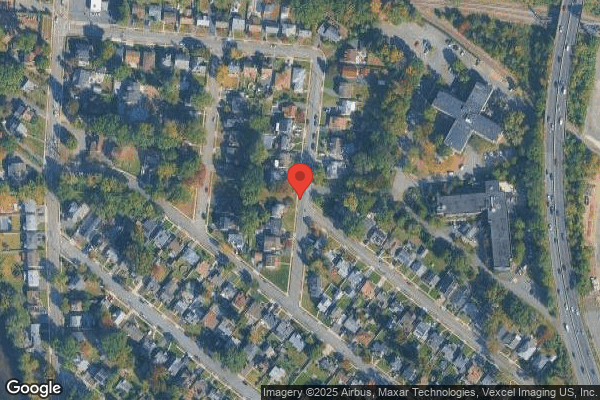
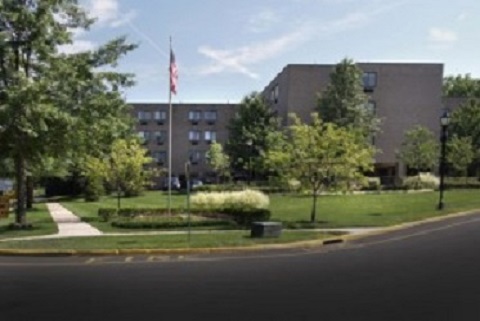
96 PARKWAY, ROCHELLE PARK, NJ 07662 (201) 226-9600
For profit - Individual 251 Beds ALARIS HEALTH Data: November 2025
Trust Grade
75/100
#87 of 344 in NJ
Last Inspection: January 2025

Within standard 12-15 month inspection cycle. Federal law requires annual inspections.

Overview

Alaris Health at the Chateau has received a Trust Grade of B, indicating it is a good facility and a solid choice for care. It ranks #87 out of 344 nursing homes in New Jersey, placing it in the top half of facilities, and #12 out of 29 in Bergen County, meaning only 11 local options are better. Unfortunately, the facility is experiencing a worsening trend, with the number of identified issues increasing from 1 in 2023 to 4 in 2025. Staffing is a strong point, with a rating of 4 out of 5 stars and a turnover rate of 38%, which is below the state average, indicating that staff tend to stay longer and are familiar with the residents. There have been no fines reported, which is a positive sign, and the facility offers more RN coverage than 92% of other New Jersey facilities, ensuring better oversight of resident care. However, there are some weaknesses to consider. Recent inspector findings noted that the facility failed to notify family representatives about changes in residents' conditions, which could hinder informed decision-making about care. Additionally, there were instances where pharmacy recommendations were not promptly addressed by physicians, potentially leaving some residents with unmet health needs. Overall, while the facility has many strengths, families should be aware of these concerns when considering care options.

Trust Score
B
75/100
In New Jersey
#87/344
Top 25%
Safety Record
Low Risk
No red flags
Inspections
Getting Worse
1 → 4 violations
Staff Stability
○ Average
38% turnover. Near New Jersey's 48% average. Typical for the industry.
Penalties
✓ Good
No fines on record. Clean compliance history, better than most New Jersey facilities.
Skilled Nurses
✓ Good
Each resident gets 72 minutes of Registered Nurse (RN) attention daily — more than 97% of New Jersey nursing homes. RNs are the most trained staff who catch health problems before they become serious.
Violations
⚠ Watch
13 deficiencies on record. Higher than average. Multiple issues found across inspections.
★★★★☆
4.0
Overall Rating
★★★★☆
4.0
Staff Levels
★★★★☆
4.0
Care Quality
★★★★☆
4.0
Inspection Score
Stable
2023: 1 issues
2025: 4 issues

The Good

  • 4-Star Staffing Rating · Above-average nurse staffing levels
  • 4-Star Quality Measures · Strong clinical quality outcomes
  • Full Sprinkler Coverage · Fire safety systems throughout facility
  • No fines on record
  • Staff turnover below average (38%)

    10 points below New Jersey average of 48%

Facility shows strength in staffing levels, quality measures, fire safety.

The Bad

Staff Turnover: 38%

Near New Jersey avg (46%)

Typical for the industry

Chain: ALARIS HEALTH

Part of a multi-facility chain

Ask about local staffing decisions and management

The Ugly 13 deficiencies on record

Jan 2025 4 deficiencies
CONCERN (D)

Potential for Harm - no one hurt, but risky conditions existed

Notification of Changes (Tag F0580)

Could have caused harm · This affected 1 resident

**NOTE- TERMS IN BRACKETS HAVE BEEN EDITED TO PROTECT CONFIDENTIALITY** Based on record review, interview, and review of facility policy, the facility failed to ensure notification and/or timely notif...

Read full inspector narrative →
**NOTE- TERMS IN BRACKETS HAVE BEEN EDITED TO PROTECT CONFIDENTIALITY** Based on record review, interview, and review of facility policy, the facility failed to ensure notification and/or timely notification was made to two resident's (Resident (R) 278 and R328) representatives (RR) when a change of condition occurred out of a total sample of 43 residents reviewed. This had the potential for the RRs to not be informed of the resident's condition and to be able to make informed decisions regarding the care of the residents. Findings include: Review of the facility's policy titled, Notification of Change last revised 12/27/22 revealed Policy: It is the policy of this facility to inform the resident; consult with the resident's physician; and if known, notify the resident's legal representative or an interested family member of the following changes . Procedures: 2. Significant change in the resident's physical, mental or psychosocial status (i.e. a deterioration in health, mental or psychosocial status in either life-threatening conditions or clinical complications) . 4. A decision to transfer or discharge the resident from the facility. 1.Review of R278's Profile located in the electronic medical record (EMR) under the Profile tab revealed the resident was originally admitted to the facility on [DATE] and readmitted on [DATE] with diagnoses of chronic respiratory failure and edema. R278 discharged to the hospital on [DATE] and did not return to the facility. Review of R278's admission Minimum Data Set (MDS) located in the EMR under the MDS tab with an assessment reference date (ARD) of 09/10/23 revealed a Brief Interview for Mental Status (BIMS) score could not be obtained. The resident was severely cognitively impaired. Review of R278's Aculabs laboratory results, dated 10/09/23 and provided by the facility, revealed R278's hemoglobin (carries oxygen from the lungs to the body's tissues and organs, and returns carbon dioxide to the lungs) was critically low at 7.6 (normal values: 12.1 - 17.1). The resident was also noted with a critically low hematocrit (number of red blood cells) at 24 (normal values:36 - 51). Review of R278's Aculabs laboratory results, dated 10/16/23 and provided by the facility, revealed a critically low hemoglobin of 6.9 and a critically low hematocrit of 21. The results further revealed the resident had a critically high lab for urea nitrogen (waste product in the blood) at 121 (normal values: 8 - 23). Review of R278's EMR revealed no evidence the family was notified of the above critically low and high lab values of 10/09/23 and 10/16/23. Review of R278's Aculabs laboratory results received by the facility on 10/17/23 at 11:07 AM, and provided by the facility, revealed a critical high lab value for potassium (for proper kidney and heart function) at 7.0 (normal values 3.5 - 5.3), a critically high urea nitrogen at 128, a critically low hemoglobin of 7.2 and hematocrit of 22. Review of R278's Progress Notes dated 10/18/23 at 4:13 PM located in the EMR under the Progress Notes tab revealed R278's RR was not notified of the critical lab values received by the facility on 10/17/23 at 11:07 AM until 10/18/23 at 4:13 PM. During an interview on 01/09/25 at 11:30 AM the Director of Nursing - South (DON-S) confirmed there was no evidence documented R278's RR was notified of critical lab values for 10/09/24 and 10/16/24. The DON-S also confirmed the RR was not notified timely of critical lab values received on 10/17/23 until 10/18/23. The DON-S confirmed resident's RR were to be notified of critical lab values in order for them to be able to make a decision on treatment decisions. 2. Review of the undated admission Record in the EMR under the Profile tab revealed R328 was admitted to the facility on [DATE]. She was hospitalized from [DATE] - 02/16/24 and readmitted on [DATE]. Pertinent diagnoses included recent right above the knee amputation, end stage renal disease with dialysis, type two diabetes with neuropathy, and unstageable pressure ulcers. Family member (F)328 was R328's emergency contact. Review of the admission MDS with an ARD of 01/20/24 in the EMR under the MDS tab revealed R328 was severely impaired in cognition with a BIMS of five out 15. R328 had two unstageable pressure ulcers that were both present on admission. R328 discharged home on [DATE] and her closed record was reviewed. Review of the Care Plan, dated 01/11/24, found under the RAI [Resident Assessment Instrument tab revealed a problem of, [R328] was admitted with unstageable pressure ulcers . On 02/28/24, the following was added to the care plan problem statement, Facility acquired left anterior distal lower leg DTI [deep tissue injury], reclassified as unstageable 03/06/24. Review of the Wound Report record dated 02/28/24 in the EMR under the Assessment tab revealed a new pressure ulcer to the left anterior lower leg was first observed on 02/28/24. Measurements were two centimeters (cm) in length by six cm in width and the pressure ulcer was staged as a DTI. Skin Prep dressing (a transparent film forming a protective interface for intact skin) was completed by the wound care team and instructions were to apply it daily. The Wound Care record documented, Loose socks only. There was no documentation in the Wound Report showing F328 was notified of the new pressure ulcer. Subsequent weekly Wound Report records, dated 03/06/24, 03/14/24, 03/27/24, 04/03/24, 04/10/24, documented the continued presence of the left anterior lower leg pressure ulcer through the last note on 04/10/24. R328 was discharged home on [DATE]. There was no documentation of the family being notified of the left lower leg pressure ulcer. Review of the Wound Report, dated 04/10/24 in the EMR under the Assessment tab, revealed the pressure ulcer was unstageable and was two cm in length by 2.6 cm in width. The Wound Report read, Left anterior distal lower leg - DTI 02/28/24 secondary to tight socks per patient, reclassified as unstageable on 03/06/24. Current treatment called for application of Skin Prep daily and to leave it open to air. Review of the Nursing and Physician Progress Notes from 02/28/24 - 04/13/24 in the EMR under the Progress Notes tab revealed no mention of F328 being notified of the left anterior lower leg pressure ulcer first observed on 02/28/24. Review of the Discharge Instructions, dated 04/13/24 in the EMR under the Assessment tab revealed instructions regarding wound care were given to the patient/family. Although the presence of the unstageable pressure ulcer was not documented, under the heading of Treatments the instructions read, Left anterior distal lower leg: apply Skin Prep daily and leave open to air. Additional Notes - Loose sock only on left lower extremity. During an interview on 01/09/25 at 1:15 PM, Unit Manager 3rd Floor South (UM3S) stated she remembered R328 having a sacral pressure ulcer and something on the top of her leg. UM3S reviewed R328's EMR and stated there was a DTI from the elastic of a sock and R328 was followed weekly in wound rounds through discharge. UM3S stated R328 received Skin Prep application for the pressure ulcer through discharge on [DATE]. During an interview on 01/09/24 at 1:37 PM, the Director of Nursing South (DON) S stated families should be notified of new pressure ulcers by the nursing staff. The DON S stated this should be documented in Nurses Notes, in Physician's Notes or on the Wound Reports. The DON S reviewed R328's EMR and stated she did not see documentation of notification in any location of the new pressure ulcer to the left anterior leg to F328. During an interview on 01/09/25 at 5:01 PM, Registered Nurse (RN)3 stated when new pressure ulcers were discovered the physician and family were both notified right away. RN3 stated the notification should be documented in Progress Notes. During an interview on 01/09/25 at 6:54 PM, the Administrator stated notification of the pressure ulcer was covered at discharge in the Discharge Instructions regarding the application of Skin Prep treatment. The Administrator stated she did not know if the family was notified prior to that. NJAC 8:39-13.1(a)(d)
CONCERN (D)

Potential for Harm - no one hurt, but risky conditions existed

Drug Regimen Review (Tag F0756)

Could have caused harm · This affected 1 resident

**NOTE- TERMS IN BRACKETS HAVE BEEN EDITED TO PROTECT CONFIDENTIALITY** Based on record review, interview, and facility policy review, the facility failed to ensure pharmacy recommendations were respo...

Read full inspector narrative →
**NOTE- TERMS IN BRACKETS HAVE BEEN EDITED TO PROTECT CONFIDENTIALITY** Based on record review, interview, and facility policy review, the facility failed to ensure pharmacy recommendations were responded to by the physician for one resident (Resident (R)160) out of five residents reviewed for unnecessary medications out of a total sample of 43 residents. This had the potential for the resident to have unmet health needs by not providing medication management. Findings include: Review of the facility policy titled, Consultant Pharmacy Reports last revised 04/2024 revealed, It is the policy of the facility that a Licensed Nurse along with the Consultant Pharmacist will review the resident drug regimen upon admission, throughout the stay depending on the resident condition and in any event of risk of adverse consequences . Any irregularities will be reported and documented to the attending physician and DON [Director of Nursing] . Procedure . 4. Any medication irregularities identified will be documented on a separate, written report and notification to the attending physician, and director of nursing, listing the resident name, relevant drug irregularity that was identified with the resolution noted by the physician . 6. If the physician chooses not to act upon the pharmacy consultant recommendations, the physician will communicate with a licensed professional. Review of R160's Profile located in the electronic medical record (EMR) under the Profile tab revealed the resident was admitted to the facility on [DATE] with diagnoses of dementia and Alzheimer's disease. Review of R160's quarterly Minimum Data Set (MDS) with an assessment reference date (ARD) of 10/23/24 revealed a Brief Interview for Mental Status (BIMS) score of one out of 15 indicating the resident was severely cognitively impaired. Review of R160's Physician's Orders located in the EMR under the Orders tab revealed R160 was ordered Donepezil (Aricept) five milligrams (mg), give one table by mouth at bedtime for dementia with a start date of 08/14/24 and an order for Memantine (Namenda) five mg, by mouth two times a day for dementia with a start date of 08/15/24. Review of the Certified Consultant Pharmacist Monthly Progress Notes provided by the facility dated 08/29/24, revealed the pharmacist recommended to consider increasing the resident's Aricept after four weeks. Under the section titled Please consider implementing these recommendations and document below any changes made in response to the recommendations written, or should the recommendations be rejected, please document a rationale. There were initials in the space with no response documented. Review of the Certified Consultant Pharmacist Monthly Progress Notes provided by the facility dated 09/26/24 and 10/25/24 revealed the pharmacist requested to consider increasing the dosage of R160's Aricept and Namenda. Under the section titled Please consider implementing these recommendations and document below any changes made in response to the recommendations written, or should the recommendations be rejected, please document a rationale. There were initials in the space with no response documented. Review of R160's Medication Administration Record (MAR) from 08/01/24 through 01/09/25 revealed the resident was still receiving the same ordered dosage of Namenda and Aricept that was originally ordered on 08/14/24 and 08/15/24. During an interview on 01/09/25 at 5:00 PM with the Director of Nursing - North (DON-N) confirmed the consulting pharmacist had made physician recommendations for R160's Namenda and Aricept to be increased three separate times and there was no documentation from the physician agreeing with the recommendations and/or any rationale as to why the recommendations were not agreed upon. During an interview on 01/09/25 at 6:00 PM with the Consulting Pharmacist (CP) revealed the reason she requested to increase the resident's Aricept on 08/29/24 after four weeks was due to the resident being on a low dose at the beginning and you want to titrate up to get the maximum effectiveness of the medication. The CP confirmed she also made follow-up recommendations to the physician to increase the Namenda and Aricept two more times and the recommendations were not responded to by the physician. She revealed the two medications are intended to slow the progression of the Dementia/Alzheimer's. NJAC 8:39-29.3
CONCERN (D)

Potential for Harm - no one hurt, but risky conditions existed

Safe Environment (Tag F0921)

Could have caused harm · This affected 1 resident

**NOTE- TERMS IN BRACKETS HAVE BEEN EDITED TO PROTECT CONFIDENTIALITY** Based on observation, interview, review of the Maintenance Logbook, and facility policy review, the facility failed to ensure ei...

Read full inspector narrative →
**NOTE- TERMS IN BRACKETS HAVE BEEN EDITED TO PROTECT CONFIDENTIALITY** Based on observation, interview, review of the Maintenance Logbook, and facility policy review, the facility failed to ensure eight resident rooms (Rooms 225W, 213W, 209, 211D, 227P, 262, 230 and 229) on the second floor of the north building was maintained to promote a homelike environment. The facility further failed to ensure formica coverings on a half wall in the Activity room was repaired to potentially prevent injury. This affected eight rooms of 38 resident rooms occupied on the second floor of the north building and the Activity room. This had the potential for the residents not to have a home like room in good repair and had the potential to cause an injury. Findings include: Review of the facility policy titled, Maintenance Repairs last revised 05/24 revealed, Policy: To maintain a safe, clean, and functional environment for residents, staff, and visitors through timely repairs, routine maintenance, and room inspections. Procedures: 1. The Maintenance Department is responsible for conducting routine checks, repairs, and inspections throughout the facility . 3. Staff report issues (e.g., broken equipment, hazards) to the Maintenance Department. 4. Submit repair requests via the maintenance logbook on the designated floor of the issue . 6. The Maintenance Department checks the logbook for needed repairs and logs completion status/date in the logbook. 7. Maintenance performs routine checks/inspections of common areas, hallways, and safety systems (e.g., lighting, HVAC, and plumbing) on daily rounds . 12. Maintenance ensures fixtures, furniture, and systems are inspected for damage and repaired as needed. During observations on 01/08/25 at 3:10 PM with the Regional Maintenance Director (RM) and the facility Maintenance Director (MD) revealed the following concerns in residents' rooms on the second floor of the north building: -In room [ROOM NUMBER]W the closet doors would not shut, there was a missing handle/knob on one of the doors on the closet, there was paint peeling off the closet doors, there was paint peeling off the walls that surround the sink in the middle of the room. There was one ceiling tile sagging above the bed by the door; -In room [ROOM NUMBER]W there was paint peeling all around the sink in the middle of the room with cracks between the sink and the wall; -In room [ROOM NUMBER] there was paint peeling off the walls around the sink in the middle of the room; -In room [ROOM NUMBER]D there was paint peeling off the walls around sink in the middle of the room. The heating unit (radiator) had paint peeling and it was rusted; -In room [ROOM NUMBER]P there was paint peeling off walls by the window and the top of heating vent (radiator) was rusted; -In room [ROOM NUMBER] the closet doors had paint peeling, there was paint peeling off the walls surrounding the sink in the middle of the room; -In room [ROOM NUMBER] above the resident headboard of the bed by the window had a large section of peeling paint approximately 12 inches by 12 inches. A ceiling tile above the entrance to the door was sagging; -In room [ROOM NUMBER] the walls surrounding the sink in the middle of the room was peeling. -In the Activity room there was a half side wall surrounding the activity room with formica (laminated composite) covering the top ledge. A piece was broken off the top of the ledge leaving a sharp pointed piece of formica sticking up. The wall was approximately three feet in height, making it the same height for a resident in a wheelchair and if they would use the wall to help propel themselves it had the potential to stick the resident in the hand or arm and cause an injury. Review of the Daily Maintenance Logbook provided by the facility dated 2024 and 2025 revealed there were no requests completed by staff to complete any painting, repair any closet doors, repair any sagging ceiling tiles, or to fix the wall surrounding the Activity room. Further review of the logbook was an entry dated 01/09/25 revealed there were no maintenance issues reported by staff or found on maintenance rounds. During an interview with the RM and MD at the time of the above observations, they confirmed the rooms needed to be painted and the closet doors needed to be repaired. NJAC 8:39-31.4(a)
CONCERN (D)

Potential for Harm - no one hurt, but risky conditions existed

Deficiency F0924 (Tag F0924)

Could have caused harm · This affected 1 resident

**NOTE- TERMS IN BRACKETS HAVE BEEN EDITED TO PROTECT CONFIDENTIALITY** Based on observation, interview, review of Maintenance Logbooks, and facility policy review, the facility failed to ensure handr...

Read full inspector narrative →
**NOTE- TERMS IN BRACKETS HAVE BEEN EDITED TO PROTECT CONFIDENTIALITY** Based on observation, interview, review of Maintenance Logbooks, and facility policy review, the facility failed to ensure handrails located in the corridors throughout the second floor of the north building on all four hallways had handrails in good repair and/or were not missing. This had the potential for the residents to potentially injure themselves when using the handrails during ambulation. This affected all four hallways of the second floor in the north building out of three floors in the building. Findings include: Review of the facility policy titled, Maintenance Repairs last revised 05/24 revealed, Policy: To maintain a safe, clean, and functional environment for residents, staff, and visitors through timely repairs, routine maintenance, and room inspections. Procedures: 1. The Maintenance Department is responsible for conducting routine checks, repairs, and inspections throughout the facility . 3. Staff report issues (e.g., broken equipment, hazards) to the Maintenance Department. 4. Submit repair requests via the maintenance logbook on the designated floor of the issue . 6. The Maintenance Department checks the logbook for needed repairs and logs completion status/date in the logbook. 7. Maintenance performs routine checks/inspections of common areas, hallways, and safety systems (e.g., lighting, HVAC, and plumbing) on daily rounds . 12. Maintenance ensures fixtures, furniture, and systems are inspected for damage and repaired as needed. During observations on 01/08/25 at 3:10 PM with the Regional Maintenance Director (RM) and the facility Maintenance Director (MD) revealed the following concerns with handrails in the corridors on the second floor of the north building: -Handrail between rooms [ROOM NUMBERS] had duct tape with foam around the ends of the handrails; -Handrail on the left side of the hall starting right before room [ROOM NUMBER] had duct tape on the ends securing the handrail to the wall; -Handrail on the left side of the hallway between the soiled utility room and MDS office door had duct tape on both ends of the handrail; -Missing handrail in front of the women's shower on the north hall; -Missing handrail in between the elevators; -Handrail to the right of the elevator had duct tape on both ends; -Handrail in front of the TV room was loose and pulled away from the wall. Review of the Daily Maintenance Logbook provided by the facility dated 2024 and 2025 revealed there were no requests to fix handrails on the corridors of the second floor. Review of the entry in the logbook dated 01/09/25 revealed there were no maintenance issues reported by staff or found on maintenance rounds related to handrails. During an interview at the time of the above observations the MD said they were waiting on caps to come into place on the ends of the handrails so they could be replaced. A request was made for a copy of the invoice showing handrails and caps were ordered so the handrails could be fixed. The RM said they would not be able to produce any invoices for copies of any orders to show replacement parts for the handrails had been ordered. During an interview on 01/09/25 at 9:25 AM Interview with the Unit Manager 2nd floor - North (UM2N) revealed she was not sure how long the handrails were in need of repair and confirmed there was no record in the logbooks of the needed repairs for the handrails. During an interview on 01/09/25 at 9:30 AM Licensed Practical Nurse (LPN)2 she was unsure how long the duct tape and foam had been on several of the handrails. She said she knew they were working on the handrails last night. During an interview with the Assistant Administrator on 01/09/25 at 1:30 PM revealed she had heard there was a plan to remodel the second floor but did not know when that would be started. NJAC 8:39-31.2(e)
Aug 2023 1 deficiency
CONCERN (D) 📢 Someone Reported This

A family member, employee, or ombudsman was alarmed enough to file a formal complaint

Potential for Harm - no one hurt, but risky conditions existed

Medical Records (Tag F0842)

Could have caused harm · This affected 1 resident

**NOTE- TERMS IN BRACKETS HAVE BEEN EDITED TO PROTECT CONFIDENTIALITY** C#: NJ00147498, NJ00149099 Based on interviews and review of pertinent facility documentation on 8/8/23, 8/11/23, and 8/14/23, i...

Read full inspector narrative →
**NOTE- TERMS IN BRACKETS HAVE BEEN EDITED TO PROTECT CONFIDENTIALITY** C#: NJ00147498, NJ00149099 Based on interviews and review of pertinent facility documentation on 8/8/23, 8/11/23, and 8/14/23, it was determined that the facility failed to ensure that the Resident's medical record (MR) was complete and accurate according to facility policies titled Clinical Charting and Documentation for 1 of 6 Residents (Resident #3) reviewed for incident/accident and documentation. This deficient practice is evident by the following: According to the admission RECORD (AR), Resident #3 was admitted to the facility on [DATE] with diagnosis that included but was not limited to: Dementia Severity Without Behavioral Disturbance. The Minimum Data Set (MDS), an assessment tool dated 7/4/23, showed that Resident #3's cognition was severely impaired and needed help from staff in Activities of Daily Living (ADL). The Order Summary Report (OSR), dated 6/28/23, reflected an order for Tylenol 325 milligram (mg) to give 2 tablets by mouth every 4 hours as needed for Mild Pain (pain scale of 1-3). The Care Plan (CP), initiated on 6/28/23 and revised on 8/9/23, indicated that Resident #3 had the potential for pain related to impacted right humeral neck fracture and history of Arthritis. The Progress note (PN), dated 7/9/23 at 6:48 pm, documented by Licensed Practical Nurse (LPN #1), primary nurse for Resident #3 on 7/9/23 during 3:00 p.m. to 11:00 pm shift. The LPN documented at 6:00 p.m., Resident #3 was found lying on the floor in front of his/her wheelchair and supporting his/her body with right arm. The LPN further documented that Resident #3 complained of mild pain to the right shoulder during the assessment. During the review of Resident #3's MR, the MR did not indicate that the resident was provided pain management on 7/9/23 during 3:00 p.m. to 11:00 p.m. shift. The incident report (IR), dated 7/9/23 at 6:48 p.m., documented the aforementioned incident. The IDT [Interdisciplinary Team] Meeting Note - Fall Incident (IDT), dated 7/10/23 at 10:01 a.m. and signed by the Director of Nursing on 8/9/23 revealed BIMS 5 on 7/9/2023 at 6:00 pm resident was found lying on floor in front of wheelchair and supporting body with right arm .Resident assisted back to wheelchair .no bruising or visible injuries noted at this time. Resident reports mild pain to right shoulder .Xray results: Slightly impacted humeral neck fracture .complained of slight pain to .arm .was able to state she fell trying to be to bed from her wheelchair as she was found in front of her wheelchair but could not give details of the fall . Review of the facility form 24 HOURS REPORT/ CHANGE OF CONDITION REPORT, dated 7/9/23 reflected that Resident #3 was given Tylenol. During the interview with LPN #1, nurse who provided care to Resident #3 on 7/9/23 during 3:00 p.m. to 11:00 pm shift. LPN #1 stated that she administered the pain medication when Resident #3 complained of pain on 7/9/23, however, she did not document in the resident MR because she forgot and she was busy. The LPN stated that she should have sign the medication administration report because the 24 hour report was not the residents medical record. During the interview with the Director of Nursing (DON) on 8/14/23 at 11:56 a.m., she stated that the nurses were expected to document the care provided in the residents MR to show that that the care was provided. According to the DON, it is important to document in the residents MR because the 24 hour was not a legal documentation. The facility policy titled Clinical Charting and Documentation, dated 9/2022, reflected It is the policy of this facility to have a complete and accurate medical record maintained on each resident to facilitate; communication between professionals contributing to the resident's care, to enhance continuity of care, coordinate assessment and treatment, and as a basis for care planning. All services provided to the resident, or any changes in the resident's medical or mental condition, shall be documented in the resident's electronic medical record (EMR). Policy Interpretation and Implementation 1. Charting will be done on all residents to maintain a complete and accurate medical record. An integrated progress note will be used by all disciplines. 2. The resident's medical record is a legal document and may be used as evidence in a court of law. It is essential that the record be: accurate, legible, and complete. 3. All observations, medications administered, services performed, etc., must be documented in the resident's EMR . NJAC 8:39-35.2(d)(6)
Dec 2022 8 deficiencies
CONCERN (D)

Potential for Harm - no one hurt, but risky conditions existed

Assessment Accuracy (Tag F0641)

Could have caused harm · This affected 1 resident

**NOTE- TERMS IN BRACKETS HAVE BEEN EDITED TO PROTECT CONFIDENTIALITY** Based on observation, interview, and record review, it was determined that the facility failed to accurately complete the Minimu...

Read full inspector narrative →
**NOTE- TERMS IN BRACKETS HAVE BEEN EDITED TO PROTECT CONFIDENTIALITY** Based on observation, interview, and record review, it was determined that the facility failed to accurately complete the Minimum Data Set (MDS) in accordance with federal guidelines. This deficient practice was identified for 1 of 38 residents (#207) reviewed. The deficient practice was evidenced by the following: The MDS is a comprehensive tool, that is a federal mandated process for clinical assessment of all residents. The MDS must be completed and transmitted to the Quality Measure System at Centers for Medicare & Medicaid Services (CMS). On 12/12/22 at 9:49 AM, the surveyor reviewed the discharge medical records for Resident #207. The resident was admitted to the facility on [DATE]. Further review of the medical records revealed that the resident was discharged to home on 9/17/22. The surveyor reviewed the MDS 3.0 assessments, including all the completed MDS's for Resident #207. The review of the MDS 3.0 for Resident #207 revealed that the resident was discharged to an acute hospital. The surveyor reviewed the Interdisciplinary Progress Notes dated 9/17/22 which documented that Resident #207 was discharged to home with family in stable condition. During an interview by the surveyor on 12/12/22 at 1:48 PM, the MDS Coordinator who was responsible for completing the MDS assessment stated that acute hospital discharge status was checked in error. The MDS Coordinator further stated that Resident #207 was discharged to home. NJAC 8:39-11.2(e)1
CONCERN (D)

Potential for Harm - no one hurt, but risky conditions existed

Deficiency F0658 (Tag F0658)

Could have caused harm · This affected 1 resident

Based on observation, interview, and record review, it was determined that the facility failed to maintain professional standards of nursing practice by 1. failing to label and date an Enteral Feeding...

Read full inspector narrative →
Based on observation, interview, and record review, it was determined that the facility failed to maintain professional standards of nursing practice by 1. failing to label and date an Enteral Feeding container, 2. not following a physician's order for 1 of 4 sampled residents, Resident #41. The deficient practice was evidenced by the following: Reference: New Jersey Statutes Annotated, Title 45, Chapter 11. Nursing Board. The Nurse Practice Act for the State of New Jersey states: The practice of nursing as a licensed practical nurse is defined as performing tasks and responsibilities within the framework of casefinding; reinforcing the patient and family teaching program through health teaching, health counseling and provision of supportive and restorative care, under the direction of a registered nurse or licensed or otherwise legally authorized physician or dentist. 1. On 11/30/22 at 11:32 AM, during the initial tour the surveyor observed on a 1500 ml bottle of Jevity 1.5 enteral feeding on Resident # 41's bedside table. The surveyor noted that the enteral feeding container was half empty and did not have a resident information label. Review of the admission Record revealed that Resident #41 was admitted to the facility with diagnosis that included but were not limited to: Nontraumatic subdural Hemorrhage, Aphasia, Conversion Disorder with Seizures or Convulsions, Hemiplegia and Hemiparesis. A review of the most recent Quarterly Minimum Data (MDS), an assessment tool used to facilitate the management of care dated, 11/20/2022, identified that Resident #41 was unable to participate with a Brief Interview for Mental Status (BIMS) and had cognition that was severely impaired. A review of the resident's physician orders (PO) revealed two orders with a start date of 6/10/2022, that included an Enteral Feed Order one time a day, give (120 milliliters (ml)) of Two Cal HN bolus via Percutaneous endoscopic gastrostomy (PEG) 1 time a day for supplement. Resident #41 had another PO with a start date of 11/24/2022, three times a day Enteral feeding type: Jevity 1.5 liquid using PEG via BOLUS by gravity. Total volume to be administered: 1185 ml/24 hrs. 5 times-number of times per day. A review of the December 2022 Electronic Medication Administration Record reflected that the resident had received a 474 ml bolus enteral feeding of Jevity 1.5 at 8:00am as well as a 120 ml bolus enteral feeding of Two Cal HN 1 time a day at 9:00 AM from December 1st through December 5th. On 12/5/22 at 10:10 AM, the surveyor interviewed the Licensed Practical Nurse (LPN#1). When the surveyor asked what patient and physician order information should be present on a tube feeding label, LPN#1 stated, the resident's name, room number, the tube feeding rate or bolus amount as well as the date and time the feeding started. should all be on the tube feeding label. LPN#1 could not provide an explanation on why she/he did not write the above mentioned information on the Resident #41's tube feeding label during the surveyor's observation on 11/30/22. LPN#1 further stated Resident #41 was not receiving the 9 AM bolus feeding of Two Cal HN and that the order should have been discontinued. LPN #1 stated the resident was only receiving a morning bolus feeding at 8 AM of Jevity 1.5. The surveyor reviewed the December Electronic Medication Administration Record (eMAR) with LPN #1, which revealed that LPN #1 signed off as administered for Two Cal HN on December 1st, 2nd, and 5th. LPN #1 could not explain why she had signed off on the order when she stated that she did not administer the Two Cal HN. LPN#1 could not explain why the order had not been discontinued. On 12/7/22 at 1:27 PM, the surveyor discussed the above concerns with the Executive Licensed Nursing Home Administrator and the Director of Nursing. No further information was provided. A review of the facility policy Enteral Feeding, under procedure documents, Check documentation of the orders in Medication Administration Record (MAR). A review of the facility policy Transcribing Physician Orders, the policy states under procedure section 4, All orders shall be reviewed by a licensed nurse every 24 hours to ensure accuracy and that all orders have been carried out. NJAC 8:39-27.1 (a)
CONCERN (D)

Potential for Harm - no one hurt, but risky conditions existed

Respiratory Care (Tag F0695)

Could have caused harm · This affected 1 resident

Based on observation, interview, and record review, it was determined that the facility failed to maintain necessary respiratory care and services for a resident who was receiving a nebulizer treatmen...

Read full inspector narrative →
Based on observation, interview, and record review, it was determined that the facility failed to maintain necessary respiratory care and services for a resident who was receiving a nebulizer treatment according to the standards of practice. The deficient practice was identified for 1 of 2 residents (Resident #126) reviewed for respiratory care. This deficient practice was evidenced by the following: On 11/30/22 at 10:58 AM, the surveyor observed Resident #126 in bed in their room. The surveyor observed 2 nebulizer masks placed inside the resident's night stand drawer. The surveyor reviewed Resident #126's medical records that revealed the following: The admission Record revealed that Resident #126 was admitted to the facility with diagnoses that included but were not limited to Pneumonia, Unspecified Organism and Covid-19. The admission MDS (Minimum Data Set) dated 10/10/22, revealed a Brief Interview of Mental Status score of 6 out of 15, which indicated that the resident had severe cognitive impairment. The November 2022 Order Summary Report revealed the following physician's order, Albuterol Sulfate Nebulization Solution 1.25 mg/3 mL- 3 mL inhale orally via nebulizer four times a day for spasm of lung passage with a start date of 10/2/22. On 11/30/22 at 11:24 AM, the Unit Manager/Registered Nurse (UM/RN) accompanied the surveyor into Resident #126's room. During the interview, the UM/RN stated that when the nebulizer masks are not in use, they must be placed in plastic bags for proper storage. A review of the facility's Policy and Procedure title Administering Nebulizer Treatments with an effective date of January 2022, 19. When equipment is completely dry, store in a plastic bag with the resident's name and date on it. On 12/12/22 at 2:16 PM, the surveyor brought the above concern to the Executive Licensed Nursing Home Administrator, VP of Operations, Associate Administrator, Chief Nursing Officer (CNO), and Regional Quality Assurance Nurse. The CNO stated that the nebulizer masks are to be stored in plastic bags and placed inside the resident's drawer when they are not in use. NJAC 8:39-19.4 (a)(k)
CONCERN (D)

Potential for Harm - no one hurt, but risky conditions existed

Pharmacy Services (Tag F0755)

Could have caused harm · This affected 1 resident

Based on observation, interview and review of medical records, it was determined that the facility failed to a.) accurately follow facility policy related to the removing of back up control substances...

Read full inspector narrative →
Based on observation, interview and review of medical records, it was determined that the facility failed to a.) accurately follow facility policy related to the removing of back up control substances documentation for 4 of 12 reviewed control substances stored in the CUBEX system (automated medication dispensing system); b.) failed to remove expired medications in the medication storage room. This deficient practice was evidenced by the following: a.) On 12/1/22 at 11:00 AM, the surveyor reviewed the Back-Up Controlled Substance Administration Record form which documented the removal of controlled substances from the facility CUBEX system. The forms were noted with missing Witness signatures on numerous of the controlled substances reviewed. The surveyor reviewed each sheet which was delegated to a single controlled substance. The sheets reviewed were: 1. Alprazolam 0.25 mg with missing Witness signatures for 11/19/22 and 11/22/22. 2. Tramadol 50 mg with missing Witness signature for 10/10/22 3. Lorazepam 0.5 mg with missing Witness signatures for 10/7/22 and 10/9/22 4. Alprazolam 0.5 mg with missing Witness signature for 5/7/22 On 12/1/22 at 11:10 AM, the surveyor observed as the Registered Nurse in charge of the North Building and the Assistant Director of Nursing (ADON) performed an inventory count of controlled substances stored in the CUBEX system. All controlled substances stored in the CUBEX system were accurately inventoried. The surveyor interviewed the ADON who explained that all controlled substances removed from the CUBEX system require 2 nurses to enter their fingerprints into the system as well as sign the Back-Up Controlled Substance Administration Record form The surveyor reviewed the Policy and Procedure for the CUBEX Station which documented under section C. Removal of controlled medications from the CUBEX will require two nurses, one being a witness. A witness is required to sign-in to the station to document the removal of a controlled medication. Review of the CUBEX print out, provided by the Licensed Nursing Home Administrator (LNHA) for each medication that was missing a Witness signature of the Back-Up Controlled Substance Administration Record form depicted a Witness nurses name that was present at the time of the removal of the controlled substances from the CUBEX system. On 12/1/22 at 2:00 PM, the surveyors discussed the missing Witness signatures on the Back-Up Controlled Substance Administration Record form with the Director of Nursing, LNHA, ADON and LNHA Regional VP of Operations. No further information was provided to explain why the Witness signatures were missing on the Back-Up Controlled Substance Administration Record form. N.J.A.C. 8:39 - 11.2(b), 29.4(b)3, 29.4(h)
CONCERN (D)

Potential for Harm - no one hurt, but risky conditions existed

Deficiency F0761 (Tag F0761)

Could have caused harm · This affected 1 resident

3. On 11/30/22 at 10:45 AM, the surveyor observed Resident #202 who was alert and oriented sitting in bed wearing a gown. Resident #202 was in a private room, with no other roommates. The surveyor obs...

Read full inspector narrative →
3. On 11/30/22 at 10:45 AM, the surveyor observed Resident #202 who was alert and oriented sitting in bed wearing a gown. Resident #202 was in a private room, with no other roommates. The surveyor observed four (4) tablets on a tissue paper on the resident's over bed table. Resident #202 was in the process of taking the medications. The surveyor interviewed Resident #202, who stated that the blue (Sertraline) and green (Rexitil) pills are for depression, the orange is for seizures, and the white oblong (Bactrim) is for infection. Resident #202 stated that the nurse sometimes leaves the medication on the table, but comes back to check. On 12/1/22 at 10:28 AM, the surveyor interviewed the Registered Nurse (RN#1) who was assigned as Resident #202's medication nurse on 11/30/22. RN#1 explained that she administered some of the scheduled medication to Resident #202, but left the rest of it because it takes a while for the resident to take the medication. RN#1 added that she checks on Resident #202 to see if all the medication was taken. RN#1 explained that she is not supposed to leave the medication in the resident's room, but that the unit is short staffed. On 12/1/22 at 10:49 AM, the surveyor interviewed the RN/UM regarding the medication left on top of resident's overbed table. The RN/UM stated that medication should never be left unattended with a resident. The RN/UM added that residents should only be administered their medications in the presence of a nurse. RN/UM added that if the resident is not ready to take the medication the nurse should come back when the resident is ready. The surveyor reviewed the medical record for Resident #202. The admission Record reflected that the resident was admitted to the facility with diagnoses that included but were not limited to Major depressive disorder, cerebral infarction (disrupted blood flow to the brain), and heart transplant status. A review of the admission Minimum Data Set (MDS), an assessment tool used to facilitate the management of care, dated 10/6/22, which reflected that the resident had a brief interview for mental status (BIMS) score of 13 out of 15, indicating that the resident had an intact cognition. A review of the interdisciplinary care plan did not include a focus area that indicated that the resident could self-administer their medications. A review of the November 2022 eMAR did not included any order that the resident was able to self-administer medications. The eMAR revealed a Physician's Orders (PO) dated 10/27/22 for Sertraline 50 milligram (mg) to give one tablet one time a day for depression, and Rexulti 2 mg to give one tablet one time a day for depressive disorder, another PO dated 10/30/22 for Keppra (Levetiracetam) 750 mg to give two times a day for seizure, and PO dated 10/28/22 for Bactrim (Sulfamethoxazole-Trimethoprim) DS (double strength) 800-160 mg to give one tablet one time a day every Monday, Wednesday, Friday for prophylaxis for heart transplant for 149 administrations (Doses). A review of the November 2022 eMAR revealed a PO dated 10/27/22 for Sertraline 50 mg tablet to give 1 tablet by mouth in the morning with an administration time of 9:00 AM. The documented administration time for the Sertraline 50 mg was signed by RN#1 as being administered on 10:28 AM on 11/30/22. The November 2022 eMAR revealed a PO dated 10/27/22 for Rexulti 2 MG to give one tablet one time a day with an administration time of 9:00 AM. The administration time for the Rexulti 2 mg was signed by the RN#1 as being administered at 10:28 AM on 11/30/22. The November 2022 eMAR revealed a PO dated 10/30/22 for Keppra 750 mg(Levetiracetam) 750 MG to give two times a day with administration time of 9:00 AM and 5:00 PM. The administration time for the Keppra (Levetiracetam) 750 mg was signed by the RN #1 as being administered at 10:28 AM on 11/30/22. In addition, the eMAR also revealed a PO dated 10/28/22 for Bactrim (Sulfamethoxazole-Trimethoprim) DS (double strength) 800-160 mg to give one tablet one time a day every Monday, Wednesday, Friday for prophylaxis for heart transplant for 149 administrations (doses) with the administrations at 9:00 AM. The administration time for the Bactrim (Sulfamethoxazole-Trimethoprim) DS 800-160 mg was signed by the RN #1 as being administered at 10:28 AM on 11/30/22. A review of the facility's policy for Medication Administration that was dated reviewed 10/2018 and was provided by the DON indicated the following, Policy: Medications shall be administered in a safe and timely manner, and as prescribed. Continued review of the Medication Administration policy, Under Policies Interpretation and Implementation included, 3. Medications must be administered in accordance with the orders, including any required time frame. and 20. Residents may self-administer their own medications only if the attending physician, in conjunction with the interdisciplinary Care planning team, has determined that they have the decision-making capacity to so safely. On 12/7/22 at 1:32 PM, the survey team met with the [NAME] President (VP) Operations, License Nursing Home Administrator (LNHA), Chief Nursing Officer, Associate Administrator and Director of Nursing to discuss all the issues that were found. No further information was provided by the facility. NJAC 8:39-29.4(h) 3. On 11/30/22 at 12:12 PM, the surveyor inspected the 3rd floor South building medication storage room and found the following expired medications: a. Azactam vial 1 gm Lot # ABG9441 Exp. April 2022 b. Sodium Bicarbonate Injection USP8.4% 50mEq/50ml (1mEq/ml) One 50 ml single dose prefilled syringe Lot # AA017HO Exp. July 2022 c. bottles of Aspirin Regular Strength EC 100 tabs (325mg each) Exp. September 2022 d. Omeprazole DR 20mg 42 tabs three 14-day courses (x2 14 day pack) The surveyor informed the RN/UM on 3rd floor South nursing unit who agreed that the above medications were expired and could not provide any further information. Based on observation, interview and record review, it was determined that the facility failed to ensure that 1. expired, discontinued medications were removed from the medication cart / room, 2. medications were maintained with appropriate labeling, and 3. medications were correctly administered during the medication pass. This deficient practice was identified for 2 of 4 floors inspected. The deficient practice was evidenced by the following: 1. On 12/1/22 at 9:50 AM, the surveyor inspected the North Building 2nd floor District 2 cart and found a box of Mucinex Extended Release 600 mg #32 belonging to Resident #123 with an order date of 5/4/22. Review of the May 2022 Electronic Medication Administration Record (eMAR) for Resident #123 showed Guaifenesin ER Tablet Extended Release 12 Hour 600 MG (Mucinex) 1 tablet by mouth every 12 hours for cough/ congestion was originally ordered on 5/3/22. The Mucinex was then reordered on 5/13/22 for 7 days and discontinued on 5/19/22. Review of the discharged Medications Policy and Procedure revised on 5/10/21, explains under 2. Upon discontinuation of a medication, the medication will be removed from the medication treatment cart and they will be secured in the medication room. 2. On 12/1/22 at 9:50 AM, the surveyor inspected the North Building 2nd floor District 2 cart and found a plastic zip lock bag with #5 tablets of Eliquis 5 mg (blood thinner) with no resident information designating whom it belonged to. On 12/1/22 at 10:00 AM, the surveyor interviewed the Licensed Practical Nurse (LPN) that was assigned to the medication cart. The LPN could not explain or give any clarifying information as to why this medication was in the medication cart, without a resident name, or label.
CONCERN (D)

Potential for Harm - no one hurt, but risky conditions existed

Food Safety (Tag F0812)

Could have caused harm · This affected 1 resident

Based on observation, interview, and review of facility policies, it was determined that the facility failed to maintain proper kitchen sanitation practices and properly label, date, and store potenti...

Read full inspector narrative →
Based on observation, interview, and review of facility policies, it was determined that the facility failed to maintain proper kitchen sanitation practices and properly label, date, and store potentially hazardous foods in a safe and sanitary environment to prevent the development of food borne illness. This deficient practice was evidenced by the following: 1. On 11/30/22 at 9:47 AM, during the initial tour of the South building kitchen with the Food Service Director (FSD) and Regional Registered Dietitian (RRD) the surveyors observed a buildup of a greyish colored debris under the griddle on the heating coils. A review of the facility policy Cleaning and Sanitation of Dining and Food Service Areas explained, The food service staff will maintain the cleanliness and sanitation of the dining and food service areas through compliance with a written, comprehensive cleaning schedule. On 11/30/22 at 9:50 AM, during an interview with the FSD, he explained that the heating coils are supposed to be cleaned weekly but could not explain why there was a buildup of debris. 2. On 11/30/22 at 9:55 AM, the surveyor observed the Dietary Aide (DA) using the 3 Compartment sink. The DA was observed testing the sanitizing solution using a Hydrion brand Quaternary Test Strip, which is used to test the sanitizing solution concentration in the water. The surevyor along with DA evaluated the used test strip, which revealed that the sanitizer solution concentration was between 50-100 Part Per million (PPM). On 11/30/22 at 10:00 AM, when interviewed by the surveyor, FSD stated that per regulation, the sanitizer solution concentration is required to be between 200-300 PPM for it to be effective. Review of the Policy Interpretation and Implementation under part 5., Add sanitizer to the sanitizer sink in a concentration according to manufacturers specification via calibrated dispenser. In addition, the policy explains under Part 6., Test the sanitizer sink water with the test strip. Hold the test strip in the water for at least 10 seconds. Compare the color on the test strip to the guide on the test kit. The test strip should read 200-400 ppm. This is recorded on the pot washing log sheet for each meal service. On 11/30/22 at 10:04 AM, the surveyor discussed the reduced concentration of santizing solution with the DA, the FSD and the RRD. There was no further information provided to why the sanitizer solution was below the required concentration. 3. On 11/30/22 at 10:05 AM, while in the walk-in refrigerator, the surveyor observed an open package of liverwurst, and a package of deli turkey breast that were wrapped in plastic wrap without any labeling to when they were opened. The FSD informed the surveyor that the chef had just used both products for today's lunch. The FSD could not explain why the chef did not place a label documenting the opening date prior to returning the items to the refrigerator. 4. On 11/30/22 at 10:15 AM, while in the Dry storage area, the surveyor observed an open bag of vanilla wafers and five crackers bulk wrapped without an opening or best used by date label. The FSD could not explain why the date labels had not been placed on both items. A review of the facility policy Labeling Guidelines under the Policy Interpretation and Implementation it explains, Received and open labels will be placed on items that will be used more than once until complete. The employee receiving the deliveries will place the label and write in the received date. The employee that opens the product will write the open date. Received, opened and best if used by labels will be placed on products such as bulk cold items and opened repackaged items. The employee that opens the item will write in the open date and a best if used date which will be 7 days past the open date for cold items and the best if used by date that happens on the box. On 12/7/22 at 1:27 PM, the surveyor discussed all the above concerns with the Executive Administrator and the Director of Nursing. They did not provide any further information to explain why the opened items were not dated. NJAC 8:39-17.2(g)
CONCERN (D)

Potential for Harm - no one hurt, but risky conditions existed

Infection Control (Tag F0880)

Could have caused harm · This affected 1 resident

**NOTE- TERMS IN BRACKETS HAVE BEEN EDITED TO PROTECT CONFIDENTIALITY** 4. On 11/30/22 at 12:55 PM, the surveyor observed Resident #195 in bed and interviewed the resident at this time. The surveyor o...

Read full inspector narrative →
**NOTE- TERMS IN BRACKETS HAVE BEEN EDITED TO PROTECT CONFIDENTIALITY** 4. On 11/30/22 at 12:55 PM, the surveyor observed Resident #195 in bed and interviewed the resident at this time. The surveyor observed that the resident had a urinary catheter (a tube used to empty the bladder and collect urine into a drainage bag) with a drainage bag that hung off the side of their bed, was in a privacy bag, and did not touch the floor. The surveyor reviewed Resident #195's electronic medical record: The admission Record revealed that the resident was admitted to the facility with diagnoses which included but were not limited to Resistance to Multiple Antimicrobial Drugs, and Pressure Ulcer of Right Buttock, Stage 3. Review of the 10/24/22 admission MDS revealed that Resident #195 had a BIMS score of 15 out of 15 which indicated that the resident was cognitively intact. The MDS also revealed that the resident had an indwelling urinary catheter. The December Order Summary Report revealed that Resident #195 had a 10/19/22 active physician order for a Foley catheter to straight drainage to assist with wound healing. The care plan failed to reveal an active focus or interventions related to Resident #195's urinary catheter. On 12/2/22 at 11:59 AM, the surveyor observed Resident #195 lying in bed with their urine drainage bag lying flat on the floor. The surveyor also observed the privacy bag hanging empty off the side of the resident's bed. On 12/2/22 at 12:27 PM, the surveyor interviewed the Certified Nursing Assistant (CNA). The CNA stated that the drainage bag for the urinary catheter should be hung off the side of the bed in the drainage bag that should not touch the floor. On 12/2/22 at 12:31 PM, the surveyor interviewed the Licensed Practical Nurse (LPN). The LPN stated that the bag should not touch the floor and stated that it might have fallen out of the privacy bag and onto the floor when the CNA was performing morning care for the resident. On 12/7/22 at 1:27 PM, the surveyor expressed their concerns to the Executive LNHA, CNO, LNHA/ VP of Operations, and the Associate LNHA. The CNO stated that she expected that catheters should hang off the side of the resident's bed and should be inside the privacy bag and that they should not touch the floor. The facility policy, Catheter Care, Urinary with a revised date of 1/22 indicated under the Procedure section, 7. Be sure the catheter tubing and drainage bag are kept off the floor. 5. On 12/12/22 at 10:10 AM, two surveyors toured the South Laundry Room with the Housekeeping Director (HD). The surveyors observed two shelving units with uncovered clean linens stored on the shelves. The surveyors observed that some of the linens including bedding and towels were unfolded and were hanging off the sides of the shelves. The HD stated that the facility's linens were cleaned by an outside vendor and that they were delivered to the facility uncovered and were placed on the shelves. On 12/12/22 at 10:16 AM, two surveyors toured the South Storage Room. The surveyors observed two mobile storage units with uncovered clean linens including towels and hospital gowns. The surveyors observed that some hospital gowns and towels were unfolded and that some were hanging off the side of the shelves. The surveyors also observed a refrigerator, several chairs, and a television mounted to the wall. The surveyor observed that the television mounted to the wall was above the mobile storage unit of loose, uncovered clean towels and that some of the clean towels touched the bottom of the television. The surveyor asked the HD if the linens should be covered. The HD stated that the linens should be covered when they are on the resident care units but that they do not need to be covered in the storage rooms. On 12/12/22 at 10:43 AM, the survey team interviewed the HD. The HD explained that the South Storage room refrigerator was used to store food for employees, as well as storing clean linens. The HD stated that the room was previously used as an employee lounge but that it should no longer be used that way. During the interview, the HD continued to explain that linens should be covered when on resident occupied floors because the linens were clean and there could be infections throughout the facility. The surveyor discussed the possibility of the clean linens contaminated while stored in a room that employees had access to for food storage. The HD agreed that contamination was a possibility. On 12/12/22 at 2:15 PM, the surveyors expressed their concern with the storage of clean linen to the Executive LNHA, CNO, Associate Administrator, LNHA/ VP of Operations, and Regional Quality Assurance RN. No further information was provided. The facility policy, Laundry Operations Manual with a revised date of 1/2022 indicated under the Safety Precautions section to, Keep storage areas clean, neat and sanitary at all times. The facility policy also indicated under the Procedure for Storing Clean Linen 4. Do not stack linen too high- it will be a problem when removing. 6. Stored linen should be covered at all times in the event it is stored for periods of time, to avoid dust build up. NJAC 8:39 - 19.4 (m) (a)2 5 8:39-21.1(d) Based on observation, interview, and record review, it was determined that the facility failed to: a.) adhere to infection control and isolation procedures for residents that were on contact isolation, Resident #195, #102, #168, b.) perform proper hand hygiene to prevent the spread of infection, Resident #195, #102, c.) adhere to accepted standards of infection control practices for the proper storage of a urinary drainage bag, Resident #195, and d.) ensure that clean linen was stored in a manner to prevent contamination and assist in the prevention of the spread of infection(s). This deficient practice was identified for 3 of 35 residents who were reviewed for infection control practices. The deficient practices were evidenced by the following: 1. On 12/12/22 at 8:18 AM, the surveyor was about to observe a nurse on the Subacute Unit in the North building. The surveyor noted a Physician exit Resident #102's room and enter Resident #195's room. Both rooms were noted with Enhanced Barrier Precautions signage. Another sign noted on the doors of Resident #102 and Resident #195 detailing Providers and Staff Wear gloves and a gown for the following High-Contact Resident Care Activities and listed Dressing, Bathing/Showering, Transferring, Changing Linens, Providing Hygiene, Changing briefs or assisting with toileting, Device Care, Wound Care. The surveyor observed the Physician in Resident #102's room with no gown or gloves as he examined the resident. The surveyor then observed as the Physician left Resident #102's room and enter Resident #195's room without washing or sanitizing his hands. Once again, the physician was observed entering Resident #195's room without washing or sanitizing his hands, wearing gloves or putting on a gown. The Physician examined Resident #195 and upon exiting the room, the surveyor approached and interviewed him. The Physician explained that he should have worn a gown, gloves and washed his hands when entering and exiting both Resident #102 and Resident #195 rooms. Review of the admission Record revealed that Resident #102 was admitted to the facility with diagnoses that included but not limited to Acute and Chronic Respiratory Failure with Hypoxia, End Stage Renal Failure, Dependence on Respirator (Ventilator) status, and Dependence on Renal Dialysis. The Reentry MDS (Minimum Data Set) dated 12/6/22 revealed a Brief Interview of Mental Status score of 15 out of 15, which indicated that the resident was cognitively intact. Review of the admission Record revealed that Resident #195 was admitted to the facility with diagnoses that included but not limited to Acute and Chronic Respiratory Failure with Hypoxia, Presence of Prosthetic Heart Valve, Heart Failure, Chronic Atrial Fibrillation and [NAME] Lymphoma. The admission MDS dated [DATE] revealed a Brief Interview of Mental Status score of 15 out of 15, which indicated that the resident was cognitively intact. Review of the facility Handwashing/Hand Hygiene policy and procedure reviewed by the facility on 12/2022 explains, Before and after contact with patients and between patient contacts. On entering and leaving an isolation room. 2. On 12/12/22 at 8:23 AM, the surveyor observed Registered Nurse #1 (RN#1) prepare medication for administration to Resident #102. RN#1 was wearing a surgical mask and gloves when he entered the resident's room, no gown. RN#1 placed all the medications to be administered to Resident #102 in a plastic bin, placing the bin on the resident's over bed table. The surveyor noted that Resident #102's room had signs outside the room and on the door designating, Enhanced Barrier Precautions and detailing Providers and Staff Wear gloves and a gown for the following High-Contact Resident Care Activities. Review of the most recent Physician's Order (PO) for Resident #102 documented an order for Chlorhexidine Gluconate Solution 0.12% 15 ml every 12 hours for oral care swish and spit. RN#1 advised Resident #102 to swish the Chlorhexidine and then spit the Chlorhexidine into a cup that RN#1 was holding at close proximity to the resident without wearing a gown to protect from contamination. RN#1 then removed his gloves washed his hands and then carried the empty contaminated plastic bin and placed it onto the medication cart, without sanitizing the bin. RN#1 did not wash his hands after contaminating them by carrying the bin with his bare hands out of the room. RN#1 did not clean the bin prior to placing it on top of the medication cart. Review of the Equipment Cleaning policy and procedure revised by the facility on 1/24/22 explains, It is the policy of the facility that staff clean equipment after use and as needed between residents. 3. On 12/12/22 at 8:45 AM, the surveyor observed RN#1 prepare medication for administration to Resident #168 utilizing a disposable plate to bring the medications into the room. Review of the Electronic Medical Administration Record (EMAR) that RN#1 was utilizing to prepare the medication for administration to Resident #168 documented that all medications were to be administered through a peg tube (A tube inserted through the wall of the abdomen directly into the stomach). The surveyor noted that Resident #168's room had signs outside the room and on the door designating, Enhanced Barrier Precautions and detailing Providers and Staff Wear gloves and a gown for the following High-Contact Resident Care Activities. RN#1 was observed administering the medication via Resident #168's peg tube without wearing a gown. Review of the admission Record revealed that Resident #168 was admitted to the facility with diagnoses that included but not limited to Acute and Chronic Respiratory Failure with Hypoxia, Anoxic Brain Damage, Dependence on Respirator (Ventilator) status, and Colostomy. The Reentry MDS (Minimum Data Set) dated 9/2/22 revealed a Brief Interview of Mental Status score of 99, which indicated that the resident had a severely impaired cognition. On 12/12/22 at 9:02 AM the surveyor interviewed RN#1 who stated that the plastic bin should have been sanitized before placing it onto the top of the medication cart. RN#1 added that he should have worn a gown and eye protection when taking care of Resident #102, spit out Chlorhexidine liquid and again with Resident #168, administering medication through a peg tube. Review of the Infection Control-Standard Precautions and Transmission Based Precautions policy and procedure explains, 12. Enhanced Barrier Precautions (EBP) is an approach of targeted gown and glove use during high contact resident care activities, designed to reduce transmission of Staphylococcus Aureus Bacteria and Multi Drug Resistant Organisms. On 12/12/22 at 11:17 AM, the surveyor expressed their concerns to the Executive Licensed Nursing Home Administrator (LNHA), Director of Nursing (DON), Chief Nursing Officer (CNO), LNHA/ VP of Operations, and the Associate LNHA. The LNHA explained that the Physician and RN#1 should have worn gowns when caring for residents on Enhanced Barrier Precautions. The LNHA added that hand washing is a must when caring for any residents and especially going from resident to resident.
CONCERN (E)

Potential for Harm - no one hurt, but risky conditions existed

MDS Data Transmission (Tag F0640)

Could have caused harm · This affected multiple residents

18. Review of a Significant Change in Status Assessment with an ARD of 6/3/22 for Resident #193 was due to be transmitted to CMS no later than 7/1/22. The MDS was not transmitted to CMS until 9/18/22....

Read full inspector narrative →
18. Review of a Significant Change in Status Assessment with an ARD of 6/3/22 for Resident #193 was due to be transmitted to CMS no later than 7/1/22. The MDS was not transmitted to CMS until 9/18/22. 19. Review of an Annual MDS with an ARD of 8/11/22 for Resident #110 was due to be transmitted to CMS no later than 9/7/22. The MDS was not transmitted to CMS until 9/18/22. 20. Review of a Quarterly MDS with an ARD of 10/28/22 for Resident #96 was due to be transmitted to CMS no later than 11/24/22. The MDS was not transmitted to CMS until 12/1/22. Review of a Significant Change in Status Assessment with an ARD of 7/28/22 for Resident #96 was due to be transmitted to CMS no later than 8/26/22. The MDS was not transmitted to CMS until 9/18/22. 21. Review of an Admission/Medicare 5 days MDS with an ARD of 7/17/22 for Resident #196 was due to be transmitted to CMS no later than 8/6/22. The MDS was not transmitted to CMS until 8/9/22 Review of a Discharge Return Not Anticipated /End of PPS Part A Stay with an ARD of 10/06/22 for Resident #196 was due to be transmitted to CMS no later than 11/1/22. The MDS was not transmitted to CMS until 11/30/22. 22. Review of a discharged Return not Anticipated/End of PPS Part A Stay with an ARD of 10/16/22 for Resident #172 was due to be transmitted to CMS no later than 11/13/22. The MDS was not transmitted to CMS until 11/30/22. 23. Review of a discharged Return not Anticipated/End of PPS Part A Stay with an ARD of 10/13/22 for Resident #189 was due to be transmitted to CMS no later than 11/10/22. The MDS was not transmitted until 11/30/22. On 12/6/22 at 11:09 AM, the surveyor interviewed the Registered Nurse MDS Coordinator for the North Unit (RN/MDS Coordinator #1). RN/MDS Coordinator #1 stated that MDS Assessments should be submitted, as soon as they are completed and that there is a 14 day window from when they are completed to when they need to be submitted. RN/MDS Coordinator #1 stated that she did not know why several MDS Assessments were submitted late. On 12/12/22 at 12:25 PM, the surveyor interviewed the Registered Nurse/MDS Coordinator (RN/MDS Coordinator #1) in the North Building. The surveyor and the RN/MDS Coordinator #1 reviewed the MDS for the following residents and she acknowledged that they were submitted late. On 12/6/22 at 11:24 PM, the surveyor interviewed the RN/ MDS Coordinator for the South Building. (RN/MDS Coordinator #2). RN/MDS Coordinator #2 stated that sometimes there are MDS Assessments ready to be exported but that she will forget to subit them right away. RN/MDS Coordinator #2 stated that MDS Assessments should be transmitted as soon as they are completed but that it is permissible to transmit them within 14 days of when they are completed. On 12/12/22 at 2:15 PM, the surveyor expressed their concerns regarding late MDS transmissions to the Executive Licensed Nursing Home Administrator (LNHA), Chief Nursing Officer, LNHA/ VP of Operations Associate Administrator, and Regional Quality Assurance RN. NJAC8:39-11.2 (e) 12. Review of an admission MDS with an ARD of 7/1/22 for Resident #175 was due to be transmitted to CMS no later than 7/29/22. The MDS was not transmitted to CMS until 8/9/22. Review of a Quarterly MDS with an ARD of 9/28/22 for Resident #175 was due to be transmitted to CMS no later than 10/26/22. The MDS was not transmitted to CMS until 11/1/22. 13. Resident #97 was observed to have a Quarterly MDS with an ARD date of 9/20/22 and was due to be transmitted no later than 10/18/22. The MDS was not transmitted to CMS until 10/24/22. 14. Review of an admission MDS with an ARD of 7/2/22 for Resident #67 was due to be transmitted to CMS no later than 7/30/22. The MDS was not transmitted to CMS until 8/2/22. Review of a Quarterly MDS with an ARD of 9/27/22 for Resident #67 was due to be transmitted to CMS no later than 10/25/22. The MDS was not transmitted to CMS until 11/1/22. 15. Review of a Quarterly MDS with an ARD of 6/12/22 for Resident #66 was due to be transmitted to CMS no later than 7/10/22. The MDS was not transmitted to CMS until 7/11/22. Review of another Quarterly MDS with an ARD of 9/9/22 for Resident #66 was due to be transmitted to CMS no later than 10/7/22. The MDS was not transmitted to CMS until 10/13/22. Based on interview and record review, it was determined that the facility failed to complete and transmit a Minimum Data Set (MDS) in accordance with federal guidelines. This deficient practice was identified for 21 of 38 residents reviewed for resident assessment, Resident #187, #509, #178, #3, #191, #42, #208, #41, #124, #16, #5, #175, #97, #67, #66, #193, #110, #96, #196, #172, and #189). The MDS is a comprehensive tool that is federal mandated process for clinical assessment of all residents that must be completed and transmitted to the Quality Measure System. The facility must complete and electronically transmit the MDS up to 14 days of the assessment being completed. According to the latest version of the Center for Medicare/Medicaid Services (CMS) - Resident Assessment Instrument (RAI) 3.0 Manual (updated October 2019) page 2-33 .The MDS completion date (item Z0500B) must be no later than 14 days after the ARD (ARD + 14 calendar days). On Page 2-17 indicated Transmission Date no later than .MDS completion date +14 calendar days. This deficient practice was evidenced by the following: 1. Review of the Quarterly MDS with an Assessment Reference Date (ARD) of 4/15/22 for Resident #187 was due to be transmitted to Centers for Medicare and Medicaid Services (CMS) no later than 5/13/22. The MDS was not transmitted to CMS until 6/15/22. Review of another Quarterly MDS with an ARD of 7/15/22 for Resident #187 was due to be transmitted to CMS no later than 8/12/22. The MDS was not transmitted to CMS until 9/2/22. Review of a Significant Change in Status Assessment with an ARD of 9/25/22 for Resident #187 was due to be transmitted to CMS no later than 10/23/22. The MDS was not transmitted to CMS until 11/11/22. 2. Review of an admission MDS with an ARD of 10/28/22 for Resident #509 was due to be transmitted to CMS no later than 11/25/22. The MDS was not transmitted to CMS until 11/30/22. 3. Review of an Annual MDS with an ARD of 4/12/22 for Resident #178 was due to be transmitted to CMS no later than 5/10/22. The MDS was not transmitted to CMS until 6/15/22. Review of a Quarterly MDS with an ARD of 7/13/22 for Resident #178 was due to be transmitted to CMS no later than 8/10/22. The MDS was not transmitted to CMS until 9/5/22. Review of a Significant Change in Status Assessment with an ARD of 10/13/22 for Resident #178 was due to be transmitted to CMS no later than 11/10/22. The MDS was not transmitted to CMS until 11/30/22. 4. Review of an Annual MDS with an ARD of 7/18/22 for Resident #3 was due to be transmitted to CMS no later than 5/10/22. The MDS was not transmitted to CMS until 9/26/22. 5. Review of a Quarterly MDS with an ARD of 10/16/22 for Resident #191 was due to be transmitted to CMS no later than 11/13/22. The MDS was not transmitted to CMS until 11/30/22. 6. Review of a Quarterly MDS with an ARD of 5/24/22 for Resident #42 was due to be transmitted to CMS no later than 6/21/22. The MDS was not transmitted to CMS until 6/27/22.8. Review of a Quarterly MDS with an ARD of 8/28/22 for Resident #41 was due to be transmitted to CMS no later than 9/25/22. The MDS was not transmitted to CMS until 9/26/22. 9. Review of an admission MDS with an ARD of 8/11/22 for Resident #124 was due to be transmitted to CMS no later than 9/8/22. The MDS was not transmitted to CMS until 9/21/22. 10. Review of a Quarterly MDS with an ARD of 7/10/22 for Resident #16 was due to be transmitted to CMS no later than 8/7/22. The MDS was not transmitted to CMS until 9/2/22. 11. Review of a Quarterly MDS with an ARD of 7/13/22 for Resident #5 was due to be transmitted to CMS no later than 8/10/22. The MDS was not transmitted to CMS until 9/2/22. 7. The surveyor reviewed the Discharge MDS 3.0 assessments, including all the completed MDS's for Resident #208 which revealed that the resident had a discharge MDS with an ARD of 9/5/22 and was due to be transmitted no later than 10/3/22. The MDS was not completed and transmitted until 10/4/22.
Understanding Severity Codes (click to expand)
Life-Threatening (Immediate Jeopardy)
J - Isolated K - Pattern L - Widespread
Actual Harm
G - Isolated H - Pattern I - Widespread
Potential for Harm
D - Isolated E - Pattern F - Widespread
No Harm (Minor)
A - Isolated B - Pattern C - Widespread

Questions to Ask on Your Visit

  • "Can I speak with families of current residents?"
  • "What's your RN coverage like on weekends and overnight?"

Our Honest Assessment

Strengths
  • • No major safety red flags. No abuse findings, life-threatening violations, or SFF status.
  • • No fines on record. Clean compliance history, better than most New Jersey facilities.
  • • 38% turnover. Below New Jersey's 48% average. Good staff retention means consistent care.
Concerns
  • • 13 deficiencies on record. Higher than average. Multiple issues found across inspections.
Bottom line: Generally positive indicators. Standard due diligence and a personal visit recommended.

About This Facility

What is Alaris Health At The Chateau's CMS Rating?

CMS assigns ALARIS HEALTH AT THE CHATEAU an overall rating of 4 out of 5 stars, which is considered above average nationally. Within New Jersey, this rating places the facility higher than 99% of the state's 100 nursing homes. This rating reflects solid performance across the metrics CMS uses to evaluate nursing home quality.
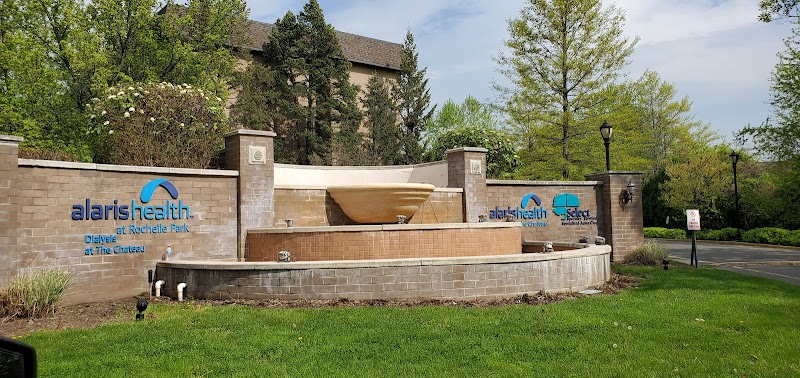
How is Alaris Health At The Chateau Staffed?

CMS rates ALARIS HEALTH AT THE CHATEAU's staffing level at 4 out of 5 stars, which is above average compared to other nursing homes. Staff turnover is 38%, compared to the New Jersey average of 46%. This relatively stable workforce can support continuity of care.

What Have Inspectors Found at Alaris Health At The Chateau?

State health inspectors documented 13 deficiencies at ALARIS HEALTH AT THE CHATEAU during 2022 to 2025. These included: 13 with potential for harm.
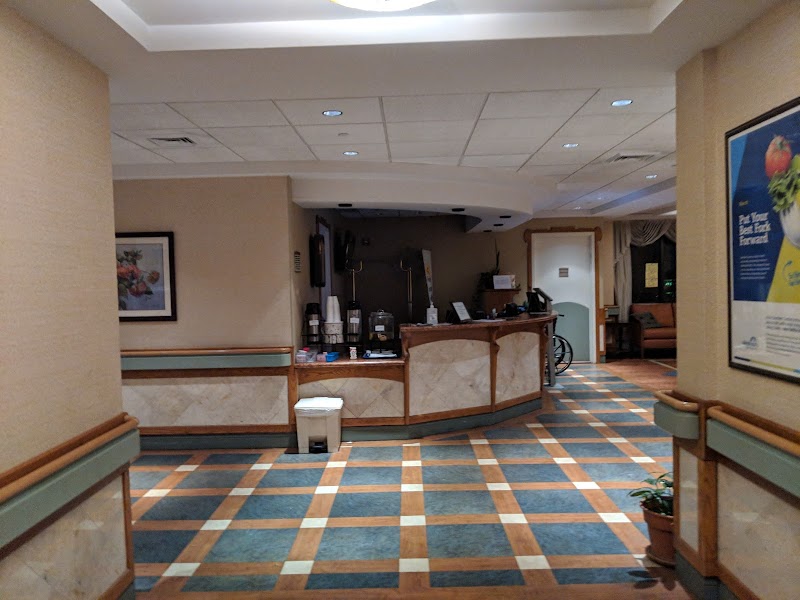
Who Owns and Operates Alaris Health At The Chateau?

ALARIS HEALTH AT THE CHATEAU is owned by a for-profit company. For-profit facilities operate as businesses with obligations to shareholders or private owners. The facility is operated by ALARIS HEALTH, a chain that manages multiple nursing homes. With 251 certified beds and approximately 192 residents (about 76% occupancy), it is a large facility located in ROCHELLE PARK, New Jersey.
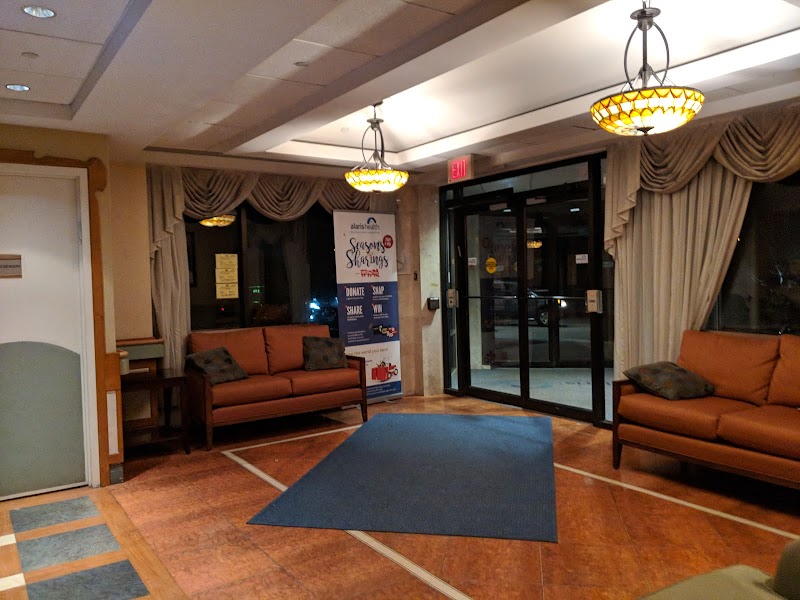
How Does Alaris Health At The Chateau Compare to Other New Jersey Nursing Homes?

Compared to the 100 nursing homes in New Jersey, ALARIS HEALTH AT THE CHATEAU's overall rating (4 stars) is above the state average of 3.3, staff turnover (38%) is near the state average of 46%, and health inspection rating (4 stars) is above the national benchmark.

What Should Families Ask When Visiting Alaris Health At The Chateau?

Based on this facility's data, families visiting should ask: "Can I visit during a mealtime to observe dining assistance and food quality?" "How do you handle medical emergencies, and what is your hospital transfer rate?" "Can I speak with family members of current residents about their experience?"

Is Alaris Health At The Chateau Safe?

Based on CMS inspection data, ALARIS HEALTH AT THE CHATEAU has a clean safety record: no substantiated abuse findings (meaning no confirmed cases of resident harm), no Immediate Jeopardy citations (the most serious violation level indicating risk of serious injury or death), and is not on the Special Focus Facility watch list (a federal program monitoring the lowest-performing 1% of nursing homes). The facility has a 4-star overall rating and ranks #1 of 100 nursing homes in New Jersey. While no facility is perfect, families should still ask about staff-to-resident ratios and recent inspection results during their visit.

Do Nurses at Alaris Health At The Chateau Stick Around?

ALARIS HEALTH AT THE CHATEAU has a staff turnover rate of 38%, which is about average for New Jersey nursing homes (state average: 46%). Moderate turnover is common in nursing homes, but families should still ask about staff tenure and how the facility maintains care continuity when employees leave.

Was Alaris Health At The Chateau Ever Fined?

ALARIS HEALTH AT THE CHATEAU has no federal fines on record. CMS issues fines when nursing homes fail to meet care standards or don't correct problems found during inspections. The absence of fines suggests the facility has either maintained compliance or corrected any issues before penalties were assessed. This is a positive indicator, though families should still review recent inspection reports for the full picture.

Is Alaris Health At The Chateau on Any Federal Watch List?

ALARIS HEALTH AT THE CHATEAU is not on any federal watch list. The most significant is the Special Focus Facility (SFF) program, which identifies the bottom 1% of nursing homes nationally based on persistent, serious quality problems. Not being on this list means the facility has avoided the pattern of deficiencies that triggers enhanced federal oversight. This is a positive indicator, though families should still review the facility's inspection history directly.