PARKER AT SOMERSET, INC
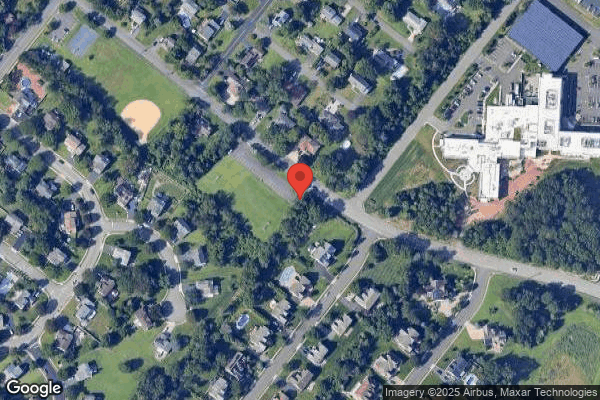
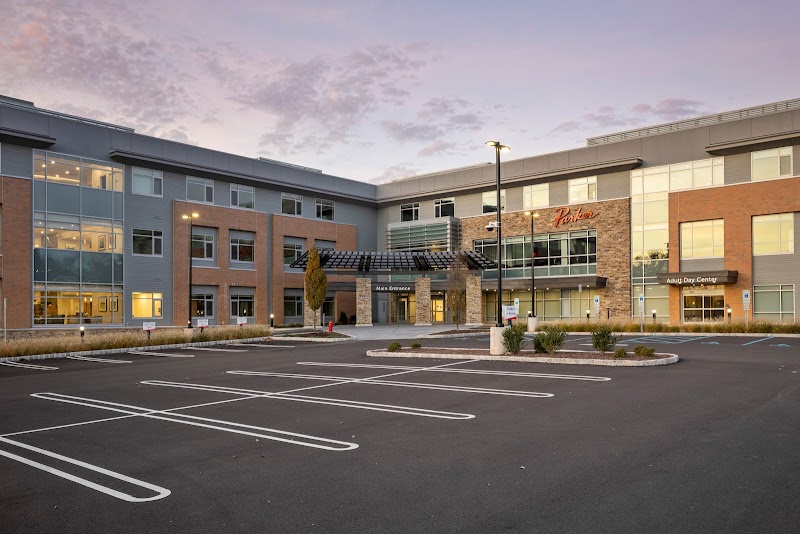
15 DELLWOOD LANE, SOMERSET, NJ 08873 (732) 545-4200
Non profit - Corporation 120 Beds Independent Data: November 2025
Trust Grade
95/100
#59 of 344 in NJ
Last Inspection: April 2025

Within standard 12-15 month inspection cycle. Federal law requires annual inspections.

Overview

Parker at Somerset, Inc. has an impressive Trust Grade of A+, indicating it is an elite facility with top-tier care. It ranks #59 out of 344 nursing homes in New Jersey, placing it in the top half, and is #2 out of 15 in Somerset County, meaning only one other local option is better. The facility is improving, having reduced its issues from three in 2020 to two in 2025. Staffing is a notable strength, with a perfect 5/5 rating and a low turnover rate of 16%, much better than the state average of 41%, ensuring residents receive consistent care from familiar staff. While there are no fines on record, there were some concerning incidents, such as improper food storage that could lead to food-borne illnesses and issues with medication accountability that may affect patient safety, highlighting areas that need attention despite the overall high quality of care.

Trust Score
A+
95/100
In New Jersey
#59/344
Top 17%
Safety Record
Low Risk
No red flags
Inspections
Getting Better
3 → 2 violations
Staff Stability
✓ Good
16% annual turnover. Excellent stability, 32 points below New Jersey's 48% average. Staff who stay learn residents' needs.
Penalties
✓ Good
No fines on record. Clean compliance history, better than most New Jersey facilities.
Skilled Nurses
✓ Good
Each resident gets 98 minutes of Registered Nurse (RN) attention daily — more than 97% of New Jersey nursing homes. RNs are the most trained staff who catch health problems before they become serious.
Violations
✓ Good
Only 5 deficiencies on record. Cleaner than most facilities. Minor issues only.
★★★★★
5.0
Overall Rating
★★★★★
5.0
Staff Levels
★★★★★
5.0
Care Quality
★★★★★
5.0
Inspection Score
Stable
2020: 3 issues
2025: 2 issues

The Good

  • 5-Star Staffing Rating · Excellent nurse staffing levels
  • 5-Star Quality Measures · Strong clinical quality outcomes
  • Low Staff Turnover (16%) · Staff stability means consistent care
  • Full Sprinkler Coverage · Fire safety systems throughout facility
  • No fines on record
  • Staff turnover is low (16%)

    32 points below New Jersey average of 48%

Facility shows strength in staffing levels, quality measures, staff retention, fire safety.

The Bad

No Significant Concerns Identified

This facility shows no red flags. Among New Jersey's 100 nursing homes, only 1% achieve this.

The Ugly 5 deficiencies on record

Apr 2025 1 deficiency
CONCERN (F)

Potential for Harm - no one hurt, but risky conditions existed

Food Safety (Tag F0812)

Could have caused harm · This affected most or all residents

**NOTE- TERMS IN BRACKETS HAVE BEEN EDITED TO PROTECT CONFIDENTIALITY** Based on observation, interview, record review and policy review, it was determined that the facility failed to a.) store food i...

Read full inspector narrative →
**NOTE- TERMS IN BRACKETS HAVE BEEN EDITED TO PROTECT CONFIDENTIALITY** Based on observation, interview, record review and policy review, it was determined that the facility failed to a.) store food in a manner to prevent food-borne illness and, b.) failed to maintain the kitchen environment and equipment in a sanitary and properly functioning manner to prevent contamination from foreign substances and potential for the development a food borne illness. This deficient practice was evidenced by the following: On 4/3/25 at 8:45 AM, the surveyor toured the main kitchen and four satellite kitchen areas with the Director of Dining (DD) and the Food Service Director (FSD) and observed the following: -A box of 4 -10 pound packages of defrosted chicken thighs in plastic type package and were inside of a box on a shelf in the walk in refrigerator. The box had a printed label that was dated 3/4/25 from the [NAME]. There was no pull date indicating when the chicken was removed from the freezer, and and no use by date. When asked what the dating policy was the DD stated that 5 days after the item was received or five days after the item was pulled from the freezer to defrost, the item must be used or discarded. The surveyor asked if the chicken was okay to use if the item did not have a use by date and the DD stated, no. -Another box on the shelf contained sixty pounds of defrosted beef eye of round in a plastic type package. The item sticker on the outside of the box was dated 2/5/25. A tour of the 1st floor Birch satellite kitchen revealed: - Debris underneath the refrigerator/ freezer and on the side of the cold cut refrigeration unit. The DD stated acknowledged the debris. - The fan above the stove had dark debris build up. - The ceiling vent in the food service area had visible debris. - At 9:25 AM, the under counter dish machine was observed in use by staff and the wash temperature was 143 F degrees Farenheight (F). - At 9:27 AM, the Dietary Staff (DS) again used the dish machine and the wash was 148 F. The DD and DS confirmed that the wash temperature should be 150 F. - The DS re-ran the cycle and the wash temperature was 148 F. The DS stated she had not been aware and the DD had the DS run the dish machine again. - At 9:33 AM, the wash cycle was 146 F and the DD contacted the repair company in the presence of the surveyor. The repair person stated that he probably needed to increase the temperature. The surveyor asked the DD if the dish machine could be used and the DD stated it can't be used. At 9: 42 AM, the surveyor toured the Dogwood satellite kitchen with the DD which revealed: -The under counter dish machine was in use and the wash temperature was 143 F. -The ceiling vent above the dish machine had visible debris. - The small vent above the stove had dark debris and a paper towel rubbed on the vent produced black debris. The DD confirmed it needed to be cleaned. At 10:01 AM, the surveyor toured the [NAME] Juniper satellite kitchen with the DD and the under counter dish machine wash temperature reached 137 F and the DS stated the machine was used in the morning. The DD stated the dish machine will not be used. On 04/04/25 at 7:45 AM, the surveyor conducted a follow-up interview with the DD regarding the above concerns. The DD stated the the chicken and beef were discarded. The surveyor asked what should have occurred and the DD stated that depending on if the items were received or pulled from the freezer, the items should have had either a pull date or a use by date which would have been 5 days. The DD stated the dish machine company increased the temperature for three of the under counter dish machines. The Food Labeling Policy, Dated 6/26/2022 revealed All food must be labeled properly upon delivery and after preparation. If food is not labeled properly, it will be discarded. 2. All items will be dated with the day it was received in the following manner: MM/DD/YY. The Dining Infection Control Policy Initial Date: 04/24/2020. Dish machine minimum Temperatures: Automatice Dishwashers Minimum temperature: Wash cycle: 150 F. NJAC 8:39-17.2(g)
Mar 2025 1 deficiency
CONCERN (D) 📢 Someone Reported This

A family member, employee, or ombudsman was alarmed enough to file a formal complaint

Potential for Harm - no one hurt, but risky conditions existed

Deficiency F0837 (Tag F0837)

Could have caused harm · This affected 1 resident

C #: NJ 00184292 Based on interviews, and record review, as well as review of pertinent facility documents on 3/17/25 and 3/21/25, it was determined that the facility failed to ensure their policy on ...

Read full inspector narrative →
C #: NJ 00184292 Based on interviews, and record review, as well as review of pertinent facility documents on 3/17/25 and 3/21/25, it was determined that the facility failed to ensure their policy on Medication Transcription was implemented for 1 out 5 residents (Resident #1). This deficient practice was evidenced by the following: According to the admission Record, Resident #1 was admitted to the facility on 02/2025, with diagnosis including but not limited to: Immune Thrombocytopenic Purpura (a bleeding disorder that keeps your blood from clotting). The Minimum Data Set (MDS), an assessment tool, dated 3/18/25, showed that the Resident #1 had a Brief Interview for Mental Status (BIMS) score of 13, showing resident had intact cognition. The form Medication Reconciliation History Form (MRHF), dated 2/27/25, revealed the medication reconciliation for Resident #1 was completed and signed by the first nurse and the physician on 2/27/25 at 3 P.M. The second nurse verification was signed on 2/28/25. During a telephone interview with LPN #1 on 3/18/25 at 10:32 A.M., she revealed that she works the 11-7 shift and is responsible for completing the 24-hour chart check. She stated that she accidentally signed the line for the 2nd nurse verification on the medication reconciliation form for Resident #1, she further stated that she is required to only sign the 24-hour chart check space in the admission packet, not the space for verifying nurse. During an interview with LPN #2 on 3/21/25 at 10:11 A.M., she revealed that she was aware of the process for medication reconciliation, and knew she was required to do the verification for the reconciliation, however, she did not complete the verification. During an interview with LPN #3 on 3/21/25 at 10:34 A.M., she revealed that she was aware of the medication reconciliation process and knew that a 2nd nurse was required to check the medications prior to putting them in the Electronic Medical Record (EMR), she assumed that the medication reconciliation check had been completed by LPN #2. During an interview with the Assistant Director of Nursing (ADON) on 3/17/25 at 2:48 P.M., she revealed, the MRHF was first to be completed by the initial nurse, which was the nurse that reconciled the medications with the provider, then the 2nd nurse was supposed to verify the medications to make sure there were no errors. She further stated that the verification for the MRHF for Resident #1 was not completed by the 2nd nurse but should have been done. The undated policy titled, Medication Transcription Policy, showed .#4. Double-check and Reconciliation: -A second licensed nurse should verify medications; -Compare new transcriptions with previous orders to prevent duplications or omissions . NJAC 8:39-27.1(b)
Nov 2020 3 deficiencies
CONCERN (D)

Potential for Harm - no one hurt, but risky conditions existed

Deficiency F0658 (Tag F0658)

Could have caused harm · This affected 1 resident

Based on observation, interview, and record review, it was determined that the facility failed to appropriately administer pain medication in accordance with a physician's order for 1 of 2 residents r...

Read full inspector narrative →
Based on observation, interview, and record review, it was determined that the facility failed to appropriately administer pain medication in accordance with a physician's order for 1 of 2 residents reviewed (Resident #91) for pain management in accordance to professional standards of practice. This deficient practice was evidenced by the following: Reference: New Jersey Statutes Annotated, Title 45. Chapter 11. Nursing Board. The Nurse Practice Act for the State of New Jersey states: The practice of nursing as a registered professional nurse is defined as diagnosing and treating human responses to actual and potential physical and emotional health problems, through such services as case-finding, health teaching, health counseling, and provision of care supportive to or restorative of life and wellbeing, and executing medical regimens as prescribed by a licensed or otherwise legally authorized physician or dentist. Reference: New Jersey Statutes Annotated, Title 45, Chapter 11. Nursing Board. The Nurse Practice Act for the State of New Jersey states: The practice of nursing as a licensed practical nurse is defined as performing tasks and responsibilities within the framework of case-finding; reinforcing the patient and family teaching program through health teaching, health counseling and provision of supportive and restorative care, under the direction of a registered nurse or licensed or otherwise legally authorized physician or dentist. On 10/30/2020 at 11:25 AM, the surveyor observed Resident #91 sitting in his/her room. The resident stated that he/she had just returned from therapy and had some pain so he/she had declined to speak with the surveyor. The surveyor reviewed the medical record for Resident #91. A review of the admission Record (an admission summary), reflected that the resident was admitted to the facility in October of 2020 with diagnoses which included infection following a procedure, encounter for surgical aftercare following surgery on the digestive system, and generalized muscle weakness. A review of the admission Minimum Data Set (MDS), an assessment tool to facilitate the management of care, dated 10/14/2020, reflected that the resident had a Brief Interview for Mental Status (BIMS) score of 10 out of 15, which indicated a moderately impaired cognition. A review of the resident's individualized care plan, dated 10/9/2020, indicated that the resident was at risk for acute pain related to recent surgery. Interventions included to administer as needed pain medications per physician order and evaluate effectiveness. A review of the October 2020 Order Summary Report (OSR) reflected a physician's order (PO) dated 10/17/2020 for an Tramadol 50 milligram (mg) tablet (pain medication); give half a tablet by mouth every twelve hours as needed for moderate pain between 4-6 (numerical pain scale based on 0-10). A review of the corresponding October 2020 electronic Medication Administration Record (eMAR) reflected the following: On 10/19/2020 tramadol was administered for a pain level of 7; which was effective. On 10/23/2020 tramadol was administered for a pain level of 8; which was effective. On 10/25/2020 tramadol was administered for a pain level of 7; which was effective. On 10/30/2020 tramdadol was administered for a pain level of 7; which was effective. A review of the electronic Progress Notes (ePN) had not reflected a nurse's note corresponding to these pain medication administrations. On 11/5/2020 at 10:39 AM, the surveyor interviewed the resident who stated that he/she received pain medications when needed. The resident stated that acetaminophen (mild pain medication) was not effective for him/her, but the stronger medication he/she received was effective. At 10:40 AM, the surveyor interviewed the Registered Nurse (RN) who stated that the resident was on pain management post surgery. The RN stated that she could not recall the resident ever complaining of pain, but the resident received pain medications on both a routine and an as needed basis. The RN stated that pain medication was administered per PO. If the resident had pain greater than the level of the PO, the nurse called the physician. The RN stated that a resident who was alert and oriented (to person, place, and time) could request a specific medication, but that was documented in the ePN. At 11:35 AM, the surveyor interviewed the Assistant Director of Nursing (ADON) who stated that residents on pain management had as needed pain medications based on a numerical pain scale. The pain scale was mild (1-3), moderate (4-6), and severe (7-10). The nurse administered the appropriate pain medication based on the corresponding PO and pain scale. If the pain level was greater than the prescribed medication, the nurse called the physician. On 11/6/2020 at 8:59 AM, the Director of Nursing (DON) stated that pain medication was sequenced based on a numerical pain scale of mild, moderate, and severe pain. An alert and oriented resident might have a pain level higher, but preferred the lower strength medication. The DON stated that the nurse documented in the ePN or the care plan of this. The DON stated that if the resident experienced pain greater than the level of medication prescribed, then the nurse contacted the physician. On 11/9/2020 at 9:46 AM, the DON in the presence of the Licensed Nursing Home Administrator and the survey team, confirmed that the nurse should administer pain medications per the PO. A review of the facility's Pain Management policy dated revised date 7/1/18 included that pain will be assessed using a pain scale prior to offering a resident an as needed or break through pain medication. Pain medication will be offered as prescribed by the physician, however if the resident requested milder pain medication not corresponding to the pain scale, the resident's request will be honored. NJAC 8:39-11.2(b)
CONCERN (D)

Potential for Harm - no one hurt, but risky conditions existed

Infection Control (Tag F0880)

Could have caused harm · This affected 1 resident

**NOTE- TERMS IN BRACKETS HAVE BEEN EDITED TO PROTECT CONFIDENTIALITY** Based on observation, interview and review of facility documentation it was determined that the facility failed to clean medical...

Read full inspector narrative →
**NOTE- TERMS IN BRACKETS HAVE BEEN EDITED TO PROTECT CONFIDENTIALITY** Based on observation, interview and review of facility documentation it was determined that the facility failed to clean medical equipment between resident use, according to facility policy to prevent the spread of infection. This deficient practice was identified on 1 of 4 nursing units (Birch) and was evidenced by the following: On 10/30/20 at 10:36 AM, the surveyor observed Certified Nursing Aide (CNA #1) walk down the hallway on the Birch unit pushing a Hoyer lift, an assuasive device that allows people to be transferred between bed and chair. CNA #1 entered resident room [ROOM NUMBER] to assist the resident in 123-2 out of the bed to the wheelchair. On 10/30/20 at 10:49 AM, the surveyor observed CNA #1 exit resident room [ROOM NUMBER] with the Hoyer lift and placed the Hoyer in the hallway against the wall between resident rooms #122 and #123. CNA #1 was wearing the gloves they wore inside the room, then they walked back into resident room [ROOM NUMBER] and exited with two small bags of soiled linen. CNA #1 then walked down the hall to dispose of the two linen bags. CNA #1 then removed her gloves and performed hand hygiene with an alcohol-based hand rub, but never returned to clean the Hoyer lift. On 10/30/20 at 10:50 AM, the surveyor interviewed CNA #2 regarding the cleaning process for Hoyer lifts. CNA #2 told the surveyor that Hoyer lifts were brought to the shower area after use and they were cleaned and stored in the shower area. On 10/30/2020 at 10:55 AM, the surveyor observed CNA #1 take the same Hoyer lift used in resident room [ROOM NUMBER] from the hallway and entered resident room [ROOM NUMBER]-2 to assist a resident out of bed. On 10/30/20 at 11:34 AM, the surveyor observed CNA #1 exit resident room [ROOM NUMBER]-2 with the Hoyer lift and placed the Hoyer against the wall in the hallway between resident rooms #122 and #123 without cleaning the lift. At this time, the surveyor interviewed CNA #1 and asked the process for cleaning Hoyer lifts between residents. CNA #1 told the surveyor, I use wipes and I just cleaned it in the room. The surveyor entered resident room [ROOM NUMBER] with CNA #1 and asked to see wipes that were used to clean the Hoyer lift. The CNA #1 went through Resident #75's nightstand drawer looking for wipes and closed it without locating any wipes. CNA #1 then picked up a package of aloe hand cleansing wipes that were on top of a dresser in the room and said, I used these. The surveyor asked if they killed bacteria and if they were the wipes used to clean equipment and CNA #1 repeated, this is what I used, I used these. On 10/30/20 at 12:10 PM, the surveyor interviewed the unit Licensed Practical Nurse (LPN) regarding the process for cleaning Hoyer lifts between resident use. The LPN told the surveyor that Hoyer lifts were cleaned prior to going into a resident room. When the staff were finished using them, they could either clean it at the resident's room doorway or in the hallway. The LPN told the surveyor the Purple wipes (bleach wipes) that were stored in the blood pressure cuff machine were the wipes that were used to clean the Hoyer lifts. The surveyor asked if aloe hand wipes were used and the LPN said No. On 10/30/20 at 12:19 PM, the surveyor interviewed the Unit Manager/Registered Nurse (UM/RN) regarding the cleaning of the Hoyer lifts. The UM/RN said that Hoyer lifts were cleaned before and after each resident use. The UM/RN told the surveyor they needed to be cleaned before going in the room and then cleaned again either by the resident's doorway or in the hallway. The surveyor reviewed the medical record for Resident #75. A review of the most recent quarterly Minimum Data Set (MDS), an assessment tool used to facilitate the management of care, dated 9/29/20, reflected a Brief Interview for Mental Status (BIMS) could not be completed for the resident due to severe cognitive impairment. A further review of the MDS in Section G. Functional Status, reflected that the resident was a two plus person physical assist for bed mobility and transfers. The surveyor reviewed the medical record for Resident #95. A review of the most recent quarterly MDS dated [DATE], reflected that the resident had a BIMS score of 0 out of 0 which indicated severe cognitive impairment. A further review of the MDS in Section G. Functional Status, reflected that the resident was a two-person physical assist for bed mobility and transfers. On 11/15/20 at 10:45 AM, the surveyor interviewed the Director of Nursing (DON) regarding the cleaning of reusable resident equipment. The DON told the surveyor that any reusable equipment that goes from resident to resident would be cleaned both before use and after use. The DON told the surveyor that bleach wipes were provided to the staff and readily available. A review of the facility's Cleaning and Disinfection of Resident-care items and Equipment policy dated revised date of November 2019. The policy included under section #1, d. that reusable items are cleaned and disinfected or sterilized between residents (e.g. stethoscopes, blood pressure cuffs, pulse oximeter, glucometer, point of care devices and other durable medical equipment). The policy also included under number 3, that durable medical equipment must be cleaned and disinfected before reuse by another resident. NJAC 8:39-19.4
CONCERN (E)

Potential for Harm - no one hurt, but risky conditions existed

Pharmacy Services (Tag F0755)

Could have caused harm · This affected multiple residents

Based on interview and review of facility documents, it was determined that the facility failed to ensure that all Drug Enforcement Administration (DEA) 222 forms were completed with sufficient detail...

Read full inspector narrative →
Based on interview and review of facility documents, it was determined that the facility failed to ensure that all Drug Enforcement Administration (DEA) 222 forms were completed with sufficient detail to enable accurate accountability and reconciliation for controlled medications for 5 of 8 DEA 222 forms reviewed in 1 of 1 back up controlled medication storage area. This deficient practice was evidenced by the following: On 11/5/20 at 11:14 AM, the surveyor reviewed all DEA 222 forms provided by the Director of Nursing (DON) for the past twelve months which revealed the following: 1. Review of a DEA 222 form dated 12/03/19, revealed that the portion of the form designated for signature of Purchaser or Attorney or Agent failed to contain a signature of authorization. Review of the attached Packing Slip that was signed by a Registered Nurse (RN) and dated 12/4/19, revealed that the pharmacy issued the facility the following controlled medications as requested on the unsigned DEA 222 form: Two packages of Fentanyl 25 microgram (mcg) patches (an opioid medication used to treat pain), one package of Morphine Sulfate IR (Immediate Release) (an opioid medication used to treat pain) 15 milligram (mg) tablets (tab), three packages of Morphine oral solution (5 mg/0.25 milliliter (ml) ), twenty packages of Oxycodone (an opioid used to treat pain) IR 5 mg tab, and eleven packages of Oxycodone/APAP (an opioid used to treat pain) 5/325 mg tab. 2. Review of a DEA 222 form dated 12/31/19, revealed that the area of the form designated to be filled in by the purchaser that detailed the number of packages received and the date received was blank. Review of the attached Packing Slip that was signed by a RN and dated 01/02/20, indicated that the facility was issued the following controlled medications as requested on the aforementioned DEA 222 form: One package of Fentanyl 12 (12.5) mcg patches, three packages of Fentanyl 25 mcg patches, two packages of Morphine oral solutions 5 mg/0.25 ml, four packages of Oxycodone ER (extended release) 10 mg tab, three packages of Oxycodone IR 5 mg tab and six packages of Oxycodone/APAP 5/325 mg tab. The number of packages received, and date received were not documented by the purchaser as required in the area allotted on the corresponding DEA 222 Form as required. 3. Review of a DEA 222 form dated 01/10/20, revealed that the area of the form designated to be filled in by the purchaser that detailed the number of packages received and the date received was blank. Review of the attached Packing Slip that was signed by an RN and dated 01/13/20, indicated that the facility was issued the following controlled medications as requested on the aforementioned DEA 222 form: Twenty packages of Oxycodone IR 5 mg tabs, two packages of Fentanyl 12 mcg patch and two packages of Morphine Oral Solution 5 mg/0.25 ml. The number of packages received, and date received were not documented by the purchaser as required in the area allotted on the corresponding DEA 222 form as required. 4. Review of a DEA 222 form dated 01/27/20, revealed that the area of the form designated to be filled in by the purchaser that detailed the number of packages received and the date received was blank. Review of the attached Packing Slip that was signed by an RN and dated 01/27/20, indicated that the facility was issued the following controlled medications as requested on the aforementioned DEA 222 form: Six packages of Morphine Solution 5 mg/0.25 ml and six packages of Oxycodone IR 5 mg tab. The number of packages received, and date received were not documented by the purchaser in the area allotted on the corresponding DEA 222 form as required. 5. Review of a DEA 222 form dated 02/20/20, revealed that the area of the form designated to be filled in by the purchaser that detailed the number of packages received and the date received was blank. Review of the attached Packing Slip that was signed by an RN and dated 02/21/20, indicated that the facility was issued the following controlled medications as requested on the aforementioned DEA 222 form: Two packages of Fentanyl 12 (12.5) mcg/hr. patch, four packages of Fentanyl 25 mcg patch, 20 packages of Hydrocodone/Acetaminophen 5/300 mg tab (an opioid medication used to treat pain), nine packages of Hydromorphone 2 mg tab (an opioid medication used to treat pain), two packages of Morphine solution 5 mg/0.25 ml syr., twenty packages of Oxycodone IR 5 mg tab, and six packages of Oxycodone/APAP 5/325 mg tab. The number of packages received, and date received were not documented by the purchaser in the area allotted on the corresponding DEA 222 form as required. The surveyor reviewed the Instructions that were printed on the back of all the DEA 22 forms which revealed the following: A person properly authorized by a power of attorney, on file at the registered location as set forth in 21 CFR 1305.5, may sign on behalf of the purchasing registrant. In such cases the officer or agent will indicate the capacity in which he signs, as Secretary, Agent, Attorney in-fact, etc. When items are received, the date of receipt and the number of items received must be recorded in the spaces provided on the triplicate copy. On 11/05/20 at 12:01 PM, the surveyor interviewed the DON who stated that the former DON was responsible for the completion of the DEA 222 forms prior to September 2020. She stated that when controlled medications were needed for the back up narcotic storage the DON was required to complete the DEA 222 form, obtain a signature from the Medical Director and fax the form to the Narcotic Department at the pharmacy. The DON stated that the Medical Director should have signed the DEA 222 form before the form was sent to the pharmacy. The DON stated the facility received confirmation of receipt of the DEA 222 form from the pharmacy. The pharmacy notified the facility of any irregularities noted on the form if applicable prior to processing. The pharmacy then sent for the DEA 222 form via courier and the order was filled within 24 to 48 hours. She further stated that when the delivery arrived the DON would compare the order received against the Packing Slip and confirm the quantity sent matched the amount requested on the DEA 222 form. The DON stated that the DON was the only responsible party at the facility who ensured that the DEA 222 forms were completed accurately. The DON was responsible to document the number of packages received and the date received on the DEA222 form. On 11/06/20 at 8:52 AM, the DON stated that the pharmacy admitted to the oversight regarding the DEA 222 form dated 12/03/20, which failed to contain the Medical Director's Signature. She stated that she spoke to the Director of Quality Assurance at the pharmacy who acknowledged the oversight and stated that the DEA 222 form was sent to the Drug Enforcement Agency (DEA) and the pharmacy was not questioned regarding the missing signature. She further stated that the pharmacy admitted the oversight on their part and the former DON was no longer employed by the facility. The DON stated that the number of packages received, and the dates received that were missing on the DEA 222 forms could be validated by the packing slips as proof of receipt. She stated that she documented the number of packages received and date received when the supervisor and another nurse put the controlled medications into the back up narcotic storage unit and the quantity was verified. The DON stated that the Consultant Pharmacist (CP) stopped coming into the facility in March 2020 due to the COVID-19 lock down and provided the surveyor with contact information. On 11/06/20 at 10:22 AM, the surveyor phoned the CP via speaker phone in the presence of the survey team with permission. The CP stated that she was at the facility in March 2020 right before the COVID-19 lock down. She further stated that she reviewed the DEA 222 forms when the facility was in the window for a State Survey and not on a routine basis. The CP was unable to recall when she last reviewed the DEA 222 forms. She further stated that she had not identified any issues with DEA 22 form completion at the facility. The CP stated that a physician signature was required to be documented on the DEA 222 form when it was sent to the pharmacy and should be sent back to the facility with an explanation if not completed correctly. The CP stated that the DEA 222 form needed to be signed and reviewed by the physician to ensure that he/she approved the medications that were ordered. The physician signature provided authorization for the order and receipt of controlled medications. The CP stated that the DON should document the date and quantity of controlled substances at the time the order was received. The purpose of the form was to order back up narcotics and the facility must keep the forms on file for accountability of narcotics. The CP stated that there was no issue with drug diversion at the facility. The surveyor reviewed the facility policy, Controlled Substances (revised January 1, 2018), which included the following: House Stock Controlled Substance Medications are medications which have not been ordered specifically for a resident (elder) but are kept on hand in limited quantities to administer in the event the medication is required before delivery of the controlled substance from the pharmacy. All house stock controlled substance medication is ordered by a form submitted to the pharmacy. Schedule II house stocks must be ordered using the specific DEA 222 Form. The Medical Director must sign and date at the bottom. N.J.A.C- 8:39-29.7 (C)
Understanding Severity Codes (click to expand)
Life-Threatening (Immediate Jeopardy)
J - Isolated K - Pattern L - Widespread
Actual Harm
G - Isolated H - Pattern I - Widespread
Potential for Harm
D - Isolated E - Pattern F - Widespread
No Harm (Minor)
A - Isolated B - Pattern C - Widespread

Questions to Ask on Your Visit

  • "Can I speak with families of current residents?"
  • "What's your RN coverage like on weekends and overnight?"

Our Honest Assessment

Strengths
  • • Grade A+ (95/100). Above average facility, better than most options in New Jersey.
  • • No major safety red flags. No abuse findings, life-threatening violations, or SFF status.
  • • No fines on record. Clean compliance history, better than most New Jersey facilities.
  • • Only 5 deficiencies on record. Cleaner than most facilities. Minor issues only.
Concerns
  • • No significant concerns identified. This facility shows no red flags across CMS ratings, staff turnover, or federal penalties.
Bottom line: Generally positive indicators. Standard due diligence and a personal visit recommended.

About This Facility

What is Parker At Somerset, Inc's CMS Rating?

CMS assigns PARKER AT SOMERSET, INC an overall rating of 5 out of 5 stars, which is considered much above average nationally. Within New Jersey, this rating places the facility higher than 99% of the state's 100 nursing homes. This rating reflects solid performance across the metrics CMS uses to evaluate nursing home quality.

How is Parker At Somerset, Inc Staffed?

CMS rates PARKER AT SOMERSET, INC's staffing level at 5 out of 5 stars, which is much above average compared to other nursing homes. Staff turnover is 16%, compared to the New Jersey average of 46%. This relatively stable workforce can support continuity of care.

What Have Inspectors Found at Parker At Somerset, Inc?

State health inspectors documented 5 deficiencies at PARKER AT SOMERSET, INC during 2020 to 2025. These included: 5 with potential for harm.
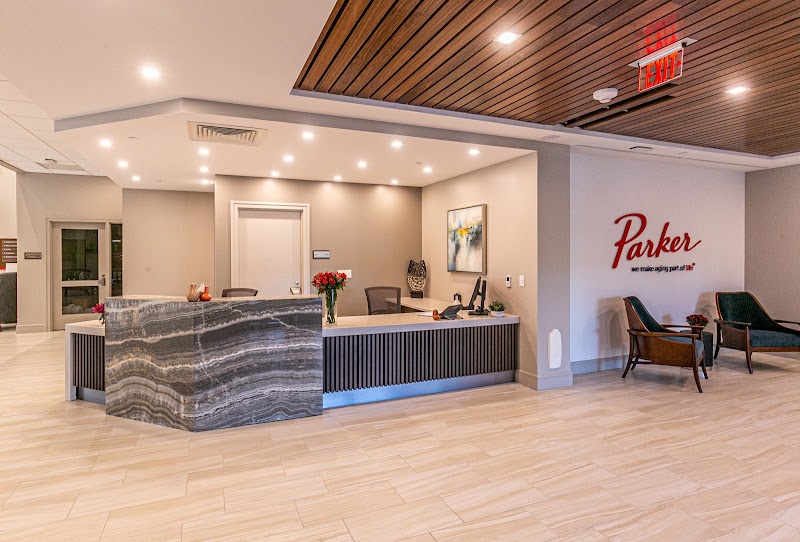
Who Owns and Operates Parker At Somerset, Inc?

PARKER AT SOMERSET, INC is owned by a non-profit organization. Non-profit facilities reinvest revenue into operations rather than distributing to shareholders. The facility operates independently rather than as part of a larger chain. With 120 certified beds and approximately 112 residents (about 93% occupancy), it is a mid-sized facility located in SOMERSET, New Jersey.
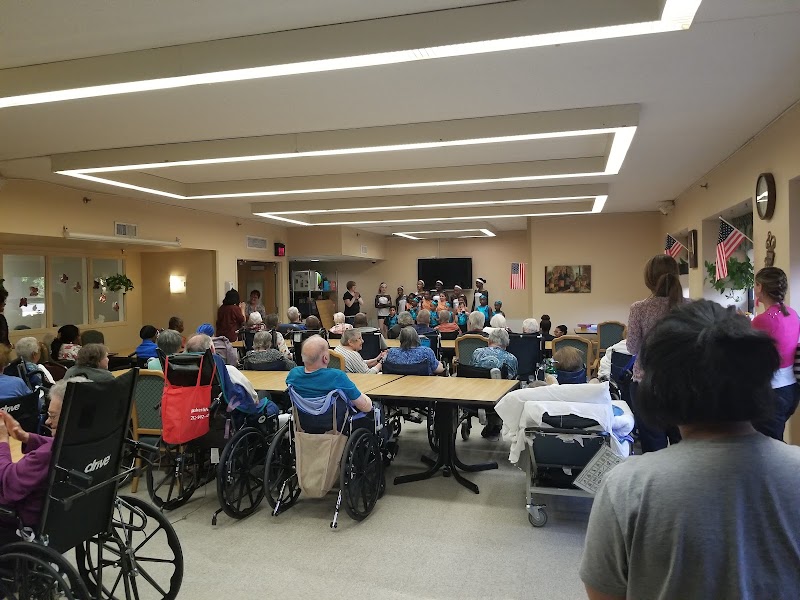
How Does Parker At Somerset, Inc Compare to Other New Jersey Nursing Homes?

Compared to the 100 nursing homes in New Jersey, PARKER AT SOMERSET, INC's overall rating (5 stars) is above the state average of 3.3, staff turnover (16%) is significantly lower than the state average of 46%, and health inspection rating (5 stars) is much above the national benchmark.

What Should Families Ask When Visiting Parker At Somerset, Inc?

Based on this facility's data, families visiting should ask: "Can I visit during a mealtime to observe dining assistance and food quality?" "How do you handle medical emergencies, and what is your hospital transfer rate?" "Can I speak with family members of current residents about their experience?"

Is Parker At Somerset, Inc Safe?

Based on CMS inspection data, PARKER AT SOMERSET, INC has a clean safety record: no substantiated abuse findings (meaning no confirmed cases of resident harm), no Immediate Jeopardy citations (the most serious violation level indicating risk of serious injury or death), and is not on the Special Focus Facility watch list (a federal program monitoring the lowest-performing 1% of nursing homes). The facility has a 5-star overall rating and ranks #1 of 100 nursing homes in New Jersey. While no facility is perfect, families should still ask about staff-to-resident ratios and recent inspection results during their visit.

Do Nurses at Parker At Somerset, Inc Stick Around?

Staff at PARKER AT SOMERSET, INC tend to stick around. With a turnover rate of 16%, the facility is 29 percentage points below the New Jersey average of 46%. Low turnover is a positive sign. It means caregivers have time to learn each resident's needs, medications, and personal preferences. Consistent staff also notice subtle changes in a resident's condition more quickly. Registered Nurse turnover is also low at 20%, meaning experienced RNs are available to handle complex medical needs.

Was Parker At Somerset, Inc Ever Fined?

PARKER AT SOMERSET, INC has no federal fines on record. CMS issues fines when nursing homes fail to meet care standards or don't correct problems found during inspections. The absence of fines suggests the facility has either maintained compliance or corrected any issues before penalties were assessed. This is a positive indicator, though families should still review recent inspection reports for the full picture.

Is Parker At Somerset, Inc on Any Federal Watch List?

PARKER AT SOMERSET, INC is not on any federal watch list. The most significant is the Special Focus Facility (SFF) program, which identifies the bottom 1% of nursing homes nationally based on persistent, serious quality problems. Not being on this list means the facility has avoided the pattern of deficiencies that triggers enhanced federal oversight. This is a positive indicator, though families should still review the facility's inspection history directly.