TOWER LODGE CARE CENTER
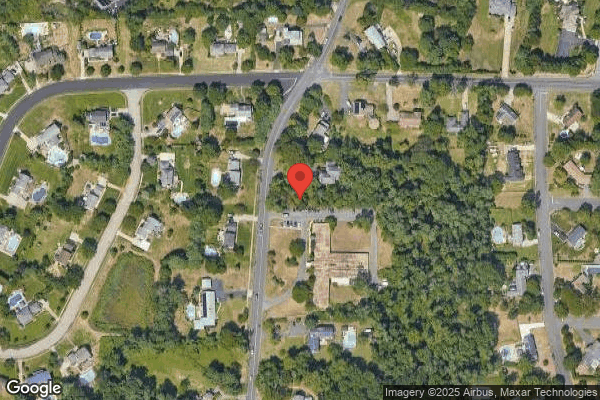

1506 GULLY ROAD, WALL, NJ 07719 (732) 681-1400
For profit - Corporation 60 Beds Independent Data: November 2025
Trust Grade
85/100
#76 of 344 in NJ
Last Inspection: September 2024

Within standard 12-15 month inspection cycle. Federal law requires annual inspections.

Overview

Tower Lodge Care Center in Wall, New Jersey has a Trust Grade of B+, indicating it is above average and recommended for families considering care options. It ranks #76 out of 344 facilities in New Jersey, placing it in the top half, and #10 out of 33 in Monmouth County, meaning only nine local options are better. The facility's performance trend is stable, with eight issues reported consistently over the last two years, which is a concern as it indicates ongoing problems. Staffing is a weakness here, rated at 2 out of 5 stars with a 56% turnover rate, significantly higher than the state average, suggesting staff may not stay long enough to build strong relationships with residents. While there are no fines on record, which is positive, there are notable concerns, such as inadequate RN coverage on weekends, and issues with kitchen sanitation that could lead to foodborne illnesses. For example, the kitchen was found with dirty surfaces, and potentially hazardous foods were not handled safely, highlighting the need for improvement in hygiene practices.

Trust Score
B+
85/100
In New Jersey
#76/344
Top 22%
Safety Record
Low Risk
No red flags
Inspections
Holding Steady
3 → 3 violations
Staff Stability
⚠ Watch
56% turnover. Above average. Higher turnover means staff may not know residents' routines.
Penalties
✓ Good
No fines on record. Clean compliance history, better than most New Jersey facilities.
Skilled Nurses
⚠ Watch
Each resident gets only 17 minutes of Registered Nurse (RN) attention daily — below average for New Jersey. Fewer RN minutes means fewer trained eyes watching for problems.
Violations
○ Average
8 deficiencies on record. Average for a facility this size. Mostly minor or procedural issues.
★★★★★
5.0
Overall Rating
★★☆☆☆
2.0
Staff Levels
★★★★★
5.0
Care Quality
★★★★☆
4.0
Inspection Score
Stable
2023: 3 issues
2024: 3 issues

The Good

  • 5-Star Quality Measures · Strong clinical quality outcomes
  • Full Sprinkler Coverage · Fire safety systems throughout facility
  • No fines on record

Facility shows strength in quality measures, fire safety.

The Bad

Staff Turnover: 56%

Near New Jersey avg (46%)

Frequent staff changes - ask about care continuity

Staff turnover is elevated (56%)

8 points above New Jersey average of 48%

The Ugly 8 deficiencies on record

Sept 2024 3 deficiencies
CONCERN (D)

Potential for Harm - no one hurt, but risky conditions existed

Deficiency F0658 (Tag F0658)

Could have caused harm · This affected 1 resident

**NOTE- TERMS IN BRACKETS HAVE BEEN EDITED TO PROTECT CONFIDENTIALITY** Based on observation, interview, record review and facility documentation it was determined that the facility failed to maintain...

Read full inspector narrative →
**NOTE- TERMS IN BRACKETS HAVE BEEN EDITED TO PROTECT CONFIDENTIALITY** Based on observation, interview, record review and facility documentation it was determined that the facility failed to maintain professional standards of clinical practice by not notifying the physician of a weight discrepancy for 1 of 2 residents (Resident #38) reviewed for nutrition. Reference: New Jersey Statutes Annotated, Title 45, Chapter 11. Nursing Board. The Nurse Practice Act for the State of New Jersey states: The practice of nursing as a licensed practical nurse is defined as performing tasks and responsibilities within the framework of case finding; reinforcing the patient and family teaching program through health teaching, health counseling and provision of supportive and restorative care, under the direction of a registered nurse or licensed or otherwise legally authorized physician or dentist. On 09/15/24 at 11:38 AM, during initial tour, the surveyor observed Resident #34 in bed. The resident did not have any complaints at that time. The surveyor reviewed Resident #34's electronic medical record (eMR). A review of the admission Record revealed the resident was admitted to the facility with diagnoses which included but were not limited to; HTN (hypertension-high blood pressure), Congestive heart failure (CHF-a serious condition that occurs when the heart can't pump enough blood to meet the body's needs) and a presence of a cardiac pacemaker (a small device that helps regulate a person's heart rate by sending electrical pulses to the heart.) A review of the admission Minimum Data Set (MDS), an assessment tool, dated 7/23/24, revealed the resident had a Brief Interview for Mental Status of 15 out of 15, indicating the resident was cognitively intact. Further review of the MDS, revealed the resident was receiving a diuretic. (a water pill) A review of the Care Plan (CP) revealed: Focus: Potential for complications r/t (related to) impaired cardiac status, HTN, Pacemaker status, Date initiated 06/25/24 .Interventions: Administer diuretic medication as ordered. Monitor for adverse effects r/t diuretic med (medication) use (dizziness, muscle cramps, etc.), keep MD (Doctor of Medicine) informed of abnormalities, Date initiated: 06/25/24. Further review of the CP revealed: Focus: Resident is at risk for weight changes, fluid volume changes due to hx (history) CHF/edema (swelling caused by fluid trapped in your body's tissues), Date Initiated: 06/27/2024; Goal: Resident will maintain weight +/- (plus or minus) 1 to 5 lbs. Weight will increase no more than 5 lbs Date Initiated: 06/27/2024. Interventions: Monitor weighs per protocol Date Initiated 6/27/24. A review of the Resident's weights revealed the following: 7/29/2024 14:37 (2:37 PM) 159 Lbs (pounds) Mechanical Lift (a device designed to help caregivers move a person from a bed to a chair) 7/30/2024 13:57 (1:57 PM) 158.2 Lbs Mechanical Lift 7/31/2024 15:05 (3:05 PM) 134.6 Lbs Mechanical Lift 8/5/2024 16:26 (4:26 PM) 133.6 Lbs Mechanical Lift 8/15/2024 10:13 (10:13 AM) 136.0 Lbs Mechanical Lift A reviewed of the nutritional assessment dated [DATE] revealed: Weight is significant unplanned gain in 1 month PTA (prior to admission) .r/t fluids/ BLE (bilateral lower extremity) edema, planned loss is desirable, on Lasix (a diuretic medication) daily. A review of the electronic Medication Administration Record (MAR) revealed a check for the day shift weight on 7/31/24. Further review of the MAR Chart Codes/Follow up Codes revealed the check=administered. No other documentation was noted for that order. A review of the progress notes revealed: 7/29/2024 12:20 Nurses Note Note Text: Call received from Cardio office. Device interrogation show Heart Failure . Possible fluid accumulation. NP (Nurse Practitioner) notified. New order to increase Furosemide (diuretic) from 20 mg to 40 mg daily. Further review of the progress notes did not reveal a progress note that the physician was made aware of the weight difference from 7/30/24 and 7/31/24 of 23.6 Lbs. Further review of the progress notes revealed: 8/6/2024 16:25 (4:25 PM), Dietitian Note Note Text: Weight note- significant loss in 1 mo (month), mostly in 1 week, suspect mostly planned r/t diuresis of edema, on daily weights per CHF protocol. On 09/17/24 at 11:34 AM, the surveyor interviewed Licensed Practical Nurse (LPN) #1, who stated the aides do the weights, but the nurse enters the weights in the eMR. She stated that you should look at the previous weight and if there was a difference you should call the doctor for a certain weight gain. She stated that on the MAR it would be checked off that the doctor was called or there would be a progress note that the doctor was called. LPN#1 reviewed Resident # 34's eMR in the presence of the surveyor. She verified that she had entered Resident #34's weight on 7/31/24. She verified there was no progress note that the doctor was called. She further verified that there was no documentation on the MAR that the doctor was called. She then stated, Yes, a weight difference of that amount, the doctor should have been called and it should have been documented. On 09/17/24 at 12:01 PM, the surveyor interviewed with the Director of Nursing (DON), who stated if there was a weight discrepancy, she would expect a reweight to be done. The DON reviewed the eMR in the presence of the surveyor for Resident #34. She reviewed the resident's weights from admission and noted the weight on 7/30 of 158 Lbs and 7/31 of 134 Lbs. She stated, I would attempt a reweight to make sure it was right since there was such a significant change. I would call the doctor and alert the dietician. She reviewed the eMR and verified there was no documentation that the physician or the dietician was made aware of the significant weight difference. The DON stated, the doctor should have been made aware. On 09/17/24 at 1:27 PM, during a meeting with the survey team, the Licensed Nursing Home Administrator (LNHA), the DON, the Infection Preventionist, and the RNM, the above concerns were presented. On 09/18/24 at 9:20 AM, during a meeting with the survey team, the LNHA, the DON stated the weight loss was expected but it was not expected within 24 hours. She stated that the resident should have been reweighed, the doctor notified and there should have been documentation. A review of the facility, Weight Policy revised 10/2023, revealed: Procedure 2. Residents with weight loss or at risk for weight loss. a. Review medications and/or changes to medication regime (i.e., diuretics); b. notify physician of weight loss/gain. 4. Medical Records, a. Nursing will document in the nurse's notes the communication between Physician, Dietitian, and other disciplines. A review of the facility's Scale Accuracy for Weighing of Residents revised 10/2023, revealed Purpose: The purpose of this verification is to assure accurate weights. Procedure: 2. If there is a significant change in the resident's weight, the resident will be reweighed to assure accuracy. 3. If there continues to be a significant change in the resident's weight, the ADON (Assistant Director of Nursing) or designee will be notified. NJAC 8:39-13.1(d)
CONCERN (F)

Potential for Harm - no one hurt, but risky conditions existed

Deficiency F0727 (Tag F0727)

Could have caused harm · This affected most or all residents

Based on review of the Payroll-Based Journal (PBJ) Staffing Data Report, Nurse Staffing Reports, interview, and facility documentation, it was determined that the facility failed to ensure a Registere...

Read full inspector narrative →
Based on review of the Payroll-Based Journal (PBJ) Staffing Data Report, Nurse Staffing Reports, interview, and facility documentation, it was determined that the facility failed to ensure a Registered Nurse (RN) worked 7 days a week for at least 8 consecutive hours a day for 15 of 15 weekends reviewed. The deficient practice was evidenced by the following: A review of the PBJ staffing Data submitted for the 3rd quarter (April, May and June) of 2024 revealed the facility triggered for RN coverage for 8 consecutive hours/day. Further review revealed Infractions Dates: 04/06 (SA-Saturday); 04/07 (SU-Sunday); 04/13 (SA); 04/14 (SU); 04/20 (SA); 04/21 (SU); 04/27 (SA); 04/28 (SU) 05/04 (SA); 05/05 (SU); 05/11 (SA); 05/12 (SU); 05/18 (SA); 05/19 (SU); 05/25 (SA); 05/26 (SU) 06/01 (SA); 06/08 (SA); 06/09 (SU); 06/15 (SA); 06/16 (SU); 06/22 (SA); 06/23 (SU); 06/29 (SA); 06/30 (SU) A review of the facility provided staffing for the above-mentioned days did not reveal a registered nurse was scheduled for day, evening, or night shifts. On 09/15/24 at 8:55 AM, the survey team entered the facility. Licensed Practical Nurse (LPN) #1 assisted the survey team to the conference room. She stated there was another LPN (LPN #2) in the building. The survey team asked if there was a RN in the building, she confirmed that there was not. LPN # 1 stated the Director of Nursing (DON) was always available by phone. A review of the facility provided Nurse Staffing Report for the weeks of 9/1/24-9/7/24 and 9/8/24-9/14/24, did not revealed an RN was schedule for 9/7/24, 9/8/24, or 9/14/24. A review of the facility provided schedule for 9/15/24 did not reveal a RN was scheduled for the day, evening, or night shift. On 09/17/24 at 12:01 PM, during an interview, the DON stated that there was 1 other RN at the facility, but she was prn (as needed.) She then stated if she goes on vacation or takes a day off, the Regional Nurse Manager (RNM) would have to be in the facility. The DON stated she submitted the PBJ Staffing Reports and was aware that they (the facility) did not have a RN consistently on the weekends. She further stated she was on call 24 hours a day/7 days a week and comes in if she was needed. The DON stated the staff would call 911, if they needed to. At that time, in the presence of the surveyor, the DON reviewed the facility provided schedules for the above-mentioned weekends for the 3rd quarter. She confirmed that there was not an RN on the weekends. She then reviewed the Nurse Staffing Report for the weeks of 9/1/24-9/7/24 and 9/8/24-9/14/24 and confirmed that there was not a RN for 9/7 (SA), 9/8 (SU), or 9/14 (SA). On 09/17/24 at 1:27 PM, during a meeting with the Licensed Nursing Home Administrator (LNHA), the DON, the Infection Preventionist, and the RNM, the above concerns were presented. A review of the facility's Staffing Policy reviewed 4/2024, revealed: Goal: .goal is to provide adequate staffing to meet needed care and services for our resident population .Policy: .There will be at least one registered professional nurse on duty in the facility during all day shifts. (During a temporary absence, not to exceed 72 hours, the registered professional nurse may be on duty during the evening or night shift. NJAC 8:39-25.2(h)
CONCERN (F)

Potential for Harm - no one hurt, but risky conditions existed

Food Safety (Tag F0812)

Could have caused harm · This affected most or all residents

Based on observation, interview, record review and policy review, it was determined that the facility failed to maintain the kitchen environment and equipment in a sanitary manner to prevent contamina...

Read full inspector narrative →
Based on observation, interview, record review and policy review, it was determined that the facility failed to maintain the kitchen environment and equipment in a sanitary manner to prevent contamination from foreign substances and potential for the development a food borne illness. This deficient practice was evidenced by the following: On 9/16/24 at 9:46 AM, in the presence of the Food Service Director (FSD), the surveyor observed the following: In the food preparation area, the surveyor observed the following: - tan colored debris smeared on the surface of the door and on the door handles of standing refrigerator # 1, - brown colored substance on the clear plastic packaging which contained styrofoam plates, -brown colored substance on the microwave oven door and door handle which was easily lifted with the FSD's pen tip, -thick brown colored grease-like substance on 7 of 8 stove knobs, and brown thick grease-like substance on 1 of 2 oven handles. In the dry storage area, the surveyor observed the following: -tan colored debris smeared on the surface of the door and on the door handles of the produce standing refrigerator. The FSD stated that this equipment should be clean and could not explain what might have happened. During an interview on 9/16/24 at 1:00 PM, the surveyor brought the above concerns to the attention of the Administrator and Director of Nursing. A review of the facility's policy, Cleaning and Sanitation of Food Service Areas, Revised 8/4/2024, revealed: Policy: The food service staff will maintain the sanitation of the dining and food service areas through compliance with a written and comprehensive cleaning schedule. Procedure: 1. The food service manager (or designee) will record all cleaning and sanitation tasks needed for the department. NJAC 8:39-17.2(g)
Sept 2023 3 deficiencies
CONCERN (D)

Potential for Harm - no one hurt, but risky conditions existed

Deficiency F0657 (Tag F0657)

Could have caused harm · This affected 1 resident

**NOTE- TERMS IN BRACKETS HAVE BEEN EDITED TO PROTECT CONFIDENTIALITY** Based on observation, interview, and review of facility documentation it was determined that the facility failed to revise care ...

Read full inspector narrative →
**NOTE- TERMS IN BRACKETS HAVE BEEN EDITED TO PROTECT CONFIDENTIALITY** Based on observation, interview, and review of facility documentation it was determined that the facility failed to revise care plans for 2 of 14 residents reviewed (Resident #35 and Resident #8) for care plan revision and was evidenced by the following: 1.On 09/13/23 at 11:28 AM, the surveyor observed Resident #35 in the dayroom in a wheelchair during activities. On 09/13/23 at 1:30 PM, the surveyor reviewed the residents Electronic Medical Record (EMR) progress notes which indicated that Resident #35 was hospitalized [DATE]. Review of the annual Minimum Data Set (MDS), an assessment tool dated 06/18/23 revealed that Resident #35 had a Brief Interview of Mental Status of 99, meaning the resident was unable to complete the assessment due to cognitive impairment. Medical diagnoses included, but were not limited to heart disease, hypertension (high blood pressure), and dementia. On 09/19/23 01:04 PM, further surveyor review of the EMR showed that the resident was sent to the hospital following a seizure and vomiting on 08/21/23. Resident #35 was admitted to the hospital and admitted on [DATE] and returned to the facility on [DATE]. On 09/19/23 at 01:24 PM, the surveyor reviewed the care plan which showed that seizures were added as a focus on 09/11/23 with interventions to maintain resident safety during the seizure activity and interventions for caring for the resident post seizure. The resident returned to the facility on [DATE]. On 09/21/23 at 12:30 PM, the surveyor met with the Licensed Nursing Home Administrator (LNHA) and the Director of Nursing (DON) regarding a delay in the care plan revision. No additional information was provided. On 09/25/23 at 12:31 PM, the surveyor reviewed the annual MDS dated [DATE], section I. (active diagnoses) and seizures was marked no, meaning the resident did not have a seizure disorder. The surveyor then reviewed the 09/05/23 5-day MDS, section I and seizure disorder was marked yes, meaning the resident had a new diagnoses of seizure disorders. On 09/26/23 at 09:55 AM, the surveyor met with the Minimum Data Set Coordinator (MDSC) who was responsible for updating care plans following hospitalization. The MDSC asked the issue for Resident #35. The surveyor explained that the resident was new seizure diagnoses, returned to facility on 08/30/23 and the residents care plan was not updated to include seizures and interventions regarding seizures until 09/11/23. The MDS coordinator said, I was on vacation. 2. On 09/14/23 at 11:48 AM, the surveyor observed Resident #8 in the room. The surveyor observed a device on the wheelchair to rest the arm. The Resident told the surveyor he/she was able to place the arm onto the cushioned arm rest. On 09/15/23 at 12:07 PM, the surveyor reviewed the admission Record which indicated Resident #8 had medical diagnoses which included, but were not limited to flaccid hemiplegia of the left side (inability to move left upper and lower extremities), hypertension (high blood pressure), and heart disease. The surveyor reviewed Resident #8 most recent quarterly Minimum Data Set, an assessment tool (MDS) dated [DATE] which reflected a Brief Interview of Mental Status (BIMS) of 15, meaning the resident was cognitively intact. Section G of the MDS, Functional status indicated the resident required assistance with ADL's and had range of motion impairment on both upper and both lower extremities. On 09/15/23 at 12:41 PM, Resident #8 was observed in the room with a cushioned arm rest on the left side. On 09/18/23 12:03 PM, surveyor interviewed a unit Certified Nurse's Assistant (CNA). The CNA said she was aware of the special armrest on the left side. The surveyor asked how the CNA was aware of the need for the armrest to be used and the CNA said she received the information in report. The CNA told the surveyor she was not aware of anywhere else the information would be. On 09/18/23 at 12:08 PM, the surveyor asked the unit Licensed Practical Nurse (LPN) where the armrest was documented, and she told surveyor it was on the Treatment Administration Record (TAR). The LPN said the residents chair just came like that and the resident had been here for 90 days. The LPN told the surveyor the CNA should know. On 09/18/23 at 12:14 PM, the surveyor interviewed the Director of Rehabilitation (DOR). The DOR was aware of the arm rest for Resident #8. The surveyor asked the DOR where the information for the arm rest should be, and the DOR told the surveyor the care plan. On 09/18/23 at 12:19 PM, the surveyor interviewed the Assistant Director of Nursing (ADON) regarding the arm rest and asked where it would be documented. The ADON told the surveyor, I don't know, on the Medication Administration Record. On 09/19/23 at 10:31 AM, the ADON told the surveyor the arm rest was on the care plan however it was resolved by accident by a nurse manager that was no longer at the facility. It was resolved on 11/21/21, meaning it was removed from the care plan. The ADON stated the care plan should have been revised. On 09/21/23 at 11:28 AM, the surveyor reviewed the facility provided policy titled admission and Baseline Care Plan (BCP) with a review date of 03/10/23. The policy reflected that the BCP will be used as the foundation for the care planning with additions/revisions being incorporated into the comprehensive care plan. Once the comprehensive care plan has been developed and implemented, any additional changes will be made to the comprehensive care plan based on the needs of the resident. NJAC 8:39-11.2 (e)
CONCERN (D)

Potential for Harm - no one hurt, but risky conditions existed

Deficiency F0658 (Tag F0658)

Could have caused harm · This affected 1 resident

Based on observation, interview, and review of facility documentation it was determined that the facility failed to notify the physician of incomplete pacemaker checks for Resident #39, 1 of 1 residen...

Read full inspector narrative →
Based on observation, interview, and review of facility documentation it was determined that the facility failed to notify the physician of incomplete pacemaker checks for Resident #39, 1 of 1 resident reviewed for pacemakers. This was evidenced by the following: On 09/13/23 at 10:37 AM, the surveyor observed Resident #39 in the room sitting on the side of the bed. On 09/14/23 at 09:56 AM, the surveyor observed the resident laying in bed, there was a stop sign across Resident #39 door and the resident said it was to stop any other residents from entering. Review of the admission Record revealed Resident #39 had medical diagnoses which included, but were not limited to heart failure, atherosclerosis (build up of fats in the arteries), and presence of cardiac pacemaker (a device to send electrical pulses to help your heartbeat at a normal rate and rhythm). Review of the quarterly Minimum Data Set, an assessment tool dated August 14, 2023 revealed Resident #39 had a Brief Interview of Mental Status of 15 meaning the resident was cognitively intact. On 09/19/23 at 09:51 AM, the surveyor reviewed the resident's physician orders. There was an order for the resident to have pacemaker checks every three months on the first of the month. It was an active order dated 07/05/22. On 09/20/23 at 10:00 AM, the surveyor requested Resident #39 last three pacemaker checks. The facility provided the surveyor with progress notes from January 2023, April 2023, and July 2023. The January progress note indicated that the company was experiencing a major system outage, unable to perform new pacemaker checks. The April note revealed system failure for pacemaker checks, no estimated time when system will be back up at this time. The July note showed that the resident was refusing at that time, resident stated he/she was feeling lousy and did not want to be bothered. For the three separate months of pacemaker checks there was no documentation indicating the facility notified the physician, the family, or second attempts of pacemaker checks were made by the staff. On 09/20/23 at 11:15 AM, the surveyor reviewed Resident #39 care plan. The care plan had a focus of pacemaker status and was initiated 05/21/21. There was an intervention to monitor pacemaker function as ordered and to consult and follow up with cardiology as needed. The intervention was initiated on 05/21/21. On 09/21/23 at 10:30 AM, the surveyor interviewed the unit Licensed Practical Nurse (LPN) regarding residents who need pacemaker checks and who was responsible. The LPN told the surveyor the desk nurse or the floor nurse will do the pacemaker checks with the residents. The surveyor asked what would happen if the pacemaker check was unable to be completed for any reason and the LPN said, We would immediately call the doctor and document it. The surveyor then asked what if a resident refused and the LPN said, We would try at least three more times, then call the doctor and the family. On 09/21/23 at 11:44 AM, the surveyor reviewed the Treatment Administration Records (TAR) for January, April, and July 2023. The January TAR for pacemaker checks was signed by the nurse as completed, the April TAR was documented as see nurses notes, and the July TAR was documented as the resident refused. On 09/21/23 at 12:44 PM, the surveyor interviewed the Director of Nursing (DON) and the Licensed Nursing Home Administrator (LNHA) regarding pacemaker checks that could not be completed as ordered. The DON said she would expect doctor to be aware or see the resident in the office for the pacemaker check. The DON and LNHA told surveyor, It was checked yesterday, after surveyor inquiry. NJAC 8:39-11.2 (b), 27.1 (a)
CONCERN (F)

Potential for Harm - no one hurt, but risky conditions existed

Food Safety (Tag F0812)

Could have caused harm · This affected most or all residents

Based on observation, interview, and document review, it was determined that the facility failed to handle potentially hazardous foods and maintain sanitation in a safe consistent manner. This deficie...

Read full inspector narrative →
Based on observation, interview, and document review, it was determined that the facility failed to handle potentially hazardous foods and maintain sanitation in a safe consistent manner. This deficient practice was evidenced by the following: On 09/13/23 from 09:57 AM until 11:10 AM the surveyors, who were accompanied by the Food Service Director (FSD), observed the following in the kitchen: 1. In the first refrigerator a box of individual containers of cranberry juice had a typed label of 9/24 and a handwritten label of 8/24. The FSD stated he will throw them away just to be sure. 2. In the first refrigerator, there were two white cups of liquid with no label and no date. The FSD identified the cups as being lactose free milk. The FSD stated the cups should have been dated and that he will discard. 3. In the first refrigerator there were individual cups of cream cheese in an opened box with a received date of 6/22/23. The FSD stated they were good for three months. He stated we are close; he will dispose of them. 4. In the third refrigerator, strawberries that were labeled 9/14/23. The FSD stated they were received on 9/5/23 but he will throw them away. 5. On the spice rack, a salt free seasoning blend container had no label and no date. The FSD stated that spices should be dated when received and are good for usually 6 months. He stated he will discard. 6. In the first freezer in the storage room, an opened bag of breakfast muffins was labeled 9/24/23. The FSD stated that they are mislabeled, and he will get rid of them. 7. In the first freezer in the storage room, an opened bag of fish patties had no label and no date. The FSD stated he will discard the fish patties. 8.In the meat freezer there were chicken tenders and meatballs in separate bags with no labels and no dates. The FSD stated he will discard the items. 9. In the meat freezer there were veal patties and hamburger patties in separate bags with a hole in each bag with no labels and no dates. The FSD stated he will discard the items. 10. On the bottom shelf of the dry storage rack, there were coffee filters in an opened bag exposed and opened to the air. The FSD stated that they should be covered and that he would get rid of them. 11. A food service worker with short facial hair was observed with no beard guard. The FSD stated he will get him a beard guard. On 09/19/23 at 11:55 AM, the surveyors observed a food service worker with facial hair extending past his chin and another food service worker with short facial hair. The food service workers were not wearing beard guards. The FSD stated they should have something covering their facial hair. The surveyor reviewed the undated Sun Cups (juices) policy provided by the FSD. The policy reflected that juices upon delivery are to be labeled with the delivery date and thawed in the refrigerator. Juices not used within 10 days will be disposed of. The surveyor reviewed an undated and untitled policy provided by the FSD. The policy revealed that foods are labeled, dated, and put away promptly upon receipt. The surveyor reviewed the undated Employee Sanitary Practices policy provided by the facility Administrator. The policy reflected that all employees shall: 1. Wear hair restraints (hairnet, hat, and/or beard restraint) to prevent hair from contacting exposed food. NJAC 8:39-17.2(g)
Aug 2021 2 deficiencies
CONCERN (F)

Potential for Harm - no one hurt, but risky conditions existed

Food Safety (Tag F0812)

Could have caused harm · This affected most or all residents

Based on observation, interview, and review of facility documentation, it was determined that the facility failed to a.) store, label, and date potentially hazardous foods to prevent food-borne illnes...

Read full inspector narrative →
Based on observation, interview, and review of facility documentation, it was determined that the facility failed to a.) store, label, and date potentially hazardous foods to prevent food-borne illness; b.) discard potentially hazardous foods past their date of expiration; and c.) perform hand in accordance to facility policy. This deficient practice was evidenced by the following: Reference: NJ State Requirement, Chapter 24. Sanitation in Retail Food Establishment and Food Beverage Vending Machines. N.J.A.C. 8:24-3.5(C)(1,2) Frozen food shall be thawed: 1. Under refrigeration that maintains the food at refrigeration temperatures; 2. completely submerged under running: 1. at a water temperature of 70 degrees Fahrenheit or below; ii. with sufficient water velocity to agitate and float off loose particles in an overflow; and iii. for a period of time that does not allow thawed portions of ready-to-eat food to rise above the refrigeration temperatures or for a period of time that does not allow thawed portions of raw animal food requiring cooking to be above refrigeration temperatures for more than four hours, including: (1) the time food is exposed to running water and the time needed for preparation for cooking; or (2) the time it takes under refrigeration to lower the food temperature to refrigeration temperatures. On 8/9/21 at 8:21 AM, the surveyor entered the kitchen and observed a ten pound log of meat sitting in stagnant water in the preparation sink. The Dietary Aide informed the surveyor that the Food Service Director (FSD) was currently outside smoking a cigarette and she would let him know the surveyor was here. At this time, the surveyor observed the FSD dispose of his cigarette, come immediately inside the kitchen and grabbed a pan, took the meat out of the sink and placed it in the pan, and then placed the pan in the cook's refrigerator. The FSD then performed hand hygiene. On 8/9/21 at 8:24 AM, the surveyor observed in the dairy reachin refrigerator three health shakes (nutrition supplements) labeled pulled 7/25/21 and use by 8/6/21. At this time the FSD left the surveyor and walked outside to talk to the Dietary Aide. On 8/9/21 at 8:30 AM, the Dietary Aide came in the kitchen with a tray of nineteen additional health shakes labeled pulled 7/25/21 and use by 8/6/21 and disposed of them in the kitchen garbage. The surveyor interviewed the Dietary Aide, who stated that she removed the health shakes from the refrigerator in the additional storage room. On 8/9/21 at 8:37 AM, the surveyor observed in the dairy reachin refrigerator one opened gallon of milk. The milk was not labeled when it was opened or when to use by. The FSD stated that milk was good for seven days after opening. On 8/9/21 at 8:41 AM, the surveyor observed in the cook's reachin refrigerator the following: 1. One opened three pound container of grated parmesan cheese. The container was dated 7/1/21 which the FSD stated it was the date the cheese was delivered. The FSD confirmed there was no opened date or use by date. 2. Sliced American cheese wrapped in plastic wrap labeled 8/7/21. The FSD confirmed this date was the use by date. On 8/9/21 at 8:47 AM, the surveyor observed in the cook's reachin refrigerator the meat observed when the surveyor first entered the kitchen. The FSD identified the meat as ten pounds of ground beef that would be used for today's meatloaf lunch. At this time, using a calibrated thermometer, a temperature of 66.7 degrees Fahrenheit (F) was taken of the meat. The meat was dated 8/8/21, which the FSD stated was the pulled date. The FSD stated that last night he had pulled the meat from the freezer and placed it in the refrigerator all night to defrost. The meat was completely defrosted this morning and he placed the meat in the sink around 8:00 AM prior to smoking a cigarette to soften the meat up. The FSD stated that cold food needed to be stored below 40 F and he could not served that meat. On 8/9/21 at 12:02 PM, the surveyor observed the FSD removed the plastic and aluminum foil covering the lunch tray line. The FSD removed the garbage lid and disposed of the aluminum foil and plastic wrap and placed the lid back on the garbage can. The FSD then immediately went to the utensil bin and grabbed the serving utensils for the meal. When asked if the FSD needed to perform hand hygiene after touching the garbage lid, the FSD responded, Yes. The FSD at this time did not perform hand hygiene, but placed the serving utensils in the green beans, ground pasta, and ground beef. The surveyor then asked again if the FSD should wash his hands. The FSD then placed the utensils down on countertop and performed hand hygiene using soap and water. On 8/9/21 at 12:06 PM, the surveyor observed the FSD perform hand hygiene using soap and water. The FSD lathered his hands with soap for eight seconds outside of water before rinsing in water. When the surveyor questioned the FSD how many seconds do you wash you lather your hands with soap outside of water, the FSD responded Twenty seconds. On 8/11/21 1:14 PM, the surveyor in the presence of the Licensed Nursing Home Administrator, Director of Nursing, and survey team addressed these concerns. A review of the facility's undated Regulatory Date Marketing policy included that to keep track of the product a date marking system must be used; ready to eat foods and time temperature controlled for safety foods opened can be used no more than seven days stored at 41 F or below, or by their expiration date, whichever comes first. After the seven days or expiration date has been reached, this product must be discarded. Unopened use expiration date. A review of the facility's Labeling and dating of perishable food products dated New 2016, included that any opened perishable and/or non-perishable food items shall be labeled and dated to ensure food safety. All opened perishable food items will have an Open and a Use by Date. A review of the facility's undated Sanitation and Infection Control Food Safety - 18 included that employees must wash hands before beginning or returning to work or when necessary during work. The policy also included that cold foods should be maintained at 41 F or below. A review of the facility's Hand Hygiene policy dated reviewed 1/21/21 included that steps for handwashing: wet your hands with clean, running water and apply soap; lather hands with soap for at least twenty seconds; rinse your hands under clean running water. NJAC 8:39-17.2(g)
CONCERN (F)

Potential for Harm - no one hurt, but risky conditions existed

Infection Control (Tag F0880)

Could have caused harm · This affected most or all residents

Based on observation, interview, and review of pertinent facility documentation, it was determined that the facility failed to ensure all visitors entering the building were screened for sign and symp...

Read full inspector narrative →
Based on observation, interview, and review of pertinent facility documentation, it was determined that the facility failed to ensure all visitors entering the building were screened for sign and symptoms of COVID-19 in accordance with the facility's Outbreak Response Plan in effort to mitigate the spread of COVID-19 in the facility. This was deficient practice was observed on 1 of 4 survey days for 6 of 6 surveyors and evidenced by the following: On 8/9/21 at approximately 7:00 AM, five surveyors entered the facility followed behind a Certified Nursing Aide (CNA #1) who re-entered the building when she saw the surveyors to inform the staff the State was here. The surveyors proceeded into the lobby of the facility and introduced themselves. There were two Licensed Practical Nurses (LPN #1 and LPN #2) and CNA #2 standing in the hallway by the reception area. Both LPN's stated that there was no supervisor in the building at this time, but the surveyors could settle in the conference room. CNA #2 escorted the surveyors, who were wearing only surgical masks through a resident care area. The surveyors were never informed to don (wear) additional personal protective equipment (PPE) or screen for possible COVID-19. On 8/9/21 at approximately 7:10 AM, a sixth surveyor arrived to the locked vestibule of the facility. The surveyor rang the doorbell and a staff member opened the door and instructed the surveyor to join the survey team in the conference room. The surveyor went through a resident care area wearing only a surgical mask, they were not instructed to don any additional PPE. The surveyor was at this time, was also not instructed to screen for possible COVID-19. On 8/9/21 at 7:23 AM, the surveyor interviewed LPN #2 who stated that in the nursing floors, staff and surveyors were required to don a surgical mask and eye protection. During entrance conference on 8/9/21 at 9:40 AM, the surveyor asked the Licensed Nursing Home Administrator (LNHA), Director of Nursing (DON), Assistant Director of Nursing (ADON), and the Registered Nurse/Infection Preventionist (RN/IP) if the facility screened all staff and visitors for COVID-19 upon entrance. The RN/IP responded that anyone entering the building was screened upon entrance. The RN/IP stated that there was a computer tablet in the vestibule that staff and visitors were required to answer regarding their COVID-19 exposure as well as a thermometer for temperature to be taken. All visitors were asked about their vaccination status, which they can refuse to answer. If the visitor was unvaccinated, then staff would offer a COVID-19 rapid test, which they could refuse too. The RN/IP stated that all staff were in charge of COVID-19 screening and should know that everyone needs to be screened to enter the building At this time, the surveyor informed the LNHA, DON, ADON, and RN/IP that none of the six surveyors in the facility were screened for COVID-19. A review of the facility's undated Outbreak Response Plan included under screening that all employees, healthcare personnel and all other permitted visitors entering the facility will be actively screened. Permitted visitors will be denied entrance into the facility if the individual exhibits signs and symptoms of respiratory infection or if they have been diagnosed with COVID-19 and have not met the criteria for discontinuation of isolation. A review of the facility's undated Policy and Procedure Visitation included that screening of all who enter the facility, regardless of vaccination status, for signs and symptoms of COVID-19 (example: temperature checks, questions or observations about signs and symptoms), and denial of entry with those signs and symptoms. The policy also included face covering or mask and universal eye protection as indicated based on the COVID-19 Activity Level Index Report will be worn. NJAC 8:39-5.1(a); 19.4 (a); 27.1 (a)
Understanding Severity Codes (click to expand)
Life-Threatening (Immediate Jeopardy)
J - Isolated K - Pattern L - Widespread
Actual Harm
G - Isolated H - Pattern I - Widespread
Potential for Harm
D - Isolated E - Pattern F - Widespread
No Harm (Minor)
A - Isolated B - Pattern C - Widespread

Questions to Ask on Your Visit

  • "Why is there high staff turnover? How do you retain staff?"
  • "Can I speak with families of current residents?"
  • "What's your RN coverage like on weekends and overnight?"

Our Honest Assessment

Strengths
  • • Grade B+ (85/100). Above average facility, better than most options in New Jersey.
  • • No major safety red flags. No abuse findings, life-threatening violations, or SFF status.
  • • No fines on record. Clean compliance history, better than most New Jersey facilities.
Concerns
  • • 56% turnover. Above average. Higher turnover means staff may not know residents' routines.
Bottom line: Generally positive indicators. Standard due diligence and a personal visit recommended.

About This Facility

What is Tower Lodge's CMS Rating?

CMS assigns TOWER LODGE CARE CENTER an overall rating of 5 out of 5 stars, which is considered much above average nationally. Within New Jersey, this rating places the facility higher than 99% of the state's 100 nursing homes. This rating reflects solid performance across the metrics CMS uses to evaluate nursing home quality.
How is Tower Lodge Staffed?

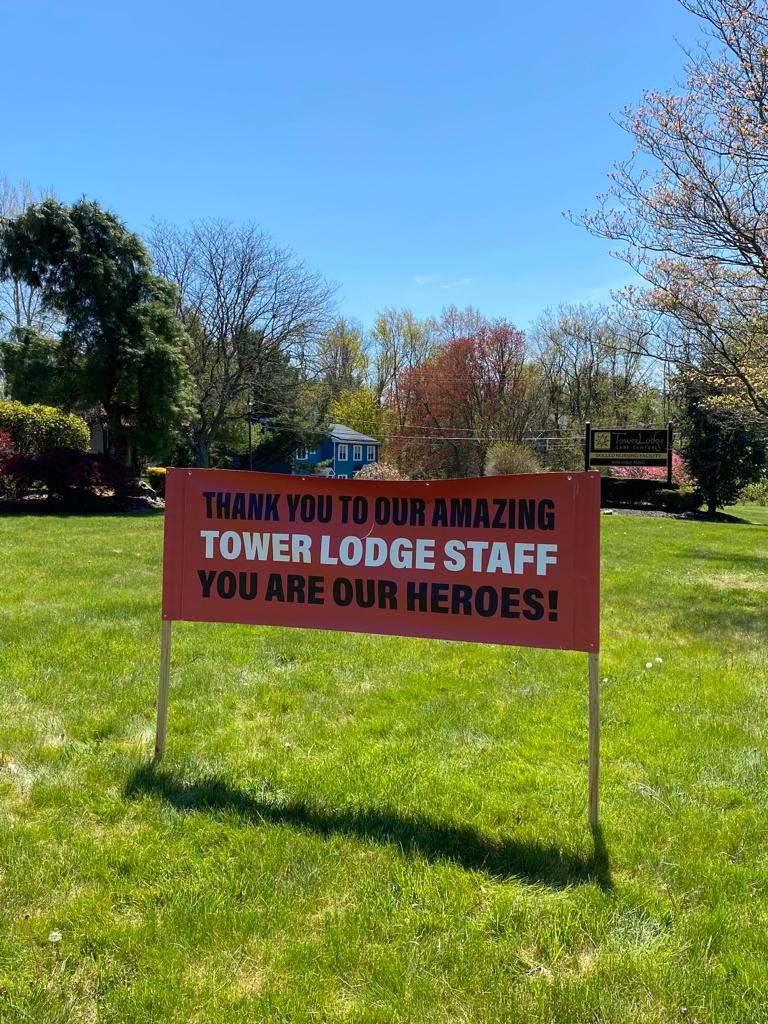
CMS rates TOWER LODGE CARE CENTER's staffing level at 2 out of 5 stars, which is below average compared to other nursing homes. Staff turnover is 56%, which is 10 percentage points above the New Jersey average of 46%. High turnover can affect care consistency as new staff learn residents' individual needs.

What Have Inspectors Found at Tower Lodge?

State health inspectors documented 8 deficiencies at TOWER LODGE CARE CENTER during 2021 to 2024. These included: 8 with potential for harm.
Who Owns and Operates Tower Lodge?

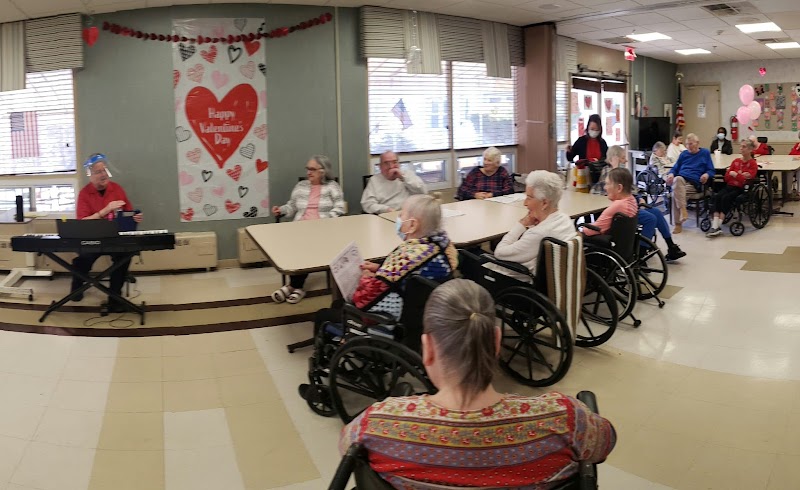
TOWER LODGE CARE CENTER is owned by a for-profit company. For-profit facilities operate as businesses with obligations to shareholders or private owners. The facility operates independently rather than as part of a larger chain. With 60 certified beds and approximately 49 residents (about 82% occupancy), it is a smaller facility located in WALL, New Jersey.

How Does Tower Lodge Compare to Other New Jersey Nursing Homes?

Compared to the 100 nursing homes in New Jersey, TOWER LODGE CARE CENTER's overall rating (5 stars) is above the state average of 3.3, staff turnover (56%) is near the state average of 46%, and health inspection rating (4 stars) is above the national benchmark.

What Should Families Ask When Visiting Tower Lodge?

Based on this facility's data, families visiting should ask: "How do you ensure continuity of care given staff turnover, and what is your staff retention strategy?" "Can you walk me through typical staffing levels on day, evening, and night shifts?" "Can I visit during a mealtime to observe dining assistance and food quality?" "How do you handle medical emergencies, and what is your hospital transfer rate?" These questions are particularly relevant given the facility's high staff turnover rate and the below-average staffing rating.

Is Tower Lodge Safe?

Based on CMS inspection data, TOWER LODGE CARE CENTER has a clean safety record: no substantiated abuse findings (meaning no confirmed cases of resident harm), no Immediate Jeopardy citations (the most serious violation level indicating risk of serious injury or death), and is not on the Special Focus Facility watch list (a federal program monitoring the lowest-performing 1% of nursing homes). The facility has a 5-star overall rating and ranks #1 of 100 nursing homes in New Jersey. While no facility is perfect, families should still ask about staff-to-resident ratios and recent inspection results during their visit.

Do Nurses at Tower Lodge Stick Around?

Staff turnover at TOWER LODGE CARE CENTER is high. At 56%, the facility is 10 percentage points above the New Jersey average of 46%. High turnover means new staff may not know residents' individual needs, medications, or preferences. It can also be disorienting for residents, especially those with dementia who rely on familiar faces. Families should ask: What is causing the turnover? What retention programs are in place? How do you ensure care continuity during staff transitions?

Was Tower Lodge Ever Fined?

TOWER LODGE CARE CENTER has no federal fines on record. CMS issues fines when nursing homes fail to meet care standards or don't correct problems found during inspections. The absence of fines suggests the facility has either maintained compliance or corrected any issues before penalties were assessed. This is a positive indicator, though families should still review recent inspection reports for the full picture.

Is Tower Lodge on Any Federal Watch List?

TOWER LODGE CARE CENTER is not on any federal watch list. The most significant is the Special Focus Facility (SFF) program, which identifies the bottom 1% of nursing homes nationally based on persistent, serious quality problems. Not being on this list means the facility has avoided the pattern of deficiencies that triggers enhanced federal oversight. This is a positive indicator, though families should still review the facility's inspection history directly.