COMPLETE CARE AT WEST CALDWELL LLC
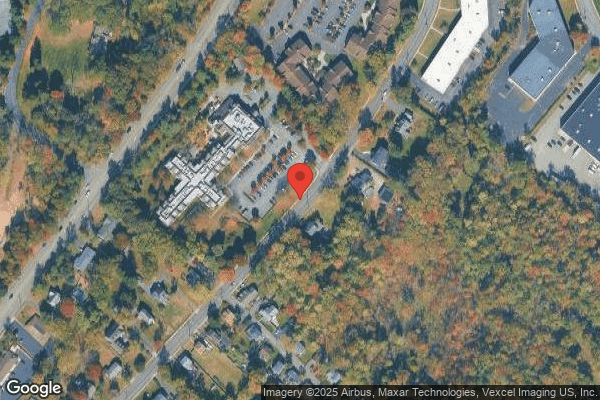
165 FAIRFIELD AVE, WEST CALDWELL, NJ 07006 (973) 226-1100
For profit - Limited Liability company 180 Beds COMPLETE CARE Data: November 2025
Trust Grade
80/100
#123 of 344 in NJ
Last Inspection: March 2025

Within standard 12-15 month inspection cycle. Federal law requires annual inspections.

Overview

Complete Care at West Caldwell LLC has a Trust Grade of B+, indicating that it is above average and recommended for families considering care options. It ranks #123 out of 344 facilities in New Jersey, placing it in the top half of the state's nursing homes, and #12 out of 32 in Essex County, meaning only 11 local options are better. The facility has shown a worsening trend, with reported issues increasing from 1 in 2023 to 6 in 2025. Staffing is a concern here, with a rating of 2 out of 5 stars and a turnover rate of 43%, which is close to the state average. However, there are no fines on record, which is a positive sign, and RN coverage is average, allowing for some oversight in care. Specific incidents noted by inspectors include the facility's failure to have a licensed Nursing Home Administrator on-site, which raises concerns about oversight and adherence to policies. Additionally, there was a failure to adjust medication administration times for a resident undergoing dialysis, potentially compromising care. While the facility has strengths, such as no fines, these issues highlight the need for families to weigh the pros and cons carefully.

Trust Score
B+
80/100
In New Jersey
#123/344
Top 35%
Safety Record
Low Risk
No red flags
Inspections
Getting Worse
1 → 6 violations
Staff Stability
○ Average
43% turnover. Near New Jersey's 48% average. Typical for the industry.
Penalties
✓ Good
No fines on record. Clean compliance history, better than most New Jersey facilities.
Skilled Nurses
○ Average
Each resident gets 33 minutes of Registered Nurse (RN) attention daily — about average for New Jersey. RNs are the most trained staff who monitor for health changes.
Violations
○ Average
9 deficiencies on record. Average for a facility this size. Mostly minor or procedural issues.
★★★★☆
4.0
Overall Rating
★★☆☆☆
2.0
Staff Levels
★★★★★
5.0
Care Quality
★★★☆☆
3.0
Inspection Score
Stable
2023: 1 issues
2025: 6 issues

The Good

  • 5-Star Quality Measures · Strong clinical quality outcomes
  • Full Sprinkler Coverage · Fire safety systems throughout facility
  • No fines on record
  • Staff turnover below average (43%)

    5 points below New Jersey average of 48%

Facility shows strength in quality measures, fire safety.

The Bad

Staff Turnover: 43%

Near New Jersey avg (46%)

Typical for the industry

Chain: COMPLETE CARE

Part of a multi-facility chain

Ask about local staffing decisions and management

The Ugly 9 deficiencies on record

Mar 2025 6 deficiencies
CONCERN (D)

Potential for Harm - no one hurt, but risky conditions existed

Assessment Accuracy (Tag F0641)

Could have caused harm · This affected 1 resident

**NOTE- TERMS IN BRACKETS HAVE BEEN EDITED TO PROTECT CONFIDENTIALITY** Based on observation, interview, and record review it was determined that the facility failed to accurately code the Minimum Dat...

Read full inspector narrative →
**NOTE- TERMS IN BRACKETS HAVE BEEN EDITED TO PROTECT CONFIDENTIALITY** Based on observation, interview, and record review it was determined that the facility failed to accurately code the Minimum Data Set (MDS), an assessment tool used to facilitate the management of care, in accordance with federal guidelines for 1 of 5 residents, Residents #4, reviewed for immunization status. This deficient practice was evidenced by the following: Reference: A review of the CDC's Advisory Committee on Immunization Practices (ACIP) for Pneumococcal Vaccine Recommendations dated/last reviewed on 10/26/24, included the following. The CDC recommended administration of Pneumococcal conjugate vaccine (PCV20 or PCV21) at least 1 year for all adults 50 years or older who have received PCV 13 only at any age. On 03/17/25 at 9:58 AM, the surveyor observed Resident #4 was in bed, the head of the bed was elevated, was administered oxygen via nasal cannula and the concentrator was set to 3 liter per minute. Resident #4 was alert, and conversant. The surveyor reviewed Resident #4's medical record. The admission Record (AR, admission summary) reflected that Resident #4 was admitted to the facility with medical diagnoses which included but were not limited to: chronic obstructive pulmonary disease (COPD; constriction of the airways making it difficult or uncomfortable to breathe), and acute respiratory failure with hypoxia (sudden onset of an inability to breath resulting in decreased levels of oxygen in the blood and to body tissue). Resident #4's most recent quarterly Minimum Data Set (qMDS), an assessment tool used to facilitate the management of care, dated 2/4/25, reflected that the resident had a Brief Interview for Mental Status (BIMS) score of 12 out 15 which indicated the resident's cognition was moderately impaired. Further review of the qMDS dated [DATE], under section O0300 A. Is the resident's Pneumococcal vaccine (PV) up to date? The response was marked 1, which reflected Yes. A review of the electronic Medical Record (eMR) under Immunization reflected Resident #4, received Prevnar 13 on 9/22/21. The paper chart did not reflect declination of Pneumococcal vaccine. On 3/20/25 at 2:16 PM, during a meeting with the Director of Nursing (DON), the Licensed Nursing Home Administrator (LNHA), the Administrator in Training (AIT) and the [NAME] President of Clinical (VPC), the surveyor discussed the concern regarding Resident #4 whose qMDS reflected that the PV was current. On 3/21/25 at 11:01 AM, during a meeting with the surveyors, the DON, the LNHA, and the AIT, the VPC stated that the declination of the PV was provided to another surveyor, and that the qMDS was modified after surveyor inquiry. A review of the modification of MDS reflected the record was modified on 3/20/25 at 5:27 PM. No further information was provided. NJAC 8:39-33.2 (d)
CONCERN (D)

Potential for Harm - no one hurt, but risky conditions existed

Deficiency F0697 (Tag F0697)

Could have caused harm · This affected 1 resident

**NOTE- TERMS IN BRACKETS HAVE BEEN EDITED TO PROTECT CONFIDENTIALITY** Based on observation, interview, and record review it was determined that the facility failed to ensure a pain management regime...

Read full inspector narrative →
**NOTE- TERMS IN BRACKETS HAVE BEEN EDITED TO PROTECT CONFIDENTIALITY** Based on observation, interview, and record review it was determined that the facility failed to ensure a pain management regimen was followed in accordance with physician orders. This deficient practice was identified in 1 of 3 residents reviewed for pain (Resident #2). This deficient practice was evidenced by the following: On 3/17/25 at 9:43 AM, during the initial tour of the facility Resident was observed in bed covered with a blanket. The resident stated that their teeth hurt and may have received pain medication at 6:00 AM that morning. The surveyor reviewed Resident #2's admission Record (an admission summary) which showed that Resident #2 was admitted to the facility with diagnoses which included but were not limited to: non pressure chronic ulcer of both lower leg ( persistent open wounds on both legs that are a result from prolonged venous insufficiency (condition wherein the veins cant manage the blood flow) and peripheral vascular disease ( a condition that affects the blood vessels causing narrowing, blockage or spasms). A review of the quarterly Minimum Data Set (qMDS) dated [DATE], indicated the resident had a Brief Interview of Mental Status (BIMS) score of 3 out of 15, which indicated the resident has a severely impaired cognition. Review of Section J, titled Health Conditions, revealed that the resident had a pain assessment completed. It showed that the resident had an as needed (PRN) pain medication, had pain occasionally, had pain that interrupted sleep occasionally, and had pain that had interfered on day-to-day activities occasionally. Pain intensity for the five days prior to the assessment was eight, meaning it was severe pain on a scale of one (least severe) to ten (most severe). A review of Resident #2's Order Summary Report for March 2025, reflected an order for Oxycodone -Acetaminophen 5 milligram (mg)/325 mg (Percocet; a narcotic pain reliever). Give one (1) tablet every 6 hours as needed for pain scale of 7 to 10. The order was started on 11/13/24. A review of the Resident #2's electronic Medication Administration Record for March 2025, revealed the following: Resident #2 received Percocet 5/325 mg on 3/1/25 for pain level of three at 3:51 PM. Resident #2 received Percocet 5/325 mg on 3/3/25 for pain level of six at 8:53 PM. Resident #2 received Percocet 5/325 mg on 3/7/25 for pain level of three at 2:16 AM. Resident #2 received Percocet 5/325 mg on 3/16/25 for pain level of five at 8:31 AM. On 3/21/25 at 11:40 AM, during a meeting with two surveyors, the [NAME] President of Clinical (VPC) and the Infection Preventionist (IP), the surveyor discussed the concern regarding Resident #2 who had a severely impaired cognition, the administered Percocet for pain scale below 7 against the physician's order and the appropriateness of the pain scale interview for Resident #2. On 3/21/25 at 12:35 PM, during a follow-up meeting with a surveyor, the VPC acknowledged and confirmed the administration of Percocet was incorrect and that the nurses would be educated. A review of the provided facility policy, Administering Medications, dated/revised 10/2022, included under policy statement that medications shall be administered in a safe, timely manner, and as prescribed. NJAC-8:39-27.1 (a)
CONCERN (D)

Potential for Harm - no one hurt, but risky conditions existed

Drug Regimen Review (Tag F0756)

Could have caused harm · This affected 1 resident

Based on interview, record review, and review of facility documents, it was determined that the facility failed to ensure the Consultant Pharmacist identified a drug, Levothyroxine for hypothyroidism ...

Read full inspector narrative →
Based on interview, record review, and review of facility documents, it was determined that the facility failed to ensure the Consultant Pharmacist identified a drug, Levothyroxine for hypothyroidism was spaced 4 hours apart from Calcium Carbonate, in accordance with manufacturer's specifications. This deficient practice was identified for 1 of 5 residents (Resident #4) reviewed for unnecessary medications and was evidenced by the following: Reference: According to the manufacturer's specifications for Levoxyl (Levothyroxine) section 7. Drug Interactions, under table 2. Calcium Carbonate may form an insoluble chelate with levothyroxine, . Administer Levoxyl at least 4 hours apart from these agents. Reference: According to the manufacturer's specifications for Synthroid (Levothyroxine) section 7. Drug Interactions, under table 2. Calcium Carbonate concurrent use may reduce efficacy of Synthroid by binding and delayinng or preventing absorption, potentially resulting in hypothyroidism . Administer Synthroid at least 4 hours apart from these agents. The admission Record (AR, admission summary) reflected that Resident #4 was admitted to the facility with medical diagnoses which included but were not limited to: chronic obstructive pulmonary disease (COPD; constriction of the airways making it difficult or uncomfortable to breathe), and acute respiratory failure with hypoxia (sudden onset of an inability to breath resulting in decreased levels of oxygen in the blood and to body tissue). Review of Resident #4's March 2025 electronic Medication Administrator Record included the following orders: Levothyroxine 150 microgram (mcg), give 1 tablet one time a day for low thyroid hormone. The order date was on 2/17/24 and the administration time was scheduled for 6:00 AM. Calcium Carbonate 600 mg. give 1 tablet by mouth two times a day for supplement. Give with meals and within 30 minutes of meals. The order date was on 11/19/24 and the administration time was scheduled for 9:00 AM and 5:00 PM. Review of Resident #4's February 2025 electronic Medication Administrator Record included the following orders: Levothyroxine 175 mcg, give 1 tablet one time a day for low thyroid hormone. The order date was on 12/16/24 and the administration time was scheduled for 6:00 AM until 2/17/25. On 2/18/25, the administration time was changed to 9:00 AM, a charting omission on 2/19/25 and was returned to 6:00 AM on 2/22/25. Calcium Carbonate 600 mg. give 1 tablet by mouth two times a day for supplement. Give with meals and within 30 minutes of meals. The order date was on 11/19/24 and the administration time was scheduled for 9:00 AM and 5:00 PM. A review of the Consultant Pharmacist's Summary Report from 11/01/2024 through 03/18/2024, did not include a recommendation to separate the Calcium Carbonate and Levothyroxine at least 4 hours apart in accordance with manufacturer's specifications. On 3/20/25 at 10:46 AM, during an interview with the surveyor, the Consultant Pharmacist (CP) stated that the resident had orders for Calcium, Ferrous Sulfate and Levothyroxine which made the spacing of administration complicated. At that time, the CP did not make the recommendation based on his professional opinion he was satisfied with the spacing of medication and that the resident was spaced three (3) to four (4) hours. The dosing of Levothyroxine was reduced from 175 mcg to 150 mcg in February 2025 and did not show worsening. A review of the facility provided, Resident #4's Thyroid panel collected on 1/22/25, reflected the thyroid stimulating hormone was 0.11 and was below normal limits (reference range 0.3 to 4.2), the Free T4 was 1.9 and was higher than normal limits (reference range 0.9 to 1.7). A review of the facility provided, Resident #4's Thyroid panel collected on 3/14/25, reflected the thyroid stimulating hormone was 1.88 and within normal limits (reference range 0.3 to 4.2), the Free T4 was 1.2 and within normal limits (reference range 0.9 to 1.7). On 3/20/25 at 2:16 PM, during a meeting with the Director of Nursing (DON), the Licensed Nursing Home Administrator (LNHA), the Administrator in Training (AIT) and the [NAME] President of Clinical (VPC), the surveyor discussed the concern regarding the Medication Regimen Review for Resident #4, wherein the spacing of the Calcium Carbonate and Levothyroxine was not identified as an irregularity by the CP and was not in accordance with the manufacturer's specification. A review of the facility provided documentation, Artificial Intelligence (AI) overview from the CP reflected under timing reflected that it was recommended to take Synthroid at least 3 to 4 hours before or after consuming calcium supplements or calcium-rich foods. The 3 hours spacing was not reflected on the manufacturer's specifications. A review of the facility provided policy for Medication Regiment Review (MRR), dated/revised November 2023 included that the MRR involved a thorough review of the resident's medical record to prevent, identify, report and resolve medication related problems, medication errors and other irregularities . NJAC 8:39-29.3
CONCERN (E) 📢 Someone Reported This

A family member, employee, or ombudsman was alarmed enough to file a formal complaint

Potential for Harm - no one hurt, but risky conditions existed

Deficiency F0698 (Tag F0698)

Could have caused harm · This affected multiple residents

NJ 163118 Based on observation, interview, record review, and review of facility documents, it was determined that the facility failed to adjust medication administration times to accommodate for sche...

Read full inspector narrative →
NJ 163118 Based on observation, interview, record review, and review of facility documents, it was determined that the facility failed to adjust medication administration times to accommodate for scheduled dialysis times. This deficient practice was identified for 1 of 2 resident (Resident #341) reviewed for dialysis and was evidenced by the following: On 3/18/25 at 12:49 PM, the surveyor reviewed the closed records for Resident #341. A review of the admission Record, an admission summary, revealed the resident had diagnoses which included, but were not limited to; end stage renal (kidney) disease, chronic kidney diseases and diabetes mellitus with diabetic polyneuropathy (multiple nerves throughout the body become damaged or dysfunctional). A review of the quarterly Minimum Data Set (MDS), an assessment tool used to facilitate the management of care, dated 7/13/23, included the resident had a Brief Interview for Mental Status score of 15 out of 15, which indicated the resident's cognition was intact. Further review of the MDS revealed the resident received dialysis while a resident at the facility. A review of the individual comprehensive care plan (ICCP) included a focus area, dated 4/26/23, that the resident had altered health maintenance, unstable blood sugars. The ICCP interventions included Diabetes medication as ordered by doctor. Monitor/document for side effects and effectiveness, dated 4/26/23. The ICCP did not include any interventions to schedule medications around the resident's scheduled dialysis times. A review of the Order Summary Report (OSR), dated as of 8/16/23, included the following physician orders (PO): A PO, dated 4/25/23, for dialysis on Mondays, Wednesdays, and Fridays with a chair time of 2:00 PM and a pickup time of 9:00 AM. A review of the August 2023, electronic Medication Administration Record (eMAR) included the following POs: -Novolog Flex Pen subcutaneous solution pen injector 100 unit/ml, inject 12 units subcutaneously in the evening for diabetes mellitus, to be given 15 minutes before dinner. The order was initiated on 7/11/23 and ended on 8/8/23. The Novolog was scheduled to be administered daily at 4:30 PM. Further review revealed the following: On Wednesday, 8/2/23, the administration was marked x and charted with a code of 9 (sleeping). On Friday, 8/4/23, the administration was marked x and charted with a code of 9 (sleeping). On Monday, 8/7/23, the administration was marked x and charted with a code of 9 (sleeping). -Novolog Flex Pen subcutaneous solution pen injector 100 unit/ml, inject 14 units subcutaneously in the evening for diabetes mellitus, to be given 15 minutes before dinner. The order was initiated on 8/8/23 and ended on 9/2/23. The Novolog was scheduled to be administered daily at 4:30 PM. Further review revealed the following: On Wednesday, 8/9/23, the administration was marked x and charted with a code of 9 (sleeping). On Friday, 8/11/23, reflected a charting blank. On Monday, 8/14/23, the administration was marked x and charted with a code of 9 (sleeping). On Wednesday, 8/16/23, the administration was marked administered. A review of the Medication Administration Audit Report (MAAR) for 8/16/23, reflected the Novolog was administered at 7:43 PM. On Friday, 8/18/23, the administration was marked x and charted with a code of 9 (sleeping). On Monday, 8/21/23, the administration was marked x and charted with a code of 9 (sleeping). On Wednesday, 8/23/23, the administration was marked administered. A review of the MAAR for 8/23/23, reflected the Novolog was administered at 9:33 PM. On Wednesday, 8/25/23, the administration was marked administered. A review of the MAAR for 8/25/23, reflected the Novolog was administered at 9:17 PM. On Wednesday, 8/28/23, the administration was marked administered. A review of the MAAR for 8/28/23, reflected the Novolog was administered at 8:25 PM. On Friday, 8/30/23, the administration was marked administered. A review of the MAAR for 8/30/23, reflected the Novolog was administered at 8:53 PM. A review of the Resident 341's lab results did not reflect the A1C was checked (hemoglobin A1C; a laboratory (lab) blood test that measures the average amount of sugar in the blood over the past three months) while in the facility. The closed record provided by the facility did not include A1C results from the dialysis center. A review of the Nurse's Progress Note on 9/2/23, reflected Resident #341 was discharged to home. On 3/20/25 at 2:16 PM, during a meeting with the Director of Nursing (DON), the Licensed Nursing Home Administrator (LNHA), the Administrator in Training (AIT) and the [NAME] President of Clinical (VPC), the surveyor discussed the concern regarding Resident #341's Novolog that was scheduled for administration everyday at 4:30 PM, while the resident was at dialysis center for treatment and the concern that the A1C for the resident was not reflected in the resident's medical record. On 3/21/25 at 11:01 AM, during a meeting with the surveyors, the DON, the LNHA, and the AIT, the VPC stated that facility conducted mock survey on 1/7/25, and identified that medication administration times and hemodialysis times were not consistent with the facility's policy and procedure. The VPC also stated that the hemodialysis center (HDC) had taken the resident's labs monthly. The process was that the HDC obtained labs, and the facility had the ability to request additional labs to be drawn on the next lab draw. A review of the provided facility policy for Hemodialysis, dated/revised 1/25, included, the licensed nurse will communicate to the dialysis facility via telephonic communication or written format, such as dialysis communication form or other form, to include but not limit itself to timely medication administration (initiated, held, or discontinued) by the nursing home and/or dialysis facility; physician/treatment orders, laboratory values and vital signs . NJAC: 8:39-11.2(b), 27.1(a), 29.2(a)(d)
CONCERN (F)

Potential for Harm - no one hurt, but risky conditions existed

Administration (Tag F0835)

Could have caused harm · This affected most or all residents

Based on observations, interviews, and record review, it was determined that the facility failed to ensure that there was a Licensed Nursing Home Administrator (LNHA) who was licensed in New Jersey (N...

Read full inspector narrative →
Based on observations, interviews, and record review, it was determined that the facility failed to ensure that there was a Licensed Nursing Home Administrator (LNHA) who was licensed in New Jersey (NJ), who was actively involved in daily oversight to ensure all policies and procedures were implemented and followed in the facility to ensure the residents' physical and psychosocial care needs were met. Refer to F 837 F The evidence was as follows: On 3/17/25 at 8:28 AM, the surveyor observed a posted chain of command on a bulletin board within the facility's entrance that had the Acting Administrator (AA) at the top of list with the letters LNHA and MPA (Master of Public Administration) next to his name. On 3/17/25 at 9:10 AM, the surveyor interviewed the Director of Nursing (DON), who stated that the facility's administrator was the AA, and that he was stuck in traffic, but on his way to the facility. At that time, the surveyor requested the AA's nursing home administrator's license, and the DON stated he would get it from the AA when he arrived at the facility. On 3/17/25 at 9:40 AM, the surveyor interviewed the AA, who stated that he was the administrator for the facility. The surveyor requested a copy of his license, and the AA stated that he was licensed in the state of [name redacted] as an administrator. The AA then stated that he was the administrator for this facility since August of 2024. The AA stated that there was another staff member, who was the LNHA, LNHA #1, who was licensed in NJ and that the facility contacted him as needed, up to daily and he came here every now and then. The AA stated that he was waiting on reciprocity from the state of NJ and the facility was being ran by LNHA #1. The surveyor asked when the last time that LNHA #1 was here in the facility, and the AA stated that he was not sure when LNHA #1 was last here, that LNHA #1 was currently on vacation. On 3/17/25 at 9:45 AM, the surveyor interviewed RDO #1, who stated that the administrator was the AA, and that the AA was waiting on reciprocity from NJ. RDO #1 then stated that LNHA #1, who was licensed in NJ, was the person that the facility contacted if needed for administrative purposes. RDO #1 stated that he was not sure the last time that LNHA #1 was at the facility. On 3/17/25 at 9:50 AM, the surveyor interviewed the Receptionist, who stated that the administrator was the AA. The Receptionist then stated that the AA's name was posted at the entrance to the facility. On 3/17/25 at 9:55 AM, the surveyor interviewed the Registered Nurse (RN #1), who stated that the administrator was the AA. RN #1 continued that there used to be a different administrator, LNHA #1, who quit many months ago and she had not seen him since that time. RN #1 stated that she had worked here for over 20 years. On 3/17/25 at 9:57 AM, the surveyor interviewed the Maintenance Employee, who stated that he had worked at the facility for two months and that the administrator was the AA. A review of a letter from Human Resources, dated 12/17/24, to the New Jersey Department of Health, revealed that [AA] had the job title of the administrator with a start date of 8/12/24, and the work schedule was 40 hours per week. A review of the Quality Assurance Performance Improvement (QAPI) committee, which was from the 3rd quarter (July 2024 to September 2024) and the 4th quarter (October 2024 to January 2025), revealed that the AA signed that he had attended the QAPI meetings as the LNHA. A review of the Administrator Job Offer signed by the AA and the Regional Director of Operations (RDO # 2) on 8/8/24, revealed: The offer [to the AA] is contingent upon successful completion of . maintenance of the appropriate licenses. A review of the Administrator Job Description signed by the AA on 8/19/24, revealed: Purpose of the job position is to manage the facility in accordance with current applicable federal, state, and local standards, guidelines, and regulations that govern long-term care facilities, to follow all facility policies and apply them to all employees, to ensure the highest degree of quality care is provided to our residents at all times. Education and Qualifications of Administrator: Must be a NJ Nursing Home Administrator. NJAC 8:39-9.2(a)2
CONCERN (F)

Potential for Harm - no one hurt, but risky conditions existed

Deficiency F0837 (Tag F0837)

Could have caused harm · This affected most or all residents

Based on observation, interview, and record review, it was determined that the facility failed to ensure that the Governing Body (GB) appointed a Licensed Nursing Home Administrator (LNHA) who was act...

Read full inspector narrative →
Based on observation, interview, and record review, it was determined that the facility failed to ensure that the Governing Body (GB) appointed a Licensed Nursing Home Administrator (LNHA) who was actively licensed in the state of New Jersey (NJ) to implement the facility's policies and procedures to ensure the residents' physical and psychosocial care needs were met. Refer to F 835 F The evidence was as follows: On 3/17/25 at 8:28 AM, the surveyor observed a posting of the chain of command in the facility's entrance. The Acting Administrator (AA) was listed at the top of the list with the letters LNHA and MPA (Master of Public Administration) next to his name. On 3/17/25 at 9:10 AM, the surveyor interviewed the Director of Nursing (DON), who stated that the facility's administrator was the AA, and that he was stuck in traffic, but he was on the way to the facility. At that time, the surveyor requested the AA's nursing home administrator's license, and the DON said that he would get it from the AA when he arrived at the facility. On 3/17/25 at 9:40 AM, the surveyor interviewed the AA, who stated that he was the administrator for the facility. When the surveyor requested a copy of his license, the AA stated that he was licensed in the state of [name redacted] as a nursing home Administrator. Then the AA stated that he was the administrator for this facility since August of 2024. The AA stated that there was another staff member, who was the LNHA (LNHA #1), who was licensed in NJ and that the facility contacted him as needed, up to daily and he came here every now and then. The AA stated that he was in reciprocity for the state of NJ and things were ran by LNHA #1. The surveyor asked when the last time that LNHA #1 was here in the facility, and the AA stated that he was not sure when LNHA #1 was last here, that LNHA #1 was currently on vacation. On 3/17/25 at 9:45 AM, the surveyor interviewed the Regional Director of Operations (RDO #1), who stated that the administrator was the AA, and that he was waiting on reciprocity from NJ. RDO #1 then stated that LNHA #1 had a NJ administrator's license, and he was the person that the facility contacted if needed for administrative purposes. RDO # 1 stated he was not sure the last time that LNHA #1 was at the facility. On 3/17/25 at 9:50 AM, the surveyor interviewed the receptionist, who stated that the administrator was the AA. The receptionist then stated that his name was posted at the entrance to the facility. On 3/17/25 at 9:55 AM, the surveyor interviewed the Registered Nurse (RN #1), who stated that the administrator was the AA. RN #1 stated that there used to be a different administrator, LNHA #1, who quit many months ago and she had not seen him since that time. RN #1 stated that she had worked here for over 20 years. On 3/17/25 at 9:57 AM, the surveyor interviewed a maintenance employee, who stated that he had worked at the facility for two months, and the AA was the administrator. A review of the Administrator Job Offer, signed by the AA and RDO # 2 on 8/8/24, revealed: The offer [to the AA] is contingent upon successful completion of . maintenance of the appropriate licenses. A review of a letter from Human Resources dated 12/17/24, sent to the New Jersey Department of Health (NJDOH) revealed that the AA had the job title of the administrator with a start date of 8/12/24, and the work schedule was 40 hours per week. A review of the Quality Assurance Performance Improvement (QAPI) committee, which was from the 3rd quarter (July 2024 to September 2024) and the 4th quarter (October 2024 to January 2025), revealed that the AA signed that he had attended the QAPI meetings as the LNHA. A review of the Facility Assessments (FA) dated 7/10/24 and 11/15/24, Guidelines for Conducting the Facility Assessment, indicated that to ensure the required thoroughness of the assessment, the GB should include at a minimum the administrator, a GB representative, the Medical Director and the DON. The FA indicated that the GB consisted of RDO #2 and RDO #3, Owner # 1, Owner # 2, and the Medical Director. On 3/19/25 at 1:30 PM, the surveyor interviewed RDO #3, who stated that RDO #2 was involved with the hiring process of the AA. RDO #3 stated that she was involved with the training of the AA in his position as the administrator for the facility. On 3/20/25 at 11:00 AM, the surveyor received and reviewed the August 2024 through March 2025, calendars for the weekly meetings for oversight of the AA. The calendars indicated that RDO #3 held meetings every Tuesday at 10:00 AM with the facility. On 3/20/25 at 11:30 AM, the survey team was unable to interview the Medical Director who was out of the country. On 3/20/25 at 12:30 PM, the surveyor interviewed the Director of Clinical Services (DCS), who stated that RDO #2 and RDO #3 provided oversight to the AA while he was working at the facility without a NJ nursing home administrator's license. On 3/20/25 at 1:25 PM, the surveyor interviewed Owner #1, who stated that he was aware that the AA did not have a NJ nursing home administrator's license. Owner #1 stated that he thought the previous LNHA was supposed to remain employed with the facility to oversee the AA until he received reciprocity. On 3/20/25 at 2:10 PM, the surveyor reviewed LNHA #1's employee payroll record which revealed that the last date he worked was 8/12/24. A review of the Administrator Job Description signed by the AA on 8/19/24, revealed: Purpose of the job position is to manage the facility in accordance with current applicable federal, state, and local standards, guidelines, and regulations that govern long-term care facilities; to follow all facility policies and apply them to all employees; to ensure the highest degree of quality care is provided to our residents at all times; Education and Qualifications of Administrator: Must be a NJ Nursing Home Administrator. A review of the facility's Governing Body policy dated 1/1/23, included that the GB is legally responsible for establishing and implementing policies regarding the management and operation of the facility. The GB will appoint an administrator who is licensed by the state where required; responsible for management of the facility; and reports to and is accountable to the GB. The GB will have a process in place by which the administrator reports to the GB; a method of communication between the administrator and the GB; how the administrator is held accountable and reports information to the facility's management and operation; and how the administrator and the GB are involved with the facility wide assessment. NJAC 8:39-9.4(a)
Mar 2023 1 deficiency
CONCERN (D) 📢 Someone Reported This

A family member, employee, or ombudsman was alarmed enough to file a formal complaint

Potential for Harm - no one hurt, but risky conditions existed

ADL Care (Tag F0677)

Could have caused harm · This affected 1 resident

Deficiency Text Not Available

Read full inspector narrative →
Deficiency Text Not Available
Oct 2020 2 deficiencies
CONCERN (D)

Potential for Harm - no one hurt, but risky conditions existed

Deficiency F0658 (Tag F0658)

Could have caused harm · This affected 1 resident

**NOTE- TERMS IN BRACKETS HAVE BEEN EDITED TO PROTECT CONFIDENTIALITY** Based on observation, interview, and record review, it was determined that the facility failed to ensure that medication were ad...

Read full inspector narrative →
**NOTE- TERMS IN BRACKETS HAVE BEEN EDITED TO PROTECT CONFIDENTIALITY** Based on observation, interview, and record review, it was determined that the facility failed to ensure that medication were administered according to physician orders and acceptable standards of practice in accordance with the New Jersey Board of Nursing Statues for 1 of 23 residents (Resident #33) reviewed. This deficient practice was evidenced by the following: Reference: New Jersey Statues Annotated, Title 45, Chapter 11. Nursing Board. The Nurse Practice Act for the State of New Jersey states: The practice of nursing as a licensed practical nurse is defined as performing tasks and responsibilities within the framework of casefinding; reinforcing the patient and family teaching program through health teaching, health counseling and provision of supportive and restorative care, under the direction of a registered nurse or licensed or otherwise legally authorized physician or dentist. On 10/27/20 at 8:55 AM, during the medication observation pass, the surveyor observed a Licensed Practical Nurse (LPN) taking Resident #33's blood pressure which was 129/70. The surveyor then observed the LPN administer Losartan 50 mg, Abilify 5 mg, Ferrex-150 mg, Hydrochlorothiazide 12.5 mg, Januvia 25 mg, Vitamin C 500 mg and Protonix 40 mg to Resident #33. The surveyor reviewed Resident #33's medical record. The resident was admitted to the facility on [DATE] with a diagnosis of Hypertension and Cardiac Artery Disease. A review of the October 2020 Physician's Order (PO) revealed a physician order dated 2/4/20 for Losartan 50 mg tablet 1 tablet by mouth every day for hypertension. The order also noted to hold the medication for Systolic Blood Pressure less than 130. The surveyor also reviewed the October 2020 Medication Administration Record for Resident #33 which had an order for Losartan 50 mg 1 tablet by mouth every day and hold the medication for Systolic Blood Pressure less than 130. The MAR order entry for 10/27/20 at 9 AM revealed that the LPN signed the order as being administered with a BP of 129/70. The surveyor interviewed the LPN who stated that she should have held Resident #33's Losartan because the resident's systolic blood pressure was less than 130. On 10/27/20 at 1:30 PM, the surveyor discussed the above concern with the Director of Nursing and the Administrator. No additional information was provided. A review of the facility's policy titled Medication and Treatment Record Administration under #6 g. Check medication container label against transcribed medication order written on the Medication and Administration Treatment Record, for the following: Resident's name, medication name, medication dose, medication route and frequency of medication administration. NJAC: 8-39-27.1 (a)
CONCERN (D)

Potential for Harm - no one hurt, but risky conditions existed

Infection Control (Tag F0880)

Could have caused harm · This affected 1 resident

Based on observation, interview, and record review, it was determined that the facility failed to ensure that hand hygiene was performed to prevent the spread of infection. This deficient practice was...

Read full inspector narrative →
Based on observation, interview, and record review, it was determined that the facility failed to ensure that hand hygiene was performed to prevent the spread of infection. This deficient practice was identified for 1 (occupational therapist) of 10 facility staff members reviewed for hand hygiene. This deficient practice was evidenced by the following: On 10/22/20 at 10:58 AM, the surveyor observed an occupational therapist exiting room # 231 which was a cohort room to observe for symptoms of COVID-19. The occupational therapist did not perform hand hygiene when she exited the room or when she exited the observation unit for new or re-admissions. On that same day, the surveyor interviewed the occupational therapist who stated I felt I was not in contact with the resident. She confirmed she had training on infection control practices related to COVID-19 On 10/29/20 at 11:40 AM, the surveyor interviewed the occupational therapist who stated, I should have washed my hands with soap and water before leaving the room. A review of the hand hygiene revised 1/1/11 policy provided by the Administrator indicated that all personnel working in the facility are required to wash their hands after resident contact .The organization follows CDC [Center for Disease Control] hand hygiene guidelines. NJAC 8:39-19.4 (n)
Understanding Severity Codes (click to expand)
Life-Threatening (Immediate Jeopardy)
J - Isolated K - Pattern L - Widespread
Actual Harm
G - Isolated H - Pattern I - Widespread
Potential for Harm
D - Isolated E - Pattern F - Widespread
No Harm (Minor)
A - Isolated B - Pattern C - Widespread

Questions to Ask on Your Visit

  • "Can I speak with families of current residents?"
  • "What's your RN coverage like on weekends and overnight?"

Our Honest Assessment

Strengths
  • • Grade B+ (80/100). Above average facility, better than most options in New Jersey.
  • • No major safety red flags. No abuse findings, life-threatening violations, or SFF status.
  • • No fines on record. Clean compliance history, better than most New Jersey facilities.
  • • 43% turnover. Below New Jersey's 48% average. Good staff retention means consistent care.
Concerns
  • • No significant concerns identified. This facility shows no red flags across CMS ratings, staff turnover, or federal penalties.
Bottom line: Generally positive indicators. Standard due diligence and a personal visit recommended.

About This Facility

What is Complete Care At West Caldwell Llc's CMS Rating?

CMS assigns COMPLETE CARE AT WEST CALDWELL LLC an overall rating of 4 out of 5 stars, which is considered above average nationally. Within New Jersey, this rating places the facility higher than 99% of the state's 100 nursing homes. This rating reflects solid performance across the metrics CMS uses to evaluate nursing home quality.
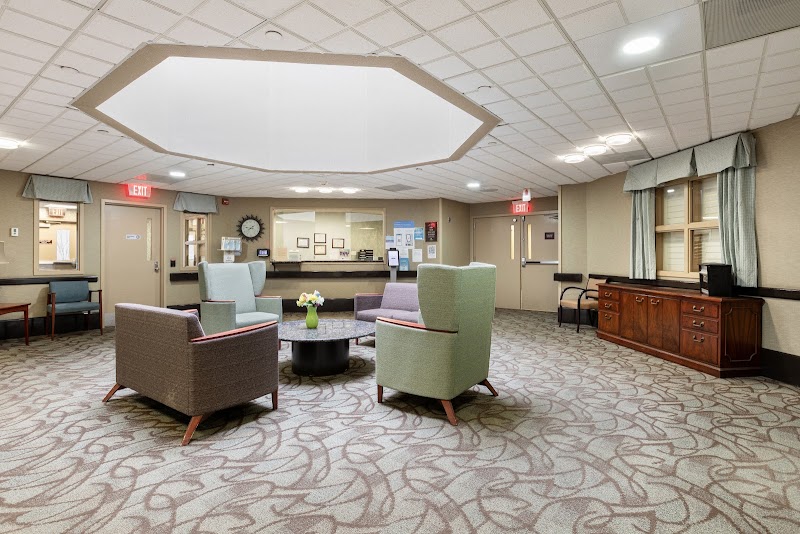
How is Complete Care At West Caldwell Llc Staffed?

CMS rates COMPLETE CARE AT WEST CALDWELL LLC's staffing level at 2 out of 5 stars, which is below average compared to other nursing homes. Staff turnover is 43%, compared to the New Jersey average of 46%. This relatively stable workforce can support continuity of care. RN turnover specifically is 57%, which is notably high. RNs provide skilled clinical oversight, so turnover in this role can affect medical care quality.

What Have Inspectors Found at Complete Care At West Caldwell Llc?

State health inspectors documented 9 deficiencies at COMPLETE CARE AT WEST CALDWELL LLC during 2020 to 2025. These included: 9 with potential for harm.

Who Owns and Operates Complete Care At West Caldwell Llc?

COMPLETE CARE AT WEST CALDWELL LLC is owned by a for-profit company. For-profit facilities operate as businesses with obligations to shareholders or private owners. The facility is operated by COMPLETE CARE, a chain that manages multiple nursing homes. With 180 certified beds and approximately 134 residents (about 74% occupancy), it is a mid-sized facility located in WEST CALDWELL, New Jersey.
How Does Complete Care At West Caldwell Llc Compare to Other New Jersey Nursing Homes?

Compared to the 100 nursing homes in New Jersey, COMPLETE CARE AT WEST CALDWELL LLC's overall rating (4 stars) is above the state average of 3.3, staff turnover (43%) is near the state average of 46%, and health inspection rating (3 stars) is at the national benchmark.

What Should Families Ask When Visiting Complete Care At West Caldwell Llc?

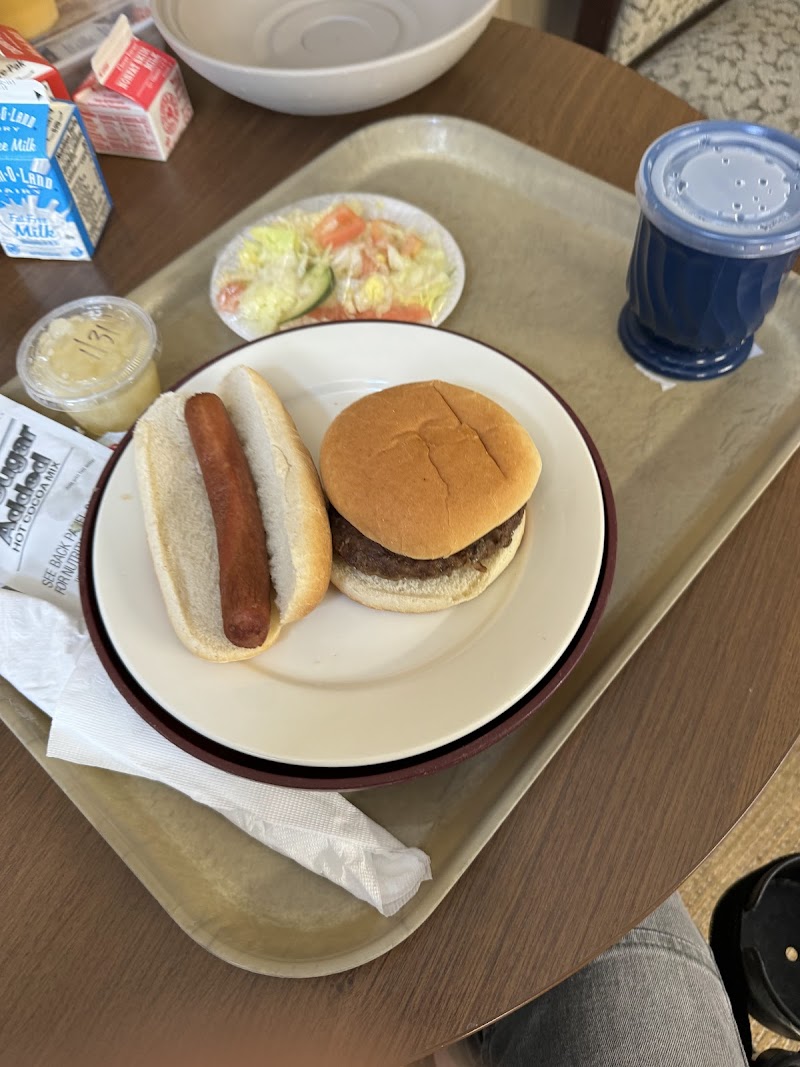
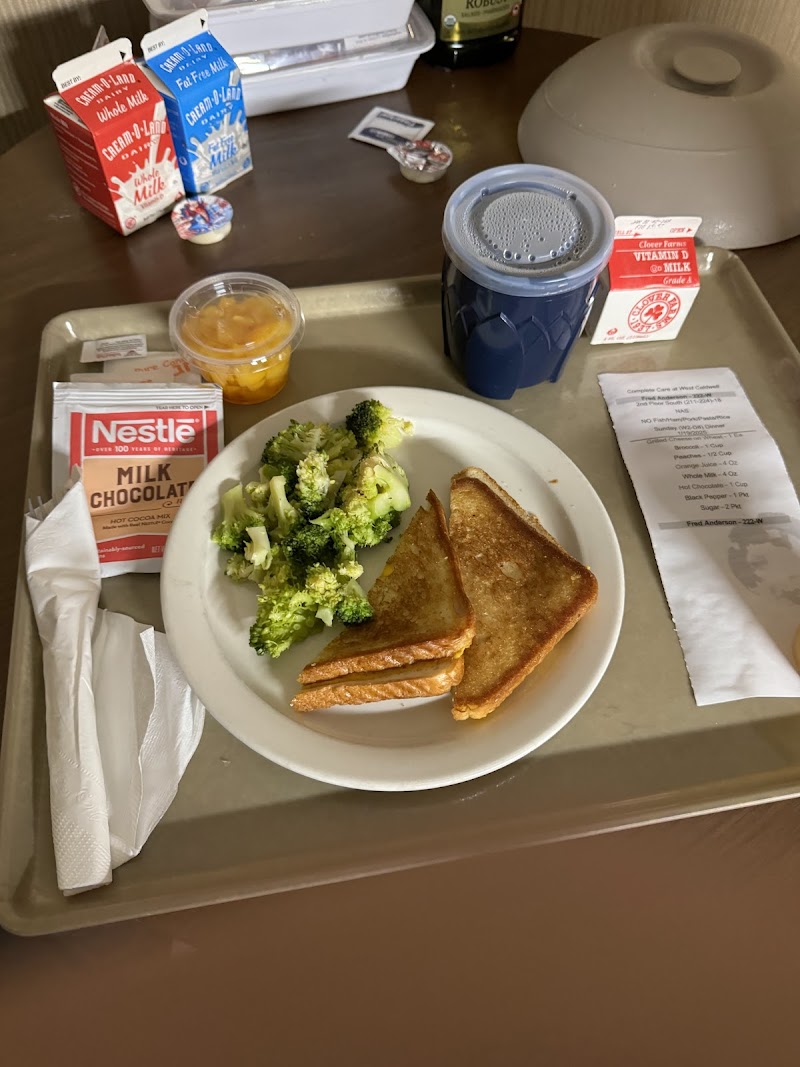
Based on this facility's data, families visiting should ask: "Can you walk me through typical staffing levels on day, evening, and night shifts?" "Can I visit during a mealtime to observe dining assistance and food quality?" "How do you handle medical emergencies, and what is your hospital transfer rate?" "Can I speak with family members of current residents about their experience?" These questions are particularly relevant given the below-average staffing rating.

Is Complete Care At West Caldwell Llc Safe?

Based on CMS inspection data, COMPLETE CARE AT WEST CALDWELL LLC has a clean safety record: no substantiated abuse findings (meaning no confirmed cases of resident harm), no Immediate Jeopardy citations (the most serious violation level indicating risk of serious injury or death), and is not on the Special Focus Facility watch list (a federal program monitoring the lowest-performing 1% of nursing homes). The facility has a 4-star overall rating and ranks #1 of 100 nursing homes in New Jersey. While no facility is perfect, families should still ask about staff-to-resident ratios and recent inspection results during their visit.

Do Nurses at Complete Care At West Caldwell Llc Stick Around?

COMPLETE CARE AT WEST CALDWELL LLC has a staff turnover rate of 43%, which is about average for New Jersey nursing homes (state average: 46%). Moderate turnover is common in nursing homes, but families should still ask about staff tenure and how the facility maintains care continuity when employees leave.

Was Complete Care At West Caldwell Llc Ever Fined?

COMPLETE CARE AT WEST CALDWELL LLC has no federal fines on record. CMS issues fines when nursing homes fail to meet care standards or don't correct problems found during inspections. The absence of fines suggests the facility has either maintained compliance or corrected any issues before penalties were assessed. This is a positive indicator, though families should still review recent inspection reports for the full picture.

Is Complete Care At West Caldwell Llc on Any Federal Watch List?

COMPLETE CARE AT WEST CALDWELL LLC is not on any federal watch list. The most significant is the Special Focus Facility (SFF) program, which identifies the bottom 1% of nursing homes nationally based on persistent, serious quality problems. Not being on this list means the facility has avoided the pattern of deficiencies that triggers enhanced federal oversight. This is a positive indicator, though families should still review the facility's inspection history directly.