ALARIS HEALTH AT WEST ORANGE
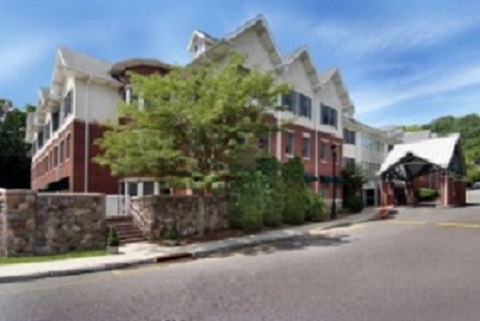
5 BROOK END DRIVE, WEST ORANGE, NJ 07052 (973) 324-3000
For profit - Individual 120 Beds ALARIS HEALTH Data: November 2025 1 Immediate Jeopardy citation
Trust Grade
46/100
#161 of 344 in NJ
Last Inspection: December 2024

Within standard 12-15 month inspection cycle. Federal law requires annual inspections.

Overview

Alaris Health at West Orange has a Trust Grade of D, indicating below-average performance with some concerns. They rank #161 out of 344 nursing homes in New Jersey, placing them in the top half, and #15 out of 32 in Essex County, suggesting that there are only a few local options performing better. The facility's trend is stable, with the number of issues remaining consistent at six over the past two years. Staffing is a strong point, rated 5 out of 5 stars, with a turnover of 43%, which is about average for the state. However, the facility has faced significant fines totaling $18,000, which is concerning, and there have been serious incidents where residents were given food they were allergic to and a resident suffered severe injuries from a falling side rail, raising red flags about safety practices. While the RN coverage is better than 83% of New Jersey facilities, ensuring higher quality care, the facility still has notable weaknesses in safety and adherence to dietary requirements, which families should carefully consider.

Trust Score
D
46/100
In New Jersey
#161/344
Top 46%
Safety Record
High Risk
Review needed
Inspections
Holding Steady
6 → 6 violations
Staff Stability
○ Average
43% turnover. Near New Jersey's 48% average. Typical for the industry.
Penalties
⚠ Watch
$18,000 in fines. Higher than 80% of New Jersey facilities, suggesting repeated compliance issues.
Skilled Nurses
✓ Good
Each resident gets 59 minutes of Registered Nurse (RN) attention daily — more than average for New Jersey. RNs are trained to catch health problems early.
Violations
⚠ Watch
16 deficiencies on record. Higher than average. Multiple issues found across inspections.
★★★☆☆
3.0
Overall Rating
★★★★★
5.0
Staff Levels
★★★★☆
4.0
Care Quality
★★☆☆☆
2.0
Inspection Score
Stable
2022: 6 issues
2024: 6 issues

The Good

  • 5-Star Staffing Rating · Excellent nurse staffing levels
  • 4-Star Quality Measures · Strong clinical quality outcomes
  • Full Sprinkler Coverage · Fire safety systems throughout facility
  • No fines on record
  • Staff turnover below average (43%)

    5 points below New Jersey average of 48%

Facility shows strength in staffing levels, quality measures, fire safety.

The Bad

3-Star Overall Rating

Near New Jersey average (3.3)

Meets federal standards, typical of most facilities

Staff Turnover: 43%

Near New Jersey avg (46%)

Typical for the industry

Federal Fines: $18,000

Below median ($33,413)

Minor penalties assessed

Chain: ALARIS HEALTH

Part of a multi-facility chain

Ask about local staffing decisions and management

The Ugly 16 deficiencies on record

1 life-threatening 1 actual harm
Dec 2024 6 deficiencies 1 Harm
SERIOUS (G) 📢 Someone Reported This

A family member, employee, or ombudsman was alarmed enough to file a formal complaint

Actual Harm - a resident was hurt due to facility failures

Accident Prevention (Tag F0689)

A resident was harmed · This affected 1 resident

**NOTE- TERMS IN BRACKETS HAVE BEEN EDITED TO PROTECT CONFIDENTIALITY** Based on interview and record review, the facility failed to keep Resident #103 safe from accidents/injury. Resident #103 sustai...

Read full inspector narrative →
**NOTE- TERMS IN BRACKETS HAVE BEEN EDITED TO PROTECT CONFIDENTIALITY** Based on interview and record review, the facility failed to keep Resident #103 safe from accidents/injury. Resident #103 sustained lacerations to two fingers which resulted in both fingers being amputated after a side rail fell on Resident #103's right hand while staff were providing care for the resident. This deficient practice was identified for one (1) of three (3) residents (Resident (R) #103) reviewed for accident hazards. This failure caused serious harm to R #103 and had the potential to place all residents with side rails at risk. Findings include: Review of R #103's Face Sheet located in resident's electronic medical record (EMR) under the Profile tab, revealed the resident was admitted to the facility with diagnoses which included Alzheimer's. Review of R #103's significant change Minimum Data Set (MDS) with an Assessment Reference Date (ARD) of 12/30/22, and located in the resident's EMR under the MDS tab, revealed the facility assessed the resident to have a Brief Interview for Mental Status (BIMS) score of 99 out of 15, which indicated the resident was severely cognitively impaired. Review of R #103's Incident report dated 03/26/23, and provided by the facility revealed, .7:30 PM, the aide informed writer that while taking care of resident [who] was holding onto the side rails and the side rails (missing info) off and cutting residents' fingers . Review of R #103's Care Plan dated 03/27/23, and located in the residents' EMR under the Care Plan tab revealed, The resident has bilateral half side rails. Interventions in place were to explain risk versus benefits, obtain informed consent and physician order and complete quarterly side rail assessment. Further review revealed no documentation of care plan interventions related to side rail use prior to incident that occurred on 03/26/23. Review of R #103's Nurse's Note dated 03/27/23 1:34 AM, located in the EMR under the 'Notes'' tab and written by Licensed Practical Nurse (LPN #1) revealed .7:30 pm, The aide informed the writer that while taking care of [Resident #103] was holding the side rail and suddenly the side rail fell off and cutting [Resident #103] fingers. Upon assessment two of [Resident #103] middle left fingers noted cut and bleeding, immediate pressure applied with rolled gauze to control and stop the bleeding. 911 called and arrived and the resident was taking [sic] the emergency medical center. The resident was awake and alert with no signs of distress noted, nor any facial grimacing or teeth clenched noted. Physician and family made aware . Review of R #103's Nurse's Note dated 03/27/23 2:27 PM, located in the EMR under the 'Notes'' tab and written by LPN #2, revealed . Verbal consent given for side rails for resident, spoke with family . Review of the facility's 5-day investigations summary dated 03/30/23, and provided by the facility revealed .The resident was a [AGE] year-old admitted to the facility on [DATE]. The resident's diagnosis is Alzheimer's disease with early onset and mood disorder, on 3/26/23 at approximately 7:30 pm, a CNA [Certified Nurse Aide] informed a nurse that a side rail had fallen off while [Resident #103] was providing care to the resident. At the time of the incident the CNA was on the opposite side of the bed providing care including washing the residents back, etc. with the resident lying on [their] left side holding onto the side rail with [their] right hand for comfort and support while receiving care. At some point the resident began to shake the side rail and as noted above the side rail fell to the floor. When that happened, somehow the side rail hit [Resident #103] right hand resulting in a laceration of the 3rd and 4th distal digits. The CNA wrapped a towel around the hand and called for the nurse. The nurse immediately responded to the resident's room after hearing the CNA call out for help. Upon assessing the injury, the nurse provided first aid, kept the hand immobile and called 911 for transport to the hospital. While at the hospital they performed a revised amputation of the 3rd and 4th distal digits of the right hand. The resident returned to the facility on the morning of 3/27/23. Upon return to the facility, the residents care plan was revised to include monitoring and treatment of the fingertip areas with physician follow-up in a week, a change of bed with a different type of siderail and siderail bumpers . During an interview on 12/18/24 at 11:55 AM, LPN #1 stated an aide was with R #103 providing PM [evening] care (unsure of who) to R #103 when R #103 grabbed the side rail and the resident started shaking the side rail, according to the CNA the side rail came down on the resident's hand. She stated she was unsure if it came detached or if it came down. LPN #1 stated another nurse was applying pressure to the wound, and she contacted the family, and the resident was sent to the emergency room (ER). She said she was unsure of the extent of the injury. LPN #1 stated she did provide care to [Resident # 103] after that, but did not remember if there was an injury to [Resident #103] fingers. During an interview on 12/18/24 at 3:45 PM, CNA #5 stated she was familiar with R #103. She stated on 03/26/23, [R #103] was in the day room and she took the resident back to their room to get the resident ready for bed. She said normally the side rail on the right side should be up, but on that day it was down. She stated she was giving the resident a bed bath and the resident was holding onto the side rail and shaking it. She stated she had seen the resident shaking the side rail in the past, but stated it should not be able to shake if it was tightened properly. She said on that day, she did not check to see if the side rail was locked since it was already up, but that normally she would check if it was tight since she would put the side rail up herself. She said the resident was holding onto the side rail, it was shaking. She also stated she did not stop care to check why the side rail was shaking, but she did not realize it was going to come undone. She said she heard a noise, saw the resident pull their hand, and saw blood coming from the resident's right hand. She stated she grabbed the towel she was using to clean the resident and applied pressure to the hand and screamed, a nurse came, never looked to see if the side rail came detached or if it just slid down. She said the nurse assessed the resident and she noticed the resident's fingers were cut but she was unsure which fingers because she was traumatized. She said the resident did lose two of their fingers and that there were different side rails on the resident's bed after that, but she was not sure if they assessed other side rails in the building after that happened. CNA #5 stated it was the only incident she was aware that involved side rails. During an interview on 12/19/24 at 12:38 PM, the Director of Nursing (DON) said she was not the DON at the time the incident occurred, but she said staff should be checking side rails and ensuring they are tightened properly and safe. She said when a staff member was providing care to a resident while the resident was holding onto the side rail and it started shaking, the staff should stop whatever they were doing, intervene and notify maintenance. Review of the facility's undated policy titled, Side Rail Policy, revealed the purpose of these guidelines is to ensure the safe use of side rails. Side rails may be appropriate when used to assist with mobility and transfer and to maintain safety related to the resident's medical condition. When side rail usage is appropriate, the facility maintenance department will ensure that side rails are secure and in proper working order. NJAC 8:39-33.1(d)
CONCERN (D) 📢 Someone Reported This

A family member, employee, or ombudsman was alarmed enough to file a formal complaint

Potential for Harm - no one hurt, but risky conditions existed

Safe Environment (Tag F0584)

Could have caused harm · This affected 1 resident

Based on observation, record review, interview, and facility policy review, the facility failed to ensure that bedroom flooring was fixed for one of 26 sample residents (Resident (R) 37) reviewed for ...

Read full inspector narrative →
Based on observation, record review, interview, and facility policy review, the facility failed to ensure that bedroom flooring was fixed for one of 26 sample residents (Resident (R) 37) reviewed for environment. This failure had the potential to affect resident safety. Findings include: Review of R37's quarterly Minimum Data Set (MDS) with an Assessment Reference Date (ARD) of 09/15/24 revealed a Brief Interview for Mental Status (BIMS) score of 15 out of 15 which indicated the resident was cognitively intact. During an interview after the group meeting on 12/19/24 at 11:10 AM, R37 revealed his bedroom sustained a leak on the floor from the faucet/sink within the bedroom causing the sink drain to be clogged. Water reportedly ran over the sink onto the floor below. The water remained on the floor too long causing the linoleum to buckle. R37 revealed he was concerned that his roommate could fall on the floor causing injury. Review of the logbook, provided by the facility, revealed a water overflow in R37's bedroom on 11/24/24 which was considered to have been repaired, however there were no records of a floor problem. Observation on 12/19/24 at 11:15 AM revealed a one foot wide by four-foot-long section including tile missing in one section exposing concrete flooring below for a six inch long by six inch wide area in R37's bedroom. The missing tile section had a large yellow sign noting danger in the middle of the bedroom. Interview with the Regional Maintenance Director (RMD) on 12/19/24 at 11:15 AM verified the condition of the floor and requested that the maintenance department repair the problem immediately. The Administrator verified the problem at this time. During an interview on 12/19/24 at 11:20 AM, the Maintenance Director (MD) stated he had a lot to do during the survey and was waiting for the survey to finish to begin work. Review of the facility's policy titled, Maintenance Repairs, dated originally on 11/12 and updated for May 2024, revealed repair concerns shall be logged in the repair or maintenance logbook. NJAC 8:39-4.1(a)(11) NJAC 8:39-31.4(a)
CONCERN (D)

Potential for Harm - no one hurt, but risky conditions existed

Deficiency F0604 (Tag F0604)

Could have caused harm · This affected 1 resident

**NOTE- TERMS IN BRACKETS HAVE BEEN EDITED TO PROTECT CONFIDENTIALITY** Based on observation, interview, record review, and facility policy review, the facility failed to ensure a resident was free fr...

Read full inspector narrative →
**NOTE- TERMS IN BRACKETS HAVE BEEN EDITED TO PROTECT CONFIDENTIALITY** Based on observation, interview, record review, and facility policy review, the facility failed to ensure a resident was free from physical restraints for one of one resident (Resident (R) 64) reviewed for physical restraints out of 26 sample residents. This failure had the potential to affect all residents' rights at the facility. Findings include: Review of R64's Face Sheet, located in resident's electronic medical record (EMR) under the Profile tab, revealed the resident was admitted to the facility on [DATE] with diagnoses which included schizoaffective disorder, bipolar disorder, depressive disorder, and anxiety disorder. Review of R64's quarterly Minimum Data Set (MDS) with an Assessment Reference Date (ARD) of 07/29/24 and 10/23/24 and located in the resident's EMR under the MDS tab, revealed the facility assessed the resident to have a Brief Interview for Mental Status (BIMS) score of 15 out of 15, which indicated the resident was cognitively intact. Further review revealed R64 had no wandering behaviors during either lookback period. Review of R64's Care Plan, dated 08/21/24 and located in the residents' EMR under the Care Plan tab, revealed The resident had the potential to go outside to get fresh air without letting staff know related to impulsive behavior and has had verbalizations of leaving the facility. Interventions in place included approach resident in a calm manner and attempt to redirect, wander guard applied to remind resident to tell staff when she wanted to go outside on the facility grounds for fresh air, social services to visit 1:1 as needed, psychiatric consult as needed, offer activities, and monitor episodes of wandering. Review of R64's Elopement Risk Assessment, dated July 2024 and located in the resident's EMR under the Assessments tab, revealed a low-risk score of five. Review of R64's Elopement Risk Assessment, dated August 2024 and located in the resident's EMR under the Assessments tab, revealed a high-risk score of 10. Further review revealed the resident was not at risk, but the rationale was a diagnosis of bipolar and depression disorder. Review of R64's Nurse's Note, dated 08/16/24 at 2:21 PM, located in the EMR under the Notes'' tab and written by Assistant Director of Nursing (ADON), revealed .The resident was noted sitting in the patio having auditory and visual hallucination. When asked, the resident stated she was talking to her mom in Florida. Resident was re-directed to reality with some effectiveness. The resident agreed that her mother was not physically present but that she is able to speak to her through her special mind. The physician was made aware and order given to collect urine to rule out UTI [urinary tract infection] and psychiatric consult order. Resident has a diagnosis of schizoaffective no current medications in place due to resident refusal in the past. Will continue to monitor and document behaviors . Review of R64's Nurse's Note, dated 08/17/24 at 8:52 AM, located in the EMR under the 'Notes'' tab and written by Registered Nurse (RN) 2, revealed .Around 15:30 PM [3:30 PM], the primary nurse called the nurse supervisor about the resident noting that the resident was exhibiting signs of dissociation and detachment, reacting to the nurse as if they were hallucinating. The physician was made aware and ordered to transfer the resident to the hospital for a psych evaluation . Review of R64's Nurse's Note, dated 08/21/24 9:54 PM, located in the EMR under the 'Notes'' tab and written by RN2, revealed .physician made aware the resident continues to have auditory hallucinations and inability to control impulses. The physician gave an order for wander guard. Order was carried out. Staff continue to monitor the resident throughout the shift. Left resident in bed resting comfortably with call bell within reach . Further review of progress notes between August 2024 to present revealed no documentation of wandering or exit seeking. During an interview on 12/17/24 at 4:28 PM, R64 stated staff never asked her if she was ok with wearing the wander guard and that they just kind of put it on her ankle. She stated she did not give or sign consent for it. She stated she could not remember who put the first one on her, but Unit Manager (UM) 1 placed the second one on her ankle. She said she liked to go walking outside, but that she was not allowed to go unless staff were with her. She stated she did not like wearing the wander guard because it restricted her from being able to go outside to walk. R64 stated she wanted to go outside today because it was nice, but she was unable to since there were no staff available to take her. She stated she also did not like going between the floors in the facility with the wander guard on because it caused an alarm to go off. She said she never left the facility and just liked to go outside. During an interview on 12/18/24 at 11:26 AM, UM1 explained the facilities wander guard criteria and stated it was placed on residents who were confused, did not follow directions, and were exit seeking. She said exit seeking was when they would try to go to the elevator, pushing the exit doors open and follow people wherever they went. She said residents who were alert and oriented were allowed to go between the floors. She said an elopement assessment was completed prior to wander guard being placed on a resident and exit seeking behaviors were documented in progress notes. She said the resident's responsible party would need to provide consent and that a cognitive resident would not need to have a wander guard. UM1 stated she placed another wander guard on R64 in October 2024. She said R64 was very alert, but she had some problems. She said R64 never complained about the wander guard, but she never asked her if she was ok wearing it or if it bothered her. UM1 stated there was an incident that occurred once when R64 thought she saw starving kids and wanted to go help them. She stated she never observed any staff asking R64 if she was agreeable to wear the wander guard and the facility did not have a document to sign, and she was not aware of R64 ever giving permission. During an interview on 12/18/24 at 2:44 PM, RN2 said safety was important and if a resident was confused but did not have exit seeking behaviors, a wander guard was used as a prevention. She said residents were allowed to go between floors in the facility and the wander guard would alarm but it would prevent the front door from opening. She described exit seeking when a resident said they wanted to go home, or that someone was going to come pick them up. She stated she did not consider a resident going between floors as exit seeking. She said she was unsure if there was a consent form that needed to be signed for the wander guard. RN2 stated if a responsible party or cognitive resident gave permission for the wander guard it would have been documented. She said she told R64 the wander guard was for her safety and explained to her what it was for, but she did not get consent from R64. She said there were some days she R64 was in her right mind but there were sometimes when she was not but that R64 was not exit seeking. She said the wander guard was just a prevention for R64's safety. RN2 stated staff were just concerned for her safety, but that R64 did not exit seek and that R64 just wanted to go outside and walk but she was not allowed to unless staff were present. During an interview on 12/19/24 at 12:01 PM the Director of Nursing (DON) said the #1 reason for wander guard use was exit seeking when a resident verbalized their desire to leave and go out of the building. She said the interdisciplinary team (IDT) met to see if a wander guard would be necessary for a resident, they would call the physician and the family, but there was not a form for consent. She said they would weigh the risk versus benefits of it. She said an alert resident with a high BIMS score would not need a wander guard because they were alert and oriented and had a high BIMS. She said R64 had intermittent confusion that could come at any time of the day. She stated R64 told the facility she wanted to go out because her boyfriend was waiting outside. She said the wander guard was for R64's safety. She said the resident had the right to leave the building and could leave the facility against medical advice (AMA). She said staff were scared for her safety and that R64 could leave when staff could accompany her. She said safety was their main concern and that was why they decided to continue with the Wander guard. Review of the facility's policy titled, Restraints, revised 01/24, revealed Physical restraints are defined as any manual method or physical or mechanical device, material, or equipment attached or adjacent to the resident's body that the individual cannot remove easily which restricts freedom of movement or normal access to one's body. All residents have the right to be free from any form of physical or chemical restraint. The resident has a right to participate in care planning and the right to refuse treatment, including the right to accept or refuse restraints. The facility must ensure the use of restraint is clinically justified and guided by criteria present in current evidence-based national practice guideline's, practice parameters, pathways care or other standardized care procedures developed by appropriate professional organizations. NJAC 8:39-4.1(a)(6)
CONCERN (D)

Potential for Harm - no one hurt, but risky conditions existed

Deficiency F0645 (Tag F0645)

Could have caused harm · This affected 1 resident

**NOTE- TERMS IN BRACKETS HAVE BEEN EDITED TO PROTECT CONFIDENTIALITY** Based on record review, interview, and facility policy review, the facility failed to ensure that a Preadmission Screening and R...

Read full inspector narrative →
**NOTE- TERMS IN BRACKETS HAVE BEEN EDITED TO PROTECT CONFIDENTIALITY** Based on record review, interview, and facility policy review, the facility failed to ensure that a Preadmission Screening and Resident Review (PASARR) level I assessment was completed accurately for one of three residents (Resident (R) 64) reviewed for level I PASARR screenings of 26 sample residents. This failure had the potential to prevent or delay additional services for a resident that may qualify for level II. Findings include: Review of R64's Face Sheet located in resident's electronic medical record (EMR) under the Profile tab revealed the resident was admitted to the facility on [DATE] with diagnoses which included schizoaffective disorder, bipolar disorder, depressive disorder, and anxiety disorder. Review of R64's quarterly Minimum Data Set (MDS) with an Assessment Reference Date (ARD) of 07/29/24 and 10/23/24 and located in the resident's EMR under the MDS tab, revealed the facility assessed the resident to have a Brief Interview for Mental Status (BIMS) score of 15 out of 15, which indicated the resident was cognitively intact. Further review revealed a diagnosis of schizophrenia. Review of R64's Care Plan, dated 01/02/24 and located in the residents' EMR under the Care Plan tab, revealed The resident had a diagnosis of Schizoaffective with delusions and paranoia. Interventions in place were to document and report any behaviors. Review of R64's NJ [New Jersey] Department of Human Services Pre-admission Screening and Resident Review (PASRR) Level I screen, dated 10/24/23 and located in the resident's EMR under the Miscellaneous tab, revealed no indication of mental illness identified or history of psychiatric hospitalizations. Review of R64's behavioral services Psych Evaluation, dated 10/25/23 and located in the residents EMR under the Miscellaneous tab, revealed a diagnosis of schizophrenia, anxiety, and depression. Further review revealed a history of psychiatric hospitalizations. During an interview on 12/19/24 at 10:03 AM, the Admissions Director (AD) said the PASARR level I came from the hospital prior to the resident being admitted to the facility. She stated she would review it to see if it was completed and if it indicated it was positive or negative. The AD stated she did not review it for accuracy. She said she trusted that the hospital filled it out correctly. She said she was completely unaware that R64's was not completed accurately. She agreed it was done incorrectly and did not indicate the resident's mental illness diagnosis or psych history accurately and, but it should have been. During an interview on 12/19/24 at 12:01 PM, the Director of Nursing (DON) said staff reviewed the PASARR to see if it indicated if it was positive for level II. But she said it was already completed by the hospital, and she was not sure if staff reviewed it for accuracy. She stated she expected staff to ensure it was completed accurately. She stated she was unaware R64's was not completed accurately. Review of the facility's policy titled, Pre-admission Screening and Resident Review (PASRR), revised 01/24, revealed It is the policy of this facility that all residents admitted to the facility will be screened for PASRR in accordance with Federal PASRR Regulations (42 CFR 483.106.). All resident and patients shall be screened for possible serious mental disorders or intellectual disabilities and related conditions. This initial pre-screening is referred to as PASRR Level I and is completed prior to admission to the facility. NJAC 8:39-5.1(a)
CONCERN (D)

Potential for Harm - no one hurt, but risky conditions existed

Deficiency F0806 (Tag F0806)

Could have caused harm · This affected 1 resident

Based on observation, interview, record review, and facility policy review, the facility failed to accommodate one of one resident's (Resident (R) 98) dietary preferences reviewed for food choices of ...

Read full inspector narrative →
Based on observation, interview, record review, and facility policy review, the facility failed to accommodate one of one resident's (Resident (R) 98) dietary preferences reviewed for food choices of 26 sample residents. This failure had the potential to cause emotional distress and nutritional deficit. Findings include: Review of R98's admission Record from the electronic medical record (EMR) Profile tab showed a facility admission date of 11/19/24. A review of R98's admission Minimum Data Set (MDS) with an Assessment Reference Date (ARD) of 11/19/24 showed medical diagnoses of pain in the thoracic spine, systemic Lupus, and muscle weakness. R98's Brief Interview for Minimum Status (BIMS) score was 15 out of 15 which indicated R98 was cognitively intact. Review of R98's EMR Nutrition-Initial note, located under the Assessment tab, dated 11/21/24 revealed: .4. Dietary Information A. Food Preferences: No coffee, no milk, no pork Honor food preferences as able, update [prn] as needed . Review of the facility's weekly menu, dated 12/16/24, revealed that R98 was served the alternate meal during dinner, which was pork sausage, peppers, and noodles. Review of R98's undated meal tickets, provided by the facility, revealed, No Pork. During an interview on 12/17/24 at 10:32 AM, R98 revealed that she did not eat pork and had been served pork and not provided with an alternate protein option. During an interview on 12/17/24 at 3:45 PM, R98 revealed that she received eggs and biscuits for breakfast this morning, and chicken and rice for lunch, yesterday. R98 was asked when she last received pork during a meal. R98, stated, Last night the kitchen sent pork sausage and noodles. The resident further shared that she called the kitchen to request a replacement tray which never arrived. During an interview on 12/17/24 at 4:03 PM, Certified Nurse's Aide (CNA) 1 confirmed that R98 received pork and noodles on her dinner tray last evening. CNA1 continued to share that R98 asked her to remove the tray and was informed by the resident that she had contacted the kitchen for an alternative meal. During an interview on 12/17/24 at 4:07 PM, the Registered Dietician (RD) and Dietary Manager (DM) revealed that pork and noodles were served on the alternate menu. The DM further shared that he recalled receiving a call around during the dinner hour from R98 and a meal that consisted of baked chicken was sent to the resident's room. Both the DM and RD confirmed that they expected residents to be served what they preferred. During an interview on 12/19/24 at 12:40 PM, the Director of Nursing (DON) revealed that residents' preferences should always be respected, and preferences honored. Review of the facility's policy titled, Resident Food Preferences, revised 02/24, revealed Policy Statement Individual food preferences will be assessed upon admission and communicated to the interdisciplinary team .Policy Interpretation and Implementation 1. Upon admission, the dietitian or nursing staff will identify a resident's food preferences .10. The food services department will offer a variety of foods at each scheduled meal, as well as access to nourishing snacks throughout the day and night . NJAC 8:39-17.4(c)(e)
CONCERN (D)

Potential for Harm - no one hurt, but risky conditions existed

Medical Records (Tag F0842)

Could have caused harm · This affected 1 resident

Based on interviews, record review, and facility policy review, the facility failed to ensure for one of one resident (Resident (R) 22) reviewed for activities of daily living (ADL) care had complete ...

Read full inspector narrative →
Based on interviews, record review, and facility policy review, the facility failed to ensure for one of one resident (Resident (R) 22) reviewed for activities of daily living (ADL) care had complete and accurate medical records of 26 sample residents. This continued practice did not ensure the medical record accurately reflected the care of the residents. Findings include: Review of R22's Documentation Survey Report located in the electronic medical record (EMR) under the Tasks tab, dated 10/01/24 through 10/31/24, 11/01/24 through 11/30/24; and 12/07/24 through 12/11/24, revealed no documentation for bladder continence, movements, personal hygiene, toilet transfer, toileting hygiene, turn and reposition every two hours, shower/bath, tub, and shower transfers, for the following shifts and dates: -From 7:00 AM-3:00 PM on 10/03/24-10/12/24, 10/14/24, 10/16/24, 10/26/24-10/28/24, 11/02/24, 11/06/24, 11/09/24, 11/11/24, 11/15/24-11/19/24, 11/22/24, 11/24/24, and 12/07/24. -From 3:00 PM-11:00 PM on 10/01/24-10/04/24, 10/11/24-10/16/24, 10/25/24-10/29/24, 10/31/24, 11/01/24-11/04/24, 11/07/24, 11/09/24-11/12/24, 11/14/24, 11/16/24-11/21/24, 11/23/24-11/25/24, and 12/07/24-12/09/24. -From 11:00 PM-7:00 AM on 10/04/24-10/08/24, 10/12/24; 10/25/24-10/27/24, 11/01/24, 11/03/24-11/05/24, 11/07/24, 11/12/24; 11/13/24, 11/18/24; 11/23/24-11/24/24, 12/07/24, and 12/10/24. During an interview on 12/19/24 at 10:16 AM, Certified Nurse Aide (CNA) 4, was asked to demonstrate how the staff were to document the residents' ADLs. CNA4 stated the staff documented the ADLs on a kiosk located in the halls of the nursing units. CNA4 was questioned on what would cause the ADLs to not be documented. CNA4 stated once they selected the task, they had to save it, or they would lose the documentation. During an interview on 12/19/24 at 10:51 AM, the Medical Records (MR) staff were questioned about who conducted the EMR audits, and how often they were completed. MR staff responded that the audits were conducted monthly by an interdisciplinary team. MR staff confirmed that R22's documentation was incomplete. During an interview on 12/19/24 at 11:05 AM, the Unit Manager (UM) 1 confirmed R22's ADLs were not documented. UM1 stated it was probably due to the CNAs who did not know how to use the kiosk to document them. During an interview on 12/19/24 at 12:24 PM, the Director of Nursing (DON) confirmed the lack of documentation of the ADLs in R22's EMR. Review of the facility's policy titled, Medical Records, dated 01/24, revealed This facility shall maintain medical records on each resident that are: a. Complete; b. Accurately documented .3. The medical record shall reflect a resident's progress toward achieving their person-centered plan of care objectives and goals and the improvement and maintenance of their clinical, functional, mental, and psychosocial status. 4. It must also reflect the resident's condition, and the care and services provided across all disciplines to ensure information is available to facilitate communication among the interdisciplinary team. NJAC 8:39-35.2
Aug 2022 6 deficiencies 1 IJ (1 affecting multiple)
CRITICAL (K)

Immediate Jeopardy (IJ) - the most serious Medicare violation

Menu Adequacy (Tag F0803)

Someone could have died · This affected multiple residents

**NOTE- TERMS IN BRACKETS HAVE BEEN EDITED TO PROTECT CONFIDENTIALITY** Based upon observation, interview, record review, document review, and review of facility policies, the facility failed to ensur...

Read full inspector narrative →
**NOTE- TERMS IN BRACKETS HAVE BEEN EDITED TO PROTECT CONFIDENTIALITY** Based upon observation, interview, record review, document review, and review of facility policies, the facility failed to ensure that menus/food provided to residents met the individual needs for four (Resident (R) 312, R19, R104 and R15) of 28 sampled residents, and an additional five (R89, R62, R63, R91, and R6) supplemental residents. Although food allergies and textures were noted in physician orders and/or dietary records, two sampled residents (R 312 and R89) were provided foods to which they had documented allergies and/or which was in a texture could be unsafe to consume. Additional supplemental residents, (R19, R62, R63, R91, and R6) who had cognitive impairment which could affect their ability to recognize unsafe foods (either due to allergy or texture) were also placed at risk due to the facility's failure. The facility's failure to assure that residents did not receive diets to which they were allergic and/or which were in a texture other than that ordered by the physician resulted in immediate jeopardy due to the probability of serious harm or death through complications such as anaphylactic shock (severe allergic response causing the closure of mouth/lips and/or throat) or choking. Additionally, R104 and R15 received diets that did not accommodate preferences and residents stated that they were unable to access menus to assist them to make dietary selections. On 08/04/22 at 05:19 PM, the Administrator was notified of the immediate jeopardy (IJ) at F803-K (Menus and Nutritional Adequacy.) The immediate jeopardy began on 08/04/22, the day the survey team identified that R312's meal tray included strawberries, to which she had a documented food allergy. The facility provided a removal plan on 08/05/22 at 11:00 AM. The removal plan included re-education of the Dietary Manager (DM), dietary, and nursing staff about food allergies, tray accuracy, and meal pass process including the implementation of additional safety checks during meal service in the dietary department and by nursing, as well as an audit of resident food allergies and highlighting of food allergies for resident meal tickets and the implementation of a Quality Assurance and Process Improvement (QAPI) project to address meal tray accuracy and ongoing monitoring by management. Prior to verification of all steps of this plan, observation revealed Immediate Jeopardy continued to exist, as on 08/05/22 at 12:25 PM. At that time, observation revealed that a meal tray, designed to meet one resident's food needs, was incorrectly delivered to, and left unsupervised with R89, a cognitively and visually impaired resident who had food allergies to the food that was incorrectly provided. In addition, the tray incorrectly delivered to F89 contained a regular diet; however, R89 had orders for a pureed diet. Surveyor intervention prevented R89 from accessing/ingesting any of the food incorrectly provided to the resident. The Administrator was notified that immediate Jeopardy was ongoing on 08/05/22, and that additional steps to assure that each resident was correctly identified to ensure delivery of the correct diet were required. On 08/05/22 at 04:50 PM, an additional removal plan was received that included the auditing of all resident identification bands and photographic identification of residents and the implementation of a Quality Assurance (QAPI) project to monitor resident identification by nursing and facility management. After verification of each step of the plan, including observation of the evening meal of 08/05/22 at 6:00 PM, the survey team notified the Administrator that the IJ was removed. The Scope and severity of the deficiency was lowered at that time to an E (Pattern) until ongoing compliance with all requirements of the regulation could be verified. Findings include: 1. During an interview on 08/04/22 at 8:35 AM, R312 stated that she had an allergy to berries. R312 stated she received waffles with strawberries that morning for breakfast and had taken a picture of the meal tray, prior to calling staff to remove the tray which contained a food to which she was allergic. Observation of the picture, dated 08/04/22 at 7:57 AM, revealed R312's uncovered breakfast tray sitting on an overbed table with strawberries on the waffles. R312 said that prior to her admission to the facility, she had an anaphylactic reaction to berries, resulting in her lips and throat swelling. R312 stated she has been prescribed an epi pen (an emergency injection device with epinephrine for intramuscular injection for severe allergic reaction, often carried by persons with severe allergies) by her allergist for this possible reaction. R312 stated that she normally carries the epi pen in her purse but did not have the purse with her in the facility. Review of R312's Dashboard from the facility's electronic medical record (EMR) revealed that R312 was admitted to the facility on [DATE], for rehabilitation with diagnoses including; acute on chronic diastolic and systolic heart failure, diabetes mellitus types 1 and type 2, morbid obesity, asthma, hemiplegia (paralysis of one side of the body), difficulty walking, and muscle weakness. Allergies listed on the Dashboard included berries. Review of R312's admission Minimum Data Set (MDS), with an Assessment Reference Date (ARD) of 07/26/22, revealed a Brief Interview for Mental Status (BIMS) score of 15/15, indicating the resident had no cognitive deficit. The MDS showed a Personal History Questionnaire (PHQ-9) score of zero (0) indicating no depression, and no behaviors. Per the MDS, the resident needed limited assistance of one-person with eating. Review of R312's Orders tab in the EMR revealed orders for a regular No Added Salt (NAS) and Carbohydrate Controlled Diet (CCD) with thin consistency. No orders regarding allergies or an epi pen were specified. Review of R312's Care Plan, initiated on 07/26/22, reflected that the resident was care planned for multiple food allergies, including an allergy to berries. The care plan did not indicate the resident had any behaviors. During an interview on 08/04/22 at 8:40 AM, interview with Certified Nursing Assistant (CNA1) revealed that if a resident has food allergies, they should not be served that food. CNA1 stated that the nurse should check the trays and that CNAs should too. CNA1 stated she did not know which staff was responsible for passing trays to R312 that morning and was not involved in the incident described by the resident. During an interview on 08/04/22 at 8:45 AM, Registered Nurse (RN) 1 stated that on that morning, she was the nurse on the unit on which R312 resided. RN1 stated that the nurse, as well as CNAs, should check for allergies before serving a tray to a resident. RN1 confirmed she did not check R312's tray that morning and was unaware of the incident involving R312. During an interview on 08/04/22 at 9:10 AM, the Dietary Manager (DM) stated that she was working the food line and made an error, confirming that she should not have sent the strawberries to the resident. During an additional interview with the DM on 08/04/22 at 10:14 AM, the DM stated that the cook was plating the meals and that she had been checking the trays to ensure that they were correct. Review of R312's meal ticket for 08/04/22, provided by the DM on 08/04/22, clearly stated food allergies including berries. During an interview on 08/04/22 at 10:19 AM, Cook#1 stated he had plated R312's food and the DM had checked the tray. Cook#1 stated he did not know the process. He said that the kitchen was called about the meal and told that the resident was allergic to berries; the kitchen then delivered a new tray to the resident. During an interview on 08/04/22 at 10:23 AM, the Director of Nursing (DON) stated that the nursing policy indicated nurses should review trays for accuracy and CNAs should also check them. The DON stated that staff should not serve foods to residents to which they are allergic. The DON stated that she had heard of the problem that morning; however, she was told the resident did not get the food as the error was identified by the CNA before providing the meal. The DON stated that it was her expectation that nursing staff follow the facility policies. An additional interview was conducted with R312 on 08/04/22 at 10:28 AM. The resident, who had hemiplegia, was sitting in her bed, and was observed to have difficulty in moving herself while in bed. R312 reiterated that prior to her admission to the facility, she had had anaphylactic reactions to berries and bananas that were diagnosed by her allergist. R312 confirmed that she did receive the tray with the strawberries that morning, stating that the CNA left the tray in the room. R312 stated she called staff to report the problem. Since there were no other witnesses to the incident, the surveyor requested to photograph R312's phone/photograph of the delivered meal that contained a time/date stamp. The resident granted permission, and a copy of the photograph, which showed that R312 received strawberries with her breakfast meal, was obtained. Review of the photograph reflected that the breakfast meal, which contained waffles, strawberries, and bacon, was placed on a plate on a tray sitting on an overbed table. No cover for the plate was present in the picture and no staff were in the picture. Observation of the resident's room at this time revealed that the resident's overbed table appeared to be the same table as in the picture and was angled toward the window and was partially over the bed. On 08/04/22 at 10:35 AM, the Administrator came to the conference room and stated that she had spoken to CNA2, whom he identified as the staff who delivered the meal tray to R312. Per the Administrator, CNA2 never served the tray to the resident. During an interview on 08/04/22 at 10:37 AM, CNA2 denied serving the resident the food tray because it contained strawberries (an allergen). CNA2 stated that she had started to deliver R312's tray, but when she lifted the lid, she saw that it had berries and therefore, did not leave the tray with the resident. Although the photograph provided by the resident showed that the uncovered tray was served on the bedside table and no staff were present in the photograph, CNA2 reiterated that the tray was never near the resident or left in the room. CNA2, who said that she was in trouble over the incident, stated she reported the incident to the Infection Control Registered Nurse (ICRN) at the time of the delivery. The ICRN instructed her to call dietary and get a new tray which they did. CNA2 stated that she would not serve food to residents if they were allergic. During an interview on 08/04/22 at 10:41 AM, the ICRN stated that she was aware of the issue but did not know if CNA2 served the tray to the resident. ICRN stated that she had not checked the tray herself because she was on a different tray line. During an interview on 08/04/22 at 12:11 PM, the Medical Director, who was not R312's attending physician, was informed that R312 was served strawberries although she had a documented allergy to strawberries, and that R312 stated that she had an epi pen for her allergies. The Medical Director said that, in his opinion, if a resident carries an epi pen, the allergy is real. He said he would not serve strawberries to a resident with unknown reaction/food allergy, and that it was better not to serve food to residents who claim a food allergy because you do not know what reaction they would have. 2. Record review of the Dashboard in the EMR revealed that R89 was admitted on [DATE], with diagnoses including; dementia, glaucoma, and macular degeneration. Per the Dashboard, the resident had allergies including chocolate, fish, and shrimp. Review of the Orders tab for 08/2022, revealed R89 was to receive a pureed diet. Review of R89's Annual MDS, with an ARD date of 07/04/22, revealed the resident had highly impaired vision. A staff assessment was conducted and found the resident had severely impaired cognitive skills for decision making. Per this MDS, R89 required extensive assistance with one-person physical assistance with eating. During lunch observation on 08/05/22 at 12:15 PM, in the 3rd Floor Dining Room, the DON was observed checking each meal tray against the dietary card to confirm that the food on the tray was accurate. After checking each tray for accuracy, the DON would then hand the tray to a CNA or other staff in the dining room to deliver it to the resident. At 12:25 PM, observation revealed that Occupational Therapy Assistant (OTR) 1 had delivered a tray of food to R89. Review of the dietary card on the meal revealed that this tray of food belonged to R65, not R89. Observation of the meal tray which was incorrectly delivered to F89 revealed that the food was a regular texture, not the pureed texture that R89 was supposed to receive. Further observation of the meal tray revealed that the tray included two foods to which the resident was allergic - Cajun fish filet, and chocolate brownie. No staff were present at the table with R89. Due to immediate surveyor intervention, R89 did not ingest any of the food and the tray was taken away. At 12:25 PM, the DON was immediately notified that R89 did not receive the correct diet. The DON stated that she had checked the diet tray against the food provided, and it was correct for the resident listed on the diet card. The DON next stated that she told OTR1 that this tray was to be delivered to the hall where the resident (R65) was in their room. Interview with OTR1 on 08/05/22 at 12:30 PM revealed that he did not hear the DON say that R65 was in a room on the hall, waiting for their meal. OTR1 stated he thought that the DON had told him that the resident was right over there, and as a result, he delivered the tray to the resident whom he thought the DON had indicated. OTR1 confirmed he failed to correctly identify the resident prior to delivering the tray of food. 3. Record review revealed the facility had additional residents with either food allergies and/or orders for a modified food consistency whose cognitive abilities could prevent them from identifying risks if they received the wrong food or diet: a. Review of the Dashboard in the EMR revealed that R19 was admitted on [DATE], with diagnoses including; pneumonitis (infection of the lungs) due to inhalation of food and vomit, altered mental status, dysphagia (difficulty swallowing) and aphasia (inability to speak) following nontraumatic cerebral hemorrhage (bleeding in the brain not related to trauma), and cognitive communication deficit. R19 had orders for a regular pureed diet as well as enteral feeds (feeds by gastrostomy tube, which is a tube surgically placed directly into the resident's stomach). Further review of the Dashboard, as well as the resident's care plan, revision date 05/10/22, revealed R19 was allergic to eggs. Review of the Spring/Summer 2022 Kld (menu) for the week of 07/31/22, revealed that it included egg-based foods, including scrambled eggs with peppers and onions on 07/31/21, cheese omelet on 08/03/22, Quiche [NAME] on 08/04/22, and Eggs Florentine on 08/05/22. R19's Quarterly MDS, with an ARD date of 05/03/22, revealed the resident was assessed as severely cognitively impaired in cognitive skills for decision making. Per the MDS, R19 required extensive assistance with one-person physical assistance with eating. b. Record review of R63's Dashboard revealed the resident was admitted on [DATE], with diagnoses including multiple sclerosis and glaucoma. Review of the Orders tab revealed the resident had a current order, with a start date of 03/30/22, for a pureed diet. Per the Dashboard, R63 had an allergy to chocolate. Review of the Spring/Summer 2022 Kld (menu) for the week of 07/31/22, revealed that it included chocolate foods including chocolate-chip cookie on 08/02/22, and a chocolate brownie on 08/05/22. R63's Quarterly MDS, with an ARD date of 06/19/22, reflected a BIMS score of 1/15, indicating the resident was severely cognitively impaired. Per the MDS, the resident required a mechanically altered diet, and total dependence with one-person physical assistance with eating. c. Record review of the Dashboard in the EMR revealed that R62 was admitted on [DATE], with diagnoses including; sequelae (symptoms following) cerebral infarction, hemiplegia and aphasia following cerebral infarction, Diabetes Type Two (2) without complications, and other seizures. Per the Dashboard, R62 had allergies to shellfish and beans. Review of R62's care plan revealed that since 12/26/17, it included the resident's allergies of shellfish and bean. Per the Orders tab, as of 05/17/20, R62 had orders for a mechanical soft diet. Review of the Spring/Summer 2022 Kld (menu) for the week of 07/31/22, revealed that it included green beans on 08/01/22, Italian green beans on 08/03/22, and navy bean soup on 08/05/22. R62's Annual MDS, with an ARD date of 06/18/22, reflected a BIMS score of 3/15, indicating the resident had severe cognitive impairment, and required supervision with one-person physical assistance with eating. d. Record review of the Dashboard revealed that R91 was admitted on [DATE], with diagnoses including dementia and Diabetes Type Two (2) without complications. Per the Dashboard, R81 had an allergy to shellfish. R91's Annual MDS, with an ARD date of 07/05/22, reflected a BIMS score of 5/15, indicating severe cognitive deficit, and the requirement for limited assistance dependence with one-person physical assistance with eating. e. Record review of the Dashboard in the EMR reflected that R6 was admitted on [DATE] and readmitted on [DATE], with diagnoses including; Alzheimer's disease, Diabetes Type Two (2) with hyperglycemia (high blood sugar), seizures, and sepsis (major infection). Per the Dashboard, R6 was allergic to seafood. Review of R6's care plan, revealed that on 08/04/22, the care plan was initiated to also show an allergy to seafood. Review of the Spring/Summer 2022 Kld (menu) for the week of 07/31/22, revealed that it included tomato basil fish on 08/01/22, breaded fish on 08/02/22, and Cajun fish filet on 08/05/22. R6's Significant Change MDS, with an ARD date of 07/14/22, reflected a BIMS score of 3/15, indicating the resident was severely cognitively impaired, Per the MDS, the resident required limited assistance with one-person physical assistance with eating. 4. Review of the facility policy titled, Resident Food Preferences, revised 10/01/21, revealed Upon the resident's admission the dietitian or nursing staff will identify a resident's food preferences. When possible, this will be done by direct interview with the resident. The Dietitian will discuss resident food preferences with the resident when such preferences conflict with a prescribed diet . The resident's clinical record (orders, care plan, or other appropriate locations) will document the resident's likes and dislikes and special dietary instructions or limitations such as altered food consistency and caloric restrictions. The Dietitian will visit residents periodically to determine if revisions are needed regarding food preferences. The nursing staff will inform the kitchen about resident requests. Review of the facility policy Displaying the Menu, revised 10/15/21, revealed, 1. Planned written menus will be posted by staff in a clear, obvious area that is easily viewed by all individuals. 2. Daily menus will be clearly posted near dining area. Review of the Spring/Summer 2022 menu, dated for the week of 07/31/22 through 08/06/22, revealed it listed main entrees and alternatives for the lunch and supper meals. During an interview on 08/02/22 at 11:03 AM, R104 stated that the facility staff, including nursing and dietary, did not ask him his food preferences and he would often be served foods he did not like. R104 stated that he asks for and receives a tuna salad sandwich on his lunch and dinner trays so that in the event he is served a food he does not like, he would have something to eat. During an interview on 08/04/22 at 9:50 AM, R104 stated that he did not know that there were preplanned menus and alternatives from which he could choose. R104 stated that he rarely leaves his room and was not aware that the menus were posted outside of the dining room. R104 stated he does not like gravy but is served gravy on his food. During this interview, R104 verified that no menu was posted in his room. Review of R104's tray ticket dated 08/02/22, revealed no food preferences listed. Further review of R104's tray ticket dated 08/02/22, revealed a tuna salad sandwich was listed in addition to the main entrée. Review of the electronic medical record (EMR) Resident Dashboard, dated 08/04/22, revealed R104 was admitted to the facility on [DATE], with diagnoses which included a stroke. Review of the quarterly MDS, with an ARD of 07/11/22, revealed a BIMS score of 12/15, indicating R104 had moderate cognitive impairment. Review of the EMR Care Plan tab revealed a Nutritional Risk care plan, revised on 07/12/22, with goals to meet nutrition/hydration needs and weight maintenance with an intervention to honor food preferences, noting the resident, Likes pudding, oatmeal, tuna and egg salad. Review of the Nutritional Notes, and Nurses' Notes, located in the EMR Progress Notes tab and dated 12/02/20 through 08/05/22, revealed no documentation by the dietitian or nursing staff of food preferences for R104. 5. During an interview on 08/02/22 at 11:33 AM, R15 stated no facility staff, including nursing or dietary, had asked him his food preferences and he would often be served foods he did not like. R15 stated that he asks for and receives a peanut butter and jelly sandwich on his lunch and dinner trays so that in the event he is served a food he does not like, he would have something to eat. R15 stated he does not like pasta but gets pasta all the time. Observation of R15's lunch tray on 08/02/22, revealed spaghetti and meat sauce as the entrée along with a peanut butter and jelly sandwich. During an interview at the time of this lunch observation, R15 stated, I had pasta last night [beef macaroni casserole was listed on the menu for dinner on 08/01/22]. During an interview and observation of the dinner meal on 08/05/22 at 5:45 PM, it was revealed that R15 received chicken parmesan served over spaghetti. During an interview on 08/04/22 at 9:55 AM, R15 stated that he did not know that there were preplanned menus and an alternative selection for the entree. R15 stated he rarely leaves his room and does not receive a menu. R15 stated that food preferences were discussed with him on admission, way back in October, but had not been discussed since then. R15 stated he does not eat pork but was served pork right after his admission to the facility. R15 stated that pork is the only food preference listed on his tray ticket. During this interview, R15 verified that no menu was posted in his room. Review of R15's tray ticket dated 08/02/22, revealed pork as an allergy, but no food preferences were listed. Further review of R15's tray ticket dated 08/02/22, revealed a peanut butter and jelly sandwich was listed in addition to the main entrée. Review of the EMR Resident Dashboard, dated 08/04/22, revealed R15 was admitted to the facility on [DATE], with diagnoses which included a stroke. Review of the EMR quarterly MDS, with an ARD of 05/14/22, revealed a BIMS score of 15/15, indicating R15 had no cognitive impairment. Review of the EMR Care Plan tab revealed a Nutritional Problem care plan for weight gain, revised on 05/11/22, with interventions to honor food preferences. Review of the Nutritional Notes, and Nurses' Notes, located in the EMR Progress Notes tab and dated 10/26/21 through 08/05/22, revealed no documentation by the dietitian and nursing of food preferences for R15. During an interview on 08/03/22 at 1:40 PM, the Dietary Manager (DM) stated that when a resident is newly admitted to the facility, the nurse completing the admission assessment asks the resident about food preferences. The nurse writes out a dietary communication sheet that the DM enters into the computer system. The DM stated, I try to go to every new admission and ask for their food preferences. Review of dietary communication sheets with the DM revealed most of the sheets included the diet order but no food preferences. The DM was unable to locate a dietary communication sheet for R104 and/or R15. During an interview on 08/05/22 at 10:05 AM, Licensed Practical Nurse (LPN) 2, who was also the unit manager for the third floor, stated that the admission nurse sends the diet order to the kitchen and may ask for food preferences. LPN2 stated that the dietitian follows up on the food preferences with the resident and/or family. During further interview on 08/05/22 at 10:05 AM, LPN2 stated she was not aware that R104 and R15 were unaware that there were menus and alternatives. LPN2 stated that the third floor had a selective menu list. LPN2 explained that a staff member takes a week's menu to the resident and/or their representative for menu selection and then give that list to dietary. Review of the selective menu, provided by dietary and dated 08/05/22, revealed neither R104 nor R15 were on the list. On 08/05/22 at 10:10 AM, LPN2 verified that the selective list included five residents on the third floor and did not include R104 or R15. During a telephone interview on 08/05/22 at 3:10 PM, the Dietitian stated that food preferences are obtained on admission by the nursing staff and also by the DM. The Dietitian stated that on the initial nutritional assessment and quarterly nutritional review, she reviews the food preferences for the residents. The Dietitian stated that she assesses food preferences for the residents on the second floor more often than the residents on the third floor because the second floor is short term rehabilitation [with a shorter stay in the facility] and the third floor is long-term care. Review of the Nursing policy titled, Resident Nutritional Services, and revised 10/1/21, revealed Nursing personnel will ensure that residents are served the correct food tray as per diet order and allergies .When serving the food tray nursing personnel must check the tray card to ensure that the correct food tray is being served to the resident. If an incorrect meal has been delivered nursing staff will immediately remove and report it to the food service manager so that a new food tray can be issued. Review of the facility's undated policy titled, Accuracy and quality of tray line service, revealed that the meal is checked against the therapeutic diet spreadsheet . staff will refer to the meal ticket for . allergies substitute appropriately for those items, problems with meal accuracy are resolved immediately, ongoing problems are brought to the attention of the food service manager. NJAC 8:39-17.1(c) NJAC 8:39-17.2(d) NJAC 8:39-17.4(a)(1)(2) NJAC 8:39-17.4(e)
CONCERN (D)

Potential for Harm - no one hurt, but risky conditions existed

Deficiency F0554 (Tag F0554)

Could have caused harm · This affected 1 resident

**NOTE- TERMS IN BRACKETS HAVE BEEN EDITED TO PROTECT CONFIDENTIALITY** Based on observation, interview, record review, and facility policy review, the facility failed to assess competency and care pl...

Read full inspector narrative →
**NOTE- TERMS IN BRACKETS HAVE BEEN EDITED TO PROTECT CONFIDENTIALITY** Based on observation, interview, record review, and facility policy review, the facility failed to assess competency and care plan for self-administration of medications for one of five residents (Resident (R) 18) observed during medication pass in a total sample of 28 residents. The resident, who did not have physician orders for self-administration of medication and was not assessed/care planned for self-administration, was observed to instill two drops of medication for glaucoma into each eye, instead of one drop into each eye as ordered by the physician. Findings include: Observation of a medication pass on 08/03/22 at 8:15 AM, revealed Registered Nurse (RN2) preparing medications for R18. Review of the physician's orders on the Medication Administration Record (MAR) on the computer screen on the medication cart revealed a current physician's order, with a start date of 10/31/19, for Dorzolamide HCL (hydrochloride) Solution 2% (percent), one drop in both eyes three times a day for glaucoma. Further observation revealed R18 asked if she could instill the Dorzolamide eye drops herself. RN2 stated, Yes, and handed the container of eye drops to R18. R18 then instilled two drops of the Dorzolamide solution into each eye. On 08/03/22 at 8:25 AM, both RN2 and R18 confirmed that two drops were instilled into each eye. On 08/03/22 at 8:30 AM, RN2 verified that the physician's order was for one drop in each eye. Review of the electronic medical record (EMR) Resident Dashboard, dated 08/03/22, revealed R18 was admitted to the facility on [DATE], with diagnoses which included glaucoma (eye disease that can lead to blindness). Review of the quarterly Minimum Data Set (MDS), with an Assessment Reference Date (ARD) of 05/03/22, revealed a Brief Interview for Mental Status (BIMS) score of 15/15, indicating R18 had no cognitive impairment. Review of the Orders tab, located in the EMR and dated August 2022, revealed no physician's order for R18 to self-administer medications. Review of the Assessments tab and the Care Plan in the EMR revealed no assessment or care plan for the self-administration of medication was completed for R18. On 08/04/22 at 10:10 AM, Licensed Practical Nurse (LPN) 2, who was the unit manager, verified that no physician's order, assessment, or care plan for R18 to self-administer medications had been completed. During a telephone interview on 08/04/22 at 9:20 AM, the Consultant Pharmacist verified that the physician's order was for one drop of Dorzolamide in each eye. The Consultant Pharmacist stated that there were no adverse effects of instilling two drops instead of one drop other than it was a waste of drops. Review of the facility policy Self-Administration of Medication, reviewed 10/01/21, revealed It is the policy of this facility to permit residents to self-administer medications only upon the interdisciplinary team's recommendations to determine if it is safe for the resident to do so before the resident exercises this right . There shall be a written order for self-administration of medications . The resident shall be trained in self-administration by either a nurse or consultant pharmacist. NJAC 8:39-29.2(c)(1)(4) NJAC 8:39-29.2(d)
CONCERN (D)

Potential for Harm - no one hurt, but risky conditions existed

Assessment Accuracy (Tag F0641)

Could have caused harm · This affected 1 resident

Based on interview and record review, the facility failed to ensure the accuracy of the Minimum Data Set (MDS) assessment for one (Resident (R) 92) in a total sample of 28 residents whose assessments ...

Read full inspector narrative →
Based on interview and record review, the facility failed to ensure the accuracy of the Minimum Data Set (MDS) assessment for one (Resident (R) 92) in a total sample of 28 residents whose assessments were reviewed. The facility failed to accurately assess R92's hospice status after the resident was discharged from hospice care. Findings included: 1. Review of R92's electronic medical record (EMR), revealed an annual MDS with an Assessment Reference Date (ARD) of 12/18/21, which documented that the resident was receiving hospice services while a resident of the facility. Further review of R92's MDS assessment history revealed a significant change MDS, with an ARD of 04/05/22, was completed after the resident was discharged from hospice services. Review of the resident's next assessment, a quarterly MDS with an ARD of 07/05/22, revealed that R92 was assessed to be severely impaired in cognition for daily decision-making, was documented as receiving hospice services. During an interview on 08/02/22 at 3:37 PM, Licensed Practical Nurse (LPN) 2 was asked if R92 was receiving hospice services. LPN 2 confirmed that the resident was not currently receiving hospice services stating, She started on hospice 02/11/20 and was discharged from hospice on 03/29/22, because she improved. During an interview on 08/03/22 at 3:46 PM, the MDS Coordinator (MDSC) confirmed that the coding for hospice care was an error on the 07/05/22 quarterly. Review of the Resident Assessment Instrument (RAI) Manual 3.0 dated 10/19, revealed If an MDS assessment is found to have errors that incorrectly reflect the resident's status, then that assessment must be corrected. NJAC 8:39-11.1
CONCERN (D)

Potential for Harm - no one hurt, but risky conditions existed

Quality of Care (Tag F0684)

Could have caused harm · This affected 1 resident

**NOTE- TERMS IN BRACKETS HAVE BEEN EDITED TO PROTECT CONFIDENTIALITY** Based on observation, interview, record review and review of policy and procedures, the facility failed to ensure that physician...

Read full inspector narrative →
**NOTE- TERMS IN BRACKETS HAVE BEEN EDITED TO PROTECT CONFIDENTIALITY** Based on observation, interview, record review and review of policy and procedures, the facility failed to ensure that physician orders were followed for one (Resident (R) 56) of 28 sampled residents. The facility failed to assure that anti-embolism (TED) stockings were applied daily as ordered. Findings include: 1. Review of the electronic medical record (EMR) revealed R56 was admitted to the facility on [DATE], with multiple diagnoses including; acute embolism and thrombosis of the right popliteal vein, other diseases of the circulatory system and congestive heart failure. Review of a quarterly Minimum Data Set (MDS) assessment, with an Assessment Reference Date (ARD) of 05/09/22, revealed that the resident required extensive assistance with dressing. Review of the Orders tab in the EMR revealed R56 had a physician's order to apply, Ted stockings on in AM [morning] remove in evening shift, with an effective date of 07/21/22. Observation on 08/02/22 at approximately 11:30 AM, revealed R56 was sitting in a wheelchair in her room. The resident was not wearing TED anti-embolism stockings. Additional observations on 08/03/22 at 10:50 AM, 08/03/22 at 4:25 PM, and on 08/04/22 at 1:30 PM revealed the resident was not wearing anti-embolism stockings. During an interview on 08/04/22 at 1:30 PM with Licensed Practical Nurse (LPN) 1, she confirmed that R56 was not wearing anti-embolism stockings. She reviewed the physician's orders, MAR, and TAR, and confirmed the physician's order, with an effective date of 07/21/22, was not transcribed to the MAR/TAR or implemented. Review of the facility Policy and Procedure, titled Transcribing Physician Orders, revised 12/01/21, revealed, It is the policy of this facility that all physicians' orders will be transcribed to the electronic medical record in accordance with the following procedure 2. Orders are transcribed to the electronic medical record, reviewed, acknowledged and saved by the transcriber (licensed nurse) and automatically generates an electronic, POS [physician order sheet], MAR [Medication Administration Record] and TAR [Treatment Administration Record]. NJAC 8:39-27.1(a) NJAC 8:39-29.2(d)
CONCERN (D)

Potential for Harm - no one hurt, but risky conditions existed

Infection Control (Tag F0880)

Could have caused harm · This affected 1 resident

**NOTE- TERMS IN BRACKETS HAVE BEEN EDITED TO PROTECT CONFIDENTIALITY** Based on observation, interview, record review, and review of facility policy and procedures, the facility failed to ensure appr...

Read full inspector narrative →
**NOTE- TERMS IN BRACKETS HAVE BEEN EDITED TO PROTECT CONFIDENTIALITY** Based on observation, interview, record review, and review of facility policy and procedures, the facility failed to ensure appropriate infection control measures, including hand hygiene and glove changes, were implemented during wound care for one (Resident (R) 16) of 28 sampled residents. A Registered Nurse (RN) failed to doff soiled gloves and/or perform hand hygiene after removing/handling a soiled dressing, prior to cleaning the resident's wound and applying a new, clean dressing. In addition, the RN failed to handle soiled materials in a manner designed to prevent the spread of infection. Findings include: 1. Review of the Face Sheet profile in the electronic medical record (EMR) revealed R16 was admitted to the facility on [DATE], with multiple diagnoses which included; spinal stenosis cervical region, quadriplegia and acute embolism and thrombosis of unspecified deep veins of lower extremity. Review of the admission Minimum Data Set (MDS), with an Assessment Reference Date (ARD) of 05/09/22, revealed the resident was admitted with one unstageable pressure sore, deep tissue injury (DTI) to the right heel. Review of physician orders dated 06/08/22, in the EMR, revealed the resident was to receive the following treatment: Medihoney wound/Burn dressing (wound dressing). Apply to right lateral heel topically every day shift for wound care. Cleanse with saline, pat dry, apply Medihoney, ABD pad (absorbent dressing), wrap with gauze, apply heel booties. Observation of Registered Nurse (RN)1 on 08/04/22 at 1:45 PM, revealed the nurse was performing wound care/treatment on R16's right heel pressure sore. RN1 performed the dressing change and CNA2 assisted her by elevating the resident's leg. The nurse prepared an aseptic field in preparation for the dressing change. RN1 washed her hands and donned gloves. She then removed the soiled dressing on the resident's right heel. She next proceeded to clean the wound area with Normal Saline. RN1 did not change her gloves or perform hand hygiene after removing the soiled dressing before proceeding to clean the area and apply a new dressing to the pressure sore on the right heel. The nurse discarded the old dressing and all used items in a plastic bag and placed the plastic bag containing the soiled materials on the floor in the resident's room. On 08/04 at 2:00 PM during an interview with RN1, she confirmed that she did not change her gloves between the dirty and clean process while performing wound care/treatment. RN1 stated she was supposed to change her gloves after she removed the dirty dressing. During this interview, RN1 also confirmed that the plastic bag with dirty dressing and used supplies were placed on the floor in the resident's room prior to discarding the plastic bag, adding that she usually places the plastic bag at the end of the bedside table to be discarded. Review of the facility's Policy and Procedures, titled Wound Care, revised 10/01/21, and Wound Treatment. revised 12/01/2, revealed staff were to, 7. Put on gloves, loosen tape, and remove dressing, 8. Pull glove over dressing and discard into appropriate receptacle. Wash and dry your hands thoroughly, 9. Put on gloves .15. Open all dressings on barrier and place all necessary supplies needed for wound care, 16. Remove all dressings and discard in plastic, 17. Remove gloves and discard in plastic, cleanse hands, apply fresh gloves prior to cleaning wound. Further review of the Wound Treatment policy revealed that staff were to, 18, Cleanse wound as ordered by MD [doctor] and discard in plastic bag .20. Discard all table coverings and gloves in plastic bag. 21. Discard plastic bag in proper disposal. NJAC 8:39-19.4(a)(1)
CONCERN (E)

Potential for Harm - no one hurt, but risky conditions existed

Respiratory Care (Tag F0695)

Could have caused harm · This affected multiple residents

**NOTE- TERMS IN BRACKETS HAVE BEEN EDITED TO PROTECT CONFIDENTIALITY** NJAC 8:39-19.4(k) NJAC 8:39-27.1(a) Based on observation, interview, record review, and review of the facility policy, the facil...

Read full inspector narrative →
**NOTE- TERMS IN BRACKETS HAVE BEEN EDITED TO PROTECT CONFIDENTIALITY** NJAC 8:39-19.4(k) NJAC 8:39-27.1(a) Based on observation, interview, record review, and review of the facility policy, the facility failed to ensure three (Residents (R)18, R205, R311) of three sampled residents, out of a total of nine residents who required respiratory care, received care consistent with professional standards of practice. The facility failed to maintain the cleanliness of the oxygen concentrator filter for R18 and failed to place a filter on the back of the oxygen concentrator for R205. In addition, the facility failed to ensure tubing was changed and/or dated as needed for R205 and R311. Findings include: Review of the CMS-672 form completed by the facility on 08/03/22, revealed that nine residents out of the current census of 103 required respiratory treatment. 1. Review of the admission Record located in the Profile tab of the electronic medical record (EMR) revealed R18 was admitted to the facility on [DATE], with diagnoses which included heart failure. Review of the Order Summary, located in the Orders tab of the EMR, revealed a physician's order, dated 11/16/21, for Oxygen via nasal cannula at two liters per minute. Review of the quarterly Minimum Data Set (MDS) assessment, with an Assessment Reference Date (ARD) of 05/03/22, revealed a Basic Interview for Mental Status (BIMS) score of 15/15, which indicated R18 was cognitively intact for daily decision-making. The MDS also documented the resident received oxygen therapy daily during the observation period. During an interview with R18 on 08/02/22 at 10:47 AM, observation revealed she was wearing a nasal cannula and the oxygen concentrator was set at two liters. An observation of the filter, located on the back of the oxygen concentrator, revealed the entire front portion of the black filter was covered in a grey dust. R18 was shown the filter and stated, The charge nurse tries to clean them, but that one is pretty dirty. Review of the July 2022 and August 2022 Medication Administration Record (MAR) and Treatment Administration Record (TAR) located in the Orders tab of the EMR, revealed nursing staff only documented when the oxygen tubing and the humidifier canister was changed. There was no documentation regarding the oxygen concentrator filter. During an interview on 08/02/22 at 3:49 PM, Licensed Practical Nurse (LPN) 2 was shown the filter. LPN2 verified that the filter was dirty. When asked about the policy for changing or cleaning of the filters, LPN2 stated she was not aware of a policy regarding the changing of the oxygen filters. 2. Review of the admission Record located in the Profile tab of the EMR revealed, R205 was admitted to the facility on [DATE], with diagnoses that included respiratory failure and tracheostomy (trach - a tube inserted into the trachea to assist breathing.) Review of the Order Summary located in the Orders tab of the EMR revealed a physician order dated 07/07/22, for Oxygen via trach collar at six liters. Review of the admission MDS assessment, with an ARD of 07/12/22, revealed R205 had a BIMS of 15/15 which indicated he was cognitively intact for daily decision-making, had a tracheostomy, and received oxygen during the observation period. During an observation on 08/02/22 at 10:25 AM, R205 was sitting up in his wheelchair in his room. He was observed to have the oxygen tubing connected to his tracheostomy via a trach collar. The concentrator was set at six liters. The tubing was dated 7/11 and there was no filter located on the back of the concentrator. A follow-up observation on 08/02/22 at 3:43 PM, showed the oxygen concentrator still did not have a filter. The oxygen tubing was still dated 7/11. Review of the July 2022 and August 2022 MAR and TAR for R205 showed no documentation for nursing staff to document that the oxygen tubing and filter were changed/cleaned each week. During an interview on 08/02/22 at 3:45 PM, Registered Nurse (RN) 3 was asked to confirm and verify that the tubing had not been changed since 7/11 and that there was no filter on the back of the concentrator. RN 3 stated, That date is a mistake as I saw him early this morning and there were no problems. RN 3 was asked if there should be a filter on the back of the oxygen concentrator and she stated she did not know. 3. Review of R311's EMR revealed the resident was admitted to the facility on [DATE], with diagnoses including; pneumonia, acute respiratory failure with hypoxia, pleural and pericardial effusion, Parkinson's disease, and muscle weakness. Review of physician orders, with a start date of 07/24/22, revealed the resident was to receive oxygen per nasal cannula at 2 lpm (two liters per minute) PRN (as needed) for Oxygen (O2) saturations under 93%. The resident also had a current physician order, with a start date of 07/24/22, to Change O2 tubing every 7 days every night shift every Sunday. Observation of R311 on 08/02/22 at 3:42 PM revealed the resident's oxygen tubing was observed to be dated 7/11/22. During this observation, RN1 came to the room to check the oxygen concentrator, which was sounding an alarm. Interview with RN1 on 08/02/22 at 3:45 PM confirmed that the resident's oxygen tubing was dated '7/11/22.' RN1 said that the tubing should have been changed and was out of date. During an interview on 08/04/22 at 10:23 AM, the Director of Nursing stated that it was her expectation that nursing staff follow the facility policies. During an additional interview on 08/04/22 at 12:35 PM, the DON stated that the nurses should be checking and changing the oxygen tubing every Sunday, and as needed. The DON confirmed that concentrator filters need to be clean, and documentation regarding these tasks should be on the MAR or the TAR as well as included on the care plan. Review of the facility policy and procedures titled, Oxygen Therapy, reviewed 10/15/21, revealed, The purpose of oxygen therapy is to administer oxygen in cases where insufficient oxygen is carried to the tissues by the blood. Oxygen therapy is administered only as ordered by a physician or as an emergency measure until an order can be obtained. The physician's order will specify the rate of oxygen flow .Label humidifier and tubing with date .Oxygen tubing changed every 7 days and as needed. Date when changed.
Jan 2020 4 deficiencies
CONCERN (D)

Potential for Harm - no one hurt, but risky conditions existed

Pharmacy Services (Tag F0755)

Could have caused harm · This affected 1 resident

Based on observation, interview and record review, it was determined that the facility failed to a.) maintain accurate accountability and reconciliation for a controlled drug, Oxycodone (a medication ...

Read full inspector narrative →
Based on observation, interview and record review, it was determined that the facility failed to a.) maintain accurate accountability and reconciliation for a controlled drug, Oxycodone (a medication used to treat moderate to severe pain), on 1 of 3 medication carts inspected on 1 of 2 floors; and b.) ensure medications administered were signed in the Electronic Medication Administration Record (eMAR) at the time of administration for 1 of 4 nurses on 1 of 2 units observed during the medication pass. This deficient practice was evidenced by the following: On 01/13/20 at 11:43 AM, the surveyor inspected the second floor [NAME] Side cart in the presence of the Registered Nurse (RN) responsible for the cart. The surveyor also conducted a random narcotic count with the RN and reviewed the Individual Patient Controlled Substance Administration Record (declining sheet) (a narcotic medication sheet used to document the date and time the medication was used, the nurse's signature and a declining count of the medication) for Resident #17. The declining sheet reflected there were 23 Oxycodone 30 mg (milligram) tablets remaining and the last dose administered was on 01/13/20 at 12:00 PM. When interviewed, the RN stated there were 22 Oxycodone 30 mg tablets remaining in the medication packet for Resident #17. The surveyor inquired about the discrepancy between the narcotic count and the declining sheet. The RN reviewed the declining sheet and stated she signed out the 12:00 PM dose and it looked like the 6:00 AM dose had not been signed out by the administering nurse on the 11 PM-7 AM shift. The RN further stated that the 11 PM-7 AM nurse was currently on duty. During an interview with the surveyor on 01/13/20 at 11:53 AM, the 11 PM-7 AM Licensed Practical Nurse (LPN) confirmed she was the nurse responsible for administering the 01/13/20 6:00 AM Oxycodone dose to Resident #17. The LPN stated that she pulled Resident #17's medications, provided education, and administered the medications to the resident. The LPN stated she then exited the resident's room, signed the eMAR and was asked to assist with another resident. The LPN said she went to assist with the other resident and forgot to sign Resident #17's declining sheet. During a follow-up interview with the RN, on 01/13/20 at 11:57 AM, the RN stated she completed the narcotic count with the LPN at the beginning of the 7 AM - 3 PM shift. The RN stated the incoming (7 AM-3 PM) nurse would count the pills in each medication packet while the outgoing (11 PM-7 AM) nurse read off the number of pills remaining documented on the corresponding medication declining sheet. The surveyor asked the RN how the inaccuracy got missed during the change of shift narcotic count, at which time, the RN was unable to provide an answer. A review of Resident #17's Order Summary Report (OSR) revealed a physician's order, dated 10/15/19, for Oxycodone 30 mg every six hours for severe pain. A review of the January 2020 eMAR revealed the corresponding physician's order for Oxycodone 30 mg every six hours for severe pain with the scheduled times of 12:00 AM, 6:00 AM, 12:00 PM, and 6:00 PM. The eMar reflected that the 6:00 AM dose had been administered by the LPN. During an interview with the surveyor on 01/13/20 at 12:32 PM, the Director of Nursing (DON) stated that nurses were to sign the eMAR and the declining sheet when a narcotic medication was administered. During an interview with the surveyor on 01/14/20 at 11:15 AM, the Assistant Director of Nursing (ADON)/Staff Educator stated that nurses were to sign both the eMAR and the declining sheet when a narcotic medication was administered. The ADON further stated that the nurses sign the declining sheet to maintain the accuracy of the narcotic medication count. During a follow-up interview with the DON on 01/15/20 at 11:15 AM, in the presence of the survey team, the DON confirmed that the nurses should sign the declining sheet after the medication was removed. The surveyor reviewed the Pharmacy P&P [policy and procedure], dated April 2014, provided by the Administrator. The policy revealed, Dispensing of Controlled Dangerous Substances, that the nurse must document on the declining inventory sheet the date of administration, the quantity administered, the amount of medications remaining and his/her initials when a narcotic was administered. 2. On 01/10/20 at 10:18 AM, during the medication pass on the second floor, the surveyor observed the LPN prepare and administer medications for Resident #63. The LPN opened an eight-ounce container of Ensure (a nutritional supplement), put a straw in the container and then handed it to the resident. The LPN encouraged the resident to drink the Ensure. The resident stated that he/she could not drink it all now and then self-propelled the wheelchair into his/her room. At that time, in the presence of the LPN, the surveyor observed that three medications on Resident #63's eMAR were highlighted pink. The highlighted medications, ordered to be administered at 9:00 AM, were Ascorbic Acid (Vitamin C) 500 mg, Juven 1 packet (a supplement to aid in wound healing) and Lactobacillus (a probiotic). The LPN stated that the medications highlighted in pink meant that they were late. The LPN informed the surveyor that the resident had received the medications earlier and I must not have signed the eMAR. The LPN then signed the eMAR reflecting that the three medications were administered. At the same time, Resident #63 self-propelled the wheelchair back to the nurse's medication administration cart and stated, Are you going to give me my meds. The LPN told Resident #63, Don't you remember, I gave them to you earlier. Resident #63 stated, No, I don't and self-propelled the wheelchair down the hallway. During an interview with the surveyor on 01/10/20 at 10:35 AM, Resident #63 stated, I never got my meds [medications] this morning. During an interview with the surveyor on 01/14/20 at 9:37 AM, the ADON stated that in the eMAR, a medication highlighted pink indicated that the medication was not given at the right time and was past due. During a follow-up interview with the surveyor on 01/14/20 at 11:14 AM, the ADON stated that she expected the nurses to sign the eMAR when the medications were administered. During an interview with the surveyor on 01/15/20 at 11:15 AM, the DON stated that she expected the nurse to sign the eMAR after administering the medications. The surveyor reviewed the facility Medication Administration policy, effective 01/10/18. The policy revealed that the nurse administering the medication must electronically sign, date and time the resident's eMAR by selecting Y (yes) after giving each medication. The nurse will then select the Save button to finalize the administration of given medications before moving to the next resident. The surveyor reviewed the LPN's Medication Pass Observation [competency checklist], dated 09/18/19, that was provided by the ADON. The competency checklist revealed that the LPN signed the eMAR after medication administration. NJAC 8:39-29.2(d), 8:39-29.7(c)
CONCERN (D)

Potential for Harm - no one hurt, but risky conditions existed

Infection Control (Tag F0880)

Could have caused harm · This affected 1 resident

Based on observation, interview and record review, it was determined that the facility failed to follow appropriate infection control practices to address the risk of the transmission of communicable ...

Read full inspector narrative →
Based on observation, interview and record review, it was determined that the facility failed to follow appropriate infection control practices to address the risk of the transmission of communicable diseases and infections. This deficient practice was identified for 1 of 4 nurses observed during the medication pass on 1 of 2 units (Second floor unit) and was evidenced by the following: On 01/13/20 at 11:15 AM, the surveyor observed the Licensed Practical Nurse (LPN) test Resident #96's blood sugar level using a glucometer (an instrument for measuring the concentration of glucose in the blood). The LPN washed her hands, placed a test strip in the glucometer, wiped the resident's right index finger with an alcohol wipe, used a lancet to prick the resident's finger, and placed a drop of blood on the test strip. The surveyor observed that during this procedure, the LPN did not wear gloves. When interviewed on 01/13/20 at 11:32 AM, the LPN stated, sometimes we don't have to wear gloves when taking a blood sugar, but we should wear gloves when doing a treatment. During an interview with the surveyor on 01/13/20 at 11:35 AM, the Unit Manager stated that when testing a resident's blood sugar, the nurse should wear gloves. During an interview with the surveyor on 01/13/20 at 12:15 PM, the Director of Nursing stated that the nurses should don [put on] gloves, test the resident's blood sugar, remove the gloves and then wash their hands. During an interview with the surveyor on 01/14/20 at 9:37 AM, the MDS Coordinator stated that she recently completed the Nursing Home Infection Preventionist Training Course. The MDS Coordinator stated that she expected the nurses to don gloves when they used a glucometer for both the resident's and nurse's protection. The MDS Coordinator further stated that the nurses should use standard precautions when coming into contact with bodily fluids, which included blood. During an interview with the surveyor on 01/14/20 at 10:46 AM, the Assistant Director of Nursing (ADON)/Staff Education/Infection Control Preventionist stated that she expected the nurses to don gloves when testing a resident's blood sugar level. The ADON further stated that donning gloves was for the resident's safety and for the safety of the staff and their families. The surveyor reviewed the Infection Control - Standard Precautions & Transmission Based Precautions policy, dated 11/01/19. The policy revealed that All staff were to adhere to standard precautions. and that personal protective equipment [gloves] were to be worn to protect health care workers from contact with body fluids. NJAC 8:39-19.4
CONCERN (D)

Potential for Harm - no one hurt, but risky conditions existed

Safe Environment (Tag F0921)

Could have caused harm · This affected 1 resident

**NOTE- TERMS IN BRACKETS HAVE BEEN EDITED TO PROTECT CONFIDENTIALITY** Based on observation, interview and record review, it was determined that the facility failed to ensure the implementation of th...

Read full inspector narrative →
**NOTE- TERMS IN BRACKETS HAVE BEEN EDITED TO PROTECT CONFIDENTIALITY** Based on observation, interview and record review, it was determined that the facility failed to ensure the implementation of their Smoke Free Environment policy to maintain a safe, sanitary environment. This deficient practice was evidenced by the following: On 01/07/20 at 9:15 AM, during the entrance conference, the Administrator stated that the facility was non-smoking with two residents who were grandfathered to smoke (Resident #40 and #67). The Administrator indicated that Resident #40 had stopped smoking, but would be permitted to if he/she chose to resume smoking. On 01/08/20 at 12:01 PM, during an interview with the surveyor, Resident #67 stated that the patio was the designated smoking area for residents. The resident also stated, If I want to go outside of my smoking time, I can go to the gazebo. A review of the Quarterly Minimum Data Set (MDS), an assessment tool dated 12/03/19, indicated that Resident #67 was cognitively intact. Resident #67 had a Smoking Agreement Contract signed on 02/17/19. This contract specified that the resident would only smoke in the designated smoking area, outside on the patio. The resident also had a list of smoking times posted in his/her bedroom. On 01/13/20 at 11:26 AM, the surveyor observed Resident #67 smoking on the back patio, adjacent to the dining room with Resident #17. At that time, there were no staff members present. At 11:39 AM, the surveyor relayed these observations to the Administrator. The Administrator stated that Resident #67 was allowed to smoke on the back patio. She stated that she was unaware that Resident #17 was a smoker and concluded that she and the Social Worker (SW) would counsel Resident #17. The surveyor reviewed the medical record of Resident #17. The admission MDS, dated [DATE], indicated that the resident was cognitively intact. On 01/14/20 at 8:45 AM, the surveyors observed a visitor, smoking a cigarette outside the front entrance of the facility. At 9:05 AM on 01/14/20, the surveyor observed the area near the bench where the visitor had been smoking. There were more than 20 extinguished cigarette butts and a lighter littering the mulch and sidewalk at the entrance. There was no receptacle available to discard the cigarette remnants. On 01/14/20 at 2:13 PM, the surveyors observed Resident #63 and the same visitor who had been smoking in front of the building. At that time, the resident and visitor were smoking in the grassy area across the driveway that passed by the front entrance. There was no receptacle in that area to discard the cigarette remnants. On 01/15/20 at 9:41 AM, the surveyor observed four cigarette butts in the mulch and on the ground where Resident #63 and companion were observed smoking on the previous day. On 01/14/20 at 2:15 PM, two surveyors observed Resident #17 smoking a cigarette in the gazebo. There was no ashtray or receptacle available for the resident's ashes and cigarette butts. The resident demonstrated how he/she would extinguish a cigarette on the wooden railing of the gazebo and throw the butt into the trash can that was provided. The surveyors observed an open trash can lined with a large plastic bag with a couple of small, plastic bags of trash in it. Resident #17 stated, There used to be an ashtray in the gazebo until a few days ago. The surveyor informed the Administrator that there was no ashtray in the gazebo. On 01/15/20 at 9:54 AM, the surveyor interviewed the Unit Manager (UM) of the Subacute Rehabilitation (SAR) Unit. He explained that they completed smoking assessments in the computer for the short-term residents and they did not require those residents to sign a smoking contract. He stated that the SAR Unit was different from the LTC Unit where one or two residents were allowed to smoke and had signed Smoking Agreement Contracts. The UM stated that residents on the LTC unit have a schedule and for the residents on the SAR, he continued, We tell them it's a smoke free facility. We can offer them the nicotine patch or, if they can, they have to go to the gazebo to smoke. The UM stated that he was not aware that Resident #17 smoked. The resident's original smoking assessment, dated 09/25/19, indicated that he/she did not smoke. The UM produced an updated assessment for Resident #17, dated 01/13/20, which showed that the resident was capable of smoking independently. The UM also printed the initial smoking assessment for Resident #63, which indicated that the resident was a smoker and was capable of smoking in designated areas since 11/26/19. The surveyor reviewed the Smoking Policy in the facility's admission agreement. The policy revealed that the facility was a non-smoking environment and that Residents who wished to smoke may do so in the designated smoking area outside the building. The policy also specified to see the Director of Social Services. On 01/15/20 at 10:15 AM, the surveyor interviewed the SW and the Administrator. The SW stated that it was her understanding that the facility was smoke-free. The SW stated that the two residents, who were grandfathered to smoke, were Resident #67 and Resident #40 (who no longer smoked). Resident #67 had a signed contract that he/she was allowed at certain times to go out on the patio which was the designated smoking area. The SW further stated that other residents were not supposed to smoke, as best we can police it, but if they want to smoke, they can go out to gazebo away from the property. The Administrator stated that she did not know that Resident #63 was a smoker and that she instructed Resident #63's visitor to smoke near the Stop sign at the end of the property. The Administrator presented an undated letter, signed by the visitor, as a reminder that the building was smoke free and all visitors are welcomed to smoke at least 100 ft. from the buildings perimeter. The Administrator stated that she tells the SAR residents, We're smoke free. I tell them there's an ashtray in the gazebo. On 01/15/20 at 2:15 PM, the Administrator stated that there was an ashtray in the gazebo but someone had removed it for cleaning. NJAC 8:38-31.2(e)
CONCERN (E)

Potential for Harm - no one hurt, but risky conditions existed

Drug Regimen Review (Tag F0756)

Could have caused harm · This affected multiple residents

2. According to the admission Record, Resident #10 was admitted to the facility with a diagnosis of hypertension (high blood pressure). On 01/13/20 at 10:00 AM, the surveyor reviewed the Physician Re...

Read full inspector narrative →
2. According to the admission Record, Resident #10 was admitted to the facility with a diagnosis of hypertension (high blood pressure). On 01/13/20 at 10:00 AM, the surveyor reviewed the Physician Report, dated 11/20/19, provided by the Administrator. The Physician Report reflected a PC recommendation that Coreg (a medication used to treat high blood pressure) was frequently held due to parameters and to re-evaluate the current treatment. The surveyor reviewed Resident #10's January 2020 Order Summary Report for active orders as of 01/14/20 which revealed a 09/25/19 physician's order (PO) for Coreg 6.25 mg twice daily related to the diagnosis of hypertension. The PO further instructed to hold the medication if the systolic blood pressure (SBP) (measurement of the pressure in your blood vessels when your heart beats) was less than 110 or the heart rate (HR) was less than 60. A review of Resident #10's November 2019 Electronic Medical Record (eMAR) revealed the corresponding PO for Coreg 6.25 mg twice daily and to Hold if SBP less than 110 or HR less than 60 with the administration times of 9:00 AM and 5:00 PM. The eMAR revealed that the Coreg had been held on 11/29/19 at 9:00 AM and 11/30/19 at 9:00 AM and 5:00 PM. The surveyor reviewed the December 2019 eMAR which revealed that the Coreg had been held on 12/02/19 at 5:00 PM, 12/04/19 at 9:00 AM and 5:00 PM, 12/05/19 at 9:00 AM, 12/09/19 at 9:00 AM, 12/11/19 at 5:00 PM, 12/16/19 at 5:00 PM, 12/17/19 at 9:00 AM, 12/20/19 at 5:00 PM, 12/27/19 at 9:00 AM, and 12/28/19 at 5:00 PM. The surveyor also reviewed the January 2020 eMAR which revealed that Resident #10's Coreg had been held on 01/01/20 at 5:00 PM, 01/03/20 at 5:00 PM, 01/04/20 at 5:00 PM, 01/07/20 at 5:00 PM, and 01/11/20 at 5:00 PM. A review of Resident 10's Progress Notes revealed an IDT [Interdisciplinary Team] Note, dated 01/12/20, which reflected that the resident's physician had been notified on 01/11/20 to evaluate the resident's parameter for Coreg on the next visit. During an interview with the surveyor on 01/14/20 at 10:19 AM, the Licensed Practical Nurse/Unit Manager (LPN/UM) stated the PC comes in monthly to evaluate the residents' charts. The LPN/UM stated she received the PC recommendations from the DON, and that she has up to two weeks to have them completed. The LPN/UM further stated she would contact the physician, especially if the PC made a recommendation about a medication. When interviewed about Resident #10's 11/20/19 PC recommendation, the LPN/UM stated she would have to check and get back to the surveyor. During a follow-up interview with the surveyor on 01/14/20 at 10:27 AM, the LPN/UM stated the 11/20/19 PC recommendation was addressed by the physician on 01/13/20. When questioned about the extended length of time for the follow-up, the LPN/UM was unable to provide an answer. The surveyor reviewed the Drug Regimen Review Policy, dated 11/15/19, which revealed that the attending physician would document in the resident record that the identified irregularity had been reviewed and what, if any actions were taken. The policy also included that if the physician chose not to act upon the pharmacy consultant recommendations, the physician would document the rationale in the resident's record. NJAC 8:39 - 29.3(a)(1) Based on interview and record review, it was determined that the facility failed to act on or respond to recommendations made by the Consultant Pharmacist during the Monthly Medication Review. This deficient practice was identified for 2 of 5 residents reviewed for unnecessary medications (Residents #10 and #34) and was evidenced by the following: 1. According to the Pharmacist's Consult Summary Report (Summary Report), dated 07/03/19, the Pharmacist Consultant (PC) made a recommendation for Resident #34 of No MD response noted from previous note re: [regarding] Flomax. Please follow up. The surveyor observed there were no handwritten notations on the 07/03/19 Summary Report. A review of the Pharmacist's Consult to Physician reports (Physician Report), dated 09/10/19, revealed the PC made a recommendation for Resident #34 that Flomax was not indicated for women, and to Please document benefit vs [versus] risk and effectiveness for off label use. 2nd request- progress note required. The surveyor observed a handwritten notation to Continue Flomax no change on the 09/10/19 Physician Report. The surveyor further observed that the physician did not sign or date the Physician Report. A review of the Physician Report, dated 11/06/19, revealed the PC made a recommendation for Resident #34 that Flomax was not indicated for women, and to Please document benefit vs risk and effectiveness for off label use. No reports of voiding issues. 3rd request- progress note required. The surveyor observed there were no handwritten notations on the 11/06/19 Physician Report and the physician did not sign or date the Physician Report. A review of the Physician Report, dated 12/02/19, revealed the PC made a recommendation for Resident #34 that Flomax was not indicated for women, and to Please document benefit vs risk and effectiveness for off label use. No reports of voiding issues. 4th request- progress note required. The surveyor observed a handwritten notation on the 12/02/19 Physician Report to Continue Flomax with no change. The surveyor further observed the physician did not sign or date the Physician Report. A review of the Physician Report, dated 01/07/20, revealed the PC made a recommendation for Resident #34 that Flomax was not indicated for women, and to Please document benefit vs risk and effectiveness for off label use. No reports of voiding issues. 5th request- progress note required. The surveyor observed a handwritten notation to Follow up with urology regarding Flomax. The surveyor further observed that the physician did not sign or date the report. A review of the Order Summary Report for Active Orders as of 01/14/20 revealed an order dated 10/8/19 for Flomax 0.4 mg daily for fluid retention. The Order Summary Report further revealed an order For Urology consult regarding Flomax, dated 01/11/20. A review of the Discontinued Orders revealed that Resident #34 had an order for Flomax 0.4 mg daily started 01/22/19 and discontinued 02/01/19; started 02/01/19 and discontinued 02/20/19; started 02/27/19 and discontinued 05/17/19; started 05/31/19 and discontinued 10/03/19. The surveyor reviewed the category of progress notes titled, Physicians as follows: The Physician's Progress Notes, dated 01/05/20 at 7:00 PM, 11/15/19 at 9:06 AM, 10/09/19 at 11:32 PM, 10/02/19 at 9:05 AM, 09/23/19 10:20 PM, 09/11/19 at 11:34 PM, 08/28/19 at 9:07 AM, 08/20/19 at 1:56 PM, 08/14/19 at 1:35 PM, 08/09/19 at 3:39 PM, 08/08/19 at 2:10 PM and 2:26 PM, 08/07/19 at 7:37 PM, 08/05/19 at 7:15 PM, 08/02/19 at 7:36 PM, 08/01/19 at 11:33 AM, 07/30/19 at 11:43 AM, 07/29/19 at 7:10 PM, 07/26/19 at 11:04 AM, 07/25/19 at 7:02 PM, 07/24/19 at 11:11 AM and 10:06 PM, 07/18/19 at 6:01 PM, 07/16/19 at 7:50 PM, 07/15/19 at 5:06 PM, 07/12/19 at 2:13 PM, 07/10/19 at 8:06 PM and 07/09/19 at 7:39 PM, did not reveal documentation of a benefit vs risk and effective off label use for Flomax. The Physician's Progress Note (SOAP) (Subjective, Objective, Assessment, Plan), dated 10/23/19 at 10:11 PM, 10/02/19 at 10:08 PM and 09/11/19 at 10:04 PM, did not reveal documentation of a benefit vs risk and effective off label use for Flomax. The Physician's Progress Notes and Physician's Progress Notes (SOAP) revealed the attending physician assessed the resident and documented in the progress notes 31 times from 07/05/19 to 01/05/20. The Nurse Practitioner's Progress Notes, dated 07/10/19 at 1:54 PM, 07/08/19 at 3:32 PM and 07/05/19 at 10:31 AM, did not reveal documentation of a benefit vs risk and effective off label use for Flomax. The Nurse Practitioner's Progress Notes revealed the APN assessed the resident and documented in the progress notes three times from 07/05/19 to 01/05/20. The Advanced Practice Nurse (APN) Palliative Care Follow-up progress notes, dated 01/14/20 at 2:34 PM, 12/20/19 at 2:57 PM, 11/25/19 at 4:10 PM, 11/06/19 at 3:45 PM, 10/23/19 at 5:13 PM, 10/09/19 at 11:34 PM, 10/02/19 at 1:37 PM, 09/11/19 at 5:00 PM, 08/13/19 at 1:30 PM, 07/31/19 at 5:22 PM and 07/15/19 at 6:30 PM, did not reveal documentation of a benefit vs risk and effective off label use for Flomax. The APN Palliative Care Follow-up progress notes revealed the APN assessed the resident and documented in the progress notes 11 times from 07/05/19 to 01/05/20. The progress notes revealed the physician and APNs assessed Resident #34 and documented in the progress notes a cumulative total of 45 times from 07/05/19 to 01/05/20 and did not address the five PC recommendations. During an interview with the surveyor on 01/13/20 at 12:16 PM, the Director of Nursing (DON) stated that she received the pharmacy recommendations from the PC monthly, makes a copy of the recommendations and then gave them to the Unit Managers to complete. During an interview with the surveyor on 01/13/20 at 12:50 PM, the Registered Nurse/Unit Manager (RN/UM) stated that the DON would give him the PC recommendations to address and he would return the completed recommendations to the DON within one week. The RN/UM stated that he reviews the PC recommendations with the physician. If the physician agrees with the recommendation, he would put the new orders in the computer. If the physician did not agree, he would write a notation on the Physician Report. The RN/UM reviewed the Physician Reports for Resident #34, dated 09/10/19 and 12/02/19, with the surveyor and confirmed that he wrote and initialed the handwritten notations on the Physician Reports. The RN/UM stated that he reminded the physician to document the benefit vs risk for Flomax and that I can't make the physician complete the documentation when he is in the facility. The RN/UM stated that he does not follow-up with the physician. The RN/UM reviewed the 11/06/19 Physician Report with the surveyor, confirmed there were no handwritten notation on the Physician Report and could not explain why he did not address the PC recommendations with the physician. The RN/UM stated the physicians do not always agree with the PC recommendations. He stated, they disagree and I tell them to document in the progress notes. The RN/UM reviewed the 01/07/20 Physician Report with the surveyor and confirmed that he wrote and initialed the handwritten notations on the 01/07/20 Physician Report. He stated that the physician agreed to follow-up with urology, he initiated an order for a urology appointment and the physician kept the resident on Flomax. During a follow-up interview with the surveyor on 01/14/20 at 9:26 AM, the DON stated that the Unit Managers called the physicians and placed the Physician Report in the doctor's folder on the unit for signature by the physician. The Unit Managers should follow-up to see that each Physician Report was signed and placed in the resident's chart. The DON further stated it was the responsibility of each Unit Manager to follow-up on the Physician Reports. At 10:45 AM, the DON confirmed that she had no further PC recommendations regarding Flomax prior to 07/03/19. During an interview on 01/14/20 at 10:46 AM with the Assistant Director of Nursing (ADON)/Staff Educator, the ADON stated that the PC sends his recommendations monthly to the DON and Administrator. The PC makes recommendations and she would educate staff on the PC recommendations when indicated. The ADON stated she would assist the Unit Managers to call the physicians when she was on the units. During an interview on 01/14/20 at 11:06 AM, the owner of the PC firm stated one of his employees made the Flomax recommendations for Resident #34 and he could not provide further documentation regarding the Flomax recommendations. He stated that the PC who comes to the facility would look for a response to his recommendations from the physician. The owner confirmed that the physician should have addressed the risk vs benefits of Flomax.
Understanding Severity Codes (click to expand)
Life-Threatening (Immediate Jeopardy)
J - Isolated K - Pattern L - Widespread
Actual Harm
G - Isolated H - Pattern I - Widespread
Potential for Harm
D - Isolated E - Pattern F - Widespread
No Harm (Minor)
A - Isolated B - Pattern C - Widespread

Questions to Ask on Your Visit

  • "What changes have you made since the serious inspection findings?"
  • "Can I speak with families of current residents?"
  • "What's your RN coverage like on weekends and overnight?"

Our Honest Assessment

Strengths
  • • 43% turnover. Below New Jersey's 48% average. Good staff retention means consistent care.
Concerns
  • • Multiple safety concerns identified: 1 life-threatening violation(s), 1 harm violation(s). Review inspection reports carefully.
  • • 16 deficiencies on record, including 1 critical (life-threatening) violation. These warrant careful review before choosing this facility.
  • • $18,000 in fines. Above average for New Jersey. Some compliance problems on record.
  • • Grade D (46/100). Below average facility with significant concerns.
Bottom line: Trust Score of 46/100 indicates significant concerns. Thoroughly evaluate alternatives.

About This Facility

What is Alaris Health At West Orange's CMS Rating?

CMS assigns ALARIS HEALTH AT WEST ORANGE an overall rating of 3 out of 5 stars, which is considered average nationally. Within New Jersey, this rating places the facility higher than 0% of the state's 100 nursing homes. This mid-range rating indicates the facility meets federal standards but may have areas for improvement.
How is Alaris Health At West Orange Staffed?

CMS rates ALARIS HEALTH AT WEST ORANGE's staffing level at 5 out of 5 stars, which is much above average compared to other nursing homes. Staff turnover is 43%, compared to the New Jersey average of 46%. This relatively stable workforce can support continuity of care.

What Have Inspectors Found at Alaris Health At West Orange?

State health inspectors documented 16 deficiencies at ALARIS HEALTH AT WEST ORANGE during 2020 to 2024. These included: 1 Immediate Jeopardy (the most serious level, indicating potential for serious harm or death), 1 that caused actual resident harm, and 14 with potential for harm. Immediate Jeopardy findings are rare and represent the most serious regulatory concerns. They require immediate corrective action.

Who Owns and Operates Alaris Health At West Orange?

ALARIS HEALTH AT WEST ORANGE is owned by a for-profit company. For-profit facilities operate as businesses with obligations to shareholders or private owners. The facility is operated by ALARIS HEALTH, a chain that manages multiple nursing homes. With 120 certified beds and approximately 98 residents (about 82% occupancy), it is a mid-sized facility located in WEST ORANGE, New Jersey.
How Does Alaris Health At West Orange Compare to Other New Jersey Nursing Homes?

Compared to the 100 nursing homes in New Jersey, ALARIS HEALTH AT WEST ORANGE's overall rating (3 stars) is below the state average of 3.3, staff turnover (43%) is near the state average of 46%, and health inspection rating (2 stars) is below the national benchmark.

What Should Families Ask When Visiting Alaris Health At West Orange?

Based on this facility's data, families visiting should ask: "What changes have been made since the serious inspection findings, and how are you preventing similar issues?" "Can I visit during a mealtime to observe dining assistance and food quality?" "How do you handle medical emergencies, and what is your hospital transfer rate?" "Can I speak with family members of current residents about their experience?" These questions are particularly relevant given the facility's Immediate Jeopardy citations.

Is Alaris Health At West Orange Safe?

Based on CMS inspection data, ALARIS HEALTH AT WEST ORANGE has documented safety concerns. Inspectors have issued 1 Immediate Jeopardy citation (the most serious violation level indicating risk of serious injury or death). The facility has a 3-star overall rating and ranks #100 of 100 nursing homes in New Jersey. Families considering this facility should ask detailed questions about what corrective actions have been taken since these incidents.

Do Nurses at Alaris Health At West Orange Stick Around?

ALARIS HEALTH AT WEST ORANGE has a staff turnover rate of 43%, which is about average for New Jersey nursing homes (state average: 46%). Moderate turnover is common in nursing homes, but families should still ask about staff tenure and how the facility maintains care continuity when employees leave.

Was Alaris Health At West Orange Ever Fined?

ALARIS HEALTH AT WEST ORANGE has been fined $18,000 across 1 penalty action. This is below the New Jersey average of $33,259. While any fine indicates a compliance issue, fines under $50,000 are relatively common and typically reflect isolated problems that were subsequently corrected. Families should ask what specific issues led to these fines and confirm they've been resolved.

Is Alaris Health At West Orange on Any Federal Watch List?

ALARIS HEALTH AT WEST ORANGE is not on any federal watch list. The most significant is the Special Focus Facility (SFF) program, which identifies the bottom 1% of nursing homes nationally based on persistent, serious quality problems. Not being on this list means the facility has avoided the pattern of deficiencies that triggers enhanced federal oversight. This is a positive indicator, though families should still review the facility's inspection history directly.