WOODCLIFF LAKE HEALTH & REHABILITATION CENTER

555 CHESTNUT RIDGE ROAD, WOODCLIFF LAKE, NJ 07677 (201) 391-0900
For profit - Individual 114 Beds FAMILY OF CARING HEALTHCARE Data: November 2025
Trust Grade
88/100
#83 of 344 in NJ
Last Inspection: May 2025

Inspected within the last 6 months. Data reflects current conditions.

Overview

Woodcliff Lake Health & Rehabilitation Center has a Trust Grade of B+, indicating it is above average and recommended for families considering care options. It ranks #83 out of 344 facilities in New Jersey, placing it in the top half of the state, and #11 out of 29 in Bergen County, meaning only ten local options are better. The facility is improving, as it reduced issues from five in 2023 to three in 2025. Staffing is average, with a 3/5 rating and a turnover rate of 38%, which is better than the state average. However, the facility has encountered some concerns, including failing to ensure that three residents had their physician progress notes accurately dated and not conducting required face-to-face visits for one resident, which raises questions about oversight. While the overall quality measures are excellent, families should weigh these strengths against the identified weaknesses when making their decision.

Trust Score
B+
88/100
In New Jersey
#83/344
Top 24%
Safety Record
Low Risk
No red flags
Inspections
Getting Better
5 → 3 violations
Staff Stability
○ Average
38% turnover. Near New Jersey's 48% average. Typical for the industry.
Penalties
✓ Good
$9,750 in fines. Lower than most New Jersey facilities. Relatively clean record.
Skilled Nurses
○ Average
Each resident gets 40 minutes of Registered Nurse (RN) attention daily — about average for New Jersey. RNs are the most trained staff who monitor for health changes.
Violations
○ Average
8 deficiencies on record. Average for a facility this size. Mostly minor or procedural issues.
★★★★★
5.0
Overall Rating
★★★☆☆
3.0
Staff Levels
★★★★★
5.0
Care Quality
★★★★☆
4.0
Inspection Score
Stable
2023: 5 issues
2025: 3 issues

The Good

  • 5-Star Quality Measures · Strong clinical quality outcomes
  • Full Sprinkler Coverage · Fire safety systems throughout facility
  • No fines on record
  • Staff turnover below average (38%)

    10 points below New Jersey average of 48%

Facility shows strength in quality measures, fire safety.

The Bad

Staff Turnover: 38%

Near New Jersey avg (46%)

Typical for the industry

Federal Fines: $9,750

Below median ($33,413)

Minor penalties assessed

Chain: FAMILY OF CARING HEALTHCARE

Part of a multi-facility chain

Ask about local staffing decisions and management

The Ugly 8 deficiencies on record

May 2025 3 deficiencies
CONCERN (D) 📢 Someone Reported This

A family member, employee, or ombudsman was alarmed enough to file a formal complaint

Potential for Harm - no one hurt, but risky conditions existed

Deficiency F0658 (Tag F0658)

Could have caused harm · This affected 1 resident

Complaint number: NJ00169346 Based on observation, interview, and record review, it was determined that the facility failed to follow professional standards of practice by not clarifying a Physician's...

Read full inspector narrative →
Complaint number: NJ00169346 Based on observation, interview, and record review, it was determined that the facility failed to follow professional standards of practice by not clarifying a Physician's Order (PO) for 1 of 5 residents reviewed (Resident #175). This deficient practice was evidenced by the following: On 5/1/25 at 9:52 AM, the surveyor reviewed the closed electronic medical record (E-mar) for Resident #175 which revealed the following: A review of the Resident #175's admission Record (an admission summary) documented that the resident was admitted to the facility with diagnoses that included but were not limited to: pneumonia, dysphagia (difficulty swallowing), gastrostomy (the creation of an artificial external opening into the stomach for nutritional support, tube feeding (TF), or enteral feeding (EF)), and malignant neoplasm of major salivary gland. A review of the Discharge Minimum Data Set (MDS) an assessment tool used for the management of care) date 11/18/23, revealed under Section C, a Brief Interview for Mental Status (BIMS) score of 7 out of 15 which indicated that the resident had severe cognitive impairment. The MDS further revealed under Section K, that Resident #175 was receiving TF. A review of the November 2023 Physician orders (PO), revealed a PO dated 11/2/2023, Enteral Feed Order four times a day Bolus Feeding. Recommend 8 (237 milliliter (ml)) can of Jevity 1.2 (1422 total volume (TV)). Administer 1 can and half at 8am, 12pm, 4pm, and 8pm. On 5/1/25 at 12:12 PM, the surveyor interviewed the Registered Dietitian (RD#1), who stated the EF PO for Resident #175, should have been clarified because the PO states to give eight and six cans of Jevity 1.2 in the same order. RD#1 further stated they do not know why the error was not corrected by the nurse providing the EF. On 5/2/25 at 12:46 PM, the surveyor met with the Licensed Nursing Home Administrator (LNHA), Director of Nursing (DON), and Chief Operating Officer (COO) to review concerns regarding the PO for Resident #175. The DON stated the Regional Registered Dietitian (RRD#1) was looking into the concern and inform the surveyor of their findings. On 5/2/25 at 12:56 PM, the surveyor interviewed RRD #1 with the DON present. RRD #1 stated they were unable to explain the conflicting EF PO, but that Resident #175 was receiving eight cans of Jevity 1.2 per day and that had been the correct Enteral Feeding PO for the resident. Neither RRD #1 or the DON could explain PO error nor why the nurse did not correct the error. On 5/6/25 at 9:15 AM, the LNHA provided the surveyor with a facility policy titled, Administering Medication Using Electronic System (PCC) with an updated date of 11/2024. Under the policy interpretation and implementation, it states, 3. Document tube feeding administration as per order in EMAR .6. The individual administering the medication must check the label THREE (3) times to verify the right medication, right dosage, right tie and right method (route) of administration before giving the medication. On 5/6/25 at 11:01 AM, the surveyor met with LHNA, DON, COO and Regional RN (RRN #1) for the exit conference. No further pertinent information provided. NJAC 8:39-19.4(a)(1)
CONCERN (D)

Potential for Harm - no one hurt, but risky conditions existed

Deficiency F0712 (Tag F0712)

Could have caused harm · This affected 1 resident

Based on observation, interview, and record review, it was determined that the facility failed to ensure the resident's primary physician (MD) responsible for supervising the care of residents conduct...

Read full inspector narrative →
Based on observation, interview, and record review, it was determined that the facility failed to ensure the resident's primary physician (MD) responsible for supervising the care of residents conducted face-to-face visits and wrote progress notes at least once every 60 days for Medicaid recipient residents. This deficient practice was identified for 1 (one) of 18 residents (Resident #12) reviewed for physician visits. This deficient practice was evidenced by the following: On 4/30/25 at 10:30 AM, the surveyor observed Resident #12 asleep in bed. On 4/30/25 at 11:54 AM, the surveyor reviewed the electronic Medical Record (eMR)/ hybrid medical record (paper and electronic) of Resident #12, which revealed that the resident's MD there is no Physician Progress Notes (PPN) after 10/29/24 and 2/25/25. A review of the admission Record (AR - an admission summary) reflected that Resident #12 was admitted with diagnoses that included but were not limited to asthma (a lung disorder characterized by airway narrowing). A review of the recent quarterly Minimum Data Set (Q/MDS), (an assessment tool used to facilitate the management of care) with a date of 4/14/25 indicated that the facility assessed the residents' cognitive status using a Brief Interview for Mental Status (BIMS) score of 8 out of 15, which indicated that the resident had moderately impaired cognition. On 5/2/25 at 10:20 AM, the surveyor interviewed the Licensed Practical Nurse/Unit Manager (LPN/UM), who stated that the MD comes regularly to the facility and writes their PPN to the eMR. On 5/5/25 at 9:44 AM, the surveyor called MD's office to discuss the above concern, but the secretary stated that the MD was on vacation. On 5/5/25 at 12:05 PM, the surveyor met with the Licensed Nursing Home Administration (LNHA) and the Director of Nursing (DON), who did not provide further information. A review of the facility's policy titled Physician Services with a revised date of 10/2024 under Policy Interpretation and Implementation: 9. After the initial 30-day visit, all visits must then occur at 30-day intervals up until 90 days after the admission date. After the first 90 days, visits must be conducted at least every 60 days thereafter. Additional visits after the initial visit can be conducted by the physician, physician's assistant, or Nurse Practitioner. NJAC 8:39-23.2(d)
CONCERN (E)

Potential for Harm - no one hurt, but risky conditions existed

Deficiency F0711 (Tag F0711)

Could have caused harm · This affected multiple residents

**NOTE- TERMS IN BRACKETS HAVE BEEN EDITED TO PROTECT CONFIDENTIALITY** Based on observation, interview, and record review, it was determined that the facility failed to ensure that the resident's pri...

Read full inspector narrative →
**NOTE- TERMS IN BRACKETS HAVE BEEN EDITED TO PROTECT CONFIDENTIALITY** Based on observation, interview, and record review, it was determined that the facility failed to ensure that the resident's primary physician (MD) accurately dated their physician progress notes (PPN) during their visit to ensure the resident's current medical regimen was up to date. This deficient practice was observed for 3 (three) of 18 residents (Residents #12, #18, and #40). This deficient practice was evidenced by the following: 1. On 4/30/25 at 10:30 AM, the surveyor observed Resident #12 asleep in bed. On 4/30/25 at 11:54 AM, the surveyor reviewed the electronic Medical Record (eMR)/ hybrid medical record (paper and electronic) of Resident #12, which revealed the following: A review of the admission Record (AR - an admission summary) reflected that Resident #12 was admitted with diagnoses that included but were not limited to asthma (a lung disorder characterized by airway narrowing). A review of the recent quarterly Minimum Data Set (Q/MDS), (an assessment tool used to facilitate the management of care) with a date of 4/14/25 indicated that the facility assessed the residents' cognitive status using a Brief Interview for Mental Status (BIMS) score of 8 out of 15, which indicated that the resident had moderately impaired cognition. A review of the PPNs in the eMR reflected the following Effective Date, Created Date, and/or Late Entry (any documentation that is recorded in the eMR beyond 24-48 hours of the encounter is classified as a late entry) designation which indicated the PPN of MD #1 was not documented on the effective date (Date of Service): 1. PPN with an effective date of 9/26/24 and a created date of 10/26/24. 2. On 4/30/25 at 10:34 AM, the surveyor observed Resident #18 in bed sleeping. On 5/2/25 at 11:50 AM, the surveyor reviewed the eMR of Resident #18, which revealed the following: A review of the AR reflected that Resident #18 was admitted with diagnoses that included but were not limited to Parkinson's (movement disorder of the nervous system that worsens over time) disease without dyskinesia (unintended or involuntary movement) without mention of fluctuations. A review of the recent Q/MDS, dated [DATE], indicated that the facility assessed the residents' cognitive status using a BIMS score of 5 out of 15, which indicated severely impaired cognition. A review of the PPN of MD #2 in the eMR reflected the following: 1. PPN with an effective date of 1/21/25 and a created date of 2/10/25. 2. PPN with an effective date of 3/21/25 and a created date of 4/4/25. 3. On 4/30/25 at 11:19 AM, the surveyor observed Resident #40 awake, who stated that they had not seen the doctor recently. On 5/2/25 at 12:51 PM, the surveyor reviewed the eMR of Resident #40, which revealed the following: A review of the AR reflected that Resident #40 was admitted with diagnoses that included but were not limited to chronic obstructive pulmonary disease (a disease that restricts breathing). A review of the annual MDS, dated [DATE], indicated that the facility assessed the residents' cognitive status using a BIMS score of 13 out of 15, which indicated intact cognition. A review of the PPN of MD #2 in the eMR reflected the following: 1. PPN with an effective date of 3/12/24 and a created date of 10/17/24. 2. PPN with an effective date of 3/26/24 and a created date of 10/17/24. 3. PPN with an effective date of 4/5/24 and a created date of 10/17/24. 4. PPN with an effective date of 5/24/24 and a created date of 10/17/24. 5. PPN with an effective date of 6/11/24 and a created date of 10/17/24. 6. PPN with an effective date of 7/26/24 and a created date of 10/17/24. 7. PPN with an effective date of 8/13/24 and a created date of 10/17/24. 8. PPN with an effective date of 9/10/24 and a created date of 4/4/25. 9. PPN with an effective date of 10/25/24 and a created date of 4/4/25. 10. PPN with an effective date of 11/11/24 and a created date of 4/4/25. 11. PPN with an effective date of 12/20/24 and a created date of 4/4/25. 12. PPN with an effective date of 2/7/25 and a created date of 4/4/25. 13. PPN with an effective date of 3/11/25 and a created date of 4/4/25. On 5/2/25 at 10:20 AM, the surveyor interviewed the Licensed Practical Nurse/Unit Manager (LPN/UM), who stated that both MDs came regularly to the facility and would write their PPN to the eMR. On 5/5/25 at 09:20 AM, MD #2 met with the team of surveyors to discuss the above concern. The MD #2 stated that they had a complete record, but had moved them over that day. MD#2 stated that they had their own system, which is [Name redacted] electronic health record (EHR), where they had all their documentation, and that two staff members, the Director of Nursing (DON) and the Nursing supervisor could access the system due to Health Insurance Portability and Accountability Act (HIPAA - confidentiality of medical records). On 5/5/25 at 9:44 AM, the surveyor called MD #1's office to discuss the above concern, but the secretary stated that the MD was on vacation. On 5/5/25 at 12:05 PM, the surveyor met with the Licensed Nursing Home Administration (LNHA) and DON. The DON acknowledged the concern about the MD's medical record availability. A review of the facility's policy titled Physician Services with a revised date of 10/2024 under Policy Interpretation and Implementation: 6.b) The physician progress noted shall be maintained in accordance with acceptable professional standards and practices as necessitated by the medical beneficiary's and medical condition. NJAC 8:39-23.2(a)
Mar 2023 5 deficiencies
CONCERN (D)

Potential for Harm - no one hurt, but risky conditions existed

Resident Rights (Tag F0550)

Could have caused harm · This affected 1 resident

**NOTE- TERMS IN BRACKETS HAVE BEEN EDITED TO PROTECT CONFIDENTIALITY** Based on observations, interviews, record review, and facility policy review, it was determined the facility failed to ensure a ...

Read full inspector narrative →
**NOTE- TERMS IN BRACKETS HAVE BEEN EDITED TO PROTECT CONFIDENTIALITY** Based on observations, interviews, record review, and facility policy review, it was determined the facility failed to ensure a urinary catheter drainage bag was covered to promote dignity for 1 (Resident #68) of 4 sampled residents reviewed for dignity. Findings included: Review of a facility policy titled, Quality of Life-Dignity, dated June 2022, specified, Each resident shall be cared for in a manner that promotes and enhances quality of life, dignity, respect and individuality. Policy Interpretation and Implementation Residents shall be treated with dignity and respect at all times. 'Treated with dignity' means the resident will be assisted in maintaining and enhancing his or her self-esteem and self-worth. The policy specified, Staff shall promote dignity and assist residents as needed by: a. Helping the resident to keep urinary catheter bags covered. Review of an admission Record indicated the facility admitted Resident #68 with diagnoses that included benign prostatic hyperplasia with lower urinary tract symptoms, chronic heart failure, and need for assistance with personal care. The admission Minimum Data Set (MDS), dated [DATE], revealed Resident #68 had a Brief Interview for Mental Status (BIMS) score of 12, which indicated the resident had moderate cognitive impairment. Per the MDS, Resident #68 required extensive assistance with bed mobility, toilet use, and personal hygiene and had an indwelling urinary catheter. A review of Resident #68's care plan, initiated 12/19/2022 and revised 03/14/2023, revealed the resident had an indwelling catheter. Interventions instructed staff to position the resident's urinary catheter drainage bag and tubing below the level of the resident's bladder and away from the entrance door. A review of Resident #68's Order Summary Report, for March 2023, revealed an order dated 03/12/2023 to cover the resident's urinary catheter drainage bag every shift for dignity and privacy. On 03/20/2023 at 10:44 AM, Resident #68 was observed lying in bed with their urinary catheter drainage bag hanging from their bedframe on the left side of the bed. The urinary catheter drainage bag was not covered, faced the door and was visible from the hallway. The urinary catheter drainage bag contained approximately 100 milliliters (ml) of yellow liquid. On 03/20/2023 at 11:24 AM, Resident #68 was observed lying in bed with their urinary catheter drainage bag hanging from their bedframe on the left side of the bed. The urinary catheter drainage bag was not covered, visible from the doorway, and yellow liquid could be seen inside the bag from the doorway. In an interview on 03/20/2023 at 11:26 AM, Licensed Practical Nurse (LPN) #16 stated Resident #68 had a privacy cover bag for their urinary catheter drainage bag, but it was on other side of the bed. The LPN stated the resident's urinary catheter drainage bag was uncovered and was visible from the hallway, but the bag should have been covered. LPN #16 stated any staff that observed a urinary catheter drainage bag not in a privacy cover should put it in a privacy cover. During an interview on 03/22/2023 at 8:22 AM, Certified Nursing Assistant (CNA) #17 stated Resident #68 had a urinary catheter and their urinary catheter drainage bag should be covered. CNA #17 stated she expected a urinary catheter drainage bag to be in a privacy cover to maintain a resident's dignity. CNA #17 stated all staff were responsible for ensuring a resident's urinary catheter drainage bag was maintained in a privacy cover. In an interview on 03/22/2023 at 8:34 AM, Registered Nurse (RN) #18 stated Resident #68 had a urinary catheter, and the catheter drainage bag should be placed below the bladder and in a privacy cover. RN #18 stated she expected a resident's catheter drainage bag to be in a privacy bag to maintain a resident's dignity. During an interview on 03/22/2023 at 11:14 AM, the Director of Nursing (DON) stated Resident #68's urinary catheter drainage bag should always be in a privacy cover, except if the resident went to therapy and the resident requested a leg bag. The DON stated she expected urinary catheter drainage bags to be covered to maintain a resident's dignity. She stated the urinary catheter drainage bag should not be visible from the hall or doorway. The DON stated CNAs and nurses were responsible for ensuring urinary catheter drainage bags had a privacy cover. She stated CNAs should check to see if the urinary catheter drainage bag was in a privacy cover when care was provided or placed in a privacy cover when care was not being provided. The DON stated nurses should round to check to ensure urinary catheter drainage bags had a privacy cover as well. In an interview on 03/22/2023 at 1:27 PM, the Administrator stated CNAs and nurses were responsible for placing urinary catheter drainage bags in a privacy cover. The Administrator stated every shift had a supervisor on the floor, and the supervisor should periodically check to ensure urinary catheter drainage bags were covered, and the resident's assigned nurse should check as well. The Administrator stated he expected a resident's urinary catheter drainage bag to be placed in a privacy cover to maintain a resident's dignity. New Jersey Administrative Code § 8:39-4.1(a)(12)
CONCERN (D)

Potential for Harm - no one hurt, but risky conditions existed

Notification of Changes (Tag F0580)

Could have caused harm · This affected 1 resident

**NOTE- TERMS IN BRACKETS HAVE BEEN EDITED TO PROTECT CONFIDENTIALITY** Based on interviews, record review, document review, and facility policy review, it was determined the facility failed to report...

Read full inspector narrative →
**NOTE- TERMS IN BRACKETS HAVE BEEN EDITED TO PROTECT CONFIDENTIALITY** Based on interviews, record review, document review, and facility policy review, it was determined the facility failed to report an allegation of physical abuse to the physician and responsible party for 1 (Resident #31) of 6 residents reviewed for abuse. Findings included: Review of a facility policy titled, Abuse, Neglect, and Exploitation, dated October 2018, indicated, 9. Response and Reporting of Abuse, Neglect and Exploitation - Anyone in the facility can report suspected abuse to the abuse agency hotline. When abuse, neglect or exploitation is suspected, the Licensed Nurse should: a. Respond to the needs of the resident and protect them from further incident b. Notify the Director of Nursing and Administrator c. Initiate an investigation immediately d. Notify the attending physician, resident's family/legal representative ad Medical Director. Review of an admission Record, indicated the facility admitted Resident #31 with diagnoses that included atrial fibrillation, psychosis, and post-traumatic stress disorder. The quarterly Minimum Data Set (MDS), dated [DATE], revealed Resident #31 had a Brief Interview for Mental Status (BIMS) score of 3, which indicated the resident had severe cognitive impairment. Review of an incident report, dated 02/09/2023, revealed Resident #31 reported to Licensed Practical Nurse (LPN) #5 that they had had been hit by their roommate. Per the report, there was no notification made regarding the allegation of physical abuse. In an interview on 03/22/2023 at 12:43 PM, LPN #5 stated Resident #31 told her they had been hit by their roommate. She stated she reported the allegation of abuse to the supervisor, completed an incident report, and assessed the resident for injuries, none of which were found. LPN #5 stated she did not notify the physician or the resident's representative of the allegation, because Resident #31 denied being struck and just wanted their own room. During an interview on 03/23/2023 at 1:08 PM, the Director of Nursing (DON) stated the physician and resident's family should be notified of any allegation of abuse. The DON stated the allegation of abuse reported by Resident #31 was not reported because there was nothing to report. The DON stated Resident #31's allegation that they were hit by their roommate, should have been considered an allegation of abuse and should have been reported. In an interview on 03/23/2023 at 3:48 PM, the Administrator stated allegations of abuse should be reported immediately. The Administrator stated Resident #31 alleged to a nurse that they had been hit by their roommate, but when the nursing supervisor interviewed Resident #31, the resident denied the allegation so there was no allegation of abuse to report. New Jersey Administrative Code § 8:39-5.1(a)
CONCERN (D)

Potential for Harm - no one hurt, but risky conditions existed

Report Alleged Abuse (Tag F0609)

Could have caused harm · This affected 1 resident

**NOTE- TERMS IN BRACKETS HAVE BEEN EDITED TO PROTECT CONFIDENTIALITY** Based on interviews, record review, document review, and facility policy review, it was determined the facility failed to report...

Read full inspector narrative →
**NOTE- TERMS IN BRACKETS HAVE BEEN EDITED TO PROTECT CONFIDENTIALITY** Based on interviews, record review, document review, and facility policy review, it was determined the facility failed to report an allegation of physical abuse to the state agency for 1 (Resident #31) of 6 residents reviewed for abuse. Findings included: Review of a facility policy titled, Abuse, Neglect, and Exploitation, dated October 2018, indicated, 13. In response to allegations of abuse, neglect, exploitation or mistreatment, the facility must: a. Ensure that all alleged violations involving abuse, neglect, exploitation or mistreatment, including injuries of unknown source and misappropriation or resident property, are reported immediately, but not later than 2 hours after the allegation is made, if the events that cause the allegation involve abuse or result in serious bodily injury, or not later than 24 hours if the [events] that cause the allegation do not involve abuse and do not result in serious bodily injury, to the administrator of the facility and to other official (including the State Survey Agency and adult protected services where state law provides for jurisdiction in long-term care facilities) in accordance with State Law. Review of an admission Record, indicated the facility admitted Resident #31 with diagnoses that included atrial fibrillation, psychosis, and post-traumatic stress disorder. The quarterly Minimum Data Set (MDS), dated [DATE], revealed Resident #31 had a Brief Interview for Mental Status (BIMS) score of 3, which indicated the resident had severe cognitive impairment. Review of an incident report, dated 02/09/2023, revealed Resident #31 reported to a nurse that they had had been hit by their roommate. Per the report, there was no notification to the state agency. During an interview on 03/23/2023 at 1:08 PM, the Director of Nursing (DON) stated the state agency should be notified of any allegation of abuse. The DON stated the allegation of abuse reported by Resident #31 was not reported because there was nothing to report. The DON stated Resident #31's allegation that they were hit by their roommate, should have been considered an allegation of abuse and should have been reported to the state agency. In an interview on 03/23/2023 at 3:48 PM, the Administrator stated allegations of abuse should be reported immediately. The Administrator stated Resident #31 alleged to a nurse that they had been hit by their roommate, but when the nursing supervisor interviewed Resident #31, the resident denied the allegation so there was no allegation of abuse to report. New Jersey Administrative Code § 8:39-5.1(a)
CONCERN (D) 📢 Someone Reported This

A family member, employee, or ombudsman was alarmed enough to file a formal complaint

Potential for Harm - no one hurt, but risky conditions existed

Deficiency F0655 (Tag F0655)

Could have caused harm · This affected 1 resident

Deficiency Text Not Available

Read full inspector narrative →
Deficiency Text Not Available
CONCERN (D) 📢 Someone Reported This

A family member, employee, or ombudsman was alarmed enough to file a formal complaint

Potential for Harm - no one hurt, but risky conditions existed

Infection Control (Tag F0880)

Could have caused harm · This affected 1 resident

**NOTE- TERMS IN BRACKETS HAVE BEEN EDITED TO PROTECT CONFIDENTIALITY** Based on observations, interviews, record review, and facility policy review, it was determined the facility failed to ensure st...

Read full inspector narrative →
**NOTE- TERMS IN BRACKETS HAVE BEEN EDITED TO PROTECT CONFIDENTIALITY** Based on observations, interviews, record review, and facility policy review, it was determined the facility failed to ensure staff changed gloves during wound and incontinence care to reduce the risk of infection for 1 (Resident #20) of 3 residents reviewed for pressure ulcer/injury. Findings included: A review of a facility policy titled, Dressings, Dry/Clean, reviewed February 2022, revealed, 6. Position resident and adjust clothing to provide access to affected area. 7. Wash and dry your hands thoroughly. 8. Put on clean gloves. Loosen tape and remove soiled dressing. 9. Pull glove over dressing and discard into plastic or biohazard bag. 10. Wash and dry your hands thoroughly. 11. Open dry, clean dressing(s) by pulling corners of the exterior wrapping outward, touching only the exterior surface. 12. Using clean technique, open other products. 13. Pour prescribed cleansing solution over the dry, clean gauze into clean basin section of tray. 14. Put on clean gloves. 15. Assess the wound and surrounding skin for edema, redness, drainage, tissue healing progress and wound stage. 16. Cleanse the wound. The policy further revealed, 17. Use dry gauze to pat the wound dry. 18. Apply the ordered dressing and secure with tape. 19. Discard disposable items into the designated container. 20. Remove disposable gloves and discard into designated container. Wash and dry your hands thoroughly. A review of a facility policy titled, Urinary Incontinence Care, revised June 2022, indicated, 2. Management of incontinence will follow relevant clinical guidelines in how to provide the proper incontinent care to prevent Infection. The policy further indicated, Use infection control measures and standard precautions during the entire procedure. A review of an admission Record indicated Resident #20 was admitted to the facility with diagnoses that included stage 4 pressure ulcer of sacral region and multiple sclerosis. The quarterly Minimum Data Set (MDS), dated [DATE], revealed Resident #20 had a Brief Interview for Mental Status (BIMS) score of 15, which indicated the resident was cognitively intact. Per the MDS, Resident #20 was totally dependent on staff for toilet use, always incontinent of bowel and bladder and had one stage 4 pressure ulcer. A review of Resident #20's Care Plan revised 03/23/2022, indicated the resident had chronic/recurrent urinary tract infections. Interventions directed the staff to maintain standard precautions when providing resident care. A review of Resident #20's Care Plan, revised 06/20/2022, revealed the resident had a stage 4 sacral wound. Interventions directed the staff to provide incontinence care every shift and as needed with preventative skin care and keep the resident's skin clean and dry. A review of the Order Summary Report indicated Resident #20 had a physician's order to cleanse the resident's sacral wound with normal saline, lightly pack the wound with gauze moistened with normal saline, and cover the sacral wound with a foam dressing daily and as needed. During an observation of wound care on 03/21/2023 at 12:13 PM, Licensed Practical Nurse (LPN) #1 prepared an overbed table with Resident #20's wound care supplies. The Infection Preventionist (IP) was present to assist LPN #1 with the resident's care. LPN #1 washed his hands and applied gloves. Resident #20 laid in bed with the IP standing on the resident's right side. Resident #20 was rolled over to their right side and LPN #1 cleansed the resident's wound with gauze soaked with normal saline. At this time, Resident #20 started to urinate, and LPN #1 stopped wound care. At 12:34 PM, Certified Nursing Assistant (CNA) #2 entered the resident's room and LPN #1 stepped out of the room, while the IP remained in the resident's room. CNA #2 washed her hands and applied gloves. CNA #2 removed a urine-soaked cloth from between the resident's legs and placed the cloth in the trash can. CNA #2 wore the same pair of gloves when she provided incontinence care for the resident, applied a barrier cream to the resident's buttocks, applied a clean brief, and covered the resident up. CNA #2 stated she should have changed her gloves after incontinence care was provided before she placed a clean incontinence brief on the resident. On 03/21/2023 at 12:40 PM, LPN #1 resumed Resident #20's wound care, prepared his supplies, washed his hands, and applied gloves. The IP was present in the resident's room and stood on the right side of Resident #20's bed. LPN #1 cleansed the resident's wound with gauze soaked in normal saline and patted the wound area dry. LPN #1 changed gloves and then lightly packed the resident's wound with gauze soaked with normal saline and applied an adhesive foam dressing. The dressing did not adhere to the resident's skin due to the barrier cream that had been applied during incontinence care provided by CNA #2. At this time, Resident #20 started to urinate again. LPN #1 left the dressing on the resident and called for CNA #2 to again provide incontinence care for the resident. On 03/21/2023 at 12:51 PM, CNA #2 washed her hands, applied gloves, and provided incontinence care. The IP stated the resident's draw sheet needed to be replaced due to it being soiled. While wearing the same gloves she used during incontinence care, CNA #2 grabbed a clean draw sheet from a chair in the resident's room and opened a cabinet door to get a clean incontinence brief. The clean incontinence brief was applied to the resident and the draw sheet was put on the resident's bed. CNA #2 never changed her gloves during the care. On 03/21/2023 at 1:03 PM, LPN #1 prepared supplies for Resident #20's wound care, washed his hands, and put on gloves. LPN #1 removed the previous dressing, threw the dressing away, and changed his gloves. LPN #1 cleansed the resident's wound with gauze soaked in normal saline, patted the wound area dry, and lightly packed the wound with gauze soaked in normal saline. LPN #1 did not change his gloves after cleansing the wound or before applying the normal saline soaked gauze inside of the resident's wound. During an interview on 03/21/2023 at 1:13 PM, LPN #1 stated he should have changed his gloves after cleansing the wound and before applying the wound treatment. LPN #1 stated not changing his gloves could lead to infection. During an interview on 03/21/2023 at 1:07 PM, the Director of Nursing (DON) stated staff should change their gloves after the gloves become soiled. Per the DON, staff should have changed their gloves before applying a new incontinence brief on Resident #20. The DON stated it was not appropriate to get supplies with the same gloved hands after incontinence care was provided. During an interview on 03/23/2023 at 1:07 PM, the IP stated CNA #2 should have changed her gloves during incontinence care and washed her hands when the CNA went from dirty to clean. The IP also stated LPN #1 should have changed his gloves before applying the treatment to the resident's wound. On 03/23/2023 at 1:22 PM, the Administrator stated if gloves become soiled during care, staff should change their gloves. New Jersey Administrative Code § 8:39-19.4(a)(1-6)
Understanding Severity Codes (click to expand)
Life-Threatening (Immediate Jeopardy)
J - Isolated K - Pattern L - Widespread
Actual Harm
G - Isolated H - Pattern I - Widespread
Potential for Harm
D - Isolated E - Pattern F - Widespread
No Harm (Minor)
A - Isolated B - Pattern C - Widespread

Questions to Ask on Your Visit

  • "Can I speak with families of current residents?"
  • "What's your RN coverage like on weekends and overnight?"

Our Honest Assessment

Strengths
  • • Grade B+ (88/100). Above average facility, better than most options in New Jersey.
  • • No major safety red flags. No abuse findings, life-threatening violations, or SFF status.
  • • 38% turnover. Below New Jersey's 48% average. Good staff retention means consistent care.
Concerns
  • • No significant concerns identified. This facility shows no red flags across CMS ratings, staff turnover, or federal penalties.
Bottom line: Generally positive indicators. Standard due diligence and a personal visit recommended.

About This Facility

What is Woodcliff Lake Health & Rehabilitation Center's CMS Rating?

CMS assigns WOODCLIFF LAKE HEALTH & REHABILITATION CENTER an overall rating of 5 out of 5 stars, which is considered much above average nationally. Within New Jersey, this rating places the facility higher than 99% of the state's 100 nursing homes. This rating reflects solid performance across the metrics CMS uses to evaluate nursing home quality.
How is Woodcliff Lake Health & Rehabilitation Center Staffed?

CMS rates WOODCLIFF LAKE HEALTH & REHABILITATION CENTER's staffing level at 3 out of 5 stars, which is average compared to other nursing homes. Staff turnover is 38%, compared to the New Jersey average of 46%. This relatively stable workforce can support continuity of care.

What Have Inspectors Found at Woodcliff Lake Health & Rehabilitation Center?

State health inspectors documented 8 deficiencies at WOODCLIFF LAKE HEALTH & REHABILITATION CENTER during 2023 to 2025. These included: 8 with potential for harm.
Who Owns and Operates Woodcliff Lake Health & Rehabilitation Center?

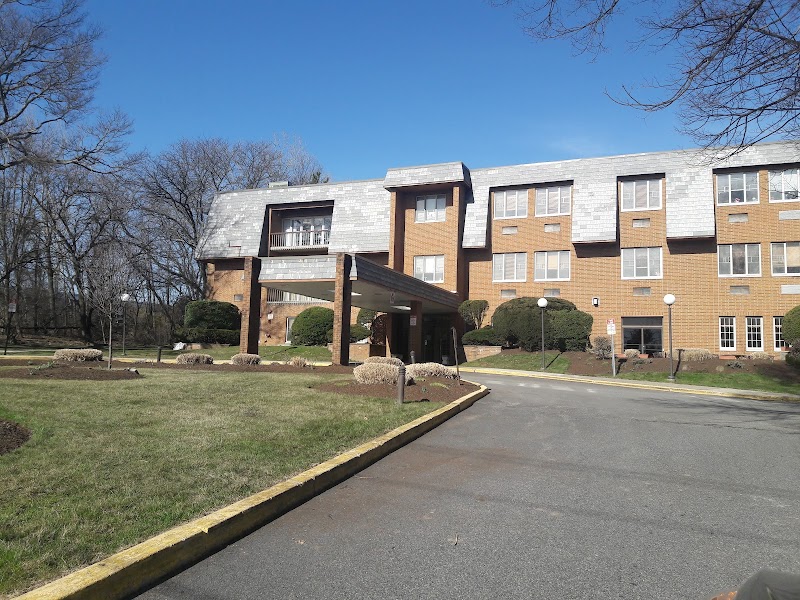
WOODCLIFF LAKE HEALTH & REHABILITATION CENTER is owned by a for-profit company. For-profit facilities operate as businesses with obligations to shareholders or private owners. The facility is operated by FAMILY OF CARING HEALTHCARE, a chain that manages multiple nursing homes. With 114 certified beds and approximately 87 residents (about 76% occupancy), it is a mid-sized facility located in WOODCLIFF LAKE, New Jersey.
How Does Woodcliff Lake Health & Rehabilitation Center Compare to Other New Jersey Nursing Homes?

Compared to the 100 nursing homes in New Jersey, WOODCLIFF LAKE HEALTH & REHABILITATION CENTER's overall rating (5 stars) is above the state average of 3.3, staff turnover (38%) is near the state average of 46%, and health inspection rating (4 stars) is above the national benchmark.

What Should Families Ask When Visiting Woodcliff Lake Health & Rehabilitation Center?

Based on this facility's data, families visiting should ask: "Can I visit during a mealtime to observe dining assistance and food quality?" "How do you handle medical emergencies, and what is your hospital transfer rate?" "Can I speak with family members of current residents about their experience?"

Is Woodcliff Lake Health & Rehabilitation Center Safe?

Based on CMS inspection data, WOODCLIFF LAKE HEALTH & REHABILITATION CENTER has a clean safety record: no substantiated abuse findings (meaning no confirmed cases of resident harm), no Immediate Jeopardy citations (the most serious violation level indicating risk of serious injury or death), and is not on the Special Focus Facility watch list (a federal program monitoring the lowest-performing 1% of nursing homes). The facility has a 5-star overall rating and ranks #1 of 100 nursing homes in New Jersey. While no facility is perfect, families should still ask about staff-to-resident ratios and recent inspection results during their visit.

Do Nurses at Woodcliff Lake Health & Rehabilitation Center Stick Around?

WOODCLIFF LAKE HEALTH & REHABILITATION CENTER has a staff turnover rate of 38%, which is about average for New Jersey nursing homes (state average: 46%). Moderate turnover is common in nursing homes, but families should still ask about staff tenure and how the facility maintains care continuity when employees leave.

Was Woodcliff Lake Health & Rehabilitation Center Ever Fined?

WOODCLIFF LAKE HEALTH & REHABILITATION CENTER has been fined $9,750 across 1 penalty action. This is below the New Jersey average of $33,176. While any fine indicates a compliance issue, fines under $50,000 are relatively common and typically reflect isolated problems that were subsequently corrected. Families should ask what specific issues led to these fines and confirm they've been resolved.

Is Woodcliff Lake Health & Rehabilitation Center on Any Federal Watch List?

WOODCLIFF LAKE HEALTH & REHABILITATION CENTER is not on any federal watch list. The most significant is the Special Focus Facility (SFF) program, which identifies the bottom 1% of nursing homes nationally based on persistent, serious quality problems. Not being on this list means the facility has avoided the pattern of deficiencies that triggers enhanced federal oversight. This is a positive indicator, though families should still review the facility's inspection history directly.