Casa Arena Healthcare LLC
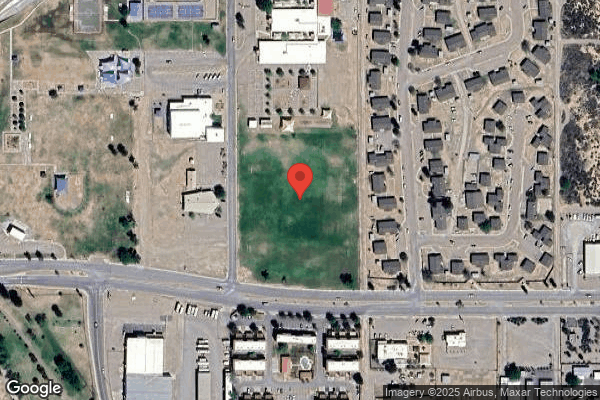
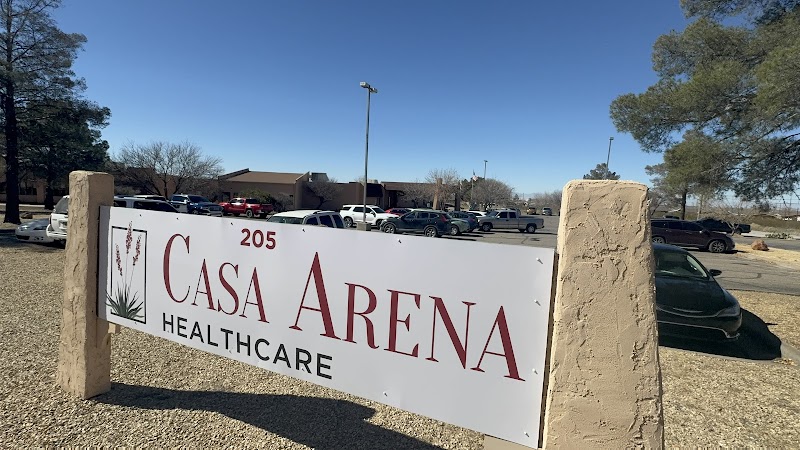
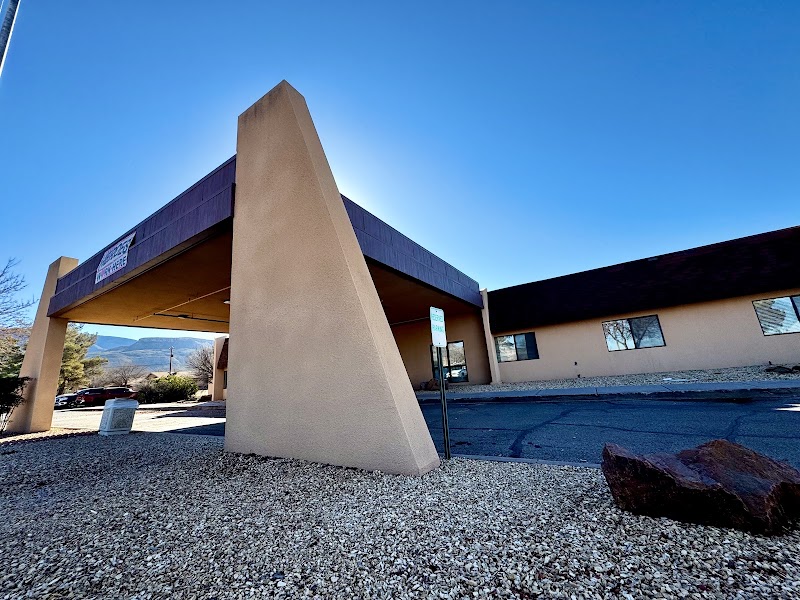
205 Moonglow, Alamogordo, NM 88310 (575) 434-4510
For profit - Corporation 117 Beds OPCO SKILLED MANAGEMENT Data: November 2025 2 Immediate Jeopardy citations
Trust Grade
0/100
#56 of 67 in NM
Last Inspection: June 2025

Inspected within the last 6 months. Data reflects current conditions.

Overview

Casa Arena Healthcare LLC in Alamogordo, New Mexico, has received a Trust Grade of F, which indicates significant concerns about the quality of care provided. Ranking #56 out of 67 nursing homes in the state places it in the bottom half, and it is the third out of three facilities in Otero County, meaning there are no better local options available. Although the facility is improving, with issues decreasing from 33 in 2024 to 23 in 2025, it still has numerous serious shortcomings, including a concerning staffing turnover rate of 70%, which is higher than the state average. Families should be aware of critical incidents such as a resident receiving another resident's medication, leading to hospitalization for an accidental overdose, and the failure to monitor abnormal lab values in another resident, which likely contributed to their death. While Casa Arena has some strengths, such as good quality measures, the high fines of $124,375 and poor RN coverage raise significant red flags for prospective residents and their families.
Trust Score
F
0/100
In New Mexico
#56/67
Bottom 17%
Safety Record
High Risk
Review needed
Inspections
Getting Better
33 → 23 violations
Staff Stability
⚠ Watch
70% turnover. Very high, 22 points above average. Constant new faces learning your loved one's needs.
Penalties
✓ Good
$124,375 in fines. Lower than most New Mexico facilities. Relatively clean record.
Skilled Nurses
⚠ Watch
Each resident gets only 20 minutes of Registered Nurse (RN) attention daily — below average for New Mexico. Fewer RN minutes means fewer trained eyes watching for problems.
Violations
⚠ Watch
90 deficiencies on record. Higher than average. Multiple issues found across inspections.
★☆☆☆☆
1.0
Overall Rating
★☆☆☆☆
1.0
Staff Levels
★★★★☆
4.0
Care Quality
★☆☆☆☆
1.0
Inspection Score
Stable
2024: 33 issues
2025: 23 issues

The Good

  • 4-Star Quality Measures · Strong clinical quality outcomes
  • Full Sprinkler Coverage · Fire safety systems throughout facility
  • No fines on record

Facility shows strength in quality measures, fire safety.

The Bad

1-Star Overall Rating

Below New Mexico average (2.9)

Significant quality concerns identified by CMS

Staff Turnover: 70%

24pts above New Mexico avg (46%)

Frequent staff changes - ask about care continuity

Federal Fines: $124,375

Well above median ($33,413)

Significant penalties indicating serious issues

Chain: OPCO SKILLED MANAGEMENT

Part of a multi-facility chain

Ask about local staffing decisions and management

Staff turnover is very high (70%)

22 points above New Mexico average of 48%

The Ugly 90 deficiencies on record

2 life-threatening 1 actual harm
Jul 2025 4 deficiencies
CONCERN (D) 📢 Someone Reported This

A family member, employee, or ombudsman was alarmed enough to file a formal complaint

Potential for Harm - no one hurt, but risky conditions existed

Safe Environment (Tag F0584)

Could have caused harm · This affected 1 resident

Based on observation and interview, the facility failed to provide a comfortable and homelike environment for 1(R #8) of 1 (R #8) resident when staff failed to keep R #8's bathroom clean of urine arou...

Read full inspector narrative →
Based on observation and interview, the facility failed to provide a comfortable and homelike environment for 1(R #8) of 1 (R #8) resident when staff failed to keep R #8's bathroom clean of urine around the toilet. This deficient practice could likely cause the residents to feel like they are not living in a comfortable home-like environment and like they are not valued. The findings are:A. On 07/14/25 at 11:06 AM, during an observation of R #8's bathroom, a strong smell of urine. The floor around the toilet had a wet spot and the floor appeared to be stained with a darker color than the rest of the floor. There was dark build up around the toilet seal on the floor. B. On 07/14/25 at 11:08 AM, during an interview, LPN #8 confirmed the urine on the floor of R #8's bathroom floor and the odor. LPN #8 stated R #8 does go to the bathroom on his own. LPN #8 stated she did not think the toilet was leaking. C. On 07/17/25 at 11:06 AM, during an interview, the Administrator said her expectation is the bathroom be cleaned and staff be made aware of the urine on the floor.
CONCERN (D) 📢 Someone Reported This

A family member, employee, or ombudsman was alarmed enough to file a formal complaint

Potential for Harm - no one hurt, but risky conditions existed

Comprehensive Assessments (Tag F0636)

Could have caused harm · This affected 1 resident

**NOTE- TERMS IN BRACKETS HAVE BEEN EDITED TO PROTECT CONFIDENTIALITY** Based on record review and interview, the facility failed to ensure a comprehensive MDS assessment was completed within 14 calen...

Read full inspector narrative →
**NOTE- TERMS IN BRACKETS HAVE BEEN EDITED TO PROTECT CONFIDENTIALITY** Based on record review and interview, the facility failed to ensure a comprehensive MDS assessment was completed within 14 calendar days after admission for 1 (R #1) of 9 (R #1, R #3, R #4, R #5, R #8, R #9, R #10, R #25, and R #26) residents reviewed for MDS assessment timing. This deficient practice could likely result in residents' care not being met. The findings are: A. Record review of R #1's admission Record (no date) revealed an admission date of 04/09/25. B. Record review of R #1's admission MDS assessment dated [DATE] revealed the assessment was not completed by the RN until 04/26/25. C. On 07/14/25 at 3:29 PM, during an interview with the administrator and the director of clinical services, they confirmed R #1's admission MDS assessment was not completed by facility staff within 14 days of admission.
CONCERN (D) 📢 Someone Reported This

A family member, employee, or ombudsman was alarmed enough to file a formal complaint

Potential for Harm - no one hurt, but risky conditions existed

Deficiency F0637 (Tag F0637)

Could have caused harm · This affected 1 resident

Based on record review and interview, the facility failed to complete and transmit (electronically sending encoded information) a Significant Change in Condition (SCIC; major decline or improvement in...

Read full inspector narrative →
Based on record review and interview, the facility failed to complete and transmit (electronically sending encoded information) a Significant Change in Condition (SCIC; major decline or improvement in the patient's health status) MDS assessment within 14 days after the facility determined a significant change in the resident's physical or mental condition for 1 (R #2) of 3 (R #1, R #2 and R #3) residents reviewed for SCIC MDS assessment timing. This deficient practice could likely result in the residents not receiving the appropriate care and services they need related to changes in their condition. The findings are: A. Record review of R #2's Physician's Orders dated 06/03/25 revealed: admit to hospice.B. Record review of R #2's MDS assessments revealed a SCIC MDS assessment was not completed upon R #2's admission to hospice. C. On 07/14/25 at 3:45 PM, during an interview with the administrator and the director of clinical services, they confirmed staff did not complete the required SCIC MDS within 14 days of R #2's admission to hospice.
MINOR (C) 📢 Someone Reported This

A family member, employee, or ombudsman was alarmed enough to file a formal complaint

Minor Issue - procedural, no safety impact

Staffing Information (Tag F0732)

Minor procedural issue · This affected most or all residents

Based on observation and interview, the facility failed to post nurse staffing data on a daily basis for access by the public and all 102 residents (residents were identified by the census list provid...

Read full inspector narrative →
Based on observation and interview, the facility failed to post nurse staffing data on a daily basis for access by the public and all 102 residents (residents were identified by the census list provided by the Administrator on 07/10/25) included the following:1. The total number and the actual hours worked by the following categories of licensed and unlicensed nursing staff directly responsible for resident care per shift to include: a. Registered Nurses. b. Licensed Practical Nurses. c. Certified Nurse Aides. This deficient practice could likely result in residents not knowing which staff is working. The findings are:A. On 07/10/25 at 1:42 PM, during an observation of the facility, revealed the nurse staffing data posted at the front entrance of the facility did not include the total number of actual nursing staff scheduled and actual hours worked by nursing staff for the day. B. On 07/10/25 at 1:43 PM, during an interview, the Front Desk Clerk (FDC) confirmed she is responsible for posting the nurse staffing data. The FDC confirmed the posted staffing data was not posted on 07/10/25 and should include the total number of staff scheduled for each shift and the number of hours that each nursing staff is scheduled to work. C. On 07/14/25 at 2:21PM, during an interview with the Administrator, she stated her expectation is that the nurse staffing data be posted at the front entrance of the facility by 10:00 AM daily.
Jun 2025 19 deficiencies
CONCERN (D)

Potential for Harm - no one hurt, but risky conditions existed

Resident Rights (Tag F0550)

Could have caused harm · This affected 1 resident

Based on observation and interview, the facility failed to ensure residents were treated with respect and dignity for 2 (R #86 and R #253) of 3 (R #33, R #86 and R #253) residents when the facility fa...

Read full inspector narrative →
Based on observation and interview, the facility failed to ensure residents were treated with respect and dignity for 2 (R #86 and R #253) of 3 (R #33, R #86 and R #253) residents when the facility failed to do the following: 1. Use a privacy bag for R #86's foley catheter bag (a urine drainage bag that collects urine from the bladder). 2. Treat R #253 with dignity when serving him lunch. The findings are: R #86 A. On 06/02/25 at 3:15 PM, during an observation of the 600 unit, R #86's catheter bag did not have a privacy bag (a discreet cover that conceals the urine drainage bag from view). B. On 06/02/25 at 3:18, during an interview, CNA #8 confirmed that there was not a privacy bag on R #86's catheter bag. C. On 06/02/25 at 3:42, during an interview, the DON said that catheters bags should have a privacy cover. R #253 D. Record review of R #253's administration record, no date revealed the following: 1. R #253 was admitted to the facility of 05/12/17. 2. R #253 diagnoses included the following: a. Muscle weakness (generalized). b. Hemiplegia, unspecified affecting the left non dominant side. c. Contracture of muscle (a type of scarring in your soft tissues that causes them to tighten and stiffen), unspecified upper arm. E. On 06/1/25 at 12:35 PM, during an observation of R #253's room revealed the following: 1. The medical records coordinator passed out the meal tray to R #253 for lunch. 2. The medical records coordinator entered R #253's room with a meal tray and stated, I have your lunch. 3. R #253 asked to keep his food on the meal tray, and the medical record coordinator stated, I'm not supposed to leave your food on the meal tray. R #253 insisted on keeping his meal tray. The medical records coordinator dropped the meal tray on R #253's bedside table. The medical records coordinator rushed out of R #253's room without further communication with R #253 and sighed heavily. 4. The medical records coordinator did not offer to set up R #253's lunch tray, and did not assist R #253 to open any containers or place the bedside table within R #253's reach. 5. R # 253 looked at this surveyor with a puzzled look on his face and stated, You saw that right? R #253 then attempted to reach for the bedside table but was unable to move it within his reach. F. On 06/01/25 at 12:40 PM, during an interview with LPN #28, she stated that she would get a CNA to assist R #253 immediately with his meal setup. LPN #28 stated that the medical records coordinator should not have treated R #253 in that manner. G. On 06/01/25 at 1:30 PM, during an interview with the medical records coordinator, stated the following: 1. The facility was short staffed, and she assisted with passing meal trays. 2. When she passes out meal trays she knocks on door and puts tray in front of the resident removing tray and overhead warmer containers. 3. If a resident prefers to keep food on meal tray the resident can keep it. 4. She has taken resident rights training. H. On 06/05/25 at 9:27 AM, during an interview with R #253, he stated he figured the medical records coordinator was a new employee, and probably shouldn't have been serving people their food, and said he felt indifferent about what happened. I. On 06/05/25 at 1:57 PM, during an interview with the administrator, she confirmed that she expects her staff to treat residents with dignity and respect, and her expectations would be that staff treat all residents with dignity and respect.
CONCERN (D)

Potential for Harm - no one hurt, but risky conditions existed

Notification of Changes (Tag F0580)

Could have caused harm · This affected 1 resident

**NOTE- TERMS IN BRACKETS HAVE BEEN EDITED TO PROTECT CONFIDENTIALITY** Recite from 04/24/24 Based on observation, record review, and interview, the facility failed to notify the provider of missed me...

Read full inspector narrative →
**NOTE- TERMS IN BRACKETS HAVE BEEN EDITED TO PROTECT CONFIDENTIALITY** Recite from 04/24/24 Based on observation, record review, and interview, the facility failed to notify the provider of missed medication doses and treatment for 2 (R #46 and R #86) of 2 (R #46 and R #86) residents reviewed for medication administration and edema, (swelling caused by an accumulation of fluid in the body's tissues, often in the feet, ankles, and legs). when staff failed to: 1. Notify the provider that R #46 refused her lactulose (medication used to treat constipation. It can also treat liver disease) on 06/04/25. 2. Notify the provider that R #46 received a partial (incomplete) dose of Albuterol (medication that is inhaled to treat or prevent spasms of the respiratory tract) on 06/04/25. 3. Notify the provider that R #86 does not wear her compression stockings (specialized hosiery designed to help prevent the occurrence of, and guard against further progression of, venous disorders such as edema, phlebitis and thrombosis) as ordered. These deficient practices could likely result in residents not receiving the necessary care or worsening medical conditions due to lack of treatment. The findings are: R #46 A. Record review of R #46's physician's orders, multiple dates, revealed the following: 1. Order dated 02/17/25, for Lactulose 20 Grams (GM, unit of measure) per 30 milliliters (ML, unit of measure), give 30 ML once a day for constipation (problem with passing stool). 2. Order dated 03/23/25, for ProAir HFA Inhalation Aerosol Solution (Albuterol Sulfate), inhale two puffs orally four times a day for pulmonary embolism (a blood clot gets stuck in an artery in the lung, blocking blood flow to part of the lung) without acute cor pulmonale (blockage of an artery of the lung) and chronic obstructive pulmonary disease (COPD, a condition caused by damage to airways or other parts of the lung). B. On 06/04/25 at 9:13 AM, during an observation of medication administration, revealed the following: 1. R #46 refused to take Lactulose. 2. R #46 took one puff of Albuterol Inhalation solution. C. On 06/04/25 at 9:13 AM, during an interview, LPN #16, stated the following: 1. She confirmed that R #46's Albuterol order was for two puffs. 2. She confirmed that R #46 only took one puff of Albuterol. 3. She confirmed that R #46 refused to take Lactulose. D. Record review of R #46's MAR, dated June 2025, revealed the following: 1. Staff documented that R #46 refused lactulose. 2. Staff documented that R #46 took Albuterol. E. Record review of R #46's progress notes, dated 06/04/25, revealed the following: 1. Staff documented that R #46 had one puff of Albuterol. 2. Staff did not document that the provider was notified about R #46 refusing Lactulose. 3. Staff did not document that the provider was notified about R #46 only taking one puff of Albuterol. F. On 06/05/25 at 4:31 PM, during an interview, RN #16 stated the following: 1. When a resident refuses a medication or takes only a partial dose of a medication, staff are expected to document that the resident refused or received a partial dose. 2. Staff are expected to notify the provider. 3. Staff are expected to document the communication with the provider in the medical record. 4. She confirmed that staff documented that R #46 refused Lactulose on 06/04/25 and that she received one puff of Albuterol on 06/04/25. 5. She confirmed that the medical record did not have documentation that the provider was notified that R #46 refused Lactulose or that she received a partial dose of Albuterol. G. On 06/05/25 at 5:03 PM, during an interview, the DON confirmed the following: 1. Staff are expected to notify the provider if a resident refuses medication or if they receive a partial dose of medication. 2. Staff are expected to document all contact with the provider in the medical record. R #86 H. Record review of R #86's admission record (no date) revealed the following: 1. R #86 was admitted to the facility on [DATE]. 2. R #86 has a diagnosis of edema. I. Record review of R #86's physician's order dated 01/26/25 revealed for staff to put on compression stockings in the morning before getting dressed for pitting edema. J. Record review of R #86's May 2025 TAR (treatment administration record) revealed no documentation of R #86's compression stockings being put on the resident. K. On 06/02/25 at 2:55 PM, during an interview, R #86 said she did not have compression stockings on. R #86 said that staff have only put the stockings on her a couple of times since she has been at the facility. L. On 06/02/25 at 3:16 PM, during an interview, CNA #18 said that R #86 refuses to wear compression stockings. M. On 06/02/25 at 3:19 PM, during an interview, RN #8 confirmed that R #86 is not wearing compression stockings. RN #8 said that R #86 would not keep the compression stockings on. RN #8 said that he has not notified the physician that the resident is not compliant with the order for compression stockings. RN #8 said that he does not see documentation that R #86 is refusing to wear compression stockings or that the provider has been notified. N. On 06/02/25 at 3:36 PM, during an interview, the DON said that if R #86 is not compliant with an order that the physician should be notified.
CONCERN (D)

Potential for Harm - no one hurt, but risky conditions existed

Assessment Accuracy (Tag F0641)

Could have caused harm · This affected 1 resident

**NOTE- TERMS IN BRACKETS HAVE BEEN EDITED TO PROTECT CONFIDENTIALITY** Recite from 04/24/24 Based on interview and record review, the facility failed to ensure the Minimum Data Set Assessment (MDS; ...

Read full inspector narrative →
**NOTE- TERMS IN BRACKETS HAVE BEEN EDITED TO PROTECT CONFIDENTIALITY** Recite from 04/24/24 Based on interview and record review, the facility failed to ensure the Minimum Data Set Assessment (MDS; federally mandated assessment instrument completed by facility staff) were accurate for 2 (R #35 and R #66) of 9 (R #14, R #21, R #28, R #35, R #46, R #60, R #63, R #66 and R #77) residents reviewed for accurate MDS assessments. This deficient practice could likely result in the facility not having an accurate assessment of the residents' needs. The findings are: R #35 A. Record review of R #35's admission documents, no date, revealed R #35 was admitted to the facility on [DATE]. B. Record review of R #35's history and physical (H&P, physician obtains a thorough medical history from the patient, performs a physical examination, and then documents their findings), dated 04/25/25 revealed the following: 1. R #35 had a diagnosis of chronic systolic heart failure with an onset (start) date of 11/27/24. 2. R #35 had a diagnosis of chronic diastolic heart failure with an onset date of 11/02/24. C. Record review of R #35's care plan dated 11/12/24 revealed R #35 had a diagnosis of congestive heart failure. D. Record review of R #35's quarterly MDS assessment, dated 05/09/25, revealed staff did not document that R #35 had a diagnosis of heart failure. E. On 06/05/25 at 4:58 PM, during an interview, the DON and the administrator stated the following: 1. R #35 had the following diagnoses according to R #35's H & P dated 04/25/25: a. Chronic diastolic heart failure b. Chronic systolic heart failure. 2. R #35's quarterly MDS, dated [DATE], did not include that R #35 had a diagnosis of heart failure. 3. Staff should have documented R #35's diagnosis of heart failure in her MDS. R #66 F. On 06/01/25 at 1:05 PM, during an interview, R #66 stated his gums sometimes hurt when he eats because he has no teeth. G. Record review of R #66's dental visit note dated 05/02/25 revealed the following: 1. Chief complaint: I want dentures, I lost my old ones, 2. Diagnosis: complete maxillary and mandibular edentulism (absence of teeth in both the upper and lower jaw). H. Record review of R #66's care plan initiated 09/14/23 revealed R #66 is at risk for an oral/dental health problem related to no natural teeth. I. Record review of R #66's Annual MDS dated [DATE] revealed the following: 1. Section L- Oral/Dental status L0200 Dental: a. Staff did not document: No natural teeth or tooth fragment(s). J. On 06/05/25 at 4:10 PM during a joint interview, the administrator and the Regional Nurse Consultant (RNC) confirmed the following: 1. R #66 is edentulous. 2. R #66's annual MDS was not accurate.
CONCERN (D)

Potential for Harm - no one hurt, but risky conditions existed

Deficiency F0655 (Tag F0655)

Could have caused harm · This affected 1 resident

**NOTE- TERMS IN BRACKETS HAVE BEEN EDITED TO PROTECT CONFIDENTIALITY** Recite from 10/18/24 Based on record review and interview, the facility failed to create an accurate baseline care plan (minimum...

Read full inspector narrative →
**NOTE- TERMS IN BRACKETS HAVE BEEN EDITED TO PROTECT CONFIDENTIALITY** Recite from 10/18/24 Based on record review and interview, the facility failed to create an accurate baseline care plan (minimum healthcare information necessary to properly care for a resident immediately upon their admission to the facility) within 48 hours of admission for 1 (R #254) of 3 (R #33, R #72 and R#254) residents reviewed for baseline care plans. This deficient practice could likely result in residents not receiving the appropriate care and may place residents at risk of an adverse event (undesirable experience, preventable or non-preventable, that caused harm to a resident because of medical care or lack of medical care) or worsening of current condition after admission. The findings are: A. Record review of R #254's admission Record, no date, revealed R #254 was admitted into the facility on [DATE]. B. On 06/01/25 at 12:08 PM during an interview, R #254 said he has had a catheter for a while, no date given. C. Record review of R #254's order dated 05/30/25 revealed foley catheter (a thin, flexible tube used to drain urine from the bladder when a person is unable to urinate normally) for medical necessity. D. Record review of R #254's care plan dated 05/30/25 revealed the care plan did not contain any documentation of a foley catheter, interventions and care. E. On 06/05/25 at 3:47 PM during an interview, the Administrator said that R #254's foley catheter should be care planned so that R #254 is provided proper care.
CONCERN (D)

Potential for Harm - no one hurt, but risky conditions existed

Comprehensive Care Plan (Tag F0656)

Could have caused harm · This affected 1 resident

**NOTE- TERMS IN BRACKETS HAVE BEEN EDITED TO PROTECT CONFIDENTIALITY** Recite from 08/21/24 Based on observation, record review, and interview, the facility failed to develop and implement accurate, ...

Read full inspector narrative →
**NOTE- TERMS IN BRACKETS HAVE BEEN EDITED TO PROTECT CONFIDENTIALITY** Recite from 08/21/24 Based on observation, record review, and interview, the facility failed to develop and implement accurate, person-centered comprehensive care plan for 2 (R #21 and R #33) of 4 (R #21, R #28, R #33, and R #35) residents reviewed for care plans when staff failed to: 1. Ensure R #21 had a fall mat in place next to her bed as indicated in her care plan. 2. Include R #33's diagnosis of dementia and interventions in place to treat R #33's dementia. These deficient practices could likely result in resident injury and staff being unaware of the current and actual needs of the residents. The findings are: R #21 A. Record review of R #21's admission documents, no date, revealed the following: 1. R #21 was admitted to the facility on [DATE]. 2. R #21 had the following diagnoses: a. History of falling. b. Muscle weakness. c. Cognitive communication deficit (a person has difficulty communicating because of injury to the brain that controls the ability to think). d. Personal history of traumatic brain injury (Brain dysfunction caused by an outside force, usually a violent blow to the head). e. Metabolic encephalopathy (a change in how your brain works due to an underlying condition). B. Record review of R #21's care plan dated 09/23/24 revealed the following: 1. R #21 had actual falls with injury. 2. A fall mat in place next to R #21's bed. C. On 06/04/25 at 1:00 PM, during an observation of R #21 in her room, R #21 laid in her bed and a fall mat was not next to her bed. D. On 06/05/25 at 2:21 PM, during an observation of R #21 in her room, R #21 laid in her bed and a fall mat was not next to her bed. E. On 06/05/25 at 2:22 PM, during an interview, CNA #16 confirmed R #21 did not have a fall mat next to her bed. F. On 06/05/25 at 2:24 PM, during an interview, LPN #18 stated the following: 1. She did not think R #21 was supposed to have a fall mat. 2. She confirmed R #21's care plan intervention for falls included that R #21 was to have a fall mat when she was in bed. G. On 06/05/25 at 2:29 PM, during an interview, the DON confirmed the following: 1. R #21 should have had a fall mat next to her bed if it was in her care plan. 2. Staff are expected to ensure residents have a fall mat next to their bed if their care plan indicates that a fall mat is needed. R #33 H. Record review of R #3's admission documents, no date, revealed the following: 1. R #33 was admitted to the facility on [DATE]. 2. R #33 had a diagnosis of dementia without behavioral disturbance, psychotic disturbance, mood disturbance, and anxiety. I. Record review of R #33's care plan dated 05/30/25 revealed that R #33's dementia and interventions for maintaining his highest practicable wellbeing were not documented in his care plan. J. On 06/04/25 at 3:06 PM during an interview, the DON confirmed that R #33's dementia diagnosis and interventions are not care planned. The DON said that R #33's diagnosis should be documented to provide R #33 with care that is needed to help with his memory and to maintain his health.
CONCERN (D)

Potential for Harm - no one hurt, but risky conditions existed

Deficiency F0658 (Tag F0658)

Could have caused harm · This affected 1 resident

Recite from 10/18/24 Based on observation, interview, and record review, the facility failed to ensure residents received care that meets professional standards for 1 (R #86) of 1 (R #86) resident sam...

Read full inspector narrative →
Recite from 10/18/24 Based on observation, interview, and record review, the facility failed to ensure residents received care that meets professional standards for 1 (R #86) of 1 (R #86) resident sampled for limited range of motion, when staff failed to follow the order for compression stockings (specially designed hosiery that provide controlled compression to the legs, promoting blood flow and reducing swelling). This deficient practice could likely result in worsening of resident's edema (excess of watery fluid collecting in the cavities or tissues of the body) or unnecessary pain and discomfort. The findings are: A. On 06/02/25 at 2:55 PM during an interview and observation, R #86 said that she did not have compression stockings on. R #86 said that staff had only put the stockings on a couple of times since she has been in the facility. R #86's legs were swollen and puffy. B. Record review of R #86's orders revealed an order dated 01/26/25 for compression stockings to be put on in the morning before getting dressed for pitting edema for 30 administrations and every 24 hours as needed for pitting edema. C. Record review of R #86's TAR (treatment administration record) for May 2025 revealed staff did not document putting compression stockings on R #86 for the entire month. D. On 06/02/25 at 3:19 PM during an interview, LPN #8 confirmed that there was no documentation that R #86 is wearing compression stockings as ordered. LPN #8 confirmed that R #86 had edema and that she did not have compression stockings on. E. On 06/02/25 at 3:36 PM during an interview, the DON said that R #86's orders should be followed and if R #86 is not compliant with the orders, the physician should be notified.
CONCERN (D)

Potential for Harm - no one hurt, but risky conditions existed

ADL Care (Tag F0677)

Could have caused harm · This affected 1 resident

**NOTE- TERMS IN BRACKETS HAVE BEEN EDITED TO PROTECT CONFIDENTIALITY** Based on record review, observation, and interview, the facility failed to provide activities of daily living (ADL) assistance f...

Read full inspector narrative →
**NOTE- TERMS IN BRACKETS HAVE BEEN EDITED TO PROTECT CONFIDENTIALITY** Based on record review, observation, and interview, the facility failed to provide activities of daily living (ADL) assistance for 2 (R #2 and R #33) of 2 (R #2 and R #23) residents reviewed for ADL care when staff failed to do the following: 1. Assist R #2 with toenail care. 2. Assist R #33 with nail care. This deficient practice is likely to affect the dignity and health of the residents. The findings are: R #2 A. Record review of R #2's admission record, no date revealed the following: 1. R #2 was admitted to the facility on [DATE]. 2. R #2 is diagnosed with Type 2 Diabetes Mellitus with Diabetic Polyneuropathy. B. On 06/03/25 at 9:24 AM, during an interview with R #2 and observation of R #2's foot, she stated that her toenails are long and her great toe on right foot is curving and it hurts. R #2 stated she didn't remember when her toenails were last cut. C. On 06/03/25 02:08 PM, during an interview, CNA # 25 stated nurses' trim residents' nails of residents who are diagnosed with diabetes D. On 06/04/25 10:37 AM, during an interview, LPN #26 stated she did a lot of referrals for nails and will check in R #2's chart. LPN #26 confirmed that there is not a podiatry referral in R #2's chart. E. On 06/04/25 09:47 AM, during an interview, the DON confirmed that if a resident is diabetic, they are sent to the podiatrist and if a resident is not diabetic then the expectation is nurses will trim toenails as needed. R #33 F. On 06/02/25 at 12:11 PM, during an observation of R #33's room, R #33's fingernails were long and unkept. G. Record review of R #33's admission Minimum Data Set (MDS) dated [DATE] revealed R #33 required substantial/maximal assistance for ADL care. H. On 06/04/25 at 9:44 AM, during an interview, CNA #8 confirmed that R #33's fingernails needed to be cut. CNA #8 said that staff will check residents' fingernails and toenails on shower days. I. On 06/05/25 at 3:50 PM, during an interview, the DON said that ADL care should be provided.
CONCERN (D)

Potential for Harm - no one hurt, but risky conditions existed

Deficiency F0761 (Tag F0761)

Could have caused harm · This affected 1 resident

Based on observation and interview, the facility failed to secure a treatment cart for all 69 residents who do not reside in the secure unit (residents were identified by the census list provided by t...

Read full inspector narrative →
Based on observation and interview, the facility failed to secure a treatment cart for all 69 residents who do not reside in the secure unit (residents were identified by the census list provided by the Administrator on 06/01/25). This deficient practice could result in residents obtaining medication not prescribed to them resulting in adverse side effects. The findings are: A. On 06/01/25 at 9:45 AM, an observation of the facility revealed the treatment cart was in a central location near hall 600 and was unlocked. B. On 06/01/25 at 9:45 AM, during an interview LPN #28 confirmed that the treatment cart was unlocked. C. On 06/01/25 at 9:45 AM, during an interview, with DON confirmed that treatment carts and medications carts should be secured when staff are not present.
CONCERN (D)

Potential for Harm - no one hurt, but risky conditions existed

Medical Records (Tag F0842)

Could have caused harm · This affected 1 resident

**NOTE- TERMS IN BRACKETS HAVE BEEN EDITED TO PROTECT CONFIDENTIALITY** Recite from 04/24/24 Based on record review, observation, and interview, the facility failed to ensure medical records were comp...

Read full inspector narrative →
**NOTE- TERMS IN BRACKETS HAVE BEEN EDITED TO PROTECT CONFIDENTIALITY** Recite from 04/24/24 Based on record review, observation, and interview, the facility failed to ensure medical records were complete and accurate for 2 (R #14 and R #35) of 4 (R #14, R #21, R #28, and R #35) residents reviewed for documentation accuracy. This deficient practice has the potential to negatively impact on the care staff provided to meet residents' needs due to missing or inaccurate records and resident information. The findings are: R #14 A. Record review of R #14's admission record (no date) revealed the following: 1. R #14 was admitted to the facility on [DATE]. 2. R #14 has a diagnosis of unspecified psychosis not due to a substance or known physiological condition (mental health disorder characterized by a loss of touch with reality, hallucinations, delusions, disordered thinking and behavioral changes that encompasses a range of disorders that do not fit into specific categories). B. Record review of R #14's physician's orders revealed an order dated 04/08/25 for Abilify (aripiprazole generic for Abilify; an antipsychotic medication that changes the actions of chemicals in the brain and is used to treat various conditions such as schizophrenia, bipolar disorder and depression) oral tablet 15 mg, give 10 mg by mouth at bedtime for unspecified psychosis not due to a substance or known physiological condition. C. Record review of R #14's Medication administration record (MAR; electronic form used by nursing staff to document when medication is given), dated 05/01/25 through 05/31/25, revealed R #14 received Abilify oral tablet 15 mg, give 10 mg by mouth at bedtime from 05/01/25 through 05/31/25. D. On 06/04/25 3:03 PM, during an observation of the medication cart for the 400 hall revealed R 14's medication blister pack (medication storage that allows for 1 dose of medication to be dispensed at a time) was labeled aripiprazole tab (tablet) 10 mg, give 1 tablet (10 mg) by mouth at bedtime. E. On 06/04/25 at 3:05 PM, during an interview, LPN #1 confirmed the following: 1. The physician's order for Abilify read: Abilify oral tablet 15 mg, give 10 mg by mouth at bedtime for unspecified psychosis not due to a substance or known physiological condition. 2. R #14's blister pack read: aripiprazole tab (tablet) 10 mg, give 1 tablet (10 mg) by mouth at bedtime. 3. The blister pack label did not match the documentation of the physician's order. R #35 F. Record review of R #35's admission documents, no date, revealed the following: 1. R #35 was admitted to the facility on [DATE]. 2. R #35 did not have a diagnosis of heart failure (occurs when the heart muscle doesn't pump blood as well as it should) in her list of diagnoses in the medical record. G. Record review of R #35's history and physical (H&P, physician obtains a thorough medical history from the patient, performs a physical examination, and then documents their findings), dated 04/25/25, revealed the following: 1. R #35 had a diagnosis of chronic systolic heart failure (a serious, chronic condition that occurs when the left ventricle can't pump blood efficiently) with an onset (start) date of 11/27/24. 2. R #35 had a diagnosis of chronic diastolic heart failure (left heart ventricle doesn't relax properly between heartbeats) with an onset date of 11/02/24. H. Record review of R #35's care plan, dated 11/12/24, revealed R #35 had a diagnosis of congestive heart failure (also called heart failure). I. On 06/05/25 at 4:59 PM, during an interview, the DON confirmed the following: 1. R #35 H & P, dated 04/25/25, included a diagnosis of chronic diastolic heart failure and chronic systolic heart failure. 2. R #35's diagnoses in the medical record did not include R #35's diagnoses of chronic diastolic heart failure or chronic systolic heart failure. 3. Staff should have updated R #35's diagnoses to include chronic diastolic heart failure and chronic systolic heart failure.
CONCERN (D)

Potential for Harm - no one hurt, but risky conditions existed

Infection Control (Tag F0880)

Could have caused harm · This affected 1 resident

**NOTE- TERMS IN BRACKETS HAVE BEEN EDITED TO PROTECT CONFIDENTIALITY** Recite from 04/24/24 Based on observation, record review, and interview, the facility failed to maintain an infection prevention...

Read full inspector narrative →
**NOTE- TERMS IN BRACKETS HAVE BEEN EDITED TO PROTECT CONFIDENTIALITY** Recite from 04/24/24 Based on observation, record review, and interview, the facility failed to maintain an infection prevention and control program designed to provide a safe and sanitary environment to prevent the development and transmission of communicable diseases and infections when staff failed to implement and follow enhanced barrier precautions (EBP, an infection control intervention) for 2 (R #15 and R #21) of 2 (R #15 and R #21) residents reviewed for infection prevention. If the facility fails to maintain an effective infection control program, then infections could spread to residents throughout the facility, resulting in illness. The findings are: A. Record Review of the [Name of Federal Agency] Enhanced Barrier Precautions in Nursing Homes to Prevent Spread of Multidrug-resistant Organisms (MDROs), dated 03/20/24, revealed the following: 1. MDRO transmission is common in long term care (LTC) facilities. 2. EBP refers to an infection control intervention designed to reduce transmission of MDRO that employs targeted gown and glove use during high contact resident care activities. a. Examples of high-contact care activities include: i. Dressing ii. Bathing/showering iii. Transferring iv. Changing linens v. Providing hygiene vi. Changing briefs or assisting with toileting vii. Device care or use: Central line, urinary catheter, feeding tube, or tracheostomy viii. Wound Care: any skin opening requiring a dressing 3. EBP are indicated for residents with wounds or indwelling medical devices, even if the resident is not known to be infected or colonized with a MDRO. R #15 B. Record review of R #15's admission documents, no date, revealed the following: 1. R #15 was admitted to the facility on [DATE]. 2. R #15 had the following diagnoses: a. Dysphagia, oropharyngeal phase (swallowing problems occurring in the mouth and/or the throat). b. Dysphagia following cerebral infarction (swallowing problems after a stroke). c. Gastrostomy status (a surgical opening into the stomach for nutritional support). C. Record review of R #15's physician's order, dated 03/11/25, revealed an enteral feed (a way of sending nutrition right to the stomach or small intestine through a feeding tube (medical device used for people who cannot swallow safely) order three times a day, to check for residual (the volume of fluid remaining in the stomach at a point in time during enteral nutrition feeding) before medication administration. D. On 06/04/25 at 08:09 AM, during an observation of medication administration to R #15 in her room, revealed the following: 1. R #15 had an EBP sign on her door. 2. R #15's EBP sign had the instructions, staff must wear gown and gloves for all high- contact resident care activities. 3. R #15 had a peripherally inserted gastrostomy tube (PEG, feeding tube) to her left abdomen. 4. LPN #16 did not put on a gown when she administered medications through R #15's PEG tube. E. On 06/04/25 at 8:59 AM, during an interview, LPN #16 stated the following: 1. She had been trained on EBP. 2. She was not aware that it was mandatory to wear a gown when working with residents on EBP. R #21 F. Record review of R #21's administration, no date, revealed R #21 was admitted to the facility on [DATE]. G. Record review of R #21's physician's orders, multiple dates, revealed the following: 1. Order dated 05/31/25, for wound care to R #21's left hip. 2. Order dated 05/23/25, for wound care to R #21's right foot. 3. Order dated 05/29/25, for wound care to R #21's right iliac crest (the curved area at the top of the ilium bone, the largest of three bones that make up the pelvis). 4. Order dated 05/21/25, for wound care to R #21's right lower back. H. On 06/04/25 at 11:00 AM, during an observation of R #21's room, there was no EBP sign on her door. I. On 06/04/25 at 11:13 AM, during an interview, the wound care nurse stated the following: 1. R #21 was not on any transmission based precautions (TBP, the second tier of basic infection control and are to be used in addition to Standard Precautions for patients who may be infected or colonized with certain infectious agents for which additional precautions are needed to prevent infection transmission). 2. She wears personal protective equipment (PPE, equipment worn to minimize exposure to a variety of hazards) when performing wound care for R #21. J. On 06/05/25 at 4:06 PM, during an interview, the infection preventionist, stated the following: 1. Residents who are receiving wound care should be on EBP. 2. Residents with wounds only need EBP when performing wound care. 3. The wound care nurse uses a treatment cart that has the PPE needed for wound care. 4. Resident's with wounds do not have an EPB sign on their door since the wound care nurse has all the PPE she needs on the cart. 5. Staff should wear gown, gloves, and goggles when administering medications through a resident's PEG tube. 6. She trains staff on EBP and all other TBP. K. On 06/05/25 at 4:56 PM, during an interview, the DON confirmed the following: 1. Staff should wear appropriate PPE when performing high contact patient care for residents on EBP. 2. All residents with wounds should be placed on EBP. 3. An EBP sign should be on the resident's door and the appropriate PPE located in the resident's room so staff can put on the PPE when performing high contact patient care.
CONCERN (E)

Potential for Harm - no one hurt, but risky conditions existed

Safe Environment (Tag F0584)

Could have caused harm · This affected multiple residents

**NOTE- TERMS IN BRACKETS HAVE BEEN EDITED TO PROTECT CONFIDENTIALITY** Recite from [DATE] Based on observation and interview, the facility failed to provide a comfortable and homelike environment for...

Read full inspector narrative →
**NOTE- TERMS IN BRACKETS HAVE BEEN EDITED TO PROTECT CONFIDENTIALITY** Recite from [DATE] Based on observation and interview, the facility failed to provide a comfortable and homelike environment for all 69 residents who do not reside in the secure unit (residents were identified by the census provided by the Administrator on [DATE]) when staff failed to: 1. Store a deceased resident's belongings out of common areas share by residents. 2. Repair the floor in front of R #31's restroom, and replace ceiling covers above R #31's bed. These deficient practices could likely cause residents to feel like they are not living in a comfortable home like environment and like they are not valued. The findings are: A. On [DATE] at 2:28 PM an observation of R #31's room revealed the floor in front of R #31's restroom door had a deep indention in the floor, and the ceiling above R #31's bed had 2 large brown stains. B. On [DATE] at 2:28 PM during an interview with the Maintenance director, he confirmed the floor in front of R #31's restroom door had a deep indention in the floor, and the ceiling above R #31's bed had two large brown stains. The Maintenance director stated he was not aware of this and there were no work orders regarding these issues, and he would get this fixed right away. C. On [DATE] at 1:35 PM during a phone interview with the state ombudsman, she stated that she had visited the facility the week of [DATE] through [DATE] and noticed there were several large black trash bags in the main hall of the facility. She stated that you can see it upon entering the building and the trash bags make the facility entrance look cluttered. D. On [DATE] at 9:40 AM during an observation of the main hall, ten large black trash bags, in an open area of the main hall of the facility. E. On [DATE] at 9:05 AM during an interview, the Administrator said that the bags contained the belongings of a resident that passed away and are waiting for family to pick them up. The Administrator said that they keep them there so that when family comes, they have access to them (the Administrator did not indicate how long they had been there).
CONCERN (E)

Potential for Harm - no one hurt, but risky conditions existed

Deficiency F0605 (Tag F0605)

Could have caused harm · This affected multiple residents

**NOTE- TERMS IN BRACKETS HAVE BEEN EDITED TO PROTECT CONFIDENTIALITY** Based on record review and interview, the facility failed to ensure residents did not receive psychotropic medications (group of...

Read full inspector narrative →
**NOTE- TERMS IN BRACKETS HAVE BEEN EDITED TO PROTECT CONFIDENTIALITY** Based on record review and interview, the facility failed to ensure residents did not receive psychotropic medications (group of drugs that affect behavior, mood, thoughts, or perception) unless the medication was medically necessary for 4 (R #14, R #15, R #33 and R #63) of 7 (R #14, R #15, R #18, R #28, R #33, R #35 and R #63) residents reviewed for unnecessary medications, when staff failed to ensure: 1. A gradual dose reduction (GDR; stepwise tapering of a dose to determine if symptoms, conditions, or risks can be managed by a lower dose or if the dose or medication can be discontinued) was carried out for R #14 and R #63. 2. Psychotropic medications ordered to be given as needed (PRN) for R #15 and R #33 were not prescribed for longer than 14 days without documentation of the rationale to extend beyond 14 days in the resident's medical record including an indication for the duration of the PRN order. These deficient practices could likely result in residents receiving medications without a medical reason and being at a higher risk of adverse side effects (unwanted, harmful, or abnormal result). The findings are: Gradual Dose Reduction R #14 A. Record review of R #14's admission record (no date) revealed the following: 1. R #14 was admitted to the facility on [DATE]. 2. R #14 has a diagnosis of other recurrent depressive disorders (mental health condition with symptoms characteristic of a depressive disorder such as persistent sadness that cause clinically significant distress but do not meet the full criteria for any other depressive disorder). B. Record review of R #14's physician's orders revealed an order dated 09/25/24 for Prozac (antidepressant medication primarily used to treat depression disorders) capsule 20 mg, give 1 capsule by mouth one time a day for depression. Start date: 09/16/24. C. Record review of R #14's Medication Administration Record (MAR; electronic form used by nursing staff to document when medication is given), dated 05/01/25 through 05/31/25, revealed R #14 received Prozac (fluoxetine) 20 mg every morning from 05/01/25 through 05/31/25. D. Record review of R #14's Medication Regimen Review (form provided to the facility with pharmacist recommendation) dated 03/14/25, revealed the following: 1. Gradual dose reduction request: Medication fluoxetine 20 mg once daily. 2. Residents who use psychotropic drugs must have GDR attempts unless clinically contraindicated, in an effort to discontinue these drugs. Do you feel a reduction could be attempted on the above medication at this time? 3. The form was electronically signed by the pharmacist. 4. The physician response section was blank, and the form was not signed by a physician. E. On 06/05/25 at 4:10 PM during a joint interview, the DON and the Regional Nurse Consultant (RNC) confirmed the following: 1. R #14 has not had a GDR for fluoxetine. 2. The medical director did not provide a rationale in R #14's medical record indicating the reason a GDR was not completed for R #14 as recommended by the pharmacist. R #63 F. Record review of R #63's admission record (no date) revealed the following: 1. R #63 was admitted to the facility on [DATE]. 2. R #63 diagnosis as follows: a. Unspecified dementia, moderate, with psychotic disturbance (diagnosis that encompasses a range of symptoms that lead to a decline in skills your brain uses to complete daily tasks, can cause abnormal thinking and perceptions but specific details regarding the condition are not clearly defined). b. Other recurrent depressive disorders. c. Unspecified dementia, unspecified severity, with other behavioral disturbances (confusion or mild cognitive impairment that cannot be clearly diagnosed and include consistent patterns of actions or responses that disrupt daily life . G. Record review of R #63's physician's orders, multiple dates, revealed the following: 1. Order dated 06/14/23 for divalproex sodium oral tablet delayed release (antiseizure medication commonly used to treat seizures, bipolar disorder and to prevent migraine headaches) 250 mg, give 1 tablet by mouth three times a day for behavioral disturbances in dementia. 2. Order dated 08/14/23 for buspirone (anti-anxiety commonly used to treat symptoms of anxiety, such as fear, tension, irritability, dizziness, pounding heartbeat, and other physical symptoms) oral tablet, give 7.5 mg by mouth two times a day for sexually inappropriate behaviors (behaviors such as sexual conversation, inappropriate touching or grabbing that occur when a person has lost the ability to inhibit behavior) ordered by [name of psychiatric service provider]. 3. Order dated 07/24/24 for sertraline tablet give 100 mg by mouth one time a day for depression. H. Record review of the Psychotropic Medication Utilization Report (pharmacist spreadsheet that includes information about the use of psychotropic, sedative, and hypnotic medications) dated 03/14/25 revealed the following: 1. R #63 had an order for divalproex three times a day since 06/14/23, and a GDR was declined in September 2024. 2. R #63 had an order for buspirone 7.5 mg two times a day since 08/14/23, and a GDR was declined in July 2024. 3. R #63 had an order for sertraline 100 mg one time a day since 07/24/24, and a GDR was declined in November 2024. I. Record review of R #63's MAR, dated 05/01/25 through 05/31/25, revealed the following: -divalproex 1. R #63 received divalproex 250 mg three times daily from 05/01/25 through 05/09/25 2. R #63 received divalproex 250 mg at 8 AM on 05/10/25. 3. R #63 received divalproex 250 mg at 7 PM on 05/10/25. 4. R #63 received divalproex 250 mg three times daily from 05/11/25 through 05/31/25 -buspirone 5. R #63 received buspirone 7.5 mg two times a day from 05/01/25 through 05/31/25 -sertraline 6. R #63 received sertraline 100 mg one time a day from 05/01/25 through 05/31/25. J. On 06/05/25 at 4:20 PM, during a joint interview, the DON and the Regional Nurse Consultant (RNC) confirmed the following: 1. R #63 has not had a GDR for divalproex, buspirone or sertraline. 2. R #63's physician did not provide a rationale in R #63's medical record, indicating the reason a GDR was not completed for R #63 as recommended by the pharmacist. PRN psychotropic medications R #15 K. Record review of R #15's admission record, no date revealed the following: 1. R #15 was admitted to the facility on [DATE]. 2. R #15 has diagnosis of anxiety. L. Record review of R #15's physician's orders dated 04/08/25 for Lorazepam (medication that can be used to treat anxiety) 0.5 mg 1 tab via PEG-Tube every 4 hours as needed for anxiety. M. Record review of R #15's MAR, dated 05/01/25 through 05/31/25, revealed on 05/09/25, R #15 received Lorazepam 0.5 mg PRN (as needed). N. Record review of the medication regimen review form, dated 04/09/25 revealed the following: 1. The recommendation to consider discontinuing the Lorazepam medication if R #15 still benefits from PRN use, R # 15 requires PRN psychotropic medication due to Hospice care. 2. Lorazepam medication anticipation of duration of use for R #15 was left blank. Physician marked agree with this recommendation. 3. Medical director signed the medication regimen review for on 04/20/25. O. On 06/05/25 at 2:22 PM, during an interview with DON, she stated Lorazepam PRN medication for R #15 should have an end date. DON confirmed that PRN medications should have an end date, and she will work on getting that done. R #33 P. Record review of R #33's admission record, no date revealed the following: 1. R #33 was admitted to the facility on [DATE]. 2. R #33 has diagnosis of seizures. Q. Record review of R #33's physician's orders dated 05/27/25 for Ativan (Lorazepam) injection solution 2 mg/ml every 4 hours as needed for seizures. R. Record review of R #33's medical record, no date, revealed the record did not have any documented rationale in the resident's medical record and the duration for the PRN order was not indicated. S. On 06/05/25 at 3:51 PM, during an interview, the DON said that there should be a rationale and end date for PRN Ativan for R #33.
CONCERN (E)

Potential for Harm - no one hurt, but risky conditions existed

Deficiency F0657 (Tag F0657)

Could have caused harm · This affected multiple residents

**NOTE- TERMS IN BRACKETS HAVE BEEN EDITED TO PROTECT CONFIDENTIALITY** Recite from 08/21/24 Based on record review and interview, the facility failed to ensure care plan revisions occurred for 2 (R #...

Read full inspector narrative →
**NOTE- TERMS IN BRACKETS HAVE BEEN EDITED TO PROTECT CONFIDENTIALITY** Recite from 08/21/24 Based on record review and interview, the facility failed to ensure care plan revisions occurred for 2 (R #68 and R #86) of 6 (R #21, R #28, R #33, R #35, R #68, and R #86) residents when the staff failed to revise the care plan with the most current resident information. This deficient practice could likely result in the care plan not being updated with the most current resident conditions and appropriate interventions, staff being unaware of changes in care provided, and residents not receiving the care related to changes in their health status or healthcare decisions. The findings are: R #68 A. Record review of R #68's admission documents, no date, revealed he was admitted to the facility on [DATE]. B. Record review of R #68's physician's orders, multiple dates, revealed the following: 1. An order dated 05/27/25, to monitor right heel daily for redness. 2. An order dated 05/20/25 and discontinued on 05/27/25 for wound care to the right heel. 3. An order dated 03/19/25 and discontinued on 04/05/25 for strict isolation. Droplet/Contact precautions (intended to prevent transmission of infectious agents, including epidemiologically important microorganisms, which are spread by direct or indirect contact with the patient or the patient's environment). 4. An order dated 05/04/25 and completed on 05/17/25 for Ertapenem Sodium Solution (antibiotic used to treat certain serious infections) 1 gram to be administered intravenously (through a vein) once a day for two weeks due to wound infection. C. Record review of R #68's care plan, revised 05/11/25, revealed the following: 1. R #68 was on antibiotic therapy for wound infection. 2. R #68 was on strict contact isolation. D. On 06/04/25 at 11:07 AM, during an interview, the wound care nurse confirmed the following: 1. R #68's wound was healed. 2. R #68 was no longer receiving antibiotic therapy for his wound infection. 3. R #68 was no longer on contact isolation precautions. E. On 06/05/25 at 4:51 PM, during an interview, the DON confirmed the following: 1. R #68's care plan included that he was on antibiotic therapy for a wound. 2. R #68's care plan included that he was on strict contact isolation. 3. R #68's care plan should have been revised when his antibiotic therapy was completed. 4. R #68's care plan should have been revised when he was removed from contact isolation. R#86 F. Record review of R #86'S admission documents, no date, revealed R #86 was admitted to the facility on [DATE]. G. Record review of R #86's physician's orders, multiple dates, revealed the following: 1. An order dated 01/26/25, staff to put on compression stocking in the morning for pitting edema (occurs when excess fluid builds up in the body, causing swelling; when pressure is applied to the swollen area, a pit, or indentation, will remain). 2. An order dated 01/26/25, staff to remove compression stocking at bedtime. H. Record review of R 86's care plan dated 12/20/25 revealed that R #86's compression stockings and interventions were not documented. I. On 06/02/25 at 3:36 PM during an interview, the DON said that R #86's compression stockings and interventions should be care planned for to ensure that R #86 receives care as ordered by the provider.
CONCERN (E)

Potential for Harm - no one hurt, but risky conditions existed

Deficiency F0740 (Tag F0740)

Could have caused harm · This affected multiple residents

**NOTE- TERMS IN BRACKETS HAVE BEEN EDITED TO PROTECT CONFIDENTIALITY** Based on record review, and interview, the facility failed to ensure residents received necessary behavioral health care to meet...

Read full inspector narrative →
**NOTE- TERMS IN BRACKETS HAVE BEEN EDITED TO PROTECT CONFIDENTIALITY** Based on record review, and interview, the facility failed to ensure residents received necessary behavioral health care to meet their needs for 1 (R #63) of 2 (R #14 and R #63) residents reviewed for behavioral health concerns when staff failed to ensure consistent psychiatric services. This deficient practice could likely result in residents not receiving the behavioral or mental health care and assistance needed to attain or maintain the highest practicable physical, mental, and psychosocial well-being. The findings are: A. Record review of R #63's admission record (no date) revealed the following: 1. R #63 was admitted to the facility on [DATE]. 2. R #63 diagnoses as follows: a. Unspecified dementia, moderate, with psychotic disturbance (diagnosis that encompasses a range of symptoms that lead to a decline in skills your brain uses to complete daily tasks, can cause abnormal thinking and perceptions but specific details regarding the condition are not clearly defined). b. Other recurrent depressive disorders. c. Unspecified dementia, unspecified severity, with other behavioral disturbance (confusion or mild cognitive impairment that cannot be clearly diagnosed and include consistent patterns of actions or responses that disrupt daily life). B. Record review of R #63's physician's orders revealed an order dated 07/07/23, refers to [name of psychiatric provider] for evaluation and treatment. C. Record review of R #63's Initial Psychotherapy (treatment for mental health issues by talking with a mental health provider) Assessment, dated 04/10/24 revealed the following: 1. Reason for referral: agitation, anger, anxiety, psychosis (loss of contact with reality that affects the mind and can cause delusions [strongly held false beliefs], hallucinations [seeing or hearing things that are not present], and other symptoms) aggressive behavior/verbal, sexually inappropriate behavior. 2. The purpose of psychotherapy is to alleviate emotional disturbance, improve function, and prevent deterioration. 3. Patient could benefit and has the capacity to participate in treatment. Patient is compliant. 4. Psychotherapy treatment plan: Goals for therapy include reducing symptoms of depression and preventing/reducing decline due to dementia. Psychotherapy is recommended one to four times per month. D. Record review of R #63's care plan, multiple dates, revealed the following: - Focus: R #63 is on psychotropic medication related to depression, dementia with psychotic disturbances and behavioral disturbances. - Approaches/Tasks: Psych consult as needed. - Focus: R #63 is exhibits difficulty with behavioral issues as evidenced by anger easily. - Approaches/Tasks: Refer to Psyche(sic) - Focus: R #63 has aggressive behavior - Approaches/Tasks: investigate/monitor need for psychological/psychiatric support. E. Record review of R #63's Electronic Health Record (EHR) revealed the R #63 was not seen for any further psychotherapy visits after 04/10/24 visit. F. On 06/0524 at 4:13 PM, during an interview with the administrator, she stated the following: 1. She is not sure why R #63 was no longer seen for psychotherapy. 2. The initial visit on 04/10/24 was the only visit R #63 received for psychotherapy.
CONCERN (E)

Potential for Harm - no one hurt, but risky conditions existed

Deficiency F0744 (Tag F0744)

Could have caused harm · This affected multiple residents

**NOTE- TERMS IN BRACKETS HAVE BEEN EDITED TO PROTECT CONFIDENTIALITY** Based on record review and interview the facility failed to ensure a resident diagnosed with dementia (group of symptoms related...

Read full inspector narrative →
**NOTE- TERMS IN BRACKETS HAVE BEEN EDITED TO PROTECT CONFIDENTIALITY** Based on record review and interview the facility failed to ensure a resident diagnosed with dementia (group of symptoms related to loss of memory, judgment, language, complex motor skills, and other intellectual function, caused by the permanent damage or death of the brain's nerve cells) received appropriate treatment and services to attain his highest mental and psychosocial well-being for 1 (R #33) of 1 (R #33) resident reviewed for dementia treatment and services when the facility failed to: 1. Ensure R #33's care and services are person centered and help maximize his dignity and autonomy. 2. Utilize individualized, non-pharmalogical (treatments or interventions that do not involve the use of medications or drugs) approaches to his care. This deficient practice could likely result in a lack of meaningful relationships, engagement in day-to-day activities and diminished quality of life. A. Record review of R #33's admission record, no date, revealed the following: 1. R #33 was admitted to the facility on [DATE]. 2. R #33 had a diagnosis of dementia without behavioral disturbance, psychotic disturbance, mood disturbance, and anxiety. B. Record review or R #33's care plan does not include R #33's dementia diagnosis or any care related dementia. C. Record review of R #33's orders revealed the following: 1. An order dated 05/27/25 for donepezil oral tablet 10 mg give 1 tablet via peg-tube (a feeding tube inserted through the abdominal wall directly into the stomach) at bedtime for dementia. 2. An order dated 05/27/25 for memantine oral tablet 10 mg give 1 tablet via peg-tube two times a day for dementia. 3. An order dated 05/30/25 for hydroxyzine 25 mg Give 1 capsule via peg-tube two times a day for agitation/anxiety. D. Record review of R #33's progress notes revealed the following: 1. On 03/18/25 at 12:28 pm R #33 was physically fighting to stand up from chair, throwing items, scratching, and pulling at staff. 2. On 03/18/25 at 1:16 pm R #33 tried to exit the facility, stripped all his clothes off and went into other rooms. R #33 was combative with staff when attempting to redirect. R #33 is a peg tube and NPO (nothing by mouth) and staff has been unable to feed him or provide any medications because R #22 will not allow staff to care for him and becomes combative. This nurse stated that staff will not be able to care for R #33. state he is in. This nurse notified residents nurse of the order to send to hospital 3. On 04/23/25 that multiple attempts were made by CNA and a nurse to assist R #33 into his wheelchair and encouraged him to attend activities. R #33 continuously refused. R #33 did not state reason for refusing. 4. On 05/15/25 R #33 was redirected multiple times by staff because R #33 was witnessed picking and scratching at his left cheek by this nurse. E. On 06/04/25 at 11:07 AM, during an interview, the Activities Director (AD) said that she has colored with R #33. The AD said that she takes R #33 to see the fish and will ask him if he remembers the fish. The AD said that she talks to R #33 and will ask him if he remembers her. The AD said that she has had the activity director training for dementia care and that she knows that there are memory care activities that can be done with residents with dementia but that she has not done memory games with R #33. The AD said that she did bring the memory cards out once, but R #33 was more receptive to coloring. D. On 06/04/25 at 3:06 PM, during an interview, the DON confirmed R #33's dementia diagnosis. The DON said that R #33 should be provided care that is needed to help with his memory and to maintain his health.
CONCERN (E)

Potential for Harm - no one hurt, but risky conditions existed

Drug Regimen Review (Tag F0756)

Could have caused harm · This affected multiple residents

**NOTE- TERMS IN BRACKETS HAVE BEEN EDITED TO PROTECT CONFIDENTIALITY** Based on record review and interview, the facility failed to ensure the consultant pharmacist's recommendations were reviewed an...

Read full inspector narrative →
**NOTE- TERMS IN BRACKETS HAVE BEEN EDITED TO PROTECT CONFIDENTIALITY** Based on record review and interview, the facility failed to ensure the consultant pharmacist's recommendations were reviewed and implemented by the physician and/or the physician provided documentation of a rationale (set of reasons or a logical basis for a course of action) for not following the consultant pharmacist's recommendation for 3 (R #14, R #33 and R #63) of 7 (R #14, R #15, R #18, R #28, R #33, R #35, and R #63) residents reviewed for unnecessary medications. This deficient practice could likely result in residents receiving medications that are no longer necessary and may cause unnecessary drug interactions (changes to medication action caused by being combined with other foods, beverages, or drugs) or adverse side effects (unwanted, undesirable effects from medication). The findings are: R #14 A. Record review of R #14's admission record (no date) revealed the following: 1. R #14 was admitted to the facility on [DATE]. 2. R #14 had a diagnosis of other recurrent depressive disorders (mental health condition with symptoms characteristic of a depressive disorder such as persistent sadness that cause clinically significant distress but do not meet the full criteria for any other depressive disorder). B. Record review of R #14's physician's orders revealed an order dated 09/25/24 for Prozac (fluoxetine antidepressant medication primarily used to treat depression disorders) capsule 20 mg, give 1 capsule by mouth one time a day for depression. Start date: 09/16/24. C. Record review of R #14's Medication Regimen Review (form provided to the facility with pharmacist recommendation) dated 03/14/25, revealed the following: 1. Gradual dose reduction request: Medication fluoxetine (Prozac) 20 mg once daily. 2. Residents who use psychotropic drugs must have GDR attempts unless clinically contraindicated, in an effort to discontinue these drugs. Do you feel a reduction could be attempted on the above medication at this time? 3. The form was electronically signed by the pharmacist. 4. The physician response section was blank, and the form was not signed by a physician. D. Record review of R #14's Medication administration record (MAR; electronic form used by nursing staff to document when medication is given), dated 05/01/25 through 05/31/25, revealed R #14 received Prozac (fluoxetine) 20 mg every morning from 05/01/25 through 05/31/25. E. On 06/05/25 at 4:10 PM during a joint interview, the DON and the Regional Nurse Consultant (RNC) confirmed the following: 1. The pharmacist recommendation was not implemented by R #14's physician. 2. R #14's physician did not provide a rationale in R #14's medical record, indicating the reason a GDR was not completed for R #14. R #33 F. Record review of R #33's admission record (no date) revealed the following: 1. R #33 was admitted to the facility on [DATE]. 2. R #33 diagnoses as follows: a. Depression, Unspecified. b. Other seizures. c. Traumatic brain injury (TBI; an injury that disrupts the normal function of the brain, typically caused by a blow or impact to the head or body). G. Record review of R #33's physician's orders, multiple dates, revealed the following: 1. Order dated 03/17/25 for duloxetine oral capsule delayed release sprinkle 60 mg give one capsule via peg tube (a feeding tube inserted directly into the stomach through the abdominal wall) two times a day for depression. 2. Order dated 03/21/25 for phenobarbital oral tablet 64.8 mg in the morning and 97.2 mg at bedtime for seizures. 3. Order dated 03/19/25 for olanzapine oral tablet 5 mg give 1 tablet enterally at bedtime for TBI. 4. Order dated 03/21/25 for trazodone hci oral tablet 100 mg give 1 tablet via peg tube at bedtime for insomnia. 5. Order dated 03/17/25 for Keppra oral solution 100 mg give 7.5 ml via peg tube two times a day for seizures. H. Record review of R #33's progress note dated 03/26/25, revealed R #33 had a fall and was on the floor in front of his wheelchair. I. Record review of a medication regimen review dated 04/09/25, revealed the following: 1. R #33 had a recent fall and that R #33's medication can increase fall risk. 2. Would physician like to make any changes to medications? 3. Please offer clinical rationale. 4. Physician documented R #33 was stable on medication. J. Record review of R #33's medical record revealed the following: 1. The physician did not document that the medications listed on the pharmacy recommendation were reviewed. 2. The physician did not provide clinical rationale for continuing R #33's medication. R #63 K. Record review of R #63's admission record (no date) revealed the following: 1. R #63 was admitted to the facility on [DATE]. 2. R #63 diagnoses as follows: a. Unspecified dementia, moderate, with psychotic disturbance (diagnosis that encompasses a range of symptoms that lead to a decline in skills your brain uses to complete daily tasks, can cause abnormal thinking and perceptions but specific details regarding the condition are not clearly defined). b. Other recurrent depressive disorders. c. Unspecified dementia, unspecified severity, with other behavioral disturbance (confusion or mild cognitive impairment that cannot be clearly diagnosed and include consistent patterns of actions or responses that disrupt daily life. L. Record review of R #63's physician's orders, multiple dates, revealed the following: 1. Order dated 06/14/23 for divalproex sodium oral tablet delayed release (antiseizure medication commonly used to treat seizures, bipolar disorder and to prevent migraine headaches) 250 mg, give 1 tablet by mouth three times a day for behavioral disturbances in dementia. 2. Order dated 08/14/23 for buspirone (anti-anxiety commonly used to treat symptoms of anxiety, such as fear, tension, irritability, dizziness, pounding heartbeat, and other physical symptoms) oral tablet, give 7.5 mg by mouth two times a day for sexually inappropriate behaviors (behaviors such as sexual conversation, inappropriate touching or grabbing that occur when a person has lost the ability to inhibit behavior) ordered by [name of psychiatric service provider]. 3. Order dated 07/24/24 for sertraline tablet give 100 mg by mouth one time a day for depression. M. Record review of the Psychotropic Medication Utilization Report (pharmacist spreadsheet that includes information about the use of psychotropic, sedative, and hypnotic medications), dated 03/14/25, revealed the following: 1. R #63 had an order for divalproex three times a day since 06/14/23, and a GDR was declined in September 2024. 2. R #63 had an order for buspirone 7.5 mg two times a day since 08/14/23, and a GDR was declined in July 2024. 3. R #63 had an order for sertraline 100 mg one time a day since 07/24/24, and a GDR was declined in November 2024. N. Record review of R #63's MAR, dated 05/01/25 through 05/31/25, revealed the following: -divalproex 1. R #63 received divalproex 250 mg three times daily from 05/01/25 through 05/09/25. 2. R #63 received divalproex 250 mg at 8 AM on 05/10/25. 3. R #63 received divalproex 250 mg at 7 PM on 05/10/25. 4. R #63 received divalproex 250 mg three times daily from 05/11/25 through 05/31/25. -buspirone 5. R #63 received buspirone 7.5 mg two times a day from 05/01/25 through 05/31/25. -sertraline 6. R #63 received sertraline 100 mg one time a day from 05/01/25 through 05/31/25. O. On 06/05/25 at 4:20 PM, during a joint interview, the DON and the Regional Nurse Consultant (RNC) confirmed the following: 1. R #63 has not had a GDR for divalproex, buspirone or sertraline as recommended by pharmacist. 2. R #63's physician did not provide a rationale in R #63's medical record, indicating the reason a GDR was not completed for R #63 as recommended by the pharmacist.
CONCERN (E)

Potential for Harm - no one hurt, but risky conditions existed

Food Safety (Tag F0812)

Could have caused harm · This affected multiple residents

Recite from 04/24/24 Based on observation and interview, the facility failed to store food under sanitary conditions for all 94 residents who eat food from the kitchen (residents were identified by th...

Read full inspector narrative →
Recite from 04/24/24 Based on observation and interview, the facility failed to store food under sanitary conditions for all 94 residents who eat food from the kitchen (residents were identified by the resident matrix provided by the administrator on (06/01/25) when staff failed label and date all items in the kitchen refrigerator. Failure to store food under safe and sanitary conditions could likely lead to foodborne illnesses in residents. The findings are: A. On 06/01/25 at 9:25 AM, an observation of the kitchen revealed the following: 1. The refrigerator had two trays with 10 lid-covered beverages, the lids were not dated. 2. The walk-in refrigerator had three trays with covered desserts on them. The desserts did not have a date to indicate when they were prepared. B. On 06/01/25 at 9:32 AM, during an interview, the Dietary Manager confirmed that the drinks and desserts should all be labeled with the date they were prepared.
CONCERN (F)

Potential for Harm - no one hurt, but risky conditions existed

Deficiency F0725 (Tag F0725)

Could have caused harm · This affected most or all residents

Based on observation, record review, and interview, the facility failed to maintain appropriate staffing levels to meet the needs of the residents. This failure has the potential to affect all 98 resi...

Read full inspector narrative →
Based on observation, record review, and interview, the facility failed to maintain appropriate staffing levels to meet the needs of the residents. This failure has the potential to affect all 98 residents (residents were identified by the resident census list provided by the Administrator on 06/01/25). This deficient practice could likely result in residents not receiving the care and service needed while in the facility. The findings are: A. On 06/02/25 at 9:14 AM during an interview with R #31 and her daughter. R #31's daughter stated that she comes in the mornings because the facility is short staffed, and staff don't give R #31 her dentures, and get R #31 situated for breakfast. R #31's daughter stated R #31's hair hasn't been washed since she entered the facility a few weeks ago. B. On 06/01/25 at 12:05 PM, during an interview, R #44 stated the following: 1. He preferred to eat food in his room. 2. When the facility is short staffed, they deliver meal trays late. 3. That morning (06/01/25), they were short staffed, it took an hour to get his breakfast and it was cold. C. On 06/02/25 at 8:42 AM during an interview, R #72 said it takes them a long time to answer the call light. R #72 said that she has asked for pain pills and that it takes staff a long time to bring them to her. R #72 said it is all shifts and sometimes it takes an hour. D. On 06/01/25 at 12:35 PM during an observation, revealed the following: 1. The medical records coordinator passed out the meal tray to R #253 for lunch. 2. The medical records coordinator entered R #253's room with meal tray and stated, I have your lunch. 3. R #253 asked to keep his food on meal tray, and the medical record coordinator stated, I'm not supposed to leave your food on the meal tray. R #253 insisted on keeping his meal tray. The medical records coordinator dropped the meal tray on R #253's bedside table. The medical records coordinator rushed out of R #253's room without further communication with R #253 and sighed heavily. 4. The medical records coordinator did not offer to set up R #253's lunch tray, and did not assist R #253 to open any containers or place the bedside table within R #253's reach. 5. R # 253 looked at this surveyor with a puzzled look on his face and stated, you saw that right? R #253 then attempted to reach for the bedside table but was unable to move it within his reach. E. On 06/01/25 at 1:30 PM during an interview, the medical records coordinator stated the facility was short staffed and she was assisting with passing meal trays. F. On 06/05/25 at 9:27 AM during an interview with R #253, he stated he figured the medical records coordinator was a new employee and probably shouldn't have been serving people their food. G. On 06/01/25 at 12:03 PM during an interview, R #254 said that the facility is short handed all the time, and he has to wait for assistance. R #254 said that he can't go to the bathroom on his own and that it takes staff a while to get to him. H. On 06/05/25 at 2:14 PM during an interview, R #254 said that he had an accident waiting for staff to help him go to the bathroom. R # 254 said he can't get his pants down on his own. I. On 06/05/25 at 10:32 AM during an interview, the DON said that she does the staffing. The DON said that there is one CNA and one nurse for each floor except for the 100 hall. The DON said that 2 nurses split the 100 hall. The DON said that when staff is available she will have 2 CNA's on the 200 and 600 hall. The DON said the following: - 600 hall have 17 residents and there are not any residents that need two person assist. -500 hall have 18 residents and there are 2 residents that need two person assist. -200 hall have 17 residents and there are 5 residents that need two person assist. -100 hall have 15 residents and there are 2 residents that need two person assist. - Secured hall 300 and 400 have 30 residents and there is one person that is a two person assist. The DON said that when a CNA needs help, that a CNA from another floor will assist and that the nurses help too. The DON said that her expectation is that all staff answer call lights and help if they can. The DON said that she thinks there is enough staff to take care of the residents' needs. The DON said that she has not heard any complaints about there not being enough staff. J. On 06/05/25 11:19 AM, during an interview, CNA #10 said that she picked up a shift today because they are shorthanded. CNA #10 said that there are not enough CNA's to help the residents. CNA #10 said that there is usually one per hall. CNA #10 said when they are showering residents, a CNA from another hall has to cover their hall. CNA #10 said that the residents have to wait for care. CNA #10 said when the surveyors are at the facility, everyone helps, but it isn't like that when surveyors aren't at the facility. CNA #10 said they have asked for more help but they don't get it. K. On 06/05/25 at 11:25 AM, during an interview, CNA #8 said that there is one CNA on each floor and it's not enough to take care of the residents' needs. CNA #8 said that she they have to shower, get residents up and dress, take residents to the bathroom, change residents, pass out trays, assist residents with meals, and help with any other needs the residents have. CNA #8 said that the resident care is delayed because there are not enough staff. CNA #8 said that she has to rush to get the resident's cared for. CNA #8 said that she doesn't have time to spend with the residents. CNA #8 said that residents have to wait to be changed. CNA #8 said that she is always hurrying. CNA #8 said that there are more staff now that the surveyors are here but usually it is just 1 CNA per floor and 1 nurse. L. On 06/05/25 at 2:51 PM, during an interview, RN #9 said that she doesn't believe there are enough CNA's. RN #9 said that CNA's are rushed and can't take time with the residents. RN #9 said that residents get frustrated because they have to wait. RN #9 said that there are four residents requiring the hoyer lift that are two persons assist and one sit to stand assist resident on the 200 hall. RN #9 said that there are two residents requiring hoyer lift and two persons assist on the 100 hall. RN #9 said that when a CNA has to leave her floor to assist another CNA, that leaves the floor without a CNA, and depending on what they are assisting with, it can be a while. RN #9 said that she will help, but it still isn't enough to give each resident the time they need with assistance. M. Record review of the facility's staffing assignment and time sheets for 05/31/25 with a census of 97 revealed the following: 1. 600 hall had 1 nurse and 1 CNA for both shifts. 2. 500 hall had 1 nurse and 1 CNA. The nurse assigned split the 100 hall on day shift. Night shift only had 1 nurse from 6:00 PM until 9:00 PM. 3. Secured unit 300 and 400 1 nurse and 2 CNA's for both shifts. 4. 200 hall had 1 nurse and 1 CNA. The nurse assigned split the 100 hall also. 5. 100 hall had 1 CNA and 2 nurses split the hall. Night shift only had 1 nurse from 6:00 PM until 9:00 PM. N. Record review of the facility's staffing assignment and time sheets for 06/01/25 with a census of 97 revealed the following: 1. 600 hall had 1 nurse and 1 CNA for both shifts. 2. 500 hall had 1 nurse and 1 CNA. The nurse assigned split the 100 hall on day shift. Night shift only had 1 nurse from 6:00 PM until 9:00 PM. 3. Secured units 300 and 400 had 1 nurse and 2 CNA's for both shifts. 4. 200 hall had 1 nurse and 1 CNA. The nurse assigned split the 100 hall also. 5. 100 hall had 1 CNA and 2 nurses split the hall. Night shift only had 1 nurse from 6:00 PM until 9:00 PM.
CONCERN (F)

Potential for Harm - no one hurt, but risky conditions existed

Staffing Data (Tag F0851)

Could have caused harm · This affected most or all residents

Based on record review and interview, the facility failed to submit direct care staffing information to the federal agency overseeing certification for long term care facilities for July 2024 through ...

Read full inspector narrative →
Based on record review and interview, the facility failed to submit direct care staffing information to the federal agency overseeing certification for long term care facilities for July 2024 through December 2024. This has the potential to affect all 98 residents in the facility, (residents were identified by the Resident Matrix provided by the Administrator on 06/01/25). This deficient practice could likely result in inaccurate direct care staffing information for residents/facility. The findings are: A. Record review of Payroll Base Journal (PBJ) Staffing Data Report (report from the data base of the federal agency overseeing certification for long term care facilities) dated Quarter #3 and #4 2024 (July 1 through December 31) revealed low weekend staffing. B. On 06/05/25 at 9:33 AM, during an interview, the Administrator revealed that contracted staff are not being captured on the PBJ report. The Administrator stated that contract staff don't clock in and out at the facility like staff do, and their agency keeps their time. The Administrator said that they are working with the corporate office to correct the reporting.
Oct 2024 4 deficiencies
CONCERN (D) 📢 Someone Reported This

A family member, employee, or ombudsman was alarmed enough to file a formal complaint

Potential for Harm - no one hurt, but risky conditions existed

Deficiency F0655 (Tag F0655)

Could have caused harm · This affected 1 resident

**NOTE- TERMS IN BRACKETS HAVE BEEN EDITED TO PROTECT CONFIDENTIALITY** Based on record review and interview, the facility failed to create an accurate baseline care plan (minimum healthcare informati...

Read full inspector narrative →
**NOTE- TERMS IN BRACKETS HAVE BEEN EDITED TO PROTECT CONFIDENTIALITY** Based on record review and interview, the facility failed to create an accurate baseline care plan (minimum healthcare information necessary to properly care for a resident immediately upon their admission to the facility) within 48 hours of admission for 1 (R #3) of 2 (R #3 and #R #19) residents reviewed for baseline care plans. This deficient practice could likely result in residents not receiving the appropriate care and may place residents at risk of an adverse event (undesirable experience, preventable or non-preventable, that caused harm to a resident because of medical care or lack of medical care) or worsening of current condition after admission. The findings are: A. Record review of R #3's admission Record, no date, revealed the following: 1. R #3 was admitted into the facility on [DATE]. 2. R #3's had the following diagnoses: cramp (sustained and painful involuntary muscle contractions) and spasm (involuntary muscle contractions, which can be mild twitching sensations), chronic pain (persistent or intermittent pain that lasts more than three months), and intervertebral disc disorder (condition characterized by the breakdown of one or more of the discs that separate the bones of the spine, causing pain in the back or neck and frequently in the legs and arms) with radiculopathy (irritation or compression of the nerve that can cause pain, numbness, tingling sensation, loss of sensation, and weakness) B. Record review of R #3's baseline care plan revealed: 1. All required staff did not finalized (sign) until 10/08/24. 2. The baseline care plan stated goal for pain pain management but did not include approaches (instructions for actions or measures staff should take to provide effective and person-centered care) of how the staff should address R #3's pain. The areas were left blank on the basline care plan. C. On 10/18/24 at 12:46 PM, during an interview, the DON stated R #3's baseline care plan was not finalized within 48 hours of the resident's admission, and it did not include approaches for how staff should assist R #3 with pain management.
CONCERN (D) 📢 Someone Reported This

A family member, employee, or ombudsman was alarmed enough to file a formal complaint

Potential for Harm - no one hurt, but risky conditions existed

Pharmacy Services (Tag F0755)

Could have caused harm · This affected 1 resident

**NOTE- TERMS IN BRACKETS HAVE BEEN EDITED TO PROTECT CONFIDENTIALITY** Based on record review and interview, the facility failed to ensure pharmaceutical services (the direct, responsible provision o...

Read full inspector narrative →
**NOTE- TERMS IN BRACKETS HAVE BEEN EDITED TO PROTECT CONFIDENTIALITY** Based on record review and interview, the facility failed to ensure pharmaceutical services (the direct, responsible provision of medication-related care) were met for 1 (R #3) of 4 (R #1, R #3, R #19, and R #20) residents reviewed for medications when they failed to provide routine medication for a resident. This deficient practice could likely lead to unnecessary pain for the resident. The findings are: A. Record review of R #3's electronic medical record revealed the following: 1. R #3 was admitted into the facility on [DATE]. 2. R #3 was transferred to the local emergency room on [DATE]. B. Record review of R #3's Physician orders revealed: 1. An order, dated 10/04/24, for pregabalin (medication is used to treat pain caused by nerve damage), 75mg. Give one capsule by mouth at bedtime for nerve pain. 2. An order, dated 10/05/24, for pregabalin, 50mg. Give one capsule by mouth one time a day for nerve pain. B. Record review of R #3's Medication Administration Record (MAR; form used to documentation medication administration), dated October 2024, revealed the following: 1. Pregabalin, 50mg. Give one capsule by mouth one time a day for nerve pain. Scheduled for administration at 8:00 AM. Staff documented 7 (not administered) for 10/05/24, 10/06/24, 10/07/24 and 10/09/24. 2. Pregabalin, 75mg. Give one capsule by mouth one time a day for nerve pain. Scheduled for administration at 8:00 PM. Staff documented 7 (not administered) for 10/04/24, 10/06/24 and 10/07/24. Staff did not document anything for 10/05/24. C. Record review of R #3's progress notes, no date, revealed staff did not document any communication with the pharmacy or with the doctor regarding R #3's pregabalin prescription not being given. D. On 10/17/24 at 3:30 PM, during an interview, LPN #2 stated she could not remember why the medications was not given to R #3. She stated the strength of R #3's pregabalin prescription was not available in the Pyxis (automated medication dispensing system) so the facility had to wait for the medication to arrive from the pharmacy. E. On 10/18/24 at 12:46 PM, during an interview, the DON confirmed staff did not administer pregabalin to R #3, and staff did not document any attempts to contact the pharmacy or doctor.
CONCERN (E) 📢 Someone Reported This

A family member, employee, or ombudsman was alarmed enough to file a formal complaint

Potential for Harm - no one hurt, but risky conditions existed

Report Alleged Abuse (Tag F0609)

Could have caused harm · This affected multiple residents

Based on record review and interview, the facility failed to report allegations of abuse within two hours to the State Agency (SA) for 5 (R #1, R #2, R #16, R #17, and R #18) of 5 (R #1, R #2, R #16, ...

Read full inspector narrative →
Based on record review and interview, the facility failed to report allegations of abuse within two hours to the State Agency (SA) for 5 (R #1, R #2, R #16, R #17, and R #18) of 5 (R #1, R #2, R #16, R #17, and R #18) residents sampled for abuse. If the facility fails to report allegations of abuse to the SA within two hours, then residents could likely continue to be abused, suffer serious bodily injury, and/or experience psychosocial distress (unpleasant emotions associated with a highly stressful situation) or worsening of current mental health conditions. The findings are: R #1 and R #2 A. Record review an incident report, dated 08/05/24, revealed the following: 1. The facility submitted a resident-to-resident abuse report to the SA regarding an incident between R #1 and R #2. 2. R #1 used a wheelchair to push R #2 onto his bed. 3. The incident occurred on 08/03/24 at 4:30 PM. 4. The report was submitted to the SA on 08/05/24 at 12:41 PM, not within two hours of the incident. R #16 and R #17 B. Record review an incident report, dated 07/25/24, revealed the following: 1. The facility submitted a resident-to-resident abuse report to the SA regarding an incident between R #16 and R #17. 2. R #16 hit R #17 when passing her. 3. The incident occurred on 07/25/24 at 11:30 AM. 4. The report was submitted to the SA on 07/25/24 at 4:36 PM, not within two hours of the incident. R #16 and R #18 C. Record review an incident report, dated 08/26/24, revealed the following: 1. The facility submitted a resident-to-resident abuse report to the SA regarding an incident between R #16 and R #18. 2. R #18 grabbed R #16's breast when R #16 walked past him. 3. The incident occurred on 08/24/24. 4. The report was submitted to the SA on 08/26/24, not within two hours of the incident. D. On 10/09/24 at 2:04 PM, during an interview with the Administrator, she stated the following: 1. It was expected for staff to report all allegations of abuse to the SA within two hours of staff becoming aware of the incident. 2. The abuse incident between R #1 and R #2 occurred on 08/03/24. 3. Staff reported the incident between R #1 and R #2 to the SA on 08/05/24. 4. The abuse incident between R #16 and R #17 occurred at 11:30 AM on 07/25/24. 5. Staff reported the incident between R #16 and R #17 to the SA at 4:36 PM on 07/25/24. 6. The abuse incident between R #16 and R #18 occurred on 08/24/24. 7. Staff reported the incident between R #16 and R #17 to the SA on 08/26/24.
CONCERN (E) 📢 Someone Reported This

A family member, employee, or ombudsman was alarmed enough to file a formal complaint

Potential for Harm - no one hurt, but risky conditions existed

Deficiency F0658 (Tag F0658)

Could have caused harm · This affected multiple residents

**NOTE- TERMS IN BRACKETS HAVE BEEN EDITED TO PROTECT CONFIDENTIALITY** Based on record review and interview, the facility failed to provide services that meet professional standards of practice for 2...

Read full inspector narrative →
**NOTE- TERMS IN BRACKETS HAVE BEEN EDITED TO PROTECT CONFIDENTIALITY** Based on record review and interview, the facility failed to provide services that meet professional standards of practice for 2 (R #1 and R #19) of 3 (R #1, R #3, and R #19) residents reviewed for medication orders when staff failed to: 1. Obtain orders for R #1 when the resident returned from the emergency room. 2. Enter medication orders for R #19 upon admission. This deficient practice could likely result in worsening of medical conditions. The findings are: R #1 A. Record review of R #1's medical record revealed the following: 1. R #1 was sent to the hospital on [DATE] due to physical aggression. 2. R #1 was discharged from the hospital back to the facility on [DATE] at 11:09 AM. B. Record review of R #'1's emergency department physician note, dated 10/16/24 at 11:13 AM, revealed: 1. Diagnosis urinary tract infection (UTI; an infection in any part of the urinary system.) 2. Medically cleared to discharge to nursing home. 3. Cephalexin (antibiotic) 250mg every 12 hours for five days for UTI. C. Record review of R #1's progress notes revealed: 1. Nurse note, dated 10/17/24 at 4:21 am, the resident returned from the emergency room (ER) with an order to take cephalexin 250mg for five days for an UTI. Awaiting doctor response. D. On 10/17/24 at 3:50 PM, record review of R #1's physician's orders revealed the record did not contain an order for cephalexin. E. On 10/18/24 at 12:34 PM, during an interview with the DON, she stated the following: 1. Staff did not document any additional attempts to contact the doctor regarding R #1's antibiotics. 2. R #1 did not start the antibiotics. R #19 F. Record review of R #19's admission record, no date, revealed the following: 1. She was admitted to the facility on [DATE] from the hospital. 2. She had the following diagnoses: a. Unspecified Dementia, unspecified severity, without behavioral disturbance, psychotic disturbance, mood disturbance, and anxiety (a mental disorder that occurs when a person loses the ability to think, remember, learn, make decisions, and solve problems). b. Delirium due to known physiological condition (a mental state in which you are confused, disoriented, and not able to think or remember clearly). c. Unspecified mood [affective] disorder (a diagnostic category for people who have symptoms of a mood disorder but don't meet the criteria for a specific diagnosis). d. Altered mental status, unspecified (a change in mental function or consciousness that can't be specifically identified). e. Adult failure to thrive (a syndrome that involves a decline in physical and mental health, often accompanied by weight loss, malnutrition, and disability). G. Record review of R #19's hospital discharge orders, dated 09/28/24, revealed the following medication orders: 1. Cephalexin (antibiotic medication used to treat bacterial infections), 500 mg, two times a day 2. Cyanocobalamin (a synthetic compound that treats and prevents vitamin B12 deficiency), 1000 micrograms (mcg, unit of measure for medication dosing), daily. 3. Olanzapine (medication that can treat mental disorders, including schizophrenia and bipolar disorder), 5 mg, daily. 4. Ursodiol [a medication that can dissolve gallstones (hardened deposits of bile that form in the gallbladder) when they cannot be removed by surgery], 300 mg, two times daily. 5. Centrum Silver (multivitamin for adults 50 and up, designed to help support immune function, metabolism, and bone health), daily. 6. Hydroxyzine (medication that can treat anxiety, nausea, vomiting, allergies, skin rash, hives, and itching), 25 mg, every six hours as needed (PRN). 7. Latanoprost (prescription eye drop medication used to treat glaucoma and ocular hypertension), 0.005% ophthalmic solution. One drop to right eye nightly. H. Record review of R #19's After Hours Call Note (a note regarding staff's phone call to the provider), dated 09/29/24, revealed the following orders: 1. Keflex (brand name for cephalexin), twice daily with end date 10/02/24. 2. Cyanocobalamin, 1000mcg daily. 3. Olanzapine, 5 mg daily. 4. Ursodiol, 300 mg twice daily. 5. Centrum Silver, one tablet daily. 6. Hydroxyzine, 25 mg every six hours as needed for itching/anxiety for 14 days. 7. Latanoprost ophthalmic solution, one drop to right eye nightly. 8. Tylenol (medication that can treat minor aches and pains, and reduces fever), 650 mg, every six hours as needed for pain or fever for 14 days. 9. Miralax (laxative medication that can treat occasional constipation), 17 g daily as needed for constipation for 14 days. 10. Probiotic (live microorganisms that provide health benefits by improving or restoring healthy gut microorganisms) twice daily for duration of antibiotics. I. Record review of R #19's physician's orders, 09/28/24 through 10/18/24, revealed the following: 1. Staff did not enter an order for Centrum Silver. 2. Staff did not enter an order for Latanoprost. 3. Staff did not enter an order for Tylenol. 4. Staff did not enter an order for Miralax. 5. Staff did not enter an order for a Probiotic while R #19 took the ordered antibiotics. J. On 10/18/24 at 10:45 AM, during an interview, LPN #16 stated the following: 1. When a resident was admitted , it was expected for the admitting nurse to assess the resident, check their skin, enter the orders that were received from the hospital, notify the physician that the resident arrived, and confirm orders. 2. She confirmed R #19's record did not have orders for Centrum Silver, Latanoprost, Tylenol, Miralax, or an order for a probiotic while R #19 took antibiotics. K. On 10/18/24 at 12:34 PM, during an interview with the DON, she stated the following: 1. When a new resident arrives, it was expected for the admitting nurse to review orders that came from the previous facility and contact the provider to confirm they wanted the resident to continue with the orders. 2. The nurses sent the provider the orders through an application on their work phone. 3. The providers responded back on the application whether it was okay to proceed with the orders or if there were any changes they wanted to make. 4. The medical record contained an After Hours Call Note that indicated the provider communicated with the nursing staff about orders for R #19. 5. R #19 did not have orders for Centrum Silver, Latanoprost, Tylenol, Miralax, or an order for a probiotic while R #19 took antibiotics. 6. Staff should have entered all the orders for R #19 that the provider gave.
Aug 2024 2 deficiencies
CONCERN (D) 📢 Someone Reported This

A family member, employee, or ombudsman was alarmed enough to file a formal complaint

Potential for Harm - no one hurt, but risky conditions existed

Comprehensive Care Plan (Tag F0656)

Could have caused harm · This affected 1 resident

**NOTE- TERMS IN BRACKETS HAVE BEEN EDITED TO PROTECT CONFIDENTIALITY** Based on record review and interview, the facility failed to develop an accurate, person-centered comprehensive care plan for 2...

Read full inspector narrative →
**NOTE- TERMS IN BRACKETS HAVE BEEN EDITED TO PROTECT CONFIDENTIALITY** Based on record review and interview, the facility failed to develop an accurate, person-centered comprehensive care plan for 2 (R #2 and R #21) of 5 (R #1, R #2, R #3, R #21, and R #22) residents reviewed for care plans. This deficient practice could likely result in staff being unaware of the current and actual needs of the residents. The findings are: R #2 A. Record review of R #2's admission Record (no date) revealed the following 1. R #2 was admitted to the facility on [DATE]. 2. R #2 diagnoses is as follows: a. bipolar disorder (serious mental illness characterized by extreme mood swings, that can include extreme excitement episodes or extreme depressive feelings) b. depression (mood disorder that causes a persistent feeling of sadness and loss of interest). B. Record review of R #2's Care Plan dated 05/23/24 revealed the following: 1. R #2 has a behavior problem r/t (related to) anxiety (an emotion characterized by feelings of tension, worried thoughts, and physical changes like increased blood pressure)/bipolar schizophrenia (mental disorder characterized by delusions, hallucinations, disorganized thoughts, speech and behavior). 2. R #2 displays feelings of sadness and depression as characterized by a lack of acceptance to current condition and to return home. C. Record review of R #2's history and physical (H & P; comprehensive formal assessment by a healthcare provider that includes a thorough health history and physical examination) dated 05/24/24 revealed the following: 1. bipolar disorder onset 04/06/24 2. depressive disorder onset 10/03/17 3. Diagnosis of Schizophrenia was not included in the history and physical form. D. On 08/21/24 at 2:46 PM, during an interview with the DON, she confirmed that R #2's admission Record and H & P assessment did not include a diagnosis of schizophrenia. The DON also stated that residents usually take medication to treat schizophrenia and R #2 does not take schizophrenia type of medication. R #21 E. Record review of R #21's admission Record (no date) revealed R #21 was admitted on [DATE]. F. Record review of R #21's admission Minimum Data Set Assessment (MDS, part of the U.S. federally mandated process for clinical assessment of all residents in Medicare or Medicaid-certified nursing homes. It is a core set of screening, clinical and functional status elements, including common definitions and coding categories, which forms the foundation of a comprehensive assessment), dated 04/24/24, revealed the following functional abilities: 1. Eating: R #21 required partial/moderate assistance (Helper does less than half the effort). 2. Toileting hygiene: R #21 required substantial/maximal assistance (Helper does more than half the effort). 3. Shower/bathe self: R #21 required substantial/maximal assistance. 4. Roll left and right: R #21 required substantial/maximal assistance. 5. Chair/bed-to-chair transfer: R #21 required substantial/maximal assistance. 6. Toilet transfer: R #21 required substantial/maximal assistance. 7. Tub/shower transfer: R #21 required substantial/maximal assistance. 8. Walk 10 feet: R #21 required substantial/maximal assistance. G. Record review of R #21's care plan, dated 04/23/24, revealed the care plan did not address R #21's functional abilities. H. On 8/21/24 at 1:46 PM, during an interview with the MDS Coordinator, he confirmed the following: 1. R #21's care plan did not include R #21's functional abilities. 2. MDS coordinator completes the comprehensive care plan. 3. Functional abilities should be included in the resident's care plan after completion of the admission MDS.
CONCERN (D) 📢 Someone Reported This

A family member, employee, or ombudsman was alarmed enough to file a formal complaint

Potential for Harm - no one hurt, but risky conditions existed

Deficiency F0657 (Tag F0657)

Could have caused harm · This affected 1 resident

**NOTE- TERMS IN BRACKETS HAVE BEEN EDITED TO PROTECT CONFIDENTIALITY** Based on record review and interview, the facility failed to ensure care plan revision occurred for 1 (R #21) of 3 (R #1, R #21,...

Read full inspector narrative →
**NOTE- TERMS IN BRACKETS HAVE BEEN EDITED TO PROTECT CONFIDENTIALITY** Based on record review and interview, the facility failed to ensure care plan revision occurred for 1 (R #21) of 3 (R #1, R #21, and R #22) residents reviewed for care plans, when they failed to update R #21's care plan after he fell. This deficient practice could likely result in the care plan not being updated with the most current resident conditions and appropriate interventions, staff being unaware of changes in care provided, and residents not receiving the care related to changes in their health status or healthcare decisions. The findings are: A. Record review of R #21's medical record revealed R #21 was admitted on [DATE]. B. Record review of R #21's progress notes, dated 05/05/24, revealed R #21 fell in the bathroom. C. Record review of R #21's care plan, dated 04/23/24, revealed the following: 1. R #21 was a high risk for falls. 2. Staff did not revise R #21's care plan to include R #21's fall on 05/05/24. 3. Staff did revise R #21's care plan to include interventions to prevent R #21 from falling again. D. On 8/21/24 at 1:46 PM, during an interview with the MDS Coordinator, he confirmed the following: 1. R #21 fell on [DATE]. 2. R #21's care plan did not include R #21's fall on 05/05/24. 3. R #21's care plan did not include any interventions to prevent R #21 from falling in the future. 4. R #21's care plan should have been revised after he fell on [DATE], to included interventions to prevent him from falling in the future. 5. The DON or MDS coordinator are supposed to complete care plan revisions after falls.
Apr 2024 27 deficiencies 1 IJ
CRITICAL (J)

Immediate Jeopardy (IJ) - the most serious Medicare violation

Quality of Care (Tag F0684)

Someone could have died · This affected 1 resident

**NOTE- TERMS IN BRACKETS HAVE BEEN EDITED TO PROTECT CONFIDENTIALITY** Based on observation, record review, and interview, the facility failed to ensure residents received treatment and care in accor...

Read full inspector narrative →
**NOTE- TERMS IN BRACKETS HAVE BEEN EDITED TO PROTECT CONFIDENTIALITY** Based on observation, record review, and interview, the facility failed to ensure residents received treatment and care in accordance with professional standards of practice for 1 (R #108) of 2 (R #78 and R #108) residents when they failed to: 1. Notify the provider about R #108's abnormal lab values (high potassium). 2. Notify the provider about potential drug-to-drug interactions for R #108. 3. Monitor potassium levels for R #108 who had elevated potassium blood levels, chronic kidney disease (a condition in which the kidneys are damaged and cannot filter blood as well as they should), and an order for medications that can cause hyperkalemia (elevated potassium blood levels). 4. Notify the provider about R #108 experiencing nausea and vomiting. These deficient practices likely lead to R #108's death. The findings are: R #108 A. Record review of R #108's face sheet, revealed R #108 was admitted on [DATE]. B. Record review of R #108's admission MDS assessment dated [DATE], revealed R #108 had a diagnosis of Acute Kidney Failure. C. Record review of R #108's physician progress note dated [DATE], revealed R #108 had a diagnosis of chronic kidney disease, stage 3 (mild to moderate loss of kidney function). D. Record review of R #108's laboratory test results dated [DATE], revealed the following: 1. Elevated Potassium- 7.5 (normal levels 3.5-5.2) [too much potassium is very common if you have kidney disease or kidney failure]. 2. High Blood Urea Nitrogen (BUN)- 71 (normal levels 6-240 [high levels indicates kidneys are not working well, or can be due to dehydration or urinary tract obstruction] 3. High Creatinine- 3.5 (normal levels 0.7-1.3) [high levels may be due to kidney problems, such as kidney damage or failure, infection, reduced blood flow, or loss of body fluid]. 4. Low Glomerular Filtration Rate (GFR)- 12.73 (normal level 60 or higher) [low levels means the kidneys are not filtering blood as well as they should. If the number is below 15, it indicates kidney failure]. 5. Elevated potassium and BUN results called into [name of nurse at facility]. E. Record review of nursing progress notes not dated, revealed staff did not contact the provider to notify about R #108's laboratory test results with an elevated potassium and BUN received on [DATE]. F. Record review of nursing progress note dated [DATE] at 2:48 PM, revealed the following: 1. R #108 was seen by the Medical Director (MD) on [DATE]. 2. Laboratory results from [DATE] was reviewed by MD. 3. Additional laboratory tests ordered. 4. Referral for nephrologist (kidney doctor). 5. R #108 encouraged to increase fluids due to lab results and poor kidney function. G. Record review of R #108's laboratory results, dated [DATE], revealed the following: 1. Elevated potassium-7.1, 2. High BUN- 73, 3. High Creatinine- 3.46, 4. Low GFR non-African American- 12.90 5. Elevated potassium and BUN results were called to [name of staff at MD office] on [DATE] at 5:01 PM [after R #108 was seen by provider on [DATE]]. H. Record review of R #108's physician's order [DATE] revealed Bactrim (an antibiotic used to treat ear infections, urinary tract infections, and other infections) was started on [DATE] for a diagnosis of UTI. I. Record review of nursing progress note from ADON #1 dated [DATE], revealed the following: 1. The electronic medical record (EMR) system triggered a drug protocol alert for a drug-to-drug interaction between Bactrim and spironolactone (a potassium-sparing diuretic that can treat high blood pressure, fluid retention (edema), and high levels of the hormone aldosterone. It prevents potassium levels from getting too low). 2. The EMR system indicated, coadministration of Spironolactone oral tablet 25 mg and Bactrim DS oral tablet 800-160 mg may increase the risk of hyperkalemia (High potassium levels in your blood. While mild hyperkalemia is usually asymptomatic, high potassium levels may cause life-threatening cardiac arrhythmias, muscle weakness, or paralysis). J. Record review of R #108's [DATE] Medication Administration Record revealed the following: 1. R #108 received Spironolactone every morning between [DATE] and [DATE]. 2. R #108 received Bactrim on: a. [DATE] in the evening b. [DATE] in the morning c. [DATE] in the evening d. [DATE] in the morning e. [DATE] in the evening f. [DATE] in the morning g. [DATE] in the evening h. [DATE] in the morning i. [DATE] in the evening j. [DATE] in the morning k. [DATE] in the evening K. Record review of nursing progress notes dated [DATE] at 3:54 PM, revealed the following: 1. R #108 ate 50% or less of two or more meals due to being nauseated and not wanting to eat (nausea and vomiting are symptoms of hyperkalemia). 2. R #108 had reported vomiting and was given Zofran (used to prevent nausea and vomiting) per standing order (means a written medical protocol in which a medical director determines in advance the medical criteria that allows nurses (LPNs and RNs) to fulfill routine requests for refills and physician orders without having to wait for a physician's approval). L. Record review of R #108's physician's orders dated [DATE], revealed an order for Zofran 4 mg, every 6 hours as needed for nausea. M. Record review of facility standing orders, no date, revealed for nausea and vomiting, give Zofran 4 mg, 1 tablet by mouth every 4 hours as needed, and/or Phenergan (medication used to treat nausea and vomiting) 12.5 mg 1 tablet by mouth as needed, and increase fluid intake to make sure they don't get dehydrated. N. Record review of nursing progress note dated [DATE] at 4:03 PM, revealed the electronic medical record system triggered a drug protocol alert for a drug-to-drug interaction between: 1. Zofran and Desvenlafaxine (medication used to treat depression), indicating a potential for additive serotonergic effects (too much serotonin in the blood that causes signs and symptoms that can range from mild (shivering and diarrhea) to severe (muscle rigidity, fever and seizures) which may increase the risk of developing serotonin syndrome (caused by medications that build up high levels of serotonin in the body. Severe serotonin syndrome can cause death if not treated). 2. Zofran and Trazadone (medication used to treat depression), indicating a potential for additive serotonergic effects, which may increase the risk of developing serotonin syndrome. O. Record review of the medical record revealed the following: 1. Staff did not notify the provider about R #108 having nausea and vomiting. 2. Staff did not notify the provider about the potential drug interaction between Zofran, Desvenlafaxine, and Trazadone. P. Record review of a nursing progress note dated [DATE] at 7:12 PM, revealed: 1. R #108 had reported nausea and vomiting at lunch time. 2. Nurse placed a standing order for Zofran 4 mg, sublingual (under the tongue). 3. CNA obtained vital signs from R #108 around 3:00 PM, that were within normal limits (WNL) [no vital signs provided]. 4. Around 4:00 PM, R #108 was offered another Zofran, which she refused. 5. CNA took R #108 her dinner tray and she was sitting on the side of the bed. 6. CNA went to remove R #108's dinner tray and R #108 was unresponsive. Insert times 7. Nurse assessed R #108 and there were no signs of life. Post mortem assessment was performed and R #108 was pronounced deceased . Q. Record review of R #108's EMR revealed, staff did not complete a vital sign assessment for R #108 on [DATE]. R. On [DATE] at 11:43 AM, during an interview with ADON #1, she stated the following: 1. She was unsure if the EMR system notified staff about a contraindication (drug-drug interactions) between medications. 2. She has not seen any alerts about a contraindication (drug-drug interactions) between medications. 3. Pharmacy will call the nurses' station if there is a contraindication between medications. S. On [DATE] at 11:47 AM, during an interview with RN #21, she stated the following: 1. If there is a contraindication between medications a box pops up on the computer screen that you must acknowledge prior to processing and completing the order. 2. If she [nurse] determines that it is not a significant contraindication she will acknowledge without contacting the provider (RN #21 did not specify what constituted a significant contraindication). 3. If it is a significant contraindication she [nurse] will contact the provider. 4. She documents in medical record any time she contacts the provider. T. On [DATE] at 12:59 PM, during an interview with LPN #21, she stated the following: 1. If there is a contraindication between medications a box pops up that you must acknowledge prior to processing and completing the order. 2. She [nurse] will usually notify the provider about a contraindication. 3. She would document contact with provider if she remembers [to write a note]. U. On [DATE] at 11:52 AM, during an interview with the DON, she confirmed the following: 1. When an order is first created, if there is a contraindication between medications, it will notify the staff member that there is a contraindication alert (via a window on the computer screen) that must be acknowledged prior to completing the order. 2. The EMR system will not allow you to sign the order unless it is acknowledged. 3. Nurses are expected to notify the physician for all alerts. 4. Nurses shouldn't acknowledge the order until the MD approves it. 5. She would not expect the nurse to document their discussion with the provider. V. On [DATE] at 9:43 AM, during an interview with the Medical Director, she revealed the following: 1. Staff are expected to notify the provider about any potential drug interactions. 2. Staff are expected to document any communication with the provider in the medical record. 3. Staff should have notified the provider about the drug interaction notification between Spironolactone and Bactrim. 4. She does not remember being notified about R #108 the potential drug interaction between Bactrim and Spironolactone. 5. If she had been notified about the interaction between Bactrim and Spironolactone, she would have either discontinued Spironolactone or ordered a different antibiotic to treat R #108's UTI. 6. She usually would hold Spironolactone while a resident is on Bactrim if they have chronic kidney disease or their GFR is not good. 7. Spironolactone has the potential to increase potassium in the blood, combined with Bactrim, it can cause a worsening of kidney disease and could cause elevated potassium. 8. Nausea could be a symptom of elevated potassium. 9. She would have expected staff to assess vital signs when R #108 reported nausea. 10. Staff should have notified the provider about the drug interaction notification between Zofran, Desvenlafaxine, and Trazadone. 11. She does not remember being notified about R #108 having nausea or about the potential drug interactions identified by the electronic medical record. 12. Elevated potassium could cause death. 13. She was unsure what R #108's potassium level was after [DATE]. The above findings resulted in an Immediate Jeopardy that was called on [DATE] at 12:44 PM. The facility was verified to have fully implemented this approved plan on [DATE] at 11:44 AM. Upon implementation of the Plan of Removal the Immediate Jeopardy was lifted on [DATE]. Plan of Removal Facility will review the last 30 days of labs for all current residents. If abnormal lab is discovered, facility will check to see if MD/provider was notified. If not, we will notify MD/ Provider and follow any orders given. An identification audit will be completed by the DON/designee. The identification audit will be reported to MD/provider for further interventions based on findings. The DON/ designee will communicate orders given by MD/provider for implementation. This will be completed by end of day on [DATE]. Facility will look at current resident charts for current drug to drug interactions on spironolactone and residents with chronic kidney disease. The DON/designee will check to see if MD/provider was notified. If not, MD/provider will be notified and follow any orders given. An identification audit will be completed by the DON/designee. The identification audit will be reported to MD/provider for further interventions based on findings. The DON/designee will communicate orders given by MD/provider for implementation. This will be completed by end of day on [DATE]. Facility will educate current nursing staff regarding the process for reviewing labs which is: When new lab results are returned to the center, the nurse will review the lab results to determine if any abnormal lab results are present. The nurse will then notify the MD/provider of the abnormal lab result, follow orders given and document the notification in the medical record. -Education also to include what to do for drug-to-drug interaction notification in PCC. When the nurse is entering new resident orders into PCC and a notification comes up for a drug-to-drug interaction the nurse is to notify the MD/provider of the interaction, follow orders given and document the notification in PCC. -DON/designee will complete the education for staff on shift today, [DATE]. Staff not present will receive education before start of their shift.
CONCERN (D)

Potential for Harm - no one hurt, but risky conditions existed

Assessment Accuracy (Tag F0641)

Could have caused harm · This affected 1 resident

**NOTE- TERMS IN BRACKETS HAVE BEEN EDITED TO PROTECT CONFIDENTIALITY** Based on record review and interview, the facility failed to ensure the Minimum Data Set Assessment was accurate for 1 (R #31) o...

Read full inspector narrative →
**NOTE- TERMS IN BRACKETS HAVE BEEN EDITED TO PROTECT CONFIDENTIALITY** Based on record review and interview, the facility failed to ensure the Minimum Data Set Assessment was accurate for 1 (R #31) of 5 (R #2, R #6, R #22, R #31, and R #32) residents review for MDS assessment accuracy. This deficient practice could likely result in the facility not having an accurate assessment of the residents' needs. The findings are: A. Record review of R #31's admission Record revealed the following diagnoses: 1. Huntington's disease ( a condition that leads to progressive degeneration of nerve cells in the brain that affects movement, cognitive functions, and emotions). 2. Need for assistance with personal care (assistance and provided to individuals in performing daily living tasks and maintaining personal hygiene). 3. Reduced mobility (decrease in the ability to move or alternate positions). A. Record review of R #31's physician orders revealed the following: 1. Order date 01/19/24, NPO (nothing by mouth) diet. 2. Order date 01/23/24, Jevity 1.2 (calorically dense, high-protein, fiber-fortified liquid formula given through feeding tube) 60 cc (milliliters) per hour for 24 hours per G-tube (surgically placed tube used to give direct access to the stomach). B. Record review of R #31's change of condition MDS assessment dated [DATE] revealed: section GG0130A Eating: was answered substantial/maximal assistance (staff provide more than half the effort [resident is able to assist]) C. On 04/24/23 at 3:35 PM, during an interview with the MDS Coordinator and the Regional MDS(RMDS) Coordinator, the RMDS confirmed that R #31 was dependent on staff for administration of his tube feeding and question GG0130A was answered incorrectly. The RMDS confirmed that question GG0130A should be answered as dependent (staff does all the effort).
CONCERN (D)

Potential for Harm - no one hurt, but risky conditions existed

Deficiency F0685 (Tag F0685)

Could have caused harm · This affected 1 resident

Based on interview and record review, the facility failed to ensure residents received proper treatment to maintain vision for 1 (R #9) of 2 (R #9 and R #30) residents reviewed for vision and hearing....

Read full inspector narrative →
Based on interview and record review, the facility failed to ensure residents received proper treatment to maintain vision for 1 (R #9) of 2 (R #9 and R #30) residents reviewed for vision and hearing. This deficient practice could likely result in residents losing some independence if they cannot see, compromising their quality of life. The findings are: A. Record review of R #9's medical record revealed R #9's diagnosis of pre-glaucoma. B. On 04/15/24 at 11:35 AM, during an interview R #9 revealed the following: 1. She said she has glaucoma (group of eye conditions that damage the optic nerve) and it has been getting worse since a year in a half ago. She has not seen a eye doctor. C. On 04/18/24 at 11:10 AM, during an interview with Social Services (SS) confirmed she has not made any appointments for R #9 to see the eye doctor. SS confirmed that R #9 has not had any eye doctor appointments.
CONCERN (D)

Potential for Harm - no one hurt, but risky conditions existed

Menu Adequacy (Tag F0803)

Could have caused harm · This affected 1 resident

Based on record review, observation and interview, the facility failed to ensure the nutritional needs and preferences were met for 1 (R #66) of 4 (R #25, R #62, R #66 and R #87) residents by not foll...

Read full inspector narrative →
Based on record review, observation and interview, the facility failed to ensure the nutritional needs and preferences were met for 1 (R #66) of 4 (R #25, R #62, R #66 and R #87) residents by not following the menu. This deficient practice is likely to result in resident weight loss and frustration. The findings are: A. Record review of R #66's food ticket (what the resident was served for that meal) for 04/18/24 revealed: 1. Egg Salad 2. Crackers 3. Cucumber Dill Salad 4. Soft Chocolate Chip Cookie Bar B. On 04/18/24 at 5:54 PM, during an observation of dinner service R #66 was not served crackers and a soft chocolate chip cookie bar. (R #66 is blind and not able to see what she is served to notice what is missing). C. On 04/18/24 at 6:02 PM, during an interview, LPN #11 confirmed R #66 only had egg salad and cucumber dill salad on her tray. LPN #11 confirmed that R #66 was supposed to have crackers and a soft chocolate chip cookie bar.
CONCERN (E) 📢 Someone Reported This

A family member, employee, or ombudsman was alarmed enough to file a formal complaint

Potential for Harm - no one hurt, but risky conditions existed

Deficiency F0558 (Tag F0558)

Could have caused harm · This affected multiple residents

Based on observation and interview, the facility failed to provide reasonable accommodations of resident needs for 2 (R #102 and R #359) of 2 (R #102 and R #359) residents reviewed for care when the f...

Read full inspector narrative →
Based on observation and interview, the facility failed to provide reasonable accommodations of resident needs for 2 (R #102 and R #359) of 2 (R #102 and R #359) residents reviewed for care when the facility failed to ensure that resident's bedside table with frequently used items and call light were within the resident's reach. This deficient practice could result in the residents' needs not being met, leaving them at risk for accidents and falls. The findings are: R #359 A. On 04/16/24 at 11:47 AM, during an observation and interview of R #359, revealed the call light was hanging on the back of the bed and was not within reach. R #359 confirmed she did not know where the call light was and had to get up to look for it. B. On 04/16/24 at 12:10 PM, during an interview the CNA #31 confirmed R #359 did not have the call light within resident's reach. R #102 C. On 04/17/24 at 2:04 PM, during an observation of R #102 room revealed the bedside table with a pitcher was across the room and not within the resident's reach. D. On 04/17/24 at 2:06 PM during an interview the ADON #2 confirmed the bedside table for R #102 and the pitcher were not within reach.
CONCERN (E)

Potential for Harm - no one hurt, but risky conditions existed

Notification of Changes (Tag F0580)

Could have caused harm · This affected multiple residents

**NOTE- TERMS IN BRACKETS HAVE BEEN EDITED TO PROTECT CONFIDENTIALITY** Based on record review and interview, the facility failed to notify the provider of a change in condition for 1 (R #108) of 1 (R...

Read full inspector narrative →
**NOTE- TERMS IN BRACKETS HAVE BEEN EDITED TO PROTECT CONFIDENTIALITY** Based on record review and interview, the facility failed to notify the provider of a change in condition for 1 (R #108) of 1 (R #108) residents reviewed for change of condition, when they failed to notify the facility provider about R #108's nausea. This deficient practice could likely result in residents not receiving necessary care or a delay in treatment. The findings are: A. Record review of R #108's face sheet, revealed R #108 was admitted on [DATE]. B. Record review of R #108's physician progress note dated 11/28/23, revealed resident had a diagnosis of chronic kidney disease (a condition in which the kidneys are damaged and cannot filter blood as well as they should) stage 3 (mild to moderate loss of kidney function). C. Record review of R #108's physician's orders revealed Bactrim (an antibiotic used to treat ear infections, urinary tract infections, and other infections) 800-160 mg was started on 01/15/24 for a diagnosis of UTI. D. Record review of nursing progress note dated 01/15/24, revealed the following: 1. The electronic medical record system triggered a drug protocol alert for a drug-to-drug interaction between Bactrim and spironolactone (a potassium-sparing diuretic that can treat high blood pressure, fluid retention (edema), and high levels of the hormone aldosterone. It prevents potassium levels from getting too low). 2. The electronic medical record indicated, coadministration of spironolactone oral tablet 25 mg and Bactrim DS oral tablet 800-160 mg may increase the risk of hyperkalemia (High potassium levels in your blood. While mild hyperkalemia is usually asymptomatic, high potassium levels may cause life-threatening cardiac arrhythmias (an abnormality in the timing or pattern of the heartbeat), muscle weakness, or paralysis). E. Record review of nursing progress notes dated 01/20/24, revealed the following: 1. R #108 ate 50% or less of two or more meals due to being nauseated and not wanting to eat (nausea and vomiting are symptoms of hyperkalemia). 2. R #108 had reported vomiting and was given Zofran (used to prevent nausea and vomiting) per standing order (allows nurses (LPNs and RNs) to fulfill routine requests for refills and physician orders without having to wait for a physician's approval). F. Record review of the medical record revealed, staff did not notify the provider about R #108 having nausea and vomiting on 01/20/24. G. On 04/19/24 at 9:43 AM, during an interview with the Medical Director, she stated the following: 1. She does not remember being notified about R # 108 having nausea or about the potential drug interactions identified by the electronic medical record. 2. If she had been notified about the interaction between Bactrim and Spironolactone, she would have either discontinued Spironolactone or ordered a different antibiotic to treat R #108's UTI. 3. Confirmed that coadministration of Bactrim and Spironolactone can cause a worsening of kidney disease and can cause elevated potassium levels. 4. Nausea and vomiting could be a symptom of elevated potassium levels. 5. Staff are expected to notify the provider about any potential drug interactions. 6. Staff are expected to document any communication with the provider in the medical record.
CONCERN (E) 📢 Someone Reported This

A family member, employee, or ombudsman was alarmed enough to file a formal complaint

Potential for Harm - no one hurt, but risky conditions existed

Safe Environment (Tag F0584)

Could have caused harm · This affected multiple residents

Based on observation and interview the facility failed to provide a home-like environment for all 16 residents in the secure unit (residents were identified by the resident Matrix provided by the Admi...

Read full inspector narrative →
Based on observation and interview the facility failed to provide a home-like environment for all 16 residents in the secure unit (residents were identified by the resident Matrix provided by the Administrator on 04/15/24) when they left resident meals and drinks on the serving trays during the lunch meal for all 16 residents. This deficient practice could likely cause residents to feel depressed and anxious that they are not living in a comfortable home-like environment. The findings are: A. On 04/15/24 at 11:59 AM, during an observation of the lunch meal on the secure unit revealed the following: 1. CNA #21 and the Activities Assistant were passing out meals in the dining room. 2. CNA #21 and the Activities Assistant placed the plastic serving trays with meals, in front of each resident in the dining room. 3. CNA #21 and the Activities Assistant distributed meals to the resident's rooms. 4. CNA #21 and the Activities Assistant placed the plastic serving trays with meals, on the bedside table of each resident in the resident rooms. B. On 04/15/24 at 12:13 PM, during an interview with the Activities Assistant, she confirmed the following: 1. The serving trays were left in front of residents with meals on them in the dining room. 2. Meals are usually removed from the serving trays when serving meals in the main dining room. 3. In the Secure Unit, they typically leave the meals on the serving tray when serving meals. 4. Staff leave the plates and drinks on the serving trays because it is easier to clean up the plates when they are on the tray. C. On 04/24/24 at 2:32 PM, during an interview with the DON, she confirmed the following: 1. Plates should be removed from the serving trays and plates and drinks should be placed in front of residents to eat. 2. Staff have been leaving the serving tray with the meals on them when serving meals in the secure unit and when residents eat in their rooms.
CONCERN (E)

Potential for Harm - no one hurt, but risky conditions existed

Report Alleged Abuse (Tag F0609)

Could have caused harm · This affected multiple residents

Based on record review and interview the facility failed to report an allegations of abuse or neglect within two hours to the State Agency (SA) for 1 (R #66) of 1 (R #66) residents sampled for abuse a...

Read full inspector narrative →
Based on record review and interview the facility failed to report an allegations of abuse or neglect within two hours to the State Agency (SA) for 1 (R #66) of 1 (R #66) residents sampled for abuse and accidents. If the facility fails to report allegations of abuse or neglect to the SA within two hours, then residents could likely continue to be abused or suffer serious bodily injury. The findings are: A. On 04/16/24 at 10:08 am, during an interview, R #66 said that she had been assaulted while sitting in her room. R #66 said she did not remember when. B. Record review of the Health Facility Incident Report dated 02/29/24, revealed the following: 1. R #20 and R #66 got in an argument over a a water mug. 2. R #20 scratched R #66 on the face during the incident. 3. R #66 had scratch marks on her face. 4. The time of the incident was 02/28/24 at 1:00 pm. 5. Date the report was sent to the SA on 02/29/24 at 8:50 am (outside the two hours reporting time). C. On 04/17/24 at 3:02 pm, during an interview, the Administrator said that an allegation of abuse must be reported within two hours. The Administrator confirmed that the allegation of abuse of R #66 was reported to him on 02/28/24 and he did not report it until 02/29/24.
CONCERN (E)

Potential for Harm - no one hurt, but risky conditions existed

Transfer Notice (Tag F0623)

Could have caused harm · This affected multiple residents

**NOTE- TERMS IN BRACKETS HAVE BEEN EDITED TO PROTECT CONFIDENTIALITY** Based on record review and interview the facility failed to ensure that residents and their representatives received a written n...

Read full inspector narrative →
**NOTE- TERMS IN BRACKETS HAVE BEEN EDITED TO PROTECT CONFIDENTIALITY** Based on record review and interview the facility failed to ensure that residents and their representatives received a written notice of transfer as soon as practicable for 1 ( R #89) of 3 (R #82, R #86, and R #89) residents reviewed for hospitalization. This deficient practice could likely result in the resident and/or their representative not knowing the reason or location the resident was discharged . The findings are: A. Record review of the nursing progress note dated 02/03/24, revealed R #89 was transferred to the hospital after a fall on 02/03/24. B. Record review of R #89's nursing progress note dated 04/06/24, revealed R #89 was transferred to the hospital on [DATE] due to bruising on chest and abdomen. C. Record review of the nursing progress note dated 04/09/24, revealed R #89 was transferred to the hospital on [DATE] for extreme agitation. D. Record review of R #89's medical record revealed staff did not provide a written transfer notice to R #89 or his representative for R #89's transfer to the hospital on [DATE], 04/06/24, and 04/09/24. E. On 04/23/24 at 9:48 AM, during an interview with the Social Services Director (SSD), she confirmed the following: 1. R #89 or his representative did not receive any written transfer notice, that included appeal information or how to contact the State Ombudsman, for his hospital transfers on 02/03/24, 04/06/24, and 04/09/24. 2. The transferring nurse typically gives the transfer notice to the resident at the time of transfer and places a copy of the notice in a bin for her to send a copy to the State Ombudsman. 3. The facility does not provide a written transfer notice to the resident's representative. F. On 04/24/24 at 2:14 PM, during an interview with the DON, she confirmed the following: 1. Transfer notices should be provided to the resident at the time of transfer by the transferring nurse. 2. The transferring nurse is expected to notify the resident's representative at the time of transfer.
CONCERN (E)

Potential for Harm - no one hurt, but risky conditions existed

Deficiency F0625 (Tag F0625)

Could have caused harm · This affected multiple residents

**NOTE- TERMS IN BRACKETS HAVE BEEN EDITED TO PROTECT CONFIDENTIALITY** Based on record review and interview, the facility failed to ensure that residents and their representatives received a written ...

Read full inspector narrative →
**NOTE- TERMS IN BRACKETS HAVE BEEN EDITED TO PROTECT CONFIDENTIALITY** Based on record review and interview, the facility failed to ensure that residents and their representatives received a written notice of the bed hold policy which indicated the duration the bed would be held for 3 (R #82, R #86, and R #89) of 3 (R #82, R #86, and R #89) residents reviewed for hospitalization. This deficient practice could likely result in the resident and/or their representative being unaware of the bed hold policy upon return from the hospital. The findings are: R #82 A. Record review of R #82's nursing progress note dated 03/21/24, revealed R #82 was transferred to the hospital for behavioral changes on 03/21/24. B. Record review of R #82's medical record revealed R #82's medical record did not contain a written notice of bed hold policy for the transfer on 03/21/24. C. On 04/23/24 at 9:33 AM, during an interview with the Administrator, he stated that R #82 did not receive a written bed hold notice for his transfer to the hospital on [DATE] because R #82 returned to the facility the same day. D. On 04/23/24 at 9:56 AM, during an interview with the Business Office Manager (BOM), she confirmed staff did not provide R #82 a written bed hold notice for the transfer to the hospital on [DATE]. R #86 E. Record review of R #86's nursing progress note dated 01/23/24, revealed R #86 was transferred to the hospital after a seizure on 01/23/24. F. Record review of R #86's progress note dated 02/03/24, revealed R #86 was transferred to the hospital after a seizure and fall on 02/03/24. G. Record review of the R #86's written bed hold notice, dated 01/23/24, revealed the form did not have the number of bed hold days available for R #86. H. Record review of R #86's medical record revealed that staff did not provide a written bed hold notice to R #86 and to his representative for R #86's transfer to the hospital on [DATE]. I. On 04/23/24 at 1:30 PM, during an interview with the BOM, she confirmed the following: 1. R #86's bed hold notice, dated 01/23/24, did not have the number of bed hold days available. 2. R #86 and R #86's representative did not receive a bed hold notice for R #86's transfer to the hospital on [DATE]. R #89 J. Record review of the nursing progress note dated 02/03/24, revealed R #89 was transferred to the hospital after a fall 02/03/24. K. Record review of R #89's nursing progress note dated 04/06/24, revealed R #89 was transferred to the hospital on [DATE] due to bruising on chest and abdomen. L. Record review of the nursing progress note dated 04/09/24, revealed R #89 was transferred to the hospital on [DATE] for extreme agitation. M. Record review of R #89's medical record revealed, staff did not provide a written bed hold notice to R #89 and to his representative for R #89's transfers to the hospital on [DATE], 04/06/24, and 04/09/24. N. On 04/23/24 at 9:50 AM, during an interview with the BOM, she confirmed that the facility did not have any written bed hold notices for R #89's hospital transfers on 02/03/24, 04/06/24, and 04/09/24. O. On 04/23/24 at 1:30 PM, during an interview with the BOM, she confirmed the following: 1. The transferring nurse was supposed to complete a bed hold notice and give it to the resident at the time of transfer. 2. The facility bed hold notice forms do not have a place to document the number of bed hold days available to residents. 3. The facility does not send the bed hold notice forms to the resident's representative. P. On 04/24/24 at 2:14 PM, during an interview with the DON, she confirmed the following: 1. Bed hold notices should be provided to the resident at the time of transfer by the transferring nurse. 2. The transferring nurse is expected to notify the resident's representative about the bed hold notice at the time of transfer.
CONCERN (E)

Potential for Harm - no one hurt, but risky conditions existed

Deficiency F0637 (Tag F0637)

Could have caused harm · This affected multiple residents

**NOTE- TERMS IN BRACKETS HAVE BEEN EDITED TO PROTECT CONFIDENTIALITY** Based on record review and interview, the facility failed to complete and transmit (electronically sending encoded information) ...

Read full inspector narrative →
**NOTE- TERMS IN BRACKETS HAVE BEEN EDITED TO PROTECT CONFIDENTIALITY** Based on record review and interview, the facility failed to complete and transmit (electronically sending encoded information) a Significant Change (major decline or improvement in the patient's health status) Minimum Data Set assessment within 14 days after the facility determined a significant change in the resident's physical or mental condition for 1 (R #30) of 2 (R #30 and R #31) residents reviewed for MDS assessment timing. This deficient practice could likely result in the resident not receiving the appropriate care and services they need. The findings are: A. Record review of R #6's Physician's Orders dated 02/24/24 revealed: admit to [name of company] hospice. B. Record review of R #6's change of condition MDS assessment dated [DATE], revealed that the MDS assessment was not completed and signed off by the Registered Nurse (RN) until 04/03/24. C. On 04/24/23 at 3:31 PM, during an interview with the MDS Coordinator and the Regional MDS(RMDS) coordinator, the RMDS confirmed that R #6's Significant change MDS assessment was opened on 02/26/24 and the RN signed the MDS assessment on 04/03/24. The RMDS Coordinator confirmed that facility staff did not complete R#6's MDS assessment within 14 days of the significant change of hospice admission.
CONCERN (E)

Potential for Harm - no one hurt, but risky conditions existed

Deficiency F0638 (Tag F0638)

Could have caused harm · This affected multiple residents

Based on record review and interview, the facility failed to ensure that an Minimum Data Set (MDS) was completed every three months for 3 (R #13, R #68, and R #73) of 5 (R #13, R #29, R #58, R #68, an...

Read full inspector narrative →
Based on record review and interview, the facility failed to ensure that an Minimum Data Set (MDS) was completed every three months for 3 (R #13, R #68, and R #73) of 5 (R #13, R #29, R #58, R #68, and R #73) resident reviewed for MDS assessments, when they failed to complete quarterly MDS assessments timely (completed 14 days after the assessment reference date (ARD)). This failed practice could result in residents assessments being outdated and residents not receiving care and treatment that meets their current needs. The findings are: A. Record review of R #13's quarterly MDS assessment revealed the following: 1. ARD date of 03/08/24. 2. Completion date 04/10/24. B. Record review of R #68's quarterly MDS assessment revealed the following: 1. ARD date of 03/08/24. 2. Completion date 04/10/24. C. Record review of R #73's quarterly MDS assessment revealed the following: 1. ARD date of 03/07/24. 2. Completion date 04/10/24. D. On 04/23/24 at 1:14 PM, during an interview, the Regional MDS Coordinator (RMSC) confirmed that R #13's, R 36's, and R #73's MDS assessments were not completed on time.
CONCERN (E)

Potential for Harm - no one hurt, but risky conditions existed

Deficiency F0655 (Tag F0655)

Could have caused harm · This affected multiple residents

**NOTE- TERMS IN BRACKETS HAVE BEEN EDITED TO PROTECT CONFIDENTIALITY** Based on record review and interview, the facility failed to develop a baseline care plan within 48 hours, that accurately refle...

Read full inspector narrative →
**NOTE- TERMS IN BRACKETS HAVE BEEN EDITED TO PROTECT CONFIDENTIALITY** Based on record review and interview, the facility failed to develop a baseline care plan within 48 hours, that accurately reflected the resident's current condition for 2 (R #100 and R #359) of 3 (R #100, R #359 and R #310) residents sampled for baseline care plans. This deficient practice could likely result in residents not receiving the appropriate care and services and may place residents at risk of an adverse event (an event, preventable or nonpreventable, that caused harm to a patient as a result of medical care or lack of medical care) or worsening of current condition after admission. The findings are: R #100 A. Record review of R #100's face sheet revealed, R #100 was admitted on [DATE]. B. Record review of Baseline Care Plan dated 03/04/24, revealed the plan was initiated (effective) on 03/04/24 (not within 48 hours of admission). C. On 04/24/24 at 12:16 PM, during an interview with the MDS Nurse, she confirmed the following: 1. The baseline care plan should be created upon admission by the admitting nurse. 2. R #100's baseline care plan was created on 03/04/24. 3. R #100's baseline care plan was not completed within 48 hours of admission. D. On 04/24/24 at 2:28 PM, during an interview with the DON, she confirmed the following: 1. Baseline care plans should be completed between 48-72 hours after admission. 2. Upon admission the admitting nurse starts baseline care plan, then unit managers like dietary and activities meet with the resident within 48-72 hours of admission to complete the baseline care plan. 3. R #100 was admitted to the facility on [DATE]. 4. R #100's baseline care plan was initiated (effective) on 03/04/24. Was this care plan 5. R 100's baseline care plan was not completed within 48 hours of admission. R #359 E. Record review of R #359's medical record revealed R #359 was admitted to facility on 04/10/24. F. Record review of R #359's baseline care revealed it was initiated on 04/11/24. G. Record review of R #359's physician orders dated 04/11/24 revealed the following: 1. R #359 is taking Seroquel (Quetiapine Fumarate) Oral Tablet 100 MG (milligram) 1 tablet by mouth in the evening for bipolar disorder. 2. Seroquel (Quetiapine Fumarate) Oral Tablet 25 MG (milligram) 1 tablet by mouth every 12 hours PRN (as needed) for bipolar disorder (serious mental illness characterized by extreme mood swings, that can include extreme excitement episodes or extreme depressive feelings) for 14 Days. H. On 04/24/24 at 12:25 PM MDS Coordinator confirmed R #359 psychotropic medications are not listed on the baseline care plan.
CONCERN (E)

Potential for Harm - no one hurt, but risky conditions existed

Comprehensive Care Plan (Tag F0656)

Could have caused harm · This affected multiple residents

**NOTE- TERMS IN BRACKETS HAVE BEEN EDITED TO PROTECT CONFIDENTIALITY** Based on record review and interview, the facility failed to develop a comprehensive care plan for 2 (R #9, and R #108) of 2 (R ...

Read full inspector narrative →
**NOTE- TERMS IN BRACKETS HAVE BEEN EDITED TO PROTECT CONFIDENTIALITY** Based on record review and interview, the facility failed to develop a comprehensive care plan for 2 (R #9, and R #108) of 2 (R #9, and R #108) residents sampled for care plans. This deficient practice could likely result in staff being unaware of the needs of residents. The findings are: R #9 A. On 04/15/24 at 11:35 AM, during an interview, R #9 revealed the following: 1. She said she wears dentures, and they feel uncomfortable and fit her loosely. She does not wear them and stores them in her drawer. 2. She said she has glaucoma (group of eye conditions that damage the optic nerve) and it has been getting worse since a year and a half ago. She has eye drops. R #9 said the nurse eye drops are given by the nurse more than twice a day. B. Record review of R #9's physician's order revealed the following: 1. 09/16/23 Xalatan Ophthalmic Solution 0.005 %, one drop in both eyes at bedtime for pre-glaucoma. C. Record review of R #9's care plan dated 03/11/24 revealed the following: 1. Staff did not document R #9's denture in her care plan. 2. Staff did not document R #9's pre-glaucoma or the Xalatan Ophthalmic eye drops. D. On 04/24/24 at 12:34 PM, during an interview with the MDS Coordinator, she confirmed R #9's care plan did not mention anything related to her pre-glaucoma or dentures. R #108 E. Record review of R #108's face sheet, revealed R #108 was admitted on [DATE]. F. Record review of R #108's admission MDS assessment dated [DATE] revealed R #108 had a diagnosis of acute kidney failure (a condition in which the kidneys suddenly can't filter waste from the blood). G. Record review of R #108's care plan 02/07/24 revealed that R #108's diagnosis of acute kidney failure was not included in R #108's Care Plan. H. On 04/24/24 at 12:07 PM, during an interview with the MDS Nurse, she confirmed the following: 1. Care plans are input by the MDS nurse. 2. R #108's medical record indicated R #108 had a diagnosis of acute kidney failure, dated 10/11/23. 3. R #108's care plan did not include R #108's diagnosis of acute kidney failure. 4. R #108's care plan should have included R #108's diagnosis of acute kidney failure and any interventions the facility provided to prevent worsening of her condition.
CONCERN (E)

Potential for Harm - no one hurt, but risky conditions existed

Deficiency F0657 (Tag F0657)

Could have caused harm · This affected multiple residents

**NOTE- TERMS IN BRACKETS HAVE BEEN EDITED TO PROTECT CONFIDENTIALITY** Based on record review, observation, and interview, the facility failed to ensure that the care plan had been revised for 4 (R #...

Read full inspector narrative →
**NOTE- TERMS IN BRACKETS HAVE BEEN EDITED TO PROTECT CONFIDENTIALITY** Based on record review, observation, and interview, the facility failed to ensure that the care plan had been revised for 4 (R #66, R #86, R #88, and R #108) of 5 (R #62, R #66, R #86, R #88, and R #108) residents reviewed by: 1. Not revising R #66's care plan to reflect that she was not in the secured unit. 2. Not revising R #86's care plan to include his diagnosis of seizures. 3. Not revising R #88's care plan to include medications and orders for wounds. 4. Not revising R #108's care plan to include her diagnosis of urinary tract infection (UTI, an infection in any part of the urinary system). This deficient practice could likely result in staff being unaware of changes in care provided, and residents not receiving the care related to changes in their health status or healthcare decisions. The findings are: R #66 A. Record review of R #66's care plan 02/06/24 revealed, R #66 was care planned for being in the secured unit. B. Record review of R #66's medical record not dated revealed: 1. R #66 was admitted on [DATE] 2. R #66 no longer on the secure unit. C. On 04/18/24 at 1:18 PM, during an interview, Social Services (SS) confirmed that R #66 has moved out of the secured unit. SS confirmed that the care plan should have been updated to document the current information for R #66. R #86 D. Record review of R #86's face sheet, revealed he was admitted to the facility on [DATE]. E. Record review of R #86's medical diagnoses, revealed R #86 had a diagnosis of unspecified convulsions (a sudden, violent, irregular movement of a limb or of the body, caused by involuntary contraction of muscles and associated especially with brain disorders such as epilepsy (A disorder in which nerve cell activity in the brain is disturbed, causing seizures) the presence of certain toxins (substances created by plants and animals that are poisonous to humans) or other agents in the blood, or fever in children) added on 08/31/23. F. Record review of R #86's Quarterly MDS assessment dated [DATE], revealed R #86's diagnosis of seizures was included. G. Record review of R #86's care plan 01/25/24 revealed staff did not revise R #86's care plan to include his diagnosis and treatment of seizures (unspecified convulsions). H. On 04/24/24 at 12:07 PM, during an interview with the MDS Nurse, she confirmed the following: 1. R #86 had a diagnosis of unspecified convulsions. 2. R #86's care plan 01/25/24 did not include convulsions. 3. R #86's care plan should have been revised to include his diagnosis of seizures and the treatment that was being provided for him. R #88 I. Record review of R #88's physician's orders revealed the following: 1. On 04/12/2024 Mirtazapine (antidepressant) 7.5 MG, 1 tablet by mouth one time a day related to depression. 2. On 12/14/2023 Eliquis (anticoagulant) 5 MG 1 tablet by mouth two times a day. 3. On 12/14/2023 levetiracetam (Anticonvulsant can treat seizures) 500 MG, 1 tablet by mouth two times a day for seizures. J. On 04/16/24 at 1:56 PM, an observation of R #88's legs revealed wounds on both legs. K. Record review of R #88's care plan dated 03/18/24 revealed the staff did not address on R #88's Care plan the following: 1. Adverse side effects, effectiveness, and precautions for the Mirtazapine, 2. Adverse side effects, effectiveness, and precautions for the Eliquis, 3. Adverse side effects, effectiveness, and precautions for the Levetiracetam, 4. R #88's seizure diagnosis. 5. The interventions for R #88's wounds. L. On 04/24/24 at 12:00 PM, during an interview with the MDS Coordinator,confirmed that staff should have but did not care plan for R #88's: 1. antidepressant, 2. anticoagulant, 3. anticonvulsant medications, 4. R #88's seizures. M. On 04/24/24 at 10:17 AM, during an interview, the Wound Care Nurse (WCN) confirmed, R #88 had two surgical wounds, one on each leg and a pressure wound to his right heel. The WCN confirmed that R #88's wounds were not care planned. R #108 N. Record review of R #108's face sheet revealed R #108 was admitted on [DATE]. O. Record review of R #108's physicians order revealed: R #108 was prescribed Bactrim, an antibiotic used to treat ear infections, urinary tract infections, and other infections, for a diagnosis of UTI. P. Record review of R #108's care plan dated 02/07/24, revealed R #108's diagnosis of UTI was not included in R# 108's care plan. Q. On 04/24/24 at 12:07 PM, during an interview with the MDS Nurse, she confirmed the following: 1. Care plans are updated by the MDS nurse for anything chronic or identified during the MDS assessments. 2. Care plans are updated by the nurses or ADON's for any acute changes like UTI's or falls. 3. R #108's care plan did not include R #108's diagnosis of UTI that was identified on 01/15/24. 4. R #108's care plan should have included R #108's diagnosis of UTI and any interventions the facility was providing to treat her condition.
CONCERN (E) 📢 Someone Reported This

A family member, employee, or ombudsman was alarmed enough to file a formal complaint

Potential for Harm - no one hurt, but risky conditions existed

Deficiency F0678 (Tag F0678)

Could have caused harm · This affected multiple residents

**NOTE- TERMS IN BRACKETS HAVE BEEN EDITED TO PROTECT CONFIDENTIALITY** Based on record review and interview, the facility failed to ensure could provide cardiopulmonary resuscitation (CPR) (can help ...

Read full inspector narrative →
**NOTE- TERMS IN BRACKETS HAVE BEEN EDITED TO PROTECT CONFIDENTIALITY** Based on record review and interview, the facility failed to ensure could provide cardiopulmonary resuscitation (CPR) (can help save a life during cardiac arrest, when the heart stops beating or beats too ineffectively to circulate blood to the brain and other vital organs) during an emergency for 3 (R #100, R #108, and R #309) of 3 (R #100, R #108, and R #309) residents reviewed for advanced directives, when they failed to ensure staff: 1) Knew and followed facility protocols for determining residents code status [the residents choice as to whether or not they would like to be provided CPR in the event that they stopped breathing and/or their heart stopped]. 2) Had resident code status available for staff use during an emergency. This deficient practice is likely to delay potentially lifesaving measures or cause residents to undergo CPR against their wishes, causing unnecessary suffering. The findings are: R #100 A. Record review of R #100's face sheet, revealed she was admitted to the facility on [DATE]. B. Record review of convalescent care orders (orders for care that are provided by the transferring facility/hospital) dated [DATE], revealed R #100's code status as Do Not Resuscitate (DNR, order that instructs providers not to do CPR). C. Record review of Emergency Medical Services (EMS) DNR form, dated [DATE], revealed resident's family signed DNR form on [DATE]. D. Record review of R #100's physician order revealed, an order for full code (perform CPR) started on [DATE] and discontinued on [DATE]. E. Record review of R #100's entire electronic medical record (EMR), revealed staff did not document a discussion with R #100 or her representatives regarding R #100 advance directive to be full code status. F. Record review of R #100's Medical Orders for Scope of Treatment (MOST) form revealed the following: 1. The form indicated a verbal for R #100's code status DNR was received from R #100's POA on [DATE]. 2. The form was signed by the Medical Director (MD) on [DATE]. G. Record review of R #100's physician's orders dated [DATE], revealed an order for DNR. H. On [DATE] at 11:30 AM, during an interview with the Social Services Director (SSD), she confirmed the following: 1. The EMS DNR form was dated [DATE]. 2. Convalescent care orders, dated [DATE], indicated R #100 had a DNR code status. 3. R #100's physician order, dated [DATE], was for full code status (contradicting the DNR). 4. Staff did not document that R #100 or her representatives wanted R #100 to be full code status. 5. R #100's MOST form was completed on [DATE] wanting the code status as DNR. 6. R #100's code status order was changed to DNR on [DATE]. R #108 I. Record review of R #108's face sheet, revealed she was admitted to the facility on [DATE]. J. Record review of R #108's convalescent care orders, dated [DATE], revealed R #108's code status as DNR. K. Record review of R #108's physician's orders, dated [DATE], revealed an order for full code status. L. Record review of R #108's progress notes revealed staff did not document a discussion regarding R #108 or her representatives advance directive of R #108 to be full code status. M. Record review of R #108's MOST form no date revealed the following: 1. The form indicated a verbal for R #108's code status DNR was received from R #108's son on [DATE]. 2. The form was not signed by the MD. N. Record review of R #108's physician's orders dated [DATE], revealed an order for R #108 was DNR status. O. On [DATE] at 11:50 AM, during an interview with ADON #2, he confirmed the following: 1. R #108 was admitted on [DATE] with convalescent care orders for DNR. 2. R #108 had physician's orders for full code entered on [DATE] (contradicting the DNR and R #108's wishes). 3. Staff did not document R #108 or her representative wanted R #108 to be full code status 4. R #108 would have received CPR between admission on [DATE] and when the order was changed to DNR on [DATE] (even though the convalescent orders indicated R #108 wanted to be DNR). R #309 P. Record review of R #309's face sheet, revealed he was admitted to the facility on [DATE]. Q. Record review of R #309's convalescent care orders, dated [DATE], revealed R #309's code status as DNR. R. Record review of R #309's care plan dated [DATE], revealed R #309's code status was full code (contradicting the DNR). S. Record review of R #309's MOST form, dated [DATE], revealed R #309's code status was full code. T. Record review of R #309's physician's orders dated [DATE], revealed an order for DNR code status (the first order for code status since admission on [DATE]). U. Record review of R #309's physician's orders dated [DATE], revealed an order for comfort measures only (treatments used to ease pain and distress when life-prolonging options are not available, very hard to tolerate and/or cause more harm than good). V. Record review of R #309's physician's orders dated [DATE], revealed an order for DNR code status (the same day as R #309's MOST form indicating full code was signed). W. Record review of R #309's entire electronic medical record revealed staff did not document a discussion between the R #309 or his representative regarding R #309's code status for either the full code (MOST form [DATE]) or for the DNR (order on [DATE] or order on [DATE]). X. On [DATE] at 11:33 AM, during in interview with the MD, she confirmed the following: 1. Facility staff are expected to discuss code status with the resident or their representative. 2. She does not typically discuss the code status with the resident or their representative unless they are unclear about the code status. 3. She signed R #309's MOST form on [DATE]. 4. She does not recall a discussion with R #309 regarding his code status. 5. Staff do not contact her for orders for code status. 6. Staff enter the code status order based on the resident or their representative's choice. 7. She signs the MOST forms for residents when she comes to the facility to do rounds once a week. Process for Identifying Resident Code Status Y. On [DATE] at 12:15 PM, during an interview with LPN #22, he stated the following: 1. He was unsure who completes the MOST form. 2. Residents code status is on their profile in the EMR when the resident arrives. 3. He was unsure who puts the code status in the EMR. 4. Staff are usually scheduled to work in the same hall, so he knows the code status of the residents that are in the hall. 5. If a resident is coding and he didn't know their code status, he would have to check the code status in the EMR, because the code status is not available anywhere else. Z. On [DATE] at 12:19 PM, during an interview with LPN #11 and LPN #24, they stated the following: 1. There was a binder at the nurses' station with printed MOST forms. 2. If the EMR was not functioning, they would check the binder for the resident's code status listed on the MOST form. 3. If there was no code status in the EMR or the MOST form was not available in the binder, they would perform CPR on the resident. AA. Record review of the facility's admission instructions for nurses revealed the Code Status order is to be entered at the time of admission. BB. On [DATE] at 12:51 PM, during an interview with the SSD, she confirmed the following: 1. The admitting nurses are expected to enter the resident's code status upon admission. 2. She meets with the resident on the day of admission or the next business day to have the resident or their representative sign a MOST form. 3. After the resident or their representative indicate the code status on the MOST form: a. She enters an order in the resident's medical record. b. She adds the code status to the resident's care plan. 4. She places the MOST form in a basket for the MD to sign when she comes to the facility for rounds (once a week). 5. Once the MD signs the MOST form, she scans them into the resident's medical record, makes a copy and places it in a binder at the appropriate nurses' station, and keeps the original in a binder in her office (could be a delay of several days for the MOST form to be placed in the binder at the nurses' station depending on when the MD comes into round). 6. The binder at the nurses' station would not have the residents code status until she places a copy in the binder after it is signed by the MD. CC. On [DATE] at 11:40 AM, during an interview with ADON #2, he confirmed the following: 1. The admitting nurse is expected to use the convalescent care orders for determining residents code status, unless the resident or family indicate they would like a to change the residents code status. 2. A progress note regarding a discussion about the resident or their representatives code status wishes should be documented in the medical record. 3. The code status that is identified in the EMR comes from physician's orders. 4. If there is no physician's order entered in the EMR, there would not be a code status for the resident. DD. On [DATE] at 1:56 PM, during an interview with the DON, she confirmed the following: 1. The admitting nurse are expected to ask the resident or their representative what the code status. 2. The nurse would enter the code status order based on the resident's choice, they do not have to document the conversation the order is considered documentation of what the resident said. 3. Nurse is expected to call the provider and let her know the residents code status wishes. 4. Nurses are not expected to complete the MOST form. 5. SSD completes the MOST forms on the day of admission or the next business day. 6. A code status order is expected to be entered for every resident upon admission by the admitting nurse. 7. SSD places copy of the MOST form in the binder at the nurses' station on Monday through Friday after the MD signs them. 8. Nurses do not enter the code status into the binder. 9. If a resident was coding, staff would have to log into the medical record to check a resident's code status. 10. Staff always have access to the EMR because there is a backup generator. 11. She was unsure if they have access to the EMR if the Internet went down. 12. If the MOST form was not in binder at the nurses' station (awaiting MD signature), the resident's code status would not be available to staff other than the EMR.
CONCERN (E)

Potential for Harm - no one hurt, but risky conditions existed

Deficiency F0692 (Tag F0692)

Could have caused harm · This affected multiple residents

Based on interview and record review, the facility failed to maintain acceptable parameters of nutritional status, such as usual body weight for 1 (R #62) of 2 (R #25 and R #62) residents sampled for ...

Read full inspector narrative →
Based on interview and record review, the facility failed to maintain acceptable parameters of nutritional status, such as usual body weight for 1 (R #62) of 2 (R #25 and R #62) residents sampled for nutrition, when they failed to follow dietitian's order. This deficient practice could likely result in residents losing weight without the facility being aware causing physical and mental health issues. The findings are: A. Record review of R #62's Nutrition Assessment by the Registered Dietician (A resident's attending physician may delegate the task of writing dietary orders to a qualified dietitian or other clinically qualified nutrition professional.). dated 03/06/24, revealed the following: 1. R #62 had a decreased oral intake. 2. A health shake was order three times a day. B. Record review of R #62's medical record revealed, the record did not contain an order for a health shake, three times a day. C. On 04/22/24 at 3:48 PM, during an interview, the Dietary Manager (DM) confirmed that the health shake for R #62 was not ordered, and that R #62 was not getting the health shake three times a day.
CONCERN (E)

Potential for Harm - no one hurt, but risky conditions existed

Deficiency F0697 (Tag F0697)

Could have caused harm · This affected multiple residents

**NOTE- TERMS IN BRACKETS HAVE BEEN EDITED TO PROTECT CONFIDENTIALITY** Based on record review and interview, the facility failed to effectively (use of different techniques and medication to reduce a...

Read full inspector narrative →
**NOTE- TERMS IN BRACKETS HAVE BEEN EDITED TO PROTECT CONFIDENTIALITY** Based on record review and interview, the facility failed to effectively (use of different techniques and medication to reduce and control the amount of pain a person experiences) manage pain for 1 (R #22) of 1 (R #22) residents reviewed for pain when staff did not assess for pain and provide pain treatment. This deficient practice could likely result in residents experiencing unnecessary pain. The findings are: A. On 04/16/24 at 10:58 AM, during an interview, R #22 stated she had not taken her pain medication (Tylenol #4; acetaminophen with codeine combination opioid medication used to treat moderate to severe pain) since the beginning of April and had been seen by the pain specialist on 04/15/24. R #22 stated I have pain all the time. R #22 stated her pain level was currently at a 7, and ranges from 5-10 daily, (1 to 10 scale: 1 least and 10 worst pain). B. On 04/18/24 at 5:53 PM, during an interview, R #22 stated pain scale is currently at a 6. The pain usually averages at five and can be at 10 when she does not take pain meds. R #22 stated the pain doctor put her on Tylenol #3 (acetaminophen with codeine opioid combination medication with less codeine than Tylenol #4 used to treat moderate pain) instead of Tylenol #4, but no one discussed lowering the dose with her. R #22 stated she finally received a dose of Tylenol #3 last night (04/17/24). C. Record review of R #22's face sheet, revealed R #22 was admitted into the facility on [DATE] with the following diagnosis: 1. Chronic pain (pain that lasts more than three months) 2. Type 2 Diabetes Mellitus with diabetic neuropathy (condition where the body develops insulin resistance resulting in high blood sugar levels that cause nerve damage that leads to pain) 3. Reduced mobility 4. Muscle weakness 5. Muscle spasm (involuntary contraction of muscle that causes stiffness, tightening and pain) D. Record review of R #22's physician orders revealed the following: 1. Order date 05/03/23, monitor pain level every shift; 0-No Pain, 1-4-Mild Pain, 5-7-Moderate Pain, 8-10-Severe Pain related to pain. 2. Order date 04/03/23: lidocaine external patch (medicine that numbs and reduces the sensation of pain in the area where it is applied) 4% (strength of medication) applied to lower back one time a day related to pain. 3. Order date 05/26/23, acetaminophen-codeine (Tylenol #4) 300-60 milligrams (strength of medication), give one tablet by mouth every four hours as needed for pain. Discontinued on 04/16/24. 4. Order date 04/02/24, gabapentin (medication used to relieve nerve pain) 300 milligrams (strength of medication) one capsule by mouth four times a day, for neuropathy (a type of nerve damage that can occur if you have diabetes and causes painful burning and tingling). 5. Order date 04/17/24, acetaminophen-codeine (Tylenol #3) 300-30 milligrams give one tablet by mouth every four hours as needed for pain. E. Record review of R #22's care plan, date 08/06/23, revealed: 1. Focus (area of concern): R #22 has frequent pain related to diabetic neuropathy and muscle spasms. 2. Approaches (actions staff will take): -Anticipate R #22's need for pain relief and respond immediately to any complaint of pain. -Monitor/record pain characteristics as ordered and needed: quality (description of pain; sharp, burning); Severity. anatomical location (where on the body); onset; duration (continuous, intermittent); aggravating factors; relieving factors. -Monitor/document for probable cause of each pain episode. Remove/limit causes where possible. F. Record review of R #22's treatment administration record (TAR; the form used to document nursing treatments and monitoring of resident conditions), dated February 2024, revealed: 1. Monitor pain level every shift: 0-No Pain, 1-4-Mild Pain, 5-7-Moderate Pain, 8-10- severe pain. The TAR was check marked, but no pain levels (numbers indicating pain level) were documented. 2. A separate order for pain medication with an area for documentation of resident's pain level when given. Acetaminophen-Codeine (Tylenol #4) 300-60 mg, give one tablet by mouth every 4 hours for pain. Documentation on the TAR revealed that R #22 received Tylenol #4 39 times, and 15 of the doses were for severe pain (levels of 8 or more). G. Record review of R #22's nursing progress notes, for February 2024 revealed that the medical director, who is the resident's attending physician, was not contacted to advise of R #22 reports of sever pain (as indicated per pain scale documentation at the time of administration of Tylenol #4). H. Record review of R #22's TAR dated March 2024, revealed: 1. Monitor pain level every shift; 0-No Pain, 1-4-Mild Pain, 5-7-Moderate Pain, 8-10- severe pain, the TAR was check marked but no pain levels (numbers indicating pain level at the time of assessment were documented). 2. A separate order for pain medication with area for documentation of the resident's pain level when given. Acetaminophen-Codeine (Tylenol #4) 300-60 mg, give one tablet by mouth every 4 hours as needed for pain. Documentation in the MAR revealed that R #22 received Tylenol #4 39 times, and 10 of the doses were for severe pain levels of 8. I. Record review of R #22's nursing progress notes, for March 2024 revealed no contact made to the medical director to advise of R #22's reports of severe pain. J. Record review of R #22's MAR dated April 2024 revealed: 1. R #22 received her last dose of Tylenol #4 on 04/01/24 at 4:40 AM. 2. R #22 did not receive any doses of Tylenol #4 between April 2nd and April 16th; therefore, there were no numerical pain scales documented for R #22 for a 2-week period. 3. R #22 did not start Tylenol #3 until 04/17/24 at 7:26 PM. K. On 04/16/24 11:05 AM, during an interview, LPN #1 confirmed that R #22's pain levels were not documented every shift using the numerical pain scale as ordered, and there is no documentation that R #22's reports of severe pain were reported to the medical director.
CONCERN (E)

Potential for Harm - no one hurt, but risky conditions existed

Deficiency F0757 (Tag F0757)

Could have caused harm · This affected multiple residents

Based on record review and interview, the facility failed to ensure staff adequately monitored medications for 1 (R #86) of 5 (R #1, R #86, R #88, R #89, and R #359) residents reviewed for unnecessary...

Read full inspector narrative →
Based on record review and interview, the facility failed to ensure staff adequately monitored medications for 1 (R #86) of 5 (R #1, R #86, R #88, R #89, and R #359) residents reviewed for unnecessary medications, when they failed to monitor R #86's antiseizure medication levels as ordered by the physician. If the facility is not adequately monitoring medication levels in the blood, then residents are likely to be at risk of agitation, drowsiness, difficulty breathing, and/or behavior changes. The findings are: A. Record review of R #86's physician's orders revealed the following: 1. An order dated 01/26/24, for levetiracetam (medication used alone or together with other medicines to help control certain types of seizures in the treatment of epilepsy) oral tablet 1000 milligram (mg, unit of mass equal to 1/1000 gram) twice a day for seizure disorder. 2. An order dated 01/26/24, for oxcarbazepine (medication used in the treatment of partial seizures) oral tablet 300 mg, twice a day, for epilepsy (a disorder in which nerve cell activity in the brain is disturbed, causing seizures). 3. An order, dated 02/06/24, for Keppra (levetiracetam) level (level of Keppra in the blood) and Trileptal (oxcarbazepine) level (level of Trileptal in the blood) every month starting on the 4th, for epilepsy. B. Record review of R #86's medication administration record (MAR) revealed the following: 1. March 2024, MAR revealed on 03/04/24 was left blank for Keppra and Trileptal levels to be drawn. 2. April 2024 MAR revealed on 04/04/24 was blank for Keppra and Trileptal levels to be drawn. C. Record review of the medical record revealed that the levels for Keppra or Trileptal were not included in the record. D. On 04/24/24 at 2:22 PM, during an interview with the DON, she confirmed the following: 1. R #86 had a Physician order for Keppra and Trileptal levels to be drawn on the 4th of every month. 2. As ordered, Keppra and Trileptal levels were not drawn for R #86 on 03/04/24 and 04/04/24.
CONCERN (E)

Potential for Harm - no one hurt, but risky conditions existed

Medication Errors (Tag F0758)

Could have caused harm · This affected multiple residents

Based on record review and interview, the facility failed to ensure residents did not receive unnecessary psychotropic medications (any drug that affects brain activities associated with mental proces...

Read full inspector narrative →
Based on record review and interview, the facility failed to ensure residents did not receive unnecessary psychotropic medications (any drug that affects brain activities associated with mental processes and behavior) for 3 (R #86, R #89 and R #359) of 5 (R #1, R #86, R #88, R #89, and R #359) residents reviewed for unnecessary medications when they failed to document appropriate diagnosis in the resident medical record for psychotropic medications. This deficient practice is likely to result in residents being administered medications they do not need and could likely suffer from adverse side effects (unwanted, harmful, or abnormal result). The findings are: R #86 A. Record review of R #86's physician's orders revealed the following: 1. R #86 had an order dated 04/05/24, for Seroquel (an antipsychotic medication used to manage psychosis (A mental disorder characterized by a disconnection from reality)) 25 milligram, twice a day for agitation/anxiety. 2. R #86 had an order dated 03/11/24, for mirtazapine (antidepressant medication used in the treatment of major depressive disorder), 15 mg once a day for depression. 3. R #86 had an order dated 01/26/24 for risperidone (antipsychotic medication) 0.25 mg, twice a day, for cognitive communication deficit (difficulty with thinking and how someone uses language). B. Record review of R #86's medical record revealed the following: 1. R #86 did not have a psychiatric diagnosis that would indicate the need for antipsychotic medications. 2. R #86 did not have a psychiatric diagnosis that would indicate the need for antidepressant medication. C. On 04/24/24 at 2:22 PM, during an interview with the DON, she confirmed the following: 1. R #86 had a medication order for Seroquel for anxiety/agitation. 2. She was unsure if anxiety/agitation is an appropriate diagnosis for the use of Seroquel. 3. R #86 had an order for risperidone for cognitive communication deficit. 4. She was unsure if cognitive communication deficit is an appropriate diagnosis for the use of risperidone. 5. R #86 had an order for mirtazapine for depression. 6. R #86 did not have a diagnosis of depression. R #89 D. Record review of R #89's physician's orders revealed the following: 1. R #89 had an order dated 04/18/24 for Seroquel 25 mg twice a day for dementia. 2. R #89 had an order dated 2/18/24 for fluoxetine (antidepressant medication used to treat depression) 20 mg once a day for depression. E. Record review of R #89's medical record revealed the following: 1. R #89 did not have a psychiatric diagnosis that would indicate the need for antipsychotic medications. 2. R #89 did not have a psychiatric diagnosis that would indicate the need for antidepressant medication. F. On 04/24/24 at 2:17 PM, during an interview with the DON, she confirmed the following: 1. R #89 had an order for Seroquel for dementia. 2. She was unsure if dementia is an appropriate diagnosis for the use of Seroquel. 3. R #89 had an order for fluoxetine for depression. 4. R #89 did not have a diagnosis of depression. R #359 G. Record review of R #359's medical record revealed a diagnosis of major depressive disorder, recurrent, unspecified. H. Record review of R #359 hospital record dated 04/05/24 revealed. R #359 did not have have a diagnosis of bipolar disorder. I. Record review of R #359's physicians orders dated 04/11/24, revealed: 1. R #359 had an active order for Seroquel (Quetiapine Fumarate) Oral Tablet 100 MG, one tablet by mouth in the evening for bipolar disorder. 2. Seroquel (Quetiapine Fumarate) Oral Tablet 25 MG (milligram) one tablet by mouth every 12 hours PRN (as needed) for bipolar disorder (serious mental illness characterized by extreme mood swings, that can include extreme excitement episodes or extreme depressive feelings) for 14 Days with an end date of 04/25/24. J. Record review of R #359's MDS assessment, section I-active diagnoses revealed that staff did not document the diagnosis of bipolar disorder. K. On 04/18/24 at 3:30 PM, during an interview with RN #32, she confirmed R #359 had a diagnosis of depression and major depressive disorder (mood disorder that causes a persistent feeling of sadness and loss of interest) several times throughout the medical record but not bipolar disorder. Seroquel is an antipsychotic medication is used to treat certain mental/mood disorders such as schizophrenia, bipolar disorder, sudden episodes of mania or depression associated with bipolar disorder) L. On 04/23/24 at 10:48 AM, during an interview with the DON, she was asked about R #359's orders for prescribing Seroquel for bipolar disorder. The DON stated she was unsure about the diagnosis of bipolar disorder when using Seroquel.
CONCERN (E)

Potential for Harm - no one hurt, but risky conditions existed

Medical Records (Tag F0842)

Could have caused harm · This affected multiple residents

**NOTE- TERMS IN BRACKETS HAVE BEEN EDITED TO PROTECT CONFIDENTIALITY** Based on record review and interview, the facility failed to ensure medical records were complete and accurate for 2 (R #1 and R...

Read full inspector narrative →
**NOTE- TERMS IN BRACKETS HAVE BEEN EDITED TO PROTECT CONFIDENTIALITY** Based on record review and interview, the facility failed to ensure medical records were complete and accurate for 2 (R #1 and R #108) of 2 (R #1 and R #108) residents reviewed for documentation accuracy. This deficient practice has the potential to negatively impact the care staff provide to meet residents' needs due to missing or inaccurate records. The findings are: R #1 A. Record review of R #1's physician's orders, dated 03/18/24, revealed an order for Eliquis (medication used to treat and prevent blood clots and to prevent stroke) Oral Tablet 5 MG related to acute embolism (blockage of an artery) and thrombosis (blood clot) of superficial veins of left upper extremity (region of the body that includes the arm, forearm, wrist and hand). B. On 04/24/24 at 3:09 PM, during an interview with the DON, she confirmed the following: R #1 has a history of CVA (cerebrovascular accident) (stroke) and coronary artery disease (CAD) and presence of coronary angioplasty implant (treats vessels, called coronary arteries, which deliver blood to heart muscles) and that is why she is taking Eliquis. The DON did not stated the Eliquis was for an acute embolism and thrombosis of superficial veins of left upper extremity. R #108 C. Record review of R #108's face sheet, revealed R #108 was admitted on [DATE]. D. Record review of R #108's medical diagnoses, not dated, revealed R #108 had a diagnosis of acute kidney failure (a condition in which the kidneys suddenly can't filter waste from the blood). E. Record review of R #108's physician progress note, dated 11/28/23, revealed that the resident had a diagnosis of chronic kidney disease (a condition in which the kidneys are damaged and cannot filter blood as well as they should) stage 3 (mild to moderate loss of kidney function). F. On 04/24/24 at 12:07 PM, during an interview with the MDS Nurse she confirmed the following: 1. The MDS nurse updates the diagnoses in the medical record. 2. The provider progress note, dated 11/28/23, indicated R #108 had a diagnosis of chronic kidney disease, stage 3. 3. R #108's diagnoses indicated that she had Acute kidney failure entered on 10/11/23. 4. R #108's medical record (nowhere in it) does not reflect R 108's diagnosis of chronic kidney disease stage 3. 5. Staff should have updated R #108's medical record to reflect that R #108 has a diagnosis of chronic kidney disease, stage 3
CONCERN (E)

Potential for Harm - no one hurt, but risky conditions existed

Infection Control (Tag F0880)

Could have caused harm · This affected multiple residents

Based on record review, observation and interview, the facility failed to maintain an infection prevention and control program designed to provide a safe, sanitary and comfortable environment and to h...

Read full inspector narrative →
Based on record review, observation and interview, the facility failed to maintain an infection prevention and control program designed to provide a safe, sanitary and comfortable environment and to help prevent the development and transmission of communicable diseases and infections for 6 (R #25, R #30, R #82, R #94, R #109, and R #359) of 6 (R #25, R #30, R #82, R #94, R #109, and R #359) when they failed to have: 1) PPE (personal protective equipment equipment designed to protect from infection) was available for R #25, R #30, R #82, R #94, and R #109, who were on enhanced barrier precautions (refer to an infection control intervention designed to reduce transmission of multidrug-resistant organisms (bacteria that are resistant to three or more classes of antimicrobial drugs) that require gown and glove use during high contact resident care activities). 2) Staff wear eye protection when entering R #359 room who had Covid-19 (is an infectious disease caused by the SARS-CoV-2 virus). 3) Staff document findings made during process surveillance (the review of practices by staff directly related to resident care. The purpose is to identify whether staff implement and comply with the facility's IPCP (infection prevention and control program) policies and procedures. If the facility fails to maintain an effective infection control program, then infections could spread to residents throughout the facility, resulting in illness. The findings are: PPE A. Record review of the list of residents on enhanced barrier precautions list revealed R #25, R #30, R #82, R #94, and R #109 were on enhanced barrier precautions. B. On 04/18/24 at 12:00 PM, during an interview, the ICN confirmed that R #25, R #30, R #82, R #94, and R #109 were on enhanced barrier precautions. C. On 04/18/24 at 12:03 PM, an observation of R #109's room revealed no PPE available for staff in or outside the room. D. On 04/18/24 at 12:04 PM, during an interview, the ICN confirmed that PPE was not available for staff to use for R #109 in or outside the room. The ICN confirmed that he expected staff should have PPE in the room. E. On 04/18/24 at 12:07 PM, an observation of R #30's room revealed no PPE available for staff in or outside the room. F. On 04/18/24 at 12:08 PM, during an interview the ICN confirmed PPE was not available for staff to use for R #30. G. On 04/18/24 at 12:18 PM, an observation of R #25's room revealed no PPE available for staff in or outside of the room. H. On 04/18/24 at 12:19 PM, during an interview the ICN confirmed PPE was not available for staff to use for R #25 in or outside the room. I. On 04/18/24 at 12:22 PM, an observation of R #82's room revealed no PPE available for staff in or outside the room. J. On 04/18/24 at 12:22 PM, during an interview the ICN confirmed PPE was not available for staff to use for R #82 in or outside the room. K. On 04/18/24 at 12:23 PM, an observation of R #94's room revealed no PPE for staff in or outside of the room. L. On 04/18/24 at 12:23 PM, during an interview, the ICN confirmed PPE was not available for staff to use for R #94 in or outside the room. R #359 M. Record review R #359's physician's orders dated 04/10/24 revealed that R #359 is on isolation precautions for ten days for Covid-19. N. On 04/18/24 at 12:00 PM, during an interview, the ICN confirmed that R #359 was on droplet precautions (masks and goggles, or a mask with a face shield, to prevent exposure) for Covid-19. O. On 04/18/24 at 12:01 PM, an observation of R #359's room (with the ICN) revealed a bin with PPE outside R #359's room. In the PPE bin was the eye protection staff are to use when entering R #359's room. LPN #3 walked out of R #359's room not wearing any eye protection. P. On 04/18/24 at 12:01 PM, during an interview, the ICN confirmed that LPN #3 was not wearing eye protection. The ICN confirmed that the eye protection was located in the bin of PPE outside of R #359's room. Routine Surveillance Q. Record review of the facility Infection Prevention and control Program policy revised date June 2020 revealed the following: E. Documentation . Findings made during routine surveillance of the workplace for compliance work practices and use of protective clothing or equipment and actions taken in case of noncompliance . R. On 04/24/24 at 4:07 PM, during an interview with the ICN and the DON, the DON stated that the facility is conducting routine surveillance for the infection control program. The DON and ICN confirmed that they do not document that they are conducting routine surveillance or document their findings from the routine surveillance. .
CONCERN (E)

Potential for Harm - no one hurt, but risky conditions existed

Deficiency F0887 (Tag F0887)

Could have caused harm · This affected multiple residents

Based on record review and interview, the facility failed to offer Covid-19 (is an infectious disease caused by the SARS-CoV-2 virus) vaccinations to 1 (R #1) of 5 (R #1, R #60, R #71, R #82, and R #8...

Read full inspector narrative →
Based on record review and interview, the facility failed to offer Covid-19 (is an infectious disease caused by the SARS-CoV-2 virus) vaccinations to 1 (R #1) of 5 (R #1, R #60, R #71, R #82, and R #88) residents sampled for Covid-19 vaccination. This deficient practice could result in residents getting Covid-19 resulting in other illnesses or death. The findings are: A. Record review of R #1's entire medical record, revealed that the staff failed to document that they offered Covid-19 vaccinations to R #1. B. On 04/24/24 at 3:28 PM, during an interview, the DON confirmed that the staff did not document if R #1 was offered the Covid-19 vaccination.
CONCERN (F)

Potential for Harm - no one hurt, but risky conditions existed

Deficiency F0583 (Tag F0583)

Could have caused harm · This affected most or all residents

Based on observation and interview, the facility failed to safeguard resident medical record information for all 101 residents (residents were identified by the census provided by the Administrator on...

Read full inspector narrative →
Based on observation and interview, the facility failed to safeguard resident medical record information for all 101 residents (residents were identified by the census provided by the Administrator on 04/15/24). This deficient practice could likely result in the residents' information being viewed by unauthorized residents, visitors, and staff. The findings are: A. On 04/15/24 at 2:35 PM, during an observation of the medication cart it revealed that the computer on the medication cart was open and the screen was not locked. All resident information was visible. B. On 04/15/24 at 2:39 PM, during an interview, LPN #11 confirmed that the computer was left open with resident information visible. C. On 04/24/24 at 5:05 PM, during an interview, the DON confirmed that the computer screen should be locked when not in the direct control of staff so that resident information is not accessible.
CONCERN (F)

Potential for Harm - no one hurt, but risky conditions existed

Grievances (Tag F0585)

Could have caused harm · This affected most or all residents

Based on record review and interview the facility failed to maintain a grievance policy that maintained records of grievances results for up to three years. This has the potential to affect all 101 re...

Read full inspector narrative →
Based on record review and interview the facility failed to maintain a grievance policy that maintained records of grievances results for up to three years. This has the potential to affect all 101 residents in the facility (residents were identified by the resident matrix provided by the Administrator on 04/15/24). If the facility does not maintain a grievance policy, then resident concerns could go without resolution leaving residents depressed and anxious. The findings are: A. On 04/19/24 at 9:58 AM, during an interview the Social Services Director (SSD) was asked if she had grievances from the previous year 2023, The SSD stated that she throws out the grievances at the end of the calendar year. The SSD confirmed she did not have any grievances for the year 2023 B. Record review of the facility's Grievances/Complaint, Filling Policy revised date April 2017, revealed the results of all grievances files investigated and reported will be maintained on file for a minimum of three years from the issuance of the grievance decision.
CONCERN (F) 📢 Someone Reported This

A family member, employee, or ombudsman was alarmed enough to file a formal complaint

Potential for Harm - no one hurt, but risky conditions existed

Food Safety (Tag F0812)

Could have caused harm · This affected most or all residents

Based on observation and interview, the facility failed to provide a clean, sanitary area for food storage and preparation of food and a holding temperature for puree cold foods at 41 degrees Fahrenhe...

Read full inspector narrative →
Based on observation and interview, the facility failed to provide a clean, sanitary area for food storage and preparation of food and a holding temperature for puree cold foods at 41 degrees Fahrenheit or lower. This deficient practice is likely to affect all 100 residents (residents were identified by the census provided by the Administrator on 04/15/24) could likely lead to foodborne illnesses (illness caused by food contaminated with bacteria, viruses, parasites, or toxins) if: food is stored or prepared in unsanitary conditions and is not held at a temperature outside the danger zone (the temperature range where bacteria grow at a rapid rate, between 41 degrees (°) Fahrenheit (F) and 140° F). The findings are: Kitchen Cleanliness A. On 04/15/24 at 10:21 am, during an observation of the kitchen revealed: 1. Ice machine was dirty with yellowish stains on door. 2. Staff did not have the ice machine cleaning logs (to show the facility is cleaning the ice machine). 3. Oil on fryer with food crumbs inside and around the edges. 4. Two brownish sticky substances on floor and underneath the racks of stock room. B. On 04/18/24 at 11:37 am, during an interview with the kitchen supervisor, he confirmed the following: 1. One brownish sticky substance on floor, underneath one of the racks. 2. Ice machine had yellowish calcified (to make or become stony by deposit of calcium salts) salt build up on the inside. 3. An outside agency comes once month to clean ice machine, and the kitchen staff do a daily-wipe down. 4. The fryer had crumbs of food and oil stains R #16 C. On 04/18/24 at 6:18 pm, an observation of dinner service, R #16 was served a dinner of the following: 1. Puree Egg salad, 2. Puree diced tomato salad, 3. Puree crackers. D. On 04/18/24 at 6:18 pm, during an interview, the Dietary Manager was asked to measure the temperature of the food on R #16's tray. The temperatures measured as follows: 1. Puree Egg salad 88.5° F. 2. Puree diced tomato salad 84.7° F. 3. Puree crackers 93.3° F. E. On 04/18/24 at 6:19 pm, during an interview, the Dietary Manager stated the the following: 1. The temperature for cold foods should be held at 45 degrees for cold foods [the DM was incorrect: cold food should be held at 41° F]. 2. The temperature of the puree crackers should be at room temperature. F. On 04/24/24 at 4:08 pm, during an interview with the Kitchen Supervisor, he confirmed the cleaning logs for the ice machine were not posted on the side of the ice machine and should have been (the cleaning logs are the way of the facility showing they cleaned the ice machine).
CONCERN (F)

Potential for Harm - no one hurt, but risky conditions existed

Deficiency F0944 (Tag F0944)

Could have caused harm · This affected most or all residents

Based on record review and interview, the facility failed to ensure that nursing staff have completed the mandatory QAPI (Quality Assurance/Performance Improvement) training for 5 (ADON #1, ADON #2, C...

Read full inspector narrative →
Based on record review and interview, the facility failed to ensure that nursing staff have completed the mandatory QAPI (Quality Assurance/Performance Improvement) training for 5 (ADON #1, ADON #2, CNA #21, LPN #24, and CNA #31) of 5 (ADON #1, ADON #2, CNA #21, LPN #24, and CNA #31) staff randomly sampled for staffing. This deficient practice could likely result in staff being unable to identify opportunities for improvement, address gaps in systems or processes, develop and implement an improvement or corrective plan, and continuously monitor the effectiveness of interventions. The findings are: A. Record review of the employee training file undated revealed that ADON #1 did not complete QAPI training. B. Record review of the employee training file undated revealed that ADON #2 did not complete QAPI training. C. Record review of the employee training file undated revealed that CNA #21 did not complete QAPI training. D. Record review of the employee training file undated revealed that LPN #24 did not complete QAPI training. E. Record review of the employee training file undated revealed that CNA #31 did not complete QAPI training. F. On 04/24/24 at 4:26 PM, during an interview, the Administrator confirmed that he does not have any documentation that QAPI training has been provided to facility staff. He said that staff is aware of the policy, but the Administrator said he doesn't provide a training.
Oct 2023 4 deficiencies 1 IJ (1 facility-wide)
CRITICAL (L) 📢 Someone Reported This

A family member, employee, or ombudsman was alarmed enough to file a formal complaint

Immediate Jeopardy (IJ) - the most serious Medicare violation

Deficiency F0726 (Tag F0726)

Someone could have died · This affected most or all residents

⚠️ Facility-wide issue

**NOTE- TERMS IN BRACKETS HAVE BEEN EDITED TO PROTECT CONFIDENTIALITY** Based on record review and interview, the facility failed to ensure that nursing staff demonstrated competency in skills and tec...

Read full inspector narrative →
**NOTE- TERMS IN BRACKETS HAVE BEEN EDITED TO PROTECT CONFIDENTIALITY** Based on record review and interview, the facility failed to ensure that nursing staff demonstrated competency in skills and techniques necessary to safely administer medications to residents for 4 (RN #1, RN #33, LPN #31, and LPN #32) of 6 (RN #1, RN #31, RN #33, LPN #31, LPN #32, and CMA #31) employees sampled for training. This deficient practice likely resulted in R #1 receiving another residents medication, resulting in R #1 being admitted to the hospital on [DATE] for accidental overdose and hypotension (low blood pressure). The findings are: A. Record review of the facility Medication Administration Nursing Manual Policy and Procedure undated revealed IV. Nursing Staff will keep in mind the seven 'rights' of medication when administering medication: A. The right medication, B. The right amount, C. The right resident, D. The right time, E. The right route, F. Right indication, G. Right outcome. B. Record review of the facility's Complaint Narrative Investigation Follow-up Report (5 day), no date, revealed the following: This incident is to report a medication error. On 06/02/23, a new traveling nurse (LPN #31) was shadowing (follow and observe closely) a more experienced charge nurse (RN #31). The new traveling nurse told the charge nurse that she believed she was prepared to pass meds on her own so she was given permission. Shortly after, the new nurse informed the charge nurse that she had accidentally given patient (R #1) her roommates medications. C. On 10/16/23 at 2:15 PM, during a phone interview, R #1's daughter stated the following: 1. She received a phone call from the nurse at the facility on 06/02/23 at 10:00 PM stating R #1 received another resident's medications along with her own and was being sent to the hospital. 2. R #1 was hospitalized for six to seven days. Three of those days were in the ICU (Intensive Care Unit). D. Record review of R #1's hospital records revealed: 1. R #1 was triaged (evaluated) at the emergency room on [DATE] at 9:07 PM. 2. History of present illness: The patient presents with altered mental status. Accidentally given Seroquel (quetiapine fumarate) 200 mg (milligrams) at the nursing home. Brought by EMS (Emergency Medical Services) lethargic (lack of energy), hypotensive (low blood pressure), H/O (history of) Sz (seizures), dementia (loss of memory, language, problem-solving and other thinking abilities that are severe enough to interfere with daily life), and Pt (patient) is a DNR (Do Not Resuscitate). The course/duration of symptoms is constant. The character of symptoms is decreased responsiveness. The degree at onset was moderate. The degree at present is moderate. Baseline status: confused. 3. At 9:25 PM, R #1's blood pressure was 63/48 (normal blood pressure is 120/80 mmHg) mmHg (millimeters of Mercury). 4. At 9:30 PM, R #1's blood pressure was 95/56 mmHg. 5. Assessment/Plan: Hypotension-[AGE] year-old with known history of dementia from a nursing home presents with hypotension presumably secondary to medication reaction to the accidental administration 300 mg Seroquel. She initially responded to low blood pressure with IV (intravenous) fluids and now has recurrent bradycardia associated with hypotension which is getting fluid bolus and repeat EKG. Altered mental status- She does have a baseline dementia which is exacerbated by hypotension and medication administration that was by mistake. 6. On 06/07/23, R #1 was discharged to another long term care facility in the area with diagnoses: Hypotension- suspect secondary to medication, resolved. Altered mental status- Secondary to toxic metabolic encephalopathy secondary to medication and hypotension-resolved. E. On 10/18/23 at 12:41 PM, a phone interview, the physician stated the following: 1. The facility used a lot of contract nurses. 2. The contract nurses did not know the residents. 3. Contract nurses not knowing the residents was the reason R #1 received another resident's medication. F. On 10/23/23 at 11:30 AM, a phone interview with RN #31 revealed: 1. LPN #31 started her first shift on 06/01/23 and shadowed RN #31. 2. On 06/02/23, LPN #31 said she was comfortable to administer medications to the residents. RN #31 allowed her to work independently. RN #31 told LPN #31 she was available if she needed anything. 3. She [RN #31] did not receive any training regarding orienting or completing competency checks on any new employees. G. On 10/23/23 at 11:50 AM, a phone interview with LPN #31 stated the following: 1. She started working at the facility on 06/01/23 and shadowed RN #31 for that day. 2. On 06/02/23 [the following day], RN #31 told her to administer medications to the residents. LPN #31 stated, she told RN #31 that she was not comfortable [contrary to RN #31's interview], and RN #31 told her that she would be available if she had any questions. 3. LPN #3 never acknowledged the reason for the medication error [not verifying resident identity before administering medication]. H. Record review of LPN #31 competency assessment was dated 06/05/23 [after the medication error.] Findings related to competency: I. On 10/18/23 at 1:50 PM, an interview, LPN #32 stated the following: 1. He worked at the facility since July 2023. 2. He shadowed another nurse and then had them shadow him for three or four days. 3. After the 3-4 days of shadowing he was able to administer medications independently. 4. He did not complete any competencies or trainings. J. On 10/18/23 at 1:49 PM, an interview, RN #1 stated the following: 1. She worked at the facility on 08/02/23. 2. She did not receive any onboarding training (process by which new employees acquire the skills, knowledge and behaviors to become effective contributors to an organization) 3. RN #1 denied receiving any training or competencies (measurement of the skills, judgment, knowledge and attributes of a particular job required to perform a role effectively) related to the administration of medications. K. On 10/18/23 at 2:24 PM, during an interview, RN #33 stated the following: 1. She started working in July 2023, 2. She shadowed another nurse for five shifts, 3. She did on-line training, 4. She demonstrated basic competencies, for example, Doning and doffing (putting on and taking off) PPE (personal protective equipment) and hand hygiene. L. On 10/18/23 at 1:45 PM, during record review and an interview, the DON stated the following: 1. Training for travelers/contract staff and in-house staff was the same. 2. The expectation was that new staff orient on the floor with other trained nurses, by shadowing for 3-5 shifts before they do medication administration independently. 3. The facility considered new nursing staff to be competent to administer medications because of their (nurse) license and previous experience (outside the facility). 4. Training nurse would let Administration (Administrator/DON) know if the new staff member was ready or not to work independently . 5. The facility had route (oral, ear, eyes, inhalation, etc.) specific competencies (checklists that are used to evaluate an individuals knowledge/abilities) for medication administration. 6. The expectation was that competencies were completed when the new staff trained with the nurses. 7. Competency forms for employees were requested and provided by the DON to include: Record review of Medication Administration Licensed Nurse Competency Evaluation included Identifies resident by name and photograph and Clinical Competency Validation Oral Medication Administration identified verifies patient identification. DON was only able to produce competencies completed for (11) nurse staff dated 04/27/23. No other competencies were located and provided at the time of survey exit. The facility was unable to provide training documents or competency check off forms for RN #1, RN #33 and LPN #32. M. On 10/18/23 at 4:03 PM, during an interview, the Administrator confirmed they were unable to find the competencies for new staff hired after 04/27/23 [date of completion for previous plan of correction from recertifcation survey]. The above findings resulted in an Immediate Jeopardy that was called on 10/18/23 at 4:22 PM. The facility was verified to have fully implemented this approved plan on 10/18/23 at 7:30 PM. Upon implementation of the Plan of Removal the Immediate Jeopardy was lifted on 10/18/23. Plan of Removal This Plan of Removal is in response to the identification of Immediate Jeopardy communicated by the survey team on October 18, 2023, at [name of facility]. The Immediate Jeopardy finding was identified in the following area: failure to provide current nurse and CMA staff with onboarding regarding and competency for medication administration to residents. The Facility respectfully submits this Plan of Removal (POR) pursuant to Federal and State regulatory requirements. Submission of this Letter of Credible Allegation does not constitute an admission or agreement of the facts alleged or the conclusions set forth in the verbal and written notice of immediate jeopardy and/or any subsequent Statement of Deficiency. Identification Resident receiving wrong medications does not reside at the center. Resident on 06/02/23 after the medication error occurred was sent to the emergency room for further evaluation and higher level of care. Corrective Action The DON/designee reviewed the last 30 days of incident reports with no med errors occurring during this period of time. HR/designee identified a list of new hires still employed and worked with DON/designee to determine those lacking onboarding education and competency for medication administration. Nurses without onboarding education and competency received education and competency beginning 10/18/23. Nurses and CMAs as they return to work will have the education and competency completed prior to beginning med pass. Systematic Measures DON/designee began completing re-education and competencies for medication administration with current nursing and CMA staff beginning on 10/18/23 to ensure all staff continue to be competent to administer medications to the residents. Newly hired nursing staff received education and competency for medication administration also. The DON, Administration, and HR received re-education on 10/18/23 regarding new nursing and CMA employees are to receive both general and clinical orientation prior to accepting a solo assignment. The re-education was completed by Director of Clinical Services. Nursing staff that have not had clinical orientation will be given the orientation materials and reviewed with the DON/designee. Quality Assurance and Monitoring The HR/designee will complete a weekly audit of newly hired nursing employees to ensure both general and clinical orientation has been completed. Nurses not completing clinical orientation will not be given solo assignment until orientation materials and competencies have been completed and returned. DON/ADONs/designee will ensure orientation is complete prior to first solo assignment. An Ad Hoc QAPI Meeting will be held on 10/19/23 to approve above plan.
SERIOUS (G) 📢 Someone Reported This

A family member, employee, or ombudsman was alarmed enough to file a formal complaint

Actual Harm - a resident was hurt due to facility failures

Deficiency F0760 (Tag F0760)

A resident was harmed · This affected 1 resident

**NOTE- TERMS IN BRACKETS HAVE BEEN EDITED TO PROTECT CONFIDENTIALITY** Based on record review and interview, the facility failed to ensure residents are free of any significant medication errors for ...

Read full inspector narrative →
**NOTE- TERMS IN BRACKETS HAVE BEEN EDITED TO PROTECT CONFIDENTIALITY** Based on record review and interview, the facility failed to ensure residents are free of any significant medication errors for 1 (R #1) of 6 (R #1, R #2, R #3, R #4, R #5, and R #6) residents reviewed for neglect, when they failed to administer medication to the correct resident. This deficient practice likely resulted in R #1 experiencing adverse (unwanted, harmful, or abnormal result) side effects and admission to the hospital. The findings are: A. On 10/16/23 at 2:15 PM, during a phone interview, R #1's daughter stated the following: 1. She received a phone call from the nurse at the facility on 06/02/23 at 10:00 PM stating R #1 received another resident's medications along with her own and was being sent to the hospital. 2. R #1 was hospitalized for six to seven days. Three of those days were in the ICU (Intensive Care Unit). B. Record review of R #1's Progress Notes, written by RN #31, revealed: 1. On 06/02/23 at 8:30 PM, R #1 received another resident's medications, which were sucralfate (medication used to treat duodenal ulcers) 1GM (gram, unit of measure), melatonin (supplement given to regulate sleep) 3 mg (milligrams), quetiapine fumarate (medication used to treat certain mental/mood conditions such as schizophrenia, bipolar disorder, sudden episodes of mania or depression) 200 mg, atorvastatin (medication used to slow the production of cholesterol in the body) 10 mg, gabapentin (medication used to treat seizures and nerve pain) 300 mg, lactulose (medication that is a laxative and ammonia reducer used to treat constipation. It can also treat liver disease) 15 ml (milliter), protonix (medication used to treat certain stomach and esophagus problems such as acid reflux) 40 mg, and ropinirole (medication used to treat Parkinson's disease and restless legs syndrome) 0.5 mg. 2. R #1 was sent to the local emergency room for evaluation. C. Record review of R #1's hospital records revealed: 1. R #1 was triaged (evaluated) at the emergency room on [DATE] at 9:07 PM. 2. History of present illness: The patient presents with altered mental status. Accidentally given Seroquel (quetiapine fumarate) 200 mg at the nursing home. Brought by EMS (Emergency Medical Services) lethargic (lack of energy), hypotensive (low blood pressure), H/O (history of) Sz (seizures), dementia (loss of memory, language, problem-solving and other thinking abilities that are severe enough to interfere with daily life), and Pt (patient) is a DNR (Do not resuscitate). The course/duration of symptoms is constant. The character of symptoms is decreased responsiveness. The degree at onset was moderate. The degree at present is moderate. Baseline status: confused. 3. At 9:25 PM, R #1's blood pressure was 63/48 (normal blood pressure is 120/80 mmHg) mmHg (millimeters of Mercury). 4. At 9:30 PM, R #1's blood pressure was 95/56 mmHg. 5. Assessment/Plan: Hypotension-[AGE] year-old with known history of dementia from a nursing home presents with hypotension presumably secondary to medication reaction to the accidental administration 300 mg Seroquel. She initially responded to low blood pressure with IV (intravenous) fluids and now has recurrent bradycardia associated with hypotension which is getting fluid bolus and repeat EKG. Altered mental status- She does have a baseline dementia which is exacerbated by hypotension and medication administration that was by mistake. 6. On 06/07/23, R #1 was discharged to another long term care facility in the area with diagnoses: Hypotension- suspect secondary to medication, resolved. Altered mental status- Secondary to toxic metabolic encephalopathy secondary to medication and hypotension-resolved. Diabetes (chronic disease that occurs either when the pancreas does not produce enough insulin or when the body cannot effectively use the insulin it produces.) -Reasonably controlled, continue current management. Atrial fibrillation (an irregular and often very rapid heart rhythm) with RVR (rapid contractions of the atria make the ventricles beat too quickly)- Rate reasonably controlled. Hypothyroid (thyroid gland doesn't make enough thyroid hormones to meet your body's needs) - Replacement. Dementia- Patient with psychotic features. D. On 10/18/23 at 12:41 PM, during a phone interview with the physician/Medical Director: 1. She stated, Quetiapine 200 mg is for psychosis and would be a large dose and could make her sleepy or affect her mentation [mental status]. 2. She stated, 200 mg of quetiapine and 300 mg of Gabapentin would knock her down. Combined together would have sedative affect. 3. She stated, Ropinerol could cause low blood pressure. 4. She stated, These medications combined could have caused her to be lethargic and low blood pressure as the emergency room documents state. E. On 10/23/23 at 11:30 AM, during a phone interview, RN #31 stated the following: 1. LPN #31 started her first shift on 06/01/23 and shadowed (follow and observe closely) RN #31. 2. On 06/02/23, LPN #31 said she was comfortable to administer medications to the residents. R #31 allowed her to work independently. RN #31 told LPN #31 she was available if she needed anything. 3. On 06/02/23, LPN #31 notified her that she (LPN #31) had given R #1 medications which belonged to another resident that was located at the other end of the hallway. 4. RN #31 told LPN #31 to monitor R #1. 5. RN #31 went through the other resident's medications with LPN #31 to confirm which medications R #1 received. 6. RN #31 called the DON, Administrator, doctor, administrator on call, and R #1's daughter. 7. RN #31 did not receive any training regarding orienting or completing competency checks on new employees. 8. The facility's corporate recommended R #1 be sent to the Emergency Room. 9. No concerns were identified during monitoring. 10. Ambulance arrived and took R #1 to the hospital. F. On 10/23/23 at 11:50 AM, during a phone interview, LPN #31 stated the following: 1. LPN #31 started working at the facility on 06/01/23 and shadowed RN #31 for that day. 2. On 06/02/23, RN #31 told her to administer medications to the residents. LPN #31 stated she told RN #31 that she was not comfortable [contradicting RN #31's statement] yet to pass mediations after one day, and RN #31 told her that she would be available if she (LPN #31) had any questions. 3. LPN #31 described that several nurses came to LPN #31's cart. The other nurses were using her computer and getting medications out of her cart. LPN #31 stated, I had never experienced this type of disorganization. 4. LPN #31 stated that when she realized that she had given R #1 medications that were ordered for another resident down the hall, she immediately notified RN #31. LPN #31 did not acknowledge the reason she gave the medication to the wrong resident [did not verify resident identity before administration]. 5. She monitored the resident until the ambulance arrived. 6. R #1 became sleepy, and LPN #31 roused her. G. Record review of the facility's Complaint Narrative Investigation Follow-up Report (5 day), no date, revealed: 1. This incident is to report a medication error. On 06/02/23, a new traveling nurse (LPN #31) was shadowing a more experienced charge nurse (RN #31). The new traveler told the charge nurse that she believed she was prepared to pass meds on her own so she was given permission. Shortly after, the new nurse informed the charge nurse that she had accidentally given patient (R #1) her roommate's medications. 2. The investigation concluded that the new traveling nurse did pass R #1 medications ordered for her roommate. Therefore the allegation of neglect is substantiated.
CONCERN (D) 📢 Someone Reported This

A family member, employee, or ombudsman was alarmed enough to file a formal complaint

Potential for Harm - no one hurt, but risky conditions existed

Report Alleged Abuse (Tag F0609)

Could have caused harm · This affected 1 resident

**NOTE- TERMS IN BRACKETS HAVE BEEN EDITED TO PROTECT CONFIDENTIALITY** Based on interview and record review, the facility failed to send the initial report of an allegation of neglect to the State Ag...

Read full inspector narrative →
**NOTE- TERMS IN BRACKETS HAVE BEEN EDITED TO PROTECT CONFIDENTIALITY** Based on interview and record review, the facility failed to send the initial report of an allegation of neglect to the State Agency in the proper timeframes for 1 (R #1) of 6 (R #1, R #2, R #3, R #4, R #5, & R #6) residents sampled for neglect. This deficient practice could likely result in residents suffering physically from receiving inappropriate care. The finding are: A. On 10/16/23 at 2:15 PM, during a phone interview, R #1's daughter stated the following: 1. She received a phone call from the nurse at the facility on 06/02/23 at 10:00 PM stating that R #1 received another resident's medications along with her own and was being sent to the hospital. 2. R #1 was hospitalized for a few days, and three of those days were in the ICU (Intensive Care Unit). B. Record review of R #1's Nursing Progress Notes revealed: 1. On 06/02/23, R #1 received another resident's medications which were sucralfate (medication used to treat duodenal ulcers) 1 GM (gram, unit of measure), melatonin (supplement given to regulate sleep) 3 mg, quetiapine fumarate (medication used to treat certain mental/mood conditions such as schizophrenia, bipolar disorder, sudden episodes of mania or depression) 200 mg, atorvastatin (medication used to slow the production of cholesterol in the body) 10 mg, gabapentin (medication used to treat seizures and nerve pain) 300 mg, lactulose (medication that is a laxative and ammonia reducer used to treat constipation. It can also treat liver disease) 15 ml (milliliter), protonix (medication used to treat certain stomach and esophagus problems such as acid reflux) 40 mg, and ropinirole (medication used to treat Parkinson's disease and restless legs syndrome) 0.5 mg. 2. RN #31 notified the DON and physician about the medication error. 3. R #1 was sent to the local emergency room for evaluation. C. Record review of hospital records revealed: 1. R #1 was admitted to the hospital on [DATE] with diagnoses of accidental overdose and hypotension. 2. R #1 was discharged to another long term care facility on 06/07/23. D. Record review of the facility's Complaint Narrative Investigation Follow-up Report (5 day), no date, revealed that the facility determined the following about the incident, The investigation concluded that the new traveling nurse did pass R #1 medications ordered for her roommate. Therefore the allegation of neglect is substantiated. E. On 10/23/23 at 12:07 PM, an interview with the Administrator confirmed he was unable to find the initial report that was sent to the State Agency. He reported he contacted the State Agency, and that they have no record of the initial report.
CONCERN (E) 📢 Someone Reported This

A family member, employee, or ombudsman was alarmed enough to file a formal complaint

Potential for Harm - no one hurt, but risky conditions existed

Deficiency F0919 (Tag F0919)

Could have caused harm · This affected multiple residents

Based on observation and interview, the facility failed to ensure call lights in the residents' bathrooms were adequately equipped to allow residents to call for help using the call light system, for ...

Read full inspector narrative →
Based on observation and interview, the facility failed to ensure call lights in the residents' bathrooms were adequately equipped to allow residents to call for help using the call light system, for 17 (R #7, R #8, R #9, R #10, R #11, R #12, R #13, R #14, R #15, R #16, R #17, R #18, R #19, R #20, R #21, R #22, R #23) of 17 (R #7, R #8, R #9, R #10, R #11, R #12, R #13, R #14, R #15, R #16, R #17, R #18, R #19, R #20, R #21, R #22, R #23) residents randomly sampled for call light function, when the facility failed to have proper length pull cords for the call light system in the resident's bathrooms. This deficient practice could likely result in residents being unable to call for assistance in the bathrooms in the event of a fall to the floor. The findings are: A. On 10/17/23 at 11:08 AM, observation of the bathroom pull cords in residents' rooms on the 300 Hallway (R #7's, R #8's, R #9's, R #10's, R #11's, R #12's, R #13's, R #14's, R #15's, R #16's, R #17's, R #18's, R #19's, R #20's, R #21's, R #22's, and R #23's rooms) revealed the pull cords were too short to be accessible to a resident on the floor of the bathroom during an emergency. B. On 10/17/23 at 11:26 AM during an interview, the Maintenance Worker confirmed the pull cords should hang low enough to the ground for a resident to reach if they were on the floor, but the cords were not. C. On 10/17/23 at 11:33 AM during an interview, the Administrator reported that he will have all the call light cords fixed as soon as possible.
Apr 2023 26 deficiencies
CONCERN (D)

Potential for Harm - no one hurt, but risky conditions existed

Deficiency F0568 (Tag F0568)

Could have caused harm · This affected 1 resident

Based on interview and record review the facility failed to provide quarterly statements for resident's personal funds for 1 (R #19) of 2 (R #19 and R #64) resident reviewed personal funds entrusted t...

Read full inspector narrative →
Based on interview and record review the facility failed to provide quarterly statements for resident's personal funds for 1 (R #19) of 2 (R #19 and R #64) resident reviewed personal funds entrusted to the facility on the resident's behalf. This deficient practice is likely to cause a resident to be unaware of their personal funds balances. The findings are: A. On 03/27/23 at 3:56 PM, during an interview, R #19 stated that she does not get any of her quarterly statements for her personal funds account. B. On 03/30/23 at 10:26 AM, during an interview, the Business Office Manager confirmed that she never provided a quarterly statement to R #19, instead she was calling R #19's daughter and verbally reported R #19's account balance. C. Record review of Resident Funds: Handling & Recording Policy, revised August 2020 revealed: 1. Provide a means to protect resident funds managed by the Facility; 2. Provide for an individual and confidential accounting of funds received and disbursed on the resident's behalf; 3. Provide a means for the resident to access his or her funds or to have a guardian or other legally appropriate representative to have such access; 4. The Business Office will provide the resident with a quarterly update on the resident's funds. The update will disclose the total withdrawals and amount remaining in the resident's trust fund account.
CONCERN (D)

Potential for Harm - no one hurt, but risky conditions existed

Deficiency F0578 (Tag F0578)

Could have caused harm · This affected 1 resident

**NOTE- TERMS IN BRACKETS HAVE BEEN EDITED TO PROTECT CONFIDENTIALITY** Based on record review and interview, the facility failed to ensure that Advance Directives (legal document that specifies what ...

Read full inspector narrative →
**NOTE- TERMS IN BRACKETS HAVE BEEN EDITED TO PROTECT CONFIDENTIALITY** Based on record review and interview, the facility failed to ensure that Advance Directives (legal document that specifies what actions should be taken for their health if they are no longer able to make decisions for themselves because of illness or incapacity) form was completed for 1 (R #169) of 7 (R #3, R #9, R #44, R #46, R #47, R #58, and R #169) residents reviewed for Advance Directives. This deficient practice could likely result in staff being unaware of the medical intervention wishes of residents during an emergency. The findings are: A. Record review of R #169's Electronic Medical Record (EMR) revealed R #169 was admitted to the facility on [DATE]. B. Record review of R #169's EMR on 03/28/23 revealed no MOST (Medical Orders for Scope of Treatment; advance directive) form. C. Record review of Advance Directives Policy-Operational Manual-Social Services; date 08/2020 revealed: Policy: I. At the time of admission, admission staff or designee will inquire about the existence of an advance directive . III. If no Advance Directive exists, the facility provides the resident with an opportunity to complete the Advance Directive form . VI. A copy of the Advance Directive is maintained as part of the residents medical record. D. 04/05/23 at 4:57 PM, during an interview, the DON confirmed that the expectation is that the MOST form be completed upon admission or the next business day if the resident is admitted on the weekend.
CONCERN (D)

Potential for Harm - no one hurt, but risky conditions existed

Notification of Changes (Tag F0580)

Could have caused harm · This affected 1 resident

Based on record review and interview, the facility failed to notify the resident's representative of an incident for 1 (R #21) of 4 (R #16, R #21, R #64, and R #220) residents reviewed for abuse. This...

Read full inspector narrative →
Based on record review and interview, the facility failed to notify the resident's representative of an incident for 1 (R #21) of 4 (R #16, R #21, R #64, and R #220) residents reviewed for abuse. This deficient practice could likely result in resident's family members not being able to make decisions related to treatment and/or advocate for the resident's care. The findings are: A. On 03/29/23 at 3:11 PM, the Administrator reported that there was an allegation of abuse regarding R #21 being abused by PTA (Physical Therapist Aid) #11 and witnessed by ADON #1 on 03/27/23. B. On 03/31/23 at 9:22 AM during an interview ADON #1 stated that on 03/27/23, she witnessed PTA #11 grabbing R #21's arms and crossing them and telling her she was going to go to therapy. ADON #1 stated that R #21 is non-verbal and shows she is upset by flailing (to move energetically in an uncontrolled way) and movement. R #21 was flailing and moving. PTA #11 kept grabbing at R #21's arms forcefully. ADON #1 stated she did not like the way PTA #11 was grabbing R #21 and told her to leave the resident alone several times. ADON #1 removed R #21 from PTA #11 and was taking her back to her room. PTA #11 told ADON #1 that she would just go get her again. ADON #1 said it took a while for R #21 to calm down. ADON #1 reported this incident to the Administrator on 03/29/23. C. On 04/04/23 at 9:49 AM, during an interview R #21's daughter-n-law (resident representative), stated that she had not been notified of any incidents involving R #21. D. On 04/05/23 at 3:55 PM, during an interview the Administrator said that he was not sure if he contacted the resident representative. He stated that there is no documentation that the representative was notified.
CONCERN (D)

Potential for Harm - no one hurt, but risky conditions existed

Report Alleged Abuse (Tag F0609)

Could have caused harm · This affected 1 resident

Based on record review and interview the facility failed to report to the State Survey Agency an allegation of abuse for one 1 (R #21) of 4 (R #16, R #21, R #64, and R#220) residents sampled for abuse...

Read full inspector narrative →
Based on record review and interview the facility failed to report to the State Survey Agency an allegation of abuse for one 1 (R #21) of 4 (R #16, R #21, R #64, and R#220) residents sampled for abuse, when they failed to report the allegation of R #21's abuse within two hours to the State Agency. If the facility fails to report allegations of abuse to the State Agency within two (2) hours, then residents could likely continue to be abused. The findings are: A. On 03/29/23 at 3:11 PM, during interview with the Administrator, it was reported that there was an allegation of abuse regarding R #21 being abused by PTA (Physical Therapist Assitant) #11 and witnessed by ADON #1 and ADON #2 on 03/27/23. B. On 03/30/23 at 4:03 PM, during an interview ADON #2 stated that on 03/27/23 she witnessed the end of the incident with R #21 and PTA #11. ADON #2 acknowledged that ADON #1 was already present with R #21 and PTA #11. ADON #2 stated that R #21, ADON #1 and PTA #11 were all upset and agitated. ADON #2 agreed with ADON #1 to remove R #21 from the situation. ADON #2 stated that PTA #11 became irate with the decision to return R #21 to her room. ADON #2 left the situation and reported the incident to the Director of Therapy on 03/29/23 since the Director of Therapy was not present until that date. C. On 03/31/23 at 9:22 AM during an interview ADON #1 stated that on 03/27/23 she witnessed PTA #11 grabbing R #21's arms and crossing them and telling her she was going to go to therapy. ADON #1 stated that R #21 is non-verbal and shows she is upset by flailing and movement (to move energetically in an uncontrolled way). R #21 was flailing and moving. PTA #11 kept grabbing at R #21's arms forcefully. ADON #1 stated she did not like the way PTA #11 was grabbing R #21 and told her to leave the resident alone several times. ADON # 1 removed R #21 from PTA #11 and was taking her back to her room. PTA #11 told ADON #1 that she would just go get her again. ADON #1 said it took a while for R #21 to calm down. ADON #1 confirmed she notified the Administrator of this incident 03/29/23. D. On 03/30/23 at 3:54 PM, during an interview the Administrator stated that he didn't know why the incident involving R #21 was not reported to him on the day the incident happened 03/27/23. The Administrator said he thinks it is because his people needed to be in service on reporting in a timely manner and that they have now been educated on timely reporting.
CONCERN (D)

Potential for Harm - no one hurt, but risky conditions existed

Comprehensive Assessments (Tag F0636)

Could have caused harm · This affected 1 resident

**NOTE- TERMS IN BRACKETS HAVE BEEN EDITED TO PROTECT CONFIDENTIALITY** Based on record review and interview, the facility failed to ensure a comprehensive assessment was completed within 14 calendar ...

Read full inspector narrative →
**NOTE- TERMS IN BRACKETS HAVE BEEN EDITED TO PROTECT CONFIDENTIALITY** Based on record review and interview, the facility failed to ensure a comprehensive assessment was completed within 14 calendar days after admission for 1 (R #169) of 1 (R #169) residents randomly sampled for completion of a comprehensive MDS (Minimum Data Set) assessment. This deficient practice could likely lead to the residents' preferences and needs not being met. The findings are: A. Record review of R #169's Electronic Medical Record revealed: 1. R #169 was admitted on [DATE] 2. Review of admission MDS revealed a completion date of 03/29/23. B. On 04/05/23 at 4:49 PM, during an interview, the DON confirmed that the admission MDS for R #169 was not completed within 14 days of admission.
CONCERN (D)

Potential for Harm - no one hurt, but risky conditions existed

Deficiency F0655 (Tag F0655)

Could have caused harm · This affected 1 resident

**NOTE- TERMS IN BRACKETS HAVE BEEN EDITED TO PROTECT CONFIDENTIALITY** Based on observation, record review and interview, the facility failed to create a Baseline Care Plan (Plan that includes the in...

Read full inspector narrative →
**NOTE- TERMS IN BRACKETS HAVE BEEN EDITED TO PROTECT CONFIDENTIALITY** Based on observation, record review and interview, the facility failed to create a Baseline Care Plan (Plan that includes the instructions needed to provide effective and person-centered care upon admission) with interventions (actions required by staff to assist resident) within 48 hours of admission for 1 (R #169) of 2 (R #169 and R #217) residents sampled for Baseline Care Plans. This deficient practice could likely result in the resident not receiving the appropriate care and services and may place the resident at risk of an adverse event (An event, preventable or nonpreventable, that caused harm to a patient as a result of medical care or lack of medical care) that could occur after admission. The findings are: A. Record review of R #169's Electronic Medical Record revealed that R #169 was admitted on [DATE]. B. Record review of R #169's revealed Nurse Note 03/02/23 1:00 PM Resident seemed confused and kept asking if there was anything he could do to get out of the facility. Resident not sure why he is here and kept saying he is not sure what was going on. C. On 03/28/23 at 2:28 PM, during an observation R #169 was observed wandering all around the unit and near back door. R #169 approached this surveyor and said I don't know what to do. D. On 03/31/23 at 2:00 PM, during an observation, R #169 was observed wandering around unit near the front door. E. On 04/05/23 at 1:16 PM, during an interview, RN #1 stated He (R #169) wanders around a lot. F. Review of R #169's Baseline Care Plan created 02/28/23 revealed: 1. Approach:Elopement Risk- Yes/Interventions 2. No interventions were listed. G. On 04/05/23 at 4:49 pm, during an interview, the DON confirmed that R #169's care plan did not include a plan on how staff would assist him with his risk of elopement.
CONCERN (D)

Potential for Harm - no one hurt, but risky conditions existed

Quality of Care (Tag F0684)

Could have caused harm · This affected 1 resident

Based on observation, and interview, the facility failed to ensure residents receive treatment and care in accordance with professional standards of practice for 1 (R #44) of 1 (R #44) resident review...

Read full inspector narrative →
Based on observation, and interview, the facility failed to ensure residents receive treatment and care in accordance with professional standards of practice for 1 (R #44) of 1 (R #44) resident reviewed for insulin (hormone which regulates the amount of glucose in the blood used to treat diabetes) administration. This deficient practice could likely result in residents not receiving the appropriate care for current diagnosis, correct medication and exposes residents to a higher risk of adverse side effects (unwanted, harmful, or abnormal result). The findings are: A. On 04/04/23 at 8:50 AM, during observation of medication pass, RN #2 administered insulin Lispro (fast-acting medication used to help lower the blood sugar) 10 units (dosage of medication in units) to R #44. B. On 04/04/23 at 8:53 AM, during observation of medication pass, RN #2 used the insulin Lispro pen (medication in a pen like device that can be easily measured and administered) that was labeled for R #23. C. On 04/05/23 at 5:26 pm, during an interview, the DON confirmed that medications are not to be shared amongst residents and that RN #2 should not have used R #23's insulin pen to administer medication to R #44 even though it was the same medication.
CONCERN (D)

Potential for Harm - no one hurt, but risky conditions existed

Medication Errors (Tag F0758)

Could have caused harm · This affected 1 resident

Based on record review and interview the facility failed to ensure that psychotropic medications (any medication capable of affecting the mind, emotions, and behavior) were not given as PRN (as needed...

Read full inspector narrative →
Based on record review and interview the facility failed to ensure that psychotropic medications (any medication capable of affecting the mind, emotions, and behavior) were not given as PRN (as needed) for more than 14 days for 1 (R #42) of 5 (R #9, R #30, R #41, R #42, and R #64) residents sampled for unnecessary medications, when they failed to discontinue or reevaluate the need for continued use of psychotropic medication. This deficient practice could likely result in residents receiving medications for longer than needed. The findings are: A. Record review of pharmacy Consultation Report dated 02/19/23 revealed (name of R #42) has a PRN order for an anxiolytic (medication used to treat anxiety), which has been in place longer than 14 days without a stop date. If the medication cannot be discontinued at this time, please document the indication for use, the intended duration of therapy and the rationale for the extended period of time. B. Review of R #42's Physician's orders revealed: 1. Order start date 01/31/23 Lorazepam (medication that affects a person's mental state commonly used for short-term relief of anxiety symptoms or anxiety caused by depression) 0.5 ml (milliliters) dosage of medication to be given in liquid form) MD (Medical Doctor) to evaluate continued use in 2 weeks, every 6 hours PRN (as needed) No end date on order. 2. Lorazepam order start date 01/31/23 was discontinued on 02/21/23, 21 days after it was ordered. 3. Lorazepam was reordered; Order start date 03/18/23 Lorazepam 0.25 ml (milliliters; dosage of medication to be given in liquid form) by mouth every 6 hours as needed .) No end date on order. C. The consultation report had a note Pt (patient) on hospice care and was signed by the medical director on 02/22/23. No details for the indication for use, the intended duration or additional rationale for the extended period of use was noted on the form. E. On 04/05/23 at 4:49 pm, during an interview, the DON confirmed that R #42's consultation report did not include the information requested to support the continued use of the medication and there was no information in the EMR that addressed the PRN medication indication and rationale for extended use past 14 days.
CONCERN (D)

Potential for Harm - no one hurt, but risky conditions existed

Deficiency F0825 (Tag F0825)

Could have caused harm · This affected 1 resident

**NOTE- TERMS IN BRACKETS HAVE BEEN EDITED TO PROTECT CONFIDENTIALITY** Based on interview and record review, the facility failed to ensure resident was receiving restorative rehabilitation (focuses o...

Read full inspector narrative →
**NOTE- TERMS IN BRACKETS HAVE BEEN EDITED TO PROTECT CONFIDENTIALITY** Based on interview and record review, the facility failed to ensure resident was receiving restorative rehabilitation (focuses on maximizing an optimal level of functioning, enabling clients to regain/retain their independence following the debilitating effects of illness or injury.) services as ordered by the physician for 1 (R #40) of 1 (R #40) resident reviewed for rehab services. This deficient practice is likely to result in a decrease in residents functional mobility. The findings are: A. On 03/27/23 at 3:24 PM during an interview, R #40 reported that his therapy was stopped and he does not have anyone working with his Range of Motion (ROM) and would like to continue therapy. B. Record review of R #40's Occupational Therapy Discharge summary dated [DATE] revealed: 1. Destination: Long term care setting 2. Discharge reason: Highest Practical Level achieved (the setting in which an individual needs medical or long-term care services.) C. Record review of R #40's Orders revealed: 1. On 09/15/2020 Restorative Active range of motion (AROM) upper/lower extremities with not ending date on the order. D. Record review on R #30's Care Plan with a revised date of 02/04/23 revealed: 1. Restorative AROM to prevent contracture (a condition of shortening and hardening of muscles, tendons, or other tissue, often leading to deformity and rigidity of joints.), 2. Will not have further contracture the next 90 days, 3. Assist with AROM as tolerated, document . notify Nurse of change E. On 04/03/23 during an interview, the Administrator revealed that the facility does not have a restorative program at this time. F. Record review of [name of Facility] Specialized Rehabilitative Services Policy with a revision date of June 2020 revealed: 1. Purpose: The Facility shall meet the assessed needs of any resident admitted to assist them in obtaining or maintaining their highest practicable level of functional well-being.
CONCERN (E)

Potential for Harm - no one hurt, but risky conditions existed

Resident Rights (Tag F0550)

Could have caused harm · This affected multiple residents

Based on observation, record review, and interview, the facility failed to ensure residents were treated with respect and dignity for 3 (R #34, R #40, and R #220) of 7 (R #01, R #34, R #40, R #42, R #...

Read full inspector narrative →
Based on observation, record review, and interview, the facility failed to ensure residents were treated with respect and dignity for 3 (R #34, R #40, and R #220) of 7 (R #01, R #34, R #40, R #42, R #64, R #44, and R #220) residents randomly sampled, when the facility failed to: 1. Ensure Staff are speaking in a language that R #34 understands while receiving patient care, 2. Ensure R #40 has sheets on his bed, 3. Ensure R #220's room is free of odor, These deficient practices are likely to result in residents feeling embarrassed, ashamed, and that their feelings and preferences are unimportant to the facility staff. The findings are: R #34 A. On 03/28/23 at 2:10 PM, during an interview with R #34 and his wife revealed that 2 female CNAs will speak Spanish to each other while providing patient care to R #34. This makes the resident feel very uncomfortable because he doesn't understand what they are saying or if they are talking about him. They also disclosed reporting this to the Activity Director during a Resident Council meeting last month but the CNAs continue to Speak in Spanish while providing care. B. Record review of Resident Council Minutes revealed: 1. On 02/06/23 under Old Business: CNA's not speaking English (grievance filed) 2. On 02/23/23 under New Business: CNA's speaking Spanish 3. On 02/28/23 under Old Business: CNA's speaking Spanish (grievance filed) C. Record review of Grievances revealed: 1. On 02/09/23 the Activity Director filed a grievance on behalf of the resident council, Residents stated, CNA's are not speaking English while providing care. It makes residents feel uncomfortable. 2 On 02/10/23 the DON completed her investigation for the grievance with a plan to resolve, In-service done with staff (CNA's) over not speaking Spanish while providing patient care. D. On 04/05/23 at 4:35 PM during an interview, the DON confirmed being made aware of the CNA's speaking Spanish while providing patient care to residence which she addressed this issue last month with an in-service and it is now reoccurring. R # 40 E. On 03/28/23 4:42 PM, during an observation of R #40's room revealed he did not have a fitted sheet on his bed and was laying on a draw sheet (a small bed sheet placed crosswise over the middle of the bottom sheet of a mattress to cover the area between the person's upper back and thighs, often used by medical professionals to move patients.) F. On 03/28/23 at 4:45 PM during an interview, R #40 stated that he doesn't always get a fitted sheet and reports that the draw sheet gets bunched up and is uncomfortable. G. On 04/05/23 at 4:10 PM during an interview, the DON confirmed that R #40 is bedridden and her expectation is for the beds to have sheets. R #220 H. On 03/28/23 at 9:22 AM, during observation of R #220's room it was observed that the room smelled like feces and the trash bin was full. I. On 3/28/23 at 4:11 PM, during an interview CNA #12 confirmed that the room smelled poopy. J. On 04/03/23 at 11:40 AM, during an interview with R #220's daughter, she stated when she visits her mother the room smells like messy pullups (soiled briefs) and that the trash bin was completely full of dirty briefs. K. On 04/05/23 at 4:12 PM, during an interview, DON stated that she expects R #220's room to be clean and not smell.
CONCERN (E)

Potential for Harm - no one hurt, but risky conditions existed

Safe Environment (Tag F0584)

Could have caused harm · This affected multiple residents

Based on interview and record review the facility failed to protect residents against the loss of resident's personal property for 3 (R #16, R #41 and R #64) of 3 (R #16, R #41 and R #64) residents re...

Read full inspector narrative →
Based on interview and record review the facility failed to protect residents against the loss of resident's personal property for 3 (R #16, R #41 and R #64) of 3 (R #16, R #41 and R #64) residents reviewed for loss of personal property. This deficient practice could likely cause the resident and/or the resident's family frustration with loss of personal belongings and a financial burden of having to purchase those items again. The findings are: A. On 03/27/23 at 2:59 PM, during an interview R #41 stated that her only pair of jeans are missing and have been missing for months. She also said that laundry goes missing all the time and she has reported it and is told, they are looking for the items. They have not found or replaced the items. B. On 03/28/23 at 1:22 PM, during an interview R #64's wife it was said that R #64's laundry has gone missing since he has been there (12/08/23) and that there are still items that have not been found. She further stated that the items that were not found have not been replaced. C. On 03/30/23 at 3:57 PM, during an interview R #16 stated that laundry goes missing all the time and she has let staff know. R #16 said that her pajamas, shirts, and under garments are some of the items that have gone missing. R #16 stated that sometimes they find the missing items and sometimes they don't. D. Record review of Resident Council minutes revealed grievances done: 1. On 12/17/23 residents reported issues with clothing not coming back from laundry 2. On 02/06/23 residents reported missing laundry. 3 On 2/10/23 residents reported missing laundry. E. On 04/03/23 at 2:50 PM during an interview, the Maintenance Director revealed that he has been made aware of the missing laundry and knows that the current process for labeling clothing is not working and he will be working on a plan that works for the residents.
CONCERN (E)

Potential for Harm - no one hurt, but risky conditions existed

Free from Abuse/Neglect (Tag F0600)

Could have caused harm · This affected multiple residents

Based on interviews the facility failed to keep residents free from abuse for 4 (R #16 and R #21, R #64 and R #220) of 4 (R #16 and R #21, R #64 and R #220) residents reviewed for abuse and neglect, w...

Read full inspector narrative →
Based on interviews the facility failed to keep residents free from abuse for 4 (R #16 and R #21, R #64 and R #220) of 4 (R #16 and R #21, R #64 and R #220) residents reviewed for abuse and neglect, when the facility failed to protect: 1. R #16 from mental anguish (mental suffering which includes fright, feelings of distress, anxiety, depression, grief and/or psychosomatic physical symptoms) from PTA #11 (Physical Therapist Assistant) after she became angry that R #16 did not want to do therapy. 2. R #21 from physical abuse when PTA #11 physically attempted to force R #21 into the therapy room. 3. R #64 from physical abuse when PTA #11 pounded on R #64's contracted hand (condition that causes one or more fingers to bend toward the palm of the hand) to flatten it. 4. R #220 from abuse when PTA #11 attempted to manipulate a joint that had been immobile (A type of joint between bones in which there is no joint cavity, and with very little or no movement is possible under normal conditions) for ten years. These deficient practices could likely result in residents having anger, fear, and anxiety as a result of their abuse. The findings are: R #16 A. On 03/30/23 at 10:13 AM, during an interview with R #16, stated on 03/28/23 she was walking around the facility and PTA #11 came to see her about going to therapy. PTA #11 told R #16 that R #16 was going to go to the physical therapy room for therapy. R #16 said she was feeling tired and wanted to go back to her room and that she didn't want to do physical therapy. PTA #11 told her, You're going to therapy, and proceeded to take her by leading her and guiding her to the physical therapy room. R #16 again told her she was tired and wanted to go back to her room to lie down and rest. PTA #11 then became upset with R #16 and sat her down on the old hard bed [therapy table] in the therapy room and left her there refusing to take her back to her room. R #16 needs assistance with transfers. R #16 stated she did not do therapy and after sitting in the gym for a while another therapist had to take her back because PTA #11 refused to and left her on the table. R #16 said she felt sad and mad that PTA #11 did this to her. R #16 said she doesn't treat people badly and she didn't know why she was treated that way. During observation R #16 was visibly upset by what happened and angry that she had been treated that way. B. 03/30/23 at 10:32 AM, during an interview RN #11 stated she had gone to deliver R #16's [on 03/28/23] lunch around 11:30 am and said R #16 said to her that she (R #16) was really upset and mad. R #16 stated that PTA #11 had been very pushy and wasn't listening to her. R #16 told her that PTA #11 insisted that she go to the gym and do therapy even after R #16 voiced more than once that she didn't want to go. R #16 then said to RN #11 that she didn't want to get anyone in trouble but that she would not go with PTA #11 anymore. R #21 C. On 03/29/23 at 3:11 PM, during an interview with the Administrator, reported that there was an allegation of abuse regarding R #21 being abused by PTA #11 and witnessed by ADON #1 on 03/27/23. D. On 03/30/23 at 4:03 PM, during an interview ADON #2 stated that on 03/27/23 she (ADON #2) witnessed the end of the incident with R #21 and PTA #11. ADON #2 acknowledged that ADON #1 was already present with R #21 and PTA #11. ADON #2 stated that R #21, ADON #1 ,and PTA #11 were upset and agitated. ADON #2 was told that by ADON #1, that PTA #11 was grabbing R #21's arms and crossing them and telling her she was going to go to therapy and that R #21 was upset. ADON #2 agreed with ADON #1 to remove R #21 from the situation. ADON #2 stated that PTA #11 became irate with the decision to return R #21 to her room. ADON #2 left the situation. ADON #2 did not report the incident until 03/29/23 when she told the Director of Therapy, who was not present until that date. E. On 03/31/23 at 9:22 AM during an interview ADON #1 stated that on 03/27/23 she witnessed PTA #11 grabbing R #21's arms and crossing them and telling her she was going to go to therapy. ADON #1 stated that R #21 is non-verbal and shows she is upset by flailing (to move energetically in an uncontrolled way). R #21 was flailing and moving. PTA #11 kept grabbing at R #21's arms forcefully. ADON #1 stated she did not like the way PTA #11 was grabbing R #21 and told her to leave the resident alone several times. ADON # 1 removed R #21 from PTA #11 and was taking her back to her room. PTA #11 told ADON #1 that she would just go get her again. ADON #1 said it took a while for R #21 to calm down. On 03/29/23, ADON #1 reported the incident to the Administrator. R #64 F. On 03/27/23 at 1:09, during an interview with R #64, R #64 stated that during physical therapy PTA #11 pounded the back of his hand with a closed fist to make him straighten his hand and lay it flat. R #64 said it hurt like hell and that he would cry out in pain. R # 64 told PTA #11 that it hurt. PTA #11 told him to stop yelling. R #64 stated it makes him mad that PTA #11 doesn't listen to him and makes him feel like she doesn't care about him. R #64 said he has to go to therapy if he wants to get better and go home but PTA #11 hurts him. G. On 03/30/23 at 1:55 PM, during an interview OT (Occupational Therapist) #11 stated she was in the therapy room and PTA #11 was working with R #64 and she heard R #64 cry out. OT #11 witnessed PTA #11's hand on the resident's hand and R #64 was telling her that it hurt and to stop. PTA #11 told the resident that he needed his hand to be straight and stretched out. OT #11 stated that she has heard R # 64 call out before but not like he did on this day. R #220 H. On 03/29/23 at 3:11 PM, during an interview with the Administrator reported that there was an allegation of abuse regarding R #220 being abused by PTA #11 and reported by R #220's daughter. I. On 04/03/23 at 11:40 AM, during an interview R #220's daughter stated that R #220's heal won't go all the way down to the floor and it has been that way for 10 years or more. On 03/29/23 when she went to visit R #220 she said that she (R #220) was upset and told her that she had received therapy in her room and PTA #11 insisted on manipulating the foot. R #220 said that old therapist lady was in here trying to pull my foot and straighten it up and wouldn't stop. R #220 told PTA #11 that it hurt several times and told her to stop. PTA #11 would not stop. R #220's daughter said that her mom was upset and wanted out of this place. R #220 was mad that PTA #11 did this to her and that it happened at the facility. R #220 said that she did not want to see PTA #11 again. R #220's daughter reported this incident to the Administrator on 03/29/23. J. On 3/29/23 at 3:11 PM, during an interview with the Admin, the Admin reported to the surveyors that PTA #11 had been removed from the building. K. On 03/30/23 at 9:00 AM, during an interview with the Admin, the Admin stated that the police had been called regarding the physical abuse of R #64 and a report was filed. L. On 04/13/23 at 9:59 AM, during an interview the Director of Therapy #11 stated that if a resident was being hurt and was asking PTA #11 to stop then she should have stopped.
CONCERN (E)

Potential for Harm - no one hurt, but risky conditions existed

Transfer Notice (Tag F0623)

Could have caused harm · This affected multiple residents

**NOTE- TERMS IN BRACKETS HAVE BEEN EDITED TO PROTECT CONFIDENTIALITY** Based on record review and interview, the facility failed to notify the resident/resident's representative(s) of the transfer an...

Read full inspector narrative →
**NOTE- TERMS IN BRACKETS HAVE BEEN EDITED TO PROTECT CONFIDENTIALITY** Based on record review and interview, the facility failed to notify the resident/resident's representative(s) of the transfer and the reasons for the move in writing for 3 (R #10, R #17, and R #47) of 3 (R #10, R #17, and R #47) residents sampled for hospitalizations. This deficient practice could likely result in the resident and/or their representative not knowing the reason for the transfer and their rights to advocate and make informed decision regarding their healthcare. The findings are: R #10 A. Record review of R #10's Progress Notes revealed the following: 1. R #10 was transferred to the hospital on [DATE] for a fall. B. Record review of R #10's medical record revealed no written Transfer Notice. R #17 C. Record review of R #17's Electronic Medical Record (EMR) revealed: 1. On 03/04/23 R #17 was sent to the Hospital for Shortness of Breath (SOB) and pain. 2. On 03/11/23 Respiratory infection Shortness of Breath (SOB). 3 On 3/27/23 GI bleed (Gastrointestinal bleeding is a symptom of a disorder in your digestive tract.)and DVT (Deep vein thrombosis (local coagulation/clotting of the blood in a part of the circulatory system (the system that circulates blood and lymph through the body), occurs when a blood clot (thrombus) forms in one or more of the deep veins in the body, usually in the legs.) pneumonia (lung inflammation caused by bacterial or viral infection). 4. No written transfer notices on 03/04/23, 03/11/23 and 03/27/23. R #47 D. Record review of R #47's EMR revealed: 1. R #47 was transferred to the hospital on [DATE] due to abdominal pain. 2. No written transfer notice on 12/02/22. E. On 03/31/23 at 11:28 AM, during an interview, the Administrator confirmed that Notice of Immediate Transfer/Discharge were not being completed and provided in writing at the time of transfer. The nurse notifies the representative by phone. F. Record review of [name of facility] Transfer and Discharge policy with a revision date on December 2020 revealed: 1. Purpose: To ensure that residents are transferred and discharged from the Facility in compliance with the state and federal laws and to provide complete, safe and appropriate discharge planning and necessary information to the continuing care provider.
CONCERN (E)

Potential for Harm - no one hurt, but risky conditions existed

Deficiency F0625 (Tag F0625)

Could have caused harm · This affected multiple residents

**NOTE- TERMS IN BRACKETS HAVE BEEN EDITED TO PROTECT CONFIDENTIALITY** Based on record review and interview, the facility failed to provide written information to the resident or resident representat...

Read full inspector narrative →
**NOTE- TERMS IN BRACKETS HAVE BEEN EDITED TO PROTECT CONFIDENTIALITY** Based on record review and interview, the facility failed to provide written information to the resident or resident representative that specifies the bed hold policy at the time of the transfer for 3 (R #10, R #17, and R #47) of 3 (R #10, R #17, and R #47) residents sampled for hospitalizations. This deficient practice could likely result in the resident and/or their representative being unaware of the resident being able to return to their previous room or the next available room upon return from the hospital. The findings are: R #10 A. Record review of R #10's Progress Notes revealed the following: 1. R #10 was transferred to the hospital on [DATE] for a fall. 2. No written Bed Hold Policy Notice was found. R #17 B. Record review of R #17's Electronic Medical Record (EMR) revealed: 1. On 03/04/23 R #17 was sent to the Hospital for Shortness of Breath (SOB) and pain. 2. On 03/11/23 Respiratory infection Shortness of Breath (SOB). 3 On 3/27/23 GI bleed (Gastrointestinal bleeding is a symptom of a disorder in your digestive tract.)and DVT (Deep vein thrombosis (local coagulation/clotting of the blood in a part of the circulatory system (the system that circulates blood and lymph through the body), occurs when a blood clot (thrombus) forms in one or more of the deep veins in the body, usually in the legs.) pneumonia (lung inflammation caused by bacterial or viral infection). 4. No Bed Hold Policy Notice was found R #47 C. Record review of R #47's Electronic Medical Record (EMR) revealed: 1. R #47 was transferred to the hospital on [DATE] due to abdominal pain. 2. No written Notice of Bed Hold policy was found. D. On 03/31/23 at 10:34 AM, during an interview, the Administrator confirmed that the Notice of Bed Hold policy were not being completed in writing at the time of the transfer. E. Record review of [name of facility] Transfer and Discharge policy with a revision date on December 2020 revealed: 1. Purpose: To ensure that residents are transferred and discharged from the Facility in compliance with the state and federal laws and to provide complete, safe and appropriate discharge panning and necessary information to the continuing car provider. 2. Bed Hold: Before a Facility transfers a resident to a hospital or allows a resident to go on therapeutic leave, the Facility will provide a written information to the resident or his/her personal representative . 3. At the time of the transfer, the Facility will provide to the resident and a family member or personal representative written notice .
CONCERN (E)

Potential for Harm - no one hurt, but risky conditions existed

Deficiency F0637 (Tag F0637)

Could have caused harm · This affected multiple residents

**NOTE- TERMS IN BRACKETS HAVE BEEN EDITED TO PROTECT CONFIDENTIALITY** Based on record review and interview, the facility failed to complete a significant change (major decline or improvement in the ...

Read full inspector narrative →
**NOTE- TERMS IN BRACKETS HAVE BEEN EDITED TO PROTECT CONFIDENTIALITY** Based on record review and interview, the facility failed to complete a significant change (major decline or improvement in the patient's health status) MDS (Minimum Data Set; assessment) in a timely manner (within 14 days after the facility determines, or should have determined, that there has been a significant change in the resident's physical or mental condition) for 2 (R #31 and R #42) of 2 (R #31 and R #42) residents sampled for Hospice (care that focuses on alleviating symptoms of the terminally ill). This deficient practice could likely result in the resident not receiving the appropriate care and services they need. The findings are: R #31 A. Record review of R #31's Physician's Orders revealed, on 08/22/22; R #22 was placed on Hospice. B. Record review of R #31's MDS Assessment revealed no Change of Condition MDS was located. C. On 03/30/23 at 8:30 AM during an interview, the Cooperate Nurse confirmed that the facility did not do a Change in Condition MDS for R #19 for Hospice admission on [DATE]. R #42 D. Record review of R #42's Electronic Medical Record (EMR) revealed: 1. R #42 was admitted to hospice on 02/01/22. 2. No change in condition MDS was completed for R #42's hospice admission. E. On 04/05/23 at 4:47 PM, during an interview, the DON confirmed that R #42 did not have a change in condition MDS completed within 14 days of her admission to hospice.
CONCERN (E)

Potential for Harm - no one hurt, but risky conditions existed

MDS Data Transmission (Tag F0640)

Could have caused harm · This affected multiple residents

**NOTE- TERMS IN BRACKETS HAVE BEEN EDITED TO PROTECT CONFIDENTIALITY** Based on record review and interview, the facility failed to have MDS documents completed, submitted, and finalized in a timely ...

Read full inspector narrative →
**NOTE- TERMS IN BRACKETS HAVE BEEN EDITED TO PROTECT CONFIDENTIALITY** Based on record review and interview, the facility failed to have MDS documents completed, submitted, and finalized in a timely manner (within 14 days of completion) for 2 (R #64 and R #219) of 2 (R #64 and R #219) residents randomly reviewed for Minimum Data Set (MDS; tool for implementing standardized assessment and for facilitating care management in nursing homes) assessments. If MDS assessments are not completed, submitted, and finalized in a timely manner, it is likely that residents will receive less than optimal care: The findings are: A. Record review of R #64's admission record revealed that R #64 was admitted on [DATE]. B. Record review of R #64's Quarterly MDS assessment dated [DATE], revealed MDS Status: Export Ready (completed but not submitted) C. Record review of R #219's admission record revealed that R #219 was admitted on [DATE]. D. Record review of R #219's admission MDS assessment dated [DATE], revealed MDS Status: Export Ready E. On 04/05/23 at 5:02 PM, during an interview with DON, she confirmed that the MDS' are complete but had not been submitted yet.
CONCERN (E)

Potential for Harm - no one hurt, but risky conditions existed

Assessment Accuracy (Tag F0641)

Could have caused harm · This affected multiple residents

Based on observation, interview, and record review the facility failed to ensure that the Minimum Data Set (MDS) Assessments were accurate for 2 (R #47 and R #58) of 2 (R #47 and R #58) residents samp...

Read full inspector narrative →
Based on observation, interview, and record review the facility failed to ensure that the Minimum Data Set (MDS) Assessments were accurate for 2 (R #47 and R #58) of 2 (R #47 and R #58) residents sampled for MDS accuracy 1. When Post Traumatic Stress Disorder (PTSD) was included as an active diagnosis for R #47 2. When they failed to capture the severity of R #58's vision problems. These deficient practices could likely result in residents not receiving the care and treatment they need. The findings are: R #47 A. Record review of R #47's Quarterly MDS completed 01/26/23 revealed PTSD marked off as an active diagnosis. B Record review of R #47's admission Record (no date) Diagnosis information did not include PTSD as a diagnosis. C. Record Review of R #47's Behavioral medicine outpatient Services (provides individualized treatment for adults who suffer from emotional, behavioral or mental health disorders). Progress note for 03/28/23 revealed no diagnosis of PTSD. D. On 04/05/23 at 4:47 PM, during an interview, the DON stated I believe it (PTSD diagnosis) was entered on the MDS in error, we reviewed his (R #47's) past history and physical's (H & P's; comprehensive clinical evaluation and examination that includes a medical history, physical examination, and sometimes laboratory tests) and there is no mention of PTSD R #58 E. On 03/28/23 at 4:38 PM, during an observation and interview, resident was observed staring up at the ceiling, she stated I can't see, who are you? F. Record review of R #58's Annual MDS completed 01/02/23 revealed Vision; Impaired-sees large print in newspapers/books. G. Record review of R #58's Care Plan revision date 03/17/23 Revealed [name of resident] is dependent on staff for activities, cognitive stimulation (activities to stimulate and improve brain function and social engagement), social interaction r/t (related to) impaired vision. H. Record Review of R #58's Nursing Home Progress note for 03/14/23 revealed diagnosis: Legal Blindness- Onset 09/21/20 I. On 04/05/23 at 5:16 PM, during an interview, the DON stated, mild impairment is not correct, it is more than that, she (R #58) can see the outline of a person and knows something/someone is there but only recognizes us (staff) by our voices. The DON confirmed that the vision status coded on the MDS was not correct as it did not accurately reflect R #58's highly impaired vision.
CONCERN (E)

Potential for Harm - no one hurt, but risky conditions existed

Comprehensive Care Plan (Tag F0656)

Could have caused harm · This affected multiple residents

Based on record review, observation, and interview, the facility failed to develop a comprehensive person-centered care plan for 1 ( R #44) of 5 (R #9, R #17, R #40, R #44, and R #169) residents revie...

Read full inspector narrative →
Based on record review, observation, and interview, the facility failed to develop a comprehensive person-centered care plan for 1 ( R #44) of 5 (R #9, R #17, R #40, R #44, and R #169) residents reviewed for Comprehensive Care Plans. Failure to develop a person-centered care plan is likely to result in staff's failure to understand the needs and treatments for residents to achieve their highest level of well-being. The findings are: R #44 A. Record review of R#44's Minimum Data Set assessment completed on 02/28/23 revealed: 1. Section K; Nutritional approaches: Check all of the following nutritional approaches that were performed during the last 7 days: a. Feeding tube (therapy where a feeding tube delivers nutrition directly to your stomach) was marked yes, while NOT a resident and yes, while a resident. 2. Section K; Percent Intake by Artificial Route (nutrition that is not provided through the mouth or by chewing): a. Proportion of total calories the resident received through parenteral (medical term for infusing a specialized form of food through a vein) or tube feeding was marked 51% or more. b. Average fluid intake per day by IV (intravenous meaning through a vein) or tube feeding was marked 501 cc (cc is equal to milliliters of fluid) per day or more. B. On 04/05/23 at 2:49 pm, during an interview, R #44 was asking for lemonade, CNA #1 when asked explained that R #44 only gets food and fluid through his feeding tube by the nurse. C. Record review of R #44's physician's orders revealed: 1. Order date 03/20/23 Enteral Feed Order every shift Glucerna 1.5 (high calorie/high protein specialized liquid medical food) at 60 ml/hour (amount of liquid medical food given in milliliters each hour) for 24 hours via pump per peg tube (tube feeding). Flush with 240cc (240 milliliters) free water Q 4HRS (every four hours). 2. Order date 03/02/23 Elevate HOB (abbreviation for head of bed) 30 degrees at all times during feeding and for at least 30 minutes after the feeding is stopped every shift. D. Record review of R #44's Care Plan initiated 03/01/23 revealed no care plan in place for his tube feeding. E. On 04/05/23 at 4:49 pm, during an interview, the DON confirmed that R #44's care plan did not include his tube feeding.
CONCERN (E)

Potential for Harm - no one hurt, but risky conditions existed

Incontinence Care (Tag F0690)

Could have caused harm · This affected multiple residents

Based on observation and interview, the facility failed to ensure appropriate treatment and services for Foley Catheter tubing/Collecting bag (soft plastic or rubber tube that is inserted to the bladd...

Read full inspector narrative →
Based on observation and interview, the facility failed to ensure appropriate treatment and services for Foley Catheter tubing/Collecting bag (soft plastic or rubber tube that is inserted to the bladder to drain the urine and is connected to a collecting bag) care for 1 (R #221) of 1 (R #221) residents randomly observed when they failed to keep R #221's Foley catheter collecting bag and tubing off the floor. This deficient practice could likely result in residents getting infections. The findings are: A. On 03/29/23 at 10:58 AM, during an observation R #221's catheter tubing was dragging on the floor while sitting in his room. LPN #11 confirmed that R #221's foley tubing was dragging on the floor and shouldn't be. B. On 03/29/23 at 1:28 PM, during an observation of the physical therapy room, Physical Therapist #11 was transferring R #221 from one wheelchair to another and removed the catheter bag from the wheelchair and laid it on the floor. After transferring R #221, Physical Therapist #11 picked the catheter up off the floor and attached it to the wheelchair that R #221 had been moved to. C. On 03/29/23 at 2:54 PM during an interview the DON confirmed that catheter bags and catheter tubing are not supposed to be on the floor.
CONCERN (E)

Potential for Harm - no one hurt, but risky conditions existed

Deficiency F0730 (Tag F0730)

Could have caused harm · This affected multiple residents

Based on record review and interview, the facility failed to conduct Nurse Aide performance review at least every 12 months and failed to provide evidence of CNA's completion of the required 12 hours ...

Read full inspector narrative →
Based on record review and interview, the facility failed to conduct Nurse Aide performance review at least every 12 months and failed to provide evidence of CNA's completion of the required 12 hours per year In-Services for 3 (CNA #11, CNA #12, and CNA #13) of 3 (CNA #11, CNA #12, and CNA #13). This failed practice could lead to residents not receiving the appropriate care to meet their individual needs. The findings are: A. Record review of personnel files of CNA #11, CNA #12 and CNA #13, revealed no documentation of Nurse Aid Performance Reviews. The facility could not provide documentation that the Nurse Aide Performance review (yearly evaluation of the Nurse Aids performances) have been completed. B. On 04/15/21 at 3:30 pm, during an interview, the DON confirmed they were not able to locate any documented nursing staff trainings or evaluations. The DON stated that [Name of Previous Company] were throwing away documents and trainings for staff can not be confirmed.
CONCERN (E)

Potential for Harm - no one hurt, but risky conditions existed

Drug Regimen Review (Tag F0756)

Could have caused harm · This affected multiple residents

Based on record review and interview, the facility failed to ensure that consultant pharmacists recommendations were reviewed and implemented by the physician or ensure that the physician provides rat...

Read full inspector narrative →
Based on record review and interview, the facility failed to ensure that consultant pharmacists recommendations were reviewed and implemented by the physician or ensure that the physician provides rationale for not following the recommendation for 2 (R #9 and R #42) ) of 5 (R #9, R #30, R #41, R #42, and R #64) residents reviewed for unnecessary medications. This deficient practice could likely result in residents receiving medications that are no longer necessary and may cause unnecessary drug interactions or adverse side effects. The findings are: R #9 A. Record review of pharmacy consultation report for R #9 dated 01/20/23 revealed: 1.[name of resident] receives 3 or more CNS (central nervous system; consists of the brain and spinal cord and is responsible for integrating and coordinating the activities of the entire body) active medications which can cause a risk for falls and fractures Please reevaluate the combination and attempt a trial D/C (discontinuation) of Divalproex (an anticonvulsant that works in the brain tissue to stop seizures, also used to treat the manic phase of bipolar disorder (manic-depressive illness) and can help prevent migraine headaches) 2. The consultation report was signed by the medical director on 01/23/23 and stated cont. (continue) on same meds (medications) B. Record review of R #9's Electronic Medical Record (EMR) did not provide any additional information regarding the indication for continued use of Divalproex or rationale on why the pharmacist recommendation was not implemented. R #42 C. Record review of pharmacy Consultation Report dated 02/19/23 revealed (name of R #42) has a PRN (as needed) order for an anxiolytic (medication used to treat anxiety), which has been in place longer than 14 days without a stop date. If the medication cannot be discontinued at this time, please document the indication for use, the intended duration of therapy and the rationale for the extended period of time. D. The consultation report had a note Pt (patient) on hospice care and was signed by the medical director on 02/22/23. No details for the indication for use, the intended duration or additional rationale for the extended period of use was noted on the form. E. Review of R #42's Electronic Medical Record (EMR) did not provide any additional information regarding the indication for continued use or rationale on why the pharmacist recommendation was not implemented. F. On 04/05/23 at 4:49 pm, during an interview, the DON confirmed that R #9 and R #42's consultation report did not include the information requested or the rationale for the continued use and there was no rationale in the EMR by the medical director on the dates of the recommendations for not following the pharmacist recommendations.
CONCERN (E)

Potential for Harm - no one hurt, but risky conditions existed

Unnecessary Medications (Tag F0759)

Could have caused harm · This affected multiple residents

Based on observation, record review, and interview, the facility failed to ensure that the medication error rate was 5% or less when medications were not given and the wrong medication was given for 4...

Read full inspector narrative →
Based on observation, record review, and interview, the facility failed to ensure that the medication error rate was 5% or less when medications were not given and the wrong medication was given for 4 (R #7, R #41, R #49, and R #56) of 10 (R #2, R #7, R #10, R #13, R #25, R #38, R #41, R #49, R #53, and R #56) residents observed during medication pass. This deficient practice could likely result in residents not receiving the desired therapeutic effect and exposing residents to a higher risk of adverse side effects (unwanted, harmful, or abnormal result). The findings are: A. RN #2 was observed conducting morning medication pass from 7:02 AM through 9:05 AM. R #7 B. On 04/04/23 at 8:42 AM, during observation of medication pass RN # 2 did not administer any inhaled medication to R #7. C. Record review of R #7's Physician's orders revealed: Order Date 03/02/23; (hour scheduled 8:00 AM)Breo Ellipta Inhalation Aerosol Powder (medication used to prevent and decrease symptoms (wheezing and trouble breathing) caused by asthma and ongoing lung disease such as chronic obstructive pulmonary disease) 100-25 MCG/ACT (strength of medication in each actuation (medication directed into the patient's lungs) inhale orally in the morning related to CHRONIC OBSTRUCTIVE PULMONARY DISEASE (type of progressive lung disease characterized by persistent respiratory symptoms like progressive breathlessness and cough) R #41 D. On 04/04/23 at 7:44 AM, during observation of medication pass, RN #2 administered Pantoprazole (generic name for medication used to treat stomach and esophagus problems such as acid reflux) 20 mg (milligrams) to R #41. E. Record review of R #41's Physician's orders revealed: Order Date 03/01/23; Famotidine Oral Tablet (medication used to treat ulcers of the stomach and intestines and to prevent intestinal ulcers from coming back) 20 MG. Give 1 tablet by mouth one time a day related to GASTRIC ULCER (condition that involves long term digestive complications due to abnormalities of the stomach). Pantoprazole was given in error in place of Famotidine. R #49 F. On 04/04/23 at 7:35 AM, during observation of medication pass, RN #2 administered 1 Multivitamin (no strength) to R #49. G. Record review of R #49's Physician's orders revealed: Order Date 03/29/23; Cyanocobalamin Oral Tablet (Vitamin B12; vitamin involved in metabolism) 1000 MCG (strength of medication in micrograms) Give 1 tablet by mouth in the morning related to VITAMIN DEFICIENCY. Multivitamin was given in error in place of Cyanocobalamin. R #56 H. On 04/04/23 at 8:17 AM, during observation of medication pass, RN #2 administered half of a tablet of Trazodone Tablet 50 MG to R #56. Trazadone was scheduled at night but was given in the morning in error in place of Tizanidine. I. Record review of R #56's Physician's orders revealed: Order Date 03/06/23; Trazodone Tablet (antidepressant medication also used to treat difficulties with sleep) 50 MG (strength of medication in milligrams) Give 0.5 (measurement indicating ½) tablet by mouth at bedtime for Inability to Sleep 1/2 tab at bed time. J. Record review of R #56's Physician's orders revealed: Tizanidine Oral Tablet (short-acting muscle relaxer used to treat muscle spasms and relieve muscle pain) 2 MG. Give 1 tablet by mouth three times a day for Rheumatoid Arthritis. K. On 04/05/23 at 5:24 pm, during an interview, the DON confirmed that medications were not given as ordered by the physician for R #7, R #41, R #49 and R #56.
CONCERN (E)

Potential for Harm - no one hurt, but risky conditions existed

Deficiency F0761 (Tag F0761)

Could have caused harm · This affected multiple residents

Recite from a complaint survey dated 03/31/23 Based on observation and interview the facility failed to properly store medications in the medication carts for all 72 residents (residents were identifi...

Read full inspector narrative →
Recite from a complaint survey dated 03/31/23 Based on observation and interview the facility failed to properly store medications in the medication carts for all 72 residents (residents were identified by the resident matrix provided by the Administrator on 03/27/23) that were randomly sampled, when they failed to: 1. Secure the medication carts on the 500 unit. 2. Ensure medications were not expired (expired medications can be less effective or risky due to a decrease in strength) Memory Care Unit Medication Cart. These deficient practices could result in residents obtaining medication not prescribed to them and residents having adverse side effects. The findings are: Medication Cart 500 Unit A. On 03/28/23 at 2:29 PM during observation of the 500 Unit, RN #21 walked away from his medication cart, leaving it unsecured. B. On 03/28/23 at 3:42 PM during an interview, the DON confirmed that the medication cart must remain secure when nurse steps away. C. On 04/04/23 at 11:01 AM, during an observation of 500 Unit revealed the medication cart unlocked, no staff were present. D. On 04/04/23 at 11:02 AM, during an interview, DON confirmed that the medication cart was unlocked. Memory Care Unit Medication Cart E. On 04/04/23 at 10:51 AM, during observation of the medication cart in the Memory Care unit revealed: 1. Clotrimazole and Betamethason Dipropionate Cream (topical combination is used to treat fungus infections) USP ( U.S. Pharmacopeia is a reference of uniform preparations for the most commonly used drugs) 1% .05 expired 03/20/23, 2. Clotrimazole and Betamethason Dipropionate Cream (topical combination is used to treat fungus infections) USP 1% .05 expired 03/21/23. F. On 04/04/23 at 10:55 AM, during an interview, LPN #11 confirmed that both the Clotrimazole and Betamethason Dipropionate Creams USP 1% .05 were expired. G. On 04/05/2023 at 4:19 PM, during an interview, DON confirmed that there should not be any expired medications in the medication carts and the medications cart should be locked when not in line of site.
CONCERN (E)

Potential for Harm - no one hurt, but risky conditions existed

Infection Control (Tag F0880)

Could have caused harm · This affected multiple residents

Based on observation, and interview, the facility failed to practice proper infection control practices, when they failed to perform proper hand hygiene in the dining room while assisting 2 (R #19 and...

Read full inspector narrative →
Based on observation, and interview, the facility failed to practice proper infection control practices, when they failed to perform proper hand hygiene in the dining room while assisting 2 (R #19 and R #28) of 2 (R #19 and R #28) residents randomly observed during dining. This deficient practice is likely to result in the spread of infections and illness. The findings are: A. On 03/27/23 at 12:29 PM during the lunch time dining observation revealed CNA #22 was observed feeding R #19 and R #28 and no hand hygiene was being done in between each task. B. On 03/27/23 at 12:36 PM during an interview, CNA #22 revealed she has had hand hygiene and infection control training and did not disclose why she did not perform hand hygiene. C. On 04/05/23 at 4:37 PM during an interview, the DON confirmed that staff should be doing hand hygiene between feeding more than 1 resident at a time to prevent the spread of germs.
CONCERN (E)

Potential for Harm - no one hurt, but risky conditions existed

Deficiency F0947 (Tag F0947)

Could have caused harm · This affected multiple residents

Based on record review and interview the facility failed to have required in-service training for nurse aides for 3 (CNA #11, CNA #12, and CNA #13) of 3 (CNA #11, CNA #12, and CNA #13) CNA's sampled f...

Read full inspector narrative →
Based on record review and interview the facility failed to have required in-service training for nurse aides for 3 (CNA #11, CNA #12, and CNA #13) of 3 (CNA #11, CNA #12, and CNA #13) CNA's sampled for training when they failed to ensure: 1. Dementia management training and resident abuse prevention training were conducted, 2. Annual trainings are based, in part on facility assessment and performance evaluations. These deficient practices could likely lead to the CNA's not receiving the continuing education needed to provide competent care to the residents. The findings are: A. Record review of personnel files of CNA #11, CNA #12 and CNA #13, revealed that there was no documentation of Dementia management training and resident abuse prevention training. When asked, the facility could not provide documentation that dementia training and resident abuse prevention training had been completed. B. Record review of personnel files of CNA #11, CNA #12 and CNA #13 training transcript revealed that there was no documentation that annual trainings are based, in part on facility assessment and performance evaluations. When asked, the facility could not provide documentation of the training being provided or completed. C. On 04/15/21 at 3:30 pm, during an interview, the DON confirmed they were not able to locate any documented nursing staff trainings or evaluations and therefor not able to confirm if training had been completed.
CONCERN (F)

Potential for Harm - no one hurt, but risky conditions existed

Deficiency F0577 (Tag F0577)

Could have caused harm · This affected most or all residents

Based on interview and observation, the facility failed to ensure residents knew where the most recent survey was located. This could affect the 72 residents (identified by the facility census provide...

Read full inspector narrative →
Based on interview and observation, the facility failed to ensure residents knew where the most recent survey was located. This could affect the 72 residents (identified by the facility census provided by the Administrator on 04/27/23). If residents are unable to locate the latest survey conducted by State Surveyors, then residents, representatives, and visitors are unable to know how the facility is doing and make decisions accordingly. The findings are: A. On 03/30/2302:13 PM, during the resident council meeting interview, R #3, R #10, R #33, R #41, R #45, R #54, R #57 revealed: 1. Residents were not aware that they have access to the most recent Survey results. 2. The residents did not know where the latest survey results were located. B. On 03/30/23 3:17 PM, during an observation of the front lobby revealed a displayed Survey binder. C. On 04/05/23 at 4:33 PM during an interview, the Administrator confirmed that the resident's have a right to know and have access to the previous Survey results.
Feb 2023 4 deficiencies
CONCERN (D) 📢 Someone Reported This

A family member, employee, or ombudsman was alarmed enough to file a formal complaint

Potential for Harm - no one hurt, but risky conditions existed

Deficiency F0583 (Tag F0583)

Could have caused harm · This affected 1 resident

Based on observation and interview, the facility failed to safeguard resident medical record information for all 16 residents on the 500 unit (residents were identified by the Resident Matrix provided...

Read full inspector narrative →
Based on observation and interview, the facility failed to safeguard resident medical record information for all 16 residents on the 500 unit (residents were identified by the Resident Matrix provided by the administrator on 02/10/23) when RN #21 left the computer on the medication cart open and resident information visible to anyone walking by. This deficient practice could likely result in resident information being viewed by unauthorized residents, visitors, and staff. The findings are: A. On 02/10/23 at 12:30 PM, during an observation of the 500 unit medication cart revealed the staff computer on with resident information visible. No staff were present. B. On 02/10/23 at 12:35 PM, during an interview with RN #21 confirmed that he left the computer open with resident information visible. C. On 02/10/23 at 12:50 PM, during an interview the DON confirmed that the computer should not be open with resident information visible.
CONCERN (D) 📢 Someone Reported This

A family member, employee, or ombudsman was alarmed enough to file a formal complaint

Potential for Harm - no one hurt, but risky conditions existed

Comprehensive Care Plan (Tag F0656)

Could have caused harm · This affected 1 resident

Based on record review and interview, the facility failed to develop a Comprehensive Person-Centered Care Plan for 1 (R #1) of 3 (R #1, R #2, and R #3) residents reviewed for Comprehensive Care Plans....

Read full inspector narrative →
Based on record review and interview, the facility failed to develop a Comprehensive Person-Centered Care Plan for 1 (R #1) of 3 (R #1, R #2, and R #3) residents reviewed for Comprehensive Care Plans. Failure to develop a comprehensive resident centered care plan is likely to result in staff's failure to understand and implement the needs and treatments for residents to achieve their highest level of well-being. The findings are: A. Record review of R #1's Resident Face Sheet no date revealed admission date 01/18/23. B. Record review of R #1's Medical Record no date revealed: 1.Type 2 Diabetes Mellitus (chronic medical condition which impairs the way the body regulates and uses sugar [glucose] as a fuel) with hyperglycemia (excess of glucose in the bloodstream) C. Record review of R #1's Physician's orders revealed: 1. Order date: 01/18/23; Insulin Glargine (long-acting form of insulin injection for the management of diabetes) administer 15 units (dosage measurement for amount of insulin given) subcutaneous (into the skin). D. Record review of R #1's Care Plan revealed no plan in place for diagnosis of Type 2 Diabetes Mellitus with hyperglycemia and the use of Insulin Glargine. E. On 02/15/23 at 3:45 PM, during an interview, the DON confirmed that R #1's Care Plan did not include a care plan for Type 2 Diabetes Mellitus with hyperglycemia and for the use of Insulin Glargine.
CONCERN (D) 📢 Someone Reported This

A family member, employee, or ombudsman was alarmed enough to file a formal complaint

Potential for Harm - no one hurt, but risky conditions existed

Deficiency F0657 (Tag F0657)

Could have caused harm · This affected 1 resident

Based on record review and interview, the facility failed to revise the Care Plan for 1 (R #21) of 3 (R #21, R #22, and R #23) residents reviewed for Care Plan documentation, when they failed to revis...

Read full inspector narrative →
Based on record review and interview, the facility failed to revise the Care Plan for 1 (R #21) of 3 (R #21, R #22, and R #23) residents reviewed for Care Plan documentation, when they failed to revise R #21's refusal of care. This deficient practice could likely result in residents not receiving the care and services needed. The findings are: A. Record review of R #21's face sheet revealed an admission date of 06/15/2022. B. Record review of R #21's Nurses Progress Notes dated from 11/14/22 - 01/28/23 revealed resident refusal to care: 1. On 11/14/22 Resident refused her Ensure (nutritional supplements and meal replacements) and her other oral medication . 2. On 11/27/22 Resident came back from [name of hospital] as against medical advice refused everything and requested to go back to [name of this facility]. 3. On 12/22/22 resident alert and oriented refuses all medications. 4. On 12/29/22 .refusing group activity . 5. On 12/29/22 [name of family member] was insisting that the resident be taken to the hospital and the resident was refusing. 6. On 01/04/23 .Resident refusing to eat and take all medications. 7. On 01/05/23 Resident .Refusing all medications and food . resident refusing to go to the hospital. 8. On 01/20/23 Resident was awake and alert Refuses her lunch and dinner Refuses her medications even after encouragement. 9. On 01/25/23 Resident conscious and alert . Resident refused morning medications. 10. On 01/28/23 . resident refused breakfast . 11. On 01/28/23 Refused to take medications after 3 attempts; refused to eat her meals also C. Record review of R #21's Care Plan dated 02/05/23 revealed no revisions for R #21's refusal of care. D. On 02/16/23 at 12:43 PM, during an interview, the DON confirmed that R #21's care plan was not updated to reflect R #21's refusal for care.
CONCERN (D) 📢 Someone Reported This

A family member, employee, or ombudsman was alarmed enough to file a formal complaint

Potential for Harm - no one hurt, but risky conditions existed

Accident Prevention (Tag F0689)

Could have caused harm · This affected 1 resident

Based on observation, and interview, the facility failed to keep residents free from accidents for all 16 residents on 500 Hallway (Residents were identified by the resident matrix provided by the DON...

Read full inspector narrative →
Based on observation, and interview, the facility failed to keep residents free from accidents for all 16 residents on 500 Hallway (Residents were identified by the resident matrix provided by the DON on 02/10/23) when they failed to secure a medication cart on 500 hallway. This deficient practice could result in residents obtaining medical equipment that could be harmful to them resulting in injury. The findings are: A. On 02/10/23 at 12:30 pm, during an observation of the 500 unit revealed a medication cart unlocked. No staff were present. B. On 02/10/23 at 12:35 pm, during an interview with RN #21 confirmed that he left the mediation cart unlocked. C. On 02/10/23 at 12:50 pm, during an interview the DON confirmed that medication cart should be secured.
Understanding Severity Codes (click to expand)
Life-Threatening (Immediate Jeopardy)
J - Isolated K - Pattern L - Widespread
Actual Harm
G - Isolated H - Pattern I - Widespread
Potential for Harm
D - Isolated E - Pattern F - Widespread
No Harm (Minor)
A - Isolated B - Pattern C - Widespread

Questions to Ask on Your Visit

  • "What changes have you made since the serious inspection findings?"
  • "Why is there high staff turnover? How do you retain staff?"
  • "Can I speak with families of current residents?"
  • "What's your RN coverage like on weekends and overnight?"

Our Honest Assessment

Strengths
  • • Licensed and certified facility. Meets minimum state requirements.
Concerns
  • • Multiple safety concerns identified: 2 life-threatening violation(s), 1 harm violation(s), $124,375 in fines. Review inspection reports carefully.
  • • 90 deficiencies on record, including 2 critical (life-threatening) violations. These warrant careful review before choosing this facility.
  • • $124,375 in fines. Extremely high, among the most fined facilities in New Mexico. Major compliance failures.
  • • Grade F (0/100). Below average facility with significant concerns.
Bottom line: Trust Score of 0/100 indicates significant concerns. Thoroughly evaluate alternatives.

About This Facility

What is Casa Arena Healthcare Llc's CMS Rating?

CMS assigns Casa Arena Healthcare LLC an overall rating of 1 out of 5 stars, which is considered much below average nationally. Within New Mexico, this rating places the facility higher than 0% of the state's 100 nursing homes. A rating at this level reflects concerns identified through health inspections, staffing assessments, or quality measures that families should carefully consider.
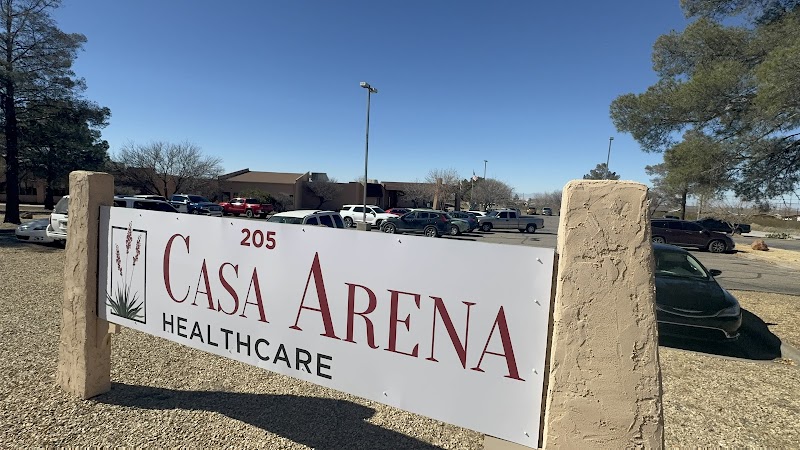
How is Casa Arena Healthcare Llc Staffed?

CMS rates Casa Arena Healthcare LLC's staffing level at 1 out of 5 stars, which is much below average compared to other nursing homes. Staff turnover is 70%, which is 24 percentage points above the New Mexico average of 46%. High turnover can affect care consistency as new staff learn residents' individual needs. RN turnover specifically is 73%, which is notably high. RNs provide skilled clinical oversight, so turnover in this role can affect medical care quality.

What Have Inspectors Found at Casa Arena Healthcare Llc?

State health inspectors documented 90 deficiencies at Casa Arena Healthcare LLC during 2023 to 2025. These included: 2 Immediate Jeopardy (the most serious level, indicating potential for serious harm or death), 1 that caused actual resident harm, 86 with potential for harm, and 1 minor or isolated issues. Immediate Jeopardy findings are rare and represent the most serious regulatory concerns. They require immediate corrective action.
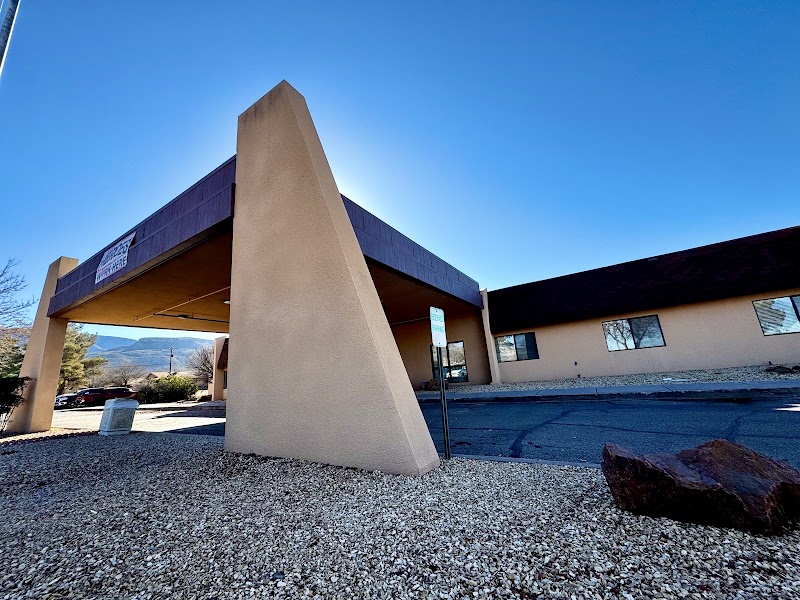
Who Owns and Operates Casa Arena Healthcare Llc?

Casa Arena Healthcare LLC is owned by a for-profit company. For-profit facilities operate as businesses with obligations to shareholders or private owners. The facility is operated by OPCO SKILLED MANAGEMENT, a chain that manages multiple nursing homes. With 117 certified beds and approximately 98 residents (about 84% occupancy), it is a mid-sized facility located in Alamogordo, New Mexico.

How Does Casa Arena Healthcare Llc Compare to Other New Mexico Nursing Homes?

Compared to the 100 nursing homes in New Mexico, Casa Arena Healthcare LLC's overall rating (1 stars) is below the state average of 2.9, staff turnover (70%) is significantly higher than the state average of 46%, and health inspection rating (1 stars) is much below the national benchmark.

What Should Families Ask When Visiting Casa Arena Healthcare Llc?

Based on this facility's data, families visiting should ask: "What changes have been made since the serious inspection findings, and how are you preventing similar issues?" "How do you ensure continuity of care given staff turnover, and what is your staff retention strategy?" "Can you walk me through typical staffing levels on day, evening, and night shifts?" "Can I visit during a mealtime to observe dining assistance and food quality?" These questions are particularly relevant given the facility's Immediate Jeopardy citations, the facility's high staff turnover rate, and the below-average staffing rating.

Is Casa Arena Healthcare Llc Safe?

Based on CMS inspection data, Casa Arena Healthcare LLC has documented safety concerns. Inspectors have issued 2 Immediate Jeopardy citations (the most serious violation level indicating risk of serious injury or death). The facility has a 1-star overall rating and ranks #100 of 100 nursing homes in New Mexico. Families considering this facility should ask detailed questions about what corrective actions have been taken since these incidents.

Do Nurses at Casa Arena Healthcare Llc Stick Around?

Staff turnover at Casa Arena Healthcare LLC is high. At 70%, the facility is 24 percentage points above the New Mexico average of 46%. Registered Nurse turnover is particularly concerning at 73%. RNs handle complex medical decisions and coordinate care — frequent RN changes can directly impact care quality. High turnover means new staff may not know residents' individual needs, medications, or preferences. It can also be disorienting for residents, especially those with dementia who rely on familiar faces. Families should ask: What is causing the turnover? What retention programs are in place? How do you ensure care continuity during staff transitions?

Was Casa Arena Healthcare Llc Ever Fined?

Casa Arena Healthcare LLC has been fined $124,375 across 2 penalty actions. This is 3.6x the New Mexico average of $34,323. Fines at this level are uncommon and typically indicate a pattern of serious deficiencies, repeated violations, or failure to correct problems promptly. CMS reserves penalties of this magnitude for facilities that pose significant, documented risk to resident health or safety. Families should request specific documentation of what issues led to these fines and what systemic changes have been implemented.

Is Casa Arena Healthcare Llc on Any Federal Watch List?

Casa Arena Healthcare LLC is not on any federal watch list. The most significant is the Special Focus Facility (SFF) program, which identifies the bottom 1% of nursing homes nationally based on persistent, serious quality problems. Not being on this list means the facility has avoided the pattern of deficiencies that triggers enhanced federal oversight. This is a positive indicator, though families should still review the facility's inspection history directly.