Northgate Unit Of Lakeview Christian Home
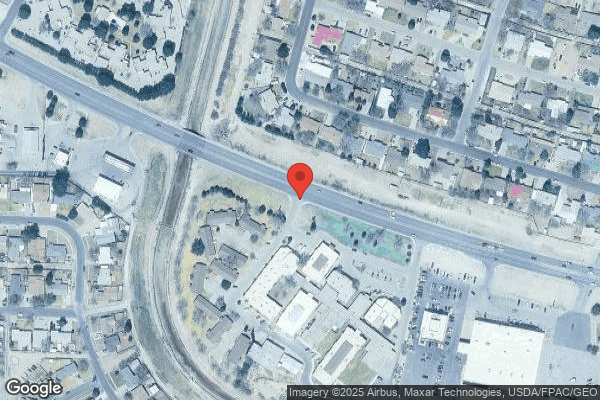
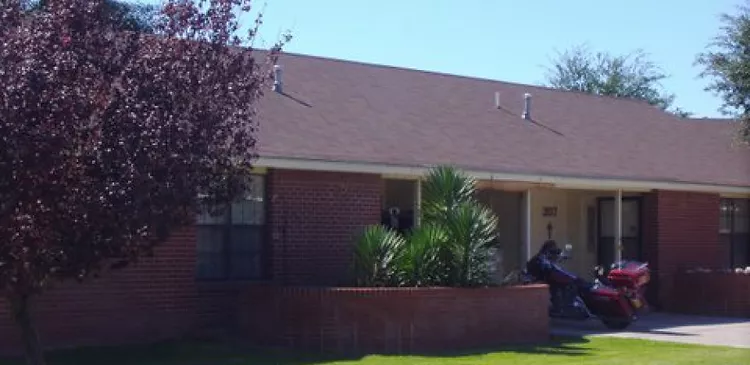
1905 West Pierce Street, Carlsbad, NM 88220 (575) 885-3161
Non profit - Corporation 112 Beds Independent Data: November 2025
Trust Grade
70/100
#18 of 67 in NM
Last Inspection: April 2025

Within standard 12-15 month inspection cycle. Federal law requires annual inspections.

Overview

Northgate Unit of Lakeview Christian Home has a Trust Grade of B, which indicates it is a good, solid choice for families considering care options. It ranks #18 out of 67 nursing homes in New Mexico, placing it in the top half of facilities in the state, and it is the best option among the two homes in Eddy County. The facility is improving, as the number of issues reported dropped from 16 in 2024 to 7 in 2025. Staffing is a strength here, with a 4 out of 5-star rating and a 50% turnover rate, which is better than the state average. Additionally, there have been no fines recorded, which is a positive sign. However, there are some concerning incidents. For example, staff were observed not wearing hairnets in the kitchen, which compromises food safety, and there were failures in proper hand hygiene during meal distribution, potentially exposing residents to foodborne illnesses. Additionally, the facility did not fully implement an antibiotic stewardship program, which can lead to improper antibiotic use among residents. While there are clear strengths, families should also be aware of these weaknesses when considering this nursing home.

Trust Score
B
70/100
In New Mexico
#18/67
Top 26%
Safety Record
Low Risk
No red flags
Inspections
Getting Better
16 → 7 violations
Staff Stability
⚠ Watch
50% turnover. Above average. Higher turnover means staff may not know residents' routines.
Penalties
✓ Good
No fines on record. Clean compliance history, better than most New Mexico facilities.
Skilled Nurses
✓ Good
Each resident gets 50 minutes of Registered Nurse (RN) attention daily — more than average for New Mexico. RNs are trained to catch health problems early.
Violations
⚠ Watch
31 deficiencies on record. Higher than average. Multiple issues found across inspections.
★★★★☆
4.0
Overall Rating
★★★★☆
4.0
Staff Levels
★★★☆☆
3.0
Care Quality
★★★★☆
4.0
Inspection Score
Stable
2024: 16 issues
2025: 7 issues

The Good

  • 4-Star Staffing Rating · Above-average nurse staffing levels
  • Full Sprinkler Coverage · Fire safety systems throughout facility
  • No fines on record

Facility shows strength in staffing levels, fire safety.

The Bad

Staff Turnover: 50%

Near New Mexico avg (46%)

Higher turnover may affect care consistency

The Ugly 31 deficiencies on record

Aug 2025 2 deficiencies
CONCERN (D) 📢 Someone Reported This

A family member, employee, or ombudsman was alarmed enough to file a formal complaint

Potential for Harm - no one hurt, but risky conditions existed

Assessment Accuracy (Tag F0641)

Could have caused harm · This affected 1 resident

**NOTE- TERMS IN BRACKETS HAVE BEEN EDITED TO PROTECT CONFIDENTIALITY** Based on record review and interview, the facility failed to ensure the Minimum Data Set Assessment (MDS; a federally mandated a...

Read full inspector narrative →
**NOTE- TERMS IN BRACKETS HAVE BEEN EDITED TO PROTECT CONFIDENTIALITY** Based on record review and interview, the facility failed to ensure the Minimum Data Set Assessment (MDS; a federally mandated assessment instrument completed by facility staff)) was accurate for 1 (R #1) of 1 (R #1) resident reviewed for MDS assessment accuracy. This deficient practice could likely result in the facility not having an accurate assessment of the residents' needs. The findings are: A. Record review of R #1's admission Record revealed the following diagnoses: 1. Dizziness (sensation of feeling faint).2. Senile Dementia (a mental deterioration associated with age by loss of intellectual ability). 3. Osteoporosis (bones become extremely porous and are subject to fracture and slow healing). B. Record review of progress notes dated 03/18/25 revealed the resident had an unwitnessed fall at 7:00 pm. C. Record review of R #1's physician orders revealed the following: 1. An order dated 03/18/25, Initiate Fall Prevention Program; Lower bed at appropriate height to prevent fall/injury.2. An order dated 03/18/25, Monitor status for 72 hours for bruising, change in mental status/condition, pain, or other injuries related to fall.3. An order dated 03/18/25, With Suspected head trauma - Neuro checks Q (every) 15 minutes x (times) 4, then Q1 hour x 2, then Q2 hours x 2, then Q4 hours x 2, then Q shift x 3. D. Record review of R #1's annual MDS assessment dated [DATE] revealed R #1 has not had any falls since admission/entry or reentry or the prior MDS assessment. E. On 08/27/25 at 3:15 pm, during an interview with the MDS Coordinator (MDS), she confirmed R #1's MDS is not accurate because R #1 had a fall on 03/18/25.
CONCERN (E) 📢 Someone Reported This

A family member, employee, or ombudsman was alarmed enough to file a formal complaint

Potential for Harm - no one hurt, but risky conditions existed

Medical Records (Tag F0842)

Could have caused harm · This affected multiple residents

Based on observation and interview, the facility failed to safeguard resident's personal health information by leaving a list of residents with their associated vital sign readings in plain view. This...

Read full inspector narrative →
Based on observation and interview, the facility failed to safeguard resident's personal health information by leaving a list of residents with their associated vital sign readings in plain view. This deficient practice had the potential to affect all 38 people residing in the rooms on the East 1 and East 2 halls by allowing unauthorized people access to their personal health information. The findings are: A. On 08/27/25 at 1:00 pm, a random observation of the facility revealed a paper document with names of the residents and their vital sign readings sitting face up on the nurses station countertop. B. On 08/27/25 at 1:11 pm, during an interview with ST #1 confirmed that the clipboard was left face up with resident information visible. C. On 08/27/25 at 3:15 pm, during an interview with the Director of Nursing (DON), she confirmed that all personal health information should be safeguarded and should never be left in view of people that are not authorized to see it.
Apr 2025 5 deficiencies
CONCERN (D)

Potential for Harm - no one hurt, but risky conditions existed

Deficiency F0645 (Tag F0645)

Could have caused harm · This affected 1 resident

**NOTE- TERMS IN BRACKETS HAVE BEEN EDITED TO PROTECT CONFIDENTIALITY** Based on record review and interview, the facility failed to ensure the Pre-admission Screening and Resident Review (PASRR; a sc...

Read full inspector narrative →
**NOTE- TERMS IN BRACKETS HAVE BEEN EDITED TO PROTECT CONFIDENTIALITY** Based on record review and interview, the facility failed to ensure the Pre-admission Screening and Resident Review (PASRR; a screening to help ensure that individuals are not inappropriately placed in nursing homes for long term care) assessment was accurate for 1 (R #58) of 2 (R #51 and R #58) residents reviewed for PASRR accuracy. This deficient practice is likely to result in the residents not receiving the services they need. The findings are: A. Record review of R #58's Face Sheet revealed R #58 was admitted to the facility on [DATE] with multiple diagnoses including a diagnosis of major depressive disorder (depression; a mood disorder that causes a persistent feeling of sadness and loss of interest), recurrent. B. Record review of R #58's PASRR dated 05/31/24, revealed staff documented that R #58 does not have a diagnosis or suspected mental illness. C. On 04/03/25 at 2:31 pm, during an interview with the Director of Nursing (DON), she stated R #58 does have a diagnosis of major depressive disorder which is listed as a mental illness on the first question of section C on the New Mexico PASRR Level 1 Identification Screen form and confirmed that R #58's PASRR is incorrect.
CONCERN (D)

Potential for Harm - no one hurt, but risky conditions existed

Deficiency F0761 (Tag F0761)

Could have caused harm · This affected 1 resident

Based on observation and interviews, the facility failed to ensure all treatment carts were locked while unattended. This deficient practice had the potential to affect all 18 people residing in the 2...

Read full inspector narrative →
Based on observation and interviews, the facility failed to ensure all treatment carts were locked while unattended. This deficient practice had the potential to affect all 18 people residing in the 200 through 216 rooms by allowing unauthorized people access to their medical supplies and personal health information. The findings are: A. On 04/02/25 at 9:38 am, during a random observation of the facility, the treatment cart located in the the hall of the 200 rooms was unlocked, and the facility employees were not in the area. B. On 04/02/25 at 9:42 am, during an interview with Case Manager (CM) #1, he confirmed the treatment cart was unlocked and then walked away from the area. C. On 04/02/25 at 9:43 am, during an interview with Registered Nurse (RN) #1, he confirmed the treatment cart was unlocked and locked the cart. RN #1 stated the treatment cart should be locked and secured while not in use.
CONCERN (E)

Potential for Harm - no one hurt, but risky conditions existed

Comprehensive Care Plan (Tag F0656)

Could have caused harm · This affected multiple residents

**NOTE- TERMS IN BRACKETS HAVE BEEN EDITED TO PROTECT CONFIDENTIALITY** Based on record review and interview, the facility failed to develop and implement an accurate, person-centered comprehensive ca...

Read full inspector narrative →
**NOTE- TERMS IN BRACKETS HAVE BEEN EDITED TO PROTECT CONFIDENTIALITY** Based on record review and interview, the facility failed to develop and implement an accurate, person-centered comprehensive care plan for 2 (R #33 and R #51) of 4 (R #1, R #3, R #33 and R #51) residents reviewed for care plans. This deficient practice is likely to result in staff being unaware of the current and actual needs of the residents. The findings are: R #33 A. Record review of R #33's Face Sheet revealed she was admitted to the facility on [DATE]. B. Record review of R #33's care plan dated 04/19/24 revealed that R #33 requires oxygen therapy. C. Record review of R #33's current medical orders revealed no order for the use of supplemental oxygen. D. On 04/04/25 at 2:45 pm during an interview with the Director of Nursing (DON) she stated that R #33 does not use supplemental oxygen. The DON confirmed that R #33's care plan is not accurate. R #51 E. Record review of R #51's Face Sheet revealed she was originally admitted to the facility on [DATE] with the following diagnoses: 1. Atherosclerotic (plaque containing cholesterol and lipids that build up on artery walls) heart disease, 2. Dementia (a group of conditions characterized by impairment of at least two brain functions, such as memory loss and judgment), 3. Dependence on supplemental oxygen, (oxygen therapy; a therapy treatment which provides extra oxygen). F. Record review of R #51's care plan last revised on 11/07/24 and on 03/06/25 revealed the care plan did not contain any information regarding R #51's use of oxygen. G. On 04/04/25 at 2:45 pm during an interview with the DON, she confirmed that R #51 does use supplemental oxygen, should have a care plan for the use of oxygen. R #51 does not have a care plan in place for oxygen use. The DON confirmed that any resident that uses supplemental oxygen should have a care plan in place.
CONCERN (E)

Potential for Harm - no one hurt, but risky conditions existed

Deficiency F0657 (Tag F0657)

Could have caused harm · This affected multiple residents

**NOTE- TERMS IN BRACKETS HAVE BEEN EDITED TO PROTECT CONFIDENTIALITY** Based on observation, record review, and interview, the facility failed to ensure staff revised the care plan for 2 (R #34, and ...

Read full inspector narrative →
**NOTE- TERMS IN BRACKETS HAVE BEEN EDITED TO PROTECT CONFIDENTIALITY** Based on observation, record review, and interview, the facility failed to ensure staff revised the care plan for 2 (R #34, and R #51) of 4 (R #3, R #33, R #34, and R #51) residents reviewed when staff failed to: 1. Revise #34's care plan for the use of assist bars. 2. Revise #51's care plan for hospice care. This deficient practice is likely to result in residents' care and needs not being addressed if care plans are not updated. The findings are: R #34 A. Record review of R #34's face sheet revealed R #34 was originally admitted to the facility on [DATE] and re-admitted on [DATE] with the following diagnoses: 1. Abnormalities of gait and mobility (a deviation from the normal pattern of walking), 2. Lack of coordination, 3. Polyosteoarthritis (a condition where pain and inflammation occur in multiple joints at once), 4. Parkinsons disease (a progressive neurological disorder that primarily affects movement) with Dyskinesia (a movement disorder characterized by involuntary, repetitive, and often purposeless movements) B. Record review of R #34's assist bars evaluation dated 08/11/20 revealed the following: 1. R #34 requested to have assist bar while in bed for safety and security, 2. Bilateral (horizontal bars that attach to the side of a bed, extending a quarter of the length of the bed) bars indicated bed mobility and transfers. 3. R #34 consented to assist bars for bed mobility and transfers. C. Record review of R #34's care plan dated 07/23/24 revealed there was not a care plan for assist bar use. D. On 04/02/25 at 9:55 am during an observation of R #34's bed revealed quarter size assist bars on each side of the bed. E. On 04/02/25 at 9:55 am during an interview, R #34 stated he was aware he had assist bars on each side of the bed and used the bars to help with repositioning himself and bed mobility. F. On 04/04/25 at 2:46 pm during an interview with the Director of Nursing (DON), she stated R #34 did not have a care plan for assist bars and should have. R #51 G. Record review of R #51's Face Sheet revealed R #51 was originally admitted to the facility on [DATE] with the following diagnoses: 1. Atherosclerotic (plaque containing cholesterol and lipids that build up on artery walls) heart disease, 2. Dementia (a group of conditions characterized by impairment of at least two brain functions, such as memory loss and judgment), 3. Hypertensive heart disease (a condition where long-term high blood pressure puts extra strain on the heart) with heart failure. H. Record review of R #51's medical orders revealed an order to admit R #51 to hospice dated 08/13/24. I. Record review of R #51's care plan dated with last care conference date of 12/05/24 revealed there was no care plan present for hospice care or services. J. On 04/04/25 at 2:46 pm, during an interview with the DON, she confirmed that R #51 is on hospice and does not have a care plan in place that addresses hospice. The DON stated that her expectation is to have a hospice care plan in place for all residents that are on hospice.
CONCERN (F)

Potential for Harm - no one hurt, but risky conditions existed

Food Safety (Tag F0812)

Could have caused harm · This affected most or all residents

Based on observation and interview, the facility failed to ensure food was prepared and served under sanitary conditions when staff failed to wear hairnets while in the kitchen. This deficient practic...

Read full inspector narrative →
Based on observation and interview, the facility failed to ensure food was prepared and served under sanitary conditions when staff failed to wear hairnets while in the kitchen. This deficient practice is likely to affect all 79 residents listed on the resident census list provided by the Administrator on 04/02/25. The findings are: A. On 04/04/25 at 12:23 pm, a random observation of the kitchen revealed Dietary Aide #1 and Dietary Aide #2 were not wearing a hairnet while in the kitchen. B. On 04/04/25 at 12:46 pm during an interview with Assistant Dietary Manager, she confirmed that all staff should be wearing hairnets while in the kitchen.
Mar 2024 16 deficiencies
CONCERN (D)

Potential for Harm - no one hurt, but risky conditions existed

Assessment Accuracy (Tag F0641)

Could have caused harm · This affected 1 resident

**NOTE- TERMS IN BRACKETS HAVE BEEN EDITED TO PROTECT CONFIDENTIALITY** Based on record review and interview, the facility failed to ensure the Minimum Data Set (MDS; assessment instrument completed b...

Read full inspector narrative →
**NOTE- TERMS IN BRACKETS HAVE BEEN EDITED TO PROTECT CONFIDENTIALITY** Based on record review and interview, the facility failed to ensure the Minimum Data Set (MDS; assessment instrument completed by facility staff) was accurate for 1 (R #58) of 6 (R #4, R #7, R #24, R #52, R #57, and R #58) residents reviewed for MDS accuracy. This deficient practice could likely result in the facility not having an accurate assessment of resident's care needs. The findings are: A. Record review of R #58's nursing progress note dated 12/16/23 at 11:59 AM, revealed that staff documented that R #58 complained of burning pain upon urination. B. Record review of R #58's McGreer's Criteria form (surveillance tool that is used to help identify and track infections among residents) dated 12/16/23 at 2:05 PM revealed: 1. Acute dysuria (painful urination) or acute pain was marked yes. 2. At least 100,000 colony count (number of bacteria in a urine sample indication urinary infection) of no more than 2 species of microorganisms (microscopic organism, especially a bacteria, virus, or fungus) in a voided urine sample was marked yes. C. Record review of the R #58's physician orders revealed: an order start date of 01/06/24, gentamicin (antibiotic used to treat severe or serious bacterial infections) solution administer 60 milligrams every 8 hours for urinary tract infection. D. Record review of R #58's Nurse Practitioner progress note dated 01/06/24 revealed: assessment, UTI (urinary tract infection). E. Record review of the quarterly MDS assessment for R #58, dated 01/09/24, revealed staff did not document a diagnosis of UTI in the last 30 days. F. On 03/29/24 at 4:23 PM, during an interview with the MDS Coordinator, she confirmed that she did not code the diagnosis of UTI for R #58. The MDS Coordinator confirmed the MDS assessment dated [DATE] was not accurate for R #58.
CONCERN (E)

Potential for Harm - no one hurt, but risky conditions existed

Deficiency F0558 (Tag F0558)

Could have caused harm · This affected multiple residents

Based on observation and interview, the facility failed to provide reasonable accommodation of resident needs for 2 (R #37 and R #41) of 2 (R #37 and R #41) residents reviewed for care when the facili...

Read full inspector narrative →
Based on observation and interview, the facility failed to provide reasonable accommodation of resident needs for 2 (R #37 and R #41) of 2 (R #37 and R #41) residents reviewed for care when the facility failed to ensure that resident's bedside table with frequently used items were within the resident's reach. This deficient practice could result in the residents' needs not being met, leaving them at risk for accidents and falls. The findings are: R #37 A. On 03/26/24 at 10:10 AM, during an interview and observation of R #37, the following was revealed: 1. R #37 sat in chair next to his bed. 2. R #37's call bell sat on R #37's bed behind him. The call bell was out of R #37's eye sight and out of his reach. 3. R #37's bedside table with drinks was at the foot of R #31's bed and was approximately four feet away from resident 4. R #37 stated that he was unable to get up on his own and unable to get his drinks. B. On 03/26/24 at 10:31 AM, during an interview with CNA #22, she confirmed the following: 1. R #37 was not able to get up on his own. 2. R #37's drinks were out of his reach. 3. The bedside table with drinks should be within R #37's reach. R #41 C. On 03/26/24 at 9:40 AM, during an observation and interview with R #41, the following was revealed: 1. R #41 lay in her bed. 2. R #41 said she was not able to get out of bed on her own. 3. R #41's bedside table with R #41's drinks and a box of tissue was about three feet away from R #41's bed. 4. R #41 said she was unable to get a drink since the bedside table was out of her reach. D. On 03/26/24 at 9:43 AM, during an interview with CNA #23, she confirmed the following: 1. R #41 was not able to get up on her own. 2. R #41's drinks were out of her reach. 3. The bedside table with drinks and other items, she frequently needs should be within R #41's reach. E. On 03/29/24 at 8:48 AM, during an interview with LPN #23, she confirmed R #41's bedside table with drinks and frequently needed items should be within R #41's reach. F. On 03/29/24 at 12:34 PM, during an interview with the DON, she confirmed resident's bedside table with drinks and other frequently used items should be within residents reach.
CONCERN (E)

Potential for Harm - no one hurt, but risky conditions existed

Transfer Notice (Tag F0623)

Could have caused harm · This affected multiple residents

**NOTE- TERMS IN BRACKETS HAVE BEEN EDITED TO PROTECT CONFIDENTIALITY** Based on record review and interview the facility failed to ensure that residents, their representatives, and the Ombudsman (a r...

Read full inspector narrative →
**NOTE- TERMS IN BRACKETS HAVE BEEN EDITED TO PROTECT CONFIDENTIALITY** Based on record review and interview the facility failed to ensure that residents, their representatives, and the Ombudsman (a resident advocate that is a government employee who investigates and tries to resolve complaints, usually through recommendations or mediation) received a written notice of transfer as soon as practicable for 6 (R #16, R #24, R #34, R #37, R #59, and R #65) of 6 (R #16, R #24, R #34, R #37, R #59, and R #65) residents reviewed for hospitalization. This deficient practice could likely result in the resident and/or their representative not knowing the reason or location the resident was discharged . The findings are: R #16 A. Record review of R #16's medical record revealed the following: 1. R #16 was transferred to the hospital on [DATE] after a fall. 2. Staff did not provide a written transfer notice to R #16 or her representative. 3. Staff did not provide a copy of a written transfer notice to the Office of the State Ombudsman. R #24 B. Record review of R #24's medical record revealed the following: 1. R #24 was transferred to the hospital on [DATE] due to having blood in her stool. 2. Staff did not document that a written transfer notice was provided to R #24 and her representative. R #34 C. Record review of R #34's medical record revealed the following: 1. R #34 was transferred to the hospital on [DATE] for pain. 2. R #34 was transferred to the hospital on [DATE] due to a positive Methicillin-resistant Staphylococcus aureus (MRSA, group of gram-positive bacteria that are genetically distinct from other strains of Staphylococcus aureus. MRSA is responsible for several difficult-to-treat infections in humans) culture. 3. Staff did not provide a written transfer notice to R #34 or his representative for the hospital transfers on 03/13/24 and on 03/17/24. 4. Staff did not provide copies of the written transfer notices on 03/13/24 and on 03/17/24 to the Office of the State Ombudsman. R #37 D. Record review of R #37's medical record revealed the following: 1. R #37 was transferred to the hospital on [DATE] for pain. 2. Staff did not document that a written transfer notice was provided to R #37 or his representative for the hospital transfer on 02/28/24. 3. Staff did not document that the copy of the written transfer notice on 02/28/24 was sent to the Office of the State Ombudsman. R #59 E. Record review of R #59's medical record revealed the following: 1. R #59 was transferred to the hospital on [DATE] due to being lethargic (unusual decrease in consciousness). 2. Staff did not document that a written transfer notice was provided to R #59 and her representative. R #65 F. Record review of R #65's medical record revealed the following: 1. R #65 was transferred to the hospital on [DATE] for shortness of breath. 2. Staff did not provide a written transfer notice to R #65 or her representative. 3. Staff did not provide a copy of a written transfer notice to the Office of the State Ombudsman G. On 03/28/24 at 11:17 AM, during an interview with the Administrator, she confirmed the facility does not have a written transfer notice form. H. On 04/02/24 at 2:55 PM, during an interview with the Ombudsman, she confirmed that she received a faxed list of resident names (not a copy of the written notices) who were transferred to the hospital from the facility monthly.
CONCERN (E)

Potential for Harm - no one hurt, but risky conditions existed

Deficiency F0625 (Tag F0625)

Could have caused harm · This affected multiple residents

**NOTE- TERMS IN BRACKETS HAVE BEEN EDITED TO PROTECT CONFIDENTIALITY** Based on record review and interview, the facility failed to ensure that residents and their representatives received a written ...

Read full inspector narrative →
**NOTE- TERMS IN BRACKETS HAVE BEEN EDITED TO PROTECT CONFIDENTIALITY** Based on record review and interview, the facility failed to ensure that residents and their representatives received a written notice of the bed hold policy which indicated the duration the bed would be held for 6 (R #16, R #24, R #34, R #37, R #59, and R #65) of 6 (R #16, R #24, R #34, R #37, R #59, and R #65) residents reviewed for hospitalization. This deficient practice could likely result in the resident and/or their representative being unaware of the bed hold policy upon return from the hospital. The findings are: R #16 A. Record review of R #16's medical record revealed the following: 1. R #16 was transferred to the hospital on [DATE] after a fall. 2. R #16's medical record did not contain a written notice of bed hold policy for the transfer on 02/18/24. R #24 B. Record review of R #24's medical record revealed the following: 1. R #24 was transferred to the hospital on [DATE] due to having blood in her stool. 2. R #24's medical record did not contain a written notice of bed hold policy for the transfer on 12/08/23. R #34 C. Record review of R #34's medical record revealed the following: 1. R #34 was transferred to the hospital on [DATE] for pain. 2. R #34 was transferred to the hospital on [DATE] due to a positive Methicillin-resistant Staphylococcus aureus (MRSA, group of gram-positive bacteria that are genetically distinct from other strains of Staphylococcus aureus. MRSA is responsible for several difficult-to-treat infections in humans) culture. 3. R #34's record did not contain a written notice of the bed hold policy for R #34's hospital transfers on 03/13/24 and on 03/17/24. R#37 D. Record review of R #37 medical record revealed the following: 1. R #37 was transferred to the hospital on [DATE] for pain. 2. The record did not contain a written notice of the bed hold policy for R #37's hospital transfer on 02/28/24. R #59 E. Record review of R #59's medical record revealed the following: 1. R #59 was transferred to the hospital on [DATE] due to being lethargic (unusual decrease in consciousness). 2. R #59's medical record did not contain a written notice of bed hold policy for the transfer on 10/15/23. R #65 F. Record review of R #65's medical record revealed the following: 1. R #65 was transferred to the hospital on [DATE] for shortness of breath. 2. R #65's medical record did not contain a written notice of bed hold policy for the transfer on 11/24/23. G. On 03/28/24 at 11:17 AM, during an interview with the Administrator, she confirmed the following: 1. The receptionist sends a bed hold notice in the mail to the resident representative that is responsible for the residents bill the next business day. 2. The residents were not given the bed hold notice. 3. The facility does not keep a copy of the bed hold notice. 4. The facility does not have documentation that the bed hold notices were sent. H. On 03/28/24 at 11:23 AM, during an interview with Receptionist #21, she confirmed the following: 1. She completes bed hold notices every morning Monday through Friday based off the census. 2. If the census shows the resident is discharged to the hospital, she completes a bed hold notice. 3. She sends the notice to the family member has the highest priority in the resident's medical record. 4. If a resident returns to the facility prior to the census being printed, she does not complete a bed hold notice. 5. She does not give a copy of the bed hold notice to the resident. 6. She does not keep a copy of the bed hold notice. 7. She does not document in the medical record that a bed hold notice was completed and who it was sent to.
CONCERN (E)

Potential for Harm - no one hurt, but risky conditions existed

Deficiency F0657 (Tag F0657)

Could have caused harm · This affected multiple residents

**NOTE- TERMS IN BRACKETS HAVE BEEN EDITED TO PROTECT CONFIDENTIALITY** Based on record review and interview, the facility failed to ensure care plan revision and care plan meeting requirements occurr...

Read full inspector narrative →
**NOTE- TERMS IN BRACKETS HAVE BEEN EDITED TO PROTECT CONFIDENTIALITY** Based on record review and interview, the facility failed to ensure care plan revision and care plan meeting requirements occurred for 10 (R #4, R #12, R #16, R #24, R #31, R #37, R #39, R #59, R #65, and R #179) of 13 (R #4, R #12, R #16, R #24, R #31, R #37, R #39, R #52, R #57, R #58, R #59, R #65, and R #179) residents reviewed for care plans when they failed to: 1. Have the required Interdisciplinary Team (IDT, team members from different disciplines working collaboratively, with a common purpose, to set goals, make decisions and share resources and responsibilities, and includes other appropriate staff or professionals in disciplines as determined by the resident's needs) members (Hospice and R #39) as well as resident representatives participate in the care plan meeting for R #31 and R #39. 2. Have the care plan meeting within seven days after the completion of the MDS assessment for R #31. 3. Revise the care plan with the most current resident information for R #4, R #16, R #24, R #37, R #39, R #59, R #65, and R #179. These deficient practices could likely result in the care plan not being updated with the most current resident conditions and appropriate interventions, staff being unaware of changes in care provided, and residents not receiving the care related to changes in their health status or healthcare decisions. The findings are: Resident Representatives/Hospice Members R #31 A. Record Review of R #31's social services progress notes revealed the following: 1. On 12/14/23, R #31 had a care plan meeting, R #31's representative did not attend the meeting. 2. On 09/14/23, R #31 had a care plan meeting, R #31's representative did not attend the meeting B. On 03/26/24 at 10:44 AM, during an interview, R #31's Family Member (FM #1) stated he lives out of state and is R #31's representative. FM #1 stated he does not receive phone calls for care plan meetings so he could attend. FM #1 also confirmed he receives letters informing him of the care plan meetings but they arrive after the meeting has already taken place, so he was not able to attend. C. Record Review of R #39's social services progress notes revealed the following: 1. On 01/25/24, R #39 had a care plan meeting, R #39's representative did not attend the meeting. 2. On 09/14/23, R #39 had a care plan meeting, R #39's representative did not attend the meeting D. On 03/26/24 at 4:45 PM, during an interview, R #39's FM #2 stated her and her brother have not attended a care plan meeting in almost a year. FM #2 stated her sister who is the conservator (guardian) gets notified about care plan meetings and have attended some. FM #2 stated all three of R #39's children would like to attend care plan meetings and be notified if one of them is not available since they are all co-guardians. E. Record review of the facility's care plan notification spreadsheet (not dated) revealed Social Services Assistant (SSA) did not contain any documentation of specific dates, times or who she called to notify of upcoming care plan meetings. F. On 03/27/24 at 2:56 PM, during an interview the SSA confirmed MDSC sets up care plan meetings. The SSA confirmed that the SSD, Dietician Director, Activities Director and herself attend the care plan meetings. SSA stated R #39's family member gets notified through a letter and a phone call to notify them two weeks prior to a care plan meeting. She stated R #39 does not attend meetings, and is not invited because of his cognition. R #39 BIM score was 00 (the mental action or process of acquiring knowledge and understanding through thought, experience, and the senses, R #39 BIM score is 00 impaired cognition). The family can attend via teleconference if needed since family lives out of town. First person contact receives letters. SSA stated the facility had contacted one of R #39's family on 01/12/24 via letter (SSA was not specific about which family member) and FM #2 was contacted by phone call. SSA confirmed she completes a spreadsheet for care plan notification. The SSA stated she called R #39's family three times with no return phone call (SSA did not specify which family member). G. On 03/27/24 at 3:52 PM, during an interview, Social Services Director (SSD) confirmed hospice staff are invited to meetings but sometimes they will not attend due to emergencies or because they are out in the field caring for other residents. SSD confirmed staff do not document that hospice did not attend residents meeting. The SSD confirmed facility does not keep a copy of the notification letter for care plan meetings in R #39's medical record. H. On 03/27/24 at 4:11 PM, during an interview with MDSC, she confirmed Hospice staff did not attended care plan meetings in person December 2023 and January 2024. Care Plan Timing R #31 I. Record review of R #31's quarterly MDS assessment revealed it was completed on 03/01/24. J. Record review of R #31's care plan revealed it was completed on 12/14/23. K. On 03/28/24 at 11:14 AM, during an interview the MDS Coordinator (MDSC) verified the quarterly MDS assessment for R #31 was completed on 03/01/24. (MDSC was mistaken the care plan should have been completed seven days after completion of the MDS). The MDSC confirmed R #31's care plan meeting has not taken place. L. On 03/28/24 at 11:24 AM, during an interview the SSA and SSD confirmed R #31's care plan conference has not been scheduled. Care plan review/revision R #4 M. Record review of R #4's Quarterly Minimum Data Set assessment, dated 03/19/24, Section GG: Functional Abilities and Goals revealed: 1. Question GG0130.B - Oral hygiene; The resident required set-up or clean-up assistance. One staff sets up or cleans up; resident completes activity. Staff assist only prior to or following the activity. 2. Question GG0130.C- Toileting hygiene; The resident required substantial/maximum assistance. One staff helps and provides more than half the effort. 3. Question GG0130.E- Shower/bathe self; The resident required partial/moderate assistance. One staff helps and provides less than half the effort. 4. Question GG0130.F- Upper body dressing; The resident required partial/moderate assistance. One staff helps and provides less than half the effort. 5. Question GG0130.G- Lower body dressing; The resident required partial/moderate assistance. One staff helps and provides less than half the effort. 6. Question GG0130.I- Personal hygiene (combing hair, shaving, applying makeup, washing/drying face and hands); Independent. The resident is independent. Resident completes the activity by themselves with no assistance from staff. 7. Question GG0170.A- Roll left and right (ability to move from left to right side in bed); The resident required partial/moderate assistance. One staff helps and provides less than half the effort. 8. Question GG0170.B- Sit to lying (ability to move from sitting on side of bed to lying flat on the bed); The resident required partial/moderate assistance. One staff helps and provides less than half the effort. 9. Question GG0170.C- Lying to sitting on side of bed (ability to move from lying on the back to sitting on the side of the bed with no back support); The resident required partial/moderate assistance. One staff helps and provides less than half the effort. 10. Question GG0170.E- Chair/bed-to-chair transfer: The ability to transfer to and from a bed to a chair (or wheelchair). The resident required partial/moderate assistance. One staff helps and provides less than half the effort. 11. Question GG0170.FF- Tub/shower transfer: The ability to get in and out of a tub/shower. The resident required partial/moderate assistance. One staff helps and provides less than half the effort. N. Record review of R #4's care plan, review/revise dated 03/26/24, revealed: Approach (portion of care plan that addresses how staff will assist resident) start date 07/11/23 for the following activities of daily living: 1. Encourage/provide oral care. 2. Requires extensive assistance (resident involved in activity, staff provide weight-bearing support) x (times 1; assistance of 1 staff) with toilet use. 3. Requires extensive assistance x 1 with showers. 4. Requires extensive assistance x 1 with dressing. 5. Requires extensive assistance x 1 with personal hygiene. 6. Requires extensive assistance x 1 with bed mobility. 7. Requires extensive assistance x 1 with transfers O. On 04/02/24 at 11:38 AM, during an interview, the MDS Coordinator confirmed that R #4's care plan was not updated to match what was on the most recent MDS assessment dated [DATE] because R #4's abilities fluctuate depending on her mood and her physical abilities. R #16 P. Record review of R #16's lab results, dated 03/05/24, revealed R #16 had a urine culture (a lab test to check for bacteria or other germs in a urine sample) result that was positive for Proteus Mirabilis (a gram-negative bacteria). Q. On 03/26/24 at 4:51 PM, during an interview with R #16's Power of Attorney (POA, the authority to act for another person in specified or all legal or financial matters), she revealed the following: 1. R #16 currently has a urinary tract infection (UTI). 2. The hospice facility decided not to treat R #16's UTI due to not having any symptoms and R #16 having an allergy to Penicillin (antibiotic used to treat a wide range of infections). R. Record review of R #16's hospice nursing progress note, dated 03/06/24, revealed that R #16's POA decided not to treat R #16's UTI due to R #16 not having any symptoms and having a resistance to multiple antibiotics. S. Record review of R #16's care plan, revised on 03/21/24, revealed R #16's UTI was not included in the Care Plan. T. On 03/27/24 at 3:49 PM, during an interview with RN #21, he confirmed the following: 1. R #16's lab results showed a positive urine culture on 03/05/24. 2. R #16 did not receive treatment for the UTI. 3. R #16's care plan did not include that R #16 had a UTI or for staff to monitor for symptoms of a UTI. U. On 03/29/24 at 11:09 AM, during an interview with the MDS Coordinator, she confirmed the following: 1. R #16 had a positive urine culture on 03/05/24. 2. R #16 did not receive treatment for the UTI. 3. R #16's care plan did not include R #16's UTI. 4. R #16 did not have any symptoms of infection. 5. The MDS Coordinator does not include a UTI in the care plan unless it meets McGreer criteria (a tool used for retrospectively counting true infections. To meet the criteria for definitive infection, more diagnostic information (e.g., positive laboratory tests) is often necessary. Used by the facility for all potential UTI's.) for diagnosing a UTI. R #24 V. Record review of R #24's medical record revealed the following: 1. R #24 was transferred to the emergency room on [DATE] due to having blood in her stool. 2. R #24 was hospitalized on [DATE] and discharged on 12/10/23 with a diagnosis of gastrointestinal bleed (GIB; serious condition involving bleeding in the gastrointestinal tract, can be anywhere from the mouth to the rectum). 3. R #24 required 2 units of packed red blood cells (PRBC; type of blood replacement product used for blood transfusions, typically given in situations where the patient has lost a large amount of blood) during her hospitalization. 4. R #24 took clopidogrel (platelet inhibitor medication; reduces the chance of blood clot formation but can also increase the chance of serious bleeding) daily at bedtime. W. Record review of R #24's care plan last reviewed/revised on 03/25/24 revealed: 1. The care plan was not revised to include the hospitalization for GI bleed and what specific monitoring R #24 required given recent hospitalization due to GI bleed. 2. The care plan did not include R #24 medication of clopidogrel and that she had a risk of bleeding due to this medication. X. On 04/02/24 at 11:53 AM, during an interview, the MDS Coordinator confirmed that R #24's care plan was not revised to include risk for bleeding related to recent hospitalization for GI bleed and the medication clopidogrel was not included in the care plan. R #37 Y. Record review of R #37's physician's orders revealed an order dated 10/12/23, for compression stockings (specially made socks that fit tighter than normal so they gently squeeze your legs to promote circulation) to be applied before getting up and removed at night. Z. Record review of R #37's care plan dated 07/24/23 revealed that staff did not document R #37's compression stockings on the care plan. AA. On 03/28/24 at 4:55 PM, during an interview, the DON confirmed that R #37's compression stockings were not care planned for. The DON said that R #37's stockings and the interventions should be care planned. R #39 BB. On 03/26/24 at 4:33 PM, during an interview R #39's Family member (FM) #2 stated R #39 used to wear eyeglasses. CC. Record Review of R #39's care plan dated 01/25/24 revealed the following: 1. R #39 was care planned for eyeglasses. DD. On 03/27/24 at 11:46 AM, during an observation of R #39 revealed R #39 was not wearing glasses. EE. On 03/27/24 at 4:11 PM, during an interview with MDSC, she confirmed R #39 does not wear glasses anymore. The MDSC confirmed R #39's care plan was not updated and eyeglasses have not been removed. R #59 FF. Record review of R #59's medical record revealed: 1. A urine culture (lab test to detect and identify bacteria in urine that can cause infection) and sensitivity (report that identifies which antibiotics are most effective against the bacteria identified), final report date 09/27/23 revealed R #59's urine culture was positive for Escherichia Coli (E. Coli; bacteria normally found in the gastrointestinal tract that can often cause urinary infection by entering the urinary tract via stool). Resident was treated with ciprofloxacin (antibiotic medication used to treat a variety of bacterial infections) from 10/02/23 through 10/09/23 for urinary tract infection (UTI). 2. Resident was hospitalized [DATE] through 10/18/23 with a diagnosis of UTI which was treated with ceftriaxone intravenous (IV; through the vein) antibiotics. 3. Resident continued treatment of her UTI with IV ceftriaxone (antibiotic medication used to treat many kinds of bacterial infection) until 10/20/23. 4. A urine culture and sensitivity final report date 01/26/24 revealed R #59's urine culture was positive for klebsiella pneumoniae (bacteria that normally live in your intestines and feces that can cause urinary infection by entering the urinary tract via the stool). Resident was treated with ciprofloxacin from 01/28/24 through 02/03/24 for urinary tract infection (UTI). GG. Record review of R #59's care plan, last reviewed/revised on 12/28/23, revealed R #59's frequent UTI's and risk for frequent UTI's was not included in the Care Plan. HH. On 04/02/24 at 11:26 AM, during an interview, the MDS Coordinator confirmed that she could not find that R #59's care plan included UTI's. R #65 II. On 03/26/24 at 12:38 PM, during an observation and interview with R #65, the following was revealed: 1. R #65's right lower leg was swollen. 2. R #65 stated he had compression stockings. JJ. Record review of R #65's Physician's orders revealed an order, dated 01/11/24, to apply knee high compression stockings before getting up in the morning and remove at night. KK. Record review of R #65's diagnoses revealed R #65 had a diagnosis of localized edema (swelling caused by too much fluid trapped in the body's tissues. Edema can affect any part of the body. But it's more likely to show up in the legs and feet). LL. Record review of R #65's care plan, review date 03/22/24, revealed the following: 1. R #65's diagnosis of localized edema was not included in the care plan. 2. R #65's order for knee high compression stockings was not included in the care plan. MM. On 03/29/24 at 8:58 AM, during an interview with the MDS Coordinator, she confirmed the following: 1. R #65 had an order for compression stockings. 2. R #65 had a diagnosis of localized edema. 3. R #65's diagnosis of localized edema and knee high compression stockings were not included on R #65's care plan. 4. R #65's diagnosis of localized edema and order for knee high compression stockings should have been included in R #65's care plan. R #179 NN. Record review of R #179's physician's orders revealed the following 1. An order dated 02/28/24 for 2-4 liters of oxygen as needed for shortness of breath. 2. An order dated 02/28/24 to document if the resident is continuously using oxygen. OO. Record review of R #179's care plan dated 03/11/24, revealed that R #179's oxygen and interventions was not care planned for. PP. On 03/28/24 at 4:55 PM, during an interview, the DON confirmed that R #179's oxygen is not care planned for. The DON said that R #179's oxygen and the interventions should be care planned.
CONCERN (E)

Potential for Harm - no one hurt, but risky conditions existed

Quality of Care (Tag F0684)

Could have caused harm · This affected multiple residents

Based on observation, record review, and interview, the facility failed to ensure residents received treatment and care in accordance with professional standards of practice for 2 (R #59 and R #65) of...

Read full inspector narrative →
Based on observation, record review, and interview, the facility failed to ensure residents received treatment and care in accordance with professional standards of practice for 2 (R #59 and R #65) of 2 (R #59 and R #65) residents when they failed to: 1. Start antibiotics for R #59 until five days after the positive urine culture (test result that shows the presence of bacteria in the urine) received. 2. Place compression stockings on R #65's legs as ordered by physician. These deficient practices could likely lead to residents needs not being met and/or a worsening of their condition. The findings are: R #59 A. Record review of R #59's medical record revealed: 1. A urine culture (lab test to detect and identify bacteria in urine that can cause infection) and sensitivity (report that identifies which antibiotics are most effective against the bacteria identified), final report date 09/27/23 revealed R #59's urine culture was positive for Escherichia Coli (E. Coli; bacteria normally found in the gastrointestinal tract that can often cause urinary infection by entering the urinary tract via stool). 2. The results of the final urine culture and sensitivity for 09/27/23 were sent to facility provider via email on 09/27/23. 3. Facility did not attempt to contact the facility provider regarding the positive urine culture received on 09/27/23 until 10/01/23, via email. 4. The facility provider ordered antibiotics for R #59 on 10/02/23, five days after the culture results were received. B. On 04/02/24 at 11:26 AM, during a joint interview with the MDS coordinator and the DON, they confirmed that the antibiotics to treat R #59 were not started in a timely manner. R #65 C. On 03/26/24 at 12:38 PM, during an observation and interview with R #65, the following was revealed: 1. R #65 right lower leg was swollen. 2. R #65 stated that he had compression stockings 3. R #65 was not wearing compression stockings. D. Record review of R 65's Physician's orders revealed and order, dated 01/11/24 to apply knee high compression stockings before getting up in the morning and remove at night. E. Record review of R #65's diagnoses revealed resident has a diagnosis of localized edema (swelling caused by too much fluid trapped in the body's tissues. Edema can affect any part of the body. But it's more likely to show up in the legs and feet.). F. Record review of R #65's care plan, reviewed on 03/22/24, revealed the following: 1. R #65's diagnosis of localized edema was not included in the care plan. 2. R #65's order for knee high compression stockings was not included in the care plan. G. On 03/29/24 at 08:30 AM, during an observation of the common area near of the nurses station, R #65 was not wearing compression stockings. H. On 03/29/24 at 8:33 AM, during an interview with CNA #21, she stated that R #65 does not wear compression stockings, he wears regular socks. I. On 03/29/24 at 8:35 AM, during an interview with LPN #21, she confirmed the following: 1. R #65 does not wear compression stockings. 2. LPN #21 was not aware of R #65's order for compression stockings. 3. R #65 was not wearing compression stockings at the time of the interview. 4. R #65 should be wearing compression stockings. J. On 03/29/24 at 12:32 PM, during an interview with the DON, she confirmed that if a resident had an order for compression stockings, the CNA's are expected to put on the compression stocking in the morning and remove them at night.
CONCERN (E)

Potential for Harm - no one hurt, but risky conditions existed

Accident Prevention (Tag F0689)

Could have caused harm · This affected multiple residents

Based on observation, interview, and record review, the facility failed to keep residents free from accidents for all 53 residents in the East Unit and H Unit. Residents were identified by the residen...

Read full inspector narrative →
Based on observation, interview, and record review, the facility failed to keep residents free from accidents for all 53 residents in the East Unit and H Unit. Residents were identified by the resident Census provided by the Administrator on 03/25/24, when they failed to: 1. Keep treatment carts (a movable piece of equipment used in healthcare facilities to store, transport, and dispense treatment supplies and tools.) locked when not supervised by staff. 2. Ensure the fall mat (a safety feature that is placed along the side of the bed to prevent injury) was placed next to R #41's bed. These deficient practices could likely result in injury to residents due to falling without a fall mat or residents obtaining medical equipment which can cause injury/death. The findings are: Treatment Carts A. On 03/25/24 at 1:29 PM, during an observation of the East Unit, the treatment cart was unlocked and staff were not present. B. On 03/25/24 at 1:31 PM, during an interview RN #31 confirmed treatment cart was unlocked. RN #31 confirmed that the treatment carts are supposed to be locked. C. On 03/26/24 at 12:15 PM, during an observation of the H Unit, the treatment cart was unlocked and staff were not present. D. On 03/26/24 at 12:20 PM, during an interview with RN #32 confirmed treatment cart was unlocked. RN #32 confirmed that the treatment carts are supposed to be locked. E. On 03/26/24 at 9:22 AM, during an observation of the East wing, the treatment cart was unlocked and staff were not present. F. On 03/26/24 at 9:23 AM, during an interview, CMA #11 confirmed that the cart was not locked. CMA #11 confirmed that it should be locked when staff is not around. G. On 03/28/24 at 8:31 AM, during an observation of the East Unit nurses station, the treatment cart was unlocked and staff was not present. H. On 03/28/24 at 8:32 AM, during an interview with LPN #21, she confirmed the following: 1. The treatment cart in the East Unit was unlocked. 2. The treatment cart should be locked when staff are not present. I. On 03/29/24 at 8:26 AM, during an observation of the East Unit nurses station, the treatment cart was unlocked and staff were not present. J. On 03/29/24 at 8:27 AM, during an interview with LPN #21, she confirmed the following: 1. The treatment cart in the East Unit was unlocked. 2. The treatment cart should be locked when staff are not present. K. On 04/02/24 at 12:01 PM, during an interview with the DON, she confirmed that treatment carts should be locked when staff are not present. Fall Mat L. Record review of care plan, created 10/26/23, revealed that a fall mat was supposed to be next to R #41's bed when she was in bed. M. On 03/26/24 at 9:40 AM, during an observation and interview with R #41, the following was revealed: 1. R #41 lay in bed. 2. R #41 stated she fell recently, she was unsure of the date. 2. R #41 said she is not able to get out of bed on her own. 3. There was no fall mat next to R #41's bed. 4. A fall mat was folded up behind the recliner in R #41's room. N. On 03/26/24 at 9:43 AM, during an interview with CNA #23, she confirmed the following: 1. R #41 was a high fall risk. 2. R #41 should have a fall mat next to her bed to prevent injury if she falls. O. On 03/29/24 at 8:48 AM, during an interview with LPN #23, she confirmed a fall mat should be next to R #41's bed to prevent injury if she falls. P. On 03/29/24 at 12:34 PM, during an interview with the DON, she confirmed that if a fall mat was included in the resident's care plan, staff should ensure a fall mat is next to the residents bed when they are in the bed.
CONCERN (E)

Potential for Harm - no one hurt, but risky conditions existed

Drug Regimen Review (Tag F0756)

Could have caused harm · This affected multiple residents

Based on record review and interview, the facility failed to ensure the the physician provided rationale for not following the pharmacist's recommendation for 2 (R #36 and R #41) of 2 (R #36 and R #41...

Read full inspector narrative →
Based on record review and interview, the facility failed to ensure the the physician provided rationale for not following the pharmacist's recommendation for 2 (R #36 and R #41) of 2 (R #36 and R #41) residents reviewed for unnecessary medications. This deficient practice could likely result in residents receiving medications that are no longer necessary and may cause unnecessary drug interactions or adverse side effects. The findings are: R #36 A. Record review of the pharmacy consultation report for R #36, dated 02/27/24, revealed: 1. R #36 received Metformin (insulin), 500 mg bid (twice daily), for diabetes. 2. The pharmacist recommended increasing the dosage to 500 mg TID (three times daily). 3. The provider denied the recommendation but did not provide a rationale. B. Record review of R #36's physician's orders revealed that R #36 had an order dated 03/04/23 for Metformin 500 mg, 1 tablet twice a day. C. On 03/29/24 at 11:14 AM, during an interview, the DON confirmed that the provider did not provide a rationale for denying the recommendation. R #41 D. Record review of the pharmacy consultation report for R #41, dated 12/21/23, revealed the following: 1. R #41 had orders for divalproex (an anticonvulsant medication that can treat seizures, bipolar disorder, and prevent migraine headaches) 125 mg twice a day. 2. R #41 had orders for seroquel (an antipsychotic medication used to treat several kinds of mental health conditions including schizophrenia and bipolar disorder) 25 mg at bedtime. 3. The pharmacist recommended R #41's provider to consider a reduction of divalproex or a reduction of Seroquel. 4. The provider selected the check box for gradual dose reduction (GDR; gradually lowering the dosage of medication over a period of time) contraindicated and signed the form on 01/18/24 (no further documentation from the provider was on the form). 5. The provider did not document a rationale for why a GDR of divalproex or seroquel were contraindicated. E. Record review of R #41's physician's orders revealed the following: 1. R #41 had an active order, dated 07/08/23, for divalproex 125 mg twice a day. 2. R #41 had an active order, dated 06/07/23, for Seroquel 25 mg at bed time. F. Record review of R #41's Electronic Medical Record (EMR), no date, revealed the physician did not document a rationale for why the pharmacist recommendation to decrease divalproex or Seroquel was not acted upon. G. On 01/10/24 at 12:56 PM, during an interview, the DON confirmed the following: 1. The provider did not document a rationale for why the pharmacist's recommendations were not acted upon. 2. A dose reduction for divalproex or seroquel had not been ordered by the provider.
CONCERN (E)

Potential for Harm - no one hurt, but risky conditions existed

Medication Errors (Tag F0758)

Could have caused harm · This affected multiple residents

Based on record review and interview, the facility failed to: 1. Initiate a gradual dose reduction (GDR; decreasing a dose to determine if symptoms, conditions, or risks can be managed by a lower dos...

Read full inspector narrative →
Based on record review and interview, the facility failed to: 1. Initiate a gradual dose reduction (GDR; decreasing a dose to determine if symptoms, conditions, or risks can be managed by a lower dose or if the medication can be discontinued altogether) of medication as recommended by the pharmacist and ordered by the facility provider. 2. Ensure the medical record has documented rationale as to why the facility provider does not want to complete a GDR. for 2 (R #24 and R #41) of 5 (R #15, R #16, R #24, R #36, and R #41) residents reviewed for unnecessary medication. If consultant pharmacist recommendations and physician's orders are not implemented in a timely manner, residents are likely to be administered medications they do not need and could likely suffer from adverse side effects. The findings are: R #24 A. Record review of consultant pharmacist progress note for R #24, dated 12/31/23, revealed: 1. [Name of R #24] received Depakote (medication used to treat seizures, bipolar disorder, and prevent migraines) mg daily (decreased 02/12/23) gabapentin (medication used to prevent and control seizures also used to relieve nerve pain) 300 mg three times daily (increased 10/14/23) 2. R #24 had three falls in November and three falls in December 2023. 3. Several notations regarding daytime drowsiness. 4. Due to overall decline, frequent falls, daytime drowsiness and mostly cigarette related irritability, recommend GDR of Depakote and gabapentin. 5. The facility provider marked GDR for Depakote contraindicated for the following reason: very low dose, doesn't have effect on falls. 6. The facility provider marked GDR for gabapentin as follows: 100 mg three times daily. B. Record review of R #24's physician's orders revealed: 1. Order start date 10/14/23, gabapentin 300 mg three times daily. 2. The record did not contain information to show a new order for 100 mg three times daily. C. On 04/02/24 at 11:53 AM, during a joint interview with the DON and MDS coordinator, they confirmed that the resident was still on the same dose of gabapentin and the GDR had not been completed as the facility provider had agreed to. R #41 D. Record review of the pharmacy consultation report for R #41, dated 12/21/23, revealed the following: 1. R #41 had orders for divalproex (an anticonvulsant medication that can treat seizures, bipolar disorder, and prevent migraine headaches) 125 mg twice a day. 2. R #41 had orders for seroquel (an antipsychotic medication used to treat several kinds of mental health conditions including schizophrenia and bipolar disorder) 25 mg at bedtime. 3. R #41's divalproex was previously decreased from 250 mg three times a day to 125 mg twice a day on 03/23/23. 4. The pharmacist recommended R #41's provider to consider a further reduction of divalproex or a reduction of seroquel due to resident not exhibiting behaviors. 5. The provider selected gradual dose reduction (GDR; gradually lowering the dosage of medication over a period of time) contraindicated (suggest or indicate that (a particular technique or drug) should not be used in the case in question) and signed the form on 01/18/24. 6. The provider did not document a rationale for why a GDR was contraindicated. E. Record review of R #41's physician's orders revealed the following: 1. R #41 had an active order, dated 07/08/23, for divalproex 125 mg twice a day. 2. R #41 had an active order, dated 06/07/23, for seroquel 25 mg at bedtime. 3. The record did not contain information that the physician ordered a GDR for divalproex or seroquel after the pharmacists recommendation on 12/21/23. F. Record review of R #41's Electronic Medical Record (EMR), not dated, revealed the physician did not document a rationale for why the pharmacist's recommendation to decrease divalproex or seroquel was not acted upon. G. On 04/10/24 at 12:56 PM, during an interview, the DON confirmed the following: 1. The provider did not document a rationale for why the pharmacist's recommendations were not acted upon for R#41. 2. The provider had not ordered a dose reduction for divalproex or seroquel for R #24.
CONCERN (E)

Potential for Harm - no one hurt, but risky conditions existed

Deficiency F0761 (Tag F0761)

Could have caused harm · This affected multiple residents

Based on observation and interview, the facility failed to store medications properly and ensure medication carts were locked for all 53 residents in the East Unit and in the H Unit/ Residents were id...

Read full inspector narrative →
Based on observation and interview, the facility failed to store medications properly and ensure medication carts were locked for all 53 residents in the East Unit and in the H Unit/ Residents were identified by the resident census list provided by the Administrator on 03/25/24, when they failed to: 1. Secure a medication cart on the H Unit. 2. Ensure the medication carts did not contain loose medications. 3. Ensure that insulin is stored per manufacturer's instructions. These deficient practices could likely result in residents obtaining or being administered medication not prescribed to them, residents receiving medications that are less effective and may result in adverse side effects. The findings are: Unlocked Medication Carts A. On 03/26/24 at 12:15 PM, during an observation of the H Unit, the medication cart was unlocked and staff was not present. B. On 03/26/24 at 12:20 PM, during an interview with RN #32, he confirmed the medication cart was unlocked. RN #32 stated the medication cart should be locked. C. On 04/02/24 at 12:02 PM, during an interview with the DON, she confirmed the medication carts should be locked when staff is not present. Loose Medications D. On 03/29/24 at 11:20 AM, during an observation of the H Unit medication cart, half of a white round tablet was loose under the medication cards (cardboard and foil packaging prefilled with prescription medication) in the drawer of the medication cart. E. On 03/29/24 at 12:22 PM, during an observation of the East unit medication cart, one white round tablet with the imprint HH 223 was loose under the medication cards. Insulin storage F. On 03/29/24 at 12:26 PM, during an observation of the East unit medication refrigerator, One Admelog SoloStar (insulin lispro prefilled insulin pen; fast acting insulin used to lower blood sugar quickly) for R #34 was labeled with open date 03/01/24 and stored in the refrigerator. G. Record review of Admelog SoloStar manufacturer's instructions revealed: 1. Keep your pen at room temperature below 86°F (30°C). 2. Keep your pen away from heat or light. 3. Store your pen with the pen cap on. 4. Do not put your pen back in the refrigerator. 5. Only use your pen for up to 28 days after its first use. Throw away the ADMELOG SoloStar pen you are using after 28 days, even if it still has insulin left in it. H. On 03/29/24 at 4:40 PM, during an interview, the DON confirmed medication should not be loose in medication carts and she was not aware that Admelog should not be stored in the refrigerator after opening.
CONCERN (E)

Potential for Harm - no one hurt, but risky conditions existed

Infection Control (Tag F0880)

Could have caused harm · This affected multiple residents

Based on observation, interview, and record review, the facility failed to follow proper infection control practices for 3 (R #14, R #65 and R #179) of 3 (R #14, R #65 and R #179) residents identified...

Read full inspector narrative →
Based on observation, interview, and record review, the facility failed to follow proper infection control practices for 3 (R #14, R #65 and R #179) of 3 (R #14, R #65 and R #179) residents identified during random observation when the facility failed to ensure resident's nasal cannulas (a device that delivers extra oxygen through a tube and into your nose) were labeled with the date that they were changed. This deficient practice could likely result in the spread of contagious and resistant illnesses to other residents. The findings are: R #14 A. On 03/28/24 at 4:02 PM, during an observation of the dinning area, R #14 sat in her wheelchair, wore a nasal cannula attached to the portable oxygen tank on her wheelchair. Staff did not label the nasal cannula with a date that indicated a date the nasal cannula was changed. B. On 03/28/24 at 4:03 PM, during an interview, RN #11 confirmed that staff did not date the tubing. RN #11 also confirmed that there should be a date on it. [Facility practice is to change the nasal cannulas weekly and date the cannulas for tracking purposes.] R #65 C. On 03/28/24 at 4:09 PM, during an observation of R # 65's room, the following were found: 1. R #65 had an oxygen concentrator (uses the air in the atmosphere, filters it, and produces air that is 90%-95% oxygen) in his room. 2. R #65 had a portable oxygen tank (light, small and quiet devices that provide supplemental oxygen while out of the home) on the back of his wheelchair. 3. The nasal cannula was attached to the oxygen concentrator in R #65's room had illegible writing on it. 4. R #65 sat in his wheelchair wearing a nasal cannula attached to the portable oxygen tank on his wheelchair. 5. Staff did not label the nasal cannula with a date that indicated a date the nasal cannula was changed. D. On 03/26/24 at 12:44 PM, during an interview with CNA #22, she confirmed the following: 1. Nasal cannulas should be changed out every Sunday. 2. Staff should label the nasal cannula with a date that indicated a date the nasal cannula was changed. 3. She was unable to determine the when the last time staff changed R #65's nasal cannulas. E. On 03/26/24 at 5:08 PM, during an interview with RN #21, he confirmed that staff are expected to change out nasal cannulas weekly and label the nasal cannulas with the date they were changed. R #179 F. Record review of R #179's physicians order dated 02/28/24 revealed R #179's nasal cannula to be changed on the first Sunday of the month. On 03/28/24 at 4:05 PM, during an observation of R #179's room, the following were found: 1. R #179 had a portable oxygen tank. 2. R #179 was sitting in his wheelchair wearing a nasal cannula attached to the portable oxygen take on his wheelchair. 3. Staff did not label the nasal cannula with a date that indicated a date the nasal cannula was changed. G. On 03/28/24 at 4:09 PM, during an interview, RN #11 confirmed that the tubing was not dated. RN #11 also confirmed that there should be a date on it. I. On 03/28/24 at 4:55 PM, during an interview, the DON confirmed that oxygen tubing should be labeled with the date it was changed.
CONCERN (E)

Potential for Harm - no one hurt, but risky conditions existed

Deficiency F0919 (Tag F0919)

Could have caused harm · This affected multiple residents

Based on observation and interview, the facility failed to ensure call lights worked and that the pull cords for the call lights in the resident's bathrooms were in reach to allow residents to call fo...

Read full inspector narrative →
Based on observation and interview, the facility failed to ensure call lights worked and that the pull cords for the call lights in the resident's bathrooms were in reach to allow residents to call for help using the call light system, for 10 (R #5, R #11, R #21, R #28, R #30, R #36, R #37, R #41, R #54 and R #68) of 10 (R #5, R #11, R #21, R #28, R #30, R #36, R #37, R #41, R #54 and R #68) residents randomly sampled for call light function, when the facility failed the following: 1. To have the pull cords for the call light system in the resident's bathrooms in reach from the floor for R #5, R #11, R #21, R #28, R #30, R #36, R #37, R #41, R #54 and R #68. 2. The alarm sound for the call lights in R #36 and R #68's rooms worked. 3. Ensure the call light were within reach for R #37 and R #41. This deficient practice could likely result in residents being unable to call for assistance and staff not hearing the alarm for the call light. The findings are: R #36 A. On 03/25/24 at 3:45 PM, during an interview, R #36 said that her call light on her bed lights up but that the alarm does not sound when pushed. B. On 03/25/24 at 3:46 PM, during an observation, R #36's call light was pushed. The light outside R #36's room did light up. The alarm was not making a sound to alert staff to the call light. The pull cord for the call light in R #36's bathroom by the toilet was coiled up, with no slack and tucked behind the hand rail. The pull cord in R #36's shower was rolled up with no slack at head level. C. On 3/27/24 at 10:48 AM, during an observation and interview, LPN #11 confirmed the following: 1. The pull cords for the toilet and shower in R #5's bathroom was not in reach from the floor. 2. The pull cords for the toilet and shower in R #11's bathroom was not in reach from the floor. 3. The pull cords for the toilet and shower in R #21's bathroom was not in reach from the floor. 4. The pull cords for the toilet and shower in R #28's bathroom was not in reach from the floor. 5. The pull cords for the toilet and shower in R #30's bathroom was not in reach from the floor. 6. The pull cords for the toilet and shower in R #36's bathroom was not in reach from the floor. 7. The audible alarm to alert staff that R #36's call light had been initiated was not working. 8. The pull cords for the toilet and shower in R #54's bathroom was not in reach from the floor. 9. The pull cords for the toilet and shower in R #68's bathroom was not in reach from the floor. 10. The audible alarm to alert staff that R #68'S call light had been initiated was not working. D. On 03/27/24 at 3:07 PM, during an interview, the DON confirmed that the call lights in the resident's bathroom should be in reach of the resident if they were to fall and were on the floor. E. On 03/27/24 at 3:14 PM, during an interview, the Administrator confirmed that the call lights in the resident's bathrooms should be in reach from the floor. The Administrator confirmed that the alarms should be audible. R #37 F. On 03/26/24 at 10:10 AM, during an interview and observation of R #37, the following was revealed: 1. R #37 sat in chair next to his bed. 2. R #37's call light sat on the bed behind R #37, where he could not see or reach the call light. 3. R #37 said he uses the call light to call the nurse if he needs anything. 4. R #37 said he was not sure where the call light was during the interview. 5. R #37 said he was unable to get up on his own to look for the call light. G. Record review of R #37's care plan, dated 07/24/23, revealed R #37's call light was to be kept within R #37's reach. H. On 03/26/24 at 10:31 AM, during an interview with CNA #22, she confirmed the following: 1. R #37 was not able to get up on his own. 2. R #37 could not reach his call light. 3. R #37 call light should be within reach, so he can call for assistance when he needs it. R #41 I. On 03/26/24 at 9:40 AM, during an observation and interview with R #41, the following were found: 1. R #41 lay in bed. 2. R #41 said she is not able to get out of bed on her own. 3. R #41 stated that she cannot use the call light because it is hung where she cannot reach it. 4. The call light was observed to be hung on R #41's bed rail and out of R #41's reach. J. On 03/26/24 at 9:43 AM, during an interview with CNA #23, she confirmed the following: 1. R #41 was not able to get up on her own. 2. R #41 could not reach her call light. 3. R #41 call light should be within reach, so she can call for assistance when she needs it K. Record review of R #41's care plan, dated 02/01/23, revealed that R #41's call light was to be kept within reach. L. On 03/29/24 at 8:48 AM, during an interview with LPN #23, she confirmed R #41's call light should be on her. M. On 03/29/24 at 12:34 PM, during an interview with the DON, she confirmed the expectation is for staff to ensure residents have their call light within reach.
CONCERN (E)

Potential for Harm - no one hurt, but risky conditions existed

Deficiency F0943 (Tag F0943)

Could have caused harm · This affected multiple residents

Based on record review and interview, the facility failed to provide abuse, neglect, and exploitation (ANE) training and Dementia Management training to 4 (CNA #26, LPN #21, LPN #22, and RN #21) of 6 ...

Read full inspector narrative →
Based on record review and interview, the facility failed to provide abuse, neglect, and exploitation (ANE) training and Dementia Management training to 4 (CNA #26, LPN #21, LPN #22, and RN #21) of 6 (CNA #25, CNA #26, CNA #27, LPN #21, LPN #22, and RN #21) staff sampled for training. This deficient practice could likely result in staff not knowing who, what, and when to report abuse, neglect, and exploitation. The findings are: A. Record review of CNA #26's training transcript for date range 03/01/23 through 02/29/2, revealed CNA #26 did not complete the Dementia Management training. B. Record review of LPN #21's training transcript for date range 03/01/23 through 02/29/24, revealed LPN #21 did not complete the Dementia Management training. C. Record review of LPN #22's training transcript for date range 03/01/23 through 02/29/24, revealed LPN #22 did not complete the ANE training. D. Record review of RN #21's training transcript for date range 03/01/23 through 02/29/24, revealed RN #21 did not complete the Dementia Management training. E. On 03/29/24 at 4:28 PM, during an interview with the Administrator and the DON, they said that the facility does not use an electronic training system to train staff. The trainings are face-to-face with the instructor. F. On 04/02/24 at 10:17 AM, during an interview with the Administrator, she confirmed the following: 1. The facility provides monthly training that goes over different subjects every month. 2. Throughout the year, the monthly facility trainings cover all the regulatory mandatory trainings. 3. A staff member could miss a mandatory training if they missed a monthly training.
CONCERN (F)

Potential for Harm - no one hurt, but risky conditions existed

Food Safety (Tag F0812)

Could have caused harm · This affected most or all residents

Based on observation and interview, the facility failed to serve food under sanitary conditions by professional standards of food service safety. This failure could potentially affect all 76 residents...

Read full inspector narrative →
Based on observation and interview, the facility failed to serve food under sanitary conditions by professional standards of food service safety. This failure could potentially affect all 76 residents in the facility who eat food prepared in the kitchen. Residents were identified by the Resident Matrix provided by the Administrator on 03/25/24. When they failed to: 1. Have staff perform hand hygiene when distributing food trays to residents in the H Unit. 2. Have staff perform hand hygiene when assisting residents in the main dining room. If the facility fails to adhere to safe food handling practices and hygiene practices, residents could likely be exposed to foodborne illnesses (illness caused by food contaminated with bacteria, viruses, parasites, or toxins). The findings are: A. On 03/26/24 at 11:27 AM, during an observation of the dining room of the H Unit revealed the following: 1. CNA #33 did not wash or sanitize her hands with hand sanitizer in between meal pass. B. On 03/26/24 at 11:31 AM, during an observation of the dining room the following was revealed: 1. CNA #24 and Nurse Aide (NA) #21 sat at one table with four residents (R #7, R #19, R #20, and R #57). 2. CNA #24 assisted R #19 and R #20 with eating and drinking. 3. CNA #24 did not perform hand hygiene when she moved between R #19 and R #20. CNA #24 took turns feeding the resident in succession (one after the other). 4. NA #21 assisted R #7 and R #57 with eating and drinking. 5. NA #21 did not perform hand hygiene when she moved between R #7 and R #5. NA #21 took turns feeding the residents in succession. C. On 03/28/24 at 9:18 AM, during an interview with NA #21, she confirmed the following: 1. NA #21 did not perform hand hygiene when she moved between R #7 and R #57, while she took turns feeding the residents in succession during the lunch meal on 03/26/24. 2. CNA #24 did not perform hand hygiene when she moved between R #19 and R #20, while she took turns feeding residents in succession during the lunch meal on 03/26/24. 3. Staff do not typically perform hand hygiene between feeding residents. 4. Staff should perform hand hygiene when feeding separate residents. D. On 04/02/04 at 11:25 AM, during an interview with the DON, she said that staff do not need to perform hand hygiene when alternating between feeding two different residents unless a resident touches the item the staff member is using to feed the residents.
CONCERN (F)

Potential for Harm - no one hurt, but risky conditions existed

Antibiotic Stewardship (Tag F0881)

Could have caused harm · This affected most or all residents

Based on record review and interview, the facility failed to ensure staff implemented a comprehensive antibiotic stewardship program (a set of commitments and actions designed to optimize the treatmen...

Read full inspector narrative →
Based on record review and interview, the facility failed to ensure staff implemented a comprehensive antibiotic stewardship program (a set of commitments and actions designed to optimize the treatment of infections while reducing the adverse events associated with antibiotic use). This deficient practice has the potential to affect all 76 residents in the facility. Residents identified on the matrix provided by the Administrator on 03/25/24. This deficient practice could likely result in the inappropriate use of antibiotics that can lead to resistance of multi-drug resistant organisms. The findings are: A. Record review of the Antibiotic Sterwardship Program Policy dated 02/29/24, revealed that nursing staff will conduct an antibiotic timeout within 48-72 hours of antibiotic therapy to monitor response to the antibiotic and review laboratory results and will consult with the practitioner to determine if the antibiotic is to continue or if adjustments need to be made based on the findings. B. On 03/26/24 at 10:49 AM, during an interview with family member (FM) #1, he said R #31 was recovering from a UTI. C. Record review of R #31 physician's orders revealed the following: 1. On 03/19/24 ceftriaxone (antibiotic) for UTI (an infection in any part of the urinary system) discontinued on 03/21/24. 2. On 03/26/24 ceftriaxone for UTI discontinued on 03/28/24. D. Record review of R #31's MAR for March 2024 revealed the following: 1. Staff document ceftriaxone was administered to R #31 as ordered through 03/21/24 for UTI. 2. Staff document ceftriaxone was administered to R #31 as ordered starting on 03/26/24 for UTI. E. On 03/29/24 at 12:02 PM, during an interview, the IP stated that the normal protocol is to have staff talk about residents and the antibiotics they are on every day. The IP said that they discuss how the residents are doing on the antibiotics and if the residents are having any adverse reactions to them. The IP confirmed that the physician is not involved in the daily meetings. F. On 03/29/24 at 12:17 PM, during an interview with DON she said that they do not do 48 hour time outs for antibiotics.
MINOR (C)

Minor Issue - procedural, no safety impact

Safe Environment (Tag F0584)

Minor procedural issue · This affected most or all residents

Based on observation and interview the facility failed to provide a homelike environment for all 76 residents. Residents were identified by the resident matrix provided by the Administrator on 03/25/2...

Read full inspector narrative →
Based on observation and interview the facility failed to provide a homelike environment for all 76 residents. Residents were identified by the resident matrix provided by the Administrator on 03/25/24, when they failed to repair the broken roof tiles in the activity room. If residents do not have a homelike environment, they could likely become depressed and anxious and feel not valued. The findings are: A. On 03/25/24 at 1:23 PM, during an observation of the activity room revealed the following: 1. One ceiling tile had the corner piece broken off. 2. A second tile had a corner piece broken off and missing the corner of the tile. 3. A third tile had a crack on the corner. B. On 04/02/24 at 11:32 AM, during an interview the Maintenance Director confirmed roofing tiles were replaced but did not specify where and when. C. On 04/02/24 at 11:34 AM, during an interview with Administrator, she confirmed one tile in activity room was cracked. The Administrator stated that she did not see any other tiles that were broken, maintenance confirmed roofing tiles were replaced but did not specify where and when.
Apr 2023 8 deficiencies
CONCERN (D)

Potential for Harm - no one hurt, but risky conditions existed

Deficiency F0658 (Tag F0658)

Could have caused harm · This affected 1 resident

**NOTE- TERMS IN BRACKETS HAVE BEEN EDITED TO PROTECT CONFIDENTIALITY** Based on observation, record review, and interview, the facility failed to meet professional standards of quality for 1 (R #12) ...

Read full inspector narrative →
**NOTE- TERMS IN BRACKETS HAVE BEEN EDITED TO PROTECT CONFIDENTIALITY** Based on observation, record review, and interview, the facility failed to meet professional standards of quality for 1 (R #12) of 1 (R #12) residents reviewed for physician orders by placing a resident on Transmission Based-Contact Precautions (TBCP- Wear gloves and gown when in contact with the individual, surfaces, or objects within his/her environment) without physician orders. If the facility is putting residents on TBCP without physician orders, then the resident is likely to be at risk for unnecessary medical treatments without proper physician supervision. The findings are: A. Record review of R #12's face sheet revealed R #12 was admitted into the facility on [DATE]. B. Record review of R #12's Registered Nurse (RN) progress notes dated 04/02/23 revealed, Resident is A&O x 4 [alert and oriented times 4- someone who is alert and oriented to person, place, time, and event]. Day shift NOD [notice of decision] sent the final C&S [culture and sensitivity] (right ischial [lower part of pelvis]) to DNP [Doctor of Nursing Practice]. (+) [Positive] for MRSA [Methicillin-resistant Staphylococcus aureus- bacteria that is responsible for several difficult-to-treat infections in humans] and ESBL [Extended-spectrum beta-lactamases- enzymes that breakdown and destroy some commonly used antibiotics]. Still awaiting response. Resident started contact precautions. C. On 04/03/23 at 6:09 pm during an observation, R #12's room had a sign on the door that stated, Contact Precautions with Personal Protective Equipment (PPE-gowns and gloves) present outside of R #12's door. D. Record review of R #12's physician orders reviewed on 04/03/23 revealed no physician order present for R #12 to be placed on TBCP. E. Record review of R #12's physician orders dated 04/04/23 revealed, Contact Precautions: Special Instructions: 1) Wear gown and gloves upon entering resident's room and for all interactions with the resident. 2) Remove and dispose of contaminated PPE [Personal Protective Equipment- gowns and gloves]. 3) Perform hand hygiene before exiting resident's room Every Shift Days, Days, Days. F. On 04/07/23 at 10:09 am during an interview with the Director of Nursing (DON), she stated, I know it [R #12's TBCP orders] says 04/04/23. DON confirmed orders were not given for R #12 to be on TBCP until 04/04/23.
CONCERN (D)

Potential for Harm - no one hurt, but risky conditions existed

Deficiency F0688 (Tag F0688)

Could have caused harm · This affected 1 resident

**NOTE- TERMS IN BRACKETS HAVE BEEN EDITED TO PROTECT CONFIDENTIALITY** Based on record review and interview, the facility failed to ensure that resident's received restorative [a nursing service that...

Read full inspector narrative →
**NOTE- TERMS IN BRACKETS HAVE BEEN EDITED TO PROTECT CONFIDENTIALITY** Based on record review and interview, the facility failed to ensure that resident's received restorative [a nursing service that often follows rehabilitation services in nursing homes with the goal to maximize function and prevent functional decline in residents dependent on others for certain actions] treatment and services to optimize their well-being for 1 (R #12) of 1 (R #12) residents reviewed for restorative services. This deficient practice may likely result in decreased mobility or a decrease in the function of joints, that can cause a loss of independence and sometimes pain for any resident affected. The findings are: A. Record review of R #12's Physical Therapy Discharge summary dated [DATE] revealed, Discharge Recommendations: FMP [Functional Maintenance Program]/RNP [Restorative Nursing Program]/and Assistive device for safe functional mobility. RNP FMP: To facilitate patient maintaining current level of performance and in order to prevent decline, development of and instruction in the following RNPs has been completed with the IDT [Interdisciplinary Team]: ROM (Passive [involves performing movements to each joint only to the extent the joint is able to move]). PT Discharge Summary indicated R #12 is to receive Restorative Nursing. B. Record review of R #12's Nursing Care Restorative Program Plan of Care revealed, Approaches: Passive [involves performing movements to each joint only to the extent the joint is able to move]. ROM [Rang of Motion] to BLE [Bilateral Lower Extremity] [ .] Positioning in bed/repositioning/turning side to side. 6-7 x [times]/wkly [weekly]. Nursing Care Restorative Program Plan was provided to the surveyor during the survey by the Physical Therapy Department. C. Record review of R #12's Care Plan dated 04/05/23 revealed, Category: ADL [Activities of Daily Living] Functional/Rehabilitation Potential Has ADL functional limitations with possible contributing factors related to dementia [A group of symptoms that affects memory, thinking and interferes with daily life], quadriplegia [paralysis of all four limbs], depression, contractures [a condition of shortening and hardening of muscles, tendons leading to deformity and rigidity of joints], nutritional problems, pain, generalized weakness, OA [Osteoarthritis- Inflammation of one or more joints. It is the most common form of arthritis that affects joints in the hand, spine, knees and hips], CAD [Coronary Artery Disease- A condition where the major blood vessels supplying the heart are narrowed. The reduced blood flow can cause chest pain and shortness of breath], seizures [convulsions], pressure injuries, incontinence [lack of voluntary control over urination or defecation], infection, psychotropic medication, and opioids [narcotic medications]. Approach: Place resident in restorative nursing program as needed. D. Record review of R #12's Point of Care (POC) Response- Restorative Nursing: Range of Motion documentation located in R #2's Electronic Health Record (EHR) dated 04/01/23-04/07/23 revealed R #12 received restorative services only one time on 04/01/23. E. On 04/04/23 at 2:54 pm during an interview with R #12, he stated, I used to have restorative [services]. They haven't come recently. R #12 confirmed he used to have Restorative Nursing to help with his contractures, but he had not been seen by the restorative aides since 04/01/23. F. On 04/05/23 at 5:59 pm during an interview with Registered Nurse (RN) #6, she stated, Yes, he [R #12] gets restorative [services], but I think it's only twice a week. G. On 04/07/23 at 9:21 am during an interview with Physical Therapist (PT) #2, she stated, We put him [R #12] on 6-7 times a week [for restorative nursing services]. He [R #12] should be getting it [restorative nursing services] 6-7 times a week. PT #2 confirmed the therapy expectation is R #12 receive restorative nursing 6-7 times a week without missing. H. On 04/07/23 at 10:07 am during an interview with the Director of Nursing (DON), she stated that both of the facilities restorative nursing aides had been out of the facility for the week. DON also confirmed R #12's therapy order for restorative nursing services should be followed.
CONCERN (E)

Potential for Harm - no one hurt, but risky conditions existed

Safe Environment (Tag F0584)

Could have caused harm · This affected multiple residents

Based on observation and interview, the facility failed to provide a homelike environment, for 2 rooms (RM #'s 406 and 417) of 2 (RM #'s 406 and 417) reviewed by not providing hot enough water in the ...

Read full inspector narrative →
Based on observation and interview, the facility failed to provide a homelike environment, for 2 rooms (RM #'s 406 and 417) of 2 (RM #'s 406 and 417) reviewed by not providing hot enough water in the residents bathroom. If the facility fails to maintain resident rooms in a homelike environment, then residents are likely to feel uncomfortable and could exacerbate (make worse) health issues. The findings are: Findings for RM #406: A. On 04/04/23 at 11:00 am during an interview with resident and resident's wife, wife stated, when I shave him [resident], the water it's too cold. both the resident and and his wife both confirmed that RM #406 bathroom sink faucet water temperature was too cold for the resident's preference and comfort. B. On 04/04/23 at 11:16 during an observation of RM #406, the bathroom sink water temperature was cooler to touch and was at 89.7 degrees Fahrenheit. C. On 04/07/23 at 9:05 am during an observation and interview, the Maintenance Director (MD) was observed as he used his own stem thermometer taking a temperature of RM #406's bathroom sink faucet water. This revealed a water temperature of 97 degrees Fahrenheit. MD confirmed the water was not warm enough and stated, It [400 unit warm water] takes longer [to get warmer than other units] and I can't figure out why. It's [400 unit water pipes] the same system from that [400 unit] boiler. Nobody has ever told me what the minimum [water temperature] should be. I don't how long it would take [for RM# 406's bathroom sink water temperature to get warm]. Findings for RM #417: D. On 04/04/23 at 10:11 am during an observation of RM #417, the bathroom sink water temperature was cooler to touch and was at 93.4 degrees Fahrenheit. E. On 04/07/23 at 9:11 am during an observation and interview, the MD was observed as he used his own stem thermometer taking a temperature of RM #417 bathroom sink faucet water. This revealed a water temperature of 92 degrees Fahrenheit. MD confirmed the water was not warm enough. F. On 04/07/23 at 9:13 am during an interview with Certified Nursing Assistant (CNA) #9, she stated, The water [in RM #417's bathroom sink] doesn't get hot.
CONCERN (E)

Potential for Harm - no one hurt, but risky conditions existed

Deficiency F0740 (Tag F0740)

Could have caused harm · This affected multiple residents

**NOTE- TERMS IN BRACKETS HAVE BEEN EDITED TO PROTECT CONFIDENTIALITY** Based on observation, record review, and interview, the facility failed to ensure that 2 (R #'s 12 and 386) of 2 (R #'s 12 and 3...

Read full inspector narrative →
**NOTE- TERMS IN BRACKETS HAVE BEEN EDITED TO PROTECT CONFIDENTIALITY** Based on observation, record review, and interview, the facility failed to ensure that 2 (R #'s 12 and 386) of 2 (R #'s 12 and 386) residents reviewed for behavioral health concerns were receiving necessary behavioral health care to meet their needs by not: 1. Ensuring R #12 was seen by Psychiatry (the branch of medicine concerned with the study, diagnosis, and treatment of mental illness) on a regular basis with a depression diagnosis. 2. Ensuring both R #12 and R #386 were seen by Psychiatry Provider on a regular basis while taking antidepressant/psychotropic medications. These deficient practices are likely to result in the residents not receiving the behavioral or mental health care and assistance they require that have the potential to improve mood and reduce depression and anxiety. The findings are: Findings for R #12: A. Record review of R #12's face sheet revealed R #12 was admitted into the facility on [DATE] with the following psychiatric related diagnoses: 1. Major depressive disorder (Mental health disorder having episodes of psychological depression). 2. Attention-deficit hyperactivity disorder (brain disorder marked by an ongoing pattern of inattention and/or hyperactivity-impulsivity that interferes with functioning or development). B. Record review of R #12's physician orders dated 04/24/22 revealed, Effexor XR (venlafaxine) [antidepressant] capsule,extended release 24 hr [hour]; 150 mg [milligram]; amt [amount]: 1 cap; oral Special Instructions: 1 cap PO [by mouth] QAM Once A Morning 08:00 [am]. C. Record review of R #12's psych progress notes dated 06/25/22 revealed, Plan: Patient with multiple comorbidities [the simultaneous presence of two or more diseases or medical conditions in a patient] and history of depression, anxiety, mood disorder, conduct disorder, substance abuse disorder, insomnia [a common sleep disorder that can make it hard to fall asleep, hard to stay asleep, or cause you to wake up too early and not be able to get back to sleep]. [ .] Follow-up in 2-3 months or as needed. Staff instructed to monitor for behavioral changes [abnormal behaviors] and report as needed, schedule appointment sooner when appropriate. D. Record review of R #12's care plan dated 02/15/23 revealed, Problem: Category: Mood State, [Name of R #12] often feels down and discouraged. Approach: Acknowledge to the resident that the current situation must be difficult, Encourage resident to verbalize feelings, concerns, fears, etc. Clarify misconceptions, Explore with resident inner strengths and resources, Explore with resident past effective and ineffective coping mechanisms, Identify relationships that resident could draw on, Review medications for adverse side effects, and work with resident to identify effective coping mechanisms. E. Record review of R #12's care plan dated 02/15/23 revealed, Category: Psychotropic Drug Use Receives psychotropic medication (antidepressant [Effexor]) related to depression, anxiety, and malnutrition. Approach: Monitor resident's functional status every quarter. Pharmacy consultant medication review quarterly and PRN [as needed]. Collaborate with MD [Medical Doctor]/NP [Nurse Practioner] for pharmacy consultant recommendations and implement as ordered. F. Record review of R #12's Medication Administration Record (MAR) dated 03/01/23-03/31/23 revealed Effexor was administered to R #12 everyday. G. Record review of R #12's MAR dated 04/01/23-04/07/23 revealed Effexor was administered to R #12 everyday. H. Record review of R #12's progress notes dated 03/18/23 revealed, Resident in bed all shift. Alert and orientated x (times) 2 [It refers to a person's level of awareness- 2 would mean alert to 2 of the 4- of self, place, time, and situation] .Resident with periods of disorientation [a state of mental confusion].[ .] [Name of Nurse Practioner (NP) #1] in to see resident, informed her [NP] of resident's family concern that he isn't engaging in conversation and seems more confused and depressed. I. Record review of R #12's resident documents page located in the Electronic Health Record (EHR) revealed R #12's 06/25/22 visit was the last psych provider visit. J. On 04/04/23 at 2:39 pm during an interview with R #12, he stated, I told my nurse [that he was feeling depressed] and I was more than depressed. I would have liked that [psych services] if they [facility] would have offered it. R #12 confirmed he had not been seen psych provider/therapist in awhile and has had feelings of depression after being told he will need to go out of state for a medical appointment on 04/30/23. K. On 04/05/23 at 5:16 pm during an interview with Nursing Assistant (NA) #4, she stated, He [R #12] likes company. NA #4 confirmed R #12 gets lonely and shows signs of depression. L. On 04/05/23 at 5:55 pm during an interview with Registered Nurse (RN) #6 stated, It [R #12's depression] was worse during his birthday [02/21]. RN #6 confirmed R #12 experiences episodes of depression. M. On 04/06/23 at 1:55 pm during an interview with Social Services Director (SSD) #1, she stated, Usually when that [residents experiencing signs of depression] goes on, they [residents experiencing depression] are referred to [Name of NP #1] and she [NP #1] specializes in Geriatric Psychiatric services and she will see all of our people unless they want someone else. Sometimes she [NP #1] will refer them [residents requiring psychiatric services] out if she needs to. Anyone [residents] on antipsychotic medications, she [NP #1] would see them. I believe she [NP #1] was notified on the 18th [03/18/23] and saw him [R #12] that day. SSD #1 confirmed R #12 should been seen by NP #1 regularly for psychiatric services and confirmed R #12's last psychiatric progress note occurred on 06/25/22. N. On 04/07/23 at 10:10 am during an interview with the Director of Nursing (DON), she confirmed residents who take antidepressant/psychotropic medications should be seen by the psychiatric provider regularly and R #12 was not seen by the psychiatric provider regularly. Findings for R #386: O. Record review of R #386's face sheet revealed R #386 was admitted into the facility on [DATE] with the following psychiatric related diagnoses: 1. Major depressive disorder 2. Generalized anxiety disorder (A condition with exaggerated tension, worrying, and nervousness about daily life events). P. Record review of R #12's care plan dated 01/16/23 revealed, Problem: Receives psychoactive medication (antidepressant) related to major depressive disorder, and generalized anxiety. Approach: Assess/record effectiveness of drug treatment. Monitor and report signs of sedation, anticholinergic [inhibiting the physiological action of acetylcholine, especially as a neurotransmitter] and/or extrapyramidal symptoms [Involuntary and uncontrollable movement disorders caused by certain drugs, especially anti-psychotic drugs], Monitor resident's functional status as needed, Monitor for falls, and Approach: Anti-Depressant medication Use: Observe resident closely for significant side effects: Common-Sedation, drowsiness, dry mouth blurred vision, urinary retention, tachycardia [fast heart rate], muscle tremor [Unintentional trembling or shaking movements in one or more parts of the body], agitation [Characterized by excessive talking or purposeless motions, feeling of unease or tension, and hostile behavior at times] headache, skin rash, photosensitivity (skin), excess weight gain. Q. Record review of R #386's physician orders dated 03/08/23 revealed, Sertraline HCL [can treat depression] tablet; 100 mg; amt: 1 tablet; oral At Bedtime 20:00 [8:00 pm]. R. Record review of R #386's MAR dated 03/01/23- 03/31/23 revealed Sertraline HCL was administered to R #386 everyday but 03/10/23. S. Record review of R #386's MAR dated 04/01/23-04/07/23 revealed Sertraline HCL was administered to R #386 everyday. T. Record review of R #386's documents page located in the EHR revealed the date of 03/04/23 as the last time a provider saw R #386. U. On 04/04/23 at 9:18 am during an interview with R #386, she was observed to be depressed due to her husbands recent death. R #386 stated, I grieve for my husband everyday. R #386 confirmed she was not seen by a Psychiatry provider for depression/antidepressant use. V. On 04/05/23 at 5:55 pm during an interview with Registered Nurse (RN) #6, she confirmed R #386 takes an antidepressant medication. W. On 04/06/23 at 3:08 pm during an interview with the Social Services Director (SSD) #2, she confirmed R #386 had not been seen by a provider and R #386 was on an antidepressant medication. X. On 04/07/23 at 10:10 am during an interview with the Director of Nursing (DON), she stated residents who take antidepressant/psychotropic medications should be seen by the provider regularly and R #386 was not seen by the provider.
CONCERN (E)

Potential for Harm - no one hurt, but risky conditions existed

Deficiency F0761 (Tag F0761)

Could have caused harm · This affected multiple residents

Based on observation and interview, the facility failed to permit only authorized personnel to have access to medication storage areas in the [NAME] and East halls of the facility by: 1. Ensuring door...

Read full inspector narrative →
Based on observation and interview, the facility failed to permit only authorized personnel to have access to medication storage areas in the [NAME] and East halls of the facility by: 1. Ensuring doors are not propped open to the medication rooms 2. Ensuring that all doors to the medication rooms are locked at all times. These deficient practices are likely to result in residents entering and having access to medications that are likely to cause harm possibly death to the residents. The findings are: A. On 04/04/23 at 1:45 pm, during an observation of the East Hall medication room, the East Hall medication room door was observed to be propped open with a trash can. B. On 04/05/23 at 2:00 pm during an interview with RN #1, when RN #1 was asked if the door was supposed to be locked, he stated, Yes it is. RN #1 moved the trash can allowing the door to close and lock. C. On 04/05/23 at 3:30 pm, during an observation of the [NAME] Hall medication room, the [NAME] Hall medication room door was observed not to be visibly unlatched. Upon observation, the door was able to be opened without a key. LPN #1 was observed coming into room quickly, stated, oh, no, the door should be closed and locked at all times.
CONCERN (E)

Potential for Harm - no one hurt, but risky conditions existed

Deficiency F0804 (Tag F0804)

Could have caused harm · This affected multiple residents

Based on observation, interview, and record review, the facility failed to serve food to residents that was at the correct temperature for 1 (R #17) of 1 (R #17) resident reviewed during meal service,...

Read full inspector narrative →
Based on observation, interview, and record review, the facility failed to serve food to residents that was at the correct temperature for 1 (R #17) of 1 (R #17) resident reviewed during meal service, by not taking the temperature of soup to ensure it was heated to 165 degrees Fahrenheit before serving the soup. This deficient practice is likely to cause residents to become sick after developing a foodborne illness or refuse to eat, causing weight loss and other health complications. The findings are: A. Record review of R #17's physician orders dated 03/11/23 revealed, DIET: Liberalized Diet [relaxing the original diet prescriptions] Regular Consistency. B. On 04/05/23 at 11:07 am during a 400 unit lunch observation, the Assistant Dietary Manager (ADIM) was observed taking a bowl of soup out of the microwave, and handing the bowl of soup to Certified Nursing Assistant (CNA) #9 without taking the temperature of the soup. CNA #9 was observed delivering the bowl of soup to R #17. C. On 04/05/23 at 11:13 am during an interview with the ADIM, she stated, Everything [food] is temped (temperature) except for the soup. We put it [R #17's bowl of soup] in the microwave for about a minute. ADIM confirmed R #17's bowl of soup was served to R #17 without checking the temperature of the soup to ensure it was heated to the appropriate temperature of 165 degrees Fahrenheit. D. On 04/06/23 at 11:17 am during an 400 unit lunch observation, the following was observed: 1. CNA #9 was observed placing a bowl of soup in the microwave for 1 minute. 2. At 11:18 am the 400 unit microwave sounded the end alarm/notification, indicating the bowl of soup had finished being warmed up. 3. At 11:23 am the ADIM was observed removing the bowl of soup from the microwave, handing the bowl of soup to CNA #9 without taking the temperature of the bowl of soup to ensure it was heated to the appropriate temperature of 165 degrees Fahrenheit, and CNA #9 served the soup to R #17. E. On 04/06/23 at 11:24 am during an interview with the ADIM, she stated, No, I didn't [check the temperature of R #17's bowl of chicken noodle soup]. F. On 04/07/23 at 8:47 during an interview with the Dietary Manager (DM), she stated, They [ADIM] should have temped it [R #17's bowl of soup on 04/05/23 and 04/06/23]. We need to make sure it [R #17's bowl of chicken noodle soup] was the proper temp [temperature].
CONCERN (E)

Potential for Harm - no one hurt, but risky conditions existed

Medical Records (Tag F0842)

Could have caused harm · This affected multiple residents

**NOTE- TERMS IN BRACKETS HAVE BEEN EDITED TO PROTECT CONFIDENTIALITY** Based on record review and interview, the facility failed to ensure that a medical record were accurate for 2 (R #'s 29 and 289)...

Read full inspector narrative →
**NOTE- TERMS IN BRACKETS HAVE BEEN EDITED TO PROTECT CONFIDENTIALITY** Based on record review and interview, the facility failed to ensure that a medical record were accurate for 2 (R #'s 29 and 289) of 2 (R #'s 29 and 289) resident reviewed for accurate documentation by not: 1. Accurately documenting the timeliness of R #29's pain medication administration. 2. Accurately documenting R #289's PASRR (Pre-admission Screening Resident Review). These deficient practices are likely to result in staff confusion as to the services and treatment needing to be provided to residents. The findings are: Findings for R #29: A. Record review of R #29's face sheet revealed R #29 was admitted into the facility on [DATE]. B. Record review of R #29's physician orders dated 03/04/23 revealed, Baclofen tablet [muscle relaxant]; 10 mg [milligram]; amt [amount]: 1/2 tablet; oral Special Instructions: Take 1/2 tablet to equal 5 mg P.O. [by mouth] twice a day. Twice A Day 08:00 [am], 20:00 [8:00 pm]. C. Record review of R #29's physician orders dated 03/13/23 revealed, Gabapentin [nerve pain medication] tablet; 300 mg; Amount to Administer: 1; oral Special Instructions: Give Gabapentin 300 mg PO TID (Three Times A Day) 08:00 [am], 14:00 [2:00 pm], 20:00 [8:00 pm]. D. Record review of R #29's Medication Administration Record (MAR) dated 03/01/23-03/31/23 revealed the following: 1. Baclofen- Late Administration: Charted Late Comment: given on time was documented on 03/04/23, 03/05/23, 03/10/23, 03/12/23, 03/15/23, 03/17/23, and 03/23/23. 2. Gabapentin- Late Administration: Charted Late Comment: given on time was documented on 03/04/23, 03/05/23, 03/10/23, 03/12/23, 03/15/23, 03/17/23, and 03/23/23. E. Record review of R #29's MAR dated 04/01/23-04/07/23 revealed the following: 1. Baclofen- Late Administration: Charted Late Comment: given on time was documented on 04/04/23 and 04/05/23. 2. Gabapentin- Late Administration: Charted Late Comment: given on time was documented on 04/04/23 and 04/05/23. F. On 04/03/23 at 5:11 pm during an interview with R #29, she stated, I take medication for convulsions [a sudden, violent, irregular movement of a limb of the body] and a muscle relaxer. They [nursing staff] are supposed to give them [pain medication and muscle relaxer] to me at a specific time. If I know they're [nursing staff] busy, I will go and find them. On occasion [medications are administered late]. G. On 04/06/23 at 4:37 pm during an interview with Registered Nurse (RN) #6, she stated, When we tend to another call light, we sign out the medication, but it's [medications] not late, it's [medication administration] just documented late. RN #6 confirmed R #29's medication is administered on time but the documentation is inaccurate and noted to be charted late. H. On 04/07/23 at 9:30 am during an interview with RN #3, he stated, It [R #29's medications] is given on time, but just charted late. I will give all treatments on time, but I have to run around due to staffing and I can't chart it [medication administration] until later. It's [R #29's medication] given on time though but just charted late. RN #3 confirmed R #29's medication is administered on time but the documentation is inaccurate and noted to be charted late. I. On 04/07/23 at 10:07 am during an interview with the Director of Nursing (DON), she stated the medications were given on time but documented late. DON confirmed R #29's MAR was inaccurate due to it showing R #29's Baclofen and Gabapentin being administered late, and R #29's MAR should be accurate. Findings for R #289: J. Record review of electronic health record for R #289 showed a PASRR dated 03/06/23 in which Section C: Identification of mental illness (MI) evaluation criteria form was marked yes for a diagnosis of mental illness with depression circled. K. Record review of the face sheet for R #289 did not show a diagnosis for depression. L. Record review of the care plan for R #289 did not show any care planning for depression. M. On 04/06/23 at 10:00 am, during an Interview with the Admissions Director, she indicated it appeared the PASRR section with depression circled may have been done in error. She stated the Social Services Director may have confirmation. N. On 04/06/23 at 1:30 pm, during an interview with the Social Services Director, she stated that the depression indication on the PASRR was in error and is in the process of being corrected.
CONCERN (E)

Potential for Harm - no one hurt, but risky conditions existed

Infection Control (Tag F0880)

Could have caused harm · This affected multiple residents

Medication Room Storage Findings: H. On 04/04/23 at 12:45 pm during an observation of the East Hall medication storage room with RN # 1, the medication room contained medical supplies such as bandages...

Read full inspector narrative →
Medication Room Storage Findings: H. On 04/04/23 at 12:45 pm during an observation of the East Hall medication storage room with RN # 1, the medication room contained medical supplies such as bandages, intravenous fluids and breathing circuits (tubes used to assist in breathing when used) in cardboard boxes on the bare floor. I. On 04/04/23 at 12:47 pm during an interview with RN # 1, when asked if the cardboard boxes should be stored on the floor he stated, No. J. On 04/04/23 at 2:39 pm during an observation of Medication Room and interviews, boxes were observed on the bare floor, and interview of RN # 1 and CMA # 1, CMA #1 was asked if the boxes should be stored on the bare floor she, confirmed that the boxes should not be stored on the bare floor. K. On 04/05/23 at 10:40 am, during an observation of the medication room in 400 hallway, two cardboard boxes were observed on the cabinet, one (box) was unopened. During this observation and interview with RN#3, RN # 3 was observed to move the unopened cardboard box to the bare floor, when asked if he should have placed the box on the bare floor, he stated he should not have put it on the bare floor. Based on observation, interview and record review, the facility failed to maintain proper infection prevention measures by: 1. Staff failing to wear Personal Protective Equipment (PPE) when entering R #12's room who was on Transmission Based-Contact Precautions (TBCP- Wear gloves and gown when in contact with the individual, surfaces, or objects within his/her environment). 2. Storing boxes of medical supplies on the floor in the medication storage rooms. Failure to adhere to an infection control program is likely to cause the spread of infections and illness to and from staff within the facility. The findings are: R #12 PPE Findings: A. Record review of R #12's Registered Nurse (RN) progress notes dated 04/02/23 revealed, Resident is A&O x 4 [alert and oriented times 4- someone who is alert and oriented to person, place, time, and event]. Day shift NOD [notice of decision] sent the final C&S [culture and sensitivity] (right ischial [lower part of pelvis]) to DNP [Doctor of Nursing Practice]. (+) [Positive] for MRSA [Methicillin-resistant Staphylococcus aureus- bacteria that is responsible for several difficult-to-treat infections in humans] and ESBL [Extended-spectrum beta-lactamases- enzymes that breakdown and destroy some commonly used antibiotics]. Still awaiting response. Resident started contact precautions. B. On 04/03/23 at 6:09 pm during an observation, Certified Nursing Assistant (CNA) #7 was observed entering R #12's room without proper PPE (gown) while R #12's room is on TBCP. C. On 04/03/23 at 6:16 pm during an observation and interview, CNA #7 was observed leaving R #12's room. CNA #7 stated, I was just assisting him [R #12] with his food. CNA #7 confirmed he was not wearing full PPE while in R #12's room. D. Record review of R #12's physician orders dated 04/04/23 revealed, Contact Precautions: Special Instructions: 1) Wear gown and gloves upon entering resident's room and for all interactions with the resident. 2) Remove and dispose of contaminated PPE [Personal Protective Equipment- gowns and gloves]. 3) Perform hand hygiene before exiting resident's room Every Shift Days, Days, Days. E. On 04/04/23 at 2:08 pm during an interview with CNA #8, she confirmed all visitors that enter R #12's room must wear a gown. CNA #8 stated, It's [wearing full PPE] for our protection. F. On 04/05/23 at 5:55 pm during an interview with Registered Nurse (RN) #6, she stated, If they [CNA's] are directly in contact with him [R #12], then yes [CNA's need to wear a gown]. Yes, that [assisting R #12 while eating] is contact with him. RN #6 confirmed all staff should be in full PPE when assisting R #12 with direct care and feeding. G. On 04/06/23 at 5:37 pm during an interview with the Infection Preventionist (IP), she stated, Well for his [R #12's] type of precautions, upon entering the [R #12's] room, they [CNA's] would ideally need to get dressed in it [gown]. If it's contact precautions, you need to gown up. Everyone needs to put on the appropriate PPE to protect themselves. IP confirmed CNA's should be wearing a gown in R #12's room while performing direct care and feeding assistance with R #12.
Understanding Severity Codes (click to expand)
Life-Threatening (Immediate Jeopardy)
J - Isolated K - Pattern L - Widespread
Actual Harm
G - Isolated H - Pattern I - Widespread
Potential for Harm
D - Isolated E - Pattern F - Widespread
No Harm (Minor)
A - Isolated B - Pattern C - Widespread

Questions to Ask on Your Visit

  • "Can I speak with families of current residents?"
  • "What's your RN coverage like on weekends and overnight?"

Our Honest Assessment

Strengths
  • • No major safety red flags. No abuse findings, life-threatening violations, or SFF status.
  • • No fines on record. Clean compliance history, better than most New Mexico facilities.
Concerns
  • • 31 deficiencies on record. Higher than average. Multiple issues found across inspections.
Bottom line: Mixed indicators with Trust Score of 70/100. Visit in person and ask pointed questions.

About This Facility

What is Northgate Unit Of Lakeview Christian Home's CMS Rating?

CMS assigns Northgate Unit Of Lakeview Christian Home an overall rating of 4 out of 5 stars, which is considered above average nationally. Within New Mexico, this rating places the facility higher than 99% of the state's 100 nursing homes. This rating reflects solid performance across the metrics CMS uses to evaluate nursing home quality.
How is Northgate Unit Of Lakeview Christian Home Staffed?

CMS rates Northgate Unit Of Lakeview Christian Home's staffing level at 4 out of 5 stars, which is above average compared to other nursing homes. Staff turnover is 50%, compared to the New Mexico average of 46%.

What Have Inspectors Found at Northgate Unit Of Lakeview Christian Home?

State health inspectors documented 31 deficiencies at Northgate Unit Of Lakeview Christian Home during 2023 to 2025. These included: 30 with potential for harm and 1 minor or isolated issues.
Who Owns and Operates Northgate Unit Of Lakeview Christian Home?

Northgate Unit Of Lakeview Christian Home is owned by a non-profit organization. Non-profit facilities reinvest revenue into operations rather than distributing to shareholders. The facility operates independently rather than as part of a larger chain. With 112 certified beds and approximately 79 residents (about 71% occupancy), it is a mid-sized facility located in Carlsbad, New Mexico.

How Does Northgate Unit Of Lakeview Christian Home Compare to Other New Mexico Nursing Homes?

Compared to the 100 nursing homes in New Mexico, Northgate Unit Of Lakeview Christian Home's overall rating (4 stars) is above the state average of 2.9, staff turnover (50%) is near the state average of 46%, and health inspection rating (4 stars) is above the national benchmark.

What Should Families Ask When Visiting Northgate Unit Of Lakeview Christian Home?

Based on this facility's data, families visiting should ask: "Can I visit during a mealtime to observe dining assistance and food quality?" "How do you handle medical emergencies, and what is your hospital transfer rate?" "Can I speak with family members of current residents about their experience?"

Is Northgate Unit Of Lakeview Christian Home Safe?

Based on CMS inspection data, Northgate Unit Of Lakeview Christian Home has a clean safety record: no substantiated abuse findings (meaning no confirmed cases of resident harm), no Immediate Jeopardy citations (the most serious violation level indicating risk of serious injury or death), and is not on the Special Focus Facility watch list (a federal program monitoring the lowest-performing 1% of nursing homes). The facility has a 4-star overall rating and ranks #1 of 100 nursing homes in New Mexico. While no facility is perfect, families should still ask about staff-to-resident ratios and recent inspection results during their visit.

Do Nurses at Northgate Unit Of Lakeview Christian Home Stick Around?

Northgate Unit Of Lakeview Christian Home has a staff turnover rate of 50%, which is about average for New Mexico nursing homes (state average: 46%). Moderate turnover is common in nursing homes, but families should still ask about staff tenure and how the facility maintains care continuity when employees leave.

Was Northgate Unit Of Lakeview Christian Home Ever Fined?

Northgate Unit Of Lakeview Christian Home has no federal fines on record. CMS issues fines when nursing homes fail to meet care standards or don't correct problems found during inspections. The absence of fines suggests the facility has either maintained compliance or corrected any issues before penalties were assessed. This is a positive indicator, though families should still review recent inspection reports for the full picture.

Is Northgate Unit Of Lakeview Christian Home on Any Federal Watch List?

Northgate Unit Of Lakeview Christian Home is not on any federal watch list. The most significant is the Special Focus Facility (SFF) program, which identifies the bottom 1% of nursing homes nationally based on persistent, serious quality problems. Not being on this list means the facility has avoided the pattern of deficiencies that triggers enhanced federal oversight. This is a positive indicator, though families should still review the facility's inspection history directly.