Clayton Nursing and Rehab Center
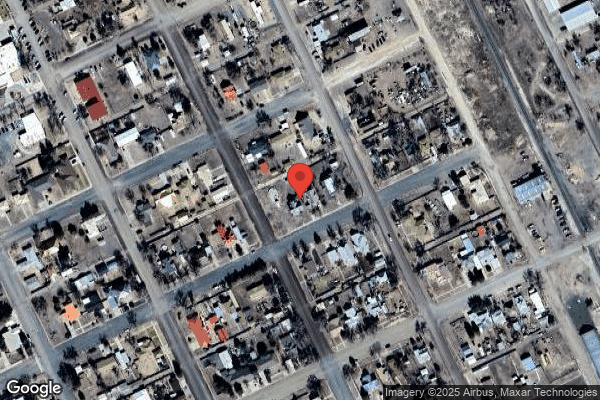
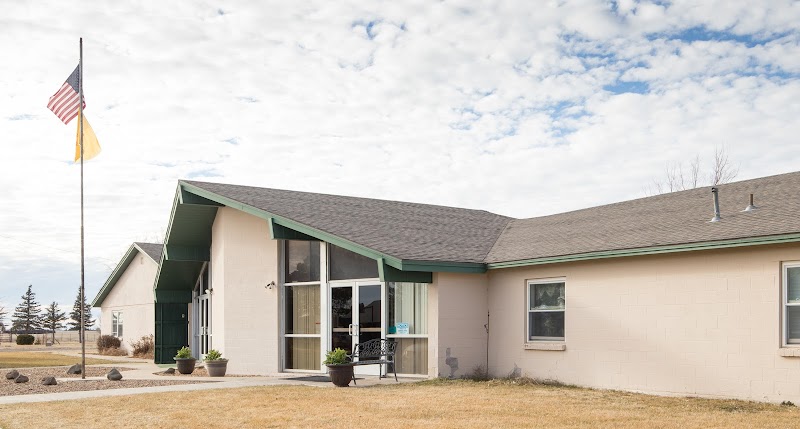
419 Harding Street, Clayton, NM 88415 (575) 374-2353
For profit - Individual 45 Beds GENESIS HEALTHCARE Data: November 2025
Trust Grade
85/100
#3 of 67 in NM
Last Inspection: October 2024

Within standard 12-15 month inspection cycle. Federal law requires annual inspections.

Overview

Clayton Nursing and Rehab Center has a Trust Grade of B+, indicating it is above average and recommended for families considering care options. It ranks #3 out of 67 facilities in New Mexico and is the only option in Union County, which means there are limited local choices available. The facility's performance is stable, with 8 issues reported in both 2023 and 2024, and it has no fines on record. Staffing is decent, with a 4/5 star rating and a 41% turnover rate, lower than the state average, but RN coverage is only average. However, there are concerns, such as meals not matching the menu and potential food safety issues, which could affect residents’ health and satisfaction. Additionally, medications were found to be stored unsecured, posing risks of improper access for residents. Overall, while there are strengths in staffing and overall quality, families should be aware of the specific incidents that may impact their loved ones’ well-being.
Trust Score
B+
85/100
In New Mexico
#3/67
Top 4%
Safety Record
Low Risk
No red flags
Inspections
Holding Steady
8 → 8 violations
Staff Stability
○ Average
41% turnover. Near New Mexico's 48% average. Typical for the industry.
Penalties
✓ Good
No fines on record. Clean compliance history, better than most New Mexico facilities.
Skilled Nurses
○ Average
Each resident gets 38 minutes of Registered Nurse (RN) attention daily — about average for New Mexico. RNs are the most trained staff who monitor for health changes.
Violations
⚠ Watch
17 deficiencies on record. Higher than average. Multiple issues found across inspections.
★★★★★
5.0
Overall Rating
★★★★☆
4.0
Staff Levels
★★★★★
5.0
Care Quality
★★★★☆
4.0
Inspection Score
Stable
2023: 8 issues
2024: 8 issues

The Good

  • 4-Star Staffing Rating · Above-average nurse staffing levels
  • 5-Star Quality Measures · Strong clinical quality outcomes
  • Full Sprinkler Coverage · Fire safety systems throughout facility
  • No fines on record
  • Staff turnover below average (41%)

    7 points below New Mexico average of 48%

Facility shows strength in staffing levels, quality measures, fire safety.

The Bad

Staff Turnover: 41%

Near New Mexico avg (46%)

Typical for the industry

Chain: GENESIS HEALTHCARE

Part of a multi-facility chain

Ask about local staffing decisions and management

The Ugly 17 deficiencies on record

Oct 2024 8 deficiencies
CONCERN (D)

Potential for Harm - no one hurt, but risky conditions existed

Deficiency F0558 (Tag F0558)

Could have caused harm · This affected 1 resident

**NOTE- TERMS IN BRACKETS HAVE BEEN EDITED TO PROTECT CONFIDENTIALITY** Based on observation, record reviewtyg, and interview, the facility failed to provide reasonable accommodations of resident need...

Read full inspector narrative →
**NOTE- TERMS IN BRACKETS HAVE BEEN EDITED TO PROTECT CONFIDENTIALITY** Based on observation, record reviewtyg, and interview, the facility failed to provide reasonable accommodations of resident needs and preferences for 1 (R #6) of 1 (R #6) residents reviewed when staff did not ensure R #6 had access to his call light. These deficient practice is likely to result in residents being unable to request assistance in times such as needing help with transferring, after falling, or other acute distress. The findings are: A. Record review of R #6's face sheet revealed R #6 was admitted into the facility on [DATE]. B. Record review of R #6's care plan, dated 06/12/24, revealed R #6 had decreased mobility due to a history of a stroke, left and right sided weakness, and impaired balance which required R #6's call light to be placed within his reach at all times. C. On 10/29/24 at 9:26 am during an observation and interview, R #6's call light pad was on a chair behind R #6's bed and out of the resident's reach. R #6 appeared anxious as evidence by moving back and forth and he stated that he could not reach the call light to ask staff for more water and to take him to a shower. D. On 10/29/24 at 9:34 am during an interview with Nurse Aide (NA) #1, she stated R #6's call light should be placed next to him on the bed. NA #1 confirmed R #6's call light was out of reach for R #6. E. On 10/31/24 at 1:14 pm during an interview with the Director of Nursing (DON), she stated R #6's call light should be near him and within his reach at all times when he was in his room.
CONCERN (D)

Potential for Harm - no one hurt, but risky conditions existed

Deficiency F0804 (Tag F0804)

Could have caused harm · This affected 1 resident

Based on interview, the facility failed to ensure foods were palatable (pleasant to taste) and to the resident's satisfaction for 1 (R #21) of 1 (R #21) residents. This deficient practice is likely to...

Read full inspector narrative →
Based on interview, the facility failed to ensure foods were palatable (pleasant to taste) and to the resident's satisfaction for 1 (R #21) of 1 (R #21) residents. This deficient practice is likely to affect residents' ability to eat and enjoy meals, and is likely to cause unplanned weight loss. A. On 10/28/24 at 2:47 PM, during an interview with R #21, R #21 stated that on 10/27/24 during dinner the previous night the macaroni salad was extreme. The resident stated the macaroni salad smelled burnt. R #21 stated the peach cobbler had salt instead of sugar. B. On 10/30/24 at 9:05 am during interview, [NAME] #1 stated they came to work on 10/29/24, and there was burnt pasta in the refrigerator from the dinner the night before (10/28/24). C. On 10/30/24 at 9:16 am during an interview with Food Service Director, he stated the facility hired some new dietary staff, and he was currently training them. He stated the new staff needed a lot of supervision. The Food Services Director stated the nighttime dietary staff were all new, and he was aware of the burnt pasta and the mistake with the peach cobbler. D. Record review of Grievance/concern form dated 10/28/24 revealed. Resident compaint regarding dinner the previous day (Sunday 10/27/24) the cook scorched the pasta for the minestrone soup and it tasted burnt; served the coleslaw without dressing just raw cabbage and added salt instead of sugar to the peach cobbler, totally ruinng the dessert.
CONCERN (E)

Potential for Harm - no one hurt, but risky conditions existed

Grievances (Tag F0585)

Could have caused harm · This affected multiple residents

Based on record review and interview, the facility failed to notify 4 (R #3, 21, 24 and 25) residents reviewed of the outcomes/resolutions of their grievances. This deficient practice could likely res...

Read full inspector narrative →
Based on record review and interview, the facility failed to notify 4 (R #3, 21, 24 and 25) residents reviewed of the outcomes/resolutions of their grievances. This deficient practice could likely result in the facility not considering the needs of the residents or adequately resolving their grievances and lead to a decrease in resident quality of life. The findings are: A. Record review of the facility grievance log revealed the following: 1. Dated 08/12/24: R #34's son filed a grievance regarding the resident's clothes not changed and snacks thrown out. Staff marked the Resolution of Grievance section Yes The section did not contain the steps taken to investigate the grievance, a summary of the pertinent findings or conclusions regarding the resident ' s concern(s), a statement as to whether the grievance was confirmed or not confirmed, any corrective action taken or to be taken by the facility as a result of the grievance, and the date the written decision was issued. 2. Dated 08/19/24: R #35 filed a grievance regarding cold air from air conditioner blew on the residents at meal time. Staff marked the Resolution of Grievance section Yes The section did not contain the steps taken to investigate the grievance, a summary of the pertinent findings or conclusions regarding the resident ' s concern(s), a statement as to whether the grievance was confirmed or not confirmed, any corrective action taken or to be taken by the facility as a result of the grievance, and the date the written decision was issued. 3. Dated 09/04/24: R #3 filed a grievance regarding a missing candy dish. Staff marked the Resolution of Grievance section Yes The section did not contain the steps taken to investigate the grievance, a summary of the pertinent findings or conclusions regarding the resident ' s concern(s), a statement as to whether the grievance was confirmed or not confirmed, any corrective action taken or to be taken by the facility as a result of the grievance, and the date the written decision was issued. 4. Dated 09/30/24: R #21 filed a grievance regarding a Certified Nursing Assistant (CNA) talking on phone during shower. Resolution of Grievance section was answered and no resolution documented and without confirmation of R #21 knowing the outcome. B. On 10/29/24 at 12:57 pm during an interview with the Resident Council (RC), they stated they are not always told about the facility findings for their grievances. C. On 10/31/24 at 1:17 pm during an interview with the Administrator (ADM), she stated staff did not complete the grievance form. She stated staff should complete the entire grievance form so residents know the resolution of each grievance.
CONCERN (E)

Potential for Harm - no one hurt, but risky conditions existed

Deficiency F0657 (Tag F0657)

Could have caused harm · This affected multiple residents

**NOTE- TERMS IN BRACKETS HAVE BEEN EDITED TO PROTECT CONFIDENTIALITY** Based on record review and interview, the facility failed to ensure the care plan was revised for 1 (R #3) out of 1 (R #3) resid...

Read full inspector narrative →
**NOTE- TERMS IN BRACKETS HAVE BEEN EDITED TO PROTECT CONFIDENTIALITY** Based on record review and interview, the facility failed to ensure the care plan was revised for 1 (R #3) out of 1 (R #3) residents reviewed when staff failed to conduct a quarterly care plan meetings as required. These deficient practices are likely to result in staff not being aware of residents' care needs and preferences, and residents not receiving the needed care. The findings are: A. Record review of R #3's face sheet revealed R #3 was admitted into the facility on [DATE]. B. Record review of R #3's nursing progress notes revealed R #3's last care plan meeting occurred on 04/30/24. C. On 10/28/24 at 3:26 pm during an interview with R #3, he stated he did not recall having a care plan meeting in awhile. D. On 10/30/24 at 5:00 pm during an interview with the Minimum Data Set Coordinator (MDSC), she stated she was responsible for to schedule and conduct resident care plan meetings. The MDSC stated R #3 did not have his last two quarterly care plan meetings, but he should have.
CONCERN (E)

Potential for Harm - no one hurt, but risky conditions existed

Deficiency F0676 (Tag F0676)

Could have caused harm · This affected multiple residents

**NOTE- TERMS IN BRACKETS HAVE BEEN EDITED TO PROTECT CONFIDENTIALITY** R#25: I. Record review of R # 25's face sheet revealed R #25 was admitted into the facility on [DATE]. J. Record review of R #25...

Read full inspector narrative →
**NOTE- TERMS IN BRACKETS HAVE BEEN EDITED TO PROTECT CONFIDENTIALITY** R#25: I. Record review of R # 25's face sheet revealed R #25 was admitted into the facility on [DATE]. J. Record review of R #25's physician orders, dated 10/16/24, revealed R #25 was to receive RNP services for passive range of motion to upper and lower extremities (arms and legs), three times a week. K. On 10/29/24 at 5:53 pm during an interview with the Restorative Certified Nursing Assistant (RCNA), he stated he provided RNP services to residents in the facility. The RCNA stated he worked on the floor often and transported residents to appointments. He stated this prevented him from providing RNP services to R #25. RCNA stated R #25 should have received RNP services three times a week, but she did not. L. On 10/31/24 at 1:25 pm during an interview with the Director of Nursing (DON), she stated the RCNA was the only Restorative Aide in the facility. The DON stated R #25 should receive RNP services two to three times a week, but she did not. Based on record review and interview, the facility failed to ensure the resident's ability to perform activities of daily living (ADL; activities related to personal care such as bathing, showering, dressing, walking, toileting, and eating) was maintained for 2 (R #6 and R #25) of 2 (R #6 and R #25) residents reviewed for restorative therapy (RT; therapy in which a resident trains on abilities they already have to perfect them and help maintain the physical abilities to perform ADLs.) If the facility does not ensure that residents receive restorative services, then the residents are likely to experience a decrease in their ability to walk, transfer (move from one place to another), and do other activities of daily living. The findings are: R #6: A. Record review of R #6's face sheet revealed R #6 was admitted into the facility on [DATE]. B. Record review of R #6's physician orders, dated 02/16/23, revealed R #6 was to receive Restorative Nursing Program (RNP) services two to three times a week for passive range of motion (the movement of a joint when an out-side force moves the body part while the person receiving the exercise is relaxed) to both of his arms. C. Record review of R #6's Documentation Survey Report (ADL tracking document) revealed the following: - Dated 09/01/24 through 09/30/24, staff completed RNP services with R #6 one time during the month on 09/27/24. - Dated 10/01/24 through 10/30/24, staff did not complete any RNP services with R #6. D. On 10/29/24 at 9:18 am during an interview with R #6, he stated he use to receive RNP services for his arms, but he has not received the services for awhile. R #6 confirmed he would like to continue with RNP services. E. On 10/29/24 at 5:53 pm during an interview with the Restorative Certified Nursing Assistant (RCNA), he stated he provided RNP services to residents in the facility. The RCNA stated he worked on the floor often and transported residents to appointments. He stated this prevented him from providing RNP services to R #6. RCNA stated R #6 should receive RNP services two to three times a week, but he did not. F. On 10/30/24 at 5:47 pm during an interview with CNA #1, she stated R #6 used RNP services and liked them. G. On 10/31/24 at 10:08 am during an interview with Registered Nurse (RN) #1, she stated RNP services gave R #6 a sense of purpose. RN #1 stated R #6 should receive RNP services, and he enjoyed the services. H. On 10/31/24 at 1:11 pm during an interview with the Director of Nursing (DON), she stated the RCNA was the only Restorative Aide in the facility. The DON stated R #6 should receive RNP services two to three times a week, but he did not.
CONCERN (E)

Potential for Harm - no one hurt, but risky conditions existed

Infection Control (Tag F0880)

Could have caused harm · This affected multiple residents

**NOTE- TERMS IN BRACKETS HAVE BEEN EDITED TO PROTECT CONFIDENTIALITY** Based on observation, record review, and interview, the facility failed to ensure enhanced barrier precautions (EBP; an infectio...

Read full inspector narrative →
**NOTE- TERMS IN BRACKETS HAVE BEEN EDITED TO PROTECT CONFIDENTIALITY** Based on observation, record review, and interview, the facility failed to ensure enhanced barrier precautions (EBP; an infection control intervention designed to reduce transmission of multidrug-resistant organisms that employs targeted gown and glove use during high contact resident care activities) were put into place for 6 (R #3, #15, #28, #29, #8 and #7) of 6 (R #3, #15, #28, #29, #8 and #7) residents who had an open wound or a urinary catheter (a thin, flexible tube that is inserted into the bladder through the urethra which is used to drain urine from the bladder when a person is unable to urinate on their own). If EBP are not put in place for residents with sources of multi-drug resistant organisms (MDRO; germs that are resistant to many antibiotics and can cause serious infections.) then the chance of spreading those organisms to all residents in the facility increases. MDROs can have a negative effect on the health of residents and lead to adverse outcomes. The findings are: A. Record review of the facility's Procedure for EBP, revised 05/01/24, revealed staff to use EBP during high contact patient care activities, such as dressing, bathing/showering, transferring, providing hygiene, changing linens, changing briefs. assisting with toileting, and device care, to include urinary catheters. Further review of record revealed PPE should be accessible and located outside of the patients room. B. On 10/29/24 at 4:25 pm during random observation of the 200 hallway, R #3, R #6, and R #28 did not have personal protective equipment (PPE-specialized clothing or equipment that protects the wearer from injury or the spread of infection or illness) outside of their rooms or any posted signs to indicate to staff that they should wear PPE when providing direct care to the residents. The residents had PPE stations inside their rooms. Findings for residents identified to have urinary catheters: Findings for R #3 C. Record review of R #3's physicians orders, dated 10/28/24, revealed R #3 had an order for an indwelling catheter. D. Record review of R #3's physicians orders, dated 08/06/24, revealed the following orders for catheter care: - Empty catheter drainage bag at least once every eight hours when it becomes ½ to 2/3 full. - Replace drainage system if disconnections or leakage occur, as needed. - Perform indwelling catheter care (includes cleaning tubing and inspecting the catheter for any problems) every day and night shift. Findings for R #6 E. Record review of R #6's physicians orders, dated 10/14/24, revealed the following: - An order for an suprapubic catheter (a device that drains urine from your bladder through your belly button). - Change when occluded(blocked and not draining) as needed. - Catheter care every morning and at bedtime. Findings for R #28 F. Record review of R 28's physicians orders, dated 10/01/24, revealed R #28 had an order for an indwelling catheter. G. Record review of R #28's physicians orders, dated 08/14/24, revealed the following orders for catheter care: - Change indwelling catheter when occluded (blocked) or leaking, as needed. - Empty catheter drainage bag at least once every eight hours when it becomes ½ to 2/3 full, every 8 hours and as needed. - Replace drainage system if disconnections or leakage occur, as needed. - Perform indwelling catheter care every day and night shift. Findings for residents identified to have wounds: H. On 10/30/24 at 1:00 pm during random observation of the 100 hallway, R#29, R #8, and R #7 did not have any PPE in their rooms or any signage to signify to staff that they should wear PPE when providing direct care to the residents. The residents had PPE stations inside their rooms. The residents had wounds. Staff were observed providing care to the residents and were not observed using PPE. Findings for R #29 I. Record review of R #29's skin and wound evaluation, dated 10/30/24, revealed R #29 had a [NAME] terminal pressure ulcer (a skin wound that appears in some people during their final weeks of life and can an appear and develop over a few hours) to her right heel. Findings for R # 8 J. Record review of R #8's wound evaluation, dated 10/28/24, revealed R #8 had an open hematoma (a localized area of swelling resulting from broken blood vessels under the skin) on the front of her left, lower leg. Findings for R # 7 K. Record review of R #7's wound evaluation, dated 10/28/24, revealed R #7 is being treated for a Stage 2 pressure injury (a partial-thickness skin loss that appears as a shallow open wound with a red or pind wound bed) to the left gluteus (buttock ). L. On 10/30/24 at 1:17 pm during interview with Skin Care team lead (SHTL) nurse, when asked why R #'s 29. 8 & 7 did not have EBP in place she stated it was just recently brought to her attention that the guidelines for EBP have been updated. M. On 10/30/24 at 1:19 pm during interview with the Director of Nursing/ Infection Preventionist (DON/IP), she stated there was available PPE in the closet in her office, and the nurses could access it at any point if there was an outbreak. She stated We are in-servicing our staff on the use of EBP.
CONCERN (F)

Potential for Harm - no one hurt, but risky conditions existed

Menu Adequacy (Tag F0803)

Could have caused harm · This affected most or all residents

Based on observation, record review, and interview, the facility failed to ensure the nutritional needs and preferences were met for all 30 residents listed on the facility census provided by the Admi...

Read full inspector narrative →
Based on observation, record review, and interview, the facility failed to ensure the nutritional needs and preferences were met for all 30 residents listed on the facility census provided by the Administrator on 10/28/24 when staff failed to: 1. Serve the food items listed on the menu. 2. Provide residents with an alternate meal menu. If the facility is not providing meal as listed on the menu, an alternative meal or offering an alternate meal menu to residents, then residents are likely to experience weight loss, frustration, and depression. The findings are: Meal Service: A. On 10/28/24 at 4:52 pm, a dinner observation revealed the following: 1. Dinner Menu: Glazed meatloaf, French green beans, garlic seasoned potatoes, herbed dinner roll with margarine, and French orange cheesecake. 2. Staff did not serve the residents cheesecake. Staff served the residents Jell-O with whipped topping. 3. Residents meatloaf did not have a glaze as indicated on the menu. B. On 10/28/24 at 5:06 pm and 5:17 pm, during an interview with Licensed Practical Nurse (LPN) #1, she stated the kitchen informed her they did not have all the ingredients for the cheesecake so they served Jell-O instead. She stated there was not a glaze on the meat loaf, but there should have been according to the menu. C. On 10/28/24 at 5:08 pm during an interview with R #6, he stated he would prefer to be served the cheesecake instead of the Jell-O and was not okay with the substitution nor was R #6 informed of the menu change. D. On 10/28/24 at 5:10 pm during an interview with R #12, she stated she would have loved to have the cheesecake and would have also enjoyed a glaze on the meatloaf. R #12 confirmed that she was was not aware of the change. E. On 10/28/24 at 5:14 pm during an interview with R #30, he stated he would have preferred to eat the cheesecake instead of Jell-O. F. On 10/28/24 at 5:18 pm during an interview with the Dietary Manager (DM), he stated the facility did not have supplies for cheesecake. He stated the meatloaf did not have a glaze on it, because they did not have ketchup or a glaze available. DM stated the food order had not come in therefore items were not available. G. On 10/31/24 at 1:42 pm during an interview with the Registered Dietitian (RD), he stated the residents should be served what was posted on the menu. The RD stated the kitchen did not have supplies for several meals during the week, but they should have. RD further stated that residents should have meals available as posted or she should be informed so that all meals have the same nutritional value as what is posted. Alternate Menu Posting: H. On 10/31/24 at 12:25 pm during an interview with Dietary Manager, he stated they did not make an alternate meal or offer an alternate meal. DM further stated I talked to my Manager (Regional) and I was told that because the census is low here and we only get one, two, maybe three alternate requests, alternates are not made. I. On 10/31/24 at 1:45 pm during an interview with the RD, he stated the posted menu should include the alternate menu choices, and the posted menus should match the meals that are being served.
CONCERN (F)

Potential for Harm - no one hurt, but risky conditions existed

Food Safety (Tag F0812)

Could have caused harm · This affected most or all residents

Based on observation and interview the facility failed to store food in a manner that prevented cross contamination when staff failed to label and date open food items. These failures have the potenti...

Read full inspector narrative →
Based on observation and interview the facility failed to store food in a manner that prevented cross contamination when staff failed to label and date open food items. These failures have the potential to result in cross contamination, the growth of food borne pathogens, and food borne illness (foods that are contaminated with harmful pathogens such as bacteria, viruses, and fungi). This failure had the potential to affect all 30 residents who ate food from the kitchen. The findings are: A. On 10/28/2024 at 1:38 PM, observation of the Dietary Department refrigerators and freezers revealed the following: - One, four-quart plastic container with an unidentified substance not labeled or dated. - Two, five-pound bags of slightly black colored stalks open to air, not labeled or dated. - One, two-inch pan of a red liquid uncovered and not labeled or dated. - One, six-quart plastic container of unidentified food not labeled or dated. - One tray of 6 oz. glasses of yellow liquid not labeled or dated. - One, ten-pound bag of frozen diced chicken open to air and not dated. -Two, one-pound bags of beef patties open to air and not dated. -Two, one-pound bags of boiled eggs not dated with opened date and were open to air. -Two, ten-pound rolls of Provolone cheese not dated. - One, fifty-pound bag of bread crumbs bag open to air, not labeled or open date. - One, four-inch soiled steel pan with a two-ounce scoop in refrigerator open to air containing crusted, crumbly food unidentified item not labeled or dated. B. On 10/28/24 at 1:41 PM during an interview with the Healthcare Group Services Operationalist (HCGS), he stated it was expected for staff to label and date all items ad should be covered not open to air.
Oct 2023 8 deficiencies
CONCERN (D)

Potential for Harm - no one hurt, but risky conditions existed

Deficiency F0760 (Tag F0760)

Could have caused harm · This affected 1 resident

Based on observation, record review and interview, the facility failed to ensure that medications were administered as ordered for 1 (R #29) of 1 (R #29) residents reviewed for medications not adminis...

Read full inspector narrative →
Based on observation, record review and interview, the facility failed to ensure that medications were administered as ordered for 1 (R #29) of 1 (R #29) residents reviewed for medications not administered as ordered by the physician. This deficient practice can likely result in a resident failing to obtain maximum wellness and/or suffering prolonged illness. The findings are: A. On 10/03/23 at 7:49 am, during observation of medication administration, Licensed Practical Nurse (LPN) #1 administered one tab, 81 mg (milligram), chewable aspirin to R #29. B. On 10/03/23 during record review of R #29's Physicians Orders, the following order was found: Aspirin oral tablet delayed release, 81 MG. Give 1 tablet by mouth one time a day for CVA (cerebral vascular accident or stroke which occurs when the blood supply to part of the brain is interrupted or reduced, preventing brain tissue from getting oxygen). C. On 10/03/23 during an interview, LPN #1 confirmed the order for aspirin, 81 mg, was a delayed release. She further stated the chewable aspirin was given because that's all we have right now.
CONCERN (D)

Potential for Harm - no one hurt, but risky conditions existed

Safe Environment (Tag F0921)

Could have caused harm · This affected 1 resident

**NOTE- TERMS IN BRACKETS HAVE BEEN EDITED TO PROTECT CONFIDENTIALITY** Based on observation and interview, the facility failed to ensure residents have a safe and functional environment for 2 (R #4 a...

Read full inspector narrative →
**NOTE- TERMS IN BRACKETS HAVE BEEN EDITED TO PROTECT CONFIDENTIALITY** Based on observation and interview, the facility failed to ensure residents have a safe and functional environment for 2 (R #4 and #20) of 2 (R #4 and 20) residents reviewed. This deficient practice could likely result in residents living in an environment in poor repair. The findings are: A. On 10/03/23 at 9:37 am, during observation of residents' room and bathroom in room [ROOM NUMBER], the toilet did not have a toilet tank lid, and there was a large hole in the drywall underneath the window in the room. B. On 10/03/23 at 9:40 am, during an interview with R #4, she stated she had accidentally broken the toilet tank lid, and it had not been replaced. C. On 10/03/23 at 9:59 am during an interview, R #20 stated the hole in wall had been there for a while, and she did not recall when she first noticed it. D. On 10/04/23 at 10:11 am during an interview with Maintenance Director (MD), he stated the resident broke the toilet lid. He was aware of the damage to the wall in the resident's room. It was caused by R #20 backing into the wall and damaging it with her power wheelchair. He stated that staff did not submit a work order for this, and he was made aware by word of mouth about a week ago. E. On 10/04/23 at 3:36 PM during an interview with Administrator (Admin), she stated she was made aware of the issues in R #4's and R #20's room. She acknowledged that the toilet tank should have been covered in some way while waiting for a replacement. Administrator stated that her expectation is that staff would submit a work order when there was any kind of repair needed.
CONCERN (E)

Potential for Harm - no one hurt, but risky conditions existed

Deficiency F0697 (Tag F0697)

Could have caused harm · This affected multiple residents

Based on interview and record review, the facility failed to treat and communicate resident's pain levels with their physician for 1 (R #22) of 1 (R #22) resident reviewed for pain management. If faci...

Read full inspector narrative →
Based on interview and record review, the facility failed to treat and communicate resident's pain levels with their physician for 1 (R #22) of 1 (R #22) resident reviewed for pain management. If facility fails to communicate pain levels to physicians, then residents are likely to experience exacerbated (make worse) pain. The findings are: A. Record review of R #22's face sheet revealed resident was admitted to facility on 01/14/21 with following diagnosis. 1. Low back pain. (Pain between lower edge of ribs and the buttock) 2. Spondylolysis. (Stress fracture in part of the spinal bone) 3. Major Depressive Disorder. (Persistent feelings of sadness and loss of interest) B. On 10/03/23 at 2:21 PM, during an interview, R #22 stated, My back has been broken twice. I only get Tylenol [pain medication], but I wish I had something stronger. It hurts all the time. C. Record review of R #22's physician orders, dated 01/19/21, revealed an order for Tylenol Extra Strength tablet, 500 Milligrams (mg). 2 tablets by mouth twice a day as needed (PRN). D. Record review of R #22's care plan dated 03/12/23 revealed, Focus: [Name of R #22] exhibits or is at risk for alterations in comfort related to chronic pain, new DX [diagnosis] CPPD - Calcium pyrophosphate deposition disease [a form of arthritis characterized by sudden, painful swelling in one or more of the joints]. C/o [complains of] pain to knees, shoulders, hands, wrist. Interventions: Evaluate pain characteristics: quality, severity, location, precipitating/relieving factors, Utilize pain scale, Advise [Name of R #22] to request pain medication before pain becomes severe, and Medicate [Name of R #22] as ordered for pain and monitor for effectiveness and monitor for side effects, report to physician as indicated. E. Record review of R #22's pain level summary page, documenting pain scale of resident (0 = no pain at all, 10 = worst pain imaginable) dated 08/01/23 through 10/04/23, revealed the following: 1. R #22 rated his pain a 9/10 on pain scale for the dates 08/10, 08/11, 08/12, 08/13, 08/17, 08/18, 08/21, 08/22, 08/23, 08/27, 08/28, and 08/31. 2. R #22 rated his pain a 10/10 on pain scale for the dates 08/02, 08/09, and 08/13. 3. R #22 rated his pain a 9/10 on pain scale for the dates 09/05, 09/09, 09/10, 09/11, 09/13, 09/14, 09/15, 09/18, 09/20, 09/23, 09/24, 09/25, 08/28, and 09/29. 4. R #22 rated his pain a 10/10 on pain scale for the dates 09/05, 09/19, and 09/28. 5. R #22 rated his pain a 9/10 on pain scale for the date 10/03. 6. R #22 rated his pain a 10/10 on pain scale for the date 10/04. F. Record review of R #22's August 2023, Medication Administration Record (MAR) revealed R #22 was given 2 tablets of PRN Tylenol Extra strength tablet 500 mg a total of 55 times between 08/01/23 and 08/31/23 G. Record review of R #22's September 2023, MAR revealed R #22 was given 2 tablets of PRN Tylenol Extra strength tablet 500 mg a total of 50 times between 09/01/23 and 09/30/23. H. Record review of R #22's October 2023, MAR revealed R #22 was given 2 tablets of PRN Tylenol Extra strength tablet 500 mg a total of 5 times between 10/01/23 and 10/04/23. I. On 10/04/23 at 12:10 pm during an interview, Director of Nursing (DON) stated if a resident is having breakthrough pain [pain that is being experienced between doses of administered medication], her expectation would be for nursing staff to provide the resident with breakthrough pain medication (Medication intended to treat pain which has reoccurred) and notify the provider that the resident was still experiencing pain. She confirmed that R #22 did not have an order for breakthrough pain medication. J. On 10/05/23 at 12:50 pm during an interview, the Facility Medical Director (FMD) he stated, Maybe [nursing staff should alert the FMD of R #22's increase in pain medication use and elevated pain scale numbers], but I know this guy [R #22] very well. I do not know if the pain scale applies to him [R #22]. I'm not going to start him [R #22] on narcotics [pain medication].
CONCERN (E)

Potential for Harm - no one hurt, but risky conditions existed

Deficiency F0806 (Tag F0806)

Could have caused harm · This affected multiple residents

**NOTE- TERMS IN BRACKETS HAVE BEEN EDITED TO PROTECT CONFIDENTIALITY** Findings for R #22: F. Record review of R #22's face sheet revealed R #22 was admitted into the facility on [DATE]. G. Record ...

Read full inspector narrative →
**NOTE- TERMS IN BRACKETS HAVE BEEN EDITED TO PROTECT CONFIDENTIALITY** Findings for R #22: F. Record review of R #22's face sheet revealed R #22 was admitted into the facility on [DATE]. G. Record review of R# 22's meal ticket, dated 10/02/23, revealed seasoned peas was the vegetable on the meal ticket for that day. H. On 10/02/23 at 5:43 pm, during a dinner observation, staff served R #22 cauliflower instead of peas which was on his meal ticket. I. On 10/02/23 at 5:44 pm, during an interview with the Restorative Aide (RA), RA confirmed staff served R #22 cauliflower instead of peas. J. On 10/05/23 at 12:31 pm during an interview with the Registered Dietitian (RD), she stated, This [not serving resident's according to their meal tickets] appears as an error. I need to figure out why they[dietary staff] didn't make it [food on R #1's and #22's meal tickets]. I need to analyze and work though. It sounds like she [R #1] was disappointed and we need to address that. Based on record review, interviews, and observations the facility failed to honor resident meal preferences for 2 (R #'s 1 and 22) of 2 (R #'s 1 and 22) residents by not providing the meal selected by the residents on their meal tickets. This deficient practice is likely to result in weight loss due to the resident not eating and/or an allergic reaction to the food being served to the resident. The findings are: Findings for R #1: A. Record review of R #1's face sheet revealed R #1 was admitted into the facility on [DATE]. B. Record review of R #1's dinner meal ticket, dated 10/02/23, revealed, Lasagna roll up-1, Dinner roll-1, and Seasonal Fresh Fruit- 1. C. On 10/02/23 at 5:39 pm, during an observation and interview, staff served R #1 butter crumb topped fish fillet, tartar sauce, dinner roll, and cauliflower. R #1 stated, I didn't know they [facility] didn't have lasagna, but I would have liked that. R #1 confirmed she would have preferred the lasagna roll-up that was on her meal ticket. D. On 10/05/23 at 10:51 am during an interview, the Dietary Manager (DM) stated R #1 was served the fish, and she should have been served according to her preference.
CONCERN (E)

Potential for Harm - no one hurt, but risky conditions existed

Medical Records (Tag F0842)

Could have caused harm · This affected multiple residents

**NOTE- TERMS IN BRACKETS HAVE BEEN EDITED TO PROTECT CONFIDENTIALITY** Based on record review and interview, the facility failed to ensure that medical records were complete and accurate for 1 (R #22...

Read full inspector narrative →
**NOTE- TERMS IN BRACKETS HAVE BEEN EDITED TO PROTECT CONFIDENTIALITY** Based on record review and interview, the facility failed to ensure that medical records were complete and accurate for 1 (R #22) of 1 (R #22) resident reviewed. This deficient practice is likely to result in staff not knowing resident's pertinent discharge information and communication preference. The findings are: A. Record review of R #22's face sheet revealed the resident was admitted to facility on [DATE]. B. On [DATE] at 2:13 pm during an interview, R #22 stated, They [facility] said they were going get me a government apartment, but I haven't heard nothing about it. I'd like to get out of here. R #22 confirmed staff did not communicate with him regarding the status of his discharge and future apartment and would have preferred to be informed sooner. C. Record review of R #22's progress note,s completed by Social Services Director (SSD) and dated [DATE], stated, A feasibility meeting was held today for [Name of R #22]. It was explained to him that the process [to discharge to an apartment] could take up to 3 months, maybe longer. We have wanted to have a safe discharge in place for him for when he leaves. He was fine with that. D. Record review of R #22's care plan meeting progress notes, dated [DATE], revealed, Care Plan Meeting [ .] 3. Summary of meeting (Brief summary. Details are on care plan): [Name of R #22] wants to discharge into the community and we discussed what is still needed before he is able to leave. He is in agreement and is willing to wait until everything is in order and the discharge is safe. E. Record review of R #22's care plan, dated [DATE], revealed, Focus: [Name of R #22] has potential for discharge, or is expected to be discharged , related to: [Name of R #22's] desire to discharge to community. Interventions: Provide ongoing communication to IDT [Interdisciplinary Team] members, physician/mid-level provider, and [Name of R #22's]/healthcare decision maker/family member about the discharge planning process, and encourage [Name of R #22]/family to participate in plan of care. F. Record review of R #22's care plan meeting progress notes, dated [DATE], revealed, Care Plan Meeting [ .] 2. Family/resident in attendance (Yes/No, who): No - initial referral intake meeting for reintegration in community. Met with resident [Name of R #22] following this referral meeting. 3. Summary of meeting (Brief summary. Details are on care plan): Initial intake for referral to community reintegration. Will contact [Name of hospital case manager]. Staff did not document discharge and reintegration notes or communication with R #22 about the discharge process in R #22's Electronic Health Record (EHR) between [DATE] and [DATE]. G. On [DATE] at 2:47 pm during an interview, Registered Nurse (RN) #1 stated, He [R #22] would like to [discharge]. [Name of previous Social Services Director] our Social Worker was trying to set him [R #22] up [with a discharge plan and apartment], but it is a work in progress. It is still being worked on. H. On [DATE] at 3:21 pm during an interview, the Administrator (ADM) stated, We [facility] did start that re-integration [discharge for R #22]. We re-applied for the reintegration in August [2023] and September [2023] this year. He's [R #22] on the wait list this. The first application [for R #22 in 2022] expired. I know our previous Social Services Director [SSD] should have been keeping him [R #22] updated. I guess she [previous SSD] didn't document anything. It [R #22's discharge and community reintegration to the community and communication with R #22 about the process] should have been documented. ADM confirmed the facility did not document R #22's discharge and community reintegration to the community and communicate with R #22 about the process, but they should have.
CONCERN (E)

Potential for Harm - no one hurt, but risky conditions existed

Infection Control (Tag F0880)

Could have caused harm · This affected multiple residents

Based on observation, interview, and record review, the facility failed to adequately establish, maintain, and implement an infection prevention and control program for all residents by failing to: 1....

Read full inspector narrative →
Based on observation, interview, and record review, the facility failed to adequately establish, maintain, and implement an infection prevention and control program for all residents by failing to: 1. Ensure clean laundry area and dirty laundry areas were kept separate from each other. 2. Ensure that if no door exists between the soiled and clean areas that there was a negative pressure system in place. 3. Ensure that R #8's Foley catheter bag (FCB) was not on the floor. 4. Ensure that R #27's nasal cannula tubing [oxygen (O2) tubing used to deliver O2 to the face of the person wearing it] was not on the floor. Failure to plan and implement an infection control program is likely to cause the spread of infections and illness to residents and staff within the facility. The findings are: Laundry Room Findings: A. On 10/04/23 at 9:33 am during observation of the laundry area, the soiled laundry area and the clean laundry area did not have a door between them to separate the two spaces from each other, and the rooms did not have a negative pressure system in place to keep contaminants from moving freely between these two spaces. B. On 10/04/23 at 9:35 am during interview with Housekeeping/laundry Supervisor (HCSG), she stated, There has never been a door between the clean laundry area and soiled laundry area. When questioned regarding having a negative pressure system in place. HCSG stated she was not aware of a negative pressure system in place in the facility. C. On 10/04/23 at 9:52 am during an interview with IP (Infection Preventionist), she stated, No, we have never had a door there (in between clean laundry and soiled laundry side) since I've been here. She further stated the doorway should be the boundary between clean and dirty side of the laundry room. Findings for R #8: D. Record review of R #8's physician orders, dated 03/21/23, revealed, Foley catheter ,16 FR [French units] with 10cc [cubic centimeter] balloon to bed side, straight drainage for Obstructive Uropathy [pathology of Urinary Tract]. E. On 10/02/23 at 3:51 pm during random observation, R #8's Foley Catheter bag (FCB) was observed to be attached to the wrong part of the bed, with the bed at the lowest position, and the FCB rested on the floor. F. On 10/02/23 at 3:56 pm during interview with Licensed Practical Nurse (LPN) #1, she confirmed R #8's FCB was on the floor, attached to the wrong part of R #8's bed, and R #8's FCB should not have been on the floor. G. On 10/04/23 at 11:41 am during interview with the Director of Nursing (DON), she stated her expectation was for R #8's FCB to be off of the floor. Findings for R #27: H. Record review of R #27's physician orders, dated 06/28/23, revealed, Oxygen at 2 liters, Nasal cannula as needed, for Shortness of breath or while sleeping. I. On 10/03/23 at 2:00 pm, during observation and interview, R #27's O2 tubing, with prongs that go into R #27's nose, were observed to be on the floor by R #27's bed. R #27 confirmed she wore O2 at night and stated, When I get up in the morning to use the restroom, I lay it [NC] on the bed, and they're [facility staff] supposed to put it in the bag [connected to the O2 concentrator- device used to provide O2]. J. On 10/03/23 at 2:03 pm during interview with Registered Nurse (RN) #4, she confirmed R #27's O2 tubing was on the floor and stated, It's [R #27's NC] supposed to be in the bag [connected to the concentrator]. K. On 10/04/23 at 11:46 am during interview with DON, she stated, The [R #27's] oxygen tubing [NC] should not be on the floor.
CONCERN (F)

Potential for Harm - no one hurt, but risky conditions existed

Deficiency F0761 (Tag F0761)

Could have caused harm · This affected most or all residents

Based on observation and interview, the facility failed to ensure that medications were stored safely and securely. This deficient practice is likely to affect all 31 residents identified on the alpha...

Read full inspector narrative →
Based on observation and interview, the facility failed to ensure that medications were stored safely and securely. This deficient practice is likely to affect all 31 residents identified on the alphabetical census list provided by the Director of Nursing on 10/2/23. This deficient practice is likely to put residents at risk of overdosing/taking medication that is not prescribed to them if residents have access to unsecured medications. The findings are: A. On 10/02/23 at 5:13 pm, during random observation, the medication cart for the East Side unit was by the dining area, where multiple residents were dining. The medication cart was unlocked and unattended. B. On 10/02/23 at 5:25 pm, during an interview, Licensed Practical Nurse(LPN) #1 confirmed the medication cart was left unlocked and unattended, and it should have been locked. C. On 10/04/23 at 2:00 pm during an interview, Director of Nursing (DON) stated it was her expectation that when the nurse stepped away from the medication cart that they should lock the cart.
CONCERN (F)

Potential for Harm - no one hurt, but risky conditions existed

Menu Adequacy (Tag F0803)

Could have caused harm · This affected most or all residents

Based on observation, record review, and interview, the facility failed to ensure the nutritional needs and preferences were met for all 31 residents listed on the facility census provided by the Dire...

Read full inspector narrative →
Based on observation, record review, and interview, the facility failed to ensure the nutritional needs and preferences were met for all 31 residents listed on the facility census provided by the Director of Nursing (DON) on 10/02/23 by not following Dietitian approved menu's, and not communicating with Dietitian when there is a meal substitution. These deficient practices are likely to result in resident weight loss, frustration, and not meeting their nutritional needs. The findings are: A. Record review of the facility dining menu revealed the following: 1. 10/02/23 dinner- Butter Crumb Topped Fish Fillet, Tartar Sauce, Dinner Roll, Frosted Brownie, Assorted Beverage, Au Gratin Potatoes, and Seasoned Peas. B. On 10/02/23 at 5:19 pm, during an dinner observation, staff served all residents cauliflower instead of peas. C. On 10/02/23 at 5:35 pm, during an interview with R #22, he confirmed he did not know about any meal substitutions for dinner. D. Record review of the facility menu substitution log revealed that the Registered Dietitian (RD) was not notified of the following substitutions: 1. 09/13/23: oatmeal-substitution grits, no oatmeal. Not initialed by RD. 2. 09/15/23: glazed cinnamon rolls- substitution cinnamon toast, no cinnamon rolls. Not initialed by RD. 3. 09/19/23: potato wedge- substitution pasta salad, no potatoes. Not initialed by RD. 4. 09/21/23: ham- substitution sausage, no ham. Not initialed by RD. 5. 09/21/23: pot beef on roll- substitution chicken pot pie, no beef thawed. Not initialed by RD. 6. 09/21/23: blueberries- substitution vanilla pudding, no blueberries. Not initialed by RD. 7. 10/02/23: peas- substitution cauliflower, no peas. Not initialed by RD. 8. 10/03/23: oats- substitution grits, no oats. Not initialed by RD. 9. 10/04/23: zucchini- substitution broccoli, no zucchini. Not initialed by RD. 10. 10/04/23: pork chops- substitution pork loin, no pork chops. Not initialed by RD. E. On 10/05/23 at 10:50 am, during an interview, the Dietary District Manager (DDM) stated, We filled out the substitution log, called the Dietitian [of all menu substitutions], and we let the residents know [of the meal changes]. F. On 10/05/23 at 12:31 pm, during an interview, the RD stated, He [Dietary Manager] has called me on a couple of those [meal substitutions, but not all of them]. The menu was created by the corporation, but I approve it. We have had difficulties with supplies. They [dietary staff] write it [foods being substituted] down and I will look over the substitutions and if they are not appropriate, I will do training and teaching [with dietary staff]. RD confirmed she was not aware of all meal substitutions and should have been made aware.
Jul 2022 1 deficiency
CONCERN (D)

Potential for Harm - no one hurt, but risky conditions existed

Deficiency F0688 (Tag F0688)

Could have caused harm · This affected 1 resident

**NOTE- TERMS IN BRACKETS HAVE BEEN EDITED TO PROTECT CONFIDENTIALITY** Based on observation, record review, and interview, the facility failed to ensure 1 (R #6) of 1 (R #6) resident with decreased r...

Read full inspector narrative →
**NOTE- TERMS IN BRACKETS HAVE BEEN EDITED TO PROTECT CONFIDENTIALITY** Based on observation, record review, and interview, the facility failed to ensure 1 (R #6) of 1 (R #6) resident with decreased range of motion (the full movement potential of a joint) and contractures (a condition of shortening and hardening of muscles or tendons often leading to deformity of joints) of left hand received appropriate treatment and services to prevent further decrease in range of motion. This deficient practice could likely lead to pain, increased stiffness, difficulty positioning the resident and/or more loss of function of affected limb. The findings are: A. On 07/11/22 at 3:21 pm during observation of R #6, he was observed in his room in bed with his hand in a closed tight fist. There was no cloth in his hand. B. On 07/12/22 at 12:11 PM in the lounge area, R #6 was observed sitting by the TV with his hand up by his chin. His hand is closed in a tight fist, there was no cloth in his hand that could be seen. C. Record review of R #6 face sheet dated 07/12/22 revealed he was admitted to the facility on [DATE] with multiple diagnoses including but not limited to: Personal History of Traumatic Brain Injury (Injury of the brain caused by an injury or trauma) Hemiplegia and Hemiparesis following other Nontraumatic Intracranial Hemorrhage Affecting Left-non dominant side -(limited control of half of the body-caused by nontraumatic brain injury) D. Record review of R #6's care plan revised on 02/18/22 stated place rolled up wash cloth in his (R#6) left hand. E. On 07/12/22 at 10:35 am during phone interview with R #6's family member, she stated R #6's left hand was very contracted and stiff and he had no use of his left hand. She stated his hand was always clinched in a fist. Family member stated R #6 was to have a rolled up wash cloth in his left hand at all times to help relieve tension and moisture in his left hand. Family member stated that she had visited R #6 on several occasions and found he did not have anything in his left hand. She stated when she found the cloth missing from his hand she would always ask the CNA or nurse to place the cloth in his hand. F. On 07/12/22 at 3:23 pm during interview with CNA #1 she observed that R #6 was lying in bed. She observed that his left hand was clinched and there was no cloth held in his left hand. CNA#1 confirmed that this was to be checked daily at the beginning of each shift. She stated that if the cloth is not in his hand, then staff is to place a rolled cloth in his hand. G. On 07/12/23 at 3:37 pm during interview with Director of Nursing (DON) she confirmed that R #6 was to have a rolled up cloth in his left hand at all times. She stated this was used to help relieve some of the tension in his left hand.
Understanding Severity Codes (click to expand)
Life-Threatening (Immediate Jeopardy)
J - Isolated K - Pattern L - Widespread
Actual Harm
G - Isolated H - Pattern I - Widespread
Potential for Harm
D - Isolated E - Pattern F - Widespread
No Harm (Minor)
A - Isolated B - Pattern C - Widespread

Questions to Ask on Your Visit

  • "Can I speak with families of current residents?"
  • "What's your RN coverage like on weekends and overnight?"

Our Honest Assessment

Strengths
  • • Grade B+ (85/100). Above average facility, better than most options in New Mexico.
  • • No major safety red flags. No abuse findings, life-threatening violations, or SFF status.
  • • No fines on record. Clean compliance history, better than most New Mexico facilities.
  • • 41% turnover. Below New Mexico's 48% average. Good staff retention means consistent care.
Concerns
  • • 17 deficiencies on record. Higher than average. Multiple issues found across inspections.
Bottom line: Generally positive indicators. Standard due diligence and a personal visit recommended.

About This Facility

What is Clayton Nursing And Rehab Center's CMS Rating?

CMS assigns Clayton Nursing and Rehab Center an overall rating of 5 out of 5 stars, which is considered much above average nationally. Within New Mexico, this rating places the facility higher than 99% of the state's 100 nursing homes. This rating reflects solid performance across the metrics CMS uses to evaluate nursing home quality.

How is Clayton Nursing And Rehab Center Staffed?

CMS rates Clayton Nursing and Rehab Center's staffing level at 4 out of 5 stars, which is above average compared to other nursing homes. Staff turnover is 41%, compared to the New Mexico average of 46%. This relatively stable workforce can support continuity of care.

What Have Inspectors Found at Clayton Nursing And Rehab Center?

State health inspectors documented 17 deficiencies at Clayton Nursing and Rehab Center during 2022 to 2024. These included: 17 with potential for harm.

Who Owns and Operates Clayton Nursing And Rehab Center?

Clayton Nursing and Rehab Center is owned by a for-profit company. For-profit facilities operate as businesses with obligations to shareholders or private owners. The facility is operated by GENESIS HEALTHCARE, a chain that manages multiple nursing homes. With 45 certified beds and approximately 34 residents (about 76% occupancy), it is a smaller facility located in Clayton, New Mexico.

How Does Clayton Nursing And Rehab Center Compare to Other New Mexico Nursing Homes?

Compared to the 100 nursing homes in New Mexico, Clayton Nursing and Rehab Center's overall rating (5 stars) is above the state average of 2.9, staff turnover (41%) is near the state average of 46%, and health inspection rating (4 stars) is above the national benchmark.

What Should Families Ask When Visiting Clayton Nursing And Rehab Center?

Based on this facility's data, families visiting should ask: "Can I visit during a mealtime to observe dining assistance and food quality?" "How do you handle medical emergencies, and what is your hospital transfer rate?" "Can I speak with family members of current residents about their experience?"

Is Clayton Nursing And Rehab Center Safe?

Based on CMS inspection data, Clayton Nursing and Rehab Center has a clean safety record: no substantiated abuse findings (meaning no confirmed cases of resident harm), no Immediate Jeopardy citations (the most serious violation level indicating risk of serious injury or death), and is not on the Special Focus Facility watch list (a federal program monitoring the lowest-performing 1% of nursing homes). The facility has a 5-star overall rating and ranks #1 of 100 nursing homes in New Mexico. While no facility is perfect, families should still ask about staff-to-resident ratios and recent inspection results during their visit.

Do Nurses at Clayton Nursing And Rehab Center Stick Around?

Clayton Nursing and Rehab Center has a staff turnover rate of 41%, which is about average for New Mexico nursing homes (state average: 46%). Moderate turnover is common in nursing homes, but families should still ask about staff tenure and how the facility maintains care continuity when employees leave.

Was Clayton Nursing And Rehab Center Ever Fined?

Clayton Nursing and Rehab Center has no federal fines on record. CMS issues fines when nursing homes fail to meet care standards or don't correct problems found during inspections. The absence of fines suggests the facility has either maintained compliance or corrected any issues before penalties were assessed. This is a positive indicator, though families should still review recent inspection reports for the full picture.

Is Clayton Nursing And Rehab Center on Any Federal Watch List?

Clayton Nursing and Rehab Center is not on any federal watch list. The most significant is the Special Focus Facility (SFF) program, which identifies the bottom 1% of nursing homes nationally based on persistent, serious quality problems. Not being on this list means the facility has avoided the pattern of deficiencies that triggers enhanced federal oversight. This is a positive indicator, though families should still review the facility's inspection history directly.