Luna Wellness Rehabilitation LLC

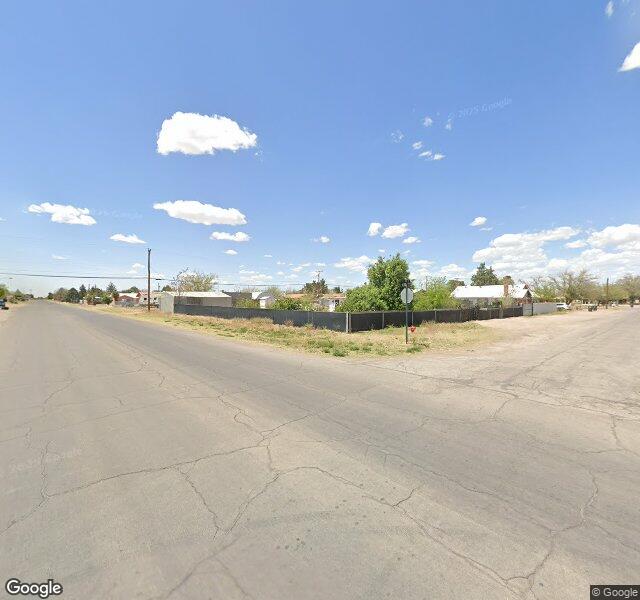
900 West Ash Street, Deming, NM 88031 (575) 299-2800
For profit - Limited Liability company 66 Beds Independent Data: November 2025 1 Immediate Jeopardy citation
Trust Grade
13/100
#62 of 67 in NM
Last Inspection: April 2025

Within standard 12-15 month inspection cycle. Federal law requires annual inspections.

Overview

Luna Wellness Rehabilitation LLC has received a Trust Grade of F, indicating significant concerns about the facility's overall quality and care. With a state rank of #62 out of 67 in New Mexico, they fall in the bottom half of nursing homes in the state, but they are the only option in Luna County. The facility is improving, having reduced the number of issues from 31 in 2024 to 12 in 2025. Staffing is a positive aspect, with a turnover rate of 0%, which is significantly better than the state average. However, the facility has concerning fines of $71,070, higher than 86% of facilities in New Mexico, suggesting ongoing compliance issues. Specific incidents include a serious failure to protect residents from abuse, where one resident inappropriately interacted with others, leading to potential psychological harm. Additionally, another incident revealed that a resident who alleged sexual abuse did not receive necessary mental health services, causing significant distress. Lastly, food storage practices raised concerns, as staff failed to label and cover items in the kitchen refrigerator, risking foodborne illnesses. While there are some strengths, the facility's serious deficiencies in care and safety warrant careful consideration.

Trust Score
F
13/100
In New Mexico
#62/67
Bottom 8%
Safety Record
High Risk
Review needed
Inspections
Getting Better
31 → 12 violations
Staff Stability
○ Average
Turnover data not reported for this facility.
Penalties
○ Average
$71,070 in fines. Higher than 53% of New Mexico facilities. Some compliance issues.
Skilled Nurses
○ Average
Each resident gets 32 minutes of Registered Nurse (RN) attention daily — about average for New Mexico. RNs are the most trained staff who monitor for health changes.
Violations
⚠ Watch
50 deficiencies on record. Higher than average. Multiple issues found across inspections.
★☆☆☆☆
1.0
Overall Rating
★☆☆☆☆
1.0
Staff Levels
★★☆☆☆
2.0
Care Quality
★★☆☆☆
2.0
Inspection Score
Stable
2024: 31 issues
2025: 12 issues

The Good

  • Full Sprinkler Coverage · Fire safety systems throughout facility
  • No fines on record

Facility shows strength in fire safety.

The Bad

1-Star Overall Rating

Below New Mexico average (2.9)

Significant quality concerns identified by CMS

Federal Fines: $71,070

Well above median ($33,413)

Moderate penalties - review what triggered them

The Ugly 50 deficiencies on record

1 life-threatening 1 actual harm
Sept 2025 3 deficiencies
CONCERN (D) 📢 Someone Reported This

A family member, employee, or ombudsman was alarmed enough to file a formal complaint

Potential for Harm - no one hurt, but risky conditions existed

Assessment Accuracy (Tag F0641)

Could have caused harm · This affected 1 resident

**NOTE- TERMS IN BRACKETS HAVE BEEN EDITED TO PROTECT CONFIDENTIALITY** Based on interview and record review, the facility failed to ensure the Minimum Data Set Assessment was accurate for 1 (R #24) o...

Read full inspector narrative →
**NOTE- TERMS IN BRACKETS HAVE BEEN EDITED TO PROTECT CONFIDENTIALITY** Based on interview and record review, the facility failed to ensure the Minimum Data Set Assessment was accurate for 1 (R #24) of 3 (R #16, R #17, and R #24) residents reviewed for accurate MDS assessments. This deficient practice could likely result in the facility not having an accurate assessment of the residents' needs. The findings are: A. Record review of R #24's admission record revealed he was admitted to facility on 05/16/25 with the following diagnoses: 1. Chronic Peripheral [NAME] Insufficiency (is a form of venous disease that occurs when veins in your legs are damaged). 2. Type 2 Diabetes with other skin complications (happens when the body cannot use insulin correctly and sugar builds up in the blood). 3. Unilateral primary osteoarthritis left knee (is a degenerative joint condition that primarily affects one side of the body, typically in the knees, hips, or hands). 4. Muscle weakness, generalized (occurs when your body is not able to contract your muscles properly, leading to reduced strength in one or more of your muscles). 5. Need assistance with personal care (refers to the support provided to individuals who require assistance with daily living activities). 6. Unspecified Dementia, unspecified severity, with agitation (is the loss of cognitive functioning and thinking). B. Record review of the facility's incident list, dated 05/13/25 through 08/27/25, revealed R #24 fell on the following date: 1. 05/30/25, 2. 05/20/25, 3. 07/22/25. C. Record review of R #24's physician's orders, dated 06/13/25, revealed R #24 may use 2 1/4 side rails (a type of bed rail that is typically used in medical settings to prevent patients from exiting their beds) for increased mobility and independence. D. Record review of R #24's care plan dated 06/13/25 revealed R #24 uses 2 1/4 side rails to assist in bed mobility and transfers to maximize independence. E. On 08/27/25 at 2:35 PM, during an interview, the MDS coordinator confirmed the fall with injury that occurred on 05/20/25 should have been documented in R #24's admission assessment dated [DATE] and should have included the use of side rails to assist in bed.
CONCERN (D) 📢 Someone Reported This

A family member, employee, or ombudsman was alarmed enough to file a formal complaint

Potential for Harm - no one hurt, but risky conditions existed

Deficiency F0657 (Tag F0657)

Could have caused harm · This affected 1 resident

**NOTE- TERMS IN BRACKETS HAVE BEEN EDITED TO PROTECT CONFIDENTIALITY** Based on observation, record review, and interview, the facility failed to ensure care plan revisions occurred for 2 (R #16 and ...

Read full inspector narrative →
**NOTE- TERMS IN BRACKETS HAVE BEEN EDITED TO PROTECT CONFIDENTIALITY** Based on observation, record review, and interview, the facility failed to ensure care plan revisions occurred for 2 (R #16 and R #24) of 3 (R #16, R #17, and R #24) residents reviewed for falls, when the staff failed to revise the care plan with the most current resident information. This deficient practice could likely result in staff being unaware of changes in care provided, and residents not receiving the care related to changes in their health status or healthcare decisions. The findings are: R #16 A. Record review of R #16's admission documents, no date, revealed the following: 1. R #16 was admitted to the facility on [DATE]. 2. R #16 had a diagnosis of repeated falls. B. Record review of the facility's incident list, dated 05/13/25 through 08/27/25, revealed R #16 fell on the following dates: 1. 07/13/25, 2. 07/27/25 at 3:35 PM, 3. 07/27/25 at 11:15 PM, 4. 08/15/25, 5. 08/19/25. C. On 08/27/25 at 1:38 PM, during an observation of R #16 in her bed, a fall mat was on the floor next to R #16's bed. D. Record review of R #16's Interdisciplinary Team Meeting for Falls spreadsheet (document with information that IDT team discussed regarding resident falls), no date, revealed after R #16's fall on 07/13/25, the IDT team added a fall mat as an intervention for R #16's falls. E. Record review of R #16's care plan, dated 07/08/25, revealed staff did not revise R #16's care plan to include a fall mat. R #24 F. Record review of R #24's admission record revealed he was admitted to facility on 05/16/25. G. Record review of the facility's incident list, dated 05/13/25 through 08/27/25, revealed R #24 fell on the following date: 1. 05/30/25, 2. 05/20/25, 3. 07/22/25. H. On 08/27/25 at 1:30 PM, during an observation of R #24's room, a fall mat was on the floor against the wall on R #24's side of the room, and 2-1/4 side rails up (a type of bed rail that is typically used in medical settings to prevent patients from exiting their beds) on top of R #24's bed. I. On 08/2725 at 1:36 PM, during an interview, CNA #25 stated R #24 had the following interventions in place to prevent falls: 1. R #24 uses side rails for mobility in bed and when he gets up R #24 side rails to assist with his balance. 2. R #24 call light within reach. 3. R #24 has a fall mat placed on the floor when laying in bed. 4. R #24 is placed in common area so staff can keep a close eye on R #24. J. Record review of R #24's care plan, dated 06/13/25, revealed the following: 1. Staff did not document R #24 call light within reach as an intervention. 2. Staff did not document the use of a fall mat as an intervention to prevent injury if R #24 falls. 3. Staff did not document that R #24 is placed in a common area as an intervention to prevent falls. K. On 08/27/25 at 2:29 PM during an interview LPN #28, she confirmed R #24's care plan does not indicate R #24's use for a fall mat, and interventions and it should be care planned. L. On 08/27/25 at 2:35 PM, during a joint interview, the MDS coordinator and DON confirmed the following: 1. R #16's and R # 24's care plan was not revised to include a fall mat next to bed. 2. Staff are expected to revise the care plan when a new intervention is added for falls.
CONCERN (D) 📢 Someone Reported This

A family member, employee, or ombudsman was alarmed enough to file a formal complaint

Potential for Harm - no one hurt, but risky conditions existed

Deficiency F0700 (Tag F0700)

Could have caused harm · This affected 1 resident

**NOTE- TERMS IN BRACKETS HAVE BEEN EDITED TO PROTECT CONFIDENTIALITY** Based on observation, record review, and interview, the facility failed to ensure residents were assessed for risk of entrapment...

Read full inspector narrative →
**NOTE- TERMS IN BRACKETS HAVE BEEN EDITED TO PROTECT CONFIDENTIALITY** Based on observation, record review, and interview, the facility failed to ensure residents were assessed for risk of entrapment (state of being stuck or caught on bed rail) from bed rails for 2 (R #16, and R #24) of 3 (R #16, R #17, and R #24) resident reviewed for accidents. This deficient practice has the potential to cause serious injury by becoming trapped between the mattress and bed rail. The findings are: R #16 A. Record review of R #16's admission documents, no date, revealed R #16 was admitted to the facility on [DATE]. B. On 08/27/25 at 1:38 PM, during an observation of R #16 in her bed, revealed the following: 1. A fall mat was on the floor next to R #16's bed. 2. Bed rails were in place at the top of both sides of R #16's bed. C. On 08/27/25 at 1:44 PM, during an interview with LPN #17, she stated the following: 1. About three (3) weeks before LPN #17's interview with the surveyor (she did not know specific dates), R #16 had several falls. 2. Prior to her falls, she used to use a walker but now required a wheelchair. 3. R #16 would try to get up without assistance. 4. R #16 was unaware that it was unsafe for her to get up without assistance. 5. She had a fall mat and bed rails to prevent falls. D. Record review of R #16's change of condition MDS (a significant decline or improvement in a resident's status, impacting two or more areas and requiring an Interdisciplinary Team (IDT) review and potential care plan revision), dated 07/15/25, revealed staff completed a change in condition MDS on 07/15/25. E. Record review of R #16's entire medical record, no date, revealed the following: 1. Staff completed a bed rail assessment for R #16 on 01/17/25. 2. Staff did not document a bed rail assessment after R #16's change in condition on 07/15/25. F. Record review of R #16's physician's orders, dated 04/21/25, revealed an order R #16 may utilize side rails to assist with repositioning. R #24 G. Record review of R #24's admission record revealed he was admitted to facility on 05/16/25. H. Record review of R #24's physician's orders, dated 06/13/2025, revealed R #24 may use 2 1/4 side rails for increased mobility and independence. I. Record review of R #24's progress notes no date, revealed the progress note did not contain any documentation of R #24 use of side rails on R #24's bed. J. Record review of R #24's entire medical record revealed a side rail assessment (carried out by a competent person considering the bed occupant, assessing the rail is suitable for use) was not completed. K. Record review of R #24's care plan dated 06/13/25 revealed R #24 uses 2 ¼ side rails to assist in bed mobility and transfers to maximize independence. L. On 08/27/25 at 1:30 PM, during an observation of R 24's bed, revealed bed rails were in place at the top of both sides of R #24's bed. M. On 08/27/25 at 2:15 PM during an interview with the Therapy Director, she stated that therapy did not do any assessments for R #24 regarding using side rails on his bed. She stated nursing is responsible for that. N. On 08/28/25 at 10:23 AM, during an interview with LPN #16, the following was revealed: 1. Upon admission the admitting nurse obtains consents for bed rails for all residents. 2. The only residents who did not get bed rails were residents who were immobile (unable to move without assistance) and residents who refused to sign the consent. 3. The admitting nurse did not complete an assessment for the safety of bed rails prior to the placement of bed rails on any residents. 4. She was not sure if therapy evaluated residents for the safety of bed rails. O. On 08/28/25 at 10:29 AM, during a joint interview, the MDS and the DON confirmed the following: 1. The IDT team determines the safety of bed rails prior to placing bed rails on resident's beds. 2. Residents should be assessed for the safety of bed rails prior to placing bed rails on the resident's bed. 3. They were unsure if a consent was required prior to placing bed rails on a resident's bed. 4. Residents should be reassessed for the continued safety of bed rail use at least every three (3) months and with any change in condition. 5. R #16 had not had an assessment for the safety of the use of bed rails since 01/17/25. 6. R #16 had a change in her condition in July 2025 (did not give specific date). 7. Staff should have completed a bed rail assessment on R #16 after her change in condition in July 2025. 8. Staff did not document a bed rail assessment prior to placing bed rails on R #24's bed. 9. Staff did not obtain a consent prior to placing bed rails on R #24's bed.
Apr 2025 9 deficiencies
CONCERN (D)

Potential for Harm - no one hurt, but risky conditions existed

Deficiency F0625 (Tag F0625)

Could have caused harm · This affected 1 resident

**NOTE- TERMS IN BRACKETS HAVE BEEN EDITED TO PROTECT CONFIDENTIALITY** Based on record review and interview, the facility failed to ensure residents, or their representatives received a written notic...

Read full inspector narrative →
**NOTE- TERMS IN BRACKETS HAVE BEEN EDITED TO PROTECT CONFIDENTIALITY** Based on record review and interview, the facility failed to ensure residents, or their representatives received a written notice of the bed hold policy which indicated the duration the bed would be held for 2 (R #8 and R #13) of 2 (R #8 and R #12) residents reviewed for hospitalization. This deficient practice could likely result in the residents and/or their representative being unaware of the bed hold policy upon return from the hospital. The findings are: R #8 A. On 04/01/25 at 10:55 AM, during an interview with R #8's family member, he stated the following: 1. R #8 was transferred to the hospital on [DATE], due to having high blood pressure. 2. The facility contacted him by phone (R #8's family member was not specific on when) to notify him that R #8 was being transferred to the hospital. 3. He was notified verbally that R #8 was being transferred to the hospital and that the facility would hold R #8's bed for her. 4. He did not receive a written notification of the bed hold policy and was not aware of how many days the facility would hold the bed for R #8. B. Record review of R #8's medical record revealed the following: 1. On 03/19/25, R #8 was sent to the hospital for high blood pressure. 2. Staff did not document a written bed hold notice for R #8's transfer to the hospital on [DATE]. C. On 04/04/25 at 11:16 AM, during an interview with the Business Office Manager (BOM), she confirmed the following: 1. She was the individual who was responsible for giving bed hold notices. 2. She did not give R #8 or her representative a bed hold notice for her transfer to the hospital on [DATE]. 3. She stated R #8's payer source allows for a 3 day interrupted stay. 4. She stated she thought the bed hold notice did not apply to her because of R #8's payer source. R #13 D. On 04/01/25 at 1:26 PM, during an interview with R #13's family member, he stated the following: 1. R #13 was sent to the hospital two months prior to the interview (did not remember the date) after R #13 fell. 2. The facility contacted him by phone (R #8's family member was not specific on when) to notify him that R #13 was being transferred to the hospital. 3. He was not told how long the facility would hold a bed for R #13. 4. He did not receive a written notification of the bed hold policy and was not aware of how many days the facility would hold the bed for R #13. E. Record review of R #13's medical record revealed the following: 1. On 01/04/25, R #13 was sent to the hospital for pain in her leg after she fell. 2. Staff did not document a written bed hold notice for R #13's transfer to the hospital on [DATE]. F. On 04/04/25 at 11:26 AM, during an interview with the BOM, she confirmed the following: 1. She does not give the bed hold notification to the residents or their representative at the time of transfer to the hospital. 2. If the resident does not return to the facility the same day, they will mail a bed hold notice to the family the next day. 3. She did not complete a bed hold notice for R #13's transfer to the hospital on [DATE], because she returned the same day.
CONCERN (D)

Potential for Harm - no one hurt, but risky conditions existed

Assessment Accuracy (Tag F0641)

Could have caused harm · This affected 1 resident

**NOTE- TERMS IN BRACKETS HAVE BEEN EDITED TO PROTECT CONFIDENTIALITY** Based on record review and interview, the facility failed to ensure the Minimum Data Set Assessment (MDS; a standardized, compre...

Read full inspector narrative →
**NOTE- TERMS IN BRACKETS HAVE BEEN EDITED TO PROTECT CONFIDENTIALITY** Based on record review and interview, the facility failed to ensure the Minimum Data Set Assessment (MDS; a standardized, comprehensive assessment of an adult's functional, medical, psychosocial, and cognitive status) was accurate for 1 (R #24) of 4 (R #11, R #15, R #24 and R #25) residents reviewed for accurate MDS assessments. If staff do not document accurately on the MDS assessment then the facility may not be aware of the residents needs. The findings are: A. Record review of R 24's admission record, no date, revealed the following: 1. R #24 was admitted to the facility on [DATE]. 2. Diagnosis of anxiety disorder (mental health conditions that cause excessive fear and worry in response to situations). B. Record review of R #24's physician's orders dated 08/17/24, revealed the following, hydroxyzine (antihistamine medication used for short-term treatment of nervousness and tension which may occur with certain mood disorders such as anxiety) 25 mg give 1 tablet by mouth at bedtime for anxiety (feeling of worry, nervousness, or unease, typically about something with an uncertain outcome). C. Record review of R #24's Doctor's Progress Note dated 10/11/24 revealed the following: 1. Assessment: Anxiety disorder 2. Hydroxyzine 25 mg 1 tablet at bedtime for anxiety. D. Record review of R #24's Quarterly MDS, dated [DATE], revealed the staff did not document R #24's diagnosis of anxiety disorder. E. On 04/07/25 at 3:22 PM, during an interview with the DON, she confirmed that the diagnosis of anxiety disorder should have been included on R #24's quarterly MDS.
CONCERN (D)

Potential for Harm - no one hurt, but risky conditions existed

Comprehensive Care Plan (Tag F0656)

Could have caused harm · This affected 1 resident

**NOTE- TERMS IN BRACKETS HAVE BEEN EDITED TO PROTECT CONFIDENTIALITY** Based on record review and interview, the facility failed to develop an accurate, person-centered comprehensive care plan for 1 ...

Read full inspector narrative →
**NOTE- TERMS IN BRACKETS HAVE BEEN EDITED TO PROTECT CONFIDENTIALITY** Based on record review and interview, the facility failed to develop an accurate, person-centered comprehensive care plan for 1 (R #35) of 3 (R #8, R #13, and R #35) residents reviewed for care plans. This deficient practice could likely result in staff being unaware of the current and actual needs of the residents. The findings are: A. Record review of R #35's admission record revealed R #35 was admitted to the facility on [DATE]. B. Record review of R #35's physician order, dated 03/07/25, revealed an order for a diabetic, consistent carbohydrate diet (a diet that aims to maintain stable blood sugar levels by consuming a similar amount of carbohydrates at each meal and snack to help prevent blood sugar spikes and crashes) with ground texture (foods that are soft, moist, and easily chewed, with solid pieces no larger than ¼ inch, often recommended for individuals with difficulty swallowing or chewing) and thin consistency (liquids that flow like water) for fluids. B. Record review of R #35's admission Minimum Data Set (MDS, federally mandated process for clinical assessment of all residents in Medicare or Medicaid-certified nursing homes) Assessment, dated 03/12/25, revealed the following: 1. Section K- Swallowing/Nutritional Status: a. K0200 Height and Weight; staff documented R #35 was 70 inches (5.8 feet) tall and weighed 149 pounds. b. K0300 Weight Loss; staff documented no or unknown weight loss. c. K0520 Weight Gain; staff documented no or unknown weight gain. C. Record review of R #35's care plan, dated 03/31/25, revealed staff documented the following: 1. R #35's goal was to comply with a recommended diet for weight reduction (weight loss). 2. Intervention was if unsuccessful at weight loss, or if the resident choose not to lose weight, refer me (R #35) to the physician. D. On 04/07/25 at 2:05 PM, during an interview with RN #16, she confirmed the following: 1. R #35 was not overweight. 2. R #35's care plan had a goal to lose weight and interventions in place for weight loss. 3. R #35's care plan was not appropriate for R #35 because he did not need to lose weight. E. On 04/07/25 at 3:23 PM, during an interview with the DON, she confirmed that the resident care plans should be specific for the resident and R #35's care plan should not have included a plan for weight loss.
CONCERN (D)

Potential for Harm - no one hurt, but risky conditions existed

Deficiency F0692 (Tag F0692)

Could have caused harm · This affected 1 resident

**NOTE- TERMS IN BRACKETS HAVE BEEN EDITED TO PROTECT CONFIDENTIALITY** Based on record review and interview, the facility failed to maintain acceptable parameters of nutritional status, such as usual...

Read full inspector narrative →
**NOTE- TERMS IN BRACKETS HAVE BEEN EDITED TO PROTECT CONFIDENTIALITY** Based on record review and interview, the facility failed to maintain acceptable parameters of nutritional status, such as usual body weight for 1 (R #35) of 3 (R #24, R #25, and R #35) residents sampled for nutrition, when staff failed to follow protocols for identifying weight loss when R #35 had weight loss. This deficient practice could likely result in residents losing weight without the facility being aware of causing physical and mental health issues. The findings are: A. Record review of R #35's admission record revealed R #35 was admitted to the facility on [DATE]. B. Record review of R #35's hospital records, dated 03/01/25, revealed the following: 1. On 02/25/25 R #35 weighed 132.4 pounds. 2. On 03/02/25 R #35 weighed 145.11 pounds (12.71 pound weight gain). C. Record review of R #35's weights in the medical record revealed the following: 1. On 03/07/25, R #35 weighed 149 pounds. 2. On 03/10/25, R #35 weighed 142.6 pounds. 3. On 03/17/25, R #35 weighed 143 pounds. 4. On 03/31/25, R #35 weighed 126.2 pounds. D. Record review of R #35's physician order, dated 03/07/25, revealed the following: 1. An order for a diabetic consistent carbohydrate diet (a diet that aims to maintain stable blood sugar levels by consuming a similar amount of carbohydrates at each meal and snack to help prevent blood sugar spikes and crashes) with ground texture (foods that are soft, moist, and easily chewed, with solid pieces no larger than ¼ inch, often recommended for individuals with difficulty swallowing or chewing) and thin consistency (liquids that flow like water) for fluids. 2. R #35's medical record did not contain any other diet orders or orders for nutritional supplements. E. Record review of R #35's dietitian note, dated 03/10/25, revealed the following: 1. R #35's was to continue on current diet order. 2. Staff were to monitor R #35's food intake for potential need to add a nutritional supplement (formulated to provide a concentrated source of essential nutrients, including vitamins, minerals, protein, and calories, to help meet nutritional needs when food intake is insufficient or when individuals struggle to eat or digest food). F. Record review of R #35's progress notes revealed the following: 1. On 03/08/25, R #35 had +1 pitting edema [a type of swelling where pressing on the skin leaves a temporary indentation or pit. It's often caused by fluid buildup in the tissues and can be a sign of underlying conditions. Grades severity from 0 (no edema) to +4 (very deep indentation with a slow rebound), and can cause rapid fluctuation in weight] in both legs and left arm. 2. On 03/09/24, R #35 had +2 pitting edema in both legs. 3. On 03/13/24, R #35 had +1 pitting edema in both legs. 4. On 03/17/25, R #35 had +2 pitting edema in both legs. 5. On 03/18/25, R #35 had +2 pitting edema to both legs. 6. On 03/19/25, R #35 had +2 pitting edema to both legs. 7. On 03/21/25, R #35 had +2 pitting edema to both legs. 8. On 03/22/25, R #35 had +2 pitting edema to both legs. 9. On 03/23/25, R #35 had +2 pitting edema to both legs. 10. On 03/26/25, R #35 had no edema. 11. On 03/27/25, R #35 had no edema. G. On 04/03/25 at 2:17 PM, during an interview, CNA #16 confirmed the following: 1. R #35 had weight loss (see finding C). 2. She weighed R #35 on 03/31/25 and noticed he had lost weight. 3. She thought she notified the nurse about the weight loss. 4. She couldn't remember which nurse she notified. H. Record review of R #35's entire medical record, no date, revealed the record did not contain any documentation that staff notified the physician or the dietitian about R #35's weight loss. I. On 04/03/25 at 2:22 PM, during an interview, the DON confirmed the following: 1. She was not aware that R #35 had weight loss (see finding C) 2. She would expect the person who weighed the resident to notify the nurse about the weight loss. 3. She would expect the nurse to notify the physician about weight loss right away. 4. She stated the facility has nutritional at risk meetings weekly to be able to identify anyone who has lost weight. 5. She confirmed that the facility had not had a nutritional at risk meeting for R #35. J. On 04/07/25 at 2:05 PM, during an interview, RN #16 confirmed the following: 1. R #35 had lost weight (see finding C). 2. R #35 had significant edema for a while after he arrived (was unable to state how long). 3. R #35's weight loss could have been due to his edema decreasing. 4. Staff should have notified the provider when R #35 lost weight.
CONCERN (D)

Potential for Harm - no one hurt, but risky conditions existed

Drug Regimen Review (Tag F0756)

Could have caused harm · This affected 1 resident

**NOTE- TERMS IN BRACKETS HAVE BEEN EDITED TO PROTECT CONFIDENTIALITY** Based on record review and interview, the facility failed to ensure the consultant pharmacist's recommendations were reviewed an...

Read full inspector narrative →
**NOTE- TERMS IN BRACKETS HAVE BEEN EDITED TO PROTECT CONFIDENTIALITY** Based on record review and interview, the facility failed to ensure the consultant pharmacist's recommendations were reviewed and implemented by the physician and the physician provided a rationale (a set of reasons or a logical basis for a course of action or a particular belief) for not following the consultant pharmacist's recommendation for 2 (R #23 and R #24) of 5 (R #8, R #13, R #23, R #24, and R #25) residents reviewed for unnecessary medications. This deficient practice could likely result in residents receiving medications that are no longer necessary and may cause unnecessary drug interactions (changes to medication action caused by being combined with other foods, beverages, or drugs) or adverse side effects (unwanted, undesirable effects from medication). The findings are: R #23 A. Record review of R #23's face sheet revealed R #23 was admitted to the facility on [DATE], with the diagnosis of Major Depressive Disorder (mental health condition that causes a persistently low or depressed mood and a loss of interest in activities that once brought joy), recurrent, mild. B. Record review of R #23's physician's orders revealed an order dated 03/03/25 for Zoloft (Sertraline. An antidepressant medicine used to treat clinical depression) oral tablet 25 mg, 1 tablet by mouth one time a day for depression. C. Record review of R #23's pharmacy recommendation summary report dated 01/02/25, revealed the following: 1. R #23 is currently receiving antidepressant Zoloft since 01/12/24, consider gradual dose reduction (GRD). 2. R #23's physician did not provide rationale with patient specific information as to why R #23 needed to remain on medication. D. On 04/04/25 at 11:44 am, during an interview, the DON confirmed that the provider did not provide a rationale for recommendation, follow up, or supporting information as to why the resident is still on medication Zoloft. R #24 E. Record review of R #24's physician's orders revealed the following: 1. Order, dated 08/17/24, hydroxyzine (antihistamine medication used for short-term treatment of nervousness and tension which may occur with certain mood disorders such as anxiety) 25 mg give 1 tablet by mouth at bedtime for anxiety (feeling of worry, nervousness, or unease, typically about something with an uncertain outcome). F. Record review of R #24's pharmacy recommendation dated 02/03/25, revealed the following: 1. This resident (R #24) has been taking the anxiolytic (medication used to treat anxiety) hydroxyzine 25 mg at bedtime for anxiety since 08/17/24. 2. Please evaluate the current dose and consider a dose reduction. 3. The form was marked: Previous dose reduction failed; date of failed GDR. was left blank. 4. Important: please add resident specific documentation to support the above action or check below if information was added to physician progress notes: This area was left blank. 5. The form was not signed by the Doctor. G. Record review of R #24's physician's orders revealed an order dated 08/17/24, hydroxyzine 25 mg give 1 tablet by mouth at bedtime for anxiety. H. Record review of R #24's Doctor's Progress Note dated 02/21/25 (most recent doctor's note) revealed the following: 1. History of present illness: minimal depression, cognitively intact patient 2. Assessment: Anxiety disorder 3. Plan: hydroxyzine 25 mg 1 tablet at bedtime for anxiety. 4. The resident's doctor did not document any rationale to continue the medication without a GDR. I. Record review of R #24's Electronic Medical Record (EMR) revealed the provider did not provide any additional information regarding the indication for continued use or rationale on why the pharmacist recommendation was not implemented. J. On 04/07/25 at 3:22 PM, during an interview, the DON confirmed that the GDR was not completed and there was no additional information provided in the physician progress notes.
CONCERN (D)

Potential for Harm - no one hurt, but risky conditions existed

Deficiency F0883 (Tag F0883)

Could have caused harm · This affected 1 resident

**NOTE- TERMS IN BRACKETS HAVE BEEN EDITED TO PROTECT CONFIDENTIALITY** Based on record review and interview, the facility failed to ensure resident medical records contained documentation that reside...

Read full inspector narrative →
**NOTE- TERMS IN BRACKETS HAVE BEEN EDITED TO PROTECT CONFIDENTIALITY** Based on record review and interview, the facility failed to ensure resident medical records contained documentation that residents received, or staff offered the pneumococcal (a bacteria that caused pneumonia infection of the respiratory tract) vaccination for 1 (R #35) of 5 (R #9, R #15, R #23, R #25, and R #35) residents reviewed for immunizations. This deficient practice could likely lead to residents contracting respiratory infections and could result in the spread of infection to other residents. The findings are: A. Record review of R #35's admission record, revealed R #35 was admitted on [DATE]. B. Record review of R #35's pneumococcal vaccination consent, no date, revealed R #35 consented to the pneumococcal vaccination. C. Record review of R #35 medical record, revealed the record did not contain documentation that staff administered the pneumococcal vaccination. D. On 04/07/25 at 3:45 PM, during an interview, the Infection Preventionist (IP) confirmed the facility did not administer the pneumococcal vaccination to R #35.
CONCERN (E)

Potential for Harm - no one hurt, but risky conditions existed

Medication Errors (Tag F0758)

Could have caused harm · This affected multiple residents

**NOTE- TERMS IN BRACKETS HAVE BEEN EDITED TO PROTECT CONFIDENTIALITY** Based on record review and interview, the facility failed to ensure residents did not receive psychotropic medications (antidepr...

Read full inspector narrative →
**NOTE- TERMS IN BRACKETS HAVE BEEN EDITED TO PROTECT CONFIDENTIALITY** Based on record review and interview, the facility failed to ensure residents did not receive psychotropic medications (antidepressants, anti-anxiety medications, stimulants, antipsychotics, and mood stabilizers) unless the medication was medically necessary for 3 (R #8, R #23, and R #24) of 5 (R #8, R #13, R #23, R #24, and R #25) residents reviewed for unnecessary medications, when staff failed to: 1. Ensure that antidepressant medication for R #8 was prescribed to treat a specific psychiatric diagnosis (mental illness, symptoms or condition that greatly disturbs your thinking, moods, and/or behavior). 2. Carry out a gradual dose reduction (GDR; stepwise tapering of a dose to determine if symptoms, conditions, or risks can be managed by a lower dose or if the dose or medication can be discontinued) and failed to document clinical rationale to continue psychotropic medications for R #23 and R #24. These deficient practices could likely result in residents receiving medications without a medical reason and being at a higher risk of adverse side effects (unwanted, harmful, or abnormal result). The findings are: R #8 A. Record review of R #8's admission record, no date, revealed the following: 1. R #8 was admitted to the facility on [DATE]. 2. R #8 did not have a psychiatric diagnosis. B. Record review of R #8's [name of state] PASRR (Preadmission Screening and Resident Review) Level 1 Identification Screen form (a federal requirement to help ensure that individuals are not inappropriately placed in nursing homes for long term care), dated 03/13/25, revealed R #8 did not have a diagnosis or suspected mental illness (a clinically significant disturbance in an individual's cognition, emotional regulation, or behavior). C. Record review of R #8's [name of state] PASRR Level 1 Identification Screen form, dated 03/25/25, revealed R #8 did not have a diagnosis or suspected mental illness. D. Record review of R #8's physician's orders revealed the following: 1. An order dated 03/13/25, for bupropion (antidepressant medication) 100 mg once a day for depression. 2. An order dated 03/25/25, for bupropion 100 mg at bedtime for depression. E. Record review of R #8's MAR, dated March 2025, revealed R #8 received Bupropion 100 mg on the following dates: 1. 03/14/25, 2. 03/15/25, 3. 03/16/25, 4. 03/17/25, 5. 03/18/25, 6. 03/19/25, 7. 03/25/25, 8. 03/26/25, 9. 03/27/25, 10. 03/28/25, 11. 03/29/25, 12. 03/30/25. F. Record review of R #8's admission MDS, dated [DATE], revealed the following: 1. Section I- Active diagnoses: staff did not select depression. 2. Section N- Medications: staff documented that R #8 was taking an antidepressant. G. On 04/07/25 at 1:53 PM, during an interview, RN #16 confirmed the following: 1. R #8 had an order for bupropion 100 mg at bedtime for depression. 2. R #8 did not have a diagnosis of depression in her medical record. H. On 04/07/25 at 3:25 PM, during an interview, the DON confirmed that she would expect a resident to have a diagnosis of depression if the resident has an order for an antidepressant medication. Gradual Dose Reduction R #23 I. Record review of R #23's face sheet, revealed R #23 was admitted to the facility on [DATE], with the diagnosis of Major Depressive Disorder, recurrent, mild (mental health condition that causes a persistently low or depressed mood and a loss of interest in activities that once brought joy). J. Record review of R #23's physician's orders revealed an order dated 03/03/25 for Sertraline HCL (Zoloft. An antidepressant medicine used to treat clinical depression) tab 25 mg, 1 tablet by mouth one time a day for depression. K. Record review of R #23's MAR dated March 2025 revealed staff documented that R #23 was given Zoloft as ordered daily. L. Record review of R #23 care plan dated 08/15/22, for the use of antidepressant medication related to Depression, and poor nutrition. M. Record review of R #23 of the pharmacy recommendation for R #23 dated 01/02/25, revealed the following: 1. R #23 is currently receiving antidepressant Sertraline since 01/12/24 consider gradual dose reduction (GRD). 2. R #23's physician did not provide ratrional with patient specific information as to why resident needed to remain on medication. 3. R #23's physician failed to document clinical rationale to continue R #23's use of Zoloft. N. Record review of R #23's entire medical record (no date) revealed no GDR documented from the provider in record. O. On 04/04/25 at 11:44 AM, during an interview, the DON confirmed that there was no rationale from the physician in R #23's medical record regarding the gradual drug reduction recommendation for R #23. R #24 P. Record review of R 24's admission record, no date, revealed the following: 1. R #24 was admitted to the facility on [DATE]. 2. Diagnosis of anxiety disorder (mental health conditions that cause excessive fear and worry in response to situations). Q. Record review of R #24's physician's orders revealed an order, dated 08/17/24, hydroxyzine (antihistamine medication used for short-term treatment of nervousness and tension which may occur with certain mood disorders such as anxiety) 25 mg give 1 tablet by mouth at bedtime for anxiety (feeling of worry, nervousness, or unease, typically about something with an uncertain outcome). R. Record review of R #24's pharmacy recommendation dated 02/03/25 revealed the following: 1. This resident (R #24) has been taking the anxiolytic (medication used to treat anxiety) hydroxyzine 25mg at bedtime for anxiety since 08/17/24. 2. Please evaluate the current dose and consider a dose reduction. 3. The form was marked: Previous dose reduction failed; date of failed GDR was left blank. 4. Important: please add resident specific documentation to support the above action or check below if information was added to physician progress notes: This area was left blank. 5. The form was not signed by the Doctor. S. Record review of R #24's Doctor's Progress Note dated 02/21/25 revealed the following: 1. History of present illness: minimal depression, cognitively intact patient 2. Assessment: Anxiety disorder 3. Plan: hydroxyzine 25 mg 1 tablet at bedtime for anxiety. 4. The resident's doctor did not document any rationale to continue the medication without a GDR. T. Record review of R #24's Electronic Medical Record (EMR) did not provide any additional information regarding the indication for continued use or rationale on why the pharmacist recommendation was not implemented. U. Record review of R #24's Medication Administration Records revealed the following: 1. R #24 received hydroxyzine 25 mg daily at bedtime February 1st through February 28th, 2025. 2. R #24 received hydroxyzine 25 mg daily at bedtime March 1st through March 31st, 2025. V. On 04/07/25 at 3:22 PM, during an interview with the DON, she confirmed that the GDR was not completed and there was no additional information provided in the physician progress notes.
CONCERN (F)

Potential for Harm - no one hurt, but risky conditions existed

Food Safety (Tag F0812)

Could have caused harm · This affected most or all residents

Based on observation and interview, the facility failed to store food under sanitary conditions for all 33 residents (residents were identified by the resident census provided by the Administrator on ...

Read full inspector narrative →
Based on observation and interview, the facility failed to store food under sanitary conditions for all 33 residents (residents were identified by the resident census provided by the Administrator on 03/31/25) when staff failed to: 1. Label and date all items in the kitchen refrigerator. 2. Cover food in the refrigerator. Failure to store food under safe and sanitary conditions could likely to lead to foodborne illnesses in residents. The findings are: A. On 03/31/25 at 1:10 PM, during an observation of the kitchen, revealed the following: 1. The walk-in refrigerator had four trays with 12 bowls of strawberry desserts on each tray. 2. The desserts did not have a cover over them. 3. The desserts did not have a date to indicate when they were prepared. B. On 03/31/25 at 1:20 PM, during an interview the Director of Dietary confirmed that the desserts should be covered with clear plastic wrap and each tray should be labeled with the date the desserts were prepared.
MINOR (C)

Minor Issue - procedural, no safety impact

Staffing Information (Tag F0732)

Minor procedural issue · This affected most or all residents

Based on observation and interview, the facility failed to post nurse staffing data on a daily basis for access by the public and all 33 residents (residents were identified by the census list provide...

Read full inspector narrative →
Based on observation and interview, the facility failed to post nurse staffing data on a daily basis for access by the public and all 33 residents (residents were identified by the census list provided by the Administrator on 08/05/24), when staff failed to: 1. Post required staffing information. 2. Retain 18 months of posted staffing records. These deficient practices could likely prevent the public, as well as the residents from having access to accurate current and previous staffing records. The findings are: A. On 04/03/25 at 1:45 PM, during an observation of the facility, revealed staff did not post the daily staffing information. B. On 04/03/25 at 1:48 PM, during an interview, the Social Services Worker (SSW) confirmed that the daily staffing information was not posted. C. Record review of the daily staffing records provided by the DON, revealed the following: 1. The facility did not have posted daily staffing sheets from 04/01/25 through 04/03/25. 2. The facility did not retain posted daily staffing sheets prior to 03/14/25. D. On 04/03/25 at 2:40 PM, during an interview, the facility's Scheduler confirmed that she did not post the daily staffing information on 04/01/25, 04/02/25, or 04/03/25. E. On 04/03/25 at 1:53 PM, during an interview with the DON, she confirmed the following: 1. The daily staffing record was not posted on 04/01/25, 04/02/25, and 04/03/25. 2. Staff were expected to hang staffing information daily in the hall near the entrance common area. 3. The facility did not have the daily staffing records prior to 03/14/25.
Jul 2024 4 deficiencies 1 IJ (1 affecting multiple)
CRITICAL (K) 📢 Someone Reported This

A family member, employee, or ombudsman was alarmed enough to file a formal complaint

Immediate Jeopardy (IJ) - the most serious Medicare violation

Free from Abuse/Neglect (Tag F0600)

Someone could have died · This affected multiple residents

**NOTE- TERMS IN BRACKETS HAVE BEEN EDITED TO PROTECT CONFIDENTIALITY** Based on interview and record review, the facility failed to keep residents free from abuse for 6 (R #21, R #22, R #23, R #25, R...

Read full inspector narrative →
**NOTE- TERMS IN BRACKETS HAVE BEEN EDITED TO PROTECT CONFIDENTIALITY** Based on interview and record review, the facility failed to keep residents free from abuse for 6 (R #21, R #22, R #23, R #25, R #26, and R #27) of 6 (R #21, R #22, R #23, R #25, R #26, and R #27) residents sampled for abuse when staff failed to: 1. Implement interventions to prevent R #24 from touching R #21, R #23, R #25, and R #26 without consent. 2. Ensure R #24 did not enter R #25's room and R #27's personal space without permission while not fully clothed. 3. Ensure R #24 did not use sexually inappropriate comments when speaking to R #22. These deficient practices could likely result in physical harm to residents with inappropriate behaviors, physical harm and/or psychosocial distress (unpleasant emotions associated with a highly stressful situation) or worsening of current mental health conditions for the residents who were subject to this behavior. The findings are: R #24 A. Record review of R #24's medical record revealed R #24 was admitted to the facility on [DATE]. B. Record review of R #24's medical record no date revealed he had the following diagnoses: 1. Vascular Dementia (problems, with reasoning, planning, judgment, memory and other though processes caused by brain damage from impaired blood flow to the brain), unspecified severity, with agitation. 2. Cerebral infarction (occurs as a result of disrupted blood flow to the brain due to problems with the blood vessels that supply it). 3. Other Age-related cataract (cloudy area in the lens of the eye). 4. Dry eye syndrome (tears aren't able to provide adequate lubrication of the eye) of bilateral lacrimal glands (tear-shaped gland that secretes tears). C. Record review of R #24's care plan, dated 04/03/23, revealed R #24 had a history of making sexually inappropriate comments, gestures and would flash his private areas (added to care plan on 04/03/23). On 04/27/24, this behavior was identified as resolved and removed from R #24's care plan. D. Record review of R #24's current care plan, multiple dates, revealed the following: 1. On 12/30/20, R #24 had severely impaired cognitive function and becomes restless, agitated, or more confused at times throughout the day. a. On 05/05/24, staff revised the cognitive status section of R #24's care plan to include an intervention for staff to provide one-to-one observation as practicable (based on staff availability). 2. On 11/30/22, staff added noncompliance/preferences to R #24's care plan, with the goal to redirect R #24 when he overestimates his abilities (believe his abilities are more than they are), refuses care, and respect his preferences. a. On 05/13/24, staff revised the noncompliance/preference section of R #24's care plan to include that R #24 attempts to engage in explicit/sexual language. b. On 05/13/24, staff revised the noncompliance/preference section of R #24's care plan to include that R #24 prefers to be nude and prefers to be naked from the waist down. The intervention is for staff to encourage R #24 to cover himself when in a common area. 3. Staff did not document the behavior that R #24, which included entering other residents rooms without consent or interventions aimed to prevent this behavior. 4. Staff did not document the behavior that R #24 touched residents without consent or interventions aimed to prevent this behavior. E. Record review of R #24's medical record revealed that safety checks were completed every 15 minutes from 04/27/24 to 04/28/24 and every 30 minutes from 04/28/24 to 05/01/24 (unclear why safety checks stopped). F. Record review of R #24's physician orders, multiple dates, revealed the following orders: 1. Start date 05/05/24, discontinue date 05/10/24, Risperidone (antipsychotic medication used to treat schizophrenia, bipolar, or irritability associated with autistic disorder), 1 milligram (mg, unit of measure indicating 1/1000 of a gram), every 12 hours as needed (PRN) for agitation related to vascular dementia. 2. Start date 05/10/24, discontinue date 05/14/24, Risperidone 1 mg, two times a day for dementia with behaviors related to restlessness and agitation. 3. Start date 05/11/24, Remeron (antidepressant used to treat depression) 15 mg at bedtime for depression. 4. Start date 05/14/24, discontinue date 05/17/24, Risperidone 0.5 mg at bedtime for vascular dementia with agitation. 5. Start date 05/17/24, discontinue date 05/21/24, Risperidone 0.5 mg at bedtime for vascular dementia with agitation. 6. Start date 05/21/24, discontinue date 06/20/24: Depakote (anticonvulsant medication used to treat seizure disorders and certain psychiatric conditions) 125 mg, one tablet, two times a day, for restlessness and agitation. 7. Start date 06/20/24, Depakote 125 mg, two tablets, two times a day for restlessness and agitation. G. Record review of R #24's May 2024 Medication Administration Record revealed the following: 1. On 05/05/24, PRN Risperidone administered. 2. On 05/06/24, PRN Risperidone not administered. 3. On 05/07/24, PRN Risperidone not administered. 4. On 05/08/24, PRN Risperidone not administered. 5. On 05/09/24, PRN Risperidone not administered. 6. On 05/10/24, PRN Risperidone not administered. 7. From 05/10/24 through 05/20/24 all scheduled doses of Risperidone were received. H. Record review of R #24's May 2024 Treatment Administration Record (TAR), revealed that a one-to-one safety observation every hour for Safety monitoring was added to R #24's TAR on 05/05/24 and discontinued on 05/28/24. I. Record review of R #24's May 2024 Activities of Daily Living (ADL) sheet revealed the following: 1. On 05/05/24, staff documented that R #24 had sexually inappropriate behaviors. 2. On 05/12/24, staff documented that R #24 had sexually inappropriate behaviors. J. Record review of R #24's medical record revealed that R #24 was on 15-minute safety checks from 07/19/24 to 07/22/24. R #23 K. Record review of R #23's medical record revealed R #23 was admitted on [DATE]. L. Record review of R #23's medical record no date revealed she had the following diagnoses: 1. Post-traumatic stress disorder (PTSD, a disorder in some people who have experienced a shocking, scary, or dangerous event). 2. Delusional Disorders (a mental illness in which the individual has one or more firmly held false beliefs that persist for at least one month). 3. Visual hallucinations (a false perception of an external visual stimulus where none exists). 4. Major depressive disorder (MDD,a mood disorder that causes a persistent feeling of sadness and loss of interest that can interfere with daily life). M. Record review of R #23's quarterly MDS, dated [DATE], revealed she had a Brief Interview for Mental Status (BIMS) score of 15 (13 to 15 cognitively intact). N. Record review of R #23's nursing progress note, dated 04/27/24, revealed the following: 1. R #23 reported that R #24 had touched her leg and made her feel unsafe. 2. R #23 sat in her wheelchair, having a conversation in front of R #24's doorway. 3. R #23 was unable to propel herself from R #24's doorway. 4. R #24 tried to assist R #23 in moving and touched her leg. 5. Staff were placed outside R #23 and R #24's rooms to closely observe for any behaviors. 6. R #23 and R #24 were placed on 15-minute safety checks, which included observing the residents every 15 minutes. O. Record review of CNA #21 witness statement, dated 04/27/24, revealed the following: 1. R #23 was sitting in front of R #24's room having a conversation. 2. CNA #21 heard R #23 tell R #24 to get away from her. 3. CNA #21 observed R #24 trying to help R #23 move because she was stuck between his wheelchair and the wall. 4. R #23 told CNA #21 that R #24 did not hurt her, but he touched her left leg up close to her groin. 5. R #23 told CNA #21 that she didn't feel safe anymore. 6. R #23 said that she was afraid R #24 would try to come into her room. P. Record review of R #23's progress note, dated 04/29/24, revealed the following: 1. R #23 was up all-night having hallucinations that R #24 was coming into her room (two days after the incident with R #24). 2. R #23 did not feel safe. 3. Recommended moving R #23 to another hall. Q. Record review of R #23's social services note, dated 04/30/24, revealed that R #23 was moved to another room. R. Record review of R #23's progress note, dated 05/03/24, revealed that R #23 did not feel safe. S. On 07/19/24 at 1:01 PM, during an interview with R #23, she revealed that the incident happened not too long ago (did not provide date) and stated, The black guy tried to touch me inappropriately (did not describe how). T. Record review of R #23's Resident Safety Survey (survey used by the facility to identify resident safety concerns), dated 07/19/24, revealed the following: 1. R #23 told staff that she feels uncomfortable with R #24 in the nursing home. 2. States that he touched her thigh. 3. Staff told R #23 that R #24 is nearly blind and asked if she new that, to which she replied that she did not know (unable to determine staff purpose for line of questioning). 4. R #23 stated that she feels safer since her room change. U. Record review of R #23's care plan, dated 04/29/24, revealed the following: 1. R #23 had a history of hallucinations. 2. R #23 had a history of PTSD due to a history of sexual abuse. 3. R #23 had accused a male peer of being in her room, (did not specify who R #23 accused or the date of the accusation). R #22: V. Record review of R #22's medical record revealed R #22 was admitted on [DATE]. W. Record review of R #22's medical record revealed she had the following diagnoses: 1. Major depressive disorder (MDD). 2. Vascular Dementia (changes to memory, thinking, and behavior resulting from conditions that affect the blood vessels in the brain) with mood disturbance. 3. Alzheimer's Disease (a progressive disease that destroys memory and other important mental functions) with early onset. X. Record review of R #22's quarterly MDS, dated [DATE], revealed she had a BIMS score of 12 (moderately cognitively impaired). Y. Record review of CNA #21's witness statement, dated 05/04/24, revealed the following: 1. CNA #21 overheard R #24 ask R #22 if she likes having sex. 2. R #22 told R #24 she could not hear him. 3. CNA #21 told R #24 to get away from R #22 and that it was inappropriate for him to speak to R #22 that way. Z. On 07/19/24 at 12:24 PM, during an interview with LPN #21, the following was revealed: 1. She was told by CNA #21 that R #24 told R #22 that he wanted to do something sexual to her but, R #22 didn't hear him. 2. Staff moved R #22 away and kept an eye on R #24. 3. CNA's had told her about R #24 touching female residents (did not provide dates). 4. The facility never indicated that staff were supposed to keep an eye on R #24 due to sexually inappropriate language or touching others without consent. 5. R #24 had said something of a sexual nature to one of the CNAs, and she told the CNA to report it to the administration (she was unsure of the date). R #21 AA. Record review of R #21's medical record revealed R #21 was admitted on [DATE]. BB. Record review of R #21's medical record revealed R #21 had the following diagnoses: 1. Vascular Dementia with other behavioral disturbances. 2. Adjustment disorder (a group of symptoms such as stress, feeling sad or hopeless, and physical symptoms that can occur after stressful life events) with depressed mood. CC. Record review of R #21's quarterly MDS, dated [DATE], revealed she had a BIMS score of 3 (0 to 7 severe cognitive impairment). DD. On 07/18/24 at 2:01 PM, during an interview with R #21's Power of Attorney (POA, the authority to act for another person in specified or all legal or financial matters), the following was revealed: 1. The ADON called her on 05/06/24 and notified her that another resident touched R #21's thigh (did not know who the other resident was) on 05/05/24. 2. The facility handled the situation internally, and she was not aware of what had been done. 3. She declined counseling for R #21 because R #21 did not remember the event due to her dementia. EE. Record review of CNA #22's witness statement, dated 05/05/24, revealed the following: 1. CNA #22 witnessed R #24 rubbing R #21's thigh and was trying to take her to his room. 2. CNA #22 removed R #21 away from R #24 and notified the nurse. FF. On 07/19/24 at 1:32 PM, during an interview with CNA #22, the following was revealed: 1. She witnessed R #24 rubbing R #21's thigh, but she was unsure what the date was. 2. She removed R #21 from the situation. 3. She reported that R #24 touched R #21's thigh to RN #21 after she moved R #21 away from R #24. 4. She completed a witness statement. 5. RN #21 instructed her to keep a close eye on R #24 for the rest of the shift to make sure he didn't try to touch R #21 or any other residents. 6. R #24 had a behavior of coming out of his room naked, and staff were instructed to encourage him to cover himself. 7. There was a time (no date provided), that R #24 came out of his room naked. CNA #22 assisted R #24 back to his room to get dressed, and R #24 tried to touch her in an inappropriate area (area not specified). CNA #22 reported it to the nurse. 8. R #24 had interventions in place regarding behaviors related to aggression, refusing care, and mood. 9. There are no interventions in place for R #24 touching others without consent. 10. She has not been instructed to continue to keep a close eye (monitor) on R #24 after that day. 11. She was not aware of any inappropriate behaviors from R #24 in the last couple months (no date provided). GG. On 07/23/24 at 3:50 PM, during an interview with RN #21, she revealed the following: 1. She was notified by CNA #22 that R #24 was touching R #21 on the upper thigh. 2. R #21 told her that R #24 touched her leg. 3. She instructed CNA #22 to stay in the common area to keep an eye on R #24 that shift. 4. She was not aware of any time before this incident that R #24 had said or done anything of a sexual nature. 5. R #24 was not on close observation or 15-minute safety checks at the time he touched R #21's upper thigh. 6. One time (no date provided) R #26 came out of her room and said that R #24 went into her room. 7. R #26 said that she was scared of R #24 because he went into her room. 8. She notified the ADON about R #24 going into R #26's room. 9. RN #21 said that R #23 got moved to another hall because R #23 was scared of R #24. 10. R #24 was placed on frequent checks for a few days after R #23 was moved. 11. The facility did not implement any changes to continue to monitor for this behavior for R #24. 12. R #24's medications were changed, and that seemed to help. R #26 HH. Record review of R #26's medical record no date revealed R #26 was admitted to the facility on [DATE]. II. Record review of R #26's diagnoses, revealed she has the following diagnoses: 1. MDD. 2. Memory Deficit following nontraumatic Intracerebral Hemorrhage. 3. Adjustment Disorder with Mixed Anxiety and Depressed Mood. 4. PTSD. JJ. Record review of R #26's quarterly MDS, dated [DATE], revealed she had a BIMS score of 3. KK. Record review of R #26's social service progress note, dated 05/09/24, revealed the following: 1. R #26's daughter told staff that R #26 didn't want to take a shower because a black man went in the shower when staff left R #26 alone, and he touched her bottom [Identified in facility initial report as R #24]. 2. R #26 told staff she didn't want to shower because it is cold. 3. R #26 told the social worker that she didn't feel safe because of R #24. She told staff that R #24 asked her how she was doing. She had asked R #24 what he wanted? R #24 responded that he wanted her. 4. R #26 told staff that R #24 didn't touch her (contradicting family members initial statement #1 above). LL. Record review of the facility Complaint Narrative Investigation Follow-Up Report (5 day), dated 05/14/24, revealed the facility identified R #24 as the other resident involved in R #26's allegation. R #27 MM. Record review of R #27's medical record revealed R #27 was admitted to the facility on [DATE]. NN. Record review of R #27's medical diagnoses revealed she had the following diagnoses: 1. MDD. 2. Dementia 3. Hemiplegia (paralysis on one side of the body) and hemiparesis (one sided muscle weakness). OO. Record review of R #27's Resident Safety Survey dated 05/09/24, revealed the following: 1. R #27 reported that she did not feel safe at the facility because of R #24. 2. R #27 told staff that the man next door [R #24] goes around touching other women and he did that to me the other night and he touched my chair. He was completely naked. PP. Record review of the ADON's interview with R #27, no date, revealed that R #27 told staff that R #24 did not touch her but attempted to take her bag (interview was a follow-up interview after R #27 told staff that R #24 did that to her and was completely naked). QQ. On 07/22/24 at 3:15 PM, during an interview with R #27, the following was revealed: 1. R #24 had come up behind her in the common area and pulled her wheelchair. 2. When R #27 turned around to see what was happening, R #24 was sitting right next to her, completely naked, so she yelled at him to put some clothes on. 3. R #27 was unsure of the date of this event. 4. R #27 had witnessed R #24 go into other people's rooms. 5. R #23's family told her that R #24 touched R #23 and that is why she was moved to another hall. 6. R #24 touched another lady but she couldn't remember her name. 7. R #24 goes into people's rooms and takes things while they are sleeping. 8. On 07/20/24 in the evening (two days before this interview), R #24 went into the common area without pants or a covering on his lap while R #27 was sitting in the common area. R #24 looked at her and went back to his room. Staff were not present and there were no other residents present (See finding J, R #24 was supposed to be on Q15 minute checks during this time). 9. R #24 usually has a blanket on his lap, but it doesn't always cover everything. 10. It makes her uncomfortable when R #24 comes out of his room naked or when his blanket doesn't cover his private parts. 11. She was scared and afraid that R #24 would come into her room, but now she feels safe because she is a fighter and R #24 seemed to get scared when she yelled at him. R #25 RR. Record review of R #25's medical record revealed R #25 was admitted to the facility on [DATE]. SS. Record review of R #25's medical diagnoses revealed she had the following diagnoses: 1. Neurocognitive Disorder with Lewy Bodies (a type of progressive dementia that leads to a decline in thinking, reasoning, and independent function). 2. Bipolar Disorder (a mental health condition that causes extreme mood swings that include emotional highs and lows). 3. MDD. 4. Borderline Personality Disorder (a mental disorder characterized by unstable moods, behavior, and relationships). TT. Record review of R #25's quarterly MDS, dated [DATE], revealed she had a BIMS score of 12. UU. Record review of R #24's progress note, dated 05/10/24, revealed the following: 1. R #24 went into R #25's room wearing no pants or covering and proceeded to touch R #25's leg (See finding H, R #24 was reportedly on hourly one-to-one observations between 05/05/24 to 05/28/24). 2. R #25 was able to tell the staff member that R #24 put his hands on her leg. 3. R #25 thought R #24 was only trying to wake her up and didn't think he meant any harm. 4. The nurse asked the CNAs to keep their eyes on R #24 for the rest of the shift 5. The nurse notified management and the doctor about R #24 going into R #25's room and touching her leg. VV. On 07/23/24 at 2:14 PM, during an interview with R #25, she stated that she did not recall a male resident entering her room and touching her leg. WW. On 7/19/24 at 10:36 AM, during an interview with CNA #23, revealed the following: 1. She did not have any male residents who had talked to or touched female residents inappropriately. 2. Staff had reported to her that R #24 had tried to touch someone in the night. 3. At one time, they were supposed to check on R #24 every 15 minutes and document on a sheet (no dates provided for when it was started or ended). 4. There are currently no instructions to keep an eye on R #24. XX. On 07/19/24 at 10:43 AM, during an interview with RN #22, the following was revealed: 1. She had worked at the facility for three weeks 2. She was the nurse working with R #24. 3. She did not have any male residents who had talked to other residents inappropriately or touched them without their consent. 4. She had not heard about any resident's with sexual behaviors. 5. She had not been told to watch out for any residents regarding this type of behavior. YY. On 07/19/24 at 10:45 AM, during an interview with RN #23, the following was revealed: 1. She had worked at the facility since the end of May 2024. 2. She provided care for R #24 when assigned. 3. She was not aware of any male residents talking to or touching female residents without consent. 4. She stated that staff were supposed to watch R #24 closely for agitation behaviors and yelling out. 5. She had never been told to keep a close eye on R #24 regarding touching residents without consent. 6. She confirmed that R #24's Care plan did not indicate that R #24 was to be monitored for touching residents without consent. ZZ. On 7/19/24 at 11:01 AM, during a joint interview with the interim DON and the ADON, they revealed the following: 1. R #24 was trying to help R #23 because R #23 was stuck. It wasn't sexual in nature when R #24 touched R #23's leg. 2. Since R #22 did not hear R #24 ask her if she liked to have sex, they didn't think it was abuse. 3. They did not think that R #24 touching R #21's leg was sexual in nature. 4. Some staff members have had sexual things happen to them in their past, so they get uncomfortable with certain situations, which made the staff more sensitive to resident's behaviors. 5. The interim DON and ADON did not think that R #24's behaviors were sexual in nature. 6. The interim DON stated that R #24 did not have the cognitive ability to have sexual behaviors. 7. R #24 had been doing well so they resolved the issue regarding sexual behaviors on his care plan (See finding C, review of R #24's care plan revealed the interventions related to sexual behaviors were discontinued on 04/27/24, the same day as the incident with R #23). AAA. On 07/22/24 at 9:50 AM, during an interview with the interim administrator, he revealed the following: 1. He reviewed each of the incidents and determined them unsubstantiated. 2. He determined that each event was not sexual in nature (did not elaborate). BBB. On 07/22/24 at 1:08 PM, during an interview with R #24's physician, the following was revealed: 1. He did not recall being notified that R #24 asked a female resident if she liked having sex or that he touched other residents without their consent. 2. R #24 used to be very aggressive with staff and would isolate himself in his room. 3. They changed R #24's medications and he became more mellow. 4. The medication changes were intended to improve R #24's behaviors with, refusing showers, isolation, and aggression with staff. 5. He was unsure which medications were adjusted.  
CONCERN (E) 📢 Someone Reported This

A family member, employee, or ombudsman was alarmed enough to file a formal complaint

Potential for Harm - no one hurt, but risky conditions existed

Report Alleged Abuse (Tag F0609)

Could have caused harm · This affected multiple residents

Based on record review and interview, the facility failed to report allegations of abuse or neglect within two hours to the State Agency (SA) for 6 (R #21, R #22, R #23, R #25, R #26, and R #27) of 6 ...

Read full inspector narrative →
Based on record review and interview, the facility failed to report allegations of abuse or neglect within two hours to the State Agency (SA) for 6 (R #21, R #22, R #23, R #25, R #26, and R #27) of 6 (R #21, R #22, R #23, R #25, R #26, and R #27) residents sampled for abuse. If the facility fails to report allegations of abuse or neglect to the SA within two hours, then residents could likely continue to be abused, suffer serious bodily injury, and/or experience in psychosocial distress (unpleasant emotions associated with a highly stressful situation) or worsening of current mental health conditions. The findings are: R #21 A. Record review of CNA #22's witness statement, dated 05/05/24, revealed CNA #22 witnessed R #24 rubbing R #21's thigh and was trying to take her to his room. B. Record review of the Health Facility Incident Report, dated 05/06/24, revealed the following: 1. The facility identified the type of alleged incident as abuse. 2. R #24 was the consumer identified in the allegation. 3. R #24 was touching a female resident's thigh. 4. The facility did not report the incident between R #21 and R #24 to the SA within 2 hours. C. Record review of the Facility's Complaint Narrative Investigation Follow-Up Report (5-Day), dated 05/09/24, revealed the following: 1. R #24 was identified as the main resident that was involved in the 05/04/24 incident. 2. R #21 was not identified as the other resident involved as the potential victim in the incident. 3. The summary of incident revealed the following: a. The incident occurred on 05/04/24 (initial report listed the date of incident as 05/05/24). b. Two CNA's observed R #24 touch a female resident's leg c. One CNA heard R #24 ask if she (R #21) wanted to have sex. R #22 D. Record review of CNA #21's witness statement, dated 05/04/24, revealed the following: 1. CNA #21 overheard R #24 ask R #22 if she likes having sex. 2. R #22 told R #24 that she could not hear him. R #23 E. Record review of R #23's nursing progress note, dated 04/27/24, revealed that R #23 reported to staff that a male resident touched her leg and made her feel unsafe. F. Record review of the Health Facility Incident Report, dated 04/30/24, revealed the following: 1. The facility identified the type of alleged incident as abuse. 2. The facility did not report the incident to the SA within 2 hours. R #25 G. Record review of R #24's progress note, dated 05/10/24, revealed the following: 1. R #24 went into R #25's room wearing no pants or covering and proceeded to touch R #25's leg (R #24 was on hourly one-to-one observations between 05/05/24 to 05/28/24 according to R #24's care plan). 2. R #25 told the staff member that R #24 put his hands on her leg. 3. R #25 thought R #24 was only trying to wake her up and didn't think he meant any harm. R #26 H. Record review of R #26's social service progress note, dated 05/09/24 at 12:00 PM, revealed that R #26's daughter told staff that R #26 didn't want to take a shower because a black man went in the shower when staff left R #26 alone and he touched her bottom. I. Record review of the Health Facility Incident Report, dated 05/09/24, revealed the following: 1. The facility identified the type of alleged incident as abuse. 2. The report was submitted with R #24 identified as the consumer. 3. The report was completed and submitted to the State Agency at 6:10 PM, not within two hours of becoming aware of the alleged incident. R #27 J. Record review of R #27's Resident Safety Survey, dated 05/09/24, revealed the following: 1. R #27 did not feel safe at the facility because of R #24. 2. She told staff that he goes around touching other women and R #24 did that to her 'the other day' (R #24 was on hourly one-to-one observations between 05/05/24 to 05/28/24 according to R #24's care plan). 3. R #24 was completely naked. K. On 7/23/24 at 1:02 PM, during an interview with the interim Administrator, he confirmed the following: 1. The facility did not report the incident with R #22 to the SA. a. The Complaint Narrative Investigation Follow-Up Report, dated 05/09/24, had information pertaining to two different incidents with R #24. i. On 05/04/24, R #24 asked R #22 if she liked sex. ii. On 05/05/24, R #24 allegedly touched R #21's leg. b. They didn't consider the incident between R #24 and R #22 abuse, because R #22 didn't hear the comment. 2. The facility did not report the incident between R #24 and R #25 to the SA. a. The facility administration did not feel like it was abuse because R #25 the facility administration did not think it was abuse and R #25 or her family did not think it was abuse. 3. The facility did not report the incident between R #24 and R #27 to the SA. a. The facility administration did not feel like it was abuse. During their follow-up questions with R #27, they determined that R #24 was trying to grab R #27's bag, so administration didn't think it was abuse.
CONCERN (E) 📢 Someone Reported This

A family member, employee, or ombudsman was alarmed enough to file a formal complaint

Potential for Harm - no one hurt, but risky conditions existed

Investigate Abuse (Tag F0610)

Could have caused harm · This affected multiple residents

**NOTE- TERMS IN BRACKETS HAVE BEEN EDITED TO PROTECT CONFIDENTIALITY** Based on record review and interview, the facility failed to have evidence that a thorough investigation of an allegation of abu...

Read full inspector narrative →
**NOTE- TERMS IN BRACKETS HAVE BEEN EDITED TO PROTECT CONFIDENTIALITY** Based on record review and interview, the facility failed to have evidence that a thorough investigation of an allegation of abuse was conducted and preventive measures to keep residents safe were implemented for 6 (R #21, R #22, R #23, R #25, R #26, and R #27) of 6 (R #21, R #22, R #23, R #25, R #26, and R #27) residents sampled for abuse. These deficient practices could likely result in residents being at risk of continued abuse if allegations are not thoroughly investigated and preventative measures are not implemented. The findings are: R #21 A. Record review of R #21's medical record revealed R #21 was admitted on [DATE]. B. On 07/18/24 at 2:01 PM, during an interview with R #21's Power of Attorney (POA, the authority to act for another person in specified or all legal or financial matters), the following was revealed: 1. The ADON notified her that R #21 was trying to leave, and another resident tried to move her from going by the door. 2. That the other resident touched R #21's thigh. 3. The facility handled the situation internally, and she was not aware of what was done. 4. She declined counseling for R #21 because R #21 did not remember the event due to her dementia. C. Record review of the facility's complaint investigation file, no date, revealed the following: 1. The facility's Initial Incident Report, dated 05/06/24, revealed: a. On 05/05/24, R #24 was witnessed touching a female resident's thigh. b. Both residents were separated and redirected. c. R #24 was placed on increased safety checks. 2. CNA #21's witness statement, dated 05/04/24, revealed: a. CNA #21 overheard R #24 ask a female resident if she likes having sex. b. The female resident told R #24 that she could not hear him. 3. LPN #21's witness statement, dated 05/04/24, revealed: a. CNA #21 told her that R #24 asked a female resident if she likes having sex. b. LPN #21 notified the house supervisor of the incident. c. LPN #21 notified the DON and the female's POA. d. The house supervisor spoke to R #24 about the appropriateness of these types of conversations with the female residnets. 4. CNA #22's witness statement, dated 05/05/24, revealed: a. CNA #22 witnessed R #24 rubbing a female resident's thigh and was trying to take her to his room. b. CNA #22 removed the female resident away from R #24 and notified the nurse. 5. The facility Complaint Narrative Investigation Report, dated 05/09/24, revealed: a. R #24 was the only resident identified in the incident. b. The summary of incident revealed the following: i. The incident occurred on 05/04/24 (initial report listed the date of incident as 05/05/24). ii. Two CNA's observed R #24 touch a female resident's leg. iii. One CNA heard R #24 ask the female resident if she wanted to have sex. c. The future preventative/corrective action revealed: i. Residents were separated with increased visual observations (did not include specifics regarding frequency or duration of these observations). ii. Medications were reviewed for R #24 (did not include specifics for if medications were adjusted). iii. Labs were ordered and R #24 had abnormal urinalysis (a test of the urine) results, but the physician did not treat the resident for the abnormal results. d. The conclusion revealed: i. The facility determined that the incident did not occur. ii. The facility's video did not include findings to substantiate abuse. e. Staff did not document any other witness statements of the events surrounding either of the incidents on 05/04/24 and 05/05/24. f. Staff did not document R #24's statement at the time of the incident on 05/04/24. g. Staff did not document R #24's statement at the time of the incident on 05/05/24. h. Staff did not document the female resident's statement at the time of the incident on 05/05/24. i. Staff did not document the dates or times of the video footage that was reviewed for either incident. j. Staff did not document what was observed during the review of the video footage. D. On 07/19/24 at 1:32 PM, during an interview with CNA #22, the following was revealed: 1. She witnessed R #24 rubbing R #21's thigh but she was unsure what the date was. 2. She removed R #21 from the situation. 3. She reported the situation between R #21 and R #24 to RN #21. 4. She completed a witness statement. 5. RN #21 instructed her to keep a close eye on R #24 for the rest of the shift. 6. R #24 comes out of his room naked and staff are instructed to encourage him to cover himself. 8. R #24 had interventions in place regarding behaviors related to aggression, refusing care, and mood. 9. There are no interventions in place for R #24 touching others without consent. 10. She had not been instructed to continue to keep a close eye on R #24 after that day. E. On 07/23/24 at 3:50 PM, during an interview with RN #21, she revealed the following: l. She was notified by CNA #22 that R #24 was touching R #21 on the upper thigh. 2. R #21 told her that R #24 touched her leg. 3. She instructed CNA #22 to stay in the common area to keep an eye on R #24 during that shift. R #22 F. Record review of R #22's medical record revealed R #22 was admitted on [DATE]. G. On 07/19/24 at 12:24 PM, during an interview with LPN #21, the following was revealed: 1. R #24 told R #22 that he wanted to do something sexual to her but R #22 didn't hear him. 2. Staff moved R #24 away and kept an eye on him. 3. R #24 had done that to a couple of female residents. 4. R #23 got moved to another hall because R #24 touched her. 5. R #24 would approach female residents that were not cognitively intact or able to understand what he was saying or doing. 6. The facility never indicated that the staff were supposed to keep an eye on R #24. H. On 7/23/24 at 1:02 PM, during an interview with the interim Administrator, he confirmed the following: 1. The facility did not report the incident with R #22 to the SA. a. The Complaint Narrative Investigation Follow-Up Report, dated 05/09/24, had information pertaining to two different incidents with R #24: i. On 05/04/24, R #24 asked R #22 if she liked sex. ii. On 05/05/24, R #24 allegedly touched R #21's leg. 2. The facility did not consider the incident between R #24 and R #22 was abuse, because R #22 did not hear the comment. R #23 I. Record review of R #23's medical record revealed R #23 was admitted on [DATE]. J. Record review of R #23's nursing progress note, dated 04/27/24, revealed the following: 1. R #23 reported that a male resident touched her leg and made her feel unsafe. 2. R #23 was sitting in her wheelchair having a conversation in front of male resident's doorway. 3. R #23 was unable to propel herself from the male resident's doorway. 4. Male resident tried to assist R #23 to move and touched her leg. 5. Staff was placed outside of R #23's room and outside male resident's room. 6. R #23 and male resident were placed on 15-minute safety checks for 48 hours. K. Record review of the facility's complaint investigation file, no date, revealed the following: 1. The facility Initial Incident Report, dated 04/30/24, revealed: a. The report was a faxed copy and the text about the incident does not indicate the reason for the report only that the resident was safe in bed with call light and was placed on 15 minute safety checks for 48 hours. 2. CNA #21 witness statement, dated 04/27/24, revealed the following: a. R #23 was sitting in front of R #24's room having a conversation. b. CNA # 21 heard R #23 tell R #24 to get away from her. c. CNA #21 observed R #24 trying to help R #23 move because she was stuck between his wheelchair and the wall. d. R #23 told CNA #21 that R #24 did not hurt her, but he touched her left leg up close to her groin. e. R #23 told CNA #21 that she didn't feel safe anymore. f. R #23 said that she was afraid R #24 would try to come into her room. 3. The facility Complaint Narrative Investigation Report, dated 05/05/24, revealed: a. R #23 was the only resident identified in the incident. b. Facility Actions after the incident: i. CNA removed R #23 and took her to her room. ii. R #23's physician, POA, DON, and ADON were notified. iii. Video was reviewed. c. Future Preventative/Corrective Action: i. R #23 was assessed by charge nurse. ii. R #23 was asked if she felt safe and she responded that she did not feel safe anymore. iii. Both residents were placed on 15-minute safety checks for 48 hours. iv. Trauma screening was completed on R #23. v. A mental health consult was requested for R #23. d. The conclusion revealed: i. It was determined that R #24 did touch R #23's left leg. ii. R #23 was stuck behind the male resident's wheelchair. iii. CNA's were placed outside of R #23's room (did not indicate duration of intervention). iv. The allegation of abuse was unsubstantiated. e. Staff did not document any other witness statements of the events surrounding the incident. f. Staff did not document R #24's statement at the time of the incident. g. Staff did not document the dates or times of the video footage that was reviewed for either incident. h. Staff did not document what was observed during the review of the video footage. R #25 L. Record review of R #25's medical record revealed R #25 was admitted to the facility on [DATE]. M. Record review of R #24's progress note, dated 05/10/24, revealed the following: 1. R #24 went into R #25's room wearing no pants or covering and proceeded to touch R #25's leg (R #24 was on hourly one-to-one observations between 05/05/24 to 05/28/24). 2. R #25 told a staff member that R #24 put his hands on her leg. 3. R #25 thought R #24 was only trying to wake her up and didn't think he meant any harm. 4. The nurse asked the CNA's to keep their eyes on R #24 for the rest of the shift. 5. The nurse notified management and the doctor about the incident. N. On 7/23/24 at 1:02 PM, during an interview with the interim Administrator, he confirmed that the facility did not complete an investigation into the incident between R #24 and R #25 because facility administration did not feel like it was abuse because R #25 and her family did not think it was abuse. R #26 O. Record review of R #26's medical record revealed R #26 was admitted to the facility on [DATE]. P. Record review of R #26's social service progress note, dated 05/09/24, revealed the following: 1. R #26's daughter told staff that R #26 didn't want to take a shower because a black man (did not specify who) went in the shower when staff left R #26 alone and he touched her bottom. 2. R #26 told the social worker that she didn't feel safe because of the man. She told staff that the man asked her how she was doing and that she had asked the man what he wanted and the man responded that he wanted her. 3. R #26 told staff that the other resident didn't touch her. Q. Record review of the facility complaint investigation file, no date, revealed the following: 1. The facility Initial Incident Report, dated 05/09/24, revealed: a. Identified R #24 as the consumer. b. Indicates that a family member reported that the resident had touched her mother on nightshift during a shower. c. The family member did not know the date or time of the incident. 2. Staff witness statement, dated 05/09/24, revealed that R #26 did not want to take a shower because she was cold. 3. Resident safety surveys, dated 05/09/24, revealed: a. The survey had three questions that were asked to the residents: i. How are you doing? ii. Do you feel safe? ii. Do you have any concerns with your care? iv. Staff did not document any specific questions about concerns with other residents or questions related to sexual abuse. 4. The facility Complaint Narrative Investigation Report, dated 05/14/24, revealed: a. Resident's involved: i. R #26. ii. R #24. b. Summary of incident: i. R #26's daughter reported that R #26 was crying when offered a shower. ii. R #26 indicated that during a previous shower (no date given) a male resident touched her. iii. A CNA left R #26 alone in the shower area. iv. The CNA providing care to the resident stated that R #26 was crying because it was cold. c. Facility actions after the incident: i. Facility completed safe surveys on all residents. ii. Had a care conference for both residents. iii. Interventions were put in place to mitigate future events (no specifics about what interventions were initiated). iv. The Ombudsman was contacted. v. All residents reported they felt safe except one resident (not identified in investigation) reported she did not feel safe because R #24 'goes around touching other women and he did that to me the other night and he touched my chair. He was completely naked.' d. Future Preventative/Corrective Action: i. R #24 and R #26 were separated. ii. Increased observations for both residents (did not specify duration or frequency). iii. R #24's medications were reviewed and adjusted by the physician. e. The conclusion revealed: i. R #26 stated that the male resident never touched her. ii. The allegation of abuse was unsubstantiated. f. Staff documented one witness statement on the date of the report. g. Staff did not document any other witness statements of the events surrounding the time of the reported incident. h. Staff did not document any other information or evidence that was used in determining that the allegation of abuse was unsubstantiated. R #27 R. Record review of R #27's medical record revealed R #27 was admitted to the facility on [DATE]. S. Record review of R #27's Resident Safe Survey, dated 05/09/24, revealed the following: 1. R #27 did not feel safe at the facility because of R #24. 2. She told staff that he goes around touching other women and R #24 did that to her 'the other day'. 3. R #27 was completely naked. T. Record review of the facility interview with R #27, no date, revealed that R #27 told staff that R #24 did not touch her but attempted to take her bag. U. On 07/22/24 at 3:15 PM, during an interview with R #27, the following was revealed: 1. R #24 had come up behind her in the common area and pulled her wheelchair. 2. When R #27 turned around to see what was happening, R #24 was sitting right next to her completely naked, so she yelled at him to go put some clothes on. 3. R #27 was unsure of the date of this event. 4. She was scared that R #24 would come into her room. V. On 7/23/24 at 1:02 PM, during an interview with the interim Administrator, he confirmed that the facility did not complete an investigation into the incident with R #24 and R #27 because during their follow-up questions with R #27, they determined that R #24 was trying to grab R #27's bag, so administration didn't think it was abuse.
CONCERN (E) 📢 Someone Reported This

A family member, employee, or ombudsman was alarmed enough to file a formal complaint

Potential for Harm - no one hurt, but risky conditions existed

Deficiency F0657 (Tag F0657)

Could have caused harm · This affected multiple residents

Based on record review and interview, the facility failed to ensure care plan revision occurred for 2 (R #24 and R #31) of 3 (R #24, R #31, and R #32) residents when the staff failed to: 1. Revise R #...

Read full inspector narrative →
Based on record review and interview, the facility failed to ensure care plan revision occurred for 2 (R #24 and R #31) of 3 (R #24, R #31, and R #32) residents when the staff failed to: 1. Revise R #24's care plan to include behavior of touching other residents without consent. 2. Revise R #24's care plan to include behavior of entering other residents rooms without consent. 3. Revise the care plan with the most current resident information for R #31. These deficient practices could likely result in the care plan not being updated with the most current resident conditions and appropriate interventions, staff being unaware of changes in care provided, and residents not receiving the care related to changes in their health status or healthcare decisions. The findings are: R #24 A. Record review of R #23's nursing progress note, dated 04/27/24, revealed the following: 1. R #23 reported that a male resident (R #24) touched her leg and made her feel unsafe. 2. R #23 sat in her wheelchair having a conversation in front of male resident's (R #24) doorway. 3. R #23 was unable to propel herself from the male resident's (R #24) doorway. 4. Male resident tried to assist R #23 to move and touched her leg. 5. Staff was placed outside R #23 and male resident's room. 6. R #23 and male resident (R #24) placed on 15-minute safety checks for 48 hours. B. Record review of CNA #21's witness statement, dated 04/27/24, revealed the following: 1. R #23 was sitting in front of R #24's room having a conversation. 2. CNA #21 heard R #23 tell R #24 to get away from her. 3. CNA #21 observed R #24 trying to help R #23 move because she was stuck between his wheelchair and the wall. 4. R #23 told CNA #21 that R #24 did not hurt her but he touched her left leg up close to her groin. 5. R #23 told CNA #21 that she didn't feel safe anymore. 6. R #23 said that she was afraid R #24 would try to come into her room. C. On 07/19/24 at 12:24 PM, during an interview with LPN #21, the following was revealed: 1. R #24 told R #22 that he wanted to do something sexual to her but R #22 didn't hear him (as reported by the CNA). 2. Staff moved R #22 away form R #24 and kept an eye on R #24. 3. R #24 had this behavior with a couple of female residents (LPN #21 did not give specific dates). 4. R #23 got moved to another hall because R #24 touched her. 5. R #24 would approach female residents with sexual behaviors that were not cognitively intact or able to understand what he was saying or doing. 6. The facility never indicated that the staff were supposed to keep an eye on R #24 for sexual behaviors towards female residents. 7. R #24 had said something of a sexual nature to one of the CNA's and she told the CNA to report it to administration (LPN #21 did not give specific dates). D. Record review of CNA #22's witness statement, dated 05/05/24, revealed the following: 1. CNA #22 witnessed R #24 rubbing R #21's thigh and was trying to take her to his room. 2. CNA #22 removed R #21 away from R #24 and notified the nurse. E. On 07/19/24 at 1:32 PM, during an interview with CNA #22, the following was revealed: 1. She witnessed R #24 rubbing R #21's thigh but she was unsure what the date was. 2. She removed R #21 from the situation. 3. She reported the situation between R #21 and R #24 to RN #21. 4. She completed a witness statement. 5. RN #21 instructed her to keep a close eye on R #24 for the rest of the shift. 6. R #24 comes out of his room naked and staff are instructed to encourage him to cover himself. 7. There was a time, no date provided, that R #24 came out of his room naked. CNA #22 assisted R #24 back to his room to get dressed and R #24 tried to touch her in an inappropriate area (area not specified). CNA #22 reported it to the nurse. 8. R #24 had interventions in place regarding behaviors related to aggression, refusing care, and mood. 9. There are no interventions in place for R #24 touching others without consent. 10. She has not been instructed to continue to keep a close eye on R #24 after that day. 11. She was not aware of any inappropriate behaviors from R #24 in the last couple months (no date provided). F. On 07/23/24 at 3:50 PM, during an interview with RN #21, she revealed the following: 1. She was notified by CNA #22 that R #24 was touching R #21 on the upper thigh. 2. R #21 told her that R #24 touched her leg. 3. She instructed CNA #22 to stay in the common area to keep an eye on R #24 that shift. 4. She was not aware of any time before this incident that R #24 had said or done anything of a sexual nature. 5. R #24 was not on close observation (R #24 was on hourly one-to-one observations between 05/05/24 to 05/28/24 according to R #24's care plan below in finding K) at the time he touched R #21's upper thigh. 6. One time, no date provided, R #26 came out of her room and said that R #24 went into her room. 7. R #26 said that she was scared of R #24 because he went into her room. 8. She notified the ADON about R #24 going into R #26's room. 9. RN #21 said that R #23 got moved to another hall because R #23 was scared of R #24. 10. R #24 was placed on frequent checks for safety for a few days after R #23 was moved. 11. The facility did not implement any changes to continue to keep a close eye on R #24. 12. R #24's medications were changed and that seemed to help with the sexual behavior (RN #21 was not specific about what medications were changed). G. Record review of R #27's Resident Safe Survey, dated 05/09/24, revealed the following: 1. R #27 did not feel safe at the facility because of R #24. 2. She told staff that he (R #24) goes around touching other women. 3. R #24 did that to her the other day. R #24 was completely naked at the time. (R #24 was on hourly one-to-one observations between 05/05/24 to 05/28/24 according to R #24's care plan below in finding K). H. On 07/22/24 at 3:15 PM, during an interview with R #27, the following was revealed: 1. R #24 had come up behind her in the common area and pulled her wheelchair, date unknown. 2. When R #27 turned around to see what was happening, R #24 was sitting right next to her completely naked, so she yelled at him to go put some clothes on. 3. R #27 was unsure of the date of this event. 4. R #27 had witnessed R #24 go into other people's rooms. 5. R #23's family told her that R #24 touched R #23 and that is why she was moved to another hall. 6. R #24 goes into people's rooms and takes things while they are sleeping. 7. On 07/20/24 in the evening, R #24 went into the common area without pants or a covering on while R #27 was sitting there. R #24 looked at her and went back to his room. Staff were not present and there were no other residents present. I. Record review of R #24's progress note, dated 05/10/24, revealed the following: 1. R #24 went into R #25's room wearing no pants or covering and proceeded to touch R #25's leg (R #24 was on hourly one-to-one observations between 05/05/24 to 05/28/24 according to R #24's care plan below in finding K). 2. R #25 was able to tell the staff member that R #24 put his hands on her leg. 3. R #25 thought R #24 was only trying to wake her up and didn't think he meant any harm. 4. The nurse asked the CNA's to keep their eyes on R #24 for the rest of the shift. 5. The nurse notified management and the doctor about the incident. J. On 07/23/24 at 2:58 PM, during an interview with R #24's physician, the following was revealed: 1. Around April 2024, R #24 started becoming vulgar and having sexual behaviors like touching others and making sexual comments. 2. The facility got psych service involved to help R #24. 3. The pych-service started R #24 on Risperidone (antipsychotic medication used to treat schizophrenia, bipolar, or irritability associated with autistic disorder), but he became lethargic (A state of weariness that involves diminished energy) so pych-services tapered (the practice of gradually reducing the dosage of a medication ) his Risperidone and started R #24 on Depakote (anticonvulsant medication used to treat seizure disorders and certain psychiatric conditions). 4. R #24 started having appropriate interactions with residents and staff after the medication changes. 5. The facility have not seen any issues since the medication changes . K. Record review of R #24's care plan, no date, revealed the following: 1. It did not include the behavior of touching other residents without consent. 2. It did not include the behavior of entering other residents rooms without consent. 3. It did not contain interventions to prevent R #24 from touching other residents without consent. 4. It did not contain interventions to prevent R #24 from entering other residents rooms without consent. 5. Indicated that R #24 has severely impaired cognitive function related to history of stroke and he becomes agitated or confused at times throughout the day. a. On 05/05/24, Staff updated the interventions to include One-to-one observation as practicable (based on staff availability). L. On 07/19/24 at 10:45 AM, during an interview with RN #23, the following was revealed: 1. She had worked at the facility since the end of May 2024. 2. She was not aware of any male residents talking to or touching female residents without consent. 3. Said that staff were supposed to watch R #24 closely for behaviors of agitation and yelling out. 4. Confirmed that the Treatment Administration Record or the Care plan did not indicate that R #24 was to be monitored for touching residents without consent. 5. She had never been told to keep a close eye on R #24 regarding touching residents without consent. M. On 07/23/24 at 3:35 PM, during an interview with the interim DON, the following was revealed: 1. R #24 was placed on one-to-one monitoring as practicable. 2. The facility is not staffed to be able to have a staff monitoring a resident around the clock. 3. One-to-one monitoring means more frequent rounding and checks, no specific timing of rounding. 3. Staff do not document one-to-one monitoring. 4. Staff document by exception and only document if something occurs. R #31 N. Record review of R #31's physician's orders dated 04/10/24 revealed fluid restriction of 375 cubic centimeters (cc's) (unit of volume of liquids, gases and solids) with each meal for renal failure (A condition in which the kidneys lose the ability to remove waste and balance fluids). O. Record review of R #31 care plan dated 06/08/24 revealed the following: 1. R #31 is receiving hemodialysis for renal failure. 2. To monitor intake and output of fluids every shift. 3. R #31's order for fluid restriction of 375 cubic centimeters with each meal was not documented P. On 07/23/24 at 12:44 PM, during an interview with the DON, she confirmed monitoring of input and output are documented on R #31's care plan under the hemodialysis section but fluid restriction order of 375 cc's with each meal is not documented in the care plan.
Mar 2024 4 deficiencies 1 Harm
SERIOUS (G) 📢 Someone Reported This

A family member, employee, or ombudsman was alarmed enough to file a formal complaint

Actual Harm - a resident was hurt due to facility failures

Deficiency F0740 (Tag F0740)

A resident was harmed · This affected 1 resident

**NOTE- TERMS IN BRACKETS HAVE BEEN EDITED TO PROTECT CONFIDENTIALITY** Based on observation, record review, and interview, the facility failed to provide metal health services for 1 (R #1) of 2 (R #1...

Read full inspector narrative →
**NOTE- TERMS IN BRACKETS HAVE BEEN EDITED TO PROTECT CONFIDENTIALITY** Based on observation, record review, and interview, the facility failed to provide metal health services for 1 (R #1) of 2 (R #1 and R #2) residents sampled for abuse, when they failed to provide metal health services for R #1 after she alleged sexual abuse by a staff member providing care to her. This deficiency caused R #1 to have severe psycho-social distress having to deal with sexual abuse and past trauma brought on by the sexual abuse without mental health service. The findings are: A. Record review of R #1's medical record revealed R #1 was admitted on [DATE]. B. Record review of R #1's nursing progress notes revealed the following: 1. 02/01/24 R #1 was admitted for therapy due to a right hip fracture with repair due to a fall. R #1 is alert and oriented, and able to make her needs known. 2. 02/01/24 R #1 is alert and oriented to herself. R #1 is able to express her needs. R #1 does require staff assistance for her ADLs. R #1 is nonweight bearing to the right lower extremity. R #1 is incontinent on both bowel and bladder. D. Record review of the facility complaint investigation file, no date, revealed the following: 1. The facility initial incident report, dated 02/18/24, revealed: a. R #1 alleged CNA #1 was helping her in the shower when CNA #1 put his fingers inside of her. b. R #1 stated the incident occurred one or two weeks ago [prior to 02/18/24]. E. Record review of R #1's nursing progress notes revealed the following: 1. On 02/18/24, a CNA reported R #1 had a complaint that needed to go to facility management. Administrator was notified and came into the facility to speak with R #1. 2. On 02/18/24, the nurse for R #1 was notified by the Administrator that R #1 reported she was sexually abused by a male CNA staff two weeks before 02/18/24. 3. On 02/29/24, Note Text: Resident met with Interim ADON, Interim DON, Interim Administrator, Social Worker, and BOM for care conference regarding notification by the Ombudsman that the Resident feels that she would like therapy s/t (secondary to) alleged event which occurred on 02/18/2024. Resident confirmed she would like mental health and/or therapy services and was notified that appointment and transportation will be made to a local mental health clinic by SW and/or designee for the earliest available appointment. F. On 03/07/24 at 11:26 am, during an interview R #1 stated she was not sure of the day, but CNA #1 was assisting her during a shower. When CNA #1 washed her backside, his fingers went in her vaginal area. R #1 stated I did not tell him anything. I froze. What do I tell him? That never happened to me . I was in shock . It took a week to tell someone. I did not know what to say . R #1 also stated she was previously in an abusive relationship. R #1 stated it took her 10 years to run away from that relationship. R #1 stated the incident was hard, I have not been this depressed for years . I have not got therapy they keep changing the date. R #1 was unsure when her appointment was scheduled for. G. On 03/07/24 at 11:26 am, during an observation, R #1 was visibly in distress. R #1 was crying, voice shaky, with periods of pause in speech when she discussed the incident with CNA #1. R #1 was also in distress when she discussed how the incident brought up the trauma from a previous relationship. H. On 03/07/24 at 12:18 pm during an interview, the Administrator stated on 02/18/24 she received a call that R #1 had a complaint for management. The Administrator stated she had gone home for the evening but came back to talk to R #1. The Administrator confirmed R #1 reported CNA #1 had sexually abused her during a shower a few weeks before, but R #1 did not know the date. The Administrator confirmed she started her investigation and reported it to the appropriate agencies immediately. The Administrator confirmed R #1 had an appointment for behavioral health services scheduled for 03/07/24 (the first appointment since the allegation of sexual abuse was made). The Administrator stated the Ombudsman brought up behavioral health services, and they held a meeting with the resident on 02/29/24. The Administrator confirmed the facility did not schedule or consider behavioral health services [prior to the Ombudsman], because the resident did not request it. The Administrator confirmed R #1 did get emotional when she discussed the sexual abuse. There were different subsequent conversations about the sexual abuse with staff during conferences and law enforcement personal for investigative purposes. The Administrator stated [after the incident] they offered to transfer R #1 to a different facility or home with home health, but the resident wanted to stay on 02/29/24. I. Record review of the Facility Abuse, Neglect and Exploitation Reporting & Prevention policy procedure review date 02/13/20 revealed, Prevent Further Abuse the Administrator or designee in his or her absence will implement corrective action based on the course/outcome of the investigation to prevent any further abuse from that could include . f. Follow up counseling for the resident(s) deemed to be in need will be initiated by social service.
CONCERN (D) 📢 Someone Reported This

A family member, employee, or ombudsman was alarmed enough to file a formal complaint

Potential for Harm - no one hurt, but risky conditions existed

Free from Abuse/Neglect (Tag F0600)

Could have caused harm · This affected 1 resident

**NOTE- TERMS IN BRACKETS HAVE BEEN EDITED TO PROTECT CONFIDENTIALITY** Based on observation, record review, and interview, the facility failed to keep resident free from sexual abuse for 1 (R #1) of ...

Read full inspector narrative →
**NOTE- TERMS IN BRACKETS HAVE BEEN EDITED TO PROTECT CONFIDENTIALITY** Based on observation, record review, and interview, the facility failed to keep resident free from sexual abuse for 1 (R #1) of 2 (R #1 and R #2) residents sampled for abuse. This deficiency caused R #1 to have severe psycho-social distress having to deal with sexual abuse and past trauma brought on by the sexual abuse without mental health service. The findings are: A. Record review of R #1's medical record revealed R #1 was admitted on [DATE]. B. Record review of R #1's nursing progress notes revealed the following: 1. 02/01/24 R #1 was addmitted for therapy due to a right hip fracture with repair due to a fall. R #1 is alert and oriented, and able to make her needs known. 2. 02/01/24 R #1 is alert and oriented to herself. R #1 is able to express her needs. R #1 does require staff assistance for her ADLs. R #1 is nonweight bearing to the right lower extremity. R #1 is incontinent on both bowel and bladder. D. Record review of the facility complaint investigation file, no date, revealed the following: 1. The facility initial incident report, dated 02/18/24, revealed: a. R #1 alleged CNA #1 was helping her in the shower when CNA #1 put his fingers inside of her. b. R #1 stated the incident occurred one or two weeks ago [prior to 02/18/24]. E. Record review of R #1's nursing progress notes revealed the following: 1. On 02/18/24, a CNA reported R #1 had a complaint that needed to go to facility management. Administrator was notified and came into the facility to speak with R #1. 2. On 02/18/24, the nurse for R #1 was notified by the Administrator that R #1 reported she was sexually abused by a male CNA staff two weeks before 02/18/24. 3. On 02/29/24, Note Text: Resident met with Interim ADON, Interim DON, Interim Administrator, Social Worker, and BOM for care conference regarding notification by the Ombudsman that the Resident feels that she would like therapy s/t (secondary to) alleged event which occurred on 02/18/2024. Resident confirmed she would like mental health and/or therapy services and was notified that appointment and transportation will be made to a local mental health clinic by SW and/or designee for the earliest available appointment. F. On 03/07/24 at 11:26 am, during an interview R #1 stated she was not sure of the day, but CNA #1 was assisting her during a shower. When CNA #1 washed her backside, his fingers went in her vaginal area. R #1 stated I did not tell him anything. I froze. What do I tell him? That never happened to me . I was in shock . It took a week to tell someone. I did not know what to say . R #1 also stated she was previously in an abusive relationship. R #1 stated it took her 10 years to run away from that relationship. R #1 stated the incident was hard, I have not been this depressed for years . I have not got therapy they keep changing the date (R #1's mental health appoinment was on 03/07/24 at 12:30 pm). G. On 03/07/24 at 11:26 am, during an observation, R #1 was visibly in distress. R #1 was crying, voice shaky, with periods of pause in speech when she discussed the incident with CNA #1. R #1 was also in distress when she discussed how the incident brought up the trauma from a previous relationship. H. On 03/07/24 at 12:18 pm during an interview, the Administrator stated on 02/18/24 she received a call that R #1 had a complaint for management. The Administrator stated she had gone home for the evening but came back to talk to R #1. The Administrator confirmed R #1 reported CNA #1 had sexually abused her during a shower a few weeks before, but R #1 did not know the date. The Administrator confirmed she started her investigation and reported it to the appropriate agencies immediately. The Administrator confirmed R #1 had an appointment for behavioral health services scheduled for 03/07/24 (the first appointment since the allegation of sexual abuse was made). The Administrator stated the Ombudsman brought up behavioral health services, and they held a meeting with the resident on 02/29/24. The Administrator confirmed the facility did not schedule or consider behavioral health services [prior to the Ombudsman], because the resident did not request it. The Administrator confirmed R #1 did get emotional when she discussed the sexual abuse. There were different subsequent conversations about the sexual abuse with staff during conferences and law enforcement personal for investigative purposes. The Administrator stated [after the incident] they offered to transfer R #1 to a different facility or home with home health, but the resident wanted to stay on 02/29/24.
CONCERN (D) 📢 Someone Reported This

A family member, employee, or ombudsman was alarmed enough to file a formal complaint

Potential for Harm - no one hurt, but risky conditions existed

Investigate Abuse (Tag F0610)

Could have caused harm · This affected 1 resident

**NOTE- TERMS IN BRACKETS HAVE BEEN EDITED TO PROTECT CONFIDENTIALITY** Based on record review and interview, the facility failed to have evidence that a thorough investigation of an allegation of abu...

Read full inspector narrative →
**NOTE- TERMS IN BRACKETS HAVE BEEN EDITED TO PROTECT CONFIDENTIALITY** Based on record review and interview, the facility failed to have evidence that a thorough investigation of an allegation of abuse was conducted and preventive measures to keep residents safe were implemented for 1 (R #1) of 2 (R #1, and R #2) residents sampled for abuse. This deficient practice could likely result in residents being at risk of continued abuse if allegations are not thoroughly investigated and preventative measures are not implement. The findings are: A. Record review of R #1's medical record revealed R #1 was admitted on [DATE]. B. Record review of R #1's nursing progress notes revealed the following: 1. 02/01/24 R #1 was addmitted for therapy due to a right hip fracture with repair due to a fall. R #1 is alert and oriented, and able to make her needs known. 2. 02/01/24 R #1 is alert and oriented to herself. R #1 is able to express her needs. R #1 does require staff assistance for her ADLs. R #1 is nonweight bearing to the right lower extremity. R #1 is incontinent on both bowel and bladder. C. Record review of the facility complaint investigation file, no date, revealed the following: 1. The facility Initial Incident Report, dated 02/18/24, revealed: a. R #1 alleged CNA #1 was helping her in the shower when CNA #1 put his fingers inside of her. b. R #1 stated the incident occurred one or two weeks ago [prior to 02/18/24]. 2. The facility Complaint Narrative Investigation Report, no date, revealed a. R #1 stated CNA #1 was helping her in the shower and he put his hands inside of her. b. Facility actions after the incident: see attached c. Future preventative/corrective action for resident(s) health and safety: see attached d. Conclusion: see attached. 3. Attached document. It was confirmed CNA #1 was assigned to care for R #1 on 02/04/24. It was also confirmed CNA #1 was assigned to shower R #1 on 02/08/24. Human resources have been given the finding of this investigation and will make its decision on the future employment of [name of CNA #1] (nurse aide). 4. Staff did not document the facility action, future preventive/corrective action, or conclusion. 5. Two witness statements were documented from CNA #2 and Nurse #1. a. Both staff memeber were working with R #1 on 02/18/24 when she reported the allegation to them. b. It was not clear if either of the two staff members were working with R #1 at the time of the allegation ocurance 1-2 week(s) prior to 02/18/24. c. Both staff witness statement only referred to the moments surrounding R #1 reporting the allegation of abuse to them, with no documentation of the events surrounding the allegation's occurance 1-2 week(s) prior. 6. Staff did not document any other witness statements of the events surrounding the allegation's occurance 1-2 week(s) prior. 7. Eight resident safe surveys were documented with three questions: a. How are you doing? b. Do you feel safe? c. Do you have any concerns with your care? d. Staff did not document any specific questions about the care they received from CNA #1 or questions related to sexual abuse. e. There was no doucmentation that CNA #1's bathing technique was questioned or evaluated. D. On 03/07/24 at 11:26 am, during an interview R #1 stated she was not sure of the day, but CNA #1 was assisting her during a shower. When CNA #1 washed her backside, his fingers went in her vaginal area. R #1 stated I did not tell him anything. I froze. What do I tell him? That never happened to me . I was in shock . It took a week to tell someone. I did not know what to say . R #1 also stated she was previously in an abusive relationship. R #1 stated it took her 10 years to run away from that relationship. R #1 stated the incident was hard, I have not been this depressed for years . I have not got therapy they keep changing the date. E. On 03/07/24 at 12:18 PM during an interview, the Administrator stated R #1 made an allegation of sexual abuse on 02/18/24. She started her investigation and reported it to the appropriate agencies immediately. The Administrator confirmed R #1 could not recall the date of the incident. In her investigation, the Administrator confirmed CNA #1 showered R #1 on 02/08/24. The Administrator confirmed CNA #1 was on administrative leave and has not returned to the facility. The Administrator confirmed CNA #1 was not asked specifically about R #1 during the facility investigation. The Administrator stated she unsubstantiated R #1's allegation of sexual abuse, because they could not say it did or did not happen. The Administrator also confirmed the facility had a discussion on 03/07/24 about R #1 only being showered by female staff members but this had not yet been implemented. F. On 03/07/24 at 1:20 PM during an interview, the HR Manager (HRM) confirmed HR and the Administrator interviewed CNA #1 for their investigation. The HRM confirmed she did not ask CNA #1 specifically about R #1 but only asked why someone would make an allegation like that against him. The HRM stated CNA #1 was not sure why. G. Record review of the Facility Abuse, Neglect and Exploitation Reporting & Prevention policy procedure review, dated 02/13/20, revealed the following: 1. Investigation: As soon as possible, all information related to a report of abuse, et al (and others), shall be obtained in writing from all persons with knowledge of the reported incident. Pertinent interviews are conducted in a confidential, professional manor with need to know priority of information. These interviews may include the resident, if possible, the individual reporting the event, all staff on duty at the time of the event with any probable first-hand information, and other individuals present in the area at this time of the reported incident. The interviews are put in writing, and discussed only by those responsible for determining substantiation of the report. 2. Prevent Further Abuse the Administrator or designee in his or her absence will implement corrective action based on the course/outcome of the investigation to prevent any further abuse from that could include, b. Staff changes will be made as appropriate . f. Follow up counseling for the resident(s) deemed to be in need will be initiated by social service.
CONCERN (D) 📢 Someone Reported This

A family member, employee, or ombudsman was alarmed enough to file a formal complaint

Potential for Harm - no one hurt, but risky conditions existed

Comprehensive Care Plan (Tag F0656)

Could have caused harm · This affected 1 resident

**NOTE- TERMS IN BRACKETS HAVE BEEN EDITED TO PROTECT CONFIDENTIALITY** Based on record review and interview, the facility failed to develop a comprehensive care plan for (R #1) of 2 (R #1 and R #2) r...

Read full inspector narrative →
**NOTE- TERMS IN BRACKETS HAVE BEEN EDITED TO PROTECT CONFIDENTIALITY** Based on record review and interview, the facility failed to develop a comprehensive care plan for (R #1) of 2 (R #1 and R #2) residents sampled for abuse. This deficient practice could likely result in staff being unaware of the needs of residents. The findings are: A. Record review of R #1's medical record revealed R #1 was admitted on [DATE]. B. Record review of R #1's admission MDS revealed it was completed on 02/05/24. C. Record review of R #1's care plan, dated 02/01/24, revealed the following: 1. R #1's wished to return home. 2. Preferences for activities. 3. Advanced directives for emergencies. 4. The record did not include any other care plan documentation to include diagnosis, treatment/medications, assistance needed and provided by the facility, etc. D. On 03/07/24 at 12:49 pm, during an interview the DON confirmed R #1's Care Plan was not complete. The DON stated the facility should have completed R #1's care plan to include resident specific needs of care.
Jan 2024 23 deficiencies
CONCERN (D)

Potential for Harm - no one hurt, but risky conditions existed

Deficiency F0655 (Tag F0655)

Could have caused harm · This affected 1 resident

**NOTE- TERMS IN BRACKETS HAVE BEEN EDITED TO PROTECT CONFIDENTIALITY** Based on record review and interview, the facility failed to create a baseline care plan within 48 hours, that accurately reflec...

Read full inspector narrative →
**NOTE- TERMS IN BRACKETS HAVE BEEN EDITED TO PROTECT CONFIDENTIALITY** Based on record review and interview, the facility failed to create a baseline care plan within 48 hours, that accurately reflected the resident's current condition for 1 (R #197) of 3 (R #9, R #8, and R #197) residents sampled for behavioral health services. This deficient practice could likely result in residents not receiving the appropriate care and services and may place residents at risk of an adverse event (an event, preventable or nonpreventable, that caused harm to a patient as a result of medical care or lack of medical care) or worsening of current condition after admission. The findings are: A. Record review of R #197's face sheet revealed she was admitted to the facility on [DATE]. B. Record review of R #197's medical record revealed the baseline care plan was not initiated until 12/10/23. C. Record review of R #197's medical record revealed R #197 had a diagnosis of anxiety and post-traumatic stress disorder (PTSD; a mental health condition triggered by a terrifying event, causing flashbacks, nightmares, and severe anxiety.) D. Record review of R #197's baseline care plan revealed the record did not contain a care plan for R #197's diagnoses of anxiety and PTSD. E. On 01/11/24 at 10:43 AM, during an interview, the DON confirmed the following: 1. R #197 was admitted to the facility on [DATE]. 2. R #197's baseline care plan was initiated on 12/10/23. 3. R #197 had a diagnosis of anxiety and PTSD. 4. R #197's diagnoses of anxiety and PTSD were not included in the baseline care plan. 5. A baseline care plan should be created within 24 hours of arrival. 6. Behavioral health needs should be included in the baseline care plan.
CONCERN (D)

Potential for Harm - no one hurt, but risky conditions existed

Deficiency F0661 (Tag F0661)

Could have caused harm · This affected 1 resident

**NOTE- TERMS IN BRACKETS HAVE BEEN EDITED TO PROTECT CONFIDENTIALITY** Based on record review and interview, the facility failed to ensure staff completed a discharge summary to include a recapitulat...

Read full inspector narrative →
**NOTE- TERMS IN BRACKETS HAVE BEEN EDITED TO PROTECT CONFIDENTIALITY** Based on record review and interview, the facility failed to ensure staff completed a discharge summary to include a recapitulation (a concise summary describing the resident's course of treatment while residing in the facility) and a medication reconciliation for 1 (R #16) of 1 (R #16) residents sampled for discharge from the facility. This deficient practice could likely lead to the resident, caregivers, and/or receiving home health agency not knowing what the current care needs and significant medical history are for the resident. The findings are: A. Record review of R #16's medical record revealed she was admitted to the facility on [DATE] and discharged from the facility on 09/04/23. B. Record review of R #16's Recapitulation of Stay form revealed, the form did not include information regarding the course of R #16's care and treatment while at the facility, to include course of illness/treatment or therapy, and pertinent lab, radiology, and consultation results. C. Record review of R #16's discharge documents, provided by the social services worker, revealed the following: 1. The documents did not contain a medication reconciliation (the process of comparing a patient's medication orders to all of the medications the patient has been taking) of the residents pre-discharge and post-discharge medications. 2. A final summary of the R #16's status did not include: a. Customary routine. b. Cognitive patterns. c. Communication. d. Vision. e. Mood and Behavior patterns. f. Psychosocial well-being. g. Continence. h. Dental and nutritional status. i. Special treatments and procedures. D. On 01/10/24 at 12:39 PM, during an interview, the DON confirmed the following: 1. Staff did not complete a medication reconciliation for R #16. 2. The Recaptitulation of stay form did not include information regarding the course of R #16's care and treatment while at the facility, to include course of illness/treatment or therapy, and pertinent lab, radiology, and consultation results. 3. Staff did not complete a final summary of R #16's status to include: a. Customary routine. b. Cognitive patterns. c. Communication. d. Vision. e. Mood and Behavior patterns. f. Psychosocial well-being. g. Continence. h. Dental and nutritional status. i. Special treatments and procedures.
CONCERN (D)

Potential for Harm - no one hurt, but risky conditions existed

Incontinence Care (Tag F0690)

Could have caused harm · This affected 1 resident

**NOTE- TERMS IN BRACKETS HAVE BEEN EDITED TO PROTECT CONFIDENTIALITY** Based on observation, interview, and record review, the facility failed to ensure appropriate treatment and services for the tre...

Read full inspector narrative →
**NOTE- TERMS IN BRACKETS HAVE BEEN EDITED TO PROTECT CONFIDENTIALITY** Based on observation, interview, and record review, the facility failed to ensure appropriate treatment and services for the treatment of a urinary tract infection (UTI; an infection in any part of the urinary system, which includes the kidneys, ureters, bladder and urethra) for 1 (R #198) of 2 (R #31 and R #198) residents sampled for urinary tract infections, when they failed to administer antibiotics (medication used to treat bacterial infections) according to the physician orders. This deficient practice could likely result in prolonged symptoms and worsening of the Urinary Tract Infection. The findings are: A. Record review of R #198's face sheet revealed she was admitted to the facility on [DATE]. B. Record review of the nursing hand-off communication (up-to-date information regarding patient care, treatment and service, condition, and any recent or anticipated changes, between individuals who give and receive patient information) for R #198 from the hospital on [DATE] revealed the receiving nurse signed the form to indicate she received the hand-off communication on 10/20/23 at 8:15 PM. C. Record review of R # 198's physician's orders revealed an order for cefazolin sodium (an antibiotic medication), 2 grams (GM), to be administered intravenously (into a vein) every 8 hours for 10 days, for infection. D. Record review of R #198's MAR, dated October 2023, revealed the resident did not receive cefazolin sodium, 2 GM, on 10/21/23 at 12:00 AM and on 12/21/23 at 8:00 AM or 4:00 PM. E. Record review of R #198's progress notes revealed the following: 1. On 10/21/23 at 5:20 AM, the nurse wrote a progress note which stated the cefazolin was administered at the hospital prior to the resident being admitted , due to a delay in the pharmacy order. 2. On 10/21/23 at 9:25 AM, the nurse wrote a progress note which stated the Cefazolin was not available and was pending delivery from the pharmacy. 3. On 10/21/23 at 5:49 PM, the nurse wrote a progress note which stated, at 3:30 PM, the resident's family said they were not happy with R #198's care, and they wanted her to be taken to the ER. R #198's family signed her out against medical advice (AMA; a term used in health care institutions when a patient leaves a hospital against the advice of their doctor) at 4:00 PM, and the resident left the facility via ambulance at 4:30 PM. 4. The record did not contain documentation to indicate the provider was notified R #198 would miss a dose of cefazolin. F. On 01/16/23 at 3:15 PM, during an interview, the DON confirmed the following: 1. R #198 missed three doses of cefazolin on 10/21/23. 2. The facility contracted pharmacy that delivered medications via courier on Monday thru Friday, 9:00 AM and 3:00 PM, and on Saturdays, 4:30 PM and 7:30 PM. 3. The provider was not notified the resident missed several doses of cefazolin. 4. The provider should be notified for any missed medications. 5. The nurses are expected to document any contact with the provider. G. On 01/16/23 at 3:48 PM, during an interview with LPN #22, she confirmed the following: 1. The Pixus (a medication management software and medication dispensing machine) had two 1 gram doses of cefazolin. 2. If a resident came to the facility with orders for medication and they were waiting for the medication to arrive from the pharmacy, the nurses should check the Pixus to see if the medication was available. 3. If the medication was not available in the Pixus then the nurse should call the pharmacy to see when it will be delivered. 4. If the resident missed a dose, the nurse was expected to contact the provider and document the provider's response or new orders. H. On 01/16/23 at 4:02, during an interview with the DON, she confirmed the following: 1. The nurses should check the Pixus for medications before documenting the resident missed a scheduled dose of the medication. 2. There records did not contain documentation to indicate the nurses checked the Pixus to see if the medication was available.
CONCERN (E)

Potential for Harm - no one hurt, but risky conditions existed

Deficiency F0582 (Tag F0582)

Could have caused harm · This affected multiple residents

**NOTE- TERMS IN BRACKETS HAVE BEEN EDITED TO PROTECT CONFIDENTIALITY** Based on record review and interview, the facility failed to inform residents when changes in coverage were made to items and se...

Read full inspector narrative →
**NOTE- TERMS IN BRACKETS HAVE BEEN EDITED TO PROTECT CONFIDENTIALITY** Based on record review and interview, the facility failed to inform residents when changes in coverage were made to items and services covered by Medicare and/or by Medicaid for 2 (R #13 and 98) of 3 (R #13, R #38, and R #98) residents reviewed for beneficiary notices when they failed to provide R #13 and R #98 with Form CMS-10055- Skilled Nursing Facility (SNF) Advanced Beneficiary Notice (ABN) of Non-Coverage [form used to inform the beneficiary (resident) about potential non-coverage and the option to continue services with the beneficiary accepting financial liability for those services.] This deficient practice can likely result in confusion for the resident or their representative as to what services they receive or do not have financial coverage for under Medicare and/or Medicaid. The findings are: R #13 A. Record review of R #13's Electronic Medical Record revealed: 1. R #13 was admitted to the facility on [DATE] for skilled services (Physical/Occupational Therapy) due to a leg fracture. 2. R #13 was discharged from skilled services on 11/25/23, but was not discharged from the facility. 3. R #13 was not provided with Form CMS-10055 SNF ABN. B. On 01/16/23 at 3:45 PM, during an interview, the Business Office Manager (BOM) stated she did not provide R #13 with Form CMS-10055, because she was on leave when the resident was discharged from skilled services. R #98 C. Record review of R #98's Electronic Medical Record revealed: 1. R #98 was admitted to the facility on [DATE] for skilled services due to diagnosis of pneumonia (respiratory infection) requiring intravenous (given through the vein) antibiotics. 2. R #98 was discharged from skilled services on 11/03/23, but was not discharged from the facility. 3. R #98 was not provided with Form CMS-10055 SNF ABN. D. On 01/16/23 at 3:45 PM, during an interview, the Business Office Manager (BOM) stated she did not provide R #98 with Form CMS-10055, because she was on leave when the resident was discharged from skilled services.
CONCERN (E)

Potential for Harm - no one hurt, but risky conditions existed

Comprehensive Assessments (Tag F0636)

Could have caused harm · This affected multiple residents

**NOTE- TERMS IN BRACKETS HAVE BEEN EDITED TO PROTECT CONFIDENTIALITY** Based on record review and interview, the facility failed to ensure a comprehensive Minimum Data Set (MDS; a federally mandated ...

Read full inspector narrative →
**NOTE- TERMS IN BRACKETS HAVE BEEN EDITED TO PROTECT CONFIDENTIALITY** Based on record review and interview, the facility failed to ensure a comprehensive Minimum Data Set (MDS; a federally mandated assessment instrument completed by facility staff, which included the traditional care of the resident, the prevention and early detection of disease, and rehabilitation) was completed and accurate for 5 (R #16, R #17, R #27, R #38, and R #197) of 6 (R #15, R #16, R #17, R #27, R #38, and R #197) residents reviewed for completion of a comprehensive MDS assessment. When they failed to: 1. Complete an Annual MDS assessment for R #17 no less than once every 12 months. 2. Complete a Discharge MDS assessment for R #16, R #27, and R #38 within 14 days after discharge. 3. Complete an admission MDS assessment for R #197 within 14 calendar days after admission. These deficient practices could likely result in residents' preferences and needs not being met. The findings are: A. On 01/16/24 at 10:47 AM, during an interview, the DON confirmed the following: 1. A comprehensive MDS assessment should be completed every 12 months. 2. A comprehensive MDS assessment should be completed within 14 days of admission or discharge. R #16 B. Record review of R #16's medical record revealed a discharge date of 09/04/23. C. Record review of R #16's medical record revealed staff did not complete a Discharge MDS assessment. D. On 01/16/24 at 10:47 AM, during an interview, the DON confirmed the following: 1. R #16 discharged from the facility on 09/04/23. 2. R #16's Discharge MDS assessment was not completed. R #17 E. Record review of R #17's face sheet revealed an admission date of 11/23/22. F. Record review of R #17's medical record revealed an Annual MDS assessment was in progress on 01/16/24. G. On 01/16/24 at 10:47 AM, during an interview, the DON confirmed the following: 1. R #17 was admitted to the facility on [DATE]. 2. R #17's Annual MDS assessment was in progress. R #27 H. Record review of R #27's medical record revealed a discharge date of 11/24/23. I. Record review of R #27's medical record revealed a Discharge MDS assessment was in progress on 01/16/24. J. On 01/16/24 at 10:47 AM, during an interview, the DON confirmed the following: 1. R #27 discharged from the facility on 11/24/23. 2. R #27's Discharge MDS assessment was in progress. R #38 K. Record review of R #38's medical record revealed a discharge date of 11/05/23. L. Record review of R #38's medical record revealed staff completed a Discharge MDS assessment on 01/12/24. M. On 01/16/24 at 10:47 AM, during an interview, the DON confirmed the following: 1. R #38 discharged from the facility on 11/05/23. 2. R #38's Discharge MDS assessment was completed on 01/12/24. R #197 N. Record review of R #197's face sheet revealed an admission date of 12/04/23. O. Record review of R #197's medical record revealed an admission MDS assessment was in progress on 01/16/24. P. On 01/16/24 at 10:47 AM, during an interview, the DON confirmed the following: 1. R #197 was admitted to the facility on [DATE]. 2. R #197's admission MDS assessment was in progress.
CONCERN (E)

Potential for Harm - no one hurt, but risky conditions existed

Deficiency F0638 (Tag F0638)

Could have caused harm · This affected multiple residents

Based on record review and interview, the facility failed to ensure a Minimum Data Set (MDS; a federally mandated assessment instrument completed by facility staff) was completed every three months fo...

Read full inspector narrative →
Based on record review and interview, the facility failed to ensure a Minimum Data Set (MDS; a federally mandated assessment instrument completed by facility staff) was completed every three months for 14 (R #2, R #7, R #9, R #10, R #12, R #19, R #22, R #26, R #31, R #34, R #35, R #36, R #38, and R #42) of 12 (R #2, R #7, R #9, R #10, R #12, R #19, R #22, R #26, R #31, R #34, R #35, R #36, R #38, and R #42) residents reviewed for quarterly MDS assessments. This failed practice is likely to result in resident assessments being outdated and residents not receiving care and treatment that meets their current needs. The findings are: A. Record review of R #2's Electronic Medical Record (EMR) revealed R #2's quarterly MDS assessment was due on 12/23/23 and was in progress. B. Record review of R #7's EMR revealed R #7's quarterly MDS assessment was due on 11/16/23, but staff completed it on 01/12/24. C. Record review of R #9's EMR revealed R #9's quarterly MDS assessment was due on 12/21/23 and was in progress. D. Record review of R #10's EMR revealed R #10's quarterly MDS assessment was due on 11/23/23, but staff completed it on 01/10/24. E. Record review of R #12's EMR revealed R #12's quarterly MDS assessment was due on 12/07/23, but staff completed it on 01/10/24. F. Record review of R #19's EMR revealed R #19's quarterly MDS assessment was due on 11/16/23, but staff completed it on 01/12/24. G. Record review of R #22's EMR revealed R #22's quarterly MDS assessment was due on 11/16/23, but staff completed it on 01/12/24. H. Record review of R #26's EMR, revealed R #26's quarterly MDS assessment was due on 12/14/23, but staff completed it on 01/10/24. I. Record review of R #31's EMR revealed R #31's quarterly MDS assessment was due on 12/21/23 and was in progress. J. Record review of R #34's EMR revealed R 34's quarterly MDS assessment was due on 11/23/23 and was in progress. K. Record review of R #35's EMR revealed R #35's quarterly MDS assessment was due on 11/16/23, but staff completed it on 01/05/24. L. Record review of R #36's EMR revealed R #36's quarterly MDS assessment was due on 11/30/23, but staff completed it on 01/10/24. M. Record review of R #38's EMR revealed R #38's quarterly MDS assessment was due on 10/31/23, but staff completed it on 01/11/24. N. Record review of R #42's EMR revealed R #42's quarterly MDS assessment was due on 12/07/23 and was in progress. O. On 01/16/24 at 10:47 AM, during an interview with the DON, she confirmed the following. 1. R #2's quarterly MDS Assessment was due on 12/23/23 and was in progress. 2. R #7's quarterly MDS Assessment was due on 11/16/23, but staff completed it on 01/12/24. 3. R #9's quarterly MDS Assessment was due on 12/21/23 and was in progress. 4. R #10's quarterly MDS Assessment was due on 11/23/23, but staff completed it on 01/10/24. 5. R #12's quarterly MDS Assessment was due on 12/07/23, but staff completed it on 01/10/24. 6. R #19's quarterly MDS Assessment was due on 11/16/23, but staff completed it on 01/12/24. 7. R #22's quarterly MDS Assessment was due on 11/16/23, but staff completed it on 01/12/24. 8. R #34's quarterly MDS Assessment was due on 11/23/23 and was in progress. 9. R #35's quarterly MDS Assessment was due on 11/16/23, but staff completed it on 01/05/24. 10. R #36's quarterly MDS Assessment was due on 11/30/23, but staff completed it on 01/10/24. 11. R #38's quarterly MDS Assessment was due on 10/31/23, but staff completed it on 01/11/24. 12. R #42's quarterly MDS Assessment was due on 12/07/23 and was in progress. 13. DON stated that the quarterly MDS's are expected to be completed every three months, but they only had an MDS coordinator for two weeks in November 2023 and the new MDS coordinator started on December 17, 2023 and was working on catching up on the MDS's that were not completed. 14. DON stated that nobody was assigned to complete MDS's in the absence of an MDS coordinator. P. On 01/16/24 at 4:20 PM, during an interview with the DON, she confirmed R # 26's quarterly MDS was submitted late on 01/10/24, and R #31's quarterly MDS was still in progress and had not been submitted.
CONCERN (E)

Potential for Harm - no one hurt, but risky conditions existed

Comprehensive Care Plan (Tag F0656)

Could have caused harm · This affected multiple residents

Based on record review and interview, the facility failed to develop and implement a comprehensive person-centered care plan for 1 (R #32) of 5 (R #2, R #15, R #26, R #31, and R #32) residents reviewe...

Read full inspector narrative →
Based on record review and interview, the facility failed to develop and implement a comprehensive person-centered care plan for 1 (R #32) of 5 (R #2, R #15, R #26, R #31, and R #32) residents reviewed for comprehensive care plans. Failure to develop a person-centered care plan could likely result in staff's failure to understand the needs, preferences, and treatments for residents to achieve their highest level of well-being. The findings are: A. Record review of R #32's Electronic Medical Record (EMR) revealed diagnosis of Post-Traumatic Stress Disorder (PTSD; mental health condition that develops following a traumatic event characterized by intrusive thoughts about the incident, recurrent distress/anxiety, flashback, and avoidance of similar situations.) B. Record review of R #32's care plan initiated 10/12/22, revealed the record did not contain a care plan for the diagnosis of PTSD. C. On 01/16/24 at 4:29 PM, during an interview with the DON, she confirmed R #32's diagnosis of PTSD was not included in the resident's care plan, but it should be included.
CONCERN (E)

Potential for Harm - no one hurt, but risky conditions existed

Deficiency F0657 (Tag F0657)

Could have caused harm · This affected multiple residents

Based on record review and interview, the facility failed to revise the care plan for 1 (R #29) of 3 (R #26, R #29 and R #31) residents reviewed for care plan revisions. This deficient practice could ...

Read full inspector narrative →
Based on record review and interview, the facility failed to revise the care plan for 1 (R #29) of 3 (R #26, R #29 and R #31) residents reviewed for care plan revisions. This deficient practice could likely result in staff being unaware of changes in care provided, and residents not receiving the care related to changes in their health status or healthcare decisions. The findings are: A. On 01/09/24 at 10:55 AM, during an interview, R #29 said he no longer received restorative care. R #29 said the program closed. B. Record review of R #29's care plan, dated 10/24/22, revealed R #29 was on a restorative nursing program (RNP; helps residents practice activities of daily living to improve, or at least maintain, overall functioning). C. On 01/12/24 at 11:43, during an interview with the DON, she confirmed R #29's care plan documented R #29 was in a RNP. The DON said the RNP ended in September 2023, and they did not do RNP anymore. The DON confirmed staff did not update R #29's care plan.
CONCERN (E)

Potential for Harm - no one hurt, but risky conditions existed

Deficiency F0658 (Tag F0658)

Could have caused harm · This affected multiple residents

Based on observation, record review, and interview, the facility failed to meet professional standards of quality for 1 (R #31) of 3 (R #15, R #26, and R #31) residents reviewed for professional stand...

Read full inspector narrative →
Based on observation, record review, and interview, the facility failed to meet professional standards of quality for 1 (R #31) of 3 (R #15, R #26, and R #31) residents reviewed for professional standards of care, when staff did not follow physician's orders. This deficient practice could likely lead to the resident having adverse (unwanted, harmful, or abnormal result) side effects or not receiving the desired therapeutic effect of the medication. The findings are: A. Record review of R #31's Physician's orders revealed an order dated 11/22/22, for metoprolol succinate (blood pressure medication that may cause a low heart rate) tablet, 100 mg. Give one tablet by mouth in the morning for hypertension (HTN; high blood pressure.) Hold if heart rate is below 60. B. Record review of R #31's medication administration record, dated November 2023, revealed staff administered the metoprolol outside of the parameters as follows: 1. On 11/06/23 at 8:00 AM, the resident's heart rate was 59, and staff administered the medication. 2. On 11/16/23 at 8:00 AM, the resident's heart rate was 58, and staff administered the medication. 3. On 11/20/23 at 8:00 AM, the resident's heart rate was 55, and staff administered the medication. 4. On 11/27/23 at 8:00 AM, the resident's heart rate was 56, and staff administered the medication. C. Record review of R #31's medication administration record, dated December 2023, revealed staff administered the metoprolol outside of the parameters as follows: 1. On 12/07/23 at 8:00 AM, the resident's heart rate was 58, and staff administered the medication. 2. On 12/21/23 at 8:00 AM, the resident's heart rate was 55, and staff administered the medication. D. On 1/16/2024 at 3:30 PM, during an interview with LPN #1, she confirmed, according to the MAR for November and December 2023, R #31 received metoprolol even though the resident's heart rate was less than 60. The LPN said the resident should not have received the medication, because the physician's orders specifically say not to give if heart rate is lower than 60. LPN #1 said the physicians usually have orders that tell staff when to hold medications if the blood pressure or heart rate was too low. E. On 01/16/24 at 5:10 PM, during an interview with the DON, she confirmed staff should not have administered R #31's medication outside of the parameters set forth by the physician.
CONCERN (E)

Potential for Harm - no one hurt, but risky conditions existed

ADL Care (Tag F0677)

Could have caused harm · This affected multiple residents

**NOTE- TERMS IN BRACKETS HAVE BEEN EDITED TO PROTECT CONFIDENTIALITY** Based on record review, observation, and interview, the facility failed to provide activities of daily living (ADL) assistance f...

Read full inspector narrative →
**NOTE- TERMS IN BRACKETS HAVE BEEN EDITED TO PROTECT CONFIDENTIALITY** Based on record review, observation, and interview, the facility failed to provide activities of daily living (ADL) assistance for 1 (R #25) of 2 (R #11 and R #25) residents reviewed for ADL care when they failed to assist R #25 with brushing her teeth and eating. This deficient practice is likely to affect the dignity and health of the residents. The findings are: Assistance with Oral Care A. On 01/08/24 at 3:16 PM, during an interview with R #25's daughter, she said the staff did not help R #25 brush her teeth. B. Record review of R #25's Quarterly Minimum Data Set (MDS) dated [DATE] (most recent) revealed R #25 required limited assistance from one staff for personal hygiene C. Record review of R #25's ADL sheet, dated December 2023, 6:00 AM to 6:00 PM revealed the following: 1. 12/01/23, R#25 did not receive oral care. 2. 12/05/23, R #25 did not receive oral care. 3. 12/11/23, R #25 did not receive oral care. 4. 12/13/23, R #25 did not receive oral care. 5. 12/16/23, R #25 did not receive oral care. 6. 12/19/23, R #25 did not receive oral care. 7. 12/23/23, R #25 did not receive oral care. 8. 12/24/23, R #25 did not receive oral care. 9. 12/25/23, R #25 did not receive oral care. 10. 12/27/23, R #25 did not receive oral care. 11. 12/30/23, R #25 did not receive oral care. 12. 12/31/23, R #25 did not receive oral care. D. Record review of R #25's ADL sheet, dated December 2023, 6:00 PM to 6:00 AM revealed the following: 1. 12/02/23, R #25 did not receive oral care. 2. 12/03/23, R #25 did not receive oral care. 3. 12/06/23, R #25 did not receive oral care. 4. 12/17/23, R #25 did not receive oral care. 5. 12/20/23, R #25 did not receive oral care. 6. 12/27/23, R #25 did not receive oral care. 7. 12/29/23, R #25 did not receive oral care. 8. 12/30/23, R #25 did not receive oral care. E. Record review of R #25's ADL sheet, dated January 2024, 6:00 AM to 6:00 PM revealed the following: 1. 01/03/24, R #25 did not receive oral care. 2. 01/04/24, R #25 did not receive oral care. 3. 01/05/24, R #25 did not receive oral care. 4. 01/06/24, R #25 did not receive oral care. 5. 01/08/24, R #25 did not receive oral care. 6. 01/09/24, R #25 did not receive oral care. 7. 01/11/24, R #25 did not receive oral care. 8. 01/12/24, R #25 did not receive oral care. 9. 01/13/24, R #25 did not receive oral care. F. On 01/11/24 at 10:08 AM, during an interview with the DON, she said her expectation was for staff to brush R #25's teeth every 12 hours. The DON confirmed the documentation indicated staff did not brush R #25's teeth every 12 hours. G. On 01/16/24 at 11:19 AM, during an interview with R #25, she said she needed help to brush her teeth and only one CNA helped her. R #25 stated staff hardly brush her teeth once a day. Assistance with Eating H. Record review of R #25's Quarterly MDS, dated [DATE] (most recent) revealed R #25 required total dependence on one staff to eat. I. On 01/16/24 at 11:41 AM, during an interview with R #25, she said she needed help to eat. R #25 said she did eat on her own, but it was hard for her to do it. J. On 01/16/23 at 12:10 PM during an observation, CNA #12 and LPN #12 entered R #25's room with her lunch tray. CNA #12 and LPN #12 did not ask the resident if she needed assistance to eat. K. On 01/16/23 at 12:20 PM, during an interview with CNA #11, he said R #25 ate on her own and did not need assistance. L. On 01/16/23 at 1:18 PM, during an interview, the DON said the resident fed herself sometimes. The DON said the CNA will ask R #25 if she needed help. The DON confirmed it was documented in R #25's Quarterly MDS that R #25 needed assistance with eating. The DON confirmed staff did not assist R #25 with eating and should be.
CONCERN (E)

Potential for Harm - no one hurt, but risky conditions existed

Quality of Care (Tag F0684)

Could have caused harm · This affected multiple residents

**NOTE- TERMS IN BRACKETS HAVE BEEN EDITED TO PROTECT CONFIDENTIALITY** Based on record review and interview, the facility failed to ensure residents received treatment and care in accordance with pro...

Read full inspector narrative →
**NOTE- TERMS IN BRACKETS HAVE BEEN EDITED TO PROTECT CONFIDENTIALITY** Based on record review and interview, the facility failed to ensure residents received treatment and care in accordance with professional standards of practice for 3 (R #4, R #9, and R #20) of 3 (R #4, R #9, and R #20) residents when they failed to: 1. Answer call lights in a timely manner for R #4 and R #9. 2. Complete skin assessments as ordered for R #20. This deficient practice could likely lead to residents needs not being met and/or a worsening of their condition. Call Lights R#4 A. On 01/10/24 at 2:13 PM, during an interview with resident council members, R #4 said sometimes it took around 30 minutes for staff to answer the call lights. B. Record review of R #4's Call Light History Log, dated 12/01/23 to 01/16/24, revealed the following: 1. On 12/05/23 at 6:30 AM, wait time of 31 minutes. 2. On 12/05/23 at 8:39 AM, wait time of 21 minutes. 3. On 12/05/23 at 10:46 PM, wait time of 15 minutes. 4. On 12/13/23 at 1:49 PM, wait time of 25 minutes. 5. On 01/13/24 at 5:23 AM, wait time of 24 minutes. R #9 C. On 01/10/24 at 2:13 PM, during an interview with the resident council members, R #9 said that it can take 45 minutes to an hour for staff to answer the call bells. D. Record review of R #9's Call Light History Log, dated 12/01/23 to 01/16/24, revealed the following: 1. 12/02/23 at 2:30 AM, wait time of 19 minutes. 2. 12/02/23 at 4:14 PM, wait time of 19 minutes. 3. 12/05/23 at 10:08 PM, wait time of 20 minutes. 4. 12/06/23 at 1:38 AM, wait time of 21 minutes. 5. 12/06/23 at 2:27 PM, wait time of 22 minutes. 6. 12/08/23 at 2:3 PM, wait time of 16 minutes. 7. 12/09/23 at 5:34 AM, wait time of 30 minutes. 8. 12/09/23 at 1:27 PM, wait time of 26 minutes. 9. 12/09/23 at 4:50 PM, wait time of 37 minutes. 10. 12/10/23 at 4:24 PM, wait time of 17 minutes. 11. 12/10/23 at 8:21 PM, wait time of 16 minutes. 12. 12/14/23 at 2:37 PM, wait time of 17 minutes. 13. 12/15/23 at 8:10 PM, wait time of 24 minutes. 14. 12/15/23 at 12:43 PM, wait time of 19 minutes. 15. 12/21/23 at 6:25 AM, wait time of 25 minutes. 16. 12/23/23 at 5:49 AM, wait time of 21 minutes. 17. 01/07/24 at 6:33 AM, wait time of 17 minutes. 18. 01/08/24 at 9:05 PM, wait time of 17 minutes. 19. 01/12/24 at 11:42 AM, wait time of 20 minutes. E. On 01/16/24 at 2:00 PM, during an interview with CNA #21, he stated the expected call light response time should be under two minutes. F. On 01/16/24 at 2:05 PM, during an interview, the DON confirmed the following: 1. The expectation was for staff to respond to call lights immediately. 2. Three minutes would be reasonable amount of time to respond. 3. There were several instances between 12/01/23 and 01/16/24 the call light response times for R #4 and R #7 that were between 15 minutes and 37 minutes. Skin Assessments R #20 G. Record review of R #20's medical record revealed he was admitted to the facility on [DATE]. H. Record review of R # 20's orders, dated 09/29/23, revealed R #20 had an order for weekly skin review every Monday. I. Record review of R #20's Treatment Administration Record (TAR), dated November 2023, revealed: 1. R #20 did not receive a skin review on 11/06/23. 2. R #20 did not receive a skin review on 11/20/23. J. Record review of R #20's Treatment Administration Record (TAR), dated December 2023, revealed: 3. R #20 did not receive a skin review on 12/11/23. 4. R #20 did not receive a skin review on 12/18/23. 5. R #20 did not receive a skin review on 12/25/23. K. Record review of R #20's Treatment Administration Record (TAR), dated January 2024 revealed: 6. R #20 did not receive a skin review on 01/01/24. 7. R #20 did not receive a skin review on 01/08/24. L. On 01/09/24 at 2:20 PM, during an interview with LPN #21, he confirmed staff did not complete skin assessments for R #20 on 11/06/23, 11/20/23, 12/11/23, 12/18/23, 12/25/23, 01/01/24, and 01/08/24. M. On 01/09/24 at 2:49 PM, during an interview with the DON, she confirmed the following: 1. Staff did not complete weekly skin assessments for R #20 on 11/06/23, 11/20/23, 12/11/23, 12/18/23, 12/25/23, 01/01/24, and 01/08/24 2. The expectation was for staff to complete skin assessments during showers. 3. Hospice nurses showered R #20. 4. Facility nursing staff should complete the weekly skin assessments.
CONCERN (E)

Potential for Harm - no one hurt, but risky conditions existed

Deficiency F0688 (Tag F0688)

Could have caused harm · This affected multiple residents

Based on observation, record review, and interview, the facility failed to ensure residents received appropriate treatment and services to prevent further decrease in range of motion for 2 (R #26 and ...

Read full inspector narrative →
Based on observation, record review, and interview, the facility failed to ensure residents received appropriate treatment and services to prevent further decrease in range of motion for 2 (R #26 and R #29) of 3 (R #26, R #29 and R #41) residents reviewed for restorative therapy, when they failed to initiate a restorative nursing program (RNP; nursing service that often follows skilled rehabilitation services provided by physical or occupational therapists with the goal to maximize function and prevent functional decline in residents dependent on staff for certain actions). This deficient practice could likely result in decreased mobility or a decrease in residents' abilities to participate or perform their own activities of daily living (ADLs). The finding are: R#26 A. On 01/08/24 at 2:35 PM, during an interview with R #26, he stated he participated in therapy. R #26 continued to state a CNA worked with him on some exercise. R #26 stated that exercises had stopped several months ago but did help. B. Record review of R #26's Occupational Therapy Discharge Summary, dates of service 03/23/23 through 06/21/23, revealed discharge recommendations: Patient to discharge to long-term care with restorative nursing recommended. C. Record review of R #26's Restorative Therapy daily documentation, dated 07/01/23 through 09/14/23, revealed R #26 participated in the RNP three times a week for active range of motion (AROM; voluntary movement of joints) and transfers. D. On 01/11/24 at 8:47 AM, during an interview with the Director of Rehabilitation (DOR), he said R #26 was not reevaluated by therapy. The DOR confirmed that the nursing department managed RNP. The DOR was unaware of what the plan for residents that were on the RNP was after the program ended in September 2023. E. On 01/16/24 at 4:21 AM, during an interview with the DON, she said R #26 did not receive restorative nursing, because there was not a RNP. The DON said the RNP ended 09/14/23. R #29 F. On 01/09/24 at 10:55 AM, during an interview with R #29, he stated he no longer received restorative services, because the facility closed it down. R #29 said he would like to continue with RNP so he could become stronger. G. Record review of R #29's physicians orders, dated 03/18/22, revealed R #29 was discharged from physical therapy (PT) due to R #29 was not appropriate for therapy services. H. Record review of R #29's PT Plan of Care, dated 01/07/22, revealed R #29's discharge plan was to continue with RNP. I. Record review of R #29's Restorative Therapy daily documentation 03/23/23 revealed R #29 participated in the RNP three times a week for active range of motion and passive range of motion (PROM; exclusively causes movement of a joint and is usually the maximum range of motion that a joint can move) J. On 01/11/24 at 8:47 AM, during an interview with the Director of Rehabilitation, he said R #29 would benefit from an RNP. The Director of Rehabilitation said R #29 did a RNP, but the program ended. K. On 01/11/24 at 9:51 AM, during an interview with the DON, she said R #29 did not receive restorative nursing, because there was not a RNP. The DON said the RNP ended 09/14/23.
CONCERN (E)

Potential for Harm - no one hurt, but risky conditions existed

Drug Regimen Review (Tag F0756)

Could have caused harm · This affected multiple residents

Based on record review and interview, the facility failed to ensure the consultant pharmacist's recommendations were reviewed and implemented by the physician or to ensure the physician provided ratio...

Read full inspector narrative →
Based on record review and interview, the facility failed to ensure the consultant pharmacist's recommendations were reviewed and implemented by the physician or to ensure the physician provided rationale for not following the recommendation for 2 (R #8 and R #25) of 5 (R #2, R #8, R #9, R #25, and R #32) residents reviewed for unnecessary medications. This deficient practice could likely result in residents receiving medications that are no longer necessary and may cause unnecessary drug interactions or adverse side effects. The findings are: R #8 A. Record review of the pharmacy consultation report for R #8, dated 12/01/23, revealed: 1. R #8 received fluoxetine (an antidepressant medication), 10 mg, for depression since 12/17/22. 2. The pharmacist recommended an assessment of medication therapy, showing the benefit to risk for continuing therapy, and a periodic dose reduction trial when medications may no longer be necessary. 3. The recommendation form was not signed by the provider. B. Record review of R # 8's physician's orders revealed she had an active order (date 03/17/23) for Fluoxetine HCL, 10 mg at bedtime, for depression. C. Record review of R #8's Electronic Medical Record (EMR) did not provide any information regarding the indication for continued use of Fluoxetine 10 mg or rationale on why the pharmacist recommendation was not implemented. D. On 01/10/24 at 12:56 PM, during an interview, the DON confirmed the following: 1. The provider did not review the pharmacist recommendation from 12/01/23 for a dose reduction of Fluoxetine, 10 mg. 2. A dose reduction had not been ordered by the provider. R #25 E. Record review of the Pharmacy Recommendation, dated 12/27/23, for R #25 revealed the following: 1. R #25 took quetiapine (an antipsychotic medication), 25 mg, for dementia since 12/27/22. 2. The pharmacist recommended an evaluation and gradual dose reduction (GDR; involves the stepwise tapering of a dose to determine if symptoms, conditions, or risks can be managed by a lower dose). 3. The provider checked the section that stated resident with good response, maintain the current dose. 4. The provider checked the section that stated agree with GDR (the agree contradicted the first section to maintain current dose.) 5. No further documentation was provided on the document to explain the discrepancy. F. On 01/12/23 at 10:38 AM, during an interview with the DON, she confirmed there was not a rationale for maintaining the current dose for R #25. The DON also stated the physician marked agree with recommendation, but the physician did not agree with the pharmacy's recommendation for GDR. The DON said the physician wanted to maintain the current dose for R #25.
CONCERN (E)

Potential for Harm - no one hurt, but risky conditions existed

Deficiency F0757 (Tag F0757)

Could have caused harm · This affected multiple residents

Based on record review and interview, the facility failed to provide a drug regimen that was free from unnecessary medication by giving medication as ordered for 1 (R #29) of 1 (R #29) residents revie...

Read full inspector narrative →
Based on record review and interview, the facility failed to provide a drug regimen that was free from unnecessary medication by giving medication as ordered for 1 (R #29) of 1 (R #29) residents reviewed for unnecessary medication. This deficient practice could likely lead to R #29 receiving medication he doesn't need. The findings are: A. Record review R #29's physician order, dated 06/17/22, revealed an order for tramadol tablet (opioid medicine used for the short-term relief of moderate to severe pain), 50 mg. Give one tablet by mouth every six hours for pain level 5-10. B. Record review of R #29's medication administration record (MAR), dated December 2023, revealed staff administered R #29 tramadol every 6 hours regardless of pain being below the level of 5-10 a total of 95 times between 12/01/23 through 12/31/23. C. Record review of R #29's MAR, dated January 2024, revealed staff administered R #29 tramadol every 6 hours regardless of pain being below the level of 5-10 a total 20 times between 01/01/24 through 01/09/23. D. On 01/09/24 at 1:43 PM, during an interview with LPN #11, he said he administered tramadol to R #29 every six hours while on duty regardless of the pain sclae. E. On 01/09/24 at 1:46 PM, during an interview with the DON, she confirmed R #29's orders instructed staff to administer tramadol when the resident's pain level was 5-10. The DON said staff should conduct a pain assessment before they administer tramadol to R #29. The DON confirmed R #29 received the medication every six hours regardless of the pain level.
CONCERN (E)

Potential for Harm - no one hurt, but risky conditions existed

Medication Errors (Tag F0758)

Could have caused harm · This affected multiple residents

Based on record review and interview, the facility failed to ensure residents did not receive antipsychotic medications unless the medication was necessary to treat a specific psychiatric condition or...

Read full inspector narrative →
Based on record review and interview, the facility failed to ensure residents did not receive antipsychotic medications unless the medication was necessary to treat a specific psychiatric condition or diagnosis and was documented in the medical record for 2 (R #25 and R #32) of 3 (R #8, R #25 and R #32) residents reviewed for unnecessary psychotropic medications. This deficient practice could likely result in residents receiving medications without a medical reason and being at a higher risk of adverse side effects (unwanted, harmful, or abnormal result). The findings are: R #25 A. Record review of R #25's Physician's orders, dated 12/27/22, revealed an order for seroquel (an antipsychotic medication used to treat schizophrenia and bipolar disorder) tablet, 25 mg. Give one tablet by mouth at bedtime for dementia. B. Record review of R #25's medical record revealed the record did not contain a psychiatric diagnosis to indicate the need for an antipsychotic. C. On 01/12/24 at 11:29 AM, during an interview, the DON confirmed R #25 did not have a psychiatric diagnosis on file for the antipsychotic medication. The DON confirmed dementia was not a proper diagnosis for psychotropic medication. R #32 D. Record review of R #32's admission record, no date, revealed an admission date of 10/12/22. E. Record review of R #32's Physician's orders, dated 10/12/22, revealed an order for aripiprazole (an antipsychotic medication used to treat bipolar disease) tablet, 20 mg. Give one tablet in the morning for bipolar disease F. Record review of R #32's pharmacy review Note to attending physician/prescriber, dated 10/10/23, revealed the following: 1. R #32 took aripiprazole 20 mg for bipolar disease since 10/12/22. 2. The pharmacist recommended an evaluation and gradual dose reduction (GDR; involves the stepwise tapering of a dose to determine if symptoms, conditions, or risks can be managed by a lower dose) 3. The provider checked the section Condition stable: Attempt dose reduction to aripripazole, 15mg, once daily for bipolar disorder. 4. The provider checked the section agree. 5. The the provider signed and dated the form 10/12/23 G. On 01/16/24 at 4:29 PM, during an interview, the DON confirmed R #32's aripiprazole had not been decreased.
CONCERN (E)

Potential for Harm - no one hurt, but risky conditions existed

Deficiency F0761 (Tag F0761)

Could have caused harm · This affected multiple residents

Based on observation and interview, the facility failed to properly store medications in the medication carts for all 39 residents (residents were identified by the resident matrix provided by the Adm...

Read full inspector narrative →
Based on observation and interview, the facility failed to properly store medications in the medication carts for all 39 residents (residents were identified by the resident matrix provided by the Administrator on 01/08/24) randomly sampled, when they failed to secure the medication carts on the East unit. This deficient practice could likely result in residents obtaining medication not prescribed to them and residents having adverse side effects. The findings are: A. On 01/08/24 at 10:04 AM, during observation of the East Unit, the medication cart was unlocked, and staff was not around. B. On 01/08/24 at 10:06 AM, during an interview with LPN #11, he confirmed the medication cart was not locked, and the cart was supposed to be locked. C. On 01/08/24 at 10:29 AM, during an interview with the DON, she confirmed staff should not leave medication carts unlocked when they are not in site of the cart.
CONCERN (E)

Potential for Harm - no one hurt, but risky conditions existed

Dental Services (Tag F0791)

Could have caused harm · This affected multiple residents

**NOTE- TERMS IN BRACKETS HAVE BEEN EDITED TO PROTECT CONFIDENTIALITY** Based on observation, record review, and interviews, the facility failed to ensure residents obtained routine dental care to inc...

Read full inspector narrative →
**NOTE- TERMS IN BRACKETS HAVE BEEN EDITED TO PROTECT CONFIDENTIALITY** Based on observation, record review, and interviews, the facility failed to ensure residents obtained routine dental care to include an annual inspection of the mouth for signs of disease, dental cleaning, fillings, or minor partial or full denture adjustments for 8 (R #2, R #11, R #15, R #25, R #26, R #29, R #31, and R #41) of 8 (R #2, R #11, R #15, R #25, R #26, R #29, R #31, and R #41) residents reviewed for dental services. This deficient practice is likely to cause the resident unnecessary pain, embarrassment over the condition/appearance of teeth, and potential dental or oral complications. The findings are: A. Record review of the facility's Dental Services Policy, not dated, revealed the following: 1. Routine and 24-hour emergency dental services are provided to residents. 2. A contract agreement with a licensed dentist that comes to the facility monthly. 2. Social Services representatives will assist residents with appointments and transportation arrangements. 3. All dental services are recorded in the resident's medial record. B. On 01/16/2024 at 11:08 AM, during an interview, the DON stated they provided dental screenings for residents annually. The DON said the facility used dentists in the community, and they did not have a contracted dentist. The DON said the expectation was for the residents at the facility to receive routine dental services annually. R #2 C. On 01/08/24 at 12:30 PM, during an interview, with R #2 she said she had not been to the dentist in a few years. Observation revealed R #2 had visible decay of her lower front teeth and missing teeth. D. Record review of R #2's admission record, no date, revealed R #2 was admitted on [DATE]. E. Record review of R # 2's physician orders revealed an order, dated 06/23/21, for dental care as needed (PRN). F. Record review of R #2's medical record revealed the resident did not receive dental services. G. On 01/16/2024 at 11:08 AM, during an interview, the DON confirmed R #2 had not been to the dentist since admission. R #11 H. On 01/16/24 at 11:09 AM, during an interview with R #11's Power of Attorney POA, she stated R #11 had not been to the dentist since he was admitted to the facility. The POA said that R #11 does not brush his teeth without being reminded to do so. The POA said that R #11 would not be able to communicate if he was having problems with his teeth. I. Record review of R #11's admission record revealed R #11 was admitted to the facility on [DATE]. J. Record review of R # 11's physician orders revealed an order, dated 04/11/22, for dental care PRN. K. Record review of R #11's medical record revealed the resident did not receive dental services. L. On 01/16/2024 at 11:08 AM, during an interview, the DON confirmed R #11 had not been to the dentist since admission. R #15 M. On 01/10/24 at 1:18 PM, during an interview with R #15, she said she had not been to the dentist in several years. Observation revealed R #15 did not have teeth and did not have dentures in her mouth. N. Record review of R #15's admission record, no date, revealed R #15 was admitted on [DATE]. O. Record review of R # 15's physician orders revealed an order, dated 04/16/21, for dental care PRN. P. Record review of R #15's medical record revealed the resident did not receive dental services. Q. On 01/16/2024 at 11:08 AM, during an interview, the DON confirmed R #15 had not been to the dentist since admission. R #25 R. On 01/16/24 at 11:26 AM, during an interview with R #25 she said she needed dentures because her teeth are bad. R #25 said she had not been to the dentist since she had been at the facility. S. Record review of R # 25's physician orders revealed an order, dated 12/27/22, for dental care PRN. T. Record review of R #25's medical record revealed the resident did not receive dental services. U. On 01/16/2024 at 11:08 AM, during an interview, the DON confirmed R #25 had not been to the dentist since admission. R #26 V. On 01/08/24 at 2:35 PM, during an interview with R #26, he said he had not been to the dentist in several years. W. Record review of R #26's admission record, no date, revealed R #15 was admitted on [DATE]. X. Record review of R # 26's physician orders revealed an order, dated 09/17/21, for dental care PRN. Y. Record review of R #26's medical record revealed the resident did not receive dental services. Z. On 01/16/2024 at 11:08 AM, during an interview, the DON confirmed R #26 had not been to the dentist since admission. R #29 AA. On 01/16/24 at 11:14 AM, during an interview with R #29, he said he had not been to the dentist, and staff did not ask him about going to the dentist. R #29 said that he went to the dentist before he was admitted to the facility and would go to the dentist again if they would take him. R #29 has been at the facility since 01/06/22 BB. Record review of R #29's physician orders revealed an order, dated 01/03/22, for dental care PRN. CC. Record review of R #29's medical record revealed the resident did not receive dental services. DD. On 01/16/2024 at 11:08 AM, during an interview, the DON confirmed R #29 had not been to the dentist since admission. R #31 EE. On 01/09/24 at 10:59 AM, during an interview with R #31's daughter, she said R #31 needed to go to the dentist, and the resident had not been to the dentist since admission. FF. Record review of R #31's admission record, no date, revealed R #31 was admitted on [DATE]. GG. Record review of R #31's physician orders revealed an order, dated 06/24/22, for dental care PRN. HH. Record review of R #31's medical record revealed the resident did not receive dental services. II. On 01/16/2024 at 11:08 AM, during an interview, the DON confirmed R #31 had not been to the dentist since admission. R #41 JJ. On 01/08/2024 at 3:16 PM, during an interview with R #41's daughter, she said R #41 had not been to the dentist. The daughter said R #41's teeth were bad and getting worse. KK. Record review of R #41's admission record revealed R #41 was admitted on [DATE]. LL. On 01/16/2024 at 11:19 AM, during an interview with R #41, she said she had problems with her teeth. R #41 stated her teeth were falling out. R #41 said she told the staff, but they have not done anything about it. The resident said she has not been to the dentist since admission. MM. Record review of physician orders for R #41 revealed the record did not contain orders for routine dental appointments. NN. Record review of R #41's medical record revealed the resident did not receive dental services. OO. On 01/16/2024 at 11:08 AM, during an interview, the DON confirmed R #41 had not been to the dentist since admission.
CONCERN (E)

Potential for Harm - no one hurt, but risky conditions existed

Infection Control (Tag F0880)

Could have caused harm · This affected multiple residents

**NOTE- TERMS IN BRACKETS HAVE BEEN EDITED TO PROTECT CONFIDENTIALITY** Based on observation, record review, and interview the facility failed to maintain proper infection prevention measures when the...

Read full inspector narrative →
**NOTE- TERMS IN BRACKETS HAVE BEEN EDITED TO PROTECT CONFIDENTIALITY** Based on observation, record review, and interview the facility failed to maintain proper infection prevention measures when the did not ensure a waste receptacle for doffed (removed) personal protection equipment (PPE; clothing, gloves, face shields, goggles, facemasks, gowns and/or respirators or other equipment designed to protect the wearer from injury or the spread of infection or illness) was available inside the room of residents on transmission-based precautions (TBP; residents who are known or suspected to be infected or colonized with infectious agents). Failure to adhere to an infection control program is likely to cause the spread of infections and illness to all 39 residents (residents were identified by the resident matrix provided by the DON on 01/08/24). The findings are: A. Record review of the facility's Personal Protective Equipment Policy- Using Gowns (no date), instructed staff to remove the gloves and gown inside the room and to discard them in a waste receptacle inside the room. B. On 01/08/24 at 2:25 PM, during an observation of the East unit, a trash can sat outside of room [ROOM NUMBER] with used PPE inside of it. C. On 01/08/24 at 2:30 PM, during an interview, CNA #22 confirmed room [ROOM NUMBER] was on transmission-based precautions. She said the PPE should be doffed inside the room and thrown in the waste receptacle with the red top outside the door. D. On 01/16/24 at 2:44 PM, during an interview, the DON confirmed staff should doff PPE inside the room and disposed of in the waste receptacle. She confirmed the waste receptacle should be in the resident's room. The DON stated the waste receptacles are too large so they kept them in the hall outside the resident's room.
CONCERN (E)

Potential for Harm - no one hurt, but risky conditions existed

Deficiency F0883 (Tag F0883)

Could have caused harm · This affected multiple residents

Based on record review and interview, the facility failed to ensure each resident received or staff offered them the Influenza (the flu; an infection of the nose, throat, and lungs) immunization for 2...

Read full inspector narrative →
Based on record review and interview, the facility failed to ensure each resident received or staff offered them the Influenza (the flu; an infection of the nose, throat, and lungs) immunization for 2 (R #11 and R # 41) of 6 (R #9, R #11, R #25, R #31, R# 36 and R #41) residents reviewed for immunizations. This deficient practice could likely lead to residents contracting respiratory infections and could result in the spread of infection to other residents. The findings are: R #11 A. Record review of R #11's face sheet revealed an admission date of 04/12/22. B. Record review of R #11's medical record revealed the record did not contain documentation staff offered or administered the Influenza vaccine to the resident. C. On 01/16/23 at 3:13 PM, during an interview with the DON, she confirmed R #11 did not receive the Influenza vaccine. R #41 D. Record review of R #41's face sheet revealed an admission date of 03/27/23. E. Record review of R #41's medical record revealed the record did not contain documentation staff offered or administered the Influenza vaccine to the resident. F. On 01/16/23 at 3:13 PM, during an interview with the DON, she confirmed R #41 did not receive the Influenza vaccine.
CONCERN (E)

Potential for Harm - no one hurt, but risky conditions existed

Deficiency F0947 (Tag F0947)

Could have caused harm · This affected multiple residents

Based on interview and record review, the facility failed ensure CNAs completed 12 hours of annual training that included dementia management training for 3 (CNA #1, CNA #2 and CNA #3) of 3 (CNA #1, C...

Read full inspector narrative →
Based on interview and record review, the facility failed ensure CNAs completed 12 hours of annual training that included dementia management training for 3 (CNA #1, CNA #2 and CNA #3) of 3 (CNA #1, CNA #2 and CNA #3) CNAs sampled for required annual training. This deficient practice could likely result in staff being undertrained and providing inadequate care. The findings are: A. Record review of CNA #1's training records revealed: 1) CNA #1 completed 8 hours and 47 minutes of annual training from January 2023 through December 2023, but the trainings did not include dementia training. B. Record review of CNA #2's training records revealed: 1) CNA #2 completed 11 hours and 27 minutes of annual training from January 2023 through December 2023, but the trainings did not include dementia training. C. Record review of CNA #3's training records revealed: 1) CNA #3 completed more than 12 hours of annual training from January 2023 through December 2023, but the trainings did not include dementia training. D. On 01/16/24 at 4:22 PM, during an interview, the DON confirmed CNA #1 and CNA #2 did not complete 12 hours of annual training within the year. CNA #1, CNA #2 and CNA #3 did not complete dementia training for the year 2023. The DON said she is now responsible to provide in-service training, and dementia training is in the inservice training binder for 2024.
CONCERN (E)

Potential for Harm - no one hurt, but risky conditions existed

Deficiency F0949 (Tag F0949)

Could have caused harm · This affected multiple residents

Based on record review and interview, the facility failed to provide behavioral health (the emotions and behaviors that affect your overall well-being) training for 6 staff (CNA #1, CNA #2, CNA #3, LP...

Read full inspector narrative →
Based on record review and interview, the facility failed to provide behavioral health (the emotions and behaviors that affect your overall well-being) training for 6 staff (CNA #1, CNA #2, CNA #3, LPN #1, LPN #11 and RN #1) of 6 (CNA #1, CNA #2, CNA #3, LPN #1, LPN #11 and RN #1) staff sampled for training. This deficient practice could likely result in residents not receiving the services necessary to attain or maintain their physical, mental, and psychosocial (involving both psychological and social aspects) well-being. The findings are: A. Record review of R #32's admission record (no date), revealed the following diagnoses 1. Bipolar disorder (serious mental illness characterized by extreme mood swings, that can include extreme excitement episodes or extreme depressive feelings 2. Major depressive disorder (mood disorder that causes a persistent feeling of sadness and loss of interest) 3. Post-traumatic stress disorder (mental health condition that develops following a traumatic event characterized by intrusive thoughts about the incident, recurrent distress/anxiety, flashback, and avoidance of similar situations) B. Record Review of annual staff training records revealed CNA #1, CNA #2, CNA #3, LPN #1, LPN #11, and RN #1 did not complete training for behavioral health. C. On 01/16/24 at 4:42 PM, during an interview, the DON confirmed CNA #1, CNA #2, CNA #3, LPN #1, LPN #11, and RN #1 did not complete the behavioral health training. The DON stated she was responsible to provide in-service training and behavior management training for 2024.
CONCERN (F)

Potential for Harm - no one hurt, but risky conditions existed

Deficiency F0577 (Tag F0577)

Could have caused harm · This affected most or all residents

Based on interview and observation, the facility failed to post the results of the most recent state survey and make them accessible to residents and the public. This failure could affect all 39 resid...

Read full inspector narrative →
Based on interview and observation, the facility failed to post the results of the most recent state survey and make them accessible to residents and the public. This failure could affect all 39 residents in the facility (residents were identified by the Resident Matrix provided by the DON on 01/08/23). If residents are unable to review the latest survey conducted by State Surveyors, then residents, representatives, and visitors are likely unable to know how the facility is doing and make decisions accordingly. The findings are: A. On 01/10/24 at 2:00 PM, an observation of the survey binder revealed that the results of the most recent survey conducted on 08/08/23 were not available in the survey binder. B. On 01/10/24 at 2:32 PM, during an interview with the DON, she confirmed the survey binder did not have the survey results for the most recent survey conducted on 08/08/23. She also confirmed that the expectation is for the results from surveys to be in the survey binder.
CONCERN (F)

Potential for Harm - no one hurt, but risky conditions existed

Deficiency F0882 (Tag F0882)

Could have caused harm · This affected most or all residents

**NOTE- TERMS IN BRACKETS HAVE BEEN EDITED TO PROTECT CONFIDENTIALITY** Based on interview, the facility failed to designate a qualified, trained, or certified Infection Preventionist (IP) who was res...

Read full inspector narrative →
**NOTE- TERMS IN BRACKETS HAVE BEEN EDITED TO PROTECT CONFIDENTIALITY** Based on interview, the facility failed to designate a qualified, trained, or certified Infection Preventionist (IP) who was responsible for the facility's Infection Prevention and Control Program (IPCP.) This failure affected all 39 residents in the facility (residents were identified by the resident matrix provided by the Administrator on 01/08/24). This deficient practice could likely result in residents being at greater risk of infectious disease. The findings are: A. On 01/16/24 at 3:27 PM, during an interview with the DON, she said the IP was the ADON, but the ADON left the faciity on [DATE]. The DON said she was now responsible for the IP duties. The DON said she did not have specialized training in infection prevention and control.
Aug 2023 3 deficiencies
CONCERN (D) 📢 Someone Reported This

A family member, employee, or ombudsman was alarmed enough to file a formal complaint

Potential for Harm - no one hurt, but risky conditions existed

Free from Abuse/Neglect (Tag F0600)

Could have caused harm · This affected 1 resident

Based on interview and record review facility failed to keep residents free from abuse for 1 (R #21) of 3 (R #21, R #22 and R #23) residents reviewed for abuse when the facility failed to protect a re...

Read full inspector narrative →
Based on interview and record review facility failed to keep residents free from abuse for 1 (R #21) of 3 (R #21, R #22 and R #23) residents reviewed for abuse when the facility failed to protect a resident. This deficient practice could likely result in residents feeling anger, shame, anxiety, embarrassment or fear. The findings are: A. Record review of R #21's medical records revealed: 1. admission date 04/15/2022, 2. Severely impaired cognitive function related to Alzheimer's Dementia (A progressive disease that destroys memory and other important mental functions.) B. On 08/04/23 at 10:00 AM during an interview with CNA #24 revealed being approached by CNA #21 and CNA #22 who were laughing and trying to show her a picture on CNA's #21's phone. CNA #23 identified (R #21) in the picture standing at the foot of the bed with her breast exposed. C. On 08/04/23 at 10:23 AM during an interview CNA #23 revealed that on 03/05/23, CNA #21 showed a picture from her cell phone of R #21 holding on to the foot board and had her shirt pulled up exposing her breast and pants pulled down, CNA #23 reported telling the previous Administrator in April 2023 (does not recall exact date). D. On 08/04/23 at 11:30 AM during an interview the Administrator revealed that both CNA #21 and CNA #22 were terminated following the facility's investigation. This Administrator was not employed with this facility at the time of the incident and reported that the previous Administrator destroyed vital supporting documentation for this incident and did not report the incident to the State Agency.
CONCERN (E) 📢 Someone Reported This

A family member, employee, or ombudsman was alarmed enough to file a formal complaint

Potential for Harm - no one hurt, but risky conditions existed

Report Alleged Abuse (Tag F0609)

Could have caused harm · This affected multiple residents

Based on record review and interview the facility failed to report to the State Survey Agency timely for 1(R #21) of 1(R #21) residents sampled for abuse and accidents when they failed to report alleg...

Read full inspector narrative →
Based on record review and interview the facility failed to report to the State Survey Agency timely for 1(R #21) of 1(R #21) residents sampled for abuse and accidents when they failed to report allegations of abuse within two hours to the State Agency. If the facility fails to report allegations of abuse to the State Agency within two hours, then residents could likely continue to be abused. The findings are: A. Record review of the Health Facility Incident Report dated 07/07/23, revealed an allegation of abuse of R #21 was reported to the facility in April 2023 by CNA #23 (to the previous Administrator). B. On 08/04/23 at 10:00 AM during an interview with CNA #24 revealed being approached by CNA #21 and CNA #22 who were laughing and trying to show her a picture on CNA's #21's phone. CNA #23 identified (R #21) in the picture standing at the foot of the bed with her breast exposed. C. On 08/04/23 at 10:23 AM during an interview CNA #23 revealed that on 03/05/23, CNA #21 showed a picture from her cell phone of R #21 holding on to the foot board and had her shirt pulled up exposing her breast and pants pulled down, CNA #23 reported telling the previous D. On 08/04/23 at 11:30 AM during an interview the Administrator revealed that both CNA #21 and CNA #22 were terminated following the facilities investigation. This Administrator was not employed with this facility at the time of the incident and reported that the previous Administrator destroyed vital supporting documentation for this incident and did not report the incident to the State Agency.
CONCERN (F) 📢 Someone Reported This

A family member, employee, or ombudsman was alarmed enough to file a formal complaint

Potential for Harm - no one hurt, but risky conditions existed

Deficiency F0563 (Tag F0563)

Could have caused harm · This affected most or all residents

Based on observation, interview, the facility failed to ensure residents were not restricted from having visitors. This deficient practice could affect all 48 residents (identified on the census list ...

Read full inspector narrative →
Based on observation, interview, the facility failed to ensure residents were not restricted from having visitors. This deficient practice could affect all 48 residents (identified on the census list provided on 08/04/23). If the facility is restricting residents to have visitors, the residents could likely have a decline in psychosocial health and not have additional advocacy for resident health and safety needs. The findings are: A. On 08/04/23 at 9:36 AM during an observation revealed a sign posted on the front door of the facility stated, NURSING HOME VISITING HOURS 6 AM-8 PM DOORS WILL LOCK AT 8 PM. B. On 08/04/23 at 9:48 AM during an interview, the administrator revealed that he was not aware of the sign posted on the front door of the Nursing home and he did not know who placed it there. The Administrator was asked for the visitation policy and this Surveyor was provided the policy for the Hospital (connected to the Nursing home) and reported that he did not have a policy for this facility.
Dec 2022 4 deficiencies
CONCERN (D)

Potential for Harm - no one hurt, but risky conditions existed

Transfer Notice (Tag F0623)

Could have caused harm · This affected 1 resident

Based on record review, and interview, the facility failed to ensure residents, or their representatives received a written notice of transfer as soon as practicable for 1 (R #41) of 2 (R #41, and R #...

Read full inspector narrative →
Based on record review, and interview, the facility failed to ensure residents, or their representatives received a written notice of transfer as soon as practicable for 1 (R #41) of 2 (R #41, and R #45) residents reviewed for discharge. This deficient practice could likely result in the resident and/or their representative not knowing the reason or location that the resident was discharged . The findings are: A. Record review of R #41's Electronic Medical Record (EMR) revealed: 1) R #41 was sent to the hospital after an unwitnessed fall on 10/26/22 2) No written notice for hospital transfers was found. B. Record review of R #41's Progress Notes revealed that she returned from the hospital on the same day she went out. C. Record review of R #41's Care Plan revised date 11/30/22 revealed: 1. I, [name of resident] have had an actual fall with minor Injury with Poor Balance and poor decision making, overestimates abilities, 2. Transferred to ED (Emergency Department), Safety reminders intact. D. On 12/06/22 at 2:20 PM, during an interview with the Administrator, she confirmed that a written transfer notice was not given to R #41 upon her transfer or as soon as practicable.
CONCERN (D)

Potential for Harm - no one hurt, but risky conditions existed

Drug Regimen Review (Tag F0756)

Could have caused harm · This affected 1 resident

Based on record review, and interview, the facility failed to act upon the pharmacy recommendations for 1 (R #23) of 5 (R #6, R #23, R #35, R #41, and R #43) residents reviewed for unnecessary medicat...

Read full inspector narrative →
Based on record review, and interview, the facility failed to act upon the pharmacy recommendations for 1 (R #23) of 5 (R #6, R #23, R #35, R #41, and R #43) residents reviewed for unnecessary medications, when they failed to clarify R #23's order for Digoxin (is used to treat heart failure) indicating to hold the medication if the pulse is below 60. This deficient practice could likely result in residents receiving medications that may cause unnecessary drug interactions or adverse side effects. The findings are: A. Record review of Pharmacy Recommendation for R #23 dated 10/12/22 revealed: 1. an order for Digoxin 125 mcg (Microgram) on Electronic Medication Administration Record (eMAR). The directions indicate to hold the medication if the pulse is below 60. The pharmacist also stated, There were few times the medication was administered even though the pulse was below 60. B. Record review of Pharmacy Recommendation for R #23 dated 11/05/22 revealed: 1. There is an order for Digoxin 125 mcg on EMAR. The eMAR indicate to hold the medication if the pulse is below 60. The pharmacist stated, There were few times the medication was administered even though the pulse was below 60 C. Record review of R #23's Nurses Progress Note dated 11/21/22 revealed, Spoke to [name of physician] regarding R #23's Digoxin administration if her HR (Heart rate) is below 60. Per MD we may continue to administer Digoxin if R #23's HR is below 60 unless resident presents (sign and symptoms) of lethargy. Call MD with changes. D. Record review of R #23's Physician's Orders revealed the following: 1. Discontinued on 11/21/22 Digoxin 125 MCG dated 09/13/22, Give 1 tablet by mouth one time a day for A-fib HOLD IF PULSE IS LESS THAN 60. 2. 11/22/22 Digoxin 125 MCG Give 1 tablet by mouth one time a day for A-fib administer even if HR (heart rate) is below 60 unless resident presents lethargic. Call MD for further E. On 12/06/22 at 3:15 pm, during an interview the ADON confirmed that the facility did not clarify R #23's order for digoxin until 11/21/22.
CONCERN (E)

Potential for Harm - no one hurt, but risky conditions existed

Comprehensive Care Plan (Tag F0656)

Could have caused harm · This affected multiple residents

Based on record review, and interview, the facility failed to implement the comprehensive person-centered care plan developed for 1 (R #39) of 1 (R #39) residents reviewed for nutrition, when they fai...

Read full inspector narrative →
Based on record review, and interview, the facility failed to implement the comprehensive person-centered care plan developed for 1 (R #39) of 1 (R #39) residents reviewed for nutrition, when they failed to follow a Care Plan for weekly weights for R #39. This deficient practice could likely lead to residents going without the appropriate monitoring and not receiving the appropriate care and services to help maintain the highest practicable well-being. The findings are: A. Record review of R #39's admission Record (no date) revealed an admission date of 10/28/22. B. Record review of R #39's Diagnosis list (no date) revealed the following diagnoses: CACHEXIA (loss of more than 5 percent of your body weight over 12 months or less, when not trying to lose weight), ADULT FAILURE TO THRIVE (loss of appetite, eating and drinking less than usual, weight loss, and being less active than normal) and ABNORMAL WEIGHT LOSS (significant/ongoing weight loss when not trying to lose weight). C. Record review of R #39's Care Plan initiated 11/02/22, revealed: FOCUS: Nutritional Status Improvement. GOAL: Resident will eat prescribe [sic] diet and drink fluids provided to improve nutritional status INTERVENTIONS/TASKS: Weight [sic] resident weekly D. Record review of R #39's weights revealed that weekly weights were not recorded as per care plan intervention dated 11/02/22. No weights recorded for 11/09/22, 11/16/22, 11/23/22 and 11/30/22. E. On 12/06/22 at 4:05 PM, during an interview, CNA #1 stated she is responsible for weighing residents and acknowledged that R #39 had not been weighed weekly. CNA #1 stated she was not notified that R #39 required weekly weight monitoring. F. On 12/06/22 at 4:06 PM, during an interview, the Interim DON confirmed that the care plan did have an intervention for R #39 to be weighed weekly and that the care plan had not been followed.
CONCERN (F)

Potential for Harm - no one hurt, but risky conditions existed

Food Safety (Tag F0812)

Could have caused harm · This affected most or all residents

Based on observation and interview, the facility failed to store and serve food under sanitary conditions in accordance with professional standards of food service safety by not: 1. Ensuring food item...

Read full inspector narrative →
Based on observation and interview, the facility failed to store and serve food under sanitary conditions in accordance with professional standards of food service safety by not: 1. Ensuring food items in the dry pantry are labeled and dated, 2. Ensuring Food/food products are discarded by their expiration dates, 3. Ensure Dry Pantry's floor and shelves are clean and grime free, This deficient practice is likely to affect all 46 residents in the facility (residents were identified by the resident matrix provided by the Administrator on 11/29/22), who eat food prepared in the kitchen. If the facility fails to adhere to safe food handling practices residents are likely to be exposed to foodborne illnesses (illness caused by food contaminated with bacteria, viruses, parasites, or toxins). The findings are: A. On 11/30/22 at 10:18 AM during an observation of the kitchen's Dry pantry revealed: 1. The floor in the pantry was visibly dirty and sticky, 2. Expired food not discarded: a) 1 bag of rice expired 07/30/22 b) 2 bags of dried pinto beans expired 08/27/22 c) 1 bag of granola expired 09/03/22 3. Food opened without a label to identify the product and opened date and expiration date: a) 39-Styrofoam bowls of cereal b) 1-bag of cookie crumbs c) 1-bag of dry roasted nuts d) 1 bag of vanilla wafer cookie crumbs e) 1 medium bag of bowtie pasta f) 2 bags of spaghetti g)1 bag of chopped pecans h)1 bag of granola i) 1 bag of walnuts k) 2 bags of French-fried onions l) 1 bag of tortilla strips m)1 bag of pancake mix n)1 box of cream of wheat o)1 bag of parsley flakes p)1 bag of corn starch q)1 bag of brown gravy r) 1 container of peanut butter B. On 11/30/22 at 10:35 AM, during an interview, the Dietary Manager (DM) confirmed that the staff should be following safe food handling practices by labeling and dating opened food items to ensure they are safe for resident's consumption. C. On 12/05/22 at 11:17 AM during a follow up observation of the kitchen's Dry Pantry revealed: 1) the bottom shelves that store the soft drinks were sticky, 2) an extra-large bag of Breadcrumbs that was opened and did not have a label or expiration date. 3) an extra-large bag of flour that was opened and did not have a label or expiration date. D. On 12/05/22 at 11:17 AM during an interview, the DM confirmed that the large bags of flour and breadcrumbs were left open without a label with an open date or an expiration date. He also confirmed that staff are expected to clean the shelves daily and he confirmed the shelves were grimy.
Understanding Severity Codes (click to expand)
Life-Threatening (Immediate Jeopardy)
J - Isolated K - Pattern L - Widespread
Actual Harm
G - Isolated H - Pattern I - Widespread
Potential for Harm
D - Isolated E - Pattern F - Widespread
No Harm (Minor)
A - Isolated B - Pattern C - Widespread

Questions to Ask on Your Visit

  • "What changes have you made since the serious inspection findings?"
  • "Can I speak with families of current residents?"
  • "What's your RN coverage like on weekends and overnight?"

Our Honest Assessment

Strengths
  • • Licensed and certified facility. Meets minimum state requirements.
Concerns
  • • Multiple safety concerns identified: 1 life-threatening violation(s), 1 harm violation(s), $71,070 in fines, Payment denial on record. Review inspection reports carefully.
  • • 50 deficiencies on record, including 1 critical (life-threatening) violation. These warrant careful review before choosing this facility.
  • • $71,070 in fines. Extremely high, among the most fined facilities in New Mexico. Major compliance failures.
  • • Grade F (13/100). Below average facility with significant concerns.
Bottom line: Trust Score of 13/100 indicates significant concerns. Thoroughly evaluate alternatives.

About This Facility

What is Luna Wellness Rehabilitation Llc's CMS Rating?

CMS assigns Luna Wellness Rehabilitation LLC an overall rating of 1 out of 5 stars, which is considered much below average nationally. Within New Mexico, this rating places the facility higher than 0% of the state's 100 nursing homes. A rating at this level reflects concerns identified through health inspections, staffing assessments, or quality measures that families should carefully consider.

How is Luna Wellness Rehabilitation Llc Staffed?

CMS rates Luna Wellness Rehabilitation LLC's staffing level at 1 out of 5 stars, which is much below average compared to other nursing homes.

What Have Inspectors Found at Luna Wellness Rehabilitation Llc?

State health inspectors documented 50 deficiencies at Luna Wellness Rehabilitation LLC during 2022 to 2025. These included: 1 Immediate Jeopardy (the most serious level, indicating potential for serious harm or death), 1 that caused actual resident harm, 47 with potential for harm, and 1 minor or isolated issues. Immediate Jeopardy findings are rare and represent the most serious regulatory concerns. They require immediate corrective action.

Who Owns and Operates Luna Wellness Rehabilitation Llc?

Luna Wellness Rehabilitation LLC is owned by a for-profit company. For-profit facilities operate as businesses with obligations to shareholders or private owners. The facility operates independently rather than as part of a larger chain. With 66 certified beds and approximately 42 residents (about 64% occupancy), it is a smaller facility located in Deming, New Mexico.

How Does Luna Wellness Rehabilitation Llc Compare to Other New Mexico Nursing Homes?

Compared to the 100 nursing homes in New Mexico, Luna Wellness Rehabilitation LLC's overall rating (1 stars) is below the state average of 2.9 and health inspection rating (2 stars) is below the national benchmark.

What Should Families Ask When Visiting Luna Wellness Rehabilitation Llc?

Based on this facility's data, families visiting should ask: "What changes have been made since the serious inspection findings, and how are you preventing similar issues?" "Can you walk me through typical staffing levels on day, evening, and night shifts?" "Can I visit during a mealtime to observe dining assistance and food quality?" "How do you handle medical emergencies, and what is your hospital transfer rate?" These questions are particularly relevant given the facility's Immediate Jeopardy citations and the below-average staffing rating.

Is Luna Wellness Rehabilitation Llc Safe?

Based on CMS inspection data, Luna Wellness Rehabilitation LLC has documented safety concerns. Inspectors have issued 1 Immediate Jeopardy citation (the most serious violation level indicating risk of serious injury or death). The facility has a 1-star overall rating and ranks #100 of 100 nursing homes in New Mexico. Families considering this facility should ask detailed questions about what corrective actions have been taken since these incidents.

Do Nurses at Luna Wellness Rehabilitation Llc Stick Around?

Luna Wellness Rehabilitation LLC has not reported staff turnover data to CMS. Staff turnover matters because consistent caregivers learn residents' individual needs, medications, and preferences. When staff frequently change, this institutional knowledge is lost. Families should ask the facility directly about their staff retention rates and average employee tenure.

Was Luna Wellness Rehabilitation Llc Ever Fined?

Luna Wellness Rehabilitation LLC has been fined $71,070 across 3 penalty actions. This is above the New Mexico average of $33,790. Fines in this range indicate compliance issues significant enough for CMS to impose meaningful financial consequences. Common causes include delayed correction of deficiencies, repeat violations, or care failures affecting resident safety. Families should ask facility leadership what changes have been made since these penalties.

Is Luna Wellness Rehabilitation Llc on Any Federal Watch List?

Luna Wellness Rehabilitation LLC is not on any federal watch list. The most significant is the Special Focus Facility (SFF) program, which identifies the bottom 1% of nursing homes nationally based on persistent, serious quality problems. Not being on this list means the facility has avoided the pattern of deficiencies that triggers enhanced federal oversight. This is a positive indicator, though families should still review the facility's inspection history directly.