La Vida Buena Healthcare
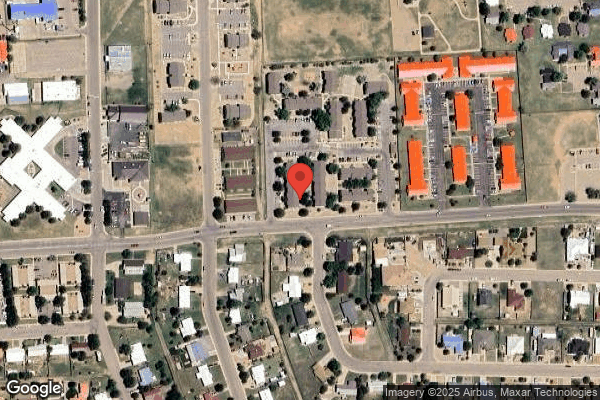
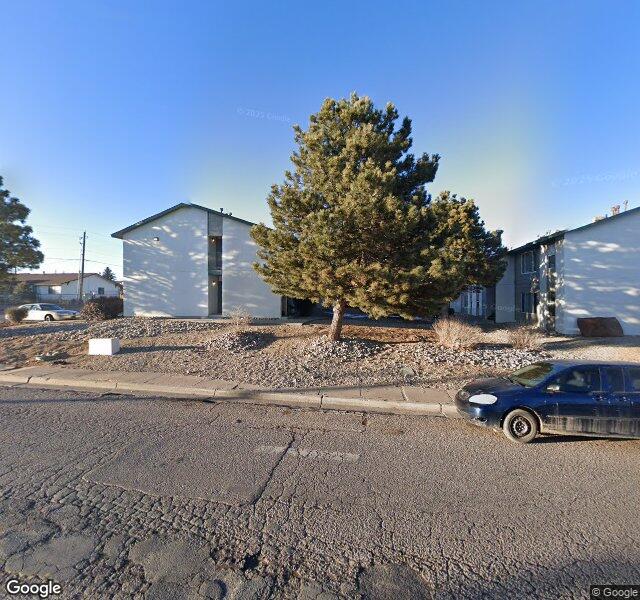
2301 Collins Drive, Las Vegas, NM 87701 (505) 425-9362
For profit - Corporation 102 Beds OPCO SKILLED MANAGEMENT Data: November 2025 1 Immediate Jeopardy citation
Trust Grade
0/100
#59 of 67 in NM
Last Inspection: June 2024

Within standard 12-15 month inspection cycle. Federal law requires annual inspections.

Overview

La Vida Buena Healthcare in Las Vegas, New Mexico has received a Trust Grade of F, indicating significant concerns regarding the quality of care provided. It ranks #59 out of 67 facilities in the state and is in the bottom half of options in San Miguel County, with only one local alternative available. While the facility is improving from 25 issues in 2024 to 14 in 2025, the presence of $96,079 in fines is troubling, as it is higher than 83% of other facilities in New Mexico. Staffing is a relative strength with a 3/5 star rating and a low turnover rate of 29%, which is much better than the state average. However, specific incidents raise serious red flags, including a critical finding where a resident's untreated wound led to an amputation and serious delays in care for pressure ulcers that worsened significantly, indicating a need for improved oversight and adherence to care standards.

Trust Score
F
0/100
In New Mexico
#59/67
Bottom 12%
Safety Record
High Risk
Review needed
Inspections
Getting Better
25 → 14 violations
Staff Stability
✓ Good
29% annual turnover. Excellent stability, 19 points below New Mexico's 48% average. Staff who stay learn residents' needs.
Penalties
✓ Good
$96,079 in fines. Lower than most New Mexico facilities. Relatively clean record.
Skilled Nurses
○ Average
Each resident gets 37 minutes of Registered Nurse (RN) attention daily — about average for New Mexico. RNs are the most trained staff who monitor for health changes.
Violations
⚠ Watch
72 deficiencies on record. Higher than average. Multiple issues found across inspections.
★☆☆☆☆
1.0
Overall Rating
★★★☆☆
3.0
Staff Levels
★★★★☆
4.0
Care Quality
★☆☆☆☆
1.0
Inspection Score
Stable
2024: 25 issues
2025: 14 issues

The Good

  • 4-Star Quality Measures · Strong clinical quality outcomes
  • Low Staff Turnover (29%) · Staff stability means consistent care
  • Full Sprinkler Coverage · Fire safety systems throughout facility
  • No fines on record
  • Staff turnover is low (29%)

    19 points below New Mexico average of 48%

Facility shows strength in quality measures, staff retention, fire safety.

The Bad

1-Star Overall Rating

Below New Mexico average (2.9)

Significant quality concerns identified by CMS

Federal Fines: $96,079

Well above median ($33,413)

Moderate penalties - review what triggered them

Chain: OPCO SKILLED MANAGEMENT

Part of a multi-facility chain

Ask about local staffing decisions and management

The Ugly 72 deficiencies on record

1 life-threatening 3 actual harm
Jul 2025 11 deficiencies
CONCERN (D) 📢 Someone Reported This

A family member, employee, or ombudsman was alarmed enough to file a formal complaint

Potential for Harm - no one hurt, but risky conditions existed

Resident Rights (Tag F0550)

Could have caused harm · This affected 1 resident

**NOTE- TERMS IN BRACKETS HAVE BEEN EDITED TO PROTECT CONFIDENTIALITY** Based on record review and interview the facility failed to ensure a resident was treated with respect and dignity for 1 (R #5) ...

Read full inspector narrative →
**NOTE- TERMS IN BRACKETS HAVE BEEN EDITED TO PROTECT CONFIDENTIALITY** Based on record review and interview the facility failed to ensure a resident was treated with respect and dignity for 1 (R #5) of 3 (R #1, 2 and 5) residents reviewed for dignity by:1. Not allowing the resident to leave the facility per his preference.2. Re-directing the resident back to the facility when he has wanted to leave to go for a walk or shopping and not offering the resident an alternate solution/plan. This deficient practice created frustration and confusion for the resident because he did not understand why he was unable to leave. The findings are:A. Record review of R #5's face sheet revealed R #5 was admitted into the facility on [DATE].B. On 07/22/25 at 10:51 AM- during a phone interview with R #5's Sister she stated He complains about not being able to leave whenever he wants. I was told that he needs someone to sign him out. I don't know what their policy is about him leaving on his own is but he capable of making his own decisions.C. On 07/22/25 at 11:17 AM during an interview with R #5, he stated. There are no outings here at this facility. I can only go outside to the yard/ would like to walk outside the facility. I walked to the store and bought myself tennis shoes and then came back. No one told me anything. But they say I can't leave without someone signing me out now.D. On 07/22/25 at 12:37 PM during an interview with the Director of Nursing (DON), she stated, the facility van has been down for a couple of months it has affected the activity outings, Activity Department is not able to take the residents on facility planned outings. It was reported. He did leave, he went to [name of local store] and bought shoes. If we let him go out on pass it's not safe/ he has a seizures/fall. We want to make sure he is safe. He doesn't want staff going with him. He has not been deemed incompetent. We should be able to offer that someone goes with him. Even after educating him about signing himself out, he didn't sign out when he attempted to go to [name of local store]. He was not allowed to go; he was re-directed and brought back into the facility. DON confirmed R #5 can make his needs known and has a BIMS score of 15 (Brief interview for mental status 00-15 15 being the highest)E. On 07/22/25 at 1:15 PM during an interview with the Activities Assistant (AA) she stated. He (name of R #5) attends activities when he wants. He is alert and oriented. He asks when we are going to the store, we need to watch him because he will take off. He doesn't buy anything but will go for the ride. He doesn't have money sometimes. I do take him on walks when I can, but not lately. He will go out to the front, but we have to watch him because he'll take off. He thinks he's ok but he's not, he can have a seizure at any time. He cannot sign out and go alone to the store. I will stop him and call for help if I see him walking out the door.
CONCERN (D) 📢 Someone Reported This

A family member, employee, or ombudsman was alarmed enough to file a formal complaint

Potential for Harm - no one hurt, but risky conditions existed

Deficiency F0657 (Tag F0657)

Could have caused harm · This affected 1 resident

**NOTE- TERMS IN BRACKETS HAVE BEEN EDITED TO PROTECT CONFIDENTIALITY** Based on record review and interview, the facility failed to ensure staff revised the care plan for 1 (R #5) of 3 (R #1, 2 and 5...

Read full inspector narrative →
**NOTE- TERMS IN BRACKETS HAVE BEEN EDITED TO PROTECT CONFIDENTIALITY** Based on record review and interview, the facility failed to ensure staff revised the care plan for 1 (R #5) of 3 (R #1, 2 and 5) residents reviewed when staff failed to update the care plan to include R #5 not being able to leave the facility independently. This deficient practice is likely to result in residents' preferences and needs not being addressed if care plans are not updated. The findings are: A. On 07/22/25 at 11:17 am during an interview with R #5 he stated that he would like to be integrated back into the community. He further stated that the facility doesn't have any outings scheduled and he would like to go outside to walk but he was told he was not to leave the facility without someone accompanying him. R #5 feels frustrated because he is not able to exercise his rights to be able to leave the facility to go to the store or to walk around the facility grounds. B. Record review of Activity assessment dated [DATE] revealed: Page 2 question 7. Go outside for fresh air when the weather is nice: 1) Very Important C. Record review of R #5's care plan dated 06/21/25 revealed [name of R #5] stated that he went to the store to buy new pair of shoes and returned to the nursing facility. Interventions: encourage resident to let staff know when he wants to go out to purchase items. D. On 07/23/25 at 12:37 pm during an interview with the Director of Nursing (DON) she stated that R #5 was not safe to go out on his own because he had some medical issues that prevented him from being safe and making sound decisions. R #5 is not in agreement that he needs staff to participate with him when he wants to walk to the store or go for a walk. He has not been deemed incompetent. DON further stated that the facility should be able to offer someone to accompany R #5, but the option is not always offered. DON confirmed that R#5's care plan does not state that resident should not be allowed to leave the facility on his own and needs supervision at all times when he leaves the facility.
CONCERN (D) 📢 Someone Reported This

A family member, employee, or ombudsman was alarmed enough to file a formal complaint

Potential for Harm - no one hurt, but risky conditions existed

Deficiency F0726 (Tag F0726)

Could have caused harm · This affected 1 resident

**NOTE- TERMS IN BRACKETS HAVE BEEN EDITED TO PROTECT CONFIDENTIALITY** Based on interview and record review, the facility failed to have competent (aware of each resident's current health status and ...

Read full inspector narrative →
**NOTE- TERMS IN BRACKETS HAVE BEEN EDITED TO PROTECT CONFIDENTIALITY** Based on interview and record review, the facility failed to have competent (aware of each resident's current health status and regular activity) nursing staff that was aware of anticoagulant (blood thinner) use for 1 resident (R #11) of 1 resident's (R #11) reviewed for falls. If nursing staff are not aware of anticoagulant medications taken by residents; then this deficient practice is likely to result in medication administration errors, the lack of monitoring of the resident's condition, delays in treatment or interventions, and increased risk of serious injury or complications such as bleeding, following a fall. The findings are: A. Record review of R #11's face sheet revealed R #11 was admitted into the facility on [DATE]. B. Record review of R #11's physician orders dated 02/07/24 revealed R #11 was prescribed Xarelto (anticoagulant) 2.5 mg (milligrams), give one tablet by mouth twice a day related to heart disease.C. Record review of R #11's care plan dated 05/06/25 revealed that R #11 received anticoagulant medication related to heart disease. R #11's interventions included the facility staff monitor/document/report to a provider any signs or symptoms of anticoagulant complications. Nursing staff were to review R #11's medication list for adverse interactions as well. D. Record review of R #11's nursing progress notes dated 04/17/25 through 04/20/25 revealed the following: 04/17/25 at 11:40 pm: R #11 was yelling at a Certified Nursing Assistant (CNA) and following the CNA throughout the unit. R #11 proceeded to punch Registered Nurse (RN) #3 in the chest and when RN #3 raised her arm to block R #11's second punch, R #11 lost her balance and fell on the floor while also hitting her head. R #11 refused to let RN #3 get her vitals and complete a post fall assessment. 04/18/25 at 5:52 am: R #11's daughter called requesting a follow-up from R #11's previous fall. Nurse will inform day nurse to call R #11's daughter, facility provider was also notified. 04/18/25 at 8:34 am: R #11 is alert and oriented times one (indicating R #11 was aware of who they are but with confusion) and denied pain or confusion. R #11 has a hematoma (a solid swelling of clotted blood within the tissues) and bruising to left side of face. R #11 being sent to hospital for x-rays. 04/19/25 at 5:46 pm: Bruising spreading throughout face and head for R #11. E. Record review of R #11's Medication Administration Record (MAR) dated 04/01/25 through 04/19/25 revealed R #11 received Xarelto 2.5 mg every day as ordered. F. On 07/23/25 at 5:35 pm during an interview with Registered Nurse (RN) #3, she stated that when R #11 experienced a fall with her on 04/17/25, she was unaware that R #11 was on an anticoagulant medication. RN #3 also stated that R #11 experienced significant bruising after the fall on 04/17/25 and the amount of bruising on R #11's face looked horrible. RN #3 stated that she would like a list of residents that took an anticoagulant medication so she could be aware of that in case those residents experience a fall. RN #3 confirmed she did not read R #11's care plan and did not know that R #11 took an anticoagulant medication until R #11 fell on [DATE]. G. On 07/24/25 at 9:43 am during an interview with the Nurse Practitioner (NP), she stated that nursing staff should be familiar with the residents and the medications that residents take. The NP confirmed she would expect RN #3 to know that R #11 took an anticoagulant medication. H. On 07/24/25 at 10:26 am during an interview with the Registered Nurse Consultant (RNC), she stated that she would expect the facility nurses to be familiar with the medications that residents take and she would expect that facility nurses would read residents care plans. The RNC confirmed RN #3 should have known about R #11's anticoagulant medication use. I. On 07/24/25 at 3:37 pm during an interview with the Medical Director (MD), he confirmed that he would expect that RN #3 would have known that R #11 was taking an anticoagulant medication prior to R #11's fall on 04/17/25.
CONCERN (E) 📢 Someone Reported This

A family member, employee, or ombudsman was alarmed enough to file a formal complaint

Potential for Harm - no one hurt, but risky conditions existed

Notification of Changes (Tag F0580)

Could have caused harm · This affected multiple residents

**NOTE- TERMS IN BRACKETS HAVE BEEN EDITED TO PROTECT CONFIDENTIALITY** Based on record review and interview, the facility failed to notify the facility providers (Nurse Practitioner, Physician, and t...

Read full inspector narrative →
**NOTE- TERMS IN BRACKETS HAVE BEEN EDITED TO PROTECT CONFIDENTIALITY** Based on record review and interview, the facility failed to notify the facility providers (Nurse Practitioner, Physician, and the facility Wound Care Nurse) and Guardian for 3 (R #'s 4, 9, 15) of 3 (R #'s 4, 9, 15) residents reviewed when:Guardian for R # 4 was not notified of a fall with injury above R #4's right eye on 05/28/25. The facility Registered Nurse Treatment Nurse (Wound Care Nurse) was not notified of R #9's scalp laceration (a tear or ragged cut in skin or flesh) with staples for 24 days after R #9 received scalp staples. Facility providers were not notified of R #15's worsening (becoming worse) pressure ulcer (skin wound) as soon as the wound was identified to be declining, so wound care treatment could be changed. This deficient practice is likely to result in a delay in treatment or inadequate treatment. The findings are: R #4: A. Record review of R #4's face sheet revealed R #4 was admitted into the facility on [DATE]. B. Record review of R #4's nursing progress notes dated 05/28/25 to 05/29/25 revealed a fall with injury above her right eye that required steri strips (breathable and waterproof bandage strips used to close or tape up wounds). C. On 07/22/25 at 12:25 pm during an interview with R #4’s guardian she stated that she was not made aware of R #4's fall on 05/28/25, and she would have expected the nursing facility staff to notify her. D. On 07/22/25 at 11:45 pm during an interview with Licensed Practical Nurse (LPN) 2, she stated she remembered one incident in May of this year that the guardian for R #4 was not called after a fall. She further stated that R #4’s guardian let her know when she made a follow up call about R #4’s fall that she was not informed about the fall in the first place. E. On 07/23/25 at 12:37 pm during an interview with the Director of Nursing (DON), she stated the nursing facility staff should have notified R #4’s guardian and they did not. R #9: F. Record review of R #9's face sheet revealed R #9 was admitted into the facility on [DATE]. G. Record review of R #9's emergency room (ER) Discharge Instructions (Orders) dated 06/13/25 revealed R #9 was to have his staples that were located on his head, to close a laceration (a tear or ragged cut in skin or flesh), removed in 7 to 10 days. H. Record review of R #9's nursing progress notes dated 06/13/25 to 06/29/25 revealed the following: 06/13/25 at 12:12 pm: R #9 returned to the facility from the ER where he had staples put into his into his scalp after falling in the facility and sustaining injuries. R #9 returned with orders from the ER doctors to have his staples removed within 7 to 10 days. On call providers were contacted (by nurse writing progress note) and awaiting orders for staple removal. 06/16/25 at 4:56 am: Laceration to R #9's right side of head, laceration was sutured (a stitch or row of stitches holding together the edges of a wound or surgical incision) in the ER. 06/25/25 at 7:04 am: Pending physician orders to remove R #9's stitches. 06/29/25 at 9:00 am: Remove staples from right sides of R #9's scalp. Physician notified of purulent (thick, milky discharge that comes out of a wound meaning infection) drainage and laceration infection. 06/29/25 at 1:07 pm: Nurse removed 4 staples from R #9's scalp as ordered. After staples were removed, R #9's scalp was warm to touch and purulent indicating infection. I. Record review of R #9's physician orders dated 06/29/25 revealed, remove staples from the right side of R #9's scalp one time only. J. On 07/23/25 at 4:09 pm during an interview with the Registered Nurse Treatment Nurse (RNTN), she stated that she was not made aware of R #9's scalp staples until 07/07/25, and she would have expected the facility nursing staff to notify her of R #9's scalp staples as soon as he returned to the facility on [DATE]. K. On 07/24/25 at 9:35 am during an interview with the Nurse Practitioner (NP), she stated the facility nursing staff should have notified the RNTN of R #9's scalp staples as soon as he returned to the facility on [DATE]. The NP also stated that she would expect the RNTN to also ask about R #9's scalp staples. The NP confirmed she expects nursing staff to notify the RNTN as soon as possible and stated, Communication is basic for everything and very important. L. On 07/24/25 at 11:46 am during an interview with the Director of Nursing (DON), she stated the facility nursing staff should have notified the RNTN of R #9's scalp staples as soon as he returned to the facility on [DATE]. R #15: M. Record review of R #15’s face sheet revealed R #15 was admitted into the facility on [DATE] with a Pressure Ulcer of the Sacral Region (area at the bottom of the spine), Stage 4 (deep wounds that may impact muscle, tendons, ligaments, and bone). N. Record review of R #15’s physician orders dated 04/29/25 revealed, wound to coccyx (tailbone area; base of spine): cleanse with normal saline, cover wound bed with collagen hydrogel (wound care product to create moist environment for healing), pack with normal saline wet gauze, cover with dry dressing. One time a day for wound care. Physician order discontinued on 05/14/25. O. Record review of R #15’s physician orders dated 05/15/25 revealed, wound to coccyx- cleanse with wound cleanser or normal saline, apply calcium alginate with silver (specialized wound dressing to prevent infection) to wound bed, cover with silicone dressing, and monitor for any signs or symptoms of infection every day shift for wound care. Physicians order was discontinued on 06/20/25. P. Record review of R #15’s physician orders dated 06/20/25 revealed, wound to coccyx- cleanse with wound cleanser or normal saline, apply calcium alginate with silver to wound bed, cover with silicone dressing, and monitor for any signs or symptoms of infection every day shift for wound care. Q. Record review of R #15’s weekly wound progress form (form completed by facility Registered Nurse (RN) Treatment Nurse- Wound Care Nurse) dated 05/28/25 through 07/07/25 revealed the following: 05/28/25: R #15’s coccyx (tailbone area; base of spine) pressure ulcer identified on 04/28/25, was measured to have a length of 5.0 cm (centimeters), width of 5.0 cm, and a depth of 3.3 cm. Notes stated, “Wound has gotten larger.” 06/03/25: R #15’s coccyx pressure ulcer was measured to have a length of 5.0 cm, width of 5.0 cm, and a depth of 3.0 cm. Notes stated, “Wound is healing well.” 06/20/25: R #15’s coccyx pressure ulcer was measured to have a length of 5.0 cm, width of 4.8 cm, and a depth of 2.9 cm. Notes stated, “Wound is healing well.” 06/24/25: R #15’s coccyx pressure ulcer was measured to have a length of 6.0 cm, width of 5.0 cm, and a depth of 2.5 cm. Notes stated, “Wound is healing slowly.” 07/07/25: R #15’s coccyx pressure ulcer was measured to have a length of 6.0 cm, width of 6.0 cm, a depth of 2.0 cm, and 3.0 cm tunneling of the wound. Notes stated, “Necrotic tissue, Wound is healing well. Orders for wounds to be seen by wound clinic sent in.” R #15’s left gluteal fold (horizontal skin crease that forms below the buttocks) pressure ulcer identified on 06/28/25, was measured to have a length of 5.0 cm, width of 6.0 cm, and a depth of 0.1 cm. Notes stated, “Orders for wounds to be seen by wound clinic sent in.” No weekly wound progress form was completed between 06/03/25 through 06/20/25, and 06/24/25 through 07/07/25. R. Record review of R #15’s weekly skin checks completed by facility nursing staff dated 06/06/25 through 07/03/25 revealed the following: 06/06/25: R #15’s coccyx pressure ulcer was not documented. 06/12/25: R #15’s coccyx pressure ulcer- wound treatment in place and wound care nurse continues to follow. 06/19/25: R #15’s coccyx pressure ulcer- wound treatment in place and wound care nurse continues to follow. 06/25/25: R #15’s coccyx pressure ulcer- wound treatment in place and wound care nurse continues to follow. 07/03/25: R #15’s coccyx pressure ulcer- wound treatment in place and wound care nurse continues to follow, shearing left buttocks. 07/11/25: R #15’s coccyx pressure ulcer- wound treatment in place and wound care nurse continues to follow. Left buttock (gluteal fold) wound nurse continues to follow. 07/17/25: R #15’s coccyx pressure ulcer- wound treatment in place and wound care nurse continues to follow. Left buttock (gluteal fold) wound nurse continues to follow. S. Record review of the facility wound report dated 07/23/25 revealed the following for R #15: R #15’s coccyx pressure ulcer was measured to have a length of 6.2 cm, width of 6.1 cm, and a depth of 2.0 cm. R #15’s left gluteal fold pressure ulcer was measured to have a length of 5.20 cm, width of 5.80 cm, and a depth of 0.10 cm. T. Record review of R #15's physician orders dated 07/03/25 revealed, stage 2 wound to left gluteal fold- cleanse with normal saline, pat dry, apply collagen flakes, apply silicone dressing one time a day for wound care. U. Record review of R #15's physician orders dated 07/07/25 revealed, refer to wound clinic STAT (immediately or without delay) for a stage 2 wound to left gluteal fold and pressure ulcer of sacral region (coccyx) stage 4. V. Record review of R #15's physician orders dated 07/21/25 revealed R #15's wound clinic appointment was scheduled for 07/29/25. W. On 07/23/25 at 4:10 pm during an interview with the RNTN, she stated that she did not let the NP know about R #15's worsening coccyx pressure ulcer and left gluteal pressure ulcer until 07/07/25. X. On 07/24/25 at 9:43 am during an interview with the Nurse Practitioner (NP), she stated that she was not informed of R #15's coccyx and left gluteal fold pressure ulcers until 07/07/25. The NP also stated that if she was notified sooner of R #15's worsening coccyx pressure ulcer and left gluteal pressure ulcer, then she would have put in different wound care orders sooner. The NP confirmed she should have been made aware of R #15's worsening coccyx pressure ulcer and left gluteal pressure ulcer sooner. Y. On 07/24/25 at 3:33 pm during an interview with the Medical Director (MD), he stated that his expectation is if a resident's wounds are worsening, like R #15's coccyx pressure ulcer, then he would expect the facility providers to be notified immediately.
CONCERN (E) 📢 Someone Reported This

A family member, employee, or ombudsman was alarmed enough to file a formal complaint

Potential for Harm - no one hurt, but risky conditions existed

Grievances (Tag F0585)

Could have caused harm · This affected multiple residents

Based on record review and interview, the facility failed to make prompt (done without delay; immediate) efforts to resolve resident's grievances for 4 (R #'s 13, 14, 16, and 17) of 4 (R #'s 13, 14, 1...

Read full inspector narrative →
Based on record review and interview, the facility failed to make prompt (done without delay; immediate) efforts to resolve resident's grievances for 4 (R #'s 13, 14, 16, and 17) of 4 (R #'s 13, 14, 16, and 17) residents reviewed by:Not responding to grievances that involved allegations of abuse and neglect for several days after the grievance was reported. Failing to educate all nursing staff, including the nursing staff involved, for grievances with allegations of abuse and neglect. If the facility is not ensuring that grievances are responded to in a prompt manner and without delay, then residents are likely at risk of continued/repeat concerns and feeling as though their concerns are unimportant to the facility.The findings are: R #13: A. Record review of R #13's reported facility grievance dated 07/17/25 revealed the following:R #13 stated that Nursing Assistant (NA) #1 answered her call light but stated that she needed to go get more bed sheets and never returned to help R #13. R #13 pressed her call light again, and an unnamed Certified Nursing Assistant (CNA) came in to assist R #13. NA #1 returned to R #13's room and was laughing while the CNA was assisting R #13. Later that day, R #13 was in the shower, and NA #1 came into the shower room and started laughing again. R #13 pressed her call light again later after the shower and NA #1 arrived at her room and told R #13 that she would return to help her, but NA #1 did not return. Facility Response: Facility Nursing staff will be provided education regarding the importance of ensuring all residents are treated with dignity and respect at all times, and education relevant to customer service. Education will be completed by July 25, 2025. Facility nursing staff will try to schedule employee named by the resident on a different hall, when possible, to minimize the care the employee provides to the resident. B. Record review of facility in-service training dated July 2025 revealed the following: Training Topics: Dementia, Residents Rights, Customer Service, and Assist All Residents in a Timely Manner with a Better Attitude.NA #1 was not documented as being present for in-service training. No documentation was available that indicated NA #1 received any in-service/training related to R #13's grievance. C. On 07/23/25 at 10:25 am during an interview with R #13, she stated that she felt humiliated when NA #1 was laughing at her in the shower. R #13 also stated that NA #1 also got mad at R #13's roommate (R #14) for using the call light.R #14: D. Record review of R #14's reported facility grievance dated 07/17/25 revealed the following:Subject: R #14 reported that NA #1 answered her call light. R #14 forgot what she needed because the nursing staff took too long to answer the call light, and NA #1 told R #14 that she should not use the call light if she could not remember what she needed. Facility Response: Facility Nursing staff will be provided with education regarding the importance of ensuring all residents are treated with dignity and respect at all times, and education relevant to customer service. Education will be completed by July 25, 2025. Facility nursing staff will try to schedule employee named by the resident on a different hall, when possible, to minimize the care the employee provides to the resident. E. Record review of facility in-service training dated July 2025 revealed the following: Training Topics: Dementia, Residents Rights, Customer Service, and Assist All Residents in a Timely Manner with a Better Attitude.NA #1 was not documented as being present for in-service training. No documentation was available that indicated NA #1 received any in-service/training related to R #14's grievance. R #16: F. Record review of R #16's reported facility grievance dated 07/16/25 revealed the following:Subject: R #16 does not want CNA #3 working with her because she does not like the way CNA #3 talks to her and treats her. Facility Response: Facility Nursing staff will be provided education regarding the importance of ensuring all residents are treated with dignity and respect at all times, and education relevant to customer service. Education will be completed by July 25, 2025. Facility nursing staff will try to schedule employee named by the resident on a different hall, when possible, to minimize the care the employee provides to the resident. G. Record review of facility in-service training dated July 2025 revealed the following: Training Topics: Dementia, Residents Rights, Customer Service, and Assist All Residents in a Timely Manner with a Better Attitude.CNA #3 was not documented as being present for in-service training. No documentation was available that indicated CNA #3 received any in-service/training related to R #16's grievance.R #17: H. Record review of R #17's reported facility grievance dated 07/18/25 revealed the following:Subject: R #17 got back from dialysis and did not get changed until 12:00 pm. CNA #4 kept passing by R #17 and did not answer R #17's call light. Facility Response: Facility Nursing staff will be provided education regarding the importance of ensuring all residents are treated with dignity and respect at all times, and education relevant to customer service. Education will be completed by July 25, 2025.I. Record review of facility in-service training dated July 2025 revealed the following: Training Topics: Dementia, Residents Rights, Customer Service, and Assist All Residents in a Timely Manner with a Better Attitude.CNA #4 was not documented as being present for in-service training. No documentation was available that indicated CNA #4 received any in-service/training related to R #17's grievance.J. On 07/24/25 at 11:04 am during an interview with the Assistant Director of Nursing (ADON), he stated that he spoke to CNA #3 after R #16 filed a grievance, and he was aware of NA #1 speaking with the Director of Nursing (DON) for R #'s 13 and 14's grievances. The ADON also stated that he has not spoken to CNA #4 about R #17's grievance yet. The ADON confirmed all staff involved in the grievances should have attended the in-service training, and the grievance resolution should have completed sooner than the projected date of 07/25/25. K. On 07/24/25 at 11:57 am during an interview with the DON, she stated that R #'s 13, 14, 16, and 17's grievances should have been handled differently, with the resolutions and education for each grievance being completed sooner than 07/25/25.
CONCERN (E) 📢 Someone Reported This

A family member, employee, or ombudsman was alarmed enough to file a formal complaint

Potential for Harm - no one hurt, but risky conditions existed

Report Alleged Abuse (Tag F0609)

Could have caused harm · This affected multiple residents

Based on record review and interview, the facility failed to report an investigation regarding allegations abuse and neglect within the required timeframe (2 hours) for 3 (R #'s 13, 14, and 17) of 4 (...

Read full inspector narrative →
Based on record review and interview, the facility failed to report an investigation regarding allegations abuse and neglect within the required timeframe (2 hours) for 3 (R #'s 13, 14, and 17) of 4 (R #'s 13, 14, 16, and 17) residents reviewed for grievances.If the facility is not submitting the summary of the facility's investigation to the State Agency, then the State Agency is unable to appropriately triage (review) the allegation for further investigation.The findings are: A. Refer to F0610 for related findings. R #13: B. Record review R #13's neglect incident report provided by the facility dated 07/17/25 revealed the following:Details of Incident: During an audit of facility grievances, this incident is being reported that R #13 stated Nursing Assistant (NA) #1 came to change R #13 but left to get supplies and never returned to change R #13. Another staff member came to assist R #13. After Incident Actions: NA #1 was re-educated. Details of Interventions: Investigation is ongoing. Follow-up was reported to the SA on 07/22/25 at 10:34 am. No indication that the neglect incident was reported to the SA within two hours as required. C. On 07/31/25 at 2:16 pm during an interview with the Administrator (ADM), he stated the facility did not identify an allegation of neglect for R #13's grievance dated 07/17/25. The facility identified an allegation of neglect for R #13's grievance dated 07/17/25 several days after the incident occurred during a grievance audit, indicating R #13's neglect grievance dated 07/17/25 was not reported to the SA within two hours as required. The ADM confirmed R #13's neglect incident/grievance should have been submitted to the SA sooner. R #14:D. Record review R #14's incident report provided by the facility dated 07/17/25 revealed the following:Details of Incident: During an audit of facility grievances, this incident is being reported that R #14 stated NA #1 answered the call light, but R #14 forgot what she wanted. NA #1 asked R #14 why she used the call light if she could not remember what she needed. After Incident Actions: NA #1 was re-educated. Details of Interventions: Investigation is ongoing. Follow-up was reported to the SA on 07/22/25 at 10:51 am. No indication that R #14's incident/grievance incident was reported to the SA within two hours as required. E. On 07/31/25 at 2:17 pm during an interview with the ADM, he confirmed R #14's incident/grievance should have been submitted to the SA sooner. R #17: F. Record review of the facility Abuse and Neglect Incident Reports, reviewed on 07/24/25 revealed no abuse and neglect incident report was present for R #17's incident that occurred on 07/18/25. G. On 07/31/25 at 2:18 pm during an interview with the ADM, he confirmed R #17's grievance/incident dated 07/18/25 was not submitted to the SA and should have been because this incident involved allegations of neglect.
CONCERN (E) 📢 Someone Reported This

A family member, employee, or ombudsman was alarmed enough to file a formal complaint

Potential for Harm - no one hurt, but risky conditions existed

Investigate Abuse (Tag F0610)

Could have caused harm · This affected multiple residents

Based on record review and interview, the facility failed to complete a thorough investigation and report the investigation findings within five working days, for allegations of abuse and neglect for ...

Read full inspector narrative →
Based on record review and interview, the facility failed to complete a thorough investigation and report the investigation findings within five working days, for allegations of abuse and neglect for 3 (R #'s 13, 14, and 17) of 4 (R #'s 13, 14, 16, and 17) residents reviewed for grievances. If the facility is not completing an accurate and thorough investigation and submitting the summary of the facility's investigation to the State Agency, then the State Agency (SA) is unable to appropriately triage (review) the allegation for further investigation.The findings are: R #13: A. Record review of R #13's facility grievance dated 07/17/25 revealed the following:Subject: R #13 stated that Nursing Assistant (NA) #1 answered her call light but stated that she needed to go get more bed sheets and never returned to help R #13. R #13 pressed her call light again, and an unnamed Certified Nursing Assistant (CNA) came in to assist R #13. NA #1 returned to R #13's room and was laughing while the CNA was assisting R #13. Later that day, R #13 was in the shower, and NA #1 came into the shower room and started laughing again. R #13 pressed her call light again later after the shower and NA #1 arrived at her room and told R #13 that she would return to help her, but NA #1 did not return. Facility Response: Facility Nursing staff will be provided with education regarding the importance of ensuring all residents are treated with dignity and respect at all times, and education relevant to customer service. Education will be completed by July 25, 2025. Facility nursing staff will try to schedule employee named by the resident on a different hall, when possible, to minimize the care the employee provides to the resident. B. Record review of facility in-service training dated July 2025 revealed the following: Training Topics: Dementia, Residents Rights, Customer Service, and Assist All Residents in a Timely Manner with a Better Attitude.NA #1 was not documented as being present for in-service training. C. On 07/23/25 at 10:25 am during an interview with R #13, she stated that she felt humiliated when NA #1 was laughing at her in the shower. R #13 also stated that NA #1 also got mad at R #13's roommate (R #14) for using the call light.D. Record review R #13's neglect incident report dated 07/17/25 revealed the following:Details of Incident: During an audit of facility grievances, this incident is being reported that R #13 stated Nursing Assistant (NA) #1 came to change R #13 but left to get supplies and never returned to change R #13. Another staff member came to assist R #13. After Incident Actions: NA #1 was re-educated. Details of Interventions: Investigation is ongoing. Follow-up was reported to the SA on 07/22/25 at 10:34 am. A thorough investigation was not provided for R #13's 07/17/25 incident. E. On 07/31/25 at 2:16 pm during an interview with the Administrator (ADM), he stated R #13's grievance was not identified as an allegation of abuse until the facility completed a grievance audit during the survey. The ADM also stated that while he was out of the facility, he would have expected the facility staff to conduct a thorough abuse investigation, and one was not conducted. R #14: F. Record review of R #14's facility grievance dated 07/17/25 revealed the following:Subject: R #14 reported that NA #1 answered her call light. R #14 forgot what she needed because the nursing staff took too long to answer the call light, and NA #1 asked R #14 why she used the call light if she could not remember what she needed. Facility Response: Facility Nursing staff will be provided education regarding the importance of ensuring all residents are treated with dignity and respect at all times, and education relevant to customer service. Education will be completed by July 25, 2025. Facility nursing staff will try to schedule employee named by the resident on a different hall, when possible, to minimize the care the employee provides to the resident. G. Record review of facility in-service training dated July 2025 revealed the following: Training Topics: Dementia, Residents Rights, Customer Service, and Assist All Residents in a Timely Manner with a Better Attitude.NA #1 was not documented as being present for in-service training. H. Record review R #14's incident report dated 07/17/25 revealed the following:Details of Incident: During an audit of facility grievances, this incident is being reported that R #14 stated NA #1 answered the call light, but R #14 forgot what she wanted. NA #1 asked R #14 why she used the call light if she could not remember what she needed. After Incident Actions: NA #1 was re-educated. Details of Interventions: Investigation is ongoing. Follow-up was reported to the SA on 07/22/25 at 10:51 am. A thorough investigation was not provided for R #14's 07/17/25 incident.I. On 07/31/25 at 2:17 pm during an interview with the ADM, he stated that during the facility grievance audit, it was determined that R #14's grievance was a form of intimidation and should be considered an allegation of abuse. The ADM confirmed a thorough abuse investigation was not completed for R #14's 07/17/25 grievance and should have been. R #17: J. Record review of R #17's facility grievance dated 07/18/25 revealed the following:Subject: R #17 got back from dialysis and did not get changed until 12:00 pm. CNA #4 kept passing by R #17 and did not answer R #17's call light. Facility Response: Facility Nursing staff will be provided education regarding the importance of ensuring all residents are treated with dignity and respect at all times, and education relevant to customer service. Education will be completed by July 25, 2025.K. Record review of facility in-service training dated July 2025 revealed the following: Training Topics: Dementia, Residents Rights, Customer Service, and Assist All Residents in a Timely Manner with a Better Attitude.CNA #4 was not documented as being present for in-service training.L. Record review of the facility abuse and neglect incident reports reviewed on 07/24/25 revealed no abuse and neglect incident report was present for R #17's incident that occurred on 07/18/25. M. On 07/24/25 at 11:05 am during an interview with the Assistant Director of Nursing (ADON), he stated that he spoke to CNA #3 after R #16 filed a grievance, and he was aware of NA #1 speaking with the Director of Nursing (DON) for R #'s 13 and 14's grievances. The ADON also stated that he has not spoken to CNA #4 about R #17's grievance yet. The ADON stated that none of the staff members were suspended for these allegations, and they were only spoken to by the DON and himself. The ADON confirmed that each allegation was a form of abuse and neglect, which meant that each one should have investigated as such, and he was not aware of any investigations taking place. N. On 07/24/25 at 11:58 am during an interview with the DON, she stated that R #'s 13, 14, and 17's grievances should have been investigated as allegation of abuse and neglect, and they were not. The DON also stated that all staff members involved with each allegation should have been suspended during an investigation, but they were not. The DON stated that she was not sure if a thorough investigation was completed for each allegation of abuse or neglect was completed and submitted to the SA within the required timeframe and should have. O. On 07/31/25 at 2:18 pm during an interview with the ADM, he stated a thorough investigation was not completed nor submitted to the SA for R #17's allegation of neglect and should have been.
CONCERN (E) 📢 Someone Reported This

A family member, employee, or ombudsman was alarmed enough to file a formal complaint

Potential for Harm - no one hurt, but risky conditions existed

Deficiency F0658 (Tag F0658)

Could have caused harm · This affected multiple residents

**NOTE- TERMS IN BRACKETS HAVE BEEN EDITED TO PROTECT CONFIDENTIALITY** Based on observation, record review, and interview, the facility failed to provide quality care that meets professional standard...

Read full inspector narrative →
**NOTE- TERMS IN BRACKETS HAVE BEEN EDITED TO PROTECT CONFIDENTIALITY** Based on observation, record review, and interview, the facility failed to provide quality care that meets professional standards for 2 (R #'s 9 and 11) of 2 (R #'s 9 and 11) residents when the facility failed to:Remove R #9's scalp staples within 7 to 10 days as ordered by a physician. Provide physician orders for anticoagulant (blood thinner) complications (bruising, bleeding, pain, swelling, and dizziness) monitoring (daily nursing assessments) for R #11. If the facility is not following physician orders or providing medication monitoring orders, then residents are at risk of adverse outcomes and inadequate monitoring of treatment. The findings are:R #9: A. Record review of R #9's face sheet revealed R #9 was admitted into the facility on [DATE]. B. Record review of R #9's emergency room (ER) Discharge Instructions (Orders) dated 06/13/25 revealed R #9 was to have his staples that were located on his head, to close a laceration (a tear or ragged cut in skin or flesh), removed in 7 to 10 days. C. Record review of R #9's nursing progress notes dated 06/13/25 to 06/29/25 revealed the following:06/13/25: R #9 returned to the facility from the ER where he had staples put into his after falling in the facility and sustaining injuries. R #9 returned with orders from the ER doctors to have his staples removed within 7 to 10 days. On call providers were contacted and awaiting orders for staple removal. 06/16/25: Laceration to R #9's right side of head, laceration was sutured (a stitch or row of stitches holding together the edges of a wound or surgical incision) in the ER. 06/25/25: Pending physician orders to remove R #9's stitches. 06/29/25 at 9:00 am: Remove staples from right sides of R #9's scalp. Physician notified of purulent (thick, milky discharge that comes out of a wound meaning infection) drainage and laceration infection. 06/29/25 at 1:07 pm: Nurse removed 4 staples from R #9's scalp as ordered. After the staples were removed, R #9's scalp was warm to touch and purulent indicating infection. D. Record review of R #9's physician orders dated 06/29/25 revealed, remove staples from the right side of R #9's scalp one time only. E. On 07/21/25 at 4:39 pm during an interview with R #9's daughter, she stated that the facility staff did not know when to take R #9's staples out of his head. R #9's daughter also stated that both her and her brother asked about the removal of R #9's staples on his head, but none of the nursing staff could ever tell them when the staples were to be removed, which resulted in R #9's staples remaining in his head for 16 days. F. On 07/22/25 at 3:08 pm during an interview with Licensed Practical Nurse (LPN) #1, she stated that the facility was trying to get physician orders to remove R #9's head staples from facility providers, but they did not receive an order within the 7 to 10 days. The LPN #1 also stated that she believed R #9's staples were in his head for too long and when she removed the staples, R #9's scalp laceration was infected. G. On 07/23/25 at 11:15 am during an interview with Registered Nurse (RN) #2, she stated R #9's staples were supposed to be removed within 7 to 10 days from 06/13/25 per hospital orders, but the staples were not removed until 16 days after R #9 returned to the facility. H. On 07/24/25 at 9:34 am during an interview with the Nurse Practitioner (NP), she stated that she was made aware of R #9's infected scalp laceration on 06/29/25, but she was surprised because she thought R #9's staples were already removed. I. On 07/24/25 at 11:45 am during an interview with the Director of Nursing (DON), she stated when the facility receives hospital orders, the nurses are to contact a facility provider to see if the facility provider agrees with the hospital recommendation. J. On 07/24/25 at 3:20 pm during an interview with the Medical Director (MD), he stated that he does not think R #9's scalp became infected because the staples were left in too long, but he expects the nursing facility staff to follow hospital orders because those are orders from a physician. The MD confirmed that R #9's hospital order was for R #9's staples to be removed within 7 to 10 days, and the facility should have followed those orders. R #11: K. Record review of R #11's face sheet revealed R #11 was admitted into the facility on [DATE]. L. Record review of R #11's physician orders dated 02/07/24 revealed R #11 was prescribed Xarelto (anticoagulant) 2.5 mg (milligrams), give one tablet by mouth twice a day related to heart disease. There was no order present for monitoring R #11 for complications (bruising, bleeding, pain, swelling, and dizziness) related to anticoagulant use.M. Record review of R #11's care plan dated 05/06/25 revealed that R #11 received anticoagulant medication related to heart disease. R #11's interventions included the facility staff monitor/document/report to a provider any signs or symptoms of anticoagulant complications. Nursing staff were to review R #11's medication list for adverse interactions as well. N. Record review of R #11's nursing progress notes dated 04/17/25 through 04/20/25 revealed the following: 04/17/25 at 11:40 pm: R #11 was yelling at a Certified Nursing Assistant (CNA) and following the CNA throughout the unit. R #11 proceeded to punch Registered Nurse (RN) #3 in the chest and when RN #3 raised her arm to block R #11's second punch, R #11 lost her balance and fell on the floor while also hitting her head. R #11 refused to let RN #3 get her vitals and complete a post fall assessment. 04/18/25 at 5:52 am: R #11's daughter called requesting a follow-up from R #11's previous fall. The nurse will inform day nurse to call R #11's daughter, facility provider was also notified. 04/18/25 at 8:34 am: R #11 is alert and oriented times one (indicating R #11 was aware of who they are but with confusion) and denied pain or confusion. R #11 has a hematoma (a solid swelling of clotted blood within the tissues) and bruising to left side of face. R #11 being sent to hospital for x-rays. 04/19/25 at 5:46 pm: Bruising spreading throughout face and head for R #11. O. Record review of R #11's Medication Administration Record (MAR) dated 04/01/25 through 04/19/25 revealed R #11 received Xarelto 2.5 mg every day as ordered. P. On 07/24/25 at 3:34 pm during an interview with the Medical Director (MD), he stated that when a resident takes a blood thinning medication such as Xarelto, there should be a physician's order related to staff monitoring for signs and symptoms of anticoagulant medication complications. The MD confirmed R #11 should have had a physician's order for anticoagulant medication monitoring. Q. On 07/24/25 at 3:59 pm during an interview with the Director of Nursing (DON), she confirmed R #11 did not have physician orders for anticoagulant medication monitoring.
CONCERN (E) 📢 Someone Reported This

A family member, employee, or ombudsman was alarmed enough to file a formal complaint

Potential for Harm - no one hurt, but risky conditions existed

Deficiency F0679 (Tag F0679)

Could have caused harm · This affected multiple residents

**NOTE- TERMS IN BRACKETS HAVE BEEN EDITED TO PROTECT CONFIDENTIALITY** Based on record review and interview, the facility failed to provide a program of activities sufficient to meet each resident's ...

Read full inspector narrative →
**NOTE- TERMS IN BRACKETS HAVE BEEN EDITED TO PROTECT CONFIDENTIALITY** Based on record review and interview, the facility failed to provide a program of activities sufficient to meet each resident's capabilities, interests and needs, for 1 (R # 5) of 3 (R #s 1, 2 and 5) residents reviewed for activities. This deficient practice has the potential to cause residents feelings of boredom, isolation and depression. The findings are: A. On 07/22/25 at 11:17 am during an interview with R #5 he stated that he would like to be integrated back into the community. He further stated that there are no facility outings scheduled by the facility and he would like to go outside to walk but he was told he was not to leave the facility without someone accompanying him. R #5 feels frustrated because he is not able to exercise his rights to be able to leave the facility to go to the store or to walk around the facility grounds. B. Record review of Activity assessment dated [DATE] revealed: Page 2 question 7. Go outside for fresh air when the weather is nice: 1) Very Important. C. Record review of Minimum Data Set (MDS-Nursing Resident Assessment and care screening) dated 06/17/25 revealed: Section C-Cognitive Patterns- BIMS score of 15 (brief interview for mental status with scoring 00 through 15. 15 being the highest score- indicating that the individual's cognitive abilities are intact.) D. Record review of R #5's care plan dated 06/21/25 revealed [name of R #5] stated that he went to the store to buy new pair of shoes and returned to the nursing facility. Interventions: encourage resident to let staff know when he wants to go out to purchase items. E. On 07/23/25 at 12:37 pm during an interview with the Director of Nursing (DON) she stated that R #5 was not safe to go out on his own because he had some medical issues that prevented him from being safe and making sound decisions. R #5 is not in agreement that he needs staff to participate with him when he wants to walk to the store or go for a walk. He has not been deemed incompetent. DON further stated that the facility should be able to offer someone to accompany R #5 and that there's not always someone available. DON confirmed R #5 has a BIMS score of 15- cognitively intact. [NAME] further confirmed that there has not been any transportation available for the use of activity outings for the residents in at least 2-3 months. F. On 07/23/25 at 1:15 pm during an interview with the Activities Assistant (AA) she stated R #5 is alert and oriented and able to make his needs known. The AA further stated that R #5 is not allowed to leave the facility because it is not safe and if he were to be seen leaving the front door staff is to bring him back in. The AA further stated that facility outings had not occurred since the facility van had been out of service (2-3 months). G. On 07/23/25 at 11:35 am during an interview with the Activities Director (AD) she stated that the facility van has not been operational for a few months, so they have not been able to take the residents on outings or been able to take them shopping or on rides. When asked about R #5 she stated that he does like to go on outings and likes to go outdoors, but the activities program has not included outings for a while because of the broken van. The AD is hoping to get a van soon to be able to resume the outings and the van rides. H. Record review of the posted July 2025 activity calendar revealed: 6 scheduled outings. All scheduled outing did not occur this month. I. Record review of printed May 2025 activity calendars revealed: 10 scheduled outings. All scheduled outing did not occur this month. J. On 07/23/25 during an interview with R #1 and R #2 they stated that the facility has not had any facility outings for two or three months due to the van not being operational. They both stated that some of the residents are upset about not being able to go on outings. R #2 confirmed that R #5 gets very upset about not being able to go for walks or on outings to the store.
CONCERN (E) 📢 Someone Reported This

A family member, employee, or ombudsman was alarmed enough to file a formal complaint

Potential for Harm - no one hurt, but risky conditions existed

Pressure Ulcer Prevention (Tag F0686)

Could have caused harm · This affected multiple residents

**NOTE- TERMS IN BRACKETS HAVE BEEN EDITED TO PROTECT CONFIDENTIALITY** Based on record review and interview, the facility failed to ensure residents received the necessary treatment and services to p...

Read full inspector narrative →
**NOTE- TERMS IN BRACKETS HAVE BEEN EDITED TO PROTECT CONFIDENTIALITY** Based on record review and interview, the facility failed to ensure residents received the necessary treatment and services to prevent the development and worsening of pressure wounds (also called a pressure injury/pressure ulcer; skin damage which results from unrelieved pressure on the body) for 1 (R #15) of 1 (R #15) resident reviewed when staff failed to: Monitor for changes in R #15's coccyx (tailbone area; base of spine) pressure ulcer and timely notify the provider (physician and/or Nurse Practitioner) of R #15's pressure ulcer worsening and development of new pressure wound.Document and monitor wound progress (that includes measurements; to track effectiveness of wound care treatments and to prevent the progression of pressure ulcers) for R #15, so any pressure ulcer changes can be managed and/or treated without delay. These deficient practices likely resulted in R #15's pressure ulcer worsening with necrotic tissue (death of cells in tissue due to disease, injury, or failure of the blood supply) which required referral to an out of facility wound care clinic for advanced wound care treatment not available in the facility. The findings are: A. Refer to F0580 for related findings for R #15. B. Record review of R #15's face sheet revealed R #15 was admitted into the facility on [DATE] with a Pressure Ulcer of Sacral Region (area at the bottom of the spine), Stage 4 (deep wounds that may impact muscle, tendons, ligaments, and bone). C. Record review of R #15's physician orders dated 04/29/25 revealed, wound to coccyx cleanse with normal saline, cover wound bed with collagen hydrogel (wound care product to create moist environment for healing), pack with normal saline wet gauze, cover with dry dressing. One time a day for wound care. Physician order discontinued on 05/14/25.D. Record review of R #15's physician orders dated 05/15/25 revealed, wound to coccyx- cleanse with wound cleanser or normal saline, apply calcium alginate with silver to wound bed, cover with silicone dressing, and monitor for any signs or symptoms of infection every day shift for wound care. Physicians order was discontinued on 06/20/25.E. Record review of R #15's physician orders dated 06/20/25 revealed, wound to coccyx- cleanse with wound cleanser or normal saline, apply calcium alginate with silver to wound bed, cover with silicone dressing, and monitor for any signs or symptoms of infection every day shift for wound care.F. Record review of R #15's Weekly Wound Progress Form (form completed by facility Registered Nurse Treatment Nurse (RNTN)- Wound Care Nurse) dated 04/30/25 through 07/07/25 revealed the following:04/30/25: R #15's coccyx pressure ulcer identified on 04/28/25, was measured to have a length of 5.0 cm (centimeters), width of 3.0 cm, and a depth of 2.2 cm. Notes stated, Wound is healing well.05/06/25: R #15's coccyx pressure ulcer was measured to have a length of 4.5 cm, width of 3.0 cm, and a depth of 2.0 cm. Notes stated, Wound is healing well.05/15/25: R #15's coccyx pressure ulcer was measured to have a length of 5.0 cm, width of 3.2 cm, and a depth of 2.8 cm. Notes stated, Wound has gotten larger, more drainage, and foul odor. Calcium alginate (specialized wound dressing to prevent infection) with silver added to wound order.05/21/25: R #15's coccyx pressure ulcer was measured to have a length of 5.0 cm, width of 3.5 cm, and a depth of 3.0 cm. Notes stated, Wound is healing well. Mo foul odor to the wound.05/28/25: R #15's coccyx pressure ulcer was measured to have a length of 5.0 cm, width of 5.0 cm, and a depth of 3.3 cm. Notes stated, Wound has gotten larger.06/03/25: R #15's coccyx pressure ulcer was measured to have a length of 5.0 cm, width of 5.0 cm, and a depth of 3.0 cm. Notes stated, Wound is healing well.06/20/25: R #15's coccyx pressure ulcer was measured to have a length of 5.0 cm, width of 4.8 cm, and a depth of 2.9 cm. Notes stated, Wound is healing well.06/24/25: R #15's coccyx pressure ulcer was measured to have a length of 6.0 cm, width of 5.0 cm, and a depth of 2.5 cm. Notes stated, Wound is healing slowly.07/07/25 #1: R #15's coccyx pressure ulcer was measured to have a length of 6.0 cm, width of 6.0 cm, a depth of 2.0 cm, and 3.0 cm tunneling of the wound. Notes stated, Necrotic tissue. Orders for wounds to be seen by wound clinic sent in. Wound progress form indicated that R #15's coccyx pressure ulcer grew wider by 1 cm with 3 cm tunneling and necrosis between 06/24/25 and 07/07/25. 07/07/25 #2: R #15's left gluteal fold (horizontal skin crease that forms below the buttocks) pressure ulcer identified on 06/28/25, was measured to have a length of 5.0 cm, width of 6.0 cm, and a depth of 0.1 cm. Notes stated, Orders for wounds to be seen by wound clinic sent in.No weekly wound progress form was completed between 06/03/25 through 06/20/25, and 06/24/25 through 07/07/25. G. Record review of R #15's Weekly Skin Checks (completed by facility nursing staff) dated 05/02/25 through 07/03/25 revealed the following:05/02/25 at 5:23 am: R #15's coccyx pressure ulcer was not documented.05/09/25 at 1:39 am: R #15's coccyx pressure ulcer was healing well and dressed daily. 05/10/25 at 11:41 am: R #15's coccyx pressure ulcer had wound care in progress. 05/29/25 at 11:04 pm: R #15's coccyx pressure ulcer had wound care in place. 06/06/25 at 10:39 am: R #15's coccyx pressure ulcer was not documented.06/12/25 at 5:05 am: R #15's coccyx pressure ulcer- wound treatment in place and wound care nurse continues to follow.06/19/25 at 12:50 am: R #15's coccyx pressure ulcer- wound treatment in place and wound care nurse continues to follow.06/25/25 at 10:05 pm: R #15's coccyx pressure ulcer- wound treatment in place and wound care nurse continues to follow.07/03/25 at 4:31 am: R #15's coccyx pressure ulcer- wound treatment in place and wound care nurse continues to follow, shearing left buttocks (no measurement documented for left buttocks/gluteal fold).07/11/25 at 4:42 am: R #15's coccyx pressure ulcer- wound treatment in place and wound care nurse continues to follow. Left buttock (gluteal fold) wound nurse continues to follow.07/17/25 at 11:55 pm: R #15's coccyx pressure ulcer- wound treatment in place and wound care nurse continues to follow. Left buttock (gluteal fold) wound nurse continues to follow.None of R #15's weekly skin checks for this timeframe indicated R #15's coccyx pressure ulcer was declining and becoming worse, with most indicating that the RNTN was responsible for R #15's pressure ulcers/wounds. No weekly skin checks were documented as being completed for R #15 for the dates of 05/11/25 through 05/28/25. H. Record review of R #15's Treatment Administration Record (TAR) dated 06/01/25 through 06/30/25 revealed the following: Order dated 05/15/25: Treatment time of 6:00 am to 6:00 pm- Wound to coccyx: cleanse with wound cleanser or normal saline, apply calcium alginate with silver to wound bed, cover with silicone dressing, and monitor for any signs or symptoms of infection every day shift for wound care (order was discontinued on 06/20/25); was marked as completed for every day from 06/01/25 through 06/20/25, except for one day on 06/15/25.Order dated 05/15/25: Treatment time PRN (as needed)- Wound to coccyx: cleanse with wound cleanser or normal saline, apply calcium alginate with silver to wound bed, cover with silicone dressing, and monitor for any signs or symptoms of infection every day shift for wound care (order was discontinued on 06/20/25); was marked as completed one time on 06/19/25 at 2:30 am. Order dated 06/20/25: Treatment time of 6:00 am to 6:00 pm- Wound to coccyx- cleanse with wound cleanser or normal saline, apply calcium alginate with silver to wound bed, cover with silicone dressing, and monitor for any signs or symptoms of infection every day shift for wound care; was marked as completed for every day from 06/20/25 through 06/30/25.Order dated 06/20/25: Treatment time of PRN- Wound to coccyx- cleanse with wound cleanser or normal saline, apply calcium alginate with silver to wound bed, cover with silicone dressing, and monitor for any signs or symptoms of infection every day shift for wound care; was marked as completed one time on 06/25/25 at 11:00 pm. I. Record review of R #15's nursing progress notes dated 06/25/25 at 11:00 pm, revealed R #15's coccyx pressure ulcer had a bad odor and the dressing was saturated.J. Record review of R #15's nursing progress notes dated 06/28/25 at 7:26 am, revealed R #15 had a new left gluteal fold pressure ulcer that measured to have a length of 1 cm and a width of 0.5 cm with the middle area dark in color. No new orders initiated. No documentation identifying that the Physician was notified. K. Record review of R #15's physician orders dated 07/03/25 revealed, stage 2 (break in the top two layers of skin) wound to left gluteal fold- cleanse with normal saline, pat dry, apply collagen flakes, apply silicone dressing one time a day for wound care. L. Record review of R #15's nursing progress notes dated 07/04/25 through 07/0/25 revealed the following:07/04/25 at 3:09 pm: R #15 was on observation for a change in condition related to the new left gluteal fold pressure injury. R #15's coccyx pressure injury was not documented as being a part of the change in condition.07/06/25 at 5:32 pm: R #15 continues to experience breakdown related to the coccyx and left gluteal fold pressure ulcers. Strong odor was present for wounds. No indication that the facility RNTN or provider was notified. 07/07/25 at 5:43 pm: R #15 has worsening coccyx and left gluteal fold pressure ulcers. The Nurse Practitioner (NP) gave orders to send R #15 to wound clinic. M. Record review of R #15's TAR dated 07/01/25 through 07/22/25 revealed the following: Order dated 06/20/25: Treatment time of 6:00 am to 6:00 pm- Wound to coccyx- cleanse with wound cleanser or normal saline, apply calcium alginate with silver to wound bed, cover with silicone dressing, and monitor for any signs or symptoms of infection every day shift for wound care; was marked as completed for every day from 07/01/25 through 07/22/25, except for one day on 07/12/25.Order dated 07/03/25: Treatment time of 7:00 am- Wound to left gluteal fold- cleanse with normal saline, pat dry, apply collagen flakes, apply silicone dressing one time a day for wound care; was marked as completed for every day from 07/03/25 through 07/22/25, except for one day on 07/12/25.N. Record review of R #15's physician orders dated 07/07/25 revealed, refer to wound clinic STAT (immediately or without delay) for a stage 2 wound to left gluteal fold and pressure ulcer of sacral region (coccyx pressure ulcer that was identified on 04/28/25), stage 4. O. Record review of R #15's physician orders dated 07/21/25 revealed R #15's wound clinic appointment was scheduled for 07/29/25.P. Record review of the facility's wound report dated 07/23/25 revealed the following:R #15's coccyx pressure ulcer was measured to have a length of 6.2 cm, width of 6.1 cm, and a depth of 2.0 cm.R #15's left gluteal fold pressure ulcer was measured to have a length of 5.20 cm, width of 5.80 cm, and a depth of 0.10 cm.Q. On 07/22/25 at 4:11 pm during an interview with an Anonymous Employee (AE), they stated R #15's coccyx pressure ulcer has gotten worse and the facility was not doing anything to improve R #15's coccyx pressure ulcer. R. On 07/22/25 at 11:32 pm during an interview with Licensed Practical Nurse (LPN) #2, she stated R #15's coccyx pressure ulcer has not been healing very well. The LPN #2 also stated the facility nurses are supposed to complete a skin check and document it weekly. S. On 07/22/25 at 5:29 pm during an interview with R #15's Emergency Contact (EC), he stated he was told by the facility that R #15's coccyx pressure ulcer has gotten worse and R #15 developed another pressure ulcer on her left gluteal fold. R #15's EC also stated the facility told him two weeks prior that they needed to send R #15 to the wound clinic, but R #15 still has not been to the wound care clinic. T. On 07/23/25 at 11:08 am during an interview with Registered Nurse (RN) #2, she stated R #15's coccyx pressure ulcer has not been getting smaller. The RN #2 also stated the RNTN is supposed to measure and document residents' wounds at least one time a week. The RN #2 confirmed the facility nurses will treat R #15's wound as ordered and complete weekly skin checks for R #15, but the RNTN is responsible for implementing new wound treatments and measuring R #15's pressure ulcers. U. On 07/23/25 at 4:15 pm during an interview with the RNTN, she stated R #15's coccyx pressure has been declining and now has necrotic tissue present. The RNTN stated she did not tell the NP of R #15's worsening coccyx pressure ulcer and left gluteal fold pressure ulcer until 07/07/25 because she was not in the facility from 06/25/25 to 07/06/25; but the NP wrote an order to send R #15 to the wound care clinic as soon as the NP was made aware of R #15's declining coccyx pressure ulcer on 07/07/25. She was told that the wound care clinic is very behind for outpatient appointments, so R #15's appointment isn't until the end of July (07/29/25). The RNTN confirmed she usually only comes into the facility one day a week and there were weeks when she was unable to enter the facility for wound care management (06/04/25 to 06/19/25 and 06/25/25 to 07/06/25), but she expected the facility nurses to inform her of any changes to resident wounds and document those changes, so she could change wound care treatments as needed. RNTN also confirmed skin checks should be performed weekly by the facility nurses. V. On 07/23/25 at 5:31 pm during an interview with RN #3, she stated she has never assessed or treated R #15's coccyx pressure ulcer because that is done during the day shift. Record review confirmed RN #3 has not provided treatment to R #15's coccyx pressure ulcer, but RN #3 completed one of R #15's weekly skin checks/assessments on 05/02/25. W. On 07/24/25 at 9:42 am during an interview with the NP, she stated that she saw R #15's coccyx pressure ulcer and left gluteal fold pressure ulcer for the first time on 07/07/25 and R #15's coccyx pressure ulcer needs a debridement procedure (medical procedure that involves the removal of dead, damaged, or infected tissue) due to R #15's coccyx pressure ulcer having a lot of necrotic tissue present. The NP also stated that she put in a STAT wound clinic order on 07/07/25, after seeing R #15's coccyx pressure ulcer and left gluteal fold pressure ulcer for the first time, but R #15's appointment at the wound care clinic is not until the end of July due to the wound care clinic not having any immediate availability. The NP stated that R #15's coccyx pressure ulcer treatment has not changed since 06/20/25, and she cannot change the treatment until R #15's coccyx pressure ulcer has the debridement procedure completed. The NP confirmed if she was made aware of R #15's coccyx and left gluteal fold pressure ulcers sooner, she could have sent her to the wound clinic sooner and R #15's coccyx and left gluteal fold pressure ulcers might have improved. X. On 07/24/25 at 11:55 am during an interview with the Director of Nursing (DON), she stated her expectation was the facility floor nurses should be letting providers know of any pressure ulcer changes immediately and the RNTN should have completed R #15's weekly wound progress forms every week and R #15's declining coccyx pressure ulcer should have been addressed sooner than 07/07/25.Y. On 07/24/25 at 3:32 pm during an interview with the Medical Director (MD), he stated his expectation is the facility nursing staff should have notified a facility provider immediately if a wound is worsening. The MD also stated that if R #15's coccyx pressure ulcer declined between 06/24/25 and 07/07/25, then that should have been addressed as a change in condition as soon as possible to prevent further decline and possibly change the wound care treatment. The MD confirmed that he was unaware of the facility nursing schedule, but he would expect the facility nursing staff to routinely communicate and document any changes to R #15's wounds because earlier notifications of worsening wounds is better for overall wound care management and treatments.
CONCERN (E) 📢 Someone Reported This

A family member, employee, or ombudsman was alarmed enough to file a formal complaint

Potential for Harm - no one hurt, but risky conditions existed

Deficiency F0728 (Tag F0728)

Could have caused harm · This affected multiple residents

Based on interview and record review, the facility failed to utilize Nursing Assistants (NAs) appropriately by using NAs for more than 4 months, on a full-time basis to provide nursing and nursing rel...

Read full inspector narrative →
Based on interview and record review, the facility failed to utilize Nursing Assistants (NAs) appropriately by using NAs for more than 4 months, on a full-time basis to provide nursing and nursing related services for 2 (NAs #1 and 2) of 3 (NAs #1, 2, and 3) reviewed for staffing.If the facility is staffing NAs for longer than 4 months, then residents are likely to not receive the appropriate care, services and may not meet the needs of all residents.The findings are: NA #1: A. Record review of the facility staffing list reviewed on 07/24/25 revealed NA #1 was hired by the facility on 01/13/25 as a Nurse Aide in Training. B. Record review of the facility staffing schedule dated 07/21/25 through 07/24/25 revealed NA #1 worked on a unit as a Nurse Aide in Training.C. On 07/24/25 at 2:48 pm during an interview with NA #1, she stated that she just became a Certified Nursing Assistant (CNA) about one week ago, but prior to that, she was working at the facility as a Nurse Aide in Training for longer than 120 days. NA #2: D. Record review of the facility staffing list reviewed on 07/24/25 revealed NA #2 was hired by the facility on 10/30/24 as a Nurse Aide in Training. E. On 07/24/25 at 3:57 pm during an interview with the Director of Nursing (DON), she confirmed both NA #1 and NA #2 were working in the facility as NAs for longer than 120 days and they shouldn't have.
Apr 2025 3 deficiencies
CONCERN (D) 📢 Someone Reported This

A family member, employee, or ombudsman was alarmed enough to file a formal complaint

Potential for Harm - no one hurt, but risky conditions existed

Deficiency F0561 (Tag F0561)

Could have caused harm · This affected 1 resident

**NOTE- TERMS IN BRACKETS HAVE BEEN EDITED TO PROTECT CONFIDENTIALITY** Based on record review and interview, the facility failed to promote resident choices for 1 (R #3) of 2 (R #'s 2 and 3) resident...

Read full inspector narrative →
**NOTE- TERMS IN BRACKETS HAVE BEEN EDITED TO PROTECT CONFIDENTIALITY** Based on record review and interview, the facility failed to promote resident choices for 1 (R #3) of 2 (R #'s 2 and 3) residents reviewed for choices when staff failed to offer R #3 showers per her preference. If the facility does not honor residents' choices, then residents are likely to experience a loss of independence and self-worth leading to feelings of frustration and depression. The findings are: A. Record review of R #3's face sheet revealed R #3 was admitted into the facility on [DATE]. B. Record review of R #3's care plan dated 01/28/25, revealed R #3 required Activities of Daily Living (ADL; activities related to personal care such as bathing, showering, dressing, walking, toileting, and eating) assistance with baths/showers due to physical and cognitive impairments. C. Record review of the facility's shower schedule revealed R #3's bath/shower days were scheduled for Monday, Wednesday, and Saturday each week. D. Record review of R #3's documentation survey report (ADL tracking form located in the electronic health record- EHR) dated 03/01/25 through 03/31/25 revealed R #3 was offered three (3) baths/showers out of thirteen (13) opportunities. E. Record review of R #3's shower sheets dated 03/01/25 through 03/31/25 revealed R #3 was offered four (4) baths/showers out of thirteen (13) opportunities. F. Record review of R #3's documentation survey report dated 04/01/25 through 04/08/25 revealed R #3 was offered zero (0) baths/showers out of three (3) opportunities. G. Record review of R #3's shower sheets dated 04/01/25 through 04/08/25 revealed R #3 was offered one (1) bath/shower out of three (3) opportunities. H. On 04/07/25 at 3:09 pm, during an interview, the Ombudsman (State Agency Resident Advocate) stated that R #3 told her that she was not receiving enough baths/showers while in the facility. I. On 04/07/25 at 4:57 pm, during an interview with R #3, she stated that the facility switched her from showers to baths and she will often only be offered/given one bath a week. R #3 also stated that she wants more than one bath a week and when she doesn't get that many baths a week, she feels dirty. J. On 04/08/25 at 1:56 pm, during an interview, Licensed Practical Nurse (LPN) #2 stated that she knew R #3 complained about not getting enough baths/showers in the past and she would always try to check on R #3 . LPN #2 confirmed Certified Nursing Assistants (CNAs) documented resident baths/showers on shower sheets and in the residents EHR. K. On 04/08/25 at 2:55 pm, during an interview, Nursing Aide (NA) #1 stated that R #3 will be itchy a lot and so NA #1 will try to offer her a bed bath as often as she can. NA #1 confirmed R #3 complained to her that R #3 was not being offered or given enough baths a week and NA #1 reported R #3's complaint to the nursing staff. L. On 04/08/25 at 3:05 pm, during an interview, LPN #3 stated that R #3 should be offered at least three baths/showers a week unless she requests to have more. M. On 04/08/25 at 5:08 pm, during an interview, the Director of Nursing (DON) confirmed R #3 was not offered enough baths a week and stated that R #3 should be offered/given more baths a week.
CONCERN (D) 📢 Someone Reported This

A family member, employee, or ombudsman was alarmed enough to file a formal complaint

Potential for Harm - no one hurt, but risky conditions existed

Notification of Changes (Tag F0580)

Could have caused harm · This affected 1 resident

**NOTE- TERMS IN BRACKETS HAVE BEEN EDITED TO PROTECT CONFIDENTIALITY** Based on record review and interview, the facility failed to notify the facility providers (Nurse Practitioner, Physician) when ...

Read full inspector narrative →
**NOTE- TERMS IN BRACKETS HAVE BEEN EDITED TO PROTECT CONFIDENTIALITY** Based on record review and interview, the facility failed to notify the facility providers (Nurse Practitioner, Physician) when there was a change of condition for 1 (R #1) of 1 (R #1) residents reviewed. This deficient practice is likely to result in a delay in treatment or inadequate treatment. The findings are: A. Record review of R #1's face sheet revealed R #1 was admitted into the facility on [DATE] with the following diagnoses: 1. Encounter for surgical aftercare following surgery on the digestive system. 2. Peritoneal Abscess (a collection of pus or infected fluid located in the inner wall of the abdomen). 3. Malignant Carcinoid Tumor (rare type of tumor that grows slowly). 4. Colostomy (Connects the colon to the stoma at the abdominal wall. Bypasses or surgically removes part of the large intestine). - R #1 was discharged to the emergency room (ER) on 01/21/25. B. Record review of R #1's nursing progress notes dated 01/21/25 at 6:30 pm, revealed facility nursing staff received report that R #1 was transferred from the local hospital to a hospital located in another city and with higher level of care capabilities. No documentation was present that stated why R #1 was being sent to the local hospital or by who. C. Record review of R #1's ER (out of city hospital) notes dated 01/21/25 at 12:27 pm, revealed R #1 was admitted to the ER with hypotension (low blood pressure) and an altered mental status related to severe Sepsis (a life-threatening condition that happens when the body's immune system has an extreme response to an infection, causing organ dysfunction) due to recent abdominal surgery. R #1 was sent to the ER for Sepsis symptoms and an abdominal drain check. D. Record review of R #1's Electronic Health Record (EHR), revealed the record did not contain any documentation that the facility provider was contacted prior to R #1 being sent to the ER. E. On 04/07/25 at 4:29 pm, during an interview, R #1's sister stated she saw R #1 on 01/18/25 in the facility and R #1 was not very responsive and R #1 looked sick. R #1's sister stated the facility staff were aware of R #1's physical presentation on 01/18/25 because she informed nursing staff of how R #1 looked. R #1's sister also stated that R #1 was sent to an out of town hospital where R #1 was diagnosed with Sepsis. F. On 04/08/25 at 12:55 pm, during an interview, Registered Nurse (RN) #1 stated she remembered being told by facility staff that R #1 was sent to the local ER for an unknown reason. RN #1 also stated that on the day (01/21/25), when R #1 was sent to the local ER the facility nursing staff should have notified a provider R #1 was sent to the ER. G. On 04/08/25 at 2:04 pm, during an interview, Licensed Practical Nurse (LPN) #1 stated that a provider should be notified prior to sending a resident to the ER, and if staff cannot speak to a provider prior, then the provider should be notified immediately after sending a resident to the ER. H. On 04/08/25 at 5:03 pm, during an interview, the Director of Nursing (DON) stated a facility provider should have been notified of R #1 being sent to the local ER immediately. The DON confirmed a provider was not contacted when R #1 was sent to the local ER according to R #1's EHR, and should have been. I. On 04/08/25 at 5:33 pm, during an interview, the Nurse Practitioner (NP) #1 stated the expectation is facility nursing staff will notify the provider prior to sending a resident to the ER, but if they cannot, then they should notify a facility provider immediately after sending a resident to the ER. NP #1 confirmed she was not notified that R #1 was sent to the local ER on [DATE], and she should have been notified.
CONCERN (D) 📢 Someone Reported This

A family member, employee, or ombudsman was alarmed enough to file a formal complaint

Potential for Harm - no one hurt, but risky conditions existed

Medical Records (Tag F0842)

Could have caused harm · This affected 1 resident

**NOTE- TERMS IN BRACKETS HAVE BEEN EDITED TO PROTECT CONFIDENTIALITY** Based on record review and interview, the facility failed to ensure medical records were updated and accurate for 1 (R #1) of 1 ...

Read full inspector narrative →
**NOTE- TERMS IN BRACKETS HAVE BEEN EDITED TO PROTECT CONFIDENTIALITY** Based on record review and interview, the facility failed to ensure medical records were updated and accurate for 1 (R #1) of 1 (R #1) resident reviewed, when the facility: 1. Failed to document a change in condition (CIC; sudden, clinically important deviation from a patient's baseline in physical, cognitive, behavioral, or functional domains) that required R #1 to go to the emergency room (ER). 2. Failed to document the reason R #1 was sent to the ER, including documentation that indicated a facility provider was notified of R #1 being sent to the ER on [DATE]. This deficient practice is likely to result in residents having an inaccurate medical record, which could result in the residents receiving less than optimal care and treatment. The findings are: A. Record review of R #1's face sheet revealed R #1 was admitted into the facility on [DATE] with the following diagnoses: 1. Encounter for surgical aftercare following surgery on the digestive system. 2. Peritoneal Abscess (a collection of pus or infected fluid located in the inner wall of the abdomen). 3. Malignant Carcinoid Tumor (rare type of tumor that grows slowly). 4. Colostomy (Connects the colon to the stoma at the abdominal wall. Bypasses or surgically removes part of the large intestine). -R #1 was discharged to the ER on [DATE]. B. Record review of R #1's nursing progress notes dated 01/21/25 at 6:30 pm revealed facility nursing staff received a report that R #1 was transferred from the local hospital to a hospital located in another city and with higher level of care capabilities. C. Record review of R #1's ER (out of city hospital) notes dated 01/21/25 revealed R #1 was admitted to the ER with hypotension (low blood pressure) and an altered mental status related to severe Sepsis (a life-threatening condition that happens when the body's immune system has an extreme response to an infection, causing organ dysfunction) due to recent abdominal surgery. D. Record review of R #1's Electronic Health Record (EHR) reviewed revealed the following: 1. The record did not contain any documentation for the change in condition nor the reason R #1 was to the ER. 2. The record did not contain any documentation that the facility's provider was contacted regarding R #1 being sent to the ER. E. On 04/08/25 at 12:57 pm during an interview with Registered Nurse (RN) #1, she stated that facility nursing staff should document a change in condition when a resident is sent to the ER, including documentation that states when a provider was notified. F. On 04/08/25 at 1:48 pm during an interview with RN #2, he stated that if a resident experiences a change in condition the facility nursing staff are required to document the change in condition, document when a provider is notified, and document any reasons why a resident is sent to the ER. G. On 04/08/25 at 5:05 pm during an interview with the Director of Nursing (DON), she stated that the facility nurses are expected to document a resident change in condition, document when a provider is notified, and document any reasons why a resident is sent to the ER. The DON confirmed R #1's change in condition, the reason he was sent to the ER, and when/if a provider was notified was not documented and should have been.
Oct 2024 2 deficiencies 1 Harm
SERIOUS (G) 📢 Someone Reported This

A family member, employee, or ombudsman was alarmed enough to file a formal complaint

Actual Harm - a resident was hurt due to facility failures

Accident Prevention (Tag F0689)

A resident was harmed · This affected 1 resident

Based on record review and interview, the facility failed to ensure residents received treatment and care in accordance with professional standards of practice for 1 (R #1) of 3 (R #1, R #2, and R #3)...

Read full inspector narrative →
Based on record review and interview, the facility failed to ensure residents received treatment and care in accordance with professional standards of practice for 1 (R #1) of 3 (R #1, R #2, and R #3) residents reviewed for safe transfer when staff did not have two staff present while providing care of a resident. This deficient practice likely resulted in the resident experiencing an injury, pain, discomfort and less than optimal care. A. Record review of R #1's face sheet, dated 11/31/24, revealed R #1 was admitted to facility on 12/04/21 with the following diagnoses: - Unspecified lack of coordination. - Need for assistance with personal care (requires assistance when dressing, transferring positions, meal setup, showers). - History of traumatic brain injury (a sudden and significant injury of the brain). - Dementia (a chronic progressive disease of the brain that causes decline a decline of the memory). B. Record review of R #1's care plan revealed the following: - Initiated on 03/19/24, R #1 continued to be at risk for falls because of his inability to transfer safely. - Initiated on 12/17/21 and revised on 05/20/24, R #1 was at risk for falls, because of inability to transfer safely. R #1 was unaware of his safety needs. - Initiated on 06/01/23 and revised on 07/01/24, R #1 required TWO STAFF WHEN CARING FOR RESIDENT AT ALL TIMES!!!!!! R #1 had cognitive impairment due to head injury and required guidance and cueing throughout the day. C. Record review of R #1's Daily Care Note, dated 08/24/24, revealed a notation by Licensed Practical Nurse (LPN) #1 of a fall in which R #1 was found on the floor of his room. LPN #1 reported R #1 bled from his head and lay in a puddle of blood. R #1 was assessed and noted to have a large hematoma [an area that is swollen and bleeding] with a laceration [a cut of the skin] to his left eyebrow. D. Record review of the facility's investigation documents, dated 08/24/24, for R #1's fall incident revealed a written statement by Certified Nurse Assistant (CNA) #1. She stated she answered R #1's call light, and R #1 told CNA #1 that he needed to be changed (had a soiled brief and needed a change). CNA #1 assisted R #1 to bed, changed him, and then told R #1 that she needed help from another staff to transfer him back to his chair. CNA #1 stated she told R #1 that she was going to get someone to help her transfer him back to his chair. R #1 did not want to sleep in his bed, because he usually slept in his chair. R #1 did not want to wait. He wanted to be transferred right away. CNA #1 stated she did not want to drop the resident that was why she wanted help. R #1 became angry and did not like that CNA #1 wanted to get assistance. R #1 started punching CNA #1 in the arm and told her that he was going to throw himself out of the bed. CNA #1 made sure R #1's bed was in the lowest position and then walked out of the room to let the nurse know what was going on. CNA #1 heard a noise from R #1's room, and she discovered R #1 was on the floor. There were not any other staff present in the room at the time of the incident. E. On 10/31/24 at 12:20 pm during an interview by phone, LPN #2 stated she witnessed CNA #1 enter R #1's room alone. LPN #2 stated she heard R #1 yell at CNA #1 to return him to his wheelchair. LPN #2 stated CNA #1 exited R #1's room, came to the nurse's station, and reported to her (LPN #2) that R #1 scratched her arm. LPN #2 stated CNA #1 returned to R #1's room alone, entered the room, and then exited. CNA #1 returned to the nurse's station and reported to LPN #2 that R #1 fell and was on the floor bleeding. LPN #2 stated she was aware R #1 was a maximal assist transfer (helper does more that half the effort. Helper lifts or holds trunk or limbs and provides more than half the effort). LPN #2 advised CNA #1 to fill out an incident report. F. On 10/31/24 at 2:00 pm during interview with Administrator (ADM) and Director of Nursing (DON), they stated they were made aware that R #1 had fallen from his bed. They stated R #1 sustained an injury to his head and required transfer to the hospital. They stated the resident was evaluated and required several sutures (use of sterile string to sew together a wound or cut). They stated they determined that CNA #1 had failed to use proper procedures to transfer R #1. They stated R #1 required a Hoyer lift and two staff to assist him whenever he was transferred from one position to another. They stated CNA #1 failed to use a Hoyer lift or to ask for help from another staff person when she transferred R #1 from his wheelchair to his bed and from his bed back to his wheelchair.
CONCERN (D) 📢 Someone Reported This

A family member, employee, or ombudsman was alarmed enough to file a formal complaint

Potential for Harm - no one hurt, but risky conditions existed

Investigate Abuse (Tag F0610)

Could have caused harm · This affected 1 resident

Based on record review and interview, the facility failed to conduct a through investigation and failed to report timely to the State Survey Agency for 1 (R #1) of 3 (R #1, 2, 3) residents reviewed fo...

Read full inspector narrative →
Based on record review and interview, the facility failed to conduct a through investigation and failed to report timely to the State Survey Agency for 1 (R #1) of 3 (R #1, 2, 3) residents reviewed for incidents/accidents. This deficient practice is likely to prevent the state agency from properly monitoring and investigating a facility and prevent such incidents in the facility. The findings are: A. Record review of R #1's daily care note dated 08/24/24, revealed the resident was being assisted to bed by Certified Nurses Aide (CNA) #1 when he fell to the ground. CNA #1 asked that Licensed Practical Nurse (LPN) #1 to come to the room and assist with R #1. When LPN #1 arrived in the room, LPN #1 noted R #1 was on the floor with a large cut above his left eye. R #1 laid in a puddle of blood on the floor. LPN #1 reported that while assisting R #1, he stated you did this, you hit me. R #1 was cleaned and transported to hospital for further evaluation and assistance. B. Record review of New Mexico Health Care Authority facility report #77137, the facility reported an incident dated 08/24/24 which stated that R #1 had fallen. He was sent to the emergency room and treated for a laceration (cut) above his eye. The report also stated police arrived at the facility to investigate an allegation of abuse made by R #1 while at the emergency room. The initial report further stated that CNA #1 was accused of intentionally striking R #1. C. Record review of New Mexico Health Care Authority facility follow up report #77137, dated 09/05/24 revealed the follow up report did not contain any information regarding any allegations of abuse and no information regarding the outcome of an abuse investigation. D. On 10/31/24 at 1:50 pm during interview with Assistant Director of Nursing (ADON), he stated he had been assigned to complete the report for the final investigation of report #77137. He stated he understood the investigation related to an allegation of abuse in which CNA #1 was accused of striking R #1. ADON reviewed the follow up report #77137 dated 09/05/24 and stated the report did not contain any information regarding any allegations of abuse, any information regarding an investigation of abuse and any information regarding the outcome of the abuse investigation. E. On 10/31/24 at 2:30 pm during interview with the Director of Nursing (DON) and Administrator (ADM). Both reviewed the follow up report #77137 dated 09/05/24. Both confirmed the report should have contained information and summary of the facility findings regarding abuse allegations made by R #1. Both confirmed that the facility had interviewed multiple staff, taken statements from staff and concluded that R #1 had fallen, had a significant injury which was caused by CNA #1 not using proper technique to assist R #1. Both confirmed that CNA #1 should have had a second person to assist her and she should have used a Hoyer Lift (a hoist like device used to safely lift and move a person) when moving R #1. Both confirmed the follow up report was inaccurate and incomplete.
Aug 2024 1 deficiency
CONCERN (F) 📢 Someone Reported This

A family member, employee, or ombudsman was alarmed enough to file a formal complaint

Potential for Harm - no one hurt, but risky conditions existed

Deficiency F0809 (Tag F0809)

Could have caused harm · This affected most or all residents

Based on observation, interview, and record review, the facility failed to deliver meals consistently and timely to 84 residents that received room trays or ate in the dining room, as identified on th...

Read full inspector narrative →
Based on observation, interview, and record review, the facility failed to deliver meals consistently and timely to 84 residents that received room trays or ate in the dining room, as identified on the facility census provided by the Administrator on 08/20/24. This deficient practice is likely to cause frustration and hunger. The findings are: A. Record review of the Concern/Grievance Reports revealed the following: - Dated 08/14/24, meals have been coming out late for weeks, and it is not okay. - Dated 08/14/24, food was always late. Not enough time for activities, because food came out late. - Dated 08/14/24, did not eat lunch in dining room. It was too late, and he (the resident) was hungry. He ate a donut in his room. - Dated 08/19/24, food late, food Cold. - Dated 08/19/24, food almost always cold. Food always late. Coffee in the mornings have to wait up to an hour to get some. B. Record review of the facility's meal times revealed the following: Breakfast was at 8:00 am, lunch at 12:00 pm, and dinner at 5:00 pm for all meals served in the facility to include dining room and hall trays. C. On 08/20/24 at 8:45 am during dining room observation, staff in the dininig room served the first breakfast tray at 8:45 am and the last tray at 9:35 am D. On 08/20/24 at 8:50 am during an interview with R #1, she stated the food was delivered late at times, but she was unsure how late it usually was. She further stated there was one day when they got their lunch close to dinner time. E. On 08/20/24 at 9:21 am during an interview with Kitchen Manager (KM) and Facility Administrator (FA), they stated they were aware the meals have been delivered late, and there were complaints about that. The KM and the FA stated they were trying to come up with solutions that would assist in getting the meals out on time. F. On 08/20/24 at 10:30 am, a family member stated the meals were delivered very late often. She stated if there was not someone there to assist her mother with dining then her mother did not get fed. She further stated that at times she would come back to the facility after a meal, and her mother's tray from the meal before still sat on the bedside table and was untouched. G. On 08/20/24 at 11:09 am during an interview with the Social Services Director, she stated she was aware staff served meals late. She further stated she received three written complaints on Wednesday (08/14/24) and two more complaints on food being late on Monday (08/19/24). H. On 08/20/24 at 11:35 am during an interview with the Facility Cook, he stated meals went out late many times because he did not have the help to get the food out on time. The Facility [NAME] further stated there were times he was able to get the meals out on time but there was not enough nursing staff to get the trays delivered to the residents. I. On 08/20/24 at 11:56 am during an interview, R #2 stated meals were late, and they had to wait for extended periods of time in the dining room. J. On 08/20/24 at 12:05 pm during an interview, R #3 stated she received her food late quite often. She stated she talked to staff about it but nothing changes. K. On 08/20/24 at 12:56 pm during observation of rooms trays, staff delivered the trays to the residents on the 500 wing hall. The FA stated they tried something new. The FA stated they served the dining room first and room trays second.
Aug 2024 3 deficiencies
CONCERN (D) 📢 Someone Reported This

A family member, employee, or ombudsman was alarmed enough to file a formal complaint

Potential for Harm - no one hurt, but risky conditions existed

Pressure Ulcer Prevention (Tag F0686)

Could have caused harm · This affected 1 resident

Based on record review and interview, the facility failed to ensure 1 (R #1) of 3 (R #1, #2 and #3) residents reviewed for pressure ulcers (a wound caused by prolonged pressure occurring in boney area...

Read full inspector narrative →
Based on record review and interview, the facility failed to ensure 1 (R #1) of 3 (R #1, #2 and #3) residents reviewed for pressure ulcers (a wound caused by prolonged pressure occurring in boney area of the body) received the necessary treatment and services to promote healing and prevent new ulcers from developing, when staff failed to conduct consistent pressure ulcer wound assessments with measurements. If the facility is not consistently assessing and measuring wounds, then resident's wounds are likely to worsen without appropriate intervention. The findings are: A. Record review of R #1's face sheet, dated 08/02/24, revealed she was admitted to facility on 08/08/19 with multiple diagnoses including: - Contractures (a shortening of muscles around joints causing joint stiffness and immobility) multiple sites. - Dementia (a chronic progressive disease that leads to memory loss and decline in mental ability.) B. Record review of R #1's daily care notes revealed the following: - Dated 05/15/24, R #1 had a new pressure sore on her coccyx (lower back and upper buttocks). It was described as healing. - Dated 05/19/24, R #1's coccyx pressure sore was tunneled (the wound has grown underneath the skin) with a strong, foul odor. Blood and wound drainage on dressing. - Dated 05/28/24, an order for Bactrim (an antibiotic medication to treat infection) was received for R #1's coccyx pressure sore and an appointment was made with the wound clinic (a medical clinic that specializes in the care and treatment of wounds of all type). - Dated 06/11/24, R #1 was transported to an appointment at a wound clinic and was admitted to hospital. - Staff provided treatment to the coccyx pressure sore on a daily basis. C. Record review of R #1's weekly wound progress notes revealed the following: - The record did not contain a wound report for the week of 05/15/24. - The record did not contain a wound report for the week of 05/22/24. - Dated 05/29/24, wound measured 6.0 centimeters (cm) by 4.0 cm by 4.9 cm. Had red granulation (bright red tissue that forms in a wound), slough (dead tissue within a wound) and eschar (dark, crusty tissue that forms on top of a wound) with foul odor. The note did not mention or measure any tunneling as described in daily care note on 05/19/24. - Dated 06/03/24, wound measured 6.0 cm by 4.2 cm by 4.5 cm. Had 10% necrotic (dead tissue), 30% slough, and 60% red granulation tissue. Tunneling was noted but not measured. - The record did not contain a wound report after 06/03/24. D. On 08/02/24 at 2:37 pm during interview with Director of Nursing (DON), she stated residents with any kind of wound would be reported to the wound care nurse, who reviewed, assessed, and measured each resident wound on a weekly basis. The DON stated the wound care nurse prepared a weekly wound report. The DON reviewed R #1's medical record and stated R #1 first had a pressure wound to the coccyx on 05/15/24. The DON stated there was not a weekly wound report until 05/29/24. She stated the next wound report was on 06/03/24. The DON stated the staff did not complete any other wound reports after this date. The DON stated the wound care nurse should have completed weekly wound reports each week.
CONCERN (E) 📢 Someone Reported This

A family member, employee, or ombudsman was alarmed enough to file a formal complaint

Potential for Harm - no one hurt, but risky conditions existed

Infection Control (Tag F0880)

Could have caused harm · This affected multiple residents

Based on observation and interview, the facility failed to maintain proper infection prevention measures when the facility experienced an outbreak of coronavirus disease (COVID; a contagious viral dis...

Read full inspector narrative →
Based on observation and interview, the facility failed to maintain proper infection prevention measures when the facility experienced an outbreak of coronavirus disease (COVID; a contagious viral disease) and staff failed to: 1. Properly dispose of used personal protective equipment (PPE; protective masks, gloves and gowns used and disposed of when staff is exposed to a contagious disease). 2. Exchange and dispose of protective mask after contact with each contagious resident. These deficiencies are likely to affect all 83 residents of the facility as listed on the census provided on 08/02/24. The findings are: A. On 08/02/24 at 10:20 am during entrance to the facility through the main front doors, a sign indicated the facility had an outbreak of COVID, and all persons who entered were required to wear a protective mask. B. On 08/02/24 at 10:30 am during observation of the facility's halls, all staff wore protective masks as they walked about the unit and interacted with residents. Disposal of PPE C. On 08/02/24 at 1:18 pm during an interview, Certified Nurses Aide (CNA) #1 stated the facility had a recent outbreak of COVID. She stated there were many residents who were COVID positive, and they all required staff to use PPE when entering their rooms. She stated there were still several residents who were on isolation due to COVID. CNA #1 stated staff threw used PPE into trash cans lined with clear plastic trash bags. She stated she would enter the rooms as needed, take the PPE filled trash bags, tie off the top, and take the bags to the regular trash container, outside the building. D. On 08/02/24 at 1:30 pm during interview with CNA #2, she stated the facility had a recent outbreak of COVID. She stated there were many residents who were COVID positive, and staff were required to use PPE when entering their rooms. CNA #2 stated she would enter isolated resident's rooms as needed, take the PPE filled trash bags, tie off the top, and take the bag to the regular trash container, outside the building. E. On 08/02/24 at 2:10 pm during interview with the facility Infection Control Nurse (ICN), he stated the facility had a recent outbreak of COVID. He stated a total of 15 residents tested positive for COVID, and they were all placed on COVID precautions. He stated staff should have treated the used PPE as biohazardous waste, and they should have placed the PPE into red bags marked as biohazardous. He stated staff should have disposed of the red bags of used PPE in the biohazard trash cans located in a special closet within the building. Protective Mask F. On 08/02/24 at 1:18 pm during interview with CNA #1, she stated she used the same mask throughout the day. She stated she did not dispose of her used mask before entering a COVID isolation resident room. She stated she used the same mask throughout her working day. G. On 08/02/24 at 2:10 pm during interview with the ICN, he stated staff should have exchanged their PPE masks before and after entering any COVID positive resident room. He stated this was not possible, because the facility did not have an adequate supply of PPE masks.
CONCERN (F) 📢 Someone Reported This

A family member, employee, or ombudsman was alarmed enough to file a formal complaint

Potential for Harm - no one hurt, but risky conditions existed

Food Safety (Tag F0812)

Could have caused harm · This affected most or all residents

Based on observation and interview, the facility failed to store and serve food under sanitary conditions when staff failed to: 1. Properly label and store food items. 2. Maintain the facility kitchen...

Read full inspector narrative →
Based on observation and interview, the facility failed to store and serve food under sanitary conditions when staff failed to: 1. Properly label and store food items. 2. Maintain the facility kitchen free of dirt and grime. This deficient practice is likely to affect all 83 residents listed on the resident census list, provided by the Administrator on 08/02/24, and could likely lead to foodborne illnesses in residents if food is not being stored properly, safe food handling practices are not adhered to. The findings are: 1. Food storage A. On 08/02/24 at 10:15 am, observation of the facility kitchen area revealed the following: - Two, five pound bags of frozen chicken patties (2 ounces) sat outside of the freezer. They were open to air, not labeled, and not dated. - One, ten pound box of beef patties sat outside of the freezer. They were open to air, not labeled, and not dated. - One, six quart plastic container of apple sauce stored in a refrigerator and was not labeled or dated. - One, six quart plastic container of sliced cheese stored in a refrigerator and was not labeled or dated. - One package of corn tortillas were open, stored in a dry storage room, not labeled or dated. B. On 08/02/24 at 10:20 am during interview, the Dietary Manager (DM) confirmed the items listed were unlabeled and undated, but staff should have labeled and dated the items. The DM stated staff should not leave potentially hazardous food (PHF; foods that must be kept at a particular temperature to minimize the growth of food poisoning bacteria or to stop the formation of toxins) open to the air and sitting on the counter. Free of dirt and grim C. On 08/02/24 at 10:15 am, observation of the facility kitchen area revealed the area under the sink and around the drain was dirty with particles of dirt and grime. D. On 08/02/24 at 10:20 am during interview with DM, she confirmed the area below the sink was dirty, and staff should be clean the area on a daily basis. She was unable to give a date staff last cleaned the area under the sink.
Jun 2024 19 deficiencies 1 Harm
SERIOUS (H)

Actual Harm - a resident was hurt due to facility failures

Pressure Ulcer Prevention (Tag F0686)

A resident was harmed · This affected multiple residents

**NOTE- TERMS IN BRACKETS HAVE BEEN EDITED TO PROTECT CONFIDENTIALITY** Based on record review and interview, the facility failed to ensure residents received care consistent with professional standar...

Read full inspector narrative →
**NOTE- TERMS IN BRACKETS HAVE BEEN EDITED TO PROTECT CONFIDENTIALITY** Based on record review and interview, the facility failed to ensure residents received care consistent with professional standards to promote the healing of pressure ulcers (a localized wound caused by prolonged pressure to an area above a prominent bone) for 1 (R #21) of 1 (R #21) resident reviewed when staff: 1. Delayed in implementing new interventions/treatment (antibiotic) when the wound started to deteriorate. 2. Failed to accurately document presence of wound on skin checks/showers sheets and wound staging on reports. 3. Failed to notify provider of changes in the wound. 4. Delayed in getting R #21 an appointment at the Wound Clinic for treatment (seen 21 days after order). These deficient practices likely resulted in the wound significantly worsening for R #21, exposing bone and osteomyelitis (bone infection). The findings are: A. Record review of R #21's face sheet, dated 06/12/24, indicated R #21 was admitted to the facility on [DATE]. B. Record review of R #21's medical record revealed R #21 was admitted with the following diagnoses: 1. Type 2 diabetes mellitus (a condition results from insufficient production of insulin, causing high blood sugar). 2. Unspecified dementia (a group of symptoms that affects memory, thinking and interferes with daily life). 3. Hypertension [high blood pressure in the arteries (vessels that carry blood from the heart to the rest of the body.)] 4. Contractures (a shortening of muscles, tendons, skin, and nearby soft tissues that causes the joints to shorten and become very stiff, preventing normal movement) of the left and right knees and the left and right hip. 5. Muscle weakness (reduction in the power exerted by muscles resulting in an inability to perform a given task on first attempt). C. Record review of R #21's care plan, dated 08/23/19, revealed the following: - R #21 was at risk for skin breakdown (a condition where the skin is damaged or injured) due to bowel and bladder incontinence and decreased mobility. - Interventions: - Daily skin checks. Document results in resident's record. Notify nurse on duty if there is any type of skin break down. - Weekly skin checks. Document results on skin sheet. Notify Medical Doctor (MD) if there is any type of skin break down noted. - Assist and encourage resident to change position every two hours while in bed. - R #21 had wounds: - On 05/22/23: Redness to coccyx (tail bone located at the end of the spine). - On 01/12/24: Re-open area to coccyx. (Wound was facility acquired) - On 05/14/24: Stage 2 (partial thickness loss of skin presenting as a shallow, open ulcer with a red pink wound bed, without slough. May also present as an intact or open/ruptured serum-filled blister). Interventions: Cleanse wound to coccyx with wound cleanser (an anatomic solution used to rinse or irrigate wounds), apply calazime cream (a skin protectant paste that contains zinc oxide), and cover with dry dressing until healed. D. Record review of R #21's Weekly Pressure Injury Trending Reports revealed the following: - Date of report: 05/15/24. - Wound Type: Pressure Injury. - Wound Location: Coccyx. Acquired in house (developed in the facility). - Date wound identified: 05/12/24. - Stage: 2. - Wound Measurements (Week 2): 2.4 cm length x 1.4 cm width x 0.5 cm depth. - Treatment: Barrier cream (a topical formulation used in industrial applications and as a cosmetic to place a physical barrier between the skin and contaminants that may irritate the skin) with dry dressing (dry absorbent bandage). - Date of Report: 05/22/24. - Wound Type: Pressure Injury. - Wound Location: Coccyx. - Wound Status: Unchanged. - Stage: 2. - Measurements (Week 3): 2.5 cm length x 1.5 cm width x 0.5 cm depth. - Treatment: Unchanged. E. Record review of R #21's Weekly Wound Progress note, dated 05/22/24, revealed R #21 had one wound on her coccyx. Staff documented the wound was a skin tear (a type of injury where the skin is torn from the body) with odor present. The wound had 100 percent (%) red and black granulation tissue (a type of connective tissue that forms on the surface of a wound during the healing process) present, and the wound measured 2.5 centimeters (cm) in length by (x) 1.5 cm in width x 0.5 cm in depth. F. Record review of R #21's Physician Orders revealed the following: - Order, dated 05/21/24, referral to Wound Clinic for unstageable pressure injury to coccyx. - Order, dated 05/21/24, Pro-Stat oral liquid (concentrated liquid protein). Give 30 milliliters (ml) by mouth two times daily. - Order, dated 05/22/24, zinc oral tablet (supplement taken by mouth to support the immune system), 50 milligrams (mg). Give one tablet by mouth once daily. G. Record review of R #21's progress notes revealed staff documented the following: - On 05/15/24, resident had new pressure sore to coccyx. It was healing well with red granulation tissue. Was cleaned and dressed as ordered. Resident tolerated well. - On 05/19/24, wound to coccyx tunneled (through layers of the skin) with a strong foul odor. Blood and wound drainage on dressing. Informed Director of Nursing (DON). Wound treatment done as ordered. - On 05/21/24, wound to coccyx with foul odor. Will notify Wound Care Nurse (WCRN) this morning. - On 05/21/24, resident complained of pain to coccyx. Cleaned area and gave as needed (PRN) pain medication. Will continue to monitor throughout the shift. - On 05/22/24, wound to coccyx continued with foul odor. - On 05/22/24, resident had a new pressure sore to coccyx. It was healing well with red granulation tissue but does have a foul odor. Was cleaned and dressed as ordered. Resident tolerated well. Wound clinic referral made. H. Record review of R #21's Physicians Note, dated 05/27/24, revealed the resident's wound was worsening, and the resident waited for an appointment at the Wound Care Center. Wound had slough (a type of necrotic tissue that accumulates on the surface of a wound) per photos. Physician recommended change wound dressing to Santyl (name of ointment; removes dead tissue from wounds so they can start to heal). I. Record review of R #21's Weekly Pressure Injury Trending Reports revealed the following: - Date of Report: 05/28/24. - Wound Type: Pressure Injury. - Wound Location: Coccyx. - Wound Status: Unchanged. - Stage: 2. - Measurements (Week 4): 6.0 cm length x 4.0 cm width x 4.9 cm depth. - Treatment: Unchanged. - Date of Report: 06/04/24. - Wound Type: Pressure Injury. - Wound Location: Coccyx. - Wound Status: Unchanged. - Stage: 2. - Measurements (Week 5): 6.0 cm length x 4.2 cm width x 4.5 cm depth. - Treatment: Unchanged . J. Record review of R #21's shower sheets revealed staff documented the following: - 05/01/24: No new conditions. - 05/08/24: No new conditions. - 05/10/24: Skin check (staff observed skin for any abnormalities including wounds or signs of breakdown). - 05/15/24: No new conditions. - 05/17/24: Open area reported with coccyx area circled on shower sheet. - 05/22/24: No new skin conditions. - 05/31/24: No new skin conditions. K. Record review of R #21's Physician Orders revealed the following: - Order, dated 05/28/24, wound culture (a small sample of a substance from patient's body to test for bacteria) with sensitivity (test that determines what antibiotic can kill a certain bacteria). Diagnosis: Worsening wound to coccyx with foul odor. - Order, dated 06/02/24, cleanse wound to coccyx with wound cleanser and pat dry. Apply Santyl to slough, pack with a wet to dry dressing, apply barrier cream to edges of wound, cover with a dry dressing, change daily and as needed (PRN). - Order, dated 06/02/24, reposition resident from right side to left side while in bed. Avoid placing resident on coccyx to promote healing. - Order, dated 06/03/24, refer to hospice for wound to coccyx and decline in condition. - Order, dated 06/10/24, Santyl external ointment, 250 unit/gram (g). - Order, dated 06/11/24, stage 4 [a full thickness tissue loss with exposed bone, tendon, or muscle. Slough or eschar (dark dead tissue) may be present on some parts of the wound bed] sacral pressure ulcer with exposed bone. Bone sent for culture (cx; a sample taken from the body used to diagnose infection) at wound care. Patient referred to emergency room (ER) for surgical consult, IV antibiotics, case management consult for discussion of goals of care, and possible palliative care consult. L. Record review of R #21's progress notes revealed staff documented the following: - On 05/28/24, spoke with Nurse Practitioner (NP) and received order for Bactrim DS (medication used to treat bacterial infection) twice a day (BID) for 10 days. Pending appointment with wound clinic. Wound care provided daily and as needed. Daughter/Power of Attorney (POA; the authority to act for another person) notified of antibiotic therapy (ABT; taking an antibiotic to resolve infection) and wound. The daughter to visit this evening. Doctor (Dr.) visited yesterday and was updated on wound. He gave an order for hospice evaluation. Will speak with daughter and plan further care. - On 05/29/24, resident had pressure sore to coccyx. It was healing well with red granulation tissue, slough, and eschar. The wound had a foul odor. Was cleaned and dressed as ordered. Resident tolerated well. Wound clinic referral made. - On 05/29/24, resident continued on ABT for wound. Adverse effects were not noted. Wound culture results still pending and awaiting wound clinic appointment date at this time. - On 05/30/24, wound to coccyx continued with foul odor. Continued on Bactrim DS without adverse side effects. - On 05/30/24, resident tolerated wound care well. A discharge present on wound dressing and a foul odor. Resident on antibiotics for wound. - On 06/01/24, resident tolerated wound care well. Drainage and odor present to wound. Resident was on antibiotics. - On 06/02/24, wound treatment done to coccyx. Resident tolerated well, without complaints of pain or discomfort. Dressing had drainage and odor noted. - On 06/02/24, resident remained on antibiotics for wound to coccyx. Resident on Bactrim DS BID for 10 days. Wound culture sent to hospital on 5/28/24. - On 06/05/24, resident continued on antibiotic treatment for wound. Adverse effects were not noted. Wound culture results still pending. Wound clinic appointment on 6/11/24. - On 06/07/24, resident was alert and without pain or discomfort. Wound care completed, and resident tolerated well. Drainage to bandage and odor present. On antibiotic for wound. - On 06/08/24, resident tolerated wound care well. Drainage to bandage present. Odor present. Resident on antibiotics for wound. - On 06/11/24, resident had an appointment with the hospital wound clinic this morning at 7:45 am. Transported via facility van and accompanied by staff. Daughter met resident at appointment. Wound clinic staff spoke with daughters about hospice/palliative care versus aggressive treatment. Daughters wanted to send resident to the ER for further evaluation and management of wound. Per note from wound clinic, bone sent for culture wound care. Resident referred to the ER for surgical consult and intravenous (IV; inserted in the vein) antibiotics. Case management consult for discussion of goals of care and possible palliative care consult. M. Record review of R #21's Electronic Health Record (EHR) revealed a note from the hospital wound clinic, dated 06/11/24. Stage 4 sacral (tailbone) pressure ulcer with exposed bone. Bone sent for culture and wound care. Patient referred to ER for surgical consult and IV antibiotics. N. On 06/12/24 at 2:02 pm during interview with the Wound Care Nurse (WCRN), she stated she first saw the R #21's stage 2 pressure injury to coccyx on 05/22/24, and it had a foul odor, and the Family Nurse Practitioner (FNP) saw the wound the same day. She stated she expected antibiotic therapy to be ordered on [05/22/24]. The WCRN stated she sent a wound culture to the hospital, but she was not sure if it came back. WCRN stated that there was a period of time when she was pulled to work the floor and wasn't able to update wound reports and review the wounds. WCRN also stated she would have expected the provider to order the ABT when foul smell was identified. O. On 06/13/24 at 10:43 am during an interview with Certified Nurse Aide (CNA) #1, he stated he was aware R #21 had a pressure injury to her coccyx, and it had a foul odor. He was aware of the odor from the wound, because he assisted the nurses with positioning the resident for bandage changes. CNA #1 stated skin checks were done on all residents on 05/10/24. He stated CNAs checked for and documented any new skin conditions. He stated the CNAs alerted the nurse when they found a skin issue, and they documented it on the shower sheet. He stated the CNAs always reported any discoloration, anything that looked out of the normal, a mole, and dry skin. CNA #1 stated they did skin checks at random times. He stated if the nurses found a pressure wound on someone in an area, then they checked the other residents in the area. P. On 06/13/24 at 11:31 am during an interview with CNA #6, she stated the CNAs documented everything they saw during a shower on each resident's shower sheet. Q. On 06/13/24 at 12:41 pm during an interview with the DON and the Regional Nurse Coordinator (RNC), they stated it was expected staff would take action sooner to assess the wound and inform the provider of condition of wound. After reviewing the progress note entered on 05/19/24, the DON confirmed it was her expectation that the nurse report changes to the provider and document how the wound was being treated. The DON stated the resident's record did not contain documentation on the progression of the wound. The DON stated sometimes a foul-smelling wound was a sign of an infection. She stated staff perform skin checks weekly as a skin assessment performed by the nurse. The DON stated staff fill out [document what we see] shower sheets according to the nurses' preference. She stated staff needed training on documenting on the progress of the wound and all actions taken in the resident's record. R. On 06/13/24 at 1:49 pm during an interview with the Family Nurse Practitioner (FNP), she stated the first time she saw R #21's wound it had a bad smell. She described the wound as necrotic (dead tissue). She stated she never saw the results from the wound culture she ordered on 05/28/24. The FNP stated if staff would have informed her of the change in R #21's wound then she would have suggested that R #21 go to the wound clinic sooner. She stated she expected the facility to call the 24 hour on-call provider to inform them of any change of condition so appropriate action could be taken. The FNP stated staff should have considered the changes in the resident's wound to be a change of condition.
CONCERN (D)

Potential for Harm - no one hurt, but risky conditions existed

Deficiency F0569 (Tag F0569)

Could have caused harm · This affected 1 resident

Based on interview and record review, the facility failed to notify 2 (R #4 and #44) of 2 (R #4 and #44) residents when their balance was within or approached $200.00 of the maximum amount a Medicaid ...

Read full inspector narrative →
Based on interview and record review, the facility failed to notify 2 (R #4 and #44) of 2 (R #4 and #44) residents when their balance was within or approached $200.00 of the maximum amount a Medicaid recipient could have in cash assets. If the facility is not notifying resident or residents' responsible parties when they are approaching the maximum amount then residents are likely to lose their eligibility of Medicaid benefits. A. Record review of the facility's Resident Statement Landscape (residents personal funds account) revealed R #4 and R #44 were above the eligible maximum amount. B. On 06/14/24 at 9:55 am during an interview with the facility Business Office Manager (BOM), he stated R #4's and R #44's accounts were above the maximum cash assets allowed amount for Medicaid recipients. He further stated the facility sent the residents' families a quarterly statement in April 2024, and they should have been aware the residents were approaching the maximum amount. He stated he did not send the families any other notifications, but the facility should notify the families when accounts were approaching the maximum amount. He also stated he should communicate with the Social Services Director (SSD) to let her know, so she could assist the residents in spending down their accounts. The BOM stated he did not do that. C. On 06/14/24 at 10:27 am during an interview with the SSD, she stated she was not aware R #4 was at or approaching the maximum allowed cash asset amount. The SSD stated staff did not tell her that either resident reached or was approaching the allowed amount.
CONCERN (D)

Potential for Harm - no one hurt, but risky conditions existed

Respiratory Care (Tag F0695)

Could have caused harm · This affected 1 resident

**NOTE- TERMS IN BRACKETS HAVE BEEN EDITED TO PROTECT CONFIDENTIALITY** Based on observation, record review, and interview, the facility failed to meet professional standards of care related to the us...

Read full inspector narrative →
**NOTE- TERMS IN BRACKETS HAVE BEEN EDITED TO PROTECT CONFIDENTIALITY** Based on observation, record review, and interview, the facility failed to meet professional standards of care related to the use of oxygen for 1 (R #21) of 1 (R #21) residents. This deficient practice is likely to cause resident to have upper respiratory infections if oxygen monitoring is not done. The findings are: A. Record review of R #21's face sheet, dated 06/12/24, indicated R #21 was admitted to the facility on [DATE]. B. Record review of R #21's medical record revealed R #21 was admitted with the following diagnoses: 1. Chronic obstructive pulmonary disease (COPD; a chronic inflammatory lung disease that causes obstructed airflow from the lungs.) 2. Dysphagia (difficulty swallowing.) 3. Dementia (a group of symptoms affecting memory, thinking and social abilities.) 4. Hypertension [high blood pressure in the arteries (vessels that carry blood from the heart to the rest of the body).] C. On 06/13/24 at 9:26 am during random observation, an oxygen (O2) concentrator (a device that concentrates the oxygen from a gas supply by selectively removing nitrogen to supply an oxygen enriched product gas stream) and nasal cannula (NC; a non-invasive device that delivers supplemental oxygen to residents through the nose) were at R #21's bedside. D. Record review of R #21's physicians orders revealed R #21 did not have a physicians order for oxygen therapy. E. On 06/13/24 at 9:26 am during an interview, Certified Nurse Aide (CNA) # 7 confirmed R #21 used O2. F. On 06/13/24 at 9:38 am during an interview, the Assistant Director of Nursing (ADON) stated R #21 used O2 therapy at night. G. On 06/13/24 at 9:41 am during an interview, Registered Nurse (RN) #2 stated she was unaware R #21 had an O2 concentrator in her room and confirmed she did not see a current physicians order for oxygen for the resident. H. On 06/13/24 at 9:45 am during an interview, the Director of Nursing (DON) reviewed R #21's physicians orders and stated she did not see an order for O2. She stated the resident should have one. I. On 06/13/24 at 10:50 am during an interview with CNA #1, he stated R #21 had a portable O2 concentrator when she sat in her wheelchair. CNA #1 stated the resident was on 2 liters of O2 per minute via her nasal cannula. He stated he checked the resident every two hours to obtain her oxygen reading.
CONCERN (D)

Potential for Harm - no one hurt, but risky conditions existed

Deficiency F0697 (Tag F0697)

Could have caused harm · This affected 1 resident

**NOTE- TERMS IN BRACKETS HAVE BEEN EDITED TO PROTECT CONFIDENTIALITY** Based on interviews and record review, the facility failed to effectively manage pain for 1 (R #386) of 1 (R #386) residents rev...

Read full inspector narrative →
**NOTE- TERMS IN BRACKETS HAVE BEEN EDITED TO PROTECT CONFIDENTIALITY** Based on interviews and record review, the facility failed to effectively manage pain for 1 (R #386) of 1 (R #386) residents reviewed for pain when staff did not provide pain treatment. This deficient practice likely resulted in R #386 experiencing pain without sufficient relief. The findings are: A. Record review of R #386's face sheet revealed she was admitted to the facility on [DATE]. B. On 06/10/24 at 3:21 pm during an interview with R #386, her husband, and her daughter, R #386 stated she had pain related to hemorrhoids, and her daughter brought cream from home for her to use. R #386's daughter stated she asked the facility for hemorrhoid cream on 06/07/24, but they did not bring any. The daughter stated she brought some cream from home and helped her mom to apply the cream on her hemorrhoids. C. Record review of R #386's current physician orders revealed the record did not contain orders for any type of medication or treatment for hemorrhoids. D. Record review of R #386's progress and nursing notes revealed the record did not contain information regarding R #386's hemorrhoids or pain related to hemorrhoids. E. On 06/12/24 at 2:01 pm, during an interview with Certified Nurse Assistant (CNA) #2, she stated she knew R #386 has hemorrhoids, because she noticed blood when she helped the resident to the bathroom. CNA #2 stated she could not remember the date this occurred. CNA #2 stated she told a nurse, but she could not remember which one she told. F. On 06/12/24 at 2:07 pm, during an interview with Registered Nurse (RN) #1 she stated she was not aware R #386 had hemorrhoids or that she experienced pain. G. On 06/13/24 at 12:43 pm during an interview with the Director of Nursing (DON), she stated hemorrhoid cream should have been started when the hemorrhoids were identified. The DON stated if the hemorrhoids were not identified upon admission to the facility, then staff should have addressed it when R #386's daughter reported the issue to them.
CONCERN (D)

Potential for Harm - no one hurt, but risky conditions existed

Deficiency F0740 (Tag F0740)

Could have caused harm · This affected 1 resident

**NOTE- TERMS IN BRACKETS HAVE BEEN EDITED TO PROTECT CONFIDENTIALITY** Based on record review and interview, the facility failed to ensure 1 (R #29) of 1 (R #29) residents reviewed for behavioral hea...

Read full inspector narrative →
**NOTE- TERMS IN BRACKETS HAVE BEEN EDITED TO PROTECT CONFIDENTIALITY** Based on record review and interview, the facility failed to ensure 1 (R #29) of 1 (R #29) residents reviewed for behavioral health concerns received necessary behavioral health care to meet their needs when staff failed to: 1. Ensure effective communication between the facility and psychiatric (psych) providers and provide consistent psychiatric services regarding R #29's psych service needs. 2. Document when facility Social Services Director (SSD) offered psych talk therapy to residents. These deficient practices are likely to result in the residents not receiving the behavioral or mental health care and assistance needed to improve mood and reduce depression and anxiety. The findings are: A. Record review of R #29's face sheet revealed R #29 was admitted into the facility on [DATE] with the following diagnoses: 1. Major depressive disorder (a mental disorder characterized by persistently depressed mood). 2. Anxiety. B. Record review of R #29's psychiatric individual therapy (talk therapy) notes, dated 12/29/21, revealed R #29 was discharged from talk therapy. Was discharged because was only seen for medication management. C. Record review of R #29's care plan, dated 04/17/24, revealed the following: - Focus: R #29 exhibited moods/behaviors as evidenced by agitation and lack of cooperation. - Interventions: Provide psychiatric services as needed. D. Record review of R #29's Electronic Health Record (EHR) revealed the following: 1. R #29 was not seen or offered talk therapy since she discharged form talk therapy services on 12/29/21. 2. R #29 was only seen for psychotropic medication management by a psychiatric services provider. 3. R #29's EHR did not contain any indication she was offered talk therapy by SSD. E. On 06/11/24 at 8:53 am during an interview with R #29, she stated she was really depressed, but nobody listened to her. R #29 stated she received medication management from the psychiatric provider, but he only talked to her for a few minutes. R #29 stated she wanted longer talk therapy sessions. F. On 06/13/24 at 11:01 am during an interview with Certified Nursing Assistant (CNA) #1, he confirmed R #29 had depression. CNA #1 stated all staff members were aware of R #29's depression, and R #29 appeared to be sad often. G. On 06/13/24 at 11:32 am during an interview with CNA #6, she confirmed all staff were aware of R #29's depression. H. On 06/13/24 at 12:35 pm during an interview with Registered Nurse (RN) #2, she stated she and all other nurses were aware of R #29's depression. RN #2 stated she informed the SSD of R #29's depression sometime back. I. On 06/14/24 at 10:16 am during an interview with the Psych Service Provider (PSP), he stated R #29 had depression, but he only saw R #29 for her psychotropic medication management. The PSP also stated the facility should send a talk therapy referral for R #29 if that was something R #29 wanted. J. On 06/14/24 at 10:33 am during an interview with the SSD, she stated she did not send a talk therapy referral to the psych provider for R #29. The SSD also stated she did not document when she asked residents if they would like talk therapy services, but she should.
CONCERN (D)

Potential for Harm - no one hurt, but risky conditions existed

Deficiency F0761 (Tag F0761)

Could have caused harm · This affected 1 resident

Based on observation and interview the facility failed to: 1. Ensure all medications were stored properly and in the original, labeled packaging. 2. Ensure medical supplies in the medication storage ...

Read full inspector narrative →
Based on observation and interview the facility failed to: 1. Ensure all medications were stored properly and in the original, labeled packaging. 2. Ensure medical supplies in the medication storage room were not expired. These deficient practices were likely to negatively impact the health of all residents, if staff administered or used potentially compromised or contaminated medications and medical supplies due to inappropriate storage. The findings are: A. On 6/10/24 at 10:37 AM during an observation of the A-Wing facility medication cart, five loose pills were at the bottom of drawer two. B. On 6/10/24 at 10:50 AM, Certified Medical Assistant (CMA) #1 stated there were unidentified loose pills on the bottom of drawer two, and they should not have been. CMA #1 further stated that nursing staff is responsible for cleaning the carts and disposing any loose medications or expired medications. CMA #1 further stated that the pharmacy comes in and will go through the medication carts and dispose of expired medications. C. On 6/10/24 at 10:55 AM during observation of the A-Wing medication room, one and a half boxes of expired Sani Cloth wipes (disposable disinfection wipes used to clean medical equipment) were located in the medication storage room. The wipes expired on August, 2023. D. On 6/10/24 at 10:55 AM, RN #2 stated the wipes were expired and should be disposed. The nursing staff are responsibel of disposing expired medications as well as the pharmacy when they do monthly audits. ?
CONCERN (D)

Potential for Harm - no one hurt, but risky conditions existed

Deficiency F0806 (Tag F0806)

Could have caused harm · This affected 1 resident

**NOTE- TERMS IN BRACKETS HAVE BEEN EDITED TO PROTECT CONFIDENTIALITY** Based on observation, record review, and interview, the facility failed to provide food that accommodated resident preferences f...

Read full inspector narrative →
**NOTE- TERMS IN BRACKETS HAVE BEEN EDITED TO PROTECT CONFIDENTIALITY** Based on observation, record review, and interview, the facility failed to provide food that accommodated resident preferences for 1 (R #15) of 1 (R #15) residents observed for food preferences. This deficient practice is likely to result in weight loss due to the resident not eating or an allergic reaction to the food being served to the resident. The findings are: A. Record review of R #15's face sheet revealed R #15 was admitted into the facility on [DATE]. B. Record review of R #15's care plan, dated 05/03/24, revealed the following: - Focus: Diet: Regular type. Regular with chopped meat. - Interventions: Use adaptive feeding equipment - Red foam built-up utensils, lip plate, and mug with spouted lid (sippy-cup) at all meals for improved self-feeding ability. Provide diet as ordered and honor food preferences. No beans. C. Record review of R #15's meal ticket, undated, revealed No beans. D. On 06/10/24 at 2:17 pm during an interview with R #15, she stated she had limited choices on meals to eat, and the kitchen constantly sent her food she did not like. E. On 06/12/24 at 12:33 pm during a lunch observation, staff served R #15 pasta with red sauce, beans, and enchiladas. R #15 stated, I don't want those [beans]. F. On 06/12/24 at 12:34 pm during an interview with Certified Nursing Assistant (CNA) #5, she confirmed R #15 was served beans and should not have been. G. On 06/12/24 at 12:37 pm during an interview with Dietary Aide (DA) #1, she stated R #15's meal ticket says the staff should not serve the resident beans, but they did. H. On 06/13/24 at 3:57 pm during an interview with the Dietary Manager (DM), she stated staff should not serve R #15 beans, because it says no beans on her meal ticket.
CONCERN (E)

Potential for Harm - no one hurt, but risky conditions existed

Deficiency F0561 (Tag F0561)

Could have caused harm · This affected multiple residents

Based on interview and record review, the facility failed to provide reasonable accommodations of resident needs and preferences for 1 (R #12) of 1 (R #12) residents. If the facility is not honoring r...

Read full inspector narrative →
Based on interview and record review, the facility failed to provide reasonable accommodations of resident needs and preferences for 1 (R #12) of 1 (R #12) residents. If the facility is not honoring resident preferences then residents are not able to make choices about aspects of their lives which are important to them. This deficient practice is likely to result in the resident's life style, personal choices, needs, and preference not being met. The findings are: A. On 06/10/24 at 11:55 AM during an interview with R #12, she stated the residents get up when staff come in and get them ready. R #12 stated she would like to get up at 9:00 am, but staff get her up at about 6:00 am. B. Record review of R #12's admission Activity Assessment, dated 12/02/2021, revealed the resident preferred to get up at 9:00 am. C. On 06/12/24 at 11:24 AM during an interview with the Administrator, she stated residents should be accommodated to get up and go to bed when they wanted. She stated it was their choice. D. On 06/13/24 at 10:39 AM during an interview with Certified Nursing Assistant (CNA) #1, he stated R #12 asked to get up later than the time they go to get her up. He further stated staff encouraged the resident to get up when they went in. E. On 06/13/24 at 12:27 PM during interview with the Director of Nursing, she stated the expectation was for staff to follow resident preferences.
CONCERN (E)

Potential for Harm - no one hurt, but risky conditions existed

Safe Environment (Tag F0584)

Could have caused harm · This affected multiple residents

Based on observation and interviews the facility failed to provide a homelike environment for all 17 residents that ate their meals in the small dining room when staff failed to remove resident meals ...

Read full inspector narrative →
Based on observation and interviews the facility failed to provide a homelike environment for all 17 residents that ate their meals in the small dining room when staff failed to remove resident meals from the serving trays after they served the residents their meals. Residents were identified by the resident matrix provided by the Administrator on 06/10/24 and the seating chart for the small dining room provided by the Administrator on 06/12/24. This deficient practice could likely cause residents to feel depressed and anxious that they are not living in a comfortable home-like environment. The findings are: A. On 06/12/24 at 12:08 pm during an observation of the lunch meal in the small dining room, staff served the residents their lunch and left the food on the serving trays. Further observation revealed residents ate their meals with their plates, utensils, and cups still on the serving trays. B. On 06/12/24 at 12:13 pm during an interview with the Director of Nursing (DON), she stated They [residents that ate their meals in the small dining room] have always been served on trays. The DON stated that serving residents on trays is not homelike. C. On 06/12/24 at 12:16 pm during an interview with the Administrator (ADM), she stated she was not sure why staff served the residents in the small dining room their meals on serving trays. She stated, they just always do that and stated that it did not provide a homelike environment. D. On 06/12/24 at 12:21 pm during an interview with the Regional Director of Operations (RDO), he stated he preferred staff remove the trays but would not answer as to whether this practice provided a homelike environment.
CONCERN (E)

Potential for Harm - no one hurt, but risky conditions existed

Deficiency F0637 (Tag F0637)

Could have caused harm · This affected multiple residents

**NOTE- TERMS IN BRACKETS HAVE BEEN EDITED TO PROTECT CONFIDENTIALITY** Based on record review and interview, the facility failed to complete a Minimum Data Set (MDS; a collection of health data that ...

Read full inspector narrative →
**NOTE- TERMS IN BRACKETS HAVE BEEN EDITED TO PROTECT CONFIDENTIALITY** Based on record review and interview, the facility failed to complete a Minimum Data Set (MDS; a collection of health data that reflects a resident's functional capabilities) assessment for 1 (R #3) of 1 (R #3) residents reviewed for significant change resident assessments. This deficient practice could likely result in resident needs not being identified or treated, resulting in residents receiving less than optimal care. The findings are: A. Record review of R #3's face sheet revealed R #3 was admitted into the facility on [DATE]. B. Record review of R #3's physician orders, dated 03/12/24, revealed an order to discontinue hospice services. C. Record review of R #3's Electronic Health Record (EHR) revealed staff did not complete a significant change MDS assessment for R #3 when she discharged from hospice services. D. On 06/14/24 at 9:50 am during an interview with the MDS Coordinator (MDSC), she stated staff should have completed a significant change MDS assessment for R #3 when she discharged from hospice services in March 2024, but they did not.
CONCERN (E)

Potential for Harm - no one hurt, but risky conditions existed

Deficiency F0655 (Tag F0655)

Could have caused harm · This affected multiple residents

**NOTE- TERMS IN BRACKETS HAVE BEEN EDITED TO PROTECT CONFIDENTIALITY** Based on record review and interview, the facility failed to create an accurate baseline care plan (minimum healthcare informati...

Read full inspector narrative →
**NOTE- TERMS IN BRACKETS HAVE BEEN EDITED TO PROTECT CONFIDENTIALITY** Based on record review and interview, the facility failed to create an accurate baseline care plan (minimum healthcare information necessary to properly care for a resident immediately upon their admission to the facility) within 48 hours of admission for 3 (R #75, R #78, and R #386) of 3 (R #75, R #78, and R #386) residents reviewed for baseline care plans. This deficient practice could likely result in a decline in the residents' conditions due to staff not being aware of the residents' needs. The findings are: R #75 A. Record review of R #75's face sheet revealed he was admitted to the facility on [DATE]. B. Record review of R #75's baseline care plan, dated 03/14/24, revealed an incomplete document. The sections for Nursing Services, Social Services, Rehabilitative Services, and Nutritional Services were blank. C. On 06/13/24 at 1:06 pm during an interview with the Director of Nursing (DON), she confirmed R #75's baseline care plan was incomplete. She stated it was her expectation staff fully complete the baseline care plans within the 48-hour deadline. R #78 D. Record review of R #78's face sheet revealed he was admitted to the facility on [DATE]. E. Record review of R #78's baseline care plan, dated 05/28/24, revealed an incomplete document. The sections for Nursing Services, Rehabilitative Services, and Nutritional Services were blank. F. On 06/13/24 at 12:59 pm during an interview with the Director of Nursing (DON), she confirmed R #78's baseline care plan was incomplete. She stated it was her expectation staff fully complete the baseline care plans within the 48-hour deadline. R #386 G. Record review of R #386's face sheet revealed she was admitted to the facility on [DATE]. H. Record review of R #386's baseline care plan, dated 06/03/24, revealed an incomplete document. The sections for Nursing Services, Rehabilitative Services, and Nutritional Services were blank. I. On 06/13/24 at 12:43 pm during an interview with the Director of Nursing (DON), she confirmed R #386's baseline care plan was incomplete. She stated it was her expectation staff fully complete the baseline care plans within the 48-hour deadline.
CONCERN (E)

Potential for Harm - no one hurt, but risky conditions existed

Comprehensive Care Plan (Tag F0656)

Could have caused harm · This affected multiple residents

**NOTE- TERMS IN BRACKETS HAVE BEEN EDITED TO PROTECT CONFIDENTIALITY** Based on observations, interviews, and record reviews, the facility failed to develop a comprehensive care plan for 3 (R #58, R ...

Read full inspector narrative →
**NOTE- TERMS IN BRACKETS HAVE BEEN EDITED TO PROTECT CONFIDENTIALITY** Based on observations, interviews, and record reviews, the facility failed to develop a comprehensive care plan for 3 (R #58, R #78, and R #386) of 3 (R #58, R #78, and R #386) residents reviewed for care plans. This deficient practice could likely result in residents not receiving the care and treatment needed due to staff being unaware of the needs of residents. The findings are: R #58 A. Record review of R #58's face sheet revealed she was admitted to the facility on [DATE]. B. On 06/12/24 at 11:24 am during an observation, R #58 wore a nasal cannula (a thin, flexible tube that goes around the head and into the nose that supplies additional oxygen) connected to the oxygen concentrator (a device that supplies additional oxygen) while in her room. C. Record review of R #58's physician orders revealed an order, dated 01/26/24, for oxygen via nasal cannula continuously at 2 liters (L). D. Record review of R #58's care plan, dated 02/19/24 revealed the care plan did not include R #58's order and use of oxygen. E. On 06/13/24 at 12:54 pm during an interview with the Director of Nursing (DON), she confirmed R #58 utilized oxygen, and her care plan did not include the use of oxygen. The DON stated it was her expectation for staff to include oxygen use in care plans if relevant. R #78 F. Record review of R #78's face sheet revealed he was admitted to the facility on [DATE]. G. Record review of R #78's physician orders revealed an order, dated 06/03/24, for a house shake (a nutritional drink that provides additional calories) twice daily. H. Record review of R #78's care plan, dated 05/28/24 revealed the care plan did not include R #78's order for a house shake. I. On 06/13/24 at 12:59 pm during an interview with the DON, she confirmed R #78 received house shakes daily, and his care plan did not include the house shakes. The DON stated it was her expectation for staff to include nutritional supplements in care plans. R #386 J. Record review of R #386's face sheet revealed she was admitted to the facility on [DATE]. K. Record review of R #386's physician orders revealed an order, dated 06/04/24, for treatment for skin tears on left outer forearm and right forearm. Clean with normal saline solution, pat dry, and leave open to air or cover with dry dressing if draining. Monitor for signs or symptoms of infection. L. Record review of R #386's care plan, dated 06/11/24 revealed the care plan did not include R #386's diagnosis and treatment of the skin tears. M. On 06/13/24 at 12:43 pm during an interview with the DON, she confirmed R #386 had skin tears, and her care plan did not include her treatment. The DON stated it was her expectation for staff to include skin tears and treatment in the care plans.
CONCERN (E)

Potential for Harm - no one hurt, but risky conditions existed

ADL Care (Tag F0677)

Could have caused harm · This affected multiple residents

**NOTE- TERMS IN BRACKETS HAVE BEEN EDITED TO PROTECT CONFIDENTIALITY** Based on observation, record review, and interview, the facility failed to provide activities of daily living (ADL; activities r...

Read full inspector narrative →
**NOTE- TERMS IN BRACKETS HAVE BEEN EDITED TO PROTECT CONFIDENTIALITY** Based on observation, record review, and interview, the facility failed to provide activities of daily living (ADL; activities related to personal care such as bathing, showering, dressing, walking, toileting, and eating) assistance for baths and showers by the facility staff for 2 (R #'s 15 and 31) of 2 (R #'s 15 and 31) residents reviewed for ADL care. This deficient practice is likely to affect the dignity and health of the residents. The findings are: R #15: A. Record review of R #15's face sheet revealed R #15 was admitted into the facility on [DATE]. B. Record review of R #15's care plan, dated 02/19/24, revealed the following: - Focus: R #15 was at risk for skin breakdown due to bowel and bladder incontinence and decreased mobility. - Interventions: Shower per schedule. C. Record review of the facility's shower schedule revealed R #15 was scheduled to receive a shower every Tuesday, Thursday, and Sunday. D. Record review of R #15's ADL tracking form in her Electronic Health Record (EHR), dated 05/01/24 through 05/31/24, revealed staff offered R #15 three showers out of 13 opportunities. E. Record review of R #15's shower sheets, dated 05/01/24 through 05/31/24, revealed staff offered R #15 eight showers out of 13 opportunities. F. Record review of R #15's ADL tracking form in her EHR, dated 06/01/24 through 06/14/24, revealed staff did not document any showers given or refused. G. Record review of R #15's shower sheets, dated 06/01/24 through 06/14/24, revealed staff did not document any shower sheets for R #15. H. On 06/10/24 at 2:19 pm during an interview with R #15, she stated she was supposed to receive three showers a week, but she did not receive three showers a week most of the time. R #15 also stated she did not feel good when she was not offered a shower as scheduled. I. On 06/13/24 at 10:55 am during an interview with Certified Nursing Assistant (CNA) #1, he stated R #15 liked to take a shower three times a week and did not know of any time R #15 had refused a shower. J. On 06/13/24 at 11:28 am during an interview with CNA #6, she stated R #15 should be offered a shower at least three times a week, and CNAs were to document each shower they offered in the resident's EHR and shower sheets. K. On 06/13/24 at 12:32 pm during an interview with Registered Nurse (RN) #2, she confirmed R #15 should be offered at least three showers a week, and the CNAs were to document the showers they offered in the resident's EHR and shower sheets. L. On 06/14/24 at 11:09 am during an interview with the Director of Nursing (DON), she stated staff should have offered R #15 at least three showers a week, and that did not occur. R #31: M. Record review of R #31's face sheet revealed R #31 was admitted into the facility on [DATE]. N. Record review of R #31's care plan, dated 05/30/24, revealed the following: - Focus: R #31 was at risk for further decline in ADLs due to cognitive impairments. He had an intellectual disability and may need reminders to complete ADL tasks. - Interventions: Assist resident with shower. O. Record review of the facility's shower schedule revealed R #31 was scheduled to be showered on Tuesday, Thursday, and Saturday. P. Record review of R #31's ADL tracking form in his EHR, dated 05/01/24 through 05/31/24, revealed staff offered R #31 three showers out of 13 opportunities and staff did not document any refusals. Q. Record review of R #31's shower sheets, dated 05/01/24 through 05/31/24, revealed staff did not provide any shower sheets for R #31 during that time frame. R. Record review of R #31's ADL tracking form in his EHR, dated 06/01/24 through 06/14/24, revealed staff did not document any showers. S. Record review of R #31's shower sheets, dated 06/01/24 through 06/14/24, revealed staff did not provide any shower sheets for R #31 during that time frame. T. On 06/11/24 at 9:47 am during an observation and interview with R #31, he had greasy hair had dirty nails and a faint odor of urine. R #31 stated staff did not offer him showers three times a week. U. On 06/13/24 at 10:58 am during an interview with CNA #1, he stated R #31 should be offered at least three showers a week. V. On 06/14/24 at 11:12 am during an interview with the DON, she stated staff should have offered R #31 at least three showers a week, and that did not occur.
CONCERN (E)

Potential for Harm - no one hurt, but risky conditions existed

Accident Prevention (Tag F0689)

Could have caused harm · This affected multiple residents

**NOTE- TERMS IN BRACKETS HAVE BEEN EDITED TO PROTECT CONFIDENTIALITY** Fall Findings: R #42: K. Record review of R #42's medical record revealed R#42 was admitted on [DATE] with a diagnosis of unst...

Read full inspector narrative →
**NOTE- TERMS IN BRACKETS HAVE BEEN EDITED TO PROTECT CONFIDENTIALITY** Fall Findings: R #42: K. Record review of R #42's medical record revealed R#42 was admitted on [DATE] with a diagnosis of unsteadiness on feet. L. Record review of R #42's nurses notes revealed the following: - On 05/06/2024 the resident had a fall. - On 05/11/2024 staff found the resident sitting on floor by door way and scooting on his bottom. M. Record review of R #42's care plan, dated 6/12/2024,revealed staff instructed to add anti-skid strips in the resident's bathroom. N. On 06/13/2024 at 9:08 am during an observation of R #42's room, there were not any anti-skid strips in his bathroom. O. On 06/14/2024 at 8:00 am during an interview with the Director of Nursing (DON), she stated R #42 should have anti-skid strips on the floor of his restroom. She stated the resident recently clogged his toilet, and maintenance staff removed the anti-skid strips to work on the resident's toilet. Based on observation, interview, and record review, the facility failed to ensure residents were free from accident hazards for 3 (R #15, #42, and #45) of 3 (R #15, #42, and #45) residents, when they failed to: 1. Use appropriate number of staff members to assist R #15 and R #45 while using a Hoyer lift (a patient lift or portable total body lift is a mobility tool designed to help individuals with mobility challenges). 2. Implement interventions to prevent falls after R #42 had repeated falls with injury. These deficient practices could likely result in residents being at risk of serious harm or injury. The findings are: Hoyer Lift Findings: A. Record review of the facility's Total Mechanical Lift (Hoyer lift) policy, dated June 2020, revealed at least two staff are to be present while resident is transferred with the mechanical lift. R #15: B. Record review of R #15's face sheet revealed R #15 was admitted into the facility on [DATE] with the following diagnoses: 1. Spastic quadriplegic cerebral palsy (stiff muscles and jerky movements that affects both legs and arms). 2. Muscle wasting and atrophy (loss of skeletal muscle mass). 3. Muscle weakness. 4. Need for assistance with personal care. C. Record review of R #15's care plan, dated 04/09/24, revealed the following: - Focus: R #15 had cerebral palsy. and needed extensive assistance for all her activities of daily living (ADL; activities related to personal care such as bathing, showering, dressing, walking, toileting, and eating). - Interventions: Hoyer lift for all transfers. D. On 06/13/24 at 2:53 pm during a unit observation, Certified Nursing Assistant (CNA) #3 entered R #15's room alone with a Hoyer lift. At 3:04 pm, CNA #3 left R #15's room alone with the Hoyer lift. E. On 06/13/24 at 3:04 pm during an interview with CNA #3, she confirmed she transferred R #15 alone with a Hoyer lift and should not have. R #45: F. Record review of R #45's face sheet revealed R #45 was admitted into the facility on [DATE] with the following diagnoses: 1. Muscle wasting and atrophy. 2. Unsteadiness on feet. 3. Muscle weakness. 4. Need for assistance with personal care. G. Record review of R #45's care plan, dated 03/19/24, revealed the following: - Focus: R #45 experienced some increased weakness and had several falls. - Interventions: Remind resident not to transfer or ambulate without assistance. H. On 06/10/24 at 3:51 pm during a unit observation, CNA #4 entered R #45's room alone with a Hoyer lift and exited from R #45's room alone with the hoyer lift. I. On 06/10/24 at 4:06 pm during an interview with CNA #4, she stated she was supposed to have another staff to help with Hoyer lifts. CNA #3 stated she transferred R #45 by herself with a Hoyer lift and should not have done so. J. On 06/14/24 at 11:17 am during an interview with the Director of Nursing (DON), she stated there should be two staff for a Hoyer lift transfer. The DON stated at least two CNAs should have been present when staff transferred R #15 and R #45 with a Hoyer lift.
CONCERN (E)

Potential for Harm - no one hurt, but risky conditions existed

Drug Regimen Review (Tag F0756)

Could have caused harm · This affected multiple residents

Based on record review and interview, the facility failed to conduct a monthly Drug Regime Review for 1 (R #1) of 5 (R #1, R #29, R #37,R #45 and R #74) residents reviewed for unnecessary medications....

Read full inspector narrative →
Based on record review and interview, the facility failed to conduct a monthly Drug Regime Review for 1 (R #1) of 5 (R #1, R #29, R #37,R #45 and R #74) residents reviewed for unnecessary medications. This deficient practice is likely to result in irregularities not being communicated in a timely manner to the physician for review, evaluation, and possible intervention, which could result in delay of assessment or appropriate treatment. The findings are: A. Record review of R #1's physicians orders, dated 12/06/23, revealed duloxetine HCI (medication used for depression) delayed release sprinkle, 60 milligrams (mg). Give one capsule by mouth one time a day for depression. B. Record review of the facility's Medication Regime Review binder, dated from 01/01/24 through 06/12/24, revealed the binder did not contain R #1's documentation available for review. C. On 06/14/24 at 8:36 am during an interview with the Director of Nursing (DON), she stated. She gave the documents to medical records, and they could not locate the documents. She stated she was unable to locate any documents for the months of April 2024 and May 2024. She confirmed they were unable to provide the Medication Regime Review records for review.
CONCERN (E)

Potential for Harm - no one hurt, but risky conditions existed

Medication Errors (Tag F0758)

Could have caused harm · This affected multiple residents

**NOTE- TERMS IN BRACKETS HAVE BEEN EDITED TO PROTECT CONFIDENTIALITY** Based on record review and interview, the facility failed to monitor for the use of psychotropic medications (any medication tha...

Read full inspector narrative →
**NOTE- TERMS IN BRACKETS HAVE BEEN EDITED TO PROTECT CONFIDENTIALITY** Based on record review and interview, the facility failed to monitor for the use of psychotropic medications (any medication that affects brain activity associated with mental processes and behavior) for 4 (R #'s 3, 11, 19, and 29) of 4 (R #'s 3, 11, 19, and 29) residents reviewed when staff failed to: 1. Attempt to gradually reduce the dose (lower dose/quantity of medication administered) for a psychotropic medication for R #3, #11, and #19. 2. Complete a psychotropic medication consent form prior to psychotropic medication use for R #29. These deficient practices are likely to result in residents being administered unnecessary medication or being over medicated. The findings are: R #3: A. Record review of R #3's face sheet revealed R #3 was admitted into the facility on [DATE]. B. Record review of R #3's physician orders, dated 09/11/23, revealed risperidone oral tablet, 4 milligrams (mg). Give one tablet by mouth two times a day for bipolar depression. C. Record review of R #3's pharmacist medication regimen review (MRR), dated 04/13/24, revealed a recommendation for gradual dose reduction attempt for risperidone, 4 mg. The facility provider did not acknowledged nor signed the MMR as required. D. Record review of R #3's Medication Administration Record (MAR), dated 04/01/24 through 04/30/24, revealed staff administered R #3 the risperidone 4 mg twice a day, every day for the month. E. Record review of R #3's MAR, dated 05/01/24 through 05/31/24, revealed staff administered R #3 the risperidone 4 mg twice a day, every day for the month. F. Record review of R #3's MAR, dated 06/01/24 through 06/14/24, revealed staff administered R #3 the risperidone 4 mg twice a day, every day for the time frame. R #11: G. Record review of R #11's face sheet revealed R #11 was admitted into the facility on [DATE]. H. Record review of R #11's physician orders, dated 01/30/24, revealed fluoxetine, 60 mg. Give 60 mg by mouth one time a day related to schizophrenia (mental disorder characterized by delusions, hallucinations, disorganized thoughts, speech and behavior.) I. Record review of R #11's pharmacist MRR, dated 04/12/24, revealed a recommendation for gradual dose reduction attempt for fluoxetine, 60 mg. The facility provider did not acknowledged nor signed the MMR as required. J. Record review of R #11's MAR, dated 05/01/24 through 05/31/24, revealed staff administered R #11 the fluoxetine 60 mg once a day, every day for the month. K. Record review of R #11's MAR, dated 06/01/24 through 06/14/24, revealed staff administered R #11 the fluoxetine 60 mg once a day, every day for the time frame. R #19: L. Record review of R #19's face sheet revealed R #19 was admitted into the facility on [DATE]. M. Record review of R #19's physician orders, dated 01/30/24, revealed quetiapine fumarate (Seroquel), 25 mg. Give one tablet by mouth one time a day for behaviors. N. Record review of R #19's pharmacist MRR, dated 04/13/24, revealed a recommendation to discontinue Seroquel 25 mg. The facility provider did not acknowledged nor signed the MMR as required. O. Record review of R #19's MAR, dated 05/01/24 through 05/31/24, revealed staff administered R #19 the quitiapine 25 mg once a day, every day for the month. P. Record review of R #19's MAR dated 06/01/24 through 06/14/24 revealed staff administered R #19 the quitiapine 25 mg once a day, every day for the time frame. Q. On 06/14/24 at 8:36 am during an interview with the Director of Nursing (DON), she stated she did not know why the provider did not acknowledge R #3's, #11's, and #19's MRRs. The DON stated the pharmacists recommendations for R #3, #11, and #19 were not attempted, but they should have been. R #29: R. Record review of R #29's face sheet revealed R #19 was admitted into the facility on [DATE]. S. Record review of R #29's physician orders revealed the following: - An order, dated 11/22/23, for Abilify oral tablet, 15 mg (aripiprazole). Give one tablet by mouth at bedtime related to bipolar disorder (a serious mental illness characterized by extreme mood swings.) - An order, dated 04/09/24, for Cymbalta capsules delayed release (duloxetine). Give 30 mg by mouth one time a day related to pain. T. Record review of R #29's psychotropic medication consent forms, dated 06/10/24, revealed the aripiprazole and duloxetine consent forms were created and signed on 06/10/24 and not prior to the use of the medications. U. On 06/14/24 at 9:54 am during an interview with the Assistant Director of Nursing (ADON), he stated both psychotropic medication consent forms should have been completed and signed when the orders were first given, but were not.
CONCERN (F)

Potential for Harm - no one hurt, but risky conditions existed

Deficiency F0802 (Tag F0802)

Could have caused harm · This affected most or all residents

Based on record review, interview, and observation, the facility failed to provide sufficient support staff to carry out the functions of food and nutrition services at the facility. This deficient pr...

Read full inspector narrative →
Based on record review, interview, and observation, the facility failed to provide sufficient support staff to carry out the functions of food and nutrition services at the facility. This deficient practice is likely to result in the residents' dietary needs not being met, recieving food that is not stored approriately (open to air, not labeled and dated) and longer waits for meal service for all 80 residents residing at the facility. Reference F0809 and F0812
CONCERN (F)

Potential for Harm - no one hurt, but risky conditions existed

Deficiency F0809 (Tag F0809)

Could have caused harm · This affected most or all residents

Based on observation, record review, and interview, the facility failed to deliver meals consistently and timely for all 80 residents in the facility. This deficient practice could potentially lead to...

Read full inspector narrative →
Based on observation, record review, and interview, the facility failed to deliver meals consistently and timely for all 80 residents in the facility. This deficient practice could potentially lead to frustration and hunger. The findings are: A. Record review of the facility meal times in the dining room revealed the following: 1. Breakfast: 8:05 am. 2. Lunch: 12:05 pm. 3. Dinner: 5:05 pm B. On 06/10/24, a lunch observation revealed the following: - At 12:24 pm, the main dining room was filled with residents, and lunch was not served. - At 12:57 pm, staff began to serve lunch. C. On 06/10/24 at 12:40 pm during an interview with Licensed Practical Nurse (LPN) #1, she stated staff were supposed to serve lunch in the dining room at 12:05 pm, but it was late. LPN #1 also stated staff have served meals late ever since the facility did not have a Dietary Manager (DM). D. On 06/10/24 at 2:19 pm during an interview with R #15, she stated staff often delivered the meals late in the main dining room. R #15 stated other residents were upset when meals are late. E. On 06/10/24 at 3:20 pm during an interview with R #386, she stated staff often serve meals later than the posted meal times. F. On 06/11/24 at 8:24 am, a meal observation in the main dining room revealed staff began to serve breakfast. G. On 06/11/24 at 12:21 pm, a meal observation in the dining room revealed staff began to serve lunch. H. On 06/11/24 at 3:12 pm during an interview with the Registered Dietitian (RD), she confirmed staff served the meals later than they should. The RD stated they were trying to work on staff serving meals on time.
CONCERN (F)

Potential for Harm - no one hurt, but risky conditions existed

Food Safety (Tag F0812)

Could have caused harm · This affected most or all residents

**NOTE- TERMS IN BRACKETS HAVE BEEN EDITED TO PROTECT CONFIDENTIALITY** Based on observation and interview, the facility failed to ensure food was stored, prepared, distributed, and served to resident...

Read full inspector narrative →
**NOTE- TERMS IN BRACKETS HAVE BEEN EDITED TO PROTECT CONFIDENTIALITY** Based on observation and interview, the facility failed to ensure food was stored, prepared, distributed, and served to residents in accordance with professional standards of food service safety when staff failed to: 1. Ensure all food items in the kitchen were labeled, dated, and stored properly. 2. Ensure refrigerated and frozen food was put away after a delivery and not left out for an extended period of time. 3. Ensure the kitchen walls, floors, and freezer floor were clean from dirt, grime, and unknown liquid. These deficient practices are likely to affect all 80 residents identified on the resident census list provided by the Administrator on 06/10/24. If the facility does not follow food safety guidelines, then they are likely to expose residents to food borne illnesses. The findings are: Food Storage Findings: A. On 06/10/24 at 10:39 am, an initial kitchen observation revealed the following: 1. One plastic tub of russet potatoes was not labeled or dated and stored in the dry storage. 2. One plastic tub of four white onions and approximately 30 red onions was not labeled or dated and stored in the kitchen prep area. 3. One large cardboard box of red apples with approximately 30 to 40 apples was not labeled or dated and stored in the kitchen prep area. B. On 06/10/24 at 10:56 am during an interview with Dietary Aide (DA) #1, she confirmed all findings and stated all food should be labeled and dated. C. On 06/10/24 at 12:36 pm, a kitchen follow-up observation revealed the following: 1. One box of 75, 4 ounce (oz) cartons of [NAME] Ready Care Strawberry shakes was on a prep table and not on ice or in a refrigerator. 2. Two boxes of 15, 2 pound (lb) cartons of Papetti's Breakfast Blend Scrambled Egg Mix was on prep table and not on ice or in a refrigerator or freezer. 3. One box of 46.44 lb boneless pork butts was on prep table and not on ice or in a refrigerator or freezer. 4. One 13.5 lb box Wheat Garlic Breadsticks made with whole grain was on the prep table and not on ice or in the freezer. D. On 06/10/24 at 1:11 pm during an interview with DA #1, she confirmed the findings. She stated the items were still not in the refrigerator or freezer after the delivery earlier in the morning, but they should have been. DA #1 also stated they began to serve lunch and did not have enough staff to put the food away first. E. On 06/13/24 at 3:26 pm, a kitchen follow-up observation revealed one 10 lb box of Double Red Provisions 100 percent (%) pure ground beef patties was open to air and stored in the freezer. F. On 06/13/24 at 3:28 pm during an interview with the Dietary Manager (DM), she confirmed the findings. She stated all food should be stored appropriately and put away immediately after a food delivery and the beef patties should be covered and not left open to air. Kitchen Cleanliness Findings: G. On 06/10/24 at 10:53 am during an initial kitchen observation, the overall facility kitchen was dirty with dirt/grease/grime on the floors, walls and baseboards. H. On 06/10/24 at 10:56 am during an interview with DA #1, she confirmed the findings and stated they were shorthanded with staff and not cleaning like they should. I. On 06/13/24 at 3:28 pm during a kitchen follow-up observation, the freezer floor was sticky and had brown liquid present upon entrance. J. On 06/13/24 at 3:30 pm during an interview with the DM, she confirmed the freezer floor finding and stated the floor should be clean and free from unknown liquid. The DM also confirmed the kitchen was still dirty and should be cleaned.
Apr 2023 16 deficiencies 1 IJ (1 affecting multiple)
CRITICAL (K) 📢 Someone Reported This

A family member, employee, or ombudsman was alarmed enough to file a formal complaint

Immediate Jeopardy (IJ) - the most serious Medicare violation

Free from Abuse/Neglect (Tag F0600)

Someone could have died · This affected multiple residents

**NOTE- TERMS IN BRACKETS HAVE BEEN EDITED TO PROTECT CONFIDENTIALITY** Based on observation, record review, and interview the facility failed to ensure that 1 (R #1) of 3 (R #1, 26 and 42) residents ...

Read full inspector narrative →
**NOTE- TERMS IN BRACKETS HAVE BEEN EDITED TO PROTECT CONFIDENTIALITY** Based on observation, record review, and interview the facility failed to ensure that 1 (R #1) of 3 (R #1, 26 and 42) residents reviewed for wounds was free from neglect when: 1. A wound on R #1's toe was identified in [DATE] but no wound care orders were implemented nor was the wound being monitored until [DATE]. 2. The ill fitting shoes which likely cause the toe wound was still available for R #1 to wear. 3. Ordered antibiotics were not administered when infection was identified. This deficient practice likely resulted in R #1's amputation of his toe. The findings are: A. Record review of R #1's face sheet revealed R #1 was admitted into the facility on [DATE] with the following diagnoses: 1. Type II Diabetes Mellitus w/o (without) complications [a disease in which your blood glucose, or blood sugar, levels are too high.] 2. Unspecified Dementia [a term used to describe a group of symptoms affecting memory, thinking and social abilities severely enough to interfere with your daily life.] 3. PTSD [Post Traumatic Stress Disorder: mental health condition that's triggered by a terrifying event - either experiencing it or witnessing it. Symptoms may include flashback.] 4. Compression of Brain [a serious and potentially life-threatening condition which produces increased pressure on the brain.] 5. Traumatic Subdural Hemorrhage w/o loss of consciousness [a type of bleed inside your head. It's a type of bleed that occurs within your skull but outside the actual brain tissue.] 6. Major Depressive Disorder [a persistent feeling of sadness and loss of interest.] 7. History of Methicillin Susceptible Staphylococcus Aureus Infection (MSSA) [a type of bacteria that's resistant to a number of widely used antibiotics.] B. Record review of R #1's Visit Notes from Foot and Ankle Specialists dated [DATE] revealed that R #1 had a HKT lesion [an area of rough or patchy skin that feels different from the surrounding skin] to PIPJ [proximal interphalangeal joint (PIPJ) is a bicondylar, synovial, hinge joint] of the right 2nd digit [second toe from big toe on the right foot]. It was debrided [a procedure to remove infected/dead tissue from a wound] without complications. The initial reason for the visit was to provide routine nail care. C. Record review of Progress Notes in eMAR (electronic Medication Administration Record) does not reflect the visit on [DATE]. D. Record review of Weekly Skin Checks from [DATE] until [DATE] did not identify any wounds or open areas on R #1's body. E. Record review of Progress Notes dated [DATE] revealed nurses note which stated Resident has an open area with redness surrounding to his (R) 2nd digit toe. Saturday night ([DATE]), night nurse notified provider of this condition. Today ([DATE]) on day shift provider gave orders to start resident on Keflex [medication used to treat a wide variety of bacterial infections] 500 mg [milligrams] TID [three times a day] for seven days and provide Epsom salt soaks q [every] shift also for seven days. F. Record review of Visit note from Foot and Ankle Specialists dated [DATE] revealed Hyperkeratosis (a thickening of the outer layer of the skin) noted at right dorsal 2nd digit PIPJ. Wound measures 0.4 cm [centimeters] length x 0.3 cm width x 0.3 cm depth Deepest wound base noted bone and joint. (This indicates that the infection has reached the bone) Purulent drainage [thick consistency] noted at this time. G. Record review of Progress Notes dated [DATE] revealed nurses note labeled F/U [follow up] open area R (right) Foot, 2nd toe. Stated Rsd .[resident] Continues with small open area to R foot, 2nd toe. Rsd. had appt with [Name of Dr.] at Foot and Ankle this morning. Returned with new orders for daily wound care (TAO) [triple antibiotic anointment] and Band-Aid, doxycycline [used to treat a wide variety of bacterial infections] 100 mg BID [twice a day] x [time] 7 days, STAT [without delay : immediately] referrals to Circulate Vascular (Name of imaging service), X-ray Company (Name of imaging service and Name of imaging service. Symptoms: right second digit [toe] osteomyelitis [an infection in a bone] with cellulitis [a common, potentially serious bacterial skin infection]. H. Record review of Wound Report dated [DATE] revealed Right Foot, 2nd digit deep Tissue Injury measures 0.5 cm x 1.0 cm, INH [in house acquired] no drainage or sign of infection. I. Record review of Visit note from Foot and Ankle Specialists dated [DATE] reveled Patient comes to us today to follow up with pain in the right foot 2nd toe ulcer. The pain has been present for 1 month. Wound measures 0.4 x 0.3 x cm. Purulent drainage noted at this time. Maintain current treatment plan. Orders given include: Continue Neosporin(antibiotic ointment) & Band aide, Finish doxycycline, CT Scan (a computed tomography scan allows doctors to see inside your body. It uses a combination of X-rays and a computer to create pictures of your organs, bones, and other tissues) for OM [Osteomyelitis a bacterial infection in the bone]. J. Record review of progress notes dated [DATE] did not reflect any notes pertaining to the outcome of the visit or physician's orders following R #1's visit at Foot and Ankle Specialists on [DATE]. K. Record review of Weekly Wound assessment dated [DATE] stated wound to right foot, top of 2nd toe measures 0.2 cm x 0.2 cm. No signs of infection, no drainage. L. Record review of Visit Note from Foot and Ankle Specialists dated [DATE] revealed Wound measures 0.5 x 0.1 x 0.3 cm deepest wound base noted bone and joint purulent drainage noted at this time. Positive probe to bone. Orders received: Continue PO [oral] antibiotics, Needs Right 2nd toe CT, Plan for toe amputation after revascularization (a procedure that can restore blood flow in blocked arteries or veins.) M. Record review of Foot and Ankle Specialist order dated [DATE] identified continue PO antibiotics. Handwritten note dated [DATE] on the order form revealed Notified MD. N. Record review of progress notes from [DATE] do not reflect R #1's visit to Foot and Ankle Specialists on [DATE] or any orders received from physician. O. Record review of eMAR dated [DATE] to [DATE] reflected that resident (R #1) received one dose of doxycycline on [DATE]. According to the eMAR resident did not receive any further antibiotic treatment. P. Record review of Visit Note from Foot and Ankle Specialists dated [DATE] revealed Patient comes to us today to follow up with pain in the right foot 2nd digit toe ulcer. The pain has been present for 2 months. Plan for amputation [surgical removal of all or a portion of a limb] on [DATE] at surgical facility, discussed possible need for further surgery. Will see for post op (after operation). Q. On [DATE] at 9:07 am during interview with R #1's Primary Care Physician [PCP] when asked about R #1's wound to right 2nd toe he [PCP] stated It was infected, I can't say for sure for how long, it was necrotic [dead tissue]. He [R #1] was referred to the podiatrist [foot doctor]. (R #1 was referred to the foot doctor on [DATE].) We did not communicate directly, but I reviewed his [foot doctor's] notes and approved the orders I agreed with. (antibiotics and wound care.) R. On [DATE] at 12:33 pm during interview with Director of Nursing [DON] it was confirmed that Nurse Aides will inform the nurse on duty verbally of any skin conditions but do not document them. S. On [DATE] at 11:24 am during interview with R #1's daughter #1 [D #1] she stated The nurse called, he [R #1] was showering from what I recall, they called me and it was a female nurse. They were showering him, he had hit his toe and they were going to check it to see if it was broken or what was going on because he had hit it pretty hard. From there it got infected. (Unable to provide specific date) About a week after the call he [R #1] went to the foot doctor. I didn't see the toe until I met him [R #1] at [Foot and Ankle Specialist]'s office for the second visit ([DATE]). He [Foot and Ankle Specialist] said it was infected and that the infection had already hit the bone. It was swollen, red and purple, and it had a hole in it. During interview with D #1, she was asked how R #1's amputation of the 2nd right toe has affected his life she replied I think he was depressed, he puts his head down, he wouldn't talk. He was relieved it wasn't all four toes but overall he was sad because he didn't understand why it had happened. T. On [DATE] at 1:32 pm during interview with R #1's Daughter #2 (D #2), she stated My sister [D #1] got a call from the facility and they told her that in the shower he supposedly hit his toe. They were going to take him for X-rays to see if he broke it. When I saw it bandaged, I asked the wound nurse so what's going on with my dads toe? Because they had it wrapped up. I was told it looks fine. (Unable to recall exact date of occurrence). When asked if she saw the wound bandaged or the wound being treated she replied No. I didn't see it treated, I did see it wrapped. The foot doctor had to put a slit ( a small incision) to check to see how far the infection was going (referring to the Probe to bone test on [DATE]), it (right second toe) wasn't hurting him [R #1] at the time, because he had no feeling in the toe because the tissue had already died. When asked What happened with the antibiotic therapy [Doxycycline]? D # 2 replied I'm not sure, there was no follow up. I asked isn't he [R #1] supposed to be on antibiotics? I was told he finished them. He started the antibiotics at the first visit with the foot doctor. At the 3rd visit on [DATE], they were ordered to continue. Several weeks passed before he ( R #1) saw the foot doctor again. When he saw him [R #1] he [the foot doctor] said he[ R #1] should be on antibiotics, the toe needed to be amputated and he [the foot doctor] was really concerned that the infection could spread. U. On [DATE] at 3:57 pm during an interview with Wound Care Nurse [WCRN] she stated His [R #1] family brought him some tennis shoes, the toe rubbed on the top of the shoes. We took the shoes away but he [R #1] would find them and put them back on. We gave him slippers. On [DATE] and stored his tennis shoes in his room closet. He was started on antibiotics, it [right second toe] was irritated and had redness, PCP (Primary Care Physician) approved the orders from [Physician #1] and we followed the treatments. They [residents] come back from the foot doctor with progress notes and we scan them into the eMAR under Miscellaneous Orders. She further stated that there was no antibiotic therapy ordered. V. On [DATE] at 4:19 pm during interview with Certified Nurse Aide #1 [CNA #1] she stated. All I know is he [R #1] had gone to have it [ 2nd right toe] checked and the doctor [the foot doctor] wanted to have it removed (his toe). The nurses would tell us not to let him have the tennis shoe and to put on his slippers instead. W. On [DATE] at 11:07 am during interview with CNA #2, she stated she helped R #1 with showering and dressing and she helped dry his feet and put on his shoes. He (R #1) is given a choice of either his black tennis shoes or his slippers, those black tennis shoes are his favorite shoes. He can choose which shoes his wants to wear we honor his preference. He had a bandage on his toe (Right 2nd toe) so CNA #1 didn't see his toe and therefore was unable to describe the appearance of his toe. CNA #2 further stated that R #1 would tell her they were going to cut off his toe because it wasn't working, he was upset about it. X. On [DATE] at 11:37 am during interview with WCRN when asked, what kind of shoes did he [R #1] have that were rubbing on his toe? WCRN stated. Black tennis shoes, he doesn't have them anymore, at least I don't think he has them anymore. Y. On [DATE] at 11:45 am during interview with CNA #2 when asked when the last time she saw R #1 wearing the black tennis shoes? She stated I think it was last week. Z. On [DATE] at 11:55 am during interview with D #1, when asked if R #1 still has the black shoes that were rubbing on his toe she stated Yes. I wasn't told they were rubbing on the top of his foot. He was wearing them the last time I visited him, a few days ago. AA. On [DATE] at 1:29 pm D #1 sent a photo of R #1 wearing the black tennis shoes. The photo was received to Surveyors phone and it was confirmed with D #1 that these were the same black tennis shoes that R #1 has had that had caused the injury to the right 2nd toe. BB. On [DATE] at 9:54 am during interview with PCP he stated Initially, from what I recall, it [right second toe] was swollen and red, it looked infected, it had cellulitis ([DATE]). The next time I saw it was when it was gangrenous (is death of body tissue due to a lack of blood flow or a serious bacterial infection). The change would have occurred within 2-4 weeks. Somewhere around that timeframe. When asked At what time were you informed about the amputation? he replied From what I can recall, it was 2-3 weeks prior to the procedure [[DATE]] it may have been sooner than that. When asked Did the facility communicate with you that there was a second order for antibiotics? he replied No, I don't recall being informed of that. When asked Would you have expected communication on this? he replied Yes, they [the facility] usually notify me of any new orders. When asked Who is responsible for treatment and monitoring of this wound? he replied The wound nurse and staff nurse are the ones who carry out the treatments and monitor the wound. CC. On [DATE] at 10:25 am during an interview with Foot and Ankle Specialist he stated that R #1 had a corn on his right 2nd toe and that it was related to friction and he [R #1] had some tenderness to the area. When asked, Could it have been related to an ill fitting shoe? He stated. Yes. It could have been. When asked How many times he had seen R #1? He replied The first and last time I saw him was in [DATE]. That was when they [the facility] flipped out on me (facility was upset because he was reporting the facility for neglect). In fact, that was the last time I saw any of those residents The nursing home stopped sending patients to me because I called them out a couple of times for various things that had come up. That made me feel even worse, but I have an ethical duty to report things like that. Patients were coming to me with infections to the point where I had to send them to the ED [Emergency Department]. These findings resulted in Immediate Jeopardy being identified. The facility Administrator was notified of the Immediate Jeopardy on [DATE] at 3:21 pm. The Administrator and the Director of Nursing (DON) were notified at this time. The plan of removal was received and accepted on [DATE]. Implementation of the Plan of Removal was validated onsite through observation and interview. The Plan of Removal Included: 1. The facility will audit all appointments to ensure all records are received by facility and follow up with the family to the recommendations of all MD appointments and copies are given to the facility. Educate transportation staff and nursing staff. 2. The Transportation department will enter a note on all documentation provided and given to the medical records department on each resident and note if none was received by MD office. Educate transportation staff and nursing staff. 3. Request the notes from any MD office appointment if facility does not receive them for any reason. Educate transportation staff and nursing staff. 4. Resident R #1 will have a full head to toe assessment today [DATE]. 5. Assistant Director of Nursing [ADON] will immediately audit all skin checks and ensure they are up to date. Skin issues will be reported and documented today. 6. All appointments will be audited by nurse and followed up by DON and ADON. Staff education will be provided to the transportation and nursing staff. 7. All skin issues (bruises, scratches, rashes, lesions, wounds, and surgical wounds) will be added to the wound report and will be reported by the wound nurse the MD and followed up by the DON currently completed [DATE]. 8. All residents will have a skin assessment as soon as possible, notify any change of condition, facility will notify the resident physician, and resident's POA (Power of Attorney)/responsible party. The facility will implement any treatment ordered by the physician. Any new condition will be reported to the wound nurse for follow up on wound report. Director of Nursing and Assistant Director of Nursing will follow up on all skin conditions. All plan of removal correction plans will be completed by [DATE]
CONCERN (D) 📢 Someone Reported This

A family member, employee, or ombudsman was alarmed enough to file a formal complaint

Potential for Harm - no one hurt, but risky conditions existed

Deficiency F0661 (Tag F0661)

Could have caused harm · This affected 1 resident

**NOTE- TERMS IN BRACKETS HAVE BEEN EDITED TO PROTECT CONFIDENTIALITY** Based on record review and interview, the facility failed to ensure that a discharge summary was completed and provided to 1 (R ...

Read full inspector narrative →
**NOTE- TERMS IN BRACKETS HAVE BEEN EDITED TO PROTECT CONFIDENTIALITY** Based on record review and interview, the facility failed to ensure that a discharge summary was completed and provided to 1 (R #76) of 1 (R #76) reviewed for facility discharges. This deficient practice is likely to result in residents not having what they need for a safe discharge. The findings are: A. Record review of R #76's medical record revealed there was no discharge summary completed or provided for R #76 upon discharge on [DATE]. B. On 04/07/23 at 1:33 pm, during an interview with the Social Service Director, she stated that when a resident leaves, there should have been a discharge summary put into the system when she (R #76) left the facility. C. On 04/07/23 at 1:33 pm, during an interview with the Social Services Director, she stated that she has been in her position for 2 months, and could not provide me with any documentation for the discharge. D. On 04/07/23 at 2:32 pm, during an interview with the Director of Nursing, she stated that she couldn't provide any documentation regarding R #76's discharge.
CONCERN (D)

Potential for Harm - no one hurt, but risky conditions existed

Medication Errors (Tag F0758)

Could have caused harm · This affected 1 resident

**NOTE- TERMS IN BRACKETS HAVE BEEN EDITED TO PROTECT CONFIDENTIALITY** Based on record review and interview, the facility failed to ensure that there is an appropriate diagnosis for the use of psycho...

Read full inspector narrative →
**NOTE- TERMS IN BRACKETS HAVE BEEN EDITED TO PROTECT CONFIDENTIALITY** Based on record review and interview, the facility failed to ensure that there is an appropriate diagnosis for the use of psychotropic medications for 1 (R #19) of 5 (R #15, 19, 32, 70 and 82) residents evaluated for unnecessary medications. If residents are prescribed psychotropic medications without proper diagnosis, then residents are likely to be administered unnecessary medications likely resulting in adverse side effects. The findings are: A. Record review of R #19's Current Diagnosis report reviewed on 04/06/23 identified that R #19 has been diagnosed with Alzheimer's, unspecified (A progressive disease beginning with mild memory loss possibly leading to loss of the ability to carry on a conversation and respond to the environment.) No other neurological or psychiatric disorders identified. B. Record review of the History and Physical (H&P) dated 08/26/21 for R #19 completed by Physician #2 identified Past Medical History to include anxiety depression but was not included in current assessment. No other H&P was located in R #19's medical record. C. Record review of Minimum Data Set (MDS) dated [DATE] identified Alzheimer's diagnosis and no other neurological and psychiatric disorders identified. D. Record review of Physicians Orders dated 07/29/22 revealed orders for: Mirtazpine (antidepressant) 15 mg (milligrams) at bedtime and Quetiapine (antipsychotic) 50 mg at bedtime. E. Record review of the Medication Administration Record (MAR) dated March 2023 identified that Mirtazpine 15 mg and Quetiapine Fumarate 50 mg administered related to Alzheimer's Disease Unspecified. F. On 04/06/23 at 4:24 PM during interview with the Director of Nursing (DON), she confirmed that R #19's diagnosis of Alzheimer's was not the appropriate indicator for use of an antidepressant and antipsychotic medications.
CONCERN (D) 📢 Someone Reported This

A family member, employee, or ombudsman was alarmed enough to file a formal complaint

Potential for Harm - no one hurt, but risky conditions existed

Deficiency F0807 (Tag F0807)

Could have caused harm · This affected 1 resident

Based on interview, observation, and record review, the facility failed to manage hydration for 1 (R #52) of 1 (R #52) resident reviewed for hydration. This deficient practice is likely to result in s...

Read full inspector narrative →
Based on interview, observation, and record review, the facility failed to manage hydration for 1 (R #52) of 1 (R #52) resident reviewed for hydration. This deficient practice is likely to result in serious health complications for any resident without adequate hydration. The findings are: A. On 04/05/23 at 10:26 am during an observation and interview with R #52's sister. She stated that R #52 is on thickened liquids (a diet designed to prevent aspiration in patients) and very often R #52's thickened water is set on a table or on the bedside stand and R #52 is unable to reach it or even open it and drink it. During this observation the container of thickened water was observed to be sitting on the table. R #52's sister further stated that it had been left there earlier and they (R #52's sister and son) were waiting to see when staff would come in to hydrate R #52. B. Record review of Physicians orders dated 02/06/23 revealed Nectar consistency (a liquid that is altered to be thicken then water) to be provided daily and at meal times. C. On 04/05/23 at 4:38 pm during an interview with Certified Medication Aide (CMA) #1 when asked if R #52 needed assistance in opening and drinking her water, he stated she was dependent on someone assisting her and someone should give her water, he further stated that the family is usually in there and will assist her, but staff should make sure they help her when family is not present. D. On 04/05/23 at 4:53 pm during an interview with the facility Administrator, she stated. The resident is on thickened water and the staff should be offering it to her [R #52]. I think that when the family is there they sometimes do not go in there to give it to her they will go in after the family leaves because they do not want to interrupt the visit. Water is always available but is should be offered and available to her all day. E. On 04/06/23 at 11:30 am during an observation a container of thickened water was observed to be unopened sitting on the table and out of residents reach. F. On 04/06/23 at 4:10 pm during an observation a container of thickened water was observed to be unopened sitting on the table and out of residents reach. Family stated the container had been sitting on the table all day and they had been watching when the staff were going to provide it to the resident.
CONCERN (D)

Potential for Harm - no one hurt, but risky conditions existed

Deficiency F0810 (Tag F0810)

Could have caused harm · This affected 1 resident

Based on observation, record review, and interview, the facility failed to provide assistive devices (special eating equipment and utensils) for 1 (R #50) of 1 (R #50) resident reviewed for use of ass...

Read full inspector narrative →
Based on observation, record review, and interview, the facility failed to provide assistive devices (special eating equipment and utensils) for 1 (R #50) of 1 (R #50) resident reviewed for use of assistive devices. This deficient practice is likely to result in residents not being able to eat meals independently unable to perform activities of daily living which could likely result in consuming less food. The findings are: A. Record review of Dietary Meal ticket dated 04/04/23 revealed foam grip utensils for all meals. B. On 04/04/23 at 12:34 pm, during an observation of lunch meal tray to identify if resident was provided foam grip utensils. R #50 was served breakfast and provided with regular utensils. C. On 04/04/23 at 12:35 during an interview with Certified Medical Assistant (CMA) #2, he confirmed R #50 should have foam grip utensils and he did not have any. D. Record review of Dietary meal ticket that was followed on 04/06/23 revealed, R #50 is to use foam grip utensils (foam tubing used to assist in patients with a weak grip).
CONCERN (E)

Potential for Harm - no one hurt, but risky conditions existed

Comprehensive Care Plan (Tag F0656)

Could have caused harm · This affected multiple residents

**NOTE- TERMS IN BRACKETS HAVE BEEN EDITED TO PROTECT CONFIDENTIALITY** Findings related to R #40 L. Record review of nursing progress notes dated 03/06/23 at 3:22 pm revealed.Rsd (resident) states pa...

Read full inspector narrative →
**NOTE- TERMS IN BRACKETS HAVE BEEN EDITED TO PROTECT CONFIDENTIALITY** Findings related to R #40 L. Record review of nursing progress notes dated 03/06/23 at 3:22 pm revealed.Rsd (resident) states pain to R (right) knee.Stating Thursday (3/2/23) she asked graveyard staff to transfer her to bed from her WC (wheelchair). During transfer her R knee bumped/scraped on the bed frame. Edema (excess fluid trapped in the body's tissues) noted to R knee and pain to touch and movement. Rsd states decreased ROM (range of motion-ability to move body) due to pain. Slight redness noted to R knee, no discoloration (any change in natural skin tone) or bruising noted. M. Record review of most current care plan (04/05/23) did not include the most recent injury to R #40's leg. N. On 04/05/23 at 6:59 pm during an interview with the DON, she confirmed that any change of condition should be included in the care plan, she further confirmed that R #40's care plan had not been updated to include her right knee injury. Based on record review, observation, and interview, the facility failed to ensure that the care plan was developed and implemented for 2 (R #40 and #70) of (R #40 and #70) residents reviewed when: 1. The motion sensor alert was not turned on when R #70 was in bed per the care plan 2. The care plan did not identify that R #70 had glasses. 3. The care plan did not include the injury to R #40's leg If the facility is not developing and implementing resident care plans, resident may not get the care and assistance needed. The findings are: Findings related to motion sensor for R #70: A. Record review of care plan for R #70 dated 11/10/22 identified [Name of R #70] is at risk for falls because of inability to transfer safely and is unaware of safety needs. Interventions included 1/6/23 Ensure sensor alarm is in place and on 11/16/22 motion sensor alarm B. On 04/05/23 at 2:26 pm during interview with Certified Nurse Aide (CNA) #4, she identified that R #70 has motion sensor that triggers an alarm at nurses station if resident were to try and get out of bed. She confirmed that the sensor is on all the time. C. On 04/06/23 at 8:49 am during observation of R #70's room, on the wall across from the bed was a motion sensor that lights up when walked in front of it. No sound was heard from the room. There was an on and off switch which was in the on position. D. On 04/06/23 at 8:52 am during interview with Med Tech (MT) #1 when asked about the motion alarm, she pointed to a box [Caregiver Alert Monitor] on wall at the nurse's station with residents name on it. Med Tech #1 confirmed that the alert is turned on when the resident is in bed. She then turns it on and walks to resident room, the alarm chimes until MT #1 returns and it is manually turned off. Med Tech #1 confirmed that it is on all night, but you won't know if it is triggered by R #70, staff or the roommate at night unless you check the room. E. On 04/06/23 at 3:11 pm during observation, R #70 was laying in bed asleep. Observation at the Nurse's Station identified that Caregiver Alert Monitor was on the off position. F. On 04/06/23 at 3:45 pm during interview with MT #1, when asked why the Alert Monitor was not on, she confirmed sensor was not on because R #70's daughter had just arrived, however she confirmed that she did not turn it off either. Per MT #1, she stated that whoever layed R #70 down probably forgot to turn it on. Findings related to glasses for R #70 G. On 04/03/23 at 4:59 pm during interview with R #70's daughter, she stated regarding R #70 She is blind in right eye and deaf in right ear. She confirmed that R #70 had a pair of glasses when she arrived but they were lost. H. Record review of personal inventory dated 11/16/22 [date of admission] identified that R #70 had purple frame glasses and a case. I. Record review of the care plan dated 11/10/22 identified She also has impaired vision. Interventions do not include glasses. J. Record review of Minimum data Set (MDS) dated [DATE], 01/30/23 and 02/15/23: Identified R #70 has vision impairment and corrective lenses. K. On 04/05/23 at 6:59 pm during an interview with the Director of Nursing (DON) she confirmed that the use of glasses should be on the care plan and it was not.
CONCERN (E)

Potential for Harm - no one hurt, but risky conditions existed

Deficiency F0657 (Tag F0657)

Could have caused harm · This affected multiple residents

**NOTE- TERMS IN BRACKETS HAVE BEEN EDITED TO PROTECT CONFIDENTIALITY** Based on record review and interview the facility failed to revise the care plan for 3 (R #40, 46 and 70) of 3 (R #40, 46 and 70...

Read full inspector narrative →
**NOTE- TERMS IN BRACKETS HAVE BEEN EDITED TO PROTECT CONFIDENTIALITY** Based on record review and interview the facility failed to revise the care plan for 3 (R #40, 46 and 70) of 3 (R #40, 46 and 70) residents reviewed by not: 1. Not ensuring that care plan was revised to include R #40's injury to her right leg. 2. Not ensuring that care plan was revised to reflect R #46 was no longer receiving hospice services 3. Not ensuring the use of adaptive equipment was included in R #70's care plan If the facility is not updating the care plans to reflect the resident's current care areas and treatments, then the facility may not be providing the appropriate care and treatment to meet the residents' needs. The findings are: Findings for R #40 A. Record review of R #40 care plan dated 04/05/23 was not revised to indicated that the resident has had an injury to Rt.(right) leg. Injury occurred when resident was being transferred from wheelchair to bed on 03/06/23 B. On 04/05/23 at 6:59 pm, during an interview with the Director of Nurses (DON), she stated. That every injury should be on the care plan and should include interventions. She further stated that the care plan was not updated to reflect the injury to her right leg and it should have been updated. Findings for R #46: C. Record review of the most recent care plan dated 11/29/22 revealed that R #46 was admitted to hospice care. D. On 04/05/23 at 4:57 PM during an interview with the Director of Nursing (DON) stated that the contract with [name of hospice company] ended on 03/31/23. She further stated R #46's care plan should have been updated to reflect that she is no longer on hospice. Findings related to foam grips for R #70: E On 04/03/23 at 4:56 pm during interview with R #70's daughter, she stated she can eat by herself. I asked the nurse if she [nurse] could give her the utensils that will her grasp. F. Record review of R #70's Minimum data Set (MDS) dated [DATE] revealed: R #70 needs: supervision and set up assistance only with meals. G. Record review of R #70's current adaptive equipment list identified: foam grips for utensils. H. Record review of Dietary Interview Pre-Screen dated 10/27/22 identified foam grip utensils. I. Record review of R #70's Care Plan dated 11/30/22 did not identify use of foam covers on utensils. J. On 04/04/23 at 8:09 am during an interview with Transport Driver/Certified Nurse Aide, she stated that R #70 was to be given foam grip utensils and they were not provided on her meal tray and should have been
CONCERN (E)

Potential for Harm - no one hurt, but risky conditions existed

Deficiency F0685 (Tag F0685)

Could have caused harm · This affected multiple residents

Based on interview and record review, the facility failed to ensure that 1 (R #70) of 1 (R #70) resident reviewed for vision, received proper assistive devices to maintain her vision. If the facility ...

Read full inspector narrative →
Based on interview and record review, the facility failed to ensure that 1 (R #70) of 1 (R #70) resident reviewed for vision, received proper assistive devices to maintain her vision. If the facility is not assisting residents is accessing treatment and devices to maintain their vision, then residents could likely lose their ability to see and read. The findings are: A. On 04/03/23 at 4:59 PM during interview with R #70's daughter she stated She [R #70] is blind in the right eye and deaf in right ear. I had taken her to the doctor, but they said there's nothing they can do for her. They took her for her eyes to be tested, but not sure for glasses. She had a pair when she went in [was admitted to facility] but they were lost. She was ready for a renewal. B. Record review of Minimum Data Set (MDS)-11/07/22, 01/30/23 and 02/15/23 identified vision impaired and corrective lenses. C. Record review of the R #70's Care Plan dated 11/10/22 identified: has impaired vision. D. Record review of Personal Inventory sheet, dated 11/16/22 [date of admission] identified that resident had purple frame glasses and a case. E. On 04/06/23 at 9:19 AM during interview with Licensed Practical Nurse (LPN) #1 when asked if R #70 had glasses, she was unsure if R #70 wore glasses, however she stated that they found glasses but was unsure if they were hers [R #70's]. LPN #1 said she was going to call R #70's daughter to confirm. F. On 04/06/23 at 10:48 AM during interview with facility administrator (Admin) she stated they found glasses a couple weeks ago and they may be R #70's. Admin was unsure how long R #70 had been without her glasses. G. Record review of progress note dated 12/06/22 indicated Resident attended appointment and received a prescription for eye glasses. Once transportation is able to transport resident to Walmart, daughter is called so she can also attend and assist resident with selecting glasses. No additional progress notes available to identify if resident received glasses. H. On 04/06/23 at 10:51 AM during interview with Transport Aide, she stated she never received a prescription for glasses after R #70's appointment in December 2022 and she never took R #70 to Walmart to get glasses. I. On 04/06/23 at 10:54 AM during interview with Director of Nursing [DON], she stated that they are waiting to schedule a trip to Walmart with R #70's daughter to help her fill the prescription from December 2022. DON was unable to state why there was such a long delay in filling the glasses prescription. J. On 04/06/23 at 3:54 pm during interview with R #70's daughter, she confirmed resident glasses had been missing for at least 2 months and it was only today [04/06/23] that the facility discussed going to Walmart to pick out new frames.
CONCERN (E) 📢 Someone Reported This

A family member, employee, or ombudsman was alarmed enough to file a formal complaint

Potential for Harm - no one hurt, but risky conditions existed

Accident Prevention (Tag F0689)

Could have caused harm · This affected multiple residents

Based on record review and interview, the facility failed to 1. Ensure that residents received a safe transfer(without injury) using a hoyer lift (mechanical device designed to lift patients safely) d...

Read full inspector narrative →
Based on record review and interview, the facility failed to 1. Ensure that residents received a safe transfer(without injury) using a hoyer lift (mechanical device designed to lift patients safely) during transfer for R #14 2. Ensure R #52's ordered wing mattress (mattress that is used to keep residents from rolling out of bed) was placed on his bed to prevent falls. These deficient practices are likely to result in residents suffering further injury. Findings for R#14 A. Record review of R #14's care plan dated 02/24/23 revealed: Focus: Resident has Cerebral Palsy (a disorder that affect movement, muscle tone, balance, and posture) and needs extensive assistance for all her ADLs (Activities of Daily Living). She is hard to understand but is able to communicate her needs. Goals: Resident will have all ADL's done with assistance from staff. Interventions: Two person assist for transfers. Hoyer lift for all transfers. B. On 04/04/23 at 11:36 AM during an interview with R #14 she stated that staff had hit her knees on the bed when they were transferring her from her wheelchair to her bed on 03/25/23. She was sent to the emergency room for assessment. C. Record review of progress note dated 03/25/23 revealed the following: resident complaining about right leg pain states day shift broke her leg during a transfer. Medical Director (MD) notified waiting for response no response from MD, called Director of Nursing (DON). DON stated per nursing judgement send resident to emergency room (ER) Sister notified called report into ER spoke to ER staff sent resident via ambulance at 11:47 PM. D. On 04/05/23 at 3:10 PM, during an interview with the DON about this incident she stated that from her understanding the sling (cloth used to hold residents in place when using a hoyer lift) came out from under the resident (R #14) and the resident slipped and she hit her knee on the side of the bed. E. Review of emergency room (ER) discharge note dated 03/26/23: Patient presents with contusion (Bruise). The complaints affect the right knee. Context: the problem was sustained at nursing home. Onset: the symptom(s)/episode began/occurred this morning. Modifying factors: the symptoms are aggravated by movement. Patient is bed bound and requires assistance for movement and while at nursing home this morning they attempted to transition her to a different bed/chair they accidentally bumped her right knee on the side of the bed. The patient had been complaining of pain throughout the day so due to concern they sent her to ER for evaluation treatment. Patient notes she has knee pain but no other pain. X-ray of right knee revealed no fracture, no dislocation, no knee effusion (accumulation of fluid), no acute abnormality. F. Record review of Electronic Medication Administration (eMAR) progress notes dated 03/26/23 revealed, R #14 was given pain medication for complaint of knee pain after return from emergency room at 7:01 AM and 4:43 PM. Findings for R #52 G. Record review of R #52's face sheet revealed residents admission date was 01/23/20 H. Record review of Physicians orders dated 11/21/22 revealed scoop mattress (special mattress used for fall prevention). I. Record review of care plan dated 01/09/23 revealed (name of R #52) continues to fall and is at risk for injuries. 06/27/22 Resident found on floor in her room. 08/4/22 Found on her buttocks by her bed. 08/26/22 Found on floor by her bed. Stated she slid out of her bed. No injuries. 11/11/22 Resident fell while attempting to self transfer. No injuries. 11/12/22 Resident fell while attempting to self transfer. 11/14/22 Resident slid out of her bed. No injuries. 11/17/22 Found in between her wheelchair and her bed. No injuries. 11/19/22 wheeled herself to her room and attempted to self transfer to bed. She was found on the floor. No injuries. 12/23/22 Resident was assisted to the floor by CNA (Certified Nurse Assistant). No injuries. 02/8/23 Found on floor in her room. Multiple injuries. Interventions: 11/11/22 R/O (rule out) Ensure she has non-skid footwear. 08/4/22 Anti-skid strips by her bed. 11/14/22 Scoop mattress. 12/26/22 Two person transfers. 02/08/23 Bed against the wall with fall mat next to her bed. J. On 04/05/23 at 10:26 am during an interview with R #52's sister and son they stated that R #52 had had several falls and they were concerned about all the falls the resident had been having. They stated that on 02/08/23 she had had a fall and sustained several injuries and had been taken to the hospital and received several stitches to her eye. Son further stated that resident had been put on hospice care and they had provided a winged mattress/scoop mattress (mattress used to prevent falls) to be put on residents bed and as of 04/05/23 it had not been put on the bed it had been sitting in a box in the residents room unopened. He also stated that on the evening of 02/08/23, R #52 had been to put to bed at 6:30 pm and a visitor had observed the resident to be laying on the floor at 8:23 pm and she alerted the staff that the resident was on the floor. K. On 04/05/23 at 4:56 pm during, an interview with the Facility Administrator, she stated that she was aware of the conversation about the use of a winged mattress. She stated. I assumed that mattress had been delivered and had been put on the bed. L. On 04/14/23 at 4:32 pm, during an interview with the Director of Nursing (DON) she stated that she was aware of the winged mattress that had been delivered by the [name of hospice company] and it had been picked up by the [name of the hospice company] and did not know why it had not been set up on the bed and why it was still in the box. She further stated it had been sitting in the box in the room for awhile and should have been put on the bed and was unsure of the date it was delivered or picked up by the hospice company.
CONCERN (E)

Potential for Harm - no one hurt, but risky conditions existed

Deficiency F0692 (Tag F0692)

Could have caused harm · This affected multiple residents

Based on record review, observation and interview, the facility failed to ensure that residents maintain acceptable parameters of body weight for 1(R #45) of 1(R #45) resident reviewed for weight loss...

Read full inspector narrative →
Based on record review, observation and interview, the facility failed to ensure that residents maintain acceptable parameters of body weight for 1(R #45) of 1(R #45) resident reviewed for weight loss by not implementing new intervention to address continued weight loss over 6 month period and by not ensuring that R #45 received healthshake as ordered. This deficient practice could likely result in continued weight loss and poor clinical condition of residents. The findings are: A. Record review of the Dietary Interview Pre Screen form, dated 01/05/21 identified that R #45 is on a regular diet with regular food consistency with a supplement order for health shakes; fortified foods for weight management. B. Record review of the Weights and Vital Summary for R #45 identified the following weights: 1. 08/07/22: 119.4 lbs (pounds) 2. 09/01/22: 111.4 lbs 3. 11/05/22: 109 lbs 4. 01/04/23 99.1 lbs 5. 02/06/23: 93.9 lbs 6. 03/05/23: 87 lbs C. Record review of the Physician order Summary report revealed order dated 09/13/22 Ensure (nutrition drink) two times a day D. Record review of R #45's Physicians orders dated 03/30/23 identified order that reads: send shake [Ensure] with meals. E. Record review of R #45's Dietary Notes revealed: 1. 09/13/22 Extra calories are provided from Ensure 1 x (time) a day, fortified foods, healthshake BID (twice daily) between meals. 2. 11/16/22, 12/31/22, 01/22/23, 02/12/23 and 03/19/23 identified the following Extra calories are provided from Ensure 2 x day, fortified foods, healthshakes BID between meals. 3. No additional interventions offered. F. Record review of R #45's care plan identified the following 1. 02/28/21 identified the following interventions provide fortified foods with meals, protein shakes with meals and supplement 2 x daily. 2. 01/24/23 Resident continues to lose weight and physically decline. Was recently hospitalized . Is needing more assistance from staff. Interventions include weight loss with intervention for health shake. G. On 04/06/23 at 10:58 am during interview with the Director of Nursing (DON) and Dietary Manager (DM) regarding R #45's weight loss, DON stated that R #45 refuses to eat fairly often. He prefers family to bring him food and many times he refuses to eat. Regarding interventions, DM stated We brought up fortified food and protein shakes. When asked if any additional interventions have been implemented, DM was unsure. Findings related to not getting shake: H. On 04/05/23 between 5:38 pm and 6:00 pm during observation and interview, Staff #1 delivered R #45's dinner tray. No shake was identified on the meal tray. During interview with R #45 when asked if he ever gets a shake with his meal, he replied I'd like one [shake]. I. On 04/07/23 at approximately 12:40 pm during observation and interview, R #45's meal tray was delivered and there was no health shake on his tray. During interview with the Medication Aide, she confirmed that there should have been a health shake included with his meal and one had not been provided.
CONCERN (E)

Potential for Harm - no one hurt, but risky conditions existed

Deficiency F0805 (Tag F0805)

Could have caused harm · This affected multiple residents

Based on observation, record review and interview the facility failed to ensure that food was prepared in a form to meet the residents needed for 2 (R #5 and #82) of 2 (R #5 and 82) resident observed ...

Read full inspector narrative →
Based on observation, record review and interview the facility failed to ensure that food was prepared in a form to meet the residents needed for 2 (R #5 and #82) of 2 (R #5 and 82) resident observed during random observation by ensuring that: 1. Mechanical Soft Diet was provided as ordered by a physician for R #5 2. R #82 was served pureed consistency. If the facility fails to provide foods in a consistency that residents are able to consume then residents are at risk for choking. The findings are: Findings for R #5 A. On 04/04/23 at 7:52 am during observation of breakfast tray, R #5 was observed to have a regular piece of sausage. R #5's meal ticket dated 04/04/23 revealed Mechanical Soft Diet (food that is mechanically altered into small pieces to prevent choking). B. On 04/04/23 at 7:53 am during interview Wound Care Registered Nurse (WCRN) confirmed the sausage on resident's (R#5) was regular consistency and should have been mechanical soft texture. C. Record review of Physicians orders dated 04/17/22 revealed Regular diet Mechanical Soft texture. Findings for R #82 D. Record review of Physician orders for R #82 dated 03/31/23 identified regular diet, pureed texture and nectar consistency. E. On 04/06/23 at 9:06 am during observation in the dining room, R #82 was sitting at a dining table. The plate sitting on the table in front of him was scrambled eggs, tator tots and cream of wheat. The paper meal ticket next to the tray identified R #82 name and identified Puree for consistency. F. On 04/07/23 at 9:07 am during interview with Restorative Aide (RA) #1, she confirmed that R #82 should have been served a pureed meal and that it should have been caught by the staff that delivered the breakfast tray.
CONCERN (E)

Potential for Harm - no one hurt, but risky conditions existed

Deficiency F0806 (Tag F0806)

Could have caused harm · This affected multiple residents

Based on observation, record review and interview, the facility failed to provide food that accommodates resident allergies intolerance's and preferences for 3 (R #40, 52 and 81) of 3 (R #40, 52 and 8...

Read full inspector narrative →
Based on observation, record review and interview, the facility failed to provide food that accommodates resident allergies intolerance's and preferences for 3 (R #40, 52 and 81) of 3 (R #40, 52 and 81) resident's observed for food preferences. This deficient practice is likely to result in, an allergic reaction to the food being served to the resident and resident food preferences not being honored. The findings are: Findings for R #40 A. Record review of R #40's Physician Orders printed on 02/08/23 revealed, Allergies: Acidic foods. B. On 04/06/23 at 12:32 pm during an observation of lunch, R #40 was served Lettuce & Tomato on her plate. C. On 04/06/23 at 12:35 p.m. during an interview with Dietary Manager (DM), she stated that R #40 did have a slice of tomato on her plate. D. Record review of R #40's Care Plan revealed, R #40 has allergies to Lettuce, Tomatoes and Milk. E. Record review of R #40's dietary meal ticket dated 04/06/23, revealed R #40 was served Lettuce and Tomato Slices for lunch . Findings for R #52 F. On 04/04/23 at 10:28 am during an during an observation and interview with R #52's son, he stated that his mother was to get Atole (blue corn meal cereal) and had not received it on her breakfast tray. During observation it was noted that there was no Atole on R #52's breakfast tray. Son further stated that that is the one food item that his mother really enjoyed and would eat, he was assured by the kitchen staff that it would be provided at every meal. G. On 04/05/23 at 9:00 am, during observation R #52's breakfast tray was delivered and there was no Atole on the tray. Certified Nurse Aide (CNA) #4 that delivered the tray confirmed that Atole was not on the tray and should have been, she further stated that the kitchen may have forgotten to provide it. H On 04/05/23 at 4:42 pm during an interview with Certified Medication Aide when he was asked about R #52 receiving Atole at every meal he stated. All staff know that she is to get Atole at every meal, and if it is not on the tray the staff should go get it. Dietary should make sure there is Atole on her tray. That is the one thing she will eat and enjoys. I. On 04/05/23 at 4:56 pm during an interview with the facility Administrator, she stated that R #52's family had come to her and requested that Atole be provided with meals. She stated that she has asked the kitchen staff to provide the Atole with all meals. J On 04/07/23 at 9:37 am, during an interview with the Dietary Manager (DM), she stated that R #52 should receive Atole at all meals as requested and it should be on her meal trays when it is served out of the kitchen., Findings for R #81 K. On 04/06/23 at 12:55 pm during an interview with R #81 she stated that she had asked for Lactaid (milk substitute) because she could not drink milk and was lactose intolerant (allergic to milk and milk products). She further stated that she has asked staff not to provide fruit juices, milk or coffee on her meal trays and they continue to put them on the trays. L. Record review of meal ticket dated 04/06/23 revealed Lactose intolerant! No dairy! No coffee, juice or milk. M. On 04/06/23 at 9:04 am during an observation (of meal tray served) and interview with Certified Nurse Aide (CNA #3) she confirmed that R #81 was served milk, juice and coffee and should not have been served those items. N. On 04/07/23 at 9:39 am during an interview with the Dietary Manager (DM) stated, all meal tickets should be checked by the person that is serving the tray and if there is an item that is on the tray that should not be there it should be removed and replaced by the correct item. When DM was asked about R #81 she stated, that she is lactose intolerant and should not be served regular milk she should be served soy milk.
CONCERN (E)

Potential for Harm - no one hurt, but risky conditions existed

Deficiency F0849 (Tag F0849)

Could have caused harm · This affected multiple residents

Based on record review and interview, the facility failed to ensure that there was collaboration between the facility and hospice services for 1 (R #46) of 1 (R #46) residents reviewed for hospice ser...

Read full inspector narrative →
Based on record review and interview, the facility failed to ensure that there was collaboration between the facility and hospice services for 1 (R #46) of 1 (R #46) residents reviewed for hospice services by not developing a coordinated plan of care for the resident. This deficient practice is likely to result in the resident not receiving the services that she needs. The findings are: A. Record review of R #46's admission Minimum Data Set (MDS), Section O, Special Treatments, Procedures and Programs and the residents admission Record/Face Sheet revealed the resident was on hospice care. B. On 04/05/23 at 4:57 PM during an interview with the Director of Nursing (DON), she stated that all hospice documentation are in the Medical Record under the miscellaneous section/tab. C. Record review of R#46's Medical Record revealed that the Coordinated Plan of Care was not present in the Medical Record. D. On 04/05/23 at 7:06 PM the DON confirmed that there was not a coordinated plan of care for hospice services.
CONCERN (E)

Potential for Harm - no one hurt, but risky conditions existed

Infection Control (Tag F0880)

Could have caused harm · This affected multiple residents

Findings related to doors: O. On 04/05/23 at 11:13 am during observation and interview, R #7's door was open. Interview with Medication Technician (MT) #2 confirmed that the door should have been clos...

Read full inspector narrative →
Findings related to doors: O. On 04/05/23 at 11:13 am during observation and interview, R #7's door was open. Interview with Medication Technician (MT) #2 confirmed that the door should have been closed. Based on observation, interview and record review, the facility failed to provide proper infection control practices for five (R #7, R #12, R #58, R #70, and R #79), of five (R #7, #12, R #58, R #70, and R #79) residents by not ensuring that: 1. Resident oxygen tubing was not on the bare floor for R #79 2. The red barrel (used infection PPE(Personal Protective) Equipment container) was placed in a residents room on precautions (action taken to prevent something unpleasant or dangerous happening) R #12 3. Catheter bags were not touching the floor for R #58 and R #70. 4. Staff were wearing N95/KN95 masks while in current covid outbreak unit. 5. Covid positive resident #7 door must remain closed. These deficient practices are likely to affect all 75 residents in the facility as identified on the census list provided. Failure to adhere to an infection control program is likely to cause the spread of infections and illness to residents and staff within the facility. The findings are: Findings related to disposing of PPE: A. On 04/03/23 at 4:55 pm during an observation and interview with R #12, it was observered that R #12 was on precautions for COVID-19 (infectious respiratory disease) and visitors and staff were required to [NAME] (put on) and Doff (take off) personal protective equipment (PPE-gown, gloves and masks) when entering the room. It was observed that in the resident's room there was not a container used to discard the used PPE. B. On 04/03/23 at 5:01 pm during an interview with The Director of Nursing (DON), she was asked if there should be a barrel in R #12's room to leave the used PPE, she stated there should be. She went to R #12's room and observed that there was no barrel to leave used PPE and stated she would get one in there right away. She further confirmed that staff or visitors should not walk down the hallway with the used PPE. Findings related to nasal cannula: C. Record review of R #79's physicians orders dated 03/23/23 revealed oxygen at 1 liter via NC (nasal cannula- tubing that carries the oxygen from the oxygen tank to the resident's nose). D. On 04/03/23 at 4:10 pm during observation R #79's oxygen tubing was observed to be sitting on the bare floor. E. On 04/03/23 at 4:27 pm Wound Care/Registered Nurse (WCRN) was asked if R #79 was prescribed oxygen and if the oxygen tubing should be laying on the bare floor. WCRN confirmed that it should not be on the bare floor at anytime and that R #79 was prescribed oxygen Findings related to catheters: F. On 04/03/23 at 12:32 pm during observation, R #58 was being pushed in his wheelchair from the dining room to the hallway. Under the wheelchair the catheter bag was dragging directly on the floor. Registered Nurse (RN) #1 confirmed that the catheter bag should not be touching the floor. G. On 04/03/23 at 5:51 pm during observation, R #58 was sitting in his wheelchair near the Nurse's station. His catheter bag was observed to be dragging on the floor. H. Record review of the care plan for R #70 dated 03/14/23 identified [Name of R #70] has a foley catheter and is at risk for increased urinary tract infections. I. On 04/06/23 at 8:56 am and 10:38 am during observation, R #70 was laying in bed sleeping. His catheter bag was observed laying directly on the floor under the bed. J. On 04/06/23 at 10:40 am during interview with Licensed Practical Nurse (LPN) #1, she observed and confirmed that R #70's catheter bag should be hanging on the side of the bed and not laying directly on the floor. Findings related to masks: K. On 04/03/23 at 9:15 am during interview with the Director of Nursing (DON), she confirmed that the facility had one covid positive resident (R #7) on isolation precautions. L. On 04/03/23 at 12:32 PM during observation during lunch dining, Staff #2, CNA (Certified Nursing Assistant) #5, and RN (Registered Nurse) #31 were observed wearing surgical masks. M. On 04/05/23 at 5:34 pm during observation Staff #1 was wearing a surgical mask. N. On 04/07/23 at 10:56 am during interview with Administrator (ADMIN), she stated Staff are aware that they need to be wearing KN95 masks. If I see staff with surgical mask, I will give them a write up.
CONCERN (F) 📢 Someone Reported This

A family member, employee, or ombudsman was alarmed enough to file a formal complaint

Potential for Harm - no one hurt, but risky conditions existed

Food Safety (Tag F0812)

Could have caused harm · This affected most or all residents

Based on observation and interview, the facility failed to store foods under sanitary conditions by not: 1. Ensuring food items in the refrigerator and freezer were properly labeled and dated. 2. Ensu...

Read full inspector narrative →
Based on observation and interview, the facility failed to store foods under sanitary conditions by not: 1. Ensuring food items in the refrigerator and freezer were properly labeled and dated. 2. Ensuring food items in the refrigerator and freezer are properly covered. 3. Ensuring dry food items were properly stored, sealed, labeled, and dated in the dry storage room. 4. Ensuring raw eggs were kept on ice during preparation of meal service These deficient practices are likely to affect all 78 residents listed on the resident census list provided by the Director of Nursing (DON) on 04/03/23 and are likely to lead to foodborne illnesses in residents if food is not being stored properly and safe food handling practices are not adhered to. The findings are: A. On 04/03/23 at 9:32 am during the initial tour of facility kitchen, the following was observed in the kitchen freezers, kitchen refrigerators, and kitchen dry storage: 1. 1-2 pan that had frozen hamburger patties thawing out on top of a box of (24 count) of Iceberg Lettuce and was not labeled or dated and stored in the refrigerator. 2. 1- (15# (pound)) box of bacon was not labeled or dated and stored in the refrigerator. 3. 1 (30 pack carton) of eggs was left open to air and stored on the kitchen counter with no ice under uncovered eggs. 4. 2 bags of chicken wrapped in plastic wrap were not labeled or dated and stored in the walk-in refrigerator sitting on top of a 5# bag of shredded cabbage coleslaw mix. 5. 1- (4 Liter) plastic pitcher of an unknown liquid with no label or date in walk-in refrigerator. 6. A pack of cigarettes in a plastic box was sitting on top of the food cart in the Kitchen 7. 5. 1-30# plastic container of strawberries was found on bare floor with no date in the refrigerator. B. On 04/03/23 at 9:38 am during an interview with the Dietary Manager (DM), she confirmed all findings above and stated, If [food/beverage items] it's out of the original packaging then it [food/beverage items] should be labeled and dated. DM also stated that all food/beverage items should be stored appropriately and pack of cigarettes should not be in the kitchen area. C. On 04/03/23 at 1:31 pm during a follow up kitchen observation, the following was observed: Dry Storage: 1. 1- (1#) box of Lasagna Noodles was open to air and was not labeled or dated 2. 1- Box of Frito Lay's Potato Chips found to be on bare floor in dry storage area with no date. 3. 1-Box of Pro Pal 8 oz.(ounce) foam cups found on bare floor in dry storage with no date. 4. 1-Box of Trash Liner's 33 (inches) x (by) 39 was found on bare floor with no date. 5. 1-5-gallon bucket of sanitizer was found on the bare floor. 6. 1-5-gallon bucket of lemon pot and pan soap was observed to be on the bare floor. D. On 04/03/23 at 1:35 pm during an interview with the DM, she confirmed the additional finding and stated food should not be left open to air or nothing should be placed on the bare floor.
MINOR (C)

Minor Issue - procedural, no safety impact

Deficiency F0574 (Tag F0574)

Minor procedural issue · This affected most or all residents

Based on observation and interview, the facility failed to ensure that residents receive information on how to contact the state survey agency to file a complaint or seek advocacy. This deficient prac...

Read full inspector narrative →
Based on observation and interview, the facility failed to ensure that residents receive information on how to contact the state survey agency to file a complaint or seek advocacy. This deficient practice could likely affect all 78 residents residing in the facility as identified on the census list provided by the Director of Nursing (DON) on 04/03/23. If the facility is not ensuring that residents are able to contact the state survey agency, then residents have limited their advocacy option if there are concerns. The findings are: A. On 04/05/23 at 10:29 am during interview with the Resident Council (RC) (in attendance: R #10, 12, 34, 35 and 54) they confirmed that they were unaware of how to contact the State Survey Agency and file a complaint. B. On 04/05/23 at 4:30 pm during interview with the Activities Director, she stated that during Resident Council Meetings she reviews residents rights to open the meeting and asks if there are any concerns. When asked if she informs the RC on how to file a complaint with the State Survey Agency, she stated, she does not. When asked if she knows how to file a complaint with the State Survey Agency, she confirmed that she did not know. C. On 04/05/23 at 3:43 pm during observation, on the wall at the facility entrance was a sign identified as Resident Rights and within the document included the contact information for the State Survey Agency identified as state resident advocacy group.
Mar 2022 17 deficiencies 1 Harm
SERIOUS (G)

Actual Harm - a resident was hurt due to facility failures

Deficiency F0697 (Tag F0697)

A resident was harmed · This affected 1 resident

**NOTE- TERMS IN BRACKETS HAVE BEEN EDITED TO PROTECT CONFIDENTIALITY** Based on record review, observation, and interview, the facility failed to provide the necessary care to effectively manage pain...

Read full inspector narrative →
**NOTE- TERMS IN BRACKETS HAVE BEEN EDITED TO PROTECT CONFIDENTIALITY** Based on record review, observation, and interview, the facility failed to provide the necessary care to effectively manage pain for 1 (R # 33) of 2 (R # 33, 52) residents reviewed for pain. This deficient practice likely resulted in R #33 experiencing significant (long) periods of pain without sufficient relief. The findings are: Findings for R #33: A. Record review of R #33's face sheet revealed R #33 was admitted into the facility on [DATE]. B. Record review of R #33's Physician History and Physical dated 06/04/21 revealed, Chief Complaint- Patient being admitted to facility following a R [Right] sided CVA [Cerebrovascular Accident- Stroke]. Patient with residual left sided weakness. Past History- COPD [Chronic Obstructive Pulmonary Disease- a group of lung diseases that block airflow and make it difficult to breathe], DMII [Diabetes Mellitus type 2], Depression, RLS [Restless Leg Syndrome], Osteoporosis OA [Osteoarthritis], L [Left] hip pain. C. On 03/01/22 at 10:46 am during an interview with R #33, she stated. I have pain from top to bottom (top of my head to the bottom of my feet). They only give me one pain pill in the morning and it doesn't help. I got pain medication that helped me at the hospital and I was not in so much pain. I have asked the nurses here to give me that medication (Norco-Narcotic pain medication) but they tell me they can't cause there is not an order for it. R #33 confirmed she had pain from her recent fall (02/07/22) and she also has chronic pain that isn't managed effectively and would like to try the medication [Norco] that was given to her at the hospital that was effective. D. Record review of R #33's Nurses Progress notes dated 02/07/22 at 4:43 pm revealed, Note Text: Resident was sent out for fall that occurred in dinning area during dinner. At the time of fall, no injuries present and resident did have complaints of slight tenderness. PRN (as needed) Tylenol (pain reliever) was administered by day shift with no relief. At the time that this nurse received report, resident stated she had severe pain to left side of body and head and requested she be sent out. MD (Medical Doctor) was notified and resident was sent to [name of local hospital] via EMS (Emergency Medical Services) transportation. At approximately 2300 (11:00 pm), [name of local hospital staff] from [name of local hospital] called and gave report [update on residents condition to facility] she stated that resident (R #33) was ready to come back with no fractures or other concerns. When resident arrived to facility discharge papers stated she had a pubis fracture (a break of the ring of bones that connect your spine to the hips). This nurse spoke to ER (Emergency Room) Doctor and he stated that initial X-ray showed no fractures so he did a MRI (an image obtained by magnetic resonance imaging) and that revealed said fracture [current pelvic fracture], [name of facility medical director] notified of residents current diagnosis, no new orders at this time. Resident arrived at facility via van accompanied by staff at 2340 (11:40 pm), resident with complaints of pain but in good spirits. Follow up with DO (Doctor of Osteopathic Medicine) in 5-6 days, Reason: Continuance of Care. E. Record review of R #33's Nurses Progress note follow-up dated 02/08/22 at 6:02 am revealed, Resident is post ER for fall that occurred on 02/07/22, old pubis fracture noted. Reported that resident did not have any complaints of pain until dinner time and was requesting to see [Name of Facility Medical Director]. This nurse spoke to resident in a calm manner and asked what was her urgency to see the doctor. Resident stated that she wanted to discuss the pain she is having to left side of body, neck and bilateral feet. This nurse explained to resident that it was late in the day and that doctor would not be in at this time. At first resident did not want to cooperate, after administering PRN tramadol and applying ordered capsaicin [ordered 12/30/21 and used to relieve pain] resident agreed to lay down. PRN tramadol administered with effective results [reduced pain]. F. Record review of R #33's Hospital Discharge Instructions dated 02/09/22 revealed, Please fill Norco [Narcotic pain medication] prescription patient got at last ER [Emergency Room] visit to help treat the pain patient has from recent pelvic fracture. G. Record review of R #33's Nurses Progress notes dated 02/10/22 at 4:53 am revealed, Note Text: Follow up: Resident on follow up for fall without visible injuries, was sent out and old pelvic fracture was noted. Reported that during the day shift, resident was pleasant with no behaviors, pain or discomfort. At the beginning of this shift, resident was assisted to bed and began having complaints of severe pain to neck, LUE [Left Upper Extremities], BLE [Bilateral Lower Extremities] and bilateral feet. Scheduled capsaicin cream applied [capsaicin cream ordered on 12/30/21], PRN tramadol and PRN Tylenol administered with no relief. Ice and heat alternated and resident repositioned to assist in pain relief, all methods ineffective. Resident began hitting herself on the head and stating that she wanted to die. Due to increase in pain with no relief and resident hitting herself, resident was sent out to [Name of local hospital] to be evaluated and treated. Resident transported via EMS [Emergency Medical Services]. MD will be notified before shift is over. H. On 03/03/22 at 9:41 am during an interview with Registered Nurse (RN) #2, she stated, She (R #33) was sent out [to local hospital] because nothing was working for her pain. She was hitting herself and she stated that she 'couldn't take it no more and she wanted to end her life.' It was told to me [by facility staff] that it was an old fracture and it was discussed with [name of facility Medical Director] as an old fracture. I couldn't find it myself (documentation of an old fracture in the medical chart). I give her Tylenol every night and I made a note to the doctor to give her something else. I do believe I requested pain medication before she was sent out (to hospital) after the fall. I will say [to the Facility Medical Director/R #33 physician] the resident was asking for something stronger and if he [Facility Medical Director] wants to prescribe something. I know I asked for something stronger for her [R #33] because she was in so much pain. I want him [Facility Medical Director] to do something for her [reason to call] or to advise me to send her out. He [Facility Medical Director] told me to send her out [to the hospital on [DATE]]. As far as [R #33's pain] being managed, the only thing she had was Biofreeze for pain or if she [R #33] requested Tylenol [ordered on 12/23/21]. I would ask her (R#33) if she had more pain at night and she said she had pain all day but they never gave her anything. In talking to the Facility Medical Director, he told me, he was more concerned with her mental status because she was on Tramadol [Narcotic pain medication used to treat pain, PRN (as needed) 50 mg every 24 hours ordered on 01/17/22 and discontinued on 02/14/22, Scheduled 50 mg 1 time a day ordered on 02/14/22 ].As far as the pain, that's something every night with her [R #33] left side. The night when I sent here out was because nothing was helping her, at that time, she was already on the Tramadol. The day of the fall she had excruciating (intensely painful) pain. I. Record review of R #33's Nurses Progress note dated 02/10/22 at 5:59 am revealed, Discharge orders also stated that previous order for Norco could be used for pain. Prescription for cefuroxime [antibiotic medication] and Zpac [antibiotic medication] were sent to [Name of local store], will have day nurse follow up with getting these medications. Resident will need a new prescription for Norco (medication used to treat pain), MD notified of this and awaiting reply. Resident arrived back to facility at approximately 0545 [ 5:45 am], in pleasant mood and no complaints of pain or discomfort. J. Record review of R #33's Nurses Progress note dated 02/12/22 at 3:09 am revealed, Note Text: Resident very very demanding .Stated she got some 'good pills' while at hospital and she slept well. Stated she was going to keep ringing so she can be sent to hospital. Resident has refused to eat dinner . Hypoglycemia-resident stated she wanted something to eat and asked to warm up soup, in which I did and she did not eat. Resident did eat two cookies with some juice. Resident noncompliant with meals. Resident also has personal tube of medicated muscle rub and request to be applied (constantly-does not care about the orders nor the instructions-Will take control by ringing bell). Resident kept calling to be taken to toilet, however unable to assist with transfer, Resident 2 person assistance. Resident is very heavy (dead wt) for transfers. Stated the RX [prescription] Cep not effective. Resident stated apply the ointment 2x [two times] day not effective. Has pain, PRN administered. Stated not effective, at this time resident appears to be sleeping. K. Record review of physician orders dated 02/14/22: Revealed -Tramadol HCl Tablet (medication used to treat pain) 50 MG. Give 1 tablet by mouth at bedtime related to PAIN L. Record review of physician orders dated 12/20/21, Revealed: Capsaicin Cream (topical cream used to relieve minor pain) 0.025 % (per cent) Apply to affected areas topically two times a day for pain. M. On 03/03/22 at 11:57 am during an interview with the Facility Medical Director (FMD), he stated, I was told about it [R #33's discharge prescription for Norco], but I got the prescription and I disagreed with it because she [R #33] was on Tramadol. I look at it [ER prescriptions] and review and will disagree with it, but I'm not sure if I'm supposed to document that [disagreement with ER prescriptions]. Since we made that increase [Gabapentin- 100 mg (milligram) twice a day ordered on 01/03/22, and 600 mg once a day ordered on 12/30/21] and scheduled Tramadol], I haven't heard anything [R #33 complaints of pain]. Tylenol is a lot safer than putting her [R #33] on a lot of opiates [a drug derived from or related to opium] and flooding her with opiates. We spoke with the family and we confirmed with family that it [Pelvic fracture] was old and I should have put that in my notes. She was seen in the ER and they determined it was an old fracture. FMD confirmed previous pelvic fracture was not noted on R #33's 06/04/21 History and Physical, but he was informed by the family of previous injury but did not document it.
CONCERN (D)

Potential for Harm - no one hurt, but risky conditions existed

Deficiency F0558 (Tag F0558)

Could have caused harm · This affected 1 resident

**NOTE- TERMS IN BRACKETS HAVE BEEN EDITED TO PROTECT CONFIDENTIALITY** Based on observation, record review, and interview, the facility failed to ensure resident had access to call light for 1 (R #59...

Read full inspector narrative →
**NOTE- TERMS IN BRACKETS HAVE BEEN EDITED TO PROTECT CONFIDENTIALITY** Based on observation, record review, and interview, the facility failed to ensure resident had access to call light for 1 (R #59) of 1 (R #59) residents reviewed for call light access. This deficient practice is likely to result in the residents not being able to notify staff of their needs or alert staff during emergent (urgent) situations. The findings are: A. Record review of R #59's face sheet revealed R #59 was admitted into the facility on [DATE]. B. On 03/03/22 at 12:49 pm during an observation and interview with R #59, she stated, Help me! Please get me in bed. I can't call them [staff] because the light is all the way over there. R #59 was observed to be sitting in her wheelchair while her call light was observed to be tied to R #59's bed, out of reach from the resident. C. On 03/03/22 at 12:53 pm during an interview with Certified Nursing Assistant (CNA) #1, she stated, Her [R #59's] roommate called me and said she [R #59] needed help going back to bed. She's [R #59] a two person assist and I told her she needs to wait about 10 minutes so I can get help. She [R #59] can usually reach her call light when she's in bed but not now in her wheelchair. CNA #1 confirmed R #59 could not access her call light. D. On 03/03/22 at 3:49 pm during an interview with the Director of Nursing (DON), confirmed R #59 should always have access to her call light while in her room. E. Record review of R #59's care plan dated 02/11/22 revealed, Focus- [Name of R #59] is at risk for falls because of inability to transfer safely and is unaware of safety needs due to Alzheimer's [progressive mental deterioration that can occur in middle or old age, due to generalized degeneration of the brain]. Interventions- Make sure call light cord is within reach at all times while resident is in room.
CONCERN (D)

Potential for Harm - no one hurt, but risky conditions existed

Deficiency F0657 (Tag F0657)

Could have caused harm · This affected 1 resident

**NOTE- TERMS IN BRACKETS HAVE BEEN EDITED TO PROTECT CONFIDENTIALITY** Based on observation, record review, and interview, the facility failed to revise the care plan for 1 (R #67) of 1 (R #67) resid...

Read full inspector narrative →
**NOTE- TERMS IN BRACKETS HAVE BEEN EDITED TO PROTECT CONFIDENTIALITY** Based on observation, record review, and interview, the facility failed to revise the care plan for 1 (R #67) of 1 (R #67) residents reviewed for Foley catheter (flexible tube inserted through the urethra and into the bladder to drain urine) use. If the facility is not updating the care plan to reflect the resident's current care areas and treatment, then it is likely the facility may not be providing the appropriate care and treatment to meet the residents' needs. The findings are: A. On 02/08/22 at 3:20 pm during an observation and interview with R #67, R #67 is observed with a Foley catheter in place. R #67 confirmed she's had a Foley catheter since she arrived into the facility (02/07/22). B. Record review of R #67's Face sheet revealed R #67 was admitted into the facility on [DATE]. C. Record review of R #67's Clinical admission Evaluation Progress Note dated 02/07/22 revealed, Resident has a 14F Foley catheter in place that was placed on the 26th [01/26/22] due to resident being unable to urinate by self. Urine is yellow and clear. D. Record review of R #67's Minimum Data Set (MDS) dated [DATE] revealed, Section H: Bladder and Bowel: Appliances- Indwelling Catheter, Urinary Continence- Not rated, resident had a catheter (indwelling, condom), urinary ostomy, or no urine output for the entire 7 days. MDS confirmed R #67 had Foley catheter in place. E. Record review of R #67's physician orders dated 02/28/22 revealed, Change 14 F (Unit of measure used to determine the size of the catheter) Foley catheter. Physicians orders revealed R #67 is to have a Foley catheter in place. F. Record review of R #67's care plan dated 03/02/22 revealed no care plan for Foley catheter use. G. On 03/03/22 at 3:51 pm during an interview with the Director of Nursing (DON), she confirmed R #67 does have a Foley catheter in place and it was not care planned and it should have been.
CONCERN (D)

Potential for Harm - no one hurt, but risky conditions existed

ADL Care (Tag F0677)

Could have caused harm · This affected 1 resident

**NOTE- TERMS IN BRACKETS HAVE BEEN EDITED TO PROTECT CONFIDENTIALITY** Based on record review and interview, the facility failed to provide ADL (Activities of Daily Living) assistance for baths/showe...

Read full inspector narrative →
**NOTE- TERMS IN BRACKETS HAVE BEEN EDITED TO PROTECT CONFIDENTIALITY** Based on record review and interview, the facility failed to provide ADL (Activities of Daily Living) assistance for baths/showers for 1 (R #54) of 3 (R #'s 33, 54, and 67) residents reviewed for ADL care. This deficient practice is likely to affect the dignity and health of the residents. The findings are: A. Record review of R #54's face sheet revealed R #54 was admitted into the facility on [DATE]. B. Record review of the facility 200 unit shower schedule revealed R #54 should be offered a shower/bath every Sunday, Wednesday, and Friday. C. Record review of R #54's care plan dated 11/16/21 revealed, Focus- [Name of R #54] is at risk for further decline in ADL's due to physical/cognitive impairments (difficulties with eating, dressing bathing and other ADL's also confusion or memory and loss). He has moments of forgetfulness. Interventions- Assist resident with shower. Allow resident to help as much as possible to promote independence. D. Record review of R #54's Documentation Survey Report dated 02/01/22-02/28/22 revealed R #54 was given a shower/bed bath on 02/06/22, 02/09/22, 02/11/22, 02/13/22, 02/16/22, 02/20/22, and 02/27/22. No other showers/ bed baths were documented as being offered and/or given to R #54. E. Record review of R #54's Documentation Survey Report dated 03/01/22-03/04/22 revealed no showers/bed baths were documented as being offered and/or given to R #54. F. On 03/01/22 at 2:02 pm during an interview and observation with R #54, he stated, I would like three (3) showers a week and I'm not getting that. It's been about 3 to 4 days since I last had one [shower/ bath]. I tell them [staff], I want a bath and it never happens. Resident appreaed to be disheveled (appearance untidy) and upset about not getting showers as per his preference. R #54 confirmed he does not refuse showers and wished they would be done like he has asked. G. On 03/04/22 at 11:02 am during an interview with Licensed Practical Nurse (LPN) #1 and observation of shower lists and EHR (Electronic Health Record), she stated, We have shower lists. He [R #54] showers Sunday, Wednesday, and today [Friday]. They [Certified Nursing Aides (CNA's)] document it in [Name of Electronic Health Record (EHR)]. LPN #1 confirmed if residents showers are not documented in the EHR, then showers were not given or offered. LPN #1 also confirmed R #54 was not given his expected three (3) shower/ baths a week after looking at R #54's February 2022 and March 2022 Documentation Survey Reports. H. On 03/04/22 at 11:04 am during an interview with Nursing Aide (NA) #1, NA #1 was asked asked if R #54 refuses showers and how often he likes to take showers, she stated, He [R #54] doesn't refuse showers with me. NA #1 confirmed R #54 likes three (3) showers a week. I. On 03/04/22 at 1:01 pm during an interview with the Director of Nursing (DON), she stated, I looked at all the documentation and it's [documentation of R #54's showers/ baths] not there. I spoke to a CNA and she [CNA] said he [R #54] always refuses, but it's not documented that he [R #54] refuses [showers/ baths]. The expectation is they [residents] receive three (3) showers a week. DON confirmed R #54 was not provided 3 showers a week and R #54 should have.
CONCERN (D)

Potential for Harm - no one hurt, but risky conditions existed

Deficiency F0685 (Tag F0685)

Could have caused harm · This affected 1 resident

Based on observation, record review, and interview, the facility failed to ensure that 1 (R #44) of 1 (R #44) resident received proper assistive devices to maintain his vision. If the facility is not ...

Read full inspector narrative →
Based on observation, record review, and interview, the facility failed to ensure that 1 (R #44) of 1 (R #44) resident received proper assistive devices to maintain his vision. If the facility is not assisting residents in accessing treatment and devices to maintain their vision, then residents could likely lose their ability to see and read. The findings are: A. On 03/01/22 at 11:29 am during interview with R #44, when asked if he had any problems with his vision, he stated I should wear glasses. They broke over a year ago and haven't been replaced or a new pair has not been ordered. B. Record review of the Minimum Data Set (MDS): Section B Hearing, Speech, Vision for R #44 dated 01/16/22 revealed that R #44 has impaired vision. C. Record review of the miscellaneous section of R #44's medical record revealed the last time R #44 had an eye doctor appointment was on 11/06/18 and at that appointment R #44 received a new glasses prescription. There were no further appointments or notes documented in the residents chart. It also revealed an admission Data Collection sheet dated 02/28/19 stating on page 4 section 7. A that R #44 has Visual Defects (impairment of the sense of sight) and glasses are used. D. On 03/03/22 at 11:30 am during an Interview with Registered Nurse (RN) #4, he stated. I was not informed that [name of R #44's] glasses were broken. He also stated that it should be the responsibility of the person getting him (R #44) up/ready in the morning to ask him (R#44), if he wants to wear them (glasses), that is when they (staff) would know they (glasses) were broken. E. On 03/03/22 at 12:40 pm during an Interview with the Director of Nursing (DON), she stated that if there is an order for a resident to wear glasses then they (glasses) should be provided to the resident. If staff is aware of residents wearing assistive devices (glasses) then staff should assist resident to clean them and make sure they are in good repair for resident use.
CONCERN (D)

Potential for Harm - no one hurt, but risky conditions existed

Deficiency F0698 (Tag F0698)

Could have caused harm · This affected 1 resident

**NOTE- TERMS IN BRACKETS HAVE BEEN EDITED TO PROTECT CONFIDENTIALITY** Based on interview and record review, the facility failed to ensure resident specific physician orders and ongoing communication...

Read full inspector narrative →
**NOTE- TERMS IN BRACKETS HAVE BEEN EDITED TO PROTECT CONFIDENTIALITY** Based on interview and record review, the facility failed to ensure resident specific physician orders and ongoing communication and collaboration (different persons/groups working together) with the dialysis (clinical purification of blood as substitute for normal kidney functioning) facility regarding dialysis care and services for 1 (R #42) of 1 (R #42) residents reviewed for dialysis. If the facility is unaware of the status, condition, or complications that arise during dialysis treatment, then residents are likely to not receive the appropriate monitoring and care they need. The findings are: A. Record review of R #42's face sheet dated 03/04/22 revealed she was admitted to the facility on [DATE] with multiple diagnoses including: End Stage Renal Disease (a progressive disease of the kidneys) Dependence of Renal Dialysis (use and dependence on dialysis to clean and purify blood) B. Record review of R #42's electronic medical record revealed there was no physician order for R #42 to attend dialysis. C. Record review of R #42's electronic medical record failed to reveal any communication between the facility and the dialysis center which R #42 attended. D. On 03/01/22 at 11:30 am during interview with Registered Nurse (RN) #3 she stated that R #42 is sent to dialysis three times weekly, leaving at 5:00 am and returning by 10:00 am. She stated that she never receives a communication form (a form from the dialysis center that indicates dialysis procedures and results of the days dialysis procedure) from the dialysis center when R #42 returns. E. On 03/01/22 at 1:42 pm during interview with Director of Nursing (DON) she stated that she was unable to find any handoff reports between facility and dialysis. DON confirmed that the facililty should be preparing and sending a communication form before each dialysis session. She confirmed the facility should receive a communication form from the dialysis center after each dialysis session. She stated she was unable to confirm that the communication forms had been prepared and sent to dialysis or that communication forms had been received from dialysis. F. On 03/03/22 at 9:40 am during interview with dialysis nurse, she stated that she was aware of residents who were brought from the facility to the dialysis center and she was familiar with R #42. She further stated that she never received a communication form from the facility and that she did not provide a communication form to the facility. She confirmed that this was the expected procedure and this was followed for all other residents coming from an outside agency, but that this was not done for residents of the facility.
CONCERN (D)

Potential for Harm - no one hurt, but risky conditions existed

Deficiency F0849 (Tag F0849)

Could have caused harm · This affected 1 resident

**NOTE- TERMS IN BRACKETS HAVE BEEN EDITED TO PROTECT CONFIDENTIALITY** Based on record review and interview, the facility failed to ensure there was collaboration between the facility and hospice ser...

Read full inspector narrative →
**NOTE- TERMS IN BRACKETS HAVE BEEN EDITED TO PROTECT CONFIDENTIALITY** Based on record review and interview, the facility failed to ensure there was collaboration between the facility and hospice services (services provided for a person that is experiencing an advanced, life-limiting illness) for 1 (R #18) of 1 (R #18) resident reviewed for hospice services, by not having documentation in the resident's record indicating the delivery of hospice services, and for hospice failing to visit the resident as often as required. This deficient practice of not ensuring that there was an appropriate collaboration between the facility and hospice services is likely to result in the resident not receiving the services that they need. The findings are: A. Record review of R #18's face sheet revealed R #18 was admitted into the facility on [DATE]. B. Record review of R #18's care plan dated 12/15/21 revealed, Focus-[Name of R #18] requires Hospice Care. (A decline is expected as the disease progresses). C. Record review of R #18's physician orders dated 12/20/21 revealed, Admit to [Name of hospice company] Hospice effective 12/19/21. D. On 03/01/22 at 11:15 am during an interview with R #18, she stated, They [facility] said I was on hospice, but I don't know. R #18 confirmed she has not seen a hospice nurse in sometime. R #18 cannot recall how long it had been since she last saw hospice nurse. E. On 03/03/22 at 3:44 pm during an interview with the Director of Nursing (DON), she stated, 'I don't see any documentation for them [hospice]. DON confirmed R #18 is on hospice but does not have any documentation confirming hospice communications (between hospice company and facility) and visits (from hospice company to the facility). F. On 03/04/22 at 10:50 am during an interview with Registered Nurse (RN) #1, he stated, She [R #18] is on hospice, but I'm not sure when they [hospice] come [to the facility]. I think they [hospice]document in their own system [EHR] because they don't use our system at all. G. On 03/04/22 at 11:45 am during an interview with Medical Records (MR), MR confirmed she does not have any hospice communication or treatment documents from hospice to the facility for R #18 and there should be. H. On 03/04/22 at 12:44 pm during an interview with the Administrator (ADM), she stated, They're [hospice] having trouble staffing and the director is the only nurse and she's overwhelmed with the community. I think it's [hospice communication and services provided to the facility] fallen through the cracks. We [facility] used to have a lot of communication [with hospice], but once she [hospice director/ nurse] lost her nurse, it's [hospice communication and services with the facility] gone down hill fast. She [hospice director/ nurse] hasn't done it [documentation] and her visits are very few and far between. I think I saw her [hospice director/ nurse] maybe two weeks ago, but I'm not sure. They [hospice company] don't have any CNA's either. ADM confirmed the communication and services provided between hospice and the facility are not as adequate as it should be.
CONCERN (E)

Potential for Harm - no one hurt, but risky conditions existed

Safe Environment (Tag F0584)

Could have caused harm · This affected multiple residents

**NOTE- TERMS IN BRACKETS HAVE BEEN EDITED TO PROTECT CONFIDENTIALITY** Based on observation, record review, and interview, the facility failed to provide a homelike environment, for 2 (R #'s 63 and 6...

Read full inspector narrative →
**NOTE- TERMS IN BRACKETS HAVE BEEN EDITED TO PROTECT CONFIDENTIALITY** Based on observation, record review, and interview, the facility failed to provide a homelike environment, for 2 (R #'s 63 and 67) of 2 (R #'s 63 and 67) residents reviewed for homelike environment, by not maintaining an environment that is clean and free of clutter. If the facility fails to maintain resident rooms in a homelike environment, then residents are likely to feel uncomfortable and could exacerbate (make worse) health issues. The findings are: A. Record review of R #67's face sheet revealed R #67 was admitted into the facility on [DATE] and currently resides with R #63 in Room (RM) #302. B. On 02/28/22 at 3:35 pm during observation and an interview with R #67, approximately 17 large drops of Betadine (an antiseptic used for skin disinfection before and after surgery) were present on the floor next to R #63's bed. Several large pieces of trash were also present on the floor. R #67 confirmed the Betadine and trash had been on the floor since the morning. C. On 02/28/22 at 3:37 pm during an interview with Certified Nursing Assistant (CNA) #4, she stated, I don't know if housekeeping came, but no [Betadine drops should not be left on the floor]. D. On 03/03/22 at 10:55 am during an interview with the Director of Nursing (DON) she stated, Nursing should clean up after themselves. DON confirmed Betadine trash should not have been left on R #63's and R #67's floor.
CONCERN (E)

Potential for Harm - no one hurt, but risky conditions existed

Report Alleged Abuse (Tag F0609)

Could have caused harm · This affected multiple residents

Based on record review and interview, the facility failed to provide an incident or a follow-up report to the State Survey Agency, for 2 (R #33 and R #67) of 2 (R #33 and #67) residents reviewed for f...

Read full inspector narrative →
Based on record review and interview, the facility failed to provide an incident or a follow-up report to the State Survey Agency, for 2 (R #33 and R #67) of 2 (R #33 and #67) residents reviewed for falls and R #67 for not receiving her meal for dinner. If the facility fails to report incidents and/or falls with injury to the State Agency, then the State Agency is unable to ensure residents have a safe and hazard-free environment. The findings are: Findings for R #33: A. Record review of Nurse progress notes dated 02/07/22 at 4:43 am revealed, Resident was sent out for fall that occurred in dining area during dinner. At the time of fall, no injuries present and resident did have complaints of slight tenderness. PRN [as needed] Tylenol [pain medication] was administered by day shift with no relief. At the time that this nurse received report, resident stated she had severe pain to left side of body and head and requested she be sent out. MD [Medical Doctor] was notified and resident was sent to [Name of Local Hospital] via EMS [Emergency Medical Services] transportation. B. On 03/03/22 at 5:26 pm during an interview with the Social Services Director (SSD), he stated, R #33 was not sent out [to local hospital] after her nurse assessment after her fall, she was sent out after she (R #33) requested to be sent out because she was having a lot of pain. SSD confirmed R #33 was sent to the hospital after a fall with injury. He did not believe that this incident had been reported. C. On 03/03/22 at 5:28 pm during an interview with the Administrator (ADM), she stated, I didn't know she [R #33] was sent out [to the hospital after her fall]. I had no knowledge of that [R #33 being sent to the hospital] otherwise I would have reported a fall with injury. ADM confirmed an incident report and 5-day follow up for R #33's fall with injury was not submitted to the State Agency and should have been. Findings for R #67: D. On 02/28/22 at 3:03 pm during an interview with R #67, she stated that she had written a grievance about a nurse engaging in a power play, the nurse said I needed to be sitting up all day and if I would lay down then I would not eat dinner. No one has come to talk to her (R#67) about the incident as of 02/28/22. She further stated, My right as a human were violated. E. Record review of R #67's Resident Grievance Complaint Form dated 02/23/22 revealed, Resident reports that she was not served dinner last night because she was told that if she did not get out of bed then she could not eat. F. On 03/03/22 at 10:12 am during an interview with Registered Nurse (RN) #2, she stated, Yes, I reported it [R #67's grievance] the day the incident happened I reported to the Director of Nursing [DON]. G. On 03/03/22 at 3:37 pm during an interview with the DON, she confirmed R #67's incident (about resident not receiving her dinner because she did not want to get out of bed) was reported to her and she did not complete an incident report or a 5- day follow up to the State Agency. H. On 03/04/22 12:45 pm during an interview with the ADM, she stated, Yes, that [R #67's grievance] should have been reported. ADM confirmed an incident report and 5-day follow up should have been completed for R #67's grievance and it was not.
CONCERN (E)

Potential for Harm - no one hurt, but risky conditions existed

Comprehensive Care Plan (Tag F0656)

Could have caused harm · This affected multiple residents

**NOTE- TERMS IN BRACKETS HAVE BEEN EDITED TO PROTECT CONFIDENTIALITY** Based on record review and interview the facility failed to develop and implement a comprehensive person-centered care plan for ...

Read full inspector narrative →
**NOTE- TERMS IN BRACKETS HAVE BEEN EDITED TO PROTECT CONFIDENTIALITY** Based on record review and interview the facility failed to develop and implement a comprehensive person-centered care plan for 2 (R #10, 51) of 6 (R #10, 18, 22, 33, 47, and 51) residents reviewed for care plans. Failure to develop and implement a resident-centered care plan is likely to result in staff's failure to understand and implement the needs and treatments of residents, resulting in decline in abilities and a failure to thrive. The findings are: R #10 A. Record review of R #10's physician order dated 09/18/21 revealed an order for Physical Therapy (PT) (treatment provided by trained therapists to assist with strengthening and motion) to evaluate and treat. B. Record review of R #10's care plan dated 01/04/22 revealed no current care plan for daily restorative care (therapy that is provided over a long term to encourage mobility and flexibility) C. On 03/03/22 at 8:32 am during interview with Physical Therapist (PT), she stated that restorative care is provided to any resident who might need daily exercise to maintain abilities to move and flex. PT confirmed that R #10 received daily restorative care and stated that restorative care should be a part of R#10's care plan. D. On 03/03/22 at 11:07 am during interview with Restorative Care Aide (RCA), he stated that he worked with R #10 daily to help her assist with mobility and flexibility. R#51 Record review of R #51's face sheet dated 03/04/22 revealed he was admitted [DATE] with multiple diagnoses including: Functional Quadraplegia (paralysis of all four limbs with some functional ability) Traumatic brain injury E. Record review R #51's physician orders dated 11/08/21 revealed an order for a motion alarm. F. Record review of R #51's care plan dated 03/02/22 revealed no care plan regarding a motion alarm. G. On 03/01/22 at 2:30 pm during interview with Certified Nurses Aide (CNA) #3, she stated that a motion alarm is a device used by some residents that monitors the movement of the resident in their room. She demonstrated that in R #51's room there was a device plugged into the electrical socket near R #51's bed. She stated this was a motion detection device that alerted staff when R #51 was moving about in his room. She then returned to the nurses station where she pointed to a device located on a wall of the nurses station. She stated this received a message from the motion detection device and sounded an alarm when R #51 was moving about in his room. She stated that when the alarm sounded staff was to go to R#51's room and check on him. She stated this was done because R #51 would try to roll out of bed and would fall to the floor. H. On 03/03/22 at 11:00 am during interview with Director of Nursing (DON) she reviewed R #51's care plan and acknowledged there was no care plan regarding a motion alarm. DON confirmed that the cafe plan should include use of a motion alarm.
CONCERN (E)

Potential for Harm - no one hurt, but risky conditions existed

Deficiency F0711 (Tag F0711)

Could have caused harm · This affected multiple residents

**NOTE- TERMS IN BRACKETS HAVE BEEN EDITED TO PROTECT CONFIDENTIALITY** Based on record review and interview, the facility failed to ensure residents have a written, signed, and dated progress note fr...

Read full inspector narrative →
**NOTE- TERMS IN BRACKETS HAVE BEEN EDITED TO PROTECT CONFIDENTIALITY** Based on record review and interview, the facility failed to ensure residents have a written, signed, and dated progress note from their physician after each visit, and physician appointments were scheduled for residents 13 ( R #'s 4, 13, 16, 18, 26, 33, 37, 46, 48, 51, 52, 54 and 118) of 44 ( R #'s 1, 2, 4, 5, 6, 9, 10, 12, 13, 16, 18, 19, 20, 21, 22, 24, 25, 26, 29, 30, 32, 33, 34, 36, 37, 39, 41, 42, 43, 46, 47, 48, 50, 51, 52, 53, 54, 55, 57, 58, 64, 66, 68, and 118) residents reviewed for current physician progress notes and documentation. This deficient practice is likely to result in resident's needs not being accurately determined and met due to the lack of current documentation. A. Record review of the Facility Medical Director (FMD) resident tracking form dated 03/01/22 revealed the following residents with past due Physician Progress Notes/ History and Physicals: 1. R #26 Progress Note- 02/21/22 Past Due 2. R #13 Progress Note- 01/13/22 Past Due 3. R #46 Progress Note- 02/29/22 Past Due 4. R #16 Progress Note- 02/29/22 Past Due 5. R #52 Progress Note- First One Due 6. R #118 Progress Note- First One Due 7. R #18 Progress Note- Due 8. R #4 History and Physical- 02/08/22 Past Due 9. R #51 Progress Note- 02/16/22 Past Due 10. R #54 Progress Note- 02/19/22 Past Due 11. R #48 History and Physical- 02/15/22 Past Due 12. R #37 History and Physical- 02/17/22 Past Due If you [FMD] prefer to see your patient's in your office, please contact me [Medical Records Director] as soon as possible. It is imperative, appointments be scheduled within the month they are due.Thank you in advance for your cooperation in this matter. FMD resident tracking form revealed residents with missing Physician Progress Notes/ History and Physicals. B. On 03/02/22 at 3:14 pm during an interview with the Medical Records Director (MRD), she stated, Any time the doctor see's them [residents], the nurses get a packet and I upload it [into the resident's Electronic Health Record (EHR)]. I let [Name of Facility Medical Director] know when they're [physician progress notes and history and physical assessments] due. I knew he [FMD] was backed up for awhile. MR confirmed the Facility Medical Director should write a physician progress notes for his patients every 90 days and it is not happening. C. On 03/03/22 at 11:53 am during an interview with the Facility Medical Director (FMD) he stated, I've been making visits, I'm just late on documentation. I have not been doing documentation for a while, I cannot tell you how long it has been but I just do not have enough time. It's at the point of where I need to either quit this job or do better documenting. It's either me or nobody [to provide facility medical direction] and there's a big need in the community. D. On 03/04/22 at 12:46 pm during an interview with the Administrator (ADM), she stated, I recently have identified a couple of things concerning the medical notes [physician progress notes]. We've done performance improvement and all talked to him [FMD]. He's [FMD] very overwhelmed and we understand that, but I need him [FMD] to get all of his documentation done. His [FMD] paperwork is way off. ADM confirmed the lack of documentation by the FMD was not acceptable for the facility and residents. Findings for R #33: E. Record review of R #33's face sheet revealed R #33 was admitted into the facility on [DATE]. F. On 03/01/22 at 10:35 am during an interview with R #33, she confirmed she had not seen the Facility Medical Director (also R #33's primary physician) in a long time. R #33 stated, He [FMD] refuses to see me and I don't know why. R #33 confirmed she was upset because the FMD has not seen her. G. Record review of R #33's physician progress notes page located in R #33's Electronic Health Record (EHR) revealed R #33's last physician progress note was on 08/04/21. H. Record review of R #33's Nurses Progress notes dated 02/08/22 revealed, Reported that resident did not have any complaints of pain and requesting to see Doctor [Name of Facility Medical Director (FMD)]. CNA [Certified Nursing Assistant] attempted to take resident for scheduled shower, resident refused and insisted she would not lie down until she see the doctor. This nurse spoke to resident in a calm manner and asked what was her urgency to see the doctor. Resident stated that she wanted to discuss the pain she is having to left side of body, neck and bilateral feet. This nurse explained to resident that it was late in the day and that doctor would not be in at this time. Nurses progress note revealed R #33's distress by not being visited by FMD. I. Record review of R #33's Nurses Progress notes dated 02/09/22 revealed, At beginning of shift resident was upset about not being seen by Doctor [Name of FMD], this nurse was able to calm resident down. Nurses progress note revealed R #33's distress by not being visited by FMD. J. Record review of the facilities Medical Director resident tracking form dated 03/01/22 revealed R #33's required physician progress note was Due since 11/04/21. Form indicated R #33 did not have a physician progress note completed since 08/04/21. K. On 03/02/22 at 3:14 pm during an interview with Medical Records Director (MRD), she stated, She's [R #33] due for hers [physician progress notes]. He [FMD] last saw her [R #33] in August [2021] and he [FMD]should have seen her [R #33] in November [2021]. MRD confirmed R #33 had no physician progress completed since 08/2021 and was overdue. L. On 03/03/22 at 11:53 am during an interview with the Facility Medical Director (FMD) he stated, I've seen her [R #33] but I haven't documented it. FMD confirmed he has seen R #33, but he did not know the dates of his visits with R #33.
CONCERN (E)

Potential for Harm - no one hurt, but risky conditions existed

Medication Errors (Tag F0758)

Could have caused harm · This affected multiple residents

**NOTE- TERMS IN BRACKETS HAVE BEEN EDITED TO PROTECT CONFIDENTIALITY** Based on record review and interview, the facility failed to ensure that PRN (as needed) orders psychotropic medications were li...

Read full inspector narrative →
**NOTE- TERMS IN BRACKETS HAVE BEEN EDITED TO PROTECT CONFIDENTIALITY** Based on record review and interview, the facility failed to ensure that PRN (as needed) orders psychotropic medications were limited to 14 days unless the prescribing practitioner provided written rationale for extending the order for 2 (R #18 and 22) of 5 (R #18, 22, 33, 47, and 67) residents reviewed with PRN psychotropic medications ordered. This deficient practice is likely to result in residents being administered unnecessary medication and being over medicated. The findings are: R#18 A. Record review of R #18 face sheet dated 03/04/22 revealed she was admitted to the facility on [DATE] with multiple diagnoses including Major Depressive Disorder (symptoms of sadness and despair). B. Record review of R #18 physician orders revealed the following: Active order #1 dated 12/14/21 administer Haloperidol (an antipsychotic medication administered to reduce psychotic symptoms) tablet 0.5 mg (milligrams) by mouth every 4 hours as needed for agitation/nausea. Active order #2 dated 12/14/21 administer Haloperidol tablet 0.5 mg give 1 mg by mouth every 4 hours as needed for severe agitation/nausea Active order #3 dated 12/14/21 Lorazepam tablet 0.5 mg (psychotropic medication administered to reduce anxiety) give 0.5 mg by mouth every 4 hours as needed for mild anxiety/restlessness Active order #4 dated 12/14/21 Lorazepam tablet 0.5 mg tablet give 1 mg by mouth every 4 hours as needed for moderate anxiety/restlessness Active order #5 dated 12/14/21 Lorazepam tablet 0.5 mg give 2 mg by mouth every 4 hours as needed for severe anxiety/restlessness C. On 03/03/22 at 10:20 am during interview with Director of Nursing, she confirmed that Haloperidol is an antipsychotic agent and that Lorazepam is an psychotropic medication. She confirmed that both medications had been ordered and available to administer since December 2021. DON also confirmed that each medication when ordered to be administered PRN is to be reviewed by the physician after two weeks. She confirmed that the medication was ordered 12/14/21 and was never reviewed by a Physician and reordered by the physician with no justification to renew the order as required. R#22 D. Record review of R #22 face sheet revealed he was admitted to the facility on [DATE] with multiple diagnoses including: Unspecified Dementia (decline in mental abilities and memory) without behavioral disturbance E. Record review of R #22 physician orders revealed the following: 12/14/21 administer Haloperidol tablet 0.5 mg (milligrams) by mouth every 4 hours as needed for agitation/nausea 12/14/21 administer Haloperidol tablet 0.5 mg give 1 mg by mouth every 4 hours as needed for severe agitation/nausea 12/14/21 Lorazepam tablet give 0.5 mg by mouth every 4 hours as needed for mild anxiety/restlessness 12/14/21 Lorazepam table 0.5 mg give 1 mg by mouth every 4 hours as needed for severe anxiety/restlessness F. Record review of R #22 MAR revealed that neither Haloperidol or Lorazepam were administered during the months of February, January 2022 or December 2021. G. On 03/03/22 at 10:25 am during interview with Director of Nursing, she confirmed that both medications had been ordered and available to administer since December 2021. DON also confirmed that each medication when ordered to be administered PRN is to be reviewed by the physician after two weeks. She confirmed that the medication was ordered 12/14/21 and was never reviewed by a physician and reordered by the physician with no justification to renew the order as required.
CONCERN (E)

Potential for Harm - no one hurt, but risky conditions existed

Deficiency F0761 (Tag F0761)

Could have caused harm · This affected multiple residents

Based on observation and interview the facility failed to: 1. Ensure that medications in the medication cart were not expired. 2. Ensure that all medications were properly labeled and stored. These ...

Read full inspector narrative →
Based on observation and interview the facility failed to: 1. Ensure that medications in the medication cart were not expired. 2. Ensure that all medications were properly labeled and stored. These deficient practices are likely to affect all 69 residents listed on the resident census list provided by the Administrator(ADM) on 02/28/22 by dosing with expired medications and dosing with medications that have been improperly stored. The findings are: A. On 03/04/22 at 10:21 am during an observation of the B Wing medication cart and interview with the Registered Nurse (RN) #1 and Certified Medication Assistant (CMA) #1, the following was observed: 1. 1 bottle of Hyosyne oral drops (medication for stomach/intestinal problems) was expired on 02/22 2. 1 bottle of Lovastatin (medication used to treat elevated blood cholesterol) was expired on 02/09/13 3. 5 unidentified loose pills were found on the bottom of the first drawer of the medication cart. 4. 2 unidentified loose pills were found on the bottom of the second drawer of the medication cart. 5. 4 unlabeled 4% (per cent) Lidocaine patches (medication used to relieve pain) were found unlabeled in the third drawer of the medication cart. RN #1 confirmed that the loose medications in the cart should be disposed of. RN #1 confirmed that the medications were expired and expired medications should not be kept in the medication cart, and the Lidocaine patches were unlabeled and should be labeled. CMA #1 stated that the medication that was expired and in the medication cart had been brought in by the family and should not have been kept in the medication cart it should have been disposed of or returned to the family. B. On 03/04/22 at 11:36 am during interview with the Director of Nursing she confirmed that all medications should be labeled, all medications in the medication carts or in the medication rooms should not be expired, and the expectation is for medication carts to been cleaned weekly and any loose medications or expired medications found in the cart is to be discarded.
CONCERN (F)

Potential for Harm - no one hurt, but risky conditions existed

Food Safety (Tag F0812)

Could have caused harm · This affected most or all residents

**NOTE- TERMS IN BRACKETS HAVE BEEN EDITED TO PROTECT CONFIDENTIALITY** Based on observation and interview, the facility failed to store and serve food under sanitary conditions by not: 1. Ensuring fo...

Read full inspector narrative →
**NOTE- TERMS IN BRACKETS HAVE BEEN EDITED TO PROTECT CONFIDENTIALITY** Based on observation and interview, the facility failed to store and serve food under sanitary conditions by not: 1. Ensuring food items in the refrigerator and freezer were properly labeled and dated. 2. Ensuring food items in the freezer were properly stored. 3. Ensuring food items weren't stored on the kitchen and freezer floor. These deficient practices are likely to affect all 69 residents listed on the resident census list provided by the Administrator (ADM) on 02/28/22. If the facility fails to adhere to safe food handling practices residents are likely to be exposed to foodborne illnesses. The findings are: A. On 02/28/22 at 9:27 am during the initial tour of facility kitchen, the following was observed: 1. 1- 3.5 L (Liter) plastic container of sliced American cheese dated, 2/27 was not labeled and stored in the second refrigerator. 2. 1- 3.5 L of white sliced cheese dated 2/28 was not labeled and stored in the second refrigerator. 3. 1- Large plastic container of shredded cheese dated, 2/28 was not labeled and stored in the second refrigerator. 4. 1- Box of Papetti's (brand name) pasteurized shell eggs was on the floor in the main kitchen. 5. 1- Box of lemons was on the floor in the main kitchen. 6. 1- Box Bueno Relleno jack cheese fried- 2 dozen was on the floor in the freezer. 7. 1- Box Advance [NAME] foods-The Pub steak burger-40 count was left open to air and stored in the freezer. 8. 2- Large plastic bags of breaded patties dated,2/17 was not labeled and stored in the freezer. 9. 7- large tubes of meat not labeled or dated and stored in the freezer. 10. 1- Large plastic bag of pepperoni dated, 2/27 was not labeled and stored in the freezer. B. On 02/28/22 at 9:46 am during an interview with the Dietary Manager (DM), he confirmed all findings listed above. DM stated all food should be labeled, dated, stored properly, and not be on the floor.
CONCERN (F)

Potential for Harm - no one hurt, but risky conditions existed

Deficiency F0841 (Tag F0841)

Could have caused harm · This affected most or all residents

Refer to F0684, F0697, and F0711 for findings pertinent to this citation. A. Record review of Medical Director Agreement Page 1 and 2 section 5 (duties) dated 07/20/19 and signed by the Facility Med...

Read full inspector narrative →
Refer to F0684, F0697, and F0711 for findings pertinent to this citation. A. Record review of Medical Director Agreement Page 1 and 2 section 5 (duties) dated 07/20/19 and signed by the Facility Medical Director on 07/25/22 revealed: B. Participates in development of a system providing medical care pan for each patient, which covers medications, nursing care, restorative services, diet, and other services as appropriate, a plan for discharge. M. Be available for consultation in the development and maintenance of an adequate medical records system. O. Be available for consultation and participation of in-service training programs. P. Be available for consultation with Administrator and the Director of nursing in evaluating the adequacy of the nursing staff and the facility to meet the psychosocial as well as the medical and physical needs of patients. B. On 03/03/22 at 11:53 am during an interview with the Facility Medical Director (FMD) he stated, I've been making visits, I do not have a set time I just come in when I can run over and have some time to see a patient or two. I'm just late on documentation (progress notes, history and physicals). I have not been doing documentation for a while, I cannot tell you how long it has been but I just do not have enough time. It's at the point of where I need to either quit this job (Facility Medical Director) or do better documenting. It's either me or nobody [to provide facility medical direction] and there's a big need in the community. C. On 03/04/22 at 12:46 pm during an interview with the Administrator (ADM), she stated, I recently have identified a couple of things concerning the medical notes [physician progress notes]. We've done performance improvement and all talked to him [FMD]. He's [FMD] very overwhelmed and we understand that, but I need him [FMD] to get all of his documentation done. His [FMD] paperwork is way off. ADM confirmed the lack of documentation by the FMD was not acceptable for the facility and residents. Based on observation, interview and record review, the medical director of the facility failed to manage and coordinate resident care in a manner that would enable each resident to attain or maintain his or her highest practicable physical, mental, and psychosocial well being, which resulted in 3 (three) citations related to Pain Management, Physician visits, and Quality of Care. The cumulative effect of these systemic deficient practices resulted in contributing to poor resident outcomes with respect to quality-of-life, quality-of-care, health, safety and comfort. The findings are:
CONCERN (F)

Potential for Harm - no one hurt, but risky conditions existed

Infection Control (Tag F0880)

Could have caused harm · This affected most or all residents

Based on observation and interview the facility failed to maintain proper infection prevention measures for 2 (R #67's and R #64) of 2 (R #67's and R #64) residents identified during random observatio...

Read full inspector narrative →
Based on observation and interview the facility failed to maintain proper infection prevention measures for 2 (R #67's and R #64) of 2 (R #67's and R #64) residents identified during random observation when R 67 and R #64's 's Foley Catheters were resting on the bare floor. Failure to adhere to an infection control program is likely to cause the spread of infections and illness. The findings are: A. Record review of R #67's physician orders dated 02/28/22 revealed, Change 14F (Unit of measure used to determine the size of the catheter) Foley catheter. B. On 02/08/22 at 3:20 pm during an interview with R #67, R #67 is observed having a Foley catheter in place. R #67 confirmed she has had a Foley catheter for several days. R #67's Foley catheter is observed to be lying on the floor under R #67's bed. C. On 03/03/22 at 10:56 am during an interview with the Director of Nursing (DON), she stated, It [R #67's Foley catheter] should not have been laying on the floor. D. On 03/04/22 at 9:19 a, during random observation and interview with the DON, R #64 was observed in the hallway in wheelchair and catheter tubing was observed to be dragging on the bare floor. DON confirmed that the tubing should not be dragging on the floor and that the catheter bag should have been hung higher on the chair so the tubing or the bag would not drag.
MINOR (C)

Minor Issue - procedural, no safety impact

Staffing Information (Tag F0732)

Minor procedural issue · This affected most or all residents

Based on record review, observation, and interview, the facility failed to: 1. Display nurse staffing information in a clear and visible place. 2. Maintain the posted information for a minimum of 18 m...

Read full inspector narrative →
Based on record review, observation, and interview, the facility failed to: 1. Display nurse staffing information in a clear and visible place. 2. Maintain the posted information for a minimum of 18 months. These deficient practices are likely to result in residents and visitors not having access to accurate staffing information. The findings are: A. On 03/03/22 10:18 am during random observation, staffing information was not posted and visible for residents and visitors to view. B. On 03/03/22 at 10:38 am during an interview with the Director of Nursing (DON), she confirmed that the facility daily staffing list was not posted but kept in a binder near main entrance. C. On 03/04/22 at 9:03 am during record review of staffing information posting's and interview with the DON, she confirmed only six months of staffing posting information has been maintained. She further stated that she completed a search of facility documents and only the six months worth of staffing lists were provided and available for review.
Understanding Severity Codes (click to expand)
Life-Threatening (Immediate Jeopardy)
J - Isolated K - Pattern L - Widespread
Actual Harm
G - Isolated H - Pattern I - Widespread
Potential for Harm
D - Isolated E - Pattern F - Widespread
No Harm (Minor)
A - Isolated B - Pattern C - Widespread

Questions to Ask on Your Visit

  • "What changes have you made since the serious inspection findings?"
  • "Can I speak with families of current residents?"
  • "What's your RN coverage like on weekends and overnight?"

Our Honest Assessment

Strengths
  • • 29% annual turnover. Excellent stability, 19 points below New Mexico's 48% average. Staff who stay learn residents' needs.
Concerns
  • • Multiple safety concerns identified: 1 life-threatening violation(s), Special Focus Facility, 3 harm violation(s), $96,079 in fines, Payment denial on record. Review inspection reports carefully.
  • • 72 deficiencies on record, including 1 critical (life-threatening) violation. These warrant careful review before choosing this facility.
  • • $96,079 in fines. Extremely high, among the most fined facilities in New Mexico. Major compliance failures.
  • • Grade F (0/100). Below average facility with significant concerns.
Bottom line: This facility is on CMS's Special Focus list for poor performance. Consider alternatives strongly.

About This Facility

What is La Vida Buena Healthcare's CMS Rating?

CMS assigns La Vida Buena Healthcare an overall rating of 1 out of 5 stars, which is considered much below average nationally. Within New Mexico, this rating places the facility higher than 0% of the state's 100 nursing homes. A rating at this level reflects concerns identified through health inspections, staffing assessments, or quality measures that families should carefully consider.

How is La Vida Buena Healthcare Staffed?

CMS rates La Vida Buena Healthcare's staffing level at 3 out of 5 stars, which is average compared to other nursing homes. Staff turnover is 29%, compared to the New Mexico average of 46%. This relatively stable workforce can support continuity of care.

What Have Inspectors Found at La Vida Buena Healthcare?

State health inspectors documented 72 deficiencies at La Vida Buena Healthcare during 2022 to 2025. These included: 1 Immediate Jeopardy (the most serious level, indicating potential for serious harm or death), 3 that caused actual resident harm, 66 with potential for harm, and 2 minor or isolated issues. Immediate Jeopardy findings are rare and represent the most serious regulatory concerns. They require immediate corrective action.

Who Owns and Operates La Vida Buena Healthcare?

La Vida Buena Healthcare is owned by a for-profit company. For-profit facilities operate as businesses with obligations to shareholders or private owners. The facility is operated by OPCO SKILLED MANAGEMENT, a chain that manages multiple nursing homes. With 102 certified beds and approximately 90 residents (about 88% occupancy), it is a mid-sized facility located in Las Vegas, New Mexico.

How Does La Vida Buena Healthcare Compare to Other New Mexico Nursing Homes?

Compared to the 100 nursing homes in New Mexico, La Vida Buena Healthcare's overall rating (1 stars) is below the state average of 2.9, staff turnover (29%) is significantly lower than the state average of 46%, and health inspection rating (1 stars) is much below the national benchmark.

What Should Families Ask When Visiting La Vida Buena Healthcare?

Based on this facility's data, families visiting should ask: "What changes have been made since the serious inspection findings, and how are you preventing similar issues?" "Can I visit during a mealtime to observe dining assistance and food quality?" "How do you handle medical emergencies, and what is your hospital transfer rate?" "Can I speak with family members of current residents about their experience?" These questions are particularly relevant given the facility's Immediate Jeopardy citations.

Is La Vida Buena Healthcare Safe?

Based on CMS inspection data, La Vida Buena Healthcare has documented safety concerns. Inspectors have issued 1 Immediate Jeopardy citation (the most serious violation level indicating risk of serious injury or death). The facility is currently on the Special Focus Facility watch list (a federal program monitoring the lowest-performing 1% of nursing homes nationwide). The facility has a 1-star overall rating and ranks #100 of 100 nursing homes in New Mexico. Families considering this facility should ask detailed questions about what corrective actions have been taken since these incidents.

Do Nurses at La Vida Buena Healthcare Stick Around?

Staff at La Vida Buena Healthcare tend to stick around. With a turnover rate of 29%, the facility is 17 percentage points below the New Mexico average of 46%. Low turnover is a positive sign. It means caregivers have time to learn each resident's needs, medications, and personal preferences. Consistent staff also notice subtle changes in a resident's condition more quickly. Registered Nurse turnover is also low at 29%, meaning experienced RNs are available to handle complex medical needs.

Was La Vida Buena Healthcare Ever Fined?

La Vida Buena Healthcare has been fined $96,079 across 8 penalty actions. This is above the New Mexico average of $34,040. Fines in this range indicate compliance issues significant enough for CMS to impose meaningful financial consequences. Common causes include delayed correction of deficiencies, repeat violations, or care failures affecting resident safety. Families should ask facility leadership what changes have been made since these penalties.

Is La Vida Buena Healthcare on Any Federal Watch List?

La Vida Buena Healthcare is currently an SFF Candidate, meaning CMS has identified it as potentially qualifying for the Special Focus Facility watch list. SFF Candidates have a history of serious deficiencies but haven't yet reached the threshold for full SFF designation. The facility is being monitored more closely — if problems continue, it may be added to the official watch list. Families should ask what the facility is doing to address the issues that led to this status.