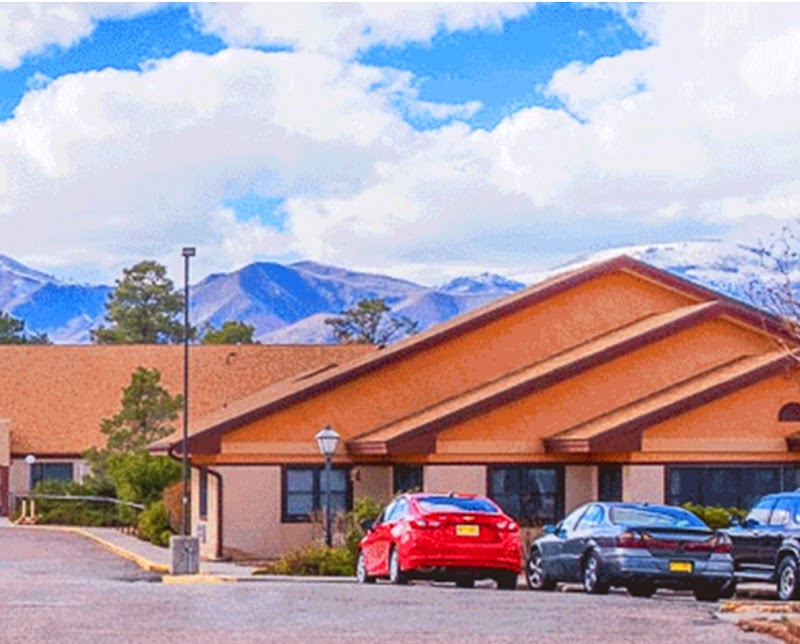
Los Alamos Wellness & Rehabilitation
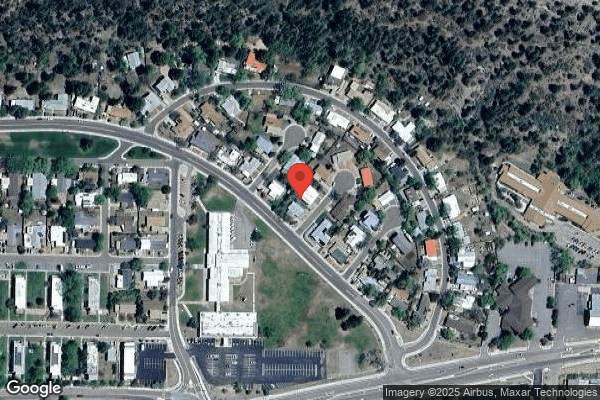
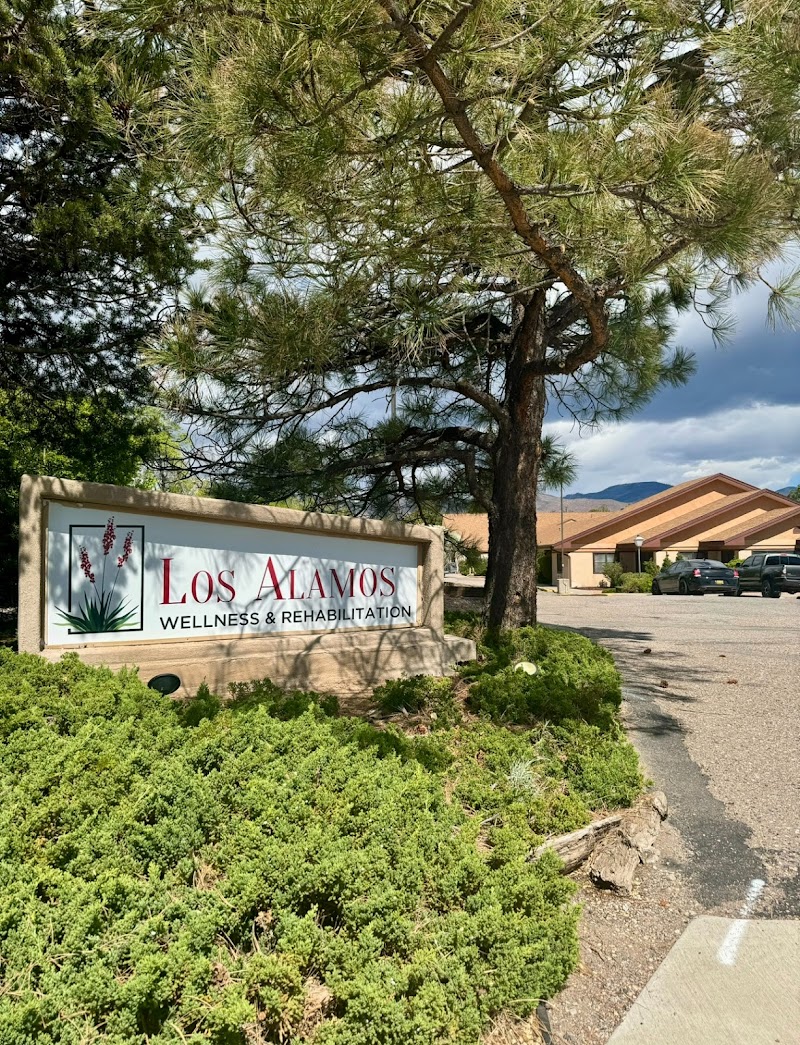
1011 Sombrillo Court, Los Alamos, NM 87544 (505) 662-4300
For profit - Corporation 66 Beds OPCO SKILLED MANAGEMENT Data: November 2025
Trust Grade
45/100
#43 of 67 in NM
Last Inspection: December 2024

Within standard 12-15 month inspection cycle. Federal law requires annual inspections.

Overview

Los Alamos Wellness & Rehabilitation has a Trust Grade of D, indicating below-average performance with several concerns. It ranks #43 out of 67 facilities in New Mexico, placing it in the bottom half of the state, but it is the only option in Los Alamos County. The facility is improving, with the number of issues decreasing from 18 in 2024 to 8 in 2025. Staffing has a rating of 2 out of 5 stars with a turnover rate of 46%, which is below the state average, suggesting that while staff retention is better than many others, there is still room for improvement. However, there are several notable deficiencies, including failing to maintain comfortable water temperatures in showers, not providing bedtime snacks leading to long gaps between meals, and not adhering to sanitary food storage practices, which could put residents at risk for foodborne illnesses.
Trust Score
D
45/100
In New Mexico
#43/67
Bottom 36%
Safety Record
Low Risk
No red flags
Inspections
Getting Better
18 → 8 violations
Staff Stability
⚠ Watch
46% turnover. Above average. Higher turnover means staff may not know residents' routines.
Penalties
✓ Good
$48,686 in fines. Lower than most New Mexico facilities. Relatively clean record.
Skilled Nurses
⚠ Watch
Each resident gets only 29 minutes of Registered Nurse (RN) attention daily — below average for New Mexico. Fewer RN minutes means fewer trained eyes watching for problems.
Violations
⚠ Watch
68 deficiencies on record. Higher than average. Multiple issues found across inspections.
★★☆☆☆
2.0
Overall Rating
★★☆☆☆
2.0
Staff Levels
★★★★☆
4.0
Care Quality
★★☆☆☆
2.0
Inspection Score
Stable
2024: 18 issues
2025: 8 issues

The Good

  • 4-Star Quality Measures · Strong clinical quality outcomes
  • Full Sprinkler Coverage · Fire safety systems throughout facility
  • No fines on record

Facility shows strength in quality measures, fire safety.

The Bad

2-Star Overall Rating

Below New Mexico average (2.9)

Below average - review inspection findings carefully

Staff Turnover: 46%

Near New Mexico avg (46%)

Higher turnover may affect care consistency

Federal Fines: $48,686

Above median ($33,413)

Moderate penalties - review what triggered them

Chain: OPCO SKILLED MANAGEMENT

Part of a multi-facility chain

Ask about local staffing decisions and management

The Ugly 68 deficiencies on record

Jun 2025 1 deficiency
CONCERN (E) 📢 Someone Reported This

A family member, employee, or ombudsman was alarmed enough to file a formal complaint

Potential for Harm - no one hurt, but risky conditions existed

Food Safety (Tag F0812)

Could have caused harm · This affected multiple residents

**NOTE- TERMS IN BRACKETS HAVE BEEN EDITED TO PROTECT CONFIDENTIALITY** Based on observation and interview, the facility failed to store and serve food under sanitary conditions when staff failed to e...

Read full inspector narrative →
**NOTE- TERMS IN BRACKETS HAVE BEEN EDITED TO PROTECT CONFIDENTIALITY** Based on observation and interview, the facility failed to store and serve food under sanitary conditions when staff failed to ensure: 1. All items were labeled and dated in the locked unit and room [ROOM NUMBER] refrigerators. 2. Daily temperatures of the locked unit and room [ROOM NUMBER] refrigerators were documented. These deficient practices are likely to affect all 20 residents in the locked unit, 2 residents in room [ROOM NUMBER] and is likely to cause foodborne illnesses in residents. The findings are: A. On 06/16/25 at 9:33 AM, during the initial walk through of the facility's locked unit, a refrigerator in the dining area and room [ROOM NUMBER]. The refrigerator contained the following food items and snacks for the residents. 1. Two containers of punch/juice, two containers of nutritional supplements, one container of salsa, all items were unlabeled and undated. 2. One uncovered container of punch/juice, dated 06/11/25, was expired and improperly stored. 3. Packaged frozen food items in the freezer that were unlabeled and undated. 4. room [ROOM NUMBER] refrigerator temperature log was not available for review. B. On 06/16/25 at 9:44 AM, during an interview, Certified Nursing Assistant (CNA) #1 confirmed the food items in the locked unit refrigerator belonged to the residents, all items should be labeled and dated and they were not. C. On 06/16/25 at 9:44 AM, during an interview, the Housekeeping Supervisor confirmed that the refrigerator in room [ROOM NUMBER] contained food items that were not labeled or dated, as required. D. On 06/16/25 at 9:44 AM, during an interview, Housekeeping Supervisor (HS) verified food items in room [ROOM NUMBER], all items should be labeled and dated and they were not. HS further confirmed that there was not a refrigerator temperature log available for review and there should be a temperature log.
Mar 2025 7 deficiencies
CONCERN (D) 📢 Someone Reported This

A family member, employee, or ombudsman was alarmed enough to file a formal complaint

Potential for Harm - no one hurt, but risky conditions existed

Deficiency F0583 (Tag F0583)

Could have caused harm · This affected 1 resident

Based on observation and interview the facility failed to safeguard clinical record information by leaving Private Health Information (PHI) where unauthorized persons had access to the PHI for 1 (R #4...

Read full inspector narrative →
Based on observation and interview the facility failed to safeguard clinical record information by leaving Private Health Information (PHI) where unauthorized persons had access to the PHI for 1 (R #4) of 1 (R #4) resident reviewed during random observation. If resident's clinical information is not safe guarded, resident's PHI is likely to be viewed by unauthorized residents, visitors and staff. The findings are: A. On 03/19/25 at 5:40 PM during a random observation, the Admissions Coordinator (AC) left a clipboard with R #4's PHI face up and unattended in the facility lobby, visible to unauthorized residents, visitors and staff. B. On 03/19/25 at 5:42 PM, during an interview, the Human Resources Director (HR) confirmed the clipboard with R #4's PHI was left faced up and unattended in the facility lobby and PHI should not have been visible.
CONCERN (D) 📢 Someone Reported This

A family member, employee, or ombudsman was alarmed enough to file a formal complaint

Potential for Harm - no one hurt, but risky conditions existed

Free from Abuse/Neglect (Tag F0600)

Could have caused harm · This affected 1 resident

**NOTE- TERMS IN BRACKETS HAVE BEEN EDITED TO PROTECT CONFIDENTIALITY** Based on interview and record review, the facility failed to keep residents free from abuse for 1 (R #1) of 3 (R #1, R #2, and R...

Read full inspector narrative →
**NOTE- TERMS IN BRACKETS HAVE BEEN EDITED TO PROTECT CONFIDENTIALITY** Based on interview and record review, the facility failed to keep residents free from abuse for 1 (R #1) of 3 (R #1, R #2, and R #3) residents reviewed for abuse when the facility failed to protect a resident. This deficient practice is likely to result in residents continuing to be at risk for abuse. The findings are: A. Record review of a complaint report for R #1 revealed on 12/30/24 an alleged incident of abuse had occurred as follows: a Certified Nurse Aide and another staff had witnessed a Registered Nurse (RN) #1 yell and push R #1. The incident had been reported to the Administrator. The unidentified reporter had not witnessed an investigation, and the nurse remained in the unit and the residents in the unit were at risk for further abuse by the accused nurse (RN) #1. B. Record review of R #1's face sheet, dated 03/18/25, revealed R #1 was admitted to the facility on [DATE] with the following diagnoses: - Personal history of Traumatic Brain Injury. - Unspecified dementia, unspecified severity, without behavioral disturbance, psychotic disturbance, mood disturbance, and anxiety. - Psychotic disorder with delusions due to known physiological condition. - Mild neurocognitive disorder due to known physiological condition with behavioral disturbance. C. On 03/18/25 at 12:31 PM during an interview with Laundry Aide (LA) #1, she stated she was in the memory care unit and she heard RN #1 yelling and saw R #1 push RN #1's medication cart towards her (RN #1) and the wall. Then RN #1 came around the medication cart and pushed R #1 into a room and R #1 fell down. LA #1 stated there was a resident (R #3) in the room and R #3 stated Oh my gosh what is happening. RN #1 proceeded to close the door, after she closed the door LA #1 spoke with Certified Nurse Aide (CNA) #1 that was also present and had also witnessed the incident and they went to talk to the Administrator and wrote statements. The incident occurred on 12/30/24 between 9:00-9:30 am and was reported approximately and hour and a half later RN #1 continued to work in the unit with the residents. LA #1 did notice that there was a cut on R #1's nose after the incident. D. On 03/18/25 at 1:33 PM during an interview with Certified Nursing Assistant (CNA) #1, she stated she had witnessed an incident between RN #1 and R #1 on 12/30/24. CNA #1 stated she was in the TV room area when she heard arguing, she got up from where she was sitting and she proceeded to walk towards RN #1 and R #1. R #1 push RN #1's medication cart and RN #1 came around the medication cart and RN #1 pushed R #1. R #1 fell on the floor in the room and hit his head on the footboard of the bed. RN #1 picked him up by the shirt. CNA #1 was going towards the room to check on R #1 and RN #1 closed the door. CNA #1 stated she heard R #3 yell to both RN #1 and R #1. Stop, Stop, oh my goodness what is happening, please stop. A few minutes later R #1 walked out of the room and went to his room, he had a cut on his nose that had not been there earlier when she saw him for breakfast. CNA #1 stated she heard [name of R #3] tell them to stop over and over again. CNA #1 along with LA #1 reported incident to Administrator and wrote a statement. CNA #1 then was asked to return back to the unit. CNA #1 stated she did witness RN #1 put her hands on R #, so she knew she had to report it. CNA #1 was told by the Administrator about an hour later that the incident had been investigated and everything was ok and just to continue to work in the unit with RN #1. E. On 03/18/25 at 1:50 PM during an interview with RN #1, she stated she remembered that R #1 was having aggressive behaviors the day of the incident (12/30/24). RN #1 was at the nurses station and R #1 approached her and was using foul language with her. She was passing medications and proceeded to head to the TV room when R #1 pushed her against the wall with the medication cart, she stated she came around the medication cart and and put her arms around him and lowered him to the ground, after she lowered him to the ground he got up and that was it, he walked back to his room. RN #1 stated she just kept telling him to relax and calm down. RN #1 further stated there was no injury to R #1. RN #1 reported the incident to Administrator and wrote a statement on 12/30/24. RN #1 stated she was not removed from patient care that day. Administrator was able to view the tape later that day and cleared her to continue working. F. Record review of the witness statement provided by LA #1 to the Administrator (ADM) on 12/30/24 revealed: About 9:30 am, I heard [name of R #1] and [name of RN #1] arguing in hall then [name of R #1] pushed [name of RN #1] against the wall. So [name of RN #1] came around from med (medication) cart and pushed [name of R #1] on the floor in the room and [name of R #1] fell to the floor. [name of R #1] has a cut on his face, and his lip a little swollen. I don't now [sic] what [name of R #1] hit in the room but he did hit the floor. [name of R #3] was telling them not to fight and she was screaming. G. Record review of the witness statement provided by CNA # 1 to ADM dated 12/30/25 revealed: Around 9:30 am I heard people arguing while I was combing residents hair. I walked toward the hallway on [NAME] (memory care unit), I then saw [name of RN #1 and R #1 arguing. I walked toward the window and where another employee LA #1 was. Then I heard yelling and foul language between the two [RN#1 and R #1] then the arguing continued into the room. I then saw RN #1 and R #1 with physical fighting, where she pushed him down fell on .bed and picked him (R #1) upwards with his shirt. I have noticed a scratch on his L (left) face and a swollen lip and he stated his mouth hurts. H. On 03/19/25 at 3:10 PM during an interview with the ADM, she provided a written account of the incident as she could recall. Written statement was generated earlier on this day (03/19/25) per her recollection of incident. ADM stated she had looked for handwritten notes she may have taken regarding the incident and could not located them. ADM stated family had not been called, the only thing that she had done was interview the three staff that were present on the day of the incident (12/30/24) and interviewed R #1. ADM confirmed that she felt a thorough investigation had been conducted and there was no need to remove staff from the area and she (ADM) believed that abuse had not occurred.
CONCERN (D) 📢 Someone Reported This

A family member, employee, or ombudsman was alarmed enough to file a formal complaint

Potential for Harm - no one hurt, but risky conditions existed

Report Alleged Abuse (Tag F0609)

Could have caused harm · This affected 1 resident

Based on record review and interview, the facility failed to provide an incident report to the State Survey Agency, for 1 (R #1) of 3 (R #1, #2, and #3) residents reviewed for abuse. If the facility f...

Read full inspector narrative →
Based on record review and interview, the facility failed to provide an incident report to the State Survey Agency, for 1 (R #1) of 3 (R #1, #2, and #3) residents reviewed for abuse. If the facility fails to report incidents of possible abuse to the State Agency, then the State Agency is unable to ensure residents have a safe environment. The findings are: A. Record review of a complaint report for R #1 revealed on 12/30/24 an alleged incident of abuse had occurred as follows, a Certified Nurse Aide and and another staff had witnessed Registered Nurse (RN) #1 yell and push R #1. The incident had been reported to the Administrator and the unidentified reporter had not witnessed an investigation, and the nurse remained in the unit and the residents in the unit were at risk for further abuse by the accused nurse (RN). B. Record review of the facility's incident log dated 03/08/25 revealed the log did not contain any documentation of the incident for an allegation of of abuse toward R #1. C. On 03/19/25 at 2:42 PM during interview with the Administrator (ADM), she confirmed she is the Abuse Coordinator. ADM stated she did not believe that abuse had occurred and did not believe that the incident needed to be reported to the State Agency.
CONCERN (D) 📢 Someone Reported This

A family member, employee, or ombudsman was alarmed enough to file a formal complaint

Potential for Harm - no one hurt, but risky conditions existed

Investigate Abuse (Tag F0610)

Could have caused harm · This affected 1 resident

Refer to F-600 Based on record review and interview, the facility failed to thoroughly investigate an allegation of abuse. If the facility is not conducting thorough abuse investigations then resident...

Read full inspector narrative →
Refer to F-600 Based on record review and interview, the facility failed to thoroughly investigate an allegation of abuse. If the facility is not conducting thorough abuse investigations then residents are likely to continue to be at risk of abuse. The findings are: A. Record review of a complaint report for R #1 revealed on 12/30/24 an alleged incident of abuse had occurred as follows, a Certified Nurse Aide and another staff had witnessed a Registered Nurse (RN) #1 yell and push R #1. The incident had been reported to the Administrator. The unidentified reporter had not witnessed an investigation, and the nurse remained in the unit and the residents in the unit were at risk for further abuse by the accused nurse (RN) #1. B. On 03/19/25 at 2:42 PM during interview with the Administrator (ADM), she confirmed she is the Abuse Coordinator. ADM further stated the procedure of an abuse allegation is if a resident makes an accusation of abuse/neglect, if it is a specific allegation of abuse towards a staff member, we place that staff member on leave and start the investigation. In the case of alleged abuse with R #1 the video tape was reviewed immediately after she was informed of the incident and determined that abuse had not occurred the way it was reported by staff. The accused staff was not removed from the unit because ADM did not feel that the residents were in any danger. The video tape was not available to State Agency for review. ADM further stated she did not conduct any type of investigation to rule out abuse other then review the video camera tape and got written statements. ADM spoke with CNA #1, Laundry Aide (LA) #1 and RN #1. ADM stated she would looked for any notes she may have taken after the incident, but she had nothing formal written out. ADM did not notify the family of the allegation/incident. ADM did provide a written account of about what she could recall of the incident on 12/30/24. ADM stated she had written the statement on 03/19/25. C. Record review of facility's Abuse Prevention and Prohibition Program (policy) dated 08/2020 revealed the following: VI: Investigation: A. The facility promptly and thoroughly investigates reports of resident abuse . C. The facility ensures protection of residents during abuse investigations. J. Facility staff who have been accused of resident abuse may be reassigned to duties that do not involve resident care or suspended from duty until Administrator has reviewed the investigation results. M. The Administrator will provide a written report of the results of abuse investigations and consequent actions to the appropriate agencies .
CONCERN (D) 📢 Someone Reported This

A family member, employee, or ombudsman was alarmed enough to file a formal complaint

Potential for Harm - no one hurt, but risky conditions existed

Accident Prevention (Tag F0689)

Could have caused harm · This affected 1 resident

**NOTE- TERMS IN BRACKETS HAVE BEEN EDITED TO PROTECT CONFIDENTIALITY** Based on record review and interview, the facility failed to ensure the facility was free of accident hazards for 1 (R #2) of 2 ...

Read full inspector narrative →
**NOTE- TERMS IN BRACKETS HAVE BEEN EDITED TO PROTECT CONFIDENTIALITY** Based on record review and interview, the facility failed to ensure the facility was free of accident hazards for 1 (R #2) of 2 (R #1 and #2) residents reviewed for accidents and hazards when staff failed to supervise a resident that was considered a fall risk and required the use of an ambulatory assistance device (walker, wheelchair) in the locked unit. This deficient practice is likely to result in residents experiencing avoidable falls. The findings are: A. Record review of R #2's face sheet revealed R #2 was admitted to the facility on [DATE] with the following diagnosis: - Fracture of Unspecified Part of Neck of Right Femur (Femur fracture). - Closed Right Femur Fracture with Routine (normal) Healing. - Cognitive Communication Deficit (problems with communication caused by impaired cognitive processes, such as attention, memory, language, and reasoning). B. Record review of R #2's Fall Risk Evaluation dated 03/12/25 revealed the following: - Chair bound and required assist with toileting. - Resident is not able to stand. C. Record review of Skilled nurses note dated 03/12/25 at 11:00 pm revealed, resident experienced a fall while transferring from bed to chair at 0850 (8:50 am). D. Record review of Restorative Nursing Screener notes dated 03/12/25 at 11:55 pm revealed, Mobility: Lower extremity (hip, knee, ankle, foot) Impairment on both sides. R #2 used a Wheelchair (manual or electric). E. Record review of care plan dated 03/13/25 revealed R #2 is High risk for falls r/t (related to) generalized weakness. F. Record review of a photo taken on 03/13/25 at 12:30 pm revealed Registered Nurse (RN) #1 was asleep during observation of R #2. R #2 was several feet away standing against a wall in the locked unit. G. Record review of the investigation report dated 03/13/25 revealed at 12:30 pm Speech Therapist (ST) took a photo of RN #1 on the couch. At 4:35 pm ST came to Human Resources (HR) and let Human Resource Director (HRD) know that Certified Nurse Aide (CNA) #1 had asked ST to take photo of the nurse (RN #1) on the couch. At 4:44 pm, the ST sent the photo to HR. At 4:50 pm, the Administrator was called and asked to review the cameras around noon time. The nurse was asked by HR if she was sleeping on the couch at any point in the afternoon. RN #1 responded she did not fall asleep on the couch, but she was sitting on the couch and resting. She was watching the new resident because she did not want her to fall. HR asked if her eyes were closed at any point while she was on the couch and she said they could have been for a couple of seconds as she did have her hand over her face. On 03/14/25 the camera was reviewed for the investigation and nurse RN #1 was not sleeping and she was monitoring the new resident (R #2). H. Record review of the video camera footage dated 03/13/25 revealed: At 12:07 pm R #2 sat in the TV room. At 12:08 pm RN #1 entered the TV room with wheelchair and is communicating with R #2. RN #1 sits on the chair across from R #2 with her hand in her pocket. At 12:18 pm, R #2 got off the chair and attempt to move her wheelchair, another resident walked in front of RN #1. RN #1 makes no sound or movement. R #1 walked away from camera view and RN #1 had not noticed her move away from her chair nor does she notice that R #1 is ambulating. At 12:25 pm R #2 returned to grab the wheelchair again for assistance and RN #1 does not attempt to re-direct R #2. At 12:27 pm, end of the video RN #1 is still sitting in same position and R #2 is not within camera range. I. On 03/24/25 at 3:08 pm during an interview with the ST, he stated he walked into the locked unit and he saw the new resident (R #2) standing next to the wall on 03/15/25 at approximately 12:30 pm, and he knew R #2 had two falls (unknown dates, but prior to 03/15/25). The ST was concerned because the nurse (RN #1) was asleep on the chair behind the resident. ST made attempts to wake up RN #1. ST notified CNA #1 and another CNA walked over as well. ST guided R #1 back to her wheelchair. ST further stated R #2 was a concern because of her history of RN #1 sleeping, he wanted to assure R #2 was safe and back in her wheelchair. R #2 was to ambulate with wheelchair.
CONCERN (D) 📢 Someone Reported This

A family member, employee, or ombudsman was alarmed enough to file a formal complaint

Potential for Harm - no one hurt, but risky conditions existed

Deficiency F0761 (Tag F0761)

Could have caused harm · This affected 1 resident

Based on observation and interview the facility failed to ensure medication carts were locked when unattended. This deficient practice is likely to negatively impact the health of residents if they we...

Read full inspector narrative →
Based on observation and interview the facility failed to ensure medication carts were locked when unattended. This deficient practice is likely to negatively impact the health of residents if they were to ingest medications not intended for them. The findings are: A. On 03/18/25 at 10:25 AM during the initial walk through of the locked unit, the medication cart was unlocked and staff left the cart unattended. B. On 03/18/25 at 10:25 AM during interview with Registered Nurse (RN) #2, she confirmed the medication cart should not be left unlocked and unattended.
CONCERN (E) 📢 Someone Reported This

A family member, employee, or ombudsman was alarmed enough to file a formal complaint

Potential for Harm - no one hurt, but risky conditions existed

Food Safety (Tag F0812)

Could have caused harm · This affected multiple residents

Based on observation and interview, the facility failed to store and serve food under sanitary conditions when staff failed to ensure: 1. All items were labeled and dated in the locked unit refrigerat...

Read full inspector narrative →
Based on observation and interview, the facility failed to store and serve food under sanitary conditions when staff failed to ensure: 1. All items were labeled and dated in the locked unit refrigerator. 2. Daily temperatures of the locked unit refrigerator were documented. These deficient practices are likely to affect all 20 residents in the locked unit and could lead to foodborne illnesses in residents. The findings are: A. On 03/18/25 at 10:33 AM, during the initial walk through of the facility's locked unit, a refrigerator was in the dining area. The refrigerator contained food items and snacks for the residents. The refrigerator contained the following: 1. Two containers of punch/juice, one package of cheese, one head of lettuce, one package of turkey sandwich meat, one container of salsa, a partial loaf of bread, all items were unlabeled and undated. 2. One uncovered container of punch/juice dated 03/11/25. 3. Packaged frozen food items in the freezer that were unlabeled and undated. 4. Refrigerator temperature log was not available for review. B. On 03/18/25 at 10:44 AM, Certified Nursing Assistant (CNA) #1 verified the food items in the unit refrigerator belonged to the residents, all items should be labeled and dated and they were not. C. On 03/18/25 at 10:45 AM, Registered Nurse (RN) #1 verified that there was not a refrigerator temperature log available for review. She further stated that nursing staff was not responsible for the temperature log. That was done by kitchen staff.
Dec 2024 12 deficiencies
CONCERN (D)

Potential for Harm - no one hurt, but risky conditions existed

Deficiency F0578 (Tag F0578)

Could have caused harm · This affected 1 resident

**NOTE- TERMS IN BRACKETS HAVE BEEN EDITED TO PROTECT CONFIDENTIALITY** Based on record review and interview, the facility failed to ensure the resident's current advance directive (a document which p...

Read full inspector narrative →
**NOTE- TERMS IN BRACKETS HAVE BEEN EDITED TO PROTECT CONFIDENTIALITY** Based on record review and interview, the facility failed to ensure the resident's current advance directive (a document which provides an individual's wishes for emergency and life saving care) and the resident's Electronic Health Record (EHR) revealed the same resident wishes for 1 (R #11) of 1 (R #11) residents reviewed for advance directives. This deficient practice is likely to cause confusion and delay potentially life saving procedures. The findings are: A. Record review of the face sheet in R #11's EHR revealed R #11 was admitted into the facility on [DATE], and her current advanced directive was listed as do not attempt resuscitation (DNR; lifesaving measures are not desired.) B. Record review of R #11's Medical Orders For Scope of Treatment (MOST; a legal document which outlines the care the resident wants when they become incapacitated and unable to speak for themselves) forms revealed the following: - Dated [DATE], R #11's advanced directive was DNR. - Dated [DATE], R #11's advanced directive was attempt cardiopulmonary resuscitation (CPR; full code, an emergency procedure that combines chest compression with artificial ventilation.) C. Record review of the facility's resident code status book, located at the nurses station, revealed the book contained R #11's full code CPR MOST form, dated [DATE], and R #11's DNR MOST from, dated [DATE]. D. On [DATE] at 1:21 pm during an interview with the Minimum Data Set Coordinator (MDSC), she stated R #11's advanced directives did not match her EHR, but it should have. The MDSC confirmed R #11 had a DNR and a full code advanced directive in the resident code status book at the nurses station, and R #11 should only have the current advanced directive in it. The MDSC stated she confirmed with R #11 that the resident wanted to remain a full code, CPR.
CONCERN (D)

Potential for Harm - no one hurt, but risky conditions existed

Deficiency F0740 (Tag F0740)

Could have caused harm · This affected 1 resident

**NOTE- TERMS IN BRACKETS HAVE BEEN EDITED TO PROTECT CONFIDENTIALITY** Based on observation, record review, and interview, the facility failed to ensure residents received necessary behavioral health...

Read full inspector narrative →
**NOTE- TERMS IN BRACKETS HAVE BEEN EDITED TO PROTECT CONFIDENTIALITY** Based on observation, record review, and interview, the facility failed to ensure residents received necessary behavioral health care to meet their needs for 1 (R #49) of 1 (R #49) residents when staff failed to ensure effective communication between the facility and psychiatric providers and to provide consistent psychiatric services to meet R #49's psychiatric needs. These deficient practices are likely to result in the residents not receiving the behavioral or mental health care and assistance needed to improve mood and reduce depression and anxiety. The findings are: A. Record review of R #49's face sheet revealed R #49 was admitted into the facility on [DATE] with the following diagnoses: - Dementia, severe with agitation. - Depression. - Dementia with behavioral disturbance. B. Record review of R #49's physician order, dated 10/23/24, revealed R #49 was to be referred to a psychiatric provider to evaluate and treat. C. Record review of R #49's Psychiatric Consent for Services form, dated 10/23/24, revealed R #49's daughter gave consent for R #49 to begin receiving psychiatric services D. Record review of R #49's Minimum Data Set (MDS; a standardized, comprehensive assessment of an adult's functional, medical, psychosocial, and cognitive status), dated 11/26/24, revealed the following: - Brief Interview for Mental Status (BIMS; a screening for cognitive impairment) score of 3, severe impairment. - Mood: Blank with the social isolation section marked Resident declines to respond. - Behavior: Behaviors not exhibited. E. Record review of R #49's nursing progress notes revealed the following: - On 11/16/24 at 6:31 am, R #49 screamed and cried while staff got her ready for the day. - On 11/30/24 at 5:25 am, R #49 screamed loudly, cried, and shouted bad words at staff after having a bowel movement. - On 12/05/24 at 7:17 am, R #49 was redirected, but continued to cry and whine. - On 12/06/24 at 5:44 am, R #49 was very agitated and cried while attempting to get up from her wheelchair. R #49 was redirected, but continued to cry and whine. F. On 12/03/24 at 11:32 am during an observation, R #49 sat in her wheel chair and cried. G. On 12/04/24 at 2:17 pm during an observation, R #49 sat in her wheel chair and cried. H. Record review of R #49's psychiatric provider notes, dated 12/06/24, revealed a psychiatric provider saw R #49 for an initial evaluation. I. On 12/06/24 at 11:26 am during an interview with the Social Services Director (SSD), she stated she referred R #49 to the psychiatric services provider on 10/23/24, and she expected the psychiatric provider to see R #49 within a week of being referred. The SSD stated R #49's psychiatric service referral was not followed up with by the facility. The SSD confirmed R #49 should have been seen by the psychiatric provider sooner than 12/06/24 (a 44 day delay). J. On 12/09/24 at 12:03 pm during an interview with the psychiatric services owner, she stated they received R #49's psychiatric service referral on 10/28/24. She stated they were delayed in seeing R #49, because the facility did not allow them access to R #49's Electronic Health Record (EHR). The psychiatric services owner confirmed a psychiatric service provider did not see R #49 until 12/06/24. K. On 12/09/24 at 2:03 pm during an interview with the Regional Nurse Consultant (RNC), she stated R #49 should have been seen by a psychiatric service provider sooner, the psychiatric service provider should have had access to R #49's EHR without delay, and the facility should have followed-up with R #49's psychiatric referral.
CONCERN (D)

Potential for Harm - no one hurt, but risky conditions existed

Medical Records (Tag F0842)

Could have caused harm · This affected 1 resident

**NOTE- TERMS IN BRACKETS HAVE BEEN EDITED TO PROTECT CONFIDENTIALITY** Based on record review and interview, the facility failed to ensure medical records were updated with necessary documents and ac...

Read full inspector narrative →
**NOTE- TERMS IN BRACKETS HAVE BEEN EDITED TO PROTECT CONFIDENTIALITY** Based on record review and interview, the facility failed to ensure medical records were updated with necessary documents and accurate for 1 (R #11) of 1 (R #11) residents reviewed, when the facility failed to complete an accurate smoking assessment for R #11. This deficient practice is likely to result in residents not receiving accurate assessments and having an inaccurate medical record, which could result in the residents receiving less than optimal care and treatment. The findings are: A. Record review of R #11's face sheet revealed R #11 was admitted to the facility on [DATE]. B. Record review of R #11's smoking assessment revealed the following: - Dated 07/08/24, the resident was a safe smoker with minimal supervision. - Dated 10/02/24, the resident did not smoke. C. Record review of R #11's care plan, last reviewed on 12/04/24, revealed R #11 was assessed as a safe smoker and could smoke independently. D. On 12/04/24 at 10:41 am during an interview with R #11, she stated she was a smoker and could smoked independently. E. On 12/06/24 at 12:31 pm during an interview with Licensed Practical Nurse (LPN) #1, she confirmed R #11 was a smoker. F. On 12/09/24 at 1:51 pm during an interview with the Regional Nurse Consultant (RNC), she stated R #11's most recent smoking assessment, dated 10/02/24, was inaccurate, and it should accurately reflect that R #11 was a smoker.
CONCERN (E)

Potential for Harm - no one hurt, but risky conditions existed

Notification of Changes (Tag F0580)

Could have caused harm · This affected multiple residents

**NOTE- TERMS IN BRACKETS HAVE BEEN EDITED TO PROTECT CONFIDENTIALITY** Based on record review and interview, the facility failed to notify the resident's Power of Attorney (POA; authority to act for ...

Read full inspector narrative →
**NOTE- TERMS IN BRACKETS HAVE BEEN EDITED TO PROTECT CONFIDENTIALITY** Based on record review and interview, the facility failed to notify the resident's Power of Attorney (POA; authority to act for another person in specified or all legal or financial matters), the facility providers (Nurse Practitioner, Physician, Registered Dietitian), and the Director of Nursing (DON) when an resident experienced nausea and abdominal pain for 1 (R #12) of 1 (R #12) residents reviewed change of condition. If the facility does not notify the POA, facility providers, or DON when the resident experiences abdominal pain with nausea for multiple days, then the POA, facility providers, and DON are unable to make decisions related to treatment and advocate for the resident's care. The findings are: A. Record review of R #12's face sheet revealed R #12 was admitted into the facility on [DATE]. B. Record review of R #12's nursing progress notes revealed staff documented the following: 1. On 10/22/24 at 9:16 am: R #12 notified nursing staff she was nauseous throughout the night. Staff administered 12 milliliters (ml) of Pepto-Bismol to R #12. 2. On 10/22/24 at 12:15 pm: R #12 refused pain medication, because she was still nauseous. 3. On 10/22/24 at 12:44 pm: R #12 reported the Pepto-Bismol helped some, but she was still nauseous. Staff gave Zofran (anti-nausea medication) to R #12. 4. On 10/22/24 at 1:22 pm: R #12 refused blood pressure medication due to nausea. 5. On 10/22/24 at 3:01 pm: R #12's daughter/POA called to notify staff that R #12 said she did not eat in days due to nausea, vomiting, and abdominal pain and discomfort. Staff to continue to check on resident and encourage R #12 to eat light meals. 6. On 10/23/24 at 8:26 am: R #12 attended bingo after being in bed two days with an upset stomach. 7. On 10/24/24: Staff did not document progress notes for R #12. 8. On 10/25/24 at 2:09 am: R #12 complained of nausea, vomiting, and feeling unwell at 9:30 pm on 10/24/24. R #12 stated she felt like this for over three days. R #12 insisted the facility send her to the emergency room (ER). R #12 was sent to the ER. 9. On 10/25/24 at 10:47 am: R #12 returned to the facility from the ER with records. 10. R #12's progress notes did not contain information that nursing staff notified the providers of R #12's nausea and vomiting. C. Record review of R #12's ER documentation, dated 10/25/24, revealed R #12 was diagnosed with gall stones (abnormal stone-like mass formed in the gallbladder. This causes sudden severe pain in upper right side of the abdomen.) D. On 12/03/24 at 4:04 pm during an interview with R #12, she stated she was nauseous for multiple days and vomiting several weeks ago. R #12 stated she did not see a provider during those few days of feeling ill, and she forced the facility to send her to the ER. R #12 stated she was diagnosed with gall stones. E. On 12/06/24 at 12:35 pm during an interview with Licensed Practical Nurse (LPN) #1, she stated she was not R #12's nurse the week of 10/22/24 through 10/25/24, but she remembered R #12 complained of nausea, vomiting, and abdominal pain. LPN #1 stated staff should have notified the provider and the DON of R #12's nausea, vomiting, and abdominal after a day, but she was not sure if they did. F. On 12/06/24 at 3:13 pm during an interview with Certified Nursing Assistant (CNA) #2, she stated she remembered R #12 was sick during the week 10/22/24 through 10/25/24, and R #12 refused meals as well. CNA #2 stated she did not know if a provider or the DON saw R #12 during that time. G. On 12/09/24 at 12:08 pm during an interview with R #12's POA, she stated the facility did not notify her that R #12 experienced nausea, vomiting, and abdominal pain for multiple days the week of 10/22/24 through 10/25/24. She said R #12 had to continuously request to go to the ER, and the facility did not make any changes to R #12's care or diet when R #12 returned. H. On 12/09/24 at 12:43 pm during an interview with Nurse Practitioner (NP) #1, she stated the staff did not notify her that R #12 experienced nausea, vomiting, and abdominal pain the week of 10/22/24 through 10/25/24. She stated she expected the facility to notify her of these things. NP #1 stated the staff also did not inform her that R #12 was diagnosed with gall stones. NP #1 stated she expected staff to notify her right away so she could follow up with R #12 and change R #12's plan of care and diet, as needed. I. On 12/09/24 at 1:18 pm during an interview with the Registered Dietitian (RD), she stated staff did not notify her of R #12's gall stone diagnoses, and she expected staff to notify her. She stated she may have needed to change R #12's diet. J. On 12/09/24 at 2:01 pm during an interview with the Regional Nurse Consultant (RNC), she stated staff should have made the facility providers and DON aware of R #12's nausea, vomiting, and abdominal pain after it did not resolve. The RNC also stated staff should have notified the facility provider and DON of R #12's diagnoses of gall stones when the resident returned to the facility. The RNC stated they may have needed to change R #12's plan of care and diet.
CONCERN (E)

Potential for Harm - no one hurt, but risky conditions existed

Deficiency F0657 (Tag F0657)

Could have caused harm · This affected multiple residents

**NOTE- TERMS IN BRACKETS HAVE BEEN EDITED TO PROTECT CONFIDENTIALITY** Based on observation, record review, and interview, the facility failed to ensure staff revised the care plan for 3 (R #11, #12,...

Read full inspector narrative →
**NOTE- TERMS IN BRACKETS HAVE BEEN EDITED TO PROTECT CONFIDENTIALITY** Based on observation, record review, and interview, the facility failed to ensure staff revised the care plan for 3 (R #11, #12, and #27) of 3 (R #11, #12, and #27) residents reviewed when staff failed to: 1. Conduct a quarterly care plan meeting as required for R #11. 2. Update R #12's plan of care when the resident returned from the ER with a diagnoses of gall stones (an abnormal stone-like mass in the gallbladder, which causes sudden severe pain in upper right side of the abdomen). 3. Update the care plan to include positioning a resident's bed to prevent sleeping all day for R #27. These deficient practices are likely to result in residents' care and needs not being addressed if care plans are not updated. The findings are: R #11: A. Record review of R #11's face sheet revealed R #11 was admitted into the facility on [DATE]. B. Record review of R #11's nursing progress notes revealed R #11's last care plan meeting occurred on 07/09/24. C. Record review of R #11's care plan conference (meeting) assessment, dated 10/08/24, revealed the assessment was incomplete. Note on care plan meeting assessment stated, the Social Services Director (SSD) was out for jury, and the care plan team was to hold the meeting. D. On 12/04/24 at 10:36 am during an interview with R #11, she stated she had not been to a care plan meeting in a while. E. On 12/06/24 at 11:26 am during an interview with the SSD, she stated she was not in the facility when R #11's care plan meeting should have occurred. The SSD stated R #11 did not have a care plan meeting since 07/09/24, and R #11 should have had a care plan meeting since then. R #12: F. Refer to F684. G. Record review of R #12's care plan, dated 10/29/24 and reviewed on 12/09/242, did not indicate R #12 was diagnosed with gall stones. H. On 12/09/24 at 2:01 pm during an interview with the Regional Nurse Consultant (RNC), she stated staff should have updated R #12's care plan to reflect the resident's gall stones diagnoses when she returned from the hospital. R #27: I. Record review of R #27's face sheet revealed R #27 was admitted into the facility on [DATE]. J. On 12/02/24 at 11:56 am during an observation and interview, R #27's bed was in a high position. R #27 stated she needed her bed lowered so she could get in it. K. On 12/02/24 at 11:58 am during an interview with Certified Nursing Assistant (CNA) #4, she stated the nursing staff kept R #27's bed in a high position before meals so R #27 did not sleep all day. L. On 12/02/24 at 3:02 pm during an interview with R #27's son and Power of Attorney (POA; authority to act for another person in specified or all legal or financial matters), he stated R #27 had a significant cognitive decline and would lay in bed all day if she could. R #27's son stated he approved R #27's bed in a high position for the majority of the day. M. Record review of R #27's care plan, dated 12/02/24, revealed staff did not care plan keeping R #27's bed elevated in a higher position to prevent R #27 from sleeping all day. N. On 12/05/24 at 11:01 am during an interview with the Minimum Data Set Coordinator (MDSC), she stated if R #27 slept during the day then she would not sleep during the night. The MDSC stated staff kept R #27's bed in a higher position for a majority of the day. The MDSC stated staff did not care plan keeping R #27's bed in an elevated position, but they should have.
CONCERN (E)

Potential for Harm - no one hurt, but risky conditions existed

Quality of Care (Tag F0684)

Could have caused harm · This affected multiple residents

**NOTE- TERMS IN BRACKETS HAVE BEEN EDITED TO PROTECT CONFIDENTIALITY** Based on record review and interview, the facility failed to monitor and provide appropriate interventions for 1 (R #12) of 1 (R...

Read full inspector narrative →
**NOTE- TERMS IN BRACKETS HAVE BEEN EDITED TO PROTECT CONFIDENTIALITY** Based on record review and interview, the facility failed to monitor and provide appropriate interventions for 1 (R #12) of 1 (R #12) residents reviewed for illness when staff failed to send R #12 to the emergency room (ER) after several days of experiencing nausea, vomiting, and abdominal pain without relief. These deficient practices likely resulted in R #12's nausea, vomiting, and abdominal pain becoming worse. The findings are: A. Record review of R #12's face sheet revealed R #12 was admitted into the facility on [DATE]. B. Record review of R #12's nursing progress notes revealed staff documented the following: 1. On 10/22/24 at 9:16 am: R #12 notified nursing staff she was nauseous throughout the night. Staff administered 12 milliliters (ml) of Pepto-Bismol to R #12. 2. On 10/22/24 at 12:15 pm: R #12 refused pain medication, because she was still nauseous. 3. On 10/22/24 at 12:44 pm: R #12 reported the Pepto-Bismol helped some, but she was still nauseous. Staff gave Zofran (anti-nausea medication) to R #12. 4. On 10/22/24 at 1:22 pm: R #12 refused blood pressure medication due to nausea. 5. On 10/22/24 at 3:01 pm: R #12's daughter/Power of Attorney (POA; authority to act for another person in specified or all legal or financial matters) called to notify staff that R #12 said she did not eat in days due to nausea, vomiting, and abdominal pain and discomfort. Staff will continue to check on resident and encourage R #12 to eat light meals. 6. On 10/23/24 at 8:26 am: R #12 attended Bingo after being in bed two days with an upset stomach. 7. On 10/24/24: Staff did not document progress notes for R #12. 8. On 10/25/24 at 2:09 am: R #12 complained of nausea, vomiting, and feeling unwell at 9:30 pm on 10/24/24. R #12 stated she felt like this for over three days. R #12 insisted the facility send her to the ER. R #12 was sent to the ER. 9. On 10/25/24 at 10:47 am: R #12 returned to the facility from the ER with records. C. Record review of R #12's current physician orders revealed R #12 did not have an active order for Pepto-Bismol or Zofran. D. Record review of R #12's Medication Administration Record (MAR), dated 10/2024, revealed the record did not contain documentation to show staff administered Pepto-Bismol or Zofran to R #12 during 10/22/24 through 10/25/24. E. Record review of R #12's ER documentation, dated 10/25/24, revealed R #12 was diagnosed with gall stones (an abnormal stone-like mass in the gallbladder, which causes sudden severe pain in upper right side of the abdomen.) F. On 12/03/24 at 4:04 pm during an interview with R #12, she stated she was nauseous and vomiting for multiple days several weeks ago. R #12 stated she did not see a provider during those few days of feeling ill, and she forced the facility to send her to the ER. R #12 stated she was diagnosed with gall stones. R #12 stated she wanted to see a provider or go the ER sooner than the facility sent her. G. On 12/06/24 at 12:35 pm during an interview with Licensed Practical Nurse (LPN) #1, she stated she was not R #12's nurse the week of 10/22/24 through 10/25/24, but she remembered R #12 complained of nausea, vomiting, and abdominal pain for multiple days during that week. LPN #1 stated staff should have sent R #12 to the ER sooner if her nausea, vomiting, and abdominal pain did not resolve, in order to rule out any significant illness and to seek out a higher level of care, if needed. H. On 12/06/24 at 3:13 pm during an interview with Certified Nursing Assistant (CNA) #2, she stated she remembered R #12 was sick multiple days during the week of 10/22/24 through 10/25/24, and R #12 refused meals. I. On 12/09/24 at 12:08 pm during an interview with R #12's POA, she stated R #12 continuously requested to go to the ER the week of 10/22/24 through 10/25/24. J. On 12/09/24 at 12:43 pm during an interview with Nurse Practitioner (NP) #1, she stated the staff did not notify her that R #12 experienced nausea, vomiting, and abdominal pain the week of 10/22/24 through 10/25/24. She stated she expected the facility to notify her of these things and to send R #12 to the ER if her symptoms did not resolve. NP #1 stated the staff also did not inform her that R #12 was diagnosed with gall stones, and she expected staff to notify her right away so she could follow up with R #12. NP #1 stated the facility should have sent R #12 to the ER sooner than they did. She stated the hospital would have implemented a plan of care for R #12's gall stones, because the facility was not equipped to do so without diagnoses from the ER. K. On 12/09/24 at 2:01 pm during an interview with the Regional Nurse Consultant (RNC), she stated staff should have made the facility providers and DON aware of R #12's nausea, vomiting, and abdominal pain after it did not resolve. The RNC also stated staff should have notified the facility provider and DON of R #12's diagnoses of gall stones when the resident returned to the facility.
CONCERN (E)

Potential for Harm - no one hurt, but risky conditions existed

Drug Regimen Review (Tag F0756)

Could have caused harm · This affected multiple residents

Based on record review and interview, the facility failed to ensure physicians reviewed and responded to recommendations submitted by the pharmacist's written monthly review for 5 (R #3, 16, 33, 34, 3...

Read full inspector narrative →
Based on record review and interview, the facility failed to ensure physicians reviewed and responded to recommendations submitted by the pharmacist's written monthly review for 5 (R #3, 16, 33, 34, 38) of 5 (R #3, 16, 33, 34, 38) residents. This deficient practice is likely to cause resident medication regimen to not be properly evaluated resulting in possible over medication. The findings are: R #03 A. Record review of pharmacist recommendations for R #3 revealed the following: - On 05/24/24, consider fall risks related to medications prescribed: Resident had recent fall. Gabapentin (medication administered to reduce pain) and quetiapine (medication administered to treat several psychiatric disorders) increase risk of falls. Consider medication changes. The recommendation was not signed, and there was not any evidence it was reviewed and considered by the physician. - On 08/26/24, consider fall risks related to medications prescribed: resident had recent fall. Gabapentin , melatonin (medication administered to induce sleep), venlafaxine (medication to manage depression) and quetiapine (medication administered to treat several psychiatric disorders) increase risk of falls. Consider medication changes. The recommendation was not signed, and there was not any evidence it was reviewed and considered by the physician. R #16 B. Record review of pharmacist recommendations for R #16 revealed the following: - On 04/29/24, consider medication affecting kidney disease: Patient has kidney disease with low functioning kidneys which may be affected by administration of famotidine (medication to reduce stomach acid) 20 milligrams (mg) daily. Recommended renal dose is 10 mg. The recommendation was not signed, and there was not any evidence it was reviewed and considered by the physician. - On 07/29/24, consider medication affecting kidney disease: Patient has kidney disease with low functioning kidneys which may be affected by administration of Xarelto (medication to reduce risk of forming blood clots) 20 milligrams (mg) daily. Manufacturer recommends avoiding use of Xarelto in hemodialysis. The recommendation was not signed, and there was not any evidence it was reviewed and considered by the physician. - On 07/29/24, consider gradual dose reduction (GDR; a small reduction in administration dose of psychotropic medications use to attempt to reduce or discontinue the medication) of amitriptyline (a medication to reduce symptoms of depression) 50 mg at bedtime. The recommendation was not signed, and there was not any evidence it was reviewed and considered by the physician. R #33 C. Record review of pharmacist recommendations for R #33 revealed the following: - On 03/06/23, consider GDR of carbamazepine (medication used to reduce the risk of seizure) extended release tablet 100 mg. Given three times daily. The recommendation was not signed, and there was not any evidence it was reviewed and considered by the physician. - On 04/29/24, consider GDR of aripiprazole (medication used to control symptoms of schizophrenia) 30 mg. Given 0.5 tablet twice daily. The recommendation was not signed, and there was not any evidence it was reviewed and considered by the physician. - On 05/24/24, consider GDR of escitalopram (medication used to control symptoms of depression) 20 mg. Given in the morning. The recommendation was not signed, and there was not any evidence it was reviewed and considered by the physician. R #34 D. Record review of pharmacist recommendations for R 34 revealed the following: - On 05/24/24, consider fall risks related to medications prescribed: Resident had recent fall. Bupropion (medication used to control symptoms of depression) extended release 450 mg in the morning, citalopram (medication used to control symptoms of depression) 40 mg given in the morning, risperidone (medication used to control symptoms of several psychiatric disorders) 1 mg given at bedtime, quetiapine 75 mg given at bedtime and 25 mg twice daily increase risk of falls. Consider medication changes. The recommendation was not signed, and there was not any evidence it was reviewed and considered by the physician. - On 05/24/24, consider GDR of risperidone 1 mg given at bedtime. The recommendation was not signed, and there was not any evidence it was reviewed and considered by the physician. - On 07/29/24, consider GDR of citalopram 40 mg once daily. The recommendation was not signed, and there was not any evidence it was reviewed and considered by the physician. R #38 E. Record review of pharmacist recommendations for R #34 revealed the following: - On 04/29/24, consider fall risks related to medications prescribed: Resident had recent fall. Lorazepam (medication given to reduce anxiety) 0.5 mg given one tablet every four hours as needed and melatonin 10 mg at bedtime increase risk of falls. Consider medication changes. The recommendation was not signed, and there was not any evidence it was reviewed and considered by the physician. F. On 12/05/24 at 10:28 am during interview with Regional Nurse, she reviewed the medication reviews for the months of March, April, July, August and September of 2024. She stated the pharmacist recommendations were completed and submitted to the facility, but most of the recommendations did not have a response from the provider.
CONCERN (E)

Potential for Harm - no one hurt, but risky conditions existed

Deficiency F0761 (Tag F0761)

Could have caused harm · This affected multiple residents

Based on observation, interview, and record review, the facility failed to dispose of a controlled substance (a medication that is at high risk for abuse) that was discontinued for 1 (R #38) of 1 (R #...

Read full inspector narrative →
Based on observation, interview, and record review, the facility failed to dispose of a controlled substance (a medication that is at high risk for abuse) that was discontinued for 1 (R #38) of 1 (R #38) resident reviewed for medication storage. Failure to properly dispose of a discontinued controlled substance can result is mishandling or theft of medications. The findings are: A. Record review of R #38's provider orders revealed the following prescriptions for Ativan: - Dated 10/02/23, lorazepam (generic name for Ativan) oral tablet, 0.5 mg. Give one tablet by mouth every four hours as needed. Discontinued on 01/13/24. - Dated 10/21/24, lorazepam, 0.5 mg oral tablet to be taken every six hours as needed for anxiety. Discontinued on 11/06/24. - The record did not contain a current order for Ativan. B. On 12/03/24 at 4:03 pm during observation of the medication cart located in the Dementia Unit (a unit that serves residents who are experiencing loss of memory and mental decline), three bubble pack cards (a large card containing multiple plastic bubbles, each bubble contains a single dose of medication) of Ativan (an anti-anxiety medication), 0.5 milligram, contained a total of 73 doses and sat in the locked, controlled substance drawer of the medication cart. All three cards were labeled and identified as prescribed for R #38. Further observation revealed the following: - Card one had an order date of 06/18/24 and contained 13 doses. Seventeen doses had been dispensed from the card. - Card two had an order date of 09/09/24 and contained 30 doses. No doses had been dispensed from the card. - Card three had an order date of 09/19/24 and contained 30 doses. No doses had been dispensed from the card. C. On 12/03/24 at 4:03 pm during interview with Licensed Practical Nurse (LPN) # 1, she reviewed each of the Ativan medications cards. She stated the three bubble pack cards contained a total of 73 doses of Ativan and were prescribed for R #38. She stated the medication was discontinued, and staff should have removed all Ativan medication prescribed to R #38 from the cart immediately following the medication being discontinued.
CONCERN (F) 📢 Someone Reported This

A family member, employee, or ombudsman was alarmed enough to file a formal complaint

Potential for Harm - no one hurt, but risky conditions existed

Safe Environment (Tag F0584)

Could have caused harm · This affected most or all residents

**NOTE- TERMS IN BRACKETS HAVE BEEN EDITED TO PROTECT CONFIDENTIALITY** Based on observation, record review, and interview, the facility failed to maintain a comfortable water temperature in the resid...

Read full inspector narrative →
**NOTE- TERMS IN BRACKETS HAVE BEEN EDITED TO PROTECT CONFIDENTIALITY** Based on observation, record review, and interview, the facility failed to maintain a comfortable water temperature in the resident shower rooms for all 63 residents listed on the census provided by the Administrator (ADM) on 12/02/24. If the water temperature is too cold, then this deficient practice is likely to negatively impact resident safety and comfort. The findings are: A. Record review of the facility resident council minutes, dated 10/15/24, revealed R #30 reported the showers were too cold. The resident council minutes stated the Maintenance Director (MD) would be contacted about the water temperature. B. On 12/04/24 at 1:06 pm during an observation of the water temperatures in the Shower room [ROOM NUMBER] and an interview, the MD turned on the water and allowed it to run for several minutes. The MD used a calibrated thermometer to checked the water temperature, and it measured 94.1 degrees (°) Fahrenheit (F). The MD stated the water was cold. C. On 12/04/24 at 1:17 pm during an observation of the water temperatures in the Shower room [ROOM NUMBER] and an interview, the MD turned on the water and allowed it to run for several minutes. The MD used a calibrated thermometer to checked the water temperature, and it measured 90.0° F. The MD stated the water was cold. D. On 12/04/24 at 1:20 pm during an observation of the water temperatures in East Shower room [ROOM NUMBER] and an interview, the MD turned on the water and allowed it to run for several minutes. The MD used a calibrated thermometer to checked the water temperature, and it measured 96.6° F. The MD stated the water temperatures should be hotter. E. On 12/04/24 at 2:00 pm during a Resident Council Meeting, the residents stated the water was too cold in Shower Rooms #1 and #2. They stated they did not like to take cold showers. F. On 12/04/24 at 2:49 pm during an interview with the ADM, she stated the facility had issues with the hot water heater not reaching a comfortable temperature. G. On 12/05/24 at 1:41 pm during an interview with the MD, he stated one of the hot water heaters broke in September 2024, and the facility had water temperature control issues ever since. The MD stated he turned on the hot water to the shower rooms when he arrived at the facility in the morning. He stated he turned the hot water down before he left for the day; otherwise, the water in the residents' room sinks would get too hot. The MD stated if he was not in the facility in the evening, then the facility did not have hot water for residents' baths or showers in the evening. The MD stated he worked from 8:00 am to 5:00 pm. He stated he reported to the facility at night or on the weekends occasionally in order to increase the water temperature for resident showers. H. On 12/05/24 at 2:03 pm during an interview with the Minimum Data Set Coordinator (MDSC), she stated there were showers scheduled in the evening, which staff completed by 8:00 or 8:30 pm. I. On 12/05/24 at 2:36 pm during an interview with R #64, she stated the water temperature for showers was often too cold for her. J. On 12/05/24 at 2:44 pm during an interview with R #28, she stated the water temperature was too cold for showers, and she refused showers because of it. R #28 stated she became furious when the showers were too cold. K. On 12/05/24 at 3:38 pm during an interview with R #63, she stated she did not have a shower in a few days, because the showers were broken. R #63 stated her roommate became incontinent in her bed the other night, and the staff could not give her roommate a shower. R #63 stated there was not any hot water available so the staff could only use wipes to clean her roommate. L. On 12/05/24 at 3:40 pm during an interview with R #30, she stated she did not get a response from the facility regarding her cold shower complaint made during the Resident Council meeting on 10/15/24. R #30 did not know if the facility resolved the issue. R #30 stated that showers were still cold. M. On 12/05/24 at 3:43 pm during an interview with R #13, she stated staff gave her a cold shower before, because the showers did not work. N. On 12/05/24 at 4:06 pm during an interview with Certified Nursing Assistant (CNA) #3, she stated the shower temperatures have been low for a couple of months, and the night shift CNAs will let the shower water run for an extended amount of time to get the water warm. CNA #3 stated they do not force the residents to take cold showers, and they tell the residents to test the water temperature before getting into the shower. CNA #3 stated if the residents like the water temperature, then they will proceed with a shower. CNA #3 stated if the residents do not like the water temperature, then she will write the resident refused a shower due to water temperatures on the shower sheets. CNA #3 stated the shower room water temperatures are too low on both sides of the building. CNA #3 stated she left the shower running for over two hours, and it did not get warm enough to shower a resident.
CONCERN (F) 📢 Someone Reported This

A family member, employee, or ombudsman was alarmed enough to file a formal complaint

Potential for Harm - no one hurt, but risky conditions existed

Deficiency F0809 (Tag F0809)

Could have caused harm · This affected most or all residents

Based on record review and interview, the facility failed to provide residents a nourishing bedtime snack in order to ensure there was not more than 14 hours between a substantial evening meal and bre...

Read full inspector narrative →
Based on record review and interview, the facility failed to provide residents a nourishing bedtime snack in order to ensure there was not more than 14 hours between a substantial evening meal and breakfast the following day for 8 (R #11, R #14, R #16, R #35, R#36, R #40, R#48 and R #50) of 8 (R #11, R #14, R #16, R #35, R#36, R #40, R#48 and R #50) residents reviewed for snacks. This deficient practice could likely cause frustration and lead to unnecessary hunger. The findings are: A. Record review of the facility's meal times, no date, revealed staff served dinner at 5:00 PM and breakfast at 8:00 AM (15 hours between meal services.) B. On 12/03/ 24 at 2:11 PM, during an interview with the Resident Council, residents stated they were not provided with a snack at bedtime and dinner was served at 5:00 PM. Residents stated they would like to have snacks at bedtime, because some residents got hungry. The residents stated the facility used to provide snacks at night, but snacks are not available any more. The resident stated they would like bedtime snacks again. C. On 12/ 04/24 at 2:04 PM, during an interview, the Dietary Supervisor revealed staff did not hand out snacks to residents individually. She stated staff leave snacks in the nourishment room for those residents who asked for a snack. The DM stated she did not know if nursing staff let residents know snacks were available. The DM stated the snacks are set out at 10:00 am. D. On 12/09/24 at 1:26 PM, during an interview with Registered Dietitian (RD), she stated there should be an evening snack sent out by dietary staff.
CONCERN (F) 📢 Someone Reported This

A family member, employee, or ombudsman was alarmed enough to file a formal complaint

Potential for Harm - no one hurt, but risky conditions existed

Food Safety (Tag F0812)

Could have caused harm · This affected most or all residents

Based on observation and interview, the facility failed to store and serve food under sanitary conditions when staff failed to ensure: 1. Food items were sealed, labeled, and dated. 2. The kitchen and...

Read full inspector narrative →
Based on observation and interview, the facility failed to store and serve food under sanitary conditions when staff failed to ensure: 1. Food items were sealed, labeled, and dated. 2. The kitchen and food related equipment were clean and free of grease and grime. 3. The trash can was covered when not in use. 4. Maintained food at temperatures out of the danger zone [between the temperatures of 45 degrees (°) Fahrenheit (F) and 135° F; the temperature range in which food-borne bacteria can grow.] This deficient practice is likely to affect all 63 residents listed on the resident census list provided by the Administrator on 12/02/24 and is likely lead to foodborne illnesses in residents if food is not being stored properly and safe food handling practices are not adhered to. The findings are: A. On 12/02/24 at 11:07 am, observation of the kitchen revealed the following: - A trash can was uncovered and not in use. - The stove was not clean with dried food stuck on the burners and side of the stove. - The steam table water wells were visibly soiled with food particles and calcium built up. - The floor under the food preparation table had food particles and was soiled with unidentified sticky substance. - The plate warmer was dirty with food particles and had dry food stuck to the sides. - A package of mashed potatoes was open to air on the counter. - A package of carrots was open to air and not dated. - A five pound bag of shredded cheese was open to air and not dated. - One, 20 pound box of green beans was open to air and not dated. - One box of opened ice cream cups were smeared with an unidentified substance on the lids. - Flour bin in dry storage area was open to air. - Sugar bin in dry storage area was open to air. B. On 12/02/24 at 12:02 pm, during interview with Dietary Manager (DM), she confirmed the findings and stated the kitchen should be cleaner. She stated all food items should be labeled and dated, and nothing should be left open to air. Food temperatures C. On 12/02/24 at 2:48 pm, during an interview with R #50, he stated the food was never hot or cold when it supposed to be. D. On 12/02/24 at 4:40 pm, during an interview with R #16, she stated, her food was always cold when it came to her. E. On 12/03/24 at 11:03 am, during an interview with R #1, she stated she ate in her room, and the food was not hot. She stated it was cold as soon as she took the cover off. F. On 12/03/24 at 11:31 am, during an interview with R #28, she stated the food was not good, and it was always late and cold. G. On 12/03/24 at 3:11 pm, during an interview with R #13, she stated sometimes the food was cold when it got to her room. H. On 12/05/24 at 9:05 am during an observation of the facility kitchen, the DM tested R #16's room tray food temperatures: - The fried eggs measured 99° F. - The oatmeal measured 106° F. - The fruit cup measured 61° F. I. On 12/05/24 at 9:10 am during interview with DM, she stated hot food should be 120° F or higher, and cold food should be 40° F or colder. The DM stated the food was still at an acceptable temperature at 99° F and 106° F, and staff were going to serve the food to the residents. J. On 12/05/24 at 9:15 am, an extra room tray was tested and revealed the following : - The scrambled eggs measured 94.1° F. - The oatmeal measured 117° F. - The fruit cup measured 62.5° F. K. On 12/05/24 at 9:20 am during interview with the DM, she stated the temperatures were acceptable temperatures, and they would be sent out to the residents for consumption.
CONCERN (F) 📢 Someone Reported This

A family member, employee, or ombudsman was alarmed enough to file a formal complaint

Potential for Harm - no one hurt, but risky conditions existed

Deficiency F0919 (Tag F0919)

Could have caused harm · This affected most or all residents

Based on observation, record review, and interview, the facility failed to ensure there was a functioning call light system that allowed residents to call for assistance. This deficient practice likel...

Read full inspector narrative →
Based on observation, record review, and interview, the facility failed to ensure there was a functioning call light system that allowed residents to call for assistance. This deficient practice likely affected all 63 residents identified on the resident census list provided on 12/02/24. If the facility does not have a functioning communication system, then residents are unlikely to get their immediate needs met by facility staff. The findings are: A. Record review of the Resident Council meeting minutes revealed the following: 1. On 10/15/24: The residents had concerns with the call lights taking too long to answer. Resident Council minutes indicated the call light response times issue was not resolved. 2. On 11/16/24: Call lights were still taking too long to be answered. Resident Council minutes indicated the call light response times issue was not resolved and stated, Call lights are still taking too long to be answered. B. On 12/03/24 at 12:19 pm during an call light observation, Room (RM) #211's call light was activated, but it did not sound at the nurses station or unit to alert staff of call light activation. The call light bulb in front of RM #211 lit up, but the call light did not activate at the nurses station. C. On 12/05/24 at 3:44 pm during an call light observation, RM #203's call light was activated, but it did not sound at the nurses station or unit to alert staff of call light activation. The call light bulb in front of RM #203 lit up, but the call light did not activate at the nurses station. D. On 12/05/24 at 4:15 pm during an interview with Certified Nursing Assistant (CNA) #3, she stated the call light audible alert had did not work for several weeks. She stated the nursing staff did not know when a resident call light was activated unless they stood in the hall way and could see the light illuminate above the room. CNA #3 stated she would be unaware of an activated call light if she was providing care to a resident in their room or if she was at the nurses station and unable to see down the unit hallways. E. On 12/05/24 at 5:13 pm during an unit call light observation, RM #217's call light was activated, but it did not sound at the nurses station or unit to alert staff of call light activation. Call light bulb in front of RM #217 lit up. The Administrator (ADM) motioned to staff that RM #217's call light was activated. F. On 12/05/24 at 5:19 pm during an observation and interview with Licensed Practical Nurse (LPN) #1, she sat at the nurses station. LPN #1 stated the call light audible alerts did not work for sometime. She stated the nursing staff would be unaware of an activated call light, unless they were in the hall to see the call light illuminate above rooms doors. LPN #1 confirmed she did not know RM #217's call light was activated (on 12/05/24 at 5:13 pm), because she was at the nurses station and not in view of the unit hall. G. On 12/05/24 at 5:20 pm during an interview with the Minimum Data Set Coordinator (MDSC), she stated the lights above the residents' rooms activate when the call light was pressed, but the audible notification for the call lights was out for several weeks. H. On 12/05/24 at 5:24 pm during an interview with the Regional Nurse Consultant (RNC), she stated the call lights should be fully functioning, including the audible sounds. The RNC also stated she was not aware the call lights did not fully work, and she should have known sooner.
Aug 2024 1 deficiency
CONCERN (D) 📢 Someone Reported This

A family member, employee, or ombudsman was alarmed enough to file a formal complaint

Potential for Harm - no one hurt, but risky conditions existed

Deficiency F0658 (Tag F0658)

Could have caused harm · This affected 1 resident

**NOTE- TERMS IN BRACKETS HAVE BEEN EDITED TO PROTECT CONFIDENTIALITY** Based on record review and interview, the facility failed to ensure residents received treatment and care in accordance with pro...

Read full inspector narrative →
**NOTE- TERMS IN BRACKETS HAVE BEEN EDITED TO PROTECT CONFIDENTIALITY** Based on record review and interview, the facility failed to ensure residents received treatment and care in accordance with professional standards of practice for 1 (R #1) of 3 (R #1, #2 and #3) resident reviewed for medication administration when staff did not obtain and provide prescribed medications. This deficient practice is likely to result in residents experiencing pain, discomfort, and less than optimal care. The findings are: A. Record review of R #1's face sheet revealed he was admitted to the facility on [DATE] with multiple diagnoses including: - Low back pain. - Chronic pain syndrome. - Intervertebral (the space between each bone of the back) disc (the soft liquid filled sac between each bone of the back) degeneration (gradual deterioration). - The resident discharged from the facility on 05/07/24. B. Record review of R #1's provider orders revealed an order, dated 05/01/24, for Pregabalin capsule 50 mg. Give 50 mg by mouth three times a day for pain-no end date noted C. Record review of R #1's Medication Administration Record, dated May 2024, revealed staff did not administer Pregabalin to the resident on the following dates: - On 05/05/24 at 5:00 pm. - On 05/05/24 at 9:00 pm. - On 05/06/24 at 9:00 am. - On 05/06/24 at 5:00 pm. D. Record review of R #1's daily care notes revealed the following: - Dated 05/05/24 5:45 pm, staff did not administer Pregabalin medication pending delivery. - Dated 05/05/24 8:51 pm, Pregabalin medication was on order with pharmacy. - Dated 05/06/24 9:05 am, staff did not administer Pregabalin pending delivery. - Dated 05/06/24 4:09 pm, staff did not administer Pregabalin pending delivery. - Dated 05/07/24 4:09 am, the resident called 911, but the nurse not aware until the Emergency Medical Technicians (EMTs) arrived. Reason for call was for pain meds. Resident transported to hospital and returned to the facility 1.5 hours later. E. On 08/22/24 at 12:15 pm during a phone interview with R #1's companion, R #1's companion stated that R #1's pain was managed until early morning on 05/07/24. She stated that on that morning, R #1's pain was not being managed and was so intense that R #1 had to call 911 to take him to the hospital due to pain. She stated he returned a few hours later and was discharged that afternoon. F. On 08/22/24 at 2:55 pm during interview with Director of Nursing (DON) she stated R #1's pain medications included Pregabalin, and he was to receive this medication three times daily. DON acknowledged Pregabalin was not administered to R #1 for four scheduled times as required by provider orders.
Jul 2024 2 deficiencies
CONCERN (D) 📢 Someone Reported This

A family member, employee, or ombudsman was alarmed enough to file a formal complaint

Potential for Harm - no one hurt, but risky conditions existed

Deficiency F0561 (Tag F0561)

Could have caused harm · This affected 1 resident

Based on record review and interview, the facility failed to ensure residents were bathed according to their preference for 1 (R #3) of 1 (R #3) resident reviewed for showers. This deficient practice ...

Read full inspector narrative →
Based on record review and interview, the facility failed to ensure residents were bathed according to their preference for 1 (R #3) of 1 (R #3) resident reviewed for showers. This deficient practice is likely to result in the residents' personal choices not being honored, poor hygiene, and loss of dignity. The findings are: A. On 07/19/24 at 1:54 PM during an interview with R #3's daughter, she stated her mother rarely got showers and her hair was always greasy at the facility. She further stated her mother was able to make choices about her care and voiced that she did not refuse showers when they were offered to her. The daughter also stated her mother was very private and embarrassed about asking for care. B. Record review of shower schedule revealed R #3's shower days were Wednesdays and Saturdays. C. Record review of shower sheets and documentation survey reports (a detailed report that included tasks, interventions, frequency, documentation details, and responses), dated 3/20/24 through 04/17/24, revealed R #3 had one shower on 03/23/24 out of nine opportunities. D. On 07/22/24 at 10:55 AM during an interview with the Director of Nursing (DON), she stated staff documented resident showers on the paper shower sheets. She stated if there were not paper shower sheets then that meant staff did not give the resident a shower.
CONCERN (D) 📢 Someone Reported This

A family member, employee, or ombudsman was alarmed enough to file a formal complaint

Potential for Harm - no one hurt, but risky conditions existed

Deficiency F0757 (Tag F0757)

Could have caused harm · This affected 1 resident

**NOTE- TERMS IN BRACKETS HAVE BEEN EDITED TO PROTECT CONFIDENTIALITY** Based on record review, observation, and interview, the facility failed to ensure staff monitored residents for side effects of ...

Read full inspector narrative →
**NOTE- TERMS IN BRACKETS HAVE BEEN EDITED TO PROTECT CONFIDENTIALITY** Based on record review, observation, and interview, the facility failed to ensure staff monitored residents for side effects of medication for 1 (R #3) of 1 (R #3) residents reviewed for unnecessary medications. If the facility is not adequately monitoring for the side effects of the medications prescribed to their residents then residents are likely to be at risk of adverse outcomes. The findings are: A. On 07/19/24 at 1:54 PM during an interview with R #3's daughter, she stated her mother had unresolved diarrhea. B. Record review of R #3's medical record revealed R #3 was admitted on [DATE] for skilled services with the primary diagnosis of metabolic encephalopathy (a disorder that affects the brain and causes altered mental status). Further review revealed the resident had a Brief Interview for Mental Status (BIMS; a tool used to measure a person's ability to think, problem-solve, and process information) score of 7, severe impairment. C. Record Review of R #3's care plan, dated 03/26/24, revealed R #3 was dependent on staff for toileting and transfers. D. Record review of R #3's clinical orders revealed the following: - An order, dated 03/20/24, for senna plus oral tablet [medication used to treat constipation (a problem with passing stool)]. Give one tablet by mouth one time a day for constipation. - An order, dated 03/20/24, for bisacodyl oral tablet delayed release (medication used for the temporary relief of occasional constipation). Give two tablet by mouth one time a day for constipation - An order, dated 03/20/24, for loperamide HCI oral tablet [medication used to treat diarrhea (loose, watery and more-frequent bowel movements). Give one tablet by mouth every six hours as needed for diarrhea. E. Record review of R #3's medication administration record (MAR) for March and April 2024 revealed staff administered the following: - Senna every day from 03/20/24 through 04/17/24; - Bisacodyl every day from 03/21/24 through 04/17/24; - Loperamide on 03/25/24 and 03/28/24. F. Record Review of R #3's documentation survey report (a detailed report that included tasks, interventions, frequency, documentation details, and responses) for March and April 2024 revealed staff documented R #3 had instances of diarrhea on 03/25/24, 03/28/24, 03/29/24, 03/30/24, and 04/11/24. Staff did not document the resident had any instances of constipation from 03/20/24 through 04/17/24. G. On 07/19/24 at 3:30 PM during an interview with Certified Nursing Assistant (CNA) #1, she stated R #3 had a lot of diarrhea. She further stated she reported the diarrhea to the nurse on duty. H. On 07/22/24 at 10:55 AM during interview with Director of Nursing (DON), she stated staff administered R #3 bisacodyl and senna on the days the resident had diarrhea, but they should not have. The DON stated staff should not administer the stool softener if they administered loperamide.
Mar 2024 3 deficiencies
CONCERN (D) 📢 Someone Reported This

A family member, employee, or ombudsman was alarmed enough to file a formal complaint

Potential for Harm - no one hurt, but risky conditions existed

Deficiency F0658 (Tag F0658)

Could have caused harm · This affected 1 resident

Based on observation, record review, and interview, the facility failed to meet professional standards of quality for 1 (R #1) of 1 (R #1) residents when staff failed to implement a resident's care pl...

Read full inspector narrative →
Based on observation, record review, and interview, the facility failed to meet professional standards of quality for 1 (R #1) of 1 (R #1) residents when staff failed to implement a resident's care plan for fall precautions. If fall prevention measures are not implemented then residents are likely to sustain falls that can result in serious harm or injury and the resident's decline in health and quality of life. The findings are: A. Record review of R #1's face sheet revealed resident was admitted to facility on 04/07/23 with the following diagnoses which made the resident a high fall risk: 1. Senile degeneration of brain, not elsewhere classified. 2. Muscle weakness (a decrease of strength in muscles.) 3. Muscle wasting and atrophy (the wasting or thinning of muscle mass.) 4. Type II diabetes mellitus (a condition results from insufficient production of insulin, causing high blood sugar.) 5. Hypertension (high blood pressure.) 6. Respiratory failure, hypoxia (a condition in which a person's lungs have difficulty exchanging oxygen and carbon dioxide with the blood). B. Record review of the facility's fall incident report, dated 12/13/23 to 03/13/24, revealed R #1 had falls without injury on 01/08/24, 01/22/24, and 03/08/24. C. Record review of R #1's care plan, dated 10/24/23, revealed R #1 was at risk for falls and had actual falls including a fall on 01/22/24 due to cognition, weakness, narcotics, and history of falls. Fall Interventions included: 1. Fall mat to left side of bed while in bed 2. Increased staff supervision with intensity based on resident need. 3. Lock brakes on wheelchair at all time. 4. Non-skid socks at all times. 5. Offer toileting when awake after meals and just prior to bedtime. 6. Physical therapy to screen status after fall D. On 03/18/24 at 1:39 pm during observation, R #1 lay in bed and wore regular socks instead of nonskid socks. The resident's call light was between the wall and the dresser, and it was out of resident's reach. The resident had water on their bedside table, and it was out of the resident's reach. Further observation revealed there was not a fall mat on floor at the resident's bedside, the resident's bed was not positioned in the lowest position, and the brakes on the resident's wheel chair at bedside were not locked. E. On 03/18/24 at 1:43 pm during interview with LPN #1 she stated R #1 was not wearing nonskid socks. She further stated she did not know why R #1 did not have a fall mat on the side of the bed. She stated the brakes on R #1's wheelchair were not locked and should be locked at all times according to the resident's current care plan. F. On 03/18/24 at 2:06 pm during interview with the Director of Nursing (DON), the DON stated if fall preventions (fall prevention measures such as fall mat) were in a resident's care plan then facility staff should implement the preventions at all times.
CONCERN (D) 📢 Someone Reported This

A family member, employee, or ombudsman was alarmed enough to file a formal complaint

Potential for Harm - no one hurt, but risky conditions existed

ADL Care (Tag F0677)

Could have caused harm · This affected 1 resident

Based on observation, record review, and interview, the facility failed to provide activities of daily living (ADL) assistance with bathing and showers for 1 (R #1) of 1 (R #1) resident reviewed for A...

Read full inspector narrative →
Based on observation, record review, and interview, the facility failed to provide activities of daily living (ADL) assistance with bathing and showers for 1 (R #1) of 1 (R #1) resident reviewed for ADL care. This deficient practice is likely to affect the dignity and health of the resident. The findings are: A. On 03/18/24 at 11:50 am during observation, R #1 lay in bed asleep. Her brief was soiled, her hair was disheveled, and her fingernails were long with heavy debris under her nails. B. Record review of the shower schedule revealed R #1's showers were scheduled for Saturday and Wednesday. C. On 03/18/24 at 11:58 am during an interview with LPN #1, she stated R #1's fingernails were dirty with debris under the nails. D. Record review of the [NAME] Hall shower book on 03/18/24 at 12:13 pm revealed the book did not contain documentation to show R #1 had a shower since 03/13/24. E. On 03/18/24 at 12:40 pm during interview LPN #1 stated the last documented shower for R #1 was dated Wednesday 03/13/24.
CONCERN (D) 📢 Someone Reported This

A family member, employee, or ombudsman was alarmed enough to file a formal complaint

Potential for Harm - no one hurt, but risky conditions existed

Infection Control (Tag F0880)

Could have caused harm · This affected 1 resident

**NOTE- TERMS IN BRACKETS HAVE BEEN EDITED TO PROTECT CONFIDENTIALITY** Based on observation, interview, and record review the facility staff failed to follow proper infection prevention protocols whe...

Read full inspector narrative →
**NOTE- TERMS IN BRACKETS HAVE BEEN EDITED TO PROTECT CONFIDENTIALITY** Based on observation, interview, and record review the facility staff failed to follow proper infection prevention protocols when they did not ensure staff utilized personal protective equipment (PPE; i.e., gown and gloves) when they entered the room of a resident (R #1) confirmed positive for COVID 19 (infectious disease). Failure to adhere to an infection control program is likely to cause infections and illness to all residents and staff within the facility. The findings are: A. On 03/14/24 at 1:48 pm during an observation, R #1 lay in bed in their room. In the hallway beside R #1's doorway was a container with PPE (indicating that PPE must be put on before entering the room). Further observation at 1:50 pm revealed the Administrator and the Regional Administrative Officer ([NAME]) entered the resident's room without donning (put on) PPE. B. On 03/14/24 at 1:52 pm during an interview with RN #1, she stated any staff who entered R #1's room should put on PPE. She stated R #1 was COVID 19 positive. RN #1 confirmed the Administrator and the [NAME] did not put on PPE before they entered R #1's room. C. On 03/14/24 at 2:22 pm during an interview with Director of Nursing (DON), she stated if R #1 was in the room then staff needed to put on PPE before they entered the room. D. On 03/14/24 at 2:48 pm during an interview, the Administrator stated he and the [NAME] should have worn PPE when they entered the R #1's room. He stated they did not become aware the resident was on precautions until they exited the room.
Oct 2023 18 deficiencies
CONCERN (D) 📢 Someone Reported This

A family member, employee, or ombudsman was alarmed enough to file a formal complaint

Potential for Harm - no one hurt, but risky conditions existed

Deficiency F0602 (Tag F0602)

Could have caused harm · This affected 1 resident

**NOTE- TERMS IN BRACKETS HAVE BEEN EDITED TO PROTECT CONFIDENTIALITY** Based on interview, the facility failed to ensure a resident's belongs was safeguarded from loss for 1 (R #9) of 1 (R #9) reside...

Read full inspector narrative →
**NOTE- TERMS IN BRACKETS HAVE BEEN EDITED TO PROTECT CONFIDENTIALITY** Based on interview, the facility failed to ensure a resident's belongs was safeguarded from loss for 1 (R #9) of 1 (R #9) resident reviewed for personal property when they failed to offer R #9 a safe place for her belongings until after theft occurred. This deficient practice is likely to result in unaccounted property for the resident and family resulting in frustration. The findings are: A. Record review of R #9's face sheet revealed R #9 was admitted into the facility on [DATE]. B. Record review of R #9's nursing progress notes, dated 08/29/23, revealed, SSD [Social Services Director] walked into [Name of R #9's] room, and she was crying and talking on the phone with her [name of credit card] company. She [R #9] was in the process of canceling it and having them send her a replacement card, because someone had stolen two of her cards out of her wallet. She [R #9] stated once she was off the phone that someone is trying to make charges on her cards. We [facility] called the police together and they came and talked with Resident, SSD, and Administrator. He [local police officer] got all of the information needed, opened a case, and we reported who we believed had done it based on the name given. [ .] Resident [R #9] was satisfied with how this was handled, and that it was resolved so fast. C. Record review of R #9's complaint narrative investigation report, dated 08/29/23, revealed, Facility Actions after the incident: SS Director [SSD] and Administrator visited with resident and [name of local police department] were called. Resident [R #9] was able to remember that she had seen a new employee that was in the building before her cards went missing. Administrator and SS's Director [SSD] looked at sign in sheets, and there was an agency CNA [Certified Nursing Assistant]. Conclusion: We [facility] were able to identify that the agency CNA's name matched the attempted charge through [name of banking app]. The charge was not allowed through the card. We [facility] can substantiated that the alleged CNA attempted a charge but could not validate that she had the cards. Random sample of residents were interviewed and didn't report any items missing. D. On 10/25/23 at 11:45 am during an interview with the Social Services Director (SSD), she stated, I came in that morning [on 08/29/23] and she [R #9] was in the room crying. She [R #9] was canceling her [name of credit card]. After she [R #9] got off the phone, she said two of her cards were taken and they used their own name for it. The police were called, and she [R #9] canceled her two cards and ordering new ones. As far as I know, she [agency CNA who stole R #9's credit cards] was only here [at the facility] once. E. On 10/26/23 at 10:07 am during an interview with R #9, she stated, There was a new woman [agency CNA] working here, and she seemed nice. The next day I wanted to buy something online, and my cards were gone. They had video evidence. I canceled them [stolen credit cards] right away. Now I have a lock and key. R #9 confirmed she did not have a locked drawer with key nor was she offered one for her personal belongings until after her credit cards were stolen. F. On 10/26/23 at 10:42 am during an interview with the Administrator (ADM), she stated, I was made aware of it [R #9's stolen credit cards], because she went to the SSD. She [R #9] said she received a call from [name of credit company] about charges. They [credit company] stopped her [R #9] credit card, and SSD called me. We called the police immediately. She [agency CNA that stole R #9's credit cards] tried to send $250 to her [name of banking app], and it was denied. She [R #9] said she saw an unfamiliar face [agency CNA] that went into her room. I called the police officer, and I told him who it is. ADM confirmed R #9 was not offered a locked drawer with a key for her belongings until after R #9's credit cards were stolen by the agency CNA.
CONCERN (D) 📢 Someone Reported This

A family member, employee, or ombudsman was alarmed enough to file a formal complaint

Potential for Harm - no one hurt, but risky conditions existed

Report Alleged Abuse (Tag F0609)

Could have caused harm · This affected 1 resident

**NOTE- TERMS IN BRACKETS HAVE BEEN EDITED TO PROTECT CONFIDENTIALITY** Based on record review and interview, the facility failed to report and provide follow-up report within 5 working days from the ...

Read full inspector narrative →
**NOTE- TERMS IN BRACKETS HAVE BEEN EDITED TO PROTECT CONFIDENTIALITY** Based on record review and interview, the facility failed to report and provide follow-up report within 5 working days from the date of the incident (burn on head) to the State Survey Agency, for 1 (R #22) of 1 (R #22) residents reviewed for incidents. If the facility fails to provide a 5 day follow-up report to the State Agency then the State Agency will be unable to assure residents are safe and have a hazard free environment. A. Record review of R #22's face sheet revealed R #22 was admitted into the facility on [DATE]. B. Record review of R #22's nursing progress notes, dated 10/19/23, revealed, Family has requested that resident's [R #22] hair not be curled anymore as there is a burn on her forehead from curling iron yesterday. C. Record review of facility incident reports, dated 10/19/23-10/26/23, revealed staff did not document an incident report for R #22's 10/19/23 incident. D. On 10/24/23 at 5:32 pm during an interview with R #22's son, he stated, The other day [10/19/23] they [facility staff] curled her [R #22'] hair, and they burned her scalp and forehead. I noticed it [burn on R #22's head], and she had a big bump and a burn. My wife got mad and told the nurse. Evidently the lady [facility staff], who did the curling, accidentally burned her. It [curling iron incident for R #22] wasn't reported. I found it on her head. E. On 10/26/23 at 10:14 am during an interview with Certified Nursing Assistant (CNA) #3, she stated, That [R #22's curling iron burn] was my fault. I like to curl their [resident's] hair and get them ready. I was off, and they [facility] said her [R #22] head got burned. I told the family I was sorry. I'm very cautious, because I put a finger in between their head and the curling iron when I do it, but she [R #22] didn't flinch or say 'ouch'. This [R #22 curling iron incident] happened on Thursday [10/19/23], and I found about it on a Monday [10/23/23]. F. On 10/26/23 at 1:06 pm during an interview with the Assistant Director of Nursing (ADON), she stated, I know [Name of Interim Director of Nursing (DON)] talked to the CNA [CNA #3] and told her [CNA #3] not to curl her [R #22] hair anymore, but I don't know if it was reported [to the State Agency]. G. On 10/26/23 at 2:22 pm during an interview with the Administrator (ADM), she stated, I was just notified [of R #22's curling iron incident] a little bit ago, and I'm reporting [to the State Agency] now. I should have been [notified of R #22's curling iron incident]. We just had the ADON go in and re-assess the resident [R #22]. ADM confirmed staff did not create or submit an incident report and 5 day follow-up for R #22's 10/19/23 curling iron incident to the State Agency, but they should have.
CONCERN (D) 📢 Someone Reported This

A family member, employee, or ombudsman was alarmed enough to file a formal complaint

Potential for Harm - no one hurt, but risky conditions existed

Deficiency F0657 (Tag F0657)

Could have caused harm · This affected 1 resident

**NOTE- TERMS IN BRACKETS HAVE BEEN EDITED TO PROTECT CONFIDENTIALITY** Based on observation, record review, and interview, the facility failed to ensure staff revised the care plan for 1 (R #22) of 1...

Read full inspector narrative →
**NOTE- TERMS IN BRACKETS HAVE BEEN EDITED TO PROTECT CONFIDENTIALITY** Based on observation, record review, and interview, the facility failed to ensure staff revised the care plan for 1 (R #22) of 1 (R #22) residents reviewed by not updating the care plan to include various fall prevention interventions. This deficient practices is likely to result in residents care and needs not being addressed if care plans are not updated. The findings are: A. Record review of R #22's face sheet revealed R #22 was admitted into the facility on [DATE]. B. On 10/25/23 and 10/26/23, observations of the locked unit revealed: 1. 10/25/23 at 9:51 am, R #22 sat in a wheelchair in the TV area of the locked unit with other residents. 2. 10/25/23 at 12:09 pm, R #22 sat in a wheelchair in the locked unit dining room and ate lunch. 3. 10/25/23 at 2:32 pm, R #22 sat in a wheelchair in the locked unit activity room next to the unit nurse. 4. 10/26/23 at 10:11 am, R #22 sat in a wheel chair and slept. C. Record review of R #22's care plan, dated 10/24/23, revealed, Focus: Resident is at risk for falls due to cognition, weakness, narcotics, hx [history] of falls. Approaches: Fall mat to left side of bed while in bed, Increased staff supervision with intensity based on resident need, and PT [Physical Therapy] to screen s/p [status post] fall. Keeping R #22 seated throughout the day in a chair/ wheelchair was not a care planned fall intervention. D. On 10/26/23 at 10:14 am during an interview with Certified Nursing Assistant (CNA) #3, she stated, We [staff] put her [R #22] in the chair, and we will put her in bed right away. She will try get up right away. She [R #22] will try to get up and walk home and cook. There's only two [CNA's] back here [in the locked unit]. She [R #22] always tries to get out of the chair. CNA #3 confirmed staff used chairs/wheelchairs to prevent R #22 from falling. E. On 10/26/23 at 1:06 pm during an interview with the Assistant Director of Nursing (ADON), she stated, She's [R #22] a high fall risk, and she will forget and think she can walk. F. On 10/26/23 at 4:47 pm during an interview with the Minimum Data Set Coordinator (MDSC), she stated, We [staff] keep her [R #22] in a chair, because she's a fall risk. MDSC confirmed R #22's care plan did not reflect the use of chairs/wheelchairs as fall prevention interventions for R #22, and it should have.
CONCERN (D)

Potential for Harm - no one hurt, but risky conditions existed

Deficiency F0658 (Tag F0658)

Could have caused harm · This affected 1 resident

Based on interviews, observation, and record review, the facility failed to ensure that services provided to residents met professional standards for 1 (R #33) resident out of 1 (R #33) residents revi...

Read full inspector narrative →
Based on interviews, observation, and record review, the facility failed to ensure that services provided to residents met professional standards for 1 (R #33) resident out of 1 (R #33) residents reviewed for therapeutic diets. If the facility is not following physician orders residents are likely to not get the intended therapeutic results. The findings are: A. Record review of R #33 face sheet revealed resident was admitted to facility on 07/28/21. B. Record review of R #33's medical record revealed there was not a order for R #33 to receive a health shake C. Observation on 10/22/23 at 1:00 PM revealed, a health shake sat on the the bedside table in R #33's room D. On 10/25/23 at 3:50 PM during an interview with CNA #2, she stated she provided R #33 with a health shake every day she worked with her. E. On 10/25/23 at 4:12 PM during an interview with Assistant Director of Nursing (ADON), she stated if a resident received a health shake it needed to be listed under their physician orders.
CONCERN (D)

Potential for Harm - no one hurt, but risky conditions existed

Quality of Care (Tag F0684)

Could have caused harm · This affected 1 resident

Based on observation, record review, and interview, the facility failed to ensure residents received treatment and care in accordance with professional standards of practice for 1 (R #13) of 1 (R #13)...

Read full inspector narrative →
Based on observation, record review, and interview, the facility failed to ensure residents received treatment and care in accordance with professional standards of practice for 1 (R #13) of 1 (R #13) residents reviewed for edema (swelling caused by too much fluid trapped in the body's tissues). This deficient practice is likely to result in residents experiencing pain or a worsened condition. The findings are: A. Record review of progress note, dated 08/12/23, by Medical Doctor (MD) #1, revealed a physical exam, and in the cardiovascular section noted lymphedema (a condition that results in swelling of the leg or arm) of lower legs, non-pitting (no dimples), taught skin with sock indentation. B. Record review of progress note, dated 08/17/23, by Nurse Practitioner #1 revealed under physical exam, in the cardiovascular section, both noted lymphedema of lower legs, non-pitting, taught skin with sock indentation. C. On 10/23/23 at 4:30 PM during observation and interview, R #13 had edema to her right lower leg and foot. R #13 stated she sometimes had swelling to both legs and feet. D. On 10/26/23 at 1:28 PM during interview with CNA #4, he stated R #13 often had edema to her right leg and foot. He further stated some days were worse than others. He said the resident's medical record did not contain orders for compression socks or elevation of legs. E. On 10/26/23 at 1:35 PM during interview, Licensed Vocational Nurse (LVN) #1 stated the nurse practitioner noted R #13's edema in her progress note dated 9/8/23, but there was no instruction or direction on what should be done. F. On 10/26/23 at 4:03 PM during interview with the Assistant Director of Nursing (ADON), she stated staff offered R #13 compression stockings (stockings that gently squeeze your legs to move blood up your legs. This helps prevent leg swelling), but she refused to use them. The ADON said R #13's edema was brought to the attention of NP #1, and nothing has been done.
CONCERN (D)

Potential for Harm - no one hurt, but risky conditions existed

Deficiency F0692 (Tag F0692)

Could have caused harm · This affected 1 resident

Based on record review and interview, the facility failed to ensure 1 (R #47) of 1 (R # 47) resident reviewed for weight loss received care and treatment that met the resident's needs by not following...

Read full inspector narrative →
Based on record review and interview, the facility failed to ensure 1 (R #47) of 1 (R # 47) resident reviewed for weight loss received care and treatment that met the resident's needs by not following Dietician recommendations to weigh the resident weekly. This deficient practice is likely to result in weight loss or continued weight loss. The findings are: A. Record review of Progress Note, dated 10/10/23, revealed note by Registered Dietitian (RD) stated, Monthly weight - Problem: unplanned weight loss related to inadequate oral intake as evidenced by -5.5% weight loss in 1 month. Intervention: add Med Pass [name of medication drink that delivers more nutrition than water, juice or milk, with added protein and calories.] 4 ounces twice a day, weekly weight. B. Record review of weights and vitals revealed staff weighed R #47 on 09/06/23, and the resident weighed 148.4 lbs. (pounds). Staff weighed R #47 on 10/04/23, and the resident weighed 140.3 lbs. Staff did not record any other weights. C. Record review of Physicians Orders, dated 10/15/23, revealed the following: Weekly vital signs every Sunday. D. On 10/25/23 at 10:37 am during interview with RN #2, she confirmed it was her expectation for staff to weigh R #47 weekly. E. On 10/25/23 at 10:43 am during interview with Certified Nurse Aide (CNA) # 2, she stated the schedule for weights was different for everyone. She said usually restorative did the weekly weights. F. On 10/25/23 at 10:56 am during an interview with Restorative CNA#4, he stated, We are not weighing R #47 weekly. I will get with the nurse to see about that. G. On 10/25/23 at 3:23 pm during an interview with the RD, she confirmed they should weigh R #47 weekly per her recommendation in the progress notes. H. On 10/25/23 at 3:41 pm during interview with the Assistant Director of Nursing (ADON), she stated she passed the order on to the staff nurse. She stated, The nurse can schedule the task under orders so the CNAs can see on the eMAR (electronic medical record) under 'weekly weights'.
CONCERN (D)

Potential for Harm - no one hurt, but risky conditions existed

Drug Regimen Review (Tag F0756)

Could have caused harm · This affected 1 resident

**NOTE- TERMS IN BRACKETS HAVE BEEN EDITED TO PROTECT CONFIDENTIALITY** Based on record review and interviews, the facility failed to implement pharmacist recommendation in a timely manner for 1 (R #9...

Read full inspector narrative →
**NOTE- TERMS IN BRACKETS HAVE BEEN EDITED TO PROTECT CONFIDENTIALITY** Based on record review and interviews, the facility failed to implement pharmacist recommendation in a timely manner for 1 (R #9) out of 5 residents (R #2, R #23, R #42, R #43). This deficient practice is likely to result in more than minimal harm to R #9 by failing to ensure resident was free of any abnormal signs and symptoms of bleeding. The finding are: A. Record review of R #9 face sheet revealed resident was admitted on [DATE]. B. Record review of R #9 orders, dated 09/04/22, revealed an order for Eliquis (medication used to prevent blood clots) tablet, 5 mg, twice daily. C. Record review of pharmacist recommendations, dated 02/01/23, revealed the pharmacist made following recommendations for R #9: The resident has an order for Eliquis. Please add observation order: Monitor for signs and symptoms of bleeding and thromboembolism [obstruction of blood vessel] during each shift . D. Record review of R #9 orders, dated 06/02/23, revealed the following order: Monitor for signs and symptoms of bleeding, such as bloody stools, bleeding gums, increased bruising. Report abnormal findings to Nurse Practitioner [NP] or Medical Doctor [MD]. E. On 10/26/23 at 4:51 PM during an interview with Minimum Data Set Coordinator (MDSC), she stated staff did not begin to monitor R #9 for signs and symptoms of abnormal bleeding until June 2023. She acknowledged that based on pharmacist recommendation in February 2023 monitoring should have been implemented right away.
CONCERN (D)

Potential for Harm - no one hurt, but risky conditions existed

Deficiency F0761 (Tag F0761)

Could have caused harm · This affected 1 resident

Based on observation and interview, the facility failed to ensure: 1. Personal items were not stored in the medication storage room. 2. Items were not stored under the sink in the medication storage r...

Read full inspector narrative →
Based on observation and interview, the facility failed to ensure: 1. Personal items were not stored in the medication storage room. 2. Items were not stored under the sink in the medication storage room. 3. Medications stored on the East Medication Cart were kept in their original labeled packaging and in a manner that maintains the sterility of the product. These deficient practices is likely to negatively impact the health of all 57 residents that reside in the facility. They are likely to receive compromised or contaminated medications and medical supplies due to inappropriate storage. The findings are: A. On 10/24/23 at 3:45 pm during observation of the medication storage room, staff stored various personal items under the sink such as: one open bag of pretzels, one can of doctor pepper, one bottle of wine unopened which was not labeled with a resident identifier, seven unopened cups of applesauce, one curling iron, one perfume spray, paper cups, and plates. B. On 10/24/23 at 3:50 pm during interview with Certified Medication Aide (CMA) #1, she stated the bottle of wine belongs to a resident that has passed, and the other items should not be in the room or under the sink. C. On 10/24/23 at 3:58 pm during observation of the East Medication Cart, one loose green pill laid in the bottom of the top drawer of the medication cart. D. On 10/24/23 at 4:00 pm during interview with CMA #1, she confirmed there should not be any loose pills in the medication cart. She also confirmed all medications should be stored in their original, labeled packaging.
CONCERN (D)

Potential for Harm - no one hurt, but risky conditions existed

Safe Environment (Tag F0921)

Could have caused harm · This affected 1 resident

**NOTE- TERMS IN BRACKETS HAVE BEEN EDITED TO PROTECT CONFIDENTIALITY** Based on observation and interview, the facility failed to ensure facility hallways were clear of any obstructions and hallway h...

Read full inspector narrative →
**NOTE- TERMS IN BRACKETS HAVE BEEN EDITED TO PROTECT CONFIDENTIALITY** Based on observation and interview, the facility failed to ensure facility hallways were clear of any obstructions and hallway handrails were not blocked for all 57 residents who wished to use handrails to self-propel or as a support when ambulating. This deficient practice is likely to cause residents to receive injuries related to tripping and falls. The findings are: A. On 10/23/23 at 10:16 AM during the initial tour and observation of the facility, seven storage bins sat in the hall next to the wall and blocked the handrail, between the entrances to rooms [ROOM NUMBERS]. B. On 10/26/23 at 4:31 PM during a walk through of the facility, the same storage bins sat in the same area and blocked the handrail between rooms [ROOM NUMBERS]. C. On 10/26/23 at 4:38 PM during an interview with the Administrator (ADM), she stated the facility was small, and that was the only place they had to store the bins. ADM confirmed the bins blocked the residents' access to the handrail.
CONCERN (D)

Potential for Harm - no one hurt, but risky conditions existed

Deficiency F0947 (Tag F0947)

Could have caused harm · This affected 1 resident

Based on record review and interviews, the facility failed to ensure 1 Certified Nurse Aide (CNA) out of 5 sampled CNA's had completed required annual skills competencies. This deficient practice is ...

Read full inspector narrative →
Based on record review and interviews, the facility failed to ensure 1 Certified Nurse Aide (CNA) out of 5 sampled CNA's had completed required annual skills competencies. This deficient practice is likely to result in the nurses aides not receiving the necessary training to meet the care needs of the residents. The findings are: A. Record review of the five sampled CNA personnel files revealed CNA #1 did not have annual skill competencies completed for year 2023. B. On 10/26/23 at 11:19 AM during an interview with Human Resources Director (HRD), she stated CNA #1 started in June of 2023 and should have already completed her annual skill competencies. C. On 10/26/23 at 5:00 PM during an interview with Assistant Director of Nursing (ADON), she acknowledged CNA #1 had not completed her annual skills competencies. She further stated, I'd assume competencies would be completed the same day CNA is hired.
CONCERN (E)

Potential for Harm - no one hurt, but risky conditions existed

Deficiency F0577 (Tag F0577)

Could have caused harm · This affected multiple residents

Based on observation and interview, the facility failed to have the most recent survey results in a place that was readily accessible for all 57 residents that reside in the facility (such as a lobby ...

Read full inspector narrative →
Based on observation and interview, the facility failed to have the most recent survey results in a place that was readily accessible for all 57 residents that reside in the facility (such as a lobby or other area frequented by most residents, visitors, or other individuals where individuals wishing to examine survey results do not have to ask to see them). If residents are unable to locate the latest survey results conducted by State Surveyors then residents, representatives, and visitors are unable to know how the facility is doing and make decisions accordingly. The findings are: A. On 10/25/23 at 12:37 PM, during a resident council meeting, R #8, R #10, R #23, R #61, R #63 and R #64 said they did not know where to find the latest survey results conducted by State Surveyors. B. On 10/25/23 and 10/26/23 during random observation of the front reception area and sign-in table, the survey results binder nor signage (indicating location of survey results binder) were visible. C. On 10/26/23 at 1:06 PM during interview with Social Services Director (SSD), she stated the results from the state survey are in the administrator's office. Residents would need to ask for the binder.
CONCERN (E)

Potential for Harm - no one hurt, but risky conditions existed

Deficiency F0578 (Tag F0578)

Could have caused harm · This affected multiple residents

**NOTE- TERMS IN BRACKETS HAVE BEEN EDITED TO PROTECT CONFIDENTIALITY** Based on record review and interview the facility failed to: 1. Ensure the resident's advance directive (a document which provi...

Read full inspector narrative →
**NOTE- TERMS IN BRACKETS HAVE BEEN EDITED TO PROTECT CONFIDENTIALITY** Based on record review and interview the facility failed to: 1. Ensure the resident's advance directive (a document which provides an individual's wishes for emergency and life saving care) and the Physicians orders revealed the same resident wishes. 2. Ensure current advance directives were included in the residents medical record. 3. Ensure advance directives were complete. for 5 (R #1, #8, #16, #32 and #62) of 5 (R #1, #8, #16, #32 and #62) residents reviewed for advance directives. These deficient practices are likely to cause residents to receive unwanted or unplanned treatment during a medical emergency. The findings are: Resident #1 A. Record review of R #1's medical record revealed her advance directive status to be full code (all life saving measures during a medical emergency) according to her New Mexico Medical Orders for Scope of Treatment form (MOST; an advanced directive). B. Record review of R #1's physicians orders, dated [DATE], revealed Do Not Resuscitate (DNR; revive from unconsciousness or apparent death) as her advance directive status. C. On [DATE] at 1:50 PM during an interview with Registered Nurse (RN) #1, she confirmed the MOST form for R #1 revealed she was full code. D. On [DATE] at 2:00 PM during interview with the Assistant Director of Nursing (ADON), she reviewed R # 1's medical record and confirmed her physician's order revealed DNR as her advance directive status. Resident #62 E. Record review of R# 62's medical record and facility advance directive binder revealed there was no advance directive or other documentation which indicated R # 62's wishes should she suffer a medical emergency. F. On [DATE] at 1:50 PM during an interview with RN #1, she confirmed there was not advance directives in R #62's medical record or in the advance directive binder at the nurses station. G. On [DATE] at 2:00 PM during interview with ADON, she reviewed R # 62's medical record and confirmed there was no advance directive on file. Findings for R #8: H. Record review of R #8's face sheet revealed R #8 was admitted into the facility on [DATE]. I. Record review of R #8's MOST form, dated [DATE], revealed R #8 was listed as Do Not Attempt Resuscitation/DNR. J. Record review of R #8's physician orders, dated [DATE], revealed, FULL CODE as the resident's advanced directive status. K. On [DATE] at 2:08 pm during an interview with the Social Services Director (SSD), she stated, I think they [staff inserting resident code statuses in residents Electronic Health Record (EHR)] rushed, and I did a MOST form audit yesterday. And I found the ones [residents advanced directives] were wrong. It [R #8's MOST form and physician order] should have matched. SSD confirmed R #8's MOST form did not match her physician order and should have. Findings for R #16: L. Record review of R #16's face sheet revealed R #16 was admitted into the facility on [DATE]. M. Record review of R #16's MOST form, dated [DATE], revealed staff completed section A- Emergency Response Section. Staff did not complete sections B-Medical Interventions, C- Artificially Administered Hydration/Nutrition, and D- Discussed With. N. On [DATE] at 2:11 pm during an interview with the SSD, she stated, It [R #16's MOST Form] should be completed, and it is not. SSD confirmed R #16's MOST form was not complete and should have been. Findings for R #32: O. Record review of R #32's face sheet revealed R #32 was admitted into the facility on [DATE]. P. Record review of R #32's MOST form, dated [DATE], revealed R #32 was listed as Do Not Attempt Resuscitation/DNR. Q. Record review of R #32's physician orders, dated [DATE], revealed, CPR/ FULL CODE as the resident's advanced directive status. R. On [DATE] at 2:12 pm during an interview with the SSD, she stated, Her's [R #32's MOST Form/Code Status] was wrong as well. SSD confirmed R #32's MOST form did not match R #32's physician orders and should have.
CONCERN (E)

Potential for Harm - no one hurt, but risky conditions existed

ADL Care (Tag F0677)

Could have caused harm · This affected multiple residents

**NOTE- TERMS IN BRACKETS HAVE BEEN EDITED TO PROTECT CONFIDENTIALITY** Findings for R #19: K. On 10/23/23 at 11:29 am R #19 lay in his room in bed. His fingernails were long, jagged, and unclean in a...

Read full inspector narrative →
**NOTE- TERMS IN BRACKETS HAVE BEEN EDITED TO PROTECT CONFIDENTIALITY** Findings for R #19: K. On 10/23/23 at 11:29 am R #19 lay in his room in bed. His fingernails were long, jagged, and unclean in appearance. L. On 10/26/23 at 9:30 am during interview with CNA #2, she stated, I will cut them today I think he[ R #19] has a shower today. I will let the nurse know about his thumb nail being long on his contracted [a condition that causes one or more fingers to bend toward the palm of the hand] hand [left hand]. M. On 10/26/23 at 9:35 am during interview with RN #3, she stated CNA #2 was going to tell the memory care nurse that R #19 needed his fingernails cut. CNA #2 showed her the long thumbnail on R #19's left hand with contracture. N. Observation on 10/26/23 at 11:54 am revealed, R #19 left the dining area. His fingernails were long, jagged, and unclean. O. Observation on 10/26/23 at 2:17 pm revealed, R #19 rested in bed. His fingernails were long, jagged, and unclean. P. Observation on 10/26/23 at 2:39 pm revealed, R #19 rested in bed. His fingernails were long, jagged, and unclean. Q. Observation on 10/26/23 at 2:43 pm revealed, R #19 rested in bed. His fingernails were long, jagged, and unclean. R. On 10/26/23 at 2:45 pm during interview with CNA#2, she stated she informed the memory care nurse and RN #3 about the resident's need for nail care. She stated she could not address the long thumbnail on the left hand due to the contracture. The CNA said she was going to cut the nails on the resident's right hand, but she was waiting on the nurse to tell her what the plan was. Based on observation, record review, and interview, the facility failed to provide ADL (Activities of Daily Living) assistance for baths/showers and nail care for 2 (R #'s 15 and 19) of 2 (R #'s 15 and 19) residents reviewed for ADL care by not: 1. Offering R #15 at least two showers a week. 2. Providing nail care for R #19. This deficient practice is likely to affect the dignity and health of the residents. The findings are: Findings for R #15: A. Record review of R #15's face sheet revealed R #15 was admitted into the facility on [DATE]. B. Record review of R #15's care plan, dated 09/11/23, revealed, Category: ADLs Functional Status/Rehabilitation Potential- [Name of R #15] CNA [Certified Nursing Assistant] needs are as follows: Approach- BATHING ABILITY: Set up assist, and Walking Ability: Not safe to ambulate/ only with therapy on short distances. C. Record review of R #15's Point of Care History (Electronic Health Record ADL Care Tracking Form), dated 09/01/23 through 09/30/23, revealed staff offered R #15 two showers for the month, on 09/14/23 and 09/28/23. D. Record review of R #15's shower/bath completion form, dated 09/01/23 through 09/30/23, revealed staff offered R #15 five showers for the month, on 09/07, 09/11, 09/14, 09/21, and 09/28. The facililty did not provide any other shower documentation. E. Record review of R #15's Documentation Survey Report (Electronic Health Record ADL Care Tracking Form), dated 10/01/23 through 10/26/23, revealed staff offered R #15 four showers for the month, on the dates 10/10, 10/17, 10/24, and 10/26. F. Record review of R #15's shower/bath completion form, dated 10/01/23 through 10/26/23, revealed staff offered R #15 three showers for the month, on 10/23, 10/24, and 10/25. The facililty did not provide any other shower documentation. G. On 10/23/23 at 2:45 pm during an interview with R #15, she stated, Sometimes I don't get a shower for two weeks. I'd like two [showers] a week. I like to get showered. It makes me feel dirty, and I can smell myself [when not offered a shower]. R #15 had messy, disheveled hair with a slight odor present during the interview. H. On 10/26/23 at 2:39 pm during an interview with CNA #2, she stated, She [R #15] only refuses showers sometimes, but it's usually only sometimes after her dialysis because she's tired and burnt out She [R #15] likes to clean herself up. CNA #2 confirmed R #15 did not refuse showers often, and staff document all baths/showers in the Electronic Health Record or in the shower completion forms. I. On 10/26/23 at 4:55 pm during an interview with the Assistant Director of Nursing (ADON), she stated, They're [nursing staff] not reporting [when residents shower or refuse a shower], and the nurses are not documenting is what's happening. I had also told them [nursing staff], they should not just put refuse [resident showers], but offer something else like a bed bath if they [resident's] refuse [showers]. J. On 10/26/23 at 4:56 pm during an interview with the Minimum Data Set Coordinator (MDSC), she stated, Two [baths/showers] a week is the goal [to provide to each resident]. MDSC confirmed staff did not offer R #15 two showers a week, but they should have.
CONCERN (E)

Potential for Harm - no one hurt, but risky conditions existed

Deficiency F0808 (Tag F0808)

Could have caused harm · This affected multiple residents

**NOTE- TERMS IN BRACKETS HAVE BEEN EDITED TO PROTECT CONFIDENTIALITY** Findings for R #33: H. Record review of R #33 face sheet revealed resident was admitted to facility on 07/28/21. I. Record revi...

Read full inspector narrative →
**NOTE- TERMS IN BRACKETS HAVE BEEN EDITED TO PROTECT CONFIDENTIALITY** Findings for R #33: H. Record review of R #33 face sheet revealed resident was admitted to facility on 07/28/21. I. Record review of R #33's MATRIX (charting system previously used by facility) orders revealed the following. 1. An order, dated 05/15/23, for Sugar Free Med Pass, 4 ounces, three times a day. 2. An order, dated 09/28/23, for Diet: Puree diet with thickened liquids. Double portions. Mighty shakes [health shake] with meals, three times a day. J. Record review of R #33's Electronic Medical Record (EMR) revealed there was not an order for R #33 to receive a health shake during med pass or during meal times K. During an interview on 10/26/23 at 4:51 PM with the Assistant Director of Nursing (ADON), she stated she had no knowledge that R #33's health shakes were discontinued, and the orders from Matrix should have been crossed over to PCC. She confirmed health shakes were not on the Medication Administration Record (MAR) so it was not given to resident during med pass. L. During an interview on 10/26/23 at 12:19 PM with Dietary Director (DD), he stated health shakes would be served with meal service if part of the resident's meal ticket. Meal tickets were previously entered manually, but with the new system it automatically generated the meal tickets using orders from PCC. He confirmed there was not a health shake on R #33's meal ticket dated 10/21/23 or on meal ticket dated 10/24/23. He further stated health shakes had been on R #33 previous meal tickets. Based on observation, record review, and interview the facility failed to provide a therapeutic diet as ordered by a physician for 2 (R #'s 19 and 33) of 2 (R #'s 19 and 33) residents reviewed during random dining observations. If the facility fails to provide a diet as ordered, then residents are likely to experience weight loss due to not receiving their prescribed nutritional caloric intake. The findings are: Findings for R #19: A. Record review of R #19's face sheet revealed R #19 was admitted into the facility on [DATE]. B. Record review R #19's care plan, dated 09/12/23, revealed, Category: Nutritional Status [Name of R #19] current dietary order is: Regular Diet/Puree texture. Nectar thickened liquids. He has supplement(s) Including shakes with his lunch and dinner meals. He is at risk for aspiration, encouraged to slow down while eating. C. Record review of R #19's physician orders, dated 10/03/23, revealed, Regular diet. Puree texture. Moderately thick consistency. D. Record review of R #19's lunch meal ticket, dated 10/25/23, revealed, Pureed herbed pork roast, pureed cheesy rice, pureed steamed broccoli, pureed cinnamon scalloped peaches, and pureed buttered white bread. E. On 10/25/23 at 12:05 pm during a lunch observation, R #19's pureed broccoli was very watery and not of pureed consistency. F. On 10/25/23 at 12:07 pm during an interview with the Dietary Manager (DM), he stated, The [R #19's] broccoli should have been a little thicker. DM confirmed R #19's pureed broccoli was not the correct consistency. G. On 10/26/23 at 12:48 pm during an interview with the Corporate Registered Dietitian (CRD), she stated, It [R #19's pureed broccoli] should meet mashed potato consistency, and they [dietary staff] should thicken it.
CONCERN (E)

Potential for Harm - no one hurt, but risky conditions existed

Medical Records (Tag F0842)

Could have caused harm · This affected multiple residents

**NOTE- TERMS IN BRACKETS HAVE BEEN EDITED TO PROTECT CONFIDENTIALITY** Findings for R #33: F. Record review of R #33 face sheet revealed resident was admitted to facility on 07/28/21. G. Record rev...

Read full inspector narrative →
**NOTE- TERMS IN BRACKETS HAVE BEEN EDITED TO PROTECT CONFIDENTIALITY** Findings for R #33: F. Record review of R #33 face sheet revealed resident was admitted to facility on 07/28/21. G. Record review of R #33's MATRIX (Charting system previously used by facility) orders revealed the following: 1. An order, dated 05/15/23, for Sugar Free Med Pass 4 ounces three times a day. 2. An order, dated 09/28/23, for Diet: Puree diet with thickened liquids. Double portions. Mighty shakes [health shake] with meals three times a day. H. Record review of R #33's Point Click Care (PCC) orders revealed that there was not a current order for R #33 to receive a health shake. I. On 10/26/23 at 4:35 PM during an interview with Assistant Director of Nursing (ADON), she stated she had no knowledge of R #33 health shakes being discontinued, and the orders from Matrix should have crossed over to PCC. She confirmed health shakes were not on the Medication Administration Record (MAR) so it was not given to resident during med pass. J. On 10/26/23 at 12:19 PM during an interview with Dietary Director (DD) he stated health shakes would be served with meal service if part of the resident's meal ticket. He confirmed that there was not a health shake on R #33's meal ticket dated 10/21/23 or meal ticket dated 10/24/23. He further stated that health shakes had been on R #33 previous meal tickets. Based on record review and interview, the facility failed to ensure medical records were complete and accurate for 2 (R #'s 8 and 33) of 2 (R#'s 8 and 33) residents by not: 1. Documenting communication with a provider for new symptoms of pain experienced for R #8. 2. Ensuring all orders were transferred over from the previously used charting system to the new charting system for R #33. This deficient practice is likely to result in staff not having the information they need to provide competent, comprehensive care and services to residents. The findings are: Findings for R #8: A. Record review of R #8's face sheet revealed R #8 was admitted into the facility on [DATE]. B. Record review of R #8's nursing progress notes, dated 10/11/23, revealed, PT [Physical Therapy] reported resident [R #8] reporting shooting pain that radiates down medial (middle) thigh. Reports pain to lower back. Will notify provider. The record did not contain any other documentation that indicated the provider was made aware of R #8's pain. C. On 10/23/23 at 4:33 pm during an interview with R #8, she stated, I have problems with both of my legs. I get Tylenol [pain medication], and I go to therapy. I want them [facility provider] to know that there's something wrong with my leg, but the nurses didn't tell the doctor [about leg pain]. D. On 10/26/23 at 1:01 pm during an interview with the Assistant Director of Nursing (ADON), she stated, They [facility provider] said that [R #8's leg pain] was ongoing [chronic]. I know we did call the provider. I told one of the nurses [about R #8's leg pain] and told her to contact the provider. She said they [provider] didn't want to treat it [R #8's pain because it was chronic and R #8 was already receiving pain medication]. I told her [nurse] to document it [contact with provider for R #8's leg pain], but I never followed up. They [nursing staff] should have done a progress note that said they contacted the family and provider. We did address it [R #8's leg pain], but I should have made the note. ADON confirmed contact with the provider for R #8's leg pain should have been documented, but it was not. E. On 10/26/23 at 5:13 pm during an interview with the Clinical Consultant (CC), she confirmed contact with the provider for R #8's leg pain should have been documented and was not.
CONCERN (F)

Potential for Harm - no one hurt, but risky conditions existed

Menu Adequacy (Tag F0803)

Could have caused harm · This affected most or all residents

Based on observation, record review, and interview, the facility failed to ensure the nutritional needs and preferences were met for all 57 residents listed on the facility census provided by the Admi...

Read full inspector narrative →
Based on observation, record review, and interview, the facility failed to ensure the nutritional needs and preferences were met for all 57 residents listed on the facility census provided by the Administrator on 10/23/23 by: 1. Not making an alternative meal available to residents. 2. Not providing resident's with an alternate meal menu. If the facility is not providing an alternative meal or offering an alternate meal menu to residents, then residents are likely to experience weight loss, frustration, and depression. The findings are: Alternative Meal Findings: A. Record review of the facility's week at a glance Spring/Summer and Fall/Winter 2023/24 menu revealed the facility provided one meal for each breakfast, lunch, and supper. The facility did not offer an alternative meal/choice with each meal. B. On 10/23/23 at 3:43 pm during an interview with R #23, he stated, It [facility food] was good for awhile, and then it got bad. The new company cut the budget on the kitchen. We [resident's] used to have two menus, and now we only have one. It's a shame, because resident's have to suffer now. C. On 10/23/23 at 2:40 pm during an interview with R #15, she stated, The other day I asked for the alternative, and they [dietary staff] said no [there wasn't an alternative meal]. I'd like an alternative. They [facility] need to change the menu. D. On 10/23/23 at 4:29 pm during an interview with R #8, she stated, Ever since this new company came, they [new management] cut the budget in the kitchen. If I don't like it [meal being served], they [dietary staff] only give me a grilled cheese. E. On 10/24/23 at 10:39 am during an interview with R #1, she stated there is no longer additional meal options due to new management. F. On 10/26/23 at 12:17 pm during an interview with the Dietary Manager (DM), he stated, With this new system, we have one main entrée. I had a main [entree] and alternative [meal], but my budget was cut in half. Residents don't like the new menu. They [resident's] are in shock right now [with the new menu]. They [resident's] don't like it [new menu], and they [resident's] used to really love it [facility menu]. G. On 10/26/23 at 12:46 pm during an interview with the Corporate Registered Dietitian (CRD), she stated, We [facility] don't have an option [meal] B [alternative meal]. H. On 10/26/23 at 12:19 pm during an interview with the DM, he stated, They [facility management] haven't created the 'Alternate/Always Available' menu yet. We have some salads, sandwiches, and soups [that are available to resident's]. J. On 10/26/23 at 12:47 pm during an interview with the CRD, she stated, There's supposed to be an always available/alternate menu for the residents to meet the guidelines for resident choices.
CONCERN (F)

Potential for Harm - no one hurt, but risky conditions existed

Food Safety (Tag F0812)

Could have caused harm · This affected most or all residents

Based on observation, record review, and interview, the facility failed to store and serve food under sanitary conditions by not ensuring: 1. Food items stored in the kitchen refrigerators/freezers we...

Read full inspector narrative →
Based on observation, record review, and interview, the facility failed to store and serve food under sanitary conditions by not ensuring: 1. Food items stored in the kitchen refrigerators/freezers were labeled, dated, stored appropriately, and not expired. 2. The kitchen and freezer floors were free from debris (large pieces of ice in the freezer) and trash. 3. Food was left open above the food prep stations in the kitchen with multiple flying insects near it. 4. Food temperature records were completed for each meal prior to serving. This deficient practice is likely to affect all 57 residents listed on the resident census list provided on 10/23/23 and could likely lead to forborne illnesses in residents if food is not being stored properly and safe food handling practices are not adhered to. The findings are: Kitchen Refrigerator, Freezer, Dry Storage, Floor, and Prep Station Findings: A. On 10/23/23 at 9:19 am during the initial tour of facility kitchen, the following was observed in the kitchen freezers, kitchen refrigerators, kitchen dry storage, kitchen floors, and kitchen prep stations: 1. One 3 quart (qt) plastic container of grape jelly-like substance, dated 10/21, was not labeled and stored in the kitchen refrigerator. 2. One 3 qt plastic container of sliced American cheese, dated 10/21, was not labeled and stored in the kitchen refrigerator. 3. One 4 qt shredded cheese plastic container, dated 10/21, was not labeled and stored in the kitchen refrigerator. 4. One large plastic bag of Romaine lettuce, with harvested after 09/26/23 on the bag, was expired, decomposing, and stored in the kitchen refrigerator. 5. Approximately 45 Styrofoam cups filled with mixed fruits, dated 10/23, was not labeled and stored in the kitchen refrigerator. 6. One large plastic bag of bread rolls dough was not labeled or dated and stored in the kitchen freezer. 7. One pack of hotdogs was not labeled or dated and stored in the kitchen freezer. 8. One plastic bag of ground sausage was not labeled or dated and stored in the kitchen freezer. 9. One Markon first crop sliced carrots bags was not dated and stored in the kitchen freezer. 10. One large block of ground meat was not labeled or dated and stored in the kitchen freezer. 11. One large plastic bag of chicken breasts was not labeled or dated and stored in the kitchen freezer. 12. One 15 pound (lb) box of Swai fillets was left open to air and stored in the kitchen freezer. 13. Kitchen freezer floor was covered in ice chunks and trash. 14. One plastic bag of tortilla chips was not labeled or dated and stored in kitchen dry storage. 15. One 35 ounce (oz) Markon corn flakes was not dated, left open to air, and stored on a shelf above the prep station in the kitchen. 16. One plastic container with bread crumbs open and with flying insects covering the container on the top shelf above the food prep area in the kitchen. B. On 10/23/23 at 9:43 am during an interview with the Dietary Manager (DM), he confirmed all the above findings and stated all food/beverage items should be labeled, dated and stored appropriately. DM also stated the floors should be cleaned and food should not be left uncovered to attract insects. Meal Temperature Log Findings: C. Review of the facility food temperature record, dated 10/01/23-10/26/23, revealed the following: 1. 10/03 - staff did not take evening meal/dinner temperature prior to service. 2. 10/05 - staff did not take evening meal/dinner temperature prior to service. 3. 10/06 - staff did not take evening meal/dinner temperature prior to service. 4. 10/09 - staff did not take evening meal/dinner temperature prior to service. 5. 10/19 - staff did not take evening meal/dinner temperature prior to service. 6. 10/20 - staff did not take puree noon meal/lunch and evening meal/dinner temperature prior to service. 7. 10/23 - staff did not take puree breakfast temperature prior to service. 8. 10/24 - staff did not take puree breakfast and noon meal/lunch temperature prior to service. 9. 10/25 - staff did not take puree breakfast and noon meal/lunch temperature prior to service. D. On 10/26/23 at 11:53 am during an interview with the DM, he stated, Every meal and everything should be temped (temperatures taken). DM confirmed staff should take food temperatures for every meal and diet texture prior to service, and that did not happen.
CONCERN (F)

Potential for Harm - no one hurt, but risky conditions existed

Infection Control (Tag F0880)

Could have caused harm · This affected most or all residents

Based on observation, interview, and record review, the facility failed to adequately establish, maintain, and implement an infection prevention and control program for all residents by failing to pro...

Read full inspector narrative →
Based on observation, interview, and record review, the facility failed to adequately establish, maintain, and implement an infection prevention and control program for all residents by failing to provide proof of monitoring water system for Legionella (bacteria in water) and other opportunistic waterborne pathogens. This deficient practice could likely affect all 57 residents in the facility as identified on the census list provided by the Administrator on 10/23/23. Failure to plan and implement an infection control program could likely cause the spread of infections and illness to residents and staff within the facility. The findings are: A. Record review on 10/26/23 of the facility's Infection Control Program revealed staff could not locate the water management plan which addressed monitoring for Legionella and other waterborne pathogens. B. On 10/26/23 at 4:12 pm during an interview with Maintenance Director (MD), he stated the county tests the water every six months and the sewer. He did not know if they checked for Legionella. He further added he never checked for Legionella specifically. C. On 10/26/23 at 5:19 pm during an interview with the Administrator, she stated maintenance told her the water was monitored through the county. She said she would look for documentation, but she did not provide any documentation that met CMS infection prevention and control standards.
Aug 2022 24 deficiencies
CONCERN (D)

Potential for Harm - no one hurt, but risky conditions existed

Free from Abuse/Neglect (Tag F0600)

Could have caused harm · This affected 1 resident

**NOTE- TERMS IN BRACKETS HAVE BEEN EDITED TO PROTECT CONFIDENTIALITY** Based on observation, record review, and interview, the facility failed to provide ADL (Activities of Daily Living) (those activ...

Read full inspector narrative →
**NOTE- TERMS IN BRACKETS HAVE BEEN EDITED TO PROTECT CONFIDENTIALITY** Based on observation, record review, and interview, the facility failed to provide ADL (Activities of Daily Living) (those activities that are basic and necessary for daily health and hygiene) assistance for 1 (R #213) of 1 (R #213) residents reviewed for ADL care by leaving a food tray in front of the resident for an extended period of time. Should the non compliance also be that the failed to assist R #213 in feeding him his lunch? These deficient practices are likely to affect the dignity and health of the resident. The findings are A. Record review of R #213's face sheet revealed R #213 was admitted into the facility on [DATE]. B. Record review of R #213's care plan dated 08/09/22 revealed, Problem: Category: Cognitive Loss/Dementia, Resident's current Cognition is severe impairment. Approach: If acute change, assess for a new or an exacerbation [make worse] of medication condition, Orient to person, place, time and situation prn [as needed], if effective. Introduce self and approach in a calm manner. Minimize distractions and use orientation props/cues to ensure patient is taught to his/her maximum functional level. C. Record review of the lunch menu dated 08/09/22 revealed, Baked [NAME] Florentine, Orzo, Herb Baked Tomato, Choice of Bread or Butter, and Choice of Beverage. D. On 08/09/22 at 1:18 pm during a lunch observation, R #213 was observed laying in bed. Staff was observed putting R #213's lunch tray on the table with lid open, but did not help R #213 get up to eat. E. On 08/09/22 at 1:21 pm during an interview with Certified Nursing Assistant (CNA) #12, he stated, He [R #213] can normally transfer himself. He can get up and eat if he wants. I just set it [R #213's lunch tray] up for him. We check twice [to see if resident eats] but after awhile the food is no good. He's [R #213] going to the memory unit soon. F. On 08/09/22 at 4:55 pm during an observation, R #213's slightly eaten lunch tray of Baked [NAME] is still present on the table in front of R #213. G. On 08/09/22 at 5:13 pm during an observation and interview, CNA #10 is observed taking R #213's lunch tray from R #213's room. CNA #10 stated, He [R #213] nibbles [on his lunch] here and there. He has Dementia. I can't honestly say that he [R #213] ate when it [R #213's lunch tray] was cold. I don't think [R #213's lunch should have been left out in front of resident]. CNA #10 confirmed R #213's lunch was still in front of him several hours later for him to eat and shouldn't have been. H. On 08/11/22 at 1:57 pm during an interview with the Dietary Manager (DM), he stated, 4 hours is way too long. Especially with fish. DM confirmed R #213's lunch tray should not have been left in front of him for several hours. I. On 08/11/22 at 5:21 pm during an interview with the Director of Nursing (DON), she stated, Not with fish. I'll address that. DON confirmed R #213's lunch tray should not have been left in front of him for several hours.
CONCERN (D)

Potential for Harm - no one hurt, but risky conditions existed

Deficiency F0658 (Tag F0658)

Could have caused harm · This affected 1 resident

**NOTE- TERMS IN BRACKETS HAVE BEEN EDITED TO PROTECT CONFIDENTIALITY** Based on observation, record review, and interview, the facility failed to meet professional standards of care for 1 (R #210) of...

Read full inspector narrative →
**NOTE- TERMS IN BRACKETS HAVE BEEN EDITED TO PROTECT CONFIDENTIALITY** Based on observation, record review, and interview, the facility failed to meet professional standards of care for 1 (R #210) of 1 (R #210) residents reviewed by: 1. Administering oxygen (O2) without physician orders for R #210 2. Not labeling and dating oxygen (O2) tubing for R #210 If the facility is administering O2 without physician orders, and not labeling and dating O2 tubing, then residents are likely to not get the therapeutic results of medication/treatment needed. The findings are: A. Record review of R #210's face sheet revealed R #210 was admitted into the facility on [DATE]. B. Record review of R #210's physician orders reviewed on 08/09/22 revealed no physician orders for O2 use. C. On 08/09/22 at 1:37 pm during an interview with R #210, R #210 was observed wearing O2 and R #210's O2 tubing was not labeled or dated. R #210 stated, I'm supposed to wear this [O2] every day. D. On 08/09/22 at 1:44 pm during an interview with Certified Nursing Assistant (CNA) #9, she stated, No, I don't see it [R #210's O2 tubing labeled and dated]. It [R #210's O2 tubing] should be dated. Every time I see her [R #210], she wears oxygen. CNA #9 confirmed R #210's O2 tubing should be labeled and dated and R #210 wears oxygen often. E. On 08/09/22 at 5:28 pm during an interview with the Director of Nursing (DON), she stated, Once a week [Residents O2 tubing should be labeled and dated]. No O2 orders [for R #210]. DON confirmed R #210's O2 tubing should be labeled and dated and there should be physician orders for R #210 O2 use and there was no O2 orders present.
CONCERN (D)

Potential for Harm - no one hurt, but risky conditions existed

Incontinence Care (Tag F0690)

Could have caused harm · This affected 1 resident

**NOTE- TERMS IN BRACKETS HAVE BEEN EDITED TO PROTECT CONFIDENTIALITY** Based on observation, record review, and interview the facility failed to provide daily Foley Catheter (a flexible tube inserted...

Read full inspector narrative →
**NOTE- TERMS IN BRACKETS HAVE BEEN EDITED TO PROTECT CONFIDENTIALITY** Based on observation, record review, and interview the facility failed to provide daily Foley Catheter (a flexible tube inserted into the bladder and anchored by a balloon to allow the free flow of urine into an attached bag) care for 1 (R #11) of 1 (R #11) residents found to have an indwelling Foley Catheter. This deficient practice is likely to result in a resident's catheter becoming unclean and unsanitary leading to urinary tract infections (an infection in any part of the urinary system) and other disease. The findings are: A. Record review of R #11 face sheet revealed she was admitted to the facility on [DATE] with multiple diagnoses including: Fracture (break) of unspecified part of neck of right femur (leg bone) Cerebral Infarction (a condition within the brain when blood flow is blocked and an area of the brain does not receive sufficient oxygen) Other symptoms and signs involving cognitive functions and awareness (decline in memory and recall) B. Record review of R #11 daily care notes dated 07/05/22 revealed Resident came in new admit via company van transferred to bed, head to toe assessment done, lung sounds clear, bowel sounds present, has Foley cath (Foley Catheter-a tube inserted into the bladder and anchored to allow urine to freely flow from the bladder to a containment bag) patent, . C. Record review of care plan of R #11 dated 07/15/22 failed to find a care plan that included the presence of a Foley Catheter or the need to clean and care for the Foley Catheter. D. Record review of R #11 physician orders dated 07/01/22 to 08/11/22 failed to find any order to provide care such as cleaning, changing, monitoring of a Foley Catheter. No physician orders recognized that R #11 had a Foley Catheter that required care and monitoring. E. On 07/08/22 at 1:30 pm during observation of residents living in the closed memory care unit, R #11 was observed sitting in her room in her wheelchair. Hanging below her wheelchair was a catch bag attached to a plastic tube that appeared to be a Foley Catheter collection bag. F. On 07/09/22 at 4:14 pm during interview with Certified Nurses Aide (CNA) #5, he stated that he provided care to R #11 and he confirmed R #11 had a Foley Catheter in place. He stated that he had been trained to care and clean a Foley catheter. He stated he did provide catheter care to R #11 but confirmed that there was no order or plan to do provide care. CNA #5 did not know if other staff was aware of R #11's Foley Catheter or if other staff had provided Foley Catheter care to R #11 since her admission. He confirmed that there was no documentation. G. On 07/09/22 at 4:23 pm during interview with Director of Nursing (DON) she confirmed that R #11 did have a Foley Catheter in place. She acknowledged that a resident with a Foley Catheter should have physician orders for care and monitoring of the Foley Catheter. She confirmed there were no such orders for the presence of and care of R #11's Foley Catheter. She also stated that R #11's Foley Catheter should be cleaned and monitored daily. She stated that she was sure that this care was provided but she could not provide documentation to require care or that care had been completed.
CONCERN (D)

Potential for Harm - no one hurt, but risky conditions existed

Deficiency F0698 (Tag F0698)

Could have caused harm · This affected 1 resident

Based on interview and record review, the facility failed to ensure ongoing communication and collaboration with the dialysis (clinical purification of blood as substitute for normal kidney functionin...

Read full inspector narrative →
Based on interview and record review, the facility failed to ensure ongoing communication and collaboration with the dialysis (clinical purification of blood as substitute for normal kidney functioning) facility regarding dialysis care and services for 1 (R #56) of 1 (R #56) residents reviewed for dialysis. If the facility is unaware of the status, condition or complications that arise during dialysis treatment, then residents are likely to not receive the appropriate monitoring and care they need. The findings are: A. Record review of the facility End-Stage Renal Disease (ESRD), Care of a Resident with Policy revealed, 4. Agreements between this facility and the contracted ESRD facility include all aspects of how the resident's care will be managed, including: a. How the care plan will be developed and implemented; b. How information will be exchanged between the facilities; c. Responsibility for waste handling, sterilization and disinfection of equipment. B. Record review of R #56's physician orders dated 03/06/22 revealed, Dialysis Location: [Name of dialysis company and location],Scheduled Days: Tues/Thursday/Saturday,Scheduled Chair Time: Phone #:, Transport Time:,Transport Company:. C. Record review of R #56's dialysis communication record dated 05/01/22-05/31/22 revealed only 6 out 13 completed forms were present for the month. D. Record review of R #56's dialysis communication record dated 06/01/22-06/30/22 revealed only 2 out 13 completed forms were present for the month. E. Record review of R #56's care plan dated 06/16/22 revealed, Problem: [Name of R #56] requires dialysis. Approach: Days of dialysis etc (T,TH,SA) [Tuesday, Thursday, Saturday], Monitor and report signs of localized infection (localized swelling, redness, pain or tenderness, heat at the infected area, purulent drainage, loss of function, turbid/bloody/malodorous dialysate), Monitor and report signs of systemic infection (fever, lassitude or malaise, change in mental status, anorexia, nausea, headache, lymph node tenderness/enlargement), and when providing site care, practice aseptic technique. F. Record review of R #56's dialysis communication record dated 07/01/22-07/31/22 revealed only 4 out 13 completed forms were present for the month. G. Record review of R #56's dialysis communication record dated 08/01/22-08/11/22 revealed only 0 out 4 completed forms present for the month. H. On 08/08/22 at 4:04 pm during an interview with R #56, she stated, Lately the nurses haven't been giving me the papers [dialysis communication forms]. I. On 08/11/22 at 4:30 pm during an interview with the Director of Nursing (DON), she stated, We have had some issues with dialysis getting these back to us and filling it out. DON confirmed R #56's dialysis communication forms were missing and/or incomplete.
CONCERN (D)

Potential for Harm - no one hurt, but risky conditions existed

Deficiency F0710 (Tag F0710)

Could have caused harm · This affected 1 resident

Based on record review, observation, and interview the facility failed to ensure the physician supervised and monitored changes in the residents medical condition for 1 (R #11) of 1 (R #11) resident r...

Read full inspector narrative →
Based on record review, observation, and interview the facility failed to ensure the physician supervised and monitored changes in the residents medical condition for 1 (R #11) of 1 (R #11) resident reviewed for medical condition by the physician by: 1. Not promptly recognizing and responding to resident's wound/injury 2. Not promptly recognizing and responding to resident's Foley Catheter needs This failure could likely result in a resident not being provided the necessary medical care necessary to maintain their optimal health. The findings are: Wounds and Injuries A. Record review of R #11 face sheet dated 08/08/22 revealed she was admitted to facility on 07/05/22 with multiple diagnoses including: Fracture (broken bone) of unspecified part of neck of right femur (upper leg bone), Cerebral Infarction (loss of blood flow to a portion of the brain), Muscle wasting and atrophy (muscle mass reducing in strength and wasting away), Other symptoms and signs involving cognitive functions (ability to reason and remember) B. Record review of R #11 Minimum Data Set (MDS) (a thorough assessment of a long term care resident's needs and functions) Section M (a section of the MDS that evaluates a resident's skin and skin conditions) date 07/07/22 revealed R #11 was assessed to be at risk of developing pressures ulcers (sores that develop from applied pressure to certain points of the body)/injuries C. Record review of R #11 daily care note dated 07/12/22 revealed wound care provided to left lower arm D. Record review of R #11 MD (Medical Doctor) orders dated 07/05/22 to 08/08/22 found no orders regarding a wound or wound care. E. On 08/10/22 at 11:16 am during interview with Director of Nursing (DON) she stated she recalled that R #11 had a skin tear to her left lower arm. She stated the physician should be notified of any injury or wound and there should be physician orders for the treatment of the wound. F. On 08/10/22 at 12:09 pm DON returned and confirmed there were no provider orders to treat R #11 for any wounds. Foley Catheter Presence and Care G. Record review of R #11 daily care notes dated 07/05/22 revealed Resident came in new admit via company van transferred to bed, head to toe assessment done, lung sounds clear, bowel sounds present, has Foley Cath (Foley Catheter-a tube inserted into the bladder and anchored to allow urine to freely flow from the bladder to a containment bag) patent, . H. Record review of R #11 physician orders dated 07/01/22 to 08/11/22 failed to find any order to provide care such as cleaning, changing, monitoring of a Foley Catheter. No physician orders recognized that R #11 had a Foley Catheter that required care and monitoring. I. On 07/08/22 at 1:30 pm during observation of residents living in the closed memory care unit, R #11 was observed sitting in her room in her wheelchair. Hanging below her wheelchair was a catch bag attached to a plastic tube that appeared to be a Foley Catheter collection bag. J. On 08/09/22 at 4:23 pm during interview with Director of Nursing (DON) she confirmed that R #11 did have a Foley Catheter in place. She acknowledged that a resident with a Foley Catheter should have physician orders for care and monitoring of the Foley Catheter. She confirmed there were no such orders for the presence of and care of R #11's Foley Catheter.
CONCERN (D)

Potential for Harm - no one hurt, but risky conditions existed

Deficiency F0730 (Tag F0730)

Could have caused harm · This affected 1 resident

Based on record review and interview the facility failed to ensure that 1 Certified Nurse Assistants (CNA) #1 of 5 (CNA #1, CNA #2, CNA #3, CNA #4, and CNA #5) Certified Nurse Aides sampled for (12 ho...

Read full inspector narrative →
Based on record review and interview the facility failed to ensure that 1 Certified Nurse Assistants (CNA) #1 of 5 (CNA #1, CNA #2, CNA #3, CNA #4, and CNA #5) Certified Nurse Aides sampled for (12 hour nurse aide training) review had not received the required 12 hours of annual training. This deficient practice could lead to the Certified Nurse Aides not receiving the continuing education needed to provide competent care to the residents. The findings are: A. Record review of CNA #1's training file revealed that there was insufficient documentation to confirm that they received the required 12 hours of annual training. B. On 08/11/22 at 4:04 PM during an interview with the DON (Director of Nursing), she stated, (CNA #1) should have her required yearly trainings and she does not. C. On 08/11/22 at 4:22 PM during an interview with the Administrator (ADM), she stated, All (CNA staff) should have all of their annual trainings. Training records may not all be held (filed) in the same place. ADM confirmed that (CNA #1) records were not complete.
CONCERN (D)

Potential for Harm - no one hurt, but risky conditions existed

Dental Services (Tag F0791)

Could have caused harm · This affected 1 resident

**NOTE- TERMS IN BRACKETS HAVE BEEN EDITED TO PROTECT CONFIDENTIALITY** Based on observation, record review, and interviews, the facility failed to ensure that residents obtain routine dental care for...

Read full inspector narrative →
**NOTE- TERMS IN BRACKETS HAVE BEEN EDITED TO PROTECT CONFIDENTIALITY** Based on observation, record review, and interviews, the facility failed to ensure that residents obtain routine dental care for 1 (R #26) resident reviewed for dental services. This deficient practice is likely to cause the resident pain, embarrassment over the condition of teeth, and potential weight loss. The findings are: A. On 08/08/22 at 3:51 pm during observation and interview with R #26, she stated that she had a broken tooth on her denture and revealed to this writer her broken tooth on her upper dentures. She further stated that she would like to see a dentist B. Record review of R #26 daily notes dated 11/04/22 to 08/15/22 revealed no notes of resident having a dental exam. C. Record review of R #26 admission assessment dated [DATE] revealed that resident has dentures. D. On 08/11/22 at 10:57 am during interview with Social Services Director (SSD) she stated that the resident has never mentioned a broken tooth/denture. She further stated that a dental appointment would be made as soon as possible. E. On 08/11/22 at 10:55 am during interview with receptionist (Rec) she confirmed that she scheduled all appointments as requested. She confirmed that she had never scheduled a dental appointment for R #26.
CONCERN (D)

Potential for Harm - no one hurt, but risky conditions existed

Deficiency F0806 (Tag F0806)

Could have caused harm · This affected 1 resident

Based on observation, record review, and interview, the facility failed to provide food that accommodates resident allergies, intolerance's, and preferences for 1 (R #2) of 1 (R #2) resident's observe...

Read full inspector narrative →
Based on observation, record review, and interview, the facility failed to provide food that accommodates resident allergies, intolerance's, and preferences for 1 (R #2) of 1 (R #2) resident's observed for food preferences. This deficient practice is likely to result in weight loss due to the resident not eating and/or an allergic reaction to the food being served to the resident. The findings are: A. On 08/09/22 at 11:29 am during an interview with R #2, she stated, I tell them [dietary staff] I don't want eggs every morning, but they [dietary staff] keep bringing me eggs. R #2 confirmed she has informed dietary staff she does not like eggs. B. Record review of R #2's breakfast meal ticket dated 08/11/22 revealed, Diet: Mechanical Soft, Fortified, CACHOU [Consistent Carbohydrate Diet]. Dislikes: Orange Juice, Eggs. Likes: Scr [scrambled] Eggs, Bacon, Toast. C. On 08/11/22 at 9:07 am during a breakfast observation, R #2 is observed being served scrambled eggs, ground sausage with gravy, and hash browns. R #2 stated, They [dietary staff] serve me eggs every day. Don't they have pancakes or anything like that? D. On 08/11/22 at 9:08 am during interview with Certified Nursing Assistant (CNA) #7, he confirmed R #2 was served scrambled eggs. CNA #7 confirmed R #2's meal ticket stated Dislikes eggs, likes scrambled eggs. E. On 08/11/22 at 11:40 am during an interview with the Dietary Manager (DM), he stated, She [R #2] was eating French Toast and then she [R #2] changed it to scrambled eggs and toast. Breakfast, we [dietary staff] don't take their [residents] orders, unless the CNA's tell us they [residents] don't want something. I'll have to get with her [R #2] again. When I first got here, she [R #2] didn't like eggs. I think we forgot to take it [eggs and scrambled eggs] off [of R #2's meal ticket]. DM confirmed R #2's meal ticket should have been changed and scrambled eggs should have been removed from R #2's likes.
CONCERN (D)

Potential for Harm - no one hurt, but risky conditions existed

Deficiency F0808 (Tag F0808)

Could have caused harm · This affected 1 resident

Based on observation, record review, and interview the facility failed to provide a therapeutic diet as ordered by a Physician for 1 (R #6) of 2 (R #'s 2 and 6) residents reviewed during random dining...

Read full inspector narrative →
Based on observation, record review, and interview the facility failed to provide a therapeutic diet as ordered by a Physician for 1 (R #6) of 2 (R #'s 2 and 6) residents reviewed during random dining observations. If the facility fails to provide a diet as ordered, then residents are likely to experience weight loss due to not receiving their prescribed nutritional caloric intake. The findings are: A. Record review of R #6's physician order dated 06/02/22 revealed, Diet: Renal mechanical soft with thin liquids. Fortified gravy [food that has been enhanced with nutrients in order to improve the food for a specific purpose] with lunch and dinner. B. On 08/08/22 at 12:28 pm during a lunch observation, R #6 is served beans with cheese, rice, and green beans without fortified gravy. C. On 08/08/22 at 12:29 pm during an interview with Dietary Aide (DA) #1, he stated, If it's [fortified gravy] on the [residents meal] ticket, it's supposed to be there. I don't see fortified gravy there. DA #1 confirmed R #6 should have been served fortified gravy with her lunch and was not. D. On 08/11/22 at 12:17 pm during an interview with the Dietary Manager (DM), he confirmed R #6 was not served fortified gravy with her lunch on 08/08/22 and R #6 should have been.
CONCERN (D)

Potential for Harm - no one hurt, but risky conditions existed

Deficiency F0888 (Tag F0888)

Could have caused harm · This affected 1 resident

Based on record review and interview the facility failed to assure that all staff are either vaccinated for COVID-19 (a highly infectious viral disease) or that any staff that is not vaccinated have a...

Read full inspector narrative →
Based on record review and interview the facility failed to assure that all staff are either vaccinated for COVID-19 (a highly infectious viral disease) or that any staff that is not vaccinated have a valid signed exemption to the vaccine requirement. This deficient practice is likely to result in unvaccinated staff not taking extra precautions such as wearing a properly fitted mask that covers the nose and mouth to prevent the spread of the COVID viral infection. The findings are: A. Record review of undated facility provided documentation of staff vaccinations revealed a list of 45 facility employees. The list indicated 6 staff members been granted exemptions. B. On 08/11/22 at 2:45 pm during interview with the Human Resources Assistant (HRA), she reviewed and provided the exemption of 5 of the 6 staff members who had been granted exemptions. She stated that she could not provide the exemption for one employee-Kitchen Aide (KA) #1. She stated he had taken a position in the facility kitchen more than one month prior. She stated that KA #1 had told them upon hire that he had a statement of his exemption from a prior workplace in another state. HRA stated that KA #1 was to provide a copy of this documentation but she had not yet received the exemption. C. On 08/11/22 at 3:55 pm during observation and interview of KA #1 was wearing a mask which was not properly fitted, was loose and which fell from his face below his nose multiple times. KA#1 stated he had not been properly fitted for a mask and his mask was stretched. Regarding his exemption, he stated that he had moved to the area from another state. KA #1 confirmed that he had been employed with the facility for more than a month and that he had not yet provided this documented COVID vaccine exemption to the facility. KA #1 stated that his duties were that of a kitchen aide that he helped prepare and serve resident meals.
CONCERN (E)

Potential for Harm - no one hurt, but risky conditions existed

Deficiency F0578 (Tag F0578)

Could have caused harm · This affected multiple residents

**NOTE- TERMS IN BRACKETS HAVE BEEN EDITED TO PROTECT CONFIDENTIALITY** Based on record review and interview, the facility failed to ensure that 3 (R #'s 2, 28, and 220) of 4 (R #'s 2, 28, 47, and 220...

Read full inspector narrative →
**NOTE- TERMS IN BRACKETS HAVE BEEN EDITED TO PROTECT CONFIDENTIALITY** Based on record review and interview, the facility failed to ensure that 3 (R #'s 2, 28, and 220) of 4 (R #'s 2, 28, 47, and 220) resident's records reviewed for advanced directives (legal documents that allow you to spell out your decisions about end-of-life care ahead of time) were in the medical record or easily accessible for staff to obtain during a medical emergency. This deficient practice is likely to affect residents' fulfillment of their end of life medical care choices and could result in unnecessary suffering for the resident. The findings are: Findings for R #2: A. Record review of R #2's face sheet revealed R #2 was admitted into the facility on [DATE]. B. Record review of R #2's Electronic Health Record (EHR) reviewed on 08/09/22 revealed R #2 only had an Emergency Medical Services (EMS) Do Not Resuscitate (DNR) Form- An Advanced Directive To Limit The Scope Of EMS Care, but no facility advanced directive. C. On 08/09/22 at 5:34 pm during an interview with the Medical Records Manager (MR), she stated, That's [ R #2's EMS DNR] all I have right now. I just started Monday. MR confirmed R #2 did not have an other advanced directives present and should have. D. On 08/09/22 at 5:58 pm during an interview with the Social Services Director (SSD), she stated, That's the binder the previous medical records created and she was the one to upload them [resident advanced directives into their EHR]. I found a [MOST- Medical Orders for Scope of Treatment (advanced directive)] form [for R #2], but it's [R #2's MOST form] not scanned [into R #2's EHR]. If they [residents] were found unresponsive, they [staff] wouldn't think to come in here [medical records office to find resident advanced directives]. SSD confirmed R #2's advanced directive was not accessible to staff and should have been. Findings for R #28: E. Record review of R #28's face sheet revealed R #28 was admitted into the facility on [DATE]. F. Record review of R #28's EHR reviewed on 08/09/22 revealed R #28 did not have any advanced directive present. G. On 08/09/22 at 5:35 pm during an interview with the MR, she stated, I think I've seen his [R #28's advanced directives], but it's not in here [MR office]. I can't find his [R #28's advanced directives], but it should be here somewhere. MR confirmed R #28's advanced directives were not present and should have been. H. On 08/09/22 at 6:10 pm during an interview with the SSD, she stated, We can't find [Name of R #28's advanced directives]. Findings for R #220: I. Record review of R #220's face sheet revealed R #220 was admitted into the facility on [DATE]. J. Record review of R #220's EHR reviewed on 08/09/22 revealed no advanced directives present for R #220. K. On 08/09/22 at 5:37 pm during an interview with the MR, she stated, No, I didn't find one [R #220's advanced directives]. They should keep a copy [of R #220's advanced directives] in the [facility advanced directives] notebook. MR confirmed R #220's advanced directives were not present. L. On 08/09/22 at 6:09 pm during an interview with the SSD, she stated, He [R #220] was admitted on Friday [08/05/22] and we had to wait until the provider signed it [R #220's advanced directives]. I can upload it today. SSD confirmed R #220's advanced directives was not available in R #220's record.
CONCERN (E)

Potential for Harm - no one hurt, but risky conditions existed

Deficiency F0655 (Tag F0655)

Could have caused harm · This affected multiple residents

**NOTE- TERMS IN BRACKETS HAVE BEEN EDITED TO PROTECT CONFIDENTIALITY** Findings for R #220: G. Record review of R #220's face sheet revealed R #220 was admitted into the facility on [DATE]. H. Reco...

Read full inspector narrative →
**NOTE- TERMS IN BRACKETS HAVE BEEN EDITED TO PROTECT CONFIDENTIALITY** Findings for R #220: G. Record review of R #220's face sheet revealed R #220 was admitted into the facility on [DATE]. H. Record review of R #220's Care Plan Page located in the Electronic Health Record (EHR) and reviewed on 08/09/22 revealed no care plan present in R #220's EHR. I. On 08/09/22 at 5:28 pm during an interview with the Director of Nursing (DON), she stated, No, there's not one [care plan] here [R #220's EHR]. DON confirmed R #220 did not have a baseline care plan developed since he arrived in the facility and R #220 should have. Based on record review, observation,and interview, the facility failed to develop and implement a baseline care plan that included minimum healthcare information necessary to properly care for residents within 48 hours of a resident's admission for 2 ( R #11 and 220) of 3 ( R #'s 11, 210, and 220) residents reviewed. If the facility is not developing a care plan for newly admitted residents, then residents are likely to not get the care and assistance they need. The findings are: Findings for R #11: A. Record review of R #11 face sheet revealed she was admitted to the facility on [DATE] with multiple diagnoses including: Fracture (break) of unspecified part of neck of right femur (leg bone) Cerebral Infarction (a condition within the brain when blood flow is blocked and an area of the brain does not receive sufficient oxygen) Other symptoms and signs involving cognitive functions and awareness (decline in memory and recall) B. Record review of R #11 daily care notes dated 07/05/22 revealed Resident came in new admit via company van transferred to bed, head to toe assessment done, lung sounds clear, bowel sounds present, has Foley cath (Foley Catheter-a tube inserted into the bladder and anchored to allow urine to freely flow from the bladder to a containment bag) patent, . C. Record review of care plan dated 07/09/22 failed to find an initial care plan that included the presence of a Foley Catheter or the need to clean and care for the Foley Catheter. D. On 07/08/22 at 1:30 pm during observation of residents living in the closed memory care unit, R #11 was observed sitting in her room in her wheelchair. Hanging below her wheelchair was a catch bag attached to a plastic tube that appeared to be a Foley Catheter collection bag. E. On 07/09/22 at 4:14 pm during interview with Certified Nurses Aide (CNA) #5, he stated that he provided care to R #11 and he confirmed she had a Foley Catheter in place. F. On 07/09/22 at 4:23 pm during interview with Director of Nursing (DON) she confirmed that R #11 did have a Foley Catheter in place. She acknowledged that a resident with a Foley Catheter should have a care plan for the care and monitoring of the Foley Catheter. She confirmed there was no initial care plan for the care of R #11's Foley Catheter.
CONCERN (E)

Potential for Harm - no one hurt, but risky conditions existed

Comprehensive Care Plan (Tag F0656)

Could have caused harm · This affected multiple residents

**NOTE- TERMS IN BRACKETS HAVE BEEN EDITED TO PROTECT CONFIDENTIALITY** Based on observation, record review, and interview the facility failed to develop and implement a comprehensive person-centered ...

Read full inspector narrative →
**NOTE- TERMS IN BRACKETS HAVE BEEN EDITED TO PROTECT CONFIDENTIALITY** Based on observation, record review, and interview the facility failed to develop and implement a comprehensive person-centered care plan for 1 (R #11) of 1 (R #11) residents. Failure to develop and implement a resident centered care plan may result in staff's failure to understand and implement the needs and treatments of residents possibly resulting in decline in abilities and a failure to thrive. The findings are: A. Record review of R #11 face sheet revealed she was admitted to the facility on [DATE] with multiple diagnoses including: Fracture (break) of unspecified part of neck of right femur (leg bone) Cerebral Infarction (a condition within the brain when blood flow is blocked and an area of the brain does not receive sufficient oxygen) Other symptoms and signs involving cognitive functions and awareness (decline in memory and recall) B. Record review of R #11 daily care notes dated 07/05/22 revealed Resident came in new admit via company van transferred to bed, head to toe assessment done, lung sounds clear, bowel sounds present, has foley cath (Foley Catheter-a tube inserted into the bladder and anchored to allow urine to freely flow from the bladder to a containment bag) patent, . C. Record review of care plan dated 07/09/22 to 08/08/22 failed to find a care plan that included the presence of a Foley Catheter or the need to clean and care for the Foley Catheter. D. On 08/08/22 at 1:30 pm during observation of residents living in the closed memory care unit, R #11 was observed sitting in her room in her wheelchair. Hanging below her wheelchair was a catch bag attached to a plastic tube that appeared to be a Foley Catheter collection bag. E. On 08/09/22 at 4:14 pm during interview with Certified Nurses Aide (CNA) #5, he stated that he provided care to R #11 and he confirmed she had a Foley Catheter in place. F. On 08/09/22 at 4:23 pm during interview with Director of Nursing (DON) she confirmed that R #11 did have a Foley Catheter in place. She acknowledged that a resident with a Foley Catheter should have a care plan for the care and monitoring of the Foley Catheter. She confirmed there was no care plan for the care of R #11's Foley Catheter.
CONCERN (E)

Potential for Harm - no one hurt, but risky conditions existed

Deficiency F0657 (Tag F0657)

Could have caused harm · This affected multiple residents

Findings for R #54: H. Record review of R #54's care plan dated 06/16/22 revealed, Last Care Conference: 04/04/2022. Next Care Conference: 07/03/2022. I. Record review of R #54's care conference rep...

Read full inspector narrative →
Findings for R #54: H. Record review of R #54's care plan dated 06/16/22 revealed, Last Care Conference: 04/04/2022. Next Care Conference: 07/03/2022. I. Record review of R #54's care conference report page located in R #54's Electronic Health Record (EHR) and reviewed on 08/08/22 revealed R #54 had not had a care conference since 04/04/22. J. On 08/08/22 at 11:47 am during an interview with R #54, she stated, I know I've had one [care conference], but it's been awhile. K. On 08/11/22 at 5:12 pm during an interview with the Social Services Director (SSD), she stated, It [care conference] should be every 3 months. SSD confirmed R #54 should have had care conference completed quarterly, and R #54 did not. Findings for R #210: L. Refer to F0658 for pertinent findings related to R #210's O2 use. M. On 08/09/22 at 5:28 pm during an interview with the Director of Nursing (DON), she stated R #54's O2 use should be care planned and it was not. Based on record review and interview, the facility failed to ensure that the care plan had been revised for 3 (R #'s 11, 54, and 210) residents of 3 (R #'s 11, 54, and 210) residents reviewed by: 1. Not updating a care plan to reflect wound care for R #11. 2. Not conducting a quarterly care plan meeting for R #54 as required. 3. Not updating a care plan to reflect oxygen (O2) use for R #210. These deficient practices are likely to result in staff not being aware of residents care needs, preferences, and residents not receiving the needed care. The findings are: Findings for R #11: A. Record review of R #11 face sheet dated 08/08/22 revealed she was admitted to facility on 07/05/22 with multiple diagnoses including: Fracture (broken bone) of unspecified part of neck of right femur (upper leg bone), Cerebral Infarction (loss of blood flow to a portion of the brain), Muscle wasting and atrophy (muscle mass reducing in strength and wasting away), Other symptoms and signs involving cognitive functions (ability to reason and remember) B. Record review of R #11 Minimum Data Set (MDS) (an assessment of a long term care resident's needs and functions) Section M (a section of the MDS that evaluates a resident's skin and skin conditions) date 07/07/22 revealed R #11 was assessed to be at risk of developing pressures ulcers (sores that develop from applied pressure to certain points of the body)/injuries C. Record review of R #11 daily care note dated 07/12/22 revealed wound care provided to left lower arm D. Record review of R #11 care plans dated 07/15/22 to 08/08/22 found no care plan for the monitoring or treatment of any wounds. F. On 08/10/22 at 11:16 am during interview with Director of Nursing (DON) she stated she recalled that R #11 had a skin tear to her left lower arm. She stated there should be a physician's order for the treatment of the wound and there should be a care plan to monitor for pressure sores, wounds or injuries and to provide wound care as ordered by the provider. G. On 08/10/22 at 12:09 pm DON returned and confirmed there was no care plan to monitor or treat R #11 for any wounds.
CONCERN (E)

Potential for Harm - no one hurt, but risky conditions existed

ADL Care (Tag F0677)

Could have caused harm · This affected multiple residents

**NOTE- TERMS IN BRACKETS HAVE BEEN EDITED TO PROTECT CONFIDENTIALITY** Based on observation, record review, an interview, the facility failed to provide ADL (Activities of Daily Living) assistance fo...

Read full inspector narrative →
**NOTE- TERMS IN BRACKETS HAVE BEEN EDITED TO PROTECT CONFIDENTIALITY** Based on observation, record review, an interview, the facility failed to provide ADL (Activities of Daily Living) assistance for baths/showers for 4 (R #'s 2, 47, 54, and 220) of 4 (R #'s 2, 47, 54, and 220) residents reviewed for ADL care. This deficient practice is likely to affect the dignity and health of the residents. The findings are: Findings for R #2: A. Record review of R #2's face sheet revealed R #2 was admitted into the facility on [DATE] into Room (RM) #212-A. B. Record review of the facility shower schedule revealed R #2 should be offered a bath/shower every Day Tuesday and Friday. C. Record review of R #2's care plan dated 05/02/22, revealed, Problem- Category: ADL Functional/Rehabilitation Potential [Name of R #2] CNA needs; Approach- BATHING ABILITY: assist x [times] 1. D. Record review of R #2's point of care history dated 06/01/22-06/30/22 revealed R #2 was offered a bath/shower 2 times out of 9 opportunities. E. Record review of R #2's shower sheets dated 06/01/22-06/30/22 revealed R #2 was offered a bath/shower 6 out of 9 opportunities. F. Record review of R #2's point of care history dated 07/01/22-07/31/22 revealed R #2 was offered a bath/shower 1 times out of 8 opportunities. G. Record review of R #2's shower sheets dated 07/01/22-07/31/22 revealed R #2 was offered a bath/shower 1 out of 8 opportunities. H. Record review of R #2's point of care history dated 08/01/22-08/09/22 revealed R #2 was offered a bath/shower 0 times out of 3 opportunities. I. Record review of R #2's shower sheets dated 08/01/22-08/09/22 revealed R #2 was offered a bath/shower 1 out of 3 opportunities. J. On 08/09/22 at 11:33 am during an interview with R #2, she stated, I'm waiting for a shower. It's been over a month [since R #2 was given a bath/shower]. They [facility staff] don't have the time. I feel dirty. I want at least one [shower a week]. R #2 confirmed she would prefer two baths/showers a week but would like at least one bath/shower per week. K. On 08/10/22 at 1:12 pm during an interview with Certified Nursing Assistant (CNA) #11, she stated, The times I've been here, I haven't seen her [R #2] get one [bath/shower]. L. On 08/10/22 at 3:21 pm during an interview with the Director of Nursing (DON), she stated, The expectation would be to follow the [shower] schedule. I know she [R #2] refuses [baths/showers] frequently. We have an aide coming from [name of hospice company] now doing showers. DON confirmed R #2 findings. Findings for R #47: M. Record review of R #47's face sheet revealed R #47 was originally admitted into the facility on [DATE], and re-admitted to RM #202-B on 05/16/22. N. Record review of the facility shower schedule revealed R #47 should be offered a bath/shower every Day Wednesday and Saturday. O. Record review of R #47's care plan dated 04/20/22 revealed, Problem: Category: ADL Functional / Rehabilitation Potential [Name of R #47] needs minimal assist with transfers, walking, bathing r/t [related to] vascular dementia. Approach: Bathing requires: 1 person assist. P. Record review of R #47's point of care history dated 07/01/22-07/31/22 revealed R #47 was offered a bath/shower 7 times out of 9 opportunities. Q. Record review of R #47's shower sheets dated 07/01/22-07/31/22 revealed R #47 was offered a bath/shower 3 out of 9 opportunities. R. Record review of R #47's point of care history dated 08/01/22-08/09/22 revealed R #47 was offered a bath/shower 1 times out of 2 opportunities. S. Record review of R #47's shower sheets dated 08/01/22-08/09/22 revealed R #47 was offered a bath/shower 0 out of 2 opportunities. T. On 08/10/22 at 1:19 pm during an interview with CNA #10, he stated, We don't ask her [R #47 if she wants a bath/shower] and we just tell her. She doesn't refuse [baths/showers]. U. On 08/10/22 at 3:25 pm during an interview with the DON, she confirmed findings and stated R #47 should have been bathed at least twice a week. Findings for R #54: V. Record review of R #54's face sheet revealed R #54 was admitted to the facility on [DATE] in RM #212-B. W. Record review of the facility shower schedule revealed R #54 should be offered a bath/shower every Day Wednesday and Saturday. X. Record review of R #54's care plan dated 06/16/22 revealed, Problem- Category: ADL Functional/Rehabilitation Potential [Name of R #54] CNA needs are as follows: Approach: BATHING ABILITY: Limited assist to supervision. Y. Record review of R #54's point of care history dated 06/01/22-06/30/22 revealed R #54 was offered a bath/shower 1 times out of 8 opportunities. Z. Record review of R #54's shower sheets dated 06/01/22-06/30/22 revealed R #54 was offered a bath/shower 6 out of 8 opportunities. AA. Record review of R #54's point of care history dated 07/01/22-07/31/22 revealed R #54 was offered a bath/shower 4 times out of 9 opportunities. BB. Record review of R #54's shower sheets dated 07/01/22-07/31/22 revealed R #54 was offered a bath/shower 2 out of 9 opportunities. CC. Record review of R #54's point of care history dated 08/01/22-08/09/22 revealed R #54 was offered a bath/shower 0 times out of 2 opportunities. DD. Record review of R #2's shower sheets dated 08/01/22-08/09/22 revealed R #2 was offered a bath/shower 0 out of 2 opportunities. EE. On 08/08/22 at 11:55 am during an interview with R #54, she stated, Before the shortage of staff, I was getting a shower twice a week, but now only once. I'd like two a week. R #54 is observed to have greasy disheveled hair. FF. On 08/10/22 at 1:12 pm during an interview with CNA #11, she stated, She [R #54] doesn't refuse [baths/showers]. Lately, it's been almost impossible to give everyone [resident] a shower. We [nursing staff] document it [resident baths/showers] in their [resident] charts and the shower sheets. CNA #11 confirmed resident baths/showers are missed due to staffing and completed baths/showers are to be documented in shower sheets and in the residents Electronic Health Record (EHR). GG. On 08/10/22 at 1:19 pm during an interview with CNA #10, he stated, It [giving residents baths/showers] is hard when there is only two of us [CNA's]. Findings for R #220: HH. Record review of R #220's face sheet revealed R #220 was admitted into the facility on [DATE] in RM #213/S. II. Record review of the facility shower schedule revealed R #220 should be offered a bath/shower every Day Monday and Thursday. JJ. Record review of R #220's point of care history dated 08/01/22-08/10/22 revealed R #220 was offered a bath/shower 0 times out of 1 opportunities. KK. Record review of R #220's shower sheets dated 08/01/22-08/10/22 revealed R #220 was offered a bath/shower 0 out of 1 opportunities. LL. On 08/09/22 at 12:48 pm during an interview with R #220, he stated, No [R #220 has not been offered a bath/shower], I was going to ask for one [bath/shower] today. I'd like at least a couple [of baths/showers a week]. R #220 confirmed he had not been offered a shower or bath since he arrived on 08/05/22. R #220 is observed to have disheveled hair . MM. On 08/10/22 at 3:24 pm during an interview with the DON, she confirmed R #220 had not been offered a bath/shower and stated R #220 should have.
CONCERN (E)

Potential for Harm - no one hurt, but risky conditions existed

Deficiency F0679 (Tag F0679)

Could have caused harm · This affected multiple residents

**NOTE- TERMS IN BRACKETS HAVE BEEN EDITED TO PROTECT CONFIDENTIALITY** Based on observation, record review, and interview, the facility failed to provide an ongoing program of activities designed to ...

Read full inspector narrative →
**NOTE- TERMS IN BRACKETS HAVE BEEN EDITED TO PROTECT CONFIDENTIALITY** Based on observation, record review, and interview, the facility failed to provide an ongoing program of activities designed to meet the interests and well being for 2 (R #'s 28 and 220) of 2 (R #'s 28 and 220) residents reviewed for activities by: 1. Not completing individualized activity assessments for R #'s 28 and 220. 2. Not completing/tracking activities attended by R #28. 3. Not providing meaningful individualized activities based upon residents' interests for R #220 while in quarantine. If residents are not provided or encouraged to attend/participate in activities that meet their interests, are enjoyable, and enhance their social and emotional well-being, then they are likely to experience an increase in boredom, isolation, and depression. The findings are: Findings for R #28: A. Record review of R #28's care plan dated 05/08/22 revealed, Problem: Category: Psychosocial Well-Being [Name of R #28] is at risk for decreased socialization due to current placement in long-term care facility. Approach: resident will be provided with activity calendar, and given reminders and invites to activities of interest. 1:1 [one to one] visits as well as independent activity materials such as word puzzle books will be provided as needed. B. Record review of R #28's Electronic Health Record (EHR) revealed no activity assessment was completed for R #28. C. Record review of R #28's activity participation log for 06/2022, 07/2022, and 08/2022 revealed the following: 1. No activity participation log created for 06/2022. 2. No activity participation log created for 07/2022. 3. 08/01-08/09/22: 9- one on one visits, 2- AM [morning] snack carts, 9- daily chronicle, 2- pet therapy, 1- PM [evening] snack cart, 9- reminiscing. No other activities were documented. D. On 08/09/22 at 10:43 am during an interview with R #28, he stated, They're [activities] not offered to me. R #28 confirmed he is not offered activities and he would like activities offered to him. E. On 08/10/22 at 4:24 pm during an interview with the Activities Director (AD), she stated, We [activities staff] give him [R #28] the [daily] chronicle [paper] and supervised smoking, AD confirmed she does not have R #28's activity participation documented for any month besides 08/22 and she does not know if R #28 attends activities or not. F. On 08/11/22 at 9:24 am during an activity observation, religious service was observed being conducted in the activity room. R #28 was not present for activity. G. On 08/11/22 at 11:05 am during an activity observation, residents were observed bowling in lobby. R #28 was not present for activity. H. On 08/11/22 at 11:08 am during an interview with the AD, she stated, I don't have time [to complete resident activity assessments]. I communicate that with my assistants, but we [activities staff] don't have time [to complete resident activity assessments]. I don't have a form or anything like that. AD confirmed she does not have any activity assessments completed and she just remembers residents likes/dislikes. AD confirmed an activity assessment was not completed for R #28. Findings for R #220: I. Record review of R #220's face sheet revealed R #220 was admitted on [DATE]. J. Record review of R #220's progress notes dated 08/05/22-08/10/22 revealed no activity progress notes present for R #220. K. Record review of R #220's EHR revealed no activity assessment or activity care plan was completed for R #220. L. Record review of R #220's activity participation log for 08/05/22-08/10/22 revealed no activity participation log was present for R #220. M. On 08/09/22 at 12:42 pm during an interview with R #220, he stated, I haven't seen them [activities staff]. I just sit here watching TV all day. R #220 confirmed the activities staff has not come to his room to offer him activities while he has been quarantined to his room. N. On 08/10/22 at 4:25 pm during an interview with the AD, she stated, He's [R #220] been quarantined to his room. He's [R #220] offered snacks and the daily chronicle. I don't believe he's [R #220] wanted anything [activity]. I haven't documented my first visit with him [R #220]. AD confirmed an activity assessment was not completed for R #220.
CONCERN (E)

Potential for Harm - no one hurt, but risky conditions existed

Quality of Care (Tag F0684)

Could have caused harm · This affected multiple residents

**NOTE- TERMS IN BRACKETS HAVE BEEN EDITED TO PROTECT CONFIDENTIALITY** Based on record review, observation, and interview the facility failed to ensure that 2 (R #'s 2 and 22) of 2 (R #'s 2 and 22) r...

Read full inspector narrative →
**NOTE- TERMS IN BRACKETS HAVE BEEN EDITED TO PROTECT CONFIDENTIALITY** Based on record review, observation, and interview the facility failed to ensure that 2 (R #'s 2 and 22) of 2 (R #'s 2 and 22) residents reviewed received care and treatment that met the resident's needs by: 1. Not updating R #2's hospice binder with hospice notes/records and documenting hospice communication. 2. Failing to properly monitor a resident's (R #22) condition following a fall with injury to the head. If the facility fails to provide the highest level of care to it's residents, then residents physical, mental and psychosocial well being may decline. The findings are: Findings for R #2: A. Record review of R #2's physician orders dated 09/07/21 revealed, Initial Hospice/LNF [Longterm Nursing Facility] effective 8/18/2021. B. Record review of Nursing Facility Services Agreement For: Hospice Routine and Respite Care revealed, Services To Be Provided By Hospice: 2.14 Providing Information- Hospice shall promote open and frequent communication with Facility and shall provide Facility with sufficient information to ensure that the provision of Facility Services under this Agreement is in accordance with the Hospice Plan of Care, assessments, treatment planning and care communication. At a minimum Hospice shall provide the following information to Facility for each Hospice Patient resident at Facility: A. Hospice Plan of Care, Medications and Orders. The most recent Hospice Plan of Care. Medication Information and physician orders specific to each Hospice Patient residing at Facility. C. Record review of R #2's care plan dated 05/02/22 revealed, Problem- Category: Psychosocial Well-Being: [Name of R #2] is on [Name of hospice company] hospice services. Approach: Assess psychosocial status of [Name of R #2] and family's bereavement risk and provide counseling as needed. Hospice Chaplain services provided as requested, Hospice CNA (Certified Nurse Assistant) to perform personal care as scheduled, Hospice nurse to evaluate [Name of R #2] physical and psychosocial status, and Hospice volunteer to read, sit and pray with resident and family at their request. D. Record review of R #2's Hospice Documentation located at the facility nurses station contained documents from 2021. No documents found for 2022. E. Record review of R #2's Hospice IDG (Interdisciplinary Group) Comprehensive Assessment and Plan of Care Update Report provided by the facility revealed the facility had available the documents for the following dates: 1. 02/25/22, 04/22/22, 07/01/22, 07/15/22, and 08/03/22. The facility could not provide additional Hospice IDG documentation. F. On 08/09/22 at 11:41 am during an interview with R #2, she confirmed she received hospice services. G. On 08/10/22 at 5:11 pm during an interview with the Director of Nursing (DON), she stated, stated, It would be their [hospice provider] responsibility [to update R #2's hospice documentation at nursing station] because we have the binders here and that's the agreement. We have a hospice aide that comes in and we need the documentation for that [R #2 hospice aide visits]. It's [R #2's hospice documentation and communication responsibility] both of us [facility and hospice provider]. DON confirmed hospice should be providing updated information and the facility should be monitoring R #2's hospice communication. H. On 08/11/22 at 10:07 am during an interview with the Hospice Community Liaison (HCL), she stated, We [hospice provider] have our interdisciplinary group [IDG] every other week and I get it [R #2's hospice communication and documentation] to them [facility] by Tuesday or Wednesday. All of those [R #2's bi-weekly hospice communication and documentation for 2022] I brought [to the facility]. HCL confirmed she has provided R #2's hospice communication and documentation for 2022 as required by hospice agreement. I. On 08/11/22 at 10:12 am during an interview with the DON, she stated, The reason it [R #2's hospice communication and documentation] wasn't in the chart was because we didn't have a medical records [staff member]. DON confirmed R #2's hospice communication and documentation binder was not updated by the facility per the hospice agreement and should have been. J. On 08/11/22 at 10:54 am during an interview with the Hospice Registered Nurse Case Manger (HRNCM), she stated, We [hospice services] come [to the facility for R #2] once a week. Our community liaison takes our notes to [Name of facility]. I think she [HCL] takes the IDG notes and the nursing notes. Our medical records sends them [R #2's hospice communication documentation] in an encrypted email or takes the IDG notes and visit notes to the facility every two weeks. HRNCM confirmed it was the facilities responsibility to make R #2's updated hospice communication and documentation available at all times. Findings related to falls: K. Record review of R #22 face sheet dated 08/10/22 revealed she was admitted to the facility on [DATE] with multiple diagnoses including: Unspecified dementia (decline in memory and function) with behavioral disturbance Major Depressive Disorder (a condition of chronic sadness) Adjustment Disorder with depressed Mood (difficulty adjusting to conditions and changes) Psychophysiologic Insomnia (difficulty sleeping due to psychological and physical conditions) Cortical age-related cataract (a condition of the eye in which the outer layer of the eye becomes clouded reducing vision) Unsteadiness on Feet Cognitive communication deficit (difficulty speaking to and understanding other people) L. Record review of R #22 daily care notes revealed a note dated 08/01/22 which states: Resident (R #22) had an unwitnessed fall in her room with injury to her left eye, 1 cm (centimeter) cut above her left eye . No other notes related to this fall were found in the medical record. M. Record review of R #22 Fall Event Checklist dated 08/01/22 revealed the following: Resident (R #22) self ambulating (walking without assistance) and fell onto floor. Hit L (left) eyebrow causing a 1 cm (centimeter) gash Complete head to toe assessment of resident including pain and vital signs Complete fall event in Matrix (computerized electronic medical record system) Complete Skin Observations in Matrix if injury occurred Start Neuro (neurologic) check (a system of checks and observations of resident's condition) observations for all unwitnessed falls and falls with head injury. Document on Neuro Check sheet (paper form) N. Record review of facility Policy regarding Falls-Clinical Protocol dated 02/2020 revealed the following: Monitoring and Follow-Up Staff will follow up on any fall with associated injury until the resident is stable and delayed complications such as late fracture (broken bone) or subdural hematoma (bleeding of in the brain) have been ruled out or resolved. Delayed complications such as late fractures and major bruising may occur hours or days after a fall, while signs of subdural hematomas or other intracranial (within the brain) bleeding could occur up to several weeks after a fall. O. On 08/08/22 at 3:00 pm during observation of the locked memory care unit, R #22 was observed sitting in the unit in her wheelchair. She had a very large bruise above her left eye and forehead which appeared to be in a condition of healing (getting better). P. On 08/11/22 at 1:02 pm during interview with the Director of Nursing (DON) she stated that R #22 had a fall on 08/01/22 in which she hit her head above the left eye causing a small cut and large bruise about her left eye. She stated R #22 was assessed at the time by the nurse on duty. The attending provider was notified by phone. During the phone conversation between nurse and provider it was decided that R #22 did not need to be transferred to hospital for evaluation. DON stated that she was certain that neuroligic checks were initiated and continued on R #22 but she could not provide documentation that the checks had been completed, what the results of each check might have been or that these checks were provided to the provider anytime after the fall.
CONCERN (E)

Potential for Harm - no one hurt, but risky conditions existed

Drug Regimen Review (Tag F0756)

Could have caused harm · This affected multiple residents

Based on record review and interview, the facility failed to ensure that 5 (R #15, 21, 44, 48, 56) of 5 (R #15, 21, 44, 48, 56) resident's pharmacist reviewed medication regimen was also reviewed by t...

Read full inspector narrative →
Based on record review and interview, the facility failed to ensure that 5 (R #15, 21, 44, 48, 56) of 5 (R #15, 21, 44, 48, 56) resident's pharmacist reviewed medication regimen was also reviewed by the physician and recommendations by the pharmacist properly considered and acted upon. This deficient practice is likely to cause residents to receive unnecessary medications, experience potential unnecessary drug interactions or adverse side effects. The findings are: A. Record review of pharmacist medication review (a required monthly report of a consulting pharmacist's review of each resident's medication) dated 09/21, 10/21, 11/21, and 12/21 revealed the pharmacist had reviewed R's #15, 21, 44, 48, 56 medications each month. The monthly pharmacist reviews were not available for the physician to review and respond to. B. Record review of pharmacist medication review dated 01/22, 02/22, 03/22, 04/22, 05/22, 06/22, 07/22 and 08/22 revealed pharmacist's recommendations had been provided for R 's #15, 21, 44, 48, 56. The monthly reviews did not include any documentation of the physician's response to the pharmacist's recommendations. C. On 08/11/22 at 2:30 pm during phone interview with the Consulting Pharmacist (CP), he stated that he conducted a monthly review of all residents. He confirmed that for multiple residents reviewed he reported multiple recommendations for the physician to review. D. On 08/11/22 at 2:55 pm during interview with Director of Nursing (DON), she confirmed that documentation of the pharmacist monthly review was incomplete and did not include the pharmacist's recommendation to the physician or the physician's response to the recommendations.
CONCERN (E)

Potential for Harm - no one hurt, but risky conditions existed

Medication Errors (Tag F0758)

Could have caused harm · This affected multiple residents

**NOTE- TERMS IN BRACKETS HAVE BEEN EDITED TO PROTECT CONFIDENTIALITY** Based on record review and interview, the facility failed to ensure that 3 (R #21, 45 and 48) of 3 (R #21, 45 and 48) residents ...

Read full inspector narrative →
**NOTE- TERMS IN BRACKETS HAVE BEEN EDITED TO PROTECT CONFIDENTIALITY** Based on record review and interview, the facility failed to ensure that 3 (R #21, 45 and 48) of 3 (R #21, 45 and 48) residents were prescribed psychotropic medications (medications used to treat mental illness) to be administered PRN (as needed). The prescriptions were administered without review or renewal every 14 days as required. This deficient practice is likely to result in residents receiving medications without regular review or oversight causing over-sedation and other negative side effects. The findings are: Resident #21 A. Record review of R #21 face sheet dated 08/11/22 revealed she was admitted to the facility on [DATE] with multiple diagnoses including: Other Depressive Episodes (sporadic periods of extreme sadness) B. Record review of R #21 physician orders dated 04/25/22 revealed an order to administer Lorazapam (a medication to relieve anxiety) 0.5 milligrams every 4 hours as needed for anxiety, agitation or nausea. End date open (no ending date for the administration of the medication) Resident #45 C. Record review of R #45 face sheet dated 08/11/22 revealed she was admitted to the facility on [DATE] with multiple diagnoses including: Anxiety Disorder (feelings of uncertainty and discomfort) Major Depressive Disorder (strong feelings of sadness) Severe with psychotic (irrational thoughts) symptoms Hallucinations (visions of things not real not present) D. Record review of R #45 physician orders dated 03/25/22 revealed an order to administer Lorazapam 0.5 milligrams every 4 hours as needed for mild anxiety. End date open. E. Record review of R #45's physician orders dated 03/25/22 revealed an order to administer Lorazapam 1.0 milligrams every 4 hours as needed for severe anxiety. No end date revealed Resident #48 F. Record review of R #48 face sheet dated 08/11/22 revealed he was admitted to the facility on [DATE] with multiple diagnoses including: Dementia (decline in mental abilities and memory) with behavioral disturbances (changes from normal behaviors. Major Depressive Episodes Anxiety Disorder Insomnia (inability to sleep) G. Record review of R #48's physician orders dated 12/03/21 revealed an order to administer Hydroxyzine (a medication administered to relieve anxiety) give 25 milligrams as needed. Review after 60 days. End date 02/03/22 H. On 08/11/22 at 1:03 pm during interview with Director of Nursing (DON) she confirmed that each resident received psychotropic medications that had been prescribed for use on an as needed basis should not be prescribed on an as needed basis without medical review by the prescriber every 14 days.
CONCERN (E)

Potential for Harm - no one hurt, but risky conditions existed

Safe Environment (Tag F0921)

Could have caused harm · This affected multiple residents

**NOTE- TERMS IN BRACKETS HAVE BEEN EDITED TO PROTECT CONFIDENTIALITY** Based on observation and interview, the facility failed to ensure facility hallways were clear of any obstructions and that hall...

Read full inspector narrative →
**NOTE- TERMS IN BRACKETS HAVE BEEN EDITED TO PROTECT CONFIDENTIALITY** Based on observation and interview, the facility failed to ensure facility hallways were clear of any obstructions and that hallway hand railings were not blocked. This deficient practice is likely to cause residents to receive injuries related to tripping and falls. The findings are: A. On 08/08/22 at 9:32 am during observation of the facility hallways it was observed that there were multiple pieces of equipment that were in the hall next to the wall blocking the hand railing. Between the entrances to rooms [ROOM NUMBERS] were large items that included 2 Hoyer Lifts (large pieces of equipment that are used to lift residents and move or transfer them) 1 Sara lift (a piece of equipment which a resident takes hold of and then the machine lifts and assists resident to stand or reposition) and a shower cart (a bed that is used to assist with resident care in the shower). B. On 08/08/22 at 9:32 am during observation of the facility hallways it was observed that there were 2 pieces of equipment (a large lounger chair on wheels and a Sara lift) next to the wall blocking the hand railing. Between the entrances to rooms [ROOM NUMBERS] were large items that included a large lounger chair on wheels and a Sara lift. C. On 08/08/22 at 9:53 am during interview with Certified Nurses Aide (CNA) #10, he stated that it was normal for equipment to be in the hallways along the walls and especially the equipment between rooms [ROOM NUMBERS]. CNA #10 confirmed that the equipment was blocking the resident access to the railing.
CONCERN (F)

Potential for Harm - no one hurt, but risky conditions existed

Deficiency F0761 (Tag F0761)

Could have caused harm · This affected most or all residents

**NOTE- TERMS IN BRACKETS HAVE BEEN EDITED TO PROTECT CONFIDENTIALITY** Based on observation and interview, the facility failed to assure that medications and other medical supplies were not expired. ...

Read full inspector narrative →
**NOTE- TERMS IN BRACKETS HAVE BEEN EDITED TO PROTECT CONFIDENTIALITY** Based on observation and interview, the facility failed to assure that medications and other medical supplies were not expired. This deficient practice has the potential of effecting all 54 residents identified on the facility census list provided by the Administrator on [DATE]. The use of expired medication is likely to cause residents to receive medications which are less effective due to a breakdown in chemical makeup leading to less than optimal benefit from medications. A. On [DATE] at 3:10 pm during observation of medication cart located in the memory care unit the following was observed: R #33 medication card Paroxetine HCL (a medication given to treat depression) 20 mg (milligrams) tablets with 26 tablets still contained in the medication card. The medication card indicated an expiration date of 07/2022. R #33 medication card Paroxetine HCL 20 mg tablets which still contained 5 tablets. The medication card indicated an expiration date of 06/2022. B. On [DATE] at 3:10 pm during interview with Director of Nursing (DON), she confirmed the medications were expired and should have been removed from the medication cart and disposed of prior to their expiration date. C. On [DATE] at 3:38 pm during observation of the medication storage room, it was observed that on an upper shelf there were 18 saline enemas (a medication prescribed to relieve constipation) each with an expiration date of 07/2022. D. On [DATE] at 3:38 pm during interview with Certified Medication Aide (CMA) she observed and confirmed that all 18 saline enemas were expired and should have been removed from the medication storage room and disposed.
CONCERN (F)

Potential for Harm - no one hurt, but risky conditions existed

Deficiency F0800 (Tag F0800)

Could have caused harm · This affected most or all residents

Based on observation, record review, and interview, the facility failed to ensure that safe serving temperatures (Steam Table holding temperature of 135 degrees Fahrenheit and Reheating Temperature of...

Read full inspector narrative →
Based on observation, record review, and interview, the facility failed to ensure that safe serving temperatures (Steam Table holding temperature of 135 degrees Fahrenheit and Reheating Temperature of 165 degrees Fahrenheit) were maintained for food prepared in the kitchen and awaiting to be distributed to residents. This deficient practice could likely affect all 54 residents identified on the facility census provided by the Administrator (ADM) on 08/08/22 with possible food-borne illnesses, if food or beverages are not served at the proper temperatures. The findings are: A. Record review of the posted lunch menu for 08/11/22 revealed, Lunch Special- Roasted Chicken, Beets, and Parmesan Risotto. Alternate- Beef Ravioli, Zucchini, and Garlic Toast. Desserts- Boston Creme Pie/ Apricots. B. On 08/11/22 at 11:47 am during a lunch kitchen observation, the following steam table temperatures were taken by [NAME] (CK) #1 using a food thermometer, and were the following: 1. Beef Ravioli: 100 degrees Fahrenheit 2. Pureed Rice: 120 degrees Fahrenheit 3. Pureed Beets: 120 degrees Fahrenheit CK #1 confirmed temperature findings and stated each item was not holding at the appropriate temperature of at least 135 degrees Fahrenheit. C. On 08/11/22 at 12:15 pm during an interview with the Dietary Manager (DM), he stated, It [food on the kitchen steam table] should be at 135 [degrees Fahrenheit] at least. DM confirmed food on steam table was not held at the appropriate temperature and should have been. D. On 08/11/22 at 1:39 pm during an interview with CK #1, he stated, The [beef] ravioli stayed at 155 degrees Fahrenheit, but it [beef ravioli] never went to 160 degrees Fahrenheit [after the beef ravioli was reheated]. CK #1 confirmed he did not reheat the beef ravioli to165 degrees Fahrenheit (www.health.state.mn.us/communities/environment/food/docs/fs/timetempfs.pdf) prior to placing the beef ravioli on the steam table again, and should have been. E. On 08/11/22 at 1:42 pm during an interview with the DM, he stated, It [reheated food] should be heated to at least 160 degrees Fahrenheit.
CONCERN (F)

Potential for Harm - no one hurt, but risky conditions existed

Food Safety (Tag F0812)

Could have caused harm · This affected most or all residents

Based on observation, record review, and interview, the facility failed to store and serve food under sanitary conditions by not: 1. Ensuring food items in the refrigerator and freezer were properly l...

Read full inspector narrative →
Based on observation, record review, and interview, the facility failed to store and serve food under sanitary conditions by not: 1. Ensuring food items in the refrigerator and freezer were properly labeled and dated. 2. Ensuring food items in the freezer were properly stored. 3. Ensuring canned food was not stored on the floor in the dry storage. 4. Ensuring staff did not use resident nourishment refrigerators for personal use. 5. Ensuring a thermometer was present in a nourishment freezer. 6. Ensuring temperature logs were completed for a nourishment refrigerator and freezer. These deficient practices are likely to affect all 54 residents listed on the resident census list provided by the Administrator (ADM) on 08/08/22. If the facility fails to adhere to safe food handling practices residents are likely to be exposed to foodborne illnesses (illness caused by food contaminated with bacteria, viruses, parasites, or toxins). The findings are: Kitchen Findings: A. On 08/08/22 at 9:22 am during the initial tour of facility kitchen, the following was observed: 1. 1- plastic package of sliced cucumber was not labeled or dated and stored in the freezer. 2. 1- plastic storage bag of Salisbury Steaks was left open to air and stored in the freezer. 3. 1- 7 count (ct) plastic container of eclairs was left open to air and stored in the freezer. 4. 4 plastic packages of bologna was not labeled or dated and stored in the freezer. 5. 12- 12 ct hotdog buns was not labeled or dated and stored in the freezer. 6. 2- large pork butts was not labeled or dated and stored in the freezer. 7. 2- plastic packages of ground beef was not labeled or dated and stored in the freezer. 8. 2- plastic packages of chopped green chile was not labeled or dated and stored in the freezer. 9. 2- 10 ct boxes of croissants was not labeled or dated and stored in the refrigerator. 10. 7- 4 ounce (oz) cups of fruit and yogurt was not labeled or dated and stored in the refrigerator. 11. 7- 4 oz cups of applesauce was not labeled or dated and stored in the refrigerator. 12. 7- plates containing slices of pie was not labeled or dated and stored in the refrigerator. 13. 1- 30 ct carton of eggs was not labeled or dated and stored in the refrigerator. 14. 1- plastic container of sliced red onions with a best buy date of 08/01/22 was stored in the refrigerator. 15. 2- 6 pound (lb) 10 oz cans of Bountiful Harvest Whole Kernel Corn was stored on the dry storage floor and propping the dry storage door open. 16. 4.5 loaves of bread was not labeled or dated and stored on the bread rack. 17. 4- 12 ct hamburger buns was not labeled or dated and stored on the bread rack. 18. 1- plastic bag of corn tortillas was not labeled or dated and stored on the bread rack. B. On 08/08/22 at 9:53 am during an interview with the Dietary Manager (DM), he confirmed all findings and stated, All food should be labeled, dated, and sealed. I put the cans [of Whole Kernel Corn] there [on the dry storage floor] this morning, but they [cans of corn] shouldn't be on the floor. Nourishment Refrigerator/Freezer Findings: C. Record review of the locked unit nourishment refrigerator/freezer temperature log dated July 2022 revealed recorded temperatures for the dates 07/10/22 and 07/11/22. No other dates for July 2022 had temperatures recorded and there was not an August 2022 temperature log present. D. On 08/11/22 at 12:40 pm during an observation of the locked unit nourishment refrigerator/freezer, the following was observed: 1. 1-Staff lunchbox present in resident nourishment refrigerator. 2. No thermometer present in the freezer. E. On 08/11/22 at 12:45 pm during an interview with Certified Nursing Assistant (CNA) #6, she stated, That's my lunch [in locked unit nourishment refrigerator]. CNA #6 confirmed her lunch was in locked unit resident nourishment refrigerator. F. On 08/11/22 at 12:48 pm during an interview with the Dietary Manager (DM), he stated, They [staff] shouldn't put their food in there [resident nourishment refrigerators]. There should also be a thermometer in there [locked unit resident nourishment freezer]. DM confirmed the locked unit nourishment refrigerator/freezer temperature logs were not complete and should have been, there was no thermometer present in the locked unit resident nourishment freezer and should have been, and staff should not be storing their food in the resident nourishment refrigerators.
CONCERN (F)

Potential for Harm - no one hurt, but risky conditions existed

Infection Control (Tag F0880)

Could have caused harm · This affected most or all residents

Based on observation and interview the facility failed to ensure facility staff were wearing KN95 masks appropriately (over nose and mouth area). This deficient practice is likely to result in residen...

Read full inspector narrative →
Based on observation and interview the facility failed to ensure facility staff were wearing KN95 masks appropriately (over nose and mouth area). This deficient practice is likely to result in residents being exposed to possible infections. The findings for staff wearing mask inappropriately: A. On 08/11/22 at 3:55 pm during an observation and interview Kitchen Aide (KA) #1 was observed to be wearing a loose fitting KN95 that did not always cover the nose and mouth area. KA #1 was observed to enter resident's room obtaining meal orders. KA #1 confirmed he should be wearing his mask over his nose and mouth at all time, he further confirmed that his mask did not always stay on his nose and mouth area. B. On 08/11/22 at 4:22 PM during an interview with DON, confirmed This is ongoing, this coaching on mask. We have not had anyone trained to do KN95 mask fitting so none of the staff have been fitted. This is something we (facility management staff) are working on. C. On 08/11/22 at 4:51 PM during random observation, Activities Assistant (AA) was observed with her mask down barely covering her mouth, and nose not covered at all. AA was sitting with R #56 in the common activity room. R #56 was sitting beside AA at the table. D. On 08/11/22 at 4:51 PM during an interview with AA, stated I (AA) think it (KN95 mask came down just because I (AA) was talking. E. On 08/11/22 at 4:51 PM during an interview with Activities Assistant (AA) #2, stated, Yes we are supposed to wear our (facility staff) mask covering our (facility staff) nose and mouth, and yes, hers (AA's mask) had fallen down and was not on properly.
Understanding Severity Codes (click to expand)
Life-Threatening (Immediate Jeopardy)
J - Isolated K - Pattern L - Widespread
Actual Harm
G - Isolated H - Pattern I - Widespread
Potential for Harm
D - Isolated E - Pattern F - Widespread
No Harm (Minor)
A - Isolated B - Pattern C - Widespread

Questions to Ask on Your Visit

  • "Can I speak with families of current residents?"
  • "What's your RN coverage like on weekends and overnight?"

Our Honest Assessment

Strengths
  • • No major safety red flags. No abuse findings, life-threatening violations, or SFF status.
Concerns
  • • 68 deficiencies on record. Higher than average. Multiple issues found across inspections.
  • • $48,686 in fines. Higher than 94% of New Mexico facilities, suggesting repeated compliance issues.
  • • Grade D (45/100). Below average facility with significant concerns.
Bottom line: Trust Score of 45/100 indicates significant concerns. Thoroughly evaluate alternatives.

About This Facility

What is Los Alamos Wellness & Rehabilitation's CMS Rating?

CMS assigns Los Alamos Wellness & Rehabilitation an overall rating of 2 out of 5 stars, which is considered below average nationally. Within New Mexico, this rating places the facility higher than 0% of the state's 100 nursing homes. A rating at this level reflects concerns identified through health inspections, staffing assessments, or quality measures that families should carefully consider.

How is Los Alamos Wellness & Rehabilitation Staffed?
CMS rates Los Alamos Wellness & Rehabilitation's staffing level at 2 out of 5 stars, which is below average compared to other nursing homes. Staff turnover is 46%, compared to the New Mexico average of 46%. This relatively stable workforce can support continuity of care. RN turnover specifically is 56%, which is notably high. RNs provide skilled clinical oversight, so turnover in this role can affect medical care quality.

What Have Inspectors Found at Los Alamos Wellness & Rehabilitation?

State health inspectors documented 68 deficiencies at Los Alamos Wellness & Rehabilitation during 2022 to 2025. These included: 68 with potential for harm. While no single deficiency reached the most serious levels, the total volume warrants attention from prospective families.

Who Owns and Operates Los Alamos Wellness & Rehabilitation?

Los Alamos Wellness & Rehabilitation is owned by a for-profit company. For-profit facilities operate as businesses with obligations to shareholders or private owners. The facility is operated by OPCO SKILLED MANAGEMENT, a chain that manages multiple nursing homes. With 66 certified beds and approximately 60 residents (about 91% occupancy), it is a smaller facility located in Los Alamos, New Mexico.

How Does Los Alamos Wellness & Rehabilitation Compare to Other New Mexico Nursing Homes?

Compared to the 100 nursing homes in New Mexico, Los Alamos Wellness & Rehabilitation's overall rating (2 stars) is below the state average of 2.9, staff turnover (46%) is near the state average of 46%, and health inspection rating (2 stars) is below the national benchmark.

What Should Families Ask When Visiting Los Alamos Wellness & Rehabilitation?

Based on this facility's data, families visiting should ask: "Can you walk me through typical staffing levels on day, evening, and night shifts?" "Can I visit during a mealtime to observe dining assistance and food quality?" "How do you handle medical emergencies, and what is your hospital transfer rate?" "Can I speak with family members of current residents about their experience?" These questions are particularly relevant given the below-average staffing rating.

Is Los Alamos Wellness & Rehabilitation Safe?

Based on CMS inspection data, Los Alamos Wellness & Rehabilitation has a clean safety record: no substantiated abuse findings (meaning no confirmed cases of resident harm), no Immediate Jeopardy citations (the most serious violation level indicating risk of serious injury or death), and is not on the Special Focus Facility watch list (a federal program monitoring the lowest-performing 1% of nursing homes). The facility has a 2-star overall rating and ranks #100 of 100 nursing homes in New Mexico. While no facility is perfect, families should still ask about staff-to-resident ratios and recent inspection results during their visit.

Do Nurses at Los Alamos Wellness & Rehabilitation Stick Around?

Los Alamos Wellness & Rehabilitation has a staff turnover rate of 46%, which is about average for New Mexico nursing homes (state average: 46%). Moderate turnover is common in nursing homes, but families should still ask about staff tenure and how the facility maintains care continuity when employees leave.

Was Los Alamos Wellness & Rehabilitation Ever Fined?

Los Alamos Wellness & Rehabilitation has been fined $48,686 across 5 penalty actions. The New Mexico average is $33,566. While any fine indicates a compliance issue, fines under $50,000 are relatively common and typically reflect isolated problems that were subsequently corrected. Families should ask what specific issues led to these fines and confirm they've been resolved.

Is Los Alamos Wellness & Rehabilitation on Any Federal Watch List?

Los Alamos Wellness & Rehabilitation is not on any federal watch list. The most significant is the Special Focus Facility (SFF) program, which identifies the bottom 1% of nursing homes nationally based on persistent, serious quality problems. Not being on this list means the facility has avoided the pattern of deficiencies that triggers enhanced federal oversight. This is a positive indicator, though families should still review the facility's inspection history directly.