Miners Colfax Medical Center
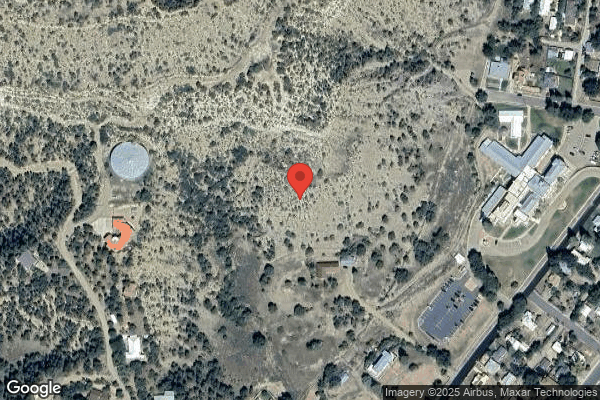
900 South 6th Street, Raton, NM 87740 (575) 445-7788
Government - State 37 Beds Independent Data: November 2025
Trust Grade
85/100
#11 of 67 in NM
Last Inspection: May 2025

Inspected within the last 6 months. Data reflects current conditions.

Overview

Miners Colfax Medical Center has a Trust Grade of B+, indicating it is above average and recommended for families looking for care. It ranks #11 out of 67 facilities in New Mexico, placing it in the top half, and #1 out of 2 in Colfax County, meaning it is the best local option. However, the facility is currently experiencing a worsening trend, with issues increasing from 5 in 2024 to 6 in 2025. Staffing is a strong point, with a perfect 5/5 rating and a turnover rate of 38%, which is lower than the state average, suggesting stable care from experienced staff. While the facility has no fines, which is a positive sign, recent inspections revealed concerning practices, such as failures in medication reviews for residents and inadequate food storage that could lead to health risks. Overall, while there are notable strengths, families should weigh these concerns carefully.

Trust Score
B+
85/100
In New Mexico
#11/67
Top 16%
Safety Record
Low Risk
No red flags
Inspections
Getting Worse
5 → 6 violations
Staff Stability
○ Average
38% turnover. Near New Mexico's 48% average. Typical for the industry.
Penalties
✓ Good
No fines on record. Clean compliance history, better than most New Mexico facilities.
Skilled Nurses
✓ Good
Each resident gets 116 minutes of Registered Nurse (RN) attention daily — more than 97% of New Mexico nursing homes. RNs are the most trained staff who catch health problems before they become serious.
Violations
⚠ Watch
16 deficiencies on record. Higher than average. Multiple issues found across inspections.
★★★★★
5.0
Overall Rating
★★★★★
5.0
Staff Levels
★★★★★
5.0
Care Quality
★★★★★
5.0
Inspection Score
Stable
2024: 5 issues
2025: 6 issues

The Good

  • 5-Star Staffing Rating · Excellent nurse staffing levels
  • 5-Star Quality Measures · Strong clinical quality outcomes
  • Full Sprinkler Coverage · Fire safety systems throughout facility
  • No fines on record
  • Staff turnover below average (38%)

    10 points below New Mexico average of 48%

Facility shows strength in staffing levels, quality measures, fire safety.

The Bad

Staff Turnover: 38%

Near New Mexico avg (46%)

Typical for the industry

The Ugly 16 deficiencies on record

May 2025 6 deficiencies
CONCERN (D)

Potential for Harm - no one hurt, but risky conditions existed

Assessment Accuracy (Tag F0641)

Could have caused harm · This affected 1 resident

**NOTE- TERMS IN BRACKETS HAVE BEEN EDITED TO PROTECT CONFIDENTIALITY** Based on record review and interview, the facility failed to ensure the Minimum Data Set (MDS; a federally mandated comprehensiv...

Read full inspector narrative →
**NOTE- TERMS IN BRACKETS HAVE BEEN EDITED TO PROTECT CONFIDENTIALITY** Based on record review and interview, the facility failed to ensure the Minimum Data Set (MDS; a federally mandated comprehensive assessment of a resident's functional, medical, psychosocial and cognitive assessment completed by facility staff) was accurate for 1 (R #13) of 1 (R #13) resident reviewed for anticoagulant (blood thinner) medication use. This deficient practice could result in a failure to provide adequate care and treatment of the resident's needs. The findings are: A. Record review of R #13's face sheet revealed R #13 was admitted into the facility on [DATE]. B. Record review of R #13's physician's orders revealed the following: 1. 01/26/24: Aspirin (analgesic medication used to relieve pain) 81 mg (milligram) oral tablet one time a day. 2. 01/26/24: Clopidogrel (antiplatelet used to prevent platelets or blood cells from clumping together to form a clot) 75 mg one time a day. - R #13 was not prescribed an anticoagulant medication. C. Record review of R #13's latest MDS Section O- Special Treatments, Procedures, and Programs dated 03/06/25 revealed R #13 was administered an anticoagulant medication within the past 14 days. D. On 05/15/25 at 12:09 pm during an interview with the Assistant Director of Nursing/ MDS Coordinator (ADON/MDSC), she stated that she thought R #13 was taking an anticoagulant medication and that's why his MDS was documented that way. The ADON/MDSC confirmed R #13 was not and did not take an anticoagulant medication, making R #13's MDS was inaccurate, and it should not have been.
CONCERN (D)

Potential for Harm - no one hurt, but risky conditions existed

Deficiency F0658 (Tag F0658)

Could have caused harm · This affected 1 resident

**NOTE- TERMS IN BRACKETS HAVE BEEN EDITED TO PROTECT CONFIDENTIALITY** Based on observation, record review, and interview, the facility failed to provide a quality care that meets professional standa...

Read full inspector narrative →
**NOTE- TERMS IN BRACKETS HAVE BEEN EDITED TO PROTECT CONFIDENTIALITY** Based on observation, record review, and interview, the facility failed to provide a quality care that meets professional standards for 2 (R #3 and R #41) of 2 (R #3 and R #41) residents when the facility failed to: - Obtain physician orders prior to providing oxygen (O2) and having O2 equipment readily available in a resident's room. - Obtain physician orders for over the counter medicaiton (OTC; medications sold to individuals without a prescription) and for the resident to self-administer medication. If the facility is not obtaining physician orders for medications and treatments, then the physician and staff may be unaware of the potential for medication interactions, overdosing, or side effects. The findings are: R #3 A. Record review of R #3's face sheet revealed R #3 was admitted into the facility on [DATE]. B. Record review of R #3's physician orders reviewed on 05/13/25, revealed no physician order for O2 use. C. Record review of R #3's care plan reviewed on 05/13/25, revealed O2 use was not care planned. D. On 05/13/25 at 2:42 pm during an observation and interview with R #3, O2 tubing with a saline humidifier (device that moistens oxygen delivered through a humidifier) was present above R #3's bed. R #3 stated that he will use the O2 if he needs it. E. On 05/14/25 at 3:54 pm during an interview with Registered Nurse (RN) #1, she stated that R #3 did not use O2. RN #1 confirmed the O2 tubing and humidifier present in R #3's room should not have been there without a physician's order. F. On 05/14/25 at 5:56 pm during an interview with Certified Nursing Assistant (CNA) #3, she stated that R #3 will sometimes wear O2 if he wants to, and the CNAs will always offer O2 to R #3. G. On 05/15/25 at 12:24 pm during an interview with the Assistant Director of Nursing (ADON), she stated that R #3 does not use O2 and the O2 tubing and humidifier that was in R #3's room should not have been in there without physician orders. R #41 H. On 05/12/25 at 3:52 PM, during an observation, the cabinet located R #41's room contained the following: - Bacitracin zinc ointment (OTC antibiotic), - Bigeloil topical pain gel (OTC pain relief gel), - Lidocaine ointment (OTC anesthetic.) I. Record review of R #41's physician orders, dated May 2025, revealed the following: - The resident did not have orders for bacitracin zinc ointment, Bigeloil topical pain gel, or lidocaine ointment. - The resident did not have an order to self-administer medication. J. Record review of R #41's care plan reviewed on 05/23/25, revealed the care plan did not contain information regarding the resident self-administering OTC medication. K. On 05/12/25 at 4:57 PM, during an interview, the Assistant Director of Nursing (ADON) stated the resident's family brought in R #41's OTC medications. She stated all medications require a physician order, to include OTC medications.
CONCERN (D)

Potential for Harm - no one hurt, but risky conditions existed

Deficiency F0761 (Tag F0761)

Could have caused harm · This affected 1 resident

**NOTE- TERMS IN BRACKETS HAVE BEEN EDITED TO PROTECT CONFIDENTIALITY** Based on observation, interviews, and record review, the facility failed to ensure medications, including over the counter medic...

Read full inspector narrative →
**NOTE- TERMS IN BRACKETS HAVE BEEN EDITED TO PROTECT CONFIDENTIALITY** Based on observation, interviews, and record review, the facility failed to ensure medications, including over the counter medications (OTC; medications sold to individuals without a prescription), were not accessible to all residents located on the [NAME] Hall. This deficient practice could result in impairment or decline in a resident's mental or physical condition if a resident came in contact with the medications. The findings are: A. On 05/12/25 at 3:52 PM, during an observation, the cabinet located R #41's room contained the following: - Bacitracin zinc ointment (OTC antibiotic), - Bigeloil topical pain gel (OTC pain relief gel), - Lidocaine ointment (OTC anesthetic.) B. Record review of R #41's physician orders dated May 2025, revealed the following: - The resident did not have orders for bacitracin zinc ointment, Bigeloil topical pain gel, or lidocaine ointment. - The resident did not have an order to self-administer medication. C. On 05/12/25 at 4:51 PM, during an interview, Certified Nurse Aide (CNA) #1 stated staff should label and keep the bacitracin zinc ointment, Bigeloil topical pain gel, and lidocaine ointment in the medication cart. D. On 05/12/25 at 4:57 PM, during an interview, the Assistant Director of Nursing (ADON) stated the resident's family brought in R #41's OTC medications. She stated staff should keep all medications in the medication cart.
CONCERN (E)

Potential for Harm - no one hurt, but risky conditions existed

Deficiency F0657 (Tag F0657)

Could have caused harm · This affected multiple residents

**NOTE- TERMS IN BRACKETS HAVE BEEN EDITED TO PROTECT CONFIDENTIALITY** Based on observation, record review, and interview, the facility failed to ensure staff revised the care plan for 2 (R #'s 1 and...

Read full inspector narrative →
**NOTE- TERMS IN BRACKETS HAVE BEEN EDITED TO PROTECT CONFIDENTIALITY** Based on observation, record review, and interview, the facility failed to ensure staff revised the care plan for 2 (R #'s 1 and 18) of 2 (R #'s 1 and 18) residents reviewed when staff failed to: 1. Update R #1's plan of care to include skin irritation (itchiness) that required topical skin medication/lotion. 2. Update R #18's plan of care to include Albuterol (medication used to prevent and treat wheezing and difficulty breathing) use via a nebulizer (oral medical device used for producing a fine spray of liquid), and storage of nebulizer. These deficient practices are likely to result in residents' care and needs not being addressed if care plans are not updated. The findings are: R #1: A. Record review of R #1's face sheet revealed R #1 was admitted into the facility on [DATE]. B. Record review of R #1's physician orders dated 03/06/25 revealed R #1 was prescribed [NAME] External Lotion 0.5-0.5 % (percent), apply to legs topically as needed for itching. C. Record review of R #1's nursing progress notes revealed the following: 1. 03/06/25 at 11:14 am: R #1 stated that he is itchy at night when he goes to bed. R #1 was educated and encouraged to use the [NAME] External Lotion that is available to him. 2. 05/14/25 at 9:41 am: R #1 complained of itches on his legs and sometimes other parts of his body. D. Record review of R #1's care plan reviewed on 05/15/25, revealed the care plan did not contain any documentation for [NAME] External Lotion use or R #1's chronic itchiness. E. On 05/13/25 at 10:38 am during an interview with R #1, he stated that his arms and legs are always itchy, and the nurses were providing medication for that. F. On 05/14/25 at 5:51 pm during an interview with Certified Nursing Assistant (CNA) #2, she confirmed R #1 had experienced chronic skin irritation and R #1 will require medication to treat the itchiness. G. On 05/15/25 at 12:18 pm during an interview with the Assistant Director of Nursing (ADON), she confirmed R #1's chronic skin irritation and topical medication treatment should be care planned and was not. R #18: H. Record review of R #18's face sheet revealed R #18 was admitted into the facility on [DATE]. I. Record review of R #18's Medication Administration Record (MAR) dated 04/01/25 through 04/30/25 revealed R #18 was administered Albuterol Sulfate Inhalation Nebulization 2.5 mg per 3 ml (milliliter), every four hours as needed for wheezing shortness of breath, 16 times throughout the timeframe. J. Record review of R #18's MAR dated 05/01/25 through 05/14/25 revealed R #18 still had active orders for Albuterol Sulfate Inhalation Nebulization (medication was only on hold for 05/03/25 through 05/08/25). K. Record review of R #18's care plan reviewed on 05/13/25, revealed R #18's Albuterol use with a nebulizer including nebulizer storage was not care planned. L. On 05/13/25 at 10:30 am during an observation and interview, R #18's nebulizer hung on an oxygen concentrator above his bed, and not in a bag for storage. R #18 confirmed he still uses his nebulizer sometimes when he needs it. M. On 05/14/25 at 3:34 pm during an interview with Registered Nurse (RN) #1, she stated that R #18 requires treatment for wheezing most mornings. RN #1 also stated that R #18's nebulizer should be stored in a bag when not in use. RN #1 confirmed R #18's nebulizer was stored above his bed and not in a bag, and R #18's Albuterol with nebulizer use should be care planned, but was not. N. On 05/15/25 at 12:23 pm during an interview with the ADON, she stated that R #18 does not like to store his Albuterol nebulizer in a storage bag when not in use. The ADON confirmed R #18's Albuterol use with a nebulizer and R #18's preference to not store the nebulizer in a bag when not in use, were not care planned and should have been.
CONCERN (F)

Potential for Harm - no one hurt, but risky conditions existed

Drug Regimen Review (Tag F0756)

Could have caused harm · This affected most or all residents

**NOTE- TERMS IN BRACKETS HAVE BEEN EDITED TO PROTECT CONFIDENTIALITY** Based on record review and interview, the facility failed to ensure that 5 (R #6, 8, 10, 17, and 22) of 5 5 (R #6, 8, 10, 17, an...

Read full inspector narrative →
**NOTE- TERMS IN BRACKETS HAVE BEEN EDITED TO PROTECT CONFIDENTIALITY** Based on record review and interview, the facility failed to ensure that 5 (R #6, 8, 10, 17, and 22) of 5 5 (R #6, 8, 10, 17, and 22) residents medication regimen was reviewed by a licensed pharmacist. That the licensed pharmacist documented any recommendations or changes to each resident's medication regimen and that the physician reviewed these recommendations and submitted a written response to accept or reject these recommendations. These deficient practices could likely result in residents receiving medications that are no longer necessary and may cause unnecessary drug interactions and adverse side effects. The findings are: R #6 A. Record review of R #6 face sheet dated 05/14/25 revealed he was admitted to the facility on [DATE] with multiple diagnoses. B. Record review of R #6's physician orders revealed multiple medication orders started on various dates. C. Record review of R #6's medical record including his electronic medical record (EMR) and his paper medical record (PMR) from 06/01/24 to 05/15/25 failed to find any written communication between the facility pharmacist and R #6's medical provider that indicated that R #6's medications had been reviewed by the pharmacist, that the pharmacist had submitted any recommendations regarding R #6's medication regimine or that the medical provided had reviewed and responded to any pharmacist recommendations. R #8 D. Record review of R #8 face sheet dated 05/14/25 revealed he was admitted to the facility on [DATE] with multiple diagnoses. E. Record review of R #8's physician orders revealed multiple medication orders started on various dates. F. Record review of R #8's medical record including his electronic medical record (EMR) and his paper medical record (PMR) from 08/01/24 to 05/15/25 failed to find any written communication between the facility pharmacist and R #8's medical provider that indicated that R #8's medications had been reviewed by the pharmacist, that the pharmacist had submitted any recommendations regarding R #8's medication regimine or that the medical provided had reviewed and responded to any pharmacist recommendations. R #10 G. Record review of R #10 face sheet dated 05/14/25 revealed he was admitted to the facility on [DATE] with multiple diagnoses. H. Record review of R #10's physician orders revealed multiple medication orders started on various dates. I. Record review of R #10's medical record including his electronic medical record (EMR) and his paper medical record (PMR) from 02/01/25 to 05/15/25 failed to find any written communication between the facility pharmacist and R #10's medical provider that indicated that R #10's medications had been reviewed by the pharmacist, that the pharmacist had submitted any recommendations regarding R #10's medication regimine or that the medical provided had reviewed and responded to any pharmacist recommendations. R #17 J. Record review of R #17 face sheet dated 05/14/25 revealed he was admitted to the facility on [DATE] with multiple diagnoses. K. Record review of R #17's physician orders revealed multiple medication orders started on various dates. L. Record review of R #17's medical record including his electronic medical record (EMR) and his paper medical record (PMR) from 05/01/24 to 05/15/25 failed to find any written communication between the facility pharmacist and R #17's medical provider that indicated that R #17's medications had been reviewed by the pharmacist, that the pharmacist had submitted any recommendations regarding R #17's medication regimine or that the medical provided had reviewed and responded to any pharmacist recommendations. R #22 M. Record review of R #22 face sheet dated 05/14/25 revealed he was admitted to the facility on [DATE] with multiple diagnoses. N. Record review of R #22's physician orders revealed multiple medication orders started on various dates. O. Record review of R #22's medical record including his electronic medical record (EMR) and his paper medical record (PMR) from 09/01/24 to 05/15/25 failed to find any written communication between the facility pharmacist and R #22's medical provider that indicated that R #22's medications had been reviewed by the pharmacist, that the pharmacist had submitted any recommendations regarding R #22's medication regimine or that the medical provided had reviewed and responded to any pharmacist recommendations. P. On 05/14/25 at 11:25 am during interview with Director of Nursing (DON), she stated that the facility conducts a monthly meeting in which the contracted pharmacist and the medical director attends. She stated that during this meeting, resident medications are discussed. She stated there was no documentation of this discussion that was contained in any resident's EMR or PMR. Q. On 05/14/25 at 11:25 am during interview with the Administrator (ADM), he stated that the facility does not have a formal review of resident medications. He acknowledged that there was no documentation of resident medications being reviewed by the pharmacist, that the pharmacist was not providing written medication recommendations to the medical provider and that there was no pharmacy recommendations for the medical provider to respond to. ADM stated that he was aware that this was a necessary process and that he was working to begin the process in the upcoming month.
CONCERN (F)

Potential for Harm - no one hurt, but risky conditions existed

Food Safety (Tag F0812)

Could have caused harm · This affected most or all residents

Based on observation and staff interview, the facility failed to store and serve food under sanitary conditions when staff failed to ensure: 1. Proper labeling and dating of food items in the kitchen ...

Read full inspector narrative →
Based on observation and staff interview, the facility failed to store and serve food under sanitary conditions when staff failed to ensure: 1. Proper labeling and dating of food items in the kitchen freezer. 2. Inadequate food storage practices including leaving box of white rice open to air. 3. Employees wore appropriate hair restraints. These deficient practices are likely to affect all 23 residents listed on the census provided by the Administrator on 05/12/25 and may lead to foodborne illnesses in residents if proper food storage and safe food handling practices are not adhered. A. On 5/12/2025 at 2:00 PM, during an observation of the kitchen revealed one twenty-five-pound box of white rice was left open to air and stored on a shelf in the dry storage area. B. On 05/12/2025 at 2:07 PM during an interview, the Dietary Manager (DM) confirmed that the box of rice was left open and stated it should have been sealed for proper storage. C. On 05/13/2025 at 4:43 PM during an observation of the kitchen revealed two five-pound bags of frozen blueberries stored in freezer #1 without labels and dates D. On 05/13/2025 at 4:45 PM during an interview, Dietary [NAME] (DC) #1 confirmed the blueberries were not labeled and dated and acknowledged that the blueberries should have been. E. On 05/15/2025 at 11:35 AM during an observation of the kitchen revealed that Dietary Aide (DA) #1 was not wearing a beard guard. F. On 05/15/2025 at 11:38 AM during an interview, the DM confirmed that DA #1 was not wearing a beard guard and stated that he should have been.
Apr 2024 5 deficiencies
CONCERN (D)

Potential for Harm - no one hurt, but risky conditions existed

Comprehensive Care Plan (Tag F0656)

Could have caused harm · This affected 1 resident

**NOTE- TERMS IN BRACKETS HAVE BEEN EDITED TO PROTECT CONFIDENTIALITY** Based on observation, record review, and interview, the facility failed to develop and implement a comprehensive person-centered...

Read full inspector narrative →
**NOTE- TERMS IN BRACKETS HAVE BEEN EDITED TO PROTECT CONFIDENTIALITY** Based on observation, record review, and interview, the facility failed to develop and implement a comprehensive person-centered care plan for 1 (R #7) of 2 (R #7 and #12) residents reviewed for comprehensive care plans when staff did not develop a care plan for oxygen (O2) use. Failure to develop and implement a resident-centered care plan may result in staff not understanding and implementing the needs and treatments of residents, possibly resulting in decline in abilities. The findings are: A. Record review of R #7's face sheet revealed R #7 was admitted into the facility on [DATE]. B. Record review of R #7's physician orders, dated 10/22/23, revealed an order for O2 at 2 liters per minute (lpm) via nasal cannula (tubing that provides O2 through the nose). Keep O2 saturations at 90 percent (%), as needed (PRN). C. Record review of R #7's care plan, dated 04/24/24, revealed the record did not contain documentation regarding R #7's O2 use. D. On 04/23/24 at 9:50 am during an observation, R #7 did not wear O2, but R #7's O2 tubing was connected to the O2 wall mount in her room. E. On 04/24/24 at 11:38 am during an interview with Certified Nursing Assistant (CNA) #1, she stated R #7 used O2 as needed. F. On 04/24/24 at 5:17 pm during an interview with the Assistant Director of Nursing (ADON), she confirmed R #7 had orders for as needed O2 use. She stated staff did not care plan R #7's oxygen use, but they should have.
CONCERN (D)

Potential for Harm - no one hurt, but risky conditions existed

Deficiency F0657 (Tag F0657)

Could have caused harm · This affected 1 resident

**NOTE- TERMS IN BRACKETS HAVE BEEN EDITED TO PROTECT CONFIDENTIALITY** Based on observation, record review, and interview, the facility failed to ensure staff revised the care plan for 1 (R #6) of 1 ...

Read full inspector narrative →
**NOTE- TERMS IN BRACKETS HAVE BEEN EDITED TO PROTECT CONFIDENTIALITY** Based on observation, record review, and interview, the facility failed to ensure staff revised the care plan for 1 (R #6) of 1 (R #6) residents reviewed when staff failed to update the care plan to reflect new dietary behaviors. These deficient practices are likely to result in residents' care and needs not being addressed if care plans are not updated. The findings are: A. Record review of R #6's face sheet revealed R #6 was admitted into the facility on [DATE]. B. On 04/24/24 at 11:53 am during an interview with Registered Nurse (RN) #1, she stated R #6 would chew his food and spit it in the trash. C. On 04/24/24 at 5:02 pm during a dinner observation, R #6 ate dinner in the dining room with a trash can next to him. R #6 threw food in the trash. D. On 04/24/24 at 5:05 pm during an interview with Certified Nursing Assistant (CNA) #1, she confirmed R #6 threw food in the trash for awhile, and he also did that if he ate in his room. CNA #1 stated everyone knew R #6 threw food in the trash at each meal. E. Record review of R #6's care plan, dated 04/24/24, revealed the following: - Focus: When the resident ate and drank they coughed and had phlegm. - Interventions/Tasks: The resident's diet was changed to mechanical soft texture per Speech-language pathologist (SLP) recommendations. - Staff did not document food or meal behaviors in R #6's care plan. F. On 04/24/24 at 5:41 pm during an interview with the Assistant Director of Nursing (ADON), she stated staff should have updated R #6's care plan to include his meal behavior. The ADON confirmed R #6's meal behavior was not care planned.
CONCERN (D)

Potential for Harm - no one hurt, but risky conditions existed

Deficiency F0658 (Tag F0658)

Could have caused harm · This affected 1 resident

Based on observation, record review, and interview, the facility failed to meet professional standards of care for 1 (R #4) of 1 (R #4) residents by not obtaining physician's orders for the use of a t...

Read full inspector narrative →
Based on observation, record review, and interview, the facility failed to meet professional standards of care for 1 (R #4) of 1 (R #4) residents by not obtaining physician's orders for the use of a therapeutic cup. This deficient practice is likely to result in residents receiving assistive devices that are not needed or ordered by the physician. The findings are: A. On 04/24/24 at 5:02 pm during observation of the dinner meal in the dining room, R #4 drank coffee out of a sippy cup (a drinking cup designed to prevent or reduce spills). B. Record review of R #4's physicians orders revealed the record did not contain an order for the use of a sippy cup. C. Record review of R#4's care plan revealed the care plan did not address the use off a sippy cup. D. On 04/24/24 at 5:50 pm, during a interview with CNA #1, she confirmed R#4 drank out of a sippy cup at all meals. E. On 04/24/24 at 5:50 pm, during a interview with Nurse #2, she stated R #4 drank from a sippy cup, but he did not have an order for it. She stated there should be an order for the use of a sippy cup. F. On 04/25/24 at 10:00 am during an interview with the Director of Nursing, she confirmed R #4 did not have an order for the sippy cup, but he should.
CONCERN (D)

Potential for Harm - no one hurt, but risky conditions existed

Medical Records (Tag F0842)

Could have caused harm · This affected 1 resident

Based on record review and interview, the facility failed to meet professional standards for maintaining resident records for 1 (R # 6) of 1 (R #6 ) residents when staff failed to ensure R #6's code s...

Read full inspector narrative →
Based on record review and interview, the facility failed to meet professional standards for maintaining resident records for 1 (R # 6) of 1 (R #6 ) residents when staff failed to ensure R #6's code status readily viewable in the resident's Electronic Health Record (EHR). This deficient practice is likely to result in residents end-of-life medical care choices not being honored. The findings are: A. Record review of R #6's EHR revealed R #6 was admitted to facility on 07/09/09, but the record did not contain the resident's code status on the EHR on the banner. [The facility's practice was to note the resident code status on the top page that opened first when accessing the resident's EHR. This is called the banner]. B. On 4/25/24 at 9:47 am, during an interview with Director of Nursing (DON), she stated all residents should have an advanced directives in their chart. The DON confirmed R #6's code status was not on the resident's EHR banner, and it should be on the banner. C. On 4/25/24 at 9:58 am, during an interview with the Social Services (SS), she stated she completed all advanced directives upon admission, and there should be one in all the residents' charts. The SS stated she completed R #6's advanced directive. She confirmed R #6's code status was not on the resident's EHR banner, and it should be on the banner.
CONCERN (E)

Potential for Harm - no one hurt, but risky conditions existed

Deficiency F0698 (Tag F0698)

Could have caused harm · This affected multiple residents

**NOTE- TERMS IN BRACKETS HAVE BEEN EDITED TO PROTECT CONFIDENTIALITY** Based on interview and record review, the facility failed to ensure staff communicated and collaborated with the dialysis (clini...

Read full inspector narrative →
**NOTE- TERMS IN BRACKETS HAVE BEEN EDITED TO PROTECT CONFIDENTIALITY** Based on interview and record review, the facility failed to ensure staff communicated and collaborated with the dialysis (clinical purification of blood as substitute for normal kidney functioning) facility regarding dialysis care and services for 2 (R #6 and #12) of 2 (R #6 and #12) residents reviewed for dialysis. If the facility is unaware of the status, condition, or complications that arise during dialysis treatment then residents are likely not to receive the appropriate monitoring and care they need. The findings are: R #6: A. Record review of R #6's face sheet revealed R #6 was admitted into the facility on [DATE]. B. Record review of R #6's physician orders, dated 06/29/22, revealed an order to increase dialysis chair time/treatment duration to 3 hours and 15 minutes starting on 07/01/22. C. Record review of R #6's care plan, dated 04/24/24, revealed the following: - Focus: The resident was very weak after dialysis treatments, and it took away most of the resident's energy for the day. - Interventions/Tasks: The resident needed someone to propel their wheelchair down to dialysis on dialysis days, Monday, Wednesday, and Friday. D. Record review of R #6's dialysis communication record (communication form used to communicate between the facility and the dialysis center about the patients status), dated 03/01/24 through 03/31/24, revealed eleven of the thirteen forms did not contain information regarding the resident's post dialysis status, the date, and the signature of the facility nurse. E. Record review of R #6's dialysis communication record, dated 04/01/24 through 04/25/24, revealed eight of the ten forms did not contain information regarding the resident's post dialysis status, the date, and the signature of the facility nurse. F. On 04/24/24 at 11:54 am during an interview with Registered Nurse (RN) #1, she stated she was not aware she needed to complete the post dialysis section of form or document vitals in the electronic health record (EHR) post dialysis. G. On 04/24/24 at 11:58 am during an interview with RN #2, she stated none of the staff completed the post dialysis sections on communication forms. RN #2 stated she did not complete the post dialysis section on residents' dialysis communication forms when the residents returned from dialysis. H. On 04/24/24 at 5:46 pm during an interview the Assistant Director of Nursing (ADON), she stated the expectation was for staff to complete dialysis communication forms. The ADON stated nursing staff should be aware of residents' conditions when residents return from dialysis. R #12: I. Record review of R #12's face sheet revealed R #12 was admitted into the facility on [DATE]. J. Record review of R #12's physician orders, dated 10/07/21, revealed an order for hemodialysis (a machine that filters wastes, salts, and fluid from the blood when the kidneys cannot do it) every Monday, Wednesday, and Friday. K. Record review of R #12's care plan, dated 04/25/24, revealed the following: - Focus: The resident's kidneys did not function properly. Since May of 2019, the resident went to dialysis three times a week. - Interventions/Tasks: The resident needed someone to propel their wheelchair down to dialysis on dialysis days, Monday, Wednesday, and Friday. L. Record review of R #6's dialysis communication record dated 03/01/24 through 03/31/24, revealed ten of the thirteen forms did not contain information regarding the resident's post dialysis status, the date, and the signature of the facility nurse. M. Record review of R #6's dialysis communication record, dated 04/01/24 through 04/25/24, revealed ten of the twelve forms did not contain information regarding the resident's post dialysis status, the date, and the signature of the facility nurse. N. On 04/25/24 at 10:15 am during an interview with the Director of Nursing (DON), she confirmed R #6's and R #12's dialysis communication forms were not completed and should have been.
Mar 2023 5 deficiencies
CONCERN (D)

Potential for Harm - no one hurt, but risky conditions existed

Assessment Accuracy (Tag F0641)

Could have caused harm · This affected 1 resident

**NOTE- TERMS IN BRACKETS HAVE BEEN EDITED TO PROTECT CONFIDENTIALITY** Based on observation, record review, and interview, the facility failed to ensure that the Matrix (a form used to identify perti...

Read full inspector narrative →
**NOTE- TERMS IN BRACKETS HAVE BEEN EDITED TO PROTECT CONFIDENTIALITY** Based on observation, record review, and interview, the facility failed to ensure that the Matrix (a form used to identify pertinent care categories (relevant) for residents) was accurate by reflecting R #19 was on Transmission Based Precautions (TBP) status. (the second tier of basic infection control and are to be used in addition to Standard Precautions for patients who may be infected or colonized with certain infectious agents for which additional precautions are needed to prevent infection transmission) This deficient practice is likely to result in residents not receiving the appropriate care and treatment they need. The findings are: A. Record review of R #19's face sheet revealed R #19 was admitted into the facility on [DATE] and resided in Room (RM) #106-1. B. Record review of the Matrix provided by the Administrator dated 03/01/23 for the facility revealed that R #19 was on transmission-based precautions. C. On 03/02/23 at 10:37 am during an observation, R #19's room was observed not be on TBP. D. On 03/02/23 at 4:23 pm during an interview with Certified Nursing Assistant (CNA) #2, When asked if R #19 was on Transmission Based Precautions, she stated. No, I don't think so. E. On 03/02/23 at 4:29 pm during an interview with Licensed Practical Nurse (LPN) #1, LPN #1 was asked if R #19 was on Transmission Based Precautions, she stated, Nobody [residents in the facility] is [on TBP]. F. On 03/02/23 at 5:28 pm during an interview with the Director of Nursing (DON), When asked if R #19 was on TBP, she stated. No, it's [facility matrix] not accurate because he's [R #19] not on TBP.
CONCERN (D)

Potential for Harm - no one hurt, but risky conditions existed

Deficiency F0658 (Tag F0658)

Could have caused harm · This affected 1 resident

Based on interview and record review, the facility failed to meet professional standards for 1 (R #16) of 1 (R #16) by not weighing in accordance with the physician's orders. This deficient practice i...

Read full inspector narrative →
Based on interview and record review, the facility failed to meet professional standards for 1 (R #16) of 1 (R #16) by not weighing in accordance with the physician's orders. This deficient practice is likely to have residents experience un-noticed weight loss. The findings are: A. Record review of physicians order dated 10/07/21 revealed to obtain weekly weights. B. Record review of R #16 Vital and Weight Sheet, revealed no weekly weight was recorded for the week 02/24/22. C. On 03/02/23 at 4:43 PM during an interview with Licensed Practical Nurse (LPN) #1, she stated that the facility had not conducted R #16's weekly weight as ordered by Physician for the week of 02/24/23. She further stated that R #16 is a Dialysis patient and should be weighed weekly.
CONCERN (D)

Potential for Harm - no one hurt, but risky conditions existed

Deficiency F0760 (Tag F0760)

Could have caused harm · This affected 1 resident

Based on observation, record review, and interview, the facility failed to ensure a medication that was placed on hold per physician order was not administered to 1 (R #17) of 6 (R #1,3,7,8,10 and 17)...

Read full inspector narrative →
Based on observation, record review, and interview, the facility failed to ensure a medication that was placed on hold per physician order was not administered to 1 (R #17) of 6 (R #1,3,7,8,10 and 17) residents reviewed during random observation. This deficient practice is likely to result in adverse health consequences such as excessive dosing. The findings are: A. On 03/02/23 at 7:48 am during random observation of medication administration, Licensed Practical Nurse (LPN) #1 was observed administering one 20 mg (milligram) tab of Xarelto (a medication used to prevent blood clots from forming) when R #17 was presented with the medications R #17 identified the Xarelto tablet and questioned LPN #1 regarding the medication being on hold. LPN #1 confirmed she had handed R #17 the medication to be consumed and she further stated she should not have administered the medication cause it was on hold until 03/04/23. B. Record Review of Progress Notes dated 03/01/23 revealed that medication (Xarelto) was placed on hold following a esophagus [a muscular tube that connects your mouth to your stomach, allowing you to swallow food and liquids.] biopsy [a sample of tissue taken from the body in order to examine it more closely] and would restart on Saturday 03/04/23 C. On 03/02/23 at 8:00 am during interview with LPN #1, she confirmed that the medication was placed on hold by the physician on 03/01/23 and that it should not have been administered on 03/02/23.
CONCERN (F)

Potential for Harm - no one hurt, but risky conditions existed

Food Safety (Tag F0812)

Could have caused harm · This affected most or all residents

Based on observation and interview, the facility failed to store and serve food under sanitary conditions by not ensuring food items were stored off of the floor. This deficient practice is likely to ...

Read full inspector narrative →
Based on observation and interview, the facility failed to store and serve food under sanitary conditions by not ensuring food items were stored off of the floor. This deficient practice is likely to affect all 26 residents. If the facility fails to adhere to safe food handling practices, in which residents are likely to be exposed to foodborne illnesses (illness caused by food contaminated with bacteria, viruses, parasites, or toxins). The findings are: A. On 03/03/23 at 8:46 am during an kitchen follow up observation, the following was observed: 1. 1- 30 pound (lb) box of Sysco Margarine was stored on the bare floor by the refrigerator with other boxes stacked on top. 2. 1- 30 lb Sysco Reliance Potato Fry Crinkle Cut box was stored on the bare floor by the refrigerator with other boxes stacked on top. 4. 1- 10 lb Hormel Natural Choice Fully Cooked Pork Sausage Links box was stored on the bare floor by the refrigerator with other boxes stacked on top. B. On 03/03/23 at 8:47 am during an interview with the Assistant Dietary Manager (ADIM), he stated, Normally, we try to get it [food shipment] from the delivery driver. ADIM confirmed findings and stated food boxes should not be left on the floor.
MINOR (C)

Minor Issue - procedural, no safety impact

Deficiency F0565 (Tag F0565)

Minor procedural issue · This affected most or all residents

Based on interview, the facility failed to give the resident council feedback on their concerns for 4 (R #1, 3, 12 and 15) of 4 (R #1,, 3, 12, and 15) residents reviewed in the resident Council Meetin...

Read full inspector narrative →
Based on interview, the facility failed to give the resident council feedback on their concerns for 4 (R #1, 3, 12 and 15) of 4 (R #1,, 3, 12, and 15) residents reviewed in the resident Council Meeting Minutes. If the facility is not ensuring that the Resident Council grievances are responded to and resolved, then residents are likely to feel that their issues/concerns are not taken seriously. The findings are: A. On 03/01/23 at 9:59 am during an interview with R #15, he stated that all concerns that were brought to the facility resident council meeting were documented by a facility staff and then reviewed at the following months resident council meeting to see if the issues had been resolved. When asked if there was any other follow up after the meeting he stated. No, we don't find out if issues are resolved until the next months meeting. R #3 confirmed that the minutes are taken by a facility staff and the results of that meeting are brought to the next meeting and if they are not resolved at that time then the issues are put in the notes again and brought up at the next months meeting until issue is resolved and sometimes those issues are are never resolved. R #15 further stated that he would like to know the results of the issues/concerns. He (R #15) had brought it up at the resident council meeting in January that he would like a response in a timely manner (before the following month of the resident council meeting) and they would like to know what the resolution were to the issues. B. On 03/02/23 at 4:44 pm during an interview with the facility Administrator, he stated. All issues that are brought up go to the Social Services Director and we take action. We do not give responses in writing. I am assuming issues were addressed. I have been doing all the responses verbally and not anything on an official document when the issues are brought to my attention. We do not do formal grievances we address them as issues or concerns. Things that are brought up in resident council meetings are addressed but I do not have anything written down to acknowledge that issue/concerns have been addressed or that a rationale has been given as to why it was not addressed.
Understanding Severity Codes (click to expand)
Life-Threatening (Immediate Jeopardy)
J - Isolated K - Pattern L - Widespread
Actual Harm
G - Isolated H - Pattern I - Widespread
Potential for Harm
D - Isolated E - Pattern F - Widespread
No Harm (Minor)
A - Isolated B - Pattern C - Widespread

Questions to Ask on Your Visit

  • "Can I speak with families of current residents?"
  • "What's your RN coverage like on weekends and overnight?"

Our Honest Assessment

Strengths
  • • Grade B+ (85/100). Above average facility, better than most options in New Mexico.
  • • No major safety red flags. No abuse findings, life-threatening violations, or SFF status.
  • • No fines on record. Clean compliance history, better than most New Mexico facilities.
  • • 38% turnover. Below New Mexico's 48% average. Good staff retention means consistent care.
Concerns
  • • 16 deficiencies on record. Higher than average. Multiple issues found across inspections.
Bottom line: Generally positive indicators. Standard due diligence and a personal visit recommended.

About This Facility

What is Miners Colfax Medical Center's CMS Rating?

CMS assigns Miners Colfax Medical Center an overall rating of 5 out of 5 stars, which is considered much above average nationally. Within New Mexico, this rating places the facility higher than 99% of the state's 100 nursing homes. This rating reflects solid performance across the metrics CMS uses to evaluate nursing home quality.

How is Miners Colfax Medical Center Staffed?

CMS rates Miners Colfax Medical Center's staffing level at 5 out of 5 stars, which is much above average compared to other nursing homes. Staff turnover is 38%, compared to the New Mexico average of 46%. This relatively stable workforce can support continuity of care. RN turnover specifically is 58%, which is notably high. RNs provide skilled clinical oversight, so turnover in this role can affect medical care quality.

What Have Inspectors Found at Miners Colfax Medical Center?

State health inspectors documented 16 deficiencies at Miners Colfax Medical Center during 2023 to 2025. These included: 15 with potential for harm and 1 minor or isolated issues.

Who Owns and Operates Miners Colfax Medical Center?

Miners Colfax Medical Center is owned by a government entity. Government-operated facilities are typically run by state, county, or municipal agencies. The facility operates independently rather than as part of a larger chain. With 37 certified beds and approximately 23 residents (about 62% occupancy), it is a smaller facility located in Raton, New Mexico.

How Does Miners Colfax Medical Center Compare to Other New Mexico Nursing Homes?

Compared to the 100 nursing homes in New Mexico, Miners Colfax Medical Center's overall rating (5 stars) is above the state average of 2.9, staff turnover (38%) is near the state average of 46%, and health inspection rating (5 stars) is much above the national benchmark.

What Should Families Ask When Visiting Miners Colfax Medical Center?

Based on this facility's data, families visiting should ask: "Can I visit during a mealtime to observe dining assistance and food quality?" "How do you handle medical emergencies, and what is your hospital transfer rate?" "Can I speak with family members of current residents about their experience?"

Is Miners Colfax Medical Center Safe?

Based on CMS inspection data, Miners Colfax Medical Center has a clean safety record: no substantiated abuse findings (meaning no confirmed cases of resident harm), no Immediate Jeopardy citations (the most serious violation level indicating risk of serious injury or death), and is not on the Special Focus Facility watch list (a federal program monitoring the lowest-performing 1% of nursing homes). The facility has a 5-star overall rating and ranks #1 of 100 nursing homes in New Mexico. While no facility is perfect, families should still ask about staff-to-resident ratios and recent inspection results during their visit.

Do Nurses at Miners Colfax Medical Center Stick Around?

Miners Colfax Medical Center has a staff turnover rate of 38%, which is about average for New Mexico nursing homes (state average: 46%). Moderate turnover is common in nursing homes, but families should still ask about staff tenure and how the facility maintains care continuity when employees leave.

Was Miners Colfax Medical Center Ever Fined?

Miners Colfax Medical Center has no federal fines on record. CMS issues fines when nursing homes fail to meet care standards or don't correct problems found during inspections. The absence of fines suggests the facility has either maintained compliance or corrected any issues before penalties were assessed. This is a positive indicator, though families should still review recent inspection reports for the full picture.

Is Miners Colfax Medical Center on Any Federal Watch List?

Miners Colfax Medical Center is not on any federal watch list. The most significant is the Special Focus Facility (SFF) program, which identifies the bottom 1% of nursing homes nationally based on persistent, serious quality problems. Not being on this list means the facility has avoided the pattern of deficiencies that triggers enhanced federal oversight. This is a positive indicator, though families should still review the facility's inspection history directly.