

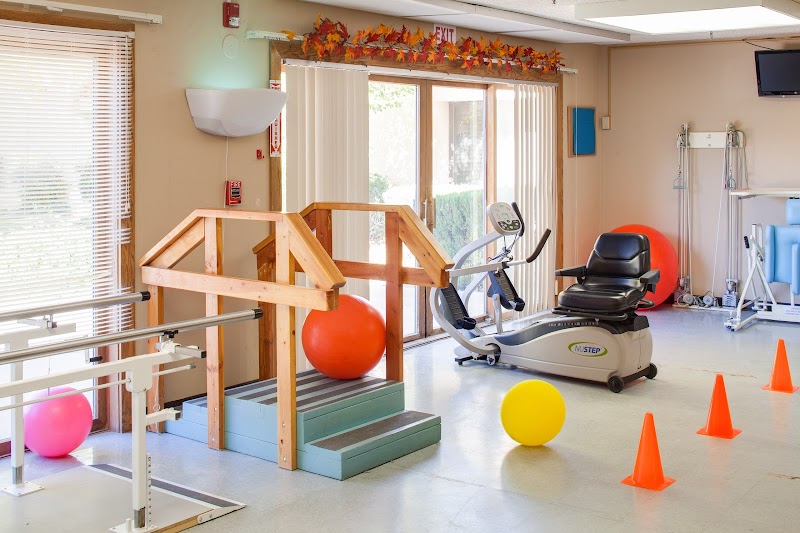


Mission Arch Center

3200 Mission Arch Drive, Roswell, NM 88201 (575) 624-2583
For profit - Corporation 120 Beds GENESIS HEALTHCARE Data: November 2025
Trust Grade
30/100
#63 of 67 in NM
Last Inspection: December 2024

Within standard 12-15 month inspection cycle. Federal law requires annual inspections.

Overview

Mission Arch Center in Roswell, New Mexico has received a Trust Grade of F, indicating significant concerns and a poor overall standing in care quality. Ranking #63 out of 67 facilities in the state places it in the bottom half, and it is #3 out of 3 in Chaves County, meaning only one other local option is available. The facility is improving, with issues decreasing from 44 in 2024 to 5 in 2025, which is a positive sign. However, staffing is only rated 2 out of 5 stars, with a turnover rate of 51%, which is slightly below the state average, suggesting some staff stability but still room for improvement. Additionally, the facility faced $34,398 in fines, which is concerning, and there were notable incidents such as a failure to monitor residents’ weights properly and not addressing medication recommendations from the consulting pharmacist, indicating potential risks to resident health.

Trust Score
F
30/100
In New Mexico
#63/67
Bottom 6%
Safety Record
Moderate
Needs review
Inspections
Getting Better
44 → 5 violations
Staff Stability
⚠ Watch
51% turnover. Above average. Higher turnover means staff may not know residents' routines.
Penalties
✓ Good
$34,398 in fines. Lower than most New Mexico facilities. Relatively clean record.
Skilled Nurses
⚠ Watch
Each resident gets only 26 minutes of Registered Nurse (RN) attention daily — below average for New Mexico. Fewer RN minutes means fewer trained eyes watching for problems.
Violations
⚠ Watch
60 deficiencies on record. Higher than average. Multiple issues found across inspections.
★☆☆☆☆
1.0
Overall Rating
★★☆☆☆
2.0
Staff Levels
★☆☆☆☆
1.0
Care Quality
★★☆☆☆
2.0
Inspection Score
Stable
2024: 44 issues
2025: 5 issues

The Good

  • Full Sprinkler Coverage · Fire safety systems throughout facility
  • No fines on record

Facility shows strength in fire safety.

The Bad

1-Star Overall Rating

Below New Mexico average (2.9)

Significant quality concerns identified by CMS

Staff Turnover: 51%

Near New Mexico avg (46%)

Higher turnover may affect care consistency

Federal Fines: $34,398

Above median ($33,413)

Moderate penalties - review what triggered them

Chain: GENESIS HEALTHCARE

Part of a multi-facility chain

Ask about local staffing decisions and management

The Ugly 60 deficiencies on record

1 actual harm
Aug 2025 2 deficiencies
CONCERN (D) 📢 Someone Reported This

A family member, employee, or ombudsman was alarmed enough to file a formal complaint

Potential for Harm - no one hurt, but risky conditions existed

Deficiency F0627 (Tag F0627)

Could have caused harm · This affected 1 resident

**NOTE- TERMS IN BRACKETS HAVE BEEN EDITED TO PROTECT CONFIDENTIALITY** Based on record review and interview, the facility failed to ensure the failed to ensure home health services were in place prio...

Read full inspector narrative →
**NOTE- TERMS IN BRACKETS HAVE BEEN EDITED TO PROTECT CONFIDENTIALITY** Based on record review and interview, the facility failed to ensure the failed to ensure home health services were in place prior to discharge for 1 (R #1) of 4 (R #1, R #2, R #3, and R #4) residents reviewed for discharge. If the facility does not ensure the home health agency receives and accepts the resident, a delay in health care can potentially lead to negative outcomes including:1. Worsening wounds if they are not cared for,2. Worsening in mobility due to lack of physical therapy or occupational therapy.The findings are:A. Record review of R #1's face sheet indicated R #1 was admitted on [DATE] with the following diagnoses:1. Paraplegia (impairment in motor or sensory function of lower portions of the body),2. Cellulitis of left lower limb (cellulitis; deep inflammation of the tissues just under the skin; caused by infection),3. Type 2 diabetes (DM2, a condition results from insufficient production of insulin, causing high blood sugar),4. Need for assistance with personal care.B. Record review of R #1's Electronic Health record (EHR) revealed the resident was discharged from facility on 04/08/25.C. Record review of R #1's admission Minimum Data Set (MDS; a federally mandated assessment instrument completed by facility staff) dated 03/22/25 section Q, indicated the resident's primary goal was to discharge back to the community.D. Record review of R #1's Brief Interview of Mental Status (BIMS; a screening for cognitive impairment) score of 15; cognitively intact E. Record review of R #1's care plan dated 03/20/25 revealed a plan to discharge back to community.F. Record review of R #1's physician note dated 04/08/25 revealed, R#1 was to have home health upon discharge.G. Record review of the facility documentation that the physician orders and the fax cover sheet dated 04/08/25, indicated that the orders for home health were faxed on 04/08/25 to the home health agency (HHA). H. Record review of R #1's progress notes, R #1 was discharged on 04/08/25. The physician's note and orders were also dated 04/08/25. The referral to HHA also occurred on 04/08/25.I. On 08/05/25 at 1:00 pm, during an interview with Social Services (SS), she stated R #1 initiated the discharge the day prior to discharge date of 04/08/25. The SS stated R #1 had told the SS he wanted to go home. The SS stated, she encouraged R #1 to stay at least one more day. This would allow the SS to set up home health services, other physician appointments and treatments in which R #1 had agreed. The SS confirmed she was unable to provide confirmation that the fax to HHA had ever been sent to or received by HHA.J. On 08/05/25 at 1:05 pm, during an interview with HHA representative along with the SS stated the HHA staff indicated she had no records that R #1 was admitted to their services or that they had ever received orders for R #1.
CONCERN (D) 📢 Someone Reported This

A family member, employee, or ombudsman was alarmed enough to file a formal complaint

Potential for Harm - no one hurt, but risky conditions existed

Deficiency F0919 (Tag F0919)

Could have caused harm · This affected 1 resident

**NOTE- TERMS IN BRACKETS HAVE BEEN EDITED TO PROTECT CONFIDENTIALITY** Based on record review, observation, and interview, the facility failed to ensure a functioning call light system for 2 (R #1 an...

Read full inspector narrative →
**NOTE- TERMS IN BRACKETS HAVE BEEN EDITED TO PROTECT CONFIDENTIALITY** Based on record review, observation, and interview, the facility failed to ensure a functioning call light system for 2 (R #1 and R #2) of 2 (R #1 and R #2) residents reviewed for call lights. If the facility fails to have call lights that are not functioning, residents cannot call staff in case of an emergency or get their needs met by the facility. The findings are:R#1A. Record review of R #1's admission Record revealed R #1 was admitted to the facility on [DATE], with the following diagnoses:1. Acute and chronic respiratory failure with hypoxia (when your lungs cannot release enough oxygen into your blood, which prevents your organs from properly functioning),2. Major depressive disorder, recurrent, moderate (causes a persistent feeling of sadness and loss of interest),3. Epilepsy, unspecified, not intractable, without status epilepticus (brain disease where nerve cells don't signal properly, which causes seizures),4. Generalized anxiety disorder (group of mental health conditions characterized by excessive fear, worry, and anxiety that interfere with daily life),5. Need for assistance with personal care,6. Overactive bladder (collection of symptoms that may affect how often you pee and your urgency),7. Other intervertebral disc degeneration, lumbar region without mention of lumbar back pain or lower extremity pain (condition characterized by the breakdown (degeneration) of one or more of the discs that separate the bones of the spine (vertebrae), causing pain in the back or neck and frequently in the legs and arms).B. Record review of R #1's quarterly/annual Minimum Data Set (MDS; a federally mandated assessment instrument completed by facility staff) dated [DATE], revealed a Brief Interview for Mental Status (BIMS; a screening for cognitive impairment) score of 14 (cognitively intact).C. On [DATE] at 12:56 pm during an interview and observation with R#1 she stated, it takes staff a long time to answer call lights. R #1's call light was activated by R #1 and the light outside of R #1's room did not light up. There were not any other visible signs that the call light was activated.D. On [DATE] at 1:05 pm, during an interview and observation with Certified Nursing Assistant (CNA) #1 of R#1's room, the call light was activated by CNA #1 and the light outside of R #1's room did not light up. CNA #1 confirmed the call light was not functioning, and it should be. R#2A. Record review of R #2's admission Record revealed R #2 was admitted to the facility on [DATE], with the following diagnoses:1. Alzheimer's disease, unspecified (causes brain cells die over time and the brain to shrink),2. Dysphagia, oropharyngeal phase (disorder or impairment in initiating a swallow.)3. Leiomyoma of uterus, unspecified (common growths of the uterus),4. Obstructive and reflux uropathy, unspecified (when your urine can't flow (either partially or completely) through your ureter, bladder, or urethra due to some type of obstruction).B. Record review of R #1's quarterly/annual Minimum Data Se dated [DATE], revealed a Brief Interview for Mental Status score of zero (significant impairment).C. On [DATE] at 1:08 pm during an observation of CNA #1 revealed CNA #1 activated R #2's call light. R #2's call light did not activate, and CNA #1 stated, I am going to go make a note in both of their charts and report it.D. Record review of the facility's NSG101 Call light Center Nursing Policy dated [DATE] revealed Patient's will have a call light or alternative communication device at each patient's bedside, toilet and bathing room to allow patients to call for assistance when unattended. Staff will respond to call lights and communication devices promptly. Staff will report problems with a call light or call system immediately to the supervisor and/or Maintenance Director and will provide immediate or alternative solutions until the problem can be remedied. (examples include replacing call light, providing a bell or whistle, increasing frequency of rounding, etc.).
Feb 2025 3 deficiencies
CONCERN (D) 📢 Someone Reported This

A family member, employee, or ombudsman was alarmed enough to file a formal complaint

Potential for Harm - no one hurt, but risky conditions existed

Notification of Changes (Tag F0580)

Could have caused harm · This affected 1 resident

Based on record review and interview, the facility failed to notify the physician of a change in condition in which a resident developed a fever for 1 (R #1) of 1 (R #1) residents reviewed. This defic...

Read full inspector narrative →
Based on record review and interview, the facility failed to notify the physician of a change in condition in which a resident developed a fever for 1 (R #1) of 1 (R #1) residents reviewed. This deficient practice likely resulted in the resident receiving medication against physician orders. The findings are: A. Record review of R #1's admission record revealed the following: 1. admission date of 07/29/24. 2. Diagnoses included the following: a. Unspecified Dementia (a group of conditions characterized by impairment of at least two brain functions, such as memory loss and judgment), unspecified severity, without behavioral disturbance, psychotic (a mental health condition characterized by a loss of contact with reality) disturbance, psychotic disturbance, mood disturbance, and anxiety, b. Unspecified dementia, severe, without behavioral disturbance, c. Cognitive (conscious intellectual activity) communication deficit, d. Muscle weakness (generalized), e. Old Myocardial (relating to the muscle tissue of the heart) Infarction (obstruction of the blood supply to an organ or geion of tissue), f. Need for Assistance with Personal Care, g. Encephalopathy (medical condition characterized by a general impairment of brain function), unspecified, h. Urinary (tract infection, site not specified) i. Depression (mental condition characterized by a persistent low mood, loss of interest or pleasure in activities, and changes in behavior and thinking), Unspecified, j. Insomnia (difficulty falling asleep), Unspecified. B. Record review of R #1's physician orders dated 07/29/24, revealed an order for Acetaminophen Oral Tablet give 650 milligrams (mg) by mouth every four hours as needed for pain/fever. C. Record review of R #1's Physicians History and Physical recommendations section dated 07/31/2024, revealed the As needed (PRN) Tylenol order, changing Tylenol to be given for pain only; if fever occurs the physician should be notified before giving Tylenol [acetaminophen]. D. Record review of R #1's progress notes revealed staff documented the following: 1. On 08/17/24 at 1:03 pm, nursing staff documented a late entry of administration of Tylenol 650 mg and was administered for low grade fever of 100.3 F. 2. On 08/17/24 at 1:53 pm, nursing staff documented Tylenol was effective without documenting the new temperature. 3. On 08/17/24 at 7:48 pm, nursing staff documented the administration of Tylenol 650 mg, however documentation does not indicate the reason Tylenol was given. 4. On 08/18/24 at 5:03 am, nursing staff documented Tylenol was effective. E. On 02/07/25 at 1:52 pm, during an interview with the DON confirmed documentation in R #1's electronic health record (EHR) did not indicate that the Physician was not notified of R #1's fever. F. On 02/25/25 at 2:15 pm, during an interview with the medical director (MD), she confirmed that staff should follow any order that a provider writes so a provider should have been contacted when R #1 developed a fever.
CONCERN (D) 📢 Someone Reported This

A family member, employee, or ombudsman was alarmed enough to file a formal complaint

Potential for Harm - no one hurt, but risky conditions existed

Deficiency F0658 (Tag F0658)

Could have caused harm · This affected 1 resident

Based on record review and interview, the facility failed to ensure quality care that meets professional standards for 1 (R #1) of 1 (R #1) residents reviewed when the facility failed to follow a medi...

Read full inspector narrative →
Based on record review and interview, the facility failed to ensure quality care that meets professional standards for 1 (R #1) of 1 (R #1) residents reviewed when the facility failed to follow a medical order and notify the provider about changes in a resident's onset of a fever. Failure to implement care orders and notify the provider about changes in resident's vital signs could likely lead to facility staff and the physician being unaware of changes in resident condition and could likely lead to worsening of resident's condition. The findings are: A. Record review of R #1's admission record revealed the following: 1. admission date of 07/29/24. 2. Diagnoses included the following: a. Unspecified Dementia (a group of conditions characterized by impairment of at least two brain functions, such as memory loss and judgment), unspecified severity, without behavioral disturbance, psychotic (a mental health condition characterized by a loss of contact with reality) disturbance, psychotic disturbance, mood disturbance, and anxiety, b. Unspecified dementia, severe, without behavioral disturbance, c. Cognitive (conscious intellectual activity) communication deficit, d. Muscle weakness (generalized), e. Old Myocardial (relating to the muscle tissue of the heart) Infarction (obstruction of the blood supply to an organ or geion of tissue), f. Need for Assistance with Personal Care, g. Encephalopathy (medical condition characterized by a general impairment of brain function), unspecified, h. Urinary (tract infection, site not specified) i. Depression (mental condition characterized by a persistent low mood, loss of interest or pleasure in activities, and changes in behavior and thinking), Unspecified, j. Insomnia (difficulty falling asleep), Unspecified. B. Record review of physician orders dated 07/29/24, revealed the following: 1. Acetaminophen Oral Tablet give 650 milligrams (mg) by mouth every four hours as needed for pain/fever. C. Record review of R #1's Physicians History and Physical dated 07/31/2024, revealed the following: 1. admitted to the facility for diagnosis of dementia and a progressive decline in cognitive status is unavoidable. 2. Recommendations section amended the As needed (PRN) Tylenol order, changing Tylenol to be given for pain only; if fever occurs the physician should be notified before giving Tylenol [acetaminophen]. D. Record review of R #1's progress notes revealed staff documented the following: 1. On 08/17/24 at 1:03 pm, nursing staff documented a late entry of administration of Tylenol 650 mg and was administered for low grade fever of 100.3 F. 2. On 08/17/24 at 1:53 pm, nursing staff documented Tylenol was effective without documenting the new temperature. 3. On 08/17/24 at 7:48 pm, nursing staff documented the administration of Tylenol 650 mg, however documentation does not indicate the reason Tylenol was given. 4. On 08/18/24 at 5:03 am, nursing staff documented Tylenol was effective. E. On 02/25/25 at 2:15 pm, during an interview with the medical director (MD), she confirmed that staff should follow any order that is written by any physician and the provider should have been contacted with R #1 developed a fever or any change in condition before the Tylenol was administered.
CONCERN (E) 📢 Someone Reported This

A family member, employee, or ombudsman was alarmed enough to file a formal complaint

Potential for Harm - no one hurt, but risky conditions existed

Medical Records (Tag F0842)

Could have caused harm · This affected multiple residents

**NOTE- TERMS IN BRACKETS HAVE BEEN EDITED TO PROTECT CONFIDENTIALITY** Based on record review and interview, the facility failed to ensure medical records were complete and accurate for 2 (R #1 and R...

Read full inspector narrative →
**NOTE- TERMS IN BRACKETS HAVE BEEN EDITED TO PROTECT CONFIDENTIALITY** Based on record review and interview, the facility failed to ensure medical records were complete and accurate for 2 (R #1 and R #5) of 6 (R #1, R #2, R #3, R #4, R #5, and R #6) residents reviewed. This deficient practice could likely result in staff not being aware of the residents' daily care events, changes, and needs. The findings are: R #1 A. Record review of R #1's admission Record revealed R #1 was admitted to the facility on [DATE] with the following diagnoses: 1. Unspecified Dementia (a group of conditions characterized by impairment of at least two brain functions, such as memory loss and judgment), unspecified severity, without behavioral disturbance, psychotic (a mental health condition characterized by a loss of contact with reality) disturbance, psychotic disturbance, mood disturbance, and anxiety, 2. Unspecified dementia, severe, without behavioral disturbance, 3. Cognitive (conscious intellectual activity) communication deficit, 4. Muscle weakness (generalized), 5. Old Myocardial (relating to the muscle tissue of the heart) Infarction (obstruction of the blood supply to an organ or geion of tissue), 6. Need for Assistance with Personal Care, 7. Encephalopathy (medical condition characterized by a general impairment of brain function), unspecified, 8. Urinary ( tract infection, site not specified 9. Depression (mental condition characterized by a persistent low mood, loss of interest or pleasure in activities, and changes in behavior and thinking), Unspecified, 10. Insomnia (difficulty falling asleep), Unspecified. B. Record review of R #1's hospital documentation, dated [DATE], revealed R #1 arrived at the hospital on [DATE] complaining of difficulty breathing. C. Record review of R #1's Electronic Health Record (EHR) revealed the record did not contain a change of condition, assessment of symptoms, or progress notes indicating the need to transfer R #1 for shortness of breath, or further explanation of the reason R #1 required a higher level of care. D. Record review of R #1's progress notes revealed staff documented the following: 1. On [DATE] at 1:03 pm, nursing staff documented a late entry of administration of Tylenol 650 mg and was administered for low grade fever of 100.3 F. 2. On [DATE] at 1:53 pm, nursing staff documented Tylenol was effective without documenting the new temperature. 3. On [DATE] at 7:48 pm, nursing staff documented the administration of Tylenol 650 mg, however documentation does not indicate the reason Tylenol was given. 4. On [DATE] at 5:03 am, nursing staff documented Tylenol was effective. E. Record review of R #1's vital signs dated [DATE] at 4:59 pm revealed R #1's blood pressure was 106/75 mmHg, (normal range, 90/60 mm/Hg (millimeters of mercury; how blood pressure is measured) to 120/80 mmHg), pulse was 68 beats per minute (bpm (normal range 60-100 beats per minute), respirations was 16 breaths per minute (normal range, 12 to 20 breaths per minute; recorded breaths per minute), oxygen saturation level was 92% on room air (amount of oxygen circulating in a person's blood), and temperature was 98.4 degrees. This was the last documented set of vitals by facility staff. F. Record review of R #1's hospital records dated [DATE], revealed the following 1. R #1 presented to the emergency room by ambulance complaining of difficulty breathing and shortness of breath, but according to hospital records R #1 was able to answer questions, and stated she was short of breath. 2. R #1 appeared to be in no apparent distress, behavior was appropriate for age, and she was interacting with others upon admission. G. On [DATE] at 1:12 pm, during an interview, Certified Nurses Aide (CNA) #1 stated she remembered R #1 she was a real healthy lady. She stated on Sunday [DATE], R #1 got up early to get ready for breakfast. After she got up, R #1 told CNA #1, she did not feel well, she vomited and went back to bed. CNA #1 stated she notified the nurse that R #1 was not feeling well and vomited. CNA #1 stated she recalled that R #1 had to be sent to the hospital on [DATE] early in the morning around shift change. H. On [DATE] at 1:52 pm, during an interview with the DON, the following was confirmed: 1. Vital signs were not recorded after [DATE] that indicated elevated temperatures or problems with breathing or oxygen saturation. 2. R #1's EHR did not contain any documentation or notes indicating the change of condition or incident that led to the ambulance being called and R #1 being sent to the emergency room. 3. She expected all records to be accurate and complete. R #5 I. Record review of R #5's admission Record revealed R #5 was admitted to the facility on [DATE] with the following diagnoses: 1. Dysphagia, Oropharyngeal Phase 2. Gastro-Esophageal Refulx Disease Without Esophagitis 3. Benign Prostatic Hyperplasia Without Lower Urinary Tract Symptoms 4. Other Lack of Coordination 5. Muscle Weakness 6. Personal History of Transient Ischemic Attack (TIA), and Cerbral Infacrction Without Residual Deficits J. Record review of R #5's EHR revealed R #5 was referred to Hospice services on [DATE]. K. Record review of R #5's EHR revealed staff did not provide the required documentation or describe the events leading up to the change in R #5's condition prior to his death on [DATE]. L. On [DATE] at 1:52 pm, during an interview with the Director of Nursing (DON), she confirmed R #5's EHR did not contain any documentation describing the events leading up to the death of R #5's, she confirmed a change in condition should be completed any time a resident has a change from the baseline. The DON stated she expected all records to be accurate and complete.
Dec 2024 17 deficiencies
CONCERN (D)

Potential for Harm - no one hurt, but risky conditions existed

Deficiency F0604 (Tag F0604)

Could have caused harm · This affected 1 resident

Based on observation, interview, and record review, the facility failed to keep residents free from physical restraints for 1 (R #22) of 2 (R #22, and R #103) residents evaluated for bed rail use, whe...

Read full inspector narrative →
Based on observation, interview, and record review, the facility failed to keep residents free from physical restraints for 1 (R #22) of 2 (R #22, and R #103) residents evaluated for bed rail use, when staff used the bed rails without orders, written consent or comprehensive assessment. This deficient practice could likely result in physical restraints being used for discipline or staff convenience; unnecessarily preventing residents from freedom, movement, or activity. The findings are: A. On 12/09/24 at 9:08 am, during an observation of R #22's room, the bed had small side rails times two at the head of his bed used for positioning. B. Record review of R #22's physician orders revealed the use of bed rails were not ordered. C. Record review of R #22's consent for bedrails dated 10/04/24 indicated does not want bedrails. D. Record review of the 5-day MDS assessment, dated 11/29/24 indicated bedrails not in use. E. On 12/12/24 at 1:05 pm, during an interview with the Director of Nursing (DON), she confirmed that R #22 did not have any orders, or consent for bedrails. The MDS did not indicate use of bedrails. The DON further stated that if there is not an order, consent and the MDS does not indicate bedrails are in use, then the bedrails should not be in used.
CONCERN (D)

Potential for Harm - no one hurt, but risky conditions existed

Accident Prevention (Tag F0689)

Could have caused harm · This affected 1 resident

Based on observation, record review, and interview, the facility failed to keep residents free from accidents for 1 (R #64) of 1 (R #64) residents reviewed for smoking when staff failed to hold smokin...

Read full inspector narrative →
Based on observation, record review, and interview, the facility failed to keep residents free from accidents for 1 (R #64) of 1 (R #64) residents reviewed for smoking when staff failed to hold smoking supplies. This deficient practice led to R #64 smoking in his room at the facility. The findings are: A. Record review of R #64's face sheet revealed R #64 was admitted to the facility initially on 09/25/22 with multiple diagnoses including: 1. Multiple sclerosis (MS; a chronic progressive disease involving damage to the nerve cells in the brain and spinal cord, which may cause numbness, impairment of speech and muscular coordination, blurred vision and severe fatigue) 2. Anxiety disorder (a mental health disorder characterized by feelings of worry, anxiety, or fear that are strong enough to interfere with one's daily activities). 3. Major depressive disorder (a mental health disorder characterized by persistently depressed mood or loss of interest in activities, causing significant impairment in daily life). B. Record review of R #64's Smoking Evaluation dated 10/03/23 revealed R #64 required supervision while smoking. C. Record review of R #64's comprehensive care plan, revised on 11/13/24, revealed the following: 1. [Name of R #1] may smoke with supervision per smoking assessment. 2. Maintain patients smoking materials at nurses' station. D. On 12/09/24 at 8:33 am, during an interview and observation with R #64 in his room, he stated that he does hold his cigarettes and lighter in his bag. A red plastic cup containing a paper towel and some kind of liquid with two used cigarette butts were in the cup holder of his wheelchair. R #64 confirmed that he had smoked in his room but would not say when he smoked in his room. E. On 12/09/24 at 8:41 am, during an interview with CNA #1, she confirmed R #64 had smoked in his room before. She stated that R #64 knows he is not supposed to smoke in the building but he still did so. F. On 12/12/24 at 1:24 pm during an interview with the Administrator (ADM), he confirmed that at one point, the facility was allowing residents to hold their smoking supplies instead of keeping it locked at the nurses' station.
CONCERN (D)

Potential for Harm - no one hurt, but risky conditions existed

Deficiency F0757 (Tag F0757)

Could have caused harm · This affected 1 resident

Based on record review and interview the facility failed to ensure adequate monitoring of medications for 1 (R #34) of 4 (R #34, R #49, R #67, and R #77) residents reviewed for unnecessary medications...

Read full inspector narrative →
Based on record review and interview the facility failed to ensure adequate monitoring of medications for 1 (R #34) of 4 (R #34, R #49, R #67, and R #77) residents reviewed for unnecessary medications. This deficient practice is likely to result in failure to address adverse effects resulting in unnecessary medications. The findings are: A. Record review of R #34's current physician orders revealed R #34 had orders for: 1. Clopidogrel Bisulfate (anticoagulant; a medication used to treat blood clots) 75 milligrams (mg), once daily for blood clot prevention dated 08/13/24. 2. Trazadone (psychotropic; a medication used to treat depression) 100 mg, once daily for depression dated 08/13/24. B. Record review of R #34's medication administration record (MAR) for December 2024, revealed R #34 was administered the following medications: 1. Clopidogrel Bisulfate 75 mg daily. 2. Trazadone 100 mg daily C. Record Review of R #34's documentation survey report (a detailed report that included tasks, interventions, frequency, documentation details, and responses) for December 2024 revealed R #34 was not monitored for any side effects for Clopidogrel Bisulfate and Trazadone medications. D. On 12/12/24 at 12:42 pm during an interview, the Director of Nursing (DON) confirmed R #34 was administered Clopidogrel Bisulfate and Trazadone. The DON confirmed that anticoagulants and psychotropic medications were not being monitored.
CONCERN (E)

Potential for Harm - no one hurt, but risky conditions existed

Assessment Accuracy (Tag F0641)

Could have caused harm · This affected multiple residents

**NOTE- TERMS IN BRACKETS HAVE BEEN EDITED TO PROTECT CONFIDENTIALITY** Based on record review and interview, the facility failed to ensure the Minimum Data Set Assessment (MDS; a federally mandated a...

Read full inspector narrative →
**NOTE- TERMS IN BRACKETS HAVE BEEN EDITED TO PROTECT CONFIDENTIALITY** Based on record review and interview, the facility failed to ensure the Minimum Data Set Assessment (MDS; a federally mandated assessment completed by facility staff) was accurate for 3 (R #4, R #22, and R #49) of 5 (R #4, R #22, R #49, R #81 and R #148) residents reviewed for accurate MDS assessments. If the MDS assessment is inaccurate, then residents are likely to not receive the services and support they need. The findings are: R #4 A. Record review of R #4's face sheet revealed R #4 was admitted into the facility on [DATE] with multiple diagnoses including but not limited to: 1. Acute Respiratory Distress Syndrome 2. Traumatic Brain Injury 3. Contracture (is a permanent shortening and tightening of muscle fibers that reduces flexibility and makes movement difficult). 4. Unspecified Convulsions (a medical event in which nerve cell activity in the brain is disrupted, causing muscles to involuntarily contract and spasm). B. Record review of R #4's Bed Safety assessment dated [DATE] revealed R #4 is safe to use bedrails with monitoring. C. Record review of R #4's quarterly MDS assessment dated [DATE] indicated bedrails are not in use. R #22 D. Record review of R 22's face sheet revealed R #22 was admitted into the facility on [DATE]. With multiple diagnoses including but not limited to: 1. Sepsis (a serious condition in which the body responds improperly to an infection) 2. Urinary Tract infection (UTI; an infection in any part of the urinary system, which includes the kidneys, ureters, bladder, and urethra) 3. Rhabdomyolysis (breakdown of skeletal muscle due to direct or indirect muscle injury. If not treated immediately, it can lead to kidney damage). 4. Chronic Obstructive Pulmonary Disease (COPD; lung disease) 5. Muscle Weakness E. Record review of R #22's Bed Safety assessment dated [DATE] revealed the assessment was not current since the resident left the facility and did not return until 11/23/24. A new assessment was not completed. F. Record review of R #22's quarterly MDS assessment dated [DATE], indicated bedrails are not in use. G. On 12/12/24 at 1:05 pm, during an interview with the Director of Nursing (DON), she confirmed R #4's MDS assessment was not entered correctly. She also confirmed R #22's MDS assessment was not entered correctly and that the written consent indicated R #22 did not want to use bedrails. R #49 H. Record review of R #49's face sheet revealed R #49 was admitted to the facility on [DATE] with multiple diagnoses including: 1. Nondisplaced Lateral Mass Fracture of First Cervical Vertebra (Spinal fracture). 2. Pneumonitis (Inflammation of lung tissue). 3. Congenital Malformations of Brain (Abnormalities in the brain) 4. Dementia (a group of conditions characterized by impairment of at least two brain functions, such as memory loss and judgment) 5. Hypertension (high blood pressure). 6. Chronic Obstructive Pulmonary Disease (COPD; lung disease) 7. Emphysema (a respiratory disorder that results in the reduction of air intake) 8. Congestive Heart Failure (CHF; impaired heart function) heart disease) 9. Muscle weakness 10. Hypernatremia (a medical term used to describe having too much sodium in the blood) I. Record review of R #49's MDS dated [DATE], section O - Special Treatments, Procedures, and Programs, revealed R #49 was admitted to the facility on dialysis and continued dialysis while being a resident of the facility. J. Record review of R #49's current medical orders revealed R #49 did not have any orders to receive dialysis. K. On 12/12/24 at 12:30 pm, during an interview with the Director of Nursing (DON) she confirmed R #49's MDS assessment was not accurate, R #49 has never been on dialysis.
CONCERN (E)

Potential for Harm - no one hurt, but risky conditions existed

Comprehensive Care Plan (Tag F0656)

Could have caused harm · This affected multiple residents

**NOTE- TERMS IN BRACKETS HAVE BEEN EDITED TO PROTECT CONFIDENTIALITY** [NAME], Dawn Based on interview and record review, the facility failed to ensure staff completed the comprehensive care plans fo...

Read full inspector narrative →
**NOTE- TERMS IN BRACKETS HAVE BEEN EDITED TO PROTECT CONFIDENTIALITY** [NAME], Dawn Based on interview and record review, the facility failed to ensure staff completed the comprehensive care plans for 3 (R #34, R #42, and R #90) of 3 (R #34, R #42, and R #90) residents reviewed for comprehensive care plans. This failure has the potential to adversely affect staff's ability to implement preventative measures for the residents' health and well-being. The findings are: R #34 A. Record review of R #34's electronic files, revealed R #34 physician orders for: 1. Clopidogrel Bisulfate (anticoagulant; a medication used to treat blood clots) 75 mg, once daily for blood clot prevention dated 08/13/24. 2. Trazadone (psychotropic (any drug that affects brain activities associated with mental processes and behavior); a medication used to treat depression) 100 mg, once daily for depression dated 08/13/24. B. Record review of R #34's MAR for December 2024, revealed R #34 was administered the following medications: 1. Clopidogrel Bisulfate 75 mg daily. 2. Trazadone 100 mg daily C. Record review of R #34's comprehensive care plan dated 08/14/24 revealed the comprehensive care plan did not include the use of both anticoagulant and psychotropic medications. D. On 12/12/24 at 12:42 pm during an interview, the DON confirmed R #34 took Clopidogrel Bisulfate and Trazadone. The DON confirmed the use of anticoagulant and psychotropic medications is required on comprehensive care plans. R #42 E. Record review of R #42's face sheet revealed an admission date of 06/22/24 and included the following diagnoses: 1. Type 2 diabetes mellitus with the following complications: diabetic retinopathy (eye disease caused by diabetes) with macular edema (swelling in the eye), diabetic nephropathy (kidney disease caused by diabetes), and hyperglycemia (high blood sugar); 2. Sepsis (unspecified organism) (occurs when chemicals release in the blood stream to fight an infection (when germs multiply and cause the body to react) triggers (a specific event that causes a particular outcome or starts a process) inflammation (an immune response that causes redness and swelling of an area of the body or possibly tissues within the body) through the body. 3. Insomnia (is a sleep disorder where people have trouble sleeping or difficulty falling asleep). 4. Depression (a mood disorder that causes a persistent feeling of sadness and loss of interest). F. Record review of R #42's care plan dated 10/23/24 revealed the focus, goals, and interventions sections were either incomplete or missing entirely from the comprehensive care plan. R #90 G. Record review of R #90's face sheet revealed an admission date of 08/07/24 and included the following diagnoses: 1. Urinary Tract Infection 2. Adult Failure to Thrive 3. Leiomyoma (common benign tumors in women of reproductive age)of uterus ( is an inverted pear-shaped muscular organ located between the bladder and the rectum in the female reproductive system, unspecified 4. Obstructive and Reflux uropathy, unspecified (when your urine can't flow through your ureter (a tube that carries the urine from the kidney to the bladder), bladder (a membranous sac in human and other animals in which urine is collected for excretion (process of eliminating or expelling waster matter), or urethra (an opening by which urine is conveyed out of the body from the bladder) due to some type of obstruction). H. Record review of R #90's care comprehensive care plan dated 10/23/24 revealed the Foley Catheter care was not included on the care plan. I. On 12/12/24 at 12:21 pm during an interview, the Director of Nursing (DON) verified the care plans were incomplete for R #34, R #42, and R #90. DON stated the care plans were incomplete.
CONCERN (E)

Potential for Harm - no one hurt, but risky conditions existed

Deficiency F0657 (Tag F0657)

Could have caused harm · This affected multiple residents

**NOTE- TERMS IN BRACKETS HAVE BEEN EDITED TO PROTECT CONFIDENTIALITY** Based on record review and interview, the facility failed to ensure staff revised the care plan for 4 (R #'s 34, 42, 67 and 90) ...

Read full inspector narrative →
**NOTE- TERMS IN BRACKETS HAVE BEEN EDITED TO PROTECT CONFIDENTIALITY** Based on record review and interview, the facility failed to ensure staff revised the care plan for 4 (R #'s 34, 42, 67 and 90) of 4 (R #'s 34, 42, 67 and 90) residents reviewed when staff failed to: 1. Update the care plan to continue to monitor for pain medication effectiveness for R #34. 2. Update the care plan to continue with anti-depressant medications for behavior monitoring and side effects of the anti-depressant medication use for R #42. 3. Update the care plan to continue with care for R #67's left ankle fracture. 4. Update the care plan to continue with Foley Catheter for R #90. These deficient practices are likely to result in residents' care and needs not being addressed if care plans are not updated. The findings are: R #34 A. Record review of R #34's electronic files revealed a physician order dated 10/23/24 for Hydrocodone-Acetaminophen (a combination medication used to treat moderate to severe pain), 5-325 mg, 1 tablet every 6 hours, PRN (as needed) for pain. B. Record review of R #34's MAR for the month of November 2024, revealed R #34 was administered Hydrocodone-Acetaminophen. C. Record review of R #34's MAR for the month of December 2024, revealed R #34 was not administer Hydrocodone-Acetaminophen but is an active order that is available to be administered. D. Record review of R #34's comprehensive care plan revised on 10/23/2024 revealed the comprehensive care plan did not include interventions for the following: 1. Monitoring for Pain. 2. Non-pharmacological interventions (strategies used to relieve symptoms without use of medication). 3. Effectiveness of pain medication use. E. On 12/12/2024 at 12:42 pm during an interview, the DON confirmed R #34 had an active order Hydrocodone-Acetaminophen. The DON confirmed interventions for pain medications are required for comprehensive care plans. The revision of the comprehensive care plan for R #34 dated 10/23/2024 did not include interventions for pain medication monitoring. R #42: F. Record review of R #42's face sheet revealed R #42 was admitted into the facility on [DATE]. G. Record review of R #42's care plan dated 10/23/24 indicated an incomplete anti-depressant care plan, (this care plan was not individualized on the focus, had no goals, and lacked interventions). R #67 H. On 12/08/2024 at 2:06 pm during an interview with R #67's wife stated R #67 recently broke his ankle on 09/18/24. I. Record review of R #67 physician progress note dated 9/19/2024, revealed the resident had a left ankle fracture. J. Record review of resident R #67's comprehensive care plan initiated on 04/07/2023, revealed the comprehensive care plan was not revised to indicate residents left ankle fracture. K. On 12/12/2024 at 12:42 pm during an interview, the DON confirmed R #67's comprehensive care plan was not revised to include care for R #67's left ankle fracture and should have been. R #90: L. Record review of R #90's face sheet revealed R #90 was admitted into the facility on [DATE]. M. Record review of R #90's current care plan dated 08/07/24 did not indicate a revision was completed on 09/19/24 when left ankle fracture was confirmed. N. On 12/12/24 at 12:31 pm during an interview with the DON, she stated the care plans were not up to date and have not been completed for change in conditions or quarterly as required.
CONCERN (E)

Potential for Harm - no one hurt, but risky conditions existed

Incontinence Care (Tag F0690)

Could have caused harm · This affected multiple residents

**NOTE- TERMS IN BRACKETS HAVE BEEN EDITED TO PROTECT CONFIDENTIALITY** Based on observation, interview and record review, the facility failed to provide Foley catheter (a flexible tube inserted into ...

Read full inspector narrative →
**NOTE- TERMS IN BRACKETS HAVE BEEN EDITED TO PROTECT CONFIDENTIALITY** Based on observation, interview and record review, the facility failed to provide Foley catheter (a flexible tube inserted into the bladder and anchored by a balloon to allow the free flow of urine into an attached bag) care for 1 (R #90) of 1 (R #90) residents reviewed for catheter care. This deficient practice is likely to result in a resident's catheters becoming unclean and unsanitary leading to urinary tract infections (UTI; an infection in any part of the urinary system) and other diseases. The findings are: A. Record review of R #90's face sheet, revealed an initial admission date of 08/07/24 and included the following diagnoses: 1. Metabolic Encephalopathy (is a change in how your brain works due to an underlying condition). 2. Adult Failure to Thrive (a state where an individual has a substantial decline in overall health and their functional ability). 3. Leiomyoma of Uterus, Unspecified benign tumors in the smooth muscle cells of the myometrium (thick middle layer of the uterus (inverted pear-shaped muscular organ located between the bladder and the rectum in the female reproductive system. 4. Altered Mental Status, Unspecified (a change to your average mental function). 5. Muscle Weakness (lack of muscle strength). 6. Obstructive and Reflux Uropathy, Unspecified (Swelling and other damage to one or both kidneys). B. Record review of R #90's admission orders, dated 08/07/24, revealed R #90 had a urinary catheter tubing size, but it did not indicate the size of the catheter and the balloon size. C. Record review of R #90's Minimum Data Set (MDS; an assessment tool used to assess the health and needs of nursing home residents), dated 08/10/24, revealed R #90 had an indwelling catheter upon admission. D. Record review of R #90's physician orders revealed the following: - An order dated, 11/04/2024 to 12/04/2024, for indwelling catheter every night shift every 30 days for Foley placement. - The order did not include the size of the tubing, - The order did not include the size of the balloon. E. On 12/12/24 at 11:25 pm, during an interview with Registered Nurse (RN) #2, she stated R #90 was sent out to the emergency room on [DATE] for low blood pressure and low blood sugar level. RN #2 stated R #90 had chronic (recurring or long lasting) UTIs and was a chronic catheter patient. She stated R #90 returned to the facility with a diagnosis of Bacteremia (presence of bacteria in the bloodstream). F. Review of Centers for Disease Control (CDC) .once the catheter is inserted, maintaining it according to evidence-based guidelines is crucial to prevent Catheter Acquired Urinary Trach Infection (CAUTI). G. On 12/12/24 at 12:25 pm, during an interview with the DON (Director of Nursing), she said there should be an order for R #90's indwelling urinary catheter. The DON confirmed R #90 did not have a completed order for urinary catheter care. All the maintenance orders for urinary catheter catheter care are not input into the computer and this is not acceptable to her. The DON confirmed R #90's order for a Foley catheter should have been confirmed upon admission, along with the accompanying orders to perform catheter care, measure and record urine output, change Foley catheter every 30 days or when indicated, empty the catheter drainage bag once per shift, replace drainage system and check for leaks. H. Record review of the Center for Disease Infection Control and Prevention presentation titled, Indwelling Urinary Catheter Insertion and Maintenance, undated, revealed once the catheter is inserted, maintaining it according to evidence-based guidelines is crucial to prevent CAUTI.
CONCERN (E)

Potential for Harm - no one hurt, but risky conditions existed

Unnecessary Medications (Tag F0759)

Could have caused harm · This affected multiple residents

Based on observation, record review, and interview, the facility failed to ensure the medication error rate was 5% or less when three medication errors occurred out of 31 opportunities, which resulted...

Read full inspector narrative →
Based on observation, record review, and interview, the facility failed to ensure the medication error rate was 5% or less when three medication errors occurred out of 31 opportunities, which resulted in an error rate of 6.45% for 1(R #4) of 8 (R #4, R #32, R #40, R #44, R #71, R #80, R #89, and R #92) residents observed during medication administration. This deficient practice could likely result in the residents receiving the incorrect medication, not receiving the desired therapeutic effect, and exposing the resident to a higher risk of side effects. The findings are: Incorrect Administration via Feeding Tube A. On 12/11/24 at 11:49 am during an observation of medication administration via feeding tube for R #4 , Registered Nurse (RN) #2 poured 30 milliliters (ml's) of Guaifenesin (medication to help eliminate (remove) sputum (combination of saliva and mucus) from the respiratory tract) liquid into a cup, she then crushed Lamotrigine (medication used to treat epilepsy (a seizure disorder)) 100 milligrams (mg) capsule and poured into the same cup as the Guaifenesin liquid. RN #2 then added some water and mixed the contents together. She flushed the feeding tube as per physician orders, poured the contents of the cup into the feeding tube and flushed with prescribed amount after medication was given. B. Record review of medications order dated 01/20/24 stated give GuaiFENesin Syrup Give 600 mg via (by way of) G-Tube three times a day for Congestion Give 30 ml and an order for the medication Keppra Solution 100 MG/ML (LevETIRAcetam) Give 500 mg via G-Tube every morning and at bedtime for seizures = 5 ml. C. On 12/11/24 at 12:00 pm, during an interview with RN #2, she indicated that it was okay to mix medications together prior to administration depending on the quantity of medications. D. Record review of the facility's policy Medication Policy - Enteral Tubes dated 05/23 point number 10, Each medication is administered separately to avoid interaction and clumping. E. On 12/12/24 at 1:05 pm during an interview with the Director of Nursing (DON), she indicated that her expectation is that medications are given separately through the feeding tube.
CONCERN (E)

Potential for Harm - no one hurt, but risky conditions existed

Deficiency F0761 (Tag F0761)

Could have caused harm · This affected multiple residents

**NOTE- TERMS IN BRACKETS HAVE BEEN EDITED TO PROTECT CONFIDENTIALITY** Based on observation and interview the facility failed to: 1. Ensure all medications were not expired. 2. Ensure medical suppli...

Read full inspector narrative →
**NOTE- TERMS IN BRACKETS HAVE BEEN EDITED TO PROTECT CONFIDENTIALITY** Based on observation and interview the facility failed to: 1. Ensure all medications were not expired. 2. Ensure medical supplies in the medication storage room were not expired. These deficient practices are likely to negatively impact the health of all residents, if staff administered or used potentially compromised or contaminated medications and medical supplies due to inappropriate storage. The findings are: Medications A. On [DATE] at 2:05 pm, during an observation of the North Medication Storage room revealed three boxes of laxative enemas (injection of fluid to cleanse or stimulate the emptying of your bowel) with the expiration date of 10/24 and one bottle of opened Ibuprofen that expired on 11/24. Medical Supplies B. On [DATE] at 2:15 pm, during an observation of North Medication Storage room revealed four needless connectors that expired on 06/2024. C. On [DATE] at 2:20 PM, during an interview with Registered Nurse (RN) #1, she confirmed that the expired medication and supplies should be discarded.
CONCERN (E)

Potential for Harm - no one hurt, but risky conditions existed

Deficiency F0883 (Tag F0883)

Could have caused harm · This affected multiple residents

Based on record review and interview, the facility failed to ensure residents had completed and signed consent/refusal forms to show they consented to or declined the pneumococcal (for pneumonia, an i...

Read full inspector narrative →
Based on record review and interview, the facility failed to ensure residents had completed and signed consent/refusal forms to show they consented to or declined the pneumococcal (for pneumonia, an infection and inflammation of the lung) vaccine for 2 (R #38 and R #74) of 5 (R #27, R #36, R #38, R #74, and R #85) residents reviewed for immunizations. If residents are not vaccinated as appropriate against pneumonia, then they have a higher likelihood of contracting the illness and spreading it to other residents in the facility. The findings are: R #38 A. Record review of R #38's Electronic Health Record (EHR) revealed the last pneumococcal vaccine was received on 04/25/19. B. On 12/12/24 at 12:30 pm, during an interview with the Director of Nursing (DON) she confirmed R #38's EHR does not contain any evidence that the facility offered the pneumococcal vaccination to R #38 since 04/25/19. The DON stated that the pneumococcal vaccination should have been offered to R #38 in April of 2024. R #74 C. Record review of R #74's EHR revealed that staff failed to offer the pneumococcal vaccination to R #74. D. On 12/12/24 at 12:30 pm, during an interview with the DON she confirmed that R #74's EHR does not contain any evidence that the facility offered the pneumococcal vaccination to R #74. E. Record review of the facility's Pneumococcal Vaccination policy, revised on 09/13/24 revealed that pneumococcal vaccinations are to be offered to residents after education is received. Frequency of how often vaccine is to be offered was not indicated.
CONCERN (E)

Potential for Harm - no one hurt, but risky conditions existed

Deficiency F0887 (Tag F0887)

Could have caused harm · This affected multiple residents

Based on record review and interview, the facility failed to offer COVID-19 (an acute respiratory disease in humans characterized mainly by fever and cough and capable of progressing to severe symptom...

Read full inspector narrative →
Based on record review and interview, the facility failed to offer COVID-19 (an acute respiratory disease in humans characterized mainly by fever and cough and capable of progressing to severe symptoms and in some cases death, especially in older people and those with underlying health conditions) vaccinations to 3 (R #36, R #38, and R #74) of 5 (R #27, R #36, R #38, R #74, and R #85) residents reviewed for COVID-19 vaccinations. This deficient practice could likely result in residents getting COVID-19. The findings are: R #36 A. Record review of R #36's Electronic Health Record (EHR) revealed the last COVID-19 vaccination that R #36 received was in October 2022. B. On 12/12/24 at 12:30 pm, during an interview with the DON, she confirmed R #36's EHR does not contain any evidence that the facility offered the COVID-19 vaccination to R #36 after October 2022. R #38 C. Record review of R #38's EHR revealed the last COVID-19 vaccination that R #38 received was in November 2021. D. On 12/12/24 at 12:30 pm, during an interview with the DON she confirmed that R #38's EHR does not contain any evidence that the facility offered the COVID-19 vaccination to R #38 after November 2021. R #74 E. Record review of R #74's EHR revealed staff failed to offer the COVID-19 vaccination to R #74. F. On 12/12/24 at 12:30 pm, during an interview with the Director of Nursing (DON) she confirmed that R #74's EHR does not contain any evidence that the facility offered the COVID-19 vaccination. G. Record review of the facility's COVID-19 Vaccination policy, revision date of 02/07/24 revealed that Centers will provide the opportunity to receive COVID-19 vaccinations following Centers for Disease Control and Prevention (CDC) recommendations . H. Record review of the Center for Disease Control and Prevention's website, https://www.cdc.gov/covid/vaccines/long-term-care-residents.html, stated the following: 1. CDC recommends everyone ages 5-64 years, including people who live and work in long-term care (LTC) settings, get 1 dose of a 2024-2025 COVID-19 vaccine. 2. CDC recommends everyone ages 65 years and older, including people who live and work in LTC settings, get 2 doses of a 2024-2025 COVID-19 vaccine 6 months apart.
CONCERN (F)

Potential for Harm - no one hurt, but risky conditions existed

Drug Regimen Review (Tag F0756)

Could have caused harm · This affected most or all residents

Based on interviews, the facility failed to ensure the consultant pharmacist's recommendations were reviewed and responded to by the physician. This deficient practice has the potential to affect all ...

Read full inspector narrative →
Based on interviews, the facility failed to ensure the consultant pharmacist's recommendations were reviewed and responded to by the physician. This deficient practice has the potential to affect all 96 residents living in the facility as identified by the census provided by the Administrator on 12/08/24. The findings are: A. On 12/11/24 at 1:36 pm, during an interview with the Director of Nursing (DON) she stated that she does not have any documentation to submit to surveyors for review on the completion of medication regimen reviews because they were not completed prior to November 2024. The DON stated that she can provide the pharmacist's printed recommendations, but she has no evidence that the physician reviewed them. B. On 12/11/24 at 4:17 pm, during an interview with the Administrator, he confirmed the pharmacist's recommendations made through the medication regimen review process have not been completed prior to November 2024.
CONCERN (F)

Potential for Harm - no one hurt, but risky conditions existed

Deficiency F0802 (Tag F0802)

Could have caused harm · This affected most or all residents

Based on observation, record review, and interview, the facility failed to provide sufficient support staff to carry out the functions of food and nutrition services at the facility. This deficient pr...

Read full inspector narrative →
Based on observation, record review, and interview, the facility failed to provide sufficient support staff to carry out the functions of food and nutrition services at the facility. This deficient practice is likely to result in the resident's dietary needs not being met and longer waiting times for meal service for all 96 residents living in the facility as identified by the census provided by the Administrator on 12/08/24. The findings are: A. On 12/08/24 at 11:30 am, during an initial observation of the facility, the doors to the dining room were closed and locked. B. On 12/08/24 at 11:35 am, during an interview with Medical Records (MR) #1 stated the dining room was closed because there is not enough staff to open it. C. Record review of the facility's posted mealtimes revealed meals are to be served at 7:00 am, 11:00 am, and 5:00 pm. D. On 12/10/24 at 11:51 am, during a dining observation in the main dining room, the first meal was served at 11:53 am (fifty-three minutes after lunch was scheduled to be served). E. On 12/10/24 at 12:02 pm, during an interview, R #64 stated that the food usually tastes good, but he does get tired of having to sit here and wait for it. F. On 12/10/24 at 5:11 pm, during a dining observation in the activity room, the following was observed: 1. R #17 sat in her wheelchair at the table. At approximately 5:27 pm, R #17 began vocalizing and banging on the table and this behavior continued until she was served her meal at 5:45 pm. 2. R #16 sat in his wheelchair at the table. At approximately 5:35 pm, R #16 started to fall asleep, and remained asleep until staff sat down to assist R #16 with dinner at 5:51 pm. G. On 12/10/24 at 5:40 pm, during an interview with the Administrator (ADM), he confirmed that dinner was served late by stating he would go find out what's wrong because dinner in the activity room was usually served by now. H. On 12/11/24 at 7:17 am, during a dining observation of the main dining room, the first meal was served at 7:46 am (forty-six minutes after breakfast was scheduled to be served). I. On 12/11/24 at 7:33 am, during an interview with R #42, she stated that she does not go to the dining room on time because she is used to meals being served late.
CONCERN (F)

Potential for Harm - no one hurt, but risky conditions existed

Deficiency F0865 (Tag F0865)

Could have caused harm · This affected most or all residents

Based on record review and interview, the facility failed to develop, implement and maintain a Quality Assurance and Performance Improvement (QAPI) Plan. This can affect all 96 residents (per census l...

Read full inspector narrative →
Based on record review and interview, the facility failed to develop, implement and maintain a Quality Assurance and Performance Improvement (QAPI) Plan. This can affect all 96 residents (per census list provided by the Administrator on 12/08/24). This deficient practice could likely result in the facility not making good faith attempts to identify and correct quality deficiencies that would lead to improvement in the lives of the residents. The findings are: A. On 12/12/24 at 12:26 PM, during an interview, the Administrator (ADMIN) he stated, he does not have a QAPI plan in place, he has no records of QAPI to review and he does not have a QAPI monitoring system in place since July of 2024. B. Record review of the facility's policy for QAPI, dated 10/24/22 revealed: Centers are committed to incorporating the principles of Quality Assurance and Performance Improvement (QAPI) into all aspects of the center work processes, service lines, and departments. QAPI activities will be integrated across all care and service areas and include clinical care, quality of life, and patient/resident (hereinafter patient) choice.
CONCERN (F)

Potential for Harm - no one hurt, but risky conditions existed

Infection Control (Tag F0880)

Could have caused harm · This affected most or all residents

**NOTE- TERMS IN BRACKETS HAVE BEEN EDITED TO PROTECT CONFIDENTIALITY** Based on observation, record review, and interview, the facility failed to develop and implement an ongoing infection prevention...

Read full inspector narrative →
**NOTE- TERMS IN BRACKETS HAVE BEEN EDITED TO PROTECT CONFIDENTIALITY** Based on observation, record review, and interview, the facility failed to develop and implement an ongoing infection prevention and control program (a program that is used to prevent, recognize, and control the onset and spread of infections). This deficient practice has the potential to affect all 96 residents living in the facility as identified by the census provided by the Administrator on 12/08/24. This deficient practice could likely result in the spread of infectious diseases. A. On 12/08/24 at 1:33 pm, during a random observation of the facility, signs indicated special contact and droplet precautions were on the doorways of room [ROOM NUMBER] and 135. B. On 12/10/24 at 11:11 am, during a random observation of the facility, Unit Secretary (US) walked past the personal protective equipment (PPE) carts (where the facility stores clean equipment such as gowns, masks, gloves, etc. for staff's use prior to entering a resident's room) located outside the doorways of rooms [ROOM NUMBERS] and entering each room without the use of PPE. C. On 12/10/24 at 1:07 pm during an observation of the South Short hall, signs indicated special contact and droplet precautions were on the doors of rooms [ROOM NUMBERS]. Containers to discard used PPE were on the outside of rooms [ROOM NUMBERS]. D. On 12/10/24 at 1:15 pm during an interview with the Director of Nursing (DON), she confirmed that containers to discard used PPE are supposed to be located inside the room so staff can discard the used PPE prior to exiting the room. E. Record review of the facility's Infection Control Outcome and Process Surveillance and Reporting policy, revision date of 03/01/24, revealed the following: 1. The Infection Preventionist will conduct regular outcome surveillance which consists of collecting/documenting data on individual cases and comparing the collective data to standard, written definitions of infection . 2. The Infection Preventionist will conduct regular process surveillance to review practices directly related to patient care . F. On 12/12/24 at 12:30 pm during an interview with the DON, she confirmed that she does not have any documentation to submit to surveyors for review on the infection prevention and control program. The DON confirmed that the facility failed to develop and implement an ongoing infection prevention and control program prior to November 2024 due to the previous DON not completing these duties.
CONCERN (F)

Potential for Harm - no one hurt, but risky conditions existed

Antibiotic Stewardship (Tag F0881)

Could have caused harm · This affected most or all residents

Based on interview and record review, the facility failed to ensure staff implemented a comprehensive antibiotic stewardship program (a set of commitments and actions designed to optimize the treatmen...

Read full inspector narrative →
Based on interview and record review, the facility failed to ensure staff implemented a comprehensive antibiotic stewardship program (a set of commitments and actions designed to optimize the treatment of infections while reducing the adverse events associated with antibiotic use). This deficient practice has the potential to affect all 96 residents living in the facility as identified by the census provided by the Administrator on 12/08/24. This deficient practice could likely result in the inappropriate use of antibiotics. The findings are: A. On 12/11/24 at 1:36 pm, during an interview with the Director of Nursing (DON) she stated that she does not have any documentation to submit to surveyors for review on the facility's antibiotic stewardship program because the program was not implemented prior to November 2024. B. Record review of the facility's Antibiotic Stewardship policy, revision date of 08/07/23 revealed that Centers will implement an Antibiotic Stewardship Program (ASP) that includes antibiotic use protocols and systems for monitoring antibiotic use. The Infection Preventionist (IP) is responsible for the Infection Prevention and Control program including ASP. The Administrator is ultimately responsible for the overall compliance with the ASP. The Director of Nursing (DON) and Medical Director are responsible for executing the ASP standards. C. On 12/11/24 at 4:17 pm, during an interview with the Administrator, he confirmed the antibiotic stewardship program was not implemented prior to November 2024.
MINOR (C)

Minor Issue - procedural, no safety impact

Staffing Information (Tag F0732)

Minor procedural issue · This affected most or all residents

Based on observation and interview, the facility failed to post nurse staffing data on a daily basis at the beginning of the shift that included the following: a. Facility name. b. The current date....

Read full inspector narrative →
Based on observation and interview, the facility failed to post nurse staffing data on a daily basis at the beginning of the shift that included the following: a. Facility name. b. The current date. c. The total number and the actual hours worked by the following categories of licensed and unlicensed nursing staff directly responsible for resident care per shift: i. Registered nurses. ii. Licensed practical nurses. iii. Certified nurse aides. iv. Resident census. This deficient practice could likely result residents and visitors not knowing the staff working. The findings are: A. On 12/08/24 at 11:30 pm, during an observation of the main entrance door, the nurse staffing data for the day was not posted. B. On 12/08/24 at 1:35 pm, during an interview with Medical Records staff member, she confirmed the nursing staff data was not posted.
Nov 2024 4 deficiencies 1 Harm
SERIOUS (G) 📢 Someone Reported This

A family member, employee, or ombudsman was alarmed enough to file a formal complaint

Actual Harm - a resident was hurt due to facility failures

Deficiency F0692 (Tag F0692)

A resident was harmed · This affected 1 resident

**NOTE- TERMS IN BRACKETS HAVE BEEN EDITED TO PROTECT CONFIDENTIALITY** Based on interview and record review, the facility failed to monitor residents' weights, assess the cause of unintentional weigh...

Read full inspector narrative →
**NOTE- TERMS IN BRACKETS HAVE BEEN EDITED TO PROTECT CONFIDENTIALITY** Based on interview and record review, the facility failed to monitor residents' weights, assess the cause of unintentional weight loss and implement interventions to prevent further weight loss for 4 (R #1, R #2, R #3, and R #4) of 4 (R #1, R #2, R #3, and R #4) residents reviewed for nutrition. This deficient practice could likely result in the residents losing weight causing physical and mental health issues. The findings are: R #1 A. Record review of R #1's Face Sheet revealed that she was admitted to the facility on [DATE] with multiple diagnoses including: 1. Sepsis (a serious condition in which the body responds improperly to an infection), unspecified organism. 2. Muscle weakness, (generalized). 3. Colostomy Status [a surgical procedure in which the colon is connected to the abdominal wall and an opening (stoma) is created in the abdominal wall created to allow waste to leave the body]. 4. Encounter for surgical aftercare following surgery on the Genitourinary (the sex organs of the reproductive system and the organs of the urinary system) and Digestive (the organs responsible for breaking down food and liquids down into substances that the body uses) Systems. B. Record review of R #1's Care Plan revealed the following: 1. [Name of R #1] will consume [sign for greater than] 80% of meals through next review, dated 08/19/24. 2. [Name of R #1] will not have any significant weight changes through next review, dated 08/19/24. 3. Monitor for changes in nutritional status (changes in intake, ability to feed self, unplanned weight loss/gain, abnormal labs) and report to food and nutrition/physician as indicated dated 08/19/24. 4. Offer snacks between meals dated 09/12/24. 5. Provide house supplement as ordered dated 09/12/24. C. Record review of R #1's Minimum Data Set (MDS; a federally mandated assessment instrument completed by facility staff) dated 09/12/24 revealed that she required substantial maximum assistance for dining. D. Record review of R #1's Documentation Survey Report for the months of August 2024 and September 2024 revealed that R #1 ate no more than fifty percent of any meal. E. Record review of Nutrition assessment dated [DATE], revealed a recommendation to get a current weight for R #1. F. Record review of Nutrition assessment dated [DATE], revealed a second recommendation to get a current weight for R #1. G. Record review of R #1's medical orders dated 08/08/24 revealed an order to weigh R #1 weekly, every Thursday for four weeks and monthly thereafter. H. Record review of R #1's Weight Summary revealed that R #1 weighed 126.3 pounds on 08/08/24. The Weight Summary does not contain any other weights for this resident. I. Record review of R #1's hospital discharge documents dated 09/25/24 revealed that R #1 was admitted to the hospital on the same date and weighed 89 pounds (loss of 37.3 pounds which equals 29.5% weight loss in 41 days). J. On 11/13/24 at 11:11 am during an interview with R #1's daughter, she stated that her mother passed away on 09/30/24 from complications related to COVID-19 (an acute respiratory disease in humans characterized mainly by fever and cough and capable of progressing to severe symptoms and in some cases death, especially in older people and those with underlying health conditions) but feels like she would have been stronger and more able to fight off the disease if she was healthier and at a healthy weight. R #1's daughter stated that she didn't realize how much weight her mother lost because she was always laying in bed covered up when she visited. She stated that she sent her mother to the facility to be taken care of and feels like the facility failed her. K. On 11/14/24 at 11:43 am during an interview with the Administrator (ADM), he stated that the registered dietician was not available for interview but the Director of Clinical Operations was available and prepared to interview. L. On 11/14/24 at 11:45 am during an interview with the Director of Clinical Operations (DCO) she stated that she is a registered dietician. She confirmed that R #1's weight loss of 37.3 pounds in 41 days is significant and the nutritionist should have been notified. She stated the nutritionist made two separate recommendations to get a current weight on R #1, but the facility failed to do so. She stated that the nutritionist would typically go to the DON or the Administrator if recommendations were not followed but was not able to say if this happened. The DCO confirmed weight loss for R #1 was not planned. M. On 11/14/24 at 3:00 pm during an interview with the DON, she confirmed that the facility failed to follow the doctor's order and the nutritionist's recommendations of weighing R #1. The DON confirmed that the facility failed to act after all documentation showed R #1 not meeting her goal of consuming eighty precent of her meals. She stated that placing R #1 on a house supplement should have been done sooner than 09/12/24. The DON confirmed that the doctor and nutritionist were not notified of R #1's significant weight loss because it was not being monitored appropriately. She stated planned weight loss was not in R #1's plan of care. R #2 N. Record review of R #2's Face Sheet revealed she was admitted to the facility on [DATE] with multiple diagnoses including: 1. Alzheimer's Disease (a progressive disease that destroys memory and other important mental functions), unspecified. 2. Type 2 Diabetes without complications (a condition results from insufficient production of insulin, causing high blood sugar) 3. Unspecified severe protein-calorie malnutrition (a severe loss of weight or lack of weight gain). O. Record review of R #2's Weight Summary revealed the following: 1. On 05/01/24, the resident weighed 221.8 pounds. 2. On 06/03/24, the resident weighed 198.8 pounds. 3. On 07/03/24, the resident weighed 215.8 pounds. 4. On 08/01/24, the resident weighed 210.0 pounds. 5. On 09/01/24, the resident weighed 198.2 pounds. 6. On 10/01/24, the resident weighed 190.4 pounds. 7. On 11/05/24, the resident weighed 181.4 pounds. P. Record review of R #2's care plan revealed the following: 1. [Name of R #2] will consume [sign for greater than] 85% of meals through next review, dated 11/19/19 and revised on 07/17/24. 2. [Name of R #2] will not have any significant weight changes through next review, dated 03/01/24 and revised on 10/15/24. Q. Record review of R #2's Documentation Survey Report for the months of July 2024, August 2024, September 2024, and October 2024 revealed that R #2 ate no more than twenty-five percent of any meal. R. On 11/14/24 at 11:45 am during an interview with the Director of Clinical Operations (DCO) she confirmed that R #2's weight loss is significant and stated she was unsure if the nutritionist was notified. S. On 11/14/24 at 3:00 pm during an interview with the DON, she confirmed that the facility failed to act after all documentation showed R #2 not meeting her goal of consuming more than eighty-five percent of her meals. The DON is not sure if the doctor and nutritionist were notified of R #2's significant weight loss but confirmed they should have been. She stated that weight loss is not a goal in R #2's plan so the weight loss was not planned. R #3 T. Record review of R #3's Face Sheet revealed he was admitted to the facility on [DATE] with multiple diagnoses including: 1. Anemia (low red blood cell count), unspecified. 2. Nontoxic Single Thyroid Nodule (a lump that forms in the thyroid gland). 3. Type 2 Diabetes Mellitus (a condition results from insufficient production of insulin, causing high blood sugar) with Hyperglycemia (high blood sugar). 4. Inflammatory Disease of Prostate (male reproductive gland). U. Record review of R #3's MDS dated [DATE] revealed that he requires setup or cleanup assistance for dining. V. Record review of R #3's care plan revealed a goal of [Name of R #3] will consume [sign for more than] 85% of meals through next review dated 06/11/24 and revised on 10/31/24. W. Record review of R #3's Weight Summary revealed that R #3 weighed 207.8 pounds on 06/03/24 and 160.2 pounds on 11/11/24 (weight loss of 22.9% in six months). X. Record review of R #3's Documentation Survey Report for the months of June 2024, July 2024, and August 2024 revealed that R #3 ate no more than fifty percent of any meal. Y. On 11/14/24 at 11:45 am during an interview with the Director of Clinical Operations (DCO) she confirmed that R #3's weight loss is significant and stated she was unsure if the nutritionist was notified. The DCO confirmed R #3's weight loss was not planned. Z. On 11/14/24 at 3:00 pm during an interview with the DON, she confirmed that the facility failed to act after all documentation showed R #3 not meeting her goal of consuming more than eighty-five percent of her meals. She stated the weight of 207.8 pounds may have been an error but confirmed R #3 was not reweighed to rule this out. R #4 AA. Record review of R #4's Face Sheet revealed that she was admitted to the facility on [DATE] with multiple diagnoses including: 1. Cerebral Infarction, (an area of dead tissue in the brain resulting from a blockage or narrowing in the arteries supplying blood and oxygen to the brain), unspecified. 2. Cellulitis (deep inflammation of the tissues just under the skin; caused by infection) of left lower limb. 3. Hyperlipidemia, (a condition in which there are high levels of fat particles in the blood; high cholesterol) unspecified 4. Laceration (a wound produced by tearing) of Esophagus (part of the body that connects the throat to the stomach), subsequent encounter. BB. Record review of R #4's MDS revealed that she requires supervision or touching assistance for dining. CC. Record review of R #4's Weight Summary revealed that R #4 weighed 170.2 pounds on 09/24/24 and 150.2 pounds on 10/31/24 (loss of 20 pounds which equals 11.75% weight loss in 38 days). DD. Record review of R #4's care plan dated 08/14/24 revealed no goals or interventions related to significant weight loss. EE. Record review of R #4's medical orders revealed no order to address significant weight loss. FF. On 11/14/24 at 11:45 am during an interview with the Director of Clinical Operations (DCO) she confirmed that R #4's weight loss is significant and stated she was unsure if the nutritionist was notified. She stated weight loss was not planned for this resident. GG. On 11/14/24 at 3:00 pm during an interview with the DON, she confirmed that R #4's weight loss of 11.75% is considered significant weight loss and should be included in the care plan.
CONCERN (D) 📢 Someone Reported This

A family member, employee, or ombudsman was alarmed enough to file a formal complaint

Potential for Harm - no one hurt, but risky conditions existed

Assessment Accuracy (Tag F0641)

Could have caused harm · This affected 1 resident

**NOTE- TERMS IN BRACKETS HAVE BEEN EDITED TO PROTECT CONFIDENTIALITY** Based on record review and interview, the facility failed to ensure accuracy of the Minimum Data Set Assessment (MDS; a federall...

Read full inspector narrative →
**NOTE- TERMS IN BRACKETS HAVE BEEN EDITED TO PROTECT CONFIDENTIALITY** Based on record review and interview, the facility failed to ensure accuracy of the Minimum Data Set Assessment (MDS; a federally mandated assessment instrument completed by facility staff) for 1 (R #3) of 5 (R #1, R #2, R #3, R #4, and R #5) residents reviewed. If the MDS assessment is inaccurate, then residents are likely to not receive the services they need. The findings are: A. Record review of R #3's Face Sheet revealed he was admitted to the facility on [DATE] with multiple diagnoses including: 1. Anemia (low red blood cell count), unspecified. 2. Nontoxic Single Thyroid Nodule (a lump that forms in the thyroid gland). 3. Type 2 Diabetes Mellitus (a condition results from insufficient production of insulin, causing high blood sugar) with Hyperglycemia (high blood sugar). 4. Inflammatory Disease of Prostate (male reproductive gland). B. Record review of R #3's Weight Summary revealed that R #3 weighed 207.8 pounds on 06/03/24 and 156.2 pounds on 10/01/24 (weight loss of 24.8% in four months). C. Record review of R #3's MDS assessment dated [DATE] revealed staff did not document R #3's significant weight loss. D. On 11/14/24 at 3:00 pm, during an interview with the Director of Nursing (DON) she confirmed that R #3's Weight Summary indicates a weight loss of 47.6 pounds in six months. The DON confirmed that is significant weight loss and should have been captured in the MDS assessment. She confirmed R #3's MDS does not indicate weight loss.
CONCERN (E) 📢 Someone Reported This

A family member, employee, or ombudsman was alarmed enough to file a formal complaint

Potential for Harm - no one hurt, but risky conditions existed

Comprehensive Care Plan (Tag F0656)

Could have caused harm · This affected multiple residents

**NOTE- TERMS IN BRACKETS HAVE BEEN EDITED TO PROTECT CONFIDENTIALITY** Based on record review and interview the facility failed to develop and implement a comprehensive person-centered care plan for ...

Read full inspector narrative →
**NOTE- TERMS IN BRACKETS HAVE BEEN EDITED TO PROTECT CONFIDENTIALITY** Based on record review and interview the facility failed to develop and implement a comprehensive person-centered care plan for 2 (R #1 and R #4) of 4 (R #1, R #2, R #3, and R #4) residents reviewed for care plans. If the facility fails to develop and implement comprehensive person-centered care plans, then staff are likely to not understand the care and needs of the residents which may result in worsening of medical conditions. The findings are: R #1 A. Record review of R #1's Face Sheet revealed that she was admitted to the facility on [DATE] with multiple diagnoses including: 1. Sepsis (a serious condition in which the body responds improperly to an infection), unspecified organism. 2. Muscle weakness, (generalized). 3. Colostomy Status [a surgical procedure in which the colon is connected to the abdominal wall and an opening (stoma) is created in the abdominal wall created to allow waste to leave the body]. 4. Encounter for surgical aftercare following surgery on the Genitourinary (the sex organs of the reproductive system and the organs of the urinary system) and Digestive (the organs responsible for breaking down food and liquids down into substances that the body uses) Systems. B. Record review of R #1's Baseline Care Plan dated 08/08/24, revealed that R #1 was admitted to the facility with a pressure ulcer on her coccyx (tail bone located at the end of the spine), bruising location not noted, and a surgical wound. This plan indicates that R #1 is incontinent (having little to no control) for bowel and continent (has the ability to control) for bladder due to a foley catheter in place. C. Record review of R #1's Care Plan dated 08/21/24 revealed the following: 1. An intervention to provide wound care as ordered was initiated on 09/12/24 (thirty-six days after admission). 2. The care needs for R #1's abdominal surgical wound with 28 staples was not included. 3. The care needs for R #1's foley catheter was not included. 4. The care needs for R #1's colostomy was not included. D. On 11/14/24 at 3:00 pm, during an interview with the Director of Nursing (DON) she confirmed that R #1's care plan is not comprehensive or person-centered because it does not address her wound care, surgical site, foley catheter or colostomy. She stated this does not meet her expectations because comprehensive care plans are to be developed and implemented within 7 days of the completion of the Minimum Data Set Assessment (MDS; a federally mandated assessment instrument completed by facility staff) and that did not happen. R #4 E. Record review of R #4's Face Sheet revealed that she was admitted to the facility on [DATE] with multiple diagnoses including: 1. Cerebral Infarction, (an area of dead tissue in the brain resulting from a blockage or narrowing in the arteries supplying blood and oxygen to the brain), unspecified. 2. Cellulitis (deep inflammation of the tissues just under the skin; caused by infection) of left lower limb. 3. Hyperlipidemia, (a condition in which there are high levels of fat particles in the blood; high cholesterol) unspecified 4. Laceration (a wound produced by tearing) of Esophagus (part of the body that connects the throat to the stomach), subsequent encounter. F. Record review of R #4's Weight Summary revealed that R #4 weighed 169.6 pounds on 08/02/24 and 150.2 pounds on 11/09/24 (weight loss of 11.43% in three months). G. Record review of R #4's Care Plan revealed that weight loss was not included. H. On 11/14/24 at 3:00 pm, during an interview with the DON, she confirmed that a 11.43% weight loss in a three-month period is significant weight loss. She stated that significant weight loss should be addressed in the care plan and confirmed that R #4's care plan did not address significant weight loss.
CONCERN (E) 📢 Someone Reported This

A family member, employee, or ombudsman was alarmed enough to file a formal complaint

Potential for Harm - no one hurt, but risky conditions existed

Pressure Ulcer Prevention (Tag F0686)

Could have caused harm · This affected multiple residents

**NOTE- TERMS IN BRACKETS HAVE BEEN EDITED TO PROTECT CONFIDENTIALITY** Based on record review and interview, the facility failed to ensure that 2 (R #1 and R #4) of 4 (R #1, R #2, R #3, and R #4) res...

Read full inspector narrative →
**NOTE- TERMS IN BRACKETS HAVE BEEN EDITED TO PROTECT CONFIDENTIALITY** Based on record review and interview, the facility failed to ensure that 2 (R #1 and R #4) of 4 (R #1, R #2, R #3, and R #4) residents reviewed for pressure ulcers (a wound caused by prolonged pressure occurring in boney areas of the body) received the necessary treatment and services to promote healing and prevent new ulcers from developing when staff failed to 1. Conduct consistent pressure ulcer wound assessments with measurements. 2. Obtain and implement wound care treatment orders timely. 3. Initiate and implement wound care treatment interventions in care plans. This deficient practice is likely to lead to residents developing new pressure ulcers or the worsening of current pressure ulcers. The findings are: R #1 A. Record review of R #1's Face Sheet revealed that she was admitted to the facility on [DATE] with multiple diagnoses including: 1. Sepsis (a serious condition in which the body responds improperly to an infection), unspecified organism. 2. Muscle weakness, (generalized). 3. Colostomy Status [a surgical procedure in which the colon is connected to the abdominal wall and an opening (stoma) is created in the abdominal wall created to allow waste to leave the body]. 4. Encounter for surgical aftercare following surgery on the Genitourinary (the sex organs of the reproductive system and the organs of the urinary system) and Digestive (the organs responsible for breaking down food and liquids down into substances that the body uses) Systems. B. Record review of R #1's Baseline Care Plan dated 08/08/24, revealed R #1 was admitted with a pressure ulcer on the right side of her coccyx (tail bone located at the end of the spine) and a surgical wound, location unknown. C. Record review of R #1's Electronic Health Record (EHR) revealed that R #1's pressure ulcer was not measured while she was at the facility. D. Record review of R #1's medical orders revealed an order to cleanse the right buttocks with wound cleanser, pat dry, place Medihoney (a medical-grade wound care dressing and gel) into wound and cover with AG (a sterile pad that contains ionic silver used to promote healing) dated 09/11/24 (34 days after admission). E. Record review of R #1's care plan revealed an intervention to provide wound treatment as ordered) dated 09/12/24 (35 days after admission). F. On 11/14/24 at 3:00 pm during an interview with the Director of Nursing (DON), she confirmed that orders and interventions for wound treatment were not obtained or implemented for the first thirty-four days of R #1's stay at the facility. The DON could not say if the wound improved or not due to the facility failing to measure the wound. She stated this does not meet her expectations because nurses should contact the medical provider anytime orders are needed and this apparently did not happen timely. The DON confirmed that she expects all wounds to be measured. R #4 G. Record review of R #4's Face Sheet revealed that she was admitted to the facility on [DATE] with multiple diagnoses including: 1. Cerebral Infarction, (an area of dead tissue in the brain resulting from a blockage or narrowing in the arteries supplying blood and oxygen to the brain), unspecified. 2. Cellulitis (deep inflammation of the tissues just under the skin; caused by infection) of left lower limb. 3. Hyperlipidemia, (a condition in which there are high levels of fat particles in the blood; high cholesterol) unspecified 4. Laceration (a wound produced by tearing) of Esophagus (part of the body that connects the throat to the stomach), subsequent encounter. H. Record review of R #4's Baseline Care Plan dated 08/02/24, revealed her skin was intact with some bruising on her upper and lower extremities. I. Record review of R #4's care plan dated 09/18/24, revealed a documented pressure ulcer (location is not identified.) J. Record review of R #3's medical orders revealed there is no order for wound care or treatment. K. Record review of R #3's EHR revealed that R #4's pressure ulcer had not been measured. L. On 11/14/24 at 3:00 pm during an interview with the DON, she confirmed that R #4's Baseline Care Plan does not show the presence of a pressure ulcer indicating R #4 did not have a pressure ulcer upon admission. The DON was not able to say when the pressure ulcer developed due to lack of documentation in R #4's EHR regarding the pressure ulcer. She was not able to say if the pressure ulcer has improved or not due to the wound not being measured. The DON confirmed there are no current medical orders for the care or treatment of R #4's pressure ulcer.
Sept 2024 9 deficiencies
CONCERN (D) 📢 Someone Reported This

A family member, employee, or ombudsman was alarmed enough to file a formal complaint

Potential for Harm - no one hurt, but risky conditions existed

Report Alleged Abuse (Tag F0609)

Could have caused harm · This affected 1 resident

**NOTE- TERMS IN BRACKETS HAVE BEEN EDITED TO PROTECT CONFIDENTIALITY** Based on record review and interview, the facility failed to ensure an allegation of staff to resident abuse was reported within...

Read full inspector narrative →
**NOTE- TERMS IN BRACKETS HAVE BEEN EDITED TO PROTECT CONFIDENTIALITY** Based on record review and interview, the facility failed to ensure an allegation of staff to resident abuse was reported within two hours to the State Survey Agency for 1 (R #3) of 1 (R #3) residents reviewed for reporting of alleged violations. If the facility is not immediately reporting allegations of abuse, then residents are likely to be at risk of further abuse. The findings are: A. Record review of R #3's admission Record revealed R #3 was admitted to the facility on [DATE]. B. On 09/05/24 at 12:25 pm, during an interview with R #3, he stated Certified Nurse Assistant (CNA) #1 yelled at him but he could not remember the date of the incident. R #3 stated CNA #1 came into his room to assist him with a transfer from his bed to his wheelchair. He stated CNA #1 picked up the catheter bag, but he was afraid she picked it up too far and allowed urine to re-enter his body. R #3 stated he yelled at CNA #1 to put it down. R #3 stated he could not remember exactly what CNA #1 said to him, but she yelled very loudly, and name calling was involved. R #3 stated that he reported this to the Administrator on the day that it occurred. C. Record review of the facility's Initial Incident Report (a report the facility submits to the State Agency describing a reportable incident), dated 08/27/24, revealed the facility received an allegation of verbal abuse by Certified Nursing Assistant (CNA) #1 towards R #3 on 08/25/24. The facility initially investigated the verbal argument as a customer service-related issue. The facility received a report from the Ombudsman on 08/27/24 regarding the same allegation. Upon notification from the Ombudsman, the facility reported the allegation to the State Survey Agency and initiated an investigation. D. On 09/05/24 at 10:50 am and 2:46 pm, during an interview with the Administrator (ADM), he stated he is responsible for submitting allegations of abuse to the State Survey Agency. The ADM confirmed that this allegation was reported to the State Survey Agency on 08/27/24. He stated his expectation is for all allegations of abuse to be reported to the State Survey Agency as required.
CONCERN (D) 📢 Someone Reported This

A family member, employee, or ombudsman was alarmed enough to file a formal complaint

Potential for Harm - no one hurt, but risky conditions existed

Investigate Abuse (Tag F0610)

Could have caused harm · This affected 1 resident

**NOTE- TERMS IN BRACKETS HAVE BEEN EDITED TO PROTECT CONFIDENTIALITY** Based on record review and interview, the facility failed to complete and document a thorough investigation for 1 (R #3) of 1 (R...

Read full inspector narrative →
**NOTE- TERMS IN BRACKETS HAVE BEEN EDITED TO PROTECT CONFIDENTIALITY** Based on record review and interview, the facility failed to complete and document a thorough investigation for 1 (R #3) of 1 (R #3) residents when staff failed to: 1. Complete a thorough investigation regarding an allegation of abuse. 2. Provide a follow-up report to the State Agency within five working days from the date of the incident. If the facility fails to complete a thorough investigation and five day follow-up report then residents are likely to feel frustrated and unsafe. The findings are: A. Record review of R #3's admission Record revealed R #3 was admitted to the facility on [DATE]. B. Record review of R #3's hospital discharge documentation, dated 08/17/24, revealed the resident had an indwelling urinary catheter (a medical device that drains urine from the bladder) placed at the hospital. C. On 09/05/24 at 12:25 pm, during an interview with R #3, he stated Certified Nurse Assistant (CNA) #1 yelled at him but he could not remember the date of the incident. R #3 stated CNA #1 came into his room to assist him with a transfer from his bed to his wheelchair. He stated CNA #1 picked up the catheter bag, but he was afraid she picked it up too far and allowed urine to re-enter his body. R #3 stated he yelled at CNA #1 to put it down. R #3 stated he could not remember exactly what CNA #1 said to him, but she yelled very loudly, and name calling was involved. R #3 stated that he reported this to the Administrator on the day that it occurred. D. Record review of the facility's Initial Incident Report (a report the facility submits to the State Agency describing a reportable incident), dated 08/27/24, revealed an allegation of verbal abuse by Certified Nursing Assistant (CNA) #1 towards R #3 on 08/25/24. This report was filed by the Administrator. E. Record review of the facility's Complaint Narrative Investigation Report (a follow-up report due to the State Survey Agency within five working days) revealed the following: 1. CNA #1 confirmed the verbal argument. 2. The incident was labeled as unsubstantiated (not supported or proven by evidence). 3. The facility did not document observations or interviews with other residents to determine if other incidents occurred. 4. The report was submitted to the State Survey Agency on 09/05/24 at 11:18 pm. F. On 09/05/24 at 10:50 am and 2:46 pm, during an interview with the Administrator (ADM), he stated he is responsible for completing and submitting the Complaint Narrative Investigation Reports to the State Survey Agency. The ADM confirmed he partially substantiated the complaint due to CNA #1 admitting the verbal argument occurred. He stated he received an extension for the follow-up report, making the new due date 09/02/24. He confirmed other residents were not interviewed during this investigation. The ADM stated his expectation is for thorough investigations to be completed and documented according to the required timeframes.
CONCERN (D) 📢 Someone Reported This

A family member, employee, or ombudsman was alarmed enough to file a formal complaint

Potential for Harm - no one hurt, but risky conditions existed

Deficiency F0655 (Tag F0655)

Could have caused harm · This affected 1 resident

**NOTE- TERMS IN BRACKETS HAVE BEEN EDITED TO PROTECT CONFIDENTIALITY** Based on observations, record reviews, and interviews, the facility failed to ensure baseline care plans were completed for 1 (R...

Read full inspector narrative →
**NOTE- TERMS IN BRACKETS HAVE BEEN EDITED TO PROTECT CONFIDENTIALITY** Based on observations, record reviews, and interviews, the facility failed to ensure baseline care plans were completed for 1 (R #2) out of 1 (R #2) residents reviewed for care plans. This deficient practice could likely result in staff not understanding and implementing the needs and treatments of residents. The findings are: A. On 09/04/24 at 12:56 pm during an interview with R #2, he stated he required some help with transferring, because he could not stand well on the foot he had surgery on. He stated staff also help him with showering to prevent his wound from getting wet. B. Record review of R #2's Electronic Health Record (EHR) revealed the following: 1. R #2 was admitted on [DATE] for surgical aftercare after removal of the small fifth toe to the left foot, diabetes, high cholesterol and an infection in the surgical site. 2. The record did not contain a baseline care plan. C. On 09/06/24 at 8:17 am, during an interview with the Director of Nursing (DON), she stated she was unable to find a care plan in R #2's EHR. She stated her expectation was for staff to completed the resident's baseline care plan or a comprehensive careplan on admission within 48 hours.
CONCERN (D) 📢 Someone Reported This

A family member, employee, or ombudsman was alarmed enough to file a formal complaint

Potential for Harm - no one hurt, but risky conditions existed

Medical Records (Tag F0842)

Could have caused harm · This affected 1 resident

**NOTE- TERMS IN BRACKETS HAVE BEEN EDITED TO PROTECT CONFIDENTIALITY** Based on record review and interview, the facility failed to ensure medical records were complete and accurate for 1 (R #3) of 1...

Read full inspector narrative →
**NOTE- TERMS IN BRACKETS HAVE BEEN EDITED TO PROTECT CONFIDENTIALITY** Based on record review and interview, the facility failed to ensure medical records were complete and accurate for 1 (R #3) of 1 (R #3) residents reviewed. This deficient practice could likely result in staff not being aware of the residents' daily care events, changes, and needs. The findings are: A. Record review of R #3's admission Record revealed R #3 was admitted to the facility on [DATE] with the following diagnoses: -Unspecified fracture of lower end of right tibia (the larger of the two bones in a person's lower leg). -Other fracture of upper and lower end of right fibula (the long bone that's located on the outside of the tibia bone). -Pain, unspecified. -Other muscle spasm. -Muscle weakness, generalized. -Other lack of coordination. -Other reduced mobility. -Other abnormalities of gait and mobility. -Stiffness or other specified joint. B. Record review of R #3's hospital discharge documentation, dated 08/17/24, revealed the resident had an indwelling urinary catheter placed. C. On 09/05/24 at 12:25 pm, during an observation and interview, R #3 had an indwelling urinary catheter which hung on the side of his bed. R #3 stated his indwelling urinary catheter was pulled out when the staff transferred him from his bed to his wheelchair. R #3 stated the staff member forgot to unhook the catheter bag from the rail on his bed, and it was pulled out as staff transferred him to his wheelchair. The resident could not remember the date this occurred. D. Record review of R #3's Electronic Health Record (EHR) revealed the record did not contain an incident note, a nurse assessment, or further explanation of the incident where R #3's indwelling urinary catheter was pulled out during a transfer. E. On 09/06/24 at 8:04 am, during an interview with the Director of Nursing (DON), she confirmed a facility nurse replaced R #3's indwelling urinary catheter after a Certified Nursing Assistant (CNA) accidentally pulled it out during transfer. The DON was not able to find any information regarding this incident in R #3's EHR. The DON stated she expected all records to be accurate and complete.
CONCERN (E) 📢 Someone Reported This

A family member, employee, or ombudsman was alarmed enough to file a formal complaint

Potential for Harm - no one hurt, but risky conditions existed

Resident Rights (Tag F0550)

Could have caused harm · This affected multiple residents

**NOTE- TERMS IN BRACKETS HAVE BEEN EDITED TO PROTECT CONFIDENTIALITY** Based on interviews and record reviews, the facility failed to ensure residents were treated in a respectful manner that preserv...

Read full inspector narrative →
**NOTE- TERMS IN BRACKETS HAVE BEEN EDITED TO PROTECT CONFIDENTIALITY** Based on interviews and record reviews, the facility failed to ensure residents were treated in a respectful manner that preserved the residents' dignity for 3 (R #1, R #3, and R #8) of 3 (R #1, R #3, and R #8) residents reviewed for residents' rights when they failed to: 1. Allow R #1 to refuse care. 2. Assist R #3 with incontinence care as needed. 3. Allow R #8 to exercise his right to visit other residents in the facility. 4. Speak to R #8 in a dignified manner. These deficient practices likely resulted in residents feeling unimportant, embarrassed, and undervalued. The findings are: R #1 A. Record review of R #1's Electronic Health Record (EHR) revealed R #1 was admitted to the facility on [DATE]. B. Record review of R #1's Admission/Entry Minimum Data Set (MDS; a federally mandated assessment instrument completed by facility staff), dated 06/26/24, indicated a Brief Interview of Mental Status (BIMS; a screening for cognitive impairment) score of 15, cognitively intact. The MDS indicated the resident was independent with activities of daily living (ADL; activities related to personal care such as bathing, showering, dressing, walking, toileting, and eating) for the areas of eating, oral hygiene, and personal hygiene. MDS also indicated R #1 required Partial/moderate assistance with toileting, showering/bathing self, and upper body dressing. MDS record indicated that R #1 required substantial/maximal assistance for lower body dressing and putting on and taking off footwear. C. On 09/10/24 at 1:44 pm, during an interview with R #1, she stated RN #1 came into her room and told her to roll over, but RN #1 did not explain why she was there. R #1 stated she explained to RN #1 that she could not roll on that side due to a humerous fracture to that arm, and RN #1 told her to roll the other way. R #1 stated RN #1 proceeded to place a fish net under her. R #1 stated she was still confused as to what was happening until RN #1 and CNA #4 wheeled in the machine (a mechanical lift). R #1 stated she told RN #1 and CNA #4, You are not putting me on that! Why do you have to put me on that? R #1 stated she did not have any idea what they were doing until the nurse attendant told her they were going to weigh her. R #1 stated she told RN #1 and CNA #4, Oh, please, please don't do this! R #1 stated she looked at RN #1 and CNA #4 and was almost screaming for them to not put her in the lift. She stated her arm was killing her, but RN #1 and CNA #4 put her in the lift anyway. R #1 stated she kept telling RN #1 that it was hurting her injured arm. R #1 stated she did not like to take her prescription pain medication and preferred to use Tylenol. She stated she was afraid of getting addicted to the prescription pain medication and opted to use only Tylenol. She stated after the staff used the mechanical lift she needed the prescription pain medication because the Tylenol was not enough. R #1 stated she saw the Orthopedic Surgeon on 06/29/24. She stated the Orthopedic Surgeon told her the plan was to continue to wear the sling and surgery was not required. D. Record review of R #1's Incident Report, dated 06/28/24, indicated the resident filed a grievance. The Incident Report indicated R #1 refused to go to the Emergency Room, and she followed-up with the Orthopedic Surgeon at a previously scheduled appointment. The Orthopedic Surgeon indicated there was not a need for surgery or change in current plan. The facility investigation that was completed by the Administrator (ADM) indicated resident allegations the Hoyer lift was against resident choice and the resident was in pain. The facility substantiated the grievance and terminated RN #1's employment. E. Record review of CNA #4's written statement, undated, indicated CNA #4 worked on 06/28/24. She stated RN #1 asked her to weigh R #1. CNA #4 stated she told RN #1 that R #1 was able to walk to be weighed with assistance, and she would take the resident to get weighed. CNA #4 stated RN #1 told her, Why would I take her on the scale when we can get her on the lift? F. On 09/04/24 at 8:40 am, during an interview with the Director of Nursing (DON), she stated her expectation was for staff to respect the resident's wishes when a resident refused treatment. R #3 G. Record review of R #3's admission Record revealed R #3 was admitted to the facility on [DATE] with the following diagnoses: - Unspecified fracture of lower end of right tibia (the larger of the two bones in a person's lower leg). - Other fracture of upper and lower end of right fibula (the long bone that's located on the outside of the tibia bone). - Pain, unspecified. - Bipolar Disorder, unspecified. - Muscle weakness, generalized. - Other lack of coordination. - Other reduced mobility. - Other abnormalities of gait and mobility. - Stiffness or other specified joint. H. Record review of R #3's progress note, dated 08/22/24, revealed R #3 was upset with facility staff, because they told him they could not assist him with incontinence care while meal trays were in his room for fear of cross contamination. I. Record review of the facility's Considerate and Respectful Treatment Policy, dated 06/01/96, section Demeaning Practices, revealed staff should not refuse to assist residents with toileting during a meal. J. On 09/05/24 at 12:25 pm, during an interview with R #3, he stated he was supposed to wait until after he ate for the staff to help him, but he did not want to eat while he was sitting in a soiled brief. R #3 stated that it was embarrassing and uncomfortable to be left in a soiled brief. R #3 stated he could not remember the date of this incident, but it took about 30 minutes before staff assisted him with incontinence care. R #3 stated Licensed Practical Nurse (LPN) #1 told him that he could not be assisted with incontinence care while meal trays were in the room. K. On 09/06/24 at 8:04 am, during an interview with the Director of Nursing (DON), she confirmed LPN #1 told R #3 he could not be assisted with incontinence care until the meal trays were out of the room. The DON stated LPN #1 misunderstood the policy and has been retrained. The DON stated her expectation was for staff to assist all residents with personal care as soon as possible and especially when the resident requested it. R #8 L. Record review of R #8's EHR revealed R #8 was admitted to the facility on [DATE]. M. Record review of progress note, dated 09/03/24 at 8:43 am and written by Social Services (SS), revealed R #8 had a BIMS score of 15 and would like to move back out into the community. R #8 liked to engage in activities any time during the day and liked to participate in smoking, coffee, bingo, Karaoke, playing chess, walking outside, painting and did not spend a lot of time in individual activities. N. On 09/05/24 at 10:51 am, during an interview with LPN #1, she stated she observed LPN #2 yell at R #8 to go back to his room, because he did not belong in that hall. LPN #1 stated R #8 wanted to visit his friend on another unit so R # 8 yelled back at LPN #2 that he visited his friend before and it was ok. LPN #1 stated she did not tell anyone about the incident for fear of retaliation from LPN #2, because LPN #2 was good friends with the Director of Nursing (DON). O. On 09/05/24 at 3:20 pm, during an interview with R #8, he stated LPN #2 yelled at him like a damn kid to leave the unit when he tried to visit a friend on another hall. He stated he did not report the incident or file a grievance. P. On 09/04/24 at 8:36 am, during an interview with DON, she stated she has not seen staff yell at residents. She stated her expectation was staff should not yell at residents and would expect to be notifed if it occured.
CONCERN (E) 📢 Someone Reported This

A family member, employee, or ombudsman was alarmed enough to file a formal complaint

Potential for Harm - no one hurt, but risky conditions existed

Comprehensive Care Plan (Tag F0656)

Could have caused harm · This affected multiple residents

**NOTE- TERMS IN BRACKETS HAVE BEEN EDITED TO PROTECT CONFIDENTIALITY** Based on observations, record reviews, and interviews, the facility failed to ensure care plans were accurate and complete for 2...

Read full inspector narrative →
**NOTE- TERMS IN BRACKETS HAVE BEEN EDITED TO PROTECT CONFIDENTIALITY** Based on observations, record reviews, and interviews, the facility failed to ensure care plans were accurate and complete for 2 (R #3 and R #4) out of 2 (R #3 and R #4) residents reviewed for comprehensive care plans. This deficient practice could likely result in staff not understanding and implementing the needs and treatments of residents. The findings are: R #3 A. Record review of R #3's EHR revealed R #3 was admitted on [DATE]. B. Record review of R #3's hospital discharge documentation, dated 08/17/24, revealed the resident had an indwelling urinary catheter (a medical device that drains urine from the bladder) placed when he went to the hospital. C. On 09/05/24 at 12:25 pm, during an interview and observation of R #3, the resident stated he had an indwelling urinary catheter placed when he went to the hospital in August. Observation revealed the resident's catheter bag hung on the side of his bed. D. Record review of R #3's care plan, last updated on 08/10/24, revealed the following: 1. Staff did not document R #3 had an indwelling urinary catheter on the care plan. 2. Staff did not document instructions for how to care for R #3's indwelling urinary catheter in the care plan. E. On 09/06/24 at 8:04 am, during an interview with the Director of Nursing (DON), she confirmed the following: 1. R #3 had an indwelling urinary catheter placed during a visit to the hospital on [DATE]. 2. R #3's care plan did not indicate R #3 had an indwelling urinary catheter. 3. R #3's care plan did not indicate how staff should care for R #3's indwelling urinary catheter. 4. Resident care plans should indicate if the resident had an indwelling urinary catheter and instructions for care. R #4 F. Record review of R #4's EHR revealed R #4 was admitted on [DATE]. G. On 09/05/24 at 12:19 pm, during an observation, R #4 had a catheter bag which hung from the side of his bed. H. Record review of R #4's care plan, last updated on 08/06/24, revealed the following: 1. Staff did not document R #4 had a Foley catheter (a medical device that drains urine from the bladder) on the care plan. 2. Staff did not document instructions on how to care for R #4's Foley catheter in the care plan. I. During an interview with the DON, she confirmed the following: 1. R #4 had a Foley catheter. 2. R #4's care plan did not indicate R #4 had a Foley catheter. 3. R #4's care plan did not indicate how staff should care for R #4's Foley catheter. 4. Resident care plans should indicate if the resident had a Foley catheter and instructions for care.
CONCERN (E) 📢 Someone Reported This

A family member, employee, or ombudsman was alarmed enough to file a formal complaint

Potential for Harm - no one hurt, but risky conditions existed

Deficiency F0658 (Tag F0658)

Could have caused harm · This affected multiple residents

**NOTE- TERMS IN BRACKETS HAVE BEEN EDITED TO PROTECT CONFIDENTIALITY** Based on observations, record reviews, and interviews, the facility failed to meet professional standards of quality for 3 (R #3...

Read full inspector narrative →
**NOTE- TERMS IN BRACKETS HAVE BEEN EDITED TO PROTECT CONFIDENTIALITY** Based on observations, record reviews, and interviews, the facility failed to meet professional standards of quality for 3 (R #3, R #4, R #6) of 5 (R #3, R #4, R #5, R #6, and R #9) residents when staff: 1. Failed to properly transfer R #3 causing his indwelling urinary catheter (a medical device that drains urine from the bladder) to be pulled out. 2. Failed to obtain physician orders for the use and care of resident's catheters. 3. Failed to handle and assist a resident with medications in a safe manner. If the facility is not providing care that meets professional standards of quality, then residents are likely to experience pain, discomfort and not get the care they need. The findings are: Transfers A. Record review of R #3's admission Record revealed R #3 was admitted to the facility on [DATE] with the following diagnoses: -Unspecified fracture of lower end of right tibia (the larger of the two bones in a person's lower leg). -Other fracture of upper and lower end of right fibula (the long bone that's located on the outside of the tibia bone). -Pain, unspecified. -Other muscle spasm. -Muscle weakness, generalized. -Other lack of coordination. -Other reduced mobility. -Other abnormalities of gait and mobility. -Stiffness or other specified joint. B. Record review of R #3's hospital discharge documentation, dated 08/17/24, revealed the resident had an indwelling urinary catheter placed when he went to the hospital. C. On 09/05/24 at 12:25 pm, during an observation and interview, R #3 had an indwelling urinary catheter which hung on the side of his bed. R #3 stated his indwelling urinary catheter was pulled out when staff transferred him from his bed to his wheelchair. R #3 stated the staff member forgot to unhook the catheter bag from the rail on his bed, and it was pulled out as staff transferred him to his wheelchair. The resident could not remember the date this occurred. D. Record review of R #3's Electronic Health Record (EHR) revealed the record did not contain an incident note, a nurse assessment, or further explanation of the incident where R #3's indwelling urinary catheter was pulled out during a transfer. E. On 09/06/24 at 8:04 am, during an interview with the Director of Nursing (DON), she confirmed a facility nurse replaced R #3's indwelling urinary catheter after a Certified Nursing Assistant (CNA) accidentally pulled it out during transfer. The DON was not able to find any information regarding this incident in R #3's EHR and could not remember which CNA was responsible. The DON stated she expected CNAs to unhook the bag and move it with the resident during transfers. Physician Orders F. Record review of R #3's hospital discharge documentation, dated 08/17/24, revealed the resident had an indwelling urinary catheter placed when he went to the hospital. This document contained generic information regarding a catheter but did not contain orders on size of the tubing or bulb and did not contain orders for the care or maintenance of the catheter. G. On 09/05/24 at 12:25 pm, during an interview and observation of R #3, the resident stated he had an indwelling urinary catheter placed when he went to the hospital in August. Observation revealed the resident's catheter bag hung on the side of his bed. H. Record review of R #3's current physician orders revealed the record did not contain an orders for R 3's indwelling urinary catheter or catheter care. I. Record review of R #3's care plan, last updated on 08/10/24, revealed the following: 1. Staff did not document R #3 had an indwelling urinary catheter on the care plan. 2. Staff did not document instructions for how to care for R #3's indwelling urinary catheter in the care plan. J. On 09/06/24 at 8:04 am, during an interview with the Director of Nursing (DON), she stated the following: 1. R #3 had an indwelling urinary catheter placed during a visit to the hospital on [DATE]. 2. The resident's record did not contain orders for R 3's indwelling urinary catheter or catheter care. 3. There should be current orders in place for residents that have an indwelling urinary catheter. 4. Her expectation is for the nurse on duty to review discharge documentation from the hospital and to contact the medical provider for any needed orders. R #4 K. Record review of R #4's admission Record revealed R #4 was readmitted on [DATE] with multiple diagnoses including: -Cellulitis (deep inflammation of the tissues just under the skin; caused by infection). -Difficulty in walking. -Paroxysmal Atrial Fibrillation (an irregular, often rapid heart rate that commonly causes poor blood flow). -Muscle weakness, generalized. -Other lack of coordination. -Dehydration -Urinary Tract Infection (UTI; an infection in any part of the urinary system, which includes the kidneys, ureters, bladder, and urethra). L. Record review of R #4's Baseline Care Plan dated 08/12/24, revealed he was readmitted with a catheter. M. On 09/05/24 at 12:19 pm, during an observation, R #4 had a catheter bag hanging from the side of his bed. N. Record review of R #4's current physician orders revealed the record did not contain orders for R #4's Foley catheter or catheter care. O. Record review of R #4's care plan, last updated on 08/06/24, revealed the following: 1. Staff did not document R #4 had a Foley catheter on the care plan. 2. Staff did not document instructions on how to care for R #4's Foley catheter in the care plan. P. On 09/06/24 at 8:04 am, during an interview with the Director of Nursing (DON), she stated the following: 1. R #4 had a Foley catheter. 2. The resident's the record did not contain orders for R 4's Foley catheter or catheter care. 3. There should be current orders in place for residents that have Foley catheters. 4. Her expectation is for the nurse on duty during admission to contact the medical provider for any needed orders. Safe Handling of Medications R #6 Q. On 09/04/24 at 08:40 am, during a random observation, Certified Medical Assistant (CMA) #2 was preparing medications for R #6 when she opened a Depakote Sprinkles medication capsule and was not wearing gloves. She used her hand to sweep the medication powder off the cart and onto the floor. CMA #2 exposed herself to the medication by touching the medication powder and resident failed to receive the entire content of the capsule. R. On 09/06/24 at 8:17 am, during an interview with the DON, she stated staff should wear gloves when handling medications. S. Review of the Food and Drug Administration (FDA) website https://www.fda.gov/drugsatfda stated that Depakote Sprinkles capsules must be handled carefully and if the contents of the capsule are spilled you should start over with new capsule.
CONCERN (E) 📢 Someone Reported This

A family member, employee, or ombudsman was alarmed enough to file a formal complaint

Potential for Harm - no one hurt, but risky conditions existed

Deficiency F0947 (Tag F0947)

Could have caused harm · This affected multiple residents

Based on record review and interview, the facility failed to ensure Certified Nurse Aides (CNAs) received the required in-service training of 12 hours per year for 3 (CNA #1, CNA #2, and CNA #3) out o...

Read full inspector narrative →
Based on record review and interview, the facility failed to ensure Certified Nurse Aides (CNAs) received the required in-service training of 12 hours per year for 3 (CNA #1, CNA #2, and CNA #3) out of 3 (CNA #1, CNA #2, and CNA #3) CNAs reviewed for required in-service training. This deficient practice is likely to result in the CNAs not receiving the necessary training to meet the care needs of the residents. The findings are: CNA #1 A. Record review of CNA #1's personnel file revealed CNA #1 was hired on 05/19/23. B. Record review of CNA #1's in-service training Transcript Report, dated 09/05/24, revealed CNA #1 did not complete any trainings from 05/19/23 to 09/05/24. C. On 09/05/24 at 4:23 pm, during an interview with the Administrator (ADM), he confirmed CNA #1 did not complete any trainings while she was employed at the facility. He confirmed that CNA #1 continued to work shifts providing care for residents in the facility even though she had completed no trainings. The ADM stated he expected all CNAs to complete at least 12 hours of training per year. CNA #2 D. Record review of CNA #2's personnel file revealed CNA #2 was hired on 04/27/23. E. Record review of CNA #2's in-service training Transcript Report, dated 09/05/24, revealed CNA #2 completed two out of 12 hours of the required annual training from 04/27/23 to 09/05/24. F. On 09/05/24 at 4:23 pm, during an interview with the Administrator (ADM), he confirmed CNA #2 completed two out of 12 hours of the required annual training. He confirmed that CNA #2 continued to work shifts providing care for residents in the facility even though she had not completed the required trainings. The ADM stated he expected all CNAs to complete at least 12 hours of training per year. CNA #3 G. Record review of CNA #3's personnel file revealed CNA #3 was hired on 09/12/22. H. Record review of CNA #3's in-service training Transcript Report, dated 09/05/24, revealed CNA #3 completed four out of 12 hours of the required annual training from 09/05/23 to 09/05/24. I. On 09/05/24 at 4:23 pm, during an interview with the Administrator (ADM), he confirmed CNA #3 had only completed four out of 12 hours of the required annual training. He confirmed that CNA #3 continued to work shifts providing care for residents in the facility even though she had not completed the required trainings. The ADM stated he expected all CNAs to complete at least 12 hours of training per year.
CONCERN (F) 📢 Someone Reported This

A family member, employee, or ombudsman was alarmed enough to file a formal complaint

Potential for Harm - no one hurt, but risky conditions existed

Deficiency F0761 (Tag F0761)

Could have caused harm · This affected most or all residents

Based on observation and interviews, the facility failed to ensure all treatment carts were locked while unattended. This deficient practice had the potential to affect all 103 people residing in the...

Read full inspector narrative →
Based on observation and interviews, the facility failed to ensure all treatment carts were locked while unattended. This deficient practice had the potential to affect all 103 people residing in the facility by allowing unauthorized persons access to their medical supplies and personal health information. The findings are: A. On 09/04/24 at 8:19 am, during a random observation of the facility, the treatment cart located in front of the memory unit by nurses stations was unlocked and unattended. B. On 09/04/24 at 8:20 am, during an interview with Certified Nursing Assistant (CNA) #5, she confirmed the treatment cart was unlocked but should be locked. C. On 09/04/24 at 8:20 am, during an interview with Licensed Practical Nurse (LPN) #1, she confirmed the treatment cart should be locked when unattended. D. On 09/04/24 at 1:16 pm, during a random observation of the facility, the treatment cart in front of the memory unit by the nurses station was unlocked and unattended. E. On 09/04/24 at 1:20 pm, during an interview with LPN #1, she confirmed the treatment cart should be locked when unattended. F. On 09/05/24 at 11:50 am, during a random observation of 100 hall, medication cart was unlocked and unattended. G. On 09/05/24 at 11:55 am, during and interview with Certified Medical Assistant (CMA) #3, she confirmed that the medication cart should be locked. H. On 09/06/24 at 8:10 am, during an interview with the Director of Nursing (DON), she stated the treatment cart should be locked and secured while not in use.
Feb 2024 14 deficiencies
CONCERN (D)

Potential for Harm - no one hurt, but risky conditions existed

Resident Rights (Tag F0550)

Could have caused harm · This affected 1 resident

Based on observation and interview, the facility failed to treat residents with respect and dignity for 1 (R #59) of 1 (R #59) residents observed during random observation when they failed to ensure s...

Read full inspector narrative →
Based on observation and interview, the facility failed to treat residents with respect and dignity for 1 (R #59) of 1 (R #59) residents observed during random observation when they failed to ensure staff knocked on the resident's bedroom door before entering their room. This deficient practice could likely result in residents feeling unimportant and lacking privacy. The findings are: Findings for R #59: A. On 02/05/24 at 4:34 pm during an interview, R #59 stated staff were rude and did not knock before they entered her room. R #59 stated this happened during both shifts, day and night. B. On 02/05/24 at 4:40 pm during an observation, R #59 pressed the call button and Licensed Practical Nurse (LPN) #1 entered R #59's room and did not knock on the door before entering. C. On 02/07/24 at 5:58 pm during interview with the Activities Director for the Memory Care Unit (ADMC), she confirmed staff were expected to knock on the door before entering residents' room.
CONCERN (D)

Potential for Harm - no one hurt, but risky conditions existed

Assessment Accuracy (Tag F0641)

Could have caused harm · This affected 1 resident

Based on record review and interview, the facility failed to ensure the Minimum Data Set (MDS; a federally mandated assessment instrument completed by facility staff) was accurate for 1 (R #24) of 1 (...

Read full inspector narrative →
Based on record review and interview, the facility failed to ensure the Minimum Data Set (MDS; a federally mandated assessment instrument completed by facility staff) was accurate for 1 (R #24) of 1 (R #24) resident reviewed for MDS accuracy. This deficient practice could likely result in the facility not having an accurate assessment of residents care needs. The findings are: A. Record review of the quarterly MDS for R #24, dated 01/12/24, identified R #24 took an anticoagulant (medication that slows down the process of making blood clots). B. Record review of the R #24's physician orders, dated 01/24/24, identified an order for aspirin, 81 milligrams (mg) for prophylaxis (to prevent disease), but the physician's orders did not identify R #24 took an anticoagulant. C. On 02/08/24 at 2:32 pm during interview with the MDS Coordinator, he confirmed that on the quarterly MDS assessment, staff documented R #24 took an anticoagulant because R #24 took aspirin. The MDS coordinator reviewed the MDS guidance and confirmed aspirin was not an anticoagulant. but an anti-platelet (a medication that stops blood from sticking together). The MDS Coordinator confirmed the MDS was not accurate for R #24.
CONCERN (D)

Potential for Harm - no one hurt, but risky conditions existed

Comprehensive Care Plan (Tag F0656)

Could have caused harm · This affected 1 resident

Based interview, and record review, the facility failed to develop and implement comprehensive, person-centered care plans which included information about a resident's preferences, discharge goals, a...

Read full inspector narrative →
Based interview, and record review, the facility failed to develop and implement comprehensive, person-centered care plans which included information about a resident's preferences, discharge goals, and wound care for 2 (R #293 & R #42) of 4 (R #42, R #293, R #31, and R #78) residents reviewed for care plans. This deficient practice could likely result in residents not receiving the care and treatment needed to reach their highest practicable level of well-being. The findings are: Resident #293 A. On 02/06/2024 at 8:23 am during an interview, R #293 stated she was unaware of any participation in care planning and was unsure what her plans for discharge were. She also stated she had not been asked about her preferences for care or activities. B. Record review of resident's care plan, updated 02/07/2024, revealed the plan did not include information pertaining to the resident's preferences or discharge goals. C. Record review of baseline care plan, established on 01/13/2024, revealed the plan did not include information pertaining to the resident's preference or discharge goals. D. On 02/08/24 at 2:41 pm during an interview with the MDS (Minimum Data Set) Nurse (MDS #1) responsible for completing the comprehensive care plan, he confirmed staff did not include information regarding choices, preferences, and discharge goal planning in R #293's recently updated care plan, and staff should have included the information. E. On 02/05/24 at 4:267 pm, during an interview and observation with R #42, she stated she sat on a piano bench, and it took off her full fingernail. She lifted her finger, and her left ring finger had a band aid on it. F. Record review of R #42's care plan, updated 12/22/23, did not identify any injury to R #42's finger. G. On 02/08/24 at 2:50 pm during an interview with MDS #1, he confirmed staff did not include the skin injury to the left finger in R #42's care plan, and staff should have included the information.
CONCERN (D)

Potential for Harm - no one hurt, but risky conditions existed

Deficiency F0657 (Tag F0657)

Could have caused harm · This affected 1 resident

**NOTE- TERMS IN BRACKETS HAVE BEEN EDITED TO PROTECT CONFIDENTIALITY** Resident #293 F. Record review of R #293's Electronic Medical Record (EMR) indicated: - R #293 was admitted on [DATE]. - Staff d...

Read full inspector narrative →
**NOTE- TERMS IN BRACKETS HAVE BEEN EDITED TO PROTECT CONFIDENTIALITY** Resident #293 F. Record review of R #293's Electronic Medical Record (EMR) indicated: - R #293 was admitted on [DATE]. - Staff developed the baseline Care Plan for R #293 on 01/13/2024. - Staff completed the comprehensive MDS assessment for R #293 on 01/15/2024. - Staff held a care plan meeting with R #293's family on 02/07/24. G. On 02/08/2024 at 2:41 pm during an interview, the MDS Nurse (MDS #1) responsible for completing the comprehensive care plan, confirmed staff did not complete R #293's comprehensive Care Plan prior to 02/07/24, and it should have been completed within 7 days of the MDS assessment. Based on record review and interview, the facility failed to develop a comprehensive care plan within seven days of completion of the comprehensive assessment and revise the care plan for 2 (R #28 and R #293) of 2 (R #28 and R #293) residents reviewed for care plan timing and revisions. This deficient practice could likely result in staff being unaware of changes in the care provided, and residents not receiving the care related to changes in their health status. The findings are: Resident #28 A. Record review of R #28's face sheet identified R #28 was admitted on [DATE] and included a picture of R #28 wearing glasses. B. Record review of R #28's quarterly Minimum Data Set (MDS; a federally mandated assessment instrument completed by facility staff), dated 02/03/23, revealed R #28 had impaired vision and wore corrective lenses. C. Record review of R #28's Care Plan, revised on 11/20/23, revealed the care plan did not identify R #28 had impaired vision or used corrective lenses. D. On 02/08/24 at 10:31 AM during an interview with MDS Director, he confirmed R #28's care plan did not include that R #28 had impaired vision and wore corrective lenses. E. On 02/09/24 at 9:30 am during interview with the Social Services Director, she stated that vision impairment and use of glasses should be included on the care plan.
CONCERN (D)

Potential for Harm - no one hurt, but risky conditions existed

Deficiency F0658 (Tag F0658)

Could have caused harm · This affected 1 resident

Based on record review and interview, the facility failed to ensure the resident received treatment and care per physician's orders and in accordance with professional standards of practice for 1 (R #...

Read full inspector narrative →
Based on record review and interview, the facility failed to ensure the resident received treatment and care per physician's orders and in accordance with professional standards of practice for 1 (R #3) of 1 (R #3) residents reviewed for receiving antibiotics. This deficient practice is likely to result in residents not being appropriately treated for infections. The findings are: A. Record review of R #3's physician orders, revealed an order for R #3 to receive Cefepime HCI (antibiotic used to treat a wide variety of bacteria), intravenous solution, 1 gram (g)/50 milliliter (ml). Use one gram intravenously two times a day for pseudomonas aeruginosa (an infection that can affect your skin, blood, lungs, gastrointestinal tract (GI; stomach) tract and other parts of the body) urinary tract infection (UTI) for seven days. Start date 01/17/23 at 8:00 am. B. During a record review of R #3's Electronic Medication Administration Record (eMAR) revealed R #3 missed two doses of Cefepime HCL on 01/17/24. C. On 02/09/24 at 1:31 pm, during an interview with the Director of Nursing (DON), she stated R #3 should have started her antibiotics on 01/17/24 and ended on 01/24/24, for a total of seven days. She confirmed staff administered six out of eight doses of the medication to R #3.
CONCERN (D) 📢 Someone Reported This

A family member, employee, or ombudsman was alarmed enough to file a formal complaint

Potential for Harm - no one hurt, but risky conditions existed

Accident Prevention (Tag F0689)

Could have caused harm · This affected 1 resident

**NOTE- TERMS IN BRACKETS HAVE BEEN EDITED TO PROTECT CONFIDENTIALITY** Past Non-Compliance Based on record review and interview, the facility failed to ensure residents were free from accident and ha...

Read full inspector narrative →
**NOTE- TERMS IN BRACKETS HAVE BEEN EDITED TO PROTECT CONFIDENTIALITY** Past Non-Compliance Based on record review and interview, the facility failed to ensure residents were free from accident and hazards for 1 (R #92) of 1 (R #92) residents reviewed for falls when R #92 fell and hit her head on the hoyer lift (portable whole body lift) that was left unattended in the hallway. If the facility is not ensuring that the environment is free from accidents hazards then residents are likely at risk of falling and getting injured. The findings are: A. Record review of the Care Plan for R #92, initiated on 09/28/23, revealed R #92 was at risk for falls due to cognitive loss, lack of safety awareness. Interventions included arrange the environment to enhance vision and maximize independence. B. Record review of progress notes for R #92, dated 12/04/23, revealed R #92 had a witnessed fall with head injury. The resident turned and did not move her cane. The cane crossed over causing her to fall. Lacerations and a hematoma (a collection of blood outside of a blood vessel) noted. C. On 02/08/24 at 12:20 pm during interview with Anonymous Staff (AS), they stated R #92 always walked around the facility with a cane. They stated they witnessed R #92 fall in the hallway on 12/04/23 while trying to push the hoyer lift out of her way. AS stated staff always left hoyer lifts in the hallway. D. Record review of the facility follow up investigation, dated 12/12/23, identified staff would be re-educated on where to keep hoyer lifts. E. On 02/09/24 at 1:50 pm during interview with interim Director of Nursing (DON), she stated, regarding the fall on 12/04/23, R #92 was ambulatory, and she used the cane. When the resident turned, she fell over a hoyer. The resident received sutures or staples for her injury The DON stated she remembered staff having to do education on where hoyers were to be left and not to leave things in the hallway. F. On 02/05/24 through 02/09/24, during observation throughout the facility, staff did not leave hoyer lifts in the hallway unattended. Staff stored the unused hoyer lifts in the hallway [NAME].
CONCERN (D)

Potential for Harm - no one hurt, but risky conditions existed

Respiratory Care (Tag F0695)

Could have caused harm · This affected 1 resident

Based on observation, record review, and interview, the facility failed to properly date oxygen tubing or chart it in the Electronic Administration Treatment Record (ETAR) for 1 (R#7) of 1 ( R #7) res...

Read full inspector narrative →
Based on observation, record review, and interview, the facility failed to properly date oxygen tubing or chart it in the Electronic Administration Treatment Record (ETAR) for 1 (R#7) of 1 ( R #7) resident reviewed for respiratory care. These deficient practices could likely lead to respiratory infections by the oxygen tubing becoming clogged due to condensation (process where water vapor becomes liquid) or becoming dirty leading to reduced flow of oxygen. The findings are: A. Record review of R #7's physicians orders, dated 06/24/16, revealed an order for every night shift, every Sunday, label each component of the oxygen equipment with date and initials. Change oxygen tubing out weekly. B. Record review of R # 7's ETAR revealed the staff should have changed the resident's oxygen tubing on 02/04/24. The record showed staff did not document they changed the tubing. C. On 02/05/24 at 4:27 pm, during an observation, R #7's oxygen tubing did not contain a date on the tubing. D. During an interview on 02/05/24 at 4:30 pm, Certified Nursing Assistant (CNA) #5 confirmed there was not a date on R #7's oxygen tubing. CNA #5 stated the night shift changed the oxygen tubing. E. On 02/07/24 during an interview with the Director of Nursing (DON), she stated it is expected staff would document in the ETAR when they changed the oxygen tubing, and they should put a date on the tubing and humidifier bottle (water in a bottle) if it had one attached to the concentrator.
CONCERN (E)

Potential for Harm - no one hurt, but risky conditions existed

Deficiency F0565 (Tag F0565)

Could have caused harm · This affected multiple residents

Based on record review and interview, the facility failed to ensure the grievances identified by the Resident Council (RC) were resolved and the resolutions communicated back to the RC committee. This...

Read full inspector narrative →
Based on record review and interview, the facility failed to ensure the grievances identified by the Resident Council (RC) were resolved and the resolutions communicated back to the RC committee. This deficient practice could likely affect all 94 residents who reside at the facility, if the staff is not ensuring RC grievances are responded to and resolutions are communicated back to the RC group, then residents are likely to feel that their concerns don't matter and they have no influence over changing issues identified by residents. The findings are: A. Record review of Resident Council Meeting Minutes identified the following grievances: 1. On 11/28/23: Food options/food served cold, a resident went into other residents' rooms, not changed often enough, staff ignored residents, colored clothes bleached, housekeeping did not clean rooms, and ran out of toilet paper. The Department Response form included the following action items (items of concerns to be addressed): CNA (Certified Nurse Aide), Laundry, Housekeeping and Activities. The Response form was signed by the Interim Administrator on 12/04/23; however, the written response section of the form was blank. 2. On 12/28/23: Not enough help, trash needed emptying, requested to change water pitchers/ serve drinks with food/ wanted coffee throughout the day, staff took a long time to pass meal trays, nursing staff attitudes. A response form provided back to the RC was not available. 3. On 01/29/24: Cold room trays, staff did not offer snacks, call light ignored, less bleach for laundry, and a resident went into other residents' rooms and made the other residents uncomfortable. A response form provided back to the RC was not available. B. On 02/06/24 at 2:00 pm during interview with the Resident Council [R #19, R #32, R #53, R #54 and R #79], they stated facility staff did not provide them responses to the grievances or concerns brought up in Resident Council. They reported the Dietary Manager came to the Resident Council meeting, and they verbalized their concerns. The stated they did not receive feedback regarding thier concerns, and the issues with the food was unchanged. C. On 02/07/24 at 5:40 pm during interview with the Administrator, he stated staff should document all issues brought up by the Resident Council as grievances. He stated the Activity Director provided notes from the meeting to the Administrator, and he assigned the grievances to the appropriate staff person for a resolution. The Administrator confirmed staff should communicate the resolution back to the Resident Council. The Administrator stated if the issue brought up was resident specific then staff did not bring individual grievance responses back to the group. D. On 02/09/24 at 2:04 pm during interview with the Interim Director of Nursing (DON), she stated clinical concerns were given to her; however, some grievances did not make it to the right department. She stated staff provided verbal responses to grievances, but the residents should also receive a written response and a follow up to see if it needs to be addressed further. The DON confirmed she did not see any grievances from the Resident Council.
CONCERN (E)

Potential for Harm - no one hurt, but risky conditions existed

Deficiency F0679 (Tag F0679)

Could have caused harm · This affected multiple residents

**NOTE- TERMS IN BRACKETS HAVE BEEN EDITED TO PROTECT CONFIDENTIALITY** Findings related to R #293 N. Record review of the Face Sheet for R #293 identifed she was admitted to the facility on [DATE]. O...

Read full inspector narrative →
**NOTE- TERMS IN BRACKETS HAVE BEEN EDITED TO PROTECT CONFIDENTIALITY** Findings related to R #293 N. Record review of the Face Sheet for R #293 identifed she was admitted to the facility on [DATE]. O. During an observation on 02/05/2024 at 12:36 pm, R #293 sat in bed and pushed the food on her plate back and forth while alone in her room. P. During an observation on 02/05/24 at 04:31 pm, R #293 stared at the floor while sitting alone in her room in a bedside chair. Q. On 02/06/2024 at 8:23 am during an interview, R #293 stated she preferred to stay in her room, but she often got bored. She added staff have never offered her any in-room activities. The resident said she felt lonely lately, because she did not talk to anyone except at therapy. She stated she would enjoy some activities to do in her leisure time. R. Record Review of facility provided activity logs for January, the records did not contain any activities for R #293. S. Record review of R #293's current care plan not include any information regarding the resident's choices and preferences for activities. T. On 02/07/24 at 6:28 pm during an interview, AA #1 stated R #293 was not on the one-to-one activity list and had not participated in any group activities. AA #1 was not aware of how a resident, such as R #293, would be added to the one-to-one activities list. Based on observation, interview, and record review, the facility failed to provide an activities program desinged to meet the interest of each resdient for 11 (R #4, R #7, R #17, R #21, R #43, R #46, R #51, R #58, R #142, R #143 and R #293) of 11 (R #4, R #7, R #17, R #21, R #43, R #46, R #51, R #58, R #142, R #143 and R #293) residents reviewed for activities. This deficient practice could result in residents feeling less connected to their peers, having lower self-esteem, and experiencing a decline in psychosocial well-being. The findings are: A. Record review of the Actvity Calendar (not including Memory Care unit) for the months of December 2023, January 2023, and February 2023 consisted of 9:00 am exercise, 9:30 am daily chronicle, 10:00 am coffee, and 2:00 pm an activity that usualy included a craft, board/card game, or movie. The facility did not offer activites for the residents after 2:00 pm each day. Findings related to bed bound residents: B. On 02/08/24 at 11:30 am the facility Administrator provided a list of residents who were bed bound. The list included R #4, R #7, R #17, R #21, R #43, R #46, R #51, R #58, R #142 and R #143. C. Record review of the Activity Particiation Record for R #21 and R #7, for the month of January 2024, revealed staff provided one-on-one activities for the residents for nine days of the month, to include current events, reading/audio books, and socializing. The record did not include activites for the other 23 days of January. A participation record was not available to review for any other month. D. Record review of the Activity Particiation Record for R #142 , for the month of January 2024, revealed she was admitted on [DATE], and the record did not contain documentation of participation in any activities. A participation record was not available to review for any other month. E. Record review of the Activity Particiation Record for R #17, for the month of January 2024, revealed the resident participated in movies/tv, relaxing/resting/thinking/looking out the window, and current events for the first 23 days of the month. Staff did not document that they offered the resident any other activites. A participation record was not available to review for any other month. F. Record review of the Activity Particiation Record for R #43, for the month of January 2024, revealed staff provided one-on-one activities to the resident for three days of the month, to include current events and socializing. Staff did not document that they offered the resident any other activites. A participation record was not available to review for any other month. G. Record review of the Activity Particiation Record for R #143, for the month of January 2024, revealed she was admitted on [DATE], and the record did not contain documentation of participation in any activities. A participation record was not available to review for any other month. H. Record review of the Activity Participation Record for R #51, for the month of January 2024. revealed that she did not attend any activities. There was no documentation staff offered activities for R #51 to attend, and the resident refused. A participation record was not available to review for any other month. I. Record review of the Activity Participation Record for R #36, for the month of January 2024, revealed she participated in three one-on-one activities, and all the activities were current events/news/mail and socializing. A participation record was not available to review for any other month. J. Record review of the Activity Particiation Record for R #46, for the month of January 2024, revealed staff provided one-on-one activities to the resident for three days of the month, to include current events and socializing. There were no activites identifed as being offered. There was no participation record available to review for any other month. K. Record review of the Activity Particiation Record for R #58 for the month of January 2024 revealed participation in Movies/TV, Music, Relaxing/Resting/Thinking/Looking out the window and Current Events for the first 23 days of the month. Staff did not document that they offered the resident any other activites. A participation record was not available to review for any other month. L. Record review of the Activity Particiation Record for R #4, for the month of January 2024, revealed the resident participated in movies/tv and cultural celebrations for the first 23 days of the month. Staff did not document that they offered the resident any other activites. A participation record was not available to review for any other month. M. On 02/07/24 at 6:26 pm during interview with the Activities Assistant (AA), she stated that each day she led the exercise actvity at 9:00 am and then did the chronicle activity (a factual written account of important or historical events in the order of their occurrence). She stated that between the morning activities and the 2:00 pm activity, she helped do one-on-one activities with residents in their rooms. The AA identified that six residents in the entire faciltiy received one-to-one activities. The AA stated, for the one-to-one activities, she read the daily chronicle to residents who are bed bound and she did the morning exercises with the residents who were able to move. The AA stated sometimes she took a game to play with the residents in their rooms. The AA stated she was unsure how residents were selected to receive one-on-one activities. After reviewing the activity calendar, the AA confirmed the only activity that changed each day was the 2:00 pm activity. She stated that she and the former Activity Director (resigned at the end of last week) brought games for the residents to play and try out [to see if the residents like the game]. The AA confirmed sometimes they put all the tables together and passed around one board game for each resident to take a turn. The AA stated she asked the residents for activity ideas but nothing was on paper. She stated that recently they took residents to Walmart. She stated the facility van can only transport three residents, and they can only transport six residents on Friday for Bingo. The AA stated that if she observes a resident doing an activity in their room like resting in bed then she documented it as an activity on the Participation Record.
CONCERN (E)

Potential for Harm - no one hurt, but risky conditions existed

Deficiency F0685 (Tag F0685)

Could have caused harm · This affected multiple residents

**NOTE- TERMS IN BRACKETS HAVE BEEN EDITED TO PROTECT CONFIDENTIALITY** Based on record review and interview, the facility failed to ensure 1 (R #28) of 1 (R #28) resident reviewed for vision, had pro...

Read full inspector narrative →
**NOTE- TERMS IN BRACKETS HAVE BEEN EDITED TO PROTECT CONFIDENTIALITY** Based on record review and interview, the facility failed to ensure 1 (R #28) of 1 (R #28) resident reviewed for vision, had proper assistive devices to maintain her vision. If the facility is not assisting residents in accessing treatment and devices to maintain their vision, then residents could likely lose their ability to see, read, and participate in activities. The findings are: A. Record review of R #28's face sheet identified R #28 was admitted on [DATE] and included a picture of R #28 wearing eye glasses. B. Record review of R #28's inventory of personal effects sheet, dated 07/25/22, identified the resident had one pair of eyewear/glasses. C. Record Review of R #28's Minimum Data Set (MDS; a federally mandated assessment instrument completed by facility staff), revealed: - admission MDS, dated [DATE], the resident had impaired vision and wore corrective lenses, - Quarterly MDS, dated [DATE], the resident had impaired vision and wore corrective lenses, - Quarterly MDS, dated [DATE], the resident did not have impaired vision or wear corrective lenses, - Quarterly MDS, dated [DATE], the resident did not have impaired vision or wear corrective lenses. D. On 02/06/24 at 8:26 am during interview with R #28's son, he stated R #28 wore glasses and had a pair of glasses when she was admitted to facility. The son stated the glasses were lost or broken in the last year, and R #28 was due for a vision exam. R #28's son stated he spoke to the previous Administrator to discuss the lost or broken glasses, and there was no resolution. E. On 02/08/24 at 10:31AM during an interview with MDS Coordinator, he stated when he completed the MDS assessment from 05/06/23 through 02/04/24, he did not observe that R #28 wore glasses. F. On 02/07/24 at 1:00 PM during interview with Social Services Director (SSD), she stated she was responsible for making vision appointments and was not aware R #28 needed a vision appointment to replace her glasses. The SSD stated she did not make an appointment for R #28 to have her eyes examined since the resident's admission. The SSD stated that if a staff member notice a resident's personal item was missing then they should complete a grievance form and submit it to the SSD.
CONCERN (E)

Potential for Harm - no one hurt, but risky conditions existed

Medication Errors (Tag F0758)

Could have caused harm · This affected multiple residents

**NOTE- TERMS IN BRACKETS HAVE BEEN EDITED TO PROTECT CONFIDENTIALITY** Based on record review and interview, the facility failed to provide adequate monitoring of behaviors for 3 (R #45, R #24, and R...

Read full inspector narrative →
**NOTE- TERMS IN BRACKETS HAVE BEEN EDITED TO PROTECT CONFIDENTIALITY** Based on record review and interview, the facility failed to provide adequate monitoring of behaviors for 3 (R #45, R #24, and R #70 ) of 4 ( R # 45, R #24, and R #70) residents reviewed for behaviors and psychotropic medication administration disclosure (referred to the types of medications that affects the mind, emotions and behaviors consent form). If the facility is not providing adequate monitoring of resident's behaviors that warrant the use of psychotropic medications (drugs that treat mental health disorders) then residents are likely to be receiving psychotropic medication unnecessarily. The findings are: R#45 A. Record review of R #45's Face Sheet revealed R #45 was admitted to the facility on [DATE] and had diagnoses of unspecified mood (affective disorder; when mood episodes impact daily functioning but cannot fit under any other diagnosis, they may be listed as other), bipolar disorder (mood disorder), depression (mental state of low mood), and anxiety (feeling nervous, restless, or tense). B. Record review of R #45's Medication Administration Record (MAR), dated 01/01/24 to 02/07/24, revealed staff administered the following to R #45: 1. Citalopram hydrobromide (used to treat depression) tablet, 20 milligram (mg), once a day for depression. 2. Quetiapine fumarate (used to treat certain mental and mood disorders) oral tablet, one tablet two times a day for bipolar disorder. C. Record Review of R #45's Electronic Treatment Administration (ETAR) revealed staff did not document behavior monitoring (a system in places to watch for patterns of behavior) for R #45. D. On 02/08/24 during an interview with the Director of Nursing (DON), she confirmed staff did not document behavior monitoring for R # 45 in the charts. She stated nurses who put in the order for psychotropic medications should put it on the ETAR and should monitor any behviors that needed to be monitored. R #70 E. Record review of R 70's consent forms revealed the record did not contain a consent form for the psychotropic medication Zyprexa (used to treat depression), 7.5 milligrams (mg). F. On 02/08/24 at 5:34 pm, during an interview with, UM #1 she stated there was a binder that held all the consent froms. She stated the admistration staff met every morning and went over consents. UM #1 stated the residents' consent form should be in binder. UM #1 confirmed there was not a consent form for R #70's Zyprexa in the chart. G. On 02/08/24 at 4:34 pm, during an interview with the DON, she confirmed there was not a consent form in the binder or in R # 70's medical record. R#24 E. Record review of R #24's Order Summary Report revealed an order, dated 10/06/22, for escitalopram, 20 mg, daily for depression, with a gradual dose reduction (GDR) ordered on 06/19/23 for escitalopram at 10 mg daily. The report did not contain an order for behavior monitoring. F. Record review of the R #24's MAR, dated 10/06/22 to 02/09/24, staff administered R #24 escitalopram, 20 mg, for depression on 10/07/22 through 06/18/23 and reduced the dose to 10 mg starting on 6/19/23 through the 02/08/2024. G. Record review of R #24's Treatment Administration Records (TAR) revealed staff did not document they monitored any behaviors for R #24. H. Record review of the care plan for R #24, revised 10/20/23, revealed R #24 was at risk of complications related to the use of psychotropic drugs. Interventions included monitor for changes in mental status and function level, report to the Medical Director (MD), and monitor for continued need as related to behavior and mood. I. On 02/09/24 at 1:45 PM during an interview with the Director of Nursing (DON), she stated nursing staff should add the behavioral monitoring orders into the computer after a resident is placed on an antidepressant or antipsychotic, but staff did not do it.
CONCERN (E)

Potential for Harm - no one hurt, but risky conditions existed

Unnecessary Medications (Tag F0759)

Could have caused harm · This affected multiple residents

Based on observation, record review, and interview, the facility failed to ensure the medication error rate was 5% or less when 4 medication errors occurred out of 35 medications given, which resulted...

Read full inspector narrative →
Based on observation, record review, and interview, the facility failed to ensure the medication error rate was 5% or less when 4 medication errors occurred out of 35 medications given, which resulted in an error rate of 11.43% for 2 (R #24 and R #78) of 6 (R #9, R #24, R #42, R #47, R #56, and R #78) residents observed during medication administration. This deficient practice could likely result in the residents receiving the incorrect medication, not receiving the desired therapeutic effect, and exposing the resident to a higher risk of side effects. The findings are: R#78 Orally Inhaled Medications/Small Volume Nebulizer (SVN; a small machine that turns liquid medicine into a mist that can be easily inhaled) treatments: A. Record review of the physician's order for R #78, start date 12/27/23, revealed Trelegy [brand name; an inhalant medication used long term to treat chronic obstructive pulmonary disease (COPD), chronic bronchitis, emphysema, and asthma in adults], Fluticasone-Umeclidin-Vilant Inhalation Aerosol Powder, breath activated, 100-62.5-25 MCG/ACT (micrograms/actuation), (Fluticasone-Umeclidinium-Vilanterol). One puff, inhale orally one time a day for chronic obstructive pulmonary disease (COPD). Rinse mouth after use. B. Record review of manufacturer recommendations via package insert, the Trelegy manufacturer instructions stated, While holding inhaler away from your mouth, breathe out (exhale) fully. Do not breathe out into mouthpiece. Put mouthpiece between your lips, close lips firmly around it. Your lips should fit over curved shape of mouthpiece. Take one long steady, deep breath in through your mouth (do not breathe in through your nose). Remove inhaler and hold breath 3-4 seconds (or as long as comfortable for you). C. On 02/08/24 at 7:59 AM, during an observation of the medication administration for R #78, Licensed Practical Nurse (LPN) #2 administered Trelegy to the resident. LPN #2 assisted R #78 in holding the inhaler to lips. R #78 inhaled and then coughed. This occurred three times. LPN #2 did not provide instruction to R #78 at any time during the administration. D. Record review of the physician's order for R #78, start date 12/26/23, revealed ipratropium-albuterol inhalation solution (medication to expand the airways in the lungs, allowing more air flow), 0.5-2.5 (3) milligram (mg)/3 milliliters (ml), (Ipratropium-Albuterol) 3 ml. Inhale orally every 6 hours as needed for shortness of breath. Ensure use of personal protection equipment (PPE) and airborne/droplet precautions during inhalation. F. Record review of the facility's policy titled, Nebulizer Small Volume, dated 11/01/2023, stated, Assist patient to hold mouthpiece in mouth, if needed. Instruct the patient to breathe slowly and deeply and pause after three to five breaths. If a patient is unable to use a mouthpiece, apply the mask and adjust the straps. Encourage patient to breathe deeply and then cough while treatment is in progress . Evaluate patient's heart rate, respiratory rate, pulse oximetry, and breath sounds prior to initiating treatment. G. On 02/08/24 at 8:16 AM, during an observation of the medication administration for R #78, Licensed Practical Nurse LPN #2 administered the as needed nebulizer ipratropium-albuterol inhalation solution, 3 ml. LPN #2 placed medication in nebulizer device attached to the oxygen mask and placed the mask on R #78. The resident continued to take small infrequent breaths during the 15 minute nebulizer treatment. LPN #2 did not give the resident encouragement to breathe deeply and cough. LPN #2 assessed R #78's lung sounds after treatment but did not assess for lung sounds before treatment. H. On 02/08/24 at 8:38 AM, during interview with LPN #2, she stated she did not give instructions, because the resident has received the medication for awhile. LPN #2 stated she did not feel instruction was necessary. LPN #2 acknowledged she forgot to listen to R #78's lung sounds prior to treatment. I. On 02/09/2024 at 10:30 AM, during an interview with the Director of Nursing (DON), she stated staff should follow the physician orders, facility policy, and manufacturing directions on how medications are given to or taken by residents. R #24 J. Record review of the physician's order for R #24, start date 02/06/24, revealed prednisolone acetate ophthalmic suspension (a steroid medication used to treat certain eye conditions due to inflammation or injury), 1% (Prednisolone Acetate Ophth). Instill one drop in left eye four times a day for cataract surgery. K. Record review of the facility's policy titled, Medication Administered Through Certain Routes of Administration - Eye Drops, dated 01/01/2022, read as follows: Identify resident. Explain procedure. Wash hands . Gently pull lower lid and instill one drop at a time, the eye can retain maximum of two drops at one time. Gently press thumb over the inner canthus (corner of eye) for 1-2 minutes after instilling drops. L. On 02/08/24 at 8:22 AM, during an observation of the medication administration for R #24, LPN #2 provided R #24 his oral medicines by placing medication cup on the resident's side table. LPN #2 touched R #24's side table and bed then donned (put on) gloves without washing or sanitizing her hands. LPN #2 then administered one drop of prednisolone acetate ophthalmic suspension1% to R #24's left eye. M. On 02/08/24 at 8:24 AM during interview, LPN #2 confirmed she forgot to wash her hands prior to donning gloves. N. On 02/09/24 at 10:30 AM, during an interview with the DON, she stated staff should follow the physician orders, facility policy, and manufacturing directions on how medications are given to or taken by residents.
CONCERN (E)

Potential for Harm - no one hurt, but risky conditions existed

Infection Control (Tag F0880)

Could have caused harm · This affected multiple residents

Based on observation, record review, and interview the facility failed to maintain proper infection prevention measures when: 1. Staff reused foley catheter (indwelling flexible tube inserted into th...

Read full inspector narrative →
Based on observation, record review, and interview the facility failed to maintain proper infection prevention measures when: 1. Staff reused foley catheter (indwelling flexible tube inserted into the bladder) tubing and bag for R #24. 2. The nurse did not wash hands prior to donning (put on) gloves. If the facility is not adhering to infection control practices then residents are likely to be at risk of infection or disease. The findings are: Findings related to catheter care: A. Record review of current ongoing physician orders for R #24, start date 10/06/22, revealed an order to replace the urinary drainage system (drainage system includes: drainage bag, flexible clear tubing, sterile end tip that connects directly into drainage catheter) if disconnections or leakage occur, and as needed. B. Record review of the facility policy titled, Catheter: Indwelling Urinary - Care of, dated 02/01/24, revealed the following: - 8.1 If disconnections or leakage occur, replace drainage system. - 15.1 Do not allow the drainage spigot to come in contact with the non-sterile collecting container. C. On 02/06/24 at 4:41 PM during observation in R #24 bathroom, a large urinary drainage system hung on a hook on the towel rack behind the toilet. The urinary drainage system with sterile end tip was in a graduated measuring (numerical marks on outside of conatainer to measure volume quantity) container opened to air. The graduated measuring container appeared soiled with dried sediment in bottom of container. D. On 02/08/24 at 11:32 AM during an interview with Licensed Practical Nurse (LPN) #2, she stated R #24 preferred a urinary drainage leg bag (smaller urinary bag and can be concealed under clothing and is secured around the leg) over the larger urinary drainage bag [large foley bags (urinary drainage system) are used at night because of larger volume collection while resident sleeps)] during the day, but a CNA or nurse will switch it to a large urinary bag at night. LPN #2 stated, to change the leg bag to the larger overnight bag, the nurse or CNA would disconnected the urinary drainage system at the urinary catheter end, the urinary drainage tubing was cleaned with soap and water and left in bathroom to be reused the next day. E. On 02/08/2024 at 11:50 AM during an interview, Nurse Aide (NA) #1, stated, We just disconnect the larger foley bag and save it for next time and then reconnect the leg bag. I wasn't taught any other way. F. On 02/09/24 at 10:29 AM during an interview, the Director of Nursing (DON) stated the expectation of urinary catheter care was sterility. The DON stated staff should get new urinary drainage system anytime there was a disconnection between the urinary drainage system (leg bag or large urinary collection bag) and the indwelling urinary catheter. The same urinary drainage bag should not be reused unless sterility could be maintained. The DON stated maintaining sterility required the end tip of urinary collection system to remain sterile. The DON stated reusing the same urinary drainage system should not be happening. Findings related to hand hygiene: G. Record review of Centers for Disease Control and Prevention (CDC) article, Hand Hygiene in Healthcare Settings, Glove Use, dated 01/08/21, instructed Healthcare providers that gloves are not a substitute for hand hygiene. If the task required gloves then providers should perform hand hygiene prior to donning gloves, before touching the patient or the patient environment, and immediately after removing gloves. H. On 02/08/24 at 8:22 AM, during an observation of the medication administration for R #24, LPN #2 provided R #24 his oral medicines by placing the cup of medications on the side table. LPN #2 touched R #24's side table and bed then donned (put on) gloves without washing or sanitizing her hands. LPN #2 then administered prednisolone acet 1% (a steroid), one drop to R #24's left eye. I. On 02/08/24 at 8:24 AM during interview, LPN #2 confirmed she forgot to wash her hands prior to donning gloves. J. Record review of CDC (Centers for Disease Control and Prevention) article, Hand Hygiene in Healthcare Settings, Glove Use, dated 01/08/21, instructed Healthcare providers that gloves are not a substitute for hand hygiene. If the task required gloves then providers should perform hand hygiene prior to donning gloves, before touching the patient or the patient environment, and immediately after removing gloves. K. On 02/09/2024 at 10:30 AM during interview with the Director of Nursing (DON), she stated an acceptable practice for donning gloves was for staff to wash hands prior to donning gloves and washing hands afterwards.
CONCERN (F)

Potential for Harm - no one hurt, but risky conditions existed

Deficiency F0761 (Tag F0761)

Could have caused harm · This affected most or all residents

**NOTE- TERMS IN BRACKETS HAVE BEEN EDITED TO PROTECT CONFIDENTIALITY** Based on observation, interview, and record review the facility failed to: 1. Ensure medications are properly stored in the med...

Read full inspector narrative →
**NOTE- TERMS IN BRACKETS HAVE BEEN EDITED TO PROTECT CONFIDENTIALITY** Based on observation, interview, and record review the facility failed to: 1. Ensure medications are properly stored in the medication carts; 2. Ensure the expired supplies were not kept in the medication cart; 3. Ensure wound care treatment supplies were kept in a separate cart than medication; 4. Ensure medication which needed to be kept in the refrigerators was refrigerated; 5. Ensure opened and accessed flex pen [a device pre-filled with insulin; should be dated with the last date staff should use the product (expiration date) and discarded in within 28 days of the date, unless the manufacturer specified a different date] were dated as to when nursing staff initially opened and assessed the pen; 6. Ensure expired medications or supplies were not stored in the supply room; 7. Ensure the refrigerator contains a permanently affixed compartment for controlled substances. The deficient practices have the likelihood to result in 94 residents that were identified on the census list provided by the Centers Executive Director on 02/05/24, medications that were undated continued to be accessed and stored with active medications, to receive expired medications or supplies that have lost either their potency, or effectiveness, to store wound care products with oral, eye, or nasal medications, medications that were used and after opening required refrigeration, and permanently affixing the compartment in the refrigerator to ensure any controlled substance were safe from being taken out. The Findings are: Medications are properly stored in medication carts: A. On 02/05/24 at 1:11 pm, during an observation of the medication cart on the North nurse's station cart revealed, one oblong white pill and one round white pill loose on the bottom of the drawer of the cart. B. On 02/05/24 at 1:12 pm, during an interview, Unit Manger (UM) #1 stated the loose pills should not have been on the botom of the drawer in the cart. UM #1 stated staff should clean the cart at the start of each shift. Expired supplies in medication cart: C. On 02/05/24 at 1:14 pm, an observation of North skilled medication cart revealed the following: 1. Black Cavi wipe (disinfecting towelettes), expiration date of 01/21/23, opened and located in the bottom drawer of the medication cart. 2. Three bottles of wound cleanser expired 12/22, 3/23, and 11/23. 3. Sure prep protective wipe, ½ box used, expired 3/23. 4. Xeroform (a yellow dressing that covers a wound and stays moist until it heals) box opened and with four used, expired 01/28/24. 5. Triple antibiotic ointment box ¾ full, expired 8/23. 6. Silversorb gel (sustained antimicrobial protection for lightly seeping wounds for up to three days) loose package, expired 07/21. 7. Exoderm (an antifungal medicine that fights infections caused by fungus) odor shield box held six out of ten, expired 05/23. 8. Puracol (a collagen dressing that promotes faster wound healing by preserving human collagen and stimulating tissue growth) expired on 03/31/23. 9. Mesalt (a dressing that absorbs tissue, bacteria, and necrotic (dead tissue) material from wounds) three loose packages, expired on 09/23. 10. Large exoderm, expired 09/23. 11. Maxorb silver antimicrobial dressing opened and expired 08/22. 12. Secondary intravenous (IV; fluid administration that intermittently infuses at regular intervals) set expired 04/20. 13. Three providone iodine swabstick (a broad-range, first aid antimicrobial that helps prevent infection in minor cuts, scrapes, and burns) expired 04/23. 14. Three packages of lubricating gel expired 12/20. 15. [NAME] care blood glucose test strips expired 10/31/22. 16. Three yellow blood lab tubes expired 11/30/21. 17. One light green blood lab tube expired 02/29/20. 18. Five tuberculin safety syringe one milliliter (ml), 28-gauge ½inch (), expired 02/25/21. 19. Two Protect IV (IV cath give easy access to the vein) Plus, 22 gauge by 1, expired 02/27/21. 20. One Protect IV Plus safety IV cath, 20 gauge by 1 ¼, expired 8/06/22. 21. One BD Incyte autoguard (syringe), 22 gauge by 25 millimeter (mm), expired 04/30/21. 22. One Magellan 3 ml syringe, 22 gauge by 1 ½, expired 01/31/23. 23. One Protect IV plus safety IV cath, 24 gauge by ¾, expired 11/113/22. 24. One BD 1 ml syringe expired 10/20. 25. One blood collection needle expired 12/31/19. 26. One BD vacutainer (blood collection tube; a sterile glass or plastic test tube with a colored rubber stopper creating a vacuum seal inside of the tube) expired 10/31/23. D. On 02/05/24 at 1:56 pm during an interview, UM #1 stated the supplies were expired and should not be in the cart. Treatment for wounds kept in cart with medication: E. Record Review of facility policy titled, Storage and Dating of Medications Biologicals, revision date 08/07/23, revealed, Procedure: 3.2 Facility should ensure that external use medications and biologicals are stored separately from internal use medications. 3.5 Topical (external) use medications or other medications should be stored separately from oral medications when infection control issues may be a consideration. Consider moving this before F. F. On 02/05/24 at 1:14 pm, an observation of the North skilled medication cart revealed wound and treatment supplies were kept in the medication cart with medication. G. On 02/05/24 at 1: 56 pm, during an interview, UM #1 stated the medications used for the treatment of wounds should not be in the same cart as medications. Medication needing to be kept in the refrigerators is refrigerated: H. On 02/05/24 at 1:16 pm, during an observation of the North skilled medication cart revealed an open vial of tuberculin(a combination of proteins used in the diagnosis of tuberculosis (a contagious infection caused by bacteria that mainly affects the lungs but can also affect any other organ including bone, brain, and spine)] solution. The solution was in the medication cart at room temperature. and not in the refrigerator where the vial should be kept between 35 degrees and 46 degrees, per manufacter's instructions. I. On 02/05/24 at 1: 17 pm, during an interview, UM #1 stated staff should not keep the tuberculin solution in the drawer of the medication cart and should have put it in the refrigerator. Opened and accessed flex pens not dated: J. On 02/05/24 at 02/05/24 at 2:00 pm, during an observation in the medication supply room, an insulin pen (an injectable diabetes medicine that helps to control blood sugar levels. This medication helps your pancreas produce insulin more efficiently) which belonged to R # 21 was not dated with an open date. The Byetta insulin pen (Byetta is short-acting insulin which works fast), 10 micrograms (mcg), was ¾ full. K. On 02/05/24 at 2:03 pm, UM #1 stated staff opened and used the insulin pen. She also stated there was not a date on the pen. Expired supplies in the Medication Supply room: L. On 02/05/24 at 2:21 pm, an observation of the North medication supply room, revealed: 1. Two even clear glucose test strips, one expired on 10/03/22 and the other expired 01/26/23. 2. One even care glucose solution expired 10/12/23. 3. Five BioPatch (a topical antiseptic that fights bacteria and cleans the skin to prevent infection) expired on 12/31/23. 4. Eleven nicotine patches, expired on 11/2023, opened and four used. 5. One bottle of GeriLanta (medication used to treat the symptoms of too much stomach acid, such as stomach upset, heartburn, and acid indigestion) expired on 10/23. 6. One ml syringe expired on 12/31/23. 7. One bottle magnesium citrate (a laxative that can help treat constipation and clear the intestines of stool) expired 12/23. 8. Loperamide hydrochloride (anti-diarrheal medication) tablets, 2 mg, 24 count caplets expired 11/23. 9. Thirteen care fusions clear needleless connector, five expired 02/06/23, one expired 05/18/23, one expired 12/20, three expired 11/20/23, one expired 11/01/22, two expired 12/02/22. 10. Replacement caps (caps that contains alcohol and goes over a port in the IV), eight expired 04/30/22, five expired 02/28/22, one expired 10/31/21, one expired 09/30/21, and one expired 10/31/21. M. On 02/05/24 at 2:15 pm, during an interview, the Central Supply Coordinator confirmed the supplies were expired. She stated she usually pulled the supplies that were going to expire and placed them in the front, with the new in the back. The Coordinator stated if she found the supplies were expired then she would take them to the DON or place them in a box with a green lid for destruction. She said she only checked the items in the medication supply room when she got new ones. The Coordinator stated if there was a lot of one item left then she did not check the medications or medical supplies/ Permanently affixed compartment in the refrigerator for controlled substances: N. On 02/07/24 at 9:29 am, during an observation of the locked unit, the medication supply room contained two lock boxes. One was red, and the other was black. Both had a lock on them. O. On 02/07/24 at 9:30 am, Licensed Practical Nurse (LPN) # 4 stated the two boxes were used for liquid narcotics that needed to be refrigerated. She stated when they received a liquid narcotic that required refrigeration, they would take one of the boxes out of the cabinet in the medication room, lock the narcotic in the box, and set the box in the refrigerator. She stated the key to the box was on the keychain held by the nurse that ran the medication cart in the locked unit. P. On 02/07/24 at 10:30 am, during an interview, the Director of Nursing (DON) stated if a resident's liquid narcotics required refrigeration then the unit staff should use the locked boxes kept in the unit. The DON stated the two boxes were not attached to the refrigerator.
Dec 2023 1 deficiency
CONCERN (D) 📢 Someone Reported This

A family member, employee, or ombudsman was alarmed enough to file a formal complaint

Potential for Harm - no one hurt, but risky conditions existed

Deficiency F0567 (Tag F0567)

Could have caused harm · This affected 1 resident

Based on record review and interview, the facility failed to ensure residents' money will be safeguarded from loss for 4 (R #1, 2, 3, and 4) residents reviewed for personal property when they failed t...

Read full inspector narrative →
Based on record review and interview, the facility failed to ensure residents' money will be safeguarded from loss for 4 (R #1, 2, 3, and 4) residents reviewed for personal property when they failed to act as a fiduciary (involving trust, especially with regard to the relationship between a trustee and a beneficiary) of the residents' funds and report at least quarterly on the status of these funds in a clear and understandable manner. Managing the residents' financial affairs includes money an individual gives to the facility for the sake of providing a resident with a non-covered service. In these instances, the facility will provide a receipt to the gift giver and retain a copy. This deficient practice resulted in unaccounted property (loss of money) for the residents and made them feel as if their money was not safely handled. The findings are: A. Record Review of R#1's quarterly balance reveled an account balance of $309.38 on 10/27/23. B. Record Review of R#2's quarterly balance revealed an account balance of $597.14 on 10/27/23. C. Record Review of R#3's quarterly balance reveled an account balance of $407.66 on 10/27/23. D. Record Review of R#4's quarterly balance reveled an account balance of $361.02 on 10/27/23. A. On 12/20/23 at 4:14 PM during an interview with the Assistant Business Manager (ABOM) she stated she was not aware of the missing money for four residents (R #1, 2, 3 and 4). She said the Activities Director (AD) oversaw the residents' spend down money (any money in the resident trust account with the facility that was close to reaching or had reached the $2000.00 maximum amount a resident could have in trust account before losing benefits), and the AD signed out a total amount of $2,117.00 from the resident trust fund on 10/27/23 to shop for the residents. ABOM stated she went to the store with the AD, and the AD did not return the receipts or the money that was not spent back to the resident's trust account when they returned to the facility. ABOM was not aware what the AD did with the money or the receipts, and she did not follow up with the AD about the money. The ABOM stated she was not aware of the process of resident trust funds. ABOM was not aware of the missing money until the AD came to notify the Administrator the money was missing from her office on 11/06/23. B. On 12/20/23, at 4:49 pm, during an interview with the current Activity Director [AD; which was Activity Assistant (AA) at time of the incident], she stated the previous AD called her on her days off and asked her if she saw the money. The previous AD told her the money was missing from the drawer from 10/27/2023 through 11/06/2023. C. On 12/21/23 at 12:30 pm during an interview with the Administrator in Training (AIT), she stated she did not recall if the families and residents had been notified of any resident missing funds. The AIT said she and the Administrator questioned why the AD would have that much money in her possession. The AIT said the AD told them the Business Office had given her all to the money to do the resident spend down. The AIT said she, the Administrator, and BOM were not aware the AD did not have a lock box in her office and kept the money in a drawer in colored envelopes. She said the facility called the police to do an internal investigation on 11/06/23. The AIT stated the administration sent the ABOM to the local store to retrieve missing receipts in order to account for missing resident funds. The AIT said they determined that on 10/27/23, the AD signed out a total of $2,117.00 and $1675.20 of it went missing. AIT confirmed that all the missing money had been reimbursed in the resident accounts. D. On 12/21/23 at 12:31 pm during an interview with the Business Office Manager (BOM), she stated the activities staff shop for the resident when there is money that needs to be spent down so the residents do not lose their benefits. The BOM said the AD signs out all the money, and she keeps it. The BOM said she does not get anything back from the AD until she returns the receipts to the Business Office. The BOM said she did not question why the money was not returned, because she thought the AD had a safe in her office for the money. The BOM stated she did not call any of the families after the incident, and she did not speak with the residents. The BOM confirmed that per facility policy, the residents' money should have been kept in a locked location. E. On 12/21/23 at 1:38 pm during a phone interview with the facility Administrator (ADM), he stated there were four residents, R #1, 2, 3, and 4, that needed to spend down their money. He said the AD went to the ABOM, signed out the money, went to the local store, and spent down some of the money. The ADM stated the AD did not sign the left-over money back in to the Business office. The Administrator further stated two weeks (10/26/23 through 11/6/23) went by and the Administration was not aware that AD still had possession of the money. The ADM said the ABOM accompanied the AD to the local store. He said the ABOM was aware she should have notified the facility when she signed out the money, but she did not notify the facility. The ADM said the ABOM was not aware that it was not her responsibility to bring the money back, but it was her responsibility to notify Administration that it was not returned. The ADM stated they could not establish who stole the money so they could not say it was misappropriation of funds. The ADM stated the facility should have notified the families. The ADM said he asked the ABOM to call them. F. On 12/21/23 at 1:56 pm during a telephone interview with Corporate Business Supervisor, she stated: 1. The AD should not have kept the money and should have signed it out. 2. The AD should have returned any remaining funds along with receipts to be re-deposited into the residents' accounts. 3. the BOM should have followed-up and asked for the money to be returned to the residents' trust account.
Nov 2022 10 deficiencies
CONCERN (D)

Potential for Harm - no one hurt, but risky conditions existed

Safe Environment (Tag F0584)

Could have caused harm · This affected 1 resident

Based on observation and interview, the facility failed to maintain residents bathroom cleanliness for 1 (R #10) of 1 (R #10) resident sampled by not cleaning R #10's bathroom floor in a timely manner...

Read full inspector narrative →
Based on observation and interview, the facility failed to maintain residents bathroom cleanliness for 1 (R #10) of 1 (R #10) resident sampled by not cleaning R #10's bathroom floor in a timely manner. This deficient practice could likely put residents at risk for disease and infection, and other health issues. The findings are: A. On 11/14/22 at 8:30 am during an observation it was noted that R #10's bathroom floor was dirty with dried urine on the floor. B. On 11/14/22 at 11:00 am during an observation, it was noted that R #10's bathroom floor was still dirty with dried urine covering the floor. C. On 11/14/22 at 1:00 pm during an interview with the Housekeeping Supervisor (HKS), she stated that the floor was dirty with urine and should have been cleaned, and was not. She stated she would have a housekeeper clean the bathroom floor right away.
CONCERN (D)

Potential for Harm - no one hurt, but risky conditions existed

Deficiency F0676 (Tag F0676)

Could have caused harm · This affected 1 resident

Based on observation, record review, and interview, the facility failed to ensure that feeding assistance was provided for 1 (R #44) of 1 (R #44) resident reviewed for ADLs (Activities of Daily Living...

Read full inspector narrative →
Based on observation, record review, and interview, the facility failed to ensure that feeding assistance was provided for 1 (R #44) of 1 (R #44) resident reviewed for ADLs (Activities of Daily Living). This deficient practice could likely result in residents in need of feeding care to experience a decline in being fed and a decline in health from not being fed. The findings are: A. On 11/18/22 at 1:00 pm during an observation of lunch feeding it was noted that R #44 had a food tray in front of him which still had the top/cover still on the milk. The entire tray was cold. The tray appeared to have been placed in front of R #44 within the last 20 minutes. No attempt to feed R #44 was noted as no staff was in the room of R #44. B. On 11/18/22 at 1:05 pm during an interview, Certified Nurse Assistant (CNA #2) stated she was unaware that a food tray was in front of R #44, and she should of been made aware by the kitchen staff. C. During a record review for R#44 it was revealed that R#44 has a diagnosis for dementia and is unable to feed himself. D. On 11/18/22 at 1:15 pm during an interview with Dietary Manager (DM) when shown the tray in R #44s room, DM stated that the drink should have been uncovered by her staff, but that it was the CNA on duty's responsibility to feed R#44
CONCERN (D)

Potential for Harm - no one hurt, but risky conditions existed

Quality of Care (Tag F0684)

Could have caused harm · This affected 1 resident

Based on record review and interview, the facility failed to keep record of the Hospice (care is a type of health care that focuses on the palliation (to alleviate a symptom without curing the underly...

Read full inspector narrative →
Based on record review and interview, the facility failed to keep record of the Hospice (care is a type of health care that focuses on the palliation (to alleviate a symptom without curing the underlying medical condition) of a terminally ill patient's pain and symptoms and attending to their emotional and spiritual needs at the end of life) plan of care and care visits for one (R #4) of one (R #4) residents reviewed for Hospice services. If the facility does not keep record of Hospice care visits and plan of care, the facility cannot ensure that Hospice services are comprehensive and coordinated. This failure could likely result in the resident not receiving quality end of life care. The findings are: A. Review of R #4's admission record indicated an admission date of 08/26/21. R #4's diagnoses include: Congestive heart failure, Type 2 Diabetes Mellitus (a condition defined by persistently high levels of sugar in the blood), muscle weakness, abnormalities of gait and mobility, need for assistance with personal care, fracture of neck of left femur (thigh bone), presence of left artificial hip joint, osteoporosis (bones become weak and brittle), urinary tract infections, lack of cognitive communication deficit, and hypotension (low blood pressure). B. Review of a local hospital history and physical dated 05/03/22 indicated R #4 was seen in the Emergency Department for decreased levels of consciousness and low blood pressure. The history and physical indicated R #4's family opted for comfort measures as treatment. C. Review of R #4's medical record indicated a physician order for Hospice care dated 05/05/22. D. Review of R #4's medical record indicated no documentation from the local hospice as to a plan of care and how and what clinical Hospice visits/care were to occur for R #4. E. On 11/18/22 at 10:56 am during an interview, the facility Director of Nursing (DON) stated each resident on Hospice used to have a notebook of documentation from the Hospice agency. The DON stated the local Hospice no longer leaves any documentation.
CONCERN (D)

Potential for Harm - no one hurt, but risky conditions existed

Deficiency F0692 (Tag F0692)

Could have caused harm · This affected 1 resident

Based on interview the facility failed to consistently offer meals for 1 (R #244) of 1 (R #244) resident reviewed for meal service. This deficient practice could likely result in the resident being ma...

Read full inspector narrative →
Based on interview the facility failed to consistently offer meals for 1 (R #244) of 1 (R #244) resident reviewed for meal service. This deficient practice could likely result in the resident being malnourished and the body lacking adequate nutrition for highest practical well being. The findings are: A. On 11/14/22 at 10:00 am during an interview R #244 stated that on 11/07/22 he did not receive any food trays and that his son who was visiting had to ask staff for food trays three times, during breakfast, lunch and dinner. B. On 11/14/22 at 11:00 am during an interview with family member (FM #1), he stated he did have to ask for a tray three times 1 for each meal. FM #1 stated that it was his opinion and belief that R #244 would of not been fed had he not asked for food trays. C. On 11/18/22 at 12:45 pm during an interview the Dietary Manager (DM) stated when asked if they delivered trays for R #244 on 11/07/22 that she could not verify if the kitchen was placing trays in R #244's room on 11/07/22.
CONCERN (D)

Potential for Harm - no one hurt, but risky conditions existed

Deficiency F0883 (Tag F0883)

Could have caused harm · This affected 1 resident

**NOTE- TERMS IN BRACKETS HAVE BEEN EDITED TO PROTECT CONFIDENTIALITY** Based on record review and interview, the facility failed to ensure that 1 resident (R #67) out of 5 (R #'s 13, 30, 67, 77, and ...

Read full inspector narrative →
**NOTE- TERMS IN BRACKETS HAVE BEEN EDITED TO PROTECT CONFIDENTIALITY** Based on record review and interview, the facility failed to ensure that 1 resident (R #67) out of 5 (R #'s 13, 30, 67, 77, and 244) residents reviewed was provided vaccinations in a timely manner. This deficient practice is likely to put residents at risk for developing illness/infections. The findings are: A. Record review of R #67's face sheet revealed R #67 was admitted into the facility on [DATE]. B. Record review of R #67's vaccination consent forms dated 11/03/22 revealed R #67 authorized staff to administer vaccines for 1. Influenza (respiratory infection), 2. COVID-19 (an acute respiratory illness) 3. Pneumovax (vaccination used to protect against respiratory infections). These vaccines were not documented in R #67's Electronic Health Record, which indicated that they were not provided to R #67. C. On 11/18/22 at 11:52 am during an interview with R #67, she stated, I don't remember getting them [vaccines], but I would like them. D. On 11/18/22 at 1:09 pm during an interview with the Director of Nursing (DON), he stated, She [R #67] signed the consents, but they [vaccines] haven't been given yet. DON confirmed R #67 should have been given the vaccines per her request, and she was not given any vaccine by the facility.
CONCERN (E)

Potential for Harm - no one hurt, but risky conditions existed

Comprehensive Care Plan (Tag F0656)

Could have caused harm · This affected multiple residents

Based on record review, observation, and interview, the facility failed to develop a comprehensive person-centered care plan for 2 (R #73 and R #91) of 2 (R #73 and R #91) residents reviewed for use o...

Read full inspector narrative →
Based on record review, observation, and interview, the facility failed to develop a comprehensive person-centered care plan for 2 (R #73 and R #91) of 2 (R #73 and R #91) residents reviewed for use of oxygen. Failure to develop a resident centered care plan is likely to result in staff's failure to understand and implement the needs and treatments for residents to achieve their highest level of well-being. The findings are: Resident #73 A. On 11/14/22 at 10:31 am, during an observation R #73 was observed to be wearing oxygen. B. Record review of facility face sheet for R #73 revealed admitting diagnosis which included: Acute And Chronic Respiratory Failure With Hypercapnia (stop breathing with high level of carbon dioxide in the blood), Chronic Obstructive Pulmonary Disease (difficulty breathing), Personal History of Other Malignant Neoplasm of Bronchus And Lung (lung cancer), Personal History of Irradiation (radiation treatment), Squamous Cell Carcinoma of Skin (skin cancer), Chronic Atrial Fibrillation (irregular heartbeat), Presence of Cardiac Pacemaker (implanted device to stimulate the heart), Type 2 Diabetes Mellitus With Diabetic Neuropathy (high blood sugar with nerve pain), Rheumatoid Arthritis (chronic inflammation of the joints), Hypertension (high blood pressure), Ischemic Cardiomyopathy (low functioning heart), Contact With And (Suspected) Exposure To Covid-19 (viral lung infection), Cognitive Communication Deficit (difficulty communicating), Muscle Weakness, and Fatigue (feeling tired). C. Record review of Physician Orders/Medication Administration Record (MAR) for R #73 revealed an order for oxygen at 4 l/m (liters per minute) that supplements for diagnosis of COPD (Congestive Obstructive Pulmonary Disease/difficulty breathing). D. Record review of Physician Orders/Treatment Administration Record (TAR) for R #73 revealed there was no order to clean and maintain oxygen tubing and/or filter(s) for Concentrator in accordance with professional standard for oxygen use. E. Record review of care plan for R #73 revealed no addressing of the use oxygen. Resident #91 F. On 11/14/22 at 4:00 pm, during an observation R #91 was observed to be wearing oxygen. G. Record review of facility face sheet for R #91 revealed admitting diagnosis which included the following: Displaced Spiral Fracture Of Shaft of Right Femur (broken upper leg), Nonalcoholic Steatohepatitis (fatty liver), Cirrhosis of Liver (low functioning liver), Paroxysmal Atrial Fibrillation (irregular heartbeat), Progressive Vascular Leukoencephalopathy (viral disease of the brain), Cardiac Arrhythmia (irregular heartbeat), Chronic Kidney Disease (low functioning kidneys), Thrombocytopenia (low platelets in blood/low clotting factor), Age-Related Osteoporosis (brittle bones due aging), Repeated Falls, Contact With And (Suspected) Exposure To Covid-19 (viral lung disease), Cognitive Communication Deficit (difficulty communicating), Muscle Weakness, Lack Of Coordination, and Need For Assistance With Personal Care. H. Record review of Physician Orders/MAR for R #91 revealed an order for oxygen at 1 l/m (liters per minute) continuously. I. Record review of Physician Orders/TAR for R #91 revealed there was no order to clean and maintain oxygen tubing and/or filter(s) for Concentrator in accordance with professional standard for oxygen use. J. Record review of facility oxygen:nasal cannula policy dated 06/15/22 revealed: Oxygen: Nasal Cannula . 23. Replace disposable set-up every seven days. Date and store cannula in treatment bag when not in use. K. Record review of oxygen: concentrator policy dated 06/15/22 revealed: Oxygen: Concentrator . 2.1 Oxygen concentrator; 2.2 No Smoking -Oxygen In Use precautions sign; 2.3 Prescribed oxygen delivery device to be used with concentrator -nasal cannula, etc.; 2.4 Extension tubing, if needed; . 9. Label, date, and attach pre-filled humidifier bottle, if applicable.; 10. Set liter flow per order.; 11. Attach prescribed oxygen delivery device. Apply oxygen delivery device to the resident.; 12. Perform maintenance according to manufacturer's instructions and by approved preventive maintenance personnel. L. Record review of care plan for R #91 revealed no addressing of the use of oxygen. M. On 11/17/22 at 1:55 pm, during an interview with the Director of Nursing (DON) he stated that there was not a care plan completed for R #73 or R #91 for the use of oxygen.
CONCERN (E)

Potential for Harm - no one hurt, but risky conditions existed

Deficiency F0658 (Tag F0658)

Could have caused harm · This affected multiple residents

Based on observation, record review, and interview, the facility failed to meet professional standards of care for 2 (R #'s 23 and 44) of 2 (R #'s 23 and 44) residents reviewed by not initialing, dati...

Read full inspector narrative →
Based on observation, record review, and interview, the facility failed to meet professional standards of care for 2 (R #'s 23 and 44) of 2 (R #'s 23 and 44) residents reviewed by not initialing, dating, and changing oxygen (O2) tubing weekly per physician orders. If the facility is not initialing, dating, and changing O2 tubing, then residents are likely to not get the therapeutic results of medication/treatment needed. The findings are: Findings for R #23: A. Record review of R #23's physician orders dated 11/17/22 revealed, Oxygen tubing change weekly Label each component with date and initials. every night shift every Sun [Sunday] Label each component with date and initials. B. On 11/18/22 at 8:27 am during an interview and observation with R #23, R #23's O2 tubing was observed to not be initialed or dated. R #23 confirmed she wears O2 daily. C. On 11/18/22 at 8:34 am during an interview with Restorative Certified Nursing Assistant (RCNA) #1, she stated, It [R #23's O2 tubing] doesn't look like it is [initialed and dated]. RCNA #1 confirmed R #23's O2 tubing was not initialed or dated and should have been. Findings for R #44: D. Record review of R #44's physician orders dated 07/21/22 revealed, Oxygen tubing change weekly Label each component with date and initials. every night shift every Sun Label each component with date and initials. E. On 11/17/22 at 5:03 pm during an observation of R #44's room. R #44's O2 tubing was observed not to be labeled or dated. F. On 11/17/22 at 5:07 pm during an interview with Certified Nursing Assistant (CNA) #3, she stated, No, it's [R #44's O2 tubing] not [dated and initialed]. It is not, I don't see it. CNA #3 confirmed R #44's O2 tubing was not dated or initialed and should have been. G. On 11/18/22 at 1:18 pm during an interview with the Director of Nursing (DON), he confirmed O2 orders should be followed and residents O2 tubing should be dated and initialed.
CONCERN (E)

Potential for Harm - no one hurt, but risky conditions existed

Deficiency F0761 (Tag F0761)

Could have caused harm · This affected multiple residents

Based on record review, observation, and interview, the facility failed to ensure that unused medications or supplies were properly disposed of for 36 residents (R #28, R #10, R #38, R #44, R #30, R #...

Read full inspector narrative →
Based on record review, observation, and interview, the facility failed to ensure that unused medications or supplies were properly disposed of for 36 residents (R #28, R #10, R #38, R #44, R #30, R #52, R #76, R #79, R #25, R #246, R #244, R #8, R #89, R #20, R #86, R #39, R #20, R #86, R #39, R #60, R #11, R #90, R #17, R #4, R #83, R #56, R #58, R #6, R #22, R #45, R #19, R #24, R #49, R #50, R #43, R #72) of 36 (R #28, R #10, R #38, R #44, R #30, R #52, R #76, R #79, R #25, R #246, R #244, R #8, R #89, R #20, R #86, R #39, R #20, R #86, R #39, R #60, R #11, R #90, R #17, R #4, R #83, R #56, R #58, R #6, R #22, R #45, R #19, R #24, R #49, R #50, R #43, R #72) residents sampled. This deficient practice is likely to cause residents to receive medications which are less effective due to a breakdown in chemical makeup leading to less that optimal benefit from medications. The findings are: A. On 11/18/22 at 7:40 am during an observation of the south hall medication cart, it was noted there were 10 pills of various sizes and shapes laying in the bottom of the pill card drawers in the south hall medication cart. B. On 11/18/22 at 7:45 am during an interview Registered Nurse (RN #1) stated, when asked about the pills found in the medication cart card drawers, that the did not know where the pills had come from or who they were for. C. On 11/18/22 at 7:55 am during an observation of the 100 hall medication cart , it was noted there were 7 pills laying in the bottom of the 100 hall cart in the pill card drawers, of various colors and sizes. D. On 11/18/22 at 8:00 am during an interview Licensed Practical Nurse (LPN #1) stated, when asked about the pills found in the medication cart on the 100 hall that the pills should not be laying in the drawers nor did he know who the pills are for. E. Record review of policy and procedures for medication storage dated 12/01/07 revealed: Facility should destroy and reorder medications and biologicals with soiled, illegible, worn, makeshift, incomplete, damaged or missing labels or cautionary instructions. F. On 11/18/22 at 11:00 am during an interview with the Director Of Nurses (DON) he stated he had been made aware of the unaccounted for medications laying in the bottom of the medication cart drawers and stated they should not be in the medication cart drawers, and he would ensure the medications were removed.
CONCERN (E)

Potential for Harm - no one hurt, but risky conditions existed

Deficiency F0804 (Tag F0804)

Could have caused harm · This affected multiple residents

Based on record review, observation, and interview the facility failed to provide meals that followed the menu, tasted good, and served at an appetizing temperature for 2 (R #87 and R #91) of 2 (R #87...

Read full inspector narrative →
Based on record review, observation, and interview the facility failed to provide meals that followed the menu, tasted good, and served at an appetizing temperature for 2 (R #87 and R #91) of 2 (R #87 and R #91) residents reviewed for food quality. This failed practice has the potential to affect the 89 of 91 residents identified on the resident census list provided by the administrator on 11/14/22 that were able to eat meals from the kitchen. This deficient practice has the potential for residents to not want to eat meals, which could lead to significant weight loss and not meeting their highest level of well-being. The findings are: A. Record review of facility meal schedules revealed the following: 1. 7:00 am, 11:00 am, 5:00 pm - Memory care unit 2. 7:10 am, 11:10 am, 5:10 pm - Main dining room 3. 7:20 am, 11:20 am, 5:20 pm - South Hall 4. 7:30 am, 11:30 am, 5:30 pm - North Hall Resident #87 B. On 11/14/22 at 10:48 am, during an interview R #87 stated that the food is always cold, and she only eats the oatmeal because the rest of the meal is cold. C. On 11/17/22 at 7:45 am, during an interview R #87 stated that the meals are still not warm enough. Resident #91 D. On 11/14/22 at 4:07 pm, during an interview R #91 stated that the meals are mostly cold when they arrive. E. On 11/17/22 at 7:55 am, during an interview R #91 stated that meals are still not there yet (meaning temperature and on time). F. On 11/14/22 at 11:10 am, during an observation of the meal service in the Memory Care area of the facility revealed the following: 1. Meal started at 11:15 am - 15 minutes past noted scheduled time. 2. The last meal to be served to the residents at 11:20 am. G. Observation and testing of the test tray from the South Hall for the breakfast meal on 11/16/22 revealed the following: 1. The meal was served at 7:48 am, 28 minutes past noted schedule. 2. Biscuit and gravy (sausage gravy) - 115* F (Fahrenheit) 3. Oatmeal - 132* F - plain and bland to taste (should be at or above 135* F) 4. Orange juice - 63* F - cool to palate (not cold), tart taste (not preferred taste), visually darker in color H. Record review of the actual calendar menu revealed the menu for the 11/16/22 breakfast as: Biscuit - sausage gravy; Assorted beverage; Assorted fruit juice; 2% milk; Peach garnish; and Maple oatmeal. I. The breakfast meal test tray on 11/16/22 did not include the following items as listed on the menu: 1. Assorted beverage (coffee, tea, or cocoa) 2. Maple oatmeal (it was plain oatmeal and bland) 3. Peach garnish (no substitute asked for or used) J. On 11/16/22 at 8:20 am, during an interview with the Dietary Manager (DM) she stated that there were no peaches available for the garnish and no substitute was used. She stated that she was surprised that the oatmeal wasn't maple flavored oatmeal. When asked if the main beverage was served out of the kitchen, she stated, No, tea/cocoa/coffee come from CNA's (Certified Nursing Aides) on the floor, and had no explanation for why the assorted beverage was not served.
CONCERN (E)

Potential for Harm - no one hurt, but risky conditions existed

Food Safety (Tag F0812)

Could have caused harm · This affected multiple residents

Based on observation and interview, the facility failed to store and serve food under sanitary conditions by not ensuring food and beverages stored in resident nourishment refrigerators and freezers w...

Read full inspector narrative →
Based on observation and interview, the facility failed to store and serve food under sanitary conditions by not ensuring food and beverages stored in resident nourishment refrigerators and freezers were labeled, dated, and not expired. This deficient practice is likely to affect residents If the facility fails to adhere to safe food handling practices, in which residents are likely to be exposed to foodborne illnesses (illness caused by food contaminated with bacteria, viruses, parasites, or toxins). The findings are: A. On 11/18/22 at 11:55 am during observation of the North Unit Nourishment Refrigerator and Freezer, the following was observed: 1. 1-plastic storage container of pasta with meat sauce dated 11/13/22 was not labeled and stored in the refrigerator. B. On 11/18/22 at 12:20 pm during an interview with the Dietary Manager (DM), she confirmed the findings and stated food should be labeled and not stored past 3 days in the nourishment refrigerator. C. On 11/18/22 at 12:02 pm during observation of the South Unit Nourishment Refrigerator and Freezer, the following was observed: 1. 1-plastic storage container of 8 oz [ounce] strip steak, veggies, and baked potato dated 11/13/22 was stored in the refrigerator. 2. 1-small plastic storage bag of sliced deli meat was not labeled or dated and stored in the refrigerator. 3. 1-small plastic storage bag of sliced cheese was not labeled or dated and stored in the refrigerator. 4. 1- 14 oz Hormel Gatherings Snack Tray Ham, Mild Cheddar, and Crackers was not labeled or dated and stored in the refrigerator. D. On 11/18/22 at 12:18 pm during an interview with the DM, she confirmed all findings and stated all food should be labeled, dated, and not expired.
Understanding Severity Codes (click to expand)
Life-Threatening (Immediate Jeopardy)
J - Isolated K - Pattern L - Widespread
Actual Harm
G - Isolated H - Pattern I - Widespread
Potential for Harm
D - Isolated E - Pattern F - Widespread
No Harm (Minor)
A - Isolated B - Pattern C - Widespread

Questions to Ask on Your Visit

  • "Can I speak with families of current residents?"
  • "What's your RN coverage like on weekends and overnight?"

Our Honest Assessment

Strengths
  • • Licensed and certified facility. Meets minimum state requirements.
Concerns
  • • 60 deficiencies on record, including 1 serious (caused harm) violation. Ask about corrective actions taken.
  • • $34,398 in fines. Higher than 94% of New Mexico facilities, suggesting repeated compliance issues.
  • • Grade F (30/100). Below average facility with significant concerns.
Bottom line: Trust Score of 30/100 indicates significant concerns. Thoroughly evaluate alternatives.

About This Facility

What is Mission Arch Center's CMS Rating?

CMS assigns Mission Arch Center an overall rating of 1 out of 5 stars, which is considered much below average nationally. Within New Mexico, this rating places the facility higher than 0% of the state's 100 nursing homes. A rating at this level reflects concerns identified through health inspections, staffing assessments, or quality measures that families should carefully consider.

How is Mission Arch Center Staffed?

CMS rates Mission Arch Center's staffing level at 2 out of 5 stars, which is below average compared to other nursing homes. Staff turnover is 51%, compared to the New Mexico average of 46%. RN turnover specifically is 80%, which is notably high. RNs provide skilled clinical oversight, so turnover in this role can affect medical care quality.

What Have Inspectors Found at Mission Arch Center?

State health inspectors documented 60 deficiencies at Mission Arch Center during 2022 to 2025. These included: 1 that caused actual resident harm, 58 with potential for harm, and 1 minor or isolated issues. Deficiencies causing actual harm indicate documented cases where residents experienced negative health consequences.

Who Owns and Operates Mission Arch Center?

Mission Arch Center is owned by a for-profit company. For-profit facilities operate as businesses with obligations to shareholders or private owners. The facility is operated by GENESIS HEALTHCARE, a chain that manages multiple nursing homes. With 120 certified beds and approximately 94 residents (about 78% occupancy), it is a mid-sized facility located in Roswell, New Mexico.

How Does Mission Arch Center Compare to Other New Mexico Nursing Homes?

Compared to the 100 nursing homes in New Mexico, Mission Arch Center's overall rating (1 stars) is below the state average of 2.9, staff turnover (51%) is near the state average of 46%, and health inspection rating (2 stars) is below the national benchmark.

What Should Families Ask When Visiting Mission Arch Center?

Based on this facility's data, families visiting should ask: "Can you walk me through typical staffing levels on day, evening, and night shifts?" "Can I visit during a mealtime to observe dining assistance and food quality?" "How do you handle medical emergencies, and what is your hospital transfer rate?" "Can I speak with family members of current residents about their experience?" These questions are particularly relevant given the below-average staffing rating.

Is Mission Arch Center Safe?

Based on CMS inspection data, Mission Arch Center has a clean safety record: no substantiated abuse findings (meaning no confirmed cases of resident harm), no Immediate Jeopardy citations (the most serious violation level indicating risk of serious injury or death), and is not on the Special Focus Facility watch list (a federal program monitoring the lowest-performing 1% of nursing homes). The facility has a 1-star overall rating and ranks #100 of 100 nursing homes in New Mexico. While no facility is perfect, families should still ask about staff-to-resident ratios and recent inspection results during their visit.

Do Nurses at Mission Arch Center Stick Around?

Mission Arch Center has a staff turnover rate of 51%, which is about average for New Mexico nursing homes (state average: 46%). Moderate turnover is common in nursing homes, but families should still ask about staff tenure and how the facility maintains care continuity when employees leave.

Was Mission Arch Center Ever Fined?

Mission Arch Center has been fined $34,398 across 1 penalty action. The New Mexico average is $33,423. While any fine indicates a compliance issue, fines under $50,000 are relatively common and typically reflect isolated problems that were subsequently corrected. Families should ask what specific issues led to these fines and confirm they've been resolved.

Is Mission Arch Center on Any Federal Watch List?

Mission Arch Center is not on any federal watch list. The most significant is the Special Focus Facility (SFF) program, which identifies the bottom 1% of nursing homes nationally based on persistent, serious quality problems. Not being on this list means the facility has avoided the pattern of deficiencies that triggers enhanced federal oversight. This is a positive indicator, though families should still review the facility's inspection history directly.