Sunset Villa Healthcare
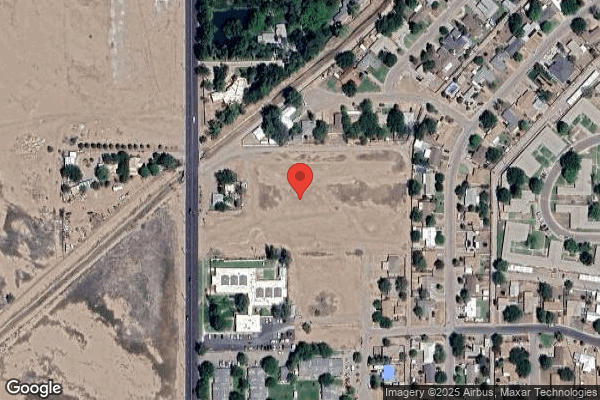
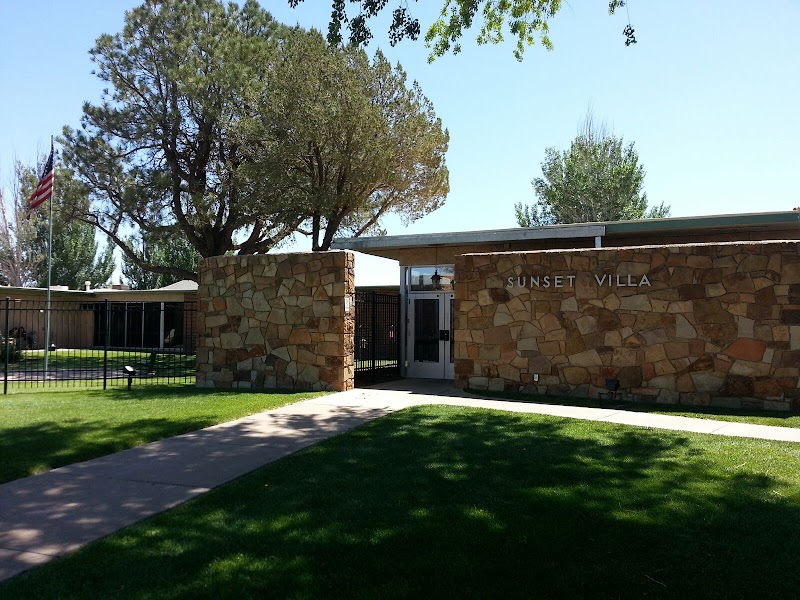
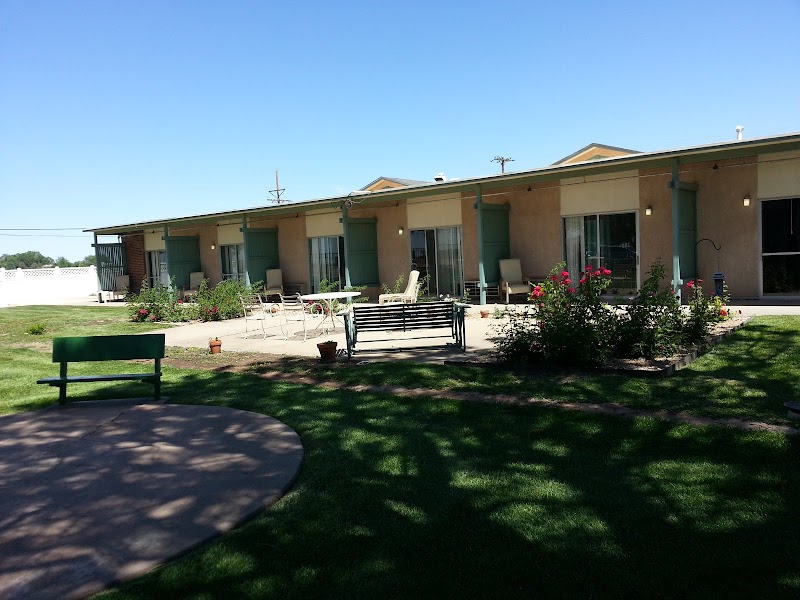
1515 South Sunset Avenue, Roswell, NM 88203 (575) 623-7097
For profit - Limited Liability company 52 Beds OPCO SKILLED MANAGEMENT Data: November 2025
Trust Grade
0/100
#49 of 67 in NM
Last Inspection: February 2025

Within standard 12-15 month inspection cycle. Federal law requires annual inspections.

Overview

Sunset Villa Healthcare has received a Trust Grade of F, indicating significant concerns about the facility's overall quality and care. With a state rank of #49 out of 67 in New Mexico, they are in the bottom half of facilities, but they are ranked #1 out of 3 in Chaves County, meaning they are the best option locally. The facility is improving, having reduced its number of issues from 31 in 2024 to 14 in 2025. However, staffing is a weakness with a rating of 2 out of 5 stars and a turnover rate of 56%, which is average for the state but still concerning. Additionally, the facility has incurred $79,204 in fines, which is higher than 95% of New Mexico facilities, signaling potential compliance problems. Specific incidents highlight serious concerns, such as a resident who fell and lay on the floor for approximately three hours because staff failed to perform timely rounds. Another resident with high fall risk was not properly monitored after a fall, which goes against the facility's own policies. While the facility does have some strengths, such as a trend toward improvement, these serious incidents and the high fines raise red flags for families considering this nursing home for their loved ones.
Trust Score
F
0/100
In New Mexico
#49/67
Bottom 27%
Safety Record
High Risk
Review needed
Inspections
Getting Better
31 → 14 violations
Staff Stability
⚠ Watch
56% turnover. Above average. Higher turnover means staff may not know residents' routines.
Penalties
⚠ Watch
$79,204 in fines. Higher than 75% of New Mexico facilities, suggesting repeated compliance issues.
Skilled Nurses
⚠ Watch
Each resident gets only 24 minutes of Registered Nurse (RN) attention daily — below average for New Mexico. Fewer RN minutes means fewer trained eyes watching for problems.
Violations
⚠ Watch
58 deficiencies on record. Higher than average. Multiple issues found across inspections.
★★☆☆☆
2.0
Overall Rating
★★☆☆☆
2.0
Staff Levels
★★★☆☆
3.0
Care Quality
★★☆☆☆
2.0
Inspection Score
Stable
2024: 31 issues
2025: 14 issues

The Good

  • Full Sprinkler Coverage · Fire safety systems throughout facility
  • No fines on record

Facility shows strength in fire safety.

The Bad

2-Star Overall Rating

Below New Mexico average (2.9)

Below average - review inspection findings carefully

Staff Turnover: 56%

Near New Mexico avg (46%)

Frequent staff changes - ask about care continuity

Federal Fines: $79,204

Well above median ($33,413)

Moderate penalties - review what triggered them

Chain: OPCO SKILLED MANAGEMENT

Part of a multi-facility chain

Ask about local staffing decisions and management

Staff turnover is elevated (56%)

8 points above New Mexico average of 48%

The Ugly 58 deficiencies on record

5 actual harm
Sept 2025 1 deficiency
CONCERN (E) 📢 Someone Reported This

A family member, employee, or ombudsman was alarmed enough to file a formal complaint

Potential for Harm - no one hurt, but risky conditions existed

ADL Care (Tag F0677)

Could have caused harm · This affected multiple residents

**NOTE- TERMS IN BRACKETS HAVE BEEN EDITED TO PROTECT CONFIDENTIALITY** Based on record review and interview, the facility failed to provide activities of daily living (ADL; activities related to pers...

Read full inspector narrative →
**NOTE- TERMS IN BRACKETS HAVE BEEN EDITED TO PROTECT CONFIDENTIALITY** Based on record review and interview, the facility failed to provide activities of daily living (ADL; activities related to personal care such as bathing, showering, dressing, walking, toileting, and eating) assistance for baths or showers for 3 (R #1, R #2, and R #3) of 3 (R #1, R #2, and R #3) residents reviewed for ADL care. This deficient practice is likely to affect the dignity and health of the residents. The findings are:Based on record review and interview, the facility failed to provide activities of daily living (ADL; activities related to personal care such as bathing, showering, dressing, walking, toileting, and eating) assistance for baths or showers for 3 (R #1, R #2, and R #3) of 3 (R #1, R #2, and R #3) residents reviewed for ADL care. This deficient practice is likely to affect the dignity and health of the residents. The findings are:R #1A. Record review of R #1's admission Record revealed R #1 was admitted to the facility on [DATE] with the following diagnoses: 1. Fracture of pelvis (a basin-shaped complex of bones that connects the trunk of a person's body to the legs),2. Fracture of left pubis (the lower, left part of the hip bone). B. Record review of R #1's admission Minimum Data Set (MDS; a federally mandated assessment instrument completed by facility staff) dated 08/16/25, revealed the following: 1. A Brief Interview for Mental Status (BIMS; a screening for cognitive impairment) score of 14, cognitively intact.2. R #1 requires substantial to maximal assistance to shower or bathe. C. On 09/02/25 at 9:51 am during an interview with R #1, she stated she has not had a shower or a bath since she was admitted to the facility. R #1 stated she remembers being offered a bath one time, but she had just finished therapy and was tired, so she refused (date unknown). D. Record review of the facility's shower schedule, no date, revealed R #1 is scheduled for a shower on Mondays, Wednesdays, and Fridays. E. Record review of R #1's survey documentation report for the month of August 2025 revealed the following: 1. R #1 refused to be showered on 08/20/24 and on 08/22/25. 2. R #1 was showered with one-person physical assistance on 08/27/25. 3. The survey documentation report did not contain any documentation to show R #1 was offered or assisted with a bath or shower for six days from 08/14/25 (admission) to 08/20/24. 4. The survey documentation report did not contain any documentation to show R #1 was offered or assisted with a bath or shower for five days from 08/22/25 to 08/27/25. F. Record review of R #1's shower sheet dated 08/14/25 revealed R #1 refused to be showered. G. On 09/02/25 at 11:15 am during a follow-up interview with R #1, she stated she does not remember being assisted with a shower since being admitted to the facility. R #1 stated that if they did assist her with one shower, that is still not enough because she likes to shower every day but understood that three times a week while at the facility would be sufficient. H. On 09/02/25 at 11:02 am during an interview with the Administrator (ADM), she confirmed according to the facility's documentation, R #1 has only received one shower since being admitted to the facility. The ADM stated that she expects the shower schedule to be followed. R #2 I. Record review of R #2's admission Record revealed R #2 was admitted to the facility on [DATE] with the following diagnoses: 1. Acute and chronic combined systolic and diastolic heart failure (a condition where the heart's ability to pump blood is compromised),2. Muscle wasting and atrophy (loss of muscle mass and strength) of left ankle, right thigh, left thigh, right lower leg, left lower leg, right ankle, and right foot, 3. Need for assistance with personal care.J. Record review of R #2's quarterly Minimum Data Set, dated [DATE], revealed the following: 1. BIMS score of 15, cognitively intact.2. R #2 requires substantial to maximal assistance to shower or bathe. K. On 09/02/25 at 10:04 am during an interview with R #2, she stated there are times where she doesn't get showered as scheduled. L. Record review of the facility's shower schedule, no date, revealed R #2 is scheduled for a shower on Tuesdays, Thursdays, and Saturdays. M. Record review of R #2's survey documentation report for the month of August 2025 revealed the following: 1. R #2 was showered 08/02/25, 08/05/25, 08/12/25, 08/17/25, 08/19/25, 08/28/25, and 08/30/25. 2. R #2 refused to be showered on 08/14/25 and 08/21/25. 3. The survey documentation report did not contain any documentation to show R #2 was assisted with a bath or shower for seven days from 08/05/25 to 08/12/25. 4. The survey documentation report did not contain any documentation to show R #2 was assisted with a bath or shower for seven days from 08/21/25 to 08/28/25. R #3N. Record review of R #3's admission Record revealed R #3 was admitted to the facility on [DATE] with the following diagnoses: 1. Unspecified dementia2. Adult failure to thrive3. Need for assistance with personal careO. Record review of R #3's quarterly Minimum Data Set, dated [DATE], revealed the following: 1. BIM score of 07, severe impairment.2. R #3 requires partial to moderate assistance to shower or bathe. P. Record review of the facility's shower schedule, no date, revealed R #3 is scheduled for a shower on Mondays, Wednesdays, and Fridays.Q. Record review of R #3's survey documentation report for the month of August 2025 revealed the following: 1. R #3 was showered on 08/04/25, 08/11/25, and 08/21/25. 2. R #3 refused to be showered on 08/09/25, 08/18/25, 08/21/25, 08/28/25, 08/30/25, and 08/31/25. 3.The survey documentation report did not contain any documentation to show R #3 was offered or assisted with a bath or shower for five days from 08/04/25 to 08/29/25. 4. The survey documentation report did not contain any documentation to show R #3 was offered or assisted with a bath or shower for seven days from 08/11/25 to 08/18/25. R. On 09/02/25 at 11:02 am during an interview with the Administrator (ADM), she stated her expectation is for the shower schedule to be followed and confirmed it was not.
Feb 2025 13 deficiencies 1 Harm
SERIOUS (G) 📢 Someone Reported This

A family member, employee, or ombudsman was alarmed enough to file a formal complaint

Actual Harm - a resident was hurt due to facility failures

Free from Abuse/Neglect (Tag F0600)

A resident was harmed · This affected 1 resident

**NOTE- TERMS IN BRACKETS HAVE BEEN EDITED TO PROTECT CONFIDENTIALITY** Past Non-Compliance Based on record review, and interview, the facility failed to prevent neglect for 1 (R #24) of 1 (R #24) re...

Read full inspector narrative →
**NOTE- TERMS IN BRACKETS HAVE BEEN EDITED TO PROTECT CONFIDENTIALITY** Past Non-Compliance Based on record review, and interview, the facility failed to prevent neglect for 1 (R #24) of 1 (R #24) resident reviewed for abuse and neglect when staff failed to complete rounds (process where nursing staff checks on the status or condition of each resident) timely. This deficient practice likely resulted in R #24 laying on the floor in his room after a fall for approximately three hours. The findings are: A. Record review of R #24's admission Record revealed R #24 was admitted to the facility on [DATE] with the following multiple diagnoses: 1. Alzheimer's disease, unspecified, 2. Bipolar disorder (a disorder associated with episodes of mood swings ranging from depressive lows to manic highs), moderate, 3. Dementia (a group of conditions characterized by impairment of at least two brain functions, such as memory loss and judgment), severe with behavioral disturbance. 4. Cognitive Communication deficit (a communication difficulty that's caused by a cognitive impairment), 5. Essential Hypertension (HTN; high blood pressure). B. Record review of R #24's quarterly Minimum Data Set (MDS; a federally mandated assessment instrument completed by facility staff) dated 01/29/25 revealed a Brief Interview for Mental Status (BIMS; a screening for cognitive impairment) was not completed because [Name of R #24] is rarely or never understood. C. Record review of R #24's progress note dated 07/05/24 revealed R #24's daughter called the facility at 12:09 am to advise them that she was watching the camera that she had installed in R #24's room and saw her father on the floor. D. On 02/03/25 at 10:40 am, during an interview with R #24's daughter and Power of Attorney (POA; legal authorization for a designated person to make decisions about another person's property, finances, or medical care) she confirmed she did have a camera installed in her father's room so she would be able to check on him. She stated on the morning of 07/05/24 a little after midnight, she turned the video on to check in on him and saw that he was lying on the floor in his room, so she called the facility and notified them. She stated staff went into the room a few moments later and assisted her father off the floor. R #24's daughter stated she watched the video from 07/04/24 and saw that her father fell at approximately 8:45 pm. She stated that nobody entered her father's room until she called the facility to notify them that he was on the floor. She stated that her father was not physically injured due to the fall, but would be mortified if he was able to remember having to lie on the floor for over three hours because nobody checked on him. E. Record review of the POA's video of R #24's room from 07/04/24 through 07/05/24 revealed the door to R #24's room was closed, and R #24 stood by his bed at 8:42 pm, when R #24 leaned forward and fell backwards, landed on the floor. The video revealed R #24 laid on the floor in his room yelling out for help and staff did not enter the room until after R #24's daughter called the facility at 12:09 am on 07/05/24. F. Record review of R #24's Change of Condition form dated 07/05/24 revealed Residents daughter [name of R #24's daughter] called (as there is a camera in resident's room) and advised us that her father got up out of his bed and fell. G. Record review of R #24 Care Plan dated 06/07/24, revealed R #24 was at risk for falls due to confusion, deconditioning, and poor safety awareness. H. Record review of the facility's Nursing Policy and Procedure revealed nursing staff are to .participate in resident rounds at least every two hours, more often if condition of resident requires. I. On 02/06/25 at 12:23 pm, during an interview with the Director of Nursing (DON), she stated R #24 laying on the floor after a fall for over three hours does not meet her expectations because staff should have checked on him at least every two hours. Based on the facility's investigation of staff not completing rounds resulting in R #24 lying on the floor for approximately three hours after a fall, the following action steps were implemented prior to the survey investigation completed on 02/06/25: 1. The care team was in-serviced on hourly rounding for R #24. Completed 07/05/24. 2. An order dated 07/31/24 was entered for R #24 to be checked on for incontinence, positioning, and other needs every hour, was entered to ensure staff complete and document hourly checks. Completed 07/31/24. 3. All staff were reeducated on resident rounding, meeting resident needs, fall prevention, along with abuse and neglect. Completed 07/05/24. 4. The facility completed Safe Surveys with every resident in the facility which indicated no additional concerns. Completed 07/05/24. 5. Administrator audited ambassador rounds, stand up and down meetings, and clinical meetings weekly for four weeks and then monthly thereafter. The first monthly audit completed 08/02/24. 6. The DON completed a fall audit on all residents residing at the facility to determine if falls were documented correctly and change of conditions were completed. Completed 07/09/24. 7. The nurse in charge of resident care on 07/04/24 chose to resign instead of accepting the corrective action that was presented to him by the Administrator. -On 02/06/25 at 1:43 pm, during an interview with CNA #1, she confirmed that rounds are required to be completed with R #24 hourly.
CONCERN (D)

Potential for Harm - no one hurt, but risky conditions existed

Deficiency F0583 (Tag F0583)

Could have caused harm · This affected 1 resident

**NOTE- TERMS IN BRACKETS HAVE BEEN EDITED TO PROTECT CONFIDENTIALITY** Based on observation and record review, the facility failed to ensure privacy was provided for 1 (R #1) of 1 (R #1) residents re...

Read full inspector narrative →
**NOTE- TERMS IN BRACKETS HAVE BEEN EDITED TO PROTECT CONFIDENTIALITY** Based on observation and record review, the facility failed to ensure privacy was provided for 1 (R #1) of 1 (R #1) residents reviewed when they failed to ensure personal privacy while dressing in her room. This deficient practice is likely to cause residents to feel exposed and unimportant. The findings are: A. Record review of R #1's admission Record revealed R #1 was admitted to the facility on [DATE] with multiple diagnoses including: 1. Type 2 Diabetes Mellitus (a chronic disease that occurs when the body doesn't use insulin properly, resulting in high blood sugar levels), 2. Degenerative disease of nervous system, unspecified (a condition that causes nerve cells in the brain or spinal cord to die with no known reason), 3. Altered mental status, unspecified (a significant change in a person's mental function, affecting their awareness, cognition, and behavior with no known reason), 4. Need for assistance with personal care. B. Record review of R #1's admission Minimum Data Set (MDS; a federally mandated assessment instrument completed by facility staff) dated 01/06/25 revealed a Brief Interview for Mental Status (BIMS; a screening for cognitive impairment) score of 08, moderately impaired. C. On 02/03/25 at 7:30 am, during a dining observation in the main dining area, R #1 was seen standing in her room, by her bed. R #1 was wearing a disposable adult brief and a t-shirt while she was pulling her pants up. R #1 was in full view of the dining area where staff and residents, including R #14, R #25, and R #33 were able to see her dress. D. Record review of R #1's care plan dated 02/03/25 revealed R #1 has an Activities of Daily Living (ADL) self-care performance deficit and requires supervision and touching assistance while dressing the upper body and partial moderate assistance while dressing the lower body.
CONCERN (D)

Potential for Harm - no one hurt, but risky conditions existed

Safe Environment (Tag F0584)

Could have caused harm · This affected 1 resident

Based on observation and interview, the facility failed to provide a comfortable and homelike environment that was in good condition for 1 (R #5) of 1 (R #5) resident reviewed for a homelike environme...

Read full inspector narrative →
Based on observation and interview, the facility failed to provide a comfortable and homelike environment that was in good condition for 1 (R #5) of 1 (R #5) resident reviewed for a homelike environment by not repairing the wall and the blinds in his room. Failure to maintain and provide a comfortable environment is likely to result in residents feeling unimportant and undervalued. The findings are: A. On 02/03/25 at 7:54 am, during an interview with R #5 he pointed to the sliding glass door in his room which had several broken and missing blinds and stated he has asked maintenance to fix them but hasn't heard anything. R #5 stated the blinds have been broken and missing for months, but could not remember exactly how long. B. On 02/05/25 at 3:16 pm, an observation of R #5's room revealed the following: 1. A section of the wall by the bed measuring approximately six feet by three feet had paint that was scrapped and was peeled. 2. The sliding glass door had several broken and missing blinds. C. On 02/05/25 at 3:46 pm, during an interview with the Maintenance Director (MD), he confirmed R #5's room was not in good condition by stating [Name of R #5's]'s room is in need of repairs. The MD stated that he will look into ordering blinds.
CONCERN (D)

Potential for Harm - no one hurt, but risky conditions existed

Deficiency F0655 (Tag F0655)

Could have caused harm · This affected 1 resident

**NOTE- TERMS IN BRACKETS HAVE BEEN EDITED TO PROTECT CONFIDENTIALITY** Based on record review and interview, the facility failed to create an accurate baseline care plan (minimum healthcare informati...

Read full inspector narrative →
**NOTE- TERMS IN BRACKETS HAVE BEEN EDITED TO PROTECT CONFIDENTIALITY** Based on record review and interview, the facility failed to create an accurate baseline care plan (minimum healthcare information necessary to properly care for a resident immediately upon their admission to the facility) for 2 (R #34 and R #38) of 3 (R #24, R #34, and R #38) residents reviewed for care plans. If baseline care plans are not accurate then residents may not get the appropriate care which could lead to an adverse event (undesirable experience, preventable or non-preventable, that causes harm to a resident because of medical care or lack of medical care). The findings are: R #34 A. Record review of R #34's admission Record revealed R #34 was admitted to the facility on [DATE] with multiple diagnoses including: 1. Acute Respiratory Failure with Hypoxia (when the lungs are unable to adequately provide oxygen to the body, resulting in low blood oxygen levels (hypoxia) that occur suddenly and require immediate medical attention), 2. Urinary Tract Infection (UTI; an infection in any part of the urinary system, which includes the kidneys, ureters, bladder, and urethra), site not specified, 3. Bladder-neck obstruction (a blockage in the bladder neck that prevents the bladder from emptying properly), 4. Benign prostatic hyperplasia (age-associated prostate gland enlargement that can cause urinary difficulty) with lower urinary tract symptoms. B. On 02/04/25 at 8:36 am, during an interview with R #34, he stated he utilizes a catheter (a device that drains urine from the bladder) and stated he was admitted to the facility with the catheter in place. C. Record review of R #34's hospital discharge paperwork dated 12/24/24 revealed the following: 1. Patient with dementia and chronic indwelling catheter (long term tubular medical device to allow draining) presented . 2. Continue with antibiotics for suspected UTI. D. Record review of R #34's baseline care plan dated 12/29/24, revealed the care plan did not contain any documentation of R #34's catheter and any interventions for the catheter. E. On 02/06/25 at 12:20 pm during an interview with the Director of Nursing (DON), she confirmed R #34's baseline care plan did not include R #34's catheter and any interventions for the catheter. The DON stated her expectation is for every baseline care plan to contain accurate information, so residents receive the care they need. R #38 F. Record review of R #38's admission Record revealed R #38 was admitted to the facility on [DATE] with multiple diagnoses including: 1. Urinary Tract Infection, 2. Type 2 Diabetes (a chronic condition where the body does not use insulin properly or does not produce enough insulin), 3. Acute kidney failure, unspecified (a sudden loss of kidney function with no known cause), G. Record review of R #38's admission Minimum Data Set (MDS; a federally mandated assessment instrument completed by facility staff) dated 01/24/25 revealed a Brief Interview for Mental Status (BIMS; a screening for cognitive impairment) score of 11, cognitively intact. H. On 02/24/25 at 9:18 am, during an interview with R #38, she stated she gets UTIs often. She stated she was admitted to the facility with a UTI. I. Record review of R #38's baseline care plan dated 01/22/25, revealed the care plan did not contain any interventions for a urinary tract infection (UTI). J. On 02/06/25 at 12:30 pm, during an interview with the DON, she confirmed R #38's baseline care plan does not include any interventions regarding UTIs. The DON stated her expectation is for every baseline care plan to contain accurate information, so residents receive the care they need.
CONCERN (D)

Potential for Harm - no one hurt, but risky conditions existed

ADL Care (Tag F0677)

Could have caused harm · This affected 1 resident

**NOTE- TERMS IN BRACKETS HAVE BEEN EDITED TO PROTECT CONFIDENTIALITY** Based on observation and record review, the facility failed to provide activities of daily living (ADL; activities related to pe...

Read full inspector narrative →
**NOTE- TERMS IN BRACKETS HAVE BEEN EDITED TO PROTECT CONFIDENTIALITY** Based on observation and record review, the facility failed to provide activities of daily living (ADL; activities related to personal care such as bathing, showering, dressing, walking, toileting, and eating) assistance for dressing for 1 (R #1) of 1 (R #1) residents reviewed for ADL care. This deficient practice is likely to affect the dignity and health of the residents. The findings are: A. Record review of R #1's admission Record revealed R #1 was admitted to the facility on [DATE] with multiple diagnoses including: 1. Type 2 Diabetes Mellitus (a chronic disease that occurs when the body doesn't use insulin properly, resulting in high blood sugar levels), 2. Degenerative disease of nervous system, unspecified (a condition that causes nerve cells in the brain or spinal cord to die with no known reason), 3. Altered mental status, unspecified (a significant change in a person's mental function, affecting their awareness, cognition, and behavior with no known reason), 4. Need for assistance with personal care. B. Record review of R #1's admission Minimum Data Set (MDS; a federally mandated assessment instrument completed by facility staff) dated 01/06/25 revealed a Brief Interview for Mental Status (BIMS; a screening for cognitive impairment) score of 08, moderately impaired. C. On 02/03/25 at 7:30 am, during a dining observation in the main dining area, R #1 was seen standing in her room, by her bed. R #1 was wearing a disposable adult brief and a t-shirt while she attempted to pull her pants up. R #1 had her right leg in the pants she was trying to put on and then sat on her bed. She attempted to put her left leg in the pants but was unsuccessful. R #1 removed the pants, stood up and walked to her closet and got another pair of pants. R #1 returned to her bed where she put her right foot in the pants, then her left foot in the pants, and stood up. R #1 held onto a wheelchair that was next to her bed with her right hand and used her left hand to pull her pants up. R #1 was in full view of the dining area and did not have staff's assistance to dress. D. Record review of R #1's care plan dated 02/03/25 revealed R #1 had an ADL self-care performance deficit and requires supervision and touching assistance while dressing the upper body and partial moderate assistance while dressing the lower body.
CONCERN (D)

Potential for Harm - no one hurt, but risky conditions existed

Deficiency F0692 (Tag F0692)

Could have caused harm · This affected 1 resident

**NOTE- TERMS IN BRACKETS HAVE BEEN EDITED TO PROTECT CONFIDENTIALITY** Based on record review and interview, the facility failed maintain adequate hydration for 1 (R #24) of 1 (R #24) resident review...

Read full inspector narrative →
**NOTE- TERMS IN BRACKETS HAVE BEEN EDITED TO PROTECT CONFIDENTIALITY** Based on record review and interview, the facility failed maintain adequate hydration for 1 (R #24) of 1 (R #24) resident reviewed for dehydration when staff failed to: 1. Offer R #24 a drink when staff enter his room, 2. Document and monitor R #24's fluid intakes daily. If residents are not assisted with hydration support, then residents are likely to experience dehydration which could lead to other health problems. The findings are: A. Record review of R #24's admission Record revealed R #24 was admitted to the facility on [DATE] with the following diagnoses: 1. Alzheimer's disease, unspecified, 2. Bipolar disorder (a disorder associated with episodes of mood swings ranging from depressive lows to manic highs), moderate, 3. Dementia (a group of conditions characterized by impairment of at least two brain functions, such as memory loss and judgment), severe with behavioral disturbance. 4. Cognitive Communication deficit (a communication difficulty that's caused by a cognitive impairment), 5. Essential Hypertension (HTN; high blood pressure). B. Record review of R #24's quarterly Minimum Data Set (MDS; a federally mandated assessment instrument completed by facility staff) dated 01/29/25 revealed a Brief Interview for Mental Status (BIMS; a screening for cognitive impairment) was not completed because Name of R #24] is rarely or never understood. C. On 02/03/25 at 10:40 am, during an interview with R #24's daughter and Power of Attorney (POA; legal authorization for a designated person to make decisions about another person's property, finances, or medical care) she stated her father is not physically able to get a drink on his own anymore. She said she hardly ever sees staff offer R #24 a drink. She stated she has been told by the facility during care plan meetings that staff will offer him a drink every time they enter the room, but she doesn't see that occur very often on the camera that she has installed in his room. D. Record review of R #24's Electronic Health Record (EHR) revealed, the record did not contain any recommendation or an order for the amount of fluid R #24 should have daily. E. Record review of R #24's care plan dated 08/20/24, revealed R #24 is totally dependent on staff for all self-care activities of daily living (activities related to personal care such as bathing, showering, dressing, walking, toileting, and eating). F. Record review of R #24's Documentation Survey Report (a facility report that compiles all tasks associated to a resident and staff's documentation of each task) for the month of January 2025 revealed 22 out of 31 days where R #24 did not get the minimum amount of fluids recommended by Center of Medicare and Medicaid (CMS): 1. On 01/02/25 staff documented R #24 drank a total of 1100 ml, 2. On 01/06/25 staff documented R #24 drank a total of 1100 ml, 3. On 01/07/25 staff documented R #24 drank a total of 1360 ml, 4. On 01/08/25 staff documented R #24 drank a total of 1000 ml, 5. On 01/09/25 staff documented R #24 drank a total of 800 ml, 6. On 01/10/25 staff documented R #24 drank a total of 700 ml, 7. On 01/15/25 staff documented R #24 drank a total of 1380 ml, 8. On 01/16/25 staff documented R #24 drank a total of 1000 ml, 9. On 01/17/25 staff documented R #24 drank a total of 960 ml, 10. On 01/19/25 staff documented R #24 drank a total of 1050 ml, 11. On 01/20/25 staff documented R #24 drank a total of 610 ml, 12. On 01/21/25 staff did not document that R #24 drank any fluids. 13. On 01/22/25 staff documented R #24 drank a total of 600 ml, 14. On 01/23/25 staff documented R #24 drank a total of 800 ml, 15. On 01/24/25 staff documented R #24 drank a total of 800 ml, 16. On 01/25/25 staff documented R #24 drank a total of 1360 ml, 17. On 01/26/25 staff documented R #24 drank a total of 1360 ml, 18. On 01/27/25 staff documented R #24 drank a total of 1000 ml, 19. On 01/28/25 staff documented R #24 drank a total of 700 ml, 20. On 01/29/25 staff documented R #24 drank a total of 1060 ml, 21. On 01/30/25 staff documented R #24 drank a total of 500 ml, 22. On 01/31/25 staff did not document that R #24 drank any fluids. G. Record review of R #24's EHR revealed the record did not contain any nutritional recommendations, medical orders, support, or interventions in place to assist R #24 with hydration support. H. On 02/06/25 at 12:20 pm, during an interview with the Director of Nursing (DON), she confirmed R #24 did not have any supports or intervention in place to assist R #24 with his hydration needs. The DON stated, for him, in his state, he should have supports because he is dependent.
CONCERN (D)

Potential for Harm - no one hurt, but risky conditions existed

Deficiency F0761 (Tag F0761)

Could have caused harm · This affected 1 resident

Based on observation and interview the facility failed to ensure medications were labeled with a proper open date or expiration date. These deficient practices are likely to negatively impact the heal...

Read full inspector narrative →
Based on observation and interview the facility failed to ensure medications were labeled with a proper open date or expiration date. These deficient practices are likely to negatively impact the health of all residents, if staff administered or used potentially compromised or contaminated medications. The findings are: A. On 02/06/25 at 5:40 am, during an observation of the Medication Storage room, three opened bottles of generic throat spray was not labeled with an open date and a readable expiration date. B. On 02/06/25 at 5:45 am, during an interview with Licensed Practical Nurse (LPN) #1, she confirmed the three bottles of throat spray were opened, the expiration date was unreadable and an open date had not been written on the bottles. She confirmed she was unable to determine when the throat sprays were opened and could not determine expiration because the manufacturers expiration dates were unreadable. She confirmed the expiration dates should be clear and readable. C. On 02/03/25 at 9:05 am, during an interview with the Director of Nursing (DON), she confirmed the opened medications should be labeled correctly with a readable open date and expiration date.
CONCERN (E)

Potential for Harm - no one hurt, but risky conditions existed

Comprehensive Care Plan (Tag F0656)

Could have caused harm · This affected multiple residents

**NOTE- TERMS IN BRACKETS HAVE BEEN EDITED TO PROTECT CONFIDENTIALITY** Based on record review and interview, the facility failed to develop and implement an accurate, person-centered comprehensive ca...

Read full inspector narrative →
**NOTE- TERMS IN BRACKETS HAVE BEEN EDITED TO PROTECT CONFIDENTIALITY** Based on record review and interview, the facility failed to develop and implement an accurate, person-centered comprehensive care plan for 3 (R #5, R #24, and R #34) of 6 (R #1, R #5, R #17, R #24, R #34, and R #39) residents reviewed for care plans. This deficient practice could likely result in staff being unaware of the current and actual needs of the residents. The findings are: R #5 A. Record review of R #5's admission Record revealed R #5 was admitted to the facility on [DATE] with multiple diagnoses including: 1. Diabetes Mellitus with Hyperglycemia (a chronic metabolic disorder characterized by high blood sugar), 2. Heart failure, 3. Bipolar Disorder (a disorder associated with episodes of mood swings ranging from depressive lows to manic highs), 4. Cellulitis (deep inflammation of the tissues just under the skin; caused by infection) of unspecified part of limb, 5. Unspecified dementia (a group of conditions characterized by impairment of at least two brain functions, such as memory loss and judgment), severe with other behavioral disturbance. B. Record review of R #5's quarterly Minimum Data Set (MDS; a federally mandated assessment instrument completed by facility staff) dated 01/13/25 revealed a Brief Interview for Mental Status (BIMS; a screening for cognitive impairment) score of 12, moderately impaired. C. Record review of R #5's medical orders revealed an order dated 11/05/24 for R #5 to have a wander guard (wearable technology used to keep residents from wandering or eloping (leaving) from the facility unattended) attached to his wheelchair daily. D. Record review of R #5's care plan revised 01/31/25 revealed the care plan did not contain the following: 1. Interventions to include the use of a wander guard. 2. Interventions to include R #5's diagnosis of severe dementia or the care he required regarding the dementia diagnosis. E. On 02/06/25 at 12:20 pm, during an interview with the Director of Nursing (DON), she confirmed R #5's care plan does not include the use of a wander guard and the care R #5 requires regarding his dementia. R #24 F. Record review of R #24's admission Record revealed R #24 was admitted to the facility on [DATE] and has multiple diagnoses including: 1. Alzheimer's disease, unspecified, 2. Bipolar disorder (a disorder associated with episodes of mood swings ranging from depressive lows to manic highs), moderate, 3. Dementia (a group of conditions characterized by impairment of at least two brain functions, such as memory loss and judgment), severe with behavioral disturbance. 4. Cognitive Communication deficit (difficulties with communication and cognitive function that can arise due to diabetes), 5. Essential Hypertension (HTN; high blood pressure). G. Record review of R #24's quarterly Minimum Data Set (MDS; a federally mandated assessment instrument completed by facility staff) dated 01/29/25 revealed the following: 1. A Brief Interview for Mental Status (BIMS; a screening for cognitive impairment) was not completed because R #24 is rarely or never understood. 2. Section GG revealed R #24 is dependent (the MDS form states dependent means a helper does all of the effort. Resident does none of the effort to complete the activity) on staff for all self-care (eating, hygiene, bathing, dressing). H. On 02/03/25 at 10:40 am, during an interview with R #24's daughter and Power of Attorney (POA; legal authorization for a designated person to make decisions about another person's property, finances, or medical care) she stated R #24 does not get enough fluids. She stated that staff at the facility had told her that they will offer her father a drink every time they enter his room but she sees through the camera that does not happen. R #24's daughter confirmed that she has a camera placed in R #24's room. She stated that she can log in and view R #24 live and the camera also records video. I. Record review of R #24's medical orders revealed an active order for hospice services through Interim Hospice dated 07/19/24. J. Record review of R #24's care plan dated 10/23/24 revealed the following: 1. There is no care plan or interventions in place regarding hydration supports. 2. There was no care plan or intervention that included R #24's diagnosis of severe dementia or the care he required regarding the dementia diagnosis. 3. There was no care plan or interventions in place regarding R #24's hospice services. K. On 02/06/25 at 12:20 pm, during an interview with the DON, she confirmed R #24's care plan does not include hydration support, dementia care or hospice services. She stated R #24's care plan does not meet her expectations because it is not comprehensive. R #34 L. Record review of R #34's admission Record revealed R #34 was admitted to the facility on [DATE] with multiple diagnoses including the following: 1. Acute Respiratory Failure with Hypoxia (when the lungs are unable to adequately provide oxygen to the body, resulting in low blood oxygen levels (hypoxia) that occur suddenly and require immediate medical attention), 2. Urinary Tract Infection (UTI; an infection in any part of the urinary system, which includes the kidneys, ureters, bladder, and urethra), site not specified, 3. Bladder-neck obstruction (a blockage in the bladder neck that prevents the bladder from emptying properly), 4. Benign prostatic hyperplasia (age-associated prostate gland enlargement that can cause urinary difficulty) with lower urinary tract symptoms, M. On 02/04/25 at 8:36 am, during an interview with R #34, he stated he utilizes a catheter (a device that drains urine from the bladder) and stated he was admitted to the facility with it in place. N. Record review of R #34's hospital discharge paperwork dated 12/24/24 revealed R #34 arrived at the hospital on [DATE] with a catheter in place. O. Record review of R #34's care plan dated 02/03/25 revealed the care plan for his catheter care was not developed or implemented until 02/03/25 (38 days after admission). P. On 02/06/25 at 12:20 pm during an interview with the Director of Nursing (DON) she confirmed R #34's care plan for catheter care was not developed or implemented until 02/03/25. She stated R $#34's care plan does not meet her expectations.
CONCERN (E)

Potential for Harm - no one hurt, but risky conditions existed

Deficiency F0657 (Tag F0657)

Could have caused harm · This affected multiple residents

**NOTE- TERMS IN BRACKETS HAVE BEEN EDITED TO PROTECT CONFIDENTIALITY** Based on record review and interview, the facility failed to ensure staff revised the care plan for 2 (R #5 and R #24) of 6 (R #...

Read full inspector narrative →
**NOTE- TERMS IN BRACKETS HAVE BEEN EDITED TO PROTECT CONFIDENTIALITY** Based on record review and interview, the facility failed to ensure staff revised the care plan for 2 (R #5 and R #24) of 6 (R #1, R #5, R #17, R #24, R #34, and R #39) residents reviewed for pain medication management. These deficient practices are likely to result in residents' care and needs not being addressed if care plans are not updated. The findings are: R #5 A. Record review of R #5's admission Record revealed R #5 was admitted to the facility on [DATE]. B. Record review of R #5's electronic files revealed a physician order for oxycodone (pain medication) dated 01/29/25 to be administered every six (6) hours as needed for pain. C. Record review of R #5's Medication Administration Record (MAR) for the month of February 2025, revealed R #5 was not administer oxycodone but has an active order that is available to be administered. D. Record review of R #5's comprehensive care plan revised on 01/31/25 revealed the comprehensive care plan did not include the use of pain medications and interventions for the following: 1. Monitoring for Pain. 2. Non-pharmacological interventions (strategies used to relieve symptoms without use of medication). 3. Effectiveness of pain medication use. E. On 02/06/25 at 12:20 pm, during an interview with the Director of Nursing (DON), she confirmed R #5 had an active order for oxycodone. The DON confirmed the revision of the comprehensive care plan for R #5 was last revised on 01/21/25. The care plan was not revised to include pain medication management and should have been. R #24: F. Record review of R #24's face sheet revealed R #24 was admitted into the facility on [DATE]. G. Record review of R #24's electronic files revealed a physician order dated 11/07/24 for fentanyl transdermal patch (pain medication patch to be placed on the skin) to be administered every three (3) days. H. Record review of R #24's MAR for the month of February 2025, revealed R #24 was administered fentanyl on 02/02/25. I. Record review of R #5's comprehensive care plan last revised on 10/23/24 revealed the comprehensive care plan was not revised to include the order of fentanyl transdermal patch and interventions for the following: 1. Monitoring for Pain. 2. Non-pharmacological interventions (strategies used to relieve symptoms without use of medication). 3. Effectiveness of pain medication use. J. On 02/06/25 at 12:20 pm, during an interview with the Director of Nursing (DON), she confirmed R #5 had an active order for Fentanyl. The DON confirmed there was not a revision of the comprehensive care plan for R #24 to include pain medication management and should have been.
CONCERN (E)

Potential for Harm - no one hurt, but risky conditions existed

Deficiency F0883 (Tag F0883)

Could have caused harm · This affected multiple residents

Based on record review and interview, the facility failed to ensure residents who had completed and signed a consent form for influenza (flu, infection of the nose, throat and lungs caused by a virus)...

Read full inspector narrative →
Based on record review and interview, the facility failed to ensure residents who had completed and signed a consent form for influenza (flu, infection of the nose, throat and lungs caused by a virus) vaccine actually received the vaccination for 1 (R #9) of 5 (R #7, R #9, R #10, R #14, and R #27) residents reviewed for immunizations. If residents are not vaccinated appropriately for influenza, then they have a higher likelihood of contracting the illness and spreading the flu to other residents in the facility. The findings are: A. Record review of R #9's Electronic Health Record (EHR) revealed the following: 1. The last influenza vaccine was received on 09/21/22. 2. History of vaccinations indicated the last flu shot was given on 09/21/22. 3. R #9 signed a consent for the influenza vaccine on 11/28/24. The EHR did not indicate the resident received the vaccination. B. On 02/06/2025 at 12:40 pm, during an interview with the Director of Nursing (DON), she confirmed R #9 had not yet received influenza vaccination after consenting for the vaccination. She was unable to confirm why the vaccination had not been given.
CONCERN (E)

Potential for Harm - no one hurt, but risky conditions existed

Deficiency F0887 (Tag F0887)

Could have caused harm · This affected multiple residents

Based on record review and interview, the facility failed to offer COVID-19 (an acute respiratory disease in humans characterized mainly by fever and cough and capable of progressing to severe symptom...

Read full inspector narrative →
Based on record review and interview, the facility failed to offer COVID-19 (an acute respiratory disease in humans characterized mainly by fever and cough and capable of progressing to severe symptoms and in some cases death, especially in older people and those with underlying health conditions) vaccinations to 4 (R #7, R #9, R #10, and R #14) of 5 (R #7, R #9, R #10, R #14, and R #27) residents reviewed for COVID-19 vaccinations. This deficient practice could likely result in residents getting COVID-19. The findings are: R #7 A. Record review of R #7's Electronic Health Record (EHR) revealed the record did not contain any COVID-19 vaccine forms which indicated staff offered or administered the COVID-19 vaccine to the resident. B. On 02/06/24 at 12:40 pm, during an interview with the Director of Nursing (DON), she confirmed R #7's EHR does not contain any evidence that the facility offered the COVID-19 vaccination to R #7. R #9 C. Record review of R #9's EHR revealed the last COVID-19 vaccination that R #9 received was on September 21, 2022. D. On 02/06/24 at 12:40 pm, during an interview with the DON, she confirmed R #9's EHR did not contain any evidence that the facility offered the COVID-19 vaccination to R #7 since September, 2022. R #10 E. Record review of R #10's EHR revealed the record did not contain any COVID-19 vaccine forms which indicated staff offered or administered the COVID-19 vaccine to the resident. F. On 02/06/2025 at 12:40 pm, during an interview with the DON, she confirmed R #10's EHR does not contain any evidence that the facility offered the COVID-19 vaccination. R #14 G. Record review of R #14's EHR revealed the last COVID-19 vaccination that R #14 received was November 18, 2022. H. On 02/06/24 at 12:40 pm, during an interview with the DON, she confirmed R #14's EHR does not contain any evidence that the facility offered the COVID-19 vaccination to R #14 since November, 2022. I. Record review of the facility's COVID-19 Program Policy, revision date of 05/20/21 revealed Purpose .This infection control/prevention program is desinged to prevent the spread of COVID-19 in this facility. Keys to an effective Control Program: Following Center for Disease Control (CDC) recommendations for COVID-19. J. Record review of the Center for Disease Control and Prevention's website, https://www.cdc.gov/covid/vaccines/long-term-care-residents.html, stated the following: 1. CDC recommends everyone ages 5-64 years, including people who live and work in long-term care (LTC) settings, get 1 dose of a 2024-2025 COVID-19 vaccine. 2. CDC recommends everyone ages 65 years and older, including people who live and work in LTC settings, get 2 doses of a 2024-2025 COVID-19 vaccine 6 months apart.
CONCERN (F)

Potential for Harm - no one hurt, but risky conditions existed

Infection Control (Tag F0880)

Could have caused harm · This affected most or all residents

Based on observation, record review, and interview, the facility failed to develop and implement an ongoing infection prevention and control program (a program that is used to prevent, recognize, and ...

Read full inspector narrative →
Based on observation, record review, and interview, the facility failed to develop and implement an ongoing infection prevention and control program (a program that is used to prevent, recognize, and control the onset and spread of infections). This failed practice has the potential to affect all 96 residents living in the facility as identified by the census provided by the Administrator on 12/08/24. This deficient practice could likely result in the spread of infectious diseases. A. On 02/03/25 at 6:00 am, during a random observation of the facility, signs indicated enhanced barrier precautions were on the doorways of rooms 102, 109, 110, and 120. B. Record review of the facility's Infection Prevention and Control Program Policy and Process Surveillance and Reporting policy, revision date of 06/2020, revealed the following: 1. The Infection Preventionist coordinates the development and monitoring of the facility's established infection control policies and procedures. 2. Reporting information related to compliance with the facility's established infection control policies and procedures to the Administrator and the Infection Control Committee. C. On 02/05/25 at 2:30 pm during an interview with the Infection Preventionist (IP), he confirmed he does not have any ongoing documentation or evidence to support an annual review of the of infection monitoring to submit to surveyors for review on the infection prevention and control program. The IP confirmed the facility failed to continuously implement an ongoing infection prevention and control program prior to October 2024 due to the previous IP not completing these duties.
CONCERN (F)

Potential for Harm - no one hurt, but risky conditions existed

Antibiotic Stewardship (Tag F0881)

Could have caused harm · This affected most or all residents

Based on record review and interview, the facility failed to ensure staff implemented a comprehensive antibiotic stewardship program (a set of commitments and actions designed to optimize the treatmen...

Read full inspector narrative →
Based on record review and interview, the facility failed to ensure staff implemented a comprehensive antibiotic stewardship program (a set of commitments and actions designed to optimize the treatment of infections while reducing the adverse events associated with antibiotic use). This failed practice has the potential to affect all 45 residents in the facility. Residents identified on the matrix provided by the Administrator on 02/03/25. This deficient practice could likely result in the inappropriate use of antibiotics that can lead to resistance of multi-drug resistant organisms. The findings are: A. Record review of the facility's Antibiotic Stewardship policy, revision date of 06/20 revealed The Infection Control Committee (ICC) will review infections and monitor antibiotic usage patterns on a regular basis. In addition, the ICC will obtain and review results from microbial cultures, resistant organisms, alerts and antibiograms from the lab for tends of resistance. B. On 02/05/25 at 2:30 pm during an interview with the Infection Preventionist (IP), he confirmed he does not have ongoing monitoring documentation for antibiotic usage patterns or evidence to support an annual review of the Antibiotic Stewardship Program had been completed to submit to surveyors for review on the antibiotic stewardship program. The IP confirmed that the facility failed to continuously implement an ongoing antibiotic stewardship program prior to October 2024 due to the previous IP not completing these duties. This is not clear, since October 2024 has the IP monitored and documented for antibiotic usage patterns since he became the IP? Are you looking for non compliance in October or now? They are supposed to be able to provide documentation of monitoring since last survey, they only monitored for infection for 4 months since last survey. They did not maintain or continuously implement or review their program for 8 months. I added they did not provide evidence of annual review that is required by the regulation.
Jun 2024 4 deficiencies 1 Harm
SERIOUS (G) 📢 Someone Reported This

A family member, employee, or ombudsman was alarmed enough to file a formal complaint

Actual Harm - a resident was hurt due to facility failures

Accident Prevention (Tag F0689)

A resident was harmed · This affected 1 resident

**NOTE- TERMS IN BRACKETS HAVE BEEN EDITED TO PROTECT CONFIDENTIALITY** R #6: P. Record review of R #6's face sheet revealed R #6 was admitted into the facility on [DATE] with the following diagnoses:...

Read full inspector narrative →
**NOTE- TERMS IN BRACKETS HAVE BEEN EDITED TO PROTECT CONFIDENTIALITY** R #6: P. Record review of R #6's face sheet revealed R #6 was admitted into the facility on [DATE] with the following diagnoses: 1. Cognitive communication deficit. 2. Muscle weakness. 3. Other lack of coordination. 4. Need for assistance with personal care. Q. Record review of the facility fall policy, dated 08/2020, revealed the following guidelines after a resident experienced a fall: - Evaluate the resident promptly in order to identify and treat injuries. - The resident should not be moved until the licensed nurse has evaluated their condition, unless absolutely necessary. - The evaluation should include vital signs and neurological status. R. Record review of R #6's fall risk assessment, dated [DATE], revealed R #6's fall risk score was a 10, high fall risk, and required assistance (standby, walker, cane, gait belt, hands-on) from staff. S. Record review of R #6's nursing progress notes, dated [DATE], revealed R #6 fell outside during a therapy session. The Occupational Therapy Aide (OTA) witness the resident's fall. R #6 was assisted off the ground without notification to the nurse for a fall assessment, per facility protocol. The OTA assisted the resident into the building and to the dining table for lunch. R #6 requested Tylenol for general discomfort, and staff administered a dose to the resident T. Record review of nurses note, dated [DATE], the resident was sent to the ED because of emesis (the forceful ejection of some or all of the contents of the stomach through mouth) with headache. R#6 was assessed and given medication at the ED and was sent back to the facility on [DATE]. U. On [DATE] at 9:30 am during interview with Regional Corporate Therapy Consultant (RCTC), she stated staff did not follow facility protocol and use a gait belt with the resident. She stated it was expected staff would follow protocol. V. On [DATE] at 10:00 am during an interview with the OTA, she stated R #6 had a fall, and she did not follow facility protocol. The OTA stated she did not put a gait belt on the resident. She stated R #6's strength, balance, and everything was getting better; and she did not think about the gait belt. She stated she knew better and usually used one. The OTA also stated R #6 did not hit her head when she fell so she assisted R #6 up without having her assessed by a nurse. W. On [DATE] at 10:25 am during an interview with the MDS Coordinator, he stated staff should follow facility protocol for all residents. X. On [DATE] at 5:39 pm during interview with LPN #1, she stated she was not made aware of R #6's fall until after lunch. LPN #1 stated the OTA should have called a nurse to assess the resident after the fall, but the OTA did not. LPN #1 stated she assessed the resident when she gave the resident Tylenol. Based on record review and interview, the facility failed to prevent an accident for 2 (R #1 and #6) of 2 (R #1 and #6) residents reviewed for falls: 1. When the facility failed to ensure R #1, who was a fall hazard, was not left alone while in the restroom. 2. When therapy failed to use a gait belt for R #6. 3. When the facility failed to immediately assess R #6 following the fall to check for injuries. These deficient practices likely resulted in R #1 and R #6 having falls with injuries that required treatment at the hospital. The findings are: R #1: A. Record review of R #1's face sheet revealed R #1 was admitted into the facility on [DATE] with the following diagnoses: 1. Myelodysplastic Syndrome (a group of disorders caused by blood cells that are poorly formed or do not work properly). 2. Unsteadiness on feet. 3. Repeated falls. B. B. Record review of R #1's fall risk assessment, dated [DATE], revealed R #1's fall risk score was a 7, moderate fall risk, and required activities of daily living (ADL; fundamental skills required to independently care for oneself, such as eating, bathing, and mobility) assistance from staff. C. Record review of R #1 medical record did not include a care plan or any other direction to staff regarding R #1's fall risk. D. Record review of R #1's nursing progress notes, dated [DATE], revealed R #1 had an unwitnessed fall in the bathroom trying to transfer himself off of the toilet. The resident hit his head and received a laceration to back of his head that bled. R #1 had a history of six to seven falls recently at home. E. Record review of R #1's hospital documentation, dated [DATE], revealed the resident sustained an injury to the head. Patient presented to the Emergency Department (ED) via Emergency Medical Services (EMS) after an unwitnessed fall. Patient complained of head, shoulder, and neck pain. R #1 expired on [DATE]. F. Record review of R #1's nursing progress notes, dated [DATE],revealed R #1 was placed on the toilet and was alert and oriented (A&O; a way of measuring the extent of a person's awareness) at the time. The Certified Nursing Assistant (CNA) went back into the bathroom, and the resident was on the floor on his back with his head tilted toward the wall by the door. The resident was unresponsive. R #1's daughter wanted her father transferred to the emergency room (ER) for further evaluation. Upon arrival a computerized tomography scan (CT scan; uses a computer that takes data from several X-ray images of structures inside a human or animal body and converts them into pictures on a monitor) was performed, and R #1's results were a brain bleed. G. On [DATE] at 2:17 pm during an interview with R #1's Power of Attorney (POA; The authority to act for another person), she stated R #1 was left unsupervised at the facility, and he fell. The POA stated staff should not have left R #1 alone. She said R #1 fell because he was left unsupervised, and he got a brain bleed. The POA stated hospice did not want R #1 at home prior to being admitted at the facility, because he was a fall risk. She stated that was why he went to the facility in the first place. H. On [DATE] at 3:21 pm during an interview with R #1's Hospice Registered Nurse (HRN), she stated she thought the resident fell on the day he arrived at the facility, [DATE]. She stated she got to the facility at 7:35 am on [DATE]; and the staff reported to her that R #1 was assisted to the toilet, left alone on the toilet for an undisclosed period of time, and another CNA found him unresponsive on the floor. The HRN stated R #1 had a history of falls, and the facility knew that. She stated the facility staff never should leave someone who was a fall risk on the toilet alone. I. On [DATE] at 4:10 pm during an interview with R #1's daughter, she stated the facility staff left R #1 alone in the bathroom so the staff could attend to other tasks while the resident used the bathroom. She stated the facility staff said R #1 was unconscious for about four minutes. The daughter stated the facility sent R #1 to the hospital, and the hospital found a brain bleed. The daughter stated when the resident was admitted to the facility, she told the staff not to leave the resident alone, because he was a fall risk. J. On [DATE] at 4:44 pm during an interview with CNA #1, she stated they did not leave residents alone when toileting if the resident was a fall risk. She stated she would put them on the toilet and wait by the bathroom door. CNA #1 stated they were given the information on who was a fall risk at shift change, and it was also in their care plan. CNA #1 stated she was aware that R #1 was a fall risk. K. On [DATE] at 4:53 pm during an interview, CNA #2 stated residents who are considered a fall risk should not be left alone when using the toilet. CNA #2 also stated sometimes she will perform other tasks and briefly leave a resident who is a fall risk alone on the toilet to complete the task. She stated she will return right away to the resident. CNA #2 was aware R #1 was a fall risk. L. On [DATE] at 5:13 pm during an interview with Registered Nurse (RN) #1, she stated R #1 was a fall a risk. She stated her expectation was for the CNAs to stay with the resident. RN #1 stated the CNAs were trained as to who was a fall risk, and the information was also in the residents' care plans. M. On [DATE] at 5:51 pm during an interview with the Director of Nursing (DON), the DON stated staff should not leave residents who are considered a fall risk alone while using the toilet. N. On [DATE] at 6:05 pm during an interview with the Regional Clinical Consultant (RCC), she stated she did not know who the CNA was that found R #1 or left R #1, but R #1 should not have been left alone to use the toilet when he was considered a moderate fall risk. O. On [DATE] at 9:46 am during an interview with the Minimum Data Set (MDS; a federally mandated assessment instrument completed by facility staff) Coordinator (MDSC), he stated R #1 was admitted into the facility because R #1 was a fall risk. The MDSC also stated staff should not leave anybody who was at risk for falls alone on the toilet, in his professional opinion as a Registered Nurse.
CONCERN (D) 📢 Someone Reported This

A family member, employee, or ombudsman was alarmed enough to file a formal complaint

Potential for Harm - no one hurt, but risky conditions existed

Comprehensive Care Plan (Tag F0656)

Could have caused harm · This affected 1 resident

**NOTE- TERMS IN BRACKETS HAVE BEEN EDITED TO PROTECT CONFIDENTIALITY** Based on record review and interview, the facility failed to update and implement a comprehensive person-centered care plan for ...

Read full inspector narrative →
**NOTE- TERMS IN BRACKETS HAVE BEEN EDITED TO PROTECT CONFIDENTIALITY** Based on record review and interview, the facility failed to update and implement a comprehensive person-centered care plan for 1 (R #2) of 1 (R #2) residents reviewed for comprehensive care plans when the facility failed to have a current plan in place. Failure to have a current comprehensive person-centered care plan in place may result in staff not understanding and implementing the needs and treatments of residents. The findings are: A. Record review of R #2's Face Sheet revealed R #2 was admitted to the facility on [DATE]. B. Record review of R #2's care plan, dated 04/24/24, revealed all items listed as canceled which indicated the resident did not have a current care plan in place. C. On 06/06/24 at 6:24 pm, during an interview with Regional Nurse she stated she did not see a current care plan for R #2. She confirmed R #2 did not have a current, updated care plan to implement due to all items listed in the care plan were canceled.
CONCERN (E) 📢 Someone Reported This

A family member, employee, or ombudsman was alarmed enough to file a formal complaint

Potential for Harm - no one hurt, but risky conditions existed

Deficiency F0655 (Tag F0655)

Could have caused harm · This affected multiple residents

**NOTE- TERMS IN BRACKETS HAVE BEEN EDITED TO PROTECT CONFIDENTIALITY** R #3: E. Record review of R #3's face sheet revealed she was admitted to the facility on [DATE]. F. Record review of R #3's base...

Read full inspector narrative →
**NOTE- TERMS IN BRACKETS HAVE BEEN EDITED TO PROTECT CONFIDENTIALITY** R #3: E. Record review of R #3's face sheet revealed she was admitted to the facility on [DATE]. F. Record review of R #3's baseline care plan, dated 06/02/24, revealed the sections for Nursing Services, Nutritional Services, and Activities were blank and incomplete. G. On 06/06/24 at 6:16 pm, during an interview with the Regional Nurse, she confirmed that R #3's baseline care plan was incomplete and stated it did not meet her expectations. Based on record review and interview, the facility failed to create an accurate baseline care plan (minimum healthcare information necessary to properly care for a resident immediately upon their admission to the facility) within 48 hours of admission for 2 (R #1 and #3) of 2 (R #1 and #3) residents reviewed for baseline care plans. This deficient practice could likely result in a decline in the residents' conditions due to staff not being aware of the care residents need. The findings are: R #1: A. Record review of R #1's face sheet revealed R #1 was admitted into the facility on [DATE]. B. Record review of R #1's baseline care plan, dated 04/07/24, revealed only the Social Services section was completed. Sections: Nursing Services, Rehabilitative Services, Nutritional Services, and Activities were blank and incomplete. C. On 06/06/24 at 6:07 pm, during an interview with the Regional Clinical Consultant (RCC), she confirmed R #1's baseline care plan was incomplete and should not have been. D. On 06/07/24 at 9:47 am, during an interview with the Minimum Data Set Coordinator (MDSC), he confirmed R #1's base line care plan was incomplete, and staff should have completed R #1's baseline care plan upon admission into the facility.
CONCERN (F) 📢 Someone Reported This

A family member, employee, or ombudsman was alarmed enough to file a formal complaint

Potential for Harm - no one hurt, but risky conditions existed

Deficiency F0761 (Tag F0761)

Could have caused harm · This affected most or all residents

Based on observation and interview, the facility failed to ensure all medication carts were locked while not in use. This deficient practice had the potential to affect all 19 people residing in rooms...

Read full inspector narrative →
Based on observation and interview, the facility failed to ensure all medication carts were locked while not in use. This deficient practice had the potential to affect all 19 people residing in rooms 100-111 as identified by the resident census provided by the Administrator on 06/06/24 by allowing unauthorized persons access to their medications and personal health information. The findings are: A. On 06/06/24 at 10:52 am, during a random observation of the facility, the medication cart located near the nurse's station was unlocked, and staff were not in the area. Further observation revealed R #3, R #4, and R #5 were present in the area. B. On 06/06/24 at 10:57 am, during an interview with the Director of Nursing (DON), he confirmed the medication cart was unlocked, and facility employees were not in the area. The DON stated an unattended, unlocked medication cart did not meet his expectations, because it should have been left locked if a nurse was not present and working out of it.
Mar 2024 27 deficiencies 3 Harm
SERIOUS (G) 📢 Someone Reported This

A family member, employee, or ombudsman was alarmed enough to file a formal complaint

Actual Harm - a resident was hurt due to facility failures

Quality of Care (Tag F0684)

A resident was harmed · This affected 1 resident

**NOTE- TERMS IN BRACKETS HAVE BEEN EDITED TO PROTECT CONFIDENTIALITY** Based on record review and interview, the facility failed to ensure that 1(R #1) of 4 (R #1-4) residents reviewed received treat...

Read full inspector narrative →
**NOTE- TERMS IN BRACKETS HAVE BEEN EDITED TO PROTECT CONFIDENTIALITY** Based on record review and interview, the facility failed to ensure that 1(R #1) of 4 (R #1-4) residents reviewed received treatment and care in a timely manner and in accordance with professional standards of practice when the facility failed to identify a change in condition and adequately assess R #1 when she informed the nurse that she thought she was having a stroke and then demonstrated unexplained significant weakness during transfer. Several hours later, R #1 became unresponsive and hypoxic (low oxygen in blood). This deficient practice likely resulted in R #1 experiencing a delay in treatment. The findings are: A. Record review of R #1 face sheet revealed R #1 was admitted to the facility on [DATE] with the following diagnoses: 1. Acute and chronic respiratory failure, with hypoxia (low oxygen) or hypercapnia (too much carbon dioxide in blood). 2. Type 2 Diabetes Mellitus with hyperglycemia (a group of diseases resulting from damaged or malfunctioning of nerves that causes weakness, numbness, and pain in hands and feet). 3. Morbid obesity. 4. Hyperlipidemia (high levels of fats in the blood). 5. Depression. 6. Sleep apnea. 7. Nicotine dependence. 8. Essential hypertension (high blood pressure). 9. Myocardial infarction type 2 (condition contributes to imbalance between oxygen supply and demand) 10. Paroxysmal Atrial fibrillation 11. Chronic obstructive pulmonary disease (COPD: a disease that is characterized by persistent respiratory symptoms like progressive breathlessness and cough). 12. Displaced fracture of surgical neck of left humerus (closed fracture). 13. Need for assistance with personal care. B. Record review of R #1's nursing progress notes revealed the following: 1. On [DATE] at 5:30 pm: Pt (patient) came in from facility transport in a wheelchair accompanied by her husband. Her speech is clear, she can stand and walk some with one person assist and uses a cane but mostly in a wheelchair, cheeks are pink, eyes are 2 mm (millimeters) bilateral, she has lower dentures only, she has a broken left should [shoulder] that is a closed fracture and she said they cannot do surgery. She has CHF (Congested Heart Failure), COPD,on O2 (oxygen) NC (nasal cannula) at 2-4 liters, with edema on heart and lungs, skin is clear with each lower leg having a healed veinous ulcer. 2. On [DATE] at 12:03 pm: Pt was sitting at the dining room table and said she thought she was having strokes [sic] (damage to brain from interruption of its blood supply). I asked if she had them before and she said yes. I asked how many and she said all of the time. I asked again, how many, which she could not give a number. Her vs (vital signs) are 128/70; 98.0;85% on 4 L (liters) (she said she gets low in the 70s at home) I asked if she wanted me to call an ambulance and her go to the hospital and she said she wanted a paramedic to tell her if she needed to go or not and I said they cannot legally tell you what to do because it is your decision. There are no signs of a stroke or TIA (transient ischemic attack: brief stroke). She has no weak movement in her arms, no slurred speech, no blurry vision. The nursing note did not contain documentation staff contacted the physician. 3. On [DATE] at 3:30 pm: Resident requested to go to bed from wheelchair. CNA attempted to transfer resident, resident was unable to stand and help with transfer. This nurse came to assist resident. Unable to stand resident for transfer, so resident was assisted into the floor and then transferred to bed via hoyer lift (a mobility tool used to transfer). 4. On [DATE] at 5:44 pm: Situation: The Change In Condition (CIC) reported on this CIC Evaluation are/were: Abnormal vital signs (low/high BP, heart rate, respiratory rate, weight change) Unresponsiveness. At the time of evaluation resident/patient vital signs, weight and blood sugar were: - Blood Pressure: BP 203/156 -[DATE] 17:20 Position: Lying r (right)/arm - Pulse: P 65 - [DATE] 17:20 (5:20 pm) PulseType: Regular - RR: R 20.0 - [DATE] 17:20 - Temp: T 97.6 - [DATE] 17:20, Route: Forehead (non-contact) - Weight: W 244.0 lb - [DATE] 16:13 (4:13 pm) Scale: Wheelchair - Pulse Oximetry: O2 65.0 % - [DATE] 17:20, Method: Oxygen via Nasal Cannula - Blood Glucose: BS 95.0 - [DATE] 17:20. C. Record review of the Patient Care Report, dated [DATE], revealed, Responded emergency with Engine -5 crew re: (regarding) unresponsive 63 YOF (year old female). Upon our arrival, the nursing staff reports the pt was fine about an hour and a half ago and when she went to check on her, she was not responsive, she was breathing inadequately, and her blood pressure was very high; that she placed a high flow oxygen non-rebreather mask on the pt and called for ems. We found the pt lying supine (face up) on her bed in her room, her husband was also present. D. Record review of R #1's hospital emergency note, dated [DATE], revealed R #1 presented to the emergency department with acute hypoxemic respiratory failure (hypoxia of hypercapnia) and unresponsive. R #1 was intubated and sedated on presentation. R #1 on 100 percent (%) oxygen on ventilator was in the low 80s (Normal range is 95% or higher), and R #1 was in acute renal failure and hypotensive. R #1's spouse and son were at bedside and emergency room physician spoke with them about R #1's code status [do not resuscitate]. Spouse and son were in agreement to stop the sedation and to extubate (remove tube). emergency room physician proceeded with extubating, and R #1 expired at 9:55 pm [on [DATE]]. E. On [DATE] at 10:00 am and [DATE] at 3:41 pm during interview, R #1's spouse stated he spoke with R #1 around 11:00 am on [DATE], and she stated she was going to get a shower. He stated he tried calling R #1 later, and there was no answer. After work at around 3:30 pm, he went to the facility and found her unresponsive. He stated, she was blue, unconscious, and cold. He stated R #1 was not wearing her oxygen, and he called out for the charge nurse [License Practical Nurse LPN #1]. He stated the charge nurse was handling medications outside R #1's room door. He stated LPN #1 took R #1's vitals and called the paramedics. He stated it took 30 to 40 minutes for the paramedics to arrive. R #1's spouse stated an unknown staff member spewed out that R #1 almost passed out in the shower. R #1's spouse stated, I think they worked the hell out of her in therapy and she loss consciousness and they put her in the room and left her like that. F. On [DATE] at 9:30 am and [DATE] at 315 pm during interview with Certified Nurse Aide (CNA) #1, she stated she was R #1's CNA on [DATE], and R #1 was fine earlier in the day; laughing, talking, excited about getting a shower, talking on the phone and had breakfast. CNA #1 also reported she observed R #1 walking in her room independently [without her walker] in the morning. CNA #1 confirmed R #1 was a one person assist. CNA #1 stated she gave R #1 a shower with no issues and later in the day she observed the resident sleeping in her chair. CNA #1 stated, she looked like she was going to fall over. CNA #1 stated she woke R #1 up and offered to transfer her to bed. She stated R #1 was talking and responding, but R #1 reported she was tired. CNA #1 stated many residents get tired after lunch, and she thought R #1 was exhausted from therapy [at 10:00 am] and the shower. CNA #1 stated the resident was dead weight when she transferred R #1 from her wheelchair to the bed, and she called for LPN #1 to assist with the transfer. CNA #1 reported she told LPN #1, I said something is wrong with her. [Name of LPN #1] said it was probably her oxygen. CNA #1 confirmed R #1 wore her oxygen during the shower. CNA #1 stated the resident was connected to the in room oxygen concentrator [via nasal cannula] and after she was transferred to bed. G. On [DATE] at 11:30 am and [DATE] at 2:32 pm and at 4:52 pm during interview with LPN #1, she stated that [DATE] was the only day she took care of R #1. She stated R #1 was alert and oriented, took her medication, and went to the therapy that day. LPN #1 stated earlier in the day she saw R #1 wheeling (in wheelchair) herself in the hallway. LPN #1 stated she heard from therapy the resident was a one person transfer. LPN #1 stated she was in the resident's room after lunch and assisted R #1's roommate when CNA #1 asked her to assist in transferring R #1. LPN #1 stated that R #1 had scooted herself to the edge of the wheelchair and was too weak to assist CNA #1 with the transfer. LPN #1 stated she came over to assist. LPN #1 stated CNA #1 was trying to hold up R #1 but due to R #1 being lower than the wheelchair seat, it was easier to assist her to the floor than to pick her back up to sit in the wheelchair, so they [LPN and CNA] assisted R #1 to the ground. LPN #1 stated they used a hoyer lift to move the resident from the floor to the bed. LPN #1 stated R #1 stated she was tired, but LPN #1 did not check the resident's vitals. LPN #1 stated R #1 did not hit her head. LPN #1 stated she was passing medications outside of R #1's room and could hear her sleeping/snoring. LPN #1 stated the resident did not appear to be in any distress. LPN #1 stated a couple hours after putting R #1 in bed, her husband came to visit. She said the husband tried to talk to the resident and wake her up, but R #1 did not respond. LPN #1 said the husband called for assistance. LPN #1 said she checked the resident's vitals and could see that her oxygen saturation (blood oxygen level) was 65%. LPN #1 stated, All her (the resident's) vitals were okay, but she wasn't responding to him (her husband). LPN #1 confirmed R #1 wore her oxygen cannula when she was found unresponsive, but she pulled the oxygen from the crash cart so that she could push more oxygen. LPN #1 stated she called 911. LPN #1 stated the paramedics arrived shortly afterwards. LPN #1 confirmed she was aware R #1 passed after being transferred to the hospital. LPN #1 stated she was now aware that R #1's weakness during transfer should have been considered a change in condition. H. On [DATE] at 4:50 pm interview with Physical Therapy Director (PTD), he stated therapy saw R #1 the morning of [DATE], before her shower; and they did extended stretches with her for her shoulder. He stated R #1 seemed like a good therapy candidate, and it was determined she only needed one person to assist with transfers. The PTD did not identify any concerns during her session on [DATE]. I. On [DATE] at 11:30 am interview with Director of Nursing (DON), she stated it was expected staff would complete a change of condition when R #1 was unresponsive. The DON confirmed that staff did not complete the change of condition documentation or notification to the Medical Doctor. J. On [DATE] at 9:42 am during interview with the Assistant Director of Nursing (ADON) regarding R #1, she stated staff should have sent R #1 to the hospital for evaluation when the resident told the nurse she thought she was having a stroke ([DATE]), even though the resident's vital were okay. The ADON stated the staff also should have notified the Physician due to R #1's history and diagnosis. Regarding R #1 being weak during transfer on [DATE] and needing the use of a hoyer, ADON stated this is considered a fall and the nurse should have assessed the resident, including taking her vitals. The ADON stated both incidents, the one on [DATE] [telling nurse she was having a stroke] and the one on [DATE] [being weak and needing hoyer transfer], would be considered change in conditions prior to the R #1 being found unresponsive.
SERIOUS (G)

Actual Harm - a resident was hurt due to facility failures

Deficiency F0697 (Tag F0697)

A resident was harmed · This affected 1 resident

**NOTE- TERMS IN BRACKETS HAVE BEEN EDITED TO PROTECT CONFIDENTIALITY** Based on record review and interview, the facility failed to effectively manage pain for 1 (R #3) of 2 (R #'s 3 and 57) resident...

Read full inspector narrative →
**NOTE- TERMS IN BRACKETS HAVE BEEN EDITED TO PROTECT CONFIDENTIALITY** Based on record review and interview, the facility failed to effectively manage pain for 1 (R #3) of 2 (R #'s 3 and 57) residents reviewed for pain when staff did not assess for pain and provide pain treatment. This deficient practice likely resulted in R #3 experiencing long periods of pain without sufficient relief. A. Record review of R #3's face sheet revealed R #3 was admitted into the facility on [DATE] with the following diagnoses: 1. Pain. 2. Osteoarthritis (Inflammation of one or more joints). 3. Muscle wasting and atrophy (A progressive and degeneration or shrinkage of muscles or nerve tissues). B. Record review of R #3's pain summary, dated January 2024, revealed R #3 experienced the following pain levels: - A score of 0 to 1 means the resident had no pain; 2 to 3 means mild pain; 4 to 5 means discomforting, moderate pain; 6 to 7 means distressing, severe pain; 8 to 9 means intense, very severe pain; and 10 means unbearable pain. - R #3's pain scale rating was a five out of 10, four times during the month of January. - R #3's pain scale rating was a six out of 10, fifteen times during the month of January. - R #3's pain scale rating was a seven out of 10, nineteen times during the month of January. - R #3's pain scale rating was a eight out of 10, twelve times during the month of January. - R #3's pain scale rating was a nine out of 10, four times during the month of January. - R #3's pain scale rating was a ten out of 10, one time during the month of January. C. Record review of R #3's Medication Administration Record (MAR), dated January 2024, revealed staff administered R #3 the following pain medications: 1. Duloxetine HCl oral capsule delayed release particles, 30 milligrams (mg). Give one capsule by mouth in the morning for depression or pain. Start date 01/20/24. 2. Lidocaine external gel 4 percent (%). Apply to most painful area topically in the morning related to pain. Start date 01/07/24. 3. Acetaminophen oral tablet, 500 mg. Give two tablets by mouth, three times a day for chronic osteoarthritis pain. Start date 01/20/24. 4. Gabapentin tablet, 600 mg. Give one tablet by mouth, three times a day for pain. Start date 04/13/23. 5. Tylenol oral tablet, 325 mg. Give two tablets by mouth, every six hours as needed for pain. Start date 03/09/23 and discontinue date 01/20/24. Documentation in the MAR revealed, Tylenol was administered 4 times, 1 was documented as ineffective and 3 were documented as unknown D. Record review of R #3's nursing progress notes, dated 01/17/24, revealed a Provider encounter. The resident was teary and somewhat agitated due to frustration over her situation and beliefs that she has chronic pain that no one is really addressing. E. Record review of R #3's nursing progress notes, dated 01/18/24 revealed the resident declined to shower related to chronic right hip pain. The resident became verbally aggressive, screamed, and cried. P. Record review of R #3's physician orders revealed the following: 1. Order dated 01/20/24 for a non-contrast magnetic resonance imaging (MRI; a non-invasive imaging technology that produces three dimensional detailed anatomical images) of right hip for severe pain to rule out right hip avascular necrosis (death of bone tissue due to temporary or permanent loss of blood supply to the bones). 2. Order dated 02/27/24 for a non-contrast MRI of right hip for severe pain to rule out right hip avascular necrosis Q. Record review of R #3's Electronic Health Record (EHR) revealed R #3 did not go to an MRI appointment as ordered. F. Record review of R #3's pain summary, dated February 2024, revealed R #3 experienced the following pain levels: - A score of 0 to 1 means the resident had no pain; 2 to 3 means mild pain; 4 to 5 means discomforting, moderate pain; 6 to 7 means distressing, severe pain; 8 to 9 means intense, very severe pain; and 10 means unbearable pain. - R #3's pain scale rating was a five out of 10, seven times during the month of February. - R #3's pain scale rating was a six out of 10, twelve times during the month of February. - R #3's pain scale rating was a seven out of 10, thirty-nine times during the month of February. - R #3's pain scale rating was a eight out of 10, twelve times during the month of February. - R #3's pain scale rating was a nine out of 10, five times during the month of February. - R #3's pain scale rating was a ten out of 10, one time during the month of February. G. Record review of R #3's MAR, dated February 2024, revealed staff administered R #3 the following pain medications: 1. Duloxetine HCl oral capsule delayed release particles, 30 milligrams (mg). Give one capsule by mouth in the morning for depression or pain. Start date 01/20/24. 2. Lidocaine external gel 4 percent (%). Apply to most painful area topically in the morning related to pain. Start date 01/07/24. 3. Acetaminophen oral tablet, 500 mg. Give two tablets by mouth, three times a day for chronic osteoarthritis pain. Start date 01/26/24. 4. Gabapentin tablet, 600 mg. Give one tablet by mouth, three times a day for pain. Start date 04/13/23. 5. Tramadol HCl oral tablet, 50 mg. Give one tablet by mouth every eight hours as needed for pain, for 14 days. Start date 02/28/24. Further review showed staff did not administer Tramadol to the resident in February 2024, and R #3 experience pain on 02/28/24 and 02/29/24. H. Record review of R #3's pain summary, dated March 1 through 4, 2024, revealed R #3 experienced the following pain levels: - R #3's pain scale rating was a five out of 10, six times during the month of March. - R #3's pain scale rating was a six out of 10, two times during the month of March. - R #3's pain scale rating was a seven out of 10, two times during the month of March. - R #3's pain scale rating was a eight out of 10, eight times during the month of March. - R #3's pain scale rating was a nine out of 10, one time during the month of March. I. Record review of R #3's MAR, dated March 1 through 4, 2024, staff administered R #3 the following pain medications: 1. Duloxetine HCl oral capsule delayed release particles, 30 milligrams (mg). Give one capsule by mouth in the morning for depression or pain. Start date 01/20/24. 2. Lidocaine external gel 4 percent (%). Apply to most painful area topically in the morning related to pain. Start date 01/07/24. 3. Acetaminophen oral tablet, 500 mg. Give two tablets by mouth, three times a day for chronic osteoarthritis pain. Start date 01/26/24. 4. Gabapentin tablet, 600 mg. Give one tablet by mouth, three times a day for pain. Start date 04/13/23. 5. Tramadol HCl oral tablet, 50 mg. Give one tablet by mouth every eight hours as needed for pain, for 14 days. Start date 02/28/24. Further review showed staff documented tramadol as ineffective two times (initial doses on 03/02/24 and 03/03/24). J. Record review of R #3's nursing progress notes, dated 03/05/24, revealed staff offered R #3 pain medication, but the resident refused stating it doesn't help. Staff notified the doctor the tramadol was ineffective. The record did not contain any other progress notes that staff notified the physician that the pain medication was not effective. K. On 03/04/24 at 3:29 pm during an interview with R #3, she stated she was in constant pain, and the medications prescribed did not help her pain. She further state she was waiting for an MRI that she was supposed to get over a year ago. She stated it was upsetting and frustrating because she should have had it [MRI] by now. Resident was was grimacing during the interview. L. On 03/05/24 at 11:27 am during an interview with Licensed Practical Nurse (LPN) #3, the LPN stated that for as long as she can remember R #3 was in constant pain, and the medications did not work. LPN #3 further stated R #3 experienced frequent pain, because her pain was not managed well. LPN #3 stated she was not sure if the Physician had been notified. M. On 03/05/24 at 4:38 pm during an interview with LPN #4, she stated R #3 did not get out of bed because of the pain. LPN #4 stated R #3 experienced frequent pain that was not managed well enough, and she had that pain for awhile. LPN #3 could not recall if the physician had been notified. LPN #4 stated if staff notified the physician then there would be a note in the resident's medical record. N. On 03/05/24 at 4:45 pm during an interview with Certified Nursing Assistant (CNA) #2, she stated R #3 was always in a lot of pain. CNA #2 stated she reported R #3's frequent pain to the nursing staff. O. On 03/04/24 at 6:06 pm and 03/06/24 at 11:36 am during an interview with the Director of Nursing (DON), she stated R #3 had not gone to get an MRI as ordered by Physician on 01/20/24 and on 02/27/24, but she should have went. The DON stated the facility should initiate something else for pain management if the pain medication was not working. The DON stated that she was unaware that R #3's pain was not being managed and the nurses should have told her about the resident's pain or brought it to her attention so they could try something else for the resident's pain management.
SERIOUS (H)

Actual Harm - a resident was hurt due to facility failures

Deficiency F0740 (Tag F0740)

A resident was harmed · This affected multiple residents

**NOTE- TERMS IN BRACKETS HAVE BEEN EDITED TO PROTECT CONFIDENTIALITY** R #51: GG. Record review of R #51's face sheet revealed R #51 was admitted to facility on 05/06/2023 with the following diagnose...

Read full inspector narrative →
**NOTE- TERMS IN BRACKETS HAVE BEEN EDITED TO PROTECT CONFIDENTIALITY** R #51: GG. Record review of R #51's face sheet revealed R #51 was admitted to facility on 05/06/2023 with the following diagnoses: 1. Muscle wasting and atrophy, multiple sites [the wasting (thinning) or loss of muscle tissue]. 2. Dysphasia, oropharyngeal phase (transferring a food bolus posteriorly to the epiglottis and then to the upper esophageal sphincter). 3. Other symptoms and signs involving cognitive functions and awareness (problems remembering, difficulty speaking and difficulty understanding). 4. Mixed receptive-expressive language disorder (a disorder that, as its name implies, affects both receptive and expressive areas of communication). 5. Cerebral palsy, unspecified (a group of disorders that affect a person's ability to move and maintain balance and posture). 6. Diverticulosis of large intestine without perforation or abscess without bleeding ( little pouches form in the inside lining of your colon). 7. Other intervertebral disc degeneration, lumbar region (the wear and tear of lumbar intervertebral disc). 8. Muscle weakness (generalized; decreased strength of the muscles, affecting both distal and proximal musculature). 9. Inflammatory disease of prostated, unspecified (a frequently painful condition that involves inflammation of the prostate and sometimes the areas around the prostate). 10. Cognitive communication deficit (difficulty paying attention to a conversation, staying on topic, remembering information, responding accurately, understanding jokes or metaphors, or following directions). 11. COVID-19 (an acute disease in humans caused by a coronavirus, which is characterized mainly by fever and cough and is capable of progressing to severe symptoms and in some cases death). 12. Unspecified protein-calorie malnutrition (a disorder caused by a lack of. proper nutrition or an inability. to absorb nutrients from food). HH. Record review of R #51's care plan, dated 05/20/23, revealed the following: - Focus: R #51 was potential to be verbally aggressive (yelling at staff, talking down to staff, stating staff members are servants to him) related to ineffective coping skills and poor impulse control. - Interventions: Administer medications as ordered. Monitor and document for side effects and effectiveness. - Focus: R #51 had behavioral issues. - Interventions: One-to-one therapeutic conversation. Encourage socialization with residents of similar interests. Monitor every shift for episodes described behavior and record on mediation sheet. II. Record review of R #51's progress notes, dated 09/05/2023, revealed R #51's Patient Health Questionnaire (PHQ; a depression screening tool) revealed the following: - A score of 1 through 4 meant the resident did not have depression, 5 through 9 meant mild depression. - R#51's score was 2. - The staff did not send a referral to psychiatric services, and there were no other assessments conducted to identify any psychiatric issues. JJ. Record review of R #51's TAR, dated December 2023, revealed staff to monitor patient for behaviors of making accusations of others. Further review of the record revealed staff documented one as yes, experienced issues of making accusations of others, and staff documented four days as no behaviors. KK. Record review of R #51's medical record revealed R #51 was sent to the local hospital on [DATE] for a psychiatric evaluation due to harm to himself and others, and the facility did not allow the resident to return to facility due to his behaviors. Further review revealed the medical record did not identify that R #51 was referred for psychiatric services during his admission. LL. Record review of the psychiatric service provider resident list provided by the facility on 03/05/24 revealed a psychiatric service provider did not see R #51 during his stay. MM. On 03/06/24 at 11:37 am during an interview with the DON, she stated she did not think the psychiatric provider saw R #51. The DON further stated R #51 had many behavior issues such as urinating on the floors, being rude to other residents and staff, not being compliant with medication administration, and not allowing staff to assist with personal hygiene. DON confirmed that R#51 was not referred for psychiatric services. Based on record review and interview, the facility failed to ensure 3 (R #'s 3, 43, and 51) of 3 (R #'s 3, 43, and 51) residents reviewed for behavioral health concerns received necessary behavioral health care to meet residents needs when staff failed to: 1. Refer R #3 for psychiatric services when staff observed depressive symptoms and R #3 verbalized feelings of depression. 2. Ensure R #43 was receiving psychiatric service to include psychotherapy (talk therapy) to manage depressive symptoms. 3. Refer R #51 for behavioral health services when he was exhibiting disruptive behaviors which resulted in R #51 being transferred to the hospital and not allowed to return to the facility. 4. Document and monitor for depressive symptoms on the Treatment Administration Record (TAR) for R #3 and R #43 despite staff being aware that these residents had depressive symptoms. These deficient practices likely resulted in behaviors worsening and not receiving the behavioral or mental health care needed to improve mood and reduce depression and anxiety. The findings are: R #3: A. Record review of R #3's face sheet revealed R #3 was admitted into the facility on [DATE] with the following diagnoses: 1. Other specified depressive episodes. 2. Other specified anxiety disorders. B. Record review of R #3's care plan, dated 05/24/23, revealed the following: - Focus: R #3 had depression. - Interventions: Administer medications as ordered. Monitor/document for side effects and effectiveness. Monitor/document/report as needed (PRN) any risk for harm to self: suicidal plan, past attempt at suicide, risky actions (stockpiling pills, saying goodbye to family, giving away possessions, or writing a note), intentionally harmed or tried to harm self, refusing to eat or drink, refusing med or therapies, sense of hopelessness or helplessness, impaired judgment or safety awareness. Monitor/document/report PRN any signs and symptoms of depression, including: hopelessness, anxiety, sadness, insomnia, anorexia, verbalizing, negative statements, repetitive anxious or health-related complaints, tearfulness. C. Record review of R #3's physician orders, dated 12/03/23, revealed an order for Psychiatric Services Provider to evaluate and treat psychiatric and psychological health. D. Record review of R #3's progress notes, dated 01/22/24, revealed R #3's Patient Health Questionnaire (PHQ) Evaluation (Depression Screening Tool) was a score of 10 (10-14 is moderate depression). Further review of the record revealed the facility did not send a referral for psychiatric services to the Psychiatric Services Provider. E. Record review of R #3's TAR, dated January 2024, revealed staff to monitor behaviors of depression mood/behavior, sadness and loneliness. Further review of the record revealed staff documented two days as Yes for R #3 experiencing sadness/loneliness (01/17/24 and 01/21/24), and staff documented 29 days as no behaviors. F. Record review of R #3's TAR, dated February 2024, revealed staff to monitor behaviors of depression mood/behavior, sadness and loneliness. Further review of the record revealed staff documented 29 days as no behaviors. G. Record review of R #3's TAR, dated March 1 through 4, 2024, revealed staff to monitor behaviors of depression mood/behavior, sadness, and loneliness. Further review of the record revealed staff documented four days as no behaviors. H. Record review of the psychiatric service provider resident list (list of residents receiving psychiatric services) provided by the facility on 03/05/24 revealed a psychiatric service provider did not see R #3. I. On 03/04/24 at 3:35 pm during an interview with R #3, she stated she asked to talk to a psychiatric service provider, and the facility staff did not do anything. She further stated she just need someone to talk to and let it out. J. On 03/04/24 at 4:00 pm during an interview with the Social Worker (SW), the SW stated she was not aware R #3 had depression. K. On 03/04/24 at 5:59 pm during an interview with Licensed Practical Nurse (LPN) #2, he stated R #3 had depression, and she had showed signs of depression since he met R #3 (longer than a few weeks). LPN #2 stated he did not report it to the nursing administration. L. On 03/05/24 at 11:25 am during an interview with LPN #3, she stated R #3 was always negative, and it was hard for her to tell the difference between the resident's depression, sadness, and anger. LPN #3 stated R #3 showed signs of depression every time she worked with the resident, which has been for several months, but she did not report R #3's signs of depression due to this being a consistent behavior for R #3. LPN #3 also confirmed nursing staff documents signs of depression in R #3's TAR. LPN #3 stated she always marked no for signs of depression, because those signs and symptoms were R #3's baseline behaviors. M. On 03/05/24 at 11:46 am during an interview with Certified Nursing Assistant (CNA) #1, she stated R #3 had depression and showed signs of depression often. CNA #1 stated she reported it to nursing staff. CNA #1 stated R #3 did not get out of bed, and R #3 began to eat more due to R #3 feeling depressed. The CNA stated she reported R #3's depression symptoms to nursing staff due to how often R #3 showed signs of depression . N. On 03/05/24 at 4:36 pm during an interview with LPN #4, she stated R #3 had depression and showed signs of depression for a long time. LPN #4 stated the facility was aware of it. O. On 03/05/24 at 5:18 pm during an interview with the Regional Social Worker (RSW), she stated it was the responsibility of the facility staff to bring any psychiatric concerns to the Social Worker's attention. The RSW stated talk therapy should be offered to the residents and psychiatric provider notes should be uploaded immediately in the residents' Electronic Health Record (EHR). The RSW also stated it was expected the staff members would inform the SW of R #3's depression symptoms. The RSW stated R #3 should receive psychiatric services if R #3 experienced frequent depression symptoms. P. On 03/06/24 at 9:48 am during an interview with the Psychiatric Nurse Practitioner (PNP), she stated signs of depression would include residents not eating like they normally eat, being withdrawn, not socializing, and not expressing emotion. The PNP confirmed she did not offer talk therapy to residents in the facility and only focused on psychiatric medication management. The PNP also stated she wanted to be notified of R #3's moderate depression symptoms. The PNP stated she would have expected R #3 to be referred for services and she was not. Q. On 03/06/24 at 11:37 am during an interview with the Director of Nursing (DON), she stated the facility nursing staff did not tell her that R #3 was depressed. The DON stated the facility nursing staff needed to tell her that. The DON stated R #3 did not receive psychiatric services for depression symptoms and should have. R #43: R. Record review of R #43's face sheet revealed R #43 was admitted into the facility on [DATE] with the following diagnoses: 1. Major depressive disorder. 2. Schizoaffective disorder. 3. Insomnia. S. Record review of R #43's physician orders, dated 12/05/23, revealed an order for Psychiatric Service Provider to evaluate and treat psychiatric and psychological health. T. Record review of R #43's TAR, dated January 2024, revealed staff to monitor behaviors of depression mood/behavior, sadness and loneliness. Further review of the record revealed staff documented 31 days as no behaviors. U. Record review of R #43's psychiatric provider progress notes, dated 01/11/24, revealed R #43 said his mood was fair, he had quite a bit of anxiety, and some days are worse than others. Treatment Plan of Care: Patient could benefit and had the capacity to participate in treatment. Patient was compliant. Future visits were recommended two times a month Treatment was recommended for six months. V. Record review of R #43's TAR, dated February 2024, revealed staff to monitor behaviors of depression mood/behavior, sadness and loneliness. Further review of the record revealed staff documented 29 days as no behaviors. W. Record review of R #43's psychiatric provider progress notes, dated 02/07/24, revealed R #43 reported he still felt sad about two days a week. X. Record review of R #43's psychiatric provider progress notes, dated 02/19/24, revealed R #43 reported he was sleeping okay and added, I only get a few hours of sleep, but it's not straight sleep. It's like two hours here and two hours there. Y. Record review of R #43's care plan, dated 02/28/24, revealed the following: - Focus: Resident on psychotropic medication related to depression, insomnia, and antidepressant. - Interventions: Encourage to verbalize his feelings. Respond to resident concern and feelings, listen and reassure. Z. Record review of R #43's TAR, dated March 1 through 5, 2024, revealed staff to monitor behaviors of depression mood/behavior, sadness and loneliness. Further review of the record revealed staff documented five days as no behaviors. AA. On 03/04/24 at 3:38 pm during an interview with R #43, he stated, They [facility] don't have any mental health here. Two weeks ago, I got depressed, and I was thinking about killing myself. I was thinking about taking all my medications and trying to take them all at once. This [suicidal ideation] was two weeks ago, and I've told them [facility staff] that I wanted to talk to someone, but they never let me know. R #43 stated he experienced depression often, and the staff was aware he felt that way. BB. On 03/04/24 at 4:04 pm during an interview with the SW, she stated the resident communicated to her (SW) that he used to go to mental health therapy, and he wanted to see someone for talk therapy. The SW thought the resident already saw the psych provider for talk therapy, and she assumed talk therapy was a service they psych provider offered. The SW confirmed she did not ask if talk therapy services were provided. CC. On 03/05/24 at 11:49 am during an interview with CNA #1, she stated R #43 secluded himself, would shut down, and hide in his room. CNA #1 stated R #43 has experienced depression since he was admitted into the facility, and the facility nursing staff were aware of R #43's depression symptoms. DD. On 03/05/24 at 5:25 pm during an interview with the RSW, she stated the psychiatric service provider said they were offering talk therapy. The RSW stated her expectation was for the psychiatric provider to offer psychotropic medication management and talk therapy services to residents. The RSW also stated R #43 should receive talk therapy services. EE. On 03/06/24 at 9:57 am during an interview with the PNP, she stated R #43 could benefit from talk therapy, and she expected staff to notify her of R #43's depression symptoms. The PNP confirmed she saw R #43 for psychotropic medication management and not for talk therapy services. FF On 03/06/24 at 11:40 am during an interview with the DON, she stated she asked for communication from the psychiatric service provider, but they did not communicate with the facility. The DON stated if a resident needed to talk to someone for talk therapy services then they needed to have that option. The DON stated R #43 should have talk therapy services if he wanted it. The DON confirmed she thought talk therapy services were offered by the current psychiatric provider.
CONCERN (D)

Potential for Harm - no one hurt, but risky conditions existed

Transfer Requirements (Tag F0622)

Could have caused harm · This affected 1 resident

**NOTE- TERMS IN BRACKETS HAVE BEEN EDITED TO PROTECT CONFIDENTIALITY** Based on record review and interview, the facility failed to allow 1 (R #51) of 1 (R #51) resident to return to the facility aft...

Read full inspector narrative →
**NOTE- TERMS IN BRACKETS HAVE BEEN EDITED TO PROTECT CONFIDENTIALITY** Based on record review and interview, the facility failed to allow 1 (R #51) of 1 (R #51) resident to return to the facility after a hospitalization on 12/05/23. If the facility fails to allow a residents to return to the facility then residents are likely to feel unwanted and feeling as if they have no place to go. The findings are: A. Record review of R #51's face sheet revealed he was admitted on [DATE] with the following diagnoses: 1. Muscle wasting and atrophy, multiple sites [the wasting (thinning) or loss of muscle tissue]. 2. Dysphasia (A condition with difficulty in swallowing food or liquid). 3. Other symptoms and signs involving cognitive functions and awareness (problems remembering, difficulty speaking, and difficulty understanding). 4. Mixed receptive-expressive language disorder (a disorder that affects both receptive and expressive areas of communication). 5. Cerebral palsy, unspecified (a group of disorders that affect a person's ability to move and maintain balance and posture). 6. Diverticulosis of large intestine without perforation or abscess without bleeding (little pouches form in the inside lining of your colon). 7. Muscle weakness (decreased strength of the muscles). 8. Inflammatory disease of prostate, unspecified (a frequently painful condition that involves inflammation of the prostate and sometimes the areas around the prostate). 9. Cognitive communication deficit (difficulty paying attention to a conversation, staying on topic, remembering information, responding accurately, understanding jokes or metaphors, or following directions). 10. COVID-19 (an acute disease in humans caused by a coronavirus, which is characterized mainly by fever and cough and is capable of progressing to severe symptoms and in some cases death). 11. Unspecified protein-calorie malnutrition (a disorder caused by a lack of proper nutrition or an inability. to absorb nutrients from food). B. Record review of R #51's nurses progress notes, dated 12/05/23 at 11:45 AM, revealed staff documented a late entry note. The record documented staff sent the resident to a local hospital for a psychiatric evaluation per the Medical Doctor (MD). The progress notes stated the MD called 911 (national emergency service number), and the resident was sent to the hospital via ambulance. C. Record review of physician note, dated 12/05/23, revealed the MD sent R #51 to the local hospital for a psychological evaluation and refused to accept R #51 back to the facility. D. On 03/06/24 at 11:37 PM during an interview with Director of Nursing (DON) she stated, she spoke to the MD on 12/05/23, and he informed her to send R #51 to the hospital for an evaluation. She also stated she told the MD that she was going to refuse to allow the resident to return to the facility because of the resident's aggressive behaviors. The DON stated the MD agreed to assist with getting the resident out of the facility. The DON further stated the MD wrote a letter and he refused to take the resident back at the facility. The DON also stated they did not give R #51 a discharge notice nor did they evaluate the resident after his hospitalization before deciding they could not meet his needs.
CONCERN (D)

Potential for Harm - no one hurt, but risky conditions existed

Deficiency F0676 (Tag F0676)

Could have caused harm · This affected 1 resident

**NOTE- TERMS IN BRACKETS HAVE BEEN EDITED TO PROTECT CONFIDENTIALITY** Based on observation, record review, and interview, the facility failed to meet professional standards of care for 1 (R #32) of ...

Read full inspector narrative →
**NOTE- TERMS IN BRACKETS HAVE BEEN EDITED TO PROTECT CONFIDENTIALITY** Based on observation, record review, and interview, the facility failed to meet professional standards of care for 1 (R #32) of 1 (R #32) residents reviewed by not providing restorative physical therapy service devices as ordered by a physician. This deficient practice is likely to result in residents having a decreased in mobility and pain, causing psychosocial harm and despair. The findings are: A. Record review of R #32's face sheet revealed R #32 was admitted into the facility on [DATE]. B. Record review of R #32's care plan, dated 06/11/23, revealed the following: - Focus: R #32 required extensive assistance from staff for Activities of Daily Living (ADLs) and mobility. She was at risk for further ADL decline related to generalized health decline. - Interventions: Apply carrot (therapy device designed to be gently inserted into the hand and drawn into place with a plastic wand without causing discomfort) to left hand as tolerated. C. Record review of R #32's physician orders, dated 01/17/24, revealed Restorative Nursing Assistant (RNA)/Certified Nursing Assistant (CNA) to apply soft carrot to left hand. Check palm of hand and each finger for any redness or open areas. Please inform nursing and therapy if any skin issues occur. Nursing to check each shift for proper placement. D. On 03/02/24 at 10:30 am during an interview with R #32, she stated, They [therapy] don't do anything or give me anything. R #32's therapy carrot device was not in the room or on R #32. E. On 03/03/24 at 11:13 am during an observation, R #32 did not wear her therapy carrot device, and the device was not present in the room. F. On at 03/06/24 at 9:37 am during an interview with the Restorative Certified Nursing Assistant (RCNA), she stated she thought therapy had R #32 for therapy carrot device placement, because she did not work with the resident. The RCNA stated she did not apply R #32's therapy carrot device as ordered. G. On 03/06/24 at 10:26 am during an interview with the Director of Rehabilitation (DOR), he stated therapy did not apply therapy carrot device to R #32's left hand. The DOR stated RCNA should provide R #32 with therapy carrot device as ordered.
CONCERN (D) 📢 Someone Reported This

A family member, employee, or ombudsman was alarmed enough to file a formal complaint

Potential for Harm - no one hurt, but risky conditions existed

Accident Prevention (Tag F0689)

Could have caused harm · This affected 1 resident

**NOTE- TERMS IN BRACKETS HAVE BEEN EDITED TO PROTECT CONFIDENTIALITY** This was cited as past non-compliance Based on record review and interview, the facility failed to ensure 1 (R #5) of 1 (R #5-9)...

Read full inspector narrative →
**NOTE- TERMS IN BRACKETS HAVE BEEN EDITED TO PROTECT CONFIDENTIALITY** This was cited as past non-compliance Based on record review and interview, the facility failed to ensure 1 (R #5) of 1 (R #5-9) residents reviewed for elopement risks received the appropriate supervision to prevent or minimize the risk of elopement (an unauthorized departure of a patient from an around-the-clock care setting.) This deficient practice could likely put residents of elopement. The findings are: A. Record review of R #5's face sheet revealed R #5 was admitted into the facility on [DATE]. B. Record review of R #5's Care Plan revealed: 1. On 05/26/23, R #5 exhibited wandering behavior that put him at risk for injury. He had diagnosis of dementia. 2. Initiated 07/25/23 and revised 09/10/23: R #5 was at risk for elopement related to impaired safety awareness, wandered in the afternoon and early evenings, knocked on doors and looked for his brother and/or the bathroom. No observed attempts at exit seeking; easily redirected. C. Record review of R #5's Elopement Risk Evaluation, dated 07/31/23, revealed R #5 was cognitively impaired, wandered aimlessly, had a history of leaving the community without informing staff, had a history of elopement while at home, and ambulated (walked) or propelled self (in a wheelchair). Score 2: No Risk. D. Record review of facility investigation report, undated, revealed on 09/06/23 at around 2:30 pm, staff saw R #5 5 minutes prior in the communal area in the dining room. A Certified Nurse Aide (CNA) returned from lunch and observed R #5 standing in the parking lot near the grass area of the neighboring apartments. The report stated the facility did not have a Wander Guard (wander management solution for senior patients and resident safety to protect those at risk of elopement) that was operational at the time of the resident's elopement. E. On 03/05/24 at 11:45 am during interview, the Regional Director of Operations (RDOC) stated there was not a Wander Guard system at the facility at one point; however, the company installed a wander guard system [09/28/23]. F. Record review of receipt provided by the facility RDOC on 03/05/24 revealed a wander guard system was installed at the facility on 09/28/23. G. Record review of R #5 physician orders (undated) revealed resident had a Wander Guard monitor to the right ankle. Staff to check the placement and function every shift. H. Record review of R #5's Elopement Risk Evaluations revealed: 1. Dated 11/16/23: R #5 was cognitively impaired and wandered aimlessly. R #5 ambulated and propelled self or wandered. R #5 attempted to leave the community. R #5 verbalized plan to elope from the community. Score 15: Imminent Risk 2. Dated 02/15/24: R #5 wanders aimlessly. Score 15: Imminent Risk. I. On 03/05/24 at 11:21 am during observation, R #5 was exited his room and walked fast with a slight shuffle. At 11:25 am, unknown CNA walked down the hall with R #5. R #5 wore a wander guard. J. On 03/06/24 at 9:42 am during observation, the Assistant Director of Nursing (ADON) demonstrated the functioning of the wander guard system by moving a wanderguard bracelet near the facility exit door. The door alarm beeped when the wander guard went near the door, which was heard at the nurse's stations throughout the facility. K. On 03/06/24 at 11:28 am during interview with Licensed Practical Nurse (LPN) #1, she stated R #5 was an elopement risk. She stated if a resident was an elopement risk then they have a wander guard.
CONCERN (D)

Potential for Harm - no one hurt, but risky conditions existed

Dental Services (Tag F0791)

Could have caused harm · This affected 1 resident

**NOTE- TERMS IN BRACKETS HAVE BEEN EDITED TO PROTECT CONFIDENTIALITY** Based on record review and interview, the facility failed to ensure residents obtained routine dental care for 1 (R #30) of 1 (R...

Read full inspector narrative →
**NOTE- TERMS IN BRACKETS HAVE BEEN EDITED TO PROTECT CONFIDENTIALITY** Based on record review and interview, the facility failed to ensure residents obtained routine dental care for 1 (R #30) of 1 (R #30) residents reviewed for dental services. This failure is likely to result in the resident experiencing pain and potential weight loss. The findings are: A. On 03/02/24 at 2:52 PM, during an interview with R #30's power of attorney (POA), he stated R #30 had one denture (could not remember if it is upper or lower) and natural teeth. He further stated R #30 did not go to the dentist since her admission to the facility on [DATE]. B. Record review of the Social Services Director (SSD) Note, dated 02/09/24, revealed a referral for dental services was sent to [name of dental service used by facility] for R #30. C. On 03/03/24 at 4:43 PM, during an interview with SSD, she stated a dental referral was sent on 02/09/24 to [name of dental service used by facility], and she is waiting for an update. The SSD stated she made a follow-up call on 02/10/24 and was told the person in charge of referrals was out on maternity leave. The SSD stated she did not make any other follow-up calls. D. On 03/06/24 at 11:30 AM, during an interview with the Director of Nursing (DON), she stated the expectation for follow-up on referrals for dental was to call the dental office every two to three days until the resident was seen.
CONCERN (D)

Potential for Harm - no one hurt, but risky conditions existed

Deficiency F0810 (Tag F0810)

Could have caused harm · This affected 1 resident

Based on observation, record review and interview, the facility failed to provide assistive devices for 1 (R #28) of 1 (R #28) residents reviewed during dining observation. If residents are not provid...

Read full inspector narrative →
Based on observation, record review and interview, the facility failed to provide assistive devices for 1 (R #28) of 1 (R #28) residents reviewed during dining observation. If residents are not provided special eating equipment as needed, then residents might be unable to consume their meals and beverages and is likely to result in weight loss, malnutrition, and dehydration. The findings are: A. Record review of R #28's meal ticket, dated 03/02/24, revealed staff to serve R #28 food in a divided plate (plate that is separated into sections). B. Record review of R #28's current physician orders revealed an order for use of a divided plate to facilitate self-feeding. C. On 03/03/24 at 12:05 PM during a random observation, R #28 ate lunch in the dining room, but R# 28 did not have a divided plate. D. On 03/03/24 at 12:18 PM during an interview with Licensed Practical Nurse (LPN) #2, he stated staff did not serve R #28's lunch on a divided plate, and a divided plate should have been provided.
CONCERN (D)

Potential for Harm - no one hurt, but risky conditions existed

Deficiency F0887 (Tag F0887)

Could have caused harm · This affected 1 resident

**NOTE- TERMS IN BRACKETS HAVE BEEN EDITED TO PROTECT CONFIDENTIALITY** Based on record review and interview, the facility failed to ensure staff offered COVID-19 (a highly infectious viral disease) v...

Read full inspector narrative →
**NOTE- TERMS IN BRACKETS HAVE BEEN EDITED TO PROTECT CONFIDENTIALITY** Based on record review and interview, the facility failed to ensure staff offered COVID-19 (a highly infectious viral disease) vaccinations to 1 (R #35) of 5 (R #'s 2, 6, 21, 29, and 35) residents reviewed for COVID-19 vaccines. This deficient practice could likely result in residents at risk of exposure to COVID-19 related infections. The findings are: A. Record review of R #35's face sheet revealed R #35 was admitted into the facility on [DATE]. B. Record review of R #35's immunizations in the Electronic Health Record (EHR) revealed R #35's last COVID-19 vaccine was on 09/21/22. C. Record review of R #35's miscellaneous page in the EHR revealed the record did not contain any COVID-19 vaccine forms which indicated staff offered or administered the vaccine to the resident after 09/21/22 . D. On 03/02/24 at 2:44 pm during an interview with R #35, he stated he had a history of respiratory infections and was not offered a COVID-19 vaccine within the past year. R #35 stated he would receive a COVID-19 vaccine if staff offered it. E. On 03/06/24 at 11:53 am during an interview with the Director of Nursing (DON), she stated the expectation was for a COVID-19 vaccine consent form to be in R #35's EHR. The DON stated staff should have offered R #35 a COVID-19 vaccine, but staff did not offer it to R #35.
CONCERN (E)

Potential for Harm - no one hurt, but risky conditions existed

Deficiency F0561 (Tag F0561)

Could have caused harm · This affected multiple residents

**NOTE- TERMS IN BRACKETS HAVE BEEN EDITED TO PROTECT CONFIDENTIALITY** Based on record review and interview, the facility failed to promote residents' choices for 2 (R #'s 5 and 32) of 2 (R #'s 5 and...

Read full inspector narrative →
**NOTE- TERMS IN BRACKETS HAVE BEEN EDITED TO PROTECT CONFIDENTIALITY** Based on record review and interview, the facility failed to promote residents' choices for 2 (R #'s 5 and 32) of 2 (R #'s 5 and 32) residents reviewed for choices when staff failed to: 1. Ensure medical appointments were not missed due to lack of transportation for R #5. 2. Ensure R #32 was taken outdoors per her preference. These deficient practices are likely to result in the resident's personal choices, needs, and preferences not being honored. The findings are: Findings for R #5: A. Record review of R #5's face sheet revealed R #5 was admitted into the facility on [DATE]. B. On 03/02/24 during an interview with R#5's daughter, she stated her mother missed appointments, because there was not a driver to take R#5. C. On 03/03/24 at 1:20 PM, during an interview with Director of Nursing (DON), she confirmed R #5 missed a podiatry appointment on 01/05/24 due to staffing. The DON stated they had to reschedule R #5's appointment to the podiatrist on 02/27/24, because there was not a driver to take the resident. D. On 03/04/24 at 9:42 PM, during an interview with the Maintenance Director (MD), he stated the facility had a lot of issues with transportation. MD stated he was the only driver for the facility. He stated there were times he was unable to leave the building due to maintenance duties and obligations. The MD stated residents missed appointments, because there was not a driver to take them. R #32: E. Record review of R #32's face sheet revealed R #32 was admitted into the facility on [DATE]. F. Record review of R #32's care plan, dated 06/22/23, revealed the following: - Focus: Resident displayed feelings of sadness and depression as characterized by a lack of acceptance to current condition and to return home. - Interventions: Provide the resident with recreational activities of their choice. G. On 03/02/24 at 10:12 am during an interview with R #32, she stated she would like the facility staff to take her around the building for a little ride in her wheelchair during the day, because she would like some sunlight. R #32 stated the staff did not take her. She said the facility staff said there was not any time to do it, and they did not have the staff to do it. R #32 stated she had asked to go outside during the day on previous occasions, but staff denied her request. H. On 03/03/24 at 3:54 pm during an interview with the Administrator (ADM), she stated R #32 told her and the Ombudsman that she wanted more sunlight. The ADM stated staff did not take R #32 outside like she requested, but staff should have taken her outside per her request. I. On 03/03/24 at 4:24 pm during an interview with the DON, she stated staff should have taken R #32 outside if she wanted. The DON also stated she did not believe that was happening for R #32. J. On 03/05/24 at 4:36 pm during an interview with Licensed Practical Nurse (LPN) #4, she stated R #32 asked to go outside and get fresh air. LPN #4 stated one time R #32 asked to go outside during lunch time, but nobody could take her. K. On 03/05/24 at 4:46 pm during an interview with Certified Nursing Assistant (CNA) #2, she stated she took R #32 outside to smoke every now and then, but she did not take R #32 outside for sunlight.
CONCERN (E)

Potential for Harm - no one hurt, but risky conditions existed

Deficiency F0565 (Tag F0565)

Could have caused harm · This affected multiple residents

Based on interview and record review, the facility failed to assist or provide an opportunity for residents to organize a facility resident council for all 49 residents as listed on the Resident Censu...

Read full inspector narrative →
Based on interview and record review, the facility failed to assist or provide an opportunity for residents to organize a facility resident council for all 49 residents as listed on the Resident Census provided by the Administrator on 03/02/24. This deficient practice is likely to result in residents not feeling heard or feeling as if their concerns are not important. The findings are: A. Record review of resident council meeting minutes revealed the last resident council meeting occurred on 09/12/23. B. On 03/02/24 at 4:13 pm during an interview with Administrator (ADM) , the ADM stated the facility did not have an Activities Director, so the resident council did not meet on a regular basis. C. On 03/03/24 at 11:00 am during interview with R #s 8, 11, 26, 29, 43, and 47 at the Resident Council discussion, residents in attendance stated a resident council meeting was not scheduled for months. None of the residents in attendance could remember when the last meeting was held.
CONCERN (E)

Potential for Harm - no one hurt, but risky conditions existed

Safe Environment (Tag F0584)

Could have caused harm · This affected multiple residents

**NOTE- TERMS IN BRACKETS HAVE BEEN EDITED TO PROTECT CONFIDENTIALITY** Based on observation and interview, the facility failed to provide a safe, comfortable, and homelike environment. This deficient...

Read full inspector narrative →
**NOTE- TERMS IN BRACKETS HAVE BEEN EDITED TO PROTECT CONFIDENTIALITY** Based on observation and interview, the facility failed to provide a safe, comfortable, and homelike environment. This deficient practice is likely to affect all 49 residents living in the facility as listed on the Resident Census provided by the Administrator on 03/02/24. Failure to maintain the building in a clean and comfortable manner is likely to prevent residents from enjoying everyday activities. The findings are: A. On 03/02/24 at 9:49 am during a random observation of R #5's room, there was a strong smell of urine, the floor was sticky, and there was an unknown dried substance on the floor. R #5's bed did not have sheets on it. The trash can was full of trash. B. On 03/04/24 at 11:14 am during a random observation of R #28's room, there was trash, dirt, and an unknown dried brown substance on the floor. The trash can was full of trash. C. On 03/02/24 at 10:16 am during an interview with Housekeeper (HK) #1, she stated she was not sure if staff cleaned R #28's room the day before (03/01/24), but housekeeping staff should have cleaned the room. HK #1 further stated staff should clean all resident rooms daily. D. On 03/02/24 at 8:43 am during an observation of 100 west wing, a 3 foot (ft) tall by 1.5 ft wide shelf was in the hall way. Further observation revealed the shelf blocked the hand rail on the wall, located by the Community Life Director's office. E. On 03/02/24 at 8:45 am during observation of the 100 hallway, a bed side commode (a device that helps you get to the bathroom easily and safely), a shower chair, and a Hoyer lift (a device that helps caregivers transfer patients with limited mobility from one place to another) was in the 100 hallway against the handrails. F. On 03/02/24 at 8:47 am, during an observation of the 100 west wing hallway, a bed side table and portable blood pressure machine was along the wall and blocked the hand rail by room [ROOM NUMBER]. G. On 03/02/24 at 8:48 am during an observation of the 100 west wing hallway, a full-sized resident bed with frame and a chair was along the wall and blocked handrail across from room [ROOM NUMBER]. Further observation revealed R #30 tried to use the hand rail, but got herself and her wheelchair tangled with the bed and chair that were also in the hallway. H. On 03/02/24 at 8:49 am during an interview with Certified Nursing Assistant (CNA) #3, she confirmed the handrails were blocked and stated the handrails should not be blocked so residents could use them. I. On 03/02/24 at 8:51 am during an interview with the Maintenance Director (MD), he stated the facility had limited storage. The MD confirmed the objects blocked the handrails, and he stated the handrails should not be blocked so residents could use them. J. On 03/05/24 at 11:38 am during of the 100 west wing hall way observation, a three seat couch was against the wall in between rooms #116 and #117 and blocked the hand rail. K. On 03/05/24 at 11:39 am during an interview with the Regional Clinical Consultant (RCC), she confirmed the couch should not block the handrails or be stored in the hallways. She stated all handrails should be free and available for resident use.
CONCERN (E)

Potential for Harm - no one hurt, but risky conditions existed

Deficiency F0657 (Tag F0657)

Could have caused harm · This affected multiple residents

**NOTE- TERMS IN BRACKETS HAVE BEEN EDITED TO PROTECT CONFIDENTIALITY** R #34: K. Record review of R #34's face sheet revealed R #34 was admitted to the facility on [DATE]. L. Record review of the fa...

Read full inspector narrative →
**NOTE- TERMS IN BRACKETS HAVE BEEN EDITED TO PROTECT CONFIDENTIALITY** R #34: K. Record review of R #34's face sheet revealed R #34 was admitted to the facility on [DATE]. L. Record review of the facility's internal incident reports for R #34 revealed the resident fell on [DATE], 01/24/24, and 03/02/24. M. Record review of R #34's care plan, revised on 01/07/24, included a list of dates and approaches for previous falls, but staff did not update it to include falls that occurred on 01/13/24, 01/24/24, and 03/02/24. N. On 03/06/24 at 11:27 am during an interview with the DON, she stated staff should revise all care plans after the resident had a change of condition. The DON stated falls are change of conditions. She stated staff should update care plans after every fall and put interventions in place for the fall. R #37: O. Record review of R #37's face sheet revealed R #37 was admitted to the facility on [DATE]. P. Record review of the facility's internal incident reports for R #37 revealed R #37 fell on [DATE]. Q. Record review of R #34's care plan, revised on 12/26/23, included a list of dates and approaches for previous falls, but staff did not update it to include falls that occurred on 01/27/24. R #44: R. Record review of R #44's face sheet revealed R #44 was originally admitted to the facility on [DATE]. S. Record review of the facility's internal incident reports for R #44 revealed R #44 fell on [DATE], 01/29/24, 02/02/24, and 02/13/24. T. Record review of R #44's care plan, revised on 01/16/24, included a list of dates and approaches for previous falls, but staff did not update it to include falls that occurred on 01/27/24, 01/29/24, 02/02/24, and 02/13/24. U. On 03/02/24 at 10:46 am during observation of R #44's room, a fall mat was next to R #44's bed. V. Record review of R #44's current physician orders revealed the record did not contain an order for the use of fall mat. W. Record review of R #44's administration notes, revealed the following: 1. Administration note, dated 12/08/23, Fall mat in place related to high risk of falls. 2. Administration note, dated 02/10/24, .fall mat on floor next to bed . 3. Administration note, dated 01/22/24, . fall mat in place. 4. Administration note, dated 01/13/24, . fall mat in place. Notes indicated R #44 was provided a fall mat and nursing staff checked to make sure it was present in R #44's room. X. Record review of R #44's care plan, initiated on 12/27/23, revealed the care plan did not include the use of a fall mat. Y. Record review of R #44's care plan, initiated and revised on 02/24/24, revealed R #44 had an indwelling catheter. Z. Observations on 03/02/24, 03/03/24, and 03/04/24 at various times revealed R #44 did not have a catheter. AA. On 03/04/24 10:45 am, during an interview with Certified Nursing Assistant (CNA) #4, she stated R #44 had a temporary catheter, but the catheter was removed. CNA #4 stated she could not remember the date the resident's catheter was removed. Based on observation, record review, and interview, the facility failed to ensure resident care plans were revised for 5 (R #'s 29, 31, 34, 37, 44) of 5 (R #'s 29, 31, 34, 37, 44) residents reviewed for care plans when staff failed to: 1. Conduct quarterly care plan meetings as required for R #29. 2. Update a care plan to reflect antipsychotic medication (medications that mainly treat psychosis-related conditions and symptom) use and falls for R #31. 3. Update a care plan to reflect information regarding falls for R #37. 4. Update a care plan to accurately reflect information regarding falls, removal of catheter (a flexible tube inserted through a narrow opening into a body cavity, particularly the bladder, for removing fluid), and the use of fall mat (a mat placed on the floor beside a resident's bed in case a resident falls out of bed) for R #44. These deficient practices are likely to result in staff not being aware of residents' care needs and preferences, and residents not receiving the needed care. The findings are: R #29: A. Record review of R #29's face sheet revealed R #29 was admitted to the facility on [DATE]. B. On 03/02/24 at 1:27 pm during an interview with R #29, she stated she did not have a care plan meeting in a while. C. Record review of R #29's care plan meeting summary revealed R #29's last care plan meeting occurred on 11/22/23. D. On 03/06/24 at 10:03 am during an interview with the Social Worker (SW), she stated R #29 did not have a care plan meeting since 11/22/23, and R #29 should have had a care plan meeting since then (on or before 02/22/24). R #31: F. Record review of R #31's face sheet revealed R #31 was admitted into the facility on [DATE]. G. Record review of R #31's physician orders, dated 02/09/24, revealed an order for seroquel oral tablet, 100 milligram (mg). Give one tablet by mouth one time a day for agitation/psychosis (a mental disorder characterized by a disconnection from reality.) H. Record review of R #31's physician orders, dated 02/27/24, revealed, an order for seroquel oral tablet, 200 mg. Give one tablet by mouth one time a day for agitation/psychosis. I. Record review of R #31's care plan, dated 03/04/24, revealed the care plan did not contain information on the resident's use of antipsychotic medication. J. On 03/06/24 at 12:37 pm during an interview with the Director of Nursing (DON), she stated staff did not care plan that R #31 used antipsychotic medication, but they should have.
CONCERN (E)

Potential for Harm - no one hurt, but risky conditions existed

Deficiency F0658 (Tag F0658)

Could have caused harm · This affected multiple residents

**NOTE- TERMS IN BRACKETS HAVE BEEN EDITED TO PROTECT CONFIDENTIALITY** Based on observation, interview, and record review, the facility failed to meet professional standards of care for 1 (R #3) of 2...

Read full inspector narrative →
**NOTE- TERMS IN BRACKETS HAVE BEEN EDITED TO PROTECT CONFIDENTIALITY** Based on observation, interview, and record review, the facility failed to meet professional standards of care for 1 (R #3) of 2 (R #'s 3 and 35) residents reviewed when staff failed to schedule an magnetic resonance imaging (MRI; medical imaging technique that uses a magnetic field and radio waves to create detailed images of the organs and tissues in your body) appointment for R #3 per physician orders. If the facility is not scheduling MRI appointments per physician orders, then residents are likely to not receive the therapeutic benefits and care needed. The findings are: A. Record review of R #3's face sheet revealed R #3 was admitted into the facility on [DATE] with the following diagnoses: 1. Pain. 2. Osteoarthritis (Inflammation of one or more joints). 3. Muscle wasting and atrophy (A progressive and degeneration or shrinkage of muscles or nerve tissues). B. Record review of R #3's physician orders revealed the following: 1. Order dated 01/20/24 for non-contrast MRI of right hip for severe pain to rule out right hip avascular necrosis (death of bone tissue due to temporary or permanent loss of blood supply to the bones.) 2. Order dated 02/27/24 for non-contrast MRI of right hip for severe pain to rule out right hip avascular necrosis C. Record review of R #3's Electronic Health Record (EHR) revealed R #3 did not go to an MRI appointment as ordered by the physician. D. On 03/04/24 at 3:30 pm, during an interview and observation with R #3, she stated, I'm in constant [right hip] pain. I'm waiting for an MRI that I was supposed to get over a year ago. It's upsetting and frustrating because I should have had it [MRI] by now. R #3 stated she did not have a MRI completed yet. During the interview, R #3 grimaced. E. On 03/04/24 at 6:06 pm, during an interview with the Director of Nursing (DON), she stated R #3 waited on an MRI, and it was ordered for the wrong category in the EHR (indicating the MRI order was not visible to nursing staff). The DON confirmed R #3 did not go for a MRI as ordered by the Physician on 01/20/24 and on 02/27/24. F. On 03/04/24 at 6:09 pm during an interview with the Assistant Director of Nursing (ADON), she stated, R #3 mentioned that she needed an MRI with the previous facility Medical Doctor, but her MRI was never ordered. The ADON confirmed R #3 did not have an MRI as ordered, but she should have.
CONCERN (E)

Potential for Harm - no one hurt, but risky conditions existed

ADL Care (Tag F0677)

Could have caused harm · This affected multiple residents

**NOTE- TERMS IN BRACKETS HAVE BEEN EDITED TO PROTECT CONFIDENTIALITY** Based on observation, record review, and interview, the facility failed to provide activities of daily living (ADL) assistance f...

Read full inspector narrative →
**NOTE- TERMS IN BRACKETS HAVE BEEN EDITED TO PROTECT CONFIDENTIALITY** Based on observation, record review, and interview, the facility failed to provide activities of daily living (ADL) assistance for baths and showers for 2 (R #'s 24 and 32) of 2 (R #'s 24 and 32) residents reviewed for ADL care when staff failed to: 1. Offer R #'s 24 and 32 at least three showers a week. 2. Document when a resident refused any bath or shower. These deficient practices are likely to affect the dignity and health of the residents. The findings are: A. Record review of shower schedule revealed residents occupying the A beds receive a bath/showers on Monday, Wednesday and Fridays. Residents occupying B bed receive a shower/bed bath on Tuesday, Thursday and Saturdays. R #24: B. Record review of R #24's face sheet revealed R #24 was admitted into the facility on [DATE] and resided in Bed-A. C. Record review of R #24's care plan, dated 04/17/23, revealed the following: - Focus: R #24's vision was highly impaired. She had a diagnosis of diabetic retinopathy (complication of diabetes where blood vessels in the eye are damaged) related to diabetes. She was at risk for falls and injuries related to visual deficit. - Interventions: Give verbal reminders not to ambulate or transfer without assistance. Staff will announce themselves when entering room, as well as, talking to her when doing ADLs and assisting with meals. D. Record review of R #24's ADL tracking form in the Electronic Health Record (EHR; form used by staff to document tasks preformed for residents such as showers), dated January 2024, revealed R #24 received six baths or showers out of 14 opportunities, with one documented refusal. E. Record review of R #24's shower sheets revealed the record did not contain documentation staff provided the resident baths or showers during January, 2024. F. Record review of R #24's ADL tracking form in the EHR, dated February 202,4 revealed R #24 received seven baths or showers out of 12 opportunities Staff did not document any refusals. G. Record review of R #24's shower sheets revealed the record did not contain documentation staff provided the resident baths or showers during February 2024. H. Record review of R #24's ADL tracking form in the EHR, dated March 01 through March 03, 2024 revealed R #24 did not receive any baths or showers out of one opportunities. Staff did not document any refusals. I. Record review of R #24's shower sheets revealed the record did not contain documentation staff provided the resident baths or showers during March 01 through March 03, 2024. J. On 03/02/24 at 11:50 am during an observation and interview with R #24, the resident had messy and disheveled hair. R #24 was unable to answer questions about baths or showers due to her inability to hear. K. On 03/05/24 at 4:33 pm during an interview with Licensed Practical Nurse (LPN) #4, she stated R #24 did not refuse showers or baths frequently. LPN #4 stated if R #24 refused baths or showers then staff should document the refusals. L. On 03/05/24 at 4:43 pm during an interview with Certified Nurse Aide (CNA) #2, she stated sometimes R #24 refused showers, but not often. CNA #2 stated staff should document bath or shower refusals. M. On 03/06/24 at 11:32 am during an interview with the Director of Nursing (DON), she stated staff did not offer R #24 enough baths or showers, and staff did not document R #24's occasional bath or shower refusals. R #32: N. Record review of R #32's face sheet revealed R #32 was admitted into the facility on [DATE] and resided in Bed-B. O. Record review of R #32's care plan, dated 06/11/23, revealed the following: - Focus: R #32 required extensive assistance from staff for ADLs and mobility. She is at risk for further ADL decline related to generalized health decline. P. Record review of R #32's ADL tracking form in the EHR, dated February 2024, revealed staff offered R #32 one bath or shower for the month. Q. Record review of R #32's shower sheets, dated February 2024, revealed staff provided R #32 one bath or shower for the month. R. Record review of R #32's ADL tracking form in the EHR, dated March 01 through 03, 2024, revealed staff did not offer R #32 any bath or showers for that timeframe. S. On 03/02/24 at 10:24 am, during observation and an interview with R #32, the resident had messy and greasy hair. R #32 stated, It [NAME] like I only get one [shower] every two months. I'd like at least 3 [baths/showers] a week. I feel awful and dirty and they [nursing staff] say they don't have time [to give R #32 a bath/shower]. R #32 stated she did not refuse baths/showers when staff offered them. T. On 03/05/24 at 4:38 pm during an interview with LPN #4, she stated R #32 sometimes refused baths or showers U. On 03/06/24 at 11:33 am during an interview with the DON, she confirmed staff did not offer R #32 enough baths or showers per the documentation that was available for review. She further stated staff should have offered more showers or baths per the shower schedule.
CONCERN (E)

Potential for Harm - no one hurt, but risky conditions existed

Deficiency F0679 (Tag F0679)

Could have caused harm · This affected multiple residents

Based on observation, record review, and interview, the facility failed to provide an on-going program of activities designed to meet the interests and well-being for 7 (R #'s 6, 9,16, 29, 30, 32, and...

Read full inspector narrative →
Based on observation, record review, and interview, the facility failed to provide an on-going program of activities designed to meet the interests and well-being for 7 (R #'s 6, 9,16, 29, 30, 32, and 33) of 7 R #'s 6, 9,16, 29, 30, 32, and 33) residents reviewed for activities when staff failed to: 1. Offer one-to-one activities to residents that stay in their rooms or are bed bound for R #'s 6, 9,16, 29, 30, 32, and 33. If residents are not provided or encouraged to attend or participate in activities that meet their interests, are enjoyable, and enhance their social and emotional well-being, then they are likely to experience an increase in boredom, isolation, and depression. The findings are: A. Record review of the facility activity quarterly assessments revealed the following: 1. R #6's dated 02/06/24: Chooses not to participate in group activities (large/small) and Participates in: one-to-one visits. 2. R #9's dated 02/05/24: Participates in one-to-one programs and Participates in: one-to-one visits. 3. R #16's dated 01/10/24: Participates in one-to-one programs. 4. R #29's dated 02/10/24: Participates in one-to-one visits. 5. R #30's dated 12/17/23: Participates in one-to-one programs. 6. R #32's dated 02/27/24: Chooses not to participate in group activities (large/small). 7. R #33's dated 01/28/24: Participates in one-to-one programs and Participates in one-to-one visits. B. On 03/02/24 at 10:14 am during an observation and interview with R #32, she lay in bed and watched television. R #32 stated, I can't do many activities [due to being bed bound] and they don't invite me. I just get bored. They don't bring me anything. R #32 stated staff did not provide one-to-one activities for her. C. On 03/03/24 at 3:54 pm during an interview with the Administrator (ADM), she stated the residents who are bed bound are supposed to have one-to-one activities. She said the facility did not have an Activities Director since Valentine's Day weekend (02/11/24) to run the activity program. The ADM stated the Director Of Rehabilitation (DOR) was providing some activities when he could. The ADM said staff have not offered residents who were bed bound one to one activities like they should. D. On 03/03/24 at 4:24 pm during an interview with the Director of Nursing (DON), she stated staff did not offer R #32 one to one activities. The DON stated residents who do not come out of their rooms or are bed bound should get one-to-one activities. E. Observation on 03/02/24 through 03/06/24 during random observation of facility activity program revealed staff did not post activities occurring in the activity room or in resident rooms, as posted on the activity calendar.
CONCERN (E)

Potential for Harm - no one hurt, but risky conditions existed

Deficiency F0685 (Tag F0685)

Could have caused harm · This affected multiple residents

**NOTE- TERMS IN BRACKETS HAVE BEEN EDITED TO PROTECT CONFIDENTIALITY** Based on observation, record review, and interview, the facility failed to ensure a resident's hearing was maintained with funct...

Read full inspector narrative →
**NOTE- TERMS IN BRACKETS HAVE BEEN EDITED TO PROTECT CONFIDENTIALITY** Based on observation, record review, and interview, the facility failed to ensure a resident's hearing was maintained with functioning hearing aides for 1 (R #24) of 1 (R #24) resident. This deficient practice is likely to result in the resident not being able to understand when people communicate with her and her needs not being met. The findings are: A. Record review of R #24's face sheet revealed R #24 was admitted into the facility on [DATE]. B. Record review of R #24's care plan, dated 04/17/23, revealed the following: - Focus: R #24 had decreased social involvement due to hearing loss. She stated the feeling of unease being around others. She refused to participate with activities, often occasionally joining for a few minutes and assisting to go back to her room. - Interventions: Ensure that adaptive equipment (any tool used to help or assist a person to accomplish activities of daily living) that R #24 needed was provided and was present and functional. Staff will encourage and assist R #24 with the use of hearing aides or personal amplifiers. C. On 03/02/24 at 11:49 am during an observation and interview with R #24, R #24 wore hearing aides. R #24 was not able to understand the questions being asked to her by the surveyor due to her inability to hear and her hearing aides did not work. D. On 03/02/24 at 12:53 pm during an interview with R #24's Power of Attorney (POA), he stated R #24's hearing aides were missing for awhile, but staff found them. The POA stated the facility staff said they were going to try and get R #24 new hearing aides, but the staff never got back to him. R #24's POA stated staff should have adjusted R #24's hearing aides to make sure they were properly working. E. On 03/04/24 at 6:02 pm during and interview with Licensed Practical Nurse (LPN) #2, he stated R #24's hearing did not work as well as they should, and the nursing staff were aware of it. LPN #2 stated he did not report it, because most of the staff were aware of this issue. F. On 03/05/24 at 4:42 pm during an interview with LPN #4, she stated she thought it was normal for R #24's hearing aides to not work. LPN #4 confirmed she did not report R #24's malfunctioning hearing aides. G. On 03/05/24 at 4:48 pm during an interview with Medical Records (MR), she stated, that in her six months working in the facility, R #24 did not have an appointment scheduled for her hearing aides, and the nursing staff did not make her aware of R #24's hearing aides malfunctioning. The MR stated staff should have notified her of R #24's malfunctioning hearing aides, and R #24 should have had an appointment scheduled for her hearing aides. H. On 03/06/24 at 11:33 am during an interview with the Director of Nursing (DON), she stated staff should have notified her that R #24's hearing aides did not work that long. The DON stated staff should have scheduled an appointment for R #24's hearing aides sooner.
CONCERN (E)

Potential for Harm - no one hurt, but risky conditions existed

Deficiency F0725 (Tag F0725)

Could have caused harm · This affected multiple residents

**NOTE- TERMS IN BRACKETS HAVE BEEN EDITED TO PROTECT CONFIDENTIALITY** Based on observations, record review, and interviews, the facility failed to ensure they had sufficient staff to meet the needs ...

Read full inspector narrative →
**NOTE- TERMS IN BRACKETS HAVE BEEN EDITED TO PROTECT CONFIDENTIALITY** Based on observations, record review, and interviews, the facility failed to ensure they had sufficient staff to meet the needs of all 49 residents residing in the facility when staff failed to offer baths or showers to residents as scheduled. This deficient practice is likely to negatively impact the comfort, the dignity, and the health of the residents. The findings are: Bath/Shower Findings: R #24: A. Record review of R #24's face sheet revealed R #24 was admitted into the facility on [DATE]. B. Record review of R #24's care plan, dated 04/17/23, revealed the following: - Focus: R #24's vision was highly impaired. She had a diagnosis of diabetic retinopathy [complication of diabetes where blood vessels in the eye are damaged] related to diabetes. She was at risk for falls and injuries related to visual deficit. - Interventions: Give verbal reminders not to ambulate or transfer without assistance. Staff will announce themselves when entering room, talking to her when doing activities of daily living (ADLs), and helping to feed her. C. Record review of R #24's documentation survey report (ADL tracking form) in the Electronic Health Record (EHR), dated January 2024, revealed R #24 received six baths or showers out of 14 opportunities, with one documented refusal. D. Record review of R #24's shower sheets, dated January 2024, revealed the record did not contain shower sheets for the month. E. Record review of R #24's documentation survey report, dated February 2024, revealed R #24 received seven baths or showers out of 12 opportunities, with zero documented refusals. F. Record review of R #24's shower sheets, dated February 2024, revealed, the record did not contain shower sheets for the month. G. Record review of R #24's documentation survey report, dated March 01 through 03, 2024, revealed R #24 did not receive any baths or showers out of one opportunity, with zero documented refusals. H. Record review of R #24's shower sheets dated March 01 through 03, 2024 revealed the record did not contain shower sheets for that timeframe. I. On 03/02/24 at 11:50 am during an observation and interview with R #24, she had messy and disheveled hair. R #24 was unable to answer questions about baths or showers due to her inability to hear. J. On 03/05/24 at 11:46 am during an interview with Certified Nursing Assistant (CNA) #1, she stated staff document resident baths and showers are documented in the EHR and on shower sheets. CNA #1 also stated R #24 will refuse a bath or shower occasionally, and staff should document those refusals. K. On 03/05/24 at 4:33 pm during an interview with Licensed Practical Nurse (LPN) #4, she stated R #24 did not refuse showers frequently. LPN #4 stated that if R #24 refused a bath or shower, then staff should document it. L. On 03/05/24 at 4:43 pm during an interview with CNA #2, she stated sometimes R #24 refused showers, but not often. CNA #2 stated staff were supposed to document when residents refuse baths or showers. M. On 03/06/24 at 11:32 am during an interview with the Director of Nursing (DON), she stated she knew R #24 received showers, but she could not prove it. The DON stated staff did not offer R #24 enough baths or showers. R #32: N. Record review of R #32's face sheet revealed R #32 was admitted into the facility on [DATE]. O. Record review of R #32's care plan, dated 06/11/23, revealed focus: R #32 required extensive assistance from staff for ADLs and mobility. The resident was at risk for further ADL decline related to generalized health decline. P. Record review of R #32's documentation survey report, dated February 2024, revealed staff offered R #32 one bath or shower for the entire month. Q. Record review of R #32's shower sheets, dated February 2024, revealed staff gave R #32 one bath or shower for the month. R. Record review of R #32's documentation survey report, dated March 01 through 03, 2024, revealed staff did not offer R #32 any baths or showers for that timeframe. S. Record review of R #32's shower sheets, dated March 01 through 03, 2024, revealed the record did not contain shower sheets for that timeframe. T. On 03/02/24 at 10:24 am during an observation and interview with R #32, she had greasy, matted messy hair and a slight odor. R #32 stated, It [NAME] like I only get one [shower] every two months. I'd like at least 3 [baths or showers] a week. I feel awful and dirty and they [nursing staff] say they don't have time [to give R #32 a bath/shower]. U. On 03/05/24 at 4:38 pm during an interview with LPN #4, she stated R #32 sometimes refused baths or showers, but not often. V. On 03/06/24 at 11:33 am during an interview with the DON, she confirmed staff did not offer R #32 enough baths or showers. Interviews Related to Staffing and Baths/Showers: W. On 03/05/24 at 11:54 am during an interview with CNA #1, she stated residents missed baths or showers sometimes due to a shortage of staff. X. On 03/05/24 at 4:40 pm during an interview with LPN #4, she stated sometimes residents missed baths or showers, because there were not enough CNAs. Y. On 03/05/24 at 4:49 pm during an interview with CNA #2, she confirmed residents missed baths or showers sometimes due to a shortage of staff.
CONCERN (E)

Potential for Harm - no one hurt, but risky conditions existed

Medication Errors (Tag F0758)

Could have caused harm · This affected multiple residents

**NOTE- TERMS IN BRACKETS HAVE BEEN EDITED TO PROTECT CONFIDENTIALITY** Based on record review and interview, the facility failed to ensure the facility monitored for the use of psychotropic medicatio...

Read full inspector narrative →
**NOTE- TERMS IN BRACKETS HAVE BEEN EDITED TO PROTECT CONFIDENTIALITY** Based on record review and interview, the facility failed to ensure the facility monitored for the use of psychotropic medications (any medication that affects brain activity associated with mental processes and behavior) for 1 (R #'s 17 and 37) of 3 (R #'s 17, 31, and 37) residents reviewed when staff failed to attempt to gradually reduce the dose (lower dose/quantity of medication administered) for a psychotropic medication. This deficient practice is likely to result in residents being administered unnecessary medication and being over medicated. The findings are: R #17: A. Record review of R #17's face sheet revealed R #17 was admitted into the facility on [DATE]. B. Record review of R #17's physician orders, dated 03/06/23, revealed an order for mirtazapine oral tablet, 7.5 milligrams (mg). Give one tablet by mouth at bedtime related to depression. C. Record review of R #17's pharmacy recommendations, dated 06/29/23, revealed gradual dose reduction attempt for mirtazapine, 7.5 mg. The Pharmacist recommendation was not acknowledged by the facility physician. D. Record review of R #17's Medication Administration Record (MAR), dated August 2023, revealed staff administered R #17 mirtazapine oral tablet, 7.5 milligrams (mg) 30 out of 31 days. E. Record review of R #17's MAR, dated September 2023, revealed staff administered R #17 mirtazapine oral tablet, 7.5 milligrams (mg) 30 out of 30 days. F. Record review of R #17's MAR, dated October 2023, revealed staff administered R #17 mirtazapine oral tablet, 7.5 milligrams (mg). 31 out of 31 days. G. Record review of R #17's pharmacy recommendations, dated 10/26/23, revealed gradual dose reduction attempt for mirtazapine, 7.5 mg. The Pharmacist recommendation was acknowledged by the facility physician and implemented on 11/16/23. H. On 03/06/24 at 12:04 pm during an interview with the Director of Nursing (DON), she stated R #17's gradual dose reduction (GDR; the stepwise tapering of a dose to determine if symptoms, conditions or risks can be managed by a lower dose or if the dose or the medication can be discontinued) attempt for mirtazapine should have been acknowledged by the physician and implemented sooner than it was. R #37: I. Record review of R #37's face sheet revealed R #37 was admitted into the facility on [DATE]. J. Record review of R #37's physician orders, dated 03/09/23, revealed an order for trazodone HCI oral tablet, 50 mg. Give one tablet by mouth at bedtime related to insomnia. K. Record review of R #37's pharmacy recommendations, dated 06/29/23, revealed gradual dose reduction attempt for trazodone, 50 mg. The Pharmacist recommendation was not acknowledged by the facility physician. L. Record review of R #37's MAR, dated August 2023, revealed staff administered R #37 trazodone HCI oral tablet, 50 mg 31 out of 31 days. M. Record review of R #37's MAR, dated September 2023, revealed staff administered R #37 trazodone HCI oral tablet, 50 mg 30 out of 30 days. N. Record review of R #37's MAR, dated October 2023, revealed staff administered R #37 trazodone HCI oral tablet, 50 mg 31 out of 31 days. O. Record review of R #37's pharmacy recommendations, dated 10/26/23, revealed gradual dose reduction attempt for trazodone, 50 mg. The Pharmacist recommendation was acknowledged by the facility physician, who agreed with recommendation. P. Record review of R #37's MAR, dated November 2023, revealed staff administered R #37 trazodone HCI oral tablet, 50 mg 30 out of 30 days. Q. Record review of R #37's MAR, dated December 2023, revealed staff administered R #37 trazodone HCI oral tablet, 50 mg 31 out of 31 days. R. Record review of R #37's MAR, dated January 2024, revealed staff administered R #37 trazodone HCI oral tablet, 50 mg 31 out of 31 days. S. Record review of R #37's MAR, dated February 2024, revealed staff administered R #37 trazodone HCI oral tablet, 50 mg 29 out of 29 days. T. Record review of R #37's MAR, dated March 01 through 05 2024, revealed staff administered R #37 trazodone HCI oral tablet, 50 mg 5 out of 5 days. U. On 03/06/24 at 12:06 pm during an interview with the DON, she stated the previous facility physician agreed to R #37's trazodone GDR, and R #37's trazodone GDR should have been done. The DON stated R #37's trazodone GDR was not completed, and R #37 still received the original dose of the medication.
CONCERN (E)

Potential for Harm - no one hurt, but risky conditions existed

Deficiency F0761 (Tag F0761)

Could have caused harm · This affected multiple residents

**NOTE- TERMS IN BRACKETS HAVE BEEN EDITED TO PROTECT CONFIDENTIALITY** Based on observation, interview, and record review, the facility failed to ensure medications and other medical supplies were no...

Read full inspector narrative →
**NOTE- TERMS IN BRACKETS HAVE BEEN EDITED TO PROTECT CONFIDENTIALITY** Based on observation, interview, and record review, the facility failed to ensure medications and other medical supplies were not expired. This deficient practice is likely to result in medications losing their potency. The findings are: A. On [DATE] at 2:39 PM, observation of the East Wing Medication Cart revealed the following: 1. One bottle of expired hand sanitizer with the expiration date of [DATE]. 2. Three Levemir FlexPens were past the manufacturer's recommended disposal date. The opened documented dates on the pens were: - Pen #1, [DATE]. The pen was 77 days past recommended disposal date. - Pen #2, [DATE]. The pen was 59 days past recommended disposal date. - Pen #3, [DATE]. The pen was 53 days past recommended disposal date. B. Record Review of the manufacturer disposal recommendation for Levemir FlexPens (medication used to control high blood sugar) revealed, Dispose after 42 days, even if there is insulin left in the pen or vial after opening. C. On [DATE] at 2:50 PM, during an interview with Licensed Practical Nurse (LPN) #1, she stated the hand sanitizer was expired, and the three Levemir FlexPens were past the recommended disposal date. D. On [DATE] at 3:15 PM, observation of the Medication Storage Room revealed one Insulin Glargine Pen (medication used to treat diabetes) with the expiration date of [DATE] was in the medication refrigerator. E. On [DATE] at 3:17 PM, during an interview with the Assistant Director of Nursing, she confirmed the insulin pen was expired and should have been disposed of.
CONCERN (E)

Potential for Harm - no one hurt, but risky conditions existed

Medical Records (Tag F0842)

Could have caused harm · This affected multiple residents

Based on observation and interview, the facility failed to maintain confidential records by leaving medical information visible to other residents, visitors, and unauthorized staff for 25 (R #'s 2, 7,...

Read full inspector narrative →
Based on observation and interview, the facility failed to maintain confidential records by leaving medical information visible to other residents, visitors, and unauthorized staff for 25 (R #'s 2, 7, 10, 12, 13, 16, 17, 21, 22, 24, 29, 30, 31, 32, 33, 35, 36, 37, 39, 43, 44, 46, 47, 55, and 56) residents out of all 49 residents listed on the facility census provided by the Administrator on 03/02/24. This deficient practice would likely result in residents not having confidentiality of their medical information. The findings are: A. On 03/02/24 at 10:10 AM, during an observation of the medication cart on the [NAME] Wing, a clipboard with a list of all [NAME] Wing residents was face up and visible to anyone who walked by the unattended cart. The list on the clipboard contained the following protected health information (PHI; any information that relates to an individual's health status, medical history, or treatment): - Residents #2, 12, 16, 17, 21, 24, 30, 35, 36, 37, and 43 code status (treatment a person would or would not receive if their heart or breathing were to stop). - Residents # 10, 22, 29, 31, 32, 33, and 47 vitals (measurements of the body's basic functions such as blood pressure, heart rate, and body temperature). - Residents #13, 46, and 55 received hospice (care for persons in the last stages of life). - Resident #39 received hospice service, had a urinary tract infection (UTI), and was in isolation for shingles (a viral infection characterized by a painful rash with blisters). - Resident #44 received hospice service and indicated resident's behaviors. - Residents #7 and 56 were in the hospital. B. On 03/02/24 at 10:15 AM during an interview with Licensed Practical Nurse (LPN) #2, he stated the clipboard was face up with residents PHI visible to public view, and it should not have been.
CONCERN (E)

Potential for Harm - no one hurt, but risky conditions existed

Deficiency F0919 (Tag F0919)

Could have caused harm · This affected multiple residents

Based on record review, observation, and interview, the facility failed to ensure a functioning call light system for 1 (R #28) of 1 (R #28) residents reviewed for call lights. If the facility fails t...

Read full inspector narrative →
Based on record review, observation, and interview, the facility failed to ensure a functioning call light system for 1 (R #28) of 1 (R #28) residents reviewed for call lights. If the facility fails to have call lights that are not functioning, residents cannot call staff in case of an emergency or get their needs met by the facility. The findings are: A. Record review of the Resident Council meeting minutes, dated 09/12/23, revealed the call light in R #28's room number was not working. B. On 03/02/24 at 9:15 AM during interview, R #28 stated his call light did not function for awhile but could not remember how long. R #28 stated the facility was aware the light was not functioning because it was discussed in a Resident Council meeting. C. On 03/02/24 at 9:24 AM during observation of R #28's room, the call light was activated by surveyor. The light outside of R #28's room did not light up, and there were not any other visible signs the call light was activated. D. On 03/04/24 at 9:52 am, during an interview and observation with the Maintenance Manager (MM), he stated all call lights in the building were operational. The MM stated he fixed R #28's call light last Thursday. The MM activated R #28's call light on the wall next to his bed. The MM confirmed the call light was not functioning, and it should have been.
CONCERN (E)

Potential for Harm - no one hurt, but risky conditions existed

Deficiency F0943 (Tag F0943)

Could have caused harm · This affected multiple residents

Based on record review and interview, the facility failed to provide training for 2 certified nurse aides (CNAs #6 and #7) of 5 CNAs ( #1, 2, 5, 6, and 7) on the facility's policies and procedures for...

Read full inspector narrative →
Based on record review and interview, the facility failed to provide training for 2 certified nurse aides (CNAs #6 and #7) of 5 CNAs ( #1, 2, 5, 6, and 7) on the facility's policies and procedures for reporting abuse or neglect. This failure had the potential to affect all 49 residents as indicated on the facility census provided by the administrator on 03/02/24. This deficient practice is likely to result in staff not knowing what constitutes abuse or neglect or how to report abuse or neglect. A. Record review of the facility staffing list revealed the following: 1. CNA #6 was hired on 03/01/23. 2. CNA #7 was hired on 03/01/23. B. Record review of the facility in-services (multiple dates throughout 2023 and the beginning of 2024) and training sign-in sheet (form used to track staff attendance dated 06/05/23 and 06/06/23) revealed CNA #6 and CNA #7 did not receive the required the reporting of abuse, neglect, and exploitation training. C. Record review of the facility staffing schedule dated February 2024 revealed CNA #7 worked 15 shifts throughout the month. CNA #6 was on the facility staff roster, but not on the schedule. D. Record review of the facility staffing schedule dated March 01 through March 06, 2024 revealed that CNA #7 worked two shifts throughout the timeframe. CNA #6 was on the facility staff roster, but not on the schedule. E. On 03/06/24 at 11:07 am during an interview with the Regional Clinical Consultant (RCC), she stated CNA's #6 and #7 did not have abuse, neglect, and exploitation training completed and should have.
CONCERN (E)

Potential for Harm - no one hurt, but risky conditions existed

Deficiency F0947 (Tag F0947)

Could have caused harm · This affected multiple residents

Based on record review and interview, the facility failed to ensure Certified Nurse Aides (CNAs) received the required in-service training of no less than 12 hours per year for 1 (CNA #5) of 5 (CNA #1...

Read full inspector narrative →
Based on record review and interview, the facility failed to ensure Certified Nurse Aides (CNAs) received the required in-service training of no less than 12 hours per year for 1 (CNA #5) of 5 (CNA #1, #2, #5, #6, and #7) CNAs randomly reviewed for required in-service training. This deficient practice is likely to result in the nurses aide's not receiving the necessary training to meet the care needs of the residents. The findings are: A. Record review of the facility staffing list revealed CNA #5 was hired on 03/01/23. B. Record review of the facility's CNA 12 hour in-service training revealed CNA #5 was not found on any in-service training, which indicated CNA #5 did not have the required 12 hours of annual in-service training. C. Record review of the facility staffing schedule, dated February 2024, revealed CNA #5 worked four shifts during the month. D. Record review of the facility staffing schedule, dated March 2024, revealed CNA #5 was scheduled to work four shifts throughout the month. E. On 03/06/24 at 11:07 am during an interview with the Regional Clinical Consultant (RCC), she stated CNA #5 did not have the required 12 hours of annual in-service training and should have.
CONCERN (F)

Potential for Harm - no one hurt, but risky conditions existed

Deficiency F0680 (Tag F0680)

Could have caused harm · This affected most or all residents

Based on interview, the facility failed to have a qualified therapeutic recreation specialist or an activities professional direct the the activity program in the facility for all the residents who re...

Read full inspector narrative →
Based on interview, the facility failed to have a qualified therapeutic recreation specialist or an activities professional direct the the activity program in the facility for all the residents who resided in the facility. If the facility is not providing activity programs for residents to participate in then residents are likely to get bored and their interests not being met. The findings are A. On 03/03/24 at 3:54 pm during an interview with the Administrator (ADM), she said the facility did not have an Activities Director since Valentine's Day weekend (02/11/24) to run the activity program. The ADM stated the Director Of Rehabilitation (DOR) provided some activities when he could, but she did not believe the DOR was certified as an activities professional. B. On 03/05/24 3:26 PM during an interview with the Regional Manager, he stated the facility's Activities Director did not work at the facility since February, and the facility did not have an Activities Director at this time. He stated the facility did not currently have an activity schedule or an organized activity program.
CONCERN (F)

Potential for Harm - no one hurt, but risky conditions existed

Food Safety (Tag F0812)

Could have caused harm · This affected most or all residents

Based on observation and interview, the facility failed to ensure food was stored, prepared, distributed, and served to residents in accordance with professional standards of food service safety when ...

Read full inspector narrative →
Based on observation and interview, the facility failed to ensure food was stored, prepared, distributed, and served to residents in accordance with professional standards of food service safety when staff failed to: 1. Ensure all food items in the kitchen were stored properly. 2. Ensure the kitchen refrigerators were clean. 3. Ensure the drain under the stove and the side of the oven are free from grime and dirt. These deficient practices are likely to affect all 49 residents identified on the resident census list provided by the Administrator on 03/02/24. If the facility does not follow food safety guidelines, then they are likely to expose residents to food borne illnesses. The findings are: Food Storage findings: A. Observation on 03/04/24 at 7:42 am of the facility's food preparation area, revealed the following: 1. A two pound (lb.) frozen buffet ham wrapped in a plastic bag sat on a prep table and was thawing. 2. The refrigerator door in the kitchen was visibly dirty with drips and splatters, and the inside had spilled substances on the bottom of the refrigerator. 3. The drain under the convention oven was dirty and greasy, and the side of the oven near the convention oven had splatters. B. On 03/04/24 at 7:47 am, during an interview with facility Dietary Manager (DM), she confirmed the findings and stated the thawing ham should be in the refrigerator or in the under cool running water. The DM stated the kitchen refrigerator, drain, and oven in the food area should be free of dirt, grime, and splatters.
CONCERN (F)

Potential for Harm - no one hurt, but risky conditions existed

Deficiency F0949 (Tag F0949)

Could have caused harm · This affected most or all residents

Based on record review and interview, the facility failed to provide behavioral health (the emotions and behaviors that affect your overall well-being) care training for 31 Certified Nursing Assistant...

Read full inspector narrative →
Based on record review and interview, the facility failed to provide behavioral health (the emotions and behaviors that affect your overall well-being) care training for 31 Certified Nursing Assistants (CNAs # 1-31) out of 31 (# 1-31) CNAs in the facility. This deficient practice could likely result in residents not receiving the services necessary to attain or maintain their physical, mental, and psychosocial (involving both psychological and social aspects) well-being. The findings are: A. Record review of the facility diagnosis report (list of residents), dated 03/06/24, revealed the facility had 26 residents diagnosed with a form of dementia or Alzheimer's disease (a type of brain disorder that causes problems with memory, thinking and behavior). B. Record review of the facility in-services (multiple dates throughout 2023 and the beginning of 2024) and training sign-in sheet (form used to track staff attendance dated 06/05/23 and 06/06/23) for CNAs revealed the record did not contain any documentation to show the facility's 31 CNAs had behavioral health and dementia care-related training. C. On 03/06/24 at 10:37 am during an interview with the Regional Clinical Consultant (RCC), she stated the facility did not do dementia care or behavioral health related training's. The RCC stated all facility nursing staff should have behavioral health and dementia care training, but they did not. D. On 03/06/24 at 12:20 pm during an interview with the Director of Nursing (DON), she stated all facility nursing staff should have behavioral health and dementia care training, but they did not.
Feb 2023 13 deficiencies
CONCERN (D)

Potential for Harm - no one hurt, but risky conditions existed

Deficiency F0558 (Tag F0558)

Could have caused harm · This affected 1 resident

Based on observation and interview, the facility failed to provide reasonable accommodations of resident needs and preferences for 1 (R #22) of 1 (R #22) residents reviewed by not having furniture pos...

Read full inspector narrative →
Based on observation and interview, the facility failed to provide reasonable accommodations of resident needs and preferences for 1 (R #22) of 1 (R #22) residents reviewed by not having furniture positioned so that resident could have access. By failing to allow for access to all belongings residents are likely to feel unwelcome. The findings are: A. On 01/24/23 at 8:40 am during an interview with R #22, she stated that she was unable to get to her dresser due to spacing between the bed and dresser that would not allow her wheelchair access. B. On 01/24/23 at 8:40 am, an observation of R #22's room, it was observed that the positioning of furniture in the room would not allow the resident to have full access to her belongings. C. On 01/27/23 at 10:00 am, during an interview with RN (Registered Nurse) #1, she stated that the positioning of the furniture and bed in R #22's the room did not allow wheelchair access to the side of the bed that the dresser was.
CONCERN (D)

Potential for Harm - no one hurt, but risky conditions existed

Comprehensive Care Plan (Tag F0656)

Could have caused harm · This affected 1 resident

Based on record review and interview the facility failed to develop a comprehensive care plan to include eye injections due to diabetic retinopathy (is a diabetes complication that affects eyes. It's ...

Read full inspector narrative →
Based on record review and interview the facility failed to develop a comprehensive care plan to include eye injections due to diabetic retinopathy (is a diabetes complication that affects eyes. It's caused by damage to the blood vessels of the light-sensitive tissue at the back of the eye (retina)) for 1 resident (R #8) of 1 resident (R #8) reviewed for care plans. If the facility fails to include Diabetic retinopathy eye injections, this may cause R#8 to not receive the appropriate care. The findings are: A. Record review of the facility face sheet for R #8 revealed an admission date of 11/14/22. admission diagnoses were, type 2 diabetes mellitus due to underlying conditions with diabetic neuropathy unspecified (damage to blood vessels of the eyes from diabetes), essential primary hypertension (high blood pressure), vitamin deficiency unspecified, diabetes mellitus due to underlying condition with proliferative diabetic retinopathy with macular edema, bilateral (damage to eye blood vessels from diabetes), pain unspecified. B. Record review of care plan dated 12/14/22 in the area of problems, measurable goals and approaches for R #8 included no care plan for R#8 diabetic retinopathy. C. On 01/26/23 at 2:00 pm during an interview, Licensed Piratical Nurse (LPN) #1 stated that R #8 gets eye injections for diabetic retinopathy from [name of local eye clinic] at their facility. When LPN #1 was asked if there was a care plan for diabetic retinopathy or the eye injections for R #8, LPN #1 stated no.
CONCERN (D)

Potential for Harm - no one hurt, but risky conditions existed

Medical Records (Tag F0842)

Could have caused harm · This affected 1 resident

Based on record review and interview, the facility failed to ensure the accurate/correct diagnosis was applied for medication being administered for 1 (R #22) of 1 (R #22) residents reviewed for unnec...

Read full inspector narrative →
Based on record review and interview, the facility failed to ensure the accurate/correct diagnosis was applied for medication being administered for 1 (R #22) of 1 (R #22) residents reviewed for unnecessary medications. The findings are: A. Record review of a prescription order dated 12/24/22 for Ezetimibe (used along with a low cholesterol/low fat diet and exercise to help lower cholesterol in the blood), 10 mg (milligram) 1 tablet daily for a diagnosis of cough. B. On 02/01/23 at 10:00 am during an interview with LPN (Licensed Practical Nurse) #1 she stated that the medication Ezetimibe had been misdiagnosed. She also stated this medication is for hyperlipidemia (high cholesterol), not for cough.
CONCERN (D)

Potential for Harm - no one hurt, but risky conditions existed

Deficiency F0919 (Tag F0919)

Could have caused harm · This affected 1 resident

Based on interview and observation the facility failed to maintain equipment to adequately allow residents to call for staff assistance through a communication system which relays the call directly to...

Read full inspector narrative →
Based on interview and observation the facility failed to maintain equipment to adequately allow residents to call for staff assistance through a communication system which relays the call directly to a staff member or to a centralized staff work area from the resident room, floor, bathroom, or resident accessible public restrooms, for one (R#20) of one (R#20) residents reviewed for call bell availability. This deficient practice could likely cause harm to residents when they are not able to call for assistance when needed. The findings are: A. On 01/26/23 at 11:40 am during an interview with R #20 he stated, my call bell is not working, and hasn't been for quite a while. He also stated, I have to pull it out of the wall to make it work. B. On 01/26/23 at 11:40 am during an observation of R # 20's call bell revealed: 1) it is plugged into the system properly 2) when pressed, it does not light up outside the room or make an audible alarm sound to from their current work area 3) The only way to get assistance was to pull the call bell plug from the wall sounding the emergency alarm which distracts staff and residents. C. On 01/26/23 at 1:00 pm, during an observation of R #20's call light, Licensed Practical Nurse (LPN) #2 as well as Certified Nurse Assistant (CNA) #2 were notified and demonstrated for themselves that the call light was not working.
CONCERN (E)

Potential for Harm - no one hurt, but risky conditions existed

Safe Environment (Tag F0584)

Could have caused harm · This affected multiple residents

**NOTE- TERMS IN BRACKETS HAVE BEEN EDITED TO PROTECT CONFIDENTIALITY** Based on observation, record review, and interview, the facility failed to provide a homelike environment, for all 42 residents ...

Read full inspector narrative →
**NOTE- TERMS IN BRACKETS HAVE BEEN EDITED TO PROTECT CONFIDENTIALITY** Based on observation, record review, and interview, the facility failed to provide a homelike environment, for all 42 residents reviewed for homelike environment, by not maintaining an environment that is clean, in good repair, and free of hazards. If the facility fails to maintain resident areas in a homelike environment, then residents are likely to feel uncomfortable and could exacerbate (make worse) health issues. The findings are: A. On 01/24/23 at 2:12 pm, during a tour of the outside of the facility and laundry area used for the facility the following was observed: 1. The north-west corner of the shower room used for rooms 112 to 126 had rusted through at the bottom; risk of skin tear and infection 2. The ceiling of the shower room used for rooms 112 to 126 had an area of repair that had an unfinished texture, should be blended and painted to seal the repair. 3. The outside of the laundry building siding has a four to five foot section that was rusted through to allow elements into framework of building 4. [NAME] patio has an unsecured 10' (foot) ladder on patio; could fall on resident or residents extremities. 5. Soffit (the underside of the overhang of a roof) at front of building has a 1' x (by) 18 (inches) exposed opening; could allow insects access to inner structure. B. On 01/26/23 at 10:00 am, during an interview with Maintenance Director (Maint) he stated that he was unaware of the rusted through door frame to the shower, and that the ceiling should have been repaired and sealed from elements. He continued that the outside siding to the laundry should be replaced and that it could allow the the weather to enter the infrastructure. He stated that the ladder on the patio was left there by him a few days ago, but that it should have been secured so that residents would not be vulnerable to an accident caused by it. C. On 01/26/23 at 10:45 am, during an interview with Maintenance, he stated that he would not be able to produce work orders and there were no work orders previously made regarding those areas noted in the tour of the building. D. On 01/23/2023 at 8:45 am, during breakfast observation of the East dining/activity room revealed the following: 1. The window sills have substantial dust visible, 2. The soda and snack vending machines had a layer of dust on the top of the machines as well as, a large decorative bow hanging over the side, along with a dusty open-topped cardboard box. 3. There was a plastic container with drawers between the vending machines with multiple items on top, such as a stethoscope, alongside dishes appearing to be from resident trays such as coffee cups, small bowls, and serving dishes appear to have uneaten food inside, 4. The fireplace vent hood has a rectangular painted surface under it with old spills that have collected dust and it looks very dirty. E. On 01/23/23 at 9:45 am, during interview and observation of the heater/coolers in rooms #103, 104, and 109 appeared to have dust and debris inside of them. 1. R # 20 stated, it is filthy around here, I am almost afraid to breathe. 2. room [ROOM NUMBER] had standing water in the sink with black tinged water. F. On 01/23/23 at 9:50 am, during observation the common area floor vents had dust inside at the bottom. The vent near room [ROOM NUMBER] had a broken frame with what appears to have a previous repair on the northwest edge that is not joined, creating a fall or trip hazard for residents as well as visitors. G. On 01/23/23 at 10:00 am during observation, room [ROOM NUMBER] had an extremely bad odor and was cluttered. The bedside table had many items from previous meal(s). The bedside table in 104B had multiple empty drinking cups and glasses. H. On 1/23/23 at 3:00 pm, during observation the door to the Oxygen concentrator storage room on the west hallway was not closed or locked. I. On 01/24/23 at 10:30 am, the door to the Oxygen concentrator storage room on the west hallway was not closed or locked. J. 01/25/23 at 2:00 pm during an interview with the Maintenance Director he stated housekeeping is supposed to clean the resident rooms and common areas. He also stated he was unaware of the oxygen concentrator storage room was not closed or locked. He stated the room is to be closed and locked.
CONCERN (E)

Potential for Harm - no one hurt, but risky conditions existed

Pressure Ulcer Prevention (Tag F0686)

Could have caused harm · This affected multiple residents

**NOTE- TERMS IN BRACKETS HAVE BEEN EDITED TO PROTECT CONFIDENTIALITY** Based on record review, observation, and interview, the facility failed to ensure that 1 (R #5) of 3 (R #5, R #15, R #91) reside...

Read full inspector narrative →
**NOTE- TERMS IN BRACKETS HAVE BEEN EDITED TO PROTECT CONFIDENTIALITY** Based on record review, observation, and interview, the facility failed to ensure that 1 (R #5) of 3 (R #5, R #15, R #91) residents reviewed for pressure ulcers received the necessary treatment to promote healing when they failed to monitor the progress and size of an existing pressure wound. This deficient practice could likely result in worsening pressure ulcers. The findings are: A. During record review of R #5 diagnoses it was noted: Sepsis due to other staphylococcus (blood poison caused by a staph bacteria, pressure ulcer of sacral region, stage 3 (advanced stage wound caused by pressure), diabetes mellitus due to underlying condition with diabetic neuropathy (diabetes that has caused damage to blood vessels and is causing lower volume blood flow), chronic [NAME] hypertension (idiopathic) with inflammation of bilateral lower extremity (both side of lower legs). Loss of blood flow to lower extremities, causing inflammation, iron deficiency anemia low iron levels, stage 3 chronic kidney disease, (failing kidneys), vitamin deficiency unspecified, pain unspecified, dehydration, type 2 diabetes mellitus with diabetic polyneuropathy (diabetes causing loss of blood flow). Further review of the diagnosis indicated R #5 was admitted on [DATE] with a Stage 3 pressure ulcer that measured 2.5 cm (centimeter) x 2.5 cm with no depth of the wound measured. B. Record review of physician orders dated 01/11/23 revealed the use Calazime (skin protectant paste for protection against moisture, itching and minor irritation and indicated for the relief of discomfort associated with diaper rash and other macerated [softened from moisture] skin conditions) and to cover the Stage 3 pressure ulcer with an abdominal pad after every brief change. No other wound care orders were identified to treat this pressure wound. C. Record review of the weekly skin integrity reviews for R #5 revealed the following: 1. 12/04/22-coccyx 2.5 cm x 2.5 cm, 2. No documented assessment of the coccyx wound for the week of 12/11/22, 3. 12/18/22-coccyx. There is no documentation to indicate the measurements of the coccyx pressure ulcer, 4. 12/25/22-coccyx, no documentation to indicate the size of the coccyx pressure ulcer, 5. 01/2/23 no mention of the coccyx wound, indicates excoriation to buttocks, 6. No documented assessment of the coccyx wound the week of 01/08/23, 7. 01/14/23-no mention of the coccyx wound, indicates excoriation to the buttocks, 8. 01/22/23-no mention of the coccyx wound or buttocks. 9. Skin assessments did not identify changes to the wound. D. Record review of R #5's medical record did not identify additional evidence of pressure wound monitoring, i.e. changes in size or description or any additional communication with treating provider or request for additional orders to promote healing. E. On 01/24/23, at 3:16 pm, during an interview with Licensed Practical Nurse (LPN) #1 stated R #5 had a stage 3 ulcer on his center coccyx (tailbone) that has healed to excoriation (Flaking skin) only. When asked when the last coccyx wound change was done, she stated that had done it within the last hour. When asked if she had applied an abdominal pad to the wound, she stated no. F. On 01/27/23 at 9:15 am during an interview, with LPN #1, she stated the only wound treatment being provided to R #5 was calazime paste that was being applied by CNAs (Certified Nurse Assistant) during brief changes. G. On 01/27/23 at 9:20 am during an observation of the pressure ulcer on R #5's coccyx with LPN #1 revealed a 5 cm (centimeter) X (by) 3 cm X 1 cm deep, bleeding pressure ulcer. When ask if calazime paste was the correct treatment for this Stage 3 pressure ulcer, LPN #1 stated, no, probably not. When ask if the pressure ulcer had worsened since admission, LP #1 stated yes and that R #5's physician should be called. H. On 01/27/23 at 10:00 am during an interview, R #5's Nurse Practitioner (NP) (after observing R #5's wound) stated that he believed the wound on R #5's coccyx was not getting any better. When asked if he thought that calazime paste alone was sufficient for this wound he stated no and he was going to write wound care orders to include maxsorb (absorbent wound dressing) and Opti foam covering (see through dressing that covers a wound.)
CONCERN (E)

Potential for Harm - no one hurt, but risky conditions existed

Drug Regimen Review (Tag F0756)

Could have caused harm · This affected multiple residents

Based on record review and interview the facility failed to ensure that the consultant pharmacist reviewed each resident's drug regime for irregularities on a monthly basis for three ( R # 5, 15, and ...

Read full inspector narrative →
Based on record review and interview the facility failed to ensure that the consultant pharmacist reviewed each resident's drug regime for irregularities on a monthly basis for three ( R # 5, 15, and 29) of three residents ( R # 5, 15, and 29) reviewed for unnecessary medications. If the facility fails to conduct monthly reviews, there is potential for residents to experience unnecessary drug interactions and potentially adverse side effects. The findings are: Resident #5 A. Record review of diagnosis for R #5 include: Heart failure, (weak heart) Primary, Pressure ulcer of sacral region (area near bottom of spine), stage 3 (into dermis of the skin), Pressure ulcer of right heel, stage 4 (to the bone), Pressure ulcer of left heel, stage 4, Diabetes mellitus due to underlying condition with diabetic neuropathy, ( diabetes), pulmonary embolism (blood clot), Chronic venous hypertension, (high blood pressure). Iron deficiency anemia, Chronic kidney disease, stage 3, cirrhosis of liver, (dieing liver) Essential (primary) hypertension. Other chronic pancreatitis, (inflamed pancreas), Inflammatory disease of prostate, (inflamed prostate), Gastro-esophageal reflux disease without esophagitis, Benign prostatic hyperplasia without lower urinary tract symptoms, (enlarged prostate gland) , Retention of urine, Major depressive disorder, Vitamin deficiency, Pain, (general) Hypokalemia, (low potassium) Adult failure to thrive, (ageing) Nausea, Functional dyspepsia, (stomach pain). Slow transit constipation, Moderate protein-calorie malnutrition, Type 2 diabetes mellitus with diabetic polyneuropathy. B. Record review of physician orders for R #5 revealed the following: 1. 12/07/22-Antacid, suspension, 200-200-20 mg/5 ml amt 30 ml (for acid reflux) every 4 hours as needed. 2. 12/07/22 -Arginade, powder in a packet, (for immune system) vitamin-C, vitamin-E, two times a day 3. 12/08/22-Ascorbic acid vitamin-c tablet, 500 mg two times a day. 4. 01/02/23- Aspirin, 81-mg tablet, once a day. 5. 12/07/22- Bisdacodyl, laxative 10 mg 1 suppository once a day as needed. 6. 01/04/23-Ferrous sulfate (Iron), tablet 324 mg 1 tablet once a day. 7. 01/04/23-Gabapentin tablet 600 mg, 1 tablet three times a day. 8. 12/06/22-Humulin R Insulin solution (to treat blood sugars),100 units per milliliter, give 10 units by injection two times a day. 9. 12/07/22-Metformin (treats high blood sugar), tablet, 500 mg 1 tablet two times a day. 10. 12/07/22-Milk of magnesia (antacid/laxative) suspension,400 mg/5 milliliters 30 milliliters given once a day as needed. 11. 12/07/22 Ondansetron tablet (prevention of nausea and vomiting), 4 mg 1 tablet every 6 hours as needed. 12. 01/05/23 multivitamin,1 tablet once a day. 13. 12/07//22 oxycodone, 20 mg,1 tablet two times a day as needed for pain. 14. 12/07/22 Pantoprazole, (acid reflux) 40 mg 1 tablet at breakfast. 15. 01/31/23 Senna (Laxative) tablet 8.6 mg 2 tablets once in the evening as needed. 16. 12/07/22 Tamsulosin (bladder neck muscle relaxant ) 0.4 mg 1 capsule in the evening. 17. 01/02/23 Terazosin (treats enlarged prostate), 10 mg 1 capsule once in the evening. 18. 12/07/22 Tylenol tablet 325 mg 2 tablets every 6 hours as needed. 19. 12/07/22 Vitamin D-3, tablet 50 mcg 1 tablet once a day. 20. 12/07/22 Zinc-sulfate tablet 220 mg 1 tablet once a day. C. Record review of the Pharmacy Consultation Reports indicated that pharmacy reviews for all resident medications, pharmacy recommendations and physician responses were only available for the following months: January 2022, February 2022, March 2022 April 2022, May 2022, July 2022, August 2022, September 2022, October 2022, November 2022, December 2022. No other pharmacy Consultation Reports were provided while on survey. D. On 02/02/23 at 10:00 am during an interview with corporate nurse consultant, she stated they could not find the June 2022 pharmacy review paperwork. Resident #15 E. Record review of facility face sheet for R #15 revealed admission diagnosis which included: Encephalopathy (disease of the brain), Dysarthria (difficulty speaking), Hemiplegia and hemiparesis (partial paralysis - left side), Psychotic disorder with delusions (disease of the brain-causing resident to see/hear things), Dementia with behavioral disturbance (memory loss with behaviors), Major depressive disorder (feeling of sadness), Hypertensive heart disease (high blood pressure causing harm to heart muscle), Transient ischemic attack (TIA) (brain injury), cerebral infarction (stroke), Acquired absence of kidney (surgical removal of kidney), Abnormal posture, Altered mental status (memory loss), Aphasia (difficulty communicating), Pain. F. Record review of physician orders for R #15 revealed the following: 1. 03/09/22 - Colace (docusate sodium) [(over the counter) OTC]; capsule; 100 mg; amt: 1 Tablet; oral; Twice A Day; 08:00, 20:00 for Constipation. 2. 04/13/22 - Daily Multivitamin-Minerals (multivitamin with minerals); tablet; -; amt: one; oral; Once A Day 3. 03/09/22 - ferrous sulfate (iron); tablet; 325 mg (65 mg iron); amt: 1 Tablet; oral; Once A Day; for anemia 4. 09/29/22 - Gabapentin capsule; 300 mg; amt: 1 CAP; oral; Three Times A Day, for pain 5. 11/07/22 - Protonix (pantoprazole) (for acid reflux); tablet, delayed release (DR/EC); 40 mg; amt: 1 TABLET; oral; Once A Day; GERD (acid reflux) 6. 09/09/22 - Risperdal (risperidone) (for psychotic disorder); tablet; 1 mg; amt: 1 Tablet; oral; Twice A Day; - psychotic disorder. 7. 09/29/22 - tizanidine oral; tablet; 2 mg; amt: 1 tab; oral; Three Times A Day - muscle relaxer- no diagnosis - never administered from 09/29/22 to 01/25/23. 8. 06/10/22 - zinc; tablet (for immune system); 50 mg; amt: 1 Tablet; oral, Once A Day; for prophylactic measure. G. Record review of facility pharmacy review for R #15 revealed there was no evidence of a June 2022 pharmacy review. Resident #29 H. Record review of facility face sheet for R #29 revealed admission diagnosis which included: 2019-nCoV acute respiratory disease (viral lung infection), Type 2 diabetes mellitus with diabetic neuropathy (high blood sugar with nerve pain), Morbid (severe) obesity (overweight) with hypoventilation (low respirations/breaths), Acute pyelonephritis (bacterial kidney infection), Anxiety disorder (feeling of fear), Depressive disorder (feeling of sadness), Iron deficiency anemia (low iron in the blood with low red blood cells), Hyperlipidemia (high cholesterol), Hypertension (high blood pressure), Dysphagia (difficulty swallowing), Gastro-esophageal reflux disease (acid reflux), Pain, Repeated falls, Cough, Nasal congestion, Dysuria (blood in urine), Other lack of coordination, Muscle wasting and atrophy (low muscle tone). I. Record review of current physician orders for R #29 revealed the following: 1. 01/30/23 - acetaminophen [(over the counter) OTC] tablet extended release; 650 mg; amt: 1 TAB; oral, Three Times A Day; - for pain 2. 10/17/22 - baclofen (pain medication); tablet; 10 mg; amt: 1 TAB; oral; Three times a day, - for pain 3. 05/07/21 - Celexa (citalopram); tablet; 20 mg; amt: 1 tablet; oral; Once A Day; - for depression 4. 05/07/21 - ferrous sulfate tablet (iron); 325 mg (65 mg iron); amt: 1 tablet; oral; Twice A Day; for anemia (low iron in blood) 5. 09/24/21 - gabapentin (for nerve pain); 100 mg; amt: 2 capsules; oral; Three Times A Day; neuropathy 6. 05/07/21 - Lipitor (atorvastatin); tablet; 80 mg; amt: 1 tablet; oral; Once An Evening; for hyperlipidemia (high cholesterol) 7. 05/07/21 - metformin; tablet; 500 mg; amt: 1 tablet; oral; Twice A Day; - for diabetes 8. 05/02/22 - metoprolol tartrate; tablet; 25 mg; amt: 3 TABLETS; oral; Special Instructions: GIVE 3 - 25 MG TABLETS (TO EQUAL 75MG) TWICE A DAY; Twice A Day; for hypertension. 9. 05/07/21 - Norvasc (amlodipine); tablet; 10 mg; amt: 1 tablet; oral; Once A Day; - for hypertension. 10. 11/04/23 - Olanzapine, tablet; 5 mg; amt: 1 tab; oral, Once A Day, - for depressive disorder 11. 01/25/23 - Pepcid (famotidine); tablet; 20 mg; amt: 1 TAB; oral; Every 12 Hours; for acid reflux 12. 05/07/21 - Plavix (clopidogrel) tablet; 75 mg; amt: 1 tablet; oral; Once A Day; 08:00; for heart disease. 13. 07/15/22 - Vitamin C 500 mg; capsule; 500 mg; amt: 1 capsule; oral; Once A Day; -for communicable diseases (immunization booster) 14. 07/15/22 - zinc sulfate; tablet; 50 mg zinc (220 mg); amt: 1 tab; oral; Once A Day; - for communicable diseases/immune system. J. Record review of pharmacist monthly review revealed that there was no record of a review of resident's in the month of June 2022. K. On 01/30/23 at 2:35 pm, during an interview with the Director of Nursing (DON) when asked where the month of June 2022 pharmacy review was located; DON stated, If it happened before September 2022, I don't know/not sure, I wasn't here.
CONCERN (E)

Potential for Harm - no one hurt, but risky conditions existed

Food Safety (Tag F0812)

Could have caused harm · This affected multiple residents

**NOTE- TERMS IN BRACKETS HAVE BEEN EDITED TO PROTECT CONFIDENTIALITY** Based on record review, observation, and interview, the facility failed to store and label food by not ensuring food in refriger...

Read full inspector narrative →
**NOTE- TERMS IN BRACKETS HAVE BEEN EDITED TO PROTECT CONFIDENTIALITY** Based on record review, observation, and interview, the facility failed to store and label food by not ensuring food in refrigerators and dry storage were properly stored and dated. This deficient practice could affect the 41 residents as listed on the facility matrix provided by the Administrator (ADM) on 01/23/23 that could eat from the kitchen. If the facility does not ensure food storage is conducted using proper procedures, residents have the potential to receive food that is expired, past it's Use By date, or exposed to potentially hazardous food contamination resulting in foodborne illness. The findings are: A. During an initial tour of the kitchen on 01/23/23 at 8:20 am, revealed the following, Dry storage: items not (first in first out) fifo dated correctly; 1. 40 nepro nutrition shake not dated had manufacturer date 10 [DATE], 2. Thickened lemon flavored water not dated had manufacturer date of 6 /12/ 23, 3. Tea no fifo date, production date 12/3/ 22, 4. 9 [NAME] corn starch dated 12/28/20, 5. 17 Baking soda dated 9/ 29/ 23; 6. Lasagna noodles opened package dated 12/28; 7. Spaghetti noodles not dated, 8. Tortilla chips opened package not dated, 9. Full bag of Tortilla chips not dated. 10. Review of the ice machine log was not completed for December 2022, or January 2023. 11. Freezer #1 - Hash brown potatoes and chicken filets boxes not dated, 12. Fridge #2 - 5 lb cheese no opened date/ use by date; Lunch meat (turkey) and cheese stored together in zip lock bag; Swiss cheese, white cheese and American cheeses no open and use/by date. B. On 01/23/23 at 9:00 am during an interview [NAME] #1 stated that she had the temperatures for the breakfast in her head and was hoping to write them down later. C. Follow-up visit to kitchen on 02/01/23 at 11:05 am, revealed the following: 1. Freezer #2 - box of frozen pork sausage dated 1-29. 2. Frozen buns - left open and uncovered. 3. Breaded meat - left uncovered and open. 4. Box of frozen flat bacon - dated 1- 29. 5. Fridge #2 - Ham and cheese and potato casserole - Dated 01/31 - no prepared on and expiration date. 6. Fridge #1 - Temperature gauge is broken. 7. Ice machine still has a residue on the machine and around the seal, no log entry for cleaning during January 2023 8. Dishwasher - gauge not reading past 80 degrees and half full of water inside gauge. D. Record review of facility food storage policies dated 08/01/20 revealed: Food Safety in Receiving and Storage; receiving guidelines . 9. When adding newly delivered food into current inventory, use the FIFO (First In, First Out) method so old stock is rotated to the front and utilized first. Food Safety in Receiving and Storage; refrigerated storage guidelines .12. Refrigerated, ready to eat Time/temperature Control for Safety Foods (TCS) are properly covered, labeled, dated with a use-by date, and refrigerated immediately. [NAME] them clearly to indicate the date by which the food shall be consumed or discarded. The day of preparation or day original container is opened shall be considered day 1. Discard after three days unless otherwise indicated. Refer to Cold Storage Chart. Warewashing using Dishwashing Machine; 1. Check the cleanliness of the machine. Fill wash and rinse tanks with clear water. Check the temperature of the wash and rinse cycles, verifying that both meet the temperatures posted on the dishwashing machine. (If the manufacturers' temperatures are not posted on the machine, request from vendor). If using a low temp machine, check the sanitizer level at contact times specified in accord with the product label. Record data on the Temperature and Sanitizer Log Form# CP1906. E. On 02/01/23 at 11:40 am, during an interview the DM (Dietary Manager) acknowledged that the dishwashing machine gauge should read at 120 degrees Fahrenheit, but was filled with water and not reading over 80 degrees. She also acknowledged that food was not being stored and labeled correctly. F. On 02/01/23 at 12:30 pm, during an interview the repairman for the dishwasher stated that the gauge was broken and not reading correctly. G. On 02/01/23 at 11:50 am, during an interview with the Administrator, she acknowledged that the dishwashing temperature gauge was not functioning properly and that it was half full of water. She stated that she had been in contact with the company several times in the past few months regarding that same issue and that nothing was replaced.
CONCERN (E)

Potential for Harm - no one hurt, but risky conditions existed

Deficiency F0868 (Tag F0868)

Could have caused harm · This affected multiple residents

Based on record review and interview, the facility failed to have the necessary minimum committee members (Medical Director, Administrator, Director of Nursing, Infection Preventionist, and two other ...

Read full inspector narrative →
Based on record review and interview, the facility failed to have the necessary minimum committee members (Medical Director, Administrator, Director of Nursing, Infection Preventionist, and two other staff) for 1 of the 4 required Quality Assurance Performance Improvement (QAPI) meetings. This failure could likely affect all 41 residents identified on the census presented by the Administrator on 12/20/22. By not having the required committee members and quarterly QAPI meetings, issues discovered may be delayed in care and improvements for the residents. The findings are: A. Record review of facility Quality Assessment and Performance Improvement (QAPI) meeting attendance sheets revealed: 1. January 2022 through March 2022 the facility failed to have a QAPI meeting with all required personnel (Medical Director, Administrator, Director of Nursing, Infection Preventionist, and 1 other). 2. October 2022 through December 2022 the facility failed to have a QAPI meeting with all required personnel (Medical Director, Administrator, Director of Nursing, Infection Preventionist, and 1 other). B. On 02/02/23 at 8:53 am, during an interview the Administrator acknowledged that the 1st quarter (January - March) and 4th quarter (October - December) of 2022 did not have the required personnel in attendance for a QAPI meeting.
CONCERN (F)

Potential for Harm - no one hurt, but risky conditions existed

Deficiency F0655 (Tag F0655)

Could have caused harm · This affected most or all residents

Based on record review and interview, the facility failed to provide a summary of a Baseline Care Plan for 6 (R #1, 15, 22, 29, 38, and 140) of 6 (R #1, 15, 22, 29, 38, and 140) residents and/or their...

Read full inspector narrative →
Based on record review and interview, the facility failed to provide a summary of a Baseline Care Plan for 6 (R #1, 15, 22, 29, 38, and 140) of 6 (R #1, 15, 22, 29, 38, and 140) residents and/or their representative who were reviewed for baseline care plans. If the facility fails to provide a summary of developed care, treatments, services, and potential goals the residents may not receive the appropriate care to reach their highest potential of well-being. The findings are: Resident #1 A. Record review of facility face sheet for R #1 revealed admission diagnosis which included: Metabolic encephalopathy (toxins in the body), Sepsis (infection), Influenza (flu) with pneumonia (fluid in the lungs), kidney failure, Hypokalemia (low potassium), Hyperlipidemia (high fat levels), depressive (sadness) disorders, Anxiety (nervous) disorder, Anorexia (eating disorder), Hypothyroidism (underactive thyroid), Gastro-esophageal reflux disease (acid reflux), hypertension (high blood pressure),and reduced mobility. B. Record review of the Baseline Care Plan for R #1 showed the section for Baseline Care Plan Distribution was left blank and not distributed by the facility to the resident/representative. Resident #15 C. Record review of facility face sheet for R #15 revealed admission diagnosis which included: Encephalopathy(brain disease), Dysarthria (difficulty speaking caused by brain damage), Cerebrovascular disease (conditions that affect blood flow and the blood vessels in the brain), Hemiplegia (one-sided paralysis), Hemiparesis (weakness in one side of the body), cerebral infarction (disrupted blood flow to the brain due to problems with the blood vessels that supply it), Psychotic disorder (mental disorder) with delusions (false belief), Dementia (memory loss), and Hypertensive heart disease (heart diseases). D. Record review of the Baseline Care Plan for R #15 showed the section for Baseline Care Plan Distribution was left blank and not distributed by the facility to the resident/representative. Resident #22 E. Record review of facility face sheet for R #22 revealed admission date of 12/24/22 with diagnosis which included: Cerebral infarction (stroke), Dysarthria (difficulty swallowing and speaking), Hemiplegia and hemiparesis (partial paralysis left side), Dysphagia (difficulty swallowing), Atherosclerotic heart disease (hardening of arteries), Asthma (difficulty breathing), Morbid (severe) obesity (overweight), Atrial fibrillation (irregular heartbeat), Hypothyroidism (low hormone), Hyperlipidemia (high cholesterol), Depression (feeling of sadness), Anxiety disorder (feeling of fear), Insomnia (difficulty sleeping), Gastro-esophageal reflux disease (acid reflux), Pain, Repeated falls, Hypertension (high blood pressure), Hypokalemia (low potassium), and Cognitive communication deficit (difficulty communicating). F. Record review of the Baseline Care Plan for R #22 showed the section for Baseline Care Plan Distribution was left blank and not distributed by the facility to the resident/representative. Resident #29 G. Record review of facility face sheet for R #29 revealed admission diagnosis dated 05/07/21 which included: 2019-nCoV acute respiratory disease (viral lung infection), Type 2 diabetes mellitus with diabetic neuropathy (high blood sugar with nerve pain), Morbid (severe) obesity (overweight) with hypoventilation (low respirations/breaths), Acute pyelonephritis (bacterial kidney infection), Anxiety disorder (feeling of fear), Depressive disorder (feeling of sadness), Iron deficiency anemia (low iron in the blood with low red blood cells), Hyperlipidemia (high cholesterol), Hypertension (high blood pressure), Dysphagia (difficulty swallowing), Gastro-esophageal reflux disease (acid reflux), Pain, Repeated falls, Cough, Nasal congestion, Dysuria (blood in urine), Other lack of coordination, Muscle wasting and atrophy (low muscle tone). H. Record review of baseline care plan for R #29 revealed that there was no summary distributed by the facility to the resident/representative. Resident #38 I. Record review of facility face sheet for R #38 revealed admission diagnosis which included: Femur fracture (broken leg), Paroxysmal atrial fibrillation (irregular heartbeat), Acute posthemorrhagic anemia (low red blood cells due to blood loss), Dementia (memory loss), Chronic obstructive pulmonary disease (obstructed airflow), Hypertensive heart disease (high blood pressure), Cerebral infarction (stroke), Dysphagia (trouble swallowing), and Cognitive communication deficit (trouble communicating). J. Record review of the Baseline Care Plan for R #38 showed the section for Baseline Care Plan Distribution was left blank and not distributed by the facility to the resident/representative. Resident #140 K. Record review of facility face sheet for R #140 revealed admission diagnosis which included: Lack of coordination, 2019-nCoV acute respiratory disease, Hypertensive heart disease, Morbid (severe) obesity (overweight), Hypothyroidism (underactive thyroid), Depressive (sadness) episodes, Anxiety disorders (nervousness), and Allergic rhinitis (allergy disorder). L. Record review of the Baseline Care Plan for R #140 showed the section for Baseline Care Plan Distribution was left blank and not distributed by the facility to the resident/representative. M. On 01/30/23 at 11:00 am, during an interview the Director of Nursing (DON) stated that the nursing staff did not provide a copy of the baseline care plans summaries to the residents, but that the Social Services Director (SSD) would supply that to the residents. The DON acknowledged that the nursing staff were responsible for filling out the form upon admission to the facility. N. On 01/30/23 at 10:00 am, during an interview the Social Services Director (SSD) stated that she was not giving a summary of the baseline care plan to the residents upon admission.
CONCERN (F)

Potential for Harm - no one hurt, but risky conditions existed

Deficiency F0727 (Tag F0727)

Could have caused harm · This affected most or all residents

Based on record review and interview the facility failed to provide services of a Registered Nurse (RN) for at least 8 consecutive hours a day, 7 days a week. This deficient practice could lead to res...

Read full inspector narrative →
Based on record review and interview the facility failed to provide services of a Registered Nurse (RN) for at least 8 consecutive hours a day, 7 days a week. This deficient practice could lead to residents not maintaining their highest achievable status of health, mobility and mental functioning based on advanced physical assessment. The findings are: A. Record review of the Nurse's staffing schedule on 01/23/23, revealed that the facility failed to schedule a RN to provide nursing care on 01/22/23. There is no current waiver in place for the provision of RN oversight 8 continuous hours of every 24 hours. B. On 01/26/23 at 11:30 am during an interview with the Director of Nursing (DON) she stated, there was only one day with no RN coverage. It was the 22nd of January (01/22/23). She also stated there were no other RNs in the building on 01/22/23.
CONCERN (F)

Potential for Harm - no one hurt, but risky conditions existed

Staffing Information (Tag F0732)

Could have caused harm · This affected most or all residents

Based on record review, observation, and interview the facility failed to: 1) Post the scheduled hours of nursing staff [Registered Nurses, Licensed Practical Nurses and Certified Nursing Assistants] ...

Read full inspector narrative →
Based on record review, observation, and interview the facility failed to: 1) Post the scheduled hours of nursing staff [Registered Nurses, Licensed Practical Nurses and Certified Nursing Assistants] 2) Update the list at the beginning of each shift and 3) Staffing Sheets were not retained for 18 months. These deficient practices could likely prevent the public as well as the 42 residents identified on the facility census list provided by the Administrator on 01/23/23 to have access to accurate current and previous staffing information. The findings are: A. On 01/23/23 at 8:00 am, during an the initial entrance to the facility, observation of the posted staffing sheets, indicated the staffing sheets were posted for 01/10/2023, 01/19/2023, and 01/20/2023. B. Based on record review of the facility staffing sheets, the staffing sheets were posted on a twenty-four (24) hour basis, not the beginning of each shift. C. Based on review of the facility staffing sheets, they do not appear to reflect shift to shift staffing changes. E. On 01/26/23 at 11:30 am, during an interview with the Director of Nursing (DON) stated that, the night shift had previously been completing the staffing sheets, but they were being done incorrectly,(not posting before the beginning of each shift) so she is taking over that task. F. On 01/26/23 at 2:30 pm, during an interview with the Administrator, She stated, we do not have and did not save 18 months of staffing sheets.
CONCERN (F)

Potential for Harm - no one hurt, but risky conditions existed

Deficiency F0761 (Tag F0761)

Could have caused harm · This affected most or all residents

**NOTE- TERMS IN BRACKETS HAVE BEEN EDITED TO PROTECT CONFIDENTIALITY** Based on observation, interview, and record review, the facility failed to ensure that medications were stored safely, which has...

Read full inspector narrative →
**NOTE- TERMS IN BRACKETS HAVE BEEN EDITED TO PROTECT CONFIDENTIALITY** Based on observation, interview, and record review, the facility failed to ensure that medications were stored safely, which has the potential to affect all 42 of the facility's residents listed on the facility census provided by the Administrator on [DATE]. Carded medications were stored in an open cardboard box in the assistant director of nurses office, and not locked in a secured location. This deficient practice has the potential to result in resident injury, through dosing with expired or wrong medications. The findings are: A. On [DATE] at 2:00 pm during an observation of the assistant director of nurses office, it was observed that there was a box full of medications attached to pill cards sitting open in the Assistant Director of Nursing (ADON)'s office close to his desk. B. On [DATE] at 2:10 pm during an interview with the ADON, when asked about the open box of various carded medications, the ADON stated the medications were expired and were medications previously used with residents who were no longer at this facility. When the ADON was asked if the boxed medications should be in a locked area or container, he stated yes. C. Record review of facility policy and procedures on medication management dated [DATE] regarding the medication management program stated medications with defaced or illegible labels, or outdated medications, are destroyed or returned to the pharmacy according to applicable state rules and regulations. A new supply of medication is obtained, when necessary.
Understanding Severity Codes (click to expand)
Life-Threatening (Immediate Jeopardy)
J - Isolated K - Pattern L - Widespread
Actual Harm
G - Isolated H - Pattern I - Widespread
Potential for Harm
D - Isolated E - Pattern F - Widespread
No Harm (Minor)
A - Isolated B - Pattern C - Widespread

Questions to Ask on Your Visit

  • "What safeguards are in place to prevent abuse and neglect?"
  • "Why is there high staff turnover? How do you retain staff?"
  • "Can I speak with families of current residents?"
  • "What's your RN coverage like on weekends and overnight?"

Our Honest Assessment

Strengths
  • • Licensed and certified facility. Meets minimum state requirements.
Concerns
  • • Multiple safety concerns identified: Federal abuse finding, 5 harm violation(s), $79,204 in fines. Review inspection reports carefully.
  • • 58 deficiencies on record, including 5 serious (caused harm) violations. Ask about corrective actions taken.
  • • $79,204 in fines. Extremely high, among the most fined facilities in New Mexico. Major compliance failures.
  • • Grade F (0/100). Below average facility with significant concerns.
Bottom line: This facility has a substantiated abuse finding. Extreme caution advised. Explore alternatives.

About This Facility

What is Sunset Villa Healthcare's CMS Rating?

CMS assigns Sunset Villa Healthcare an overall rating of 2 out of 5 stars, which is considered below average nationally. Within New Mexico, this rating places the facility higher than 0% of the state's 100 nursing homes. A rating at this level reflects concerns identified through health inspections, staffing assessments, or quality measures that families should carefully consider.
How is Sunset Villa Healthcare Staffed?
CMS rates Sunset Villa Healthcare's staffing level at 2 out of 5 stars, which is below average compared to other nursing homes. Staff turnover is 56%, which is 10 percentage points above the New Mexico average of 46%. High turnover can affect care consistency as new staff learn residents' individual needs. RN turnover specifically is 62%, which is notably high. RNs provide skilled clinical oversight, so turnover in this role can affect medical care quality.

What Have Inspectors Found at Sunset Villa Healthcare?

State health inspectors documented 58 deficiencies at Sunset Villa Healthcare during 2023 to 2025. These included: 5 that caused actual resident harm and 53 with potential for harm. Deficiencies causing actual harm indicate documented cases where residents experienced negative health consequences.

Who Owns and Operates Sunset Villa Healthcare?

Sunset Villa Healthcare is owned by a for-profit company. For-profit facilities operate as businesses with obligations to shareholders or private owners. The facility is operated by OPCO SKILLED MANAGEMENT, a chain that manages multiple nursing homes. With 52 certified beds and approximately 50 residents (about 96% occupancy), it is a smaller facility located in Roswell, New Mexico.

How Does Sunset Villa Healthcare Compare to Other New Mexico Nursing Homes?

Compared to the 100 nursing homes in New Mexico, Sunset Villa Healthcare's overall rating (2 stars) is below the state average of 2.9, staff turnover (56%) is near the state average of 46%, and health inspection rating (2 stars) is below the national benchmark.

What Should Families Ask When Visiting Sunset Villa Healthcare?

Based on this facility's data, families visiting should ask: "What safeguards and monitoring systems are in place to protect residents from abuse or neglect?" "How do you ensure continuity of care given staff turnover, and what is your staff retention strategy?" "Can you walk me through typical staffing levels on day, evening, and night shifts?" "Can I visit during a mealtime to observe dining assistance and food quality?" These questions are particularly relevant given the substantiated abuse finding on record, the facility's high staff turnover rate, and the below-average staffing rating.

Is Sunset Villa Healthcare Safe?

Based on CMS inspection data, Sunset Villa Healthcare has documented safety concerns. The facility has 1 substantiated abuse finding (meaning confirmed case of resident harm by staff or other residents). The facility has a 2-star overall rating and ranks #100 of 100 nursing homes in New Mexico. Families considering this facility should ask detailed questions about what corrective actions have been taken since these incidents.

Do Nurses at Sunset Villa Healthcare Stick Around?

Staff turnover at Sunset Villa Healthcare is high. At 56%, the facility is 10 percentage points above the New Mexico average of 46%. Registered Nurse turnover is particularly concerning at 62%. RNs handle complex medical decisions and coordinate care — frequent RN changes can directly impact care quality. High turnover means new staff may not know residents' individual needs, medications, or preferences. It can also be disorienting for residents, especially those with dementia who rely on familiar faces. Families should ask: What is causing the turnover? What retention programs are in place? How do you ensure care continuity during staff transitions?

Was Sunset Villa Healthcare Ever Fined?

Sunset Villa Healthcare has been fined $79,204 across 2 penalty actions. This is above the New Mexico average of $33,871. Fines in this range indicate compliance issues significant enough for CMS to impose meaningful financial consequences. Common causes include delayed correction of deficiencies, repeat violations, or care failures affecting resident safety. Families should ask facility leadership what changes have been made since these penalties.

Is Sunset Villa Healthcare on Any Federal Watch List?

Sunset Villa Healthcare is not on any federal watch list. The most significant is the Special Focus Facility (SFF) program, which identifies the bottom 1% of nursing homes nationally based on persistent, serious quality problems. Not being on this list means the facility has avoided the pattern of deficiencies that triggers enhanced federal oversight. This is a positive indicator, though families should still review the facility's inspection history directly.