Fort Bayard Medical Center

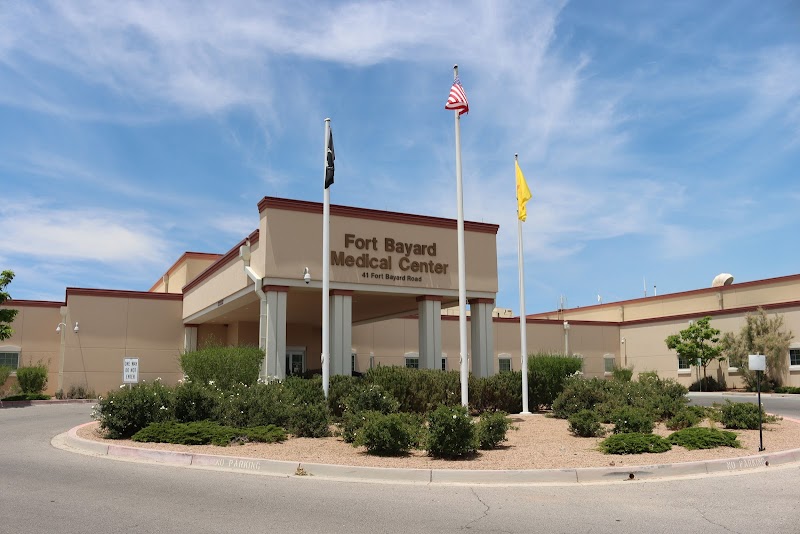
41 Fort Bayard Road, Santa Clara, NM 88026 (575) 537-8604
Government - State 200 Beds Independent Data: November 2025 1 Immediate Jeopardy citation
Trust Grade
33/100
#32 of 67 in NM
Last Inspection: August 2024

Within standard 12-15 month inspection cycle. Federal law requires annual inspections.

Overview

Fort Bayard Medical Center received a Trust Grade of F, indicating poor overall quality with significant concerns. They rank #32 out of 67 nursing homes in New Mexico, placing them in the top half of facilities, and are the best option in Grant County, which only has two facilities. The trend is improving, as issues decreased from 17 in 2024 to 6 in 2025. Staffing is a strong point, with a perfect 5-star rating and a turnover rate of 42%, which is lower than the state average. However, the facility has incurred fines totaling $83,501, suggesting some compliance issues. Despite strong staffing ratings, there are serious weaknesses. For example, one resident was not given necessary diabetes medications upon admission, leading to a hospital stay for a life-threatening condition. Additionally, another resident fell multiple times due to inadequate evaluation of their wheelchair use, resulting in a serious head injury. These incidents highlight critical areas that need improvement, even as the facility works to enhance its overall care.
Trust Score
F
33/100
In New Mexico
#32/67
Top 47%
Safety Record
High Risk
Review needed
Inspections
Getting Better
17 → 6 violations
Staff Stability
○ Average
42% turnover. Near New Mexico's 48% average. Typical for the industry.
Penalties
⚠ Watch
$83,501 in fines. Higher than 79% of New Mexico facilities, suggesting repeated compliance issues.
Skilled Nurses
✓ Good
Each resident gets 68 minutes of Registered Nurse (RN) attention daily — more than 97% of New Mexico nursing homes. RNs are the most trained staff who catch health problems before they become serious.
Violations
⚠ Watch
47 deficiencies on record. Higher than average. Multiple issues found across inspections.
★★★☆☆
3.0
Overall Rating
★★★★★
5.0
Staff Levels
★★★☆☆
3.0
Care Quality
★★☆☆☆
2.0
Inspection Score
Stable
2024: 17 issues
2025: 6 issues

The Good

  • 5-Star Staffing Rating · Excellent nurse staffing levels
  • Full Sprinkler Coverage · Fire safety systems throughout facility
  • No fines on record
  • Staff turnover below average (42%)

    6 points below New Mexico average of 48%

Facility shows strength in staffing levels, fire safety.

The Bad

3-Star Overall Rating

Near New Mexico average (2.9)

Meets federal standards, typical of most facilities

Staff Turnover: 42%

Near New Mexico avg (46%)

Typical for the industry

Federal Fines: $83,501

Well above median ($33,413)

Moderate penalties - review what triggered them

The Ugly 47 deficiencies on record

1 life-threatening 1 actual harm
Jul 2025 4 deficiencies
CONCERN (D) 📢 Someone Reported This

A family member, employee, or ombudsman was alarmed enough to file a formal complaint

Potential for Harm - no one hurt, but risky conditions existed

Deficiency F0552 (Tag F0552)

Could have caused harm · This affected 1 resident

**NOTE- TERMS IN BRACKETS HAVE BEEN EDITED TO PROTECT CONFIDENTIALITY** Based on record review and interview, the facility failed to ensure residents and/or their representatives were informed in adva...

Read full inspector narrative →
**NOTE- TERMS IN BRACKETS HAVE BEEN EDITED TO PROTECT CONFIDENTIALITY** Based on record review and interview, the facility failed to ensure residents and/or their representatives were informed in advance of what medications they received and understood the reasons, risks, and benefits of the medications for 1 (R #17) of 3 (R #16, R #17, and R #18) residents reviewed for unnecessary medications. If the residents or their representatives are not informed of the risks and benefits of the medication or treatment alternatives, they are not able to make informed decisions regarding residents' care. The findings are:A. Record review of R #17's admission documents, no date revealed R #17 was admitted to the facility on [DATE]. B. Record review of R #17's physician order, dated 06/28/25, revealed an order for Lorazepam (medication used to treat anxiety disorders) 0.5 mg, on Mondays and Thursdays (shower days) for anxiety/agitation. C. Record review of R #17's entire medical record, no date revealed staff did not document a consent to take Lorazepam. D. On 07/10/25 at 2:17 PM, during an interview, the DON confirmed the following:1. R #17 had orders for Lorazepam for the diagnosis of anxiety.2. R #17's medical record did not contain consent for R #17 to take Lorazepam.3. Staff are expected to obtain written consent prior to resident starting any psychotropic medication (any drug that affects brain activities associated with mental processes and behavior).
CONCERN (D) 📢 Someone Reported This

A family member, employee, or ombudsman was alarmed enough to file a formal complaint

Potential for Harm - no one hurt, but risky conditions existed

Deficiency F0605 (Tag F0605)

Could have caused harm · This affected 1 resident

**NOTE- TERMS IN BRACKETS HAVE BEEN EDITED TO PROTECT CONFIDENTIALITY** Based on record review and interview, the facility failed to ensure residents did not receive psychotropic medications (group of...

Read full inspector narrative →
**NOTE- TERMS IN BRACKETS HAVE BEEN EDITED TO PROTECT CONFIDENTIALITY** Based on record review and interview, the facility failed to ensure residents did not receive psychotropic medications (group of drugs that affect behavior, mood, thoughts, or perception. Are used to treat a variety of conditions including anxiety, depression, bipolar disorder, and schizophrenia) unless the medication was medically necessary for 2 (R #17 and R #18) of 3 (R #16, R #17, and R #18) residents reviewed for unnecessary medications, when staff failed to ensure: 1. Psychotropic medications for R #17 were prescribed to treat a specific psychiatric diagnosis (mental illness, symptoms or condition that greatly disturbs your thinking, moods, and/or behavior). 2. Psychotropic medications ordered to be given as needed (PRN) for R #18 were not prescribed for longer than 14 days without a rationale from the provider for why the medication was needed for longer than 14 days. These deficient practices could likely result in residents receiving medications without a medical reason and being at a higher risk of adverse side effects (unwanted, harmful, or abnormal result). The findings are:R #17A. Record review of R #17's admission documents, no date revealed the following:1. R #17 was admitted to the facility on [DATE].2. With the following diagnoses: a. Vascular dementia, moderate, with psychotic disturbance (a stage of vascular dementia where cognitive decline is significant and accompanied by psychotic symptoms like hallucinations, paranoia, or delusions). B. Record review of R #17's physician order, dated 06/19/25 revealed an order for Lorazepam (medication used to treat anxiety disorders) 0.5 mg, on Mondays and Thursdays (shower days) for anxiety/agitation. C. Record review of R #17's MAR, dated June 2025, revealed R #17 took Lorazepam on the following dates:1. 06/19/252. 06/23/253. 06/26/254. 06/30/25 D. Record review of R #17's MAR, dated July 2025, revealed R #17 took Lorazepam on the following dates:1. 07/03/252. 07/07/25 E. Record review of R #17's entire medical record, no date, revealed R #17 did not have a diagnosis of anxiety. R #18F. Record review of R #18's admission documents, no date, revealed the following:1. R #18 was admitted to the facility on [DATE].2. With the following diagnoses: a. Unspecified dementia (a general term for a decline in mental ability severe enough to interfere with daily life), unspecified severity, with other behavioral disturbance. b. Insomnia (a common sleep disorder characterized by persistent difficulty falling asleep, staying asleep, or waking up too early, despite having adequate opportunities for sleep). G. Record review of R #18's physician's order, dated 07/03/25, revealed an order for Lorazepam every 4 hours as needed (PRN) for restlessness/anxiety/insomnia (difficulty sleeping), indefinitely (no end date). H. Record review of R #18's entire medical record, no date, revealed the medical record did not contain a rationale from the provider as to why R #18 needed PRN Lorazepam for longer than 14 days. I. On 07/10/25 at 2:17 PM, during an interview the DON confirmed the following:1. R #17 had an order for Lorazepam for the diagnosis of anxiety.2. R #17 did not have a diagnosis of anxiety.3. Staff are expected to ensure residents have an appropriate diagnosis prior to starting any medication.4. R #18 had an order for Lorazepam every 4 hours PRN for restlessness/anxiety/insomnia.5. R #17's order for PRN Lorazepam was for an indefinite length of time.6. R #18's medical record did not contain rationale from the provider as to why R #18 needed PRN Lorazepam for longer than 14 days. J. On 07/10/25 at 2:17 PM, during an interview, the DON confirmed the following:1. R #17 had an order for Lorazepam for the diagnosis of anxiety.2. R #17 did not have a diagnosis of anxiety.3. Staff are expected to ensure residents have an appropriate diagnosis prior to starting any medication.4. R #18 had an order for Lorazepam every 4 hours PRN for restlessness/anxiety/insomnia.5. R #17's order for PRN Lorazepam was for an indefinite length of time.6. R #18's medical record did not contain rationale from the provider for why R #18 needed PRN Lorazepam for longer than 14 days
CONCERN (D) 📢 Someone Reported This

A family member, employee, or ombudsman was alarmed enough to file a formal complaint

Potential for Harm - no one hurt, but risky conditions existed

Medical Records (Tag F0842)

Could have caused harm · This affected 1 resident

**NOTE- TERMS IN BRACKETS HAVE BEEN EDITED TO PROTECT CONFIDENTIALITY** Based on record review and interview, the facility failed to ensure medical records were complete and accurate for 1 (R #18) of ...

Read full inspector narrative →
**NOTE- TERMS IN BRACKETS HAVE BEEN EDITED TO PROTECT CONFIDENTIALITY** Based on record review and interview, the facility failed to ensure medical records were complete and accurate for 1 (R #18) of 3 (R #16, R #17, and R #18) residents reviewed for unnecessary medications.This deficient practice has the potential to negatively impact on the care staff provided to meet residents' needs due to missing or inaccurate records and resident information.The findings are:A. Record review of R #18's admission documents, no date, revealed the following:1. R #18 was admitted to the facility on [DATE]. 2. With the following diagnoses: a. Unspecified dementia (a general term for a decline in mental ability severe enough to interfere with daily life), unspecified severity, with other behavioral disturbances. b. Insomnia (a common sleep disorder characterized by persistent difficulty falling asleep, staying asleep, or waking up too early, despite having adequate opportunities for sleep). B. Record review of R #18's provider progress note, dated 05/04/25, revealed R #18 had a diagnosis of Moderate dementia with anxiety. C. On 07/10/25 at 2:21 PM, during an interview, the DON confirmed the following:1. R #18's provider documented R #18 had a diagnosis of Moderate dementia with anxiety.2. R #18's list of diagnoses did not include the diagnosis of Moderate dementia with anxiety.3. Staff are expected to update the residents' diagnoses list when a new diagnosis is added.
CONCERN (E) 📢 Someone Reported This

A family member, employee, or ombudsman was alarmed enough to file a formal complaint

Potential for Harm - no one hurt, but risky conditions existed

Report Alleged Abuse (Tag F0609)

Could have caused harm · This affected multiple residents

**NOTE- TERMS IN BRACKETS HAVE BEEN EDITED TO PROTECT CONFIDENTIALITY** Based on record review and interview, the facility failed to report all injuries of unknown origin and the results of all invest...

Read full inspector narrative →
**NOTE- TERMS IN BRACKETS HAVE BEEN EDITED TO PROTECT CONFIDENTIALITY** Based on record review and interview, the facility failed to report all injuries of unknown origin and the results of all investigations to the State Survey Agency for 1 (R #21) of 3 (R #19, R #20, and R #21) residents reviewed for falls. If the facility fails to report injuries of unknown origin and the results of investigations within five (5) business days to the State Agency, then the State Agency is unable to ensure residents have a safe environment. The findings are:A. Record review of R #21's admission documents, no date revealed R #21 was admitted to the facility on [DATE]. B. Record review of the facility's incident log, no date, revealed R #21 had an injury of unknown origin on the following dates:1. 06/22/25, bruise on chin measuring 5cm x 2 cm.2. 06/25/25, large scratch 51cm x .1 cm from shoulder to hip and skin tears to knees.3. 06/28/25, skin tear (possibly self-inflicted) to right shin 5.5cm x 2.5 cm. C. Record review of R #21's progress notes, multiple dates, revealed the following:1. On 06/22/25, R #21 was found to have a 5.0 cm x 2.0 cm bruise across the width of his chin. R #21 was unable to state how he received the injury.2. On 06/25/25, R #21 was found to have multiple injuries: a. R #21 had a long scratch from his shoulder blade down to his left hip that measured 51 cm x 0.1 cm. b. R #21had an abrasion (a superficial wound caused by rubbing or scraping the skin, often resulting in a scrape or brush burn) on his right shoulder above his collar bone that measured 2.5 cm x 2.0 cm. c. R #21 had multiple skin tears on his Left knee: i. One above R #21's kneecap that measured 2.5 cm x 2.0 cm. ii. One on the inner side of R #21's left kneecap that measured 4 cm x 0.2 cm. iii. One across the middle of R #21's kneecap that measured 2 cm x 0.2 cm. iv. R #21 was unable to state how he obtained the injuries.3. On 06/28/25, R #21 was found to have a scratch on his right shin that measured 5.5 cm x 2.5 cm x 0.1 cm. D. Record review of the facility's Incident Reports, multiple dates, revealed the following:1. Incident report form dated 06/23/25, for R #21's injury of unknown origin on 06/22/25.2. The incident report form did not have any information to indicate it was submitted to the state agency.3. There was no follow-up report regarding R #21's injury of unknown origin on 06/22/25.4. Incident report form, dated 06/25/25, for R #21's injury of unknown origin on 06/25/25.5. The incident report form did not have any information to indicate it was submitted to the state agency.6. There was no follow-up report regarding R #21's injury of unknown origin on 06/25/25.7. Incident report form dated 06/30/25, for R #21's injury of unknown origin on 06/28/25.8. The incident report form did not have any information to indicate it was submitted to the state agency.9. There was no follow-up report regarding R #21's injury of unknown origin on 06/28/25. E. On 07/10/25 at 1:31 PM, during an interview, the facility's Investigator stated the following:1. He completed the investigation report for R #21's injury of unknown origin on 06/22/25, 06/25/25, and 06/28/25 and submitted them to the state agency via fax.2. He completed the investigations for R #21's injury of unknown origin on 06/22/25, 06/25/25, and 06/28/25 and submitted the follow-up reports to the state agency via fax.3. He was unable provide a copy of the follow-up reports for R #21's injury of unknown origin on 06/22/25, 06/25/25, and 06/28/25 due to computer issues.4. He did not receive fax confirmation that the reports were submitted to the state agency.5. He did not have any documentation that the reports were submitted to SA. F. On 07/10/25 at 3:12 PM, during an interview, the state agency Complaint Lead Intake Coordinator confirmed the following:1. The state agency did not receive an initial report of R #21's injury of unknown origin on 06/22/25.2. The state agency did not receive a follow-up investigation report for R #21's injury of unknown origin on 06/22/25.3. The state agency did receive an initial report of R #21's injury of unknown origin on 06/25/25.4. The state agency did not receive a follow-up investigation report for R #21's injury of unknown origin on 06/25/25.5. The state agency did not receive an initial report of R #21's injury of unknown origin on 06/28/25.6. The state agency did not receive a follow-up investigation report for R #21's injury of unknown origin on 06/28/25.
Jan 2025 2 deficiencies
CONCERN (D) 📢 Someone Reported This

A family member, employee, or ombudsman was alarmed enough to file a formal complaint

Potential for Harm - no one hurt, but risky conditions existed

Deficiency F0604 (Tag F0604)

Could have caused harm · This affected 1 resident

THIS IS A REPEAT DEFICIENCY FROM 08/09/24 Based on observation, record review and interview, the facility failed to ensure residents were free from physical restraints unless being used to treat a spe...

Read full inspector narrative →
THIS IS A REPEAT DEFICIENCY FROM 08/09/24 Based on observation, record review and interview, the facility failed to ensure residents were free from physical restraints unless being used to treat a specific medical condition (indication or characteristic of a medical, physical or psychological condition) as identified through an assessment for 3 (R #1, R #2, and R #8) of 3 (R #1, R #2, and R #8) reviewed for physical restraints. This deficient practice could likely result in physical restraints being used for staff convenience; unnecessarily preventing residents from freedom, movement, and/or activity. The findings are: A. Record review of a complaint dated 12/24/24, an anonymous staff member revealed the facility had removed alarms for residents after the last survey and then they started using bed alarms again for residents without conducting an assessment or having a physician's order. R #1 B. On 01/23/25 at 5:14 PM, during an observation of R #1, revealed R #1 had an alarm attached to her wheelchair. C. On 01/23/25 at 5:14 PM, during an interview, CNA #1 confirmed R #1 had a wheelchair alarm attached to her wheelchair. D. On 01/24/25 at 12:06 PM, during an observation of R #1, revealed R #1 had an alarm attached to her wheelchair. E. On 01/24/25 at 12:06 PM, during an interview, RN # 1 confirmed the alarm attached to R #1's wheelchair was actually a seat belt alarm and not a wheelchair alarm. F. Record review of R #1's medical record (electronic and paper chart) revealed the following: 1. The record did not contain a physician's order for a seat belt alarm. 2. The record did not contain any assessments to indicate that R #1 needed a seat belt alarm. G. On 01/24/25 at 2:24 PM, during an interview, doctor #1 stated he had not been consulted regarding any alarms for R #1. H. On 01/24/25 at 3:10 PM, during an interview, the DON stated R #1 did not have an order in place for a seat belt alarm, and an assessment has not been completed to identify a specific need for a seatbelt alarm. R#2 I. On 01/23/25 at 5:16 PM, during an observation of R #2, revealed R #2 had an alarm on her wheelchair. J. On 01/24/25 at 12:00 PM, during an observation of R #2's room, revealed R #2 had a bed alarm. K. On 01/24/25 at 12:00 PM, during an interview, RN #1 confirmed R #2 had a bed alarm. L. On 01/24/25 at 12:04 PM, during an interview, RN #2 confirmed R #2 had a seatbelt alarm attached to her wheelchair. M. Record review of R #2's medical record (electronic and paper chart) revealed the following: 1. Verbal order dated 10/08/24: Continue with seatbelt with alarm and bed alarm. 2. The record did not contain any assessments to indicate that R #2 needed a seat belt alarm and a bed alarm for a specific medical condition. R #8 N. On 01/23/25 at 4:00 PM, during an observation of R #8, revealed R #8 had an seatbelt alarm on her wheelchair. O. On 01/23/25 at 4:14 PM, during an interview, RN #3 confirmed R #8 had a seatbelt alarm attached to her wheelchair. P. Record review of R #8's medical record (electronic and paper chart) revealed the record did not contain any assessments to identify a need for a seat belt alarm for R #8. Q. On 01/24/25 at 2:23 PM, during an interview, DR #1 said he had never been asked for a restraint order to identify the need for wheelchair or seat belt alarms. R. On 01/24/25 at 11:57 pm, during an observation of the E unit, revealed staff were removing alarms from residents' rooms. S. Record review of a complaint received on 01/27/25 revealed an anonymous staff member reported that staff were told to remove a bed alarm because surveyors were in the facility verifying alarms. T. On 02/10/25 at 12:03 PM, during an interview, the Administrator said alarms were not removed while the surveyors were at the facility. The Administrator said that an assessment would have to be done before any alarms were removed. The Administrator further stated not all of the residents were assessed for alarms by the time the revisit was done on 10/30/24 because completing an assessment takes time (plan of correction completion date was 09/23/25). Administrator said it would not be safe or smart to go in and remove everything [alarms] without assessments. The Administrator said the target date to have the assessments done was is April 2025.
CONCERN (D) 📢 Someone Reported This

A family member, employee, or ombudsman was alarmed enough to file a formal complaint

Potential for Harm - no one hurt, but risky conditions existed

Deficiency F0657 (Tag F0657)

Could have caused harm · This affected 1 resident

Based on record review, observation, and interview, the facility failed to ensure care plans were reviewed and revised for 1 (R #1) of 3 (R #1, R #2, and R #8) residents reviewed for care plans when t...

Read full inspector narrative →
Based on record review, observation, and interview, the facility failed to ensure care plans were reviewed and revised for 1 (R #1) of 3 (R #1, R #2, and R #8) residents reviewed for care plans when they failed to revise the care plan with the most current resident information. This deficient practice could likely result in the care plan not being updated with the most current resident conditions and appropriate interventions, staff being unaware of changes in care provided, and residents not receiving the care related to changes in their health status or healthcare decisions. The findings are: A On 01/23/25 at 5:14 PM an observation of R #1 revealed R #1 had an alarm attached to her wheelchair. B. On 01/23/25 at 5:14 PM, during an interview with CNA # 1, revealed the following: 1. CNA #1 stated R #1 did not have any alarms because they had been discontinued. 2. CNA #1 then made an observation of R #1 and stated R #1 had a wheelchair alarm. C. On 01/24/25 at 12:06 PM, during an interview, RN # 1 confirmed that the alarm attached to R #1's wheelchair was actually a seat belt alarm and not a wheelchair alarm. D. Record review of R #1's care plan (initiated 10/30/23) revealed the following: 1. R #1 was at risk for falls. 2. Bathroom door alarm, bed and wheelchair alarms. Check for proper function at least every shift and as needed. E. On 01/24/25 at 3:53 PM, during an interview, the DON confirmed that R #1's care plan had not been updated to reflect that R #1 no longer had a door alarm, bed alarm, and wheelchair alarm.
Aug 2024 12 deficiencies
CONCERN (D)

Potential for Harm - no one hurt, but risky conditions existed

Deficiency F0582 (Tag F0582)

Could have caused harm · This affected 1 resident

Based on record review of the CMS-10055 Form and interview, the facility failed to inform residents when changes in coverage were made to items and services covered by Medicare and/or by Medicaid for ...

Read full inspector narrative →
Based on record review of the CMS-10055 Form and interview, the facility failed to inform residents when changes in coverage were made to items and services covered by Medicare and/or by Medicaid for 1 (R #9) of 3 (R #9, R #31, and R #256) residents reviewed for beneficiary notices when staff failed to provide R #9 with Form CMS-10055- Skilled Nursing Facility (SNF) Advanced Beneficiary Notice (ABN) of Non-Coverage [form used to inform the beneficiary (resident) about potential non-coverage and the option to continue services with the beneficiary accepting financial liability for those services.] This deficient practice can likely confuse the resident or their representative as to what services they receive or do not have financial coverage for under Medicare and/or Medicaid. The findings are: R #9 A. Record review of the CMS-10055 form for R #9's revealed the form was not completed or given to R #9 prior to services ending on 07/15/24. B. On 08/07/24 at 4:15 PM, during an interview with the Office Manager (OM), she stated R #9's beneficiary notification was not completed because she was out sick with Covid-19, her back up was out, and her supervisor was out. She stated the beneficiary notification form was not provided to R #9 prior to 07/15/24.
CONCERN (D)

Potential for Harm - no one hurt, but risky conditions existed

Deficiency F0655 (Tag F0655)

Could have caused harm · This affected 1 resident

**NOTE- TERMS IN BRACKETS HAVE BEEN EDITED TO PROTECT CONFIDENTIALITY** Based on record reviews and interview, the facility failed to create an accurate baseline care plan (minimum healthcare informat...

Read full inspector narrative →
**NOTE- TERMS IN BRACKETS HAVE BEEN EDITED TO PROTECT CONFIDENTIALITY** Based on record reviews and interview, the facility failed to create an accurate baseline care plan (minimum healthcare information necessary to provide effective and person-centered care immediately upon their admission to the facility) within 48 hours of admission for 1 (R #103) of 2 (R #103 and R #104) residents reviewed for baseline care plans. This deficient practice could likely result in residents not receiving the appropriate care and may place residents at risk of an adverse event (undesirable experience, preventable or non-preventable, that caused harm to a resident because of medical care or lack of medical care) or worsening of current condition after admission. The findings are: A. Record review of R #103's admission record no date revealed R #103 was admitted into the facility on [DATE]. B. Record review of R #103's physician's order revealed an order date 05/13/24, Do Not Resuscitate (DNR; a legally recognized order signed by a physician at a patient's request, stating the resident does not want to be resuscitated if they suddenly go into cardiac arrest or stop breathing) C. Record review of R #103's medical record revealed the admission care plan, dated 05/13/24, revealed staff did not include the physician's order for R #103's DNR status. D. On 08/09/24 at 12:33 PM, during an interview with the DON, she confirmed R #1's admission care plan did not include R #103's DNR order.
CONCERN (D)

Potential for Harm - no one hurt, but risky conditions existed

Deficiency F0657 (Tag F0657)

Could have caused harm · This affected 1 resident

Based on observation, record review, and interview, the facility failed to ensure care plan revision occurred for 6 (R #30, R #34, R #35, R #45, R #82, and R #98) of 6 (R #30, R #34, R #35, R #45, R #...

Read full inspector narrative →
Based on observation, record review, and interview, the facility failed to ensure care plan revision occurred for 6 (R #30, R #34, R #35, R #45, R #82, and R #98) of 6 (R #30, R #34, R #35, R #45, R #82, and R #98) residents reviewed for care plans, when they failed to: 1. Update R #30, R #34, R #45, R #82, and R #98's care plans for intervention for the wheelchair, bed, and bathroom alarms. 2. Update R #35's care plan for removal of bed alarm. These deficient practices could likely result in the care plan not being updated with the most current resident conditions and appropriate interventions, staff being unaware of changes in care provided, and residents not receiving the care related to changes in their health status or healthcare decisions. The findings are: R #30 A. On 08/06/24 at 3:08 PM, during an observation of R #30's room, R #30 had an alarm on her wheelchair, bed, and bathroom door. B. Record review of R #30's care plan dated 10/11/23 revealed the care plan did not contain any interventions for wheelchair, bed, and bathroom door alarms. R #34 C. On 08/06/24 at 11:57 AM, during an observation of R #34's room, R #34 had an alarm on her bed. D. Record review of R #34's care plan dated 08/30/23 revealed the care plan did not contain any interventions for bed alarms. R #35 E. Record review of R #35's care plan dated 07/05/24 under functional abilities section revealed the following: 1. R #35 had a bed alarm documented with bilateral half side (one of two equal parts that together make up the whole number, amount or object) rails. F. On 08/09/24 at 1:29 PM during an interview with the DON she confirmed the following: 1. R #35 does not need a bed alarm. 2. The MDS assessment does not have use for bed rails, and no bed alarm documented either. 3. The care plan was updated to show any changes G. On 08/09/24 at 1:49 PM, during an interview with the MDS coordinator she confirmed the following: 1. R #35 does not have a bed alarm 2. R #35 has never needed one. 3. R #35 care plan was updated, and the bed alarm was removed. R #45 H. On 08/06/24 at 3:19 PM, during an observation of R #45's room, R #45 had an alarm on her bathroom door. I. Record review of R #45's care plan dated 02/03/22 revealed the care plan did not contain any interventions for the bathroom door alarm. R #82 J. On 08/06/24 at 3:24 PM, during an observation of R #82 room, R #82 had an alarm on her bed and wheelchair. K. Record review of R #82's care plan dated 02/03/22 revealed the care plan did not contain any interventions for bed and wheelchair alarms. R #98 L. On 08/06/24 at 1:55 PM, during an interview with R #98's daughter, she said that R #98 had a wheelchair, bed, and bathroom door alarm. M. Record review of R #98's care plan dated 04/18/24 revealed the care plan did not contain any interventions for the wheelchair, bed and bathroom door alarms.
CONCERN (D)

Potential for Harm - no one hurt, but risky conditions existed

Deficiency F0692 (Tag F0692)

Could have caused harm · This affected 1 resident

Based on interview and record review, the facility failed to maintain acceptable parameters of nutritional status, such as usual body weight for 1 (R #14) of 2 (R #25 and R #62) residents sampled for ...

Read full inspector narrative →
Based on interview and record review, the facility failed to maintain acceptable parameters of nutritional status, such as usual body weight for 1 (R #14) of 2 (R #25 and R #62) residents sampled for nutrition, when staff failed to follow protocols for identifying weight loss when R #14 had severe weight loss. This deficient practice could likely result in residents losing weight without the facility being aware causing physical and mental health issues. The findings are: A. Record review of R #14's medical record revealed the following diagnoses: 1. Tourette's Disorder (a disorder that involves repetitive movements or unwanted sounds (tics) that can't be easily controlled). 2. Paranoid Schizophrenia (a type of schizophrenia accompanied by paranoia. Delusions and hallucinations are the two symptoms). 3. Major Depressive Disorder (A mental health disorder characterized by persistently depressed mood or loss of interest in activities, causing significant impairment in daily life). 4. Hyperlipidemia (A condition in which there are high levels of fat particles (lipids) in the blood) 5. Dysphagia (difficulty swallowing). 6. Chronic Kidney Disease, Stage 2 (damage to the kidneys is mild). B. Record review of R #14's care plan, dated 05/23/16, revealed the following: 1. R #14 was at risk of nutritional decline. 2. R #14 will not have significant weight changes indicated by 5% weight change in 1 month, 7.5% weight change in 3 months, or 10% weight change in 6 months. 3. Weigh R #14 at the same time of day, with the same scale, and in similar clothing. 4. Adjust R #14's nutritional plan as needed. C. Record review of R #14's recent weights logs revealed the following: 1. On 07/02/2024, R #14 weighed 160.8 pounds. 2. On 08/01/2024, R #14 weighed 150.0 pounds. 3. R #14 had an equivalent of a 6.72 % weight loss in one month (severe weight loss is greater than 5% in one month). D. On 08/06/24 at 12:48 PM, during an observation of the lunch meal, R #14 told staff he did not want food and requested a supplement drink instead, which staff provide. E. Record review of R #14's provider progress note, dated 08/04/24, revealed R #14 had a 5% weight change and that R #14's appetite was satisfactory, with no significant weight loss (significant loss is 5% in one month). F. Record review of R #14's physician's orders, no date, revealed the orders did not contain that R #14 was to receive nutritional supplements or any other interventions for R #14's weight loss. G. On 08/08/24 at 11:24 AM, during an interview with Unit Manager (UM) #21, stated the following: 1. Weights are monitored by restorative nursing staff (RNA) at the beginning of each month. 2. If a resident's weight changes, RNA's show the nurse or unit manager the sheet with the weight and usually have them sign off that they saw it. 3. UM #21 was unsure where RNA's would document that they notified staff of resident weight change. 4. Each unit has a Risk Team meeting (meeting for interdisciplinary team members to discuss residents who have potential risks) every two weeks. 5. During the Risk Team meeting, they discuss residents with weight changes. H. Record review of R #14's Risk Meeting notes, dated 08/08/24, revealed that during the Risk Meeting R #14's weight loss was not discussed. I. On 08/09/24 at 11:33 AM, during an interview with RNA #21, stated the following: 1. RNAs obtain weights for all residents at the beginning of the month. 2. If residents' weights change by more than 5-pounds, RNAs are supposed to report the change to the nurse or the unit manager. 3. RNAs enter resident weights into the computer and keep a paper copy of the weights. 4. RNAs do not document if they notified the nurse or unit manager. 5. RNA #21 confirmed that her paper copy of R #14's weights indicated that R #14 had an 11-pound weight loss. 6. RNA #21 confirmed that the nurse or unit manager should have been notified about R #14's weight loss. 7. RNA #21 could not determine if nursing staff were notified about R #14's weight change. J. On 08/09/24 at 12:02 PM, during an interview with RN #21, she stated the following: 1. Nursing staff should have been made aware of R #14's weight loss. 2. RN #21 was unable to find documentation that nursing staff were made aware of R #14's significant weight loss. 3. RN #21 confirmed that there were no changes to R #14's orders for nutrition since his weight loss on 08/01/24. 4. RN #21 was aware that R #14 had not been eating as much (was unsure how long). 5. RN #21 was unaware that R #14 had lost weight. 6. RN #21 stated if she had been notified about R #14's weight change, she would have notified the provider and entered any orders. 7. There was no documentation in the non-emergent provider notification book (binder that staff use to notify providers about non-emergent situations) about R #14's weight loss. K. Record review of R #14's nutrition log for July 2024, revealed the following: 1. R #14 refused 21 meals. 2. R #14 ate 0-25% of his meal three times. L. On 08/09/24 at 1:16 PM, during an interview with the DON, she stated the following: 1. R #14 had a 10.8-pound weight loss from July to August 2024. 2. The facility recognizes a weight loss of 5% or greater as a significant weight loss. 3. The expectation is for RNA to reweigh the resident. If there is a 5-pound weight change, then alert the nurse or nurse manager. 4. She was unable to determine if R #14 was reweighed. 6. She was unable to determine if the RNA notified the nurse about R #14's weight loss. 6. Nurses are expected to notify the provider about significant weight changes and enter any orders received. 7. Nutrition concerns should be discussed during the unit Risk Meeting. 8. R #14's unit had a Risk Meeting on 08/08/24. 9. During the Risk Meeting on 08/08/24, staff did not discuss R #14's weight loss. 10. R #14 did not have any interventions in place for nutrition concerns.
CONCERN (E)

Potential for Harm - no one hurt, but risky conditions existed

Resident Rights (Tag F0550)

Could have caused harm · This affected multiple residents

Based on record reviews, observations and interviews, the facility failed to treat resident with dignity when staff failed to: 1. Provide nondisposable cutlery and dishware to all 75 residents, who di...

Read full inspector narrative →
Based on record reviews, observations and interviews, the facility failed to treat resident with dignity when staff failed to: 1. Provide nondisposable cutlery and dishware to all 75 residents, who did not use adaptive equipment were not on enteral feeding tube (a medical device used to provide nutrition to people who cannot obtain nutrition by mouth) (residents were identified by the adaptive equipment list provided by the Administrator on 08/13/24 and the resident matrix provided by the Administrator on 08/05/24), and 2. Let R #98 self-determine (choice) her use of a belt alarm (an alarm for a wheelchair). These deficient practices could likely cause residents to feel anxious or depressed and like they are not valued. The findings are: Use of Disposable Dishware and Cutlery A. On 08/06/24 at 12:28 PM, during an observation of the D Unit's lunch service, the residents were served meals on disposable plates and given disposable cups for drinks. B. On 08/06/24 at 12:30 PM, during an observation, residents in the memory care main dining area, residents ate with disposable plates, plastic utensils, and disposable cups. C. On 08/06/24 at 12:37 PM, during a lunch observation of the main dining room, residents used plastic utensils, Styrofoam cups, and Styrofoam plates. D. On 08/06/24 at 12:39 PM, during an interview, CNA #11 confirmed that the residents have been using disposable cutlery and dishware for about a year. E. On 08/06/24 at 12:40 PM, during an observation of the dining area at the end of C 100-105 Hall in the memory care, residents ate on disposable plates, used plastic utensils, and used disposable cups. F. On 08/06/24 at 12:45 PM, during an interview, R #36 said they (residents) had been using disposable dishes for a long time. R #36 said it makes her feel like she is in camp. G. On 08/06/24 at 12:50 PM, during an observation of the main dining area, residents ate with disposable plates, used plastic utensils, and used disposable cups. H. On 08/06 /24 at 12:50 PM during an interview with R #71, when asked R #71 what eating utensils she preferred, she stated she preferred the metal utensils, but they have been using the plastic ones for awhile because the dishwasher is broken. I. On 08/06/24 at 12:53 PM, during an interview, R #49 said she lost track of how long they have been eating on disposable dinnerware, she said it had been at least a year. R #49 said it is difficult to cut meat on paper plates and with a plastic knife. R #49 said that she cuts through her plate sometimes. J. On 08/06/24 12:54 PM during an interview, R #21 was asked her preference in eating utensils R #21 stated, she prefers silverware, but we have been using plasticware for some time. K. On 08/06/24 at 12:58 PM, during an interview, the Dietary Manager #11 said the dishwasher had not been working since October 2023. DM #11 said they are waiting on a vendor. DM #11 said that they have been using disposable dinnerware since October 2023. L. On 08/06/24 at 1:03 PM, during an interview, R #13 said that the dishwasher has been broken for a year. R #13 said that it is hard to cut with plastic knives. R #13 said that staff can cut his food for him, but it takes away from his independence. M. On 08/07/24 3:00 PM, during an interview with Dietary Manager, she stated the dishwasher was working; however, was not maintaining the proper temperature. Belt Alarm R #98 N. On 08/07/24 at 10:40 AM, during an observation, R #98 had a lap belt with an alarm while she sat in her wheelchair. O. Record review of R #98's physician's orders revealed R #98 did not have a belt alarm order. P. Record review of R #98's care plan dated 04/26/24 revealed R #98 had a lap belt for being a fall risk. Q. On 08/07/24 at 10:42 AM, during an interview with R #98, she said she could remove the lap belt and demonstrated that she could do so; the alarm went off when she unbuckled it. R #98 said the alarm is loud, and she doesn't like it. R #98 said that it embarrass her when the alarm goes off. R #98 said she tried to take it off and put the belt behind her, but the staff would come and put it back around her.
CONCERN (E)

Potential for Harm - no one hurt, but risky conditions existed

Safe Environment (Tag F0584)

Could have caused harm · This affected multiple residents

Based on observations and interviews, the facility failed to provide a homelike environment with comfortable sound levels for 3 (R #73, R #86, and R #99) of 3 (R #73, R #86, and R #99) residents revie...

Read full inspector narrative →
Based on observations and interviews, the facility failed to provide a homelike environment with comfortable sound levels for 3 (R #73, R #86, and R #99) of 3 (R #73, R #86, and R #99) residents reviewed for homelike environment. This deficient practice could likely cause residents to feel anxious or depressed and feel that they are not valued. The findings are: A. On 08/06/24 at 9:48 AM, during an observation of the D Unit, a loud sound could be heard down the hall, five doors away from the room where the sound was coming from. B. On 08/06/24 at 9:50 AM, during an interview with CNA #21, stated the following 1. The loud sound was a bathroom door alarm. 2. The bathroom alarms are set off when the bathroom door is opened and will turn off when the door is closed so they know when someone who is a fall risk goes into the bathroom. 3. Every new resident gets a bed, chair, and bathroom door alarm until the staff assesses the resident for fall risk. C. On 08/06/24 at 9:54 AM, during an interview with Unit Manager #21, confirmed the following: 1. Bed alarms, chair alarms, and bathroom door alarms are loud and can be heard from the end of the hall to the nurses' station at the other end of the hall. 2. Bed alarms make noise, blink above the resident's door, and blink at the nurses' station. 3. Bed alarms are very sensitive and loud and sometimes make noise when a resident repositions. 4. Every resident upon admission, gets a chair, bed, and bathroom door alarm. 5. Nursing, therapy, and physicians assess the resident for the need for alarms and will remove them if the team determines the resident is not at risk for falls. D. On 08/07/24 at 9:32 AM through 9:41 AM, during an observation of the main hallway and the main common area, revealed the following: 1. The Secure Unit entrance door alarm was audible (could be heard) by the entrance to the D Unit, which was down a long hallway, around a corner, and down another long hallway. 2. At 9:33 AM, the Secure Unit entrance door alarm was audible in the main dining room, which was down a long hallway and around a corner from the secure unit. 3. At 9:33 AM, the Secure Unit entrance door alarm was audible in the main dining room when a staff member entered the Secure Unit within the same minute. 4. At 9:35 AM, the Secure Unit entrance door alarm was audible in the common area/TV/Sitting area near the gift shop, which was down a long hallway from the Secure Unit, when a staff member exited the Secure Unit. 5. At 9:37 AM, the Secure Unit entrance door alarm was audible in the common area/TV/Sitting area near the gift shop when a staff member entered the Secure Unit. 6. At 9:37 AM, the Secure Unit entrance door alarm was audible in the common area/TV/Sitting area near the gift shop when another staff member entered the Secure Unit within the same minute. 7. At 9:41 AM, the Secure Unit entrance door alarm was audible at the entrance to the E Unit, which was down a long hallway away from the Secure Unit, when a staff member exited the Secure Unit. E. On 08/07/24 at 9:50 AM, during an interview with CNA #22, she stated the following: 1. Several residents, including R #73 and R #86, have stated that the bed alarms, chair alarms, and bathroom door alarms are too loud. 2. The bed alarms constantly make noise at night when the residents move. 3. R #73 and R #86 get upset because another resident's bed alarm and door alarm are too loud and frequently make noise. R #73 F. On 08/07/24 at 10:05 AM, during an observation of R #73's room and an interview, R #73 stated the following: 1. The alarm for the resident across the hall frequently makes a noise at night. 2. The noise makes it hard to sleep because it is too loud. 3. The alarm makes noise two to three times every night. 4. During the interview an alarm sounded loudly from a room across the hall from R #73 room. 5. R #73 said that a door alarm made the noise that could be heard. G. On 08/07/24 at 10:15 AM, during an interview with CNA #22, confirmed the following: 1. The sound heard during the interview with R #73 was from the bathroom door alarm in a room across the hall from R #73. 2. Housekeeping was cleaning the bathroom, and the bathroom door alarm made a noise while the door is open. R #86 H. On 08/07/24 at 11:18 AM, during an interview with R #86, stated the following: 1. The bed alarm for a resident across the hall makes noise about two to three times a week during the night. 2. The same resident's bathroom door alarm also makes noise but not as frequently as the bed alarm. 3. The alarms are loud. 4. He has told staff (R #86 did not specify which staff or when he told staff) that the noises bother him. 3. The facility has not done anything about the noise. R#99 I. On 08/05/24 at 12:33 PM, during an observation of the secured unit, R #99 was observed to have covered his ears when the entry door to the secured unit alarm would go off whenever someone entered or exited the unit. J. On 08/07/24 at 10:50 AM, during an interview with RN #11, she said that the alarm on the entry door to the secured unit is very loud, but you get use to it after a while. RN #11 said that if you hear the alarm, it means the door is unlocked. RN #11 confirmed that R #99 covers his ears when he hears the alarm on the entry door to the secured unit.
CONCERN (E)

Potential for Harm - no one hurt, but risky conditions existed

Deficiency F0604 (Tag F0604)

Could have caused harm · This affected multiple residents

Based on observations, record reviews and interviews the facility failed to keep residents free from physical restraints for 5 (R #30, R #34, R #45, R #82 and R #98) of 5 (R #30, R #34, R #45, R #82 a...

Read full inspector narrative →
Based on observations, record reviews and interviews the facility failed to keep residents free from physical restraints for 5 (R #30, R #34, R #45, R #82 and R #98) of 5 (R #30, R #34, R #45, R #82 and R #98) residents reviewed for physical restraints, when staff used the following: 1. Wheelchair alarms on R #30, R #82, and R #98 2. Bed alarms on R #30, R #34, R #82, and R #98 3. Bathroom alarms on R #30, R #45, and R #98 These deficient practices could likely result in physical restraints being used for discipline or staff convenience; unnecessarily preventing residents from freedom, movement, or activity. The findings are: A. On 08/06/24 at 9:50 AM, during an interview with CNA #21, he revealed that every newly admitted resident gets a bed, chair, and bathroom door alarm until the resident is assessed for fall risk. B. On 08/06/24 at 9:54 AM, during an interview with Unit Manager #21, confirmed the following: 1. Every resident who is admitted gets a chair alarm, bed alarm, and bathroom door alarm. 2. Nursing, therapy, and the physicians assess the resident for the need for alarms and will remove them if the team determines the resident is not at risk for falls. R #30 C. On 08/06/24 at 3:08 PM, during an observation of R #30's room, R #30 had an alarm on her wheelchair, bed, and bathroom door. D. Record review of R #30's medical record revealed the following: 1. The record did not contain a physician's order for the wheelchair, bed, and bathroom alarm. 2. The record did not contain any assessments that R #30 needed an alarm for the wheelchair, bed and bathroom. R #34 E. On 08/06/24 at 11:57 AM, during an observation of R #34's room, R #34 had an alarm on her bed. F. Record review of R #34's medical record revealed the following: 1. The record did not contain a physician's order for the bed alarm. 2. The record did not contain any assessments that R #34 needed a bed alarm. R #45 G. On 08/06/24 at 3:19 PM, during an observation of R #45's room, R #45 had an alarm on her bathroom door. H. Record review of R #45's medical record revealed the following: 1. The record did not contain a physician's order for the bathroom door alarm. 2. The record did not contain any assessments that R #45 needed a bathroom door alarm. R #82 I. On 08/06/24 at 3:24 PM, during an observation, R #82 had an alarm on her bed and wheelchair. J. Record review of R #82's medical record revealed the following: 1. The record did not contain a physician's order for the bed and wheelchair alarm. 2. The record did not contain any assessments that R #82 needed an alarm for the wheelchair and bed. R #98 K. On 08/06/24 at 1:55 PM, during an interview with R #98's daughter, she said that R #98 currently has a wheelchair, bed, and bathroom alarm. L. Record review of R #98's medical record revealed the following: 1. The record did not contain a physician's order for the wheelchair, bed, and bathroom alarm. 2. The record did not contain any assessments that R #98 needed the wheelchair, bed, and bathroom alarms. M. On 08/08/24 at 11:35 AM, during an interview with the DON, she said that they use the alarms when all new resident are admitted . The DON continued to state that the facility will evaluate if the alarms are needed after the resident has been at the facility and has become familiar with their surroundings.
CONCERN (E)

Potential for Harm - no one hurt, but risky conditions existed

Deficiency F0700 (Tag F0700)

Could have caused harm · This affected multiple residents

**NOTE- TERMS IN BRACKETS HAVE BEEN EDITED TO PROTECT CONFIDENTIALITY** Based on observation, record review, and interview, the facility failed to ensure resident was assessed for risk of entrapment (...

Read full inspector narrative →
**NOTE- TERMS IN BRACKETS HAVE BEEN EDITED TO PROTECT CONFIDENTIALITY** Based on observation, record review, and interview, the facility failed to ensure resident was assessed for risk of entrapment (state of being stuck or caught on bed rail) from bed rails for 1 (R #35) of 1 (R #35) resident reviewed for accidents. This deficient practice has the potential to cause serious injury by becoming trapped between the mattress and bed rail. The findings are: R #35 A. Record review of R #35's admission record revealed she was admitted to facility on 10/21/14. B. On 08/07/24 at 11:32 AM, during an observation of R #35's bed, the bed had bilateral half side rails. C. Record review of R #35's nursing progress note dated 09/15/2015 (document provided by the facility) revealed the following: 1. R #35 bed has two half side rails. 2. R #35's side rails are not considered restraints as [Name of R #35] is in comatose (being in a coma, unconscious or unable to communicate for a prolonged or indefinite period) condition with no voluntary movement. D. Record review of R #35's medical record revealed R #35 has not been assessed by a physician for the half bed rails since 10/21/14 and there were no current physician orders for the half bed rails. E. Record review of R #35's MDS assessment dated [DATE] under Section P Restraints and alarms P0100 revealed bed rails are not marked for use. F. On 08/09/24 at 1:11 PM, during an interview with physical therapist #31 (PT), he stated he has not been asked to assess R #35 for the bed rails since he has worked at the facility (no date provided). G. Record review of the nurse bed rail assessments revealed the following: 1. R #35's nursing bed rail assessment was completed on 03/09/24. 2. R #35's nursing bed rail assessment was completed on 06/24/24. 3. R #35 is immobile. 4. Reason the side rail is being used is marked as Not Applicable (NA). 5. R #35 head of the bed need to be up for care (this increases the risk of entrapment) marked yes. H. On 08/09/24 at 1:29 PM, during an interview with the DON, she stated the following: 1. R #35 MDS assessment dated [DATE] does not have use for bed rails marked. 2. Nurses have completed the bed rail assessments (carried out by a competent person considering the bed occupant, assessing the rail is suitable for use) for R #35 quarterly. 3. Bed rail assessments from PT or Occupational Therapy (OT) cannot be confirmed to be done for R #35. I. On 08/09/24 at 1:49 PM, during an interview with the MDS Coordinator (MDSC), she stated R #35 half side bed rails are not considered a restraint (are any manual method or physical or mechanical device, material or equipment attached or adjacent to the resident's body that the individual cannot remove easily which restricts freedom of movement or normal access to one's body), so she did not code them on the MDS, but they are care planned for.
CONCERN (E)

Potential for Harm - no one hurt, but risky conditions existed

Drug Regimen Review (Tag F0756)

Could have caused harm · This affected multiple residents

Based on record reviews and interviews, the facility failed to ensure the consultant pharmacist's recommendations were reviewed and implemented by the physician or that the physician provided a ration...

Read full inspector narrative →
Based on record reviews and interviews, the facility failed to ensure the consultant pharmacist's recommendations were reviewed and implemented by the physician or that the physician provided a rationale for not following the consultant pharmacist's recommendation for 2 (R #31 and R #50) of 5 (R #31, R #44, R #50, R #51, and R #82) residents reviewed for unnecessary medications. This deficient practice could likely result in residents receiving medications that are no longer necessary and may cause unnecessary drug interactions (changes to medication action caused by being combined with other foods, beverages, or drugs) or adverse side effects (unwanted, undesirable effects from medication). The findings are: R #31 A. Record review of the pharmacy's Note To Attending Physician/Prescriber for R #31, dated 06/29/24, revealed: 1. R #31 was currently receiving omeprazole (used to treat certain conditions where there is too much acid in the stomach) 20 mg every day. 2. Please evaluate continued need for this medication . 3. The Note To Attending Physician/Prescriber did not include any response from the provider and was not signed by the provider. B. Record review of R #31's physician's orders, dated 03/30/24, revealed an order for Omeprazole 20 mg to be given once daily. C. On 08/08/24 at 2:31 PM, during an interview with the DON, she confirmed the following: 1. The pharmacist recommended that the provider evaluate the continued use of Omeprazole for R #31. 2. She was unable to find any documentation that the provider had reviewed the pharmacist's recommendation 3. R #31 had an active physician's order for omeprazole 20 mg. 4. She was unsure of the provider's process for reviewing pharmacy recommendations. R #50 D. Record review of the pharmacy's recommendation summary for R #50, dated 05/28/24, revealed: 1. R #50 is currently receiving ferrous sulfate (iron supplement) 325 mg by mouth twice daily. Laboratory tests performed on 04/30/24, showed that her hemoglobin and hematocrit (H/H laboratory tests related to blood composition and oxygen transport) levels had normalized. Given normalization and in an effort to decrease the potential of adverse effects of taking medication twice daily please consider decreasing to once daily. 2. The form was blank and was not signed by the provider. E. Record review of the pharmacy's Note To Attending Physician/Prescriber for R #50, dated 07/31/24, revealed: 1. This resident has been taking the antidepressant fluoxetine 40 mg QD (abbreviation for once daily). Please evaluate the current dose and consider dose reduction F. Record review of R # 50's physician's orders revealed the following: 1. Order date 01/19/24, fluoxetine 40 mg 1 time a day for depression (mood disorder that causes a persistent feeling of sadness and loss of interest). 2. Order date 04/16/24, ferrous sulfate 325 mg give 1 tablet by mouth two times a day for iron deficiency anemia (condition in which blood lacks adequate healthy red blood cells). G. On 08/09/24 at 12:37 PM, during an interview with the DON, she confirmed the following: 1. The recommendation to decrease R #50's iron sulfate to once daily was not reviewed by the provider. 2. The recommendation to decrease R #50's fluoxetine was not reviewed by the provider. 3. The medical record did not contain any documentation from the prescriber regarding either pharmacy recommendation for R #50. 4. She was unsure of the provider's process for reviewing pharmacy recommendations.
CONCERN (E)

Potential for Harm - no one hurt, but risky conditions existed

Medication Errors (Tag F0758)

Could have caused harm · This affected multiple residents

Based on record review and interview, the facility failed to ensure: 1) Residents did not receive psychotropic medications (antidepressants, anti-anxiety medications, stimulants, antipsychotics, and m...

Read full inspector narrative →
Based on record review and interview, the facility failed to ensure: 1) Residents did not receive psychotropic medications (antidepressants, anti-anxiety medications, stimulants, antipsychotics, and mood stabilizers) unless the medication was necessary to treat a specific psychiatric diagnosis and was documented in the medical record, and 2) Have the consent of resident/representative for psychotropic medications for 2 (R #31 and R # 44) of 5 (R #31, R #44, R #50, R #51, and R #82) residents reviewed for unnecessary psychotropic medications. These deficient practices could likely result in residents receiving medications without a medical reason and being at a higher risk of adverse side effects (unwanted, harmful, or abnormal result). The findings are: R #31 A. Record review of R #31's medical record, no date, revealed following diagnoses: 1. Unspecified psychosis (commonly used if there is inadequate information to make the diagnosis of a specific psychotic disorder) not due to a substance or known physiological condition. 2. Dementia (loss of cognitive functioning-thinking, remembering, and reasoning- to such an extent that it interferes with a person's daily life and activities) in other diseases classified elsewhere, unspecified severity, without behavioral disturbance, psychotic disturbance, mood disturbance, and anxiety. 3. Post-traumatic stress disorder (PTSD, a disorder that develops in some people who have experienced a shocking, scary, or dangerous event), unspecified. B. Record review of R #31's physician's orders, dated 07/20/22, revealed an order for Sertraline (antidepressant medication used to treat depression) 100 mg, one tablet every morning for depression. C. Record review of R #31's entire medical record, no date, revealed staff did not obtain a consent from R #31's representative for the use of Sertraline. R #44 D. Record review of R #44's medical record, no date, revealed R #44 had the following diagnoses: 1. Unspecified dementia, unspecified severity, without behavioral disturbance, psychotic disturbance, mood disturbance, and anxiety. 2. Alzheimer's Disease (a progressive disease that destroys memory and other important mental functions), Unspecified. 3. Vascular Dementia (problems with reasoning, planning, judgment, memory and other thought processes caused by brain damage from impaired blood flow to the brain), Severe, with psychotic disturbance. E. Record review of R #44's physician's orders, multiple dates, revealed the following orders: 1. Order dated 12/22/23, Quetiapine (antipsychotic medication used to treat schizophrenia, acute manic episodes, and major depressive disorder) 50 mg take 1.5 tabs one time a day for aggression. 2. Order dated 03/15/24, Quetiapine 100 mg take one tablet at bedtime for aggression. 3. Order dated 07/20/22, Divalproex (anticonvulsant medication used to treat seizures, bipolar disorder, and prevent migraine headaches) 125 mg take one capsule twice a day for agitation. 4. Order dated 07/15/22, Sertraline 25 mg take one tablet one time a day for agitation. F. Record review of R #44's entire medical record, no date, revealed staff did not obtain a consent from R #44's representative for the use of Sertraline. G. On 08/09/24 at 1:06 PM, during an interview with the DON, she confirmed the following: 1. Staff did not obtain written consent for R #31 to take Sertraline. 2. Staff did not obtain written consent for R #44 to take Sertraline. 3. The expectation is for staff to obtain written consent prior to starting any psychotropic medications. 4. Aggression is not a medical diagnosis. 5. Agitation is not a medical diagnosis. 6. A specific diagnosed condition is needed for the use of psychotropic medication.
CONCERN (F)

Potential for Harm - no one hurt, but risky conditions existed

Staffing Information (Tag F0732)

Could have caused harm · This affected most or all residents

Based on observation and interview, the facility failed to post nurse staffing data on a daily basis for all 105 residents in the facility (residents were identified by the census list provided by the...

Read full inspector narrative →
Based on observation and interview, the facility failed to post nurse staffing data on a daily basis for all 105 residents in the facility (residents were identified by the census list provided by the Administrator on 08/05/24), when staff failed to: 1) Post Staffing Information that included the following: a. Facility name. b. The current date. c. The total number and the actual hours worked by the following categories of licensed and unlicensed nursing staff directly responsible for resident care per shift: i. Registered nurses. ii. Licensed practical nurses. iii. Certified nurse aides. iv. Resident census. 2) Retain 18 months of staff posting records. These deficient practices could cause residents anxiety not knowing what staff are working. The findings are: A. On 08/08/24 3:45 PM, during an interview with Administrator, he stated the facility does not post resident census numbers or staffing numbers. The administrator stated the units will write which staff are working per shift on a whiteboard inside each unit. B. On 08/09/24 at 9:22 AM, during an observation of Unit C, a whiteboard on the wall indicated the names of staff working on the unit during the shift. C. On 08/09/24 at 9:25 AM, during an observation of Unit D, a whiteboard on the wall indicated the names of staff working on the unit during the shift. D. On 08/09/24 at 9:28 AM, during an observation of Unit E, a small whiteboard on the wall indicated the names of staff working on the unit during the shift. E. On 08/09/24 at 10:43 AM, during an interview with the Director of Nursing, when asked where the staff posting is located, she stated that she posts the staffing schedule outside of her office. She stated the posting only shows staff names and what their schedule will be for the month. She stated they do not post public notice of census numbers along with staffing numbers for each shift (and could not show that the facility held 18 months of posted staffing because they were not posting it).
CONCERN (F)

Potential for Harm - no one hurt, but risky conditions existed

Infection Control (Tag F0880)

Could have caused harm · This affected most or all residents

Based on record review of the facilities Legionella Water Management Program policy and interview, the facility failed to maintain an infection prevention and control program designed to provide a saf...

Read full inspector narrative →
Based on record review of the facilities Legionella Water Management Program policy and interview, the facility failed to maintain an infection prevention and control program designed to provide a safe, sanitary and comfortable environment and to help prevent the development and transmission of communicable diseases and infections when they failed to have a water management program to minimize the risk of Legionella [a bacteria that can grow in parts of building water systems that are continually wet (e.g., pipes, faucets, water storage tanks, decorative fountains) and cause a serious type of pneumonia], and other opportunistic pathogens (bacteria that do not usually cause diseases in healthy people but may become extremely injurious to unhealthy individuals) in the building's water system. This failure could potentially affect all (105) residents who live in the facility (residents were identified by the Resident Matrix provided by the Administrator on 08/05/24). If the facility fails to maintain an effective infection control program, then infections could spread to residents throughout the facility, resulting in illness. The findings are: A. Record review of the facilities Legionella Water Management Program Policy revealed the following: 1. The facility has a water management program overseen by the water management team. 2. Water management team consists of infection preventionist, the administrator, the medical director (or designee) the director of maintenance and director of environmental services. 3.The purpose of water management program are to identify areas in the water system where Legionella bacteria can grow and spread, and to reduce the risk of Legionnaire's disease. 4.The water management program includes the following elements: a. An interdisciplinary water management team b. A detailed description and diagram of the water system in the facility, including the following: i. Receiving ii. Cold water distribution iii. Heating iv. Hot water distribution; and v. Waste c. The identification of areas in the water system that could encourage the growth and spread of Legionella or other waterborne bacteria, including the following: i. Storage tanks ii. Water heaters iii. Filters iv. Aerators v. Showerhead and hoses vi. Misters, atomizers, air washers and humidifiers vii. Hot tubs viii. Fountains and ix. Medical devices such as Continuous Positive Airway Pressure (CPAP) machines (ventilation in which a constant level of pressure greater than atmospheric pressure is continuously applied to the upper respiratory tract of a person), hydrotherapy equipment, etc. B. On 08/09/24 at 11:36 AM, during an interview with Infection Control RN #32 he stated the following: 1. The water system comes from the local water system. 2. Provided a blank copy of the facilities eyewash station checklist. 3. The checklists for the water flushes (the process of cleaning the interior of water distribution mains (pipes) by sending a rapid flow of water through the mains.) could not be found and he was not confident they are getting done. 4. There were no facility maps or diagrams for the water management system for Legionella that he could provide.
Jun 2024 5 deficiencies 1 IJ (1 affecting multiple)
CRITICAL (K) 📢 Someone Reported This

A family member, employee, or ombudsman was alarmed enough to file a formal complaint

Immediate Jeopardy (IJ) - the most serious Medicare violation

Quality of Care (Tag F0684)

Someone could have died · This affected multiple residents

**NOTE- TERMS IN BRACKETS HAVE BEEN EDITED TO PROTECT CONFIDENTIALITY** Based on record review and interview, the facility failed to provide quality of care for 1 (R #4) of 3 (R #3, R #4, and R #5) re...

Read full inspector narrative →
**NOTE- TERMS IN BRACKETS HAVE BEEN EDITED TO PROTECT CONFIDENTIALITY** Based on record review and interview, the facility failed to provide quality of care for 1 (R #4) of 3 (R #3, R #4, and R #5) residents reviewed for diabetes (chronic condition that happens from persistently high blood sugar levels) when staff did not administer diabetic medications to R #4 upon admission to the facility and did not monitor the resident's blood glucose when exhibiting symptoms of high blood sugar. This deficient practice likely resulted in R #4 being admitted to the hospital for diabetic ketoacidosis (DKA; a serious complication of diabetes that can be life-threatening. Occurs when blood sugar is very high, and ketones [acids your body makes when it's using fat instead of sugar for energy] build up in the body, causing symptoms of increased thirst, frequent urination, weakness and fatigue) and could likely result in other diabetic residents not starting their diabetes medications leading to complications, DKA, and potentially death. The findings are: A. Record review of R #4's admission record, no date, revealed she was admitted to the facility on [DATE] from the local hospital. B. Record review of the R #4's hospital Discharge summary, dated [DATE], revealed a discharge plan: 1. Continued medications: a. Januvia (oral diabetes medication used to help lower blood sugar), 100 milligrams (mg; strength of medication) by mouth daily. b. Jardiance (oral diabetes medication used to help lower blood sugar and helps protect the kidneys), 10 mg by mouth daily. c. Glipizide (oral diabetes medication that helps control blood sugar levels by helping your pancreas produce insulin), 5 mg by mouth twice daily. d. Insulin glargine/Lantus (long-acting insulin that helps control blood sugar and starts to work several hours after injection and keeps working evenly for 24 hours), 20 units (measurement of insulin medication) subcutaneously (injected under the skin) twice daily. C. Record review of R #4's admission physician's orders (handwritten orders), dated 02/29/24, revealed the following: 1. Jardiance, 10 mg tablet. One tablet by mouth daily for diabetes type 2 (condition resulting from insufficient production of insulin, causing high blood sugar). 2. Other diabetic medications were not ordered. D. Record review of R #4's physician's order (order placed in computer), dated 02/29/24, revealed the following: 1. Accu-Check as needed for symptoms high or low, as needed for hyperglycemia (high blood sugar) symptoms or hypoglycemia (low blood sugar) symptoms. 2. Physician did not document orders for Januvia, Glipizide, and Insulin glargine/Lantus. E. Record review of R #4's admission nursing assessment, completed by RN #13 and dated 02/29/24, revealed the resident had blood glucose which measured 241 (If blood sugar over 240 mg/dL, you may be at risk for ketoacidosis (when your body produces high levels of blood acids called ketones) (normal non-fasting blood sugar level is 150 or less) on admission. F. Record review of R #4's progress notes revealed the following: 1. Medical Doctor note, dated 03/01/24, Note type: History and Physical. Diagnosis, Assessment and Plan: Type 2 diabetes mellitus with diabetic neuropathy (type of nerve damage caused by diabetes), unspecified whether long term insulin use. 2. Medical Doctor note, dated 03/03/24, on admission, the patient was continued on her oral diabetes medications (Januvia, glipizide and Jardiance). 3. Therapy note, dated 03/03/24, resident fatigued during task and required max assistance with clothing management and toilet hygiene from two CNAs. Resident verbalized she needed to drink a lot of water but it goes through me. 4. Therapy note, dated 03/04/24, resident struggled to perform stand, pivot, and transfer to commode. Resident verbalized I can't after two steps. Resident made five attempts to perform sit-to-stand from commode to front wheeled walker with failed attempts. Resident was provided time to rest and calm down but got more frustrated with each attempt. Resident began to cry. Certified Occupational Therapy Assistant (COTA) then called CNA for assistance. Resident required a two person assist for transfer to wheelchair from commode. 5. Therapy note, dated 03/05/24, resident fatigued very easily with activity and had noted desaturation (low blood oxygen) during limited ambulation. 6. Therapy note, dated 03/06/24, therapy arrived at resident's room for scheduled physical therapy (PT) visit. Resident reported she just got into bed and was tired. Resident refused to participate with PT today. 7. Therapy note, dated 03/07/24, resident fatigued easily with activity. 8. Nursing note, dated 03/08/24, staff did not administer Jardiance to the resident because it was not available. It will be delivered on 03/09/24. 9. Therapy note, dated 03/09/24, resident tolerated all activities well; however, she fatigued easily. 10. Therapy note, dated 03/10/24, resident was rescheduled for the occupation therapy (OT) session, because the resident was laying down and refused to get out of bed for scheduled time. The COTA observed R #4 in the dining area for the lunch meal, but the resident already completed her meal. The COTA observed the resident, and the resident did not make an attempt to self-propel (move on own) despite spouse leaving the table. The CNA assisted the resident, and she accepted. The COTA intervened and encouraged the resident to self-propel. R #4 used her right lower extremity (leg) and bilateral upper extremities (arms) to get down Hallway 3. R #4 made it to the double door and required extended amount of time, approximately 20 minutes. The CNA and RN were notified to encourage the resident to self-propel if time permitted. Resident complained of fatigue and requested assistance down Hallway 4 to return to her room. 11. Therapy note, dated 03/11/24, resident complained of fatigue and refused to get out of bed for the rescheduled OT session for lunch meal. Resident stated she ate a large breakfast and did not want to attend lunch meal today. 12. Nursing note, dated 03/12/24, resident refused to get up for lunch and stayed in bed to rest and sleep. 13. Therapy note, dated 03/12/24, resident fatigued easily with activity. R #4 had more difficulty with extending knees and picking up feet during transfers when fatigued. 14. Therapy note, dated 03/12/24 at 3:11 PM, resident lay in bed, sleeping. Therapy asked R #4 how she was doing. The resident responded with resting but did not open her eyes. The resident did not want to participate with PT and requested visit be rescheduled for 03/13/24 after lunch. 15. Therapy note, dated 03/12/24 at 7:26 PM, resident complained of being tired but agreed to working with PT initially. The resident appeared more fatigued over the past week, with limited endurance to activities. The resident did not appear highly motivated to work towards gaining strength, endurance, and improved mobility. Therapy planned to discontinue skilled PT and submit referral for the restorative nursing program (nursing care designed to improve or maintain the functional ability of residents). 16. Nursing note, dated 03/19/24 at 2:40 PM, resident's POA (power of attorney) came and took resident out on pass at approximately 2:20 pm. He stated that he felt comfortable transferring her. At 5:10 PM, the resident returned. The POA stated he did not take her out of the vehicle. He stated he drove her around and let her dogs come to the car. He said he did notice she was weaker. 17. Nursing note, dated 03/20/24, resident refused to get up for supper and stated, I am tired and not hungry. 18. Nursing note, dated 04/02/24, staff did not administer Jardiance to R #4, because it was not available. 19. Nursing note, dated 04/04/24, the resident had complaints of pain and not able to use right hand and fingers. The resident's grip strength was weak in bilateral hands, but it was weaker on right. book, and Therapy evaluation sent. 20. Nursing note, dated 04/07/24, resident sent out to emergency room due to being unresponsive and with a blood sugar of 529. 21. Nursing note, dated 04/08/24 at 2:00 AM, resident was admitted to hospital for management of DKA. 22. The record did not contain documentation staff reported R #4's thirst, increased urination, or fatigue to the physician or nurse practitioner. G. Record review of R #4's Electronic Medical Record revealed: 1. Staff did not check R #4's blood sugar when she had complaints of thirst, increased urination, fatigue, or when she missed doses of her Jardiance. 2. R #4's lab work, completed on 03/01/24, documented an A1C level of 8.8 percent (%) (an average A1C is below 5.6%). H. Record review of R #4's hospital history and physical, dated 04/08/24, revealed insulin was ordered upon discharge, both Lantus insulin and Accu-checks with sliding scale coverage (blood sugar checks with a scale indicating how much insulin is needed dependent on blood sugar reading). Assessment and Plan: DKA Accu-checks with sliding scale, Lantus, and gentle intravenous (IV) hydration (fluid through the vein). I. On 06/05/24 at 12:42 AM, during an interview with the Assistant Unit Manager, she confirmed staff did not start R #4 on all of her diabetes medications. The Assistant Unit Manager stated there was confusion with the resident's hospital discharge paperwork, and the facility was not sure if R #4 was to be on insulin. The Assistant Unit Manager confirmed no one from the facility contacted the hospital to clarify R #4's diabetes medications. J. On 06/05/24 at 3:22 PM, during an interview with RN #1, she stated she admitted R #4, and the provider directed staff to monitor the resident only if she had symptoms of high or low blood sugar. RN #1 stated there were not any specific symptoms for which staff were to monitor the resident. L. On 06/11/24 at 3:21 PM, during an interview, the DON stated R #4 had an order for Jardiance upon admission to the facility, even though the admitting provider reviewed and signed off on the hospital discharge paperwork. She also stated staff did not report R #4's symptoms of elevated blood sugar to a provider and staff did not check R #4's blood sugar levels and they should have. J. Record review of facility's diabetes policy, Nursing Care of the Older Adult with Diabetes Mellitus, revision date November 2020, revealed: 1. Symptoms associated with diabetes include: a. Hyperglycemia: Uncontrolled diabetes from lack of insulin or inadequate insulin results in hyperglycemia (blood sugar above target levels). Signs and symptoms of hyperglycemia include the following: increased thirst, frequent urination, fatigue. b. Diabetic ketoacidosis (DKA; diabetic coma). Ketoacidosis occurs when hyperglycemia is untreated and the cells begin to metabolize fat for energy (use fat for energy). The byproduct of fat metabolism is ketones, which build up quickly in the blood. Diabetic ketoacidosis is a life-threatening emergency that needs immediate medical attention. Symptoms include high blood sugar, weakness, and fatigue. The above findings resulted in Immediate Jeopardy that was called on 06/06/22 at 12:39 PM. A final Plan of Removal was submitted and approved on 06/07/24 at 2:24 PM. Implementation of the POR was verified on 06/11/24 at 4:15 PM. The Immediate Jeopardy was lifted on 06/11/24 and scope and severity was reduced to D. Plan of Removal New Protocols implemented 6/11/24 1. Identification of Residents Affected or Likely to be Affected: -The facility took the following actions to address the citation and prevent any additional residents from suffering an adverse outcome: -Residents demonstrating signs and symptoms of hyperglycemia were immediately transferred to the hospital. -Thirty-five (35) residents with the diagnosis of diabetes mellitus have potential to be effected. 2. Actions to Prevent Occurrence/Recurrence: The facility took the following actions to prevent an adverse outcome from reoccurring: -Identified residents with diabetes mellitus will be audited to ensure orders are in place to reduce and/or prevent risk of severe adverse outcomes. Audits including blood sugar monitoring are included as part of the resident medication and/or treatment record. -All applicable policies and procedures regarding admission assessment, physician orders and diabetic management were reviewed and revised when indicated by supporting professional references. -The DON and Nursing Supervisors implemented an post admission checklist for all admissions. admission Checklist is completed following completion of provider assessment and physician orders entry. Checklist includes review to ensure proper order transcription, correct medication administration, instruction for appropriate physician notification when residents demonstrate symptoms of hyperglycemia/hypoglycemia, review of necessary medical information and that the physician contact was properly documented. Checklist includes double checks by admitting nurse and unit manager. -admission checklist is completed following provider assessment at time of admission. Unit Manager/Nurse Supervisor will verify variances from documented treatment history to ensure orders are in agreement with treatment plan. -The DON or designee re-educated licensed nurses on facility policies regarding admission procedures and diabetic management as well as medication reconciliation guidelines. -Facility has secured additional providers to ensure that a provider is available in-house for all admissions. The provider will complete accurate review and completeness of admission assessments through reconciliation of all related admission documents. -Medical providers have been trained on facility protocols regarding review of all related admission documents prior to or at time of admission. Providers shall document agreement with and/or changes with treatment history. -Medical providers shall communicate with discharging entities to clarify any discrepancies in provided documentation. -Direct care staff will be in-service regarding signs and symptoms of hypoglycemia and hyperglycemia and proper procedure to notify appropriate nursing staff. -Direct care staff will be in-service on documenting all pertinent conversations in the electronic medical record. -Licensed nursing staff will document communication with the provider through SBAR process. Evidence of notification will be included in the electronic health record. Date Facility Asserts Likelihood for Serious Harm No Longer Exists: 6/7/2024
SERIOUS (H) 📢 Someone Reported This

A family member, employee, or ombudsman was alarmed enough to file a formal complaint

Actual Harm - a resident was hurt due to facility failures

Accident Prevention (Tag F0689)

A resident was harmed · This affected multiple residents

**NOTE- TERMS IN BRACKETS HAVE BEEN EDITED TO PROTECT CONFIDENTIALITY** Based on observation, interview, and record review, the facility failed to keep residents free from accidents for 1 (R #21) of 3...

Read full inspector narrative →
**NOTE- TERMS IN BRACKETS HAVE BEEN EDITED TO PROTECT CONFIDENTIALITY** Based on observation, interview, and record review, the facility failed to keep residents free from accidents for 1 (R #21) of 3 (R #21, R #22, & R #23) residents reviewed for falls, when staff failed to: 1. Identify the cause of R #21's onset of fatigue and weakness. 2. Evaluate R #21's ability to safely use a wheelchair independently. This deficient practice likely resulted in R #21 falling multiple times and sustaining an intracranial hemorrhage (bleeding in the skull or brain tissue). The findings are: A. Record review of R #21's face sheet revealed she was admitted to the facility on [DATE]. B. Record review of R #21's care plan, dated 12/26/23, revealed the following: 1. R #21 had a functional abilities deficit (decreased capability to engage in one's surroundings and carry out desired physical and mental activities). a. R #21 was independent but may require supervision with ambulation (ability to walk without the need for any assistance). She may require greater assistance at times. b. R #21 may use a wheelchair during times of illness or unsteadiness. The care plan did not state the level of assistance for staff to provide when R #21 used a wheelchair. 2. R #21 was at risk for falls a. Monitor for any acute illness or any other changes, including level of consciousness which could increase resident's risk for falls. b. Note any decline in ADL (activities of daily living; all the basic skills you need in regular daily life, including walking and activities to maintain personal hygiene, such as toileting, dressing, and eating) performance or change in gait (a person's manner of walking), and notify nurse or provider PRN (as needed). c. PT (Physical Therapy; the treatment of disease, injury, or deformity physical methods with methods such as massage, heat treatment, and exercise rather than by drugs or surgery)/OT (Occupational Therapy; help residents relearn their daily living activities, like dressing or eating) evaluate and treat as ordered or PRN (as needed). C. Record review of R #21's Fall risk assessment, dated 03/22/24, revealed R #21 had a high risk for falling. D. Record review of R #21's PT Narrative Note, dated 10/23/23, revealed the following: 1. R #21 reported difficulty walking, fatigue, weakness, and dizziness. 2. R #21 requested a wheelchair. 3. PT recommended that R #21 ask for a wheelchair when she needed it (No evaluation for R #21's ability to use the wheelchair was done). 4. PT recommended that the wheelchair not be left in R #21's room. E. Record review of R #21's OT evaluation, dated 06/04/24, revealed the following: 1. R #21 reported symptoms of being lethargic (an unusual decrease in consciousness) and weakness starting in November or December 2023. 2. R #21 started using the unit wheelchair (wheelchair not assigned to any resident but was available to use for any resident on the unit) on 04/20/24. F. Record review of R #21's PT Narrative note, dated 05/21/24, revealed the following: 1. On 05/08/24, PT received a referral from nursing to evaluate R #21 due to unsteadiness in gait which the nurse believed would cause a fall. 2. On 05/14/24, PT met with R #21, and she stated she felt weaker and had been using the unit wheelchair. PT encouraged the resident to get out of bed for activities (No PT assessment or evaluation for R #21's ability to use the wheelchair was completed). 3. On 05/17/24, PT met with R #21 after she fell during a transfer to the wheelchair. a. R #21 reported pain to her right knee when she extended her knee. b. PT submitted a work order to get R #21 a wheelchair (R #21 was using the unit wheelchair) that she was able to self-propel (move herself) using her feet (No PT assessment or evaluation for R #21's ability to use the wheelchair was done). 4. On 05/20/24, R #21 was provided her own wheelchair (No PT assessment or evaluation for R #21's ability to use the wheelchair was done). G. Record review of R #21's nursing progress note, dated 05/17/24, revealed R #21 had an unwitnessed fall when she transferred self from her bed to the wheelchair. R #21 denied pain or injury to her head. H. Record review of R #21's provider note, dated 05/17/24, revealed the provider saw R #21 after her fall that day (05/17/24) and the resident reported pain in her right knee. I. Record review of the Acute Care Plan Fall Risk dated 05/17/24, revealed the following: 1. Problem: Has increase fall risk due to: weakness. 2. Staff did not document any other causes for R #21 fall or increased fall risk. J. Record review of R #21's nursing progress note revealed the following: 1. 05/18/24, revealed she was very weak and unable to sit straight up in bed. 2. 05/19/24, revealed R #21 reported being weak. Nurse told the resident if she did not get out of bed then she would get pneumonia. K. Record review of R #21's provider progress note, dated 05/20/24 (prior to the fall), revealed the following: 1. R #21 did not have breakfast in the morning and did not get up for lunch since her fall on 05/17/24. 2. R #21 reported she was very fatigued, lethargic, slept a lot, was not hungry, and did not feel good. 3. R #21 reported pain to her left leg and had a bruise on her right tibia (bone in the lower part of the leg). L. Record review of R #21's nursing progress note, dated 05/20/24, revealed the following: 1. Staff found R #21 sitting on the bathroom floor. 2. The resident reported she missed the toilet. 3. Staff transferred R #21 to the wheelchair. 4. The resident's pupils (round opening in the center of the eye) were unequal and unreactive to light. The right pupil was larger than the left (may be a sign of a very serious condition). 5. Staff contacted the provider, and the provider ordered for R #21 to go to the emergency department. M. Record review of R #21's Emergency Department Notes, dated 05/21/24, revealed the following: 1. The resident's right pupil was dilated (larger than usual). 2. The residents right and left pupils were not reactive to light. 3. The resident's visual fields (the portion of space in which objects are visible at the same moment during steady fixation of the gaze in one direction) were not intact. 4. The computed tomography scan (CT; a medical imaging technique used to obtain detailed internal images of the body) of the head and neck showed R #21 had a hematoma (bad bruise), a hemorrhage (an emergency condition in which a ruptured blood vessel causes bleeding inside the brain), and a midline shift in the brain (a shift of brain tissue across the center line of the brain). 5. R #21 was transferred to another hospital that had a neurosurgeon (a specially trained medical doctor who diagnoses and treats conditions that affect the brain, spinal cord and nerves) on 05/21/24. N. On 06/11/24 at 2:29 PM, during an interview with CNA #21, she stated the following: 1. R #21 currently needed assistance to get out of bed or to transfer out of a wheelchair. 2. R #21 was aware of how to use the call bell to call for assistance. 3. R #21 did not get up without assistance. O. On 06/11/24 at 2:32 PM, during an interview with RN #21, he stated the following: 1. Prior to her falls: a. RN #21 stated R #21 was too weak to go to the main dining room so she ate in the unit dining room (R #21's weakness had been going on for sometime prior to the falls). b. R #21 was independent with all activities. 2. He referred R #21 to therapy on 05/09/24 due to her weakness, unsteady gait, and inability to walk outside the confines of her room. P. On 06/11/24 at 4:57 PM, during an interview with CNA #22, she stated the following: 1. Prior to R #21's falls on 05/17/24 and 05/20/24, R #21 was independent with all ADLs, except she needed some assistance for showers. 2. R #21 would use the wheelchair when she felt dizzy or weak. 3. R #21 would notify staff when she needed assistance. 4. CNA #22 was never told R #21 needed assistance to transfer into or out of the wheelchair. 5. CNA #22 did not notice R #21 was weaker or used the wheelchair prior to R #21's falls on 05/17/24 or 05/20/24. Q. On 06/11/24 at 4:15 PM, during an interview with PT #11 she stated the following: 1. Staff provided R #21 with a unit wheelchair. 2. Staff asked for R #21 to be evaluated for her own wheelchair. PT #11 said she talked to R #21 (but did not assess), and R #21 said she felt weaker than normal. 3. R #21 was given her own wheelchair. 4. PT #11 said she did not assess R #21 for the use of the wheelchair. PT #11 said R #21 had used a wheelchair before in the past, and she knew how to use it. R #21 used the wheelchair for mobility. R #21 transferred on her own without any problems [in the past]. 5. PT #11 confirmed that R #21 fell on [DATE], and the resident used the unit wheelchair at that time. PT #11 said she did not assess the resident to confirm the resident knew how to safely transfer at that time. PT confirmed that she should have assessed R #21 for the use of the wheelchair. 6. PT #11 confirmed that R #21 fell on [DATE], and she used her own wheelchair at that time. 7. PT #11 said staff evaluated R #21 after the second fall, and it was determined R #21 needed the assistance of one person. 8. PT #11 said an assessment was not done to confirm R #21 knew how to safely transfer after the second fall, because she was to be assisted with transfers. 9. PT #11 said she should have done an assessment to make sure R #21 knew how to transfer safely to and from the wheelchair prior to R #21 using the wheelchair. R. On 06/12/24 at 11:32 AM, during an interview with UM #22, the following was revealed: 1. One wheelchair was designated for each unit. 2. There was not a process for a resident to use the wheelchair. Anyone could grab the wheelchair and use it. 3. Staff used the wheelchair if a resident was weak. 4. Staff would notify the nurse that the resident needed a wheelchair, and the nurse would put in a screening for therapy. 5. If the resident needed the wheelchair for a prolonged period of time, the unit wheelchair would remain with the resident until the facility was able to get them their own personal wheelchair (R #21 had the unit wheelchair for a prolonged time). 6. The decision to leave the wheelchair with a resident was determined by nursing and therapy (they made the decision to leave the wheelchair with R#21 for extended period of time without an assessment). 7. UM #22 thought therapy did the evaluation for a resident to have their own personal wheelchair (therapy only met with R #21 and did not evaluate her before putting in work order for her to have her own wheelchair). 8. She was not aware if the unit wheelchair was left with the R #21 unsupervised (R #21 used unit wheelchair during the fall on 05/17/24). 9. A wheelchair should not be left with a resident who was not assessed for their ability to transfer safely. 10. UM #22 confirmed that on 05/17/24, R #21 fell trying to transfer from her bed to her wheelchair. 11. The fall on 05/17/24 was an unwitnessed fall. 13. The wheelchair was left in R #21's room for her use 14. It was common for a resident to use the unit wheelchair without staff assessing the resident's ability to use the wheelchair and transfer to and from the wheelchair safely. 15. UM #22 confirmed that on 05/20/24, R #21 was given her own wheelchair. 16. PT should have assessed R #21's ability to use and transfer in and out of the wheelchair prior to being given her own wheelchair. 17. R #21 had an unwitnessed fall in the bathroom on 05/20/24 that resulted in R #21 obtaining an intracranial hemorrhage. 18. R #21 returned from the hospital on [DATE]. S. On 6/12/24 at 12:03 PM, during an interview with the DON, she confirmed the following: 1. The unit wheelchair was to be used if a resident had a change in condition like pain or weakness. 2. If a resident needed the unit wheelchair long term, they should be evaluated by the provider and a referred to PT. 3. Nurses can use their judgement to leave the unit wheelchair with a resident in their room without a therapy evaluation.
CONCERN (D) 📢 Someone Reported This

A family member, employee, or ombudsman was alarmed enough to file a formal complaint

Potential for Harm - no one hurt, but risky conditions existed

Deficiency F0660 (Tag F0660)

Could have caused harm · This affected 1 resident

**NOTE- TERMS IN BRACKETS HAVE BEEN EDITED TO PROTECT CONFIDENTIALITY** Based on record review and interview, the facility failed to develop an effective discharge plan for 1 (R #1) of 3 (R #1, R #2, ...

Read full inspector narrative →
**NOTE- TERMS IN BRACKETS HAVE BEEN EDITED TO PROTECT CONFIDENTIALITY** Based on record review and interview, the facility failed to develop an effective discharge plan for 1 (R #1) of 3 (R #1, R #2, and R #3) residents reviewed for discharge planning (the process of transitioning a resident from one level of care to the next), when staff failed to: 1) Involve R #1's Insurance Case Manager (ICM) in obtaining services through Mi Via (a self-directed waiver program for individuals with diagnosed intellectual and developmental disabilities), 2) Obtain services through Mi Via for R #1 (that he had prior to admission) and was brought up by family during a meeting on 11/09/23 prior to discharge on [DATE]. This deficient practice is likely to result in complicated or unsafe transitions from the facility to the residents' post-discharge settings. The findings are: A. Record review of R #1's admission Record, no date, revealed R #1 was admitted into the facility on [DATE] and discharged to a private residence on 03/28/24. B. Record review of R #1's progress notes revealed: 1. Social Worker's note, dated 11/09/23, revealed an interdisciplinary team (IDT; a group of health care professionals with various areas of expertise who work together toward the goals of the resident) meeting was held with R #1's mother (legal representative) and the Insurance Case Manager regarding R #1's status and discharge needs. The IDT discussed obtaining care through Mi Via for R #1 when his mother brought it up. 2. Nurse's note, dated 03/21/24, revealed an IDT meeting was held with R #1's legal representative and the facility IDT team to discuss R #1 discharge home on [DATE]. Staff did not document any information about Mi Via. C. Record review of Case Conference Summary (discharge meeting), dated 03/21/24, revealed R #1's Insurance Case Manager did not attend the conference. D. On 06/04/24 at 11:50 am, during an interview with R #1's Insurance Case Manager, he stated the facility did not contact him to attend the meeting prior to R #1's discharge home to ensure Mi Via services were in place and a safe discharge for R #1. E. On 06/11/24 at 3:52 PM during an interview, Unit Manager #1 confirmed the facility held a discharge meeting for R #1 on 03/21/24, and the medical record did not contain any documentation as to why the Insurance Case Manager did not attend. She also confirmed the medical records did not document any notes whether staff contacted the Mi Via program prior to R #1's discharge to ensure services were in place for the resident.
CONCERN (E) 📢 Someone Reported This

A family member, employee, or ombudsman was alarmed enough to file a formal complaint

Potential for Harm - no one hurt, but risky conditions existed

Deficiency F0661 (Tag F0661)

Could have caused harm · This affected multiple residents

Based on record review and interview, the facility failed to ensure staff completed a discharge summary that included a recapitulation (a summary describing the resident's course of treatment while re...

Read full inspector narrative →
Based on record review and interview, the facility failed to ensure staff completed a discharge summary that included a recapitulation (a summary describing the resident's course of treatment while residing in the facility) and a reconciliation of all medication at the time of discharge for 3 (R #1, R #2 and R #3) of 3 (R #1, R #2 and R #3) residents sampled for discharge from the facility. This deficient practice could likely lead to the receiving facility, community agency, or family member not knowing what the current care needs and/or current medications are for the resident. The findings are: R#1 A. Record review of R #1's Electronic Medical Record (EMR) revealed: 1. Resident was discharged from the facility on 03/28/24. 2. The Recapitulation of Stay form, effective date 03/28/24, was not completed until 04/02/24 (five days after the resident's discharge) and did not contain R #1's discharge medication list. R #2 B. Record review of R #2's EMR revealed: 1. Resident was discharged from the facility on 02/20/24 with home health services. 2. A discharge medication list was in the EMR, but the record did not contain a recapitulation for of the resident's stay or a discharge summary. R#3 C. Record review of R #3's EMR revealed: 1. Resident was discharged from the facility on 04/24/24 with home health services. 2. The Recapitulation of Stay form, effective date 04/21/24, was not completed until 04/25/24 (one day after the resident's discharge). D. On 06/11/24 at 3:21 PM, during an interview, the DON confirmed staff did not complete R #1's, #2's, and #3's discharge summaries at the time of discharge. The DON stated each resident's discharge had different documents completed, but she expected all discharges to have the same information. The DON also stated staff should complete and sign the resident recapitulation of stay on the same day of the resident's discharge, not later than the discharge date .
CONCERN (E) 📢 Someone Reported This

A family member, employee, or ombudsman was alarmed enough to file a formal complaint

Potential for Harm - no one hurt, but risky conditions existed

Deficiency F0711 (Tag F0711)

Could have caused harm · This affected multiple residents

Based on record review and interview, the facility failed to ensure residents have a written, signed, and dated progress note from the provider (physician or nurse practitioner) at each visit for 3 (R...

Read full inspector narrative →
Based on record review and interview, the facility failed to ensure residents have a written, signed, and dated progress note from the provider (physician or nurse practitioner) at each visit for 3 (R #2, R #4 and R #5) of 3 (R #2, R #4 and R #5) residents reviewed for physician's visits. This deficient practice could likely result in the resident's needs not being met due to facility staff being unaware of resident's status related to lack of written, signed, and dated progress notes at the time of the visit. A. Record review of R #2's progress notes revealed: 1. Nurse Practitioner (NP) note: New patient encounter, effective date 01/26/24. The NP did not sign the note until 01/28/24. B. Record review of R #4's progress notes revealed: 1. Medical Doctor (MD) note: Progress note, effective date 03/03/24. The MD did not sign the note until 03/06/24. C. Record review of R #5's progress notes revealed: 1. Medical Doctor note: Chronic Care Management, effective date 05/31/24. The MD did not sign the note until 06/03/24. D. On 06/11/24 at 4:39 PM, during an interview with the Health Information Manager, she stated the providers see the residents then dictate their notes using software. She stated the notes then go into the provider's computer system and get transferred to the facility's electronic progress notes for the resident (she did not specify how long this process takes). She said the notes don't always have the time of the visit because the provider dictates the notes after they see the residents. The Health Information Manager stated the provider has to log in and sign the note after it populates in the resident's electronic record .
Jun 2023 13 deficiencies
CONCERN (D)

Potential for Harm - no one hurt, but risky conditions existed

Resident Rights (Tag F0550)

Could have caused harm · This affected 1 resident

Based on observation, record review, and interview, the facility failed to ensure a resident was given the right to maintain and improve their self-esteem and self-worth by not being given a choice to...

Read full inspector narrative →
Based on observation, record review, and interview, the facility failed to ensure a resident was given the right to maintain and improve their self-esteem and self-worth by not being given a choice to remain at an activity being held by the facility; and not respecting a resident's choices for 1 (R #65) of 1 (R #65) resident reviewed for Resident Rights. This deficient practice is likely to negatively impact resident's self-esteem and self-worth. The findings are: A. On 05/23/23 at 9:54 am, during an observation of a scheduled resident activity in main dining room of [name of unit], R #65 was removed from the scheduled activity byCNA #2 without being asked, and was not told where he was being taken to. B. On 05/23/23 at 10:00 am, during an interview with CNA #2, when asked about R #65's removal from the activity, CNA #2 said R #65 was having a new wheelchair delivered at that time. CNA #2 acknowledged she should have asked R #65 if he wanted to leave the activity and explained to him why he was being taken from the activity. C. On 05/23/23 at 12:07 pm, during an interview with R #65, when asked about being taken out of the activity that morning, R #65 said he would have like to have stayed at the activity. D. Record review of R #65's Care Plan dated 11/1/22, indicated the following focus and interventions for Activities: 1. R #65 needs reminders and encouragement to attend groups of his interest. 2. R #65 Diagnoses: Anxiety (fear of impending doom), Major Depressive Disorder (a mental condition characterized loss of pleasure or interest in life) 3. R #65 pursues his own independent activities. 4. R #65 is to attend and participate in one group of his interest 1 time a week and pursue own independent leisure interest daily. 5. Respect R #65's rights to refuse activities. 6. Staff will invite and encourage R #65 to food related events, and special events bingo, music programs, and hydration (encouraging fluids) and snack socials 7. Provide R #65 with an activities calendar and notify R #65 of any changes to the calendar, explain the time and location and enjoyable aspects of group activities of his choice.
CONCERN (D)

Potential for Harm - no one hurt, but risky conditions existed

Deficiency F0805 (Tag F0805)

Could have caused harm · This affected 1 resident

Based on observation, interview, and record review, the facility failed to ensure that 1 (R #65) of 1 (R #65) resident reviewed for food and drink were provided food prepared in a form designed to mee...

Read full inspector narrative →
Based on observation, interview, and record review, the facility failed to ensure that 1 (R #65) of 1 (R #65) resident reviewed for food and drink were provided food prepared in a form designed to meet the resident's needs. This deficient practice is likely to negatively impact a resident's nutritional intake and result in weight loss. The findings are: A. On 05/25/23 at 1:03 pm, during an observation of [name of unit] dining room, R #65 was leaning over his plate, having difficulty eating a sandwich provided by CNA #1. B. Record review of R #65's meal ticket slip indicated to cut food into bite-size pieces. C. On 05/25/23 at 1:05 pm, during an interview with CNA #1, she verified that R #65's meal ticket slip indicated that his food was to be cut into bite-size pieces and R #65's sandwich was cut in half. D. On 05/25/23 at 1:08 pm, during an interview with the DON, when asked about why R #65 had been given a sandwich for lunch that was cut in half, but did not match his meal ticket instructions to be cut into bite-sized pieces, DON said the sandwich should have been cut into smaller pieces. E. Record review of R #65's care plan dated 11/09/21, indicated the following focus, goals, and interventions for nutrition: The resident is at risk for decline in nutrition due to medical conditions on admission to include- general muscle weakness, Type II and Dementia. (a group of symptoms affecting memory, thinking, and social abilities sever enough to interfere with your daily life) F. Record review of R #65's Order Summary Report, dated 04/03/23 indicated an order, written by R #65's provider Thin consistency cut food into BITE SIZE Pieces.
CONCERN (E)

Potential for Harm - no one hurt, but risky conditions existed

Transfer Notice (Tag F0623)

Could have caused harm · This affected multiple residents

**NOTE- TERMS IN BRACKETS HAVE BEEN EDITED TO PROTECT CONFIDENTIALITY** Based on record review and interview, the facility failed to notify the resident/resident's representative(s) of the transfer in...

Read full inspector narrative →
**NOTE- TERMS IN BRACKETS HAVE BEEN EDITED TO PROTECT CONFIDENTIALITY** Based on record review and interview, the facility failed to notify the resident/resident's representative(s) of the transfer in writing for 1 (R #82) of 1 (R #82) resident sampled for hospitalizations when they failed to: 1. Notify the resident and the resident's representative(s) of the transfer or discharge in writing and in a language and manner they understand. 2. A statement of the resident's appeal rights, including the name, address (mailing and email), and telephone number of the entity which receives such requests; and information on how to obtain an appeal form and assistance in completing the form and submitting the appeal hearing request; 3. The name, address (mailing and email) and telephone number of the Office of the State Long-Term Care Ombudsman; These deficient practices could likely result in the resident and/or their representative not knowing the reason for a transfer, and their rights to advocate and make informed decision regarding their healthcare. The findings are: A. Record review of R #82's discharge summary revealed R #82 was transferred to the hospital on [DATE] for stroke symptoms. B. Record review of R #82's medical records revealed: 1. No documentation of a written transfer notice being provided to R #82. 2. No statement of resident's appeal rights, including the name, address (mailing and email), and telephone number of the entity which receives such requests; and information on how to obtain an appeal form and assistance in completing the form and submitting the appeal hearing request. 3. The name, address (mailing and email) and telephone number of the Office of the State Long-Term Care Ombudsman was not provided. C. On 05/22/23 at 03:42 PM, during an interview with R #82, she said she did not get a Transfer Notice and that she didn't even know what that was. D. On 06/01/23 at 4:22 PM, during an interview with the DON, she confirmed that the Contact Information for Resident Transfer was not signed by the R #82, resident's appeal rights, and Ombudsman information was not provided.
CONCERN (E)

Potential for Harm - no one hurt, but risky conditions existed

Deficiency F0625 (Tag F0625)

Could have caused harm · This affected multiple residents

**NOTE- TERMS IN BRACKETS HAVE BEEN EDITED TO PROTECT CONFIDENTIALITY** Based on record review and interview, the facility failed to provide written information to the resident or resident representat...

Read full inspector narrative →
**NOTE- TERMS IN BRACKETS HAVE BEEN EDITED TO PROTECT CONFIDENTIALITY** Based on record review and interview, the facility failed to provide written information to the resident or resident representative that specifies the bed hold policy at the time of the transfer for 1 (R #82) of 1 (R #82) resident sampled for hospitalizations when they failed to provide documentation of written Bed Hold Policy notice R #82. This deficient practice could likely result in the resident and/or their representative being unaware of the resident being able to return to their previous room or the next available room upon return from the hospital. The findings are: A. Record review of R #82's Discharge summary revealed R #82 was transferred to the hospital on [DATE] for stroke symptoms. B. No documentation of Bed Hold Policy being provided to R #82. C. On 05/25/23 at 3:12 PM, during an interview with R #82 she said that she was not provided any papers when she left the facility. D. On 06/01/23 at 4:22 PM, during an interview with the DON, she said that there was no documentation that written notice of the bed hold policy was given to R #82 when she left the facility.
CONCERN (E)

Potential for Harm - no one hurt, but risky conditions existed

Deficiency F0655 (Tag F0655)

Could have caused harm · This affected multiple residents

Based on record review and interview, the facility failed to develop an accurate, effective, person-centered Baseline Care Plan within 48 hours of admission for 2 (R #95 and R #98) of 2 (R #95, R #98)...

Read full inspector narrative →
Based on record review and interview, the facility failed to develop an accurate, effective, person-centered Baseline Care Plan within 48 hours of admission for 2 (R #95 and R #98) of 2 (R #95, R #98) residents sampled for baseline care plans. If resident's Baseline Care Plans are not accurate, residents are not likely to get the care and services needed. The findings are: R #95 A. Record review of R #95's admission Record/Face Sheet revealed: 1. admission date 02/28/2023 2. admission diagnoses: a. OTHER ACUTE OSTEOMYELITIS (an acute or chronic inflammatory process involving the bone) of the RIGHT ANKLE AND FOOT b. PRESSURE ULCER STAGE 4 (Full thickness skin loss with extensive destruction; tissue necrosis; or damage to muscle, bone, or supporting structure such as tendon, or joint capsule) OF RIGHT HEEL and OF LEFT HIP c. PRESSURE ULCER STAGE 3 (Full thickness tissue loss. Subcutaneous fat may be visible, but bone, tendon, or muscle is not exposed) OF SACRAL REGION (Sacrum) d. SACROILIITIS (pain in one or both sacroiliac joints: where the lower spine and pelvis meet) e. UNSPECIFIED INJURY OF THORAX f. CHRONIC EMBOLISM AND THROMBOSIS (a blockage of the arteries) g. ACUTE EMBOLISM AND THROMBOSIS (a clot in a blood vessel) OF LEFT FEMORAL VEIN h. BED CONFINEMENT (Unable to get out of bed.) STATUS i. OTHER REDUCED MOBILITY (unable to get up from bed without assistance) j. CONTRACTURE OF MUSCLE (A permanent tightening of the muscles and tendons that causes the joints to shorten and become very stiff), MULTIPLE SITES k. ADULT FAILURE TO THRIVE (characterized by profound weight loss, diminished appetite, poor nutrition, and a lack of physical activity) l. FUNCTIONAL URINARY INCONTINENCE (not being able to get to or use a toilet in time to urinate). m. UNSPECIFIED PROTEIN-CALORIE MALNUTRITION (inadequate dietary intake of protein.) n. HYPOCALCEMIA: (low calcium) o. CANDIDIASIS (a fungal infection caused by a yeast) p. UNSPECIFIED OSTEOARTHRITIS (A progressive, degenerative joint disease) q. TYPE 2 DIABETES MELLITUS WITHOUT COMPLICATIONS (A chronic condition that affects the way the body processes blood sugar) r. HYPERLIPIDEMIA (High cholesterol) B. Record review of R #95's medical records revealed no Baseline Care Plan. R #98 C. Record review of R #98's admission Record (undated) revealed: 1. admission date 05/09/23 2. admission diagnoses: a. ALZHEIMER'S DISEASE, UNSPECIFIED b. HYPERLIPIDEMIA, UNSPECIFIED c. DEPRESSION, UNSPECIFIED e. ESSENTIAL (PRIMARY) HYPERTENSION (high blood pressure) f. ATHEROSCLEROTIC HEART DISEASE OF NATIVE CORONARY ARTERY (fats, cholesterol and other substances collect on the inner walls of the heart arteries) e. ANGINA PECTORIS (chest pain caused by reduced blood flow to the heart.) f. ABDOMINAL AORTIC ANEURYSM, WITHOUT RUPTURE (a weakening of the artery wall) g. TOBACCO USE D. Record review of R #98's medical records revealed no Baseline Care Plan. E. On 06/01/23 at 04:12 PM during an interview with DON, she confirmed that R #95 and R #98 did not have a baseline care plan and revealed that Therapy does an assessment when the resident's are admitted .
CONCERN (E)

Potential for Harm - no one hurt, but risky conditions existed

Comprehensive Care Plan (Tag F0656)

Could have caused harm · This affected multiple residents

Based on record review, observation, and interview, the facility failed to develop and/or implement a comprehensive person-centered care plan for 4 (R #3, R #39, R #74 and R #79) of 6 (R #3, R #39, R ...

Read full inspector narrative →
Based on record review, observation, and interview, the facility failed to develop and/or implement a comprehensive person-centered care plan for 4 (R #3, R #39, R #74 and R #79) of 6 (R #3, R #39, R #40, R #43, R #74 and R #79) residents reviewed for care plans: 1. Failing to include the primary diagnosis in the care plan for R #3 2. Not implementing the notification to the provider of R #39's severe bruising, or tiny red or purple spots on skin. 3. Not developing a care plan for R #74 and R #79's code status (the type of emergent treatment a person would or would not receive if their heart or breathing were to stop). Failure to develop a comprehensive person-centered care plan is likely to result in staff's failure to understand and implement the needs and treatments for residents to achieve their highest level of well-being. The findings are: R #3 A. Record review of R #3's admission record (undated) revealed: Principal diagnosis: Schizoaffective Disorder, Bipolar type (mental health disorder that can include hallucinations or delusions, with periods of heightened emotion, ranging from joy to rage). B. Record review of R #3's care plan initiated 12/05/22 revealed no care plan in place for the principal diagnosis of Schizoaffective Disorder Bipolar type; and how staff could assist resident with possible symptoms of her mental health disorder. C. On 06/01/23 at 4:09 PM, during an interview with DON, she confirmed that R #3's comprehensive care plan did not include the principal diagnosis of Schizoaffective Disorder, Bipolar type. R #39 D. Record review R #39's care plan initiated revealed the following: Alert Provider to any unusual bleeding: .frequent or severe bruising, or tiny red or purple spots on skin. Date Initiated: 04/18/2023 E. On 05/23/23 at 1:28 PM, during an observation and interview with R #39, it was observed that she had bruising on her right hand. R #39 stated it was just old lady skin and she had not hit it or been hurt. F. On 05/24/23 at 3:25 PM, during an interview with LPN #11, she stated that R #39 had the bruising on her hand when she saw the resident on Sunday, May 21, 2023, LPN # 11 stated that if the physician had been notified it would be in the pink book (non-emergent book). LPN #11 looked in the pink book and stated there was no report found for the bruising on R #39. LPN #11 said that the bruising should have been reported and the physician notified. G. On 06/01/23 at 2:14 PM, during an interview with the DON, she said that any bruising or marks should be reported to the physician. The DON stated that if R #39's care plan said that her physician/provider should be notified of bruising, or tiny red or purple spots on skin, then it should be done and documented. R #74 H. Record review of R #74's advanced directive signed and dated 01/24/23, revealed do not attempt resuscitation/DNR (Do Not Resuscitate). I. Record review of R #74's care plan initiated 02/02/23 revealed that the code status (DNR) was not documented. J. On 06/01/23 at 4:15 pm, during an interview with the DON, she confirmed that the code status was not on R #74's care plan. R #76 K. Record review of R #76's advanced directive signed and dated 05/11/22, revealed do not attempt resuscitation/DNR. L. Record review of R #76's care plan initiated 05/10/23 revealed that the code status (DNR) was not documented. M. On 06/01/23 at 4:15 pm, during an interview with the DON, she confirmed that the code status was not on R #76's care plan.
CONCERN (E)

Potential for Harm - no one hurt, but risky conditions existed

Deficiency F0657 (Tag F0657)

Could have caused harm · This affected multiple residents

Based on record review and interview, the facility failed to revise the care plan for 2 (R #58 and R #99) of 3 (R #27, R #58 and R #99) residents reviewed for care plans when they failed to: 1. Updat...

Read full inspector narrative →
Based on record review and interview, the facility failed to revise the care plan for 2 (R #58 and R #99) of 3 (R #27, R #58 and R #99) residents reviewed for care plans when they failed to: 1. Update R #58's care plan for Lorazepam 2. Update R #99's care plan to show that he was placed on palliative care (comfort care for the terminally ill and their families). These deficient practices could likely result in staff being unaware of changes in care being provided and residents not receiving the care related to changes in their health status or healthcare decisions. The findings are: R #58 A. Record review of R #58's face sheet (undated) revealed an admission date of 10/16/18 B. Record review of R #58's Medical Records revealed: 1. An order for Lorazepam dated 05/18/2023 (treats anxiety and sleeping problems) C. Record review of R #58's Care Plan dated 05/16/23 revealed: 1. No care plan for Lorazepam. D. On 06/01/23 at 04:44 PM during an interview, the DON confirmed that R #58's care plan was not updated to reflect the use of Lorazepam. R #99 E. Record review of R #99's Nurse's progress note dated 01/25/23 at 12:55 PM revealed: New order: DC (discontinue) daily vitals and monthly weights DX (diagnosis): Palliative care. F. Record review of R #99's care plan initiated 11/16/2022 did not reveal a revision to show that the resident was placed on palliative care on 01/25/23. G. On 06/01/23 at 4:39 PM, during an interview, the DON confirmed that R #99's care plan was not updated to show that he had been placed on palliative care.
CONCERN (E)

Potential for Harm - no one hurt, but risky conditions existed

Respiratory Care (Tag F0695)

Could have caused harm · This affected multiple residents

Based on observation, record review, and interview, the facility failed to provide respiratory care (breathing support) consistent with professional standards for 1 (R #27) of 3 (R #27, R #34 and R #4...

Read full inspector narrative →
Based on observation, record review, and interview, the facility failed to provide respiratory care (breathing support) consistent with professional standards for 1 (R #27) of 3 (R #27, R #34 and R #43) residents reviewed for respiratory care when the facility failed to monitor R #27's oxygen levels. If the facility fails to monitor the residents oxygen levels they may fail to provide the resident with supplemental oxygen (administered of oxygen to maintain oxygen levels above 90%) as needed. The finding are: A. On 05/23/23 at 10:21 AM, during an observation and interview, R #27 was lying down in bed, resident did not have her oxygen on and stated, I've been so tired. I use my oxygen, but I don't know I'm just so tired. I need to take a nap. B. Record review of R #27's Physician's orders revealed: Order Date 07/15/22: O2 (oxygen) AT 1-10 LPM (liters per minute) VIA NC (given by nasal cannula/tubing) /FM (facemask) PRN (as needed) DYSPNEA (shortness of breath)/RESPIRATORY DISTRESS (difficulty breathing) MAY TITRATE (change number level of oxygen being given) TO KEEP SATS (oxygen saturation level: the level of oxygen in the blood) AT OR ABOVE 90% as needed. C. Record review of R #27's 02 Sats Summary Report dated 05/31/23, revealed her oxygen saturation levels had only been measured 18 times in the last 84 days (03/08/23 through 05/31/23): 03/08/2023 09:52 94 % (Room Air) 03/22/2023 17:58 92 % (Room Air) 03/25/2023 22:36 95 % (Room Air) 03/26/2023 07:13 91 % (Oxygen via Nasal Cannula) 04/01/2023 10:01 94 % (Room Air) 04/03/2023 12:41 95 % (Room Air) 04/04/2023 09:00 92 % (Oxygen via Nasal Cannula) 04/18/2023 09:30 95 % (Oxygen via Nasal Cannula) 05/07/2023 02:35 90 % (Room Air) 05/07/2023 09:06 94 % (Oxygen via Nasal Cannula) 05/09/2023 14:40 95 % (Room Air) 05/10/2023 12:38 91 % (Oxygen via Nasal Cannula) 05/11/2023 09:33 90 % (Room Air) 05/12/2023 09:30 92 % (Room Air) 05/15/2023 10:36 93 % (Oxygen via Nasal Cannula) 05/16/2023 10:46 92 % (Oxygen via Nasal Cannula) 05/19/2023 08:50 91 % (Oxygen via Nasal Cannula) 05/20/2023 09:08 94 % (Oxygen via Nasal Cannula) D. Record review of R #27's nursing progress notes revealed: 1. 04/18/23 at 8:20 AM Pt. returned from breakfast, c/o (complains of) do not feel well, assisted to bed . 95% (oxygen level) . 2. 04/21/23 at 2:09 PM . Patient maintains nominal (lowest acceptable level) SaO2 (oxygen level) on room air. 3. 04/22/23 at 10:25 AM . Patient maintains nominal SaO2 on room air. 4. 04/23/23 at 10:59 AM . Patient maintains nominal SaO2 on room air. 5. 04/26/23 at 1:48 PM . Patient maintains nominal SaO2 on room air. 6. 04/27/23 at 11:48 AM . Patient maintains nominal SaO2 on room air. 7. 05/01/23 at 1:10 PM . Patient maintains nominal SaO2 on room air. 8. 05/02/23 at 12:52 PM . Patient maintains nominal SaO2 on room air. 9. 05/03/23 at 7:30 PM Resident had an SpO2 (oxygen level) of 83%, educated her on it being too low and she stated she did not want O2, I also explained to her that that could be one of the reasons she is tired and she still refused O2. [name of Nurse Practitioner] was notified and she ordered to document and monitor for any changes. Will continue to monitor. 10. 05/04/23 at 1:31 AM .resident is being monitored for decreased O2 sat, she refused to wear O2- O2 sat 94% on room air at this time. 11. 05/04/23 at 7:13 PM Resident is being monitored for a SpO2 of < (less than) 90%, her SpO2 when I checked it was 84%, she still refusing to try supplemental O2. 12. 05/08/23 at 12:27 AM the resident is on report for low o2 sats (being monitored for low oxygen levels) She is not in any respiratory distress at this time 13. 05/24/23 at 12:48 PM . Patient maintains nominal SaO2 on room air. E. On 06/01/23 at 4:39 pm, during an interview with DON, she confirmed that the O2 Sats Summary Report did not have oxygen readings documented to match the nursing progress notes for the corresponding dates and the expectation would be to measure and monitor the blood oxygen level with the pulse oximeter (a noninvasive method to measure a blood oxygen saturation) to determine the need for oxygen use.
CONCERN (E)

Potential for Harm - no one hurt, but risky conditions existed

Food Safety (Tag F0812)

Could have caused harm · This affected multiple residents

Based on observation and interview, the facility failed to store and serve food under sanitary conditions in accordance with professional standards of food service safety by not ensuring food/food pro...

Read full inspector narrative →
Based on observation and interview, the facility failed to store and serve food under sanitary conditions in accordance with professional standards of food service safety by not ensuring food/food products are discarded by their expiration dates, and ensuring food items in the refrigerator were sealed after opening. These deficient practices are likely to affect all 99 residents in the facility, as identified by the resident census provided by the Administrator on 05/22/23, who eat food prepared in the kitchen. If the facility fails to adhere to safe food handling practices, residents are likely to be exposed to foodborne illnesses and become sick. The findings are: A. On 05/22/23 at 1:12 PM, during observation of the kitchen revealed: 1. The following spices were expired: a. 1 container of Poultry Seasoning opened 01/01/21 b. 1 container Ground [NAME] opened 11/30/21 c. 1 container Allspice opened 5/22/22 d. 1 container Fennel seeds, no open date (expiration date is determined by date product is open). e. 1 container Fajita Marinade opened 11/1/22 f. 1 container of Caraway Seed opened 1/5/19 g. 1 container Old Bay Seasoning no open date h. 1 container of Ground Coriander dated 12/6/2018 i. 1 Ground Thyme opened 10/19/22 j. 1 container of Seasoning Salt no open date 2. Buttermilk biscuits were opened, but not sealed in the refrigerator. B. On 05/22/23 at 1:28 pm, during an interview with the Dietary Manager (DM), the DM confirmed that the seasonings were expired. C. On 05/31/23 at 2:28 pm, during observation, it revealed that hamburger patties were open and not sealed. The DM confirmed that the hamburger patties were not sealed.
CONCERN (E)

Potential for Harm - no one hurt, but risky conditions existed

Medical Records (Tag F0842)

Could have caused harm · This affected multiple residents

Based on record review and interview, the facility failed to ensure documents in resident records were complete and accurate for 4 (R #6, R #9, R #40 and R #43) of 8 (R #3, R #6, R #9, R #27, R #34, R...

Read full inspector narrative →
Based on record review and interview, the facility failed to ensure documents in resident records were complete and accurate for 4 (R #6, R #9, R #40 and R #43) of 8 (R #3, R #6, R #9, R #27, R #34, R #40, R #43 and R #57) residents reviewed for advanced directives (legal document in which a person specifies what actions should be taken for their health when they are no longer able to make decisions for themselves due to illness or incapacity). This deficient practice could likely result in staff not knowing a resident's medical intervention wishes and could result in delay of care, or going against a resident's wishes. The findings are: R #6 A. Record review of R #6's Medical Orders For Life Sustaining Treatment (MOLST) dated 05/06/21 noted: 1. Section G: Designation of alternative decision maker was blank. 2. Section H: Signature of patient or surrogate (person who is legally responsible to make healthcare decisions for the patient/resident when they cannot make decisions for themselves) signature line was blank. B. Review of R #6's Electronic Medical Record (EMR) revealed no documentation of attempts to have the form signed or reviewed by the Power of Attorney (POA) any time after 05/06/21. R #9 C. Record review of R #9's MOLST form dated 12/14/23: revealed it was not signed by R #9 or her representative. R #40 D. Record review of R #40's MOLST form dated 03/09/21 Section H: Signature of patient or surrogate was not signed and telephone consent from POA was written in on signature line. E. Review of R #40's EMR revealed no documentation of attempts to have the form signed or reviewed by the POA any time after 03/09/21. R #43 F. Record review of R #43's MOLST form dated 01/20/16 noted: 1. Section G: Designation of alternative decision maker was blank. 2. Section H: Signature of patient or surrogate signature line was blank. G. Review of R #43's EMR revealed no documentation of attempts to have the form signed or reviewed by the POA any time after 01/20/16. H. On 06/01/23 at 04:12 PM during an interview, the DON confirmed that R #6, R #9, R #40 and R #43's MOLST forms were not signed and they are required to be signed by the patient or surrogate.
CONCERN (E)

Potential for Harm - no one hurt, but risky conditions existed

Deficiency F0943 (Tag F0943)

Could have caused harm · This affected multiple residents

Based on record review and interview, the facility failed to ensure that 8 staff (CNA #1, CNA #2, CNA #3, CMA #1, RN #1, RN #2, RN #3 and RN #4) of 10 staff (CNA #1, CNA #2 CNA #3, NA (Nurse Assistant...

Read full inspector narrative →
Based on record review and interview, the facility failed to ensure that 8 staff (CNA #1, CNA #2, CNA #3, CMA #1, RN #1, RN #2, RN #3 and RN #4) of 10 staff (CNA #1, CNA #2 CNA #3, NA (Nurse Assistant) #1, CMA #1, LPN #1, RN #1, RN #2, RN #3 and RN #4) had annual training on abuse, neglect, and exploitation and dementia (group of symptoms related to loss of memory, judgment, language, complex motor skills, and other intellectual function) management. This has the potential to affect all 99 residents in the facility, as identified by the resident census provided by the Administrator on 05/22/23. This deficient practice could likely result in residents not receiving the services that they require to provide the optimal quality of care and quality of life. The findings are: A. Review of the trainings for CNA #1 revealed Annual Resident Abuse Prevention & Reporting was last completed 02/01/22. CNA #1 was not enrolled in the course for 2023. CNA #1 was enrolled in 2022 Annual Dealing with Dementia scheduled date 01/10/22, but had not completed it; and was not enrolled in the dementia course for 2023. B. Review of the trainings for CNA #2 revealed Annual Resident Abuse Prevention & Reporting was last completed 02/01/2022. CNA #2 was enrolled in the course Annual Res. (resident) Abuse Prevent & Report/Incident Reporting scheduled date 04/20/23, but the course has not been completed. CNA #2 was enrolled in 2022 Annual Dealing with Dementia scheduled date 01/10/22 but had not completed it; and was not enrolled in the dementia course for 2023. C. Review of trainings for CNA #3 revealed she was not enrolled for 2022 Annual Dealing with Dementia training, and was not enrolled in the dementia course for 2023. D. Review of the trainings for CMA #1 revealed Annual Resident Abuse Prevention & Reporting was last completed 02/01/2022. CMA #1 was enrolled in the course Annual Res. Abuse Prevent & Report/Incident Reporting scheduled date 04/20/23, but the course has not been completed. CMA #1 was enrolled in 2022 Annual Dealing with Dementia scheduled date 01/10/22 but had not completed it and was not enrolled in the dementia course for 2023. E. Review of trainings for RN #1 revealed he was not enrolled for 2022 Annual Dealing with Dementia training, and was not enrolled in the dementia course for 2023. F. Review of the trainings for RN #2 revealed Annual Resident Abuse Prevention & Reporting was last completed 02/01/2022. RN #2 was enrolled in the course Annual Res. Abuse Prevent & Report/Incident Reporting scheduled date 04/20/23, but the course has not been completed. RN #2 was not enrolled for 2022 Annual Dealing with Dementia training and was not enrolled in the dementia course for 2023. G. Review of the trainings for RN #3 revealed Annual Resident Abuse Prevention & Reporting was last completed 02/01/2022. RN #3 was enrolled in the course Annual Res. Abuse Prevent & Report/Incident Reporting scheduled date 04/20/23, but the course has not been completed. RN #3 was not enrolled for 2022 Annual Dealing with Dementia training, and was not enrolled in the dementia course for 2023. H. Review of the trainings for RN #4 revealed Annual Resident Abuse Prevention & Reporting was last completed 02/01/2022. RN #4 was enrolled in the course Annual Res. Abuse Prevent & Report/Incident Reporting scheduled date 04/20/2,3 but the course has not been completed. RN #4 was not enrolled for 2022 Annual Dealing with Dementia training, and was not enrolled in the dementia course for 2023. I. On 06/01/23 at 4:45 pm, during an interview with DON, she confirmed that the above staff had not completed their annual training for Annual Resident Abuse Prevention & Reporting and/or Dealing with Dementia.
CONCERN (F)

Potential for Harm - no one hurt, but risky conditions existed

Menu Adequacy (Tag F0803)

Could have caused harm · This affected most or all residents

Based on observation, record review, and interview, the facility failed to ensure the nutritional needs and preferences were met for all 99 residents in the facility, based on the resident census prov...

Read full inspector narrative →
Based on observation, record review, and interview, the facility failed to ensure the nutritional needs and preferences were met for all 99 residents in the facility, based on the resident census provided by the Administrator on 05/22/23; by not following the menu. These deficient practices are likely to result in resident weight loss, frustration, and not meeting their nutritional needs. The findings are: A. On 05/23/23 at 12:46 pm, during observation of the lunch service, there was no bread or rolls being served. B. Record review of the facility weekly menu dated Monday, May 24, 2023 revealed, Lunch: Teriyaki chicken, garden rice, salad greens with berries, bread or roll and margarine, and peach pie. C. On 05/24/23 at 12:33 pm, during observation of a sample lunch tray, it was observed that there was no bread or roll and margarine. D. On 06/01/23 at 3:48 pm, during an interview with the Dietary Manager, she stated that if bread or roll and margarine are on the menu, residents should be getting it unless they are on a special diet.
CONCERN (F)

Potential for Harm - no one hurt, but risky conditions existed

Deficiency F0882 (Tag F0882)

Could have caused harm · This affected most or all residents

Based on record review and interview the facility failed to provide a qualified, trained or certified Infection Preventionist (IP) affecting all 98 residents in the facility (residents were identified...

Read full inspector narrative →
Based on record review and interview the facility failed to provide a qualified, trained or certified Infection Preventionist (IP) affecting all 98 residents in the facility (residents were identified by the facility census provided by the Director of Nursing (DON) on 05/22/23). This deficient practice could likely result in residents being at greater risk of infectious disease. The findings are: The findings are: A. Record review of the [name of facility] Key Personnel (undated) revealed that the IP status is Vacant. B. On 06/01/23 4:21 PM during an interview, the DON confirmed the facility does not have a certified IP and revealed that the DON, ADON and a LPN are sharing the tasks as the acting IP and no one has the specialized training.
Mar 2022 11 deficiencies
CONCERN (D)

Potential for Harm - no one hurt, but risky conditions existed

Deficiency F0740 (Tag F0740)

Could have caused harm · This affected 1 resident

**NOTE- TERMS IN BRACKETS HAVE BEEN EDITED TO PROTECT CONFIDENTIALITY** Based on observation, record review, and interview, the facility failed to ensure that 1 (R #48) of 1 (R #48) residents reviewed...

Read full inspector narrative →
**NOTE- TERMS IN BRACKETS HAVE BEEN EDITED TO PROTECT CONFIDENTIALITY** Based on observation, record review, and interview, the facility failed to ensure that 1 (R #48) of 1 (R #48) residents reviewed for behavioral health concerns were receiving necessary behavioral health care to meet their needs. This deficient practice could likely result in the residents not receiving the behavioral or mental health care and assistance they require to improve mood and reduce depression. The findings are: A. On 02/23/22 at 11:09 AM, during an observation R #48 was laying in her bed with a flat affect (low or lack of an emotional expression). B. On 02/23/22 at 11:10 AM, during an interview R #48 stated that she is having a hard time being away from her significant other (a person with whom someone has an established romantic or sexual relationship) who is in a different facility. C. Record review of R #48's Care Plan initiated on 10/30/18 revealed: 1. [name of resident] is taking an ANTIDEPRESSANT (medication used to treat major depressive disorder, some anxiety disorder, some chronic pain conditions, and to help manage addictions). 2. Administer duloxetine (antidepressant and nerve pain medication) as ordered. Monitor effectiveness and side effects every shift. 3. Arrange for psychological consult (the function of applying and extending the specialized knowledge of a psychologist through the process of consultation to problems involving human behavior in various areas) PRN (as needed) . D. On 03/02/22 at 2:12 PM, during an interview Physician #11 stated that he met with R #48 upon admission [DATE]) for therapy and no progress was made by the resident. Physician #11 confirmed that no follow up on therapy has been done since admission. Physician #11 also confirmed that he did not put in progress notes or follow up documentation. Physician #11 reported meeting with the team quarterly to discuss the residents progress in which he did not enter his progress notes or recommendations. E. On 03/03/22 at 3:21 PM, during an interview with the ADON revealed that Physician #11 should have entered progress notes with updates and recommendations
CONCERN (D)

Potential for Harm - no one hurt, but risky conditions existed

Dental Services (Tag F0791)

Could have caused harm · This affected 1 resident

Based on record review and interview the facility failed to schedule an appointment for dental services for 1 (R #88) of 1 (R #88) residents sampled for dental services, when they failed to schedule a...

Read full inspector narrative →
Based on record review and interview the facility failed to schedule an appointment for dental services for 1 (R #88) of 1 (R #88) residents sampled for dental services, when they failed to schedule an appointment for R #88 after her Physician had made an order for dental service. This deficient practice could likely result in resident continued dental pain. The findings are: A. On 02/22/22 at 10:37 AM, during an interview R #88 stated that she has dental pain sometimes and that she is waiting for an appointment. B. Record review of R #88's Physician Orders revealed the following: 01/26/22 order for dental appointment because R #88 had continued pain. C. On 02/25/22 at 3:35 PM, during an interview the E Unit Manger was asked about R #88's order for dental services, she stated that the Scheduler would make the appointments for residents once the order is made. D. On 02/28/22 at 8:26 AM, during an interview the Scheduler stated she did not have any knowledge of R #88's order for the dental services until the E Unit staff told her on the afternoon of 02/25/22. The Scheduler stated, I will make the appointment today.
CONCERN (E)

Potential for Harm - no one hurt, but risky conditions existed

Resident Rights (Tag F0550)

Could have caused harm · This affected multiple residents

Based on observation, interview, and record review the facility failed to ensure that residents were treated with respect and dignity for 1 (R #4) of 1 (R #4) residents randomly sampled for dignity, w...

Read full inspector narrative →
Based on observation, interview, and record review the facility failed to ensure that residents were treated with respect and dignity for 1 (R #4) of 1 (R #4) residents randomly sampled for dignity, when the facility failed to accommodate resident shower request times. This deficient practice could likely result in residents becoming depressed, anxious, and lacking self-worth. The findings are: A. On 02/22/22 at 10:58 AM, during an interview, R #4 reported that a few weeks ago (no date provided) she requested her showers to be only once a week for 45 minutes instead of two showers a week at 30 minutes each. R #4 reports being told that the staff do not have time to spend 45 minutes with her because they have other residents to tend to. The resident became very emotional because she feels like a burden and at times, she doesn't want to use her call light to bother the staff. B. Record review of Psychology Notes dated 01/20/22 revealed: .strategies to ensure that [name of resident #4] receives appropriate care, yet eliminates excessive demands related to obsessive-compulsive features that are compromising caregivers' ability to ensure that they are able to provide adequate care to all residents. C. Record review of R #4's Care Plan initiation date 02/17/22 revealed the following: [name of resident] has a SELFCARE DEFICIT (the inability to perform self-care). a. BATHING: [name of resident] requires physical assistance of one or two staff members for bathing. Check nail length and trim and clean on bath days and as needed. Nurse to perform weekly skin audit, document and report any unusual findings to MD (Medical Director). Provide for dignity and privacy. b. BED MOBILITY: [name of resident] uses bilateral (having or relating to two sides) 1/2 side rails and requires extensive to total assistance of one to two staff members for bed mobility. c. [name of physician] instructions for resident's being intrusive with other peers or complains to staff about other staff and about residents. CNA needs to respond with this reminder, I'm sorry, I'm not allowed to talk with you about other staff/residents. If she persists in doing so, the CNA should cover her and ensure she is safe, but politely say Again, I'm not allowed to discuss that with you. I'm going to step out now, and I'll come back in a little while. Leave and return to resume care in 10-15 minutes, with NO comment on the previous interaction. d. DRESSING: [name of resident] requires extensive assistance of one to two staff members with dressing. Provide for privacy. Allow her to make clothing choices when possible. E. On 03/03/22 at 9:45 AM, during an interview, CNA #11 confirmed that resident's care takes a long time due to her many request and routines, and resident gets very upset if she is reminded that she only has 30 minutes for shower time. D. On 03/03/22 at 3:21 PM, during an interview with Unit Manager confirmed, R #4 requested to shower once a week and has asked for 45 minutes a week. Due to the staff rotation, this had not been implemented.
CONCERN (E)

Potential for Harm - no one hurt, but risky conditions existed

Deficiency F0625 (Tag F0625)

Could have caused harm · This affected multiple residents

**NOTE- TERMS IN BRACKETS HAVE BEEN EDITED TO PROTECT CONFIDENTIALITY** Based on record review and interview the facility failed to provide notice of transfer and notice of bed hold policy for residen...

Read full inspector narrative →
**NOTE- TERMS IN BRACKETS HAVE BEEN EDITED TO PROTECT CONFIDENTIALITY** Based on record review and interview the facility failed to provide notice of transfer and notice of bed hold policy for resident transfers to the hospital for 2 (R #38 and R #63) of 2 (R #38 and R #63) residents reviewed for transfers, when they failed to provide R #38 and R #63 with a written notice of transfer to the hospital and notice of the facilities bed hold policy. This deficient practice could likely result in residents and family members being unaware of the reason for transfer and their right to return to the facility after the hospital. The findings are: R #38 A. Record review of R #38's medical records revealed he was transferred to the hospital on [DATE] and 11/21/21. No notice of transfer or bed hold policy was found. B. On 03/02/22 at 11:42 AM during an interview with Social Work Director revealed that the facility has not been consistent with the bed hold packet for all residents. She confirmed that R #38 did not receive notification of transfer or bed hold policy. R #63 C. Record review of R #63's medical records revealed she was transferred to the hospital on [DATE] post fall. No notice of transfer or bed hold policy was found. D. On 02/28/22 at 2:49 PM, during an interview the E Unit Manager confirmed there was no notification of transfer or bed hold policy provided to R #63 or their representative.
CONCERN (E)

Potential for Harm - no one hurt, but risky conditions existed

Deficiency F0657 (Tag F0657)

Could have caused harm · This affected multiple residents

Based on record review, and interview, the facility failed to ensure that Care Plans were revised within 7 days after the completion of the comprehensive assessment for 1 (R #62) of 3 (R #36, R #62 an...

Read full inspector narrative →
Based on record review, and interview, the facility failed to ensure that Care Plans were revised within 7 days after the completion of the comprehensive assessment for 1 (R #62) of 3 (R #36, R #62 and R #71) residents reviewed for Care Plans. When they failed to updated R #62's Care Plan for a wound to her left heel. This deficient practice could likely result in staff having inaccurate information and therefore being unable to meet the resident's current and changing needs. The findings are: A. Record review of R # 62's Progress Notes revealed, nurses note dated 10/07/21 3:27 PM During care noted a closed blister to resident's Lt (left) heel, measured 3.5 cm X 4.0 cm. Supervisor, and the Provider was notified for further evaluation. POA (Power of Attorney) was also notified over the phone. Also sent a wound screening consult to the wound nurse. Wound nurse came and evaluated the resident. New order for a Yellow Foam Posey ( foam cushion device placed on heels to help alleviate pressure and friction) boot at all times. B. Record review of R #62's Weekly Wound Observation Tool dated 10/07/21 revealed that the resident had acquired STDI (Suspected Deep Tissue Injury; purple or maroon localized area of discolored intact skin or blood-filled blister due to damage of underlying soft tissue from pressure and/or shear [combination of downward pressure and rubbing]) to her left heel. C. Record review of the MDS (Minimum Data Set) dated 01/02/22 Section M (Skin Conditions) revealed: Current Number of Unhealed Pressure Ulcers/Injuries at Each Stage. Question G; Unstageable-Deep tissue injury: 1. Number of unstageable pressure injuries presenting as deep tissue injury 1 (one) was entered. D. Record review of R #62's Care Plan created on 01/25/21 revealed that her left heel wound was not added to the Care Plan until 02/25/22, greater than 7 weeks after the comprehensive assessment was completed. E. On 03/03/22 at 4:15 PM, during a joint interview, the MDS Nurse and the Acting DON confirmed that R #62's Care Plan had not been revised/updated in a timely manner.
CONCERN (E)

Potential for Harm - no one hurt, but risky conditions existed

Medication Errors (Tag F0758)

Could have caused harm · This affected multiple residents

**NOTE- TERMS IN BRACKETS HAVE BEEN EDITED TO PROTECT CONFIDENTIALITY** Based on record review, and interview, the facility failed to keep residents free from unnecessary psychotropic medications (any...

Read full inspector narrative →
**NOTE- TERMS IN BRACKETS HAVE BEEN EDITED TO PROTECT CONFIDENTIALITY** Based on record review, and interview, the facility failed to keep residents free from unnecessary psychotropic medications (any drug that affects brain activities associated with mental processes and behavior) for 1 (R #17) of 5 (R #17, R #26, R #38, R #69, and R #85) residents sampled for unnecessary medications, when they failed to have a diagnosis for R #17's antipsychotic (used to treat psychotic symptoms such as hallucinations, and delusions) medication Risperidone on the physicians orders. This deficient practice could likely result in residents receiving psychotropic medications for reasons unknown to the staff and resident. The findings are: A. Record review of R #17 Physicians Orders revealed the following: 1. 09/09/21 Risperidone 0.5 ml (milliliters) no diagnosis everyday between 7 AM and 7 PM. B. Record review of the MAR for February 2022 revealed Risperidone documented as given as ordered. C. On 02/25/22 at 12:10 PM, during an interview the E Unit Manager ([NAME]) confirmed that there was no diagnosis for R #17's Risperidone. The [NAME] stated that R #17 was taking the Risperidone for hearing voices. The [NAME] also stated that when the physician initiated a gradual dose reduction (change in order) on 09/09/21 they must have left off the diagnosis.
CONCERN (E)

Potential for Harm - no one hurt, but risky conditions existed

Deficiency F0761 (Tag F0761)

Could have caused harm · This affected multiple residents

Based on observation, and interview, the facility failed to properly store medications in a treatment and a medication cart on the E Unit. This could likely affect all 53 residents on the E Unit (resi...

Read full inspector narrative →
Based on observation, and interview, the facility failed to properly store medications in a treatment and a medication cart on the E Unit. This could likely affect all 53 residents on the E Unit (residents were identified by the Resident Matrix provided by the ADON on 02/21/22) that were randomly sampled. This deficient practice could result in residents obtaining medication not prescribed to them resulting in adverse side effects. The findings are: Medication Cart A. On 02/25/22 at 9:23 AM, during observation in the E Unit revealed the Treatment cart was left unlocked and unattended. B. On 02/25/22 at 9:25 AM during an interview, RN #11 confirmed that he left the treatment cart unlocked and unattended. C. On 02/25/22 at 9:32 AM during an interview, the Unit manager confirmed that the treatment cart should not be left unlocked and unattended. D. Record review of the Medication/Treatment Cart Safety and Security Policy effective date 06/30/18 revealed the following: Medication/Treatment carts when used on resident care areas, must be locked when out of line of sight, and cart keys secured away from resident access. Treatment Cart E. On 02/25/22 at 3:04 PM, during an observation of the nurses' station on E Unit revealed the keys to the treatment cart placed on top of cart. No staff were present. F. On 02/25/22 at 3:09 PM, during an interview the E Unit Manager confirmed that the treatment cart keys were left unattended on the cart. The E Unit Manager also confirmed that staff should not leave treatment/medication cart keys unattended.
CONCERN (E)

Potential for Harm - no one hurt, but risky conditions existed

Medical Records (Tag F0842)

Could have caused harm · This affected multiple residents

Based on record review and interview the facility failed to ensure documents in resident records were complete and accurate for 5 (R #9, R#17, R #34, R #36, and R #38) of 6 ( R #9, R#17, R#20, R #34, ...

Read full inspector narrative →
Based on record review and interview the facility failed to ensure documents in resident records were complete and accurate for 5 (R #9, R#17, R #34, R #36, and R #38) of 6 ( R #9, R#17, R#20, R #34, R #36, and R #38) residents reviewed for Advanced Directives (legal document in which a person specifies what actions should be taken for their health if they are no longer able to make decisions for themselves because of illness or incapacity (physical or mental inability to do something or to manage one's affairs). This deficient practice could likely result in staff not knowing the status of resident's medical intervention wishes resulting in a delay of care, lack of care or going against residents wishes. The findings are: R #9 A. Record review of R #9's Medical Orders for Life Sustaining Treatment (MOLST) form (legal document detailing the wishes of medical intervention [action that alters the course of a disease, injury, or condition by initiating a treatment or performing a procedure] during an emergency) signed by the resident's representative on 07/12/17 revealed the following areas were blank; Section D (area regarding IV [Intravenous [medication or artificial hydration given through the vein] Therapies and Section G (area regarding designation of alternative decision maker [someone chosen by resident to make health-care decisions that are beyond the instructions set forth on the MOLST form]) were not marked/filled in. R #17 B. Record review of R #17 MOLST form dated 02/05/16 revealed the Designation of Alternative Decision Maker section was not documented. C. On 02/28/22 at 3:21 PM, during an interview the Unit C Social Services confirmed that R #17's MOLST form was not complete. R #34 D. Record review of R #34's MOLST form dated 08/06/13 revealed the Designation of Alternative Decision Maker section was not documented. E. On 02/28/22 at 2:05 PM, during an interview Unit E Social Services confirmed that R #34's MOLST form was not complete. R #36 F. Record review of R #36's MOLST form signed by the resident's representative (no date) revealed the following areas were blank; Section G and Section H (Area for documentation of discussion of the form and signatures) did not have the MD (Medical Doctor), PA (Physician's Assistant) or NP (Nurse Practioner) signature, printed name, date and time filled in. R #38 G. Record review of R #38 MOLST form dated 01/28/21 revealed the Designation of Alternative Decision Maker section was not documented. H. On 03/03/22 at 3:21 PM, during an interview the DON confirmed that R #9, R #36, and R # 38's MOLST Designation of Alternative Decision Maker section was not documented.
CONCERN (F)

Potential for Harm - no one hurt, but risky conditions existed

Deficiency F0576 (Tag F0576)

Could have caused harm · This affected most or all residents

Based on interview, the facility failed to ensure that residents received mail on Saturdays. This has the potential to affect all resident in the facility (residents were identified by the Resident Ma...

Read full inspector narrative →
Based on interview, the facility failed to ensure that residents received mail on Saturdays. This has the potential to affect all resident in the facility (residents were identified by the Resident Matrix provide by the ADON on 02/21/22). This deficient practice could likely result in residents not receiving timely communication, which could result in feelings of isolation. The findings are: A. On 02/22/22 at 10:00 AM, during a Resident Council meeting all residents present [8 present] stated that no mail was being delivered on Saturdays. B. On 02/22/22 at 12:10 PM, during an interview with the Social Services Supervisor, she stated that no mail is being delivered to the facility due to no mail drop off from the Post Office. She further stated that this facility has a PO box at the post office for resident mail but that there is no one to pick up mail on Saturdays.
CONCERN (F)

Potential for Harm - no one hurt, but risky conditions existed

Food Safety (Tag F0812)

Could have caused harm · This affected most or all residents

Based on observation, and interview, the facility failed to ensure that food items in the pantry were labeled and dated. These deficient practices could likely lead to foodborne illnesses that could a...

Read full inspector narrative →
Based on observation, and interview, the facility failed to ensure that food items in the pantry were labeled and dated. These deficient practices could likely lead to foodborne illnesses that could affect all 99 residents in the facility (residents were identified on the census list provided by the Administrator on 02/22/22) who eat food prepared in the kitchen. The findings are: A. On 02/22/22 at 10:07 AM, an observation of the Kitchen revealed the following items in separate containers with no name, expiration or use by date: 1. Dry onion, 2. Red beans, 3. [NAME] beans, 4. Red beans, 5. Lima beans, 6. Lentils beans, 7. [NAME] navy beans 8. Split peas B. On 02/22/22 at 09:06 AM during an interview, the Dietary Manager confirmed that the items in the containers should be labeled and dated.
CONCERN (F)

Potential for Harm - no one hurt, but risky conditions existed

Antibiotic Stewardship (Tag F0881)

Could have caused harm · This affected most or all residents

Based on record review and interview, the facility failed to ensure they had a functional antibiotic stewardship program (coordinated program that promotes the appropriate use of antimicrobials [medic...

Read full inspector narrative →
Based on record review and interview, the facility failed to ensure they had a functional antibiotic stewardship program (coordinated program that promotes the appropriate use of antimicrobials [medication that kills microorganisms; microscopic organism; bacteria, fungus or virus or stops their growth], improves patient outcomes, reduces microbial resistance [antibiotics, antiviral and antifungal medications no longer kill or inhibit growth], and decreases the spread of infections caused by multidrug resistant organisms [common microorganisms that have developed resistance to multiple types of antimicrobials]) which include procedures and protocols for antibiotic/antimicrobial use, when they failed to: 1. Educate staff (including contracted providers) and residents about antibiotic stewardship, 2. Failed to include leadership support and accountability via the participation of the medical director, pharmacist as well as nursing and administrative leadership. 3. Review the antibiotic stewardship program and policy on an annual basis or as needed This deficient practice could likely affect all 101 residents (residents were identified by the facility matrix provided by the administrator on 02/22/22) and could likely result in the inappropriate use of antibiotics and contribute to the problem of multidrug resistant organisms due to lack of training and participation in the program by all staff, providers, and residents. The findings are: A. Record review of the Antibiotic Stewardship Program Policy, date approved 10/01/20 revealed: 1. No review or revision dates 2. B. Antibiotic use protocols; 1. Implementation and use of a Situation, Background, Assessment, and Recommendation (SBAR) form (written communication tool that helps provide essential, concise information, usually during crucial situations) for nursing staff to use after assessing residents who are suspected to have an infection prior to notifying the physician 3. F. Education regarding antibiotic stewardship shall be provided at least annually to facility staff, prescribing practitioners, residents and families. 4. G. The elements of the program and associated protocols are reviewed on an annual basis as part of the facility's review of the overall infection prevention and control program (program in place to prevent and control the spread of infections in healthcare settings) B. On 03/02/22 at 3:00 PM, during an interview, when asked about antibiotic stewardship and training she received LPN #1 stated What is that? I have heard of it but not at this facility. I have not received training. LPN #1 stated that if they suspect infection, they place information in the pink book (a communication binder used at the facility to relay information to the providers) for the provider to review and order antibiotics and/or lab work. C. On 03/02/22 at 3:58 PM, during an interview, the Infection Preventionist (IP) stated she fills out the SBAR after the resident is started on antibiotics and she has not trained nursing staff on the use of SBAR or on the Antibiotic Stewardship Program. She went on to confirm that no staff, practitioners, residents, or their families have been trained on Antibiotic Stewardship. D. On 03/03/22 at 2:10 PM, during an interview, the (IP) confirmed that the Antibiotic Stewardship Policy had not been reviewed since it was initiated in October 2020 and there have been no meetings with the medical director, pharmacist, nursing, and administrative leadership to review the program as indicated in the policy.
Understanding Severity Codes (click to expand)
Life-Threatening (Immediate Jeopardy)
J - Isolated K - Pattern L - Widespread
Actual Harm
G - Isolated H - Pattern I - Widespread
Potential for Harm
D - Isolated E - Pattern F - Widespread
No Harm (Minor)
A - Isolated B - Pattern C - Widespread

Questions to Ask on Your Visit

  • "What changes have you made since the serious inspection findings?"
  • "Can I speak with families of current residents?"
  • "What's your RN coverage like on weekends and overnight?"

Our Honest Assessment

Strengths
  • • 42% turnover. Below New Mexico's 48% average. Good staff retention means consistent care.
Concerns
  • • Multiple safety concerns identified: 1 life-threatening violation(s), 1 harm violation(s), $83,501 in fines, Payment denial on record. Review inspection reports carefully.
  • • 47 deficiencies on record, including 1 critical (life-threatening) violation. These warrant careful review before choosing this facility.
  • • $83,501 in fines. Extremely high, among the most fined facilities in New Mexico. Major compliance failures.
  • • Grade F (33/100). Below average facility with significant concerns.
Bottom line: Trust Score of 33/100 indicates significant concerns. Thoroughly evaluate alternatives.

About This Facility

What is Fort Bayard Medical Center's CMS Rating?

CMS assigns Fort Bayard Medical Center an overall rating of 3 out of 5 stars, which is considered average nationally. Within New Mexico, this rating places the facility higher than 99% of the state's 100 nursing homes. This mid-range rating indicates the facility meets federal standards but may have areas for improvement.
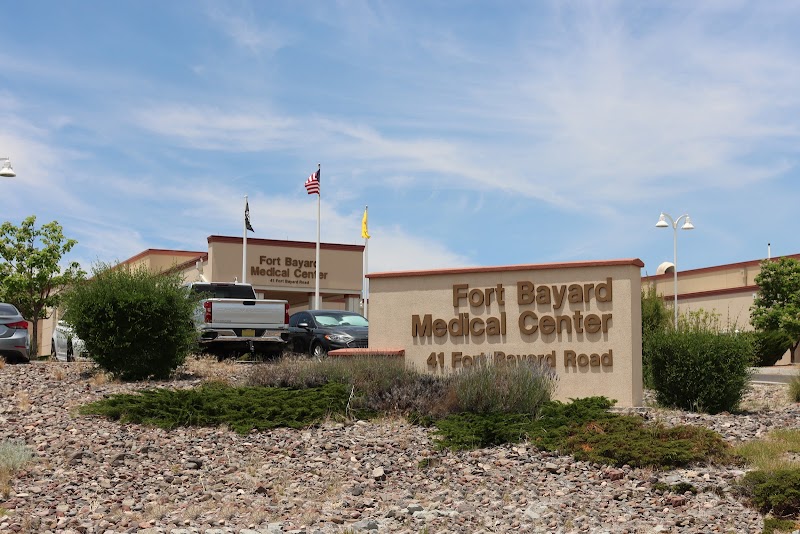
How is Fort Bayard Medical Center Staffed?
CMS rates Fort Bayard Medical Center's staffing level at 5 out of 5 stars, which is much above average compared to other nursing homes. Staff turnover is 42%, compared to the New Mexico average of 46%. This relatively stable workforce can support continuity of care.

What Have Inspectors Found at Fort Bayard Medical Center?

State health inspectors documented 47 deficiencies at Fort Bayard Medical Center during 2022 to 2025. These included: 1 Immediate Jeopardy (the most serious level, indicating potential for serious harm or death), 1 that caused actual resident harm, and 45 with potential for harm. Immediate Jeopardy findings are rare and represent the most serious regulatory concerns. They require immediate corrective action.

Who Owns and Operates Fort Bayard Medical Center?

Fort Bayard Medical Center is owned by a government entity. Government-operated facilities are typically run by state, county, or municipal agencies. The facility operates independently rather than as part of a larger chain. With 200 certified beds and approximately 112 residents (about 56% occupancy), it is a large facility located in Santa Clara, New Mexico.

How Does Fort Bayard Medical Center Compare to Other New Mexico Nursing Homes?

Compared to the 100 nursing homes in New Mexico, Fort Bayard Medical Center's overall rating (3 stars) is above the state average of 2.9, staff turnover (42%) is near the state average of 46%, and health inspection rating (2 stars) is below the national benchmark.

What Should Families Ask When Visiting Fort Bayard Medical Center?

Based on this facility's data, families visiting should ask: "What changes have been made since the serious inspection findings, and how are you preventing similar issues?" "Can I visit during a mealtime to observe dining assistance and food quality?" "How do you handle medical emergencies, and what is your hospital transfer rate?" "Can I speak with family members of current residents about their experience?" These questions are particularly relevant given the facility's Immediate Jeopardy citations.

Is Fort Bayard Medical Center Safe?

Based on CMS inspection data, Fort Bayard Medical Center has documented safety concerns. Inspectors have issued 1 Immediate Jeopardy citation (the most serious violation level indicating risk of serious injury or death). The facility has a 3-star overall rating and ranks #1 of 100 nursing homes in New Mexico. Families considering this facility should ask detailed questions about what corrective actions have been taken since these incidents.

Do Nurses at Fort Bayard Medical Center Stick Around?

Fort Bayard Medical Center has a staff turnover rate of 42%, which is about average for New Mexico nursing homes (state average: 46%). Moderate turnover is common in nursing homes, but families should still ask about staff tenure and how the facility maintains care continuity when employees leave.

Was Fort Bayard Medical Center Ever Fined?

Fort Bayard Medical Center has been fined $83,501 across 1 penalty action. This is above the New Mexico average of $33,914. Fines in this range indicate compliance issues significant enough for CMS to impose meaningful financial consequences. Common causes include delayed correction of deficiencies, repeat violations, or care failures affecting resident safety. Families should ask facility leadership what changes have been made since these penalties.

Is Fort Bayard Medical Center on Any Federal Watch List?

Fort Bayard Medical Center is not on any federal watch list. The most significant is the Special Focus Facility (SFF) program, which identifies the bottom 1% of nursing homes nationally based on persistent, serious quality problems. Not being on this list means the facility has avoided the pattern of deficiencies that triggers enhanced federal oversight. This is a positive indicator, though families should still review the facility's inspection history directly.