Socorro Wellness & Rehabilitation
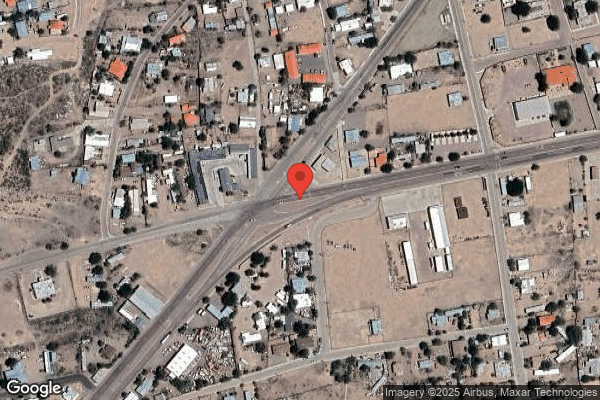

1203 Highway 60 West, Socorro, NM 87801 (575) 835-2724
Non profit - Other 61 Beds OPCO SKILLED MANAGEMENT Data: November 2025
Trust Grade
55/100
#37 of 67 in NM
Last Inspection: August 2024

Within standard 12-15 month inspection cycle. Federal law requires annual inspections.

Overview

Socorro Wellness & Rehabilitation has a Trust Grade of C, indicating it is average compared to other nursing homes. It ranks #37 out of 67 facilities in New Mexico, placing it in the bottom half, but it is the only nursing home in Socorro County, giving it a local advantage. The facility appears to be improving, as the number of issues reported decreased from 16 in 2023 to 13 in 2024. However, staffing is a concern, with a poor rating of 0 out of 5 stars and a turnover rate of 61%, which is higher than the state average. While there are no fines recorded, the facility has faced issues such as improper food storage that could lead to foodborne illnesses, and a lack of an effective infection control program, which poses risks for residents.

Trust Score
C
55/100
In New Mexico
#37/67
Bottom 45%
Safety Record
Low Risk
No red flags
Inspections
Getting Better
16 → 13 violations
Staff Stability
⚠ Watch
61% turnover. Above average. Higher turnover means staff may not know residents' routines.
Penalties
✓ Good
No fines on record. Clean compliance history, better than most New Mexico facilities.
Skilled Nurses
○ Average
RN staffing data not reported for this facility.
Violations
⚠ Watch
50 deficiencies on record. Higher than average. Multiple issues found across inspections.
★★★☆☆
3.0
Overall Rating
☆☆☆☆☆
0.0
Staff Levels
★★★★☆
4.0
Care Quality
★★★☆☆
3.0
Inspection Score
Stable
2023: 16 issues
2024: 13 issues

The Good

  • 4-Star Quality Measures · Strong clinical quality outcomes
  • Full Sprinkler Coverage · Fire safety systems throughout facility
  • No fines on record

Facility shows strength in quality measures, fire safety.

The Bad

3-Star Overall Rating

Near New Mexico average (2.9)

Meets federal standards, typical of most facilities

Staff Turnover: 61%

15pts above New Mexico avg (46%)

Frequent staff changes - ask about care continuity

Chain: OPCO SKILLED MANAGEMENT

Part of a multi-facility chain

Ask about local staffing decisions and management

Staff turnover is elevated (61%)

13 points above New Mexico average of 48%

The Ugly 50 deficiencies on record

Dec 2024 3 deficiencies
CONCERN (D) 📢 Someone Reported This

A family member, employee, or ombudsman was alarmed enough to file a formal complaint

Potential for Harm - no one hurt, but risky conditions existed

Deficiency F0943 (Tag F0943)

Could have caused harm · This affected 1 resident

Based on record review and interview, the facility failed to provide abuse, neglect, and exploitation (ANE) training to 1 (CNA #1) of 3 (CNA #1, CNA #2, and CNA #4) staff sampled for training. This de...

Read full inspector narrative →
Based on record review and interview, the facility failed to provide abuse, neglect, and exploitation (ANE) training to 1 (CNA #1) of 3 (CNA #1, CNA #2, and CNA #4) staff sampled for training. This deficient practice could likely result in staff not knowing who, what, and when to report abuse, neglect, and exploitation. The findings are: A. Record review of CNA #1's training transcript, hire date 10/18/24, revealed CNA #1 did not take ANE training prior to working with residents on 10/18/24. B. On 12/11/24 at 1:58 PM, during an interview with the Scheduler, she revealed the following: 1. CNA #1 was staff member for an outside agency. 2. Agency staff do not complete facility trainings prior to working with residents at the facility. C. On 12/12/24 at 11:28 AM, during an interview with the DON, she stated the following: 1. Agency staff were required to have dementia training completed through the outside agency prior to working a shift at the facility. 2. Agency staff were not required to complete abuse, neglect, and exploitation training with the outside agency or the facility prior to working directly with residents. D. On 12/13/24 at 9:45 AM, during an interview, the Human Resources (HR) stated the following: 1. All employees are required to have abuse, neglect, and exploitation training and dementia training. 2. All employees are required to have facility onboarding to orient them to the facility. 3. CNA #1 was an agency staff member who was brought in last minute because a facility staff member called in. 4. The facility did not have an employee file for CNA #1. She stated CNA #1's first day was 10/18/24, and she (HR) was off work that day. 5. Agency staff who work for [name of agency] sometimes only work one shift, so they are unable to have them complete their trainings prior to working with residents. 6. They assumed that since [name of agency] follows State and Federal regulations, they would ensure their staff have all the trainings required for State and Federal regulations. 7. The HR did not contact the outside agency for proof that CNA #1 completed ANE training. 8. The HR did not provide any documentation to show CNA #1 completed ANE training.
CONCERN (E) 📢 Someone Reported This

A family member, employee, or ombudsman was alarmed enough to file a formal complaint

Potential for Harm - no one hurt, but risky conditions existed

Free from Abuse/Neglect (Tag F0600)

Could have caused harm · This affected multiple residents

**NOTE- TERMS IN BRACKETS HAVE BEEN EDITED TO PROTECT CONFIDENTIALITY** Based on record review and interview, the facility failed to protect 25 out of 25 residents on the secure unit and North Hall (r...

Read full inspector narrative →
**NOTE- TERMS IN BRACKETS HAVE BEEN EDITED TO PROTECT CONFIDENTIALITY** Based on record review and interview, the facility failed to protect 25 out of 25 residents on the secure unit and North Hall (residents were identified by the resident census report, dated 10/18/24, provided by the Administrator on 12/13/24) sampled for abuse and neglect, when a staff member: 1. Abandoned residents by frequently leaving the building to go to his car multiple times throughout the shift. 2. Wore air pods (wireless headphones for listening to music and answering phone calls) in both ears, which prevented him from hearing what was occurring on the unit. 3. Fell asleep on the unit couch during the dinner meal. 4. Used loud, foul, abusive language. These deficient practices could result in residents' needs not being met, staff not being unaware of urgent resident needs, and residents feeling unsafe in their home. The findings are. A. Record review of the Incident Report, dated 10/25/24, revealed the following: 1. An abuse and neglect type of incident occurred on 10/19/24 at 6:00 PM. 2. CNA #1 was asleep on the job. 3. CNA #1 smelled of alcohol. 4. CNA #1 became belligerent, cussed at staff, and threatened to kill staff. 5. CNA #1 got into an RN's space and threatened to hit her. 6. The Incident Report was submitted to the State Agency on 10/25/24 at 4:59 PM. B. Record review of the Follow Up Report, dated 10/28/24, revealed the following: 1. Residents in the common area witnessed the yelling and cussing between CNA #1 and other staff. 2. The residents in the North Hall heard the yelling and cussing between CNA #1 and other staff. C. On 12/11/24 at 12:40 PM, during an interview, RN #1 stated the following: 1. She was told to communicate any concerns she may have during her shift to the Scheduler, and the scheduler would notify the DON since the DON was out of town. 2. CNA #1 was scheduled to work on 10/18/24 in the secure unit 3. On 10/18/24 (inconsistent with date on incident report) CNA #1 came in late for his first shift as a traveling CNA. 4. CNA #1 did not help CNA #2 get residents up, change the residents' briefs, or provide showers for the residents in the secure unit. 5. CNA #1 wore his air pods throughout the shift. 6. CNA #1 frequently went to his car throughout his shift. 7. She notified the Scheduler multiple times about her concerns with CNA #1 not assisting CNA #2 with resident care, wearing his air pods, and going to his care frequently. 8. On 10/18/24 at 5:30 PM, all the residents were in the dining room, and CNA #1 was asleep on the couch. 9. On 10/18/24 at 5:30 PM, she woke CNA #1 up and told him that he needed to gather his belongings and leave the facility. 10. CNA #1 smelled like alcohol when she woke him up. 11. CNA #1 yelled profanities and threatened her. 12. CNA #1 continued to yell at her as he was escorted out of the building through the secure unit then down the North Hall. 13. She was nervous CNA #1 would hurt her or the residents. 14. CNA #1 lunged at her. 15. She felt nervous and threatened by CNA #1's behavior. 16. Police found alcohol bottles in CNA #1's car. 17. The Scheduler notified the DON about what occurred. D. On 12/11/24 at 1:58 PM, during an interview, the Scheduler stated the following: 1. She stated the DON was out of town on the weekend of 10/18/24, and staff were expected to communicate concerns to her (Scheduler). She stated she would handle what she could and notify the DON, if necessary. 2. She was responsible for CNA scheduling. 3. She worked on 10/18/24 when CNA #1 worked. 4. CNA #1 worked for an outside agency. 5. CNA #1's first time working at the facility was on 10/18/24. 6. CNA #1 was an hour late for his shift. 7. She observed CNA #1 going out to his car multiple times throughout the shift. 8. RN #1 told her CNA #1 kept going out to his car, was on his phone, and sat around. 9. She told CNA #1 he could not keep going out to his car during his shift or be on his phone. 10. On 10/18/24 at 5:30 PM, CMA #1 sent her a picture of CNA #1 sleeping on the couch in the secure unit. 11. She told staff to send CNA #1 home. 12. CNA #1 became belligerent (hostile and aggressive) with staff when they woke him up. 13. Staff called the police due to CNA #1's behavior. 14. She went back to the facility on [DATE] when staff notified her that they called the police. 15. She notified the DON and the Administrator about the situation when she went back to the facility. E. On 12/11/24 at 3:18 PM, during an interview, CNA #3 stated the following: 1. On 10/28/24, he heard CNA #1 yelling and cussing while staff passed out dinner trays in the North Hall. 2. He saw CNA #1 get close to RN #1, and he looked like he was going to hit her. 3. RN #1 and another male staff member tried to get CNA #1 out of the building. 4. CNA #1 became aggressive toward the other male staff member. 5. He diffused the situation and walked CNA #1 out of the building. 6. CNA #1 went to the front of the building, but the door was locked. 7. Staff refused to let CNA #1 back in the building. 8. The police found alcohol in CNA #1's vehicle. F. On 12/11/24 at 3:29 PM, during an interview, CMA #1 stated the following: 1. On 10/18/24, CNA #2 told her that CNA #1 was not providing resident care. 2. She assisted CNA #2 with passing out lunch trays and other resident care, because CNA #1 was not helping. 3. She notified the Scheduler that CNA #1 took a lot of breaks. 4. The Scheduler said for staff to get through that shift, and they would not allow CNA #1 to come back to the facility. 5. On 10/28/24 at 5:30 PM, the residents ate dinner in the common area of the secure unit, and CNA #1 was asleep on the couch. 6. She sent a picture of CNA #1 sleeping on the couch to the Scheduler. 7. The Scheduler said for CNA #1 to leave the facility. 8. RN #1 woke CNA #1 up and told him to leave. 9. CNA #1 yelled and cussed at RN #1 through the unit and down the hall outside the unit. 10. She did not leave the unit but could hear CNA #1 yelling while staff escorted him through the building. G. Record review of the photo taken by CMA #1, no date, revealed the following: 1. CNA #1 sat on the couch with his head tilted to the side and his eyes closed. 2. CNA #1 had an air pod in his left ear. 3. CNA #1 had his cell phone in his hand. H. On 12/11/24 at 3:55 PM, during an interview, CNA #2 stated the following: 1. She was scheduled to work in the secure unit on 10/18/24. 2. She worked with CNA #1 during her shift on 10/18/24. 3. It was CNA #1's first shift at the facility. 4. CNA #1 frequently left the building. 5. CNA #1 had his air pods in both ears throughout the shift. 6. CNA #1 was on his phone a lot throughout the shift. 7. She had to complete all resident care herself. 8. CNA #1 took more than an hour lunch (lunch breaks are supposed to be 30 minutes.) 9. After lunch, CNA #1 appeared intoxicated. 10. She asked CNA #1 for assistance with resident care, but he told her he was busy on a phone call. 11. She told CNA #1 multiple times that he was going to get in trouble for being on his phone and going outside frequently, and CNA #1 responded that he did not care. 12. At dinner time at 5:00 PM, all the residents were in the common area getting ready to eat dinner and CNA #1 was asleep on the couch. 13. RN #1 woke CNA #1 up. 14. CNA #1 appeared to be under the influence of something when he woke up. 15. CNA #1 became aggressive toward RN #1 and tried to hit RN #1. 16. CNA #1 out of the secure unit while RN #1 walked and yelled at RN #1. I. On 12/12/24 at 9:18 AM, during an interview, Nurse Aide (NA) #1 stated the following: 1. On 10/18/24, all the residents in the secure unit were in the common area for dinner. 2. CNA #1 was asleep on the couch. 3. CNA #1 became aggressive after RN #1 woke him up. 4. CNA #1 continued to yell at RN #1 through the secure unit and down the North hall. 5. CNA #1 tried to hit RN #1. 6. A kitchen worker stepped in to prevent CNA #1 from hitting RN #1. 7. The residents in the secure unit and North Hall were able to hear the yelling that took place between CNA #1 and RN #1. 8. She took multiple videos of the incident between CNA #1 and RN #1, because she was afraid for RN #1 and the residents. 9. She stated the police told the staff they found a bottle of alcohol in CNA #1's vehicle. J. Record review of the video footage in the secure unit, no date, revealed the following: 1. RN #1 followed CNA #1 down the North Hall. 2. RN #1 told CNA #1 to leave because he fell asleep while he was responsible for the care of 11 residents. 3. CNA #1 loudly told RN #1 profanities. 4. CNA #1 turned around, approached the nurse, started yelling at the nurse, and made fists with both of his hands. 5. A male staff member approached CNA #1, and CNA #1 started yelling at the male staff member in Spanish. CNA #1 then told the staff members profanities in English. 6. RN #1 and the male staff member continued to follow CNA #1 down the hall. 7. CNA #1 got in the male staff members face and yelled to stop following him. 8. RN #1 told CNA #1 they would follow him until he was out of the building. 9. CNA #1 pulled up the sleeves of his shirt and made fists while he approached the male staff member and RN #1. 10. CNA #1 loudly said profanities at RN #1 and the male staff member. 11. CNA #3 stepped in and escorted CNA #1 out of the building. K. Record review of the police report, dated 10/19/24, revealed the following: 1. The police were called to the facility on [DATE] due to a male (CNA #1). 2. Police noticed an open alcohol container in CNA #1's vehicle and removed it. 3. On 10/19/24, police made contact with CNA #1 and he stated he was intoxicated while being at work. L. On 12/12/24 at 11:28 AM, during an interview, the DON stated the following: 1. The incident with CNA #1 and RN #1 occurred on 10/18/24, not 10/19/24 as indicated on the incident report submitted to the State Agency. 2. Staff should have notified her when CNA #1 left the building frequently, did not help with resident care, and when he fell asleep. 3. She was not notified about the events that occurred on 10/18/24 until the Scheduler notified her after the police were called. 4. She was unsure what time staff notified her on 10/28/24.
CONCERN (E) 📢 Someone Reported This

A family member, employee, or ombudsman was alarmed enough to file a formal complaint

Potential for Harm - no one hurt, but risky conditions existed

Report Alleged Abuse (Tag F0609)

Could have caused harm · This affected multiple residents

**NOTE- TERMS IN BRACKETS HAVE BEEN EDITED TO PROTECT CONFIDENTIALITY** Based on record review and interview the facility failed to report alleged allegations of abuse and neglect to the State Agency ...

Read full inspector narrative →
**NOTE- TERMS IN BRACKETS HAVE BEEN EDITED TO PROTECT CONFIDENTIALITY** Based on record review and interview the facility failed to report alleged allegations of abuse and neglect to the State Agency for 25 out of 25 residents on the secure unit and north hall (residents were identified by the resident census report, dated 10/18/24, provided by the Administrator on 12/13/24) sampled for abuse and neglect, when they failed to report allegations of abuse and neglect by CNA #1 on 10/18/24 within two hours after the incident. If the facility fails to report allegations of abuse and neglect timely, then corrective action may not be taken, and residents could likely suffer serious bodily injury or a decline in their psychological well-being. A. Record review of the Incident Report, dated 10/25/24, revealed the following: 1. An abuse and neglect type of incident occurred on 10/19/24 at 6:00 PM. 2. CNA #1 was asleep on the job. 3. CNA #1 smelled of alcohol. 4. CNA #1 became belligerent, was cussing at staff, and threatened to kill staff. 5. CNA #1 got into an RN's space and threatened to hit her. 6. The Incident Report was submitted to the State Agency on 10/25/24 at 4:59 PM, not within two hours of the incident. B. Record review of the Follow Up Report, dated 10/28/24, revealed the following: 1. Residents in the common area witnessed the yelling and cussing between CNA #1 and other staff. 2. The residents in the North Hall heard the yelling and cussing between CNA #1 and other staff. C. On 12/11/24 at 12:40 PM, during an interview, RN #1 stated the following: 1. She was told to communicate any concerns she may have during her shift to the Scheduler, and the scheduler would notify the DON since the DON was out of town. 2. CNA #1 was scheduled to work on 10/18/24 in the secure unit 3. On 10/18/24 (inconsistent with date on incident report) CNA #1 came in late for his first shift as a traveling CNA. 4. CNA #1 did not help CNA #2 get residents up, change the residents' briefs, or provide showers for the residents in the secure unit. 5. CNA #1 wore his air pods throughout the shift. 6. CNA #1 frequently went to his car throughout his shift. 7. She notified the Scheduler multiple times about her concerns with CNA #1 not assisting CNA #2 with resident care, wearing his air pods, and going to his care frequently. 8. On 10/18/24 at 5:30 PM, all the residents were in the dining room, and CNA #1 was asleep on the couch. 9. On 10/18/24 at 5:30 PM, she woke CNA #1 up and told him that he needed to gather his belongings and leave the facility. 10. CNA #1 smelled like alcohol when she woke him up. 11. CNA #1 yelled profanities and threatened her. 12. CNA #1 continued to yell at her as he was escorted out of the building through the secure unit then down the North Hall. 13. She was nervous CNA #1 would hurt her or the residents. 14. CNA #1 lunged at her. 15. She felt nervous and threatened by CNA #1's behavior. 16. Police found alcohol bottles in CNA #1's car. 17. On 10/18/24, the Scheduler called the police and then notified the DON about CNA #1 yelling and cussing at staff. She was unsure of the time of the phone calls. D. On 12/11/24 at 1:58 PM, during an interview, the Scheduler stated the following: 1. 3. She worked on 10/18/24 when CNA #1 worked. 2. CNA #1 worked for an outside agency. 3. CNA #1's first time working at the facility was on 10/18/24. 4. CNA #1 was an hour late for his shift. 5. She observed CNA #1 going out to his car multiple times throughout the shift. 6. RN #1 told her CNA #1 kept going out to his car, was on his phone, and sat around. 7. She told CNA #1 he could not keep going out to his car during his shift or be on his phone. 8. On 10/18/24 at 5:30 PM, CMA #1 sent her a picture of CNA #1 sleeping on the couch in the secure unit. 9. She told staff to send CNA #1 home. 10. CNA #1 became belligerent (hostile and aggressive) with staff when they woke him up. 11. Staff called the police due to CNA #1's behavior. 12. She went back to the facility on [DATE] when staff notified her that they called the police. 13. She notified the DON and the Administrator about the situation when she went back to the facility. She was unsure of the time of the phone calls. E. On 12/12/24 at 9:18 AM, during an interview, Nurse Aide (NA) #1 stated the following: 1. 1. On 10/18/24, all the residents in the secure unit were in the common area for dinner. 2. CNA #1 was asleep on the couch. 3. CNA #1 became aggressive after RN #1 woke him up. 4. CNA #1 continued to yell at RN #1 through the secure unit and down the North hall. 5. CNA #1 tried to hit RN #1. 6. A kitchen worker stepped in to prevent CNA #1 from hitting RN #1. 7. The residents in the secure unit and North Hall were able to hear the yelling that took place between CNA #1 and RN #1. F. On 12/12/24 at 11:28 AM, during an interview, the DON stated the following: 1. The incident with CNA #1 and RN #1 occurred on 10/18/24, not 10/19/24 as indicated on the incident report submitted to the State Agency. 2. The Scheduler notified her about the incident after the Scheduler called police. 3. She spoke with the Administrator after she was notified, and he said the Scheduler also notified him about the incident. 4. She submitted an incident report to the State Agency on 10/25/24.
Aug 2024 10 deficiencies
CONCERN (D)

Potential for Harm - no one hurt, but risky conditions existed

Comprehensive Care Plan (Tag F0656)

Could have caused harm · This affected 1 resident

**NOTE- TERMS IN BRACKETS HAVE BEEN EDITED TO PROTECT CONFIDENTIALITY** Based on record review and interview, the facility failed to develop an accurate, person-centered comprehensive care plan for 2 ...

Read full inspector narrative →
**NOTE- TERMS IN BRACKETS HAVE BEEN EDITED TO PROTECT CONFIDENTIALITY** Based on record review and interview, the facility failed to develop an accurate, person-centered comprehensive care plan for 2 (R #13 and R #25) of 7 (R #10, R #12, R #13, R #23, R #25, R #29 and R #32) residents reviewed for care plans. This deficient practice could likely result in staff being unaware of the current and actual needs of the residents. The findings are: R #13 A. Record review of R #13's admission Record, no date, revealed the following: 1. R #13 was admitted to the facility on [DATE]. 2. R #13 diagnoses: a. Fibromyalgia [disorder characterized by widespread musculoskeletal (involving both muscle and bones) pain accompanied by fatigue, sleep, memory and mood issues.] b. Cramp (sudden, unexpected tightening of one or more muscles that can be very painful) and spasm (sudden, twitching contractions that are not usually painful.) c. Unspecified osteoarthritis (inflammation of one or more joints that occur without a known cause resulting in pain, stiffness, and loss of mobility.) d. Pain unspecified (exact cause or type of pain cannot be determined.) e. Acute (sudden onset) and chronic (gradual and requires long-term treatment) respiratory failure (condition where there is not enough oxygen or too much carbon dioxide in your body.) f. Chronic obstructive pulmonary disease (COPD; group of progressive lung diseases that damage your airways and make it harder to breathe) g. Hypoxemia (low levels of oxygen in the blood that can affect body functions.) B. Record review of R #13's physician's orders revealed: 1. Order date 01/04/24: Oxygen via nasal cannula (tubing used to deliver oxygen through the nose), 1 to 4 liters per minute (amount of oxygen delivered to resident) as needed for dyspnea (shortness of breath, the feeling that you cannot get enough air into your lungs), hypoxia (condition that occurs when the body tissues do not get sufficient oxygen supply), or acute angina (chest pain or discomfort that happens when the heart is not receiving enough oxygen-rich blood.) 2. Order date 01/04/24: Acetaminophen oral tablet (over the counter pain reliever used to treat mild to moderate pain). Give 650 mg (dosage of medication) every four hours as needed for pain. 3. Order date 07/24/24: Hydrocodone-acetaminophen oral tablet (opioid combination medicine used to relieve moderate to severe pain), 5-325 mg (strength of medication). Give one tablet by mouth every eight hours as needed for chronic pain. C. Record review of R #13's Care Plan, dated 01/05/24, revealed the following: 1. Focus (area of concern) R #13 had congestive heart failure (condition in which the heart does not pump blood as well as it should causing fluid buildup and shortness of breath) evidenced by supplemental oxygen. a. Intervention (actions taken by nursing staff to promote health and help residents heal and recover from illness and injury): Oxygen therapy continuous. 2. Focus date initiated 07/15/24: R #13 had acute and chronic pain/discomfort related to arthritis (condition with pain, swelling, and tenderness of one or more joints) and history of hip fracture. a. Intervention: Evaluate the effectiveness of pain interventions each shift. D. On 08/29/24 at 11:20 AM, during an interview with the DON, she confirmed the following: 1. R #13's care plan was not comprehensive due to the interventions section did not include the actions staff should take to ensure the resident was assessed and monitored for her use of oxygen and what signs and symptoms would indicate the need for additional intervention. 2. R #13's care plan was not comprehensive due to the intervention section did not include the actions staff should take to assist R #13 with her pain management. 3. The expectation was for nursing staff to provide more interventions/nursing actions to assist R #13 with her dependency on oxygen and to help her manage her pain. R #25 E. Record review of R #25's admission Record, no date, revealed the following 1. R #25 was admitted to the facility on [DATE]. 2. R #25 diagnoses were as follows: a. Alzheimer's disease (a progressive disease that destroys memory and other important mental functions.) b. Unspecified dementia (term used to describe a group of symptoms affecting memory, thinking and social abilities.) c. Neurocognitive disorder with Lewy bodies (a disease associated with abnormal deposits of a protein called alpha-synuclein in the brain. These deposits, called Lewy bodies, affect chemicals in the brain whose changes, in turn, can lead to problems with thinking, movement, behavior, and mood.) d. Major depressive disorder (MDD;mood disorder that causes a persistent feeling of sadness and loss of interest.) e. Generalized anxiety (an emotion characterized by feelings of tension, worried thoughts, and physical changes like increased blood pressure.) f. Other specified anxiety disorder (anxiety or phobias that don't meet the exact criteria for any other anxiety disorders but are significant enough to be distressing and disruptive.) F. Record review of R #25's physician's orders, dated 08/05/24, revealed an order for Seroquel (antipsychotic medication that can treat schizophrenia, bipolar disorder, and depression), 200 mg twice a day for dementia. G. Record review of R #25's Care Plan, dated 02/10/23, revealed the following: 1. R #25 was on antipsychotic medication therapy. 2. R #25 will be free from any discomfort or adverse side effects from antipsychotic medication use through the review date. 3. R #25 will have positive results due to antipsychotic medication therapy (not a measurable objective.) 4. Staff did not document the diagnosis ro which R #25 took antipsychotic medication. 5. Staff did not document measurable objectives for R #25 taking antipsychotic medications. H. Record review of R #2's history and physical (H & P; comprehensive formal assessment by a healthcare provider that includes a thorough health history and physical examination), dated 05/24/24, revealed the following: 1. Bipolar disorder onset 04/06/24. 2. Depressive disorder onset 10/03/17. 3. A diagnosis of schizophrenia was not included in the history and physical form. I. On 08/28/24 at 3:24 PM, during an interview with the DON, she confirmed the following: 1. R #25 had an order for Seroquel for a diagnosis of dementia with irritability. 2. R #25's care plan did not include the reason for R #25's use of an antipsychotic medication. 3. R #25's care plan stated the resident would have positive results from the use of antipsychotic medication, but it did not document what specific outcomes would indicate that R #25 had positive results. 4. The expectation was for care plans to include the reason the resident took an antipsychotic medication and to have measurable objectives.
CONCERN (D)

Potential for Harm - no one hurt, but risky conditions existed

Deficiency F0657 (Tag F0657)

Could have caused harm · This affected 1 resident

Based on interview and record review, the facility failed to ensure care plan revision occurred for 1 (R #30) of 4 (R #5, R #7, R #11, and R #30) residents reviewed for care plans, when they failed to...

Read full inspector narrative →
Based on interview and record review, the facility failed to ensure care plan revision occurred for 1 (R #30) of 4 (R #5, R #7, R #11, and R #30) residents reviewed for care plans, when they failed to update R #30's care plan to document that her lower dentures were lost. This deficient practice could likely result in the care plan not being updated with the most current resident conditions and appropriate interventions, staff being unaware of changes in care provided, and residents not receiving the care related to changes in their health status or healthcare decisions. The findings are: A. On 08/26/24 at 2:30 PM, during an interview, R #30's said she lost her bottom dentures. R #30 said she did not remember when she lost them. B. Record review of R #30's progress notes, dated 06/12/24, revealed R #30 wore full dentures. C. Record review of R #30's care plan, dated 06/21/24, did not document R #30's bottom dentures were missing. D. On 08/27/24 at 10:59 AM, during an interview, the Business Office Manager (BOM) confirmed R #30's bottom dentures are lost. The BOM said she was not sure when R #30's bottom dentures went missing, but it had been a while. E. On 08/30/24 at 12:15 PM, during an interview, the DON confirmed R #30's bottom dentures were missing. The DON stated the staff did not careplan R #30's lost dentures, but it should be on the care plan.
CONCERN (D)

Potential for Harm - no one hurt, but risky conditions existed

Deficiency F0658 (Tag F0658)

Could have caused harm · This affected 1 resident

Based on record review and interview, the facility failed to meet professional standards of practice for 1 (R #36) of 4 (R #10, R #22, R #29, and R #36) residents reviewed for medication administratio...

Read full inspector narrative →
Based on record review and interview, the facility failed to meet professional standards of practice for 1 (R #36) of 4 (R #10, R #22, R #29, and R #36) residents reviewed for medication administration, when staff did not administer R #36's blood pressure medication regardless of specific parameters (numerical or another measurable factor) from the medical provider. This deficient practice could likely lead to the resident having adverse (unwanted, harmful, or abnormal result) side effects or not receiving the desired therapeutic effect of the medication due to it not being administered. The findings are: A. Record review of R #36's Physician orders revealed: 1. Order date 08/29/23: amlodipine besylate (medication used to treat high blood pressure) tablet. Give 5 mg by mouth one time a day. Hold for systolic blood pressure (SBP; top number of blood pressure reading) less than 100. 2. Order date 08/30/23: lisinopril (medication used to treat high blood pressure) tablet. Give 10 mg by mouth one time a day. Hold for SBP less than 100. B. Record review of R #36's MAR for July 2024 revealed: 1. On 07/15/24, PM amlodipine, hold see nurse notes. 2. On 07/16/24, AM lisinopril, hold see nurse notes. C. Record review of R #36's MAR for August 2024 revealed: 1. On 08/12/24, AM lisinopril, hold see nurse notes. D. Record review of R #36's nurse progress notes revealed: 1. On 07/15/2024 at 4:15 PM, resident blood pressure was low. 2. On 07/16/2024, at 8:22 AM, resident blood pressure was low. 3. On 08/12/2024, at 8:51 AM, resident blood pressure was low. E. Record review of R #36's blood pressure readings revealed: 1. On 07/15/2024, 8:10 AM, blood pressure reading 107/62, staff did not document additional blood pressure readings for this date. 2. On 07/16/2024, at 4:18 PM, blood pressure reading 102/53, staff did not document additional blood pressure readings for this date. 3. On 08/12/2024, at 4:03 PM, blood pressure reading 116/69, staff did not document additional blood pressure readings for this date. F. On 08/29/24 at 11:40 AM, during an interview, the DON confirmed the following: 1. Staff did not administer R #36's blood pressure medication according to the physicians' orders. 2. R #36's blood pressure medication order indicated the medication should only be held if the systolic blood pressure was less than 100. 3. There was not documentation of a systolic blood pressure less than 100 for R #36 on the dates staff did not administer the medication. 4. There were not blood pressure readings documented for R #36 at the time the medication was held. 5. The expectation was for staff to administer the medication unless it met the specific parameters indicated on R 36's physician's order, and they documented a blood pressure reading at the time they administered or held the medications.
CONCERN (D)

Potential for Harm - no one hurt, but risky conditions existed

Deficiency F0676 (Tag F0676)

Could have caused harm · This affected 1 resident

**NOTE- TERMS IN BRACKETS HAVE BEEN EDITED TO PROTECT CONFIDENTIALITY** Based on record review and interview, the facility failed to ensure the resident's ability to perform activities of daily living...

Read full inspector narrative →
**NOTE- TERMS IN BRACKETS HAVE BEEN EDITED TO PROTECT CONFIDENTIALITY** Based on record review and interview, the facility failed to ensure the resident's ability to perform activities of daily living (ADLs) was maintained or improved for 1 (R #12) of 2 (R #12 and R #25) residents reviewed for functional ability (the actual or potential capacity of an individual activity and tasks that can be normally expected). If the facility does not ensure that residents maintain or improve their functional abilities, then the residents are likely to experience a decrease in their ability to walk, transfer, and do other activities of daily living. The findings are: A. Record review of R #12's admission record, no date, revealed the following: 1. R #12 was admitted on [DATE]. 2. R #12 had the following diagnoses: a. Unspecified dementia (term used to describe a group of symptoms affecting memory, thinking and social abilities.) b. Other displaced fracture of upper extremity. c. Polyosteoarthrities (any type of arthritis that involves five or more joints simultaneously.) d. History of falling. e. Alzheimer's disease (a progressive disease that destroys memory and other important mental functions.) f. Age related osteoporosis (a condition in which bones become weak and brittle.) B. Record review of R #12's quarterly MDS assessment, dated 04/17/24, revealed R #12 had the following functional abilities. 1. Eating- Supervision or touching assistance required (Helper provides verbal cues and/or touching/steadying and/or contact guard assistance as the resident completes activity.) 2. Oral hygiene- Partial/moderate assistance (Helper does less than half the effort.) 3. Toileting hygiene (the ability to maintain perineal hygiene, adjust clothes before and after voiding or having a bowel movement)- Partial/moderate assistance. 4. Shower/bathe self- Partial/moderate assistance. 5. Upper body dressing- Partial/moderate assistance. 6. Lower body dressing- Partial/moderate assistance. 7. Putting on/taking off footwear- Partial/moderate assistance. 8. Personal hygiene (the ability to maintain personal hygiene, including combing hair, shaving, applying makeup, washing/drying face and hands (excludes baths, showers, and oral hygiene)- Partial/moderate assistance. 9. Roll left and right- Supervision or touching assistance. 10. Sit to lying- Supervision or touching assistance. 11. Lying to sitting on side of bed- Supervision or touching assistance. 12. Sit to stand- Supervision or touching assistance. 13. Chair/bed-to-chair transfer- Supervision or touching assistance. 14. Toilet transfer- Supervision or touching assistance. 15. Tub/shower transfer- Supervision or touching assistance. C. Record review of R #12's progress note, dated 06/14/24, revealed that R #12 fell and injured her arm. D. Record review of R #12's physician's orders, dated 06/16/24, revealed an order for X-rays of R #12's left hand, left wrist, and left forearm. E. Record review of R #12's x-ray report, dated 06/17/24, revealed resident had a fracture of her distal radius and ulna (bones in the lower part of the arm near the wrist) on her left arm. The fracture of the radius was nearly healed and the fracture of the ulna appeared recent. F. Record review of R #12's physician's orders, dated 06/18/24, revealed the following: 1. An order for R #12 to wear a splint to stabilize her fracture for six weeks. 2. The order for R #12 was completed on 07/30/24 (6 weeks after order). G. Record review of R #12's significant change MDS assessment, dated 06/21/24, revealed R #12 had the following functional abilities: 1. Eating- Partial/moderate assistance. 2. Oral hygiene- Substantial/maximal assistance (Helper does more than half the effort). 3. Toileting hygiene- Substantial/maximal assistance. 4. Shower/bathe self- Substantial/maximal assistance. 5. Upper body dressing- Substantial/maximal assistance. 6. Lower body dressing- Substantial/maximal assistance. 7. Putting on/taking off footwear- Substantial/maximal assistance. 8. Personal hygiene- Substantial/maximal assistance. 9. Roll left and right- Substantial/maximal assistance. 10. Sit to lying- Substantial/maximal assistance. 11. Lying to sitting on side of bed- Substantial/maximal assistance. 12. Sit to stand- Substantial/maximal assistance. 13. Chair/bed-to-chair transfer- Substantial/maximal assistance. 14. Toilet transfer- Substantial/maximal assistance. 15. Tub/shower transfer- Substantial/maximal assistance. H. Record review of R #12's care plan, dated 06/26/24, revealed R #12 had an activities of daily living (ADL) self-care deficit due to her fractured ulna. I. Record review of R #12's progress note, dated 07/21/24, revealed R #12 took off her splint after staff placed it and used her wrist normally. J. On 08/27/24 at 11:11 AM, during an interview with CNA #17, revealed the following: 1. R #12 required full assistance with ADL's. 2. R #12 was able to use her left arm normally. 3. He did not perform any restorative nursing (person-centered nursing care that is designed to improve or maintain the functional ability of residents, so they can achieve their highest level of well-being possible) with R #12. 4. He was unsure if R #12 received therapy; however, he see therapy take R #12 out of the secure unit for therapy. K. On 08/27/24 at 11:15 AM, during an interview with the MDS coordinator, revealed the following: 1. R #12 was functional with her left wrist for about three or four weeks. 2. Did not think anything was done to help R #12 return to her prior level of functioning. 3. The facility did not have a restorative nursing program. 4. He confirmed there was not an order for therapy to evaluate R #12 after her wrist healed. L. On 08/28/24 at 03:09 PM, during an interview with the Certified Occupational Therapy Assistant, revealed the following: 1. Therapy did not evaluate R #12 after her fracture healed. 2. Staff should have referred R #12 for a follow-up to evaluate her functional abilities and her ability to participate with rehab, after her fracture healed. 3. The facility did not have a restorative nursing program. 4. R #12 would benefit from therapy or a restorative nursing program that was consistent.
CONCERN (D)

Potential for Harm - no one hurt, but risky conditions existed

Deficiency F0688 (Tag F0688)

Could have caused harm · This affected 1 resident

**NOTE- TERMS IN BRACKETS HAVE BEEN EDITED TO PROTECT CONFIDENTIALITY** Based on interview and record review, the facility failed to ensure a resident received restorative rehabilitation (focuses on m...

Read full inspector narrative →
**NOTE- TERMS IN BRACKETS HAVE BEEN EDITED TO PROTECT CONFIDENTIALITY** Based on interview and record review, the facility failed to ensure a resident received restorative rehabilitation (focuses on maximizing an optimal level of functioning, enabling clients to regain/retain their independence following the debilitating effects of illness or injury) services as ordered by the physician for 2 (R #9 and #37) of 2 (R #9 and #37) residents reviewed for rehabilitation services. This deficient practice is likely to result in a decrease in residents functional mobility. The findings are: R #9 A. On 08/26/24 at 1:54 PM, during an interview with R #9, he stated he did not have any therapy services, but the nurses helped him move his arms and legs. B. Record review of R #9's physical (PT) and occupational therapy (OT) Discharge summary, dated [DATE], revealed R #9 to discharge to same the skilled nursing facility (SNF) with right upper extremity (region of the body that includes the arm, forearm, wrist and hand) range of motion program [ROM; the movement potential of a joint from full extension to full flexion (bending), flexibility involving ligaments, tendons, muscles, bones and joints] in place. C. On 08/28/24 at 10:00 AM, during an interview with CNA #24, she stated the following: 1. She was trained on ROM. 2. When she worked with R #9, she did ROM with R #9 and allowed him to wash himself in the shower. 3. She let the nurse in charge know that she did ROM with the resident, but she was not sure if a note was documented or not. The CNA stated she was trained in school to do ROM. D. On 08/28/24 at 1:19 PM, during an interview with the DON, she stated the facility did not have a restorative program. E. On 08/28/24 01:23 PM, during an interview with the MDS Coordinator (MDSC), he stated the following: 1. The CNAs were allowed to do ROM with the residents, and they should document it. The MDSC stated there was not any documentation to show the CNAs did ROM exercises with the residents. The MDSC did not confirm if the CNAs were qualified to do ROM. 2. R #9 was discharged from therapy services, but the MDSC could not remember the date. R #37 F. On 08/26/24 at 2:19 PM, during an interview, R #37 stated the nurses helped him do exercises for his legs and arms. G. Record review of R #37's OT Discharge summary, dated [DATE], R #37 was discharged to same the SNF with staff support. Instructions for bilateral upper extremity therapy exercises at bedside. H. On 08/28/24 at 10:00 AM, during an interview with CNA #24, she stated the following: 1. She received training on ROM. 2. When she worked with R #37, she did ROM with R #37 and allowed him to wash himself in the shower. 3. She let the nurse in charge know she did ROM with the resident, but she was not sure if a note was documented or not. The CNA stated she was trained in school to do ROM. I. On 08/28/24 at 1:19 PM, during an interview, the DON stated the facility did not have a restorative program. J. On 08/28/24 01:23 PM, during an interview with the MDS Coordinator (MDSC), he stated the following: 1. The CNAs were allowed to do ROM with the residents, and they should document it. The MDSC stated there was not any documentation to show the CNAs did ROM exercises with the residents. 2. R #37 did not have therapy at the moment. K. On 08/28/24 at 3:28 PM, during an interview with Certified Occupational Therapy Assistant (COTA), he stated he did not instruct the CNAs on how to do ROM exercises with the residents.
CONCERN (D)

Potential for Harm - no one hurt, but risky conditions existed

Medication Errors (Tag F0758)

Could have caused harm · This affected 1 resident

**NOTE- TERMS IN BRACKETS HAVE BEEN EDITED TO PROTECT CONFIDENTIALITY** Based on record review and interview, the facility failed to ensure residents did not receive psychotropic medications (antidepr...

Read full inspector narrative →
**NOTE- TERMS IN BRACKETS HAVE BEEN EDITED TO PROTECT CONFIDENTIALITY** Based on record review and interview, the facility failed to ensure residents did not receive psychotropic medications (antidepressants, anti-anxiety medications, stimulants, antipsychotics, and mood stabilizers) unless the medication was necessary to treat a specific psychiatric diagnosis for 1 (R #25) of 5 (R #5, R #11, R #12, R #13, and R #25) residents reviewed for unnecessary medications. This deficient practice could likely result in residents receiving medications without a medical reason and being at a higher risk of adverse side effects (unwanted, harmful, or abnormal result). The findings are: A. Record review of R #25's admission Record, no date, revealed the following: 1. R #25 was admitted to the facility on [DATE]. 2. R #25 diagnoses as follows: a. Alzheimer's disease (a progressive disease that destroys memory and other important mental functions.) b. Unspecified dementia (term used to describe a group of symptoms affecting memory, thinking and social abilities.) c. Neurocognitive disorder with Lewy bodies (a disease associated with abnormal deposits of a protein called alpha-synuclein in the brain. These deposits, called Lewy bodies, affect chemicals in the brain whose changes, in turn, can lead to problems with thinking, movement, behavior, and mood.) d. Major depressive disorder (MDD; a mood disorder that causes a persistent feeling of sadness and loss of interest.) e. Generalized anxiety (an emotion characterized by feelings of tension, worried thoughts, and physical changes like increased blood pressure.) f. Other specified anxiety disorder (anxiety or phobias that do not meet the exact criteria for any other anxiety disorders but are significant enough to be distressing and disruptive.) B. Record review of R #25's physician order, dated 08/05/24, the following was revealed: 1. An order for Seroquel (antipsychotic medication that can treat schizophrenia, bipolar disorder, and depression), 200 mg twice a day for dementia with irritability/agitation/aggression. 2. A black box warning [the Food and Drug Administration's (FDA) most stringent label on medications, used to warn about severe side effects] for Seroquel stated, Increased mortality in elderly patients with dementia-related psychosis. Elderly patients with dementia-related psychosis treated with antipsychotic drugs are at an increased risk of death. Quetiapine (generic name for Seroquel) is not approved for the treatment of patients with dementia-related psychosis. C. On 08/28/24 at 3:24 PM, during an interview with the DON, she confirmed the following: 1. R #25 had an order for Seroquel for the diagnosis of dementia with irritability. 2. Dementia was not an appropriate diagnosis for the use of Seroquel. 3. The expectation was for residents who were prescribed an antipsychotic medication to have an appropriate diagnosis for that medication.
CONCERN (D)

Potential for Harm - no one hurt, but risky conditions existed

Deficiency F0761 (Tag F0761)

Could have caused harm · This affected 1 resident

Based on observation, and interview, the facility failed to store medications properly for all 17 residents in the East Unit (residents were identified by the Resident Matrix provided by the Administr...

Read full inspector narrative →
Based on observation, and interview, the facility failed to store medications properly for all 17 residents in the East Unit (residents were identified by the Resident Matrix provided by the Administrator on 08/26/24), when they failed to ensure the medication cart did not contain loose medications. This deficient practice could likely result in residents obtaining or being administered medication not prescribed to them, receiving medications that are less effective, and may result in adverse side effects. The findings are: A. On 08/28/24 at 12:05 PM, during an observation of the medication cart assigned to the East Unit with rooms 101-114, one white round tablet was loose in the second drawer of the medication cart and located towards the back of the medication cards (cardboard and foil packaging prefilled with prescription medication.) B. On 08/28/24 at 12:06 PM, during an interview, CMA #24 confirmed white round tablet was loose and not in bubble pack or pill container.
CONCERN (E)

Potential for Harm - no one hurt, but risky conditions existed

Pharmacy Services (Tag F0755)

Could have caused harm · This affected multiple residents

Based on record review and interview, the facility failed to ensure pharmaceutical services (the direct, responsible provision of medication-related care) were met for 1 (R #10) of 4 (R #10, R #22, R ...

Read full inspector narrative →
Based on record review and interview, the facility failed to ensure pharmaceutical services (the direct, responsible provision of medication-related care) were met for 1 (R #10) of 4 (R #10, R #22, R #29, and R #36) residents reviewed for medications when they failed to provide routine medication for a resident. This deficient practice could likely lead to unresolved medical issues. The findings are: A. Record review of R #10's Physician orders revealed an order dated 06/27/24 for turmeric tablet (common spice often taken as a supplement which might reduce swelling). Give 1500 mg (strength of tablet) by mouth one time a day for supplement. B. Record review of R #10's MAR for August 2024 revealed staff documented the drug was not available from 08/14/24 through 08/28/24. C. On 08/29/24 at 11:16 AM, during an interview, CMA #1 stated the turmeric was not available, because R #10's family did not bring the turmeric to the facility. D. Record review of R #10's progress notes, no date, revealed staff did not document any communication with the pharmacy or with R #10's family regarding the turmeric. E. On 08/29/24 at 11:40 AM, during an interview, the DON confirmed there was not documentation in the record regarding R #10's turmeric. The DON stated she was unsure when R #10 would receive the turmeric or if her family was providing it to the facility. The DON confirmed the facility was responsible to ensure the resident received the turmeric supplement since it was a physician's order.
CONCERN (F)

Potential for Harm - no one hurt, but risky conditions existed

Food Safety (Tag F0812)

Could have caused harm · This affected most or all residents

Based on observation and interview, the facility failed to store food and spices in accordance with professional standards of food service safety for all 43 residents (residents were identified on the...

Read full inspector narrative →
Based on observation and interview, the facility failed to store food and spices in accordance with professional standards of food service safety for all 43 residents (residents were identified on the resident census provided by the Administrator on 08/26/24) who ate food prepared in the kitchen when they failed to: 1. Label open food in the refrigerator. 2. Properly seal open food in the refrigerator. 3. Ensure spices were labeled with open dates. 4. Remove expired seasoning. These deficient practices could likely lead to foodborne illnesses. The findings are: A. On 08/26/24 at 11:54 AM, during an observation of the kitchen, a bag of chicken nuggets was opened and did not have an open date. The bag of chicken nuggets was not properly sealed. The bag appeared to have been rolled closed, and it unrolled and was open. B. On 08/26/24 at 11:55 AM, during an interview, the Lead [NAME] confirmed the bag of chicken nuggets was open and not sealed properly. The Lead [NAME] also confirmed the bag of chicken nuggets did not have an open date. The lead [NAME] confirmed staff should seal and date the opened bag of chicken nuggets. C. On 08/28/24 at 12:00 PM, during an observation of the kitchen, revealed the following expired seasonings: 1. One container of parsley expired on 06/24/24. 2. One container of basil expired on 04/14/24. D. On 08/28/24 at 12:02 PM, during an observation of the kitchen revealed the following open items did not have an expiration date or a use by date: 1. One container of chili powder. 2. One container of ground thyme. 3. One container of ground coriander. 4. One container of Italian seasoning. 5. One container of granulated onion. 6. One container of vanilla extract. E. On 08/28/24 at 12:08 PM, during an interview, the Lead [NAME] confirmed the spices were expired and should have been thrown away. The Lead [NAME] confirmed the seasonings were not labeled with open dates or use by dates. The Lead [NAME] confirmed the staff were supposed to date the seasonings when they opened them so they knew how old they were.
CONCERN (F)

Potential for Harm - no one hurt, but risky conditions existed

Infection Control (Tag F0880)

Could have caused harm · This affected most or all residents

Based on record review and interview, the facility failed to maintain an infection prevention and control program designed to provide a safe and sanitary environment and to help prevent the developmen...

Read full inspector narrative →
Based on record review and interview, the facility failed to maintain an infection prevention and control program designed to provide a safe and sanitary environment and to help prevent the development and transmission of communicable diseases and infections when they failed to have a water management program to minimize the risk of Legionella [a bacteria that can grow in parts of building water systems that are continually wet (e.g., pipes, faucets, water storage tanks, decorative fountains) and cause a serious type of pneumonia] and other opportunistic pathogens (bacteria that do not usually cause diseases in healthy people but may become extremely injurious to unhealthy individuals) in the building's water system. This failure could potentially affect all 43 residents who lived in the facility (residents were identified by the Resident Matrix provided by the DON on 08/26/24). If the facility fails to maintain an effective infection control program, then infections could spread to residents throughout the facility, resulting in illness. The findings are: A. Record review of the facility's Water Management Program for Building Water Systems: Governing Guideline, dated 04/05/19, the following was revealed: 1. The administrator was responsible for the overall Program compliance. 2. The Environmental Services Director or designee was responsible for the overall implementation of the program design for the systems and the daily operation, maintenance, and monitoring duties of the program. B. Record review of the facility's Water Management Program For Building Water Systems: Site Management Plan, dated 04/09/19, revealed the section of the plan that identified facility team members that were responsible for the implementation of the plan was blank. C. On 08/28/24 at 10:47 AM, during an interview, the DON stated the following: 1. She was the individual responsible for infection prevention. 2. She did not complete any Legionella or waterborne pathogen assessment or prevention. 3. She was not aware of who was responsible for water management or the prevention of Legionella and other waterborne pathogens. D. On 08/28/24 at 11:01 AM, during an interview, the Maintenance Worker stated the following: 1. The facility did not have a Maintenance Director. 2. The Maintenance Worker worked at the facility for four years. 3. He was unaware of any water management program the facility had to minimize the risk of Legionella and other opportunistic waterborne pathogens. 4. He did not have a map or diagram of the water system and potential sources for the growth of waterborne pathogens. 5. He was unaware of where Legionella or other waterborne pathogens could grow. E. On 08/28/24 at 2:17 PM, during an interview with the Environmental Services Director for Housekeeping and Laundry, she confirmed the following: 1. She was unaware of any water management program the facility had to minimize the risk of Legionella and other opportunistic waterborne pathogens. 2. She did not have a map or diagram of the water system and potential sources for the growth of waterborne pathogens. 3. She was unaware of where Legionella or other waterborne pathogens could grow. F. On 08/28/24 at 3:36 PM, during an interview with the DON, she confirmed the following: 1. The facility Water Management Plan did not have any team members listed as being part of the Program Management Team. 2. She was unable to identify which staff members were on the Program Management Team or what staff members were responsible for performing water management tasks.
Dec 2023 1 deficiency
CONCERN (E) 📢 Someone Reported This

A family member, employee, or ombudsman was alarmed enough to file a formal complaint

Potential for Harm - no one hurt, but risky conditions existed

Deficiency F0658 (Tag F0658)

Could have caused harm · This affected multiple residents

**NOTE- TERMS IN BRACKETS HAVE BEEN EDITED TO PROTECT CONFIDENTIALITY** Based on record review and interview, the facility failed to ensure residents received treatment and care in accordance with pro...

Read full inspector narrative →
**NOTE- TERMS IN BRACKETS HAVE BEEN EDITED TO PROTECT CONFIDENTIALITY** Based on record review and interview, the facility failed to ensure residents received treatment and care in accordance with professional standards of practice for 1 (R #2) of 3 (R #1, R #2, and R #3) residents reviewed for hospitalizations, when they failed to continue the administration of antibiotics for treatment of urinary tract infection (UTI; infection of the urinary system). This deficient practice could likely lead to residents needs not being met and/or a worsening of their medical condition. The findings are: A. Review of R #2's medical record revealed: 1. R #2 was sent to the emergency room (ER) on 08/19/23 due to low blood pressure, elevated temperature, and urinary urgency (an immediate unstoppable urge to urinate). 2. R #2 returned to the facility after being seen in the ER, was diagnosed with UTI, and started on antibiotics. 3. R #2 was sent to the ER again on 08/22/23 due to lethargy (decrease in consciousness, drowsiness, or sleepiness) and abnormal vital signs. 4. R #2 was admitted to the hospital for pneumonia on 08/23/23. 5. R #2 was discharged from the hospital on [DATE] and continued antibiotic treatment for pneumonia at the facility. B. Review of R #2's Physician's Orders revealed: 1. Order dated 08/19/23, Cephalexin (antibiotic medication is used to treat a wide variety of bacterial infections), 500mg (strength of medication). Give three times a day for UTI for ten days. 2. Order date 08/24/23 Moxifloxacin (antibiotic medication used to treat a wide variety of bacterial infections), 400 MG (strength of medication). Give one time a day for pneumonia for two days. C. Record review of R #2's Hospital Discharge summary, dated [DATE], revealed: 1. R #2 to transfer back to facility and to continue Moxifloxacin for two more days. 2. R #2 should continue to take Cephalexin 500 MG. D. Record review of R #2's Medication Administration Record (MAR; form where administration of medications is documented) for August 2023 revealed: 1. Staff documented they administered Cephalexin to R #2 three times daily on 08/20/23, 08/21/23, and 08/22/23. 2. Staff did not document any other days of administration during the month. E. On 12/05/23 at 1:33 PM, during an interview, the DON confirmed the resident should have continued to take Cephalexin for the treatment of her UTI upon discharge from the hospital.
Jul 2023 11 deficiencies
CONCERN (D)

Potential for Harm - no one hurt, but risky conditions existed

Comprehensive Care Plan (Tag F0656)

Could have caused harm · This affected 1 resident

Based on record review, observation, and interview, the facility failed to implement a comprehensive person-centered care plan for 1 (R #13) of 4 (R #7, R #13, R #19, and R #33) residents reviewed for...

Read full inspector narrative →
Based on record review, observation, and interview, the facility failed to implement a comprehensive person-centered care plan for 1 (R #13) of 4 (R #7, R #13, R #19, and R #33) residents reviewed for dental care. Failure to implement a resident-centered care plan may result in staff's failure to understand and implement the needs of residents, likely resulting in residents not receiving the care and/or treatment needed. The findings are: A. On 07/11/23 at 2:08 pm during an interview, R #13 revealed that she needs a dental appointment to address her missing teeth. B. On 07/11/23 at 2:08 pm during observation of R #13 revealed several missing teeth. C. Record review of R #13's Care Plan revised date 03/03/23 revealed: 1. The resident has oral/dental health problems. She is missing some teeth. 2. Resident will be free of infection, pain or bleeding in the oral cavity by/through review. D. On 07/12/23 at 02:14 PM during an interview, the Social Worker revealed that she had not set up an appointment for R #13 because she was not aware of any issues.
CONCERN (E)

Potential for Harm - no one hurt, but risky conditions existed

Deficiency F0604 (Tag F0604)

Could have caused harm · This affected multiple residents

Based on observation, interview, and record review, the facility failed to keep residents free from physical restraints for 2 (R #27 and R #33) of 3 (R #25, R #27, and R #33) residents randomly sample...

Read full inspector narrative →
Based on observation, interview, and record review, the facility failed to keep residents free from physical restraints for 2 (R #27 and R #33) of 3 (R #25, R #27, and R #33) residents randomly sampled, when staff used the bed rails on R #27 and R #33's bed. This deficient practice could likely result in physical restraints being used for discipline or staff convenience; unnecessarily preventing residents from freedom, movement, or activity. The findings are: R #27: A. On 07/11/23 at 8:34 am during an observation and interview with R #27, it was observed resident was laying down on his bed and his bed had rails that were up. R #27 said that the bed rails have always been on his bed. B. Record review of R #27's physician orders revealed no orders for bed rails. C. Record review of R #27's assessments revealed no bed rail assessment was done. R #33: D. On 07/11/23 at 9:30 am, during an observation, R #33's bed had bed rails. E. Record review of R #33's physician orders revealed no orders for bed rails. F. Record review of R #33's assessments revealed no bed rail assessment was done. G. On 07/12/23 at 2:44 pm, during an interview with the DON, she confirmed that there were not any orders or assessment for bedrails for R #27 and R #33. The DON further stated that if there is not an order or assessment, then the bed should not have rails on it.
CONCERN (E)

Potential for Harm - no one hurt, but risky conditions existed

Deficiency F0658 (Tag F0658)

Could have caused harm · This affected multiple residents

Based on record review and interview, the facility failed to meet professional standards of quality for 1 (R #12) of 5 (R #12, R #25, R #27, R #29 and R #35) residents reviewed for unnecessary medicat...

Read full inspector narrative →
Based on record review and interview, the facility failed to meet professional standards of quality for 1 (R #12) of 5 (R #12, R #25, R #27, R #29 and R #35) residents reviewed for unnecessary medications when they failed to: 1. Have parameters (numerical values) in place to determine when to administer or when to hold (not provide) blood pressure medication 2. Consistently measure blood pressure to determine effectiveness of medication or changes in blood pressure due to missed doses of medication 3. Report to physician when missed medication several days in a row These deficient practices could likely lead to the resident having adverse (unwanted, harmful, or abnormal result) side effects or not receiving the therapeutic (desired) effect of the medication due to it not being administered. The findings are: A. Record review of R #12's Physician's orders revealed: Order Date 12/07/22 Atenolol (medication used to help lower blood pressure) Tablet 50 MG (milligram) Give 1 tablet by mouth one time a day (8 PM) for hypertension (high blood pressure)(no parameters included in order) B. Record review of R #12's Electronic Medical Record (EMR) revealed there were no parameters to indicate when medication is to be held or given. C. Record review of R #12's EMR revealed: 1. 02/01/23 Blood Pressure (BP) Reading 96/61 Medication administered 2. 04/16/23 Blood Pressure Reading 100/60 Medication administered 3. 04/19/23 Blood Pressure Reading 106/57 Medication held 4. 04/27/23 No Blood Pressure documented Medication not available 5. 04/28/23 No Blood Pressure documented Medication not available 6. 04/29/23 No Blood Pressure documented Medication not available 7. 04/30/23 No Blood Pressure documented Medication not available 8. 05/01/23 No Blood Pressure documented Medication not available 9. 05/31/23 BP low 102/64 Medication held 10. 07/05/23 No Blood Pressure documented Medication held D. Record review of R #12's EMR revealed no documented communication with the physician to advise him that R #12 missed 5 days of medication due to the medication not being available. E. On 07/14/23 at 12:08 PM, during an interview, the DON stated parameters should be in place because we don't want to leave it up to each nurse to decide when to hold or give a medication.
CONCERN (E)

Potential for Harm - no one hurt, but risky conditions existed

Deficiency F0676 (Tag F0676)

Could have caused harm · This affected multiple residents

Based on record review and interview, the facility failed to ensure that 1 (R #29) of 2 (R #12 and R #29) residents are receiving restorative therapy (a therapy in which a patient trains on abilities ...

Read full inspector narrative →
Based on record review and interview, the facility failed to ensure that 1 (R #29) of 2 (R #12 and R #29) residents are receiving restorative therapy (a therapy in which a patient trains on abilities they already have to perfect them). If the facility does not ensure that residents receive restorative services, then the residents are likely to experience a decrease in their ability to walk, sit, stand, and perform other ADL's (Activities of Daily Living). The findings are: A. Record review of R #29's face sheet revealed an admission date 07/14/21. B. On 07/12/23 at 9:08 am during an interview with R #29, she revealed that she is not getting restorative interventions. C. Record review of R #29's Care Plan dated 06/28/23 revealed: 1. [name of resident] has a need for restorative intervention to increase ADL and mobility functions. 2. Resident will improve current level of function in ADL's and Mobility with restorative. 3. RESTORATIVE; Assistance ADL's, Lay out clothes for each day. D. On 07/13/23 during an interview with the DON, she confirmed that the facility does not have a restorative program.
CONCERN (E)

Potential for Harm - no one hurt, but risky conditions existed

Deficiency F0679 (Tag F0679)

Could have caused harm · This affected multiple residents

Based on observation and interview, the facility failed to provide an ongoing activity program for 9 (R #9, R #14, R #16, R #22, R #23, R #24, R #25, R #33 and R #191) of 9 (R #9, R #14, R #16, R #22,...

Read full inspector narrative →
Based on observation and interview, the facility failed to provide an ongoing activity program for 9 (R #9, R #14, R #16, R #22, R #23, R #24, R #25, R #33 and R #191) of 9 (R #9, R #14, R #16, R #22, R #23, R #24, R #25, R #33 and R #191) residents reviewed for activities in the secured memory care unit. This deficient practice could likely cause boredom, isolation, anxiousness, and feeling helpless. The findings are: A. On 07/11/23 at 9:00 am, during an observation of the secured unit, the television was on, but the picture was fuzzy, not clear, and the volume was turned down and so low that the residents couldn't hear it R#23 and R #24 were sitting in front of it. No other activities were going on. B. On 07/11/23 at 11:28 am, during an observation of the secured unit, the television was on, the picture was fuzzy and the volume was not audible. R #23 was sitting in front of it. No other activities were going on. C. On 07/11/23 at 11:29, during an interview, CNA #13 confirmed that the television picture was fuzzy and that it had been that way for weeks. CNA #13 also said that staff keeps the volume down. When asked why the volume was down CNA #13 could not provide an answer. D. On 07/11/23 at 3:30 pm during an interview, the Activities Director said that the secured unit is responsible for their own activities because it is hard to plan for them because it depends on which residents are back there and their ability to participate. E. On 07/12/23 at 10:21 am, during an observation, R #16 was sitting at a table with paints and popsicle sticks, painting. CNA #11 was sitting at the table with R #16, no other residents were participating. CNA #11 asked R #25 if he would like to paint too and he said yes and joined them. F. On 07/12/23 at 10:22, during an interview with CNA #11 she stated that if the residents want to join, they can. G. On 07/12/23 at 10:26 am, during an interview with CNA #12, she said that the Director of Activities used to provide a list of suggested activities. CNA #12 said that she, CNA #12, will set out puzzles, matching games, and other activities for the residents but that it isn't scheduled. If the residents want to participate, they can. CNA #12 also plays music and will put on movies. CNA #12 said it is difficult to schedule activities because she always has things to do. H. On 07/14/23 at 12:11 pm, during an interview with the Administrator, she said they don't currently have scheduled activities in the secured unit. The Administrator said the CNA's are in charge of the activities based on the residents behaviors or moods so that they won't upset them. The Administrator further stated that they changed the way they did activities because the Activities Director wasn't able to do activities for both the unsecured and secured unit. When asked if the CNA's had time to plan and do the activities in the secured unit, the Administrator said that they will do them when they have time.
CONCERN (E)

Potential for Harm - no one hurt, but risky conditions existed

Respiratory Care (Tag F0695)

Could have caused harm · This affected multiple residents

Based on observation, record review, and interview, the facility failed to provide respiratory care (breathing support) consistent with professional standards for 1 (R #12) of 2 (R #12 and R #13) resi...

Read full inspector narrative →
Based on observation, record review, and interview, the facility failed to provide respiratory care (breathing support) consistent with professional standards for 1 (R #12) of 2 (R #12 and R #13) residents reviewed for respiratory care when the facility failed to monitor R #12's oxygen levels. If the facility fails to monitor the resident's oxygen levels, they may fail to provide the resident with supplemental oxygen (additional oxygen to maintain oxygen levels above 90%) as needed. The finding are: A. On 07/11/23 at 2:37 pm, during an observation and interview, R #12 was sitting in her wheelchair, resident did not have her oxygen on and stated, I always use oxygen, the girls (CNA's) always put it on me, but I forgot to remind them. B. Record review of R #12's Physician's orders revealed: Order date 12/07/22 Oxygen via nasal cannula (tubing) 2 liters per minute as needed for Dyspnea (shortness of breath) Hypoxia (low oxygen levels) or Acute Angina (chest discomfort or shortness of breath caused when heart muscles receive insufficient oxygen-rich blood). C. Record review of R #12's 02 (Oxygen level) Summary generated 07/12/23, revealed her (R#12) oxygen saturation levels had only been measured 29 times in the last 84 days (04/20/23 through 07/12/23) and has not been measured any time in the last 55 days (05/19/23 through 07/12/23): 04/20/23 6:59 PM 96 % (Room Air) 04/21/23 5:04 PM 94 % (Oxygen via Nasal Cannula) 04/22/23 6:06 AM 95 % (Oxygen via Nasal Cannula) 04/22/23 3:34 PM 96 % (Oxygen via Nasal Cannula) 04/23/23 4:58 PM 96 % (Oxygen via Nasal Cannula) 04/24/23 5:03 PM 95 % (Oxygen via Nasal Cannula) 04/25/23 1:30 PM 98 % (Room Air) 04/26/23 2:41 PM 97 % (Oxygen via Nasal Cannula) 04/27/23 2:57 PM 94 % (Oxygen via Nasal Cannula) 04/28/23 10:07 AM 92 % (Oxygen via Nasal Cannula) 04/29/23 11:25 AM 93 % (Oxygen via Nasal Cannula) 04/30/23 5:12 PM 96 % (Room Air) 05/01/23 5:14 PM 96 % (Oxygen Via Nasal Cannula) 05/02/23 1:13 PM 94 % (Room Air) 05/03/23 3:06 PM 91% (Room Air) 05/04/23 2:16 PM 95% (Oxygen via Nasal Cannula) 05/05/23 6:59 PM 96% (Oxygen via Nasal Cannula) 05/06/23 9:12 AM 85% (Oxygen via Nasal Cannula) 05/07/23 6:20 PM 96% (Oxygen via Nasal Cannula) 05/08/23 6:47 PM 94% (Oxygen via Nasal Cannula) 05/09/23 6:56 PM 93% (Oxygen via Nasal Cannula) 05/10/23 6:59 PM 93% (Oxygen via Nasal Cannula) 05/11/23 6:59 PM 93% (Oxygen via Nasal Cannula) 05/12/23 4:19 PM 95% (Oxygen via Nasal Cannula) 05/14/23 3:56 PM 96% (Oxygen via Nasal Cannula) 05/15/23 4:58 PM 96% (Oxygen via Nasal Cannula) 05/16/23 3:45 PM 95% (Oxygen via Nasal Cannula) 05/17/23 4:15 PM 96% (Room Air) 05/18/23 12:38 PM 95% (Room Air) D. On 07/14/23 at 11:29 AM, during an interview, LPN #1 stated, we monitor all residents' vital signs once monthly at the beginning of the month. When asked how often R #12 is monitored she stated that R #12's oxygen levels are monitored once per shift if the levels are good (above 90%) and more frequently if needed (levels below 90%). LPN #1 stated, the oxygen levels are documented in the vital signs section (area where 02 Summary is generated from).
CONCERN (E)

Potential for Harm - no one hurt, but risky conditions existed

Deficiency F0943 (Tag F0943)

Could have caused harm · This affected multiple residents

Based on record review and interview, the facility failed to provide Dementia (group of symptoms related to loss of memory, judgment, language, complex motor skills, and other intellectual function, c...

Read full inspector narrative →
Based on record review and interview, the facility failed to provide Dementia (group of symptoms related to loss of memory, judgment, language, complex motor skills, and other intellectual function, caused by the permanent damage or death of the brain's nerve cells) Care training, to 1 (LPN #11) of 3 (LPN #11, RN #11, and RN #12) staff sampled for training. This deficient practice could likely result in residents not receiving the services necessary to attain or maintain their physical, mental, and psychosocial (involving both psychological and social aspects) well-being. The findings are: A. Record Review of annual staff trainings revealed no training completed for Dementia Care for LPN #11. B. On 07/14/23 at 10:45 AM, during an interview, the Administrator confirmed that there was no Dementia Care training for LPN #11.
CONCERN (E)

Potential for Harm - no one hurt, but risky conditions existed

Deficiency F0949 (Tag F0949)

Could have caused harm · This affected multiple residents

Based on record review and interview, the facility failed to provide Behavioral Health (the emotions and behaviors that affect your overall well-being) training, to 2 (LPN #11 and RN #12) of 3 (LPN #1...

Read full inspector narrative →
Based on record review and interview, the facility failed to provide Behavioral Health (the emotions and behaviors that affect your overall well-being) training, to 2 (LPN #11 and RN #12) of 3 (LPN #11, RN #11, and RN #12) staff sampled for training. This deficient practice could likely result in residents not receiving the services necessary to attain or maintain their physical, mental, and psychosocial (involving both psychological and social aspects) well-being. The findings are: A. Record Review of annual staff trainings revealed no training completed for Behavioral Health for LPN #11 and RN #12. B. On 07/14/23 at 10:45 AM, during an interview, the Administrator confirmed that there was no Behavioral Health training for LPN #11 and RN #12.
CONCERN (F)

Potential for Harm - no one hurt, but risky conditions existed

Deficiency F0576 (Tag F0576)

Could have caused harm · This affected most or all residents

Based on record review and interview, the facility failed to ensure that residents receive mail on Saturday's for all 35 residents identified on the census provided on 07/10/23 by the Administrator. T...

Read full inspector narrative →
Based on record review and interview, the facility failed to ensure that residents receive mail on Saturday's for all 35 residents identified on the census provided on 07/10/23 by the Administrator. This deficient practice is likely to result in residents not receiving timely communication which could result in feelings of isolation. The findings are: A. On 07/12/23 at 10:38 am, during an interview with Resident Council members: R #2, R #3, R #6, R #7, R #13, R #31, R #32, and R #34, revealed that the resident's mail is not delivered on Saturday's because it goes to a Post Office box and there is no one to pick it up on the weekend and deliver it to the residents. B. On 07/03/23 at 11:03 AM, during an interview, the Receptionist revealed that the mail is not delivered on Saturday's because the Activity's Assistant has been out and there is no one to pick it up at the post office on the weekends and deliver it. C. Record review of Resident Council minutes dated 04/18/23, 05/16/23, and 06/30/23 revealed that no information related to Resident Council members regarding residents' mail being delivered on Saturday's. D. During record review of [name of facility] Resident's Mail and Electronic policy revised 12/13/2022 revealed: 1. PURPOSE: a. To ensure resident privacy in written communication, b. To deliver mail to the resident promptly in the manner specified in the policy. 2. POLICY: a. The resident has the right to privacy in oral, written, and electronic communications . including those delivered through a means other than a postal service. b. Mail or other materials sent to the residents will be delivered within 24 hours of delivery by the postal service. E. On 07/13/23 at 2:45 PM during an interview, the Administrator revealed that she was not aware that the resident's were not receiving their mail on Saturday's. She confirmed that the Activities department is responsible for handing out the mail.
CONCERN (F)

Potential for Harm - no one hurt, but risky conditions existed

Deficiency F0726 (Tag F0726)

Could have caused harm · This affected most or all residents

Based on interview and record review, the facility failed to ensure that licensed nurses (RN's and LPN's) and CNA's are able to demonstrate competency in skills and techniques necessary to care for re...

Read full inspector narrative →
Based on interview and record review, the facility failed to ensure that licensed nurses (RN's and LPN's) and CNA's are able to demonstrate competency in skills and techniques necessary to care for residents' needs. This could affect all 35 residents in the facility (residents were identified by Resident Matrix provided by the Administrator on 07/10/23). This deficient practice could likely result in Nurses and CNA's working with residents without adequate competencies to do; likely resulting in injury or inappropriate care being provided to the residents. The findings are: A. Record review of the personnel files revealed no competencies (the measurement of an individual's knowledge and skills as related to safe, competent performance) evaluations for the following staff: RN #11, RN #12, CNA #12, CNA #13, and CNA #14. B. On 07/14/23 at 10:45 AM, during an interview, the Administrator confirmed that there were no competencies on file for RN #11, RN #12, CNA #12, CNA #13, and CNA #14. C. On 07/14/23 at 11:09 AM, during an interview with the DON, she stated that they did not have competencies for any CNA's or Nurses but they are working on them.
CONCERN (F)

Potential for Harm - no one hurt, but risky conditions existed

Food Safety (Tag F0812)

Could have caused harm · This affected most or all residents

Based on observation and interview, the facility failed to label food in accordance with professional standards of food service safety. This could affect all 35 residents in the facility who eat food ...

Read full inspector narrative →
Based on observation and interview, the facility failed to label food in accordance with professional standards of food service safety. This could affect all 35 residents in the facility who eat food prepared in the kitchen (residents were identified Resident Matrix provided by the Administrator on 07/10/23), when they failed to ensure food items in the kitchen labeled and dated. If the facility fails to adhere to safe food handling practices, hygiene practices, and safe food storage, residents are likely to be exposed to foodborne illnesses (illness caused by food contaminated with bacteria, viruses, parasites, or toxins). The findings are: A. On 07/10/23 at 1:10 PM, during an observation of the kitchen revealed the following: 1. Quaker Oats with no open date or expiration date 2. Completes Instant Mashed potatoes with no open date or expiration date B. On 07/10/23 at 1:20 PM, during interview, the [NAME] confirmed that there was not an open date or expiration date on the Quaker Oats or Completes Instant Mashed Potatoes. C. On 07/12/23 at 11:30 AM, during an interview with the Dietary Manager, she confirmed that when food is opened it needs to have an open date and expiration date on them.
Mar 2023 4 deficiencies
CONCERN (D) 📢 Someone Reported This

A family member, employee, or ombudsman was alarmed enough to file a formal complaint

Potential for Harm - no one hurt, but risky conditions existed

Deficiency F0657 (Tag F0657)

Could have caused harm · This affected 1 resident

Based on record review and interview, the facility failed to revise the Care Plan for 1 (R #4) of 6 (R #1, R #2, R #3, R #4, R #5, and R #6) residents sampled for Care Plans, when they failed to revis...

Read full inspector narrative →
Based on record review and interview, the facility failed to revise the Care Plan for 1 (R #4) of 6 (R #1, R #2, R #3, R #4, R #5, and R #6) residents sampled for Care Plans, when they failed to revise R #4's care plan to reflect him moving to a different facility. This deficient practice could likely result in staff being unaware of changes in care being provided and residents not receiving the care related to changes in their health status or healthcare decisions. The findings are: A. Record review of R #4's Progress Notes revealed: 1. Social Work Consultant progress noted dated 11/02/22 at 3:15 PM [name of R #4] came to LBSW (abbreviation for a social worker with a bachelor's degree in social work and a state license to practice) to again request relocation to the 'facility where my sister lives.' Resident has asked to be moved near family almost daily. LBSW contacted admissions department at, [name of facility]. This is the facility that resident's sister, [name of R #4's sister], lives at according to his guardian. Resident records were sent for evaluation and are being reviewed for possible admission. 2. Social Work Consultant progress noted dated 12/07/22 at 11:25 AM Representative from [Name of facility] came to facility to evaluate [name of R #4] for admission. Once she has met with the rest of the [Name of facility] team she will notify LBSW of decision to admit or deny. LBSW attempted for the third time to reach resident's guardian to provide update. Administrator, [name of administrator], will also reach out to guardian. 3. Nurse progress note dated 12/14/22 at 2:42 PM pt transferring to [name of town] early next week. B. Record review of R #4's Care Plan dated 09/23/22 revealed: Focus: The resident will be staying here long term. He wishes to discharge and go back to (name of reservation) reservation, but there is no way to safely discharge him at this time Goal: Resident's discharge goals are: Remain here. Interventions: Make arrangements with required community resources to support independence post-discharge if needed. C. On 03/06/23 at 4:20 PM, during an interview, the Administrator confirmed that R #4's Care Plan had not been updated to reflect the change for his plans to be transferred to another facility.
CONCERN (E) 📢 Someone Reported This

A family member, employee, or ombudsman was alarmed enough to file a formal complaint

Potential for Harm - no one hurt, but risky conditions existed

Transfer Notice (Tag F0623)

Could have caused harm · This affected multiple residents

**NOTE- TERMS IN BRACKETS HAVE BEEN EDITED TO PROTECT CONFIDENTIALITY** Based on record review and interview, the facility failed to notify the resident and the resident's representative(s) of the tra...

Read full inspector narrative →
**NOTE- TERMS IN BRACKETS HAVE BEEN EDITED TO PROTECT CONFIDENTIALITY** Based on record review and interview, the facility failed to notify the resident and the resident's representative(s) of the transfer and the reasons for the move in writing for 3 (R #1, R #2, and R #3) of 3 (R #1, R #2, and R #3) residents sampled for hospitalizations. This deficient practice could likely result in the resident and/or their representative not knowing the reason for the transfer and their rights to advocate and make informed decision regarding their healthcare. The findings are: R #1 A. Record review of R #1's Electronic Medical Record (EMR) revealed: 1) R #1 was transferred to the hospital on [DATE] due to suicidal ideation (think about killing yourself) and threats of self-harm (act of purposely hurting oneself). 2) No written Notice of Transfer was found. R #2 B. Record review of R #2's EMR revealed: 1) R #2's was transferred to the hospital on [DATE] due to abdominal pain. 2) No written Notice of Transfer was found. R #3 C. Record review of R #3's EMR revealed: 1) R #3 was transferred to the hospital on [DATE] due to nausea and vomiting. 2) No written Notice of Transfer was found. D. On 03/06/23 at 3:35 PM, during an interview with the acting DON and Health Information Manager, they both stated they did not know if there was a written Notice of Transfer. E. On 03/06/23 at 4:20 PM, during an interview, the Administrator confirmed that the Notice of Transfer was not being completed in writing. The nurse only notifies the representative by phone.
CONCERN (E) 📢 Someone Reported This

A family member, employee, or ombudsman was alarmed enough to file a formal complaint

Potential for Harm - no one hurt, but risky conditions existed

Deficiency F0625 (Tag F0625)

Could have caused harm · This affected multiple residents

**NOTE- TERMS IN BRACKETS HAVE BEEN EDITED TO PROTECT CONFIDENTIALITY** Based on record review and interview, the facility failed to provide written information to the resident or resident representat...

Read full inspector narrative →
**NOTE- TERMS IN BRACKETS HAVE BEEN EDITED TO PROTECT CONFIDENTIALITY** Based on record review and interview, the facility failed to provide written information to the resident or resident representative that specifies the bed hold policy at the time of the transfer for 3 (R #1, R #2, and R #3) of 3 (R #1, R #2, and R #3) residents sampled for hospitalizations. This deficient practice could likely result in the resident and/or their representative being unaware if they are able to return to their previous room or the next available room upon return from the hospital. The findings are: R #1 A. Record review of R #1's Electronic Medical Record (EMR) revealed: 1) R #1 was transferred to the hospital on [DATE] due to suicidal ideation (think about killing yourself) and threats of self-harm (act of purposely hurting oneself). 2) No written Notice of Bed Hold policy was found. R #2 B. Record review of R #2's EMR revealed: 1) R #2's was transferred to the hospital on [DATE] due to abdominal pain. 2) No written Notice of Bed Hold policy was found. R #3 C. Record review of R #3's EMR revealed: 1) R #3 was transferred to the hospital on [DATE] due to nausea and vomiting. 2) No written Notice of Bed Hold policy was found. D. On 03/06/23 at 4:20 PM, during an interview, the Administrator confirmed that the Notice of Bed Hold policy was not being completed in writing at the time of the transfer.
CONCERN (E) 📢 Someone Reported This

A family member, employee, or ombudsman was alarmed enough to file a formal complaint

Potential for Harm - no one hurt, but risky conditions existed

Deficiency F0661 (Tag F0661)

Could have caused harm · This affected multiple residents

Based on record review and interview, the facility failed to ensure a discharge summary that included a recapitulation (a summary describing the resident's course of treatment while residing in the fa...

Read full inspector narrative →
Based on record review and interview, the facility failed to ensure a discharge summary that included a recapitulation (a summary describing the resident's course of treatment while residing in the facility) was completed at the time of discharge for 3 (R #1, R #4, and R #5) of 4 (R #1, R #4, R #5, and R #6) residents sampled for discharge from the facility. This deficient practice could likely lead to the receiving facility or family member not knowing what the current care needs are for the resident. The findings are: R#1 A. Record review of R #1's Electronic Medical Record (EMR) revealed: 1. Discharge Summary-V3 (discharge summary documentation form used by the facility); Date and time of discharge 02/02/23 at 4:13 PM. Refer to [name of local hospital] for further documentation 2. No recapitulation of residents stay at the facility, or a discharge summary were found in the EMR. 3. The form Discharge summary-V3 was signed by the nurse on 02/16/23, 2 weeks after R #1 was discharged from the facility to the local hospital. R #4 B. Record review of R #4's Electronic Medical Record (EMR) revealed: 1. Discharge Summary-V3 (discharge summary documentation form used by the facility); Date and time of discharge 12/15/22 at 10:13 AM. 2. the form Discharge summary-V3 was signed by the nurse on 12/18/23, 3 days after R #4 was discharged from the facility to another nursing facility. R#5 C. Record review of R #5's Electronic Medical Record (EMR) revealed: 1. Discharge Summary-V3 (discharge summary documentation form used by the facility); Date and time of discharge 02/13/23 at 12:13 PM. 2. the form Discharge summary-V3 was signed by the nurse on 02/16/23, 3 days after R #4 was discharged from the facility to home health services. D. On 03/06/23 at 4:20 PM, during an interview, the Administrator confirmed that R #1's, R #4's and R #5's discharge summaries were not completed at the time of discharge.
Nov 2022 1 deficiency
CONCERN (D) 📢 Someone Reported This

A family member, employee, or ombudsman was alarmed enough to file a formal complaint

Potential for Harm - no one hurt, but risky conditions existed

Deficiency F0661 (Tag F0661)

Could have caused harm · This affected 1 resident

Based on interview and record review, the facility failed to complete a discharge summary for 1 (R #2) of 2 (R #1 and R #2) residents sampled for discharge. This deficient practice could likely result...

Read full inspector narrative →
Based on interview and record review, the facility failed to complete a discharge summary for 1 (R #2) of 2 (R #1 and R #2) residents sampled for discharge. This deficient practice could likely result in continuing care providers (The entity or person who will assume responsibility for the resident's care after discharge. This includes licensed facilities, agencies, physicians, practitioners, and/or other licensed caregivers) not receiving pertinent information needed to care for residents once they left the facility. The findings are: A. Record review of the Nursing Progress Notes revealed the following: 09/27/22 Note Text: discharge: [Name of R #2] was discharged to home after accomplishing goals in therapy . Home Health . have been arranged. B. Record review of R #2's medical record revealed no discharge summary. C. On 11/28/22 at 1:35 pm, during an interview the MDS Coordinator (MDSC) stated that he had worked on R #2's discharge. MDSC confirmed that R #2 did not have a discharge summary, The nurse who discharged him should have (done the discharge summary). I don't see it (in the medical record).
Apr 2022 20 deficiencies
CONCERN (D)

Potential for Harm - no one hurt, but risky conditions existed

Resident Rights (Tag F0550)

Could have caused harm · This affected 1 resident

Based on observation, interview, and record review the facility failed to ensure that residents were treated with respect and dignity for 1 (R #37) of 2 (R #21 and R #37) residents randomly sampled, w...

Read full inspector narrative →
Based on observation, interview, and record review the facility failed to ensure that residents were treated with respect and dignity for 1 (R #37) of 2 (R #21 and R #37) residents randomly sampled, when the facility failed to provide a dignity cover for R #37's Foley catheter bag (soft plastic or rubber tube that is inserted to the bladder to drain the urine and is connected to a collecting bag). This deficient practice could likely result in residents becoming depressed, anxious, and lacking self-worth. The findings are: A. On 04/20/22 at 10:07 AM, during an observation of R #37's catheter bag revealed it did not have a privacy cover. B. Record review of R #37's care plan initiated 03/28/22 revealed: 1. Resident has indwelling Foley catheter. C. On 04/25/22 at 11:03 AM, during an interview, the Administrator confirmed that R #37's Foley catheter bag should have a privacy cover. D. Record review of [name of facility's] Resident Dignity policy revised 10/19/21 revealed: 1. Purpose: To maintain the dignity of all resident to promote, encourage, support and enhance the resident' self-esteem to promote a sense of self-worth to assist with respecting and ensuring resident rights 2. Policy: The location will promote care for residents in a manner and in an environment that maintains of enhances each resident's dignity and respect in full recognition of his or her individuality.
CONCERN (D)

Potential for Harm - no one hurt, but risky conditions existed

Deficiency F0943 (Tag F0943)

Could have caused harm · This affected 1 resident

Based on record review and interview, the facility failed to ensure that staff received training for abuse, neglect, and exploitation for 1 staff (RN #1) of 6 staff (RN #1, RN #2, RN #3, CNA #1, CNA #...

Read full inspector narrative →
Based on record review and interview, the facility failed to ensure that staff received training for abuse, neglect, and exploitation for 1 staff (RN #1) of 6 staff (RN #1, RN #2, RN #3, CNA #1, CNA #2 and CNA #3) sampled for annual training on abuse, neglect, and exploitation. This could affect all 43 residents in the facility (residents were identified by the resident matrix provided by the Administrator on 04/19/22). This deficient practice could likely result in residents not receiving the services that they require to provide the optimal quality of care and quality of life. The findings are: A. Record review of the trainings for RN #1 revealed no annual training for abuse, neglect, and exploitation for RN #1. B. On 04/25/22 at 3:15 PM, during an interview with the Administrator, he confirmed that RN #1 had not completed her annual training for abuse, neglect, and exploitation.
CONCERN (E)

Potential for Harm - no one hurt, but risky conditions existed

Transfer Notice (Tag F0623)

Could have caused harm · This affected multiple residents

**NOTE- TERMS IN BRACKETS HAVE BEEN EDITED TO PROTECT CONFIDENTIALITY** Based on record review and interview, the facility failed to ensure residents, or their representatives received a written notic...

Read full inspector narrative →
**NOTE- TERMS IN BRACKETS HAVE BEEN EDITED TO PROTECT CONFIDENTIALITY** Based on record review and interview, the facility failed to ensure residents, or their representatives received a written notice of transfer as soon as practicable for 3 (R #21, R #39, and R #40) of 3 (R #21, R #39, and R #40) residents reviewed for transfers to hospital. This deficient practice could likely result in the resident and/or their representative not knowing the reason that the resident was sent to the hospital. The findings are: R #21 A. Review of R #21's medical record revealed that he was sent to the hospital on [DATE] due to complaints of chest pain. B. Review of R #21's progress notes revealed that he returned from the hospital on [DATE] no new orders and no heart abnormalities were noted. C. Review of R #21's medical record revealed that he was sent to the hospital on [DATE] due to an unwitnessed fall. D. Review of R #21's progress notes revealed that he returned from the hospital on [DATE] and was diagnosed with Urinary Tract Infection (UTI). E. Review of R #21's medical record/chart revealed no written notice for hospital transfers on 01/03/22 or 02/20/22. R #39 F. Record review of R #39's progress notes revealed he was sent to the hospital on [DATE] due to Edema (swelling caused by excess fluid trapped in your body's tissues) on left lower extremity. G. Record review of R #39's care plan dated 04/01/22 revealed: The resident had an infection of the lower extremities R/T (related to) Cellulitis (bacterial skin infection that causes redness, swelling, and pain in the infected area of the skin) E/B (evident base) Swelling and edema. H. Review of R #39's record revealed no written notice for hospital transfers on 03/28/22. R #40 I. Record review of R #40's progress notes revealed she was sent to the hospital on [DATE] due to right sided facial drooping and unable to verbally respond. J. Review of R #40's record revealed no written notice for hospital transfers on 01/23/22. K. Record review of [name of facility's] Discharge and Transfer policy revised 12/29/20 revealed: 1. Policy: When a facility initiated transfer or discharge occurs, the location must ensure that the transfer or discharge is documented in the medical record and appropriate information is communicated to the receiving healthcare center or provider. 2. Before a location transfers or discharges a resident, the location must: Notify the resident and the reason for the move in writing and in a language and manner the understand. L. On 04/25/22 at 2:20 PM, during an interview with the Administrator, he confirmed that written notices were not being provided upon transfer to hospital.
CONCERN (E)

Potential for Harm - no one hurt, but risky conditions existed

Deficiency F0625 (Tag F0625)

Could have caused harm · This affected multiple residents

**NOTE- TERMS IN BRACKETS HAVE BEEN EDITED TO PROTECT CONFIDENTIALITY** Based on record review and interview, the facility failed to ensure residents, or their representatives received a written notic...

Read full inspector narrative →
**NOTE- TERMS IN BRACKETS HAVE BEEN EDITED TO PROTECT CONFIDENTIALITY** Based on record review and interview, the facility failed to ensure residents, or their representatives received a written notice of their bed hold policy indicating the duration that the bed would be held for 3 (R #21, R #39, and R #40) of 3 (R #21, R #39, and R #40) residents reviewed for transfers to hospital. This deficient practice could likely result in the resident and/or their representative being unaware of the resident being able to return to their previous room upon return from the hospital. The findings are: R #21 A. Review of R #21's medical record revealed that he was sent to the hospital on [DATE] due to complaints of chest pain. B. Review of R #21's progress notes revealed that he returned from the hospital on [DATE] no new orders and no heart abnormalities were noted. C. Review of R #21's medical record revealed that he was sent to the hospital on [DATE] due to an unwitnessed fall. D. Review of R #21's progress notes revealed that he returned from the hospital on [DATE] and was diagnosed with Urinary Tract Infection (UTI). E. Review of R #21's medical record revealed no written notice of the facilities bed hold policy. R #39 F. Record review of R #39's progress notes revealed he was sent to the hospital on [DATE] due to Edema (swelling caused by excess fluid trapped in your body's tissues) on left lower extremity. G. Record review of R #39's care plan dated 04/01/22 revealed: The resident had an infection of the lower extremities R/T (related to) Cellulitis (bacterial skin infection that causes redness, swelling, and pain in the infected area of the skin) E/B (evidenced by) Swelling and edema. H. Record review of R #39's medical records revealed no written bed hold policy dated 03/28/22. R #40 I. Record review of R #40's progress notes revealed she was sent to the hospital on [DATE] due to right sided facial drooping and unable to verbally respond. J. Review of R #40's medical records revealed no written bed hold policy on 01/23/22. K. Record review of [name of facility's] Bed-hold policy revised 12/10/21 revealed: 1. Purpose: To ensure that the resident/resident representative is made aware of the facility's bed hold and reserve be payment policy before and upon transfer to a hospital or when taking a therapeutic leave or absence from the facility. L. On 04/25/22 at 2:20 PM, during an interview with the Administrator, he confirmed that written notices of the bed hold policy were not being provided upon transfer to hospital.
CONCERN (E)

Potential for Harm - no one hurt, but risky conditions existed

Comprehensive Care Plan (Tag F0656)

Could have caused harm · This affected multiple residents

**NOTE- TERMS IN BRACKETS HAVE BEEN EDITED TO PROTECT CONFIDENTIALITY** Based on observation, record review, and interview, the facility failed to develop and implement an accurate, comprehensive pers...

Read full inspector narrative →
**NOTE- TERMS IN BRACKETS HAVE BEEN EDITED TO PROTECT CONFIDENTIALITY** Based on observation, record review, and interview, the facility failed to develop and implement an accurate, comprehensive person-centered care plan for 3 (R #8, R #27, and R #37) of 10 (R #3, R #5, R #8, R #10, R #11, R #12, R #17, R #26, R #27, and R #37) residents reviewed for care plans. This deficient practice could likely lead to residents not receiving the appropriate care and services, including the residents preferences to maintain the highest practicable well-being when they failed to care plan for: 1. R #8's medication Zoloft (medication to treat depression) order 2. R #27's chronic pain (pain that lasts more than several months) and, 3. R #37's Advanced Directive (legal document in which a person specifies what actions should be taken for their health if they are no longer able to make decisions for themselves because of illness or incapacity [physical or mental inability to do something or to manage one's affairs]).This deficient practice could likely result in staff not being aware of resident care needs. The findings are: R #8 A. Record review of R #8's Face Sheet no date revealed admission date of [DATE] with the diagnosis of Major Depressive Disorder (feeling of sadness and loss of interest). B. Record review of R #8's Physician Order revealed the following: 1. [DATE] .Sertraline (Zoloft) tablet 100 milligram, give 1 tablet by mouth one time a day . C. Record review of R #8's Medication Administration Records (MAR) for month of [DATE] , revealed from [DATE] through [DATE], Zoloft 100 mg documented as given every day. D. Record review of R #8's Care Plan dated [DATE], revealed no documentation for medication Zoloft was found. R #27 E. Review of R #27's admission Record revealed that she was admitted to the facility on [DATE]. F. Review of R #27's Physician's Orders revealed Order start date [DATE] Tylenol Tablet 325 MG [medication dose] (Acetaminophen [generic name for Tylenol]) [ drug used to treat mild to moderate pain] Give 2 tablet by mouth two times a day for Pain-Mild; Pain-Moderate. G. Review of R #27's Physician's Orders revealed Order start date [DATE] Bengay Lidocaine Cream 4 % (Lidocaine HCl) (topical analgesic [pain medications that are applied directly to the skin instead of being swallowed or injected] used to help alleviate pain) Apply to left shoulder topically two times a day for left shoulder pain from old fracture. H. Review of R #27's Physician's Orders revealed Order start date [DATE] Acetaminophen Tablet 325 MG Give 2 tablet by mouth every 6 hours as needed for pain or fever MAX 3000 mg (medication dose not to exceed 3000 milligrams in a 24-hour period)/APAP (medical abbreviation for acetaminophen) 24 hrs I. Review of R #27's Medication Administration Record (MAR) for February 2022, revealed that she received her scheduled Tylenol 325 mg 2 tablets once on [DATE] (date order started) then twice daily from [DATE] through [DATE]. Further review of February 2022 MAR revealed that she received her as needed Acetaminophen Tablet 325 MG Give 2 tablet by mouth every 6 hours once on [DATE] for a pain level of 6 (pain scale is zero no pain to 10 worst pain), [DATE] for pain level of 6 and [DATE] for pain level of 1 and twice on [DATE] for pain level of 5 both times. J. Review of R #27's Medication Administration Record (MAR) for [DATE] revealed that R #29 received her scheduled Bengay Lidocaine Cream once on [DATE] (date order started) then twice daily from [DATE] through [DATE] and also received her scheduled Tylenol 325 mg 2 tablets twice daily from [DATE] through [DATE] K. Review of R #27's Care Plan initiated [DATE] revealed no interventions (an action that produces an effect or that is intended to alter the course of a medical condition or disease) or plan for R #29's pain. L. On [DATE] at 3:30 PM, during an interview, the MDS Coordinator confirmed that R #27 did not have a care plan in place for chronic pain even though she was being treated for pain daily. R #37 M. Record review of R #37's Face Sheet no date revealed admission date of [DATE]. N. Record review of R #37's Physician Order revealed the following: 1. [DATE] .Advanced Directive; Resuscitate (CPR) (the process of correcting lack of breathing or heartbeat in an acutely ill patient). O. Record review of R #37's Care Plan dated [DATE], revealed no documentation for Advanced directive was found. P. On [DATE] at 11:10 AM, during an interview RN #21 confirmed that medication Zoloft was not care planned for R #8 and the facility failed to care plan R #37's advanced directive.
CONCERN (E)

Potential for Harm - no one hurt, but risky conditions existed

Deficiency F0657 (Tag F0657)

Could have caused harm · This affected multiple residents

**NOTE- TERMS IN BRACKETS HAVE BEEN EDITED TO PROTECT CONFIDENTIALITY** Based on interview and record review, the facility failed to revise the Care Plan for 10 (R #3, R #5, R #7, R #8 R #10, R #11, R...

Read full inspector narrative →
**NOTE- TERMS IN BRACKETS HAVE BEEN EDITED TO PROTECT CONFIDENTIALITY** Based on interview and record review, the facility failed to revise the Care Plan for 10 (R #3, R #5, R #7, R #8 R #10, R #11, R #12, R #17, R #26 and R #27) of 11 (R #3, R #5, R #7, R #8, R #10, R #11, R #12, R #17, R #26, R #27 and R #37) residents sampled for care plan documentation when they failed to revise: 1. R #3, R #5, R #8, R #10, R #11, R #12, R #17, and R #26's Advanced Directives (legal document in which a person specifies what actions should be taken for their health if they are no longer able to make decisions for themselves because of illness or incapacity [physical or mental inability to do something or to manage one's affairs]), 2. R #5's and R #27 falls, 3. R #7's decline in Activities of Daily Living (a person's daily self-care such as in bathing, grooming, personal hygiene, dressing, eating, bed mobility, transfer (moving between surfaces including to or from: bed, chair, wheelchair, standing position, locomotion (walking), and toileting) 4. R #11's medication Suboxone (medication to treat narcotic dependence) order, 5. R #12's medication Cymbalta (medication to treat depression) order and, 6. R #17's edema (swelling caused by excess fluid trapped in the body's tissues) to bilateral legs. These deficient practice could likely result in residents not receiving care to meet their needs. The findings are: Advanced Directive R #3 A. Record review of R #3's Face Sheet revealed the admission date of [DATE]. B. Record review of R #3's Physician Orders revealed the following: 1. [DATE] .Do Not Attempt Resuscitation/DNR (do not code, allow natural death) . C. Record review of R #3's Care Plan no date, revealed no documentation for Advanced directive was found. R #5 D. Record review of R #5's Face Sheet revealed the admission date of [DATE]. E. Record review of R #5's Physician Orders revealed the following: 1. [DATE] .Do Not Attempt Resuscitation/DNR . F. Record review of R #5's Care Plan no date, revealed no documentation for Advanced directive was found. R #8 G. Record review of R #8's Face Sheet revealed the admission date of [DATE]. H. Record review of R #8's Physician Orders revealed the following: 1. [DATE] .Resuscitate (CPR) (the process of correcting lack of breathing or heartbeat in an acutely ill patient). I. Record review of R #8's Care Plan no date, revealed no documentation for Advanced directive was found. R #10 J. Record review of R #10's Face Sheet revealed the admission date of [DATE]. K. Record review of R #10's Physician Orders revealed the following: 1. [DATE] .Do Not Attempt Resuscitation/DNR . L. Record review of R #10's Care Plan no date, revealed no documentation for Advanced directive was found. R #11 M. Record review of R #11's Face Sheet revealed the admission date of [DATE]. N. Record review of R #11's Physician Orders revealed the following: 1. [DATE] .Do Not Attempt Resuscitation/DNR . O. Record review of R #11's Care Plan no date, revealed no documentation for Advanced directive was found. R #12 P. Record review of R #12's Face Sheet revealed the admission date of [DATE]. Q. Record review of R #12's Physician Orders revealed the following: 1. [DATE] .Resuscitate (CPR). R. Record review of R #12's Care Plan no date, revealed no documentation for Advanced directive was found. R #17 S. Record review of R #17's Face Sheet revealed the admission date of [DATE]. T. Record review of R #17's Physician Orders revealed the following: 1. [DATE] .Do Not Attempt Resuscitation/DNR . U. Record review of R #17's Care Plan no date, revealed no documentation for Advanced directive was found. R #26 V. Record review of R #26's Face Sheet revealed the admission date of [DATE]. W. Record review of R #26's Physician Orders revealed the following: 1. [DATE] .Do Not Attempt Resuscitation/DNR . X. Record review of R #26's Care Plan no date, revealed no documentation for Advanced directive was found. Y. On [DATE] at 11:10 AM, during an interview RN #21 confirmed that the facility failed to revise the care plan for R #3, R #5, R #8, R #10, R #11, R #12, R #17, and R #26's Advanced Directives. R #7 Z. Record review of R #7's admission Record revealed that she was admitted to the facility on [DATE]. AA. Record review of the MDS assessment for R #7 dated [DATE] revealed: Section G Functional Status; G0110 (question number) Activities of Daily Living assistance. Section A. Bed mobility; was marked limited assistance with 1-person physical assist, Section B. Transfer; was marked independent with no physical assistance, Section H. Eating; was marked supervision with 1-person physical assist, Section I. Toilet use; was marked extensive assistance with 1-person physical assist. BB. Record review of the MDS assessment for R #7 dated [DATE] revealed: Section G Functional Status; G0110 (question number) Activities of Daily Living assistance. Section A. Bed mobility; was marked extensive assistance with 1-person physical assist, Section B. Transfer; was marked supervision with 1-person physical assist, Section H. Eating; was marked extensive assistance with 1-person physical assist, Section I. Toilet use; was marked extensive assistance with two + (2 or more) persons physical assist. CC. Record review of R #7's care plan initiated [DATE] revealed: The resident has an ADL self-care performance deficit R/T (related to) Dementia (term for the impaired ability to remember, think, or make decisions that interferes with doing everyday activities) E/B (evidenced by) Requiring cueing/supervision with ADLs. BED MOBILITY-Independent TRANSFER-Independent DD. On [DATE] at 3:18 PM, during an interview, the MDS Coordinator confirmed that R #7 did have a decline in her bed mobility and transferring between the MDS assessment completed on [DATE] and [DATE] and that these changes were not updated on her care plan. R #27 EE. Record review of the Minimum Data Set assessment for R #27 dated [DATE] revealed Section J Health Conditions; J1800 (question number) Any falls since admission/entry or reentry or the prior assessment. Question J1800 was marked with Code 1 (code 1 means yes) .Continue to J1900 FF. Further review of R #27's MDS dated [DATE] revealed J1900 Number of falls since admission/entry or reentry or prior assessment. J1900C fall with Major injury (bone fractures, joint dislocations, closed head injuries with altered consciousness, subdural hematoma(collection of blood between the covering of the brain [dura] and the surface of the brain) was marked with Code 1 (yes). GG. Review of R #27's medical record revealed that she had an unwitnessed fall on [DATE], she was seen in the emergency room and was diagnosed with subdural hematoma to her right temporal lobe (area of the brain lying beneath the temples) and right parietal (area of the brain at the top of the head) lobe. HH. Record review of R #27's care plan initiated [DATE] did not have a revision/updated for the fall with major injury that occurred on [DATE]. II. On [DATE] at 3:20 PM, during an interview, the MDS Coordinator confirmed that R #27's care plan was not updated after the fall that occurred on [DATE] Fall incidence, Medications and Edema R #5 JJ. Record review of R #5's Face Sheet no date revealed diagnosis of Muscle weakness and repetitive falls. KK. Record review of R #5's Fall assessments revealed the last fall on [DATE]. LL. Record review of R #5's Fall Care Plan revealed the last revision date was on [DATE]. MM. On [DATE] at 11:20 AM, during an interview RN #21 confirmed that R #5's care plan was not revised after R #5's last fall incidence. R #11 NN. Record review of R #11's Face Sheet no date revealed admission date of [DATE] with the diagnosis of Substance abuse (excessive use of alcohol, pain medication, or illegal drugs). OO. Record review of R #11's Physician Order revealed the following: 1. [DATE] .Suboxone films 8-2 milligram, give 3 films sublingually (under the tongue) in the morning . PP. Record review of R #11's Medication Administration Records (MAR) for month of [DATE] revealed from [DATE] through [DATE], Suboxone documented as given every day. QQ. Record review of R #11's Care Plan dated [DATE] revealed no documentation for medication Suboxone was found. R #12 RR. Record review of R #12's Face Sheet no date revealed admission date of [DATE]. SS. Record review of R #12's Physician Order revealed the following: 1. [DATE] .Cymbalta Capsule 20 milligram, give 1 capsule by mouth one time a day for depression disorder . TT. Record review of R #12's Medication Administration Records (MAR) for month of [DATE] revealed from [DATE] through [DATE], Cymbalta documented as given every day. UU. Record review of R #12's Care Plan dated [DATE] revealed no documentation for medication Cymbalta was found. VV. Record review of R #17's Physician Orders revealed the following: 1. [DATE] .Wrap legs every morning and remove at night two times a day for edema . 2. [DATE] .Elevate legs two times a day with pillows every day and night shift for edema . WW. Record review of R #17's Nurses Notes for month of [DATE] revealed the following: 1. [DATE] .Ace wraps (elastic bandage used to prevent or reduce the edema) to both legs every day for diagnosis of edema . 2. [DATE] Ace wraps to both legs every day for diagnosis of edema . XX. Record review of R #17's Care Plan no date, revealed no documentation for edema to bilateral legs. YY. On [DATE] at 11:15 AM, during an interview RN #21 confirmed that the facility failed to revise the care plan for R #11's Suboxone, R #12's Cymbalta and R #17's edema to the bilateral legs.
CONCERN (E)

Potential for Harm - no one hurt, but risky conditions existed

Quality of Care (Tag F0684)

Could have caused harm · This affected multiple residents

**NOTE- TERMS IN BRACKETS HAVE BEEN EDITED TO PROTECT CONFIDENTIALITY** Based on observation, interview, and record review, the facility failed to ensure that residents received proper care and treatm...

Read full inspector narrative →
**NOTE- TERMS IN BRACKETS HAVE BEEN EDITED TO PROTECT CONFIDENTIALITY** Based on observation, interview, and record review, the facility failed to ensure that residents received proper care and treatment to meet their needs for 2 (R #5 and R #31) of 2 (R #5 and R #31) residents reviewed for unnecessary medications when the facility failed to: 1. Properly assess R #5's anxiety and offer pharmacological (treatment with medication) and nonpharmacological (treatment without medication) interventions to manage and control it, 2. Ensure that R #31 received an appropriate assessment for possible side effects related to psychotropic/psychiatric medications (drugs that affect a person's mental state) This deficient practice could likely affect resident's physical, mental and psychosocial wellbeing. The findings are: R #5 A. On 04/19/22 at 12:00 PM, during an observation of R #5's room, she was observed very confused and agitated stated I have a lot of anxiety, I am scared, I need your help, I want to go home. B. On 04/19/22 at 12:03 PM, during an interview LPN #21 stated, R #5 was under several psychiatric medications (medication to manage mood and behavioral problems), but her provider stopped all of the medications because she was very drowsy (tired/ half sleep). She became very agitated, aggressive, and anxious without her psychiatric medications. Provider had to start her back on Risperidone (mood stabilizer medication, can prevent both depressed and manic phases of bipolar disorder [episodes of mood swings]) for hallucination [experiencing something unreal] and dementia [group of thinking and social symptoms interfering with daily functioning]) to control her mood, but she is still very anxious and agitated. C. On 04/20/22 at 11:22 AM, during an interview R #5 stated I feel very anxious, I want to go home. She was observed very agitated constantly moving around her bed. D. Record review if R #5's Face Sheet no date, revealed no diagnosis for Anxiety was documented. E. Record review of R #5's Physician Order revealed the following: 1. 09/03/21 .Meclizine HCl tablet (medication to treat motion sickness and vertigo, and mild anxiety) 12.5 milligram, give 12.5 mg by mouth every 4 hours as needed for anxiety . F. Record review of R #5's Medication Administration Records (MAR) for month of April 2022 revealed no documentation that Meclizine was administered to R #5. R #5 was not mediated to control her anxiety. G. Record review of R #5's Care Plan dated 07/31/20 revealed no documentation for anxiety was found. H. Record review of R #5's Nurses Notes revealed the following: 1. 04/20/22 .resident noted with increased anxiety and agitation and she has a history of this . 2. 04/10/22 . resident is restless this shift, up and down in her wheelchair, propelling (move toward a particular direction) herself down the halls . I. On 04/22/22 at 10:45 AM, during an interview the DON confirmed that the facility failed to manage R #5's anxiety and the prescribed medication was not offered to the resident. R #31 J. Record review of R #31's admission Record revealed he was admitted to the facility on [DATE]. K. On 04/19/22 at 10:00 AM, during an observation, R #31 was observed to have obvious facial twitching to his left eye and cheek (abnormal involuntary movements). L. Review of R #31 Physician's orders revealed Order start date: 02/15/22 Haloperidol (generic name for Haldol) Tablet Give 10 mg (medication dose) by mouth two times a day for schizoaffective (mental health disorder that is marked by a combination of schizophrenia symptoms, such as hallucinations or delusions, and mood disorder symptoms, such as depression or mania [condition in which you have a period of abnormally elevated, extreme changes in your mood or emotions, energy level or activity level]) behavior related to PARANOID SCHIZOPHRENIA. M. Review of R #31's Care Plan initiated 06/28/21 revealed: FOCUS: The resident is on antipsychotic (class of medicines used to treat psychosis [a serious mental disorder (such as schizophrenia) characterized by defective or lost contact with reality often with hallucinations or delusions] and other mental and emotional conditions) medication therapy R/T (related to) Paranoid Schizophrenia (mental disorder characterized by delusions, hallucinations, disorganized thoughts, speech and behavior). He receives Haldol (antipsychotic medication used to treat schizophrenia) and Quetiapine (antipsychotic medication used to treat certain mental/mood conditions such as schizophrenia) daily. GOAL: The resident will be free of any discomfort or adverse side effects (undesired harmful effect resulting from a medication) from antipsychotic medication use. INTERVENTIONS: Monitor resident condition based on clinical practice guidelines or clinical standards of practice r/t (related to) use of Haldol and Quetiapine. N. Review of R #31 Physician's orders revealed the following: 1. Order start date: 04/15/22 SEROquel Tablet 200 MG (medication dose) (QUEtiapine Fumarate [generic name for Seroquel]) Give 1 tablet by mouth three times a day for AEB (medical abbreviation for as evidenced by) delusions, aggression related to PARANOID SCHIZOPHRENIA 2. Start date: 6/30/2020 Benztropine (medication used to treat symptoms of involuntary movements [EPS; Extrapyramidal symptoms commonly referred to as drug-induced movement disorders] a common side effect of certain antipsychotics) Mesylate Tablet 1 MG Give 1 mg by mouth two times a day for EPS. P. Record review of R #31's AIMS (Abnormal involuntary movement scale [A system used to assess abnormal involuntary movements, such as hand tremors or rhythmic movements of the tongue, jaw, or face that may result from the long-term administration of antipsychotic medications, test is often completed before patients are started on antipsychotic drugs and readministered periodically to monitor side effects]) dated 06/18/21 showed the total points for the evaluation to be 0 (zero [score of zero indicates no abnormal involuntary movements]). No other AIMS was documented. Q. On 04/25/22 at 3:12 PM, during an interview, the MDS Coordinator confirmed that R #31 was taking Benztropine to help treat his involuntary movements/EPS and that he had not had an AIMS assessment completed since 06/18/21 and the assessment should be completed every 6 months.
CONCERN (E)

Potential for Harm - no one hurt, but risky conditions existed

Deficiency F0692 (Tag F0692)

Could have caused harm · This affected multiple residents

Based on observation, interview, and record review, the facility failed to consistently offer water for 3 (R #8, R #10, and R #12) of 3 (R #8, R #10, and R #12) residents sampled for hydration, . This...

Read full inspector narrative →
Based on observation, interview, and record review, the facility failed to consistently offer water for 3 (R #8, R #10, and R #12) of 3 (R #8, R #10, and R #12) residents sampled for hydration, . This deficient practice could likely result in the resident feeling dehydrated and the body lacking adequate hydration for highest practicable wellbeing. The findings are: R #8 A. On 04/19/22 at 11:44 AM, during an interview, R #8 stated I have to ask for water, aids don't bring it to me specially during day shift. B. On 04/19/22 at 11:47 AM, during an observation of R #8's room revealed no water at bedside. R #10 C. On 04/19/22 at 11:28 AM, during an interview, R # 10 stated One of the staff members came and picked up the water pitcher this morning, but they have not brought it back. At night they are better with bringing me water. In the mornings they bring the water around 11 or 12 and I don't have any water to drink. D. On 04/19/22 at 11:29 AM, during an observation of R #10's room revealed no water at bedside. R #12 E. On 04/19/22 at 11:06 AM, during an interview R #12 stated One of the aids brought water last night, but no water for today yet. They took the water pitcher, but they have not return it back, this happens a lot and I have to wait for water or ask for it. F. On 04/19/22 at 11:09 AM, during an observation of R #12's room revealed no water at bedside. G. On 04/19 /22 at 11:10 AM, during an interview CNA #21 confirmed that there was no water pitcher inside of R #12. H. On 04/21/22 at 3:38 PM, during an interview CNA #22 stated Everyone is responsible to provide water to the residents. There is not a specific person to fill up the water container, we all do it. I. On 04/21/22 at 3:45 PM, during an interview LPN #21 stated All staff should take care of resident's hydration . LPN #21 continued to state CNAs usually fill up the pitchers and offer fluids to residents. J. On 04/21/22 at 3:55 PM , during an interview, DON stated We do not have a specific person assign to pass water. I think kitchen is responsible to fill up the pitchers. Everyone is responsible to pass water and fluids to the residents. We do not have a specific sheet that shows we document passing water to the residents. K. On 04/21/22 at 3:50 PM, during an interview the Administrator confirmed R #8, R #10 and R #12 did not consistently get offered water. L. Record review of the facility policies and procedures for Water Pitcher revision date 08/05/21 revealed the following: Hydration - Oral, revised date 06/01/16, revealed: .Purpose To consistently provide fresh, clean drinking water. Procedure: 1. To be done once a day on designated shift: On the other shifts: 1. Fill pitchers with fresh water and replace ice, if desired by resident .
CONCERN (E)

Potential for Harm - no one hurt, but risky conditions existed

Deficiency F0697 (Tag F0697)

Could have caused harm · This affected multiple residents

Based on observation, interview, and record review, the facility failed to assess the resident's pain for 2 (R #11 and R #26) of 2 (R #11 and R #26) residents sampled for pain management, when they fa...

Read full inspector narrative →
Based on observation, interview, and record review, the facility failed to assess the resident's pain for 2 (R #11 and R #26) of 2 (R #11 and R #26) residents sampled for pain management, when they failed to assess/reassess R #11 and R #26 pain level before and after administration of medication Tylenol (medication to treat pain) scheduled daily (resident takes the medication every day at specific time). This deficient practice could likely result in residents having pain and their pain not being managed properly. The findings are: R #11 A. Record review of R #11's Face Sheet no date, revealed the diagnosis of Diabetic Meletus (increase level of sugar in the blood), neuropathy (pain from nerve damage). B. Record review of R #11's Physician Orders revealed the following: 1. 03/09/22 .Tylenol tablet 325 milligram, give 650 mg by mouth four times a day for pain . C. Record review of R #11's Medication Administration Record (MAR) for month of April 2022 revealed the following: 1. From 04/01/22 through 04/20/22 Tylenol 650 mg documented as given every day, four times a day. 2. From 04/01/22 through 04/20/22, R #11's pain level was not documented to be rated/ assessed before and after administration of Tylenol. D. Record review of R #11's Treatment Administration Record (TAR) for month of April 2022 revealed no documentation for pain assessment. E. Record review of R #11's Care Plan revealed the following: Focus: 08/06/21 resident has acute pain or discomfort related to Diabetic Meletus. Intervention: 01/28/21 Resident's pain is rated using Numeric Pain Scale (0-10) F. Record review of R #11's Nurses Notes for month of April 2022 revealed no documentation for rating the pain prior to administration of Tylenol and rating the effectiveness of the pain medication after administration was found. R #26 G. Record review of R #26's Face Sheet no date, revealed no specific diagnosis for pain was found. H. Record review of R #26's Physician Orders revealed the following: 1. 12/15/21 .Tylenol tablet 325 milligram, give 650 mg by mouth two times a day for pain . I. Record review of R #26's Medication Administration Record (MAR) for month of April 2022 revealed the following: 1. From 04/01/22 through 04/19/22 Tylenol 650 mg documented as given every day, two times a day. 2. From 04/01/22 through 04/19/22, R #26's pain was not documented to be rated/assessed before and after administration of medication. J. Record review of R #26's Treatment Administration Record (TAR) for month of April 2022 revealed no documentation for pain assessment was found. K. Record review of R #26's Care Plan revealed the following: Focus: 09/21/17 resident at risk for pain related to arthritis (inflammation of joints causing pain and stiffness). Intervention: 06/25/19 Resident's pain is rated using Numeric Pain Scale (0-10). L. Record review of R #26's Nurses Notes for month of April 2022 revealed no documentation for rating the pain prior to administration of Tylenol and rating the effectiveness of the pain medication after administration was found. M. On 04/22/22 at 10:36 AM, during an interview DON confirmed that the facility failed to assess/rate R #11 and R #26's pain level using Numeric Pain Scale (0-10) prior and after administration of scheduled Tylenol. N. Record review of the facility policy for Pain Management revision date 12/07/21 revealed the following: Procedure .1. Determine if the resident is currently experiencing pain and complete the pain evaluation. 4. Document the effectiveness of pain management .
CONCERN (E)

Potential for Harm - no one hurt, but risky conditions existed

Medication Errors (Tag F0758)

Could have caused harm · This affected multiple residents

Based on record review and interview, the facility failed to ensure that Psychotropic (any medication capable of affecting the mind, emotions, and behavior) medications were not given as PRN (as neede...

Read full inspector narrative →
Based on record review and interview, the facility failed to ensure that Psychotropic (any medication capable of affecting the mind, emotions, and behavior) medications were not given as PRN (as needed) for more than 14 days for 2 (R #7 and R #21) of 7 (R #5, R #7, R #11, R #17, R #20, R #21, and R #31) sampled for unnecessary medications, when they failed to discontinue or reevaluate the need for continued psychotropic medication used as PRN for more than 14 days. This deficient practice could likely result in residents receiving medications for longer than needed. The findings are: R #7 A. Review of R #7's Physician's Orders revealed Order start date 03/03/22 Xanax Tablet 0.25 MG (ALPRAZolam) [psychotropic medication that affect a person's mental state commonly used to treat anxiety] Give 1 tablet by mouth every 4 hours as needed for anxiety until 06/01/22 B. Review of R #7's Medication Administration Record (MAR) for March 2022 revealed PRN Alprazolam was documented as given on 03/07/22, 03/18/22, 03/20/22, 03/21/22, 03/23/22, 03/25/22, 03/27/22, 03/28/22, 03/30/22, and 03/31/22. C. Review of R #7's Medication Administration Record (MAR) for April 2022 revealed PRN Alprazolam was documented as given on 04/03/22, 04/04/22, 04/14/22, 04/17/22 and 04/19/22. R #21 D. Review of R #21's Physician's orders revealed Order start date 04/16/22 LORazepam (psychotropic medication that affect a person's mental state commonly used to treat anxiety) Tablet 0.5 MG Give 1 tablet by mouth every 12 hours as needed for Anxiety. End Date: Indefinite (lasting for an unknown or unstated length of time) E. Review of R #21's Medication Administration Record (MAR) for April 2022 revealed PRN Lorazepam was given on 04/17/22, 04/18/22, twice on 04/19/22, and once on 04/24/22. F. On 04/25/22 at 3:25 PM, during an interview, the MDS Coordinator confirmed that R #7's Alprazolam was ordered and given for more than 14 days and R #21's Lorazepam's order did not have an end date and also confirmed that there was no documentation/rationale for the need to use the medications for more than 14 days in either R #7's or R #21's Progress notes or medical record.
CONCERN (E)

Potential for Harm - no one hurt, but risky conditions existed

Food Safety (Tag F0812)

Could have caused harm · This affected multiple residents

Based on observation, interview, and record review, the facility failed to serve and store food in sanitary conditions for all 48 residents in the facility (Residents were identified by the Resident M...

Read full inspector narrative →
Based on observation, interview, and record review, the facility failed to serve and store food in sanitary conditions for all 48 residents in the facility (Residents were identified by the Resident Matrix provided by the Administrator on 04/19/22) when they failed to: 1. Have Dietary Staff (DS) #21 change gloves and perform hand hygiene while serving residents and, 2. Label and date opened food in the dry pantry. This deficient practice could likely lead to foodborne illnesses in residents if safe food handling practices are not adhered to. The findings are: A. On 04/19/22 at 12:26 PM, during an observation of the dining room, DS #21 was observed removing the cover for the straws and touching the tip of the straws with gloves after he was pushing the resident's wheelchairs, touched the cups and pitchers while serving juice, getting ice, pulling up his own pants and picking up trash from the floor. He failed to change his gloves and failed to perform hand hygiene in between these observations. B. On 04/19/22 at 12:35 PM, during an interview, DS #21 confirmed that he failed to change his gloves and perform hand hygiene before touching the resident's straws while serving their drink. C. On 04/19/22 at 12:57 PM, during an interview, Business Office Manager confirmed that DS #21 failed to follow the proper infection control practices while serving the resident's meals. Food Storage (unlabeled) D. On 04/20/22 at 11:38 AM, during an observation of the Kitchen revealed the following with no dates: 1. two bags of pasta, 2. a package of cheese sauce, 3. a package of spaghetti, 4. a package of brown gravy, 5. a package of powder sugar, 6. a package with a single muffins 7. a package of hamburger buns 8. a container of rice, 9. a package of Au Jus gravy. E. On 04/22/22 at 12:00 PM during an interview, the Administrator, confirmed that each of the items did not have labels, expiration dates or use by dates.
CONCERN (E)

Potential for Harm - no one hurt, but risky conditions existed

Medical Records (Tag F0842)

Could have caused harm · This affected multiple residents

Based on interview, and record review, the facility failed to accurately document in resident records for 3 (R #12, R #37, and R #39) of 3 (R #12, R #37, and R #39) residents randomly sampled, when th...

Read full inspector narrative →
Based on interview, and record review, the facility failed to accurately document in resident records for 3 (R #12, R #37, and R #39) of 3 (R #12, R #37, and R #39) residents randomly sampled, when they failed to: 1. Have a proper diagnosis for prescribing medication Cymbalta (antidepressant medication) for R #12 and, 2. Have an order for R #37's Foley catheter (soft plastic or rubber tube that is inserted into the bladder to drain the urine), and 3. Complete all sections of R #39's Medical Orders for Scope of Treatment (MOST) form (legal document detailing the wishes of medical intervention [action that alters the course of a disease, injury, or condition by initiating a treatment or performing a procedure] during an emergency) form. This deficient practice could likely result in residents not receiving the care and services they need. The findings are: R #12 A. Record review of R #12's Physician Orders revealed the following: 1. 04/11/22 .Cymbalta Capsule 20 milligram, give 1 capsule by mouth one time a day for depression . B. Record review of R #12's Face Sheet no date, revealed no diagnosis for depression was documented. C. Record review of R #12's Medication Administration Record (MAR) for month of April 2022 revealed from 04/12/22 through 04/19/22 Cymbalta 20 mg was documented as given every day. R #37 D. Record review of R #12's Face Sheet no date, revealed the diagnosis of Malignant neoplasm of prostate (growth of cancerous cells in prostate gland). E. Record review of R #12's Physician Orders revealed no documentation for Foley catheter was found. F. Record review of R #12's Care Plan revealed the following: 1. 03/28/22 The resident has indwelling catheter related to Urinary incontinence (loss of bladder control) . G. On 04/22/22 at 10:48 AM, during an interview DON confirmed that there is no diagnosis for prescribing Cymbalta for R #12. The DON also confirmed that R #37's Foley catheter is missing the provider's order. R #39 H. Record review of R #39's MOST form revealed that section D was not complete. I. On 04/22/22 at 11:05 AM, during an interview the Administrator confirmed that section D for R #39's MOST was not completed.
CONCERN (E)

Potential for Harm - no one hurt, but risky conditions existed

Infection Control (Tag F0880)

Could have caused harm · This affected multiple residents

Based on observation, interview, and record review, the facility failed to ensure they maintained an Infection Prevention and Control Program (IPCP) when they failed to: 1. Use national definitions a...

Read full inspector narrative →
Based on observation, interview, and record review, the facility failed to ensure they maintained an Infection Prevention and Control Program (IPCP) when they failed to: 1. Use national definitions and criteria when defining infections, 2. Ensure that the facility assessment was utilized as part of the infection control program, 3. Conduct an annual review of their infection control program. 4. Provide adequate process surveillance (techniques of observation and monitoring to evaluate infection control practices) 5. Ensure that staff are trained in infection control practices, and 6. Ensure that staff wear their surgical masks in patient care areas. These deficient practices could affect all 48 residents in the facility (residents were identified by the resident matrix list provided by the Administrator on 04/19/22). This deficient practice could likely result in the spread of infection, delay wound healing, and/or cause illness, debility (weakness) and death. The findings are: Definition/Criteria for infections A. On 04/21/22 at 3:00 PM, during an interview with the DON/Infection Preventionist (IP; the title for the person(s) designated to be responsible for the infection and control program), was asked the following: 1. If the facility is using national definitions for criteria when defining infections, she stated I started working here as an agency DON around beginning of this year, I was assigned the IP role as well, but most of the time I am passing medications to the residents. I do not know if the facility is using national definitions for criteria when defining infections. 2. If the facility assessment was used to help develop and implement the IPCP. She stated, I do not know. 3. The annual review of the infection control program. She stated, I do not know. 4. About the facility process surveillance (auditing and review of infection control practices) of the facility staff's infection control practices. she stated, I have not completed process surveillance. 5. If she has completed staff training on infection prevention she stated, Since I started working here, I have not done any all-staff training on infection prevention, we only have the online training's for the staff and new employees. 6. The DON confirmed that facility currently has no IP program in place. B. Review of the facility Infection Prevention and Control Program policy, revised 12/01/2019 revealed: 6. Infection control policies and procedures will be communicated to employees through employee health information, in-services and ongoing training as appropriate. PPE [Personal Protective Equipment] C. On 04/19/22 at 12:45 PM, during an observation of dining room, Dietary Staff (DS) #22 was observed with her face mask not covering her nose. D. On 04/19/22 at 12:46 PM, during an interview DS #22 confirmed she did not have her mask covering her nose. E. On 04/19/22 at 12:50 PM, during an interview with Business Office Manager, she confirmed the kitchen staff failed to wear her surgical mask properly. F. On 04/21/22 at 11:32 AM, during an observation of common area, the Activity Assistance (AA) was observed with her mask under her chin while talking to the residents during an activity meeting. G. On 04/21/22 at 11:35 AM, during an interview DON confirmed the AA failed to wear her mask properly and covering her face while interacting with residents.
CONCERN (E)

Potential for Harm - no one hurt, but risky conditions existed

Deficiency F0883 (Tag F0883)

Could have caused harm · This affected multiple residents

Based on record review, and interview, the facility failed to ensure that 2 (R #3 and R #5) of 5 (R #3, R #5, R #8, R #17, and R #26) residents reviewed for Pneumococcal (infection caused by bacteria)...

Read full inspector narrative →
Based on record review, and interview, the facility failed to ensure that 2 (R #3 and R #5) of 5 (R #3, R #5, R #8, R #17, and R #26) residents reviewed for Pneumococcal (infection caused by bacteria) vaccines were offered the Pneumococcal vaccines. This deficient practice could likely result in residents being at risk of contracting (catching) Pneumonia (infection of the air sacs in the lung) infection. The findings are: R #3 A. Record review of R #3's Face Sheet revealed admission date of 07/14/21. B. Record review of R #3's Immunization Record no date, revealed no documentation indicating Pneumococcal vaccine was offered or administered to R #3. C. Record review of R #3's Physician's Orders revealed the following: 1. 07/14/21 May administer pneumococcal vaccine if eligible. R #5 D. Record review of R #5's Face Sheet revealed admission date of 08/03/20. E. Record review of R #5's Immunization Record no date, revealed no documentation indicating Pneumococcal vaccine was offered or administered to R #5. F. Record review of R #5's Physician's Orders revealed the following: 1. 08/03/20 May administer pneumococcal vaccine if eligible. G. On 04/21/22 at 2:52 PM, during an interview with DON she confirmed the Pneumococcal vaccine should have been offered and the facility failed to offer the vaccine to R #3 and R #5 even though they had the provider's order for the vaccine. H. Record review of the facility policy for Pneumococcal Vaccination revision date 01/12/19 revealed the following: . Purpose: 1. Admission Upon admission, each resident and/or resident representative will receive the vaccination information statement for Pneumococcal Vaccine discussing the benefits and potential side effects. If they consent to vaccination, obtain written consent and physician order before administering the vaccine
CONCERN (F)

Potential for Harm - no one hurt, but risky conditions existed

Deficiency F0574 (Tag F0574)

Could have caused harm · This affected most or all residents

Based on interview and record review, the facility failed to ensure that residents were aware of how to contact State regulatory and informational agencies or resident advocacy groups regarding issues...

Read full inspector narrative →
Based on interview and record review, the facility failed to ensure that residents were aware of how to contact State regulatory and informational agencies or resident advocacy groups regarding issues that they may have. This could affect all 43 residents listed on the facility census list provided by the facility on 04/19/22 who are eligible to attend the resident council meetings. This deficient practice could likely lead to the residents feeling discouraged and hopeless if their concerns are not being resolved. The findings are: A. On 04/21/22 at 2:00 PM, during the Resident Council meeting, R#3, R#10, R#11, R#12, R#25, R#30 and R#33, stated: 1. They did not know where the Ombudsman information is located in the facility, 2. They did not know they could make a report with the Ombudsman, or 3. How to make a report with the Ombudsman. B. Record review of the Resident Council meeting minutes for the months of January 2022, February 2022, and April 2022 revealed: no information on how to contact the Ombudsman. C. On 04/25/22 at 11:00 AM, during an interview, the Administrator confirmed that all residents should have knowledge as to where the Ombudsman contact information is located in the facility and how to make a report with the Ombudsman.
CONCERN (F)

Potential for Harm - no one hurt, but risky conditions existed

Deficiency F0577 (Tag F0577)

Could have caused harm · This affected most or all residents

Based on interview and observation, the facility failed to ensure residents knew where the most recent survey was located. This could affect the 43 residents (identified by the facility census provide...

Read full inspector narrative →
Based on interview and observation, the facility failed to ensure residents knew where the most recent survey was located. This could affect the 43 residents (identified by the facility census provided by the Administrator on 04/19/22). If residents are unable to locate the latest survey conducted by State Surveyors, then residents, representatives, and visitors are unable to know how the facility is doing and make decisions accordingly. The findings are: A. On 04/21/22 at 2:00 PM, during the resident council interview, R#3, R#10, R#11, R#12, R#25, R#30 and R#33, revealed: 1. Residents were not aware that they have access to the most recent Survey 2. The residents did not know where the latest survey is located. B. On 04/22/22 at 8:31 am during an interview, the Assistant Activity Director and the Social Service Coordinator revealed that most recent survey is located up front by the nurse's station and not easily accessible to the Residents. C. On 04/25/22 11:00 AM during an interview, the Administrator confirmed that all residents should have access and knowledge as to the latest survey.
CONCERN (F)

Potential for Harm - no one hurt, but risky conditions existed

Deficiency F0761 (Tag F0761)

Could have caused harm · This affected most or all residents

Based on observation, interview, and record review, the facility failed to properly store medications when they failed to ensure: 1. that medication and lab refrigerator's temperatures were monitored...

Read full inspector narrative →
Based on observation, interview, and record review, the facility failed to properly store medications when they failed to ensure: 1. that medication and lab refrigerator's temperatures were monitored daily, 2. the medication room temperatures were monitor daily, 3. that expired medication was not stored with unexpired medications and, 4. medications were secured inside of the medication cart when not in use. This has the potential to negatively impact the health of all 43 residents (residents were identified by the Resident Matrix provided by the Administrator on 04/19/22). This deficient practice could likely result in residents obtaining medications not properly stored, or expired, resulting in adverse side effects. The findings are: Refrigerator's temperatures A. Record review of the temperature binders for the refrigerator that is used to store medications and vaccines were not fully documented for March 2022 and April 2022. The Temperature Log for refrigerator indicated the following: 1. The temperatures for the medication and vaccine refrigerators were not documented as below: March AM (Day) temperatures: 03/04/22, 03/05/22, 03/11/22, 03/12/22, 03/13/22, 03/14/22, 03/15/22, 03/17/22, 03/18/22, 03/19/22, 03/20/22, 03/25/22, 03/26/22, 03/27/22 and 03/31/22. March PM (Night) temperatures: no PM temperatures were documented. April AM temperatures: 04/07/22, 04/08/22, 04/11/22, 04/12/22, 04/13/22, 04/17/22, 04/18/22, 04/19/22, 04/23/22, 04/24/22 and 04/25/22. April PM temperatures: 04/02/22 and 04/03/22 were only documented. No other PM temperatures were documented for the rest of the month. 2. The temperatures for the Laboratory (LAB) refrigerator were not documented as below: March AM temperatures: 03/04/22, 03/05/22, 03/06/22, 03/11/22, 03/12/22, 03/13/22, 03/14/22, 03/16/22, 03/17/22, 03/18/22, 03/19/22, 03/20/22, 03/25/22, 03/26/22, 03/27/22 and 03/31/22. March PM temperatures: no PM temperatures were documented April AM temperatures: 04/01/22, 04/06/22, 04/07/22, 04/08/22, 04/11/22, 04/12/22, 04/13/22, 04/17/22, 04/18/22, 04/19/22, 04/23/22, 04/24/22 and 04/25/22. April PM temperatures: no PM temperatures were documented Medication room temperatures B. Record review of Room Temperature Log for March 2022 and April 2022 indicated the following: 1. The temperatures for medication room were not documented as bellow: March: 03/04/22, 03/05/22, 03/06/22, 03/07/22, 03/12/22, 03/13/22, 03/14/22, 03/15/22, 03/17/22, 03/18/22, 03/19/22, 03/20/22, 03/25/22, 03/26/22, 03/27/22 and 03/31/22. April: 04/01/22, 04/02/22, 04/07/22, 04/08/22, 04/11/22, 04/12/22, 04/13/22, 04/17/22, 04/18/22, 04/19/22, 04/23/22, 04/24/22 and 04/25/22. C. On 04/25/22 at 11:52 AM, during an interview, RN #1 confirmed that the temperature logs for medication/vaccine and LAB refrigerators and medication room were not properly documented and were missing dates. Expired medication D. On 04/25/22 at 10:25 AM, during an observation of the Medication room and North Unit's medication cart revealed the following: 1. One covid 19 (respiratory virus) rapid test kit (give fast result in 15 minutes) was expired on 06/03/21, 2. Four BD Bactec Lytic (blood culture media to detect organism in patient's blood) vials were expired on 9/30/21 and 10/31/21, 3. One Narcan (medication to treat narcotic [pain medication] overdose in an emergency situation) nasal spray 4 mg was expired on 01/11/21, 4. One box of hemoccult routine screening test (to check blood in the patient's stool) for fecal occult blood was expired on 01/07/21, 5. One calcium alginate dressing (dressing for treatment of wound) pack was used and open to air and, 6. One loose tablet was found inside the medication cart. E. On 04/25/22 at 12:00 PM, during an interview, RN #21 confirmed an expired covid 19 rapid test kit, Four BD Bactec Lytic vitals, One Narcan nasal spray, one box of hemoccult routine screening test and one loose tablet were in the medication cart and medication room. He also confirmed that calcium alginate dressing should not left open to air due to contamination. F. On 04/25/22 at 12:15 PM, during an interview the Administrator stated, RN #21 is currently destroying all the expired medications and supplies found inside of the Medication room. He confirmed that medications and supplies should not be used when expired. Medication cart G. On 04/21/22 at 9:02 AM, during an observation of the East Unit revealed the medication cart unlocked. H. On 04/21/22 at 9:03 AM, during an interview the DON confirmed that the medication cart was unlocked. I. On 04/22/22 at 10:32 AM, during an interview the Administrator confirmed that all treatment carts and medication carts must be secured at all times when not in use.
CONCERN (F)

Potential for Harm - no one hurt, but risky conditions existed

Deficiency F0802 (Tag F0802)

Could have caused harm · This affected most or all residents

Based on record review, interview, and observation, the facility failed to provide sufficient support staff to carry out the functions of food and nutrition services, for 43 residents (residents were ...

Read full inspector narrative →
Based on record review, interview, and observation, the facility failed to provide sufficient support staff to carry out the functions of food and nutrition services, for 43 residents (residents were identified by the resident census list provided by the Administrator on 04/19/22) when the Administrator, Business Office Manager, Director of Social Services, and CNAs were doing dual roles as dietary staff, taking them away from their designated roles. This deficient practice could likely result in the residents' dietary needs not being met and longer wait times for meals. The findings are: A. Record review of Dining Services mealtimes revealed the following: 1. Memory Care unit: Breakfast at 7:00 AM, Lunch at 12:00 PM and Dinner at 5:00 PM 2. Main Dining: Breakfast at 7:15 AM, Lunch at 12:15 PM and Dinner at 5:15 PM. 3. North and East Hall: Breakfast at 7:30 AM, lunch at 12:30 PM and dinner at 5:30 PM. B. On 04/19/22 at 11:45 AM, during an observation of North and East dining area, residents observed sitting around the tables waiting for their meals. C. On 04/19/22 at 12:32 PM, lunch was served for the Memory Care unit and residents in North and East dinning area were still waiting for their lunch. D. On 04/19/22 at 12:41 PM, first plate was served to the residents in North and East dining area and at 1:13 PM the last tray was served. E. On 04/19/22 at 1:15 PM, during an interview, Business Office Manager stated, North and East Hall mealtime for lunch is at 12:30 PM, we serve Memory Care unit first, then the residents inside their rooms before we start passing the trays for North and East halls. She confirmed residents did not get their meals in timely manner according to the dinning schedule. F. On 04/22/22 at 10:31 AM, DON confirmed residents did not get their lunch on time according to the dinning schedule and they waited for a long time (43 minutes) to get their meals. G. On 04/20/22 at 12:30 PM, during observation of the kitchen revealed that there was only two kitchen staff preparing lunch. H. On 04/21/22 at 10:35 AM, during an interview [NAME] #11 revealed that she is the only cook because the Dietary Manager quit without notice leaving other staff to fill in. She also reported that the Administrator has stepped up to assist in the kitchen cooking. I. On 04/22/21 at 11:00 AM, during an interview the Business office Manager stated that she assists in the dining room due to the shortage in the Kitchen. We do what we can to help each other out. J. On 04/22/22 at 11:05 AM, during an interview the Administrator confirmed that the kitchen is short staffed, and they have a new Dietary Manager starting on 04/18/22. He also revealed that other staff members help in the Kitchen/Dining room.
CONCERN (F)

Potential for Harm - no one hurt, but risky conditions existed

Antibiotic Stewardship (Tag F0881)

Could have caused harm · This affected most or all residents

Based on record review, and interview, the facility failed to ensure that a functional antibiotic stewardship program (a coordinated program that promotes the appropriate use of antimicrobials [includ...

Read full inspector narrative →
Based on record review, and interview, the facility failed to ensure that a functional antibiotic stewardship program (a coordinated program that promotes the appropriate use of antimicrobials [including antibiotics], improves patient outcomes, reduces microbial resistance, and decreases the spread of infections caused by multidrug-resistant organisms) included protocols for antibiotic use and a system to monitor antibiotic use, when they failed to: 1) Consistently monitor antibiotic usage for residents on antibiotics, 2) Track antibiotic outcomes (monitoring if antibiotics are effective or not), 3) Perform 48-hour timeouts (re-evaluate antibiotic appropriateness including the need for decrease or discontinue of the medication), and 4) Provided educational program for staff and clinical providers regarding antibiotic stewardship. These deficient practices could affect all 43 residents in the facility (resident were identified by the resident matrix list provided by the Administrator on 04/19/22). This deficient practice could likely result in the inappropriate use of antibiotics and contribute to the problem of multi-drug resistant organisms (bacteria that have become resistant to certain antibiotics). The findings are: A. Record review of infection control binder revealed no current documentation for the facility's antibiotic stewardship program. B. On 04/21/22 at 3:00 PM, during an interview with the Infection Preventionist (IP)/DON, when asked if they [facility] have an antibiotic stewardship program in place to track the antibiotic use, she stated I started working here as an agency DON around beginning of this year, I was assigned the IP role as well, but most of the time I am passing medications to the residents. We do not have an antibiotic stewardship program in place. When the IP/DON was asked if the facility is using national definitions for criteria for the antibiotic tracking and if there was a policy, she stated, We have policies, and guidelines but I do not know if staff are using them, we are not currently tracking or mapping the antibiotics. When the IP/DON was asked about the 48-hour time out (Strategy to re-evaluate antibiotic appropriateness including the need for de-escalation and discontinuation) the IP/DON stated, I do not know if we are performing 48- hour time out. I am sure the nurses know about the signs and symptoms of infection, but I do not think they have had training on antibiotic stewardship. I completed my online training on the CDC [Centers for Disease Control and Prevention] website, and I have my IP certification, but I have not trained the nurses or providers on antibiotic stewardship since I have been working here. The DON confirmed that the facility currently does not have a functional antibiotic stewardship program to track the infections. C. Record review of the facility policy for Antibiotic Stewardship revised date 08/18/20 revealed: 1.Purpose: to provide guidance for [name of facility] locations for antibiotic stewardship plans. 2. To decrease the incidence of multi-drug resistant organisms [MDROs] 3. Guideline: CRITERIA FOR INITIATION OF ANTIBIOTICS IN LONG-TERM CARE CENTERS (provides criteria for fever or unknown origin, urinary tract infections, respiratory infections and skin and soft tissue infections. 4. No documentation about 48-hour time out. R #21 D. Record review of laboratory results for R #21 urinalysis culture (test that determines what kind of microorganisms [microscopic organism, especially a bacterium, virus, or fungus] are growing in urine and which antimicrobial/antibiotic agent [agent that kills microorganisms or stops their growth] is effective in treating the infection) revealed : Collected 04/16/22, Final report 04/18/22 normal genital-urinary tract (system of organs comprising those concerned with the production and excretion of urine and those concerned with reproduction) flora isolated (microorganisms that are normally in the genital-urinary system and do not cause harm or infection). F. Record review of R #21's Physician's Orders revealed Order start date 04/18/22 Cipro Tablet (broad-spectrum antibiotic [acts against a wide range of disease-causing bacteria]) 500 MG (dose of medication) (Ciprofloxacin HCl [generic name for Cipro]) Give 500 mg by mouth two times a day for UTI (urinary tract infection) for 7 Days G. Review of R #21's Medication Administration Record (MAR) for April 2022 revealed Cipro 500 mg was given once on 04/18/22 and 04/25/22 and twice daily from 04/19/22 through 04/24/22. H. On 04/25/22 at 3:25 PM, during an interview, the MDS Coordinator confirmed that R #21 received an antibiotic even though his urine culture was negative for urinary tract infection and there was no documentation in the medical record of a 48-hour time out conversation with the doctor.
CONCERN (F)

Potential for Harm - no one hurt, but risky conditions existed

Deficiency F0882 (Tag F0882)

Could have caused harm · This affected most or all residents

Based on observation, record review, and interview, the facility failed to ensure a designated staff member was caring out the duties of the Infection Preventionist (IP; the title for the person(s) de...

Read full inspector narrative →
Based on observation, record review, and interview, the facility failed to ensure a designated staff member was caring out the duties of the Infection Preventionist (IP; the title for the person(s) designated to be responsible for the infection and control program) who over saw their Infection Control Program. This has the potential to affect all 43 residents (residents were identified by the census list provided by the Administrator on 04/19/22]. This deficient practice is likely to result in residents being at greater risk of infectious disease. The findings are: A. Record review of the key personnel list revealed that [name of IP/DON] was listed as the Infection Control Nurse. B. On 04/21/22 at 3:00 PM, during an interview, IP/DON revealed that she is the designated Infection Control Nurse for the facility. When asked if she is working as an IP, she stated I started working here as an agency DON around beginning of this year, I was assigned the IP role as well, but most of the time I am passing medications to the residents. The IP confirmed that she was not overseeing the following: 1. Antibiotic Stewardship, 2. Process surveillance (auditing and review of infection control practices), 3. Immunization tracking, and 4. Staff training on infection prevention. C. On 04/21/22 at 3:35 PM, during an interview DON confirmed that facility currently has no IP program in place and the designated Infection Control Nurse is not performing the IP responsibilities. D. Record review of Infection Preventionist- Infection Control policy revised on 12/01/19 revealed the following: 1.Must work at least part-time at the location .Coordinate the antibiotic stewardship program at the location .Work to prevent infections . address necessary vaccination procedures and implement improved resident care procedure . Collect and catalog infection data, review the reports and recommend procedures to control additional cases . Provide orientation training to all new employees on infection control and continuing education/in-service on these topics to all employees .
Understanding Severity Codes (click to expand)
Life-Threatening (Immediate Jeopardy)
J - Isolated K - Pattern L - Widespread
Actual Harm
G - Isolated H - Pattern I - Widespread
Potential for Harm
D - Isolated E - Pattern F - Widespread
No Harm (Minor)
A - Isolated B - Pattern C - Widespread

Questions to Ask on Your Visit

  • "Why is there high staff turnover? How do you retain staff?"
  • "Can I speak with families of current residents?"
  • "What's your RN coverage like on weekends and overnight?"

Our Honest Assessment

Strengths
  • • No major safety red flags. No abuse findings, life-threatening violations, or SFF status.
  • • No fines on record. Clean compliance history, better than most New Mexico facilities.
Concerns
  • • 50 deficiencies on record. Higher than average. Multiple issues found across inspections.
  • • Grade C (55/100). Below average facility with significant concerns.
  • • 61% turnover. Above average. Higher turnover means staff may not know residents' routines.
Bottom line: Mixed indicators with Trust Score of 55/100. Visit in person and ask pointed questions.

About This Facility

What is Socorro Wellness & Rehabilitation's CMS Rating?

CMS assigns Socorro Wellness & Rehabilitation an overall rating of 3 out of 5 stars, which is considered average nationally. Within New Mexico, this rating places the facility higher than 99% of the state's 100 nursing homes. This mid-range rating indicates the facility meets federal standards but may have areas for improvement.

How is Socorro Wellness & Rehabilitation Staffed?

Staff turnover is 61%, which is 15 percentage points above the New Mexico average of 46%. High turnover can affect care consistency as new staff learn residents' individual needs. RN turnover specifically is 62%, which is notably high. RNs provide skilled clinical oversight, so turnover in this role can affect medical care quality.

What Have Inspectors Found at Socorro Wellness & Rehabilitation?

State health inspectors documented 50 deficiencies at Socorro Wellness & Rehabilitation during 2022 to 2024. These included: 50 with potential for harm.

Who Owns and Operates Socorro Wellness & Rehabilitation?

Socorro Wellness & Rehabilitation is owned by a non-profit organization. Non-profit facilities reinvest revenue into operations rather than distributing to shareholders. The facility is operated by OPCO SKILLED MANAGEMENT, a chain that manages multiple nursing homes. With 61 certified beds and approximately 0 residents (about 0% occupancy), it is a smaller facility located in Socorro, New Mexico.

How Does Socorro Wellness & Rehabilitation Compare to Other New Mexico Nursing Homes?

Compared to the 100 nursing homes in New Mexico, Socorro Wellness & Rehabilitation's overall rating (3 stars) is above the state average of 2.9, staff turnover (61%) is significantly higher than the state average of 46%, and health inspection rating (3 stars) is at the national benchmark.

What Should Families Ask When Visiting Socorro Wellness & Rehabilitation?

Based on this facility's data, families visiting should ask: "How do you ensure continuity of care given staff turnover, and what is your staff retention strategy?" "Can I visit during a mealtime to observe dining assistance and food quality?" "How do you handle medical emergencies, and what is your hospital transfer rate?" "Can I speak with family members of current residents about their experience?" These questions are particularly relevant given the facility's high staff turnover rate.

Is Socorro Wellness & Rehabilitation Safe?

Based on CMS inspection data, Socorro Wellness & Rehabilitation has a clean safety record: no substantiated abuse findings (meaning no confirmed cases of resident harm), no Immediate Jeopardy citations (the most serious violation level indicating risk of serious injury or death), and is not on the Special Focus Facility watch list (a federal program monitoring the lowest-performing 1% of nursing homes). The facility has a 3-star overall rating and ranks #1 of 100 nursing homes in New Mexico. While no facility is perfect, families should still ask about staff-to-resident ratios and recent inspection results during their visit.

Do Nurses at Socorro Wellness & Rehabilitation Stick Around?

Staff turnover at Socorro Wellness & Rehabilitation is high. At 61%, the facility is 15 percentage points above the New Mexico average of 46%. Registered Nurse turnover is particularly concerning at 62%. RNs handle complex medical decisions and coordinate care — frequent RN changes can directly impact care quality. High turnover means new staff may not know residents' individual needs, medications, or preferences. It can also be disorienting for residents, especially those with dementia who rely on familiar faces. Families should ask: What is causing the turnover? What retention programs are in place? How do you ensure care continuity during staff transitions?

Was Socorro Wellness & Rehabilitation Ever Fined?

Socorro Wellness & Rehabilitation has no federal fines on record. CMS issues fines when nursing homes fail to meet care standards or don't correct problems found during inspections. The absence of fines suggests the facility has either maintained compliance or corrected any issues before penalties were assessed. This is a positive indicator, though families should still review recent inspection reports for the full picture.

Is Socorro Wellness & Rehabilitation on Any Federal Watch List?

Socorro Wellness & Rehabilitation is not on any federal watch list. The most significant is the Special Focus Facility (SFF) program, which identifies the bottom 1% of nursing homes nationally based on persistent, serious quality problems. Not being on this list means the facility has avoided the pattern of deficiencies that triggers enhanced federal oversight. This is a positive indicator, though families should still review the facility's inspection history directly.