New Mexico State Veterans Home
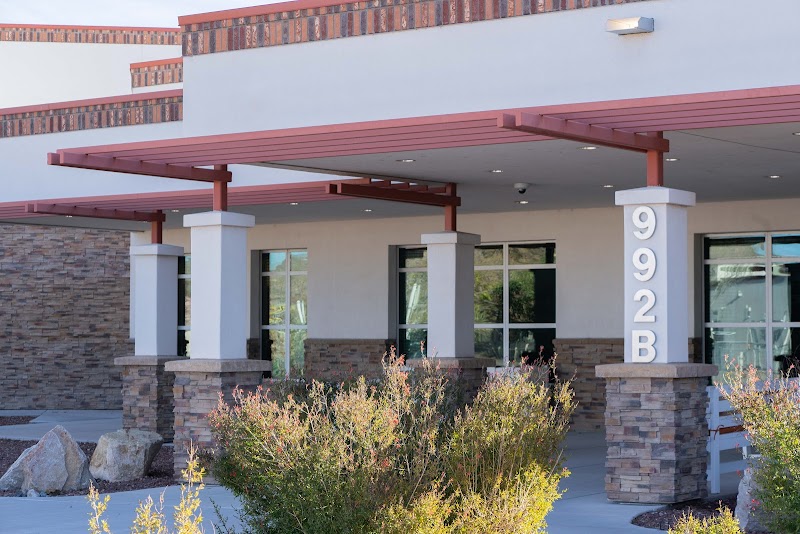
992 South Broadway, Truth or Consequences, NM 87901 (575) 894-4200
Government - State 135 Beds Independent Data: November 2025 3 Immediate Jeopardy citations
Trust Grade
0/100
#35 of 67 in NM
Last Inspection: December 2024

Within standard 12-15 month inspection cycle. Federal law requires annual inspections.

Overview

The New Mexico State Veterans Home has received a Trust Grade of F, indicating significant concerns about the quality of care provided. It ranks #35 out of 67 facilities in New Mexico, placing it in the bottom half, and #1 out of 2 in Sierra County, meaning there is only one other local option available. The facility's situation is worsening, with reported issues increasing from 17 in 2023 to 18 in 2024. Staffing is a concern, with a turnover rate of 78%, significantly higher than the state average, and it has less RN coverage than 98% of other facilities, which may lead to gaps in care. Specific incidents include failures to ensure CPR procedures were in place for all residents, a diabetic resident not being provided necessary equipment which led to a hospital admission, and lapses in infection control practices, highlighting serious safety risks alongside the facility's average ratings in overall quality.
Trust Score
F
0/100
In New Mexico
#35/67
Bottom 48%
Safety Record
High Risk
Review needed
Inspections
Getting Worse
17 → 18 violations
Staff Stability
⚠ Watch
78% turnover. Very high, 30 points above average. Constant new faces learning your loved one's needs.
Penalties
○ Average
$44,226 in fines. Higher than 60% of New Mexico facilities. Some compliance issues.
Skilled Nurses
⚠ Watch
Each resident gets only 18 minutes of Registered Nurse (RN) attention daily — below average for New Mexico. Fewer RN minutes means fewer trained eyes watching for problems.
Violations
⚠ Watch
64 deficiencies on record. Higher than average. Multiple issues found across inspections.
★★★☆☆
3.0
Overall Rating
★★★☆☆
3.0
Staff Levels
★★☆☆☆
2.0
Care Quality
★★★☆☆
3.0
Inspection Score
Stable
2023: 17 issues
2024: 18 issues

The Good

  • Full Sprinkler Coverage · Fire safety systems throughout facility
  • No fines on record

Facility shows strength in fire safety.

The Bad

3-Star Overall Rating

Near New Mexico average (2.9)

Meets federal standards, typical of most facilities

Staff Turnover: 78%

32pts above New Mexico avg (46%)

Frequent staff changes - ask about care continuity

Federal Fines: $44,226

Above median ($33,413)

Moderate penalties - review what triggered them

Staff turnover is very high (78%)

30 points above New Mexico average of 48%

The Ugly 64 deficiencies on record

3 life-threatening 3 actual harm
Dec 2024 13 deficiencies 1 Harm
SERIOUS (H)

Actual Harm - a resident was hurt due to facility failures

Deficiency F0742 (Tag F0742)

A resident was harmed · This affected multiple residents

**NOTE- TERMS IN BRACKETS HAVE BEEN EDITED TO PROTECT CONFIDENTIALITY** Based on record review and interview, the facility failed to provide adequate mental health services for 2 (R #62 and R #70) of ...

Read full inspector narrative →
**NOTE- TERMS IN BRACKETS HAVE BEEN EDITED TO PROTECT CONFIDENTIALITY** Based on record review and interview, the facility failed to provide adequate mental health services for 2 (R #62 and R #70) of 2 (R #62 and R #70) residents reviewed for mental health. This deficient practice likely resulted increased depression, hopelessness and psychosocial distress for R #62 and R #70. The findings are: R #62 A. Record review of R #62's admission documents, no date, revealed the following: 1. R #62 was admitted to the facility on [DATE]. 2. R #62 had the following diagnoses: a. Bipolar Disorder (serious mental illness characterized by extreme mood swings, that can include extreme excitement episodes or extreme depressive feelings). b. Depression (mood disorder that causes a persistent feeling of sadness and loss of interest). c. Dementia (term used to describe a group of symptoms affecting memory, thinking and social abilities). d. Post-Traumatic Stress Disorder (PTSD, mental health condition that develops following a traumatic event characterized by intrusive thoughts about the incident, recurrent distress/anxiety, flashback, and avoidance of similar situations). B. On 11/19/24 at 10:12 AM, during an interview with R #62, he stated the following: 1. The facility has not done anything for his mental health diagnoses or history of trauma. 2. Prior to coming to the facility, he used to receive therapy for his mental health diagnoses. 3. He confirmed that he is currently not receiving any behavioral health services and he believed that he would benefit from behavioral health services for his mental health diagnoses. C. Record review of R #62's nursing progress note, dated 9/10/24, revealed the following: 1. R #62 stayed in bed throughout the day shift. 2. R #62 refused lunch and refused to get out of bed. 3. R #62 stated he was giving up. 4. R #62's Power of Attorney (POA, the authority to act for another person in specified or all legal or financial matters) was contacted to talk to R #62 since he was feeling alone. 5. R #62's POA was going to speak to family about requesting a psychiatric consultation (a meeting with a psychiatrist to evaluate a patient's mental health and provide a diagnosis and treatment recommendations) for R #62. 6. Staff did not document that they notified the provider about R #62's statements. D. Record review of R #62's social service progress note, dated 09/11/24, revealed the following: 1. The social worker (Chaplin) documented that he was notified that R #62 was depressed and done with life. 2. R #62 was not motivated and would barely talk to the social worker (Chaplin) the day before (09/10/24). 3. R #62 stated that he does not believe in God. 4. R #62 stated that he wanted to die. 5. Staff did not document that they notified the provider about R #62's statements. E. Record review of R #62's physician's order, dated 08/14/24, for Paroxetine (medication used to treat depression and other mental illnesses) 20 mg one time a day for depression/anxiety (an emotion characterized by feelings of tension, worried thoughts, and physical changes like increased blood pressure). F. Record review of R #62'd physician's orders, no date, revealed the following: 1. The physician did not order behavior monitoring for R #62's diagnoses of Bipolar Disorder, PTSD, or Depression. 2. The physician did not order monitoring for the effectiveness of Paroxetine for R #62. G. Record review of R #62's physician's progress note, dated 09/11/24, revealed the following: 1. The physician did not document that R #62 had a diagnosis of depression. 2. The physician did not document that R #62 was taking Paroxetine for his diagnosis of depression. 3. The physician documented that R #62 was feeling unwell with no specific symptoms. 4. The physician documented that the plan was to redirect behavioral issues appropriately. There were no new orders for an assessment or referral for mental health services. H. Record review of R #62's care plan, multiple dates, revealed the following: 1. On 06/25/24, staff documented R #62 served in the United States Military. The team will utilize the information obtained from Military Service Tool to identify stressors or combat related injuries that may impact the Veteran emotionally and/or physically and will determine the best approach for team members to deliver individualized care to [sic]. 2. On 08/19/24, staff documented an order for Paroxetine for depression/anxiety. a. Interventions included: i. Administer medication as ordered. ii. Educate R #62 about risks, benefits, and side effects of the medication. iii. Monitor for adverse reactions to the medication. 3. There was no intervention to monitor for symptoms of depression or refer resident to the social worker/chaplain or any psychological services. I. Record review of R #62's Care Plan Meeting note, dated 09/19/24, revealed R #62's POA requested an evaluation for R #62's diagnoses of bipolar disorder and dementia. J. Record review of R #62's entire medical record, no date, revealed: 1. R #62's medical record did not contain an order for a psychiatric consultation. 2. R #62's medical record did not contain any documentation that R #62 was evaluated by a psychiatric professional. 3. R #62's medical record did not contain any documentation that R #62 attended any behavioral health appointments or was seen by a behavioral health professional. K. On 12/02/24 at 11:49 AM, during an interview with LPN #16, the following was revealed: 1. R #62 seems depressed occasionally. 2. Staff try to get R #62 out of his room to keep him busy with activities. 3. R #62 seems most depressed when he is in pain and will refuse to get out of bed. 4. Staff provide R #62 pain medication. 5. When R #62 refuses to get out of bed, staff notify the provider. 6. Staff also notify the Chaplain to speak to R #62 when he appears depressed. 7. The facility does not have a psychiatric provider or counselor. 8. R #62 was not receiving any psychiatric or behavioral health services. 10. She confirmed that the only interventions in R #62's care plan for his diagnosis of depression were to provide medication and monitor for side effects of the medication. L. On 12/02/24 at 1:15 PM, during an interview with the DON, he confirmed the following: 1. R #62's mood fluctuated frequently. 2. The social worker and the chaplain see residents when they are having mental health concerns. 3. The facility does not have any counseling or psychiatric services other than the social services worker and the chaplain. 4. R #62's care plan did not include interventions for R #62's diagnoses of depression other than giving medication and monitoring for side effects. 5. R #62's care plan did not include his diagnoses of bipolar disorder order, PTSD, or any interventions in place for these diagnoses. 6. R #62 did not have a psychiatric referral. 7. R #62 had not been evaluated by a psychiatric professional. 8. R #62 was not receiving mental health services. 9. Since R #62 was not suicidal, he would not expect staff to have referred him for behavioral health services or a psychiatric evaluation. R #70 M. Record review of R #70's physician orders, dated 06/28/24, revealed R #70 was admitted to hospice. N. On 11/19/24 at 10:20 am, during an interview, R #70 was tearful. R #70 said he wished he was dead. R #70 said he had not spoken to a counselor. R #70 said he just talked to staff. O. On 11/21/24 at 11:23 am, during an interview, CNA #9 said R #70 was more emotional in the last week or two. CNA #9 said R #70 told her he wished he was dead. CNA #9 said she reported to the unit nurse that R #70 said he wished he was dead. P. On 11/21/24 at 11:34 am, during an interview, LPN #8 said staff had told her R #70 was more down lately. LPN #8 said she was told that R #70 doesn't seem right but has not been told R #70 wishes he were dead. LPN #8 said she told hospice that R #70 was more sad lately. Q. Record review of R #70's medical record revealed the record did not contain any documentation that R #70 told staff he wished he was dead or that he seemed to be more sad than usual. The record did not contain any documentation that the facility provided any social services to R #70. R. Record review of an email sent from the Administrator dated 12/03/24, stated the facility staff had a discussion with hospice, and hospice stated this was the natural emotional state of an individual during the disease process. The Administrator said the facility provides a Chaplin to help the Veterans to relieve themselves of the emotional [NAME] and weight they carry from their war experience, and to assist in relief of the burden of guilt that they carry through their last moment of life. S. Record review of R #70's progress note, dated 10/02/24, revealed the Chaplin visited with R #70 on 10/02/24. The progress notes did not contain any documentation that R #70 visited with the Chaplin on a regular basis. T. On 11/21/24 at 11:50 am, during an interview, the DON said the facility was responsible for R #70's day-to-day care. The DON said R #70 should be provided mental health care, even if he was on hospice. The DON confirmed that R #70 was not receiving mental health care. U. On 12/06/24 at 11:07 am (after surveyor interviewed staff regarding R #70's mental health), during an interview with Hospice Nurse #8 (HN #8), he said that he was told on 11/22/24 that R #70 was telling staff that he wished he would just die. HN #8 said that he talked to R #70 on 11/27/24 and R #70 refused a referral for a psychiatric evaluation and medication. HN #8 said that he prayed with R #70 and told him he would continue to pray for him. V. On 12/20/24 at 1:55 pm, during an interview, the Assistant Administrator said that Social Services (SS #1) does not have a social work degree. The Assistant Administrator said that the Chaplin does not have a degree in social work and is not a licensed clinician.
CONCERN (D) 📢 Someone Reported This

A family member, employee, or ombudsman was alarmed enough to file a formal complaint

Potential for Harm - no one hurt, but risky conditions existed

Deficiency F0572 (Tag F0572)

Could have caused harm · This affected 1 resident

**NOTE- TERMS IN BRACKETS HAVE BEEN EDITED TO PROTECT CONFIDENTIALITY** Based on record interview, observation, and record review, the facility failed to ensure residents were aware of changes to thei...

Read full inspector narrative →
**NOTE- TERMS IN BRACKETS HAVE BEEN EDITED TO PROTECT CONFIDENTIALITY** Based on record interview, observation, and record review, the facility failed to ensure residents were aware of changes to their rights for 2 (R #69 and R #256) of 3 (R #48, R #69 and R #256) resident reviewed for smoking. If the facility does not inform residents of their rights, then residents are likely to be unaware of their rights offered at the facility. The findings are: A. Record review of the facility's Smoking Policy, dated 01/22/24 revealed: 1. Smoking is not a resident right, it is a privilege extended to residents. The privilege can be revoked for unsafe practices, non-adherence to the policies or the facility becoming a non-smoking facility. 2. Upon admission staff will acclimate residents to smoking areas and hand them the smoking schedule. 3. Upon admission and duration of stay, residents will give all smoking items to the nurse and at no time will a resident have their cigarettes/cigars or lighter on their person. R #69 B. Record review of R #69's admission record revealed an admission date of 11/27/18. C. Record review of R #69's annual Minimum Data Set assessment (MDS; a standardized, comprehensive assessment of an adult's functional, medical, psychosocial, and cognitive status), dated 10/06/24, revealed a Brief Interview for Mental Status (BIMS; screening tool used to identify a resident's current cognitive function) evaluation score of 15, cognitively intact. D. Record review of the facility's smokers list (provided by the executive secretary) revealed: 1. R #69 may travel to other smoke locations as they please E. On 11/20/24 at 9:48 AM, during an interview, R #69 stated he was no longer allowed to keep his cigarettes and a lighter, and they are locked up. R #69 stated that facility staff took his smoking items (unknown date) and locked them up. R #69 stated he did not have a copy of the smoking schedule and was not offered to smoke in other areas or at other times. R #69 stated I feel like I am being treated like a child. I'm responsible. I should be able to keep my own cigarettes and smoke on my own like I used to. I have never had any problems with that. I have been smoking since I was about [AGE] years old (smoker for 65 years) and now I have to wait hours to smoke. F. Record review of R #69's medical record revealed a signed copy of the smoking policy dated 10/18/24. G. Record review of CAMPUS SMOKING TIMES AND LOCATIONS (provided by executive secretary) revealed smoking times for R #69's housing unit as follows: 1. 9:00 AM to 9:15 AM 2. 12:45 PM to1:00 PM 3. 3:45 PM to 4:00 PM 4. 7:30 PM to 7:45 PM H. Observation of R #69's housing unit revealed a smoking schedule was not posted and R #69 was not aware of smoking times at other areas of the facility. R #256 I. Record review of R #256's admission record, no date, revealed an admission date of 10/21/24. J. Record review of R #256's admission MDS assessment, dated 11/17/24, revealed a BIMS score of 10, moderate cognitive impairment. K. Record review of the facility's smokers list (provided by the executive secretary) revealed: 1. R #256 may travel to other smoke locations as they please L. On 11/21/24 at 11:28 AM, during an interview, R #256 stated he was not allowed to smoke unless the Smoke Aide came to take him to smoke. R #256 stated he does go out to smoke during the assigned smoking times for his housing unit. R #256 stated he lived at the facility three years ago and did not know why the smoking rules changed. R #256 stated he did not have a copy of the smoking schedule and staff have not offered for him to smoke in other areas or at other times. M. Record review of R #256's medical record revealed the record did not contain a signed copy of the smoking policy. N. Record review of CAMPUS SMOKING TIMES AND LOCATIONS (provided by executive secretary) revealed smoking times for R #69's housing unit as follows: 1. 8:30 AM to 8:45 AM 2. 12:15 PM to12:30 PM 3. 1:15 PM to 1:30 PM 4. 7:00 PM to 7:15 PM O. Observation of R #256's housing unit revealed a smoking schedule was not posted and R #256 was not aware of smoking times at other areas of the facility. P. On 12/02/24 at 12:36 PM, during an interview with CNA #1, he stated he did not assist residents to go smoke and was not sure of smoking times. He stated he believed they start to smoke at 10:00 AM. CNA #1 was unable to locate a smoking schedule in the home. Q. On 12/02/24 at 3:07 PM, during an interview with the DON, he stated the smoking policy changed in January 2024. He stated the residents received the policy and signed it. The DON stated residents are not allowed to smoke without a Smoke Aide present.
CONCERN (D)

Potential for Harm - no one hurt, but risky conditions existed

Transfer Notice (Tag F0623)

Could have caused harm · This affected 1 resident

**NOTE- TERMS IN BRACKETS HAVE BEEN EDITED TO PROTECT CONFIDENTIALITY** Based on record review and interview, the facility failed to notify the resident and the resident's representative of a transfer...

Read full inspector narrative →
**NOTE- TERMS IN BRACKETS HAVE BEEN EDITED TO PROTECT CONFIDENTIALITY** Based on record review and interview, the facility failed to notify the resident and the resident's representative of a transfer in writing for 1 (R #12) of 1 (R #12) residents sampled for hospitalizations when they failed to: 1. Notify the resident or the resident's representative of the transfers to the hospital in writing and in a language and manner they understand. 2. Ensure the contents of the notice included the following: -The name, phone number, and address (mailing and email) of the Office of the State Long-Term Care Ombudsman on the transfer notification form. -Statement of the resident's appeal rights, including the name, address (mailing and email), and telephone number of the entity which receives such requests; and information on how to obtain an appeal form and assistance in completing the form and submitting the appeal hearing request. 3. Send a written copy of the Transfer Notices to the Ombudsman. These deficient practices could likely result in the resident and/or their representative not knowing the reason for a transfer, and their rights to advocate and make informed decision regarding their healthcare. The findings are: A. On 11/19/24 at 11:04 AM, during an interview with R #12, he stated the following: 1. He was transferred to the hospital, because he had trouble breathing. R #12 was unable to remember the date of the transfer. 2. Staff did not give him transfer paperwork before he was transferred to the hospital or when he returned to the facility. B. Record review of R #12's admission documents, no date, revealed R #12's son was his emergency contact. C. Record review of R #12's progress notes, dated 10/29/24, revealed R #12 was transferred to the hospital on [DATE] for abnormal laboratory results and returned the same day. D. Record review of R #12's transfer document, dated 10/29/24, revealed the following: 1. Staff did not document that staff provided a copy of the transfer notice to the resident or their representative. 2. Staff did not document the name, phone number, or address (mailing and email) of the Office of the State Long-Term Care Ombudsman. 3. Staff did not document a statement of the resident's appeal rights, including the name, address (mailing and email), and telephone number of the entity which receives such requests; and information on how to obtain an appeal form and assistance in completing the form and submitting the appeal hearing request. 4. Staff did not document that staff sent a written copy of the Transfer Notice to the Office of the State Long-Term Care Ombudsman. E. Record review of R #12's progress notes, dated 11/02/24, revealed R #12 was transferred to the hospital on [DATE] for hitting his head during a fall, he returned the same day. F. Record review of R #12's transfer form, dated 11/02/24, revealed the following: 1. Staff did not document that staff provided a copy of the transfer notice to the resident or their representative. 2. Staff did not document the name, phone number, or address (mailing and email) of the Office of the State Long-Term Care Ombudsman. 3. Staff did not document a statement of the resident's appeal rights, including the name, address (mailing and email), and telephone number of the entity which receives such requests; and information on how to obtain an appeal form and assistance in completing the form and submitting the appeal hearing request. 4. Staff did not document that staff sent a written copy of the Transfer Notice to the Office of the State Long-Term Care Ombudsman. G. On 12/02/24 at 12:10 PM, during an interview with LPN #16, she stated the following: 1. Nursing staff were expected to complete a transfer assessment prior to sending a resident to the hospital. 2. Staff did not have the resident sign the transfer assessments prior to being sent to the hospital on [DATE] and 11/02/24. 3. Staff did not give a copy of the transfer assessments to the resident or their representative. 4. She confirmed that the transfer assessments did not have information on how to contact the Office of the State Long-Term Care Ombudsman. 5. She confirmed that the transfer assessments did not have a statement of the resident's appeal rights. H. On 12/02/24 at 4:54 PM, during an interview with the DON, he stated the following: 1. Staff were expected to document a note in the resident's medical record regarding information about the reason for the transfer to the hospital. 2. Staff were not expected to complete a transfer notification prior to sending residents to the hospital or upon return. 3. Staff were not expected to give the resident a transfer notification prior to sending the resident to the hospital or upon return. I. On 12/04/24 at 8:43 AM, during an interview with the Ombudsman, she confirmed that the Office of the State Long-Term Care Ombudsman did not receive any transfer notices from the facility for any residents.
CONCERN (D)

Potential for Harm - no one hurt, but risky conditions existed

Deficiency F0625 (Tag F0625)

Could have caused harm · This affected 1 resident

**NOTE- TERMS IN BRACKETS HAVE BEEN EDITED TO PROTECT CONFIDENTIALITY** Based on record review and interview, the facility failed to ensure residents and their representatives received a written notic...

Read full inspector narrative →
**NOTE- TERMS IN BRACKETS HAVE BEEN EDITED TO PROTECT CONFIDENTIALITY** Based on record review and interview, the facility failed to ensure residents and their representatives received a written notice of the bed hold policy which indicated the duration the bed would be held for 1 (R #12) of 1 (R #12) residents reviewed for hospitalization. This deficient practice could likely result in the resident and/or their representative being unaware of the bed hold policy upon return from the hospital. The findings are: A. On 11/19/24 at 11:04 AM, during an interview with R #12, he stated the following: 1. He was transferred to the hospital because he was having trouble breathing. R #12 was unable to remember the date of the transfer. 2. Staff did not give him a bed hold policy notification before he was transferred to the hospital or when he returned to the facility. B. Record review of R #12's admission documents, no date, revealed R #12's son was his emergency contact. C. Record review of R #12's progress note, dated 10/29/24, revealed R #12 was transferred to the hospital on [DATE] for abnormal laboratory results. D. Record review of R #12's Notification of Bed Hold, dated 10/29/24, revealed the following: 1. Staff did not document how many days a bed would be held for the resident (the form does not have a space to provide this information). 2. Staff documented unable to sign on the line titled resident name. 3. Staff did not document that staff provided the written Notification of Bed Hold to the resident. 4. Staff did not document that staff provided the written Bed Hold Notification form to the resident's representative. E. Record review of R #12's progress note, dated 11/02/24, revealed R #12 was transferred to the hospital on [DATE] for hitting his head during a fall. F. Record review of R #12's Notification of Bed Hold, dated 11/11/24, revealed the following: 1. Staff did not document how many days a bed would be held for the resident. 2. The form was blank on the resident signature line. 3. Staff did not document that staff provided the written Notification of Bed Hold to the resident. 4. Staff did not document that staff provided the written Bed Hold Notification form to the resident's representative. G. Record review of the facility's Bed Hold Policy, no date, revealed the policy did not indicate that residents with specific payment sources had an unlimited number of bed hold days. H. Record review of the facility's Bed-Hold Authorization & Agreement form, no date, revealed the following: 1. The Bed-Hold Authorization & Agreement form and the Notification of Bed Hold forms contained different information. 2. The Bed-Hold Authorization & Agreement form indicated Every Veteran and/or Non-Veteran resident are annually granted 12 hospital bed days free of charge . 3. The Notification of Bed Hold form did not have any information specific to residents with the Veterans Administration payment source . 4. The Bed-Hold Authorization & Agreement form and the Notification of Bed Hold forms did not have a place to document how many bed hold days the resident had remaining. I. On 12/02/24 at 12:10 PM, during an interview, LPN #16 stated the following: 1. Nurses completed a Bed-Hold Authorization & Agreement form when a resident transferred to the hospital. 2. If the resident was alert at the time of transfer, then the nurses discuss the Bed Hold Policy with them. The nursed will have them sign the Bed-Hold Authorization & Agreement form. 3. If the resident is not able to sign the Bed-Hold Authorization & Agreement form, the nurse will complete a verbal bed hold with the resident or the resident representative. 4. The Bed Hold Policy Notification Policy was sent with the resident at the time of the transfer to the hospital. J. On 12/02/24 at 3:48 PM, during an interview with the DON, the following was confirmed: 1. The nurses were expected to complete and give residents a copy of the Bed Hold Policy. 2. The nurses were expected to complete the Notification of Bed Hold form when a resident was transferred to the hospital. 3. The Bed-Hold Authorization & Agreement form was an old form, and staff should not be giving that form to residents at the time of transfer [See finding H, indicating that some staff are providing this form to residents at the time of transfer]. 4. He stated R #12 had unlimited number of bed hold days due R #12's payment source being the Veterans Administration 5. R #12's Notification of Bed Hold form, dated 10/29/24, did not include that due to R #12's payment source, he had an unlimited number of bed hold days. 6. R #12's Notification of Bed Hold form, dated 11/11/24, did not include that due to R #12's payment source, he had an unlimited number of bed hold days.
CONCERN (D)

Potential for Harm - no one hurt, but risky conditions existed

MDS Data Transmission (Tag F0640)

Could have caused harm · This affected 1 resident

Based on record review the facility failed to ensure the annual Minimum Data Set assessment (MDS; a standardized, comprehensive assessment of an adult's functional, medical, psychosocial, and cognitiv...

Read full inspector narrative →
Based on record review the facility failed to ensure the annual Minimum Data Set assessment (MDS; a standardized, comprehensive assessment of an adult's functional, medical, psychosocial, and cognitive status) was finalized (transmitted and accepted) within 7 days for 1 (R #25) of 4 (R #18, R #25, R #51 and R #87) residents reviewed for MDS assessments. If MDS assessments are not finalized in a timely manner, it could likely lead to staff being unaware of resident's current status and needs. The findings are: A. Record review of R #25's admission record (no date) revealed an admission date of 03/09/2024. B. Record review of R #25's annual MDS assessment, dated 10/10/24, revealed the following: 1. The Assessment Reference Date (ARD; specific end point for the observation and assessment period in the MDS assessment process) was 10/10/24. 2. The MDS/RN Coordinator did not sign off on the annual assessment until 11/20/24. C. Record review of R #25's electronic medical record indicated the 10/10/24 annual assessment was export ready (assessment ready for electronic transmission) on 11/21/24.
CONCERN (D)

Potential for Harm - no one hurt, but risky conditions existed

Assessment Accuracy (Tag F0641)

Could have caused harm · This affected 1 resident

Based on interview and record review, the facility failed to ensure the Minimum Data Set Assessment (MDS; a standardized, comprehensive assessment of an adult's functional, medical, psychosocial, and ...

Read full inspector narrative →
Based on interview and record review, the facility failed to ensure the Minimum Data Set Assessment (MDS; a standardized, comprehensive assessment of an adult's functional, medical, psychosocial, and cognitive status) was accurate for 3 (R #18, R #69 and R #256) of 6 (R #18, R #51, R #69, R #76, R #87, and R #256) residents reviewed for accurate MDS assessments. These deficient practices could likely result in the facility not having an accurate assessment of the resident's needs. The findings are: R#18 A. On 11/19/24 at 4:07 PM, during an interview, R #18 stated he had pain and a burning feeling to his feet daily. B. Record review of R #18's admission record revealed the following: 1. admission date of 08/26/24. 2. Diagnoses included carpal tunnel syndrome of unspecified upper limb (pain, numbness, tingling caused by pressure on the median nerve in of either wrist), unilateral primary osteoarthritis of unspecified knee (pain, swelling, and tenderness caused by wear and tear on a joint, that primarily affects one side of the body), and pain in unspecified (either left or right) shoulder. C. Record review of R #18's physician orders revealed the following: 1. Order date 08/26/24, gabapentin (medication used to treat nerve pain), 800 mg. Give one tablet by mouth one time a day in the evening for pain. 2. Order date 08/27/24, gabapentin, 800 mg. Give one tablet by mouth in the morning and one tablet by mouth at midday. D. Record review of R #18's admission MDS assessment, dated 09/06/24, revealed the following: 1. Staff did not conduct a pain assessment interview, because the resident was rarely/never understood. 2. Brief Interview for Mental Status (BIMS; screening tool used to identify a resident's current cognitive function) evaluation score of 15, cognitively intact. E. On 12/02/24 at 1:20 PM, during an interview LPN #1 stated R #18 did not have any problems being understood or communicating, and he could give a verbal response regarding his pain levels. R #69 F. Record review of R #69's quarterly MDS assessment, dated 10/06/24, revealed staff documented the resident took an anticoagulant. G. Record review of R #69's physician's orders revealed the following: 1. The record did not contain an order for anticoagulant medication. H. On 12/02/24 at 3:12 PM, during an interview the DON confirmed R #69 did not take anticoagulant medication. R#256 I. On 11/19/24 at 1:55 PM, during an interview, R #256 stated he had pain all the time. J. Record review of R #256's admission record, no date, revealed the following: 1. admission date of 10/21/24. 2. Diagnoses included low back pain (pain or ache in the lower region of the back, varying in intensity) and unspecified inflammatory spondylopathy (arthritis-related conditions that affect the spine and the connective tissues of bones.) K. Record review of R #256's admission MDS assessment, dated 11/17/24, revealed the following: 1. Staff did not conduct a pain assessment interview, because the resident was rarely/never understood. 2. BIMS score of 10, moderate cognitive impairment. L. On 12/02/24 at 1:13 PM, during an interview LPN #1 stated R #256 did not have any problems being understood or communicating, and he could give a verbal response regarding his pain levels.
CONCERN (D)

Potential for Harm - no one hurt, but risky conditions existed

Deficiency F0658 (Tag F0658)

Could have caused harm · This affected 1 resident

Based on observations, record reviews, and interviews, the facility failed to meet professional standards of quality for 4 (R #18, R #48, R #51 and R #87) of 4 (R #18, R #48, R #51 and R #87) resident...

Read full inspector narrative →
Based on observations, record reviews, and interviews, the facility failed to meet professional standards of quality for 4 (R #18, R #48, R #51 and R #87) of 4 (R #18, R #48, R #51 and R #87) residents when staff failed to: 1. Notify the physician when medication was not available for R #18 and R #48. 2. Administer medications according to physician's orders for R #51 and R #87. 3. Notify the physician when R #51 refused medication. If the facility is not providing care that meets professional standards of quality, then residents are likely to experience adverse effects, worsening of their condition, and potential complications from not receiving the care ordered by the physician. The findings are: R #18 A. Record review of R #18's admission record, no date, revealed R #18 was admitted to the facility 08/26/24. B. Record review of R #18's physician orders revealed an order, start date of 08/18/24, for amitriptyline 25 mg. Give one tablet by mouth one time a day for neuropathy (nerve damage that affects the hands and feet and causes pain, tingling, and burning sensation.) C. Record review of R #18's medication administration record (MAR; a form used to document medication administration), dated August 2024, revealed staff documented the following: 1. On 08/11/24, amitriptyline not administered, see progress notes. 2. On 08/12/24, amitriptyline not administered, see progress notes. 3. On 08/14/24, amitriptyline not administered, see progress notes. 4. On 08/15/24, amitriptyline not administered, see progress notes. D. Record review of R #18's progress notes, dated August 2024, revealed staff documented the following for R #18's amitriptyline: 1. On 08/11/24, awaiting pharmacy delivery. 2. On 08/12/24, on order. 3. On 08/14/24, medication is on order. 4. On 08/15/24, medication not available. R #48 E. On 11/19/24 at 10:52 AM, an observation and interview with R #48 revealed the following: 1. R #48's legs were swollen. 2. R #48 did not wear compression stockings. 3. R #48 said he had orders for medication for the swelling in his legs. F. Record review of R #48's physicians orders, multiple dates, revealed the following: 1. An order dated 06/03/24 to 06/06/24, for furosemide (medication used to treat fluid retention (edema) and swelling caused by congestive heart failure, liver disease, kidney disease, and other medical conditions,) 40 mg once a day for edema to both legs. 2. An order dated 06/06/24, for furosemide, 20 mg once a day for edema to both legs. 3. An order dated 07/22/24 to 08/22/24, for furosemide, 40 mg once a day for 30 days for Acute Kidney Failure. 4. An order dated 08/23/24 to 08/28/24, for furosemide, 40 mg once a day for five days for edema related to Acute Kidney Failure. 5. An order dated 09/23/24 to 09/26/24, for furosemide, 40 mg twice a day for edema in both legs. 6. An order dated 09/26/24, for furosemide, 40 mg once a day for edema in both legs. 7. An order dated 10/15/24 to 10/17/24, furosemide, 40 mg twice a day for three days for edema in both legs. 8. An order dated 11/06/24, for compression stockings (tighter than average socks. They gently squeeze your legs to help your blood flow back toward your heart) one time a day. 9. An order dated 11/08/24 to 11/18/24, for metolazone (medication used to treat fluid retention and swelling that is caused by congestive heart failure, kidney disease, or other medical conditions,) 5 mg in the morning for 10 days for edema. G. Record review of R #48's medication administration record (MAR), dated November 2024, revealed staff documented the following: 1. R #48's metolazone was unavailable on the following dates: a. 11/08/24. b. 11/09/24. c. 11/10/24. d. 11/11/24. H. Record review of R #48's nursing progress notes, no date, revealed staff did not document they contacted the pharmacy or the provider that R #48's metolazone was unavailable. I. Record review of R #48's physician orders, no date, revealed staff did not enter another order to ensure R #48 received the doses of metolazone that were missed on 11/08/24, 11/09/24, 11/10/24, and 11/11/24. J. On 12/02/24 at 12:23 PM, during an interview, LPN #17 stated the following: 1. R #48 had edema in both legs. 3. R #48 had an order for compression stockings to alleviate edema. 4. R #48 had an order for furosemide for the edema in his legs. 5. She confirmed R #48 had an order for metolazone for 10 days starting on 11/08/24 through 11/18/24. 6. She confirmed R #48 did not receive metolazone on 11/08/24, 11/09/24, 11/10/24, and 11/11/24 due to the medication being unavailable. 7. She confirmed R #48 did not have another order for metolazone to ensure R #48 received the missed medciation doses. 8. She stated that if a medication was ordered and the medication did not arrive from the pharmacy, staff were expected to: a. Check the medication storage device to see if the medication was available there. b. If not available in the medication storage device, staff were expected to call the pharmacy to see why the medication did not arrive. c. To contact the provider to notify them the resident missed a dose of the medication and update the provider with the response from the pharmacy. d. Document in the resident's medical record the response from the pharmacy, the provider, and any new orders. 9. She confirmed staff did not document in R #48's medical record that they checked the medication storage device, contacted the pharmacy, or the provider. K. On 12/02/24 at 3:28 PM, during an interview with the DON, he confirmed the following: 1. Staff were expected to check the medication storage device for medications that did not arrive from the pharmacy. 2. If the medication storage device did not have a medication, staff were expected to contact the pharmacy to see why the medication did not arrive or when it would arrive. 3. Staff were expected to notify the physician if a resident missed a dose of medication. 4. Staff were expected to document any contact with the pharmacy and physician in the resident's medical record. R #51 L. Record review of R #51's admission record, no date, revealed: 1. admission date of 08/20/24. 2. Diagnoses included diabetes mellitus (chronic disease that when the body cannot effectively use the insulin it produces to help regulate blood glucose levels) and insomnia (sleep disorder characterized by difficulty falling asleep, staying asleep, or both). M. Record review of R #51's physician orders revealed: 1. Order date 10/23/24, insulin glargine (long-acting insulin used to treat diabetes by helping to maintain blood glucose levels.) Inject 25 units subcutaneously (under the skin into the fatty tissue) at bedtime related to diabetes mellitus. 2. Order date 08/21/24, trazodone (antidepressant that is sometimes prescribed as a sleep aid.) Give 50 mg by mouth one time a day for insomnia. N. Record review of R #51's medication administration record (MAR), dated October 2024, revealed staff documented the following: 1. On 10/25/24 9:00 PM, insulin glargine partial dose given. 2. On 10/26/24 9:00 PM, insulin glargine partial dose given. 3. On 10/27/24 9:00 PM, insulin glargine partial dose given. 4. On 10/28/24 9:00 PM, insulin glargine partial dose given. O. Record review of R #51's MAR, dated November 2024, revealed staff documented the following: 1. On 11/02/24 9:00 PM, insulin glargine partial dose given. 2. On 11/03/24 9:00 PM, insulin glargine partial dose given. 3. On 11/04/24 9:00 PM insulin glargine partial dose given. 4. On 11/05/24 9:00 PM, insulin glargine partial dose given. 5. On 11/06/24 9:00 PM, insulin glargine partial dose given. 6. On 11/08/24 9:00 PM, insulin glargine partial dose given. 7. On 11/09/24 9:00 PM, insulin glargine partial dose given. 8. On 11/10/24 9:00 PM, insulin glargine partial dose given. 9. On 11/11/24 9:00 PM, insulin glargine partial dose given. 10. On 11/15/24 9:00 PM, insulin glargine partial dose given. 11. On 11/18/24 9:00 PM, insulin glargine see progress notes. 12. On 11/01/24 9:00 PM, trazodone refused. 13. On 11/02/24 9:00 PM, trazodone refused. 14. On 11/03/24 9:00 PM, trazodone refused. 15. On 11/04/24 9:00 PM, trazodone refused. 16. On 11/05/24 9:00 PM, trazodone refused. 17. On 11/06/24 9:00 PM, trazodone refused. 18. On 11/07/24 9:00 PM, trazodone refused. 19. On 11/08/24 9:00 PM, trazodone refused. 20. On 11/10/24 9:00 PM, trazodone refused. 21. On 11/11/24 9:00 PM, trazodone refused. 22. On 11/12/24 9:00 PM, trazodone refused. 23. On 11/13/24 9:00 PM, trazodone refused. 24. On 11/15/24 9:00 PM, trazodone refused. 25. On 11/19/24 9:00 PM, trazodone refused. P. Record review of R #51's progress notes revealed staff did not document they called the physician to inform of staff administered the resident partial doses of insulin glargine or the resident refused several doses of trazodone. R #87 Q. Record review of R #87's admission record, no date, revealed R #87 was admitted to the facility 04/09/24. R. Record review of R #87's physician orders revealed an order start date of 08/18/24 for Ditropan (medication that treats loss of bladder control) 5 mg. Give one tablet by mouth one time a day. Related neuromuscular dysfunction of the bladder (when the nerves or the brain cannot communicate effectively with the muscles in the bladder causing difficulty to control urination.) S. Record review of R #87's MAR, dated November 2024, revealed staff documented the following: 1. On 11/16/24, Ditropan not administered, see progress notes. 2. On 11/17/24, Ditropan not administered, see progress notes. 3. On 11/20/24, Ditropan not administered, see progress notes. T. Record review of R #87's progress notes, dated November 2024, revealed staff documented the following for R #87's Ditropan: 1. On 11/16/24, medication unavailable. 2. On 11/17/24, medication unavailable. 3. On 11/20/24, awaiting pharmacy. U. On 12/02/24 at 3:28 PM, during an interview with the DON, he stated the insulin should be given as ordered for R #51 and staff should notify the provider when R #51 refuses his trazodone. The DON also stated that staff should contact the pharmacy to inquire about the delay in receiving R #18 and R #87's medication delivery and staff should document in the resident's progress notes regarding their communication with the pharmacy.
CONCERN (D)

Potential for Harm - no one hurt, but risky conditions existed

Deficiency F0660 (Tag F0660)

Could have caused harm · This affected 1 resident

Based on interview and record review, the facility failed to develop the resident's individualized discharge goals and needs for 1 (R #100) of 1 (R #100) resident reviewed for discharge planning. This...

Read full inspector narrative →
Based on interview and record review, the facility failed to develop the resident's individualized discharge goals and needs for 1 (R #100) of 1 (R #100) resident reviewed for discharge planning. This deficient practice is likely to prevent a safe transition from the facility to the resident's post-discharge setting. The findings are: A. Record review revealed R #100 was discharged from the facility on 09/27/24. A. Record review of R #100's medical record, no date, revealed staff did not develop a discharge plan for R #100's discharge goals and needs. Record review revealed that the discharge summary, recapitulation of stay, and medications were not documented in the resident's medical record. B. On 11/21/24 at 9:38 am, during an interview, the DON confirmed R #100's discharge goals or needs were not documented in the residents' charts.
CONCERN (D)

Potential for Harm - no one hurt, but risky conditions existed

Deficiency F0661 (Tag F0661)

Could have caused harm · This affected 1 resident

Based on record review and interview, the facility failed to ensure staff completed a discharge summary that included a recapitulation (a summary describing the resident's course of treatment while re...

Read full inspector narrative →
Based on record review and interview, the facility failed to ensure staff completed a discharge summary that included a recapitulation (a summary describing the resident's course of treatment while residing in the facility) and a reconciliation of all medication at the time of discharge for 1 (R #100) of 1 (R #100) residents sampled for discharge from the facility. This deficient practice could likely lead to the receiving facility, community agency, or family member not knowing what the current care needs and/or current medications are for the resident. The findings are: A. Record review of R #100's Electronic Medical Record (EMR) revealed the following: 1. R #100 was discharged from the facility on 09/27/24 to his home. 2. The record did not contain a recapitulation for of the resident's stay, medication list, or a discharge summary. 3. There is no documentation that R #100 was provided a discharge discharge summary. B. On 11/21/24 at 9:38 am, during an interview, the DON confirmed staff did not complete R #100's discharge summary at the time of discharge. The DON also stated staff should complete and sign the resident recapitulation of stay on the same day of the resident's discharge. The DON confirmed that there is not anything documenting that a discharge summary was provided to R #100.
CONCERN (D)

Potential for Harm - no one hurt, but risky conditions existed

Deficiency F0685 (Tag F0685)

Could have caused harm · This affected 1 resident

Based on interview and record review, the facility failed to ensure residents received proper treatment to maintain hearing for 1 (R #78) of 3 (R #69, R #73, and R #78) residents reviewed for vision a...

Read full inspector narrative →
Based on interview and record review, the facility failed to ensure residents received proper treatment to maintain hearing for 1 (R #78) of 3 (R #69, R #73, and R #78) residents reviewed for vision and hearing. This deficient practice could likely result in residents losing some independence if they cannot hear, which would compromise their quality of life. The findings are: A. On 11/19/24 at 9:20 am, during an interview, R #78 said he needed hearing aids, but he did not know why he did not have any hearing aids. R #78 said he had an appointment a year ago. R #78 said that he was supposed to get hearing aids but he never heard anything about them after the appointment. R #78 said he told staff several times that he needed hearing aids. B. Record review of R #78's progress note, dated 10/17/24, revealed R #78 complained that he needed hearing aids and had trouble getting them. The progress note did not include any intervention by staff to obtain hearing aides for the resident or refer the resident for an appointment to assess his hearing. C. On 12/02/24 at 2:50 pm, during an interview, CNA #8 said R #78 told her he needed hearing aids. CNA #8 said R #78 told her a couple of months ago. CNA #8 said she told the unit nurse at the time. CNA #8 does not remember the name of the nurse she told. D. Record review of R #78's medical record, no date, revealed the record did not contain any documentation of an appointment for R #78 to see an audiologist since he has been at the facility. E. On 12/02/24 at 1:00 pm, during an interview, Transportation said he did not see any documentation R #78 ever went to an audiologist appointment since he has been at the facility. F. On 12/02/24 at 5:03 pm, during an interview, the DON said the protocol was if a resident needed an appointment, then the resident told staff and staff let transportation know. The DON said that transportation was responsible for making appointiments for the residents and keeping track of them. The DON said he did not know why staff did not schedule an appointment for R #78.
CONCERN (E)

Potential for Harm - no one hurt, but risky conditions existed

Deficiency F0561 (Tag F0561)

Could have caused harm · This affected multiple residents

Based on interview and record review, the facility failed to promote resident self-determination (the ability to make your own choices and decisions without being controlled by others) for 1 (R #18) o...

Read full inspector narrative →
Based on interview and record review, the facility failed to promote resident self-determination (the ability to make your own choices and decisions without being controlled by others) for 1 (R #18) of 3 (R #18, R #69 and R #256) residents reviewed for choices when staff did not allow the resident to go out into the community on their own. If the facility is not honoring resident's choices, then residents are likely to feel a loss of independence and self-worth leading to feelings of frustration and depression. The findings are: A. Record review of R #18's admission Minimum Data Set (MDS; a standardized, comprehensive assessment of an adult's functional, medical, psychosocial, and cognitive status) assessment, dated 09/06/24, revealed: 1. Brief Interview for Mental Status (BIMS; screening tool used to identify a resident's current cognitive function) evaluation score of 15, cognitively intact. B. Record review of R #18's progress notes revealed the following: 1. Social services note, dated 09/04/24, Talk (sic) to [name of R #18] regarding him leaving the facility. He say he will continue leaving the facility because he is not a prisoner . 2. Social services note dated 09/09/24: I and [name of other social services staff] talked with [name of R #18] about leaving the [name of facility] campus. We tried to get across to him that he cannot leave the campus unauthorized. He insists on leaving whenever he wants to. We talked to him about the safety issues, and he still said that he was going to go out, especially on Sundays for church. We even told him that if he wants to go across the street to [name of local store], that we would assign someone to him to keep him safe. He insisted that he would be safe and that he did not need to be assisted. He said no to our requests several times during our meeting. 3. Nursing progress noted dated 11/02/24: Resident educated on current policy for leaving the [name of facility] alone. Resident reports having a contract stating that he has the right to go downtown by himself. Resident also states, 'Until I see this in writing, it is my right to go off the facility by myself.' 4. Nursing progress noted dated 11/04/24: Called to resident son and left voicemail informing him of resident behavior of leaving campus, asked the son to speak with resident regarding safety risks of leaving campus. 5. Nursing progress noted dated 11/13/24: During morning med (medication) pass, resident asked this writer if it was possible for him to go to [name of local store]. This writer reminded him that, per policy, he would need a member of the staff to go with him. Resident stated that he was not a prisoner and would go if he felt it necessary C. Record review of R #18's Independent Travel Contract, dated 04/29/24, revealed R #18 received approval from the Interdisciplinary Care Team for the privilege of Independent Traveler (can leave the facility without staff assistance). D. On 11/19/24 at 3:54 PM, during an interview, R #18 stated the facility staff told him he could not leave the facility campus on his own. R #18 stated he had a contract to allow him to leave the facility. E. On 12/02/24 at 4:58 PM, during an interview with Social Services #1, she stated none of the residents can leave the facility without staff supervision due to safety concerns.
CONCERN (E) 📢 Someone Reported This

A family member, employee, or ombudsman was alarmed enough to file a formal complaint

Potential for Harm - no one hurt, but risky conditions existed

Deficiency F0657 (Tag F0657)

Could have caused harm · This affected multiple residents

**NOTE- TERMS IN BRACKETS HAVE BEEN EDITED TO PROTECT CONFIDENTIALITY** Based on observation, record review and interview, the facility failed to ensure care plan requirements were met for 11 (R #4, R...

Read full inspector narrative →
**NOTE- TERMS IN BRACKETS HAVE BEEN EDITED TO PROTECT CONFIDENTIALITY** Based on observation, record review and interview, the facility failed to ensure care plan requirements were met for 11 (R #4, R #6, R #18, R #48, R #49, R #51, R #57, R #62, R #78, R #87 and R #256) of 14 (R #4, R #6, R #18, R #48, R #49, R #51, R #57, R #62, R #69, R #73, R #76, R #78, R #87 and R #256) residents reviewed for care plans when they failed to: 1. Have the required Interdisciplinary Team (IDT, team members from different disciplines working collaboratively, with a common purpose, to set goals, make decisions and share resources and responsibilities) members participate in the care plan meeting for R #4, R #6, R #18, R #51, R #57, R #78, and R #87. 2. Ensure the care plan meeting was held within seven days of completion of the admission Minimum Data Set Assessment (MDS; a standardized, comprehensive assessment of an adult's functional, medical, psychosocial, and cognitive status) for R #256. 3. Revise the care plan with the most current resident information for R #48, R #49, R #51, and R #62. These deficient practices could likely result in the care plan not being updated with the most current resident conditions and appropriate interventions, staff being unaware of changes in care provided, and residents not receiving the care related to changes in their health status or healthcare decisions. The findings are: IDT Team R #4 A. Record review of R #4's care plan meeting note, dated 11/14/24, revealed the staff present for the meeting were RN/MDS Coordinator, Social Services, and Activities. R #6 B. Record review of R #6's care plan meeting note, dated 11/07/24, revealed the staff present for the meeting were RN/MDS Coordinator, Certified Dietary Manager/Certified Food Protection Professional (CDM/CFPP)/Dietary, and Social Services. R #18 C. Record review of R #18's care plan meeting note, dated 09/19/24, revealed the staff present for the meeting were RN/MDS Coordinator, social services staff, activities staff, dietary staff, and guide (lead CNA for R #18's home). R #51 D. Record review of R #51's care plan meeting note, dated 09/05/24, revealed the staff present for the meeting were RN/MDS Coordinator, social services staff, activities staff, and dietary staff. R #57 E. Record review of R #57's care plan meeting note, dated 09/12/24, revealed the staff present for the meeting were RN/MDS Coordinator, CDM/CFPP/Dietary, and social services. R #78 F. Record review of R #78's care plan meeting note, dated 10/17/24, revealed the staff present for the meeting were RN/MDS Coordinator, CDM/CFPP/Dietary, and Social Services. R #87 G. Record review of R #87's care plan meeting note, dated 10/24/24, revealed the staff present for the meeting were RN/MDS coordinator, dietary staff, activities, and social services staff. H. On 11/20/24 at 3:15 pm, during an interview, the MDS Coordinator said she invited Dietary, Social Services (SS), and Activities to the care plan meetings. The MDS Coordinator said the IDT team consisted of dietary, SS, MDS for nursing, and activities. The MDS Coordinator said she called the DON or ADON if needed. The MDS Coordinator said she got the most current resident information from the progress notes and sometimes talked to the guides if they had questions [each home had a person designated at the home to oversee and coordinate care at the house.] The MDS Coordinator said if she had questions, then she will ask the nurses or staff. The MDS Coordinator said the physician or medical director was not invited to the meetings. Care Plan timing R #256 I. Review of R #256's medical record revealed the following: 1. R #256 was readmitted to the facility on [DATE]. 2. R #256's admission MDS was completed on 11/20/24. J. Record review of R #256's progress notes revealed the facility did not have a care plan meeting for the resident as of 12/02/24. Care Plan Revisions R #48 K. On 11/19/24 at 10:52 AM, an observation and interview with R #48 revealed the following: 1. R #48's legs were swollen. 2. R #48 did not wear any compression stockings. 3. R #48 said he had order for medication for the swelling in his legs. L. Record review of R #48's physician's orders revealed the following: 1. An order dated 06/03/24 to 06/06/24, for furosemide [medication used to treat fluid retention (edema) and swelling caused by congestive heart failure, liver disease, kidney disease, and other medical conditions,] 40 mg once a day for edema to both legs. 2. An order dated 06/06/24, for furosemide, 20 mg once a day for edema to both legs. 3. An order dated 07/22/24 to 08/22/24, for furosemide, 40 mg once a day for 30 days for acute kidney failure. 4. An order dated 08/23/24 to 08/28/24, for furosemide, 40 mg once a day for five days for edema related to acute kidney failure. 5. An order dated 09/23/24 to 09/26/24, for furosemide, 40 mg twice a day for edema in both legs. 6. An order dated 09/26/24, for furosemide, 40 mg once a day for edema in both legs. 7. An order dated 10/15/24 to 10/17/24, for furosemide, 40 mg twice a day for three days for edema in both legs. 8. An order dated 11/06/24, for compression stockings (tighter than average socks. They gently squeeze your legs to help your blood flow back toward your heart) one time a day. 9. An order dated 11/08/24 to 11/18/24, for metolazone (medication used to treat fluid retention and swelling that is caused by congestive heart failure, kidney disease, or other medical conditions,) 5 mg in the morning for 10 days for edema. M. Record review of R #48's care plan, revised 09/26/24, revealed the following: 1. R #48's care plan did not include he had edema. 2. R #48's care plan did not include the interventions in place to alleviate his edema. N. On 12/02/24 at 12:23 PM, an interview with LPN #17 revealed the following: 1. R #48 had edema in both legs. 2. R #48's edema worsens when he sats in his wheelchair. Staff encourage him to elevate his feet. 3. R #48 had an order for compression stockings to alleviate edema. 4. R #48 had an order for furosemide for the edema in his legs. 5. R #48 refused to elevate his legs or to wear his compression stockings. O. On 12/02/24 at 3:40 PM, during an interview with the DON, he confirmed the following: 1. R #48's care plan did not include he had edema or any interventions in place to treat his edema. 2. R #48's care plan should have included R #48 had edema and the interventions in place to treat his edema. R #49 P. On 11/19/24 at 1:43 PM, an interview with R #49's resident representative revealed the following: 1. R #49 fell two times on 09/29/24. 2. After the second fall on 09/29/24, R #49 was sent to the hospital. 3. R #49 fell once about two weeks (she did not remember the date.) Q. Record review of R #49's progress note, dated 09/27/24 [date did not match the date R #49's resident representative stated], revealed R #49 fell, and staff did not note any injuries. R. Record review of R #49's progress note, dated 09/28/24, [date did not match the date that R #49's resident representative stated] revealed the following: 1. R #49 had an unwitnessed fall and sat on the floor mat at the foot of his bed. 2. His bed was in the lowest position. 3. R #49 stated that he hit his head and had pain. 4. R #49 was sent to the hospital for evaluation. S. Record review of R #49's progress note, dated 10/02/24, revealed staff found R #49 sitting on the floor in front of his wheelchair, and he did not have any injuries. T. Record review of R #49's progress note, dated 11/06/24, revealed the following: 1. R #49 fell when he tried to get himself out of bed. 2. R #49 did not have any injuries. 3. R #49's floor mat was in place. 4. R #49's bed was in low position. U. Record review of R #49's physician order, dated 10/28/24, revealed an order for R #49's bed to be in the lowest position and a fall mat to be in place when R #49 was in bed. V. Record review of R #49's care plan, dated 10/01/24, revealed the following: 1. R #49 was at risk for falls. 2. Staff were to evaluate R #49's fall risk. 3. R #49 was to have a fall mat in place by his bed. 4. Staff were to initiate fall risk precautions [Did not specify what the fall risk precautions were.] 5. R #49's care plan was not revised to include that R #49 had actual falls. 6. R #49's care plan was not revised to include the order for R #49's bed to be in the lowest position when in bed. W. On 12/02/24 at 10:08 AM, an interview with CNA #16 revealed the following: 1. R #49 was at risk for falls. 2. R #49 had a fall mat next to his bed. 3. R #49 had bed rails for support. 4. R #49's bed to be in the lowest position. 5. Staff checked on R #49 frequently to ensure he did not fall. 6. Staff tried to keep R #49 up in his chair and busy so he would not fall. X. On 12/02/24 at 10:12 AM, an interview with LPN #16 revealed the following: 1. R #49's was a fall risk. 2. Staff kept R #49 in the common area when he was in his wheelchair. 3. R #49 was restless and required staff to check on him every 30-45 minutes. 4. R #49's bed was supposed to be in the lowest position. 5. R #49 had a fall mat next to his bed. 6. R #49's care plan did not include R #49's actual falls on 09/27/24, 09/28/24, 10/02/24, and 11/06/24. 7. R #49's care plan did not include the interventions to check on him frequently, keep him in the common area when in his wheelchair, and to keep his bed in the lowest position. Y. On 12/02/24 at 3:22 PM, during an interview with the DON, he confirmed the following: 1. Staff did not document R #49's actual falls on his care plan. 2. Staff did not document on R #49's care plan that his bed should be in the lowest position, that he should be taken to the common area when he is restless, or the frequency that staff should check on R #49. 3. R #49's care plan should have been revised to include that he had actual falls and the interventions identified to prevent him from falling or injuring himself. R #51 Z. Record review of R #51's physician orders revealed the following: 1. Order start date 08/21/24, order discontinue date 09/20/24: Left foot treatment, Hydrofera blue (powerful antibacterial wound dressing) with saline (sterile mixture of salt and water), betadine (topical antiseptic and germicide) painted around wound edges, betadine soaked 4 by (x) 4 (gauze measuring four inches by four inches,) dry 4x4, Kerlix (bandage roll), Ace (elastic bandage) wrapped, placed in Rooke (naturally warming boot used to treat and prevent skin breakdown) boot. 2. Order start date 09/11/24: left heel diabetic ulcer (open sore or wound on the foot of a person with diabetes), cleanse with wound cleanser, pat dry, apply collagen wound gel (wound treatment that promotes new tissue growth) to wound bed, cover with foam dressing (absorbent wound covering.) AA. Record review of R #51's care plan, dated 08/21/24, revealed R #51 had a chronic ulcer to left foot; wound dressing, and left foot treatment to include Hydrofera blue with saline, betadine painted around would edges, betadine soaked 4x4, dry 4x4, Kerlix, Ace wrapped, placed in Rooke boot. BB. On 12/02/24 at 4:21 PM, during an interview, the DON confirmed the wound care order for R #51 changed on September 11, 2024, and staff did not revise the care plan to reflect the current wound care order. R#62 CC. Record review of R #62's admission documents, no date, revealed the following: 1. R #62 was admitted to the facility on [DATE]. 2. R #62 had the following diagnoses: a. Bipolar Disorder (serious mental illness characterized by extreme mood swings, that can include extreme excitement episodes or extreme depressive feelings). b. Depression (mood disorder that causes a persistent feeling of sadness and loss of interest.) c. Dementia (term used to describe a group of symptoms affecting memory, thinking and social abilities.) d. Post-Traumatic Stress Disorder (PTSD, mental health condition that develops following a traumatic event characterized by intrusive thoughts about the incident, recurrent distress/anxiety, flashback, and avoidance of similar situations.) DD. On 11/19/24 at 10:12 AM, during an interview with R #62, he stated the following: 1. The facility has not done anything for his mental health diagnoses or history of trauma. 2. Prior to coming to the facility, he used to receive therapy for his mental health diagnoses. 3. He would benefit from behavioral health services for his mental health diagnoses. EE. Record review of R #62's physician's order, dated 08/14/24, for paroxetine, 20 mg one time a day for depression/anxiety (an emotion characterized by feelings of tension, worried thoughts, and physical changes like increased blood pressure.) FF. Record review of R #62's nursing progress note, dated 09/10/24, revealed the following: 1. R #62 stayed in bed throughout the day shift. 2. R #62 refused lunch and refused to get out of bed. 3. R #62 stated he was giving up. 4. Staff contacted R #62's Power of Attorney (POA, the authority to act for another person in specified or all legal or financial matters) to talk to R #62 since he was feeling alone. 5. R #62's POA was going to speak to family about requesting a psychiatric consultation (a meeting with a psychiatrist to evaluate a patient's mental health and provide a diagnosis and treatment recommendations) for R #62. GG. Record review of R #62's social service progress note, dated 09/11/24, revealed the following: 1. The social worker was notified R #62 was depressed and done with life. 2. R #62 was not motivated and would barely talk to the social worker. 3. R #62 stated he did not believe in God. 4. R #62 stated he wanted to die. HH. Record review of R #62's care plan, multiple dates, revealed the following: 1. On 06/25/24, staff documented in R #62's care plan R #62 served in the United States Military. The team will utilize the information obtained from Military Service Tool to identify stressors or combat related injuries that may impact the Veteran emotionally and/or physically and will determine the best approach for team members to deliver individualized care to [sic]. 2. On 08/19/24, staff documented in R #62's care plan R #62's had an order for paroxetine for depression/anxiety. a. Interventions included: i. Administer medication as ordered. ii. Educate R #62 about risks, benefits, and side effects of the medication. iii. Monitor for adverse reactions to the medication. 3. Staff did not document to monitor R #62 for the effectiveness of paroxetine. 4. Staff did not document R #62's diagnoses of bipolar disorder and PTSD. 5. Staff did not document to monitor behaviors related to R #62's mental health diagnoses. 6. Staff did not document any non-pharmacological interventions to implement when R #62 shows symptoms of depression, bipolar disorder, or PTSD. II. On 12/02/24 at 11:49 AM, during an interview with LPN #16, the following was revealed: 1. R #62 seems depressed occasionally. 2. Staff try to get R #62 out of his room to keep him busy with activities. 3. R #62 seems most depressed when he is in pain and will refuse to get out of bed. 4. Staff provide R #62 pain medication. 5. When R #62 refuses to get out of bed, staff notify the provider. 6. Staff also notify the Chaplain or social worker to speak to R #62 when he is depressed. 9. She confirmed that R #62's care plan did not include R #62 had diagnoses of bipolar disorder or PTSD. 10. She confirmed the only interventions in R #62's care plan for his diagnosis of depression were to provide medication and monitor for side effects of the medication. 11. She confirmed staff did not revise R #62's care plan to include the intervention to have the Chaplain or social worker speak to R #62 when he showed signs of depression. JJ. On 12/02/24 at 1:15 PM, during an interview with the DON, he confirmed the following: 1. R #62's mood fluctuated frequently. 2. R #62's care plan included that he took paroxetine for depression/anxiety. 3. He confirmed staff did not revise R #62's care plan to include the intervention to have the Chaplain or social worker speak to R #62 when he showed signs of depression. 4. R #62's care plan did not include his diagnoses of bipolar disorder order, PTSD, or any interventions in place for these diagnoses.
CONCERN (E)

Potential for Harm - no one hurt, but risky conditions existed

Dental Services (Tag F0791)

Could have caused harm · This affected multiple residents

**NOTE- TERMS IN BRACKETS HAVE BEEN EDITED TO PROTECT CONFIDENTIALITY** Based on observation, interview, and record review, the facility failed to ensure residents obtained dental services for 1 (R #6...

Read full inspector narrative →
**NOTE- TERMS IN BRACKETS HAVE BEEN EDITED TO PROTECT CONFIDENTIALITY** Based on observation, interview, and record review, the facility failed to ensure residents obtained dental services for 1 (R #62) of 1 (R #62) residents sampled for dental services, when staff failed to schedule dental services for R#62's broken tooth. This deficient practice is likely to cause the resident unnecessary pain, embarrassment over the condition and/or appearance of teeth, and potential dental or oral complications. The findings are: A. Record review of R #62's admission record, no date, revealed R #62 was admitted to the facility on [DATE]. B. On 11/19/24 at 10:16 AM, an observation and interview with R #62 revealed the following: 1. R #62's bottom front tooth was broken. 2. The broken tooth was not causing any pain, but was annoying. 2. When he first arrived at the facility, R #62 told staff he had a broken tooth on one of his bottom front teeth (incisor tooth that is one of the most visible teeth when looking at a person) when he first arrived at the facility. 3. He told staff he wanted to see the dentist about his broken tooth. 4. He has not seen by a dentist since he arrived. C. Record review of R #62's nursing progress note, dated 03/22/24, revealed the following: 1. R #62 reported having a bottom tooth crack. 2. R #62 requested to see the dentist about his tooth. 3. The note did not include that the nurse was going to place an order for a referral to the dentist or request a referral to a densist. D. Record review of R #62's physician orders, no date, revealed R #62 did not have an order to be referred to the dentist [Required for resident to see a dentist, see finding E]. E. On 12/02/24 at 12:05 PM, during an interview with LPN #16, she confirmed the following: 1. When a resident requested to go to the dentist, the nurses should contact the provider and get an order. 2. The nurse should enter the order for referral in the resident's medical record. 3. Transportation was supposed to review the orders and schedule appointments. 4. R #62 did not have a dental referral order in his medical record. F. On 12/02/24 at 4:07 PM, during an interview with transportation, he confirmed the following: 1. He was not aware R #62 had a broken tooth. 2. R #62 was on the list to see the dentist for a routine annual dental appointment later in December 2024. G. On 12/02/24 at 5:06 PM, during an interview with the DON, he confirmed the following: 1. If a resident notified a staff member that they needed an appointment, then staff were expected to enter a referral order in the resident's medical record and notify transportation about the referral. 2. Transportation staff were expected to review all referral orders and schedule appointments for the residents. 3. Staff did not enter a referral order for R #62 to see the dentist.
Sept 2024 2 deficiencies
CONCERN (D) 📢 Someone Reported This

A family member, employee, or ombudsman was alarmed enough to file a formal complaint

Potential for Harm - no one hurt, but risky conditions existed

Deficiency F0655 (Tag F0655)

Could have caused harm · This affected 1 resident

**NOTE- TERMS IN BRACKETS HAVE BEEN EDITED TO PROTECT CONFIDENTIALITY** Based on record review and interview, the facility failed to create an accurate baseline care plan (a document with the minimum ...

Read full inspector narrative →
**NOTE- TERMS IN BRACKETS HAVE BEEN EDITED TO PROTECT CONFIDENTIALITY** Based on record review and interview, the facility failed to create an accurate baseline care plan (a document with the minimum healthcare information necessary to properly care for a resident immediately upon their admission to the facility) within 48 hours of admission for 1 (R #8) of 3 (R #8, R #9, and R #10) residents reviewed for resident neglect. This deficient practice could likely result in residents not receiving the appropriate care and may place residents at risk of an adverse event (an undesirable experience, preventable or non-preventable, that caused harm to a resident because of medical care or lack of medical care) or worsening of current condition after admission. The findings are: A. Record review of R #8's face sheet, no date, revealed R #8 was admitted into the facility on [DATE]. B. Record review of R #8's physician's orders revealed the following: 1. Dated 09/06/24, a bland diet, no food by mouth, fluid restrictions, and Jevity 1.2 (calorically dense, fiber-fortified therapeutic nutrition that provides complete, balanced nutrition for long- or short-term tube feeding) at 65 ml per hour with peg tube providing nutrition. 2. Dated 09/07/24, flush 30 ml of water before and after medication administration. C. Record review of R #8's baseline care plan, dated 09/07/24, revealed staff did not develop a baseline care plan that included interventions for R #8's peg tube, to include the water flush and Jevity feeding. D. On 09/11/24 at 12:20 PM, during an interview, the DON confirmed R #8's baseline care plan did not include interventions for R #8's peg tube or the flush before and after medication.
CONCERN (E) 📢 Someone Reported This

A family member, employee, or ombudsman was alarmed enough to file a formal complaint

Potential for Harm - no one hurt, but risky conditions existed

Infection Control (Tag F0880)

Could have caused harm · This affected multiple residents

Based on observation, record review, and interview, the facility failed to maintain proper infection prevention measures when they failed to initiate transmission-based precautions (used to prevent th...

Read full inspector narrative →
Based on observation, record review, and interview, the facility failed to maintain proper infection prevention measures when they failed to initiate transmission-based precautions (used to prevent the spread of infectious agents from individuals who are suspected to be infected, such as gloves, facemasks, and gowns) for residents diagnosed with COVID-19 (an acute respiratory disease in humans characterized mainly by fever and cough and capable of progressing to severe symptoms and in some cases death, especially in older people and those with underlying health conditions). Failure to adhere to an infection control program is likely to cause the spread of infections and illness to all 12 residents on the D Unit (residents were identified by the resident matrix provided by Administration on 09/09/24). The findings are: A. On 9/9/24 at 10:55 AM, during an interview with Guide #16, the following was revealed: 1. There were residents who had COVID-19 in the D Unit. 2. All staff must wear surgical masks in the building and N95 masks (a respiratory protective device designed to achieve a very close facial fit and very efficient filtration of airborne particles) while in the D Unit. B. On 09/09/24 at 11:00 AM, an observation of the D Unit the following was observed: 1. Staff wore N95 masks and no other personal protective equipment (PPE; clothing, gloves, face shields, goggles, facemasks, gowns and/or respirators or other equipment designed to protect the wearer from injury or the spread of infection or illness). 2. There were not transmission based precautions signs on any of the residents' doors. 3. There was not PPE located outside of any of the residents' rooms. 4. PPE was located in a secured staff area away from resident care areas. 5. Residents who sat in the common areas did not wear masks. C. On 09/09/24 at 11:05 AM, during an interview with CNA #16, the following was revealed: 1. R #16 and R #18 (CNA identified the incorrect resident. Was R #16 and R #17) had active diagnoses of COVID-19. 2. R #17, R #18, R #19, R #20, R #21, and R #22 sat at the tables in the common dining area. 3. He confirmed none of the residents wore facemasks. 4. He confirmed transmission precaution signs or PPE were not located near the rooms of the residents who were diagnosed with COVID-19. 5. Staff were instructed to wear an N95 mask in the unit. Staff do not use any other PPE when working with the residents who were diagnosed with COVID-19. 6. The residents were not allowed to leave the D Unit at this time. 7. He was unsure if there were any other precautions in place to prevent the spread of COVID-19. D. On 09/10/24 at 10:07 AM, during an interview with Social Worker # 16, she revealed the following: 1. The D unit was cleared from COVID-19 precautions and masks were no longer required to be worn in the building. 2. The DON was the staff member responsible for Infection Prevention and Control. E. On 09/10/24 at 10:10 AM, during an interview with the DON, the following was revealed: 1. He and the QAPI (Quality Assurance) Nurse were the individuals responsible for Infection Prevention and Control. 2. The infection control measures when a resident was diagnosed with COVID-19 were as follows: a. All staff must wear a mask, but they can choose to wear a surgical mask or N95 mask. b. Staff should encourage residents to wear a mask when they leave their room. c. Staff should alert other residents that someone on the unit has COVID-19. d. Staff should encourage other residents to wear a mask and take precautions. e. Staff were not expected to put a transmission precautions sign or PPE outside of the resident's rooms that were diagnosed with an infectious disease. f. PPE was available for each unit in a specific area for staff. g. Staff should put a stop screen outside of the resident's rooms to alert staff and other residents to be cautious. h. Staff should wear gloves, mask, and gown when they worked with residents who had an active diagnosis of COVID-19. i. Risk Management tracked diagnoses of COVID-19 for residents and staff. j. He was unable to identify which residents were recently diagnosed with COVID-19. F. On 09/10/24 at 10:21 AM, during an interview with Risk Management, the following was revealed: 1. She used a spreadsheet to track staff and residents diagnosed with COVID-19. 2. R #16 and R #17 tested positive for COVID-19 on 09/05/24 and were cleared from COVID-19 precautions on 09/09/24. 3. The precautions that staff should take when residents were diagnosed with COVID-19 were as follows: a. Staff should encourage residents to wear masks and PPE. b. Staff should encourage residents to stay in their room. c. Staff should encourage visitors to wear a mask. d. Staff did not rotate to other units. e. There should be droplet precautions signs outside the resident's room and tables with PPE outside the room. f. There should be yellow bins for doffing PPE available at the room. g. R #16 and R #17 should have contact precautions signs and PPE outside of their rooms for the five days they were on precautions. G. Record review of the spreadsheet used to track resident COVID-19 cases, no date, revealed the following: 1. R #16 and R #17 were symptomatic and tested positive for COVID-19 on 09/05/24. 2. R #16 and R #17 quarantine end date was scheduled for 09/11/24 (two days after precautions were lifted on 09/09/24). H. On 09/10/24 at 10:39 AM, during an interview with LPN # 16, the following was confirmed: 1. R #16 and R #17 tested positive for COVID-19 on 09/05/24. 2. The units mask mandate was lifted on 09/09/24 (four days after the residents were diagnosed with COVID-19). 3. Staff did not place any signs outside of the residents' rooms to indicate which resident was on specific types of precautions. 4. Staff did not place any PPE outside of the rooms of residents diagnosed with COVID-19. 5. Staff did not put a waste bin for doffing PPE in or near the rooms of residents diagnosed with COVID-19. 6. Staff did not wear gowns or goggles when they worked with residents diagnosed with COVID-19. 7. Staff did not place signs outside the unit, to indicate the unit had COVID-19 cases. 8. She went to the DON, QAPI nurse, or ADON if she had any infection control questions, . 9. Staff did not place any warning sign to indicate that staff, visitors, or residents should be cautious when they went into a room of a resident who was diagnosed with COVID-19. I. On 09/12/24 at 8:39, during an interview with the Staff Development Coordinator, the following was revealed: 1. He was the Infection Control Coordinator and the Infection Control Nurse. 2. He was part of the Infection Control Committee which also included the DON, QAPI nurse, and the ADON. 3. The Infection Control Committee meets weekly and as needed. 4. He was unsure which residents were recently cleared from COVID-19 precautions in the D Unit. He stated he could check the Infection Control binder. 5. The precautions that staff should take when residents were diagnosed with COVID-19 were as follows: a. Staff notify Risk Management of any COVID-19 positive results so she can notify the State Agency. b. All staff on the unit with the resident with COVID-19 were to wear a blue surgical mask when they provided direct care to residents. c. Residents could not be confined to their room. d. Staff should encourage residents to wear a surgical mask when on the unit and an N95 if they left the unit. e. Staff were to contact the provider for orders. f. Staff were to follow the Centers for Disease Control and Prevention's (CDC) guidelines for long-term care setting. g. The CDC did not require staff to wear PPE when they worked with individuals who were diagnosed with COVID-19. h. The CDC recommended staff needed to wear a surgical mask when they worked directly with residents with COVID-19. J. Record review of the facility's COVID Protocols, dated 02/10/23, revealed the following: 1. Source Control (the use of masks to cover a person's mouth and nose and to help reduce the spread of large respiratory droplets to others) a. When SARS-CoV-2 Community Transmission levels are high, healthcare facilities could choose not to require universal source control. However, even if source control is not universally required, it remains recommended for individuals in healthcare settings who: i. Have suspected or confirmed SARS-CoV-2 infection or other respiratory infection (e.g., those with runny nose, cough, sneeze); or ii. Had close contact (patient and visitors) or a higher-risk exposure (HCP) with someone with SARS-CoV-2 infection, for 10 days after their exposure; or iii. Reside or work on a unit or area of the facility experiencing a SARS-CoV-2 outbreak; universal use of source control could be discontinued as a mitigation measure once no new cases have been identified for 14 days; or d. Have otherwise had source control recommended by public health authorities. 2. Positive/Symptomatic residents a. In the case of a positive rapid or polymerase chain reaction (PCR, a molecular test that analyzes your upper respiratory specimen, looking for genetic material of SARS-CoV-2, the virus that causes COVID-19), the resident should be quarantined per CDC guidelines. Staff can choose to isolate residents in one of the following ways: i. On a dedicated unit. ii. Cohorted with other residents who also had a positive COVID test. iii. In a private room, preferably with a dedicated bathroom. Door must be closed if possible. 3. Duration of Transmission-Based Precautions for Patients with SARS-CoV-2 Infection a. Patients with mild to moderate illness who are not moderately to severely immunocompromised: i. At least 10 days have passed since symptoms first appeared and ii. At least 24 hours have passed since last fever without the use of fever-reducing medications and iii. Symptoms (eg., cough, shortness of breath) have improved. K. Record review of CDC Infection Control Guidance for SARS-CoV-2, dated 06/24/24, revealed the following: 1. Key Points: This guidance applies to all U.S. settings where healthcare is delivered, including nursing homes and home health. The recommendations in this guidance continue to apply after the expiration of the federal COVID-19 Public Health Emergency. 2. Recommended infection prevention and control (IPC) practices when caring for a patient with suspected or confirmed SARS-CoV-2 infection a. Patient Placement: i.Place a patient with suspected or confirmed SARS-CoV-2 infection in a single-person room. The door should be kept closed (if safe to do so). Ideally, the patient should have a dedicated bathroom. - If cohorting, only patients with the same respiratory pathogen should be housed in the same room. Multidrug-resistant organism (MDRO; a germ that is resistant to many antibiotics) colonization status and/or presence of other communicable disease should also be taken into consideration during the cohorting process. ii. Facilities could consider designating entire units within the facility, with dedicated HCP (health care provider), to care for patients with SARS-CoV-2 infection when the number of patients with SARS-CoV-2 infection is high. Dedicated means that HCP are assigned to care only for these patients during their shifts. Dedicated units and/or HCP might not be feasible due to staffing crises or a small number of patients with SARS-CoV-2 infection. iii. Limit transport and movement of the patient outside of the room to medically essential purposes. iv. Communicate information about patients with suspected or confirmed SARS-CoV-2 infection to appropriate personnel before transferring them to other departments in the facility (e.g., radiology) and to other healthcare facilities. b. Personal Protective Equipment i. HCP who enter the room of a patient with suspected or confirmed SARS-CoV-2 infection should adhere to Standard Precautions and use a NIOSH Approved particulate respirator with N95 filters or higher, gown, gloves, and eye protection (i.e., goggles or a face shield that covers the front and sides of the face). c. Visitation i. For the safety of the visitor, in general, patients should be encouraged to limit in-person visitation while they are infectious. However, facilities should adhere to local, territorial, tribal, state, and federal regulations related to visitation. - Counsel patients and their visitor(s) about the risks of an in-person visit. - Encourage use of alternative mechanisms for patient and visitor interactions such as video-call applications on cell phones or tablets, when appropriate. ii. Facilities should provide instruction, before visitors enter the patient's room, on hand hygiene, limiting surfaces touched, and use of PPE according to current facility policy. iii. Visitors should be instructed to only visit the patient room. They should minimize their time spent in other locations in the facility. d. Duration of Transmission-Based Precautions for Patients with SARS-CoV-2 Infection i. Patients with mild to moderate illness who are not moderately to severely immunocompromised: - At least 10 days have passed since symptoms first appeared and - At least 24 hours have passed since last fever without the use of fever-reducing medications and - Symptoms (e.g., cough, shortness of breath) have improved ii. Patients who were asymptomatic throughout their infection an are not moderately to severely immunocompromised: - At least 10 days have passed since the date of their first positive viral test.
May 2024 3 deficiencies
CONCERN (D) 📢 Someone Reported This

A family member, employee, or ombudsman was alarmed enough to file a formal complaint

Potential for Harm - no one hurt, but risky conditions existed

Comprehensive Assessments (Tag F0636)

Could have caused harm · This affected 1 resident

**NOTE- TERMS IN BRACKETS HAVE BEEN EDITED TO PROTECT CONFIDENTIALITY** Based on record review and interview, the facility failed to ensure a comprehensive Minimum Data Set (MDS; a federally mandated ...

Read full inspector narrative →
**NOTE- TERMS IN BRACKETS HAVE BEEN EDITED TO PROTECT CONFIDENTIALITY** Based on record review and interview, the facility failed to ensure a comprehensive Minimum Data Set (MDS; a federally mandated assessment instrument completed by facility staff) was completed within 14 calendar days after admission for 1 (R #1) of 4 (R #1, R #2, R #31, and R #32) residents reviewed. This deficient practice could likely result in residents' preferences and care needs not being met. The findings are: A. Record review of R #1's admission record revealed an admission date of 03/22/24 for R #1. B. Record review of R #1's medical record revealed an admission MDS assessment was in progress (assessment has been started but all sections have not been completed) on 05/08/24. C. On 05/08/24 at 4:05 PM, during an interview, LPN #1 confirmed the following: 1. R #1 was admitted to the facility on [DATE]. 2. R #1's Annual MDS assessment was still in progress and was not completed within 14 days of admission.
CONCERN (D) 📢 Someone Reported This

A family member, employee, or ombudsman was alarmed enough to file a formal complaint

Potential for Harm - no one hurt, but risky conditions existed

Deficiency F0655 (Tag F0655)

Could have caused harm · This affected 1 resident

**NOTE- TERMS IN BRACKETS HAVE BEEN EDITED TO PROTECT CONFIDENTIALITY** Based on record review and interview, the facility failed to complete a baseline care plan within 48 hours of admission, that in...

Read full inspector narrative →
**NOTE- TERMS IN BRACKETS HAVE BEEN EDITED TO PROTECT CONFIDENTIALITY** Based on record review and interview, the facility failed to complete a baseline care plan within 48 hours of admission, that includes the instructions needed to provide effective and person-centered care to residents for 1 (R #1) of 5 (R #1, R #2, R #3, R #31, and R #32) residents reviewed for Care Plans. This deficient practice could likely result in residents not receiving the appropriate care and services and may place residents at risk of an adverse event (an event that caused harm to a patient as a result of medical care or lack of medical care) or worsening of current condition after admission. The findings are: A. Record review of R #1's face sheet revealed, R #1 was admitted to the facility on [DATE]. B. Record review of R #1's physician's orders revealed: 1. Order date of 03/22/24; Seroquel (antipsychotic medication used to treat serious mental and mood disorders) oral tablet give 25 milligrams (mg) by mouth two times a day. 2. Order date of 03/22/24; Sertraline (antidepressant medication used to treat depression and other mood disorders) oral tablet give 50 mg by mouth at bedtime. 3. Order date of 03/22/24; Xanax (benzodiazepine medication used to treat anxiety) oral tablet give 0.5 mg by mouth every 6 hours as needed for anxiety. C. Record review of R #1's medical record revealed the baseline care plan was created on 03/22/24 and did not include that R #1 was taking medications Seroquel, Sertraline or Xanax. D. On 05/08/24 at 4:01 PM, during an interview, LPN #1 confirmed that the medications Seroquel, Sertraline and Xanax were ordered for R #1 upon admission and were not included in the baseline care plan as required.
CONCERN (D) 📢 Someone Reported This

A family member, employee, or ombudsman was alarmed enough to file a formal complaint

Potential for Harm - no one hurt, but risky conditions existed

Deficiency F0760 (Tag F0760)

Could have caused harm · This affected 1 resident

**NOTE- TERMS IN BRACKETS HAVE BEEN EDITED TO PROTECT CONFIDENTIALITY** Based on record review and interview, the facility failed to ensure medications were administered as ordered by the physician fo...

Read full inspector narrative →
**NOTE- TERMS IN BRACKETS HAVE BEEN EDITED TO PROTECT CONFIDENTIALITY** Based on record review and interview, the facility failed to ensure medications were administered as ordered by the physician for 1 (R #2) of 2 (R #1 and R #2) residents reviewed for medication administration. This deficient practice is likely to result in a resident failing to obtain therapeutic effects of medication treatment or worsening of condition. The findings are: A. Record review of R #2's face sheet revealed R #2 was admitted to the facility on [DATE] with diagnosis of Parkinson's disease (a chronic and progressive movement disorder that causes tremors/shaking, stiffness or slowing of movement). B. Record review of R #2's physician orders revealed: Order date of 07/11/22, Sinemet (combination medication is used to treat symptoms of Parkinson's disease) 25-100 mg give 1 tablet by mouth four times a day (scheduled at 8:00 AM, 12:00 PM, 5:00 PM and 8:00 PM) for Parkinson's disease. C. Record review of R #2's care plan, dated 07/11/22, revealed the following: - Focus: resident has Parkinson's and receives Sinemet. - Intervention: Give medications as ordered by the physician. Monitor/document side effects and effectiveness. D. Record review of R #2's Medication Administration Record (MAR), dated May 2024, revealed staff did not administer Sinemet 25-100 mg on 05/03/24 at 12:00 PM. E. Record review of nurse's administration note dated 05/03/24 at 2:08 PM revealed Sinemet Tablet 25-100 MG, give 1 tablet by mouth four times a day for Parkinson's Disease, unable to give due to morning dose given at 11:20 AM. F. On 05/08/24 at 3:15 pm during an interview with LPN #2, she stated she did not administer R #2's morning dose of Sinemet until 11:20 AM because she had an emergency and had to send another resident to the hospital. She was unable to give the 12:00 PM dose because she did not give the AM dose until 11:20 AM. Normally she gives the AM dose before 9:00 am and gives the next dose at 12:00 PM.
Aug 2023 17 deficiencies
CONCERN (D)

Potential for Harm - no one hurt, but risky conditions existed

Resident Rights (Tag F0550)

Could have caused harm · This affected 1 resident

**NOTE- TERMS IN BRACKETS HAVE BEEN EDITED TO PROTECT CONFIDENTIALITY** Based on record review and interview, the facility failed to ensure residents were treated with respect and dignity for 1 (R #23...

Read full inspector narrative →
**NOTE- TERMS IN BRACKETS HAVE BEEN EDITED TO PROTECT CONFIDENTIALITY** Based on record review and interview, the facility failed to ensure residents were treated with respect and dignity for 1 (R #23) of 1 (R #23) residents randomly sampled, when the facility failed to ensure staff are not removing resident's personal property without their knowledge, This deficient practices are likely to result in residents feeling angry, and that their feelings and preferences are unimportant to the facility staff. The findings are: A. Record review of R #23's Medical Records revealed: 1. Initial admission date of 06/02/20, 2. MDS dated [DATE]: Brief Interview for Mental Status (BIM) score of 15. (scores 13-15 suggests the patient is cognitively intact). B. Record review of R #23's Care Plan dated 07/24/23 revealed: 1. Diagnosis: POST-TRAUMATIC STRESS DISORDER (PTSD a mental health condition triggered by experiencing or witnessing a traumatic event). 2. Trauma Informed Care: R #23 has a history of trauma that affects him negatively, 3. Triggers will be avoided that may cause re-traumatization through next review. C. On 08/22/23 at 11:36 AM, during an interview, R #23 revealed feeling very frustrated and angry because his coffee maker went missing when it was removed by a staff member without his knowledge and with no explanation. R #23 stated, he had bought the coffee maker himself on a facility outing to the store after his family sent him special coffee. R #23 stated that the coffee was taken as well. D. Record review of R #23's Behavior Note dated 08/01/23 revealed: Resident continues to yell about male employee who took his coffee pot out of his room to staff while propelling self about unit. He continues to call staff member derogatory names such as the N word and threatening to kill him. Other residents have voiced fear of resident. RN obtained order to transport resident to [name of hospital] but once the emergency personnel arrived resident refused the transport. Everything was reported to the Administrator who attempted to reason with resident. Resident remains resistive even after the Admin. informed resident that the coffee pot was not stolen only put up because it was not allowed in his room. Admin. also stated he would give resident back the money he paid for the coffee maker and that the kitchen would make residents own coffee for him every morning, but this was to no avail. Resident continued to yell guardian notified. E. On 08/23/23 at 3:23 PM, during an interview CNA #21 stated that the incident with R #23 was out of character for him and she believes he was triggered by his coffee pot being taken without his permission. This resulted in him and Administrator getting into it (exchanging words). F. On 08/24/23 at 11:37 AM, during an interview, the Social Services (SS) stated that R #23 went to the store and bought a coffee pot. The SS reported that R #23 was not given an explanation as to why his coffee pot and coffee were taken. G. On 08/25/23 at 12:15 PM, during an interview, the Administrator stated that he talked to R #23 about the coffee pot. The Administrator stated R #23 was also upset that he was allowed to purchase the coffee pot while on an outing with staff and no one informed him that the coffee pot was not allowed. The Administrator did confirm that the staff should ask permission before entering and taking resident's personal property. H. Record review of [name of facility's] Dignity policy revised April 2017 revealed: 1. Policy Statement: Each resident shall be cared for in a manner that promotes and enhances his or her sense of well-being, level of satisfaction with life, and feelings of self-worth and self-esteem. 2. Policy Interpretation and Implementation: a. Residents are treated with dignity and respect at all times. b. Resident's private space and property are respected at all times. Staff do not handle or move resident's personal belongings without the resident's permission, c. Staff are expected to knock and request permission before entering residents' rooms.
CONCERN (D)

Potential for Harm - no one hurt, but risky conditions existed

Deficiency F0558 (Tag F0558)

Could have caused harm · This affected 1 resident

Based on interview and record review, the facility failed to reasonably accommodate residents needs for 1(R #35) of 2 (R #1 and R #35) reviewed for medical appointments. If the facility is not honorin...

Read full inspector narrative →
Based on interview and record review, the facility failed to reasonably accommodate residents needs for 1(R #35) of 2 (R #1 and R #35) reviewed for medical appointments. If the facility is not honoring resident's preferences and/or requests for medical appointments the resident may feel like their preferences and requests are being ignored and lead to feeling like their needs do not matter. The findings are: A. On 08/22/23 at 12:27 PM, during an interview, R #35 stated he has something on his skin that could be cancer and the facility canceled his dermatology appointment on 08/21/23 because the van needed an oil change. R #35 stated I don't know when it is rescheduled for. B. Record review of R #35's Electronic Medical Record revealed Physicians Assistant progress note Chronic Care Management 08/04/23. Patient has a lesion (abnormal skin growth or appearance compared to the skin around it) in his left upper chest, he has an appointment with [name of clinic] dermatology August 21. He states they are going to do a biopsy (medical procedure that involves removal of a small sample of skin tissue to examine and determine the presence, cause or extent of a disease) of it. C. On 08/24/23 at 8:22 AM, during an interview with the scheduler, she stated R #35 was supposed to go to the dermatologist on 08/21/23 and is now going on 09/25/23. She stated that the appointment had to be rescheduled because the transportation staff called in 08/21/23 and no one else was available to take R #35. She stated that she had not informed R #35 of the reschedule date but would have staff let him know today. D. On 08/25/23 at 1:06 PM, during an interview, the DON stated that there should be a back-up plan or alternate staff to assist with transportation to appointments.
CONCERN (D) 📢 Someone Reported This

A family member, employee, or ombudsman was alarmed enough to file a formal complaint

Potential for Harm - no one hurt, but risky conditions existed

Notification of Changes (Tag F0580)

Could have caused harm · This affected 1 resident

**NOTE- TERMS IN BRACKETS HAVE BEEN EDITED TO PROTECT CONFIDENTIALITY** Based on record review and interview, the facility failed to notify the physician for 1 (R #191) of 2 (R #35 and R #191) residen...

Read full inspector narrative →
**NOTE- TERMS IN BRACKETS HAVE BEEN EDITED TO PROTECT CONFIDENTIALITY** Based on record review and interview, the facility failed to notify the physician for 1 (R #191) of 2 (R #35 and R #191) residents reviewed for hospitalization, when they failed to notify R #191's physician about her abdominal pain, fever, or low blood pressure. This deficient practices could likely result in residents not receiving necessary care or delay in treatment if the Physician is not notified of new or worsening symptoms. The findings are: A. Record review of R #191's Medical record revealed the following: 1. admitted [DATE]. B. Record review of R #191's Progress Notes revealed: 1. 02/04/23 3:18 AM Nurse Administration Note: ANTACID LIQUID (medication is used to treat the symptoms of too much stomach acid such as stomach upset, heartburn, and acid indigestion) Give 30 ml (milliliters) orally every 2 hours as needed for Heartburn; Indigestion. RUQ (right upper quadrant, upper right side of abdomen) hyperactive (louder sounds related to increased intestinal activity which can occur after eating or when you have diarrhea) bowel sounds LLQ (left lower quadrant, bottom left side of abdomen) hyperactive Bowel sounds, RSD (resident) c/o (complains of) pressure to abdominal region. RSD started burping multiple times after med (medication) administered. 2. 02/04/23 4:02 AM Nurse Administration Note: Acetaminophen (medication used to treat pain and/or fever) Give 650 mg (medication strength) orally every 4 hours as needed for Pain. C/o aching lower back pain . 3. 02/04/23 3:59 PM Administration Note: Acetaminophen Give 650 mg orally every 4 hours as needed for fever, gave 2 tabs (tablets) for co (complaint of) 100.5 fever per nurse . 4. 02/04/23 4:06 PM Health Status Note: Resident's daughter arrived to visit resident .Daughter also noted resident not feeling well, temp (temperature) checked as per daughter's request, temp is noted at 100.5 PRN (as needed) Tylenol (brand name for acetaminophen) was administer (sic) at this time, nurse will monitor for effectiveness. 5. 02/04/23 9:16 PM Nurse Administration Note: ANTACID LIQUID Give 30 ml orally every 2 hours as needed for Heartburn; Indigestion 6. 02/04/23 9:16 PM Nurse Administration Note: Acetaminophen Give 650 mg orally every 4 hours as needed for pain 7. 02/05/23 3:02 AM Nurse Administration Note: ANTACID LIQUID Give 30 ml orally every 2 hours as needed for Heartburn; Indigestion. 8. 02/05/23 3:02 AM Nurse Administration Note: Acetaminophen Give 650 mg orally every 4 hours as needed for fever 9. 02/05/23 6:56 AM Health Status Note: RSD c/o stomach discomfort x (times) 2 PRN medications given as prescribed tolerated and effective x 2. RSD has multiple small formed bm (bowel movement) in toilet, water is very light transparent red tinged in toilet bowl x 1. No other episodes noted or reported 10. 02/05/23 4:29 PM Health Status Note: Resident continues with bloody stools x 2, minimal amount of blood noted when resident had bowel movements x 2, stool noted firm, resident denied pain and discomfort to stomach, bowel sounds active to all quadrants (areas of abdomen), no tenderness noted upon palpation on abdomen. Staff encouraged increase of fluid intake, resident compliant at times. 11. 02/05/23 4:54 PM Health Status Note: Resident noted with emesis (vomit) thick blood-tinged secretions (drainage with a slight amount of blood or dark discoloration from blood). Resident noted with increased confusion, resident with no meal intake and moderate amount of fluid intake when encouraged and assisted. Resident's daughter requesting for resident to be sent to (name of local hospital) for evaluation and treatment. Nurse called (name of on-call physician service) left message pending call back. 12. 02/05/23 5:10 PM Health Status Note: Nurse contacted dispatch for transportation to (name of local hospital) nurse gave report to (name of RN) at (name of local hospital). C. Record review of R #191's EMR revealed temperature levels as follows: 1. 02/04/23 3:59 PM temperature was 100.5 °F, High of 99.0 exceeded 2. 02/05/23 5:03 PM temperature was 99.36 °F, High of 99.0 exceeded D. Record review of R #191's EMR revealed blood pressure readings as follows: 1. 02/02/23 10:20 AM 105/50, Diastolic (bottom number of blood pressure reading) Low of 60 exceeded 2. 02/04/23 7:59 PM blood pressure reading was 98/61 3. 02/05/23 8:15 AM blood pressure reading was 86/61, systolic (top number of blood pressure reading) low of 90 exceeded E. Record review of R #191's EMR revealed no documentation that the on-call physician was contacted regarding the resident's complaints of abdominal pain, fever, or low blood pressure. F. On 08/25/23 at 1:13 PM, during an interview, the DON confirmed that R #191 had some outside food (food from a community restaurant) on 02/03/23 and not been feeling well since then. The DON continued to state that the facility thought R #191's symptoms were food poisoning and were treating that. The DON also stated that symptoms got worse and R #191 went to the hospital for treatment, at the hospital it was determined that R #191 had pyelonephritis (bacterial infection causing inflammation of the kidneys) and was septic. The DON also confirmed that there was no documentation of communication with the on-call physician. The DON confirmed that in hindsight, R #191 was showing some signs and symptoms of Sepsis (fever and low blood pressure) but was not definitive and the Physician should have been notified but wasn't.
CONCERN (D)

Potential for Harm - no one hurt, but risky conditions existed

Deficiency F0740 (Tag F0740)

Could have caused harm · This affected 1 resident

Based on observation, record review and interview, the facility failed to ensure that 1 (R #14) of 3 (R #14, R #23, and R #36) residents reviewed for behavioral-emotional health were receiving necessa...

Read full inspector narrative →
Based on observation, record review and interview, the facility failed to ensure that 1 (R #14) of 3 (R #14, R #23, and R #36) residents reviewed for behavioral-emotional health were receiving necessary behavioral health care to meet their needs. This deficient practice likely resulted in R #14 experiencing prolonged symptoms including depression (persistent feeling of sadness and loss of interest), paranoia (unjustified mistrust of other people and their actions) thoughts and hallucinations (perception of something not present). The findings are: A. Record review of R #14's admission record with an admission date of 02/09/17 revealed: 1. Diagnosis: MAJOR DEPRESSIVE DISORDER, RECURRENT, SEVERE WITH PSYCHOTIC SYMPTOMS (a mental disorder in which a person has depression along with loss of touch with reality). B. Record review of R #14's Active Orders revealed the following: 1. 05/12/23 DULoxetine HCl (Oral Capsule Delayed Release Particles-used to treat depression and anxiety) Give 60 mg by mouth two times a day for depression. 2. 07/28/23 traZODone HCl Oral Tablet 100 MG (Trazodone HCl) Give 1 tablet by mouth at bedtime for Insomnia. 3. 08/08/23 Lorazepam Oral Tablet 0.5 mg Give 1 tablet by mouth one time only for anxiety until 08/08/23. C. Record review of the Administration Record identified: 1. Monitor for Signs and Symptoms of Delusions Q (every) Shift. For the month of August 2023, identified Yes on 08/08/23 and 08/13/23. 2. Monitor for Signs and Symptoms of Hallucinations Q Shift. For the month of August 2023, identified Yes on 08/08/23 and 08/13/23. 3. Monitor for Signs and Symptoms of Depression Q Shift. For the month of August, no shift identified any depression. D. Record review of Progress Notes for R #14 revealed: 08/09/23: anxiety noted upon arrival to shift. RSD (resident) had concerns and thoughts of staff being in his bedroom earlier during the day. Thoughts of staff placing substance in his room was making it hard for him to breath. PRN medications obtained and administered. 08/12/23: Upon arrival to shift RSD is making comments about staff asking if this certain staff member ever fucken works anywhere else. Stating all he does is stay here in his office. RSD is sitting in hallway hearing another RSD have behavior issues this morning and [Name of R #14] is shouting out responding negatively encouraging the yelling. He began speaking negatively toward a certain staff member accusing him of false intentions of harming him. I did step in and asked him to please go to his room, he asked me for a knife. The nurse questioned him as to why he needed a knife x (times) 2 and he stated to shave looking at me in the eyes. 08/13/23: Makes comments throughout the day of staff spiking food, going into bedroom when he is not in there, paranoia with restorative staff placing substance in his oxygen water. E. On 08/24/23 at 8:54 AM, during an interview and observation, R #14 reported smelling a strange odor like a camp fire in the distance and the smell is getting him anxious. He reported that he feels like the black sheep because he is ignored and he feels that people are out to get him. R #14 became emotional (eyes tearing up) while describing how he was feeling. F. On 08/24/23 at 12:43 PM, during an interview, the SSW (Social Service Worker) stated a meeting for R #14 regarding his medications was held on 06/06/23. She also reports that R #14 has been having hallucinations, has a history of mental health and relationship issues. When asked about mental health interventions, she reported that the facility does not have a therapist on site and if a resident needs therapy they have to be sent out. SSW confirmed that resident is not currently receiving services mental health services. The SSW confirmed that R #14's symptoms had worsened.
CONCERN (E)

Potential for Harm - no one hurt, but risky conditions existed

Deficiency F0552 (Tag F0552)

Could have caused harm · This affected multiple residents

**NOTE- TERMS IN BRACKETS HAVE BEEN EDITED TO PROTECT CONFIDENTIALITY** Based on record review and interview, the facility failed to ensure that residents and representatives were informed of and part...

Read full inspector narrative →
**NOTE- TERMS IN BRACKETS HAVE BEEN EDITED TO PROTECT CONFIDENTIALITY** Based on record review and interview, the facility failed to ensure that residents and representatives were informed of and participate in their treatment for 2 (R #2, R #33) of 2 (R #2, and R #33) residents reviewed for documentation, when: 1) R #2 or R #2's power of Attorney (POA) did not sign the MOST form (advanced directive), and 2) Consent for R #33's medications was not obtained. These deficient practices could like result in residents or their representatives not being able to participate in their treatment or make their own decisions. The findings are: R #2 A. Record review of R #2's face sheet revealed R #2 was admitted into the facility on [DATE]. R #2 is the responsible party and R #2's daughter is his emergency contact. B. Record review of R #2's MDS Section C0200 dated 06/20/23, revealed a BIMS (Brief Interview for Mental Status mandatory tool used to screen and identify the cognitive condition of residents upon admission into a long-term care facility) score of 15 (13 to 15 suggests the patient is cognitively intact.) C. Record review of R #2's MOST form dated 09/28/22, was signed by R #2's daughter/emergency contact. D. On 08/24/23 at 11:25 AM, during an interview with Admissions, she said that if the resident is capable of signing the MOST form, then she will have them sign it. She said that the only person able to sign for the resident is their POA (Power of Attorney). She confirmed that a resident's emergency contact should not sign for the resident. R #33 E. Record review of R #33's physician's orders revealed: 1. Order start date 04/20/23, D/C (discontinue) date 06/23/23; Abilify (antipsychotic medication (used to treat psychosis; a collection of symptoms that affect your ability to tell what's real and what isn't] 5 mg by mouth one time a day. 2. Order start date 06/24/23, D/C date 06/26/23; Abilify 5 mg tablet give 10 mg by mouth one time a day 3. Order start date 06/27/23, (active order); Abilify 10 mg, give 1 tablet by mouth one time a day. 4. Order start date 04/20/23, (active order) Sertraline (medicine used in the treatment of depression and anxiety disorders) Oral Tablet Give 50 mg by mouth at bedtime. F. Record review of R #33's EMR (Electronic Medical Record) revealed: 1. Progress Notes DOS (Date of Service) 06/05/23, Consents needed for Aripiprazole (generic name for Abilify) and Sertraline NP (Nurse Practitioner) called [name of guardian] on 06/05/2023 @ 12:59; but unable to speak to him, but left voice message. 2. No consent on file for Abilify or Sertraline. G. On 08/25/23 at 12:12 PM, during a joint interview, with the DON and IP, they confirmed that there were no consent forms on file in R #33's EMR for these medications. The DON stated that there should be consents on file for the resident to receive these medications.
CONCERN (E)

Potential for Harm - no one hurt, but risky conditions existed

Comprehensive Assessments (Tag F0636)

Could have caused harm · This affected multiple residents

**NOTE- TERMS IN BRACKETS HAVE BEEN EDITED TO PROTECT CONFIDENTIALITY** Based on record review and interview, the facility failed to ensure a comprehensive assessment (complete assessment that include...

Read full inspector narrative →
**NOTE- TERMS IN BRACKETS HAVE BEEN EDITED TO PROTECT CONFIDENTIALITY** Based on record review and interview, the facility failed to ensure a comprehensive assessment (complete assessment that includes not only the traditional care of the resident, but also the prevention and early detection of disease and rehabilitation) was completed and accurate for 2 (R #33, and R #35) of 3 (R #6, R #33, and R #35) residents reviewed for completion of a comprehensive MDS assessment. When they failed to: 1. Include R #33's diagnosis of PTSD (Post Traumatic Stress Disorder; mental health condition that develops following a traumatic event characterized by intrusive thoughts about the incident, recurrent distress/anxiety, flashback, and avoidance of similar situations), and 2. Complete the pain management section of the MDS assessment for R #35. This deficient practice could likely result in residents' preferences and needs not being met. The findings are: R #33 A. Record review of R #33's Electronic Medical Record (EMR) revealed: Progress Note DOS (Date of Service) 04/17/23, Plan: Major Depressive Disorder/PTSD, Treatment plan will include Aripiprazole (generic name for Abilify; antipsychotic medication [used to treat psychosis; a collection of symptoms that affect your ability to tell what's real and what isn't]) 5 mg and Sertraline (medicine used in the treatment of depression and anxiety disorders) 50 mg daily B. Record review of R #33's EMR revealed: MDS assessment dated [DATE], Section I Active Diagnoses I6100 Post Traumatic Stress Disorder (PTSD) was left blank. R #35 C. Record review of R #35's admission Record (no date) revealed diagnoses information: 1. PHANTOM LIMB SYNDROME WITH PAIN (condition where a person feels sensations and pain in a limb that has been amputated) 2. NEURALGIA (severe pain due to damaged nerves that causes severe burning and/or stabbing pain) AND NEURITIS (inflammation of nerves which can cause weakness, numbness, tingling sensations, and pain) 3. PAIN IN LEFT SHOULDER D. Record review of R #35's EMR revealed: 1. MDS assessment dated [DATE], Section J J0100 Pain Management- (complete for all residents, regardless of current pain level) JO100 C. was left blank. 2. J0200 Should pain assessment interview be conducted? (Attempt to conduct interview with all residents). Was left blank. 3. Pain assessment interview J0300, pain presence; ask resident Have you had pain or hurting at any time in the last 5 days? was left blank. E. On 08/25/23 at 12:29 PM, during a joint interview, with the DON and IP, they confirmed that the MDS assessments for R #33 did not include the diagnosis of PTSD and the MDS pain section was not complete for R #35. The DON confirmed that the facility did not have a MDS Coordinator.
CONCERN (E)

Potential for Harm - no one hurt, but risky conditions existed

MDS Data Transmission (Tag F0640)

Could have caused harm · This affected multiple residents

Based on record review and interview, the facility failed to ensure that 19 (R #1, R #3, R #5, R #7, R #10, R #12, R #13, R #15, R #17, R #19, R #20, R #22, R #23, R #24, R #28, R #32, R #38, R #39, R...

Read full inspector narrative →
Based on record review and interview, the facility failed to ensure that 19 (R #1, R #3, R #5, R #7, R #10, R #12, R #13, R #15, R #17, R #19, R #20, R #22, R #23, R #24, R #28, R #32, R #38, R #39, R #40) of 19 (R #1, R #3, R #5, R #7, R #10, R #12, R #13, R #15, R #17, R #19, R #20, R #22, R #23, R #24, R #28, R #32, R #38, R #39, R #40) residents reviewed for Minimum Data Set assessments, have MDS documents completed, and finalized in a timely manner. If MDS assessments are not completed and finalized in a timely manner, it could likely cause residents to receive less than optimal care. The findings are: A. Record review of R #1, R #3, R #5, R #7, R #10, R #12, R #13, R #15, R #17, R #19, R #20, R #22, R #23, R #24, R #28, R #32, R #38, R #39, and R #40 MDS assessments revealed they all had been exported but not accepted. B. On 08/23/23 at 1:30 PM, during an interview the Facility Contractor (FC) confirmed that R #1, R #3, R #5, R #7, R #10, R #12, R #13, R #15, R #17, R #19, R #20, R #22, R #23, R #24, R #28, R #32, R #38, R #39, and R #40 MDS assessments had been exported but not accepted. The FC stated that the MDS Coordinator had left in May 2023 and her team had been doing the MDSs since then. The FC stated that she did not know what the errors were that were preventing the assessments from being accepted. She stated that she had reached out to the Administrator about the MDSs not being accepted. C. On 08/24/23 at 10:17 AM, during an interview the Administrator confirmed that the facility was not able to finalize the MDSs for R #1, R #3, R #5, R #7, R #10, R #12, R #13, R #15, R #17, R #19, R #20, R #22, R #23, R #24, R #28, R #32, R #38, R #39, and R #40. The Administrator stated since the MDS Coordinator left the facility in May 2023, and she took her access to the reporting system, the facility had no way of getting the error reports for their MDSs to see what was needed to complete the MDSs.
CONCERN (E)

Potential for Harm - no one hurt, but risky conditions existed

Comprehensive Care Plan (Tag F0656)

Could have caused harm · This affected multiple residents

Based on record review and interview, the facility failed to develop and implement a comprehensive person-centered care plan for 3 (R #18, R #25 and R #35) of 7 (R #1, R #6, R #18, R #25, R #33, R #35...

Read full inspector narrative →
Based on record review and interview, the facility failed to develop and implement a comprehensive person-centered care plan for 3 (R #18, R #25 and R #35) of 7 (R #1, R #6, R #18, R #25, R #33, R #35 and R #191) residents reviewed for Comprehensive Care Plans. Failure to develop a person-centered care plan could likely result in staff's failure to understand the needs, preferences, and treatments for residents to achieve their highest level of well-being. The findings are: R #18 A. Record review of R #18's Care Plan dated 06/20/23 revealed the following: [name of R #18] is a High risk for falls r/t (related to) Confusion, Poor communication/comprehension, Unaware of safety needs, Wandering . Fall risk assessment quarterly and PRN. B. Record review of R #18's Medical Record revealed the last fall assessment was conducted on 07/30/21. C. On 08/24/23 at 11:44 AM, during an interview House Supervisor (HS) #1 confirmed that R #18's last fall assessment was conducted on 07/30/21. HS also confirmed that the fall assessments should be done quarterly. R #25 D. Record review of R #25's Orders As Of: 08/25/23 revealed: 1. SEROquel Oral Tablet 50 MG Give 1 tablet by mouth at bedtime related to PSYCHOTIC DISORDER WITH HALLUCINATIONS DUE TO KNOWN PHYSIOLOGICAL CONDITION. E. Record review of R #25's Care Plan dated 07/18/23 did not identify that R #25 was taking medication Seroquel. F. On 08/25/23 at 12:46 PM, during an interview with the DON, she confirmed that Seroquel was not care planned and should have. R #35 D. Record review of R #35's admission Record (no date) revealed diagnoses information: 1. PHANTOM LIMB SYNDROME WITH PAIN (condition where a person feels sensations and pain in a limb that has been amputated) 2. PAROXYSMAL ATRIAL FIBRILLATION (a type of irregular heartbeat that comes and goes without a trigger and stops spontaneously) E. Record review of R #35's Care Plan dated 08/14/20, did not identify the diagnoses of Phantom limb pain or paroxysmal atrial fibrillation. F. On 08/25/23 at 12:34 PM, during an interview, the DON confirmed that there was no care plan in place for these diagnoses. The DON stated that these diagnoses are pertinent for R #35 and there should be a care plan in place.
CONCERN (E)

Potential for Harm - no one hurt, but risky conditions existed

Deficiency F0657 (Tag F0657)

Could have caused harm · This affected multiple residents

Based on record review and interview, the facility failed to revise the care plan for 2 (R #35 and R #242) of 6 (R #1, R #6, R #33, R #35, R #191 and R #242) residents reviewed for care plan revisions...

Read full inspector narrative →
Based on record review and interview, the facility failed to revise the care plan for 2 (R #35 and R #242) of 6 (R #1, R #6, R #33, R #35, R #191 and R #242) residents reviewed for care plan revisions. This deficient practice could likely result in staff being unaware of changes in care being provided and residents not receiving the care related to changes in their health status or healthcare decisions. The findings are: R #35 A. On 08/22/23 at 12:39 PM, during an interview, R #35 stated his dentures were stolen and he was waiting on getting his new dentures. B. On 08/23/23 at 10:11 AM, during an interview, CNA #1 and CNA #2 confirmed that R #35 did not currently have dentures. C. Record review of R #35's MDS (comprehensive assessment) dated 07/11/23 revealed Section L Oral/Dental Status. Question LO2OO Dental: No natural teeth or tooth fragment(s) (edentulous [without any teeth]) was marked off. D. Record review of R #35's Care Plan dated 08/14/20, revealed ORAL CARE: (name of R #35) has dentures. Ensure dentures are clean daily. E. On 08/25/23 at 12:34 PM, during a joint interview, with the DON and IP, they confirmed that R #35's care plan was not updated to show that he did not currently have dentures. R #242 F. Record review of R #242's MDS (Minimum Date Set) dated 06/01/23, under Section G Functional status, revealed that R #242 needed two plus persons physical assist for ADL's (Activities of Daily Living). G. Record review of R #242's Care plan dated 07/24/23 revealed it was not updated to reflect two person assist with ADL's H. On 08/24/23 at 10:57 AM, during a joint interview with the DON and IP, they confirmed that the care plan was not updated. The IP said that the care plan should be updated.
CONCERN (E)

Potential for Harm - no one hurt, but risky conditions existed

Deficiency F0658 (Tag F0658)

Could have caused harm · This affected multiple residents

Based on observation, interview, and record review the facility failed to ensure residents received care that meets professional standards for 1 (R #1) of 1 (R #1) resident sampled for limited range o...

Read full inspector narrative →
Based on observation, interview, and record review the facility failed to ensure residents received care that meets professional standards for 1 (R #1) of 1 (R #1) resident sampled for limited range of motion, when they failed to use neck support and wedge (are used for trunk stabilization to maintain positioning) for proper positioning. This deficient practice could likely result in worsening of resident's trunk control (ability to control your upper body [trunk or torso]) or unnecessary pain and discomfort. The findings are: A. On 08/21/23 at 12:16 PM, during an observation, R #1 was sitting in his wheelchair in the dining area, R #1 was leaning to his right and had no positioning devices in place. B. On 08/25/23 at 8:35 AM, during an observation of R #1 in the common area, revealed resident in his wheelchair with a travel neck pillow (Pillow shaped like a horseshoe to fit around the neck, mostly used by travelers to keep their necks straight while sleeping sitting up on board planes or other vehicles) and no additional device used for positioning. Resident was slumped over right side in his wheelchair. C. Record review of R #1 physician order dated 03/17/23, revealed R #1 neck support and wedge for proper positioning and posture. D. On 08/25/23 at 8:38 AM, during an interview, CNA #11, stated that he did not know anything about wedges for R #1. CNA #11 said that they will put the neck pillow on R #1 sometimes, but he doesn't like it and he will take it off. E. On 08/25/23 at 8:54 AM, during an interview with LPN #11, she confirmed that there was an order but she said that she was not aware of the order for R #1's neck support or wedge for positioning.
CONCERN (E) 📢 Someone Reported This

A family member, employee, or ombudsman was alarmed enough to file a formal complaint

Potential for Harm - no one hurt, but risky conditions existed

Quality of Care (Tag F0684)

Could have caused harm · This affected multiple residents

**NOTE- TERMS IN BRACKETS HAVE BEEN EDITED TO PROTECT CONFIDENTIALITY** Based on record review and interview, the facility failed to ensure that residents received care and treatment in accordance wit...

Read full inspector narrative →
**NOTE- TERMS IN BRACKETS HAVE BEEN EDITED TO PROTECT CONFIDENTIALITY** Based on record review and interview, the facility failed to ensure that residents received care and treatment in accordance with professional standards of care (reasonable degree of care a person should provide to another person, typically in a professional or medical setting) for 1 (R #35) of 2 (R #35 and R #191) reviewed for hospitalizations by: Not continuing antibiotic orders for continued treatment of Pneumonia for R #35 as per hospital discharge instructions resulting in rehospitalization for Pneumonia. These deficient practices could likely lead to unnecessary pain, suffering, hospitalization, and death. The findings are: A. Record review of R #35's Medical record revealed R #35 was admitted on [DATE]. B. On 08/22/23 at 12:42 PM, during an interview, when asked about hospitalizations R #35 stated Yes, I had Pneumonia then I got double Pneumonia (lung infection that affects both lungs) because they didn't give me my medicine when I got out of the hospital. C. Record review of R #35's Electronic Medical Record (EMR) revealed R #35 was transferred to the hospital on [DATE] due to c/o (complains of) not feeling well, has a cough D. Record review of R #35's Hospital Discharge summary dated [DATE] revealed: History and hospital course . Patient is doing well and no longer in need of inpatient hospitalization and will be discharged with 6 more days of Levaquin (antibiotic used to treat a variety of bacterial infections) to make a 10-day course. E. Record review of R #35's Physician's orders revealed: 1. April 2023 orders revealed no antibiotics were ordered for him after he was discharged from the hospital on [DATE] 2. May 2023 orders revealed no antibiotics were ordered. F. Record review of R #35's EMR revealed that R #35 was transferred back to the hospital on [DATE] to rule out Pneumonia and was admitted . G. Record review of R #35's Hospital Discharge Summary dated 05/12/23 revealed Hospital course: Pt (patient) was admitted on [DATE] for Pneumonia .X ray showed bilateral basal (sic) Pneumonia (pneumonia affecting the lower part of both lungs). H. On 08/25/23 at 1:00 PM, during a joint interview, the DON and IP confirmed that R #35 was not started on antibiotics after he was discharged from the hospital on [DATE]. The DON confirmed that the resident should have been on the antibiotics as per discharge summary and to complete a full course (usually 7-10 days) of antibiotics.
CONCERN (E)

Potential for Harm - no one hurt, but risky conditions existed

Deficiency F0688 (Tag F0688)

Could have caused harm · This affected multiple residents

Based on interview and record review, the facility failed to ensure residents were receiving rehabilitative services, PT (Physical therapy is the treatment of disease, injury, or deformity by physical...

Read full inspector narrative →
Based on interview and record review, the facility failed to ensure residents were receiving rehabilitative services, PT (Physical therapy is the treatment of disease, injury, or deformity by physical methods such as massage, heat treatment, and exercise), OT (Occupational therapy is a form of therapy that encourages rehabilitation through the performance of activities required in daily life), and ST (Speech therapy is a form of therapy to improve speaking and swallowing, enabling clients to regain/retain their independence following the debilitating effects of illness or injury.) services as ordered by the physician for 1 (R #241) of 1 (R #241) resident reviewed for rehab services. This deficient practice is likely to result in a decrease in resident's functional mobility. The findings are: A. On 08/22/23 at 9:18 AM, during an interview, R #241 reported that her therapy had not started because she just got there. She stated she had a stroke and was supposed to be in therapy. B. Record review of R #241's Facesheet revealed the following: 1. admission date of 08/02/23. 2. Diagnosis of Hemiplegia (paralysis of one side of the body) and Hemiparesis (weakness on one side of the body) following a cerebral infarction. 3. Muscle weakness. C. Record review of R #241's Physicians Orders revealed the following: 1. 08/02/23 PT/OT and/or ST to evaluate and treat as needed discontinue 08/02/23 with a reason of unable to complete continue with ADL's (Activities of Daily Living). 2. 08/12/23 Please add post stroke with residual hemiparesis and Broca Aphasia (a non-fluent aphasia in which the output of spontaneous speech is markedly diminished and there is a loss of normal grammatical structure). D. On 08/24/23 at 10:39 AM, during an interview with the Infection Preventionist, she said that an evaluation for R #241 had not been done because the facility did not have PT/OT or ST at the time. E. On 08/24/23 at 10:57 AM, during an interview with the Administrator, he confirmed that they haven't had therapy in the facility since the end of June 2023.
CONCERN (E)

Potential for Harm - no one hurt, but risky conditions existed

Drug Regimen Review (Tag F0756)

Could have caused harm · This affected multiple residents

Based on record review and interview, the facility failed to ensure that the physician reviewed and addressed pharmacy recommendations for 2 (R #25 and R #35) of 5 (R #8, R #18, R #25, R #33, and R #3...

Read full inspector narrative →
Based on record review and interview, the facility failed to ensure that the physician reviewed and addressed pharmacy recommendations for 2 (R #25 and R #35) of 5 (R #8, R #18, R #25, R #33, and R #35) residents reviewed for unnecessary medications. This deficient practice could likely result in residents being at a higher risk of adverse side effects (unwanted, harmful, or abnormal result). The findings are: R #25 A. Record review of R #25's Pharmacy Recommendations dated 07/08/23 revealed: 1. [name of resident] is taking Seroquel (used to treat schizophrenia, bipolar disorder, and depression.) 50 mg .evaluate the current dose and consider a dose reduction. B. Record review of R #25's Orders dated 07/29/23 revealed: 1. SEROquel Oral Tablet 50 MG: Give 1 tablet by mouth at bedtime related to PSYCHOTIC DISORDER WITH HALLUCINATIONS DUE TO KNOWN PHYSIOLOGICAL CONDITION Start date 01/25/23 with no end date. C. On 08/25/23 at 12:46 PM during an interview, the DON confirmed that the pharmacy recommendations were not followed and no rational was given. R #35 D. Record review of Pharmacy Recommendation Note to attending physician/prescriber dated 05/12/23 revealed: This resident is currently receiving Amiodarone (medication used to treat heart rhythm problems). Please be aware of the black box warning (the highest safety-related warning that medications can have assigned and intended to bring attention to the major risks of the drug) below. Increased risk for potentially fatal toxicities including pulmonary toxicity (side effects on the lungs) and hepatic injury (injury to the liver caused by medication). This medication can also cause hypothyroidism (abnormally low activity of thyroid gland that can cause metabolic changes in adults), exacerbate existing arrhythmia (heartbeat with an irregular or abnormal rhythm), and worsen heart failure (chronic condition in which the heart does not pump blood as well as it should). Additionally, it can impair mental function and behavior .Suggested labs/monitoring: TSH (lab test used to evaluate thyroid gland function) within 2 months of onset and then every 6 months . the form was not signed by the physician. E. Record review of R #35'S Electronic Medical Record (EMR) revealed that the pharmacist recommendations to complete a TSH level had not been completed after the recommendation on 05/12/23. F. On 08/25/23 at 12:34 PM, during a joint interview, with the DON and IP upon review of R #35's EMR confirmed that no TSH level had been completed after the pharmacist recommended. The DON confirmed that the recommendations should be carried out and the Note to attending physician/prescriber should be signed by the physician and scanned into the EMR.
CONCERN (E)

Potential for Harm - no one hurt, but risky conditions existed

Medication Errors (Tag F0758)

Could have caused harm · This affected multiple residents

Based on record review and interview, the facility failed to ensure residents did not receive antipsychotic (drug primarily used to treat psychotic disorders such as schizophrenia [mental disorder cha...

Read full inspector narrative →
Based on record review and interview, the facility failed to ensure residents did not receive antipsychotic (drug primarily used to treat psychotic disorders such as schizophrenia [mental disorder characterized by delusions, hallucinations, disorganized thoughts, speech, and behavior. that impairs daily functioning]) medications unless the medication is necessary to treat a specific condition or diagnosis and is documented in the medical record for 1 (R #33) of 5 (R #8, R #18, R #25, R #33, and R #35) residents reviewed for unnecessary medications. This deficient practice could likely result in residents receiving medications without a clinical indication (medical reason) and being at a higher risk of adverse side effects (unwanted, harmful, or abnormal result). The findings are: A. Record review of R #33's physician's orders revealed: 1. Order start date 04/20/23, Abilify (antipsychotic medication) 5 mg by mouth one time daily related to mixed receptive-expressive language disorder (communication disorder when a person has difficulties with speaking to and understanding others). 2. Abilify was increased: Order start date 06/27/23, (active order); Abilify 10 mg, give 1 tablet by mouth one time a day related to unspecified dementia .without behavioral disturbance, psychotic disturbance, mood disturbance and anxiety B. Record review of R #33's Electronic Medical Record (EMR) revealed Psych (psychiatric) Specialty Progress Note DOS (date of service) 04/17/23: 1. Diagnosis and assessment: Major Depressive Disorder, Post-Traumatic Stress Disorder 2. Plan: Major Depressive Disorder (mood disorder that causes a persistent feeling of sadness and loss of interest) /PTSD (Post-Traumatic Stress Disorder; mental health condition that develops following a traumatic event characterized by intrusive thoughts about the incident, recurrent distress/anxiety, flashback and avoidance of similar situations), Treatment plan will include Aripiprazole (generic name for Abilify) 5 mg C. On 08/25/23 at 12:18 PM, during an interview, the DON confirmed that the order for Abilify should include a specific diagnosis rather than several diagnoses as listed on order date 06/27/23. The DON confirmed that the diagnosis should be PTSD since that is what the prescriber wrote that they are treating per their visit progress note.
CONCERN (E)

Potential for Harm - no one hurt, but risky conditions existed

Unnecessary Medications (Tag F0759)

Could have caused harm · This affected multiple residents

Based on observation, record review, and interview, the facility failed to ensure that the medication error rate was 5% or less when medications were given late or not given at all for 3 (R #5, R #6, ...

Read full inspector narrative →
Based on observation, record review, and interview, the facility failed to ensure that the medication error rate was 5% or less when medications were given late or not given at all for 3 (R #5, R #6, and R #242) of 12 (R #5, R #6, R #8, R #14, R #16, R #23, R #24, R #27, R #91, R #92, R #242 and R #243) residents observed during medication pass. Resulting in a medication error rate of 28.21%. This deficient practice could likely result in residents being at a higher risk of adverse side effects (unwanted, harmful, or abnormal result). The findings are: R #5 A. On 08/24/23 at 9:04 AM, during observation of medication pass, CMA #1 administered Carbamazepine 100 mg (antiseizure medication), Escitalopram (depression medication) 10 mg, Gabapentin (medication used to control nerve pain) 800 mg, Lisinopril (blood pressure medication) 10 mg and Rivaroxaban (medication to prevent blood clot formation) 10 mg to R #5. CMA #1 stated R #5 takes her medication whenever she is up, out of bed and ready for the day. B. Record review of R #5's Physician Orders revealed the following: 1. carBAMazepine ER Oral Tablet Extended Release 12 Hour 100 MG (Carbamazepine) Give 2 tablet by mouth two times a day for Left-sided Trigeminal Neuralgia for 120 Days. 2. Escitalopram Oxalate Oral Tablet 10 MG (Escitalopram Oxalate) Give 1 tablet by mouth in the morning for Depression. 3. Gabapentin Tablet 800 MG Give 800 mg by mouth three times a day for pain. 4. Lisinopril Oral Tablet 10 MG (Lisinopril) Give 1 tablet by mouth in the morning for HTN Hold for SBP < (less than) 100 mmHg. 5. Xarelto Oral Tablet 10 MG (Rivaroxaban) Give 1 tablet by mouth in the morning. C. Record Review of R #5's Medication Administration Record for August 2023 revealed Carbamazepine, Escitalopram, Gabapentin, Lisinopril, and Rivaroxaban are all scheduled to be given at 8:00 AM. R #6 D. On 08/24/23 at 9:12 AM, during observation of medication pass, CMA #1 administered Clopidogrel (medication to prevent blood clot formation) 75 mg, Finasteride (medication used to shrink an enlarged prostate [gland surrounding the neck of the bladder in males]) 5 mg, Gabapentin 300 mg, Levothyroxine (medicine that replaces a hormone that regulates the body's energy and metabolism) 25 mcg (micrograms), Metoprolol succinate (blood pressure medication) ER (Extended Release; medication is released slowly over time) 25 mg to R #6. CMA #1 stated R #6 is another resident that only takes his medication when he wakes up and is out of bed. E. Record review of R #6's Physician Orders revealed the following: 1. CLOPIDOGREL BISULFATE 75 MG TA Give 1 tablet orally one time a day. 2. FINASTERIDE 5 MG TABLET Give 5 mg orally one time a day. 3. GABAPENTIN 300 MG CAPSULE Give 1 capsule orally three times a day. 4. LEVOTHYROXINE 25 MCG TABLET Give 1 tablet orally one time a day. 5. METOPROLOL Succinate 25 MG TAB Give 25 mg orally two times a day. F. Record Review of R #5's Medication Administration Record for August 2023 revealed Clopidogrel, Finasteride, Gabapentin, Levothyroxine, and Metoprolol Succinate are all scheduled to be given at 8:00 AM. R #242 G. Record review of R #242's Physician Orders revealed the following: 1. PRO-STAT 15 GM S/F CHERRY LIQ Give 30 ml orally two times a day for low BMI & poor po intake GIVE 30 ML(S) BY MOUTH TWICE DAILY. H. On 08/25/23 at 9:17 AM, during observation of medication pass, LPN #1 did not administer PRO-STAT 15 GM grams) S/F (sugar free) CHERRY LIQ (liquid) Give 30 ml (milliliters) orally to R #242. I. On 08/25/23 at 9:18 AM, during an interview, LPN #1 stated she did not have the PRO-STAT cherry liquid available so she would not be able to give it. J. Record Review of R #243's Medication Administration Record for August 2023 revealed PRO-STAT was scheduled to be given at 8:00 AM. K. On 08/25/23 at 12:40 PM, during an interview, the DON confirmed that the medications for R #5, R #6 and R #242 were scheduled for 8:00 AM and can be given no later than 9:00 AM. The DON confirmed that giving the medications after 9:00 AM is a medication error because the medication was not given at the correct time.
CONCERN (E)

Potential for Harm - no one hurt, but risky conditions existed

Deficiency F0806 (Tag F0806)

Could have caused harm · This affected multiple residents

Based on record review and interview, the facility failed to provide food that accommodates resident preferences for 7 (R #2, R #8, R #20, R #34, R #35, R #91 and R #244) of 7 (R #2, R #8, R #20, R #3...

Read full inspector narrative →
Based on record review and interview, the facility failed to provide food that accommodates resident preferences for 7 (R #2, R #8, R #20, R #34, R #35, R #91 and R #244) of 7 (R #2, R #8, R #20, R #34, R #35, R #91, and R #244) resident's reviewed for food preferences. This deficient practice is likely to result in the resident having less than optimal nutritional health outcomes and resident food preferences not being honored. The findings are: R #20 A. On 08/21/23 at 12:43 PM, during an interview, R #20 stated that they serve the same thing a lot. He also stated there is a lot of chicken. R #35 B. On 08/22/23 at 12:24 PM, during an interview, R #35 stated We eat a lot of chicken, we get it over and over. R #91 C. On 08/21/23 at 12:34 PM, during an interview R #91 stated that she doesn't like the food, It is same thing over and again. R # 244 D. On 08/21/23 at 1:24 PM, during an interview, R #244 stated that the food isn't what he is used to and they serve the same thing all the time. E. On 08/23/23 at 3:28 PM, during Resident Council meeting revealed the following: a. R #34 stated the meals are repeated often and that it is always the same thing. R #34 has told the Dietary Manager several times and nothing ever changes. R #34 stated they aren't giving the residents what they are asking for. b. R #2 stated they are getting tired of chicken and pasta, they get carrots almost every meal. c. R #8 stated they have been getting the same meals for a long time, they make the food the same way all the time. F. On 08/24/23 at 8:39 AM, during an interview, the DM (Dietary Manager) stated the menus are on a five-week cycle. The DM stated the menus are changed every Spring and Fall. The DM stated there was also an alternative menu available daily and that menu changes per Resident Counsel's recommendations. DM stated the residents have not mentioned any dissatisfaction lately. He stated they did complain at one time about carrots and chicken being on the menu a lot. The DM stated he showed the residents the menu and that chicken and carrots were not served every day. G. Record Review of the 5-week cycle of menus revealed the following: 1. Week 1, chicken was on the menu 3 times, 2. Week 2, chicken was on the menu 2 times, 3. Week 3, chicken was on the menu 3 times, 4. Week 4, chicken was on the menu 3 times, 5. Week 5, chicken was on the menu 4 times.
CONCERN (F)

Potential for Harm - no one hurt, but risky conditions existed

Deficiency F0725 (Tag F0725)

Could have caused harm · This affected most or all residents

**NOTE- TERMS IN BRACKETS HAVE BEEN EDITED TO PROTECT CONFIDENTIALITY** Based on record review and interview the facility failed to maintain appropriate staffing levels to meet the needs of the reside...

Read full inspector narrative →
**NOTE- TERMS IN BRACKETS HAVE BEEN EDITED TO PROTECT CONFIDENTIALITY** Based on record review and interview the facility failed to maintain appropriate staffing levels to meet the needs of the residents. This failure has the potential to affect all 53 residents (residents were identified by the resident matrix as provided by the Administrator on 08/21/23). This deficient practice could likely affect direct patient care and limit residents' abilities to obtain the best possible care while in the facility. The findings are: A. On 08/21/23 at 1:42 PM, during an interview R #2 stated: They have problems with staff, they don't have enough. B. On 08/23/23 at 3:37 PM, during Resident Council meeting, R #2 stated that there is a lot of turn around with staff and they (staff) are always different. C. On 08/21/23 at 12:22 PM, during an interview, R #8 stated that his brief is not changed in a timely matter due to staff shortage. D. On 08/21/23 at 1:06 PM, during an interview, R #13 stated, They don't have enough staff. The ones that are working are always working overtime. E. On 08/21/23 at 12:41 PM during an interview, R #20 stated, Had only one RN for the whole building last week. F. On 08/23/23 at 3:37 PM, during Resident Council meeting, R #34 stated that there in not enough staff and that they [staff] are inexperienced. R #34 said that when staff call in [for work]that they are not replaced [with new staff] on the floor. G. On 08/22/23 at 12:35 PM, during an interview, R #35 stated, They need more nurses. H. On 08/22/23 at 8:53 AM, during an interview, R #241 stated, On the weekend there is only one nurse for all the buildings. She said they don't have enough staff on all shifts but the weekends are the worse. She said that she is very much a routine person and because of staffing she can't take her meds (medications) when she wants. I. On 08/21/23 at 2:50 PM, during an interview, R #242's POA stated she's not able to get a hold of people when she is trying to. Last week she called the Social Worker and has not heard back from them. She said that staff changes frequently. J. Record review of the Facility Building Floor Plan no date revealed the following: 1. 2 facility buildings: Main Building and Annex Building separated by a parking lot on the facility campus. 2. Main Building: a. 1 floor b. 2 units E Unit and F Unit (being used as the time of survey). E Unit and F Unit sit at the rear of the building (on the other side of the atrium in the middle of the building) when approaching from the main entrance off facility parking lot. 3. Annex Building: a. 2 floors b. 2 units on upper floor: FV Unit and [NAME] Unit the secured dementia units (being used as the time of survey). c. 1 Unit on the lower floor: BG Unit accessed by elevator (being used as the time of survey). K. During interview, Anonymous Staff Member (ASM) #1 stated that there are times that there is only one nurse for different units and sometime for the whole Annex (2 floors 3 units). The ASM #1 stated that if there is only one nurse for the whole Annex then the nurse could not effectively do her job. The ASM #1 stated if someone fell on one Unit the nurse would have to go to that Unit and hope nothing happens on the other Units while they are assessing the resident that fell. The ASM #1 stated that in the last few months many people have gone or been terminated leaving the facility short nurses, and staff are afraid to lose their jobs. L. During an interview, ASM #2 stated that sometimes there is only nurse covering FV Unit and [NAME] Unit (the two secure dementia units). The ASM #2 also stated that sometimes there is only 1 nurse for the whole Annex Building (3 Units FV Unit, [NAME] Unit, and BG Unit). M. Record review of [name of facility] Daily Assignment from 7/22/23 thru 08/21/23 revealed: 1. No House Supervisor RN (HSRN) a. 07/30/23 no HSRN, 1 nurse Main Building and 1 nurse for Annex Building for day and night shift. b. 08/02/23 no HSRN, 1 nurse Main Building and 1 nurse for Annex Building for day and night shift. c. 08/03/23 no HSRN 1 nurse Main Building and 1 nurse fir Annex Building for day shift. 2. Night Shift: a. 07/23/23 HSRN and Main Building covered by 1 nurse and 1 Nurse for the entire Annex Building. b. 07/24/23 HSRN, Main Building, [NAME] and BG 1 nurse and 1 nurse for FV. c. 08/19/23 HSRN and Annex Building covered by 1 nurse and Main Building 1 nurse. d. 08/22/23 HSRN and Annex Building covered by 1 nurse and Main Building 1 nurse. 3. Infection Preventionist (IP) pulled to work as a floor nurse the following days: a. 07/25/23 cover the entire Annex Building. b. 07/26/23 covered HSRN and Main Building, 1 nurse for the Annex. c. 08/12/23 covered HSRN and Annex Building, 1 nurse in Main Building. d. 08/14/23 covered Main Building and 1 nurse covering Annex Building. e. 08/15/23 covered Main Building and 1 nurse covering Annex Building. 4. HSRN and Main Building covered by 1 nurse and Annex Building 1 nurse on: 07/22/23, 07/23/23, 07/24/23, 07/25/23, 07/27/23, 07/29/23, 08/01/23, 08/05/23, 08/06/23, and 08/20/23. 5. HSRN and Annex Building were covered by 1 nurse and 1 nurse in Main Building on: 07/28/23 08/07/23, 08/11/23, 08/16/23, 08/17/23 and 08/21/23. 6. HSRN covered by on-call, 1 nurse for Main Building and 1 in Annex Building on: 08/13/23, 08/18/23 and 08/19/23. N. On 08/25/23 at 12:46 PM, during an interview, the DON stated that the IP and herself (DON started on 08/21/23) will cover the floor when they are short nurses and this does take from their own duties.
Jun 2022 29 deficiencies 3 IJ (3 affecting multiple)
CRITICAL (K)

Immediate Jeopardy (IJ) - the most serious Medicare violation

Deficiency F0678 (Tag F0678)

Someone could have died · This affected multiple residents

**NOTE- TERMS IN BRACKETS HAVE BEEN EDITED TO PROTECT CONFIDENTIALITY** Based on observation, interview and, record review the facility failed to ensure there was a functional system in place to ensur...

Read full inspector narrative →
**NOTE- TERMS IN BRACKETS HAVE BEEN EDITED TO PROTECT CONFIDENTIALITY** Based on observation, interview and, record review the facility failed to ensure there was a functional system in place to ensure staff could initiate /not initiate CPR (Cardiopulmonary Resuscitation lifesaving technique, aims to blood and oxygen flowing through the body) during an emergency for all 66 residents (residents were identified by the Resident Matrix provided by the Administrator on [DATE]), when they failed to: 1) Monitor the accuracy of resident's living will (legal document that helps communicate patient's wishes about medical treatment when they are not available to make their own wishes known ), 2) System for staff to immediately recognize the resident's code status (type of emergency treatment a person would or would not receive if their heart or breathing were to stop) during an emergency. 3) Ensure there was complete and ready to use crash cart equipment available for use in case of an emergency. 4) Provide advanced directive (legal document that explains how you want medical decisions about you to be made if you cannot make the decisions yourself ) to Emergency Medical Services (EMS) personal at the time of transfer for R #318. This deficient practice could likely cause confusion among the nursing staff who may not be aware of which residents are Full-Code (if the person's heart stopped beating, or stopped breathing, all resuscitation procedures will be provided to keep them alive) and those residents who wish to be a DNR (Do Not Resuscitate) (No code, allow natural death), then residents are likely to not receive the prompt initiation of CPR (Cardio Pulmonary Resuscitation) (lifesaving technique, aims to blood and oxygen flowing through the body) during a cardiac/respiratory arrest (when heart and breathing stops) nor have the availbale equipment needed which could likely result in resident death. In addition, this deficient practice likely resulted in R #318 being intubated (insert a tube into the patient's throat for giving oxygen) against his DNR code status. The findings are: A. Record review of facility Resuscitation during Cardiopulmonary Arrest Policy revision date [DATE] revealed the following: Always determine code status or DNR status in advance, while the resident is medically stable. R #20 B. Record review of R #20's Face sheet revealed the admission date of [DATE]. C. Record review of R #20's Physician Orders dated [DATE] revealed code status as Full Code. D. Record review of R #20's MOST form (Medical Order for Scope of Treatment) (voluntary end-of-life planning tool designed to give those who are ill or medically frail the opportunity to make their health care wishes known in the event they are unable to speak for themselves) dated [DATE], revealed code status as DNR. E. Record review of [name of the unit] DNR report dated [DATE] located inside of the crash cart's (code cart, set of shelves used for dispensing emergency medication/equipment at the site of an emergency) binder revealed R #20's code status as Full Code. F. Record review of R #20's current Care Plan initiated on [DATE] revealed no documentation for code status was found. G. On [DATE] at 9:08 AM, during an interview, CNA #24 stated We have a DNR report paper which shows us the code status of each resident. Medical records oversee and update any changes. I also can look at the electronic system (PCC) if I don't have access to the paper report. When asked if she has no access to the paper report or PCC what actions she can take during an emergency, she stated I refer to my charge nurse. During the same interview CNA #24 was asked about education and training regarding resident's code status, she stated We usually get an all-staff In-service, but since our staff development is new, we haven't had any training since she started her position. H. On [DATE] at 9:20 AM, during an interview about resident's code status, RN #25 stated We check the crash cart's binder for their code status. Our Medication Administration Records (MAR) and treatment books also have the code status of all our residents. We also can check it on the electronic system as well. When asked if she ever found any discrepancy with the resident's code status in medical records, she stated No, I never noticed that medical records update the system and the DNR report papers regularly for all the residents. I. On [DATE] at 9:30 AM, during an interview with RN #25, when asked about R #20's code status she stated Full Code after looking at the DNR report paper. When asked to compare the DNR report paper with electronic system and the actual MOST form signed by the resident, she confirmed that there was discrepancy between R #20's living will and the information accessible to the nursing staff. R #37 J. Record review of R #37's Face sheet revealed the admission date of [DATE]. K. Record review of R #37's Physician Orders dated [DATE] revealed code status as DNR. L. Record review of R #37's MOST form dated [DATE], revealed code status as CPR. M. Record review of [name of the unit] DNR report dated [DATE] located inside of the crash cart's binder revealed R #37's code status as DNR. N. Record review of R #37's current Care Plan initiated on [DATE] revealed no documentation for code status was found. O. On [DATE] at 12:10 PM, during an interview with RN #26 when she was asked about education and training regarding resident's code status (How would she know what to do if she found a resident unresponsive) she stated, I just started working here, I have not had any training about the resident's code status yet. P. On [DATE] at 1:56 PM, during an interview CNA #26 stated, To find the resident's code status I usually check our electronic system, the computer is located inside our Nurse station, I do not have access to the nurse's office to look at the resident's paper charts. When asked if she has no access to the PCC what actions she can take during an emergency, she stated I do not know. Q. On [DATE] at 1:59 PM, during an interview about R #37 code status, RN #23 was not able to provide the most updated code status list (DNR report), he stated I guess medical records did not leave the most updated list for this unit, the one I have here inside of the crash cart was updated last on [DATE]. I would follow the code status list [on the crash cart]. R. On [DATE] at 2:10 PM, during an interview with RN #23, when asked about R #37's code status he stated DNR after looking at the outdated DNR report paper located inside of the crash cart. When asked to compare the DNR report paper with electronic system and the actual MOST form signed by the resident, he confirmed that there was discrepancy between R #37's living will and the information accessible to the nursing staff. S. On [DATE] at 9:50 AM, during an interview with the DON, when asked about the discrepancies between the most updated DNR report papers dated [DATE] and the MOST forms signed by resident/resident's representative, she stated medical records are in charge of updating the resident's code status, I do not know why it was not updated. She confirmed that the code status of R #20 and R #37 did not match with their living will. During the same interview, when asked about the issue with resident's incorrect code status and staff not having quick access to the most updated code status information, she stated delay to start the process of CPR can affects resident's life. Initiating the code process for a resident who is DNR is against his/her will. R #318 T. Record review of R #318's Face Sheet no date revealed the admission date of [DATE]. U. Record review of R #318's Medication Administration Records (MAR) dated [DATE] revealed the code status as DNR. V. Record review of R #318's Medical Orders for Scope of Treatment (MOST) forms revealed the following: 1XXX[DATE] Do Not Resuscitate (do not attempt chest compression). W. Record review of [ name of the facility] Fall Incident Report revealed the following: 1XXX[DATE] at 4:40 AM .Resident was attempting to get up from bed unassisted (without help), he stated, my foot slip and I slide off bed onto my butt . X. Record review of R #318's Transfer to hospital summary revealed the following: 1. [DATE] at 8:37 AM .Responded to the resident's room at 8:00 AM, Resident in power chair (electric wheelchair) leaning to the left, unresponsive (not responding to stimulations). Nurse performing sternal rub (painful stimulation with knuckles of closed fist to the center of the chest) with no response. Right pupil (middle of the eye) dilated (open), both pupils unresponsive (not reacting to light). Unwitnessed fall (no one observed the fall) reported by night shift. Neuro checks were initiated (started) and had been with in normal range thus far. No apparent head injury at that time, no physical evidence of a head injury. Order to transfer resident to the emergency room for evaluation for sudden change in Level of conciseness (person's awareness and understanding). Resident transferred to the hospital at 0830 [8:30 am]. Y. Record review of the Hospital's Medical Records revealed the following: 1XXX[DATE] at 11:18 AM ' . R #318 found unresponsive, patient found sitting on the floor, stating he did not hit his head or any injuries. Staff put the patient back to bed, and at around 7:30 AM when they went to see the patient, he was not responsive. EMS (ambulance) was called, and the patient was intubated about an hour prior to arrival to the hospital [EMS intubated R #318 on the way from facility to the hospital] . Z. On [DATE] at 4:59 PM, during an interview DON stated, the facility has a list of documents to send with residents to the hospital and the advanced directive form is part of that list. She confirmed the facility failed to send R #318's advanced directive with the ambulance transported the resident to the hospital, as the result resident was intubated during transport to the hospital which is not consistent with R #318's DNR status identified on his advanced directive. Crash Carts AA. Record review of the facility Policy Resuscitation during Cardiopulmonary Arrest, revision date [DATE] revealed the following: .Equipment/supplies needed: b. This equipment will be on a red plastic bag marked Emergency Resuscitation Equipment. The bag will be sealed, and it contents verified weekly for proper function by the respiratory therapist, a white label with the date of inspection and initials will seal the bag. [Per DON/ and record review of Emergency Supplies Inspection Record, facility was performing inspection daily, two times a day instead of weekly]. c. Oxygen tanks and suction machines should be available at every nursing section and dining room. O2 (Oxygen) tank should have a minimum of 1500 PSI (unit of pressure) and verified weekly . BB. Record review of ACLS (Advanced Cardiac Life Support) website updated [DATE], revealed the following: .Any environment in which a patient may unexpectedly experience a medical emergency needs to have the equipment to deal with that emergency efficiently. That's the job of a crash cart. A crash cart contains the equipment and medications that would be required to treat a patient in the first thirty minutes or so of a medical emergency .Any facility that treats patients who have the potential to have a sudden deterioration (become progressively worse) in their condition should have a crash cart available. Nursing homes who provide treatment for patients in cardiac arrest until EMS (Emergency Medical Services) arrives would also have a need for a crash cart . Dining room CC. On [DATE] at 9:40 AM, an observation of Dining room's crash cart (no nurse station inside of dining room) revealed the following: 1. The oxygen tank was 1/3 full. 2. One open to air Nasal Canula (NC) (Exposure to elements). 3. One suction machine tubing (tube designed to remove small amounts of secretions from the mouth, nose, and throat), Four NC, two yankaer suctions (curved catheter used to prevent aspiration (chocking) and clear airway) and three suction catheters (tube use to prevent chocking) that were undated. 4. Oxygen Concentrator Machine (medical device that gives extra oxygen) last service date was [DATE]. DD. Record review of daily crash cart's inventory list review (process to check that all required supplies were available and functioning) for the month of [DATE] revealed [DATE] was not documented as being reviewed. All other dates were identified that the crash cart had been reviewed and was complete. EE. On [DATE] at 9:50 AM, during an interview, DON confirmed that the Oxygen tank was not full, there was contaminated and undated supplies inside of the crash cart with an outdated Oxygen Concentrator Machine. She also confirmed that the crash cart's inventory list was not properly filled out on [DATE]. Secured Unit I FF. On [DATE] at 11:01 AM, an observation of Secured Unit #I's crash cart (crash cart located inside of the nurse manager's office) revealed the following: 1. One oxygen tubing, one suction and yankaer tubing and two trach masks (allows delivery of oxygen to patients with tracheostomy [open cut on the front of neck to create a direct airway for the patient]) that were open to the air. 2. One oxygen tubing, one face mask (mask to reserve oxygen and delivers it directly to patient), two oral airways (device to keep the airway open by stopping the tongue from closing it), two yankaer and three suction tubing that were undated. 3. There was no daily crash cart's inventory list review for the month of [DATE]. GG. On [DATE] at 11:09 AM, during an interview, RN #25 confirmed there was contaminated and undated supplies inside of the cart and no crash cart's inventory list was found. Secured Unit II HH. On [DATE] at 11:011 AM, an observation of Secured Unit #II's crash cart (crash cart located inside of the nurse manager's office) revealed the following: 1. Nonfunctional oxygen tank, unsealed tank (releasing oxygen with pressure). 2. One open to air Trach mask. (Exposure to elements) 3. Three suction tubing, one face mask, four yankaers and three suction catheters that were undated. II. Record review of daily crash cart's inventory list for month of [DATE] revealed [DATE] was not documented as being reviewed. All other dates were identified that the crash cart had been reviewed and was complete. JJ. On [DATE] at 11:20 AM, during an interview, RN #23 confirmed the oxygen tank was not functioning properly, it was releasing oxygen and was not safe to use. She also confirmed there was contaminated and undated supplies inside of the cart and the crash cart's inventory list was not properly filled out for [DATE]. Independent Unit KK. On [DATE] at 12:10 PM, an observation of Independent Unit's crash cart (located inside of day room) revealed the following: 1. The oxygen tank was 1/4 full. 2. One open to air face mask (Exposure to elements). 3. Three oxygen tubing, five suction tubing and four suction catheters were undated. LL. Record review of daily crash cart's inventory list for month of [DATE] revealed [DATE] was not documented as being reviewed. All other dates were identified that the crash cart had been reviewed and was complete. MM. On [DATE] at 12:15 PM, during an interview, RN #26 confirmed the oxygen tank was not full, there was contaminated and undated supplies inside of the cart and the crash cart's inventory list was not properly filled out and was missing multiple dates. These resulted in an Immediate Jeopardy identified on [DATE] at 4:46 pm. A final Plan of Removal was approved on [DATE] at 1:22 pm. The facility was verified to have fully implemented this approved plan on [DATE] at 5:00 PM. Plans of Removal related to Code Status 1.Resident # 37 and Resident # 20's records were reviewed, and the families/POA's for both were contacted to verify advanced directives by physician and verified by Social Services Department. Once verified, the orders in PCC were updated to reflect that the MOST Form information was correct and the most current information available for the resident. This was completed on [DATE]. A review of all remaining resident documentation and PCC orders for all residents began on [DATE], and audit will be completed by [DATE], and audit will be completed by [DATE], taking into account POA's not immediately available. Upon admission or change to MOST form, Social Services Department will receive a copy of the resident MOST form and verify that physician orders match MOST forms. Will contact physician if order is incorrect or missing. Nursing may enter this information if physician is absent. Quarterly, all MOST forms will be reviewed in Care Plans for updates, corrections, changes, verification that orders match Most Forms. An alphabetized folder will be maintained at each nurse's station with each resident's Code Status. This will prevent delay in looking in computer for information. A resident list with code status will also be maintained on the Crash Carts. When staff member comes upon a downed resident, will use radio system to call for nurse STAT Code Blue, responding nurse or CNA will go to nurses' station check for code status and relay information to CNA who is with resident to prevent delay in life saving efforts. In-Service training for Social Services, Physician, MDS Coordinator and Nursing Department began immediately on [DATE] and will continue at start of each shift, to ensure all staff are trained as soon as possible, and expected to be completed by [DATE] which will include any staff out on vacation or leave. Training will be completed with all new hires during orientation. Plan of Removal related to Crash Carts 2.All 5 crash carts/suction carts were reviewed on [DATE]. All oxygen tanks were examined and found to be working. On [DATE] the Oxygen Contractor [NAME] in Las [NAME], changed out all oxygen tanks on all carts, ADON and [NAME] Oxygen Technician verified that all O2 tanks were full, working, and ready to use. Nursing Department will inspect crash carts biweekly to verify oxygen tanks remain working and filled. All supplies on every cart were discarded and replaced and dated than placed in crash carts biweekly to verify oxygen tanks remain working and filled. All supplies on every cart were discarded and replaced and dated than placed in crash carts. To ensure this does not happen again, the facility will discard and replace all tubing and disposable products every 6 months to prevent contamination. Additionally, all supplies and equipment will be examined bi-weekly to ensure products remain non-contaminated. Nurses will maintain a log of inspections and items replaced, to ensure equipment is available for immediate use. Training began immediately on [DATE] and will continue at start of each shift (prior to starting on floor), to ensure all staff are trained as soon as possible, and expected to be completed by [DATE] which will include any staff out on vacation or leave. A current copy of code status will be kept on each cart and updated by Medical Records team weekly, with new admissions, with discharges or as status changes occur. DON/ADON will audit cart logs monthly to ensure ongoing compliance and report to OAPI. Surveyor: Bostinto, Bo
CRITICAL (K)

Immediate Jeopardy (IJ) - the most serious Medicare violation

Quality of Care (Tag F0684)

Someone could have died · This affected multiple residents

**NOTE- TERMS IN BRACKETS HAVE BEEN EDITED TO PROTECT CONFIDENTIALITY** Based on record review and interview the facility failed to provide quality of care for 1 (R #27) of 1 (R #27) resident reviewed...

Read full inspector narrative →
**NOTE- TERMS IN BRACKETS HAVE BEEN EDITED TO PROTECT CONFIDENTIALITY** Based on record review and interview the facility failed to provide quality of care for 1 (R #27) of 1 (R #27) resident reviewed for diabetes, when R #27 who is insulin dependent (a chronic condition in which the pancreas produces little or no insulin) went out on leave (out of the building) and was provided by the facility short acting insulin to self-administer but was not provided a glucometer to check his blood sugar levels. This deficient practice likely resulted in R #27 being admitted to the hospital for DKA (diabetic ketoacidosis: a serious complication of diabetes that can be life-threatening. DKA develops when your body doesn't have enough insulin to allow blood sugar into your cells for use as energy) and likely puts other residents who need insulin but are unable to monitor their blood sugar levels and self administer insulin when they leave the facility in life threatening situations. The findings are: A. Record review of the R #27's Medication Administration Record for April, May, and June 2022 revealed the following: 1. LANTUS SOLOSTAR (a long acting insulin) 100 UNIT/ML INJECT 40 UNITS SUB-Q (applied under the skin) DAILY AT BEDTIME FOR DIABETES MELLITUS 2. Humalog INSULIN 100 UNIT/ML PEN INJECT SUB-Q BEFORE MEALS THREE TIMES DAILY . < (less than) 100 0U (unit) 101-160=4U 161-200=6U 221-280=8U 281-340=10U 341-400 =10U > (greater than) 401 call MD (medical doctor). 3. Blood Sugar Check BG (blood glucose) according to Humalog sliding scale 15 to 20 mins before meals B. Record review of R #27 Physician's Orders revealed the following: 1. 02/04/22 R #27 may go out of the facility with brother. 2. 02/14/22 Give am PO (by mouth) meds on 02-15-22 @ (at) 05:00 (5:00 am) prior to departure for appointment, also sliding scale with snack for am. 3. 03/08/22 Res (resident) may go out on pass (1) overnight. Give 20 units reg insulin now for bs >400 provide pill planner c [with] meds for pass. 4. 05/02/22 Resident may go with c (with) brother to Las [NAME] for day for son court date. Meds (medications) for day to go c (with) resident. Go am RTN (return) pm. 5. 05/10/22 Resident may go with brother to Las [NAME] for day leaves 5/10/22 to return 5/11/22. Current PO meds, insulin and wound care supply sent with resident. 6. 05/22/22 Ok to go out on pass 5.24.22 Tuesday and back 5.25.22. Rx (Prescriptions) ready, 2 days of meds to go c (with) resident. C. Record review of the Progress Notes for R #27 revealed the following: 1. Social Services (SS) 03/08/22 at 8:23 AM Resident left for appointment 3/8/2022 at 0800 . in [name of local city] and will stay (1) overnight with sister. There was no documentation of education to R #27 or his family regarding blood sugar checks or need for insulin. 2. Medical Doctor 03/10/22 at 3:29 pm, Type: Health Status Note Note Text: Called [name of R #27] . He has been out of the facility in [Name of local city] x 2 more days than he had told us therefore we expressed our concern about his wellbeing. We offered to go get him or send someone to check on him but he would not give us his address. He was asked if he was checking his glucose and he said it was low (he states he has a glucometer) but would not give me a number. He has no insulin at this time, therefore we will call insulins to [name of local pharmacy] and he promised to go pick it up tonight. I have told him that without insulin his health could suffer greatly, leading to death. He stated he would come back to us tomorrow. 4. Nursing 03/13/22 at 10:12, the facility documented receiving information from the local hospital after R #27 was admitted Resident was admitted in the hospital [03/12/22] . with admission diagnosis of DKA . D. Record review of R #27 Hospital Records 03/12/22 to 03/15/22 revealed the following: .Upon presentation to the ER here, he was found to have an initial serum glucose greater than 600 however on lab work his glucose was 497 . E. On 06/07/22 at 1:23 PM, during an interview the Social Services Director confirmed that R #27 has gone out on pass (overnight away from the building) a few times this year. F. On 06/08/22 at 8:38 AM, during an interview, R #27 stated that when he goes out on leave from the facility, the facility does send him with medication (including his insulin). They pack you that much medication (for time he was expected to be out of the facility). R #27 confirmed that the facility they does not provide him a glucometer. R #27 stated I can't take insulin without knowing my blood sugar. And then they tell me 'you didn't take insulin'. They never send me with a meter (glucometer). I have told them I need a meter. I am not going to just take the insulin. I bottom out (blood sugar drops) real fast. Especially when I don't eat. They say I am noncompliant because I don't take the insulin but I don't take it when I don't eat. I am not doing it just to not take the insulin. I don't want to bottom out. When asked what staff's response to his request for a glucometer, R #27 stated They don't say anything just don't get a meter. R #27 was asked if the facility had ever evaluated him for self-administering his insulin or using a glucometer, he stated No. When asked about his leave on 03/08/22, R #27 stated he had to take care of his banking and that he was only suppose to be gone for (1) night. R #27 stated the facility dropped him off at his appointment and that family picked him up. R #27 stated that he was at the mercy of family and friends because they had the vehicles and was staying different places due to this. R #27 also stated that he did not have charger for his phone so when staff tried to call him, his phone was dead. R #27 reported that during this outing and after several days without his medication when he was preparing to return to the facility, he was instructed instead go to the hospital where he was admitted [from 03/12/22 to 03/15/22] for high blood sugar levels. G. On 06/08/22 at 11:18 AM, during an interview House Supervisor (HS) #3 was asked if the facility issues glucometers to diabetic residents going out on pass, she stated, No we don't release glucometers. HS #3 was asked if R #27 had been out of the building recently and she stated that R #27 went to an appointment that the facility had taken him to in [NAME] on 06/07/22 from 6:00 or 7:00 am to 3:00 pm [approximately 8 hours]. HS #3 was asked if R #27 was sent with his insulin and a glucometer, she stated that the facility had not sent him with insulin or a glucometer. The HS #3 stated that the facility would administer insulin before and after R #27 returned. HS #3 stated No one is available to check his blood sugar (on facility transport), they (transportation staff) don't carry a glucometer. I think we need to [provide staff glucometers during outings]. HS #3 was asked if R #27 had received insulin prior to his leaving on 06/07/22, HS #3 stated, No, [he] refused. H. On 06/08/22 at 12:06 PM, during an interview Transportation Worker (TW) confirmed that R #27 did go to an appointment on 06/07/22 for about 7 hours in [NAME] . TW also confirmed that staff do not take insulin or glucometers during transport because they are not qualified to administer insulin or conduct blood sugar checks. I. On 06/08/22 at 2:30 pm, during an interview, the DON confirmed that if residents go out of the facility on pass they take insulin with them but are not issued glucometers. The DON continued that it was her understanding that the Power of Attorney (POA) will have the glucometer. Usually, we talk to the POA and we will go over the medication. It should be documented talking education with the family. The DON was asked about resident who need insulin and go to appointments, if staff take insulin or glucometers, she confirmed that the facility does not, The transportation team are CNA not CMAs . When they (residents) get back, we will check their blood sugar. We have an instruction if they (residents) show any sign of hyper or hypoglycemia (during transport or at appointments) to go to the nearest hospital. We have been doing that practice. J. Record review of R #27's Medical Record revealed no documentation of a conversation between the facility staff and R #27 or his family about ensuring that they (resident or family) have a glucometer when he goes out on pass. K. On 06/08/22 at 3:48 pm, during an interview the Medical Doctor (MD) confirmed that R #27 requires insulin to live. When asked if R #27 should have insulin and a glucometer when out of the building, the MD stated, He is supposed have blood sugar checks and insulin. He needs the glucometer [to check his blood sugar level and determine how much insulin is needed], or he should not administer [the Insulin]. The above findings resulted in an Immediate Jeopardy that was called on 06/08/22 at 4:46 pm. A final Plan of Removal was submitted and approved on 06/10/22 at 10:35 am. The facility was verified to have fully implemented this approved plan on 06/10/22 at 5:00 PM. Upon implementation of the Plan of Removal the Immediate Jeopardy was lifted on 06/10/22. Plan of Removal The resident identified in this citation was given self-administration assessment for proper use of glucometer and insulin administration on 6/9/2022 and passed all areas of assessment and return administration. New Protocols implemented 6/9/2022 Every resident with diabetes required to have blood glucose checks and insulin administration will have a glucometer and insulin available on every transport, with a nurse to provide administration while out of facility, unless resident is able to perform self-administration. Residents going out of facility on extended leave of absence who are dependent on insulin will be given instruction and assessed for self-administration to ensure resident is aware and able to give him/herself appropriate insulin doses and use glucometers. If resident is unable to perform glucose testing or insulin administration, facility will train family members or friend to perform assessment with return demonstration prior to taking them out of facility, to endure that a competent person is with resident and able to provide insulin administration safely. Transportation will still be instructed to go to nearest hospital if resident became critical. Training on new protocols began immediately on 6/9/2022, with transportation staff, nursing staff, and physician and will continue at start of each shift, to ensure all staff are trained as soon as possible, and expected to be completed by 6/17/2022 which will include any staff out on vacation or leave. All new staff will be trained on protocols during orientation.
CRITICAL (K)

Immediate Jeopardy (IJ) - the most serious Medicare violation

Infection Control (Tag F0880)

Someone could have died · This affected multiple residents

Based on observation, interview, and record review, the facility failed to ensure they maintained an Infection Prevention and Control Program (IPCP) when they failed to: 1. Provide process surveillan...

Read full inspector narrative →
Based on observation, interview, and record review, the facility failed to ensure they maintained an Infection Prevention and Control Program (IPCP) when they failed to: 1. Provide process surveillance (techniques of observation and monitoring to evaluate infection control practices) for tracking the infections, 2. Repeated antibiotic use for R #66 without verification of effectiveness of the treatment before prescribing it again. 3. Follow contact precautions (used when patients have an infection that can be spread by contact with patient's skin including mucous membranes, vomit, urine, feces, and wound drainage) protocols when staff failed to use proper PPE [Personal Protective Equipment: gloves and gown for all interactions that may involve contact with the patient or the patient's environment] for R #66 who was on contact precautions, 4. Use the Hoyer lift only for R #66 who was on contact precautions, 5. Ensure that staff perform appropriate hand hygiene when: a. RN #21 touched her face mask, b. The Receptionist in between screening visitor's temperatures, c. RN #22 performed R #3's blood sugar check, and d. Before CMA #21 administered medication to R #3, 6. Ensure staff assist residents to perform proper hand hygiene prior to their meals, 7. Ensure that staff wear their face masks properly in patient care areas, 8. Ensure resident's Nebulizer masks (nebulizer is a device that turns the liquid medicine into a mist which is then inhaled through a mouthpiece or a mask) and Nasal cannulas (flexible tubing that sits inside the nostrils and delivers oxygen.) tubing were covered when not in use, 9. Ensure that staff are trained in infection control practices, 10. Did not have functional Infection Control Program, including assurance that the facility assessment was utilized as part of the infection control program and that reviews were conducted on an annual basis. 11. Ensure that Indwelling suprapubic Catheter (soft plastic or rubber tube that is inserted to the bladder through a small cut in the abdomen to drain the urine and is connected to a collecting bag) tubing was not touching the floor. This has the potential to affect all 66 residents on the facility (residents were identified by the Census list provided by the Administrator on 06/06/22). If the facility cannot determine the rate and spread of infection in the facility, and are not following infection control practices for residents with infections, then this could likely result in the spread of infections causing illness and death. The findings are: Resident's hand hygiene A. On 06/06/22 at 11:50 AM, during an observation of common area revealed staff did not offer hand hygiene to R #6, R #7, R #8, R #25, and R #46 prior to start their meal. B. On 06/06/22 at 12:30 PM, an observation of common area revealed staff did not offer hand hygiene to R #66 prior to her meal. C. On 06/06/22 at 12:30 PM, during an interview with CNA #21, when asked if staff should offer hand hygiene to R #66, she stated we did not wash her hands because she took a shower an hour ago and she did not move from this area, so we did not have to sanitize her hands anymore. D. On 06/09/22 at 12:58 PM, during an interview IP confirmed that staff should offer hand hygiene to all residents prior and after their meals. Face mask E. On 06/06/22 at 10:41 AM during an observation of common area RN #21 was observed with her face mask under her nose. F. On 06/06/22 at 10:42 AM, during an interview RN #21 confirmed she failed to wear her mask properly. G. On 06/06/22 at 2:07 PM, during an observation of common area, RN #21 observed with her mask under her nose, not covering her face. During an interview at that time, she confirmed her mask was not covering her face and was under her nose. H. On 06/09/22 at 12:58 PM, during an interview, IP confirmed that staff should wear their masks properly at all time Staff's hand hygiene I. On 06/06/22 at 2:07 PM, during an observation of medication administration, RN #21 was observed touching her face mask. She failed to perform hand hygiene before she offered the medication to the R #46. J. On 06/06/22 at 2:10 PM, during an interview, RN #21 confirmed she failed to perform hand hygiene after she touched her face mask and offered the medication to R #46. K. On 06/09/22 at 1:00 PM, during an interview, IP confirmed staff and nurses should perform hand hygiene after touching their masks and before administering medication to the residents. L. On 06/10/22 at 8:17 AM, during an observation of reception area revealed receptionist did not change his gloves between checking visitor's temperatures and failed to perform hand hygiene after he removed his gloves. M. On 06/10/22 at 8:20 AM, during an interview, receptionist confirmed he failed to change his gloves and perform hand hygiene between each temperature check. He stated, I was nervous. N. On 06/14/22 at 12:57 PM, during an interview, DON confirmed staff should change their gloves and perform hand hygiene between each visitor while they are checking their temperatures. O. On 06/14/22 at 11:08 AM, during an observation of R #3's blood sugar check, it was observed RN #22 failed to change her gloves and perform hand hygiene after she checked the resident's blood sugar. P. On 06/14/22 at 11:12 AM, during an interview, RN #22 stated, I did not have to change my gloves because they were not contaminated with blood. Q. On 06/14/22 at 11:20 AM, during an observation of medication administration, CMA #21 failed to perform hand hygiene before administering medication to R #3. During an interview at that time, she confirmed she did not sanitize her hands between each task. R. On 06/14/22 at 12:57 PM, during an interview, DON confirmed RN #22 failed to change her gloves and perform hand hygiene after blood sugar check. She stated, staff should perform hand hygiene between each task while performing medication administration. S. Record review of Handwashing/ Hand hygiene policy revision date 08/01/19 revealed the following: Policy interpretation and Implementation .1. All personnel shall be trained and regularly in-serviced on the importance of hand hygiene in preventing the transmission of healthcare associated infections. 2. All personnel shall follow the handwashing/ hand hygiene procedure to help prevent the spread of infections to other personnel, residents, and visitors. 9. The use of gloves does not replace hand hygiene/ hand washing. Integration of glove use along with routine hand hygiene is recognized as the best practice for preventing healthcare associated infections. 10. Single -use disposable gloves should be used: C. When in contact with a resident, or the equipment or environment of a resident, who is on contact precautions . Nebulizer R #3 T. On 06/07/22 at 01:30 PM during observation of R #3's room revealed his Nebulizer mask was uncovered. R #10 U. On 06/07/22 at 01:31 PM during observation of R #10's room revealed his Nebulizer mask was uncovered. R #11 V. On 06/07/22 at 01:32 PM during observation of R #11's room revealed his Nebulizer mask was uncovered. R #13 W. On 06/07/22 at 01:33 PM during observation of R #13's room revealed his Nebulizer mask and Nasal cannulas were uncovered. R #14 X. Record review of R #14's physician orders dated 06/07/22 revealed, ALBUTEROL SUL[sulfate] 2.5 MG [milligram]/3 ML [milliter] SOLN [solution]- inhale orally. Y. On 06/07/22 at 1:39 pm during an interview with R #14, R #14's nebulizer was observed to be placed face down on R #14's dresser and uncovered. R #14 stated, I use it [nebulizer] in the mornings and in the evenings. Z. On 06/07/22 at 1:44 pm during an interview with RN #5 she stated, It's [R #14's nebulizer] supposed to be in a bag with a date as well. It needs some protection. RN #5 confirmed R #14's nebulizer was not dated or stored appropriately. R #18 AA. On 06/07/22 at 1:26 PM during observation of R #18's room revealed his Nebulizer mask was uncovered. R #21 BB. On 06/07/22 at 1:27 PM during observation of R #21's room revealed his Nebulizer mask and Nasal cannulas were uncovered. R #24 CC. On 06/07/22 at 1:28 PM during observation of R #24's room revealed his Nebulizer mask and Nasal cannulas (flexible tubing that sits inside the nostrils and delivers oxygen.) tubing were uncovered. R #28 DD. On 06/07/22 at 1:29 PM during observation of R #28's room revealed his Nebulizer mask was uncovered. R #35 EE. On 06/07/22 at 1:40 PM during observation of R #35's room revealed his Nebulizer mask was uncovered. R #45 FF. On 06/07/22 at 1:47 PM during observation of R #45's room revealed his Nebulizer mask was uncovered. R #49 GG. Record review of R #49's Medication Administration Record (MAR) dated 05/01/22 revealed, Iprat-Albut [Ipratropium bromide- Albuterol] 0.5- 3 (2.5) MG/3 ML- Duo Neb, Give 3 ML Neb [nebulizer] Tx [treatment] QID [four times daily] for COPD [Chronic Obstructive Pulmonary Disease- a group of lung diseases that block airflow and make it difficult to breathe]. HH. On 06/07/22 at 1:28 pm during an interview with R #49, R #49's nebulizer was observed to be uncovered and stored in R #49's top dresser drawer. R #49 stated, I use it [nebulizer] four times a day. II. On 06/07/22 at 1:48 pm during an interview with RN #5 she stated, We use a zip lock [plastic storage bag] that should be dated. There should be a [name of tissue paper company] for mucous as well. RN #5 confirmed R #49's nebulizer was not stored appropriately or dated. R #55 JJ. On 06/07/22 at 1:55 PM during observation of R #55's room revealed his Nebulizer mask was uncovered. KK. On 06/07/22 at 2:10 PM, during an interview, IP confirmed R #11, R #35, R #45, and R #55's Nebulizer masks were uncovered. R #56 LL. On 06/07/22 at 01:26 PM during observation of R #56's room revealed his Nebulizer mask was uncovered. R #60 MM. Record review of R #60's physician orders dated 06/07/22 revealed, IPRAT-ALBUT 0.5-3(2.5) MG/3 ML 3 ml inhale orally four times a day related to CHRONIC OBSTRUCTIVE PULMONARY DISEASE, UNSPECIFIED INHALE 1 VIAL VIA NEBULIZER FOUR TIMES DAILY FOR CHRONIC OBSTRUCTIVE PULMONARY DISEASE [COPD]. NN. On 06/07/22 at 1:26 pm during an interview with R #60, R #60's nebulizer mask observed to be uncovered and stored on R #60's dresser. R #60 stated, I use it [nebulizer] three times a day. OO. On 06/07/22 at 1:47 pm during an interview with RN #5, she confirmed R #60's nebulizer was not stored appropriately or dated. PP. On 06/09/22 at 12:59 pm during an interview with the IP, she stated, My understanding prior to this week was we [facility] were to rinse them [nebulizers] and dry them [nebulizers], but then we were to place them [nebulizers] in a bag. They [residents nebulizer and nebulizer tubing] should be dated and changed monthly. IP confirmed resident nebulizer masks should be stored in a sealed bag, dated, and not left on or in resident dressers. R #62 QQ. On 06/07/22 at 01:26 PM during observation of R #62's room revealed his Nebulizer mask was uncovered. R #167 RR. On 06/07/22 at 01:26 PM during observation of R #167's room revealed his Nebulizer mask was uncovered. SS. Record review of Departmental Respiratory Therapy- Prevention of Infection policy revision date 11/01/11 revealed the following: .Infection Control Considerations Related to Medication Nebulizers/Continues Aerosol: 7.Store the circuit in plastic bag, marked with date and resident's name, between uses . Training TT. On 06/14/22 at 2:38 PM, during an interview with the IP when asked if she has completed staff training on infection prevention she stated, Staff development does the general education and IP does the infection control ones for all staff. There has not been any specific training that applies to everyone, so we did not perform any infection control training (since the IP started). When new employees come in, we do new hire orientation and then annual training. We have some training paperwork from the previous IP, but I don't have anything from the time I started (April 2022). Infection control program UU. On 06/14/22 at 2:45 PM, during an interview with the Infection Preventionist she was asked the following: 1. If the facility assessment was used to help develop and implement the IPCP. She stated, I do not know. 2. The annual review of the infection control program. She stated, I do not know, I am sure they (facility administration) review the infection control program, but since I started this role, I have not done it. VV. On 06/14/22 at 3:00 PM, during an interview IP confirmed that facility currently has no functional Infection Control program in place, and she is in the process of establishing and completing one (since she started in April 2022). PPE/ Contact precaution for R #66 WW. Record review of R #66's H &P (History and Physical) dated 07/24/19 revealed the diagnosis of recurrent UTI (urinary tract infection). XX. On 06/06/22 at 11:01 AM, an observation of R #66's room revealed a contact precautions sign was posted on the door. YY. On 06/06/22 at 11:10 AM, during an observation of R #66's room, it was observed staff coming in and out of the resident's room without wearing their PPE. ZZ. On 06/06/22 at 12:20 PM, during an interview with RN #21, when asked why R #66 was under contact precautions she stated, R #66 has chronic MDRO (Multidrug resistant organism) (bacteria that resist treatment with more than one antibiotic). She is under contact precaution for E. coli (bacteria commonly found in the gastrointestinal tract [stomach] that can cause infection in the urine) in her urine. AAA. On 06/06/22 at 12:21 PM, an observation of the common area revealed, R #66 was brought to the dining area without any PPE on to have lunch with other residents around the same table. During an interview at that time RN #21 was asked, If R #66 is under contact precaution, why is she out of her room without proper PPE, RN #21 stated her infection is in her urine, she has an incontinence brief (adult diapers) on. We are allowed to take her out of her room. The only time we are required to have PPEs on is when we perform incontinence care for her. R #66 doesn't have to use PPE because the infection is in her urine. RN #21 continued to state We only use full PPE when we perform peri-care (cleaning the private areas of the patient), changing the resident's soiled (linens dirtied from fluids from human body) clothes and her contaminated bedding. BBB. On 06/07/22 at 8:30 AM, an observation of R #66's room revealed staff left a Hoyer lift (an assistive device helps to transport residents) inside of the resident's bathroom. CCC. On 06/07/22 at 8:35 AM, during an interview with CNA #21 when asked about the Hoyer lift inside of the R #66's room, she stated That's our community lift, but we keep it inside of her room because she uses it more than others. Every time we need it for another resident, we take it out and clean it prior to use, then we take it back to her room after we are done. DDD. On 06/07/22 at 8:43 AM, during an interview RN #21 stated, Hoyer lift is specific for R#66 because she is under contact precautions, we should not remove that from her room. RN #21 did not confirm how many residents used the Hoyer lift, but stated I don't know why staff are using it for other residents. EEE. On 06/07/22 at 9:03 AM, during an interview with CNA #22 when asked about the Hoyer lift inside of the R #66's room, he stated That is our unit's Hoyer lift. We use it for every resident who needs it, but I usually use my belt instead of using the lift. FFF. On 06/07/22 at 8:45 AM, an observation of the common area revealed R #66 was sitting around the table eating her breakfast. GGG. On 06/07/22 at 8:50 AM, during an observation, CNA #21 was observed helping R #66 with removing her dignity cover and picked up her disposable breakfast plates and cup without proper Replace with what she actually was wearing PPE/gloves. She failed to disinfect the table after resident was done with her meal. Repeated antibiotic use for R #66 HHH. Record review of R #66's Physician Orders revealed the following: 1. 11/2/21: .Rocephin (antibiotics to treat infection) 1 gram intramuscularly, every day for 5 days. 2. 11/09/21: . Macrobid 100mg by mouth two times a day for 10 days for UTI, discontinue Rocephin . 3. 12/13/21: . Macrobid 100 mg by mouth, every 12 hours for 10 days to treat UTI . 4. 01/1/22: .Macrobid 100 mg, take one capsule by mouth three times a day for 7 days to treat UTI . 5. 02/27/22: .Macrobid 100 mg, take one capsule by mouth three times a day for 10 days to treat UTI . 6. 4/5/22: .Macrobid 100 mg by mouth, every 12 hours for 10 days to treat UTI . 7. 5/3/22 .Macrobid 100 mg by mouth, every 12 hours for 14 days to treat UTI . 8. 06/01/22 .Contact precautions . 9. 06/03/21: Macrobid (antibiotic to treat infection in the urine) 100 mg by mouth, two times a day to treat UTI . 10. 06/28/21: .Macrobid 100 mg by mouth, two times a day for 14 days to treat UTI . III. Record review of R #66's Care Plan dated 08/06/19 revealed the following: 1.Observe for signs and symptoms of UTI: cloudy, smelly urine, blood in urine, lower back, flank (side, between ribs and hip), or suprapubic pain (above the pubic bone), pain on urination, fever, chills, malaise (general discomfort), nausea, vomiting . JJJ. Record review of R #66's Urine Culture (test to check the bacteria in the urine) Result dated 12/18/21 revealed positive for E.coli. KKK. On 06/09/22 at 12:42 PM, during an interview with IP, she was asked the following: 1. When asked about repeated antibiotic use for R #66 with chronic UTI, with no change in type of antibiotic, she stated I talked to our Medical Director (MD) about this resident, but I did not document our conversations, I recently started working here and can't speak for the reason why DR. [Doctor] continuously giving the resident the same antibiotics. 2. The IP confirmed that treatment is complete by end of the medication regimen only. The IP also confirmed that a cutlure and sensitivty test is not conducted after each antibiotic use to confirm the infection is cleared. 3. When asked about the process of contact precaution for R #66, IP stated [Name of R #66] has MDRO and is under contact precaution. She can come out of her room, but she cannot eat with other residents around the same table and staff should be sanitizing her hands prior and after her meal and her table should be disinfected every time. 4.When IP was asked about the use of Hoyer lift, she stated Lift is only for R #66 because she is under contact precaution. Staff are not supposed to take it out of her room and use it for any other resident. LLL. 06/10/22 at 8:41 AM, during an interview with MD, he stated [Name of R #66] is chronically (persistent) colonized (germs gather in one part of the body) with MDRS (multi drug resistant strains) from Ecoli. Her urine culture (UA) shows [Name of R #66] responds well to Macrobid, but I was unable to clear her infection yet. I tried to order UA and change the antibiotic, but the daughter refused and stated, absolutely not (due to her age and cognition). So we decided to keep her under the same medication over and over. We tried to isolate her but it's difficult, putting gown and gloves on her aggravates (increase the symptoms) her dementia. Her daughter is not agreeing with this decision and the nurses are refusing to follow the order. When asked about the process of contact precaution he stated, her issue is not an open wound, the infection is in her urine, we need to place her under universal precaution (are a standard set of guidelines to prevent the transmission of bloodborne pathogens from exposure to blood and other potentially infectious materials by means of the wearing of nonporous articles such as medical gloves) instead, but about the process of contact precaution you need to refer to our IP. MMM. On 06/14/22 at 9:55 AM, during an Interview with MD he confirmed urine culture was not done based upon the family's wishes [due to resident age and congnition] and that contact precaution were not being followed. He stated we do not perform urine culture after the course of antibiotics is over. I use the clinical condition of resident to judge the situation, but to evaluate the medication in 48 hours after start of the antibiotics is something we haven't done before. Indwelling suprapubic Catheter OOO. On 06/15/22 at 11:25 AM, during an observation of R #59's room revealed R #59's catheter bag and oxygen tube were on the floor. PPP. Record review of R #59's Face Sheet revealed the diagnosis of Neuromuscular dysfunction of bladder (Patient lacks bladder control due to brain or nerve problem). QQQ. Record review of R #59's Care Plan revision date 05/17/22 revealed .make sure catheter has privacy bag and tubing is not dragging on the floor . RRR. On 06/15/22 at 11:26 AM, during an interview, RN #24 confirmed that R #59's catheter bag and tubing was on the floor. SSS. On 06/15/22 at 12:58 PM, during an interview the DON confirmed that catheter bag and tubing should be off the floor. TTT. Record review of Catheter Care, Urinary policy revision date 10/01/10 revealed the following: . Infection Control 2. b. Be sure the catheter tubing and drainage bag are kept off the floor . Process surveillance UUU. On 06/14/22 at 2:30 PM, during an interview with the Infection Preventionist when asked about the facility process surveillance (auditing and review of infection control practices) of the facility staff's infection control practices, she stated, I have not completed process surveillance since I started working here (April 2022). VVV. Record review of Infection Prevention policy revision date 06/09/17 revealed the following: Policy . It is the policy of the [name of the facility] that surveillance of infections will be done on a regular and ongoing basis for both the residents and employees of the facility . 1.Procedure .4. The infection Preventionist Nurse will present the monthly summaries, organisms identified, and graphs to infection prevention committee members at a monthly meeting or as often as practicable. C. Infection rates will be calculated monthly by the infection control coordinator, using percentages based on the average daily census for the month, and by using resident days. 1.Incidence rates reflect new cases if infection in the resident population in a month . WWW. Record review of Infection Prevention Assessment and Plan policy revision date 06/09/17 revealed the following: 1.Procedure .10. Infection prevention for [name of the facility] will include a Risk Assessment for our residents and Plan to address identified infection risks . XXX. Record review of Quality Improvement Plan for Infection Prevention policy revision date 04/11/17 revealed the following: Procedure .3. Monitor of resident and employee infections and communicable disease, and calculation of Nosocomial infection (acquired during the process of receiving health care that was not present during the time of admission) rates on a monthly basis and by using resident days. B. Information that is collected will be used for reports and will be filed in the Infection Prevention office. 1.Monthly reports will include Nosocomial Infection report, organism found, tally sheets, updated monthly chronic UTI reports, graphs, Agendas, and minutes of infection prevention quarterly meetings. A running list of all resident UTI's and cultures will be updated monthly and distributed to staff to follow organisms, symptoms, procedures, criteria met for infection, and evaluation of outcomes of treatment for UTI's on all residents affected . These deficienct practices resulted in an Immediate Jeopardy that was identified on 06/08/22 at 4:46 pm. A final Plan of Removal was submitted and approved on 06/10/22 at 1:22 pm. Plan of Removal The new Infection Control Nurse located a tracking and trending form for Infection Control and Antibiotic Stewardship. The IC nurse began backfilling information form July 1, 2021, to present to begin the tracking and trending on 06/10/22 and should be completed by 06/11/22. Related to ABX (antibiotic) use: Administrator received permission from Power of Attorney [POA] on 06/10/22 to perform a straight catheterization (process of inserting a catheter into a body cavity) on resident for CNS (culture and sensitivity). Administrator and physician will discuss referral to Urologist with POA after results return form CNS, but POA resistant due to resident age, gave permission to give her telephone number to surveyors. Resident placed on Contact and Isolation Precautions, until results from CNS come back negative from lab. If results are positive will consult physician for further instruction. Resident provided her own lift with immediate training on cleaning and disinfection. New lift provided for all other residents on unit. Immediately Education for Contact Precaution PPE, Hand Hygiene for staff and residents, as well as proper cleaning and disinfection of equipment and surfaces on 06/09/22 with NOC (night shift) shift for this unit. Training will continue at start of each shift (prior to starting on floor) to ensure all staff trained properly. Training will be completed by 06/17/22 for all rotations and to ensure training completed for any staff out on vacation or leave. Training for all new hire will be completed on orientation.
SERIOUS (H)

Actual Harm - a resident was hurt due to facility failures

Accident Prevention (Tag F0689)

A resident was harmed · This affected multiple residents

**NOTE- TERMS IN BRACKETS HAVE BEEN EDITED TO PROTECT CONFIDENTIALITY** Findings for R #318: BB. Record review of R #318's Face Sheet no date revealed the admission date of 11/09/17. CC. Record revie...

Read full inspector narrative →
**NOTE- TERMS IN BRACKETS HAVE BEEN EDITED TO PROTECT CONFIDENTIALITY** Findings for R #318: BB. Record review of R #318's Face Sheet no date revealed the admission date of 11/09/17. CC. Record review of R#318's MDS dated [DATE] revealed the following: .Section J. Health Conditions: history of repeated falls . DD. Record review of the Hospital's Medical Record for R #318 revealed the following: 1.04/19/22 at 11:18 AM . [name of R #318] found unresponsive, patient found sitting on the floor, stating he did not hit his head or any injuries. Staff put the patient back to bed, and at around 7:30 AM when they went to see the patient, he was not responsive. EMS (ambulance) was called and the patient transported from facility to the hospital] . 2. Diagnosis of .right hemispheric subdural hematoma (pool of blood between the brain and its outermost covering to the right side of the head), right to left midline shift (displacement of brain tissue across the center line of the brain) indication: Trauma (physical injury). EE. 04/21/22 at 9:28 AM .facility has been notified of [Name of R #318] passing away at the Hospital . FF. Record review of R #318's Resident Incident Report revealed resident had 12 repeated falls during 2021- 2022 in the following dates: 1. 01/05/21 at 5:10 AM . 2.01/05/21 at 9:45 PM . 3.01/06/21 at 8:32 AM . 4.04/21/21 at 4:40 PM . 5. 09/26/21 at 4:45 AM . 6.10/25/21 at 2:35 PM . 7.11/20/21 at 8:45 AM . 8.01/21/22 at 7:17 AM . 9.02/06/22 at 8:00 PM . 10.02/19/22 at 11:10 PM . 11.03/09/22 at 7:05 AM . 12.04/19/22 at 4:40 AM. GG. Record review of R #318's 72 hours Fall Follow up revealed the following after each falls: 1. 01/05/21 Ask for assistance if in doubt about transfer. 2. 01/05/21 Res [Resident] educated to call for assistance. 3. 01/06/21 Resident encouraged to ask staff for assistance with all transfers to prevent further incident or injury. 4. 04/21/21 Education with staff regarding need to assist resident with his shoes before transfer. Resident reminded to call for assistance with shoes when ready to transfer. 5. 09/26/21 Resident needs to call for assistance with transfers. Motorized chair does not need to be used for transfers. 6. 10/25/21 Ask for assistance with all transfers or urinal (container use by patient for voiding) use. 7. 11/20/21 Encouraged resident to call for assistance when necessary. 8. 01/21/22 take his time to transfer. He should also ask for help with transfers. Resident verbalized understanding. 9. 02/06/22 Use call light (device used by patient to communicate with staff and request help) for assistance with toileting and transfers. 10. 02/19/22 Use call light to request assistance. 11. 03/09/22 Encouraged to use call light and ask for assistance with all transfers. 12. 04/19/22 Educated on using call light before getting up and staff to show resident where call light was placed. HH. Record review of R #318's Fall Care Plan, last revision date 06/07/21, revealed the following: 1.Ensure that [name of the resident] clothing (day wear as well as sleep wear) do not cause tripping. 2.Ensure that [name of the resident] footwear is non-slip and securely on for [plan of care] use. 3.Facilitate [name of the resident] autonomy and decision making; adapt plan as needed. 4.Fall risk assessment quarterly [ever 3 months] and PRN (as needed) 5.[name of the resident] needs a safe environment with even floors free from spills and/or clutter (crowd), adequate, glare-free light (help with visibility) a working and reachable call light, handrails on walls and personal items within reach. 6.Encourage [name of the resident] to use his grabber stick when reaching to prevent falls. 7.Staff to assist [name of the resident] with all transfers and showers for safety. II. On 06/15/22 at 4:59 PM, during an interview DON confirmed that during 2021 to 2022 year, R #318 had 12 repeated fall incidents, and facility did not revise his care plan after each fall and implement interventions other than using the call light and asking for help to prevent the fall from happening again. She also confirmed that R #318 had 8 fall incidents after the last care plan for falls had been revised with no new interventions implemented. Findings for R #40: N. Record review of R #40's care plan dated 05/09/22 revealed, Focus: [Name of R #40] has an ADL [Activities of Daily Living] self-care performance deficit r/t [related to] Impaired balance, Limited Mobility, Limited ROM [Range of Motion]. Interventions: TRANSFER: [Name of R #40] requires Mechanical Lift (Sara lift with 2 person assist during transfer). O. On 06/06/22 at 1:19 pm during an interview with R #40, R #40 was observed being assisted by one Certified Nursing Aide (CNA) with a Sara lift to be placed on the toilet. P. On 06/06/22 at 1:19 pm during an interview with CNA #15, she stated, It's [Sara lift being used to assist R #40] two person. My partner went to lunch. CNA #15 confirmed two people should be present to assist residents with a Sara lift. CNA #15 proceeded to use the Sara lift by herself with R #40. Q. On 06/08/22 at 11:59 am during an interview with CNA #16, she stated, It's [Sara lift use] always two [CNA assist]. CNA #15 confirmed two people should operate the Sara lift when assisting residents. R. On 06/08/22 at 12:29 pm during an interview with CNA #17, she stated, It's [Sara lift] always two [person assist]. I have done it [used Sara lift by herself]. She [R #40] needs to get up and go to the bathroom and what was I supposed to do? I don't do it [use Sara lift alone] often, but I have before. CNA #17 confirmed [NAME] Lift should be used with two staff, but she has had to use Sara lift alone due to staffing. S. On 06/13/22 at 1:02 pm during an interview with the DON, she stated, It's [Sara lift use] a two person assist. It [Sara lift use] should be two person [assist]. DON confirmed Sara lift's should be used by two staff members and R #40 is a two person assist for all transfers. Findings for R #317: T. Record review of R #317's care plan dated 03/29/22 revealed, Focus: [Name of R #317] is a High risk for falls r/t [related to] Confusion, Deconditioning, Gait/balance problems, Incontinence, Unaware of safety needs, Vision/hearing problems. Interventions: [Name of R #317] needs a safe environment with: even floors free from spills and/or clutter; adequate, glare-free light; a working and reachable call light, the bed in low position, grey mat at night as ordered; handrails on walls, personal items within reach. V. Record review of R #317's progress notes dated 04/17/22 at 5:39 pm revealed, Nurse stat called via radio to this [name of annex F unit], arrived on the unit and noted rsd [resident] was lying on the floor with staff present and she was bleeding from her head. Attending nurses caring for her and attending to her assessment and wounds. [ .] rsd is alert and responding to the staff. She is yelling out leave me alone. 911 was called to transport rsd to local ER [Emergency Room] due to head injury. Rsd was not further assessed due to head injury. EMT [Emergency Medical Technicians]can further assess this rsd at ER. W. Record review of R #317's progress notes dated 04/17/22 at 8:37 pm revealed, I received a call from this RSDs son [Name of R #317's son]. He [R #317's son] was angry and asking me where his mother is. I said she [R #317] was sent to [name of local hospital]. He [R #317's son] said she's not there so I told him that I would find out. I spoke with the ER nurse to find out. She [ER nurse] told me that she [R #317] was at [name of out of state hospital] with a C-5 FX [fracture- C5 spinal vertebra fracture] and a concussion. X. On 06/10/22 at 9:49 am during an interview with CNA #10, she stated, We were catching up on everything. The Registered Nurse who was here came out and said 'Oh my God' and [Name of CNA #11] just came out of that room and they both came out running. Ever since she [R #317] came here, she would like her legs up, so he'd [CNA #11] lower the bed so she [R #317] could put her feet up. She [R #317] had been doing that [sitting in a wheel chair with her feet on the bed] for years. When I was in there [R #317's room], she [R #317] was face down on the floor with her butt up in the air like a sleeping baby and blood was coming around her face. 911 was called right away. Y. On 06/10/22 at 10:04 am during an interview with CNA #11, he stated, We were getting everything ready and I was watching the floor. She [R #317] was in her room watching her favorite show. She [R #317] likes her feet up on the edge of her bed when she's relaxing and the door was open. We heard a loud thud and ran to her [R #317] assistance. We found her [R #317] on the floor and she was face down on her arm. It [R #317's bed] was at the lowest setting for her and she's not known to self transfer. CNA #11 confirmed he positioned R #317's feet on her bed while she was sitting in her wheelchair. Z. On 06/10/22 at 12:49 pm during an interview with RN #13, she stated, She [R #317] was a patient on my unit. I was outside of her [R #317] room by the kitchenette area and I heard a thud and when I got there, I found her on the floor. He [CNA #11] had come back out and when I saw her [R #317], she was on the ground with her neck turned to the left and surrounded by a large pool of blood. I looked at her and there was another nurse behind me and I said don't move her [R #317] neck I'm calling for ambulance. I stopped the bleeding and I went to give the report to the hospital. The nurses had stopped the bleeding and stabilized her for the moment. [Name of CNA #11] said he put her [R #317] in there [R #317's room] facing the wall and he said she probably made an attempt to get out of the wheelchair. How she [R #317] got from the position from looking at the bed, she would have to tumble off the wheelchair and that's hard to do. If she sat on the bed and fell forward that would make sense and we don't do that. He [CNA #11] said he just brought her [R #317] in there [R #317's room] and he said she [R #317] likes her legs up. I never knew they [CNA's] did that [put R #317's legs up on the bed when R #317 was in her wheel chair] to her and that should not be done unless it's in a recliner chair that's supported. She [R #317] has atrophy [body tissue or organ waste away] of her muscles and no strength in her muscles and that's an inappropriate event for her. RN #13 confirmed R #317 should not have been placed with her feet on the bed while she sat in her wheelchair. AA. On 06/13/22 at 1:04 pm during an interview the DON, she stated, She [R #317] is doing transfer by herself when she's not supposed to be and she got a change of condition. For me, it's [keeping R #317's legs elevated on the bed while she sat in a wheelchair] not safe because she [R #317] can slide. She is very unpredictable. DON stated R #317 has not returned to the facility and DON believed R #317 was in a specialized facility after the fall. DON confirmed there was no documentation present that demonstrated R #317 preferred to have her legs up and R #317 should not have been positioned with her legs up on the bed while she was seated in a wheelchair. Based on observation, interview, and record review the facility failed to ensure residents were free from accident hazards for 5 (R #17, R #30, R #40, R #317 and R #318) of 5 (R #17, R #30, R #40, R #317 and R #318) residents, when they failed to: 1. Supervise R #17 out in the courtyard of the secure unit, 2. Provide adequate and comfortable light for R #30's room according to his preferences and remove the floor mat/fall hazard from his room. 3. Use appropriate number of staff members to assist R #40 while using a Sara lift (sit to stand lift used to assist mobility patients when they are unable to transition from a sitting position to a standing position on their own). 4. Ensure R #317 is positioned to prevent falls and injury. 5. Implement interventions to prevent falls after R #318 had 12 falls in one year. These deficient practices could likely result in residents being at risk of serious harm or death. The findings are: R #17 A. Record review of R #17's Care Plan dated 07/07/20 revealed the following: o [Name of R #17] resides in the [name of secure unit] r/t (related to) He requires secure unit. o [Name of R #17] requires secure unit and will need to be accompanied by staff when off the unit. o Staff to make sure [Name of R #17] remains on the secure unit and to make sure door remains secure when leaving the unit. B. On 06/07/22 at 10:00 AM, during an observation of the Secure Unit #2 revealed R #17 was outside in the courtyard trying to come in, the door required a key card because the unit is secured. Staff did not notice R #17 trying to come in, surveyor reported to CNA #5 that R #17 was out in the courtyard trying to come in. No staff were outside with R #17. CNA #5 let R #17 in. C. On 06/07/22 at 10:04 AM, during an interview, the House Supervisor (HS) #2 was asked if R #17 could be outside in the courtyard unsupervised, HS #2 checked R #17's chart and confirmed that resident should have been supervised when out in the courtyard. HS #2 stated, They (staff) should be watching him. D. On 06/07/22 at 11:03 AM, during an interview R #17 confirmed that he was outside earlier without staff supervision. R #17 was asked how long he was out in the courtyard he stated an hour. R #17 was asked how he got outside, he stated The CNA let me out. E. On 06/07/22 at 11:05 AM, during an interview CNA #5 was asked if R #17 could be out in the courtyard unsupervised, she stated, We were told by our lead aide that he was allowed to be outside and smoke (unsupervised). We don't let that happen (smoke unsupervised), but we let him outside as long as we check on him every half hour. He was only out there for 20 min [minutes]. Normally he knocks on the door (to come in). I took him out there to smoke then I left him out there. F. On 06/14/22 at 10:45 AM, during an interview the ADON confirmed that R #17 shouldn't be outside unsupervised, He should be supervised when he is out there [courtyard]. R #30 G. On 06/06/22 at 11:46 AM, an observation of R #30's room revealed, the light was off, and the room was very dark with no other lighting accommodation with a brown floor mat right by resident's bed side. H. On 06/13/22 at 1:45 PM, an observation of R #30's room revealed, room was very dark, and resident had a hard time getting up to find his way. He tripped over the floor mat, but did not have a fall. I. On 06/13/22 at 1:46 PM, during an interview R #30 stated, I don't like to have bright light, but my room is too dark, sometimes I have a hard time getting up and finding my way. J. On 06/13/22 at 1:50 PM, during an interview with CNA #24, when asked why there is a floor mat by the resident's bed, she stated, I am not sure why he has a mat on the floor, he is not a high fall risk. K. Record review of R #30's Physician Orders revealed no order for floor mat was documented. L. Record review of R #30's Care Plan revealed the following: 1.04/15/19 . [name of the resident] needs a safe environment with: even floors free from spills and/or clutter (collection of things around the room or on the floor), adequate, glare-free light (gentle light), a working and reachable call light, personal items within reach. 2. No intervention for using the floor mat was documented. 3. No intervention for keeping the resident's room dark was documented. M. On 06/14/22 at 10:20 AM, during an interview with DON, when asked about the floor mat and the darkness in R #30's room she stated I don't know why we never thought about making accommodations for the darkness in R #30's room. The darkness with the mat on the floor can be a safety hazard. She confirmed there was no care plan or physician order to keep the floor mat by resident's bed side.
SERIOUS (H)

Actual Harm - a resident was hurt due to facility failures

Deficiency F0740 (Tag F0740)

A resident was harmed · This affected multiple residents

Based on observation, interview, and record review, the facility failed to ensure that residents received proper care and treatment to meet their needs for 1 ( R #30) of 1 (R #30) resident reviewed fo...

Read full inspector narrative →
Based on observation, interview, and record review, the facility failed to ensure that residents received proper care and treatment to meet their needs for 1 ( R #30) of 1 (R #30) resident reviewed for behavioral health services, when the facility failed to offer pharmacological (treatment with medication) and nonpharmacological (treatment without medication) interventions to manage and control R #30's visual hallucinations (seeing something that was not actually there) and anxiety. This deficient practice could likely affect resident's physical, mental and psychosocial wellbeing. The findings are: A. Record review of R #30's Face Sheet no date revealed admission date of 04/05/19. B. On 06/06/22 at 11:10 AM, during an observation of R #30's room, he was observed talking about people in his room, pointing toward the wall and stating, look at that man on top of that huge screen. C. On 06/13/22 at 1:45 PM, during an observation R #30 observed having visual hallucination talking about fictitious people (non-existent) in his room stating, I am a writer, I write about all these people here, pointing to the empty chair. D. On 06/13/22 at 1:55 PM, during an interview, R #30 stated, I get very anxious and overwhelmed with noises around me due to my war experience. I keep my room dark with my door closed to help me calm down. E. Record review of R #30's Face Sheet and Order Summary Report dated 06/13/22 revealed diagnosis of Dementia with Behavioral Disturbance. There was no diagnosis related to anxiety, hallucinations or PTSD (Post Traumatic Stress Disorder). F. Record review of R #30's Physician Orders revealed no medical treatment for hallucination and anxiety was documented, including psychotropic medications of other psychiatric services. G. Record review of R #30's Physician Order revealed the following: 1. 05/01/22 .Monitor delusions Misidentification (false belief, patient misidentify familiar person, objects or self and believe they have been replaced) every shift . No order for treatment was found. H. Record review of R #30's Care Plan revealed the following: 1. No documentation for anxiety was found. 2. 06/01/22 .Focus: [name of the resident] has impaired thought processes. He has some disorganized thoughts. He can display delusions at times . 06/01/22 .Intervention: Redirect and provide gentle reality orientation. Reorient to person, place, time, situation as required . I. Record review of R #30's Medication Administration Record (MAR) for months of March, April and May 2022 revealed resident's delusions (unreal thoughts) were monitored [resident's behaviors observed ] daily. The monitoring sheet only identifies that R #30 was being monitored by staff initials and identify that R #30 was having delusions with 0 and dashes. There was no medical treatment or interventions documented. J. Record review of R #30's Progress Notes dated 01/06/22 revealed the following: 1.[name of the resident] has a history of delusions (a belief or altered reality that is persistently held despite evidence or agreement to the contrary ). Staff report he shows some paranoia (unrealistic distrust of a feeling of being persecuted) in that he believes someone is out to get him so he stays mostly in his room and staff deter (discourage) other residents from going into his room . K. On 06/14/22 at 10:15 AM, during an interview the DON stated, This is the first time I am hearing about this issue; I was not aware [name of R #30] is experiencing hallucination and anxiety. Upon reviewing the MAR, she confirmed that the facility was monitoring delusions but not treating R #30's visual hallucination and anxiety.
CONCERN (D)

Potential for Harm - no one hurt, but risky conditions existed

Deficiency F0561 (Tag F0561)

Could have caused harm · This affected 1 resident

Based on record review and interview, the facility failed to provide reasonable accommodations of resident needs and preferences for 1 (R #49) of 2 (R #'s 15 and 49) residents reviewed by not assistin...

Read full inspector narrative →
Based on record review and interview, the facility failed to provide reasonable accommodations of resident needs and preferences for 1 (R #49) of 2 (R #'s 15 and 49) residents reviewed by not assisting residents to shower per their requested schedule and preference. This deficient practice is likely to result in the resident's personal choices, poor hygiene and needs and preference not being met. The findings are: A. Record review of R #49's care plan dated 05/04/22 revealed, Focus: [Name of R #49] has an ADL [Activities of Daily Living] self-care performance deficit r/t [related to] Fatigue, Impaired balance, Musculoskeletal impairment, Pain (generalized). Interventions: BATHING/SHOWERING: [Name of R #49] requires extensive to total assistance by 1-2 staff with bathing/showering 2 times a week and as necessary. [Name of R #49] prefers day time for shower 2 times a week but may change her mind. Prefers female staff for shower and personal care. B. Record review of R #49's Follow Up Question Report ADL- Bathing dated 05/20/22-05/31/22 revealed the following: 1. 05/20/22- Bed Bath 2. 05/23/22- Bed Bath 3. 05/27/22- Refused 4. 05/30/22- Bed Bath C. Record review of R #49's Follow Up Question Report ADL- Bathing dated 06/01/22-06/10/22 revealed the following: 1. 06/03/22- Bed Bath 2. 06/06/22- Bed Bath D. On 06/06/22 at 1:28 pm during an interview with R #49, she stated, I'm supposed to get two showers a week. It's been two weeks since my last one [shower]. They [staff] only give me bed baths and I don't like that. I feel helpless. R #49 confirmed she prefers two showers a week, instead of bed baths. R #49 is observed to have disheveled hair. E. On 06/13/22 at 2:26 pm during an interview with Certified Nursing Assistant (CNA) #8, she stated, She [R #49] prefers showers. CNA #8 confirmed R #49 prefers showers over bed baths. F. On 06/13/22 at 2:30 pm during an interview with CNA #9, he stated, She [R #49] prefers a shower, but right now she's been having trouble breathing, so we are keeping her in the bed. We've been giving her baths in the bed. It takes multiple CNA's to get her [R #49] up in the shower and if she passes out or something like that, we can't have one CNA in there. I'm sure she doesn't like the bed baths, but it's for her and the staffs safety. CNA #9 confirmed R #49 prefers showers over bed baths, but confirmed there is not enough staff to give R #49 a shower safely. G. On 06/13/22 at 3:28 pm during an interview with the Director of Nursing (DON), she stated, Her [R #49] oxygen drops. They're [nursing staff] instructed to have other staff help them [provide R #49 showers]. Depending on her [R #49] oxygen, she should get a bed bath or shower. DON stated R #49's O2 saturation level should determine whether or not R #49 receives a shower or bath, but that expectation is not ordered by a physician. DON confirmed R #49 should have a choice of a shower or bed bath and should not only get bed baths like R #49 has been getting.
CONCERN (D)

Potential for Harm - no one hurt, but risky conditions existed

Deficiency F0604 (Tag F0604)

Could have caused harm · This affected 1 resident

Based on observation, interview, and record review, the facility failed to keep residents free from physical restraints for 1 (R #19) of 1 (R #19) resident randomly sampled, when staff used the reside...

Read full inspector narrative →
Based on observation, interview, and record review, the facility failed to keep residents free from physical restraints for 1 (R #19) of 1 (R #19) resident randomly sampled, when staff used the resident's bed (keeping it in the highest position so resident would not get out of bed) as a means of restraint for R #19. This deficient practice could likely result in physical restraints being used for discipline or staff convenience therefore unnecessarily preventing residents from freedom, movement, or activity. The findings are: A. On 06/13/22 at 1:40 PM, during an observation of R #19's room, it was observed resident was laying down on his bed. The bed was positioned to the highest level . B. On 06/13/22 at 1:43 PM, during an interview with CNA #23 about the position of the bed she stated, [Name of R #19] still can self-transfer (move himself around), if we lower down the bed, he can get out and fall, we keep the bed to the highest level, so he won't get himself out of the bed. C. On 06/13/22 at 1:45 PM, during an interview CNA #24 stated, [Name of R #19] has history of multiple falls previously, we have to keep his bed high, so it prevents him from getting out and falling. D. Record review of R #19's Care Plan revision date 01/19/22 revealed the following: 1. Focus . [name of the resident] is High risk for falls related to Confusion, impaired mobility . 2. Interventions: . the bed in low position at night as ordered . E. On 06/13/22 at 2:00 PM, during an interview the DON stated, If the bed is in high position and the resident is in high fall risk, it can be considered as restraint. She confirmed that the facility failed to keep R #19 free from physical restraint.
CONCERN (D)

Potential for Harm - no one hurt, but risky conditions existed

Deficiency F0685 (Tag F0685)

Could have caused harm · This affected 1 resident

Based on observation, interview, and record review, the facility failed to ensure that 1 (R #35) of 2 (R #35 and R #37) residents noted to have impaired hearing was aided to find a mean of communicati...

Read full inspector narrative →
Based on observation, interview, and record review, the facility failed to ensure that 1 (R #35) of 2 (R #35 and R #37) residents noted to have impaired hearing was aided to find a mean of communication with other residents and staff. This deficient practice could likely result in increased frustration and decreased enjoyment for the resident in daily life. The findings are: A. On 06/06/22 at 1:39 PM, during an interview and observation, R #35 turned his head to the side so his ear was closer to the speaker and stated, get closer and talk into my ear.I can not hear you . When asked if he has a hearing aid to assist him hear more clearly, he stated No. B. Record review of R #35's Face Sheet revealed no diagnosis for hearing problem documented. C. Record review of Social Services notes dated 05/05/22 revealed .R #35 is hard of hearing . D. Record review of R #35's MDS (Minimum Data Set) Resident assessment and care screening revision date 04/22/22 revealed the following: 1. Section B Hearing, speech and vision: Hearing aid or other hearing appliance used coded as No. E. Record review of R #35's Care Plan revision date 05/10/21 revealed the following: 1. Focus . [name of the resident] has hearing limitations, partial loss of hearing to his left ear and moderate (some) difficulty hearing with his right ear . 2. Interventions: . Be mindful to NOT assume that [name of the resident] is confused or uncooperative; he simply may not hear. Face [name of the resident], speak clearly and slowly, adjust for background noise, and keep your mouth visible (with no chewing or eating) . F. Record review of R #35's Progress Notes revealed resident has no hearing aid, no communication device, and no interventions in place to assist him hear more clearly and an easier way of communicate with other residents and staff. G. On 06/14/22 at 12:57 PM, during an interview with the DON revealed she was aware that the resident was hard of hearing and stated, I did not know [name of R #35] is experiencing difficulty communicating with others. She confirmed that the facility had not offered R #35 communication/hearing device to assist the resident with his hearing.
CONCERN (D)

Potential for Harm - no one hurt, but risky conditions existed

Pressure Ulcer Prevention (Tag F0686)

Could have caused harm · This affected 1 resident

Based on interview, and record review, the facility failed to provide appropriate treatment to promote healing of pressure ulcers for 1 (R #27) of 1 (R #27) residents sampled for pressure ulcers, when...

Read full inspector narrative →
Based on interview, and record review, the facility failed to provide appropriate treatment to promote healing of pressure ulcers for 1 (R #27) of 1 (R #27) residents sampled for pressure ulcers, when the facility failed to obtain an order for betadine (is a topical antiseptic that provides infection protection against a variety of germs) and gauze before a nurse performed wound care for R #27. This deficient practice could likely result in worsening of residents pressure wounds causing pain and mental anguish. The findings are: A. Record review of R #27's Weekly Skin Condition dated 06/05/22 revealed the following: 1. left front foot Pressure wound, 2. left foot/rt (right) front Pressure wound, 3. left heel Pressure wound. B. Record review of R #27's Physician's Orders revealed the folowing: 1. 05/28/22 -D/C discontinue Betadine to L (left) foot calluses. -Daily wash L (left) foot with water soap pat dry and apply vaseline to calluses + (plus) cover to protect. 2. No current order for betadine and gauze (on 06/13/22). C. On 06/13/22 at 2:57 PM, during an interview House Supervisor [HS #3] was asked about R #27's pressure wounds. She stated, After showers we use betadine gauze. We change it [gauze] daily. It is looking a lot better (referring to R #27's pressure wounds). D. On 06/15/22 at 8:39 AM, during an interview, HS #3 confirmed that R #27 did not have an order for betadine and gauze. HS #3 stated, There was not an order for it when I did it, the resident wanted it. Then yesterday I asked [name of Medical Doctor] about using betadine and gauze. E. On 06/15/22 at 11:36 AM, during an interview the DON confirmed that HS #3 should have talked to the Medical Doctor and gotten an order before doing treatment.
CONCERN (D)

Potential for Harm - no one hurt, but risky conditions existed

Deficiency F0692 (Tag F0692)

Could have caused harm · This affected 1 resident

Based on observation, interview, and record review, the facility failed to consistently offer water for 1 (R #30) of 1 (R #30) resident sampled for hydration. This deficient practice could likely resu...

Read full inspector narrative →
Based on observation, interview, and record review, the facility failed to consistently offer water for 1 (R #30) of 1 (R #30) resident sampled for hydration. This deficient practice could likely result in the resident feeling dehydrated and the body lacking adequate hydration for highest practicable wellbeing. The findings are: A. On 06/06/22 at 11:10 AM, during an interview R #30 was asking surveyor for water, he stated, Can I have some water? I have to ask for water all the time. B. On 06/06/22 at 11:10 AM during an observation of R #30's room revealed no water at bed side other than an empty water bottle. C. On 06/06/22 at 11:23 AM, during an interview CNA #22 confirmed that there was no water at R #30's bed side. He stated, We give them 3 water bottles a day. If they need more, they ask us for more water. CNA #22 offered another bottle of water to the resident at that time. D. On 06/13/22 at 1:45 PM, during an observation of R #30's room revealed no water at bedside. E. On 06/13/22 at 1:46 PM, during an interview, R #30 verbalized he was thirsty and not having enough water to drink. F. On 06/13/22 at 1:46 PM, during an interview, CNA #24 confirmed that there was no water at bed side and stated, I try to offer water with their [residents] meals and encourage them to drink, and if they ask for water I provide it, but we do not have a set schedule to deliver water to them [residents] daily. G. On 06/13/22 at 2:00 PM, during an interview, DON stated, Everyone is responsible to give water and fluids to the residents. She confirmed R #30 did not consistently get offered water.
CONCERN (D)

Potential for Harm - no one hurt, but risky conditions existed

Drug Regimen Review (Tag F0756)

Could have caused harm · This affected 1 resident

Based on record review, and interview, the facility failed to ensure that the attending physician accurately documented in the resident's medical record his or her rationale for not following the phar...

Read full inspector narrative →
Based on record review, and interview, the facility failed to ensure that the attending physician accurately documented in the resident's medical record his or her rationale for not following the pharmacist recommendations for 2 (R #22 and R #42) of 7 (R #19, R# 20, R #22, R #27, R #42, R #49, R #51) sampled for drug (medication) regimen review (thorough evaluation of the medication regimen of a resident, with the goal of promoting positive outcomes and minimizing adverse consequences [undesirable effects of medication]). This deficient practice could likely result in residents receiving medications that may have adverse consequences, receiving medications longer than needed or at a higher or incorrect dose. The findings are: Findings for R #22: A. Record review of R #22's Medication Administration Record (MAR) dated 05/01/22-05/31/22 revealed, Olanzapine [Zyprexa] 2.5 mg [milligram] Tabs, 1 tab PO [by mouth] Q [every] Bedtime for depression w/ [with] psychosis. R #22's MAR also indicated R #22 was given Olanzapine 24 times out of 31 opportunities for May 2022. B. Record review of R #22's note to Attending Physician/Prescriber Medication Regimen Review (MRR) dated 05/21/22 revealed, This resident has been taking the antipsychotic Zyprexa 2.5 mg QHS [every night at bedtime]. Please evaluate the current dose and consider a dose reduction. Physician/Prescriber Response- Not on it currently. Pharmacist recommended a gradual dose reduction (GDR) for R #22's Olanzapine. C. Record review of R #22's MAR dated 06/01/22-06/13/22 revealed, Olanzapine [Zyprexa] 2.5 mg [milligram] Tabs, 1 tab PO [by mouth] Q [every] Bedtime for depression w/ [with] psychosis. R #22's MAR also indicated R #22 was given Olanzapine 13 times out of 13 opportunities for June 2022. D. On 06/15/22 at 12:58 pm during an interview with the Director of Nursing (DON), she confirmed a GDR was not attempted for R #22's Olanzapine use and a GDR should have been. DON also confirmed the physician rationale was not accurate and R #22 has remained on Olanzapine. E. On 06/15/22 at 1:20 pm during an interview with the Facility Medical Doctor (FMD), he stated, Yeah, that [writing R #22 was not taking Olanzapine on R #22's May 2022 MRR] was a tiny mistake on my part. We are going to have to discontinue it [R #22's Olanzapine]. FMD confirmed a GDR was not attempted for R #22's Olanzapine use and the FMD's rationale was not accurate for R #22's May 2022 R #42 F. Review of the Pharmacy Recommendation for R #42 dated 05/23/22 revealed a recommendation: 1. This resident is currently on Alprazolam 0.25 mg (milligrams) QHS (every night at bedtime). Please evaluate (form an idea of the amount, number, or value of) the current dose and consider a dose reduction. 2. Resident with good response, maintain current dose. 3. See Physician progress notes for rationale G. Record review of Physician progress notes revealed, no rationale was found for R #42's Alprazolam 0.25 mg. H. On 06/14/22 at 01:57 PM during an interview, the DON revealed that the resident went to a facility in [name of city] where he was prescribed Alprazolam and it was working well so the physician did not agree to a GDR at this time because resident is responding to the medication in a positive manner. I. Record review of [name of facility] Pharmaceutical Medication Review policy reviewed 09/30/19 revealed: 1.Purpose: Resident safety is to be ensured by completion of monthly medication regiment and facility pharmaceutical storage reviews, 2. Policy: All residents will have a medication regime review completed by a registered pharmacist at least monthly. Irregularities will be reported to the residents primary physician and the Unit Coordinator to ensure the irregularities are acted upon .
CONCERN (D)

Potential for Harm - no one hurt, but risky conditions existed

Deficiency F0760 (Tag F0760)

Could have caused harm · This affected 1 resident

Based on observation, interview and record review, the facility failed to keep resident free from significant medication errors for 1 (R #3) of 1 (R #3) resident randomly sampled, when they failed to ...

Read full inspector narrative →
Based on observation, interview and record review, the facility failed to keep resident free from significant medication errors for 1 (R #3) of 1 (R #3) resident randomly sampled, when they failed to administer R #3's insulin Humalog (medication to decrease blood sugar) as per physician order. This deficient practice could likely cause R #3 to have adverse side effects like increasing blood sugar that could cause injury, or death. The findings are: A. On 06/14/22 at 11:08 AM, an observation of E Unit revealed RN #22 checked R #3's blood sugar level [153] and stated, I will inject your insulin after you eat. B. Record review of R #3's MAR (Medication Administration Record) dated 06/14/22 revealed the following: 1. Insulin Humalog administration was not documented. C. Record review of R #3's Physician Order dated 06/13/22 revealed the following: 1.Humalog Solution (short acting insulin that starts working fast for short period of time) subcutaneously (under skin) three times a day related to type 2 diabetes (condition that affects increasing blood sugar) . 2.Inject as per sliding scale (progressive increase in per-meal insulin doses). If blood sugar 0 - 80 = 0 (no insulin required) 81 - 140 = 4 units 141 - 200 = 8 units 201 - 260 = 12 units 261 - 320 = 16 units 321 - 400 = 18 units above >400 contact physician D. On 06/14/22 at 11:41 AM, during an interview, Medical Director (MD) was asked about insulin Humalog. He stated, this insulin is short acting (effects the system very fast), and it has to be given to the resident prior (before) to her meal. E. On 06/14/22 at 1:18 PM, during an interview, the DON confirmed that insulin Humalog is fast acting and should be administered before meals. She stated RN #22 failed to give 8 units of insulin to R #3's per sliding scale order. F. Record review of Administering Medication Policy revision date 04/01/19 revealed the following: Policy statement Medications are administered in a safe and timely manner, and as prescribed. 4. Medications are administered in accordance with prescriber orders, including any required time frame.
CONCERN (D)

Potential for Harm - no one hurt, but risky conditions existed

Deficiency F0790 (Tag F0790)

Could have caused harm · This affected 1 resident

Based on record review, interview the facility failed to ensure dental services were obtained for 1 (R #64) of 3 (R #22, R #30 and R #64) reviewed for dental services. This deficient practice can resu...

Read full inspector narrative →
Based on record review, interview the facility failed to ensure dental services were obtained for 1 (R #64) of 3 (R #22, R #30 and R #64) reviewed for dental services. This deficient practice can result in the resident not receiving dental care and services to meet the resident needs. The findings are: A. On 06/06/22 at 10:38 AM during an interview, R #64 reported that he has been waiting on a dental appointment that the facility hasn't scheduled. B. On 06/08/22 at 01:34 PM during an interview, the facility scheduler reported that she had not received an order for R #64's dental appointment. C. On 06/08/22 at 01:35 PM during an interview, SW #2 revealed that R #64 went to the dentist on February 28, 2022. D. Record review of R #64's Consult Sheet dated 02/28/22 revealed, took bite-wing x-rays and did a comprehensive oral exam, found decay on #28 and #32. Advised pt (patient) to treat when ready. Decay has been present for a while. E. Record review of R #64's Care Plan revealed: 1. [name of resident] has the potential for oral/dental health problems r/t (related to) Poor oral hygiene, 2. [name of resident] will be free of infection, pain or bleeding in the oral cavity ., 3. [name of resident] will comply with mouth care at least daily through review date, 4. Coordinate arrangements for dental care, transportation as needed/as ordered. F. On 06/15/22 at 02:54 PM during an interview, DON confirmed that a follow-up appointment for R #64's dental needs should have been scheduled.
CONCERN (E)

Potential for Harm - no one hurt, but risky conditions existed

Resident Rights (Tag F0550)

Could have caused harm · This affected multiple residents

Based on observation, interview, and record review the facility failed to ensure that residents were treated with respect and dignity for 8 (R #6, R #7, R #8, R#15, R #19, R #25, R #38, and R #46 ) of...

Read full inspector narrative →
Based on observation, interview, and record review the facility failed to ensure that residents were treated with respect and dignity for 8 (R #6, R #7, R #8, R#15, R #19, R #25, R #38, and R #46 ) of 9 (R #6, R #7, R #8, R #15, R #19, R #25, R #30, R #38 and R #46) residents randomly sampled, when the facility failed to: 1) Have CNA #21 remove her gloves while assisting R #6 with her meal, 2) Clean R #19's face and mouth after breakfast, 3) Allow R #15 to retrieve his own beverages and condiments in the dining room' 4) [NAME] R #38's name inside of his shoes and, 5) R #6, R #7, R #8, R #25, and R #46 waiting over 40 minutes for the lunch meal to be served past scheduled serving time. This deficient practice could likely result in residents becoming depressed, anxious, and lacking self-worth. The findings are: R #6 A. On 06/06/22 at 12:22 PM, during an observation of common area, CNA #21 observed assisting R #6 with lunch while she had disposable gloves on. B. On 06/06/22 at 12:30 PM, during an interview with CNA #21, she stated R #6 is not under contact precautions, and I am not touching her food, but I was trained to have gloves on while assisting the residents with their meals, I have been wearing my gloves to assist them with their meals since I started working here. R #15 C. On 06/06/22 at 12:04 PM, during an interview, R #15 revealed that the condiments are not placed on the table anymore and they have to ask for them and they are not allowed to serve their own drinks. D. On 06/06/22 at 12:10 PM during an interview, Dietary Aid #11 revealed that the drinks and condiments have not been placed back for the residents to self serve due to taking extra infection control practices due to COVID-19. R #19 E. On 06/06/22 at 10:54 AM, during an observation of R #19's room revealed resident was laying down on his bed with milk shake around his mouth and on his facial hair. F. On 06/06/22 at 10:55 AM, during an interview CNA #21 confirmed that R #19's face was not clean after breakfast was served between 8-9 AM and stated, sometimes he let us clean his face sometimes he doesn't, I have not cleaned his face today after he ate. G. Record review of R #19's Care Plan revealed .R #19 requires extensive assistance (a lot of help) by 1 staff with personal hygiene and oral care. R #38 H. On 06/06/22 at 1:52 PM, during an observation of common area R #38's shoes were observed with his name marked on the outside of them. I. On 06/06/22 at 1:55 PM, during an interview CNA #25 stated he should be able to see his name, if not he won't use his shoes. J. Record review of R #38's care plan revealed marking resident's name on the outside of his shoes was not documented. K. Record review of R #38's MDS (Minimum Data Set) assessment (is part of a federally mandated process for clinical assessment of all residents in Medicare or Medicaid certified nursing homes) dated 04/22/22 revealed the following: 1. BIMS summary score (the BIMS score is used as an initial assessment tool to identify a resident's cognitive function changes. The numeric value can be interpreted as follows: 13 to 15 points: intact cognition, 8 to 12 points: moderately impaired cognition and 0-7 points: severely impaired cognition of 3. (R #38 BIMS score is a 3). L. On 06/14/22 at 12:57 PM, during an interview DON confirmed that staff should not assist residents with their meals while wearing gloves if there is no clinical indication (reason). Resident's face should be cleaned after their meals and resident's information should not be marked in an observable manner on their personal belongings. Meal time M. Record review of mealtimes revealed: breakfast is scheduled for 7:15 AM, lunch at 11:15 AM and dinner at 5:15 PM. N. On 06/06/22 at 11:10 AM, during an observation of common area, R #6, R #7, R #8, R #25, and R #46 were observed sitting around the tables waiting for their meals. O. On 06/06/22 at 11:45 PM, during observation residents were still waiting for their lunch. P. On 06/06/22 at 11:50 AM, first plate was served to the residents in the common area and at 12:20 PM the last tray was served. Q. On 06/06/22 at 12:20 PM, during an interview, CNA #21 stated the time dietary serves meals to the residents depends on who is working in the kitchen and what they are cooking. Sometimes they are on time, sometimes they are late. She confirmed lunch did not get served on timely manner. R. On 06/14/22 at 12:55 PM, during an interview DON confirmed residents did not get their meals according to the meal schedule.
CONCERN (E)

Potential for Harm - no one hurt, but risky conditions existed

Deficiency F0558 (Tag F0558)

Could have caused harm · This affected multiple residents

Based on observation, interview, and record review, the facility failed to reasonably accommodate resident's needs and preferences for 2 (R #19 and R #30) of 2 (R #19 and R #30) resident sampled for a...

Read full inspector narrative →
Based on observation, interview, and record review, the facility failed to reasonably accommodate resident's needs and preferences for 2 (R #19 and R #30) of 2 (R #19 and R #30) resident sampled for accommodation of needs. This deficient practice could likely result in a resident's inability to maintain or achieve independent functioning, dignity, and well-being. The findings are: R #19 A. On 06/13/22 at 1:40 PM, during an observation of R #19's room, it was observed resident was laying down on his bed. The bed was positioned to the highest level and resident had no access to his call light (device use by patient to communicate with staff and ask for help). B. On 06/13/22 at 1:43 PM, during an interview CNA #23 confirmed R #19's call light was not reachable. C. Record review of R #19's Care Plan revision date 01/19/22 revealed the following: 1. Focus . [name of the resident] is High risk for falls related to Confusion, impaired mobility . 2. Interventions: . [name of the resident] needs a reachable call light . D. On 06/13/22 at 2:00 PM, during an interview the DON confirmed that residents should always have their call lights reachable to them. R #30 E. On 06/06/22 at 11:10 AM, an observation of R #30's room revealed, the call light (a device used by a patient to signal his/her needs for assistance from staff) was wrapped around the nightstand light away from resident's reach. F. On 06/06/22 at 11:13 AM, during an interview R #30 stated I cannot reach my call light to ask for help. G. On 06/06/22 at 11:15 AM, during an interview, CNA #22 confirmed that R #30 did not have easy access to the call light to ask for help. H. Record review of R #30's Care Plan revealed the following: 1.04/15/19 . [name of the resident] needs a safe environment with: a working and reachable call light, personal items within reach . I. On 06/06/22 at 11:45 AM, during an observation and interview, R #30 started to cough and was looking for a trash can to spit inside of it. J. On 06/06/22 at 11:48 AM, during an observation of R #30's room revealed he did not have a trash can container inside of his room. K. On 06/06/22 at 11:48 AM, during an interview CNA #21 confirmed R #30 did not have a trash can in his room, she stated he has a trash can inside of his bathroom but is not easily accessible to him. L. On 06/14/22 at 12:57 PM, during an interview with DON, she stated R #30 doesn't like the call light on his bed next to him, but he should be able to reach it. She confirmed that facility failed to accommodate R #30's needs and find an alternative solution for resident to be able to communicate with staff in case he requires assistance. DON also confirmed that all residents should have easy access to trash can in their rooms.
CONCERN (E)

Potential for Harm - no one hurt, but risky conditions existed

Safe Environment (Tag F0584)

Could have caused harm · This affected multiple residents

Based on observation and interview, the facility failed to provide a comfortable home-like environment for every resident who resides in the annex building by using Styrofoam /disposable plates and pl...

Read full inspector narrative →
Based on observation and interview, the facility failed to provide a comfortable home-like environment for every resident who resides in the annex building by using Styrofoam /disposable plates and plastic utensils for serving meals to the residents. This could affect all 19 residents in the annex building (residents were identified by the resident matrix provided by the DON on 06/06/22). This deficient practice could likely cause residents to feel depressed and anxious that they are not living in a comfortable home-like environment. The findings are: A. On 06/06/22 at 11:50 am, an observation of common area revealed lunch was served inside of Styrofoam /disposable plates with plastic utensils to all residents. B. On 06/06/22 at 11:55 am, during an interview with Certified Nursing Assistant (CNA) #21 stated I have no idea why kitchen is not using regular plates to serve the meals to the residents in the Annex building, I know they are using regular plates for the main dining room. C. On 06/15 at 9:42 am during an interview with the Dietary Supervisor (DS), he stated, The dish machines over there [annex building] are not operable. Some of the water lines were removed. [Name of dishwasher manufacturer] got the machines ready to go, but there is no water [supplied to the dishwashers in the annex building]. That's [no water to annex building dishwashers] our biggest reason why [residents are being served on Styrofoam plates] and I'm waiting on CNA's to get a servers certificate [to be able to serve residents food in each unit]. The number one reason [for using Styrofoam plates/ plastic utensils] is the dish machines. DS confirmed all residents in the annex building have been eating on Styrofoam plates, using plastic utensils since the pandemic began. D. On 06/15/22 at 10:04 am during an interview with the Facility Plumber (FP), he stated, Instant water heaters weren't meeting the required temps [temperatures in the annex building]. With COVID [19- respiratory illness caused by the coronavirus], they [facility] were using Styrofoam [in the annex building]. They [facility] haven't gone back to dishes, so we haven't turned on the water [to the annex building kitchen] yet. Even with the dishwashers now, we'll have to have [name of dishwashing manufacturer] clean them out. FP confirmed the water is shut off to the dishwashers in the annex building and the water will not be turned on until the renovations are completed. E. On 06/15/22 at 10:24 am, during an interview with R #57 he stated it would be nice to use regular plates to eat, but they give us plastic silverware and no knife so is hard to cut the food. I would rather to eat in regular dishes. F. On 06/15/22 at 10:30 am, during an interview R #11 stated when we eat inside of regular plates it feels like home, that's all I can say. G. On 06/15/22 at 4:03 pm during an interview with the Administrator (ADM), she stated, They [facility plumbers] are having issues with the dishwashers. We're [facility] going to have to replace our HVAC [Heating, Ventilation, and Air Conditioning]. They [residents in the annex units] understand and they will move next door and the HVAC and the kitchen will be done. The construction [to the annex building] will start in the next few weeks.
CONCERN (E)

Potential for Harm - no one hurt, but risky conditions existed

Comprehensive Care Plan (Tag F0656)

Could have caused harm · This affected multiple residents

Based on observation, record review, and interview, the facility failed to develop a comprehensive person-centered care plan and implement interventions for 7 (R #3, R #7, R #19, R #20, R #37, R #42 a...

Read full inspector narrative →
Based on observation, record review, and interview, the facility failed to develop a comprehensive person-centered care plan and implement interventions for 7 (R #3, R #7, R #19, R #20, R #37, R #42 and R #66) of 9 (R #3, R #6, R #7, R #19, R #20, R #37, R #42, R #66, and R #318) residents reviewed for care plans. This deficient practice could likely lead to residents not receiving the appropriate care and services, including the residents' preferences to maintain the highest practicable well-being when they failed to care plan and implement for: 1. Not care planing R #3's insulin Humolog and Lantus (medications to decrease blood sugar) order, 2. Not implementing intervention to cut R #7's nails to prevent her from scratching her face, 3. Not care planning R #19 psychotropic medication; 4. Not care planing R #20 and R #37's Advanced Directive (legal document in which a person specifies what actions should be taken for their health if they are no longer able to make decisions for themselves because of illness or incapacity [physical or mental inability to do something or to manage one's affairs]), 5. Not care planning R #42's physical therapy 6. Not care planing and implementing R #66's antibiotic Levaquin (antibiotics to treat bacterial infection) and contact precaution order and, 7. Not transferring R #66 with 2 staff person per the care plan These deficient practices could likely result in staff not being aware of resident care needs. The findings are: R #3 A. Record review of R #3's Face sheet no date revealed the diagnosis of .Type two Diabetes . (increased blood sugar). B. Physician Orders revealed the following: 1. 06/13/22 . Homolog solution three times a day . 2. 06/07/22 . Lantus 100-unit, one time a day . C. Record review of R #3's Care Plan revised date 03/17/21 revealed no documentation for medication insulin was found. R #7 D. On 06/06/22 at 10:50 AM, during an observation of common area R #7 observed with a large scar to the right side of her forehead with scab over it. Resident with long sharp nails [1 inch long] and she was picking on the scab trying to remove it. E. On 06/06//22 at 10:52 AM, during an interview RN #21 stated [Name of R #7] has skin cancer. She always picks on her skin and scabs. RN #21 confirmed resident's nails are long and sharp. She stated usually CNAs are responsible for keeping the resident's nails short. F. Record review of R #7's Care Plan revealed the following: 1.03/21/22 Focus: Chronic Scab to right forehead as a result of Skin Cancer . 2.Intervention: avoid scratching and keep hands and body parts from excessive moisture. Keep fingernails short . 3.06/22/21 . Check nail length and trim and clean on bath day and as necessary . R #19 G. Record review of physician note dated 05/31/22 revealed: 1. R #19 was seen on 5/25/22. His medication regimen was reviewed. He is on psychotropic medication; Depakote 125 mg po bid. The need to increase, maintain, or diminish the current dose, was re-evaluated today. After carefully evaluating this residents needs, it was decided to continue current dosing without changes, and continue with Re-assessments monthly, and every three months during care plans. H. Record review of R #19's Care Plan dated 03/14/22 revealed no documentation for Depakote (psychotropic medication). R #20 I. Record review of R #20's Face Sheet no date revealed admission date of 12/17/19. J. Record review of R #20 's Physician Order revealed the following: 1. 06/08/22 .Advanced Directive; Do Not Resuscitate (DNR). K. Record review of R #20's Care Plan dated 12/17/19, revealed no documentation for Advanced directive was found. R #37 L. Record review of R #37's Face Sheet no date revealed admission date of 08/14/18. M. Record review of R #37's Physician Order revealed the following: 1. 08/14/18 .Advanced Directive; Do Not Resuscitate. N. Record review of R #37's Care Plan revision date 05/05/22, revealed no documentation for Advanced directive was found. R #42 O. Record review of R #42's face sheet reveals an admission date of 01/06/22. P. Record review of R #42's Therapy evaluation Functional assessment dated , 01/06/22 revealed: 1.He (R #42) will benefit for Skilled PT services for strengthening, balance, endurance and ambulation. Q. Record review of R #42's care plan dated, 01/02/22 revealed no documentation that R #42 was receiving Physical therapy services. R #66 R. Record review of R #66's H &P (History and Physical) dated 07/24/19 revealed the diagnosis of recurrent UTI (urinary tract infection). S. Record review of R #66's Physician Orders revealed the following: 1.06/01/22 .Contact precautions . 2. 06/03/21: Macrobid (antibiotic to treat infection in the urine) 100 mg by mouth, two times a day to treat UTI . T. Record review of R #66's Care Plan revision date 09/15/21 revealed no documentations for antibiotic use and contact precaution were found. U. On 06/07/22 at 9:03 AM, during an interview CNA #22 stated I use my Gait belt (transfer belt use for patients with mobility issues) to transfer R #66, I don't use the Hoyer lift (an assistive device helps to transport residents). He is not total dependent, so we don't need two staff members for her transfer. V. Record review of R #66's Care Plan revision date 09/15/21 revealed 1.requires limited to extensive assistance by 2 staff to move between surfaces as necessary . 2.requires extensive assistance by 2 staff for toileting . W. On 06/14/22 at 10:18 AM, during an interview DON confirmed that the facility failed to perform the following: 1. Missing the Care plan for R #3's insulin use, 2. Missing the Care plan for R #6's antibiotic use, 3. Implement R #7's care plan to cut and trim her nails and prevent her from picking on the scab to the forehead, 4. Missing the Care plan for R #20 and 37's code status. 5. Care plan R #66's antibiotic use and implement contact precaution order and, 6. Implement R #66's care plan to transfer her with assistance of 2 staff members. X. On 06/15/22 at 02:54 PM during an interview, the DON confirmed that the facility did not care plan: 1. R #19s psychotropic medication 2. R #42's physical therapy.
CONCERN (E)

Potential for Harm - no one hurt, but risky conditions existed

Deficiency F0657 (Tag F0657)

Could have caused harm · This affected multiple residents

**NOTE- TERMS IN BRACKETS HAVE BEEN EDITED TO PROTECT CONFIDENTIALITY** Based on interview and record review, the facility failed to revise the care plan for 4 (R #19, R #20, R #27, and R #318) of 9 (...

Read full inspector narrative →
**NOTE- TERMS IN BRACKETS HAVE BEEN EDITED TO PROTECT CONFIDENTIALITY** Based on interview and record review, the facility failed to revise the care plan for 4 (R #19, R #20, R #27, and R #318) of 9 (R #3, R #6, R #7, R #19, R #20, R #27, R #37, R #66, and R #318) residents sampled. This deficient practice could likely result in residents not receiving care to meet their needs. The findings are: R #19 A. Record review of the [name of the facility] Fall Incident Reports revealed R #19's falls: 10/10/21, 10/15/21, 10/17/21, 11/12/21, 11/30/21 and 12/08/21. B. Record review of R #19's Care Plan revealed: 1. [name of resident] is a High risk for falls r/t (related to) Confusion, impaired mobility. 2'. Ensure that [name of resident] clothing (day wear as well as sleep wear) do not cause tripping (with a revision date of 07/22/2021) 4. Fall risk assessment quarterly and PRN (as needed) (with a Revision date of: 03/23/2021.) 5. [name of resident] needs a safe environment with even floors free from spills and/or clutter; adequate, glare-free light; a working and reachable call light, the bed in low position at night as ordered; handrails on walls, personal items within reach (with a revision date of: 10/07/2020) 6. The care plan did not identify dates of falls. R #20 C. Record review of R#20's Nurses Notes date 05/28/22 revealed .R #20 is High risk for falls . D. Record review of R#20's Fall Follow up had repeated falls in the following dates: 1. 01/19/2022, 03/12/2022, 03/24/2022, 03/25/2022 and 05/28/2022. E. Record review of R #20's Care Plan did not identify that R #20 had fallen on 05/28/22. F. On 06/15/22 at 2:54 PM during an interview, the DON confirmed that R #20's care plan was not revised after each fall incident. R #27 G. Record review of R #27's Weekly Skin Condition dated 06/05/22 revealed the following: 1. left front foot Pressure, 2. left foot/rt (right) front Pressure, 3. left heel Pressure. H. Record review of R #27 Care Plan dated 11/14/20 revealed the following: 1. [Name of R #27] has potential for impairment to skin integrity r/t (related to) DM (diabetes), fragile skin, surgical wound. 2. 04/04/22: Resident skin integrity is grossly intact. I. On 06/13/22 at 2:57 PM, during an interview House Supervisor [HS #3] was asked about how often she checks residents Care Plans. She stated that she only checks them when they change. J. On 06/14/22 at 3:34 PM, during an interview the DON confirmed that the care plan should be updated to reflect R #27's pressure wounds. The DON also confirmed that the HS #3 was new and should be looking at the care plan regularly. R #318 K. Record review of R #318's MDS dated [DATE] revealed the following: .Section J. Health Conditions: history of repeated falls . L. Record review of R #318 had repeated falls during 2021- 2022 in the following dates: 1. 01/805/21, 01/05/21, 01/06/21,04/21/21, 09/26/21, 10/25/21, 11/20/21, 01/21/22, 02/06/22, 02/19/22, 03/09/22 and 04/19/22. M. Record review of R #318's Care Plan revealed the last revision date after fall incidence was 06/07/21. ( resident had 8 more fall incidences after the last revision of care plan). N. On 06/15/22 at 4:59 PM, during an interview DON confirmed that the facility failed to revise R #20 and R #318's Care plan after each fall incidence.
CONCERN (E)

Potential for Harm - no one hurt, but risky conditions existed

Deficiency F0658 (Tag F0658)

Could have caused harm · This affected multiple residents

Based on observation, record review and interview, the facility failed to meet professional standards of care for 2 (R #49 and 57) of 2 (R #49 and 57) residents reviewed by not labeling and dating oxy...

Read full inspector narrative →
Based on observation, record review and interview, the facility failed to meet professional standards of care for 2 (R #49 and 57) of 2 (R #49 and 57) residents reviewed by not labeling and dating oxygen (O2) tubing, and by not changing O2 tubing in a timely manner. If the facility is not labeling and dating O2 tubing, or changing O2 tubing in a timely manner, then residents are likely to not get the therapeutic results of medication/treatment needed. The findings are: Findings for R #49: A. Record review of R #49's care plan dated 05/04/22 revealed, Focus: [Name of R #49] has oxygen therapy r/t [related to] Ineffective gas exchange. Interventions: OXYGEN SETTINGS: O2 via nasal prongs/mask as ordered. Currently 2 L pm [liters per minute] via nasal cannula [tubing used to deliver O2 to an individuals nose]. B. On 06/06/22 at 1:44 pm during an interview with R #49, R #49's O2 tubing was observed to not be labeled or dated. R #49 confirmed she wears O2 every day. C. On 06/06/22 at 1:46 pm during an interview with Registered Nurse (RN) #5, she stated, It [R #49's O2 tubing] should be [labeled and dated]. The [R #49's O2] tubing should be dated. D. On 06/13/22 at 1:00 pm during an interview with the Director of Nursing (DON), she stated, Every week it [O2 tubing] needs to be changed. They [staff] need to date it [residents O2 tubing the date it was changed]. DON confirmed R #49's O2 tubing should be labeled and dated. R #57 E. On 06/07/22 at 2:00 PM, during an observation of R #57's room revealed the oxygen tubing (small flexible tube that delivers oxygen to the patient) was not changed since 05/30/22. F. On 06/07/22 at 2:05 PM, during an interview, CNA #27 confirmed the oxygen tube was not changed for 8 days. G. Record review of Department (Respiratory Therapy)-Prevention of Infection policy revision date 11/01/11 revealed the following: Infection control considerations related to oxygen administration: .7. Change the oxygen canula and tubing every seven days or as needed .
CONCERN (E)

Potential for Harm - no one hurt, but risky conditions existed

ADL Care (Tag F0677)

Could have caused harm · This affected multiple residents

Based on observation, interview, and record review, the facility failed to accurately document and provide ADL (Activities of Daily Living; fundamental skills required to care for oneself such as eati...

Read full inspector narrative →
Based on observation, interview, and record review, the facility failed to accurately document and provide ADL (Activities of Daily Living; fundamental skills required to care for oneself such as eating, bathing & mobility) assistance according to residents needs for 1 (R #30) of 1 (R #30) resident reviewed for Activities of Daily Living. This deficient practice could likely affect the dignity and health of the residents. The findings are: A. On 06/06/22 at 11:20 AM, an observation of R #30's room revealed, he was laying down on his bed. His pants were dirty with food spots, he had unbrushed and greasy hair and long nails to his toes. His heels observed very flaky (skin breaking easily into small thin pieces) and dry. B. On 06/06/22 at 11:26 AM, during an interview, R #30 stated I take a shower once a week, I prefer more showers, but I do not get it . C. On 06/06/22 at 11:27 AM, during an interview, CNA #22 stated [Name of R #30] refuses to shower and change his clothes. Only one CNA working during night shift can help him shower and change. He confirmed R #30 looked unclean with long nails, dry heels, and dirty cloths. D. On 06/13/22 at 1:45 PM, during an observation R #30 observed disheveled (messy or dirty appearance) with unbrushed hair and dirty shoes. He stated, I only take a shower once a week on Mondays at night. E. On 06/13/22 at 1:48 PM, during an interview CNA #24 confirmed that resident only showers with assistance of one CNA. She stated, [Name of R #30] is scheduled to take a shower 2 times a week but he only showers once a week. She confirmed R #30 had dirty appearance. F. Record review of R #30's Physician Orders revealed, shower schedule was not documented. G. Record review of R #30's bathing Tasks Sheet for months of May and June 2022 revealed: 1. 05/02/22 shower (yes) Trim resident's finger/toenails (yes) 2. 05/09/22 shower (yes) Trim resident's finger/toenails (No) 3. 05/10/22 shower (yes) Trim resident's finger/toenails (No) 4. 05/17/22 shower (yes) Trim resident's finger/toenails (No) 5. 05/23/22 shower (yes) Trim resident's finger/toenails (No) 6. 05/27/22 shower (refused) Trim resident's finger/toenails (refused) 7. 05/30/22 shower (yes) Trim resident's finger/toenails (No) 8. 06/07/22 shower (refused) Trim resident's finger/toenails (refused) 9. 06/09/22 shower (refused) Trim resident's finger/toenails (refused) H. Record review of R #30's Care Plan dated 04/15/19 revealed the following: 1. Focus: . [name of the resident] has an ADL self-care performance deficit (unable to take care of himself) . 2. Interventions: .Check nail length and trim and clean on bath day and as necessary. [name of the resident] bathing/showering 2 times a week and as necessary. He prefers evenings for shower . I. On 06/14/22 at 12:57 PM, during an interview, the DON acknowledge that R #30 did not get shower per his plan of care. She stated, As I know only one CNA who works during night shift has a good communication with R #30 and is able to shower him. She usually helps him shower and change once a week, I have no idea why other staff members documented [shower (yes)] on days other than Mondays. She confirmed that the facility failed to accommodate resident's shower preferences and assist him to shower more than once a week with the help of the night shift CNA. She stated R #30 was only showered on 05/02/22, 05/09/22, 05/23/22 and 05/30/22 dates.
CONCERN (E)

Potential for Harm - no one hurt, but risky conditions existed

Deficiency F0679 (Tag F0679)

Could have caused harm · This affected multiple residents

**NOTE- TERMS IN BRACKETS HAVE BEEN EDITED TO PROTECT CONFIDENTIALITY** Based on observation, record review, and interview, the facility failed to provide an ongoing activities program designed to mee...

Read full inspector narrative →
**NOTE- TERMS IN BRACKETS HAVE BEEN EDITED TO PROTECT CONFIDENTIALITY** Based on observation, record review, and interview, the facility failed to provide an ongoing activities program designed to meet the interests and well-being of residents for 3 (R #15, R #40, and R #59) of 11 (R #6, R #7, R #15, R #19, R #20, R #30, R #35, R #38, R #40, R #59, and R #66) residents reviewed for activities. If residents are not provided or encouraged to attend/participate in activities that meet their interests, are enjoyable, and enhance their social and emotional well-being, then they are likely to experience an increase in boredom, isolation, and depression. The findings are: R #15 A. On 06/06/22 at 01:57 PM during an interview R #15 stated that he has not been out of the facility on an activity in 2 years. B. Record review of the activity schedule from February 2022 to June 2022 revealed, no out of the facility activities have been scheduled. C. On 06/10/22 at 09:19 AM during and interview, the Activity Director reports that her Department only has three staff including herself which has put them behind in their documentation and no outside activities since the beginning of COVID-19 [March 2020]. R #40 D. Record review of R #40's Activity assessment dated [DATE] revealed, [Name of R #40] has been a resident of the facility since 2017. She is friendly, socially active, is quick with a smile and willing to participate in social events and self-directed activities. She can determine which activities she wants to participate in/with, and is slowly coming out of her shell, and less self-conscious about her condition. [Name of R #40] remains mostly independent with staff assistance r/t [related to] her physical limitations. She is able to get around using her electric wheelchair and able to get to activities without assistance. [Name of R #40] visits regularly via telephone with her daughter, friends and family, and has the ability to determine her activity levels and desires. E. Record review of R #40's Activity Participation Log from 04/01/22 to 06/07/22 revealed R #40 Actively- A participated in the following activities for each day: 1. Reading- 39 times. 2. Walk/Self Propel- 39 times. 3. TV- 39 times. 4. Music- 39 times. 5. Rsd [resident] to RSD Socializing- 39 times. 6. Bingo- 16 times. 7. Hydration- 39 times. 8. Hair Dresser- 1 time. 9. In Room Canteen- 1 time. No other activities are documented as being offered. F. Record review of R #40's care plan dated 05/09/22 revealed, Focus: [Name of R #40] enjoys social activities including bingo, music programs, board games, crafts, card games, Ladies Corner and more. She is socially active and enjoys being around people. Interventions: Encourage [Name of R #40] to try a new activity or two to engage in more social interaction, And try new activities, [Name of R #40] preferred activities are: music and observes others dancing. Bingo, PT, TV, coloring, parties, special events, receiving visits from her family, and Provide [Name of R #40] with crafts, games, puzzles,music to do during periods when she prefers self-directed activities. G. On 06/06/22 at 12:51 pm during an interview with R #40, R #40 was observed sitting in her room. R #40 stated, I would like to go outside every once in awhile [for activities], but I can't go alone. R #40 confirmed there was not enough activity staff to assist her outside for activities. H. On 06/08/22 at 12:29 pm during an interview with Certified Nursing Assistant (CNA) #8, she stated, There's not really [a lot of activity staff]. I know they [activities] do poker, bingo, and that's about all I know. They [activity staff] will take them [residents] to watch a movie sometimes. I think there's only three people for activities for this whole place [main facility] and the building over there [annex]. I. On 06/10/22 at 9:18 am during an interview with the Recreation Director (RD), she stated, There's three [activities staff] with me included. Sometimes at the end of the day we're so swamped and we are behind on the documentation. We're [activity staff] all over the place, our documentation is behind, but they [activities] are getting done. RD confirmed R #40's activity participation log was completed to reflect mostly independent activities of daily living, and participation log indicated R #40 did not participate in many other activities provided by the activities staff. R #59 J. Record review of R #59's Activity assessment dated [DATE] revealed, [Name of R #59] is currently participating in fewer activities than previously. [Name of R #59] is still self- directed, making own choices for activities. K. On 06/07/22 at 11:12 am during an interview with R #59, she stated, There's not a whole lot [of activities], but what they do have, I participate. They [activities] used to take people on trips. Activities was very active in the past, but now it's not. R #59 confirmed she wanted more activities, especially activities in the community. L. Record review of R #59's Activity Participation Log from 04/01/22 to 06/07/22 did not identify any activities offered outside the facility. M. On 06/10/22 at 9:18 am during an interview with the RD, she stated, We haven't been doing those [outside activities]. Our canteen is over there in the new building, one of use has to run the activity and the other is bringing residents back and forth. I'm interacting more with the community, so they can come back. RD confirmed there is short staffing for activities, residents don't go on outings anymore, and activities are done but just not documented. RD also confirmed the monthly activity calendar is not updated. N. On 06/10/22 at 9:24 am during an interview with the Assistant Administrator (AA), she stated, We're short staffed and the vans are always in use taking residents to appointments. I think we have documentation that's lacking. AA confirmed residents cannot go on outings in the community due to activities staffing issues and not enough vans for transport. O. Record review of [name of facility] Recreation Program dated 04/04/18 revealed: 1. PURPOSE: To provide ongoing program of activities designed to meet the interest and physical, mental and psychosocial well-being of each resident as well as the comprehensive assessment and care plan. 2. POLICY: a. In accordance with resident comprehensive assessment, interest, physical, mental and psychological well-being of each resident. b. Activities will be scheduled on a regular basis to enrich the lives of residents. Activities will include, but not limited to: Social events, Indoor and outdoor activities, activities outside of the facility, religious programs, creative activities, intellectual and educational activities
CONCERN (E)

Potential for Harm - no one hurt, but risky conditions existed

Deficiency F0697 (Tag F0697)

Could have caused harm · This affected multiple residents

Based on observation, interview, and record review, the facility failed to provide proper pain management for 2 (R #11 and 50) of 2 (R #11 and 50) residents reviewed for pain management by not: 1. Ass...

Read full inspector narrative →
Based on observation, interview, and record review, the facility failed to provide proper pain management for 2 (R #11 and 50) of 2 (R #11 and 50) residents reviewed for pain management by not: 1. Assessing/reassessing R #11's pain level before and after administration of medication Hydrocodone (strong medication to manage severe pain) as needed. 2. Monitoring and documenting when R #50's uses muscle rub pain relief cream. This deficient practice could likely result in residents having pain and their pain not being managed properly. The findings are: Findings for R #11 A. Record review of R #11's Face Sheet no date, revealed the diagnosis of Cellulitis ( bacterial skin infection) of right toe. B. Record review of R #11's Physician Orders revealed the following: 1. 03/01/22 .Acetaminophen 325 milligram tablet give 650 mg by mouth every 4 hours as needed for Pain/Fever . 2. 06/07/22 .Hydrocodone 5-325 milligram, give 1 tablet by mouth every 4 hours as needed for Severe Pain . 3. 06/14/18 Relieve pain. C. Record review of R #11's Care Plan revision dated 05/24/21 revealed the following: 1. Focus: . [name of the resident] has chronic pain related to legs and shoulders . 2. Interventions: . Evaluate the effectiveness of pain interventions 1 hour after administration . D. Record review of R #11's Medication Administration Record (MAR) for month of June 2022 revealed the following: 1. On 06/01/22 Hydrocodone 5-325 mg documented as administered and pain level was not documented prior to and after medication administration. E. Record review of R #11's Nurses Notes for month of June 2022 revealed no documentation for rating the pain prior to administration of Hydrocodone and rating the effectiveness of the pain medication after administration on 06/01/22. F. On 06/14/22 at 12:57 PM, during an interview, DON confirmed that the facility failed to assess/rate R #11's pain level using Numeric Pain Scale (0-10) prior and after administration of Hydrocodone as needed. DON stated residents pain assessment should be done prior and after the medication administration by the nurse. The resident's pain should be documented even though resident is not requesting pain medication. Findings for R #50: G. Record review of R #50's Medication Administration Record (MAR) dated 04/01/22-04/30/22 revealed, Muscle Rub 10-15 % [percent] Cream, Muscle Rub Cream apply to sore muscles and joints Q [every] 4 hours PRN [as needed] for pain, and self apply, may apply-Chk [check] Q [every] Week. R #50's MAR was marked once every week. H. Record review of R #50's MAR dated 05/01/22 to 05/31/22 revealed, Muscle Rub 10-15 % [percent] Cream, Muscle Rub Cream apply to sore muscles and joints Q [every] 4 hours PRN [as needed] for pain, and self apply, may apply-Chk [check] Q [every] Week. R #50's MAR indicated R #50 had his muscle rub pain relief cream available, but R #50's daily use of the cream was not documented in the MAR. R #50's pain assessment was not documented on the MAR. I. Record review of R #50's care plan dated 05/18/22 revealed, Focus: [Name of R #50] has a physician's order for (muscle rub, carmex, Tears Opth Drops [eye drops], use 2 gtts [drops] in each eye QID [four times daily] and Q [every] 2 prn-for dry eyes May keep at bedside and nurse to check weekly). Interventions: Review medication self-administration with resident weekly/monthly and as needed to reassess abilities. Document in the MAR. R #50's care plan indicated he can self-administer muscle rub pain relief cream. J. Record review of R #50's care plan dated 05/18/22 revealed, Focus: [Name of R #50] has the potential for pain r/t [related to] left knee DJD [Degenerative Joint Disease- inflammation and structural joint damage]. Interventions: Evaluate the effectiveness of pain interventions 1 hour after administration. Review for compliance, alleviating of symptoms, dosing schedules and resident satisfaction with results, impact on functional ability and impact on cognition. R #50's care plan indicates staff must evaluate effectiveness of R #50's pain interventions. K. Record review of R #50's MAR dated 06/01/22 to 06/13/22 revealed, Muscle Rub 10-15 % [percent] Cream, Muscle Rub Cream apply to sore muscles and joints Q [every] 4 hours PRN [as needed] for pain, and self apply, may apply-Chk [check] Q [every] Week. R #50's MAR indicated R #50 had his muscle rub pain relief cream available, but R #50's daily use of the cream was not documented in the MAR. R #50's pain assessment was not documented on the MAR. L. On 06/06/22 at 2:57 pm during an interview with R #50, he stated, The doctor said they [nursing staff]would come in twice a day to put the ointment on my knees, but they never come. I told them [nursing staff] I'll put the damn pain medicine on myself. R #50 confirmed nursing staff was not applying his muscle rub pain relief cream daily, so now he is allowed to self-administer the muscle rub pain relief cream every day without the need for staff assistance. R #50 is observed to have muscle rub pain relief cream present by bedside. M. On 06/14/22 at 10:37 am during an interview with Registered Nurse (RN) #8, he stated, He [R #50] is allowed to do it [self-administer muscle rub cream] himself. Weekly, they [nursing staff] check and fill it [R #50's muscle rub cream section on the MAR] out. No, [R #50 muscle rub cream use tracking] unless we go in there every single day. It's so broad. RN #8 confirmed R #50 was able to self administer his muscle rub cream, but the amount of muscle rub cream R #50 uses per day is not monitored or documented on R #50's MAR. N. On 06/14/22 at 1:00 pm during an interview with the DON, she stated, It [R #50 muscle rub cream use] should be tracked. I know we were doing a weekly documentation to assess if the resident [R #50] is able to apply the medication. DON confirmed R #50 should have his muscle rub pain relief cream use monitored and documented in the MAR.
CONCERN (E)

Potential for Harm - no one hurt, but risky conditions existed

Deficiency F0761 (Tag F0761)

Could have caused harm · This affected multiple residents

**NOTE- TERMS IN BRACKETS HAVE BEEN EDITED TO PROTECT CONFIDENTIALITY** Based on observation, interview, the facility failed to properly store medications for all 26 residents on D, and E units (resid...

Read full inspector narrative →
**NOTE- TERMS IN BRACKETS HAVE BEEN EDITED TO PROTECT CONFIDENTIALITY** Based on observation, interview, the facility failed to properly store medications for all 26 residents on D, and E units (residents were identified by the resident matrix provided by the DON on [DATE]) that were randomly sampled, when: 1. Medication was left unattended on top fo the medication cart 2. A loose unidentified pill was found in the medication cart 3. Expired cream for a resident no longer in the unit in the storage room This deficient practice could likely result in residents obtaining medication not prescribed to them resulting in adverse side effects. The findings are: D Unit A. On [DATE] at 11:20 AM, during an observation of D unit hallway, CMA #21 left the Ayr nasal gel spray (medication to relieve dry nasal passages) unattended on top of the medication cart, when she walked back to the medication room. B. On [DATE] at 11:21 AM, during an interview, CMA #21 confirmed she failed to lock the medication nasal gel spray properly and left the medication unattended on top of the medication cart when she was away from it. C. On [DATE] at 1:18 PM, during an interview DON confirmed that medications should be always locked and away from residents' access. E Unit D. On [DATE] at 3:05 PM, during an observation of the medication [med] cart on E Unit revealed: 1) one loose unidentified capsule in the med cart. E. On [DATE] at 3:05 PM, during an interview CMA #1 and CMA #2 confirmed the loose medication. Neither CMA #1 or CMA #2 could confirm what medication the loose unidentified capsule was. F. On [DATE] at 3:07 PM, during an observation of the medication storage room on E Unit revealed: 1) Cetaphil cream expiration date [DATE] for R #22 who was no longer on the E Unit. G. On [DATE] at 3:07 PM, during an interview CMA #1 and CMA #2 confirmed the expired Cetaphil cream date [DATE]. H. On [DATE] at 3:30 PM, during an interview the DON confirmed that there should be no loose medication in the medication cart and no expired creams or medications in the medication storage room. The DON confirmed that she does not check the medication storage room when she does her audits for compliance. I. Record review of Administering Medication Policy revision date [DATE] revealed the following: Policy Interpretation and Implementation .19. During administration of medications, no medication kept on top of the cart. The cart must be clearly visible to the personnel administering medications, and all outward sides must be inaccessible to residents or others passing by .
CONCERN (E)

Potential for Harm - no one hurt, but risky conditions existed

Medical Records (Tag F0842)

Could have caused harm · This affected multiple residents

**NOTE- TERMS IN BRACKETS HAVE BEEN EDITED TO PROTECT CONFIDENTIALITY** Based on record review and interview, the facility failed to ensure documents in resident records were complete and accurate for...

Read full inspector narrative →
**NOTE- TERMS IN BRACKETS HAVE BEEN EDITED TO PROTECT CONFIDENTIALITY** Based on record review and interview, the facility failed to ensure documents in resident records were complete and accurate for 12 (R #'s 5, 6, 7, 11, 19, 26, 36, 42, 43, 45, 59, and 65) of 12 (R #'s 5, 6, 7, 11, 19, 26, 36, 42, 43, 45, 59, and 65) residents reviewed for advanced directives, by not ensuring completed Medical Orders for Scope of Treatment (MOST) forms. This deficient practice is likely to result in staff not knowing the medical intervention wishes of residents during an emergency, or current status when giving care. The findings are: Findings for R #5: A. Record review of R #5's face sheet revealed R #5 was admitted into the facility on [DATE]. B. Record review of R #5's MOST form dated 09/09/21 revealed sections B- Medical Interventions and C- Artificially Administered Hydration/ Nutrition were not completed. C. On 06/08/22 at 3:46 pm during an interview with Social Worker (SW) #1, she confirmed R #5's MOST form sections B and C were not completed. Findings for R #6: D. Record review of R #6's face sheet revealed R #6 was admitted into the facility on [DATE]. E. Record review of R #6's MOST form dated 09/27/21 revealed section C- Artificially Administered Hydration/Nutrition was not completed. F. On 06/08/22 at 3:47 pm during an interview with SW #1, she confirmed R #6's MOST form section C was not completed. Findings for R #7: G. Record review of R #7's face sheet revealed an admission date of 03/12/18. H. Record review of R #7's Medical records revealed MOST form was missing Section C- Artificially Administered Hydration/Nutrition. I. On 06/14/22 at 12:57 pm during an interview with the Director of Nursing (DON), the DON confirmed that the MOST form should be filled out completely. Findings for R #11: J. Record review of R #11's face sheet revealed R #11 was admitted into the facility on [DATE]. K. Record review of R #11's MOST form dated 11/05/21 revealed section C- Artificially Administered Hydration/ Nutrition was not completed. L. On 06/08/22 at 3:47 pm during an interview with SW #1, she confirmed R #11's MOST form section C was not completed. Findings for R #19: M. Record review of R #19's face sheet revealed R #19 was admitted into the facility on [DATE]. N. Record review of R #19's MOST form dated 08/27/21 revealed section C-Artificially Administered Hydration/ Nutrition was not completed. O. On 06/08/22 at 3:48 pm during an interview with SW #1, she confirmed R #19's MOST form section C was not completed. Findings for R #26: P. Record review of R #26's face sheet revealed R #26 was admitted into the facility on [DATE]. Q. Record review of R #26's MOST form dated 11/03/21 revealed section C-Artificially Administered Hydration/ Nutrition was not completed. R. On 06/08/22 at 3:48 pm during an interview with SW #1, she confirmed R #26's MOST form section C was not completed. Findings for R #36: S. Record review of R #36's face sheet revealed R #36 was admitted into the facility on [DATE]. T. Record review of R #36's MOST form dated 11/05/21 revealed section C-Artificially Administered Hydration/ Nutrition was not completed. U. On 06/08/22 at 3:48 pm during an interview with SW #1, she confirmed R #36's MOST form section C was not completed. Findings for R #42: V. Record review of R #42's face sheet revealed an admission date of 01/06/22. W. Record review of R #42's Medical records revealed MOST form was missing Section C-Artificially Administered Hydration/Nutrition. X. On 06/14/22 at 03:18 pm during an interview with the DON, she confirmed that the MOST form should be filled out completely. Findings for R #43: Y. Record review of R #43's face sheet revealed R #43 was admitted into the facility on [DATE]. Z. Record review of R #43's MOST form dated 08/24/21 revealed section C- Artificially Administered Hydration/ Nutrition was not completed. AA. On 06/08/22 at 3:49 pm during an interview with SW #1, she confirmed R #43's MOST form section C was not completed. Findings for R #45: BB. Record review of R #45's face sheet revealed R #45 was admitted into the facility on [DATE]. CC. Record review of R #45's MOST form dated 11/09/21 revealed section C- Artificially Administered Hydration/ Nutrition was not completed. DD. On 06/08/22 at 3:49 pm during an interview with SW #1, she confirmed R #45's MOST form section C was not completed. Findings for R #59: EE. Record review of R #59's face sheet revealed R #59 was admitted into the facility on [DATE]. FF. Record review of R #59's MOST form dated 11/04/21 revealed section C- Artificially Administered Hydration/ Nutrition was not completed. GG. On 06/08/22 at 3:49 pm during an interview with SW #1, she confirmed R #59's MOST form section C was not completed. Findings for R #65: HH. Record review of R #65's face sheet revealed R #65 was admitted into the facility on [DATE]. II. Record review of R #65's MOST form dated 11/24/21 revealed section C- Artificially Administered Hydration/ Nutrition was not completed. JJ. On 06/08/22 at 3:50 pm during an interview with SW #1, she confirmed R #65's MOST form section C was not completed. KK. On 06/08/22 at 4:33 pm during an interview with the Social Services Director (SSD), she confirmed all sections of a MOST form should be completed for each resident.
CONCERN (E)

Potential for Harm - no one hurt, but risky conditions existed

Deficiency F0883 (Tag F0883)

Could have caused harm · This affected multiple residents

Based on record review, and interview, the facility failed to ensure that 2 (R #50 and R #56) of 5 (R #4, R #23, R #50, R #56, and R #66) residents reviewed for Pneumococcal (infection caused by bacte...

Read full inspector narrative →
Based on record review, and interview, the facility failed to ensure that 2 (R #50 and R #56) of 5 (R #4, R #23, R #50, R #56, and R #66) residents reviewed for Pneumococcal (infection caused by bacteria) vaccines were offered the Pneumococcal vaccines. This deficient practice could likely result in residents being at risk of contracting (catching) Pneumonia (infection of the air sacs in the lung) infection. The findings are: R #50 A. Record review of R #50's Face Sheet revealed admission date of 02/05/19. B. Record review of R #50's Immunization Record no date, revealed no current documentation indicating Pneumococcal vaccine was offered or administered to R #50 after his admission. Historical dose one administered 01/01/14. C. Record review of R #50's Physician's Orders revealed no order for pneumococcal vaccine was found for dose two. R #56 D. Record review of R #56's Face Sheet revealed admission date of 03/13/18. E. Record review of R #56's Immunization Record no date, revealed no current documentation indicating Pneumococcal vaccine was offered or administered to R #56 after his admission. Historical dose one administered 01/01/13. F. Record review of R #56's Physician's Orders revealed no order for pneumococcal vaccine was found for dose two. G. On 06/13/22 at 3:28 PM, during an interview Infection Control Preventionist (ICP) confirmed the second dose of Pneumococcal vaccine should have been offered to R #50 and R #56. She stated I can not provide any evidence that facility offered the second dose of medication, documentatios show the immunization series are not complete. H. On 06/15/22 at 12:01 PM, during an interview, Medical Director (MD) stated, when residents admit here, we look at their vaccination history. If they require the vaccine, we give it to them. If is time for renewal or their second dose we offer it again. We go by the CDC (Center for Disease Control) guidelines. I. Record review of CDC guidelines revealed the following: .for adult age of 65 and older, administer a single dose of PPSV23 (Pneumococcal Vaccine Polyvalent) (protects against 23 types of bacteria that cause pneumococcal disease) at least 1 year after PCV13(Pneumococcal Vaccine) (protects against 13 types of bacteria that cause pneumococcal disease) was received. Their pneumococcal vaccinations are complete .
CONCERN (F)

Potential for Harm - no one hurt, but risky conditions existed

Food Safety (Tag F0812)

Could have caused harm · This affected most or all residents

Based on observation and interview, the facility failed to store and serve food under sanitary conditions by not: 1. Ensuring food items in the refrigerator, freezer, and dry storage were properly lab...

Read full inspector narrative →
Based on observation and interview, the facility failed to store and serve food under sanitary conditions by not: 1. Ensuring food items in the refrigerator, freezer, and dry storage were properly labeled and dated. 2. Ensuring food items in the dry storage were not expired. 3. Ensuring the main kitchen dishwasher operated and was documented operating at an appropriate water temperature (120 degrees Fahrenheit). 4. Ensuring the food items in the nourishment/resident refrigerators were labeled, dated, and stored appropriately. These deficient practices are likely to affect all 66 residents listed on the resident census list provided by the Administrator (ADM) on 06/06/22. If the facility fails to adhere to safe food handling practices residents are likely to be exposed to foodborne illnesses (illness caused by food contaminated with bacteria, viruses, parasites, or toxins). The findings are: Main Kitchen Findings: A. On 06/06/22 at 11:10 am during an initial kitchen observation the following was observed: 1. 6- Large tubes of ground meat were not labeled or dated and stored in freezer #1. 2. 1- Large pork round placed in a plastic tub was not labeled or dated and stored in freezer #1. 3. 7- 6 ct (count) white hoagie rolls not labeled or dated and stored in freezer #1. 4. 2- 10 ct Grandma's tortillas not labeled or dated and stored in freezer #1. 5. 1- Large plastic tub filled with 5 plastic bags of eggs was not labeled or dated and stored in refrigerator #3. 6. 1- 12 ct package of hotdog buns was dated 04/25/22 and stored in the dry storage. 7. 3- Plastic bags of white powder-like substance was not labeled and stored in the dry storage. 8. 1- Package of chicken nuggets was not labeled or dated and stored in the reach-in freezer. 9. 1- Metal tray of approximately 10 burritos was not labeled or dated and stored in the reach-in freezer. 10. 2- 8 oz (ounce) cups of Silk was not labeled or dated and stored in the reach-in refrigerator. 11. 3- 8 oz cups of chocolate milk was not labeled or dated and stored in the reach-in refrigerator. B. On 06/06/22 at 11:37 am during an interview with the Dietary Supervisor (DS), he confirmed all findings and stated all food and beverages should be labeled, dated, and not expired. Main Kitchen Dishwasher Findings: C. Record review of the main kitchen dish machine temperature log dated 06/2022 revealed the following: 06/01/22- Breakfast- wash temp: 118 F [Fahrenheit], rinse temp: 118 F, Lunch- wash temp: 118 F, rinse temp: 118 F, Supper- wash temp: 118 F, and rinse temp: 117 F. 06/02/22-Breakfast- wash temp: 118 F, rinse temp: 118 F, Lunch- wash temp: 118 F, rinse temp: 118 F, Supper- wash temp: 118 F, and rinse temp: 119 F. 06/03/22- Breakfast- wash temp: 119 F, rinse temp: 119 F, Lunch- wash temp: 119 F, rinse temp: 119 F, Supper- wash temp: 120 F, and rinse temp: 119 F. 06/04/22- Breakfast- wash temp: 118 F, rinse temp: 118 F, Lunch- wash temp: 118 F, rinse temp: 118 F, Supper- wash temp: 118 F, and rinse temp: 119 F. 06/05/22- Breakfast- wash temp: 118 F, rinse temp: 118 F, Lunch- wash temp: 118 F, rinse temp: 117 F, Supper- wash temp: 118 F, and rinse temp: 118 F. 06/06/22- Breakfast- wash temp: 118 F, rinse temp: 118 F, Lunch- wash temp: 119 F, rinse temp: 119 F, Supper- wash temp: 119 F, and rinse temp: 119 F. 06/07/22- Breakfast- wash temp: 117 F, rinse temp: 118 F, Lunch- wash temp: 118 F, rinse temp: 117 F, Supper- wash temp: 117 F, and rinse temp: 118 F. 06/08/22- Breakfast- wash temp: 117 F, rinse temp: 118 F, Lunch- wash temp: 118 F, rinse temp: 118 F, Supper- wash temp: 117 F, and rinse temp: 118 F. 06/09/22- Breakfast- wash temp: 117 F, rinse temp: 119 F, Lunch- wash temp: 118 F, rinse temp: 118 F, Supper- wash temp: 118 F, and rinse temp: 118 F. 06/10/22- Breakfast- wash temp: 118 F, rinse temp: 118 F, Lunch- wash temp: 118 F, rinse temp: 118 F, Supper- wash temp: 118 F, and rinse temp: 119 F. 06/11/22- Breakfast- wash temp: 118 F, rinse temp: 118 F, Lunch- wash temp: 118 F, rinse temp: 118 F, Supper- wash temp: 118 F, and rinse temp: 117 F. 06/12/22- Breakfast- wash temp: 118 F, rinse temp: 118 F, Lunch- wash temp: 117 F, rinse temp: 118 F, Supper- wash temp: 117 F, and rinse temp: 120 F. 06/13/22- Breakfast- wash temp: 117 F, rinse temp: 118 F, Lunch- wash temp: 117 F, rinse temp: 116 F, Supper- wash temp: 118 F, and rinse temp: 119 F. 06/14/22- Breakfast- wash temp: 118 F, rinse temp: 119 F, Lunch- wash temp: 118 F, rinse temp: 118 F, Supper- wash temp: 119 F, and rinse temp: 120 F. 06/15/22- Breakfast- wash temp: 118 F, rinse temp: 118 F, Lunch- wash temp: 117 F, rinse temp: 116 F, Supper- wash temp: 119 F, and rinse temp: 120 F. 06/16/22- Breakfast- wash temp: 118 F, and rinse temp: 118 F Any temps that DO NOT meet the temps specified must be reported to the supervisors immediately. Please document on the spaces provided when temperature problems are reported. Wash: Greater than 120 [F], Rinse: Greater than 120 [F]. Temperature log revealed the minimum dishwasher temperature of 120 degrees Fahrenheit was not reached for the majority of the month. D. On 06/15/22 at 9:46 am during a follow-up kitchen observation, the Ecolab single rack dishwasher was run with a maximum water temperature of 98 degrees (F). DS stated, It [single rack dishwasher] should be at least 120 degrees Fahrenheit. It looks like it's at 102 degrees Fahrenheit. It's [single rack dishwasher water temperature] running low. In the morning we run it a couple of times before we do dishes so it gets up to temp. It's [single rack dishwasher water temperature] running low, but we're at 110 degrees Fahrenheit now. We had 112 degrees Fahrenheit yesterday for lunch. It looks like 114 degrees Fahrenheit is our high temp, it [single rack dishwasher water temperature] still should be 120 degrees Fahrenheit. The machine isn't getting to it's correct temp. DS confirmed dishmachine temp log for 06/2022 revealed daily temps recorded below 120 F. DS stated staff did not make him aware of lower dishmachine temperatures. E. On 06/15/22 at 2:08 pm during an interview with the Facility Plumber (FP) and DS, both confirmed the kitchen dishmachine thermometer was not in the correct spot which lead to lower temperatures being recorded. DS stated the dishmachine thermometer would be moved to show an accurate and appropriate dishwasher temperature. Nourishment/Resident Refrigerator Findings: F. On 06/15/22 at 11:14 am during an observation of the main building D unit nourishment/resident refrigerator revealed the following: 1. 1- Watermelon half was left open to air, and not labeled or dated and stored in the refrigerator. 2. 1- Plastic container of green chile stew was not labeled or dated and stored in the refrigerator. G. On 06/15/22 at 11:16 am during an interview with Certified Nursing Assistant (CNA) #13, she confirmed all findings and stated all food she be covered, labeled, and dated. H. On 06/15/22 at 11:31 am during an observation of the annex top level E unit nourishment/resident refrigerator revealed the following: 1. 1- Plastic storage bag of sliced turkey was not labeled or dated and stored in the refrigerator. I. On 06/15/22 at 11:37 am during an interview with Registered Nurse (RN) #9, she confirmed the finding and stated all food should be labeled and dated.
CONCERN (F)

Potential for Harm - no one hurt, but risky conditions existed

Antibiotic Stewardship (Tag F0881)

Could have caused harm · This affected most or all residents

Based on record review, and interview, the facility failed to ensure that a functional antibiotic stewardship program (a coordinated program that promotes the appropriate use of antimicrobials [includ...

Read full inspector narrative →
Based on record review, and interview, the facility failed to ensure that a functional antibiotic stewardship program (a coordinated program that promotes the appropriate use of antimicrobials [including antibiotics], improves patient outcomes, reduces microbial resistance, and decreases the spread of infections caused by multidrug-resistant organisms) included protocols for antibiotic use and a system to monitor antibiotic use was in place, when they failed to: 1) Consistently monitor antibiotic usage for residents on antibiotics, 2) Track antibiotic outcomes (monitoring if antibiotics are effective or not), 3) Perform 48-hour timeouts (re-evaluate antibiotic appropriateness including the need for decrease or discontinue of the medication), and 4) Provided educational program for staff and clinical providers regarding antibiotic stewardship. These deficient practices could affect all 66 residents in the facility (resident were identified by the resident matrix list provided by the Administrator on 06/06/22). This deficient practice could likely result in the inappropriate use of antibiotics and contribute to the problem of multi-drug resistant organisms (bacteria that have become resistant to certain antibiotics). The findings are: A. Record review of infection control documents revealed incomplete documentation for the facility's antibiotic stewardship program. B. On 06/09/22 at 12:42 PM, during an interview with the Infection Control Preventionist (ICP), when asked if they [facility] have an antibiotic stewardship program in place to track the antibiotic use, she stated, As I said, I recently started working here. I started working on developing an antibiotic stewardship program since last month but is not complete. When the ICP was asked if the facility is using national definitions for criteria for the antibiotic tracking and if there was a policy, she stated, We have policies for antibiotic stewardship program, but we are not currently tracking or mapping the antibiotics. When the ICP was asked about the 48-hour time out, the ICP stated, I am sure the nurses know about the signs and symptoms of infection, but we do not perform 48-hour time out. I have been learning the policies and communicating with the providers, but I did not document my communications with them. When the ICP was asked how they [facility] can prove the medication/antibiotic was effective, she stated when medication is completed, we know it was effective. The ICP confirmed that the facility currently does not have a complete and functional antibiotic stewardship program to track the infections and stated, I did not train the nurses or providers on antibiotic stewardship since I started my role as an ICP. C. Record review of Antibiotic Stewardship Program policy revision date 11/04/19 revealed the following: Policy It is policy of this facility to implement an Antibiotic Stewardship Program as part of the facility's overall infection prevention and control program. The purpose of the program is to optimize the treatment of infections while reducing the adverse events associated with antibiotic use. Policy explanation and compliance guidelines: 4. a. iii. The facility uses [ name of the facility] infection report. Guidelines of these criteria are from APIC ( Association for Professionals in Infection Control ) website, under definition of infection in Long-term care facilities. v. Reassessment of empiric antibiotics ( most commonly used antibiotics ) is conducted after 48 hours for appropriateness and necessity, factoring in result of diagnostic tests, laboratory reports and changes in the clinical status of the residents. vi. Whenever possible, narrow-spectrum antibiotics that are appropriate for the condition being treated shall be utilized. b. Monitoring antibiotic use: v. At least one outcome measure associated with antibiotic use will be tracked monthly, as periodized from the facility's infection control risk assessment and other infection surveillance data. Examples include tracking antibiotic resistance. 7. Education regarding antibiotic stewardship shall be provided at least annually to facility staff, prescribing practitioners, residents, and families. 9. Documentation related to the program is maintained by the infection preventionist including: a. Action plans and /or work plans associated with the program. b. Assessment forms. c. Antibiotic use protocols. d. Data collection forms for antibiotic use, process, and outcome measures. e. Antibiotic stewardship meeting minutes. f. Feedback reports. g. Record related to education of physicians, staff, residents, and families. h. Annual report.
CONCERN (F)

Potential for Harm - no one hurt, but risky conditions existed

Deficiency F0943 (Tag F0943)

Could have caused harm · This affected most or all residents

Based on record review and interview, the facility failed to ensure that staff received training for abuse, neglect, and exploitation for 4 Staff (RN #11, RN #12, CNA #11 and CNA #13) of 6 Staff (RN #...

Read full inspector narrative →
Based on record review and interview, the facility failed to ensure that staff received training for abuse, neglect, and exploitation for 4 Staff (RN #11, RN #12, CNA #11 and CNA #13) of 6 Staff (RN #11, RN #12, RN #13, CNA #11, CNA #12 and CNA #13) sampled for annual training on abuse, neglect, and exploitation. This could affect all 70 residents in the facility (residents were identified by the resident matrix provided by the Administrator on 06/06/22). This deficient practice could likely result in residents not receiving the services that they require to provide the optimal quality of care and quality of life to resident. The findings are: A. Record review of the trainings for RN #11, RN #12, CNA #11 and CNA #13 revealed no annual training for abuse, neglect, and exploitation. B. On 06/08/22 at 3:00 PM, during an interview with the Staff Development Coordinator confirmed that RN #11, RN #12, CNA #11 and CNA #13 had not completed their annual training for abuse, neglect, and exploitation.
MINOR (C)

Minor Issue - procedural, no safety impact

Deficiency F0577 (Tag F0577)

Minor procedural issue · This affected most or all residents

Based on observation and interview, the facility failed to have the most recent survey results in a place that was readily accessible for residents (R) in wheelchairs or residents that were not tall e...

Read full inspector narrative →
Based on observation and interview, the facility failed to have the most recent survey results in a place that was readily accessible for residents (R) in wheelchairs or residents that were not tall enough to reach survey results without staff assistance. This could affect all 66 residents identified by the facility census provided by the Administrator (ADM) on 06/06/22. If residents are unable to reach the latest survey results conducted by State Surveyors, residents, representatives, and visitors are unable to know how the facility is doing and make decisions accordingly. The findings are: A. On 06/08/22 at 1:34 pm during a resident council meeting with R #'s 13, 15, 49, and 167, all residents agreed they could not reach the survey results because the results were secured to the wall at a height they could not reach. R #15 stated, They're [survey results] 6 feet in the air and we can't reach them. B. On 06/09/22 at 10:20 am during an observation, the survey results were present by the Administrators office. The survey results were observed to be secured to the wall approximately 3 feet from wall hand rail and out of reach for residents in wheelchairs or residents that were not tall enough to reach the survey results without asking for assistance. C. On 06/09/22 at 10:22 am during an interview with the Director of Nursing (DON), she stated, I think it [survey results] is too high. For me it [survey results] is out of reach. DON confirmed survey results were out of reach for residents that used wheelchairs and for residents that weren't tall enough to reach the survey results.
Understanding Severity Codes (click to expand)
Life-Threatening (Immediate Jeopardy)
J - Isolated K - Pattern L - Widespread
Actual Harm
G - Isolated H - Pattern I - Widespread
Potential for Harm
D - Isolated E - Pattern F - Widespread
No Harm (Minor)
A - Isolated B - Pattern C - Widespread

Questions to Ask on Your Visit

  • "What changes have you made since the serious inspection findings?"
  • "Why is there high staff turnover? How do you retain staff?"
  • "Can I speak with families of current residents?"
  • "What's your RN coverage like on weekends and overnight?"

Our Honest Assessment

Strengths
  • • Licensed and certified facility. Meets minimum state requirements.
Concerns
  • • Multiple safety concerns identified: 3 life-threatening violation(s), 3 harm violation(s), $44,226 in fines. Review inspection reports carefully.
  • • 64 deficiencies on record, including 3 critical (life-threatening) violations. These warrant careful review before choosing this facility.
  • • $44,226 in fines. Higher than 94% of New Mexico facilities, suggesting repeated compliance issues.
  • • Grade F (0/100). Below average facility with significant concerns.
Bottom line: This facility has 3 Immediate Jeopardy findings. Serious concerns require careful evaluation.

About This Facility

What is New Mexico State Veterans Home's CMS Rating?

CMS assigns New Mexico State Veterans Home an overall rating of 3 out of 5 stars, which is considered average nationally. Within New Mexico, this rating places the facility higher than 99% of the state's 100 nursing homes. This mid-range rating indicates the facility meets federal standards but may have areas for improvement.
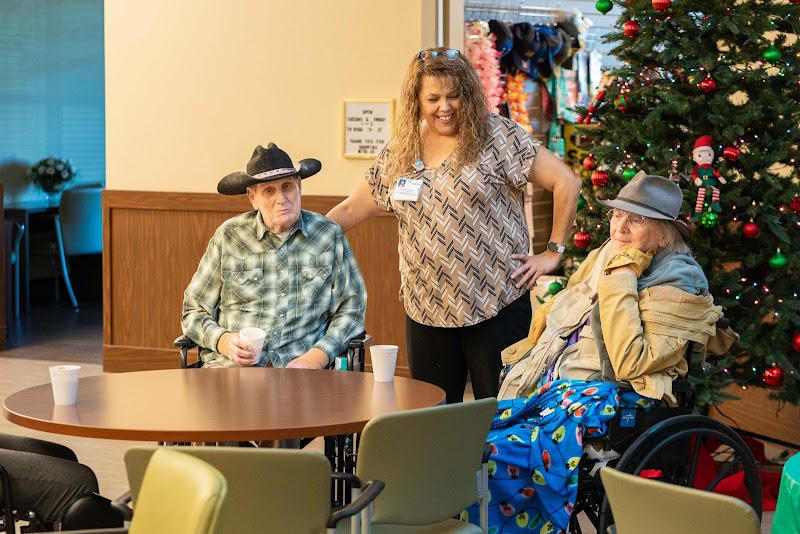
How is New Mexico State Veterans Home Staffed?
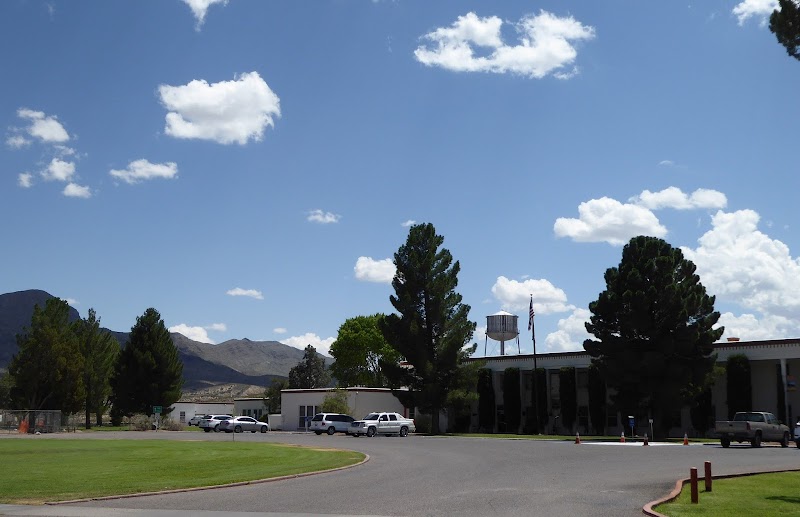
CMS rates New Mexico State Veterans Home's staffing level at 3 out of 5 stars, which is average compared to other nursing homes. Staff turnover is 78%, which is 32 percentage points above the New Mexico average of 46%. High turnover can affect care consistency as new staff learn residents' individual needs. RN turnover specifically is 95%, which is notably high. RNs provide skilled clinical oversight, so turnover in this role can affect medical care quality.

What Have Inspectors Found at New Mexico State Veterans Home?

State health inspectors documented 64 deficiencies at New Mexico State Veterans Home during 2022 to 2024. These included: 3 Immediate Jeopardy (the most serious level, indicating potential for serious harm or death), 3 that caused actual resident harm, 57 with potential for harm, and 1 minor or isolated issues. Immediate Jeopardy findings are rare and represent the most serious regulatory concerns. They require immediate corrective action.

Who Owns and Operates New Mexico State Veterans Home?

New Mexico State Veterans Home is owned by a government entity. Government-operated facilities are typically run by state, county, or municipal agencies. The facility operates independently rather than as part of a larger chain. With 135 certified beds and approximately 123 residents (about 91% occupancy), it is a mid-sized facility located in Truth or Consequences, New Mexico.

How Does New Mexico State Veterans Home Compare to Other New Mexico Nursing Homes?

Compared to the 100 nursing homes in New Mexico, New Mexico State Veterans Home's overall rating (3 stars) is above the state average of 2.9, staff turnover (78%) is significantly higher than the state average of 46%, and health inspection rating (3 stars) is at the national benchmark.

What Should Families Ask When Visiting New Mexico State Veterans Home?

Based on this facility's data, families visiting should ask: "What changes have been made since the serious inspection findings, and how are you preventing similar issues?" "How do you ensure continuity of care given staff turnover, and what is your staff retention strategy?" "Can I visit during a mealtime to observe dining assistance and food quality?" "How do you handle medical emergencies, and what is your hospital transfer rate?" These questions are particularly relevant given the facility's Immediate Jeopardy citations and the facility's high staff turnover rate.

Is New Mexico State Veterans Home Safe?

Based on CMS inspection data, New Mexico State Veterans Home has documented safety concerns. Inspectors have issued 3 Immediate Jeopardy citations (the most serious violation level indicating risk of serious injury or death). The facility has a 3-star overall rating and ranks #1 of 100 nursing homes in New Mexico. Families considering this facility should ask detailed questions about what corrective actions have been taken since these incidents.

Do Nurses at New Mexico State Veterans Home Stick Around?

Staff turnover at New Mexico State Veterans Home is high. At 78%, the facility is 32 percentage points above the New Mexico average of 46%. Registered Nurse turnover is particularly concerning at 95%. RNs handle complex medical decisions and coordinate care — frequent RN changes can directly impact care quality. High turnover means new staff may not know residents' individual needs, medications, or preferences. It can also be disorienting for residents, especially those with dementia who rely on familiar faces. Families should ask: What is causing the turnover? What retention programs are in place? How do you ensure care continuity during staff transitions?

Was New Mexico State Veterans Home Ever Fined?

New Mexico State Veterans Home has been fined $44,226 across 1 penalty action. The New Mexico average is $33,521. While any fine indicates a compliance issue, fines under $50,000 are relatively common and typically reflect isolated problems that were subsequently corrected. Families should ask what specific issues led to these fines and confirm they've been resolved.

Is New Mexico State Veterans Home on Any Federal Watch List?

New Mexico State Veterans Home is not on any federal watch list. The most significant is the Special Focus Facility (SFF) program, which identifies the bottom 1% of nursing homes nationally based on persistent, serious quality problems. Not being on this list means the facility has avoided the pattern of deficiencies that triggers enhanced federal oversight. This is a positive indicator, though families should still review the facility's inspection history directly.