ELDERWOOD AT AMHERST
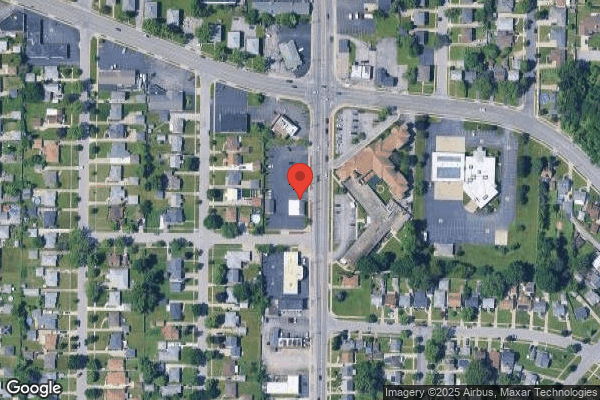
4459 BAILEY AVE, AMHERST, NY 14226 (716) 835-2543
For profit - Limited Liability company 92 Beds ELDERWOOD Data: November 2025 1 Immediate Jeopardy citation
Trust Grade
63/100
#162 of 594 in NY
Last Inspection: April 2025

Within standard 12-15 month inspection cycle. Federal law requires annual inspections.

Overview

Elderwood at Amherst has a Trust Grade of C+, indicating a decent performance that is slightly above average among nursing homes. It ranks #162 out of 594 facilities in New York, placing it in the top half, and #13 out of 35 in Erie County, meaning only 12 local options are better. The facility's trend is stable, with three reported issues in both 2023 and 2025. Staffing is rated average with a turnover rate of 42%, close to the state average of 40%. However, the facility has concerning fines totaling $29,842, which is higher than 88% of similar facilities in New York. On a positive note, the facility boasts excellent quality measures, earning 5 out of 5 stars. Unfortunately, there have been significant incidents, including a critical failure to administer CPR to an unresponsive resident who had a full code status, which resulted in their death. Additionally, the facility did not sufficiently screen staff to prevent potential abuse or neglect, raising concerns about resident safety. While there are strengths in quality measures and stability, these serious deficiencies should be carefully considered by families exploring options for their loved ones.

Trust Score
C+
63/100
In New York
#162/594
Top 27%
Safety Record
High Risk
Review needed
Inspections
Holding Steady
3 → 3 violations
Staff Stability
○ Average
42% turnover. Near New York's 48% average. Typical for the industry.
Penalties
✓ Good
$29,842 in fines. Lower than most New York facilities. Relatively clean record.
Skilled Nurses
○ Average
Each resident gets 31 minutes of Registered Nurse (RN) attention daily — about average for New York. RNs are the most trained staff who monitor for health changes.
Violations
○ Average
10 deficiencies on record. Average for a facility this size. Mostly minor or procedural issues.
★★★★☆
4.0
Overall Rating
★★★☆☆
3.0
Staff Levels
★★★★★
5.0
Care Quality
★★★☆☆
3.0
Inspection Score
Stable
2023: 3 issues
2025: 3 issues

The Good

  • 5-Star Quality Measures · Strong clinical quality outcomes
  • Full Sprinkler Coverage · Fire safety systems throughout facility
  • No fines on record
  • Staff turnover below average (42%)

    6 points below New York average of 48%

Facility shows strength in quality measures, fire safety.

The Bad

Staff Turnover: 42%

Near New York avg (46%)

Typical for the industry

Federal Fines: $29,842

Below median ($33,413)

Moderate penalties - review what triggered them

Chain: ELDERWOOD

Part of a multi-facility chain

Ask about local staffing decisions and management

The Ugly 10 deficiencies on record

1 life-threatening
Apr 2025 3 deficiencies
CONCERN (D)

Potential for Harm - no one hurt, but risky conditions existed

Deficiency F0688 (Tag F0688)

Could have caused harm · This affected 1 resident

**NOTE- TERMS IN BRACKETS HAVE BEEN EDITED TO PROTECT CONFIDENTIALITY** Based on observation, interview, and record review conducted during a Standard survey completed on 4/18/25, the facility did not...

Read full inspector narrative →
**NOTE- TERMS IN BRACKETS HAVE BEEN EDITED TO PROTECT CONFIDENTIALITY** Based on observation, interview, and record review conducted during a Standard survey completed on 4/18/25, the facility did not ensure each resident with limited range of motion received appropriate treatment and services to increase range of motion and/or to prevent further decrease in range of motion for two (2) (Resident #47 and Resident #52) of three (3) residents reviewed. Specifically, palm guards (shield/protectors/splint) use for contractures (loss of joint mobility) were not provided at all times as planned and recommended by Occupational Therapy. The policy and procedure titled Splint, Brace Care dated 5/23/18 documented the need for splint or brace use is assessed by a Licensed Therapist and recommendations would be issued for the type of device to be worn and the scheduled use. The program would be designated by the therapist and carried out by nursing. The device and involvement in therapy programs (if indicated) would be listed on the Interdisciplinary Profile of Care. Additionally, the policy documented that the Nursing Assistant would document the splint/brace program in the electronic medical records for residents involved in a nursing rehab program. The Unit Manager/Assistant Unit Manager/Charge Nurse/Team Leader monitored the completion and accuracy daily. The findings are: 1. Resident #52 had diagnoses that included cerebral infarction (stroke), hemiplegia (paralysis on one side of the body), and hemiparesis (weakness of one side of the body). The Minimum Data Set (a resident assessment tool) dated 1/8/25 documented that Resident #52 was rarely understood, rarely understands and had severe cognitive impairment. The Minimum Data Set documented Resident #52 had upper and lower extremity functional limitation in range of motion on both sides and was dependent on staff for all activities of daily living. The [NAME] Report (a guide used by staff to provide care) dated 4/18/25 documented under Restorative Programs, Resident #52 was to receive assistance with splint or brace: left and right palm protectors on at all times, to be removed for hygiene and range of motion (ROM). Review of the Occupational Therapy Discharge summary dated [DATE] documented Resident #52 was discharge from therapy with recommendations made for a Restorative Nursing Program: assistance with splint or brace: left and right palm protectors on at all times, remove for hygiene and range of motion, hand wash and air dry weekly or if soiled. Review of the Occupational Therapy Evaluation and Plan of Treatment note dated 4/9/25, Occupational Therapist #1 documented upon evaluation Resident #52 was holding both of their hands in a fisted position, Resident #52 was care planned for use of palm guards and was not present at the time of evaluation. Occupational Therapist #1 documented Resident #52 would benefit from skilled occupational therapy services to promote improved upper extremity joint mobility for prevention of worsening joint contractures and increased pain. Review of the Certified Nursing Assistant's Task documentation in the electronic medical record revealed Resident #52 was to have left and right palm protectors on at all times, except with hygiene and range of motion. There was no documented evidence of resident refusals. During an observation on 4/14/25 at 10:26 AM, Resident #52 was observed lying in bed, right hand contractures noted to all digits (fingers) there was no palm protector in place, their left hand was covered with a blanket and unable to be visualized. Further observation of Resident #52's room revealed there was a sign posted on the wall at bedside titled Arm Range of Motion Routine and documented Resident #52 was to wear a palm protector on their left and right hand to prevent contracture of their fingers. Intermittent observations made on 4/14/25 at 12:46 PM, 4/15/25 at 11:41 AM, 4/15/25 at 4:28 PM, 4/16/25 at 9:06 AM, 4/16/25 at 12:04 PM, and 4/17/25 at 8:28 AM, revealed Resident #52 did not have palm protectors in place to either their right or left hand. Additionally, Resident #52's right hand digits were curled inwards toward their palm. Resident #52's left hand index finger and thumb were pressed together, and the remaining fingers were curled inwards touching their palm. During a care observation on 4/17/25 at 10:43 AM, Certified Nurse Aide #4 and Certified Nurse Aide #5 transferred Resident #52 from bed to their wheelchair via mechanical lift. Certified Nurse Aide #4 applied Resident #52's bilateral heel booties and then placed a wedge pillow behind their legs. No palm protectors were applied to Resident #52's left or right hand, and there was no palm protectors visualized in Resident #52's room. During an interview on 4/17/25 at 10:56 AM, Certified Nurse Aide #4 stated resident care needs and devices would be documented on their [NAME], and they would review the [NAME] prior to providing care. Certified Nurse Aide #4 stated they were assigned to Resident #52, and they were care planned to have bilateral heel booties and a wedge pillow under their legs when up in their wheelchair. They stated that Resident #52's hands were contracted but had never seen them wear any palm protectors. Certified Nurse Aide #4 stated they did not see that Resident #52 was to have palm protectors on their [NAME] and had not seen any in their room. During an interview on 4/17/25 at 11:12 AM, Licensed Practical Nurse #6 reviewed Resident #52's [NAME] in the electronic medical record and stated that Resident #52 should have right and left palm protectors in place at all times except for hygiene. Licensed Practical Nurse #6 stated the nurses and unit manager were responsible to ensure the certified nurse aides followed the plan of care. They stated it was important for Resident #52 to have palm protectors in place to protect their skin and prevent further contractures. Licensed Practical Nurse #6 stated the certified nurse aides should have known Resident #52 required palm protectors to both hands, as it was documented on their [NAME], and they had a sign posted on the wall by their bed. During an interview on 4/17/25 at 11:46 AM, the Assistant Director of Rehabilitation stated nurses and certified nurse aides were trained how to apply splints and that positioning devices, and splints were listed on the [NAME] and under the Tasks menu in the electronic medical record. The Assistant Director of Rehabilitation stated Resident #52 had bilateral arm and hand contractures, and were to have palm protectors to both their hands at all times. They stated this was recommended for maintenance and to prevent further contractures. The Assistant Director or Rehabilitation stated they would expect nursing to follow their recommendations and notify them with any changes or concerns. During an interview on 4/17/25 at 12:05 PM, Occupational Therapist #1 stated during the recent evaluation completed on 4/9/25 Resident #52 was without their palm protectors in place. They stated they expected nursing to follow the recommendations per the plan of care. 2. Resident #47 had diagnoses that included cerebral infarction, right hand contracture, and dementia. The Minimum Data Set, dated [DATE] documented Resident #47 was sometimes understood and sometimes understands and had severe cognitive impairment. The Minimum Data Set documented Resident #47 had upper and lower extremity functional limitation in range of motion both sides and was dependent on staff for all activities of daily living. The [NAME] Report dated 4/18/25 documented under Restorative Programs, Resident #47 was to have a right-hand palm shield on at all times, remove for daily hand hygiene and ROM (range of motion). Hand wash and air dry weekly or as needed when soiled, and complete skin checks daily. The Occupational Therapy Discharge summary dated [DATE] documented Resident #47 was discharged from occupational therapy services and recommendations included Nursing Rehab program: Right hand palm shield (splint/protector) on at all times, remove for hygiene and ROM (range of motion). Review of the Certified Nursing Assistant's Task documentation in the electronic medical record revealed Resident #47 was to have right hand palm shield on at all times, remove for hygiene and range of motion. There was no documented evidence of resident refusals. Intermittent observations made on 4/14/25 at 4:04 PM, 4/15/25 at 8:20 AM, 4/15/25 at 3:53 PM, 4/16/25 at 8:25 AM, 4/16/25 at 12:52 PM, and 4/17/25 at 8:56 AM, Resident #47's right hand was positioned as a clenched fist and there was no right-hand palm shield in place. During an interview on 4/17/25 at 10:56 AM, Certified Nurse Aide #4, stated resident care needs and position devices were documented on the [NAME] which was reviewed prior to providing care. Certified Nurse Aide #4 stated they had provided care to Resident #47 and did not see on their [NAME] they required a right-hand palm shield. Certified Nurse Aide #4 stated had never seen Resident #47 wear a splint/palm shield and there were no splints in their room. During an interview on 4/17/25 at 11:22 AM, Licensed Practical Nurse #6 stated Resident #47's right hand was contracted and should have a right-hand splint in place except for hygiene and range of motion. Licensed Practical Nurse #6 stated it was important for Resident #47 to have their palm shield in place to prevent further contractures and prevent skin break down. During an interview on 4/17/25 at 12:11 AM, the Assistant Director of Rehabilitation stated Resident #47 received occupational therapy services from 2/10/25 - 3/6/25 and was discharged with recommendations to continue the use of right hand palm shield at all times, remove for hygiene and range of motion. The Assistant Director of Rehabilitation stated Resident #47's use of the palm shield was to maintain skin integrity because of their closed fist. They stated they would expect nursing to follow recommendations made, document refusals, and update them with any changes. During an interview on 4/18/25 at 9:30 AM, Licensed Practical Nurse Manager #4 stated the nurses and unit manger were responsible to ensure the certified nurse aides followed the plan of care. Licensed Practical Nurse Manager #4 stated certified nurse aides were to apply splints/palm guards and would expect them to be in place if care planned. They stated they would expect staff to document resident refusals in the medical record and be notified if positioning devices were not located. During an interview on 4/18/25 at 12:28 PM, the Director of Nursing stated unit managers and nurses were responsible to make sure the resident's care plan was followed. They stated splints / palm guards were listed on the [NAME] and would expect staff to review prior to providing care. The Director of Nursing stated they would have expected staff to follow the care plan and apply devices/splints as ordered to prevent injury or contractures. 10 NYCRR 415.12 (e) (2)
CONCERN (D)

Potential for Harm - no one hurt, but risky conditions existed

Unnecessary Medications (Tag F0759)

Could have caused harm · This affected 1 resident

**NOTE- TERMS IN BRACKETS HAVE BEEN EDITED TO PROTECT CONFIDENTIALITY** Based on observation, interview, and record review conducted during the Standard Survey completed on 4/18/2025, the facility did...

Read full inspector narrative →
**NOTE- TERMS IN BRACKETS HAVE BEEN EDITED TO PROTECT CONFIDENTIALITY** Based on observation, interview, and record review conducted during the Standard Survey completed on 4/18/2025, the facility did not ensure it was free of a medication error rate of five percent or greater for two (2) (Residents #31 and #44) of three (3) residents observed during medication administration. Specifically, there were two (2) errors for 25 observed medication opportunities resulting in a medication error rate of 8% (percent). Medications were not administered to Resident #31 and #44 in accordance with the physician's order before breakfast. The findings are: The policy and procedure titled Medications Administration Methods dated 1/25/2024 documented the Medication Nurse must follow the five (5) rights of administration (Right Drug, Right Dose, Right Time, Right Resident, Right Route). Medication may be administered one hour before or after the routine scheduled time, unless otherwise indicated. The policy and procedure titled Medication Standardized Schedule and Terminology dated 4/25/2018 documented the time schedule will be developed in accordance with accepted medical and pharmaceutical practices, and according to needs of residents. Medications are to be administered 1 hour before to 1 hour after scheduled medication time, unless otherwise indicated by physician (before meals, after meals and immediate medications). 1. Resident #31 had diagnoses that included non-infective gastroenteritis and colitis (inflammation of the stomach and intestines), dysphagia (difficulty swallowing) and long-term use of aspirin. The Minimum Data Set (a resident assessment tool) dated 3/18/25 documented that Resident #31 was understood, understands and cognitively intact. Review of the Order Summary Report revealed an order dated 3/14/25 for Pantoprazole Sodium (Protonix) tablet delayed release 40 milligrams, give 1 tablet by mouth before breakfast for gastroesophageal reflux. The Medication Administration Record (MAR) dated 4/1/2025-4/30/2025 documented Pantoprazole Sodium (Protonix) tablet delayed release 40 milligrams, give 1 tablet by mouth before breakfast for gastroesophageal reflux. The administration time was scheduled before breakfast at 7:30 AM. During a medication administration observation on 4/16/25 at 9:30 AM to 10:07 AM, Licensed Practical Nurse #2 administered Pantoprazole Sodium 40 milligrams along with seven other morning medications. At the time of the observation Resident #31 stated they had already eaten their breakfast. During an interview on 4/18/25 at 8:49 AM, Licensed Practical Nurse #2 stated Resident #31's Pantoprazole 40 milligrams was scheduled to be given at 7:30 AM and they did not administer it until after 10:00 AM on 4/16/25 and was not administered as ordered or within timeframe allowed. During a telephone interview on 4/18/25 at 9:54 AM, the Medical Director stated Pantoprazole should be taken thirty minutes before breakfast. The Medical Director stated they would expect medication to be administered as directed/ordered. Additionally, they stated they would expect to be notified if a resident was not receiving their medications as ordered to reduce medication errors, and to review which medications are ok to be or not ok to be given after scheduled time. The Medical Director was not aware that Resident #31 was not receiving Pantoprazole as ordered. 2. Resident #44 had diagnoses that included hypothyroidism (condition where the thyroid gland does not produce enough hormone), congested heart failure, and chronic kidney disease. The Minimum Data Set, dated [DATE] documented that Resident #44 was understood, understands and had moderate cognitive impairment. The comprehensive care plan dated 1/9/25, documented Resident #44 had a diagnosis of hypothyroidism. Interventions included to administer medications per the medical doctor/nurse practitioner orders and observe for toxicity. Review of the Order Summary Report dated 4/18/25 revealed and order dated 1/8/25 for levothyroxine sodium 75 micrograms, give 1 tablet by mouth before breakfast for hypothyroidism. The Medication Administration Record dated 4/1/25 - 4/30/25, documented levothyroxine sodium 75 micrograms to be administered by mouth before breakfast for hypothyroidism. The administration time was scheduled for 7:30 AM. Review of the facility Meal Schedule revealed the scheduled breakfast time for Unit 1 was 7:30 AM, Unit 2 was 8:05 AM, and Unit 3 was 7:45 AM. During a medication administration observation and interview on 4/16/25 at 9:09 AM, Licensed Practical Nurse #6 reviewed Resident #44's medications in the electronic medical record. The order for levothyroxine sodium 75 micrograms was observed to be pink on the screen of the electronic medical record, Licensed Practical Nurse #6 stated the medication was highlighted pink because it was overdue. Licensed Practical Nurse #6 administered Resident #44's morning medications which included levothyroxine sodium 75 micrograms. Resident #44's breakfast tray was on their bedside table and had been consumed. During an interview on 4/16/25 at 9:23 AM, Licensed Practical Nurse #6 stated the order for levothyroxine sodium 75 micrograms was scheduled to be administered at 7:30 AM and that it should have been given on an empty stomach to ensure it was effective. Licensed Practical Nurse #6 stated they were behind on their med pass, because they had to stop to pass breakfast trays and help feed residents. During an interview on 4/18/25 at 9:30 AM, Licensed Practical Nurse Manager #4 stated levothyroxine sodium was to be administered before breakfast on an empty stomach and would expect nurses to follow the instruction on the physician order. They stated if levothyroxine sodium was administered after 9:00 AM and the resident had already consumed their breakfast they would consider the medication to be administered late and may not be effective. During a telephone interview on 4/18/25 at 9:52 AM, the Medical Director stated levothyroxine sodium was ordered before breakfast on an empty stomach to ensure it was absorbed effectively. They stated if the medication was administered after breakfast, they would be concerned it was not as effective and could start to see signs and symptoms of low thyroid which could be potentially harmful to the resident. The Medical Director stated if levothyroxine sodium was consistently administered late, they would expect to be notified by nursing, ensure labs were being monitored, and would adjust the hour of medication administration time. During an interview on 4/18/25 at 9:22 AM, the Director of Nursing stated they expected nurses to follow physician orders and would expect any medication ordered before breakfast be administered before breakfast. They stated typically, medications ordered before meals were to be taken on an empty stomach. The Director of Nursing stated they would expect the nurses to notify the Unit Manager and Physician when medications were not being administered as ordered. Additionally, the Director of Nursing was not sure if nursing staff were notifying the medical provider of medication being administered outside scheduled timeframe. During a telephone interview on 4/18/25 at 10:09 AM, the Pharmacy Consultant stated they would expect nurses to follow the instructions on the physician orders, if a medication was ordered to be administered before breakfast, they would expect the nurses to adhere to the rule, administer medications as ordered. 10NYCRR 415.12(m)(1)
CONCERN (D)

Potential for Harm - no one hurt, but risky conditions existed

Deficiency F0761 (Tag F0761)

Could have caused harm · This affected 1 resident

Based on observation, interview, and record review conducted during the Standard survey completed on 4/18/25, the facility did not ensure that drugs and biologicals used in the facility were labeled i...

Read full inspector narrative →
Based on observation, interview, and record review conducted during the Standard survey completed on 4/18/25, the facility did not ensure that drugs and biologicals used in the facility were labeled in accordance with currently accepted professional principles and include the expiration date when applicable for one (1) (Unit One) of two (2) medication storage rooms, and one (1) (Unit One/Cart 2) of three (3) medication carts observed. Specifically, Unit One's medication room contained multiple unopened, bottles of expired medications and Unit One's medication cart (Cart 2) contained an insulin pen that was not dated when opened. The finding is: The policy and procedure titled Medication Rooms on Nursing Units dated 7/30/24 documented medication rooms on the nursing units of the facility will be the areas where medications for residents are stored. Authorized persons are allowed in the room for the purposes outlined: Licensed Nurses (Licensed Practical Nurse, Registered Nurse) for administration of medication to residents or for storage and or return of medication, Purchasing Assistant/designee under supervision of the Unit Manager/Assistant Unit Manager/Charge Nurse for storing or inventory stock medication and general supply items, and Pharmacy Consultant or Pharmacy staff to conduct inspections or re-label medication containers. The policy and procedure titled Pharmacy Consultant Responsibilities dated 7/24/2018, documented an inspection of the nursing unit medication room by the Pharmacy Consultant will occur at least three times per year. The Pharmacy Consultant removes discontinued, outdated or deteriorated medications from the current stock and alerts the Unit Manager/designee to forward them to the Director of Nursing Services for return or destruction. During an observation on 4/17/25 at 4:25 PM the Unit One medication room contained the following expired medications: -three unopened, 60 milliliter bottles of Sodium Polystyrene Sulfonate suspension 15 grams/60 milliliters (medication used to treat high potassium level) expired 3/2025, -an unopened 16 fluid ounce bottle of Iron Supplement liquid (supplement used to treat condition causing low oxygen in the blood) expired 2/2025, -an unopened bottle of docusate sodium 100 milligrams (stool softener) 100 soft-gels expired 3/2025, -three unopened bottles of aspirin 325 milligrams,100 tablets, one expired 1/2025 & two expired 3/2025, -an unopened bottle of sennosides 8.6 milligrams (medication to treat constipation) 100 tablets expired 3/2025, -an unopened bottle of magnesium oxide 400 milligrams (supplement used to treat low magnesium) 120 tablets expired 2/2025. During an interview on 4/17/25 at 4:25 PM, Registered Nurse Supervisor, #1 stated they were unsure who was responsible for checking the medication storage room for expired medications. Expired medications should not be given and could possibly be less effective. During an observation on 4/17/25 at 4:40 PM, Unit One's medication cart (Cart 2) contained an open Lantus insulin pen (medication used to control high blood sugar). The pen was labeled with a resident's name but it was not dated as to when it was opened. During an interview at the time of the observation on 4/17/25 at 4:40 PM, Licensed Practical Nurse #3 stated the insulin pen was opened and should have been dated when it was opened. During an interview on 4/18/25 at 8:33 AM, the Director of Nursing stated the overnight nurse was responsible for checking the medication rooms weekly for expired medications. All nurses were responsible for checking each medication they administer for the expiration date. Expired medications should be given to the nursing supervisor to be disposed of. They also stated that insulin pens should be dated when they were opened and stored in the refrigerator until they were in use. During a telephone interview on 4/18/25 at 10:12 AM, the Pharmacy Consultant stated all medication storage rooms should be checked routinely for expired medications and they should be removed as the medications may be less effective. They stated they had recently checked the facilities medication storage rooms, on 4/1/25 and there were a few over the counter medications that were going to expire at the end of the month but were not removed at that time. The Pharmacy Consultant stated they spoke with the Director of Nursing and reported that some medications were going to expire at the end of the month. Additionally, they stated insulin pens should be isolated in a bag and dated when opened, if not opened, utilized insulin pens should be stored in the refrigerator. 10 NYCRR 415.18 (e)(4)
Dec 2023 3 deficiencies 1 IJ
CRITICAL (J)

Immediate Jeopardy (IJ) - the most serious Medicare violation

Deficiency F0678 (Tag F0678)

Someone could have died · This affected 1 resident

**NOTE- TERMS IN BRACKETS HAVE BEEN EDITED TO PROTECT CONFIDENTIALITY** Based on record review and interviews conducted during an Extended Recertification survey started on [DATE] and completed on [DA...

Read full inspector narrative →
**NOTE- TERMS IN BRACKETS HAVE BEEN EDITED TO PROTECT CONFIDENTIALITY** Based on record review and interviews conducted during an Extended Recertification survey started on [DATE] and completed on [DATE], the facility failed to initiate cardiopulmonary resuscitation (CPR) to an unresponsive resident who had a full code status and advance directives in place for one (Resident #79) of three residents reviewed. Specifically, on [DATE] Resident #79 was found unresponsive, without a pulse, respirations, or blood pressure. Facility staff failed to check the resident's code status, failed to initiate emergency response, failed to activate the 911 (emergency medical response) system, and failed to provide cardiopulmonary resuscitation (CPR) for the resident who was a full code. Resident #79 expired on [DATE]. This resulted in actual harm to Resident #79's health and safety with the likelihood to affect all residents with full code status in the facility that is immediate jeopardy and substandard quality of care. There were 33 full Code residents in the facility. The finding is: The policy and procedure titled Basic Life Support, dated [DATE], documented basic life support procedures including cardiopulmonary resuscitation (CPR), rescue breathing, and defibrillation (controlled electric shock) will be initiated on all appropriate residents unless advance directives documenting the exclusion of these procedures are on file in the medical record. Staff are to initiate cardiopulmonary resuscitation (CPR) when cardiac arrest occurs for residents who have requested cardiopulmonary resuscitation (CPR) in their advance directives. The policy documented if a resident is unresponsive, immediately confirm status. The EMR (electronic medical record) will be utilized as the initial method of immediate identification. Send another staff member to obtain the medical record and the medical record will be brought to the area when basic life support is being provided or considered. 1. Resident #79 had diagnoses including congestive heart failure, hypertension, and diabetes mellitus. The Minimum Data Set (a resident assessment tool) dated [DATE] documented Resident #79 was cognitively intact, understands, was understood, and did not have a do not resuscitate (DNR) order. The comprehensive care plan dated [DATE] (current at the time of the resident's death) documented Resident #79 had advanced directives in place which included Medical Orders for Life-Sustaining Treatment (MOLST). The goal documented the resident's wishes would be honored and interventions documented that those wishes would be followed per the provider's order. The Medical Orders for Life-Sustaining Treatment (MOLST), reviewed and signed by Resident #79's Attending Physician #1 (Medical Director) on [DATE], documented a cardiopulmonary resuscitation (CPR) order. The physician's Order Summary Report printed [DATE] with a date range of [DATE]- [DATE] documented that Resident #79 had an active cardiopulmonary resuscitation/full code status order. The New York State Department of Health Certificate of Death documented Resident #79 expired on [DATE] at approximately 10:45 AM. The immediate cause of death was documented as respiratory failure. The Nurses Note dated [DATE] and timed 9:15 AM, authored by Registered Nurse Nursing Supervisor #1 documented activities staff (Memory Care Program Specialist #1) noticed the resident was unresponsive and not breathing and notified primary nurse to assess and writer called to confirm had expired. Resident was without pulse, unresponsive, without breaths, was motionless, no chest palpation or heartbeat, pupils are fixed and dilated. During an interview on [DATE] at 7:34 AM, Licensed Practical Nurse #1 stated, Memory Care Program Specialist #1 alerted them on [DATE], that Resident #79 was unresponsive. Licensed Practical Nurse #1 stated they could not recall what time they found the resident unresponsive and that they immediately called Register Nurse Supervisor #1 from Resident #79's room. Licensed Practical Nurse #1 stated they did not check Resident #79's code status, did not activate the emergency response system, and did not initiate cardiopulmonary resuscitation (CPR). During an interview on [DATE] at 7:47 AM, Registered Nurse Supervisor #1 stated they were called to Resident #79's room on [DATE], but was unsure of the time, to confirm Resident #79 had expired. Registered Nurse Supervisor #1 stated they confirmed Resident #79 had expired as the resident had no breaths, no pulse, no blood pressure and was motionless. Registered Nurse Supervisor #1 stated they did not check Resident #79's code status prior to pronouncing the resident expired. Registered Nurse Supervisor #1 stated when they returned to their office, after five to ten minutes, to document their assessment they realized Resident #79 had advance directives for a full code status. Registered Nurse Supervisor #1 stated cardiopulmonary resuscitation (CPR) should have been initiated when the resident was found unresponsive, but too much time had elapsed to initiate cardiopulmonary resuscitation (CPR) at that point. During a telephone interview on [DATE] at 8:07 AM, Certified Nurse Assistant #1 stated they provided morning care to Resident #79, on [DATE], five to ten minutes prior to Memory Care Program Specialist #1 finding Resident #79 unresponsive. During an interview on [DATE] at 8:42 AM, the Director of Nursing stated when a resident was found unresponsive staff should check for signs of life, check the resident's code status, and if needed call a Code Blue if the resident had a full code status. The Director of Nursing stated cardiopulmonary resuscitation (CPR) should have been initiated for Resident #79. During an interview on [DATE] at 9:04 AM, Memory Care Program Specialist #1 stated they were preparing for an activity and went into check on Resident #79. The resident did not respond, and they notified the nurse immediately the resident was unresponsive. Memory Care Program Specialist #1 stated they did not recall the exact time they found the resident. On [DATE] at 12:19 PM, Memory Care Program Specialist #1 stated they were trained in cardiopulmonary resuscitation (CPR) but were instructed to tell the nurse first. Additionally, they stated they did not check Resident #79's code status. During a telephone interview on [DATE] at 10:21 AM, Resident #79's Attending Physician #1 (Medical Director) stated when a resident was found unresponsive staff should determine the resident's advance directive/code status. If a resident was a full code, cardiopulmonary resuscitation (CPR) should be initiated immediately. Additionally, Attending Physician #1 stated they were unaware cardiopulmonary resuscitation had not been initiated when Resident #79 was initially found unresponsive, nor were they notified when the code status was identified as full code, to give direction to staff. Immediate Jeopardy was identified, and the facility Administrator was notified on [DATE] at 1:53 PM. Based on staff interviews and record review the survey team verified the facility made the following corrective actions to remove the immediacy as of [DATE] at 2:00 PM. - 87 percent of licensed staff (licensed practical nurses, registered nurses, physical therapists, occupational therapists, and speech therapists) were educated on the facility's Code Blue procedures. 10 NYCRR 400.21
CONCERN (D) 📢 Someone Reported This

A family member, employee, or ombudsman was alarmed enough to file a formal complaint

Potential for Harm - no one hurt, but risky conditions existed

Free from Abuse/Neglect (Tag F0600)

Could have caused harm · This affected 1 resident

**NOTE- TERMS IN BRACKETS HAVE BEEN EDITED TO PROTECT CONFIDENTIALITY** Based on observation, interview, and record review conducted during a Complaint investigation (Complaint #NY00301447) during an ...

Read full inspector narrative →
**NOTE- TERMS IN BRACKETS HAVE BEEN EDITED TO PROTECT CONFIDENTIALITY** Based on observation, interview, and record review conducted during a Complaint investigation (Complaint #NY00301447) during an Extended Recertification survey completed on 12/15/23, the facility did not ensure the resident's right to be free from abuse for two (Residents #20 and 52) of five residents reviewed. Specifically, on 8/29/22 at 8:40 PM, Resident #52 wandered into Resident #20's room without staff knowledge and were found lying in Resident #20's bed, naked, and engaged in sexual intercourse. The finding is: The policy and procedure titled Abuse Prevention, Identification, Investigation, Protection and Reporting dated 6/27/23 documented the facility will provide protection for the health, welfare and rights of each resident residing in the facility and the Administrator was responsible for development and implementation of written policy and procedures that prohibit and prevent abuse. Abuse prevention included establishing a safe environment, identifying, and monitoring of residents with needs and behaviors that might lead to conflict or neglect including wandering into other's rooms/space. The document titled Your Rights as a Nursing Home Resident in New York State documented residents have the right to be free from sexual abuse. Resident #20 had diagnoses including dementia, diabetes, and chronic kidney disease. The Minimum Data Set, dated [DATE] documented Resident #20 had severe cognitive impairment and did not exhibit wandering behavior. The comprehensive care plan dated 5/21/22 documented Resident #20 had the potential for alteration in their mood/behavior related to dementia and change in their environment. The resident had inappropriate sexual behavior 8/29/22 with another resident. The Determination of Incapacity for Medical Decision-Making form dated 7/1/22 documented Resident #20 did not have capacity to make their own medical/health care decisions. This form was signed by a Nurse Practitioner and Attending Physician #2. The untitled [NAME] (tool used by staff to provide care) dated 8/31/22 documented Resident #20 was understood, usually understands, and walked independently. Resident #20 was independent with dressing. Resident #52 had diagnoses including dementia, lupus (long term disease that can inflammation and pain in the body), and osteoporosis (brittle bones). The Minimum Data Set, dated [DATE] documented Resident #52 had severe cognitive impairment and did not exhibit wandering behavior. The comprehensive care plan dated 10/12/21 documented Resident #52 was at risk or have been the recipient of verbal or physical altercations with other residents. Interventions included to assess for inappropriate behavior, and unmet needs such as hunger, thirst, fatigue, pain and need to toilet; move away from other residents who are at high risk to become physically or verbally aggressive. The untitled [NAME] dated 8/31/22 documented Resident #52 walked independently, and they were rarely/never understood. Safety interventions included to not leave the resident alone in the bathroom and to redirect, intervene or provide distraction during episodes of agitation or fidgetiness. Resident #52 required extensive assist of one staff member for dressing. Review of the provider Progress Note dated 8/8/22 documented Resident #52 had no decisional capacity related to their dementia diagnosis. The Progress Note, written by Registered Nurse #3 dated 8/29/22 at 8:40 PM, documented staff found Resident #52 in bed naked with Resident #20's genitalia inside of them. Staff took Resident #52 to their room for an assessment. There was no redness or bleeding noted from their genital area, the supervisor was updated, provider and family were contacted. The Progress Note, written by Registered Nurse Supervisor #4 dated 8/29/22 at 10:03 PM, documented staff reported they observed Resident #52 in bed with Resident #20, both the residents had no clothes on. Staff separated them immediately, examined Resident #52, no bleeding or redness was noted. The Medical Doctor/Nurse Practitioner was updated, a psychiatry consult was ordered, and the physician would see them in the morning. The Facility Investigation for the occurrence on 8/29/23 at 8:40 PM, documented a Certified Nurse Aide #2 was rounding and found Resident #52 and #20 laying unclothed in bed together. Certified Nurse Aide #2 approached the edge of the bed and witnessed the residents engaged in sexual activity. Certified Nurse Aide #2 immediately called for the Registered Nurse (#3) on the unit, who arrived at the room and observed the residents laying unclothed in bed. Certified Nurse Aide #2 dressed the Resident #52 and was escorted to their room. A Registered Nurse assessment was completed and found no obvious signs of injury. The investigation documented that camera footage was reviewed for 8/29/22 and revealed the following timeline: -At 7:04 PM, Resident #52 was wandering in and out of rooms -At 7:14 PM, Resident #52 entered Resident #20's room and exited right away -At 7:32 PM, Resident #52 re-entered Resident #20's room -At 7:40 PM and 8:40 PM, two Certified Nurse Aides were in the hallway, going in and out of rooms near Resident #20's room, but did not enter that room. -At 8:40 PM, the residents #20 and #52 were discovered by Certified Nurse Aide #2 The investigation summary documented both residents reside on the secured memory care unit and have severe cognitive impairment. On 8/29/22 both residents were discovered engaged in probable sexual activity. They were immediately separated. Neither resident seemed distressed or harmed or displayed any signs of fear or psychological harm. Review of the Witness Accounts of Accident/Incident written by Certified Nurse Aide #2 dated 8/29/22 at 8:40 PM, revealed Residents #20 and #52 were laying naked in bed on their sides. Resident #20 was behind Resident #52 and penetrated them. Certified Nurse Aide #2 asked what they were doing, and Resident #20 stated nothing. During an observation on 12/7/23 at 1:30 PM, Resident #20 was sitting in their room, alert and oriented to themselves. Resident #20 didn't know the date, city, or who the president was. During an observation on 12/11/23 at 8:35 AM, Resident #52 was seated in the dining room with staff assisting them. The resident was alert and nonverbal. During a telephone interview on 12/13/23 at 10:28 AM, Certified Nurse Aide #2 stated they couldn't remember the exact positions the residents were found, but knew it was inappropriate and that Resident #20 was more of the person in control. The Witness Account of Accident/Incident statements dated 8/29/22 were read to Certified Nurse Aide #2 and they confirmed what was written. and stated they last saw Resident #52 at 7:30 PM. Certified Nurse Aide #2 stated the last time they had seen Resident #52 was 7:30 PM. They said were looking for Resident #52 to put them to bed, that's when they opened Resident #20's door and saw the clothing on the floor in the room, that's why they walked over to the bed and found the residents together. Certified Nurse Aide #2 stated they went and got the nurse immediately. Certified Nurse Aide #2 stated neither resident was on safety checks prior to this incident and that Resident #52 had wandering behaviors. Certified Nurse Aide #2 stated they knew Resident #52 did not have capacity to consent to sexual relations and didn't really know Resident #20's cognitive level. During a telephone interview on 12/13/23 at 11:13 AM, Registered Nurse #3 stated they remembered the incident with Residents #52 and #20, and they were working on the medication cart that evening. Registered Nurse #3 stated Certified Nurse Aide #2 went to look for Resident #52 and they called them down to Resident #20's room. Registered Nurse #3 stated they saw the residents in bed together, Resident #20 was sitting up in the bed and Resident #52 was laying on their left side toward the wall with their legs bent up, and both were naked. Registered Nurse #3 stated Resident #52 couldn't undress themselves, so Resident #20 must have undressed them. Registered Nurse #3 stated Certified Nurse Aide #2 said Resident #20 was in Resident #52. Registered Nurse #3 stated they assessed Resident #52 for any injuries and found none. There were no fingermarks, bruising, red areas anywhere on the resident and that included the genital area. Registered Nurse #3 stated there was no evidence of ejaculation and that these residents were unable to consent to the sexual contact. Registered Nurse #3 stated they would consider this sexual abuse because Resident #52 was unable to consent and that it could be harmful if a resident was unable to consent to sexual contact. During a telephone interview on 12/13/23 at 3:15 PM, Registered Nurse Supervisor #4 stated they were told about this incident after Residents #20 and #52 were already separated. They remembered they contacted the Director of Nursing that evening but didn't remember specifics. Registered Nurse Supervisor #4 stated neither resident had capacity to consent to sexual relationships and this would be considered sexual abuse in the real world. The Registered Nurse Supervisor #4 stated that this could be considered harmful to someone who couldn't give consent. During an interview on 12/14/23 at 11:48 AM, the Director of Nursing stated staff discovered Resident #52 in Resident #20's bed and per Certified Nurse Aide #2 statements, penetration happened. The residents were not able to give consent for this type of relationship. The Director of Nursing stated this was considered sexual abuse and Resident #52's right to remain free from abuse was not maintained. The Director of Nursing stated this situation was harmful for the resident, but the resident did not seem like they were in distress after the incident. The Director of Nursing stated the police were not called in this situation. During a telephone interview on 12/14/23 at 12:59 PM, Resident #20 and #52's Attending Physician #2 stated they were notified right away about the incident and examined the resident's the next morning. Attending Physician #2 stated they did a physical exam and saw no evidence of any trauma, or any concerns that indicated trauma. Resident #52 at the time of the exam had no change in their demeanor, they have dementia, were nonverbal with a flat affect. Attending Physician #2 stated the residents had no capacity to make complex medical decisions. During a telephone interview on 12/14/23 at 3:01 PM, the Psychiatrist Consultant stated they didn't have their notes available, so they may be limited in their responses. Several paragraphs of Resident #52's Psychiatry Consult dated 9/3/22 was read to the Psychiatrist Consultant. The Psychiatrist Consultant stated with a fair amount of certainty, the residents lacked capacity to give consent. The Psychiatrist Consultant stated for a reasonable person who had intact cognitive functioning it was plausible that this situation (non consensual sex) could have caused harm. 10 NYCRR 415.3(d)(1)(vii)
CONCERN (E)

Potential for Harm - no one hurt, but risky conditions existed

Abuse Prevention Policies (Tag F0607)

Could have caused harm · This affected multiple residents

Based on interview and record review during the Extended survey completed on 12/15/23, the facility did not implement written policies and procedures for screening employees that would prohibit and pr...

Read full inspector narrative →
Based on interview and record review during the Extended survey completed on 12/15/23, the facility did not implement written policies and procedures for screening employees that would prohibit and prevent abuse, neglect, and exploitation of residents and misappropriation of resident property. Specifically, the facility did not provide documentation that verified four (two Certified Nurse Aides, one Housekeeping Aide, and one Dining Service Associate) of six employees reviewed that worked in the facility and were subject to the New York State Nurse Aide Registry had been screened through the New York State Nurse Aide Registry prior to their first date worked at the facility. The findings are: The policy and procedure titled, Abuse Prevention, Identification, Investigation, Protection and Reporting, modified 6/19/23, documented the facility will provide protection for the health, welfare and rights of each resident residing in the facility. The Administrator of the facility is responsible for the development and implementation of written policies and procedures that prohibit and prevent abuse, mistreatment, neglect, exploitation of residents, and misappropriation of resident property. Additionally, the policy and procedure documented prior to hire, all prospective staff will be screened for a history of abuse, mistreatment, neglect, exploitation, and misappropriation of resident property per state and federal regulations. Appropriate licensing boards and registries will be checked per federal and state requirements. The policy and procedure titled, Onboarding Policy, modified 9/1/23, documented a new employee is not authorized to begin work until onboarding criteria has been met. Listed onboarding criteria includes, Nurse aide registry has been reviewed for all staff. 1a. Review of Employee A's (Dining Service Associate) automated timecard revealed Employee A worked in the facility from 8/31/23 to present on the 6:00 AM to 2:00 PM shift. Review of Employee A's personnel file revealed it contained no documentation that the New York State Nurse Aide Registry was checked for Employee A. During an interview on 12/14/23 at 8:15 AM, the Food Service Director stated all Dining Service Associates, including Employee A, delivered food trays to and from the resident units and the resident dining rooms for each meal and occasionally re-stocked nourishment refrigerators located on the resident units. 1b. Review of Employee B's (Housekeeping Aide) automated timecard revealed Employee B worked in the facility from 8/30/23 to 9/27/23 on the 6:00 AM to 2:00 PM and 12:00 PM to 8:00 PM shifts. Review of Employee B's personnel file revealed it contained no documentation that the New York State Nurse Aide Registry was checked for Employee B. During an interview on 12/14/23 at 8:45 AM, the Director of Facilities Services stated Employee B mainly worked in the Laundry department and their tasks included the delivery of clean laundry to the resident units, including personal laundry into each resident room, and picking up soiled laundry from the resident units. They stated Employee B also could have been assigned to prepare a resident room for a new resident. 1c. Review of Employee C's (Certified Nurse Aide) automated timecard revealed Employee C started working in the facility on 9/11/23. Review of Employee C's personnel file revealed it contained documentation that the New York State Nurse Aide Registry was checked for Employee C on 9/26/23. Between 9/11/23 and 9/26/23, Employee C worked eight shifts between the hours of 6:00 AM and 6:30 PM. 1d. Review of Employee D's (Certified Nurse Aide) automated timecard revealed Employee D started working in the facility on 9/18/23. Review of Employee D's personnel file revealed it contained documentation that the New York State Nurse Aide Registry was checked for Employee D on 9/22/23. Between 9/18/23 and 9/22/23, Employee D worked three shifts between the hours of 6:00 AM and 10:00 PM. During an interview on 12/14/23 at 8:10 AM, the Scheduler stated Certified Nurse Aides are usually assigned to the same resident unit each time they work, but could pick up shifts and be assigned to any resident unit. The Scheduler stated Employee C and D worked mainly on Memory Lane Unit. During an interview on 12/8/23 at 2:25 PM, the Recruitment Coordinator stated they were new to the job in August and September and the Nurse Aide Registry checks were missed. They also stated some were caught during an audit done by the Human Resources Manager in September. During an interview on 12/12/23 at 4:15 PM, the Human Resources Manager stated the Onboarding Policy says the Nurse Aide Registry must be reviewed for all staff, and review means to look at the entire thing, including the resident abuse findings section. The Human Resources Manager further stated the Recruitment Coordinator was responsible for checking the Nurse Aide Registry for all new staff before they started working at the facility, as part of the onboarding process, and the Recruitment Coordinator had received adequate training before taking on the responsibility for this task. Additionally, they stated Employees A, B, C, and D should have had the Nurse Aide Registry checked before they started working and documentation kept in their personnel files. During an interview on 12/14/23 at 9:05 AM, the Director of Nursing stated Human Resources was responsible for checking the Nurse Aide Registry as part of the facility's onboarding process and it must be done prior to hire. During an interview on 12/14/23 at 11:05 AM, the Administrator stated the Nurse Aide Registry was supposed to be checked to make sure a Certified Nurse Aide's certification was current and to make sure there were no abuse findings for all new employees. They also stated this was to be done before a new employee started working at the facility. 415.4(b)(1)(ii)(a)(b)
May 2022 4 deficiencies
CONCERN (D)

Potential for Harm - no one hurt, but risky conditions existed

Deficiency F0582 (Tag F0582)

Could have caused harm · This affected 1 resident

**NOTE- TERMS IN BRACKETS HAVE BEEN EDITED TO PROTECT CONFIDENTIALITY** Based on interview and record review during the Standard survey conducted from 4/27/22 through 5/3/22, the facility did not prov...

Read full inspector narrative →
**NOTE- TERMS IN BRACKETS HAVE BEEN EDITED TO PROTECT CONFIDENTIALITY** Based on interview and record review during the Standard survey conducted from 4/27/22 through 5/3/22, the facility did not provide the appropriate liability and appeal notices to Medicare beneficiaries. Specifically, for one (Resident #125) of three residents reviewed for beneficiary protection notification, the facility did not provide the resident or responsible party (RP) with a Skilled Nursing Facility Advance Beneficiary Notice (SNF ABN- a letter given to residents who are terminated from Medicare coverage and remain in the facility) at the termination of Medicare Part A benefits. The finding is: The facility policy and procedure titled, Room and Care Medicare Part A Billing dated 10/11/21 documented for revision of Medicare Part A coverage a Medicare Denial Memorandum Notice of Medicare Non-Coverage (NOMNC) and a SNF ABN are presented in person to the resident or telephone contact is made to a RP notifying of non-coverage. The resident or RP are asked to sign the forms, acknowledging the estimated costs of services received but not covered by Medicare. (This must be completed at least 48 hours prior to non-coverage.) 1.Resident #125 was admitted to the facility on [DATE] under Medicare Part A services with diagnoses including atrial fibrillation (irregular heart rate), dementia, and depression. Review of the Minimum Data Set (MDS- a resident's assessment tool) dated 1/18/22 revealed the resident had severe cognitive impairment. Review of the facility Admin Census/Rates revealed Medicare Part A was the primary payor for Resident #125 from 1/14/22 through 1/26/22 and the resident remained in the facility from 1/27/22 until 2/2/22 with private pay as the primary payor. There was no evidence the SNF ABN was given to the resident or their RP. Review of the SNF Beneficiary Protection Notification Review form revealed Medicare Part A services started 1/14/22 and ended on 1/26/22. The facility initiated the discharge from Medicare part A services when benefit days were not exhausted. The form included that the SNF ABN, CMS (Centers for Medicare & Medicaid Services)-10055 was not provided to the resident. During an interview on 5/2/22 at 8:44 AM, the Business Office Coordinator stated at the time the NOMNC was issued, the resident was not expected to stay, was at the facility a couple extra days and was previously cut from Medicare Part A. The Business Office Coordinator stated the resident or resident's RP did not get the SNF ABN and should have. The Business Office Coordinator stated the resident used 13 days of the Medicare Part A stay and had more days left to use. The Business Office Coordinator stated the resident was responsible to cover that part of their stay from 1/27-2/2/22. The Business Office Coordinator stated when they are not in the facility their backup is the Administrator or MDS person and they were not sure if they were aware the resident or RP should have received the SNF ABN when they were not discharged as planned. During an interview on 5/3/22 at 1:36 PM, the Administrator stated they were the backup when the Business Office Coordinator was not available, and they didn't know Resident #125's discharge was held up and from now on they will give a SNF ABN along with the NOMNC forms to residents. 415.3 (h)(2)(iv)
CONCERN (D)

Potential for Harm - no one hurt, but risky conditions existed

ADL Care (Tag F0677)

Could have caused harm · This affected 1 resident

**NOTE- TERMS IN BRACKETS HAVE BEEN EDITED TO PROTECT CONFIDENTIALITY** Based on observation, interview and record review during a Standard survey conducted from 4/27/22 through 5/3/22 the facility di...

Read full inspector narrative →
**NOTE- TERMS IN BRACKETS HAVE BEEN EDITED TO PROTECT CONFIDENTIALITY** Based on observation, interview and record review during a Standard survey conducted from 4/27/22 through 5/3/22 the facility did not ensure that each resident who was unable to carry out activities of daily living (ADL) receives the necessary services to maintain grooming and personal hygiene for one (Resident #50) of four residents reviewed for ADL's. Specifically, Resident #50 had long jagged and dirty fingernails on both hands and thick coarse chin hair. The finding is: Review of the facility policy and procedure (P&P) titled ADL Assistance and Supervision dated 1/8/2018 documented the Unit Manager/designee will ensure that a plan of care for receiving ADL assistance and/or supervision is incorporated into the daily nursing care of each resident. The nursing assistant provides ADL assistance/supervision to assigned residents and assists other nursing assistants in giving ADL care as needed. Review of the facility P&P titled Hygiene and Grooming dated 7/24/2018 documented nursing staff will ensure that residents are clean and appropriately groomed at all times. Nails are cleaned and trimmed as part of the bath/shower routine and whenever needed. Review of the facility P&P titled Hand and Nail Care dated 1/25/2019 documented residents will receive nail care for cleanliness and to prevent infection. Nursing Assistant: If procedure cannot be completed, report reason to immediate supervisor. Nurse: If procedure cannot be completed, document reasons in appropriate records. 1) Resident #50 had diagnoses that included unspecified dementia without behavioral disturbances, encounter for Palliative Care, and muscle weakness. The Minimum Data Set (MDS-a resident assessment tool) dated 3/27/22 documented Resident #50 was moderately impaired cognitively, was understood and understands. In addition, Resident #50 required extensive assist for personal hygiene. During intermittent observations on 4/27/22 at 10:25 AM, 4/28/22 at 2:29 PM, 4/29/22 at 8:36 AM, 10:16 AM, 11:38 AM and 1:15 PM revealed Resident #50's fingernails on both hands were long (over the tips of the fingers), jagged and dirty with brown debris under them. Additionally, thick coarse long facial hair was noted to Resident #50's chin. Review of the Care Plan focus, ADL Function/Mobility/Restorative Care, documented interventions/tasks of Personal Hygiene-Extensive Assistance/One-person physical assist, date initiated 3/17/2022. Review of [NAME] report dated 4/29/22 documented keep nails kept short to reduce risk of scratching or injury. Review of Treatment Administration Record (TAR) dated April 2022, documented skin examination every day shift every Tuesday and Saturday were completed 4/16, 4/19, 4/23 and 4/26. Review of the Progress Notes dated 4/22/22 through 4/29/22 for Resident #50 revealed there was no documented evidence of nail care provided or that Resident #50 refused care. During an interview on 4/27/22 at 10:25 AM, Resident # 50's daughter stated that Resident #50 would not like having chin hair and was not sure when and if staff trim, clean Resident #50's nails. During an interview on 4/29/22 at 11:16 AM, Certified Nurse Aide (CNA) #2 stated aides are responsible to perform nail care and grooming (shaving) to the residents. Nail care is provided on their shower days. CNA #2 stated, additionally if not completed on their shower day, then when aides have free time. If unable to complete or if resident refuses it should be reported to the charge nurse. During an interview and observation on 4/29/22 at 1:20 PM, Licensed Practical Nurse (LPN) #1 stated they did not think it was acceptable for females to have facial hair. That it was a dignity issue when facial hair was present. Additionally, LPN #1 stated that nail care should be done in the morning when residents are being bathed and would expect CNA to report refusals. At 1:26 PM upon observing Resident #50's nails LPN #1 stated their nails had grit and grime under them and should have absolutely been cleaned as it was a dignity issue. During an interview and observation on 4/29/22 at 1:33 PM, Registered Nurse (RN) #3 Unit 2 Unit Manager (UM) stated Resident #50 needed nail care, that Resident #50's nails had brown debris under the nails and had jagged edges. RN #3 stated that nail care should be done on bath days. During an interview on 5/3/22 at 8:17 AM, Director of Nursing (DON) stated nail care and shaving should be done with showers and as needed as it is important for resident dignity. Additional, DON stated it was unacceptable for debris to be under residents' nails as this was a sign that residents weren't cared for. 415.12 (a)(3)
CONCERN (D)

Potential for Harm - no one hurt, but risky conditions existed

Quality of Care (Tag F0684)

Could have caused harm · This affected 1 resident

Based on observation, interview, and record review conducted during the Standard survey completed from 4/27/22 through 5/3/22, the facility did not ensure that residents received treatment and care in...

Read full inspector narrative →
Based on observation, interview, and record review conducted during the Standard survey completed from 4/27/22 through 5/3/22, the facility did not ensure that residents received treatment and care in accordance with professional standards of practice and the comprehensive person-centered care plan for one (Resident #121) of one resident reviewed for quality of care related to venous access devices. Specifically, there was no documented evidence of monitoring or care of the resident's accessed Mediport (needle inserted into the central venous access device). The finding is: The facility policy and procedure titled, Huber Needle Termination dated 8/26/19, documented needles being used for continuous intravenous (IV) therapy will be changed on a weekly basis unless otherwise specified in the attending physician's orders. The change will be made to decrease risk of contamination and infection of the implantable port. 1. Resident #121 had diagnoses including end stage renal disease, bacterial pneumonia (infection), and hemiparesis (weakness of one side of body). The MDS (Minimum Data Set) dated 4/19/22 revealed the resident was cognitively intact. During an observation and interview on 4/27/22 at 1:04 PM, Resident #121 had an access device (Mediport) in their right chest. The Mediport had a Huber needle (specially designed hollow needle) inserted and a dressing dated 4/10 that was loosened and lifted exposing the needle and insertion site. At this time Resident #121 stated nobody at the facility had used the Mediport, checked or changed the dressing since they were admitted 12 days ago. The SNF (skilled nursing facility) Admission/readmission Form dated 4/15/22 documented Resident #121 had a Mediport in their right chest. Review of the Order Summary Report dated 4/15/22 revealed there were no documented physician orders regarding the care of the accessed Mediport. Review of Medication Administration Record and Treatment Administration Record dated 4/1/22 through 4/30/22 revealed there was no documented evidence the Mediport was monitored or that the dressing was changed. Review of the nursing Progress Notes, and the Provider Visits dated 4/15/22 through 4/28/22 revealed there was no documentation regarding the resident's accessed Mediport. During an interview on 4/29/22 at 9:18 AM, Registered Nurse (RN) #2 stated Resident #121 had a permacath (catheter used for hemodialysis) in their chest that was used for dialysis. The RN #2 stated they were not sure if the resident had a Mediport and had to ask the manager. RN #2 talked to the Registered Nurse Unit Manager (RN UM) #1, then stated Resident #121 had a Mediport and that they checked the resident's orders, but there was nothing listed for it. The RN #2 stated the dressing was supposed to be changed as needed or every 7 days. RN #2 stated they didn't change the dressing and didn't know who was supposed to change the dressing. During an observation and interview on 4/29/22 at 9:22 AM, RN Unit Manager (UM) #1 stated Resident #121 was admitted with the Mediport de-accessed and that it was not being used for any treatments. RN UM #1 observed Resident #121's right chest Mediport, which had a clear dressing with a white border dated 4/10 that had peeled away exposing the needle insertion site and stated they didn't know what the apparatus was on the resident's right chest and stated, I guess its accessed. The RN UM #1 stated they didn't know what the process was for caring for the Mediport and had to review the facility policy. The RN UM #1 stated they didn't know the Mediport was accessed and should have been made aware. The RN UM #1 stated whoever did the admission assessment would usually write a note about the Mediport and document that a resident had one. The RN UM #1 stated the DON completed the resident's admission assessment and documented the resident had a right chest Mediport. During an interview on 4/29/22 at 9:34 AM, the Director of Nurses (DON) stated they competed Resident #121's admission assessment and the resident did have a Mediport in their right chest. The DON stated they remembered there being a dressing on it but didn't know the date of the dressing or that a needle was inserted. The DON stated they had to review the facility policy to determine what care should be done for the Mediport. The DON stated the Mediport should be on the care plan and there should be orders for it. The DON stated there were no orders for the care of Resident #121's Mediport and it was not care planned. During an interview on 4/29/22 at 10:53 AM, the DON stated if a Mediport was accessed, it should be flushed weekly, and the dressing should be changed weekly. The DON stated whoever does the admission assessment should add orders and add the Mediport to the care plan to let staff members know that the resident had a Mediport. The DON stated it was their mistake and it was overlooked upon the resident's admission. During an interview on 5/3/22 at 1:04 PM, the Medical Director stated their policy was to flush and complete a dressing change weekly for accessed Mediports. The Medical Director stated if the staff didn't know or were unsure about whether the Mediport was accessed they should have brought it to the provider's attention and would've recommended de-accessing it. Monitoring of the site and dressing changes should have been done to visualize the site for signs of infection. 415.12
CONCERN (E)

Potential for Harm - no one hurt, but risky conditions existed

Resident Rights (Tag F0550)

Could have caused harm · This affected multiple residents

Based on observation, interview and record review during the Standard survey conducted from 4/27/22 through 5/3/22, the facility did not promote care for residents in a manner and in an environment th...

Read full inspector narrative →
Based on observation, interview and record review during the Standard survey conducted from 4/27/22 through 5/3/22, the facility did not promote care for residents in a manner and in an environment that maintains or enhances each resident's dignity and respect in full recognition of his or her individuality. Three (Units 1, 2, and 3) of three resident units reviewed for dignity with dining had an issue involving meals served on disposable plates. This involved Resident #s 9, 17, 48 and 72. The finding is: The facility policy and procedure titled Dignity dated 8/1/19 documented each resident has the right to be treated with dignity and respect. Examples of treating residents with dignity and respect include but are not limited to: promoting resident independence and dignity while dining, such as avoiding daily use of disposable cutlery and dishware. 1. During an observation on 4/27/22 at 10:38 AM, Resident #48 had a breakfast tray on tray table in front of them. The egg on the paper plate was noted absorbed into the plate. During Unit 1 meal observation on 4/27/22 at 11:48 AM, staff served resident's lunch trays with the entrée on disposable plates covered with plastic wrap. During Unit 3 meal observation on 4/27/22 at 12:01 PM, staff served resident's lunch trays with the entrée on disposable plates. During Unit 2 meal observation on 4/27/22 at 12:13 PM, staff served resident's lunch trays with the entrée on disposable plates covered with plastic wrap. During an observation and interview on 4/27/22 at 12:06 PM, Resident #72 was eating their lunch and the entrée was on a disposable plate. The Resident stated the disposable plates were terrible and once they had mashed potatoes that made a hole in the bottom of the plate. Now they knew to leave the plastic wrap under the plate to avoid a mess. During an observation and interview on 4/27/22 at 12:47 PM, Resident #48 stated the facility used paper plates and they were horrible especially in the morning when trying to eat eggs, it was hard to get the egg on the fork from the paper plate. Resident #48 stated they hated paper plates and would prefer a plate that had a hard surface. During an interview on 4/27/22 at 03:43 PM, Resident #17 stated the disposable plates were a mess and they preferred a real plate. The resident stated when they tried to remove the plastic wrap from the plate, the food got all over the place and was annoyed by it. During Unit 2 dinner observation on 4/28/22 at 6:02 PM, resident's entrées were observed to be served on disposable paper plates. During an interview on 4/28/22 at 6:25 PM, Resident #9 stated my paper plate dissolved into my food. I couldn't eat it. Then stated they did not like the paper plates. Observation in the Main Kitchen on 4/29/22 at 11:40 AM revealed residents' food trays contained hard re-usable plastic drinking cups and soup bowls and metal utensils, but the entrée and dessert were plated on paper plates and the food on each plate was covered with disposable clear plastic wrap. During an interview on 4/29/22 at 11:40 AM, the Food Service Director stated paper plates were used for resident meals because of kitchen staffing. They further stated residents who were care planned for re-usable adaptive plates have their food served on them, but the majority of residents received their food on paper plates. The Food Service Director stated the facility had re-usable heated plate bases with re-usable hard plastic covers that helped keep the food hot during transport, but they were not currently used in order to save the kitchen staff the time it would take to wash them. During a test tray observation on 4/29/22 at 11:56 AM, the entrée and dessert were served on disposable plates with a tight plastic wrap covering. While removing the plastic wrap, the plate was bending, and it was difficult to remove the plastic wrap without the plate being bent. During an interview on 4/29/22 at 12:09 PM, the Food Service Director stated at the start of the COVID-19 pandemic in 2020, the facility started using all single-service food containers and utensils to serve the residents' meals for breakfast, lunch, and dinner. They further stated during Resident Council meetings, the residents voiced that they preferred metal re-usable utensils over plastic utensils, so the facility switched back to metal re-usable utensils. Additionally, the Food Service Director stated in the time since the start of the COVID-19 pandemic, the facility had switched back to re-usable cups, but had not yet transitioned back to re-usable plates. During a telephone interview on 5/3/22 at 11:50 AM, the Registered Dietician (RD) stated the residents had received paper products since they started working at the facility at the end of March last year. The RD stated they switched to full glass with the hotplates under the plates and regular trays last summer but then staffing got bad, so they moved back to paper products. The RD stated there were a few residents that have complained, so they had offered regular glass to them. The RD stated there were no issues with getting the meals out on time from the kitchen. The RD stated the facility policy was to use reusable items and they were not aware of the facility policy regarding dignity with dining and to avoid using disposable items. During an interview on 5/3/22 at 1:54 PM, the Administrator stated they had used all disposable products during COVID-19 pandemic and now they were using only disposable plates. The Administrator stated they received complaints from resident council about the plastic utensils but not the disposable plates. The Administrator stated they never got back to using full reusable items, and they had regular plates available for resident use. During an interview on 5/3/22 at 2:39 PM, the Director of Nursing (DON) stated they did not know the facility dignity policy specifically documented to avoid the use of disposable dishware but that it made sense. The DON stated now that they knew it was upsetting some residents they needed to go back to regular plates. 415.5(a)
Understanding Severity Codes (click to expand)
Life-Threatening (Immediate Jeopardy)
J - Isolated K - Pattern L - Widespread
Actual Harm
G - Isolated H - Pattern I - Widespread
Potential for Harm
D - Isolated E - Pattern F - Widespread
No Harm (Minor)
A - Isolated B - Pattern C - Widespread

Questions to Ask on Your Visit

  • "What changes have you made since the serious inspection findings?"
  • "Can I speak with families of current residents?"
  • "What's your RN coverage like on weekends and overnight?"

Our Honest Assessment

Strengths
  • • 42% turnover. Below New York's 48% average. Good staff retention means consistent care.
Concerns
  • • Multiple safety concerns identified: 1 life-threatening violation(s), $29,842 in fines. Review inspection reports carefully.
  • • 10 deficiencies on record, including 1 critical (life-threatening) violation. These warrant careful review before choosing this facility.
  • • $29,842 in fines. Higher than 94% of New York facilities, suggesting repeated compliance issues.
Bottom line: Mixed indicators with Trust Score of 63/100. Visit in person and ask pointed questions.

About This Facility

What is Elderwood At Amherst's CMS Rating?

CMS assigns ELDERWOOD AT AMHERST an overall rating of 4 out of 5 stars, which is considered above average nationally. Within New York, this rating places the facility higher than 99% of the state's 100 nursing homes. This rating reflects solid performance across the metrics CMS uses to evaluate nursing home quality.
How is Elderwood At Amherst Staffed?

CMS rates ELDERWOOD AT AMHERST's staffing level at 3 out of 5 stars, which is average compared to other nursing homes. Staff turnover is 42%, compared to the New York average of 46%. This relatively stable workforce can support continuity of care.

What Have Inspectors Found at Elderwood At Amherst?

State health inspectors documented 10 deficiencies at ELDERWOOD AT AMHERST during 2022 to 2025. These included: 1 Immediate Jeopardy (the most serious level, indicating potential for serious harm or death) and 9 with potential for harm. Immediate Jeopardy findings are rare and represent the most serious regulatory concerns. They require immediate corrective action.
Who Owns and Operates Elderwood At Amherst?

ELDERWOOD AT AMHERST is owned by a for-profit company. For-profit facilities operate as businesses with obligations to shareholders or private owners. The facility is operated by ELDERWOOD, a chain that manages multiple nursing homes. With 92 certified beds and approximately 86 residents (about 93% occupancy), it is a smaller facility located in AMHERST, New York.

How Does Elderwood At Amherst Compare to Other New York Nursing Homes?

Compared to the 100 nursing homes in New York, ELDERWOOD AT AMHERST's overall rating (4 stars) is above the state average of 3.1, staff turnover (42%) is near the state average of 46%, and health inspection rating (3 stars) is at the national benchmark.

What Should Families Ask When Visiting Elderwood At Amherst?

Based on this facility's data, families visiting should ask: "What changes have been made since the serious inspection findings, and how are you preventing similar issues?" "Can I visit during a mealtime to observe dining assistance and food quality?" "How do you handle medical emergencies, and what is your hospital transfer rate?" "Can I speak with family members of current residents about their experience?" These questions are particularly relevant given the facility's Immediate Jeopardy citations.

Is Elderwood At Amherst Safe?

Based on CMS inspection data, ELDERWOOD AT AMHERST has documented safety concerns. Inspectors have issued 1 Immediate Jeopardy citation (the most serious violation level indicating risk of serious injury or death). The facility has a 4-star overall rating and ranks #1 of 100 nursing homes in New York. Families considering this facility should ask detailed questions about what corrective actions have been taken since these incidents.

Do Nurses at Elderwood At Amherst Stick Around?

ELDERWOOD AT AMHERST has a staff turnover rate of 42%, which is about average for New York nursing homes (state average: 46%). Moderate turnover is common in nursing homes, but families should still ask about staff tenure and how the facility maintains care continuity when employees leave.

Was Elderwood At Amherst Ever Fined?

ELDERWOOD AT AMHERST has been fined $29,842 across 2 penalty actions. This is below the New York average of $33,377. While any fine indicates a compliance issue, fines under $50,000 are relatively common and typically reflect isolated problems that were subsequently corrected. Families should ask what specific issues led to these fines and confirm they've been resolved.

Is Elderwood At Amherst on Any Federal Watch List?

ELDERWOOD AT AMHERST is not on any federal watch list. The most significant is the Special Focus Facility (SFF) program, which identifies the bottom 1% of nursing homes nationally based on persistent, serious quality problems. Not being on this list means the facility has avoided the pattern of deficiencies that triggers enhanced federal oversight. This is a positive indicator, though families should still review the facility's inspection history directly.