OCEAN GARDENS CARE CENTER
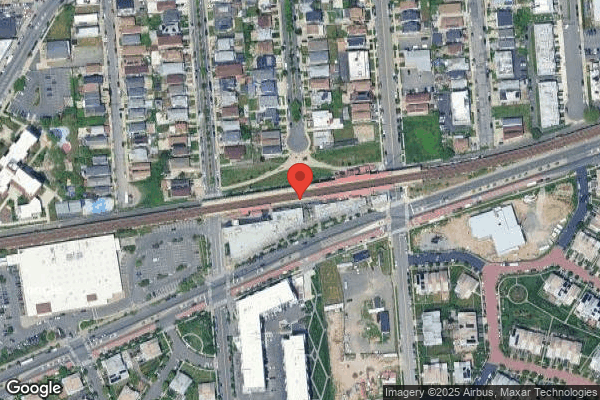
64 11 BEACH CHANNEL DRIVE, ARVERNE, NY 11692 (718) 945-0700
For profit - Corporation 280 Beds Independent Data: November 2025
Trust Grade
50/100
#430 of 594 in NY
Last Inspection: September 2023

Over 2 years since last inspection. Current conditions may differ from available data.

Overview

Ocean Gardens Care Center in Arverne, New York has a Trust Grade of C, which means it is average compared to other facilities. It ranks #430 out of 594 in the state, placing it in the bottom half of nursing homes in New York, and #46 out of 57 in Queens County, indicating that there are only a few better local options available. The facility is currently worsening, with reported issues increasing from 9 in 2021 to 10 in 2023. Staffing is a relative strength, with a 2 out of 5 stars rating but a 35% turnover rate, which is lower than the state average of 40%, suggesting that staff remain longer and are familiar with residents. On the downside, recent inspections revealed concerns such as improper food handling practices and inadequate oxygen tubing management for a resident with breathing difficulties, alongside issues with mail delivery for residents on weekends. Overall, while there are some strengths in staffing, the facility has notable weaknesses that families should consider.

Trust Score
C
50/100
In New York
#430/594
Bottom 28%
Safety Record
Low Risk
No red flags
Inspections
Getting Worse
9 → 10 violations
Staff Stability
○ Average
35% turnover. Near New York's 48% average. Typical for the industry.
Penalties
✓ Good
No fines on record. Clean compliance history, better than most New York facilities.
Skilled Nurses
⚠ Watch
Each resident gets only 25 minutes of Registered Nurse (RN) attention daily — below average for New York. Fewer RN minutes means fewer trained eyes watching for problems.
Violations
⚠ Watch
27 deficiencies on record. Higher than average. Multiple issues found across inspections.
★★☆☆☆
2.0
Overall Rating
★★☆☆☆
2.0
Staff Levels
★★★☆☆
3.0
Care Quality
★★☆☆☆
2.0
Inspection Score
Stable
2021: 9 issues
2023: 10 issues

The Good

  • Full Sprinkler Coverage · Fire safety systems throughout facility
  • No fines on record
  • Staff turnover below average (35%)

    13 points below New York average of 48%

Facility shows strength in fire safety.

The Bad

2-Star Overall Rating

Below New York average (3.1)

Below average - review inspection findings carefully

Staff Turnover: 35%

11pts below New York avg (46%)

Typical for the industry

The Ugly 27 deficiencies on record

Sept 2023 10 deficiencies
CONCERN (D) 📢 Someone Reported This

A family member, employee, or ombudsman was alarmed enough to file a formal complaint

Potential for Harm - no one hurt, but risky conditions existed

Assessment Accuracy (Tag F0641)

Could have caused harm · This affected 1 resident

**NOTE- TERMS IN BRACKETS HAVE BEEN EDITED TO PROTECT CONFIDENTIALITY** Based on observation, record review, and interview during the recertification and complaint survey from 9/20/2023 to 9/27/2023, ...

Read full inspector narrative →
**NOTE- TERMS IN BRACKETS HAVE BEEN EDITED TO PROTECT CONFIDENTIALITY** Based on observation, record review, and interview during the recertification and complaint survey from 9/20/2023 to 9/27/2023, the facility did not ensure that the Minimum Data Set 3.0 (MDS) assessment accurately reflected a resident's status. This was evident for 1 of 38 sampled residents (Residents # 32). Specifically, the MDS assessment for Resident # 32 did not reflect Tracheostomy care. The findings are: The facility's policy titled Resident Assessment revised 9/2023 documented the Registered Nurse (RN) conducts or coordinates each assessment with the appropriate participation of health professionals. The policy further states the assessment accurately reflects the resident's status and provide mandated information on each resident's condition. The RN coordinator signs and certifies assessment completion, while everyone who completes a portion of the assessment certifies the accuracy of the assessment. Resident # 32 was admitted to the facility with diagnoses that included Tracheostomy status, Schizophrenia, Asthma, Pulmonary embolism. The Minimum Data Set 3.0 (MDS) assessments dated 03/14/2023 for annual assessment and MDS dated [DATE] for admission assessment documented Resident # 32 had modified cognitive skills for daily decision making and required supervision and encouragement to complete activities of daily living. The assessment for MDS dated [DATE] and 6/15/2023 did not document Resident #32 received tracheostomy care. On 9/21/2023 at 11:39 AM, Resident # 32 was observed in the room [ROOM NUMBER] in bed with tracheostomy, breathing unlabored. Able to respond to simple question by nodding head. Review of Treatment Administration Record (TAR) dated 6/9/2023, 6/10/2023, 6/12/2023, 6/13/2023, 6/16/ 2023, 6/19/2023, 6/21/2023, 6/22/2023, 6/23/2023 documented tracheostomy care were done to Resident # 32. A Medical Doctor (MD) order on admission dated 2/17/2023 and renewed 6/8/2023 documented Resident # 32 was to be observe for signs and symptoms of tracheostomy dislodgement and infection on site and refer accordingly. A comprehensive care plan (CCP) titled Alteration in Respiratory Status effective 6/9/2023 with latest update on 9/7/2023 documented goal was resident will be free of respiratory distress x 90 days. Interventions were Tracheostomy care as per MD order, Suctioning machine at bedside, tracheostomy set at bedside, encourage deep breathing. On 09/27/2023 at 10:22 AM MDS Coordinator (MDSC) was interviewed and stated they overlooked and missed to document in the MDS Section O, Tracheostomy care. MDSC further stated going forward they will check the accuracy of the MDS entries and to make sure to document what the resident has. On 09/27/2023 at 12:54 PM, the Director of Nursing (DON) was interviewed and stated they were not aware tracheostomy care was not entered on the resident #32 MDS however they have a consultant that audits all entries in the MDS and will continue the service of the consultant to help them out with areas that the staff missed to document. 415.11
CONCERN (D) 📢 Someone Reported This

A family member, employee, or ombudsman was alarmed enough to file a formal complaint

Potential for Harm - no one hurt, but risky conditions existed

Comprehensive Care Plan (Tag F0656)

Could have caused harm · This affected 1 resident

**NOTE- TERMS IN BRACKETS HAVE BEEN EDITED TO PROTECT CONFIDENTIALITY** Based on observation, interview, and record review conducted during the Recertification survey from 9/20/2023 to 9/27/2023, the ...

Read full inspector narrative →
**NOTE- TERMS IN BRACKETS HAVE BEEN EDITED TO PROTECT CONFIDENTIALITY** Based on observation, interview, and record review conducted during the Recertification survey from 9/20/2023 to 9/27/2023, the facility did not develop and implement a comprehensive person-centered care plan (CCP) for a resident. This was evident for 1 (Resident #194) of 38 total sampled residents. Specifically, a CCP related to pain was not developed for Resident #194. The findings are: The facility policy titled CCP dated 12/2022 documented the CCP will be initiated, and appropriate care plans will be in place when there is a change in resident condition. All other episodic care plans will be reviewed as needed to ensure goals and interventions will produce positive resident outcomes. Interdisciplinary development of care plan that will improve the resident's functional abilities and addresses their questions and concerns. Resident # 194 had diagnoses of Unspecified Pain and Schizophrenia. The Minimum Data Set 3.0 (MDS) assessment dated [DATE] documented Resident #194 had mild cognitive impairment. On 9/21/2023 at 11:50 AM, Resident #194 was interviewed and stated they had a toothache and mouth pain that is not well-controlled with pain medications. Physician order dated 01/13/2023 and 02/23/2023 documented to give Resident #194 Tylenol 325 mg 2 tablets 2 times a day as needed for central pain syndrome. There was no documented evidence a CCP related to pain management was developed and implemented for Resident #194. On 9/27/2023 at 11:11 AM, Licensed Practical Nurse (LPN) # 1 was interviewed and stated Resident #194 expresses mouth pain. LPN # 1 assesses the resident's pain by asking where the pain is, assessing the area, and reporting to the Registered Nurse (RN) and Medical Doctor. The LPN #1 used a numeric pain scale from 1-10 to assess a resident's level of pain. LPN #1 further stated the Registered Nurse (RN) initiates and updates care plan. On 9/27/2023 at 11:24 AM, RN # 2 was interviewed and stated they are new and Resident #194 has not complained of pain. RN #2 read in the progress notes that Resident #194 had mouth pain and RN #2 should have developed a CCP related to pain for Resident #194. This was overlooked. On 9/27/2023 at 12:57 PM, the Director of Nursing (DON) was interviewed and stated Resident #194 was receiving Tylenol for mouth pain. The DON was not aware that a CCP for pain was not initiated. 415.11(c)(1)
CONCERN (D)

Potential for Harm - no one hurt, but risky conditions existed

Deficiency F0676 (Tag F0676)

Could have caused harm · This affected 1 resident

**NOTE- TERMS IN BRACKETS HAVE BEEN EDITED TO PROTECT CONFIDENTIALITY** Based on observations, interviews, and record reviews during the Recertification/Complaint survey, the facility did not ensure t...

Read full inspector narrative →
**NOTE- TERMS IN BRACKETS HAVE BEEN EDITED TO PROTECT CONFIDENTIALITY** Based on observations, interviews, and record reviews during the Recertification/Complaint survey, the facility did not ensure that a resident was provided with appropriate treatment and services to maintain or improve their ability to ambulate. This was evident for 1 (Resident #129) of 4 residents reviewed for Activities of Daily Living (ADLs) out of 38 sampled residents investigated. Specifically, Resident #129 was not provided with floor ambulation program (FAP) as per Rehab assessments, and in accordance with physician's orders. The findings are: The facility's policy titled FAP dated 01/2022 documented that residents requiring assistance to ambulate will be assigned to a floor ambulation program to be completed by nursing in conjunction with or upon completion of a formal physical therapy program or as deemed necessary by a Physical Therapy assessment or by Nursing. Resident #129 had diagnoses that included Hypertension and Peripheral Vascular Disease. The Minimum Data Set 3.0 (MDS) assessment dated [DATE] documented Resident #129 had severe cognitive impairment. The Comprehensive Care Plan (CCP) for ADL Functional/Rehabilitation Potential initiated 8/30/2021 documented that Resident #129 has potential problem in ADL function as evidenced by resident requires assistance in bed mobility, transfer, related to Decline in Balance and Muscle strength. Documented interventions included FAP 90-100 feet via Rolling [NAME] (RW) with limited assistance twice daily. Physician's order initiated 8/14/2023 and reordered 9/14/23 Resident #129 receive FAP 90-100 feet via RW with limited assistance twice daily. Physical Therapy (PT) Discharge summary dated [DATE] documented that Resident #129 was discharged from PT with a recommendation for Resident #129 to receive FAP 90-100 feet via RW with limited assistance. There was no documented evidence Resident #129 received FAP twice daily according to physician's order. On 09/25/23 at 09:36 AM, an interview was conducted with the Certified Nursing Assistant (CNA) #1 who stated Resident #129 can ambulate independently but is not stable and does not need or use the RW. CNA #1 provides Resident #129 with guidance if they are ambulating. On 09/25/23 at 09:46 AM, Registered Nurse (RN) #3 was interviewed and stated Resident #129 walks but needs some assistance. RN #3 stated that they were not aware Resident #129 was discharged from PT and placed on FAP. PT is supposed to give the discharge summary to the RN Supervisor to alert them that a resident is placed on FAP. On 09/25/23 at 10:00 AM, an interview was conducted with the RN #2 who stated that PT usually comes up to inform the nursing staff of residents placed on FAP, and to give in-service to the staff. Resident #129 was placed on FAP on 8/14/2023 by PT as documented in Resident #129's chart but RN #2 cannot remember if Resident #129 was started on FAP and was not sure if and when the staff were given the in-service about the Resident's FAP. On 09/25/23 at 11:06 AM, an interview was conducted with the Rehab Director (RD) who stated that residents are referred to rehab if there is decline in their functions, they are put on treatment, discharged , and placed on FAP. In-service is done for the CNAs and the nurses on the unit and documented in the discharge summary of the PT. RD stated that the FAP is supposed to be done for the resident every day and to be documented in the CNA accountability record. If the resident is not ambulated for any reason, PT should be notified to reassess the resident. RD also stated that Residents are usually screened every 3 months to see if there is any changes that will require them to be placed back on therapy. Rehab Director stated that they are not aware that Resident #129 is not being ambulated, and they were not informed that resident is refusing the FAP. On 09/25/23 at 11:29 AM, an interview was conducted with the Director of Nursing (DON) who stated that PT recommendation is documented on the CNA accountability record. The RN supervisors and the RD follow up to ensure that the intervention is being done as per order and as per the plan of care. If the resident is refusing, it is to be reported to PT to reassess the resident. The DON stated that they are not aware that Resident #129 is not being ambulated as per the plan of care. 415.12(a)(2).
CONCERN (D) 📢 Someone Reported This

A family member, employee, or ombudsman was alarmed enough to file a formal complaint

Potential for Harm - no one hurt, but risky conditions existed

Accident Prevention (Tag F0689)

Could have caused harm · This affected 1 resident

**NOTE- TERMS IN BRACKETS HAVE BEEN EDITED TO PROTECT CONFIDENTIALITY** Based on observation, interviews, and record review conducted during the Recertification and Abbreviated (NY00314342) survey fro...

Read full inspector narrative →
**NOTE- TERMS IN BRACKETS HAVE BEEN EDITED TO PROTECT CONFIDENTIALITY** Based on observation, interviews, and record review conducted during the Recertification and Abbreviated (NY00314342) survey from 09/20/23 to 09/27/23, the facility did not ensure adequate supervision and an environment free from accident hazards for a resident. This was evident in 1 (Resident #166) out of 5 residents reviewed for accidents out of 35 total residents sampled. Specifically, Resident #166 was noted to be missing from Unit 2 and was found on Unit 3, which was a locked unit. The findings are: The facility's policy titled Elopement Prevention dated 06/23 documented that it is the policy of the facility to electronically monitor residents who may tend to wander from the safety of the building, without sacrificing their freedom of mobility or their quality of life. Resident #166 was admitted to the facility with diagnoses that include Depression and Dementia. The Minimum Data Set 3.0 (MDS) dated [DATE] documented Resident #166 was severely cognitively impaired and did not exhibit wandering behavior. An elopement risk assessment dated [DATE] documented attempted elopement, with a score of 9. Elopement assessment documented if total score after all questions are answered is 5 or above, the resident may be considered at risk for elopement. A Comprehensive Care Plan titled Elopement, Potential effective 12/09/20 documented Resident #166 had the potential for wandering/elopement from facility grounds secondary to history of elopement in the community. Interventions included resident whereabouts will be monitored and check wander alert device placement every shift and document on the CNA assignment record. A care plan note dated 03/05/23 documented that resident remains an elopement risk and continue with plan of care. A nursing behavior note dated 04/06/23 documented Resident #166 keeps pushing alarm door open on the 2nd floor, hallway B, despite redirection. Resident would push alarmed door, and then stand still on Documented that the behavior was witnessed by Nursing, Housekeeping and Rehab. Resident redirected from alarmed door and nursing and housekeeping intervened. Resident would push door open, when alarm sounds, resident stands quietly and laughs. Resident #166 is not easily redirected. Resident #166 to be kept in the dayroom and monitored every 30 minutes. A review of the facility's Nursing Home Facility Incident Report submitted to New York State Department of Health (NYSDOH) dated 04/07/23 documented that approximately 6:40am, Resident #166 could not be found on their unit. A missing resident code was called, and a facility search started. Resident #166 was later located at approximately 7:05AM on Unit 3, which is a locked unit. The facility's Resident Accident/Incident (A/I) report dated 04/07/23 documented that the assigned Certified Nurse's Assistant (CNA) went to give care to Resident # 166 and after a search was done, it was determined that resident was not on the unit. Resident #166 was subsequently found on the 3rd floor, which is a closed unit. The A/I also documented that Resident #166 has a roam alert on the left wrist and was last seen ambulating between 6:30-6:40am in the corridor with their walker, and was later found on Unit 3, which is a closed unit. An elopement risk assessment dated [DATE] documented attempted elopement, with a score of 24. Elopement assessment documented if total score after all questions are answered is 5 or above, the resident may be considered at risk for elopement. The Physician's Order dated 06/29/23 documented check Resident #166's wander alert device placement every shift. Three was no documented evidence Resident #166 was monitored every 30 minutes prior to their elopement attempt on 4/7/23 and that their wander alert device was checked every shift in April 2023. On 09/25/23 at 09:20 AM, Housekeeper #2 was interviewed and stated that no resident entered the elevator when it was in use by them. Housekeeper #2 said that residents come in the elevator and some of them are smart they can use it, but as far as they know, no resident took the elevator in their presence on 4/7/2023. Housekeeper #2 said that don't recall if they were notified that Resident #166 was missing. When Housekeeper #2 got home, they got a call from the facility asking if Resident #166 took the elevator on the 11PM-7AM shift. Housekeeper #2 was using elevator B, and no one can take the elevator because all the elevator is locked for the 11-7 shift and only the Housekeeper can release the elevator. Housekeeper #2 stated that if they drop off the linen or pick up the garbage, they will ask the Staff to keep an eye out if the elevator is open and to not leave the elevator unattended. On 09/25/23 at 10:52 AM, CNA #5 was interviewed and stated that they worked on 04/07/23, made rounds, and observed Resident # 166 sitting by their room door. When they returned to give Resident #166 care, the resident was no longer sitting by their room door. CNA #5 alerted the other staff on the unit and began searching for Resident #166. Resident # 166 had a behavior of standing by the elevator and would try to get on the elevator, The wander alert device sensor is located by the door on the 1st floor only and is not triggered on the resident's unit. On 09/25/23 at 11:16 AM, CNA #15 was interviewed and stated Resident #166 is a wanderer, and sometimes at night would stand by the elevator all the time, wanting to go home. Resident #166 wears a wander alert device but the device does not trigger an alarm if the resident goes near the elevator. On 09/25/23 at 09:39 AM Licensed Practical Nurse (LPN) #5 was interviewed and stated that they were the charge nurse on 04/07/23 and observed Resident # 166 walking past the desk, going away from their room, towards the front at around 6:45AM. LPN #5 thought Resident #166 was going to the dayroom. CNA #5 then reported that Resident #166 could not be found and staff started looking for the resident. Resident #166 was later found on the 3rd floor. LPN also said that after a visit from her family, Resident # 166 gets agitated, will stand in front of the elevators, and is not easily redirected. LPN #5 did not recall if Resident #166 had a wander alert device prior to 4/7/23. On 09/27/23 at 11:08 AM, LPN #6 was interviewed and stated Resident #166 was always using their walker and spent most of the time in front of the elevator. LPN #6 did not recall if Resident #166 had a wander alert device on 4/7/23. The elevator does not alarm if a resident with a wander alert device goes on the elevator. Resident #166 had behavior prior to 4/7/2023 where they would attempt to open the exit door closest to their room. On 09/25/23 at 10:01 AM, the Housekeeping Director was interviewed and stated elevators are operated manually and that Housekeepers are assigned to sit on the elevator never leaving it unmanned. When the elevator is not in use, it is left open unmanned, but a wet signed is placed on the sensor to block the communication on the button, which stops the door from closing. The Housekeeping Director stated they don't know if the Resident #166 took the elevator on 4/7/2023 when they went to the 3rd floor. On 09/25/23 at 12:35 PM the Director of Nursing (DON) was interviewed and stated that the Housekeeping Director found Resident # 166 on the 3rd floor on 4/7/2023. The elevators are operated by housekeeping staff, and it was assumed that Resident #166 went on the elevator. The DON stated Resident # 166 had a wander alert device in place at the time of the incident. The elopement assessment is done on admission, quarterly, and as needed. An elopement assessment was not done for Resident #166 in 2/2023 when their quarterly MDS was due. The MDS Coordinator is responsible for triggering the elopement assessment. There should be a physician's order for a wander alert device. The protocol is that every new admission gets a wander alert device, and if it deemed necessary after the care plan meeting, then a wander alert device order will be continued. 415.12(h)(2)
CONCERN (D) 📢 Someone Reported This

A family member, employee, or ombudsman was alarmed enough to file a formal complaint

Potential for Harm - no one hurt, but risky conditions existed

Deficiency F0697 (Tag F0697)

Could have caused harm · This affected 1 resident

**NOTE- TERMS IN BRACKETS HAVE BEEN EDITED TO PROTECT CONFIDENTIALITY** Based on observation, interviews, and record review conducted during the recertification and complaint survey from 9/20/23 to 9/...

Read full inspector narrative →
**NOTE- TERMS IN BRACKETS HAVE BEEN EDITED TO PROTECT CONFIDENTIALITY** Based on observation, interviews, and record review conducted during the recertification and complaint survey from 9/20/23 to 9/27/23, the facility did not ensure a resident was provided pain management consistent with professional standards of practice and the comprehensive person-centered care plan. This was evident for 1 resident (Resident # 194) out of 3 residents reviewed for Pain Management out of 38 total sampled residents. Specifically, Resident # 194 received Tylenol pain medication without ongoing monitoring of the efficacy of the pain management. The findings are: The policy titled Pain Management dated effective 1/2008, latest revision on 8/2023 documented the nurse should document the pain scale reported by the resident and a pain scale after interventions were rendered. Resident #194 had diagnoses of unspecified pain and schizophrenia The Minimum Data Set 3.0 (MDS) dated [DATE] documented Resident #194 had modified cognitive skills in decision making, received Tylenol pain medication 7 out of 7 days prior to the assessment, and reported they had no pain at time of the assessment. On 9/21/2023 at 11:50 AM, Resident #194 was interviewed and stated a tooth ache is not well-controlled with pain medications. The Medical Doctor Orders (MDO) renewed 2/23/2023 documented Resident #194 was ordered to receive Tylenol 650 mg by oral route 2 times per day as needed (PRN). There was an order to document monitoring of pain in numeric values. The Medication Administration Record (MAR) for March 2023 documented Resident #194 received Tylenol 650 mg 2 times per day as needed for pain. There was no documented follow up on pain scale to monitor efficacy of Tylenol 650 mg on 6 out of 24 opportunities from 3/1/2023 to 3/31/2023. Pain Monitoring for Resident #194 documented the following but not limited to: 3/10/2023 at 9 AM Pain = 5 3/11/2023 at 9 AM Pain = 4 3/21/2023 at 9 AM Pain = 2 3/24/2023 at 5 PM Pain = 4 There was no documented evidence Resident #194 received ongoing monitoring for efficacy of the pain management. On 9/27/2023 at 11:11 AM, Licensed Practical Nurse (LPN) # 1 was interviewed and stated Resident #194 expresses mouth pain. LPN # 1 assesses the resident's pain by asking where the pain is, assessing the area, and reporting to the Registered Nurse (RN) and Medical Doctor. The LPN #1 use a numeric pain scale from 1-10 to assess a resident's level of pain. After an hour, LPN #1 stated Resident # 194 is seen walking in the hallway and LPN #1 presumed the Resident # 194 has no more pain since the resident is walking already. LPN #1 further stated they do not follow up with the resident to establish if the resident still has pain. On 9/27/2023 at 11:24 AM Registered Nurse (RN) # 2 was interviewed stated they are new nurses on the unit and Resident #194 have not complaint of pain however they read on the progress notes that Resident #194 had mouth pain and they should have started a pain management but was overlooked. RN #2 stated review of Medication Administration Record (MAR) revealed nurses are not consistently documenting a follow up for the efficacy of pain medication that was administered. On 9/27/2023 at 12:57 PM, Director of Nursing (DON) was interviewed and stated Resident #194 was receiving Tylenol for mouth pain as told by the unit nursing staff however they are not aware the pain management was not instituted fully. 415.12
CONCERN (E)

Potential for Harm - no one hurt, but risky conditions existed

Deficiency F0576 (Tag F0576)

Could have caused harm · This affected multiple residents

Based on observation, interviews, and record review conducted during the Recertification survey from 9/20/2023 to 9/27/2023, the facility did not ensure residents' right to send and receive mail. This...

Read full inspector narrative →
Based on observation, interviews, and record review conducted during the Recertification survey from 9/20/2023 to 9/27/2023, the facility did not ensure residents' right to send and receive mail. This was evident for 9 of 9 attendees (Resident #39, #151, #100, #181, #83, #185, #67, #96, and #147) of the Resident Council meeting conducted on 9/21/2023. Specifically, the facility did not have a system in place to ensure that residents could receive and send mail on Saturdays. The findings are: The facility's policy titled Resident Packages/Mail dated 5/2023 documented the facility to deliver packages/mail to residents who receive packages/mail from family or other resources offered from the community. Packages/mail received over the weekend and holidays will remain in the mail room until Monday. On 09/21/23 at 10:56 AM, Resident Council Meeting was held with Resident #39, #151, #100, #181, #83, #185, #67, #96, and #147 in attendance. All 9 attendees stated they do not get mail delivered to them on Saturdays and are unable to send mail on Saturdays. On 09/25/23 at 11:42 AM interview with Director of Social work #22, when it comes to the mail, it is delivered Monday to Friday to the front desk, it gets delivered to the Administrative Assistant or purchasing person if it is anything to do with money. Social Service office gets the mail and delivers it to the residents and gets permission to open the mail by the resident, if clothing, housekeeping picks up the clothing, prints the labels, and takes it to the laundry room to be labeled. Mail that is delivered on the weekends gets put inside the mail room by security and waits until Monday for distribution. No mail or packages is distributed on Saturdays, Sundays, or holidays, because social services are not here. The residents must wait until Monday to get the mail. Checks/money goes to the finance department and gets deposited into the resident account. On 09/25/23 at 11:57 AM Interview with Administrative Assistant #11 stated that the administrative assist role with the mail is to get the mail from the front desk, sorts out the mail in the mail room and puts the mail in the appropriate bins, such as social service and/or finance, depending on the type of mail/packages that comes in. Not sure if the mail is delivered on the weekends, only responsibility is to sort the mail and put it in the mailboxes. On 09/25/23 at 12:01 PM interview with Director of Nursing #2, reports that the mail is given out through the social work department and activities department. I am not familiar with the mail policy. 415.3(e)(2)(ii)
CONCERN (E) 📢 Someone Reported This

A family member, employee, or ombudsman was alarmed enough to file a formal complaint

Potential for Harm - no one hurt, but risky conditions existed

Deficiency F0655 (Tag F0655)

Could have caused harm · This affected multiple residents

**NOTE- TERMS IN BRACKETS HAVE BEEN EDITED TO PROTECT CONFIDENTIALITY** Based on record review and staff interview conducted during the Recertification/Complaint survey, the facility did not ensure th...

Read full inspector narrative →
**NOTE- TERMS IN BRACKETS HAVE BEEN EDITED TO PROTECT CONFIDENTIALITY** Based on record review and staff interview conducted during the Recertification/Complaint survey, the facility did not ensure that the resident and their representatives were provided with a written summary of the baseline care plan (BCP). This was evident for 3 (Residents #85, #164, and #176) of 38 total sampled residents. Specifically, 1) Resident #85 was not provided with a copy of their BCP, 2) Resident #164 was not provided with a copy of their BCP, and 3) Resident #176 was not provided with a copy of their BCP. The findings are: The facility policy titled BCP/Care Plan Summary dated 09/25/2023 documented the facility promotes the resident's right to be informed of the initial plan for the delivery of care and services and to receive a written summary of the baseline care plan. 1) Resident #85 was admitted to the facility 06/01/2023 with diagnoses of coronary artery disease (CAD) and Parkinson's Disease. The Minimum Data Set 3.0 (MDS) assessment dated [DATE] documented Resident #85 had moderate cognitive impairment and did not participate in the assessment. On 09/20/23 at 10:01 AM, Resident #85 was interviewed and stated they have resided in the facility for approximately 3 months and has not been invited to a CCP meeting and was not given a written copy of their BCP. The BCP Summary for Resident #85 was initiated 06/01/2023 and completed 06/02/2023. There was no documented evidence Resident #85, or their designated representative were provided with a copy of the BCP. 2) Resident #164 was admitted to the facility 08/03/2023 with diagnoses of arthritis and depression. The Minimum Data Set 3.0 (MDS) assessment dated [DATE] documented Resident #164 was moderately cognitively impaired, participated in the assessment, and had no family or significant other. On 09/20/23 at 09:40 AM, Resident #164 was interviewed and stated they have been in the facility a month and have not been given a copy of their BCP. The BCP for Resident #164 was initiated 08/03/2023 and completed 08/04/2023. There was no documented evidence Resident #164 was provided with a copy of the BCP. 3) Resident #176 was admitted to the facility 02/01/2023 with diagnoses of Hypertension and Respiratory Failure. The Minimum Data Set 3.0 (MDS) assessment dated [DATE] documented Resident #176 was cognitively intact and participated in the assessment. On 09/20/23 at 10:17 AM, Resident #176 was interviewed and stated they were never invited to discuss their plan of care and do not recall receiving a written copy of their BCP. The BCP for Resident #176 was initiated on 02/01/2023 and completed 04/04/2023. There was no documented evidence Resident #176 received a copy of their BCP. On 09/25/23 at 10:23 AM, an interview was conducted with Registered Nurse (RN) #1 who stated the BCP is completed within 48 hours of a resident's admission to the facility and residents are not given copy of their BCP summary. RN #1 stated they have been working with the facility for less than a year and was not aware residents should be provided with a copy of their BCP. On 09/25/23 at 10:45 AM, an interview was conducted with the Social Worker Director (SWD) who stated the interdisciplinary team members complete the BCP and discuss the BCP with the resident. A copy of the BCP is not provided to the residents or their representatives. On 09/25/23 at 11:38 AM, the Director of Nursing (DON) was interviewed and stated they are not aware whether a copy of the BCP is being given to residents and their representatives consistently. 415.11 (c)
CONCERN (E)

Potential for Harm - no one hurt, but risky conditions existed

Unnecessary Medications (Tag F0759)

Could have caused harm · This affected multiple residents

Based on observations, record review, and interviews conducted during the Recertification survey from 09/20/23 to 09/27/23, the facility did not ensure that it was free of medication error rate of 5% ...

Read full inspector narrative →
Based on observations, record review, and interviews conducted during the Recertification survey from 09/20/23 to 09/27/23, the facility did not ensure that it was free of medication error rate of 5% or greater. This was evident for 2 of 35 medications observed during medication administration. Specifically, medications were not administered as ordered by the physician: 1) Metformin 500mg 1 tablet was administered instead of 2 tablets(1000mg), and 2) Amlodipine 5mg 1 tablet was administered instead of 2 tablets(10mg) to Resident #134, leading to a medication error rate of 5.69%. The findings are: The facility's policy titled Medication Administration Guidelines dated 1/4/23 documented that medications should be administered as ordered by the Physician. Resident #134 was admitted to the facility with diagnoses that included Diabetes Mellitus and Hypertension. The current Physician's order (PO) as of 9/22/2023 documented Resident #134 receive Metformin 500mg 2 tablets = 1000mg by mouth twice a day at 9am and 5pm. The PO documented Amlodipine 5mg give 2 tablets = 10 mg by mouth once daily at 9am. On 09/22/23 at 10:51 AM, during a medication administration observation conducted on Unit 5, the Registered Nurse (RN) #7 administered Metformin 500mg 1 tablet instead of 2 tablets (1000 mg) and Amlodipine 5mg 1 tablet instead of 2 tablets (10mg) to Resident #134. RN#7 signed the Medication Administration Record confirming 2 tablets (1000 mg) of Metformin and 2 tablets (10mg) of Amlodipine were administered. On 09/22/23 at 12:16 PM, RN #7 was interviewed and stated that it was their 1st time administering the medications to Resident #134. They just read the top of the blister pack and did not realize that it was not the whole order with the dosage. It is different from the hospital where RN #7 stated they are used to working. On 09/26/23 at 04:01 PM, the Director of Nursing (DON) was interviewed and stated that RNs that come from the staffing agency come with experience. The supervisors monitor the new hires since they do not have a buddy system. The expectation is that the RNs are experienced in the facility setting. RN Supervisors spot check the nurses during medication administration. The DON stated that they did not know if a competency was performed for medication administration with RN #7. 415.12(m)(1)
CONCERN (E)

Potential for Harm - no one hurt, but risky conditions existed

Food Safety (Tag F0812)

Could have caused harm · This affected multiple residents

Based on observation, record review, and interviews conducted during the recertification survey of 9/20/23 through 9/27/23, the facility did not ensure that food was stored, prepared, distributed, and...

Read full inspector narrative →
Based on observation, record review, and interviews conducted during the recertification survey of 9/20/23 through 9/27/23, the facility did not ensure that food was stored, prepared, distributed, and served in accordance with professional standards for food service safety. This was evident during Kitchen observation. Specifically, 1) open produce was stored without a date in the freezer, boxes were stored directly on the freezer floor, and the mixer was observed soiled with grease and grime; and 2) the refrigerator temperature was observed above 41 degrees Fahrenheit (F). The findings are: An undated policy titled Receiving and Storage and Issuing documented food items are stored on shelves at least 6 inches above the floor and 18 inches below the ceiling. All perishable food items are stored in either refrigerators or freezers maintained at a temperature of 41 degrees Fahrenheit (F) or below, and 0 degrees F or below. No food items will ever be stored on refrigerator or freezer floor. 1) On 9/20/23 at 9:29 AM, the Food Service Director (FSD) and Food Service Supervisor (FSS) were present when the kitchen freezer was observed with a box of diced red peppers on the floor. There were multiple other boxes stacked on top of the box of peppers. The freezer also contained an undated open bag of sweet potato fries and an undated bag of sliced zucchini. The walk-in produce refrigerator had 2 undated open and cut heads of lettuce. The 3-door salad/dessert refrigerator contained undated sliced American cheese partially wrapped. The pot rack was observed with shelves that were black with built-up dirt that was able to be felt and be rubbed off. The walk-in dairy refrigerator had shelves with built-up grime, dirt, and grease. The mixing machine was observed with a grease and dirt at hook area and on the base of the unit. At 9:31 am on 9/20/23, the FSD was interviewed and stated the storeroom aide. was responsible for cleaning and managing the refrigerators. Dietary Aide (DA) #2 was present at that time, was interviewed, and stated that they are not the regular storeroom aide. DA #2 stated that refrigeration storage should not be packed too high, and nothing should on the floor. DA #2 further stated that they had gotten a freezer delivery that day and that they found the freezer the way it is with boxes stacked high. At 9:38 am on 9/26/23, the FSS was interviewed and stated the storeroom worker is responsible for the upkeep of the freezer. The original storeroom person was off and DA #2 was filling in for the day. It was a delivery day and food is not usually stored on the floor of the freezer. The pot washer is responsible for the cleanliness of the shelves. The shelves are also part of special cleaning 2 times a week. The FSS stated the mixer is cleaned after every use. 2) On 9/22/23 at 12:05 PM, the temperature of the walk-in refrigerator was observed at 70 F. At the time, the Food Service Director (FSD) was interviewed and stated they were not aware the refrigerator was not working and within acceptable temperature range of 41 F or below. On 9/26/23 at 10:07 AM, an interview was conducted with the FSD who stated the maintenance department was called to service the refrigerator that was at 70 F. Another air curtain was also placed in front of the refrigerator door to prevent cold air from escaping and warm air from going into the refrigerator. 415.14(h)
CONCERN (E)

Potential for Harm - no one hurt, but risky conditions existed

Infection Control (Tag F0880)

Could have caused harm · This affected multiple residents

Based on observations, record review, and interviews conducted during the Recertification survey from 09/20/23 to 09/27/23, the facility did not ensure infection control practices and procedures were ...

Read full inspector narrative →
Based on observations, record review, and interviews conducted during the Recertification survey from 09/20/23 to 09/27/23, the facility did not ensure infection control practices and procedures were maintained. This was evident for 6 (Resident #171, #21, #38, 134, #191 and #173) of 38 total sampled residents. Specifically, Registered Nurse (RN) #7 was observed using the same Blood Pressure (BP) cuff with Resident #171, #21, #38, and #134 without cleaning and disinfecting the BP cuff in between each resident, and RN #3 was observed using the same the Blood sugar/glucose machine (Glucometer) with Resident #191 and #173 without cleaning and disinfecting the Glucometer in between each resident. The findings are: The facility policy titled Multipurpose equipment cleaning, revised 08/2023, documented that all multipurpose equipment must be cleaned and disinfected between resident use, with germicidal/microbial disinfectant disposable wipe. The equipment includes the BP cuff and the Glucometer. On 09/22/23 at 09:54 AM, RN#7 was observed in the dining room with the BP machine. RN #7 did not sanitize the BP cuff prior to placing the BP cuff on Resident #171's right arm. RN#7 finished taking Resident #171's BP. RN #7 did not sanitize the BP cuff or machine. RN #7 then rolled the BP machine next to Resident #21. RN #7 did not sanitize the BP cuff or machine and placed the BP cuff on Resident #21's left arm. RN#7 then placed the same BP cuff on Resident #38 arm without sanitizing the BP cuff or machine prior to placing the BP cuff on Resident #38's arm. RN #7 then went into Resident #134's room with the BP machine and did not sanitize the BP machine and placed the BP cuff onto Resident's #134 arm. RN#7 then rolled the BP machine into the hallway next to the cart without sanitizing the BP cuff. On 09/22/23 at 11:52 AM, RN# 3 was observed removing the Glucometer from inside the medication cart. RN#3 took the Glucometer into Resident #191's room. RN#3 did not sanitize the Glucometer prior to taking it in Resident#191's room. RN #3 then used the Glucometer on Resident #191. RN #3 then took the Glucometer out of Resident#191's room, discarded the strip, and placed the Glucometer on top of the medication cart. RN #3 did not sanitize the Glucometer and used the same Glucometer by placing a clean strip and using it to read Resident #173 blood sugar in the hallway in front of Resident #191's room. On 09/22/23 at 12:16 PM, RN #7 was interviewed and stated that they know that they are supposed to clean the BP cuff after each resident use with anti-bacterial wipes, and that they did not do that today. RN #7 stated that they know that the BP cuff and the machine should be cleaned before and after each resident use. On 09/22/23 at 12:33 PM, RN #3 was interviewed, and stated Glucometer needs to be cleaned before and between each resident use. RN #3 stated they did not clean the Glucometer between Resident #191 and Resident #173. RN #3 stated that they know that they are supposed to clean it for Infection Control purposes, but they forgot. On 09/22/23, at 02:34 PM, RN #2 was interviewed and stated that the Nurses were taught that in between usage, the equipment is to be cleaned with the germicidal wipes, which are kept in the medication cart. RN #2 stated that this information is given to the nurses as part of their orientation. On 09/26/23 at 04:01 PM, the Director of Nursing (DON) was interviewed and stated the BP cuff and Glucometer machines are to be cleaned between use with each resident. All nurses are supposed to be trained on cleaning the equipment. 415.19 (b)(4)
May 2021 9 deficiencies
CONCERN (D)

Potential for Harm - no one hurt, but risky conditions existed

Deficiency F0568 (Tag F0568)

Could have caused harm · This affected 1 resident

**NOTE- TERMS IN BRACKETS HAVE BEEN EDITED TO PROTECT CONFIDENTIALITY** Based on record review and staff interviews during the Recertification and Abbreviated survey, the facility did not ensure indiv...

Read full inspector narrative →
**NOTE- TERMS IN BRACKETS HAVE BEEN EDITED TO PROTECT CONFIDENTIALITY** Based on record review and staff interviews during the Recertification and Abbreviated survey, the facility did not ensure individual resident financial records were made available to resident and resident representatives through quarterly statements. Specifically, quarterly statements were not provided in writing to residents and/or resident representatives within 30 days after the end of the quarter. This was evident for 3 of 4 residents reviewed for Personal Funds out of a sample of 35 residents (Resident #46, #64, and #103). The findings are: The facility policy on Quarterly Statements dated 10/10/2006, last revised 05/2021 documented that resident will be provided with a copy of quarterly statement and will be asked to sign acknowledging receipt of same. For all residents who are unable to sign to acknowledge receipt, two copies will be sent to the legal/designated representative with a cover letter requesting one copy be signed and returned in an enclosed, self-addressed envelope to the facility. (1). Resident #46 was admitted to the facility on [DATE]. The Quarterly Minimum Data Set (MDS) dated [DATE] documented that the resident has moderate impairment in cognition; has clear speech, with distinct intelligible words, makes self-understood, and understands others. On 05/05/21 at 11:23 AM, Resident #46 was interviewed and stated that they get $25 weekly from the facility. Resident also stated that they have not been receiving statements from the facility since admission. (2). Resident #64 was admitted on [DATE]. The Quarterly MDS dated [DATE] documented that the resident had intact cognitive status. On 05/05/21 at 10:46 AM, during an interview Resident #64 stated that $100 dollars had been given to the facility for safe-keeping upon admission last year, but the resident did not know if the money was still there as no one had said anything about how much money was remaining in the account. (3). Resident #103 was admitted to the facility on [DATE]. The Quarterly MDS dated [DATE] documented that the resident had intact cognitive status. On 05/05/21 at 10:20 AM, Resident #103 was interviewed and stated that no recent statement was given, and that the last statement received was 1 year ago. Resident Personal Fund Account dated 5/7/21 documented that Resident # 46, #64 and #103 had existing accounts with the facility. The facility failed to provide appropriate documentation that residents and/or resident representatives received quarterly statements within 30 days after the end of the quarter. On 05/10/21 at 02:54 PM, an interview was conducted with the Resident Fund Account Coordinator (RFAC). The RFAC stated that quarterly statements are printed and given to the Social Worker to distribute to the residents/family members. The RFAC also stated that they were not sure if the resident/representative are signing for the receipt of the statement when it is given out, and not sure if and where it is being documented. The RFAC further stated that if residents or family request for the statement any time, it is printed and given to them as per request. On 05/10/21 at 03:15 PM, an interview was conducted with the Social Services Consultant (SSC). The SSC stated that finance department provides quarterly statement to the Social Services department to be given to the residents and the family members. The facility has a system to document if the resident received the statement, if it is mailed to next of kin/resident representative or placed in social services file. The SSC was unable to provide evidence that quarterly statements were provided in writing to the residents and/or resident representatives within 30 days after the end of the quarter. On 05/10/21 at 03:56 PM, the Administrator was interviewed and stated that they are not aware that some residents are not being given their quarterly statement as expected. The Administrator also stated that they are aware of inadequate documentation by the staff, and the facility has been making a lot of efforts to hire more competent staff within the next few weeks to ensure that the care and treatment being provided to residents are properly documented in a timely manner. 415.26(h)(5)(i)
CONCERN (D)

Potential for Harm - no one hurt, but risky conditions existed

Comprehensive Care Plan (Tag F0656)

Could have caused harm · This affected 1 resident

**NOTE- TERMS IN BRACKETS HAVE BEEN EDITED TO PROTECT CONFIDENTIALITY** Based on observations, record review, and interviews conducted during the Recertification and Abbreviated survey, the facility d...

Read full inspector narrative →
**NOTE- TERMS IN BRACKETS HAVE BEEN EDITED TO PROTECT CONFIDENTIALITY** Based on observations, record review, and interviews conducted during the Recertification and Abbreviated survey, the facility did not develop and implement a comprehensive person-centered care plan for a resident, that includes measurable objectives and timeframes to meet a resident's medical, nursing, and mental and psychosocial needs that are identified in the comprehensive assessment. Specifically, a Comprehensive Care Plan (CCP) that included measurable goals and objectives and interventions was not developed to address the resident's diagnoses of Urinary Tract Infection. This was evident for 1 of 2 residents reviewed for Urinary Catheter out of a total of 35 sampled residents. (Resident # 174) The finding is: The undated facility policy and procedure titled, Comprehensive Care Plan (CCP) with documented problems, goals and approaches will be entered on admission, readmission or whenever a new problem is identified or required revision. Resident # 174 was admitted to facility on 11/17/2020 with diagnoses which included Obstructive Uropathy, Paraplegia, and Pressure Ulcer. The Annual Minimum Data Set (MDS) dated [DATE] documented the resident was cognitively intact and had an indwelling catheter. Physician order dated 5/3/2021 documented Ciprofloxacin 500 mg tablet, give 1 tablet (500 mg) by oral route 2 times per day for 5 days for UTI. Review of Medication Administration Record (MAR) dated May 2021 documented resident received antibiotics as ordered. There was no documented evidence that a care plan with measurable objectives, time frames and appropriate interventions were developed to address the care of the resident diagnosed with a Urinary Tract Infection. On 05/07/21 at 01:26 PM, an interview was conducted with the Unit Manager (UM). The UM stated they are responsible initiating the care plan on the unit. The UM also stated that they worked the evening shift when the antibiotics were started and became distracted and forgot to enter the care plan. The UM further that although late the CCP would be entered right away. On 05/11/21 at 03:31 PM, an interview was conducted with the Director of Nursing (DON). The DON stated the Nurse Care Coordinator/Unit Manager is responsible for initiating and implementing the care plan. On the off shifts, the evening or night supervisor can initiate the care plan and then it will be followed up on by the Unit Manager to see if the interventions are appropriate. The DON also stated the CCP needs to be in place and a system will be created to ensure all care plans are created. The DON further stated that she reviews care plans periodically. 415.11(c)(1)
CONCERN (D)

Potential for Harm - no one hurt, but risky conditions existed

Deficiency F0657 (Tag F0657)

Could have caused harm · This affected 1 resident

**NOTE- TERMS IN BRACKETS HAVE BEEN EDITED TO PROTECT CONFIDENTIALITY** Based on observation, record review and staff interviews conducted during the Recertification and Abbreviated survey, the facili...

Read full inspector narrative →
**NOTE- TERMS IN BRACKETS HAVE BEEN EDITED TO PROTECT CONFIDENTIALITY** Based on observation, record review and staff interviews conducted during the Recertification and Abbreviated survey, the facility did not ensure that a Comprehensive Care Plan (CCP) for a resident is reviewed and revised based on changing goals, preferences and needs of the resident. Specifically, the CCP for a resident with an Intravenous Peripherally Inserted Central Catheter (IV PICC) was not reviewed and revised after the catheter was re-inserted. This was evident for 1 of 2 residents reviewed for Infection/Transmission-Based Precautions out of a sample of 35 residents. (Resident #128). The findings are: The facility Policy on Peripheral IV Catheter Flushing dated 01/2021 documented peripheral catheters should be flushed with the prescribed flushing agent following conversion of a continuous IV therapy to intermittent IV therapy. Resident was admitted to the facility on [DATE] with diagnoses that included Hypertension, Multidrug-Resistant Organism (MDRO), Diabetes Mellitus (DM), and Methicillin Resistant Staphylococcus Aureus (MRSA). The Quarterly Data Set (MDS) dated [DATE] documented the resident had intact cognitive status. The MDS also documented the resident required supervision with set-up only for Activities of Daily Living. On 05/05/21 at 11:08 AM, Resident #128 was observed with an IV line placed on right basilic antecubital. The resident stated that the IV line was recently used for antibiotics (ABT) and the dressing had not been changed since the IV ABT was stopped and is not being flushed by the staff. Resident stated that the first IV ABT was given for infected big toe that was removed. Dressing noted on the big toe, not dated. No date noted on the dressing placed on PICC line dressing. Dressing was soiled with a brown colored substance and the surrounding skin area was red. The Comprehensive Care Plan (CCP) titled Osteomyelitis/MRSA/IV ABT dated 12/09/2020 documented that resident has MRSA to the right big toe s/p (status post) amputation on 9/2020, on Antibiotic treatment via PICC line Rt Basilic (completion of 6 weeks until 1/11/2021). Interventions included administer medication as per order, change PICC line dressing once a week, observe for any sign of adverse reaction and effectiveness of treatment/medication and notify MD, and observe for any sign of bleeding, redness, inflammation or sign of infection, or complaint of pain on the IV site every shift. Physician's order dated 4/5/2021 documented insert Midline for IV antibiotic - Vancomycin. Vancomycin 750 mg/150ml in 0.9 Sodium Chloride IV Review of MD orders dated 4/5/21 contained no evidence that PICC line care including flushing, dressing change and monitoring of the site was ordered. There was no documented evidence that the CCP was updated when resident's PICC line was re-inserted on 4/5/2021. On 05/10/21 at 12:30 PM, an interview was conducted with Licensed Practical Nurse (LPN) #1. LPN #1 stated that RN gives IV antibiotic and is responsible for care plan update. LPN #1 also stated that the unit is covered by an RN from another unit because the unit currently has no regular RN. On 05/11/21 at 11:38 AM, an interview was conducted with the RN Supervisor/Nursing Care Coordinator-(NCC), (RN #2). RN #2 stated that IV antibiotic is administered by an RN, and the relevant care plan is expected to be initiated and updated by the Unit RN while the IV ABT was ongoing. RN #2 also stated that the unit is being covered by other RNs floated from other units and was unable to explain why the care plan was not updated. On 05/11/21 at 12:42 PM, an interview was conducted with the Director of Nursing (DON). The DON stated that the RN gives antibiotic IV, and do dressing change every 72 hours and as needed. The DON also stated that the care plan is expected to be initiated and updated by the RN. DON stated that the unit currently has no regular RN/NCC but is being overseen by other RNs from other unit. 415.11(c) (1)
CONCERN (D)

Potential for Harm - no one hurt, but risky conditions existed

Deficiency F0658 (Tag F0658)

Could have caused harm · This affected 1 resident

**NOTE- TERMS IN BRACKETS HAVE BEEN EDITED TO PROTECT CONFIDENTIALITY** Based on observation, record review and staff interviews during the Recertification and Abbreviated survey, the facility did not...

Read full inspector narrative →
**NOTE- TERMS IN BRACKETS HAVE BEEN EDITED TO PROTECT CONFIDENTIALITY** Based on observation, record review and staff interviews during the Recertification and Abbreviated survey, the facility did not ensure that care and services are provided according to accepted standards of clinical practice. Specifically, the facility did not ensure that a resident with Intravenous Peripherally Inserted Central Catheter (IV PICC) line for antibiotic is provided with care and services to prevent further infection. This was evident for 1 of 2 residents reviewed for Infection/Transmission-Based Precautions out of a sample of 35 residents. (Resident #128). The findings are: The facility policy on Peripheral IV Catheter Flushing dated 01/2021 documented peripheral catheters should be flushed with the prescribed flushing agent following conversion of a continuous IV therapy to intermittent IV therapy. Resident was admitted to the facility on [DATE] with diagnoses that included Hypertension, Multidrug-Resistant Organism (MDRO), Diabetes Mellitus (DM), and Methicillin Resistant Staphylococcus Aureus (MRSA). The Quarterly Data Set (MDS) dated [DATE] documented the resident had intact cognitive status. The MDS also documented the resident required supervision with set-up only for Activities of Daily Living. On 05/05/21 at 11:08 AM, Resident #128 was observed with an IV line placed on right basilic antecubital. The resident stated that the IV line was recently used for antibiotics (ABT) and the dressing had not been changed since the IV ABT was stopped and is not being flushed by the staff. Resident stated that the right IV ABT was given for infected big toe that was removed. Dressing noted on the big toe, not dated. No date noted on the dressing placed on PICC line dressing. Dressing was soiled with a brown colored substance and the surrounding skin area was red. The Comprehensive Care Plan (CCP) titled Osteomyelitis/MRSA/IV ABT dated 12/09/2020 documented that resident has MRSA to the right big toe s/p (status post) amputation on 9/2020, on Antibiotic treatment via PICC line Rt Basilic (completion of 6 weeks until 1/11/2021). Interventions included administer medication as per order, change PICC line dressing once a week, observe for any sign of adverse reaction and effectiveness of treatment/medication and notify MD, and observe for any sign of bleeding, redness, inflammation or sign of infection, or complaint of pain on the IV site every shift. Physician's order dated 4/5/2021 documented insert Midline for IV antibiotic - Vancomycin. Vancomycin 750 mg/150ml in 0.9 Sodium Chloride IV Review of MD orders dated 4/5/21 contained no evidence that PICC line care including flushing, dressing change and monitoring of the site was ordered. On 05/10/21 at 11:38 AM, an interview was conducted with the RN Supervisor/Nursing Care Coordinator-(NCC), (RN #2). The RN stated that IV antibiotic is administered by an RN, and the relevant care plan is expected to be initiated and updated by the Unit RN while the IV ABT was ongoing. RN #2 also stated that the unit is being covered by other RNs floated from other units and was unable to explain why the care plan was not updated On 05/10/21 at 12:42 PM, an interview was conducted with the Director of Nursing (DON). The DON stated that if the PICC line is currently being used SHASH (Saline, Heparin, ABT, Saline, Heparin) protocol is observed. If the ABT is completed it is flushed every shift with normal saline. The DON also stated that RN gives ABT IV, and do dressing change every 72 hours and as needed. DON stated that they are not aware that resident's PICC line was not being properly maintained, and stated that IT (Information Technology) staff will be contacted to place a set order that will automatically include flushing and dressing change orders when placing orders for resident on IV therapy. DON further stated that the new staff to be hired and old staff will be re-educated on proper management of IV PICC line. Attempts made on 5/10/21 between 1:00 pm & 3:00pm, and on 5/11/2021 between 9:00 am & 10:30 am to speak with the attending Physicians via the telephone numbers provided, to interview why there were no orders for the flushing and dressing change of the resident's PICC line were not successful. On 05/11/21 at 10:52 AM, telephone interview was conducted with the Medical Director (MD). MD stated that maintenance of IV PICC line is treated case by case depending if the site is for short term or long term use, the line may be removed on completion of the relevant ABT if the problem being treated is resolved, or the line could be left for subsequent use if the problems is likely to re-occur. MD stated that dressing is supposed to be changed regularly as per protocol and could not explain why this was not done for the resident. MD further stated that the nurses and the physicians will be re-educated to ensure that proper order is in place to take care of the residents IV appropriately. 415.11(c)(3)(i)
CONCERN (D)

Potential for Harm - no one hurt, but risky conditions existed

Drug Regimen Review (Tag F0756)

Could have caused harm · This affected 1 resident

**NOTE- TERMS IN BRACKETS HAVE BEEN EDITED TO PROTECT CONFIDENTIALITY** Based on record review and staff interviews conducted during the Recertification and Abbreviated survey, the facility did not en...

Read full inspector narrative →
**NOTE- TERMS IN BRACKETS HAVE BEEN EDITED TO PROTECT CONFIDENTIALITY** Based on record review and staff interviews conducted during the Recertification and Abbreviated survey, the facility did not ensure that irregularities identified by the pharmacist and forwarded to the facility were acted upon. Specifically, the facility failed to document in the resident's medical record that irregularities identified by the consultant pharmacist had been reviewed and what, if any, action has been taken to address the issues. This was evident for 1 out of 5 residents reviewed for Unnecessary Medications out of a sample of 35 residents. (Resident # 71) The finding is: Resident #71 was admitted to the facility 02/20/2018, with diagnoses that included Non-Alzheimer's Dementia, Seizure Disorder, and Psychotic Disorder. The Significant Change in Status Minimum Data Set (MDS) dated [DATE] documented the resident had severe impairment in cognition with long and short-term memory problems. The MDS documented the resident has behavioral symptoms of being fidgety or restless, moving around a lot more than usual, nearly every day. The MDS also documented that the resident was receiving antipsychotic medication, and the GDR had been documented by the physician as clinically contraindicated 02/05/2021. The Comprehensive Care Plan (CCP) for Behavior dated 1/23/21 documented that resident had physical behavioral symptoms directed towards: Other residents, Caregiver, as evidence by pushing, related to Alzheimer's disease with early onset, Adjustment disorder, that can put the resident at risk for physical illness or injury. Interventions included administer medications as ordered and monitor effectiveness, adverse effects and possible adjustment and reduction in medications, investigate causes and factors of behavior and communicate findings and Psychiatric evaluation and follow-up as needed. Physician's order dated 04/27/2021 documented the resident was prescribed Depakote Sprinkles 125 mg capsule, delayed release PO every 8 hours for Dementia, Olanzapine 5 mg tablet PO daily at 9:00 pm for Schizoaffective disorder, Bipolar type and Remeron 30 mg tablet give 1 tablet (30 mg) by oral route once daily before bedtime for abnormal weight loss. On 05/07/21 at 08:46 AM, resident was observed wandering around the unit, not verbally responsive, and seemed not to be aware of surrounding environments. On 01/25/2021, the Medication Regimen Review documented (MRR) documented please be advised Olanzapine has the following advisory, please evaluate risk/benefit and Gradual Dose Reductions. Resident receiving Depakote for Dementia - Black Box Warnings, Dementia-related Psychosis, not approved for dementia-related psychosis, increases mortality risk in elderly dementia patients on conventional or atypical antipsychotics, most deaths due to cardiovascular or infectious events . On 1/25/2021, Physician documented Response: Agree, (will do recommendation). On 1/30/2021, the Medication Regimen Review (MRR) documented No Valproic Acid Level found in chart, consider baseline in current record. On 2/27/2021, the Medication Regimen Review (MRR) documented Please be advised - Olanzapine has the following advisory, please evaluate risk/benefit and Gradual Dose Reductions. Resident receiving Depakote for Dementia - Black Box Warnings, Dementia-related Psychosis, not approved for dementia-related psychosis, increases mortality risk in elderly dementia patients on conventional or atypical antipsychotics, most deaths due to cardiovascular or infectious events. On 3/27/2021, the Medication Regimen Review (MRR) documented Please confirm and/or correct FYI indication of 'Abnormal weight Loss' May not be considered appropriate for Remeron - Remeron 30 mg tab for Abnormal weight loss, give 30mg by oral once daily before bedtime. There was no documented evidence that any action had been taken on the pharmacist's recommendation. On 05/07/21 at 04:16 PM, an interview was conducted with the Registered Nurse (RN#2). RN #2 stated that RN stated that the pharmacy recommendations are given to the PA/Doctor to review and respond to as soon as it is received from the Pharmacy. RN #2 also stated that information is communicated to the Physicians via telephone, and also documented in the logbook for the physicians to review when they come to the facility could not explain why the past pharmacy recommendations from MRR for Resident #71 were not promptly reviewed and addressed by the physician. On 05/07/21 at 04:30 PM, an interview was conducted with the Director of Nursing (DON) The DON stated that MRR recommendation is sent via email by Pharmacy consultant, and they are printed out and distributed to the unit NCC (Nursing Care Coordinator) who then gives them to the physicians for review and action. The physicians will review and either make the necessary changes as recommended, and if for some reason they don't agree, the reason will be documented and return it within 72 hours. The DON was unable to explain the reason while pharmacy recommendations were not reviewed and acted on in timely manner by the physician. On 05/10/21 at 04:59 PM, telephone call was made to the facility Psychiatrist, message left on voicemail with no response. Efforts to conduct telephone interviews with the Attending Physicians were not successful. On 05/11/21 at 10:52 AM, a telephone interview was conducted with the Medical Director (MD). The MD stated that the Attending Physician is expected to review the pharmacy recommendation, and either agree or disagree and implement the change as may be needed. The MD also stated follow up with the attending physician would be needed to determine why there were no prompt actions taken regarding the MRR recommendations and no documentation in the resident's chart for the actions taken. 415.18 (c)(2)
CONCERN (D)

Potential for Harm - no one hurt, but risky conditions existed

Deficiency F0761 (Tag F0761)

Could have caused harm · This affected 1 resident

**NOTE- TERMS IN BRACKETS HAVE BEEN EDITED TO PROTECT CONFIDENTIALITY** Based on observation, record review, and staff interview conducted during the Recertification and Abbreviated survey, the facili...

Read full inspector narrative →
**NOTE- TERMS IN BRACKETS HAVE BEEN EDITED TO PROTECT CONFIDENTIALITY** Based on observation, record review, and staff interview conducted during the Recertification and Abbreviated survey, the facility did not ensure that medication and biologicals were discarded by expiration date. Specifically, a tube of Glucose gel was observed in a cabinet in the medication room past the expiration date. This was evident on 1 of 5 units reviewed for Medication Storage (Unit 6). The findings are: The undated Horizon Care Center Pharmacy Manual titled Nursing Station Inspections, documented the Pharmacy consultant shall monitor medications stored at all nursing stations on a monthly basis and the purpose to ensure the correct usage, storage, and maintenance of all medications. Procedure for compliance shall be discussed with any nursing staff. The Pharmacon Nursing Station Evaluation form for the 6th Floor dated 03/16/2021 and 04/22/2021was reviewed and annotated with a check mark indicating (yes) to item 4 (a) Are all expired or discontinued drugs removed promptly? On 05/10/2021 at 12:38 PM, an observation of the medication room on the 6th floor was conducted with the Nursing Care Coordinator/ Registered Nurse Supervisor (RN# 2). Expired biologicals were noted to include 17 Heplock Heparin Flush Solutions 500 USP units/5ml fill in 12 ml syringe with an expiration date of 05/2020, 7 Heplock Heparin Flush 500 USP units/5ml fill in 12 ml syringe with expiration date of 04/2020, and 1 expired bag of intravenous fluid 5% dextrose and 0.45% Sodium chloride injection IV bag 1000 ml with expiration of 04/2021. An interview was conducted with RN#2 on 05/10/2021 immediately after the observation. RN#2 stated that staff should be checking medication room daily for expiration dates, insulin should be dated when opened, eye drops, emergency box, and stock medications daily. RN #2 also stated staff should be checking the expiration dates of all medications and treatments. On 05/10/2021 at 1:06 PM, an interview was conducted with the Licensed Practical Nurse (LPN) # 2. LPN#2 stated it is the responsibility of the LPN to make sure items are not expired. LPN #2 stated they did not get around to check to see if medications were expired. LPN #2 also stated they sometimes will check cabinet to check for Foley bags and IV fluids are stored in that cabinet. On 05/10/2021 at 4:35 PM, an interview was conducted with LPN #3. LPN #3 they check the expiration dates of items in the medication cart and especially in the medication room [ROOM NUMBER] days a week. They stated that expired medications are put in a plastic bag and brought downstairs to the Nursing Office. It is part of the job to check the items in the medication room and every nurse should be doing this on the 7-3, 3-11 and 11-7 shift. LPN #3 also stated that there is no checklist on which to document the status of items in the medication room. On 05/11/2021 at 2:31 PM, an interview was conducted with the Director of Nursing (DON). The DON that nurses are expected to check expiration dates of all medications whether it is something used every day or not. The Pharmacy Consultant comes to the facility monthly to check all the medication rooms and carts. Central supply should also be checking medications before they are sent to the floor. The DON also stated that nurses should be checking medication room daily when they start shift, should be checking before medication pass and should actively be checking expiration dates. Spot checks are done periodically but there is no documentation maintained of the spot checks. On 05/11/2021 at 3:34 PM, a telephone interview was conducted with the Pharmacy Consultant (PC). The PC stated that they come to the facility once a month and checks the medication room, medication cart, narcotic cabinet, and insulin refrigerator. In the medication room, we check for expired items to include Heparin flush and intravenous bags. They actively check the IV bags that are being used in the facility on all units and provide a copy of the report to the Director of Nursing when they complete the inspection. The PC also stated that they checked the Heparin flushes the last time they came to the facility but could not recall the outcome of the inspection since they did not have a copy of the report to refer to the findings 415.18 (e) (1-4)
CONCERN (E)

Potential for Harm - no one hurt, but risky conditions existed

Deficiency F0570 (Tag F0570)

Could have caused harm · This affected multiple residents

Based on record review and staff interviews during the Recertification and Abbreviated survey, the facility did not ensure that a surety bond or similar protection with the amount equal to at least th...

Read full inspector narrative →
Based on record review and staff interviews during the Recertification and Abbreviated survey, the facility did not ensure that a surety bond or similar protection with the amount equal to at least the current total amount of resident's funds. Specifically, the surety bond held by the facility did not cover the total amount of resident personal funds deposited with the facility. This was evident for 183 of 218 residents who maintained personal funds accounts at the facility. The findings are: On 5/7/21 at 10:00am, the Administrator presented a surety bond in the amount of $300,000 with an effective date of 11/02/2020 and termination date of midnight 11/02/2021. The facility document titled Patient Account Cash Worksheet dated 5/7/2021 documented the current total amount of resident's funds was $664,363.87. The facility did not ensure that the value of the surety bond covered funds currently held in all residents accounts. On 05/10/21 at 02:54 PM, an interview was conducted with the Resident Fund Account Coordinator (RFAC). The RFAC stated that residents fund is kept in a separate interest yielding account but did not know the last time when the surety bond and the residents total fund were reviewed. The RFAC also stated that it is the parent office that handles the surety bond for resident funds, and they would be contacted for further details. On 05/10/21 at 03:56 PM, the Administrator was interviewed and stated that as per the information received from the Corporate Financial officer, the residents fund balance increased from $279,407 as of 2019 to $467,211 in 2020 and has just increased to the current value of $664,363.87 as of 5/7/2021 due to stimulus fund residents received. The Administrator stated that the corporate office has now requested for an increase in the surety bond to be adequate for the current resident's fund. 415.26(h)(5)(v)
CONCERN (F)

Potential for Harm - no one hurt, but risky conditions existed

Food Safety (Tag F0812)

Could have caused harm · This affected most or all residents

Based on observations, record review, and staff interviews conducted during the Recertification and Abbreviated survey, the facility did not ensure (1). safe food handling and storage was practiced to...

Read full inspector narrative →
Based on observations, record review, and staff interviews conducted during the Recertification and Abbreviated survey, the facility did not ensure (1). safe food handling and storage was practiced to prevent food-borne illness, and (2). food was prepared, distributed, and served in accordance with professional standards of food service safety. Specifically, a container of Ricotta Cheese was not discarded on or before the expiration date and hand hygiene was not performed prior to handling food after picking an item up off the floor. This was evident during the Kitchen Observation facility task. The findings are: 1) The undated policy and procedure titled Food Labeling, Dating and Rotation of Food Supplies documented that perishable foods such as cottage cheese that are provided an expiration date on the container will be dated when the container is opened. This will not shorten the shelf life of the product but will enable the staff to use this container first. The policy Food and Supply Storage: Precenting Contamination dated 08/2009 documented under supervisor monitoring it will be the responsibility of the Food Service Supervisor to monitor proper food storage throughout the day, Each evening the supervisor that is closing the kitchen will tour the kitchen and refrigerators to ensure that all foods are stored in a manner to prevent contamination. On 05/07/2021 at 08:16AM, a container of cottage cheese with manufacturer expiry date of 04/22/2021 was observed to be 1/3 full and stored in the refrigerator. On 05/07/2021 at 8:34 AM, an interview was conducted with the Dietary Supervisor (DS). The DS stated that they check the dates of items in the refrigerator daily and checks refrigerators at 6am each morning. The DS also stated dates need to be checked to make sure expired foods are not served or eaten by the residents. On 05/07/2021 at 08:44 AM, an interview was conducted with the Food Service Manager (FSM). The FSM stated the supervisors and cooks should be checking for and discard expired items. The FSM stated checks are done three times a week and daily checks are done by the supervisors and cooks. There is a three-day rule for leftovers and expiration dates should be checked and in-services have been given on this. The FSM further stated that they do not document the routine checks that are done of food items. 2). The undated policy and procedure titled Proper use of gloves in the kitchen and peeling vegetables properly documented that once you are wearing gloves and touch anything else other than what you are doing (garbage, cans equipment, etc.,), you must change gloves and wash your hands. Additionally, every dietary employee must wash their hands before putting on a pair of gloves, including whenever changing or putting on another pair of gloves. On 05/07/2021 at 12:20 PM, Dietary Aide (DA) #1 was observed placing cooked chicken breast into the meat chopping machine and then into a metal pan. DA#1 labeled chicken and placed it in the refrigerator. The DA then donned a new pair of gloves and began to handle raw chicken. The DA did perform wash hands after removing gloves and before handling another food item. On 05/07/21 at 01:02 PM, DA #1 was observed picking up a soiled glove from the kitchen floor and placing it in a garbage can. DA#1 donned clean gloves and proceeded to place raw chicken on metal pan which was then placed in the oven. The DA did not perform wash hands after picking up soiled item from the floor and before touching utensils and handling food. On 05/07/2021 at 1:25 PM, an interview was conducted with DA #1. DA #1 stated that they washed their hands using soap and water in the handwashing sink before chopping meats and after doing chicken. DA #1 also stated that they washed their hands after putting away the chopped chicken. DA#1 also stated that they were supposed to wash hands when they picked up the item off the floor and was not aware that they touched anything after doing so. DA #1 also stated that they had food safety training last year. On 05/07/2021 at 1:49 PM, an interview was conducted with the Dietary Supervisor (DS). The DS stated everyone must wash hands all the time and when moving from one task to another, staff should be washing their hands and changing gloves. On 05/07/2021 at 3:27 PM, an interview was conducted with the Food Service Manager (FSM). The FSM stated every time staff do any task and have to change gloves, they need to wash their hands. The FSM also stated cross contamination can occur particularly when handling raw and cooked foods. In addition, utensils or other food surfaces can become contaminated if hand washing is not performed. 415.14 (h)
CONCERN (F)

Potential for Harm - no one hurt, but risky conditions existed

Infection Control (Tag F0880)

Could have caused harm · This affected most or all residents

**NOTE- TERMS IN BRACKETS HAVE BEEN EDITED TO PROTECT CONFIDENTIALITY** (b) 1. Resident #138 was admitted to the facility with diagnosis that included Chronic Obstructive Pulmonary Disease (COPD) Unsp...

Read full inspector narrative →
**NOTE- TERMS IN BRACKETS HAVE BEEN EDITED TO PROTECT CONFIDENTIALITY** (b) 1. Resident #138 was admitted to the facility with diagnosis that included Chronic Obstructive Pulmonary Disease (COPD) Unspecified, Generalized Muscle Weakness and Iron deficiency anemia unspecified. Physician Order dated 4/30/2021 documented oxygen inhalation at 3 L/minute for shortness of breath. On 05/06/2021 at 12:37 PM, Resident #138 was observed lying in bed with oxygen cannula in nostrils and tubing positioned on the right side of the resident's body was observed touching the floor. On 05/07/2021 at 3:47 PM, resident was again observed lying with oxygen nasal cannula in place and tubing positioned on the right side of the resident's body was observed touching the floor. On 05/10/2021 at 11:13 AM, resident was observed lying in bed awake and the oxygen tubing was touching the floor. The nasal cannula tubing was also observed resting on the floor on right side of body in bed as resident lying on back. On 05/10/2021 at 5:19 PM, LPN #3 was interviewed and stated that the oxygen tubing should not be touching the floor. LPN #3 also stated the tubing should be dated when changed as ordered by the physician. LPN #3 also stated that oxygen tubing would be changed as it was touching the floor due to infection control. On 05/11/2021 at 09:04 AM, Nursing Care Coordinator (NCC) was interviewed. The NCC stated the tubing should not be touching the floor as this can lead to an infection. The NCC also stated that in-service was given on oxygen once yearly and tubing should be checked frequently (once a shift and frequently during the shift). On 05/11/21 at 01:19 PM the Director of Nursing (DON) was interviewed. The DON stated the tubing should be dated when changed to ensure it is changed appropriately. The DON also stated tubing should not be touching the floor or bedside table and if it did staff would have to replace it. On 05/11/21 at 01:48 PM, the Infection Preventionist (IP) was interviewed and stated oxygen tubing should be dated. The IP also stated the oxygen tubing should not be on the ground. (c). 1. Review of the facility Sampling and Management Plan dated July 2020 [SMP7-20] revealed the facility was missing the required element of having a functional site-specific water management plan for Legionella. In addition, the following was revealed: - Section 1.4 Effective date of sampling and management plan listed a starting date of July 28, 2020, and an ending date of July 28, 2020. - Section 1.5 Facility Information did not list the number of potable cold water and hot water systems. The facility documented end-point uses, 6 fountain, 2 ice machine for potable cold water systems and 1 coffee machine 'Kitchen' for potable hot water systems. - Section 3.1. Potable water systems list was not completed. - Section 3.2 Potable water systems descriptions was not completed. - Section 4.1 Non-medical equipment sampling was documented as N/A. Review of a facility-supplied letter [DOHL4-21] titled, Re: Sampling and Management Plan (SMP) Review Horizon Care Center (PFI 1731), sent by the Department to the facility and dated 4-22-2021 revealed the SMP dated July 2020 [SMP7-20] was reviewed by the Department. The Department, in part: - Found SMP7-20 to be missing essential components of a functional SMP. - Recommended reviewing the SMP template and instructions again. - Stated that a detailed description of the potable water system was missing. The facility did not have a functional site-specific water management plan for Legionella. 2. There was no documented evidence that the required element of a facility risk assessment for Legionella, which would identify where Legionella and other opportunistic waterborne pathogens could grow and spread in the facility water system and was, was completed annually. Review of a facility-supplied letter DOHL4-21 revealed the Department, in part: - Stated that SMP7-20 document was missing Legionella culture sampling sites as determined by the environmental assessment. The facility did not have an annual facility risk assessment for Legionella. (3). Review of SMP7-20 revealed the facility was missing the required element of a Legionella sampling plan and did not identify specific sampling points. Review of a facility-supplied letter DOHL4-21 revealed the Department, in part: - Found SMP7-20 was missing a Legionella sampling plan. - Stated that SMP7-20 document did not accomplish the goal to guide personnel, new staff or an outside consultant with procedural structure and to identify specific locations for the facility staff and consultants when performing sampling and maintenance activities. The facility did not have a Legionella sampling plan. In an interview on 5/7/2021 at 1:00 PM, the Director of Maintenance stated that they redid the Legionella plan a week ago but was not sure if the revision was submitted yet. In an interview on 5/7/2021 at 3:20 PM, the Administrator stated that they were actively revising SMP7-20 in-house, provided an update by email last week, and would forward this email to the surveyor. Review of an undated email titled, legionella sent via email from the Administrator to the surveyor on 5/7/2021 at 3:29 PM [LegEmail] revealed a checklist of 4 revision tasks and a signature line of the prior Administrator. The email, in part, stated the following: 1. They want to see the specific sites we get out samples from. Section 4 legionella sampling plan: specific sampling points on each floor/wing, circulated potable hot water and outlet of the heating system. 2. We listed non-medical equipment as N/A which is incorrect because we have a beauty salon as well as laundry so we have to show them how we test these areas. Page 6, section 4.1 laundry, beauty parlor and page 7 section 4.2 (sprinkler system). 3. They want specific mechanisms or number values used to determine whether or not a site is safe or not. Consult with EMSL in regards to control values, concentration of disinfectants or temperature ranges. (4). Review of SMP7-20 revealed the facility was missing the required element to describe control measures and actions to be taken if control measures were not met. SMP7-20 revealed the following: - Section 5 Potable water system monitoring was not complete and did not list specific monitoring sites, control limits at each control location, temperature profile of the water system, frequency at which each monitored site is evaluated, or action(s) that will be used to investigate and correct out of range values. - Section 6.1 Hot potable water system maintenance was not complete and did not list the procedures used or actions taken to maintain the hot water distribution system. - Section 7 Procedures for responding to sampling exceedances was not complete. The facility documented attached 'HHC policy,' however, the policy was not available for review. The facility did not describe control measures and actions to be taken if control measures were not met. Review of a facility-supplied letter DOHL4-21 revealed the Department stated, in part: - Specific and detailed control values used for monitoring and maintenance were not discussed. - Procedures for responding to sampling exceedances were not provided. Review of LegEmail revealed the email, in part, stated the following: 4. If samples taken exceeded safe ranges, how do we (the facility) respond to this to ensure we correct and prevent from reoccurring. Has to be reported specifically to [email address] with the subject line 30% results. This is done for sampling events that have 30% of sampling sites positive for legionella spp. This needs to be added to our reporting and follow up in the legionella policy and procedure. I would also consult with EMSL on corrective action and plan. 415.19(a)(1-3) Based on observation, record review, and staff interviews during the Recertification survey, the facility did not ensure infection prevention control practices were followed to help prevent the spread, development, and transmission of communicable diseases and infections. Specifically, (a). 4 residents on oxygen/nebulizer treatment were observed with the tubing not properly labeled and dated to indicate the time the tubing was replaced, (b). 1 resident receiving oxygen therapy was observed with tubing touching the floor on multiple occasions, and (c). the facility did not have a functional site-specific water management plan for Legionella, an annual facility risk assessment for Legionella, a Legionella sampling plan, and the facility did not describe control measures and actions to be taken if control measures were not met. This was evident in 4 of 5 residents reviewed for Respiratory Care area/Oxygen use out of a sample of 35 residents. (Residents #25, Resident #69, Resident #180, & Resident #138) and for observations and record review conducted during the Infection Control Task. The findings are: (a). The undated facility policy and procedure titled Oxygen Therapy documented the following: change cannula/mask and bottle with humidifier every week or when soiled and date. 1. Resident #25 was admitted to the facility 04/09/2015, with diagnoses that included Atrial Fibrillation, Coronary Artery Disease (CAD), and Non-Alzheimer's Dementia. The Annual Minimum Data Set (MDS) dated [DATE] documented the resident had moderate impairment in cognition. Physician's order dated 4/14/2021 documented Oxygen Change Tubing every Week on Sunday at 7:00 am-3:00 pm and Oxygen Humidified: Rate: 2 L/Min, Route: NC (Nasal Cannula) for Unstable Angina at above 90%. On 05/05/21 at 03:17 PM, Resident #25 was observed in the room and stated that the oxygen is being used when needed, but the tubing has never been changed by the staff. There was no date observed on the tubing affixed to the oxygen concentrator placed beside the resident's bed. 2. Resident #69 was admitted to the facility 09/11/2017, with diagnoses that included Coronary Artery Disease (CAD), Diabetes Mellitus, Non-Alzheimer's Dementia, and Sepsis. Physician's order dated 5/4/2021 documented Oxygen 3 L/min via nasal cannula continuous for Shortness of breath, Sepsis, unspecified organism. On 05/05/21 at 11:49 AM, Resident #69 was observed in bed, alert and awake, not verbally responsive, oxygen in place via nasal cannula from concentrator. There was no date observed on the oxygen tubing attached to the concentrator. 3. Resident #180 was admitted to the facility 01/19/2021, with diagnoses that included Congestive Heart Failure (CHF), Asthma, and Chronic Obstructive Pulmonary Disease (COPD). The Significant Change in Status Minimum Data Set (MDS) dated [DATE] documented the resident had intact cognitive status. Physician's order dated 4/22/2021 documented Oxygen 3 L/min via nasal cannula continues due to Shortness of Breath. On 05/05/21 at 12:06 PM, Resident #180 was observed sitting on the bed with oxygen running via NC from concentrator. Resident stated that the oxygen is used all the time, and the tubing was not changed since admission. There was no date observed on the oxygen tubing and no evidence that oxygen tubing was changed weekly and properly labeled. 4. Resident #138 was admitted to the facility with diagnosis that included Chronic Obstructive Pulmonary Disease (COPD) Unspecified, Generalized Muscle Weakness and Iron deficiency anemia unspecified. Physician Order dated 4/30/2021 documented oxygen inhalation at 3 L/minute for shortness of breath. On 05/06/2021 at 12:37 PM, 05/07/2021 at 3:47 PM, and on 05/10/2021 at 11:13 AM, Resident #138 was observed lying in bed with oxygen cannula in nostrils. There was no date was observed on the oxygen tubing at any of these times. On 05/07/21 at 12:42 PM, an interview was conducted with the Licensed Practical Nurse (LPN) #1. LPN #1 stated that the resident's oxygen tubing is changed every week on Sunday but they were not sure if the tubing is dated when changed. On 05/10/21 at 11:38 AM, an interview was conducted with the Registered Nurse (RN) Supervisor/Nursing Care Coordinator-(NCC) #2. RN #2 stated that oxygen tubing is change once a week on Sunday and documented on the Treatment Administration Record. RN #2 also stated that staff are monitored to ensure that the tubing is changed as per order.
Oct 2019 8 deficiencies
CONCERN (D)

Potential for Harm - no one hurt, but risky conditions existed

Deficiency F0582 (Tag F0582)

Could have caused harm · This affected 1 resident

**NOTE- TERMS IN BRACKETS HAVE BEEN EDITED TO PROTECT CONFIDENTIALITY** Based on record review and staff interview during the recertification survey, the facility did not ensure that each resident was...

Read full inspector narrative →
**NOTE- TERMS IN BRACKETS HAVE BEEN EDITED TO PROTECT CONFIDENTIALITY** Based on record review and staff interview during the recertification survey, the facility did not ensure that each resident was informed before, or at the time of admission, and periodically during the resident's stay, of services available in the facility and of charges for those services, including any charges for services not covered under Medicare/Medicaid. This was identified for 2 (Residents #359 and #216) of 3 residents reviewed for Skilled Nursing Facility (SNF) Beneficiary Protection Notification. Specifically, Residents #359 and #216 were not notified of their last covered day of Medicare Part A Service timely as required. The findings are: The undated facility's policy and procedure titled Medicare Prospective Payment System (PPS) documented . Notice of non-coverage must be sent to resident/family member on the last day of medicare coverage. In addition, family member is to be notified via telephone call. Date and time of call is to be documented on the denial letter . 1) Resident #359 has diagnoses including Diabetes Mellitus, Coronary Artery Disease, and Cerebrovascular Accident. The resident was admitted to the facility on [DATE]. The admission Minimum Data Set (MDS) assessment dated [DATE] documented the resident's Brief Interview for Mental Status (BIMS) score was 15 indicating the resident was cognitively intact for daily decision making. The MDS documented the resident had received Occupational Therapy for 5 days and Physical Therapy for 6 days. Review of the resident's Skilled Nursing Facility (SNF) Beneficiary Protection Notification Review form revealed the resident had an effective date coverage of the current Medicare Part A skilled services to end on 7/1/19. Review of the Medicare services denial letter revealed that a telephone call was made on 7/2/19 to the resident's representative to inform the representative of the date of the termination of the services. The certified mail receipt of the denial letter was sent to the resident's representative on 7/9/19. 2) Resident #216 has diagnoses including Dementia, Schizophrenia, and Seizure. The resident was admitted to the facility on [DATE]. The Quarterly MDS assessment dated [DATE] documented the resident's BIMS score was 13 indicating the resident was cognitively intact for daily decision making. The MDS documented the resident had received Occupational Therapy for 5 days and Physical Therapy for 5 days. Review of the resident's Skilled Nursing Facility (SNF) Beneficiary Protection Notification Review form revealed the resident had an effective date coverage of the current Medicare Part A skilled services to end on 9/9/19. The certified mail receipt of the denial letter was sent to the resident's representative on 9/11/19. Review of the medical record revealed that there was no documented evidence that a telephone call was made to the resident's representative informing the representative of the termination of the services date. An interview with the Registered Nurse (RN) Assistant Director of Nursing Services (ADNS), who was responsible for the Beneficiary Notification, was conducted on 10/08/19 at 2:15 PM. The RN stated that the residents should have been notified 3 days before the resident's SNF Beneficiary Notice of the Medicare Part A Service ending date. 415.3(g)(2)(i)
CONCERN (D)

Potential for Harm - no one hurt, but risky conditions existed

Deficiency F0655 (Tag F0655)

Could have caused harm · This affected 1 resident

**NOTE- TERMS IN BRACKETS HAVE BEEN EDITED TO PROTECT CONFIDENTIALITY** Based on record review and staff interview during the recertification survey, the facility did not ensure that a baseline care p...

Read full inspector narrative →
**NOTE- TERMS IN BRACKETS HAVE BEEN EDITED TO PROTECT CONFIDENTIALITY** Based on record review and staff interview during the recertification survey, the facility did not ensure that a baseline care plan was developed within 48 hours for each resident that includes the instructions needed to provide effective and person-centered care of the resident that meet professional standards of quality care. This identified for 1 (Resident #250) of 5 residents reviewed for unnecessary medication. Specifically, Resident #250 had an admitting diagnosis of Schizophrenia and was ordered Haldol (an antipsychotic medication). There was no documented evidence that a baseline Comprehensive Care Plan (CCP) for Schizophrenia was developed. The finding is: The undated facility's policy and procedure titled Baseline Care Plan documented This is the policy of this facility to identify the resident's need and develop plan of care within 48 hours from admission . The initial care plans may include the following areas: g. Admitting Diagnosis . The facility's policy and procedure dated March 2010 documented . b. The CCP will be developed no later than seven (7) days after the completion of the admission comprehensive assessment . Resident #250 has diagnoses including Anxiety Disorder, Major Depressive Disorder, and Schizophrenia. The resident was admitted to the facility on [DATE]. The admission Minimum Data Set (MDS) assessment dated [DATE] documented the resident had short and long term memory problems and the resident was moderately impaired in cognitive skills for daily decision making. The MDS listed Schizophrenia as one of the resident's diagnoses. The Physician's Order dated 4/8/19 documented Haldol 2 milligram per milliliter (mg/ml) oral concentrate to be administered 1 ml (2 mg) by mouth (PO) every (q) 12 hours (h) for Psychosis. The Haldol was currently renewed on 9/30/19 and was changed to Haldol 1 mg tablet PO twice daily (BID) for Schizophrenia. The Psychiatric assessment dated [DATE] and 4/16/19 documented a diagnosis of Schizophrenia. The Nurse Practioner's admission Note dated 4/9/19 documented diagnoses including Schizophrenia. The Social Work Initial Progress Note dated 4/10/19 documented the resident was admitted to the facility with diagnosis of Schizophrenia. An interview with the Director of Nursing Services (DNS) was conducted on 10/08/19 at 10:00 AM. The DNS stated that she could not locate the baseline CCP for Schizophrenia. The DNS stated that a baseline CCP for Schizophrenia should have been developed on admission. 415.11
CONCERN (D)

Potential for Harm - no one hurt, but risky conditions existed

Deficiency F0657 (Tag F0657)

Could have caused harm · This affected 1 resident

**NOTE- TERMS IN BRACKETS HAVE BEEN EDITED TO PROTECT CONFIDENTIALITY** Based on record review and interview during the recertification survey, the facility did not ensure that the Mobility care plan ...

Read full inspector narrative →
**NOTE- TERMS IN BRACKETS HAVE BEEN EDITED TO PROTECT CONFIDENTIALITY** Based on record review and interview during the recertification survey, the facility did not ensure that the Mobility care plan was revised for 1 (Resident # 75) of 3 residents reviewed for limited Range of Motion (ROM). Specifically, Resident #75 was placed on a Nursing Rehabilitation Active Range of Motion (AROM) program on 8/6/19 and the Mobility care plan did not include the prescribed treatment. The finding is: The facility policy on range of motion dated 1/09 documented that documentation of actual sites with decreased ROM identified by rehabilitation will be documented by the licensed nurse on the Comprehensive Care Plan which will address the response to the prevention plan instituted. Resident #75 was admitted to the facility on [DATE] with the diagnoses of Peripheral Vascular Disease, Generalized Muscle Weakness, and Diabetes Mellitus. The Quarterly Minimum Data Set (MDS) assessment dated [DATE] documented Resident #75 had a Brief Interview for Mental Status (BIMS) Score of 7 indicating severely impaired cognition. The MDS documented that Resident #75 has impairment to one side of the upper extremities and impairment to both lower extremities. Resident #75 received 175 minutes of Physical Therapy starting on 7/11/19. The Physical Therapy Discharge summary dated [DATE] documented the recommendation for Rehabilitative Nursing Program AROM to both upper extremities and hip abduction/adduction and flexion, 15 repetitions (reps) for 15 minutes, twice a day. The summary documented the therapist actively collaborated with nursing to establish the patient's discharge plan. The Physician's Orders dated 8/6/19 documented AROM on both upper extremities and hip abduction/adduction and flexion, 15 reps for 15 minutes, twice a day. The order was renewed on 9/13/19 and 10/6/19. The Nursing Activities of Daily Living Care Plan for Mobility dated 4/24/18 documented Resident #75 had Bilateral Knee Amputations, Dementia, and a decline in muscle strength. The care plan did not include the prescribed nursing rehabilitation AROM program. The 7 AM-3 PM Registered Nurse (RN) Supervisor was interviewed on 10/08/19 at 10:45 AM. She stated the AROM Nursing Rehabilitation program is normally included on the Mobility Care Plan. The RN Supervisor reviewed the Mobility Care Plan and stated that it was not included on the care plan. She stated that the last physician's order was put in place on 8/6/19 and the care plan was last reviewed on 8/2/19. She reviewed all of the Activities of Daily Living care plans, including the mobility care plan, and stated that they were not revised to include the AROM Nursing Rehabilitation program. She stated that the Per Diem RN Supervisor entered the physician's order and should have subsequently updated the care plan. 415.11(c)(2)(i-iii)
CONCERN (D)

Potential for Harm - no one hurt, but risky conditions existed

Deficiency F0676 (Tag F0676)

Could have caused harm · This affected 1 resident

**NOTE- TERMS IN BRACKETS HAVE BEEN EDITED TO PROTECT CONFIDENTIALITY** Based on record review and staff interviews during the Recertification Survey the facility did not ensure that each resident was...

Read full inspector narrative →
**NOTE- TERMS IN BRACKETS HAVE BEEN EDITED TO PROTECT CONFIDENTIALITY** Based on record review and staff interviews during the Recertification Survey the facility did not ensure that each resident was given the appropriate treatment and services to maintain or improve his or her ability to carry out the activities of daily living (ADLs). This was identified for one (Resident #172) of three residents reviewed for ADLs. Specifically, Resident #172 had a Physician's order for a standing program to be carried out two times a day (BID). The resident was refusing the standing program; however, nursing supervision and the Rehabilitation Department (Rehab) were not made aware. The finding is: The facility's policy and procedure titled Range of Motion-Prevention and Classification of Residents at Risk for Decrease in Range of Motion, revised 1/2009, documented that the program and the resident's response will be documented on the Certified Nursing Assistant Accountability Record (CNAAR) and the Comprehensive Care Plan (CCP). Resident # 172 was admitted to the facility on [DATE] with diagnoses including Non-Alzheimer's Dementia, Schizophrenia, and Muscle Weakness. The 8/27/19 Quarterly Minimum Data Set (MDS) assessment documented a Brief Interview for Mental Status (BIMS) score of 12, indicating the resident had moderate cognitive impairment. The MDS documented the resident required extensive assist of two persons for transfer, did not walk, required staff assistance to stabilize during transitions, and had range of motion (ROM) limitations to both upper and lower extremities. A Physician's order, dated 11/9/18 and last renewed on 9/9/19, ordered a Standing Program: resident may be able to stand via hallway handrail for about 1-3 minutes with extensive assist of one, BID. A CCP titled ADL, Mobility (Ambulation/Locomotion), effective 7/23/18 and last updated 9/8/19, did not document that the resident was on a standing program or address how the resident was responding to the program. Review of the September 2019 Certified Nursing Assistant Accountability Record (CNAAR) revealed documentation starting 9/12/19 that the standing program was not performed 28 out of 37 opportunities. Prior to 9/12/19 there is no documentation for the standing program. Review of CNAARs from November 2018 through August 2019 revealed no documentation for the standing program. The Resident Nursing Instructions (CNA instructions) dated 10/1/19-10/31/19 documented Standing Program: resident may be able to stand via hallway handrail for about 1-3 minutes with extensive assist of one, BID. Review of the October 2019 CNAAR from 10/1/19-10/4/19 revealed documentation that the standing program was not performed. Resident # 172's CNA was interviewed on 10/4/19 at 8:24 AM. She stated the resident does not walk and transfers with one assist out of bed. The CNA stated the resident has not been doing the standing program. She stated that the resident is encouraged to participate, but the resident will say no. The CNA stated that she did not report this to the nurse. The Rehabilitation Director (Rehab) was interviewed on 10/04/19 at 12:06 PM. She stated she was not aware the resident was refusing the standing program. She stated the resident will be screened today. The Rehab Director was re-interviewed on 10/04/19 at 1:51 PM. She stated that a Physical Therapy (PT) screen was done today and there has been a decline. She stated the resident used to able to stand 1-3 minutes with one person assist, but today she could only stand for about 30 seconds with two people. She stated the floor standing program has been discontinued and the resident will go on a restorative therapy program. The unit Registered Nurse (RN) supervisor was interviewed on 10/07/19 at 8:42 AM. She stated she was not aware that the resident was refusing the standing program. She stated the CNA did not report it to her, but she stated the CNA should have. The RN further stated that she had no explanation as to why the standing program did not carry over to CNAAR following when the standing program was ordered on 11/9/18. The Rehab Director was re-interviewed on 10/07/19 at 11:43 AM. She stated that the standing program was ordered to reduce the risk of falling, decrease the risk of contractures, and maintain skin and joint integrity. She stated the may be in the order was unclear and it leaves a gray area and is incorrect terminology. She stated the last quarterly assessment, dated 8/20/19, shows no impairment to lower extremity ROM and that the 10/04/19 PT screen shows lower extremity limitation in ROM on both sides. She stated the resident has more stiffness in the knees. She stated she did not know why the order did not carry over to the CNAAR. The Director of Nursing Services (DNS) was interviewed on 10/07/19 at 1:33 PM. She stated that the standing program order was put into Not Available Status on 10/17/18 by a former MDS coordinator and the order was re-activated 9/12/19. She stated the CNAs were not prompted to sign for the standing program from 10/17/18 until 9/12/19. The DNS was re-interviewed on 10/08/19 at 9:47 AM. She stated it is the CNA's responsibility to report a decline or if the resident is refusing. She stated it is the nurse's responsibility to follow up and ensure the CNA is doing what is assigned to them, and it is Rehab's responsibility to follow up to ensure the program is being carried out. The Physician was interviewed on 10/08/19 at 1:17 PM. He stated he was not aware the standing program was not being done and that every time he saw the resident she was either in her wheelchair or bed. 415.12(a)(2)
CONCERN (D)

Potential for Harm - no one hurt, but risky conditions existed

Quality of Care (Tag F0684)

Could have caused harm · This affected 1 resident

**NOTE- TERMS IN BRACKETS HAVE BEEN EDITED TO PROTECT CONFIDENTIALITY** Based on observation, record review and interviews conducted during a recertification survey, the facility did not ensure that e...

Read full inspector narrative →
**NOTE- TERMS IN BRACKETS HAVE BEEN EDITED TO PROTECT CONFIDENTIALITY** Based on observation, record review and interviews conducted during a recertification survey, the facility did not ensure that each resident received treatment in accordance with professional standards of practice and in accordance with the residents' comprehensive plans of care. This was identified for 1 (Resident #139) of 1 resident reviewed for Insulin Management and 1 (Resident #207) of 2 Residents reviewed for pain management. Specifically, 1) Resident #139 did not receive his prescribed dose of insulin or have his blood sugar reading taken as ordered by the physician; and 2) Resident #207, expressed suicidal ideation and was not assessed for suicide risk by a qualified person for 7 days. Additionally, the attending physician was never notified of the occurrence. The findings are: 1) Resident #139 was admitted to the facility on [DATE] with diagnoses which include Diabetes Mellitus, Hypertension and Schizoaffective Disorder. The Annual Minimum Data Set (MDS) assessment dated [DATE] documented the resident as having a Brief Interview for Mental Status (BIMS) score of 12, indicating moderate cognitive impairment. The MDS also indicated the use of insulin for 7 out of the last 7 observation days. The alteration in blood glucose level care plan was last updated on 8/21/19. The comprehensive care plan documented monitoring of blood glucose levels as ordered and to notify the physician of any changes. Physician orders for the months of August 2019 and September 2019 documented the following: (1) Novolog U-100 Insulin aspart 100 unit/mL subcutaneous solution. Dispensed: Novolog U-100 Insulin aspart 100 unit/mL subcutaneous solution. Inject by subcutaneous route 2 times per day as per sliding scale protocol. Protocol: Sliding Scale Template 201-250= 2 units 251-300= 4 units 301-350= 6 units 351-400= 8 Units If below 60 or above 400 call MD Order start date 4/16/19 (2) Fingerstick monitoring twice a day at 6:00 AM and 4:00 PM, twice a week on Mondays and Wednesdays. Order start date 9/26/19. The resident's Medication Administration Records (MARs) for the Months of August 2019 and September 2019 were reviewed. The resident was identified as having blood sugars above 400 on 3 occasions in August and 4 occasions in September as follows: 4 PM Blood sugar readings as follows; 8/05/19= 405 8/13/19= 401 8/14/19= 405 9/07/19= 402 9/13/19= 409 9/21/19= 402 9/26/19= 414 Licensed Practical Nurse (LPN) #1, the LPN that documented all the readings listed above with exception to 9/26/19, was interviewed on 10/07/19 at 2:10 PM. He stated that he could not recall blood sugars being elevated over 400 or notifying the physician. He stated that he would normally document notification to the physician on the MAR if done. A review of the medical record revealed no evidence of notification to the physician of any of the elevated blood sugars as required by the physician orders. On 10/07/19 at 1:55 PM, LPN #2, the LPN that documented the blood sugar of 416 on 9/26/19 was interviewed. She stated that she had no recollection of the resident's blood sugar being over 400 and that she would have called and documented notification to the attending physician in the progress notes. A review of the medical record revealed no evidence of notification to the physician of the elevated blood sugar. On 10/07/19 at 1:38 PM, the Director of Nursing Services (DNS) was interviewed. The DNS stated that notifications to the physician, relating to insulin abnormalities should be documented in the progress notes with specific blood sugars noted. A review of the September 2019 MAR revealed 2 occasions in September, September 12 at 6:00 AM and September 27 at 6:00 AM, when LPN #3 documented Novolog as not administered due to No needles and fingerstick not taken due to No strips on site, respectively. Attempts to contact LPN #3, an overnight nurse, were not successful. The DNS was interviewed on 10/07/19 at 2:20 PM. She stated that she interpreted the notes as an indication that the insulin was not administered, and the blood sugar was not taken because the nurse did not make efforts to seek the supplies which are readily available on both the other units and the supply room. 2) Resident #207 was admitted to the facility on [DATE] with diagnoses which include Hypertension, Adjustment Disorder and Pain. The Annual Minimum Data Set (MDS) assessment dated [DATE] documented the resident with a Brief Interview for Mental Status (BIMS) score of 15, indicating the resident was cognitively intact. The MDS documented the resident was feeling down, depressed or hopeless for 7-11 days out of the 2 weeks prior to the assessed reference date. A review of the October physician orders revealed a new diagnosis of Suicidal Ideation documented on 5/23/19. On 5/20/19, the Licensed Practical Nurse (LPN) documented that the resident expressed suicidal ideation and feelings of Depression. The progress notes documented that on 5/23/19 the resident was seen by the Registered Nurse and the Social Worker. The resident was assessed and informed that the physician, psychiatrist & psychologist would be made aware. On 5/23/19 a Suicide Prevention care plan was created documenting the resident was overheard expressing suicide ideation. The care plan documented that the physician would immediately be informed. On 5/27/19, the resident was seen and evaluated by the psychologist for suicidal ideation. The resident was identified as not being actively suicidal but having some limited history of psychiatric hospitalization in the past, based on the resident's self-reporting. A review of the medical records revealed no awareness of suicidal ideation by the attending physician or psychiatry as of 10/8/19. On 10/08/19 at 11:09 AM the Director of Nursing Services was interviewed. She stated the RN that assessed the resident on 5/23/19 no longer works at the facility. She stated than an RN, LPN or bachelors' level social worker would not have been qualified to conduct a suicide risk assessment and that the doctor should have been notified immediately. On 10/08/19 at 12:09 PM the LPN that initially identified suicidal ideation on 5/20/19 was interviewed. She stated that she heard the statement from the resident and immediately notified the nursing supervisor who no longer works at the facility. On 10/08/19 at 12:17 PM the resident's bachelors' level social worker was interviewed. She stated that she was present with the RN on 5/23/19 when the resident was assessed, relating to the suicide ideation. On 10/08/19 at 12:29 PM the attending Physician was interviewed. He stated that he was never notified of the resident's suicidal ideation and would have expected immediate notification. He further stated that he would have sent the resident to the hospital immediately for psychiatric evaluation. 415.12
CONCERN (D)

Potential for Harm - no one hurt, but risky conditions existed

Deficiency F0688 (Tag F0688)

Could have caused harm · This affected 1 resident

**NOTE- TERMS IN BRACKETS HAVE BEEN EDITED TO PROTECT CONFIDENTIALITY** Based on record review and interview during the recertification survey, the facility did not provide treatment to maintain or im...

Read full inspector narrative →
**NOTE- TERMS IN BRACKETS HAVE BEEN EDITED TO PROTECT CONFIDENTIALITY** Based on record review and interview during the recertification survey, the facility did not provide treatment to maintain or improve range of motion for 1 (Resident # 75) of 3 residents reviewed for limited range of motion (ROM). Specifically, Resident #75 was placed on a Nursing Rehabilitation Active Range of Motion (AROM) program on [DATE] and did not receive AROM as order by the physician. Additionally, the Nursing staff was not in-serviced on the specific instructions for Resident #75's AROM program. The finding is: The facility policy on range of motion protocols and guidelines dated 1/07 documented that AROM would be conducted without the staff member providing hands-on care but rather giving the resident direction, cuing and/or demonstration to the resident. Nursing staff should consult the physical/occupational therapist for instruction/clarification on movements. The facility policy on range of motion dated 1/09 documented that documentation of actual sites with decreased ROM identified by rehabilitation will be documented by the licensed nurse on the CNA Accountability Record and the Comprehensive Care Plan (CCP). Resident #75 was admitted to the facility on [DATE] with the diagnoses of Peripheral Vascular Disease, Generalized Muscle Weakness, and Diabetes Mellitus. The Quarterly Minimum Data Set (MDS) dated [DATE] documented that Resident #75 had a Brief Interview for Mental Status (BIMS) Score of 7 indicating severely impaired cognition. The MDS documented that Resident #75 has impairment to one side of the upper extremities and impairment to both lower extremities. Resident #75 received 175 minutes of Physical Therapy starting on [DATE]. The Physical Therapy Discharge summary dated [DATE] documented the recommendation for Rehabilitative Nursing Program AROM to both upper extremities and hip abduction/adduction and flexion, 15 repetitions (reps) for 15 minutes, twice a day. The summary documented the therapist actively collaborated with nursing to establish the patient's discharge plan. The Physician's Orders dated [DATE] documented AROM to both upper extremities and hip abduction/adduction and flexion, 15 reps for 15 minutes, twice a day. The order was renewed on [DATE] and [DATE]. The Nursing Activities of Daily Living Care Plan for Mobility dated [DATE] documented Resident #75 had Bilateral Knee Amputations, Dementia, and a decline in muscle strength. The care plan did not include the prescribed nursing rehabilitation AROM program. The Resident Nursing Instructions (utilized by the Certified Nursing Assistants for resident care instructions) dated [DATE] documented Nursing Rehabilitation Passive ROM (PROM). The CNA Accountability Record (CNAAR) dated [DATE], [DATE] and [DATE] documented Nursing Rehabilitation Passive ROM. CNA #1 was interviewed on [DATE] at 2:06 PM. She reviewed the CNA accountability and stated that she provided care for Resident #75 on [DATE], [DATE], [DATE], [DATE], [DATE], [DATE], [DATE], [DATE], and [DATE]. On those dates she stated she documented 5 reps were performed in 2 minutes. She looked at the nursing instructions on the CNA computer program. She stated that the order in place was for Passive Range of Motion. She stated that with this instruction she physically assists the resident to do upper arm movements. She then saw on the computer that the notes section stated AROM to both upper extremities and hip abduction/adduction and flexion, 15 reps for 15 minutes, twice a day. She stated that she does not follow that instruction and does not move the lower extremities because Resident #75 is a double amputee. She stated that active ROM is different than passive ROM and that Active ROM is simply prompting the resident to perform the reps. CNA #1 stated that the instructions were not clear and she did not ask for clarification on the instructions. The Physical Therapist (PT) was interviewed on [DATE] at 2:42 PM. She stated that the recommendation for Nursing Rehabilitation was Active Range of Motion to both upper extremities and hip abduction/adduction for 15 reps on each area. She stated that Resident #75 can follow prompts to perform the range of motion himself and would not benefit from passive range of motion. In active range of motion, Resident #75 engages his own muscles to maintain strength. She stated that she provided in-service training to the nursing staff that day ([DATE]) and would have that training documented on a in-service training form. The PT could not locate the form and stated that she believes she in-serviced whoever was present that day but could not recall who. She stated that if the CNAs encounter resistance, decreased ability to perform the prescribed reps or if the resident was unable to follow instructions, the Nursing supervisor should be informed and a referral back to Physical Therapy should be made for an evaluation. She stated that she has not received a referral from the nursing staff for Resident #75 after his discharge on [DATE]. The Resident Nursing Instructions dated [DATE] now documented Nursing Rehabilitation AROM to both upper extremities and hip abduction/adduction and flexion, 15 reps for 15 minutes, twice a day. CNA #2 was interviewed on [DATE] at 3:09 PM. CNA #2 is the regularly assigned CNA for the evening shift. CNA #2 demonstrated the ROM program for Resident #75. She held Resident #75's left elbow and forearm and gently maneuvered it upwards. She then moved onto the right arm in the same fashion. She stated that she performed passive range of motion with Resident #75 and aims for 8 or 6 repetitions. She stated that she also maneuvers the legs open and closed for 8 or 6 reps. She stated Resident #75 has been confused and can be uncooperative. She tells the RN supervisor when the resident does not participating in the program, but she will mostly ensure that she does 8 repetitions. The CNA reviewed the CNAAR and confirmed she performed the task 17 out of 26 days in August (from [DATE] to [DATE]), 17 out of 30 days in September (from [DATE] to [DATE]), and 3 out of 7 days (from [DATE] to [DATE]). She stated that on all occasions it was Passive Range of Motion done at 8 reps in 15 minutes with the exception of three dates where it was documented completed with 10 reps in 15 minutes ([DATE], [DATE] and [DATE]). The 7 AM-3 PM Registered Nurse (RN) Supervisor was interviewed on [DATE] at 3:53 PM. The RN Supervisor stated that she checks over the CNAAR but did not notice the inconsistencies. The RN stated the CNAs have the instructions on the profile and are expected to understand the instructions. If there is confusion, they are expected to come to the RN Supervisor for clarification. The RN Supervisor reviewed the Nursing Instructions on the CNA Accountability computer program and compared them to the Physician's order. She stated that it is conflicting because it documented Passive ROM and the notes section specified AROM to both upper extremities and hip abduction/adduction and flexion, 15 reps for 15 minutes, twice a day. She stated AROM means that the resident does the program himself with verbal prompting from the CNA. She stated Passive ROM requires the CNA to be hands on. She stated that she will clarify the instructions and make corrections in the computer. She stated that the instructions were entered by a per diem RN Supervisor who is no longer employed by the facility. The RN Supervisor further stated that she was never in-serviced by the Rehabilitation department for Resident #75's nursing rehabilitation program. The Resident Nursing Instructions dated [DATE] were updated and documented Nursing Rehabilitation AROM to both upper extremities and hip abduction/adduction and flexion, 15 reps for 15 minutes, twice a day. The Rehabilitation Director was interviewed on [DATE] at 9:00 AM. She stated that the unit staff was not in-serviced for Resident # 75's Range of Motion because there was a mass in-house in-service for all the staff that day. The staff responsible for Resident # 75's care was not in-serviced with the specific instructions for Resident # 75 after his discharge from physical therapy. CNA #3 was interviewed on [DATE] at 2:03 PM. CNA #3 stated that she is Resident #75's CNA most of the time and was assigned to the resident during the [DATE] to [DATE] time period. She demonstrated how she performs ROM with Resident #75. She prompted Resident #75 to move his left arm up and down. Resident #75 proceeded to move his left arm up and down. She instructed him to move his right arm and he followed the prompt. She then instructed him to move his left thigh up and then to left. Resident #75 followed the prompt. She stated that the daytime RN supervisor provided in-service to her, but that RN Supervisor is no longer employed by the facility. The Director of Nursing Services (DNS) was interviewed on [DATE] at 10:18 AM. The DNS stated that the evening supervisor is responsible for checking the CNAAR and reporting the discrepancies so that they can be remedied. 415.12(e)(2)
CONCERN (D)

Potential for Harm - no one hurt, but risky conditions existed

Accident Prevention (Tag F0689)

Could have caused harm · This affected 1 resident

**NOTE- TERMS IN BRACKETS HAVE BEEN EDITED TO PROTECT CONFIDENTIALITY** Based on observation, record review, and interview during the recertification survey the facility did not ensure that the reside...

Read full inspector narrative →
**NOTE- TERMS IN BRACKETS HAVE BEEN EDITED TO PROTECT CONFIDENTIALITY** Based on observation, record review, and interview during the recertification survey the facility did not ensure that the resident environment remains as free of accident hazards, over which the facility has control, as is possible. This was identified for 1 (Resident #258) of 1 resident reviewed for Accident/Incidents (A/I). Specifically, Resident #258 used an aerosol deodorant spray towards a peer and the item was not immediately removed from Resident #258 to prevent the potential for recurrence. The finding is: The facility Resident Peer Abuse/Altercations policy dated 4/17 documented that the facility would notify the attending physician and psychologist that the resident must be evaluated following the incident to determine if they are a danger to self or others. The undated facility policy on Accident/Chemical Hazard documented that the facility will ensure the safety of residents in all instances whether it is physical/verbal abuse, or chemical altercations. Resident #258 was admitted to the facility on [DATE] with the diagnosis of Depression, Insomnia, and Chronic Obstructive Pulmonary Disease. The Quarterly Minimum Data Set (MDS) assessment dated [DATE] documented Resident #258 had a Brief Interview for Mental Status (BIMS) Score of 13 indicating intact cognition. There were no behavioral symptoms identified on the MDS. The Social Services peer abuse care plan dated 12/19/18 documented that Resident #258 had no history of aggression. The interventions included that the Nursing, Physician and Psychiatry staff will assess Resident #258's potential for aggression. The Cognitive Loss/Dementia care plan monitoring notes dated 6/25/19 and 9/19/19 documented that Resident #258 was alert with confusion. The medical progress note dated 9/13/19 documented that Resident #258 was seen and evaluated for refusals of treatment. The medical progress note documented Resident #258 has Dementia, severe delusions, poor insight and judgment. The note documented that Resident #258's poor insight and judgement limits compliance with treatment. Resident #258 was observed in his room on 10/02/19 at 12:03 PM. Resident #258 yelled at a peer standing in his doorway. Resident #258 followed the peer out of his room and into the hallway, yelling at him while he held an aerosol spray in his hand. Resident #258 approached the peer closely and sprayed the peer's face with the aerosol spray. The peer walked away and Resident #258 continued to yell at him. The dayshift Registered Nurse (RN) Supervisor was immediately made aware of the observation by the Surveyor. The dayshift RN Supervisor was interviewed on 10/2/19 at 2:12 PM. The RN supervisor stated that this was the first time she heard of a negative interaction involving Resident #258. The RN supervisor stated that Resident #258 was never aggressive towards any residents at the facility and that she was not sure if the deodorant spray was still in his possession. The RN Supervisor then entered Resident #258's room on 10/02/19 at 2:12 PM. She stated that she observed two deodorant spray bottles in the room. The label stated that the item could cause harm to the eyes. The RN supervisor stated that during the investigation she was informed by the DNS that deodorant spray is a personal hygiene product and Resident #258 is allowed to keep the product. The Resident Accident/Incident Report dated 10/2/19 documented that a peer went into Resident #258's room. Resident # 258 sprayed deodorant spray on the peer's face to made him leave. The peer immediately left the room. The report documented that Resident #258 was not identified as high risk for accident/incident. The actions taken included emotional support offered, social work offered a unit transfer and the resident refused, and a psychology consult was ordered. The psychology consult dated 10/2/19 documented that Resident # 258 was involved in a peer to peer altercation. The psychologist documented Resident #258 reported that he was trying to protect his personal space and used the deodorant so the peer would leave his room. Resident # 258 reported that he only wanted the peer to leave and not to cause harm. Resident #258 was open to discussion regarding alternative ways he could protect his personal space going forward. The Director of Nursing Services (DNS) was interviewed on 10/03/19 at 10:07 AM. The DNS stated that there is no policy addressing potentially hazardous objects in the resident rooms. The DNS stated Resident #258 was encouraged to keep the aerosol deodorant sprays locked away and that Resident #258 has intact cognition and has the ability to keep the personal hygiene product safely. The Social Worker was interviewed on 10/04/19 at 11:50 AM. The SW stated that Resident #258 reported that he did not feel safe with other residents coming into his room. She stated she documented that Resident #258 had poor judgement in the past because he often declines his medical help. She stated that in this most recent altercation, Resident #258 showed lack of good judgement by spraying a resident in the face instead of asking for help given that the other resident was cognitively impaired. The physician was interviewed on 10/04/19 at 1:58 PM. The physician stated that Resident #258 has a difficult personality and he can be verbally confrontative. He stated Resident #258 often has memory lapses and would repetitively ask the physician about his treatment although the physician had previously reviewed the treatment. The physician stated Resident #258 is not complaint with his medication regimen and that Resident #258 makes false accusatory statements about his care at the facility. He further stated Resident #258's judgment and insight is not fully intact and that stated Resident #258 can have poor impulse control in terms of his confrontative behavior. The DNS was interviewed on 10/04/19 at 2:42 PM. She stated that the deodorant spray was still in Resident #258's possession. She stated that she did not consider other forms of deodorant products but could provide Resident #258 with alternatives and remove the deodorant spray. She stated that now that she thinks about it there is potential for a future altercation with another resident who may be wandering the hallway. She stated that Resident #258 was encouraged to keep the deodorant spray in a locked drawer and to utilize a red doorway barrier to discourage wandering to his room. 415.12(h)(1)
CONCERN (D)

Potential for Harm - no one hurt, but risky conditions existed

Infection Control (Tag F0880)

Could have caused harm · This affected 1 resident

Based on record review and staff interviews during the Recertification Survey the facility did not ensure that an annual review of the written standards, policies, and procedures for the Infection Pre...

Read full inspector narrative →
Based on record review and staff interviews during the Recertification Survey the facility did not ensure that an annual review of the written standards, policies, and procedures for the Infection Prevention and Control Program (IPCP) was conducted and that the policies and procedures were updated as necessary. The finding is: The facility's Infection Control manual was reviewed and revealed the following: - The overall Infection Control manual was undated. - There were many hand-written post-it notes with information that needed to be incorporated. - There were policies from an unidentified facility. - There were policies that were undated, including Standard Precautions for Infection Control and Blood and Body Fluids Exposure. - There was a policy revised in 2012 for Prevention of Transmission of Multi-Drug Resistant Organisms and a policy revised in 2013 for Hand Hygiene. The Infection Control Registered Nurse (RN) was unavailable for interview. The Director of Nursing Services (DNS) was interviewed on 10/04/19 at 10:35 AM. She stated the Infection Control and Inservice Coordinator was unavailable and was in the process of updating the Infection Control Manual. As far as the unidentified facility policies, she stated the Infection Control nurse may have been referring to them to incorporate details into our manual. 415.19(a)(1-3)
Understanding Severity Codes (click to expand)
Life-Threatening (Immediate Jeopardy)
J - Isolated K - Pattern L - Widespread
Actual Harm
G - Isolated H - Pattern I - Widespread
Potential for Harm
D - Isolated E - Pattern F - Widespread
No Harm (Minor)
A - Isolated B - Pattern C - Widespread

Questions to Ask on Your Visit

  • "Can I speak with families of current residents?"
  • "What's your RN coverage like on weekends and overnight?"

Our Honest Assessment

Strengths
  • • No major safety red flags. No abuse findings, life-threatening violations, or SFF status.
  • • No fines on record. Clean compliance history, better than most New York facilities.
  • • 35% turnover. Below New York's 48% average. Good staff retention means consistent care.
Concerns
  • • 27 deficiencies on record. Higher than average. Multiple issues found across inspections.
  • • Grade C (50/100). Below average facility with significant concerns.
Bottom line: Mixed indicators with Trust Score of 50/100. Visit in person and ask pointed questions.

About This Facility

What is Ocean Gardens's CMS Rating?

CMS assigns OCEAN GARDENS CARE CENTER an overall rating of 2 out of 5 stars, which is considered below average nationally. Within New York, this rating places the facility higher than 0% of the state's 100 nursing homes. A rating at this level reflects concerns identified through health inspections, staffing assessments, or quality measures that families should carefully consider.
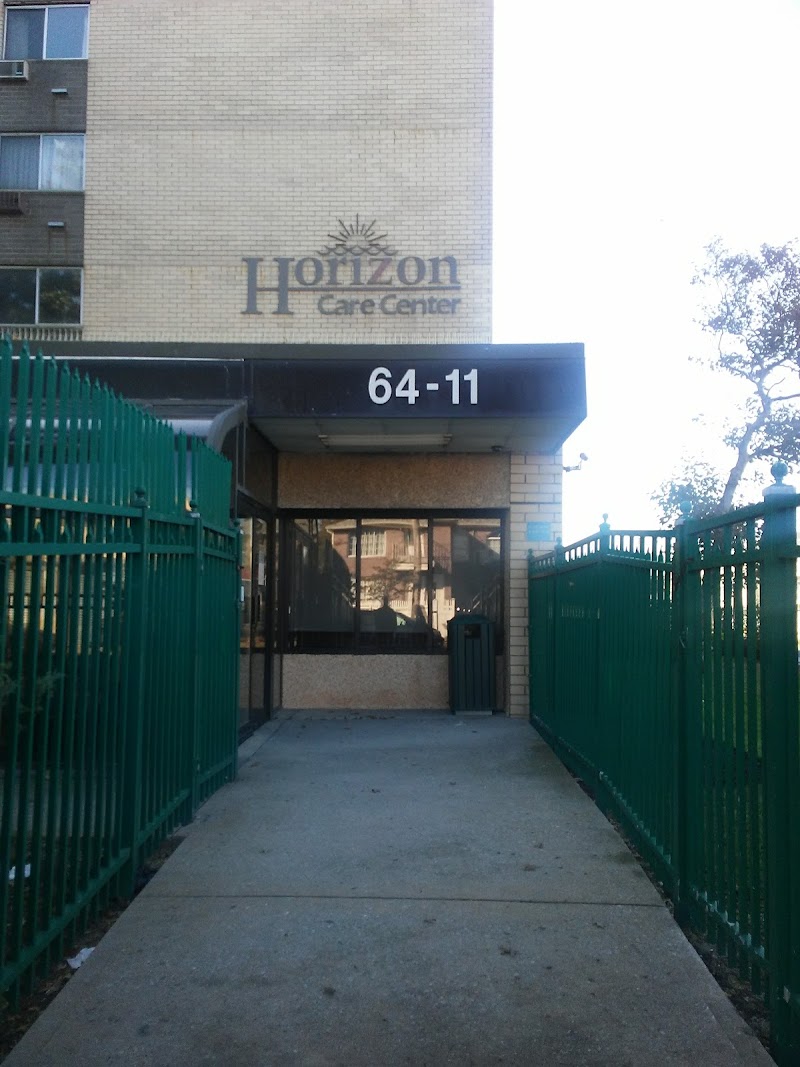
How is Ocean Gardens Staffed?

CMS rates OCEAN GARDENS CARE CENTER's staffing level at 2 out of 5 stars, which is below average compared to other nursing homes. Staff turnover is 35%, compared to the New York average of 46%. This relatively stable workforce can support continuity of care.

What Have Inspectors Found at Ocean Gardens?

State health inspectors documented 27 deficiencies at OCEAN GARDENS CARE CENTER during 2019 to 2023. These included: 27 with potential for harm.
Who Owns and Operates Ocean Gardens?

OCEAN GARDENS CARE CENTER is owned by a for-profit company. For-profit facilities operate as businesses with obligations to shareholders or private owners. The facility operates independently rather than as part of a larger chain. With 280 certified beds and approximately 264 residents (about 94% occupancy), it is a large facility located in ARVERNE, New York.
How Does Ocean Gardens Compare to Other New York Nursing Homes?

Compared to the 100 nursing homes in New York, OCEAN GARDENS CARE CENTER's overall rating (2 stars) is below the state average of 3.1, staff turnover (35%) is significantly lower than the state average of 46%, and health inspection rating (2 stars) is below the national benchmark.

What Should Families Ask When Visiting Ocean Gardens?

Based on this facility's data, families visiting should ask: "Can you walk me through typical staffing levels on day, evening, and night shifts?" "Can I visit during a mealtime to observe dining assistance and food quality?" "How do you handle medical emergencies, and what is your hospital transfer rate?" "Can I speak with family members of current residents about their experience?" These questions are particularly relevant given the below-average staffing rating.

Is Ocean Gardens Safe?

Based on CMS inspection data, OCEAN GARDENS CARE CENTER has a clean safety record: no substantiated abuse findings (meaning no confirmed cases of resident harm), no Immediate Jeopardy citations (the most serious violation level indicating risk of serious injury or death), and is not on the Special Focus Facility watch list (a federal program monitoring the lowest-performing 1% of nursing homes). The facility has a 2-star overall rating and ranks #100 of 100 nursing homes in New York. While no facility is perfect, families should still ask about staff-to-resident ratios and recent inspection results during their visit.

Do Nurses at Ocean Gardens Stick Around?

OCEAN GARDENS CARE CENTER has a staff turnover rate of 35%, which is about average for New York nursing homes (state average: 46%). Moderate turnover is common in nursing homes, but families should still ask about staff tenure and how the facility maintains care continuity when employees leave.

Was Ocean Gardens Ever Fined?

OCEAN GARDENS CARE CENTER has no federal fines on record. CMS issues fines when nursing homes fail to meet care standards or don't correct problems found during inspections. The absence of fines suggests the facility has either maintained compliance or corrected any issues before penalties were assessed. This is a positive indicator, though families should still review recent inspection reports for the full picture.

Is Ocean Gardens on Any Federal Watch List?

OCEAN GARDENS CARE CENTER is not on any federal watch list. The most significant is the Special Focus Facility (SFF) program, which identifies the bottom 1% of nursing homes nationally based on persistent, serious quality problems. Not being on this list means the facility has avoided the pattern of deficiencies that triggers enhanced federal oversight. This is a positive indicator, though families should still review the facility's inspection history directly.