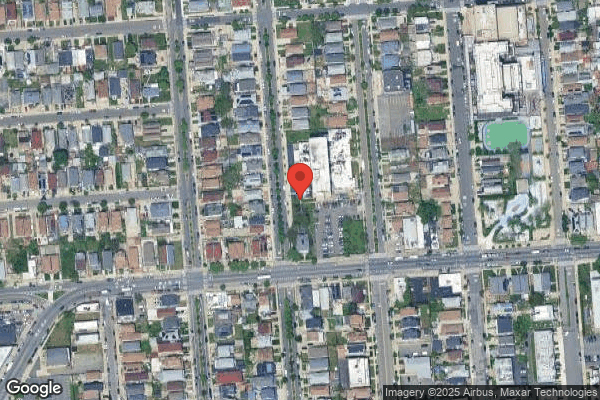
RESORT NURSING HOME

430 BEACH 68TH STREET, ARVERNE, NY 11692 (718) 474-5200
For profit - Individual 280 Beds Independent Data: November 2025
Trust Grade
78/100
#218 of 594 in NY
Last Inspection: May 2024

Within standard 12-15 month inspection cycle. Federal law requires annual inspections.

Overview

Resort Nursing Home in Arverne, New York has a Trust Grade of B, indicating it is a good choice, although not the best in the area. It ranks #218 out of 594 facilities in New York, placing it in the top half, and #30 out of 57 in Queens County, meaning there are only a few local options that perform better. The facility is improving; it decreased from four issues in 2024 to just one in 2025. Staffing is a strength here with a 4 out of 5 stars rating and a turnover of only 28%, which is well below the state average, suggesting that staff members are stable and familiar with the residents. However, there have been concerns regarding cleanliness and safety practices, such as garbage disposal procedures and issues with the dishwasher not sanitizing properly, indicating that there are areas needing attention. Overall, while there are notable strengths at Resort Nursing Home, families should be aware of these weaknesses as they consider their options.

Trust Score
B
78/100
In New York
#218/594
Top 36%
Safety Record
Low Risk
No red flags
Inspections
Getting Better
4 → 1 violations
Staff Stability
✓ Good
28% annual turnover. Excellent stability, 20 points below New York's 48% average. Staff who stay learn residents' needs.
Penalties
✓ Good
No fines on record. Clean compliance history, better than most New York facilities.
Skilled Nurses
✓ Good
Each resident gets 58 minutes of Registered Nurse (RN) attention daily — more than average for New York. RNs are trained to catch health problems early.
Violations
⚠ Watch
14 deficiencies on record. Higher than average. Multiple issues found across inspections.
★★★★☆
4.0
Overall Rating
★★★★☆
4.0
Staff Levels
☆☆☆☆☆
0.0
Care Quality
★★★★☆
4.0
Inspection Score
Stable
2024: 4 issues
2025: 1 issues

The Good

  • 4-Star Staffing Rating · Above-average nurse staffing levels
  • Low Staff Turnover (28%) · Staff stability means consistent care
  • Full Sprinkler Coverage · Fire safety systems throughout facility
  • No fines on record
  • Staff turnover is low (28%)

    20 points below New York average of 48%

Facility shows strength in staffing levels, staff retention, fire safety.

The Bad

No Significant Concerns Identified

This facility shows no red flags. Among New York's 100 nursing homes, only 1% achieve this.

The Ugly 14 deficiencies on record

Aug 2025 1 deficiency
CONCERN (D) 📢 Someone Reported This

A family member, employee, or ombudsman was alarmed enough to file a formal complaint

Potential for Harm - no one hurt, but risky conditions existed

Investigate Abuse (Tag F0610)

Could have caused harm · This affected 1 resident

Based on record review and interviews conducted during an abbreviated survey (Incident # 2581915), the facility failed to prevent further potential abuse, neglect, exploitation, or mistreatment while ...

Read full inspector narrative →
Based on record review and interviews conducted during an abbreviated survey (Incident # 2581915), the facility failed to prevent further potential abuse, neglect, exploitation, or mistreatment while an investigation was in progress. This was evident for one (1) out of three (3) residents (Resident #1) sampled for abuse. Specifically, on 08/05/2025 at 1:59 PM Certified Nursing Assistant #1 reported to Registered Nurse #1 that Resident #1 slapped Clinical Transportation Aide #1, who was providing 1:1 supervision to Resident #1, and Clinical Transportation Aide #1 in return slapped Resident #1 while they were assisting them with repositioning the resident in their wheelchair. Registered Nurse #1 did not protect Resident #1 from further potential abuse; Clinical Transportation Aide #1 was left by themself in the room with Resident #1 until Registered Nurse Supervisor #1 came to the unit at 2:00 PM and removed Clinical Transportation Aide #1 from the unit and schedule. Resident #1 was assessed by both Registered Nurse #1 and Registered Nurse Supervisor #1 and there were no visible signs of injuries. The findings are:The facility's policy titled Abuse Prohibition Program dated 06/20/2025 documented that residents/patients have a right to remain free form verbal, sexual, physical, mental abuse, involuntary seclusion, misappropriation of property, mistreatment and neglect and exploitation. The facility will protect all residents during any investigation by reassigning staff and/or providing counseling to resident. Resident #1 was admitted to the facility with diagnoses included Non-Alzheimer's Dementia, Anxiety Disorder and Depression. The Minimum Data Set Assessment (an assessment tool) dated 07/18/2025 documented Resident #1 had severe cognitive impairment. A nursing note dated 08/05/2025 at 2:35 PM by Registered Nurse #1 documented at approximately 1:59 PM Resident #1's assigned Certified Nursing Assistant #1 reported that Resident #1 allegedly slapped Clinical Transportation Aide #1, and Clinical Transportation Aide #1 might have retaliated. Registered Nurse #1 immediately approached Resident #1 to assess and verify the incident. Registered Nurse #1 documented that Clinical Transportation Aide #1 confirmed that they were slapped by Resident #1 while attempting to reposition Resident #1 in their wheelchair to prevent a fall. However, Clinical Transportation Aide #1 strongly denied slapping Resident #1 in return. Registered Nurse #1 documented Resident #1 denied any complaints of pain or discomfort during the assessment. There was no documented evidence that Clinical Transportation Aide #1 was immediately removed from Resident #1's care. The Report of Accident/Incident dated 08/05/2025 at 1:59 PM documented that Certified Nursing Assistant #1 reported that Clinical Transportation Aide #1 allegedly slapped Resident #1 while being repositioned in their wheelchair inside their room. Resident #1 was assessed by Registered Nurse #1 and there was no visible injuries, redness or complaints of pain. Registered Nurse Supervisor #1 was notified and responded immediately to unit and removed Clinical Transportation Aide #1 from Resident #1. The Medical Doctor and family notified. The facility's undated summary of investigation concluded that there was insufficient evidence to confirm that abuse occurred. Resident #1 was assessed with no visible injuries and Clinical Transportation Aide #1 has a positive interaction and has maintained a good rapport throughout. Clinical Transport Aide #1 has no allegations or disciplinary actions on file. No other staff witnessed the alleged incident. During an interview on 08/12/2025 at 10:47 AM, Registered Nurse #1 stated that the Clinical Transportation Aide #1 informed them (unsure of time), while they were wheeling Resident #1 in the hallway, that Resident #1 slapped them on the left side of their face. Registered Nurse #1 stated that they instructed Clinical Transport Aide #1 to take Resident #1 back to their room. Registered Nurse #1 stated at approximately 1:59 PM on 08/05/2025 while they were at the nursing station, Certified Nursing Assistant #1 reported to them that Resident #1 slapped Clinical Transportation Aide #1 and Clinical Transportation Aide #1 in return slapped Resident #1. Registered Nurse #1 stated that they went to Resident #1's room and observed Resident #1 hugging Clinical Transport Aide #1. Registered Nurse #1 stated that Resident #1 was not fearful of Clinical Transport Aide #1 and had no emotional distress. Registered Nurse #1 stated that they assessed Resident #1 and there was no discoloration, redness, swelling, and Resident #1 did not exhibit any signs of pain. Registered Nurse #1 stated that they reported the allegation to Registered Nurse Supervisor #1 who responded to the unit at 2:00 PM. During a follow up interview on 08/15/2025 at 1:55 PM, Registered Nurse #1 stated that they did not remove Clinical Transport Aide #1 from Resident #1's care because Resident #1 showed no signs of aggression towards Clinical Transportation Aide #1. Registered Nurse #1 stated that they observed Resident #1's behavior with Clinical Transportation Aide #1 to be same as if nothing happened. During an interview on 08/12/2025 at 11:13 AM, Registered Nurse Supervisor #1 stated that they responded to Resident #1's unit at approximately 2:00 PM and observed that Clinical Transportation Aide #1 was in Resident #1's room with Resident #1. Registered Nurse Supervisor #1 stated that they reassessed Resident #1 and there was no visible injury. Registered Nurse Supervisor #1 stated that they immediately removed Clinical Transportation Aide #1 (unsure of time) from the unit and schedule. Registered Nurse Supervisor #1 stated that they notified the Director of Nursing, Medical Doctor, and Resident #1's family. Registered Nurse Supervisor #1 stated that they did not interview any other residents because Clinical Transportation Aide #1 has been providing 1:1 supervision to Resident #1 since 11/2024. During a follow up interview on 08/20/2025 at 11:30 AM, the Director of Nursing stated Resident #1 was left unsupervised in their room with Clinical Transportation Aide #1 when Registered Nurse #1 notified Registered Nurse Supervisor #1. The Director of Nursing stated that Registered Nurse #1 should have removed the Clinical Transportation Aide #1 when there was an allegation of abuse. The Director of Nursing stated that Registered Nurse #1 did not immediately remove the Clinical Transportation Aide #1 from the room because they did not observe any signs of trauma or fear of Resident #1 towards the Clinical Transportation Aide #1. The Director of Nursing stated that one of the processes of investigating abuse allegation is that when a staff is involved, the staff must be removed immediately from the resident and schedule pending investigation outcome. 10NYCRR 415.4(b)(1)(ii)
May 2024 4 deficiencies
CONCERN (D) 📢 Someone Reported This

A family member, employee, or ombudsman was alarmed enough to file a formal complaint

Potential for Harm - no one hurt, but risky conditions existed

Report Alleged Abuse (Tag F0609)

Could have caused harm · This affected 1 resident

**NOTE- TERMS IN BRACKETS HAVE BEEN EDITED TO PROTECT CONFIDENTIALITY** 2. Resident #136 was admitted to the facility with diagnoses of Non-Alzheimer's Dementia, Impulse Disorder, and Hyperlipidemia. ...

Read full inspector narrative →
**NOTE- TERMS IN BRACKETS HAVE BEEN EDITED TO PROTECT CONFIDENTIALITY** 2. Resident #136 was admitted to the facility with diagnoses of Non-Alzheimer's Dementia, Impulse Disorder, and Hyperlipidemia. The Minimum Data Set assessment dated [DATE] documented Resident #136 had intact cognition and had no behavior symptoms. Resident #195 was admitted to the facility with diagnoses of Alzheimer's Disease and Difficulty Walking. The Minimum Data Set assessment dated [DATE] documented Resident #195 had severely impaired cognition and had no behaviors. A staff statement by a Certified Nursing Assistant dated 05/06/2024 documented that they heard 4 loud bangs on the wall and heard a loud argument coming from Residents #136 and #195's room. Resident #136 had Resident #195 against the wall. Resident #136's both hands were wrapped around Resident #195's shirt, while Resident #195's hand was holding onto Resident #136's shirt. The Certified Nursing Assistant separated the residents. The Accident Investigation Report dated 05/07/2024 documented that on 05/06/2024 at around 10:00 AM, the staff heard shouting and yelling coming from Residents #136 and #195's room. The staff immediately responded and noted Resident #136 was grabbing Resident #195's shirt. Both were separated. Resident #136 continued to curse as they were redirected outside of their room. The facility summary of investigation concluded that abuse had not occurred because the plan of care was followed, and safety interventions were in place. There was no documented evidence that the resident to resident physical abuse involving Resident #136 and Resident #195 that occurred on 05/06/24 was reported to the New York Department of Health. During an interview on 05/28/2024 at 3:43 PM, the Director of Nursing stated the incident was not reported because the residents did not sustain any injury as a result of the altercation. The Director of Nursing stated there was no need to report the incident since there was no harm and the residents were immediately separated. During an interview on 05/29/2024 at 2:37 PM, the Administrator stated they did not feel that there was a need to report the incident because there was no harm on either residents. 10 NYCRR 415.4(b) (2) Based on record reviews and interviews, during the Recertification and Complaint Survey (NY00331563) from 05/21/2024 to 05/29/2024, the facility did not ensure that all alleged violations involving abuse and neglect, were reported immediately, but not later than 2 hours after the allegation was made to the State Survey Agency. Additionally, the facility did not ensure the results of all investigations were reported to the State Survey Agency within 5 working days of the incident. This was evident for 3 (Resident #126, #136, and #195) of 7 residents reviewed for Abuse out of 36 sampled residents. Specifically, 1.) On 01/13/2024 at approximately 2:30 PM, the facility was made aware that Registered Nurse #3 administered the wrong medication to Resident #126. An initial report was made to the New York State Department of Health on 01/14/2024 at 9:01 AM. A Follow-up Investigation Report was not submitted by the facility within 5 working days of the incident. 2.) On 05/06/2024, Resident #136 had a physical altercation with Resident #195 that was not reported to the New York State Department of Health. The findings include: The facility policy titled Abuse Prohibition dated 12/2023 documented all alleged or suspected incidents of abuse, neglect, or mistreatment will be thoroughly investigated. Any case in which abuse, neglect, or mistreatment has been identified via the investigation will be reported promptly to the New York State Department of Health. A Dear Nursing Home Administrator Letter (DAL: NH 22-20) dated 10/18/2022 regarding Facility Incident Reporting System stated that the notice was to inform the Administrator of changes in reporting of nursing home facility incidents as detailed in QSO-22-19-NH and effective on 10/24/2022. The guidance stated that in addition to an initial facility incident report that must be submitted following reporting timelines, nursing homes must submit to the New York State Department of Health the results of the facility investigation. Within 5 business days of the incident, the facility must provide, in its report, sufficient information to describe the results of the investigation, and must indicate any corrective action(s) taken if the allegation was verified. The facility should include any updates to information provided in the initial report and the following additional information, including, but are not limited to, the following: 1. Additional/Updated information related to the reported incident, 2. Steps taken to investigate the allegation, 3. A conclusion, 4. Corrective action(s) taken, and 5. The name of the facility investigator. 1. Resident #126 had diagnoses of Traumatic Spine Injury with Quadriplegia, prior Opioid Abuse, and Bipolar Disorder. The Minimum Data Set assessment dated [DATE] documented Resident #126 had intact cognition. A Report of Accident / Incident form with date of occurrence 01/13/2024 at 3:00 PM documented that towards the end of the shift, the medication nurse reported they accidentally gave 12 tablets of Percocet 10-325 milligrams to Resident #126 instead of 12 tablets of Methadone 10 milligrams. The facility summary of investigation dated 01/13/2024 documented the incident as medication error. The summary of investigation documented that the medication nurse discovered their own medication error when they were completing the narcotic count. The nurse immediately reported the error to the Registered Nurse Supervisor. Resident #126 was transferred to the hospital to rule out Tylenol toxicity and returned to the facility without signs and symptoms of adverse effects. The summary documented the investigation revealed no evidence of narcotic diversion. A Nursing Home Facility Incident Report documented that the incident report was submitted to the New York State Department of Health on 01/14/2024 at 9:01 AM. During an interview on 05/29/2024 at 2:10 PM, the Director of Nursing stated they completed the investigation of the medication error. The Director of Nursing stated they do not have to report the medication error incident within 2 hours and that they have 5 days to report the incident. They stated it was an error on their part for not complying with the 2 hour time frame for reporting. During an interview on 05/29/2024 at 3:11 PM, the Administrator stated they were not aware that the incident was not reported to the State Agency within the required time frame which was no later than 2 hours.
CONCERN (D) 📢 Someone Reported This

A family member, employee, or ombudsman was alarmed enough to file a formal complaint

Potential for Harm - no one hurt, but risky conditions existed

Deficiency F0658 (Tag F0658)

Could have caused harm · This affected 1 resident

**NOTE- TERMS IN BRACKETS HAVE BEEN EDITED TO PROTECT CONFIDENTIALITY** Based on interviews and record review conducted during the Recertification and Complaint Survey (NY00331563) from 05/21/2024 to ...

Read full inspector narrative →
**NOTE- TERMS IN BRACKETS HAVE BEEN EDITED TO PROTECT CONFIDENTIALITY** Based on interviews and record review conducted during the Recertification and Complaint Survey (NY00331563) from 05/21/2024 to 05/29/2024 the facility did not ensure that services provided by the facility as outlined by the comprehensive care plan, met professional standards of quality. This was evident for 1 (Resident #126) of 1 resident reviewed for medication administration. Specifically, Resident #126 had a physician's order for 12 tablets of Methadone 10 milligram by oral route once daily. On 01/13/2024, Registered Nurse #3 administered 12 tablets of Percocet 10-325 milligrams instead of Methadone. The findings include: The facility policy titled Medication Administration with a revision date of 10/2023 documented the purpose of the policy was to ensure safe administration of medication for residents. The policy stated that medication and strength are verified with physician's order as transcribed on the medication administration record. Controlled substance record is signed immediately after a narcotic has been administered. The facility policy titled Professional Standards with a revision date of 10/2023 documented that all staff must perform their duties competently, effectively, and in accordance with the facility's expectations and industry standards. Resident #126 had diagnoses of Traumatic Spine Injury with Quadriplegia, prior Opioid Abuse, and Bipolar Disorder. The Minimum Data Set assessment dated [DATE] documented Resident #126 had intact cognition. A care plan for alteration in comfort related to spinal cord injury with fracture was initiated on 02/25/2022. The facility interventions include to monitor and assess for pain, and Methadone oral tablet 10 milligrams 12 tablets by mouth every day. A physician's order dated 12/11/2023 documented give 12 tablets of Methadone 10 milligram by oral route once daily for pain. A review of Resident #126's Medication Administration Record showed that Methadone was signed for by Registered Nurse #3. A review of Resident #126's Individual Controlled Medication Record for Methadone revealed that Methadone was not administered on 01/13/2024 and that the Methadone count was the same for all shifts on 01/13/2024. An Individual Controlled Medication Record for Percocet 10-325 milligrams that was prescribed for a different resident documented on 01/13/2024 3:00 PM, 12 tablets inadvertently given to Resident #126. A Medication Incident Report dated 01/13/2024 documented the medication nurse reported they accidentally gave Resident #126 12 tablets of Percocet 10-325 milligram instead of the prescribed 12 tablets of Methadone 10 milligrams. Resident was immediately assessed and was sent to the emergency room to check for toxicity. A written statement emailed by Registered Nurse #3 to the Director of Nursing documented they worked on 01/13/2024 on the day shift and that towards the end of their shift, they noticed the Methadone count was the same as the beginning of the shift. Upon checking another resident's medication, they noticed there were 12 tablets taken from this resident's Percocet blister, and realized they gave the Percocet to Resident #126. A nurse's progress notes dated 01/13/2024 at 6:38 pm documented Registered Nurse #3 came to the nursing office towards the end of shift and reported the medication error. Immediate assessment was made, no sign of adverse reaction, no lethargy, and no changes in mental status. The hospital Discharge summary dated [DATE] documented no adverse reaction from the medication error that occurred at the Nursing Home. The drug toxicity level was negative, and Resident #126 can return to the facility. During an interview on 05/22/2024 at 2:34 AM, Resident #126 stated they were sent to the hospital because they were given the wrong medication. During an interview on 05/29/2024 at 1:00 PM, Registered Nurse #3 stated they gave Resident #126 12 tablets of Percocet instead of 12 tablets of Methadone. They stated they discovered the error when they were counting the controlled drugs before the end of their shift. They stated they immediately reported the incident to the nursing supervisor, and they were told not to come back to work while investigation was in progress. During an interview on 05/29/2024 at 2:10 PM, the Director of Nursing stated they completed the investigation of the incident, and that Registered Nurse #3 committed a medication error and was immediately terminated. 10 NYCRR 415.11(c)(3)(i)
CONCERN (D)

Potential for Harm - no one hurt, but risky conditions existed

Deficiency F0760 (Tag F0760)

Could have caused harm · This affected 1 resident

Based on interview and record review during the Recertification and Complaint Survey (NY00331563) from 05/21/2024 through 05/29/2024, the facility failed to ensure that residents were free of signific...

Read full inspector narrative →
Based on interview and record review during the Recertification and Complaint Survey (NY00331563) from 05/21/2024 through 05/29/2024, the facility failed to ensure that residents were free of significant medication errors. This was evident for 1 (Resident #126) of 1 resident reviewed for medication administration. Specifically, Resident #126 had a physician's order for 12 tablets of Methadone 10 milligram by oral route once daily. On 01/13/2024, the Resident was administered 12 tablets of Percocet 10-325 milligrams instead of Methadone. Cross Reference: F658 - Services Meet Professional Standards The findings include: The facility policy titled Medication Administration with a revision date of 10/2023 documented the purpose of the policy was to ensure safe administration of medication for residents. The policy stated that medication and strength are verified with physician's order as transcribed on the medication administration record. Controlled substance record is signed immediately after a narcotic has been administered. During an interview on 05/29/2024 at 1:00 PM, Registered Nurse #3 stated they gave Resident #126 12 tablets of Percocet instead of the prescribed 12 tablets of Methadone. They stated they discovered their error when they were counting the controlled drugs before the end of their shift. They stated they immediately reported the incident to the nursing supervisor, and they were told not to come back to work while investigation was in progress. During an interview on 05/29/2024 at 2:10 PM, the Director of Nursing stated they completed the investigation of the incident, and that Registered Nurse #3 committed a medication error and was immediately terminated. During an interview on 05/29/2024 at 3:11 PM, the Administrator stated the medication error incident was a big shock to the facility and had not happened before. 415.12(m)(2)
MINOR (C)

Minor Issue - procedural, no safety impact

Staffing Information (Tag F0732)

Minor procedural issue · This affected most or all residents

Based on observation and interview conducted during the Recertification Survey from 05/21/2024 to 05/29/2024 , the facility did not ensure that the nurse staffing information was posted in a prominent...

Read full inspector narrative →
Based on observation and interview conducted during the Recertification Survey from 05/21/2024 to 05/29/2024 , the facility did not ensure that the nurse staffing information was posted in a prominent place readily accessible to residents and visitors. Specifically, there was no available posting of daily nurse staffing information. The findings are: The facility did not have a policy on Posting Daily Nurse Staffing Information. During observations conducted on 05/21/2024, 05/22/2024, 05/23/2024, and 05/24/2024, the State Surveyor was unable to locate the postings of the daily nurse staffing levels for each shift or any signage instructing residents or visitors where it was located. On 05/24/2024 at 3:45 PM , the State Surveyor asked the Director of Nursing where the staffing information was located and was shown the staffing schedule for the day. During an interview on 05/24/2024 at 2:45 PM, the Director of Nursing stated they do not have the daily nursing staffing posted and they had no policy for it. They stated they read the guidelines and saw that the daily nursing staffing posting was required and they started posting it. 10 NYCRR 415.13
May 2022 4 deficiencies
CONCERN (D)

Potential for Harm - no one hurt, but risky conditions existed

Resident Rights (Tag F0550)

Could have caused harm · This affected 1 resident

**NOTE- TERMS IN BRACKETS HAVE BEEN EDITED TO PROTECT CONFIDENTIALITY** Based on observations and interviews during the Recertification/Complaint Survey, the facility did not ensure a resident was car...

Read full inspector narrative →
**NOTE- TERMS IN BRACKETS HAVE BEEN EDITED TO PROTECT CONFIDENTIALITY** Based on observations and interviews during the Recertification/Complaint Survey, the facility did not ensure a resident was cared for in a manner that maintained. This was evident for 1 of 1 resident out of a sample of (Resident # 46). Specifically, Resident #46's stomach and gastrostomy tube were left uncovered and exposed to public view. The findings are: The facility's policy titled Abuse Prohibition revised December 2021 documented the staff was respectful of individual dignity. Resident # 46 had diagnoses of Gastrostomy status, Aphasia, and Non-Alzheimer's Dementia. The Minimum Data Set 3.0 (MDS) dated [DATE] documented Resident #46 was severely cognitively impaired and required extensive assistance for bed mobility and dressing. On 4/26/2022 at 10:08 AM, 4/26/2022 at 3:11 PM, 4/27/2022 at 10:26 AM, 4/27/2022 at 3:04 PM and 4/28/2022 at 12:54 PM, Resident # 46 was observed lying in bed in their room without the privacy curtain drawn. Resident #46's stomach was exposed with gastrostomy tube visible from the hallway. The Comprehensive Care Plan (CCP) related to inappropriate behavior and risk for abuse were initiated 5/2/2018 updated 2/10/2022 documented Resident # 46 will maintain dignity and self-esteem. On 5/2/2022 at 11:38 AM Certified Nursing Assistant (CNA) # 3 was interviewed stated Resident # 46 does not like their stomach to be covered. When CNA #3 covers Resident #46's stomach with a towel, Resident #46 will throw the towel on the floor. The charge nurse has been made are of the Resident #46's behavior. On 5/2/2022 at 11:42 AM Registered Nurse (RN) # 2 was interviewed and stated Resident# 46 is confused and removes the covering of their gastrostomy tube. RN #2 observed the Resident #46's exposed stomach and stated the resident's stomach must be covered to provide privacy and promote dignity. On 5/2/2022 at 1:28 PM, the Director of Nursing (DON) was interviewed and stated the dignity and privacy of Resident #46 must be maintained and Resident #46 may need a private room to address their behavior of removing the gastrostomy tube dressing. 415.5(a)
CONCERN (D)

Potential for Harm - no one hurt, but risky conditions existed

Deficiency F0657 (Tag F0657)

Could have caused harm · This affected 1 resident

Based on record review and interviews conducted during the Recertification Survey, the facility did not ensure that a resident was invited to participate in comprehensive care planning (CCP). This was...

Read full inspector narrative →
Based on record review and interviews conducted during the Recertification Survey, the facility did not ensure that a resident was invited to participate in comprehensive care planning (CCP). This was evident for 1 of 32 sampled residents (Resident #69). Specifically, Resident #69 was not invited to CCP meetings with the interdisciplinary team (IDT). The findings include: The facility policy titled IDT Care Plan Meetings dated 12/2021 documented that CCP meetings with the IDT will be held initially within 21 days of admission, quarterly, upon significant change and upon request. Residents are invited to attend the IDT meetings. Resident #69 had diagnoses of Neurogenic Bladder, Diabetes Mellitus, and Paraplegia. The Minimum Data Set 3.0 (MDS) 02/25/2022 documented Resident #69 was cognitively intact. On 04/26/22 at 11:06 AM, Resident #69 was interviewed and stated they could not recall the last time they were invited to a CCP meeting with the IDT team. CCP Meeting attendance records documented CCP meetings for Resident #69 were held on 10/12/2021, 12/28/2021, 3/8/2022, and 4/19/2022. There was no documented evidence Resident #69 was invited to or attended scheduled CCP Meetings with the IDT. On 04/28/22 at 12:47 PM, Registered Nurse (RNS) #1 was interviewed and stated residents are verbally invited by any of the Interdisciplinary Team (IDT) members. Resident notification is not documented in the medical record. Social Services keeps attendance of the IDT meetings. RNS #1 was unable to provide documented evidence Resident #69 was invited to CCP meetings. On 04/28/22 at 02:07 PM, the Director of Social Work (DSW) was interviewed and stated residents are invited to their admission, annual, significant changes, and quarterly CCP meetings. The Social Services staff do not document in the medical record when a cognitively intact resident is invited but does not attend. The DSW was unable to provide documented evidence Resident #69 was invited to the CCP meetings. 415.11(c)(2) (i-iii)
CONCERN (D)

Potential for Harm - no one hurt, but risky conditions existed

Infection Control (Tag F0880)

Could have caused harm · This affected 1 resident

**NOTE- TERMS IN BRACKETS HAVE BEEN EDITED TO PROTECT CONFIDENTIALITY** Based on observations, record review, and interviews conducted during the Recertification survey, the facility did not ensure in...

Read full inspector narrative →
**NOTE- TERMS IN BRACKETS HAVE BEEN EDITED TO PROTECT CONFIDENTIALITY** Based on observations, record review, and interviews conducted during the Recertification survey, the facility did not ensure infection prevention control practices were maintained. This was evident for 2 of 2 residents reviewed out of a sample of 32 residents (Resident #62 and #69). Specifically, respiratory equipment for Resident #62 and Resident #69 was observed on multiple occasions unprotected, unlabeled, and undated. The findings are: The facility policy titled Oxygen Therapy dated 12/2021 documented oxygen nasal cannulas (NC) and masks must be changed once a week and must be stored in plastic bags when left at bedside. 1) Resident #62 had diagnoses of congestive heart failure and chronic obstructive pulmonary disease (COPD). The Minimum Data Set 3.0 (MDS) dated [DATE] documented the resident had moderate cognitive impairments and required extensive assistance of staff for activities of daily living. On 04/26/22 at 10:37 AM and 04/27/22 at 12:18 PM, Resident #62 was observed in bed with one end of an undated NC attached to an oxygen tank and the other end attached to Resident #62's nose. Physician's order dated 4/13/2022 documented Resident #62 received oxygen via NC as needed and NC tubing was changed weekly on Sunday. 2) Resident #69 had diagnoses of asthma and COPD. The MDS dated [DATE] documented the Resident #69 was cognitively intact and required extensive assistance of staff for activities of daily living. On 04/26/22 at 11:06 AM, 04/27/22 at 09:18 AM, and 04/28/22 at 09:13 AM, Resident #69 was observed in bed. A Bilevel Positive Airway Pressure (BiPAP) machine with uncovered and undated oxygen tubing and mask, and an uncovered IS (incentive spirometer) were on the overbed table. On 04/28/2022 at 09:15 AM, Resident #69 was interviewed and stated they could not recall the last time the oxygen tubing was changed by staff. Sometimes the staff will assist Resident #69 with placing the BiPAP mask in a bag, but staff are not consistent with helping. The IS is used according to Physician orders, but staff have not provided a plastic bag or covering for the IS. The Physician's order dated 04/20/2022 documented BiPAP machine was applied any time of day and the IS was used every 4 hours for pulmonary exercise. On 04/28/22 at 10:31 AM, Certified Nursing Assistant (CNA) #1was interviewed and stated nurses administer oxygen to the residents. Resident #69 has the IS on their bedside to use at any time throughout the day. The oxygen mask and the IS are kept on resident's table for use at any time. On 04/28/22 at 12:08 PM, Registered Nurse (RN) #1 was interviewed and stated Resident #69 used the BiPAP and IS according to Physician's order. NC tubing and IS are supposed to be kept in the white plastic bag when not in use. On 04/28/22 at 12:20 PM, the Respiratory Therapist (RT) was interviewed and stated Resident #69 used the BiPAP at night and when removed in the morning, the dated oxygen mask and NC tubing must be placed in a plastic bag. On 04/28/22 at 12:39 PM, RN Supervisor (RNS) was interviewed and stated the RT was responsible for ensuring the BiPAP is properly stored and dated when removed from Resident #69 in the morning. The RNS makes rounds on the units to ensure resident care equipment is kept in hygienic condition. If the RNS observes an issue with the BiPAP mask or tubing, the RT is contacted to change the tubing and mask. Oxygen tubing is supposed to be changed weekly and the RNS stated they unaware oxygen tubing, NC, and mask were undated and exposed for Resident #62 and Resident #69. On 04/29/22 at 12:20 PM, the Director of Nursing (DON) was interviewed and stated oxygen tubing not being used by the resident was dated and stored in a plastic bag to promote infection control. The IS for Resident #69 should not be left uncovered. All oxygen tubing was replaced every Sunday according to facility policy. practices .ng proper protocol regarding infection control. 415.19(a)(b) (1-3)
CONCERN (F)

Potential for Harm - no one hurt, but risky conditions existed

Garbage Disposal (Tag F0814)

Could have caused harm · This affected most or all residents

Based on observations, record review, and interviews conducted during the recertification survey, the facility did not ensure the garbage and refuse were disposed of properly. This was evident during ...

Read full inspector narrative →
Based on observations, record review, and interviews conducted during the recertification survey, the facility did not ensure the garbage and refuse were disposed of properly. This was evident during observation of the Kitchen. Specifically, the garbage compactor (GC) was observed open on more than one occasion. The findings are: The facility policy titled GC Area revised 4/2022 documented the garbage compactor door will be closed after each use to prevent pests, cross contamination and to maintain a clean environment. On 04/26/22 at 09:28 AM, the GC used by the Kitchen was observed with its door open. The Food Services Director (FSD) was present during the observation and stated the GC door is functional and able to close. On 04/29/22 at 09:23 AM, a Food Service Worker (FSW) was observed removing an uncovered garbage can from the kitchen by wheeling the can to the GC. FSW threw garbage bags in the GC, turned the GC on, and left the GC door open. On 04/29/22 at 03:24 PM the FSD was interviewed and stated the GC door is not closed after each use because staff use the GC often to dispose of garbage throughout the day. FSD stated the dietary department did not have a policy on garbage disposal because the Director of Environmental Services (DES) managed the garbage disposal area. On 04/29/22 at 03:44 PM the DES was interviewed and stated the GC door stays open throughout the day and the evening shift closes it after the last meal service has been completed. The facility does not have a policy regarding garbage disposal. The DES was unaware the garbage compactor door should remain closed to promote proper garbage disposal. 415.14 (h)
Jun 2019 5 deficiencies
CONCERN (D)

Potential for Harm - no one hurt, but risky conditions existed

Deficiency F0558 (Tag F0558)

Could have caused harm · This affected 1 resident

**NOTE- TERMS IN BRACKETS HAVE BEEN EDITED TO PROTECT CONFIDENTIALITY** Based on observations, record review, and interviews during the recertification survey, the facility did not ensure that each re...

Read full inspector narrative →
**NOTE- TERMS IN BRACKETS HAVE BEEN EDITED TO PROTECT CONFIDENTIALITY** Based on observations, record review, and interviews during the recertification survey, the facility did not ensure that each resident receive reasonable accommodation of needs by ensuring each resident's call bell was within reach. This was identified for 9 (Residents #160, #20, #68, #108, #175, #40, #195, #155, and #165) of 38 sampled residents. Specifically, 1) The call bell for Residents #160, #20, #68, and #108 was observed with the wire of the call bell wound, tied, and hung on the wall near the head of bed (HOB). 2) Resident #175 was observed with his call bell placed on top of the overhead lighting fixture above the HOB. 3) The call bell for Residents #155, #195, #40, and #165 was observed on the floor. The findings include but are not limited to: The facility's policy and procedure dated 10/2018 titled Use of Call Bells documented . 1. Explain use of call bell and place within easy reach . 1) Resident #160 has diagnoses including Anxiety Disorder, Anemia, and Hypertension. The resident was admitted to the facility on [DATE]. The Quarterly Minimum Data Set (MDS) assessment dated [DATE] documented the resident's Brief Interview for Mental Status (BIMS) score was 9 indicating the resident was moderately impaired in cognition. The MDS documented no impairment in functional range of motion of both upper and lower extremities. On 6/6/19 at 9:20 AM and at 10:45 AM, the resident's call bell was observed wound, tied, and hung on the wall near the head of bed (HOB). An interview with CNA #1 was conducted on 6/6/19 at 10:50 AM. CNA#1 stated the resident could use her call bell and that the call bell should be clipped at the resident's bedside so she could reach the call bell. CNA #1 stated that the call bell should not be hanging on the wall. An interview with the Unit RN Manager was conducted on 6/6/19 at 10:53 AM. The RN stated the resident is able to use the call bell and the call bell should be placed at her bedside, not hanging on the wall. 2) Resident # 175 has diagnoses including Chronic Kidney Disease, Urea Cycle Metabolism Disorder, and Schizoaffective Disorder. The resident was admitted to the facility on [DATE]. The Quarterly MDS assessment dated [DATE] documented the resident's BIMS score was 8 indicating the resident was moderately impaired in cognition for daily decision making. The MDS documented no impairment in functional range of motion of both upper and lower extremities. On 6/6/19 at 9:23 AM and at 10:55 AM, the resident's call bell was observed placed up on top of the overhead light fixture above the HOB. An interview with CNA #1 was conducted on 6/6/19 at 10:48 AM. CNA#1 stated the resident could use his call bell and that the call bell should be clipped at the resident's bedside so he could reach the call bell. CNA #1 stated that the call bell should not be placed on top of the light fixture. An interview with the Unit RN Manager was conducted on 6/6/19 at 10:52 AM. The RN stated that the resident is able to use the call bell and the call bell should be placed at his bedside, not on top of the overhead light fixture. 3) Resident #155 has diagnoses including Diabetes Mellitus (DM), End Stage Renal Disease (ESRD), and Chronic Obstructive Pulmonary Disease (COPD). The resident was admitted to the facility on [DATE]. The admission MDS assessment dated [DATE] documented the resident's BIMS score was 12 indicating the resident was moderately impaired in daily decision making. The MDS documented no impairment in functional range of motion of both upper and lower extremities. On 6/6/19 at 9:22 AM and at 10:35 AM, the resident's call bell was observed on the floor, out of reach of the resident. An interview with CNA #1 was conducted on 6/6/19 at 10:50 AM. CNA#1 stated that the resident could use her call bell and the call bell should be clipped at the resident's bedside so she could reach the call bell. An interview with the Unit RN Manager was conducted on 6/6/19 at 10:52 AM. The RN stated the resident is able to use the call bell and the call bell should be placed at her bedside. 415.5(e)(1)
CONCERN (D)

Potential for Harm - no one hurt, but risky conditions existed

Comprehensive Care Plan (Tag F0656)

Could have caused harm · This affected 1 resident

**NOTE- TERMS IN BRACKETS HAVE BEEN EDITED TO PROTECT CONFIDENTIALITY** Based on observation, record review, and interviews during the recertification survey, the facility did not implement a comprehe...

Read full inspector narrative →
**NOTE- TERMS IN BRACKETS HAVE BEEN EDITED TO PROTECT CONFIDENTIALITY** Based on observation, record review, and interviews during the recertification survey, the facility did not implement a comprehensive person-centered care plan for each resident. This was identified for 1 (Resident # 64) of 1 resident reviewed for Range of Motion (ROM). Specifically, Resident # 64's Comprehensive Care Plan (CCP) developed for the Development of the Functional Limitation in ROM included an intervention to use an Abductor pillow. The Physician ordered Abductor pillow was not observed in place on two separate occasions. The finding is: The Facility's Comprehensive Care Plan (CCP) policy dated 2/2018 documented that the Care Plan guides the care and treatment provided to each resident. The CCP addresses the resident's medical, functional, and severity of the resident's condition. Resident #64 was admitted to the facility on [DATE] with the diagnoses including Non-Alzheimer's Dementia and Muscle Spasm. The Quarterly Minimum Data Set (MDS) assessment dated [DATE] documented Resident #64 could not be understood and could not complete the Brief Interview for Mental Status (BIMS). The MDS documented Resident #64 was totally dependent on two people for Bed Mobility, Transfer, Personal Hygiene and Toilet Use. The MDS also documented Resident #64 had impairment in functional range of motion on both sides of the upper and lower extremities. The At Risk for Development of Functional Limitation in Range in Motion CCP dated 3/19/19 documented a goal that Resident #64 will not develop further functional limitation in ROM for 3 months. The interventions included Therapeutic Devices, including an abductor pillow to be worn in and out of bed to prevent abduction/scissoring of the lower extremities. The Physician's Order dated 3/20/2019 documented that Resident #64 required the use of an abductor pillow in and out of bed to prevent abduction/scissoring of the Lower Extremities. Resident #64 was observed resting in bed on 6/6/19 at 9:45 AM without an abductor pillow in place. The abductor pillow was observed on the chair by the bedroom window. Resident #64 was also observed on 6/10/19 at 10:46 AM in bed without abductor pillow in place. The abductor pillow was observed on the nightstand on the right side of the bed. The daytime Certified Nursing Assistant (CNA) from the 7 AM-3 PM shift was interviewed on 6/12/19 at 12:29 PM. The CNA stated Resident #64 does not use the abductor pillow in the bed. She stated the physician order was to use the abductor pillow when Resident #64 is out of the bed. The CNA further stated that she regularly sees Resident #64 in bed without the abductor pillow when she arrives to work on the 7 AM-3 PM shift. The CNA reviewed the CNA Accountability Record and stated the instruction was that the abductor pillow was to be worn in and out of bed. The RN Supervisor for the 7 AM-3 PM shift was interviewed on 6/12/19 at 12:32 PM. The RN Supervisor stated the physician order was to use the abductor pillow when Resident #64 is out of bed. The RN Supervisor stated that she thought the abductor pillow was important to help prevent scissoring and contracture development of the legs. The RN Supervisor reviewed the medical record and stated that the physician order was to place the abductor pillow between the resident's legs both in and out of bed and that she would speak with the CNAs to ensure that they are aware of the order. The Physical Therapist (PT) was interviewed on 6/12/19 at 2:37 PM. The PT stated that Resident #64 requires the abductor pillow in place at all times except when performing hygiene and care. Resident #64 has muscle tone tightness in her legs which puts her at risk for permanent scissoring of the legs, worsening contractures, poor positioning in her chair and bed, and difficulty performing hygiene care. The abductor pillow places Residents #64 legs into a resting position and prevents complications from muscle tone tightness. The evening CNA (3 PM - 11 PM shift) was interviewed on 6/12/19 at 3:15 PM. The CNA stated that she is not the regular evening CNA for Resident #64 and she is a floating CNA at the facility. She stated that she was just told today during the shift rotation that Resident #64 requires the abductor pillow in place 24 hrs and that she did not provide care for Resident #64 from 6/6/19 to 6/11/2019. 415.11(c)(1)
CONCERN (E)

Potential for Harm - no one hurt, but risky conditions existed

Deficiency F0744 (Tag F0744)

Could have caused harm · This affected multiple residents

**NOTE- TERMS IN BRACKETS HAVE BEEN EDITED TO PROTECT CONFIDENTIALITY** Based on observation, record review and interviews during the recertification survey, the facility did not ensure that each resi...

Read full inspector narrative →
**NOTE- TERMS IN BRACKETS HAVE BEEN EDITED TO PROTECT CONFIDENTIALITY** Based on observation, record review and interviews during the recertification survey, the facility did not ensure that each resident who displays or is diagnosed with Dementia receives the appropriate treatment and services to attain or maintain their highest practicable physical, mental and psychosocial well being. This was identified for 7 (Resident #38, #72, #64, #154, #177, #111 and #454) of 7 residents reviewed for Dementia care. Specifically, the facility did not develop person-centered care plans to reflect individualized approaches to care with measurable goals, timetables, and specific interventions, nor identify effective non-pharmacologic interventions to maintain the highest psychosocial wellbeing for these residents. Additionally, an intervention to provide Russian speaking staff to interpret the needs and wants was in place for residents who did not speak Russian (Resident #38, #72, and #64). The findings include but are not limited to: 1) Resident #38 was admitted to the facility on [DATE] with the diagnoses of Non-Alzheimer's Dementia, Psychotic Disorder, and Diabetes Mellitus. The Quarterly Minimum Data Set (MDS) assessment dated [DATE] documented Resident #38 could not complete the Brief Interview for Mental Status (BIMS) assessment. The language portion of Section A in the MDS documented that Resident #64's preferred language was Spanish. The MDS documented that Resident #38 received Antipsychotic and Antidepressant Medication 7 out 7 days in the MDS review period. The Comprehensive Care Plan (CCP) for Potential for exhibiting inappropriate behavior and signs and symptoms of Depression related to Dementia with Behavioral Disturbances dated 3/6/2018 documented a goal that Resident #38 will not show altered behavior daily in 3 months as evidenced by agitation, altercation with another resident, Activities of Daily Living (ADL) refusals, verbal/physical aggression, restlessness and delusional episodes. The interventions did not specify what diversional activities would be appropriate for Resident #38. Additionally, the interventions included providing Resident #38 with Russian speaking staff to interpret needs and wants, although the resident speaks Spanish. Resident #38 was observed sitting by the elevator attempting to wheel off the unit on 6/6/19 at 11:53 AM. Resident #38 was speaking Spanish and was asking to see her father and stated that he was waiting for her to have lunch outside. The Registered Nurse (RN #1) called for a translator. RN #1 stated that she did not speak Spanish and could not understand what Resident #38 was saying. At 11:56 AM on 6/6/19, a staff member who spoke Spanish came to the unit and attempted to redirect Resident #38 to the dining room. The staff member repeatedly told Resident #38 that she could not leave and had to go to the dining room for lunch and proceeded to wheel her to the dining room. Resident responded by yelling louder that she had to go to her home. The Psychiatrist was interviewed on 6/12/19 at 1:47 PM. The Psychiatrist stated the nursing staff should document all the non-pharmacologic interventions attempted prior to involving Psychiatry. The Psychiatrist stated that he does not know what specific non-pharmacologic interventions the staff attempted with Resident #38. He further stated that the nursing staff have a general list of non-pharmacologic interventions to try prior to administering pharmacologic interventions. RN #1 from 7 AM-3 PM shift was interviewed on 6/12/19 at 1:54 PM. RN #1 stated the nurses request Psychiatry interventions when residents do not respond to the general interventions outlined in the care plan for Dementia Care. The RN stated the interventions on the care plan are generalized to all residents with the Dementia Diagnosis and interventions utilized are pulled from the list. The attempted interventions are usually documented in the evaluation notes and in the progress notes. RN #1 stated that she generally applies the interventions of redirection, anticipation of needs, and involvement in recreation groups for Resident #38. RN #1 stated that she did not know what the underlying causes for Resident #38's behaviors were. 2) Resident #72 was admitted to the facility on [DATE] with the diagnoses of Non-Alzheimer's Dementia, Dysphagia, and Glaucoma. The Quarterly Minimum Data Set (MDS) assessment dated [DATE] documented Resident #72 had a BIMS Score of 11 indicating moderately impaired cognition. The language portion of Section A in the MDS documented that Resident #72 did not need an interpreter and did not specify a preferred language. The CCP for Potential for exhibiting inappropriate behavior and signs and symptoms of Depression related to Dementia with Behavioral Disturbances dated 12/28/2017 documented a goal that Resident #64 will not show altered behavior daily in 3 months as evidenced by agitation, altercation with another resident, Activities of Daily Living (ADL) refusals, verbal/physical aggression, restlessness and delusional episodes. The interventions were not individualized and specific to address targeted behaviors. The interventions included providing Resident #72 with Russian speaking staff to interpret needs and wants. Resident #72 was interviewed on 6/6/19 at 11:32 AM and began crying when being interviewed. The interview was concluded. RN #1 was interviewed on 6/11/19 at 12:01 PM. She stated that Resident #72 is often confused and references past events. RN #1 stated that Resident #72's primary language is English. 3) Resident #64 was admitted to the facility on [DATE] with the diagnoses of Non-Alzheimer's Dementia and Muscle Spasm. The Quarterly Minimum Data Set (MDS) assessment dated [DATE] documented that Resident #64 could not be understood and could not complete the Brief Interview for Mental Status (BIMS) assessment The language portion of Section A in the MDS documented that Resident #64's preferred language was Spanish. The CCP for Potential for exhibiting inappropriate behavior and signs and symptoms of Depression related to Dementia with Behavioral Disturbances dated 11/28/2017 documented a goal that Resident #64 will not show altered behavior daily in 3 months as evidenced by agitation, altercation with another resident, Activities of Daily Living (ADL) Refusals, verbal/physical aggression, restlessness and delusional episodes. The interventions were not individualized and specific to address targeted behaviors. Additionally, the interventions included providing Resident #64 with Russian speaking staff to interpret needs and wants. Resident #64 was observed watching television in her bed as she was receiving a tube feeding on 6/6/19 at 9:45 AM. The MDS Coordinator was interviewed on 6/12/19 at 1:02 PM. The MDS Coordinator stated she oversees the development of care plans at the facility and that all residents with a Dementia diagnosis receive a generic care plan for potential Depression associated with Dementia with 27 interventions. She further stated that interventions are decided upon as behaviors occur episodically. The specific interventions applied for the residents should be documented in the evaluation notes. The care plan is developed to address the diagnosis of Dementia and not specifically developed to address each resident's individual behaviors. The team conducts an ad hoc (impromptu) meeting to discuss ways to address behaviors after they occur. The MDS Coordinator stated that the meetings should be documented in the evaluation notes. The MDS Coordinator reviewed the evaluation notes for Resident #38. She stated that on 5/9/2018 it was documented that staff continue to provide redirection such as offering snacks, toileting needs, check for manifestations of pain or discomfort, hunger or thirst. The notes further documented that Resident #38 is encouraged to attend recreational activities. On 8/1/18, 10/10/18, 1/2/2019 and 3/20/2019 it was documented the resident had continued verbal disruption, yelling, screaming and non-stop incoherent monologue despite encouragement and redirection by staff. The MDS Coordinator stated that the evaluation notes documented that the goals and plan of care continues quarterly and explained that the care plans are continued because they are not specific to the individual. The MDS Coordinator read the care plans for Resident #38, #72 and #64 and stated that they each contained an intervention to provide the resident with Russian Speaking staff to interpret needs and wants. The MDS Coordinator stated that Resident #38 speaks Spanish, Resident #72 speaks English, and Resident #64's native language is Spanish. The MDS Coordinator stated the 6th floor of the facility has predominately Russian Speaking residents and the intervention on the CCP was added to address the language barrier on the 6th floor. The MDS Coordinator stated Resident #38 and #72 live on the 4th floor and Resident #64 lives on the 3rd floor so it is not applicable to them. 415.12
CONCERN (F)

Potential for Harm - no one hurt, but risky conditions existed

Food Safety (Tag F0812)

Could have caused harm · This affected most or all residents

Based on observation, interview and record review during a recertification survey, the facility did not ensure the dishwasher was functioning properly to sanitize dinnerware and that food was stored u...

Read full inspector narrative →
Based on observation, interview and record review during a recertification survey, the facility did not ensure the dishwasher was functioning properly to sanitize dinnerware and that food was stored under the proper temperatures. Specifically, 1) The facility dishwashing machine was not operating at the proper temperature to ensure proper sanitization of serving plates and utensils; and 2) The walk-in Freezer was not operating at the proper temperature to ensure that frozen foods remain frozen. The findings are: 1) The initial inspection of the kitchen was conducted on 6/6/19 at 9:45 AM. The facility dishwashing machine was inspected while in operation. The final rinse temperature was observed to reach a maximum operating temperature of 162 degrees Fahrenheit. The Food Service Director (FSD) was interviewed on 6/6/19 at 9:45 AM. He stated that he was aware of a problem with the hot water booster since the previous day. He stated that the booster was not operating properly and would fluctuate in operation, at times reaching 180 degrees and at other times not reaching 180 degrees Fahrenheit. He stated the morning dishes were being washed at the time of observation. He also stated that the morning's breakfast dishes were washed in the machine yesterday and utilized this morning despite being aware of an issue with the water booster not reaching 180 degrees Fahrenheit consistently. He stated that the dish washing machine did not utilize a supplemental chemical sanitizing system. The Food Service Director further stated that the repair company was called yesterday and the necessary parts for repair would not be available until the 6/7/19. The work order related to the repair visit on 6/5/19 was reviewed and documented that the hot water booster was checked and that parts would need to be replaced. The work order documented the service technician would be back with parts by 6/8/19. A letter was provided by the facility from the repair company dated 6/6/19, stating that the parts necessary for repair were on order and will be available by 6/7/19. The Food Service Director (FSD) was interviewed at on 6/6/19 at 12:45 PM. He stated that he was aware of the issue with the dishwasher yesterday afternoon and that it was neglectful of him not to use plastic serving utensils immediately instead of cleaning the dishes/utensils in the dishwasher in light of the fact that the dishwasher was not reaching adequate sanitizing temperature. He stated that plastic dishes/utensils would be used until the machine was repaired. A copy of the dishwashing machine operation manual for the AJ-64 Vision Series dishwashing machine documented the minimum rinse temperature needed to be 180 degrees Fahrenheit. The Administrator was interviewed at 2:00 PM on 6/6/19 and he stated he was made aware of the issue with the dishwasher since yesterday afternoon, and he understood that the repair company was called to address the issue. He provided a letter, dated 6/6/19, addressing plans to now use plastic serving supplies until the dishwasher was fixed. On 6/10/19 at 11:12 AM the dishwasher was observed to be operational at 190 degrees in the final rinse cycle. The Food Service Director was present at the time of observation. 2) At 10:00 AM on 6/6/19, the walk-in freezer, accessible from within a walk-in refrigerator unit, was inspected. The gauge of two thermometers situated in the walk-in freezer registered at 10 degrees Fahrenheit (F) at the point of entry and 20 degrees Fahrenheit immediately below the compressor. The temperature log of the freezer for the month of May and June 2019 was reviewed. The temperature log documented -6 Fahrenheit on all days but May 31st when it was recorded to be -5 degrees Fahrenheit. The Food Service Director (FSD) was interviewed on 6/6/19 at 10:00 AM. He stated that the temperature of the freezer should be at 0 or below. He further stated that it was not unusual for the temperature to rise to the temperatures observed because of its thawing cycle every day at 10:00 AM. Following review of the temperature logs, the FSD stated that he was aware of the above temperatures, but no action was taken because the food was frozen solid. The log did not instruct the dietary staff members what to do if the temperature was not within the acceptable range. The dietary staff who recorded the temperatures was interviewed on the morning of 6/7/19 at 11:30 AM and stated that he records the temperature every morning at 5:00 AM. He stated that it was not unusual for the freezer to change sometimes because it goes into a thawing cycle. A review of service records for the freezer revealed that refrigerant was added to the compressor unit on 6/22/18. The refrigeration service was called by the facility and 3 pounds of refrigerant was added to the freezer unit again on 6/7/19. 415.14(h)
MINOR (B)

Minor Issue - procedural, no safety impact

Medical Records (Tag F0842)

Minor procedural issue · This affected multiple residents

**NOTE- TERMS IN BRACKETS HAVE BEEN EDITED TO PROTECT CONFIDENTIALITY** Based on record reviews and staff interviews during the recertification survey, the facility did not ensure that medical records...

Read full inspector narrative →
**NOTE- TERMS IN BRACKETS HAVE BEEN EDITED TO PROTECT CONFIDENTIALITY** Based on record reviews and staff interviews during the recertification survey, the facility did not ensure that medical records were maintained in accordance with accepted professional standards and practices that are complete and accurately documented. This was identified for 1 (Resident #40) of 3 residents reviewed for anticoagulant medication and 1 (Resident #155) of 3 residents reviewed for advance directives a total of 38 sampled residents. Specifically, 1) Resident #40 has a Physician's Order to administer Heparin injection. The Physician's Order of Heparin did not specify the route of administration. 2) Resident #155 had a) Physician's Order for Physical Therapy and Occupational Therapy (PT/OT) treatments rather than for a rehabilitation screen. Additionally, Comprehensive Care Plans were developed for both Occupational and Physical Therapy. b) The nurse did not document she notified the Physician of the resident's diastolic blood pressure level of 49 as indicated in the Physician's order. The findings are: The facility's policy and procedure dated 8/28/18 titled Administration of a Heparin Injection documented . 9. Administer Heparin subcutaneously . 1) Resident #40 has diagnoses including Type 2 Diabetes Mellitus (DM), Seizure Disorder, and Hypertensive Chronic Kidney Disease. The resident was re-admitted to the facility on [DATE]. The Quarterly Minimum Data Set (MDS) assessment dated [DATE] documented the resident's Brief Interview for Mental Status (BIMS) score was 11 indicating the resident was moderately impaired in cognition. The MDS documented the resident received 7 days of injections of any type and 7 days of anticoagulant medication during the last 7 days of the MDS review period. The Physician's Order dated 6/3/19 documented Heparin (Porcine) Injection Solution 5000 Unit/milliliter (U/ml) to administer 1 ml twice daily. The Comprehensive Care Plan (CCP) developed for potential bleeding dated 3/20/19 documented to rotate injection site and to administer medications as ordered. The Medication Administration Record (MAR) for June 2019 was reviewed and documented Heparin (Porcine) Injection Solution 5000 Unit/milliliter (U/ml) to administer 1 ml twice daily. The Physician's order and the MAR did not document the specific route of injection for Heparin to be administered. An interview with the Unit Medication Registered Nurse (RN) was conducted on 6/12/19 at 8:30 AM. The RN stated the Heparin injections were given via subcutaneous injection. An interview with the Director of Nursing Services (DNS) was conducted on 6/12/19 at 8:40 AM. The DNS stated that the Heparin order should document that Heparin was to be administered subcutaneously. 2a) Resident #155 has diagnoses including Diabetes Mellitus (DM), End Stage Renal Disease (ESRD), and Chronic Obstructive Pulmonary Disease (COPD). The resident was admitted to the facility on [DATE]. The admission MDS assessment dated [DATE] documented the resident's BIMS score of 12 indicating the resident had moderately impaired cognition for daily decision making. The Physician's Order and CCP dated 5/6/19 documented OT 5-7 x a week x 12 weeks for Activities of Daily Living (ADLs) retraining, therapeutic activities, exercises, wheelchair management training, PT/staff education on safety awareness, and discharge planning. The Physician's Order and CCP dated 5/6/19 documented PT 5-7 x a week x 12 weeks for therapeutic exercises, therapeutic activities, neuromuscular re-education, gait training, and Pt/Staff education and discharge planning. An interview with the DNS was conducted on 6/13/19 at 9:04 AM. The DNS stated the 5/6/19 order for PT/OT was an error. It should have been for a screening by the OT/PT department. The DNS stated that the MDS Nurse created the CCP in error. An interview with the MDS Nurse was conducted on 6/13/19 at 9:27 AM. The MDS Nurse stated the CCP she developed for rehabilitation treatment was an error. An interview with the Director of Rehabilitation Department was conducted on 6/13/19 at 9:33 AM. The Director stated the resident was automatically screened by PT/OT upon admission and he recommended to continue rehabilitation nursing program twice daily as tolerated. 2b) The Physician's Order dated 6/1/19 documented to hold Losartan if the diastolic blood pressure level was below 60 and to notify the Physician. Review of the MAR for June 2019 documented that on 6/1/19 at 5:00PM, the resident's blood pressure was 113/49. Losartan was held. There was no documented evidence in the medical record that the Physician was notified of the low diastolic blood pressure level. An interview with the RN Medication Nurse was conducted on 6/12/19 at 11:00 AM. The RN stated that he forgot to document that he informed the physician. He stated that there were no new orders by the Physician. He stated he withheld Losartan as ordered. 415.22(a)(1-4)
Understanding Severity Codes (click to expand)
Life-Threatening (Immediate Jeopardy)
J - Isolated K - Pattern L - Widespread
Actual Harm
G - Isolated H - Pattern I - Widespread
Potential for Harm
D - Isolated E - Pattern F - Widespread
No Harm (Minor)
A - Isolated B - Pattern C - Widespread

Questions to Ask on Your Visit

  • "Can I speak with families of current residents?"
  • "What's your RN coverage like on weekends and overnight?"

Our Honest Assessment

Strengths
  • • No major safety red flags. No abuse findings, life-threatening violations, or SFF status.
  • • No fines on record. Clean compliance history, better than most New York facilities.
  • • 28% annual turnover. Excellent stability, 20 points below New York's 48% average. Staff who stay learn residents' needs.
Concerns
  • • 14 deficiencies on record. Higher than average. Multiple issues found across inspections.
Bottom line: Generally positive indicators. Standard due diligence and a personal visit recommended.

About This Facility

What is Resort's CMS Rating?

CMS assigns RESORT NURSING HOME an overall rating of 4 out of 5 stars, which is considered above average nationally. Within New York, this rating places the facility higher than 99% of the state's 100 nursing homes. This rating reflects solid performance across the metrics CMS uses to evaluate nursing home quality.

How is Resort Staffed?

CMS rates RESORT NURSING HOME's staffing level at 4 out of 5 stars, which is above average compared to other nursing homes. Staff turnover is 28%, compared to the New York average of 46%. This relatively stable workforce can support continuity of care.

What Have Inspectors Found at Resort?

State health inspectors documented 14 deficiencies at RESORT NURSING HOME during 2019 to 2025. These included: 12 with potential for harm and 2 minor or isolated issues.

Who Owns and Operates Resort?

RESORT NURSING HOME is owned by a for-profit company. For-profit facilities operate as businesses with obligations to shareholders or private owners. The facility operates independently rather than as part of a larger chain. With 280 certified beds and approximately 216 residents (about 77% occupancy), it is a large facility located in ARVERNE, New York.

How Does Resort Compare to Other New York Nursing Homes?

Compared to the 100 nursing homes in New York, RESORT NURSING HOME's overall rating (4 stars) is above the state average of 3.1, staff turnover (28%) is significantly lower than the state average of 46%, and health inspection rating (4 stars) is above the national benchmark.

What Should Families Ask When Visiting Resort?

Based on this facility's data, families visiting should ask: "Can I visit during a mealtime to observe dining assistance and food quality?" "How do you handle medical emergencies, and what is your hospital transfer rate?" "Can I speak with family members of current residents about their experience?"

Is Resort Safe?

Based on CMS inspection data, RESORT NURSING HOME has a clean safety record: no substantiated abuse findings (meaning no confirmed cases of resident harm), no Immediate Jeopardy citations (the most serious violation level indicating risk of serious injury or death), and is not on the Special Focus Facility watch list (a federal program monitoring the lowest-performing 1% of nursing homes). The facility has a 4-star overall rating and ranks #1 of 100 nursing homes in New York. While no facility is perfect, families should still ask about staff-to-resident ratios and recent inspection results during their visit.

Do Nurses at Resort Stick Around?

Staff at RESORT NURSING HOME tend to stick around. With a turnover rate of 28%, the facility is 18 percentage points below the New York average of 46%. Low turnover is a positive sign. It means caregivers have time to learn each resident's needs, medications, and personal preferences. Consistent staff also notice subtle changes in a resident's condition more quickly. Registered Nurse turnover is also low at 29%, meaning experienced RNs are available to handle complex medical needs.

Was Resort Ever Fined?

RESORT NURSING HOME has no federal fines on record. CMS issues fines when nursing homes fail to meet care standards or don't correct problems found during inspections. The absence of fines suggests the facility has either maintained compliance or corrected any issues before penalties were assessed. This is a positive indicator, though families should still review recent inspection reports for the full picture.

Is Resort on Any Federal Watch List?

RESORT NURSING HOME is not on any federal watch list. The most significant is the Special Focus Facility (SFF) program, which identifies the bottom 1% of nursing homes nationally based on persistent, serious quality problems. Not being on this list means the facility has avoided the pattern of deficiencies that triggers enhanced federal oversight. This is a positive indicator, though families should still review the facility's inspection history directly.