MARIA REGINA REHABILITATION AND NURSING

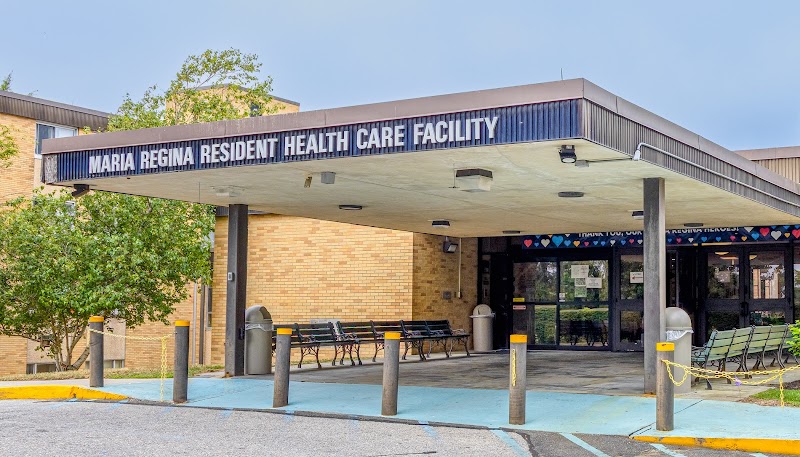
1725 BRENTWOOD ROAD, BRENTWOOD, NY 11717 (631) 273-4500
For profit - Partnership 188 Beds OPTIMA CARE Data: November 2025
Trust Grade
78/100
#198 of 594 in NY
Last Inspection: January 2025

Within standard 12-15 month inspection cycle. Federal law requires annual inspections.

Overview

Maria Regina Rehabilitation and Nursing has a Trust Grade of B, indicating it is a good facility and a solid choice for care. It ranks #198 out of 594 in New York, placing it in the top half of facilities in the state, and #21 out of 41 in Suffolk County, meaning only a few local options are better. Unfortunately, the facility is experiencing a worsening trend, with issues increasing from 4 in 2023 to 9 in 2025. Staffing is a relative strength with a turnover rate of 25%, lower than the state average, but the facility has concerning RN coverage, falling below 83% of state facilities, which could impact care. There have been some troubling incidents noted during inspections, including a lack of timely development of care plans for residents, leading to potential risks, and instances where residents did not receive prescribed oxygen therapy, putting their health at risk. Additionally, medications were found improperly stored, with expired eye drops accessible to a resident. While the facility has strengths in staffing and quality measures, these significant concerns highlight the need for families to carefully consider their options.

Trust Score
B
78/100
In New York
#198/594
Top 33%
Safety Record
Low Risk
No red flags
Inspections
Getting Worse
4 → 9 violations
Staff Stability
✓ Good
25% annual turnover. Excellent stability, 23 points below New York's 48% average. Staff who stay learn residents' needs.
Penalties
⚠ Watch
$8,512 in fines. Higher than 96% of New York facilities. Major compliance failures.
Skilled Nurses
○ Average
Each resident gets 32 minutes of Registered Nurse (RN) attention daily — about average for New York. RNs are the most trained staff who monitor for health changes.
Violations
⚠ Watch
17 deficiencies on record. Higher than average. Multiple issues found across inspections.
★★★★☆
4.0
Overall Rating
★★★☆☆
3.0
Staff Levels
★★★★★
5.0
Care Quality
★★★☆☆
3.0
Inspection Score
Stable
2023: 4 issues
2025: 9 issues

The Good

  • 5-Star Quality Measures · Strong clinical quality outcomes
  • Low Staff Turnover (25%) · Staff stability means consistent care
  • Full Sprinkler Coverage · Fire safety systems throughout facility
  • No fines on record
  • Staff turnover is low (25%)

    23 points below New York average of 48%

Facility shows strength in quality measures, staff retention, fire safety.

The Bad

Federal Fines: $8,512

Below median ($33,413)

Minor penalties assessed

Chain: OPTIMA CARE

Part of a multi-facility chain

Ask about local staffing decisions and management

The Ugly 17 deficiencies on record

Jan 2025 9 deficiencies
CONCERN (D)

Potential for Harm - no one hurt, but risky conditions existed

Deficiency F0554 (Tag F0554)

Could have caused harm · This affected 1 resident

**NOTE- TERMS IN BRACKETS HAVE BEEN EDITED TO PROTECT CONFIDENTIALITY** Based on observations, interviews, and record review during the Recertification Survey initiated on [DATE] and completed on [DAT...

Read full inspector narrative →
**NOTE- TERMS IN BRACKETS HAVE BEEN EDITED TO PROTECT CONFIDENTIALITY** Based on observations, interviews, and record review during the Recertification Survey initiated on [DATE] and completed on [DATE], the facility did not ensure all drugs and biologicals were stored in locked compartments under proper temperature controls. This was identified for one (Resident #31) of four residents reviewed for Vision and Hearing. Specifically, a plastic cup containing two bottles of Refresh Liquigel eye drops and two bottles of Systane Lubricant eye ointment medications were observed on Resident #31's bedside table on [DATE]. The Refresh Liquigel eye drops expiration date was documented as 8/2024 and the resident was observed to self-administer the expired eye drops. The finding is: The facility policy titled Storage of Medication dated 3/2023 documented that drugs shall be stored in an orderly manner in cabinets, drawers, carts, or automatic dispensing systems. Each resident's medications shall be assigned to an individual cubicle, drawer, or other holding area to prevent the possibility of mixing medications of several residents. Compartments containing drugs and biologicals shall be locked when not in use. The facility shall not use discontinued, outdated, or deteriorated drugs or biologicals. Resident #31 was admitted with diagnoses including Dry Eye Syndrome of both eyes and Cataract. The Quarterly Minimum Data Set assessment dated [DATE] documented a Brief Interview for Mental Status score of 15, indicating the resident's cognition was intact. The Minimum Data Set assessment documented the resident had adequate vision and used corrective lenses. A Comprehensive Care Plan titled Sensory Deficit: Visual Deficit dated [DATE] documented interventions including Ophthalmology and Optometry consults as appropriate, encourage the resident to ask for assistance as needed, and maintain eyeglasses. There was no documentation in the resident's medical record of an assessment or a comprehensive care plan to self-administer medications. A Physician's order dated [DATE] last renewed on [DATE] documented to administer Systane Nighttime 95 percent to 3 percent eye ointment to both eyes at bedtime. During an observation and interview on [DATE] at 10:34 AM, Resident #31 was observed lying in bed with their bedside table placed directly in front of the resident. A plastic cup was observed on the bedside table containing four bottles of eye drops including two Refresh Liquigel bottles and two Systane eye ointments. The resident took the Refresh Liquigel eye drops from the cup and self-administered the eye drops to the right eye. The Refresh Liquigel eye drops documented an expiration date of [DATE]. The resident stated the nurses gave them the Refresh Liquigel to self-administer the eye drops. During an interview on [DATE] at 11:09 AM, Licensed Practical #5, the medication nurse, stated they were not aware Resident #31 had a plastic cup with four bottles of eye medications available to them in the room. Licensed Practical Nurse #5 stated the resident did not have a physician's order to self-administer any medication and these medications should not be stored in the resident's room, especially the expired medication. During an interview on [DATE] at 11:14 AM, Licensed Practical Nurse #4 stated Resident #31 should not have had any medications including any expired medication in their room because they do not have a Physician's order to self-administer medication. During an interview on [DATE] at 4:08 PM, the Pharmacist stated that Refresh eye drops should discarded after the manufacturer's expiration date. The Pharmacist stated they do not recommend using any medication past the expiration date because the medication may become less effective. During an interview on [DATE] at 11:22 AM, the Director of Nursing Services stated Resident #31 should not have had any eye drops stored in the resident's room without an evaluation and a physician's order to self-administer the medication. The resident should not have had access to any expired medication. 10 NYCRR 415.18(e)(1-4)
CONCERN (D)

Potential for Harm - no one hurt, but risky conditions existed

Report Alleged Abuse (Tag F0609)

Could have caused harm · This affected 1 resident

**NOTE- TERMS IN BRACKETS HAVE BEEN EDITED TO PROTECT CONFIDENTIALITY** Based on observation, record review, and interviews during the Recertification Survey initiated on 1/21/2025 and completed on 1/...

Read full inspector narrative →
**NOTE- TERMS IN BRACKETS HAVE BEEN EDITED TO PROTECT CONFIDENTIALITY** Based on observation, record review, and interviews during the Recertification Survey initiated on 1/21/2025 and completed on 1/28/2025, the facility did not ensure that injuries of unknown origin were reported by the covered individual including the Certified Nursing Assistants within 24 hours of identifying the injury. This was identified for one (Resident #273) of three residents reviewed for Skin Condition (non-pressure). Specifically, Certified Nursing Assistant #6 did not report a bruise of unknown origin on the back of Resident #273's left forearm when they identified the bruise on 1/18/2025. The finding is: The facility's Abuse Prevention policy dated 10/2022 documented that the facility staff are trained regarding the facility policies related to Abuse Prevention and Reporting at the time of orientation and at least annually thereafter. The orientation and in-service included but were not limited to identifying what constitutes abuse, neglect exploitation, and misappropriation of property, to report injuries of unknown origin, and to whom to make a report including the importance of reporting immediately. The facility's policy entitled Potential for Risk in Skin Integrity Prevention and Treatment last updated on 5/2011 documented the Certified Nursing Assistant was responsible for monitoring the resident's skin during activities of daily living care and reporting any changes in skin integrity immediately to the nurse in charge. Resident #273 was admitted with diagnoses that included Stage III Pressure Ulcer to the left elbow and Repeated Falls. The admission Minimum Data Set assessment dated [DATE] documented a Brief Interview for Mental Status score of 14, which indicated intact cognition. The resident had no behavioral symptoms. The resident used a walker and had no functional limitations to the upper and lower extremities. The resident required partial to moderate assistance for dressing, toilet hygiene and personal hygiene, bed mobility, and transfers including toilet transfers. The resident received nutrition or hydration intervention to manage skin problems. The resident did not receive anticoagulant medications during the lookback period. The admission Skin assessment dated [DATE] had no documentation of discoloration to the resident's left forearm. A Comprehensive Care Plan for Skin Integrity dated 1/2/2025 documented the resident was at risk for skin breakdown related to impaired mobility. Interventions included for the Certified Nursing Assistant to evaluate the resident's skin condition daily during care and to report any skin abnormalities to the nurse. A Review of the Baseline Care Plan dated 1/2/2025 lacked documented evidence of a bruise to the resident's left forearm. During an observation on 1/21/2025 at 2:36 PM, Resident #273 was sitting in their room in a wheelchair at their bedside. The resident was observed with a bruise to the left forearm. During an interview on 1/24/2025 at 2:07 PM, Certified Nursing Assistant #6 stated they usually care for the resident during the night shift (11:00 PM to 7:00 AM) and routinely perform skin checks and inform the nurses if there are any new changes to the resident's skin. Certified Nursing Assistant #6 stated they had seen the bruise on Resident #273's forearm when they worked on the previous weekend 1/18/2025-1/19/2025 overnight night shift. Certified Nursing Assistant #6 stated they did not report the bruise and thought someone already reported it. During an interview on 1/24/2025 at 2:46 PM, Licensed Practical Nurse #6 who was assigned to Resident #273 on the 7:00 AM to 3:00 PM shift stated they have cared for the resident since admission. Licensed Practical Nurse #6 stated they were not aware of the discoloration on the resident's left forearm. Licensed Practical Nurse #6 stated the resident usually wears long-sleeved shirts and they did not receive any report of a bruise on the resident's left forearm. Licensed Practical Nurse #6 stated that it was the Certified Nursing Assistant's responsibility to report any changes in the resident's skin to the nurses. During an interview on 1/24/2025 at 3:42 PM, the Wound Care Registered Nurse stated on 1/3/2025 they evaluated the resident's left elbow stage III pressure ulcer and did not recall the resident having any discoloration to their left forearm. The Wound Care Registered nurse did not notice the discoloration until today, 1/24/2025. During an interview on 1/27/2025 at 2:07 PM, Registered Nurse #4 stated they completed the admission assessment for Resident #273 on 1/2/2025. Registered Nurse #4 stated they completed a head-to-toe assessment and the resident did not have any discoloration or a bruise on their left forearm. Registered Nurse #4 stated when they completed their assessment if they had observed a discoloration on the resident's forearm that they would have documented the bruise in their skin assessment. During an interview on 1/28/2025 at 12:01 PM, the Director of Nursing Services stated that Certified Nursing Assistant #6 should have reported the bruise to the charge nurse or the supervisor. The Director of Nursing Services stated the supervisor should have then initiated an Accident/Incident Report to determine the root cause of the incident. The Director of Nursing Service stated they had initiated an investigation as soon as they were informed on 1/24/2025 and abuse was ruled out. 10 NYCRR 415.4(b)(2)
CONCERN (D)

Potential for Harm - no one hurt, but risky conditions existed

Assessment Accuracy (Tag F0641)

Could have caused harm · This affected 1 resident

**NOTE- TERMS IN BRACKETS HAVE BEEN EDITED TO PROTECT CONFIDENTIALITY** Based on record review and interviews during the Recertification Survey initiated on 1/21/2025 and completed on 1/28/2025, the f...

Read full inspector narrative →
**NOTE- TERMS IN BRACKETS HAVE BEEN EDITED TO PROTECT CONFIDENTIALITY** Based on record review and interviews during the Recertification Survey initiated on 1/21/2025 and completed on 1/28/2025, the facility did not ensure an assessment was completed to reflect the resident's status accurately. This was identified for one (Resident #128) of four residents reviewed for Dementia Care. Specifically, the Quarterly Minimum Data Set assessment for Resident #128 dated 1/6/2025 inaccurately reflected the resident as comatose. The finding is: The facility's policy titled Minimum Data Set Completion Assignment, last reviewed on 10/18/2023 documented that interdisciplinary care team members are assigned to specific Care Area Assessment which they have to document key findings regarding the resident's status based on the triggered care area. The care area assessment summary must be completed at the time of Minimum Data Set completion. The Minimum Data Set Coordinator is responsible for checking the completion of all Minimum Data Set 3.0 assessments. Resident #128 was admitted with diagnoses including Dementia and Depression. The Annual Minimum Data Set assessment dated [DATE] documented under item B0100 the resident's status as comatose. The remaining Section B (Hearing, Speech, and Vision) was left blank due to the resident's comatose status. The 5-day Minimum Data Set assessment dated [DATE] documented under item B0100 the resident as not being comatose in status, with adequate hearing, clear speech, and a Brief Interview for Mental Status score of 5, indicating severe cognitive impairment. A Comprehensive Care Plan titled Cognition, dated 8/20/2024 and last revised on 10/31/2024 documented that the resident was able to make themselves understood. The interventions included monitor for changes in decline in cognitive status and allowing for ample time for the resident to absorb and respond to information provided. A Physician's Order dated 1/16/2025 documented an order for a floor ambulation program, 100 feet with a rolling walker. During an observation on 1/24/2025 at 2:48 PM the resident was sitting at a table in the unit dining room. The resident smiled and waved at the surveyor when greeted. During an interview on 1/24/2025 at 1:16 PM, Social Worker #1, stated they were responsible for completing the Minimum Data Set Assessment Section B (Hearing, Speech, and Vision). Social Worker #1 stated the resident was not comatose when they completed the 1/6/2025 assessment. Social Worker #1 further stated they made an error and documented the resident's status incorrectly under the Hearing, Speech, and Vision section of the Minimum Data Set assessment. During an interview on 1/24/2025 at 1:20 PM, the Minimum Data Set Assessment Coordinator stated the Minimum Data Set assessment dated [DATE] for Resident #128 was incorrect and should not have documented the resident status as comatose. The Minimum Data Set Assessment Coordinator stated this was an error. The Minimum Data Set Assessment Coordinator stated they do not review the Minimum Data Set individual sections for accuracy and only review the booklet for completion. 10 NYCRR 415.11(b)
CONCERN (D)

Potential for Harm - no one hurt, but risky conditions existed

Deficiency F0657 (Tag F0657)

Could have caused harm · This affected 1 resident

Based on observations, record review, and interviews during the Recertification Survey initiated on 1/21/2025 and completed on 1/28/2025, the facility did not ensure comprehensive care plans were revi...

Read full inspector narrative →
Based on observations, record review, and interviews during the Recertification Survey initiated on 1/21/2025 and completed on 1/28/2025, the facility did not ensure comprehensive care plans were reviewed and revised by the interdisciplinary team to reflect each resident's preferences and status after each assessment. This was identified for one (Resident #102) of six residents reviewed for Communication. Specifically, Resident #102 had a Physician's order to use bilateral hearing aides daily. The resident exhibited noncompliance and frequently removed the hearing aids; however, the comprehensive care plan for the hearing deficit was not updated to indicate the resident's behavior. The finding is: The facility's policy titled Care Plans dated 8/2022 documented the plan of care is reviewed on a quarterly and annual basis by the interdisciplinary team and or when the resident has a significant change in condition. Following the Minimum Data Set assessment schedule, the nursing department or designee will ensure that each care plan has been completed and updated within seven days of the end of the lookback period established by the Minimum Data Set schedule. Resident #102 was admitted with diagnoses including Dementia with severe agitation, Anxiety Disorder, and Chronic Obstructive Pulmonary Disease. The Minimum Data Set assessment documented a Brief Interview for Mental Status score of 2, indicating the resident had severely impaired cognition. The Minimum Data Set assessment documented the resident used hearing aids. A Comprehensive Care Plan, titled Hearing Deficit effective 1/09/2025, documented the resident used hearing aids. The interventions included checking for the placement of the hearing aids each shift. A physician's order dated 7/25/2024 last renewed on 1/21/2025 documented to insert bilateral hearing aids every morning, remove at bedtime, and for the 11 PM-7 AM shift to check that the hearing aids were in the treatment cart. The Treatment Administration Record for 1/2025 indicated documented evidence that the nurse placed the hearing aids in Resident #102's ears and removed them at bedtime. During an observation on 1/21/2025 at 10:14 AM, Resident #102 was not able to hear and did not respond to greetings. The resident was not wearing hearing aids in both ears. During a second observation on 1/22/2025 at 10:55 AM, Resident #102 was in their room in their wheelchair, with no hearing aids in their ears. During an interview on 1/24/2025 at 10:37 AM, Licensed Practical Nurse Charge Nurse #2 stated Resident #102 often refused to wear their hearing aids. The resident also had a behavior of removing the hearing aids and Licensed Practical Nurse Charge Nurse #2 did not notify anyone about the resident's behavior. Licensed Practical Nurse Charge Nurse #2 stated that the care plan for Hearing Deficit should have been updated to reflect the resident's behavior and noncompliance. During an interview on 1/27/2025 at 10:50 AM, the Director of Nursing Services stated the comprehensive care plan should have been updated to indicate the resident's refusal to wear or remove the hearing aids. 10 NYCRR 415.11(c)(1)
CONCERN (D)

Potential for Harm - no one hurt, but risky conditions existed

Deficiency F0692 (Tag F0692)

Could have caused harm · This affected 1 resident

**NOTE- TERMS IN BRACKETS HAVE BEEN EDITED TO PROTECT CONFIDENTIALITY** Based on record review and staff interviews during the Recertification Survey initiated on 1/21/2025 and completed on 1/28/2025,...

Read full inspector narrative →
**NOTE- TERMS IN BRACKETS HAVE BEEN EDITED TO PROTECT CONFIDENTIALITY** Based on record review and staff interviews during the Recertification Survey initiated on 1/21/2025 and completed on 1/28/2025, the facility did not ensure that each resident maintained, to the extent possible, acceptable parameters of nutritional and hydration status. This was identified for one (Resident #5) of five residents reviewed for Nutrition. Specifically, Resident #5 had an 8.48% significant weight loss in 90 days, from October 2024 to January 2025, which was not addressed by the Clinical Dietitian. The finding is: The facility's undated policy titled, Weight Monitoring documented, once weights have been recorded in the Electronic Medical Record (EMR), the unit Clinical Dietitian will review the resident's weight status over the specified period of time to identify any residents who have experienced a significant weight change. Significant weight change is defined as 5% weight loss/gain in 30 days, 7.5% weight loss/gain in 90 days, and 10% weight loss/gain in 180 days. Residents experiencing a significant weight change will be referred to their attending Physician by the Clinical Dietitian for further review and interventions. The facility's policy titled, Weight Loss dated 2/2019 documented interventions initiated by the Dietitian will be evaluated for effectiveness when continued declines in weights are identified and evaluation and assessment will be conducted at a minimum if in one month there is a significant (weight) loss of 5% or a severe (weight) loss greater than 5%; in three months there is a significant (weight) loss of 7.5% or a severe (weight) loss greater than 7.5%; in six months there is a significant (weight) loss of 10% or a severe (weight) loss greater than 10%. The Primary Medical Doctor will be notified of any significant weight (loss) and will follow up accordingly. Resident #5 has diagnoses which include Type 2 Diabetes Mellitus and Hypertension. The annual Minimum Data Set (MDS) assessment dated [DATE] documented the resident had a Brief Interview for Mental Status (BIMS) score of 9, which indicated the resident had moderately impaired cognitive skills for daily decision-making. The resident required supervision or touching assistance of one person for eating. The resident's height was 60 inches and they weighed 122 pounds. The resident's Weight Trend documented that on 10/6/2024 the resident weighed 130.9 pounds and on 1/1/2025 the resident weighed 119.8 pounds which indicated an 11.1 pounds or an 8.48% significant weight loss in 90 days or three months. The Physician's Order dated 12/13/2024 and last renewed 1/21/2025 documented the resident's diet as Therapeutic: No Added Salt (NAS), Low Concentrated Sweets (LCS), Low Fat; Consistency: Minced and Moist; Liquids: Thin. A review of the resident's Electronic Medical Record (EMR) on 1/24/2025 at 12:10 PM revealed no documented evidence that the resident's significant weight loss was addressed by the resident's Clinical Dietitian (Clinical Dietitian #1). During an interview on 1/24/2025 at 1:00 PM, Clinical Dietitian #1 stated the Certified Nursing Assistants take the residents' weights and document the weights on a worksheet on the unit. Clinical Dietitian #1 stated it was their (the Dietician's) responsibility to enter the residents' weights into the Electronic Medical Record (EMR). Clinical Dietitian #1 stated according to the facility's policy, if a resident gained or lost 5 pounds in one month, a reweigh is requested to determine the accuracy of the weight. Clinical Dietitian #1 stated they also generate a report of all significant weight losses by using a computer program every month, after the 10 th of the month, when all monthly weights should be obtained. During a subsequent interview on 1/24/2025 at 1:20 PM, Clinical Dietitian #1 stated when they enter a monthly weight into a resident's Electronic Medical Record, they do not look for a 7.5% weight loss in three months, but mainly for a 5% weight loss from month to month. Clinical Dietitian #1 stated all resident weights have to be obtained by the tenth of the month; however, this month they ran the report for this month's weights on 1/22/2025. The report indicated Resident #5 had an 8.48% weight loss in 90 days. Clinical Dietitian #1 stated they did not have the time to write any significant weight loss notes yet for the month of January 2025. Clinical Dietitian #1 stated the notes would be completed before the end of the month. During an interview on 1/24/2025 at 1:50 PM, the Chief Clinical Dietitian stated on the first of every month, Certified Nursing Assistants start to take residents' monthly weights which are usually completed within 5 days and all reweighs have to be done by the tenth of the month. The Chief Clinical Dietitian stated that all Clinical Dietitians are responsible for putting the weights into the Electronic Medical Record. If there is a weight gain or loss of five pounds from one month to the next, a reweigh must be obtained to ensure the accuracy of the weight. The Chief Clinical Dietitian stated a significant weight loss was 5% in one month, 7.5% in three months, and 10% in six months. The Chief Clinical Dietitian stated that Clinical Dietitian #1 may not have been looking for 7.5% weight losses in three months when entering monthly weights into the residents' Electronic Medical Records, but should have. During an interview on 1/27/2025 at 10:10 AM, Licensed Practical Nurse #1, who was the Charge Nurse on Resident #5's unit, stated the Clinical Dietitian reviews all the weights and if they see that a resident had significant weight loss, they inform any Nurse on the unit who then contacts the resident's Primary Physician to inform them of the significant weight loss. Licensed Practical Nurse #1 stated that Clinical Dietitian #1 never told them that the resident had a significant weight loss. Licensed Practical Nurse #1 stated that if they had been informed, they would have contacted the resident's Primary Physician and written a Nursing Progress Note. During an interview on 1/27/2025 at 11:10 AM, the Director of Nursing Services stated the Clinical Dietitians are responsible for identifying significant weight losses and reporting them to the Interdisciplinary Team (Nursing, Social Work, Rehabilitation, and Activities) during the morning report. A Unit Nurse should also be made aware. The nurse should notify the resident's Primary Physician of the significant weight loss to obtain any new orders to address the resident's weight loss, such as ordering blood work or nutritional supplements. 10 NYCRR 415.12(i)(1)
CONCERN (D)

Potential for Harm - no one hurt, but risky conditions existed

Deficiency F0710 (Tag F0710)

Could have caused harm · This affected 1 resident

**NOTE- TERMS IN BRACKETS HAVE BEEN EDITED TO PROTECT CONFIDENTIALITY** Based on record review and staff interviews during the Recertification Survey initiated on 1/21/2025 and completed on 1/28/2025,...

Read full inspector narrative →
**NOTE- TERMS IN BRACKETS HAVE BEEN EDITED TO PROTECT CONFIDENTIALITY** Based on record review and staff interviews during the Recertification Survey initiated on 1/21/2025 and completed on 1/28/2025, the facility did not ensure that the medical care of each resident was supervised by the Physician including monitoring changes in the resident's medical status. This was identified for one (Resident #5) of five residents reviewed for Nutrition. Specifically, Resident #5 had an 8.48% significant weight loss in 90 days, from October 2024 to January 2025, which was not addressed by their Primary Physician. The finding is: The facility's undated policy titled, Weight Monitoring documented, once weights have been recorded in the Electronic Medical Record (EMR), the unit Clinical Dietitian will review the resident's weight status over the specified period of time to identify any residents who have experienced a significant weight change. Significant weight change is defined as 5% weight loss/gain in 30 days, 7.5% weight loss/gain in 90 days, and 10% weight loss/gain in 180 days. Residents experiencing a significant weight change will be referred to their attending Physician by the Clinical Dietitian for further review and interventions. The facility's policy titled, Weight Loss dated 2/2019 documented interventions initiated by the Dietitian will be evaluated for effectiveness when continued declines in weights are identified and evaluation and assessment will be conducted at a minimum if in one month there is a significant (weight) loss of 5% or a severe (weight) loss greater than 5%; in three months there is a significant (weight) loss of 7.5% or a severe (weight) loss greater than 7.5%; in six months there is a significant (weight) loss of 10% or a severe (weight) loss greater than 10%. The Primary Medical Doctor will be notified of any significant weight (loss) and will follow up accordingly. Resident #5 has diagnoses which include Type 2 Diabetes Mellitus and Hypertension. The annual Minimum Data Set (MDS) assessment dated [DATE] documented the resident had a Brief Interview for Mental Status (BIMS) score of 9, which indicated the resident had moderately impaired cognitive skills for daily decision-making. The resident required supervision or touching assistance of one person for eating. The resident's height was 60 inches and they weighed 122 pounds. The resident's Weight Trend documented that on 10/6/2024 the resident weighed 130.9 pounds and on 1/1/2025 the resident weighed 119.8 pounds which indicated an 11.1 pounds or an 8.48% significant weight loss in 90 days or three months. The Physician's Order dated 12/13/2024 and last renewed 1/21/2025 documented the resident's diet as Therapeutic: No Added Salt (NAS), Low Concentrated Sweets (LCS), Low Fat; Consistency: Minced and Moist; Liquids: Thin. The Medical Progress Note dated 1/21/2025 documented that the resident was seen by their Primary Physician (Primary Physician #1) for their monthly visit on 1/18/2025; however, the current eight and change in weight portion of the visit was left blank. During an interview on 1/24/2025 at 1:20 PM, Clinical Dietitian #1 stated when they enter a monthly weight into a resident's Electronic Medical Record, they do not look for a 7.5% weight loss in three months, but mainly for a 5% weight loss from month to month. Clinical Dietitian #1 stated all resident weights have to be obtained by the tenth of the month; however, this month they ran the report for this month's weights on 1/22/2025. The report indicated Resident #5 had an 8.48% weight loss in 90 days. Clinical Dietitian #1 stated they did not have the time to write any significant weight loss notes yet for the month of January 2025. Clinical Dietitian #1 stated the notes would be completed before the end of the month. During an interview on 1/27/2025 at 10:10 AM, Licensed Practical Nurse #1, who was the Charge Nurse on Resident #5's unit, stated the Clinical Dietitian reviews all the weights and if they see that a resident had significant weight loss, they inform any Nurse on the unit who then contacts the resident's Primary Physician to inform them of the significant weight loss. Licensed Practical Nurse #1 stated that Clinical Dietitian #1 never told them that the resident had a significant weight loss. Licensed Practical Nurse #1 stated that if they had been informed, they would have contacted the resident's Primary Physician and written a Nursing Progress Note. During an interview on 1/27/2025 at 10:25 AM, the resident's Primary Physician (Primary Physician #1) stated they should have documented the resident's weight in their monthly review. Primary Physician #1 stated they did not realize they had left the monthly weight review section blank. Primary Physician #1 stated they had only compared this month's weight with the resident's weight from the month before and did not see a significant weight loss. Primary Physician #1 stated that the facility Dietitians and Nurses are pretty good in letting them know if a resident had a significant weight loss, but they were never informed that the resident had an 8.48% significant weight loss from October 2024 to January 2025. During an interview on 1/27/2025 at 10:40 AM, the Medical Director stated, The dietitians are excellent in contacting the Physician about weight loss, but the Primary Physician can also look at the weights [themselves] to see if there have been any significant weight losses. The Medical Director stated that the resident's Primary Physician was supposed to document the resident's weight in their monthly review and if a significant weight loss was identified, interventions such as supplements should be added. The Physician should document the cause of the weight loss. The Medical Director stated that all questions on a monthly visit template absolutely should be answered. 10 NYCRR 415.15(b)(1)(i)(ii)
CONCERN (D) 📢 Someone Reported This

A family member, employee, or ombudsman was alarmed enough to file a formal complaint

Potential for Harm - no one hurt, but risky conditions existed

Deficiency F0725 (Tag F0725)

Could have caused harm · This affected 1 resident

Based on record review and interviews during the Recertification Survey and abbreviated Survey (Complaint # NY 00337758) initiated on 1/21/2025 and completed on 1/28/2025, the facility did not ensure ...

Read full inspector narrative →
Based on record review and interviews during the Recertification Survey and abbreviated Survey (Complaint # NY 00337758) initiated on 1/21/2025 and completed on 1/28/2025, the facility did not ensure sufficient nursing staff were available to provide nursing services to attain or maintain the highest practicable physical, mental, and psychosocial wellbeing for each resident. This was identified for one ( Unit 2 East) of six nursing units during the Sufficient Staffing Task. Specifically, a review of the daily staffing sheets and grievance reports indicated that Unit 2 East did not have sufficient nursing staff available during the weekends to care for residents in March 2024. The finding is: The facility's policy titled Staffing dated 8/2001 documented that the facility will ensure that staff of sufficient size and appropriate qualifications is maintained in order to carry through the policies, programs, and responsibilities of the facility, as well as to provide quality care to its residents. A sufficient number of Registered Nurses and Licensed Practical Nurses will be available for administration of medications and treatments. A sufficient number of Certified Nursing Assistants will be available to meet the healthcare needs of all residents. The Facility Assessment last reviewed on 1/2025 documented the acuity of each unit is determined based on resident diagnoses, assistance required with activities for daily living, and specialized treatments needed. The Facility Assessment documented for census based on 100% occupancy, Unit 2 East would require four Certified Nursing Assistants and two licensed Nurses during the 7:00 AM to 3:00 PM shift. A review of the daily Census reports from 3/3/2024 to 3/31/2024 revealed Unit 2 East had a capacity of 35 beds with a census of: - 34 residents on 3/3/2024, 3/10/2024, and 3/17/2024. - 35 residents on 3/24/2024 and 3/31/2024. A review of the daily staffing sheets from 3/3/2024 to 3/31/2024 for Unit 2 East during the 7:00 AM to 3:00 PM shift revealed the following: - Two Licensed Practical Nurses and three Certified Nursing Assistants were scheduled on 3/3/2024; however, the Facility Assessment documented a need for four Certified Nursing Assistants. - One Licensed Practical Nurse and three Certified Nursing Assistants were scheduled on 3/24/2024; however, the Facility Assessment documented a need for two Licensed Nurses and four Certified Nursing Assistants. - One Licensed Practical Nurse and two Certified Nursing Assistants were scheduled on 3/10/2024, 3/17/2024, and 3/31/2024; however, the Facility Assessment documented a need for two Licensed Nurses and four Certified Nursing Assistants. A grievance report dated 3/19/2024 filed by a family member of a resident, who was discharged on 11/18/2024, documented that on 3/10/2024 and 3/17/2024, Unit 2 East had only two Certified Nursing Assistants to assist the residents during the 7:00 AM to 3:00 PM shift. In response to the grievance, the 7:00 AM to 3:00 PM Nurse Supervisor was educated on how to staff the unit for the callouts. The response also documented that the facility actively recruited new nursing staff, and corrective disciplinary measures were implemented for employees with excessive callouts. A review of Resident Council minutes for October, November, and December 2024 revealed there were no staffing complaints from the residents. During the Resident Council meeting on 1/21/2025 at 2:00 PM, 10 of 10 residents who attended the meeting presently had no complaints related to staffing. During an interview on 1/23/2025 at 11:07 AM, the Administrator stated they were newly hired at the facility back in early 2024 and at that time nurse staffing was low. The Administrator stated since then they hired new staff. The Administrator stated they also educated the Weekend Nurse Supervisors to adjust work assignments and call in additional staff to cover callouts. The Administrator provided a list of newly hired staff and stated they have hired over 100 new employees since March 2024. During an interview on 1/24/2025 at 10:31 AM, Certified Nursing Assistant #1 stated Unit 2 East used to be short-staffed with just two Certified Nursing Assistants assigned to the unit. Certified Nursing Assistant #1 stated currently, the unit has four Certified Nursing Assistants and sometimes five. Certified Nursing Assistant #1 stated when there were just two Certified Nursing Assistants in the Unit, they asked the nurse to help get the assigned residents up and dressed. During an interview on 1/24/2025 at 10:35 AM, Licensed Practical Nurse Charge Nurse #2 stated there used to be just two or three Certified Nursing Assistants on Unit 2 East during the 7:00 AM to 3:00 PM shift. Licensed Practical Nurse Charge Nurse #2 stated Unit 2 now has four or five Certified Nurse Assistants during the 7:00 AM to 3:00 PM shift. During an interview on 1/27/2025 at 8:22 AM, Certified Nursing Assistant #2 stated when there are two Certified Nursing Assistants, they would prioritize the residents who like to be out of bed early and the remaining residents would stay in bed longer. Certified Nursing Assistant #2 stated they would have to wait until the other Certified Nursing Assistant or the Nurse was free to provide care that required two-person assistance. During an interview on 1/27/2025 at 8:52 AM, the Staffing Coordinator stated each unit should have at least four Certified Nursing Assistants during the 7:00 AM to 3:00 PM shift. The Staffing Coordinator stated that they are not available on the weekends and it is up to the nursing supervisors to adjust the assignments and find additional nursing staff to cover a shift as needed. During an interview on 1/27/2025 at 10:58 AM, the Director of Nursing Services stated they were aware the facility was understaffed in March 2024. The Director of Nursing Services stated that the Administrator hired more nursing staff since March 2024. The facility is partnered with nursing schools to hire new staff. Based on the following corrective actions taken, there was sufficient evidence that the facility corrected the noncompliance and was in substantial compliance at the time of this survey for this specific regulatory requirement. -A review of the staffing sheets from October 2024 to December 2024 and from 1/21/2025 to 1/28/2025 indicated sufficient nursing staff were available to care for the resident. -A review of Resident Council minutes for October, November, and December 2024 revealed there were no staffing complaints from the residents. -The facility presented evidence of 100 newly hired staff which included nursing staff since March 2024 and hired sufficient staff by August 2024. -Interview with Resident Council members on 1/21/2025 confirmed improved staffing and staff responses to resident needs. -Interview with facility staff indicated improved staffing levels since March 2024. -During the survey frequent observations and review of the facility staffing level indicated compliance with F725. 10 NYCRR 483.35(a)(1)(2)
CONCERN (D)

Potential for Harm - no one hurt, but risky conditions existed

Deficiency F0761 (Tag F0761)

Could have caused harm · This affected 1 resident

**NOTE- TERMS IN BRACKETS HAVE BEEN EDITED TO PROTECT CONFIDENTIALITY** Based on observations, interviews, and record review during the Recertification Survey initiated on [DATE] and completed on [DAT...

Read full inspector narrative →
**NOTE- TERMS IN BRACKETS HAVE BEEN EDITED TO PROTECT CONFIDENTIALITY** Based on observations, interviews, and record review during the Recertification Survey initiated on [DATE] and completed on [DATE], the facility did not ensure all drugs and biologicals were stored in locked compartments under proper temperature controls. This was identified for one (Resident #31) of four residents reviewed for Vision and Hearing. Specifically, a plastic cup containing two bottles of Refresh Liquigel eye drops and two bottles of Systane Lubricant eye ointment medications were observed on Resident #31's bedside table on [DATE]. The Refresh Liquigel eye drops expiration date was documented as 8/2024 and the resident was observed to self-administer the expired eye drops. The finding is: The facility policy titled Storage of Medication dated 3/2023 documented that drugs shall be stored in an orderly manner in cabinets, drawers, carts, or automatic dispensing systems. Each resident's medications shall be assigned to an individual cubicle, drawer, or other holding area to prevent the possibility of mixing medications of several residents. Compartments containing drugs and biologicals shall be locked when not in use. The facility shall not use discontinued, outdated, or deteriorated drugs or biologicals. Resident #31 was admitted with diagnoses including Dry Eye Syndrome of both eyes and Cataract. The Quarterly Minimum Data Set assessment dated [DATE] documented a Brief Interview for Mental Status score of 15, indicating the resident's cognition was intact. The Minimum Data Set assessment documented the resident had adequate vision and used corrective lenses. A Comprehensive Care Plan titled Sensory Deficit: Visual Deficit dated [DATE] documented interventions including Ophthalmology and Optometry consults as appropriate, encourage the resident to ask for assistance as needed, and maintain eyeglasses. There was no documentation in the resident's medical record of an assessment or a comprehensive care plan to self-administer medications. A Physician's order dated [DATE] last renewed on [DATE] documented to administer Systane Nighttime 95 percent to 3 percent eye ointment to both eyes at bedtime. During an observation and interview on [DATE] at 10:34 AM, Resident #31 was observed lying in bed with their bedside table placed directly in front of the resident. A plastic cup was observed on the bedside table containing four bottles of eye drops including two Refresh Liquigel bottles and two Systane eye ointments. The resident took the Refresh Liquigel eye drops from the cup and self-administered the eye drops to the right eye. The Refresh Liquigel eye drops documented an expiration date of [DATE]. The resident stated the nurses gave them the Refresh Liquigel to self-administer the eye drops. During an interview on [DATE] at 11:09 AM, Licensed Practical #5, the medication nurse, stated they were not aware Resident #31 had a plastic cup with four bottles of eye medications available to them in the room. Licensed Practical Nurse #5 stated the resident did not have a physician's order to self-administer any medication and these medications should not be stored in the resident's room, especially the expired medication. During an interview on [DATE] at 11:14 AM, Licensed Practical Nurse #4 stated Resident #31 should not have had any medications including any expired medication in their room because they do not have a Physician's order to self-administer medication. During an interview on [DATE] at 4:08 PM, the Pharmacist stated that Refresh eye drops should discarded after the manufacturer's expiration date. The Pharmacist stated they do not recommend using any medication past the expiration date because the medication may become less effective. During an interview on [DATE] at 11:22 AM, the Director of Nursing Services stated Resident #31 should not have had any eye drops stored in the resident's room without an evaluation and a physician's order to self-administer the medication. The resident should not have had access to any expired medication. 10 NYCRR 415.18(e)(1-4)
CONCERN (E) 📢 Someone Reported This

A family member, employee, or ombudsman was alarmed enough to file a formal complaint

Potential for Harm - no one hurt, but risky conditions existed

Comprehensive Care Plan (Tag F0656)

Could have caused harm · This affected multiple residents

**NOTE- TERMS IN BRACKETS HAVE BEEN EDITED TO PROTECT CONFIDENTIALITY** Based on observations, record review, and interviews during the Recertification Survey initiated on 1/21/2025 and completed on 1...

Read full inspector narrative →
**NOTE- TERMS IN BRACKETS HAVE BEEN EDITED TO PROTECT CONFIDENTIALITY** Based on observations, record review, and interviews during the Recertification Survey initiated on 1/21/2025 and completed on 1/28/2025, the facility did not ensure that a person-centered care plan for each resident that includes measurable objectives and timeframes to meet the resident's current medical and nursing needs was developed in a timely manner. This was identified for one (Resident #272) of two residents reviewed for Antibiotic use; for one (Resident #3) of two residents reviewed for Activities of Daily Living; and for one (Resident #19) of one resident reviewed for Respiratory Care. Specifically, 1) Resident #272 was readmitted to the facility on [DATE] with a Peripherally Inserted Central Catheter line to the Right Upper Arm; however, there was no care plan developed for the use and care of the Peripherally Inserted Central Catheter line until 1/24/2025, 7 days after admission. 2) Resident #3 had a Comprehensive Care Plan developed for Activities of Daily Living including Mobility, Ambulation, Transfers, Dressing, Grooming, Feeding, Bathing, Toileting, and Personal Hygiene. The Comprehensive Care Plan was not completed and did not include goals or interventions. 3) Resident #19 had a Comprehensive Care Plan titled Noncompliance, Impaired Judgement that did not document any goals or interventions. The findings are: The facility's policy titled Care Plans dated 8/2022 documented each resident will have care plans in place that reflect the resident's individual needs. Each resident's care plan will reflect person-centered care and include resident choices, preferences, goals, concerns/needs. The care plan should describe the services and care that is to be furnished to attain, maintain, or improve the resident's highest practicable physical, mental, and psychosocial well-being. The nursing department or designee will ensure that each care plan has been completed and updated. 1) Resident #272 was admitted with diagnoses that included Septicemia, Bacteremia, and Pneumonia. The admission Minimum Data Set assessment dated [DATE] documented a Brief Interview for Mental Status score of 14, which indicated the resident had intact cognition. The Minimum Data Set documented the resident received intravenous medications including antibiotics while being a resident. A Nursing progress note dated 1/17/2025 documented the resident was readmitted with a Peripherally Inserted Central Catheter line to the right upper extremity. A Physician's order dated 1/17/2025 documented the Registered Nurse to Assess the Peripherally Inserted Central Catheter site to the right hand for signs and symptoms of infection and infiltration (accidental leakage of non-vesicant solutions out of the vein into the surrounding tissue) every shift. A Physician's order dated 1/20/2025 documented the Registered Nurse is to flush the Peripherally Inserted Central Catheter with 10 cubic centimeters of Normal Saline every shift. A Comprehensive Care Plan dated 1/24/2025 was developed seven days after the Physician's order for the Peripherally Inserted Central Catheter Line Care Management. The care plan documented the resident has a Peripherally Inserted Central Catheter Line and was at risk for developing complications, infections, and impaired patency. Interventions included to flush the Peripherally Inserted Central Catheter line as per protocol or the Physician's order to maintain patency of the line, to change the dressing weekly using an aseptic technique, and to monitor the site for any abnormal findings. During an interview on 1/28/25 at 1:26 PM, Registered Nurse #2 stated they had completed the admission assessment for Resident #272 and should have initiated a care plan for the use and care of the Peripherally Inserted Central Catheter line; however, if they (Registered Nurse #2) had missed initiating the care plan, then the nursing supervisors on the next shift should have initiated the care plan. During an interview on 1/28/25 at 11:52 AM, the Director of Nursing Service stated that a care plan should be initiated within 48 hours for residents who were admitted with a Peripherally Inserted Central Catheter line. 2) Resident #3 was admitted with diagnoses including Major Depressive Disorder, Hypertension, and Osteoporosis. The Quarterly Minimum Data Set assessment dated [DATE] documented a Brief Interview for Mental Status score of 15, indicating the resident was cognitively intact. The Minimum Data Set assessment documented the resident required maximum assistance (the helper does more than half the effort) for dressing. The resident was dependent on two or more staff members for transfer from the bed to the chair. The Comprehensive Care Plan titled Activities for Daily Living: Mobility, Ambulation, Transfers dated 8/12/2024 documented no goals or interventions for the care plan. The Comprehensive Care Plan titled Activities for Daily Living: Dressing, Grooming, Feeding, Bathing, Toileting, and Personal Hygiene dated 8/12/2024 documented no goals or interventions for the care plan. During an interview on 1/24/2025 at 10:35 AM, Licensed Practical Nurse Charge Nurse #2 stated the resident's care plans should be reviewed quarterly and as needed to ensure that the care plans are complete and the interventions are resident-centered. Licensed Practical Nurse Charge Nurse #2 stated they did not know why Resident #3's activity of daily living care plans were not completed with goals and interventions. During an interview on 1/24/2025 at 3:43 PM, the Minimum Data Set Coordinator stated they were responsible for initiating the resident care plans upon admission. In August 2024, the facility changed the Electronic Medical Record System, and other staff were assisting with updating the care plans. The Minimum Data Set Coordinator stated the resident had a quarterly care plan meeting held in October 2024 and the interdisciplinary team should have identified that the resident's care plans for activities of daily living were not complete and had no goals and interventions. During an interview on 1/24/2025 at 4:03 PM, the Director of Social Work stated during the care plan meetings, the interdisciplinary team ensures that the care plans are complete and have resident-centered goals and interventions. Resident #3's care plans should have been reviewed during the October 2024 quarterly care plan meeting. During an interview on 1/27/2025 at 10:56 AM, the Director of Nursing Services stated they expected the Care Plan for each resident to be timely, accurate, and complete. 3) The facility's Policy titled Oxygen dated 9/2021 documented that when a resident declines to have oxygen therapy as ordered, the licensed nurse must ensure the resident has a care plan for noncompliance. Resident #19 was admitted with diagnoses including Chronic Obstructive Pulmonary Disease and Acute and Chronic Respiratory Failure. The Annual Minimum Data Set assessment dated [DATE] documented a Brief Interview for Mental Status score of 5, indicating the resident had severe cognitive impairment. The Minimum Data Set assessment documented the resident received oxygen therapy. A Comprehensive Care Plan titled Noncompliance, Impaired Judgement dated 11/19/2024 documented that the resident removes their oxygen tubing and self-ambulates when supervision is indicated; however, the care plan did not document any goals or interventions. A Physician's Order dated 7/26/2024 last renewed on 1/21/2025 documented to administer oxygen continuously via a nasal cannula at a rate of 2 liters per minute. During an observation on 1/21/2025 at 3:26 PM, Resident #19 was observed sitting in a wheelchair inside their room. An oxygen concentrator was observed next to the resident and was running at a rate of 2 liters per minute. The resident was not receiving oxygen therapy and the nasal cannula was observed on top of the oxygen concentrator next to the resident. During an interview on 1/24/2025 at 10:07 AM, Licensed Practical Nurse #4, the charge nurse, stated Registered Nurses initiate care plans and Licensed Practical Nurses can update the care plans. Licensed Practical Nurse #4 stated a comprehensive care plan should include goals and interventions. Resident #19's care plan for noncompliance was not completed and should have included goals and interventions. Licensed Practical Nurse #4 did not know the reason Resident #19's care plan was not completed. During an interview on 1/24/2025 at 10:34 AM, Registered Nurse #1, the nursing supervisor, stated they did not know why goals or interventions were not included in the noncompliance care plan for Resident #19. A comprehensive care plan should include goals and interventions and without them, a comprehensive care plan would be incomplete. Registered Nurse #1 stated the nursing staff were ultimately responsible for ensuring a resident's care plan was completed. During an interview on 1/27/2025 at 1:22 PM, the Director of Social Work stated there were multiple care plans that the Social Work department was responsible for and a Social Worker may initiate a care plan for a resident's noncompliance with care or treatment. The Director of Social Work stated they initiated the care plan for Resident #19's noncompliance with oxygen use. They stated they were responsible for completing the care plan and they did not know why they did not document any goals or interventions; it was an error on their part. During an interview conducted on 1/28/2025 at 11:31 AM, the Director of Nursing Services stated the noncompliance care plan for Resident #19 should have documented goals and interventions. The Social Worker who initiated the care plan probably forgot to include goals and interventions in haste and the care plan was left incomplete. 10 NYCRR 415.11(c)(1)
Sept 2023 4 deficiencies
CONCERN (D) 📢 Someone Reported This

A family member, employee, or ombudsman was alarmed enough to file a formal complaint

Potential for Harm - no one hurt, but risky conditions existed

Deficiency F0658 (Tag F0658)

Could have caused harm · This affected 1 resident

**NOTE- TERMS IN BRACKETS HAVE BEEN EDITED TO PROTECT CONFIDENTIALITY** 2) The facility's Change in Resident's Condition policy and procedure last revised 2/2019 documented that all staff are to repor...

Read full inspector narrative →
**NOTE- TERMS IN BRACKETS HAVE BEEN EDITED TO PROTECT CONFIDENTIALITY** 2) The facility's Change in Resident's Condition policy and procedure last revised 2/2019 documented that all staff are to report changes in resident status to the unit nurse. Licensed nurses are to take vital signs and evaluate change from resident baseline, to notify Nurse Manager/Supervisor and Physician, and to document all assessments/observations and actions in the medical record. Resident #142 was admitted with diagnoses that included Osteoporosis, Left Ulna (wrist) Fracture, and Left Ankle and Foot Bone Density Disorder. The admission Minimum Data Set (MDS) assessment dated [DATE] documented the resident's Brief Interview for Mental Status (BIMS) score was 7 which indicated the resident had moderately impaired cognition. The Pain Comprehensive Care plan (CCP) dated 5/8/2023 documented the resident has potential for pain. Interventions include but were not limited to administer and monitor for effectiveness and for possible side effects from routine pain medication and/or PRN pain medication. The facility's Event Report (Accident/Incident Report) dated 6/3/2023 documented the resident was noted with left wrist redness and swelling with a pain scale of six out of ten which indicated moderate pain. Licensed Practical Nurse (LPN) #1's written statement in the Incident/Accident Statement dated 6/5/2023 documented that on 6/1/2023 the resident's family member reported to LPN #1 that the resident had some swelling on their hand. LPN #1 told [the] another nurse on the unit but did not remember which nurse they (LPN #1) told. LPN #2's written statement in the Incident/Accident Statement dated 6/5/2023 documented that on Friday 6/2/2023 they (LPN #2) were notified by the resident's family member that the resident complained of pain to the left hand. LPN #2 wrote that the resident denied pain and was okay. LPN #2 observed both hands and wrists and did not notice any redness or swelling. The Nursing Unit Manager's written statement in the Incident/Accident form dated 6/5/2023 documented that they were on duty on 6/1/2023. It was not reported to them (Unit Manager) that Resident #142 complained of pain or that the wrist or hand were swollen. The facility's Incident/Accident Investigation completed on 6/8/2023 documented that based on staff interviews and statements obtained, Resident #142's family member had reported to LPN #1 on 6/1/2023 and LPN #2 on 6/2/2023 respectively that Resident #142's left wrist was red and swollen. LPN #1 stated that Resident #142's wrist appeared swollen, and they told the other nurse (name not recalled). A review of the progress notes from 6/1/2023-6/2/2023 indicated there was no documented evidence of a nurse's note that included an assessment and or monitoring of the resident's swollen wrist on 6/1/2023 or 6/2/2023. A review of the 24-hour report from 6/1/2023-6/2/2023 indicated no documentation related to identification and or monitoring of the resident's swollen wrist. The Radiology report dated 6/3/2023 documented a fracture of the left Ulnar Styloid Process (wrist fracture). The June 2023 Medication Administration Record documented Acetaminophen (pain medication-Tylenol) 500 milligrams tablet, was administered on 6/1/2023 at 2:55 PM by LPN #1 for pain to the left wrist. The pain scale was documented as 3 out of 10. PRN follow up result was documented to be effective. LPN # 1 was interviewed on 9/22/2023 at 3:54 PM and stated they were notified by Resident #142's family member on 6/1/2023 regarding the resident's swollen hand. LPN #1 stated that they did not recall the resident reported of any pain or swelling to their (resident #142) wrist prior to this day. LPN #1 stated that they checked the hand and noticed some swelling; they asked the resident if they felt pain; and checked the doctor's order for an as needed (PRN) pain medication. LPN #1 stated they administered pain medication to Resident #142 because of the reported pain. LPN #1 stated that they did not recall which nurse they had informed about Resident #142. LPN #1 stated they should have document the occurrence in the progress note and thought that they did. LPN #2, who was assigned on the same unit as LPN #1 during the day shift on 6/1/2023 and also worked in the evening shift on 6/2/2023, was interviewed on 9/22/2023 at 1:21PM. LPN #2 stated that they were not made aware by anyone, including LPN #1, during their shift on 6/1/2023 that Resident #142's hand was swollen. LPN #2 stated that if they were aware, they would have looked at the resident and notified the nurse if they saw anything. LPN #2 stated that they first heard about the redness and swelling of the resident's wrist when a family member of Resident #142 informed them (LPN #2) on 6/2/2023. LPN #2 stated that they (LPN #2) went to check the resident's hand. LPN #2 stated that Certified Nursing Assistant (CNA) #2 was present when they observed and interviewed the resident. LPN #2 stated they observed no redness or swelling on the resident's bilateral hands and the resident denied any pain or discomfort. LPN #2 stated that the resident was able to wash their (Resident #142) hands by themselves without any issue. LPN #2 stated they did not notify anyone or document the occurrence because no negative finding was identified. The Director of Nursing Services (DNS) was interviewed on 9/25/2023 at 1:41 PM and stated that when the injury of unknown origin of Resident #142's left wrist was reported on 6/3/2023, they (DNS) initiated an investigation and interviewed LPN #1. The DNS stated that they were not aware prior to staff interviews and statement collection that LPN #1 had identified swelling of Resident #142's hand on 6/1/2023. The DNS stated that LPN #1 told a nurse but did not recall the nurse's name. The DNS stated that they interviewed LPN #2 and the RN unit manager who were on duty on 6/1/2023. Both nurses stated that LPN #1 did not notify them about Resident #142 during the shift. The DNS stated that they expected LPN #1 would report Resident #142's hand swelling to an RN because the RN needed to assess the resident and notify the Physician if needed. The DNS stated that the swelling should have been documented in the progress note on 6/1/2023 so the resident's condition can be monitored. The DNS stated that all licensed nurses were educated on reporting abnormal findings. 10 NYCRR 415.11(c)(3)(i) Based on observations, record review and staff interviews conducted during the Recertification and Abbreviated Survey (NY 00317788) initiated on 9/18/2023 and completed on 9/25/2023, the facility did not ensure that services provided by the facility meet professional standards of quality. This was identified on 1) one (1 East) of four nursing units during the medication administration task and 2) one (Resident # 142) of five residents reviewed for accidents. Specifically, on 9/19/2023 Licensed Practical Nurse (LPN) #6 administered Vitamin B-1 to Resident #126 without checking the expiration date on the bottle. The Vitamin B-1 bottle had an expiration date of 8/2023. 2) On 6/1/2023 LPN #1 did not notify the nursing supervisor or a Physician regarding a change in condition for Resident #142 who was identified with a painful swollen hand. The findings are: 1) The facility's Storage and Maintenance of Medication policy dated 12/07 documented medication should be checked regularly for expiration dates and deterioration. Expired medications are removed from use and destroyed. Resident # 126 has diagnoses that include Hypertension, Vitamin B12 Deficiency Anemia, and Vitamin deficiency. The Minimum Data Set (MDS) assessment dated [DATE] documented the resident's Brief Interview for Mental Status (BIMS) score was 9 which indicated the resident had moderately impaired cognition. The Physician's orders dated 8/30/2023 included Thiamine (Vitamin B1) Hydrochloride (HCl) tablet; 100 milligrams (mg) orally once a day at 9:00 AM. LPN # 6 was observed on 9/19/2023 at 10:25 AM administering medications to Resident # 126. LPN #6 did not check the expiration date on the Vitamin supplement bottles prior to administering the supplements to the resident. The supplements included Vitamin B1 100 mg one tablet, Vitamin B12- 1000 micrograms (mcg) one tablet and Preservision (supplement used for the eyes) one tablet. The medication cart was inspected after the medication administration. The Vitamin B1 stock bottle was observed with an expiration date of 8/2023. LPN # 6 was interviewed on 9/19/2023 at 10:35 AM and stated they forgot to check the expiration date of the Vitamin bottles. LPN # 6 stated they should check for expiration of medications before administration of medications. The Director of Nursing Services (DNS) was interviewed on 9/19/2023 at 3:45 PM and stated the Nurse should check for expiration dates prior to administration of any physician ordered medication or supplements.
CONCERN (D) 📢 Someone Reported This

A family member, employee, or ombudsman was alarmed enough to file a formal complaint

Potential for Harm - no one hurt, but risky conditions existed

Deficiency F0726 (Tag F0726)

Could have caused harm · This affected 1 resident

**NOTE- TERMS IN BRACKETS HAVE BEEN EDITED TO PROTECT CONFIDENTIALITY** Based on observation, record review, and interviews during the Recertification Survey and the Abbreviated Survey (Complaint # NY...

Read full inspector narrative →
**NOTE- TERMS IN BRACKETS HAVE BEEN EDITED TO PROTECT CONFIDENTIALITY** Based on observation, record review, and interviews during the Recertification Survey and the Abbreviated Survey (Complaint # NY 00316441) initiated on 9/18/2023 and completed on 9/25/2023, the facility did not ensure that nurse's aides were able to demonstrate competency in skills and techniques necessary to care for resident needs. This was identified for one (Resident #141) of five residents reviewed for accidents. Specifically, on 5/10/2023 Certified Nursing Assistant (CNA) #9 repositioned the resident without utilizing the assistance of two staff members as per the resident's plan of care. Additionally, CNA #9 did not turn the room lights on when they (CNA #9) repositioned the resident. Subsequently, Resident #141 was identified with a laceration to the back of the head. The finding is: The Certified Nursing Assistant (CNA) Assignment Accountability Record policy and procedure revised on 3/9/2021 documented that at the start of each shift, the licensed nurses will provide CNAs a verbal report on the care needs of the residents and any detailed specifics of care needs. Prior to providing care to the resident, the CNAs are required to review the resident's plan of care as outlined in the CNA Assignment Accountability Record. Resident #141 was admitted with diagnoses that included Closed Pubic (pelvis) Fracture, and Traumatic Hematoma (blood collected and pooled under the skin) of the Left Hip. A Quarterly Minimum Data Set (MDS) assessment dated [DATE] documented the resident had short and long-term memory problems. The resident had no behavioral symptoms and required extensive assistance of two staff members for bed mobility and transfer; and extensive assistance of one staff member for toileting. The MDS indicated the resident was non-ambulatory. The Comprehensive Care Plan (CCP) for activities of daily living (ADLs) dated 2/5/2019 last updated on 3/31/2023 documented the resident had a Self-Care Deficit. Interventions included to utilize extensive assistance of two staff members for bed mobility. The Accident/Incident Investigation dated 5/10/23 documented at 11:05 PM during rounds at the beginning of the shift CNA #9 found Resident #141 lying across the bed with their upper body resting against the U-Bar close to the entrance door with their head hanging downward. The resident was holding onto the metal frame of the bed frame at the bottom of the bed with both hands tightly clutched. The light in the room was off at the time and CNA #9 raised the bed up and moved the resident in bed to a vertical position with a pillow under the resident's head. The Report documented that CNA #9 noticed that the resident had feces all over them and went out of the room to get a linen cart and to notify the Registered Nurse (RN) Supervisor. CNA #9 then returned to the room; turned on the light; and noticed blood on the resident's pillow. RN #2, the Nursing Supervisor's, written statement documented on 5/10/2023 at 11:11 PM an injury of unknown origin for Resident #141 was reported to them. Upon assessment, the resident was in bed bleeding from the back of their head. CNA #9 was in the resident's room during the assessment and told the RN that they (CNA #9) found the resident hanging off the bed and the resident was bleeding. The Accident/Incident Investigation Summary dated 5/16/2023 documented on 5/10/2023 at approximately 11:05 PM CNA #9 found Resident #141 lying horizontally in bed in a prone position bleeding from the back of their head. Upon assessment by Registered Nurse (RN) #2, there was a deep laceration approximately 2 centimeters (cm) to 3 cm long with a moderate amount of bleeding on the back of the resident's head. The resident was awake and responsive to pain with usual confusion. The bed was in a low position, bolster pillow (positioning pillows) and a floor mat were in place. The U-Bar (a device used in bed in place of the side rail) was seen right next to the resident's head. The Physician was called and ordered the resident to be transported to the hospital. The investigative summary concluded that there was insufficient information or evidence to conclude if abuse, mistreatment, or neglect occurred. The Director of Nursing (DNS) was interviewed on 9/20/23 at 10:40 AM and stated that they conducted the investigation related to the incident and asked CNA #9 to re-enact the incident. The DNS stated that they believe that the resident most likely hit their head while CNA #9 was repositioning the resident. CNA #9, who was assigned to Resident #141 on 5/10/2023 on the 11:00 - 7:00 AM shift, was interviewed on 9/21/2023 at 9:22 AM. CNA #9 stated on 5/10/2023 they started their shift at 11:00 PM and before receiving the report from the nurse they made their rounds. When they got to Resident #141's room, the room lights were off and they (CNA #9) observed Resident #141 laying across the bed. The resident's head was towards the door and their feet were towards the window. CNA #9 stated that the resident was holding the U-Bar with both of their hands and their (Resident #141) head was hanging down. CNA #9 stated that their first instinct was to straighten the resident into a safe position as the resident looked like they were going to fall off the bed. CNA #9 stated without turning on the lights, they released the resident's hands from the U-Bar, raised the bed, and moved the resident. CNA #9 stated that the resident was still asleep during this time. CNA #9 stated that they did not know why they did not turn the lights on. CNA #9 stated that they did not have difficulty seeing when they were positioning the resident in bed. CNA #9 stated to their knowledge the resident's head did not come in contact with any hard surfaces while they were positioning the resident. CNA #9 stated when they were repositioning the resident they saw that the resident's nightgown, brief, and bed sheets were soiled with feces; however, there was no blood observed. A subsequent interview with CNA #9 was conducted on 9/22/2023 at 6:57 AM. CNA #9 stated that after they repositioned the resident in the bed they called CNA #8 for assistance and turned the resident's room lights on. CNA #9 stated during care when they turned the resident over, they observed blood on the resident's pillow; however did not know where the bleeding was coming from. CNA #9 stated they then called the Nursing Supervisor. CNA #9 stated that they did not call for assistance when they first moved the resident in bed because their first instinct was to reposition the resident in the center of the bed. CNA #9 stated they should have called for assistance to move the resident and should not have repositioned the resident by themselves. RN #2 was interviewed on 9/21/2023 at 11:42 AM and stated that on 5/10/2023 they received a call from CNA #9 a few minutes after 11:00 PM informing them that the resident was climbing out of bed. CNA #9 told them that when CNA #9 re-positioned the resident back into the bed they (CNA #9) saw that the resident was bleeding. RN #2 stated when they assessed the resident the wound to the back of the head was fresh and was still actively bleeding. The RN stated that CNA #9 reported the resident was laying horizontal in the bed with their feet on the window side and the head on the door side. RN #2 stated that CNA #9 did not report to them that they were working in the dark. RN #2 stated that CNA #9 should not have moved the resident especially not knowing what the injuries were. A subsequent interview with the DNS was conducted on 9/25/2023 at 1:49 PM. The DNS stated that CNA #9 should not have moved the resident by themselves. The DNS further stated that CNA #9 should have stayed with the resident and should have called for assistance. 10 NYCRR 415.26(c)(1)(iv)
CONCERN (D)

Potential for Harm - no one hurt, but risky conditions existed

Deficiency F0761 (Tag F0761)

Could have caused harm · This affected 1 resident

**NOTE- TERMS IN BRACKETS HAVE BEEN EDITED TO PROTECT CONFIDENTIALITY** Based on observation, interviews, and record review conducted during the Recertification Survey initiated on [DATE] and complete...

Read full inspector narrative →
**NOTE- TERMS IN BRACKETS HAVE BEEN EDITED TO PROTECT CONFIDENTIALITY** Based on observation, interviews, and record review conducted during the Recertification Survey initiated on [DATE] and completed on [DATE] the facility did not ensure that drugs and biologicals are labeled in accordance with currently accepted professional standards and include the expiration date when applicable. This was identified on one (1 East) of four nursing units during the medication administration observation task. Specifically, on [DATE] Licensed Practical Nurse (LPN) #6 administered Vitamin B-1 to Resident #126 without checking for the expiration date on the bottle. The Vitamin B-1 bottle had an expiration date of 8/2023. The finding is: The facility's policy for Storage and Maintenance of Medications dated 12/07 documented medication should be checked regularly for expiration dates and deterioration. Expired (outdated) medications are removed from use and destroyed. Resident # 126 has diagnoses that include Hypertension, Vitamin B12 Deficiency Anemia, and Vitamin deficiency. The Minimum Data Set (MDS) assessment dated [DATE] documented the resident's Brief Interview for Mental Status (BIMS) score was 9 which indicated the resident had moderately impaired cognition. The Physician's orders dated [DATE] included Thiamine (Vitamin B1) Hydrochloride (HCl) tablet; 100 milligrams (mg) orally once a day at 9:00 AM. LPN # 6 was observed on [DATE] at 10:25 AM administering medications to Resident # 126. LPN #6 did not check the expiration date on the Vitamin supplement bottles prior to administering the supplements to the resident. The supplements included Vitamin B1 100 mg one tablet, Vitamin B12- 1000 micrograms (mcg) one tablet and Preservision (supplement used for the eyes) one tablet. The medication cart was inspected after the medication administration. The Vitamin B1 stock bottle was observed with an expiration date of 8/2023. LPN # 6 was interviewed on [DATE] at 10:35 AM and stated they forgot to check the expiration date of the Vitamin bottles. LPN # 6 stated they should check for expiration of medications before administration of medications. The Director of Nursing Services (DNS) was interviewed on [DATE] at 3:45 PM and stated the Nurse should check for expiration dates prior to administration of any physician ordered medication or supplements. The Consulting Pharmacist #1 was interviewed on [DATE] at 11:00 AM and stated the medications are checked monthly for expiration dates. This was done on [DATE]. The Vitamin was not expired in [DATE] and was not pulled. It should have been removed from the unit prior to [DATE]. Consultant Pharmacist #1 stated that as per the manufacturer, the efficacy of the Vitamin diminishes after the expiration date. 10 NYCRR 415.18(e)(1-4)
CONCERN (E)

Potential for Harm - no one hurt, but risky conditions existed

Respiratory Care (Tag F0695)

Could have caused harm · This affected multiple residents

**NOTE- TERMS IN BRACKETS HAVE BEEN EDITED TO PROTECT CONFIDENTIALITY** Based on observations, record review, and staff interviews during the Recertification Survey initiated on 9/18/2023 and complete...

Read full inspector narrative →
**NOTE- TERMS IN BRACKETS HAVE BEEN EDITED TO PROTECT CONFIDENTIALITY** Based on observations, record review, and staff interviews during the Recertification Survey initiated on 9/18/2023 and completed on 9/25/2023, the facility did not ensure that a resident who needs respiratory care is provided such care, consistent with professional standards of practice. This was identified for three (Resident #59, Resident #84, and Resident #118) of four residents reviewed for Oxygen use. Specifically, on 9/18/2023 Resident #59, Resident #84, and Resident #118 were observed on two different occasions not receiving Oxygen therapy as prescribed by the Physician. The findings are: The facility's policy for Oxygen Administration last revised in September 2021, documented the Physician will order Oxygen therapy stating the specific flow rate, diagnosis related to the need for therapy, and type of delivery device (nasal cannula, mask, venti mask [mask that delivers controlled oxygen concentration]). The Licensed nurse will adjust the oxygen flow level according to the Physician's order and each shift will verify the flow rate and ensure proper use of the delivery device. 1) Resident #59 was admitted with diagnoses that included Congestive Heart Failure and Pulmonary Edema. The Annual Minimum Data Set assessment dated [DATE] documented the resident's Brief Interview for Mental Status (BIMS) score was 5 which indicated the resident had severely impaired cognition. The resident had no behavioral symptoms and required extensive assistance of one staff member for bed mobility, and transfer. The MDS documented the resident did not receive oxygen within the last 14 days prior to this assessment. A Comprehensive Care Plan (CCP) dated 9/16/2023 titled, Upper Respiratory Infection (URI), documented a diagnosis of Pulmonary Edema, and interventions included but were not limited to administering Oxygen therapy as per the Physician's order. A Physician's order dated 9/16/2023 documented to administer Oxygen at 2 to 4 liters per minute via nasal cannula (NC), as needed (PRN) to maintain Oxygen saturation of 92% or above. Resident #59 was observed on 9/18/2023 at 11:14 AM sleeping in bed. The resident was receiving Oxygen therapy from an Oxygen concentrator via a nasal cannula at 5 liters per minute. During a subsequent observation on 9/18/2023 at 1:50 PM Resident #59 was observed in their room receiving Oxygen therapy via nasal cannula at 5 liters per minute from an Oxygen concentrator. Resident #59 was awake and responsive to greetings. An observation of Resident #59's room was conducted with Licensed Practical Nurse (LPN) #3 on 9/18/2023 at 2:05 PM. The resident was utilizing the Oxygen via nasal cannula. The source of oxygen was the Oxygen concentrator and the Oxygen flow meter was set at 5 liters per minute. LPN #3, who was the unit charge nurse, was interviewed immediately after the observation on 9/18/2023 at 2:05 PM. After checking Resident #59's Physician's orders LPN #3 stated that the resident should be receiving 2-4 liters of Oxygen as per their Physician's orders. A subsequent interview was conducted with LPN #3 on 9/22/2023 at 3:24 PM. LPN #3 stated that they were the assigned nurse for Resident #59 and were responsible for checking the resident's Oxygen saturation and checking the Physician's order to ensure that the resident was receiving Oxygen as prescribed by the Physician. LPN #3 stated that on 9/18/2023 they checked the resident during the initial rounds and the resident's Oxygen concentrator flow rate was set at 5 liters per minute. LPN #3 stated that they were not aware of Resident #59's Physician's orders regarding the Oxygen flow rate and at that time they did not check the orders to ensure the Oxygen was being administered as ordered. LPN #3 further stated that Oxygen should be administered as ordered by the Physician. The Director of Nursing Services (DNS) was interviewed on 9/25/2023 at 8:52 AM and stated that the nurses are responsible for ensuring that the Oxygen concentrator flow rate is set at the rate ordered by the Physician. The DNS stated that the nurses are not allowed to change the Oxygen level without informing the Physician. The DNS further stated the expectation is that the resident should receive Oxygen as per their Physician's orders. 2) Resident # 84 was admitted with diagnoses that included Chronic Obstructive Pulmonary Disease with Shortness of Breath and Congestive Heart Disease. The Annual Minimum Data Set (MDS) assessment dated [DATE] documented the Brief Interview for Mental Status (BIMS) score of 6 which indicated the resident had severely impaired cognition. The resident had no behavioral symptoms and required extensive assistance of two staff members for bed mobility and transfers. The MDS documented the resident received oxygen therapy within the last 14 days prior to this assessment. A CCP dated 3/13/2020 and last updated 7/1/2023 documented that the resident has the potential for difficulty breathing related to Chronic Obstructive Pulmonary Disease with Shortness of Breath when lying flat and Congestive Heart Failure. Interventions included encouraging the use of Oxygen at hours of sleep; administering and monitoring the effectiveness of treatments and medications; monitoring changes in the development of signs and symptoms of breathing difficulty, and reporting to the physician. A Physician's order dated 9/16/2023 documented to administer Oxygen at 3 liters per minute as needed (PRN). Resident # 84 was observed on 9/18/2023 at 11:30 AM in their room laying in bed. The resident was awake and responded to the greeting. The resident was receiving Oxygen therapy via nasal cannula. The Oxygen flow rate on the Oxygen concentrator was set at 5 liters per minute. During a subsequent observation on 9/18/2023 at 1:53 PM Resident #84 was again observed receiving Oxygen at 5 liters per minute via nasal cannula through the Oxygen concentrator. Resident #84 was observed on 9/18/2023 at 1:53 PM. Licensed Practical Nurse (LPN) #3 was present in the resident's room during the observation. The resident was utilizing the Oxygen via nasal cannula. The source of oxygen was the Oxygen concentrator and the Oxygen flow meter was set at 5 liters per minute. Registered Nurse (RN) #1, Nursing Supervisor, was interviewed on 9/22/2023 at 3:45 PM and stated the medication nurse was responsible for checking the resident's Oxygen to ensure the Oxygen was being administered as prescribed by the Physician. RN #1 further stated that the resident should receive Oxygen as prescribed by the Physician. Licensed Practical Nurse (LPN) #4 was Interviewed on 9/22/2023 at 4:09 PM and stated that they were the assigned nurse for Resident #84 on 9/18/2023 and were responsible for checking the concentrator flow meter to ensure the Oxygen was being administered as prescribed by the Physician at the start of their shift. LPN #4 stated that in the morning when they checked Resident #84's Oxygen, the resident was receiving Oxygen at 3 liters per minute as per the doctor's orders. LPN #4 stated that they should have checked the Oxygen flow rate when they administered medication, treatment, or any other care to the resident. LPN #4 stated that they had forgotten to complete a follow-up monitoring of the resident's Oxygen to ensure Oxygen was being administered as per the Physician's order. The Director of Nursing Services (DNS) was interviewed on 9/25/2023 at 8:52 AM and stated that the nurses are responsible for ensuring that the Oxygen concentrator flow rate is set at the rate ordered by the Physician. The DNS stated that the nurses are not allowed to change the Oxygen level without informing the Physician. The DNS further stated the expectation is that the resident should receive Oxygen as per their Physician's orders. Physician #1 was interviewed on 9/25/2023 at 12:29 PM. and stated that the resident should receive Oxygen as per their Physician's orders. The Physician stated if there were no changes in the resident's condition then the Oxygen should be administered at the rate ordered by the Physician. 3) Resident #118 was admitted with diagnoses that included Chronic Respiratory Failure with Hypoxia (low Oxygen level) and Hypertension. A Quarterly Minimum Data Set (MDS) assessment dated [DATE] documented the resident had short and long-term memory problems. The resident had no behavior problems and required extensive assistance of two staff members for bed mobility, and total assistance of two staff members for transfers. The MDS documented the resident received Oxygen therapy within the last 14 days prior to this assessment. A Comprehensive Care Plan (CCP) for Pulmonary Disease and Breathing Difficulty dated 5/17/2022 and last updated 7/22/2023 documented interventions to administer and monitor the effectiveness of treatments and medications such as Oxygen therapy and Nebulizer treatments. A Physician's order dated 3/29/2023 and last reviewed 9/19/2023 documented to administer Oxygen via nasal cannula at 1.5 liters per minute for diagnosis of Respiratory Failure and Hypoxia every shift. Resident #118 was observed on 9/18/2023 at 11:40 AM lying in bed receiving Oxygen via nasal cannula at 3.5 liters per minute. During a subsequent observation of Resident #118 on 9/18/2023 at 1:58 PM the resident was observed in their room laying in bed receiving Oxygen via a nasal cannula at 3.5 liters per minute. Certified Nursing Assistant (CNA) #6 was interviewed on 9/22/2023 at 10:31 AM and stated that the resident was on Oxygen and when they showered and dressed the resident, they removed the nasal cannula and replaced the nasal cannula as soon as they had completed the task. CNA #6 stated that they were only responsible for checking to see that the Oxygen concentrator was turned on and that the resident was wearing the nasal cannula. CNA #6 stated that it was not their responsibility to adjust the flow rate on the Oxygen concentrator. CNA #6 stated that the resident would not be able to adjust the flow rate of the Oxygen on the Oxygen concentrator themselves. Licensed Practical Nurse (LPN) #4 was Interviewed on 9/22/2023 at 4:09 PM and stated that at the start of the shift they were responsible for checking the concentrator flow meter window to ensure the Oxygen was being administered as prescribed by the Physician. LPN #4 stated that they did not check the flow meter window on the Oxygen concentrator for Resident #118 at the start of their shift or during medication administration. LPN #4 stated that they forgot to check the resident's Oxygen to ensure the resident was being administered Oxygen as prescribed by the Physician. Registered Nurse (RN) #1, Nursing Supervisor, was interviewed on 9/22/2023 at 3:45 PM and stated the medication nurse was responsible for checking the resident's Oxygen to ensure the Oxygen was being administered as prescribed by the Physician. RN #1 further stated that the resident should receive Oxygen as prescribed by the Physician. The Director of Nursing Services (DNS) was interviewed on 9/25/2023 at 8:52 AM and stated that the nurses are responsible for ensuring that the Oxygen concentrator flow rate is set at the rate ordered by the Physician. The DNS stated that the nurses are not allowed to change the Oxygen level without informing the Physician. The DNS further stated the expectation is that the resident should receive Oxygen as per their Physician's orders. The Medical Director, who was the resident's assigned Physician, was interviewed on 9/25/2023 at 11:01 AM. The Medical Director stated that Resident #118 was on comfort measures and Oxygen was ordered to alleviate symptoms of shortness of breath. The Medical Director stated that the expectation was for the resident to receive Oxygen as per their Physician's order. The Medical Director stated the nurses are expected to notify the Physician when the ordered Oxygen flow rate does not meet the resident's Oxygen saturation parameter and a change in the resident's condition is identified. 10 NYCRR 415.12
Sept 2021 4 deficiencies
CONCERN (D)

Potential for Harm - no one hurt, but risky conditions existed

Assessment Accuracy (Tag F0641)

Could have caused harm · This affected 1 resident

**NOTE- TERMS IN BRACKETS HAVE BEEN EDITED TO PROTECT CONFIDENTIALITY** Based on observations, record review, and staff interviews during the Recertification Survey completed on 9/13/2021, the facilit...

Read full inspector narrative →
**NOTE- TERMS IN BRACKETS HAVE BEEN EDITED TO PROTECT CONFIDENTIALITY** Based on observations, record review, and staff interviews during the Recertification Survey completed on 9/13/2021, the facility did not ensure that each resident's assessment accurately reflected the resident's status. This was identified for 1 (Resident #87) of 2 residents reviewed for Respiratory care. Specifically, Resident #87 had a current Physician's Order, initiated on 9/18/2020, to administer Oxygen (O2) via nasal cannula continuously. The Minimum Data Set (MDS) assessments dated 6/18/2021 and 7/28/2021 did not include oxygen therapy under Section O (Special Treatments, Procedures, and Programs). The finding is: Resident #87 was admitted with diagnoses including Congestive Heart Failure, Anemia, and Chronic Obstructive Pulmonary Disease. The Quarterly MDS assessment dated [DATE] documented the resident had a Brief Interview for Mental Status (BIMS) score of 12 which indicated the resident had moderately impaired cognition. The Physician's Order, initiated on 9/18/2020 and most recently renewed on 8/10/2021, documented to administer O2 continuously via a nasal cannula at 2 liters per minute. The Comprehensive Care Plan (CCP) for Pulmonary Disease and Breathing Difficulty related to COPD and CHF, which was initiated on 11/10/2018 and last updated on 8/11/2021, documented to administer and monitor the effectiveness of oxygen therapy. The Quarterly Minimum Data Set (MDS) Assessments dated 6/18/2021 and 7/28/2021 did not document that the resident received oxygen therapy in Section O. The Registered Nurse (RN) #5 was interviewed on 9/9/2021 at 11:00 AM and stated they (RN #5) completed Section O in the MDS for the assessments dated 6/18/2021 and 7/28/2021. RN #5 stated that oxygen therapy should have been documented in the 6/18/2021 and 7/28/2021 MDS assessments but was unknowingly omitted. The Director of Nursing Services (DNS) was interviewed on 9/9/2021 at 1:54 PM and stated that the oxygen treatment should have been identified in the MDS assessments. 415.11(b)
CONCERN (D)

Potential for Harm - no one hurt, but risky conditions existed

Deficiency F0685 (Tag F0685)

Could have caused harm · This affected 1 resident

Based on observations, record review and interviews conducted during the Recertification Survey completed on 9/13/2021, the facility did not ensure that residents received proper treatment to maintain...

Read full inspector narrative →
Based on observations, record review and interviews conducted during the Recertification Survey completed on 9/13/2021, the facility did not ensure that residents received proper treatment to maintain vision for 1 (Resident #116) of 4 residents reviewed for vision. Specifically, Resident #116 was recommended to continue Timolol (eye drops) by the Ophthalmologist on 7/20/2021. Timolol was not administered to Resident #116 after 8/3/2021 as recommended by the Ophthalmologist. The finding is: The Medical Consultation Policy dated 12/20 documented: Residents of this Facility will have consultation services provided in accordance with Physician's plan of care and physician's order. The physician will address the consult as indicated i.e., new orders per consult. Resident #116 was admitted with diagnoses including Glaucoma. The Quarterly Minimum Data Set (MDS) assessment completed on 3/23/2021 documented the resident had a Brief Interview for Mental Status (BIMS) score of 14 which indicated the resident had intact cognition. The MDS documented the resident had impaired vision and did not utilize corrective lenses. The Physician's monthly orders dated 7/14/2021 documented to administer Timolol 1 drop to the left eye twice a day (BID) for Glaucoma. The Comprehensive Care Plan (CCP) for Glaucoma dated 6/14/2021 documented interventions including Ophthalmology consult as needed. An Ophthalmologist consult dated 7/20/2021, signed by the attending physician, documented a recommendation to administer Timolol 1 drop to left eye BID. The Medication Administration Record for August 2021 documented Timolol was not administered to Resident #116 after 8/3/2021. The Monthly Physician's orders dated 8/18/2021 did not include Timolol. Resident #116 was observed on 9/07/2021 at 11:02 AM with left eye redness and drainage. The resident stated that they (Resident #116) came to the facility with vision problems and the facility staff just stopped all the eye medications without giving the resident a reason. Resident #116 stated that they (Resident #116) had pain and eye discharge coming from the left eye. The Registered Nurse (RN) Charge Nurse #1 was interviewed on 9/9/2021 at 10:00 AM and stated that the last Ophthalmologist consult for Resident #116 was completed on 7/20/2021 with recommendations to discontinue (D/C) all eye drops, but to continue Timolol to the left eye. RN #1 further stated that they (RN#1) did not know why Timolol eye drops were stopped on 8/3/2021. The attending Physician (MD) was interviewed on 9/10/21 at 10:42 AM and stated Timolol should not have been stopped. The MD further stated if they knew Timolol was not being administered to the resident as per the Ophthalmologist's recommendations the MD would have addressed the issue. The Ophthalmologist was interviewed on 9/10/2021 at 10:54 AM and stated that the Ophthalmologist saw Resident #116 on 7/20/2021 and recommended to administer Timolol eye drops to the left eye twice a day for Glaucoma with no stop date until the next appointment with the Ophthalmologist. The Ophthalmologist stated stopping the medication will cause increased eye pressure and possibly cause vision loss. The resident had a laser procedure to the left eye in July to decrease their eye pressure to prevent vision loss. The Director of Nursing Services (DNS) was interviewed on 9/13/2021 at 11 AM and stated the medication (Timolol) should not have been discontinued. 415.12(3)(b)
CONCERN (D)

Potential for Harm - no one hurt, but risky conditions existed

Respiratory Care (Tag F0695)

Could have caused harm · This affected 1 resident

**NOTE- TERMS IN BRACKETS HAVE BEEN EDITED TO PROTECT CONFIDENTIALITY** Based on observations, record review, and staff interviews during the Recertification Survey completed on 9/13/2021, the facilit...

Read full inspector narrative →
**NOTE- TERMS IN BRACKETS HAVE BEEN EDITED TO PROTECT CONFIDENTIALITY** Based on observations, record review, and staff interviews during the Recertification Survey completed on 9/13/2021, the facility did not ensure that a resident who needs respiratory care is provided such care, consistent with professional standards of practice, the comprehensive person-centered care plan, and the residents' goals. This was identified for 1 (Resident #87) of 2 residents reviewed for Respiratory care. Specifically, Resident #87 had a Physician's Order to continuously administer Oxygen (O2) via nasal cannula. On two separate occasions Resident #87 was observed not utilizing a nasal cannula and did not receive O2 as ordered by the Physician. The finding is: Resident #87 was admitted with diagnoses including Congestive Heart Failure, Anemia, AND Chronic Obstructive Pulmonary Disease. The Quarterly Minimum Data Set (MDS) assessment dated [DATE] documented the resident had a Brief Interview for Mental Status (BIMS) score of 12 which indicated the resident had moderately impaired cognition. The Physician's Order, initiated on 9/18/2020 and most recently renewed on 8/10/2021, documented to administer O2 continuously via a nasal cannula at 2 liters per minute (LPM). The Comprehensive Care Plan (CCP) for Pulmonary Disease and Breathing Difficulty related to COPD and CHF, which was initiated on 11/10/2018 and last updated on 8/11/2021, documented to administer and monitor the effectiveness of oxygen therapy. Resident #87 was observed sitting in a wheelchair in the resident's room with an oxygen concentrator operating however, the nasal cannula was not applied to the resident's nostrils on 9/7/2021 at 11:12 AM and at 2:00 PM. During both observations the O2 concentrator was set at 2 LPM. The resident appeared lethargic and was not responsive to verbal cues when approached on both occasions. The Treatment Administration Record dated 9/7/2021 documented that oxygen 2 liters per minute was administered continuously as per the Physician's orders. The Registered Nurse (RN)# 6, Unit Charge Nurse, was interviewed on 9/7/2021 at 2:05 PM. RN #6 stated that the resident should be receiving O2 via nasal cannula continuously. RN #6 stated that it was their responsibility to check on the resident, but RN #6 did not get the chance to check on the resident yet today due to being busy with other residents. RN #6 stated they (RN #6) were not aware that the resident was not receiving oxygen via nasal cannula as ordered by the physician. RN #6 stated that it was the Certified Nursing Assistant (CNA)s responsibility to ensure that the resident's O2 remained attached to the resident when the resident was taken out of bed in the morning. An interview with the assigned CNA (#1) was conducted on 9/7/2021 at 2:15 PM. CNA #1 stated they (CNA #1) were not aware that the resident's nasal cannula was detached from the resident and the resident was not receiving oxygen. CNA #1 stated that the oxygen was attached to the resident when CNA #1 took the resident out of bed in the morning. CNA #1 stated that both the CNAs and nurses are responsible to ensure the resident's oxygen is administered. CNA #1 stated the resident is known to remove the nasal cannula. A review of the medical record for the period of 9/7/2020-9/6/2021 revealed no documented history of the resident making attempts to remove the nasal cannula or interfering with the oxygen therapy. The Director of Nursing Services (DNS) was interviewed on 9/9/2021 at 1:54 PM. The DNS stated that the resident did not have a history of removing the nasal cannula and that the nasal cannula should have been attached to the resident to provide oxygen therapy. 415.12(k)(6)
CONCERN (D)

Potential for Harm - no one hurt, but risky conditions existed

Deficiency F0711 (Tag F0711)

Could have caused harm · This affected 1 resident

Based on observation, record review, and staff interviews during the Recertification Survey completed on 9/13/2021, the facility did not ensure that the physician reviewed the resident's total program...

Read full inspector narrative →
Based on observation, record review, and staff interviews during the Recertification Survey completed on 9/13/2021, the facility did not ensure that the physician reviewed the resident's total program of care, including Medications and treatment at each visit for one (Resident # 116) of 4 residents reviewed for vision. Specifically, Resident #116 was recommended to continue Timolol (eye drops) by the ophthalmologist. Timolol was not administered to Resident #116. The attending Physician signed the ophthalmologist consult which recommended to continue Timolol, however, the Physician did not ensure the medication was reordered after it was stopped on 8/3/2021. The finding is: The Medical Consultation Policy dated 12/20 documented: Residents of this Facility will have consultation services provided in accordance with Physician's plan of care and physician's order. The nurse will transcribe the order and note same in the medical record. The physician will address the consult as indicated i.e., new orders per consult. All consults will be signed by the Physician and filed in the medical record. Resident #116 was admitted with diagnoses including Glaucoma. The Quarterly Minimum Data Set (MDS) assessment completed on 3/23/2021 documented the resident had a Brief Interview for Mental Status (BIMS) score of 14 which indicated the resident had intact cognition. The MDS documented the resident had impaired vision and did not utilize corrective lenses. The Physician's monthly orders dated 7/14/2021 documented to administer Timolol 1 drop to the left eye twice a day (BID) for Glaucoma. The Comprehensive Care Plan (CCP) for Glaucoma dated 6/14/2021 documented interventions including Ophthalmology consult as needed. An Ophthalmologist consult dated 7/20/2021, signed by the attending physician, documented a recommendation to administer Timolol 1 drop to left eye BID. The Medication Administration Record for August 2021 documented Timolol was not administered to Resident #116 after 8/3/2021. The Monthly Physician's orders dated 8/18/2021 did not include Timolol. Resident #116 was observed on 9/07/2021 at 11:02 AM with left eye redness and drainage. The resident stated that they (Resident #116) came to the facility with vision problems and the facility staff just stopped all the eye medications without giving the resident a reason. Resident #116 stated that they (Resident #116) had pain and eye discharge coming from the left eye. The Registered Nurse (RN) Charge Nurse #1 was interviewed on 9/9/2021 at 10:00 AM and stated that the last Ophthalmologist consult for Resident #116 was completed on 7/20/2021 with recommendations to discontinue (D/C) all eye drops, but to continue Timolol to the left eye. RN #1 further stated that they (RN#1) did not know why Timolol eye drops were stopped on 8/3/2021. The attending Physician (MD) was interviewed on 9/10/21 at 10:42 AM and stated the MD was not made aware the medication Timolol was stopped. The MD stated that the MD follows the Ophthalmologist recommendations, and that Timolol should not have been stopped. The Physician also stated they review the resident's medications monthly and did not notice that Timolol was discontinued. The MD further stated if they knew Timolol was not being administered to the resident as per the Ophthalmologist's recommendations the MD would have addressed the issue. The Ophthalmologist was interviewed on 9/10/2021 at 10:54 AM and stated that the Ophthalmologist saw Resident #116 on 7/20/2021 and recommended to administer Timolol eye drops to the left eye twice a day for Glaucoma with no stop date until the next appointment with the Ophthalmologist. The Ophthalmologist stated stopping the medication will cause increased eye pressure and possibly cause vision loss. The resident had a laser procedure to the left eye in July to decrease their eye pressure to prevent vision loss. The Ophthalmologist expected to be notified when the resident's eye drops were stopped, however no one notified them (The Ophthalmologist) that Timolol was stopped for Resident #116. The Director of Nursing Services (DNS) was interviewed on 9/13/2021 at 11 AM and stated the medication (Timolol) should not have been discontinued. 415.15(b)(2)(iii)
Understanding Severity Codes (click to expand)
Life-Threatening (Immediate Jeopardy)
J - Isolated K - Pattern L - Widespread
Actual Harm
G - Isolated H - Pattern I - Widespread
Potential for Harm
D - Isolated E - Pattern F - Widespread
No Harm (Minor)
A - Isolated B - Pattern C - Widespread

Questions to Ask on Your Visit

  • "Can I speak with families of current residents?"
  • "What's your RN coverage like on weekends and overnight?"

Our Honest Assessment

Strengths
  • • No major safety red flags. No abuse findings, life-threatening violations, or SFF status.
  • • 25% annual turnover. Excellent stability, 23 points below New York's 48% average. Staff who stay learn residents' needs.
Concerns
  • • 17 deficiencies on record. Higher than average. Multiple issues found across inspections.
Bottom line: Generally positive indicators. Standard due diligence and a personal visit recommended.

About This Facility

What is Maria Regina Rehabilitation And Nursing's CMS Rating?

CMS assigns MARIA REGINA REHABILITATION AND NURSING an overall rating of 4 out of 5 stars, which is considered above average nationally. Within New York, this rating places the facility higher than 99% of the state's 100 nursing homes. This rating reflects solid performance across the metrics CMS uses to evaluate nursing home quality.
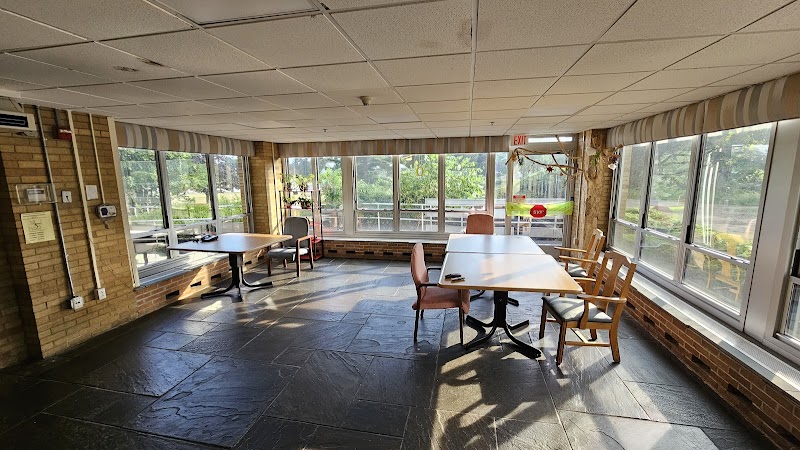
How is Maria Regina Rehabilitation And Nursing Staffed?

CMS rates MARIA REGINA REHABILITATION AND NURSING's staffing level at 3 out of 5 stars, which is average compared to other nursing homes. Staff turnover is 25%, compared to the New York average of 46%. This relatively stable workforce can support continuity of care.

What Have Inspectors Found at Maria Regina Rehabilitation And Nursing?

State health inspectors documented 17 deficiencies at MARIA REGINA REHABILITATION AND NURSING during 2021 to 2025. These included: 17 with potential for harm.

Who Owns and Operates Maria Regina Rehabilitation And Nursing?

MARIA REGINA REHABILITATION AND NURSING is owned by a for-profit company. For-profit facilities operate as businesses with obligations to shareholders or private owners. The facility is operated by OPTIMA CARE, a chain that manages multiple nursing homes. With 188 certified beds and approximately 171 residents (about 91% occupancy), it is a mid-sized facility located in BRENTWOOD, New York.

How Does Maria Regina Rehabilitation And Nursing Compare to Other New York Nursing Homes?

Compared to the 100 nursing homes in New York, MARIA REGINA REHABILITATION AND NURSING's overall rating (4 stars) is above the state average of 3.1, staff turnover (25%) is significantly lower than the state average of 46%, and health inspection rating (3 stars) is at the national benchmark.

What Should Families Ask When Visiting Maria Regina Rehabilitation And Nursing?

Based on this facility's data, families visiting should ask: "Can I visit during a mealtime to observe dining assistance and food quality?" "How do you handle medical emergencies, and what is your hospital transfer rate?" "Can I speak with family members of current residents about their experience?"

Is Maria Regina Rehabilitation And Nursing Safe?

Based on CMS inspection data, MARIA REGINA REHABILITATION AND NURSING has a clean safety record: no substantiated abuse findings (meaning no confirmed cases of resident harm), no Immediate Jeopardy citations (the most serious violation level indicating risk of serious injury or death), and is not on the Special Focus Facility watch list (a federal program monitoring the lowest-performing 1% of nursing homes). The facility has a 4-star overall rating and ranks #1 of 100 nursing homes in New York. While no facility is perfect, families should still ask about staff-to-resident ratios and recent inspection results during their visit.

Do Nurses at Maria Regina Rehabilitation And Nursing Stick Around?

Staff at MARIA REGINA REHABILITATION AND NURSING tend to stick around. With a turnover rate of 25%, the facility is 21 percentage points below the New York average of 46%. Low turnover is a positive sign. It means caregivers have time to learn each resident's needs, medications, and personal preferences. Consistent staff also notice subtle changes in a resident's condition more quickly.

Was Maria Regina Rehabilitation And Nursing Ever Fined?

MARIA REGINA REHABILITATION AND NURSING has been fined $8,512 across 1 penalty action. This is below the New York average of $33,164. While any fine indicates a compliance issue, fines under $50,000 are relatively common and typically reflect isolated problems that were subsequently corrected. Families should ask what specific issues led to these fines and confirm they've been resolved.

Is Maria Regina Rehabilitation And Nursing on Any Federal Watch List?

MARIA REGINA REHABILITATION AND NURSING is not on any federal watch list. The most significant is the Special Focus Facility (SFF) program, which identifies the bottom 1% of nursing homes nationally based on persistent, serious quality problems. Not being on this list means the facility has avoided the pattern of deficiencies that triggers enhanced federal oversight. This is a positive indicator, though families should still review the facility's inspection history directly.