ROSS CENTER FOR NURSING AND REHABILITATION
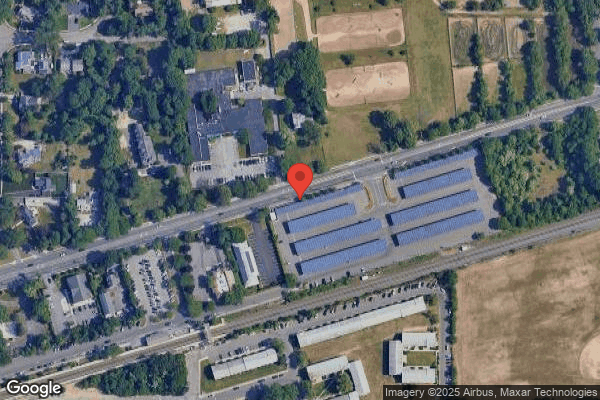
839 SUFFOLK AVENUE, BRENTWOOD, NY 11717 (631) 273-4700
For profit - Limited Liability company 135 Beds Independent Data: November 2025
Trust Grade
53/100
#441 of 594 in NY
Last Inspection: November 2024

Within standard 12-15 month inspection cycle. Federal law requires annual inspections.

Overview

The Ross Center for Nursing and Rehabilitation has a Trust Grade of C, meaning it is average and falls in the middle of the pack among nursing homes. It ranks #441 out of 594 facilities in New York, placing it in the bottom half, and is #35 out of 41 in Suffolk County, suggesting only a few local options are better. The facility is improving, with issues decreasing from 10 in 2024 to just 2 in 2025. Staffing is a relative strength, rated 3 out of 5 stars with a low turnover rate of 29%, which is better than the state average. However, there have been concerns, including residents reporting that their rooms were too cold and that hot meals were served cold, indicating issues with comfort and food service.

Trust Score
C
53/100
In New York
#441/594
Bottom 26%
Safety Record
Low Risk
No red flags
Inspections
Getting Better
10 → 2 violations
Staff Stability
✓ Good
29% annual turnover. Excellent stability, 19 points below New York's 48% average. Staff who stay learn residents' needs.
Penalties
✓ Good
No fines on record. Clean compliance history, better than most New York facilities.
Skilled Nurses
○ Average
Each resident gets 32 minutes of Registered Nurse (RN) attention daily — about average for New York. RNs are the most trained staff who monitor for health changes.
Violations
⚠ Watch
22 deficiencies on record. Higher than average. Multiple issues found across inspections.
★★☆☆☆
2.0
Overall Rating
★★★☆☆
3.0
Staff Levels
★★★★☆
4.0
Care Quality
★★☆☆☆
2.0
Inspection Score
Stable
2024: 10 issues
2025: 2 issues

The Good

  • 4-Star Quality Measures · Strong clinical quality outcomes
  • Low Staff Turnover (29%) · Staff stability means consistent care
  • Full Sprinkler Coverage · Fire safety systems throughout facility
  • No fines on record
  • Staff turnover is low (29%)

    19 points below New York average of 48%

Facility shows strength in quality measures, staff retention, fire safety.

The Bad

2-Star Overall Rating

Below New York average (3.1)

Below average - review inspection findings carefully

The Ugly 22 deficiencies on record

Jan 2025 2 deficiencies
CONCERN (E) 📢 Someone Reported This

A family member, employee, or ombudsman was alarmed enough to file a formal complaint

Potential for Harm - no one hurt, but risky conditions existed

Safe Environment (Tag F0584)

Could have caused harm · This affected multiple residents

Based on observations, record review, and staff interviews during the Abbreviated Survey case #NY00368340 and initiated on 1/15/2025, the facility did not ensure that residents have the right to a saf...

Read full inspector narrative →
Based on observations, record review, and staff interviews during the Abbreviated Survey case #NY00368340 and initiated on 1/15/2025, the facility did not ensure that residents have the right to a safe, clean comfortable and homelike environment, including but not limited to receiving treatment and supports for daily living safely, including that the physical layout of the facility maximizes resident independence and does not create a safety risk. This was identified for 8 of 18 residents reviewed for Quality of Care. Specifically, a complaint was received reporting that the East unit of the facility was freezing cold affecting all the residents on that unit. The finding is: The facility's policy titled; 'Cold Weather Emergency' updated 1/16/2025 documented under Plan A Residents are to be checked and temperatures are to be taken immediately on all residents. All rooms are to have adequate supply of blankets. If temperatures are below 70 degrees Fahrenheit resident's temperatures will be taken every four hours. An observation tour was conducted on 1/15/2025 at 10:45 AM on the East and [NAME] unit. Multiple residents were observed in their beds, some residents were covering with four blankets. Electrical space heaters were noted in 5 resident's room. Residents were sitting in the hallway wearing thick robes, sweatshirts with hoods on their heads. During an interview with Resident #8 on 1/15/2025 at 2:39 PM they stated they have Arthritis, and they are always cold. Resident #8 stated their legs stiffens up and makes it difficult for them to go to Physical Therapy. During an interview with Resident #2 on 1/15/2025 at 10:48 AM, they stated staff will not turn up the heat when they complain about being cold. The resident also stated they believe the heat goes off at nights because it gets so much colder. Resident #2 stated they do not eat in the main dining area because it's too cold and they would rather eat in their room, which is also cold but not as cold of the dining room. During an interview with Resident #10 on 1/15/2025 at 3:01 PM they stated they shiver until they fall asleep at night. They also stated that they put boxes in front of their bedroom window to prevent the draft at night when they are in bed. Resident #10 stated that it is cold all day but worse at night. During an interview with Resident #11 on 1/15/2025 at 3:10 PM they stated they spoke to the Administrator, (does not recall their name), about being cold. The Resident stated they have Bronchitis and Arthritis, and the cold affects their legs and makes it difficult in Physical Therapy. The resident stated that the Administrator brought a space heater in their room. Resident #11 stated even with the space heater they are still cold. The facility did not have documented evidence they had identified that resident's room temperatures were at a safe and comfortable range. The facility could not provide any documentation that room temperatures were monitored to ensure comfortability. During an interview on 1/16/25 at 1:54 PM the Director of Maintenance stated that the windows in some of the rooms caused drafts in the winter. The Director of Maintenance further stated that plastics are placed over the windows to seal and prevent draft. The Director of Maintenance acknowledged that residents still complained of lack of heat and those residents were provided with space heaters. The Director of Maintenance also stated that the East and North Units have an older heating system and need repairs. The repairs are expensive and will take a long time. During an interview with the Administrator on 1/16/2025 at 4:48 PM and 5:42 PM they stated that they were not aware that there were room temperatures below 70 degrees. They stated that when residents complained that they were cold they were offered space heaters and room changes. The Administrator stated that they were not aware that the heating units in some rooms were not radiating heat. During an interview with Registered Nurse #2 on 1/15/2025 at 5:05 PM they stated some of the residents complained of being cold at night. Registered Nurse #2 stated that sometimes they would set up a space heater at the nursing station and have the residents gather around the heater and close the double doors to the unit to try to keep the unit warm. Registered Nurse #2 stated they told Maintenance regarding the issues with the heat. 10 NYCRR 483.10 (i)(1)
CONCERN (E) 📢 Someone Reported This

A family member, employee, or ombudsman was alarmed enough to file a formal complaint

Potential for Harm - no one hurt, but risky conditions existed

Room Equipment (Tag F0908)

Could have caused harm · This affected multiple residents

**NOTE- TERMS IN BRACKETS HAVE BEEN EDITED TO PROTECT CONFIDENTIALITY** §483.90 The facility must be designed, constructed, equipped, and maintained to protect the health and safety of residents,...

Read full inspector narrative →
**NOTE- TERMS IN BRACKETS HAVE BEEN EDITED TO PROTECT CONFIDENTIALITY** §483.90 The facility must be designed, constructed, equipped, and maintained to protect the health and safety of residents, personnel and the public. (d) Space and equipment. The facility must (2) Maintain all mechanical, electrical, and patient care equipment in safe operating condition. 415.29 Physical environment. The nursing home shall be designed, constructed, equipped and maintained to provide a safe, healthy, functional, sanitary and comfortable environment for residents, personnel and the public. (b) Equipment. The nursing home shall maintain all essential mechanical, electrical, and resident care equipment in safe operating condition. (j) Housekeeping. (1) The entire nursing home, including but not limited to the floors, walls, windows, doors, ceilings, fixtures, equipment and furnishings, shall be clean. The facility shall be maintained in good repair including, but limited to buildings, utilities, fixed equipment, resident care equipment and furnishings. Based on observations, interviews, and record review conducted during the Abbreviated Survey (Complaint NY00368340), the facility failed to maintain their heating system in proper working conditions and to adequately maintain the residents' rooms windows to provide a healthy, functional, and comfortable environment for residents, personnel and the public in accordance with 42 CFR Part 483 and 10 NYCRR: 415.29. Specifically: 1.Hot water coil heating system in several resident rooms and a shower room were not delivering heat. 2.Portable heating units were observed in use in some resident rooms. 3.Three out of four resident's shower rooms were not provided with any type of heating system. 4.Residents rooms' windows were not properly maintained to prevent air drafts. 5.There was no maintenance system in place to ensure that the building and utilities were maintained in good repair and safe operating condition to protect the health and safety of residents, personnel and the public. This resulted in causing temperatures in residents' rooms, shower rooms and common areas in three of three nursing units to fall below the required range. The findings are: On 01/16/2025, from approximately 10:00 AM to 12:30 PM, and again from 3:45 PM to 4:30 PM temperatures observed in resident rooms, shower rooms, corridors, and staff and visitor restrooms were below State and Federal required ranges. Temperatures at resident rooms in the East and North units were observed between 63 - 69 degrees Fahrenheit. Temperatures in the shower rooms in East, [NAME] and North units were 64 - 65 degrees Fahrenheit. Temperature in the rehabilitation gym was at 67.1 degrees Fahrenheit, dining/activities room was 66 degrees Fahrenheit. Corridors in the North unit at 65 degrees Fahrenheit. In addition, some residents' rooms were observed with air drafts coming from windows and heating coil units not working at all or not working properly to maintain the temperature at required levels. Observations included, but not limited to the following: East unit: -room [ROOM NUMBER]: Temperature 69 -70 F. observed with bottom window frame covered with a towel and a portable heater in use. -room [ROOM NUMBER]: Temperature range 63 - 65 F. Residents' window observed covered with plastic and blue tape around the edges. Air draft felt coming from the window opening. A portable heater observed in use. -room [ROOM NUMBER]: observed with plastic cover outside the window and a portable heater in use. -room [ROOM NUMBER]: temperature 68 F. The Director of Maintenance(DOM), who was present at the time of observation stated that the unit needs the motor changed, they don't remember the last time the motor was changed and that everything is done in house. -room [ROOM NUMBER]: window covered with towels. -room [ROOM NUMBER]: 67.4 F. -room [ROOM NUMBER]: 66 F, heat not blowing off from the unit. -room [ROOM NUMBER]: 68. 2 F. -room [ROOM NUMBER]: temperature 70 F - 71.4 F and 70.3 - 69.8 F towels observed in the windows, draft coming from the windows gaskets. -room [ROOM NUMBER]: 70 F, windows covered with plastic. -Shower room: 64.9 F. There is no heating system installed. North unit: -room [ROOM NUMBER]: Room at 70.9 F. Toilet observed at 53 F. -room [ROOM NUMBER]: 63.5 F. Air draft coming from the window. A portable heater observed in use. The heating coil unit observed covered with resident's clothes, and the other unit observed shut off. -room [ROOM NUMBER]: A portable heater observed in use in 44A, the temperature registered at 74 F, and in 44B the temperature registered at 69 F, the resident on side 44 B stated that they like the room to be cold. -room [ROOM NUMBER]: 69 - 70 F, window covered with plastic. -room [ROOM NUMBER]: 67 F. Unit not working properly. The DOM stated that the unit needs motor replacement. -room [ROOM NUMBER]: 67F. Heating coil unit observed to be off. -room [ROOM NUMBER]: 66 F. Heating coil unit's motor in disrepair. - Shower room: 64 F. Heating coil unit not working. The DOM stated that they will replace the motor of the unit. -Corridor 64.9 F - 67.1. West Unit -Shower room [ROOM NUMBER] - 65.9 F. -Shower room [ROOM NUMBER] - 61.7 F The DOM stated that there is no heat system in the above shower rooms. Common Areas: -Rehab gym: 67.1 F - Activities room/dining room: 66 - 67 F. Air draft coming from the bottom of the heating coil units. The DOM stated that they can close the bottom of the heating coil units. -The staff restroom located by the lobby: 44 F. -The visitors' restroom: 42F. On 01/16/25 at approximately 12:15 PM, the Director of Maintenance (DOM) was interviewed and stated the following: -They were not aware that the resident rooms and common areas were below regulatory temperature ranges. -They have not received any complaints from residents or staff. -They do not take air temperatures every day. -The heating system for the East and North units comes from the boiler to the heating coil units in resident rooms, and in corridors is through air handlers. -The heating system at the facility in the East and North units has not been changed since they began working at the facility in 2013. -They changed the motor of the unit that provides heat to the corridor in the North Unit about a year ago. Further stating that the motor usually last 3 - 4 years. -Residents can shut on / off the heating coil units by themselves. -Residents can open the windows by themselves. -They do not do frequent windows checks; they check the windows on as needed basis and check to see if the windows are cracked or broken. -There is no heating system in the showers rooms of the [NAME] and North units. -They do not have a regular maintenance schedule, and everything is done on as a needed basis. -Environmental rounds are done once per month, and they are done to check what is wrong or not working, but they do not document it. -They have put plastic covers on some resident room's windows to prevent the air drafts, and that they have replaced the motor in some of the coil heating units. On, 01/16/25 at approximately 12:53 PM, the Administrator stated that they did provide portable space heaters to residents that request it to make them more comfortable, not because there were any issues with the heating system, and did not know that there was a problem with the heating system, The Administrator further stated that they have not received any complaints from residents; some residents like to have the heat off and some other residents open the windows; that are residents that like to have their rooms colder and others warmer. On 01/16/25 at approximately 4:30 PM, the Director of Maintenance (DOM) stated that they will check the windows for air drafts and will cover them with plastic from the outside, will continue to replace the motors in the malfunctioning coil heating units, and will take a look at the options to install heat in residents' shower rooms. Further stating that all repairs will be done in house as they do have available parts for the heating coil units in the basement. On 01/16/25 at approximately 5:45 PM, document review of the temperature logs, revealed that air temperatures were only taken in two separate instances, both related to heating complaints made to the Department of Health. First instance, intake NY00362610, temperatures taken only on 12/01/2024 - 12/03/2024 - 12/04/24- 12/05/24 records temperatures range at 71.2 -78 F. And, second instance, intake NY00368340, the DOM provided the logs for temperatures taken on 01/10/25 -1/13/25 - 1/14/25 records temperatures range at 72.2 - 77.1 F. The DOM stated that they don't have a temperature policy, and that is something that they are going to incorporate, in addition to take daily air temperatures and create an air temperature log. On, 01/17/25 at approximately 10:05 AM, the Director of Maintenance stated that the plumbing company was scheduled to be at the facility that day in the afternoon to check on the heating system; residents from some of the affected rooms were moved to another rooms, and for the residents that stayed in their rooms extra blankets were provided, the windows were covered with plastic on both sides , further stating that they will check for air draft in windows, will caulk them and strip from outside; they will try to do the repairs in house, and if not possible will outsourced. And that they will install split units or electric ceiling panel heaters in the shower rooms. Further stating that the motor in the heating coil unit in room [ROOM NUMBER] was already replaced. On 01/17/25 at approximately 2:30 PM, the Administrator stated that they are doing repairs to the heating coil units, insulating windows, replacing motors, making sure there is no obstructions on the heating coil unit; they reached out to a boiler vendor to look at the heating system to see why this particular rooms are not working. He stated that believes the HVAC system is checked quarterly for the whole facility, and that there has to be a log on maintenance, and that there are no maintenance logs for the windows. He stated that they can call on the same day to install duct less heat units on the residents' showers. On 01/17/25, at approximately 2:50 PM, the DOM, provided a HVAC service log dated 10/05, 10/06, 1/23, and 6/3,the logs did not include the year, the DOM stated that it was from last year. The logs indicate locations on the [NAME] unit, but did not record anything on the East and North units. No other maintenance records were provided to indicate regular inspection and maintenance of the facility's heating system for all three nursing units. On 01/17/25, at approximately 5:07 PM, document review of the facility's work orders provided from 10/02/24 to 01/13/25, specifies that the heat was put on 11/8/24, no additional information contained within the document specifies the check and maintenance of heating coil units in resident rooms or residents' rooms' windows checks. On 01/31/25, at approximately 10:45 AM, document review of the facility's policy named Cold Weather Emergency, with an updated date 01/16/25. The policy states that a Plan A will be established for any room where the temperature drops below 70 F. And a Plan B if the temperature drops below 60 F. Plan A states the following actions for Housekeeping staff: The department will check all windows for drafts. Curtains or drapes will be drawn to minimize drafts and air flow. Sealing of air leaks will be called to the attention of the Maintenance Department. And, for Maintenance staff: The department staff will check all heating units for maximum productivity on notification of air leaks in or around windows or doors, sealant will be used by the maintenance department of effectuate stoppage. The room will be temperature-checked on a one-hour basis. Under Departmental Responsibilities Under Both Plans: Housekeeping must go to each room to check all windows and drapers are closed tightly and drafts sealed. Maintenance Department is to check units to ascertain that all systems are functioning adequately, each heating unit is to be checked individually throughout the building. The policy did not indicate how temperatures should be taken and documented. On 01/31/25, at approximately 11:25 AM, document review of the Plumbing, Heating and Cooling vendors invoice dated 01/20/25 detailed a service call, but no scope of the work provided and or needed to the heating system was included. In addition, no manufacture specifications for the coil heating units were provided for review. §483.90(d) (2) 415.29(b), (j) (1)
Nov 2024 10 deficiencies
CONCERN (D)

Potential for Harm - no one hurt, but risky conditions existed

Deficiency F0578 (Tag F0578)

Could have caused harm · This affected 1 resident

**NOTE- TERMS IN BRACKETS HAVE BEEN EDITED TO PROTECT CONFIDENTIALITY** Based on observation, record review, and interviews during the Recertification Survey initiated on [DATE] and completed on [DATE...

Read full inspector narrative →
**NOTE- TERMS IN BRACKETS HAVE BEEN EDITED TO PROTECT CONFIDENTIALITY** Based on observation, record review, and interviews during the Recertification Survey initiated on [DATE] and completed on [DATE], the facility did not ensure that all residents had the right to request, refuse, and/or discontinue treatment, and to formulate an advance directive (medical interventions in the event of a life-threatening episode) that would be honored and the written description of the facility policy to implement advance directives were followed. This was identified for one (Resident #18) of two residents reviewed for advance directives. Specifically, Specifically, the facility did not ensure that Resident #18's advance directives (their preferred code status in the event of cardiac or pulmonary arrest) were accurately identified per their wishes. The finding is: The facility's policy titled Identification of Residents with Advanced Directive dated [DATE], documented the staff should identify the resident's advanced directives status by utilizing the electronic medical record and residents' hard (paper) chart. Medical Orders for Life-Sustaining Treatment (MOLST) is a medical order form that tells others the resident's wishes regarding life-sustaining treatment. It is designed to communicate the individual's wishes about a range of life-sustaining and resuscitative measures. Residents who are already in a facility who have their advanced directives changed by request of self or representative will have the updated information entered on the electronic medical record, physicians' orders, and form placed in the appropriate section of the hard chart. Medical Orders for Life-Sustaining Treatment (MOLST) healthcare workers such as social workers, nurses, medical doctors, nurse practitioners, and physician assistants will identify a resident who has an advanced directive by checking the emergency medical record for residents order that states advanced directive, checking the hard chart for the pink or white copy of Medical Orders for Life-Sustaining Treatment (MOLST) that identifies the resident or the Health Care Proxy's wishes for advance directive form placed in the appropriate section of the hard chart. Resident #18 was admitted to the facility with diagnoses including Lymphedema (swelling due to built-up of lymph fluid), Atrial Fibrillation, and Heart Failure. The Quarterly Minimum Data Set assessment dated [DATE] documented Resident #18 had a Brief Interview for Mental Status of 12, which indicated the resident had moderately impaired cognition. A Comprehensive Care Plan titled Advanced Directives dated [DATE] documented both the Do Not Resuscitate and the Cardiopulmonary Resuscitation (CPR) as Resident#18's advanced directives. The physician's order for advance directive dated [DATE] documented Full Code (Cardiopulmonary Resuscitation). A Medical Orders for Life-Sustaining Treatment (MOLST) form dated [DATE] documented Full Code (Cardiopulmonary Resuscitation). Resident#18 was observed on [DATE] at 1:37 PM in their room sitting in a wheelchair. The resident was not wearing an identification band. There were two identification bands attached to the left side of Resident #18's wheelchair. One of the Identification Bands had a red dot and the second Identification band had no dots. During an interview on [DATE] at 1:37 PM, Resident #18 stated they did not like to wear an identification band and that is why there were identification bands on their wheelchair and walker. Resident #18 stated they wished for Do Not Resuscitate and then changed their wishes in [DATE] and wanted to be resuscitated if their heart stopped. During an interview on [DATE] at 2:00 PM, Licensed Practical Nurse #4 confirmed Resident #18 was not wearing an identification band and had two different identification bands attached to Resident #18's wheelchair. Licensed Practical Nurse #4 stated the resident refuses to wear their Identification band. Licensed Practical Nurse #4 stated the red dot on the identification band indicated that Resident#18 wished for Do Not Resuscitate. Licensed Practical Nurse #4 stated they check for Resident#18's identification band every shift and sign for it on the Medication Administration Record to indicate the presence of the identification band. Licensed Practical Nurse #4 stated they did not realize the resident had two different identification bands attached to the wheelchair. During an interview on [DATE] at 3:40 PM, Social Worker #2 stated when a resident's advance directive status is changed they are responsible for ensuring correctly identified advance directive status is reflected on the resident's identification band. For Do Not Resuscitate, the identifier is a red dot that is placed on the resident's identification band. When a resident rescinds their Do Not Resuscitate status, then the Identification band should be replaced and should not have a red dot. During an interview on 11/1//2024 at 3:45 PM, the Director of Nursing Services stated it was not acceptable that Resident #18 had two identification bands on Resident #18's wheelchair. The Director of Nursing Services stated the facility does not use the red dots on the identification band to indicate the resident's advance directive status. They stated none of the facility policies include using the red dots as an identifier for the resident's advance directive status. The Director of Nursing Services stated if a nurse found a resident unresponsive they must confirm the resident's advanced directive status by checking the physician orders and the Medical Orders for Life-Sustaining Treatment (MOLST) form. 10 NYCRR 415.3 (e) (2)(iii)
CONCERN (D)

Potential for Harm - no one hurt, but risky conditions existed

Safe Environment (Tag F0584)

Could have caused harm · This affected 1 resident

Based on observation, record review, and interviews during the Recertification Survey initiated on 10/29/2024 and completed on 11/1/2024, the facility did not ensure that each resident was provided wi...

Read full inspector narrative →
Based on observation, record review, and interviews during the Recertification Survey initiated on 10/29/2024 and completed on 11/1/2024, the facility did not ensure that each resident was provided with a comfortable and homelike environment. This was identified on one (East Unit) of three resident units during the environmental tour. Specifically, the hot water temperatures were not maintained within an acceptable range and were noted below the required range of 90 degrees-110 degrees Fahrenheit in the resident areas. The finding is: 42 CFR 483.470 (d)(3) PART 483-REQUIREMENTS FOR STATES AND LONG-TERM CARE FACILITIES 483.470 Condition of Participation: Physical environment. (d) Standard: Client bathrooms. The facility must ensure: (3) In areas of the facility where clients who have not been trained to regulate water temperature are exposed to hot water, ensure that the temperature of the water does not exceed 110 °Fahrenheit. New York State Rules and Regulations, Article 2 Medical Facility Construction, Part 713- Standards of Construction for Nursing home facilities, Section 713-1.9- Mechanical requirements, (m) Domestic hot water systems shall provide adequate hot water at each outlet at all times. Hot water temperature at fixtures used by residents shall not exceed 110 degrees Fahrenheit. The facility's Policy and Procedure for Hot Water dated 7/2013 documented that each resident's sink/faucet is tested for a proper temperature of 90-113 degrees Fahrenheit. Each faucet is checked on a daily basis during the Maintenance Department's preventive maintenance room checks. This includes testing of hot water, with the range noted above. If the temperature is not within the correct range, the Maintenance Department staff immediately adjusts the temperature to be within the appropriate range. During the initial tour of the facility on 10/29/2024 between 10:00 AM to 11:00 AM, on the East unit, Residents # 102 and Resident # 39 complained the water in their rooms and showers were cold the last few weeks. This has been brought to the Maintenance Department's attention and nothing has been done. Resident # 102 stated they had to take showers on another unit because the shower in their room did not have hot water. The hot water was felt by touch and found to be cool. On 10/30/2024 at 12:52 PM, the hot water temperature for the sink was tested in Resident # 102's and Resident #39's rooms. The Director of Environmental Services was present during the observations. The sink water temperature in Resident # 102's and Resident #39's rooms was found to be cool to the touch. The water temperature was measured at 79 degrees Fahrenheit. The hot water in both resident room sinks was running for at least four minutes before the temperature reading was obtained. During an interview on 10/30/2024 at 12:52 PM, the Director of Environmental Services stated hot water temperatures are checked daily and a water temperature log is maintained on each unit. The Director of Environmental Services stated they were not aware of any hot water temperature issues, if they were made aware of any temp below 90 degrees Fahrenheit, they would have adjusted the boiler temperature. During an observation on 10/30/2024 at 3:00 PM, the hot water temperature for the East unit shower room was measured. The water temperature was 81 degrees Fahrenheit. The hot water in the shower room was running for at least four minutes before the temperature reading was obtained. During an interview on 10/31/2024 at 3:28 PM, Certified Nurse Assistants #1 and # 2 who were assigned to the East unit were interviewed and stated before showering a resident, they have to run the water for more than 1 hour for the water to get warm and still, the water temperature is not hot enough. Both Certified Nurse Assistants #1 and # 2 stated that the maintenance department was aware of the water temperature issues. Maintenance Personnel #1 was interviewed on 10/30/2024 at 03:11 PM and stated they monitor hot water temperatures daily on each unit by checking the water temperature of each shower room and two resident rooms. Maintenance Personnel #1 tested the hot water this morning and all temperatures were just barely above 90 degrees Fahrenheit in the East unit shower rooms. Maintenance Personnel #1 stated they were not made aware of any cold water temperature issues and there was no request to adjust the water temperatures. The Administrator was interviewed on 10/30/24 at 03:39 PM and stated they were aware of the problem with the mixing valve since 10/15/2024. We were sending residents who required showers to other units because of the problems with the hot water on the east unit showers. The Administrator further stated they were trying to get the mixing valve sooner; however, the supply company did not have the part available for the last 2-3 weeks. 10 NYCRR 415.5 (h)(2)
CONCERN (D)

Potential for Harm - no one hurt, but risky conditions existed

Assessment Accuracy (Tag F0641)

Could have caused harm · This affected 1 resident

**NOTE- TERMS IN BRACKETS HAVE BEEN EDITED TO PROTECT CONFIDENTIALITY** Based on record review and interviews during the Recertification Survey initiated on 10/28/2024 and completed on 11/1/2024, the ...

Read full inspector narrative →
**NOTE- TERMS IN BRACKETS HAVE BEEN EDITED TO PROTECT CONFIDENTIALITY** Based on record review and interviews during the Recertification Survey initiated on 10/28/2024 and completed on 11/1/2024, the facility did not ensure the Minimum Data Set assessment was completed to accurately reflect each resident's status. This was identified for one (Resident #27) of two residents reviewed for Advanced Directives. Specifically, the Quarterly Minimum Data Set assessment dated [DATE] did not reflect Resident #27 had an advanced directive of Do Not Hospitalize. The finding is: The facility's policy titled Comprehensive MDS Policy last revised on 9/2024 documented the Minimum Data Set provides an assessment that is comprehensive, accurate, standardized, and reproducible for each resident's functional capabilities. Therapeutic Recreation, Social Services, Nutrition, and Minimum Data Set assessment staff are responsible for their specific area on the Minimum Data Set assessment. Each discipline that completes a section of the Minimum Data Set assessment signs, and dates the Minimum Data Set assessment for sections completed. Resident #27 was admitted with diagnoses including Metabolic Encephalopathy (a type of brain disorder), Moderate Protein-Calorie Malnutrition, and Type 2 Diabetes Mellitus. The Quarterly Minimum Data Set assessment dated [DATE] did not include a Brief Interview for Mental Status because the resident was rarely or never understood and had severely impaired skills for daily decision-making. The Minimum Data Set assessment Section S documented the resident had advanced directives including Do Not Resuscitate, Do Not Intubate, and feeding restrictions. The Minimum Data Set did not document the resident had an advanced directive of Do Not Hospitalize. A Comprehensive Care Plan titled Advanced Directives effective 1/22/2019 and last revised on 4/24/2024 documented Resident #27's advanced directives included the following: Do Not Resuscitate, Do Not Intubate, and limited medical interventions. The comprehensive care plan documented an advanced directive to send the resident to the hospital. A Physician's Order effective 8/15/2024 and renewed 10/9/2024 documented an advanced directive of Do Not Hospitalize. A Medical Orders for Life-Sustaining Treatment (MOLST) form for Resident #27 dated 8/15/2024 documented do not send the resident to the hospital unless pain or symptoms cannot be otherwise controlled. During an interview on 10/31/2024 at 12:45 PM, the Minimum Data Set Coordinator stated the staff who completes and signs for sections in the Minimum Data Set assessment are responsible for assuring accuracy for the designated section. The Minimum Data Set Coordinator stated they sign the Minimum Data Set assessment once it is entirely completed. They stated the Quarterly Minimum Data Set for Resident #27 did not accurately reflect the resident's advanced directive status and should have indicated the resident had an advanced directive of Do Not Hospitalize. The Minimum Data Set Coordinator further stated the social workers were responsible for ensuring the accuracy of advanced directives on the Minimum Data Set assessment. During an interview on 10/31/2024 at 1:12 PM, Social Worker #1 stated they were responsible for completing and ensuring the accuracy of the advanced directives for Resident #27 on the Quarterly Minimum Data Set assessment dated [DATE]. Social Worker #1 stated the Minimum Data Set assessment should have reflected that Resident #27 had an advanced directive of Do Not Hospitalize and this was an oversight. During an interview on 11/1/2024 at 3:45 PM, the Director of Nursing Services stated the social workers were responsible for ensuring the accuracy of advanced directives on the Minimum Data Set assessment for each resident. The Quarterly Minimum Data Set assessment dated [DATE] should have accurately reflected Resident #27's advanced directives in accordance with Resident #27's Medical Orders for Life-Sustaining Treatment (MOLST) form and the Physician's Orders for advanced directives. 10 NYCRR 415.11(b)
CONCERN (D)

Potential for Harm - no one hurt, but risky conditions existed

Deficiency F0657 (Tag F0657)

Could have caused harm · This affected 1 resident

**NOTE- TERMS IN BRACKETS HAVE BEEN EDITED TO PROTECT CONFIDENTIALITY** 2) Resident #27 was admitted with diagnoses including Metabolic Encephalopathy (a type of brain disorder), Moderate Protein-Calo...

Read full inspector narrative →
**NOTE- TERMS IN BRACKETS HAVE BEEN EDITED TO PROTECT CONFIDENTIALITY** 2) Resident #27 was admitted with diagnoses including Metabolic Encephalopathy (a type of brain disorder), Moderate Protein-Calorie Malnutrition, and Type 2 Diabetes Mellitus. The Quarterly Minimum Data Set assessment dated [DATE] did not include a Brief Interview for Mental Status because the resident was rarely or never understood and had severely impaired skills for daily decision-making. The Minimum Data Set documented the resident had advanced directives including Do Not Resuscitate, Do Not Intubate, and feeding restrictions. A Comprehensive Care Plan titled Advanced Directives, effective [DATE] and last revised on [DATE] documented advanced directives including to send the resident to the hospital. A physician's order effective [DATE] and renewed on [DATE] documented an advanced directive of Do Not Hospitalize. A Medical Orders for Life-Sustaining Treatment (MOLST) form dated [DATE] included do not send the resident to the hospital unless pain or symptoms cannot be otherwise controlled. The comprehensive care plan for the Advance Directive was not updated to reflect the new advance directive order for Do Not Hospitalize. During an interview on [DATE] at 10:48 AM, Social Worker #1 stated they were responsible for initiating and updating the comprehensive care plan for advanced directives. Social Worker #1 stated they did not know why the advance directive comprehensive care plan did not reflect Resident #27's wish and the physician's order for Do Not Hospitalize. During an interview on [DATE] at 3:45 PM, the Director of Nursing Services stated the comprehensive care plan for advanced directives should be updated as soon as there are any changes in advanced directives for each resident. The Director of Nursing Services stated the comprehensive care plan for Resident #27 should have been updated to reflect the resident's wish and the physician's orders for advanced directives. 10 NYCRR 415.11(c)(2)(i-iii) Based on interviews and record review during the Recertification Survey initiated on [DATE] and completed on [DATE], the facility did not ensure a comprehensive care plan was reviewed and revised by the interdisciplinary team after each assessment, including both the comprehensive and quarterly review assessments for each resident. This was identified for two (Resident #27 and Resident #18) of two residents reviewed for Advanced Directives. Specifically, 1) on [DATE], Resident#18 advanced directive wishes changed from Do Not Resuscitate to Cardiopulmonary Resuscitation. The comprehensive care plan was not updated to accurately reflect changes in the resident's advance directives until [DATE]. 2) Resident #27's comprehensive care plan was not updated to accurately reflect the resident's advance directives for Do Not Hospitalize as per the physician's orders and the resident's wishes. The findings are : The facility's policy titled Comprehensive Care Plan last revised on 6/2022 documented the comprehensive Care Plan will be reviewed and revised on a quarterly basis, with a significant change in condition, annual basis, on re-admission from an inpatient hospital stay, and as requested by the resident/representatives. The care plan shall be periodically reviewed and revised by a team of qualified persons after each assessment. The facility's policy titled Advanced Directives-MOLST, POLST last revised on 7/2021 documented that residents will have their advanced directives honored and these will be reviewed during admission and throughout their stay. When a resident is initiating or revising a Medical Orders for Life-Sustaining Treatment (MOLST) form or Physician Orders for Life-Sustaining Treatment form while residing at the facility, the Medical Orders for Life-Sustaining Treatment (MOLST) form or Physician Orders for Life-Sustaining Treatment form will be executed as part of the care planning process and advanced care planning conversations. If the resident decides to revoke a Medical Orders for Life-Sustaining Treatment (MOLST) form or Physician Orders for Life-Sustaining Treatment form, the resident's clinician will be notified and changes to the medical orders will be obtained as soon as possible to ensure that the resident's wishes are accurately reflected in the plan of care. 1) Resident #18 was admitted to the facility with diagnoses including Lymphedema (swelling due to built-up of lymph fluid), Atrial Fibrillation, and Heart Failure. The Quarterly Minimum Data Set assessment dated [DATE] documented Resident #18 had a Brief Interview for Mental Status of 12, which indicated the resident had moderately impaired cognition. A Comprehensive Care Plan titled Advanced Directives dated [DATE] documented both the Do Not Resuscitate and the Cardiopulmonary Resuscitation (CPR) as Resident#18's advanced directives. The physician's order for advance directive dated [DATE] documented Full Code (Cardiopulmonary Resuscitation). A Medical Orders for Life-Sustaining Treatment (MOLST) form for Resident #18 dated [DATE] Full Code(Cardiopulmonary Resuscitation). During an interview on [DATE] at 1:00 PM, Registered Nurse Manager #2 stated the social workers were responsible for the advanced directive care plans. Registered Nurse Manager #2 stated they do not update the care plans for advanced directives. During an interview on [DATE] at 1:15 PM, Social Worker#1 stated the Social Work Department is responsible for the advanced directive care plans. Social Worker#1 stated Resident#18 changed their advance directive wishes on [DATE] from Do Not Resuscitate to a full code. Social Worker#1 stated they forgot to update the advanced directive care plan, and it was just a clerical error. During an interview on 11/1//2024 at 3:45 PM, the Director of Nursing Services stated the comprehensive care plans should accurately reflect the resident's advance directive status and it is not acceptable that Resident#18's advanced directive care plan was not updated to accurately reflect the resident's wishes for a full code.
CONCERN (D)

Potential for Harm - no one hurt, but risky conditions existed

Deficiency F0761 (Tag F0761)

Could have caused harm · This affected 1 resident

Based on observations, record review, and interviews during the Recertification Survey initiated on 10/28/2024 and completed on 11/01/2024, the facility did not ensure medications were properly store...

Read full inspector narrative →
Based on observations, record review, and interviews during the Recertification Survey initiated on 10/28/2024 and completed on 11/01/2024, the facility did not ensure medications were properly stored in medication carts. This was identified for one (Unit North Medication Cart 1), of 2 units reviewed during the Medication Storage Task. Specifically, Unit North Medication Cart#1 was utilized for storing items other than the resident medications such as the hearing aids, dirty measuring tape, three rolls of surgical tape, seven hearing aid batteries, and a small box of loose rubber bands. The findings are: The Medication Storage policy dated 4/2019 documented that Medications will be stored in a manner that maintains product integrity; ensures residents' safety; and complies with the New York State Department of Health guidelines. The policy documented that with the exception of emergency drug kits, all medications will be stored in a locked cabinet, cart, or medication room that is accessible only to authorized personnel, as defined by facility policy. The Medication Carts policy dated 12/2023 documented that items other than the medications that may be utilized and needed during medication administration will be stored separately in the cart away from the medications. North Unit Medication Cart #1 was observed on 10/30/2024 at 7:14 AM, in the presence of Unit Registered Nurse Manager#1. The top drawer of the medication cart had a tape measure with dried brown stains folded and secured with a rubber band, seven hearing aids batteries, three rolls of paper treatment tape, small boxes of used, loose rubber bands, and a scanning thermometer stored along with the eye drops and over the counter medications. During an interview on 10/30/2024 at 7:14 AM, Registered Nurse Manager #1 stated the items that were observed in the medication cart had to stay in the medication cart in the top drawer because these items are related to medical needs. Registered Nurse Manager #1 stated they use the thermometer to monitor the residents' temperatures, therefore the thermometer needed to stay in the first drawer of the medication cart. During an interview on 10/30/2024 at 7:19 AM, Licensed Practical Nurse #2 stated the observed items have to stay in the medication cart since they were all health-related items. During an interview on 11/1/2024 at 3:41 PM, the Director of Nursing Services stated that medical tape, hearing aids, rubber bands, and thermometers should not be stored in the medication cart. The medication carts should include only medications and items related to the medication administration. 10 NYCRR 415.18(e)(1-4)
CONCERN (D)

Potential for Harm - no one hurt, but risky conditions existed

Deficiency F0919 (Tag F0919)

Could have caused harm · This affected 1 resident

**NOTE- TERMS IN BRACKETS HAVE BEEN EDITED TO PROTECT CONFIDENTIALITY** Based on observations, record review, and interviews conducted during the Recertification Survey initiated on 10/29/2024 and com...

Read full inspector narrative →
**NOTE- TERMS IN BRACKETS HAVE BEEN EDITED TO PROTECT CONFIDENTIALITY** Based on observations, record review, and interviews conducted during the Recertification Survey initiated on 10/29/2024 and completed on 11/1/2024, the facility did not ensure all portions of the resident call system were functioning to allow each resident to call for staff assistance. This was identified for one (Unit East) of three resident units. Specifically on 10/22/2024, Resident # 102 was placed by staff on the toilet and was instructed to use the call bell to call for assistance when they were ready. The resident tried to use the call bell for staff assistance; however, the call bell was not functioning. Subsequently, the resident attempted to transfer from the toilet on their own, resulting in a fall with injury. The findings are: The facility's policy and procedure for Call Bells, revised in December 2022 documented the purpose is to provide residents with a method of communication to assist in meeting needs. The policy did not document a process to routinely ensure the residents' call bells were operational. Resident #102 was admitted with a diagnosis that included status post Periprosthetic Fracture (fracture around the internal prosthetic) of the Left Hip joint. The Minimum Data Set (MDS) assessment dated [DATE] documented a Brief Interview for Mental Status (BIMS) score of 14, which indicated the resident had intact cognition. The resident exhibited no behaviors and was dependent on staff for transfer. The resident was occasionally incontinent of bowel and bladder. The Minimum Data Set also documented that the resident had a history of falls with injuries. The resident had impairment to one side of the lower extremities due to Functional Limitation in Range of Motion. The resident used a wheelchair for mobility. The Comprehensive Care Plan (CCP) for Falls dated 9/17/2024 documented the resident was at risk for falls with injury secondary to a fall in the last month prior to admission and fracture related to a fall in the last 6 months prior to admission. The interventions included educating the resident to use the call bell for assistance and having Physical Therapy reinforce education, placing the bed in the lowest position, and placing the call bell within easy reach at all times. The Accident/Incident report dated 10/21/2024 documented the resident was observed on the floor in their bathroom. The resident was transferred from the wheelchair to the toilet on 10/21/2024 at 7:15 AM by the Occupational Therapy Assistant. The resident was instructed to use the call bell to request assistance after they completed toileting. The resident stated they tried to clean themselves after bowel movement then resident stood up from the toilet lost their balance and fell. The call bell in the resident's bathroom was not working. A nursing progress note dated 10/22/2024 at 2:54 PM documented the resident was transferred to the Hospital for a probable fracture of the left wrist. During an interview on 10/31/2024 at 12:52 PM, the Director of Environmental Services stated the Call bells are not checked on a routine basis and there were no audits available for review. During an interview on 10/31/2024 at 1:05 PM, Maintenance Personnel #1 stated the call bell in Resident #102's bathroom was not lighting up in the hallway nor was it lighting up at the nursing station. There was no audible call bell sound present. Only the light on the bathroom call bell box was working. They had to replace the call bell switch with a whole new box. During an interview on 10/31/2024 at 12:30 PM, Resident #102 stated the Occupational Therapy Assistant placed them on the toilet and told them to press the call bell after they completed toileting. The resident pressed the call bell and waited for more than 20 minutes. When they could no longer tolerate sitting on the toilet, they attempted to transfer themselves from the toilet and fell. Resident #102 stated they fractured their arm because of the fall. During an interview on 10/31/2024 at 1:23 PM, Licensed Practical Nurse #1 stated on 10/21/2024, Resident #102 fell while attempting to get up from the toilet. The resident used the call bell to call for staff assistance; however, they (Licensed Practical Nurse #1) did not see or hear the call bell. The call bell light or sound was not working in the hallway or at the nursing station. After the resident was assessed and removed from the bathroom floor, they notified the Maintenance Department to fix the call bell. During an interview on 10/31/2024 at 01:33 PM, the Director of Nursing Services stated on 10/21/2024, the call bell in Resident #102's bathroom was not functioning. The resident attempted to get up from the toilet and fell. The Director of Nursing Services stated the staff were not aware of the call bell malfunction before the resident's fall. 10 NYCRR 415.29
CONCERN (E)

Potential for Harm - no one hurt, but risky conditions existed

Deficiency F0804 (Tag F0804)

Could have caused harm · This affected multiple residents

**NOTE- TERMS IN BRACKETS HAVE BEEN EDITED TO PROTECT CONFIDENTIALITY** Based on observations, interviews, and record review during the Recertification Survey initiated on 10/28/2024 and completed on ...

Read full inspector narrative →
**NOTE- TERMS IN BRACKETS HAVE BEEN EDITED TO PROTECT CONFIDENTIALITY** Based on observations, interviews, and record review during the Recertification Survey initiated on 10/28/2024 and completed on 11/1/2024, the facility did not ensure each resident was served food and drink that was palatable, attractive, and at a safe and appetizing temperature. This was identified for ten (Resident #9, Resident #10, Resident # 14, Resident # 39, Resident #50, Resident #72, Resident #77, Resident #91, Resident #94, and Resident #103) of eleven residents during the Resident Council meeting; one (Resident #102) of four residents reviewed for food, and one (Resident #48) of sixteen residents reviewed during the dining task. Specifically, during the resident council meeting held on 10/28/2024 ten of eleven residents in attendance complained the hot meals were served cold. On 10/30/2024 during the lunch meal service observations, the lunch meal temperatures for the hot food items were observed to be below 135 degrees Fahrenheit. The finding is: The undated facility policy titled Food Temperatures documented temperatures of all food items will be taken and properly recorded prior to service each meal. All hot food items must be cooked to appropriate internal temperatures, held, and served at a temperature of at least 135 degrees Fahrenheit. Hot food items may not fall below 135 degrees Fahrenheit after cooking unless it is an item that is to be rapidly cooled to below 41 degrees Fahrenheit and reheated to at least 165 degrees Fahrenheit prior to serving. Foods should be transported as quickly as possible to maintain temperatures for delivery and service. If food transportation time is extensive, food should be transported using a method that maintains temperatures such as hot or cold carts, pellet systems, insulated plate bases, domes, etc. Food sent to the units for distribution will be transported and delivered to the unit storage areas to maintain temperatures at or above 135 degrees Fahrenheit for hot foods. Resident #102 was admitted with diagnoses that included status post left hip Periprosthetic Fracture (around the internal prosthetic). The Minimum Data Set assessment dated [DATE] documented a Brief Interview for Mental Status (BIMS) score of 14, which indicated the resident had intact cognition. Resident #48 was admitted with diagnoses including a Left Clavicle (the collar bone) Fracture, Type 2 Diabetes Mellitus, and Protein-Calorie Malnutrition. The Minimum Data Set assessment documented a Brief Interview for Mental Status score of 13, indicating the resident was cognitively intact. The Resident Council meeting was conducted on 10/28/2024 at 11:15 AM. Ten of eleven residents during the group interview complained that they were served cold food during meals that should have been served hot. A review of the Resident Council minutes from 4/2024 to 10/2024 revealed during the Resident Council meeting on 5/2024 there was a concern with meal trucks arriving on the units and the staff not handing out meal trays. No concerns were documented in the Resident Council minutes regarding hot foods that were served cold during meals. During an interview on 10/28/2024 at 11:31 AM, Resident #48 stated the hot foods were served cold and that the food was lousy. During an interview on 10/28/2024 at 11:05 AM, Resident #102 stated they received cold food that should have been served hot during meals. On 10/30/2024 during the lunch meal service, three test trays were requested for three of three units in the facility (Unit North, Unit East, and Unit West): The last unit meal truck of two meal trucks for Unit [NAME] arrived on the unit at 12:20 PM. The last meal tray was observed to be served at 12:30 PM. The test tray temperatures were taken at 12:20 PM in the presence of the Dietician. The temperature readings for both the vegetables and noodles were 122 degrees Fahrenheit. The last lunch meal truck of two meal trucks for Unit East arrived on the unit at 12:29 PM. The last meal tray was served at 12:44 PM. The test tray temperatures were taken at 12:44 PM in the presence of Licensed Practical Nurse #3. The temperature readings for both the noodles and the carrots were 113 degrees Fahrenheit, and the temperature reading for the Chicken meal was 128 degrees Fahrenheit. The lunch meal truck for Unit North arrived on the unit at 12:35 PM. The last meal tray was served at 12:41 PM. The test tray food temperatures were taken at 12:41 PM in the presence of the Dietician. The temperature reading for carrots was 115 degrees Fahrenheit, and the temperature reading for the noodles was 95 degrees Fahrenheit. During an interview on 11/1/2024 at 9:28 AM, the Ombudsman stated the residents had complained about cold food for about two or three months during the Resident Council meetings and they spoke with the Director of Recreation to determine if there was a plan to address the residents' concerns. The Ombudsman stated the Director of Recreation told them they (the Director of Recreation) would speak with the Director of Nursing Services regarding the concerns. The Ombudsman did not realize the residents' concerns regarding the food temperatures were not included in the Resident Council minutes because they did not request or receive a copy of the Resident Council minutes. During an interview on 11/1/2024 at 3:55 PM, the Food Service Director stated they knew the Resident Council's concerns about hot meals being served cold. The Food Service Director stated they monitor the hot food temperatures on the tray line in the kitchen for every meal; however, the food temperatures were not monitored on the units during meals. The meal temperature concern was discussed during the morning meetings with the administrative staff (Department Heads). The Food Service Director stated they brought up helpful solutions during these morning meetings such as closed, insulated food trucks and a pellet system but nothing was done. The Food Service Director stated they could not recall the last time Quality Assurance was completed regarding food temperatures. During an interview on 11/1/2024 at 4:04 PM, the Director of Recreation stated they attended Resident Council meetings and were responsible for recording the meeting minutes. The cold food concern was discussed during the Resident Council meetings for the past three months. The Director of Recreation stated this concern should have been documented in the Resident Council minutes. During an interview on 11/1/2024 at 4:14 PM, the Dietician stated they were aware of the residents' concern regarding receiving hot food at cold temperatures during meal services. The Dietician stated they recommended distributing meal trays before distributing coffee to shorten the distribution time. The Dietician stated they also recommended utilizing methods such as insulated food trucks or a pellet system as these would be helpful to maintain hot food temperatures of at least 135 degrees Fahrenheit; however, these recommendations were never implemented. During an interview on 11/1/2024 at 4:19 PM, the Director of Nursing Services stated they were aware of the Resident Council members' concerns related to hot food items being served cold. This concern was also discussed during morning meetings. The Director of Nursing Services stated they completed multiple observations of the nursing staff during breakfast and lunch meals on different units and they did not identify concerns regarding the length of time the staff distributes meal trays on the units. 415.14(d)(1)(2)
CONCERN (E)

Potential for Harm - no one hurt, but risky conditions existed

Food Safety (Tag F0812)

Could have caused harm · This affected multiple residents

Based on observations, record review, and interviews during the Recertification Survey initiated on 10/28/2024 and completed on 11/1/2024, the facility did not follow proper sanitation practices to pr...

Read full inspector narrative →
Based on observations, record review, and interviews during the Recertification Survey initiated on 10/28/2024 and completed on 11/1/2024, the facility did not follow proper sanitation practices to prevent the outbreak of foodborne illness and did not distribute and serve food in accordance with professional standards for food service safety. This was identified during the kitchen facility task; for ten (Resident #9, Resident #10, Resident # 14, Resident # 39, Resident #50, Resident #72, Resident #77, Resident #91, Resident #94, and Resident #103) of eleven residents during the Resident Council meeting; for one (Resident #102) of four residents reviewed for food, and for one (Resident #48) of sixteen residents reviewed during the dining task. Specifically, 1) The cold water dishmachine used for dishwashing did not hold the proper temperature of 140 degrees Fahrenheit as recommended by the manufacturer. 2) during the resident council meeting held on 10/28/2024 ten of eleven residents in attendance complained about the meal temperature and were served cold food that should have been served hot. On 10/30/2024 during the lunch meal service, three (Unit North, Unit East, Unit West) of three units meals temperatures for the hot food items were below 135 degrees Fahrenheit. The findings are: 1) The facility's undated policy titled Dishwashing Procedures documented that all dishes, utensils, and trays are to be washed and sanitized appropriately. Procedures include but are not limited to: Running a test tray through the machine; and checking the wash and the rinse temperature gauges. The wash temperature-120 degrees Fahrenheit or above and the rinse temperature-140 degrees Fahrenheit or above. If the temperature [reading] is not appropriate, notify the Food Service Director and/or Maintenance. When the [dishwashing] machine is not working appropriately, disposables will be used. Under the General Operating Instructions for the dishmachine, the policy documented that the water temperature should be 140 degrees Fahrenheit and to report to the Supervisor if the temperature is lower or higher than 140 degrees Fahrenheit. The facility's undated policy titled Dish Machine Log documented that the water temperature of the dishmachine should be at 120 degrees Fahrenheit. Check the temperature at each meal and record on the log sheet. Report any discrepancies to the Food Service Director immediately. The dishmachine was observed being operated by Dietary Aide #1 on 10/29/2024 at 10:20 AM, in the presence of the Food Service Director. The temperature gauge on the dishmachine read 110 degrees Fahrenheit for the Wash and 110 degrees Fahrenheit for the Rinse cycle. During an interview on 10/29/2024 at 10:20 AM, the Food Service Director stated the dishmachine used by the facility was a low-temperature dishmachine. The chemical sanitizer is used each time the dishmachine is run. With the chemical sanitizer, the low-temperature machine's Wash and Rinse temperature had to be 120 degrees Fahrenheit to sanitize effectively. During an interview on 10/29/2024 at 10:20 AM, Dietary Aide #1 stated they were using the dishmachine to wash the dishes from the facility's Breakfast meal. Dietary Aide #1 stated when they started the dishmachine that morning, the temperature gauge was at 120 degrees Fahrenheit for Wash and Rinse cycle. The dishmachine Temperature Log sheet for October 2024 was reviewed on 10/29/2024 at 10:30 AM. For the entire month of October, the breakfast, lunch, and dinner, the dishmachine temperature readings were 120 degrees Fahrenheit including the temperature reading for the Breakfast meal on 10/29/2024. The dishmachine was observed being operated by Dietary Aide #1 on 10/29/2024 at 10:50 AM, in the presence of the Food Service Director. The temperature gauge on the dishmachine read 95 degrees Fahrenheit for the Wash and 95 degrees Fahrenheit for the Rinse cycle. During an interview on 10/30/2024 at 12:25 PM, the Director of Environmental Services stated they were aware that sometimes the water supplied to the dishmachine runs at a low temperature and the hot water mixing valve had to be adjusted. During an additional interview on 10/30/2024 at 12:35 PM, the Food Service Director stated they would periodically check the temperature of the dishmachine themselves. The Food Service Director stated that when the temperature of the dishmachine did not reach the desired temperature, the residents would be served their meals on disposable plates, cups, and utensils or all plates, cups, and utensils would be washed by hand in the three-compartment sink. During an interview on 10/30/2024 at 3:35 PM, the President of the vendor company that supplied the sanitizing solution for the dishmachine stated the Wash temperature of the dishmachine should be at 120 degrees Fahrenheit and the Rinse temperature at 140 degrees Fahrenheit for the chemical to effectively sanitize the dishes. During an interview on 11/1/2024 at 3:40 PM, the Administrator stated they knew there were temperature issues with the dishmachine but for the most part, the temperature of the dishmachine was hitting 120 degrees Fahrenheit. The Administrator stated that the facility had used disposable plates, cups, and utensils when the the dishmachine water temperature was too low. 2) The undated facility policy titled Food Temperatures documented temperatures of all food items will be taken and properly recorded prior to service each meal. All hot food items must be cooked to appropriate internal temperatures, held, and served at a temperature of at least 135 degrees Fahrenheit. Foods should be transported as quickly as possible to maintain temperatures for delivery and service. If food transportation time is extensive, food should be transported using a method that maintains temperatures such as hot or cold carts, pellet systems, insulated plate bases, domes, etc. Food sent to the units for distribution will be transported and delivered to the unit storage areas to maintain temperatures at or above 135 degrees Fahrenheit for hot foods. The Resident Council meeting was conducted on 10/28/2024 at 11:15 AM. Ten of eleven residents during the group interview complained that they were served cold food during meals that should have been served hot. During an interview on 10/28/2024 at 11:31 AM, Resident #48 stated the hot foods were served cold and that the food was lousy. During an interview on 10/28/2024 at 11:05 AM, Resident #102 stated they received cold food that should have been served hot during meals. On 10/30/2024 during the lunch meal service, three test trays were requested for three of three units in the facility (Unit North, Unit East, and Unit West): The last unit meal truck of two meal trucks for Unit [NAME] arrived on the unit at 12:20 PM. The last meal tray was observed to be served at 12:30 PM. The test tray temperatures were taken at 12:20 PM in the presence of the Dietician. The temperature readings for both the vegetables and noodles were 122 degrees Fahrenheit. The last lunch meal truck of two meal trucks for Unit East arrived on the unit at 12:29 PM. The last meal tray was served at 12:44 PM. The test tray temperatures were taken at 12:44 PM in the presence of Licensed Practical Nurse #3. The temperature readings for both the noodles and the carrots were 113 degrees Fahrenheit, and the temperature reading for the Chicken meal was 128 degrees Fahrenheit. The lunch meal truck for Unit North arrived on the unit at 12:35 PM. The last meal tray was served at 12:41 PM. The test tray food temperatures were taken at 12:41 PM in the presence of the Dietician. The temperature reading for carrots was 115 degrees Fahrenheit, and the temperature reading for the noodles was 95 degrees Fahrenheit. During an interview on 11/1/2024 at 3:55 PM, the Food Service Director stated they knew the Resident Council's concerns about hot meals being served cold. The Food Service Director stated they monitor the hot food temperatures on the tray line in the kitchen for every meal; however, the food temperatures were not monitored on the units during meals. The meal temperature concern was discussed during the morning meetings with the administrative staff (Department Heads). The Food Service Director stated they brought up helpful solutions during these morning meetings such as closed, insulated food trucks and a pellet system but nothing was done. The Food Service Director stated they could not recall the last time Quality Assurance was completed regarding food temperatures. During an interview on 11/1/2024 at 4:14 PM, the Dietician stated they were aware of the residents' concern regarding receiving hot food at cold temperatures during meal services. The Dietician stated they recommended distributing meal trays before distributing coffee to shorten the distribution time. The Dietician stated they also recommended utilizing methods such as insulated food trucks or a pellet system as these would be helpful to maintain hot food temperatures of at least 135 degrees Fahrenheit; however, these recommendations were never implemented. During an interview on 11/1/2024 at 4:19 PM, the Director of Nursing Services stated they were aware of the Resident Council members' concerns related to hot food items being served cold. The Director of Nursing Services stated they completed multiple observations of the nursing staff during breakfast and lunch meals on different units and they did not identify concerns regarding the length of time the staff distributes meal trays on the units. 10 NYCRR 415.14(h)
CONCERN (E)

Potential for Harm - no one hurt, but risky conditions existed

Administration (Tag F0835)

Could have caused harm · This affected multiple residents

Based on record review and staff interviews, during the re-certification survey initiated on 10/29/2024 and completed on 11/1/2024, the facility did not ensure it was administered in a manner that ena...

Read full inspector narrative →
Based on record review and staff interviews, during the re-certification survey initiated on 10/29/2024 and completed on 11/1/2024, the facility did not ensure it was administered in a manner that enables it to use its resources effectively and efficiently to attain or maintain the highest practicable physical, mental, and psychosocial well-being of each resident. Specifically, the facility was not effectively administered to ensure food served to the residents was at acceptable temperature parameters for three of the three resident units. Cross Reference F 804 Food and Nutrition Services F 812 Food and Nutrition Services The finding is: The undated facility policy titled Food Temperatures documented temperatures of all food items will be taken and properly recorded prior to service each meal. All hot food items must be cooked to appropriate internal temperatures, held, and served at a temperature of at least 135 degrees Fahrenheit. Hot food items may not fall below 135 degrees Fahrenheit after cooking unless it is an item that is to be rapidly cooled to below 41 degrees Fahrenheit and reheated to at least 165 degrees Fahrenheit prior to serving. Foods should be transported as quickly as possible to maintain temperatures for delivery and service. If food transportation time is extensive, food should be transported using a method that maintains temperatures such as hot or cold carts, pellet systems, insulated plate bases, domes, etc. Food sent to the units for distribution will be transported and delivered to the unit storage areas to maintain temperatures at or above 135 degrees Fahrenheit for hot foods. The Resident Council meeting was conducted on 10/28/2024 at 11:15 AM. Ten of eleven residents during the group interview complained that they were served cold food during meals that should have been served hot. A review of the Resident Council minutes from 4/2024 to 10/2024 revealed during the Resident Council meeting on 5/2024 there was a concern with meal trucks arriving on the units and the staff not handing out meal trays. No concerns were documented in the Resident Council minutes regarding hot foods that were served cold during meals. On 10/30/2024 during the lunch meal service, three test trays were requested for three of three units in the facility (Unit North, Unit East, and Unit West): The last unit meal truck of two meal trucks for Unit [NAME] arrived on the unit at 12:20 PM. The last meal tray was observed to be served at 12:30 PM. The test tray temperatures were taken at 12:20 PM in the presence of the Dietician. The temperature readings for both the vegetables and noodles were 122 degrees Fahrenheit. The last lunch meal truck of two meal trucks for Unit East arrived on the unit at 12:29 PM. The last meal tray was served at 12:44 PM. The test tray temperatures were taken at 12:44 PM in the presence of Licensed Practical Nurse #3. The temperature readings for both the noodles and the carrots were 113 degrees Fahrenheit, and the temperature reading for the Chicken meal was 128 degrees Fahrenheit. The lunch meal truck for Unit North arrived on the unit at 12:35 PM. The last meal tray was served at 12:41 PM. The test tray food temperatures were taken at 12:41 PM in the presence of the Dietician. The temperature reading for carrots was 115 degrees Fahrenheit, and the temperature reading for the noodles was 95 degrees Fahrenheit. During an interview on 11/1/2024 at 9:28 AM, the Ombudsman stated the residents had complained about cold food for about two or three months during the Resident Council meetings and they spoke with the Director of Recreation to determine if there was a plan to address the residents' concerns. The Ombudsman stated the Director of Recreation told them they (the Director of Recreation) would speak with the Director of Nursing Services regarding the concerns. The Ombudsman did not realize the residents' concerns regarding the food temperatures were not included in the Resident Council minutes because they did not request or receive a copy of the Resident Council minutes. During an interview on 11/1/2024 at 3:55 PM, the Food Service Director stated they knew the Resident Council's concerns about hot meals being served cold. The Food Service Director stated they monitor the hot food temperatures on the tray line in the kitchen for every meal; however, the food temperatures were not monitored on the units during meals. The meal temperature concern was discussed during the morning meetings with the administrative staff. The Food Service Director stated they brought up helpful solutions during these morning meetings such as closed, insulated food trucks and a pellet system but nothing was done. The Food Service Director stated they could not recall the last time Quality Assurance was completed regarding food temperatures. During an interview on 11/1/2024 at 4:04 PM, the Director of Recreation stated they attended Resident Council meetings and were responsible for recording the meeting minutes. The cold food concern was discussed during the Resident Council meetings for the past three months. The Director of Recreation stated this concern should have been documented in the Resident Council minutes. An Interview was conducted on 11/1/2024 at 3:00 PM with the Administrator and they stated they were doing the best they could with serving residents food at an acceptable temperature. 10 NYCRR 415.26
CONCERN (E)

Potential for Harm - no one hurt, but risky conditions existed

Deficiency F0865 (Tag F0865)

Could have caused harm · This affected multiple residents

Based on observations, record review, and interviews during the Recertification Survey initiated on 10/29/2024 and completed on 11/1/2024, the facility did not ensure the Quality Assurance Performance...

Read full inspector narrative →
Based on observations, record review, and interviews during the Recertification Survey initiated on 10/29/2024 and completed on 11/1/2024, the facility did not ensure the Quality Assurance Performance Improvement (QAPI) committee developed and implemented appropriate plans of action to correct identified issues with the facility's cold food concern identified on three of three units observed during the dining task. Specifically, multiple complaints were brought up during Resident Council meetings that hot meals were being served cold; however, the Quality Assurance Performance Improvement Committee did not address, review, analyze, and act on available data on the identified issue to make improvements and to ensure improvements are sustained. Cross Reference: F 804 Food and Nutrition Services F 812 Food and Nutrition Services The finding is: The facility's undated Quality Assurance Performance Improvement Plan documented that the purpose of the Quality Assurance Performance Improvement is to provide quality care and cost-effective services to meet the individual needs of the residents they serve, through innovation and continuous improvement in the delivery of care. The purpose of the Quality Assurance Performance Improvement (QAPI) is to evaluate resident experiences of the services provided to determine how the experience can be improved. Quality Assurance Performance Improvement includes all members of each service. Decisions are made based on the evaluation of all input from residents, families, healthcare practitioners, caregivers, and other stakeholders. A Review of the Quality Assurance and Performance Improvement (QAPI) meeting agenda for 8/21/2024 revealed no documented attempts to address, review, analyze, and act on complaints regarding the hot meals being served cold, to make improvements, and to ensure improvements are sustained. A review of the Resident Council Meeting Minutes dated 8/2024 to October 2024 revealed that the residents' complaints about cold food were not reflected in the minutes. During an interview on 11/1/2024 at 3:55 PM, the Food Service Director stated they were aware of the concerns of hot meals being served cold. The concerns were brought up during the Resident Council meetings within the past three months. The Food Service Director stated that the food temperatures were not monitored on the units during meals. The concern of cold food was discussed during the morning meetings with the administrative staff (Department Heads). The Food Service Director stated they could not recall the last time Quality Assurance was completed regarding food temperatures. During an interview on 11/1/2024 at 4:04 PM, the Director of Recreation stated they attended Resident Council meetings and were responsible for recording the meeting minutes. The cold food concern was discussed during the Resident Council meetings for the past three months. The Director of Recreation stated this concern should have been documented in the Resident Council minutes. During a telephone interview on 11/01/2024 at 5:52 PM, the Director of Nursing Services stated they were part of the Quality Assurance and Improvement Program (QAPI) Committee, and attended the meetings on a quarterly. They were aware of the complaints related to the hot meals being served cold. These complaints were brought up during multiple Resident Council Meetings. The Director of Nursing Services stated food temperature complaints were not discussed in the Quality Assurance and Process Improvement Committee meetings because the issue was addressed in morning reports. 10 NYCRR 483.75 (a)(2)(h)(i)
Oct 2023 5 deficiencies
CONCERN (D) 📢 Someone Reported This

A family member, employee, or ombudsman was alarmed enough to file a formal complaint

Potential for Harm - no one hurt, but risky conditions existed

Notification of Changes (Tag F0580)

Could have caused harm · This affected 1 resident

**NOTE- TERMS IN BRACKETS HAVE BEEN EDITED TO PROTECT CONFIDENTIALITY** Based on record review and interviews during the Recertification Survey and the Abbreviated Survey ( Complaint # NY00324033) ini...

Read full inspector narrative →
**NOTE- TERMS IN BRACKETS HAVE BEEN EDITED TO PROTECT CONFIDENTIALITY** Based on record review and interviews during the Recertification Survey and the Abbreviated Survey ( Complaint # NY00324033) initiated on 10/2/2023 and completed on 10/6/2023, the facility did not ensure that the resident's Designated Representative was notified when the need to commence a new form of treatment was identified. This was identified for one (Resident #56) of one resident reviewed for Notification of Change. Specifically, Resident #56 was started on intravenous (IV) Ceftriaxone (An antibiotic used to treat infections) 1 gram (gm) daily for Bacterial Infection. There was no documented evidence that Resident #56's Designated Representative was notified of the Antibiotic therapy use. The finding is: The facility's Policy and Procedure titled, Resident's Right revised on 2/13/2023 documented the resident/resident representative has the right to be informed in advance by the Physician or other practitioner or professional of the risks and benefits of the proposed care of treatments and treatment alternatives or options. Resident #56 had diagnoses that included Coronary Artery Disease, Hypertension, and Cerebral Vascular Accident. The annual Minimum Data Set (MDS) assessment dated [DATE] documented the resident's Brief Interview for Mental Status (BIMS) score was 10 which indicated the resident had moderately impaired cognition. A Chest X-ray was completed on 9/14/2023 for Resident #56. The reason for the X-ray was documented as a bacterial infection, unspecified. The Radiology Report documented findings of Cardiomegaly (a medical condition in which the heart becomes enlarged) with bilateral congestive and superimposed inflammatory changes. A Physician's Order dated 9/14/2023 documented Ceftriaxone 1 gm. Inject 1 gm via intravenous route (IV) once daily for 5 days for Bacterial Infection, unspecified. A Medication Administration Record (MAR) dated 9/2023 documented Ceftriaxone 1 gm solution by IV route once daily for 5 days for Bacterial Infection. The MAR was signed on 9/14/2023 and 9/15/2023 indicating that the IV antibiotic was administered as prescribed. A Medical Note dated 9/15/2023 documented the resident was seen and examined for follow-up due to wheezing and bilateral congestive and superimposed inflammatory changes. The resident had mild discomfort; the chest x-ray showed Cardiomegaly with bilateral congestive and superimposed inflammatory changes. The resident was on IV Ceftriaxone. Licensed Practical Nurse (LPN) #3, who was the 7:00 AM - 3:00 PM Charge Nurse on duty on 9/14/2023 when Resident #56's IV antibiotic was started, was interviewed on 10/5/2023 at 3:41 PM. LPN #3 stated that the Registered Nurse (RN) Supervisor was responsible for notifying the resident's Designated Representative when the IV antibiotic therapy was first initiated. LPN #3 stated that they (LPN #3) would only call the resident's Designated Representative if they (LPN #3) received approval from the RN Supervisor. LPN #3 stated they did not call Resident #56's Designated Representative to notify them that the resident was started on IV antibiotic therapy. LPN #1, who was the Medication Nurse on duty on 9/14/2023 on the 7:00 AM- 3:00 PM shift, was interviewed on 10/6/2023 at 1:11 PM. LPN #1 stated they (LPN #1) administered the IV antibiotic for Resident #56 after the RN Supervisor prepared the IV antibiotic and instructed LPN #1 to start the IV antibiotic therapy. LPN #1 stated the RN Supervisor was responsible for notifying the resident's Designated Representative when the IV antibiotic was initiated. Physician #2, who was the resident's currently assigned Physician, was interviewed on 10/6/2023 at 12:44 PM. Physician #2 stated that they (Physician #2) did not prescribe the IV antibiotic treatment for Resident #56 and were informed on 9/15/2023 that the resident was receiving IV antibiotics. Physician #2 stated when a resident is prescribed antibiotic therapy, the provider should call the resident's Designated Representative, however, Nursing staff must call the resident's Designated Representative before the first dose of antibiotic is administered. RN #5, the RN Supervisor, who inserted the IV line for Resident #56, was interviewed on 10/6/2023 at 1:10 PM. RN #5 stated the RNs are responsible for notifying the resident's Designated Representative when there is a change in a resident's condition or at the start of a new medication. RN #5 stated that they were not aware that Resident #56's Designated Representative was not notified when the order for the IV antibiotic therapy was written on 9/14/2023. RN #5 stated if they had known that Resident #56's Designated Representative was not notified, they (RN #5) would have notified them (Designated Representative) when they (RN #5) first started the antibiotic therapy for Resident #56. The Director of Nursing Services (DNS) was interviewed on 10/6/2023 at 1:49 PM and stated when the Physician started the resident on Antibiotic therapy, the Physician should have called the resident's Designated Representative. The DNS stated if the resident's Designated Representative was not notified by the resident's Physician, then the RN Managers or the RN Supervisor should have notified the Designated Representative prior to commencing the antibiotic therapy 10 NYCRR 415.3(f)(2)(ii)(c)
CONCERN (D)

Potential for Harm - no one hurt, but risky conditions existed

Free from Abuse/Neglect (Tag F0600)

Could have caused harm · This affected 1 resident

**NOTE- TERMS IN BRACKETS HAVE BEEN EDITED TO PROTECT CONFIDENTIALITY** Based on observation, record review, and staff interview during the Recertification Survey initiated on 10/2/23 and completed on...

Read full inspector narrative →
**NOTE- TERMS IN BRACKETS HAVE BEEN EDITED TO PROTECT CONFIDENTIALITY** Based on observation, record review, and staff interview during the Recertification Survey initiated on 10/2/23 and completed on 10/6/23, the facility did not ensure that each resident has the right to be free from abuse. This was identified for one (Resident #53) of four residents reviewed for abuse. Specifically, on 9/28/2023, Resident #53 who had a history of frequently wandering into other residents' rooms, wandered into Resident #69's room and took their (Resident #69) personal belongings (a large stuffed animal), in response, Resident #69 became verbally agitated and slapped Resident #53 on the left arm. There were no new interventions put in place for Resident #53 to prevent them from entering Resident #69's room again. On 10/6/2023, Resident #53 was observed entering Resident #69's room. Resident #69 was observed physically upset with their arms flailing, was walking towards Resident #53, and was shouting at Resident #53 to get out of the room. The findings are: The facility's policy and procedure titled, Abuse last reviewed in December 2020, documented each resident has the right to be free from abuse, mistreatment, neglect, and misappropriation of property. The policy defined abuse as the infliction of injury, unreasonable confinement, intimidation, or punishment with resulting physical harm, pain, or mental anguish. The abuse does not have to be intentional and can still be considered abuse if the potential for harm is present. 1) Resident #53 was admitted with diagnoses including Dementia without Behavioral Disturbances and Depression. The Minimum Data Set (MDS) assessment dated [DATE] documented the resident required extensive assistance of one staff for bed mobility and transfers. The MDS documented that the ambulation did not occur. The resident had short term and long-term memory problems and had no behavioral symptoms. The MDS Section E0900 for Wandering entered a code of 0 which indicated the behavior was not exhibited. The CCP for At Risk for Abuse/Neglect dated 1/6/2023 and updated 10/3/2023 documented the resident was involved in a peer-to-peer incident on 9/28/2023. The resident could not recall the incident due to impaired cognition. Interventions included staff to redirect the resident when the resident was observed entering other residents' rooms and provide one-to-one Social Worker (SW) visits as needed. The Comprehensive Care Plan (CCP) for Wandering dated 1/5/2023 and last updated 8/25/2023 documented the resident was a wanderer and their wandering behavior placed the resident at significant risk for wandering into a potentially dangerous place (e.g stairs, outside the facility) or unsafe situation. Interventions included to evaluate the purpose of the resident's wandering behavior and determining if the wandering was purposeful, aimless, or escapist; identifying patterns of wandering, and assessing external factors that may increase the resident's wandering behavior such as a change in their environment or caregiver. The CCP was not updated after the incident of resident to resident altercation on 9/28/2023 to include supervision of the resident's whereabouts or interventions that would prevent other occurrences of resident to resident altercations due to the resident wandering into other residents' rooms. A Medical Progress Note dated 9/29/23 documented that the resident was seen today 9/29/2023 after staff reported an altercation with another resident yesterday afternoon. Resident #53 was slapped on their left arm with an open palm after holding another resident's teddy bear. The resident has Advanced Dementia and has no recollection of the incident. Continue to monitor behaviors and redirect as needed. 2) Resident #69 has diagnoses that include Bi-Polar Disorder, Delusional Disorder, and Dementia. The Minimum Data Set (MDS) assessment dated [DATE] documented the resident's Brief Interview for Mental Status (BIMS) score was 10 which indicated the resident had moderately impaired cognition. The resident had no behavioral symptoms and was independent with bed mobility, transfers, and walking in the room. A Comprehensive Care Plan (CCP) for Behavioral Symptoms dated 8/15/2022 and last updated on 10/3/2023 documented the resident exhibited behavioral symptoms not directed towards others such as blood work refusals. Interventions included allowing the resident ample time to calm down, assess distress triggers, and monitor the effectiveness of any/all approaches. The CCP was updated on 10/3/2023 and documented on 9/28/2023 staff observed Resident #69 slapping Resident #53 on the left upper arm with an open palm after Resident #53 attempted to take a stuffed teddy bear that belonged to Resident #69. A Nursing Progress Note dated 9/29/2023 at 10:28 AM documented that Resident #69 was reported to have an altercation on 9/28/2023 with another Resident. Resident #69 hit Resident #53 on the arm when Resident #53 attempted to take a stuffed teddy bear from Resident #69's room. Resident #69 was educated to inform staff if anyone was bothering them (Resident #69). The Resident-to-Resident Altercation Report dated 9/28/2023 at 10:20 AM documented Resident #53 was involved in a Resident-to-Resident Altercation with Resident #69. The report indicated that Resident #69 had prior resident to resident abuse issues. Housekeeper (HK) #1's written statement dated 9/28/2023 at 10:20 AM documented that they (HK #1) were standing in front of Resident #69's room and witnessed Resident #69 hitting Resident #53 on the left arm. HK #1 stated that they (HK #1) escorted Resident #53 out of Resident #69's room, placed them (Resident #53) in their room, and then reported the incident to the Nurse. The Summary of Investigation dated 9/29/2023 documented that Resident #53 had impaired cognition, was ambulatory, and wandered throughout the building. Resident #69 had a very attractive color teddy bear on their bed which drew the attention of Resident #53 who had a habit of wandering around the facility in and out of other residents' rooms. As per the witness (HK #1), Resident #69 hit Resident #53 on the left arm when Resident #53 attempted to take the stuffed animal from Resident #69's room. The facility concluded that both residents have cognitive impairment, and the occurrence was spontaneous with no malicious intent by either resident. There was no willful infliction of injury to either resident. The physical contact between the residents did not result in any injury or harm. The action to prevent further occurrence was for the Social Worker to pursue finding a more suitable dementia unit/program for Resident #53, continue to observe Resident #53's whereabouts, and redirect the resident out of other residents' rooms. During an attempt to observe Resident #53's ambulation status with assigned Certified Nursing Assistant (CNA) #6 on 10/6/2023 at 9:55 AM, Resident #53 was observed in Resident #69's room. Resident #69 was observed walking towards Resident #53 with their (Resident #69) hands flailing and speaking in a loud voice telling Resident #53 to get out get out this is not your room. CNA #6 intervened and escorted Resident #53 back to their (Resident #53) room, then returned to calm Resident #69 down. Within minutes Resident #53 was again observed wandering back into Resident #69's room and at this time, CNA #6, took Resident #53 to the recreational program in the facility's main dining room. CNA #6 was interviewed on 10/6/2023 at 10:00 AM and stated that Resident #53 frequently wanders into other residents' rooms, especially into Resident #69's room, and takes their (other residents) belongings. CNA #6 stated they (CNA #6) redirected Resident #53 whenever they (CNA #6) observed Resident #53 wandering into other residents' rooms. CNA #6 stated that the resident was taken to recreation programs, but at times the resident would leave the program before the program would end. Resident #69 was interviewed on 10/6/2023 at 10:12 AM and stated that Resident #53 comes into their (Resident #69) room too often. Resident #69 stated that Resident #53 came into their (Resident #69) room and tried to take their belongings. Resident #69 stated that in the past Resident #53 took their pocketbook which contained their jewelry and they (Resident #69) had to take it from them (Resident #53). Resident #69 stated that Resident #53 also tried to take their teddy bear. Resident #69 stated that it upsets them when Resident #53 comes into their room and touches their stuff. Resident #69 stated that they (Resident #69) did not know what to do to stop Resident #53 from coming into their room. Licensed Practical Nurse (LPN) #2 was interviewed on 10/6/2023 at 10:05 AM and stated Resident #53 wanders into other resident rooms. LPN #2 stated that previously both Resident #53 and Resident #69 were roommates and due to conflict, their rooms were changed and now both resident rooms were next door to each other. LPN #2 stated that Resident #53 frequently wanders into most of the rooms on the unit and at times they would find Resident #53 sleeping in other residents' beds. LPN #2 stated that when they were on duty, they (LPN #2) took Resident #53 to the main dining room to participate in recreation programs and at times they (Resident #53) would leave the program after a period of time and return to their room. LPN #2 stated that Resident #53 was not on any specific supervision schedule. LPN #2 stated that the staff just redirected Resident #53 when they saw the resident wandering into other residents' rooms. Registered Nurse (RN) #4 was interviewed on 10/6/2023 at 11:24 AM and stated that they (RN #4) were aware that Resident #53 wanders into other resident rooms. RN #4 stated that the staff would redirect Resident #53 by taking them (Resident #53) to recreation programs. RN #4 stated that the interventions that were in place, such as redirecting the resident, were not working and Resident #53 continued to wander into other resident rooms. RN #4 stated they (RN #4) did not know what new interventions were put in place after Resident #53 had an altercation with Resident #69 in September 2023. RN #4 stated that Resident #53 was not on any specific supervision schedule, they (RN #4) expected the unit staff to redirect Resident #53 whenever they (Resident #53) were seen wandering into other residents' rooms. The Director of Nursing Services (DNS) was interviewed on 10/6/2023 at 1:55 PM and stated that they (DNS) were aware that Resident #53 wandered into other residents' rooms. The DNS stated that all staff including the Housekeeping staff were educated to redirect Resident #53 when the resident was observed wandering into other resident rooms. The DNS stated that Resident #69 had a colorful stuffed teddy bear toy and Resident #53 was drawn to Resident #69's room because of the stuffed animal. The DNS stated after the incident on 9/28/2023 they asked the recreation staff to get Resident #53 a teddy bear; however, a stop sign was never placed on the entrance to Resident #69's room to deter Resident #53 from entering their (Resident #69) room. The DNS stated that a stop sign was initiated on 10/6/2023 after the Surveyor observed Resident #53 entering Resident #69's room. 10 NYCRR 415.4(b)(1)(i)
CONCERN (D)

Potential for Harm - no one hurt, but risky conditions existed

Report Alleged Abuse (Tag F0609)

Could have caused harm · This affected 1 resident

**NOTE- TERMS IN BRACKETS HAVE BEEN EDITED TO PROTECT CONFIDENTIALITY** Based on observation, record review, and interviews during the Recertification Survey initiated on 10/2/2023 and completed on 10...

Read full inspector narrative →
**NOTE- TERMS IN BRACKETS HAVE BEEN EDITED TO PROTECT CONFIDENTIALITY** Based on observation, record review, and interviews during the Recertification Survey initiated on 10/2/2023 and completed on 10/6/2023, the facility did not ensure that an incident of a resident-to-resident altercation was reported immediately, but not later than 2 hours if there were serious bodily injuries or not later than 24 hours if there were no serious bodily injuries. This was identified for one (Resident #53) of four residents reviewed for Abuse. Specifically, on 9/28/2023 Housekeeper (HK) #1 witnessed Resident #69 slapping Resident #53 on the left arm when Resident #53 wandered into Resident #69's room and took a large stuffed animal. Resident #69 verbalized that they (Resident #69) pushed Resident #53 because they (Resident #69) did not want Resident #53 taking their stuffed animal. The facility did not report the resident-to-resident altercation incident to the New York State Department of Health (NYSDOH). The finding is: The facility's Abuse policy and procedure last reviewed in December 2020 documented the Director of Nursing or designee was responsible for reporting all alleged violations and all substantiated incidents to the State Agency (NYSDOH) and to all other agencies as required and? to take all necessary corrective actions dependent on the results of the investigation. 1) Resident #53 was admitted with diagnoses including Dementia without Behavioral Disturbances and Depression. The Minimum Data Set (MDS) assessment dated [DATE] documented the resident required extensive assistance of one staff for bed mobility and transfers. The MDS documented that the ambulation did not occur. The resident had short-term and long-term memory problems and had no behavioral symptoms. The MDS Section E0900 for Wandering entered a code of 0 which indicated the behavior was not exhibited. The Comprehensive Care Plan (CCP) for Wandering dated 1/5/2023 and last updated 8/25/2023 documented the resident was a wanderer and their wandering behavior placed the resident at significant risk for wandering into a potentially dangerous place (e.g stairs, outside the facility) or unsafe situation. Interventions included evaluating the purpose of wandering behavior and determining if their wandering was purposeful, aimless, or escapist; identifying the resident's pattern of wandering, and assessing external factors that may increase the resident's wandering behavior such as a change in their environment or caregiver. The CCP was not updated after the incident of resident to resident altercation on 9/28/2023 to include supervision of the resident's whereabouts or interventions that would prevent other occurrences of resident to resident altercations due to the resident wandering into other residents' rooms. The CCP for At Risk for Abuse/Neglect dated 1/6/2023 and updated 10/3/2023 documented the resident was involved in a peer-to-peer incident on 9/28/2023. The resident could not recall the incident due to impaired cognition. Interventions included staff to redirect the resident when the resident was observed entering other residents' rooms and providing one-to-one Social Worker (SW) visits as needed. The CCP for Behavioral Symptoms/Dementia dated 1/14/2023 documented the resident exhibits pacing behaviors and attempts to elope which puts the resident at significant risk for physical illness or injury. Interventions included but were not limited to assessing the resident for unrecognized needs, preferences, or illness, assessing distress triggers, and escorting the resident to a less stimulating area. The CCP did not include monitoring/supervision of the resident's whereabouts or interventions that would deter the resident from entering other residents' rooms. 2) Resident #69 was admitted with diagnoses that included Bipolar Disorder, Delusional Disorder, and Dementia. The Minimum Data Set (MDS) assessment dated [DATE] documented the resident had a Brief Interview for Mental Status (BIMS) score of 10 which indicated the resident had moderately impaired cognition. The resident had no behavioral symptoms and was independent with bed mobility, transfers, and walking in the rooms. The Comprehensive Care Plan (CCP) for Behavior Symptoms dated 8/15/2022 documented the resident exhibited other behavioral symptoms not directed towards others. Interventions included allowing the resident ample time to calm down, assess distress triggers, and monitor the effectiveness of any/all approaches. The CCP was updated on 10/3/2023 and documented that on 9/28/2023 staff observed Resident #69, with an open palm, slapping Resident #53 on the left upper arm, after Resident #53 attempted to take a teddy bear that belonged to Resident #69. A Nurse's Note dated 9/29/2023 at 10:28 AM documented that Resident #69 was reported to have an altercation on 9/28/2023 with another resident. Resident #69 was reported to have hit Resident #53 on the arm when Resident #53 attempted to take Resident #69's stuffed animal (a large teddy bear). Both residents were separated by staff and safety precautions were maintained. Resident #69 was educated to inform staff if anyone was bothering them. The Resident-to-Resident Altercation Report dated 9/28/2023 at 10:20 AM documented Resident #53 was involved in a Resident-to-Resident Altercation with Resident #69. The report indicated that Resident #69 had prior resident to resident abuse issues. Housekeeper (HK) #1's written statement dated 9/28/2023 at 10:20 AM documented that they (HK #1) were standing in front of Resident #69's room and witnessed Resident #69 hitting Resident #53 on the left arm. HK #1 stated that they (HK #1) escorted Resident #53 out of Resident #69's room, placed them (Resident #53) in their room, and then reported the incident to the Nurse. The Summary of Investigation dated 9/29/2023 documented that Resident #53 had impaired cognition, was ambulatory, and wandered throughout the building. Resident #69 had a very attractive color teddy bear on their bed which drew the attention of Resident #53 who had a habit of wandering around the facility in and out of other residents' rooms. As per the witness (HK #1), Resident #69 hit Resident #53 on the left arm when Resident #53 attempted to take the stuffed animal from Resident #69's room. The facility concluded that both residents have cognitive impairment and the occurrence was spontaneous with no malicious intent by either resident. There was no willful infliction of injury to either resident. The physical contact between the residents did not result in any injury or harm. The action to prevent further occurrence was for the Social Worker to pursue finding a more suitable dementia unit/program for Resident #53, continue to observe Resident #53's whereabouts, and redirect the resident out of other residents' rooms. During an attempt to observe Resident #53's ambulation status with assigned Certified Nursing Assistant (CNA) #6 on 10/6/2023 at 9:55 AM, Resident #53 was observed in Resident #69's room. Resident #69 was observed walking towards Resident #53 with their (Resident #69) hands flailing and speaking in a loud voice telling Resident #53 to get out get out this is not your room. CNA #6 intervened and escorted Resident #53 back to their (Resident #53) room, then returned to calm Resident #69 down. Within minutes Resident #53 was again observed wandering back into Resident #69's room and at this time, CNA #6, took Resident #53 to the recreational program in the facility's main dining room. CNA #6 was interviewed on 10/6/2023 at 10:00 AM and stated that Resident #53 frequently wanders into other residents' rooms, especially into Resident #69's room, and takes their (other residents) belongings. CNA #6 stated they (CNA #6) redirected Resident #53 whenever they (CNA #6) observed Resident #53 wandering into other residents' rooms. CNA #6 stated that the resident was taken to recreation programs, but at times the resident would leave the program before the program would end. Resident #69 was interviewed on 10/6/2023 at 10:12 AM and stated that Resident #53 comes into their (Resident #69) room too often. Resident #69 stated that Resident #53 came into their (Resident #69) room and tried to take their belongings. Resident #69 stated that in the past Resident #53 took their pocketbook which contained their jewelry and they (Resident #69) had to take it from them (Resident #53). Resident #69 stated that Resident #53 also tried to take their teddy bear. Resident #69 stated that it upsets them when Resident #53 comes into their room and touches their stuff. Resident #69 stated that they (Resident #69) did not know what to do to stop Resident #53 from coming into their room. The Director of Nursing Services (DNS) was interviewed on 10/6/2023 at 1:55 PM and stated that they were responsible for ensuring that the investigations related to Accidents, Incidents, and Resident to Resident altercations were completed and reported to the NYSDOH if appropriate. The DNS stated they did not report the incident involving Resident #53 and Resident #69 to the Department of Health (DOH) because they (DNS) felt that both the residents were okay and did not exhibit any Physical or Psychological harm during the incident. 10 NYCRR 415.4(b)(2)
CONCERN (D)

Potential for Harm - no one hurt, but risky conditions existed

Deficiency F0658 (Tag F0658)

Could have caused harm · This affected 1 resident

**NOTE- TERMS IN BRACKETS HAVE BEEN EDITED TO PROTECT CONFIDENTIALITY** Based on record review and staff interviews during the Recertification Survey initiated on 10/2/2023 and completed on 10/6/2023,...

Read full inspector narrative →
**NOTE- TERMS IN BRACKETS HAVE BEEN EDITED TO PROTECT CONFIDENTIALITY** Based on record review and staff interviews during the Recertification Survey initiated on 10/2/2023 and completed on 10/6/2023, the facility did not ensure that services provided or arranged by the facility met professional standards of quality. This was identified for one (Resident #75) of five residents reviewed for Unnecessary Medications. Specifically, Resident #75, who had no prior history of Schizophrenia, was ordered Olanzapine (antipsychotic medication primarily used to treat Schizophrenia and Bipolar Disorder) 7.5 milligrams (mg) 1 tablet once daily since 8/18/2023 for a diagnosis of Schizophrenia. The finding is: The facility's Psychotropic Medication/Gradual Dose Reduction policy and procedure last reviewed on 12/22/2020 documented that residents who have not used psychotropic drugs are not given these drugs unless psychotropic drug therapy is necessary to treat a specific condition as diagnosed and documented in the medical record. An interdisciplinary team including the Medical Director and Attending Physician will ensure that the use of psychopharmacological medications promotes and or maintains the resident's highest practicable, mental, physical, and psychological well-being. The policy indicated that psychotropic medications include anti-anxiety/hypnotic, antipsychotic, and antidepressant classes of drugs. The prescribing practitioners (Physician/Nurse Practitioner (NP)/ Physician's Assistant (PA)) are to order or recommend psychotropic drugs only in the presence of specific diagnoses including but not limited to Schizophrenia, Schizo-affective Disorder, Anxiety, and Psychosis. Resident #75, [AGE] years old admitted to the facility on [DATE] with diagnoses that include Non-Alzheimer's Dementia, Status Post Fall, and Altered Mental Status. The admission Minimum Data Set (MDS) assessment dated [DATE] documented the resident's Brief Interview for Mental Status (BIMS) score was not rated as the resident rarely/never understood. The Assessment did not identify Schizophrenia as an active diagnosis and the antipsychotic medication was not given to the resident in the last 7 days of the look-back period. The Comprehensive Care Plan (CCP) for Psychotropic Drug Use: Anxiety State dated 12/26/2022 documented that the resident was on antianxiety medication related to the diagnosis of Anxiety. Interventions included to administer medications as prescribed, to assess the effectiveness of the medication, and to obtain a Psychiatry consult. The CCP for the Behavioral Symptoms/Dementia dated 4/24/2023 documented that the resident exhibited behavioral symptoms not directed toward others including hitting and scratching themselves, smearing bodily wastes, self-transferring, self-ambulating, and removing their hand splint. Interventions included but were not limited to identifying factors that exacerbate the behavioral symptoms, evaluation for adverse drug reactions, use of nonpharmacological approaches, and to obtain a Psychiatry consult as needed (PRN). Resident #75's active CCPs were reviewed and there was no documented evidence that a CCP was created for a Schizophrenia diagnosis. The Hospital Discharge record dated 12/16/2022 documented that the resident had no significant past medical history other than mild Dementia and took no prescription medications. The resident presented to the hospital from home with a fall and loss of consciousness. The hospital records did not include Schizophrenia as a diagnosis for the resident. Resident #75's hospital discharged medication list included Olanzapine 5 mg intramuscular every 6 hours as needed for agitation. The Medical admission note dated 12/16/2022 documented that Resident #75 had a past relevant medical history including Dementia, Hypertension, Hyperlipidemia, Atrial Fibrillation, Coronary Artery Disease, COVID-19 Infection, and status post syncope (fainting). The Medical Note did not identify the resident as having a history of a Schizophrenia diagnosis. The Psychiatry Initial Evaluation dated 1/13/2023 documented that the resident had a history of Dementia with Post-COVID-19 Infection Confusion. There was no documented evidence that Resident #75 had a history of a Schizophrenia diagnosis. Resident #75's current Electronic Medical Record (EMR) was reviewed for the resident's active medical diagnoses on 10/3/2023. The diagnosis of Schizophrenia was added to the resident's active diagnoses list on 6/6/2023. The Physician's Order dated 8/18/2023 documented to give Olanzapine 7.5 mg tablet by oral route once daily at bedtime (5:00 PM) for Schizophrenia. The order was discontinued on 9/18/2023. The Physician's Order dated 9/18/2023 documented to give Olanzapine 7.5 mg tablet by oral route once daily at bedtime (9:00 PM) for Schizophrenia. Resident #75's initial admitting Physician (MD) #1, who no longer worked at the facility, was interviewed on 10/6/2023 at 11:35 AM. MD #1 stated they (MD #1) did not recall Resident #75's medical and psychiatric history. MD #1 stated when they (MD #1) cared for the resident, they (MD #1) documented the resident's care and information in the EMR accurately. MD #1 stated that they (MD #1) deferred all the resident's psychiatric treatment and interventions to the in-house Psychiatrist and did not diagnose a psychiatric problem or adjust the resident's psychiatric medications. MD #2 was interviewed on 10/6/2023 at 12:16 PM and stated that they (MD #2) began caring for Resident #75 after MD #1 left the facility in June 2023. MD #2 stated that Resident #75 was currently under the care of Nurse Practitioner (NP) #1 and NP #1 would communicate with them (MD #2) when a Physician's intervention was required. MD #2 stated they (MD #2) were not aware that Resident #75's current psychiatric diagnosis included Schizophrenia. MD #2 stated that the Psychiatrist was responsible for managing the resident's psychiatric health. MD #2 stated that it was not common for the resident, at their (Resident #75) age, to develop new-onset Schizophrenia. MD #2 denied adding Schizophrenia as a diagnosis for Resident #75. MD #2 stated that it was not appropriate to add a diagnosis of Schizophrenia without a proper medical assessment and screening for the psychiatric illness. NP #1 was interviewed on 10/06/2023 at 1:41 PM and stated that when Resident #75 was assigned to them (NP #1) in July 2023, they reviewed the resident's medical record thoroughly. NP #1 stated that they had only known the resident for a few months and were not very familiar with the resident. NP #1 stated they did not recall if Resident #75 had a prior history of a Schizophrenia diagnosis or that the resident was newly diagnosed with Schizophrenia diagnosis after the resident was admitted to the facility. NP #1 stated that they did not make changes to Resident #75's medical diagnosis or medication regimen. NP #1 stated that Resident #75 was briefly hospitalized in August and when Resident #75 returned from the hospital stay, they (NP #1) were responsible for reconciling all the medications for the resident. NP #1 stated that they had ordered Olanzapine for Resident #75, but did not pay attention to what the medication was indicated for. NP #1 stated that Olanzapine should not be ordered for Schizophrenia for Resident # 76 because the diagnosis was inaccurate as elderly residents do not usually develop new-onset Schizophrenia. The Psychiatrist was interviewed on 10/06/2023 at 3:05 PM and stated that Resident #75 was under their (Psychiatrist) care from admission until July 2023. The Psychiatrist stated that Resident #75 had a diagnosis of Dementia prior to their (Resident #75) admission to the facility. The Psychiatrist did not recall if the resident had a history of Schizophrenia. The Psychiatrist stated they documented on 4/20/2023 that they spoke with the resident's family member and confirmed that the resident did not have a history of Schizophrenia diagnosis. The Psychiatrist stated that Resident #75 would not develop Schizophrenia at this age and therefore, was not an appropriate indication for ordering Olanzapine. The Medical Director was contacted on 10/06/2023 at 3:57 PM; however, was unavailable for an interview. The Director of Nursing Services (DNS) was interviewed on 10/06/2023 at 4:22 PM and stated that elderly residents do not develop Schizophrenia and the diagnosis cannot be added at this late stage of a resident's life. The DNS stated that they (DNS) were not aware that Resident #75 received a diagnosis of Schizophrenia after being admitted to the facility. The DNS stated that the interdisciplinary team meets and discusses residents who are on antipsychotic medication, but they (DNS) did not know why Resident #75 was never reviewed for their (Resident #75) psychotropic medication use. 10 NYCRR 415.11(c)(3)(i)
CONCERN (D)

Potential for Harm - no one hurt, but risky conditions existed

Deficiency F0710 (Tag F0710)

Could have caused harm · This affected 1 resident

**NOTE- TERMS IN BRACKETS HAVE BEEN EDITED TO PROTECT CONFIDENTIALITY** Based on record review and interviews during the Recertification Survey initiated on 10/2/2023 and completed on 10/6/2023, the f...

Read full inspector narrative →
**NOTE- TERMS IN BRACKETS HAVE BEEN EDITED TO PROTECT CONFIDENTIALITY** Based on record review and interviews during the Recertification Survey initiated on 10/2/2023 and completed on 10/6/2023, the facility did not ensure medical care of each resident was adequately supervised by a physician. This was identified for one (Resident #75) of five residents reviewed for Unnecessary Medications. Specifically, Resident #75's Primary Care Physician did not know and therefore did not monitor that Resident #75, who had no history of Schizophrenia, was diagnosed with a new Schizophrenia diagnosis after the resident was admitted to the facility. Additionally, the resident was prescribed and administered Olanzapine (an antipsychotic medication) for the newly diagnosed Schizophrenia. The finding is: The facility's policy titled, Role of the Attending Physician in Nursing Home dated November 2011, documented that the medical care of each resident is supervised by a physician who assumes the principal obligation and responsibility to manage the resident's medical condition. Each resident shall remain under the care of a physician and shall be provided care that meets prevailing standards of medical care and services. The attending physician should periodically review all medications and monitor both for continued need based on validated diagnoses or problems and for possible adverse drug reactions. The facility's policy titled, Physician Orders last revised 4/2022 documented that all new admission orders must be verified by the Physician (MD) and a nurse and placed into the Electronic Medical Record (EMR) system. Resident #75, [AGE] years old admitted to the facility on [DATE] with diagnoses that include Non-Alzheimer's Dementia, Status Post Fall, and Altered Mental Status. The admission Minimum Data Set (MDS) assessment dated [DATE] documented the resident's Brief Interview for Mental Status (BIMS) score was not rated as the resident rarely/never understood. The Assessment did not identify Schizophrenia as an active diagnosis and the antipsychotic medication was not given to the resident in the last 7 days of the look-back period. The Comprehensive Care Plan (CCP) for Psychotropic Drug Use: Anxiety State dated 12/26/2022 documented that the resident was on antianxiety medication related to the diagnosis of Anxiety. Interventions included to administer medications as prescribed, to assess the effectiveness of the medication, and to obtain a Psychiatry consult. The CCP for the Behavioral Symptoms/Dementia dated 4/24/2023 documented that the resident exhibited behavioral symptoms not directed toward others including hitting and scratching themselves, smearing bodily wastes, self-transferring, self-ambulating, and removing their hand splint. Interventions included but were not limited to identifying factors that exacerbate the behavioral symptoms, evaluation for adverse drug reactions, use of nonpharmacological approaches, and to obtain a Psychiatry consult as needed (PRN). Resident #75's active CCPs were reviewed and there was no documented evidence that a CCP was created for a Schizophrenia diagnosis. Resident #75's active CCPs were reviewed and there was no documented evidence that a CCP was created for a Schizophrenia diagnosis. Resident #75's current Electronic Medical Record (EMR) was reviewed for the resident's active medical diagnoses on 10/3/2023. The diagnosis of Schizophrenia was added to the resident's active diagnoses list on 6/6/2023. The Physician's Order dated 8/18/2023 documented to give Olanzapine 7.5 mg tablet by oral route once daily at bedtime (5:00 PM) for Schizophrenia. The order was discontinued on 9/18/2023. The Physician's Order dated 9/18/2023 documented to give Olanzapine 7.5 mg tablet by oral route once daily at bedtime (9:00 PM) for Schizophrenia. Resident #75's initial admitting Physician (MD) #1, who no longer worked at the facility, was interviewed on 10/6/2023 at 11:35 AM. MD #1 stated they (MD #1) did not recall Resident #75's medical and psychiatric history. MD #1 stated when they (MD #1) cared for the resident, they (MD #1) documented the resident's care and information in the EMR accurately. MD #1 stated that they (MD #1) deferred all the resident's psychiatric treatment and interventions to the in-house Psychiatrist and did not diagnose a psychiatric problem or adjust the resident's psychiatric medications. MD #2 was interviewed on 10/6/2023 at 12:16 PM and stated that they (MD #2) began caring for Resident #75 after MD #1 left the facility in June 2023. MD #2 stated that Resident #75 was currently under the care of Nurse Practitioner (NP) #1 and NP #1 would communicate with them (MD #2) when a Physician's intervention was required. MD #2 stated they (MD #2) were not aware that Resident #75's current psychiatric diagnosis included Schizophrenia. MD #2 stated that the Psychiatrist was responsible for managing the resident's psychiatric health. MD #2 stated that it was not common for the resident, at their (Resident #75) age, to develop new-onset Schizophrenia. MD #2 denied adding Schizophrenia as a diagnosis for Resident #75. MD #2 stated that it was not appropriate to add a diagnosis of Schizophrenia without a proper medical assessment and screening for the psychiatric illness. The Psychiatrist was interviewed on 10/06/2023 at 3:05 PM and stated that Resident #75 was under their (Psychiatrist) care from admission until July 2023. The Psychiatrist stated that Resident #75 had a diagnosis of Dementia prior to their (Resident #75) admission to the facility. The Psychiatrist did not recall if the resident had a history of Schizophrenia. The Psychiatrist stated they documented on 4/20/2023 that they spoke with the resident's family member and confirmed that the resident did not have a history of Schizophrenia diagnosis. The Psychiatrist stated that Resident #75 would not develop Schizophrenia at this age and therefore, was not an appropriate indication for ordering Olanzapine. The Medical Director was contacted on 10/06/2023 at 3:57 PM; however, was unavailable for an interview. The Director of Nursing Services (DNS) was interviewed on 10/06/2023 at 4:22 PM and stated that they (DNS) would expect the Physicians and Physician extenders to review all residents' diagnoses including the psychiatric diagnoses. The DNS stated that the Physician should ask questions if a diagnosis or indication for the medication use did not appear appropriate. The DNS stated that the Physician was ultimately responsible for monitoring each resident's overall medical care. 10 NYCRR 415.15(b)(1)(i)(ii)
Jul 2021 5 deficiencies
CONCERN (D)

Potential for Harm - no one hurt, but risky conditions existed

Deficiency F0558 (Tag F0558)

Could have caused harm · This affected 1 resident

**NOTE- TERMS IN BRACKETS HAVE BEEN EDITED TO PROTECT CONFIDENTIALITY** Based on observations, record review, and interviews during the Recertification Survey completed on 7/30/2021, the facility did ...

Read full inspector narrative →
**NOTE- TERMS IN BRACKETS HAVE BEEN EDITED TO PROTECT CONFIDENTIALITY** Based on observations, record review, and interviews during the Recertification Survey completed on 7/30/2021, the facility did not ensure that each resident had a call bell accessible to alert staff of the resident's needs for one (Resident #28) of one resident reviewed for Rehabilitation and Restorative services. Specifically, Resident # 28 was observed without a call bell within their reach on three occasions. The finding is: Resident #28 has diagnoses that include Pressure Ulcers, Multiple Sclerosis and Generalized Anxiety. The Minimum Data Set (MDS) assessment dated [DATE] documented a Brief Interview for Mental Status (BIMS) score of 14 which indicated the resident had intact cognition. The resident required extensive assistance of two staff members for bed mobility and total dependence of two staff members for transfers. The resident was frequently incontinent of bowel and bladder and had impairment in Range of Motion of both lower extremities. Resident #28 was observed in their bed on 7/26/2021 at 2:30 PM and 3:00 PM with the call bell hanging from the bed side rail, not within reach of the resident. The Registered Nurse (RN) #3 was interviewed on 7/26/2021 at 3:30 PM after the observation and stated that the resident should have the call bell within reach and the call bell cord should have been clipped to the bedsheet. The Certified Nursing Assistant (CNA) #4 was interviewed on 7/26/2021 at 3:35 PM and stated that they (CNA #4) had wrapped the call bell on the bed side rail without clipping the call bell cord to the mattress. CNA #4 further stated she should have clipped the call bell cord to the bed sheet so the call bell does not fall off the bed. The resident was subsequently observed in bed on 7/27/2021 at 9:30 AM with the call bell underneath the resident. The resident stated that they (Resident # 28) was unable to reach their call bell. On 7/27/2021 at 9:35 AM the RN 3 was re-interviewed and stated that the call bell cord was not secured properly and that is why the call bell went under the resident making it difficult for the resident to access the call bell. CNA# 4 was interviewed on 7/27/2021 at 9:45 AM and stated that they (CNA#4) clipped the call bell to the left upper side of the bed and did not realize the cord and the call bell button was underneath the resident and the resident was not able to access it. The Director of Nursing Services (DNS) was interviewed on 7/30/2021 at 1:23 PM and stated they (the DNS) expected the staff to place the call bell in a manner where the call bell is accessible and within reach of the resident. 415.5(e)(1)
CONCERN (D)

Potential for Harm - no one hurt, but risky conditions existed

Deficiency F0570 (Tag F0570)

Could have caused harm · This affected 1 resident

Based on record review and staff interviews during the Recertification Survey completed on 7/30/2021, the facility did not ensure a surety bond was purchased to provide assurance of security of all re...

Read full inspector narrative →
Based on record review and staff interviews during the Recertification Survey completed on 7/30/2021, the facility did not ensure a surety bond was purchased to provide assurance of security of all resident personal funds deposited with the facility. Specifically, the surety bond purchased by the facility did not cover the accumulated residents' personal funds. The finding is: The Chief Finance Officer (CFO) was interviewed on 7/29/2021 at 11:03 AM. The CFO stated that the facility holds a bond worth $60,000. The CFO stated that the surety bond should cover the resident funds. Review of the accumulated resident's personal funds from January 2021 through July 2021 was conducted on 7/29/2021 at 2:00 PM with the Administrator. The facility's accumulated resident personal funds were greater than 60,000.00 for the months of January 2021, May 2021, June 2021, and July 2021. The Administrator provided a surety bond on 7/30/2021 for the period between 1/31/2021 to 1/31/2022 which documented coverage for $60,000. The Administrator was interviewed on 7/30/2021 at 11:46 AM and stated they (the Administrator) started working at the facility in December 2020 and was focused on resident and staff safety. The Administrator stated that the residents received the COVID-19 stimulus checks that caused the facility to exceed the surety bond limit. The Administrator further stated that they (the Administrator) were aware that the surety bond purchased by the facility did not cover residents' personal funds soon after the Administrator started working at the facility, however, the amount of the surety bond was increased as of 7/29/2021 to $140,000. 415.26(h)(5)(v)
CONCERN (D)

Potential for Harm - no one hurt, but risky conditions existed

Safe Environment (Tag F0584)

Could have caused harm · This affected 1 resident

**NOTE- TERMS IN BRACKETS HAVE BEEN EDITED TO PROTECT CONFIDENTIALITY** 2) Resident #28's room was observed on 7/27/2021 at 9:15 AM and 12:20 PM. The resident had a fan located within their room. The ...

Read full inspector narrative →
**NOTE- TERMS IN BRACKETS HAVE BEEN EDITED TO PROTECT CONFIDENTIALITY** 2) Resident #28's room was observed on 7/27/2021 at 9:15 AM and 12:20 PM. The resident had a fan located within their room. The fan was observed with dust accumulated on the blades of the fan. During operation of the fan dust was noted to be dispersing in the air. The Director of Environmental Services was interviewed on 7/27/2021 at 1:00 PM and acknowledged that the fan was dirty. The Director of Environmental Services further stated that the fan should have been cleaned. The Director of Environmental Services was re-interviewed on 7/28/2021 at 2:15 PM and stated that the that the facility gave the resident the fan to use in their room. The environmental service department is responsible to ensure the fan is cleaned every month. The Director of Environmental Services stated the resident's fan was not cleaned for more than a month and there was no policy specifically to address cleaning of fans. 415.5(h)(2) Based on observations and interviews during the Recertification Survey completed on 7/30/2021 the facility did not ensure a clean, comfortable and homelike environment was provided. This was identified on 2 of 3 nursing units within the facility. Specifically, 1) a. During a tour of the [NAME] Nursing Unit, the floor in Resident #31's room was observed with a large brown stain near head of bed, the areas around the bed were visibly soiled, sticky and in need of cleaning; 1) b. the floor in Resident #22's room was visibly soiled from the door way to the areas around the bed. 2) A fan containing dust was observed in Resident # 28's room. The findings are: 1a) During a tour conducted on 7/26/2021 at 1:27 PM on the [NAME] Nursing Unit the following was observed: Resident #31's room was observed with a large area of brown stain on the floor, the areas beside the bed and at the foot of the bed were visibly soiled, sticky and in need of cleaning. 1b) During a tour conducted on 7/26/2021 at 3:36 PM of Resident #22's room, the floor was observed visibly soiled and sticky from the door way to the areas around the resident's bed. On 7/26/2021 at 3:40 PM a large area of black scuff marks was observed in room [ROOM NUMBER], and the floor of room [ROOM NUMBER] was observed visible soiled. Multiple observations of the [NAME] Nursing Unit were conducted throughout the survey on 7/27/2021, 7/28/2021, 7/29/2021 and 7/30/2021 of Resident #31's room, Resident # 22's room and rooms [ROOM NUMBERS]. There was no visible changes identified in Resident # 31's room, Resident # 22's room or rooms [ROOM NUMBERS]. A tour of the [NAME] Unit was conducted on 7/30/2021 at 12:45 PM with the Administrator and the Director of Maintenance. During the tour both the Administrator and the Maintenance Director acknowledged that resident's room were in need of proper cleaning. An interview was conducted on 7/30/2021 at 1:12 PM with the Maintenance Director. The Maintenance Director stated cleaning of resident's room was the responsibility of the housekeepers; however, the care of the floor in the resident's room was the responsibility of the floor care staff. The Maintenance Director stated buffing of the resident's room was done Monday to Friday and the common areas was done on the weekends. The Maintenance Director stated they did not have a schedule for cleaning the resident's rooms, however, the housekeepers do daily sweeping and mopping and that they (the housekeepers) oversees the daily cleaning of the resident's rooms. The Maintenance Director further stated that the identified rooms were in bad shape and took full responsibility for the condition of the resident's room. An interview was conducted on 7/30/2021 at 1:58 PM with the Administrator. The Administrator stated that his expectation is that the building should never be dirty and that it was not acceptable to have a dirty facility.
CONCERN (D)

Potential for Harm - no one hurt, but risky conditions existed

Respiratory Care (Tag F0695)

Could have caused harm · This affected 1 resident

**NOTE- TERMS IN BRACKETS HAVE BEEN EDITED TO PROTECT CONFIDENTIALITY** Based on observations, record review, and interviews during the Recertification Survey completed on 7/30/2021, the facility did ...

Read full inspector narrative →
**NOTE- TERMS IN BRACKETS HAVE BEEN EDITED TO PROTECT CONFIDENTIALITY** Based on observations, record review, and interviews during the Recertification Survey completed on 7/30/2021, the facility did not ensure that a resident who needed respiratory care was provided such care consistent with professional standards of practice for one (Resident #12) of one resident reviewed for Respiratory care. Specifically, Resident #12 had a Physician's order to receive 4 liters of oxygen per minute. The resident was observed receiving oxygen at a liter flow greater than the current physician's order. The finding is: The facility's undated oxygen policy did not include guidance for staff to follow the physician orders related to oxygen administration. Resident #12 was admitted with diagnoses including Chronic Obstructive Pulmonary Disease, Type 2 Diabetes Mellitus with Diabetic Neuropathy, and Heart Failure. The Minimum Data Set (MDS) assessment dated [DATE] documented a Brief Interview for Mental Status (BIMS) score of 15 which indicated the resident had intact cognition. The MDS further documented the resident was not receiving oxygen therapy. The physician's orders dated 7/23/2021 documented to administer oxygen at 4 liters per minute via a nasal cannula (tubing used to provide external oxygen through the nose) continuously. Resident # 12 was observed on 7/26/2021 at 9:25 AM in bed in their room. Resident #12 was using a nasal cannula that was attached to an oxygen concentrator. The display window on the oxygen concentrator indicated Resident # 12 was receiving 5.5 liters of oxygen per minute. During an observation on 7/27/2021 at 9:47 AM, Resident #12 was observed in their room receiving oxygen through the nasal cannula via the oxygen concentrator at 7.5 liters per minute. During a subsequent observation on 7/28/2021 at 10:46 AM the resident was observed in their room receiving oxygen through the nasal cannula via the oxygen concentrator at 3 liters per minute. The Comprehensive Care Plan (CCP) dated 6/19/2020 for Chronic Obstructive Pulmonary Disease (COPD) documented to administer medications for COPD as per the Physician's order. Licensed Practical Nurse (LPN) # 1 was interviewed on 7/29/2021 at 9:30 AM and stated that the nurses are responsible to ensure the oxygen setting is correct. LPN #1 further stated she they (LPN #1) thinks they thought they had checked the resident's oxygen concentrator, however, was not certain. Registered Nurse Supervisor (RNS) # 2 was interviewed on 7/29/21 at 9:40 AM and stated the resident should be on 4 liters of oxygen via a nasal cannula. RN # 2 further stated that they were very busy, and they didn't have time to check the oxygen concentrators. The Director of Nursing Services (DNS) was interviewed on 7/30/2021 at 2:28 PM and stated the resident uses a Continuous Positive Airway Pressure (CPAP) machine which is attached to the oxygen concentrator at a higher oxygen flow rate. The DNS further stated that the oxygen setting should have been adjusted back to the Physician's order after the CPAP machine was detached from the oxygen concentrator in the morning. The attending Physician for Resident #12 was interviewed on 7/29/2021 at 11:00 AM and stated they (the Physician) were not aware that the resident was not receiving the oxygen as per their order. The physician further stated the resident should have received 4 liters of oxygen as per the physician's order. Resident #12 was interviewed on 7/30/2021 at 2:30 PM and stated that they (Resident #12) noticed their oxygen setting was very high and they did not like that the setting was higher than it was supposed to be because as it makes them (Resident #12) uncomfortable. 415.12(k)(6)
CONCERN (D)

Potential for Harm - no one hurt, but risky conditions existed

Deficiency F0840 (Tag F0840)

Could have caused harm · This affected 1 resident

**NOTE- TERMS IN BRACKETS HAVE BEEN EDITED TO PROTECT CONFIDENTIALITY** Based on record review and interviews during the Recertification Survey completed on 7/30/2021, the facility did not ensure that...

Read full inspector narrative →
**NOTE- TERMS IN BRACKETS HAVE BEEN EDITED TO PROTECT CONFIDENTIALITY** Based on record review and interviews during the Recertification Survey completed on 7/30/2021, the facility did not ensure that outside professional services were furnished in a timely manner for one (Resident #98) of 2 residents reviewed for pain management. Specifically, Resident #98 required an orthopedic consult for humerus fracture and concerns regarding the bone malignancy; the facility staff did not schedule an appointment for the orthopedic consult timely. The finding is: The facility consult policy last revised 3/2019 documented the facility should attempt to obtain the consultation appointments within one month of the Physician's order. Resident #98 had diagnoses that included right Humerus Neck Fracture, Hemiplegia and Hemiparesis and, Malignant neoplasm of bone and articular cartilage. The Minimum Data Set Assessment (MDS) assessment dated [DATE] documented a Brief Interview for Mental Status (BIMS) score of 9 which indicated moderately impaired cognition. A progress note written by the Physician's Assistant (PA) dated 5/24/2021 at 9:24 PM recommended a follow-up with the orthopedist for the right humerus fracture and the concern regarding bone malignancy. The follow-up physician order dated 6/28/2021 documented an order for Orthopedic follow-up. The Physician's order was repeated on 7/28/2021 to obtain the orthopedist appointment. The Assistant Director of Nursing Services (ADNS) was interviewed on 7/28/2021 at 11:45 AM and stated that they (the ADNS) thought the resident had an appointment set up for the orthopedic consult and the resident had refused to go. The ADNS stated that they were unaware that the appointment was never scheduled for the resident to see an orthopedist. Registered Nurse (RN) #2 was interviewed on 7/28/2021 at 11:30 AM and stated that RN#2 reviewed the record and did not find that an orthopedic appointment was scheduled for the resident. The clerical nursing staff member was interviewed on 7/28/2021 at 11:50 AM and stated that they did not receive a request from the nursing staff to schedule an orthopedic consult appointment for Resident #98. The clerical nursing staff member further stated that there was no documentation that the resident was scheduled for an orthopedic appointment. The Physician Assistant (PA) was interviewed on 7/28/2021 at 12:10 PM and stated that Resident #98 has to be seen by the orthopedic doctor since the resident has some abnormality on their right arm where the fracture occurred in April. The PA stated they (PA) renewed the order for the follow-up orthopedic consult on 7/28/2021 since the facility did not obtain the appointment. The Registered Nurse (RN) #2 was reinterviewed on 7/28/2021 at 12:50 PM and stated that when the Physician initiates a consult order, the nurses on the unit put the request for an appointment to the clerical nursing staff member as soon as possible to obtain an appointment. The Director of Nursing Services (DNS) was interviewed on 7/30/21 at 1:51 PM and stated that there was no orthopedic appointment scheduled for Resident #98. The DNS further stated that they (the DNS) expected that the nursing staff would send the request form to the clerical nursing staff member to obtain an appointment as soon as possible. 415.26(e)(i-iv)
Understanding Severity Codes (click to expand)
Life-Threatening (Immediate Jeopardy)
J - Isolated K - Pattern L - Widespread
Actual Harm
G - Isolated H - Pattern I - Widespread
Potential for Harm
D - Isolated E - Pattern F - Widespread
No Harm (Minor)
A - Isolated B - Pattern C - Widespread

Questions to Ask on Your Visit

  • "Can I speak with families of current residents?"
  • "What's your RN coverage like on weekends and overnight?"

Our Honest Assessment

Strengths
  • • No major safety red flags. No abuse findings, life-threatening violations, or SFF status.
  • • No fines on record. Clean compliance history, better than most New York facilities.
  • • 29% annual turnover. Excellent stability, 19 points below New York's 48% average. Staff who stay learn residents' needs.
Concerns
  • • 22 deficiencies on record. Higher than average. Multiple issues found across inspections.
  • • Grade C (53/100). Below average facility with significant concerns.
Bottom line: Mixed indicators with Trust Score of 53/100. Visit in person and ask pointed questions.

About This Facility

What is Ross Center For Nursing And Rehabilitation's CMS Rating?

CMS assigns ROSS CENTER FOR NURSING AND REHABILITATION an overall rating of 2 out of 5 stars, which is considered below average nationally. Within New York, this rating places the facility higher than 0% of the state's 100 nursing homes. A rating at this level reflects concerns identified through health inspections, staffing assessments, or quality measures that families should carefully consider.
How is Ross Center For Nursing And Rehabilitation Staffed?

CMS rates ROSS CENTER FOR NURSING AND REHABILITATION's staffing level at 3 out of 5 stars, which is average compared to other nursing homes. Staff turnover is 29%, compared to the New York average of 46%. This relatively stable workforce can support continuity of care.

What Have Inspectors Found at Ross Center For Nursing And Rehabilitation?

State health inspectors documented 22 deficiencies at ROSS CENTER FOR NURSING AND REHABILITATION during 2021 to 2025. These included: 22 with potential for harm.
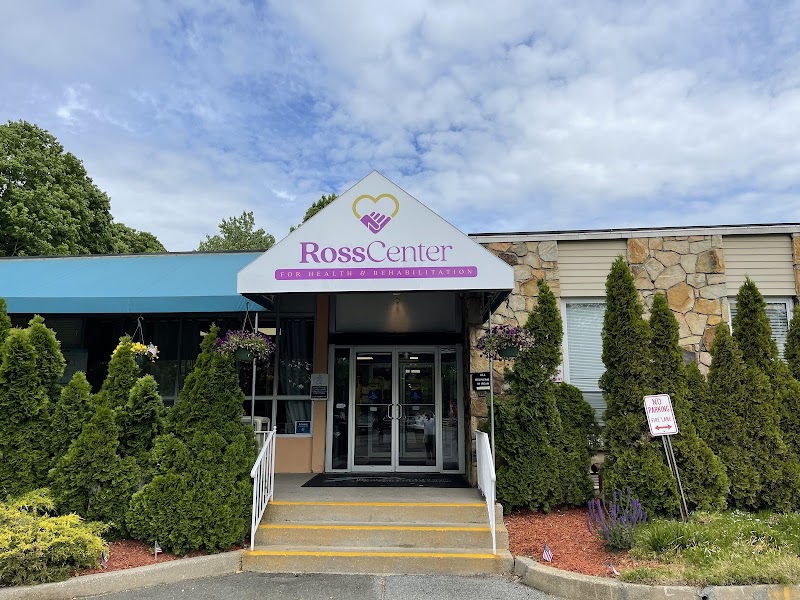
Who Owns and Operates Ross Center For Nursing And Rehabilitation?

ROSS CENTER FOR NURSING AND REHABILITATION is owned by a for-profit company. For-profit facilities operate as businesses with obligations to shareholders or private owners. The facility operates independently rather than as part of a larger chain. With 135 certified beds and approximately 108 residents (about 80% occupancy), it is a mid-sized facility located in BRENTWOOD, New York.
How Does Ross Center For Nursing And Rehabilitation Compare to Other New York Nursing Homes?

Compared to the 100 nursing homes in New York, ROSS CENTER FOR NURSING AND REHABILITATION's overall rating (2 stars) is below the state average of 3.1, staff turnover (29%) is significantly lower than the state average of 46%, and health inspection rating (2 stars) is below the national benchmark.

What Should Families Ask When Visiting Ross Center For Nursing And Rehabilitation?

Based on this facility's data, families visiting should ask: "Can I visit during a mealtime to observe dining assistance and food quality?" "How do you handle medical emergencies, and what is your hospital transfer rate?" "Can I speak with family members of current residents about their experience?"

Is Ross Center For Nursing And Rehabilitation Safe?

Based on CMS inspection data, ROSS CENTER FOR NURSING AND REHABILITATION has a clean safety record: no substantiated abuse findings (meaning no confirmed cases of resident harm), no Immediate Jeopardy citations (the most serious violation level indicating risk of serious injury or death), and is not on the Special Focus Facility watch list (a federal program monitoring the lowest-performing 1% of nursing homes). The facility has a 2-star overall rating and ranks #100 of 100 nursing homes in New York. While no facility is perfect, families should still ask about staff-to-resident ratios and recent inspection results during their visit.

Do Nurses at Ross Center For Nursing And Rehabilitation Stick Around?

Staff at ROSS CENTER FOR NURSING AND REHABILITATION tend to stick around. With a turnover rate of 29%, the facility is 17 percentage points below the New York average of 46%. Low turnover is a positive sign. It means caregivers have time to learn each resident's needs, medications, and personal preferences. Consistent staff also notice subtle changes in a resident's condition more quickly. Registered Nurse turnover is also low at 25%, meaning experienced RNs are available to handle complex medical needs.

Was Ross Center For Nursing And Rehabilitation Ever Fined?

ROSS CENTER FOR NURSING AND REHABILITATION has no federal fines on record. CMS issues fines when nursing homes fail to meet care standards or don't correct problems found during inspections. The absence of fines suggests the facility has either maintained compliance or corrected any issues before penalties were assessed. This is a positive indicator, though families should still review recent inspection reports for the full picture.

Is Ross Center For Nursing And Rehabilitation on Any Federal Watch List?

ROSS CENTER FOR NURSING AND REHABILITATION is not on any federal watch list. The most significant is the Special Focus Facility (SFF) program, which identifies the bottom 1% of nursing homes nationally based on persistent, serious quality problems. Not being on this list means the facility has avoided the pattern of deficiencies that triggers enhanced federal oversight. This is a positive indicator, though families should still review the facility's inspection history directly.