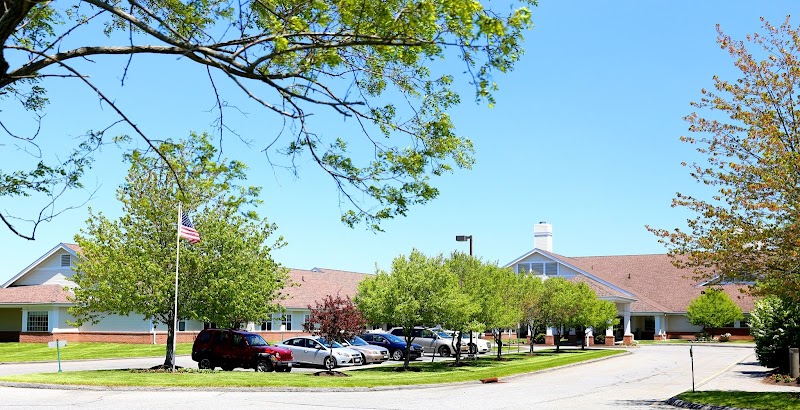
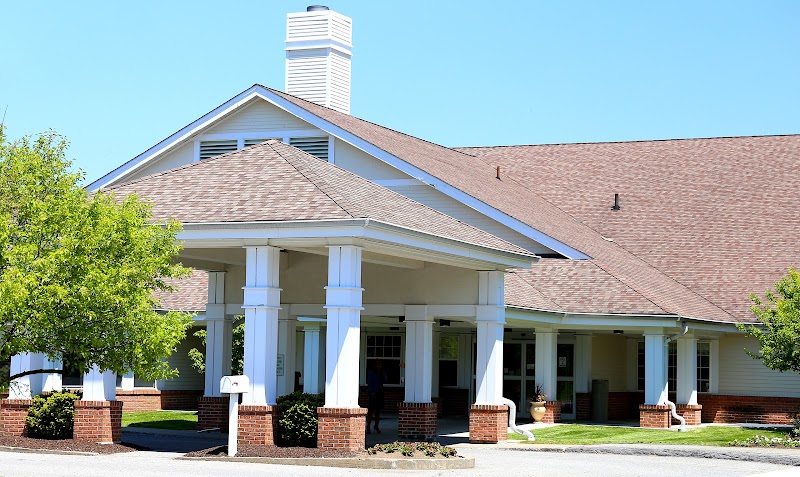
PUTNAM RIDGE

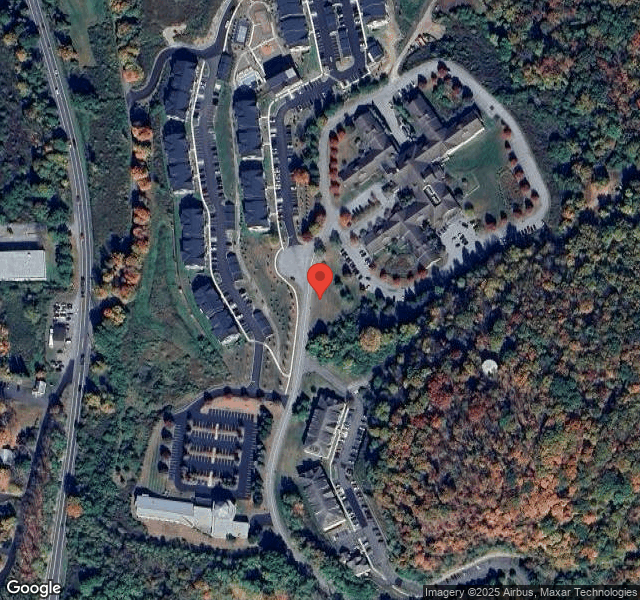
46 MT EBO ROAD NORTH, BREWSTER, NY 10509 (845) 278-3636
For profit - Limited Liability company 160 Beds Independent Data: November 2025
Trust Grade
35/100
#549 of 594 in NY
Last Inspection: October 2023

Over 2 years since last inspection. Current conditions may differ from available data.

Overview

Putnam Ridge in Brewster, New York has received a Trust Grade of F, indicating significant concerns about its quality of care. It ranks #549 out of 594 nursing homes in New York, placing it in the bottom half of facilities statewide, and is the second of two in Putnam County, meaning there is only one local option that is better. The facility is worsening, with issues increasing from 6 in 2024 to 14 in 2025, and staffing is below average at 2 out of 5 stars, with a turnover rate of 43%, which is on par with the state average. However, it has not faced any fines, which is a positive aspect, and it has average RN coverage, suggesting some level of professional oversight. Specific incidents include a resident suffering a fall due to inadequate staffing assistance, resulting in serious injury, and failures to maintain comfortable temperatures during a heat emergency, highlighting ongoing issues with resident care and safety. Overall, while there are some strengths, the facility has significant weaknesses that families should consider carefully.

Trust Score
F
35/100
In New York
#549/594
Bottom 8%
Safety Record
Moderate
Needs review
Inspections
Getting Worse
6 → 14 violations
Staff Stability
○ Average
43% turnover. Near New York's 48% average. Typical for the industry.
Penalties
✓ Good
No fines on record. Clean compliance history, better than most New York facilities.
Skilled Nurses
⚠ Watch
Each resident gets only 26 minutes of Registered Nurse (RN) attention daily — below average for New York. Fewer RN minutes means fewer trained eyes watching for problems.
Violations
⚠ Watch
42 deficiencies on record. Higher than average. Multiple issues found across inspections.
★☆☆☆☆
1.0
Overall Rating
★★☆☆☆
2.0
Staff Levels
★★☆☆☆
2.0
Care Quality
★☆☆☆☆
1.0
Inspection Score
Stable
2024: 6 issues
2025: 14 issues

The Good

  • Full Sprinkler Coverage · Fire safety systems throughout facility
  • No fines on record
  • Staff turnover below average (43%)

    5 points below New York average of 48%

Facility shows strength in fire safety.

The Bad

1-Star Overall Rating

Below New York average (3.0)

Significant quality concerns identified by CMS

Staff Turnover: 43%

Near New York avg (46%)

Typical for the industry

The Ugly 42 deficiencies on record

1 actual harm
Sept 2025 6 deficiencies 1 Harm
SERIOUS (G) 📢 Someone Reported This

A family member, employee, or ombudsman was alarmed enough to file a formal complaint

Actual Harm - a resident was hurt due to facility failures

Accident Prevention (Tag F0689)

A resident was harmed · This affected 1 resident

**NOTE- TERMS IN BRACKETS HAVE BEEN EDITED TO PROTECT CONFIDENTIALITY** Based on observation, record review and interview conducted during the Recertification and Abbreviated Survey (#2601270, and #25...

Read full inspector narrative →
**NOTE- TERMS IN BRACKETS HAVE BEEN EDITED TO PROTECT CONFIDENTIALITY** Based on observation, record review and interview conducted during the Recertification and Abbreviated Survey (#2601270, and #2577313), it was determined the facility failed to ensure each resident received adequate supervision and/or assistance to prevent accidents for two (2) of four (4) residents (Resident #164 and #116) reviewed for accidents. Specifically, 1) on the morning of 08/26/2025, Resident #164 was noticed in bed with a contusion (bruise) to their right face, right elbow, and a forehead laceration (skin wound). The facility investigation determined Resident #164 who required two (2) staff assist for bed mobility and/or transfers was provided one (1) staff assist which resulted in an 08/25/2025 fall from bed. Subsequently, Resident #164 was transferred to the hospital on [DATE] and was diagnosed with an acute (sudden) intertrochanteric (thigh) right femur (thigh bone) fracture (broken bone), and 2) Resident #116 was not provided with one (1) hour safety checks to prevent falls as per the plan of care which resulted in the resident falling out of their wheelchair unwitnessed by staff on 08/27/2025. This resulted in actual harm for Resident #164 that was not Immediate Jeopardy.The findings include: 1) Resident #164 was admitted to the facility with diagnoses including but not limited to history of cerebral infarction (ischemic stroke), pulmonary embolism (a blood clot to the lungs), and unspecified intellectual disability.The 06/20/2025 Quarterly Minimum Data Set (a resident assessment tool) documented Resident #164 had severely impaired cognition and required total assistance for activities of daily living. The August 2025 care plan titled Activities of Daily Living documented Resident #164 was dependent with bed mobility, transfers and required two (2) persons for assistance. The August 2025 Certified Nurse Aide Kardex and Tasks documented Resident #164 required two (2) person staff assist for bed mobility and transfers.The 08/26/2025 at 10:30 AM Accident/Incident Investigation documented Licensed Practical Nurse #10 went into Resident #164's room to administer medications. Resident #164 was found in bed with bruising and swelling to the right eye and surrounding area. Medical Doctor/Nurse Practitioner assessment and orders: x-ray of the face, nose, shoulder and hip on the right side.The 08/26/2025 at 11:07 PM progress note, written by Nurse Practitioner #1, documented they were asked to see the resident who had a swollen/ bruised right eye. Resident #164 was found to have a bruise on the forehead, laceration on the right nose, evidence of a nosebleed with dried blood in the left nostril and bruising to the right upper arm. The assessment and plan documented status post fall, resident is on Eliquis and after initially ordering x-rays, the resident will be sent to the hospital emergency room. The 08/26/2025 hospital emergency room note documented on 08/26/2025 the resident presented as a level 2 trauma after a presumed fall. A computed tomography scan (a non-invasive imaging procedure) showed an acute intertrochanteric right femur fracture. The 09/01/2025 Incident Summary written by Director of Nursing, documented that on 08/26/2025 at approximately 6:30 AM, Resident #164 was noted with bruising to the right eye, bruise to the right elbow, and a small laceration to the right forehead. The resident is noncommunicative and could not provide a statement as to what caused the bruise. An investigation into the incident found the 11:00 PM to 7:00 AM Certified Nurse Aide # 7 provided care with no assistance to the resident at 11:00 PM on Monday 08/25/2025. During that care, Resident #164 had a fall from bed and suffered an injury from the fall. Certified Nurse Aide #7 placed the resident back in bed with a mechanical lift. During an interview on 09/24/2025 at 3:00 PM, Licensed Practical Nurse #9 stated they were the nurse on 08/26/2025 during the 11:00 PM to 7:00 AM shift and were working with two (2) Certified Nurse Aides. They stated at approximately 11:00 PM, Certified Nurse Aide #7 was in Resident #164's room attending to their care. They stated around midnight; they noticed Certified Nurse Aide #7 came out of the room to obtain a mechanical lift and brought it to Resident #164's room. They stated Certified Nurse Aide #6 came from another unit, entered Resident #164's room and after a few minutes, left Resident #164's room. They stated in the morning; they went into Resident #164's room and noticed a small area around Resident #164's right eye. They stated, they thought it was a scratch and did not know if it was new. During an interview on 09/29/2025 at 10:44 AM, Licensed Practical Nurse Supervisor #8 stated on the morning of 08/26/2025 they were in morning report when they received a text from Licensed Practical Nurse #10 (the medication nurse) about bruising on Resident #164. They stated when they went to the unit and noted bruising and edema around the resident's eye. They stated at the time they felt the resident may have hit the side of their head on the side rail. They stated Nurse Practitioner #1 was notified and gave orders for staff to apply ice and obtain x-rays. They stated when Nurse Practitioner #1 assessed Resident #164, they ordered the resident be sent to the emergency room for further evaluation. During a phone interview on 09/29/2025 at 11:07AM, the Medical Director stated they reviewed the hospital records but were unsure as to what caused Resident #164's injury. During the interview, the Medical Director was made aware of the witness statement regarding the mechanical lift being brought to the room during the night shift prior to finding the injury that morning. They then stated it appeared the resident may have had a fall on the hip resulting in the femur fracture. During an interview on 09/29/2025 at 11:30 AM, the Director of Nursing stated they were not in the building on 08/26/2025 but arrived after they were made aware of Resident #164's injury. They stated an investigation had been started prior to their arrival at the facility. They stated when Certified Nurse Aide #7 returned to work, they obtained a statement and then suspended Certified Nurse Aide #7. They stated after review of all statements and the hospital's findings, the facility determined it was likely that Resident #164 had fallen out of bed during incontinence care, while turning the resident in bed. They stated Certified Nurse Aide # 7 was terminated for performing a one (1) staff assist during cares for Resident #164 who required two (2) staff assist with bed mobility. During an interview on 09/29/2025 at 1:20 PM, Nurse Practitioner #1 stated they were called on 08/26/2025 regarding Resident #164 who had bruising around the eye. They stated they gave verbal orders over the phone for staff to apply ice and have x-rays done. They stated when they saw Resident #164, they noted it was more than a bruise around the eye. They stated they also saw bruising on the right arm. They stated they checked Resident #164's leg but had difficulty assessing due to contractures. They stated they had no doubt the resident's physical exam reflected that something happened to the resident consistent with a fall. 2) Resident #116 was admitted to the facility with diagnoses including, but not limited to, Alzheimer's disease, diabetes and dementia.The care plan titled ‘At Risk for falls' last updated on 07/02/2025, documented one (1) hour safety checks, keep the resident in staff view as much as possible, anticipate needs, and review falls with a root cause analysis. The 07/06/2025 behavior note documented Resident #116 was at high risk for falls and they had a chair/bed alarm because of how quickly they get up. The 07/29/2025 Annual Minimum Data Set documented Resident #116 had severely impaired cognition and required partial to moderate assist for activities of daily living. The August 2025 Certified Nurse Aide Tasks documented one (1) hour safety checks, keep the resident within view of staff as much as possible.A review of the Accident & Incident Report, dated 08/27/2025 with a time stamp of 9:12 PM, revealed Resident #116 was found sitting on their buttocks in the hallway, next to the handrail, in front of a wheelchair with the chair alarm ringing. The resident stated they tried to walk. A review of the Certified Nurse Aide hourly rounds book dated 08/27/2025 revealed no documented evidence that hourly round checks were performed between 3:00 PM and 11:00 PM. The 08/27/2025 nurse progress note, written by the Director of Nursing, documented Resident #116 was found in the hall next to the handrail on the floor in front of their wheelchair. The resident was assessed and had no injuries. During an observation on 09/25/2025 from 10:15 AM to 10:45 AM, Resident #116 was unsupervised in the day room. Resident #116 was sliding forward while sleeping in a wheelchair. The wheelchair had a chair alarm. No staff were supervising the day room. All Certified Nurse Aides were providing morning care, and two (2) Licensed Practical Nurses were passing medications. During an interview on 09/25/2025 at 10:28 AM, Licensed Practical Nurse #5 stated since there was no unit manager, the medication nurse was responsible for checking the one (1) hour safety rounds book at the end of each shift to ensure it was complete. They stated the unit clerk usually supervised the day room but was out of the building. They stated they were unsure which staff should be supervising the day room. They stated they were aware Resident #116 was at risk for falls and tried to ensure supervision. During an interview on 09/25/2025 at 10:40 AM, Licensed Practical Nurse #3 stated Resident #116 was at high risk for falls and should have every one (1) hour safety checks. They stated they were aware the hourly checks were not being signed consistently. They stated residents in the day room should be supervised by staff, especially residents that were at high risk for falls. During an interview on 09/25/2025 at 10:43 AM, Certified Nurse Aide #4 stated they did the one (1) hour safety checks and were educated to sign the one (1) hour safety check book but never signed it. They stated the unit assistant usually observed the dayroom, but no staff were assigned to supervise the dayroom in their absence. During an interview on 09/25/2025 at 11:46 AM, the Director of Nursing stated after a 07/03/2025 fall, Resident #116 was placed on one (1) hour safety checks. They stated they were aware Resident # 116 was at high risk for falls. The Director of Nursing stated Resident #116 had a fall on 08/27/2025 but they were unaware the one (1) hour safety check log was incomplete on 08/27/2025 during the 3:00 PM to 11:00 PM shift, therefore they had not followed up with the assigned certified nurse aide. 10NYCRR 415.12(h)(2)
CONCERN (D) 📢 Someone Reported This

A family member, employee, or ombudsman was alarmed enough to file a formal complaint

Potential for Harm - no one hurt, but risky conditions existed

Deficiency F0561 (Tag F0561)

Could have caused harm · This affected 1 resident

**NOTE- TERMS IN BRACKETS HAVE BEEN EDITED TO PROTECT CONFIDENTIALITY** Based on observation, interview, and record review during the recertification and abbreviated surveys (#2582376) the facility di...

Read full inspector narrative →
**NOTE- TERMS IN BRACKETS HAVE BEEN EDITED TO PROTECT CONFIDENTIALITY** Based on observation, interview, and record review during the recertification and abbreviated surveys (#2582376) the facility did not ensure resident choice related to provider of health care services was met for one (1) of one (1) resident investigated for choices. Specifically, Certified Nurse Aide #23 continued to provide care for Resident #75 after their representative communicated a preference of not having Certified Nurse Aide #23 provide care to Resident #75.The findings include:Resident #75 had diagnoses that included but were not limited to dementia, anxiety, and major depressive disorder. The grievance dated 07/11/2025 documented a request was made on 12/14/2024 that Certified Nurse Aide #23 not be assigned to care for Resident #75. On 01/12/2025, Certified Nurse Aide #23 was observed by Resident #75's son providing cares to Resident #75.The Significant Change Minimum Data Set, dated [DATE] documented Resident #75 had severely impaired cognition, no behaviors, and was dependent on staff assistance for all activities of daily living.During an interview on 09/29/2025 at 10:43 AM, the Director of Social Work stated Resident #75's son communicated that they did not want Certified Nurse Aide #23 providing cares to their mother on 12/14/2024. They stated residents and their representatives had the right to determine who provided them with care. They stated they were not certain why Certified Nurse Aide #23 provided care to Resident #75 on 01/12/2025. During an interview on 09/29/2025 at 11:12 AM, the Assistant Director of Nursing stated the unit manager would know how the certified nurse aide was made aware that they should not provide cares to Resident #75. They stated Certified Nurse Aide #23 should not have been assigned to, or provided cares to, Resident #75 on 01/12/2025. During an interview on 09/29/2025 at 11:54 AM, Registered Nurse Unit Manager #11 stated Resident #75's son requested that Certified Nurse Aide #23 not care for their mother. They stated when communicated to them, they informed the Director of Nursing, Staffing Coordinator, the floor nurses, and Certified Nurse Aide #23. They stated Certified Nurse Aide #23 should not have provided care for Resident #75 on 01/12/2025 since the request was made on 12/14/2024. They stated they were not working on 01/12/2025 and were unaware why Certified Nurse Aide #23 took the assignment. 10NYCRR 415.5(b) (1-3)
CONCERN (D) 📢 Someone Reported This

A family member, employee, or ombudsman was alarmed enough to file a formal complaint

Potential for Harm - no one hurt, but risky conditions existed

Report Alleged Abuse (Tag F0609)

Could have caused harm · This affected 1 resident

Based on observation, interview, and record review conducted during the recertification and abbreviated surveys (#2601270), the facility did not ensure all alleged violations of abuse were reported im...

Read full inspector narrative →
Based on observation, interview, and record review conducted during the recertification and abbreviated surveys (#2601270), the facility did not ensure all alleged violations of abuse were reported immediately, but not later than 2 hours to the state survey agency for one (1) of two (2) residents reviewed for abuse (Resident #164). Specifically, on the morning of 08/26/2025 Resident #164 was observed with a bruise to the right eye and bruise to the right arm that was not reported to the state agency until 08/26/2025 at 11:05 PM. The findings include:The policy and procedure titled Abuse Prevention and Reporting dated 01/09/2001, last revised 09/2024 documented if the events that cause the reasonable suspicion (but no later than 2 hours after forming suspicion). Resident #164 had diagnoses including Cerebral Infarction, Pulmonary Embolism, and an unspecified intellectual Disability.The Quarterly Minimum Data Set (A resident assessment tool) dated 06/20/2025 documented the resident had severe cognitive impairment. And was dependent with all activities of daily living. The Accident and Incident Report dated 08/26/2025 at 11:00 AM documented discoloration to the right eye, Nurse Practitioner notified. Interventions ice and x-rays.The Nurse Practitioner progress note dated 08/26/2025 (late entry) at 1:11 PM documented right forehead ecchymosis, swelling to the right orbit. Assessment and Plan status Post Fall- sent to emergency room for evaluation.The incident Report documented it had not been submitted until 8/26/2025 at 11:05 PM The reportable incident written by the Director of Nursing on 09/01/2025 summarized on 8/26/25 at 10:30 AM Licensed Practical Nurse #10 entered Resident #164's room and noted bruising to the right eye and notified Licensed Practical Nurse # 8, who assumed the resident had accidently hit the side of her face on the side rail and intervened by padding the siderail, called the Nurse Practitioner and initiated an Accident and Incident Report. On 8/26/25 at 11:07 AM the Nurse Practitioner assessed the resident and noted increased swelling around the eye and a bruise on the right arm and subsequently concluded the resident's injuries were consistent with a fall. The Assistant Director of Nursing was made aware and began an investigation. During an interview on 09/29/2025 at 11:30 AM the Director of Nursing stated they came to the building after a concern regarding injuries sustained by Resident #164. They stated an investigation started prior to their arrival at the facility and statements were being taken. They stated after Certified Nurse Aide #7 provided a statement on 08/26/2025 at 11:00PM that they provided care alone, a report was called to the Health Department on 08/26/2025 at 11:05PM. They Stated the bruises as identified by the Nurse Practitioner could be considered injuries of unknown origin. They stated they knew injuries of unknown origin should be reported to the Health Department with in two (2) hours.During an interview on 09/29/2025 at 12:19 PM the Administrator stated they were aware of the event of 08/26/2025 but were not involved in the investigation. They stated all injuries of unknown origin should be reported to the Health Department within 2 hours. During an interview on 09/29/2025 at 12:53 PM the Assistant Director of Nursing stated they recalled the event of 8/26/25. They stated they evaluated the resident after the Nurse Practitioner assessed the resident. They stated they started an investigation into how the injury of unknown origin may have occurred and notified the Director of Nursing and the Administrator around 2 PM. They stated they were unaware of when the incident was reported to the Health Department. 10 NYCRR 415.4(b)(2)
CONCERN (D) 📢 Someone Reported This

A family member, employee, or ombudsman was alarmed enough to file a formal complaint

Potential for Harm - no one hurt, but risky conditions existed

Deficiency F0679 (Tag F0679)

Could have caused harm · This affected 1 resident

Based on observation, interview, and record review conducted during the recertification and abbreviated surveys (#2583366), the facility did not ensure that activities of preference and interest were ...

Read full inspector narrative →
Based on observation, interview, and record review conducted during the recertification and abbreviated surveys (#2583366), the facility did not ensure that activities of preference and interest were available and designed to meet the interests of and support the physical, mental, and psychosocial well-being of each resident, encouraging both independence and interaction in the community for one (1) of one (1) resident (Resident #20) reviewed for behavior-emotional care and one (1) of three (3) residents reviewed for restraints (Resident #7). Specifically, 1) Resident #20 was observed on multiple occasions wandering in the hallways of the unit and not participating in activities; 2) Resident #7 missed an activity that was held off the unit because the activities staff was unable to transfer the resident from an enclosed frame walker to a wheelchair.The findings include1)Resident #20 had diagnoses that included, but were not limited to, dementia, schizophrenia, and depression. The 05/25/2025 care plan titled Behavior Symptoms Wandering documented exhibits wandering as evidenced by entering peer rooms, wanders aimlessly. Provide pleasant diversions included redirection, activities, food, and conversation.The 07/18/2025 Annual Minimum Data Set documented severe cognitive impairment, and religion and music activities were very important.The 07/30/2025 Interdisciplinary Care Plan Meeting note documented Resident #7 enjoys singing, going outside for fresh air and walking around the unit. The care plan titled Behavior Management Program with an 08/04/2025 revision date documented requires ongoing redirection, monitoring, and structured activities to alter behavior.There was no documented evidence of a care plan to address activities for Resident #20During an observation on 09/22/2025 at 11:17 AM, Resident #20 was sitting in the unit common area with other residents. Music was playing and no activities were taking place. During an observation on 09/23/2025 9:44 AM, Resident #20 was observed walking down the hallway unsupervised. An activity was in progress, but Resident #20 was not participating.During an observation on 09/24/2025 at 9:34 AM, Resident #20 was wandering in the unit hallway. At 9:41 AM, Resident #20 took a seat in the unit common area by the nurse's station. There was an activity going on inside the common room, but Resident #20 was not involved with the activity. During an interview on 09/24/25 at 1:35 PM, the Director of Activities stated activities care plans were their responsibility. They stated the facility transferred to a new electronic medical record in June, and some care plans were not in the current system. They stated Resident #20 did not have a current activity care plan so their preferences would need to be communicated verbally amongst staff. During an observation on 09/25/2025 at 10:29 AM Resident #20 was ambulating on the unit in the common area. Resident #20 attempted to walk out of the area, but staff redirected them to sit in a chair. During an observation on 09/26/2025 at 10:01 AM an activity was going on in the common area on the unit, Resident #20 was not participating. Resident #20 was wandering unsupervised in the hallway checking doors, not engaged by staff, and playing with the window by an exit door. Resident #20 walked back toward the nurse's station and went behind the nurse's desk. Resident #20 was then redirected by staff to the activity in the common area and assisted into a chair by the window. Resident #20 did not engage in the activity. 2) Resident # 7 had diagnoses that included but were not limited to Alzheimer's Disease, anxiety, and depression.The 08/26/2025 Significant Change Minimum Data Set documented severe cognitive impairment, music, outdoor, animal, group, and religious activities were moderately important. The 09/10/2025 care plan titled Resident deemed a Significant Change dated 09/10/2025 documented enjoys music, talking, and being outdoors. Will participate in on unit programs with encouragement and participate in off unit events with transport assistance. Invite resident to events and provide assist with transport. During an observation on 09/25/2025 at 10:52 AM, Resident #7 was invited to a coffee social by an activities staff member and accepted the invitation. The activities staff member stated they would have to transfer them to another chair to attend and would return. Resident #7 waited in the common area, resting in an enclosed frame walker with their eyes closed. At 11:01AM, Resident #7 was still sitting in the unit common area in an enclosed frame walker. At 11:16AM, Resident #7 remained on the unit in an enclosed frame walker. During an interview on 09/29/2025 12:41 PM, Registered Nurse Unit Manager #11 stated Resident #7 may attend activities off the unit, but they go off the unit in a transport chair. They stated recreation handles transport when taking the residents off the unit. During an interview on 09/29/2025 at 2:46 PM, the Director of Recreation stated Resident #7 was not at the coffee social on 09/25/2025 but does attend off unit activities on occasion. They stated since the introduction of the enclosed frame walker, Resident #7's attendance at off unit activities had decreased. They stated activities staff could not transfer residents from walkers to wheelchairs. They stated nursing staff must assist, and if they nursing staff were busy, it could be difficult finding assistance. 10NYCRR 415.12
CONCERN (D) 📢 Someone Reported This

A family member, employee, or ombudsman was alarmed enough to file a formal complaint

Potential for Harm - no one hurt, but risky conditions existed

Deficiency F0741 (Tag F0741)

Could have caused harm · This affected 1 resident

**NOTE- TERMS IN BRACKETS HAVE BEEN EDITED TO PROTECT CONFIDENTIALITY** Based on observation, interview, and record review conducted during the recertification and abbreviated surveys (#2583366) the f...

Read full inspector narrative →
**NOTE- TERMS IN BRACKETS HAVE BEEN EDITED TO PROTECT CONFIDENTIALITY** Based on observation, interview, and record review conducted during the recertification and abbreviated surveys (#2583366) the facility did not ensure sufficient staff to provide services to maintain the highest practicable physical, mental and psychosocial well-being as per individualized care plan for one (1) of one (1) resident (Resident #20) reviewed for behavior and emotional care. Specifically, ongoing monitoring/supervision and thirty-minute checks were not consistently implemented for Resident #20 with a history of wandering and defecating/urinating in inappropriate places. The findings include:Resident #20 had diagnoses that included but were not limited to dementia, schizophrenia, and depression. A 07//09/2025 Grievance documented a family member observed Resident #20 stabilizing themself by putting their hand on top of Resident #126's head and they were fumbling with the drawstrings on their pants. Resident #20's private area was close to Resident #126's face. No staff were supervising Resident #20 as they were tending to other residents. The family member had to call for staff assistance. The 07/18/2025 Annual Minimum Data Set documented severely impaired cognition, supervision for ambulation and maximal staff assistance for toileting.The care plan titled Behavior Management Program last revised 08/04/2025 documented requires ongoing redirection, monitoring, and structured activities to alter behavior, lock installed on closet to divert resident from taking others' clothing; examples of behaviors taking other resident clothing, urinating and defecating in inappropriate places. The care plan titled Behavior-Wandering last revised 08/04/2025 documented exhibits wandering as evidenced by entering peer rooms, wanders aimlessly. Staff redirection, provide pleasant diversions including activities, food, conversation, television, and books. 30-minute safety checks were initiated 07/07/2025.The care plan titled Socially Inappropriate Behaviors-Urinating and Defecating last revised 08/04/2025 documented monitor every half hour by staff, monitor for pacing behavior, and offer toileting. The 08/22/2025-09/23/2025 Thirty Minute Checks revealed no documentation for entire shifts on 27 of 30 dates and no documentation for all shifts on three (3) of 30 dates.During an observation on 09/23/2025 at 10:32 AM, Resident #20 was observed walking down the unit hallway and wandered into the room of a resident on contact precautions for clostridium difficile. Resident #20 proceeded to wander around the room, opening doors, touching furniture, windows and other items. During observation on 09/23/2025 at 2:10 PM while unsupervised Resident #20 leaned against the post/column outside the Apple unit dining room. Resident #20 had their hands on the waistband of their pants. Resident #20 pulled down their pants, squatted slightly and began to expel feces. During an interview on 09/24/2025 at 11:11 AM, Resident #44's spouse stated they have observed Resident #20 urinating and defecating in inappropriate places like the floor, in resident rooms, and in their closet. During an interview on 09/25/2025 at 10:04AM with the complainant they stated Resident #20 continues to roam the hallways unsupervised. They wander in and out of rooms all the time. On 07/09/2025 they observed Resident #126 sitting in a wheelchair in the common area, Resident #20 had their hand on Resident #126's head and was fumbling with their drawstring on their pants. They stated their private area was covered but in proximity to Resident #126's face. The complainant stated they did not believe Resident #20 was being sexually inappropriate, they just needed to go to the bathroom. They stated there were no staff monitoring and they had to call for assistance. They stated the facility should have been monitoring Resident #20. During an observation on 09/25/2025 at 11:18AM, Resident #20 ambulated down the unit hallway, attempted to open a door in the hallway but was unable, and continued to the window at the end of the hallway. Resident #20 then wandered into room [ROOM NUMBER], walked around in the room, came out, and headed back up the hallway independently. No staff supervision or redirection was observed. During an observation on 09/26/2025 starting at 08:30AM, Resident #20 was observed in their room eating breakfast independently. Their tray was collected at 08:50AM. Resident #20 wandered in their room and then left the room and was in the hallway, heading toward room [ROOM NUMBER]. Resident #20's pants were visibly soiled, their brief was bulging and appeared low, and their sweatshirt was on backwards. At 9:29 AM Certified Nurse Aide # was coming out of another room and directed Resident #20 back to their room and left. Resident #20 came out of their room again and was entering room [ROOM NUMBER]. Certified Nurse Aide # in the hallway saw Resident #20 and escorted them out of room [ROOM NUMBER] and back to their room for cares at 9:34 AM. During an interview on 09/26/2025 at 10:32 AM, Certified Nurse Aide #12 stated that Resident #20 does exhibit behaviors including going to the bathroom everywhere in inappropriate places and wandering into other residents' rooms. Thirty-minute checks are ordered, and the log is at the nurse's station. They stated they are supposed to sign at each check, but they have not completed it for the last few days. During an interview on 09/26/2025 at 10:45 AM, Registered Nurse Unit Manager #11 stated Resident #20 likes to wander and does enter other residents' rooms. They stated Resident #20 is easily redirected. They stated thirty-minute checks are ordered to monitor where Resident #20 is and redirect as needed. The checks should be completed, signed for, and omissions should not be there. They stated the Licensed Practical Nurse should be checking that thirty-minute checks are completed and signed for. During an interview on 09/26/2025 at 11:03 AM, the Assistant Director of Nursing stated Resident #20 does wanders and has an order for thirty-minute checks. They stated the checks are expected to be completed and signed for. During an interview on 09/29/2025 at 10:54 AM the Director of Social Work stated the incident involving Resident #20 on 07/09/2025 was investigated and no findings of ill intent or harm were identified. Resident #20 does exhibit behaviors and can be distracted with music and activities. They stated there was a regular sitter in the day room that was very helpful with redirection, activities, and monitoring, but they have not been here for some time. They stated they try to have unit assistants in the day room on the Apple Unit in addition to the scheduled nursing staff for safety, engagement, and activity but they are not sure of their schedules. During an interview on 09/29/2025 at 11:23 AM, the Assistant Director of Nursing stated unit assistants help with Resident #20 and monitor their behaviors in addition to nursing staff. They stated there was a time when their behaviors were worse. They stated unit assistants are scheduled on the Apple Unit but only for a few hours daily. During an interview on 09/29/2025 at 12:21 PM, Registered Nurse Unit Manager #11 stated the unit has unit assistants when they are available. They stated the unit assistants usually come in around 11AM and occasionally they have an assistant on evenings. They stated Resident #20 wanders and redirects easily, but staff are not always available to monitor all behaviors and wandering. They stated most residents on the unit are up and out of bed, so this minimizes possible resident to resident altercations when Resident #20 wanders into rooms. They stated they are trying to get more staff and may have more assistants in the future, but right now they do not have them on staff every day.10NYCRR
CONCERN (E) 📢 Someone Reported This

A family member, employee, or ombudsman was alarmed enough to file a formal complaint

Potential for Harm - no one hurt, but risky conditions existed

Comprehensive Care Plan (Tag F0656)

Could have caused harm · This affected multiple residents

Based on record review and interview during the recertification survey and an abbreviated survey (#2601270 and 2577313), the facility did not ensure development and/or implementation of comprehensive ...

Read full inspector narrative →
Based on record review and interview during the recertification survey and an abbreviated survey (#2601270 and 2577313), the facility did not ensure development and/or implementation of comprehensive person-centered care plans that included measurable objectives and timeframes to meet resident needs for two (2) of four (4) residents (#164 and #116) reviewed for accidents, three (3) of five (5) residents (#20, #44, and #63) reviewed for activities, one (1) of two (2) residents (#41) reviewed for positioning and one (1) of three (3) residents (#142) reviewed for restraints. Specifically, 1. implementation of two person staff assistance for transfer/bed mobility was not provided for Resident #164 as per care plan 2. there was no documented evidence of a care plan to address the use/release schedule of a lap/seat belt for Resident # 142 and 3. the use of hand rolls was not implemented as per physician order and there was no documented evidence of a care plan to address the physician ordered use of rolled gauze in the hands and knee abductor roll when in the wheelchair for Resident #41. Additionally: there was no documented evidence of a care plan to address activities for Resident #63, #20 and #44 and every one-hour safety checks were not consistently implemented as per care plan for Resident #116. The findings include: The January 2025 policy and procedure titled, Care Plans-Comprehensive documented individualized comprehensive care plan that include measurable objectives and timetables to meet the resident's medical, nursing, mental and psychological need is developed for each resident. 1) Resident #164 was admitted to the facility with diagnosis including but not limited to history of cerebral infarction (ischemic stroke), pulmonary embolism (a blood clot to the lungs), and unspecified intellectual disability. The 06/20/2025 Quarterly Minimum Data Set (a resident assessment tool) documented Resident #164 had severely impaired cognition and required total assistance for activities of daily living. The August 2025 care plan titled Activities of Daily Living documented Resident #164 was dependent with bed mobility, transfers and required two (2) persons for assistance. The August 2025 Certified Nurse Aide Kardex and Tasks documented Resident #164 required 2 person staff assist for bed mobility and transfers. The 09/01/2025 Incident Summary written by Director of Nursing documented that on 08/26/2025 at approximately 6:30AM Resident #164 was noted with bruising to the right eye, bruise to the right elbow, and a small laceration to the right forehead. An investigation into the incident found Certified Nurse Aide # 7 provided care with no assistance to the resident at 11PM on Monday 08/25/2025. During that care, Resident #164 had a fall from bed and suffered an injury from the fall. Certified Nurse Aide #7 placed the resident back in bed with a mechanical lift. During an interview on 09/29/2025 11:30 AM the Director of Nursing stated Certified Nurse Aide # 7 performed one (1) staff assist during cares for Resident #164 who required two (2) staff assist with bed mobility. 2) Resident #142 was admitted to the facility with diagnoses including but not limited to Dementia, fracture of the femur, and repeated falls. The 06/14/2025 physician order documented velcro alarm seatbelt in the wheelchair, release every two (2) hours to provide cares and release at meals. Monitor residents' ability to self-release alarmed seat belt on command daily. There was no documented evidence in the care plan to address the use/release schedule of a lap/seat belt or any other restraint. The 09/15/2025 Minimum Data Set documented, Resident #142 had severe cognitive impairment, was dependent for sit to stand and transfers, and did not use physical restraints or alarms. During an observation on 09/22/2025 at 12:40 PM Resident # 142 was wearing the lap/seat belt at lunch. During an observation on same day at 3:20 PM Resident #142 was wearing the lap/seat belt in the day room. When this surveyor asked Resident #142 to remove the lap/seat belt three (3) separate times, Resident #142 was unable to complete the request. During an observation on 09/24/2025 at 1:18 PM and 3:35 PM Resident #142 was in a wheelchair in the day room with a lap/seat belt in place. During an interview on 09/24/2025 at 3:35 PM Certified Nurse Aide #18 was asked to check the Kardex for information on procedure regarding the lap/seat belt. Certified Nurse Aide #18 stated there is no information about the lap/seat belt and if the direction is not in the Kardex the staff would not be aware of how to care for the residents. During an interview on 09/24/2025 at 3:35 pm Licensed Practical Nurse #3 stated they were not aware of the order to release the lap/seat belt every two (2) hours. They stated it is probably in place due to Resident #142 being a fall risk. Licensed Practical Nurse #3 stated Resident #142 can take the lap/seat belt off but had not witnessed them take it off upon request. During an interview on 09/24/2025 at 12:58 PM Registered Nurse Unit Manager #11 stated they did not see anything in the care plan to address the lap/seat belt and that they thought it was in place for a previous hip fracture. 3) Resident #41 had diagnoses including but not limited to Alzheimer's disease, contracture of the knee, and muscle weakness. The 08/13/2025 Minimum Data Set documented, Resident #41 had severe cognitive impairment and was dependent for all activities of daily living. The 06/12/2025 physician order documented knee abductor roll when in bed and when in wheelchair, and right and left-hand protector/roll of gauze at all times, remove for frequent skin checks and hygiene. There was no documented evidence in the comprehensive care plan to address the use of rolled gauze in the hands or knee abductor roll when in the wheelchair. During an observation on 09/23/2024 at 9:48 AM Resident #41 was in the day room in a wheelchair with right foot crossed over the left foot, leaning to the right. No devices (rolled gauze) were present in either hand. During an observation on 09/24/2025 at 1:22 PM Resident #41 was in the day room with no devices (rolled gauze) present in hands. During an interview on 09/25/2025 at 4:36 PM Occupational Therapist #21 stated Resident #41 should have rolled gauze in both hands for contractures and the abductor roll between legs. They stated nursing should enter the recommendations made by therapy into the care plans. During an interview on 09/29/2025 at 12:58 PM Registered Nurse Unit Manager #11 stated the treatment administration record included the directive for application of the gauze rolls by the medication nurse. Upon review of the care plan Registered Nurse Unit Manager #11 stated they could not locate the documentation in the care plan to address the use of the gauze rolls or the knee abductor. They stated the care plan must not have gotten transferred over from the previous electronic medical record to the current medical record. 10 NYCRR415.11(c)(1)
Jul 2025 1 deficiency
CONCERN (E) 📢 Someone Reported This

A family member, employee, or ombudsman was alarmed enough to file a formal complaint

Potential for Harm - no one hurt, but risky conditions existed

Safe Environment (Tag F0584)

Could have caused harm · This affected multiple residents

Based on record review and interviews conducted during an abbreviated survey (NY00384916), the facility did not ensure that comfortable and safe temperature levels were maintained in all areas during ...

Read full inspector narrative →
Based on record review and interviews conducted during an abbreviated survey (NY00384916), the facility did not ensure that comfortable and safe temperature levels were maintained in all areas during a heat emergency, when the air conditioning unit on one unit (Dogwood), located on the first floor of the building, was not functional on 06/23/2025. Specifically, the facility could not provide documentation that temperatures in resident rooms were adequate or comfortable during the breakdown of the air-conditioning system from 06/23/2025 to 06/24/2025. The air-conditioning was restored to residents' rooms on 06/24/2025 at 3:00 PM. The Administrator stated that they did not check resident room temperatures, as this was not part of the facility's policy. Since the hallway temperatures on Dogwood were within regulation, the air-conditioning issue was not reported as a heat emergency. The findings include: The facility policy titled Heat Emergency states that, during all seasons, a comfortable temperature must be maintained throughout the occupied areas of the facility, consistent with Department of Health regulatory requirements. It is the responsibility of the Maintenance Department to monitor and maintain temperatures within a desired range of 71°F to 81°F. The Director of Building Services is responsible for monitoring ambient air temperatures during periods of high heat and humidity and for documenting temperature readings on a Temperature Log Sheet. The Administrator must review the temperature log daily during periods of high heat. The Maintenance Department is supported in these efforts by all other departments, who are responsible for reporting any changes in the air-conditioning system that could place residents in jeopardy. Resident rooms are to be routinely checked to ensure proper air-conditioning function. The Administrator or designee must notify the local New York State Department of Health in the event of an actual or anticipated heat-related emergency. On 06/23/2025, hallway temperatures of the four (Apple, Birch, Cedar, and Dogwood) facility units ranged from 71°F to 78.3°F - within regulation. On 06/24/2025, hallway temperatures ranged from 71°F to 78.6°F - within regulation. On 06/25/2025, hallway temperatures ranged from 71°F to 74.5°F - within regulation. On 06/26/2025, resident room temperatures ranged from 71°F to 78.3°F - within regulation. There was no documented evidence that resident room temperatures were checked during the breakdown of the air-conditioning system from 06/23/2025 to 06/24/2025 on the Dogwood Unit. On 06/26/2025 at 1:20 PM, during a telephone interview with the Director of Nursing, they stated they were not aware of any air-conditioning issues and had not received complaints from residents or families regarding uncomfortable room temperatures. However, they stated they would follow up by checking resident room temperatures and calling back once the information was gathered. In a follow-up call on 06/26/2025 at 3:18 PM, the Director of Nursing stated that Resident #1's spouse did complain on 06/23/2025 about the unit (Dogwood) being too hot, but a grievance report was not completed because an air-conditioning unit was immediately installed in the dining area, and the issue was considered resolved. On 06/26/2025 at 2:38 PM, during a telephone interview with the Administrator, they stated that there were no issues with air-conditioning in the facility and that no complaints had been received from residents or families. On 06/30/2025 at 9:30 AM, a message was left for the complainant requesting a return call. On 06/30/2025 at 9:31 AM, during a telephone interview with the Director of Maintenance, they stated they did not check resident room temperatures but only monitored hallway temperatures for the four units on 06/23/2025, 06/24/2025, and 06/25/2025. On 06/30/2025 at 1:35 PM, during a telephone interview with the Administrator, they stated the air-conditioning failure was not reported to the New York State Department of Health because Dogwood hallway temperatures remained within regulation: 74.8-75°F at 9 AM, 74.7-76.1°F at 11 AM, 75.1-77.3°F at 1 PM, 76.3-77.5°F at 3 PM, and 77.9-78.3°F at 4:30 PM. The Administrator stated that they had only recently joined the facility (three months prior), and they intended to revise the Heat Emergency policy to include checking every resident room temperature. On 06/30/2025 at 2:50 PM, during a telephone interview with the Director of Nursing they stated that Resident #1's spouse expressed discomfort with the room temperature on 06/23/2025, although the resident was reportedly fine. The Director stated they visited Dogwood twice that day and did not personally feel the unit was hot. Nursing staff did not check resident room temperatures, and the Director was unaware that maintenance had also not checked them. Maintenance installed an air-conditioning unit in the Dogwood dining area and fans in the hallway but not in resident rooms. Full air-conditioning service in the Dogwood Unit was restored around 3 PM on 06/24/2025. The Director stated that no residents experienced heat-related symptoms between 06/23/2025 to 06/30/2025. 415.5(h)(2)
Apr 2025 7 deficiencies
CONCERN (D) 📢 Someone Reported This

A family member, employee, or ombudsman was alarmed enough to file a formal complaint

Potential for Harm - no one hurt, but risky conditions existed

Resident Rights (Tag F0550)

Could have caused harm · This affected 1 resident

Based on observation and interviews conducted during the abbreviated survey (NY00339079, NY00357873, NY00372568, NY00373759, NY00337630, NY00354632, NY00364043, NY00372738) from 4/21/25 to 4/23/25, th...

Read full inspector narrative →
Based on observation and interviews conducted during the abbreviated survey (NY00339079, NY00357873, NY00372568, NY00373759, NY00337630, NY00354632, NY00364043, NY00372738) from 4/21/25 to 4/23/25, the facility did not ensure that resident's dignity was maintained. 1) Specifically, residents on Apple unit were observed eating lunch and dinner meals on the unit hallways and residents waited a long time for assistance with eating; and 2) Certified Nurse Aide #20 referred to Resident #13 who required assistance with eating as a feeder and Activities Leader #4 referred to Resident #17 as a feeder in the presence of other residents. The findings are: The undated facility policy titled Resident Rights documented the purpose was to ensure the preservation of every resident's right to a dignified existence, self-determination, and communication with and access to persons and services inside and outside the facility. 1) During multiple observations of meal services on 4/21/25 and 4/22/25, residents were observed eating lunch and dinner in the hallways of Apple unit. Residents were observed waiting extended time to be assisted with eating by staff due to a shortage of tray tables and shortage of staff available to assist residents with eating. On 4/21/25 at 11:55 AM, the lunch food truck was delivered to Apple unit/low side. During an interview of 4/21/25 at 12:00 PM Licensed Practical Nurse #3 stated residents were being served lunch and dinner meals in hallways due to two residents on Apple unit who tested positive for respiratory syncytial virus, resulting in closure of dining room. During an interview on 4/21/25 at 12:25 PM, Dietary Aide #19 stated the Apple unit dining room had been closed since 4/3/25, due to an outbreak on the unit. Residents had been served meals in the hallways since that time. They stated that lunch and dinner were served in hallways so staff could observe residents who could choke, and they could assist residents with eating. During an observation and brief interview at 4/21/25 at 12:33 and 12:35 PM, Activities Leader #4 stated three residents in hallway were waiting for lunch trays to be served. They stated lunch trays were in food truck and could not be served due to lack of tray tables. The food truck was observed with door remaining open throughout lunch service. At 12:35 PM Activities Leader #4 provided a tray table for Resident #11, they placed the lunch tray on table, and then moved the lunch tray table approximately three feet away from resident. They stated lunch tray/table was placed away from Resident #11 because they required assistance with eating and had to wait until staff available to assist. Resident #11 was assisted with eating by certified nurse assistant #20 at 12:55 PM. The annual Minimum Data Set (a resident assessment too) dated 3/19/25 documented Resident #11 was dependent for eating. During an observation and brief interview on 4/21/25 at 12:36 PM, Licensed Practical Nurse #3 stated Resident #17 was waiting for a replacement tray due to initial tray spilling in food truck. Resident #17 was observed sitting at a table with another resident who had been served at 12:00 PM. Resident #17 was served replacement tray in hallway at 12:49 PM. During an observation and brief interview on 4/21/25 at 12:37 Certified Nurse Aide #20 stated they were not available to assist Resident #13 with eating due to assisting other residents with eating. Resident #13 had been served a tray at 12:00 PM and was not observed eating independently. The annual Minimum Data Set (a resident assessment tool) documented Resident #13 had severe cognitive impairment and required supervision or touching assistance during meals with helper providing verbal cues and/or touching/steadying and/or contact guard assistance as resident as completes activity and assistance provided throughout the activity or intermittently. During an observation on 4/21/25 at 1:00 PM, Resident #13 was again observed with an open uneaten tray on table. At 1:05 PM, Certified Nurse Aide #20 handed Resident #13 the ginger ale from tray. They did not assist or encourage resident to eat. Certified Nurse Aide #20 stated Resident #13 needs encouragement and assistance with eating and were aware Resident #13 had not eaten. They stated they had to complete assisting another resident and would then assist and provide encouragement for Resident #13 to complete lunch service. During observation on 4/21/25 at 12:11 PM and 1:07 PM Resident #14's lunch tray was observed unopened or set up at resident bedside. Lunch tray was observed delivered at 12:11 PM by activities leader #4. Resident lying in bed awake. At 1:07 PM, Resident #14 was assisted to sit up at bed side and tray set up completed by Certified Nurse Aide #21. The quarterly Minimum Data Set (a resident assessment tool) documented Resident #14 required setup or clean-up assistance requiring helper set up or clean up. During an interview on 4/21/25 at 4:51 PM Unit Manager Registered Nurse #1 stated Apple unit has been on quarantine for a couple of weeks. They stated quarantine means residents do not eat in unit dining room, do not participate in group activities or therapies and do not leave the unit. They stated that residents currently eat meals in the unit hallways due to residents having higher fall risk and that having residents in hallways allows staff to watch residents. They stated that the infection preventionist has requested that residents do not eat in the dining room during outbreak. They stated residents are in the hallway at mealtime for supervision reasons, not infection control reasons. Activities and rehabilitation department staff assist during meals due to unit having many residents who require assistance with eating. After a review of 4/21/25 staffing schedule 7 AM-3 PM shift with Unit Manager Registered Nurse #1, they stated there were two Certified Nurse Aides present on day shift (7:00 AM-3:00 PM) instead of the minimum of three. They stated that residents can wait a long time to receive assistance with eating when short-staffed. They stated the Director of Nursing and Administration were aware of heavy assistance required for residents on unit and need of more staff. 2) During an interview on 4/21/25 at 12:09 PM on the low side hallway, Activities Leader #4 referred to Resident #17 as a feeder while explaining that the resident was waiting for a nurse to assist with eating. This was in the presence of other residents and one family member. Activities Leader #4 stated they were not aware that the term feeder should not be used for residents who required assistance with eating. During an observation and interview on 4/21/25 at 12:37 PM on the low side hallway with other residents present, Certified Nurse Aide #20 referred to Resident #13 as a feeder during the lunch service when stating that they did not have time to assist Resident #13 at that time. They stated they were not aware they should not use the term feeder when addressing residents. 10 NYCRR 415.5 (d) (1)(i)
CONCERN (D) 📢 Someone Reported This

A family member, employee, or ombudsman was alarmed enough to file a formal complaint

Potential for Harm - no one hurt, but risky conditions existed

ADL Care (Tag F0677)

Could have caused harm · This affected 1 resident

Based on observations, record review, and interviews conducted during an abbreviated (NY00372738, NY00373759) surveys, for 2 of 8 residents (#5 and #4) reviewed for activities of daily living, it was ...

Read full inspector narrative →
Based on observations, record review, and interviews conducted during an abbreviated (NY00372738, NY00373759) surveys, for 2 of 8 residents (#5 and #4) reviewed for activities of daily living, it was determined the facility did not ensure residents who were unable to carry out ADLs received the necessary services to maintain good nutrition and personal hygiene. Specifically: 1.) There was no documented evidence in the February 2025 Certified Nurse Aide Accountability Record that Resident #5 was toileted on the day or evening shift for 2/14/25 2.) Resident #4 was observed waiting over an hour for assistance with eating, after the meal was delivered. Findings include: 1) Resident # 5 had diagnoses including Non-Alzheimer's Dementia, Arthritis and Depression. The 2/9/25 Minimum Data Set, an assessment tool, documented the resident's cognition was intact and they required substantial to maximal assistance for toileting. The 2/1/25 Activities of Daily Living Care Plan documented Resident #5 required substantial to maximal assistance for bed mobility and was dependent for transfers with a two person assist. Interventions included to assist with toileting as necessary to promote continence; provide assistance with bed mobility and provide one to two person assist for turning and positioning. The February 2025 Certified Nurse Aide documentation had no documented evidence Resident #5 was toileted on the day and evening shift on 2/14/25. The Certified Nurse Aide documentation history detail for 2/14/25 documented resident was toileted on the night shift. During an interview on 4/22/25 at 2:44 PM, Certified Nurse Aide # 12 stated when they were dealing with rehab unit, the residents waited for up to 45 minutes to be toileted and was alert and would ask for more help. Certified Nurse Aide #12 stated the Birch unit ran smoothly on the evening shift when there were three certified nurse aides on the unit. When there were only two certified nurse aides it was less manageable. The residents were still taken care of, but they would wait longer periods of time. Certified Nurse Aide #12 stated the resident's family complained often about staffing and waiting long periods of time for the resident to be cared for. During an interview on 4/22/25 at 3:39 PM, Licensed Practical Nurse # 7 stated Resident #5 would be reminded often that while they were in rehab they required a mechanical lift for transfers and adult brief would be changed. They further stated when the resident progressed in rehab, they were able to put them on the toilet. Licensed Practical Nurse #7 stated the resident would ring the bell and wanted to go back to bed and they would need a second person for transfer, so they would have to wait until a second person would be available. This could take more than 15 minutes when a certified nurse aid was providing care to another resident. During an interview on 4/23/25 at 10:18 AM, the Director of Rehab stated the 2/6/25 physical therapy note documented the resident required moderate assist of 2 to do a stand pivot transfer from bed to wheelchair. The Director of Rehab stated Resident #5 was able to transfer to toilet on 2/14/25 with a 2 person assist. 2) Resident #4 had diagnoses including seizures, diabetes and dysphagia The annual Minimum Data Set (an assessment tool) dated 2/21/25 documented the resident was rarely understood and was dependent on staff for all activities of daily living. The resident was always incontinent of bladder and bowel and was seen by the wound care team for deep tissue injury of the right medial heel. The resident was fully dependent on staff for feeding. The care plan for activities of daily living dated 3/20/24 documented interventions included tray set up and staff to feed and assist with completion of meal. The Certified Nurse Aide care record for the month of April 2025 documented for 23 days, only nine days had documentation of meal amounts for breakfast, eight days for lunch and 16 days for dinner. All other days were left blank. During an observation on 4/21/25 at 11:55 AM trays were delivered on the Apple unit low side. At 12:34 PM Resident #4's lunch tray was put in their room. At 12:57 PM Resident #4's lunch tray was at the bedside and the resident had not been fed by staff. At 1:15 PM Resident #4 was fed by Certified Nurse Aide #20. During an interview on 4/23/25 at 12:43 PM, Certified Nurse Aide #20 stated when there were only two Certified Nurse Aides the showers could run into lunch time. As soon as showers were finished, the priority was feeding the residents. They stated there were a lot of residents who needed to be fed and other departments sometimes came to help but not always. The Certified Nurse Aide stated they did document meals, but when there was not enough staff, sometimes it was not done. During an interview on 4/21/25 at 5:15 PM, Registered Nurse Unit Manager #1 stated the Certified Nurse Aides could not complete all showers as scheduled but did at least three to four today. They stated there are a lot of residents who need to be feed and they had spoken to Director of Nursing and was told they were working on getting staff in here. 10NYCRR 415.12(a)(3)
CONCERN (D) 📢 Someone Reported This

A family member, employee, or ombudsman was alarmed enough to file a formal complaint

Potential for Harm - no one hurt, but risky conditions existed

Quality of Care (Tag F0684)

Could have caused harm · This affected 1 resident

**NOTE- TERMS IN BRACKETS HAVE BEEN EDITED TO PROTECT CONFIDENTIALITY** F684 Based on record review and interview during an abbreviated survey (NY 00372568) the facility did not ensure that residents ...

Read full inspector narrative →
**NOTE- TERMS IN BRACKETS HAVE BEEN EDITED TO PROTECT CONFIDENTIALITY** F684 Based on record review and interview during an abbreviated survey (NY 00372568) the facility did not ensure that residents received treatment and care in accordance with professional standards of practice for 1 out of 3 residents (Resident # 8) reviewed for medications. Specifically, Resident #8 had a seizure disorder, the immediate-use seizure medication was not transcribed from the Hospital Discharge Summary and not available when the resident had a seizure, resulting in the resident being transferred to the hospital for treatment. The findings are: The Policy and Procedure titled Medication Administration last revised 12/24, documented all medication entries in electronic medical record will require two nurses to review each order. Nurse reviewing the order must ensure the order is routed to the proper place. Resident #8 was admitted to the facility on [DATE] with diagnoses of seizure disorder, Lennox-Gastaut syndrome, unspecified intellectual disabilities. The Minimum Data Set (MDS) dated [DATE] documented the resident had moderately impaired cognition and was dependent on staff with toileting hygiene, toilet transfer, supervision with personal hygiene. The resident was always incontinent of bowel and bladder. The Hospital Discharge summary dated [DATE] documented the resident had known history of refractory symptomatic epilepsy and was prescribed anti-seizure medications including Diazepam, (a medication used for relief of an active seizure) 10mg/dose nasal spray 1 spray nasal once, may repeat once after at least 4 hours if needed. The Comprehensive Care Plan Seizure Disorder dated on 2/6/25, documented monitor for seizure activity, administer anticonvulsant medications as ordered by medical doctor, neurology consult as per medical doctor order. Physician admission orders dated 2/4/25 included: - Clonazepam 0.25 mg disintegrating tablet. Place 1 tablet (0.25 mg) by oral route every 12 hours for 14 days. - Valproic acid (as sodium salt) 250 mg/5 mL oral solution. Give 20 milliliters (1000 mg) by oral route 2 times per day. - Briviact 100 mg tablet. Give 1 tablet (100 mg) by oral route 2 times per day. - Epidiolex 100 mg/mL oral solution SIG: give 7.2 milliliters by oral route every 12 hours provided privately. - Onfi 20 mg tablet. Give 1 tablet (20 mg) by oral route 2 times per day. Physician admission orders dated 2/5/25 included: - Aptiom 400 mg, Give 3 tablets once daily for 5 days - Aptiom 600 mg tablet. Give 2 tablets (1,200 mg) by oral route once daily. Review of the physician's admission orders did not include Diazepam nasal spray, as on the Hospital Discharge Summary, or any other as needed (PRN) medication for breakthrough seizures. A Nurses Progress Notes dated 2/12/25 documented Resident #8 experienced a seizure in the morning that continued from the first initial report 10 AM, until Emergency Medical Technicians and paramedics arrived approximately 30-40 minutes later. Unable to give any oral, scheduled medications due to seizure, nurse practitioner made aware. Diazepam nasal spray ordered to be given immediately. Physician's Notes dated 2/12/25 documented Resident #8 had focal seizures for over an hour, the resident's mother at bedside, the resident was unable to take oral medications and intramuscular, and nasal medication was not available. During an interview on 4/23/25 at 2:38 PM Registered Nurse #23 stated they did the medication reconciliation upon resident's admission with Nurse Practitioner #1 over the phone. The nurse stated they reviewed hospital discharge papers with nurse practitioner and every medication before entering them as an order in the computer. The nurse stated if some medication was not entered that meant nurse practitioner did not approve it. The nurse stated they did not remember exactly what happened and why Diazepam nasal spray was not ordered. During over the phone interview on 4/23/25 at 2:02PM Nurse Practitioner #1 stated that they reviewed Resident #8 medications with admission nurse, and they did not remember what medications, and if Diazepam nasal spray was reviewed. 10 NYCRR 415.12
CONCERN (D) 📢 Someone Reported This

A family member, employee, or ombudsman was alarmed enough to file a formal complaint

Potential for Harm - no one hurt, but risky conditions existed

Deficiency F0760 (Tag F0760)

Could have caused harm · This affected 1 resident

**NOTE- TERMS IN BRACKETS HAVE BEEN EDITED TO PROTECT CONFIDENTIALITY** 2). Resident #12 had diagnoses Alzheimer's disease, dementia and depression. An Annual Minimum Data Set (MDS) dated [DATE] docum...

Read full inspector narrative →
**NOTE- TERMS IN BRACKETS HAVE BEEN EDITED TO PROTECT CONFIDENTIALITY** 2). Resident #12 had diagnoses Alzheimer's disease, dementia and depression. An Annual Minimum Data Set (MDS) dated [DATE] documented the resident had severely impaired cognition and was dependent on staff with all activities of daily living. A physician order dated 11/26/24 documented to administer Baclofen 5 milligrams give 0.5 tablet (2.5 milligrams) 2 times per day, every day at 10 AM and 6 PM. Nurse's Progress Notes dated 12/4/24 documented the resident's family member was concerned that Baclofen might be making the resident lethargic. Registered Nurse Unit Manager #1 spoke with Nurse Practitioner #1 and Baclofen 2.5 milligrams was changed to once daily from twice daily. A physician order dated 12/4/24 documented to administer Baclofen 5 milligrams, give 0.5 tablet (2.5 milligrams) once daily. A physician order dated 12/5/24 documented to administer Baclofen 5 milligrams, give 0.5 tablet (2.5 milligrams) once daily. The December 2024 Medication Administration Record documented the physician's orders dated 12/4/24 and 12/5/24 to administer Baclofen 5 milligrams tablet, 0.5 tablet (2.5 milligrams) by oral route once daily. Licensed Practical Nurse #22 documented the medication was given 12/6/24, 12/7/24 and 12/8/24 at 10 AM for both physician's orders dated 12/4/24 and 12/5/24 for a total of 5 milligrams daily instead of 2.5 milligrams daily. During an interview on 4/22/25 at 1:27 PM, Registered Nurse Unit Manager #1 stated the physician order for Baclofen was put in twice and it was a duplicate order. Registered Nurse Unit Manager #1 stated that on 12/4/25 they entered the order for Baclofen 2.5 milligrams once daily every day at 10 AM. They stated that the same order was entered on 12/5/24 by another nurse. Registered Nurse Unit Manager #1 stated when the nurse noticed this situation they should have discontinue the duplicate order, contact the physician and documented the conversation. Registered Nurse Unit Manager #1 stated they could not comment as to if the medication was actually given twice. During over the phone interview on 4/22/25 at 1:57 PM Licensed Practical Nurse # 22 stated they remembered the situation with Baclofen medication in December. Licensed Practical Nurse # 22 stated on 12/8/24 they met with the resident's family and the family asked the nurse why the resident still received Baclofen 5 milligrams instead of Baclofen 2.5 milligrams once a day. Licensed Practical Nurse # 22 stated that they replied to the resident's family stating they saw two orders of Baclofen 2.5 milligrams in Medication Administration Record on 12/4/24 and 12/5/24 to give and assumed the medication dosage was increased. The nurse stated that they followed the orders, and unfortunately, they did not question these orders or asked anybody. Licensed Practical Nurse #22 stated that they gave a double dose of Baclofen 2.5 milligrams at 10 AM for three days and signed as they administered this medication. During an interview on 4/22/25 at 2:51 PM, Director of Nursing stated the nurse had to question any duplicate order, needed to clarify the order with the health care provider or any superior before administering the medication. They stated the administration of double dose was a medication error. 10 NYCRR 415.12 (m)(2) Based on observations, record review and interviews during the abbreviated surveys (NY00337630, NY00373759, NY00364043) conducted 4/21/25-4/23/25, the facility did not ensure residents were free from significant medication errors for two (2) of four (4) residents (Residents #15 and #12) reviewed for Drugs and Medications. Specifically, 1) during a medication administration observation, staff crushed, without a physician order and administered extended-release (Nifedipine ER 30 milligrams) medication to Resident #15 and signed for guaifenesin cough medicine but did not give the resident the medication. 2) Resident #12 had a duplicate order for Baclofen (muscle relaxant) and received twice the planned dosage for three days. The findings include: The facility policy Medication Administration revised 12/2024 documented it is the policy that all medications be administered in a safe and systematic way. Proper technique for crushed medications must be used; a physician order obtained, and crushable medication to be given per MD and Pharmacy. 1) Resident #15 had diagnoses including Alzheimer's disease, ataxia and hypertension. The Quarterly Minimum Data Set (assessment tool) dated 2/13/25 documented Resident #15 had severe cognitive impairment and needed supervision for meals. The physician orders dated 2/23/25 documented low sodium, cut up dental soft, thin liquids diet with Aspiration Precautions. Nifedipine ER 30 milligram tablet, extended release 24 hr; give one tablet by oral route once daily at 10 AM. The physician orders dated 4/20/25 documented Guaifenesin 100 milligrams/5 cc oral liquid; give five milliliters(100 milligrams) by oral route three times a day for ten days, ordered for 10 AM. During a medication observation on 4/22/25 at 10:32 AM on the Apple Unit with Licensed Practical Nurse #24 removed Nifedipine ER (Extended Release) 30 milligram tablet from the blister pack to a cup with other pills, crushed it and administered it to Resident #15 with applesauce on a teaspoon. A red and yellow sticker on the blister pack documented Do not crush. During the medication reconciliation with the physician orders, it was noted Guaifenesin cough syrup was not administered during the observation. The Medication Administration Record was reviewed and the time slot for ten am had Licensed Practical Nurse#24 initial indicating it was given at ten am. There was no documented evidence of a physician order to crush medications. During an interview on 4/22/25 at 11:50 AM, Licensed Practical Nurse #24 stated Resident #15 was supposed to get guaifenesin cough syrup but did not get it during the med pass because they overlooked it. They stated they did sign for it and should not have. During an interview with Licensed Practical Nurse #24 on 4/22/25 at 11:55 AM, the blister pack for the nifedipine 30 milligrams was observed with the Do Not Crush sticker. Licensed Practical Nurse #24 stated the medications had to be crushed as the resident could not swallow pills whole. They were not aware if there was an order to crush medications and stated they now see the warning sticker on the blister pack. They stated nifedipine extended release should not have been crushed. During an interview on 4/22/25 at 12:00 PM Registered Nurse Unit Manager #1 stated all meds that were crushed needed to have a physician order. Nifedipine Extended Release should not have been crushed, as it would cause the resident to get a bigger dose all at once. The nurse should have called the physician to get the form change to something the resident could swallow or a form that was not extended release. Registered Nurse Unit Manager #1 stated nurses should not be signing for medication they did not give and signatures were to be done after the medications were given.
CONCERN (D) 📢 Someone Reported This

A family member, employee, or ombudsman was alarmed enough to file a formal complaint

Potential for Harm - no one hurt, but risky conditions existed

Deficiency F0811 (Tag F0811)

Could have caused harm · This affected 1 resident

Based on observation, interview and record review conducted during the Recertification Survey and Abbreviated Surveys (NY00354632, NY00357873, NY00337630, NY00372738, NY00372568, NY00373759, NY0036404...

Read full inspector narrative →
Based on observation, interview and record review conducted during the Recertification Survey and Abbreviated Surveys (NY00354632, NY00357873, NY00337630, NY00372738, NY00372568, NY00373759, NY00364043, NY00339079) 4/21/25 to 4/23/25, the facility did not ensure one of five residents (Resident #11) were fed by staff members who completed a State-approved training course to assist residents in eating or drinking as required by regulations. Specifically, the facility was not able to provide documentation that Unit Assistants successfully completed a State approved training course for one Resident Assistants (Unit Assistant #26) observed feeding Resident #11 during a lunch meal. The findings are: Resident #11 diagnoses included Alzheimer's disease, Dementia and abnormal weight loss. The 4/21/25 Physician Order documented regular diet, blenderized texture, thin liquids consistency, aspiration precautions. The 3/19/25 Minimum Data Set documented Resident # 11 had severe cognitive impairment, was dependent on staff for all activities of daily living including eating and on a mechanically altered diet (requiring change in texture of food/liquids). The 12/27/21 revised Activities Daily Living Care Plan documented interventions to include tray set up, staff feeds and assists to completion of meals. The facility job description for Unit Assistant dated 4/2021 documented the Unit Assistant assists on the nursing unit with functions that do not require certification. Listed under task #18 is feeding During an observation on 4/23/25 at 12:57 PM Unit Assistant #26 was observed sitting next to Resident #11 and feeding them puree food. During an interview on 4/23/25 at 12:57pm on Apple Unit Assistant #26 stated they had been doing the job for three years and one of the tasks was to feed the residents. They stated they had training in feeding by someone in the therapy department and were not aware of a New York State training for feeding residents. During an interview on 4/22/25 at 3:15 PM the Director of Human Resources stated the Unit Assistants do not provide direct care. The Unit Assistants will go on outside appointments with residents, provide water pitchers, make beds and feed residents. They feed residents because they have been trained at the facility on feeding as far as they know the Unit Assistants have not taken a state test for feeding residents. During an interview on 4/23/25 at 2:44 PM the Director of Nursing stated there was no eight hour course provided or completed by any of the paid feeding assistants. They stated they did not know there was a change and had been doing it this way for a few years now. They stated they will look into getting the program because the Unit Assistants do a great job and need them until they can improve regular staffing numbers. 10 NY CRR415.14
CONCERN (D) 📢 Someone Reported This

A family member, employee, or ombudsman was alarmed enough to file a formal complaint

Potential for Harm - no one hurt, but risky conditions existed

Infection Control (Tag F0880)

Could have caused harm · This affected 1 resident

Based on observation and interviews conducted during the abbreviated survey (NY00339079, NY00357873, NY00372568, NY00373759, NY00337630, NY00354632, NY00364043, NY00372738) conducted 4/21/25 to 4/23/2...

Read full inspector narrative →
Based on observation and interviews conducted during the abbreviated survey (NY00339079, NY00357873, NY00372568, NY00373759, NY00337630, NY00354632, NY00364043, NY00372738) conducted 4/21/25 to 4/23/25, the facility did not ensure infection control prevention practices were maintained to prevent the development and transmission of communicable diseases and infection and did not ensure there was a system for preventing, identifying, reporting, investigating, and controlling infection and communicable disease for all residents. Specifically, 1) facility staff were observed entering and exiting a contact and droplet isolation room (Resident #14) without donning and doffing personal protective equipment or performing hand hygiene. 2) Licensed Practical Nurse #3 was observed with their thumb entering the milk carton for Resident # 9 and Activities Leader #4 was observed with their thumb entering the top of milk carton for Resident #17. 3) Resident #18 was positive for respiratory syncytial virus and was observed walking up and down hallways of Apple unit without a mask during lunch and throughout the afternoon on 4/21/25 and 4/22/25 while residents were eating in the hallways. Resident #18 also was observed sitting in close proximity of other residents during dinner service on 4/21/25. The findings are: The policy titled Infection Prevention and Control, reviewed 10/24 documented the facility will provide appropriate types, sizes and supplies of personal protective equipment. Facility shall train staff and establish protocols for selecting, donning and doffing appropriate personal protective equipment and demonstrate competency during resident care. 1) Resident #14's diagnoses included respiratory syncytial virus, unspecified dementia and chronic pulmonary obstructive disease. The Quarterly Minimum Data Set (a resident assessment tool) dated 4/11/25 documented that Resident #14 had moderate cognitive impairment, required set up/clean up assistance with eating and partial to moderate assistance from staff with showering/bathing and toileting. A physician order dated 4/21/2025 documented contact/standard isolation precautions for respiratory syncytial virus. Resident #14's care plan updated 2/11/25 titled at risk for alteration in respiratory status due to atelectasis /scarring documented a goal of resident's respiratory status will not impact on resident's activities of daily living. Interventions included notify physician of any respiratory changes for interventions and keep head of bed elevated at all times. During an observation and interview on 4/21/25 at 12:11 PM Activities Leader #4 was observed delivering lunch tray to Resident #14. Contact and droplet precaution signs were posted outside door. Activities Leader #4 did not don/doff personal protective equipment, perform hand hygiene, change mask, wear face shield/ eye covering or close door when entering / exiting room. At 12:21 PM, Activities Leader #4 was again observed re-entering the room, placed trash into garbage container and entered bathroom without donning/doffing personal protective equipment, changing mask, wearing face shield/goggles, performing hand hygiene or closing door to room upon exit. During an interview at 12:22 PM, they stated they did not follow the contact and droplet precaution guidelines posted outside the door to room. During an observation and interview on 4/21/25 at 12:25 PM and 12:47 PM, Dietary Aide #19 was observed entering Resident #3 and #14's room, delivering juices during lunch service. Dietary Aide #19 did not don or doff gown, gloves, wear face shield/goggles or perform hand hygiene prior to entering and exiting the room. They did not replace facemask they wore prior to entering room. During an interview with Dietary Aide #19, they stated they did not don/doff personal protective equipment or perform hand hygiene when entering and exiting room of Residents #3 and #14. They stated they did not observe the signs at room entrance indicating contact and droplet precautions and were not aware which resident was on precautions or if it was both residents. During an observation and interview on 4/21/25 at 1:07 PM Certified Nurse Aide #21 was observed entering the room of Resident #14, assisted the resident to sit up at side of bed and performed lunch tray set up without donning/doffing personal protective equipment or performing hand hygiene prior to entering/exiting room. During a brief interview with Certified Nurse Aide #21 upon exiting room, they stated they did not don/doff personal protective equipment or perform hand hygiene prior to leaving the room or change mask. They stated that did not notice the signs or personal protective equipment outside the room. They stated they had utilized hand sanitizer at the end of hallway upon entering unit and did not perform hand hygiene prior to leaving room. During an observation and interview on 4/22/25 at 10:20 AM and 10:35 AM, Nurse Practitioner #1 was observed entering the room of Residents #3 and #14. Nurse Practitioner #1 was wearing a face mask which was not changed prior to entering / exiting room, and they did not don or doff personal protective equipment or perform hand hygiene prior to entering room, exiting room or between residents. They were observed using their stethoscope and physically touching Residents #3 and 14 without donning gloves or performing hand hygiene. Nurse Practitioner #1 stated they were aware that Resident #14 tested positive for respiratory syncytial virus prior to entering the room. They were unable to explain why they did not don/doff personal protective equipment required for contact and droplet precautions or perform hand hygiene before, after and in between physical contact with the two residents present in the room. They stated they were not specifically aware of personal protective equipment requirements for residents on contact and/or droplet precautions. They stated they usually follow precautions and could not explain why they did not on this occasion. During an interview on 4/22/25 at 11:04 AM, Infection Preventionist Registered Nurse stated contact and droplet precautions required personal protective equipment use by all staff members entering a room where a resident was positive for respiratory syncytial virus, including interactions with a non-infected resident in the same room. They stated the residents positive for respiratory syncytial virus were placed on contact and droplet precautions to reinforce to staff the importance of masking and personal protective equipment use. 2) During an observation and interview on 4/21/25 at 12:09 PM, Activities Leader #4 was observed setting up lunch for Resident #16. Activities leader #4 placed their thumb into the top of the milk container. They stated they should not have placed thumb deep inside the opening of milk carton. During an observation and brief interview on 4/21/25 at 12:44 PM, Licensed Practical Nurse #3 was observed opening milk carton without gloves or performing hand hygiene before assisting with tray set up for Resident #9. Licensed Practical Nurse #3's right thumb was observed entering the top of milk carton when opening. During a brief interview Licensed Practical Nurse #3 stated their right thumb did not enter top of milk carton and stated hand hygiene was performed before observation. 3) On 4/21/25 Resident #18, who was positive for respiratory syncytial virus, was observed walking up and down the hallway without a mask on during lunch and dinner services and also sitting in close proximity of other residents during dinner meal service in hallway. Staff did not provide encouragement for Resident #18 to wear a mask and did not attempt to redirect. During an interview on 4/21/25 at 4:51 PM, Unit Manager Registered Nurse #1 stated that Resident #18 was positive for Respiratory Syncytial Virus. They stated that Resident #18 walked up and down the unit hallway continuously and they tried unsuccessfully to have Resident #18 wear a mask. The resident was routinely reoriented not to walk into other residents rooms. 10 NYCRR415.19
CONCERN (E) 📢 Someone Reported This

A family member, employee, or ombudsman was alarmed enough to file a formal complaint

Potential for Harm - no one hurt, but risky conditions existed

Deficiency F0725 (Tag F0725)

Could have caused harm · This affected multiple residents

Based on record review and interviews during an abbreviated survey (NY00357873, NY00372738, NY00373759, NY00339079), the facility did not ensure sufficient nursing staffing to attain or maintain the w...

Read full inspector narrative →
Based on record review and interviews during an abbreviated survey (NY00357873, NY00372738, NY00373759, NY00339079), the facility did not ensure sufficient nursing staffing to attain or maintain the well-being of each resident. Specifically, 1) upon review of the staffing schedule for multiple days and on all three shifts of staffing for each floor for February 2025, March 2025 and April 2025, the facility did not provide adequate staffing to meet the needs of the residents and were staffed below their minimum staffing levels on many occasions. 2) The findings are: The facility Staffing Plan dated 7/13/20 documented the nursing department will maintain sufficient nursing staff to meet the care needs of all residents. Nursing services are provided 24 hours a day, seven days a week. The Facility Assessment provided by the facility was last revised on 4/18/25. The last review by the Quality Assurance and Improvement Committee was on 1/30/25. The staffing plan documented a table describing the number of staff available to meet residents' needs, which listed the position of staff by title, as well as the number of full-time employees that hold those positions. The facility Staffing Plan- Minimum Staffing Guidelines documented on all units for the day shift there will be a minimum three Certified Nurse Aides, evening shift will be a minimum two- and one-half Certified Nurse Aides on all units and night shift will be a minimum one- and one-half Certified Nurse Aides. A review of the staffing schedules for February 2025 documented there were four occasions of staffing below three Certified Nurse Aides on the day shift (2/15,2/16,2/18,2/20), one occasion of staffing below two- and one-half Certified Nurse Aides on the evening shift (2/14, )and one occasion of staffing below one- and one-half Certified Nurse Aides below on the night shift (2/17). A review of the staffing schedules for March 2025 documented there were four occasions of staffing below three Certified Nurse Aides working on the day shift (March 8,9,25 and 27) one occasion of staffing below two and one half Certified Nurse Aides on the evening shift ( 3/8) and two occasions of staffing below one and one half Certified Nurse Aides on the night shift (3/28, 3/30). A review of the staffing schedules for April 1-23, 2025, documented there were five occasions staffing was below three Certified Nurse Aides on the day shift (4/12,4/13,4/14,4/20,4/21) and two occasions below 2.5 Certified Nurse Aides on the evening shift (4/5,4/8). During an interview on 4/21/25 at 12:03 PM, Certified Nurse Aide # 20 stated it was almost time for lunch and had one more resident to get out of bed with a Hoyer Lift. They stated they knew it would be done while meal trays were being delivered but must get more residents out of bed. Certified Nurse Aide #20 stated it is like this all the time, especially when there is only two Certified Nurse Aides on the unit. Two showers had been given already but more are on the schedule and will not be able to get it all done. They stated they had six heavy residents on their assignment, two requiring Hoyer lift for transferring to a chair. During an interview on 4/21/25 at 4:36 PM Certified Nurse Aide #18 stated it was very hard to get work done when the staffing is less than three Certified Nurse Aides on evenings. The meal trays arrive at 4:37 PM because it takes a long time to feed everyone. They stated there are so many residents to feed and no one from Administration helps with the problem. They stated they had two showers to do and a total of six are scheduled to be done on the evening shift. During an interview on 4/21/25 at 4:47 PM Registered Nurse Unit Manager#1 stated when there are two Certified Nurse Aides on the day shift, they are not able to complete all showers as scheduled. They have spoken to the Director of Nursing and was told they are working on getting staff. They stated lunch is served in the hallway for fall risk residents otherwise they will be in their rooms. They stated it is better to see the residents in hallway. During an interview on 4/22/25 at 2:44 PM The Staffing Coordinator stated having four Certified Nurse Aides on the day shift is goal, most of the time they will find three Certified Nurse Aides. If there are extra staff on the schedule will staff the Dementia unit first and then the Rehab unit because of the higher acuity. They stated they receive the minimum staffing numbers from the Administrator and strives to get the numbers at four. They use agencies and incentives for staff to cover the holes in the schedule. During an interview on 4/22/25 at 2:44 PM, Certified Nurse Aide # 12 stated staffing needs improvement. When somebody calls out there will only be one certified nurse aide on each side and you will have up to 15-20 residents each with only 2 aides when there should be 3. Certified Nurse Aide #12 stated the Birch unit would run smoothly on the evening shift when there are 3 certified nurse aides on the unit. When there are only 2 certified nurse aides it makes it less manageable. When they are dealing with rehab unit, the residents are waiting for 45 minutes to be toileted because they are more alert and will ask for more help. The residents were still taken care of, but they will wait longer periods of time. Certified Nurse Aide # 12 stated the resident's family complained often about staffing and waiting long periods of time for resident to be cared for. During an interview on 4/22/25 3:22 PM with Certified Nurse Aide #8 and Certified Nurse Aide # 11 stated the staffing was bad. The facility used to give them $150 every time they picked up weekend a shift and stopped providing it. Certified Nurse Aide #8 and Certified Nurse Aide # 11 stated when they were short staffed, they did not get provided care timely. They stated they saw more urinary tract infections because residents were not being changed as much, and wounds would break down more as a result of not providing timely incontinence care. Certified Nurse Aide #11 and Certified Nurse Aide # 8 stated staff were getting physically sick because they were working too much and they were often asked to stay on for an extra shift. Certified Nurse Aide #8 and Certified Nurse Aide # 11 stated when they were short staffed with only 2 certified nurse aides per unit, they would end up with 20 residents each. They stated when they had 2.5 scheduled for 3 PM to 11 PM, the third aide came in at 7 PM and they were not always sure that person would show up. During an interview on 4/22/25 at 3:49 PM, Certified Nurse Aide #13 stated that staffing was terrible. Certified Nurse Aide #13 stated they felt short staffed all the time. Certified Nurse Aide #13 stated for the day shift, it was a good day when they had 4 certified nurse aides, which would be 2 certified nurse aides per side of the unit. They had to deal with residents' behaviors so there was a lot to do when they had less than 4 certified nurse aides per unit on day shift. They stated they felt they could not always get things done when they were short staffed unless they had the right team meaning regular staff not agency staff. Certified Nurse Aide #13 stated if they were short staffed, they may ask the resident to postpone a shower to the next shift or the next day. During an interview on 4/22/25 at 3:24 PM the Director of Nursing stated they have tried incentive programs and bonuses for staff to improve staffing but there is a need for more staff to feed residents. They stated this has been discussed at their Quality and Performance Improvement meetings. During an interview on 4/23/25 at 3:39 PM the Administer stated they have been at the facility for a few weeks and is working on improving staff numbers and looking for new staff. 10NYCRR 415.13(a)(1)(i-iii)
Dec 2024 6 deficiencies
CONCERN (D) 📢 Someone Reported This

A family member, employee, or ombudsman was alarmed enough to file a formal complaint

Potential for Harm - no one hurt, but risky conditions existed

Accident Prevention (Tag F0689)

Could have caused harm · This affected 1 resident

**NOTE- TERMS IN BRACKETS HAVE BEEN EDITED TO PROTECT CONFIDENTIALITY** Based on record review and interviews during an abbreviated survey (NY00345900, NY00332503), the facility did not ensure the res...

Read full inspector narrative →
**NOTE- TERMS IN BRACKETS HAVE BEEN EDITED TO PROTECT CONFIDENTIALITY** Based on record review and interviews during an abbreviated survey (NY00345900, NY00332503), the facility did not ensure the residents environment remained free of accident hazards as is possible and that each resident received adequate supervision to prevent accidents for 2 out of 3 (Residents #2, #3) residents reviewed for accidents. Specifically, (1) Resident #2 who had history of falls and required moderate assistance for transfers had falls from their wheelchair on 8/3/2024, 8/8/2024, 8/30/2024, 9/14/2024, 9/29/2024 with no injuries; (2) Resident #3 had unwitnessed falls on 8/7/2023, 11/14/2023, 1/5/2024 and 1/10/2024 with minor injuries. There was no documented evidence that new interventions were implemented to prevent further falls and care plans were not updated on each occurrence for both Residents #2 and #3. The findings are: The Facility Fall Risk Assessment and Fall Prevention policy dated January 2003 and last revised November 30, 2017, documented all residents will be free of falls and free of injuries associated with falls. The facility will implement common sense interventions to aide in the prevention of falls, implement a plan of care based upon the resident risk category and assess all residents for falls at least on admission, re-admission, quarterly, when conditions deteriorate and upon fall. 1) Resident #2 initially admitted to the facility on [DATE] and last readmitted on [DATE] with diagnoses including but not limited to Parkinson's disease, Hypotension and Repeated Falls. A Quarterly Minimum Data Set, dated [DATE] documented the resident had moderate cognitive impairment. The resident required supervision for eating and bed mobility, dependent for toileting and required moderate assistance with transfers. Review of a falls care plan initiated 7/25/2024 and last reviewed 10/10/2024 documented the resident is at risk for falls due to a history of falls, poor safety awareness and impulsiveness. Interventions listed included: 8/31/2024- fall risk assessment quarterly, well it and clean/dry environment, provide assist with activities of daily living as needed, non-skid socks, keep in view of staff as much as practical, 9/29/2024-remind to stay in wheelchair and ask for assistance, 10/10/2024-keep in a supervised area with supervision in place, 10/13/2024-velcro release seat belt in wheelchair and 11/12/2024-wheelchair pad alarm. Review of an accident/incident report on 8/3/2024 at 2:30 PM revealed Resident #2 had an unwitnessed fall in the dayroom, wheelchair alarm sounded. The certified nurse assistant in the dayroom was assisting another resident when Resident #2 fell. Resident had x-rays done of the pelvis and bilateral hips to rule out fracture, results negative. There were no documented interventions implemented to prevent further falls. Review of an accident/incident report on 8/8/2024 at 7:30 AM revealed Resident #2 was found on their knees in the television room, attempted to climb out of the recliner chair, approximately 5 feet away from their wheelchair. There were no documented interventions implemented to prevent further falls. Review of an accident/incident report on 8/30/2024 at 4 PM revealed Resident #2 was found on the floor in the television room in front of their wheelchair. There were no documented interventions implemented to prevent further falls. Review of an accident/incident report on 9/14/2024 at 1:50 PM revealed Resident #2 was found sitting on the floor in front of their wheelchair. There were no documented interventions implemented to prevent further falls. Review of an accident/incident report on 9/29/2024 at 1:35 PM revealed Resident #2 stood up quickly from their wheelchair and lost their balance and fell, sustained an abrasion to the right knee. The resident then got up from the floor before they could be assessed by the Registered Nurse. Resident #2 was reminded to ask for assistance. There were no documented interventions implemented to prevent further falls. 2) Resident #3 admitted to the facility 5/28/2023 with diagnoses including but not limited to Heart Failure, Chronic Obstructive Pulmonary Disease and Major Depressive Disorder. A Quarterly Minimum Data Set (an assessment tool that measures health status) dated 10/1/2023 documented the resident was cognitively intact. The resident required a walker or a wheelchair for locomotion, set up assistance with meals and was independent with toileting, bed mobility and transfers. Review of a risk for falls care plan initiated on 5/28/2023 and last reviewed on 1/24/2024 documented interventions such as anti-skid socks, clean/dry environment, fall risk assessment quarterly, monitor for adverse effects of medication, if awake during the night offer: toileting, snacks, ambulation, maintain a well-lit environment, call bell within reach, provide assistance with activities of daily living as needed and safety re-education as needed. Review of an accident/incident report dated 8/7/2023 at 1:35 AM revealed Resident #3 stated they were trying to get up and transfer to their wheelchair to go to the bathroom and they missed the side of the bed and fell. The resident was found on their right side on the right side of the bed, no injuries were noted. There were no documented interventions implemented for fall prevention. Review of an accident/incident report dated 11/14/2023 at 4:45 PM revealed Resident #3 was found on the floor in their room next to the bed. Resident #3 stated they tried to get out of bed on their own and did not ask for help. Resident #3 sustained a minor injury, skin tear to their right forearm, which was treated and wrapped. Resident #3 did not complain of pain or discomfort at the time and bilateral hip x-rays were completed with negative results. There were no documented interventions implemented for fall prevention. Review of an accident/incident report dated 1/5/2024 at 2:15 PM revealed Resident #3 was ambulating in their room and appeared to slip and fall. The resident was found sitting upright on the floor near their wheelchair with their oxygen nasal cannula in place and attached to wheelchair. The oxygen tubing was around the wheelchair. Resident #3 hit the top of their head and was noted to have a tender area with a 1.5 cm bump offered ice. The resident complained of pain to the right arm. Review of an accident/incident report dated 1/10/2024 documented at 5:45 AM revealed Resident #3 was found on the floor and was unable to state what occurred. The resident was confused at times. The resident was found sitting on the floor wearing their oxygen nasal cannula. Resident #3 sustained minor injury, a hematoma to the middle of their forehead an ice pack was applied, and they were sent to the emergency room for evaluation. During an interview on 11/14/2024 at 5:16 PM, the Director of Nursing stated they have an at risk meeting every Thursday with the interdisciplinary team, rehabilitation, and unit managers to discuss falls. The Director of Nursing stated in the meetings they talk about safety interventions in place and how effective and what the next steps should be. The Director of Nursing stated they have been having these risk meetings for almost a year. The Director of Nursing stated Resident #3 was alert, but they had poor safety awareness. The Director of Nursing stated they still tried with the resident to maintain their safety, but because of Resident #3's cognitive status, the resident is able to make their own decision and move about and go where they want. The Director of Nursing stated they feel Resident #3 has some confusion. The Director of Nursing stated Resident #2 is very impulsive, the resident has a safety belt in place on their wheelchair, which so far seems to be working. The Director of Nursing stated they want their residents in the facility to be safe. The Director of Nursing did not provide new interventions that were put in place for Resident #3. During an interview on 11/14/2024 at 5:45 PM, the Administrator stated they have been in the facility since mid-August of 2024. The Administrator stated they have quarterly quality assurance and performance improvement meetings in which they discuss where they can improve as a facility. The Administrator stated the areas discussed at these meetings are incidents, accidents, falls and any areas that can potentially be improved. The Administrator stated plan changes that have been instituted from the meetings are regarding toileting schedules and having residents sit in common areas so they can be monitored for safety. 10 NYCRR 415.12(h)(1)
CONCERN (D) 📢 Someone Reported This

A family member, employee, or ombudsman was alarmed enough to file a formal complaint

Potential for Harm - no one hurt, but risky conditions existed

Incontinence Care (Tag F0690)

Could have caused harm · This affected 1 resident

**NOTE- TERMS IN BRACKETS HAVE BEEN EDITED TO PROTECT CONFIDENTIALITY** Based on record review and interviews during an abbreviated survey (NY00345900), the facility did not ensure that a resident wit...

Read full inspector narrative →
**NOTE- TERMS IN BRACKETS HAVE BEEN EDITED TO PROTECT CONFIDENTIALITY** Based on record review and interviews during an abbreviated survey (NY00345900), the facility did not ensure that a resident with urinary and bowel incontinence received appropriate treatment and services to prevent urinary tract infections. This was evident for 1 out of 3 residents (Resident #1) reviewed for incontinence. Specifically, Resident #1 who was always incontinent of bladder and bowel functions and dependent on direct care staff for cares was diagnosed with a urinary tract Infection on 5/7/2024 and 9/9/2024. Review of Resident #1's certified nurse accountability reports for May 2024, June 2024, July 2024, August 2024, and September 2024 revealed numerous occasions where there was no documented evidence of direct care staff providing bladder and bowel incontinence care. The Findings are: The undated Facility Incontinence policy documented residents who are incontinent of urine, feces, or both are kept dry, clean and comfortable while maintaining their dignity. Disposable diapers and pads are used throughout the long-term care facility for residents who are incontinent of urine, feces, or both. Residents are washed and changed when wet or soiled. Residents with incontinence problem are checked for toileting and changing at least every four hours. The plan for incontinence care is written in the resident's care plan. Resident #1 initially admitted to the facility on [DATE] and last readmitted on [DATE] had diagnoses including but not limited to Frontotemporal Neurocognitive Disorder, Seizures and Obstructive and Reflex Uropathy. A Quarterly Minimum Data Set (an assessment tool for health status) dated 9/10/2024 documented the resident had severe cognitive impairment. The resident had impairment to both upper and lower extremities on both sides. The resident was dependent for eating, toileting, bed mobility and transfers. The resident was always incontinent of bladder and bowel. Review of an incontinence care plan initiated 6/15/2024 and last updated 11/4/2024, documented Resident #1 had a catheter which was discontinued on 6/14/2024. Resident #1 is now incontinent of bladder and bowel. The goal was the resident would be free of urinary tract infection x 90 days. Interventions listed included apply barrier ointment after cares, clean peri-area from front to back, provided incontinence care every 2 to 4 hours and as needed, monitor for signs and symptoms of urinary tract infection, and observe skin for integrity changes with incontinence cares and notify the physician of changes. Review of Resident #1's urinalysis lab reports dated 5/7/2024 and 9/9/2024 revealed they were diagnosed with urinary tract infections. Review of Resident #1's certified nurse assistant accountability report for May 2024 revealed that direct care staff did not document that they provided bladder incontinence care on 9 occasions and bowel incontinence care on 5 occasions. Review of Resident #1's certified nurse accountability report for June 2024 revealed that direct care staff did not document that they provided bladder incontinence care on 19 occasions and bowel incontinence care on 21 occasions. Review of Resident #1's certified nurse accountability report for July 2024 revealed that direct care staff did not document that they provided bladder incontinence care on 67 occasions and bowel incontinence care on 35 occasions. Review of Resident #1's certified nurse accountability report for August 2024 revealed that direct care staff did not document that they provided bladder incontinence care on 94 occasions and bowel incontinence care on 46 occasions. Review of Resident #1's certified nurse accountability report for September 2024 revealed that direct care staff did not document that they provided bladder incontinence care on 43 occasions and bowel incontinence care on 15 occasions. During interview on 11/14/2024 at 2:16 PM, Registered Nurse #1 stated that with the certified nurse assistant accountability documentation they can see what was done and what is overdue. Registered Nurse #1 stated they have not seen any trends with missing signatures in the certified nurse assistant documentation. Registered Nurse #1 stated they remind their staff daily between 2 PM or 2:30 PM to complete their documentation before the shift is over. Registered Nurse #1 stated since they do not work the evening shift, they will speak to the nurses directly and they would inform the supervisor so they can address it the issue with the night shift staff. Registered Nurse #1 stated the residents are supposed to be checked and changed every 2 to 4 hours and that residents who are more frequently incontinent may be checked every 2-3 hours. During an interview on 11/14/2024 at 5:16 PM, the Director of Nursing stated if not documented symbol in indicated in the check box on a certified nurse accountability, it could be a charting omission, or it could indicate the task was not completed. The Director of Nursing stated it is the responsibility of the unit managers to monitor the certified nurse assistant documentation errors. The Director of Nursing stated the unit managers can monitor for documentation errors on their I-pad. The I-pad also helps them to check and see what is going on in the unit. The Director of Nursing stated the unit managers dashboard in the electronic medical record shows when residents tasks are due or if medications are due, so that they can follow up with their staff to ensure their staff is doing what they are supposed to do. 10 NYCRR 415.12(d)(1)
CONCERN (D) 📢 Someone Reported This

A family member, employee, or ombudsman was alarmed enough to file a formal complaint

Potential for Harm - no one hurt, but risky conditions existed

Deficiency F0838 (Tag F0838)

Could have caused harm · This affected 1 resident

Based on record review and interviews during an abbreviated survey (NY00345900, NY00332530) the facility did not ensure a facility-wide assessment documented what resources are necessary to care for i...

Read full inspector narrative →
Based on record review and interviews during an abbreviated survey (NY00345900, NY00332530) the facility did not ensure a facility-wide assessment documented what resources are necessary to care for its residents competently during day-to-day operations including nights and weekends. The assessment did not include a review of individual staff assignments and systems for coordination and continuity of care for residents within and across the staff assignments. Findings include: The Facility Assessment provided was last completed on 8/16/2024 and last reviewed by the quality assurance and improvement committee on 9/18/2023. The staffing plan documented a table describing the number of staff available to meet residents' needs, which listed the position of staff by title, as well as the number of full time employees that hold these positions. On 11/12/2024 the facility wide assessment was reviewed and revealed the assessment did not include the staffing plan, the requirements of number of staff allotted for each unit or per shift. During an interview on 11/14/2024 at 5:45 PM the Administrator stated they have been working in the facility since mid-August 2024. The Administrator stated the staffing has greatly improved since they started in the facility, which has helped a lot with the issues being faced. The Administrator was informed by the surveyor that the staffing requirements for the units was not listed in the facility assessment, and they stated completing the facility assessment was a little new to them. The Administrator was asked to update the assessment with the missing information and resend the Assessment. 10 NYCRR 415.26
CONCERN (E) 📢 Someone Reported This

A family member, employee, or ombudsman was alarmed enough to file a formal complaint

Potential for Harm - no one hurt, but risky conditions existed

Quality of Care (Tag F0684)

Could have caused harm · This affected multiple residents

Based on record review and interviews during an abbreviated survey (NY00345900, NY00332503), the facility did not ensure that residents receive treatment and care in accordance with professional stand...

Read full inspector narrative →
Based on record review and interviews during an abbreviated survey (NY00345900, NY00332503), the facility did not ensure that residents receive treatment and care in accordance with professional standards of practice for 12 out of 39 residents reviewed for identification bands. Specifically, during an observation on 11/12/2024 there were 12 residents on the Apple unit observed without identification bands in place. The findings are: The facility Medication Administration policy dated 12/2016 and last revised 10/2023 documented that prior to administration of medication, the nurse must verify the resident's identification by checking the resident's identification band with the patient's name and medical record number. During observation conducted on 11/12/2024 at 3 PM on the Apple unit, there were 12 out of 39 residents noted without identification bands in place. During an interview on 11/12/2024 at 11:10 AM, Licensed Practical Nurse #1 stated most of the residents they administered medications to today on the apple unit did not have an identification band in place. Licensed Practical Nurse #1 stated to identify the residents with no identification they had to ask other staff members or look at the picture in the electronic medical record system to identify the residents during the medication pass. During interview on 11/14/2024 at 2:16 PM, Registered Nurse #1 who works on the Apple unit stated whenever they find residents on their unit with no identification bands, they inform the unit secretary, and they provide a new identification band for the residents. Registered Nurse #1 stated they will conduct their own audit on the unit for identification bands and have the secretary print out new ones for the residents that need them. Registered Nurse #1 stated they try to check the identification bands for the residents on their unit at least once a week and replaces the bands for the residents who need it. The residents on the Apple unit often remove their identification bands. During an interview on 11/14/2024 at 5:16 PM, the Director of Nursing stated all residents should have an identification band in place. They stated they do have an issue on the Dementia (Apple) unit because the residents remove their identification bands. The Director of Nursing stated the residents on the Apple unit should be checked every shift to ensure they have their identification bands in place. The Director of Nursing sated they will follow up with Registered Nurse #1 about checking the resident's identification bands frequently to ensure they are in place. 10 NYCRR 415.12
CONCERN (E) 📢 Someone Reported This

A family member, employee, or ombudsman was alarmed enough to file a formal complaint

Potential for Harm - no one hurt, but risky conditions existed

Deficiency F0725 (Tag F0725)

Could have caused harm · This affected multiple residents

**NOTE- TERMS IN BRACKETS HAVE BEEN EDITED TO PROTECT CONFIDENTIALITY** Based on record review and interviews during an abbreviated survey (NY00345900, NY00332503), the facility did not ensure suffici...

Read full inspector narrative →
**NOTE- TERMS IN BRACKETS HAVE BEEN EDITED TO PROTECT CONFIDENTIALITY** Based on record review and interviews during an abbreviated survey (NY00345900, NY00332503), the facility did not ensure sufficient nursing staffing to attain or maintain the well-being of each resident for 39 residents on Unit A as determined by the facility nursing coverage plan as necessary to meet the needs of the residents. The findings are: The Facility Nursing Coverage Plan policy dated 8/3/2021 documented the purpose was to outline a staffing plan that shall be used to determine the personnel recommended for each shift as defined for each unit's core coverage and as necessary to provide the scope of services required to meet resident care. The Facility Assessment provided by the facility was last revised on 8/16/2024. The last review by the Quality Assurance and Improvement Committee was on 9/18/2023. The staffing plan documented a table describing the number of staff available to meet residents' needs, which listed the position of staff by title, as well as the number of full-time employees that hold those positions. The Facility Assessment on 11/12/2024 revealed the assessment did not include the staffing plan, the number of staff required/allotted for each unit or per shift. Review of an undated facility document titled [NAME] Ridge Staffing Guidelines documented 5 Certified Nursing Assistants for the Day shift for Unit A, 4 Certified Nurse Nursing Assistants for the Evening shift on unit A, and 2 Certified Nurse Nursing Assistants for the night shift on unit A 7 days/week. The document also noted that these are guidelines for ideal staffing at maximum PAR (Provider Average Ratio) levels. Review of the staffing schedules for the A unit for May 2024 revealed that staffing was below 4 Certified Nursing Assistants on the day shift and 2 Certified Nursing Assistants on the night shift: 3 Certified Nursing Assistants worked on the day shift on 5/7/2024, 5/11/2024, 5/12/2024, 5/15/2024, 5/20/2024, 5/21/2024, 5/28/2024, 5/30/2024 and 5/31/2024 and 1 Certified Nursing Assistants was scheduled for the night shift on 5/20/2024. Review of the staffing schedule for the A unit for June 2024 revealed that staffing was below 4 on the day shift and below 3 on the evening shift: 3 Certified Nursing Assistants worked on the day shift on 6/2/2024, 6/15/2024, 6/16/2024, 6/18/2024, 6/22/2024, 6/23/2024 and 6/30/2024, 2 Certified Nursing Assistants worked on the evening shift on 6/2/2024, 6/29/2024 and 6/30/2024 and 1 Certified Nursing Assistants worked on the night shift on 6/7/2024, 6/11/2024, 6/22/2024, 6/23/2024, 6/28/2024 and 6/29/2024. Review of the staffing schedules for the A unit for July 2024 revealed staffing was below 4 Certified Nursing Assistants on the day shift and 3 Certified Nursing Assistants on the evening shift and 2 Certified Nursing Assistants on the night shift: 3 Certified Nursing Assistants worked on the day shift on 7/1/2024, 7/11/2024, 7/14/2024, 7/17/2024, 7/20/2024, 7/21/2024, 7/24/2024, 7/25/2024 and 2 Certified Nursing Assistants worked on the day shift on 7/28/2024, 2 Certified Nursing Assistants worked on the evening shift on 7/5/2024 and 1 Certified Nursing Assistants worked on the night shift on 7/28/2024 During an Interview conducted on 11/12/2024 at 1:05 PM, the Director of Nursing stated that the staffing requirements for the Certified Nursing Assistants on the A unit are 4 to 5 during the day shift, 3 to 4 during the evening shift, and 2 during the night shift. During an interview on 11/12/2024 at 11:20 AM, Certified Nursing Assistant #3 stated they have been working in the facility for 1 year and they do not have adequate staffing all the time. Certified Nursing Assistant #3 stated instead of 4 Certified Nursing Assistants, most days they have 3 Certified Nursing Assistants because when they have 4 scheduled, one is usually pulled to cover another unit. Certified Nursing Assistant #3 stated they have discussed this issue with the administration that they need more staff, and nothing has been done about it. Certified Nursing Assistant #3 stated sometimes staff is moved from a unit mid-way through an assignment or shift to complete an entire new assignment on a different unit. Certified Nursing Assistant #3 stated administration does not call the agency for staff and that there have been many times when agency staff report to the facility and are told they were not needed when they were short staffed. During an interview on 11/12/2024 at 11:36 AM, Certified Nursing Assistant #5 stated that staffing could be better on most days. They stated they have 9 residents who require total care assigned to them today. Certified Nursing Assistant #5 stated on the weekends the staffing is rough on the day shift where there can be only 3 Certified Nursing Assistants scheduled. Certified Nursing Assistant #5 stated there have been times when there were only 2 Certified Nursing Assistants scheduled to the unit on the day shift on the weekend and the staffing in the facility is not good. Certified Nursing Assistant #5 stated they speak with Administration about staffing all the time and nothing ever changes, they are told that new hires are coming, and no one ever comes. Certified Nursing Assistant #5 stated the facility was using agency staff, but they got rid of a lot of them. During an interview on 11/12/2024 at 11:50 AM, Certified Nursing Assistant #6 stated there are usually 4 Certified Nursing Assistants on the unit, 2 on each side. Certified Nursing Assistant#6 stated there are 41 residents on the unit and with 4 Certified Nursing Assistants each person has 10 assigned residents and all the residents on the unit need total care. Certified Nursing Assistant #6 stated they have a unit assistant to help with making the residents beds. Certified Nursing Assistant #6 stated if they are short staffed with only 3 Certified Nursing Assistants, they have to provide cares to 13 residents who need total care and that is tough. Certified Nursing Assistant #6 stated that if 4 Certified Nursing Assistants are assigned to the unit on the day shift, they will each have 10 residents and they can give good care to the residents. Certified Nursing Assistant #6 stated sometimes on the weekend there are only 2 Certified Nursing Assistants, and it is tough. Certified Nursing Assistant #6 stated they have told Administration about short staffing, and administration do try to call staff, but they cannot find anyone to cover the shifts. During an interview on 11/12/2024 at 1:05 PM, the Director of Nursing, they stated staffing for the Certified Nursing Assistants in the facility is as follows: Day shift: on all units- 4-5 Certified Nursing Assistants, 5 is the goal, usually they have 4, but they are working to get to the 5 Certified Nursing Assistants at all times; Evening shift: on all units 3-4 Certified Nursing Assistants; Night shift: on the B unit there are 3 Certified Nursing Assistants and 2 Certified Nursing Assistants on the other 3 units (A, C and D). The Director of Nursing stated they do use agency staff to a minimum and they are trying to hire more staff for the facility. The Director of Nursing stated they will use any measure to make the staffing better. Staffing is a big problem, but they are working very hard to address it. During an interview on 11/14/2024 at 5:16 PM, the Director of Nursing stated they are now hiring more staff and the staffing levels are getting to where they need to be. The progress can be seen in the scheduling within the last month compared to 6 months ago. The Director of Nursing stated when they came to the facility 2 years ago, they were using mostly agency staff, but they have hired on more facility staff, and they do not use agency staff as much anymore. During an interview on 11/14/2024 at 5:45 PM, the Administrator stated the staffing has greatly improved since they started in the facility, which has helped a lot with the issues they face. During a telephone interview on 12/16/2024 at 2:05 PM, the Staffing Coordinator/Nursing recruiter stated they have been working in the facility since March of 2024. The Staffing Coordinator/Nursing Recruiter stated there is a PAR (Provider Average Ratio) level sheet that they use for staffing the units. The Staffing Coordinator/Nursing Recruiter stated the PAR (Provider Average Ratio) level sheet is similar to the minimal staffing plan but reflects the ideal staffing for the units. The Staffing Coordinator/Nursing Recruiter stated they are expected to use the ideal staffing for the units instead of the minimal staffing plan. The Staffing Coordinator/Nurse Recruiter stated if they are short staffed then they will call in per diem staff, or ask regular staff to stay late, and If no one is available then they call the agency for staff replacement. The Staffing Coordinator/Nursing Recruiter stated the ideal staffing PAR (Provider Average Ratio) level for the units are as follows: 2- Licensed Practical Nurses and 4 (can schedule up to 5 now) Certified Nursing Assistants on all units for the 7 AM to 3 PM shift and the 3 PM to 11 PM shift. 1 Nurse on each unit and 2 Certified Nursing Assistants for each unit on the 11 PM to 7 AM shift. 10NYCRR 415.13 (A)(1)
CONCERN (E) 📢 Someone Reported This

A family member, employee, or ombudsman was alarmed enough to file a formal complaint

Potential for Harm - no one hurt, but risky conditions existed

Deficiency F0760 (Tag F0760)

Could have caused harm · This affected multiple residents

**NOTE- TERMS IN BRACKETS HAVE BEEN EDITED TO PROTECT CONFIDENTIALITY** Based on record review and interviews during an abbreviated survey (NY00345900, NY00332503) the facility did not ensure medicati...

Read full inspector narrative →
**NOTE- TERMS IN BRACKETS HAVE BEEN EDITED TO PROTECT CONFIDENTIALITY** Based on record review and interviews during an abbreviated survey (NY00345900, NY00332503) the facility did not ensure medications were administered in accordance with the prescriber's order or in accordance with professional standards for 3 out of 3 residents (Resident #1, Resident #2, Resident #3) reviewed for medication administration. Specifically, (1) Resident #1 had an order for the medication Depakote sprinkles, for their seizure disorder, and was administered their medication outside of the regulated time of an hour before or an hour after the scheduled time on 10/30/2024, 11/7/2024, 11/11/2024 and 11/12/2024. There was no documented evidence that the physician was made aware of the medication being administered late. (2) Resident #2 had an order for the medication Carbidopa-Levodopa, for their Parkinson's disease, and was administered their medication outside of the regulated time of an hour before or an hour after the scheduled time on 8/30/2024, 9/4/2024, 9/6/2024 and 9/17/2024. There was no documented evidence that the physician was made aware of the medication being administered late. (3) Resident #3 had an order for the medications Trazodone and Melatonin, for their insomnia. Review of the medication administration record for January 2024 revealed the resident refused their Trazodone on the following dates: 1/11/2024 and 1/12/2024. The medication administration record revealed the resident also refused their Melatonin on the following dates: 1/11/2024, 1/12/2024, 1/13/2024, 1/14/2024, 1/15/2024, 1/16/2024, 1/19/2024, 1/20/2024, 1/21/2024 and 1/22/2024. Further review of the medication administration record revealed neither the Trazodone or the Melatonin was signed as administered on 1/7/2024. There was no documented evidence that the physician being made aware of Resident #3's refusals of the medications or not being administered the medications. The Findings are: The Facility Medication Administration policy dated 12/16 and last revised 10/23 documented it is the policy of the facility that all medications will be administered in a safe and systematic way. The nurse will document in the resident's electronic medical record after the medication is administered by signing the electronic medical record. The nurse should double check and ensure all medications were administered to the resident as per the physician order, with no missing signatures. Upon completion of the medication pass, the nurse should review the administration dashboard to ensure there is no missing documentation. 1)Resident #1 initially admitted to the facility on [DATE] and last readmitted on [DATE] with diagnoses including but not limited to Frontotemporal Neurocognitive Disorder, Seizures and Obstructive and Reflex Uropathy. A Quarterly Minimum Data Set (an assessment tool that measures health status) dated 9/10/2024 documented the resident had severe cognitive impairment. Review of a seizure disorder care plan initiated 5/6/2024 documented the resident had a history of seizure disorder and is at risk for injury related to seizure activity. Resident was on Depakote and the goal was the resident's seizures would be controlled by medication x 90 days. Interventions listed included administer anticonvulsant medications as ordered by physician and document and monitor all seizure activity. Review of the physician's order dated 10/30/2024 documented Depakote Sprinkles 125 mg capsule delayed release give 8 capsules (1,000 mg) by mouth 2 times daily-(total dose 2,000 mg daily) at 9 AM and 9 PM. Review of Resident #1's medication administration detail report revealed on 10/30/24 the Depakote Sprinkles 9 PM dose was administered at 11:24 PM. During an interview on 11/14/2024 at 4:08 PM Licensed Practical Nurse #3 stated they know what medication Resident #1 gets, but they do not remember what time they signed it out for on 10/30/2024. Stated they did not notify the physician that Resident #1 had received their Depakote medication late. Review of a physician's order dated 11/3/2024 documented Divalproex 125 mg capsule, delayed release sprinkle give 6 capsules (750 MG) by mouth 3 times daily- (total daily dose 2,250 mg) at 6 AM, 12 PM and 10 PM. Review of Resident#1's medication administration detailed report for November 2024 revealed, the resident's Depakote Sprinkles were not administered within the regulated timeframe as follows: -11/7/2024-6 AM dose was administered at 1:25 PM -11/7/2024-12 PM dose was administered at 1:25 PM -11/11/2024-6 am dose given at 8:01 AM -11/12/2024-12 PM dose administered at 2:16 PM During an interview on 11/14/2024 a 1:40 PM Licensed Practical Nurse #4 stated if a medication is given outside of the hour before or hour after the medication due time, then the physician should be made aware. Licensed Practical Nurse #4 stated they would also have to write progress note about the medication being given late. Licensed Practical Nurse #4 stated they made an error in the documentation on 11/7/2024 for Resident #1's 6 AM and 12 PM doses of Depakote and that they gave the Depakote to Resident #1 on time. During an interview on 11/14/2024 at 1:55 PM Licensed Practical Nurse #1 stated if a medication is given late then they have to inform the physician and also write a progress note. Licensed Practical Nurse #1 stated Resident #1's 6 AM dose of Depakote on 11/11/2024 was signed in error by them and the 12 PM dose is administered on their time. Stated they gave Resident #1 their Depakote on time at 12 PM on 11/12/2024, but they signed off on the medication record late. There was no documented evidence of the physician being made aware of Resident #1 receiving their Depakote sprinkles medication late on 11/7/2024, 11/11/2024 or 11/12/2024. 2)Resident #2 initially admitted to the facility on [DATE] and last readmitted on [DATE] with diagnoses including but not limited to Parkinson's disease, Hypotension and Repeated Falls. A Quarterly Minimum Data Set (an assessment tool that measures health status) dated 10/21/2024 documented the resident had moderate cognitive impairment. The resident required supervision for eating and bed mobility, dependent for toileting and required moderate assistance with transfers. Review of a Parkinson's care plan initiated 7/25/2024 and last reviewed 10/28/2024 documented the resident will maintain highest level of functional mobility. Interventions listed included administer medication as per physician's order, monitor for hypotension, hallucination and confusion, monitor mobility and activities of daily living ability and initiated rehabilitation screen as necessary. A physician's order dated 8/28/2024 documented Carbidopa 25 mg- Levodopa 100 mg tablet give 2 tablets by mouth 4 times daily. Review of Resident #2's medication administration record revealed the Carbidopa-Levodopa was scheduled for 4 times a day at the following times: 10:30 AM, 2:30 PM, 6:30 PM and 10:30 PM. Review of Resident #2's detailed medication administration report revealed on 8/30/2024 their 10:30 AM dose of Carbidopa-Levodopa was administered at 12:05 PM. Further review of the detailed administration report revealed Carbidopa-Levodopa was administered as follows: 10:30 AM dose on 9/4/2024 administered at 12:13 PM, 10:30 AM dose on 9/6/2024 administered at 1:25 PM, 6:30 PM dose on 9/6/2024 administered on 8:48 PM and 6:30 PM dose on 9/17/2024 at 9:15 PM. During an interview on 11/14/2024 at 4:30 PM Licensed Practical Nurse #6 stated they do not remember giving Resident #2 their 6:30 PM dose of Carbidopa-Levodopa late on 9/17/2024. Stated they would inform the physician if they gave the medication late and they try to sign off for their medication administration as they go, but if they are short staffed then they may sign off for the administration late, if helping the certified nurse assistants with cares. During an interview on 11/14/2024 at 4:48 PM Licensed Practical Nurse #4 stated they are administering medications at the designated time, but they are not able sign immediately at times because it can be very busy. Stated they did not notify the physician that they administered Resident #2's 10 :30 AM and 6:30 PM doses of Carbidopa-Levodopa late on 9/6 2024, because the medication was administered at the right times. During an interview on 11/14/2024 at 5:10 PM Licensed Practical Nurse #5 stated they miss signed for Resident #2's 10:30 AM doses of Carbidopa-Levodopa on 8/30/2024 and 9/4/2024, but they administered the medication on time. Licensed Practical Nurse #5 stated they just signed the medication administration documentation late. Licensed Practical Nurse #5 stated sometimes they click the signature box in the electronic medical record, and it does not go register, there is a glitch in the system, and they go back later and sign it again. 3)Resident #3 admitted to the facility 5/28/2023 with diagnoses including but not limited to Heart Failure, Chronic Obstructive Pulmonary Disease and Major Depressive Disorder. An Annual Minimum Data Set (an assessment tool that measures health status) dated 12/31/2023 documented the resident was cognitively intact. Review of an insomnia care plan initiated 6/5/2023 documented the resident had difficulty sleeping and was taking melatonin and trazadone. Interventions listed included administer medications as per physician's order and observe for adverse effects and notify the physician/Nurse Practitioner. Review of a physician's order dated 12/20/2023 documented Trazodone 50 mg tablet give ½ tablet (25 mg) by mouth daily at 9 PM for insomnia. Review of Resident #3's medication administration record for January 2024 revealed the resident refused the Trazodone medication on 1/11/2024 and 1/12/2024. Further review of the medication administration record revealed the medication was not administered on 1/7/2024. Review of Resident #3's medication administration record for January 2024 revealed the resident refused the melatonin on: 1/11/2024, 1/12/2024, 1/13/2024, 1/14/2024, 1/15/2024, 1/16/2024, 1/19/2024, 1/20/2024, 1/21/2024 and 1/22/2024. Further review of the medication administration record revealed the melatonin was not signed as administered on 1/7/2024. During an interview on 11/14/2024 at 5:16 PM The Director of Nursing stated if a medication is given late, then the nurse needs to follow up with the physician and inform them that the medication was given late. Stated a progress note needs to be written entailing that the physician was informed and what their response was, as to if the medication can be administered or needs to be held. The Director of Nursing stated if a not administered appears on the medication administration record, it could be a charting omission, or it was not given. The Director of Nursing stated education will be provided facility wide regarding late medication administration, physician notification and the documentation that needs to be completed as this is totally unacceptable with the medication administration and documentation. 10 NYCRR 415.12(m)(2)
Oct 2023 13 deficiencies
CONCERN (D)

Potential for Harm - no one hurt, but risky conditions existed

Resident Rights (Tag F0550)

Could have caused harm · This affected 1 resident

Based on observation, record review and interview conducted during a recertification survey, the facility did not ensure for 1 of 5 residents (Resident #62), reviewed for activities of daily living, t...

Read full inspector narrative →
Based on observation, record review and interview conducted during a recertification survey, the facility did not ensure for 1 of 5 residents (Resident #62), reviewed for activities of daily living, that care was provided in a manner to maintain dignity. Specifically, the urinary (Foley) catheter bag for Resident #62 was not concealed to prevent direct observation by other residents and their families. Findings include: A facility policy titled, Urinary Catheter Care, last revised 9/21, documented that privacy must be provided when a resident has the presence of an indwelling urethral catheter. Resident # 62 was admitted with diagnoses including but not limited to cerebral infarction, chronic kidney disease, and atrial fibrillation. The Significant Change Minimum Data Set (MDS - an assessment tool) dated 7/30/2023, documented that Resident #105 had moderately impaired cognition and was totally dependent of 2 or more staff for toilet use, and required the extensive assistance of 1 staff member for assistance with personal hygiene. A physician order dated 10/15/23 documented Resident #62's catheter should be secured to their outer thigh daily for both leg bag and bedside bag every shift. During observations on 10/17/23 at 10:15 AM, 10/17/23 at 1:00 PM, and 10/18/23 at 8:11 AM, Resident #62 was observed from the public hallway in their bed with a foley catheter bag hanging from the bedframe unconcealed with urine visible to residents, staff, and visitors passing through the hallway. During an interview on 10/23/23 at 11:45 AM, CNA #14 stated they were unsure why Resident #62's foley bag was uncovered and visible from the hallway, and stated that Resident #62's foley catheter bag should be covered. During an interview on 10/23/23 at 12:05 PM, registered nurse (RN) #4 stated they were going to call the supply room and have some dignity bags sent up. During an interview on 10/23/23 at 12:29 PM, the Director of Nursing stated they have spoken to staff previously regarding foley catheter bags and it continues to be a problem. The Director of Nursing stated staff should be providing privacy for resident's with foley catheters. 10NYCRR 415.5
CONCERN (D)

Potential for Harm - no one hurt, but risky conditions existed

Deficiency F0558 (Tag F0558)

Could have caused harm · This affected 1 resident

**NOTE- TERMS IN BRACKETS HAVE BEEN EDITED TO PROTECT CONFIDENTIALITY** Based on observations, record reviews and interviews during the recertification survey from 10/17/23-10/25/23, the facility did ...

Read full inspector narrative →
**NOTE- TERMS IN BRACKETS HAVE BEEN EDITED TO PROTECT CONFIDENTIALITY** Based on observations, record reviews and interviews during the recertification survey from 10/17/23-10/25/23, the facility did not ensure that the call bell system was accessible for 7 (Residents #115, #60, #105, #109, #132, #72 and #12) of 12 residents reviewed for Environment. Specifically, multiple observations revealed that call bells designated for Residents #115, #60, #105, #109, #132, #72 and #12, were not within the resident's reach. The findings are: 1.) Resident #115 was admitted to the facility with diagnoses including anxiety disorder, senile degeneration of the brain, and major depressive disorder. The Quarterly Minimum Data Set (MDS) assessment dated [DATE], documented Resident #115 had severely impaired cognition and required supervision with bed mobility and transfers, and extensive assist of one staff with toileting. The fall care plan dated 4/11/22, documented for the call bell to be within reach. On 10/17/23 at 09:48 AM, Resident #115 was observed in bed awake, the call bell was hanging on the wall and was not within reach. 2.) Resident #60 was admitted with diagnoses including unspecified dementia, history of transient ischemic and peripheral vascular disease. The Quarterly Minimum Data Set (MDS) assessment dated [DATE] documented Resident #60 had severely impaired cognition. The urinary, bowel incontinence, and urinary tract infection prevention care plan dated 6/14/22, documented to have call bell within reach. On 10/17/23 at 10:05 AM, Resident #60 was observed in bed awake, the call bell was not within the reach. 3) Resident #105 was admitted to the facility with diagnoses including vascular dementia, major depressive disorder and generalized anxiety disorder. The Quarterly Minimum Data Set (MDS) assessment dated [DATE], documented Resident #105 had moderately impaired cognition and required extensive assist of two staff with bed mobility, toileting, and transfers. The falls care plan dated 12/6/22, documented to have the call bell within reach. On 10/17/23 at 10:06 AM, Resident #105 was observed in their room sitting in the wheelchair. The call bell was on the wall and not with in the residents reach; Resident #105 stated that when assistance was needed, they screamed attendant, attendant, to notify the staff. Resident #105 demonstrated use of the call bell and stated that staff never put the call bell within their reach. 4) Resident #109 was admitted to the facility with diagnoses including unspecified dementia, epilepsy, and asthma. The Comprehensive Minimum Data Set (MDS) assessment dated [DATE] documented Resident #109 had moderately impaired cognition and required extensive assist of one staff with bed mobility and extensive assist of two staff with toileting and transfers. The fall care plan dated 3/17/22, documented to have the call bell within reach. On 10/17/23 at 10:09 AM, Resident #109 was observed in bed awake, the call bell was hanging on the wall and not within reach. 5.) Resident #132 was admitted with diagnoses including unspecified dementia, acute kidney failure, and anxiety disorder. The Quarterly Minimum Data Set (MDS) assessment dated [DATE] documented Resident #132 had severely impaired cognition and required supervision for bed mobility and limited assist of one staff with toileting and transfers. The falls care plan dated 5/16/23, documented to have the call bell within reach. On 10/17/23 at 10:12 AM, Resident #132 was observed in bed, the call bell was on the wall and was not within reach. 6) Resident #72 was admitted with diagnoses including diabetes and hyperlipidemia. The Quarterly Minimum Data Set (MDS) assessment dated [DATE], documented Resident #72 had severely impaired cognition and required extensive assist of two staff with bed mobility and total assist of two staff with transfers and toilet use. The urinary, bowel incontinence, and urinary tract infection prevention care plan dated 7/10/22, documented to have the call bell in easy reach. On 10/17/23 at 10:18 AM, Resident #72 was observed laying in bed asleep, the call bell was hanging on the wall and not within reach. 7) Resident #12 was admitted with diagnoses including Alzheimer's disease, generalized anxiety disorder and insomnia. The Quarterly Minimum Data Set (MDS) assessment dated [DATE], documented Resident #12 had severely impaired cognition. The urinary, bowel incontinence, and urinary tract infection prevention care plan with a revision date of 9/22/23, documented to have call bell in easy reach. On 10/17/23 at 10:37 AM, Resident #12 was observed awake in bed, the call bell was on the wall behind the bed, and not within reach. During an interview on 10/17/23 at 10:41 AM, certified nurse aide (CNA) #2 stated that all residents should have their call bells with in reach. CNA #2 stated it was in the CNA care guide. During an interview on 10/18/23 at 10:53 AM, CNA #5 stated that all call bells were to be placed within reach of the residents and not hanging on the walls. CNA #5 stated it was documented in the CNA care guide. During an interview on 10/25/23 at 01:37 PM, licensed practical nurse (LPN) #5 stated that all residents must have call bells within reach and that the instructions were in the CNA care guide. During an interview on 10/25/23 at 01:44 PM, the Director of Nursing (DON) stated that the residents must have call bells within reach and that all staff should follow the care plan for care of the residents. 10NYCRR 415.3
CONCERN (D) 📢 Someone Reported This

A family member, employee, or ombudsman was alarmed enough to file a formal complaint

Potential for Harm - no one hurt, but risky conditions existed

Notification of Changes (Tag F0580)

Could have caused harm · This affected 1 resident

**NOTE- TERMS IN BRACKETS HAVE BEEN EDITED TO PROTECT CONFIDENTIALITY** Based on record review and interviews during the Recertification Survey and abbreviated survey (NY00323395) the facility did not...

Read full inspector narrative →
**NOTE- TERMS IN BRACKETS HAVE BEEN EDITED TO PROTECT CONFIDENTIALITY** Based on record review and interviews during the Recertification Survey and abbreviated survey (NY00323395) the facility did not ensure that each resident's representative was informed about appointments for 1 of 2 (Resident # 299) residents reviewed for notification. Specifically, Resident #299 was not seen at an orthopedic appointment due to not having an escort, and family was not contacted to accompany resident. Findings include: Resident #299 was admitted to the facility on [DATE] with diagnoses including a fracture of T9-T10 vertebra (thoracic spine), subsequent encounter for fracture with routine healing, diabetes, and congestive heart failure. The admission Minimum Data Set (MDS) assessment dated [DATE] documented Resident #299's cognition was intact and the resident had a fall with fracture in the last 2-6 months. The physician order dated 8/9/23 documented resident may go out on pass with family or outside appointment. The Out of House Appointment and Transportation Worksheet dated 8/9/23, documented an orthopedic consult appointment date 9/7/23 at 9:30 AM, transport arranged with ambulette for pick up at 8:30 AM. A handwritten note at bottom of the worksheet noted not seen, must have nurse aide and images, never notified. The check boxes on the form for family notification and need for a CNA escort were left blank. When interviewed with the Unit Secretary (US) on 10/24/23 10:16 AM, unit secretary stated when the appointment 9/7/23 was set up they were unaware a nurse aide needed to go to the appointment. The US stated they knew the Out of House Appointment and Transportation Worksheet had a place to document family notification but stated they never filled the worksheet out completely. The US stated the physician's office did not provide instructions to send an aide and they did not know the aide was needed until after the resident went to the appointment. They also stated there was a shortage of staff to go with residents on appointments. When interviewed on 10/24/23 at 3:41 PM, the Director of Nursing (DON) stated the Unit Secretary called the physician/consultant's office to schedule outside appointments. The Unit Secretary coordinated with the facility scheduling person if the resident needed a nurse aide to go on the appointment. Residents were allowed to travel alone if able, but it was preferable to send the resident with staff or family to an appointment. The DON stated they were not aware Resident 299 missed the 9/7/23 ortho consult appointment due to lack of staff in attendance. The DON stated the Unit Secretary was responsible for getting the information for the appointment whether they needed an escort or a stretcher or anything specific. The DON reviewed the Out of House Appointment and Transportation Worksheets and stated the form was incomplete and the Unit Secretary should have asked the consultants office about specific requirements and should have noted if the family was notified. 415.3(e)(2)(ii)(d)
CONCERN (D) 📢 Someone Reported This

A family member, employee, or ombudsman was alarmed enough to file a formal complaint

Potential for Harm - no one hurt, but risky conditions existed

Investigate Abuse (Tag F0610)

Could have caused harm · This affected 1 resident

**NOTE- TERMS IN BRACKETS HAVE BEEN EDITED TO PROTECT CONFIDENTIALITY** Based on record review and interview conducted during the recertification and abbreviated surveys (# NY00317914) from 10/17 to 1...

Read full inspector narrative →
**NOTE- TERMS IN BRACKETS HAVE BEEN EDITED TO PROTECT CONFIDENTIALITY** Based on record review and interview conducted during the recertification and abbreviated surveys (# NY00317914) from 10/17 to 10/25/23, the facility did not ensure all injuries of unknown origin were thoroughly investigated and reported to the New York State Department of Health (NYSDOH) for 1 of 2 residents reviewed for abuse. Specifically, Resident #449 reported an unwittnessed fall and broken arm that was not thoroughly investigated to rule out abuse. Findings include: Resident # 449 was admitted on [DATE] with diagnoses including stroke, non-traumatic brain dysfunction, Parkinson's, and dementia. The Fall Risk assessment dated [DATE] documented the resident had intermittent confusion, required use of an assistive device for gait and balance, had a history of falls and was at high risk for falls. The Skilled Nursing Progress note dated 9/20/22 at 10:05 PM, documented Resident #449 was alert with periods of confusion and required contact guard and limited assistance with transfers and toileting. The facility Accident/Incident (A/I) Report dated 9/22/2022,documented: - Resident #449 reported to staff at 7:45 AM that they had a broken arm. - The day nurse was informed by the night nurse that the resident was complaing of a broken arm and was found to have a skin tear below the left knee and would not allow the arm to be assessed due to pain. - The resident had a bruise/hematoma to the right arm, and upper arm and elbow pain. - The resident reported they got themself up after falling at an unknown time. The resident's statement, dated 9/22/22, and written by registered nurse (RN) #3 documented I fell during the night out of my bed and broke my arm. I got up really carefully. The nursing progress note dated 9/22/22 at 9:28 AM, documented the resident had an unwittnessed fall at an unknown time, and was observed in bed. The resident was guarding the right upper arm and refused staff to assess it. Pain scale was 8/10 (severe pain) to the right upper arm and there was a skin tear with minimal bleeding 2 centimetershematoma below the left knee. The resident was sent to the hospital for evaluation. The resident did not give a statement regarding how the left knee skin tear occurred and was unable to explain why he got out of bed. The Summary of Investigation Report, dated 9/22/22 and signed by RN #3 and Director of Nursing (DON) on 9/22/22, documented the resident stated he fell out of bed during the night and got back into bed unassisted and broke his arm. The resident was assessed and sent to the Emergency Department for evaluation of the right arm and hematoma with skin tear to below the left knee. The investigation did not check off if there was reasonable or no reasonable cause to believe that alleged resident abuse, mistreatment or neglect had occured to the resident. The assigned certified nurse aide (CNA) #13 statement dated 9/27/22 (5 days after the injury of unknown origin) documented CNA #13 last saw the resident at 6:46 AM in bed when they assisted the resident to the bathroom and actively participated in the transfer. The transfer was a one person assist. Resident was applying pressure to wrist during his assists to the restroom throughout the evening and never mentioned feeling any discomfort or that a fall had occured. The licensed practical nurse (LPN) #8 statement dated 9/27/22 (5 days after the injury), documented the resident was seen by LPN # 8 and the CNA multiple times during the night and the resident was able to put weight on both hands and arms. Late in the morning the resident said their arm was broken, resident was not found on floor at any time during the night. Range of motion of the arm was performed with good result and resident showed no signs of pain. When asked multiple times if they had any pain, the resident did not answer. LPN #8 passed on in report that the resident said their arm was broken so that on coming nurse would be aware. When interviewed on10/24/23 at 03:53 PM, the DON stated the injuries of unknown origin were not further investigated based on the resident's statement and staff statements. The DON stated not checking the determination on the A/I report as to if it could be considered abuse or neglect was an oversight and they determined it was not abuse. Therefore it was not further investigated or reported to the NYSDOH. In summary, the facility did not ensure the injuries of unknown origin, including a broken arm and a skin tear with hematoma, were thorougly investigated. There was no investigation as to how the resident fell from the bed or any environmental factor that could have contributed, or interviews with other staff or residents. 10NYCRR 415.4
CONCERN (D) 📢 Someone Reported This

A family member, employee, or ombudsman was alarmed enough to file a formal complaint

Potential for Harm - no one hurt, but risky conditions existed

Comprehensive Care Plan (Tag F0656)

Could have caused harm · This affected 1 resident

**NOTE- TERMS IN BRACKETS HAVE BEEN EDITED TO PROTECT CONFIDENTIALITY** Based on observation, record review and interview conducted during a recertification and abbreviated (NY00323392) survey, the fa...

Read full inspector narrative →
**NOTE- TERMS IN BRACKETS HAVE BEEN EDITED TO PROTECT CONFIDENTIALITY** Based on observation, record review and interview conducted during a recertification and abbreviated (NY00323392) survey, the facility did not implement a person-centered care plan with measurable objectives, time frames and appropriate interventions based on comprehensive assessments for 1 of 5 residents (Resident #299) reviewed for activities of daily living. Specifically, for Resident #299 there was a non-compliant care plan for the TLSO back brace, which had no documented goals or interventions. The findings are: Resident #299 was admitted to the facility on [DATE] with diagnoses including fracture of T9-T10 vertebra, subsequent encounter for fracture with routine healing, diabetes, and congestive heart failure. The admission Minimum Data Set (MDS) assessment 9/5/23 documented the resident's cognition was intact and the resident had a fall with fracture in the last 2-6 months. The physician order dated 8/10/23 documented wear TLSO Brace when out of bed. The Non-compliant with TLSO Brace Care Plan dated 9/8/23 documented the resident refused to wear the TLSO brace. The goal documented the resident would be free of complications from non-compliance. There were no interventions, documented notes or updates on the care plan. When interviewed on 10/24/23 at 4:34 PM, Registered Nurse (RN) #2 stated the MDS Coordinators did care plans. RN #2 stated they was not the one who initiated the care plan and did not know why interventions were not put in place. RN #2 stated the care plan was initiated because the resident was non-compliant with the back brace and as a result of wife being upset, they encouraged the resident to wear the brace when out of bed. RN #2 stated the unit was busy with admissions, so the MDS coordinator assisted with creating the care plans. When interview on 10/24/23 at 5:06 PM, RN #3 stated that during morning report they discussed the resident's noncompliance and put in the care plan for noncompliance with the back brace. RN #3 stated the Unit Manager was supposed to put in the interventions and did not do so. RN #3 stated the Unit Manager was new to the position and was still learning. 10 NYCRR 415.11(c)(1)
CONCERN (D) 📢 Someone Reported This

A family member, employee, or ombudsman was alarmed enough to file a formal complaint

Potential for Harm - no one hurt, but risky conditions existed

ADL Care (Tag F0677)

Could have caused harm · This affected 1 resident

Based on observation, interview and record review conducted during the recertification survey from 10/17/23 to 10/25/23, the facility did not ensure that each resident who was unable to carry out acti...

Read full inspector narrative →
Based on observation, interview and record review conducted during the recertification survey from 10/17/23 to 10/25/23, the facility did not ensure that each resident who was unable to carry out activities of daily living (ADL) received the necessary care and services to maintain good personal hygiene for one (Residents #64) of five residents reviewed for ADL's. Specifically, Resident #64 was observed on multiple occasions with urine-soaked pants and on one occassion was observed not out of bed as planned. Findings include: Resident #64 was admitted with diagnoses including but not limited to vascular dementia, hypothyroidism, muscle weakness, and orthostatic hypotension. The Comprehensive Minimum Data Set (MDS - an assessment tool) dated 7/26/23, documented Resident #64 had severely impaired cognition, and required extensive assist of two with toileting and transfers. The 11/25/2020 urinary/bowel incontinence/UTI prevention care plan documented the resident was incontinent of bladder and was to be toileted. Interventions included incontinent cares every two hours and as needed, and to provide incontinence brief, care/toileting and to notify the doctor of any changes. The 10/17/2023 physician order documented out of bed to merry walker and remove for meals, hygiene, and toileting. The ADL function care plan, updated on 10/17/23, documented the resident required assistance with ADLs. The interventions included an early get up on the 11 PM-7 AM shift, and toileting/incontinent cares as scheduled and as needed. Resident #64 was observed on 10/18/23: - at 9:28 AM, in the hallway sitting in the Merri walker with urine-soaked pants. - at 10:42 AM, rolling up and down the hallway in the Merri walker with urine-soaked pants. - at 10:55 AM, in the hallway sleeping with urine-soaked pants while sitting in the Merri walker. When interviewed on 10/18/23 at 10:53 AM, certified nursing aide (CNA) #5 stated Resident #64 was gotten up by the 11 PM-7 AM shift and was already up out of bed when they started their shift at 7 AM. CNA #5 stated Resident #64 had not been changed since the start of their shift and would be provided care after lunch. When interviewed on 10/18/23 at 10:56 AM, licensed practical nurse (LPN) #5 stated Resident #64 was to be taken out of bed during the 11 PM-7 AM shift. LPN #5 stated Resident #64 had not been toileted since the start of the 7 AM-3 PM shift and Resident #64 should be toileted every 2 hours and as needed. When interviewed on 10/23/23 at 11:19 AM, CNA #6 stated Resident #64 usually got up at 4 AM and did not get toileted until after lunch. When observed on 10/25/2023 at 10:08 AM, Resident #64 was awake and in bed. When interviewed on 10/25/2023 at 10:12 AM, CNA # 3 stated that Resident #64 was in bed at 7AM when the shift started and they did not know why the resident was in bed. CNA #3 stated Resident #64 was supposed to gotten up by the 11 PM to 7 AM shift according to their plan. When interviewed on 10/25/23 at 10:14 AM, LPN #3 stated Resident #64 was supposed to be an early get up, and did not know why they were not out of bed. When interviewed on 10/25/23 at 10:57 AM, LPN #5 stated that Resident #64 was supposed to be gotten out of bed by the night shift and was unaware the resident was still in bed. When interviewed on 10/25/23 at 11:03 AM, the DON stated that night shift was aware that Resident #64 was care planned to get out of bed on the 11PM-7 AM shift. 10 NYCRR 415.12
CONCERN (D) 📢 Someone Reported This

A family member, employee, or ombudsman was alarmed enough to file a formal complaint

Potential for Harm - no one hurt, but risky conditions existed

Quality of Care (Tag F0684)

Could have caused harm · This affected 1 resident

**NOTE- TERMS IN BRACKETS HAVE BEEN EDITED TO PROTECT CONFIDENTIALITY** Based on observation, record review, and interview during the recertification and abbreviated (NY00312435, NY00323395) surveys c...

Read full inspector narrative →
**NOTE- TERMS IN BRACKETS HAVE BEEN EDITED TO PROTECT CONFIDENTIALITY** Based on observation, record review, and interview during the recertification and abbreviated (NY00312435, NY00323395) surveys conducted 10/17/232023 - 10/25/2023, the facility did not ensure that residents received treatment and care in accordance with professional standards of practice for 3 of 8 residents (Resident #23, #299, and #105) reviewed for quality of care. Specifically, 1) Resident #23, had a physician order for Clonazepam (anxiety medication) and received an incorrect dose. 2) Resident #299 was sent to a medical appointment without an aide and the consultant physician refused to see the resident without an aide. 3) Resident #105 was administered crushed medications without a physician's order. Findings include: 1.) Resident #23 had diagnoses including Alzheimer's disease, hyperlipidemia, and major depressive disorder. The Minimum Data Set (MDS) assessment dated [DATE] documented the resident had severe cognitive impairment, required extensive assistance of one for bed mobility and transfers, extensive assist of two with toileting, total assist of one with eating, was an antipsychotic and antidepressant on a routine basis. The facility's policy titled Medication Administration dated 12/16 and revised on 01/2022, documented that all medications needed to be administered in a safe and systematic way. When an order is discontinued, it will be removed from EMAR/ETAR as per protocol The physicians order dated 5/10/23, documented Clonazepam 0.25 milligram (mg) disintegrating tablet to be placed on top tongue where it will be dissolved, then swallow by oral route three times a day for anxiety disorder. Medical progress note dated 5/12/23 written by NP #1, documented the nurse manager reported the resident received Clonazepam 0.5mg and not the prescribed dose of Clonazepam 0.25mg twice today, and the higher dose was what Resident #23 was previously taking, until yesterday when it was reduced to 0.25mg due to lethargy. A Medication discipline warning notice dated 5/16/23, documented LPN #2 performed a medication error on 5/11/23. When interviewed on 10/25/23 at 12:32 PM, LPN #5 stated that on 5/11/23, Resident #23 received Clonazepam 0.50 mg and not the prescribed dose of Clonazepam 0.25mg, and a medication discipline warning notice for a medication error was given to LPN #2. When interviewed on 10/25/23 at 12:38 PM, LPN #2 stated that on 5/11/23, Resident #23 was given Clonazepam 0.50 mg and not the prescribed dose of Clonazepam 0.25mg, and that a medication discipline warning notice for a medication error was received. LPN #2 stated that nurses must verify all physician orders before a medication is given to residents. When interviewed on 10/25/23 at 01:40 PM, the DON stated that a medication discipline warning notice for a medication error was given to LPN #2 for administering Clonazepam 0.50 mg to Resident #23 and not the prescribed dose of Clonazepam 0.25mg. 2) Resident #299 was admitted to the facility for short term rehabilitation on 8/9/23 with diagnoses including fracture of T9-T10 vertebra, diabetes, and congestive heart failure. The admission Minimum Data Set (MDS) assessment 9/5/23 documented the resident's cognition was intact and the resident had a fall with fracture in the last 2-6 months. The physician order dated 8/9/23 documented resident may go out on pass with family or outside appointment. The Out of House Appointment and Transportation Worksheet dated 8/9/23, documented Resident #299 was scheduled for an orthopedic consult appointment on 9/7/23 at 9:30 AM, and transport was arranged with ambulette for pick up at 8:30 AM. A handwritten note at bottom of the worksheet noted not seen, must have nurse aide and images, never notified. The check boxes on the form for family notification and the need for a CNA escort were left blank. When interviewed on 10/24/23 10:16 AM, the Unit Secretary stated when the appointment for 9/7/23 was set up, they were unaware a nurse aide needed to go to the appointment. They stated they were notified the resident could not be seen without an aide after the appointment. The US stated they knew the Out of House Appointment and Transportation Worksheet had a place to enter if a CAN escort was needed and place to document family notification, but stated they never filled the worksheet out completely. The US stated the physician's office did not provide instructions to send an aide and they did ask if one was needed. They also stated there was a shortage of staff to go with residents on appointments. When interviewed on 10/24/23 at 3:41 PM, the Director of Nursing (DON) stated the Unit Secretary was responsible for calling the physician/consultant's office to schedule outside appointments. The Unit Secretary needed to coordinate with the facility scheduling person if the resident needed a nurse aide to go on the appointment. The DON stated they were not aware Resident #299 was not seen at the 9/7/23 ortho consult appointment due to a lack of staff in attendance. The DON stated the Unit Secretary was responsible for getting the information for the appointment whether they needed an escort or a stretcher or anything specific. The DON reviewed the Out of House Appointment and Transportation Worksheets and stated the form was incomplete and the Unit Secretary was responsible for completing the form in full. 3) Resident #105 had diagnoses including vascular dementia, depressive disorder and generalized anxiety disorder. The Quarterly Minimum Data Set (MDS - an assessment tool) dated 8/19/2023, documented that Resident #105 had moderately impaired cognition. The physician order dated 10/22/2023 documented the resident was to be given fluids with medication pass every shift, and was on a regular diet and consistency, and thin liquids. The polypharmacy care plan dated 12/6/2022, documented an intervention for the administration of medications as prescribed by the physician or nurse practitioner. On 10/17/23 at 10:06 AM, licensed practical nurse (LPN) # 4 was observed giving Resident #105 crushed medications. LPN #4 stated that Resident #105 was given crushed medications because they had a cough. Resident 105's October 2023 Medication Administration Record (MAR) revealed 10 AM medications included Entresto 24mg-26 mg tablet, enteric coated aspirin 81 mg delayed release tablet, and acetaminophen 325 mg tablet. There were no instructions to crush medications. During an interview on 10/23/23 at 10:16 AM, LPN #4 stated Resident #105 was supposed to receive their medications whole and with liquids. LPN #4 stated that there were no orders in place for the resident to receive crushed medications and they were not supposed to crushed medications without a physician order. During an interview on 10/23/23 at 10:52 AM, licensed practical nurse unit manager (LPNUM) #5 stated that in order to give crushed medications a doctor order was required. LPN # 5 stated they were not aware that Resident #105 had a cough or that the nurse was crushing Resident # 105's medications. During an interview on 10/23/23 at 11:35 AM, medical doctor (MD) #1 stated that it was not acceptable to crush medications without a physician order. MD #1 also stated they did not know that Resident #105 had a cough and if residents were having difficulties with medication administration, the nurse should notify the doctor immediately. 10NYCRR 415.12
CONCERN (D)

Potential for Harm - no one hurt, but risky conditions existed

Accident Prevention (Tag F0689)

Could have caused harm · This affected 1 resident

**NOTE- TERMS IN BRACKETS HAVE BEEN EDITED TO PROTECT CONFIDENTIALITY** Based on record review and interview conducted during a recertification survey, the facility did not ensure that adequate superv...

Read full inspector narrative →
**NOTE- TERMS IN BRACKETS HAVE BEEN EDITED TO PROTECT CONFIDENTIALITY** Based on record review and interview conducted during a recertification survey, the facility did not ensure that adequate supervision was provided to prevent accidents for 1 of 9 residents (Resident #302) reviewed for accidents. Specifically, Resident #302 who was assessed at high risk for falls on admission and was observed attempting to stand up from their wheelchair without staff assistance or redirection. The findings are: Resident #302 was admitted on [DATE] with diagnoses including lack of coordination, non-displaced fracture of seventh cervical vertebra, and dementia without behavioral disturbance. The fall assessment dated [DATE] documented the resident was at high risk for falls with score of 17. The occupational therapy (OT) evaluation dated 10/14/23 documented the resident assessment identified 3-5 deficits in areas of physical, cognitive, psychosocial skills resulting in activity limitation or participation restrictions. The resident presented with impairments in balance, mobility and strength resulting in limitations or participation restrictions in the areas of general tasks and demands, mobility and self-care. The fall care plan dated 10/16/23 documented the resident was at risk for falls and interventions included keeping in a supervised area when out of bed. On 10/17/23 at 12:00 PM, Resident #302 was observed trying to stand up from their wheelchair in the TV room. Resident # 302 was seated at the edge of their wheelchair seat. Two staff member were standing in the TV room and did not redirect the resident to sit back/down in the wheelchair. The surveyor alerted training nurse aide (TNA) #1 that Resident #302 was attempting to stand up and was seated at the edge of their wheel chair seat. TNA #1 went to get assistance while the Unit Assistant stayed with the resident. On 10/18/23 at 10:08 AM, Resident #302 was observed sleeping in wheelchair in TV room, feet positioned between foot pedals not resting on the foot pedals; the resident's body had slid down in the wheelchair. On 10/20/23 at 10:24 AM, Resident #302 was observed sitting in the dining room in a gown in the wheelchair with a pillow behind their back, feet on the floor between the pedals, and leaning forward trying to get out of the wheelchair. No staff were present during this observation. When Interviewed on 10/24/23 at 3:06 PM, the Unit Assistant (UA) stated they watched residents when they were in the Day Room but did not assist the resident with cares. The UA stated if a resident needed assistance they would call the nurse or aide. When asked why they did not get help when resident was attempting to stand up and UA stated they did not understand English well. When Interviewed on 10/24/23 at 3:22 PM , training nurse aide (TNA) #1 stated if they saw a resident trying to get up from their wheelchair they would assist the resident and encourage them to sit down. TNA #1 stated the Unit Assistant could not assist with cares and was why they did not assist when resident was attempting to stand up. TNA #1 stated the resident was a fall risk and they now had a seatbelt. 10NYCRR415.12(h)(2)
CONCERN (D) 📢 Someone Reported This

A family member, employee, or ombudsman was alarmed enough to file a formal complaint

Potential for Harm - no one hurt, but risky conditions existed

Unnecessary Medications (Tag F0759)

Could have caused harm · This affected 1 resident

Based on observations, record review, and interviews conducted during the recertification survey from 10/17/23 to 10/25/23, the facility did not ensure a medication error rate of no more than 5%, duri...

Read full inspector narrative →
Based on observations, record review, and interviews conducted during the recertification survey from 10/17/23 to 10/25/23, the facility did not ensure a medication error rate of no more than 5%, during a medication administration observation, when 3 of 25 opportunities (12%) resulted in error and impacted 2 of 6 residents (Resident #132 and #136). Specifically, 1) Resident # 132 was administered Metoprolol Extended Release Tablet crushed instead of whole, and 2) Resident #136 was administered medication through a feeding tube without flushing between 2 medications. The findings are: The facility's policy titled Medication Administration dated 12/16 documented that nurses should double check and ensure all medications were administered to patient/resident as per MD order. 1. Resident #132 was admitted to the facility with diagnoses including but not limited to diabetes, chronic kidney disease, and heart failure. The current physician order as of 10/23/23, documented to administer metoprolol succinate ER 50 milligram tablet extended-release 24 hr, by mouth once daily for ventricular tachycardia and heart failure. The current physician order as of 10/23/23 documented Resident #132 received a regular diet, with liquids of thin consistency allowed. The Food and Drug Administration Drug Data Guide (NDA 19-962/S-032), last revised 3/2006, documented Metoprolol succinate extended-release tablets are scored and can be divided; however, the whole or half tablet should be swallowed whole and not chewed or crushed. During a medication administration observation on 10/23/23 at 9:44 AM, Licensed Practical Nurse (LPN) #4 was observed crushing Resident #132's metoprolol extended release 50 mg tablet prior to mixing the medication with pudding and administering to Resident #132. During an interview on 10/24/23 at 9:41 AM, LPN #4 stated they crush all the resident's pills regardless of whether or not they can swallow or the physician's order, because all of the residents on the unit have dementia and none of them swallow whole pills. 2. Resident #136 was admitted to the facility with diagnoses including cerebral palsy, dysphagia, and heart failure. The current physician order as of 10/23/23 documented Resident #136 receives 30 milliliters (mL) Prostat three times daily via their feeding tube, and baclofen 20 mg three times daily through their feeding tube. During a medication administration observation on 10/23/23 at 2:48 pm, LPN #7 was observed not flushing Resident #136's feeding tube with water between the administration of the Prostat and the Baclofen. During an interview on 10/23/23 at 2:50 PM, LPN #7 was unable to provide reasoning why they did not flush Resident #136's feeding tube between giving separate medications. During an interview on 10/24/23 at 9:58 AM, the Director of Nursing (DON) stated medications should be given in accordance with professional standards and physician orders. The DON stated extended-release medications should not be crushed and feeding tubes should be flushed between the administration of different medications. 10NYCRR 415.12(m)(1)
CONCERN (E) 📢 Someone Reported This

A family member, employee, or ombudsman was alarmed enough to file a formal complaint

Potential for Harm - no one hurt, but risky conditions existed

Deficiency F0728 (Tag F0728)

Could have caused harm · This affected multiple residents

**NOTE- TERMS IN BRACKETS HAVE BEEN EDITED TO PROTECT CONFIDENTIALITY** Based on review of facility records, observation and interview during the recertification and abbreviated surveys (#NY00311199),...

Read full inspector narrative →
**NOTE- TERMS IN BRACKETS HAVE BEEN EDITED TO PROTECT CONFIDENTIALITY** Based on review of facility records, observation and interview during the recertification and abbreviated surveys (#NY00311199), from [DATE] through [DATE], it was determined the facility did not ensure any individual working in the facility as a nurse aide for more than 4 months was competent to provide nursing and nursing related services, for 7 of 7 staff (Training Nurse Aide (TNA) #1-#7) reviewed for training. Specifically, TNAs were employed by the facility and functioned in the role of a nurse aide for greater than 4 months without receiving nurse aide certification. Findings include: The Centers for Medicare and Medicaid Services (CMS) published a quality, safety and oversight memorandum (QSO-22-15-NH-TLTC-LSC), originally dated [DATE], which documented that previous staffing waivers allowing nurse aides to work for greater than 4 months without completing a state-approved nurse aide competency evaluation program or passing an oral or written exam expired on [DATE], which required facilities to ensure that anyone functioning as a nurses aide in the facility completed a State approved nurse aide training program and oral/written examination within 4 months of hire. Review of facility records revealed 7 staff were functioning as full-time nurse aides without certification. This included: -TNA #1 was hired as a training nurse aide on [DATE]. -TNA #2 was hired as a training nurse aide on [DATE]. -TNA #3 was hired as a training nurse aide on [DATE]. -TNA #4 was originally hired by the facility on [DATE] and began functioning as a training nurse aide on [DATE]. -TNA #5 was hired as a training nurse aide on [DATE]. -TNA #6 was hired as a training nurse aide on [DATE]. -TNA #7 was hired as a training nurse aide on [DATE]. During an interview on [DATE] at 12:12 PM, the Director of Human Resources stated TNA's functioned as certified nurse aides (CNA). The Director of Human Resources stated they were aware the waiver was listed and believed the TNAs were permitted to work until [DATE], and they had been giving the TNAs verbal reminders to complete their CNA certification since [DATE]. During an interview on [DATE] at 11:59 AM, the Director of Nursing (DON) stated they expect nurse aides were competent and certified prior to performing care on residents. The DON stated they were aware they had non-certified nurse aides working and stated staffing was a major problem at the facility. 10NYCRR 415.26(c)(2)
CONCERN (E) 📢 Someone Reported This

A family member, employee, or ombudsman was alarmed enough to file a formal complaint

Potential for Harm - no one hurt, but risky conditions existed

Deficiency F0730 (Tag F0730)

Could have caused harm · This affected multiple residents

Based on staff interview and review of facility records during the recertification and abbreviated surveys (NY311199) form 10/17 to 10/25/23, it was determined the facility did not ensure each certifi...

Read full inspector narrative →
Based on staff interview and review of facility records during the recertification and abbreviated surveys (NY311199) form 10/17 to 10/25/23, it was determined the facility did not ensure each certified nurse aide received twelve hours of in-service education per year, based on their individual performance review for 4 of 8 CNAs (CNA #8, #9, #10 and #11) reviewed for inservices. Specifically, CNA #8 lacked 6 hours of training; CNA #9 lacked 10 hours of training; CNA #10 lacked 8.5 hours of training, and CNA #11 lacked 7 hours of training; and all 4 CNAs lacked an annual performance evaluation. Finding Include: Review of the facility records for in-service education, provided by the Infection Control Nurse/Educator (IP) #1, revealed: - CNA #8 received 6 hours of in-service in 2023, and the last performance evaluation was completed 12/12/20. - CNA #9 received 2 hours of in-service in 2023, and the last performance evaluation was completed 9/7/22. - CNA #10 received 3.5 hours of in-service in 2023, and the last performance evaluation was completed 2/12/20. - CNA #11 received 5 hours of in-service in 2023, and the last performance evaluation was completed 7/2/21. When interviewed on 10/20/23 at 4:07 PM and on 10/25/23 at 2:41 PM, IP #1 stated that all in-services were provided and there were no more documented inservices for CNAs #8, 9, 10, and 11. IP #1 stated in-services were not completed due to the pandemic as no one was meeting at that time. When interviewed on 10/25/23 at 4:03 PM, CNA #8 stated they had been employed at facility for 20 years and that the last evaluation they had was about 2-3 years ago and they were supposed to be evaluated every year. When interviewed on 10/25/23 at 4:05 PM, the Director of Nursing (DON) stated they inherited what was not completed. The DON stated the Nurse Managers did the evaluations for the CNAs and they were behind. DON stated were working on catching up the in-service/education and evaluations. 10NYCRR 415.26(c)(2)(iii)
CONCERN (E) 📢 Someone Reported This

A family member, employee, or ombudsman was alarmed enough to file a formal complaint

Potential for Harm - no one hurt, but risky conditions existed

Deficiency F0761 (Tag F0761)

Could have caused harm · This affected multiple residents

Based on observation, interview, and record review during the recertification survey conducted 10/17/23 through 10/25/23, the facility did not ensure drugs and biologicals were stored in accordance wi...

Read full inspector narrative →
Based on observation, interview, and record review during the recertification survey conducted 10/17/23 through 10/25/23, the facility did not ensure drugs and biologicals were stored in accordance with currently accepted professional principles for 2 of 4 medication carts (Cedar and Apple). Specifically, medications were not stored in a clean environment on medication carts located on the Cedar and Apple units and undated/expired drugs and biologicals were discovered on medication carts of the Cedar and Apple unit. Findings include: A facility policy titled, Medication Storage, last revised 4/2014 documented medications should be stored in an orderly, organized manner in a clean area and that expired/discontinued/contaminated medications will be removed from the medication storage areas and disposed. During a medication storage observation on 10/24/23 at 5:30 PM, with Registered Nurse (RN) #2, the following was observed on the Cedar Unit medication cart: -1 undated, opened tobramycin eye drops -1 undated, opened bottle of olopatadine eye drops -1 undated, opened bottle of bacitracin ophthalmic ointment -1 undated, opened bottle of Latanoprost eye drops -1 daily probiotic supplement with an expiration date of 10/6/2023 -1 undated, opened bottle of Geri-Lanta -2 undated, opened bottles of Chlorohexidine Gluconate oral rise solution -1 opened bottle of ferrous gluconate with a date of 6/6/22 written on the bottle -1 opened, undated bottle of carbamazepine -Excessive amounts of debris including medication wrappers, mouth swabs, used medication packaging, multiple unpackaged and unlabeled pills were noted to be covering the bottom and sides of the medication cart drawers, in addition to multiple unidentifiable sticky residue and debris. During an interview on 10/24/23 at 5:40 PM, RN #2 stated nurses should be cleaning the medication carts weekly and the facility's pharmacy consultant should have caught the expired/undated medications during their monthly visits. During a medication storage observation on 10/24/23 at 6:38 PM with LPN #3, the following was observed on the Apple Unit medication cart: -An unidentifiable pill in an unlabeled pill-crusher sleeve was observed on the bottom of the 2nd drawer -1 bottle of NUTRI-Stat dated 7/1/23 -1 bottle of NUTRI-Stat dated 8/10/23 with a grimy, sticky substance covering the bottle -3 opened, undated bottles of Chlorahexidine Gluconate oral rinse solution -1 bottle of polyvynil alcohol lubricating eyedrops with a date 9/8 written on the outer bag -1 bottle of artificial tears with a date 8/3 written on the outer bag -Multiple unidentifiable, sticky residue and debris were observed on the bottom of the medication cart During an interview on 10/24/23 at 6:50 PM, LPN #3 stated nurses were supposed to be cleaning the medication carts and removing expired/undated medications. During an interview on 10/24/23 at 7:23 PM, the Director of Nursing (DON) stated staff should be dating bottles when opened and should be cleaning the medication carts routinely. The DON stated medications should have been discarded 30 days after opening. 10 NYCRR 415.18 (d)
CONCERN (E)

Potential for Harm - no one hurt, but risky conditions existed

Food Safety (Tag F0812)

Could have caused harm · This affected multiple residents

Based on observation and interview conducted during a recertification survey conducted 10/17/23 through 10/25/23, the facility did not ensure that food was stored, prepared, distributed, and served in...

Read full inspector narrative →
Based on observation and interview conducted during a recertification survey conducted 10/17/23 through 10/25/23, the facility did not ensure that food was stored, prepared, distributed, and served in accordance with professional standards for food safety. Specifically, food items in the walk in refrigerator and the cook's refrigerator were unlabeled and undated. The rack designated for dry pans was wet. The findings are: The policy and procedure titled storage of food in the facility refrigerator dated 4/8/22 documented,all items must have received dates written. Stored items must be labeled with a name and open date. All items opened and prepared over 72 hours ago must be discarded. The initial tour of the kitchen was conducted on 10/17/23 from 9:10 AM to 9:50 AM and the following were identified: - A rack of bread with ten loaves of bread in a plastic bag had no receive date. - The walk-in refrigerator had a package of approximately ten slices of cheese that were not labeled or dated; a small pan of applesauce was not labeled; and a small pan of yogurt was dated 10/15 but not labeled. - The cook's refrigerator had 16.9 ounces of red wine vinegar had no open date; approximately fifty slices of cheese had no label and no date; a 120-milliliter bottle of hot sauce had no open date. - Yellow liquid in small cups had no label and no date; cakes in a baking pan had no label and no date; and cookies in a baking pan had no label. - A rack designated for dry pans contained wet pans. During an interview on 10/17/23 at 9:15 AM the Assistant Food Service Director (AFSD) stated all food items were supposed to be labeled and dated. The AFSD stated if food items were not labeled and dated the staff would not know when the food items expired and/or what the food items were. The AFSD stated residents could get sick from expired food. During an interview on 10/18/23 at 10 AM the Food Service Director (FSD) stated all foods should have been dated and labeled and any food item that was older than 3 days should have been discarded as per facility policy. The FSD stated the rack designated for dry pans should only have dry pans. 10NYCRR 415.14(h)
Sept 2020 1 deficiency
CONCERN (E)

Potential for Harm - no one hurt, but risky conditions existed

Administration (Tag F0835)

Could have caused harm · This affected multiple residents

Based on observation, record review and interview conducted during an Extended Survey (#NY000264371), the facility was not administered in a manner that enables it to use its resources effectively and...

Read full inspector narrative →
Based on observation, record review and interview conducted during an Extended Survey (#NY000264371), the facility was not administered in a manner that enables it to use its resources effectively and efficiently to attain or maintain the highest practicable physical, mental, and psychosocial well-being of each resident. Specifically, the administrator failed to have a system in place for monitoring/inspecting the condition of hoyer pads and indicating which staff would be responsible for monitoring/inspecting the hoyer pads. The Findings Are: Facility Policy and Procedure titled Mechanical Lift revised August 2018 indicates all staff must assure that all hoyer slings are in good repair. If sling is noted to be in disrepair it must be taken out of service. Facility Accident/Incident Report indicated that the Director of Nursing (DON) completed the investigation on 09/17/2020 and removed the equipment from the unit. The investigation indicates Resident #1 was being assisted from the wheelchair to the bed via the hoyer lift with assist of 2 staff. When Resident # 1 was lifted via hoyer lift the wheelchair was wheeled back and that's when the straps snapped resulting in resident #1 falling to the floor. An interview was conducted with the Director of Environmental Services on 9/18/20 at 2:15pm and 3:45pm. He indicated staff check the hoyer pads on the unit before use but do not document. An Interview was conducted on 9/18/20 at 2:35PM with the facility Administrator. She stated the hoyer pads are checked regularly. When asked for documentation to indicate inspection of the hoyer pads she stated the staff do not document they just change them when needed. An interview ws conducted on 9/22/20 at 3:05PM with the Nurse Educator. She stated the hoyer lift in service did not include directions for monitoring/inspecting/documenting the condition of facility hoyer pads. 415.26
Jul 2018 8 deficiencies
CONCERN (D)

Potential for Harm - no one hurt, but risky conditions existed

Comprehensive Care Plan (Tag F0656)

Could have caused harm · This affected 1 resident

**NOTE- TERMS IN BRACKETS HAVE BEEN EDITED TO PROTECT CONFIDENTIALITY** Based on record review and interview conducted during a recertification survey, the facility did not ensure that care and servic...

Read full inspector narrative →
**NOTE- TERMS IN BRACKETS HAVE BEEN EDITED TO PROTECT CONFIDENTIALITY** Based on record review and interview conducted during a recertification survey, the facility did not ensure that care and services were provided in accordance with the residents' care plan for 1 of 1 resident (Resident #95) reviewed for physical restraints; for 1 of 3 residents reviewed for hospitalization/quality of care (Resident #24); and for 1 of 1 resident reviewed for dialysis (Resident #140). Specifically, the facility did not: (1) ensure that an assistive device (Velcro seatbelt) used to prevent the resident from falling off a chair was released in accordance to the physician's order. (2) address Resident #24's ongoing weight gain; (3) consistently maintain ongoing communication with the dialysis center regarding the care of Resident #140 who was undergoing dialysis treatment; and The findings are: 1. The facility Restraint Policy dated [DATE] stated that if a restraint is utilized it must be released every 2 hours for at least 10 minutes for prescribed activities as per physician orders, and will be released during mealtimes regardless of release schedules unless the care plan specifies otherwise. Resident #95 was admitted to the facility on [DATE] and had diagnoses and conditions including non-Alzheimer Dementia, Seizures, and Hypertension. The Minimum Data Set (MDS; a resident assessment and screening tool) dated 6/6/18 documented the resident had severe cognitive impairment, had one fall without injury since the last assessment, and used a bed alarm daily. A physician's order form dated 6/12/18 documented the use of alarmed Velcro seat belt while in wheelchair, remove every two hours for range of motion, meals, toileting and cares. This order did not indicate a medical diagnosis for the use of the Velcro seatbelt. The comprehensive care plan (CCP) dated 6/12/18 had interventions which included to release the Velcro seat belt every 2 hours for 10 minutes, and a care plan note dated 6/19/18 which stated that staff were to release seatbelt during meals. The resident was observed in his wheelchair with the alarmed Velcro seatbelt were applied during lunch on the following occasions: - 7/23/18 from 11:52 AM to 12:30 PM. The resident was in the dining room for lunch and had the alarmed Velcro seatbelt on. There were staff members present and were assisting other residents with their meals. - 7/23/18 at 2:52 PM while in the activity room, the resident was observed rocking his body back and forth in the wheelchair while pulling on the alarmed Velcro seatbelt and was leaning forward. There was no staff interaction observed between the staff and the resident at that time. A family representative was interviewed on 7/23/18 at 11:34 AM and she stated that she was informed that a seatbelt had been applied and it was her belief that the alarmed Velcro seatbelt had been applied was because her husband had fallen. The family representative stated that she visits the resident daily and the seatbelt was always in place and was not removed. Further observations on 7/24/18 and 7/25/18 from 12:15PM-1:00PM, respectively, revealed the resident was in the dining room having lunch and the alarmed Velcro seatbelt remained in place contrary to the physician's order. The Registered Nurse manager (RN #1) was interviewed on 7/25/18 at 12:36 PM and she stated that any restraints including seatbelts were to be removed during meals and that it was the responsibility of any staff member assigned to assist with meals to remove the seatbelt. RN #1 stated that all staff members were aware of the need to remove restraints during meals. A Certified Nursing Assistant (CNA #1) assigned in the dining room was interviewed on 7/25/18 at 12:43 PM and stated that seatbelts were supposed to be removed during meals. CNA #2 was interviewed on 7/25/18 at 12:54 PM and stated she knew seatbelts were supposed to be removed when residents were having meals but had not been directed at this facility as to who was responsible for removing the seatbelts. The RN staff educator was interviewed on 7/25/18 at 2:30 PM and stated she does not inservice the staff on the use and monitoring of seatbelts. She stated the unit managers were responsible for educating the staff when the use of a seatbelt was needed. 2. Resident #24 has diagnoses and conditions including generalized edema, Hypertension, and Atrial Fibrillation. The resident was hospitalized [DATE] for vomiting and was readmitted to the facility 7/8/18. The resident's weight prior to hospitalization was documented as 170.3 pounds (lbs) on 7/3/18. The Comprehensive Care Plan (CCP) developed for Fluid Volume Excess dated 12/18/17 documented to assess the resident for fluid excess, e.g. weight gain, increased edema and notify the physician of abnormal changes. The Significant Change Minimum Data Set (a resident assessment and screening tool) dated 4/6/18 indicated the resident was moderately cognitively impaired; height of 69 inches and weighed 169 pounds (lbs) and without significant weight change in 1-6 months. The physician's orders form dated 7/8/18 documented to administer Furosemide 20 mg (a diuretic) 1 tablet by oral route once daily; blood pressure and pulse daily for 30 days, and weekly weights for 4 weeks then monthly. The following records showed the resident's gradual weight increase: - Nursing admission Assessment, 7/8/18 - 176.8 lbs; - Licensed Practical Nurse (LPN) work sheet, 7/17/18 - 179.6 lbs; and - Medication Administration Record (MAR), 7/23/18 - 183.1 lbs. The Registered Dietitian (RD) was interviewed on 07/24/18 at 2:05 PM and stated the resident's weights have been running in high 160s to low 170s. The RD stated if weight fluctuates +/-3 pounds the resident should be re-weighed. The RD further stated that she was not aware of the resident's weights as recorded on the above documents. When asked as to why she was not aware of and did not address weight gain, the RD did not provide any explanation. The unit Registered Nurse manager (RN #1) was interviewed on 7/24/18 at 2:15 PM. RN #1 stated she goes over the monthly weights with the RD; if a weekly weight shows a 3 pound increase or decrease the LPN should inform RN #1 and the resident should be re-weighed for accuracy. RN #1 further stated that she does not know why the weights of 7/8, 7/17, and 7/23/18 were not reported to her. When asked how she knows residents' diuretic therapy is effective, she stated that staff watch for edema and weight gain and inform the physician. A follow up interview was conducted with RN #1 on 7/24/18 at 3:40 PM and stated that following surveyor intervention, the resident was re-weighed today and found to be 182 lbs, a significant increase of 11.8 lbs or 6.93% in past 30 days. RN #1 then notified the Nurse Practitioner (NP) of the weight gain. The NP evaluated the resident and ordered to increase Furosemide to 20 mg twice daily for 7 days and daily weights for 7 days. 3. The December 2008 facility policy and procedure regarding the care of the resident receiving dialysis stated that a composition notebook or the dialysis center's communication form will be used for exchange of information; this notebook/form will accompany resident to each dialysis session; and the unit manager/charge nurse is responsible to review this form upon return and follow-up on requests /recommendations. Resident #140 was admitted to the facility on [DATE]. The current diagnoses included End Stage Renal Disease, Atrial Fibrillation and Hypokalemia (low blood potassium). Review of the Admission, Discharge and Transfer information records for the resident indicated that on 5/23/18 the resident was transferred to the hospital for fistula insertion (dialysis access) and to begin dialysis treatment. The resident returned to the facility on 6/6/18. The Minimum Data Set (a resident assessment and screening tool) dated 6/28/18 indicated the resident had no cognitive impairment. The care plan for renal disease initiated on 6/7/18 had interventions including: communication will occur between skilled nursing facility and hemodialysis center related to the care needs of the patient, fluid restriction of 1500 ml daily, follow dietary restrictions, provide renal diet, monitor dialysis access site for signs and symptoms of infection and communicate to dialysis, and monitor vital signs and monitor weight. The nursing progress notes of 6/8/18 indicated the resident began dialysis treatments. The physician's order for dialysis dated 6/18/18 indicated the resident will go to the dialysis center every Monday, Wednesday and Friday for treatments. The dialysis communication book (a notebook the resident takes to dialysis to provide a means of communication between the dialysis center and the facility) was reviewed. The dialysis center included information such as pre- and post-dialysis weights, blood pressure, heart rate and temperature for the first two days of treatment starting on 6/8/18. There were no additional communication by the dialysis center to the facility following this date. The Registered Nurse manager (RN #1) was interviewed on 7/23/18 at 11:15 AM and stated that if no information comes back from the dialysis center, she assumed that nothing was wrong. She stated they would let us know if there was an issue with the resident. RN #1 further stated that, in the beginning, the dialysis center reminded them not to forget the communication book. When asked about receiving laboratory reports, RN #1 stated the dialysis center hasn't shared that information. Following surveyor intervention, RN #1 called the dialysis center and was informed that the lab reports were being sent to the dietitian. The Registered Dietitian was interviewed on 7/23/18 at 12:10 PM and she stated that she had requested from the dialysis center to have laboratory results sent to her. She stated she was unaware the information was not being shared with nursing unit. Following surveyor intervention, RN #1 contacted the dialysis center and they agreed to send over all the dialysis documentation for the past six weeks. She stated they told her that from now on they will fax that information sheet to the facility after each dialysis treatment. 415.11(c)(1)
CONCERN (D)

Potential for Harm - no one hurt, but risky conditions existed

Deficiency F0657 (Tag F0657)

Could have caused harm · This affected 1 resident

**NOTE- TERMS IN BRACKETS HAVE BEEN EDITED TO PROTECT CONFIDENTIALITY** Based on interview and record review conducted during a recertification survey, the facility did not re-evaluate the person-cent...

Read full inspector narrative →
**NOTE- TERMS IN BRACKETS HAVE BEEN EDITED TO PROTECT CONFIDENTIALITY** Based on interview and record review conducted during a recertification survey, the facility did not re-evaluate the person-centered care plan and develop appropriate interventions for 1 of to address changes in the resident's current health status. Specifically, a care plan for constipation was not revised to address issues related to a resident's recent hospitalization. This was evident for 1 of 1 resident (#140) reviewed for constipation /quality of life. The finding is: Resident #140 was admitted to the facility on [DATE]. The current diagnoses included End Stage Renal Disease, Dehydration and Constipation. The Significant Change Minimum Data Set (a resident assessment and screening tool) dated 6/28/18 indicated the resident's bowel pattern did not include constipation, cognitively intact, and required extensive assistance of one person for most aspects activities of daily living. The nursing progress note dated 6/18/18 indicated the resident complained of stomach discomfort and stomach was very bloated, bowel sounds positive in all quadrants, and resident did not have bowel movement for three days. Suppository was administered at 10:45 PM with pending results. Review of the Medication Administration Record (MAR) for June 2018 indicated the resident has a standing order for Miralax 17 gm daily at 10 AM since 6/6/18. The July 2018 MAR also included a standing order for Miralax and did not include any other medications to treat constipation. There were no instructions as to what should be done in the event of no bowel movement. The nursing progress note of 6/19/18 at 2:22 PM indicated that the resident continue complain of not being able have a bowel movement and when the resident was toileted there was a large amount of loose watery stool. The Nurse Practitioner made aware and ordered to obtain abdominal x-ray. At 7:10 PM on the same date, the progress note further documented that the abdomen was distended, no bowel sounds and that the resident has not had a bowel movement a few days and is uncomfortable. During the past 2 days nursing gave Miralax (a laxative) and Bisacodyl (a laxative) suppository at night and only liquid stool was noted. Abdominal x-ray was done and showed ileus or obstruction. The physician was notified and ordered to send the resident to the hospital for further evaluation. The resident returned to the facility on 6/20/18 with a diagnosis of acute constipation. Review of the care plan for constipation initiated on 6/6/18 indicated the resident is at risk for constipation due to impaired mobility. Interventions included dietary interventions e.g. bran, whole wheat bread, salad, fruit and vegetables, fluids per requirement, if no BM in 2 days follow bowel protocol per facility policy, and observe and record bowel activity. There was no documented evidence that this care plan was reviewed and new interventions possibly included to address the resident's ongoing bowel problem. The resident was interviewed on 7/19/18 at 12:00 PM. When asked if he had been hospitalized for anything in the past few months he stated he was hospitalized for an impaction about a month ago. The unit Registered Nurse manager (RN #1) was interviewed on 7/24/18 10:39 AM and was asked why the bowel protocol was not provided to the resident after 2 days of no bowel movement. She stated the bowel protocol had been discontinued for the resident because of his kidney disease. The magnesium in the Milk of Magnesia and the phosphorous in the Fleets Enema were contraindicated for the resident. She stated that if the resident was having watery stools the Certified Nursing Aides should have reported that to the nurse to be discussed at morning meeting. She stated that the bowel movement sheet should include the characteristics of the stool. RN #1 further stated that just by looking at the documentation there was no way of knowing the resident is having an issue. She stated they just recently got approved to give a tap water enema for constipation. When asked about the care plan, she stated it should have been updated to included the change in the resident's bowel protocol. There was no evidence that a new protocol had been established to address the resident's risk for constipation. (The following was the previous bowel protocol as documented on the May MAR: Milk of Magnesia (MOM) if no bowel movement in 2 days, Dulcolax suppository if MOM is not effective and Sodium Phosphate Enema if Dulcolax is not effective). No new interventions had been added to the care plan to replace the discontinued bowel protocol for this resident who is at risk for constipation. 415.11(c)(2)(i-iii)
CONCERN (D)

Potential for Harm - no one hurt, but risky conditions existed

Tube Feeding (Tag F0693)

Could have caused harm · This affected 1 resident

Based on observation, interview and record review conducted during a recertification survey, the facility did not ensure for 1 of 1 resident (Resident #31) reviewed for tube feeding that the necessary...

Read full inspector narrative →
Based on observation, interview and record review conducted during a recertification survey, the facility did not ensure for 1 of 1 resident (Resident #31) reviewed for tube feeding that the necessary care was provided to ensure sufficient fluid intake in accordance with the physician's order. Specifically, the facility did not ensure that additional water (automatic water flushes) for hydration was administered in accordance with the physician's order. The findings are: Resident #31 has diagnoses that include Cerebrovascular Accident (CVA) and Dementia. The Annual Minimum Data Set (MDS; a resident assessment and screening tool) of 7/6/18 revealed that the resident was fed via a feeding tube. The care plan for tube feeding and nutrition/hydration dated 3/22/17 revealed that the resident was fed via a tube due to dysphagia (difficulty swallowing) and CVA and that the resident's nutrition/hydration needs will be met by tube feeding. The most recent laboratory report dated 7/3/18 revealed that results were indicative of one's hydration status, electrolytes and blood urea nitrogen were within normal limits. The July 2018 physician's orders stated that automatic water flushes at 35 ml/hour for 15 hrs daily, a total of 525 ml/day will be administered. This amount was to supplement the amount provided by the tube feeding formula. The order also stated that the feeding is to begin at 6:00 PM daily and end at 9:30 AM daily. On 7/18/18 at 10:39 AM the bag containing the water was observed. The bag was undated and noted to be full. The feeding pump with the formula was turned off. A subsequent observation was conducted with the Registered Nurse Manager (RN#2) on 7/25/18 at 10:13 AM. This observation revealed that the bag with the water was not dated and was still full. The bag containing the formula was 3/4 empty and the pump was still running. The surveyor brought this to the attention of RN #2 who proceeded to check the pump. RN #2 then stated that the pump was set for the water to be administered at 35 ml/0 hour instead of 35 ml/hour and for this reason the water was not being administered. RN #2 also stated that the nurse on the night shift should have checked the system to ensure that it was functioning properly. 415.12(g)(2)
CONCERN (D)

Potential for Harm - no one hurt, but risky conditions existed

Medication Errors (Tag F0758)

Could have caused harm · This affected 1 resident

**NOTE- TERMS IN BRACKETS HAVE BEEN EDITED TO PROTECT CONFIDENTIALITY** Based on interview and record review conducted during a recertification survey, the facility did not ensure that there was adequ...

Read full inspector narrative →
**NOTE- TERMS IN BRACKETS HAVE BEEN EDITED TO PROTECT CONFIDENTIALITY** Based on interview and record review conducted during a recertification survey, the facility did not ensure that there was adequate indication for initiating and continuing an antipsychotic medication used to treat the behavioral symptoms of 1 of 5 residents reviewed for unnecessary medications (Resident #31). Specifically, (1) the clinicians assigned to the care of the resident did not consider the diagnosis of a urinary tract infection as a possible cause for the change in the resident's behavior prior to initiating the use of Zyprexa to address this change; (2) specific behaviors were not documented quantitatively and qualitatively to assess the effectiveness and determine the need for ongoing use of the medication; and (3) evidence was lacking regarding ongoing documentation and evaluation of the utilization of non-pharmacological interventions in accordance with the antipsychotic plan of care. The findings are: Resident #31 is an [AGE] year old female admitted to the facility on [DATE]. The resident's current diagnoses and conditions include Cerebrovascular Accident, Dementia, Anxiety Disorder and Depression. The resident's behavioral care plan initiated on 6/9/17 noted that the resident required ongoing redirection, monitoring and structured activities to alter behavior problem. The contributing conditions for the behavioral systems were noted to be anxiety disorder due to known physiological condition, depressive disorder, pseudobulbar affect (involuntary crying or laughing), and mood disorder due to physiological condition with major depressive-like episodes. The medications used to treat such conditions included Xanax, Zyprexa, and Remeron. The goals to address the resident's behavior were to have decreased agitation as evidenced by decrease in frequent crying/tearfulness and screaming/yelling out; to engage in on/off unit programs that are appropriate for her cognitive level of functioning to maintain current sensory awareness and to respond to redirection from staff when behavior occurs. The interventions to achieve these goals were to provide psychotropic medications as ordered; encourage family involvement in care and visits; Social Service interventions and evaluation as needed; and Psychiatry Consult as needed. This plan did not indicate how the resident's behavior should be monitored. According to the facility's policy and procedures on monitoring of antipsychotic medications, behaviors that cause the resident subjective distress should be documented quantitatively and qualitatively at the time the medication is started. The policy further stated that the behavior should be documented on a Behavior/ Intervention Monthly Flow Record and quantified on a shift-wise basis to determine the effectiveness of the medication. A review of nurse's notes showed the following documentation regarding the resident's behavior since 1/28/18: - 1/28/18: Late entry for 1/27/18 for 3-11 shift: Resident agitated and crying out through most of shift. All prescribed medications given as per order. Morphine PRN (as needed) was given with minimal effect; - 1/30/18: Restless, crying and moaning. Staff tries to place resident in her wheelchair and wailing does not stop. Staff tries to console resident and does not stop. Physician ordered to increase Fentanyl patch (used for pain management) to 50 mcg every 3 days; - 2/2/18: Resident alert and awake with confusion, unable to communicate needs. Resident was crying out with CNA (Certified nurse Aid) cares at 4:00 PM. Writer administered Xanax 0.25 mg at 4:15 PM as per physician order with positive effect; and - 3/29/18: Resident alert, non-verbal. Resident observed continuously moaning and fidgeting in bed. PRN (as needed) morphine 0.25 ml administered at 7:45 PM with good effect. On 3/29/18, the resident's physician's orders included Remeron 45 mg daily for depression and Xanax (Alprazolam; an antianxiety medication) 0.25 mg twice daily for agitation and restlessness and morphine concentrate 5 mg every 4 hours as needed for Pain, and Neudexta for pseudobulbar affect. On 4/3/18 a nurse's note stated that the resident was crying and sobbing uncontrollably. On that day, the physician visited the resident and ordered to increase Xanax to 0.25 mg from twice daily to three times daily and for a urinalysis. 4/4/18- Signs and symptoms of pain (yelling out); morphine given and was effective. The nurse's note on 4/7/18, indicated that urinalysis and culture and sensitivity came back and was positive for candidiasis of the vulva. The resident was placed on Fluconazole (an antifungal medication) for 7 days with the first dose given on 4/7/18. On 4/11/8 the resident was evaluated by the psychiatrist. There was no documentation of any behavioral symptoms, excluding what was noted on 4/4/18 related to pain, from 3/29/18 to the time of this visit on 4/11/18. The top portion of the consult was completed by the Registered Nurse Unit Manager (RN #2) who documented that the resident cries and whines aloud. The nurse further noted that other residents get upset about the crying which occurs multiple times daily on all shifts. There was no documentation in the resident's record to show the frequency and intensity of the resident's behavior as noted in this consult by the RN unit manager. Additionally, the nurse did not document on the consult that the resident was being treated for a fungal infection on 4/7/18. The psychiatrist documented on the lower portion of the consult that the resident was seen for follow-up due to anxiety and dementia and that the resident cries and calls out throughout the day and evening. The psychiatrist also noted that the resident's anxiety disorder had exacerbated and recommended that Neudexta be discontinued and to start Zyprexa 2.5 mg daily for mood stabilizer. There was no documented evidence that the psychiatrist was aware of the fungal infection diagnosed on [DATE]. There was no documented evidence that the psychiatrist took into consideration the increase in Xanax which occurred on 4/3/18 when evaluating the resident and recommending initiating the use of Zyprexa. The consult was reviewed by the Nurse Practitioner on 4/11/18 and gave an order for Zyprexa 2.5 mg daily to be initiated. There was no documented evidence that the nurse practitioner took into consideration the increase in Xanax which occurred on 4/3/18 before implementing the psychiatrist's recommendations. On 5/3/18, the Antipsychotic Care plan was developed which noted that the resident's behavior/mood would be managed utilizing the least possible dose and non-pharmacological interventions would be utilized in order to assist/manage the resident's behavior/mood. The intervention to achieve this goal was to document the effectiveness of non-pharmacological interventions specified. The follow-up Psychiatric consult on 5/25/18 revealed that nursing reported there was a decrease frequency of crying/wailing by the resident. The evaluation by the psychiatrist noted the resident had fewer episodes of crying, wailing, and yelling out and that it was still difficult to console when such episodes occur. There was no evidence of a pattern of these behavioral symptoms in the nurses' notes from the 4/11/18 visit by the psychiatrist to the date of the follow-up visit on 5/25/18. One note was written on 5/25/18 which stated that the resident was observed to be calling out in pain at around 4:55 AM and that she responded positively to morphine. The facility evaluated the behavior care plan on 7/18/18 and revealed the resident required ongoing redirection, monitoring, and structured activities to alter behavior problem, i.e. crying/tearfulness, yelling/screaming out and agitation. Staff continues to monitor, provide redirection/reassurance as needed, use touch to convey assurance, and allow resident time to de-escalate before re-approaching if agitated. Staff also walks resident around on unit in her wheel chair when agitated and provides resident with a calm environment whenever necessary. There was no documentation in the resident's clinical record reflecting ongoing occurrences and intensity of any behavioral symptoms with response to non-pharmacological interventions from the date Zyprexa was initiated on 4/11/18 to the date of this evaluation on 7/18/18. RN #2 was interviewed on the morning of 7/25/18 She stated the nurses notes are used for documentation of the resident's behavior. She offered no explanation why these notes did not reflect on-going behavioral symptoms noted in the psychiatric consults. RN #2 provided no evidence of any Behavior/Intervention Monthly Flow Record stipulated in the facility's policy noted above. The nurse practitioner was interviewed on 7/25/18 at 9:55 AM and was asked if she was aware that the resident was being treated for an infection at the time the psychiatrist recommended the use of Zyprexa. She stated that she could not recall. Attempts were made on 7/24/18 and 7/25/18 to interview the psychiatrist but to no avail. RN #2 documented on 7/25/18 that on 7/24/18 the psychiatrist was made aware of the result of the urinalysis obtained a month ago when Zyprexa was started and that the frequency of the resident's behavior (crying) had decreased. RN #2 further documented that the psychiatrist recommended Zyprexa to be reduced from 2.5 mg to 1.25 mg daily. 415.18(c)(1)
CONCERN (D)

Potential for Harm - no one hurt, but risky conditions existed

Deficiency F0761 (Tag F0761)

Could have caused harm · This affected 1 resident

Based on observation and interviews conducted during a recertification survey the facility did not ensure that medications were stored and labeled in accordance with currently accepted professional st...

Read full inspector narrative →
Based on observation and interviews conducted during a recertification survey the facility did not ensure that medications were stored and labeled in accordance with currently accepted professional standards. Specifically, 1 of 4 medication carts (Birch Unit) reviewed for medication storage, one insulin pen and 2 insulin vials were observed to be opened and undated, and one insulin vial was observed to be opened, undated and unlabeled. The finding is: Observation of medication storage was conducted on 7/23/18 from 4:15 to 4:45 PM on the Birch Unit low side and the following were noted: - One opened, undated vial of Humalog insulin; - One opened, undated vial of Lantus vial; - One opened, undated Levemir FlexTouch insulin pen, and - One opened, unlabeled vial of Lantus. The manufacturer's recommendation stated that Humulin vials in use must be used within 28 days or be discarded; Lantus vials in use must be used in 28 days; and Levemir Flextouch insulin pen must be kept at room temperature once in use and discarded after 42 days. The expiration date of the insulin vial or pen is dependent upon the date that it was opened. The unit Licensed Practical Nurse (LPN) was interviewed on 7/23/18 at 4:45 PM as to the facility practice when opening insulin pens and vials. The LPN stated the insulin vials should be dated on the date it is opened. The LPN further stated that the opened, unlabeled, undated insulin vials should not have been in the medication cart. 415.18(e)(1-4)
CONCERN (D)

Potential for Harm - no one hurt, but risky conditions existed

Food Safety (Tag F0812)

Could have caused harm · This affected 1 resident

Based on observation and interview conducted during a recertification survey, the facility did not ensure that food items kept in resident refrigerators were stored to prevent potential for food borne...

Read full inspector narrative →
Based on observation and interview conducted during a recertification survey, the facility did not ensure that food items kept in resident refrigerators were stored to prevent potential for food borne illness on 2 out of 4 resident units Cedar and Dogwood) . Specifically, foods brought in from the outside were not properly labeled and dated. The findings are: The resident refrigerators were checked on all 4 units on 7/19/18 at 1:30 PM. The following was observed: A. Cedar unit: broccoli cheese soup from a local store was opened and half full, no name or date. The RN unit manager stated she would throw it away. B. Dogwood unit: four plastic containers of food were observed in the refrigerator: a pasta salad without a name or date; another kind a salad had no name and undated; another salad container without a date; and bow-tie pasta without a name and date. A Food Service Worker (FSW) who was present at the time of observation was interviewed on 7/19/18 at 2:05 PM and she stated that nursing was supposed to label and date the food items and keep track of how long they've been in the refrigerator. The kitchen staff will monitor the food brought to the unit from the kitchen and discard items that are outdated. The Registered Nurse unit manager was interviewed on 7/19/18 at 2:15 PM and she stated nurses are supposed to label and date food items brought in from the outside for residents. She stated the other containers of food in the refrigerator, the ones without any label or date, are most likely staffs' lunches. She stated she is aware that they should not use the resident refrigerator. The refrigerator where they have for their lunches is not working properly. 415.14(h)
CONCERN (E)

Potential for Harm - no one hurt, but risky conditions existed

Infection Control (Tag F0880)

Could have caused harm · This affected multiple residents

**NOTE- TERMS IN BRACKETS HAVE BEEN EDITED TO PROTECT CONFIDENTIALITY** Based on observation, record review and interviews conducted during a recertification survey, the facility did not provide and m...

Read full inspector narrative →
**NOTE- TERMS IN BRACKETS HAVE BEEN EDITED TO PROTECT CONFIDENTIALITY** Based on observation, record review and interviews conducted during a recertification survey, the facility did not provide and maintain an infection control program to help prevent the transmission of communicable diseases and infections. Specifically, (1) the staff did not consistently apply personal protective equipment (PPE) upon entry to a room where a resident on contact-based precautions resided and (2) equipment used for transferring residents was observed being dragged on the floor. This was evident for 1 of 1 residents reviewed for infection control (Resident #31) and during a facility observation on 1 of 4 units (Apple). The findings are: 1. Resident #31 was re-admitted to the facility on [DATE] following a hospital stay for treatment of pneumonia. Review of laboratory tests from the hospital revealed the resident was infected with Clostridium Difficile (C. diff. - a bacterial infection of the colon). The resident was placed on Contact Precautions (used to prevent the spread of infection from touching an infected person or items in their room). This includes applying a gown, non-sterile gloves and other appropriate personal protective equipment prior to coming in contact with the resident. The Infection Care Plan of 7/2/18 revealed interventions that include, but are not limited to, maintain contact precautions at all times. In addition a sign outside of the resident's room stated wear gown if you anticipate contact with the patient, environmental surfaces or items in the room. An observation of the resident's room took place on 7/25/18 at 12:00 PM. A Licensed Practical Nurse (LPN #2) was observed in contact with the resident, holding her and touching the bed linens. At no time during this observation did LPN #2 donned a gown or gloves prior to coming in contact with the resident. LPN #2 was interviewed at that time and stated she should have worn a gown, but she wanted to check on the resident who was upset and crying at that time. 2. On 7/25/18 at 10:30 AM CNA #3 was observed removing a Hoyer lift pad from the clean utility closet on the Apple nursing unit. She proceeded to walk down the corridor carrying the Hoyer pad with the straps dragging on the floor. After reaching the nursing station she reached down and picked the straps up off of the floor and continued to the resident's room to transfer her out of bed using the potentially contaminated Hoyer pad. CNA #2 was interviewed on 7/25/18 at 11:15 AM and stated she realized the straps were touching the floor and lifted them up. She stated that was not aware they were dragging the whole length of the corridor. 415.19(b)(4)
CONCERN (E)

Potential for Harm - no one hurt, but risky conditions existed

Deficiency F0947 (Tag F0947)

Could have caused harm · This affected multiple residents

Based on interview and record review conducted during a recertification survey, the facility did not ensure that the nurse aides were provided the required hours of training and annual in-service trai...

Read full inspector narrative →
Based on interview and record review conducted during a recertification survey, the facility did not ensure that the nurse aides were provided the required hours of training and annual in-service training on dementia care management and resident abuse prevention to ensure safe delivery of care. This was evident for 10 of 10 Certified Nursing Aides (CNAs # 3, 4, 5, 6, 7, 8, 9, 10, 11, 12) reviewed for nurse aide training. The findings are: The CNA annual in-service training records were reviewed with the In-service Coordinator in the afternoon of 7/24/18 and on 7/25/18 at 4:20 PM. This review revealed that none of the following CNAs were provided 12 hours of training annually (based on their date of hire) and that the mandatory training on abuse prevention and dementia care was not being done annually. Specific findings include: - CNA #3 was hired on 4/18/08. Documented evidence revealed 1/30/17 as the last date of abuse in-service training. There was no evidence that dementia care management training was provided since at least 4/2017. The total hours of training received since 4/2017 was 0.75 hours; - CNA #4 was hired on 3/20/12. There was no documented evidence that any training to include abuse or dementia care training was provided since 2013. - CNA #5 was hired on 6/30/16. Documented evidence showed the CNA has not received abuse training since 1/5/17 and no evidence of training on dementia care since date of hire. The total hours of training since 6/17 was 2.25 hrs since 6/2017; - CNA #6 was hired on 6/30/16. Evidence revealed abuse training was received on 5/31/18. There was no documented evidence that dementia training was provided or received since at least 6/17. Total hours of training was 1 since 6/17; - CNA #7 was hired on 4/7/16. There was no documented evidence that the CNA received training on abuse and dementia care since 4/17. Total hours of training was 0.75 since 4/2017; - CNA #8 was hired on 2/13/15. There was no evidence that abuse, and dementia management training was provided since 2/2017 and up to present. Total hours of training was 2.30 since 2/2017; - CNA # 9 was hired 1/19/09. Evidence showed 1/30/17 as the last date abuse training was provided. There was no evidence that dementia care management was provided since at least 2/2017. The total hours of training received was 4.5 since 1/17; - CNA #10 was hired on 1/1/10. 1/11/17 was the last date abuse training was received. There was no evidence that dementia care training was provided or received since at least 1/17. Total hours of training received was 2.50 since 1/17; - CNA #11 was hired on 3/10/16. There was no documented evidence that abuse, and dementia training was provided since at least 3/17. Total hours of training received was 2 hours since 3/17 - CNA #12 was hired on 1/11/08. There was no evidence that abuse, or dementia training was provided or received since at least 1/17. Total hours of training received was 1.75 since 1/17. The In-service Coordinator (IC) was interviewed on 7/25/18 at 4:20 PM and stated that she was responsible for overseeing the training program for the past 8 years. The IC was then asked to explain why the staff had not been trained as required. She stated that she left the training up to the staff and that she never checked to see if they were meeting their training requirements. 415.26(c)(1)(iv)
Understanding Severity Codes (click to expand)
Life-Threatening (Immediate Jeopardy)
J - Isolated K - Pattern L - Widespread
Actual Harm
G - Isolated H - Pattern I - Widespread
Potential for Harm
D - Isolated E - Pattern F - Widespread
No Harm (Minor)
A - Isolated B - Pattern C - Widespread

Questions to Ask on Your Visit

  • "Can I speak with families of current residents?"
  • "What's your RN coverage like on weekends and overnight?"

Our Honest Assessment

Strengths
  • • No fines on record. Clean compliance history, better than most New York facilities.
  • • 43% turnover. Below New York's 48% average. Good staff retention means consistent care.
Concerns
  • • 42 deficiencies on record, including 1 serious (caused harm) violation. Ask about corrective actions taken.
  • • Grade F (35/100). Below average facility with significant concerns.
Bottom line: Trust Score of 35/100 indicates significant concerns. Thoroughly evaluate alternatives.

About This Facility

What is Putnam Ridge's CMS Rating?

CMS assigns PUTNAM RIDGE an overall rating of 1 out of 5 stars, which is considered much below average nationally. Within New York, this rating places the facility higher than 0% of the state's 100 nursing homes. A rating at this level reflects concerns identified through health inspections, staffing assessments, or quality measures that families should carefully consider.

How is Putnam Ridge Staffed?

CMS rates PUTNAM RIDGE's staffing level at 2 out of 5 stars, which is below average compared to other nursing homes. Staff turnover is 43%, compared to the New York average of 46%. This relatively stable workforce can support continuity of care.

What Have Inspectors Found at Putnam Ridge?

State health inspectors documented 42 deficiencies at PUTNAM RIDGE during 2018 to 2025. These included: 1 that caused actual resident harm and 41 with potential for harm. Deficiencies causing actual harm indicate documented cases where residents experienced negative health consequences.

Who Owns and Operates Putnam Ridge?

PUTNAM RIDGE is owned by a for-profit company. For-profit facilities operate as businesses with obligations to shareholders or private owners. The facility operates independently rather than as part of a larger chain. With 160 certified beds and approximately 148 residents (about 92% occupancy), it is a mid-sized facility located in BREWSTER, New York.

How Does Putnam Ridge Compare to Other New York Nursing Homes?

Compared to the 100 nursing homes in New York, PUTNAM RIDGE's overall rating (1 stars) is below the state average of 3.0, staff turnover (43%) is near the state average of 46%, and health inspection rating (1 stars) is much below the national benchmark.

What Should Families Ask When Visiting Putnam Ridge?

Based on this facility's data, families visiting should ask: "Can you walk me through typical staffing levels on day, evening, and night shifts?" "Can I visit during a mealtime to observe dining assistance and food quality?" "How do you handle medical emergencies, and what is your hospital transfer rate?" "Can I speak with family members of current residents about their experience?" These questions are particularly relevant given the below-average staffing rating.

Is Putnam Ridge Safe?

Based on CMS inspection data, PUTNAM RIDGE has a clean safety record: no substantiated abuse findings (meaning no confirmed cases of resident harm), no Immediate Jeopardy citations (the most serious violation level indicating risk of serious injury or death), and is not on the Special Focus Facility watch list (a federal program monitoring the lowest-performing 1% of nursing homes). The facility has a 1-star overall rating and ranks #100 of 100 nursing homes in New York. While no facility is perfect, families should still ask about staff-to-resident ratios and recent inspection results during their visit.

Do Nurses at Putnam Ridge Stick Around?

PUTNAM RIDGE has a staff turnover rate of 43%, which is about average for New York nursing homes (state average: 46%). Moderate turnover is common in nursing homes, but families should still ask about staff tenure and how the facility maintains care continuity when employees leave.

Was Putnam Ridge Ever Fined?

PUTNAM RIDGE has no federal fines on record. CMS issues fines when nursing homes fail to meet care standards or don't correct problems found during inspections. The absence of fines suggests the facility has either maintained compliance or corrected any issues before penalties were assessed. This is a positive indicator, though families should still review recent inspection reports for the full picture.

Is Putnam Ridge on Any Federal Watch List?

PUTNAM RIDGE is not on any federal watch list. The most significant is the Special Focus Facility (SFF) program, which identifies the bottom 1% of nursing homes nationally based on persistent, serious quality problems. Not being on this list means the facility has avoided the pattern of deficiencies that triggers enhanced federal oversight. This is a positive indicator, though families should still review the facility's inspection history directly.