BELLHAVEN CENTER FOR REHAB AND NURSING CARE
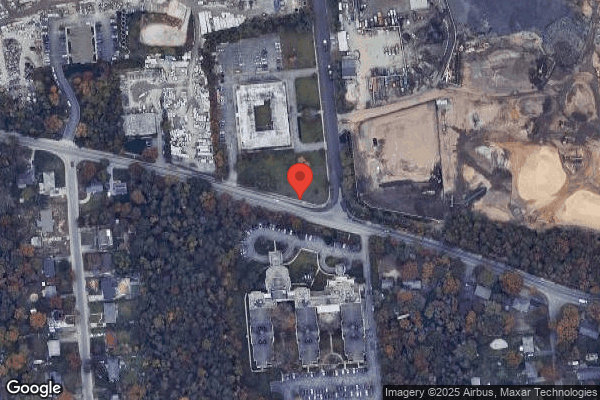
110 BEAVER DAM ROAD, BROOKHAVEN, NY 11719 (631) 286-8100
For profit - Partnership 240 Beds CENTER MANAGEMENT GROUP Data: November 2025 1 Immediate Jeopardy citation
Trust Grade
36/100
#376 of 594 in NY
Last Inspection: August 2024

Within standard 12-15 month inspection cycle. Federal law requires annual inspections.

Overview

Bellhaven Center for Rehab and Nursing Care has received a Trust Grade of F, indicating poor quality and significant concerns about the facility. Ranking #376 out of 594 in New York places it in the bottom half of state facilities, and at #33 out of 41 in Suffolk County, there are only a few local options that are better. The trend appears to be improving slightly, as the number of issues noted has decreased from 4 in 2024 to 3 in 2025. Staffing is a concern, with a low rating of 1 out of 5 stars, but the turnover rate of 38% is slightly below the state average, suggesting some staff stability. However, there have been serious incidents, such as a resident falling and sustaining fractures due to inadequate assistance during care, and critical failures to assess and ensure the safety of bedrails for several residents, which could lead to serious harm. Overall, while there are some strengths, the facility has significant weaknesses that families should consider carefully.

Trust Score
F
36/100
In New York
#376/594
Bottom 37%
Safety Record
High Risk
Review needed
Inspections
Getting Better
4 → 3 violations
Staff Stability
○ Average
38% turnover. Near New York's 48% average. Typical for the industry.
Penalties
⚠ Watch
$7,901 in fines. Higher than 83% of New York facilities, suggesting repeated compliance issues.
Skilled Nurses
⚠ Watch
Each resident gets only 28 minutes of Registered Nurse (RN) attention daily — below average for New York. Fewer RN minutes means fewer trained eyes watching for problems.
Violations
⚠ Watch
17 deficiencies on record. Higher than average. Multiple issues found across inspections.
★★☆☆☆
2.0
Overall Rating
★☆☆☆☆
1.0
Staff Levels
★★★★★
5.0
Care Quality
★☆☆☆☆
1.0
Inspection Score
Stable
2024: 4 issues
2025: 3 issues

The Good

  • 5-Star Quality Measures · Strong clinical quality outcomes
  • Full Sprinkler Coverage · Fire safety systems throughout facility
  • No fines on record
  • Staff turnover below average (38%)

    10 points below New York average of 48%

Facility shows strength in quality measures, fire safety.

The Bad

2-Star Overall Rating

Below New York average (3.1)

Below average - review inspection findings carefully

Staff Turnover: 38%

Near New York avg (46%)

Typical for the industry

Federal Fines: $7,901

Below median ($33,413)

Minor penalties assessed

Chain: CENTER MANAGEMENT GROUP

Part of a multi-facility chain

Ask about local staffing decisions and management

The Ugly 17 deficiencies on record

1 life-threatening 1 actual harm
Sept 2025 3 deficiencies 1 IJ (1 affecting multiple)
CRITICAL (K) 📢 Someone Reported This

A family member, employee, or ombudsman was alarmed enough to file a formal complaint

Immediate Jeopardy (IJ) - the most serious Medicare violation

Deficiency F0700 (Tag F0700)

Someone could have died · This affected multiple residents

**NOTE- TERMS IN BRACKETS HAVE BEEN EDITED TO PROTECT CONFIDENTIALITY** Based on observation, record review, and staff interview during the abbreviated survey (NY00375947) the facility did not review ...

Read full inspector narrative →
**NOTE- TERMS IN BRACKETS HAVE BEEN EDITED TO PROTECT CONFIDENTIALITY** Based on observation, record review, and staff interview during the abbreviated survey (NY00375947) the facility did not review the risks and benefits of bed rails with the resident or resident representative and obtain informed consent prior to installation of bed rails for four (4) of 27 residents (Resident #1, #2 and #3, #4) reviewed. Specifically, the facility failed to assess the residents for risk of entrapment from bed rails prior to installation and failed to ensure the bedrails did not pose a risk of entrapment, asphyxiation, suffocation or injury. The facility failed to protect all four (4) residents from the likelihood of entrapment. This resulted in no actual harm with likelihood of serious harm that is Immediate Jeopardy and Substandard Quality of Care to all residents' using bedrails health and safety. The findings are: The facility policy titled Seizure Precautions and Care dated 06/2018, and revised 01/2023, documented Residents with a seizure diagnosis will have bilateral side rails with padding for protection when in bed. Resident #1 had diagnoses including Seizure disorder, muscle wasting and atrophy, and dementia. The Minimum Data Set (an assessment tool) dated 07/02/2025, documented a brief interview for mental status of 99, indicating severe cognitive impairment. There was no documented evidence of the use of side railsA physicians' order dated 09/03/2024 for Resident #1 documented two quarter side rails. A Comprehensive Care Plan dated 12/02/2023 documented that Resident #1 was at risk for seizures. It documented the following interventions, two quarter added siderails, monitor and report to Medical Doctor the intensity and duration of any seizure activity, protect head during seizure. There was no documented evidence in the medical record that Resident #1 was assessed for the risk of entrapment prior to the side rail installation, or that the resident and representative were educated regarding the risks and benefits and consented to the use of bilateral quarter side rails. Resident# 2 had diagnoses including seizure disorder, cerebral palsy, and muscle wasting and atrophy. The Minimum Data Set, dated [DATE] documented a brief interview for mental status score of 9 indicating moderate cognitive impairment. There was no documented evidence of the use of side railsA physicians' orders dated 12/10/2024 documented seizure precautions two quarter added side rails. A Comprehensive Care Plan dated 12/14/2016 documented Resident #2 had a diagnosis of a seizure disorder. Interventions include pad both upper side rails used as enablers for safety. During seizure, avoid restraining, keep suction equipment available, place pillow under neck, position on side, provide privacy, after monitor level of consciousness. There was no documented evidence in the medical record that Resident #2, was assessed for the risk of entrapment prior to the side rail installation or the resident and representative were educated regarding the risks and benefits and consented to the bilateral quarter side rails. Resident# 3 had diagnoses including seizures, cerebral palsy, and asthma. The Minimum Data Set, dated [DATE] documented Resident #3's brief interview for mental status score of 99 indicating severe cognitive impairment. There was no documented evidence of the use of side railsA physicians' orders dated 08/15/2025 for Resident #3 documented seizure precautions quarter padded side rails. A Comprehensive Care Plan dated 08/15/2025 documented Resident #3 was at risk for seizures. Seizure precautions documented interventions as follows: pad both upper side rails used as enablers for safety, protect head during seizure, monitor and report to Medical Doctor the intensity and duration of any seizure activityThere was no documented evidence in the medical record Resident #3 was assessed for the risk of entrapment prior to the side rail installation or the resident and representative were educated regarding the risks and benefits and consented to the bilateral quarter side rails.During an observation on 08/26/2025 at 11:36 AM, staff were unable to locate padding for Resident #1's side rails. During an observation on 08/27/2025 at 9:36 AM, Resident #1 was in bed with bilateral side rails up, and blankets taped to side rails. During an observation on 08/28/2025 at 8:10 AM Resident #1 was in bed with blankets taped to side rails.During an observation of the unit on 08/27/2025 at 11:48 AM Resident #2's side rails were up with one pad and one blanket noted over side rails. During an observation on 08/28/2025 at 8:10 AM Resident #2 was in bed with one pad and one blanket over side rails.During an observation on 08/27/2025 at 11:42 AM, Resident #3 was in bed with one blanket and one pillow in place over side railsDuring an observation on 08/28/2025 at 8:20 AM Resident #3 was in bed with one blanket and one pillow covering the side rails.During an observation on 08/29/2025 at 9:00 AM Resident #3 was in bed, with quarter bilateral side rails up. One rail had a pad covering, and the other rail was covered with a pillow. During an interview on 08/27/2025 at 10:05 AM, Director of Nursing Services stated they were aware that blankets and pillows were being used instead of pads on the quarter side rails. The Director of Nursing Services stated the nurses are responsible to make sure the pads are in place. The Director of Nursing Services stated that blankets and pillows provided padding, and they (the facility) found it acceptable. During an interview on 08/27/2025 at 12:06 PM Certified Nursing Assistant #4 stated that Resident #2 was missing padding for their side rails. Certified Nursing Assistant #4 stated that the nurse came in, wrapped a blanket around the side rail and secured it with tape this morning. Certified Nursing Assistant #4 did not recall if this was the first occurrence of this type. During an interview on 08/28/2025 at 8:29 AM Certified Nursing Assistant #7, stated they have worked in the facility for many years. They stated that at times, the facility will use blankets or pillows in place of padding on the quarter siderails. They stated, it happens when they are waiting for a shipment of new siderail pads. Certified Nursing Assistant #7 stated that many residents in the facility use pads, and they are hard to locate in the facility. They stated blankets and pillows provide padding. During an interview on 8/28/2025 at 11:46 AM the Administrator, stated they were aware blankets and pillows were being taped to side rails to be used instead of pads. They stated they have always utilized this practice and found it acceptable. The Administrator stated they did not think it caused a suffocation or entrapment risk. During an interview on 08/28/2025 at 2:35 PM the Assistant Director of Nursing Services stated the nursing staff are responsible to ensure there is padding on the side rails. They stated they did not think it should be documented in the medical record that proper padding and side rails are in place. They stated that if a resident has a diagnosis of seizures, the nurse should be ensuring the pads and rails are in place. They stated that if the residents are using the padding in bed, it does not matter if it is blankets, pillows or pads. They stated there was no difference what is used, as long as it is padded. They stated they do not think it causes a suffocation or entrapment risk. During an interview on 08/29/2025 at 10:19 AM Nurse Practitioner #1 stated they were not aware the facility was using blankets and pillows in lieu of pads on side rails. They stated they did not think that was an appropriate form of padding. They stated if the pillows or blankets shift, it could create a risk for entrapment. Nurse Practitioner #1 stated many of the residents have impaired cognition, and they could get their face stuck and suffocate. During a telephone interview with the bed manufacture on 08/29/2025 at 9:37 AM they stated they do not sell specific pads to cover the side rails, and they do not have any specific recommendations for padding. They stated the installation manual states that anything placed on the side of the rails should be tested for entrapment prior to use. They stated that a pillow or blanket could potentially cause a gap and not pass the entrapment test. During an interview on 09/26/2025 at 8:58AM, with medical director they stated the blankets and pillows were used temporarily until the pads came in, they stated it is not customary practice. They stated they do believe an assessment was completed but they are not certain. They stated everyone is now educated.10NYCRR 415.12(h)(1) (2)
CONCERN (D) 📢 Someone Reported This

A family member, employee, or ombudsman was alarmed enough to file a formal complaint

Potential for Harm - no one hurt, but risky conditions existed

Administration (Tag F0835)

Could have caused harm · This affected 1 resident

**NOTE- TERMS IN BRACKETS HAVE BEEN EDITED TO PROTECT CONFIDENTIALITY** Based on observations, record review and interviews during the abbreviated Survey (complaint # NY00375947) the facility did not ...

Read full inspector narrative →
**NOTE- TERMS IN BRACKETS HAVE BEEN EDITED TO PROTECT CONFIDENTIALITY** Based on observations, record review and interviews during the abbreviated Survey (complaint # NY00375947) the facility did not ensure it was administered in a manner that enables it to use its resources effectively and efficiently to attain or maintain the highest practicable physical, mental, and psychosocial well-being of each resident. This was identified for four (4) (Resident #1, #2, #3 and #4) of twenty-seven (27) residents with the potential to affect all 27 residents. Specifically, the facility failed to assess the residents for risk of entrapment from bed rails prior to installation and failed to ensure that the bedrails did not pose a risk of entrapment, asphyxiation, suffocation or injury. Additionally, the facility had blankets and pillows attached with tape to the siderails of four (4) of four (4) residents siderails in place of side rail pads further adding to the likelihood of entrapment. The facility failed to protect all four (4) residents from the likelihood of injury caused by entrapment. Refer to F700 siderails: Scope and Severity of K.The findings are: The primary purpose of your job position is to direct the day-to-day functions of the facility in accordance with current federal, state, and local standards, guidelines, and regulations that govern long-term care facilities to assure that the highest degree of quality care can be provided to our residents.The facility policy titled Seizure Precautions and Care dated 06/2018, and revised 01/2023 documented Residents with a seizure diagnosis will have bilateral side rails with padding for protection when in bed. Resident's #1 had diagnoses including Seizure disorder, Muscle Wasting and Atrophy, and Dementia. The minimum data set assessment dated [DATE] documented a brief interview for mental status score of 99 indicating severe cognitive impairment. A physicians' order dated 09/03/2024 documented bilateral (both sides), quarter padded side rails. During an observation on 08/27/25 at 9:36 AM Resident #1 was in bed with bilateral quarter side rails up, with blankets taped to each quarter side rail. During an observation on 08/28/25 at 8:10 AM Resident #1 was observed in their bed with blankets taped to each quarter side rail.There was no documented evidence in the medical record that Resident #1, was assessed for the risk of entrapment prior to the bilateral (both sides) quarter side rail installation, or the resident and representative were educated regarding the risks and benefits and consented to the bilateral quarter side rails. During an interview on 8/28/2025 at 11:46 AM, with the Administrator, they stated they were aware that resident #2 had blankets and pillows taped to their side rails to be used in lieu of pads. They stated they have always utilized this practice and found it acceptable. The Administrator stated they did not think it caused a suffocation or entrapment risk. Resident's # 2 had diagnoses including seizure disorder, Cerebral Palsy, and Muscle Wasting and Atrophy. The minimum data set assessment dated [DATE] documented Resident#2's brief interview for mental status score of 9 (nine) indicating moderate cognitive impairment. A physicians' orders dated 12/10/2024 documented seizure precautions utilize 2 bilateral quarter padded side rails. During an observation of the unit on 08/27/2025 at 11:48 AM Resident #2's side rails were up with one pad and one blanket noted over both quarter side rails. During an observation on 08/28/2025 at 8:10 AM Resident #2 was in bed with one pad one of the siderails and a blanket over the other side rail.There was no documented evidence in the medical record that Resident #2, was assessed for the risk of entrapment prior to the side rail installation, the resident and representative were educated regarding the risks and benefits and consented to the bilateral quarter side rails. During an interview on 8/28/2025 at 11:46 AM, with the Administrator, they stated they were aware that resident #2 had blankets and pillows taped to their side rails to be used in lieu of pads. They stated they have always utilized this practice and found it acceptable. The Administrator stated they did not think it caused a suffocation or entrapment risk. Resident's # 3 had diagnoses including Seizures, Cerebral Palsy, and Asthma. The minimum data set assessment dated [DATE] documented Resident#3's brief interview for mental status score of 99 indicating severe cognitive impairment. It did not document the use of side rails. A physicians' orders dated 08/15/2025 documented seizure precautions, utilize bilateral padded quarter side rails. During an observation on 08/27/2025 at 11:42 AM, Resident #3 was observed in bed with one blanket and one pillow in place over the residents one (1) quarter side rail.During an observation on 08/28/2025 at 8:20 AM, Resident #3 observed in bed with one blanket and one pillow covering one (1) quarter side rail.During an observation on 08/29/2025 at 9:00 AM, Resident #3 was observed in their bed, with bilateral quarter side rails up. One quarter side rail had a pad covering, and the other quarter side rail was covered with a pillow. There was no documented evidence in the medical record that Resident #3, was assessed for the risk of entrapment prior to the side rail installation or the resident and representative were educated regarding the risks and benefits and consented to the bilateral quarter side rails. During an interview on 8/28/2025 at 11:46 AM, with the Administrator, they stated they were aware resident #3 had blankets and pillows taped to their quarter side rails to be used in lieu of pads. They stated they have always utilized this practice and found it acceptable. The Administrator stated they did not think it caused a suffocation or entrapment risk. 10NYCRR 415.26
CONCERN (D) 📢 Someone Reported This

A family member, employee, or ombudsman was alarmed enough to file a formal complaint

Potential for Harm - no one hurt, but risky conditions existed

Deficiency F0865 (Tag F0865)

Could have caused harm · This affected 1 resident

Based on observations, record review, and interviews during the abbreviated survey complaint # (NY00375947) the facility did not ensure the Quality Assurance Performance Improvement committee develope...

Read full inspector narrative →
Based on observations, record review, and interviews during the abbreviated survey complaint # (NY00375947) the facility did not ensure the Quality Assurance Performance Improvement committee developed and implemented appropriate plans of action to correct identified issues with the facility's side rail padding concern identified for four (4) of twenty-seven (27) residents (Resident #1, #2, #3 and #4) reviewed. Specifically, the facility failed to assess the residents for risk of entrapment from bed rails prior to installation and failed to ensure that the bedrails did not pose a risk of entrapment, asphyxiation, suffocation or injury. Additionally, the facility had blankets and pillows attached with tape to the siderails of four (4) of four (4) residents siderails in place of side rail pads further adding to the likelihood of entrapment. The Quality Assurance Performance Improvement Committee did not address, review, analyze, and act on available data on the identified issue to make improvements and to ensure improvements are sustained.Cross Reference:F 700 F 609The finding is:During an observation on 08/26/2025 at 11:36 AM, Certified Nursing Assistant #4 could not locate siderail padding for Resident #1's bilateral quarter side rails. During an observation on 08/27/2025 at 11:42 AM, Resident #3 was observed in bed with one blanket and one pillow in place over both quarter side rails.During an observation of the unit on 08/27/2025 at 11:48 AM Resident #2's side rails were up with one pad and one blanket over both quarter side rails. During an observation on 08/28/2025 at 8:10AM Resident #2 was in bed with one pad and one blanket over both quarter side rails.During an observation on 08/28/2025 at 8:20 AM Resident #3 observed in bed with one blanket and one pillow covering both quarter side rails.During an observation on 08/29/2025 at 9:00 AM Resident #3 observed in bed, with both quarter side rails up. One rail had a pad covering, and the other rail was covered with a pillow. During an interview on 8/27/25 at 10:05AM with Director of Nursing Services, they stated they were aware that blankets and pillows were being used in lieu of siderail pads on the bilateral quarter side rails. The Director of Nursing Services stated the nurses are responsible to make sure the siderail pads are in place. Director of Nursing Services stated that blankets and pillows provided padding, and they (the facility) found it acceptable. During an interview on 8/28/2025 at 11:46 AM, with the Administrator, they stated they were aware the staff were utilizing blankets and pillows taped to the resident's quarter side rails to be used in lieu of pads. They stated they have always utilized this practice and found it acceptable. The Administrator stated they did not think it caused a suffocation or entrapment risk, and the topic has not been discussed at any of our Quality Assurance Performance Improvement (QAPI) committee meetings. 10 NYCRR 483.75 (a)(2)(h)(i)
Aug 2024 4 deficiencies
CONCERN (D) 📢 Someone Reported This

A family member, employee, or ombudsman was alarmed enough to file a formal complaint

Potential for Harm - no one hurt, but risky conditions existed

Investigate Abuse (Tag F0610)

Could have caused harm · This affected 1 resident

**NOTE- TERMS IN BRACKETS HAVE BEEN EDITED TO PROTECT CONFIDENTIALITY** Based on record review and interviews conducted during the Recertification Survey and Abbreviated Survey (NY 00336468) initiated...

Read full inspector narrative →
**NOTE- TERMS IN BRACKETS HAVE BEEN EDITED TO PROTECT CONFIDENTIALITY** Based on record review and interviews conducted during the Recertification Survey and Abbreviated Survey (NY 00336468) initiated on 8/14/2024 and completed on 8/21/2024, the facility did not ensure that all incidents including an injury of unknown origin were thoroughly investigated. This was identified for one resident (Resident #430) of six residents reviewed for Accidents. Specifically, on 3/19/2024 Resident #430 sustained a fracture of their left leg, an injury of unknown origin. The facility did not thoroughly investigate the incident to identify the root cause of the injury to rule out abuse, neglect, and mistreatment. The finding is: The facility's policy titled Accidents/Incidents Involving Residents revised in July 2021 documented the facility's aim is to protect all the residents from accidents and incidents. If a resident has an accident, incident, or fall, including but not limited to an injury of unknown origin, appropriate treatment is provided, applicable persons are notified, and there is a thorough investigation and follow-up to ensure that the resident is safe from harm. The purpose of the policy is to monitor for abuse, mistreatment, exploitation, or neglect; identify the facts of the accident, incident, or fall; and ensure appropriate follow-up and preventative measures. Resident #430 had diagnoses that included Dementia, Type 2 Diabetes, and Major Depressive Disorder. The Significant Change Minimum Data Set assessment dated [DATE] documented a Brief Interview for Mental Status score of 9, indicating the resident had moderate cognitive impairment. Resident #430 used a walker and wheelchair for mobility. Resident #430 required partial/moderate assistance for bed mobility and transfer. The Nursing Home Investigation Report dated 3/22/2024 documented the staff did not witness falls or trauma involving the resident since 3/7/2024. An undated Accident and Incident Summary documented on 3/18/2024 Resident #430 complained of left leg pain; the resident was medicated with Oxycodone (narcotic pain medication) and extra strength Acetaminophen (Tylenol-pain medication). Resident #430 continued to report discomfort and could not move their left leg. The Nurse Practitioner was notified and ordered an x-ray of the left leg. The x-ray results of the left knee were received on 3/19/2024 and revealed a recent femoral (leg bone) fracture. The Medical Doctor was notified, and Resident #430 was sent to the hospital. The summary concluded there was no evidence of abuse, mistreatment, exploitation, or neglect. The written statements from staff only had information regarding the resident's complaint of pain. The written statements did not include whether the staff witnessed falls or trauma before the resident complained of pain on 3/18/2024 and before the discovery of the fracture. The summary did not identify the possible root cause of the injury. The summary did not include a statement from Resident #430. The Registered Nurse Risk Manager was interviewed on 8/20/2024 at 3:04 PM and stated they completed the Accident and Incident Report for Resident #430 on 3/18/2024. The Registered Nurse Risk Manager stated they interviewed and took statements from the staff who took care of the resident 48 hours prior to the incident. The Registered Nurse Risk Manager stated they asked each staff member about any unusual events regarding the resident's care, such as falls or mistreatment. The Risk Manager stated the staff responses were not documented on the statement forms. Registered Nurse Risk Manager stated they concluded that there were no signs of abuse, mistreatment, or neglect based on their assessment of the resident which noted no bruising or swelling to the affected area and based on the resident's clinical history. The Director of Nursing Services was interviewed on 8/21/2024 at 10:37 AM and stated the staff statements should have reflected any instances of falls or trauma to rule out abuse, neglect, or mistreatment. The Director of Nursing Services stated the facility's policy was to investigate concerns related to an injury of unknown origin and based on the documented statements regarding Resident #430's injury abuse, neglect, and mistreatment could not be ruled out. 10 NYCRR 415.4 (b)
CONCERN (D)

Potential for Harm - no one hurt, but risky conditions existed

Comprehensive Care Plan (Tag F0656)

Could have caused harm · This affected 1 resident

**NOTE- TERMS IN BRACKETS HAVE BEEN EDITED TO PROTECT CONFIDENTIALITY** Based on observation, record review, and interviews conducted during the Recertification Survey initiated on 8/14/2024 and compl...

Read full inspector narrative →
**NOTE- TERMS IN BRACKETS HAVE BEEN EDITED TO PROTECT CONFIDENTIALITY** Based on observation, record review, and interviews conducted during the Recertification Survey initiated on 8/14/2024 and completed on 8/21/2024 the facility did not ensure that a comprehensive person-centered care plan was developed for each resident that included measurable objectives and timeframes to meet a resident's medical, nursing, mental, and psychosocial needs. This was identified for one (Resident #132) of two residents reviewed for hearing and vision. Specifically, Resident #132 did not speak English as their primary language. The Comprehensive Care Plan did not identify that Resident #132 had a language barrier. The finding is: The facility's policy titled Language Services dated July 2023, documented that in the event a resident is admitted who does not speak English as their preferred language, the facility will attempt to locate staff that speak the language to communicate with the resident; however, the facility also makes use of a phone service that provides a translator in the language of choice. The facility did not have a policy on Comprehensive Care Planning. Resident #132 was admitted with the diagnoses of Dementia, Hyperlipidemia (high cholesterol), and Hypertension. The Annual Minimum Data Set assessment dated [DATE] documented a Brief Interview for Mental Status score of 99, indicating the resident was unable to complete the interview. The Minimum Data Set documented Resident #132's hearing was adequate, their speech was clear, they made themselves understood, and they usually understood others. Resident #132's admission Nursing assessment dated [DATE] documented that Resident #132's primary language was French Creole. Resident #132 was observed sitting in a chair in their room on 8/14/2024 at 10:13 AM. Resident #132 responded to the surveyor in French-Creole. Resident #132's Comprehensive Care Plan for Communication effective 7/19/2023 last updated on 7/23/2024, documented that Resident #132 was at risk for decline due to an impaired ability to make themselves understood. Interventions included but were not limited to expand nonverbal communication skills and to provide auditory stimuli by speaking to the resident during care. The Comprehensive Care Plan did not include the resident's language barrier. The Comprehensive Care Plan was updated on 8/21/2024 to include an intervention for the use of a communication board. Certified Nursing Assistant #5, Resident #132 regularly assigned Certified Nursing Assistant, was interviewed on 8/20/2024 at 11:53 AM. Certified Nursing Assistant #5 stated Resident #132 spoke French Creole and did not speak any English. Certified Nursing Assistant #5 stated they were able to communicate with Resident #132 because they also spoke French Creole. Registered Nurse #2 was interviewed on 8/21/2024 at 12:46 PM and stated they were aware that Resident #132 did not speak English. Registered Nurse #2 stated they did not know that the resident's Comprehensive Care Plan did not include the resident's language barrier status because they were not regularly assigned to the unit and were the covering Unit Manager. Registered Nurse #2 stated the communication care plan should have included that Resident #132 did not speak English along with the interventions to meet the resident's communication needs related to the language barrier. Registered Nurse #2 stated the regularly assigned unit Registered Nurse was responsible for updating the care plans. The Administrator was interviewed on 8/21/2024 at 2:02 PM and stated a resident who does not speak English as a primary language, should have a Comprehensive Care plan related to their preferred language with interventions in place such as the use of family members, employees, and translation services to effectively communicate with the resident. 10 NYCRR 415.11(c)(1)
CONCERN (D)

Potential for Harm - no one hurt, but risky conditions existed

Deficiency F0711 (Tag F0711)

Could have caused harm · This affected 1 resident

**NOTE- TERMS IN BRACKETS HAVE BEEN EDITED TO PROTECT CONFIDENTIALITY** Based on record review and interviews conducted during the Recertification Survey initiated on 8/14/2024 and completed on 8/21/2...

Read full inspector narrative →
**NOTE- TERMS IN BRACKETS HAVE BEEN EDITED TO PROTECT CONFIDENTIALITY** Based on record review and interviews conducted during the Recertification Survey initiated on 8/14/2024 and completed on 8/21/2024 the facility did not ensure that a Physician reviewed each resident's total program of care, including treatments and medications. Specifically, Resident #132's Medical Orders for Life-Sustaining Treatment form documented the resident is to be intubated (when a tube is inserted through a person's mouth or nose to open an airway) and provided with long-term mechanical ventilation (to use a ventilator for breathing), including tracheostomy (an opening into the trachea from outside of the neck). Resident #132's Medical Orders for Life-Sustaining Treatment form was not reviewed since the form was first completed on 7/20/2023. Resident #132's physician orders documented the resident was not to be intubated, which did not match the Medical Orders for Life-Sustaining Treatment form. The finding is: The facility's Medical Orders for Life-Sustaining Treatment policy last revised in March 2024 documented the Medical Orders for Life-Sustaining Treatment form is a medical order that converts an individual's wishes regarding life-sustaining treatment into medical orders. The purpose of the Medical Orders for Life-Sustaining Treatment form is to help the Physician/Nurse Practitioner/Physician's Assistant and other health care providers to discuss and convey a resident's wishes regarding cardiopulmonary resuscitation and other life-sustaining treatment. The Physician/Physician Assistant/Nurse Practitioner will review the Medical Orders for Life-Sustaining Treatment form with each 90-day resident review (assessment). When a resident is admitted or readmitted to the facility, the Social Worker, or the Unit Nurse in the absence of the Social Worker, will copy the Medical Orders for Life-Sustaining Treatment form on bright pink paper and file the form in the Resident's Medical record along with the Resident's advance directive. As the resident moves from one healthcare setting to another, the bright pink Medical Orders for Life-Sustaining Treatment form is to accompany the resident. Resident #132 was admitted with the diagnoses of Dementia, Hyperlipidemia (high cholesterol), and Hypertension. The Annual Minimum Data Set assessment dated [DATE] documented a Brief Interview for Mental Status of 99, indicating the resident was unable to complete the interview. The Minimum Data Set assessment documented Resident #132's Advanced Directives as Do Not Intubate. Resident #132's Medical Orders for Life-Sustaining Treatment form dated 7/20/2023 documented providing intubation and long-term mechanical ventilation, including a tracheostomy if the resident required respiratory support. The Review and Renewal section of the Medical Orders for Life-Sustaining Treatment form was blank indicating the Medical Orders for Life-Sustaining Treatment form had not been reviewed since 7/20/2023. A physician's order dated 8/10/2024 documented not to intubate Resident #132. The Adult-Gerontology Nurse Practitioner was interviewed on 8/21/2024 at 11:28 AM and stated they reviewed the Medical Orders for Life-Sustaining Treatment form for Resident #132 on 7/20/2023. The Adult Gerontology Nurse Practitioner stated the Medical Orders for Life-Sustaining Treatment form should be reviewed to ensure that the form matched the physician's order for advance directives including wishes regarding intubation. The Medical Director was interviewed on 8/21/2024 at 11:38 AM and stated the Medical Orders for Life-Sustaining Treatment form is completed with the Resident's Representative and the facility's nursing and social work staff. The Medical Director stated the instructions documented on the Medical Orders for Life-Sustaining Treatment form are the standard of care and the Medical Orders for Life-Sustaining Treatment form and physician's order should match. 415.15(b)(2)(iii)
CONCERN (D)

Potential for Harm - no one hurt, but risky conditions existed

Deficiency F0745 (Tag F0745)

Could have caused harm · This affected 1 resident

**NOTE- TERMS IN BRACKETS HAVE BEEN EDITED TO PROTECT CONFIDENTIALITY** Based on record review and interviews conducted during the recertification survey initiated on 8/14/2024 and completed on 8/21/2...

Read full inspector narrative →
**NOTE- TERMS IN BRACKETS HAVE BEEN EDITED TO PROTECT CONFIDENTIALITY** Based on record review and interviews conducted during the recertification survey initiated on 8/14/2024 and completed on 8/21/2024 the facility did not ensure that all residents were provided with medically-related social services to attain or maintain the highest practicable physical, mental, and psychosocial well-being of each resident. This was identified for one of two residents reviewed for Advanced Directives. Specifically, Resident #132's Medical Orders for Life-Sustaining Treatment dated 7/20/2023 indicated the resident was to be intubated (when a tube is inserted through a person's mouth or nose to open an airway) and provided with long-term mechanical ventilation (to use a ventilator for breathing), including tracheostomy (an opening into the trachea from outside of the neck). The facility did not review/revise Resident #132's Medical Orders for Life-Sustaining Treatment form since the form was first completed on 7/20/2023. Additionally, Resident #132's Comprehensive Care Plan and the advance directive physician's order did not match the Medical Orders for Life-Sustaining Treatment form. The finding is: The facility's Medical Orders for Life-Sustaining Treatment policy last revised in March 2024 documented the Medical Orders for Life-Sustaining Treatment form is a medical order that converts an individual's wishes regarding life-sustaining treatment into medical orders. The purpose of the Medical Orders for Life-Sustaining Treatment form is to help the Physician/Nurse Practitioner/Physician's Assistant and other health care providers to discuss and convey a resident's wishes regarding cardiopulmonary resuscitation and other life-sustaining treatment. The Physician/Physician Assistant/Nurse Practitioner will review the Medical Orders for Life-Sustaining Treatment form with each 90-day resident review (assessment). When a resident is admitted or readmitted to the facility, the Social Worker, or the Unit Nurse in the absence of the Social Worker, will copy the Medical Orders for Life-Sustaining Treatment form on bright pink paper and file the form in the Resident's Medical record along with the Resident's advance directive. As the resident moves from one healthcare setting to another, the bright pink Medical Orders for Life-Sustaining Treatment form is to accompany the resident. Resident #132 was admitted with the diagnoses of Dementia, Hyperlipidemia (high cholesterol), and Hypertension. The Annual Minimum Data Set assessment dated [DATE] documented a Brief Interview for Mental Status score of 99, indicating the resident was unable to complete the interview. The admission Minimum Data Set Assessment documented Resident #132's Advanced Directives as Do Not Intubate. Resident #132's Medical Orders for Life-Sustaining Treatment form dated 7/20/2023 documented to provide intubation and long-term mechanical ventilation, including a tracheostomy, if the resident required respiratory support. The Review and Renewal section of the Medical Orders for Life-Sustaining Treatment form was blank indicating the Medical Orders for Life-Sustaining Treatment form had not been reviewed since 7/20/2023. A physician's order dated 8/10/2024 documented not to intubate Resident #132. Resident #132's Advanced Directives care plan effective 7/19/2023 and last reviewed on 7/24/2024 documented Do Not Intubate. This care plan was updated on 10/25/2023, 1/18/2024, 4/20/2024, and 7/24/2024 and documented Quarterly - Advanced directives reviewed with resident's sponsor. No changes at this time. Education ongoing. On 8/20/2024 the Care Plan was revised to include that advanced directives were reviewed with the resident's family member and a new Medical Orders for Life-Sustaining Treatment (MOLST) form was completed with the following orders: Do Not Resuscitate, Do Not Intubate, no feeding tube, and to send the resident to the hospital when medically necessary. The Social Worker assigned to Resident #132 was unavailable for an interview. Social Worker #1 was interviewed on 8/20/2024 at 4:13 PM and stated the Medical Orders for Life-Sustaining Treatment form should be reviewed quarterly with the designated representative, nursing, and social worker during the care plan meeting. The Director of Social Work was interviewed on 8/21/2024 at 9:32 AM and stated the Medical Orders for Life-Sustaining Treatment form is reviewed at the quarterly care plan meetings; if there is a change in condition; or when the designated representative requested a change. The Director of Social Work stated the Medical Orders for Life-Sustaining Treatment form should have matched the physician's orders and the resident's care plan. The discrepancy between the physician's orders and the Medical Orders for Life-Sustaining Treatment form was an oversight. The Director of Social Work was interviewed on 8/21/2024 at 3:38 PM and stated the Social Worker is responsible for ensuring that the Medical Orders for Life-Sustaining Treatment form, Comprehensive Care Plan, and physician's orders match and are accurate. The Director of Nursing Services was interviewed on 8/21/2024 at 3:45 PM and stated the resident's Social Worker should review the Medical Orders for Life-Sustaining Treatment form at the quarterly Comprehensive Care Plan Meeting and ensure the physician's orders and Care Plan are consistent with the Medical Orders for Life-Sustaining Treatment form. 10 NYCRR 415.5(g)(1)(i-xv)
Jul 2023 5 deficiencies 1 Harm
SERIOUS (G) 📢 Someone Reported This

A family member, employee, or ombudsman was alarmed enough to file a formal complaint

Actual Harm - a resident was hurt due to facility failures

Accident Prevention (Tag F0689)

A resident was harmed · This affected 1 resident

**NOTE- TERMS IN BRACKETS HAVE BEEN EDITED TO PROTECT CONFIDENTIALITY** Based on observation, record review and interviews during the Recertification and Abbreviated Survey (NY00303374) initiated on [...

Read full inspector narrative →
**NOTE- TERMS IN BRACKETS HAVE BEEN EDITED TO PROTECT CONFIDENTIALITY** Based on observation, record review and interviews during the Recertification and Abbreviated Survey (NY00303374) initiated on [DATE] and completed on [DATE] the facility did not ensure that each resident receive adequate supervision and assistance to prevent accidents. This was identified for one (Resident #82) of two residents reviewed for falls. Specifically, Resident #82 required total assistance of two staff members for all areas of Activities of Daily Living (ADLs) including bed mobility as per the Comprehensive Care Plan (CCP). During morning care on [DATE] Resident #82 fell in their room, when the Temporary Nursing Assistant (TNA) #1 turned the resident on their right side away from them (TNA #1) without the assistance of another staff member. Subsequently, Resident #82 fell from their bed and sustained Bilateral Femur (upper leg) Fractures. This resulted in actual harm to Resident #82 that is not Immediate Jeopardy. The finding is: The facility Policy on Fall Prevention was revised in [DATE], documented under the Procedure section (#5) to document care plan directives on the Certified Nursing Assistant (CNA) Accountability Sheet. Under procedure section #7 the policy documented at the time of a fall incident the Registered Nurse (RN) Supervisor is to review the resident's plan of directives to ensure that appropriate interventions were followed, and to revise the care plan to include interventions to prevent reoccurrence of fall incidents. Resident #82 was admitted with diagnoses of Dementia and Cerebral Vascular Accident with Hemiparesis (one side body weakness). Resident #82 was readmitted on [DATE] from the hospital Status Post falls and had diagnoses that included Fracture of Right and Left Femur, Hypertension, and Atrial Fibrillation. The Quarterly Minimum Data Set (MDS) assessment dated [DATE] documented the resident had short and long term memory problems. The resident required total assistance of two staff members for bed mobility, transfers, toileting, and bathing. The resident has impairment of both upper extremities and on one side of their lower extremity. The resident utilized a wheelchair and had no falls prior to this assessment. The Significant Change MDS dated [DATE] documented the resident had short and long term memory problems and was severely impaired for daily decision making. The resident required total assistance of two staff members for bed mobility, transfers, toileting, and bathing. The resident was always incontinent of both bowel and bladder. The resident has limitations on both sides of the upper and lower extremities. The Nursing Fall Risk assessment dated [DATE] documented the resident's fall risk score was 11 which indicated the resident was at risk for falls and required a Falls/Safety/Injury care plan. The Activities of Daily Living (ADL) Functional/Rehabilitation potential care plan dated [DATE], last updated [DATE] documented the resident required total assistance of two staff members for bed mobility. The At Risk for Falls- Potential/Injury care plan dated [DATE] and was last reviewed on [DATE] documented the resident was at risk for falls with potential for injury related to Dementia, Cerebral Vascular Accident related to Hemiparesis. The interventions included to provide assistance of two staff members for all care including bed mobility. The Resident Nursing Instructions Form (guidance provided to CNAs for resident care needs) dated [DATE]-[DATE] documented Resident #82 required total dependence of two staff members for bed mobility. A Nursing note dated [DATE] at 7:15 AM written by Registered Nurse (RN) #2 documented that at 6:30 AM Resident #82 was turned towards the door by TNA #1 during care. Resident #82 began to roll out of the bed and TNA #1 guided the resident to the floor. Resident #82 was found on the floor in their room lying on their back. The resident complained of right knee discomfort with a pain score of four out of 10 (zero indicating no pain and 10 indicating most severe pain). A Facility Accident and Incident (A/I) Report dated [DATE] at 6:30 AM documented that while TNA #1 was rendering care to Resident #82, TNA #1 turned the resident towards the door and the resident began to roll out of the bed. TNA #1 stated that they guided the resident to the floor. The A/I report documented the resident was found on the floor in their room lying on their back and complaining of right knee discomfort. The Facility A/I Summary dated [DATE] concluded that TNA #1 performed toileting and bed mobility on Resident #82 by themselves without seeking assistance from a Certified Nursing Assistant (CNA) or a nurse. This break in the plan of care resulted in a major injury to the resident. Due to these circumstances, TNA #1 has been relieved from their position. Based on the information provided, there has been evidence of abuse, mistreatment, exploitation, or neglect. The Resident CNA Documentation History Form (documentation of care that was rendered) dated [DATE]-[DATE] revealed at 11:35 PM TNA #1 provided care for Resident #82 utilizing two persons for bed mobility. After 11:35 PM TNA #1 did not document care provision to Resident #82 on [DATE]-[DATE] during the 11:00 PM-7:00AM nursing shift. The Computerized Tomography (CT) scan of the Right Hip, Femur, and Knee dated [DATE] documented there was a right Femur Fracture. The hospital Radiology Report of the Left Knee dated [DATE] documented there was a left Femoral Fracture A Nursing note written by RN #6 dated [DATE] at 2:03 PM documented the x-ray result revealed an Acute Femur Fracture. The Hospital Discharge Instructions dated [DATE] documented that the right Femur fracture was non-operative and the left Femur fracture required surgical intervention on [DATE]. A Medical progress note written by Nurse Practitioner (NP) #1 dated [DATE] documented the resident was evaluated on [DATE] at the bedside. The note documented the resident had a recent hospitalization status post fall resulting in right and left Femur Fractures. TNA #1 was not available for interviews after several attempts were made to contact them on [DATE]. TNA #1's written statement dated [DATE] documented when they (TNA #1) were providing care for Resident #82 they rolled Resident #82 on their right side to apply the cream to the resident's buttocks. TNA #1 wrote they noticed the resident was rolling more to the right and they tried to intervene, but they were only able to catch the upper part of the resident's body. When the resident's legs fell off the bed, TNA #1 gently placed the resident onto the floor and called for the nurse. Resident #82 told TNA #1 that their right knee hurts. An observation of Resident #82 was conducted on [DATE] at 10:15 AM. Resident #82 was observed sitting in their room in a reclining wheelchair. RN #2, the 11:00 PM - 7:00 AM shift Supervisor on [DATE]-[DATE], was interviewed on [DATE] at 6:36 AM. RN #2 stated they were informed by Licensed Practical Nurse (LPN) #4 that the resident was on the floor. RN #2 stated when they arrived at the unit, they observed Resident #82 on the floor laying on their back between the wall and the right side of the bed. RN #2 stated the resident was complaining of severe pain in the right knee and leg. RN #2 stated that they tried to perform Range of Motion (ROM) to the resident's extremities, however, could not continue due to the resident's complaint of pain. RN #2 stated after they assessed the resident, they transferred the resident back to bed using a Hoyer (mechanical) lift. RN #2 stated the resident required two staff members' assistance for bed mobility and turning and positioning. TNA #1 told RN #2 that they did not request assistance from another staff member when providing care to Resident #82. RN #2 stated that TNA #1 informed them they were unaware that Resident #82 required two-person assistance for bed mobility. CNA #3, who was the 11:00 PM - 7:00 AM CNA on duty on [DATE]-[DATE], was interviewed on [DATE] at 3:12 PM. CNA #3 stated TNA #1 was assigned to Resident #82. CNA #3 stated after providing care to one of the residents on their assignment they were walking in the hallway when they heard TNA #1 calling for help. CNA #3 stated when they got to the resident's room, they saw Resident #82 laying on their stomach on the floor. CNA #3 stated that TNA #1 told them when they rolled Resident #82, the resident was too close to the edge of the bed and the resident continued to roll out of bed. CNA #3 further stated that the resident required two staff members for all ADLs and that TNA #1 did not ask for their assistance to turn Resident #82. LPN #2, who was the medication nurse on duty on [DATE]-[DATE] on the 11 PM-7:00 AM shift, was interviewed on [DATE] at 3:30 PM. LPN #2 stated that they were made aware of the incident by TNA #1 who came to the nurse's station and reported that Resident #82 fell out of bed. LPN #2 stated they called RN #2 then went to Resident #82's room and saw the resident lying face down on the floor. LPN #2 stated TNA #1 reported they rolled the Resident too close to the edge of the bed and the resident rolled off the bed. A subsequent interview with LPN #2 was conducted on [DATE] at 5:16 PM. LPN #2 stated that TNA #1 did not request help from them at any time during the [DATE] - [DATE] 11 PM - 7AM nursing shift. The RN Inservice Coordinator was interviewed on [DATE] at 11:52 AM. The RN Inservice Coordinator stated that all new hires receive training on mandatory policies and procedures upon hire and annually. The RN Inservice Coordinator stated that the TNAs receive the same training and in-services as the CNAs. The RN Inservice Coordinator stated after a one-day classroom training that the TNA is buddied with an experienced CNA and that during this period they receive extensive training on the use of the Electronic Medical Record (EMR) including reviewing the ADL Tasks which includes bed mobility prior to providing care. The Medical Director (MD) was interviewed on [DATE] at 4:43 PM. The MD stated when they were made aware of the resident's fall, they ordered an x-ray of the right leg. The MD stated on [DATE] they were made aware the x-ray results revealed a right Femur Fracture they ordered to send the resident to the hospital for evaluation. The MD stated at the time of transfer that they were not aware of the resident's Left Hip Fracture. The MD stated that based on the fall and x-ray results the resident's fractures were directly related to the fall. The Physician further stated that if the resident's plan of care specified two persons for bed mobility, the expectation would be for the care of the resident to be rendered by two staff members. The Director of Nursing Service (DNS) was interviewed on [DATE] at 9:58 AM. The DNS stated that the resident required two staff members for all aspects of ADLs, especially bed mobility. The DNS stated that there was a break in Resident #82's plan of care because TNA #1 did not follow the resident's plan of care. The DNS stated that TNA #1 did not have a second staff member to assist them with care while the resident was in bed. The DNS stated TNA #1 should have asked for assistance from CNA #3 and if CNA #3 was not available TNA #1 should have asked LPN #2 for assistance. Additionally, the DNS stated that the X-Ray revealed an Acute Fracture of the Right Distal Femur and at the time of the incident they were not aware that the resident had fractured their Left Hip because the resident did not complain of left leg pain. The DNS stated it was upon the resident's return from the hospital that they discovered the resident had fractured the Left Femur (upper leg) as well. The DNS stated the bilateral fractures were directly related to the resident's fall from bed on [DATE]. The Administrator was interviewed on [DATE] at 12:31 PM and stated that TNA #1 did not follow the plan of care when administering care to Resident #82. The Administrator stated they expected the staff to follow each resident's plan of care. If a resident's plan of care requires two-person assistance, then the staff must utilize two staff members to provide care. 10 NYCRR-414.12(h)(2)
CONCERN (D) 📢 Someone Reported This

A family member, employee, or ombudsman was alarmed enough to file a formal complaint

Potential for Harm - no one hurt, but risky conditions existed

Report Alleged Abuse (Tag F0609)

Could have caused harm · This affected 1 resident

**NOTE- TERMS IN BRACKETS HAVE BEEN EDITED TO PROTECT CONFIDENTIALITY** Based on record reviews and interviews conducted during a Recertification Survey and Abbreviated Survey (NY00308707) initiated o...

Read full inspector narrative →
**NOTE- TERMS IN BRACKETS HAVE BEEN EDITED TO PROTECT CONFIDENTIALITY** Based on record reviews and interviews conducted during a Recertification Survey and Abbreviated Survey (NY00308707) initiated on 7/19/2023 and completed on 7/28/2023, the facility did not ensure that all alleged violations involving abuse, neglect, exploitation, or mistreatment, including injuries of unknown source are reported immediately, but no later than two hours after the allegation is made, if the events that cause the allegation involve abuse or result in serious bodily injury are reported to the New York State Department of Health (NYSDOH) within the required timeframe. This was identified for one of four sampled residents reviewed for Accidents. Specifically, Resident #230 was first identified on 1/14/2023 with a right hip fracture and the facility did not report the injury to the NYSDOH until 1/16/2023. The finding is: The Facility Abuse Mistreatment and Neglect Policy dated 1/2023 documented that the facility will report all instances where there is reasonable cause to believe abuse has occurred as required to the Department of Health and take necessary corrective action depending on the result of the investigation. The policy documented under #10- - The DOH will be notified by the DNS or designee of any suspicion or findings of abuse, neglect, mistreatment of resident as per regulation. Resident # 230 was initially admitted to the facility on [DATE]. Resident # 230 was discharged to the hospital on 1/6/2023 due to altered mental status and was readmitted on [DATE]. The residents' diagnoses included Metabolic Encephalopathy, Muscle Wasting and Atrophy, and Peripheral Vascular Disease. The medical record documented a new diagnoses of Age-related Osteoporosis without current pathological fracture on 1/16/2023. The Minimum Data Set (MDS) assessment dated [DATE] documented the resident had a Brief interview of Mental Status score of 99 which indicated the resident was cognitively impaired. The resident required limited assistance with one person for bed mobility, eating, toilet use, transfer, walk in room, walk in corridor. The resident required extensive assist with one person assist for locomotion on/off unit, dressing and personal hygiene. The MDS documented the resident was not steady and was only able to stabilize with staff assistance for walking, moving from seated to standing position, turning around. The Radiology result dated 1/14/2023 at 10:53 AM documented the resident had a right hip fracture. The Nursing progress note dated 01/14/2023 at 2:06 PM documented the resident's X-Ray of Right(R) hip revealed an Acute fracture of the right femur. The Physician (MD)#1 was notified, and no new orders were given. The resident remains on comfort care measures, pain management was in place with positive effect. The Nursing Progress Note dated 01/14/2023 at 8:06 PM documented the resident's family was contacted regarding the X-Ray result revealing a right hip fracture. The resident had no reported fall since re-admission. X-ray order was old, dated 12/9/22, and got carried over during the readmission and was done 1/14/23. The physician reviewed the result - spontaneous fracture can sometimes happen, make sure family is updated. The Physician's Progress note dated on 01/15/2023 at 8:48 AM documented they (Physician) spoke to the nursing supervisor in reference to the X-ray of the acute fracture femur. The resident did not have any recent fall in the nursing home. The Nursing supervisor spoke to the family regarding the x-ray report and the family wants the patient to be comfortable. The resident was on comfort care and was receiving lorazepam (ant-anxiety medication) as well as morphine (pain medication). The Incident/Accident investigation initiated on 1/16/2023 and completed on 1/20/2023 documented that based on the information provided, there has been no evidence of abuse, mistreatment, exploitation or neglect. The Incident was not reported to the NYSDOH until 1/16/2023. Registered Nurse Supervisor (RNS) #3 was interviewed on 7/25/2023 at 2:00 PM and stated they worked on 1/14/2023 from 7:00 PM to 7:00 AM. RNS #3 stated they were notified by the day supervisor that the resident's X-ray for the right hip was positive for fracture. RNS #3 stated they notified the resident's family, and they did not start an accident/incident report. RNS #3 stated they did not discuss the resident's fracture with the Director of Nursing Services (DNS) because they forgot to do so. RNS#3 stated they worked on 1/12/2023, the day the resident was re-admitted , and they observed the resident did not have any bruising or swelling on the resident's bilateral hips. RNS#3 stated the resident did not have any signs and symptoms of pain or discomfort on 1/12/2023, 1/14/2023, 1/15/2023. RNS#3 stated they reinitiated the resident's old orders when the resident was re-admitted on [DATE] and one of the orders was a hip X-ray. Accurate?? Licensed Practical Nurse (LPN) #4 who worked on 1/12/2023, 1/14/2023 and 1/15/2023 was interviewed on 7/26/2023 at 11:44 AM. LPN #4 stated that Resident #230 was confused and was able to verbalize their needs at times. LPN#4 stated they do not remember if the resident had symptoms of pain on or after their re-admission on [DATE]. LPN#4 stated they received a call from the X-ray company on 1/14/2023 that Resident #230 had a right hip fracture. LPN#4 stated they reported this to RNS #4 and the Physician on 1/14/2023. LPN#4 stated RNS #4 should have reported the fracture to the Director of Nursing (DNS) and initiated an incident and accident report after they received the phone call from the X-ray company. LPN#4 stated the residents X-ray result was on the 24 hours report when they received the call from the X-ray on 1/14/2023. RNS #4 was interviewed on 7/26/2023 at 1:05 PM and stated they worked on 1/14/2023 on the 7:00 AM to 7:00 PM shift and they were informed by the night RNS and read on the 24 hour report that the resident had a right hip fracture. RNS#4 did not start an incident/accident report and did not notify the DNS because they thought the night nurse had initiated the A/I report. RN#5, the admission Nurse, was interviewed on 7/26/2023 at 1:35 PM and stated they completed the readmission with RNS#3 and the resident did not have any signs and symptoms of a fractured hip such as, swelling, bruising or pain. Physician #1, the resident's primary care physician, was interviewed on 7/27/2023 at 9:46 AM and stated the resident has a lot of comorbidities and this fracture was a pathological fracture. The Director of Nursing Services (DNS) was interviewed on 7/28/2023 at 11:31 AM and stated the X-ray was done for right hip on January 13 th,2023 and the facility was notified of the results on 1/14/2023 which revealed the resident had a acute (new) right fracture. The DNS stated LPN #3 received the report from the X-ray company 1/14/2023 but did not notify the supervisor or the DNS. The DNS stated they (DNS) should have been made aware of any injury, even if on the weekends or during the night, so the facility could notify and report the injury to the NYSDOH. The DNS stated in the morning on Monday, 1/16/2023, they (DNS) read the 24 hour report and noticed that the resident had a fracture reported on 1/14/2023. The DNS stated they started the accident and incident report on 1/16/2023 and reported the incident to the DOH within two hours after reading the 24 hour report; however, they should have been notified once the fracture was identified. 483.12(c)(1)(4)
CONCERN (D)

Potential for Harm - no one hurt, but risky conditions existed

Deficiency F0645 (Tag F0645)

Could have caused harm · This affected 1 resident

**NOTE- TERMS IN BRACKETS HAVE BEEN EDITED TO PROTECT CONFIDENTIALITY** Based on record review and interviews during the Recertification Survey initiated on 7/19/2023 and completed on 7/28/2023, the f...

Read full inspector narrative →
**NOTE- TERMS IN BRACKETS HAVE BEEN EDITED TO PROTECT CONFIDENTIALITY** Based on record review and interviews during the Recertification Survey initiated on 7/19/2023 and completed on 7/28/2023, the facility did not ensure that accurate preadmission screening for individuals with a mental disorder and individuals with intellectual disability was conducted. This was identified for one of 35 residents reviewed for Pre-admission Screening and Resident Review (PASARR). Specifically, Resident # 143 had a Level I (one) PASARR screening partially completed; therefore, the necessity of a Level II screen could not be determined. The finding is: The facility's policy and procedure titled Pre-admission Screening and Resident Review (PASARR) last revised June 2021 documented to obtain a pre-admission screen for all new admissions and to review the PASARR screen for every new admission. Upon acceptance of a new admission from the hospital or community, the admissions staff will be responsible to obtain a PASARR screen prior to admission. The PASARR screen dated 6/9/2023, completed at the hospital prior to admission to the nursing home, was reviewed. A Level I screen was not fully completed. Questions 26 were left blank. Question 26 asks does this person presents with evidence of cognitive deficit and/or adaptive skill deficit that may indicate the presence of mental retardation or developmental disability? The guideline indicates if item 23 or any or item 24-26 were marked YES, proceed to Categorical Determination (items 27-30). If item 23 and all of the items 24-26 are marked NO, proceed to patient/resident/person disposition (item 36). The PASARR form was not completed to determine if a Level II was required. Resident #143 was admitted to the facility on [DATE] with diagnoses of Bipolar Disorder, Major Depressive Disorder and Metabolic Encephalopathy. The admission Minimum Data Set (MDS) assessment dated [DATE] documented a Brief Interview for Mental Status (BIMS) score of 15 which indicated the resident had intact cognition. The assessment's PASARR section documented that Resident #143 was not currently considered by the state level II PASARR process to have serious mental illness, intellectual disability nor other related conditions. The admission Coordinator was interviewed on 7/27/2023 at 9:40 AM. The admission Coordinator stated that they received all pre-admission documents from the admission nurse Licensed Practical Nurse (LPN) #3 and they (admission Coordinator) are responsible to ensure all documents required for admission were present. The admission Coordinator stated that they do not review documents for completion and accuracy. LPN #3, who was the onsite liaison, was interviewed on 7/27/2023 at 9:54 AM. LPN #3 stated that they were responsible for reviewing admission referrals and thoroughly checking all the resident's pre-admission documents including but not limited to the PASARR screen to determine if the facility would be able to provide the level of care that the resident needed. LPN #3 reviewed Resident #143's PASARR screen dated 6/9/2023 and confirmed that Question 26 was not completed. LPN #3 stated that without answering all the questions (Question 23 through 26), the necessity for a Level 2 screening cannot be determined. LPN #3 stated that the response No should have been checked for Question 26 because Resident #143 did not have evidence of cognitive deficit and/or adaptive skill deficits that may indicate the presence of mental retardation or developmental disability. LPN #3 stated that interdisciplinary members such as social worker should also review the screen and notify them (LPN #3) if there was any issue. LPN #3 stated that Resident #143's social worker did not notify them (LPN #3) of any issue related to the PASARR screen. Social Worker (SW) #1 was interviewed on 7/27/2023 at 10:20 AM and stated they were Resident #143's assigned social worker. SW #1 stated that they (SW #1) reviewed Resident #143's PASARR screening after the resident was admitted . SW #1 stated they did not notice that Question 26 was not answered and should have been. SW #1 stated that they were a certified PASARR screener and that the consideration of level 2 PASARR review cannot be determined without the question answered appropriately. SW #1 stated that Resident #143 would not have required a level 2 review because they (Resident #143) did not fit the criteria. SW #1 stated that if they had discovered the missing response during admission, they would have asked the admission nurse to reach out to the sending facility and have the screen redone. The Director of Social Work (DSW) was interviewed on 7/27/2023 at 11:55 AM and stated that they (DSW) expected the admission office to review and scan all the resident's pre-admission documents to the resident's electronic medical chart. The DSW stated the assigned social worker should make sure that a current PASARR screen was in the chart and notified them (DSW) or the admission coordinator if there were any issues with the screen. The DSW stated that Question 26 should have been answered and that the sending hospital should have been notified to obtain a corrected PASARR screen. The Administrator was interviewed on 7/28/2023 at 11:51 AM and stated that the admission office should ensure all resident's pre-admission documents including the PASARR screen were thoroughly reviewed, and all resident information was completed accurately and appropriately. The Administrator stated that if an issue was identified with the screen, the admission office should request the sending facility to redo the screen. The Administrator stated that both the admission nurse and Resident #143's social worker overlooked the incomplete question which was an error. 10 NYCRR 415.11(e)
CONCERN (D)

Potential for Harm - no one hurt, but risky conditions existed

Respiratory Care (Tag F0695)

Could have caused harm · This affected 1 resident

**NOTE- TERMS IN BRACKETS HAVE BEEN EDITED TO PROTECT CONFIDENTIALITY** Based on observation, record review, and interviews during the Recertification Survey, initiated on 7/19/2023 and completed on 7...

Read full inspector narrative →
**NOTE- TERMS IN BRACKETS HAVE BEEN EDITED TO PROTECT CONFIDENTIALITY** Based on observation, record review, and interviews during the Recertification Survey, initiated on 7/19/2023 and completed on 7/28/2023 the facility did not ensure that each resident who needs respiratory care is provided such care consistent with professional standards of practice and the comprehensive person-centered care plan. This was identified for one (Resident #60) of two residents reviewed for Respiratory care. Specifically, Resident #60, with a diagnosis of Chronic Obstructive Pulmonary Disease (COPD), had a Physician's Order to administer continuous oxygen at 3 liters per minute via a nasal cannula (tubing used to deliver supplemental oxygen). The resident was observed in the dining room with an empty oxygen tank. The finding is: The Oxygen Concentrator/Oxygen Policy last revised on 1/2023 documented that the facility will utilize oxygen concentrators for residents who require long-term oxygen use unless the use for liquefied oxygen is indicated. The use of concentrators will follow general oxygen use guidelines regarding physician's orders, safety, and infection control. The Oxygen Administration and Maintenance Policy last revised on 1/2023 documented that the Licensed Nursing Staff turns on the [oxygen tank] gauge and adjusts the oxygen flow to the prescribed rate. Resident # 60 was admitted with diagnoses of Dysphagia, Chronic Obstructive Pulmonary Disease (COPD), and Alzheimer's disease. The Minimum Data Set (MDS) assessment dated [DATE] documented that the resident had a Brief Interview for Mental Status (MDS) score of 99 which indicated the resident had severely impaired cognition. The resident required extensive assistance of one person for bed mobility and walking in the room and corridor. The resident required limited assistance of one person for transfer, dressing, and personal hygiene. The MDS indicated the resident did not use oxygen. The current Physician's Order dated 3/7/2023 and last renewed on 7/1/2023 documented to administer oxygen via nasal cannula at 3 liters per minute continuously to promote optional lung expansion. The Comprehensive Care Plan (CCP) for Respiratory Disorders: COPD and oxygen use initiated on 1/26/2021 documented interventions to monitor oxygen saturations as ordered and as needed; monitor respiratory status-oxygen saturation, lung sounds, cyanosis (bluish discoloration of the skin due to inadequate oxygen), use of accessory muscles, shortness of breath, and to provide inhalation or nebulizer treatments per physician order. Resident #60 was observed on 7/19/2023 at 12:44 PM in the dining room sitting in the wheelchair at a table. An oxygen tank was observed attached to the back of the resident's wheelchair. The resident was not receiving oxygen. The oxygen tubing was coiled and tucked in between the wheelchair and the oxygen tank. The resident appeared to have difficulty breathing. Licensed Practical Nurse (LPN) #5 was alerted by the surveyor of the resident's condition. LPN #5 checked the resident's oxygen tank and acknowledged that the oxygen tank was empty. The resident's oxygen saturation level was checked by LPN #5 and was measured at 69 percent (%) (normal range 92% and above). The resident was provided a new oxygen tank and oxygen was administered at 3 liters per minute. The resident's oxygen level was 94 % after the supplemental oxygen administration. LPN #5 stated that the resident's oxygen tank was checked in the morning by the resident's CNA. Licensed Practical Nurse (LPN) #5, who was the medication/treatment nurse, was interviewed on 7/25/2023 at 12:50 PM and stated that the Certified Nursing Assistants (CNAs) are responsible to place the oxygen tank and turn on the oxygen for residents who are receiving oxygen via oxygen tanks or concentrators. LPN #5 stated that on 07/19/2023 at 12:44 PM, the resident's oxygen tank was empty and the resident requires continuous oxygen supply. Certified Nursing Assistant (CNA) #2 was interviewed on 7/25/2023 at 2:29 PM and stated they got the resident out of bed around 9:00 AM on 7/19/22023 and turned the resident's oxygen tank on. CNA #2 stated that the oxygen tank was half empty when they first applied the oxygen to Resident #60. CNA #2 stated, Everyone knows turning the oxygen tanks on was the CNAs' responsibility. CNA #2 stated they were not taught how to administer oxygen. They stated they did not put the oxygen tube behind the wheelchair. Registered Nurse (RN) #1, the Nurse Manager, was interviewed on 7/27/2023 at 1:50 PM and stated that it was the Licensed Practical Nurses and RNs' responsibility to turn the oxygen tank on. RN #1 stated everyone is responsible for making sure the oxygen tank is full. The resident's Physician (MD) #2 was interviewed on 7/27/2023 at 2:05 PM and stated that Resident #60 needs continuous oxygen therapy because of the COPD diagnosis. MD #2 further stated it was unsafe for the resident to not receive oxygen therapy continuously. The Director of Nursing Services (DNS) was interviewed on 7/28/2023 at 11:32 AM and stated that Resident #60 needs continuous oxygen as per their physician's orders. The resident could have respiratory distress if adequate oxygen supply is not administered. The DNS stated all staff members were responsible to monitor the oxygen tanks. The DNS further stated the CNAs were allowed to place the oxygen tanks on the wheelchairs but were not allowed to adjust the oxygen because oxygen administration and adjusting the oxygen is the nurses' responsibility. 10 NYCRR 415.12(k)(6)
CONCERN (D)

Potential for Harm - no one hurt, but risky conditions existed

Deficiency F0698 (Tag F0698)

Could have caused harm · This affected 1 resident

**NOTE- TERMS IN BRACKETS HAVE BEEN EDITED TO PROTECT CONFIDENTIALITY** Based on record review, observation and interviews during the Recertification survey initiated on 7/19/2023 and completed on 7/2...

Read full inspector narrative →
**NOTE- TERMS IN BRACKETS HAVE BEEN EDITED TO PROTECT CONFIDENTIALITY** Based on record review, observation and interviews during the Recertification survey initiated on 7/19/2023 and completed on 7/28/2023, the facility did not ensure a resident requiring dialysis services received such services consistent with professional standards of practice. This was identified for one (Resident #83) of one resident reviewed for Dialysis. Specifically, Resident # 83 received Dialysis services twice per week at a Dialysis Center not located within the facility. There was no documented evidence that ongoing communication and collaboration with the dialysis facility regarding dialysis care and services was established for Resident #83 from 7/16/2023 to 7/24/2023. The finding is: The facility's policy and procedure titled Dialysis last revised July 2018 documented that the staff will assure the coordination of care and communication with the dialysis center. The facility will be monitoring resident's status before and after dialysis. A dialysis Center/Facility Communication Book will be prepared at the start of a resident's first dialysis visit. This book will be stored on the nursing unit. This book will accompany the resident to all dialysis visits and contain the resident's photo, name and address of the dialysis center, days of the week and chair time that the resident will be attending. The communication book is to be signed and dated upon return to the facility. Resident #83 was initially admitted to the facility on [DATE] with diagnoses of End Stage Renal Disease (ESRD) on Hemodialysis, Nephrostomy Catheter, and Hypertension. The Quarterly Minimum Data Set (MDS) assessment dated [DATE] documented a Brief Interview for Mental Status (BIMS) score of 15 which indicated the resident had intact cognition. The assessment documented that the resident received Dialysis services while being a resident in the facility. The Comprehensive Care Plan (CCP) titled Renal Disease: Dialysis dated 2/16/2022 and last reviewed 6/26/2023, documented the resident is currently on dialysis. Interventions include but not limited to: monitor vital signs as ordered, monitor for signs of infection and communicate with the dialysis center any abnormal findings, communication will occur between skilled nursing staff and hemodialysis center related to the care needs of patient and notify the Nephrologist and the attending Physician with any complications of the hemodialysis (HD) device. The Physician's orders dated 6/26/2023 documented that Resident #83 attends Hemodialysis twice a week on Tuesdays and Saturdays; and the Dialysis Center/Facility Communication Book is kept on the [nursing] unit and accompanies the resident to dialysis visits. A nursing progress note dated 7/16/2023 documented that the resident returned from dialysis at approximately 11:40 PM. The note documented that the resident returned without the dialysis book. The Electronic Medical Record was reviewed on 7/24/2023. There was no documented evidence from 7/16/2023 to 7/24/2023 that attempts were made by the facility to locate the missing communication book. There was no documented evidence of how the facility planned to establish an ongoing communication with the dialysis center without the communication book. Resident #83's Dialysis Communication Book was requested on 7/24/2023 at 12:02PM for review. The unit Registered Nurse (RN) #7, RN Manager, stated that the book cannot be located at this time. RN#7 stated that a search would be conducted on the unit as well as the resident's room to find the communication book. RN #7 was interviewed on 7/24/2023 at 2:15PM and stated that the search was unsuccessful, and the book was missing. RN #7 stated that the communication book was usually kept at the nursing station, and they (RN#7) were not aware that the book was missing and did not know for how long. RN #7 stated that they did not usually check to see if the book was kept on the unit because the resident's dialysis appointments were scheduled in the evening and therefore was managed by the evening shift nurses. Licensed Practical Nurse (LPN) #6, who worked 7AM to 7PM on 7/22/2023, was unavailable for interview. LPN #7 was interviewed on 7/26/2023 at 4:01PM. LPN #7 stated that they worked on the 7PM to 7AM nursing shift from 7/22/2023 to 7/23/2023, which is the nursing unit where Resident #83 resides. LPN #7 stated that Resident #83 left for dialysis appointment on 7/22/2023 before their (LPN #7) shift started. LPN #7 was not sure if the resident left with a communication book to their appointment. LPN #7 stated that resident usually returns from dialysis center around midnight; however, was unable to recall the exact time Resident #83 returned on 7/22/2023. LPN #7 stated that they were aware that the resident did not return with the communication book, and that it was too late to contact the center because the center was closed. LPN #7 stated that the resident should return with the communication book as it was how the Dialysis Center primarily communicates with the facility. LPN #7 stated that they did not notify the RN supervisor on the shift because there was nothing they could have done. LPN #7 stated that they told the oncoming shift that the communication book was missing but could not recall who they spoke to. LPN #7 stated they did not follow up regarding the missing communication book, they did not know how the resident did at the dialysis center on Saturday 7/22/2023 or if there were any recommendations made by the dialysis center related to the resident's dialysis treatment. LPN #8, who worked 7AM to 7PM on 7/23/2023, was interviewed on 7/27/2023 at 10:46 AM and stated that they did not receive any report about Resident #83's missing dialysis communication book. LPN #8 stated had they been aware they would have reported the missing dialysis communication to their supervisor, conducted a search, and reached out to the dialysis center. Resident #83 was interviewed on 7/27/2023 at 12:10 PM and stated that they left the facility in the evenings on dialysis days Tuesdays and Saturdays. Resident #83 stated that they are picked up by an ambulance company and are transported to the hospital for Dialysis treatment. Resident #83 stated that they usually carry a book which they brought to the dialysis center and brought back to the facility afterwards. Resident #83 stated that they would drop off the book at the nursing station when they returned from their appointment. Resident #83 did not recall the last time they saw the book and did not know where the book was. The Director of Nursing Services (DNS) was interviewed on 7/27/2023 at 1:25 PM and stated that the dialysis center closes on Saturday nights and on Sundays. The DNS stated that they (DNS) would have expected LPN #7 to notify the RN supervisor that the resident returned without the communication book on Saturday, 7/22/2023. The DNS stated they (DNS) contacted the transportation company to search the vehicle used for transporting Resident # 83 for Dialysis; however, the transportation company was not able to locate the communication book either. The DNS stated the dialysis center has also searched for the communication book and has not been able to find the communication book. The DNS stated that they were not aware that Resident #83's dialysis communication book was missing before the surveyor requested the book on 7/24/2023. The DNS stated that a new book was created and was sent with the resident to dialysis appointment on Tuesday 7/25/2023. 10 NYCRR 415.12
Jun 2021 5 deficiencies
CONCERN (D)

Potential for Harm - no one hurt, but risky conditions existed

Report Alleged Abuse (Tag F0609)

Could have caused harm · This affected 1 resident

**NOTE- TERMS IN BRACKETS HAVE BEEN EDITED TO PROTECT CONFIDENTIALITY** Based on record review and staff interviews during the Recertification Survey completed on 6/21/2021, the facility did not ensur...

Read full inspector narrative →
**NOTE- TERMS IN BRACKETS HAVE BEEN EDITED TO PROTECT CONFIDENTIALITY** Based on record review and staff interviews during the Recertification Survey completed on 6/21/2021, the facility did not ensure that all injuries of unknown source are reported immediately, but not later than 2 hours if there are serious bodily injuries or not later than 24 hours if there are no serious bodily injuries. This was identified for one (Resident #162) of 4 residents reviewed for Accidents. Specifically, on 4/28/2021 Resident #162 was observed with injuries of unknown origin and there was no documented evidence that the injuries were reported to the New York State Department of Health (NYSDOH) as required. The finding is: Resident #162 was admitted to the facility with diagnoses that include Right Hip Fracture with Open Reduction and Internal Fixation, and Dementia. A Significant change MDS assessment dated [DATE], after a hospital readmission, documented the resident had short and long term memory problems, and had no behavior problems. The resident required extensive assistance of two staff members for bed mobility, and total assistance of two staff members for transfers. The MDS documented the resident had no falls since admission. An Accident Report dated 4/28/2021 at 5:45 AM documented the resident was found in bed with gross ecchymosis (black and blue) to the left side of the face and left periorbital area, left elbow skin tear, right elbow skin tear, left wrist skin tear, right knee ecchymosis, right thigh ecchymosis all of unknown origin. In the resident description of occurrence, it was documented unable to respond appropriately secondary to Unspecified Dementia with Behavioral Disturbance. A Comprehensive Care Plan (CCP) for falls and injury dated 3/12/2021 documented the resident was at risk for falls with the potential for injury related to wanting to be more independent, and/or diagnoses of Arthritis, Degenerative Joint Disease, Vision Impairment, Dementia, and Fracture in the last 180 days, functional decline, balance problems, and history of falls. Interventions included to anticipate needs of the resident, early get-up, ensure the use of proper footwear, instruct resident to use call bell to ask for assistance, keep resident dry, maintain a safe environment free of hazards and provide bilateral low profile floor mats. The CCP was updated on 4/28/2021 and documented that the resident was observed lying in bed with gross left facial ecchymosis, left periorbital ecchymosis, left elbow skin tear, right elbow skin tear, left wrist skin tear, right knee skin tear, and right thigh ecchymosis. A Progress Note dated 4/28/2021 at 6:49 AM written by the Registered Nurse (RN) Supervisor documented they (the RN Supervisor) were called to the resident's room at 5:45 AM. The resident was alert with confusion. The resident was observed lying in bed with left gross facial ecchymosis, left periorbital ecchymosis, left elbow skin tear, right elbow skin tear, left wrist skin tear, right knee ecchymosis, right thigh ecchymosis. A call was made to the Physician and the Physician ordered to send the resident to the hospital for evaluation at 6:00 AM. A Progress Note dated 4/28/2021 at 12:13 PM documented the resident was admitted at 12:18 PM with diagnosis of Left Hip Fracture. The RN #7, Supervisor, was interviewed on 6/21/2021 at 3:07 PM and stated that they (the RN Supervisor) was informed (could not recall by who) that the resident had a fall. The RN Supervisor stated the resident was admitted with a left hip fracture and that the resident always sits at the nurse's station for supervision. The RN Supervisor was unable to state if the resident was able to walk by themselves, however, in the past, the RN Supervisor had observed the resident stand from the wheelchair holding on to the rail in the hallway. The RN Supervisor stated when they went in to assess the resident dried blood was observed on the resident's gown. The Director of Nursing Services (DNS) and the Registered Nurse Risk Manager were interviewed concurrently on 6/21/2021 at 1:49 PM. They both stated that the resident's injuries were of unknown origin and that the resident was observed sitting on the resident's bed. The staff denied observing the resident on the floor or witnessing a fall. Both the DNS and the Risk Manager stated that they did not go back 48 hours to interview staff because a nurse and a Certified Nursing Assistant (CNA) saw the resident 30 minutes prior to identification of the injuries and the resident's plan of care was followed. The Risk Manager further stated if the injury was of unknown origin the facility usually report the incident to the NYSDOH. 415.4(b)(2)
CONCERN (D)

Potential for Harm - no one hurt, but risky conditions existed

Investigate Abuse (Tag F0610)

Could have caused harm · This affected 1 resident

**NOTE- TERMS IN BRACKETS HAVE BEEN EDITED TO PROTECT CONFIDENTIALITY** Based on record review and staff interviews during the Recertification Survey completed on 6/21/2021, the facility did not ensur...

Read full inspector narrative →
**NOTE- TERMS IN BRACKETS HAVE BEEN EDITED TO PROTECT CONFIDENTIALITY** Based on record review and staff interviews during the Recertification Survey completed on 6/21/2021, the facility did not ensure that injuries of unknown origin were thoroughly investigated to rule out Abuse. This was identified for 1 (Resident #162) of 4 residents reviewed for Accidents. Specifically, Resident #162 was identified with multiple injuries of unknown origin. The facility investigation was not thorough and lacked pertinent staff/resident interviews to rule out Abuse, Neglect, or Mistreatment. The finding is: The facility Policy titled Investigation of Possible Resident Abuse Mistreatment and Neglect dated June 2016 documented an investigation is conducted for possible resident Abuse whenever either of the following situations occur: resident sustains an injury, example fracture, laceration, bruise and/or discoloration in an area, and the origin is unknown. Resident #162 was admitted to the facility with diagnoses that include Right Hip Fracture with Open Reduction and Internal Fixation, and Dementia. A Significant change MDS assessment dated [DATE] after a hospital readmission documented the resident had short and long term memory problems, had no behavior problems, and required extensive assistance of two staff members for bed mobility, total assistance of two staff members for transfers and toileting. The resident was always incontinent of bladder and bowel. An Accident/Incident (A/I) Report dated 4/28/2021 at 5:45 AM documented the resident was found in bed with gross ecchymosis (black and blue) to the left side of the face and left periorbital area, left elbow skin tear, right elbow skin tear, left wrist skin tear, right knee ecchymosis, right thigh ecchymosis all of unknown origin. In the resident description of occurrence, it was documented unable to respond appropriately secondary to Unspecified Dementia with Behavioral Disturbance. The A/I Report concluded that based on information provided there was no evidence of Abuse, Mistreatment, Exploitation, or Neglect. A written statement from the 11 PM-7 AM shift assigned CNA (not available for interview) documented that the resident was last seen 30 minutes prior (no time documented) during purposeful rounding, while doing rounds (no time documented) the resident was sitting on the side of the bed with blood on the gown and a skin tear on the right elbow and the same was reported to the unit nurse. A Comprehensive Care Plan (CCP) for falls and injury dated 3/12/2021 documented the resident was at risk for falls with the potential for injury. The Interventions included to anticipate needs of the resident, early get-up, ensure the use of proper footwear, instruct resident to use call bell to ask for assistance, keep resident dry, maintain a safe environment free of hazards and provide bilateral low profile floor mats. The CCP was updated on 4/28/2021 and documented that the resident was observed lying in bed with gross left facial ecchymosis, left periorbital ecchymosis, left elbow skin tear, right elbow skin tear, left wrist skin tear, right knee skin tear, and right thigh ecchymosis. A Progress Note dated 4/28/2021 at 6:49 AM written by the Registered Nurse (RN) Supervisor documented they (the RN Supervisor) were called to the resident's room at 5:45 AM. The resident was alert with confusion. The resident was observed lying in bed with left gross facial ecchymosis, left periorbital ecchymosis, left elbow skin tear, right elbow skin tear, left wrist skin tear, right knee ecchymosis, right thigh ecchymosis. A call was made to the Physician and the Physician ordered to send the resident to the hospital for evaluation at 6:00 AM. A Progress Note dated 4/28/2021 at 12:13 PM documented the resident was admitted at 12:18 PM with diagnosis of Left Hip Fracture. The Director of Nursing Services (DNS) and the Registered Nurse Risk Manager were interviewed concurrently on 6/21/2021 at 1:49 PM. They both stated that the resident's injuries were of unknown origin and that the resident was observed sitting on the resident's bed. The staff denied observing the resident on the floor or witnessing a fall. Both the DNS and the Risk Manager stated that a Certified Nursing Assistant (CNA) saw the resident 30 minutes prior to identification of the injuries and the resident's plan of care was followed. Both the DNS and the Registered Nurse Risk Manager stated that they did not interview other staff members. 415.4(b)(3)
CONCERN (D)

Potential for Harm - no one hurt, but risky conditions existed

Comprehensive Care Plan (Tag F0656)

Could have caused harm · This affected 1 resident

**NOTE- TERMS IN BRACKETS HAVE BEEN EDITED TO PROTECT CONFIDENTIALITY** Based on observation, record review, and interviews during the Recertification Survey completed on 6/21/2021, the facility did n...

Read full inspector narrative →
**NOTE- TERMS IN BRACKETS HAVE BEEN EDITED TO PROTECT CONFIDENTIALITY** Based on observation, record review, and interviews during the Recertification Survey completed on 6/21/2021, the facility did not ensure that the person-centered care plan, with measurable goals and interventions, was implemented for a resident who utilizes hearing aids. This was identified for 1 (Resident # 95) of 2 residents reviewed for Communication and Sensory Problems. Specifically, Resident # 95, who was hard of hearing, had a Comprehensive Care Plan (CCP) developed for Communication which included the use of a hearing aid. Resident #95 was observed on two occasions without the hearing aid in place. The finding is: The Facility Policy & Procedure entitled, Hearing Aid: Dispensing and storage of resident's hearing aid effective June 2018 documented the licensed staff will assure that a resident's hearing aid is safely secured on the treatment cart at the hour of sleep (HS), and safely dispensed and placed securely in the resident's ear upon waking hours; at the start of the resident's day, or upon the resident request. Once a resident has been identified as having a hearing aid, the nursing staff will ensure that an order is in place to have the 3-11 pm shift nurse to remove the hearing aid and the 11-7 am or 7-3 pm nurse place the hearing aid back in the resident's ear. It is the responsibility of the licensed nursing staff to sign off in the electronic Treatment Administration Record (TAR) that the MD order was rendered. Should a resident insist on caring for their own hearing aid, it will be documented in the resident's care plan and the resident will assume the risk and liability for such device. The Facility Policy & Procedure entitled, Hearing Aid Care and Use effective June 2018 documented the staff will assure that residents who require a hearing aid to improve their hearing will have their hearing aid appropriately used and cared for. Resident #95 was admitted to the facility with diagnoses that included Cerebral Infarction, Alzheimer's disease, and unspecified Dementia without behavioral disturbance. The Quarterly Minimum Data Set (MDS) assessment dated [DATE] documented the resident had a Brief Interview for Mental Status (BIMS) score of 9, which indicated the resident had moderately impaired cognition. The resident had minimal hearing difficulty, used a hearing aid, usually understands (misses some parts/intent of message but comprehends most conversation). Physician orders dated 10/30/2019 and last renewed on 06/17/2021 documented to check the hearing aid placement in the left ear every shift and to remove at HS. Resident #95's communication care plan for at risk for decline due to hearing deficit related to hearing loss, and use of hearing aid, initiated on 12/22/2016, included interventions to maintain effective communication, and to monitor communication devices. The most recent update on 4/19/2021 documented the resident remains hard of hearing, has hearing aids they wear daily. The most recent Audiology consult dated on 10/31/2019 recommended daily use of the hearing aid. The consult documented to not sleep with the hearing aid, do not get the hearing aid wet, and to open the battery door to turn off the hearing aid. Resident # 95 was observed on 6/15/2021 at 10:44 AM sitting in a wheelchair. The resident was hard of hearing and was not wearing a hearing aid. The resident asked to repeat questions, pointed to ears indicating hearing loss, and stated that they were having trouble hearing. Resident # 95 was observed on 6/17/2021 at 11:38 AM. The resident was observed wheeling themselves in the hallway, and asking a staff member for something to eat. Certified Nursing Assistant (CNA # 1) was observed pulling down their face mask to speak loudly to Resident #95. The resident was not wearing a hearing aid and nodded their head to indicate yes to the staff member. The TAR documented to check the hearing aid placement in the left ear every shift and to remove at bedtime (HS). Review of the TAR revealed documentation that the resident refused use of the hearing aid from 3/1/2021- 6/17/2021. CNA #1 was interviewed on 6/17/2021 at 11:43 AM and stated they were aware Resident # 95 was hard of hearing and that they elevate their voice so the resident can hear. CNA # 1 stated that they adjust their mask at times so the resident can hear better. CNA # 1 further stated that they were not sure if the resident has hearing aids. CNA #1 identified themselves as a regular staff member on the unit. The Licensed Practical Nurse (LPN) #2 was interviewed on 6/17/2021 at 12:24 PM and stated they increase the volume of their voice and use hand gestures to communicate with Resident #95 when necessary. LPN # 2 stated that they have not seen the hearing aid in the last month, but the resident has a tendency to hide the hearing aid or not remember where the hearing aid is. The Registered Nurse (RN) #6 was interviewed on 6/17/2021 at 12:30 PM and stated the staff speaks loudly to the resident so the resident can hear. RN # 6 stated they (RN#6) have not seen the hearing aid in a while because the LPNs usually keep track of the hearing aids. RN # 6 further stated the expectation is that if the resident has a Physician's order for a hearing aid the resident should use the hearing aid. The Director of Nursing Services (DNS) was interviewed on 6/18/2021 at 9:17 AM. The DNS stated they (the DNS) was aware of the resident's need for a hearing aid. The resident is known for not liking to wear the hearing aid and wraps the hearing aid in a tissue. If the resident refuses to wear their hearing aid or have behaviors of hiding the hearing aid, these behaviors should be documented in the care plan or progress note. The DNS further stated that the hearing aid should be locked in the medication room and once the LPN takes the hearing aid it out of the medication room the case should be stored on the treatment cart until the hearing aid(s) are removed at night. 415.11(c)(1)
CONCERN (D)

Potential for Harm - no one hurt, but risky conditions existed

Infection Control (Tag F0880)

Could have caused harm · This affected 1 resident

Based on observation, record review, and interviews during the Recertification Survey completed on 6/21/2021 the facility did not maintain an Infection Prevention and Control Program designed to help ...

Read full inspector narrative →
Based on observation, record review, and interviews during the Recertification Survey completed on 6/21/2021 the facility did not maintain an Infection Prevention and Control Program designed to help prevent the development and transmission of communicable diseases and infections. This was identified for 1 of 1 wound care observations. Specifically, during a wound care observation for Resident #173, the Licensed Practical Nurse (LPN #1) wound treatment nurse did not change gloves and wash hands after cleansing the wound and before applying the ordered treatment. The finding is: Review of the undated facility's Clean Dressing Competency form documented under Step 23 to cleanse the wound with the ordered solution and in Step 24 to apply the ordered treatment. There was no documentation to wash hands and change gloves after cleaning the wound. Resident # 173 was most recently admitted to the facility with diagnoses including Peripheral Vascular Disease, Non-Alzheimer's Dementia, and Seizure Disorder. The 5/29/2021 Quarterly Minimum Data Set (MDS) assessment documented a Brief Interview for Mental Status (BIMS) score of 99, indicating the resident was unable to complete the interview. The MDS documented the resident had severely impaired cognitive skills for daily decision making. The MDS further documented that the resident had three (3) Venous and Arterial Ulcers. A Physician's order dated 6/10/2021 documented to apply Lidocaine 5% topical ointment to the intact skin around the open areas on both feet 5 minutes prior to wound care. A Physician's order dated 6/10/2021 documented to cleanse the right bunion with normal saline and then apply Betadine-moistened gauze once a day and when needed (prn) and apply a dry protective dressing. A Comprehensive Care Plan (CCP) titled Vascular Ulcer Right Bunion, effective 3/10/2021 and last updated 5/26/2021, documented that the resident was seen on wound rounds secondary to multiple vascular ulcers on bilateral (both) feet. The right bunion vascular ulcer size was measured as 1.5 centimeters (cm) by 1.0 cm, with 50% slough (devitalized tissue), 50% granulation, and a small amount of serous (blood-tinged) exudate. Resident #173's right bunion wound care was observed on 6/17/2021 at 9:15 AM. The treatment was performed by the LPN wound treatment nurse (LPN #1) who was assisted by the Registered Nurse (RN) wound care nurse. LPN #1 removed the dressing and applied the Lidocaine pain relief treatment. The dressing had serosanguinous (blood-tinged) drainage on it. After washing hands and changing gloves following removal of the old dressing and application of the Lidocaine treatment and waiting 5 minutes, LPN#1 cleansed the right bunion wound with normal saline and then immediately soaked gauze with Betadine using the same gloved hand that was used to cleanse the wound. At this time the RN wound care nurse had stepped out of the room. LPN #1 was about to apply the Betadine-soaked gauze to the wound and was asked if the gloves need to be changed and handwashing performed. LPN #1 discarded the Betadine-soaked gauze and proceeded to change gloves and wash hands and then continued the wound treatment. The RN Wound Care Nurse was interviewed on 6/17/2021 at 9:40 AM. The nurse stated it does not hurt to wash hands and change gloves after cleaning the wound. LPN#1 was interviewed on 6/17/2021 at 9:45 AM. LPN #1 stated the normal procedure after the dressing is removed, is to wash hands, change gloves, and then clean the wound and apply the treatment without washing hands after cleaning the wound. The Director of Nursing Services (DNS) and the Infection Preventionist (IP) were interviewed concurrently on 6/17/2021 at 10:22 AM. They both stated staff are told more handwashing is better and the nurse should wash their hands after cleaning the wound before moving to the treatment stage. The DNS and RN Inservice Coordinator were interviewed concurrently on 6/17/2021 at 2:18 PM. They stated best practice would be to wash hands and change gloves after cleaning a wound. They stated LPN #1 did what the current clean dressing change competency says and that is what the nurses are trained to do. They stated the competency will be revised to include handwashing after the wound is cleansed. 415.19(a)(1-3)
CONCERN (E)

Potential for Harm - no one hurt, but risky conditions existed

Deficiency F0725 (Tag F0725)

Could have caused harm · This affected multiple residents

**NOTE- TERMS IN BRACKETS HAVE BEEN EDITED TO PROTECT CONFIDENTIALITY** Based on record review and interviews during the Recertification and Abbreviated (Complaint # NY 00264419) survey completed on 6...

Read full inspector narrative →
**NOTE- TERMS IN BRACKETS HAVE BEEN EDITED TO PROTECT CONFIDENTIALITY** Based on record review and interviews during the Recertification and Abbreviated (Complaint # NY 00264419) survey completed on 6/21/2021, the facility did not ensure sufficient nursing staff to provide nursing services to attain or maintain the highest practicable physical, mental and psychosocial well-being for 3 of 6 nursing units. Specifically, review of the facility staffing indicated the facility did not have the recommended number of Certified Nursing Assistants (CNAs) as indicated on the Staffing Sheets. The Facility Assessment did not document the acuity level of care and specific number of staff required to care for the residents based on the level of care needed on each unit. Additionally, during an interview with Residents # 148 who was cognitively intact, the resident stated the facility has insufficient staff to care for the residents which results in extended wait times to receive care. The finding is: Resident # 148 has diagnoses that include Multiple Sclerosis. The Minimum Data Set (MDS) assessment dated [DATE] documented the resident Brief Interview for Mental Status (BIMS) score was 15 indicating the resident had intact cognition. The resident required total assistance of 2 staff members for bed mobility, transfers, and hygiene. The resident was always incontinent of bowel and bladder. Resident # 148 was interviewed on 06/15/2021 at 9:49 AM and stated there were not enough Certified Nursing Assistants (CNA) available to care for the residents. The resident stated they had to wait a long time to receive care. The Facility Assessment last reviewed June 2020 documented the facility provides care to 240 residents divided by 6 units (40 residents per unit). The Facility Assessment did not document the acuity level of care required for the residents in the facility. The Facility Assessment documented there should be a minimum of 2-6 CNAs assigned depending on shift and unit and 1-3 Licensed Practical Nurse (LPNs) depending on shift and unit. The Facility Assessment did not have a specific breakdown of the staff required for each unit for each shift. The Staffing Coordinator was interviewed on 6/21/2021 at 12:14 PM and stated they do not use agency staff when the scheduled staff calls in. The Staffing Coordinator stated that when there are call ins, staff are asked to volunteer to stay and work. If no one volunteers, the units run short staffed. There never came in to complete the application. The facility has difficulties obtaining CNAs. A job fair was held last week and only 2 CNAs expressed interest, but the complete the application. Unit A1 is always short 1 CNA during the 7:00 AM-3:00 PM and 3:00 PM-11:00 PM shifts and unit A 2 is also short 1 CNA on the 3:00 PM-11:00 PM shift. The Staffing Coordinator clarified that on the 7:00 AM to 3:00 PM shift Unit A1 should have 6 CNAs (instead of 4) and Unit A2 should have 5 CNAs (instead of 4). The Staffing Coordinator further stated that unfortunately, the 11:00 PM- 7:00 AM shift at times might only be staffed with 1 CNA. A review of Staffing sheets revealed that from June 15, 2021 through June 20, 2021: - 6/15/21- unit B2 was short 1 CNA, - 6/16/21 unit C2 was short 1 CNA, - 6/17/21 unit C2 was short 1 CNA, - 6/18/21 units A2 and B1 were both short 1 CNA, - 6/19/21, units B1, B2 and C1 were short 1 CNA - 6/20/21, units B1 and C1 were short 1 CNA. CNA #4 was interviewed on 6/26/2021 at 1:30 PM and stated that they (CNA #4) are assigned to work unit A2 and have to care for 10 residents instead of 8 when the unit is short 1 CNA. This means more work and then it takes longer to provide care to residents, such as transfers, incontinent care, and showers. We are short [staffed]. CNA #5 from unit A2 was interviewed on 6/21/2021 at 1:35 PM and stated when there is one less CNA on the unit it takes longer to provide showers, transfers, and incontinent care. CNA #5 stated the residents on unit A2 have Dementia and one less CNA is significant for this population. CNA #5 stated this means there are less eyes on wandering residents and it becomes very difficult to provide care and to monitor the wandering residents. CNA #6 assigned to unit A1 was interviewed on 6/21/2021 at 1:45 PM and stated when the facility is short staffed, it is harder to provide timely care to residents. Today, I have 8 residents. 7 of the 8-residents require extensive assist with transfers, showers, incontinent care and answering call bells. CNA #6 stated it is very difficult and stressful and there are delays in providing care. The Administrator was interviewed on 6/21/2021 at 2:49 PM and stated they (Administrator) just started on May 3, 2021 and was aware of short staffing at the facility. The Administrator also stated that sometimes when the CNAs are short staffed, the LPNs pick-up the workload and assist the CNAs. The facility is constantly advertising and recruiting. The Administrator further stated that the facility does not use a staffing agency, and this was brought to the Administrator's attention after they (Administrator) were hired, and this will be addressed. The Administrator stated, We are not able to find CNAs. The Director of Nursing Services (DNS) was interviewed on 6/21/2021 at 3:00 PM and stated the facility has difficulties obtaining and hiring CNAs. 415.13(a)(1)(i-iii)
Understanding Severity Codes (click to expand)
Life-Threatening (Immediate Jeopardy)
J - Isolated K - Pattern L - Widespread
Actual Harm
G - Isolated H - Pattern I - Widespread
Potential for Harm
D - Isolated E - Pattern F - Widespread
No Harm (Minor)
A - Isolated B - Pattern C - Widespread

Questions to Ask on Your Visit

  • "What changes have you made since the serious inspection findings?"
  • "Can I speak with families of current residents?"
  • "What's your RN coverage like on weekends and overnight?"

Our Honest Assessment

Strengths
  • • 38% turnover. Below New York's 48% average. Good staff retention means consistent care.
Concerns
  • • Multiple safety concerns identified: 1 life-threatening violation(s), 1 harm violation(s). Review inspection reports carefully.
  • • 17 deficiencies on record, including 1 critical (life-threatening) violation. These warrant careful review before choosing this facility.
  • • Grade F (36/100). Below average facility with significant concerns.
Bottom line: Trust Score of 36/100 indicates significant concerns. Thoroughly evaluate alternatives.

About This Facility

What is Bellhaven Center For Rehab And Nursing Care's CMS Rating?

CMS assigns BELLHAVEN CENTER FOR REHAB AND NURSING CARE an overall rating of 2 out of 5 stars, which is considered below average nationally. Within New York, this rating places the facility higher than 0% of the state's 100 nursing homes. A rating at this level reflects concerns identified through health inspections, staffing assessments, or quality measures that families should carefully consider.

How is Bellhaven Center For Rehab And Nursing Care Staffed?

CMS rates BELLHAVEN CENTER FOR REHAB AND NURSING CARE's staffing level at 1 out of 5 stars, which is much below average compared to other nursing homes. Staff turnover is 38%, compared to the New York average of 46%. This relatively stable workforce can support continuity of care.

What Have Inspectors Found at Bellhaven Center For Rehab And Nursing Care?

State health inspectors documented 17 deficiencies at BELLHAVEN CENTER FOR REHAB AND NURSING CARE during 2021 to 2025. These included: 1 Immediate Jeopardy (the most serious level, indicating potential for serious harm or death), 1 that caused actual resident harm, and 15 with potential for harm. Immediate Jeopardy findings are rare and represent the most serious regulatory concerns. They require immediate corrective action.
Who Owns and Operates Bellhaven Center For Rehab And Nursing Care?

BELLHAVEN CENTER FOR REHAB AND NURSING CARE is owned by a for-profit company. For-profit facilities operate as businesses with obligations to shareholders or private owners. The facility is operated by CENTER MANAGEMENT GROUP, a chain that manages multiple nursing homes. With 240 certified beds and approximately 236 residents (about 98% occupancy), it is a large facility located in BROOKHAVEN, New York.

How Does Bellhaven Center For Rehab And Nursing Care Compare to Other New York Nursing Homes?

Compared to the 100 nursing homes in New York, BELLHAVEN CENTER FOR REHAB AND NURSING CARE's overall rating (2 stars) is below the state average of 3.1, staff turnover (38%) is near the state average of 46%, and health inspection rating (1 stars) is much below the national benchmark.

What Should Families Ask When Visiting Bellhaven Center For Rehab And Nursing Care?

Based on this facility's data, families visiting should ask: "What changes have been made since the serious inspection findings, and how are you preventing similar issues?" "Can you walk me through typical staffing levels on day, evening, and night shifts?" "Can I visit during a mealtime to observe dining assistance and food quality?" "How do you handle medical emergencies, and what is your hospital transfer rate?" These questions are particularly relevant given the facility's Immediate Jeopardy citations and the below-average staffing rating.

Is Bellhaven Center For Rehab And Nursing Care Safe?

Based on CMS inspection data, BELLHAVEN CENTER FOR REHAB AND NURSING CARE has documented safety concerns. Inspectors have issued 1 Immediate Jeopardy citation (the most serious violation level indicating risk of serious injury or death). The facility has a 2-star overall rating and ranks #100 of 100 nursing homes in New York. Families considering this facility should ask detailed questions about what corrective actions have been taken since these incidents.

Do Nurses at Bellhaven Center For Rehab And Nursing Care Stick Around?

BELLHAVEN CENTER FOR REHAB AND NURSING CARE has a staff turnover rate of 38%, which is about average for New York nursing homes (state average: 46%). Moderate turnover is common in nursing homes, but families should still ask about staff tenure and how the facility maintains care continuity when employees leave.

Was Bellhaven Center For Rehab And Nursing Care Ever Fined?

BELLHAVEN CENTER FOR REHAB AND NURSING CARE has been fined $7,901 across 1 penalty action. This is below the New York average of $33,158. While any fine indicates a compliance issue, fines under $50,000 are relatively common and typically reflect isolated problems that were subsequently corrected. Families should ask what specific issues led to these fines and confirm they've been resolved.

Is Bellhaven Center For Rehab And Nursing Care on Any Federal Watch List?

BELLHAVEN CENTER FOR REHAB AND NURSING CARE is not on any federal watch list. The most significant is the Special Focus Facility (SFF) program, which identifies the bottom 1% of nursing homes nationally based on persistent, serious quality problems. Not being on this list means the facility has avoided the pattern of deficiencies that triggers enhanced federal oversight. This is a positive indicator, though families should still review the facility's inspection history directly.