DELAWARE OAKS CENTER FOR REHABILITATION AND NURSI
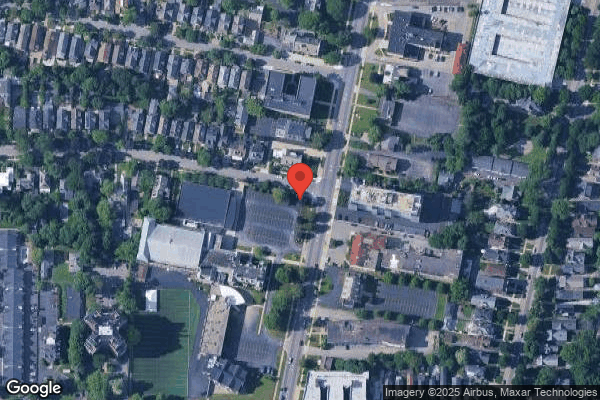
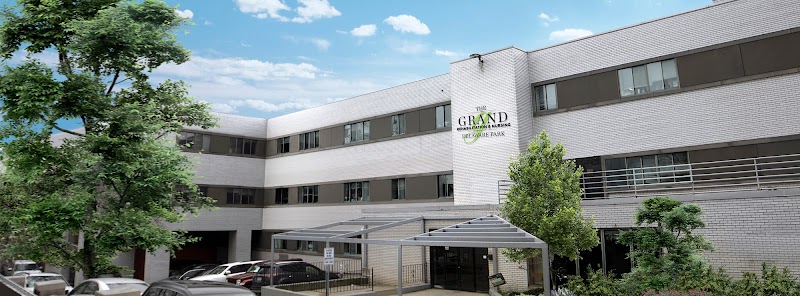
1205 DELAWARE AVENUE, BUFFALO, NY 14209 (716) 885-3838
For profit - Partnership 95 Beds THE GRAND HEALTHCARE Data: November 2025
Trust Grade
35/100
#388 of 594 in NY
Last Inspection: August 2024

Within standard 12-15 month inspection cycle. Federal law requires annual inspections.

Overview

Delaware Oaks Center for Rehabilitation and Nursing has received a Trust Grade of F, indicating significant concerns about the quality of care provided. Ranking #388 out of 594 facilities in New York places it in the bottom half, and #25 out of 35 in Erie County suggests that only a few local facilities are performing better. The facility is improving overall, with issues decreasing from 8 in 2024 to just 1 in 2025, but it still has a concerning staffing turnover rate of 59%, well above the state average of 40%. While there have been no fines recorded, which is a positive aspect, the facility has faced serious concerns, including pest infestations and unsanitary food preparation conditions. Specific incidents include a lack of effective pest control leading to insect issues in resident units and the kitchen, as well as significant cleanliness problems in the kitchen that could affect food safety. Overall, while there are some improvements and strengths, the significant issues raise valid concerns for families considering this nursing home for their loved ones.

Trust Score
F
35/100
In New York
#388/594
Bottom 35%
Safety Record
High Risk
Review needed
Inspections
Getting Better
8 → 1 violations
Staff Stability
⚠ Watch
59% turnover. Above average. Higher turnover means staff may not know residents' routines.
Penalties
✓ Good
No fines on record. Clean compliance history, better than most New York facilities.
Skilled Nurses
○ Average
Each resident gets 41 minutes of Registered Nurse (RN) attention daily — about average for New York. RNs are the most trained staff who monitor for health changes.
Violations
⚠ Watch
19 deficiencies on record. Higher than average. Multiple issues found across inspections.
★★☆☆☆
2.0
Overall Rating
★★☆☆☆
2.0
Staff Levels
★★☆☆☆
2.0
Care Quality
★★☆☆☆
2.0
Inspection Score
Stable
2024: 8 issues
2025: 1 issues

The Good

  • Full Sprinkler Coverage · Fire safety systems throughout facility
  • No fines on record

Facility shows strength in fire safety.

The Bad

2-Star Overall Rating

Below New York average (3.1)

Below average - review inspection findings carefully

Staff Turnover: 59%

13pts above New York avg (46%)

Frequent staff changes - ask about care continuity

Chain: THE GRAND HEALTHCARE

Part of a multi-facility chain

Ask about local staffing decisions and management

Staff turnover is elevated (59%)

11 points above New York average of 48%

The Ugly 19 deficiencies on record

Mar 2025 1 deficiency
CONCERN (D) 📢 Someone Reported This

A family member, employee, or ombudsman was alarmed enough to file a formal complaint

Potential for Harm - no one hurt, but risky conditions existed

Infection Control (Tag F0880)

Could have caused harm · This affected 1 resident

Based on observation, interview, and record review completed during a complaint investigation (#NY000373627), the facility did not ensure provision of a safe, sanitary, and comfortable environment to ...

Read full inspector narrative →
Based on observation, interview, and record review completed during a complaint investigation (#NY000373627), the facility did not ensure provision of a safe, sanitary, and comfortable environment to help prevent the development and transmission of communicable diseases and infections for one (Resident #1) of three residents reviewed for infection control practices. Specifically, Resident #1 was on enhanced barrier precautions (interventions designed to reduce transmission of multi-drug-resistant organisms (MDRO) including gown and glove use during high contact resident care activities) and staff did not wear proper personal protective equipment (gowns) during hands-on care while dressing, changing briefs, changing linens and performing wound care. The finding is: The facility's policy titled Barrier Enhanced Precautions last reviewed 1/2024 documented Enhanced Barrier Precautions expands the use of PPE (personal protective equipment) and designates the use of gown and gloves during high-contact resident care activities that provide opportunities for transfer of MDROs (multi- drug-resistant organisms) to staff hands and clothing. The use of gown and gloves for high-contact resident care activities is indicated for nursing home residents with wounds and/or indwelling medical devices regardless of MDRO (multi- drug-resistant organisms) colonization as well as for residents with MDRO (multi- drug-resistant organisms) infection or colonization. High contact resident care activities include, but are not limited to dressing, bathing/showering, transferring residents that require extensive hands-on assistance, changing linens, changing briefs or assisting with toileting that requires extensive hands-on assistance, device care or use, and wound care (chronic wounds rather than skin tears and abrasions). Resident #1 had diagnoses including hemiplegia (weakness of one side of body) and hemiparesis paralysis on one side of body) following cerebral infarction (stroke), osteomyelitis (infection of the bone) of the lumbar vertebrae (back), and a chronic sacrococcygeal (area above the tail bone on right and left buttocks and the tail bone) pressure ulcer. The Minimum Data Set (a resident assessment tool) dated 2/11/2025, documented Resident #1 had mild cognitive impairment, usually understood, and usually understands. Resident #1 required partial/moderate assistance for personal hygiene, and was dependent on staff for toileting hygiene, mobility to roll from side to side, and lower body dressing. In addition, Resident #1 had two stage II pressure ulcers (a partial-thickness skin loss involving the epidermis and/or dermis. It can look like a scrape (abrasion), blister, or a shallow crater in the skin) and one stage 4 (IV) pressure ulcer (extend to muscle, tendon, or bone). The Comprehensive Care Plan initiated on 02/7/25 revealed Resident #1 was at risk for infection related to osteomyelitis (infection) of vertebra lumbar (lower back) region with plans for enhanced barrier precautions and the resident required staff assistance for toileting and personal hygiene. During an observation on 3/19/2025 at 9:28 AM a sign for enhanced barrier precautions was posted on Resident #1's door and directed staff to utilize gowns and gloves for hands on care. Two Certified Nurse Aides #1 and #2, were observed at the resident's bedside wearing gloves, but no gowns preparing to provide hands on care after setting up the wash basin and linens. At 9:34 AM Certified Nurse Aide #2 gave the resident a wet washcloth to clean their face. The resident washed their face and gave the soiled washcloth to Certified Nurse Aide #2. Certified Nurse Aide #1 adjusted an incontinence pad underneath the resident's buttocks and helped undress the resident in preparation for toileting care. Certified Nurse Aide #2 washed the resident's perineum (genitals). At 9:38 AM Certified Nurse Aide #1 turned the resident towards Certified Nurse Aide #2 and during the task both Certified Nurse Aides' uniform clothing came in contact with the resident's bed linens. There was a large, bordered gauze dressing intact and clean on the resident's sacrum and buttocks. Certified Nurse Aide #1 washed the exposed area of the resident's buttocks. At 9:40 AM the resident was rolled on their other side toward Certified Nurse Aide #1. Licensed Practical Nurse #1 entered the room without donning (putting on) a gown and applied a treatment to the resident's buttocks after washing her hands and donning gloves. During the treatment the Licensed Practical Nurse #1's uniform came in direct contact with the bed linens. At 9:52 AM Certified Nurse Aide #2 asked Certified Nurse Aide #1 if Resident #1 was on precautions. Certified Nurse Aide #1 said no. At 9:53 AM Licensed Practical Nurse #1 completed wound care on a second wound on the resident's upper thigh. At 9:56 AM the two Certified Nurse Aides removed the soiled linens and placed clean linens on the bed which required rolling the resident from side to side. During an interview on 3/19/2025 at 9:58 AM, Licensed Practical Nurse #1 stated Resident #1 was on enhanced barrier precautions because of the open wounds; however, they didn't wear a gown because they knew the resident's wounds did not have any secretions. A gown was used to protect for soilage or contamination. Licensed Practical Nurse #1 stated enhanced barrier precautions were implemented for resident care to prevent transmission of infections. During an interview on 3/19/25 at 10:15 AM, Certified Nurse Aide #2 stated they didn't realize Resident #1 was on enhanced barrier precautions that was why they asked Certified Nurse Aide #2 if the resident was on precautions. Certified Nurse Aide #2 stated that they were relatively new and still learning the facility's practices and could not recall if they had received any education regarding enhanced barrier precautions. Certified Nurse Aide #2 stated they would wear what the personal protective equipment listed on the sign and verify this with other staff members. During an interview on 3/19/25 at 1:15 PM, Certified Nurse Aide #1 stated they didn't realize Resident #1 was on enhanced barrier precautions because they didn't notice the Personal Protective Equipment (PPE) set up located to the left of the door. Certified Nurse Aide #1 stated if the resident's door was open and the sign was not visible, they usually don't look to the left of the door. Certified Nurse Aide #1 stated the Personal Protective Equipment set-up was probably just put there yesterday or today. Certified Nurse Aide #1 stated the purpose of the precautions was to prevent the spread of infection. During an interview on 3/21/2025 at 3:32 PM, the Director of Nursing stated that Resident #1 was on enhanced barrier precaution because of their wound care for a Stage IV open pressure ulcer. Residents with wounds were supposed to be on enhanced barrier precautions which required staff to wear a gown and gloves during direct hands-on care. This included wound treatments, toileting hygiene, dressing, and changing linens to prevent the spread of infections. During a telephone interview on 3/26/25 at 3:23 PM, the Registered Nurse Infection Control Preventionist stated the facility implemented enhanced barrier precautions when residents have wounds that require wound care, and that Resident #1 had been on enhance barrier precautions during their entire length of stay in the facility. Staff were required to wear a gown and gloves during hands on care, changing linens, and providing wound care to prevent transmission of potential infections for staff and other residents and it is the responsibility of the entire team to enforce these infection control measures. 10 NYCRR 415.19(a)(2)
Aug 2024 8 deficiencies
CONCERN (D) 📢 Someone Reported This

A family member, employee, or ombudsman was alarmed enough to file a formal complaint

Potential for Harm - no one hurt, but risky conditions existed

Free from Abuse/Neglect (Tag F0600)

Could have caused harm · This affected 1 resident

**NOTE- TERMS IN BRACKETS HAVE BEEN EDITED TO PROTECT CONFIDENTIALITY** Based on observation, interview, and record review conducted during a complaint investigation (Complaint #NY00330109) during the...

Read full inspector narrative →
**NOTE- TERMS IN BRACKETS HAVE BEEN EDITED TO PROTECT CONFIDENTIALITY** Based on observation, interview, and record review conducted during a complaint investigation (Complaint #NY00330109) during the Standard survey completed on 8/9/24, the facility did not ensure the resident's right to be free from abuse for one (Resident #72) of 7 residents reviewed for abuse. Specifically, Resident #72 wandered into Resident #61's room on two separate occasions where a resident-to-resident altercation occurred that resulted in minor injuries to Resident #72. Additionally, care plan interventions (stop signs in doorway) to keep Resident #72 out of the room, were not in place. The finding is: The policy and procedure titled Abuse Prohibition Protocol, Types of Abuse, Response/Reporting dated 1/24 documented every resident has the right to be free from abuse and the facility would do all that is in their control to prevent such occurrences. Physical abuse includes acts of violence like striking (with or without an object), hitting, and shoving. 1. Resident #72 had diagnoses including dementia, hypothyroidism, and vitamin D deficiency. The Minimum Data Set (a resident assessment tool) dated 5/8/24 documented the resident had severe cognitive impairment and had wandering behaviors that significantly intruded on the privacy of others. The comprehensive care plan dated 12/20/23 documented the Resident #72 was at risk for being taken advantage of related to cognitive impairment and dementia. Interventions included a second stop sign was added to Resident #61's doorway to prevent Resident #72 from wandering into that room. Resident #61 had diagnoses including schizophrenia, major depressive disorder, and chronic pain. The Minimum Data Set, dated [DATE] documented the resident was cognitively intact and had verbal behaviors directed toward others. The comprehensive care plan dated 12/20/23 documented Resident #61 had a second stop sign added to their doorway. An undated Care Plan Detail report documented Resident #61 interventions/tasks included a second stop sign was added to their doorway. The Event Summary Resident report dated 12/18/23, completed by the Regional Clinical Director, documented that Resident #72 wandered into Resident #61's room. Resident #61 then hit Resident #72 in the head with a bed remote. Staff responded immediately when they head yelling and removed Resident #72 from Resident #61's room. Resident #72 had a small bump on the back of their head. Per staff Resident #72 sometimes removes the stop signs or goes under them to get into rooms. An intervention for a second, lower stop sign was to be placed on Resident #61's doorway. Review of an untitled, unsigned document dated 5/26/24, documented Resident #72 was found with two hematomas (collection of blood under the skin) on their head that were bleeding. The supervisor was directed to review camera footage which showed the Resident #72 entered Resident #61's room and was in there for five minutes. When Resident #72 exited the room, they were holding their head. Upon initial approach Resident #61 denied anything happened, but then admitted they hit Resident #72 with their television remote because the resident entered their room and started going through their things. The accident and incident report dated 5/26/24 at 9:48 PM documented interventions for the resident-to-resident altercation between Residents #72 and #61 were to place Resident #72 on 15-minute checks for 48 hours and a room change to promote safety. During an observation on 8/5/24 at 7:41 PM, 8/6/24 at 9:52 AM and 8/7/24 at 8:09 AM, there were no stop signs across Resident #61's doorway. There were no stop signs in the area at all. Resident #61 was lying in their bed. During an observation on 8/8/24 at 7:39 AM, two stop signs were hanging down the left side of Resident #61's doorway, they were not across the doorway, there were no staff in the room at this time. Resident #61 was lying in their bed. During an interview on 8/8/24 at 3:21 PM, Certified Nurse Aide #9 stated Resident #72 always wandered and staff would try to redirect them. There have been a couple incidents between Resident #72 and #61. The Certified Nurse Aide stated they put two stop signs up, but Resident #61's roommate takes them down when they go in and out of the room without putting them back up. Also, Resident #72 was known to take the stop signs down. During an interview on 8/8/24 at 3:36 PM, Certified Nurse Aide #10 stated they found Resident #72 walking down the hall holding their face and bleeding on 5/26/24. Certified Nurse Aide #10 stated Resident #72 tends to want to wander down that specific hallway more than the other hallways and the stop signs weren't working. Certified Nurse Aide #10 stated the incidents between the residents were considered physical abuse. During an interview on 8/8/24 at 4:22 PM, Licensed Practical Nurse #8 stated the incident in May was unwitnessed. They frequently checked placement of the stop signs but Resident #72 has taken them down in the past. Staff redirect the resident, but someone isn't with her one on one. During an interview on 8/9/24 at 8:50 AM, Registered Nurse Unit Manger #2 stated Resident #72 wanders, goes up and down the hallways and was easily redirected. Registered Nurse Unit Manager #2 stated they thought the stop signs were working and nobody had reported that Resident #72 had taken down the stop signs since they had started working in the facility two weeks ago, but they have heard this was something the resident has done in the past. The stop signs can be easily removed, they are a visual deterrent and not a barricade. Registered Nurse Unit Manager #2 stated they didn't know if the stop signs were up on Monday or Tuesday. There was no schedule for checking the stop signs. They just do it on rounds or when walking by the room because of the roommate taking them down. Registered Nurse Unit Manager #2 stated they wouldn't comment on whether the resident-to-resident incidents were considered abuse because they didn't work at the facility during those times. During an interview on 8/9/24 at 10:08 AM, the Director of Social Work stated in the instances of the resident-to-resident incidents involving Resident #72 and Resident #61, Resident #72 wandered into Resident #61's room and got into the resident's personal space. Resident #61 then lashed out. Resident #72 does seem to be drawn to that specific room, so stop signs were placed and black tape was placed in front of the doorway. The Director of Social Work stated they considered Resident #61 hitting Resident #72 to be abuse and the resident's right to be free from abuse was not maintained. They stated there were periods of time that the stop signs were successful and there were no incidents, then unsuccessful. They do ask staff their opinions for interventions because they were with the residents all the time, Resident #61 refused a move or bed change. During an interview on 8/9/24 at 10:58 AM, the Director of Nursing stated the supervisor called them the evening of 5/26/24 and reported the resident had some bleeding and they thought they fell. The Director of Nursing directed the supervisor to watch the camera footage with the security guard. When they watched footage the Resident #72 wandered into Resident #61's room and when they exited, they were holding their head. When they interviewed Resident #61 about it, they eventually admitted they hit Resident #72 with a television remote because they were messing with their things. They moved Resident #72's room down the opposite end of the unit. The Director of Nursing stated they didn't think this was an abuse situation because the residents don't really know what they were doing most of the time and Resident #61 had a psych disorder. During an interview on 8/9/24 at 12:42 PM, the Administrator stated they would consider the incidents that involved Resident #61 and Resident #72 to be abusive and that Resident #72 had the right to be free from abuse. 10 NYCRR 415.4(d)(1)(vii)
CONCERN (D)

Potential for Harm - no one hurt, but risky conditions existed

Deficiency F0604 (Tag F0604)

Could have caused harm · This affected 1 resident

**NOTE- TERMS IN BRACKETS HAVE BEEN EDITED TO PROTECT CONFIDENTIALITY** Based on observation, interview, and record review conducted during a Standard survey completed on 8/9/24, the facility did not ...

Read full inspector narrative →
**NOTE- TERMS IN BRACKETS HAVE BEEN EDITED TO PROTECT CONFIDENTIALITY** Based on observation, interview, and record review conducted during a Standard survey completed on 8/9/24, the facility did not ensure that when the use of a restraint was indicated, the facility used the least restrictive alternative for the least amount of time for one (Resident #76) of one resident reviewed. Specifically, the resident's seatbelt restraint was not released every two hours as ordered. The finding is: The policy and procedure titled Use of Restraints dated 1/24 documented a physical restraint was defined as any manual method or mechanical device attached or adjacent to the resident's body that the individual cannot remove easily, which restricts freedom of movement. The opportunity for motion and exercise is provided for a period of not less than 10 minutes during each two hours of restraint use. Resident #76 had diagnoses including cerebral palsy (abnormal brain development that affects ability to control muscles), seizures, and anxiety disorder. The Minimum Data Set (a resident assessment tool) dated 6/14/24 documented Resident #76 had severe cognitive impairment, and they used a physical restraint when in their chair. The Restraint Evaluation dated 7/29/24 documented Resident #76 used a wheelchair seat belt, the resident was unable to release it, and it was considered a restraint. Review of the Order Summary Report revealed a provider order dated 4/25/24 for a seatbelt in the resident's chair related to muscular weakness/cerebral palsy. Staff were to release the restraint every two hours and as needed for safety. The comprehensive care plan dated 6/3/24 documented Resident #76 used a physical restraint for positioning related to cerebral palsy. Interventions included to release the seatbelt every two hours for toileting or repositioning. The Bedside [NAME] Report (a guide used by staff to provide care) dated 8/8/24 documented the seatbelt was supposed to be released every two hours for toileting or repositioning. During a continuous observation on 8/8/24 from 7:35 AM to 10:33 AM Resident #76 sat in their wheelchair with their seatbelt in place. The seat belt restraint was not released during this timeframe. During an interview on 8/8/24 at 10:47 AM, Certified Nurse Aide #7 stated they arrived to work at 9:00 AM, were told to stay with Resident #76 and that their seatbelt needed to be released at 11:00 AM. Certified Nurse Aide #7 stated restraints needed to be released every two hours and wasn't sure why. During an interview on 8/8/24 at 10:53 AM, Licensed Practical Nurse #1 stated the resident got up at 6:45 AM that morning and restraints were supposed to be released every two hours. The seatbelt was for positioning but was considered a restraint. During an interview on 8/8/24 at 12:29 PM, Certified Nurse Aide #8 stated they didn't release the seat belt that morning during breakfast because that was when Resident #76 was most grabby and jumpy and after that (meal) another aide was with the resident. During an interview on 8/9/24 at 8:47 AM, the Registered Nurse Unit Manager #2 stated the seatbelt wasn't considered a restraint and Resident #76 can reposition themselves in their chair. The Registered Nurse Unit Manager #2 stated the seatbelt was supposed to be released periodically, every two hours by the assigned Certified Nurse Aide. Staff know to do this because it was on the care plan, and it was important to release it to make sure the resident could move freely and for safety. During an interview on 8/9/24 at 10:54 AM, the Director of Nursing stated the seatbelt was supposed to be released every two hours when the resident was out of bed, and it was used for positioning in their chair. Either the assigned certified nurse aide or the nurse could remove it. 10 NYCRR 415.4(a)(5)(i)
CONCERN (D) 📢 Someone Reported This

A family member, employee, or ombudsman was alarmed enough to file a formal complaint

Potential for Harm - no one hurt, but risky conditions existed

Comprehensive Care Plan (Tag F0656)

Could have caused harm · This affected 1 resident

**NOTE- TERMS IN BRACKETS HAVE BEEN EDITED TO PROTECT CONFIDENTIALITY** Based on observation, interview, and record review conducted during a Complaint investigation (NY00345819) during a Standard sur...

Read full inspector narrative →
**NOTE- TERMS IN BRACKETS HAVE BEEN EDITED TO PROTECT CONFIDENTIALITY** Based on observation, interview, and record review conducted during a Complaint investigation (NY00345819) during a Standard survey completed on 8/9/24, it was determined the facility did not ensure that the resident's person-centered care plan was implemented to meet the resident's medical and nursing needs for two (Residents #61 and #63) of nine residents reviewed. Specifically, the residents did not have a stop sign/s across their doorway to deter other residents from entering their room as planned. The finding is: The policy and procedure titled Care Plan, Comprehensive Person-Centered dated 1/24 documented that a comprehensive, person-centered care plan that includes measurable objectives and timetables to meet the resident's physical, psychosocial, and functional needs is developed and implemented for each resident. Resident #63 was admitted to the facility with diagnoses of schizoaffective disorder and bipolar disorder (mental health conditions.) The Minimum Data Set (MDS - a resident assessment tool) dated 4/25/24 documented the resident was understood, understands and was cognitively intact. The comprehensive care plan with a revision date of 6/18/24 documented there were safety concerns related to Resident #63's impulsive behaviors at times and involvement with resident-to-resident altercations. Interventions included Resident #63 was to have a stop sign across doorway of their room. The [NAME] (a guide used by staff to provide care) dated 6/19/24 documented Resident #63 was to have a stop sign across their doorway. During an observation on 8/5/24 at 8:16 PM, Resident #63's doorway did not have stop sign in place across their door. During an observation on 8/6/24 at 9:01 AM, Resident #63 was sitting up in bed, there was no stop sign in place across their doorway of Resident #63's room. During an observation on 8/7/24 at 8:43 AM, Resident #63 was not in room and there was no stop sign in place across their doorway. During an observation and interview on 8/8/24 at 9:43 AM, Resident #63 was observed in their room, and there was no stop sign across their doorway. Resident #63 stated they had never had a stop sign on their doorway. During an interview on 8/8/24 at 9:55 AM, Certified Nursing Assistant #3 stated they were not aware if Resident #63 had a stop sign for their doorway and if it was on the [NAME]. They stated the nurses would communicate to them what residents had stop signs. During an interview on 8/8/24 at 3:44 PM, Licensed Practical Nurse #6 could not recall if a stop sign had been implemented for Resident #63 after a resident-to-resident altercation. During an interview on 8/9/24 at 9:15 AM, Certified Nursing Assistant #6, stated they had not seen a stop sign on Resident #63's door. During an interview on 8/9/24 at 9:35 AM, Registered Nurse Supervisor #1 stated they placed a stop sign on Resident #63's doorway 6/18/24 after a resident-to-resident altercation to prevent other resident's from entering Resident #63's room. They stated they updated the care plan and documented the intervention in the electronic medical record. Registered Nurse Supervisor #1 stated they were not aware if Resident #63's still had the stop sign in place. During an interview on 8/9/24 at 9:46 AM, the Director of Nursing stated that stop signs were used to deter other residents from entering another resident's rooms. They stated stops signs should be documented on both the care plan and [NAME]. The Director of Nursing stated that if a resident's stop sign was not in place, they would expect staff to report it to the Nurse Manager, Supervisor, or the Director of Nursing and have it replaced. 2. Resident #61 had diagnoses including schizophrenia, major depressive disorder, and chronic pain. The Minimum Data Set, dated [DATE] documented the resident was cognitively intact and had verbal behaviors directed toward others. The comprehensive care plan dated 12/20/23 documented Resident #61 had a second stop sign added to their doorway. An undated Care Plan Detail report documented Resident #61 interventions/tasks included a second stop sign was added to their doorway. During an observation on 8/5/24 at 7:41 PM, 8/6/24 at 9:52 AM and 8/7/24 at 8:09 AM, there were no stop signs across Resident #61's doorway. There were no stop signs in the area at all. Resident #61 was lying in their bed. During an observation on 8/8/24 at 7:39 AM, two stop signs were hanging down the left side of Resident #61's doorway, they were not across the doorway, there were no staff in the room at this time. Resident #61 was lying in their bed. During an interview on 8/8/24 at 3:21 PM, Certified Nurse Aide #9 stated they put two stop signs up, but Resident #61's roommate takes them down when they go in and out of the room without putting them back up. Also, other residents may take them down. During an interview on 8/8/24 at 4:22 PM, Licensed Practical Nurse #8 they frequently checked placement of the stop signs, but residents take them down. During an interview on 8/9/24 at 8:50 AM, Registered Nurse Unit Manger #2 stated the stop signs can be easily removed, they are a visual deterrent and not a barricade. Registered Nurse Unit Manager #2 stated they didn't know if the stop signs were up on Monday or Tuesday. There was no schedule for checking the stop signs. They just do it on rounds or when walking by the room. NYCRR10 415. 11 (c) (1)
CONCERN (D)

Potential for Harm - no one hurt, but risky conditions existed

Pressure Ulcer Prevention (Tag F0686)

Could have caused harm · This affected 1 resident

Based on observation, interview, and record review conducted during a Standard survey completed on 8/9/24, the facility did not ensure residents with pressure ulcers received necessary treatment and s...

Read full inspector narrative →
Based on observation, interview, and record review conducted during a Standard survey completed on 8/9/24, the facility did not ensure residents with pressure ulcers received necessary treatment and services, consistent with professional standards of practice, to promote healing for one (Resident #49) of one resident reviewed. Specifically, the Physician Wound Consultants recommendations for an air mattress were not implemented. The finding is: The facility policy and procedure titled Consultations, last revised 1/24, documented the facility is responsible to provide consultation services for any residents as needed. The facility assumes responsibility for obtaining services that meet professional standards and principles that apply to professionals providing services in such a facility, and the timeliness of the services. Nursing will notify physician of consultation and any recommendations if physician is not at facility. Physician will approve any orders he/she agrees with on consult. Physician will document if he/she agrees on consult. The facility policy and procedure titled Weekly Wound Assessment/Rounds, last revised on 1/24, documented the physician will help staff review and modify the care plan as appropriate, especially when wounds are not healing as anticipated or new wounds develop. The physician will authorize pertinent orders related to wound treatments. If the resident is not responding to established regimen, the nurse/medical professionals shall evaluate need for treatment change or reassess need for interdisciplinary services. Resident #49 had diagnoses that included chronic obstructive pulmonary disease (COPD, lung disease), type 2 diabetes mellitus, and peripheral vascular disease (poor circulation of lower extremities). The Minimum Data Set (a resident assessment tool) dated 6/26/24 documented Resident #49 was cognitively intact, was understood and understands. Additionally, the Minimum Data Set documented that Resident #49 had three Stage 3 pressure ulcers (full thickness tissue loss). The comprehensive care plan (identified as current) dated 7/21/2020 with a revision date of 8/9/24 documented Resident #49 had a pressure ulcer to right thigh with a goal that ulcer will heal prior to next review. The care plan documented the resident had a history of being verbally aggressive towards staff and refusing treatment recommendations. The comprehensive care plan did not include the use of an air mattress as recommended. Review of wound assessment and plan dated 5/31/24 revealed Resident #49 had a Stage 3 pressure ulcer on the left posterior (back) thigh that required additional preventative treatment. An air mattress was recommended by Physician Wound Consultant. Review of additional Wound Consults dated 7/7/24, 7/12/24, 7/19/24, 7/28/24 and 8/2/24 revealed an air mattress continued to be recommended. The 7/12/24 note documented the pressure ulcer on the left thigh was healing and decreased in size. Physician Progress Note dated 6/10/24 at 1:16 PM completed by Physician Assistant #1 documented they were asked to review Resident #49's wound team evaluation and recommendations. Physician Assistant #1 documented they agree with current wound team comprehensive evaluation and recommendations. Physician Wound Consultants input is greatly appreciated, wounds evaluated and treated appropriately per Physician Wound Consultants recommendations. There were no follow up physician or nursing progress notes that documented the recommendation was carried out. During intermittent observations made on 8/7/24 at 8:24 AM and 1:36 PM, and 8/8/24 at 11:07 AM, Resident #49 was in bed and there was no air mattress present on bed. During an observation on 8/7/24 at 1:40 PM Licensed Practical Nurse #5 provided pressure ulcer care to Resident #49's pressure ulcers. At this time, there was no air mattress present on the bed. Resident #49 was observed a quarter sized open area on their left posterior thigh. During an interview on 8/8/24 at 12:10 PM, Certified Nurse Aide #5 stated Resident #49 did not have an air mattress on their bed and was not aware that they may have needed one. During an interview on 8/8/24 at 12:11 PM, Registered Nurse Unit Manager #3 stated were aware of Resident #49's pressure ulcer. Registered Nurse Unit Manager #1 reviewed the wound consults and stated they could not say why the recommendations made by the Physician Wound Consultant were not followed. During an interview on 8/8/24 at 12:17 PM, Licensed Practical Nurse #5 stated they were aware Resident #49 had a pressure ulcer and were unaware of the recommendation for an air mattress for Resident #49's bed. During an interview on 8/8/24 at 2:00 PM, the Director of Nursing stated when recommendations for wound care were made, the consults were placed in the providers mailbox by the nurse. The provider comes in and reviews the consults and carries out (writes order) any recommendations made. During an interview on 8/9/24 at 10:24 AM, the Physician Wound Consultant stated they recommended an air mattress for Resident #49 on 5/31/24. The Physician Wound Consultant stated they had not noticed and was not aware the air mattress was not placed on Resident #49's bed. Physician Wound Consultant stated Resident #49 would benefit from having the air mattress. During an interview on 8/9/24 at 11:13 AM, the Director of Nursing stated that if a recommendation was made by the wound consultant, they would expect the facility provider to be updated by the Unit Manager and the recommendation to be carried out. 10NYCRR 415.12 (c) (1)
CONCERN (D)

Potential for Harm - no one hurt, but risky conditions existed

Deficiency F0688 (Tag F0688)

Could have caused harm · This affected 1 resident

**NOTE- TERMS IN BRACKETS HAVE BEEN EDITED TO PROTECT CONFIDENTIALITY** Based on observation, interview, and record review conducted during the Standard survey completed on 8/9/24, the facility did no...

Read full inspector narrative →
**NOTE- TERMS IN BRACKETS HAVE BEEN EDITED TO PROTECT CONFIDENTIALITY** Based on observation, interview, and record review conducted during the Standard survey completed on 8/9/24, the facility did not ensure that a resident with limited range of motion received the appropriate treatment and services to prevent further decrease in range of motion for one (Resident #5) of one resident reviewed for positioning and mobility. Specifically, Resident #5 had a contracture (loss of joint mobility) and was not provided a device to prevent further contracture. The finding is: The facility policy and procedure titled Contracture Management, last revised on 1/24, documented the facility will engage residents as appropriate in contracture management interventions to improve, maintain and prevent the deterioration of mobility of joints, flexion (bending of a joint) and extension of extremities. A joint contracture is characterized by chronically reduced range of motion secondary to structural changes in non-bony tissues, including muscle, tendons, ligaments, and skin. Prolonged immobilization of joints or trauma are the most common causes of joint contractures. Additionally, all residents will be assessed for range of motion of resident joints and muscles. Upon examination, recommendations are made to the medical professional for treatments and/or orthotics as appropriate. Resident #5 had diagnoses that include hemiplegia (paralysis on one side of body) and hemiparesis (weakness of one side of body) following cerebral infarction (stroke). The Minimum Data Set (a resident assessment tool), dated 6/12/24, documented Resident #5 had severe cognitive impairment, rarely/never understood, and sometimes understands. The Minimum Data Set documented that Resident #5 and was totally dependent on staff for all activities of daily living and had functional limitation in range of motion of both upper extremities. The comprehensive care plan dated 8/6/2020, with a revision date of 6/23/24, documented Resident #5 was at risk for impaired skin integrity related to decreased mobility with an intervention added on 3/2/21, to prevent resident from scratching and keep hands and body parts from excessive moisture, keep fingernails short. There was no rolled washcloth to left hand documented on comprehensive care plan. Review of a physician progress note dated 3/12/19 revealed Resident #5 had an admitting diagnosis of contracture of the left side of the body. The Task List Report (guide for staff) for Resident #5 dated 8/9/24 at 9:26 AM, documented Resident #5 had an intervention in place to have rolled washcloth in left palm to be worn at all times except for hygiene and report any abnormal observations to the nurse initiated on 12/30/21 and cancelled on 11/1/22. Review of Certified Nurse Aide task schedule for August 2024, dated 8/9/24 at 9:30 AM, documented Resident #5 had a task for a rolled washcloth in left palm to be worn at all times. This task was grayed out indicating it was not active and there were Xs in the boxes indicating staff did not complete this task. An Occupational Therapy note dated 10/17/23, documented Resident #5 was referred for skilled therapy evaluation for potential improvement with grooming/hygiene and to address bilateral upper extremity hand contractures. There was no functional limitation due to contractures. An Occupational Therapy Discharge summary, dated [DATE], documented long-term goal met on 11/16/23 that Resident #5 will tolerate 15 minutes of passive range of motion to reduce risk of worsening contractures. An Occupational Therapy note dated 6/11/24, documented Resident #5 was referred to therapy by nursing to manage bilateral hand contractures and positioning for hand range of motion and comfort to prevent worsening of contractures and skin breakdown. There was a functional limitation present due to contractures in bilateral hands, worse on left side. Recommendations were documented as splint/orthotic recommendations: to be determined. Risk factors were documented that Resident #5 was at risk for muscle atrophy (the partial or complete wasting away of a body part or tissue). An Occupational Therapy Discharge summary, dated [DATE], documented Resident #5 met long-term goal that occupational therapy would determine appropriate orthotic device that promotes neutral wrist and digit positioning for bilateral hand placement and positioning to prevent contractures. Rolled washcloth because this provides patient with most hygienic and optimal hand positioning. The discharge recommendations documented to follow care plan as directed and reach out to therapy with questions or concerns. During intermittent observations on 8/7/24 at 8:29 AM, 11:56 AM, 1:36 PM, and 8/8/24 at 7:58 AM and 1:22 PM, Resident #5 was lying in bed with no rolled washcloth present to left hand. During an interview on 8/8/24 at 9:23 AM, Certified Nurse Aide #4 stated they have seen rolled washcloths in Resident #5's hands prior but was not sure if they were supposed to have them. During an interview on 88/24 at 9:43 AM, Licensed Practical Nurse #5 stated they were not aware of any rolled washcloth order to Resident #5's left hand. During an interview on 8/8/24 at 9:54 AM, Rehab Aide stated they thought Resident #5 had a palm guard or rolled washcloth in place to their left hand. During an interview on 8/8/24 at 9:57 AM, Occupational Therapist stated they worked with Resident #5 recently and noticed that Resident #5's left hand was contracted. Occupational Therapist stated that if there wasn't a washcloth in place to Resident #5's left hand then there should be. Resident #5 had used the rolled washcloth in the past and it had been effective for them. If the rolled washcloth wasn't in place it could lead to worsening contractures, skin break down, and pain. Occupational Therapist stated they were going to add a rolled washcloth to Resident #5's Certified Nurse Aide tasks for Resident #5. During an interview on 8/8/24 at 10:35 AM, Occupational Therapist stated they made a clerical error after Resident #5's evaluation in June and forgot to add the rolled washcloth as a task for the Certified Nurse Aide to apply. During an observation and interview on 8/8/24 at 10:57 AM, Occupational Therapist measured the flexion (bending of a joint) and extension (opening of joint) of Resident #5's upper extremity joints. Occupational Therapist stated according to the measurements, Resident #5 has a contracture in the proximal (closer to the point of attachment to the body) joint of left hand. During this observation, Occupational Therapist opened Resident #5's left hand and there were 3 indentations from the fingers in the palm of the hand. Occupational Therapist stated moisture and bacteria could build up and cause infection. During an interview on 8/8/24 at 12:07 PM, Certified Nurse Aide #3 stated they have seen rolled washcloths in Resident #5's hand before and they were used so that their hand does not get contracted and to keep it clean. During an interview on 8/8/24 at 12:16 PM, Certified Nurse Aide #5 stated sometimes Resident #5 had rolled washcloths in their hand but does not know why. During an interview on 8/8/24 at 2:01 PM, Occupational Therapist stated when there were changes made to a resident's plan of care after an evaluation the therapist will place an order for the change, enter a progress note and verbally communicate to nursing staff the change. During an interview on 8/8/24 at 2:08 PM, the Director of Nursing stated they would expect therapy to care plan any interventions for residents if new ones were added or one was continued and update nursing staff on the intervention. During an interview on 8/9/24 at 8:42 AM, Director of Therapy stated Resident #5 had a rolled washcloth in place in the past as an intervention for contracture in left hand, as well as for hygiene purposes. Director of Therapy stated the Occupational Therapist forgot to add it as a task and back to Resident #5's plan of care after their most recent evaluation. Director of Therapy stated Resident #5 needed the rolled washcloth to their left hand to prevent worsening contractures and to prevent skin breakdown. 10NYCRR 415.12 (e) (2)
CONCERN (D) 📢 Someone Reported This

A family member, employee, or ombudsman was alarmed enough to file a formal complaint

Potential for Harm - no one hurt, but risky conditions existed

Deficiency F0806 (Tag F0806)

Could have caused harm · This affected 1 resident

Based on observation, interview, and record review conducted during a Complaint investigation (#NY00330919) during the Standard Survey completed on 8/9/24, the facility did not ensure each resident re...

Read full inspector narrative →
Based on observation, interview, and record review conducted during a Complaint investigation (#NY00330919) during the Standard Survey completed on 8/9/24, the facility did not ensure each resident received food that accommodated their allergies, intolerances, and preferences for one (Resident #89) of one resident reviewed. Specifically, Resident #89 received a meal tray with foods that did not accommodate their documented preferences. The findings include: The facility policy and procedure titled Food and Nutrition Services, undated, documented each resident is provided with a nourishing, palatable, well-balanced diet that meets his or her daily nutritional and special dietary needs, taking into consideration the preferences of each resident. Additionally, food and nutrition services staff will inspect food trays to ensure that the correct meal is provided to each resident. Resident #89 had diagnoses that include protein-calorie malnutrition, dysphagia (difficulty swallowing), and chronic diastolic heart failure. The Minimum Data Set (a resident assessment tool) dated 7/16/24 documented Resident #89 had mild cognitive impairment, understood, and understands. The comprehensive care plan dated 12/6/23 documented Resident #89 had a potential nutritional problem and was at risk for malnutrition related to therapeutic diet with an intervention to identify and honor food preferences. The Dietary Progress note dated 5/1/24 at 1:31 PM, Registered Dietician documented they spoke with Resident #89 and obtained preferences. Resident #89 stated they do not want meat at meals. The Meal tracker and care plan was updated. The Dietary Progress note dated 7/15/24 at 2:08 PM, Registered Dietician documented Resident #89 preferred to eat vegetarian (a person who does not eat meat, and sometimes other animal products) This writer reviewed food preferences with Resident #89 and discussed the limitations of dislike of meat. Recommend continue current plan of care with updated preferences. Review of Resident #89's meal tickets dated 8/1/24 through 8/5/24 documented resident was a vegetarian. Vegetarian was documented in all capital letters in red at the top of each meal ticket. During an observation and interview on 8/7/24 at 8:48 AM, Resident #89's breakfast meal was on the tray table with the lid covering it. Resident #89 lifted the lid and 2 sausage links cut up into small pieces were observed on the meal tray, untouched. Resident #89 stated they won't eat it because they were a vegetarian. Resident #89 stated they receive meat products all the time on their meal trays, and it bothered them. Vegetarian was written at the top of Resident #89's meal ticket in capital red letters. During an interview on 8/8/24 at 10:04 AM, Registered Dietician stated Resident #89 was very adamantly a vegetarian and it was written on their meal ticket. Registered Dietician stated they were not aware Resident #89 was served sausage on their meal tray and they would expect the food service staff to follow the tickets and notes written on the tickets. During an interview on 8/8/24 at 1:42 PM, Licensed Practical Nurse #2 stated Resident #89 states they cannot eat certain things so the staff will do their best to accommodate their preferences. During an interview on 8/8/24 at 1:52 PM, Dietary Director stated they expected the dietary staff to look at the meal tickets before going up to the units. There was a supervisor who checks all the trays before they leave the kitchen, and they expected the supervisor to catch anything before the tray was sent. Dietary Director stated dislikes were written at the top of each meal ticket in capital red letters. Dietary Director stated the meal tray with sausage should not have been served to Resident #89 and the dietary staff should have caught it. During an interview on 8/8/24 at 2:09 PM, the Director of Nursing stated they would expect dietary staff to read the meal tickets and make sure they were correct before sending them up to the units. The Director of Nursing stated they would expect the nursing staff to look at the meal tickets to make sure they were correct before serving them to the residents. During an interview on 8/9/24 at 8:00 AM, Certified Nurse Aide #11 stated they were aware that Resident #89 was a vegetarian. Certified Nurse Aide #11 stated before the tray is brought to the resident staff should check to make sure there wasn't anything wrong with it. 10 NYCRR 415.14(d)(4)
CONCERN (E) 📢 Someone Reported This

A family member, employee, or ombudsman was alarmed enough to file a formal complaint

Potential for Harm - no one hurt, but risky conditions existed

Safe Environment (Tag F0584)

Could have caused harm · This affected multiple residents

**NOTE- TERMS IN BRACKETS HAVE BEEN EDITED TO PROTECT CONFIDENTIALITY** Based on observation, interview, and record review conducted during Complaint investigations (#NY00336247 and #NY00319578) durin...

Read full inspector narrative →
**NOTE- TERMS IN BRACKETS HAVE BEEN EDITED TO PROTECT CONFIDENTIALITY** Based on observation, interview, and record review conducted during Complaint investigations (#NY00336247 and #NY00319578) during a Standard survey completed on 8/9/24 the facility did not ensure that housekeeping and maintenance services necessary to maintain a sanitary, orderly, and comfortable interior were provided for one (Unit 3) of two resident units. Specifically, the facility roof was in disrepair and actively leaking resulting in stained and wet ceiling tiles. Additionally, there were walls and floors in disrepair, urine odors, a soiled privacy curtain and a broken window. The findings are: The policy and procedure titled Maintenance Service dated 1/24 documented that maintenance service shall be provided to all areas of the building, grounds, and equipment. a. Observation on the Third Floor on 8/5/24 at 6:40 PM revealed the walls of the shower stall in the [NAME] Shower Room were in disrepair. Further observation revealed the bottom of the plastic shower surround panels were soft and speckled with a brownish-black substance. There was no caulk or sealant between the walls and the shower floor. During an interview on 8/6/24 at 8:55 AM, the Director of Maintenance stated the bottom of the shower stall was caulked about three months ago, and it needed to be scrubbed and caulked again. b. During observations on 8/6/24 between 8:00 AM to 12:35 PM on Unit 3: Resident room [ROOM NUMBER] - a two foot by two-foot ceiling tile brown, bowed, and wet. Resident room [ROOM NUMBER] - urine smell in the room. Resident room [ROOM NUMBER] - urine smell in the room. Resident room [ROOM NUMBER] - wall across from bathroom with molding was removed, multiple gouges in the walls exposing drywall, and a wallpaper border at the top of the walls torn and in disrepair. Nurses Station - strong urine odor. Resident room [ROOM NUMBER] - water actively dripping into a garbage can below. Further observation revealed two ceiling tiles were saturated and bowed downward. At the time of the observation, Maintenance Assistant #1 removed the saturated ceiling tiles from the ceiling which easily fell apart. Additional observation revealed three floor tiles below this area in the corridor were curled up on the edges. Resident room [ROOM NUMBER] - the wall at the head of the bed had a large piece of fabricated white material approximately two feet by two feet screwed to the wall all the way around. The corner seam adjacent to the closet was in disrepair from floor to ceiling with cracked chipped drywall. The floors in the room were sticky throughout and the room had a urine odor. During an interview on 8/6/24 at 8:07 AM, Resident #47 stated that sometimes the staff would put a bucket underneath a leaking ceiling tile to catch the water. They also stated that the ceiling was still leaking, and they wish it would stop. During a telephone interview on 8/6/24 at 8:12 AM, Resident's #76's representative they stated that the hallways smell like urine and feces when they visit the facility. During an interview on 8/6/24 at 9:10 AM, the Director of Maintenance stated Maintenance staff patched the roof with a silicone product at the end of summer or beginning of fall in 2023. The Director of Maintenance stated the patch held until spring 2024. They further stated this area actively leaked when it rained. Additionally, they stated the floor tiles in the area had already been replaced, but new water damage had occurred. During an interview on 8/8/24 at 9:48 AM with Housekeeping Aide #1 stated that housekeeping was responsible for cleaning resident rooms. During an interview on 8/9/24 at 10:21 AM, Resident #51 stated that the hallways smell like urine. During an interview on 8/8/24 at 3:20 PM, the Director of Maintenance stated there was an active leak from the roof above Resident room [ROOM NUMBER]. They stated they were told the roof was patched four years ago in this area. The patch held until about two weeks ago when it began to leak again. The Director of Maintenance stated Maintenance staff were keeping an eye on the area and changed ceiling tiles every time they showed brown rings, which meant they were wet. They also stated if there was a hard rain, they would likely have to move the resident out of the room. The Director of Maintenance further stated they were waiting for corporate personnel to go ahead with one of the five contractor's estimates that they submitted, and in the meantime, they did not think adding another layer of silicone patch would be effective, as the whole roof needed to be re-surfaced. Review of the Maintenance Work Order dated 7/31/24, it documented a roof leak in Resident room [ROOM NUMBER]. Review of additional Maintenance Work Orders dated 8/5/24 and 8/6/24, it documented a roof leak in Resident room [ROOM NUMBER]. c. During observations and interviews on 8/7/24 between 9:00 AM and 2:00 PM on Unit 3 revealed the following: Shower Room - black spots and debris along the bottom of the wall where the floor molding was missing; and rust stain dripping from a shower grab bar with a brownish substance on the shower wall. Resident room [ROOM NUMBER] - Privacy curtain with brownish tan debris splattered on it and a cracked window. The resident in the room at the time of the observation stated the privacy curtain was disgusting and the window was broken. Corridor outside of Resident room [ROOM NUMBER] - two ceiling tiles in the corridor outside of Resident room [ROOM NUMBER] had brown water stains that appeared to be fresh. During an interview on 8/7/24 at 12:35 PM, the Director of Maintenance stated the ceiling tiles outside of Resident room [ROOM NUMBER] had been replaced this morning (8/7). They also stated it hadn't rained in twelve hours, but water puddled in this area of the roof and some water was still leaking through after the rain ended. During an interview on 8/8/24 at 3:12 PM, the Director of Maintenance stated they were not aware of a cracked windowpane in Resident room [ROOM NUMBER]. d. During an interview on 8/5/24 at 7:07 PM, Resident #42 stated they were moved to another room when the ceiling tiles fell because of the leaking roof. During an observation on the Third Floor on 8/8/24 at 10:10 AM revealed a drain hose ran from the ceiling into the sink in the bathroom of Resident room [ROOM NUMBER]. Further observation revealed a five foot long by five-foot-wide tarp was installed above the ceiling tiles, above the area of the door-side bed in Resident room [ROOM NUMBER]. The drain hose that was observed in the bathroom sink originated at the center of the tarp. During an interview on 8/8/24 at 10:10 AM, the Director of Maintenance stated there was an active roof leak in the area above the door-side bed in Resident room [ROOM NUMBER] and the tarp was added around March 2024 to control the leaking. They also stated every few days, and especially after rain, Maintenance staff checked the tarp in this room and cleared any water that may still be in the drain hose. During an interview on 8/9/24 at 9:55 AM, the Administrator stated that they expect housekeeping to clean the rooms according to the cleaning schedule and they expect the housekeeping supervisor to do clean room audits. The Administrator stated they were aware of the ceiling/roof issues, there were estimates for the repairs, and that they were waiting for corporate to approve the repair. Review of roof repair estimate dated 1/16/24 documented that a new roof flashing and a new roof membrane was needed to repair the roof. Review of a roof repair estimate dated 5/28/24 documented that a new roof was needed for the building. NYCRR 10 415.5(h)(2)
CONCERN (F)

Potential for Harm - no one hurt, but risky conditions existed

Deficiency F0925 (Tag F0925)

Could have caused harm · This affected most or all residents

**NOTE- TERMS IN BRACKETS HAVE BEEN EDITED TO PROTECT CONFIDENTIALITY** Based on observation, interaview and record review conducted during a Standard survey completed on 8/9/24, it was determined tha...

Read full inspector narrative →
**NOTE- TERMS IN BRACKETS HAVE BEEN EDITED TO PROTECT CONFIDENTIALITY** Based on observation, interaview and record review conducted during a Standard survey completed on 8/9/24, it was determined that the facility did not ensure that they maintained an effective pest control program so that the facility is free of pests and rodents. Specifically, two (Units 2 & 3) of two Resident Units and the Main Kitchen had issues with insects including house flies, spiders, and fruit flies. The findings are: The policy and procedure titled Pest Control dated January 2024 documented the facility would maintain an effective pest control program. The policy and procedure documented the facility maintains an ongoing pest control program to ensure the facility is free of insects. A request for exterminator service inspection reports from June 2024 to August 2024 was given to the facility. The facility did not provide exterminator service inspection reports from July 2024 and August 2024. Review of the June 2024 exterminator service inspection reports dated 6/13/24 documented that the drain flies have gotten worse and recommended a treatment. During observations on 8/5/24 from 7:00 PM to 7:45 PM: Second Floor East Shower Room - three small live flies on the plastic shower chair in the shower stall. Second Floor Dining Room - a plug-in style flying insect light trap was observed unplugged and sitting on the windowsill. Further observation revealed it had at least 14 small dead flies on the sticky paper. Second Floor Nurses' Station - a plug-in style flying insect light trap was plugged into a wall outlet. Further observation revealed it had at least 20 small dead flies on the sticky paper. During observations on 8/6/24 between 9:00 AM to 3:30 PM: Unit 3 nurses' station - many house flies noted at nurses' station. Unit 3 hallway outside of Resident room [ROOM NUMBER] - six small live flies in the vicinity. At the time of the observation, Maintenance Assistant #1 removed the saturated ceiling tiles from the ceiling and at least twelve more small live flies were observed in the opening. Kitchen - a plug-in style flying insect light trap was plugged into a wall outlet. Further observation revealed it had at least 50 small dead flies on the sticky paper; several small live flies were observed in the Dish Room and the Food Storage Room adjacent to the food preparation area. Resident room [ROOM NUMBER] - four houseflies on resident's food/meal tray; houseflies flew near resident's face/mouth. During observations on 8/7/24 between 9:00 AM and 4:00 PM: Resident room [ROOM NUMBER] - five live spiders noted on the ceiling over the resident's bed; two live spiders noted in spider web on the window. Unit 3 Hallway - three live flies landed on facility computer; additional flies flew through the hallway. Resident room [ROOM NUMBER] - three houseflies noted on resident's bed linen; three houseflies flew around resident's head. Resident room [ROOM NUMBER] - flies landed on resident's lunch tray. Resident room [ROOM NUMBER] - three flies landed on resident's television. Resident room [ROOM NUMBER] - flies were noted on the wall and the resident's over the bed table. Resident room [ROOM NUMBER] - rectangular insect glue tape was attached to the corner of the door-side resident's television and a strip insect glue trap hanging from the door-side resident's lamp. There were two dead houseflies on the insect glue tape and at least four small dead flies on the strip. Resident room [ROOM NUMBER] - six to seven live houseflies on the tray table at the door-side bed. Additionally, a live housefly was observed on the door-side resident's forehead and on the blanket that covered their legs. Resident room [ROOM NUMBER] - 10 to 15 small live flies in the bathroom and six to ten additional live houseflies in the bedroom. Resident room [ROOM NUMBER] - eleven small live flies on the wall above the window-side bed. There were at least ten small live flies and two live houseflies on the wall above the door-side bed. Additionally, on the privacy curtain between the door-side bed and the door were more than 20 small live flies and five more houseflies on the ceiling tiles in this room. Resident room [ROOM NUMBER] - four live small files on the wall between the bed and the bathroom wall. Unit 3 hallway outside of Resident room [ROOM NUMBER] - at least seven small live flies were in the vicinity. During observations on 8/8/24 between 9:00 AM to 2:00 PM: Therapy Room - a housefly landed on resident. Resident room [ROOM NUMBER] - seven live spiders noted above resident's bed on the ceiling and two live spiders on spider web in window. Resident room [ROOM NUMBER] - houseflies flew around the resident in the window-side bed and the tray table over the window-side bed. The tray table contained the resident's lunch, and a housefly was observed flying around a bowl of baked beans. Resident room [ROOM NUMBER] - one housefly and two fruit flies on over the bed table with one housefly on privacy curtain. During an interview on 8/5/24 at 7:45 PM, the Director of Maintenance stated there had been an uptick in fly activity in the facility in the last few weeks and they informed their contracted licensed exterminator and added six or seven plug in style devices around the facility to help the situation. During an interview on 8/6/24 at 10:26 AM, the Director of Maintenance stated the sticky paper needed to be replaced in the plug-in device in the kitchen. During an interview on 8/7/24 at 10:47 AM, Resident #92 stated the spiders above their bed bothered them and said, wouldn't they bother you? Resident #92 also stated they did tell staff about the spiders. During an interview on 8/7/24 at 11:45 AM, Resident #40 stated they had have had flies in their room for one or two months. They stated, Flies are always in my face, it is a pain in the butt. During an interview on 8/7/24 at 12:02 PM, the Housekeeping Supervisor stated they did not know where the flies originated from. The Housekeeping Supervisor stated they were not aware of any specific issue with flies in resident rooms. During an interview on 8/7/24 at 1:27 PM, Resident #89 stated flies were always around and that was why they wanted to keep a lid on their lunch tray, so the flies did not land on their food. During an interview on 8/7/24 at 1:50 PM, Housekeeping Aide #2 stated there were many flies and told their supervisor about them. During an interview on 8/7/24 at 2:45 PM, the Director of Maintenance stated the facility had a contract with a licensed exterminator for two visits per month. They stated they were made aware that small flies were being observed in the facility around mid-July 2024. At that time, the facility increased the frequency of the exterminator's visits to weekly, and since 7/24/24, the exterminator has completed two treatments for the flies. The Director of Maintenance stated they did not have documentation for the fly treatments, but they had requested it from the exterminator. During an interview on 8/8/24 at 1:45 PM, Resident # 15 stated they saw flies every day and it annoyed them. During an interview on 8/8/24 at 1:47 PM, Resident #148 stated they had been at the facility for two weeks and noticed flies in their room earlier this week. Their spouse brought in glue traps to get the flies, which they thought were common houseflies and fruit flies. Resident #148 stated three days ago, they placed a glue trap on their tray table, and it caught eight flies. They further stated the flies were unsanitary and annoying and they could feel them on their body when they tried to sleep. Resident #148 stated they chose to eat their meals in their room and when asked if the flies bothered them while they ate, Resident #148 responded, Wouldn't they bother you? During an interview on 8/9/24 at 8:52 AM, Licensed Practical Nurse #1, they stated the flies have been in the facility at least a month. They stated the facility needed to fix the windows so that flies and other bugs don't come into the building. During an interview on 8/9/24 at 9:55 AM, Licensed Practical Nurse #2, they stated that the flies have been in the building at least the last two weeks. They stated that flies would bother the residents. During an interview on 8/9/24 at 9:07 AM, Registered Nurse Unit Manager #2, stated the flies have been here for at least two weeks ago. Registered Nurse Unit Manager #2 stated the staff try to remove food trays timely to keep food off the floor. They stated they have seen flies on residents and staff remembers trying to keep them off residents. During an interview on 8/9/24 at 9:55 AM, the Administrator, they stated were aware of insects in the building. They stated it is a team effort to keep the insects in check. They stated that staff need to throw out food or other things that may attract insects. 10NYCRR 415.29 (j)(5)
Mar 2023 5 deficiencies
CONCERN (D) 📢 Someone Reported This

A family member, employee, or ombudsman was alarmed enough to file a formal complaint

Potential for Harm - no one hurt, but risky conditions existed

Free from Abuse/Neglect (Tag F0600)

Could have caused harm · This affected 1 resident

**NOTE- TERMS IN BRACKETS HAVE BEEN EDITED TO PROTECT CONFIDENTIALITY** Based on observation, record review, and interview conducted during a complaint investigation (Complaint #NY00298668) during the...

Read full inspector narrative →
**NOTE- TERMS IN BRACKETS HAVE BEEN EDITED TO PROTECT CONFIDENTIALITY** Based on observation, record review, and interview conducted during a complaint investigation (Complaint #NY00298668) during the Standard survey completed on 3/24/23, the facility did not ensure residents had the right to be free from sexual abuse for four (Resident #s 1, 21, 67 and 246) of 11 residents reviewed for abuse. Specifically, the facility did not ensure Resident #246 did not engage in non-consensual sexual contact with Resident #1. Resident #246 was found touching Resident #1's exposed genitals. Additionally, Resident #67 had non- consensual contact with Resident #21 and was found touching Resident #21 on their breast and inner thigh in the dining room. The findings are: The policy and procedure (P&P) titled Abuse Prevention Program/Abuse and Neglect-Clinical Protocol/Abuse Investigation and Reporting revised on 1/2022, documented sexual abuse was defined as non-consensual sexual contact of any type with a resident, sexual contact with any person incapable of giving sexual consent. This included, but was not limited to unwanted touching. 1. Resident #1 had diagnoses including schizoaffective disorder, depression, and anxiety. The Minimum Data Set (MDS- a resident assessment tool) dated 5/5/22 documented Resident #1 had moderately impaired cognition and had no physical or verbal behaviors directed toward others. The untitled comprehensive care plan (CCP) revised 7/7/22, documented Resident #1 lacked capacity for medical decision making as of 5/25/21, had potential for alteration in mood and behavior for possible trauma from an incident on 7/7/22. During an observation and interview on 3/21/23 at 10:48 AM, Resident #1 was lying in bed under the blankets. The resident stated they didn't have any issues with any other residents and felt safe at the facility. Resident #246 has diagnoses including dementia with behavioral disturbance, hypertension (HTN-high blood pressure), and history of falling. The MDS dated [DATE] documented Resident #246 had severe cognitive impairment and had physical behavioral symptoms directed towards others. The untitled CCP dated 9/7/21 documented Resident #246 exhibited behavioral symptoms such as socially inappropriate, verbal and physical aggression towards staff and other residents, racial slurs, wandering, and cognitive impairment. The Event Summary completed by the Administrator documented on 7/7/22 at approximately 4:30 AM, Resident #246 touched Resident #1 in the private area and was later laying on top of Resident #1 naked. Certified Nurse Aide (CNA) #2 walked into the residents' room and saw Resident #246 sitting in a chair next to Resident #1's bed touching Resident #1's naked private area. CNA #2 immediately separated them and placed Resident #246 back into their bed and went to go report the situation to the nurse. CNA #2 went back into the room, which took approximately two minutes and saw Resident #246 lying naked on top of Resident #1. Only groping and no penetration occurred during this event. CNA #2 immediately removed Resident #246 and wheeled them to the dining room. Resident #246 then put back in the bed and placed under constant supervision until further notice. The Administrator, Director of Nursing (DON), Physician (MD), and Regional Clinical Director were immediately notified. Registered Nurse (RN) assessment was completed with no injuries to either resident. Facility's Director of Social Work (DSW) met with Resident #1 and there appears to be no signs of any psychological distress due to either resident not being able to recall incident. Review of the Incident and Accident Statement Form: Certified Nurse's Aide Statement revealed date of incident 7/7/22, time 4:30 AM. CNA #2 saw Resident #246 sitting in a chair next to Resident #1's bed. Resident #246 with their hand was foundling Resident #1's private area. CNA #2 pulled Resident #246 hand away from Resident #1 and put Resident #246 back to bed and went to report it to the nurse. CNA #2 came back, and Resident #246 had climbed on top of Resident #1. CNA #2 went over and got Resident #246 off Resident #1 and took Resident #246 to the dining room. During an interview on 3/23/23 at 12:18 PM, the DSW stated Resident #1 had no recollection of the incident when the DSW went to speak to them a few hours after the incident happened. The DSW stated that neither resident had capacity for decision making and that if someone can't give consent the inappropriate touching would be considered abuse. During a telephone interview on 3/23/23 at 1:36 PM, CNA #2 stated they saw Resident #246 in their wheelchair by Resident #1's bed with their hand on Resident #1's naked private area. They immediately removed Resident #246's hand and thinks they either moved Resident #246 to the other side of the room by their bed or just outside the door. They stated they did not put Resident #246 back to bed and that Resident #246 was in a wheelchair. CNA #2 then went to get the supervisor who was just around the corner. They stated they were gone less than a minute and when they came back, they found Resident #246 trying to climb on top Resident #1 which at that time CNA #2 stopped Resident #246 and put them back in their wheelchair and took them out of the room down to the dining room. CNA #2 stated Resident #246 was in a brief when they were trying to climb on Resident #1 who was naked in bed. CNA #2 stated Resident #246 had never done anything like that before. During an interview on 3/23/23 at 3:56 PM, the RN Supervisor #2 stated they were notified that CNA #2 found Resident #246 groping Resident #1's genitals. The residents were separated right away, and the incident was over by the time the RN Supervisor #2 arrived on the unit. The RN Supervisor #2 stated they notified the DON, Administrator, and the corporate DON between 4:30 AM and 5:00 AM, right after this incident happened. The RN Supervisor #2 stated they would consider this incident sexual abuse and that was how they documented it on the incident report. During an interview on 3/24/23 at 9:37 AM, the DON stated that they would consider the incident that occurred on 7/7/22 between Resident #246 and Resident #1 a form of sexual abuse. 2. Resident #21 had diagnoses including Alzheimer's dementia, depression, and anemia. The MDS dated [DATE] documented Resident #21 had severe cognitive impairment and had no verbal or physical behaviors directed toward others. The untitled CCP revised 7/26/22, documented Resident #21 was at risk for being taken advantage of related to cognitive impairment, extremely relevant due to incident on 7/24/22. Resident #67 had diagnoses including dementia, conduct disorder, and HTN. The MDS dated [DATE] documented Resident #67 had moderately impaired cognitive impairment and no verbal or physical behaviors directed toward others. The untitled CCP revised 7/25/22, documented Resident #67 had behavior symptoms including on 7/24/22 was found groping another resident. The Event Summary completed by the Administrator documented on 7/24/22 at 11:45 AM, a CNA (#3) found Resident #67 rubbing Resident #21's breast and inner thigh. The CNA (#3) went into the dining room and saw the residents sitting in the corner. The CNA (#3) witnessed Resident #67 with their hand on Resident #21's breast and their other hand in between their legs on top of their clothes. The General Statement dated 7/24/22, written by Licensed Practical Nurse (LPN) #1, documented they were informed by a CNA (#3) that Resident #67 was touching Resident #21 in a sexual manner. When LPN #1 went to speak to Resident #21 after the incident, the resident was startled with a worried look on their face. Resident #21 said that Resident #67 was standing in front of them looking at them like they were trying to find a spot they could touch them, like they were a piece of meat. During a telephone interview on 3/21/23 at 10:28 AM, Resident #21's family member stated there was an incident a while back where the resident was molested by another resident. Resident #21 didn't remember that they were inappropriately touched. During a telephone interview on 3/22/23 at 2:02 PM, CNA #3 stated they brought another resident into the dining room and that was when they saw Resident #67 touching Resident #21 inappropriately. CNA #3 stated they separated the residents right away and told the nurse. CNA #3 stated Resident #21 was scared for a little bit after the incident, but they have Alzheimer's and didn't remember much later in the shift. During an interview on 3/23/23 at 10:27 AM, the RN UM #1 stated this incident was considered abuse because the resident was touched inappropriately without giving consent. The RN UM #1 stated staff didn't prevent the abuse from happening, but staff didn't expect it to happen. During an interview on 3/23/23 at 12:04 PM, the DSW stated they remembered an incident of inappropriate touching occurred between Resident #s 21 and #67. The DSW stated both residents did not have capacity for decision making and would not consider this sexual abuse because neither party can give consent and neither remembered the incident happened. The DSW stated this was a reportable incident, but they didn't think the intent part was there. During an interview on 3/24/23 at 12:32 PM, the Director of Nursing (DON) stated they considered this incident inappropriate touching and didn't think it was maliciously intended. The DON stated inappropriate touching was not considered abusive because of the resident's cognition. When asked if the act was deliberate because Resident #67 was not touching Resident #21 on their arm or head, the DON stated Resident #67 lacked capacity for decision making, safety awareness, and impulse control. NYCRR 10 415.4(b)(1)(i)
CONCERN (D) 📢 Someone Reported This

A family member, employee, or ombudsman was alarmed enough to file a formal complaint

Potential for Harm - no one hurt, but risky conditions existed

Report Alleged Abuse (Tag F0609)

Could have caused harm · This affected 1 resident

**NOTE- TERMS IN BRACKETS HAVE BEEN EDITED TO PROTECT CONFIDENTIALITY** Based on interview and record review conducted during a complaint investigation (NY00298668) completed on a Standard survey comp...

Read full inspector narrative →
**NOTE- TERMS IN BRACKETS HAVE BEEN EDITED TO PROTECT CONFIDENTIALITY** Based on interview and record review conducted during a complaint investigation (NY00298668) completed on a Standard survey completed 3/24/23, the facility did not ensure that all alleged violations including abuse are reported immediately, but not later than 2-hours after the allegation is made to the appropriate officials (including the State Survey Agency). Specifically, two (#1 and #246) of eleven residents reviewed for abuse were involved in an allegation of sexual abuse and was not reported timely to the New York State (NYS) Department of Health (DOH) as required. The finding is: The policy and procedure titled Abuse Prevention Program/ Abuse and Neglect-Clinical Protocol/ Abuse Investigation and Reporting dated 1/2022 documented all alleged violations involving abuse, neglect, exploitation, or mistreatment, including injuries of an unknown source and misappropriation of property will be reported by the facility Administrator, or designee, to the State licensing/ certification agency responsible for surveying/ licensing the facility. An alleged violation of abuse, neglect, exploitation, or mistreatment will be reported immediately, but not later than: two hours if the alleged violation involves abuse. Resident #1 had diagnoses including schizoaffective disorder, depression, and anxiety. The Minimum Data Set (MDS- a resident assessment tool) dated 5/5/22 documented Resident #1 had moderately impaired cognition and had no physical or verbal behaviors directed toward others. The untitled comprehensive care plan (CCP) revised 7/7/22, documented Resident #1 lacked capacity for medical decision making as of 5/25/21, had potential for alteration in mood and behavior for possible trauma from incident on 7/7/22. Resident #246 has diagnoses including dementia with behavioral disturbance, hypertension (HTN-high blood pressure), and history of falling. The MDS dated [DATE] documented resident #246 had severe cognitive impairment and had physical behavioral symptoms directed towards others. The untitled CCP initiated 9/7/21, documented Resident #246 exhibited behavioral symptoms such as socially inappropriate, verbal, and physical aggression towards staff and other residents, racial slurs, wandering, cognitive impairment. The Event Summary completed by the Administrator documented on 7/7/22 at approximately 4:30 AM, Resident #246 touched Resident #1 in the private area and was later laying on top of Resident #1 naked. Certified Nurse Aide #2 walked into the residents' room and saw Resident #246 sitting in a chair next to Resident #1's bed touching Resident #1's naked private area. CNA #2 immediately separated them and placed Resident #246 back into their bed and went to go report the situation to the nurse. CNA #2 went back into the room, which took approximately two minutes and saw Resident #246 lying naked on top of Resident #1. Only groping and no penetration occurred during this event. CNA #2 immediately removed Resident #246 and wheeled them to the dining room. Resident #246 then put back in the bed and placed under constant supervision until further notice. Administrator, Director of Nursing (DON), Physician (MD), and Regional Clinical Director were immediately notified. Registered Nurse (RN) assessment was completed with no injuries to either resident. Facility's Director of Social Work met with Resident #1 and there appears to be no signs of any psychological distress due to either resident not being able to recall incident. Review of the NYS DOH Automated Complaint Tracking System (ACTS) Complaint/ Incident Investigation Report revealed the date/ time of occurrence was 7/7/22 at 4:30 AM and submitted by the facility on 7/7/22 at 6:24 PM. During an interview on 3/23/23 at 12:18 PM, the Director of Social Work (DSW) stated Resident #1 had no recollection of the incident when the DSW went to speak to them a few hours after the incident happened. The DSW stated that neither resident had capacity for decision making and that if someone can't give consent the inappropriate touching would be considered abuse. During an interview on 3/24/23 at 9:37 AM, the DON stated that they would consider the incident that occurred on 7/7/22 between Resident #246 and Resident #1 a form of sexual abuse. They stated they were aware of the reporting regulations and that this incident should have been reported to the NYS DOH within 2-hours. 10 NYCRR 415.4(b)(4)
CONCERN (D)

Potential for Harm - no one hurt, but risky conditions existed

Medication Errors (Tag F0758)

Could have caused harm · This affected 1 resident

**NOTE- TERMS IN BRACKETS HAVE BEEN EDITED TO PROTECT CONFIDENTIALITY** Based on observation, interview, and record review conducted during the Standard survey, completed on 3/24/23, the facility did ...

Read full inspector narrative →
**NOTE- TERMS IN BRACKETS HAVE BEEN EDITED TO PROTECT CONFIDENTIALITY** Based on observation, interview, and record review conducted during the Standard survey, completed on 3/24/23, the facility did not ensure that a resident's drug regimen was free from unnecessary psychotropic medications for one (Resident #70) of five residents reviewed for antipsychotic medications. Specifically, an antipsychotic (AP) medication was restarted without behavioral documentation or psychotic features to support its use and physician progress notes documented the resident was stable with no indication to restart psych meds. Additionally, there was lack of monitoring for side effects after the medication was initiated. The finding is: The facility policy and procedure titled Antipsychotic Medication Use reviewed 1/2022, documented AP medications may be considered for residents but only after medical, physical, functional, psychological, emotional, psychiatric, social, and environmental causes of behavioral symptoms have been identified and addressed. Residents will only receive AP medication when necessary. The attending physician and other staff will gather and document information to clarify a resident's mood, behavior, function, medical condition, specific symptoms, risks to the resident and others that may warrant the use of AP medications. Residents who are admitted from the community or transferred from hospital that are already receiving AP medications will be evaluated for the appropriateness and indications for use. Based on assessing the resident's symptoms and overall situation, the physician will determine whether to continue, adjust, or stop existing AP medication. Diagnoses alone do not warrant the use of AP medication. AP medications will generally only be considered if the behavioral symptoms present a danger to the resident, or others, and the behavioral symptoms are identified as being due to mania or psychosis (such as auditory, visual, or other hallucinations; delusions, paranoia, or grandiosity). 1.Resident #70 was admitted with diagnoses including schizophrenia, extrapyramidal and movement disorder (EPS-side effects such as involuntary muscle contraction, tremor, stiff muscles, and involuntary facial movements that can occur from taking AP medications), and diabetes. The Minimum Data Set (MDS- a resident assessment tool) dated 12/22/22 documented the resident was cognitively intact, received AP medication on a routine basis, had a mood severity score of zero, no psychosis or behavioral symptoms, and no rejection of care. Review of the hospital Discharge summary dated [DATE] documented resident was treated for drug induced acute dystonia (abnormal muscle tone resulting in painful muscle spasm or abnormal posture due to side effect of AP medication) and multiple psych meds had been discontinued while inpatient at the hospital. The note documented, pre -hospitalization, the resident was receiving injection of Invega (extended-release injectable AP medication) every (q) four weeks with last dose given in 8/2022. The discharge recommendations documented resident would need to follow up with psychiatry for re titration of psych meds and continuation of Invega. Review of physician orders tab in the electronic medical record (EMR) documented an order for Invega Prefilled Syringe 234 milligrams (mg)/1.5 milliliters (ml) inject 1.5ml intramuscularly (IM) one time a day q 28days dated 12/16/22 with a start date of 12/17/22. The comprehensive care plan (CCP) dated 9/9/22 documented the resident required assist with activities of daily living due to EPS and was at risk for drug related complications related to (r/t) black box warnings (warnings on medications intended to bring the consumer's attention to the major risks of the drug assigned by the FDA). Interventions included monitor for changes in status, notify interdisciplinary team (IDT) as needed (PRN); ensure medications are reviewed by MD/NP/PA (Medical Doctor, Nurse Practitioner, Physician Assistant) on admission and PRN; monitor for adverse reactions; monthly review of medications by pharmacy consultant. Review of Resident #70's physician progress notes documented the following: -On 9/8/22, the resident denied anxiety, depression, or mood changes. Mood is normal. Meds reviewed in EMR. Assessment/Plan: schizophrenia was on multiple psych meds all discontinued in hospital. Will have psych follow and monitor for re-titration. -On 9/26/22, the resident denied anxiety, depression, or mood changes. Mood is stable. Meds reviewed in EMR. Assessment/Plan: schizophrenia very stable since arrival no indication to restart any meds at this point. -On 10/25/22, the resident denied anxiety, depression, or mood changes. Mood is stable. Meds reviewed in EMR. Assessment/Plan: schizophrenia very stable since arrival no indication to restart any meds at this point. -On 11/21/22, the resident denied anxiety, depression, or mood changes. Attitude is cooperative and appropriate. Meds reviewed in EMR. -On 12/11/22, the resident denied anxiety, depression, or mood changes. Attitude is cooperative and appropriate. Medication reconciliation completed. Assessment/Plan: schizophrenia very stable since arrival no indication to restart any meds at this point. -On 1/26/23, the resident denied anxiety, depression, or mood changes. Attitude is cooperative and appropriate. Meds reviewed in EMR for indication and use. Assessment/Plan: schizophrenia stable no indication to restart any meds at this point. -On 2/21/23, the resident denied anxiety, depression, or mood changes. Attitude is cooperative and appropriate. Meds reviewed in EMR for indication and use. Assessment/Plan: schizophrenia stable no indication to restart any meds at this point. -On 3/20/23, the resident denied anxiety, depression, or mood changes. Attitude is cooperative and appropriate. Meds reviewed in EMR for indication and use. Assessment/Plan: schizophrenia stable no indication to restart any meds at this point. The interdisciplinary (IDT) Progress Notes dated 9/8/22 through 3/22/23 lacked documented evidence of behavioral symptoms or documentation indicating psychosis. No documentation of hallucinations, delusions, paranoia, or grandiosity. The Progress Notes lacked documented evidence of indication for restarting or monitoring for side effects r/t Invega injection ordered on 12/16/22. Review of Medication Administration Records (MAR) dated 9/1/22 through 3/31/23 documented Invega was signed off as administered on 12/17/22, 1/14/23, 2/11/23 and 3/11/23. Review of Monthly Medication Review completed by Consultant Pharmacist dated 9/2022 through 2/7/23 documented no irregularities were identified. The Third Floor, Team Two 24- hour report dated 12/1/22 through 12/20/22 lacked documented evidence of Resident #70's new order of Invega on 12/16/22 or monitoring for any behaviors or side effects r/t new medication order. Intermittent observations from 3/20/23 through 3/24/23 between 9:25 AM and 3:00 PM, revealed Resident #70 was pleasant, friendly, and smiling on all observations. The resident was in their room, per preference, in bed/out of bed to wheelchair, dressed and well kempt, listening to music, watching TV, and/or eating meals. The resident answered questions and held conversation appropriately. During an interview on 3/23/23 at 9:34 AM, Certified Nurse Aide (CNA) #4 stated they were very familiar with Resident #70 and the resident was very vocal and able to make their needs known. The resident would let staff know what they wanted to do, whenever they wanted to do it. Somedays they prefer to rest in bed, other times they get out of bed. Resident #70 never had behavioral issues, hallucinations, or delusions. They were always cooperative with care. During an interview on 3/23/23 at 9:39 AM, Licensed Practical Nurse (LPN) #2 stated the resident had been on their assignment since the resident was transferred from the 2nd floor. LPN #2 stated Resident #70 never had any behavioral issues, hallucinations, or signs of psychosis. During an interview on 3/23/23 at 1:39 PM, Registered Nurse (RN) #1 Unit Manager (UM) 2nd floor, (previously UM on 3rd floor) reviewed Resident #70's EMR and stated the resident was stable and never had behavioral concerns or signs of psychosis that they were aware of. RN #1 UM stated LPN #1 had put the order in for the Invega but was not sure why as there was no supporting documentation in the progress notes and should have been. That (Invega order) was never communicated to me. RN #1 UM stated the resident should have been on report for behavior and side effect monitoring for the first 14 days of being on a new medication. On follow up interview 3/23/23 at 1:50 PM, LPN #2 stated they did not know why the Invega was ordered on 12/16/22. LPN #2 stated they can only assume when the resident transferred from the 2nd floor maybe someone reviewed the chart, or the discharge summary, and saw that a medication was missed so they restarted it. During an interview on 3/23/23 at 4:30 PM, the Medical Doctor (MD) stated the facility tried to get psych follow up but had recently been in between psych providers. The MD stated the resident had all AP medications discontinued in the hospital, prior to admission. The MD stated they were aware of Resident #70 being on Invega, prior to admission, but felt the resident had been very stable since admission with no signs of psychosis and no indication for restart of AP's. The MD stated it was not their intention to have Invega restarted after having been off of it for several months and the resident remained psychiatrically stable. The MD stated they would have to look into that today. During an interview on 3/24/23 at 10:41 AM, the Director of Social Work (DSW) stated the facility had been in between psychiatric consultants due to credentialling issues. DSW stated the MD would follow residents psychiatrically in the interim. Resident #70 had been stable in discussion with nursing and MD. DSW stated they thought that Resident #70 prior assisted living residence, psych services/provider, called and spoke with the 3rd Floor Unit Manager, that was no longer employed at the facility, inquiring about continuing the monthly injection. The DSW stated they hoped that there was documentation in the record indicating those discussions. During interview on 3/24/23 at 12:52 PM, the Consultant Pharmacist stated residents were discussed at GDR (gradual dose reduction) meetings every other month. The Consultant Pharmacist stated they were aware Resident #70 AP medications had been discontinued while hospitalized . Usually, behavioral documentation and progress notes were reviewed, but with the long history and diagnosis of schizophrenia it makes sense that the medication was restarted. The Consultant Pharmacist stated it may have been unnecessary to restart the Invega, after being off of it for a while, without behavioral documentation and/or indicators of psychosis to support it being reinitiated. During a telephone interview on 3/24/23 at 1:08 PM, LPN #1 stated they remembered Resident #70 wasn't eating very well, losing some weight, and one of the RN's reviewed the chart and realized the resident had not been receiving Invega since admission. LPN #1 stated they couldn't recall who it was, but I was just doing what the RN told me to do. I should have put it on 24 -hour report. Then it would have been discussed at morning report. The resident should have been monitored for at least 14 days after restarting a (new) medication. LPN #1 stated I would have been responsible for that since I put the order in. It was an honest mistake. Resident monitoring and follow up is a group effort. During an interview on 3/24/23 at 12:10 PM, the Director of Nursing (DON) stated they did not work at the facility at the time, but they would have expected to see behavioral documentation/monitoring and Resident #70 should have been on 24 -hour report for 14 days for monitoring and follow up and this was not done. 10 NYCRR 412.12 (l)(1)(2)(i)(a)
CONCERN (E)

Potential for Harm - no one hurt, but risky conditions existed

Deficiency F0919 (Tag F0919)

Could have caused harm · This affected multiple residents

**NOTE- TERMS IN BRACKETS HAVE BEEN EDITED TO PROTECT CONFIDENTIALITY** Based on observation, interview, and record review during the Standard survey completed on 3/24/23, the facility did not maintai...

Read full inspector narrative →
**NOTE- TERMS IN BRACKETS HAVE BEEN EDITED TO PROTECT CONFIDENTIALITY** Based on observation, interview, and record review during the Standard survey completed on 3/24/23, the facility did not maintain the resident call bell system in working order. Specifically, call bells in resident rooms, resident bathrooms and shower rooms did not activate the call light above the residents' room doors and did not activate the master station located at the Nurses' Station. This affected one (2nd floor) of two resident units. This involves Residents #35, 59 and 54. The finding is: The policy and procedure titled, Answering the Call Light reviewed 2/2023, documented a general guideline was to report all defective call lights to the nurse supervisor promptly and nursing must notify maintenance department of the defective call light. Review of the Visual Nurse Call System Operating Instructions revealed routine calls are indicated by simultaneous operation of illumination of the associated station selector LED (light-emitting diode) , which indicates origin of call, illumination of call lamp at master station, and slow pulsing audible tone. Emergency calls are indicated by simultaneous flashing of the associated station selector LED, which indicates origin of call, flashing of call lamp at master station, and a pulsing audible tone. 1. Observation of the 2nd floor on 3/20/23 from 2:53 PM to 3:26 PM revealed the call bell stations in the following resident rooms (23 rooms and 2 shower rooms), bathrooms, and shower rooms did not have an audible tone, illuminate above the doorframe or at the master station panel, located at the nurse's station, when activated: 200 (bathroom only), 201, 202 (bathroom only), 203 (bathroom only), 205 (bathroom only), 206 (bathroom only), 207, 208 (bathroom only), 209, 210, 211, 212, 213 (bathroom only), 214 (bathroom only), 215, 216 (bathroom only), 216 Private (P) (bathroom only, 217, 218, 219 (bathroom only), 221, 222, 223, the shower room near room [ROOM NUMBER] and the shower room across from the nurse's station. Review of the audit tool called, Call Bell Preventative Maintenance dated 1/27/23 revealed call bells were working except three rooms on the Second Floor and a service technician will repair. Manual bells were placed in affected rooms. Review of the audit tool called, Call Bell Preventative Maintenance dated 2/13/23 revealed four rooms had issues and a service technician serviced the disabled call bells, but the same issues returned. The Corporate Maintenance and Engineering Coordinator was notified. During an interview on 3/20/23 at 3:08 PM, Resident #35's call light was not working, and the resident stated they had a tap bell to use but didn't think it worked very well. During an observation and interview on 3/20/23 at 3:10 PM, Resident #59's call light was not working, and the resident stated their call light had not worked since the big storm around Christmas. During an observation and interview on 3/20/23 at 3:20 PM, Resident #54 stated they wished someone would check their call light because they didn't think it worked. There was no tap bell in the room. During an interview on 3/20/23 at 3:16 PM, Certified Nurse Aide (CNA) #1 stated the call bells haven't been working for about a month and the residents use tap bells for assistance. During an interview on 3/20/23 at 3:23 PM, Registered Nurse (RN) #1 Unit Manager (UM) stated the call bells not working had been a problem and that administration and ownership knew about it. During an interview on 3/20/23 at 3:35 PM, the Administrator stated in early February 2023, four resident rooms were identified with non-functioning nurse call bell stations. The Administrator stated an outside contractor came to the facility to provide an estimate for repairs, but they had not yet received the estimate. The Administrator stated the Corporate Maintenance and Engineering Coordinator identified a faulty controller and a new controller was ordered and was received today. After identifying the issue, an audit was performed, and the Administrator stated they were not sure if the audit included checking of nurse call bell stations inside resident room bathrooms. Tap bells were distributed to residents with non-functioning nurse call bell stations at that time. The Administrator also stated the nurse call bell systems on the Second Floor and the Third Floor were two independent systems. During an interview on 3/22/23 at 8:10 AM, the Administrator stated the Corporate Maintenance and Engineering Coordinator did replace the controller and found that it did not correct the issue and they were still waiting for the estimate from the outside contractor. During an interview on 3/23/23 at 2:45 PM, Maintenance Aide #1 stated when a resident activated their bedside nurse call button, the light above their door frame should light up and the light at the Nurses' Station panel for that particular room should also light up. Maintenance Aide #1 also stated when a resident activated their bathroom nurse call button, the light above their door frame should blink and the light at the Nurses' Station panel for that particular room should also blink. When any nurse call button is activated, there should be a chirping noise at the Nurses' Station panel to alert staff. During an interview on 3/24/23 at 11:20 AM, Maintenance Aide #1 stated maintenance staff performed monthly audits of the nurse call bell system, both bedside and bathroom stations. During an interview on 3/24/23 at 11:27 AM, the Director of Nursing (DON) stated the call bell system hadn't been functioning for a couple months and they had been trying to get it fixed. The DON stated they should have a functioning call bell system and that maintenance was responsible to make sure it was working. During an interview on 3/24/23 at 2:25 PM, the Administrator stated the facility did not have a policy and procedure specific to the maintenance of the nurse call bell system, but they referred to the manufacturer's information. NYCRR 415.29
CONCERN (F)

Potential for Harm - no one hurt, but risky conditions existed

Food Safety (Tag F0812)

Could have caused harm · This affected most or all residents

Based on observation, interview, and record review conducted during a Standard survey completed 3/24/23, the facility did not store, prepare, distribute, and serve food in accordance with professional...

Read full inspector narrative →
Based on observation, interview, and record review conducted during a Standard survey completed 3/24/23, the facility did not store, prepare, distribute, and serve food in accordance with professional standards for food service safety. Specifically, one of one Kitchen had issues: dirty hoods over the ovens/stoves; the light over the stove was out, pipes along the ceiling had a build- up dust; the griddle was soiled with a thick layer of black a greasy dried substance; the wall next to the griddle and behind the ovens/stoves and floor under the ovens/stove were soiled with a black greasy substance; floors throughout the kitchen were soiled with debris black greasy substance; the ice cream freezer had ice build-up; garbage cans were over- flowing with garbage and had no lids. There were multiple crates of outdated milk in the refrigerator; walk-in refrigerator and freezer floors were soiled food drippings/spills. The walk-in refrigerator's condenser had a build of mold and containers of food under the condenser also had spots of mold. There were multiple containers of food that where unlabeled, undated, or outdated, and food that was rotten. The walk- in freezer had boxes of food on the floor and boxes stacked 2 to 3 inches from the ceiling. Inside/outside of microwave was soiled with dried food splatter. The Counter- top of microwave and coffee maker had debris and stain marks. The dry storage area had multiple empty boxes in the corner, an open bag of sugar and containers and racks were covered with a white powdery substance. The vent to ice machine had layer of dust build-up and the outside had food splatter/greasy build-up. In addition, two (Second Floor and Third Floor) of two nourishment kitchen refrigerators contained unlabeled, undated, and outdated foods and one (Activity Room) of one refrigerator/ freezer contained unlabeled, undated, and outdated foods, no thermometers and dried sticky substance on the door. The findings are: The undated policy and procedure (P/P) titled Food Receiving and Storage documented foods shall be received and stored in a manner that complies with safe food handling practices. Food services, or other designated staff, will maintain clean food storage areas at all times. All foods stored in the refrigerator or freezer will be covered, labeled, and dated (use by date). Refrigerated foods will be stored in such a way that promotes adequate air circulation around food storage containers. Refrigerators/ walk-ins will not be overcrowded. Uncooked and raw animal products and fish will be stored separately in drip-proof containers and below fruits, vegetables, and other ready-to-eat foods. Food items and snacks kept on nursing units must be maintained. All food belonging to residents must be labeled with resident's name, the item and the use by date. Refrigerators must have working thermometers and be monitored for temperature according to state-specific guidelines. Opened containers must be dated and sealed or covered during storage. The undated P/P titled Sanitization documented the food service area shall be maintained in a clean and sanitary manner. All kitchens, kitchen areas and dining areas shall be kept clean from litter and rubbish. All utensils, counters, shelves, and equipment shall be kept clean, maintained in good repair. All equipment, food contact surfaces and utensils shall be washed to remove or completely loosen soils by using manual or mechanical means necessary and sanitized using hot water and/or chemical sanitizing solutions. Ice machines and ice storage containers will be drained, cleaned, and sanitized per manufacturer's instructions and facility policy. Kitchen wastes that are not disposed of by mechanical means shall be kept in clean, leakproof, nonabsorbent, tightly closed containers and shall be disposed of daily. Kitchen and dining room surfaces not in contact with food shall be cleaned on a regular schedule and frequently enough to prevent accumulation of grime. The undated P/P titled Refrigerators and Freezers documented the facility will ensure safe refrigerator and freezer maintenance, temperatures, and sanitation and will observe food expiration guidelines. All foods shall be appropriately dated to ensure proper rotation by expiration dates. Received dates (dates of delivery) will be marked on cases and on individual items removed from cases for storage. Use by dates will be completed with expiration dates on all prepared food in refrigerators. Expiration dates on unopened food will be observed and use by dates indicated once food is opened. Refrigerators and freezers will be kept clean, fee of debris, and mopped with sanitizing solution on a scheduled basis and more often as necessary. 1. During an observation of the main kitchen on 3/20/23 between 8:09 AM and 8:55 AM revealed the following: - The hoods over the ovens/ stoves had a thick build- up of caked on brownish/ grayish dust and one of the lights over the stove was not in working condition. - The pipes along the ceiling had caked on grayish dust build up which was directly above the tray line where food was being served. - The griddle had a thick build up layer of black greasy dried substance over the entire surface and the wall next to the griddle had thick black greasy build up streaming down the wall and onto the floor. - The wall behind the stove had grease splatters and grime build up and the floor under the stove had debris and grease build up on it. - The floor throughout the kitchen had debris all over it, the grout had a caked on black substance and the floor was sticky and unclean looking. - The ice cream freezer had ice build-up around the outside walls approximately 1-2 inches thick. - Two garbage cans sitting in the kitchen by the breakfast tray line, and hand sink were overflowing with garbage and had no lids on them. - There were two crates of ½ pint cartons of 2% milk with the sell by date of 3/16/22 and 3/17/22. There was one crate of ½ pint cartons of whole milk with the sell by date of 3/16/22. - The refrigerator was tightly packed with food which did not allow for free movement and access to some foods. - The walk-in refrigerator had packages of ground hamburger on the bottom shelf with no drip proof pan/ container under it and red liquid drippings were on the floor directly under the meat. - There were multiple areas on the condenser of small circular gray/ black fuzzy spots that appeared to be mold build-up. In addition, food containers under or near the condenser had the same gray/ black fuzzy spots on the outer part of the containers. - There were three plastic containers filled with a creamy food substance unlabeled, undated, and not properly covered. One had an onion on top of it that was touching the creamy substance. - There was a case of celery that was rotting and a ½ bag of opened lettuce unlabeled and undated with a red sticky substance on the bag. - There was an undated open bucket of hard-boiled eggs and a plastic container of red sauce with the date of 2/17/23. - The floor of the refrigerator was sticky and had debris under the racks of food. There were multiple amounts of creamer containers on the floor and a broken opened yogurt container in the corner. The walls had multiple food splatters on them. - The walk-in freezer floor had buildup of dirt, food drippings/ spills. - The walk-in freezer was tightly packed with boxes of food stacked on the ground in the middle between the shelves 3 to 4 feet deep touching the back wall and 3 to 4 feet high making it difficult to reach or see any boxes/ food in the back of the freezer. In addition, the top shelves to the right had boxes of food stack approximately 2 to 3 inches from the ceiling. It was noted on the left side of the freezer, there were multiple empty shelves. - The freezer contained an unidentified unlabeled piece of freezer dried meat approximately 5 inches by 10 inches. - The dry storage area had approximately 15 empty boxes in the corner of the room. -The dry storage area had a large exposed opened bag of sugar placed in a plastic container. The top of the sugar in the bag had multiple pieces of black debris on it. -The dry storage area had a plastic container with a package of pudding in it. The container was dirty and had caked on white powder both on the inside and outside. The rack it was sitting on also had thick white powder on it. - The area/ counter by the microwave and coffee maker had a build-up of debris, food splatters and stains. Inside/ outside of the microwave had build-up on dried splatter and dirt on it. - The ice machines vent had a thick layer grayish dust build-up and the outside had food splatter/ greasy build-up. 2. During an observation on the Third Floor on 3/20/23 at 8:38 AM revealed the nourishment refrigerator contained the following items: - Open half-gallon container of orange juice, about half full, with no date opened and no resident name. - One peanut butter and jelly sandwich in clear plastic wrap, labeled PJ with no date and no resident name. - Black bag that contained one slice of salami, the store label indicated it was packed on 2/28/23 and sell by 2/28/23, also two slices of ham, the store label indicated it was packed on 2/28/23 and sell by 2/28/23, there was no resident name on the bag or inside the bag. - One slice of cheese in a store brand package, with no date opened and no resident name. During an observation on the Second Floor on 3/20/23 at 9:45 AM revealed the nourishment refrigerator contained the following items: - Large cardboard pizzeria pizza box that contained two pizza slices, the receipt attached to the box revealed it was ordered on 2/25/23, the box was not labeled with a resident name. - Plastic leftover container of approximately six ounces of cooked ground beef with no date or resident name. - Pint of Chinese food restaurant take-out inside a brown paper bag, no date or resident name on the bag or inside the bag. At this same time, a brown and red spill was observed in the freezer that spanned across the width of the freezer. During an interview at the time of the observation, Maintenance Aide #1 stated the freezer needed to be cleaned. During a second observation on the Second Floor on 3/24/23 at 1:03 PM revealed the nourishment refrigerator contained the following: -A clear plastic container ½ full of brownish/ red ground meat in it, unlabeled and undated. -A large pizza box in the refrigerator labeled with resident's name and dated 3/21/23, 12 AM. -Unidentified food wrapped in a paper towel, unlabeled and undated. -The bottom shelf had brown smears of food debris on it. In addition, the nourishment room floor had a large number of debris and caked on black substance under and behind the refrigerator and along the sink cabinets. At this time there was a paper sign taped to the refrigerator that had the following written on it, ALL ITEMS MUST BE LABELED WITH NAME AND DATE. ANY ITEM WITHOUT A DATE WILL BE DISCARDED. ALL DATED ITEMS WILL BE DISCARDED AFTER 3 DAYS. 3. During an observation in the Activities room on 3/20/23 at 9:00 AM the refrigerator/ freezer contained the following: - An opened package of butter with nothing covering it, unlabeled and undated. - An opened package of sliced cheese with 15 slices left, unlabeled and undated. - One opened package of bologna, unlabeled and undated, with use by date 6/16/23 and once opened use withing 7 days. - Two opened packages of oven roasted turkey breast, unlabeled and undated when opened, one had use by date 4/21/23 and the other 5/6/23. - Two opened 20-ounce plastic bottles of soda, unlabeled and undated. - One ½ pint carton of whole milk dated sell by 3/2/23. - One zip lock bag containing six frozen sausage links and two zip lock bags containing two to three pieces of frozen breaded meat, both unlabeled and undated. - The refrigerator door had a large brown dried substance on it. - Both the refrigerator and freezer did not have thermometers. At this time, during an interview with the Activities Director they stated all the food in the refrigerator and freezer should be labeled and dated. Both Housekeeping and Activities will clean the refrigerator and freezer. We should have thermometers in which are supplied by dietary.' During an interview on 3/20/23 at 9:15 AM, the Food Service Director (FSD) stated all foods should be labeled and dated. Any foods after three days should be thrown away. They stated there was a cleaning schedule for the kitchen, but they have not been using it because it was too complicated to follow. They stated they just recently started up a new cleaning schedule for the supervisors and dietary staff to use but they do not have any to review, as they just started it. They stated the hoods over the ovens/stoves and pipes near the ceilings were taken care by maintenance. They stated maintenance would need to call a contractor in to take care of them. They stated the hoods should be cleaned once a month but does not know when the last time they were cleaned. They agreed the hoods and pipes along the ceiling needed to be cleaned and taken care of. The FSD stated the refrigerator, freezer and dry storage should have not looked the way they did and had no excuse for it. They stated they do not put anything in the refrigerators on the units except the tray of nourishments and that anything in them should also be labeled and dated and thrown away after 3 days. They stated all the refrigerators and freezers should have a thermometer in them. 10 NYCRR 415.14(h) 14-1.43(e), 14.1-44, 14-1.170, 14-1.171(a)(b)(d)
Apr 2021 5 deficiencies
CONCERN (D)

Potential for Harm - no one hurt, but risky conditions existed

Resident Rights (Tag F0550)

Could have caused harm · This affected 1 resident

**NOTE- TERMS IN BRACKETS HAVE BEEN EDITED TO PROTECT CONFIDENTIALITY** Based on observation, interview, and record conducted during the Standard survey completed on 4/14/21, the facility did not ensu...

Read full inspector narrative →
**NOTE- TERMS IN BRACKETS HAVE BEEN EDITED TO PROTECT CONFIDENTIALITY** Based on observation, interview, and record conducted during the Standard survey completed on 4/14/21, the facility did not ensure that each resident is treated with respect and dignity and care for each resident in a manner and in an environment that promotes maintenance or enhancement of his or her quality of life, recognizing each resident's individuality. Specifically, one (Resident #340) of one resident reviewed for dignity had issues involving, resident exposure and incontinent care provided by staff in the dayroom in clear view of staff, residents, and visitors. Additionally, meals were served to the resident on a bare mattress that was placed directly on the floor in the dayroom and the resident was not provided with a call light/bell. The findings are: The facility policy and procedure (P&P) titled Quality of Life-Dignity revised 1/2021 documented each resident shall be cared for in a manner that promotes and enhances quality of life, dignity, respect, and individuality. Staff shall promote, maintain, and protect resident privacy, including bodily privacy during assistance with personal care and during treatment procedures. 1) Resident #340 with diagnoses that include Acute and Chronic Respiratory Failure, mild intellectual disabilities, DS (Down Syndrome). Review of Minimal Depression Social Service Assessment completed on 4/7/21 documented the resident had severe cognitive impairment. Review of the [NAME] Report (guide used by staff to provide care) dated 4/12/21 revealed the resident's call light was to be within reach and staff were to encourage the resident to use for assistance as needed. Additionally, staff were to assure sheets were maintained on the mattress. Review of the Comprehensive Care Plan (CCP) dated 4/5/2021 revealed Resident #340 was to be encouraged by staff to use the bell to call for assistance. The resident required physical assist with activities of daily living. The resident transfers with total assist via mechanical lift and was dependent on staff for toilet use. Initiated on 4/8/21, if resident will not go to room at HS (bedtime), offer mattress and mat in dayroom to watch TV and feel not alone. Intermittent observations on 4/9/21 from 8:28 AM to 12:30 PM, revealed Resident #340 was lying on a bare (without sheets) mattress on the floor in dayroom while wearing only a hospital gown. The resident's breakfast tray was severed on the mattress on the floor. Additionally, there was no call light/bell available. 4/12/21 between 8:51 AM and 9:01 AM Resident #340 was in the dayroom lying on a bare mattress directly on the floor, naked and was in plain view of residents, staff, and visitors. Staff members were in the area, walking by the dayroom and glancing in the dayroom but did not enter the dayroom room to assist the resident or provide privacy. Additionally, there was no call light/bell available. -11:06 AM, Resident #340 was sleeping in the dayroom on the bare mattress that was placed directly on the floor without gown and was naked. An unidentified female resident was observed to be sitting at a table in the dayroom across from the resident. - 11:44 AM, Resident #340 was uncovered, naked and the resident lying on the mattress on the floor in the dayroom. Ambulatory residents, visitors, and staff members in hallway had ability to have direct view of exposed resident while receiving incontinent care from certified nurse aide (CNA) #3. - 1:34 PM, Resident #340 was lying on the floor in the dayroom wearing shorts and leaning onto bare mattress looking at personal I-Pad and crying out loud I want to go home. Please. There was no call light/bell available. Intermittent observations on 4/13/21 from 6:54 AM to 12:57 PM, Resident #340 was lying on bare mattress placed directly on the floor with a sheet covering torso. There was food and snacks next to the mattress on a floor mat. Additionally, the resident was observed eating meals while seated on the mattress that was directly on the floor and the meal trays were placed directly on the bare mattress. There was no call light/ bell available. Staff were also observed sitting in the dayroom and had no interactions with the resident. Intermittent observations on 4/14/21revealed the following: - 8:32 AM, Resident #340 was awake lying on bare mattress in the dayroom placed directly on the floor. There was no call light/or bell available. - 8:58 AM, Resident #340 was in the dayroom sitting up on bare mattress that was directly on the floor eating breakfast. The breakfast tray was directly on the mattress. There was no call light/bell available. - 9:39 AM, Resident #340 was laying on the bare mattress in dayroom with the door closed. Upon observations the Concierge was noted to be sitting at table in the day room utilizing their personal phone. On 4/14/21 at 8:36 AM the Surveyor attempted to interview Resident #340 about their preferences regarding always being on a bare mattress placed directly on the floor and having meals served on mattress. The resident stated, the people here treat me like crap. They boss me around. I feel seasick being on the floor. During an interview on 4/12/21 at 11:33 AM, LPN (Licensed Practical Nurse) #8 stated DON (Director of Nursing) had mattress put on the floor as the resident moves around a lot. Staff cannot see the resident when in their assigned room. Resident #340 is left in the dayroom so observations can be made by everyone. Staff can't wash or change resident's in dayroom. Resident #340 would have to be taken to their room for care. At 11:53 AM, LPN #8 stated Resident #340 had no privacy at all. Anyone can walk by; see that resident is exposed, and care being provided. Resident #340 should have been taken to their room to receive care in privacy. During an interview on 4/12/21 at 11:55 AM, CNA #1 stated Resident #340 is care planned to be in the dayroom and doesn't have any privacy. The CNA stated he had talked to Administrator and the DON about concerns with dignity and privacy but, you have to do what they tell you. During an interview on 4/12/21 at 12:00 PM, CNA #3 stated, We provide as much privacy as we can. Resident #340 refused to stay in their assigned room and kept getting on the floor. The CNA stated they believe the facility was using the dayroom as the Resident # 340's room and does not think other residents should be allowed in the dayroom. There are wanderers and we wouldn't stop them from going into the dayroom. Resident #340 doesn't have a call light or bell and is checked in on periodically. During an interview on 4/12/21 at 1:44 PM, the Interim DON stated Resident #340's mattress was placed on the floor for safety in their assigned room. The resident would not stay in their room and would crawl on floor to the hallway. They offered the dayroom for the resident to sit in because the resident's room was big and scary. The mattress was brought into dayroom because that is where the resident was the most comfortable. Personal care should be provided in resident's room. During an interview on 4/13/21 at 2:00 PM, CNA #2 stated Resident #340 was checked at 7:00 AM, 10:45 AM, and received lunch at 12:45 PM. CNA #2 could not give a reason why the mattress was bare, That is how it was when I came in at 7:00 AM. Additionally, the CNA stated there was no call light/ bell in dayroom. During an interview on 4/14/21 at 9:21 AM, Resident Care Coordinator (RCC)/LPN #2 stated it is not dignified for resident to receive personal care in the dayroom. The dayroom is a common area that all residents can use. Resident #340 does not have a bed in their assigned room. It is not dignified for Resident #340 and was not safe for staff to provide care to the resident on the floor. LPN #2 stated they did not know why a bed or mattress hasn't been placed in the resident's assigned room for care. Additionally, if a resident is unable to use a call light another intervention should have been put into place to call for assist. During an interview on 4/14/21 at 11:00 AM, the Speech Therapist stated Resident #340 should not be eating on the floor off the mattress. When asked if Resident #340 should be sitting on the floor/mattress eating meals with tray on mattress or on mat next to mattress, she stated, oh no that shouldn't happen. During an interview on 4/14/21 at 12:31 PM, Director of Social Services stated the mattress being moved to the floor for Resident #340 was discussed in morning meeting as the safest option at that time. The Director stated she did not think the dayroom should be assessable to other residents. During an interview on 4/14/21 at 12:58 PM, Interim DON stated if the doors and windows weren't being blocked to the dayroom while staff were performing care that would not be dignified. 415.3 (e) (1) (i)
CONCERN (D)

Potential for Harm - no one hurt, but risky conditions existed

Pressure Ulcer Prevention (Tag F0686)

Could have caused harm · This affected 1 resident

**NOTE- TERMS IN BRACKETS HAVE BEEN EDITED TO PROTECT CONFIDENTIALITY** Based on observation, interview, and record review conducted during a Standard survey completed on 4/14/21, the facility did not...

Read full inspector narrative →
**NOTE- TERMS IN BRACKETS HAVE BEEN EDITED TO PROTECT CONFIDENTIALITY** Based on observation, interview, and record review conducted during a Standard survey completed on 4/14/21, the facility did not ensure that a resident with pressure ulcers receives necessary treatment and services, consistent with professional standards of practice, to promote healing, and prevent infection for one (Resident #17) of two residents reviewed. Specifically, there was lack of weekly pressure ulcer assessments by a qualified person and the Treatment Administration Records (TAR) were not accurately documented. The findings are: The facility policy and procedure (P&P) titled Pressure Ulcer/ Skin Breakdown - Clinical Protocol dated 3/2021documented; Weekly wound rounding will be conducted with assessing nurse, designated medical services (ex. Wound care physician) and other relevant members of the Interdisciplinary Team (IDT). Weekly documentation will be entered into the resident's chart which include but are not limited to the measurement, wound base, drainage and presence of odor. a. Resident #17 was readmitted to the facility with diagnoses of Stage 4 (full thickness skin and tissue loss with exposed or directly palpable fascia, muscle, tendon, ligament, cartilage or bone in the ulcer) pressure ulcer (PU) of the sacral region (area at the base of the spine), osteomyelitis (bone infection) of the sacral region, and left sided hemiparesis (paralysis on one side of body). Review of the Minimum Data Set (MDS - an assessment tool) dated 1/27/21 revealed that the resident had moderate cognitive impairment. The MDS dated [DATE] documented two Stage 2 (partial thickness loss of dermis presenting as a shallow open ulcer, without slough) PUs; five Stage 3 (full thickness tissue loss, subcutaneous fat may be visible but bone, tendon or muscle is not exposed; slough (non-viable yellow, tan, gray, green or brown tissue; usually moist; can be soft, stringy and mucinous in texture) may be present but does not obscure the depth of tissue loss) PUs; and three Unstageable (full thickness tissue loss in which the actual depth of the ulcer is completely obscured by slough and/or eschar(tan, brown or black) in the wound bed) PUs. Review of the comprehensive care plan dated 3/10/21 documented; Alteration in skin integrity - resident has an actual pressure ulcer related to impaired mobility, incontinence, poor nutrition: Sacral PU Stage 4, left hip PU unstageable, left heel PU unstageable, right heel PU unstageable initiated on 11/24/20, with interventions including; Assess wound weekly, document wound measurements, wound bed appearance, odor, drainage, and surrounding tissue and Resident has impaired skin integrity r/t decreased mobility on left / right heel, foot and sacrum, with interventions including; Apply treatment per MD order. Review of the Wound Assessment and Plan dated 3/23/21, written by the Wound Consultant Doctor, documented the following: - Right hip PU, measurements: 2.8 centimeter (cm) length (L) x 4 cm width (W) x undetermined depth (D) Unstageable (depth obscured). - Right medial leg PU, measurements: 9.5 cm L x 3 cm W x undetermined D, 25% granulation (pink/red/moist tissue)/ 75% eschar; Unstageable. - Sacrum PU, measurements: 7 cm L x 3 cm W x undetermined D, with undermining (pocket beneath the skin at the wound's edge) 9 to 6 o'clock 2.5 cm, 90% granulation / 10% slough; Stage 4. - Left hip PU, measurement: 3.5 cm L x 3.5 cm W x 2.5 cm D, 80% granulation; Stage 3. - Left heel PU, measurements: 4 cm L x 4 cm W with 10% granulation / 90% eschar Unstageable (depth obscured). Review of Resident #17's clinical record including Progress Notes and Wound Assessment and Plans (Wound Consultant notes) revealed there were no ongoing weekly assessments of the pressure ulcers from 3/25/21 through 4/13/21. During an interview on 4/13/21 at 1:18 PM, the Wound Consult Doctor stated he attempted to measure the PUs weekly but the resident refused the assessments on occasion and he did not know if the facility staff measured the areas during the treatment application or when he was unable to assess the areas. During an interview on 4/14/21 at 2:05 PM, the Interim Director of Nursing (DON) stated she was unable to locate any measurements in the clinical records for all PUs after 3/24/21 and prior to today 4/14/21. The Interim DON stated she was unaware the resident was refusing assessments from the Wound Consultant Doctor. The facility was responsible to ensure measurements were completed weekly and it was not done. The Interim DON stated the measurements should have been completed weekly and she would have completed the measurements had she known about the refusals. During an interview on 4/14/21 at 2:05 PM, the Regional Clinical Director stated it was the DON's responsibility to ensure PU measurements were completed weekly as required for the assessment. b. Review of Resident #17's Order Summary Report dated 4/14/21 documented the following: - Cleanse left heel with normal saline (NS), apply skin prep to wound base, cover with dry clean dressing (DCD) daily and as needed; initiated on 1/21/21. - Right hip cleanse site with NS apply skin prep and cover with DCD daily and as needed; initiated on 1/21/21. Review of the TAR dated 4/1/21 through 4/30/21 revealed the following: - Left heel treatment was initialed as completed on 4/12/21. There was no documented evidence the treatment was completed on 4/13/21. - Right hip treatment was initialed as completed on 4/12/21. There was no documented evidence the treatment was completed on 4/13/21. Observation of Resident #17's pressure ulcer treatments on 4/14/21 at 11:50 AM revealed the treatment bandages that were intact to the resident's left heel and right hip were dated 4/11/21. During an interview on 4/14/21 at 1:31 PM, Registered Nurse (RN) #1 stated she had removed the old dressings from the resident's left heel and right hip that were dated 4/11/21, and stated it appeared the treatments were not completed as ordered and not documented appropriately. RN #1 stated because the treatments were not completed as ordered, the areas had the potential to get worse and because of the drainage, the wounds could get infected. During an interview on 4/14/21 at 1:17 PM, the Interim Director of Nursing (DON) stated treatments should be completed as ordered and any dressings removed during today's treatment observation that were dated 4/11/21, should have been completed and dated with yesterday's date upon completion. The Interim DON stated treatments were to be completed as ordered to promote healing and prevent worsening of the areas. The Interim DON reviewed the TAR and stated it appeared the treatments were not completed as documented and as ordered. The Interim DON stated the nurses should have completed the treatments as ordered and documented appropriately. 415.12 (c)(2)
CONCERN (D)

Potential for Harm - no one hurt, but risky conditions existed

Deficiency F0698 (Tag F0698)

Could have caused harm · This affected 1 resident

Based on observation, interview, and record review conducted during the Standard survey completed on 04/14/21, the facility did not ensure that residents who require dialysis, received services consis...

Read full inspector narrative →
Based on observation, interview, and record review conducted during the Standard survey completed on 04/14/21, the facility did not ensure that residents who require dialysis, received services consistent with professional standards of practice. Specifically, one (Resident #62) of one resident reviewed for dialysis had an issue involving the lack of ongoing communication and collaboration by the facility staff and the staff of the dialysis center regarding dressing changes to the AVF (arteriovenous fistula) access site (a tube or device surgically implanted to create an artificial connection between an artery and a vein) resulting in the pressure dressing not being removed per physician order. The finding is: The facility policy and procedure (P&P) entitled A/V Shunt Care with the revision date of 1/2021 documented residents returning post dialysis treatment with a pressure dressing in place, check placement of the dressing, observe for bleeding, and review dialysis communication book. Report all changes and/or communication with the MD. Resident #62 was admitted to the facility with diagnoses including end stage renal disease (ESRD) on hemodialysis, diabetes mellitus (DM -high blood sugar) and left eye vision loss. Review of the Minimum Data Set (MDS- a resident assessment tool) dated 3/03/21 documented the resident is understood, understands and is cognitively intact. The MDS further documented under section O the resident received dialysis. Review of the comprehensive Care Plan (CCP) dated 12/11/20 revealed the resident needed dialysis related to ESRD three times a week on Tuesdays, Thursdays and Saturdays. The resident also had a right arm AV fistula. There were no documented interventions on the CCP for removing the dressing or checking the bruit (whooshing sound of blood flow) and thrill (a buzzing vibration felt by palpation) (B&T). Review of the Order Summary Report dated 12/07/20 revealed no blood draws or blood pressure (B/P) in right arm, dialysis three times a week Tuesday, Thursday and Saturday and if the resident comes back with a pressure dressing on the right arm AVF shunt, remove the dressing no later than four hours after returning from dialysis. Review of the facility's 24-hour report dated 04/08/21 through 04/10/21 documented for all 3 shifts the right AV fistula had a positive bruit and thrill. There was no documented evidence the AVF dressing was removed. Review of the Treatment Administration Record (TAR) dated 04/1/21 through 04/13/21 revealed an order that if the resident comes back with a pressure dressing on their right arm AVF shunt, remove no later than four hours after returning from dialysis. The order was initialed as completed on all 3 shifts (from 4/1/21-4/13/21) during the time frame. Review of the Progress Notes dated 04/08/21 through 04/13/21 revealed no documented evidence the dressing was removed from Resident #62's AVF. During an observation and interview on Friday, 04/09/21 at 09:15 AM, Resident #62 stated they attended dialysis Tuesdays, Thursdays, and Saturdays. The resident lifted their right arm sleeve and showed the surveyor the access site for dialysis. The AVF access site was observed to have a dressing/bandage on it. The resident stated dialysis put the dressing on yesterday. The resident also stated staff are supposed to take the dressing off but they don't, so the resident had to remove the dressing themselves. During further observation on 04/09/21 at 02:08 PM, Resident #62 lifted their right arm sleeve and showed the surveyor their access site for dialysis. The AVF access site was observed to have a dressing/bandage on it. Review of the facility's 24-hour report dated 04/11/21 for the 7:00 AM to 3:00 PM shift revealed Resident #62's right arm dressing was removed and had positive B&T. During an observation on Monday, 04/12/21 at 08:18 AM, Resident #62 lifted their right arm sleeve and showed the surveyor their access site for dialysis. The AVF access site was observed to have a dressing/ bandage on it. Further observation at 2:49 PM revealed the AVF access site had dressing/ bandage on it. During an interview on 04/12/21 at 02:57 PM, Resident #62 stated the AVF dressing needed to come off because it had been on since Saturday. During an interview on 04/12/21 at 02:59 PM, Licensed Practical Nurse (LPN) #3 stated the resident went to dialysis 3 times a week on Tuesdays, Thursdays, Saturdays and the last time Resident #62 attended dialysis was on Saturday (04/10/21). LPN #3 stated the AVF dressing should be removed the day after dialysis, LPN #3 stated the dressing should have been taken off by now, that it was the dressing from dialysis and he would take it off now. During a telephone interview on 04/12/21 at 03:11 PM, the Director of Nursing (DON) of the dialysis center stated they tell facilities the AVF dressing should come off 3 to 4 hours after dialysis, and that they have had Resident #62 come back for their next treatment with the dressing still on from previous treatment. During an interview on 04/13/21at 02:01 PM, the Interim DON stated the AVF dressing should be removed the next shift after dialysis. During an interview on 04/14/21 at 01:14 PM, the attending physician stated he was unsure of the facility's P&P but feels the dressing should not come off right away. 415.12
CONCERN (D)

Potential for Harm - no one hurt, but risky conditions existed

Medication Errors (Tag F0758)

Could have caused harm · This affected 1 resident

Based on observation, interview and record review conducted during the Standard survey completed on 4/14/21, the facility did not ensure that residents are not given psychotropic drugs unless the medi...

Read full inspector narrative →
Based on observation, interview and record review conducted during the Standard survey completed on 4/14/21, the facility did not ensure that residents are not given psychotropic drugs unless the medication is necessary to treat a specific condition as diagnosed and documented in the clinical record and PRN (as needed) orders for psychotropic drugs are limited to fourteen days and the Physician believes that it is appropriate for the PRN order to be extended beyond fourteen days should document the rationale in the medical record and indicate the duration of the PRN order. One (Residents #22) of five residents reviewed for unnecessary medications had an issue involving the lack of physician documentation supporting the continued use of the PRN psychotropic medication (Xanax - medication used to treat anxiety) beyond fourteen days. The finding is: Review of the Policy and Procedure (P&P) entitled Medication, Utilization and Prescribing with a revision date of 1/2021 documented the physician and staff will review the rational for existing medications that lack a clear indication or are being used intermittently on a as need (PRN) basis. The P&P further documented the staff and physician will periodically re-evaluate the conditions and symptoms for which each resident is receiving medications to ensure that the medication and dosage are still revenant and are not causing undesired complications. 1. Resident #22 has diagnoses including anxiety, schizophrenia, and depression. Review of the Minimum Data Set (MDS-a resident assessment tool) dated 2/11/21 revealed the resident is usually understood, understands and is cognitively intact. During an observation on 4/12/21 at 10:38 AM revealed the resident was sleeping in bed, no behaviors noted. During an observation on 4/13/21 at 10:21 AM revealed the resident sleeping in bed no behaviors noted. During an observation on 4/13/21 at 1:44 PM revealed the resident was up ambulating in the hall with walker, independently, no behaviors, pleasant and cooperative. Review of the Comprehensive Care Plan dated 3/31/21 revealed the resident exhibits behavior symptoms such as socially inappropriate, verbal, and aggressive behaviors, resident is verbally and physically aggressive to the staff and is not easily redirected. Review of the Psychiatric Consultant Note dated 3/18/21 revealed resident receives Xanax 0.25 milligrams (mg) PRN by mouth (PO) 4 times a day (QID) and recommend to continue current med and a gradual dose reduction is not recommended at this time due to high risk for decompensation. Review of the Order Summary Report dated 3/19/21 revealed the resident was started on Xanax 0.25 mg every 6 hours PRN for anxiety 3/19/21 with no documented evidence of a stop date after 14 days. Review of the Medication Administration Record (MAR) dated 3/1/21-3/31/21 revealed the resident received the PRN Xanax twice on 3/8/21 and 3/30/21 for aggressive behavior towards staff and hearing voices. Review of the MAR dated 4/1/21 - 4/13/21 revealed the resident received the PRN Xanax eight times, once on 4/3/21, 4/7/21, 4/11/21, and 4/13/21 and twice on 4/4/21 and 4/12/21 for restlessness, agitation towards staff and/or hearing voices. Review of the Note to the Physician/ Prescriber dated 3/23/21 from the pharmacy consultant revealed psychotropic medication ordered on an as needed basis or PRN are not recommended. Use on a PRN basis can be considered a chemical restraint and therefore medications should only be prescribed on a Stat (one dose) basis when the resident is assessed to be causing harm to themselves or others. Please evaluate PRN Xanax, if continued, please document necessity of this order, with the physician's response of see psych note 4/7/21. Review of the Psych Consult Progress note dated 4/7/21 revealed consult was conducted thru video conferencing, patient in a coherent mood alert and oriented times three, states they feel better and does have some periods of sadness and anxiety and denies current thoughts of harming themself. Current medications Xanax 0.25 mg QID (4 times a day) PRN. Plan: increase Zyprexa (Medication for depression) and discontinue 1:1 supervision for now as resident is not a harm to self or others and follow up 1-2 weeks or as needed. There was no documented evidence for the rational and continued use of the Xanax PRN. During an interview on 4/13/21 at 1:47 PM the Licensed Practical Nurse (LPN) #4 revealed she is familiar with the resident but has not been at the facility for 10 days, resident gets the Xanax as needed when they get anxious, upset, yell/ scream, throw things attempt to hit staff. She was unsure how residents behaviors have been since she has been off for 10 days. During an interview on 4/14/21 at 10:28 AM the Director of Social Work (SW) revealed BMARC (Behavior Management and Recommendation Committee) is held once a month, the pharmacy consultant attends the meetings, she was aware the resident was on Xanax PRN, but after reviewing her notes from March 2021 there were no recommendations at the time regarding the continued use of the residents Xanax PRN. The interview further revealed the Director of SW was not aware that the PRN Xanax needed to be re-evaluated or discontinued by the physician within 14 days. During a phone interview on 4/14/21 at 1:07 PM the attending physician revealed he does not like to use PRN antipsychotic medications especially Xanax, it works to fast and has a high addiction rate. The resident is very difficult to control their behaviors and has a low threshold for tolerance, he was aware PRN antipsychotic medications have to be renewed every 14 days or discontinued and he will look at it today when he is in the facility, if it hasn't been. The interview also revealed the use of the PRN Xanax was a psychiatric recommendation, he also stated he usually follows the pharmacy consultant's recommendations. During a phone interview on 4/14/21 at 1:52 PM the Pharmacy Consultant revealed antipsychotics used on a PRN basis should have a 14 day stop date or clinical rational to continue the medication. 415.12 (1)(2)(c) (ii)
CONCERN (D)

Potential for Harm - no one hurt, but risky conditions existed

Deficiency F0761 (Tag F0761)

Could have caused harm · This affected 1 resident

Based on observation, record review and interview during the Standard survey completed on 4/14/21, the facility did not ensure all drugs and biologicals were labeled in accordance with currently accep...

Read full inspector narrative →
Based on observation, record review and interview during the Standard survey completed on 4/14/21, the facility did not ensure all drugs and biologicals were labeled in accordance with currently accepted professional principles including expiration date, were stored in locked compartments, and that controlled drugs listed in Schedule II of the Comprehensive Drug Abuse Prevention and Control Act of 1976 and other drugs subject to abuse were stored in separately locked, permanently affixed compartments for 3 of 4 medication storage areas. Specifically, the second floor medication room was left unlocked and contained unsecured/ unattended medications, the second floor Team 1 medication cart contained expired over the counter (OTC) medications and an undated insulin pen for Resident #66. Additionally, discontinued controlled drugs (narcotics) were stored in a cardboard box on the floor of a closet in the Director of Nursing (DON) office. The findings are: The facility policy and procedure (P&P) titled Storage of Medications revision date 1/2021 documented the facility shall store all drugs and biologicals in a safe, secure, and orderly manner. The nursing staff shall be responsible for maintaining medication storage and preparation are as in a clean, safe, and sanitary manner. The facility shall not use discontinued, outdated, or deteriorated drugs or biologicals. Compartments containing drugs and biologicals shall be locked when not in use, and trays or carts used to transport such items shall not be left unattended if open or otherwise potentially available to others. Medications requiring refrigeration must be stored in a refrigerator located in the drug room at the nurses' station or other secured location. a. During observation of the second-floor medication room on 4/8/21 between 12:24 PM and 1:14 PM, the medication room door was unlocked. A sign posted on the door stated, Door must be closed and locked at all times. At 12:41 PM, a resident self-propelled their wheelchair into the nurses station and sat outside of the medication room. There were no licensed nursing staff at the nurse's station during this time. During an observation on 4/8/21 at 1:14 PM, Licensed Practical Nurse (LPN) #8 was able to open the second floor medication room door without using a key to unlock it. Upon observation inside the medication room, several discontinued prescription medication blister packs were noted on the counter, including Midodrine (used to treat a drop in blood pressure), Bumex (water pill used to treat symptoms of fluid retention or edema), Plavix (blood thinner used to prevent blood clot formation), Synthroid (used to treat underactive thyroid), and Zoloft (used to treat depression). The OTC medication cabinet was unlocked with shelves of medication bottles, and the medication refrigerator was not locked and contained IV (intravenous) medications and insulins. During interview on 4/8/21 at 1:14 PM, LPN #8 stated the medication room door should always be locked because of all the medications that are stored in there. LPN #8 stated there should be a lock on the outside of the refrigerator as well. LPN #8 stated she and the other nurse on the floor have keys to the medication room and she didn't know why it was unlocked. During interview on 4/8/21 at 1:25 PM, the Resident Care Coordinator (RCC)/LPN #2 stated the medication room door was to be locked at all times because medications and narcotics were stored in there. b. Observation of the second floor Team 1 medication cart on 4/13/21 at 1:00 PM revealed the following: - Resident #66: one undated, opened Humalog (insulin) kwikpen 100 units/1ml (milliliter) (used for treatment of elevated blood sugar) , filled by the pharmacy on 3/10/21. There was no label on packaging or pen that indicated the date it was opened. - Two expired OTC medication bottles were in the top drawer of the medication cart. Meclizine 12.5 mg (milligrams) with manufacturer expiration of 2/21 and ASA (Aspirin) 325mg with manufacturer expiration of 2/21. During interview on 4/13/21 at 1:21 PM, Licensed Practical Nurse (LPN) #4 stated expired medications should be reordered and removed from the medication cart. LPN #4 stated the night shift Supervisor was responsible to go through the medication carts to check for expired medications and when nurses administer a medication, the expiration date should be checked before giving it. Expired OTC medications should be removed from the medication cart and placed in medication room. LPN #4 stated medications not labeled with a date they were opened, should not be used and should be replaced. LPN #4 stated she was not aware the items were expired. During interview on 4/14/21 at 12:54 PM, the Regional Clinical Director stated the night shift Supervisor was responsible to go through and audit medication carts to remove expired medications. The Regional Clinical Director stated this was supposed to be done every night and it's not getting done. c. Observation on 4/14/21 at 10:17 AM of the DON's office closet, in the presence of the Regional Clinical Director and the Interim DON, revealed a brown cardboard box on the floor that contained controlled drugs including: 29 bottles of liquid Morphine (Schedule II controlled substance-pain medication), 6 bottles of liquid Lorazepam (Schedule IV controlled substance -sedative/antianxiety medication), and 3 bottles of 7.5/325 mg liquid Norco (Schedule II controlled substance-pain medication). The cardboard box was not permanently affixed to the floor. During interview on 4/14/21 at 10:17 AM, Regional Clinical Director stated the DON is responsible to go up to the unit to pick up narcotics. Discontinued narcotics are taken from the units and stored in the first floor locked closet located in the DON's office. The Regional Clinical Director stated the DON and she were both aware that discontinued narcotics needed to be removed from the units and that there was capacity to store narcotics in the double locked cabinets in DON's closet. During follow up interview on 4/14/21 at 3:38 PM, the Regional Clinical Director stated the prior DON had placed the liquid narcotics in the box in the closet and was unable to say why the prior DON had done this. The Regional Clinical Director stated the liquid narcotics have been moved from the box to the double locked box inside the closet to be extra safe. 415.18(e) (1-4)
Understanding Severity Codes (click to expand)
Life-Threatening (Immediate Jeopardy)
J - Isolated K - Pattern L - Widespread
Actual Harm
G - Isolated H - Pattern I - Widespread
Potential for Harm
D - Isolated E - Pattern F - Widespread
No Harm (Minor)
A - Isolated B - Pattern C - Widespread

Questions to Ask on Your Visit

  • "What safeguards are in place to prevent abuse and neglect?"
  • "Why is there high staff turnover? How do you retain staff?"
  • "Can I speak with families of current residents?"
  • "What's your RN coverage like on weekends and overnight?"

Our Honest Assessment

Strengths
  • • No fines on record. Clean compliance history, better than most New York facilities.
Concerns
  • • Multiple safety concerns identified: Federal abuse finding. Review inspection reports carefully.
  • • 19 deficiencies on record. Higher than average. Multiple issues found across inspections.
  • • Grade F (35/100). Below average facility with significant concerns.
  • • 59% turnover. Above average. Higher turnover means staff may not know residents' routines.
Bottom line: This facility has a substantiated abuse finding. Extreme caution advised. Explore alternatives.

About This Facility

What is Delaware Oaks Center For Rehabilitation And Nursi's CMS Rating?

CMS assigns DELAWARE OAKS CENTER FOR REHABILITATION AND NURSI an overall rating of 2 out of 5 stars, which is considered below average nationally. Within New York, this rating places the facility higher than 0% of the state's 100 nursing homes. A rating at this level reflects concerns identified through health inspections, staffing assessments, or quality measures that families should carefully consider.
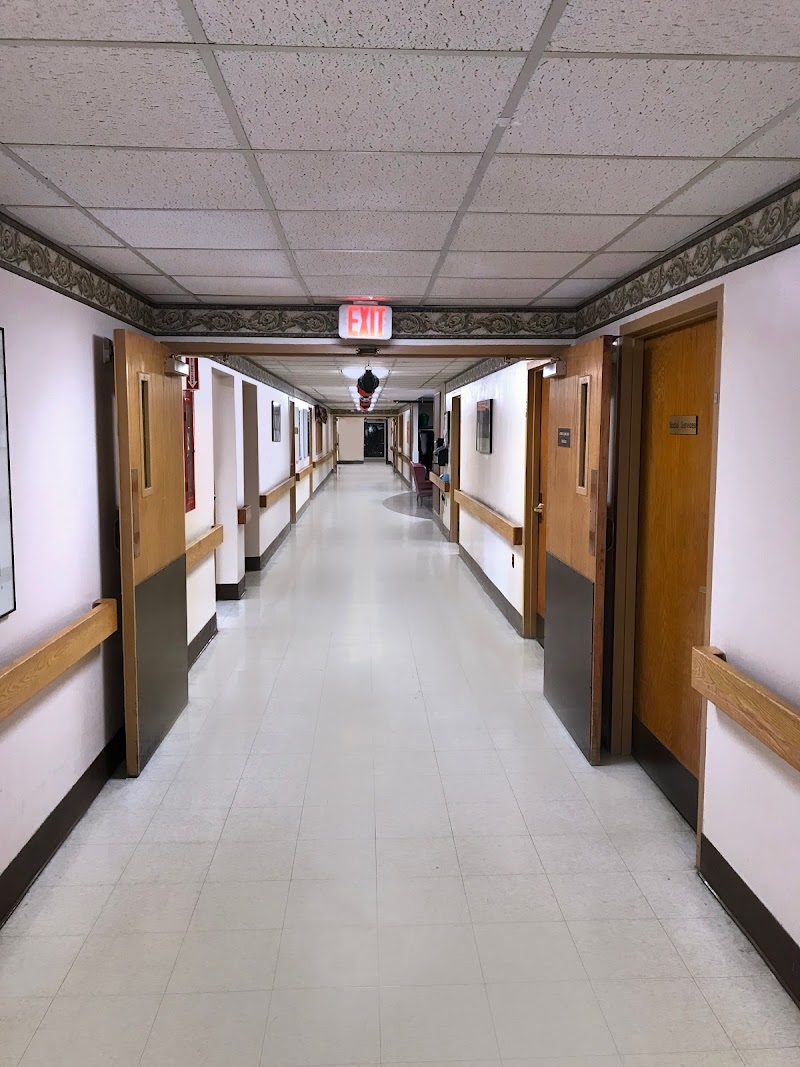
How is Delaware Oaks Center For Rehabilitation And Nursi Staffed?

CMS rates DELAWARE OAKS CENTER FOR REHABILITATION AND NURSI's staffing level at 2 out of 5 stars, which is below average compared to other nursing homes. Staff turnover is 59%, which is 13 percentage points above the New York average of 46%. High turnover can affect care consistency as new staff learn residents' individual needs. RN turnover specifically is 68%, which is notably high. RNs provide skilled clinical oversight, so turnover in this role can affect medical care quality.

What Have Inspectors Found at Delaware Oaks Center For Rehabilitation And Nursi?

State health inspectors documented 19 deficiencies at DELAWARE OAKS CENTER FOR REHABILITATION AND NURSI during 2021 to 2025. These included: 19 with potential for harm.
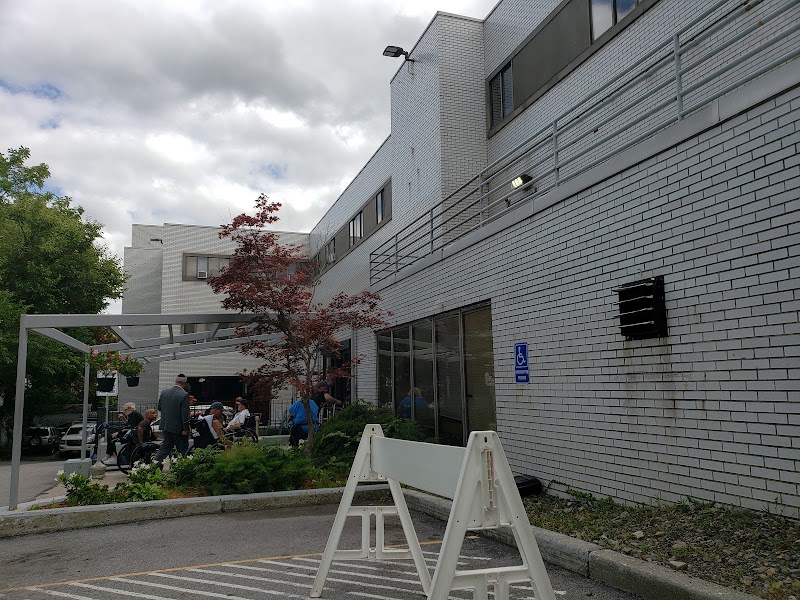
Who Owns and Operates Delaware Oaks Center For Rehabilitation And Nursi?

DELAWARE OAKS CENTER FOR REHABILITATION AND NURSI is owned by a for-profit company. For-profit facilities operate as businesses with obligations to shareholders or private owners. The facility is operated by THE GRAND HEALTHCARE, a chain that manages multiple nursing homes. With 95 certified beds and approximately 87 residents (about 92% occupancy), it is a smaller facility located in BUFFALO, New York.
How Does Delaware Oaks Center For Rehabilitation And Nursi Compare to Other New York Nursing Homes?

Compared to the 100 nursing homes in New York, DELAWARE OAKS CENTER FOR REHABILITATION AND NURSI's overall rating (2 stars) is below the state average of 3.1, staff turnover (59%) is significantly higher than the state average of 46%, and health inspection rating (2 stars) is below the national benchmark.

What Should Families Ask When Visiting Delaware Oaks Center For Rehabilitation And Nursi?

Based on this facility's data, families visiting should ask: "What safeguards and monitoring systems are in place to protect residents from abuse or neglect?" "How do you ensure continuity of care given staff turnover, and what is your staff retention strategy?" "Can you walk me through typical staffing levels on day, evening, and night shifts?" "Can I visit during a mealtime to observe dining assistance and food quality?" These questions are particularly relevant given the substantiated abuse finding on record, the facility's high staff turnover rate, and the below-average staffing rating.

Is Delaware Oaks Center For Rehabilitation And Nursi Safe?

Based on CMS inspection data, DELAWARE OAKS CENTER FOR REHABILITATION AND NURSI has documented safety concerns. The facility has 1 substantiated abuse finding (meaning confirmed case of resident harm by staff or other residents). The facility has a 2-star overall rating and ranks #100 of 100 nursing homes in New York. Families considering this facility should ask detailed questions about what corrective actions have been taken since these incidents.

Do Nurses at Delaware Oaks Center For Rehabilitation And Nursi Stick Around?

Staff turnover at DELAWARE OAKS CENTER FOR REHABILITATION AND NURSI is high. At 59%, the facility is 13 percentage points above the New York average of 46%. Registered Nurse turnover is particularly concerning at 68%. RNs handle complex medical decisions and coordinate care — frequent RN changes can directly impact care quality. High turnover means new staff may not know residents' individual needs, medications, or preferences. It can also be disorienting for residents, especially those with dementia who rely on familiar faces. Families should ask: What is causing the turnover? What retention programs are in place? How do you ensure care continuity during staff transitions?

Was Delaware Oaks Center For Rehabilitation And Nursi Ever Fined?

DELAWARE OAKS CENTER FOR REHABILITATION AND NURSI has no federal fines on record. CMS issues fines when nursing homes fail to meet care standards or don't correct problems found during inspections. The absence of fines suggests the facility has either maintained compliance or corrected any issues before penalties were assessed. This is a positive indicator, though families should still review recent inspection reports for the full picture.

Is Delaware Oaks Center For Rehabilitation And Nursi on Any Federal Watch List?

DELAWARE OAKS CENTER FOR REHABILITATION AND NURSI is not on any federal watch list. The most significant is the Special Focus Facility (SFF) program, which identifies the bottom 1% of nursing homes nationally based on persistent, serious quality problems. Not being on this list means the facility has avoided the pattern of deficiencies that triggers enhanced federal oversight. This is a positive indicator, though families should still review the facility's inspection history directly.