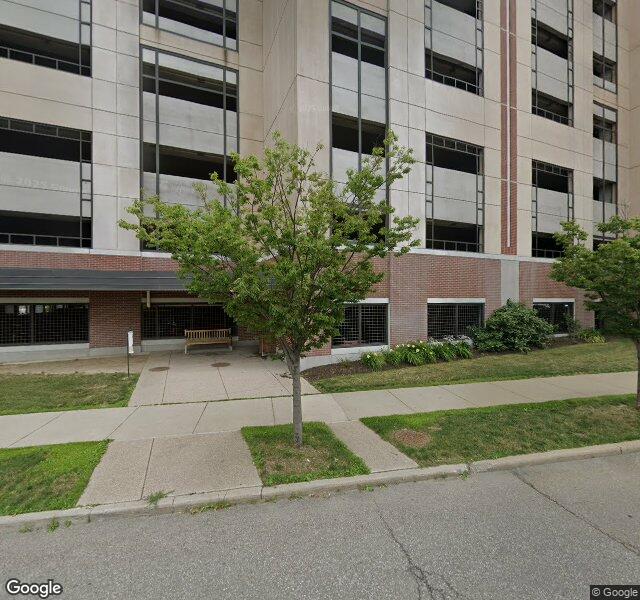
HIGHPOINTE ON MICHIGAN HEALTH CARE FACILITY

1031 MICHIGAN AVE, BUFFALO, NY 14203 (716) 748-3101
Non profit - Corporation 300 Beds Independent Data: November 2025 1 Immediate Jeopardy citation
Trust Grade
3/100
#413 of 594 in NY
Last Inspection: September 2024

Within standard 12-15 month inspection cycle. Federal law requires annual inspections.

Overview

Highpointe on Michigan Health Care Facility in Buffalo, New York, has a Trust Grade of F, indicating significant concerns about the quality of care provided. It ranks #413 out of 594 facilities in New York, placing it in the bottom half, and #28 out of 35 in Erie County, meaning there are very few local options that are worse. The facility's trend is worsening, with the number of issues increasing from 7 in 2022 to 11 in 2024. While staffing is a strong point with a 5/5 rating and a turnover rate of 35%, there are serious concerns, including $129,149 in fines, which is higher than 91% of New York facilities. Specific incidents include repeated instances of sexual abuse among residents with cognitive impairments and failures to provide adequate supervision leading to a resident's fall and hip fracture. Overall, while there are some strengths, the significant issues regarding safety and care quality are alarming for families considering this facility.

Trust Score
F
3/100
In New York
#413/594
Bottom 31%
Safety Record
High Risk
Review needed
Inspections
Getting Worse
7 → 11 violations
Staff Stability
○ Average
35% turnover. Near New York's 48% average. Typical for the industry.
Penalties
⚠ Watch
$129,149 in fines. Higher than 95% of New York facilities. Major compliance failures.
Skilled Nurses
✓ Good
Each resident gets 70 minutes of Registered Nurse (RN) attention daily — more than 97% of New York nursing homes. RNs are the most trained staff who catch health problems before they become serious.
Violations
⚠ Watch
26 deficiencies on record. Higher than average. Multiple issues found across inspections.
★★☆☆☆
2.0
Overall Rating
★★★★★
5.0
Staff Levels
★★★★☆
4.0
Care Quality
★☆☆☆☆
1.0
Inspection Score
Stable
2022: 7 issues
2024: 11 issues

The Good

  • 5-Star Staffing Rating · Excellent nurse staffing levels
  • 4-Star Quality Measures · Strong clinical quality outcomes
  • Full Sprinkler Coverage · Fire safety systems throughout facility
  • No fines on record
  • Staff turnover below average (35%)

    13 points below New York average of 48%

Facility shows strength in staffing levels, quality measures, fire safety.

The Bad

2-Star Overall Rating

Below New York average (3.1)

Below average - review inspection findings carefully

Staff Turnover: 35%

11pts below New York avg (46%)

Typical for the industry

Federal Fines: $129,149

Well above median ($33,413)

Significant penalties indicating serious issues

The Ugly 26 deficiencies on record

1 life-threatening 1 actual harm
Sept 2024 11 deficiencies 1 IJ (1 facility-wide)
CRITICAL (L) 📢 Someone Reported This

A family member, employee, or ombudsman was alarmed enough to file a formal complaint

Immediate Jeopardy (IJ) - the most serious Medicare violation

Free from Abuse/Neglect (Tag F0600)

Someone could have died · This affected most or all residents

⚠️ Facility-wide issue

**NOTE- TERMS IN BRACKETS HAVE BEEN EDITED TO PROTECT CONFIDENTIALITY** Based on observations, interviews and record reviews conducted during a complaint investigation (#NY00330798 and #NY00325133) du...

Read full inspector narrative →
**NOTE- TERMS IN BRACKETS HAVE BEEN EDITED TO PROTECT CONFIDENTIALITY** Based on observations, interviews and record reviews conducted during a complaint investigation (#NY00330798 and #NY00325133) during an extended standard re-certification survey from 9/3/2024 to 9/16/2024, the facility failed to protect the residents' right to be free from sexual abuse by a resident for three (Residents #33, #50, #208) of ten residents reviewed. Specifically, the facility failed to implement safeguards that resulted in repeated instances of sexual abuse with residents that had impaired cognitive status and lacked the ability to consent. This resulted in and had the likelihood for psychosocial harm that is Immediate Jeopardy and Substandard Quality of Care for Residents #33, #50, #208 with the likelihood to affect all residents (census 265) in the facility. The findings are: The policy and procedure titled Identification and Reporting of Abuse, Neglect, Exploitation, or Mistreatment of a Skilled Nursing Facility Resident revised on 9/12/2024 documented any resident abuse will not be tolerated. When a suspicion of abuse, mistreatment, or neglect becomes known, necessary steps will be taken to protect the residents involved and any other vulnerable residents in the facility. Resident #226 had diagnoses of stroke (loss of blood flow to part of the brain or bleeding in the brain) and type 2 diabetes mellitus. The Minimum Data Set (a resident assessment tool) dated 9/24/2023 documented Resident #226 was cognitively intact. The comprehensive care plan dated 7/21/2023 documented staff should check Resident #226's whereabouts on rounds, change of shift, and after meals due to wandering behaviors. Resident #208 had diagnoses of Alzheimer's disease and depression. The Minimum Data Set, dated [DATE] documented Resident #208 was severely cognitively impaired. The comprehensive care plan dated 4/5/2024 documented Resident #208 had impaired cognitive function, was non-verbal and dependent on staff for meeting emotional, intellectual, physical, and social needs. Review of the care plan revealed there were no revisions documented since August of 2022. A nursing progress note dated 9/3/2023 written by Licensed Practical Nurse #3 documented Resident #226 was in the common area rubbing the leg of Resident #208. During a telephone interview on 9/9/2024 at 8:18 AM, Licensed Practical Nurse #3 stated they heard an aide say, uh, uh, don't do that, looked over and Resident #226 was rubbing Resident #208's lower leg. They reported it to Registered Nurse Unit Manager #7 and was told to keep Resident #226 and Resident #208 apart. Licensed Practical Nurse #3 stated they were not instructed to put Resident #226 on 1:1 supervision or to put Resident #226 on 15-minute visual checks. A nursing progress note dated 9/24/2023 written by Licensed Practical Nurse #1 documented Resident #226 was observed crawling under a table by Resident #208's knees. Resident #208 was moved to another area away from Resident #226. During a telephone interview on 9/6/2024 at 9:01 AM, Licensed Practical Nurse #1 stated they had witnessed Resident #226 on 9/24/2023 trying to crawl under the table and was by Resident #208's knees. Licensed Practical Nurse #1 stated they had asked Resident #226 what they were doing and documented the behavior in the progress notes. They stated they had reported Resident #226's behavior to the former Unit Manager, Registered Nurse #7. Review of an investigation and witness statements dated 9/29/2023 documented Licensed Practical Nurse #16 was answering a call light in Resident #208's room when they found Resident #226 in Resident #208's room standing next to the bed with their arms at their side Resident #208's breasts were exposed, and Resident #226 was staring at Resident #208. Resident #226 had denied touching Resident #208. When asked what they were doing, Resident #226 responded nothing, nothing and walked out of the room. It was documented that Resident #208 was asked what happened but did not respond. Resident #81 (roommate of Resident #208) stated that someone had come into the room, but the curtain was pulled so they could not see what had happened and did not hear any noises from Resident #208's side of the room. Review of security video footage dated 9/29/2023 revealed that at 3:49 PM Resident #226 went into Resident #208's room. At 4:04 PM, the call light began to blink outside Resident #208's room. At 4:12 PM, Licensed Practical Nurse #16 entered Resident #208's room and Resident #226 was then seen leaving the room. Review of the 24-Hour Nursing Reports dated 9/29/2023, 9/30/2023, 10/1/2023, 10/2/2023, and 10/3/2023 documented staff were to watch Resident #226 to keep them away from Resident #208. There was no documented evidence indicating specific instructions for watching Resident #226. During a telephone interview on 9/6/2024 at 9:01 AM, Licensed Practical Nurse #1 stated they regularly worked on the unit and saw Resident #208 after the incident on 9/29/2023. They stated Resident #208 had tears in their eyes and would open their mouth and cry out, so Licensed Practical Nurse #1 stated they knew there was something wrong. Licensed Practical Nurse #1 stated Resident #226 did not have a room change right away and they were not put on 1:1 supervision. During a telephone interview on 9/9/2024 at 10:18 AM, Registered Nurse Supervisor #1 stated they had notified Assistant Director of Nursing #1 of the 9/29/2023 incident. Registered Nurse Supervisor #1 stated the Assistant Director of Nursing did not instruct them to put Resident #226 on a 1:1 supervision or to initiate 15-minute checks. During an interview on 9/9/2024 at 3:06 PM, Social Worker #1 stated Resident #226 was moved to the dementia unit four days after the 9/29/2023 incident with Resident #208 because there was not a long term care room available. Social Worker #1 stated they spoke with Resident #226 after the incident and educated them to keep their hands to themselves and not to make inappropriate comments to females. There was no documented evidence of a medically necessary reason to move Resident #226 to the dementia unit. During an interview on 9/10/2024 at 4:55 PM, Assistant Director of Nursing #1 stated Resident #226 was moved to the dementia because there was not another room available. Assistant Director of Nursing #1 stated no one witnessed Resident #226 touching Resident #208 so Resident #226 was not put on 1:1 supervision or 15-minute visual checks. During a telephone interview on 9/10/2024 at 6:23 PM, Licensed Practical Nurse #17 stated after the 9/29/2023 incident they were told by Registered Nurse Unit Manager #7 to keep Resident #226 away from Resident #208. They were supposed to keep Resident #226 in sight while they were awake but there was no official documentation, and the resident was not on 1:1 supervision. During an interview on 9/11/2024 at 8:07 AM, the Director of Nursing stated Resident #226 was moved to the dementia unit because there was not another room available, and they increased monitoring of Resident #226 whereabouts. The Director of Nursing stated the nurses should have documented Resident #226's whereabouts but there was not a formal 15-minute check started or 1:1 supervision. The facility daily census reports dated 9/29/2023 through 10/3/2023 revealed available beds within the facility: -Rehabilitation Unit - 3 empty beds available on 9/29/2023 and 9/30/2023 5 empty beds available on 10/1/2023 and 10/2/2023. 3 empty beds available on 10/3/2023. -Long-Term Care Unit had one bed available on 9/29/2023 and 9/30/2023, 2 beds available on 10/1/2023, 10/2/2023 and 10/3/2023. In addition, the facility had a closed (POD, unit) leaving the following beds empty 480 - 490 9/29/2023 through 10/3/2023. During an interview on 9/11/2024 at 10:11 AM, the current Administrator stated they did not know why Resident #226 was not moved sooner to another room after the incident on 9/29/2023. They stated Resident #226 should have been placed on 1:1 supervision at that time to ensure they did not go into Resident #208's room or anyone else's room. During an interview on 9/12/2024 at 8:55 AM, Medical Doctor #1 stated the incident on 9/29/2023 was highly suspicious and could have been abuse. Resident #226 should have been put on 1:1 supervision on 9/29/2023. 2. Resident #226 was moved to the dementia unit on 10/3/2023. Resident #50 had diagnoses of dementia, arthritis, and seizure disorder. The Minimum Data Set, dated [DATE] documented Resident #50 was severely cognitively impaired. The comprehensive care plan dated 9/10/2019 and in place in 11/2023 documented Resident #50 was cognitively impaired, preferred to be in bed after dinner, and staff were to check at least every 2-3 hours for incontinence. Resident #33 had diagnoses of dementia and anxiety disorder. The Minimum Data Set, dated [DATE] documented Resident #33 was severely cognitively impaired. The comprehensive care plan dated 3/15/2017 and in place 11/2023 documented Resident #33 had dementia. The 24-Hour Nursing Reports dated 11/10/2023, 11/11/2023, and 11/12/2023 documented Resident #226 was found in Residents #50 and #33's shared room. Review of Resident #226 nursing progress notes revealed the following: 11/9/2023 at 10:57 PM, Registered Nurse Nursing Supervisor #1 documented resident was observed by staff standing in the common area with their genitals out of their pants. Resident #50 and another resident (#33) were in the common area. Resident #226 denied that they had their genitalia exposed. 11/10/2023 at 8:22 PM, Licensed Practical Nurse #5 documented resident was found by staff in Resident #50's room. 11/11/2023 at 9:22 PM, Licensed Practical Nurse #6 documented resident was found in Resident 50's room again and this was the third instance. 12/11/2023 Licensed Practical Nurse #18 documented resident was in Resident 50's room. The Nursing Supervisor and the Nurse Practitioner were notified. Review of security video footage dated 11/10/2023 revealed Resident #226 entered Resident 50's room at 7:19 PM and was spotted by Certified Nurse Aide #3 at 7:23 PM and was removed from the room. Review of security video footage dated 11/11/2023 at 7:28 PM revealed Resident #50 was brought by a staff member to their room. At 7:53 PM, Resident #226 entered Resident #50's room and left the room at 8:19 PM. At 8:39 PM, Resident #226 re-entered Resident 50's room. At 8:56 PM, Certified Nurse Aide #3 ran into Resident #50's room and left. At 9:16 PM, Certified Nurse Aide #3 re-entered Resident 50's room. At 9:18 PM, an unidentified nurse entered Resident 50's room. At 9:20 PM, Certified Nurse Aide #3 and Resident #226 left Resident 50's room. During an interview on 9/11/2024 at 1:27 PM, Certified Nurse Aide #3 stated on 11/11/2023 they saw Resident #50 had thrown up on themselves and Certified Nurse Aide #3 ran to get the nurse. They stated they were so focused on Resident #50 throwing up that they did not see Resident #226 in the room the first time. Certified Nurse Aide #3 stated they removed Resident #226 from Resident #50's room after discovering the resident in that room. They stated Resident #50 was dressed in a hospital gown but was not exposed in any way. Review of security video footage dated 12/11/2023 revealed Resident #226 entered Resident #50's room at 7:16 PM. At 7:22 PM, Certified Nurse Aide #1 walked by Resident 50's room, looked in, walked away, and returned to the room and entered. At 7:23 PM, Resident #226 was seen leaving Resident #50's room. Review of the 24-Hour Nursing Reports for December 2023 revealed there was no documentation regarding Resident #226 being in Resident #50's room. Review of an investigation along with Licensed Practical Nurse #13 and Certified Nurse Aide #4 witness statements dated 12/29/2023 documented Resident #226 was found kneeling at the bedside of Resident #50. Resident #226 was fondling their own genitals and had their other hand in the incontinence brief of Resident #50. Review of security video footage dated 12/29/2023 revealed at 9:47 PM, Resident #226 walked around the corner with their incontinence brief around their ankles. At 9:48 PM, Resident #226 walked into Resident #50's room wearing only a hospital gown. From 9:48 PM to 11:23 PM, Resident #226's walker and brief were observed on the floor outside of Resident 50's room. At 11:23 PM, Certified Nurse Aide #4 entered Resident 50's room and hurriedly left the room. At 11:24 PM Licensed Practical Nurse #13 entered Resident #50's room and Resident #226 was removed from the room. During a telephone interview on 9/6/2024 at 8:18 AM, Certified Nurse Aide #4 stated they witnessed Resident #226 in Resident 50's room fondling themselves and their other hand was inside Resident #50's brief. Certified Nurse Aide #4 stated they ran to get the nurse. During a telephone interview on 9/9/2024 at 4:57 PM, Certified Nurse Aide #1 stated approximately two weeks before the 12/29/2023 incident they had found Resident #226 in Resident #50's room. Resident #226 had their pants and their incontinence brief down. Certified Nurse Aide #3 stated they got the nurse and Resident #226 was removed from the room. During a telephone interview on 9/16/2024 at 2:04 PM, Licensed Practical Nurse #13 stated they found Resident #226 next to Resident #50's bed masturbating and their other hand was inside Resident #50's incontinence brief. During an interview on 9/10/2024 at 9:26 AM, Licensed Practical Nurse #18 stated the aides had reported Resident #226 was found in Resident #50's room on 12/11/2023. Licensed Practical Nurse #18 stated they documented it in the progress notes and had reported it to the nursing supervisor and a nurse practitioner but, did not recall which supervisor or which nurse. They stated they were asked by Assistant Director of Nursing #1 to write a witness statement and to initiate an investigation. During an interview on 9/10/2024 at 10:04 AM, Assistant Director of Nursing #2 stated there were no other investigations for any incidents between Resident #226 and Resident #50 and #33. During an interview on 9/10/2024 at 12:07 PM, Nurse Practitioner #1 stated they were never notified of any allegations of abuse between Resident #226 and Resident #50. Nurse Practitioner #1 stated they did not think Resident #226 was appropriate for a dementia unit. During an interview on 9/10/2024 at 12:31 PM, Nurse Practitioner #2 stated they were never notified about Resident #226 exposing themselves or any type of sexual abuse between residents. During an interview on 9/11/2024 at 1:00 PM, the Director of Nursing stated that what happened to Resident #50 was abuse. During an interview on 9/11/2024 at 2:43 PM, the [NAME] President of Long-Term Care (former Administrator) stated it was not an effective plan to move Resident #226 to another unit. The [NAME] President stated they were not aware Resident #226 was entering other resident rooms and if they had been aware, they would have initiated 1:1 supervision earlier to prevent any events and protect all vulnerable residents. The [NAME] President of Long-Term Care stated this situation should have risen to the administrative level for further review. During an interview on 9/12/2024 at 10:07 AM, the Director of Nursing stated they should have been notified by staff of Resident #226's behavior so that additional interventions could have been put into place to prevent sexual abuse. I believe we were not as prudent as we should have been to maintain the safety of all our residents. During an interview on 9/12/2024 at 8:55 AM, Medical Doctor #1 stated they were not aware of any incidents between Resident #226, Resident #50, and Resident #33 that occurred in November 2023. They would have expected staff to report any incidents of possible sexual abuse to themselves and the Director of Nursing. After the incident on 12/29/2023 they called the Special Victims Unit because this was sexual abuse. Medical Doctor #1 stated they assessed both Resident #50 and #226. Resident #226 was assessed for insight, judgement, and determined that Resident #226 was alert and oriented. Medical Doctor #1 stated, had Resident #226 been placed on 1:1 supervision on 9/29/2023, then any other incidents of sexual abuse could have been prevented. They stated there was room for improvement when it comes to sexual abuse education for staff. Based on observations, staff interviews, and record review the facility removed the immediacy as of 9/13/2024 at 11:15 PM: 12/29/2023 the facility placed Resident #226 on 1:1 supervision and remains on 1:1. 9/11/2024 the facility conducted a Quality Assurance and Performance Improvement meeting; completed a root cause analysis; conducted record reviews and resident interviews and began staff education with a specific focus on sexual abuse, recognition, prevention, and reporting. 9/12/2024 the facility conducted a second Quality Assurance and Performance Improvement meeting, reviewed the facility abuse policies, and education continued for all staff with a focus on sexual abuse. The Director of Nursing, Assistant Directors of Nursing and Registered Nurse Supervisors were educated on conducting abuse investigations. As of 9/13/2024 at 11:15 PM 86 % (percent) of all staff were educated. NYCRR 10 415.4(b)(1)(ii)
SERIOUS (G) 📢 Someone Reported This

A family member, employee, or ombudsman was alarmed enough to file a formal complaint

Actual Harm - a resident was hurt due to facility failures

Accident Prevention (Tag F0689)

A resident was harmed · This affected 1 resident

**NOTE- TERMS IN BRACKETS HAVE BEEN EDITED TO PROTECT CONFIDENTIALITY** Based on observations, interviews, and record review completed during complaint investigations (Complaint #NY00345300 and #NY003...

Read full inspector narrative →
**NOTE- TERMS IN BRACKETS HAVE BEEN EDITED TO PROTECT CONFIDENTIALITY** Based on observations, interviews, and record review completed during complaint investigations (Complaint #NY00345300 and #NY00324827) during an extended recertification survey, the facility failed to ensure that each resident received adequate supervision to prevent accidents and elopement for two (Resident #20 and #228) of ten residents reviewed. Specifically, Resident #228 required 1:1 (one to one) supervision for safety and had an unwitnessed fall, sustaining a right hip fracture. In addition, on 9/24/2023 at 1:25 PM Resident #189 eloped through the front door of the facility. This resulted in actual harm to Resident #228 that was not Immediate Jeopardy. The findings are: 1. During an interview on 9/11/2024 at 12:39 PM both the Director of Nursing and the Administrator stated there was no policy for 1:1 supervision. Review of the Role of the Sitter and Sitter Safety in the Acute Healthcare Setting education revealed the definition of 1:1 is constant observation, meaning a situation in which a staff member is responsible for maintaining continuous watch of a single patient, with eyes on the patient at all times and within arm's length of the patient. Resident #228 had diagnoses including unspecified dementia with agitation, delirium (confused thinking, with reduced awareness of surroundings), and history of traumatic fracture to their left hip. The Minimum Data Set (a resident assessment tool), dated 4/26/2024, documented Resident #228 was moderately cognitively impaired, usually understood, and sometimes understands. Resident #228 was dependent for bed mobility and transfers and used a wheelchair. Resident #228 had a fall prior to admission and two or more falls with injury since admission which included surgery (fractured left hip repair) requiring active skilled nursing care. Review of the Comprehensive Care Plan dated 5/3/2024 revealed Resident #228 required 1:1 supervision around the clock for safety; was a fall risk due to recent frequent falls and delirium; required their bed in the lowest position with fall mats to both sides of their bed. In addition, Resident #228 had behaviors such as rolling out of bed and attempting to self-ambulate. Review of the [NAME] (a resident care guide) dated 5/24/2024 revealed Resident #228 required 1:1 supervision around the clock for safety. Review of the nursing progress notes from 4/19/2024 - 5/3/2024 revealed Resident #228 had multiple unwitnessed falls with minor injuries. The Internal Quality Review/Investigation Worksheets dated 4/19/2024, 4/20/2024 and 4/23/2024 revealed multiple falls on the floor. On 4/23/2024, one-to-one observation was initiated for the resident, which was not placed on their comprehensive care plan until 5/3/2024. The Internal Quality Review/Investigation Worksheet dated 5/24/2024 documented at 8:45 AM Resident #228 was found sitting on their buttocks on their roommate's side of the room. No injuries noted. The form documented the 1:1 had been discontinued on 5/24/2024 by the Physician. Review of the attached [NAME] dated 5/24/2024 documented Resident #228 required 1:1 observation around the clock for safety. The attached assignment sheet labeled [NAME] Park, the resident's unit, dated 5/24/2024 for 7:00 AM- 3:00 PM shift documented there was no aide assigned as a 1:1 for Resident #228 that shift. The Physician/Nurse Practitioner/Physician Assistant note dated 5/24/2024 at 8:57 PM completed by Medical Director #1 documented 1:1 supervision was reinstated for Resident #228 due to recent frequent falls. The Internal Quality Review/Investigation Worksheet dated 5/26/2024 documented at 1:10 PM Resident #228 was found on the floor in the common area lying on their right side. Staff were attending to other residents at the time. An X-ray was ordered, and results showed a fractured right hip. The attached [NAME] dated 5/24/2024 documented Resident #228 required 1:1 observation around the clock for safety. The attached assignment sheet labeled [NAME] Park dated 5/26/2024 for 7:00 AM- 3:00 PM shift documented there were two residents requiring 1:1 that shift. Only one aide was assigned as a sitter (staff assigned to 1:1 for a resident) but was not assigned to Resident #228. During an observation on 9/6/2024 at 10:30 AM with Security Officer #1 present, the facility video surveillance footage for 5/26/2024 at 12:46 PM revealed Resident #228 was left unattended in the common area on the [NAME] Park unit. At 12:46 PM, Resident #228 stood up and fell to the floor onto their right side. At 12:48 PM Licensed Practical Nurse #11 came into view, saw the resident, and went to the telephone. The Ultrasound Report dated 5/26/2024 documented an exam of the right hip with pelvis X-ray which revealed an acute right hip fracture. The Radiology Results Report dated 5/26/2024 documented an acute intertrochanteric (upper part of the thigh bone between the two ends that stick out, where the muscle is attached) hip fracture. The hospital Discharge summary dated [DATE] documented Resident #228 had a closed reduction internal fixation (surgical repair) of the right hip intertrochanteric fracture on 5/28/2024. During an interview on 9/6/2024 at 8:57 AM, Licensed Practical Nurse #10 stated 1:1 supervision meant a staff member would be assigned to the resident and they would be with that resident the entire shift, getting relieved for breaks. They should stay close enough to the resident so they could catch them if they were to try to stand and fall. During a telephone interview on 9/9/2024 at 9:52 AM, Certified Nurse Aide #8 stated Resident #228 was made a 1:1 because they were always trying to get themselves up and they fell a lot. Certified Nurse Aide #8 stated they know if a resident is 1:1 by checking the care plan, and they check that every day in case there are changes. During an interview on 9/9/2024 at 10:20 AM, Certified Nurse Aide #10 stated they were assigned as a sitter on [NAME] Park on 5/26/2024 for the 7:00 AM-3:00 PM shift, but not for Resident #228. They recalled they were in the other resident's room who was a 1:1 for that shift. They looked at the assignment sheet for [NAME] Park unit dated 5/26/2024 for 7:00 AM-3:00 PM shift and noted there were two residents on 1:1, but they were the only sitter assigned. Certified Nurse Aide #10 stated that by not providing Resident #228 with a sitter, it was a break in their care plan. They stated Resident #228 was a 1:1 because they tried to stand and fell a lot. During an interview on 9/9/2024 at 2:34 PM, Assistant Director of Nursing #4 stated they did not know why Resident #228 was not assigned a sitter on 5/26/2024. Resident #228's care plan and [NAME] documented they required 1:1 supervision, around the clock, for safety. By not having an assigned 1:1 sitter, and the resident falling and breaking their hip, it was a break in their care plan that led to harm to the resident. During an interview on 9/9/2024 at 3:09 PM, the Director of Nursing stated according to their care plan and [NAME], Resident #228 should have been assigned a sitter on 5/26/2024, but they were not, and they fell and fractured their hip. By not assigning a sitter, it was a break in the resident's care plan that led to harm of the resident. During an interview on 9/10/2024 at 10:03 AM, Medical Director #1 stated Resident #228 was put on 1:1 because they were very active and difficult to redirect. Resident #228 was always trying to get up on their own. Medical Director #1 stated it was possible the fall could have been prevented if they were provided the 1:1 at the time of the incident. The fall resulted in a fractured hip, which was a major injury that did result in harm to the resident. During an interview on 9/10/2024 at 12:42 AM the Administrator stated, if Resident #228 was care planned to have 1:1 supervision around the clock and they were not provided 1:1 supervision, had a fall, and fractured their hip, then that was a break in the care plan that led to harm to the resident. During an interview on 9/11/2024 at 9:05 AM the Clinical Educator stated that 1:1 meant there should always be an aide with the resident within arm's reach. 1:1 supervision was not taught during orientation nor during annual in-services. The Clinical Educator stated they should probably include that in their orientation because they did have residents that required 1:1 supervision. During an interview on 9/11/2024 at 9:06 AM, Physical Therapist #1 stated the therapy department is not involved in 1:1 education or recommendations, but it is the nursing department's responsibility. They stated 1:1 meant an aide should be no more than 6 feet away from the resident and always have them in site. Physical Therapist #1 stated 1:1 in the nursing home was usually used for safety of residents that tried to stand and fell a lot. 2. The policy titled Elopement Long Term Care/Missing Person last revised 10/27/2022 documented resident elopement is defined as when a cognitively impaired resident leaves a facility without staff observation or knowledge of the resident's departure. Any staff member observing a confused or previously identified wandering resident attempting to leave the premises, shall attempt to redirect the resident to the facility. Upon notification that a resident is missing, a thorough search of the facility and the premises for the missing resident will be conducted. Outside search will be coordinated with Site Leadership, Nursing Supervisor, and Security. The policy titled Wander Guard last revised on 10/27/2022 documented the wander guard system alarms when residents wearing a bracelet signaling device attempts to pass through a monitored area. Residents identified as at risk for elopement will have a bracelet signaling device applied to their wrist. Resident #189 had diagnoses that included unspecified dementia, polyneuropathy (damaged peripheral nerves) and type 2 diabetes mellitus (problem with the way the body regulates the uses of sugar as a fuel). The Minimum Data Set, dated [DATE] documented Resident #189 was severely cognitively impaired, understood and understands. Additionally, Resident #189 had a wander/elopement alarm. The comprehensive care plan dated 2/9/2023 documented Resident #189 required supervision with ambulation with a rolling walker on and off the unit. Resident #189 was at risk for elopement and had a wander guard (device that alarms if the resident leaves a designated area) in place and may not leave the floor unaccompanied. The [NAME] dated 2/9/2023 documented staff were to check the whereabouts of Resident #189 on rounds, after meals and at change of shift. Review of the active Physician Orders dated 9/9/2024 revealed to check Resident #189's wander guard on right ankle every shift for safety. Review of the facility investigation dated 9/24/2023 at 2:00 PM, documented Registered Nurse/Nursing Supervisor #9 was notified by Licensed Practical Nurse #14 at 1:30 PM that Resident #189 may have gone out on pass without signing out. Registered Nurse/Nursing Supervisor #9 was then informed 10 minutes later that Resident #189 had eloped by following another resident's family out of the building. Security was alerted and the grounds of the facility were immediately searched. The Director of Nursing and 911 was called. The search continued off facility grounds by staff members. Resident #189 was brought back to the facility at 2:30 PM by a family friend who saw Resident #189 walking down a sidewalk. Resident #189 was assessed for any injuries, no injuries documented. Resident #189 stated I just wanted to go see my family member. I didn't know I couldn't leave the building. Resident #189 was placed on 15-minute checks for 48 hours, then 30-minute checks for 24 hours, 1-hour checks for 24 hours, and 4-hour checks for 24 hours without any elopement attempts. A new protocol was established for out on pass monitoring after review and a larger picture of Resident #189 was posted at the security desk. Additionally, the investigation file revealed two in-servicing sheets titled 4th Floor Resident dated 9/24/2023 and Resident Out on Pass Process dated 11/23/2023 with signatures identifying 51 staff members were educated that residents on the 4th floor must be at all times accompanied by a staff member off the floor. Review of the Employee Roster detail report provided by the facility revealed a list of 445 employees and their titles. Review on 9/9/2024 at 9:36 AM of facility surveillance video footage dated 9/24/2023 revealed at 1:25 PM Resident #189 was observed walking with their walker through the lobby. Resident #189 was to the left of a visitor. Two children were to the right of the visitor. The door opened as the visitors approached and Resident #189 walked up and around the left side of the visitor at a fast pace. Resident #189 exited the building, walking alongside the visitor and the children. At 1:27 PM, when Resident #189 and visitors reached the middle of the parking lot, Certified Nursing Aide #16 was observed exiting the building and started following Resident #189 and the visitors. At 1:28 PM the visitors and Resident #189 were observed walking across the street, then Resident #189 was observed walking down the side street adjacent to the facility, alone, then goes off camera view. Certified Nursing Aide #16 proceeded to go in the direction of Resident #189. At 1:31 PM Certified Nursing Aide #16 was seen reentering the parking lot. At 1:33 PM Certified Nursing Aide #16 re-enters the facility. During an interview on 9/5/2024 at 1:21 PM, the Director of Nursing stated there was a facility wide education done on the elopement policy, and it should be in the investigation file. During an interview on 9/5/2024 at 1:32 PM, Licensed Practical Nurse #14 stated on 9/24/2023 Security Officer #2 informed them Resident #189 went out with family and did not sign out. When the visitors came back to the facility 10 minutes later without Resident #189, Security Officer #2 alerted Licensed Practical Nurse #14, who then updated Registered Nurse Supervisor #9 of Resident #189's elopement. Staff then began searching for Resident #189. Resident #189 was brought back to the facility about an hour later. Licensed Practical Nurse #14 stated the resident was found on Clinton and Jefferson (according to map [NAME] approximately a 40-minute walk from the facility). Licensed Practical Nurse #14 stated they were not sure how Resident #189 was able to get down to the lobby because the elevator should not have moved when the wander guard alarms. During an interview on 9/5/2023 at 4:00 PM, Security Officer #2 stated a blue line will pop up and flash on the wander guard system when a resident with a wander guard goes near an exit or elevator. The Security Officer must clear it with the floor and then clears it in the system before the exit can open, or elevator can move. Security Officer #2 stated it was a busy day with a lot of visitors coming and going. Security Officer #2 stated during the incident on 9/24/2023 with Resident #189, there were multiple alerts going off at the same time, and it is possible that they cleared the alert for Resident #189 on the elevator mistakenly. That is how Resident #189 was able to get on the elevator and make it to the lobby. Security Officer #2 stated when Resident #189 arrived in the lobby, the door had already started opening when the wander guard alarm sounded, and Resident #189 was able to exit with the visitors they were walking with. Security Officer #2 stated they realized Resident #189 had not signed out on pass, called up to the unit and confirmed they had not. Security Officer #2 had Certified Nurse Aide #16, who was in the lobby at the time of elopement with a different resident, go out and attempt to flag down the visitors and Resident #189. Certified Nurse Aide #16 was unsuccessful and returned to the facility. Security Officer #2 stated they went out to the parking lot and could not visualize Resident #189 or the visitors, so they returned to the facility. About 10 minutes later the visitors returned and stated they had not been with Resident #189. This is when the elopement procedures began. During a telephone interview on 9/8/2024 at 9:52 AM, Certified Nurse Aide #16 stated they were in the lobby helping one of their residents get ready to leave when another resident (Resident #189) was seen exiting the facility with people. Certified Nurse Aide #16 stated they weren't sure if that resident (Resident #189) was allowed to leave so they attempted to catch up to the visitors and ask. Certified Nurse Aide #16 stated they were unable to catch up to them and went back into the facility. Certified Nurse Aide #16 stated they did not continue perusing Resident #189 and the visitors because they were unfamiliar with Resident #189. Certified Nurse Aide #16 thought they just forgot to sign out. Certified Nurse Aide #16 stated upon return to the facility, Security Officer #2 stated Resident #189 went out with family and it was no big deal. During an interview on 9/9/2024 at 3:34 PM, the Director of Nursing stated Certified Nursing Aide #16 should have continued to trail Resident #189 and kept eyes on them or ask for assistance out in the community if there was someone nearby. 10 NYCRR 415.12(h)(2)
CONCERN (D)

Potential for Harm - no one hurt, but risky conditions existed

Notification of Changes (Tag F0580)

Could have caused harm · This affected 1 resident

Based on observation, interview and record review conducted during an Extended survey completed on 9/16/24, the facility did not ensure the resident's representative was notified immediately of a chan...

Read full inspector narrative →
Based on observation, interview and record review conducted during an Extended survey completed on 9/16/24, the facility did not ensure the resident's representative was notified immediately of a change of condition for one (Resident #267) of two residents reviewed for notification of change. Specifically, Resident #267's representative was not notified of the resident's tracheostomy (opening into the trachea) tube being removed. The finding is: Resident #267 had diagnoses that included traumatic subdural hemorrhage (bleeding in the brain), acute kidney failure, and depression. The Minimum Data Set (a resident assessment tool) dated 8/11/24 documented Resident #267 was moderately cognitively impaired, usually understood and sometimes understands. The comprehensive care plan dated 5/11/24 documented Resident #267 had a tracheostomy related to impaired breathing mechanics. The comprehensive care plan documented the resident had a knowledge deficit related to their medical condition and/or plan of care. Review of Resident #267's admission Record, with a printout date of 9/9/24, documented Resident #267s family member was their Health Care Proxy (a person who can legally make medical decisions on behalf of another person if they are unable to communicate their wishes). Review of Family Health Care Decision Act Consent Form dated 5/16/24, documented Resident #267 was determined to lack capacity to make medical decisions. This form documented Resident #267s family member was activated as their Health Care Proxy by the Medical Director. A nursing progress note for Resident #267 dated 8/28/24 at 2:55 PM, Registered Nurse #10 documented trach discontinued, tolerate well spo2 (oxygen saturation in the blood) 98% on room air. resident had appointment today for CT (computed tomography) scan and no issues or concerns noted return from appointment. There was no documentation that the resident's Health Care Proxy was updated. Further review of nursing progress notes dated 8/29/24-9/6/24 revealed no documentation that Resident #267's Health Care Proxy was updated on the removal of the tracheostomy tube. During an observation on 9/3/24 at 10:54 AM, Resident #267 was sitting in the common area, there was no tracheostomy tube present. During a telephone interview on 9/3/24 at 11:56 AM, Resident #267's Health Care Proxy stated they had been asking staff about when they would be attempting to remove Resident #267s tracheostomy tube and was upset because facility staff have not contacted them regarding the matter. During an interview on 9/6/24 at 10:25 AM, Registered Nurse #10 stated they believed Resident #267 was their own responsible party, but their family member was their Health Care Proxy. Registered Nurse #10 stated they believed Resident #267s Health Care Proxy was updated on the removal of their tracheostomy. Registered Nurse #10 stated it was the charge nurse's responsibility to update responsible parties on any changes in condition. Registered Nurse #10 stated there were three different Registered Nurses who worked on the unit as charge nurses, and they could not remember who was in charge the day the resident's tracheostomy tube was removed. During an interview on 9/6/24 at 10:27 AM, Registered Nurse #11, who was working as charge nurse on this date, reviewed the progress notes for Resident #267 and stated that based on the progress notes there was not any documentation that Resident #267s Health Care Proxy was updated on the removal of their tracheostomy tube. Registered Nurse #11 stated Resident #267s family member was their Health Care Proxy, and they should have been updated on the removal of the tracheostomy on the day it was removed. During an interview on 9/9/24 at 3:42 PM, the Director of Nursing stated Resident #267 lacked capacity and they expected staff to update their Health Care Proxy on any change in condition, and the removal of a tracheostomy tube was a change in condition. During an interview on 9/10/24 at 1:07 PM, the Social Worker stated Resident #267 had a Health Care Activation Form in their chart that documented Resident #267 lacked capacity and their family member was their Health Care Proxy. The Social Worker stated Resident #267s Health Care Proxy should be updated on any change in condition, and the removal of a tracheostomy tube was a change in condition. During an interview on 9/11/24 at 12:39 PM, the Director of Nursing and Administrator both stated there was not a policy for notification of change in the facility. 10 NYCRR 415.3 (f)(2)(b)
CONCERN (D) 📢 Someone Reported This

A family member, employee, or ombudsman was alarmed enough to file a formal complaint

Potential for Harm - no one hurt, but risky conditions existed

ADL Care (Tag F0677)

Could have caused harm · This affected 1 resident

**NOTE- TERMS IN BRACKETS HAVE BEEN EDITED TO PROTECT CONFIDENTIALITY** Based on observation, interview, and record review conducted during a complaint investigation (#NY00324941) during an Extended s...

Read full inspector narrative →
**NOTE- TERMS IN BRACKETS HAVE BEEN EDITED TO PROTECT CONFIDENTIALITY** Based on observation, interview, and record review conducted during a complaint investigation (#NY00324941) during an Extended survey completed on 9/16/24, the facility did not ensure that each resident who was unable to carry out activities of daily living received the necessary services to maintain grooming and personal hygiene for one (Residents #20) of two residents reviewed. Specifically, Resident #20 had greasy, disheveled hair, with matting and knots to the back of their head. The finding is: Resident #20 had diagnoses that included multiple sclerosis (disease central nervous system), age-related physical debility, and epilepsy (seizure disorder). The Minimum Data Set (a resident assessment tool) dated 7/7/24 documented the resident was understood, understands, and had severe cognitive impairment. The Minimum Data Set documented Resident #20 did not exhibit rejection of care behaviors and they required substantial/maximal assistance for personal hygiene. Review of the facility Orientation Checklist for Long Term Care Certified Nursing Assistant revealed technical skills included they implemented a plan of care to include personal care, including hair care. The comprehensive care plan dated 4/19/22 documented Resident #20 had an activity of daily living self-care performance deficit related to weakness. Interventions revised 8/2023 documented the resident required extensive assist of one person for personal hygiene, bathing and showering. The [NAME] (resident care guide) dated 9/11/24 documented Resident #20 required extensive assist of one person for personal hygiene, bathing and showering. The skin inspection record dated 8/1/24-8/29/24 documented Resident #20 received a bed bath or shower. There was no documented evidence that Resident #20 refused their hair to be washed. There were no skin inspection records for 9/1/24-9/9/24 that verified a shower or bed bath was given as scheduled. The last documented shower was given on 8/22/24. The nursing progress notes dated 7/31/24-9/10/24 revealed no documented refusals of care for Resident #20. Additionally, nursing progress notes dated 9/1/23-10/28/23 revealed no documented refusals of care. During observations on 9/3/24 at 10:14 AM, 9/4/24 at 3:12 PM, 9/5/24 at 8:43 AM and 10:45 AM, 9/6/24 at 7:52 AM, 9/9/24 at 8:21 AM, 9/10/24 at 10:04 AM, and 9/12/24 at 10:37 AM, Resident #20's hair was greasy in appearance. During the observations on 9/5/24, 9/6/24, 9/10/24 and 9/12/24, Resident #20's hair was uncombed, and disheveled. During an interview on 9/6/24 at 10:50 AM, Certified Nursing Assistant #15 stated they always tried to brush Resident # 20's hair, but their hair is in knots, nurse usually cuts the knots out. They stated the brushes at the facility don't work on Resident #20's hair. During an observation and interview on 9/10/24 at 10:04 AM, Resident #20 was in bed with hair disheveled, uncombed, and greasy. Resident #20 stated they could not recall the last time their hair was washed. Resident #20 stated it was important to them to have their hair brushed and washed, as it made them feel better. During a follow up interview on 9/10/24 at 10:10 AM, Certified Nursing Assistant #15 stated resident's hair should be combed every day, so the resident looked presentable. They stated Resident #20 was unable to brush their own hair, they're dependent on staff to complete. Certified Nursing Assistant #15 stated Resident #20's hair was knotted up very badly and it was uncomfortable for Resident #20 to have their hair combed. During an interview on 9/10/24 at 10:24 AM, Licensed Practical Nurse #15 stated resident's hair should be combed during morning care and is usually washed during showers by the Certified Nursing Assistants. They stated if a shower was refused the Certified Nursing Assistant should make the nurse aware and indicate the refusal on the skin inspection record. Licensed Practical Nurse #15 stated residents' hair should be washed and combed for hygiene purposes and dignity. During an observation and interview on 9/10/24 at 10:34 AM, Registered Nurse #4, Unit Manager, stated residents' hair should be combed daily, just like us we comb our hair every day. They stated grooming was part of a resident's activities of daily living for dignity, and self-worth and should be completed by the certified nursing assistant. Registered Nurse #4, Unit Manager stated Resident #20's hair was thick, matted, and difficult to comb. They stated Resident #20's hair should be washed on their shower days, twice a week by the certified nursing assistants. Registered Nurse #4 observed Resident #20's hair, and stated their hair looked greasy and uncombed. As Registered Nurse #4, attempted to untangle the matted hair, Resident #20 expressed discomfort. During a telephone interview on 9/10/24 at 11:50 AM, Certified Nursing Assistant #14 stated they did not give Resident #20 a shower or wash their hair on 9/9/24 as scheduled. They stated there was so much going on and they forgot to tell the nurse. They stated they combed Resident #20's hair into a ponytail yesterday and didn't think Resident 20's hair was really greasy, but their hair was matted in the back. During an interview on 9/11/24 at 12:39 PM, the Administrator stated they did not have a facility policy for activities of daily living or provision of personal care including hair care. During an interview on 9/12/24 at 9:45 AM, the Director of Nursing stated they expected resident's hair to be, ideally, combed daily with activities of daily living care. They stated hair style was resident dependent, but that it was not acceptable for residents' hair to be knotted, it should be combed though. They stated if a resident refused care, it should be documented. 10 NYCRR 415.12(a)(3)
CONCERN (D)

Potential for Harm - no one hurt, but risky conditions existed

Deficiency F0700 (Tag F0700)

Could have caused harm · This affected 1 resident

**NOTE- TERMS IN BRACKETS HAVE BEEN EDITED TO PROTECT CONFIDENTIALITY** Based on observation, interview, and record review conducted during an extended standard survey completed on 9/16/24, the facili...

Read full inspector narrative →
**NOTE- TERMS IN BRACKETS HAVE BEEN EDITED TO PROTECT CONFIDENTIALITY** Based on observation, interview, and record review conducted during an extended standard survey completed on 9/16/24, the facility did not ensure residents were assessed for risk of entrapment from bed rails prior to installation, review the risks and benefits of bed rails with the resident or resident representative, and obtained informed consent prior to the installation of bed rails for one (Resident # 20) of one resident reviewed for bed rails. Specifically, Resident #20 was not assessed for risk of entrapment from bed rails, there was no documented evidence the risks and benefits of bed rails were reviewed and that consents were obtained prior to bed rail use. Additionally, there was lack of maintaining the bed rails in proper working order. The finding is: The policy and procedure titled Transfer/Bed Mobility Bar revised 10/25/22 documented the goal is always to maintain the highest practical functional status for our residents. The use of a transfer/bed mobility bar facilitates this commitment and promotes functional mobility for our residents with optimal bed safety achieved. The policy and procedure titled Side Rail Policy revised 10/27/22 documented side rails may be utilized as an enabler to improve or maintain a resident's functionally independent status in moving to and from a lying position, turning side-to-side, re-positioning in bed, and transferring in/out of bed. When side rails are used, continuous evaluation of their appropriateness is expected to be part of an ongoing assessment. This evaluation is to be done quarterly, annually and with significant change in the resident's condition. Resident's and families should be actively involved in deciding whether to use side rails. The interdisciplinary care team is still responsible to determine whether their use is contraindicated to the health care and safety of the resident. The User-Service Manual, copyright 2013 for bed series utilized in facility documented, Warning: Possible Injury or Death. Do not use any assist device until you verify it is locked in place. Failure to lock assist devices may result in injury; An optimal bed system assessment should be conducted on each resident by a qualified clinician or medical provider to ensure maximum safety of the resident. The assessment should be conducted within the context of, and in compliance with, the state and federal guidelines related to the use of restraints and bed system entrapment guidance. Entrapment zones involve the relationship of components often directly assembled by the healthcare facility rather than the manufacturer. Therefore, compliance is the responsibility of the facility. Resident #20 had diagnoses that included multiple sclerosis (disease central nervous system), age-related physical debility, epilepsy (seizure disorder), and depression. The Minimum Data Set (a resident assessment tool) dated 7/7/24 documented resident was understood, understands, and had severe cognitive impairment. Resident #20 required partial/moderate assistant with rolling left to right. No bed rail use indicated on the assessment. The [NAME] (guide used by staff to provide care) dated 9/11/24 documented staff were to to anticipate and meet safety needs; bed mobility extensive assist of one staff member for rolling side to side with bed assist bars. The comprehensive care plan initiated 4/19/22 documented Resident #20 had limited physical mobility related to multiple sclerosis. Intervention revised 8/14/23 documented bed mobility as extensive assist of one for rolling side to side with bed assist bars. Additionally, revision dated 1/23/24 documented Resident #20 was at risk for falls related to confusion, deconditioning, incontinence, and immobility. Interventions initiated 1/23/24 included to anticipate and meet resident's needs. During observations on 9/3/24 at 10:19 AM and 3:32 PM, 9/4/24 at 3:12 PM, and 9/5/24 at 8:43 AM, 10:45 AM, and 3:26 AM Resident #20 was in bed with bed assist bar to right side of bed unlatched, unsecured from bed frame. Review of Plant Operations Bed Inventory was last completed 5/15/23-5/18/23 documented entrapment, compliance mattress/assist rail fit. During a continuous observation on 9/6/24 from 9:54 AM to 10:40 AM, Resident #20 was observed to utilize the bed assist bars during care when prompted by staff and encouraged by Certified Nurse Aide #15. During an interview on 9/5/24 at 3:46 PM, Certified Nurse Aide #13 stated all bed assist bars should be locked into place for safety. If they were not locked into place the resident may not be safe and could fall out of the bed. Certified Nursing Assistant #13 stated if there was an issue with a bed assist bar, they would let the nurse know and put a maintenance order in through the computer. During an interview on 9/5/24 at 3:55 PM, Certified Nursing Assistant #12 stated all residents had bed assist bars on their beds. They stated the bed assist bars can be unlatched and pulled away from the bed to boost a resident in bed or when transferring a resident out of or into the bed. They stated any staff member that moves the bed assist rail was responsible to make sure they are locked back into place after moving. Additionally, they stated that if the bed assist rail weren't locked into place the resident wouldn't be able to hold on to them, they could fall or slid out of the bed. During an observation and interview on 9/5/24 at 4:16 PM, Licensed Practical Nurse #2 stated that if the bed assist bars were left unlatched it would be a safety issue. Licensed Practical Nurse #2 checked the bed assist bars on Resident #20's bed and stated the bed assist rail to the right side of the bed was unlatched. Licensed Practical Nurse #2 attempted to latch the bed assist bar into place and was unable to do so. They stated the bed assist bar was supposed to lock. During an interview on 9/5/24 at 4:22 PM, the Registered Nurse #4, Unit Manager, stated there were no side rail assessment done for the bed assist bars, as they were on every bed and therapy makes the recommendations for use. Registered Nurse #4 stated handrails, side rails help residents with turning, positioning, sitting up and as a barrier to protect residents from falling out of bed. They stated the nursing staff were responsible for making sure the bed assist bars were secured during care. Additionally, they stated safety, maintenance concerns with the bed assist bars should be reported to them or environmental services. During an interview on 9/9/24 at 9:27 AM, Physical Therapist #2 stated bed assist rails shouldn't move if a resident reaches for it, they should be locked into place. They stated if a bed assist bar was unlatched it would be safety concern. The resident could have trouble using the bed assist rail or could fall from the bed. Additionally, they stated physical therapy makes recommendations for use of the bed assist bar for mobility purposes. During an interview on 9/9/24 at 9:57 AM, Therapy Manager stated bed assist bar assessments were completed with physical therapy evaluations, whether the resident can use the bed assist bars or not. They stated bed assist bars for each resident are care planned accordingly. They stated if there was a risk for use identified with the presence of bed assist bars it was discussed with the interdisciplinary team. The interdisciplinary teams determined if bed assist bars should be removed or padded if a resident has seizures, hypertonic (muscle-state of abnormally high tension) or have flailing arms that could cause injury or risk for entrapment with use of the bed assist bars. During an interview on 9/10/24 at 9:00 AM, Director of Environmental Services stated that all beds had bed assist bars, except for on the pediatric unit or if specified to remove per a resident's care plan. They stated they were not aware of any assessments for side rail use and that entrapment was highly unlikely. Director of Environmental Services stated there were no routine audits to check proper installment of the bed assist bars. They stated the only time there was an audit was when the beds were being placed into a room. During an interview on 9/10/24 at 9:33 AM, the Director of Nursing stated they did not not currently have any beds with side rails, they have bed assist bars. They stated all beds came equipped with the bed assist bars and there were no nursing evaluations for the bed assist bars. They stated there was no consent required with the use of bed assist rails because they weren't considered a restraint. Additionally, they expected anyone providing care to a resident to make sure the bed assist bars were latched, appropriately, in place for safety. During an interview on 9/10/24 at 9:43 AM, the current Administrator stated they did not know the definition of a bed rail specifically. They stated the facility utilized bed assist bars and that no consent for use was obtained. They stated the therapy department conducts quarterly and as needed assessments on the appropriateness of the bed assist bars. To their knowledge no education regarding entrapment with use of the bed assist rails was provided to the residents or families. They stated they had not been made aware of any risk for entrapment and did not know if there was a potential risk for entrapment with the use of the bed assist bars. 10 NYCRR 415.12 (h)(1)
CONCERN (D) 📢 Someone Reported This

A family member, employee, or ombudsman was alarmed enough to file a formal complaint

Potential for Harm - no one hurt, but risky conditions existed

Deficiency F0760 (Tag F0760)

Could have caused harm · This affected 1 resident

Based on interview and record review conducted during a Complaint investigation (#NY00336618) during an Extended survey completed on 9/16/24, the facility did not ensure that residents are free of sig...

Read full inspector narrative →
Based on interview and record review conducted during a Complaint investigation (#NY00336618) during an Extended survey completed on 9/16/24, the facility did not ensure that residents are free of significant medication errors for one (Resident #250) of three residents reviewed. Specifically, on 3/20/24 Registered Nurse #3 erroneously administered Resident #247's morning medications to Resident #250 which resulted in a significant medication error. The finding is: The policy and procedure titled Medication Ordering, Interpretation and Administration Guidelines revised 10/3/22 documented prior to all medication administration, scanning both the patient's wristband and the medication barcode are required. The facility's Medication Administration Competency Assessment Tool revised 5/11/23 documented medications were administered using the right resident, right medication, right dose, resident route, right time, right reason/indication for medication, right documentation, and right response. Resident #250 had diagnoses including chronic respiratory failure, tracheostomy status (an opening created in the trachea (windpipe) that provides an alternative airway for breathing), and gastrostomy status (an opening into the stomach from the abdominal wall, for the placement of a feeding tube). The Minimum Data Set (a resident assessment tool) dated 10/24/23 documented Resident #250 was rarely/never understood, and rarely/never understands. The comprehensive care plan initiated 10/18/23 documented Resident #250 had global developmental delays secondary to bronchopulmonary dysplasia (a chronic lung disease which affects premature infants) originating in the prenatal period, resident was not able to make needs known, and staff would anticipate the resident's needs. Review of facility Medication Error Form documented on 3/20/24 a medication error was made by Registered Nurse #3 involving Resident #250. Registered Nurse #3 gave the medications Keppra (an anti-seizure drug), Onfi (used to treat seizures), Omeprazole (used to treat too much acid in the stomach) and a multivitamin to the wrong resident, then called Doctor #1 and pulled out most of the medications via the mic-key (a low-profile tube that allow children to receive nutrition, fluids, and medicine directly into the stomach) right after. Review of facility Long Term Care Transfer Form dated 3/20/24 at 9:30 AM documented Resident #250 was given the wrong medications including Keppra 5 milliliters, Onfi 4 milliliters, Omeprazole 9.5 milliliters and multivitamin 0.5 milliliters. Registered Nurse #3 pulled out most of the medications right after giving them. Review hospital emergency department note dated 3/20/24 at 5:10 PM documented Resident #250 presented with accidental ingestion of medication, earlier this morning at around 9 AM they were given by mistake other resident's medications which are as follows, Onfi 10 milligrams, Keppra 500 milligrams, omeprazole 19 milligrams and multivitamin. Facility managed to aspirate a lot of the medication but not all of, and they discussed the case with poison control who recommended transferring the resident to the emergency department for observation and further investigation. Resident #250 was observed for 6 hours as per poison control recommendations, no change in vitals or baseline clinical status, and resident was sent back safely to the facility with close observation. During an interview on 9/10/24 at 2:21 PM, Registered Nurse #3 stated it was their mistake and they realized they gave medication to Resident #250 that was intended for Resident #247 immediately after they exited Resident #250's room, therefore they immediately returned to Resident #250 and extracted gastric contents including the medications from Resident #250's stomach by the gastric tube. They stated they had the nurse who was working with them call Doctor #1 (the on-call doctor) immediately and they advised them to continue to monitor Resident #250. They stated Doctor #1 called back within 5 minutes and provided an order to send Resident #250 to the emergency room for evaluation. Registered Nurse #3 stated they were concerned for Resident #250 because of the medications that were given and they should have followed the 5 rights (right resident, right route, right medication, right dosage, right time) when administering medications. During an interview on 9/6/24 at 10:36 AM, Medical Director #2 stated Doctor #1 was on call on the date the medication error occurred and called New York State Poison Control and was informed of the risks of sedative/ hypnotic toxicity (drugs that cause central nervous system depression) and advised to monitor Resident #250's carbon dioxide levels. Medical Director #2 stated the facility was unable to monitor a resident's carbon dioxide levels therefore Resident #250 was sent to the emergency room for observation. Medical Director #2 stated Resident #250 did not have a seizure disorder diagnosis and received the medications Onfi (a prescription medicine used along with other medicines to treat seizures associated with Lennox-Gastaut syndrome (a complex, rare, and severe type of epilepsy) in people 2 years or age of older) which is the most concerning because of the central nervous system depression and they were only 10 months old at the time of the medication error. They also received Keppra 500 milligrams which was more than a loading dose (an initial higher dose given at the beginning of treatment) for this resident's age at the time of the medication error. Medical Director #2 stated this was a significant medication error. During an interview on 9/10/24 at 1:37 PM, Registered Nurse Unit Manager Assistant Director of Nursing #3 stated Registered Nurse #3 provided medications to Resident #250 that were intended for another resident and because of the medications provided they would consider this a significant medication error. During an interview on 9/10/24 at 1:48 PM, the Director of Nursing stated Resident #250 received medications that were not prescribed to them and considered this a significant medication error. During an interview on 9/10/24 at 2:12 PM, the facility's Pharmacy Consultant #1 stated they would consider this as a significant medication error because of the potential for sedation related to the medications provided and Resident #250's age. 10 NYCRR 415.12(m)(2)
CONCERN (F) 📢 Someone Reported This

A family member, employee, or ombudsman was alarmed enough to file a formal complaint

Potential for Harm - no one hurt, but risky conditions existed

Investigate Abuse (Tag F0610)

Could have caused harm · This affected most or all residents

**NOTE- TERMS IN BRACKETS HAVE BEEN EDITED TO PROTECT CONFIDENTIALITY** Based on interview and record review conducted during a Complaint investigation (#NY00330798 and #NY00325133) during an extended...

Read full inspector narrative →
**NOTE- TERMS IN BRACKETS HAVE BEEN EDITED TO PROTECT CONFIDENTIALITY** Based on interview and record review conducted during a Complaint investigation (#NY00330798 and #NY00325133) during an extended standard survey on 9/16/24, the facility did not ensure that all alleged violations of abuse were thoroughly investigated for four (Resident #33, Resident #50, Resident #208, Resident #226) of ten residents reviewed. Specifically, facility investigations lacked interviews with potential witnesses and other potential victims (Resident #50, Resident #208, and Resident #226). Also, there was lack of an investigation when Resident #226 exposed their genitals in front of Resident #33 and Resident #50 in a common area. The findings are: The policy and procedure titled Identification and Reporting of Abuse, Neglect, Exploitations, of Mistreatment of a Skilled Nursing Facility Resident revised on 9/12/24, it documented that the facility begins an investigation immediately upon discovery of an incident, gather statements from the resident who is the suspected victim of abuse, gather statements from the resident's roommates, gather statements from staff including staff who work with the resident over the prior day, weeks, or months, and other witnesses who may have firsthand knowledge of the events. Resident #226 had diagnoses of stroke (loss of blood flow to part of the brain or bleeding in the brain) and type 2 diabetes mellitus. The Minimum Data Set (a resident assessment tool) dated 9/242023 documented Resident #226 was cognitively intact. The comprehensive care plan dated 7/21/2023 documented staff should check Resident #226's whereabouts on rounds, change of shift, and after meals due to wandering behaviors. Resident #208 had diagnoses of Alzheimer's disease and depression. The Minimum Data Set, dated [DATE] documented Resident #208 was severely cognitively impaired. The comprehensive care plan dated 4/5/2024 documented Resident #208 had impaired cognitive function, was non-verbal and dependent on staff for meeting emotional, intellectual, physical, social needs. Review of the care plan revealed there were no revisions documented since August of 2022. Review of an investigation dated 9/29/23 at 4:00 PM, completed by Registered Nurse Nursing Supervisor #1, and witness statements dated 9/29/2023 documented that Resident #226 was found by Licensed Practical Nurse #16 in Resident #208's room standing next to #208's bed with their arms at their side when answering a call light. Resident #208's breasts were exposed, and Resident #226 was staring at Resident #208. Resident #226 had denied touching Resident #208. When asked what they were doing, Resident #226 responded nothing, nothing and walked out of the room. It was documented that Resident #208 was asked what happened but did not respond. Resident #81 (roommate) stated that someone had come into the room, but the curtain was pulled so they could not see what had happened and did not hear any noises from Resident #208's side of the room. There were no additional potential witness statements from residents and staff members obtained. There were no interviews conducted with potential other victims. During a telephone interview on 9/9/24 at 10:18 AM, Registered Nurse Nursing Supervisor #1 stated they did not recall who the Assistant Director of Nursing was at the time but would have done what they told them them to do. During an interview on 9/9/24 at 10:55 AM, current Registered Nurse Unit Manager #4 stated that staff should get witness statements from all the staff that were working the day of the incident. During an interview on 9/11/24 at 8:07 AM, the Director of Nursing stated that they would expect written and signed witness statements from all staff who were working on that shift when an incident occurred. During an interview on 9/11/24 at 10:11 AM, the current Administrator stated that there should be witness statements from staff that worked the shifts when incidents occurred. During an interview on 9/12/24 at 8:55 AM, Medical Doctor #1 stated that an investigation should be started with witness statements from other residents, staff who worked that day, and anyone else who may have been on the unit at that time. Medical Doctor #1 stated the incident on 9/29/23 was highly suspicious and could have been abuse. 2. Resident #50 had diagnoses of dementia, arthritis, and seizure disorder. The Minimum Data Set, dated [DATE] documented Resident #50 was severely cognitively impaired. The comprehensive care plan dated 9/10/2019 and in place in 11/2023 documented Resident #50 was cognitively impaired, preferred to be in bed after dinner, and staff were to check at least every 2-3 hours for incontinence. Resident #33 had diagnoses of dementia and anxiety disorder. The Minimum Data Set, dated [DATE] documented Resident #33 was severely cognitively impaired. The comprehensive care plan dated 3/15/2017 and in place 11/2023 documented that Resident #33 had dementia. The 24-Hour Nursing Reports dated 11/10/2023, 11/11/2023, and 11/12/2023 documented that Resident #226 was found in Resident's #50 and #33's room. Review of Resident #226 nursing progress notes revealed the following: 11/9/2023 at 10:57 PM, Registered Nurse Nursing Supervisor #1 documented resident was observed by staff standing in the common area with their genitals out of their pants. Resident #50 and another resident (#33) were in the common area. Resident #226 denied that they had their genitalia. 11/10/2023 at 8:22 PM, Licensed Practical Nurse #5 documented resident was found by staff in Resident #50's room. 11/11/2023 at 9:22 PM Licensed Practical Nurse #6 documented resident was found in Resident 50's room again and this was the third instance. 12/11/2023 at Licensed Practical Nurse #18 documented resident was in Resident 50's room. The Nursing Supervisor and the Nurse Practitioner were notified. Review of the 24-Hour Nursing Reports for December 2023 revealed no there was documentation regarding #226 being in Resident #50's room. During an interview on 9/10/2024 at 9:26 AM, Licensed Practical Nurse #18 stated the aides had reported that Resident #226 was found in Resident #50's room on 12/11/2023. Licensed Practical Nurse #18 stated they documented it in progress notes and had reported it to the nursing supervisor and a nurse practitioner. Licensed Practical Nurse #18 stated they did not recall which supervisor or which the nurse. They stated they were asked by Assistant Director of Nursing #1 to write a witness statement and to initiate an investigation. During an interview on 9/10/24 at 10:04 AM, Assistant Director of Nursing #2 stated there were no other investigations for any incidents between Resident #226 and Resident #50 and #33. During an interview on 9/10/2024 at 12:07 PM, Nurse Practitioner #1 stated they were never notified of any allegations of abuse between Resident #226 and Resident #50. During an interview on 9/10/2024 at 12:31 PM, Nurse Practitioner #2 stated they were never notified about Resident #226 exposing themselves or any type of sexual abuse between residents. During an interview on 9/10/24 at 5:57 PM with Registered Nurse Nursing Supervisor #5 stated that they don't recall being notified about Resident #226 genitals being exposed in the common area. They stated they would expect staff to report this to them right away. Registered Nurse Nursing Supervisor #5 stated they would have notified the Director of Nursing, family, and the physician right away and initiated an investigation. They stated they would have gotten witness statements from all the staff that were working on that shift. During an interview on 9/11/2024 at 2:43 PM, the [NAME] President of Long-Term Care (former Administrator) stated they were not aware Resident #226 was entering other resident rooms. The [NAME] President of Long-Term Care stated this situation should have risen to the administrative level for further review. During an interview on 9/12/2024 at 10:07 AM, the Director of Nursing stated they should have been notified by staff of Resident #226's behavior so that additional interventions could have been put into place to prevent sexual abuse. I believe we were not as prudent as we should have been to maintain the safety of all our residents. During an interview on 9/11/24 at 8:07 AM, the Director of Nursing stated that they would expect written and signed witness statements from all staff who were working on that shift when an incident occurred. During an interview on 9/11/24 at 10:11 AM, the current Administrator stated that there should be witness statements from staff that worked the shifts when incidents occurred. They stated they would expect the nursing supervisors to put things into place to prevent any more incidents. During an interview on 9/12/24 at 8:55 AM, Medical Doctor #1 stated they were not aware of any incidents between Resident #226, Resident #50, and Resident #33 that occurred in November 2023. They would expect any instances of abuse to be reported immediately to the nurses and proceed up the chain of command. They stated that an investigation should be started with witness statements from other residents, staff who worked that day, and anyone else who may have been on the unit at that time. 10 NYCRR 415.4(b)(3)
CONCERN (F)

Potential for Harm - no one hurt, but risky conditions existed

Administration (Tag F0835)

Could have caused harm · This affected most or all residents

**NOTE- TERMS IN BRACKETS HAVE BEEN EDITED TO PROTECT CONFIDENTIALITY** Based on interview and record review conducted during an extended standard survey completed from 9/3/2024 to 9/16/2024, the faci...

Read full inspector narrative →
**NOTE- TERMS IN BRACKETS HAVE BEEN EDITED TO PROTECT CONFIDENTIALITY** Based on interview and record review conducted during an extended standard survey completed from 9/3/2024 to 9/16/2024, the facility was not administered in a manner that enables it to use its resources effectively and efficiently to attain or maintain the highest practicable physical, mental, and psychosocial well-being of each resident. The facility must operate and provide services in compliance with all applicable Federal, State, and local laws, regulations, and codes, and with accepted professional standards and principles that apply to professionals providing services in such a facility. The facility must have a governing body, or designated persons functioning as a governing body, that is legally responsible for establishing and implementing policies regarding the management and operation of the facility; and the governing body is responsible and accountable for the Quality Assurance and Performance Improvement program. Specifically, the administration did not ensure policies and procedures were consistently implemented, and the administration was not aware of the extent of the deficient practices cited. The findings are: REFER TO: F 600 - Free from Abuse and Neglect F 610 - Investigation / Prevent / Correct Alleged Violation Review of the facility's undated Resident Handbook documented; in accordance with Federal and State regulation, each resident has the right to be free from verbal, sexual, physical, and mental abuse, or neglect. Any allegation regarding abuse, mistreatment, or neglect is immediately investigated. Review of facility's Abuse Policy and Procedure revised 12/2/22 documented; Resident abuse, neglect, exploitation, involuntary seclusion, or misappropriation of property will not be tolerated. This policy will be administered by the Long-Term Care Administrator and the Director of Nursing. A summary of the investigation shall be forwarded to the Administrator / designee for review and final decision regarding the allegation. a. Resident #226 had diagnoses of stroke (loss of blood flow to part of the brain or bleeding in the brain) and type 2 diabetes mellitus. The Minimum Data Set (a resident assessment tool) dated 9/242023 documented Resident #226 was cognitively intact. Resident #208 had diagnoses of Alzheimer's disease and depression. The Minimum Data Set, dated [DATE] documented Resident #208 was severely cognitively impaired. Review of an investigation and witness statements dated 9/29/2023 documented that Resident #226 was found by Licensed Practical Nurse #16 in Resident #208's room standing next to #208's bed with their arms at their side when answering a call light. Resident #208's breasts were exposed, and Resident #226 was staring at Resident #208. During an interview on 9/9/2024 at 3:06 PM, Social Worker #1 stated Resident #226 was moved to the dementia unit four days after the 9/29/2023 incident with Resident #208 because there was not an appropriate long term care room available. During an interview on 9/11/2024 at 8:07 AM, the Director of Nursing stated Resident #226 was moved to the dementia unit because there was not another room available. The Director of Nursing stated the nurses should have documented Resident #226's whereabouts but there was not a formal 15-minute check started or 1:1 supervision. The facility daily census reports dated 9/29/23 through 10/3/23 revealed available beds within the facility: Rehabilitation Unit there were 3 empty beds available on 9/29/23 and 9/30/23; 5 empty beds available on 10/1/23 and 10/2/23; and 3 empty beds available on 10/3/23. A Long-Term Care Unit had one bed available on 9/29/23 and 9/30/23, 2 beds available on 10/1/23, 10/2/23 and 10/3/23. In addition, the facility had a closed (POD) leaving the following beds empty 480 - 490 9/29/23 through 10/3/23. b. Resident #50 had diagnoses of dementia, arthritis, and seizure disorder. The Minimum Data Set, dated [DATE] documented Resident #50 was severely cognitively impaired. Resident #33 had diagnoses of dementia and anxiety disorder. The Minimum Data Set, dated [DATE] documented Resident #33 was severely cognitively impaired. The 24-Hour Nursing Reports dated 11/10/2023, 11/11/2023, and 11/12/2023 documented that Resident #226 was found in Resident's #50 and #33's room. Review of Resident #226 nursing progress notes revealed the following: 11/9/2023 at 10:57 PM, Registered Nurse Nursing Supervisor #1 documented resident was observed by staff standing in the common area with their genitals out of their pants. Resident #50 and another resident (#33) were in the common area. Resident #226 denied that they had their genitalia. 11/10/2023 at 8:22 PM, Licensed Practical Nurse #5 documented resident was found by staff in Resident #50's room. 11/11/2023 at 9:22 PM Licensed Practical Nurse #6 documented resident was found in Resident 50's room again and this was the third instance. 12/11/2023 Licensed Practical Nurse #18 documented resident was in Resident 50's room. The Nursing Supervisor and the Nurse Practitioner were notified. During an interview on 9/11/2024 at 10:11 AM the current Administrator stated, that Resident #226 should have been placed on 1:1 supervision at that time to ensure they did not go into Resident #208's room or anyone else's room. During an interview on 9/10/2024 at 12:07 PM, Nurse Practitioner #1 stated they did not think Resident #226 was appropriate for a dementia unit. During an interview on 9/12/2024 at 10:07 AM, the Director of Nursing stated they should have been notified by staff of Resident #226's behavior so that additional interventions could have been put into place to prevent sexual abuse. The Director of Nursing stated when Resident #226 was moved to the dementia unit there should have been additional education provided to the staff to observe Resident #226's behaviors and report unusual behaviors to them but does not know if education was provided. The staff education may have fallen through the cracks because the Unit Manager was out on leave. Additionally, After reviewing the medical record the Director of Nursing stated, I believe we were not as prudent as we should have been to maintain the safety of all our residents. During an interview on 9/12/2024 at 8:55 AM, Medical Doctor #1 stated the incident on 9/29/23 was highly suspicious and could have been abuse. Resident #226 should have been put on 1:1 supervision on 9/29/2023. Medical Doctor #1 stated they were not aware of any incidents between Resident #226, Resident #50, and Resident #33 that occurred in November 2023. They would have expected staff to report any incidents of possible sexual abuse to themselves and the Director of Nursing. Medical Doctor #1 stated, had Resident #226 been placed on 1:1 supervision on 9/29/2023, then any other incidents of sexual abuse could have been prevented. During an interview on 9/11/24 at 2:43 PM, the [NAME] President of Long Term Care (former Administrator) stated moving Resident #226 to the dementia unit was not an effective plan. The [NAME] President of Long Term Care stated they would have expected to have been notified that Resident #226 was wandering into other resident's rooms as the progress notes documented in November 2023. The [NAME] President of Long-Term Care stated this situation should have risen to the administrative level for further review. If they had been informed they would have initiated 1:1 supervision earlier to prevent and protect all the vulnerable residents on the dementia unit. During interview on 9/13/24 at 11:36 AM, the Director of Nursing stated after the 9/29/23 sexual abuse allegation they discussed the room change with Assistant Director of Nursing #1 and decided to move Resident #226 to the dementia unit. They did not recall if the former Administrator or the Assistant Administrator were involved in the decision making. They stated they did not move the Resident #226 to the Rehabilitation Unit's open bed because the resident was a long-term care resident but could have; and doesn't recall why they did not move them to an open Long-Term Care bed. During an interview on 9/13/24 at 12:23 PM, the current Administrator (former Assistant Administrator) stated they were not directly involved in reviewing the incidents. The former Administrator at the time was responsible for reviewing the incidents and reviewing the interventions. The facility did not identify these were isolated incidents due to lack of investigations. The investigation should have included interviewing of staff, other residents and reviewing the videos on the unit. They stated psychiatry was available and the facility should have provided additional evaluation and resources to Resident #226, #208 and #50. They stated they do not believe they were part of the conversation to move Resident #226 to the dementia unit but expects the facility to be proactive and have appropriate interventions in place to prevent abuse. They stated moving Resident #226 to the dementia unit was not an effective intervention and would have expected the Unit Manager, Assistant Director of Nursing and Director of Nursing to have had additional interventions in place for resident safety. During an interview on 9/13/24 at 1:59 PM, the [NAME] President of Long Term Care (former Administrator) stated they believed the 9/29/23 reported sexual allegation was an isolated incident and that there was no evidence Resident #226 touched Resident #208. They stated they met with the Assistant Administrator and Director of Nursing and discussed Resident #226's behaviors and recalled being informed the resident had not been inappropriate to anyone else. They stated it was the facility's responsibility to maintain optimal psychosocial well- being and safety for all residents. 10 NYCRR 415.26
CONCERN (F)

Potential for Harm - no one hurt, but risky conditions existed

QAPI Program (Tag F0867)

Could have caused harm · This affected most or all residents

**NOTE- TERMS IN BRACKETS HAVE BEEN EDITED TO PROTECT CONFIDENTIALITY** Based on interview and record review conducted during an extended survey completed on 9/16/24, the facility did not ensure a qua...

Read full inspector narrative →
**NOTE- TERMS IN BRACKETS HAVE BEEN EDITED TO PROTECT CONFIDENTIALITY** Based on interview and record review conducted during an extended survey completed on 9/16/24, the facility did not ensure a quality assurance and performance improvement (QAPI) program did not ensure the committee developed and implemented appropriate plans of action to correct quality deficiencies and regularly reviewed, analyzed and acted on available data to make improvements. Specifically, the facility quality assurance and improvement program did not identify, develop, and implement an appropriate plan to prevent and protect all residents from sexual abuse when repeated patterns of sexually inappropriate behaviors occurred. Additionally, when there was a change in the facilities processes for addressing hospital transfer/discharge notifications and bed hold policy notices; the facility quality assurance and performance improvement program did not identify they were not being completed as required. Refer to: F 600 - Free from Abuse and Neglect F 610 - Investigate/Prevent/Correct Alleged Violation F 623 - Notice Requirements Before Transfer/Discharge F 625 - Notice of Bed Hold Policy Before/Upon Transfer The findings are: Review of the policy and procedure titled Long-Term Care, Quality, Quality Assurance Performance Improvement (QAPI) revised 9/23/21 documented, the Quality Assurance Performance Improvement Plan provides guidance for our overall quality improvement program. Quality assurance performance improvement principles will drive decision making within Long Term Care. Decisions will be made to promote excellence in quality of care, quality of life, resident choice, person directed care and resident transitions. Focus areas will include all systems that affect resident and family satisfaction, quality of care and services provided, and all areas that affect the quality of life for persons living and working in our organization. The Administrator and/or [NAME] President of Long-Term Care has the responsibility and is accountable to the Board of Directors for ensuring that Quality Assurance Performance Improvement is properly implemented. Review of the facility's Long-Term Care Corporate Quality Management revised 12/2010 documented, the Long-Term Care Corporate Quality Management Committee is responsible for the oversight of the coordination, integration, and supervision of all aspects of the Long-Term Care services and functions. The committee meets on a quarterly basis and reviews the following by not limited to: Incidents reported to the New York State Department of Health/ and sentinel events. The scope of the Long-Term Care Corporate Quality Management committee is organization wide, and its components include Administrative Officers, Medical Directors, and the facility's departments. The mission of the Quality Management Program is to promote the delivery of resident care in keeping with the highest standards on outcomes and services valued by our customers, medical staff, employees, and payers/ its institutional relationships as the community which it services. The purpose of the program is to provide for overall vision, supervision, education, coordination and integration of the quality assessment and improvement functions. a. Review of an investigation and witness statements dated 9/29/2023 documented that Resident #226 was found by Licensed Practical Nurse #16 in Resident #208's room standing next to #208's bed with their arms at their side when answering a call light. Resident #208's breasts were exposed, and Resident #226 was staring at Resident #208. The 24-Hour Nursing Reports dated 11/10/2023, 11/11/2023, and 11/12/2023 documented that Resident #226 was found in Resident's #50 and #33's room. Review of Resident #226 nursing progress notes revealed the following: 11/9/2023 at 10:57 PM, Registered Nurse Nursing Supervisor #1 documented resident was observed by staff standing in the common area with their genitals out of their pants. Resident #50 and another resident (#33) were in the common area. Resident #226 denied that they had their genitalia. 11/10/2023 at 8:22 PM, Licensed Practical Nurse #5 documented resident was found by staff in Resident #50's room. 11/11/2023 at 9:22 PM Licensed Practical Nurse #6 documented resident was found in Resident 50's room again and this was the third instance. 12/11/2023 Licensed Practical Nurse #18 documented resident was in Resident 50's room. The Nursing Supervisor and the Nurse Practitioner were notified. During an interview on 9/12/24 at 10:07 AM, the Director of Nursing stated they review all incidents that were reported to the New York State Department of Health at the Quality Assurance Meetings for discussion and review of the specifics of the incident and interventions added. The Director of Nursing stated the September Quality Assurance Meeting was held prior to the 9/29/23 reported sexual abuse allegation involving Resident #226 and #208. Therefore, it would have been reviewed during the October 2023 meeting. The October meeting was canceled. Therefore, the sexual abuse allegation should have been discussed at the November Quality Assurance meeting with the committee, however it had not been added it to the November agenda. The December 2023 Quality Assurance Committee meeting was canceled. The 9/29/23 reported sexual abuse allegation involving Resident #226 and #208 was not discussed at a Quality Assurance meeting and it should have been to ensure the entire Quality Assurance Performance Improvement Committee was aware. The Committee should have reviewed the abuse allegation, what interventions were put into place and determined if the plan was appropriate or if the plan required additional interventions. They stated they reviewed the 12/29/23 reported sexual abuse Resident #226 was involved in during the January 2024 Quality Assurance Committee meeting and determined that 1:1 supervision was necessary to continue to ensure resident safety. During an interview on 9/12/24 at 11:19 AM, the [NAME] President of Long-Term Care (former Administrator) stated the reported sexual abuse allegation of 9/29/23 was not discussed at the Quality Assurance Committee meeting with all members and should have been. At the time it was believed to be an isolated incident. They stated they did meet as an informal team, the Director of Nursing, Assistant Director, and themselves and Resident #226 was moved to the dementia unit. They stated if they would have known Resident #226 was in other resident's rooms in November 2023, they would have had additional interventions such as 1:1 supervision to protect other residents. They stated sexual abuse doesn't necessary mean to touch someone, it includes exposing their private areas to someone or in a public area. During an interview on 9/13/24 at 1:01 PM, in the presence of the Director of Nursing, the current Administrator (previous Assistant Administrator), the [NAME] President of Long-Term Care (former Administrator) stated the Quality Assurance Committee was supposed to review all incidents reported to the Department of Health. They stated the purpose was to review the issue, the interventions, discuss the incident and determine if additional interventions were needed to promote quality of care and safety to residents and to improve outcomes. b. Review of Resident's #91's progress notes dated 8/1/24 - 9/11/24 revealed resident was transferred to the hospital on 8/30/24 and returned from the hospital on 9/6/24. Review of the Resident's #91's entire medical record dated 8/1/24 - 9/11/24 There was no documented evidence the Notice of Transfer or Discharge form was completed which included the bed hold policy notification was provided to the resident or resident's representative. Resident #222 progress notes dated 4/1/24 - 9/9/24 documented the following: -4/14/24 transferred to the hospital and readmitted on [DATE]. -5/16/24 transferred to the hospital and readmitted on [DATE]. -5/23/24 transferred to the hospital and readmitted on [DATE]. -8/13/24 transferred to the hospital and readmitted on [DATE]. Review of the resident's medical record dated 4/1/24 - 9/9/24 revealed there was no documented evidence the Notice of Transfer or Discharge form was completed which included the bed hold policy notification and provided to the resident or resident's representative. Review of progress notes dated 2/26/24 - 4/1/24 revealed resident was transferred to the hospital on 3/20/24 for an emergency visit and returned from the hospital on 3/20/24. Review of the resident's electronic medical record 3/20/24 - 9/9/24 revealed there was no documented evidence the Notice of Transfer or Discharge form was completed which included the bed hold policy notification and provided to the resident or resident's representative. During an interview on 9/13/24 at 1:01 PM, in the presence of the Director of Nursing, the current Administrator (previous Assistant Administrator), the [NAME] President of Long-Term Care (former Administrator) stated they have not identified that the Transfer Notification and Bed Hold Notification for residents sent to the hospital was not being done according to the regulations until identified during survey and should have. They stated they don't know why or when the notifications were stopped for hospitalized residents and believes this to be a system failure because it appeared to be widespread for all hospitalized residents. 10NYCRR 415.27(c)(3)(ii)(iv)(v)(4)
MINOR (C)

Minor Issue - procedural, no safety impact

Transfer Notice (Tag F0623)

Minor procedural issue · This affected most or all residents

**NOTE- TERMS IN BRACKETS HAVE BEEN EDITED TO PROTECT CONFIDENTIALITY** Based on record review and interview conducted during an extended standard survey completed on 9/16/24, the facility did not ens...

Read full inspector narrative →
**NOTE- TERMS IN BRACKETS HAVE BEEN EDITED TO PROTECT CONFIDENTIALITY** Based on record review and interview conducted during an extended standard survey completed on 9/16/24, the facility did not ensure that the resident or resident representative was notified in writing, of the transfer and the reason for hospitalization for three (Resident #91, #222 and #250) of three residents reviewed. Specifically, Resident #91 was sent to the hospital on 8/30/24 and Resident #222 had multiple hospitalizations (4/14/24, 5/16/24, 5/23/24 and 8/13/24) with no written notification to the resident or their representative of the Notice of Transfer or Discharge. Resident #250 was transferred to the hospital on 3/20/24 with no written notification to the resident or their representative of the Notice of Transfer or Discharge and facility did not send a copy of the Transfer or Discharge notice to the Office of the State Long Term Care Ombudsman. The findings are: The facility policy titled Transfer, Resident Discharge revised 8/2023 documented, it was the policy of this facility that each resident has the right to remain in the facility and not be transferred or discharged unless a transfer or discharge is necessary for the resident's welfare and resident's needs, including urgent medical needs, that cannot be met in the facility. The transfer/discharge notice will be issued with a discharge date at least thirty days before the resident is transferred or discharged in a language and manner that the resident can understand. If the transfer/discharge is necessary due to an emergency, the notice will be issued as soon as practicable when an immediate transfer or discharge is required by the resident's urgent medical condition. The Social Worker will review and explain the notice to the resident and their representative and discuss the resident's right to appeal the discharge. At a minimum, the notice will include: the reason for transfer/discharge, the effective date of the transfer/discharge, location to which the resident will be transferred. The Social Worker or designee will complete the form, Notice of Resident Transfer or Discharge. The facility form titled Notice of Transfer or discharge date d 12/12/18 revealed fillable areas for resident's name, resident representative, date of notice, location to which resident is to be transferred or discharged and reasons for proposed transfer or discharge under 10 NYCRR 415.3(h) including but not limited to, an immediate transfer or discharge is required by the resident's urgent medical needs. 1. Resident #91 had diagnoses including displaced intertrochanteric fracture of left femur (break of long bone in the thigh), diabetes mellitus, and chronic kidney disease. The Minimum Data Set (a resident assessment tool) dated 7/22/24 revealed the resident was cognitively intact. Review of progress notes dated 8/1/24 - 9/11/24 revealed Resident #91 was transferred to the hospital on 8/30/24 and returned from the hospital on 9/6/24. Review of the resident's entire medical record dated 8/1/24 - 9/11/24 revealed there was no evidence that Notice of Transfer or Discharge form was completed and provided to the resident or resident's representative. 2. Resident #222 had diagnoses including chronic respiratory failure with hypoxia (low oxygen level), epilepsy (seizure disorder), and spastic quadriplegic cerebral palsy (stiff, jerky movements of all extremities due to damage to the brain). The Minimum Data Set, dated [DATE], 5/16/24, and 8/13/24 revealed the resident was severely cognitively impaired. Resident #222 progress notes dated 4/1/24 - 9/9/24 documented the following: -4/14/24 transferred to the hospital and readmitted on [DATE]. -5/16/24 transferred to the hospital and readmitted on [DATE]. -5/23/24 transferred to the hospital and readmitted on [DATE]. -8/13/24 transferred to the hospital and readmitted on [DATE]. Review of the Resident #222's entire medical record dated 4/1/24 - 9/9/24 revealed there was no documented evidence the Notice of Transfer or Discharge form was completed and provided to the resident's representative. 3. Resident #250 had diagnosis including chronic respiratory failure, tracheostomy status (an opening created in the trachea (windpipe) that provides an alternative airway for breathing), and gastrostomy status (an opening into the stomach from the abdominal wall, for the placement of a feeding tube). The Minimum Data Set, dated [DATE] documented Resident #250 was rarely/never understood, and rarely/never understands others. Review of progress notes dated 2/26/24 - 4/1/24 revealed resident was transferred to the hospital on 3/20/24 for an emergency visit and returned from the hospital on 3/20/24. Review of the resident's electronic medical record 3/20/24 - 9/9/24 There was no documented evidence the Notice of Transfer or Discharge form was completed and provided to the resident or resident's representative and a copy provided to the Office of the State Long-Term Care Ombudsman. During an interview on 9/10/24 at 9:13 AM, Social Worker #2 stated they do not complete a Notice of Transfer or Discharge form and provide to the resident or their representatives. They stated they had not completed and provided the form for Residents #222 and #250. They stated they believe the nursing department completes the information and provides it to the resident's representative when a resident is transferred to a hospital. During an interview on 9/10/24 at 9:24 AM, the Long Term Care Health Information Manager #1 stated they had not notified the Office of the State Long-Term Care Ombudsman of Resident #250's transfer to the hospital because they were not discharged to the hospital and was listed on the discharge list. They stated they generate a discharge list from the facility's computerized system and send a list of resident's names that were discharged to the hospital monthly via e-mail to the Office of the State Long-Term Care Ombudsman. They stated they do not receive a form titled Notice of Transfer or Discharge for any residents sent to a hospital / acute care setting from nursing or Social Work department to send to family or their representatives or the Office of the State Long-Term Care Ombudsman. During an interview on 9/10/24 at 10:10 AM, Executive Secretary #1 stated they used to be responsible to complete the Notice of Transfer or Discharge form and the process was to complete and mail the forms to the resident or representatives for transfers and discharges and then send a copy to the Office of the State Long-Term Care Ombudsman. They stated the task was transferred to the Long-Term Care Health Information Manager over a year ago and does not know who provided the training and what their process has been since they were no longer responsible. During an interview on 9/10/24 at 10:27 AM, Long Term Care Health Information Manager #1 stated they were educated by Social Worker #1 that the facility Social Workers would be completing and providing the Notice of Transfer or Discharge forms for only residents who are discharge to home or another facility, but not residents transferred or discharged to a hospital setting. During an interview on 9/10/24 at 10:47 AM, Social Worker #2 stated they had not completed the Notice of Transfer or Discharge forms for residents sent to the hospital and stated the [NAME] President of Long Term Care (former Administrator) confirmed this was a Nursing Department's job to complete the form, and send it to Long Term Health Information Manager #1. The Long Term Health Information Manager was responsible to send the form to the resident or resident's representative and the Office of the State Long-Term Care Ombudsman. During an interview on 9/10/24 at 10:56 AM, Social Worker #1 stated they provided education to Social Worker #2 and Long Term Care Health Information Manager #1 that the Notice of Transfer or Discharge form was to be completed only for residents who were going home or community and was not completed for any residents transferred or discharged to a hospital setting. They stated they had not completed the Notice of Transfer or Discharge from and provided it to Resident #91's or their family. They stated they do not know who was responsible to complete the Notices of Transfer or Discharge form for those residents hospitalized . During an interview on 9/10/24 at 11:03 AM, The [NAME] President of Long Term Care (former Administrator) stated discussion were had with Social Worker #1, #2 and Long Term Care Health Information Manager #1 and they had identified the Notice of Transfer or Discharge form and notification process to residents or representatives in writing was not being completed for any resident's transfer to an acute or hospital setting. They stated they do not know how long the facility had not been completing this process as required. During an interview on 9/10/24 at 12:11 PM, the Ombudsman stated they have been receiving Notices of Transfer or Discharge for residents except had not received notification of Resident #250's transfer. They stated even though the resident was in the emergency room for hours and not admitted they should have been notified. 10 NYCRR 415.3(i)(1)(iii)(a-c)
MINOR (C)

Minor Issue - procedural, no safety impact

Deficiency F0625 (Tag F0625)

Minor procedural issue · This affected most or all residents

**NOTE- TERMS IN BRACKETS HAVE BEEN EDITED TO PROTECT CONFIDENTIALITY** Based on record review and interview conducted during an extended standard survey completed on 9/16/24, the facility did not ens...

Read full inspector narrative →
**NOTE- TERMS IN BRACKETS HAVE BEEN EDITED TO PROTECT CONFIDENTIALITY** Based on record review and interview conducted during an extended standard survey completed on 9/16/24, the facility did not ensure that the resident or resident representative was notified in writing of the bed hold policy for three (Resident #91, #222 and #250) of three residents reviewed for hospitalization. Specifically, Resident #91 was sent to the hospital on 8/30/24, Resident #222 had multiple hospitalizations (4/14/24, 5/16/24, 5/23/24 and 8/13/24) and Resident #250 was transferred to the hospital on 3/20/24 with no written notification to the resident or their representative of the facility's bed hold policy. The findings are: Review of facility Resident Handbook undated documented; Bed Reservation Policy as follows: Residents hospitalized paying with private funds - Residents privately paying for basic services with private funds may reserve their room at the facility by continuing to pay the basic daily service rate while they are in the hospital. The resident / representative will be contacted with the current daily rate. Notification of bed reservation cancellation must be given by resident or resident representative. Residents hospitalized receiving Medicare, Other Insurance (HMO) assistance - Bed reservations are not covered by Medicare or other private insurance carriers. If a resident would like to reserve their bed they can opt to pay using private funds. Residents hospitalized receiving Medicaid assistance - New York State Department of Health regulations are amended to provide a bed reservation for nursing home patients [AGE] years of age or older and are hospitalized on ly if the resident is receiving hospice in the facility. The bed reservation is limited to an aggregate of 14 days in any 12-month period. Review of facility form titled Notice of Transfer or discharge date d 12/12/18 revealed fillable areas of the facility's Bed Hold Policy with a fillable area of the facility rate of money per day for the length of the hospital stay or up to the maximum days allowable by current Medicaid guidelines. 1. Resident #91 had diagnoses including displaced intertrochanteric fracture of left femur (break of long bone in the thigh), diabetes mellitus, and chronic kidney disease. The Minimum Data Set (a resident assessment tool) dated 7/22/24 revealed the resident was cognitively intact. Review of progress notes dated 8/1/24 - 9/11/24 revealed resident was transferred to the hospital on 8/30/24 and returned from the hospital on 9/6/24. There was no documented evidence the Notice of Transfer or Discharge form was completed which included the bed hold policy notification was provided to the resident or resident's representative. Review of the resident's entire medical record dated 8/1/24 - 9/11/24 There was no documented evidence the Notice of Transfer or Discharge form was completed which included the bed hold policy notification was provided to the resident or resident's representative. 2. Resident #222 had diagnoses including chronic respiratory failure with hypoxia (low oxygen level), epilepsy (seizure disorder), and spastic quadriplegic cerebral palsy (stiff, jerky movements of all extremities due to damage to the brain). The Minimum Data Set, dated [DATE], 5/16/24, and 8/13/24 revealed the resident was severely cognitively impaired. Resident #222 progress notes dated 4/1/24 - 9/9/24 documented the following: -4/14/24 transferred to the hospital and readmitted on [DATE]. -5/16/24 transferred to the hospital and readmitted on [DATE]. -5/23/24 transferred to the hospital and readmitted on [DATE]. -8/13/24 transferred to the hospital and readmitted on [DATE]. Review of the resident's medical record dated 4/1/24 - 9/9/24 revealed there was no documented evidence the Notice of Transfer or Discharge form was completed which included the bed hold policy notification and provided to the resident or resident's representative. 3. Resident #250 had diagnosis including chronic respiratory failure, tracheostomy status (an opening created in the trachea (windpipe) that provides an alternative airway for breathing), and gastrostomy status (an opening into the stomach from the abdominal wall, for the placement of a feeding tube). The Minimum Data Set, dated [DATE] documented Resident #250 was rarely/never understood, and rarely/never understands others. Review of progress notes dated 2/26/24 - 4/1/24 revealed resident was transferred to the hospital on 3/20/24 for an emergency visit and returned from the hospital on 3/20/24. Review of the resident's electronic medical record 3/20/24 - 9/9/24 revealed there was no documented evidence the Notice of Transfer or Discharge form was completed which included the bed hold policy notification and provided to the resident or resident's representative. During an interview on 9/10/24 at 9:13 AM, Social Worker #2 stated they do not complete a Notice of Transfer or Discharge form and stated the facility doesn't allow residents to hold beds. During an interview on 9/10/24 at 10:27 AM, the Long-Term Care Health Information Manager #1 stated they were educated by Social Worker #1 the facility Social Workers would be completing and providing the Notice of Transfer or Discharge forms for only residents who are discharge to home or another facility, but not residents transferred or discharged to a hospital setting. During an interview on 9/10/24 at 10:56 AM, Social Worker #1 stated they provided education to Social Worker #2 and Long-Term Care Health Information Manager #1 that the Notice of Transfer or Discharge form was to be completed only for residents who are going home or community and is not completed for any residents transferred or discharged to a hospital setting. They stated they do not know who was responsible to complete the Notice of Transfer or Discharge form for residents hospitalized . During an interview on 9/10/24 at 11:03 AM, the [NAME] President of Long-Term Care (former Administrator) stated after discussions with Social Worker #1, #2 and Long-Term Care Health Information Manager #1 they had identified the Notice of Transfer or Discharge form and bed hold policy notification process to residents or representatives in writing was not being completed for any resident's transfer to an acute or hospital setting. They stated they do not know how long the facility had not been completing this process as required. 10 NYCRR 415.3(i)(3)(i)(a)
Aug 2022 7 deficiencies
CONCERN (D)

Potential for Harm - no one hurt, but risky conditions existed

Report Alleged Abuse (Tag F0609)

Could have caused harm · This affected 1 resident

**NOTE- TERMS IN BRACKETS HAVE BEEN EDITED TO PROTECT CONFIDENTIALITY** Based on observation, interview and record review conducted during a Standard survey (Complaints NY00295560 and NY00289847) comp...

Read full inspector narrative →
**NOTE- TERMS IN BRACKETS HAVE BEEN EDITED TO PROTECT CONFIDENTIALITY** Based on observation, interview and record review conducted during a Standard survey (Complaints NY00295560 and NY00289847) completed 8/23/22 through 8/30/22, the facility did not ensure that all alleged violations including abuse, neglect, exploitation or mistreatment including injuries of unknown source and misappropriation of resident property are reported immediately, but no later than 2 hours after the allegation is made, if the events that cause the allegation involve abuse or result in serious bodily injury, to the administrator of the facility and to other officials (including to the State Survey Agency and adult protective services where state law provides for jurisdiction in long-term care facilities) in accordance with State law through established procedures for three of four residents reviewed. Specifically, the facility did not report an injury of unknown origin (Resident #137) and allegations of verbal abuse and neglect (Residents #46 and #106) within the two-hour time frame. The findings are: The policy and procedure (P&P) titled Identification and reporting of Abuse, Neglect, Exploitation, Mistreatment of a Skilled Nursing Facility Resident dated 8/29/22 documented all allegations of abuse, neglect, exploitation, misappropriation of resident property will be called immediately meaning as soon as possible but not to exceed two hours. The P&P documented investigations of injuries of unknown origin must be immediately investigated to rule out abuse. The state survey agency must be notified within two hours after forming the suspicion of injury of unknown origin. 1. Resident #137 was admitted to the facility with diagnoses including cerebral palsy (CP-congenital disorder of movement, muscle tone or posture), quadriplegia (paralysis of all four limbs) and anoxic brain injury (injury to the brain caused by decreased oxygen). The Minimum Data Set (MDS- a resident assessment tool) dated 6/22/22 documented Resident #137 was rarely understood, rarely understands and was severely cognitively impaired. The MDS documented the resident required total assist with all activities of daily living (ADL's) and was non ambulatory. The comprehensive care plan (CCP) documented Resident #137 had a communication problem, developmental delays and musculoskeletal imbalances secondary to brain injury. The Progress Note dated 5/3/22 at 6:36 PM documented the resident was noted to have swelling to their left thigh, MD (medical doctor) notified, new order to give Motrin and the MD will see in the AM. Area had the same temperature as the rest of the body, no redness or warmth to the area and positive pedal (foot) pulses present. The Progress Note dated 5/4/22 at 9:23 PM documented Resident #137 was kept home from school and seen by the MD; x-ray was ordered that demonstrated a fractured femur. Mother notified and the resident was being sent to the hospital to be evaluated by an orthopedic specialist. The Health Electronic Response Data System (HERDS- software that logs nursing home (NH) complaints sent by the facility) provided by the facility document the resident's fractured femur was reported to the New York State Department of Health (NYSDOH) on 5/6/22 at 5:52 PM. During an interview on 8/29/22 at 2:54 PM, the Assistant Director of Nursing (ADON) #1 stated they reported the injury of unknown origin to the Director of Nurses (DON) and to the Administrator when the fracture was identified on x-ray. Injuries of unknown origin should be called to the state agency within two hours. The ADON also stated they reported the incident to the state agency (5/6/22) but could not recall why it was reported so late. During an interview on 8/29/22 at 2:59 PM, the DON stated Resident #137 had an injury of unknown origin, and they were unsure when the incident was called to the state agency. The DON further stated the fracture should have been called when identified. During an interview on 8/30/22 at 12:29 PM, the Administrator stated, we would follow our P&P. Injury of unknown origin would have to be called if pathology could not be ruled out. 2. Resident #46 had diagnoses including cerebral infarction (stroke), diabetes and hypertension (high blood pressure). The MDS dated [DATE] documented Resident #46 had moderate cognitive impairment, was understood, and understands. Resident #106 had diagnoses including cerebral infarction, adult failure to thrive, and anxiety. The MDS dated [DATE] documented Resident #106 was cognitively intact, was understood and understands. An Investigation Summary Form, signed by ADON #3, dated 1/19/22, documented a Certified Nurse Aide (CNA) #7, was named by two different residents (#46,106), on 1/18/22 at 11:00 AM, alleging inappropriate verbal remarks and/or vulgar language that occurred on the overnight shift. Review of HERDS incident form provided by the facility documented ADON #3 reported the alleged abuse to NYSDOH on 1/19/22 at 2:07 PM. Further review of the NH Incident Form documented there was reasonable cause to believe that abuse, neglect, or mistreatment occurred. During an interview on 8/29/22 at 3:40 PM, Licensed Practical Nurse (LPN) #4 stated that two residents (#46, 106) reported concerns regarding CNA #7 on 1/18/22 during their medication pass . LPN #4 stated they were aware of the two-hour reporting time frame for allegations of abuse. LPN #4 stated they thought, maybe, ignorance of the CNA, but not abuse. Additionally, LPN #4 stated they reported the residents' allegations to Registered Nurse (RN) #6 Unit Manager (UM), immediately, and it would be the RN #6 UM responsibility to report it from there. During interview on 8/29/22 at 3:58 PM, RN #6 UM stated LPN #4 reported the allegation to them on 1/18/22. It was an allegation of verbal abuse. I was, fairly new, at that time, and wasn't sure about the reporting requirements, but I reported it to ADON #3, after speaking with the residents, and ADON #3 instructed to have Social Worker (SW) follow up with the residents. I know the reporting requirements now. During interview on 8/30/22, ADON #3 stated two residents reported concerns, from the previous night shift to LPN #4 regarding CNA #7 and allegations of being rude. I was concerned about potential verbal abuse. The allegation was reported by the residents on 1/18/22, I wasn't sure of the specifics. We started investigating then called it in. We are required to report two hours from the time we are notified. During interview on 8/30/22 at 10:48 AM, Social Worker (SW) #1 stated RN #6 UM notified them regarding the allegation on 1/18/22. It sounded like verbal abuse to me. I talked to the residents, but the RN #6 UM would be responsible to call it in, I think. During interview on 8/30/22, the DON stated they were not working at the facility at that time. ADON #1 and #3 were interim. The allegation was reported by staff, up the chain of command, but it wasn't presented as abuse. The expectation is that abuse allegations are called into the DOH within two hours. During interview on 8/30/22 at 3:09 PM, the Administrator stated we would follow our policy. If there is a suspicion of abuse, it should be reported to the Supervisor/management, immediately, so it can be reported to the DOH as required. 415.4 (b) 2
CONCERN (D)

Potential for Harm - no one hurt, but risky conditions existed

Quality of Care (Tag F0684)

Could have caused harm · This affected 1 resident

Based on observation, interview and record review conducted during the Standard survey started on 8/23/22 and completed on 8/30/22, the facility did not ensure that residents receive treatment and car...

Read full inspector narrative →
Based on observation, interview and record review conducted during the Standard survey started on 8/23/22 and completed on 8/30/22, the facility did not ensure that residents receive treatment and care in accordance with professional standards of practice and the comprehensive person-centered care plan for one (Resident #29) of six residents reviewed for quality of care during activities of daily living. Specifically, Resident #29 was observed to have a bilateral axillary (underarm) rash on 8/26/22 and a treatment was not ordered until 8/29/22. Additionally, a nurse applied a medicated powder to Resident #29's bilateral axillary rash without a physician's order on 8/26/22. The finding is: The facility policy and procedure (P&P) titled Physician Orders-Long Term Care effective 7/21/14 documented telephone and verbal orders shall be accepted only by a licensed nurse, pharmacist or such other licensed practitioner as permitted by regulation or law. All verbal and/or telephone orders shall be transcribed in a medical record entry which shall include the date, title, name, title/status and signature of the person transcribing the order and the name of the prescribing practitioner and shall be authenticated by the prescribing practitioner as soon possible. 1. Resident #29 was admitted to the facility with diagnoses which included nontraumatic intracerebral hemorrhage (bleeding in the brain), depression, anxiety, and hypertension (HTN). The Minimum Data Set (MDS - a resident assessment tool) dated 5/29/22 documented Resident #29 had severe cognitive impairment, rarely/never understands, and was sometimes understood. The Comprehensive Care Plan (CCP) revised on 9/28/21, documented Resident #29 had potential impairment to skin integrity related to decreased mobility and incontinence. During an observation on 8/26/22 at 8:18 AM, Certified Nursing Assistant (CNA) #3 and Licensed Practical Nurse (LPN) #2 Unit Manager (UM) provided AM care to Resident #29. Resident #29 yelled out in pain stating it hurts as CNA #3 washed Resident's #29 bilateral axilla. The wash cloth was observed to have pink tinged drainage on it. Resident #29's bilateral axilla were noted to be red and excoriated. LPN #2 UM stated that the resident had an order to apply an antifungal powder to their bilateral axillas. LPN #2 UM exited the room and then returned within a few minutes with a medicine cup of white powder and applied it to the resident's bilateral axilla. The Medication Administration Record (MAR) dated 8/1/22-8/31/22, documented Resident #29 had an order for nystatin powder (an antifungal powder) to be applied to their abdominal fold topically every day and evening shift for a fungal rash. The order start date was 9/28/20 and was discontinued on 8/28/22. The MAR documented a new order for Nystatin powder to be applied to abdominal folds/armpits every day and evening to be started on 8/29/22 for a fungal rash. There was no documentation that the antifungal powder was applied to the resident's red, excoriated bilateral axilla on 8/26/22, 8/27/22 nor 8/28/22. Review of the Order Summary Report revealed that a verbal order was received on 8/29/22 for nystatin powder to be applied to Resident #29's abdominal fold/armpits topically every day and evening shift for fungal rash. There was no order for antifungal powder on 8/26/22, 8/27/22 and 8/28/22. During an interview with LPN #1 on 8/29/22 at 12:08 PM, they stated that Resident #29 had an order for Nystatin cream and Nystatin powder for redness under their breast and abdominal folds. LPN #1 stated they did not observe Resident #29's bilateral axilla and did not apply any Nystatin powder or cream to the resident all week. LPN #1 further stated there was not an order to do so. During an interview with LPN #2 UM on 8/29/22 at 12:58 PM, they stated that during the care observation on 8/26/22, they noted the resident had dry, excoriated skin to their bilateral axilla and abdominal folds. LPN #2 UM stated they applied Nystatin powder to Resident #29's bilateral axilla during the care observation and that there was an order to apply Nystatin powder to the Resident #29's abdominal folds but not to their bilateral axilla. LPN #2 UM stated they received a new treatment order today and they did not receive an order for a new treatment on 8/26/22, but they should have. During an interview on 8/30/22 at 1:48 PM, the Director of Nursing (DON) stated the Assistant Director of Nursing (ADON) #2 was responsible for weekly skin monitoring. The DON stated that ADON #2 does not track fungal rashes unless it was a non-healing rash. The DON stated that once a skin issue was noted, then a treatment needs to be ordered as soon as possible. The DON stated that prior to applying a medicated skin treatment, the nurse should check the order. The DON stated that LPN #2 UM should have read the orders prior to applying the antifungal powder and contacted the provider to obtain a new treatment order when the fungal rash was noted to Resident #29 on 8/26/22. During an interview on 8/30/22 at 2:03 PM, the ADON #2 stated that they expected when a new rash was noted that the medical provider be notified to obtain a new treatment order. The ADON stated the treatment should be initiated the first day a rash was noted. 415.12
CONCERN (D)

Potential for Harm - no one hurt, but risky conditions existed

Deficiency F0688 (Tag F0688)

Could have caused harm · This affected 1 resident

**NOTE- TERMS IN BRACKETS HAVE BEEN EDITED TO PROTECT CONFIDENTIALITY** Based on observation, record review, and interview conducted during the Standard survey started 8/23/22 and completed on 8/30/22...

Read full inspector narrative →
**NOTE- TERMS IN BRACKETS HAVE BEEN EDITED TO PROTECT CONFIDENTIALITY** Based on observation, record review, and interview conducted during the Standard survey started 8/23/22 and completed on 8/30/22, the facility did not ensure that a resident with limited range of motion (ROM) received appropriate treatment and equipment to prevent further decrease in range of motion for two (Resident #100 and #138) of four residents reviewed for range of motion (ROM) services. Specifically, Resident #100 was not provided ROM according to therapy recommendations and plan of care and Resident #138 was not provided a palm posey (assistive device that positions the fingers away from the palm) to their right and left hand as planned by Occupational Therapy (OT). The findings are: Review of the facility policy and procedure (P&P) titled Physical/Occupational Therapy-SNF (skilled nursing facility)-Range of Motion (preventative routine) dated 7/23/19, documented ROM programs are implemented to prevent and manage contractures (loss of joint mobility), maintain joint mobility, and for stretching of upper extremities and lower extremities muscles for functional benefits. ROM programs are completed by ROM Certified Nursing Assistants (CNAs) per therapists' recommendations. Review of the facility P&P titled Upper Extremity Splint dated 7/23/19 documented splints are used to prevent and manage contractures, stabilize bones/joints and allow continuous stretching to the muscles for functional benefits. 1. Resident #100 had diagnoses which included Sickle Cell disease (an inherited group of disorders, red blood cells contort into a sickle shape; the cells die early, leaving a shortage of healthy red blood cells and can block blood flow causing pain), gastro-esophageal reflux disease (GERD), and polyneuropathy (peripheral nerve damage). The Minimum Data Set (MDS- a resident assessment tool) dated 6/29/22 documented the resident was moderately cognitively impaired and had a lower extremity impairment in ROM on both sides. During an interview on 8/24/22 at 8:41 AM, Resident #100 stated they believe they received ROM once a week. Review of the comprehensive Care Plan (CCP) revision dated 8/27/20, revealed Resident #100 had limited ROM related to limited mobility. The goal was to maintain current ROM with a planned intervention for a ROM program as recommended by therapy. Review of Resident #100's undated Bedside [NAME] Report (guide used by staff to provide care), identified as current by the Director of Nursing (DON), revealed ROM program as recommended by Therapy. Review of the PT (Physical Therapy) - Therapist Progress and Discharge summary dated [DATE] revealed the resident was discharged from skilled PT services and was placed on a ROM program with recommendations to provide AAROM (active assisted range of motion) to B (bilateral) LE (lower extremities) 3 times per week to slow the progression of contractures. Review of the OT - Therapist Progress and Discharge summary dated [DATE] revealed the resident was discharged from skilled OT services and was placed on a ROM program with recommendations to provide AAROM 3 times per week to maintain ROM and decrease the risk of contractures to bilateral upper extremities (BUE). Review of the Documentation Survey Report dated June 1, 2022 through August 25, 2022 for AAROM BLE 3 times per week and AAROM BUE 3 times per week revealed the following: For June 2022, ROM was initialed as completed once for the entire month. Remaining dates were either left blank or documented as NA (Non-applicable). For July 2022, ROM was initialed as completed once for the entire month. Remaining dates were either left blank or documented as NA. For August 2022, ROM was initialed as completed twice between August 1 - 25th 2022. There was no documentation that Resident #100 refused any ROM exercises. During an observation and interview on 8/25/22 at 10:18 AM, CNA #5 provided AM care and stated they do not perform ROM to the resident because it was a task the ROM aide from the therapy department was responsible to do. During an interview on 8/26/22 at 10:14 AM, the ROM Aide stated the therapy department had assigned ROM aides to each unit but the assigned ROM aide for Resident #100's unit had been out on disability for a year and the ROM aide that was temporarily covering that unit was not working that week. The ROM aide stated ROM should be documented in the electronic medical record (EMR) upon completion of doing the ROM. The ROM aide stated the Therapy Department Director was responsible to assign staff to ensure ROM was provided to the residents. During an interview on 8/26/22 at 11:02 AM, the Therapy Department Director stated the ROM aides were responsible to provide ROM to the resident and document in the EMR; blanks and / or NA documented in the EMR indicated the ROM aide was not able to complete the ROM task as scheduled. The Therapy Department Director stated they were not aware ROM was not being completed for Resident #100 according to the therapy recommendations and plan of care and that they should have known. The Therapy Department Director stated they were responsible to schedule staff and ensure ROM was being completed according to the resident's recommendations. During an interview on 8/30/22 at 10:40 AM, the DON stated they would have expected the resident to have received ROM as recommended by the therapy department. 2. Resident #138 had diagnoses which included neuronal ceroid lipofuscinosis (a group of neurodegenerative disorders), quadriplegia, and dependence on respiratory (ventilator). The Minimum Data Set (MDS- a resident assessment tool) dated 7/17/22 documented the resident was severely cognitively impaired and had impairments in ROM on both sides of their lower and upper extremities. Review of the comprehensive Care Plan (CCP) dated 6/16/21 revealed Resident #138 had a self-care performance deficit related to chronic respiratory failure and quadriplegia. The goal was resident's needs would be anticipated and met by staff with a planned intervention for bilateral posey palm guards at all times except during hygiene or ROM. Review of an undated Bedside [NAME] Report (guide used by staff to provide care), identified as current by Registered Nurse (RN) Unit Manager (UM) #2, revealed for Dressing / Splint Care - bilateral posey palm guards at all times except during hygiene or ROM. Review of the OT Progress Note dated 4/29/22 revealed Resident #138 continues to wear bilateral palm posey at all times except for hygiene and ROM. Intermittent observations of Resident #138 from 8/23/22 through 8/26/22 revealed the following: - on 8/23/22 at 10:04 AM, the resident was in bed and the resident's right hand digits (fingers) were curled in towards their palm. There was no palm posey in place. The left hand was under the covers and unable to be visualized. The resident was not receiving hygiene or ROM at this time. - on 8/25/22 at 9:45 AM, the resident was in bed and resident's right hand digits were curled in towards their palm. There was no palm posey in place. The left hand was under the covers and unable to be visualized. Observed two palm posies located on the dresser at the foot end of the bed. The resident was not receiving hygiene or ROM at this time. - on 8/25/22 at 10:15 AM, the resident was in bed, no palm posey in either hand; both palm posies were located on the dresser at the foot end of the bed. The resident was not receiving hygiene or ROM at this time. - on 8/26/22 at 8:44 AM, the resident was in bed, no palm posey in either hand and the posies were located on the dresser at the foot end of the bed. The resident was not receiving hygiene or ROM at this time. The Physical Therapist (PT) was observed to enter the room, viewed the resident's hands and applied a palm posey to each hand. During an interview on 8/26/22 at 8:44 AM, the PT stated they were ensuring the resident had their palm posies on and stated they found the palm posies on the dresser top, therefore applied the palm posies as recommended. The PT stated the nursing staff were responsible to apply the palm posies to the resident's hands at all times except during hygiene and ROM. The PT stated the palm posies were used to prevent further contractures of the resident's hands. During an interview on 8/26/22 at 8:54 AM, CNA #6 stated they were familiar with the resident and provided care to the resident yesterday. CNA #6 stated they didn't know the resident had bilateral hand palm posies and would have known this information if it was on the plan of care. Upon review of the resident's [NAME], CNA #6 stated the plan of care indicated the resident should have a palm posey applied to each hand except during hygiene and ROM. CNA #6 stated she should have applied the palm posies yesterday and they should have been on today During an interview on 8/26/22 at 8:58 AM, RN #1 stated the CNAs were to apply a palm posey to each of the resident's hands and they were to be worn at all times except during hygiene and ROM. During an interview on 8/26/22 at 9:18 AM, RN #2 UM stated the resident was to have palm posies applied by the CNAs, and the staff nurses were responsible to ensure the CNAs were following the plan of care, and ultimately the nursing staff were responsible to ensure the plan of care was followed. During an interview on 8/26/22 at 9:34 AM, the Therapy Department Director stated the nursing staff were responsible to follow the therapy recommendations and apply the palm posies as recommended to prevent further contractures of the resident's hands. During an interview on 8/30/22 at 10:40 AM, the DON stated the recommendation for a bilateral palm posey to be applied to either hand was on the resident's [NAME] and they expect the CNAs, nurses and the UM to ensure the care plan was followed to prevent further contractures. 415.12(e)(2)
CONCERN (D)

Potential for Harm - no one hurt, but risky conditions existed

Respiratory Care (Tag F0695)

Could have caused harm · This affected 1 resident

**NOTE- TERMS IN BRACKETS HAVE BEEN EDITED TO PROTECT CONFIDENTIALITY** Based on observation, interview, and record review conducted during the Standard survey started 8/23/22 and completed on 8/30/22...

Read full inspector narrative →
**NOTE- TERMS IN BRACKETS HAVE BEEN EDITED TO PROTECT CONFIDENTIALITY** Based on observation, interview, and record review conducted during the Standard survey started 8/23/22 and completed on 8/30/22, the facility did not ensure that a resident who needs respiratory care was provided such care, consistent with professional standards of practice for one (Resident #56) of four residents reviewed for respiratory care. Specifically, there was not an order for oxygen (O2) or humidification since 12/10/21. The finding is: The facility policy and procedure (P&P) titled Oxygen Therapy, O2 revised 11/10 documented a written physician order was necessary to initiate oxygen therapy, with exception for emergency short term use only. All oxygen therapy orders must include parameters, flow rate or percent FIO2 (fraction of inspired oxygen). Oxygen therapy is defined as the administration of oxygen at concentrations greater than that in ambient air with the intent of treating or preventing the symptoms and manifestations of hypoxia (low oxygen level). Oxygen is listed as a medication by the U.S. Pharmacopoeia; it requires a physician order within 24 hours of initiation. 1. Resident #56 was admitted with diagnoses including anoxic brain damage (brain injuries caused by a complete lack of oxygen to the brain), congestive heart failure (CHF), and diabetes mellitus type 2. The Minimum Data Set (MDS - resident assessment tool) dated 6/4/22 documented that resident was in a persistent vegetative state. Review of Resident #56's Order Summary Report dated 12/10/21 through 8/31/22 revealed no evidence of an oxygen or humidification orders prior to 8/29/22. The comprehensive Care Plan (CCP) dated 2/18/22 revealed the resident used oxygen therapy related to impaired beathing mechanics, a history of respiratory failure and a history of COVID-19 with an intervention of O2 via trach (tracheostomy-opening into the trachea) collar at 6 liters (L) humidified. Review of Medication Administration Records (MAR) dated 7/1/22 through 8/28/22 revealed no evidence of an oxygen or humidification order. Review of Treatment Administration Records (TAR) dated 7/1/22 through 8/28/22 revealed no evidence of an oxygen or humidification order. Review of a hospital discharge (d/c) summary dated 12/10/21 documented the resident needed oxygen at 6 L per minute (L/min) via trach mask. Review of a physician's progress note dated 7/20/22 at 1:00 PM, revealed the resident had oxgyen via a trach collar at 7 L/min. Intermittent observations of Resident #56 from 8/24/22 through 8/29/22 revealed the following: - on 8/24/22 at 8:08 AM, the resident was in bed, wearing a trach collar which was connected to bedside oxygen at 5 L / min with humidification. - on 8/25/22 at 9:03 AM, the resident was in bed wearing a trach collar which was connected to bedside oxygen at 5 L / min with humidification. - on 8/26/22 at 10:40 AM, the resident was in bed wearing a trach collar which was connected to bedside oxygen at 5 L / min with humidification. - on 8/29/22 at 9:01 AM, the resident was in bed wearing a trach collar which was connected to bedside oxygen at 5 L / min with humidification. During an interview on 8/29/22 at 12:46 PM, Registered Nurse (RN) #3 stated the resident is receiving 5 L/min of oxygen with humidification and there should be a physician's order and it should be listed on the resident's TAR. Upon review of the orders and TAR, RN #3 stated they did not see an order for the oxygen or humidification and there should be to ensure the resident received the appropriate amount of oxygen according to the physician's order. During an interview on 8/29/22 at 12:48 PM, Licensed Practical Nurse (LPN) #3 stated they are unable to see an oxygen and humidification order and there should be an order to ensure the appropriate amount was provided. During an interview on 8/29/22 at 1:02 PM, RN #2 Unit Manager (UM) observed Resident #56 with humidifed oxygen at 5 L / min, then stated an oxygen and humidification order was not necessary. Upon review of the hospital d/c summary which documented oxygen was supposed to be at 6 L / min, and review of the MD progress note that documented oxygen at 7 L / min, the RN #2 UM stated the doctor didn't write an order for oxygen. The RN #2 UM stated there hasn't been an order for oxygen and humidification since 12/10/21 and there should have been. The RN #2 UM stated they should have ensured there was an oxygen order. During an interview on 8/29/22 at 1:57 PM, the Medical Doctor (MD), who wrote the 7/20/22 physician progress note, stated there should be orders for oxygen and humidification for nurses to follow. During an interview on 8/30/22 at 2:13 PM, the Assistant Director of Nursing (ADON) #2 stated they were acting as the UM at the time of the resident's admission on [DATE] and they should have ensured the oxygen liter flow and humidification orders were written and on the TAR, to ensure the nurses had orders to follow. During an interview on 8/30/22 at 10:59 AM, the Director of Nursing (DON) stated the resident should have had a specific oxygen and humidification order to ensure the staff were providing the actual liter flow and humidification required according to the hospital discharge summary unless an MD had made adjustments. The DON stated the oxygen liter flow and humidification should be noted on the TAR and the nurses should document every shift that it was provided. 415.12(k)(6)
CONCERN (D)

Potential for Harm - no one hurt, but risky conditions existed

Drug Regimen Review (Tag F0756)

Could have caused harm · This affected 1 resident

Based on interview and record review conducted during the Standard survey started on 8/23/22 and completed on 8/30/22, the facility did not ensure that the pharmacist reported irregularities to the at...

Read full inspector narrative →
Based on interview and record review conducted during the Standard survey started on 8/23/22 and completed on 8/30/22, the facility did not ensure that the pharmacist reported irregularities to the attending physician, the facility's Medical Director and Director of Nursing (DON), and that these reports were acted upon for one (Resident #159) of five residents reviewed for Drug Regimen Reviews. Specifically, the Consultant Pharmacist's did not identify the continued use of a PRN (as needed) Ativan (psychotropic antianxiety medication) in use for six months, and the physician did not act upon the recommendations in a timely manner. Additionally, there was lack of identifying and reporting that the medication was not administered per the physician's order. The finding is: The facility policy and procedure (P&P) titled Guidelines for the Use of Psychoactive Medications revised 11/9/15, documented a psychoactive medication is defined as any medication whose primary function is to treat disorders of thought process, mood, behavior, or sleep. Pharmacy responsibility included to initiate psychotropic Drug Review and collaborate with the physician regarding regulatory compliance. An undated facility P&P titled Procedure for the Medication Regimen Review (MRR) documented the Consultant Pharmacist will review all residents' medical records within 7 days of admission, monthly, or within 7 days of notification of a significant change, to optimize medication use. Medication irregularities will be communicated to the Medical Provider, Medical Director, and the DON who will address the MRR recommendations. Medication irregularities include: -Central Nervous System (CNS) Agent PRN medication with duration longer than 14 days. If a medical provider believes a PRN CNS Agent medication is needed for more than 14 days, a new order must be written with rationale for continuation. An undated facility P&P titled Medication Monitoring documented the MRR included preventing, identifying, reporting, and resolving medication related problems, medication errors, or other irregularities, and collaborating with other members of the interdisciplinary team (IDT). MRR activities includes ensuring the duration of therapy is indicated and is appropriate for the resident. In performing MRR, the Consultant Pharmacist incorporates federally mandated standards of care. Resident specific MRR recommendations and findings are documented and acted upon by the facility and/or medical provider. Antianxiety/Sedative PRN medications should have a duration of 14 days. Antianxiety/Sedative PRN medications with a duration longer than 14 days must have a new order written by the medical provider. PRN orders for psychotropic drugs are limited to 14 days. If the attending physician or prescribing practitioner believes that it is appropriate for the PRN order to be extended beyond 14 days, he or she should indicate the duration for the PRN order. 1. Resident #159 was admitted to the facility with diagnoses including dementia, anxiety and delusional (belief that is contradicted by reality) disorder. The Minimum Data Set (MDS- a resident assessment tool) dated 7/24/22 documented the resident had severe cognitive impairment and antianxiety medication was received on six of the past seven days. Review of the Order Summary Report dated 8/30/22 documented active physician orders as of 8/20/22 included: -Ativan (Lorazepam) Solution 2 mg (milligram)/ml (milliliter) inject 1mg intramuscularly (IM) every (q) 8 hours (hrs) PRN aggression with a start date of 12/7/21. There was no documented duration/end date. -Ativan (Lorazepam) Tablet 1 mg give 1mg by mouth (po) q 8 hrs PRN for aggression if you're not able to give po, give IM, with a start date of 12/7/21. The was no documented duration and/or end date. Review of the Medication Administration Record (MAR) revealed the following: -12/1/21 through 12/31/21 PRN Ativan was administered 23 times. -1/1/22 through 1/31/22 PRN Ativan was administered 23 times. -2/1/22 through 2/28/22 PRN Ativan was administered 16 times. -3/1/22 through 3/31/22 PRN Ativan was administered 25 times. -4/1/22 through 4/30/22 PRN Ativan was administered 21 times. -5/1/22 through 5/31/22 PRN Ativan was administered 15 times. -6/1/22 through 6/30/22 PRN Ativan was administered 21 times. -7/1/22 through 7/31/22 PRN Ativan was administered 30 times. -8/1/22 through 8/31/22 PRN Ativan was administered 19 times. Further review of the MAR dated 7/1/22-7/31/22 revealed: - on 7/3/22 at 8:31 PM, Ativan 1mg PO was signed off as administered and on 7/3/22 at 9:24 PM, Ativan 1mg IM was signed off as administered. Review of Progress Notes written by Licensed Practical Nurse (LPN) #7, documented the following: - on 7/3/22 at 10:03 PM, the resident was in their room screaming out. PRN Ativan 1mg administered with no effect. PRN IM Ativan administered with no effect. The resident remained in their room yelling out. Vital signs were stable and had no complaint of pain. There was no documented evidence that a one- time physician order was obtained for the additional Ativan dose or that the resident refused either doses (PO or IM) of Ativan 1mg that were documented as administered. An email sent by the Consultant Pharmacist #3 dated 8/30/22 at 3:59 PM, contained a Lorazepam (Ativan) report for Resident #159 that documented Ativan was removed from the facility's Pyxis (automated electronic medication system) as follows: -Ativan 1mg PO was removed on 7/3/22 at 8:28 PM. -Ativan 1mg IM was removed on 7/3/22 at 8:33 PM. Review of the facility monthly MRR reports dated 8/2021 through 5/2022, signed by the Consultant Pharmacist #1, documented no irregularities reported for Resident #159 during this timeframe. The MRR dated 6/2022 documented to see report. Review of the Monthly Summary Consultant Pharmacist MRR signed by the Consultant Pharmacist #1, dated 6/4/22 and signed by the DON on 6/9/22 documented irregularities as follows: Resident #159 had PRN order for Lorazepam (Ativan) initiated on 12/3/21. Please document: 1) the rationale for using this medication for more than 14 days in the resident's medical record and 2) What the duration will the PRN med be used for. Review of Consultant Pharmacist MRR Recommendation dated 6/4/22, signed by the physician on 8/26/22, documented the physician disagreed with the recommendation and documented the patient continued to require the medication for increased behaviors. There was no duration indicated for the use of the PRN Ativan. Review of Resident #159's MRR reports dated 7/2022 through 8/2022, signed by the Consultant Pharmacist #1, documented no irregularities were reported. There was no documented evidence Ativan 1mg PO or Ativan 1mg IM was identified as not being administered per the physician's order on 7/3/22. During an interview on 8/30/22 at 9:36 AM, Registered Nurse (RN) #5 Unit Manager (UM) stated usually MRR recommendations from the Consultant Pharmacist were given to the doctor, reviewed, and orders were implemented, if applicable, then filed in the resident specific paper chart. Resident #159's recommendation from 6/2022 was missing from the resident's paper chart, so the MD reviewed the recommendation from 6/4/22 on 8/26/22. RN #5 UM stated Ativan 1mg PO and Ativan 1mg IM were two separate orders. Unless there was a one- time physician order, the medication can only be given every 8hrs, as ordered. An attempt to contact LPN #7 (the nurse who administered the 7/3/22 Ativan doses) on 8/30/22 at 11:18 AM was unsuccessful. During a telephone interview on 8/30/22 at 11:22 AM, the Consultant Pharmacist #1 stated Ativan 1mg PO and Ativan 1mg IM were two separate orders. If staff were unable to give the PO dose, they could use the IM Ativan. The medication can only be given q8hrs unless a one-time order from a medical provider was obtained. The Consultant Pharmacist #1 stated they were aware of the regulation for PRN psychoactive medication requiring a duration for use when used beyond 14 days and that was reviewed quarterly, if not monthly, with the IDT, including the DON and medical providers. The Consultant Pharmacist #1 stated they had made the recommendation to indicate duration of use on the previous PRN order in February of 2021 and that was why it was not re-addressed until June 2022 after the resident was restarted on the PRN medication in December 2021. The Consultant Pharmacist #1 stated the MRR recommendations needed to get addressed and reviewed by the doctor and would expect them to be addressed within 30-60 days, but sooner would be ideal. The Consultant Pharmacist #1 reviewed resident #159's EMR, including the July 2022 MAR and stated they reviewed the resident's record each month with the MRR but missed that the physician's order was not followed when Ativan PO and IM doses were administered too close together on 7/3/22. During an interview on 8/30/22 at 11:53 AM, the Hospital Consultant Pharmacist #2 stated the hospital pharmacy stocks narcotics in the facility Pyxsis machine. They stated Resident #159's Ativan 1mg PO and Ativan 1mg IM were two separate orders. They would expect nursing to get a one-time order from a medical provider if an additional dose was required outside of the current physician order of every 8hrs and document the order in the medical record. During an interview on 8/30/22 at 12:12 PM, the DON stated they received MRR recommendations from the Consultant Pharmacist then distributed them to the specific units/Unit Managers. The DON stated they had medical providers in the facility all the time and would have expected to see Consultant Pharmacist MRR addressed within 7 days of receiving them. The DON stated they didn't know what happened to (Resident #159's) 6/4/22 Consultant Pharmacist recommendation, that was why the MD addressed it on 8/26/22. During an interview on 8/30/22 at 1:14 PM, the MD stated they were aware if PRN psychotropics were used more than 14 days they needed to be reordered or have duration for use indicated. The MD stated they did not agree with the 6/4/22 recommendation due to documentation of the resident's continued aggression, agitation, and behavioral concerns. The MD stated the medication could be scheduled but staff never knew when the resident was going to require the medication. If the medication was required for continued use it should be renewed every 14 days. The MD stated the orders for PO and IM Ativan were two separate orders and if staff were unable to administer the PO dose, they should give the medication IM. The MD stated they would have expected a call for a one time order for an additional dose outside of the every 8 hour dose. 415.18(c)(2)
CONCERN (D)

Potential for Harm - no one hurt, but risky conditions existed

Medication Errors (Tag F0758)

Could have caused harm · This affected 1 resident

Based on interview and record review conducted during the Standard survey started on 8/23/22 and completed on 8/30/22, the facility did not ensure that PRN (as needed) orders for psychotropic drugs we...

Read full inspector narrative →
Based on interview and record review conducted during the Standard survey started on 8/23/22 and completed on 8/30/22, the facility did not ensure that PRN (as needed) orders for psychotropic drugs were limited to fourteen days and if the attending physician believes that it was appropriate for the PRN order to be extended beyond fourteen days, they should document the rationale in the medical record and indicate the duration of the PRN order for one (Resident #159) of five residents reviewed for unnecessary medications. Specifically, there was lack of physician documentation indicating the duration of use for a PRN psychotropic medication (Ativan - medication used to treat anxiety) used beyond fourteen days. The finding is: The facility policy and procedure (P&P) titled Guidelines for the Use of Psychoactive Medications revised 11/9/15 documented a psychoactive medication is defined as any medication whose primary function is to treat disorders of thought process, mood, behavior, or sleep. Pharmacy responsibility included to initiate psychotropic Drug Review and collaborate with physician regarding regulatory compliance. An undated facility P&P titled Medication Monitoring documented Antianxiety/Sedative PRN medications should have a duration of 14 days. Antianxiety/Sedative PRN medications with a duration longer than 14 days must have a new order written by the medical provider. PRN orders for psychotropic drugs are limited to 14 days. If the attending physician or prescribing practitioner believes that it is appropriate for the PRN order to be extended beyond 14 days, he or she should indicate the duration for the PRN order. 1. Resident #159 was admitted to the facility with diagnoses including dementia, anxiety and delusional (belief that is contradicted by reality) disorder. The Minimum Data Set (MDS- a resident assessment tool) dated 7/24/22 documented the resident had severe cognitive impairment. Additionally, it documented antianxiety medication was received on six of the past seven days. Review of the Comprehensive Care Plan dated initiated on 2/27/19 documented the resident exhibited behavior symptoms including verbal and physical aggression, hallucinations included seeing snakes and small men, false accusations against staff, and refuses care, then blames staff. Review of the Order Summary Report dated 8/30/22 documented active physician orders as of 8/20/22 included: -Ativan (Lorazepam) Solution 2 mg (milligram)/ml (milliliter) inject 1mg intramuscularly (IM) every (q) 8 hours (hrs) PRN aggression with a start date of 12/7/21. There was no documented duration/end date. -Ativan (Lorazepam) Tablet 1 mg give 1mg by mouth (po) q 8 hrs PRN for aggression if you're not able to give po, give IM, with a start date of 12/7/21. The was no documented duration and/or end date. Review of the Medication Administration Record (MAR) revealed the following: -12/1/21 through 12/31/21 PRN Ativan was administered 23 times. -1/1/22 through 1/31/22 PRN Ativan was administered 23 times. -2/1/22 through 2/28/22 PRN Ativan was administered 16 times. -3/1/22 through 3/31/22 PRN Ativan was administered 25 times. -4/1/22 through 4/30/22 PRN Ativan was administered 21 times. -5/1/22 through 5/31/22 PRN Ativan was administered 15 times. -6/1/22 through 6/30/22 PRN Ativan was administered 21 times. -7/1/22 through 7/31/22 PRN Ativan was administered 30 times. -8/1/22 through 8/31/22 PRN Ativan was administered 19 times. Review of the Monthly Summary Consultant Pharmacist MRR signed by Consultant Pharmacist #1 dated 6/4/22, and signed by the DON on 6/9/22, documented irregularities as follows: Resident #159 had PRN order for Lorazepam (Ativan) initiated on 12/3/21. Please document: 1) the rationale for using this medication for more than 14 days in the resident's medical record and 2) What duration will the PRN med be used for. Review of Consultant Pharmacist MRR Recommendation dated 6/4/22, signed by the physician on 8/26/22, documented the physician disagreed with the recommendation and documented the patient continued to require the medication for increased behaviors. There was no duration indicated for the use of the PRN Ativan. The medical provider Progress Notes documented the following: -5/9/22 Dementia with behavior disturbances, psychosis-currently on stable dose of Seroquel (antipsychotic medication) with Ativan available as needed. -6/24/22 Dementia with frequent behavioral disturbances. Conitnue supportive care in all areas. Redirect/Reorient frequently as needed. Maintain safety precautions. Continue Ativan as needed. -7/5/22 Dementia with behavioral disturbance. Patient frequently agitated and yelling out, but today is more cooperative. Ativan as needed. -7/28/22 Ativan for combative behaviors PRN. There was no documented evidence of the duration was indicated for use of the PRN Ativan. During an interview on 8/30/22 at 9:29 AM, Registered Nurse (RN) #5 Unit Manager (UM) stated residents on psychotropic medications were reviewed at monthly behavior rounds/meetings. RN #5 UM stated they were aware of PRN psychotropic medication needing a duration of use indicated on the order when used for more than 14 days, Resident #159 was discussed and reviewed on a monthly basis. The RN #5 UM stated we can only tell the provider that we are giving the PRN medication a lot and the providers write the orders they deemed appropriate. During an interview on 8/30/22 at 10:10 AM, Social Worker (SW) #2 stated all residents on psychotropic medications were reviewed monthly. SW #2 stated the Unit Manager, SW, dietary and MD attend the behavior rounds/meeting. The SW #2 stated I am not medical. Department heads share their input, but, ultimately, the MD is responsible for order changes/updates. We can only discuss and review. During an interview on 8/30/22 at 10:24 AM, Assistant Director of Nursing (ADON) #3 stated residents on psychotropic medications were reviewed monthly, with the doctor, pharmacist, and IDT. The ADON #3 stated they were aware of the regulation regarding PRN psychotropic medication in use greater than 14 days. ADON #3 stated Resident #159 was on PRN Ativan for behavioral issues because they can be very combative, aggressive, and agitated. Ultimately, it was up to the provider to make the final decision on medication use. During an interview on 8/30/22 at 11:27 AM, Consultant Pharmacist #1 stated they were aware of the regulatory language regarding PRN psychotropic medication use. It was discussed with the IDT and providers at behavioral meetings and quarterly QAPI meetings. The Consultant Pharmacist #1 stated the expectation was that a duration for use should be indicated on the order. If the provider wanted to adjust the medication, they can write why or when, but the duration for use should be indicated/documented. During an interview on 8/30/22 at 12:06 PM, the Director of Nursing (DON) stated they were aware of Resident #159's PRN Ativan order. The DON stated they would have expected the medication nurses who administered the medication to inform the Unit Managers so the use of a PRN medication could be addressed with the provider. During an interview on 8/30/22 at 1:50 PM, the MD stated resident #159 had behaviors that were very distressful to the resident. The resident was just seen by the Nurse Practitioner (NP) and it was documented that the resident continued to require the medication for aggression, agitation and combative behavior. The MD stated they were aware that PRN psychotropic medication used beyond 14 days required a duration and that the medication wasn't scheduled because they never knew when the resident was going to require the medication. 415.12 (l)(2)(i)(a)
CONCERN (D)

Potential for Harm - no one hurt, but risky conditions existed

Deficiency F0886 (Tag F0886)

Could have caused harm · This affected 1 resident

Based on observation, interview and record review during a Standard survey beginning on 8/23/22 and ending on 8/30/22, the facility did not maintain an infection prevention and control program to ensu...

Read full inspector narrative →
Based on observation, interview and record review during a Standard survey beginning on 8/23/22 and ending on 8/30/22, the facility did not maintain an infection prevention and control program to ensure the health and safety of residents to help prevent the transmission of COVID-19. Specifically, the facility had no documented evidence that three (Certified Nursing Assistant (CNA) #1, #2, and Dietary Service Worker #4) out of four staff reviewed for COVID-19 testing, who were not up to date with their COVID-19 vaccination, were tested for COVID-19 as required. The findings are: The Centers for Medicare and Medicaid Services (CMS) QSO 20-38-NH revised 3/10/22 documented that staff who are not up to date with their COVID-19 vaccinations needed to be tested at minimum twice a week when the COVID-19 community transmission level is at high (red). The QSO documented up to date meant a person had received all recommended COVID-19 vaccines, including any booster doses when eligible. The facility policy and procedure (P&P) titled Staff and Resident COVID-19 testing revised 12/23/21 documented the facility will conduct testing based on parameters established by the New York State Department of Health. Those include but are not limited to the criteria for conducting testing of asymptomatic individuals, such as the positivity rate of COVID-19 in the community. During the entrance conference interview on 8/23/22 at 8:48 AM, the Assistant Director of Nursing (ADON) #1 stated there was 1 positive COVID-19 resident in the facility. Additionally, the community level was high, and the facility was testing twice weekly for staff members who had not received their booster. Review of the untitled, undated facility document listed CNA's #1, #2, and Dietary Service Worker #4 were all eligible to receive COVID-19 booster. a.) Review of the facility untitled, undated schedule documented CNA #1 worked: 4 days during the week of 7/17/22 - 7/23/22. CNA #1 worked 7/18/22, 7/20/22, 7/21/22, and 7/22/22. 7 days during the week of 7/24/22 - 7/30/22. CNA #1 worked 7/24/22, 7/25/22, 7/26/22, 7/27/22, 7/28/22, 7/29/22, and 7/30/22. 5 days during the week of 7/31/22 - 8/6/22. CNA #1 worked 7/31/22, 8/1/22, 8/2/22, 8/5/22, and 8/6/22. 5 days during the week of 8/14/22 - 8/20/22. CNA #1 worked 8/15/22, 8/16/22, 8/17/22, 8/18/22, and 8/19/22. Review of the facility document titled Flow Sheet Print Request dated 6/4/22 - 8/26/22 revealed there was no documented evidence that CNA #1 had been tested for COVID-19 for the weeks of 7/17/22 - 7/23/22, 7/24/22 - 7/30/22, 7/31/22 - 8/6/22, and 8/14/22 - 8/20/22. b.) Review of the facility untitled, undated schedule documented CNA #2 worked: 4 days during the week of 8/7/22 - 8/13/22. CNA #2 worked 8/9/22, 8/10/22, 8/11/22, 8/12/22. 4 days during the week of 8/14/22 - 8/20/22. CNA #2 worked 8/15/22, 8/16/22, 8/17/22, 8/18/22. Review of the facility document titled Flow Sheet Print Request dated 8/1/22 - 8/26/22 revealed there was no documented evidence that CNA #2 had been tested for COVID-19 for the week of 8/7/22 - 8/13/22, and the week of 8/14/22 - 8/20/22. c.) Review of the facility untitled, undated schedule documented Dietary Service Worker #4 worked: 5 days during the week of 7/17/2022 - 7/23/2022. Dietary Service Worker #4 worked 7/18/2022, 7/19/2022, 7/20/2022, 7/21/2022 and 7/24/2022. 5 days during the week of 7/31/2022 - 8/6/2022. Dietary Service Worker #4 worked 8/1/2022, 8/2/2022, 8/3/2022, 8/4/2022 and 8/6/2022. Review of the facility document titled Flow Sheet Print Request dated 7/19/22 - 8/13/22 revealed there was no documented evidence that Dietary Service Worker #4 had been tested for COVID-19 for the week of 7/17/2022-7/23/2022 and the week of 7/31/2022 - 8/6/22. During an interview on 8/25/22 at 3:16 PM, the Director of Nursing (DON) stated they oversee the staff COVID-19 testing, and the current process was that if an employee was not completely up to date with booster and were eligible, they needed to be tested twice a week. Additionally, if staff get tested on the outside, they need to show documentation. The DON stated that CNA's #1, #2, and Dietary Service Worker #4 had provided any documentation that testing accrued on the outside. The DON stated that staff should have been tested twice weekly and were not. During an interview on 8/25/22 at 3:42 PM, the Administrator stated the expectation was for staff to follow the protocol set out by the NYSDOH, and that the facility monitors staff for compliance. The Administrator stated the DON audits the compliance weekly and sends notifications weekly for staff noncompliance, and to the best of their knowledge that was happening. 415.19
Jan 2020 8 deficiencies
CONCERN (D)

Potential for Harm - no one hurt, but risky conditions existed

Safe Environment (Tag F0584)

Could have caused harm · This affected 1 resident

Based on observation, interview, and record review conducted during a Standard survey completed on 1/22/20, it was determined the facility did not provide housekeeping and maintenance services necessa...

Read full inspector narrative →
Based on observation, interview, and record review conducted during a Standard survey completed on 1/22/20, it was determined the facility did not provide housekeeping and maintenance services necessary to maintain a sanitary, orderly, and comfortable interior for three (Units Kensington Heights, Elmwood Village and Cold Springs) of nine units observed for the environment. Specifically, the shower gurney mats were soiled and in disrepair. Underneath the mats, extending the full length of the shower gurney, the mesh beds were heavily soiled with garbage and unknown substances. The findings are: Review of the Policy and Procedure (P&P) entitled Medical Equipment Management System with a revision date of 9/6/19 documented department managers have overall responsibility for ensuring all subordinated are properly trained and informed of all equipment instructions and safety related issues as they pertain to the specific equipment, location, job and task. The P&P further documented equipment users are responsible for daily equipment support such as setup, cleaning and replacement of operating supplies. During an observation on 1/15/20 at 8:52 AM Kensington Heights B Pod shower gurney revealed the shower mat was soiled with a white cream like substance. Underneath the shower gurney mat, extending the full length of the gurney revealed the mesh bed was heavily soiled with unknown brown and white substances, garbage and used razors. During an observation on 1/15/20 at 9:49 AM Kensington Heights A Pod shower gurney revealed multiple cracks in the protective vinyl that exposed the foam pad on the head rest and in the middle of the mat. Underneath the mat, extending the length of the shower gurney the mesh had white, brown, cream like debris, hair, a syringe cap, a bottle cap and used razor caps. During an observation on 1/16/20 at 8:16 AM Kensington Heights B Pod shower gurney revealed the shower mat was still soiled with a white cream like substance. Underneath the shower gurney mat, extending the full length of the gurney revealed the mesh bed was still heavily soiled with unknown brown and white substances, garbage and used razors. During an observation on 1/16/20 at 8:38 AM Kensington Heights A Pod shower gurney revealed multiple cracks in the protective vinyl that exposed the foam pad on the head rest and in the middle of the mat. Underneath the mat, extending the length of the shower gurney the mesh had white, brown, cream like debris, hair, a syringe cap, a bottle cap and used razor caps. During an observation on 1/16/20 at 9:51 AM the Elmwood Village B Pod shower gurney had white/cream colored slimy material on mesh of bed (under the blue cushion), hair and flecks of brown debris along the underside of the cushion. Also, under the cushion there were two used bars of green soap, two wet, light brown colored square shaped wipes. At 10:56 AM observation of Elmwood Village A Pod shower gurney revealed the bed was wet, under the blue cushion there were two razor caps, one bottle of soap and white/brown bits of debris all along the underside of the cushion. The cushion had an approximate two- inch by two-inch rip where the light-yellow foam was showing under the blue protective covering. During an observation on 1/22/20 at 8:09 AM Kensington Heights A Pod shower gurney revealed multiple cracks in the protective vinyl that exposed the foam on the head rest and in the middle of the mat. Underneath the mat, extending the length of the shower gurney the mesh had white, brown, cream like debris, hair, a syringe cap, a bottle cap and used razor caps. During an interview on 1/22/20 at 8:12 AM with Certified Nurse's Aide (CNA) #7 revealed the shower gurney on Kensington Heights A Pod is in use, it gets cleaned after each use with the sani-wipes at the nurse's station. The interview further revealed CNA #7 was unsure how the mat would be cleaned with the cracks in it and the mat should be replaced. During an interview on 1/22/20 at 8:17 AM with Registered Nurse (RN) #3 Nurse Manager revealed the shower gurneys should get cleaned and sanitized after each use to include underneath the mat. The interview further revealed the mat should be replaced if there are cracks in it and the staff should have told her about the cracks in the mat. Further observation of Elmwood Village A and B Pod shower beds with the Registered Nurse (RN) unit manager #4 present on 1/22/20 at 9:32 AM revealed the underside of the cushions and mesh part of gurney continued to have the debris as observed on 1/16/20. The RN unit manager #4 stated the Certified Nurse Aides (CNAs) are supposed to clean them between residents. She will have housekeeping clean them now, she's not sure if housekeeping checks the shower bed or not, but the CNAs should be cleaning them. The RN further stated she would get another pad for A pod because it is ripped. Observation of Cold Springs B Pod shower gurney on 1/22/20 at 9:42 AM revealed the shower gurney had dried white and grey flaky material under the cushion. Also, there was a disposable razor, four bottles of soap and one barrier cream tube, and a rosary. Observation of the A pod shower bed at 10:02 AM revealed it was wet under the cushion and there were white/brown flecks of debris along bottom of the cushion and on the mesh part under the cushion. Observation and interview with RN Unit Manager #5 on 1/22/20 at 10:12 AM revealed the B pod shower bed isn't being used. Observation of the A pod the RN stated it looks like they just have a shower and didn't clean it yet but agreed that the debris built up under the cushion was not left from using the shower bed for one day. The RN stated the CNAs wipe it down with bleach wipes between resident use then housekeeping does a deeper clean with other chemicals they use. The RN didn't know if housekeeping did it daily, but she thinks so because they do go in and clean the shower floors daily. During an interview on 1/22/20 at 10:41 AM the Director of Environmental Services stated the shower beds aren't on a schedule to be cleaned like wheelchairs are. The shower beds should be cleaned after each resident use. The shower beds aren't part of the housekeeper's normal daily duties but would assist with cleaning them if they were alerted that they needed a deeper clean. If it requires more than a wipe down nursing staff can ask them to clean it better and that needs to be communicated between the staff. During an interview on 1/22/20 at 11:11 AM with the Director of Nursing (DON) revealed shower gurneys should be cleaned after each use with Clorox bleach wipes and the mat should be replaced if there are cracks in it. 415.14(c)(1-3)
CONCERN (D)

Potential for Harm - no one hurt, but risky conditions existed

Investigate Abuse (Tag F0610)

Could have caused harm · This affected 1 resident

Based on observation, interview and record review conducted during a Standard Survey completed on 1/22/20, the facility did not have evidence that all alleged violations of abuse were thoroughly inves...

Read full inspector narrative →
Based on observation, interview and record review conducted during a Standard Survey completed on 1/22/20, the facility did not have evidence that all alleged violations of abuse were thoroughly investigated for one (Resident #29) of three residents reviewed for abuse. Specifically, there was a lack of a thorough investigation into verbal abuse allegations from 11/22/19. The finding is: Review of the policy and procedure titled Identification and Reporting of Abuse, Neglect or Mistreatment of a Skilled Nursing Facility Resident with review date of 7/17 documented the facility begins an investigation immediately upon discovery of an incident. The investigation is the process used to try to determine what happened. When an incident or suspected incident of abuse is reported, the administrator or designee will investigate the incident with the assistance of the appropriate personnel. The investigation will include who was involved; Residents statements; resident roommate statements; involved staff and witness statements of events; resident specific information including: resident medical record, care of plan and diagnose, resident cognition evaluation; observation of resident and staff behaviors during the investigation; and environmental considerations. 1. Resident #29 had diagnoses which include ESRD (end stage renal disease), multiple sclerosis (MS), and major depressive disorder. The Minimum Data Set (MDS - a resident assessment tool) dated 1/8/20 documented the resident was cognitively intact, understood and understands. During an interview and observation on 1/16/20 at 9:45 AM Resident #29 stated, I had gone to the bathroom in the bed and put the call light on to have someone come and change me. CNA #1 (certified nurse aide) came in and she basically said to me, How could you do this? She humiliated me and I felt it was verbal abuse. I reported it to RN #1 (Registered Nurse), UM (unit Manager). I believe this happen a couple of weeks ago. CNA #1 is not allowed to care for me anymore. I do see CNA #1 on the unit, and I am not afraid her, I just do not want her to care for me. At this time resident appeared comfortable and did not appear nervous or anxious. On 1/16/20 between 2:30 PM and 3:00 PM an investigation report from the incident was requested by the survey team to the facility. On 1/17/20 the facility reported there was no incident report for this resident. On 1/17/20 at 9:05 AM the surveyor reported the alleged verbal abuse incident to the Administrator. The Administrator stated she did not remember anything like this reported to her and did not have any investigation report for the incident. She stated there should have been a full investigation started. During an interview on 1/17/20 at 9:11 AM RNUM #1, stated a couple of months ago Resident #29 had reported to her that CNA #1 talked badly to her. RN #1 stated that the resident has accused people before of things. She brought in CNA #1 to get their statement. After that CNA #1 was to no longer to be assigned to this resident. RN #1 stated she spoke to the resident and told her that CNA #1 would no longer be taking care of her and the resident was fine with that. RN #1 stated the resident never stated that this was verbal abuse, but RN #1 stated she never asked her if she felt it was verbal abuse. RN #1 stated she only filled out CNA #1 statement form and nothing else. She did not document the conversation she had with the resident, only the statement from CNA #1. Review of Quality Assurance Report Investigation of an Incident signed and dated 11/22/19 by CNA #1 revealed the following statement: Resident was in a bad mood the moment I walked in the room. I'd normally would come back, but I had to get her ready for her appointment. During care I kept quiet for the most part. I did get another aide to step in the room to finish giving care. Review of Nursing Progress notes from 11/22/19 through 1/17/20 revealed no other documentation regarding the incident. Review of the Investigation Summary Form signed 1/21/20 and provided by the Administrator revealed under the conclusion: the allegation by the resident is that CNA #1 spoke to her in a way that was unprofessional as evidenced by interviews with the resident. The resident is alert and oriented. The Unit Manager responded expediently to the resident's wishes that CNA #1 no longer take care of her, but without being specific regarding the exact issue. By the resident's own admission there is no lingering of psychological harm. However, in accordance with NYS DOH regulations a report will be made regarding verbal abuse as the encounter meets the threshold as outlined in the Nursing Home Incident Reporting Manual (8/2016). Follow-Up Actions: CNA #1 has been suspended pending further investigation. Disciplinary action also pending. Nursing Manager (RN#1) to be educated on the need to elevate to assure a complete investigation. During an interview on 1/21/20 at 7:59 AM, the Administrator stated that RNUM #1, spoke again with the resident and the resident stated that she just wanted to leave well enough alone. The Administrator stated yes RN #1, UM probably should have documented the conversation with the resident and possibly gone further with the investigation, but sometimes it is hard to determine because of how the resident might be. During a telephone interview on 1/22/20 at 9:51 AM CNA #1 stated, when I went in her room that day, the resident had a nasty tone with me. She needed to be changed as she had a bowel movement. She was scheduled for dialysis that morning and the driver was early, so I just wanted to do what I needed to do with her. She can be accusatory, so I got help from another CNA. I had that CNA take the lead because the resident was agitated with me. When we were done the resident apologized to me for having a bowel movement. I really wasn't sure why she apologized, so I immediately went to the nurse and the unit manager and told them what had happened as she can be accusatory. I am no longer allowed to take care of her anymore. 415.4(b)(3)
CONCERN (D)

Potential for Harm - no one hurt, but risky conditions existed

ADL Care (Tag F0677)

Could have caused harm · This affected 1 resident

**NOTE- TERMS IN BRACKETS HAVE BEEN EDITED TO PROTECT CONFIDENTIALITY** Based on observation, interview, and record review conducted during the Standard survey completed on 1/22/20, the facility did n...

Read full inspector narrative →
**NOTE- TERMS IN BRACKETS HAVE BEEN EDITED TO PROTECT CONFIDENTIALITY** Based on observation, interview, and record review conducted during the Standard survey completed on 1/22/20, the facility did not ensure a resident who was unable to carry out activities of daily living (ADLs) received the necessary services to maintain grooming and personal hygiene for two (Resident #16 and # 243) of five residents observed for ADL's. Specifically, residents who were dependent on staff for ADL's, had long, jagged fingernails (#16 and #243) with brown debris under multiple fingernails (#16). In addition, the lack of proper incontinent care ( #243). The findings are: 1. Resident #16 had diagnoses that included dementia with behavioral disturbance, mild cognitive impairment and congestive heart failure. The Minimum Data Set (MDS - a resident assessment tool) dated 12/28/19 documented the resident is understood and understands and moderately cognitively impaired. Section G: Functional Status for ADL (activities of daily living) for Personal hygiene: limited assist. During an observation on 1/15/20 at 10:41 AM the resident was lying in her bed and was noted to have dark brown/ blackish debris under the fingernails. The fingernails were between ¼ inch and ½ inch in length. Some nails were broken, jagged or sharp. At this time the resident stated they sometimes do her nails, but not always. Stated the CNA (certified nurse aide) she had today hadn't been around much and didn't offer to do her nails. The resident stated she would like them cleaned and cut. During an observation 1/16/20 at 9:21 AM Resident #16 was lying in her bed. The resident's fingernails still had dark brown/ blackish debris under the fingernails and the length was ¼ inch to ½ inch in length. At this time the resident stated, they do not clean my nails and I wish they would. My fingernails are sharp and dirty, and I was trying to clean them with water, but it didn't work. I would like them to be done. Review of [NAME] Report (guide used by staff to provide care) dated 1/16/20 revealed the resident required extensive assist of one for grooming. Staff was to comb hair and nail care to fingernails only. Review of Nursing Progress Notes dated 1/15/20 and 1/16/20 revealed there was no documentation for refusal of having nails cleaned and cut. During an interview on 1/16/20 at 3:07 PM, Registered Nurse (RN) #1, UM (Unit Manager) stated, If a resident is a diabetic their nails would be done by the nurse, otherwise it would be the aides. I will sometimes do it. Ultimately, we are all responsible. The CNA should be doing her fingernails. They should be looking at them daily. She may not want them cut. If she refuses to get her fingernails done, the CNA should report to the nurse and then it would get put on report. It is hard to say as she says one thing and means another. To my knowledge it was not reported the last two days that she refused to have her fingernails done. This resident will say one thing and mean another. I do not recall care planning that she does this. There are no progress notes in the computer after the 6th of January that would indicate that she refused to have her nails done. During an observation on 1/16/20 at 3:28 PM RN #1, UM and surveyor went to look at resident's nails. RN #1, UM stated your nails definitely need to be cleaned and cut. RN #1, UM asked resident if she would allow a nurse to cut them and resident said, Yes. RN #1, UM then asked the residents if she had ever asked anyone to have her nails cut and she stated, No. Surveyor then asked resident if any of the staff had asked if she wanted her nails cut and resident stated, No. During an interview on 1/21/20 at 9:56 AM, Certified Nurse Aide (CNA) #2 stated, I usually go into the bathroom and read the resident's care plan before I start taking care of them. I usually have the same assignment and they do not change that much. Yeah, I cleaned Resident #16's nails last Wednesday (1/15/19). I will usually clean them, but she will not let you cut them. Her daughter will cut them when she comes in. She eats with her hands and food usually gets under her nails. I usually try to clean them every other day. 2 a.) Resident #243 had diagnoses which included right sided hemiplegia (paralysis on one side of body), hypertension (high blood pressure), and dysphagia (difficulty swallowing). The MDS dated [DATE] documented the resident was moderately cognitively impaired and required the assistance of one staff for personal hygiene. Intermittent observations on 1/15/20 at 9:38 AM and 1/16/20 at 11:31 AM, the resident's fingernails were long approximately ½ inch to 1 inch in length over the tip of the finger and were jagged. Review of [NAME] Report dated 1/17/20 revealed the resident required extensive assist of one staff member for personal hygiene, wears briefs and to provide incontinent care every 2 to 3 hours and as needed. Review of the Progress Notes dated 12/21/19 to 1/17/20 revealed there was no documented evidence that nail care was provided. During observation on 1/17/20 at 10:07 AM, CNA #5 stated to the resident, we better have those fingernails cut, they sure are long. During an interview on 1/17/20 at 10:34 AM, CNA #5 stated nail care is typically provided on bath days. During an interview on 1/17/20 at 10:55 AM, RN #2 Unit Manager stated, I believe the family likes long nails, refusing to have them cut. RN # 2 then stated it was the responsibility of the CNA's to provide nail care and should be cut or filed on scheduled bath days and as needed. This should be addressed on the [NAME] but was not. During the interview the RN telephoned the family, and the family stated they preferred to have the fingernails cut. During an interview on 1/17/20 at 1:59 PM, Licensed Practical Nurse (LPN) #3 stated she would expect nail care to be done by the CNA assigned to the resident on shower day. Unless the resident is diabetic, then it would be done by the nurse. During an interview on 1/22/2020 at 9:17 AM, the Director of Nurses (DON) stated, if a resident is diabetic, nails can only be trimmed by a nurse. The nurse is expected to do a skin check and nails are included otherwise CNA's are responsible. b.) During an observation of personal care on 1/17/20 at 10:07 AM in the presence of the Clinical Nurse Educator, CNA #5 unfastened the resident's incontinent brief; the brief was heavily saturated with urine. CNA #5 tucked the soiled brief under the resident's genitalia, with urine soiled brief was in contact with the resident's skin. CNA #5 cleaned the perineal area without a clean barrier provided. The CNA rolled the resident onto the left side, washed and dried the right buttock with the urine soiled brief in contact with the skin. CNA #5 then rolled the resident to the right side, and proceeded to wash and dry the left buttock. The CNA removed the soiled incontinent brief and incontinent pad from under the resident and did not rewash the resident's genitals that were in contact with the soiled brief. During interview on 1/17/20 at 10:34 AM, CNA #5 stated she should have removed the soiled brief and provided a clean barrier to prevent cross contamination. During interview on 1/17/20 at 10:55 AM, RN#2 UM stated she expects a clean barrier be provided before beginning incontinent care to prevent cross contamination. During interview on 1/17/20 at 1:18 PM, the Clinical Nurse Educator stated to prevent cross contamination the soiled brief, incontinent pads should have been replaced prior to providing incontinent care, but were not. 415.12(a)(3)
CONCERN (D)

Potential for Harm - no one hurt, but risky conditions existed

Deficiency F0688 (Tag F0688)

Could have caused harm · This affected 1 resident

**NOTE- TERMS IN BRACKETS HAVE BEEN EDITED TO PROTECT CONFIDENTIALITY** Based on observation, record review, and interview completed during the Standard survey completed 1/22/20, the facility did not ...

Read full inspector narrative →
**NOTE- TERMS IN BRACKETS HAVE BEEN EDITED TO PROTECT CONFIDENTIALITY** Based on observation, record review, and interview completed during the Standard survey completed 1/22/20, the facility did not ensure that a resident with limited range of motion receives appropriate treatment and equipment to prevent further decrease in range of motion. Specifically, one (Resident #243) of four residents reviewed for range of motion (ROM) services was not provided with a palm posey (assistive device that positions the fingers away from the palm) to their right hand as planned by Occupational Therapy (OT). The finding is: Review of the facility policy and procedure (P&P) titled Physical/Occupational Therapy-SNF (skilled nursing facility)-Range of Motion (preventative routine) dated 7/23/19, documented ROM programs are implemented to prevent and manage contractures, maintain joint mobility, and for stretching of upper extremities and lower extremities muscles for functional benefits. Review of the facility P&P titled Upper Extremity Splint dated 7/23/19 documented splints are used to prevent and manage contractures, stabilize bones/joints and allow continuous stretching to the muscles for functional benefits. 1. Resident #243 had diagnoses which included right sided hemiplegia (paralysis on one side of body), hypertension (high blood pressure), and dysphagia (difficulty swallowing). The Minimum Data Set (MDS- a resident assessment tool) dated 12/21/19 documented the resident was moderately cognitively impaired. Section G: documented an upper extremity impairment on one side. Review of the comprehensive Care Plan (CCP) dated 12/13/19 revealed limited ROM related to limited mobility. The goal was to maintain current ROM with a planned intervention for ROM program as recommended by therapy. Review of an undated Bedside [NAME] Report (guide used by staff to provide care) revealed instructions to apply a right palm posey at all times except for hygiene/ROM. Review of the OT-Therapist Progress and Discharge summary dated [DATE] revealed the resident was discharged from skilled OT treatment and was unable to further improve due to ongoing issues with ROM, tone and contractures. The discharge plan included a right elbow splint on at AM care, off at HS (bedtime) care and a right palm posey on at all times except for hygiene/ROM. Intermittent observations from 1/15/20 through 1/17/20 revealed the following: - 1/15/20 at 9:38 AM, the resident's right hand had all five digits pressed against their palm. There was no palm posey in place and the palm posey was on the night stand located next to the bed. The right-hand finger nails were ½ inch to 1 inch in length. - 1/16/20 at 8:01 AM, the resident was in bed. The palm posey was located on the night stand. The resident's right hand had all five digits pressed against their palm. The nails were ½ inch to 1 inch in length and pressing up against the right palm. - 1/17/20 at 9:07 AM, the resident was in bed there was no palm posey in the right hand. The resident's right hand finger nails were all pressed up against the right palm and nails were ½ inch to 1 inch in length. During observation and interview on 1/17/20 at 10:07 AM Certified Nurse Aide (CNA) #5, if the care plan specified to wear the palm posey at all times except during care and ROM then it should be on and it's not. During an interview on 1/17/20 at 11:37 AM, the 3rd floor ROM Aide #1 stated she was responsible for providing ROM. She typically provides ROM first thing in the morning and often finds the resident without the palm posey. It should be worn at all times except for hygiene and ROM. It's listed on the care plan. During an interview on 1/17/20 at 12:30 PM, Registered Nurse (RN) #2 stated the palm posey was only to be removed for hygiene and ROM, otherwise expects it in the resident's right hand unless care was being provided. During an interview on 1/21/20 at 3:35 PM, the Occupational Therapist stated the palm posey should be worn all the time except hygiene and ROM. During an interview on 1/21/20 at 3:40 PM, the Director of Rehab Services stated if the care plan specifies palm posey to be worn all the time expect for hygiene and ROM then would expect it be worn according to the care plan. During an interview on 1/22/20 at 9:17 AM, the Director of Nursing (DON) stated the staff are expected to follow the care plan. A backup palm posey should be provided if one becomes soiled, otherwise it should be on all the time except for hygiene, ROM. 415.12(e)(2)
CONCERN (D)

Potential for Harm - no one hurt, but risky conditions existed

Incontinence Care (Tag F0690)

Could have caused harm · This affected 1 resident

**NOTE- TERMS IN BRACKETS HAVE BEEN EDITED TO PROTECT CONFIDENTIALITY** Based on observation, interview, and record review conducted during the Standard survey completed on 1/22/20 the facility did no...

Read full inspector narrative →
**NOTE- TERMS IN BRACKETS HAVE BEEN EDITED TO PROTECT CONFIDENTIALITY** Based on observation, interview, and record review conducted during the Standard survey completed on 1/22/20 the facility did not ensure that residents who had an indwelling Foley catheter (tube inserted into the bladder to drain urine) received the appropriate care and services to manage catheters for one (Resident #511) of two residents reviewed for catheter care. Specifically, the lack of maintaining infection control practices, improper Foley care. Additionally, the lack of care plan development to address a history of urinary tract infections (UTI). The finding is: Review of the undated document titled Urinary Catheter: Indwelling (Foley) Catheter Care -CE Quick Sheet documented instructions for catheter care for males: Retract the skin if the patient is not circumcised. Hold the genitalia at the shaft just below the glans. Assess the urethral meatus (external opening of the urinary tract) and surrounding tissues for inflammation, encrustations, swelling, or discharge. Provide routine perineal care with soap and water. Stabilize the catheter using the nondominant hand. Use a clean washcloth to wipe the perineal area and the portion of the catheter in contact with the perineum or meatus. Cleanse away from the meatus to remove any secretions or encrustations. For males, reposition the tissue after care. Re-secure the catheter in the catheter securement device. Avoid pulling on or placing tension on the catheter. Secure the drainage bag and tubing below the level of the bladder. Review of the facility Policy and Procedure (P&P) titled Care Plan, interdisciplinary dated 3/18 revealed a comprehensive assessment shall be performed to assess individualized needs, strengths, severity of condition, impairment, disability or disease; to describe capabilities to perform daily life functions, and to incorporate resident's goals, and preferences. 1. Resident #511 was admitted to the facility with diagnoses including urothelial carcinoma (bladder cancer), obstructive uropathy (obstruction in urinary tract), and status post transurethral resection of bladder tumor (TURP, surgical treatment). The Minimum Data Set (MDS, a resident assessment tool) dated 12/23/19 documented the resident was moderately cognitive impaired, required assistance of two staff members for bed mobility and had an indwelling urinary catheter. Review of the Physician's Order Summary Report dated 12/16/19 revealed a Physician's Order for Foley catheter #20 with 10 cc (cubic centimeter) balloon (indicating the size of the catheter) to gravity for status post cystoscopy (procedure that uses a tube to examine the bladder and the urethra) and bladder mass resection. The CCP was not revised to address the urinary tract infection. Review of the comprehensive Care Plan (CCP) dated 12/16/19 revealed the resident had a bladder tumor resection. The plan included to monitor medications, treatments, and diagnostic tests and notify the physician of any abnormal findings. In addition, the CCP documented the resident had a Foley Catheter with a to position the catheter bag and tubing below the level of the bladder. Review of the undated Visual Bedside [NAME] Report (guide used by staff to provide care) revealed instructions to position the Foley catheter bag and tubing below the level of the bladder. Review of the Physician's telephone order dated 1/3/20 revealed a Physician's Order for urinalysis, culture and sensitivity (a test to check for bacteria in the urine). In addition, start Rocephin (antibiotic) 1 gm (gram) intramuscularly (IM) every 12 hours for 3 days. The Urine Culture Bacteriology Report dated 1/3/2020 revealed a colony count greater than 100,000 CFU/ml (colony forming unit per milliliter) Pseudomonas aeruginosa (the identified bacteria in the urine) which indicates the resident had a UTI. Review of the Physician's Progress Note dated 1/6/20 documented the resident had delirium related to UTI, treat with Rocephin 1-gram IM every 12 hours and continue through 1/9/20. Review of the Physician's Order Summary Report dated 1/6/20 revealed a Physician's Order to inject Rocephin 1 gm IM every 12 hours for UTI until 1/9/20. Review of the Medication Administration Record MAR dated 1/3/20 through 1/9/20 revealed Rocephin 1 gm IM was administered every 12 hours for a UTI. Intermittent observations between 1/15/20 and 1/16/20 revealed the following: -1/15/20 at 11:44 AM the resident was lying in bed with an indwelling Foley urinary catheter connected to a Foley drainage bag that was lying on the floor. -1/16/20 at 8:50 AM the resident was lying in bed with an indwelling Foley catheter connected to a Foley drainage bag that was lying on the floor. -1/16/20 at 9:18 AM the resident was lying in bed; the Foley drainage bag was lying on the left side of the bed on the floor. During this observation, Licensed Practical Nurse LPN # 5 administered medication to the resident. While administering the medications, LPN#5 stepped on the resident's Foley drainage bag and stood on it for three minutes. The surveyor brought this to the attention of LPN #5, the LPN picked the Foley catheter drainage bag up off the floor with an ungloved hand and secured the bag to the bed frame and washed her hands and did not replace the Foley catheter drainage bag with a clean one. During an interview on 1/16/20 at 9:26 AM LPN #5 stated, The drainage bags should be secured to the bed frame and should not be on the floor causing the spread of bacteria and it can lead to infection. LPN #5 stated she should have replaced the Foley catheter drainage bag, But I did not. During an interview on 1/16/20 at 9:29 AM, Registered Nurse (RN) #2 Unit Manager stated Foley drainage bags are required to be secured to the bed frame or the side rail. Infection or trauma may result from stepping on the drainage bag and is unacceptable. RN#2 then stated there should be a care plan to reflect UTI's. During observation of peri-care on 1/21/20 at 9:53 AM certified nurse aides CNA (# 3 and 4) put on gloves and CNA #4 removed the resident's brief. CNA #4 used a clean wash cloth and washed the right groin, left groin, and blotted the genitalia. CNA #4 then proceeded to cleanse and wipe midway down the catheter and did not begin at the tip of the genitalia. CNA #4 did not retract the skin and did not cleanse the urinary meatus or the top of the catheter. During interview on 1/21/20 at 10:23 AM, CNA #3 stated CNA #4 should have pulled back the skin and washed the bacteria around the tip of the tube. Bacteria can build up and get into the tube causing infection if not properly cleaned. During interview on 1/21/20 at 10:25 AM CNA #4 stated, The resident didn't have any (skin) typically he would retract the (skin) if the patient is not circumcised and clean around the tip of the catheter and away from the genitalia, rinse and repeat the process for drying. During interview on 1/21/20 at 10:27 AM the Clinical Nurse Educator stated, he clearly did not retract the (skin) and wash the meatus The Clinical Nurse Educator stated she would have expected CNA #4 to retract the skin, clean the shaft washing away from the urethra, then cleanse the Foley catheter away from the tip of the genitalia and the shaft, rinse, then dry and retract the skin to reduce the risk of infection. During further interview on 1/21/20 at 10:53 AM, RN#2 stated she would expect CNA #4 to have pulled back the skin, washed around the meatus including the tubing away from the resident, rinse, dry and repeat the process and retract the skin. During an interview on 1/22/20 at 9:03 AM, Assistant Director of Nurses (ADON) #1 Infection Preventionist stated Foley catheter drainage bags should be located below the bladder in a privacy bag, Not on the floor. LPN#5 should have stopped what she was doing, washed her hands, picked up the Foley drainage bag up off the floor, washed her hands, and would have expected to replace the bag with a new one to reduce the risk of infection. CNA's are expected to pull the skin back on the genitalia properly, clean from top to bottom to prevent UTI's including the tip of the genitalia and surrounding meatus and wash away from the genitalia down the catheter tubing, rinse and dry, and retract the skin. During interview on 1/22/20 at 9:17 AM, the Director of Nurses (DON) stated Foley bags should never on the floor to prevent pulling, tugging, or stepping on the appliance and reduce the risk of infection or incidence. CNA's are expected to follow the urinary catheter audit tool when providing care and stated, due to high risk for infection and past medical history, urinary tract infection should be reflected on the plan of care. 415.12(d)(2)
CONCERN (D)

Potential for Harm - no one hurt, but risky conditions existed

Deficiency F0804 (Tag F0804)

Could have caused harm · This affected 1 resident

Based on observation, record review, and interview conducted during a Complaint investigation (Complaint #NY00241999) during the Standard survey completed on 1/22/20, the facility did not provide food...

Read full inspector narrative →
Based on observation, record review, and interview conducted during a Complaint investigation (Complaint #NY00241999) during the Standard survey completed on 1/22/20, the facility did not provide food and drink that was palatable, attractive, and at a safe and appetizing temperature. Specifically, two (Cold Springs Village, Kensington) of three resident units reviewed for food temperatures during meals had issues involving food items that were not at safe and appetizing temperatures. Residents #A, B, family representative C, D, E, and F were involved. The findings are: Review of the undated Patient Tray Assessment provided by the General Manager/ Food Service Director on 1/17/20 revealed As Served Standards: Soup/ Hot Beverage: > (greater than) 150°F (degrees Farenehight) Hot Entrees, Starch, Vegetables: >135°F Salad, Dessert, Fruit: < (less than) 50°F Milk, Cold Beverage, Potentially Hazardous Cold Food: < 45°F Review of Dining Committee minutes dated 12/17/19 revealed the residents stated the food can be warmer and there are dislikes for the coffee. During an interview on 1/15/20 at 11:31 AM, Resident A stated the food tastes gross, has no flavor, it is cold and ugly looking. During an interview on 1/15/20 at 11:33 AM, Resident B stated the food tastes bad and a lot of times is cold. During an interview on 1/16/20 at 1:44 PM, family representative of Resident C stated the food is served cold and was unappetizing. Observation of the 2nd Floor dining room revealed on 1/17/20 at 12:49 PM dietary staff started to plate hall trays for the Cold Springs unit. At 12:59 PM all of the hall trays were in the cart and the cart was brought to the unit. At 1:01 PM nursing staff started passing the trays on the unit. At 1:19 PM the last tray was passed. At 1:20 PM temperatures of the test tray were taken, using the facility's thermometer with the Registered Dietician (RD) present. The temperatures obtained were as follows: - roasted sweet potatoes measured 121.5 °F and tasted lukewarm - green beans measured 125.4 °F and tasted lukewarm and were mushy - sliced ham 114.3 °F and tasted cold - Coffee 124.4 °F and tasted cold During an interview on 1/17/20 at 1:25 PM, the RD stated the food temperatures were low. They like to see the food above 140 °F for hot items and 40 °F or less for cold drinks. They do test trays themselves, they alternate between checking hall trays and dining room trays and that generally the cold food complaints come from the residents getting hall trays. She thinks the food service company has been trying to adjust the temps and make changes to address the food complaints. Observation and interview on 1/17/20 at 1:31 PM revealed Resident D had a lunch tray and was eating lunch in their room. The resident stated the food was ok today but often it's cold. Observation and interview on 1/17/20 at 1:32 PM revealed Resident E had a lunch tray and was eating lunch in their room. The resident stated, it's not warm but I'm eating it anyways because I'm hungry, it's way off today (the temperature of the food). Observation and interview on 1/17/20 at 1:33 PM revealed Resident F had a lunch tray that included a sandwich and the main entrée and was eating lunch in their room. The resident was eating the sandwich and stated, I tried the warm food, it wasn't warm enough. A test plate was prepared in the Kensington servery on 1/17/20 at 12:51 PM after all lunch plates were passed to the residents. The test plate temperature was then taken by the FSD (Food Service Director) using a facility thermometer at 12:51 PM. The temperatures obtained were as follows: - sliced ham measured at 119.4 °F and tasted cold - roasted sweet potatoes measured at 133 °F, were lukewarm and tasted bland. - green beans measured at 136 °F, tasted warm and bland During an interview at the time of the test plate, the FSD stated the hot food- the ham, sweet potatoes and green beans and should not be less than 135 °F. During an interview on 1/17/20 at 3:03 PM, the General Manager/ Food Service Director stated the temperatures they are looking for at the time of service is listed on the Patient Tray Assessment form. At this time surveyor was provided with the form. During a telephonen interview on 1/17/20 at 3:03 PM, the Systems Dietitian stated the ham, green beans and sweet potatoes at the time of service should all be at least 135°F and cold foods should be below 45°F. 415.14(d)(1)(2)
CONCERN (D)

Potential for Harm - no one hurt, but risky conditions existed

Food Safety (Tag F0812)

Could have caused harm · This affected 1 resident

**NOTE- TERMS IN BRACKETS HAVE BEEN EDITED TO PROTECT CONFIDENTIALITY** Based on observation, interview, and record review conducted during a Standard Survey (Complaint # NY00241999) completed on 1/22...

Read full inspector narrative →
**NOTE- TERMS IN BRACKETS HAVE BEEN EDITED TO PROTECT CONFIDENTIALITY** Based on observation, interview, and record review conducted during a Standard Survey (Complaint # NY00241999) completed on 1/22/20, the facility did not store and distribute food in accordance with professional standards for food service safety. Specifically, one of one main kitchen and five (Cold Springs B POD, Elmwood A Pod, [NAME] B Pod, Kensington A and B Pods) of fifteen-unit nourishment pods had issues with unclean equipment, wet and dirty stacked pots and pans and outdated and undated food. The finding is: Review of a policy and procedure (P&P) titled Cleanliness & Sanitation dated 1/2015 revealed purpose to achieve a clean, sanitary environment. Procedure: follow the guidelines given to define the standard of clean for kitchen equipment, food preparation, storage, dining, and ware washing areas. Pots and pans: free of grease and air dried. Hoods/ Hood Filters: hoods should be smooth to the touch and free of grease, dust, and dirt. Slicer machine: blade, blade guard, carriage, machine surface and adjustment knobs should be smooth and dry to the touch and free of debris and grease. Review of a (P&P) titled Food Storage dated 1/2015 revealed it was the policy of the Dining & Nutrition Services Department to wrap, cover, label, date, and store all foods in a safe, appropriate manner. Review of a (P&P) titled Food Brought into Long Term Care Facility for Residents last revised 7/18/17 revealed all non-perishable food must be stored in covered containers. Perishable food must be consumed within 72 hours. All products brought in need to be labeled with the name, date, and room number. Review of sign posted on each nourishment pod refrigerator revealed all items brought in from outside must be labeled with resident name and date. Unlabeled items or food after 72 hours will be discarded. No employee food permitted. 1. During an observation of the main kitchen on 1/15/20 between 8:34 AM and 9:30 AM revealed: - The hood above the cooking area had a large splatter of dried foods on it. - Meat slicer had smudged dried food debris on the blade. (The last time the slicer was use was the night before). - Stacks of pots and pans ready for use were on the clean rack. They were visibly wet in-between and had a greasy feel to them. Some had dried food particles to them. During an interview at the time of observation, the Systems General Manager stated the hoods should be cleaned and we will get someone in here to clean them. The meat slicer should have been cleaned properly after they used it and the stacked pots and pans should not be wet and should be clean and ready to use. 2. Observation on 1/15/20 at 8:44 AM revealed the refrigerator in the Nourishment area of Kensington A Pod contained one applesauce serving, approximately six ounces, which had a sticker that stated it was prepared on 12/17/19, and to be enjoyed by 12/22/19. During an interview at the time of the observation, the Director of Environmental Services stated the applesauce cup should have been discarded. 3. Observation on 1/15/20 at 9:00 AM revealed the Nourishment area of Kensington B Pod had an unlabeled and undated bag of Chinese food sitting on the countertop next to the refrigerator. The bag contained a full half-pint container of food and a Styrofoam container of approximately one-half pound of fried rice. Two signs were observed on the refrigerator. One sign read, Employee items are not allowed in this refrigerator, if employees need to refrigerate personal items, please place in employee dining refrigerator and the other sign read, All items brought in from outside must be labeled with resident name and date, unlabeled items or food after 72 hours will be discarded. During an interview at the time of the observation, the Director of Environmental Services stated the food in this bag should have a name and a date and should be stored under refrigeration. If it is not identified, the bag of food should be discarded. At this time, Licensed Practical Nurse (LPN) #7 stated she was not sure who this food belonged to, whether it belonged to a resident or a staff member, and the bag was sitting on the counter when she started her shift this morning. 4. Observation on 1/15/20 at 11:10 AM revealed the refrigerator in the Nourishment area of the Elmwood A Pod contained a bag of food, which included approximately three-quarters of a pound of leftovers and several pieces of cornbread. The bag was labeled with a resident name but was undated. During an interview at the time of the observation, LPN #8 stated she does not know how long the bag has been in the refrigerator, it should be dated, and it is only good for 72 hours. 5. Observation on 1/15/20 at 11:58 AM revealed the refrigerator in the Nourishment area of the Cold Spring B Pod contained a chicken salad sandwich which had a sticker that stated it was prepared on 12/30/19 and to be discarded 1/2/20. During an interview at the time of the observation, the Director of Environmental Services stated the sandwich should be discarded. 6. Observation on 1/15/20 at 2:32 PM revealed the refrigerator in the Nourishment area of the [NAME] B Pod contained one yogurt cup with a manufacturer stamp date of [DATE] and another yogurt cup with a manufacturer stamp date of [DATE]. Neither yogurt cup was labeled with a resident name. During an interview at the time of the observation, a LPN #9 stated Environmental Services staff members check the Nourishment areas for cleanliness daily and Certified Nurse Aides and Nursing staff members check for expired food randomly. The LPN added that she does not know how long the yogurts have been in this refrigerator. Additionally, a Registered Nurse stated she knows that both of the yogurts were brought in by a family member for a specific resident. During an interview on 1/17/20 at 3:03 PM, the General Manger of Food stated environmental is responsible to clean the nourishment rooms. They are in charge making sure the microwaves, counters and refrigerators are clean. Dietary is in charge of the food that is inside the refrigerators and cupboards. 415.14 (h) 14-1.43(e) 14-1.116 14-1.110
CONCERN (E)

Potential for Harm - no one hurt, but risky conditions existed

Menu Adequacy (Tag F0803)

Could have caused harm · This affected multiple residents

**NOTE- TERMS IN BRACKETS HAVE BEEN EDITED TO PROTECT CONFIDENTIALITY** Based on observation, interview, and record review conducted during the Standard survey (Complaint # NY00241999) completed on 1/...

Read full inspector narrative →
**NOTE- TERMS IN BRACKETS HAVE BEEN EDITED TO PROTECT CONFIDENTIALITY** Based on observation, interview, and record review conducted during the Standard survey (Complaint # NY00241999) completed on 1/22/20 the facility did not meet the nutritional needs of residents in accordance with established national guidelines and follow the prepared menus. Four (Unit 1, Unit 2, Unit 3, and Unit 4) of four-unit serveries did not serve proper portion sizes. Specifically, Unit 1 and Unit 3 at lunch on 1/15/20 and Unit 2 and Unit 4 at lunch on 1/17/20. In addition, on 1/15/20 menu read garlic toast and puree consistencies did not receive garlic toast or any type of similar substitution. The findings are: Review of the policy and procedure titled Portion Control dated 1/2015 revealed purpose to standardize portions for nutritional balance of diet. Standard portion sizes are determined for all food items, served in the cafeteria, tray lines, and catering functions. The proper type and size serving utensils are used as per production chart. Portions are documented in writing on the production sheets. The number of the scoop indicates the number of scoopfuls it takes to make 1 quart. The following table shows the level measures of each scoop in cups or tablespoons: Scoop # (number) 6= 2/3 c (cup); #8= 1/2 c (4 oz (ounces)); #10= 2/5 c(3 oz); #12= 1/3 c; #16= 1/4 c (2 oz); #20= 3 1/5 T (tablespoon); #24=2 2/3 T; #30=1 1/2 T. Review of Disher-Sizing-Chart dated 12/2016 revealed the following scoop handle color code for portion size: Blue= 2 oz and Grey= 4 oz Review of the policy titled Menu Item Substitutions dated 1/2015 revealed purpose was to ensure substitutions are made that are of equal nutritional value. A substitute comparable in nutritional value and coverall acceptance to the original item will be served. 1. During a lunch observation on Unit 3 dining room on 1/15/20 from 12:00 PM to 1:00 PM the surveyor went over to the containers of food and looked at the scoops that were placed in the food. The puree lasagna and puree broccoli had blue handled scoops in them. The dietary staff member serving/dishing the food behind the counter was using the blue handle scoop, providing 1 scoop for each the lasagna and broccoli for residents who were receiving a puree diet consistency. The portion sizes on the plates looked very small. The posted menus documented the meal was to be served with garlic toast. There was no puree garlic toast or substitutions provided to the puree consistencies. During an interview on 1/15/20 at 12:55 PM, Nutrition Service Worker #1 stated the puree diet consistencies receive 1 scoop of the lasagna and 1 scoop of the broccoli. I am using the blue handled scoop for both which according to the chart on the wall is 2 oz and they received 1 scoop of each. There is no guide given to us to know what color or size scoop to use. I just always use the blue handled 2 oz scoop all the time when I am serving. The purees did not get any puree garlic toast. I do not know why, but it was not down in the kitchen for us to bring up. They normally get a puree bread with this meal, but they did not give me anything for that today. During an interview on 1/15/20 at 3:15 PM the Systems Dietitian stated, we got rid of puree bread across the board, even in the hospital because no one was eating it. For this meal the purees only got the lasagna and the vegetable. There was nothing given to the puree consistencies in place of the garlic bread. Even without the garlic toast the menu for the day is nutritionally adequate and meets the needs for the resident. The puree consistencies get the starch they would get from the bread, from the lasagna. Yes, the regulars also receive the lasagna, but in addition the garlic toast. For the lasagna the puree consistencies should have received two #8 scoops (4 oz/ scoop, for a total of 8 oz) and they should have received for the broccoli a #10 scoop (3 oz). Review of the menu tickets for eight residents on Unit 3 receiving pureed consistency revealed they were to receive pureed lasagna with meat sauce (2- #8 scoops) and pureed broccoli cuts (#10 scoop). There was no puree garlic toast or substitution listed on the menu tickets. Review of the recipe titled Pureed Lasagna Meat Sauce with report date of 1/17/20 revealed portion size: 2 #8 scoop. Review of the recipe titled Pureed Broccoli Cuts revealed portion size: #10 scoop. Review of the Fall/ Winter 2019 Dysphagia (difficulty swallowing) Level 1: Pureed Week 1 menus spread sheet revealed on Wednesday Jan- 22 Pureed Lasagna with Meat Sauce 2- #8 scoop and Pureed Broccoli- #10 scoop. there was no puree garlic bread or substitution listed. Review of the Fall/ Winter 2019 Regular Week 1 menu spread sheet revealed on Wednesday Jan-22 Garlic Bread slice. During an observation on 1/15/20 of the [NAME] Park lunch meal service from 11:45 AM until 12:45 PM revealed residents received one triangular slice chicken quesadilla. During an interview on 1/15/20 at 12:32 PM the Registered Dietician (RD) stated, it should be half a quesadilla and he did not receive half a quesadilla. It looks under portioned. Review of the 1/15/20 Lunch meal ticket included Chicken Quesadilla (each). Review of the Quesadilla Chicken extension sheet included the following: Portion Size: Each 6 (inch) flour tortilla fold tortilla in half. During an interview on 1/15/20 at 3:15 PM, the Systems Dietitian stated the portion size for the chicken quesadilla is one. One is a whole tortilla folded in half. It is a wrap folded in half. If it is cut in triangles it would be 3 triangular pieces. During an observation on 1/17/20 for the lunch meal between 12:00 PM to 12:49 PM in the Kensington Heights (Unit 4) servery revealed the Nutritional Service Worker served the pureed ham and pureed sweet potatoes with a blue handled scoop (2 oz.). Additionally, the meal tray tickets stated residents on a pureed diet were to receive 4 oz. Observation of the lunch meal in the 2nd floor servery on 1/17/20 between 12:20 PM to 12:59 PM revealed the nutritional service worker served pureed sweet potatoes with a blue handled scoop (2 oz). Additionally, the meal tray tickets stated residents on a pureed diet were to receive ½ cup (4 oz.) of whipped sweet potatoes. During an interview on 1/17/20 at 12:49 PM, with the Nutritional Service Worker #2 revealed she served the pureed ham and sweet potatoes with a blue handled scoop. Additionally, when asked she was unaware of how many oz's the blue scoop contained or how many oz's the residents on a pureed diet were to receive. During an interview on 1/17/20 at 12:51 PM with the FSD revealed the residents on a pureed diet should have received 3 oz. of ham and 4 oz. of sweet potatoes. The interview further revealed the FSD stated the blue scoop is 3 oz. she should have been using the gray scoop for the sweet potatoes. Review of the recipe titled Pureed Ham Steak with report date of 1/17/20 revealed portion size: #8 scoop. Review of the recipe titled Sweet Potatoes Whipped revealed portion size 1/2 c. Review of the recipe titled Pureed [NAME] Beans revealed portion size: #10 scoop. Review of the Fall/ Winter 2019 Dysphasia Level 1: Pureed Week 1 menus spread sheet revealed on Friday Pureed Ham Steak #8 scoop, Whipped Sweet Potatoes 1/2 c, and Pureed [NAME] Beans #10 scoop. During an interview on 1/17/20 at 2:40 PM the General Manager/ Food Service Director stated, We do not provide staff with extension sheets/ written copies that shows the proper scoop sizes to be used. We have a huddle before the meals and tell them what scoop sizes are to be used. The supervisors should be monitoring for proper scoop sizes on the unit. The issue today with the fourth floor was that the dietary server was using the proper scoop size at the start and one of the Chefs told her she should be using the blue scoop. Yes, the Chefs are above the supervisors and should know the proper scoop sizes, but they recently came from a hospital setting. The Chef is fairly new and didn't realize what scoop size should be used. I already spoke to them about it. The lasagna should have been 2 #8 scoops and the broccoli should have been #10 scoop. They should have received 8 oz of lasagna and only received 2 oz and the broccoli they should have received 3 oz and only received 2 oz. The ham should have been a #8 scoop, sweet potatoes a #8 scoop and the green beans a #10 scoop. During a telephone interview on 1/17/20 at 2:40 PM the Systems Dietitian stated, They should have been using the proper scoop sizes at both meals. There is a huddle before the tray line were, they are told what scoop size should be used. On 1/15/19 unit 1 were given extra protein at night as they received the wrong portion size for the quesadillas. One piece was a flour tortilla folded in half. They were only receiving 1/3 of a piece. There were five residents we had to give more protein to. We did not know there were other issues on the other floors on Wednesday (1/15/19) and today (Friday 1/17/19). They should not have been using the blue scoop for the lasagna and broccoli as the blue scoop is only 2 oz. The other Registered Dietitian and I were both up there on Unit 3 Wednesday and we did not even notice the puree consistencies were receiving the wrong portions. The residents on Unit 3 did not receive extra protein Wednesday night. I cannot say if the residents met their needs or not. We would have to calculate it out as each one has different needs. 415.14(c)(1-3)
Understanding Severity Codes (click to expand)
Life-Threatening (Immediate Jeopardy)
J - Isolated K - Pattern L - Widespread
Actual Harm
G - Isolated H - Pattern I - Widespread
Potential for Harm
D - Isolated E - Pattern F - Widespread
No Harm (Minor)
A - Isolated B - Pattern C - Widespread

Questions to Ask on Your Visit

  • "What changes have you made since the serious inspection findings?"
  • "What safeguards are in place to prevent abuse and neglect?"
  • "Can I speak with families of current residents?"
  • "What's your RN coverage like on weekends and overnight?"

Our Honest Assessment

Strengths
  • • 35% turnover. Below New York's 48% average. Good staff retention means consistent care.
Concerns
  • • Multiple safety concerns identified: Federal abuse finding, 1 life-threatening violation(s), 1 harm violation(s), $129,149 in fines. Review inspection reports carefully.
  • • 26 deficiencies on record, including 1 critical (life-threatening) violation. These warrant careful review before choosing this facility.
  • • $129,149 in fines. Extremely high, among the most fined facilities in New York. Major compliance failures.
  • • Grade F (3/100). Below average facility with significant concerns.
Bottom line: This facility has a substantiated abuse finding. Extreme caution advised. Explore alternatives.

About This Facility

What is Highpointe On Michigan Health Care Facility's CMS Rating?

CMS assigns HIGHPOINTE ON MICHIGAN HEALTH CARE FACILITY an overall rating of 2 out of 5 stars, which is considered below average nationally. Within New York, this rating places the facility higher than 0% of the state's 100 nursing homes. A rating at this level reflects concerns identified through health inspections, staffing assessments, or quality measures that families should carefully consider.

How is Highpointe On Michigan Health Care Facility Staffed?

CMS rates HIGHPOINTE ON MICHIGAN HEALTH CARE FACILITY's staffing level at 5 out of 5 stars, which is much above average compared to other nursing homes. Staff turnover is 35%, compared to the New York average of 46%. This relatively stable workforce can support continuity of care.

What Have Inspectors Found at Highpointe On Michigan Health Care Facility?

State health inspectors documented 26 deficiencies at HIGHPOINTE ON MICHIGAN HEALTH CARE FACILITY during 2020 to 2024. These included: 1 Immediate Jeopardy (the most serious level, indicating potential for serious harm or death), 1 that caused actual resident harm, 22 with potential for harm, and 2 minor or isolated issues. Immediate Jeopardy findings are rare and represent the most serious regulatory concerns. They require immediate corrective action.

Who Owns and Operates Highpointe On Michigan Health Care Facility?

HIGHPOINTE ON MICHIGAN HEALTH CARE FACILITY is owned by a non-profit organization. Non-profit facilities reinvest revenue into operations rather than distributing to shareholders. The facility operates independently rather than as part of a larger chain. With 300 certified beds and approximately 262 residents (about 87% occupancy), it is a large facility located in BUFFALO, New York.

How Does Highpointe On Michigan Health Care Facility Compare to Other New York Nursing Homes?

Compared to the 100 nursing homes in New York, HIGHPOINTE ON MICHIGAN HEALTH CARE FACILITY's overall rating (2 stars) is below the state average of 3.1, staff turnover (35%) is significantly lower than the state average of 46%, and health inspection rating (1 stars) is much below the national benchmark.

What Should Families Ask When Visiting Highpointe On Michigan Health Care Facility?

Based on this facility's data, families visiting should ask: "What changes have been made since the serious inspection findings, and how are you preventing similar issues?" "What safeguards and monitoring systems are in place to protect residents from abuse or neglect?" "Can I visit during a mealtime to observe dining assistance and food quality?" "How do you handle medical emergencies, and what is your hospital transfer rate?" These questions are particularly relevant given the facility's Immediate Jeopardy citations and the substantiated abuse finding on record.

Is Highpointe On Michigan Health Care Facility Safe?

Based on CMS inspection data, HIGHPOINTE ON MICHIGAN HEALTH CARE FACILITY has documented safety concerns. The facility has 1 substantiated abuse finding (meaning confirmed case of resident harm by staff or other residents). Inspectors have issued 1 Immediate Jeopardy citation (the most serious violation level indicating risk of serious injury or death). The facility has a 2-star overall rating and ranks #100 of 100 nursing homes in New York. Families considering this facility should ask detailed questions about what corrective actions have been taken since these incidents.

Do Nurses at Highpointe On Michigan Health Care Facility Stick Around?

HIGHPOINTE ON MICHIGAN HEALTH CARE FACILITY has a staff turnover rate of 35%, which is about average for New York nursing homes (state average: 46%). Moderate turnover is common in nursing homes, but families should still ask about staff tenure and how the facility maintains care continuity when employees leave.

Was Highpointe On Michigan Health Care Facility Ever Fined?

HIGHPOINTE ON MICHIGAN HEALTH CARE FACILITY has been fined $129,149 across 1 penalty action. This is 3.8x the New York average of $34,370. Fines at this level are uncommon and typically indicate a pattern of serious deficiencies, repeated violations, or failure to correct problems promptly. CMS reserves penalties of this magnitude for facilities that pose significant, documented risk to resident health or safety. Families should request specific documentation of what issues led to these fines and what systemic changes have been implemented.

Is Highpointe On Michigan Health Care Facility on Any Federal Watch List?

HIGHPOINTE ON MICHIGAN HEALTH CARE FACILITY is not on any federal watch list. The most significant is the Special Focus Facility (SFF) program, which identifies the bottom 1% of nursing homes nationally based on persistent, serious quality problems. Not being on this list means the facility has avoided the pattern of deficiencies that triggers enhanced federal oversight. This is a positive indicator, though families should still review the facility's inspection history directly.