HUMBOLDT HOUSE REHABILITATION AND NURSING CENTER

64 HAGER STREET, BUFFALO, NY 14208 (716) 886-4377
For profit - Individual 173 Beds THE SHERMAN FAMILY Data: November 2025 2 Immediate Jeopardy citations
Trust Grade
0/100
#521 of 594 in NY
Last Inspection: May 2024

Within standard 12-15 month inspection cycle. Federal law requires annual inspections.

Overview

Humboldt House Rehabilitation and Nursing Center has received a Trust Grade of F, indicating significant concerns about the quality of care provided. Ranked #521 out of 594 facilities in New York, they are in the bottom half overall and #33 out of 35 in Erie County, meaning there are very few local options that perform worse. The facility is reportedly improving, with a decrease in issues from 13 in 2024 to 2 in 2025, but staffing remains a major concern with a turnover rate of 59%, which is higher than the state average. There have been serious incidents, including a failure to protect residents from verbal and physical threats, and instances of non-consensual sexual activity among residents, which have raised alarming questions about safety and oversight. Additionally, the facility has accrued $75,640 in fines, higher than 91% of New York facilities, indicating potential compliance problems.

Trust Score
F
0/100
In New York
#521/594
Bottom 13%
Safety Record
High Risk
Review needed
Inspections
Getting Better
13 → 2 violations
Staff Stability
⚠ Watch
59% turnover. Above average. Higher turnover means staff may not know residents' routines.
Penalties
✓ Good
$75,640 in fines. Lower than most New York facilities. Relatively clean record.
Skilled Nurses
⚠ Watch
Each resident gets only 22 minutes of Registered Nurse (RN) attention daily — below average for New York. Fewer RN minutes means fewer trained eyes watching for problems.
Violations
⚠ Watch
31 deficiencies on record. Higher than average. Multiple issues found across inspections.
★☆☆☆☆
1.0
Overall Rating
★☆☆☆☆
1.0
Staff Levels
★★★☆☆
3.0
Care Quality
★☆☆☆☆
1.0
Inspection Score
Stable
2024: 13 issues
2025: 2 issues

The Good

  • Full Sprinkler Coverage · Fire safety systems throughout facility
  • No fines on record

Facility shows strength in fire safety.

The Bad

1-Star Overall Rating

Below New York average (3.0)

Significant quality concerns identified by CMS

Staff Turnover: 59%

13pts above New York avg (46%)

Frequent staff changes - ask about care continuity

Federal Fines: $75,640

Well above median ($33,413)

Moderate penalties - review what triggered them

Chain: THE SHERMAN FAMILY

Part of a multi-facility chain

Ask about local staffing decisions and management

Staff turnover is elevated (59%)

11 points above New York average of 48%

The Ugly 31 deficiencies on record

2 life-threatening
Jun 2025 1 deficiency
CONCERN (E) 📢 Someone Reported This

A family member, employee, or ombudsman was alarmed enough to file a formal complaint

Potential for Harm - no one hurt, but risky conditions existed

Deficiency F0925 (Tag F0925)

Could have caused harm · This affected multiple residents

**NOTE- TERMS IN BRACKETS HAVE BEEN EDITED TO PROTECT CONFIDENTIALITY** Based on observation, interview, and record review conducted during a Complaint Investigation (Complaint #NY00379533) the facili...

Read full inspector narrative →
**NOTE- TERMS IN BRACKETS HAVE BEEN EDITED TO PROTECT CONFIDENTIALITY** Based on observation, interview, and record review conducted during a Complaint Investigation (Complaint #NY00379533) the facility did not maintain an effective pest control program so that the facility was free of rodents for three (first, third, and fourth floors) of four resident use floors. Specifically, there were multiple observations of dead rodents in traps, evidence of rodent droppings, and complaints of rodent sightings in resident rooms. The findings are: 1a. Observations on the third floor on 6/18/25 between 8:54 AM and 10:00 AM revealed the following: -Five rodent droppings observed inside Resident room [ROOM NUMBER] in the far-right corner of the room, to the side of the large wardrobe. -In Resident room [ROOM NUMBER], the three-drawer dresser in center of room had ten to twelve rodent droppings inside the drawers. There was a cookie wrapper inside a drawer with several droppings in the wrapper. Also, about twelve rodent droppings were observed on the floor in this room's closet in the far corner, the base of the wall in that area was crumbled in an area of about six inches wide by four inches high. Approximately twelve rodent droppings were observed mixed with crumbled bits of the wall. Also, six to seven rodent droppings were observed outside of this closet in the corner of the room. -In Resident room [ROOM NUMBER], in the presence of the Housekeeping Supervisor, four dead mice in a metal box were observed under the bed on the right side of the room. Continued observation revealed rodent droppings were in each drawer of the nightstand to the right of the entrance, especially the bottom drawer, which had about 50 droppings. There were ten rodent droppings on the floor in the corner closet. Additional observation revealed approximately 20 rodent droppings were on top of the nightstand on the right side of the room, behind the resident's television. Also, inside the nightstand next to the right-side bed, there were three rodent droppings observed in the top drawer, with a poured glass of milk. Approximately four rodent droppings were observed on the floor in the far-left corner of Resident room [ROOM NUMBER]. About 20 rodent droppings were observed on the floor near the window-side bed, along the wall under window. Additionally, pieces of pink insulation were observed on the floor under the window, which appeared to have been ripped out from the window's edge. Also, the nightstand between the windows inside Resident room [ROOM NUMBER] had about ten rodent droppings in the second drawer, a few more droppings in the third drawer, and about 40 droppings in the bottom drawer of that same nightstand. During interviews on 6/18/25 between 8:54 AM and 10:00 AM, third floor residents stated the following: -Resident #1 stated they saw a live mouse in their room a few days ago, and it ran across the room. -Resident #2 stated they saw a live mouse in their room about two weeks ago, and rodents had been an issue in the building for more than six months, but it had gotten better over the last six months. -Resident #3 stated they saw a mouse running across the heat vent that went across the length of their room, but they had seen no droppings or rodent sightings elsewhere in their room. Resident #3 also stated rodents did not scare or upset them, but they were annoying and would not choose to live with them. -Resident #4 stated rodents ran along the wall, behind their bed. -Resident #5 stated they saw a rodent last night, running across the floor in their room and there had been rodents in their room the whole time they had been at this facility, which was about six months. On 6/18/25 at 9:22 AM, Certified Nurse Aide #1 stated they saw a live mouse a couple of weeks ago in Resident room [ROOM NUMBER]. At the time of the interview, Certified Nurse Aide #1 observed the droppings in resident room [ROOM NUMBER] and stated they were definitely rodent droppings, and it needed to be taken care of. On 6/18/25 at 9:47 AM, the Housekeeping Supervisor stated a mouse was observed in Resident room [ROOM NUMBER] about two weeks ago and the room was deep cleaned right away. At the time of the interview, the Housekeeping Supervisor observed the rodent droppings in Resident room [ROOM NUMBER] and stated they were not aware of the droppings in room [ROOM NUMBER]. They stated they had just been promoted to Housekeeping Supervisor and they were not familiar with the facility's deep cleaning schedule, but rodent droppings should never be present in a resident room because housekeeping staff should be cleaning, wiping, and checking for things like that every day. The Housekeeping Supervisor stated Resident room [ROOM NUMBER] needed a deep cleaning due to the rodent droppings. On 6/18/25 at 10:10 AM, Licensed Practical Nurse #1 stated they were not aware of any current rodent issues on the third floor, but if they did hear of an issue, they would call maintenance, who can clean out the trap. Licensed Practical Nurse #1 stated the risk of having mice in the building was that some people could be allergic, and it was not healthy or safe to live with mice. They stated all food and snacks needed to be sealed tightly, and there should not be any open snacks. On 6/18/25 at 10:20 AM, the Director of Nursing stated they had been working at this facility for about two months, and in that time, they had not seen a rodent in the facility themselves. They stated they heard from staff that others had seen mice in the facility, but there was no specific current issue that they were aware of. The Director of Nursing stated Maintenance staff had set out traps and an exterminator was available. At the time of the interview, the Director of Nursing observed the rodent droppings inside Resident room [ROOM NUMBER] and stated it had to be addressed immediately. They stated they would not want to live with rodents, and it was a health concern. 1b. Observations on the fourth floor on 6/18/25 between 10:30 AM and 11:40 AM revealed the following: -Approximately ten rodent droppings were observed behind the dresser that was located under the window in Resident room [ROOM NUMBER]. Two additional rodent droppings were observed inside the drawers of the dresser at the windows and four rodent droppings were observed in the bottom drawer of the dresser located to the left of the bathroom door. -In Resident room [ROOM NUMBER], observed two dead mice in a metal box under the window. -In Resident room [ROOM NUMBER], observed five rodent droppings inside the top two drawers of the dresser on the left wall. Additional observation in Resident room [ROOM NUMBER] revealed many brown crumbs inside the drawers behind the door. During interviews on 6/18/25 between 10:30 AM and 11:40 AM, fourth floor residents stated the following: -Resident #6 stated they had seen rodents in their room, but not in a while. -Resident #7 stated they had seen more than one mouse in their room. On 6/18/25 at 11:00 AM, Certified Nurse Aide #2 stated they had not seen rodents on the fourth floor, as they were constantly cleaning up inside drawers because residents were likely to put food in drawers and leave it, which could attract pests. At the time of the interview, Certified Nurse Aide #2 observed the two dead mice inside Resident room [ROOM NUMBER] and stated they had not even noticed the trap in the room before and there should not be any mice in any resident's room. On 6/18/25 at 11:17 AM, Registered Nurse Unit Manager #1 stated it was not healthy to live in a room with mice. They stated they had not personally seen any mice on the fourth floor prior to the two dead mice observed in Resident room [ROOM NUMBER] at this time. They stated some residents on the fourth floor could communicate effectively, but some residents would not be able to communicate something like that. Registered Nurse Unit Manager #1 stated mice could cause breathing issues or health issues for residents, and it was important to not keep food around. On 6/18/25 at 11:35 AM, Registered Nurse Unit Manager #1 observed the rodent droppings in the dresser inside Resident room [ROOM NUMBER] and was shown the large number of brown crumbs behind the door in that room. Registered Nurse Unit Manager #1 stated this resident liked to hoard silverware and they had checked the dresser drawers in this room last week specifically for silverware, and did not notice any droppings then. They stated if they had been aware of the rodent droppings inside Resident room [ROOM NUMBER], they would have told Housekeeping right away for a deep cleaning and flagged it as a hot room, which meant a room that staff were to keep a close eye on for any reason, including food, hoarding, residents that picked up others' belonging, or rodent droppings. They also stated they believed the brown crumbs were crumbled cookies and needed to be cleaned up. 1c. Observation on the first floor on 6/18/25 at 2:04 PM revealed two metal rodent box traps were inside the Dry Goods Room. The metal box trap closest to the tall metal storage units had one dead mouse in it. Continued observation revealed rodent droppings were located behind the tall metal cabinets on both sides, approximately 40 droppings total in this area. At the time of the observation, the Dietary Supervisor stated some of the rodent droppings behind the cabinets looked older and some looked newer. They stated they had worked at the facility since December and had not seen any rodents in that time but were aware of a rodent concern in the Kitchen about one month ago. During an interview on 6/18/25 at 12:36 PM, the Regional Maintenance Director stated they had been in their job title since November 2024 and in that time, they had never seen a mouse in the building but was aware that rodents had been caught in traps. The facility changed licensed exterminators last year and there had been improvement since the new exterminator took over. They stated when a rodent was caught in a trap, staff would inform Maintenance staff, who would change the glue paper in the trap and let the licensed exterminator know. They stated most of the rodent activity was on the first floor, but the licensed exterminator treated the whole building. The Regional Maintenance Director also stated the facility had a Housekeeping Director, but that person was not in the building today. 2. Observation on the exterior of the facility on 6/18/25 at 1:00 PM revealed the garbage compactor area had various garbage items on the ground. These items included a ripped bag of vanilla pudding mix, soap bottles, soiled cloths, one soiled brief, restaurant coffee cups, soda bottles, a food takeout clamshell container, ripped up cardboard boxes, and a large torn garbage bag with food that was located under the stairs. Continued observation revealed about 60 tater tots, French fries, used gloves, empty juice containers, and ripped food packaging were located on the ground under the stairs next to the torn bag. Also, one empty hard plastic cup was on the stairs. Additionally, many live flies were observed around the garbage compactor. During an interview on 6/18/25 at 1:05 PM, the Food Service Director stated they had been working at the facility for one week, and cleaning in the Kitchen had been their focus. They stated as far as they knew, the three managers from dietary, housekeeping, and maintenance were all in charge of maintaining the garbage area. The Food Service Director stated the area around the garbage compactor really needed to be cleaned. They stated their focus was to train new staff on serving timely meals and they had already planned to have two extra staff members come in for deep cleaning tasks tomorrow. The Food Service Director stated they saw the flies, trash, food, and nursing items (including used incontinent briefs) around the compactor. They additionally stated in the week that they had worked at the facility, they had not observed any rodents in the Kitchen or Dry Goods Room. During an interview on 6/18/25 at 1:13 PM, the Regional Maintenance Director stated the items on the ground around the compactor looked like housekeeping and dietary items. The Regional Maintenance Director stated there was an overnight Maintenance Worker who cleaned the area around the garbage compactor, but that person was currently on vacation. They stated the condition of the area around the compactor was ridiculous, with a lot of flies, food containers, food, drink containers, used gloves, possibly a used resident brief, and possibly soiled linens. They stated nothing was wrong with compactor, and they were not sure how all these items ended up on the ground because they all belonged in the compactor, and this could attract rodents. During an interview on 6/18/25 at 1:20 PM, the Administrator stated the facility had been working to get the area cleaned up. The Administrator stated the garbage compactor froze up a couple of weeks ago, but this area should have been cleaned since repairs were completed. The Administrator stated they saw the flies flying around the area and the tater tots on the ground likely came from the torn bag. They stated there was a possibility to attract rodents if there was food present. The dirty cloths on the ground could have been from maintenance or housekeeping and were not necessarily from nursing or from resident care. They stated the area needed to be cleaned up. Review of an internal maintenance work order dated 5/1/25 revealed it stated mice had gotten into the bread in the kitchen and the bread had to be discarded. There was also a comment that the licensed exterminator would be notified. Review of the most recent licensed exterminator's Service Inspection Report dated 6/17/25 revealed a Condition/Observation reported on 3/5/25 was excessive food spillage, litter, or debris stored too close to building and it was reviewed 6/9/25. Another Condition/Observation reported on 3/5/25 was garbage accessible to rodents, compactor overflowing, piles of garbage on ground and it was reviewed 6/9/25. On 6/18/25 at 1:35 PM, the Regional Maintenance Director stated the garbage compactor did freeze up more than once, and it might have happened around 6/9/25, but they could not be sure. They stated the licensed exterminator checked all the rodent boxes every time they came to the facility, which was every two weeks. During interviews on 6/18/25 between 2:14 PM and 2:30 PM, the Administrator stated the dietary, maintenance, and housekeeping departments were all responsible together for maintaining the garbage compactor area. They added that Maintenance staff were not supposed to remove any catches from the rodent traps, but they were to tell the exterminator, and the exterminator would take care of it so they could track the activity and the trends. Additionally, the Administrator stated the facility had no policy on pest control or garbage disposal, but the facility followed the licensed exterminator's program. Additionally, on 6/18/25 at 3:36 PM, the Administrator stated the licensed exterminator's reports had not shown increased rodent activity lately and there were no new staff, resident, or family complaints related to rodents recently, and nothing had been mentioned recently in Resident Council about rodents. Weekly environmental rounds by department heads had continued and there had been no mention of rodents or droppings recently during those rounds. The Administrator also stated the licensed exterminating company had been changed last year and they did see improvement with the new exterminating company, but there was always room for improvement. 10 NYCRR 415.29(j)(5)
Apr 2025 1 deficiency
CONCERN (D) 📢 Someone Reported This

A family member, employee, or ombudsman was alarmed enough to file a formal complaint

Potential for Harm - no one hurt, but risky conditions existed

Quality of Care (Tag F0684)

Could have caused harm · This affected 1 resident

Based on observation, record review and interviews during a complaint investigation (#NY00356620) the facility did not ensure that all residents receive treatment and care in accordance with professio...

Read full inspector narrative →
Based on observation, record review and interviews during a complaint investigation (#NY00356620) the facility did not ensure that all residents receive treatment and care in accordance with professional standards of practice for the comprehensive care plans for one (1) (Resident #2) of three (3) residents reviewed. Specifically, treatments to the resident's bilateral lower extremity venous (relating to the vein) ulcers were not being completed as ordered by the physician. The finding is: The policy and procedure titled Pressure Ulcers/ Skin Breakdown- Clinical Protocol with a revision date of March 2014 documented the physician will authorize pertinent orders related to wound treatments, including wound cleansing and debridement approaches, dressings, and application of topical agents if indicated for type of skin alteration. The policy and procedure titled Medication and Treatment Orders with a revision date July 2016 documented orders for medications and treatments will be consistent with principles of safe and effective order writing. Medications shall be administered only upon the written order of a person duly licensed and authorized to prescribe such medications. The policy and procedure titled Charting and Documentation with a revision date of July 2017 documented the following information is to be documented in the resident medical record: objective observations, medications administered, treatments or services performed. Documentation of procedures and treatments will include care specific details, including the date and time the treatment was provided, the name and title of the individual who provided the care, the assessment data and or any unusual findings obtained during the treatment, whether the resident refused the procedure/treatment; notification of family, physician or other staff, if indicated and the signature and title of the individual documenting. Resident #2 had diagnoses that included chronic venous hypertension with ulcer (high blood pressure of the leg veins causing poor blood flow and open wounds/ulcers) of bilateral lower extremity, lymphedema (chronic condition where fluid accumulates in the tissues causing swelling), and chronic kidney disease. The Minimum Data Set (a resident assessment tool) dated 3/19/25 documented that Resident #2 was cognitively intact, was understood and understands. Additionally, the Minimum Data Set documented the resident had two venous ulcers and no behavior symptoms or rejection of care. The comprehensive care plan last revised on 2/17/25 documented Resident #2 had actual vascular wounds to both lower extremities. Interventions included (but not limited to) to administer treatments as ordered and monitor for effectiveness; if resident refuses treatment, confer with the resident, interdisciplinary team, and family to determine why and try alternative methods to gain compliance, document alternative methods; follow facility policies/protocols for the preventions/treatment of skin breakdown. There was no documented evidence within the care plan to show Resident #2 refused care/treatments. The physician's order dated 2/26/25 documented to cleanse opens areas with normal saline, pat dry and apply Medi honey wound/burn dressing external gel to bilateral lower extremity wounds topically every evening shift (3:00 PM - 11:00 PM) for wound healing. During an observation on 4/2/25 at 12:59 PM and 4/3/25 at 8:55 AM, Resident #2 was observed lying in bed with both legs elevated on a pillow. There were no dressings noted to Resident #2's left shin venous ulcer. The ulcer was red and open with no visible drainage noted to the ulcer. However, there was a small amount of dried yellow drainage noted on the pillow under their left leg. Resident #2's right lower extremity was partially covered with a towel, there were no visible dressings or wraps. A small amount of dried yellow drainage was noted on the top of the towel. Additionally, Resident #2 had multiple thick raised scabbed areas present to both lower extremities that appeared dried and intact. During an interview on 4/2/25 at 12:59 PM, Resident #2 stated that they had ulcers on their legs, and they should be wrapped. They stated their treatment was not consistently completed daily and felt their wounds had not improved. Additionally, Resident #2 stated their treatment was not completed yesterday on 4/1/25 and currently had no bandages on their legs. Review of the Treatment Administration Records from 3/1/25 - 4/2/25 revealed there was no evidence the treatments to the resident's bilateral lower extremities were completed as ordered by the physician on 3/2/25, 3/5/25, 3/6/25, 3/8/25, 3/14/25, 3/17/25, 3/18/25, 3/20/25, 3/23/25, and 4/1/25. Review of the weekly Skin and Wound Evaluation assessments completed from 3/5/25 - 3/26/25 documented the progress of Resident #2's right medial (toward the middle or center) shin venous ulcer had showed deterioration of the wound on 3/5/25, 3/12/25, and 3/26/25. Review of the weekly Skin and Wound Evaluation assessments completed from 3/5/25 - 3/26/25 documented the progress of Resident #2's left medial shin venous ulcer had showed deterioration of the wound on 3/12/25 and 3/26/25. Review of the Nursing Progress and Medication Administration Notes from 3/1/25 - 4/1/25 revealed there was no evidence that ulcer care had been provided or refused by Resident #2 on 3/2/25, 3/5/25, 3/6/25, 3/8/25, 3/14/25, 3/17/25, 3/18/25, 3/20/25, 3/23/25, and 4/1/25. Review of the 24-hour nursing reports revealed there was no evidence Resident #2 refused their treatments or the treatments were completed as ordered. During an observation of wound care on 4/4/25 at 10:30 AM, Resident #2's left lower extremity was noted to have an adhesive 4x4 foam dressing dated 4/3/25 on the top of their left shin and above their left ankle. Resident #2's right lower extremity was noted to have an adhesive 4x4 foam dressing dated 4/3/25 to their right shin and an undated gauze dressing was present to their right foot. Licensed Practical Nurse #2 and the Assistant Director of Nursing removed the old dressings revealing there were two open wounds on each extremity with a moderate amount of purulent (containing pus) drainage noted from all sites. During the observation, the Assistant Director of Nursing stated that Resident #2's wounds were chronic and would frequently open and close, they stated their wounds appeared to be stable. During an interview on 4/4/25 at 10:45 AM, Licensed Practical Nurse #2 stated they had removed the foam dressings to Resident #2's lower extremities, cleansed the open wounds with normal saline, applied Medi honey, dry clean dressing and had wrapped both legs with kerlix. They stated the physician ordered treatment did not include the use of foam dressing. Licensed Practical Nurse #2 stated Resident #2's wounds had small to moderate amount of purulent drainage present and should be wrapped daily to prevent infection. Licensed Practical Nurse #2 stated they would sign that the treatment was completed on the treatment administration record. They stated Resident #2 did not refuse to have their wound care treatments completed and that any refusals should be documented on the treatment administration record and a progress note written in the medical record. During an interview on 4/4/25 at 12:30 PM, Registered Nurse Unit Manager #1 stated they expected nurses to complete and document treatments were done on the Treatment Administration Record. They stated if a physician ordered a treatment and was not completed, or the resident refused their treatment it should be documented in the medical record with a reason provided. Registered Nurse Unit Manager #1 pulled up and reviewed Resident #2's Treatment Administration Record for March 2025 and April 2025, stating the blanks on the treatment administration record would indicate their treatment had not been completed. Registered Nurse Unit Manager #1 stated they were unaware Resident #2's treatments were not being completed as ordered. They stated Resident #2 was alert and oriented and was able to communicate whether their treatment had been completed or not. During an interview on 4/4/25 at 12:55 PM, the Assistant Director of Nursing stated during wound care today Resident #2 was found to have adhesive foam dressings on their wounds. They stated they would not consider this to be wrong but was not the preferred treatment because the adhesive dressing may cause skin irritation. The Assistant Director of Nursing stated they expected nurses to follow the physician orders and complete treatments as ordered. They stated if there was an improvement or decline in the wound it should be documented in the medical record and the nurses should update them or their Unit Manager so the wound can be reassessed. Additionally, they stated nurses should document on the Treatment Administration Record whether the treatments were administered or refused, and a blank box on the Treatment Administration Record indicated the treatment was not signed off or was not completed. During an interview on 4/4/25 at 2:04 PM, the Acting Director of Nursing stated they expected physician orders to be followed, and treatments were to be administered as ordered. They stated nurses were responsible to complete and sign off their treatments on the Treatment Administration Record and would expect them to document resident refusals in the medical record. The Acting Director of Nursing stated the expectation was no omissions on medication or treatment administration records, they stated omissions indicated the treatment was not completed as ordered. 10 NYCRR 415.12(c)(2)
Dec 2024 1 deficiency
CONCERN (D) 📢 Someone Reported This

A family member, employee, or ombudsman was alarmed enough to file a formal complaint

Potential for Harm - no one hurt, but risky conditions existed

Quality of Care (Tag F0684)

Could have caused harm · This affected 1 resident

**NOTE- TERMS IN BRACKETS HAVE BEEN EDITED TO PROTECT CONFIDENTIALITY** Based on interview and record review conducted during a Complaint (#NY00363866) investigation, the facility did not ensure that ...

Read full inspector narrative →
**NOTE- TERMS IN BRACKETS HAVE BEEN EDITED TO PROTECT CONFIDENTIALITY** Based on interview and record review conducted during a Complaint (#NY00363866) investigation, the facility did not ensure that residents receive treatment and care in accordance with professional standards of practice for one (Resident #1) of three residents reviewed for quality of care. Specifically, there was no skin assessment completed for a resident readmitted to the facility with multiple pressure and vascular ulcers (develop due to poor circulation) that included measurements, description of the ulcers, and staging (pressure); this resulted in a delay in obtaining physician orders and treatment initiation. The finding is: The undated policy titled Pressure Ulcers/Skin Breakdown - Clinical Protocol documented the staff will examine the skin of a new admission for ulcerations or alterations in skin. The nurse shall describe and document/report the following: full assessment of pressure sore including location, stage, length, width and depth, presence of exudates (drainage) or necrotic (dead) tissue. The physician will authorize pertinent orders related to wound treatments, including wound cleansing and debridement (removal of dead tissue and/or foreign matter in the wound) approaches, dressings, and application of topical agents if indicated for the type of skin alteration. Resident #1 was readmitted to the facility with diagnoses that included peripheral vascular disease (PVD, poor circulation of the lower extremities), congestive heart failure, and protein calorie malnutrition (overall lack of nutrition). The Minimum Data Set (MDS, resident assessment tool) dated 11/13/24 documented Resident #1 was cognitively intact and had one Stage 3 (full thickness tissue loss) pressure ulcer was present upon admission. Additionally, documented were three unstageable (known but not stageable due to coverage of wound bed by slough and/or eschar - black or brown dead tissue) pressure ulcers and two venous and arterial ulcers. The hospital discharge summary, signed and dated 11/6/24, documented vascular ulcers in lower extremities bilaterally, unstageable heel ulcers, sacral (area above the tail bone on right and left buttocks) ulcer, and ischial (lower part of hip bone) ulcer. The unsigned Clinical Admission assessment dated [DATE] documented a right shin venous ulcer and a right heel pressure ulcer. The assessment did not include measurements, description of the ulcers, staging (pressure) and was not signed as complete. The Order Summary Report Active Orders as of: 11/6/24 did not include any treatments for the pressure or venous ulcers. The electronic medical record documented Registered Nurse Assistant Director of Nursing completed Resident #1's skin assessment which documented measurements, type of wounds, exudate, and staging as necessary for the following wounds on 11/8/24: right heel, left heel, sacrum, left rear thigh, right shin, and left shin. The Treatment Administration Record documented physician orders were obtained on 11/8/24 for treatments to Resident #1's right heel pressure ulcer, left heel pressure ulcer, sacral pressure ulcer, left rear thigh pressure ulcer, right shin venous ulcer, and left shin venous ulcer. The treatments were initiated on 11/9/24. The Comprehensive Care Plan did not address goals and/or interventions related to pressure ulcer and venous ulcer treatment and care. During an interview on 12/16/24 at 11:54 AM, the Registered Nurse Assistant Director of Nursing stated they were responsible to complete skin rounds on all residents that have alterations in their skin integrity weekly. The Assistant Director of Nursing stated the first time they assessed Resident #1's pressure and venous ulcers was 11/8/24. Additionally, they stated alterations in skin integrity should probably be assessed by a Registered Nurse within 24 hours of admission or readmission. The assessment should include type of wound, location, and ideally measurements, but the wounds would eventually get measured. The Assistant Director of Nursing stated treatments should be started immediately after identification of alterations in skin integrity. During an interview on 12/16/24 at 12:14 PM, the Director of Nursing stated skin integrity should be assessed by a Registered Nurse upon admission/readmission to the facility. The Registered Nurse should have completed a head-to-toe assessment of the skin. Ulcer/wound assessments would include measurements, description of wound, surrounding tissues, drainage, and the type of wound. Treatments should be initiated as soon as a wound was identified. During an interview on 12/16/24 at 12:17 PM, the Administrator stated upon admission/readmission a Registered Nurse should assess the residents skin integrity and document size, type of wound, obtain a physician order for treatment, and initiate treatments. During a telephone interview on 12/16/24 at 1:10 PM, the Nurse Practitioner stated treatments should be initiated immediately after the identification of alterations in skin integrity. 10 NYCRR 415.12
May 2024 11 deficiencies 2 IJ (2 facility-wide)
CRITICAL (L) 📢 Someone Reported This

A family member, employee, or ombudsman was alarmed enough to file a formal complaint

Immediate Jeopardy (IJ) - the most serious Medicare violation

Free from Abuse/Neglect (Tag F0600)

Someone could have died · This affected most or all residents

⚠️ Facility-wide issue

**NOTE- TERMS IN BRACKETS HAVE BEEN EDITED TO PROTECT CONFIDENTIALITY** Based on interview and record review conducted during an Extended Recertification and Complaint (reference #NY00339732 and #NY00...

Read full inspector narrative →
**NOTE- TERMS IN BRACKETS HAVE BEEN EDITED TO PROTECT CONFIDENTIALITY** Based on interview and record review conducted during an Extended Recertification and Complaint (reference #NY00339732 and #NY00325989) survey from 5/13/2024 to 5/23/2024 the facility failed to protect resident's rights to be free from abuse and failed to protect residents from further abuse for three (Resident #129, #104 and #122) of seven residents reviewed for resident-to-resident abuse. Specifically, Resident #129 was verbally and physically threatened by Resident #74 on 4/16/2024 with a large pair of scissors. The facility failed to provide protection for Resident #129 by allowing Resident #74 ongoing access to Resident #129. This resulted in mental anguish for Resident #129 as they stated on 4/19/2024 to Social Worker #1 that they were fearful for their life as they recounted the events of 4/16/2024. In addition, facility staff failed to provide protection from sexual abuse for Residents #104 and #122. Both residents were severely cognitively impaired and lacked the ability to consent to a sexual relationship. The residents were observed by staff engaged in non-consensual sexual activity on 10/13/2023 and were not immediately separated, which resulted in continued sexual abuse. Neither resident was care planned to prevent sexual abuse. This resulted in, or had the likelihood for, psychosocial harm that is Immediate Jeopardy and Substandard Quality of Care for Resident #s 104,122 and 129 which had the likelihood to affect all 165 residents in the facility. The findings are: The policy and procedure titled Abuse, Neglect, Exploitation and Misappropriation Prevention Program, revised September 2021, documented residents have the right to be free from abuse by anyone which includes but is not limited to verbal, mental, sexual, and physical abuse. Establish and maintain a culture of compassion and caring for all residents and particularly those with behavior, cognitive and emotional problems. Protect residents from any further harm during investigations. 1. Resident #74 had diagnoses which included displaced intertrochanteric fracture (type of hip fracture) of right femur (thigh bone), epileptic seizures (abnormal electrical brain activity), and alcohol dependence with withdrawal. The Minimum Data Set (a resident assessment tool) dated 2/23/2024 documented Resident #74 was cognitively intact. The comprehensive care plan documented Resident #74 was cognitively intact, independent with decision making (2/22/2024) and independent with wheelchair mobility (3/25/2024) on the unit. Resident #129 had diagnoses which included Wernicke's encephalopathy (type of brain injury), alcohol induced persisting dementia and type 2 diabetes mellitus. The Minimum Data Set, dated [DATE] documented Resident #129 was severely cognitively impaired, was understood and understands others. Resident #129 was independent with chair/bed transfer and required supervision with wheelchair mobility. The comprehensive care plan initiated 8/31/2023 (current) documented Resident #129 was dependent on staff for meeting emotional, intellectual, physical, and social needs related to mild cognitive impairment. The Investigation Summary/QA (Quality Assurance) Privilege report completed by Director of Nursing #1 documented a resident-to-resident altercation took place on 4/16/2024 and was not reported until 4/19/2024. Allegedly, Resident #74 engaged in a verbal argument with their roommate, Resident #129, that quickly turned violent when Resident #74 threatened Resident #129 with a pair of scissors and stated, I am going to kill you. This resident-to-resident altercation was witnessed by Certified Nurse Aide #1 and was reported to Registered Nurse #1 on 4/16/2024. On 4/19/2024, Resident #129 appeared distraught and tearful when recounting the events that took place on 4/16/2024 to Social Worker #1. Resident #129's verbal statement given to Social Worker #1 on 4/19/2024 documented the resident stated they could not live in violence, and it was not good for their mind and well-being. Review of the case report notes submitted by the facility on 4/22/2024 at 2:20 PM documented Resident #129 was crying and trembling when they gave Social Worker #1 their statement. Resident #129 stated they were fearful for their life and did not want their roommate to come back because they almost got stabbed in the back. Review of facility nurse report sheets, Resident #74 and Resident #129's progress notes dated 4/16/2024 through 4/19/2024 revealed Resident #74 (alleged perpetrator) had ongoing access to Resident #129. The two residents (#74 and #129) remained residing in the same room from 4/16/2024 to 4/19/2024 when Resident #74 was hospitalized for an unrelated illness. Upon Resident #74's return on 4/23/2024 they returned to the same unit as Resident #129. During an interview on 5/20/2024 at 8:41 AM, Certified Nurse Aide #1 stated on 4/16/2024 they heard a loud argument and observed the altercation between Resident #74 and #129. The residents were a little bit farther then an arm's length apart when Resident #74 pulled a pair of scissors out of a black bag and raised them toward Resident #129. Certified Nurse Aide #1 stated had they not intervened Resident #74 would have stabbed Resident #129 in the back. Certified Nurse Aide #1 stated after they intervened Resident #74 placed the scissors back into their bag. Certified Nurse Aide #1 stated they could not locate the nurse on the unit after the altercation and went back to their other work duties. They stated about 30 minutes after the altercation they reported it to Registered Nurse #1. During an interview on 5/20/2024 at 9:16 AM, Registered Nurse #1 stated upon being notified of the altercation they went to Resident #74 and #129's room. Both residents were ok, calm, and sitting in their room in their wheelchairs. Resident #74 was asked to surrender the scissors and they complied. Registered Nurse #1 stated the scissors were huge and that if Resident #74 wanted to use them to cause harm they could. Registered Nurse #1 stated that Resident #74 wanted a room change but didn't want to switch floors. Registered Nurse #1 stated they did not separate the resident's or implement any additional safety measures because they felt the situation was defused. Registered Nurse #1 stated they thought it was more of Certified Nurse Aide #1's viewpoint and didn't consider it to be an allegation of abuse. During a telephone interview on 5/20/2024 at 9:44 AM and 5/22/2024 at 8:20 AM, Social Worker #1 stated on 4/19/2024 Resident #129 told them their roommate (Resident #74) got frustrated, was screaming at them, and tried to stab them with a pair of scissors. Social Worker #1 stated that Resident #129 was crying and shaking when sharing what happened. Resident #129 told them they were afraid for their life. During an interview on 5/20/2024 at 11:38 AM, Resident #74 stated they were angry about Resident #129 mixing stuff up in their water pitcher. Resident #74 stated they tried to talk to Resident #129 about it but they're a little off. Resident #74 stated if they caught Resident #129 doing it, they'd stick them, but wouldn't want to hurt them. Resident #74 stated they thought Resident #129 would take the message if they saw the scissors. During an interview on 5/20/2024 at 2:01 PM, Director of Nursing #1 stated the resident-to-resident altercation between Resident #74 and #129 was abuse. Director of Nursing #1 stated the scissors should have been removed immediately from Resident #74. The residents should have been separated for safety and other interventions put into place as deemed appropriate. During an interview on 5/21/2024 at 11:49 AM, current Administrator #1 stated Director of Nursing #1 completed the abuse investigation, and the conclusion was they could not ascertain physical abuse occurred. Administrator #1 stated staff did not follow policy. During a telephone interview on 5/22/2024 at 3:45 PM, the Medical Director stated with resident-to-resident altercations the nursing staff should assess the situation for safety, separate the residents into different rooms, and ensure no additional weapons were present to mitigate any further risk to the resident's safety. 2. Resident #104 had diagnoses including cerebral infarction (stroke), metabolic encephalopathy (a disorder of the brain that can lead to personality changes), and dementia. The Minimum Data Set, dated [DATE] documented Resident #104 was moderately cognitively impaired, was understood, and understands others. The policy and procedure titled Identifying Sexual Abuse and Capacity to Consent, dated September 2022, documented a resident's consent to sexual activity is not valid if obtained from a resident who lacks capacity to consent, or if consent was obtained through intimidation, fear, or coercion. Sexual abuse is non-consensual sexual contact of any type with a resident, including unwanted intimate touching of any kind especially of breasts or perineal area. Sexual contact is non-consensual if the resident appears to want the contact to occur but lacks the cognitive ability to consent. Any forced, coerced or extorted sexual activity with a resident, regardless of the existence of a pre-existing or current sexual relationship, is sexual abuse. For any allegations or suspicion of sexual abuse, an investigation, protective measures will be implemented to prevent further potential abuse. The comprehensive care plan dated 7/3/2023 documented Resident #104 had impaired cognitive function and was not an independent decision maker. Resident #104 was independent with ambulation and wandered. Intervention included to redirect them as needed. The care plan did not include any evidence of a pre-existing relationship with Resident #122, nor a plan to prevent sexual abuse. A Brief Interview for Mental Status (BIMS) assessment dated [DATE] conducted by Director of Social Work #2 documented Resident #104 scored a 6, indicating they were severely cognitively impaired. Review of the Physician's Statement dated 10/16/2023 revealed Medical Doctor #2 signed that Resident #104 lacked capacity to handle their own affairs. Resident #122 was admitted with diagnoses including dementia, hypertension (high blood pressure), and benign prostatic hypertrophy (enlarged prostate gland). The Minimum Data Set, dated [DATE] documented Resident #122 was severely cognitively impaired. The comprehensive care plan dated 12/22/2022 documented Resident #122 had impaired cognitive function; was not an independent decision maker, had impaired thought process and was alert and oriented to self only (initiated on 7/3/2023). Interventions included to communicate with resident/family/caregivers regarding resident's capabilities and needs. The care plan did not include any evidence of a pre-existing relationship with Resident #104, nor a plan to prevent sexual abuse. Review of the Physician's Statement dated 3/23/2023 revealed Medical Doctor #2 signed Resident #122 lacked capacity to handle their own affairs. An Investigation Summary/QA Privilege report signed on 10/20/2023 by Former Director of Nursing #2 documented during the morning shift on 10/13/2023 Certified Nurse Aide #2 observed Resident #104, and Resident #122 engaged in inappropriate sexual touching. Certified Nurse Aide #2's investigation statement dated 10/13/2023, documented Resident #104 and Resident #122 were observed in the dining room hugging. Resident #104 was standing next to Resident #122, who was seated. Resident #122 slid their hand down the front of Resident #104's pants and their other hand up their shirt. According to the witness statement, Certified Nurse Aide #2 asked them to stop. Therapy Aide #1 then walked into dining room and observed the sexual activity. Therapy Aide #1's investigation statement dated 10/13/2023, documented around 11:30 AM on 10/13/23 they were walking a resident into the dining room and observed Resident #104 standing next to Resident #122 who was seated. Resident #122 had their hand down the front of Resident #104's pants. Therapy Aide #1's statement documented they verbally intervened. Resident #122 removed their hand from Resident #104's pants. Resident #104 whispered something to Resident #122, who then proceeded to place their hand back into Resident #104's pants and continued for another minute or so. Therapy Aide #1 documented that there was another aide in the corner that said they had been doing that for about 20 minutes or so and they told them to stop but they did not listen. During a telephone interview on 5/17/2024 at 10:46 AM, Certified Nurse Aide #2 stated on 10/13/2023 they were in the dining room charting on a laptop computer when Resident #104 walked over to Resident #122. The residents conversed a bit and then Resident #122 put their hand down the front of Resident #104's pants. Certified Nurse Aide #2 stated they told them to stop, and they did. Certified Nurse Aide #2 stated they did not separate the residents and went back to their charting. Therapy Aide #1 then walked into the dining room and observed the two residents engaged again in sexual activity and separated them. Certified Nurse Aide #2 stated there had been prior incidents between the two residents of hugging and Resident #122 would slide their hand under Resident #104's shirt. Certified Nurse Aide #2 stated it was kind of like an everyday thing that would happen, if you didn't catch it. They had reported it to other Certified Nurse Aides on the unit and they would just brush it off, just yell and tell them to stop. During an interview on 5/17/2024 at 11:56 AM, Nurse Practitioner #1 stated they felt as though Resident #104 may have known what they were doing but did not think it was a big deal. Nurse Practitioner #1 stated they would consider it to be inappropriate in a public setting. During an interview on 5/20/2024 at 9:26 AM, Certified Nurse Aide #3 stated there had been instances prior to 10/13/2023 where Resident #104 and Resident #122 would be seen rubbing each other's backs and with their arms around each other. Certified Nurse Aide #3 stated they would just keep an eye on them and tell them to get away from each other if things got too weird. During a telephone interview on 5/20/2024 at 9:43 AM, Therapy Aide #1 stated they observed Resident #122's hand inside Resident #104's pants and they attempted to intervene by telling the residents to stop. Resident #122 then said to Resident #104, we better stop and removed their hand from Resident #104's pants. Resident #104 whispered something into Resident #122's ear then Resident #122 proceeded to put their hand back in Resident #104's pants. Therapy Aide #1 stated Certified Nurse Aide #2 told them it had been going on for about the past 20 minutes. During a telephone interview on 5/20/2024 at 10:29 AM, former Director of Nursing #2 stated the inappropriate contact happened in the dining room and neither resident had capacity to consent. They did not recall if any prior incidents had been reported to them involving these two residents. During a telephone interview on 5/20/2024 at 10:46 AM, Director of Social Work #2 stated they did not recall either resident having any sort of psychological evaluation completed after the incident. Director of Social Work #2 stated Resident #104 and Resident #122 lacked capacity to make those types of decisions. During an interview on 5/21/2024 at 10:38 AM, current Director of Nursing #1 stated sexual abuse was any unwanted non-consensual situation, could be touching or other forms. Director of Nursing #1 stated Resident #104 and Resident #122 both lacked the capacity to consent according to the Physician Statement documents. They would have expected the residents to be separated by Certified Nurse Aide #2, who witnessed the incident. During an interview on 5/21/2024 at 10:19 AM, Licensed Practical Nurse #8 stated they recalled being made aware of the incident on 10/13/2023 but did not recall any prior instances between Resident #104 and Resident #122. Additionally, they stated they were unsure if staff could properly supervise residents because the staff were always everywhere and the residents are wandering around, so it can be difficult. During an interview on 5/21/2024 at 12:01 PM, Administrator #1 stated sexual abuse was inappropriate touching from someone that was not wanting of that touching and had the capacity to understand what that meant. During an interview on 5/21/2024 at 3:35 PM, the Regional Director of Nursing stated neither resident had a Health Care Proxy on file. During an interview on 5/21/2024 at 3:37 PM, Director of Nursing #1 stated if residents lacked capacity and did not have an activated health care proxy, the residents' responsible parties or next of kin would make decisions for them. They stated a resident who lacks capacity would not be able to consent. During a telephone interview on 5/21/2024 at 3:39 PM, Medical Director #1 stated capacity was a judgement call when it involved determining if a resident lacked capacity to make decisions regarding sexual activity. Medical Director #1 stated it really was a case-by-case basis and depends on who's involved. Sexual touching was probably not something one would usually consent to if they lacked capacity. If there's no health care proxy on file, an interdisciplinary team meeting would be needed to discuss and come up with a plan. 10 NYCRR 415.3 (d) (1) (vii)
CRITICAL (L) 📢 Someone Reported This

A family member, employee, or ombudsman was alarmed enough to file a formal complaint

Immediate Jeopardy (IJ) - the most serious Medicare violation

Report Alleged Abuse (Tag F0609)

Someone could have died · This affected most or all residents

⚠️ Facility-wide issue

**NOTE- TERMS IN BRACKETS HAVE BEEN EDITED TO PROTECT CONFIDENTIALITY** Based on interview and record review conducted during an Extended Recertification and Complaint (reference #NY00339732 and #NY00...

Read full inspector narrative →
**NOTE- TERMS IN BRACKETS HAVE BEEN EDITED TO PROTECT CONFIDENTIALITY** Based on interview and record review conducted during an Extended Recertification and Complaint (reference #NY00339732 and #NY00325989) survey from 5/13/2024 to 5/23/2024 the facility failed to ensure that all alleged violations of abuse are reported immediately, but not later than 2-hours after the allegation is made to the administrator of the facility and to appropriate officials (including the State Survey Agency) for three (Resident #104, #122, and #129) of fourteen residents reviewed for abuse reporting. Specifically, Registered Nurse #1 did not report alleged resident-to-resident abuse that occurred between Resident #74 and #129 to the Administrator. The lack of reporting resulted in continued access to each other and mental anguish for Resident #129. Additionally, Residents #122 and Resident #104 who lacked capacity to consent were observed engaged in non-consensual sexual activity. Facility staff failed to report the sexual abuse immediately to the Administrator which resulted in continued sexual abuse between the residents. This resulted in, or had the likelihood for, psychosocial harm that is Immediate Jeopardy and Substandard Quality of Care for Resident #s 104, 122, and 129 which had the likelihood to affect all 165 residents in the facility. The findings are: The policy and procedure titled Abuse, Neglect, Exploitation and Misappropriation-Reporting and Investigating revised September 2022 documented if resident abuse was suspected, the suspicion must be reported immediately to the administrator and to other officials according to state law. Immediately is defined as: within two hours of an allegation involving abuse. 1. Resident #74 had diagnoses which included displaced intertrochanteric fracture (type of hip fracture) of right femur (thigh bone), epileptic seizures (abnormal electrical brain activity), and alcohol dependence with withdrawal. The Minimum Data Set (a resident assessment tool) dated 2/23/2024 documented Resident #74 was cognitively intact. The comprehensive care plan documented Resident #74 was cognitively intact, independent with decision making (2/22/2024) and independent with wheelchair mobility (3/25/2024) on the unit. Resident #129 had diagnoses which included Wernicke's encephalopathy (type of brain injury), alcohol induced persisting dementia and type 2 diabetes mellitus. The Minimum Data Set, dated [DATE] documented Resident #129 was severely cognitively impaired, was understood and understands others. Resident #129 was independent with chair/bed transfer and required supervision with wheelchair mobility. The comprehensive care plan dated 8/31/2023 documented Resident #129 was dependent on staff for meeting emotional, intellectual, physical, and social needs related to mild cognitive impairment. The Investigation Summary/QA (Quality Assurance) Privilege report completed by Director of Nursing #1 documented a resident-to-resident altercation took place on 4/16/2024 and wasn't not reported until 4/19/2024. Allegedly, Resident #74 engaged in a verbal argument with their roommate, Resident #129, that quickly turned violent when Resident #74 threatened Resident #129 with a pair of scissors and stated, I am going to kill you. This resident-to-resident altercation was witnessed by Certified Nurse Aide #1 and was reported to Registered Nurse #1 on 4/16/2024. On 4/19/2024, Resident #129 appeared distraught and tearful when recounting the events that took place on 4/16/2024 to Social Worker #1. The report documented the abuse was reported to the New York State Department of Health on 4/19/2024. Review of a witness statement dated 4/20/2024, Certified Nurse Aide #1, documented that on 4/16/2024 they witnessed Resident #74 shouting obscenities, enraged, and raised a large pair of scissors high above their head as they approached Resident #129. Certified Nurse Aide #1 stated at that time there was no nurse available and that after a while they reported what they witnessed to Registered Nurse #1. Review of Registered Nurse #1's employee file revealed a facility Disciplinary Action dated 10/4/2022 revealed a verbal warning for not notifying Administrator/Director of Nursing on 10/2/2022 of a resident-to-resident altercation resulting in a delay in reporting to the Department of Health. During an interview on 5/20/2024 at 8:41 AM, Certified Nurse Aide #1 stated on 4/16/2024 they witnessed a resident-to resident altercation between Resident #74 and #129. Certified Nurse Aide #1 stated about 30 minutes after the altercation they reported the altercation to Registered Nurse #1. During an interview on 5/20/2024 at 9:16 AM, Registered Nurse #1 stated upon being notified of the altercation they went to Resident #74 and #129's room. Both residents were ok, calm, and sitting in their room in their wheelchairs. Resident #74 was asked to surrender the scissors and they complied. Registered Nurse #1 stated the scissors were huge and that if Resident #74 wanted to use them to cause harm they could. Registered Nurse #1 stated Resident #74 wanted a room change but did not want to switch floors. Registered Nurse #1 stated they did not separate the resident's or implement any additional safety measures because they felt the situation was defused. Registered Nurse #1 stated they thought it was more of Certified Nurse Aide #1's viewpoint and didn't consider it to be an allegation of abuse. During a telephone interview on 5/20/2024 at 9:44 AM and 5/22/2024 at 8:20 AM, Social Worker #1 stated on 4/19/2024 Resident #129 told them their roommate (Resident #74) got frustrated, was screaming at them, and tried to stab them with a pair of scissors. Social Worker #1 stated that Resident #129 was crying and shaking when sharing what happened. Resident #129 told them they were afraid for their life. The abusive altercation should have been reported immediately by staff to administration. During an interview on 5/20/2024 at 2:01 PM, Director of Nursing #1 stated the resident-to-resident altercation between Resident #74 and #129 occurred on 4/16/2024 and they weren't notified until 4/19/2024. The Director of Nursing stated all allegations of abuse needed to be immediately brought to their attention so an investigation could be started and reported accordingly. During an interview on 5/21/2024 at 11:49 AM, Administrator stated that staff didn't follow policy. The resident-to-resident altercation should have been reported the moment it occurred so a thorough investigation could be completed and reported accordingly. 2. Resident #104 had diagnoses including cerebral infarction (stroke), metabolic encephalopathy (a disorder of the brain that can lead to personality changes), and dementia. The Minimum Data Set, dated [DATE] documented Resident #104 was moderately cognitively impaired was understood and understands others. The comprehensive care plan dated 7/3/2023 documented Resident #104 had impaired cognitive function and was not an independent decision maker. Resident #104 was independent with ambulation and wandered. Intervention included to redirect as needed. The care plan did not include any evidence of a pre-existing relationship with Resident #122, nor a plan to prevent sexual abuse. Review of a brief interview for mental status dated 10/13/2023 was conducted by Director of Social Work #2 Resident #104 scored a 6, indicating they were severely cognitively impaired. Review of the Physician's Statement dated 10/16/2023 revealed Medical Doctor #2 signed that Resident #104 lacked capacity to handle their own affairs. Resident #122 was admitted with diagnoses including dementia, hypertension (high blood pressure), and benign prostatic hypertrophy (enlarged prostate gland). The Minimum Data Set, dated [DATE] documented Resident #122 was severely cognitively impaired. The comprehensive care plan dated 12/22/2022 documented Resident #122 had impaired cognitive function; was not an independent decision maker, had impaired thought process and was alert and oriented to self only (initiated on 7/3/2023). Interventions included to communicate with resident/family/caregivers regarding resident's capabilities and needs. The care plan did not include any evidence of a pre-existing relationship with Resident #104, nor a plan to prevent sexual abuse. Review of the Physician's Statement dated 3/23/2023 revealed Medical Doctor #2 signed Resident #122 lacked capacity to handle their own affairs. Review of Investigation Summary/QA Privilege report signed on 10/20/2023 by Former Director of Nursing #2 documented during the morning shift on 10/13/23 Certified Nurse Aide #2 observed Resident #104, and Resident #122 engaged in inappropriate sexual touching. Certified Nurse Aide #2 told Resident #122 and Resident #104 to stop. Certified Nurse Aide #2 then returned to doing their charting in the corner. Sometime later, Therapy Aide #1 walked into the dining room and observed Resident #104, and Resident #122 again engaged in sexual activity. During a telephone interview on 5/17/24 at 10:46 AM Certified Nurse Aide #2 stated on 10/13/2023 they observed Resident #104 and Resident #122 engaged in inappropriate sexual touching in the dining room. Certified Nurse Aide #2 stated they told them to stop, and they did. Certified Nurse Aide #2 stated they did not immediately report this incident because this was kind of like an everyday thing that would happen if you didn't catch it. Certified Nurse Aide #2 stated they would report it to other Certified Nurse Aides on the unit and they would just brush it off. They acted like it wasn't a big deal, just yell and tell them to stop and then they would stop. They stated they would consider this sexual abuse because neither resident had capacity to consent. During an interview on 5/20/2024 at 9:26 AM, Certified Nurse Aide #3 stated there had been instances prior to 10/13/2023 where Resident #104 and Resident #122 would be seen rubbing each other's backs and with their arms around each other. Certified Nurse Aide #3 stated they would just keep an eye on them and tell them to get away from each other if things got too weird. During a telephone interview on 5/20/2024 at 9:43 AM, Therapy Aide #1 stated they observed Resident #122's hand inside Resident #104's pants and they attempted to intervene by telling the residents to stop. Resident #122 then said to Resident #104, we better stop and removed their hand from Resident #104's pants. Resident #104 whispered something into Resident #122's ear then Resident #122 proceeded to put their hand back in Resident #104's pants. Therapy Aide #1 stated Certified Nurse Aide #2 told them it had been going on for about the past 20 minutes. I told them to stop but they wouldn't. Therapy Aide #2 stated they physically separated them and went to report the incident to the Director of Nursing (Former Director of Nursing #2). During a telephone interview on 5/20/2024 at 10:29 AM, former Director of Nursing #2 stated the inappropriate contact happened in the dining room and neither resident had capacity to consent. They did not recall if any prior incidents had been reported to them involving these two residents prior to 10/13/2023. During an interview on 5/21/2024 at 10:38 AM, Director of Nursing #1 stated they would have expected Certified Nurse Aide #2, who witnessed the incident, to immediately report the sexual activity to the correct entity. During an interview on 5/21/2024 at 12:01 PM, the Administrator stated the basis of any initial report was that it must be reported to administration so that they can go through the process. 10 NYCRR 415.4(b)(2)
CONCERN (D)

Potential for Harm - no one hurt, but risky conditions existed

Deficiency F0553 (Tag F0553)

Could have caused harm · This affected 1 resident

Based on interview and record review conducted during an Extended survey completed on 5/23/24, the facility did not ensure that each resident had the right to participate in the development and implem...

Read full inspector narrative →
Based on interview and record review conducted during an Extended survey completed on 5/23/24, the facility did not ensure that each resident had the right to participate in the development and implementation of their person-centered care plan and facilitate the inclusion of the resident for one (Resident #134) of four residents reviewed. Specifically, Resident #134 was not informed, in advance to participate in their scheduled care plan meeting. The finding is: The policy and procedure titled Resident Participation - Assessment/ Care Plans dated February 2021, documented the resident has the right to participate in the development and implementation of their plan of care. The facility staff supports and encourages resident to participate in the care planning process by providing sufficient notice in advance of the meeting; and planning for enough time for exchange of information and decision making. The Social Services Director or designee was responsible for notifying the resident and for maintaining records of such notices. Resident #134 had diagnoses that included benign intracranial hypertension (that causes increased pressure in the skull), chronic pain syndrome and migraine headache. The Minimum Data Set (a resident assessment tool) dated 11/3/2023 documented Resident #134 was cognitively intact, was always understood and understands. Resident #134 comprehensive care plan dated 12/2/23 documented the resident was in the facility for short acute rehabilitation with the goal of returning home. The plan of care documented Resident #134 will be able to communicate required assistance post-discharge and the services required to meet needs before discharge. The facility staff interventions were to encourage resident to discuss feelings and concerns with impending discharge. Review of the Family Planning Meeting dated 11/14/23 revealed the resident would need four weeks of therapy. Family was very supportive and willing to assist as needed. Spoke at length regarding transition to handicap accessible apartment. Patient and family were currently in the process of applying to an apartment complex suitable for patient's needs. No discharge date had been set at this time. Recommendation was to follow up in four weeks to assess patient's progress. During an interview on 5/15/23 at 9:33 AM, Resident #134 stated that Social Worker #3 did not inform them or invite them to the follow up care plan meeting that was scheduled on 12/15/23. The resident stated their family attended. Resident #134 stated they were upset because they were looking forward to that meeting as they were very excited to be able to show their family the significant progress they had made. During an interview on 5/17/24 PM at 3:40 PM, Social Worker #3 stated the family members of Resident #134 attended the family planning meeting on 12/15/23, and that Resident #134 was not informed of the meeting. Social Worker #3 stated the meeting discussed the residents discharge plans and the resident should have been there. It was their responsibility of informing the residents of time, location, and date of the family planning meetings. Social Worker #3 was unable to provide a template that they utilized for communication to each unit nursing supervisor, or any records they maintained providing the date of contact, the method of contact, input from the resident or resident representatives' attendance, or signature of the individual who contacted attendees. During an interview on 5/17/24 at 3:48 PM, Licensed Practical Nurse Supervisor #1 stated they do recall Resident #134 being very upset they were not informed of the family planning meeting. During an interview on 5/21/24 at 9:31 AM, Nurse Practitioner #1 stated they were aware the 12/15/23 meeting was especially important to Resident #134, and they should have been informed of the meeting. The Resident was upset that Social Worker #3 failed to contact them. NYCCR 10 415.3 (f)(1)(v)
CONCERN (D) 📢 Someone Reported This

A family member, employee, or ombudsman was alarmed enough to file a formal complaint

Potential for Harm - no one hurt, but risky conditions existed

Deficiency F0557 (Tag F0557)

Could have caused harm · This affected 1 resident

Based on observation, interview, and record review conducted during an Extended Recertification and Compliant (#NY00332285, #NY00329276) survey completed on 5/23/24, the facility did not ensure that e...

Read full inspector narrative →
Based on observation, interview, and record review conducted during an Extended Recertification and Compliant (#NY00332285, #NY00329276) survey completed on 5/23/24, the facility did not ensure that each residents had the right to be treated with respect and dignity for three (Resident #1, #101 and #134) of six residents. Specifically, a resident was treated disrespectfully and without dignity when a staff member acted in an unprofessional and undignified manner (#134). In addition, a multi stall bathroom was shared by both male and female residents on the dementia unit without privacy door and/or curtains (#1 and #101). The findings are: The policy and procedure titled Dignity dated 2/21 documented each resident shall be cared for in a manner that promotes their sense of well-being, and feelings of self-esteem. The residents are always to be treated with dignity and respect. 1. Resident #134 had diagnoses that included benign intracranial hypertension (increased pressure in the skull), chronic pain syndrome, and migraine headaches. The Minimum Data Set (a resident assessment tool) dated 11/3/2023, documented Resident #134 was cognitively intact, understands and was understood. The comprehensive care plan dated 10/31/23 documented Resident #134 was to receive care in a calm and reassuring manner related to their impaired coping. Skills. Resident #134 was care planned to be called by their preferred name. Resident #134 had chronic pain related to severe headaches and lower back pain and staff were to respond immediately to any complaints of pain. Review of an alleged abuse incident report completed by Registered Nurse #3 dated 12/2/23 revealed that Resident #134 was upset they had received their pain medications late. Licensed Practical Nurse #6 allegedly called Resident #134 an inappropriate name that caused Resident #134 to become upset and cry. Education provided to staff on customer service, communication and time management. During an interview on 5/13/24 at 11:32 AM, Resident #134 stated Licensed Practical Nurse #6 called them an inappropriate name, was rude and disrespectful. Licensed Practical Nurse #6 was late in passing their medications to them; banged on their door, slammed down the medication on the tray table; used profanity they felt was directed at them; slammed the door, and left the room. The resident stated they were upset and had reported it to the nursing supervisor. During an interview on 5/20/24 at 4:17 PM, Director of Nursing #1 stated Resident #134 had their personal phone number. Resident #134 had called them and had the phone on speaker so they could hear how Licensed Practical Nurse #6 was acting on 12/2/23. Director of Nursing #1 stated that Licensed Practical Nurse #6 was not customer service appropriate with the resident, but they did not hear any swearing. During a telephone interview on 5/20/24 at 4:32 PM, Licensed Practical Nurse #6 stated they did not call Resident #134 any inappropriate names. Licensed Practical Nurse #6 stated they were on their air pods, and they were speaking to someone on the phone. The conversation was not directed at the resident. During an interview on 5/21/24 at 9:54 AM, Registered Nurse #3 they stated they were working the night of the incident on 12/2/23. They stated they heard Licensed Practical Nurse #6 using inappropriate language and behaving unprofessionally. They stated Licensed Practical Nurse #6 stated to the resident, you are going to get your medications when I tell you, then left the room and slammed the door. Resident #134 was upset and Registered Nurse #3 reported what they had witnessed. During an interview on 5/21/24 at 10:06 AM, Certified Nursing Aide #9 stated Licensed Practicable Nurse #6 came to the resident's room, used profanity and slammed the medications on the tray table. 2. During an observation on 5/16/24 at 3:42 PM to 3:50 PM of the fourth-floor corridor shared resident bathroom revealed it was equipped with three toilet stalls. Each toilet was separated by a partition with no stall doors or privacy curtains. During an observation on 5/16/24 at 3:55 PM, Resident #101 was observed to independently walk into the shared resident bathroom of the north hall on the fourth floor. At 4:01 PM Resident #1 was observed to independently walk into the shared bathroom and Resident #101 had not yet exited. Review of the Long-term Care Facility Application for Medicaid Medicare dated 5/14/24 revealed the facility had a designated Alzheimer's special care unit. The census on the unit was 57. During an interview on 5/16/24 at 10:25 AM, Certified Nurse Aide #4 stated the shared resident hallway bathroom that was open on the north hall of the fourth floor and was equipped with three toilets. The stalls had no doors or privacy curtains. Certified Nurse Aide #4 stated some residents would be unable to say that it bothered them, but I guess that would bother them because it would bother me. During an interview on 5/16/24 at 4:01 PM, Certified Nurse Aide #6 stated staff utilized the shared bathroom on the fourth- floor to toilet residents all the time and that some residents utilized it independently. During an interview on 5/20/24 at 8:00 AM, Licensed Practical Nurse #2 stated there was no privacy in the shared residents' bathroom on the fourth floor. They stated both male and female residents use the bathroom. They stated it was a privacy and a dignity problem. During an interview on 5/20/24 at 8:20 AM, Certified Nurse Aide #7, stated that both male and female residents use the shared bathroom on the fourth floor. Certified Nurse Aide #7 stated there should not be a shared bathroom on the dementia unit, it's a privacy concern. During an interview on 5/20/24 at 8:30 AM, Registered Nurse Unit Manager #1 stated there was a shared resident bathroom in the hallway that male and female residents' use. The bathroom had no doors on the stalls, and it was a safety and dignity issue. During an interview on 5/20/24 at 8:50 AM, Director of Nursing #1 stated there should not be shared resident bathrooms on the units. They stated there should be privacy doors/curtains because it was important for the residents' dignity. 10 CYRR 415.3 (a)
CONCERN (D) 📢 Someone Reported This

A family member, employee, or ombudsman was alarmed enough to file a formal complaint

Potential for Harm - no one hurt, but risky conditions existed

Investigate Abuse (Tag F0610)

Could have caused harm · This affected 1 resident

**NOTE- TERMS IN BRACKETS HAVE BEEN EDITED TO PROTECT CONFIDENTIALITY** Based on interview and record review conducted during an Extended Recertification and Complaint (#NY00339732) survey completed 5...

Read full inspector narrative →
**NOTE- TERMS IN BRACKETS HAVE BEEN EDITED TO PROTECT CONFIDENTIALITY** Based on interview and record review conducted during an Extended Recertification and Complaint (#NY00339732) survey completed 5/23/24 the facility did not ensure that all alleged allegations of abuse, were thoroughly investigated for two (Resident #74 and #129) of fourteen residents reviewed. Specifically, there was a delay in the initiation of an investigation for a reported allegation of resident- to- resident abuse. Additionally, the facility did not complete a thorough investigation to include interviews of residents involved and other potential witnesses. The finding is: The policy and procedure titled Abuse, Neglect, Exploitation and Misappropriation-Reporting and Investigating revised September 2022 documented all reports of resident abuse are thoroughly investigated by facility management. The individual conducting the investigation as a minimum: observes the alleged victim, including their interactions with staff and other residents; interviews the resident (as medically appropriate) or the resident's representative; interviews staff members (on all shifts) who have had contact with the resident during the period of the alleged incident; documents the investigation completely and thoroughly. Resident #74 had diagnoses which included displaced intertrochanteric fracture (type of hip fracture) of right femur (thigh bone), epileptic seizures (abnormal electrical brain activity), and alcohol dependence with withdrawal. The Minimum Data Set (a resident assessment tool) dated 2/23/2024 documented Resident #74 was cognitively intact. The comprehensive care plan documented Resident #74 was cognitively intact, independent with decision making (2/22/2024). Resident #129 had diagnoses which included Wernicke's encephalopathy (type of brain injury), alcohol induced persisting dementia and type 2 diabetes mellitus. The Minimum Data Set, dated [DATE] documented Resident #129 was severely cognitively impaired, was understood and understands. The comprehensive care plan dated 8/7/23 documented Resident #129 had impaired cognitive function or impaired thought processes related to altered mental status. Interventions included to communicate with resident/family/caregivers regarding residents' capabilities and needs. The Investigation Summary/QA (Quality Assurance) Privilege report dated 4/19/24 completed by Director of Nursing #1 documented a resident-to-resident altercation took place on 4/16/2024 and wasn't reported until 4/19/2024. Allegedly, Resident #74 got into a verbal argument with their roommate Resident #129, that quickly turned violent when Resident #74 threatened Resident #129 with a pair of scissors and stated, I am going to kill you. Resident-to-resident altercation was witnessed by Certified Nurse Aide #1 and was reported to Registered Nurse #1. On 4/19/2024, Resident #129 appeared distraught and tearful when recounting the events that took place on 4/16/2024 to Social Worker #1. The investigation included a written statement by Certified Nurse Aide #1 dated 4/20/24. During an interview on 5/20/24 at 9:16 AM, Registered Nurse #1 stated that Certified Nurse #1 reported to them the altercation between Resident #74 and Resident #129. Registered Nurse #1 stated they went to the residents' room and both residents were ok, calm, sitting in their room in their wheelchairs. At that time, Resident #74 did not have any scissors in their hand and surrendered them without difficulty. Registered Nurse #1 stated they did not separate the resident's because they felt the situation was diffused and no additional interventions were needed. Registered Nurse #1 stated they did not report the incident to the Director of Nursing or Administrator because they didn't consider it a resident-to-resident altercation, if they did, they would have completed an incident report and notified the Administrator. During an interview on 5/20/24 at 2:01 PM, the Director of Nursing #1 stated they did not obtain a statement from Resident #74 as they were sent to hospital on 4/19/24 and returned on 4/23/24 to a different room. Director of Nursing #1 stated there was no documented evidence that Resident #129's responsible party was notified of the resident-to-resident altercation and should have been. Director of Nursing #1 stated that at the time (4/19/24) they didn't feel it was necessary to interview other residents, as they felt it was an isolated incident. During an interview on 5/21/24 at 11:49 AM, Administrator #1 stated the Director of Nursing was responsible for completing abuse investigations. Administrator #1 stated a completed investigation would be based on statements received from everyone involved. Administrator #1 stated staff should have reported the resident-to-resident allegation the moment it occurred, that day (4/16/24), so that a thorough investigation could have been started. During a telephone interview on 5/21/24 at 3:20 PM, Resident #129's responsible party stated they were never informed of a resident-to-resident altercation involving Resident #129. Resident #129's responsibly party stated they would expect to be informed of anything that happens with Resident #129. 10 NYCRR 415.4(b)(3)
CONCERN (D) 📢 Someone Reported This

A family member, employee, or ombudsman was alarmed enough to file a formal complaint

Potential for Harm - no one hurt, but risky conditions existed

ADL Care (Tag F0677)

Could have caused harm · This affected 1 resident

**NOTE- TERMS IN BRACKETS HAVE BEEN EDITED TO PROTECT CONFIDENTIALITY** Based on observation, interview, and record review conducted during the Recertification Survey and Complaint (#NY00326278) surve...

Read full inspector narrative →
**NOTE- TERMS IN BRACKETS HAVE BEEN EDITED TO PROTECT CONFIDENTIALITY** Based on observation, interview, and record review conducted during the Recertification Survey and Complaint (#NY00326278) survey completed on 5/23/24, the facility did not ensure that each resident who was unable to carry out Activities of Daily Living received the necessary services to maintain grooming and personal hygiene for three (Resident #27,102, 105) of six residents reviewed for Activities of Daily Living. Specifically, Resident #27 was not provided with timely incontinence care that resulted in their brief and bed linens saturated with urine through to the mattress, also the Certified Nurse Aide performed incomplete incontinence care (lack of washing bilateral buttocks and hips and removal of saturated brief) with improper hand hygiene, glove changes, and touched items in the resident's room with soiled gloves. Additionally, Residents #102 and #105 had long jagged fingernails with brown debris. The findings are: Review of the policy and procedure titled Perineal (the area between the anus and genitalia) Care revised 2/2018 documented perineal care provided cleanliness and comfort to the resident and prevented infection. The steps of the procedure included to: Wash and dry hands thoroughly: Apply gloves: Wet washcloth and apply soap or skin cleansing agent: Separate labia and wash area downward from front to back: Continue to wash the perineum moving from inside outward towards the thighs. Rinse perineum thoroughly in same direction, using fresh water and a clean washcloth: Gently dry perineum: Ask the resident to turn on their side with the top leg slightly bent: Wash the rectal area thoroughly, wiping from the base of the labia towards and extending over the buttocks: Rinse and dry thoroughly. Place barrier pad under the resident: Provide perineal care: Turn the resident and wash, rinse, and dry buttocks and both hips. Discard gloves and wash hands thoroughly was required for infection control. Review of the policy and procedure titled Fingernails/Toenails, Care of revised 2/2018 documented nail care included daily cleaning and regular trimming. Proper nail care prevented skin problems around the nailbed. Trimmed and smooth nails prevented the resident from accidentally scratching and injuring their skin. 1. Resident #27 was admitted to the facility with diagnoses which included diabetes mellitus, anxiety, and depression. The Minimum Data Set (a resident assessment tool) dated 12/15/23 documented the resident was cognitively intact, was understood and understands. The Minimum Data Set further documented the resident required partial moderate assistance for toileting hygiene and was always incontinent of urine. The Visual/Bedside [NAME] Report (a tool used by staff to guide care) dated 5/20/24 documented to provide timely incontinent care every two to three hours and as needed. The Comprehensive Care Plan revised on 1/26/23 documented to check Resident #27 every two hours for incontinence: Wash, rinse, and dry the perineum. During observation and interview on 5/15/24 at 2:46 PM, Resident #27 was in bed and stated they were not changed today and did not get morning care. During observation of incontinent care on 5/15/24 at 3:22 PM, Certified Nurse Aide #15 unfastened the tabs on Resident #27's incontinence brief. The incontinence brief was saturated with yellow, foul-smelling urine. Certified Nurse Aide #15 tucked the brief in between Resident #27's legs while providing care and washed the abdominal fold and perineum from side to side without separating the labia. Certified Nurse Aide #15 rolled Resident #27 onto their left side and tucked the brief, soiled flat sheet, and soiled fitted sheet under Resident #27's left buttock. They did not wash the entire buttocks or the right hip. Certified Nurse Aide #15 applied barrier cream to the right buttock then rolled Resident #27 flat on their back onto the pile of soiled linens and applied additional barrier cream to the perineum. With Resident #27 lying flat on top of with the soiled linens, Certified Nurse Aide #15 placed a clean incontinent brief on top of the soiled brief and secured the clean brief and omitted cleansing the left buttock. Without performing hand hygiene, they touched the resident's clean shirt and pants and put Resident #27's pants on while they laid on the soiled linen. At 3:33 PM, Certified Nurse Aides #14 and #15 removed the soiled incontinent brief and linens from under the resident, placed them on the end of the bed and assisted Resident #27 to a seated position on the edge of the bed. At 3:35 PM, without changing their gloves which were visibly soiled with white barrier cream, Certified Nurse Aide #15 washed Resident #27's face and used a brush and their hand and flattened their hair. Certified Nurse Aide #15 touched the bed remote control, doorknobs, handles on drawers and the sit to stand lift and battery, then transferred Resident #27 using the sit to stand lift with assistance from Certified Nurse Aide #14. Certified nurse aide #15 then wiped the mattress with a towel and stated the mattress was saturated with urine. Certified Nurse Aide #14 gathered the soiled linens and threw them onto the floor. During an interview on 5/15/24 at 3:54 PM, Certified Nurse Aide #14 stated they tossed soiled linens on the floor daily and grabbing a barrier was a time constraint. During an interview on 5/15/24 at 4:18 PM, Certified Nurse Aide # 15 stated they applied barrier cream to the buttocks then the perineum. They should have removed the soiled brief, provided a clean barrier, performed hand hygiene after incontinence care prior to touching items and avoided cross contamination. During an interview on 5/16/24 at 10:23 AM, Licensed Practical Nurse, Unit Manager #3 expected a barrier be placed at the foot of the bed, staff to remove soiled brief and linens, and then perform care. Glove changes and hand hygiene were expected after touching anything dirty and was an infection control issue. The resident's face should have been washed first and would expect both hips and buttocks be washed when doing incontinent care. The same soiled gloves should not be used during the entire process. The Licensed Practical Nurse Unit Manager #3 stated they expected staff to change the resident every 2-3 hours and as needed. During an interview on 5/17/24 at 10:15AM, Registered Nurse, Nurse Educator #6 stated Certified Nurse Aides were taught to fold soiled briefs underneath and wash downwards so bacteria was not introduced causing infection. Wash one side then roll over the resident, pull that brief out completely, and wash the other side including the hips. Soiled items were discarded on a barrier. The barrier was contained and taken to the soiled utility room. Hands should be washed, and gloves should be changed whenever going from dirty to clean processes. During an interview on 5/17/24 at 10:46 AM, Director of Nursing #1 stated Certified Nurse Aides #15 should have provided a clean barrier. Hand hygiene was expected before care, after care, and anytime gloves were visibly soiled and prevented the spread of infection. During an interview on 5/20/24 at 9:35 AM, Regional Director of Quality Assurance #1 stated hand hygiene was expected before and after touching anything dirty and prevented the spread of germs. The Registered Nurse Educator needed to be educated. During an interview on 5/21/24 at 2:05 PM, the Administrator stated Certified Nurse Aides #14 and #15 should have followed the process and should have stopped and found out the right way and provided proper care. The incontinent care was inappropriate and they should know better. 2. Resident #102 had diagnoses that included cerebral infarction (stroke), sequelae of cerebral infarction (neurological deficits that persist after a stroke), and legal blindness. The Minimum Data Set (a resident assessment tool) dated 3/13/24 documented Resident #102 understood, understands and was severely cognitively impaired. Resident #102 was dependent on staff for personal hygiene and bathing. The Comprehensive Care Plan dated 2/22/23 documented that Resident #102 was dependent on staff for meeting emotional, intellectual, physical, and social needs. Resident #102 had an activity of daily living deficit related to cerebrovascular accident (stroke) and generalized weakness. An intervention added on 5/13/23 included for personal hygiene/oral care, the resident required extensive assist of one person. Review of Nursing Progress Notes from 10/1/2023 to 5/17/2024 revealed no documented evidence that nail care was provided, or that Resident #102 refused nail care. During an observation and interview on 5/13/24 at 11:14 AM, Resident #102 was lying in bed, the fingernails on both hands were long (beyond the fingertips) and jagged with a thick layer of dark brown debris under the nails. Resident #102 stated they just don't cut them anymore. Additionally, Resident #102 stated they sometimes ate sandwiches with their hands. During an observation and interview on 5/14/24 at 7:45 AM, Resident #102 was lying in bed, nails remained long and jagged with dark brown debris under them. Resident #102 stated they prefer their nails to be short. Resident #102's left hand was contracted (loss of joint mobility) and the 2nd, 3rd, and 4th digit (finger) nails were observed pressing into the palm of the resident's left hand. Resident #102 attempted to open their left hand, was able to open hand approximately 1 inch. The resident's middle fingernail remained pressing against the palm of their left hand. Three red linear indentations were observed on the center of Resident #102's left palm. Resident #102 stated they were extremely itchy and was observed itching their legs and arms with their hands. Fresh blood and scabs were observed to both upper and lower extremities. During an observation on 5/16/24 at 8:01 AM, Certified Nurse Aide #12 and Certified Nurse Aide #3 provided morning care for Resident #102. Certified Nurse Aide #12 cleaned the palm of Resident #102's left hand but did not address the fingernails. After care, Certified Nurse Aide #12 observed Resident #102's nails and stated they were not the resident's normal aide, but they would attempt to cut and file nails. Certified Nursing Aide #12 stated the facility had staff that went around and did nail care specifically. Certified Nursing Aide #12 was unable to answer if someone had provided nail care to Resident #102 recently. During an observation and interview on 5/16/24 at 8:45 AM, Certified Nurse Aide #12 stated they clipped and attempted to file Resident #102's nails, but some were trimmed too short to file. The nails on Resident #102's right hand were short and slightly jagged. Nails on left hand were trimmed slightly, middle fingernail remained thick, long and pressing into the palm of left hand, indentations remained. Nails on both hands were yellow in color. [NAME] debris was no longer present under nails. During an interview on 5/16/24 at 1:56 PM Certified Nurse Aide #7 stated they are Resident #102's regular aide and that Resident #102 did not refuse care or showers. Certified Nurse Aide #7 stated the resident's spouse would usually do nail care for Resident #102, but the Certified Nurse Aides would do nail care when they noticed Resident #102's nails were getting too long. Certified Nurse Aide #7 stated they approached the nails on the left hand softly due to the contractures (inability to move joint) and it being somewhat painful for the resident. Certified Nurse Aide #7 stated it was important to keep residents' nails short and clean because bacteria can build up underneath and it could be an infection control issue. Certified Nurse Aide #7 stated Resident #102 eats a lot of finger foods so that could be an infection control issue as well. During an interview on 5/20/24 at 1:56 PM, Licensed Practical Nurse #2 stated they were not aware of Resident #102 refusing any care. Licensed Practical Nurse #2 stated that if a certified nurse aide realized a resident's nails were too long or had dirt under them, they should clip and clean them. Licensed Practical Nurse #2 stated long nails with debris under them was an infection control issue, especially if they ate with their hands. 3. Resident #105 was admitted with diagnoses which included diabetes mellitus, osteomyelitis (infection of bone), and peripheral vascular disease. The Minimum Data Set (a resident assessment tool) dated 4/5/24 documented Resident #105 had moderate cognitive impairment, understood, and understands. Resident #105 required supervision for personal hygiene and bathing. During an interview and observation on 5/13/24 at 3:33 PM, Resident #105 was observed have long, yellow/orange-colored fingernails with dark debris under them. Resident #105 stated they were unable to cut their own nails and had previously asked facility staff to please cut them but were told not my department. Resident #105 stated that on shower days, facility staff would clean under resident #105's nails but would never clip the nails. Resident #105 stated it bothered them to have such long fingernails, especially their thumb nails, as I could stab someone with them. During an observation on 5/15/24 at 10:37 AM, Resident #105's fingernails were noted to continue to be long and jagged. During an observation on 5/16/24 at 8:59 AM, Resident #105's fingernails continued to be long and jagged. The resident stated they had been given a shower on 5/15/24. During an interview on 5/16/24 at 9:05 AM, Certified Nurse Aide #8 stated that Certified Nurse Aides would provide nail care when giving showers to residents, but they would only clean under a resident's fingernails and they would not trim nails. During an interview on 5/16/24 at 9:10 AM, Licensed Practical Nurse #3 (Unit Manager Floor 3) stated they expected Certified Nurse Aides to trim residents' fingernails when giving showers. When asked to comment on Resident #105's nails, Licensed Practical Nurse #3 stated that the resident had recently been moved from a different unit and they would make sure the resident would get their nails cared for. During an interview on 5/21/24 at 3:53 PM, Director of Nursing #1 stated they expected daily care included nail care unless a resident had a bleeding disorder or were a diabetic. If the resident was diabetic or had a bleeding disorder, they would expect staff to consult a provider regarding nail care. Director of Nursing #1 stated long nails could be harmful for reasons such as scratching them self, or potentially introducing bacteria to that area. Director of Nursing #1 stated long nails could be an infection control issue. 10 NYCRR 415.12 (a)(3)
CONCERN (D)

Potential for Harm - no one hurt, but risky conditions existed

Quality of Care (Tag F0684)

Could have caused harm · This affected 1 resident

**NOTE- TERMS IN BRACKETS HAVE BEEN EDITED TO PROTECT CONFIDENTIALITY** Based on observation, interview, and record review conducted during an Extended Survey completed on 5/23/24, the facility did no...

Read full inspector narrative →
**NOTE- TERMS IN BRACKETS HAVE BEEN EDITED TO PROTECT CONFIDENTIALITY** Based on observation, interview, and record review conducted during an Extended Survey completed on 5/23/24, the facility did not ensure that each resident received treatment and care in accordance with professional standards of practice and the comprehensive person-centered care plan, for four (Resident #16, #154, #305, #360) of thirty three residents reviewed for quality of care. Specifically, the issues involved inaccurately transcribed physician's orders resulting in delay in treatment and there was no comprehensive care plan developed for indwelling foley catheter use and urinary tract infections (#16). In addition, PICC (peripheral inserted central catheter) line dressing changes (#305, #360), and supplements were not administered in accordance with physician's orders (#154). The findings are but not limited to: The policy and procedure titled Medication and Treatment Orders revised date July 2016 documented that verbal orders must be recorded immediately in the resident's chart by the person receiving the order and must include prescriber's last name, credentials, the date, and the time of the order. The policy and procedure titled Routine Urinalysis Specimen revised date October 2010 documented verify that there is a physician's order for this procedure. The policy and procedure state the following should be recorded: the date and time the specimen was collected; the name and title of the individual who performed the procedure; all assessment data obtained during the procedure. The policy and procedure titled Central Venous Catheter Care and Dressing Changes revised March 2022 documented the procedure was to prevent complications associated with intravenous therapy, including catheter related infections that are associated with contaminated, loosened, soiled, or wet dressings. Perform site care and dressing change as established intervals or immediately if the integrity of the dressing is compromised. 1. Resident #16 had diagnoses including quadriplegia (paralysis of all four limbs), neuromuscular dysfunction of bladder (bladder with diminished sensation) and history of urinary tract infections (infection of the bladder). The Minimum Data Set (a resident assessment tool) dated 3/17/24 documented Resident #16 was cognitively intact, understood and understands. Resident #16 had an indwelling foley catheter and did not document a urinary tract infection within the last thirty days. The Visual Bedside [NAME] Report (guide used by staff to provide care) with an as of date of 5/16/24 documented Resident #16 required total assist for foley catheter (tube inserted into bladder to drain urine) care. The comprehensive care plan dated 3/14/24 was not developed to include foley catheter care and urinary tract infection. Review of the physician's readmission history and physical progress note dated 3/16/24 documented Resident #16 recently was treated for urinary tract infection and required an indwelling foley catheter. Review of the nursing progress notes, Licensed Practical Nurse #4 documented Resident #16 complained of a urinary burning sensation on 5/9/24 at 7:51 PM and contacted Medical Doctor #1. New orders were received for a urine sample and Ciprofloxacin (antibiotic) 500 milligrams by mouth twice a day for seven days for a urinary tract infection. The autogenerated pharmacy order note (an alert) dated 5/9/24 at 8:08 PM documented the physician's order was outside of the recommended dose or frequency. The autogenerated pharmacy order note was acknowledged and signed by Licensed Practical Nurse #4 on 5/9/24. Review of the order recap report dated 5/16/24 revealed there was no documented evidence of a physicians' order for a urine sample. Review of the Medication Administration Record dated 5/10/24 revealed an active physician's order for Ciprofloxacin 500 milligrams one tablet to be given by mouth two times a day every seven days for urinary tract infection. and Resident # 16 was administered the first dose of Ciprofloxacin on 5/10/24 at 7:00 AM. The scheduled dose for 5/10/24 at 7:00 PM was blank. The next dose documented as administered was on May 16th 2024 at 7:00 PM. During an observation on 5/13/24 at 10:36 AM, Resident #16 had an indwelling foley catheter draining clear yellow urine. During an interview on 5/14/24 at 10:22 AM, Resident #16 stated they were on antibiotics for urinary tract infection and still had burning. Review of the third-floor laboratory specimen logbook from 5/1/24 - 5/10/24 revealed there was no evidence that a urine specimen was collected for Resident #16. Review of Resident #16's electronic medical record on 5/15/24 at 9:00 AM revealed a urinalysis was collected on 5/9/24 at 7:30 PM. The urinalysis was positive for nitrates (type of nitrogen chemical which is a sign of possible urinary tract infection) and positive for leukocytes (white blood cells). Review of the drug regimen review report dated 5/15/24 documented Resident #16 was receiving Ciprofloxacin 500 milligrams twice daily every seven days for urinary tract infection. The standard dose was 500 milligrams twice daily for seven days. The Pharmacist Consultant recommended to change the dose to twice daily for seven days. The drug regimen review was addressed and signed by Nurse Practitioner #1 on 5/15/24. During a telephone interview on 5/17/24 at 11:30 AM, Pharmacy Consultant #1 stated the antibiotic was for a urinary tract infection. Ciprofloxacin 500 milligrams every seven days on 5/9/24 was not therapeutic and was a nine-day delay in treatment. During a telephone interview on 5/17/24 at 1:08 PM, Licensed Practical Nurse #4 stated Resident #16 complained of burning with urination on 5/9/24. They notified the Medical Doctor #1), obtained verbal orders for a urinalysis with a culture and sensitivity and Ciprofloxacin 500 milligrams by mouth for seven days was started. They should have entered the physician's order for the urine sample into the electronic medical record but they did not. During an interview on 5/20/24 at 8:20 AM, Licensed Practical Nurse #4 stated they entered the antibiotic order into the electronic administration record incorrectly. The physician's order should have been entered as Ciprofloxacin 500 milligrams by mouth twice daily for seven days. Verbal orders were written down, repeated back to the provider, and entered in the computer by the nurse who received the order. Urine specimens were entered into specimen laboratory logbook and forgot to log the urine in the book on 5/9/24. During a telephone interview on 5/21/24 at 8:26 AM, Microbiology Supervisor #1 confirmed that the urinalysis and culture and sensitivity were collected for Resident #16 on 5/9/24 and stated the culture and sensitivity results were faxed to the facility on 5/12/24. Review of the urine culture and sensitivity report provided by Microbiology Supervisor #1 on 5/21/24 at 8:48 AM, revealed the culture report was sent to the facility on 5/12/24 at 6:24 PM. The results documented Escherichia (bacteria) greater than 100,000 colony forming unit millimeters and 50,000 - 99,999 colony forming/unit millimeters for Klebsiella pneumonia (bacteria). Ciprofloxacin was resistant to both organisms. During an interview on 5/21/24 at 8:40 AM, Infection Preventionist Nurse/ Registered Nurse #4 stated lab results were sent to the fax box in an email labeled administrative staff. Nurse practitioner #1, Unit Managers, and Nursing Supervisors checked the email daily. Nursing supervisors checked the email on off hours and weekends. Urine culture reports were addressed and signed by the medical providers. Infection Preventionist Nurse/ Registered Nurse #4 stated they were unaware there was a urine culture collected for Resident #16. Licensed Practical Nurse #4 should have entered the physician order correctly into the electronic medical administration record and documented the urine sample in the laboratory specimen logbook. During an interview on 5/21/24 at 9:07 AM, the Director of Nursing #1 stated Unit Managers were responsible for care plan development. Care plan development and revisions were completed quarterly and as needed. Resident #16 had a urinary tract infection with a foley catheter and would have expected both to be on the comprehensive care plan. During an interview on 5/21/24 at 9:53 AM, Licensed Practical Nurse Unit Manager #3 stated when a provider gave verbal orders, nurses were responsible to enter the order into the electronic medical record. Licensed Practical Nurse Unit Manager #3 stated the medication administration record, and the laboratory specimen logbook had no evidence of a urine sample obtained for Resident #16 on 5/9/24. The receiving nurse, Licensed Practical Nurse #4 should have entered the order into the computer and obtained the urine sample. Urine specimens were to be logged into the laboratory specimen book. During an interview on 5/21/24 at 1:04 PM, Nurse Practitioner #1 stated they reviewed the urinalysis results on 5/9/24 and the urine culture and sensitivity report on 5/21/24. They stated they would have expected the results sooner and based on the bacteria, the Ciprofloxacin was inappropriate. During a telephone interview on 5/21/24 at 2:07 PM, Medical Doctor #1 stated they were contacted by Licensed Practical Nurse #4 on 5/9/24 at 7:51 PM. Medical Doctor #1 stated they ordered a urinalysis, a culture and sensitivity and was not notified with results. Medical Providers were available on call and would have expected to be contacted through a phone call, email, or tiger text. Based on the culture and sensitivity report the antibiotic should have been changed. 2. Resident #305 had diagnosis including arthritis due to bacteria of the left ankle and foot, and other synovitis (inflammation and swelling of a layer of connective tissue that lines a joint) and tenosynovitis (inflammation and swelling of a tendon) of the left ankle and foot. The Order Recap Report documented an order with a start date of 4/10/24 documented to change the peripherally inserted central catheter (PICC) site dressing as needed for maintenance and every day shift every Wednesday. The Medication Administration Record dated May 2024 documented to change the peripherally inserted central catheter end cap every week on Friday with dressing change. Medication Administration Record documented with initials the dressing change was completed on 5/3/24 and 5/10/24. Review of the Progress Notes dated 4/10/24 through 5/15/24 revealed there was documented no evidence that central line dressing was changed as ordered. During an observation and interview on 5/13/24 at 8:50 AM and 5/14/24 at 9:10 AM, Resident #305 stated the last time the peripherally inserted central catheter (PICC) line dressing was changed was on 5/2/24 by Unit Manager Registered Nurse #2. Resident #305 stated, waiting for it (dressing) to fall off. The peripherally inserted central catheter line dressing was in the residents right upper arm and was peeling away, edges loose to the transparent dressing and dated and initialed 5/2. During an interview on 5/20/24 at 12:23 PM, Unit Manager Registered Nurse #2 stated they did not have central line dressings available to complete the dressing change for Resident #360 and #305 last week and notified Director of Nursing #1. Additionally, Registered Nurse #2 stated they signed Medication Administration Record for dressing change to the peripherally inserted central catheter line on 5/10/24 in error. During an interview on 5/21/24 at 3:39 PM, the Director of Nursing #1 stated they were aware at one point of being out of central line dressings. Director of Nursing #1 stated they were not aware that the central line dressings changes weren't able to be completed as ordered and would have liked to have known. Director of Nursing #1 stated they expected central line dressings to be changed as ordered to prevent infection. Additionally, the Director of Nursing #1 stated the provider should have been made aware of inability to complete central line dressing change as ordered. During an interview on 5/21/24 at 4:19 PM, Supply Supervisor #1 stated Director of Nursing #1 will usually tell them when anything extra needs to be ordered. Supply Supervisor #1 stated they addressed ordering central line dressings a week or two ago after the Director of Nursing #1 notified them of what to specifically order. 3. Resident #154 had diagnosis that included displaced fracture of base of neck of right femur (thigh bone), acute respiratory failure with hypoxia (absence of oxygen). The Minimum Data Set, dated [DATE] documented Resident #154 had severe cognitive impairment, was understood, and understands. Review of hospital Discharge summary dated [DATE] at 1:54 PM, documented discharge diagnoses that included hypokalemia (low potassium level), hypomagnesemia (low magnesium level), hypophosphatemia (low phosphate level). Resident #154 required electrolyte repletion during hospital course and recommended repeat serum electrolytes including magnesium and phosphate in 1 week. Discharge medication list included Magnesium Chloride 64-128 milligrams by mouth daily for 7 days, Phosphorus/Sodium/Potassium (Neutra-Phos) 250-250 milligrams by mouth four times a day for 7 days and Potassium Bicarbonate/Citric Acid 40 milliequivalent by mouth daily. Review of Order Summary Report documented Effervescent 20 milliequivalent (Potassium Bicarbonate-Citric Acid) give 2 tablets by mouth one time a day for supplement, Magnesium Chloride-Calcium Tablet Delayed Release 64-106 milligrams give 2 tablets by mouth one time a day for supplement for 7 days, and Phosphorus with Sodium and Potassium oral packet 280-160-250 milligrams give 1 packet by mouth four times a day for supplement for 7 days were ordered on 4/11/24. Review of laboratory, Basic Metabolic Panel, collected on 4/12/24 documented Resident #154's potassium level was low at 3.3 millimoles per liter (unit of measure). Review of the comprehensive care plan dated 4/12/24 documented an alteration in electrolyte balance. Interventions included to administer medications as ordered; Monitor/document for side effects and effectiveness; Monitor for signs of electrolyte imbalance such as weak pulse, faint heart sounds, hypotension, diminished tendon reflexes, and generalized weakness. Review of Medication Administration Record April 2024 for Resident #154 documented: - Phosphorus with Sodium and Potassium oral packet 280-160-250 milligrams give 1 packet by mouth four times a day for supplement for 7 days ordered on 4/11/24 was documented as administered on 4/15/24 and 4/16/24 at 4:00 PM and 8:00 PM; and 4/17/24 at 8:00 AM. All other administration dates and times between 4/11/24 and 4/17/24 were blank, or coded 9. Resident #154 received 5 out of 22 scheduled doses between 4/11/24 and 4/17/24. - Effervescent 20 milliequivalent (Potassium Bicarbonate-Citric Acid) give 2 tablets by mouth one time a day for supplement ordered to start 4/12/24 was signed as given on 4/17/24 at 7:00 AM. Administration dates 4/12/24 through 4/16/24 were coded 9 or left blank. Resident #154 received 1 out of 6 scheduled doses between 4/11/24 and 4/17/24. - Magnesium Chloride-Calcium Tablet Delayed Release 64-106 milligrams give 2 tablets by mouth one time a day for supplement for 7 days ordered to start 4/12/24 was signed as given on 4/17/24 at 7:00 AM. Administration dates 4/12/24 through 4/16/24 were coded 9 or left blank. Resident #154 received 1 out of 6 scheduled doses between 4/11/24 and 4/17/24. Review of Progress Notes dated 4/11/24 through 4/17/24 revealed on 4/12/24 at 12:25 PM Licensed Practical Nurse #1 documented a Medication Administration Note-awaiting pharmacy arrival. There was no documented evidence that Resident #154 received supplements as ordered, refused medications/supplements and the medical providers were notified. During a telephone interview on 5/16/24 at 12:18 PM, Pharmacist #2 stated the pharmacy did not dispensed Magnesium Chloride-Calcium Tablet, Phosphorus with Sodium and Potassium oral packet. Pharmacist #2 stated that most over the counter (OTC) supplements were not provided for this facility, and they had these supplements listed as a stock medication at the facility according to their records. Pharmacist #2 stated the pharmacy did not receive any over the counter (OTC) authorization forms requesting these supplements. During an interview on 5/16/24 at 12:55 PM, Licensed Practical Nurse #11 stated they usually don't get medications right away from the pharmacy for new admissions, they usually come the next day depending on what time a resident was admitted to the facility. Licensed Practical Nurse #11 stated that a provider should be updated if a medication/supplement wasn't available and it should be documented in a progress note so it can be communicated with other staff. During an interview on 5/16/24 at 1:20 PM, Unit Manager Registered Nurse #2 stated if a medication/supplement wasn't available nursing staff should have obtained a hold order or an alternate order from a medical provider. Registered Nurse #2 stated if a medication/supplement was held or changed it should have been documented on the medication administration record or in the nurses note. During an interview on 5/16/24 at 1:28 PM, Medical Doctor #2 stated if a medication/supplement wasn't available they would have expected the nursing staff to talk to the pharmacy and notify a medical provider. Medical Doctor #2 stated that not receiving ordered medication/supplements could cause adverse effects on a resident. During an interview on 5/16/24 at 1:33 PM and at 2:25 PM, Nurse Practitioner #1 stated they would have expected nursing to administer medication/supplement as ordered, if they were not available to call pharmacy first to find out when medication/supplement would be available and give them a heads up to find out what they should do. Additionally, Nurse Practitioner #1 stated they were not notified and would have expected nursing to notify them, and document refusals of medication/supplements. During an interview on 5/16/24 at 1:49 PM Licensed Practical Nurse #1 stated Licensed Practical Nurse #1 stated that the number 5 code, on the Medication Administration Record means a medication was held and number 9 code means other, nurse can free write reason, usually means awaiting arrival of medication. During a telephone interview on 5/16/24 at 2:02 PM, Licensed Practical Nurse #12 stated they recalled Resident #154 and used code 9 on the Medication Administration Record to indicate that a medication was not available. Licensed Practical Nurse #12 stated they couldn't recall if they notified a medical provider about Resident #154's medication/supplements not being available. During an interview on 5/16/24 at 2:37 PM, Director of Nursing #1 stated they expected nurses call the medical provider to get an alternative order if the medication/supplement were not available to be given as ordered. The Director of Nursing #1 stated if a resident is refusing medications/supplements a nursing progress note should be written. Director of Nursing #1 stated a blank on the Medication Administration Record means it didn't happen, the medication wasn't given. Additionally, Director of Nursing #1 stated they would expect nursing to document a note to alert the provider. 10 NYCRR 415.12
CONCERN (D)

Potential for Harm - no one hurt, but risky conditions existed

Deficiency F0883 (Tag F0883)

Could have caused harm · This affected 1 resident

**NOTE- TERMS IN BRACKETS HAVE BEEN EDITED TO PROTECT CONFIDENTIALITY** Based on interview and record review conducted during the Extended Survey completed on 5/23/24, the facility did not ensure each...

Read full inspector narrative →
**NOTE- TERMS IN BRACKETS HAVE BEEN EDITED TO PROTECT CONFIDENTIALITY** Based on interview and record review conducted during the Extended Survey completed on 5/23/24, the facility did not ensure each resident was offered the pneumococcal and influenza immunizations. Additionally, the facility did not ensure the residents medical record includes documentation that indicates education regarding the benefits and the potential side effects of the immunizations was provided for four (Resident #10, #54, #406, #456) of five residents reviewed. Specifically, there was no documented evidence that residents #10, #54, #406, and #456 were offered/declined, and educated on the influenza, pneumococcal immunizations. The findings are but not limited to: The policy and procedure titled Pneumococcal Vaccine dated 10/23 documented all residents are offered pneumococcal vaccines to aid in preventing pneumonia/pneumococcal infections. The policy documented that assessments of pneumococcal vaccination status are conducted within five business days of admission to the facility. Education of benefits, potential side effects of the vaccine and the residents' declination shall be documented in resident's medical record. The policy and procedure titled Influenza Vaccine dated 03/23 documented all residents who have no medical contraindications to the vaccine will be offered annually. If a resident refuses the vaccine, that shall be documented in the resident medical record. 1.Resident #10 was admitted with diagnoses of diabetes, chronic obstructive pulmonary disease, and morbid obesity. The Minimum Data Set (a resident assessment tool) dated 2/24/24 documented Resident #10 was cognitively intact. Review of Resident #10's medical record on 5/16/24 revealed there was no evidence regarding pneumococcal and influenza immunizations to include offering, declinations, and education. 2.Resident #54 was admitted with diagnoses of type two diabetes, major depression disorder, and hypertension. The Minimum Data Set, dated [DATE] documented Resident #54 was cognitively intact. Review of Resident #54's medical record on 5/16/24 revealed there was no evidence regarding pneumococcal and influenza immunizations to include offering, declinations, and education. 3.Resident #406 was with diagnoses of chronic obstructive pulmonary disease, Parkinson's disease, dementia. The Minimum Data Set, dated [DATE] documented Resident #406 was moderate cognitively impaired. Review of Resident #406's medical record on 5/16/24 revealed there was no evidence regarding pneumococcal and influenza immunizations to include offering, declinations, and education. 4. Resident #456 was admitted with diagnoses of type 2 diabetes, Charcot's joint (a rare and disabling disorder resulting in nerve damage to the feet), and morbid obesity. The Minimum Data Set, dated [DATE] documented Resident #456 was cognitively intact. Review of Resident #456's medical record on 5/16/24 revealed there was no evidence regarding pneumococcal and influenza immunizations to include offering, declinations, and education. During an interview on 5/16/24 at 1:06 PM, the Infection Preventionist/Assistant Director of Nursing stated the admitting nurse was responsible for obtaining pneumonia and influenza immunization (October 1st to March 31st) statuses. The infection preventionist stated ultimately, they would be responsible to ensure the immunization statuses were obtained and documented up to date. During an interview on 5/17/24 at 1:00 PM, the Director of Nursing #1 stated the residents should have been offered immunizations by the admitting nurse. They stated that it was important to offer all residents to consent or decline the immunizations because the residents were at high risk for infections. During an interview on 5/21/24 at 1:04 PM, the Regional Director of Nursing stated they were unable to locate immunization documents for pneumonia and influenza for Resident's ##10, #54, #406, and #456. 10 NYCRR 415.19 (a) (1)
CONCERN (E) 📢 Someone Reported This

A family member, employee, or ombudsman was alarmed enough to file a formal complaint

Potential for Harm - no one hurt, but risky conditions existed

Safe Environment (Tag F0584)

Could have caused harm · This affected multiple residents

**NOTE- TERMS IN BRACKETS HAVE BEEN EDITED TO PROTECT CONFIDENTIALITY** Based on observation and interview and record review during a compliant investigation (#NY003266278, #NY00332285) completed duri...

Read full inspector narrative →
**NOTE- TERMS IN BRACKETS HAVE BEEN EDITED TO PROTECT CONFIDENTIALITY** Based on observation and interview and record review during a compliant investigation (#NY003266278, #NY00332285) completed during an extended survey ending 5/23/24, the facility did not provide housekeeping and maintenance services necessary to maintain a safe, clean, comfortable, and homelike environment. Specifically, four (1st, 2nd, 3rd, 4th) of four floors had environmental concerns. The issues involved the lacked hot water in resident rooms; lack of adequate resident access to bathrooms, plastic bags over sinks, and call bells that were not functioning in a shared resident bathroom. Additionally, observed were soiled walls, dirty window shades, dirty utility hoppers, mold in shower rooms, foul odors, windows, and ceilings in disrepair/stained. The findings are: The policy statement titled Water Temperatures, Safety of revised 12/09, documented tap water in the facility shall be kept within temperature range to prevent scalding residents. Water heaters should be set no more than 110 degrees. The maintenance staff shall conduct periodic tap water temperature checks and record in maintenance log. The policy and procedure titled Standard Precautions revised 9/22, documented environmental surfaces, beds and other frequently touched surfaces are appropriately cleaned. The policy titled Call System, Residents dated September 2022 documented the residents are provided with the means to call staff for assistance through a communication call system. The call system remains functional at all times. If audible communication is used, the volume is maintained so that can be heard. If visual communication is uses, the lights remain functional. The system is routinely maintained and tested by the maintenance department. 1. Observation on the second floor on 5/14/24 at 9:02 AM revealed the hot water in the sink shared by Resident room [ROOM NUMBER] and #215 fluctuated between 77.0- and 76.0-degrees Fahrenheit, as measured by the Surveyor's Thermocouple thermometer. At the time of the observation, the Interim Maintenance Director stated that was too cool and they needed to make an adjustment in the boiler room. They stated the facility had two separate hot water systems, one for the north wing, and one for the [NAME] and South wings and Maintenance staff took hot water temperatures daily. During an interview on 5/13/24 at 12:55 PM, the Interim Maintenance Director stated the ideal temperature for hot water in resident areas was between 110 and 115 degrees Fahrenheit. Observation on the first floor on 5/14/24 at 9:55 AM revealed the outgoing hot water for the system that served the [NAME] and South wings was 122 degrees Fahrenheit according to the thermometer attached to the mixing valve in the main boiler Room. The Interim Maintenance Director stated they had adjusted the valve to make the water warmer after seeing the water temperature in the bathroom shared by Resident room [ROOM NUMBER] and #215 this morning, and now had to adjust it back down. Observation on the Fourth Floor on 5/14/24 at 10:05 AM revealed the hot water in the sink shared by Resident room [ROOM NUMBER] and #410 fluctuated between 64 and 62 degrees Fahrenheit, as measured by the Surveyor's Thermocouple thermometer. At the time of the observation, the Interim Maintenance Director stated the hot water was tweaked too low and needed another adjustment. During an interview on 5/14/24 at 10:07 AM, Resident #357 stated they have trouble getting warm/hot water in their bathroom sink. Review of hot water temperature logs from 5/1/24 to 5/15/24 revealed the temperatures ranged from 106.9 to 121.1 degrees Fahrenheit. Observation on the second floor on 5/16/24 at 1:55 PM, revealed the hot water in the sink shared by Resident room [ROOM NUMBER] and #215 was 59.0 degrees Fahrenheit, as measured by the Surveyor's Thermocouple thermometer. During an interview on 5/16/24 at 1:55 PM, Resident #137 stated there was sometimes hot water, but mostly it was cold water, and they didn't know why it was off and on. They stated sometimes they had to wash their hands and face in cold water. Observation on the second floor on 5/16/24 at 2:00 PM revealed the hot water in the sink shared by Resident room [ROOM NUMBER] and #213 was at 63.8 degrees Fahrenheit, as measured by the Surveyor's Thermocouple thermometer. Observation on the third floor on 5/16/24 at 2:05 PM revealed the hot water in the sink shared by Resident room [ROOM NUMBER] and #313 fluctuated between 68.0- and 89.4-degrees Fahrenheit, as measured by the Surveyor's Thermocouple thermometer. Observation on the fourth floor on 5/16/24 at 2:15 PM revealed the hot water in the sink shared by Resident room [ROOM NUMBER] and #410 was fluctuated between 78.0- and 84.0-degrees Fahrenheit, as measured by the Surveyor's Thermocouple thermometer. During an interview on 5/20/24 at 9:10 AM, Resident #358 stated their bathroom sink water was too cold. During an interview and observation on 5/21/24 at 10:38 AM in the shared bathroom for Resident Rooms #214 and #215, the surveyor asked Certified Nurse Aide #8 to check the water temperature after 2 minutes of running. Certified Nurse Aide #8 stated the water was cold and that they would not use water for residents' care. During an interview and observation on 5/21/24 at 10:43 AM in the shared bathroom for Resident room [ROOM NUMBER] and #215, the surveyor asked Licenses Practical Nurse #10 to check the hot water temperature after running it for 2 minutes. Licensed Practical Nurse #10 checked the water with their hand and stated it was too cold to use for resident hygiene. 2. Observation on the Fourth Floor on 5/13/24 at 8:30 AM revealed the door in the corner of the Dining Room in the north hall was screwed shut. At the time of the observation, Certified Nurse Aide #4 stated the room in the corner of the Dining Room was a resident bathroom and it was out of service. They further stated there was only one working hallway bathroom for residents on the Fourth Floor. Observation on the Fourth Floor on 5/13/24 at 10:45 AM revealed the corridor door near Resident room [ROOM NUMBER], in the west hall, was screwed shut with an L-shaped bracket/corner brace. At the time of the observation, the Interim Maintenance Director stated the room was a resident access toilet and sink room. The fixtures had been removed and the room had been out of service and locked for the entire six months that they had worked at the facility. During an interview on 5/16/24 at 10:03 AM, Licensed Practical Nurse #1 Supervisor stated some resident rooms on the Fourth Floor had no bathrooms in them. The locked resident bathroom in the west hall and resident bathroom in the Dining Room slowed down the efficiency of the staff to care for the residents. During an interview on 5/16/24 at 10:10 AM, Certified Nurse Aide #2 stated some residents on the Fourth Floor did not have a bathroom in their own room, and those residents would have to walk a longer distance to get to the bathroom because two of the resident bathrooms on this floor were closed. Residents could become incontinent while attempting to get to the only available resident bathroom. During an interview on 5/16/24 at 10:20 AM, Certified Nurse Aide #3 stated the residents that did not have a bathroom in their room only had one bathroom in the hallway to use on the entire Fourth Floor. During an interview on 5/16/24 at 10:25 AM, Certified Nurse Aide #4 stated if a resident did not have a bathroom in their own room, they have one bathroom to use on the Fourth Floor, was inconvenient and slowed them down. Observation on the Fourth Floor on 5/16/24 at 3:30 PM revealed the following Resident Rooms were not equipped with a toilet or sink: Resident room [ROOM NUMBER], north hall - quadruple occupancy Resident room [ROOM NUMBER], north hall - quadruple occupancy Resident room [ROOM NUMBER], west hall - double occupancy Resident room [ROOM NUMBER], west hall - double occupancy Resident room [ROOM NUMBER], west hall - double occupancy Resident room [ROOM NUMBER], west hall - quadruple occupancy The distance from the furthest resident room in the west hall (#426) to the resident bathroom in the north hall was approximately 92 feet. Observation and interview on 5/16/24 at 3:30 PM, there was no bathroom in their shared semi-private room. Resident #71 stated that it bothered them not to have a bathroom in their room. Resident #71 stated there was a bathroom down the hall, make a left and it was at the end of the other hallway. Resident #71 stated they had difficulty getting to the bathroom on time and occasionally had incontinent accidents. During an observation and interview on 5/16/24 at 3:33 PM, there was no bathroom in a shared semi-private room. Resident #49 stated it was inconvenient to go down the hallway, then go to the end of the other hallway to use a bathroom. Resident #49 stated they had to travel the size of a football field to use a bathroom from their room. During an interview on 5/16/24 at 3:38 PM, Certified Nurse Aide #13 stated they did know there was a hallway bathroom in the west hallway. Certified Nurse Aide #13 stated they took residents down the other hallway to use the bathroom or use another resident's bathroom in the west hallway if it was not occupied. During an interview on 5/16/24 at 3:40 PM, Certified Nurse Aide #1 stated it would be more convenient for residents if they had a bathroom to use in their own hall. There were some residents who lived in the west hall who had to walk to the north hall to use the hallway bathroom, which was a far walk for them, and some had memory issues and could not remember where the bathroom was. During an interview on 5/16/24 at 3:40 PM, Resident #108 stated they had to use a urinal at least twice a day and at night because they did not have a bathroom in their room. They stated when they needed to have a bowel movement either the staff would bring a bedpan, or they would have to use the community bathroom on their unit. Observation on the Fourth Floor on 5/16/24 at 3:42 PM, a community bathroom was about 75 steps away from Resident #108's room. Observation on the Fourth Floor on 5/16/24 at 3:50 PM revealed the corridor resident bathroom near Resident room [ROOM NUMBER] in the north hall was equipped with three sinks and three toilets. During an interview on 5/16/24 at 4:04 PM, Registered Nurse #1, Unit Manager stated the other community bathroom on Unit 4 was closer to Resident #108's room but was locked. During an interview on 5/17/24 at 2:01 PM, the Interim Maintenance Director stated the Fourth-Floor west hall resident bathroom had a drainage problem and the fixtures were removed from that room and the door was locked before they started working at this facility six months ago. The Interim Maintenance Director stated this same drainage problem also affected the Third Floor Lounge resident bathroom, which was also out of service. The Interim Maintenance Director stated when they started working at this facility, they opened the Third Floor Lounge resident bathroom to see if they could get it back in service, but they were unable to. They stated it was a large-scale issue that was too big for their regular plumbing contractor, and they were in the process of obtaining estimates from a couple of different contractors. The Interim Maintenance Director did not have documentation regarding the scope of this project or when repair work would commence. 3. Observation and interview on the Fourth Floor on 5/16/24 at 3:50 PM revealed the corridor shared resident bathroom near in the north hall was equipped with three sinks and three toilets. Each toilet was separated by a wall with no stall doors. Further observation revealed each of the three stalls contained a nurse call station. To activate the nurse call stations, the button in the center, approximately three-eighths of an inch in diameter, needed to be pushed then twisted. When the nurse call stations were tested at this time, the first stall did not illuminate the light above the corridor door, the second stall did illuminate the light above the corridor door, and the third stall only flickered the light above the corridor door for a brief second. While the nurse call stations from this resident bathroom were being tested, Registered Nurse #1 Unit Manager stated the nurse call system main board at the Fourth Floor Nurses' Station was lighting the room called 01-02. During an interview on 5/16/24 at 3:56 PM, Registered Nurse #1 Unit Manager stated there were no call bells available and there should be. Registered Nurse #1 Unit Manager stated that could be a safety risk for the residents. 4. Observation on the Fourth Floor on 5/13/24 at 8:28 AM revealed one windowpane in the Dining Room was covered entirely with a large piece of wood. During an interview on 5/13/24 at 9:47 AM, the Interim Maintenance Director stated the windowpane had been covered in wood for the six months that they had been working at the facility and they assumed the wood was there to hold a window air conditioning unit in the summer. At this time, the Interim Maintenance Director removed the piece of wood and observed the pane was cracked for its entire length, approximately four feet long. The Interim Maintenance Director stated they were not aware of the crack and the windowpane needed to be replaced right away. During an observation in the dining room on the fourth floor on 5/14/24 at 7:53 AM, a screen was observed coming off a window and another window was observed with a large crack running from bottom to top of window. 5 a. Observation on 5/13/24 at 8:44 AM revealed a brown dripping substance/stain was on the shared bathroom wall next to the sink in between Resident room [ROOM NUMBER] and #412. During an interview on 5/13/24 at 8:45 AM, Resident #104 stated people come in my room and poop on the walls. Resident #104 stated they told someone about it, but nothing was ever done to correct it. Resident #104 stated they try to clean the walls themselves. Resident #104 stated they will use the community bathroom down the hall because theirs is dirty. b. Observation on 5/13/24 at 9:00 AM, revealed a visibly soiled brief and shorts with brown residue were hanging from the T.V mount in Resident room [ROOM NUMBER]. The room had a malodorous odor. During a telephone interview on 5/13/24 at 3:25 PM, a family member stated the smells in the facility were horrendous. The family member stated they always saw diapers and dirty clothes shoved in corners on floors and it was not hygienic. c. Observation on 5/13/2024 at 12:32 PM revealed the shower room on Unit 2 was noted to have mold on the upper right wall of the room. The mold extended down the wall approximately 12 inches from the ceiling. The tub was not clean and long hair strands were noted in the tub and the drain. Several unlabeled toiletry supplies cluttered the tub area. During an interview on 5/13/24 12:28 PM, Resident #10 they stated the tub room was gross and the mold on the wall was just painted over. d. Observation on the fourth floor on 5/14/24 at 7:57 AM, the sink hopper was full of dark brown debris/water and had a malodorous odor. e. Observation on the second floor on 5/13/24 at 10:44 AM, 5/14/24 at 10:14 AM, and 5/15/24 at 10:16 AM, a 3-to-4-centimeter smear of dark brown debris was noted on tile next to toilet in Resident room [ROOM NUMBER] bathroom. During an interview on 5/15/24 at 11:35 AM, a family member stated the night prior another resident came into their family members shared bathroom and defecated all over the toilet and floor. The family member stated it took over an hour for someone to come and clean it up. During an observation and interview on 5/20/24 at 9:01 AM, the smear of dark brown debris remained on tile next to toilet in room [ROOM NUMBER] bathroom. Certified Nurse Assistant #1 stated that it appeared to be feces on the wall tile next to the toilet and needed to be cleaned. Certified Nurse Assistant #1 stated the brown debris should not be there due to infection control and wasn't homelike. Additionally, Certified Nurse Assistant #1 stated it was nursing and housekeeping's responsibility to keep the bathrooms clean. f. Observation and interview on the Third Floor on 5/16/24 at 11:00 AM revealed the ceiling of Resident room [ROOM NUMBER] was bubbled with dried water stains in an area that covered about half of the ceiling. At the time of the observation, the Interim Maintenance Director stated it was water damage from an overflow of the sink in the room above and they were not sure when it happened. They stated the ceiling of Resident room [ROOM NUMBER] needed to be scraped and re-painted. g. Observation on the Third Floor in Resident room [ROOM NUMBER] on 5/16/24 at 11:20 AM revealed the right- side window shade had many splatters, and the windowsill below had an undated cup of orange juice and sticky food spills. Also, the solid ceiling of Resident room [ROOM NUMBER] was bubbled with dried water stains in an area that was three feet in diameter. At the time of the observation, the Interim Maintenance Director stated the window shade splatters were probably food, the shade and sill needed cleaning, and the ceiling damage must have occurred before they started working at the facility. During an interview on 5/16/24 at 1:45 PM, the Housekeeping/ Laundry Director stated the only way to clean the fabric window shades was to wipe them with a damp cloth. They stated this was done with each room's deep clean, which occurred one or two times per month for each resident room. 6. Observation on the First Floor on 5/13/24 at 1:35 PM revealed two of two sinks in the Men's Locker Room were covered with garbage bags. At the time of the observation, the Interim Maintenance Director stated the problem with the sinks was the drainage and it was part of the bigger facility-wide drainage issue, which needed an outside contractor to repair. Observation on the Third Floor on 5/16/24 at 11:10 AM revealed the sink in the bathroom shared by Resident Rooms #327 and #328 was covered with a garbage bag. At the time of the observation, the Interim Maintenance Director stated this bathroom was located directly above the Men's Locker Room and was part of the same plumbing issue, and the toilets functioned in this bathroom and in the Men's Locker Room, but the sinks were backed up. They stated a plumber did visit the facility recently to work on these sinks, but they needed to return to the facility to continue the job. 10 NYCRR 415.29
CONCERN (E) 📢 Someone Reported This

A family member, employee, or ombudsman was alarmed enough to file a formal complaint

Potential for Harm - no one hurt, but risky conditions existed

Deficiency F0804 (Tag F0804)

Could have caused harm · This affected multiple residents

Based on observation, interview, and record review conducted during the Extended Recertification and Complaint (#NY00333644) survey completed on 5/23/24, the facility did not provide food and drink th...

Read full inspector narrative →
Based on observation, interview, and record review conducted during the Extended Recertification and Complaint (#NY00333644) survey completed on 5/23/24, the facility did not provide food and drink that was at a safe and appetizing temperature for three (Second floor Unit, Third floor Unit, and Fourth floor Unit) of three test trays. Specifically, food and beverages during meals were served at suboptimal temperatures and were not palatable. Residents #21, #27, #41, #82, #125, #134, #359, and #506, were involved. The findings are: The policy and procedure titled Food Temperature Monitoring dated 3/23/23, documented that potentially hazardous foods shall be kept at 41 degrees Fahrenheit or below when cold or 135 degrees Fahrenheit or above when hot, and temperatures shall be maintained during storage, preparation, transport, and service. During an interview 5/13/24 11:54 AM, Resident #134 stated the food that was provided to the residents was horrible, portion sizes were very small, the biscuits were hard, the bread was soggy, and they had found hair in their food once. They stated sometimes the food was unidentifiable and it was always cold, they stated they will either not eat at all or order out. During an interview on 5/17/24 at 1:21 PM, Resident #82 stated they did not like the food, and it was slop. They stated they received care packages with snack foods from family members. During an interview on 5/13/24 at 12:51 PM, Resident #359 stated the food had no flavor and that the food and coffee were cold when served. During an interview and an observation on 5/17/24 at 4:14 PM, Resident #41 the food was cold and the biscuits were hard, and the facility put gravy over the hard biscuits to soften them up. During a family interview on 5/15/24 at 11:35 AM, Resident #506's family representative stated the food at the facility was impossible, and they brought dinner to the resident daily because they were either unable to eat it or did not like what the facility was serving. During an interview on 5/13/24 at 12:06PM, Resident #21 stated meals were tepid and not served warm. During an interview on 5/13/24 at 11:34 AM, Resident #125 stated the food was often cold. On 5/14/24 at 8:21 AM, the resident stated the food was cold again yesterday for all meals. During an interview on 5/14/24 at 9:50 AM, Resident #27 stated meals were cold. The Certified Nurse Aides let them sit in the cart. During a lunch meal tray line observation on 5/16/24, the Unit carts left the kitchen at the following times: Second floor Unit cart at 12:14 PM, Third floor Unit cart at 12:55 PM and Fourth floor Unit cart at 2:10 PM. The lunch meals were plated, covered, and for some trays there were no insulated bases. The tray carts for all test trays were open and had no insulating doors. Temperatures were taken throughout the tray line service and all hot food items were held at above 140 degrees Fahrenheit. Cold food and drink items were held pre-portioned and pre-poured on metal trays at the tray line. Plates were pre-warmed in the oven, as the plate warmer was out for repairs. 1.During a test tray observation on 5/16/24 at 11:55 AM, on the Second floor Unit, tray cart one was brought onto the floor at 11:55 AM on an open tray cart, the second tray cart was brought out at 12:18 PM, and all residents were served their lunch by 12:26 PM. A test tray was completed with Dietary Director #1 at 12:26 PM for temperatures and palpability. The temperatures were taken by Dietary Director #1 using the facility's digital thermometer. The results were as follows: - baked ziti was 119 degrees Fahrenheit - tasted lukewarm and was not palatable. - zucchini 110 degrees Fahrenheit - mushy, cold and bland. - coffee 124.5 degrees Fahrenheit - lukewarm, not hot. - cranberry juice 63 degrees Fahrenheit- lukewarm, not cold. - milk 59.5 degrees Fahrenheit - tasted warm, not palatable - fruit 41.4 degrees Fahrenheit - canned peaches were slightly warm, could have been colder. During an Interview at the time of the test tray completion with Dietary Director #1, they stated that the food temperature should be between 140 degrees Fahrenheit but no lower than 120 degrees Fahrenheit. They stated that some of the food was below 120 degrees Fahrenheit and that this could cause food borne illness to the residents. During the lunch tray line observation on 5/16/24 at 12:41 PM, Dietary Director #1 was observed returning to the kitchen, using their thermometer to take a temperature of the pre-poured milk on the tray at the tray line, then instructing dining staff to pour out the remaining cups of milk and pour fresh milk from the cooler. 2.During a lunch meal tray observation on 5/16/24 at 12:50 PM, the Third floor Unit dietary cart arrived at 12:56 PM and meal trays were all passed by 1:14 PM. A test tray was completed with the Dietary Director #1 at 1:15 PM. The temperatures were taken by Dietary Director #1 using the facility's digital thermometer. The results were as follows: -baked ziti was127.6 degrees Fahrenheit and tasted lukewarm. -sauteed zucchini was 94.5 degrees Fahrenheit and tasted lukewarm and watery. -milk was 54.2 degrees Fahrenheit and tasted warm. During an interview on 5/16/24 at 1:20 PM, Dietary Director #1 stated temperatures were at 180 degrees Fahrenheit when the food was pulled from the kitchen to the tray line. The baked ziti should have been between 120 and 140 degrees Fahrenheit. Cold temperatures should be served below 40 degrees Fahrenheit. 3.During a lunch meal tray observation on 5/16/24 at 1:02 PM, the Fourth floor Unit dietary cart arrived at 1:22 PM and meal trays were all passed by 2:19 PM. A test tray was completed with Dietary Director #1 at 2:19 PM. The temperatures were taken by Dietary Director #1 using the facility's digital thermometer. The results were as follows: -mandarin oranges was 75 degrees Fahrenheit and tasted warm. -coffee was 104.4 degrees Fahrenheit and tasted lukewarm to palate. -milk was 57.1 degrees Fahrenheit and tasted lukewarm to palate. During an interview on 5/17/24 at 12:57 PM, with Dietary Technician & Specialist #1, they stated they expected warm foods to be served at 135 degrees Fahrenheit or above and cold foods to be served at 40 degrees Fahrenheit or below and that residents would experience food borne illnesses if foods were not at the correct temperatures. 10 NYCRR 415.14(d)(1)(2)
CONCERN (E)

Potential for Harm - no one hurt, but risky conditions existed

Food Safety (Tag F0812)

Could have caused harm · This affected multiple residents

Based on observation, interview, and record review conducted during an Extended survey completed on 5/23/24, the facility did not store food in accordance with professional standards for food safety f...

Read full inspector narrative →
Based on observation, interview, and record review conducted during an Extended survey completed on 5/23/24, the facility did not store food in accordance with professional standards for food safety for three (Second floor Unit, Third floor Unit, and Fourth floor Unit) of three nourishment unit refrigerators reviewed. Specifically, the nourishment kitchen refrigerators contained undated, unlabeled, expired food and drink items, and had liquid spills and dried substances on surfaces; the Fourth floor Unit refrigerator was not holding a safe food storage temperature and subsequently lacked a thermometer; the Second floor Unit refrigerator had no thermometer. The findings are: The policy and procedure titled Food Temperature Monitoring dated 3/23/23, documented that the temperature of each refrigeration unit used for food and beverage storage shall be monitored twice a day at the start of first shift and just prior to closing the area for the day. The policy and procedure titled Foods brought by Family/Visitors from the Nursing Services Policy and Procedure Manual for Long-Term Care revised March 2022, documented that food that was left with residents to consume later was to be labeled and stored in a manner that was clearly distinguishable from facility-prepared food and to be stored in re-sealable containers with tightly fitting lids in a refrigerator. Containers were to be labeled with the resident's name, the item and the use by date. Nursing and/or food service staff would discard any foods prepared for the resident that showed obvious signs of potential foodborne danger like mold growth, foul odor, past due package expiration dates. 1.During an observation of the Third floor Unit nourishment kitchen on 5/13/24 at 8:10 AM and 8:23 AM, revealed two plastic hot beverage mugs in the freezer with no identification as to what liquid they contained or which resident they belonged to, and two clear latex gloves filled with frozen clear liquid which were tied off at the opening. There were two hot beverage mugs in the fridge that were not identified by date, contents, name of resident they belonged to and there was a pitcher with frozen clear liquid contents. The refrigerator had dried spills on the shelves in the door and at the bottom of the fridge. 2.During an observation of the Fourth floor Unit nourishment kitchen on 5/13/24 at 10:01 AM, revealed the thermometer in the freezer displayed at 40º Fahrenheit and there was a clear latex glove in the freezer. The fridge did not have a thermometer and contained a partial box of clear latex gloves with some pulled out and placed randomly on the shelf around the box and two large clear plastic bags that were tied and contained nourishments (single-serve milk shakes, juice, crackers, etc.), each item was labeled with a resident name, and they were dated 5/7/24. Both bags contained more than 20 items. There was a sandwich in a pleated plastic bag on the bottom shelf that was unlabeled, undated and appeared to be bologna. All three shelves of the fridge were very wet, any item picked up dripped with a clear liquid. The bottom of the fridge, under the clear bottom bins, was filled with a brown liquid and there were brown dried stains on the bottom of the refrigerator along the door side. During an interview on 5/13/24 at 10:08 AM, Registered Nurse #2 stated that the leftover nourishments dated 5/7/24 should have been handed out to the residents on that date. RN #2 identified the sandwich as a bologna sandwich, possibly belonging to a certain resident and stated the latex gloves may have been placed in the refrigerator by a resident. During an interview on 5/13/24 at 11:17 AM, Dietary Supervisor #1 stated the nourishments in the Fourth floor Unit fridge dated 5/7/24 should have been given to the residents on that date and now needed to be thrown out. 3.An observation of the Second floor Unit nourishment kitchen on 5/13/24 at 10:24 AM with Registered Nurse #1 present revealed the following: -The freezer contained an opened box of freeze pops (unlabeled and undated) and a paper bag with two take-out dinner trays that were not dated. The bag had a resident's name written on it and was not dated. -The fridge contained an unopened 1 gallon container of 2% milk marked 4/17/24 with an expiration date of 5/2/24; a store-bought package of seafood salad with a packaged date of 4/29/24 and a sell by date of 5/3/24; a black plastic bag with a dinner tray meal with a metal fork in the container, undated, a single serve fruit punch with an expiration date of 2/28/24, a single serve orange juice with an expiration date of 3/18/24, and a single serve 1% milk with a sell by date of 2/13/24 - the bag and its contents were unlabeled. -The refrigerator lacked a thermometer. There was a document attached to the freezer door titled Unit Temperature Log, dated May 2024. It documented the temperature range should be 38º to 40º Fahrenheit and action must be taken if the temperature was over 40º Fahrenheit. During an interview at the time of this observation, Registered Nurse #1 stated they expected the fridge to be checked at least once every 24 hours, foods should be discarded three days after opening, there should be no employee foods and no expired food and drink items in the unit fridge, and there should be a thermometer in the fridge. Registered Nurse #1 stated that someone could get food poisoning if they ate or drank an expired item. During an interview on 5/13/24 at 10:50 AM, Licensed Practical Nurse #1 stated that dietary staff were responsible to take the temperatures in the unit refrigerator and freezer. During an interview on 5/13/24 at 11:08 AM, Dietary Supervisor #1 stated that they and another dietary supervisor were responsible to check and document the temperatures for the refrigerators on each unit twice daily. When asked about the temperature for the Second floor Unit refrigerator and freezer, Dietary Supervisor #1 stated that the temperatures did not fluctuate and were always consistent. When asked to check the current temperatures, Dietary Supervisor #1 stated the temperature in the freezer was 9º Fahrenheit and they were unable to locate a thermometer in the refrigerator. During an observation of the Fourth floor Unit nourishment kitchen on 5/14/24 at 8:00 AM, revealed the thermometer in the fridge displayed a temperature of 46º Fahrenheit. During an interview on 5/14/24 at 9:50 AM, Dietary Technician & Specialist #1 stated that residents on all floor units received nourishment snacks three times daily and the nourishments in the Fourth floor Unit refrigerator dated 5/7/24 should have been thrown out prior to 5/13/24. Dietary Technician & Specialist #1 also stated that a refrigerator should be kept at 40º Fahrenheit or below to keep drinks and food from spoiling. During an observation of the Fourth floor Unit nourishment kitchen on 5/17/24 at 11:02 AM, the refrigerator thermometer displayed a temperature of 48º Fahrenheit, the clear liquid was still present on shelves and the brown stains were still present on the bottom of the refrigerator. There were four partially full clear plastic cups with an orange liquid on the top shelf of the refrigerator, they felt warm to the touch, were unlabeled and undated. During an interview and observation in the Fourth floor Unit nourishment kitchen with Dietary Technician & Specialist #1 on 5/17/24 at 12:57 PM, they stated the fridge temperature was now at 51º Fahrenheit, the liquid in the four cups appeared to be orange juice, but they were unsure how long it had been in the refrigerator. Dietary Technician & Specialist #1 used a facility digital thermometer to take the temperature of the liquid in one of the cups and stated the temperature was 53.5º Fahrenheit. They also stated the freezer temperature was at 40º Fahrenheit and that should not be. They stated the freezer and refrigerator should not be used, as the temperature settings were set to the highest possible setting, and both were too warm. They stated they would notify nursing and maintenance staff immediately to not use this unit refrigerator and to have it fixed. During an observation in the Fourth floor Unit nourishment kitchen on 5/21/24 at 8:32 AM, revealed the refrigerator no longer had a thermometer in it, and the clear liquid on the shelves was still present, as was the brown liquid under the drawers and the dry spills on the bottom along the door. Using a digital thermometer, the temperature in the refrigerator measured at 62º Fahrenheit, and the temperature in the freezer measured at 52º Fahrenheit. During an interview on 5/21/24 at 9:56 AM, the Interim Maintenance Director stated the fridge and freezer, at minimum, needed new seals, and a request was out to administration. During an interview on 5/21/24 at 9:59 AM, the Administrator stated the Fourth floor Unit nourishment refrigerator was for resident use and the facility process was that dietary supervisors were to check the temperatures twice daily and should notify maintenance via the facility's electronic maintenance request system if the temperatures were not safe. When asked specifically about this refrigerator and told what the observed temperatures had been, the Administrator stated the refrigerator should be replaced. 415.14 (h) SubPart 14-1 Food Service Establishments 14-1.31(a and b), 14-1.43(e), 14-1.44
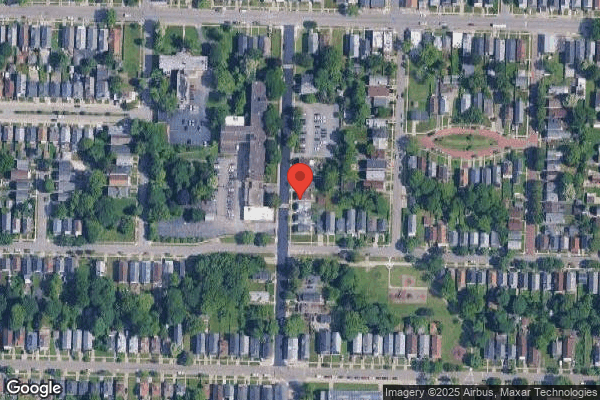
Jan 2024 1 deficiency
CONCERN (D) 📢 Someone Reported This

A family member, employee, or ombudsman was alarmed enough to file a formal complaint

Potential for Harm - no one hurt, but risky conditions existed

Investigate Abuse (Tag F0610)

Could have caused harm · This affected 1 resident

**NOTE- TERMS IN BRACKETS HAVE BEEN EDITED TO PROTECT CONFIDENTIALITY** Based on interview and record review conducted during a complaint investigation (#NY00328621) completed 1/25/2024, the facility ...

Read full inspector narrative →
**NOTE- TERMS IN BRACKETS HAVE BEEN EDITED TO PROTECT CONFIDENTIALITY** Based on interview and record review conducted during a complaint investigation (#NY00328621) completed 1/25/2024, the facility did not ensure that all alleged allegations of abuse, were thoroughly investigated for one (Resident #1) of three residents reviewed. Specifically, the facility did not complete a thorough investigation into an injury of unknown origin, a bruise to Resident #1 face to include staff interviews. The finding is: Review of the policy and procedure titled Abuse, Neglect, Exploitation or Misappropriation - Reporting and Investigating revised in 9/2022 documented all reports of resident abuse (including injuries of unknown origin) neglect, exploitation, or theft/ misappropriation of resident property are reported to local, state, and federal agencies (as required by current regulations) and thoroughly investigated by facility management. Findings of all investigations are documented and reported. The individual conducting the investigation at a minimum will interview the person reporting the incident, interview the resident (as medically appropriate) or the resident's representative and staff members (on all shifts) who have had contact with the resident during the period of the alleged incident. Resident #1 had diagnoses that included Alzheimer's Disease, adult failure to thrive and diabetes mellitus (high blood sugar). The Minimum Data Set (a resident assessment tool) dated 11/21/2023 documented Resident #1 was severely cognitively impaired, was usually understood and usually understands. The assessment documented the resident exhibited no behaviors. The comprehensive care plan revised 11/22/23 documented Resident #1 was at risk for impaired communication. The resident was extensive assist of one staff member with a wheeled walker for ambulation and was independent for bed mobility. Review of the incident report titled Bruise dated 11/21/2023 at 12:15 PM, revealed the Acting Director of Nursing documented, resident noted with a 3 centimeter linear line above right brow with a purple discoloration and swelling to the upper eye lid upon entering room. Resident lying in bed with the head of the bed elevated and straight back chair aligned next to the bed with metal arm rest next to the mattress. Resident unable to give description due cognitive decline. Review of the progress note documented by the Acting Director of Nursing dated 11/21/2023 at 12:15 PM revealed writer called to resident room by nursing staff. Upon assessment resident was noted with a 3 centimeter linear line above right brow with developing purple bruising and swelling to the upper eye lid. Nursing staff report resident was seated on the edge of the bed consuming meal. Review of the Skin Evaluation dated 11/21/23 at 12:15 PM revealed 3 centimeter line above brow red in color with developing bruising. Review of the emergency department to hospital Discharge summary dated [DATE] documented the resident was admitted to the hospital with a closed head injury and hematoma (collection of blood under the skin). Review of the staffing schedule, provided by the facility, revealed Licensed Practical Nurse #1 and Certified Nurse Aide # 1 and #2, worked 7:00 AM to 3:00 PM (day shift) on 11/21/2023, on the 2nd floor where Resident #1 resided. During an interview on 12/28/2023 at 10:05 AM, the Director of Nursing stated they had no accidents and incidents or investigations in the last 6 months for Resident #1. During a phone interview on 12/28/2023 at 12:00 PM, the Acting Director of Nursing stated they recalled the resident's family found the injury and notified staff. An Accidents and Incidents was completed but was not sure if an investigation was completed, nor did they complete an investigation. The Acting Director of Nursing recalled no edema or bruising and there was some redness above the resident's brow that looked very fresh and was hard to tell if it was bruising. The Acting Director of Nursing concluded possibly there was a standard chair with metal arms next to the bed, the resident possibly rolled and hit the metal arm rest causing the redness. During an interview on 12/28/2023 at 12:53 PM, the Nurse Practitioner stated that they recalled the resident and incident. They assessed the resident that day when area was found. The Nurse Practitioner stated the area looked like an indent of a small half circle on the resident's forehead with some edema around it and under the right eye, like dependent edema. There was no redness or bruising under the eye but looked a little darker where the edema was. There was no injury noted to the eye itself or the sclera (the white part of the eye). During an interview on 12/28/23 at 2:38 PM, the Administrator stated they just started in the position at the facility and somewhat recalls the situation and the areas to the resident's face. During a phone interview on 01/24/2024 at 2:13 PM, Licensed Practical Nurse #1 stated the resident was the one with the black eye, they remember the resident was lying in bed and would not take their medications that morning, the resident became a little combative when they tried to give the resident the medications and pulled down the covers. A little while later after they finished the medication pass the resident's family came down and stated there was something wrong with the resident's eye. Licensed Practical Nurse #1 stated they went to check on the resident and the resident had a black eye. Licensed Practical Nurse #1 stated the resident's eye was not like that when they tried to give the resident medications that morning. Licensed Practical Nurse #1 reported it to the Director of Nursing. Licensed Practical Nurse #1 stated they were never asked about the incident again or to write a statement. During a phone interview on 01/24/2024 at 3:23 PM, Certified Nurse Aide #2 stated they recalled the resident. They saw the resident at the beginning of their shift and the resident was fine. About an hour and a half later after breakfast they heard the resident had a black eye. The black eye looked like it was fresh, and no one knew how it happened. Certified Nurse Aide #2 could not recall if they were asked to write a statement or provide additional information and the resident went to the hospital. During a phone interview on 01/24/2024 at 3:50 PM, Certified Nurse Aide #1 stated they recalled the resident. The resident developed a black eye. Certified Nurse Aide #1 recalled checking on the resident in the morning at the beginning of the shift, there was an assignment change, and the resident was on their assignment. Resident #1 was a little restless, didn't take their meds fighting with staff. Certified Nurse Aide #1 stated they came back from break after breakfast and family was looking for the resident's aide. Certified Nurse Aide #1 went to the room and the resident's left eye looked like they had a black eye, and it was not like that when the Certified Nurse Aide #1 saw the resident the first time in the morning, it looked fresh not old. Certified Nurse Aide #1 stated they were not asked for any additional information nor asked to write a statement. During an interview on 01/25/2024 3:25 PM, the Administrator when asked if they felt an investigation should have been completed stated the Director of Nursing at the time felt they had enough information on the Accident and Incident to come to a conclusion for the injury. The Administrator stated they would side with the Director of Nursing. 10 NYCRR 415.4 (b)(3)
Sept 2023 1 deficiency
CONCERN (D) 📢 Someone Reported This

A family member, employee, or ombudsman was alarmed enough to file a formal complaint

Potential for Harm - no one hurt, but risky conditions existed

Safe Environment (Tag F0584)

Could have caused harm · This affected 1 resident

**NOTE- TERMS IN BRACKETS HAVE BEEN EDITED TO PROTECT CONFIDENTIALITY** Based on observation, record review, and interview conducted during an Abbreviated survey (Complaint #NY00301582) completed 9/18...

Read full inspector narrative →
**NOTE- TERMS IN BRACKETS HAVE BEEN EDITED TO PROTECT CONFIDENTIALITY** Based on observation, record review, and interview conducted during an Abbreviated survey (Complaint #NY00301582) completed 9/18/23, the facility did not provide a homelike environment, allowing residents to use their personal belongings to the extent possible and exercise reasonable care for protection of the resident's property from loss for one (Resident #2) of three residents reviewed. Specifically, Resident #2 was observed wearing the same clothes for three days and had no other clothing available that belonged to them. Additionally, the clothes that were in Resident #2 closet belonged to the previous resident. The finding is: The facility's policy revised August 2022 and titled, Personal Property documented residents are permitted to retain and use personal possessions, including furniture and clothing, as space permits, unless doing so would infringe on the rights or health and safety of other residents. Residents are encouraged to use personal belongings to maintain a homelike environment and foster independence. The resident's personal belongings and clothing are inventoried and documented upon admission and updated as necessary. The facility promptly investigates any complaints of misappropriation or mistreatment of resident property. The facility's policy, revised February 2021 and titled, Dignity documented when assisting with care, residents are supported in exercising their rights. For example, residents are encouraged to dress in clothing that they prefer. 1. Resident #2 had diagnoses including cerebral infarction (stroke), hemiplegia (paralysis on one side of body) and hemiparesis (weakness of one side of body) affecting right dominant side and aphasia (difficulty with speech). The Minimum Data Set (MDS-a resident assessment tool) dated 7/19/23 documented Resident #2 usually understood, usually understands, and had severe cognitive impairment with no behaviors. Resident #2 required supervision of one assist for personal hygiene and set up assistance for dressing. Additionally, the MDS dated [DATE] documented the choice of clothes to wear and care taken of personal belongings were very important to Resident #2. Review of the Comprehensive Care Plan (CCP) revised 2/10/23, documented Resident #2 had an ADL (activities of daily living) self-care performance deficit. Interventions included the resident was independent with set up for dressing their upper and lower body; and needed limited assistance with personal hygiene. There was no documented evidence the resident refused hands on care. Review of Resident Personal Possessions Inventory Record dated 3/17/23 documented Resident #2 had clothing consisting of 9 pants and shirts. Review of facility Progress Notes dated 5/22/23 through 9/14/23 documented no refusal of hands-on care related to personal hygiene and changing clothing. Additionally, there was no documentation the resident had lack of and/or missing personal clothing. During observations on 9/12/23 at 11:40 AM, 9/13/23 at 10:48 AM and 9/14/23 at 2:15 PM, Resident #2 was wearing same clothing on all three days, a blue t-shirt, and navy-blue shorts. The closet in the resident' room was labeled with a previous resident's name and contained clothes that belonged to that previous resident. There were none of Resident #2's clothing in the closet, dresser, and nightstand. During an interview on 9/12/23 at 11:40 AM, Resident #2 stated they had been missing clothing for months and had reported this to a social worker (SW). Resident #2 stated nothing had been replaced and they can't change their clothes because they don't have any. During a follow up interview on 9/13/23 at 10:48 AM, Resident #2 stated they were not sure how many days they'd been wearing the same clothing. Additionally, on 9/14/23 at 2:15 PM, Resident #2 stated they were pissed off about not having their clothes and not having clothes to change into. During an interview and observation on 9/13/23, SW #1 stated Resident #2 or staff had not notified them of missing clothing or the need for additional clothing. SW reviewed, Resident #2's personnel possessions inventory record in their electronic medical record (EMR) and stated that Resident #2 should have their own personal clothing in their room. SW #1 was notified at this time that Resident #2 did not have labeled personal clothing in their room and had complained of missing clothing. During an interview on 9/14/23 at 12:23 PM, Laundry Assistant #1 stated it was important for residents to have own clothing for their dignity, so they weren't wearing the same clothing every day. During an observation and interview on 9/14/23 at 2:44 PM, Licensed Practical Nurse (LPN) #3 stated that Resident #2 was wearing the same clothing as the day before and had no clothing labeled with their name available for them in their dresser and closet. The LPN stated the clothes in Resident #2's closet belonged to a previous resident. LPN #3 stated residents should definitely have their own personal clothing and should be able to change their clothes daily if they wanted. During an interview on 9/14/23 at 2:20 PM, CNA #2 (assigned to Resident #2) stated they did not provide any hands-on care to Resident #2 on 9/14/23, as the resident was already out of bed and dressed. During an interview on 9/14/23 at 2:33 PM, Training Nursing Assistant (TNA) #4 stated they checked to see if Resident #2 needed anything but didn't know they were wearing the same clothes. TNA #4 stated that it wasn't acceptable for Resident #2 to be wearing the same clothes for three days and that their clothing should be changed every day and as needed if soiled. TNA #4 stated it was a resident right to have their own personal clothing. During a follow up interview on 9/14/23 at 3:02 PM, SW #1 that they personally checked the laundry department and the rooms that Resident #2 previously occupied but didn't find their clothing. SW #1 stated they had not completed a grievance form at that time. SW #1 stated a grievance for missing clothing should be completed because residents' belongings should be handled with integrity, looked after, and maintained by the facility as this was their home. During an interview on 9/18/23 at 1:35 PM, Acting Director of Nursing (DON) stated they expected residents clothing to be changed daily for personal hygiene, dignity, and overall well-being. The Acting DON stated staff should be observing if residents have clothing available during care and performing care according to the residents [NAME]. During an interview on 9/18/23 at 1:48 PM, Administrator stated nursing staff should report to the SW's if residents don't have clothing. Administrator stated nursing staff would observe this when they provide care and dress residents. 10NYCRR 415.5(h)(1)
Jul 2023 1 deficiency
CONCERN (F) 📢 Someone Reported This

A family member, employee, or ombudsman was alarmed enough to file a formal complaint

Potential for Harm - no one hurt, but risky conditions existed

Deficiency F0925 (Tag F0925)

Could have caused harm · This affected most or all residents

**NOTE- TERMS IN BRACKETS HAVE BEEN EDITED TO PROTECT CONFIDENTIALITY** Based on observation, interview, and record review during a Complaint Investigation (Complaint #NY00312319 and NY00318303) compl...

Read full inspector narrative →
**NOTE- TERMS IN BRACKETS HAVE BEEN EDITED TO PROTECT CONFIDENTIALITY** Based on observation, interview, and record review during a Complaint Investigation (Complaint #NY00312319 and NY00318303) completed 7/3/23, the facility did not maintain an effective pest control program so that the facility was free of rodents for four (First Floor, Second Floor, Third Floor, Fourth Floor) of four resident use floors. Specifically, there were multiple observations of mice on glue traps, evidence of mice (droppings), and complaints of mouse sightings in resident rooms. The findings are: The policy and procedure titled, Pest Control, revised 3/2023, documented the facility shall maintain an effective pest control program. This facility maintains an on-going pest control program to ensure that the building is kept free of insects and rodents. 1a. Observation on the Fourth Floor on 6/30/23 at 8:40 AM revealed approximately 20 rodent droppings were located behind the dressers at the heating register across from the door inside Resident room [ROOM NUMBER]. Rodent droppings were also observed in the far-left corner and on the opposite side of the room under a folding card table. There was a total of five glue traps observed in the room. Observation on the Fourth Floor on 6/30/23 at 8:56 AM revealed four Pest Pro Mouse and Insect Glue Traps in Resident room [ROOM NUMBER]. The glue trap located between two of four resident beds, along the right-hand wall of the room contained a small dead mouse. Resident room [ROOM NUMBER] was a four-bedded room and at the time of the observation, a resident was laying on one of the beds. Observation on the Fourth Floor on 6/30/23 at 9:17 AM revealed rodent droppings were located in the corridor side left corner and also on the floor under the windows inside Resident room [ROOM NUMBER]. Observation on the Fourth Floor on 6/30/23 at 9:35 AM revealed approximately ten rodent droppings behind the garbage can and door, approximately 50 rodent droppings in the corner under the window side bed, and approximately 50 additional rodent droppings under the window side bed inside Resident room [ROOM NUMBER]. There were five glue traps in this room and the glue trap under the window side dresser contained two small mice. One of the mice on the glue trap appeared dead and the other mouse appeared to be alive. During an interview inside Resident room [ROOM NUMBER] on 6/30/23 at 9:45 AM, Licensed Practical Nurse (LPN) #1 stated the black debris inside Resident room [ROOM NUMBER] was definitely mouse droppings and they were unaware. They further stated the door-side bed of Resident room [ROOM NUMBER] was occupied and Housekeeping should be sweeping and mopping daily. At this time, LPN #1 observed the two mice on the glue trap and stated they were not aware that the mice were on the glue trap, and they had seen mice in the building before, but it had been a couple of weeks. They stated it looked like the droppings under the windows have been there for a minute and they couldn't tell how long the mice had been on the glue trap, but it might have been a while because one of them was already dead. LPN #1 stated they always told families to bring snacks in containers, but some residents went downstairs for snacks daily, which was hard to keep up with because sometimes unwrapped and wrapped snacks were found inside resident rooms. LPN #1 stated even wrapped snacks could be a problem, as rodents will chew through anything. LPN #1 stated the procedure for a rodent sighting was to put the information in the maintenance book located at the nurses' station and call maintenance immediately. During an interview inside Resident room [ROOM NUMBER] on 6/30/23 at 10:05 AM, Maintenance Assistant #1 stated the debris under the bed and window inside Resident room [ROOM NUMBER] were rodent droppings and the facility had a licensed exterminator who came to the facility three times per week. Maintenance Assistant #1 was shown the mice on the glue trap inside Resident room [ROOM NUMBER] and stated one mouse was alive and one mouse appeared to be dead, and that they were unaware of the droppings or the caught mice inside Resident room [ROOM NUMBER]. They further stated they checked the maintenance log book at each nurses' station each day, and when a mouse was caught, they would remove the full trap, place a new trap in its place, and inform the Housekeeping Supervisor about the droppings. During an interview on 6/30/23 at 8:30 AM, Housekeeper #1 stated they had seen mice and rodent droppings on the Fourth Floor, typically behind the residents' beds. They further stated Housekeepers swept up the rodent droppings every day. They stated deep cleaning of a resident room included wiping insides of dressers, moving furniture, and cleaning windowsills. Each day, two or three rooms were scheduled for deep cleaning, but they personally tried to deep clean each room each day because of the mice situation and because this was the residents' home. During an interview on 6/30/23 at 9:10 AM, Certified Nurse Aide (CNA) #1 stated they observed a mouse on a trap inside Resident room [ROOM NUMBER] recently and they told the nurse about it. CNA #1 also stated they had seen droppings inside resident rooms on the Fourth Floor as recently as today. Observation on the Fourth Floor on 6/30/23 at 9:56 AM revealed approximately 20 rodent droppings were located under the window, approximately 15 additional rodent droppings behind the dresser near the bathroom door, and approximately ten additional rodent droppings behind the door inside Resident room [ROOM NUMBER]. 1b. Observation on the Third Floor on 6/30/23 at 10:20 AM revealed rodent droppings under a crate of clothes in center of room under the windows, under the windows on the left side, behind the dresser in the window side corner, and behind the dresser with the television inside Resident room [ROOM NUMBER]. During an interview inside Resident room [ROOM NUMBER] on 6/30/23 at 10:18 AM, Housekeeper #2 stated they had seen mice in the facility, but not in the last few days, and there was a lot of mice activity inside Resident room [ROOM NUMBER]. Housekeeper #2 stated they had seen rodent droppings and Housekeepers swept and mopped resident room floors every day to try and keep up with it. Observation on the Third Floor on 6/30/23 at 10:30 AM revealed rodent droppings in the corner behind bathroom door inside Resident room [ROOM NUMBER]. During an interview on 6/30/23 at 11:00 AM, CNA #2 stated they had worked overnights on the Fourth Floor recently and saw mice running around on the Fourth Floor, but there was not as much rodent activity on the Third Floor. They added that they had seen a few mice on the Third Floor inside resident rooms near the dining room. Observation on the Third Floor on 6/30/23 at 2:25 PM revealed rodent droppings were located on the floor under window between two dressers inside Resident room [ROOM NUMBER]. The dresser on the left had several empty single-service plastic cereal cups and one full single-service plastic cereal cup with a tear in the pull-back style top cover. The corner of the pull-back style top cover had four tiny holes, smaller than a pin prick. Continued observation revealed rodent droppings were located inside the second and third drawers of the dresser on the left. During an interview inside Resident room [ROOM NUMBER] on 6/30/23 at 2:35 PM, LPN #2 stated the debris on the floor between the dressers and inside the dresser drawers was rodent droppings. LPN #2 stated they were unaware of the rodent droppings inside Resident room [ROOM NUMBER], but had received complaints from residents about rodent sightings, and had personally seen rodents on traps inside the facility. LPN #2 stated the area inside Resident room [ROOM NUMBER] needed to be cleaned because people shouldn't live with rodents, and they could get sick from the rodent urine. LPN #2 stated staff tried to keep residents' snacks in containers, but it was hard because some residents wanted to eat in their beds or at their side tables, which created crumbs falling on the floor. Housekeepers should be cleaning under residents' belongings, but some residents argue, and don't let Housekeeping touch their items. Observation on the Third Floor on 6/30/23 at 2:50 PM revealed rodent droppings were located between the two beds and behind the nightstand inside Resident room [ROOM NUMBER]. Additional observation revealed a pink basin was located on the floor next to the nightstand and there were approximately ten rodent droppings inside the pink basin and there was an open package of disposable briefs inside the pink basin. During an interview inside Resident room [ROOM NUMBER] on 6/30/23 at 2:50 PM, CNA #3 stated they had seen mouse droppings inside the facility and the debris on the floor between the two beds inside Resident room [ROOM NUMBER] were definitely mouse droppings and should be cleaned up. CNA #3 stated they had personally seen mice in traps on the Third Floor, but never saw mice running loose. CNA #3 further stated there were droppings inside the pink basin and the open package of briefs located in the pink basin should not be used because they were in with the droppings. 1c. Observation on the Second Floor on 6/30/23 at 12:03 PM revealed approximately ten rodent droppings were located in the corner behind the bathroom door, approximately 30 rodent droppings were located at the foot of the door side bed, and approximately ten more droppings were at the head of window side bed inside Resident room [ROOM NUMBER]. Observation on the Second Floor on 6/30/23 at 12:20 PM revealed rodent droppings were located behind the bathroom door in Resident room [ROOM NUMBER]. 1d. Observation on the First Floor on 6/30/23 at 11:30 AM revealed flattened glue traps were located inside the walk-in cooler and walk-in freezer in the Kitchen. Further observation revealed rodent droppings were located in the corner of the Kitchen's stock area, across from the walk-in freezer and under black crates in the stock area. At the time of the observation, the Food Service Director (FSD) stated the glue traps inside the walk-in cooler and freezer looked pretty old. The FSD also stated they had never seen a rodent in the walk-in cooler or freezer or inside the Kitchen and the black debris in the stock area could be dust and dirt or could be rodent droppings, and they could not tell for sure. Additionally, they stated the stock area in the Kitchen was cleaned every day, but had not yet been cleaned today. Observation on the First Floor on 6/30/23 at 11:41 AM revealed approximately 30 rodent droppings were located inside the bottom of the metal cabinet that stored chemical buckets inside the Dietary Storage Room. Also, at least 50 rodent droppings were observed throughout the area under the racks of food, mostly along the walls under the racks inside the Dietary Storage Room. Multiple rodent traps and glue traps were observed inside this room. During an interview inside the Dietary Storage Room on 6/30/23 at 1:58 PM, the FSD stated the rodent droppings observed under the food racks appeared old and needed to be swept. The FSD further stated this room should be swept daily, even under racks, and the old droppings proved that the staff were not sweeping fully under the racks. 1e. Interviews with residents on 6/30/23 between 8:50 AM and 3:00 PM revealed the following: -Resident #1 stated they saw two mice in their room yesterday that were dead inside the trap and maintenance took the trap away. Resident #1 stated they had lived in the facility for nine months and they first noticed mice about three months ago, and in that time, they had seen mice in their room at least 30 times. Resident #1 further stated, I want to get rid of them. -Resident #2 stated they saw a mouse running on the floor inside their room a few days ago at nighttime. A mouse was caught in a trap behind the chair in their room about one week ago, and staff removed the sticky trap, but did not leave a new sticky trap. They stated there should always be a sticky trap in this room. Resident #2 added, I'm not used to this, I'm not crazy about mice, they probably carry germs. I don't care for them. -Resident #3 stated mice run around in this room like they own the building and maintenance took a mouse from a trap this morning. Resident #3 further stated they had lived in their room for a couple of months and had seen mice at least three times in their room, and before that, they lived in a nearby room and had seen plenty of mice in that room too. -Resident #4 stated they had seen at least five mice in their room and the mice got stuck to the pad and died. Resident #4 stated staff took one out of their room this morning. They also stated they saw a live mouse in the dining room at the end of the hall this morning and they stomped their foot near it and it ran away. They stated they had seen a live mouse more than three times in the dining room and specifically saw mice go under the wheelchair scale in the dining room. -Resident #5 stated they saw a mouse last week running across their room to the heater under the windows. They stated they had seen mice in their room more than one time. -Resident #6 stated they saw a mouse in their room a couple of weeks ago and they didn't like it. Resident #6 stated on another occasion, a mouse came from the elevator into their room. They stated Housekeepers came to their room every day, they mopped and swept daily, but did not do a good job. They never swept under beds. -Resident #7 stated they saw mice a few days ago running across their room. -Resident #8 stated they saw a mouse last night running from under their bed and they had seen rodent droppings inside dresser drawers. -Resident #9 stated they saw a mouse in a trap in their room a couple of days ago and staff picked it up and disposed of it. Resident #9 also stated they had lived in their current room for about three months and in that time, they had seen several mice in the room. They stated they had seen mice in their previous room in the facility too. Resident #9 stated they had seen mice running into and out of the elevators and added, Mice are still coming in like running water. Additionally, Resident #9 stated they did not feel like the building was clean, Housekeepers came to their room every day to mop, but mopping made the floor stickier. The Housekeepers never sweep or mop the corners of the room, and they get somewhat under the beds. During a telephone interview on 7/3/23 at 11:45 AM, a resident's family member stated they visited the facility almost every day and they observed rodent droppings under the bed and a hole in the wall of their family member's previous room. 1f. During an interview on 6/30/23 at 1:44 PM, the Housekeeping Supervisor stated open food was bait for the rodents, and Housekeepers were trained to throw away food if it looked like garbage. If snacks did not appear to be garbage, Social Work would be informed. Resident room floors were to be cleaned every day with a dry sweeping and a wet microfiber mopping. Corners and edges of rooms should be done every day. Moving furniture inside resident rooms was only done during a deep clean, but some Housekeepers would move furniture during a room's everyday cleaning. Under beds should swept and mopped every day. Currently, on fourth floor, there is rodent activity, and the Housekeepers were cleaning droppings up every day, but the next day, there may be new droppings. The Housekeeping Supervisor stated Dietary staff were responsible for cleaning their own storage room. They should sweep and mop their dietary storage room every day. During an interview on 6/30/23 at 3:18 PM, the Administrator stated a licensed exterminator came to the facility three times per week and they set up rodent traps and bait stations on the exterior of the building and glue traps on the inside of the building. The Administrator further stated the maintenance department tracked rodent sightings on a log and the log was shared with the exterminator and the housekeeping department also created a new log to identify mouse sightings, sightings of droppings, or sightings of open food. The Administrator further stated the facility had provided shoe-box size plastic containers for residents' snacks and purchased large plastic totes for food storage in the dietary department. The Administrator also stated it was difficult to stay ahead of the food that residents brought in, such as takeout and vending machine foods. Additionally, the Administrator stated the facility seemed to have surges in rodent activity, and they felt they had a good handle on it in April 2023 with only a very few sightings, but then an uptick happened in May 2023, and they discussed this with the Operations Manager of the extermination company. The Administrator further stated the extermination company believed the situation was not mice entering the building from the outside, but more likely it was generations of mice living within the walls of the building. Review of the Fourth Floor Maintenance Request Log revealed the following entries: -6/28/23: Mice in all rooms, get rid of them please. -6/22/23: Mouse in a trap still alive in room [ROOM NUMBER]. -6/19/23: Dead mouse in trap in room [ROOM NUMBER]. -6/19/23: Dead mouse in trap in room [ROOM NUMBER]. -6/16/23: Mice running around room [ROOM NUMBER]. -6/16/23: Mice running around room [ROOM NUMBER]. -6/2/23: Mouse in room [ROOM NUMBER]. Review of the Third Floor Maintenance Request Log revealed the following entries: -Undated entry between 6/26/23 and 6/30/23: Mice in trap in room [ROOM NUMBER]. -6/21/23: Mouse in bathroom in Third Floor (room not specified). -6/21/23: Mouse on trap in bathroom and behind bathroom door in room [ROOM NUMBER]. -6/13/23: Mouse on trap in room [ROOM NUMBER]. -5/30/23: Dead mice in room [ROOM NUMBER]. -5/29/23: Mice in room [ROOM NUMBER] and 318. -5/26/23: Mouse in trap in room [ROOM NUMBER]. -5/19/23: Mice in trap alive in room [ROOM NUMBER]. -5/19/23: Mice in trap alive in room [ROOM NUMBER]. -5/17/23: Dead mouse in room [ROOM NUMBER]. -5/17/23: room [ROOM NUMBER] needs mouse traps. -5/16/23: Dead rat in room [ROOM NUMBER]. Review of the Second Floor Maintenance Request Log revealed the following entries: -6/18/23: Mouse reported in room [ROOM NUMBER]. -6/15/23: Mouse in room [ROOM NUMBER]. Review of the licensed exterminator's Summary of Service dated 6/26/23 revealed the exterior of building was inspected and all bait stations were checked for rodent feeding, and fresh bait was added when feeding was found. All four floors of the building were searched for rodent activity. One mouse was found in a MRT (mechanical rodent trap) in the hallway, and another was found in a resident's room on the second floor. Review of the licensed exterminator's Summary of Service dated 6/23/23 revealed 14 rodent bait stations were inspected and four were found with rodent activity. The exterminator's comment was, All bait stations checked for rodent feeding, cleaned out, and fresh bait added. All floors were inspected for rodent activity and glue traps were added to all floors and to areas where rodent activity was noticed. Review of the licensed exterminator's Summary of Service dated 6/21/23 revealed ten rodent bait stations were inspected and ten were found with rodent activity. 10 NYCRR 415.29(j)(5)
Feb 2023 8 deficiencies
CONCERN (D) 📢 Someone Reported This

A family member, employee, or ombudsman was alarmed enough to file a formal complaint

Potential for Harm - no one hurt, but risky conditions existed

Safe Environment (Tag F0584)

Could have caused harm · This affected 1 resident

**NOTE- TERMS IN BRACKETS HAVE BEEN EDITED TO PROTECT CONFIDENTIALITY** Based on observation, interview and record review conducted during a Complaint Investigation (Complaint #NY00307276) completed d...

Read full inspector narrative →
**NOTE- TERMS IN BRACKETS HAVE BEEN EDITED TO PROTECT CONFIDENTIALITY** Based on observation, interview and record review conducted during a Complaint Investigation (Complaint #NY00307276) completed during the Standard survey completed on 2/9/23, the facility did not exercise reasonable care for the protection of the resident's property from loss or theft and maintain a sanitary, orderly, and comfortable interior. Specifically, one (Resident #452) of four residents reviewed for personal property was transferred to the hospital on 1/23/23 and returned to the facility on 1/31/23 and has not been given their personal property back that was left at the facility during hospitalization. In addition, two (Units #2 and #3) of three units had issues with dirty linen, dirty floors, dirty tub rooms to include but not limited to dirty grout, peeling paint and soiled linen and paper debris all over the floor. This involved Residents #101 and #138. The findings are: The policy and procedure (P/P) titled Personal Property revised 3/21 documented residents are permitted to retain and use personal possessions, including furniture and clothing, as space permits, unless doing so would infringe on the rights or health and safety of other residents. Resident belongings are treated with respect by facility staff, regardless of perceived value. The resident's personal belongings and clothing are inventoried and documented upon admission and updated as necessary. The facility promptly investigates any complaints of misappropriation or mistreatment of resident property. The P/P titled Quality of Life-Homelike Environment revised 5/17 documented residents are provided a safe, clean, comfortable and homelike environment and encouraged to use their personal belongings to the extent possible. The facility staff and management shall maximize, to the extent possible, the characteristics of the facility that reflect a personalized, homelike setting. These characteristics include clean, sanitary and orderly environment and clean bed and bath linens that are in good condition. 1. Resident # 452 has diagnoses including type 2 diabetes mellitus (DM), peripheral vascular disease (PVD- poor circulation of the lower extremities) and chronic kidney disease (CKD). The untitled comprehensive care plan (CCP) dated 1/19/23 documented the resident was alert and oriented x 3, was independent with decision making and able to make their needs known. During an interview and observation on 2/3/23 at 9:09 AM, Resident #452 stated I was sent out to the hospital sometime in January and was admitted back to the facility about 3 days ago. I have not been able to get my belongings back that I had left here when I was sent to the hospital. The resident stated they told the facility the items were missing and was told they would look into it. Observation of the room showed there was no personal belongings found. Review of the unsigned document titled Grievance Investigation (Template) dated 2/2/23 revealed Resident #452 reported that when they went to the hospital on 1/23/23 and returned on 1/31/23 several of their items were missing. The resident reported missing clothing and shoes. Items were not inventoried upon admission in facility. The investigation findings section documented staff went up to unit to locate belongings with no luck. Writer followed up with laundry and asked them to be on the look out for Resident #452's items. Staff was still trying to locate the items. At the top of the form reads open grievance. Review of the Progress Notes revealed the following: -2/1/23 at 10:09 AM, the Director of Nursing (DON) documented they spoke with the resident this date regarding their personal items that they had prior to going to the hospital. The resident stated they were items like soap, etc. It was explained to the resident that the Director of Housekeeping was out ill. The resident verbalized understanding. -2/3/23 at 12:14 PM, the DON documented they spoke with the resident regarding the resident's missing items yesterday. Resident expressed the items were not labeled and just wanted them back. The DON explained moving forward to make sure clothing items were labeled and the resident stated they would. The resident indicated missing items were a robe, t-shirts and boxers. Items were looked for in their prior room and the areas of the facility where items might go. It was explained to the resident that the Director of Housekeeping and Laundry was not available but would give their concern to Social Work (SW) department. Writer visited this AM with resident to follow up, resident continues to repeat I want my items. The resident was reassured that SW was contacted and they would assist with locating their items. During an interview on 2/8/23 at 8:55 AM, the Director of Social Work (DSW) stated when a resident had missing items, they fill out a misappropriation form or add to a grievance form. They then follow-up with housekeeping to see if they have the items. They will also check with Medical Records to see if the resident has completed an inventory form of their items. When residents come into the facility the receptionist asked if they had any items and they inventory and log them. Clothing then gets sent down to housekeeping to get labeled and then the items were taken up to their room. When a resident was transferred to the hospital, their items would be packed up by nursing and then given to housekeeping to put in storage. If it was after hours, they will usually lock the items up in the nursing office until the Director of Housekeeping is here. The DSW stated Resident #452 filed a grievance a few days ago and that they have been looking for their items and that the grievance was still open, and they have not closed it yet. They stated that Resident #452 did not have an inventory form filled out, so they do not really know what items were missing. They stated the resident refused to have their items inventoried upon admission, but nothing was documented anywhere of the resident's refusal. The DSW stated there were staff that are not currently in the building who would have access to where the personal items were kept and stored. They stated it was the responsibility of the facility to protect residents' items when they are sent to the hospital. During an interview on 2/9/23 at 8:49 AM, Resident #452 stated that the facility still has not found their missing items. They stated they were never asked or refused to inventory their items when they first came to the facility. During an interview on 2/9/23 at 12:01 PM, the Administrator stated if the resident was a long-term care resident and would be returning to the facility, I would not expect them to pack anything up and to leave the room as is. If the resident was discharged out of the facility, the staff should pack everything up that was in the room, place the resident's name and room number on it and put it in the resident storage room so that if they come back or someone comes for the items, they can give it to them. It was the facility's responsibility to protect the residents' items. 2. Resident #138 had diagnoses including multiple fractures of the left lower extremity and hypertension (HTN- high blood pressure) The untitled CCP dated 11/30/22 documented resident is alert and oriented x 3, is independent with decision making and able to make needs known. During an observation on 02/06/23 at 11:35 AM, the tub room on Unit #2 next to resident room [ROOM NUMBER] had black debris on the walls and the grout of the shower floor, 3 soiled wash cloths on the shower floor, a soiled brief on the floor next to the bathtub and the shower stall ceiling had peeling white, tan debris approximately 1 foot (ft) x (by) 1 ft in diameter. During an observation and interview on 2/06/23 at 1:32 PM, Resident #138 was lying in bed. The blankets on the bed were unmade and there were no sheets on the bed. There was dried food and liquids, greasy thick jelly like substance observed on the bed side table. Paper and food debris on the floor next to the bed. Resident #138 stated they took the sheets off because they were soiled and have not been changed in a week and the staff never change their sheets. The resident also stated the tub room across from physical therapy room is disgusting and they have to clean it first before they take a shower. I go in there with my bare feet, would you want to walk in that filth with your bare feet? The floor is never mopped, there is hair everywhere, the room smells and has human waste on the floor. During observations on 2/09/23 at 9:36 AM and 12:38 PM, the tub room on Unit #3 next to resident room [ROOM NUMBER] was observed to have 15 used soiled towels on the floor, a soiled gown and brief, used masks and paper debris, hair in the shower drain and on the shower floor, black debris in the tub and eight used soiled wash cloths and towels inside the tub. During an interview and observation on 2/09/23 at 12:42 PM, LPN #2 observed the Unit #3 tub room and stated the room should be cleaned after each resident use by the aides we have a lot of residents that take their own showers, the residents should tell the staff they are going into shower and when their done, so staff can make sure it's clean. The aides should also be checking throughout the shift, but they don't. The room should not be like this, and they have never seen housekeeping in tub rooms cleaning. During an interview and observation on 2/09/23 at 12:58 PM, the Director of Maintenance observed the tub room on Unit #2 and stated the ceiling looked like the paint was peeling and was unsure what the black spotty debris on the shower stall walls and ceiling were but stated It looks like mold. The Director of Maintenance also stated there was a leak in the ceiling not too long ago and it was probably peeling from the moisture and the exhaust fan not working. They have been trying to get to these types of issues throughout the facility as best as they can. 3. Resident #101 had diagnoses including dementia and depression. Review of the MDS dated [DATE] documented the resident was usually understood, understands and was severely cognitively impaired. During observations on 2/02/23 at 1:37 PM and 2:59 PM, Resident #101 was sitting at the end of their bed fully wrapped in the privacy curtain. The sheets on the resident's bed had thick dried blackish/ tan debris covering the side of the bottom sheet, on the bed frame at the foot of the bed, on the floor, the bedside table and on the garbage can on the side of the bed. During an observation on 2/06/23 at 9:07 AM, Resident #101 was sitting at the end of their bed. The sheet on the resident's bed continued to have the same thick dried blackish/ tan debris covering the side of the bottom sheet, on the bed frame at the foot of the bed, on the floor, the bedside table and on the garbage can on the side of the bed. During an interview on 2/09/23 at 12:16 PM, Licensed Practical Nurse (LPN) #1 stated the resident sheets were changed on their bath days. During an observation on 2/06/23 at 12:24 PM, Resident #101 was sitting at the end of bed fully wrapped in the privacy curtain. The sheets on the resident's bed continued to have thick dried blackish/ tan debris covering the side of the bottom sheet, on the bed frame at the foot of the bed, on the floor, the bedside table and on the garbage can on the side of the bed. During an interview on 2/09/23 at 12:25 PM, the Housekeeping Aide #1 stated the residents' rooms were cleaned daily, the rooms should be swept, mopped, the bathroom cleaned, and garbage removed. The tub rooms were cleaned daily by housekeeping, and it was nursing's responsibility to clean the tub rooms in between each resident use. They also stated they were not responsible for changing the resident sheets. During an interview on 2/09/23 at 12:50 PM, the Director of Nursing (DON) stated resident linens should be changed on their bath day or as need if soiled. The aides were responsible for cleaning the tub rooms after each resident use, they had a lot of independent residents that used the tub room, and the aides should be checking them frequently that it is cleaned. During an interview on 2/09/23 at 1:05 PM, the Director of Housekeeping stated all resident rooms floors should be swept, mopped bathroom cleaned, and surface wiped down daily, the residents get a full bed wash once a month to include the mattress and bed frame. 415.5(h)(1)(2)(3)
CONCERN (D) 📢 Someone Reported This

A family member, employee, or ombudsman was alarmed enough to file a formal complaint

Potential for Harm - no one hurt, but risky conditions existed

Accident Prevention (Tag F0689)

Could have caused harm · This affected 1 resident

**NOTE- TERMS IN BRACKETS HAVE BEEN EDITED TO PROTECT CONFIDENTIALITY** Based on observation, interview and record review conducted during a Complaint Investigation (Complaint #NY00291178 and NY002986...

Read full inspector narrative →
**NOTE- TERMS IN BRACKETS HAVE BEEN EDITED TO PROTECT CONFIDENTIALITY** Based on observation, interview and record review conducted during a Complaint Investigation (Complaint #NY00291178 and NY00298606) completed during a Standard survey completed 2/9/23, the facility did not ensure the resident environment was free of accident hazards and adequate supervision was provided for two (Resident's #28 and #94) of four residents reviewed for accidents. Specifically, staff reheated coffee in a microwave, did not take the temperature of the beverage before they served it, and the resident sustained a burn (Resident #28); the facility did not have an effective system in place for monitoring the wander guard (device to detect wandering) functionality and presence of bracelets, and the care plan did not include use of a wander guard (Resident #94). The findings are: The facility policy and procedure (P&P) titled Accidents and Incidents-Investigating and Reporting revised July 2017 documented incident/accident reports will be reviewed by the Safety Committee for trends related to accident or safety hazards in the facility and to analyze any individual resident vulnerabilities. The facility P&P titled Wandering and Elopements revised March 2019 documented the facility will identify residents who are risk of unsafe wandering and strive to prevent harm while maintaining the least restrictive environment for residents. If identified as a risk for wandering, elopement, or other safety issues, the resident's care plan (CP) will include strategies and interventions to maintain the resident's safety. The facility P&P titled Care Plans, Comprehensive Person-Centered revised December 2016 documented the comprehensive, person-centered care plan will: describe the services that are furnished to attain or maintain the resident's highest practicable physical, mental, and psychosocial well-being; Incorporate identified problem areas; incorporate risk factors associated with identified problems. Assessments of residents are ongoing and care plans are revised as information about the residents and residents' conditions change. 1. Resident #28 had diagnosis including type 2 diabetes mellitus, thrombocytopenia (platelet count in the blood is low), and chronic kidney disease. The Minimum Data Set (MDS-a resident assessment tool) dated 2/15/22 documented Resident #28 had moderately impaired cognition, understands and was understood, and required supervision with eating. Review of the facility incident/accident (I/A) report dated 2/13/22 at 9:00 AM, documented Registered Nurse Supervisor (RNS) #1 was called to Resident #28's room where the resident was noted to have spilled a hot drink on their thigh. Resident #28 was in bed with the head of bed elevated to resident's comfort for eating (greater than 65 degrees). Resident #28's description included, I was laying back and trying to drink it. I didn't realize I was going to spill it. The resident's thigh was red with a small open area noted and redness surrounding. Review of Summary and Investigation of Incident dated 2/14/22 signed by the Administrator, documented certified nurse aide (CNA) #2 used a microwave to heat coffee for 30 seconds, then served the coffee to Resident #28 resulting in their burn. The Administrator did not believe they had reasonable cause to believe that abuse, mistreatment, or neglect occurred, as there was no malicious intent or violation of the care plan. The Administrator did believe there was a breach of facility policy justifying the CNA's disciplinary action. The comprehensive care plan (CCP) report documented Resident #28 had an ADL (activity of daily living) self-care performance deficit related to generalized weakness initiated on 2/14/22 and interventions included a limited assist for eating, and to put lid on a cup of hot beverage AAT (at all times) Review of a Progress Note dated 2/13/22 at 9:24 AM, documented RNS #1 was called to room due to Resident #28 noted to have spilled a hot drink on themselves while laying down. An open area was noted to left lateral thigh and area was cleansed with NS, TAO (triple antibiotic ointment) and DCD applied. The NP (Nurse Practitioner) was updated at this time as well as DON (Director of Nursing). Review of a Skin & Wound Evaluation dated 2/15/22 at 8:17 AM, documented an in-house acquired burn to the left trochanter, measuring: 4.4 cm (centimeters) by 4.8 cm; 3/23/22 documented in-house acquired burn to lower left abdomen, measuring 6.0 cm x 2.1 cm. During an interview on 2/2/23 at 1:28 PM, Resident #28 stated they spilled hot coffee on their leg and stomach and developed blisters. Resident #28 stated they had asked a CNA to warm their coffee because it wasn't warm. Additionally, Resident #28 stated they picked the coffee up too quickly and spilled it on themselves. During an interview on 2/7/23 at 12:10 PM, CNA #2 stated that Resident #28 had asked them to warm their coffee, because the kitchen sends the coffee cold, and Resident #28 spilled it on themselves. CNA #2 stated they weren't aware they couldn't warm up anything in the microwave. CNA #2 stated they had not received any guidance regarding reheating of food prior to Resident #28 burning themselves and they would have followed instructions accordingly, and this could have been avoided. CNA #2 stated they did not check the temperature of the coffee or know they were supposed to prior to serving the reheated coffee. During a telephone interview on 2/8/23 at 4:01 PM, Registered Nursing Supervisor (RNS) #1 stated a staff member had reheated coffee for Resident #28 and Resident #28 spilled it on themselves. RNS #1 stated that Resident #28 had a red area to their left thigh at the time and complained of discomfort to their left lower abdomen. RNS #1 stated that the injuries could have been avoided had the CNA asked about reheating coffee and had not reheated Resident #28s coffee. RNS #1 stated that temperatures of beverages should always be checked by kitchen staff. RNS #1 stated nursing staff should have been aware of the inability to reheat food/beverages through in-services. During an interview on 2/9/23 at 12:45 PM, the Administrator stated the accident could have been avoided had CNA #2 not heated up Resident #28's coffee. The Administrator stated CNA #2 heated up the coffee, outside practice and policy of the facility, causing burns on Resident #28. The facility did not provide a P&P regarding the reheating of food and beverages for residents. 2.a) Resident # 94 was admitted with diagnoses including hypertension, congestive heart failure, and hypothyroidism. The MDS dated [DATE] documented Resident #94 had moderate cognitive impairment, required supervision for ambulation, and had no presence of wandering. The MDS was not coded for a wander/elopement alarm. The admission Nursing Elopement Risk Assessment dated 2/22/22 documented Resident #94 was not self-ambulatory and was not at risk for elopement. The CCP dated 2/23/22 documented Resident #94 ambulated independently without an assistive device. The CCP documented on 3/28/22, Resident #94 was at risk for elopement due to an attempt to leave the building. The planned interventions included, consider for a secured unit, evaluate activity preferences, and provide reassurance. The CCP did not include the use of the wander detection system until 10/8/22. The Visual/Bedside [NAME] Report (a guided to tool to provide care) dated 2/7/23 documented Resident # 94 ambulated independently and had a wander detection system bracelet. Placement was checked every shift. The facility Accident/Incident Report revealed on 3/25/22 at 6:15 PM, Resident #94 attempted exiting the front door in the lobby. The nursing Progress Notes dated 3/25/22 revealed at 6:15 PM, Resident #94 attempted to leave through the front door located on the first-floor lobby and stated, You are holding me against my will, I don't want to be here. Resident #94 was redirected back to the unit and 1:1 supervision was provided. The plan was to transfer Resident #94 to the fourth floor (secured unit). Review of the Nursing Elopement Risk Assessment dated 3/28/22 documented Resident #94 was self-ambulatory, alert but non-complaint with facility protocols regarding leaving the unit/facility, had a history of wandering, made statements they were leaving or seeking to find someone, displayed behaviors, and indicated an elopement may be forth coming therefore was care planned at risk for elopement. The assessment did not document the use of a wander detection device system, wander detection bracelet, or a resident photo at the reception desk. The fourth floor twenty-four hour Nurse Report Sheets dated 3/25/22 through 4/5/22 revealed Resident #94 was monitored for a wander guard device. There was no documented evidence the wander guard was monitored on the fourth-floor twenty-four-hour report after 4/5/22. The Physicians' Order Summary Report from 3/25/22 through 7/6/22 revealed no physician's order for a wander guard device or monitoring. Review of the Nursing Progress Notes from 3/25/22 through 10/8/22 revealed RN #3 documented a Late entry on 7/6/22 at 12:15 PM, that a wander guard was issued and placed on Resident #94's left ankle. There was no other documented evidence that Resident #94 had a wander guard or monitoring of the device. b.) Review of the facility reported incident reported to the Department of Health on 7/6/22 revealed Resident #94 was escorted on an outside appointment out by certified nurse aide (CNA) #8. CNA #8 went to grab a tissue from the women's restroom and left Resident #94 unattended while they used the men's restroom. Resident #94 was found safe several blocks away in a restaurant. Resident #94 returned to the facility. The planned intervention included the addition of a wander guard monitoring device and bracelet. The Nursing Elopement Risk Assessment with an effective date of 7/6/22 was signed by RN #3 on 8/2/22. RN #3 documented Resident #94 was an elopement risk. Interventions included that the resident was care planned for elopement risk, educated the staff, and added to CNA care guide/[NAME], applied a wander detection bracelet, and posted a photo at the reception desk. The Order Summary Report dated 7/6/22 through 10/7/22, revealed no physician's order for a wander guard device. The Medication Administration Records (MAR) dated 7/6/22 through 10/7/22 revealed no monitoring of a wander guard device or bracelet. During an observation on 2/3/23 at 12:51 PM, Resident #94 had a wander guard bracelet on their left ankle and stated the bracelet was to prevent them from leaving anymore. During an interview on 2/8/23 at 8:30 AM, RN #3 stated a wander guard monitor device bracelet was implemented on 7/6/22 for Resident #94 when they returned to the facility. RN #3 stated the resident didn't have a wander guard on prior to this. RN #3 stated they should have obtained a physician's order for the wander guard device and bracelet on 7/6/22 but they forgot. RN #3 stated, if there was a physician's order, the nurses would have been monitoring the wander guard device by signing off and checking placement on the MAR every shift. RN #3 stated Resident #94 never egressed from the facility before, the resident's picture was posted at the front reception desk and identified Resident #94 as an elopement risk. RN #3 stated CNA #8 should have waited outside the men's restroom door and prevented Resident #94 from leaving. c.) The facility Accident/Incident Report dated 10/8/22 documented Resident #94 eloped from the facility and was reported missing by staff in the facility at 5:30 PM. The elopement protocol was initiated without success and the responsible party, and the police were notified. Resident #94 was found by the facility staff at a local college and was safely returned to the facility at 7:50 PM. Review of the facility Investigation dated 10/8/22 at 5:30 PM, revealed Resident #94 went from the fourth floor down to the first floor unsupervised, into the men's locker room, and climbed out the window. Resident #94 was found several blocks away from the facility and resident was safely returned to the facility. The investigation documented immediate actions taken were a wander guard device was implemented, provided 1:1, and Resident #94's photo was placed at the front desk. The Order Summary Report dated 2/7/23 revealed a physician's order for a wander guard and check placement every shift for elopement risk with a start date of 10/8/22. The MAR dated from 10/8/22 through 2/7/23 revealed every shift monitoring of the wander guard device and bracelet for placement. During an interview on 2/8/23 at 3:22PM, RN #4 stated RN #4 placed a wander guard bracelet on Resident #94's ankle after the elopement on 10/8/22 and they wouldn't have put a new bracelet if the resident already had one in place. RN #4 stated Resident #94 should have had a wander guard device in place all along. RN #4 stated a resident making statements that they wanted to leave and were physically exit seeking, in addition to actual elopement attempts, were criteria used to determine when a resident required a wander guard device. RN #4 stated Resident #94 was considered high risk for elopement. RN #4 stated the facility used transmitters that monitored the functioning of the wander guard system and the bracelets. Night shift nursing supervisors were responsible to physically wave the transmitter close to the wander guard bracelet to ensure the bracelets were functioning. During an interview on 2/8/23 at 3:41 PM RN #5 (night shift supervisor) stated wander guard bracelets were checked nightly with the transmitter (device used to check the functionality of the wander guard system). The transmitter alarmed when the devices were functioning. RN #5 stated there used to be a long sheet of paper with resident names on it, who required a wander guard and I don't know where it is and have not seen it in months. There was no documentation that the wander guard bracelets were checked for functioning nightly. During an interview on 2/9/23 at 8:43 AM, RN #6 (night shift supervisor) stated the transmitter hadn't been working for five months and there were no sheets to sign for accountability. RN #6 stated they physically checked on residents during rounds and ensured residents were accounted for. During an interview on 2/9/23 at 10:41 AM, the Director of Quality Assurance stated Resident #94 should have had a wander guard bracelet after the elopement on 3/25/22. The wander guard bracelet should have been added to the care plan and reflected on the [NAME]. A physician's order should have been in place for the wander guard. During an interview on 2/9/23 at 11:54 AM, the Medical Director stated they were aware of Resident #94 elopement attempts and stated Resident #94 was always trying to leave. Resident #94 should have had a wander guard device initially on admission. The Medical Director couldn't recall signing a physician's order for the wander guard device in March of 2022. During an interview on 2/9/23 at 12:28 PM, the DON stated a physician's order was expected for a resident's wander guard bracelet. Nurses were responsible to check placement of the wander guard bracelets and signed off every shift on the MAR. The Nursing Supervisor was responsible for using the transmitter nightly and checked the wander guard bracelets and ensured the bracelets functioned. During an interview on 2/9/23 at 1:22 PM, the Administrator stated there was no documented evidence the Nursing Supervisors were signing for accountability for the functioning of the wander guard system nightly and there should be. The Administrator was not informed of the transmitter not working and stated there was no effective system in place to ensure the wander guard bracelets and monitoring devices were adequately functioning. 415.12 (h)(1)(2)
CONCERN (D)

Potential for Harm - no one hurt, but risky conditions existed

Deficiency F0919 (Tag F0919)

Could have caused harm · This affected 1 resident

**NOTE- TERMS IN BRACKETS HAVE BEEN EDITED TO PROTECT CONFIDENTIALITY** Based on observation, interview, and record review conducted during the Standard survey completed on 2/9/23, the facility did no...

Read full inspector narrative →
**NOTE- TERMS IN BRACKETS HAVE BEEN EDITED TO PROTECT CONFIDENTIALITY** Based on observation, interview, and record review conducted during the Standard survey completed on 2/9/23, the facility did not maintain resident call bell systems in working order. Specifically, call bells in resident rooms did not activate the light above the room's door or the indicator of the call bell system at the Nurses' Station. This affected two (third floor and fourth floor) of three resident floors. This involved Residents # 35,38, 58, 298 and 398. The findings are: The facility's policy and procedure titled Call Light/Call Bell/Nurse Call System dated 9/6/18 documented residents will be provided access to a call light. The call light would be answered promptly. A visual light would be present outside of each room. In some cases, an audible signal would be present with the activation of the call system. If a call bell was defective, report immediately to the immediate supervisor. a. During observations and interviews on the third floor on 2/2/23 from 9:39 AM to 3:30 PM revealed the following: - The call bell station at the bedside of Resident room [ROOM NUMBER] window (W) was non -functional, had no push button and the cord was wound up and had exposed wires. There was no tap bell or other means to summons the staff for assistance. - The call bell station in a shared bathroom of Resident Room's #307 and #308 was non- functional, when activated it did not illuminate outside the rooms, at the nurses' station monitoring system or sound when activated. - During an observation Licensed Practical Nurse (LPN) #3 verified that when the call bell was activated in the shared bathroom of Resident Room's #307/#308 and private Resident room [ROOM NUMBER] that the call bell did not illuminate outside the room, sound, or appear on the call bell monitor system at nurses' station. At the time of the observation, LPN #3 stated they didn't know the call bells weren't working. Additionally, LPN #3 stated when the call bell is activated it should light up outside room and sound at the call bell monitoring system at nurses' station. - The call bell station in Resident room [ROOM NUMBER] was non-functional, and when activated it did not illuminate outside the room or at the call bell monitoring system at nurses' station. - The two resident call bell stations near the bedside of Resident room [ROOM NUMBER] were non-functional, and when activated, the room call light and the bathroom call light did not illuminated outside the resident room or at the call bell monitoring system at the nurses' station. - All three call bells in Resident room [ROOM NUMBER] were not functional. When activated the call bells did not illuminate or sound outside the resident's room or at nurses' station. During an observation Trainee Nursing Assistant (TNA) #7 verified and stated the call bells in Resident room [ROOM NUMBER] were not functioning. -The resident call bells in Resident room [ROOM NUMBER] were non-functional. When activated, the light did not illuminate outside the room. During an interview at the time of the observation, the Administrator stated on 2/2/23 at 3:06 PM the call lights in room [ROOM NUMBER] did not function. There was no light illuminated outside the room and did not sound. The Administrator stated they were not aware the call bells were not functioning. b. During an observation and interviews on the third floor on 2/3/23 between 10:08 AM and 11:46 AM revealed the following: - The call bell station at bedside of Resident room [ROOM NUMBER] was not fully operational, when activated the door light illuminated in the hallway but didn't illuminate or sound at call bell monitoring system at the nurses' station. - The call light in Resident room [ROOM NUMBER] was not functional. When activated the light above the door did not illuminate or sound. The Activity Director verified and stated at 10:25 AM, the call light outside of room [ROOM NUMBER] did not illuminate or sound. c. During observations and staff interviews on the fourth floor on 2/3/23 at 11:46 AM revealed Resident room [ROOM NUMBER] (W) was missing a call cord. Registered Nurse (RN) #5 Unit Manager UM at the time of the observation stated the resident in the window bed was incapable of using the call bell but should still have had a call bell. The certified nurse aides (CNAs) should have notified maintenance either verbally or logged the nonfunctioning/missing call bell in the maintenance log on the unit. d. During observations and staff interviews on the third floor on 2/6/23 at 9:18 AM revealed the call light in Resident room [ROOM NUMBER] and the bathroom was not functional. When activated it did not illuminate or sound. CNA #9 observed the nonfunctioning light and stated they were unaware the call bell was not functioning. e. During observations and staff interviews on the fourth floor on 2/6/23 at 11:16 AM revealed there was no call cord located in 408 W. RN #5 verified and stated that Resident #132 still had no call cord and stated the Director of Maintenance, was notified of the missing call cord on 2/3/23. e. During an observation on 2/7/23 from 10:29 AM to 10:37 AM on the third floor an audible sound was heard coming from the call bell monitoring system at nurses' station. There were no lights illuminated on the call bell monitor to show which room call bell was activated. In addition, there were no call bell lights observed illuminated in the hallways. During an interview on 2/7/23 at 10:38 AM, CNA #3 was sitting at nurses' station stated the sound was coming from the call bell monitoring system. CNA #3 further stated they could not identify whose call bell was on by looking at the call bell monitor because there was no corresponding light illuminated. CNA #3 stated when a call bell was activated it should light up in the hallway outside resident rooms and at nurses' station. CNA #3 observed and stated there were no call bell lights on in hallway and stated they would have to check all rooms to see who needed assistance. f. During an observation and interview on the third floor on 2/9/23 at 9:59 AM revealed the call light in Resident room [ROOM NUMBER] was not functional. When activated the call bell did not illuminate outside the room. CNA #5 observed the light and stated it was not functioning. Resident interviews on 2/2/23 to 2/3/23 revealed the following: - Resident #298 stated they had no way to get staffs attention since they had gotten to facility and had reported this to whomever would listen. Additionally, Resident #298 they have not been provided with anything to call staff. - Resident #58 stated, the call bells haven't worked for 3 weeks. Eventually someone comes in and checks on us. - Resident #38 stated, the call bells haven't worked for weeks - Resident # 398 stated they Yelled for help when needed. - Resident #35 stated they were told by staff that their call light didn't work at the nurses' station. During an interview on 2/9/23 at 8:58 AM, the Director of Maintenance stated they were unaware of any broken or missing call bells since the previous audit in January. Staff were responsible to report broken equipment including call bells into the maintenance logbook or verbally inform the maintenance department. The Director of Maintenance stated call bell parts were available in the facility and all residents should have a call bell device. The Maintenance department was responsible to repair the call bell system, logs were kept at the nurses' station on each unit and the Maintenance Techs checked the logbooks twice a shift. During a further interview on 2/9/23 at 11:35 AM, the Administrator stated they were unaware of current call light issues in the building until 2/2/23. Failed equipment was expected to be reported to the Administrator, Director of Nursing (DON) or the Director of Maintenance. The call bells should have been reported and repaired immediately. 10 NYCRR 415.29
CONCERN (E)

Potential for Harm - no one hurt, but risky conditions existed

Resident Rights (Tag F0550)

Could have caused harm · This affected multiple residents

**NOTE- TERMS IN BRACKETS HAVE BEEN EDITED TO PROTECT CONFIDENTIALITY** Based on observation, interview, and record review conducted during the Standard survey completed 2/9/23, the facility did not p...

Read full inspector narrative →
**NOTE- TERMS IN BRACKETS HAVE BEEN EDITED TO PROTECT CONFIDENTIALITY** Based on observation, interview, and record review conducted during the Standard survey completed 2/9/23, the facility did not protect, promote, and treat each resident with respect and dignity and care for each resident in a manner and in an environment that promotes maintenance or enhancement of his or her quality of life, recognizing each resident's individuality. Specifically, there was a lack of dignity with dinning. Two (Resident #138 and #450) of two residents reviewed had issues with a delay in assistance with eating, standing while feeding (#450) and not receiving preferences (#138). Additionally, three (Units 2, 3 and 4) of three resident units had issues with the use of plastic utensils or no utensils, no glasses or straws provided for beverages in cartons, no condiments, and coffee was not served on the lunch and dinner trays. This involved Residents # 83,138, 451, and 452. The findings are: The policy and procedure (P/P) titled Dignity dated 2/21 documented each resident shall be cared for in a manner that promotes and enhances his or her sense of well-being, level of satisfaction with life, and feelings of self-worth and self-esteem. Residents are treated with dignity and respect at all times. The facility culture supports dignity and respect for residents by honoring residents' goals, choices, preferences, values, and beliefs. When assisting with care, residents are supported in exercising their rights by being provided with dignified dining experience. The P/P titled Assistance with Meals dated 7/17 documented residents shall receive assistance with meals in a manner that meets the individual needs of each resident. Residents who cannot feed themselves will be fed with attention to safety, comfort and dignity by not standing over residents while assisting them with meals. 1. Resident #450 has diagnoses including hemiplegia (paralysis on one side of the body) and hemiparesis (weakness of one side of the body) left side, aphasia (absence or difficulty with speech) and traumatic brain injury. The incomplete Minimum Data Set (MDS- a resident assessment tool) dated 1/26/23 documented Resident #450 was rarely/never understood or understands and was severely cognitively impaired. The untitled comprehensive care plan (CCP) dated 1/24/23 documented Resident #450 required an extensive assist of one staff member with eating. During an observation on 2/3/23 at 9:10 AM Resident #450 was sitting in a Geri chair set in a higher position in the hallway. The resident's breakfast tray was placed in front them, uncovered, and left in front of them. Resident #450 indicated they wanted help to eat at 9:20 AM by pointing at the food and their mouth. At 9:30 AM certified nursing assistant (CNA) #1 came over and began to assist the resident with eating while standing the entire meal. The resident ate everything that was on the meal tray. Review of the Nutritional Assessment dated 2/3/23 revealed Resident #450's diet was a regular with puree texture and honey thick liquids and documented the resident was extensive assist. During an interview at 2/3/23 at 9:51 AM, CNA #1 stated they normally stand when feeding. They stated they have worked in the field for 21 years and were taught that you could either stand or sit when assisting a resident with their meals. They stated the resident was fairly tall and they were short and preferred to stand when assisting so that they were at eye level. CNA #1 stated the Geri chair was not able to be moved down. During an interview on 2/9/23 at 9:29 AM, the Director of Nursing (DON) stated they expect the staff to be sitting when assisting a resident with eating. If the resident needs assist the tray should be served at the time when a CNA can sit down and assist them. 2. Resident #138 was admitted to the facility with diagnoses including multiple fractures of the left lower extremity (LLE) and hypertension (HTN- high blood pressure). The MDS documented Resident #138 was understood, understands and was cognitively intact. The MDS documented the resident was independent with eating. Review of the CCP dated 12/18/22 documented Resident #138 was able to make their needs known. The CCP documented the resident had a nutritional problem related to surgical wounds with interventions including the resident was on a regular diet and regular texture. Review of the Nutritional assessment dated [DATE] revealed there was no documented evidence Resident was on double portions at meals. During a breakfast interview/observation on 2/3/23 9:45 AM with Resident #138 breakfast tray was served to the resident in their room, the entrée consisted of one cooked frozen waffle and one small sausage breakfast patty. The resident stated at the time of the observation they want double portions and never gets them and has been like this for a couple months. Review of Resident #138 Menu meal slip for the lunch meal dated 2/6/23 documented the resident was to receive double entree portions and double milk. During observation on 2/6/23 1:51 PM Resident #138 the lunch meal had a single portion of sliced turkey, single scoop of mashed potatoes and mixed vegetables. Resident #138 stated at the time of the observation they do not know why but it happens all the time they do not receive double portions. During an interview on 2/07/23 at 1:56 PM, Registered Dietitian (RD) #1 stated Resident #138 was supposed to receive double portions at their request. The meal slips have all the information on them. A single waffle and one sausage patty were not considered a double portion. 3. During an interview on 2/2/23 at 9:16 AM, Resident #452 stated there were items always missing from the meal trays. We do not even receive coffee. We always get plastic utensils. Coffee and regular silverware would be nice. During a lunch observation on 2/2/23 between 12:39 PM and 1:24 PM on Unit 2, the meal consisted of baked pork chop, pork gravy, broccoli cuts, dinner roll and mandarin oranges and milk. The trays had plastic forks and spoons, but no knives on them. There was no coffee or condiments residents receiving milk had no glasses or straws to use and were observed drinking directly from the carton. During an interview on 2/2/23 at 1:29 PM, Resident #453 stated they received plastic utensils all the time and stated they would prefer regular silverware as it was easier to eat with. The resident stated they were unable to cut their pork chop because they did not have a knife. During an interview on 2/2/23 at 1:33 PM Resident #83 stated they always receive plastic utensils and sometimes only receives either a spoon or fork, and usually never received a knife. They stated they try to keep extra utensils in their room in case they do not receive it on their tray. They stated they did not like having to use the plastic utensils. During an interview on 2/6/23 at 1:45 PM, Resident #453 stated it would be nice if they received a glass or straw for their milk as they have to drink it from the carton. They stated they only get coffee at breakfast sometimes and would love to have it at lunch and dinner but never receives it. They stated they never receive any kind of condiments and would like some. During a breakfast observation on 2/3/23 at 9:31 AM Unit 2 trays had plastic utensils. There were cartons of milk, no glasses to pour it into or straws. No condiments on the trays. During a breakfast observation on 2/6/23 at 9:22 AM both meal carts arrived at the same time on Unit 2. The meal trays had plastic spoons and forks on them, no knives. The trays that received milk in cartons did not have glasses or straws and there were no condiments. During a lunch tray line observation on 2/6/23 between 11:39 AM to 1:08 PM revealed all meal trays for Units 2, 3 and 4 received no coffee, condiments, glasses, or straws for the cartons of milk. The 2nd cart for Unit 3 and all of Unit 2 received a plastic spoon and fork, no knives. The last 23 trays on Unit 2, did not receive the posted menu of fried chicken as they ran out of it. Six trays were substituted with a slice of turkey and the rest received a cold turkey and cheese sandwich. During an interview on 2/6/23 at 12:20 PM, Dietary Aide (DA) #1 stated We do not have enough regular forks and spoons for all the trays. That is why half-way through tray line, trays received plastic forks and spoons. We do not have enough knives and we do not have any plastic knives, so those trays do not get any knives. During an interview/observation for the resident's lunch meal trays on Unit #4 on 2/6/23 at 12:55 PM, RD #2 stated the trays were observed to have cartons of milk with no straws or empty glasses on the trays. RD #2 stated straws come on the trays as needed when asked by the surveyor if the residents were supposed to drink out of the milk carton? RD #2 stated Yes. During an interview on 2/6/23 at 1:38 PM, RD #1 stated if residents want coffee, they can get it off the units as Activities has it available for them. The RDs talk to each resident and get their food preferences and then tray tickets are adjusted. Condiments should be on the trays. During an interview on 2/6/23 at 1:45 PM, Resident #83 stated they never get coffee on any of their trays and would like some. They stated the milk use to come in a glass but was switched to cartons of milk and had to drink it from the carton. The resident stated it would be nice to either have a glass, if not they would take a straw. They stated they never receive any type of condiments like salt, pepper, sugar, or ketchup. They stated they often get sandwiches because they are one of the last residents to receive their tray but never has any kind of condiment to put on it. They stated it would be nice to get the main entrée rather than a sandwich all the time. During observation on 2/6/23 1:51 PM, Resident #138's the lunch meal had a single portion of sliced turkey, single scoop of mashed potatoes and mixed vegetables. The resident had a plastic spoon on their tray. During an interview at the time of the Resident #138 stated they received plastic utensils and would rather have a regular (metal) spoon. During an interview on 2/7/23 at 9:39 AM, the Food Service Director (FSD) stated there should be condiments on the tray based on the meal tickets. The RDs should be placing the condiments on the tickets as they are the ones who make up all the tray tickets. It has been an issue that has been addressed in this kitchen several times. The staff on the line should know to give the residents condiments if they are receiving a food item like a hamburger, they would put ketchup on. There is no excuse. My staff is just not following instructions. We only give coffee to everyone at breakfast. We do not provide coffee at lunch and dinner unless it is on the ticket. They were giving coffee at each meal at one point, but we had to stop it because it was a huge blow to the budget. It is heavy expense. We kept running out of coffee. The Administrator and the Registered Dietitians were made aware of this. We have been having to use plastic ware because the silverware keeps going missing. Residents are hoarding them on the units. We received a large shipment back in October/ November 2022 and they have slowly been decreasing. We used to pour the milk into glasses, and we recently changed over to cartons. We do have glasses to put on trays for the milk to be poured into. I have no idea why they are not using them. During a breakfast observation on 2/9/23 at 9:15 AM on Unit 2 the meal trays had no coffee, no condiments, and no glasses or straws on them. Regular utensils were noted. During an interview on 2/9/23 at 11:50 AM, the Administrator stated they did not know that the residents were receiving plastic utensils and if they had known that dietary needed more, they would have purchased them. They also stated they would expect residents to receive glasses to drink from not the cartons. They stated they recently hired a new FSD and two RDs and have been working closely with them to try to fix the issues that have been identified in the kitchen. 10 NY 415.5(a)(b)(3)
CONCERN (E)

Potential for Harm - no one hurt, but risky conditions existed

Deficiency F0804 (Tag F0804)

Could have caused harm · This affected multiple residents

Based on observation, record review, and interview conducted during a Standard survey completed 2/9/23, the facility did not provide food and drink that was palatable, attractive, and at a safe and ap...

Read full inspector narrative →
Based on observation, record review, and interview conducted during a Standard survey completed 2/9/23, the facility did not provide food and drink that was palatable, attractive, and at a safe and appetizing temperature. Specifically, three (Units #2, #3 and #4) of three resident units reviewed for food temperatures during meals had issues involving trays being passed on the units with long wait times, food items that were not palatable and not served at safe and appetizing temperatures. Residents' #58, #83, #104, #138, #452 and #453 were involved. The findings are: The facility's policy and procedure (P&P) titled Food Preparation and Service dated/revised 4/2019 documented food and nutritional service employees shall prepare and serve food in the manner that complies with safe food handling. The danger zone for food temperatures is between 41 degrees Fahrenheit (°F) and 135 °F. The longer foods remain in the danger zone the greater the risk for growth of harmful pathogens. Therefore, potentially hazardous foods must be maintained at 41 °F or below or at 135 °F or above. 1.During an interview on 2/2/23 at 9:16 AM, Resident #452 stated the food always comes up cold and they do not reheat it. During an interview on 2/2/23 at 10:55 AM, Resident #104 stated they order out all the time because the food was always ice cold. During an interview on 2/2/23 at 1:33 PM, Resident #83 stated the food was always cold or they often get sandwiches because they are one of the last residents to receive their tray. They stated it would be nice to get the main entrée rather than a sandwich all the time. On 2/6/23 at 1:53 PM, they stated they received a turkey and cheese sandwich not the fried chicken. They stated the sandwich was ok. During an interview on 2/2/23 at 3:50 PM, Resident #58 stated the food tastes lousy and nasty, its unsatisfactory. Most of the time the eggs are cold like they just came out of the freezer. During an interview on 2/3/23 at 9:45 AM, Resident #138 stated the food was always cold and does not taste good. During a tray line observation on 2/6/23 between 11:39 AM to 1:08 PM, the carts were completed and sent to the units at the following times: Unit #4/ 1st Cart- sent at 12:02 PM Unit #4/ 2nd Cart- sent at 12:16 PM Unit #3/ 1st Cart- sent at 12:29 PM Unit #3/ 2nd Cart- sent at 12:43 PM Unit #2/ 1st Cart- sent at 1:02 PM Unit #2/ 2nd Cart- sent at 1:08 PM Unit #2/ 3rd Cart- sent at 1:14 PM During an observation on 2/6/23 the dietary cart arrived on Unit #4 at 12:04 PM. All the lunch trays from the Unit 4 dietary cart were passed to the resident's by 12:42 PM. The test tray temperatures were then taken by the Registered Dietitian (RD) #2 using the facility's thermometer at 12:43 PM. The test tray temperatures obtained, and taste were as follows: -fried chicken 105.4 °F the wing portion was burned on one side and tasted cold, hard and dry -garlic mashed potatoes 92.5 °F and tasted cold and bland and had no garlic flavor -mixed vegetables 94.3 °F tasted bland, hard and cold -milk 47.1 °F and tasted lukewarm During an observation on 2/6/23 the dietary cart arrived on the Unit #3 at 12:32 PM. All the lunch trays from the Unit #3 dietary cart were passed to the resident's by 1:03 PM. The test tray temperatures were then taken by the RD #2 using the facility's thermometer at 1:04 PM. The test tray temperatures obtained, and taste were as follows: -fried Chicken 98 °F tasted lukewarm and was hard to cut -garlic mashed potatoes 93.3 °F tasted cold -mixed vegetables 92.3 °F tasted cold and bland During a lunch meal test tray observation on 2/6/23 the 2nd cart for Unit #2 arrived on the unit at 1:10 PM. The 1st cart for the unit was still by the elevator with no trays passed from it. At 1:38 PM the last tray was passed, and a test tray was then completed with the following results by RD #1 using the facility's thermometer. -turkey and cheese sandwich- 69.8°F, sandwich tasted warm, and bread had a mushy texture. This was substituted for the fried chicken listed on the posted menu -garlic mashed potatoes- 91.4°F, potatoes were lukewarm to cold. They tasted plain, no garlic flavor -vegetables- 91.6°F, they were cold and had no taste -milk- 54.3°F, it was cool, not cold. -apple Juice- 61.4°F, it was cool to warm. No issue with taste. -peaches- 69.9°F, warm, cut up very finely, not much to chew. This was substituted for mandarin oranges listed on posted menu. During an interview on 2/6/23 at 12:55 PM, the RD #2 stated according to our test tray sheet, hot foods come off the line at 135 and should be served at 110/120 °F. Cold foods off the line including liquids are at 41 °F, and served lower than 55 °F. During an interview on 2/6/23 at 1:29 PM, Resident #453 stated the food was always cold and does not taste all that good. On 2/6/23 at 1:51 PM, the resident stated they did not receive the fried chicken; they got a cold slice of turkey. They stated they would have preferred the fried chicken. During an interview on 2/6/23 at 1:38 PM, RD #1 stated some of the temperatures could have been better. They stated they do test trays occasionally and if they find issues, they will discuss it with the Food Service Director (FSD). RD #1 stated they think there was room for improvement. They stated the carts unit 2 were broken and that the trays now were being sent up on carts with no doors that help retain the heat. During an interview on 2/06/23 at 1:51 PM, Resident #138 stated lunch was cold, food was always cold, vegetables were hard, cold and they did not like them. The resident also stated they received a slice of turkey and did not understand why they didn't receive the fried chicken and would have rather had the chicken. During an interview on 2/7/23 at 9:39 AM, the FSD stated they would expect food to come off the tray line at 160°F or higher. They would expect the food to be at least 140°F at the time food was delivered to the resident. They stated they were missing a couple of carts to transport the trays up to the unit to keep them warmer and that they needed new carts as the ones they have are broken. They also stated their plate warmer has been broken prior to them starting at the facility and it had been an expense issue to get things they needed. During an interview on 2/7/23 at 12:10 PM, Certified Nurse Aide (CNA) #2 stated that meals had progressively gotten worse. Food was cold and hot beverages were cold. CNA #2 stated that residents asked staff daily to warm up their food/beverages. CNA #2 stated they were not allowed to warm up resident's food/beverages and notified the kitchen if able. Additionally, CNA #2 stated they were unable to get a hold of the kitchen because their phone was broken, so if they needed something, they have to go down to kitchen to get it. 10NYCRR 414.14(d)(2)
CONCERN (E) 📢 Someone Reported This

A family member, employee, or ombudsman was alarmed enough to file a formal complaint

Potential for Harm - no one hurt, but risky conditions existed

Food Safety (Tag F0812)

Could have caused harm · This affected multiple residents

Based on observation, interview, and record review conducted during a Complaint Investigation (Complaint #NY00304843) completed during the Standard survey completed 2/9/23, the facility did not store,...

Read full inspector narrative →
Based on observation, interview, and record review conducted during a Complaint Investigation (Complaint #NY00304843) completed during the Standard survey completed 2/9/23, the facility did not store, prepare, distribute, and serve food in accordance with professional standards for food service safety. Specifically, one of one Kitchen had floors that were sticky, not swept and had a thick black substance buildup along the walls of the perimeter of the kitchen and in the grout between the tiles. Wire shelves and equipment had a thick layer of sticky grease buildup. There were multiple tiles missing on the walls and floor throughout the kitchen. Threshold to a door entering the kitchen had a one foot by one foot hole in the concrete. Ceiling was leaking near the air conditioning unit with a liquid substance dripping onto the floor. Ceiling throughout the kitchen had a dark thick black dust like substance, was also on the pipes on the ceiling and sprinkler heads, all of which was above the area of tray line service. The ice machine had rusted bolts inside which where touching the ice and the ice machine vent had a buildup of the black dust like substance. The walk-in freezer's condenser and ceiling had ice buildup and the walk-in refrigerator had a plastic strip imbedded with a white substance. Dietary Aide #2 was not wearing a hair net during tray line service. In addition, one (Unit 3) of three units had unlabeled, undated food in the freezer and refrigerator. The findings are: The policy and procedure (P/P) titled Preventing Foodborne Illness- Food Handling revised 7/14 documented food will be stored, prepared, handled and served so that the risk of foodborne illness is minimized. All food service equipment and utensils will be sanitized according to current guidelines and manufacturers' recommendations. The P/P titled Food Receiving and Storage revised 7/14' documented food shall be received and stored in a manner that complies with safe food handling practices. Food services, or other designated staff, will maintain clean food storage areas at all times. All foods stored in the refrigerator or freezer will be covered, labeled, and dated (use by date). Food items and snacks kept on the nursing units must be maintained as indicated. All foods belonging to residents must be labeled with resident's name, the item and the use by date. The P/P titled Food Preparation and Service revised 4/19 documented food and nutrition services prepare and serve food in a manner that complies with safe food handling practices. Under food preparation areas, cleaning and sanitizing work surfaces and food contact equipment between uses, following food code guidelines. Under food service/ distribution food and nutrition services staff wear hair restraints (hair net, hat, beard restraint, etc.) so that their hair does not contact the food. 1. During an observation of the initial kitchen tour on 2/2/23 at 8:47 AM the walk-in freezer was observed to have had some ice buildup on the condenser. Pots, pans, cooking trays were stored on wire racks, and had a greasy build up. The floor in front of the walk-in refrigerator and freezer was missing 8 tiles with the concrete floor exposed, tiles missing on the wall next to ice machine and insulation foam exposed. The radiator cover next to the walk freezer was lying on the floor. The kitchen floor was sticky, upswept and had paper/food debris throughout and the kitchen walls had multiple splatters throughout. During a follow-up observation of the kitchen during the lunch tray line service on 2/6/23 between 11:39 AM to 1:08 PM the following was observed: -Kitchen floor had multiple amounts of debris. Debris was under equipment, sinks and racks. The floor was sticky. There was a thick black substance buildup along the perimeter of the kitchen floor and in between the tiles (grout lines). -Ceiling tiles, pipes running along the ceiling and sprinkler heads had a thick black dust like substance attached to them. This was directly above the area where the food for the tray line was being served. -Ice machine had a thick greasy buildup on it. One side of the machine had dried food splatters. The air vent part of the ice machine had a build- up of the thick black dust like substance on it. Inside the ice machine, the bolts on the sides where rusted and there were stains that appeared to be from the rust running down the side to where the ice was. -Pots and pan wire rack had a buildup of a thick sticky and greasy substance. Multiple pots and pans had a build-up of thick black burnt food on them. -Walls throughout the kitchen had dried food splatters. -The radiator cover next to the freezer was lying on the floor with a mouse trap on it and tiny black debris appearing to be mice droppings. -Utility cart was very dirty and had a build-up of grease and dried food particles which was being utilized during tray line. -The floor in front of the walk-in refrigerator and freezer was missing 8 tiles with the concrete floor exposed. -There were several tiles missing on the wall next to ice machine. Insulation foam and a strip of metal was exposed. Some tiles had jagged edges. -Inside the walk-in refrigerator there was a plastic strip approximately 8-12 in width hanging from the ceiling in front of the area where the door would seal. The strip had multiple imbedded white cloudy dots within the plastic from top to bottom of the strip. -The freezer's condenser had ice build- up on it and in addition the ceiling had multiple buildup of ice droplets forming. -The ceiling by the walk-in refrigerator and freezer next to the air conditioning unit had an area where liquid was dripping from and landing on the floor. The ceiling in that area had water stain damage. -The second doorway to the kitchen from the service corridor had multiple floor tiles missing and a 1 foot by 1 foot hole in the concrete that was exposed. -Dietary Aide #2 was walking in and out of the kitchen and walking around in the kitchen during tray line with no hair net. Review of the documents titled F 371 Kitchen Sanitation Checklist dated 12/1/22, 12/31/22, 2/1/23 and 2/5/23 revealed a check in the yes column next to floors, walls, ceilings, carts, tables all to be cleaned. Under comments section it was documented that floors, walls, and ceiling needed to be fixed. Ceiling needs dusting and ceiling leaking. Tiles missing. No other dates were provided. The undated document titled Dietary Aide Position #7 (Sanitation/ Dish room) 8 AM- 4 PM documented they sweep floors, empty garbage's, breakdown empty cardboard, wash and sanitize all dietary trucks and check with manager on duty for cleaning assignment. During an interview on 2/6/23 at 1:05 PM, Dietary Aide #2 stated they were hot and took off their hair restraint. They stated they were in and out of the kitchen and that they should be wearing a hair net or some type of hat. During an interview on 2/7/23 at 9:39 AM, the Food Service Director (FSD) stated they do not have any set type of cleaning schedules for the kitchen. They have two staff sanitary aides that will sweep and mop the floor, empty the garbage's and whatever else they are told to clean but other than that they have no one else to clean. They stated the only cleaning checklist they have are the Kitchen Sanitation Checklist completed by the supervisors daily. They stated that they only have a few copies of those for some of December 2022 and none for January and February 2023 as they had a flood in the office, and it caused water damage, and they were thrown away. They stated they are aware of all the issues in the kitchen that were pointed out. They stated that the ceiling has been leaking and the buildup of dust has been there since they have started at the facility back in November 2022. In addition, they have asked housekeeping if they could power scrub the kitchen floor and it has gone nowhere. They stated they have had both the Administrator and Director of Maintenance in the kitchen several times for all these issues and nothing has been done. They stated all dietary staff should be wearing appropriate hair nets. During an interview on 2/8/23 at 8:15 AM, the Director of Maintenance stated they were aware of the issues in the kitchen and have added them to their book of repairs that need to be completed. They stated the ceiling has been leaking since they started, and that the Administrator has been aware of it. They stated they would need to bring a contractor in to fix the leak because it was on the roof, and they were unaware if this has been done. During an interview on 2/9/23 at 11:20 AM, the Administrator stated they have walked through the kitchen with the Food Service Director to find out what needs to be fixed or bought. They stated they did know that the ceiling was leaking in the kitchen but did not know why. They stated the kitchen floor needs a deep cleaning and it was expected that the dietary staff should be doing routine cleaning in the kitchen because prior to the current Food Service Director being hired the kitchen needed cleaning and proper supervision. 2. During an observation on 2/3/23 at 10:58 AM, the third-floor refrigerator located in the kitchenette contained five raw/uncooked brownish pink ground beef patties in a clear plastic zip lock bag. The bag of raw/uncooked beef was unlabeled, undated and had brownish pink juices present in the zip lock bag. The freezer had an unlabeled and undated clear plastic zip lock bag that contained frozen chicken and broccoli. During an observation and interview on 2/3/23 at 11:26 AM, the Dietary Supervisor stated there was no telling how long the ground beef patties or the frozen chicken and broccoli had been there or whom they belonged too. There was no name or date on the packages and the ground beef patties and frozen chicken and broccoli, shouldn't have been in there. The Dietary Supervisor stated they were short on help, and no one checked the refrigerator. Resident items were to be labeled, dated, and discarded after three days. During an interview on 2/8/23 at 10:50 AM, the Food Service Director stated the meat and frozen chicken/broccoli was brought in from a family or staff member. The Food Service Director stated that dietary staffing has been challenging but they were responsible for oversight of the refrigerators on the units. 10 NYCRR 415.14(h) 14-1.72(c), 14-1.43(e),14-1.170, 14-1.171(a)(b)(d)
CONCERN (E)

Potential for Harm - no one hurt, but risky conditions existed

Deficiency F0836 (Tag F0836)

Could have caused harm · This affected multiple residents

**NOTE- TERMS IN BRACKETS HAVE BEEN EDITED TO PROTECT CONFIDENTIALITY** Based on observation, interview, and record review during the Standard survey completed on 2/9/23, the facility did not operate ...

Read full inspector narrative →
**NOTE- TERMS IN BRACKETS HAVE BEEN EDITED TO PROTECT CONFIDENTIALITY** Based on observation, interview, and record review during the Standard survey completed on 2/9/23, the facility did not operate and provide services in compliance with all applicable Federal, State, and local laws, regulations, and codes. Specifically, the facility was not in compliance with Section 915 of the 2020 Fire Code of New York State, which requires carbon monoxide (CO) detection shall be installed in residential buildings and commercial buildings in all rooms and occupiable spaces, that contain a fuel burning appliance and the facility did not have a policy and procedure for the installation, inspection, testing, and maintenance of carbon monoxide (CO) detectors. This affected one (First floor) of four resident use floors. The findings are: According to the 2020 Fire Code of New York State, carbon monoxide (CO) detection shall be installed in residential buildings and commercial buildings in all rooms, occupiable space, dwelling units, sleeping areas, and sleeping units that contain a fuel burning appliance. Additionally, the 2020 Fire Code of New York State documented carbon monoxide detectors shall be maintained in good working order in accordance with Section 915 of this code, National Fire Protection Association (NFPA) 720 (Standard for the Installation of Carbon Monoxide Detection and Warning Equipment), and the manufacturer's instructions/recommendations. 1a. Observation on the First floor on 2/6/23 at 1:01 PM revealed there was no battery operated or plug in style carbon monoxide (CO) detector installed in the Kitchen. 1b Observation on the First floor on 2/6/23 at 1:02 PM revealed a type A, battery-operated (CO) detector was installed in the Generator room and there were not dates recorded on the detector to verify when the detector was installed. During an interview at the time of the observation the Maintenance Director stated they did not know when the (CO) detector was installed in the room. 1c. Observation on the First floor on 2/6/23 at 1:03 PM revealed there was no battery operated or plug in style (CO) detector installed in Boiler room located off the laundry dryer room. 1d. Observation on the First floor on 2/6/23 at 1:04 PM revealed there was no battery operated or plug in style (CO) detector installed in the laundry dryer room. 1e. Observation on the First floor on 2/6/23 at 1:08 PM revealed a type B plug-in style (CO) detector was installed in the Boiler room located near the Conference room and there were not dates recorded on the detector to verify when the detector was installed. During an interview at the time of the observation the Maintenance Director stated they did not know when the (CO) detector was installed in the room. 1f. Observation on the roof on 2/6/23 at 1:21 PM revealed a type A, battery-operated (CO) detector was installed in the Elevator #1, passenger elevator, penthouse and there were not dates recorded on the detector to verify when the detector was installed. During an interview at the time of the observation the Maintenance Director stated they did not know when the (CO) detector was installed in the room. 1g. Observation on the roof on 2/6/23 at 1:22 PM revealed a type A, battery-operated (CO) detector was installed in the Elevator #2, service elevator, penthouse and there were not dates recorded on the detector to verify when the detector was installed. During an interview at the time of the observation the Maintenance Director stated they did not know when the (CO) detector was installed in the room. During an interview on 2/6/23 at 12:59 PM, the Maintenance Director stated the facility had no documentation for the inspection and testing of the carbon monoxide (CO) detectors in the building. The Maintenance Director further stated they were not sure how many (CO) detectors were in the building, where the (CO) detectors were located in the building or how many different styles, types, or brands of (CO) detectors were in the building. The Maintenance Director also stated they believed many of the carbon monoxide detectors were battery operated or plug in style detectors, they were not sure if any (CO) detectors were monitored by the fire alarm system, and they were not sure if the facility had a policy and procedure for the installation, inspection, testing, and maintenance of carbon monoxide (CO) detectors. During an interview on 2/7/23 at 10:12 AM, the Director of Strategic Planning and Development stated the facility had no policy or procedure for carbon monoxide detectors. During an interview on 2/8/23 at 2:11 PM, the Maintenance Director stated natural gas fired appliances were installed in the following rooms on the First floor: the Kitchen, Generator room, laundry dryer room, Boiler room off of the laundry dryer room, and the boiler room by the Conference room. The facility's first floor had rooms containing natural gas fired appliances and the facility did not have (CO) detectors in all of these rooms. The facility did not have a policy and procedure for (CO) detectors, logs for the inspection, testing and maintenance of (CO) detectors, and the facility was not following the manufacturer's recommendations for the (CO) detectors in the building. Review of the fire alarm inspection and testing form dated 2/2/23 revealed one combination smoke detector/ carbon monoxide detector that was monitored by the fire alarm system was installed in the kitchen. The user guide for the type A [NAME] monoxide (CO) detector documented, maintenance tips to keep your alarm in good working order, you must follow these steps: Test the alarm once per week by pressing the Test/reset Button. Vacuum the alarm cover once per month to remove accumulated dust. The detector was a battery operated (CO) detector with a 10 year limited warranty. The user guide for the type B [NAME] monoxide (CO) detector documented, maintenance tips to keep your alarm in good working order, you must follow these steps: Test the alarm once per week by pressing the Test/reset Button. Vacuum the alarm cover once per month to remove accumulated dust. The (CO) detector was a plug-in style detector equipped with a nine-volt battery backup to supply short term backup during a power outage. Use only replace batteries listed in the user guide. The (CO) detector had a 10 year limited warranty. 42 CFR 483.70(b) 10NYCRR: 415.29(a)(2), 711.2(a)(1) 2020 Fire Code of New York State, Section 915: 915.3.1, 915.6
CONCERN (F)

Potential for Harm - no one hurt, but risky conditions existed

Deficiency F0925 (Tag F0925)

Could have caused harm · This affected most or all residents

**NOTE- TERMS IN BRACKETS HAVE BEEN EDITED TO PROTECT CONFIDENTIALITY** Based on observation, interview, and record review conducted during a Complaint Investigation (Complaint #NY00304843) completed ...

Read full inspector narrative →
**NOTE- TERMS IN BRACKETS HAVE BEEN EDITED TO PROTECT CONFIDENTIALITY** Based on observation, interview, and record review conducted during a Complaint Investigation (Complaint #NY00304843) completed during the Standard survey completed 2/9/23, the facility did not maintain an effective pest control program so that the facility is free of rodents. One of one kitchen and three (Unit 2, 3 & 4) three units had issues with rodents. There were multiple observations of evidence of mice (droppings) and traps. In addition, multiple complaints of mouse siting's in resident rooms, hallways, kitchen, and food storage areas. This involved Residents #59, 67, 93, 104, 138, 139, and 452. The findings are: The policy and procedure (P/P) titled Pest Control dated 5/08 documented the facility shall maintain an effective pest control program. This facility maintains an on-going pest control program to ensure that the building is kept free of insects and rodents. The P/P titled Preventing Foodborne Illness-Food Handling dated 7/14 documented food will be stored, prepared, handled and served so that the risk of foodborne illness is minimized. No one may bring or house animals in any area used for the storage, preparation, or serving of food. 1. During an observation in the kitchen on 2/6/23 at 11:39 AM the following was observed: -There was a rodent bait trap by the first kitchen door entrance from the service corridor. -Under the three-compartment sink there was a mouse snap trap set. -In the refrigerator there was a white rodent glue trap on the right-side corner under the wire rack of food. -Across from the refrigerator door along the wall there was a mouse trap. -Next to the freezer door the radiator cover was lying on the floor with a mouse trap on it and tiny black debris appearing to be mice droppings. -In the dry storage room there were several rodent glue traps along on the floor along the walls. Black rice size debris appearing to be mice droppings were found on the floor along the walls. Review of the pest control Proof of Service dated 9/21/23 revealed the service checked 24 rodent [NAME] traps and 23 were found with activity. All bait stations were checked for rodent feeding, were cleaned out and fresh bait was added. The interior of the building was inspected, and fresh glue traps were added. Glue traps were added to Resident Rooms #305 and #306. Review of the pest control Summary of Service dated 2/6/23 revealed they checked 25 rodent [NAME] traps and 24 were found with activity. All bait stations were checked for rodent feeding, were cleaned out and fresh bait was added. All four floors of the building were checked for rodent activity. Two rodents were found in traps in the kitchen and in the break room. Spoke with Maintenance Director about ongoing rodent issues and report was left at the maintenance office. During an interview on 2/2/23 at 9:01 AM, [NAME] #1 stated to the surveyor in the walk-in refrigerator, Whatever you do don't go in the dry storage room down the hall there are mice and a rat in there, kick the door to make noise before you go in. The [NAME] also stated management was aware, but the problem was still on going. During an interview on 2/6/23 at 11:25 AM, the Food Service Director (FSD) stated there was an obvious rodent problem all over the building. There was an infestation here before I started here. They stated there were mouse traps in the kitchen, dry storage and office and have caught mice on the traps. The FSD stated they have been using plastic tubs/totes to store the food but need more because not all the food was in the tubs. The dry good products were where we see evidence of mice as cardboard boxes and the inner plastic bags in the boxes are found with holes and shredded paper/ plastic. Mice have been seen in the dry storage room and it was hard to keep the rodents from getting into the food. If a box had a hole and had been opened by a mouse, that food was thrown away. I cannot bring anything into this kitchen without making sure it is sanitary. Traps were all over the place and mice have been caught. 2. During an interview on 2/2/23 at 10:33 AM Resident #93 stated mice were heard playing in the bathroom last night. During an observation and interview on 2/2/23 at 10:44 AM, Resident #104 stated they currently have mice and sticky box mice traps in their room and the last time a mouse was trapped was five days ago. Resident #104 stated there were mice all over the facility. There were two small white colored open-ended boxes (traps) observed in Resident #104's room. Additionally, multiple droppings of black colored, rice size, debris noted along wall and legs of dresser. During an interview on 2/2/23 at 10:56 AM, Resident #139 stated there was a mouse in their room. They stated that last night they felt something crawling up their leg. They lifted the covers and saw a mouse run under the sheets. During an interview on 2/2/23 at 12:07 PM, Resident #59 stated mice were heard squeaking and running around in the bathroom of their room. During an observation and interview on 2/2/23 at 1:59 PM, Resident #67 stated there had been mice in their room and in nightstand drawer. Multiple small, rice size, pieces of black debris were observed in the nightstand drawer. During an interview on 2/3/23 at 9:14 AM Resident #452, stated we have mice all over the place. There are mice in the rooms and down the hall. They are everywhere. The resident stated it was disgusting as they carry diseases. During an interview on 2/3/23 at 9:47 AM, Resident #138 stated there was a mouse in their bed a few days ago while he was on his phone and lying on the bed. Resident #138 also stated the mouse was next to his pillow and crawling next to his arm near their shoulder. During an observation on 2/9/23 at 9:11 AM Resident #104's room was observed to have a trail of multiple droppings of black, rice sized, debris along base of inside wall beneath closets in room and legs of dresser. Additionally, three small white colored open-ended boxes (traps) observed in Resident #104's room. During an observation on 2/3/23 at 10:58 AM the wall to the right of the refrigerator in the third-floor kitchenette had a sticky trap (used to catch mice) was on the floor next to the tiled wall. The wall had a hole at the baseboard that measured two inches by three inches. There were small chewed pieces of brown insulation on top of the mouse trap. During an interview on 2/9/23 at 8:52 AM, Certified Nurse Aide (CNA) #5 stated they have seen dead mice in traps in the resident rooms and reports the dead mice to supervisors. During an interview on 2/9/22 at 9:04 AM, CNA #6 stated Resident #67 recently came up with a mouse on a sticky trap and maintenance took it away. CNA #6 stated they know traps were being put down, they were trying to encourage residents to eat in the dining room, and not to store food in their rooms. During an observation and interview on 2/9/23 at 10:01 AM, Housekeeping Aide #2 stated they have seen dead mice in resident rooms and will place in small bag for garbage. If mice were noted alive, they will notify maintenance to get the mice, adding it is my job to clean. Housekeeping Aide #2 identified multiple droppings observed in Resident #104's room as mouse poop. Additionally, Housekeeping Aide #2 stated if they see mouse poop they move things around in room, sweep and mop. During an observation and interview on 2/9/23 at 10:12 AM, Housekeeping Aide #3 stated they have seen mice in the facility, and in resident rooms on the fourth floor. They have seen them on the first floor by the kitchen and in the break room. Housekeeping Aide #3 stated they don't like vermin of any kind being in the facility. Residents shouldn't have mice in their living space, it should be clean, safe and free of vermin. During an interview on 2/9/23 at 11:48 AM, Director of Maintenance stated the exterminator has come three times per week since September due to complaints from staff and residents regarding seeing mice and/or mice feces. Maintenance staff placed sticky traps in resident rooms and feels they are working. The Director of Maintenance stated they do not keep a record of rodents they remove from the facility. They notify the exterminator verbally of rodent activity. Additionally, the Director of Maintenance stated mice should not be in the facility or in resident rooms as it was a sanitary and dignity issue. During an interview on 2/9/23 at 11:58 AM, Maintenance Staff #1 stated that on Saturday 2/4/23, they removed mice from Resident #104's room. Most of the time they notify Director of Maintenance, but it was not recorded. Maintenance Staff #1 stated they use sticky white boxes to trap mice. Additionally, Maintenance staff #1 stated mice were very common in the facility. During an interview on 2/9/23 at 9:44 AM, the Director of Quality Assurance stated there can be infection control issues with rodents. Rodents can cause contamination or food borne illness. They stated they were aware of the rodent issue at least a month ago and that it wasn't being controlled. They stated that resident rooms have been problematic as the residents tend to keep food in their rooms. During an interview on 2/9/23 at 11:20 AM, the Administrator stated the facility historically has had issues with mice. They stated they noticed an increase of the mice in the building the beginning of either August or September 2022 and that is when the pest control company was increased to three times a week along with some repairs that may allow mice to get in. They stated the felt there has been a decrease in mice within the building. During an interview on 2/09/23 at 1:45 PM, the Director of Nursing (DON) stated mice were unsanitary. It was as infection control and dignity issue. We don't live with mice so the residents shouldn't live with mice. During an interview on 2/9/23 at 2:29 PM, the pest elimination company customer service worker stated the facility has received pest control every 14 days. 10 NYCRR 415.29(j)(5)
Mar 2021 6 deficiencies
CONCERN (D)

Potential for Harm - no one hurt, but risky conditions existed

ADL Care (Tag F0677)

Could have caused harm · This affected 1 resident

Based on observation, interview, and record review conducted during a Standard survey completed on 3/30/21, it was determined that the facility did not ensure that a resident who was unable to carry o...

Read full inspector narrative →
Based on observation, interview, and record review conducted during a Standard survey completed on 3/30/21, it was determined that the facility did not ensure that a resident who was unable to carry out activities of daily living receives the necessary services to maintain good grooming, and personal hygiene. Specifically, one (Resident #108) of three residents reviewed for activities of daily living (ADLS) had multiple one- inch long whiskers (hair) underneath and on both sides of their chin. The finding is: The facility policy and procedure titled Shaving the Resident dated October 2010 documented the purpose of shaving was to promote cleanliness and to provide skin care. 1. Resident #108 had diagnoses including arthritis, diabetes mellitus (DM-high blood sugar) and schizophrenia. Review of the Minimum Data Set (MDS-a resident assessment tool) dated 3/10/21 documented the resident was understood, understands and was cognitively intact. Further review of the MDS revealed the resident required extensive assist of one person for personal hygiene and dressing. Review of the Comprehensive Care Plan (identified as current) revealed the resident required limited assist of one for personal hygiene and prefers showers weekly on Mondays. During an observation on 3/24/21 at 9:22 AM revealed the Resident #108 had multiple one- inch long curling black and grey whiskers on their chin. During an interview at the time of the observation Resident #108 stated the facial hair bothered them and felt that it made them look like a man. During an observation on 3/25/21 at 9:21 AM, 3/26/21 at 10:28 AM, 3/29/21 at 2:54 PM and 3/30/21 at 8:49 AM the resident had multiple one- inch long black and gray chin hairs underneath and on both sides of their chin. During an interview on 03/29/21 at 1:20 PM, Resident #108 stated they would like to have the hair removed from their chin. During an interview on 3/29/21 at 2:55 PM, Certified Nurse Aide (can) #2 stated Resident #108 had their shower and facial hair is removed upon request. CNA #2 stated he did not ask the resident if they wanted the whisker removed from their chin and the resident could not shave independently. During an interview on 3/30/21 at 9:17 AM, Licensed Practical Nurse (LPN #1) stated facial hair should be shaved every day for both men and women if they prefer. During an interview on 03/30/21 at 12:42 PM, Registered Nurse (RN) Director of Quality Assurance (QA) revealed some residents are difficult to shave, and staff should reapproach if the resident refuses. 415.12 (a)(3)
CONCERN (D)

Potential for Harm - no one hurt, but risky conditions existed

Pressure Ulcer Prevention (Tag F0686)

Could have caused harm · This affected 1 resident

Based on observation, interview, and record review conducted during the Standard survey completed on 3/30/21, the facility did not ensure that a resident with pressure ulcers receives necessary treatm...

Read full inspector narrative →
Based on observation, interview, and record review conducted during the Standard survey completed on 3/30/21, the facility did not ensure that a resident with pressure ulcers receives necessary treatment and services, consistent with professional standards of practice, to promote healing, prevent infection and prevent new ulcers from developing. Specifically, one (Resident #91) of three residents observed for pressure ulcers did not have a treatment in place for a for stage 3 pressure ulcer (full thickness skin loss and may extend into the subcutaneous tissue layer) for greater than 10 days. Additionally, treatments were not completed as ordered by the physician upon the resident's readmission. The finding is: The facility policy and procedure (P&P) titled Pressure Ulcer (PU)Treatment revised September 2013 documented the purpose of this procedure is to provide guidelines for the care of existing pressure ulcers and the prevention of additional pressure ulcers. General guidelines documented pressure ulcer treatment program should focus on the following strategies: Assessing the resident and the current status of the pressure ulcer(s); Pressure ulcer care. Interventions/Care strategies documented a comprehensive approach, including maximizing the potential for healing; notify physician, and appropriate facility personnel and document communication in the medical record; determine wound treatment per wound status, change dressing per order. Documentation should be recorded in the resident's medical record; The date and time wound care was provided; type of treatment; All assessment data (color, size, drainage, etc.) when inspecting the wound; If the resident refused the treatment and the reason(s) why. 1. Resident #91 had diagnoses that included pressure ulcers, sepsis (severe blood infection), and chronic osteomyelitis (bone infection) right ankle and foot status post (s/p) trans metatarsal amputation (TMA-surgical removal of part of the foot). The Minimum Data Set (MDS- a resident assessment tool) dated 3/6/21 documented the resident had two Stage 3 and one Stage 4 pressure ulcers (the deepest, extending into the muscle, tendon, ligament, cartilage or even bone). The resident had moderate cognitive impairment. The Comprehensive Care Plan dated 3/16/21 documented Resident #91 was at risk for pressure injuries and skin breakdown with actual pressure injury left buttock (ischial tuberosity- sitting bone), right trochanter (bony prominence near the end of the thigh bone) and right lateral malleolus (ankle). Interventions included: Weekly skin assessment. Report and document any irregularities; Administer treatments as ordered and monitor for effectiveness; Inform resident/family/caregiver of any new area of skin breakdown; Monitor dressing to ensure it is intact and adhering. Report loose dressing to treatment nurse; Report changes to charge nurse; Wound consultant prn (as needed). Review of nursing Progress Notes dated 2/22/21 at 9:19 PM, Registered Nurse (RN) #4 Supervisor documented resident #91 was readmitted from hospital with left buttock, right ischial/posterior thigh, and right lateral/out foot decubitus (pressure) ulcers. Review of nursing RN admission Skin Assessment-ABS dated 2/23/21 at 12:03 AM documented pressure ulcers to left buttock measuring 4.5 cm (centimeter) x 5.0 cm, right (rear) thigh 1.9 cm x 2.8 cm, and right medial foot 2.4 cm x 1.9 cm. Review of provider Practitioner Visit-V2 dated 2/23/21 documented reason for visit as admission. Assessment and Plan documented resident readmitted following hospitalization. Decubitus ulcers present upon return from hospital. Bilateral ischium and right lateral malleolus (ankle). Review of provider Practitioner Visit-V2 dated 2/24/21 documented reason for visit as wound assessment and the resident had the following: -Left Ischium Stage 4 measured 4.5 cm x 5.0 cm -Right Ischium Stage 3 measured 1.9 cm x 2.8 cm -Right lateral malleolus (ankle) Stage 3 measured 2.4 cm x 1.9 cm Review of the Physician's Comprehensive Nursing Home Visit dated 2/24/21 documented the resident was readmitted from the hospital with a right lower extremity wound, a right ischial/posterior thigh ulcer, left buttock and right lateral/outer foot ulcers with a notation to refer to skin report. Assessment/Plan documented multiple decubitus ulcers- local care. Review of physician Order Summary Report dated 3/30/21 revealed an order dated 2/22/21 to apply Santyl ointment (sterile ointment to remove dead tissue and advance wound healing) to left buttock, right ischial topically every- day shift for pressure ulcers. Cleanse with Vashe (wound cleanser), apply Santyl ointment to wound beds, 3 applications to left buttock wound and 1 application to right ischial wound. Apply Vashe wet to moist gauze over Santyl for left buttock. Cover with Allevyn (absorbent dressing) or dry gauze. Further review revealed there was no order for the right lateral malleolus stage 3 pressure ulcer. Review of an untitled document, identified by the facility Registered Nurse (RN) Quality Assurance (QA) Consultant/Director as weekly wound assessment/ tracking documentation, identified the left ischial tuberosity as wound #1, right trochanter (posterior thigh) wound #2, and right lateral malleolus wound #3. Review of the Medication/Treatment Administration Record (MAR/TAR) dated 2/1/21 through 2/28/21 and 3/1/21 through 3/31/21 revealed there was no documented evidence a treatment was ordered for the right lateral malleolus, wound #3, 2/22/21 through 3/6/21. Review of provider Practitioner Visit-V2 dated 3/3/21 documented reason for visit as wound assessment. Decubitus ulcers present upon return from hospital. Bilateral ischium and right lateral malleolus. Assessment and Plan documented resident had the following: -Left Ischium (wound #1) Stage 4 measured 4.8cm x 4.4cm -Right Ischium (wound #2) Stage 3 measured 2.7cm x 2.0cm -Right lateral malleolus (wound #3) Stage 3 measured 2.2cm x 1.7cm Review of nursing Progress Notes dated 2/22/21 through 3/6/21 revealed there was no documented evidence of pressure ulcer treatment to the right lateral malleolus, wound #3. There was no documented evidence that the resident refused treatment to wound #3. Further review revealed the resident signed himself out of the facility against medical advice (AMA) on 3/6/21 at 4:00 PM. Review of nursing Progress Noes dated 3/16/21 at 5:17 PM, the Director of Nursing (DON) documented resident #91 was readmitted from hospital. Physician was called to confirm orders. Review of nursing RN admission Skin Assessment-ABS dated 3/16/21 at 6:58 PM documented pressure ulcers to right trochanter (hip-wound #2) measuring 0.6cm x 1.1cm x 0.1cm depth, right outer ankle (wound #3) 1.3cm x 1.0cm, and left ischial tuberosity (wound #1) 4.9cm x 3.4cm. Review of the Physician's Comprehensive Nursing Home Visit dated 3/17/21 documented the resident left facility AMA and was readmitted to hospital 3/10/21 for treatment of sacral ulcer Stage 4. The physician documented the resident had a surgical consult done, no procedure was recommended. Assessment/Plan documented Stage 4 sacral ulcer-Santyl/wound care follow-up. Review of provider Practitioner Visit-V2 dated 3/23/21 documented significant decubitus ulcers upon return from hospitalization, refuses tube feed, and remains a full code (requiring cardiopulmonary resuscitation- provision of emergency measure). Review of physician Order Summary Report dated 3/30/21 revealed an order dated 3/16/21 to cleanse left ischium and s/p right TMA and right trochanter wound with saline, apply nickel thick Santyl with moistened gauze, cover with dry clean dressing and change daily and as needed every day shift for wound care. During an interview on 3/24/21 at 11:37 AM, Resident #91 stated they had a sore on their buttock, the nurses take care of. During an observation on 3/29/21 at 10:49 AM, Licensed Practical Nurse (LPN) #7, with LPN #5 present, removed the soiled dressing from left ischium stage 4 pressure ulcer (wound #1), cleansed the wound bed, and applied the treatment as ordered. There was no treatment provided to the right trochanter, posterior thigh stage 3 (wound #2), or the right outer ankle stage 3 (wound #3). During an interview on 3/29/21 at 1:34 PM, LPN #7 stated she had completed her wound treatments on Resident #91 and there were no additional treatments to be completed. LPN #7 reviewed the MAR/TAR and stated, I did not know he had other wounds, this order reads all together as one for three wounds, I better go check. During an observation on 3/29/21 at 1:36 PM, LPN #7 removed the soiled dressing from Resident #91, right lateral malleolus/wound #3, revealing a stage 3 pressure ulcer. The dressing was dated 3/25/21 and timed 7:00 AM -3:00 PM shift. There was no redness or odor observed. The wound was approximately the size of a nickel with slough (dead tissue). LPN #7 cleansed the pressure ulcer and the treatment was applied as ordered. LPN #7 stated wound care had not been done on wound #3 because the soiled dressing was dated with 3/25/21 and stated, I didn't even realize he/she had this wound. The resident then rolled to on their left side for LPN #7 to inspect wound #2, right posterior thigh area, and there was no dressing observed on wound #2. Wound #2 was pink, granulating (healing tissue) and less than 0.5cm x0.5cm in size. LPN#7 stated, I was not aware Resident #91 had treatment ordered to these areas, I have to do that one too. During an interview on 3/29/21 at 3:52 PM, the Assistant Director of Nurses (ADON) Wound Nurse stated wound/skin rounds are done weekly. She usually recommends a treatment and then verifies with the provider for an order. The ADON reviewed Resident #91's electronic medical record (EMR) and stated the resident had three pressure ulcers. She stated the resident had treatment orders for the three wounds, all written in one order which could be confusing. The orders should be separated into three separate orders, one for each wound. At 4:10 PM, the ADON stated she was not aware the resident did not have wound care completed to the right lateral malleolus stage 3 pressure ulcer (wound #3) since 3/25/21. That is why the order needed to be revised and entered in the EMR as three separate treatments. The ADON stated she would expect nurses to follow and complete the treatment, as ordered by the MD, and replace dressings if they become soiled or dislodged. During an interview on 3/30/21 at 11:27 PM, LPN #5 stated she was familiar with Resident #91 and had done the their treatments prior to the resident leaving facility AMA on 3/6/21. She stated Resident #91 had treatments to the left sacral area and right outer thigh. The resident did not have a treatment to their right outer ankle prior to him leaving the facility. During an interview on 3/30/21 at 11:38 AM, the DON reviewed Resident #91 MAR/TAR in the EMR and stated on 2/22/21 the resident had treatment orders in place for the left buttock and right ischial pressure ulcers. The DON stated there was no order for the right malleolus stage 3 pressure ulcer from 2/22/21 through 3/6/21 and there should have been. There should have been treatments in place for all three pressure ulcers that were identified on the skin assessment. During an interview on 3/30/21 at 12:20 PM, the ADON reviewed Resident #91 EMR and stated the Resident #91 was readmitted from the hospital on 2/22/21 with three identified pressure ulcers. It would be the responsibility of the admitting nurse to do a skin assessment, review the hospital discharge orders with the MD and enter treatment orders. There was no treatment ordered for the right lateral malleolus stage 3 pressure ulcer and there should have been. The ADON further stated, I should have double checked when we did wound rounds on 2/25/21 and I did not. During an interview on 3/30/21 at 12:47 PM, the RN QA Consultant/Director, stated the expectation was that when a resident returns from the hospital, the RN doing the assessment should follow through with a treatment order for the areas of concern identified. She stated Resident #91 had no treatment in place for the right lateral malleolus stage 3 pressure ulcer from 2/22/21 to 3/6/21. There should have been a treatment ordered on 2/22/21 but there was not. During an interview on 3/30/21 at 1:40 PM, the Physician stated resident's with wounds are followed by the ADON, Nurse Practitioner, and wound consultant, if indicated. I would expect a resident with a pressure ulcer to be treated the next morning. I would expect protocol to be followed and all wounds to be treated. 415.12 (c)(2)
CONCERN (D)

Potential for Harm - no one hurt, but risky conditions existed

Pharmacy Services (Tag F0755)

Could have caused harm · This affected 1 resident

Based on observation, interview and record review conducted during the Standard survey completed on 3/30/2021, the facility did not ensure that drug records were in order; and that an account of all c...

Read full inspector narrative →
Based on observation, interview and record review conducted during the Standard survey completed on 3/30/2021, the facility did not ensure that drug records were in order; and that an account of all controlled drugs is maintained and periodically reconciled on one (Unit 3) of two units reviewed. Specifically, the facility did not ensure that the Controlled Substance Record sheets included reconciliation of narcotic medications, and signatures of staff members at each shift change or passing of keys from one nurse to the next to validate the correct narcotic count. The finding is: The facility policy and procedure (P&P) titled Controlled Substances revised December 2012 documented the facility shall comply with all laws, regulations and other requirements related to handling, storage, disposal, and documentation of Schedule ll and other controlled substances. All keys to controlled substance containers shall be on a single key ring that is different from any other keys. The Charge Nurse on duty will maintain the keys to controlled substance containers. Nursing staff must count controlled medications at the end of each shift. The nurse on duty and the nurse going off duty must make the count together. They must document and report any discrepancies to the Director of Nursing Services (DON). Review of the Control Substance Record sheets revealed the following: Unit 3 Team 1 dated 2/28/21 through 4/3/21 - 37 signatures missing of 178 opportunities - 17 shifts missing number counts of 89 opportunities Unit 3 Team 2 dated 3/7/21 through 4/3/21 -66 signatures missing of 136 opportunities -11 shifts missing number counts of 68 opportunities Unit 3 Team 3 dated 2/28/21 through 4/3/21 -79 signatures missing of 178 opportunities -21 shifts missing number counts of 89 opportunities Observation and interview on 3/26/21 at 4:03 PM, revealed the Unit 3 Team 2 medication cart Control Substance Record sheets dated 3/7/21 through 3/27/21 located in a binder on the medication cart were missing 12 shifts of controlled medication number counts and 62 signatures at the start and end of shift. Licensed Practical Nurse (LPN) #2 stated controlled medications are counted off together with the nurse going out and the nurse coming in, each shift, together. LPN #2 stated, I did the count today when I came in but, I didn't sign. If I work a double shift, I count with myself and sign then. I just haven't had the chance to do that yet. LPN #2 stated the blanks on the count sheets mean narcotics weren't counted off at shift change when the keys were passed from the nurse leaving to the nurse coming on shift. Observation on 3/26/21 at 4:10 PM, revealed three locked cabinets secured to the wall in the medication storage room on Unit 3. The cabinets were labeled Team 1, 2 and 3. Each medication cabinet had a binder with Control Substance Record sheets in the binder. During an observation and interview on 3/29/21 at 8:48 AM, LPN #7 stated the process for counting narcotics is that the nurse coming in for their shift will count with the nurse going off their shift. She stated the count and signatures of nurses should be done every shift. LPN #7 stated she was working on Team 2, LPN #5 was working on Team 1, and they share Team 3 and the narcotic cabinet keys. LPN #7 stated LPN #5 counted narcotic cabinets #1 and #3 with the night shift nurse going off shift. LPN #7 stated she did not verify the count of narcotics in cabinet #3 when she got the keys from LPN #5. LPN #7 stated they shouldn't be sharing because they could come upon a discrepancy with the narcotic count when they administered a narcotic. LPN #7 stated they are not supposed to share a set of keys for a narcotic cabinet, however sharing the keys to the Team 3 narcotic cabinet is the usual practice when they work with two nurses. LPN #7 showed the surveyor that she had the keys for medication carts and narcotic cabinets #2 and #3. During an interview on 3/29/21 at 9:00 AM, LPN #5 stated she will usually count all the cabinets with the night shift nurse going off shift. Then when other nurses come in to work Unit #3, they will count together to verify the count, so they don't have a problem. Then she will give that nurse the keys. LPN #5 stated she used the Team 3 narcotic cabinet today to administer a controlled medication at the start of her shift and then passed the keys to LPN #7 because she would no longer need the keys and didn't require narcotics from the Team 3 cabinet. LPN #5 reviewed the Team 3 Controlled Substance Record and stated she completed the count this morning at shift change with the night shift nurse going off shift. LPN #5 stated she verified the narcotic count with LPN #7, but they didn't sign the Team 3 count sheets. During an interview 3/29/21 at 9:04 AM, LPN #7 stated she did not do a narcotic count for the Team 3 cabinet with LPN #5 and we do not do a count or sign anywhere; I just get the keys. LPN #7 stated she would not do a Team 3 narcotic cabinet count with LPN #5 when she gives her the keys back at the end of the shift. During an interview on 3/30/31 at 11:40 AM, Registered Nurse (RN) Assistant Director of Nursing (ADON) #3 stated the expectation is that narcotics should be counted with the nurse going off shift and the nurse coming on shift. Controlled Substance Record log sheets should be signed after the nurses do a count together to verify and confirm the count is correct. The ADON stated they should never sign the log sheets until they hand off the keys to the next nurse. The blanks for number count and missing signatures on the Control Substance Records mean nurses are not completing the narcotic count to verify what's in the cabinets. During an interview on 3/30/21 at 11:45 AM, the Director of Nursing (DON) stated the expectation of narcotic counting is that nurses should be counting the narcotics in the cabinets with each other and signing the Control Substance Record logbooks/sheets. If there are two nurses and three cabinets, there should be one nurse counting the third narcotic cupboard and they shouldn't be passing the narcotic cabinet keys back and forth. The DON stated she saw there were a lot of missing signatures on the Controlled Substance Records and that they have not had Unit Managers for the last several months. The control substance records are turned into the DON when they are completed. The expectation is that they should be counting the narcotics in the cabinet and signing off afterwards. The DON stated she was not aware that was not being done and they are starting to re-educate all the nurses on counting and sharing of the keys. During an interview on 3/30/21 at 12:51 PM, the RN Quality Assurance Consultant/Director, in the presence of the facility Administrator, stated the expectation of nursing team leaders that are passing medications is that they follow the regulations and guidelines. One nurse should be taking control of passing the narcotics and should not be sharing narcotic cupboard keys. The expectation is that the narcotics should be counted, every shift, for accuracy and both nurses should be signing the control substance record sheets. If that is not being done there could be a potential for drug diversion. The Administrator stated she was aware the issue with counting of narcotics had been identified by surveyors and all nurses are being educated. 415.18 (b)(3)
CONCERN (D)

Potential for Harm - no one hurt, but risky conditions existed

Medication Errors (Tag F0758)

Could have caused harm · This affected 1 resident

Based on observation, interview, and record review conducted during the Standard survey completed on 3/30/21, the facility did not ensure each resident's drug regime is free from unnecessary drugs, an...

Read full inspector narrative →
Based on observation, interview, and record review conducted during the Standard survey completed on 3/30/21, the facility did not ensure each resident's drug regime is free from unnecessary drugs, and residents who use psychotropic drugs receive gradual dose reductions (GDR) in an effort to discontinue these drugs, and resident who have not used psychotropic drugs are not given these drugs unless the medication is necessary to treat a specific condition as diagnosed and documented in the clinical record. An unnecessary drug includes drugs used without adequate indications for its use and without adequate monitoring for one (Resident #5) of four residents reviewed for antipsychotic medications. Specifically, there was a delay in the initiation of a provider approved GDR of an antipsychotic medication, and there was the lack of behavioral documentation to support the use of an antipsychotic medication prior to its initiation. The findings are: The facility policy and procedure (P&P) titled Psychotropic Drug Use/GDR dated 10/30/19 documented anti-psychotic drugs are a specific type of psychotropic drug class of medicines used to treat psychosis (disconnection from reality) and other mental and emotional conditions. The management of psychotropic drugs will include, but not limited to: A documented indication for use of the medication; Periodically re-evaluating the duration of the drug; and tapering or perform a gradual dose reduction, as required per regulatory standards. Residents who have not used psychotropic drugs are not given these drugs unless the medication is necessary to treat a specific condition as diagnosed and documented in the clinical record. The IDT (Interdisciplinary Team) will conduct an evaluation of the resident's needs, comorbid conditions and prognosis prior to initiating or continuing medications. The evaluations may include, but not limited to: whether other causes for symptoms have been ruled out; whether there are physical and psychosocial signs, symptoms or related causes that are persistent or clinically significant enough to warrant the initiation or continuation of medication therapy; whether non-pharmacological interventions have been considered or implemented; whether a particular medication is clinically indicated to manage the symptom or condition; and whether the intended or actual benefit is sufficient to justify the potential risk (s) or adverse consequences associated with the selected medication dose and duration. 1. Resident #5 was admitted to the facility with diagnoses which include metabolic encephalopathy (temporary or permanent disturbances of brain function), Alzheimer's disease, and diabetes mellitus (DM). The Minimum Data Set (MDS- a resident assessment tool) dated 12/23/20 documented the resident was understood, usually understands, and had severe cognitive impairment. In addition, the MDS documented mild depression, physical behaviors directed toward others (1 -3 days), rejection of care (1 - 3 days), and had not received antipsychotic medications in seven days. a. Resident #5's electronic medical record (EMR) Order Listing Report dated 3/26/21, documented the resident was admitted to the facility with a physician order for Quetiapine Fumarate (Seroquel, antipsychotic medication) 25 mg (milligrams) by mouth at bedtime for antipsychotics. Review of the Consultant Pharmacist Note to Attending Physician/Prescriber printed 10/16/20, included it is recommended at this time to consider another GDR of Quetiapine to 12.5 mg HS (bedtime) for BPSD ((bipolar schizoaffective disorder - mental health condition including schizophrenia and mood disorder symptoms). Nurse Practitioner (NP) #1 signed and dated the Note to Attending Physician/Prescriber on 10/22/20, indicating Agree under the Physician/Prescriber Response. The Medication Administration Record (MAR) dated 10/1/20 - 10/31/20 documented Quetiapine Fumarate 25 mg was signed as administered to Resident #5 between 10/16/20 -10/31/20, except for 10/26/20. The MAR dated 11/1/20 - 11/20/20 documented Quetiapine Fumarate 25 mg was signed as administered to Resident #5 between 11/1/20 - 11/17/20, except for 11/5/20. During an interview on 3/29/21 at 9:35 AM, NP #1 stated they review the Consultant Pharmacists Note to Attending Physician/Prescriber and either agree, disagree, or other with the recommendation. NP #1 stated if they agreed with the recommendation, they would expect an order transcribed into the EMR within 24 hours. During an interview on 3/29/21 at 11:36 AM, the Director of Nursing (DON) stated once a provider agrees with Consultant Pharmacist recommendation, it is the expectation the change will be made in the EMR within 24 to 48 hours. Additionally, the DON was unable to comment as to how there was a delay in the provider approved GDR of an antipsychotic medication. During an interview on 3/30/21 at 8:37 AM, the Consultant Pharmacist stated once a provider agrees to a recommendation, the EMR should be updated within a day or two to reflect the changes. During an interview on 3/30/21 at 9:02 AM, the facility Administrator stated the expectation for provider approved GDR's of an antipsychotic medication is that guidelines be followed, and the change made in the EMR within a day or two. b. Review Resident #5's electronic EMR Progress Notes dated 1/2/21 through 3/29/21 revealed there was no documented evidence of behaviors indicating the resident was a danger to self/others. Review of Resident #5's facility Witnessed Fall report, dated 2/5/2021, documented the resident fell when trying to kick something on the ground while not using his/her walker. Predisposing physiological factors included agitated and confused. Predisposing situation factors included resident non-complaint with care plan. The Nurse Practitioner (NP) #2 Routine Visit Note Template dated 2/8/21 documented, nurse reports resident (#5) is resistant to care, agitated, and unsafe ambulation without walker. Review of the Consultant Pharmacist Note to Attending Physician/Prescriber, printed 2/12/21, included current behaviors/acute issues/documentation include: no behaviors documented, COVID pandemic, 1/21/21 room change, 2/5/21 fall with bleeding s/p (status post) trying to kick something on the ground, reported very agitated, tipped furniture over, very nasty, slamming doors. Due to reported aggressive since the discontinuation of quetiapine (Seroquel - antipsychotic medication), it is recommended at this time to document behaviors/non-pharmacologic interventions for 2 weeks and if these behaviors indicate that this individual is a danger to self/others in any way, perhaps restarting quetiapine 25 mg HS for BPSD. Further review revealed NP #1 agreed with the recommendation on 2/16/21. The EMR Order Summary Report dated 3/26/21 included an active order for Seroquel (Quetiapine Fumarate) 25 mg by mouth at bedtime for Bipolar Schizoaffective Disorder, start date 2/16/21. The Medication Administration Record (MAR) dated 2/1/21 - 2/28/21 documented Seroquel 25 mg was signed as administered 2/16/21 - 2/22/21 for Resident #5. Additionally, the MAR documented Seroquel 25 mg was on hold 2/23/21 - 2/28/21. The MAR dated 3/1/21 - 3/31/21 documented Seroquel 25 mg was on hold 3/1/21, and the Seroquel 25 mg was signed as administered 3/2/21 - 3/25/21. Intermittent observations of Resident #5 on 3/25/21, 3/26/21, 3/29/21, and 3/20/21 between 8:00 AM and 3:00 PM revealed the resident was pleasant and cooperative with staff and residents, participating in conversations with staff and residents. In addition, no aggressive behaviors were witnessed. During an interview on 3/29/21 at 9:35 AM, NP #1 stated they would expect supporting documentation of behaviors prior to the initiation of an antipsychotic medication. Additionally, NP #1 stated they ordered the Seroquel 25 mg by mouth at bedtime on 2/16/21, based upon the Consultant Pharmacist recommendation. During an interview on 3/29/21 at 10:59 AM, the Assistant Director of Nursing (ADON) stated there was nothing in Resident #5's progress notes reflecting reason for initiation of the antipsychotic medication. Additionally, there were no behaviors documented in the EMR to support the initiation of an antipsychotic medication. During an interview on 3/30/21 at 7:37 AM, the RN Director of Nursing (DON) stated, we did not see the documentation of behaviors for 2 weeks prior to initiation of the antipsychotic medication. Additionally, the DON stated they expected behavior documentation to support the initiation of an antipsychotic medication. During an interview on 3/30/21 at 9:02 AM, the facility Administrator stated the expectation for the initiation of an antipsychotic medication is that guidelines be followed, and evidence to support the use of antipsychotic is documented in the residents' EMR. 415.12 (1)(2)(i)
CONCERN (E)

Potential for Harm - no one hurt, but risky conditions existed

Accident Prevention (Tag F0689)

Could have caused harm · This affected multiple residents

**NOTE- TERMS IN BRACKETS HAVE BEEN EDITED TO PROTECT CONFIDENTIALITY** Based on observation, interview, and record review during the Standard Survey completed on 3/30/21, the facility did not ensure ...

Read full inspector narrative →
**NOTE- TERMS IN BRACKETS HAVE BEEN EDITED TO PROTECT CONFIDENTIALITY** Based on observation, interview, and record review during the Standard Survey completed on 3/30/21, the facility did not ensure that the resident environment remained as free of accident hazards as possible. Two (Third Floor and Fourth Floor) of two occupied resident units observed for a safe environment had an issue involving missing or damaged safety stops on sliding windows that allowed the windows to open fully. Fifty-two residents resided on the Third Floor and sixty residents resided on the Fourth Floor at the time of the survey. The findings are: 1a. Observations on the Third Floor on 3/23/21 between 9:40 AM and 11:40 AM revealed the following windows could be opened to a clear opening of greater than 12 inches wide by 44 inches high: - Resident room [ROOM NUMBER] (two beds) - Resident room [ROOM NUMBER] (four beds) - Resident room [ROOM NUMBER] (two beds) - Resident room [ROOM NUMBER] (three beds) - Resident room [ROOM NUMBER] (three beds) - Resident room [ROOM NUMBER] (three beds) - Bathroom of Resident room [ROOM NUMBER] - Third Floor Open Lounge across from Nurses' Station 1b. Observations on the Fourth Floor on 3/23/21 between 9:40 AM and 11:40 AM revealed the following windows could be opened to a clear opening of greater than 12 inches wide by 44 inches high: - Resident room [ROOM NUMBER] (two beds) - Fourth Floor Dining Room - Communal Resident Bathroom across from Resident room [ROOM NUMBER] Further observation on 3/23/21 and 3/26/21 revealed the windowsill of all affected windows measured 30 to 32 inches above floor level. Observation from the exterior of the building with the Maintenance Supervisor on 3/25/21 at 3:05 PM revealed the vertical distance from Resident room [ROOM NUMBER] and the Third Floor Lounge to the ground below was approximately 30 feet onto grass/ landscaping. The vertical distance from Resident room [ROOM NUMBER] to the surface below was approximately three feet to the roof of the Second Floor corridor. The vertical distance from Resident Rooms #321 and 323 to the surface below was approximately twelve feet to the roof of the kitchen. The vertical distance from Resident Rooms #324 and 325 to the ground below was approximately 30 feet onto the paved parking lot. The vertical distance from Resident room [ROOM NUMBER] to the ground below was approximately 40 feet onto grass/ landscaping. The vertical distance from the Fourth Floor Dining Room to the surface below was approximately 30 feet onto the First Floor Meeting Room. The vertical distance from the Communal Resident Bathroom across from Resident room [ROOM NUMBER] to the surface below was approximately 30 feet onto the First Floor Business Wing. Review of the facility's Resident List Report, dated 3/23/21, revealed 23 of 52 residents on the Third Floor and 12 of 60 residents on the Fourth Floor were able to ambulate independently. Review of the Travelers Club list (a way to identify residents who wander or who are exit-seeking), updated 3/15/21, revealed it contained names and photographs of one resident from the Third Floor and five residents from the Fourth Floor. On 3/23/21, the facility's policy on window maintenance, as it relates to accidents, was requested from the Administrator. No such policy was received. Observation with the Environmental Services Director on 3/23/21 at 11:55 AM revealed the window in Resident room [ROOM NUMBER] opened to a clear width of twelve inches wide and had no screw to control its opening width, a rubber stopper was sitting loose at the bottom, and this window was not equipped with a screen. During an interview at the time of the observation, the Environmental Services Director stated he believed all windows should open less than six inches wide and someone must have broken the screw at the bottom of this window. He further stated the rubber stopper was sitting the wrong way, the screw needed to be replaced and the rubber stopper needed to be screwed in. Additionally, the Environmental Services Director stated all resident room windows should have a screen. Observation with the Environmental Services Director on 3/23/21 at 12:00 PM revealed the window in the Fourth Floor Dining Room, closest to the exit stairway, opened to a clear width of 18.5 inches wide. During an interview at the time of the observation, the Environmental Services Director stated a stopper bracket should have been on this window, and it must have been removed. During an interview on 3/23/21 at 2:20 PM, the Maintenance Technician stated the Maintenance Supervisor performs window audits, and then tells him when something needs to be repaired from the audits. The Maintenance Technician also stated the audits focus on window screens and the width of window openings, and six-inch openings are allowed. Additionally, he stated some window stoppers are screws and some are rectangular rubber stoppers. The reason some windows have different style stoppers is because many residents request window air conditioning units in the summertime and the rubber stoppers must be removed in order to install the window air conditioning units. During an interview on 3/24/21 at 8:00 AM, the Maintenance Supervisor stated he performs window audits every three months, and it was last done in December 2020. He stated during an audit, he looks for the window to have less than a six-inch wide opening, he makes sure screw stoppers are ok and that rubber stoppers are screwed in securely, and checks screens to make sure they are not ripped or missing. The Maintenance Supervisor stated all items identified from the December 2020 window audit were corrected right away. He added that it is important that windows open less than six inches wide so that no one could squeeze themselves out of a window. He also stated employees communicate any issue to maintenance by writing it in the Maintenance Log Book, which is located at each Nurses' Station, or they could call him directly. The Maintenance Supervisor also stated he checks the Maintenance Log Books about every hour during his rounds and prior to this survey, no one had contacted him recently about any problems with windows. The Maintenance Supervisor added that there is not a facility policy for window audits. Review of the Maintenance Log Book at the Fourth Floor Nurses' Station from 3/3/21 to 3/24/21 revealed one entry was about windows. This entry was dated 3/23/21, and stated, Window screen dislodged in room [ROOM NUMBER] Private, and was marked as done by the Maintenance Technician on the same day. Review of the Maintenance Log Book at the Third Floor Nurses' Station from 3/1/21 to 3/23/21 revealed there were no entries about windows. Review of the Window Audits document revealed the information was laid out in a grid with each room in the facility on its own row and each row had a checkmark in the December 2020 column. 415.12(h)(1)
MINOR (B)

Minor Issue - procedural, no safety impact

Deficiency F0568 (Tag F0568)

Minor procedural issue · This affected multiple residents

**NOTE- TERMS IN BRACKETS HAVE BEEN EDITED TO PROTECT CONFIDENTIALITY** Based on interview and record review conducted during the Standard survey completed on 3/30/21, the facility did not ensure that...

Read full inspector narrative →
**NOTE- TERMS IN BRACKETS HAVE BEEN EDITED TO PROTECT CONFIDENTIALITY** Based on interview and record review conducted during the Standard survey completed on 3/30/21, the facility did not ensure that individual financial records were available to the residents through quarterly statements. Specifically, the facility did not ensure the accuracy of the mailing address to ensure receipt of quarterly statements for three (Resident #59, 63, 80) of three residents reviewed for Personal Funds. The findings are: The undated facility policy titled, Resident Trust Fund Accounts documented a computerized personal account ledger shall be maintained by the facility, contract third party billing company, and an updated ledger shall be sent to the Business Office that has accurate balances for each resident. Printed statements shall be received from the billing company and distributed quarterly and upon request to each resident or designated legal representative or facility social worker. 1. Resident #80 was admitted to the facility with diagnoses which included dysphagia (difficulty swallowing foods or liquids) following cerebrovascular disease (stroke), diabetes mellitus (DM). The MDS dated [DATE] documented the resident was cognitively intact. During an interview on 3/24/21 at 9:51 AM, Resident #80 stated they do not receive a quarterly personal funds account statement. Resident #80's facesheet, dated 3/30/21, documented Previous Address and Legal Mailing Address the address of a local hospital. The Patient Trust Clearing PNA (personal needs allowance) Quarterly Statement from 10/01/20 thru 12/31/20 for Resident #80 documented the quarterly statement was mailed to the local hospital. 2. Resident #63 was admitted to the facility with diagnoses including dementia, atrial fibrillation (A-fib - an irregular, often rapid heart rate that commonly causes poor blood flow), and depression. The Minimum Data Set (MDS - a resident assessment tool) dated 2/3/21 documented resident had severe cognitive impairment. During an interview on 3/23/21 at 2:09 PM, Resident #63 stated the last time they received a personal funds account statement was over a year ago . Resident #63's facesheet, dated 3/30/21, documented the niece as Responsible Party. Additionally, the facesheet documented Previous Address and Legal Mailing Address as Resident #63's former address, and not the address of the responsible party. The Patient Trust Clearing PNA Quarterly Statement from 10/01/20 thru 12/31/20 for Resident #63 documented the quarterly statement was mailed his/her former address. 3. Resident #59 was admitted to the facility with diagnoses including dementia, schizoaffective disorder (mental health condition including schizophrenia and mood disorder symptoms), and heart failure. The MDS dated [DATE] documented the resident had severe cognitive impairment. Resident #59's facesheet, dated 3/30/21, documented a Guardian (legal relationship created when a court appoints an individual to care for an elderly person who is no longer able to care for themselves) for resident. Additionally, the facesheet documented Previous Address and Legal Mailing Address the address of a local hospital . The Patient Trust Clearing PNA Quarterly Statement from 10/01/20 thru 12/31/20 for Resident #59 documented the quarterly statement was mailed to the local hospital. During an interview on 3/30/21 at 9:18 AM, the Business Office Manager stated a third party contracted company provides bookkeeping services for personal fund accounts. The company sends the facility quarterly statements for every resident that has an account. The Business Office Manager and/or Business Office Assistant then mail those statements or personally deliver them to alert and oriented residents. The Business Office Manager stated the addresses for Residents #59, 63, and 80 were incorrect on the Patient Trust Clearing PNA Quarterly Statement from 10/01/20 thru 12/31/20. Additionally, the Business Office Manager stated it is the responsibility of the third-party contract company to ensure the correct address for each personal fund account. During an interview on 3/30/21 at 10:44 AM, the Director of [NAME] for the facility third party billing company stated the company generates quarterly personal fund statements and the facility distributes those statements. The Director of [NAME] stated it is the responsibility of the facility to ensure the quarterly statements are sent to the correct party. 415.26(h)(5)
Understanding Severity Codes (click to expand)
Life-Threatening (Immediate Jeopardy)
J - Isolated K - Pattern L - Widespread
Actual Harm
G - Isolated H - Pattern I - Widespread
Potential for Harm
D - Isolated E - Pattern F - Widespread
No Harm (Minor)
A - Isolated B - Pattern C - Widespread

Questions to Ask on Your Visit

  • "What changes have you made since the serious inspection findings?"
  • "What safeguards are in place to prevent abuse and neglect?"
  • "Why is there high staff turnover? How do you retain staff?"
  • "Can I speak with families of current residents?"
  • "What's your RN coverage like on weekends and overnight?"

Our Honest Assessment

Strengths
  • • Licensed and certified facility. Meets minimum state requirements.
Concerns
  • • Multiple safety concerns identified: Federal abuse finding, 2 life-threatening violation(s), Special Focus Facility, $75,640 in fines. Review inspection reports carefully.
  • • 31 deficiencies on record, including 2 critical (life-threatening) violations. These warrant careful review before choosing this facility.
  • • $75,640 in fines. Extremely high, among the most fined facilities in New York. Major compliance failures.
  • • Grade F (0/100). Below average facility with significant concerns.
Bottom line: This facility has a substantiated abuse finding. Extreme caution advised. Explore alternatives.

About This Facility

What is Humboldt House Rehabilitation And Nursing Center's CMS Rating?

CMS assigns HUMBOLDT HOUSE REHABILITATION AND NURSING CENTER an overall rating of 1 out of 5 stars, which is considered much below average nationally. Within New York, this rating places the facility higher than 0% of the state's 100 nursing homes. A rating at this level reflects concerns identified through health inspections, staffing assessments, or quality measures that families should carefully consider.

How is Humboldt House Rehabilitation And Nursing Center Staffed?

CMS rates HUMBOLDT HOUSE REHABILITATION AND NURSING CENTER's staffing level at 1 out of 5 stars, which is much below average compared to other nursing homes. Staff turnover is 59%, which is 13 percentage points above the New York average of 46%. High turnover can affect care consistency as new staff learn residents' individual needs.

What Have Inspectors Found at Humboldt House Rehabilitation And Nursing Center?

State health inspectors documented 31 deficiencies at HUMBOLDT HOUSE REHABILITATION AND NURSING CENTER during 2021 to 2025. These included: 2 Immediate Jeopardy (the most serious level, indicating potential for serious harm or death), 28 with potential for harm, and 1 minor or isolated issues. Immediate Jeopardy findings are rare and represent the most serious regulatory concerns. They require immediate corrective action.

Who Owns and Operates Humboldt House Rehabilitation And Nursing Center?

HUMBOLDT HOUSE REHABILITATION AND NURSING CENTER is owned by a for-profit company. For-profit facilities operate as businesses with obligations to shareholders or private owners. The facility is operated by THE SHERMAN FAMILY, a chain that manages multiple nursing homes. With 173 certified beds and approximately 151 residents (about 87% occupancy), it is a mid-sized facility located in BUFFALO, New York.

How Does Humboldt House Rehabilitation And Nursing Center Compare to Other New York Nursing Homes?

Compared to the 100 nursing homes in New York, HUMBOLDT HOUSE REHABILITATION AND NURSING CENTER's overall rating (1 stars) is below the state average of 3.0, staff turnover (59%) is significantly higher than the state average of 46%, and health inspection rating (1 stars) is much below the national benchmark.

What Should Families Ask When Visiting Humboldt House Rehabilitation And Nursing Center?

Based on this facility's data, families visiting should ask: "What changes have been made since the serious inspection findings, and how are you preventing similar issues?" "What safeguards and monitoring systems are in place to protect residents from abuse or neglect?" "How do you ensure continuity of care given staff turnover, and what is your staff retention strategy?" "Can you walk me through typical staffing levels on day, evening, and night shifts?" These questions are particularly relevant given the facility's Immediate Jeopardy citations, the substantiated abuse finding on record, the facility's high staff turnover rate, and the below-average staffing rating.

Is Humboldt House Rehabilitation And Nursing Center Safe?

Based on CMS inspection data, HUMBOLDT HOUSE REHABILITATION AND NURSING CENTER has documented safety concerns. The facility has 1 substantiated abuse finding (meaning confirmed case of resident harm by staff or other residents). Inspectors have issued 2 Immediate Jeopardy citations (the most serious violation level indicating risk of serious injury or death). The facility is currently on the Special Focus Facility watch list (a federal program monitoring the lowest-performing 1% of nursing homes nationwide). The facility has a 1-star overall rating and ranks #100 of 100 nursing homes in New York. Families considering this facility should ask detailed questions about what corrective actions have been taken since these incidents.

Do Nurses at Humboldt House Rehabilitation And Nursing Center Stick Around?

Staff turnover at HUMBOLDT HOUSE REHABILITATION AND NURSING CENTER is high. At 59%, the facility is 13 percentage points above the New York average of 46%. High turnover means new staff may not know residents' individual needs, medications, or preferences. It can also be disorienting for residents, especially those with dementia who rely on familiar faces. Families should ask: What is causing the turnover? What retention programs are in place? How do you ensure care continuity during staff transitions?

Was Humboldt House Rehabilitation And Nursing Center Ever Fined?

HUMBOLDT HOUSE REHABILITATION AND NURSING CENTER has been fined $75,640 across 2 penalty actions. This is above the New York average of $33,835. Fines in this range indicate compliance issues significant enough for CMS to impose meaningful financial consequences. Common causes include delayed correction of deficiencies, repeat violations, or care failures affecting resident safety. Families should ask facility leadership what changes have been made since these penalties.

Is Humboldt House Rehabilitation And Nursing Center on Any Federal Watch List?

HUMBOLDT HOUSE REHABILITATION AND NURSING CENTER is currently an SFF Candidate, meaning CMS has identified it as potentially qualifying for the Special Focus Facility watch list. SFF Candidates have a history of serious deficiencies but haven't yet reached the threshold for full SFF designation. The facility is being monitored more closely — if problems continue, it may be added to the official watch list. Families should ask what the facility is doing to address the issues that led to this status.