SAFIRE REHABILITATION OF SOUTHTOWN, L L C

300 DORRANCE AVENUE, BUFFALO, NY 14220 (716) 566-5252
For profit - Individual 120 Beds SAPPHIRE CARE GROUP Data: November 2025
Trust Grade
68/100
#219 of 594 in NY
Last Inspection: April 2024

Within standard 12-15 month inspection cycle. Federal law requires annual inspections.

Overview

Safire Rehabilitation of Southtown, LLC has a Trust Grade of C+, which indicates that the facility is decent and slightly above average compared to others. It ranks #219 out of 594 in New York, placing it in the top half of nursing homes in the state, and #17 out of 35 in Erie County, meaning there are only a few better options locally. However, the facility is experiencing a worsening trend with an increase in issues from 2 in 2024 to 3 in 2025. Staffing is a notable weakness, rated at 2 out of 5 stars with a high turnover rate of 58%, above the state's average. Families should be aware of concerning incidents, such as delays in medication administration for multiple residents and a lack of effective pest control, which allowed flies to be present in the facility. Overall, while there are strengths in some quality measures, the staffing challenges and specific incidents indicate that families should carefully consider their options.

Trust Score
C+
68/100
In New York
#219/594
Top 36%
Safety Record
Low Risk
No red flags
Inspections
Getting Worse
2 → 3 violations
Staff Stability
⚠ Watch
58% turnover. Above average. Higher turnover means staff may not know residents' routines.
Penalties
○ Average
$19,647 in fines. Higher than 73% of New York facilities. Some compliance issues.
Skilled Nurses
○ Average
Each resident gets 35 minutes of Registered Nurse (RN) attention daily — about average for New York. RNs are the most trained staff who monitor for health changes.
Violations
⚠ Watch
19 deficiencies on record. Higher than average. Multiple issues found across inspections.
★★★★☆
4.0
Overall Rating
★★☆☆☆
2.0
Staff Levels
★★★★☆
4.0
Care Quality
★★★★☆
4.0
Inspection Score
Stable
2024: 2 issues
2025: 3 issues

The Good

  • 4-Star Quality Measures · Strong clinical quality outcomes
  • Full Sprinkler Coverage · Fire safety systems throughout facility
  • No fines on record

Facility shows strength in quality measures, fire safety.

The Bad

Staff Turnover: 58%

11pts above New York avg (46%)

Frequent staff changes - ask about care continuity

Federal Fines: $19,647

Below median ($33,413)

Minor penalties assessed

Chain: SAPPHIRE CARE GROUP

Part of a multi-facility chain

Ask about local staffing decisions and management

Staff turnover is elevated (58%)

10 points above New York average of 48%

The Ugly 19 deficiencies on record

Jan 2025 3 deficiencies
CONCERN (D) 📢 Someone Reported This

A family member, employee, or ombudsman was alarmed enough to file a formal complaint

Potential for Harm - no one hurt, but risky conditions existed

Quality of Care (Tag F0684)

Could have caused harm · This affected 1 resident

Based on observation, interview and record review conducted during a Complaint (#NY00350496) investigation the facility did not ensure that residents receive treatment and care in accordance with prof...

Read full inspector narrative →
Based on observation, interview and record review conducted during a Complaint (#NY00350496) investigation the facility did not ensure that residents receive treatment and care in accordance with professional standards of practice for one (Resident #7) of three residents reviewed. Specifically, Resident #7 did not receive Levothyroxine Sodium (Synthroid medication used to treat thyroid conditions) as ordered and there was a lack of physician notification. The finding is: The policy titled Administering Medications/Treatments dated 12/1/17 documented medications shall be administered in a safe and timely manner, and as prescribed; and if a drug is withheld, refused, or given at a time other than the scheduled time the individual administering the medication will initial and document the electronic medical administration record space provided for that drug and dose and notify the Registered Nurse Supervisor and attending physician. In addition, medication refusal or omission - notify the provider of 2 consecutive missed doses of medication regardless of reason. Resident #7 was admitted to the facility with diagnoses that included hypothyroidism (a condition in which the thyroid gland doesn't produce enough thyroid hormone), celiac disease (an immune reaction to eating gluten, a protein found in wheat, barley and rye), and chronic kidney disease and dialysis dependent. The Minimum Data Set (MDS, resident assessment tool) dated 1/7/25 documented Resident #7 was cognitively intact. The Physician's Order Form as of 1/22/25 documented Levothyroxine Sodium (Synthroid) oral tablet 88 microgram capsule by mouth every day early morning for hypothyroidism with a start date of 1/4/25. The Comprehensive Care Plan dated 1/6/25 documented Resident had diagnosis of hypothyroidism with interventions including medications as per the physician's order. Review of Resident #7's Medication Administration Record dated January 2025 revealed Levothyroxine Sodium (Synthroid) oral tablet 88 micrograms scheduled at 6:30 AM was not initialed as given as ordered on the following dates: January 6, 7, 8, 9, 10, 11, 16, 20, 21, and 22 and documented it was on hold on January 17th, 2025. Review of Resident #7's Progress Notes as of 1/27/25 revealed there was no documented evidence why the Levothyroxine Sodium (Synthroid) was not administered or that the physician had been notified on January 6, 7, 8, 9, 10, 11, 16, 17, 20, 21, and 22, 2025. During an interview on 1/21/25 at 10:45 AM, Resident #7 stated they have not received their Synthroid every morning as ordered. They stated they were to get it first thing in the morning every day. On many days the nurse will tell them they can't find it and believe it may not have come in from the pharmacy. Other nurses have given it to them, so they did not know why they were not getting the Synthroid as ordered. During a telephone interview on 1/23/25 at 10:36 AM, Resident #7's family member stated they were very concerned that Resident #7 was not receiving their Synthroid as ordered. They stated they believed on Tuesday January 14, 2025, a nurse, whom they could not identify, told them they believed the medication had not been delivered from the pharmacy. During an interview on 1/23/25 at 12:30 PM, Licensed Practical Nurse #1 stated Resident #7 had a physician's order for Synthroid 88 micrograms and it was to be administered every day at 6:30 AM. Resident #7 goes to Dialysis three (3) days a week at 5:00 AM and does not know if the Synthroid was rescheduled on those days. Upon review of the Medication Administration Record and Progress Notes Licensed Practical Nurse #1 stated there was no evidence the Synthroid was rescheduled and administered on the dates identified; January 6, 7, 8, 9, 10, 11, 16, 17, 20, 21, and 22, 2025. Licensed Practical Nurse #1 observed the Synthroid package from pharmacy and stated the fill date was January 6, 2025, with a dispensing amount of 25 tables and 15 tablets were remaining; therefore Resident #7 had not received the Synthroid as ordered. During an interview on 1/23/25 at 12:39 PM, Registered Nurse #2 stated upon review of Resident #7's Medication Administration Record, progress notes and the Synthroid medication package Resident #7 had not been receiving the Synthroid as ordered. During an interview on 1/23/25 at 12:58 PM, Unit Manager Licensed Practical Nurse #2 stated they were not aware Resident #7 was not receiving the Synthroid as ordered. Upon review of the Medication Administration Record and Progress Notes they stated there is no evidence Resident #7 received their Synthroid on the identified dates January 6, 7, 8, 9, 10, 11, 16, 17, 20, 21, and 22, 2025 as ordered and expected the nurses to notify them and the physician if a medication was not provided, and document the reason in the progress notes. During an observation and interview on 1/27/25 at 6:32 AM, Licensed Practical Nurse #3 stated they were responsible to administered Resident #7's medications at 6:30 AM on January 9 and 10, 2025 and upon review of the Medication Administration Record they stated they do not recall why the Synthroid was not administered. During an observation of the medication administration on 1/27/25 at 6:32 AM for Resident #7, Licensed Practical Nurse #3 stated they were unable to locate the Synthroid 88 micrograms on the medication cart and would have to obtain the medication from the facility's (name locked computerized medication dispensing system that stores and tracks medications). During an interview on 1/27/25 at 7:09 AM, Registered Nurse #5 stated the facility's (name of locked computerized medication dispensing system that stores and tracks medications) had Synthroid 25 micrograms and 125 micrograms but doesn't have the 88 micrograms Resident #7 requires and they would notify the Nursing Supervisor. During an interview on 1/27/25 at 7:16 AM, Registered Nurse Supervisor #3 stated they were the Nursing Supervisor on the following mornings, January 7, 9, 10, 16, and 17th and were not aware Resident #7 was not receiving their Synthroid as ordered. They stated 3 days ago (1/24/25) Licensed Practical Nurse #4 was unable to locate Resident #7's Synthroid, and they had asked Licensed Practical Nurse #5. Licensed Practical Nurse #5 told them the Synthroid was not in a blister package but in a smaller plastic labeled bag stored in the top drawer of the medication cart. Nursing Supervisor Registered Nurse #3 reviewed Resident #7's Medication Administration Record and Progress Notes and stated there was no documented evidence Resident #7 received Synthroid as ordered on the dates identified, January 6, 7, 8, 9, 10, 11, 16, 17, 20, 21, and 22, 2025 and there was no documentation why it was not administered. They stated since the medication was scheduled to be administered at 6:30 AM they would have expected the nurse to notify them the medication was not available, so they could assist in locating the medication or notify the physician and pharmacy that it isn't available. During an observation on 1/27/25 at 7:25 AM Nursing Supervisor Registered Nurse #3 showed Licensed Practical Nurse #3 where Resident #7's Synthroid 88 micrograms was in the top drawer of the medication cart. During an interview on 1/27/25 at 10:30 AM, the Director of Nursing stated the facility's (name of locked computerized medication dispensing system that stores and tracks medications) does not contain Synthroid 88 micrograms. They stated all medications should be administered as ordered and if a nurse was unable to locate a medication, they should inform the Nursing Supervisor or Unit Manager and follow their direction. They stated on the night shift (11 PM - 7AM), the Nursing Supervisor should have been notified and they would have contacted the physician for further direction. They stated the nurses should not be leaving the Medication Administration Record blank or indicating a medication was on hold without a physician's order to hold it. Upon review of Resident #7's Progress Notes and Medication Administration Record they stated there was no documented evidence Resident #7 received the Synthroid as ordered on January 6, 7, 8, 9, 10, 11, 16, 17, 20, 21, and 22, 2025; there was no documented evidence the medication was not available and no evidence the physician was notified. During a telephone interview on 1/27/25 at 11:42 AM, Medical Doctor #2 stated the facility notified them on 1/24/25 Resident #7 had missed a couple doses of Synthroid because they were gone to dialysis. They adjusted the administration time to accommodate the early pick up for dialysis. Medical Doctor #2 stated they were not aware Resident #7 had not received the Synthroid as ordered on January 6, 7, 8, 9, 10, 11, 16, 17, 20, 21, and 22, 2025 or that the nurses couldn't find it in the medication cart. They stated they expected the nurses to notify them any time a medication was unavailable and not able to be administered as ordered. During a telephone interview on 1/27/25 at 2:51 PM, Licensed Practical Nurse #4 stated they were unable to find Resident #7's Synthroid on January 6, 7, 8, 16, 17, and 20 2025, they did not notify the Nursing Supervisor, pharmacy or the physician and should have. They stated they left the Medication Administration Record blank except on 1/17/25 they documented it was on hold and had not called a physician, so it really wasn't on hold. Licensed Practical Nurse #4 stated they didn't know what to do when they couldn't find the medication. 10 NYCRR 415.12
CONCERN (D) 📢 Someone Reported This

A family member, employee, or ombudsman was alarmed enough to file a formal complaint

Potential for Harm - no one hurt, but risky conditions existed

Menu Adequacy (Tag F0803)

Could have caused harm · This affected 1 resident

Based on observation, interview, and record review conducted during a Complaint investigation (#NY00341704 and #NY00350496) completed on 1/27/25, the facility menus and nutritional adequacy did not me...

Read full inspector narrative →
Based on observation, interview, and record review conducted during a Complaint investigation (#NY00341704 and #NY00350496) completed on 1/27/25, the facility menus and nutritional adequacy did not meet the nutritional needs of residents in accordance with established national guidelines and be reviewed by the facility's dietitian or other clinically qualified nutrition professional for nutritional adequacy. Specifically, two (lunch and dinner) of two meal entrees observed revealed proper amount of protein was not being provided to meet adequate nutritional needs of the residents. The finding is: Review of the facility's policy titled Food and Nutrition Services dated 11/02/17 provided by the Corporate Quality Assurance Nurse revealed the facility is to provide each resident with a nutritious, palatable, well-balance diet that meets daily nutritional and special dietary needs, considering the resident's preferences. Food and nutrition staff will inspect meal trays to ensure that the correct meal is provided to each resident, the food appears palatable and attractive. During a lunch observation on 1/21/2025 at 11:55 AM, the Dietary Supervisor #2 and [NAME] #2 plated the food while the Acting Dietary Department Director #1 oversaw the tray line and placed all the foods on each resident's individual tray. The lunch menu consisted of tacos (consisting of ground beef in a flour tortilla), the primary vegetable was corn, the alternate vegetable was peas and carrots, and rice or mashed potatoes. The plated food appeared monochromatic (same color or hue) and unappetizing. [NAME] #2 placed a blue scoop in the ground taco meat which was later identified as a 2 oz portion. During the tray line [NAME] #2 stated they use any recipes and the facility did not have recipes for the foods being served. [NAME] #2 stated they just knew how to cook them from their training. Continued observation revealed that [NAME] #2 and Dietary Supervisor #2 plated approximately 60 lunch trays with tacos consisting of a 2 oz portion of ground meat. The Acting Dietary Department Director #1 did not intervene. While calling out the food preferences during the tray line the Acting Dietary Department Director #1 stated Resident #1 and Resident #2 did not want the main meal or choose the alternate and the Acting Dietary Department Director #1 made the decision to provide them alternates, which was fish for the entree. During an observation on 1/21/2025 at 4:20 PM, [NAME] #3 stated they just got through making the dinner meal which was chicken salad sandwiches. They stated they used the blue scoop to prepare them. [NAME] #3 was pureeing mixed vegetables in the blender and added water. When asked to see the recipe for the pureed vegetable, [NAME] #3 stated there wasn't one and they just knew how to make them. During the observation a chicken salad sandwich was checked for the protein measurement. The amount of chicken salad was measured even on the blue scoop. During an interview on 1/22/2025 at 12:05 PM Dietician #1 stated the cooks prepare the foods based on their training and was not aware of any recipe booklet utilized by the facility. In addition, they were not aware of how the cooks were trained and assumed by word of mouth that the cooks knew how to cook. Regarding portion sizes Dietician #1 stated that the facility utilizes scoops, and the dietary staff should know the proper scoop sizes for plating food. Dietician #1 stated that normally residents should receive 3 - 4 ounces of protein at lunch and dinner per normal dietary guidelines; however, was not aware of any written nutrient guidelines maintained in the facility. Dietician #1 stated that receiving 2 oz of protein at lunch and dinner was not a sufficient daily serving for protein. During a follow up interview on 1/27/2025 at 12:40 PM, the Dietician #1 stated that the facility utilizes the corporate menus which were last reviewed in the Summer of 2024. The Dietician stated for some reason when the menus were done the nutritive value of the foods was omitted and had been on previous facility menus. The Menus are posted on the unit; however, they are not provided to each resident individually. Upon admission Dietician #1 goes over the resident's food preferences and the meals are delivered based these food preferences. Dietician #1 stated when a resident does not like the entrée of the alternate, staff should find out what the resident desires rather than making an independent decision however, the choices are somewhat limited and stated in the future they hope to offer more alternatives. Alternates are leftovers or what's in the refrigerator and stated nursing staff should know the daily alternatives so the residents could have choices During a telephone interview on 1/27/2025 at 3:22 PM, the Regional Registered Dietician stated that they try to meet with all the regional facility Food Service Directors quarterly to address menus, alternatives and always available food items to mainstream facility practices for food service delivery. Nutritive analysis of menus should be maintained by the facility personnel. The rest of the facilities utilize a software that provides that information; however, this facility utilizes a program that currently does not have that feature. They stated it can be purchased as an add on and they'll have to get it. The Regional Registered Dietician stated in absence of the computerized program the facility could have obtained the information without it and maintained their records. The Regional Registered Dietician stated that an average meal intake for maintenance consist of a 2000 calorie with 85-95 grams of protein per day and stated that the 2 oz observed for each meal was not an adequate amount of protein for an average diet. 415.14 (d)(1)(2)
CONCERN (D) 📢 Someone Reported This

A family member, employee, or ombudsman was alarmed enough to file a formal complaint

Potential for Harm - no one hurt, but risky conditions existed

Deficiency F0806 (Tag F0806)

Could have caused harm · This affected 1 resident

**NOTE- TERMS IN BRACKETS HAVE BEEN EDITED TO PROTECT CONFIDENTIALITY** Based on observation, interview, and record review conducted during a Complaint investigation (#NY00341704 and #NY00350496) comp...

Read full inspector narrative →
**NOTE- TERMS IN BRACKETS HAVE BEEN EDITED TO PROTECT CONFIDENTIALITY** Based on observation, interview, and record review conducted during a Complaint investigation (#NY00341704 and #NY00350496) completed on 1/27/25, the facility did not ensure each resident received food that accommodated their allergies, intolerances, and preferences for three (Resident #1,2 and 7) of three residents reviewed. Specifically, Resident #7 was ordered a no added salt renal, gluten free diet and was not being provided gluten free products and food preference choices. Resident #1 and Resident #2 did not receive their food preference choices. The findings are: The Facility Assessment dated 8/18/17 and 9/18/17 identified as current by the Administrator documented the intent of the facility assessment is for the facility to evaluate its resident population and identify the resources needed to provide the necessary person - centered care and services the residents require. Resident support/care needs under General Care for Nutrition, documented individualized dietary requirements, liberal diets and specialized diets. The facility policy and procedure titled Food and Nutrition Services dated 11/02/17 documented each resident is provided with a nourishing, palatable, well-balanced diet that meets his or her daily nutritional and special dietary needs, taking into consideration the preferences of each resident. Additionally, food and nutrition services staff will inspect food trays to ensure that the correct meal is provided to each resident. The facility policy and procedure titled Procurement of Dietary Items dated 2/10/17 documented it is the policy of the Food and Nutrition Director responsibility for the ordering of food and supplies. Work closely with dietary employees and have a thorough understanding of the menu to ascertain which products are most appropriate for the food prepared. The facility policy and procedure titled Therapeutic Diets dated 6/26/18 documented therapeutic diets are prescribed by the attending physician to support the resident's treatment and plan of care and in accordance with his/her goals and preferences. Diet will be determined in accordance with the resident's informed choices, preferences, treatment goals and wishes. 1. Resident #7 was admitted to the facility with diagnoses that included hypothyroidism (a condition in which the thyroid gland doesn't produce enough thyroid hormone), celiac disease (an immune reaction to eating gluten, a protein found in wheat, barley and rye), and chronic kidney disease, stage 5 dialysis dependent. The Minimum Data Set (resident assessment tool) dated 1/7/25 documented Resident #7 was cognitively intact. Therapeutic diet on admission and while a resident. During an observation on 1/21/25 at 12:27 PM Resident #7's meal tray was delivered with a small bowl of tuna fish with a large amount of mayonnaise mixed in it. The meal ticket on the tray documented, Renal Gluten Free, meal - Chicken breast. Additionally in red ink, handwritten on the meal ticket documented, ALT (alternate) and ALT (alternate) Veg - no rice. Resident #7 stated they wanted the chicken breast and doesn't know why someone is writing ALT on their meal ticket and they were not asked if they wanted an alternate and were not offered choices. The Physician's Order Form as of 1/22/25 documented diet - no added salt renal, fluid restriction 1500 milliliter, gluten free with a start date 1/6/25. The Comprehensive Care Plan dated 1/6/25 documented Resident #7 is allergic to rice and wheat (needs to be on a gluten free diet) and resident is at risk for gastric intestinal discomfort related to diagnosis of celiac disease with interventions including provide a strict gluten free diet. Additionally, Resident is alert and oriented x 3, independent for decision making ability with goals including making decision regarding preferences in activities of daily living such as food preferences, and interventions including offer food choices to Resident. Review of the Progress Notes dated 1/4/25 through 1/27/25 revealed the following: -1/4/25 at 7:25 PM Registered Nurse #6 documented, dietary preferences Gluten Free Serious Celiac Disease. -1/4/25 at 11:04 PM Registered Nurse #6 documented, resident arrived at 5:30 PM, resident family member extremely concerned as to what Resident #7 was going to have to eat as they were extremely hungry at 6:40 PM and they were unable to eat the served meal which included breaded fish and then two peanut butter and jelly sandwiches. Family member stated they would go and get something the resident could eat today, but unable to bring in three meals a day plus snacks for the resident. Additionally, it is documented the family, and the resident were reassured the facility will accommodate their diet. Family member requested kitchen help (dietary) to be educated as to what is acceptable for a special diet, since breaded fish and peanut butter and jelly was not an acceptable meal for them. -1/5/25 at 1:08 PM Registered Nurse # 7 documented, Resident states they might have to leave because the facility doesn't have fresh vegetables, and needs a no added salt, renal and gluten free diet. -1/6/25 at 2:15 PM Director of Nursing documented, they met with Resident #7 and family member, and all appreciated the Registered Dietician clarify and initiating the gluten free diet as resident has a gluten allergy. -1/8/25 at 2:39 PM Registered Dietician documented, resident offers concerns regarding in-house diet related to Celiac's, maintaining food items with renal diet. -1/21/25 at 3:19 PM (late note from 1/20/25) Registered Dietician documented, received a call from Resident #7 over the weekend regarding food items on trays. Registered Dietician spoke with the resident on 1/20/25 stating they do not like how they are constantly getting tuna fish in a bowl despite this being an original preference. Education was given regarding renal and gluten free diet and how many items need to be restricted. Additionally, the kitchen staff are educated on renal diet, providing resident with tuna verses meal at that time per Resident's preference. Resident requested tuna be removed from their meal items and preferences updated. -1/22/25 at 3:10 PM Registered Dietician documented they spoke with Resident #7 regarding tonight's meal tonight and lunch/ dinner for 1/23/25. Choices per resident obtained for these meals. Explained chicken breast has been ordered and will be arriving on 1/23/25. Review of Resident #7's Meal Pattern identified by Registered Dietician as current revealed Gluten Free with chicken breast at lunch and dinner. Review of Resident #7's meal tray tickets (identifies what the resident is scheduled to receive for their meals) dated 1/18/25 through 1/21/25 revealed lunch and dinner chicken breast to be served. Review of the dietary Purchase Order slips dated 1/2/25 through 1/22/25 revealed chicken breast was ordered on 1/2/25 and 1/22/25. During an interview on 1/21/25 at 10:45 AM Resident #7 stated they have Celiac's disease and required a gluten free diet and the facility refuses to order gluten free crackers and breads. They stated they had received a bowl of tuna fish loaded with mayonnaise for lunch and dinner for several days and they talked to the Registered Dietician concerning their preferences multiple times but nothing changes. They stated they are to receive chicken breast every lunch and dinner as their preference, but they are told the facility had run out of chicken breast on 1/18/25 and it still had not come in. They stated the tuna fish is not appealing to eat out of a bowl and would prefer to have gluten free crackers or gluten free bread to spread it on. In addition, they had requested fresh fruit and vegetables but does not receive them. Resident #7 stated when they were admitted and discussed their diet preferences they were informed the facility was unable to provide gluten free breads and crackers and fresh fruit and vegetables; therefore their family had been providing the gluten free breads, but doesn't think they should have to bring it in since gluten free breads are readily available in stores and doesn't understand why the facility will not provide them with their dietary needs. During a follow up interview on 1/22/25 at 2:18 PM Resident #7 stated they were served breaded fish on 1/21/25 for dinner and they sent it back and then received a hamburger with cheese without a bun because they do not have gluten free rolls, and it bothers them. 2. During an interview on 1/21/2025 at 1:20 PM Resident #1 stated they did not like the tacos and did not like the fish. They stated their family ordered them a lunch meal from an outside source. Review of Resident #1's Nutritional assessment dated [DATE] revealed under the food preference the resident dislikes tacos. 3. During an interview on 1/21/2025 at 1:25 PM Resident #2 stated the vegetables were not good and it wasn't their favorite meal. They stated, I'm used to it. Review of Resident #2'sNutritional assessment dated [DATE] revealed under food preference the resident dislikes spicy foods, rice and fish. During an interview on 1/21/25 at 2:38 PM the Acting Dietary Department Director #1 stated they are unable to order gluten free crackers or breads because of budget reasons. They stated dietary does not have set alternates and the residents are not notified of what is available or offered choices because what is provided to them is left over from the previous day or foods available in the refrigerator. Every day might be something different. They stated Resident #7 was provided an alternate because they ran out of chicken breast and do not have any at this time. During a follow up interview on 1/23/25 at 9:20 AM the Acting Dietary Department Director #1 stated they had not attempted to purchase gluten free breads or crackers because they believed the facility would not allow them to purchase the items. They stated they didn't know someone could go to the store to purchase gluten free breads and they didn't notify the Administrator Resident #7 was requesting gluten free breads. They stated they are responsible for ordering food for the planned meals for the week and didn't know Resident #7 had chicken breast every lunch and dinner on their meal plan. They stated they do not look at the resident's meal tickets to know if there are specific items that need to be purchased, they order based on the week's menu not specific resident request. During an interview on 1/22/25 at 7:42 AM the Nursing Supervisor Registered Nurse #1 stated when Resident #7 was admitted they were informed by the evening Nursing Supervisor that dietary told them they cannot accommodate and provide gluten free bread products according to the Resident's choice. They stated they informed the Director of Nursing of Resident #7's preferences, and the Director of Nursing informed them the resident could be provided their choices of gluten free products and would follow up. During an interview on 1/22/25 at 8:55 AM the Registered Dietician stated Resident #7 had requested gluten free breads on 1/6/25, but the facility did not have any gluten free breads. The family offered to provide the gluten free breads, and the facility had not made any arrangements to provide the gluten free crackers or breads. They stated they should have informed the Director of Nursing, Dietary Department Director and the Administrator that Resident #7 was requesting gluten free breads because it is the responsibility of the facility to provide specialized dietary products for residents. Additionally, they stated Resident #7 requested chicken breast daily at lunch and dinner. The facility ran out of chicken breast and had not been providing Resident #7 with their dietary preferences and have not been offering food alternate choices. During an interview on 1/22/25 at 2:45 PM Medical Director #1 stated the facility is responsible to ensure all residents are provided with an appropriate nutritional diet and provide food products that accommodate a resident's preferences within means. They stated prior to admission the facility should have either ensured the resident they were able to accommodate or not accommodate the resident's diet so that the resident was able to make an educated decision whether to be admitted here or not. They stated if a resident wants gluten free breads and crackers then it is the Administrator's responsibility to ensure the facility obtains the products. Additionally, if Resident #7 wanted chicken breast every lunch and dinner meal the Dietary Department Director should know what is needed and had ensured the chicken breast was ordered timely and provided to meet their preferences and dietary needs. During an interview on 1/23/25 at 9:27 AM the Regional Administrator stated they oversee all aspects of the facility and stated gluten free products have never been denied and should have been ordered to accommodate the resident's dietary needs. If Resident #7 was planned to have chicken breast every lunch and dinner, then the Acting Dietary Department Director should have ensured it was ordered to accommodate their meal plan. They stated it is the facility's responsibility not the family to ensure specialized diet products such as gluten free breads and crackers are provided. They stated residents should be offered alternative choices for meals not the dietary staff deciding what they are going to send to the resident. They stated they believe all kitchen staff need additional training. During an interview on 1/23/25 at 10:36 AM Resident #7's family member stated upon admission they were informed the facility doesn't provide gluten free crackers and breads and had brought some in for Resident #7. During an interview on 1/23/25 at 1:30 PM the Director of Nursing stated they met with Resident #7 on 1/6/25 and was informed by Resident #7 they were gluten free and had concerns with their diet. They informed Registered Dietician #1 of Resident #7's request for preferences and the Registered Dietician met with the resident. They stated if Resident #7 requested gluten free breads and crackers and chicken breast daily at lunch and dinner then they should have been receiving them. They stated the Acting Dietary Department Director should have ensured the gluten free products and chicken breast were ordered. The Registered Dietician #1 should have ensured the resident was receiving their diet and preferences. They stated it is the facility's responsibility to ensure resident's nutritional diet and preferences are provided. During an interview on 1/27/25 at 9:00 AM Dietary Supervisor #1 stated if a resident's meal ticket documents a product that they know they are out of then they write ALT on the meal ticket meaning alternate and then dietary decides what to send up depending on what is available in the kitchen. They do not offer food choices because of limited amount of food available. During an interview on 1/27/25 at 9:20 AM [NAME] #2 stated they know what to make for each meal by following the Production Sheet the Dietary Supervisor develops the day before. They stated they do not look at the resident's meal tickets and didn't know Resident #7 had chicken breast listed on their meal plan for lunch and dinner every day. They stated if they were to ensure a chicken breast was to be cook then the Production Sheet should have the chicken breast identified on it. During an interview on 1/27/25 at 9:41 AM Dietary Supervisor #2 stated they complete the production sheet and do not know how the cooks know to cook a chicken breast. They stated they list the menu items on the production sheet and count the residents who are receiving regular meals but do not look at specific meal tickets for specific food items. They stated if a resident is listed to receiving anything else other than the regular menu then they count that resident to receive an alternate, and alternates are whatever is available in the kitchen. During an interview on 1/27/24 at 10:59 AM the Administrator stated they were unaware Resident #7 had requested gluten free crackers and bread and should have been informed so they could ensure the products were available according to their diet and preferences. They were not aware the facility was out of chicken breast and stated the Acting Dietary Department Director should have known Resident #7 meal ticket documented chicken breast for both lunch and dinner meal and ordered it before running out. The Administrator reviewed the identified production sheet dated 1/27/25 and stated it doesn't reflect a chicken breast is to be cooked therefore would not be able to ensure Resident #7's meal plan preferences were going to be followed. The Administrator stated there needs to be improvement in the kitchen with processes and education provided. 10 NYCRR 415.14(d)(4)
Apr 2024 2 deficiencies
CONCERN (D)

Potential for Harm - no one hurt, but risky conditions existed

Deficiency F0561 (Tag F0561)

Could have caused harm · This affected 1 resident

Based on observations, record review, and interviews conducted during the Standard survey completed on 4/26/24, the facility did not allow residents to choose activities, schedules, and health care co...

Read full inspector narrative →
Based on observations, record review, and interviews conducted during the Standard survey completed on 4/26/24, the facility did not allow residents to choose activities, schedules, and health care consistent with his or her interests, assessments, and plan of care for one (Residents #61) of 2 residents reviewed for resident choices. Specifically, Resident #61 was given a bed bath instead of a shower as planned and per their stated preference. The finding is: The policy and procedure titled Quality of Life- Accommodation of Needs, dated 9/1/17, documented the resident's individual needs and preferences shall be accommodated to the extent possible, except when the health and safety of the individual or other residents would be endangered. The resident's individual needs and preferences, including the need for adaptive devices and modifications to the physical environment, shall be evaluated upon admission and reviewed on an ongoing basis. In order to accommodate individual needs and preferences, adaptations can be made to the physical environment, including the resident's bedroom and bathroom, as well as the common areas in the facility. The policy and procedure titled Care of the Bariatric Resident, dated 5/10/21, documented the facility will use an interdisciplinary care approach to care for residents with severe obesity, and the facility will ensure appropriate equipment is available and in good repair. Resident #61 had diagnoses including severe morbid obesity, multiple sclerosis (a progressive disease, involving nerve cells in the brain and spinal cord, that can cause numbness, impairment of muscular coordination), and fragile X syndrome (a genetic condition causing intellectual disability). The Minimum Data Set (a resident assessment tool) dated 11/30/23, documented Resident #61 was moderately cognitively impaired, always understood and always understands. The Minimum Data Set documented that it was very important for the resident to choose between a shower and a bed bath, and the resident was dependent on staff for showers. The care plan dated 3/15/21 documented Resident #61 preferred a shower twice a week, every Monday and Thursday on the day shift, with a goal that staff would honor the resident's preferences/choices as able. Resident #61's, undated, Care Profile (guide used by staff to provide care) documented the resident was to receive a shower one time per week on Mondays. The undated, Yellow Unit shower schedule documented Resident #61 received showers on Thursdays. The facility was unable to provide evidence that showers were provided per the resident's care plan and that only bed baths were provided. During an interview on 4/22/24 at 9:43 PM, Resident #61 stated they had not had a shower since they were transferred from the second floor to the first floor. They could not recall how long that had been. They were given bed baths, but they preferred a shower. They stated that staff told them it was unsafe for them to be in the shower chair due to their size. Resident #61 stated they told several staff they preferred a shower over a bed bath. During an interview on 4/25/24 at 8:21 AM, Certified Nurse Aide #1 stated that Resident #61 got a bed bath instead of a shower because the shower chair was unsafe for them due to their weight. During an interview on 4/25/24 at 8:28 AM, Registered Nurse #1 stated that Resident #61 received a daily bed bath instead of a shower. They did not think the shower chair on the unit would be safe for Resident #61 due to their weight. During an interview on 4/25/24 at 9:19 AM, Licensed Practical Nurse Unit Manager #1 stated that showers were put on the schedule based on the resident's preferences. They stated that if a resident was scheduled for a shower, they would expect them to get it. The Unit manager stated they were aware that Resident #61 had been receiving bed baths instead of showers. They stated the resident's wheelchair would not fit into the shower room and the shower chair would not be safe for their weight. The Unit Manager stated that the previous administration had been aware of the situation, and nothing had been done about it. The Unit Manager stated the Resident's care plan should be changed to a bed bath instead of a shower. During an interview on 4/25/24 at 10:02 AM, the Environmental Director stated the larger shower chair on the Yellow unit would hold up to 375 pounds, however, there was a bariatric shower chair on the second floor that held up to 750 pounds. During an interview on 4/26/24 at 8:07 AM, the Director of Activities stated they completed the preference portion of the Minimum Data Set, on admission, if there was a significant change, and annually. They stated that they reviewed each question with the resident during each interview. The Director of Activities stated if there was a change in a resident's preference, they would update the unit manager. During an interview on 4/26/24 at 12:22 PM, the Director of Nursing stated if Resident #61's preference was to have a shower it should have been care planned and staff should have provided a shower. 10 NYCRR 415.5 (b)(3)
MINOR (C)

Minor Issue - procedural, no safety impact

Deficiency F0836 (Tag F0836)

Minor procedural issue · This affected most or all residents

**NOTE- TERMS IN BRACKETS HAVE BEEN EDITED TO PROTECT CONFIDENTIALITY** Based on observation, interview, and record review during the Standard survey completed on 4/26/24, the facility did not operate...

Read full inspector narrative →
**NOTE- TERMS IN BRACKETS HAVE BEEN EDITED TO PROTECT CONFIDENTIALITY** Based on observation, interview, and record review during the Standard survey completed on 4/26/24, the facility did not operate and provide services in compliance with all applicable Federal, State, and local laws, regulations, and codes. Specifically, the facility was not in compliance with Section 915 of the 2020 Fire Code of New York State, which requires carbon monoxide detection in buildings with fuel-burning appliances and on-going preventative maintenance of carbon monoxide detectors. This affected two (First Floor, Second Floor) of two resident use floors and the Basement. The finding is: The policy and procedure titled Carbon Monoxide Detectors, effective 5/2019, documented carbon monoxide detectors shall be installed, tested and cleaned as per manufacturer's recommendations. Additionally, carbon monoxide detectors are to be vacuumed once monthly to remove any accumulated dust. Observations during the building tour on 4/22/24 from 6:10 PM until 9:00 PM revealed fuel-burning appliances were located in the Basement and First Floor. Resident sleeping rooms were located on the First and Second Floors. Further observation revealed there were Brand A single-station battery-operated carbon monoxide detectors in each of the six resident unit corridors, and also a Brand A single station battery-operated carbon monoxide detector in the Main Kitchen on the First Floor and the Laundry Room in the Basement. There was also a Brand B single-station hard-wired carbon monoxide detector in the Boiler Room in the Basement. 1a. Review of Brand A carbon monoxide detector manufacturer's User Manual revealed, It is recommended that users test the manual key once a month. According to the User Manual, the product will self-test the buzzer circuit every week. Review of online operating instructions for Brand A carbon monoxide detectors revealed the device had three light indicators: green power light, yellow fault light, and red ALARM emergency light. The online operating instructions indicated when powering the device for the first time, press the test/ silence button for five seconds, the green power light will blink once per second, the red ALARM word will appear in the center, and it will make a beeping sound. This is the warm-up state. After 60 seconds, the green power light will blink once every minute, which is the normal working state. Additionally, the whole cover is the test/ silence button. During an interview on 4/22/24 at 7:00 PM, the Environmental Director, Maintenance Supervisor, and Maintenance Assistant stated the Brand A carbon monoxide detectors were installed after the last Life Safety Code survey in 2023 and there was no testing done on them. At this time, the Maintenance Assistant removed one from a corridor wall and stated there was no obvious test button on the front or the back of the device. During an interview on 4/24/24 at 2:45 PM, the Regional Plant Operations Director stated the facility had eight Brand A carbon monoxide detectors, and that brand was chosen by corporate personnel because Brand A devices automatically performed self-tests. Also at this time, the Maintenance Supervisor stated they personally installed the Brand A carbon monoxide detectors in 2023 by pulling the tab on each one, and stated the green light did light up for a few seconds after each tab was pulled. Observation on 4/24/24 at 2:50 PM revealed the Brand A carbon monoxide detectors from the Laundry Room and from [NAME] Hall were brought to the Maintenance Shop for testing. At this time, both were pressed in the center and on the four corners for various lengths of time and neither of them produced a light or sound. Observation on 4/24/24 at 3:15 PM revealed the Brand A carbon monoxide detector in the [NAME] Hall was pushed in the center by the Maintenance Supervisor for various lengths of time and did not produce a light or sound. Observation on 4/24/24 from 3:00 PM to 3:20 PM revealed when the Brand A carbon monoxide detectors in the Lake Hall, [NAME] Hall, Shamrock Hall, [NAME] Hall, and Main Kitchen were pushed in the center by the Maintenance Supervisor or the Environmental Director, the word ALARM appeared in red in the center, several quick beeps were heard, and the green light flashed several times. After that series, the green light flashed once every minute. 1b. Review of the Brand B carbon monoxide detector manufacturer's User's Manual revealed it is important to test this unit every week to make sure it is working properly. The unit can be tested manually by pressing the test/ silence button until the alarm sounds, or by remote control. Additionally, according to the User's Manual, the unit must be cleaned at least once a month by gently vacuuming the outside of the alarm. During an interview on 4/23/24 at 3:40 PM, the Regional Plant Operations Director stated the Brand B carbon monoxide detector in the Boiler Room was hard-wired, but still should be tested per manufacturer's instruction. During an interview on 4/24/24 at 3:20 PM, the Environmental Director stated the Brand A carbon monoxide detectors were installed prior to their employment at the facility and they were not familiar with them. The Environmental Director stated Maintenance staff were not testing the carbon monoxide detectors because there was no task on the automated maintenance work order system that addressed testing them. The Environmental Director stated they were familiar with the Brand B hard-wired carbon monoxide detector in the Boiler Room and tested it once, but did not perform further testing because they did not know if testing it would affect any other system in the facility. At this time, the Environmental Director also stated since learning more about the Brand A carbon monoxide detectors today, they now believed they should beep and flash red ALARM light and the green light when pushed in the center of the unit and they were unsure why three of them did not beep or light up as expected during today's testing. During an interview on 4/26/24 at 1:55 PM, the Environmental Director stated the importance of testing carbon monoxide detectors was to ensure that they would work in an actual carbon monoxide emergency. The Environmental Director also stated Brand A carbon monoxide detectors were not mechanically repairable and the three that did not respond at all to testing on 4/24/24 needed to be replaced. 42 CFR 483.70(b) 10NYCRR: 415.29(a)(2), 711.2(a)(1) 2020 Fire Code of New York State, Section 915: 915.3.1, 915.6
Jan 2023 6 deficiencies
CONCERN (D) 📢 Someone Reported This

A family member, employee, or ombudsman was alarmed enough to file a formal complaint

Potential for Harm - no one hurt, but risky conditions existed

Pressure Ulcer Prevention (Tag F0686)

Could have caused harm · This affected 1 resident

**NOTE- TERMS IN BRACKETS HAVE BEEN EDITED TO PROTECT CONFIDENTIALITY** Based on observation, record review and interview conducted during a Complaint investigation (Complaint # NY00304636) during the...

Read full inspector narrative →
**NOTE- TERMS IN BRACKETS HAVE BEEN EDITED TO PROTECT CONFIDENTIALITY** Based on observation, record review and interview conducted during a Complaint investigation (Complaint # NY00304636) during the Standard survey completed on 1/30/23, the facility did not ensure that a resident with pressure ulcers receives necessary treatment and services consistent with professional standards of practice to promote healing for one (Resident #100) of four residents reviewed. Specifically, there were lack of pressure ulcer assessments and ongoing monitoring from a qualified individual for a resident with ankle and Achilles' pressure ulcers to include stage, location, measurements. In addition, the Minimum Data Set (MDS - resident assessment tool), did not reflect pressure ulcers and the comprehensive care plan was not revised to include the use of an air mattress. The finding is: The facility policy and procedure (P&P) titled Pressure Ulcers -Risk Assessment and Maintenance of Skin Integrity dated 2/1/ 2018 documented the facility would identify residents at risk for skin breakdown, maintain skin integrity and would ensure that residents with pressure ulcers were appropriately assessed and treated. When a resident was identified at moderate to high risk for skin breakdown, a plan of care and interventions would be developed by the interdisciplinary (IDT) care plan team according to risk assessment. The Certified Nursing Assistant (CNA) was responsible to observe the residents' skin daily for redness, breaks in skin, and reported changes in integrity to the nurse. Nurses inspected residents' skin weekly on bath day and documented the condition. If an area is noted, the nurse proceeded to wound care protocol per the facility standards. When new pressure ulcer/impaired skin integrity was identified the Licensed Nursing Staff notified the Registered Nurse (RN) Supervisor/Assistant Director of Nursing (ADON) immediately. The RN Supervisor/ADON immediately assessed the resident and completed a wound assessment in the forms section of the medical record. The facility (P&P) titled Braden Risk Pressure Ulcer Risk Assessment Tool dated 11/1/2017 documented an assessment for pressure ulcer risk was completed for residents and aided in the prevention of pressure ulcers. The RN Supervisor completed assessment tools on admission and readmission to the facility. The MDS/Care Plan Nurse completed the Clinical Risk Assessment Form within twenty-four (24) hours of a wound being identified and a Braden Risk Assessment once a week for four (4) weeks after admission whenever indicated. 1. Resident #100 had diagnoses that included pressure ulcers, diabetes mellitus, and depression. The MDS dated [DATE] documented Resident #100 had severe cognitive impairment and had no pressure ulcers. The Comprehensive Care Plan (CCP) dated 6/6/22 documented impaired skin integrity related to diabetes and pressure ulcers. The planned interventions included to keep skin clean and dry, maintain adequate nutrition, provide clean, dry, wrinkle-free linens; weekly skin checks weekly by nurse; and turn and position every 2 hours and as needed while in bed. The CCP was not revised to reflect the use of an air mattress. The Care Profile (guide used by staff to provide care) dated 1/26/23 verified as current by Licensed Practical Nurse (LPN) #8 Unit Manager documented Resident #100 was at high risk for skin breakdown. Interventions include routine skin checks, preventative skin care, turn and position every 1-2 hours, and to float heels while in bed. The Care Profile was not revised to reflect the use of an air mattress. Review of the Resident #100's entire Medical Record from 6/6/22 through 1/30/23 revealed an admission Braden Scale assessment was completed and signed by an RN on 6/7/22. There was no documented evidence of additional Braden Scale Assessments completed. The Daily Unit Report for the Yellow Unit dated 10/9/22 revealed the Podiatrist performed nail debridement with Resident #100's nephew present. The nephew was upset due to the multiple pressure ulcers on Resident #100's ankles and heels and the nursing supervisor was notified. The Nursing Progress Notes documented the following: -10/6/22 Licensed Practical Nurse (LPN) #8 documented at 12:11 PM there was no current wound care at this time. -10/9/22 LPN #9 documented at 9:35 AM that Resident #100 was seen by the podiatrist. Bilateral heels and ankle ulcers were noted. Per the podiatrist Resident #100 cannot wear ankle socks. LPN #9 documented heel booties were in place to free float heels while in bed. -10/9/22 LPN #10 documented they were notified by the nurse on duty that Resident #100 was seen by the podiatrist with the nephew present in the room. Bilateral heel and ankle sores were noted, which resulted in the nephew becoming upset. LPN #10 further documented the Director of Nursing (DON) was notified. -10/10/22, the ADON documented at 2:04 PM they assessed Resident #100 and noted 3 oval scabs to the top of the right and left foot and measure 1.8 centimeters (cm) with a small amount of bleeding. There was no documented RN assessment of the posterior ankles/Achilles or heels to include stage, location, measurement, or drainage. The contracted Podiatry Consult dated 10/9/22 documented that Resident #100 nails were derided. The Podiatry Consult did not document any pressure ulcers. The Wound Physicians Services Consult titled Wound Assessment and Plan documented on 10/11/22 that Resident #100 was seen for a right distal great toe arterial ulcer. There was no documented evidence of a wound assessment and plan for the bilateral ankles/or Achilles', or heel pressure ulcers. Physician's Orders with an as of date of 10/11/22 revealed physician orders for skin prep barrier film daily to the right distal great toe and skin prep was to be applied to the bottom of the right foot pressure (heel) ulcer twice daily. There was no physician's order for treatment to the left and right ankles or Achilles. The Treatment Administration Record (TAR) dated 10/2022 revealed skin prep was to be applied to the bottom of the right foot pressure ulcer (heel) twice daily. There were no documented treatment orders to the left and right ankles/or Achilles. Review of the Weekly Pressure Ulcer Progress Assessment Update revealed there was no documented weekly monitoring for the pressure ulcers to the left and right ankles/ or Achilles. During an interview on 1/30/23 at 9:45 AM, CNA #7 stated they couldn't recall the last time they saw Resident #100's feet. During a telephone interview on 1/30/23 at 10:04 AM, the contracted Podiatrist stated Resident #100's toenails were debrided in the facility on 10/9/22. The Podiatrist, in the presence of Resident #100's nephew removed tight tennis socks from both feet and discovered pressure ulcers to the left and right ankles and Achilles. The podiatrist reported the pressure ulcers to LPN #9. Until seen by the Physician, the Podiatrist recommended avoiding tennis socks and wound prep to both ankles and Achilles. The Podiatrist stated they were Strictly contracted for nail debridement in the facility and retained their own personal wound documentation. The Wound Consult provided by the contracted Podiatrist on 1/30/23 and dated 10/9/22 and revealed left and right anterior, and posterior ankle wounds related to pressure. The Consult documented the following: -Ulcer 1 left anterior ankle: full thickness wound, measured 3 cm x 2 cm x 0.6 cm. -Ulcer 2 left posterior ankle (Achilles): full thickness wound, measured 3.2 cm x 2.8 cm x 0.6 cm. -Ulcer 3 right anterior ankle: full thickness wound, measured 3.4 cm 2.3 cm 0.6 cm. -Ulcer 4 right posterior ankle (Achilles): full thickness wound measured, 3.3 cm x 3.0 cm 0.5 cm. The wounds presented with a moderate amount of serosanguinous (blood and serum) drainage with minimal bleeding. The Podiatrist further documented; Resident #100 was initially scheduled for nail debridement on 10/9/22. However, upon evaluation full thickness wounds were noted to the anterior and posterior ankles. There were low cut ankle socks on both feet. Due to edema was concerned about the posterior wounds over the Achilles tendons, the subcutaneous tissue was exposed. The residents' nephew was in attendance during the evaluation and upset. It was unclear what treatment had been previously provided. However, due to the depth and size of the wounds, the wounds have been present for greater than 4 weeks. During a telephone interview on 1/30/23 at 11:03 AM, LPN # 9 stated the Podiatrist had removed the socks and discovered wounds on both ankles and Achilles. The podiatrist informed LPN #9 that Resident #100 should not wear tight ankle socks. LPN# 9 stated It looked like the wounds had been there for a while and were crusted over. LPN #9 reported the wounds, and the nephews concerns to LPN #10 Nursing Supervisor and documented the findings on the daily unit report. During an observation and interview on 1/27/23 at 1:51 PM, LPN # 7 cleansed Resident #100's left posterior unstageable pressure ulcer and right posterior unstageable pressure with betadine and were left open to air. LPN #7 stated the ankle wounds were resolved. LPN #7 was unaware of how long the wounds have been on the Achilles. During a telephone interview on 1/30/23 at 12:20 PM, the facility Wound MD stated Resident #100 was first seen on 1/3/23 for pressure ulcers on both Achilles (left posterior ankle was a stage IV and the right was a stage II). The Wound MD stated the facility staff who performed wound rounds with them were unfamiliar with the resident skin issues and history. During an interview on 1/30/23 at 9:16 AM, LPN #8 Unit Manager stated LPN's measured wounds. The ADON reviewed the measurements and completed weekly wound assessments with the wound doctor. The ADON documented wound measurements on the weekly wound tracker. LPNs documented on the wound in the Nursing Progress notes and on the 24-hour report. LPN #8 was unaware of the pressure ulcers to Resident #100's ankles and Achilles until Last week, when the Wound doctor mentioned it. The nurses informed LPN #8 of skin issues. A treatment to the left and right ankles should had been ordered on 10/9/22 and I don't see treatment. During an interview on 1/30/23 at 11:55 AM, the ADON stated wound rounds were conducted weekly with the wound doctor and documented on the Wound Tracker Form. The ADON was Shocked to see the pressure ulcers to Resident #100's Achilles on 1/3/23. The Achilles wounds were not assessed or monitored until 1/3/23. The ankle pressure ulcers were resolved. CNAs reported skin concerns to the LPNs, RNs or Unit Managers. I would have expected the CNA to report the pressure ulcers to the nurse. That didn't happen. During an interview on 1/30/23 at 11:48 AM, the Medical Director stated Resident #100 was admitted with the ulcers they healed then they reopened a few months ago. The MD stated nursing staff needed to communicate. During an interview on 1/30/23 at 12:17 PM, the Director of Nursing (DON) stated they would have expected the CNAs reported the irregularity to the nurse after they removed the socks from the residents' feet. Skin checks were expected daily with care and irregularities were reported immediately to the ADON/DON. The ADON or DON measured, assessed, and ensured pressure relieving devices were put in place immediately. The Physician was notified, and a treatment put in place immediately. Not days later. The MDS should be coded correctly to reflect the pressure ulcers. 10 NYCRR 415.12 (c)(2)
CONCERN (D)

Potential for Harm - no one hurt, but risky conditions existed

Deficiency F0694 (Tag F0694)

Could have caused harm · This affected 1 resident

**NOTE- TERMS IN BRACKETS HAVE BEEN EDITED TO PROTECT CONFIDENTIALITY** Based on observation, interview, and record review conducted during the Standard survey completed on 1/30/23, the facility did n...

Read full inspector narrative →
**NOTE- TERMS IN BRACKETS HAVE BEEN EDITED TO PROTECT CONFIDENTIALITY** Based on observation, interview, and record review conducted during the Standard survey completed on 1/30/23, the facility did not ensure parenteral fluids were administered consistent with professional standards of practice and in accordance with the physician's orders, and the comprehensive person-centered care plan for one (Resident #20) of one resident reviewed. Specifically, there was lack of assessment and dressing changes of a PICC line catheter (peripherally inserted central catheter - a catheter that is inserted through a vein and advanced until the tip enters the central venous system) and flushes were not administered as ordered. Additionally, inaccurate documenting of IV (intravenous) therapy/care/treatment. The finding is: The facility policy and procedure (P&P) titled Central Venous Catheter created 3/14/2019, documented CVC (Central Venous Catheter) dressings are changed every (7) days. If the dressing needs to be changed sooner, it is the responsibility of the primary nurse. All patients admitted with a vascular access dressing in place will have the dressing and components changed upon admission. All dressings should be dated and timed. Vascular access sites should be assessed at least every shift. Facility P&P titled Central Venous and Midline Catheter Flushing created 1/2020, documented no physician order is needed for this procedure; consult state Nurse Practice Act for RN/LPN (registered nurse/licensed practical nurse) scope of practice and functions. Flush catheters at regular intervals to maintain patency and before and after the following: converting from continuous to intermittent therapies. For multi-lumen access devices, each lumen is considered a separate catheter and must be flushed according to established catheter protocols to prevent occlusion. The following should be recorded in the resident's medical record: the condition of the IV site before and after administration. 1. Resident #20 was admitted to the facility with diagnoses including sepsis (severe blood infection), pyocystis (severe lower urinary tract infection), and MS (multiple sclerosis-chronic disease affecting the central nervous system). The Minimum Data Set (MDS-a resident assessment tool) dated 10/8/22 documented Resident #20 was cognitively intact, understands and was understood. A hospital Discharge Summary dated 1/11/23 documented Resident #20 was seen by infectious disease who recommended to continue antibiotics for an additional week, currently has a midline catheter in placed. The comprehensive care plan (CCP) report from 1/11/23 to 1/30/23 documented a treatment/intervention with a start date of 1/13/23 to cleans Resident #20's right arm and change dressing on PICC line once a week/every 7 days and 1/20/23 RX (medical prescription), normal saline (NS) flush IV solution 0.9 % 10 milliliters (ml) IV to right forearm evening shift between 3:00 PM and 10:59 PM for 7 days to keep line free and clear. Review of facility Physician Order Historical Report general orders between 10/1/2021 and 1/26/2023 and Physician's Order Form as of 1/26/23 documented the following: -Order start 1/13/23 -Cefepime (antibiotic) 2 gram IV every (q) 12 hours(hrs.) at 11:00 AM, 11:00 PM for 7 days. Reason: infection. Order stop 1/19/23 11:00 PM. -Order start 1/13/23- NS flush IV solution 0.9 %, 10 ml (milliliters) IV q 12 hours at 11:00 AM and 11:00 PM for 7 days. Order stop: 1/19/23 11:00 PM. -Order start 1/20/23- NS flush IV solution 0.9 % (percent), 10 ml IV to right forearm evening shift between 3:00 PM and 10:59 PM for 7 days to keep line free and clear. Reason: prophylaxis. Order stop: 1/25/23 3:00 PM. -Treatment start date: 1/13/23- Right arm cleans and change dressing on PICC line once a week/every 7 days. Review of the Treatment Administration Record (TAR)/Medication Administration Record (MAR) dated January 2023 documented PICC line care right arm- cleans and change dressing on PICC line once a week at 7:00 AM and was checked as completed by Licensed Practical Nurse (LPN) #1 on 1/18/23 and 1/25/23. The NS IV flush 10 ml IV to right forearm evening shift between 3:00 PM and 10:59 PM for 7 days not signed as completed 1/20/23, and 1/25/23. On 1/22/23 it was documented with a circled X. Additionally, NS IV flushes were signed out by LPNs on 1/23/23, and 1/24/23. Review of the nursing and physician/provider progress notes from 1/11/23 through 1/26/22 lacked documented evidence of PICC line dressing was change upon admission and q 7 days. Intermittent observations revealed the following: -1/23/23 at 10:40 AM, 1/26/23 at 1:38 PM and 1/26/23 at 4:20 PM, Resident #20 had a double lumen PICC line inserted into their RUA (right upper arm). The insertion site was not visible as it was covered with a gauze pad and followed by a secondary intact transparent dressing. The PICC line dressing was dated 1/9/23. -1/27/23 at 11:42 AM the PICC line secondary transparent dressing was lifting away from skin and the PICC insertion site not visible. The physical therapy assistant (PTA #1) was present in the room, observed the PICC line dressing, and stated it was dated either 1/7 or 1/8/23. During interview on 1/23/23 at 10:40 AM, Resident #20 stated they received their last dose of IV antibiotic last week and no one had done anything with the line since. The resident stated the PICC line dressing had not been changed since they were in the hospital. Additionally, on 1/27/23 at 11:42 AM, Resident #20 stated no one had flushed their PICC line in a while, until last night (1/26). During an interview on 1/26/23 at 2:22 PM, Director of Nursing (DON), stated that PICC line dressings should be changed every 7 days by an RN and that PICC flushes were an RN skill at this facility. The DON stated they would expect the LPNs to notify them or an RN Nurse Manager of any PICC line orders. Additionally, the DON stated nursing should be documenting observations of the PICC line for signs/symptoms of infection. During an interview on 1/26/23 at 2:27 PM, LPN #1 stated LPNs were not allowed to change PICC line dressing or flush PICC lines, that it was the responsibility of the RN's or RN Supervisor. During an interview on 1/27/23 at 11:27 AM, the DON stated the PICC line flush should be completed as ordered to maintain patency until it was removed. PICC lines are a source of infection, sepsis and dressing changes were expected so the site can be observed for signs and symptoms of infection. During a telephone interview on 1/27/23 at 11:52 AM, Unit Manager/RNS (Registered Nurse Supervisor) #1 stated they had not changed Resident #20 PICC dressing because they can't remember everything and have not been in. Additionally, RNS #1 stated whoever the nurse (LPN) was on the floor should have notified an RN of the PICC orders. RNs completing task should sign for completion. During a telephone interview on 1/27/23 at 1:09 PM, Medical Doctor (MD) #1, stated PICC dressing changes and flushes (with or without ABT) should absolutely be maintained and would expect PICC line care to be done based on facility policy and procedure. During an interview on 1/30/23 at 9:49 AM, Regional Nurse Educator stated LPNs cannot touch central lines; no flushing or dressing changes. They expect the LPNs to call the RN to complete and sign off. During an interview on 1/30/23 at 10:34 AM, DON stated LPNs should not be signing out PICC dressing changes and PICC flushes, as this was out of their scope of practice and was unacceptable. Additionally, upon review of January 2023 MAR, the DON stated the X indicated on 1/22/23, documented on hold and the LPN should have called an RN to complete the flush order. Blanks on the MAR for 1/20/23 and 1/25/23 would mean not done. During a telephone interview on 1/30/23 at 11:37 AM, RNS #2, stated that RNs were responsible for PICC line dressing changes. RN #2 stated they had never changed Resident #20 PICC dressing and were never asked to change it and the last time they flushed Resident #20 PICC line was while the resident was receiving IV [NAME]. Further stated they thought PICC dressing were usually completed on day shift, once a week. RNS #2 did not notice the date on the PICC dressing and would have changed it if informed. During a telephone interview on 1/30/23 at 9:51 AM, LPN #4 stated the RN was responsible to flush PICC lines and that they have never flushed Resident #20's PICC line. LPN #4 stated they honestly weren't sure if they signed out order for flushing the PICC line. Maybe so because it was on my assignment. I might have signed it off by accident. Additionally, LPN #4 couldn't recall if they informed an RN of flush order on 1/26/23. During a telephone interview on 1/30/23 at 10:00 AM, LPN #3 stated they cannot flush PICC lines. They check the MAR as done and make a note that RN aware to complete. LPN #3 stated they probably shouldn't have checked MAR on, 1/24/23, as completed because they were not the one completing the task and could not verify if task was completed as ordered. Stated they notified RN, but couldn't verify if the RN completed. 10 NYCRR 415.12
CONCERN (D)

Potential for Harm - no one hurt, but risky conditions existed

Deficiency F0698 (Tag F0698)

Could have caused harm · This affected 1 resident

Based on observation, interview, and record review conducted during the Standard survey completed on 1/30/2023 the facility did not ensure that residents who require dialysis, received services consis...

Read full inspector narrative →
Based on observation, interview, and record review conducted during the Standard survey completed on 1/30/2023 the facility did not ensure that residents who require dialysis, received services consistent with professional standards of practice. Specifically, one (Resident #42) of one resident reviewed for dialysis had an issue involving the lack of the AVF (arteriovenous fistula) access site (a tube or device surgically implanted to create an artificial connection between an artery and a vein) pressure dressing not being removed. The finding is: Review of the facility policy and procedure (P&P) titled Dialysis dated1/19/2019, documented the facility has established standards of care for the dialysis resident. The licensed nurse will evaluate, observe, and/or assess the shunt/fistula site for signs and symptoms (S&S) for bleeding and infection and remove the pressure dressing from the shunt/fistula site upon return from dialysis as indicated. 1. Resident #42 had diagnoses including End Stage Renal Disease (ESRD), anxiety and diabetes mellitus (DM- high blood sugar). The Minimum Data Set (MDS-a resident assessment tool) dated 12/9/22 documented the resident was understood, understands, was cognitively intact, and had dialysis treatments. Review of the Comprehensive Care Plan dated 4/11/22 documented Resident #42 had chronic renal insufficiency/renal failure. Interventions included to monitor their AV fistula every shift and remove the pressure dressing 3-4 hours after return to the facility. Review of the Physicians Orders dated 11/17/22 documented to remove the fistula pressure dressing 3-4 hours after dialysis on the evening shift. Review of the Treatment Administration Record (TAR) dated 1/1/2023 through 1/27/23 documented on 1/23/23 and 1/25/23 at 3:00 PM the pressure dressing was removed. During an observation on 1/24/23 at 8:36 AM, Resident #42's pressure dressing over the right upper extremity (RUE) AV fistula was intact, dry and clean. At the time of this observation, Resident #42 stated they were at dialysis yesterday and the nurse didn't take the dressing off yet. Nobody has looked at it, otherwise they would have taken the dressing off. Resident #42 was then observed to remove the pressure dressing over the fistula site, dried bloody drainage was noted to the dressing with no active bleeding at the site. During an observation on 1/26/23 at 10:35 AM, Resident #42 was lying in bed, the AV fistula dressing over the RUE was dry and intact. At the time of the observation, Resident #42 stated they were at dialysis yesterday; the nurse hadn't taken the dressing off yet and the aides won't do it. The resident also stated they will remove the dressing and leave it on the bedside table for the staff to see. During an observation on 1/26/23 at 1:32 PM, the AV fistula dressing was observed to remain on the resident's RUE. During an interview on 1/27/23 at 11:16 AM, Licensed Practical Nurse (LPN) #6 stated the resident had a fistula in their arm but was unsure when the dressing was supposed to be removed, the site should be check for bleeding and infection. During an interview on 1/27/23 at 1:06 PM, the Director of Nursing (DON) stated they were somewhat familiar with the resident but was unsure of what type of dialysis port the resident had and should probably talk to the Assistant Director of Nursing (ADON). During an interview on 01/27/23 at 1:10 PM with the ADON stated Resident # 42 was on hemodialysis and had a shunt in their arm for access, they were unsure when the resident's dressing was supposed to be removed but it was up to the direction of the dialysis center, sometimes they tell us to take it off or at times the say leave it alone and they care for it. The ADON stated the nurses should follow the MD order for removal. During an interview on 11/27/23 at 1:18 PM, the Dialysis Center RN #2 stated the resident had a fistula in their right arm and the dressing should be removed late evening and the site assessed post dialysis. The resident had a history of bleeding, and the dressing removal should not wait till the next day. During an interview on 1/27/23 at 2:30 PM, the Regional DON stated fistula dressings were usually removed post dialysis 4-6 hours depending on the dialysis center's recommendations. 10 NYCRR 415.12
CONCERN (D)

Potential for Harm - no one hurt, but risky conditions existed

Deficiency F0804 (Tag F0804)

Could have caused harm · This affected 1 resident

Based on observation, record review, and interview conducted during a Standard survey completed 1/30/23, the facility did not provide food and drink that was palatable, attractive, and at a safe and a...

Read full inspector narrative →
Based on observation, record review, and interview conducted during a Standard survey completed 1/30/23, the facility did not provide food and drink that was palatable, attractive, and at a safe and appetizing temperature. Specifically, two (Unit Blue and Unit Yellow) of three resident units and the Main Dining Room (MDR) reviewed for food temperatures during meals had issues involving food items that were not palatable and at safe and appetizing temperatures. Residents' #1, #84, #42 and #18 were involved. The findings are: The facility's policy and procedure (P&P) titled Food Preparation and Service dated 6/26/18 documented food service employees shall prepare and serve food in the manner that complies with safe food handling. The danger zone for food temperatures is between 41 degrees Fahrenheit (°F) and 135 °F. This temperature range promotes the rapid growth of pathogenic microorganisms that cause foodborne illness. Potentially hazardous foods must be maintained at 40 °F or below or at 136 °F or above. Review of the Resident Council Report for the months of September, October and November 2022 documented the residents complained the food was cold. During an interview on 1/23/23 at 10:10 AM, Resident #1 stated breakfast is the only good meal, other meals are terrible, food is not cooked all the way and cold all the time. During an interview on 1/24/23 at 11:30 AM, Resident #84 stated they eat in their room, food is cold every day and the taste and quality of the food is also not good. During an interview on 1/23/23 at 9:28 AM, Resident #42 stated asked for the alternate yesterday for the lunch meal and tasted like it had just come out of the refrigerator. Vegetables are always ice cold. 1a. During an observation on 1/25/23 the dietary cart arrived on Yellow Unit at 12:27 PM. All the lunch trays from the Yellow Unit dietary cart were passed to the resident's by 12:36 PM. The test tray temperatures were then taken by the Food Service Director (FSD) using the facility's thermometer at 12:37 PM. The temperatures obtained and taste were as follows: -Spaghetti noodles 130.5 °F. The noodles had very little sauce and were visible starchy, clumped together and difficult to separate. The noodles tasted cold. -Meatballs 134 °F and tasted lukewarm -Mixed vegetables 112.6 °F and tasted bland and cold -Milk 44.5 °F and tasted lukewarm 1b. During an observation on 1/25/23 the dietary cart arrived on the Blue Unit at 12:43 PM. All the lunch trays from the Blue Unit dietary cart were passed to the resident's by 12:55 PM. The test tray temperatures were then taken by the Dietary Technician (DT) using the facility's thermometer at 12:56 PM. The temperatures obtained and taste were as follows: -Spaghetti noodles 115 °F the noodles had very little sauce and tasted lukewarm. -Meatballs 135 °F and tasted lukewarm -Mixed vegetables 100 °F and tasted lukewarm 1c. During an observation on 1/25/23 the dietary cart arrived on MDR at 12:47 PM. All the lunch trays from the MDR dietary cart were passed to the resident's by 12:50 PM. The test tray temperatures were then taken by the Food Service Director (FSD) using the facility's thermometer at 12:51 PM. The temperatures obtained and taste were as follows: -Spaghetti noodles 118 °F the noodles had very little sauce and were clumped together and difficult to separate. The noodles tasted cold. -Meatballs 126 °F and tasted lukewarm and rubbery -Mixed vegetables 114 °F and tasted cold -Coffee 148 °F and tasted lukewarm -Ice cream 21 °F and was melted During an interview on 1/25/23 at 12:55 PM, Diet Technician (DT) stated they were looking for a temperature of 135 degrees F° for prepared beef meatballs. The DT was unable to remember safe serve temperatures for hot beverages. During an interview on 1/25/23 at 12:59 PM, the FSD stated hot food should be above 135°F and cold food including liquids should be below 45°F. The FSD also stated the spaghetti should have had more sauce. During an interview on 1/25/23 at 1:10 PM, Resident #18 stated there was not enough sauce on the spaghetti and it would make it more interesting if it were saucy. During an interview on 1/25/23 at 1:29 PM, Resident #1 stated food was cold as usual, and the spaghetti was plain and didn't have enough sauce. During an interview on 1/27/23 at 2:18 PM, Resident #42 there was not enough sauce for the pasta and most of the spaghetti was plain. 10 NYCRR 414.14(d)(2)
CONCERN (D)

Potential for Harm - no one hurt, but risky conditions existed

Food Safety (Tag F0812)

Could have caused harm · This affected 1 resident

Based on observation, interview, and record review conducted during a Standard survey started 1/23/23 and completed 1/30/23, the facility did not prepare, distribute, and serve food in accordance with...

Read full inspector narrative →
Based on observation, interview, and record review conducted during a Standard survey started 1/23/23 and completed 1/30/23, the facility did not prepare, distribute, and serve food in accordance with professional standards for food service safety. One of one main kitchen had issues with safe food handling. Specifically, the [NAME] did not change their gloves or wash their hands in accordance with professional standards, touched multiple surfaces, and did not use appropriated utensils to serve food. The findings are: The policy and procedure (P&P) titled Preventing Foodborne Illness- Employee Hygiene and Sanitary Practices dated 2/17/17 documented gloves are considered single use items and must be discarded after completing the task for which they are used. The use of disposable gloves does not substitute for proper hand washing. Employees must wash their hands after handling soiled equipment or utensils, before coming in contact with any food surfaces, after engaging in other activities that contaminate the hands. During an observation on 1/25/23 between 12:07 PM- 12:50 PM for the lunch meal tray line service with the FSD present for part of the observation. The [NAME] had latex disposable gloves on their hands proceed to plate spaghetti with meatball in red sauce. The sauce splattered down the side of approximately eight stacked plates on the steam table. The [NAME] then wiped the sauce from the plates with their gloved hands to remove the sauce and proceeded to wiped the rim of the pan of spaghetti noodles with their gloved had leaving the sauce on the rim of the pan. With the same gloved hands, the [NAME] proceed to pick the spilled mixed vegetables off the steam table and placed them back in the pan. The [NAME] continued to plate the spaghetti and meatballs using their same gloved hands to remove the spaghetti noodles off the tongs to place the noodles on the plates, a meatball fell off the plate and the [NAME] picked the meatball up with their same gloved hands and put it back on the plate. This happened on multiple occasions. The cook then coughed, touched, and readjusted their face mask with their gloved hands and still did not change their gloves and continued to serve the meal. Additionally, throughout the meal service the [NAME] plated the fried fish using no utensils with the same gloved hands. During an interview on 1/25/23 at 1:00 PM, with the FSD present, the [NAME] stated they should have changed their gloves and washed their hands after coughing and touching their face mask several times with their gloved hands, I should have changed my gloves. The fried fish should have been served with tongs. The cook also stated the meatballs kept rolling off the plate on to the steam table and they should have not been put back on the plate. The [NAME] stated plates with the dripped sauce should have been wiped off with a rag and not their gloved hand. The FSD agreed the cook should have changed their gloves on multiple occasions and used utensils to serve the fried fish. 10 NYCRR 415.14 14-1.80 (b)
CONCERN (E)

Potential for Harm - no one hurt, but risky conditions existed

Deficiency F0925 (Tag F0925)

Could have caused harm · This affected multiple residents

Based on observation, interview, and record review conducted during the Standard survey completed on 1/30/23, the facility did not maintain an effective pest control program so that the facility was f...

Read full inspector narrative →
Based on observation, interview, and record review conducted during the Standard survey completed on 1/30/23, the facility did not maintain an effective pest control program so that the facility was free from insects. Specifically, one (Blue Unit) of three units' and one Main dining room multiple black flies were observed. Residents #1, #42, #50, #52, #53, #57, #74, #83, and #88 involved. The findings are: The facility policy and procedure (P&P) titled Pest Control with a revised date of May 2008 documented the facility maintains an on-going pest control program to ensure that the building is kept free of insects and rodents. Windows are screened at all times. During and observation on 1/23/23 at 10:13 AM Resident #1 was observed to be sleeping in their wheelchair (w/c) in their room. Multiple flies were observed flying around the resident and landing on the resident's clothing and their right hand. During an observation and interview on 1/23/23 at 11:11 AM, multiple flies were observed on Resident #83's bottom sheet on their bed and on the nightstand. Resident #83 stated the flies were a pain in the butt and that they have reported this many times. Resident #83 could not recall to whom they reported fly concern to. Additionally, at 4:11 PM, flies were still observed in Resident #83's room and landing on the residents exposed arms. During an observation on 1/23/23 at 11:25 AM and 4:10 PM, multiple flies were observed in Resident # 50's room and landing on residents' head, exposed skin on torso, left hand and bed sheets covering the resident. Resident #50 was unable to be interviewed. During an observation on 1/23/23 at 12:24 PM, flies were observed flying around the Blue Unit hallway while staff were passing meal trays. At 12:47 PM, staff were observed waving a fly away with their hand. During an observation on 1/23/23 at 2:59 PM, Resident #57 was in the Main Dining Room for lunch, the resident was observed to have multiple flies around them. One fly landing on the resident's chest and the other fly circling around the outside of the resident's open mouth. The resident's physical ability prevented the resident from removing the fly's from around them. During an observation and interview on 1/24/23 at 8:36 AM, Resident #42 was observed swatting a fly away, with their hand, while eating their breakfast. Resident #42 stated the flies get very annoying, especially when there are a lot of them. Resident #42 stated it's because they leave their window open and there was no screen. The windows were observed open and without screens in the room and bathroom. During an observation and interview on 1/24/23 at 8:52 AM, flies were observed flying around food on breakfast tray in front of Resident #53 in their room. Resident #53 stated, they're a pain in the ass. There are always 1 or 2 around and they are a nuisance. Additionally, Resident #53 stated they have commented to the staff about the flies. During an observation and interview on 1/24/23 at 9:23 AM, Resident #52 stated the flies have been constant for a while and that their daughter was going to bring in fly paper. On the chair in the resident's room there was a supper meal tray with leftover food from 1/23/23. During an observation and interview on 1/24/23 at 9:48 AM, flies were observed flying around in Resident #88's room. There were no screens on windows. Resident #88 stated the flies bother them and doesn't want them on their food and drinks. Resident #88 stated, the flies, fly around my head and I can hear them. Additionally, Resident #88 stated the flies were really bad a couple of weeks ago and was told by a nurse the facility had an exterminator come in last year. During an observation and interview on 1/24/23 at 11:30 AM, was a fly in the bathroom attached to Resident #1's room. The Maintenance Supervisor stated flies were occasionally seen in the facility. The Maintenance Supervisor stated the facility had a contract with a licensed exterminator and if there was an issue with flies, they would call the exterminator. Additionally, Resident #1 stated they never opened the window in their room, but there were occasional flies in their room, usually around mealtime. During an interview on 1/25/23 at 1:05 PM, the Maintenance Director stated there were three insect light traps in the facility, two in the kitchen and one in the lobby, and they were maintained by a licensed exterminator. The exterminator made regular monthly service visits to the facility, and additional visits as needed. The Maintenance Director also stated they had not personally had any resident complaints regarding flies recently. During an interview on 1/26/23 at 9:10 AM, Certified Nursing Assist (CNA) #2 stated they have noticed flies in residents' room and on residents; especially in Resident #50's and Resident #74's room. CNA #2 stated they have seen flies on Resident #50's face and on their bed. CNA #2 stated they fly the flies away from the residents because they shouldn't be on them. Additionally, CNA #2 stated they had not reported it to anyone because they thought it was kind of normal. CNA #2 stated they were glad surveyor asked them about the flies, in my head, I thought it was odd. By you asking verifies there's an issue. During an interview on 1/26/23 at 9:21 AM, CNA #5 stated they were swatting away the flies, flying at their face while in hallway. CNA #5 stated every time they have worked over the last 2-3 months, they have seen flies in resident rooms and in the hallways of the Blue Unit. CNA #5 stated, the flies are nasty and shouldn't be around the residents and in their food. I wouldn't want them in my house. During an interview on 1/26/23 at 9:25 AM, Licensed Practical Nurse (LPN) #1 stated that there were flies everywhere on Blue Unit. However, they hadn't personally reported the flies to anyone. LPN #1 stated that flies carry bacteria and shouldn't be on the residents. LPN #1 stated, wouldn't want flies on me. During an interview on 1/26/23 at 10:56 AM, the Laundry/Housekeeping Supervisor stated they had noticed flies, especially on the Blue Unit and had reported this to the Administrator and Maintenance Director. Laundry/Housekeeping Supervisor stated they did not like flies being in the facility and thought it was an infection control concern. During an interview on 1/26/23 at 11:06 AM, the Maintenance Director stated they were informed by the Administrator yesterday or the day before of a fly concern. The Maintenance Director stated, told my guys to see if they could catch them with a fly swatter. They found a few of them and killed them. Pest control was notified yesterday. During an interview on 1/26/23 at 11:16 AM, the Administrator stated they were aware of the flies, and had brought it to the attention of housekeeping, nursing, and maintenance. The Administrator stated they have observed them around and were prevalent. The expectation would be for staff to inform them of flies due to sanitation and that they aren't meant to be indoors. 10 NYCRR 415.29(j)(5)
May 2021 8 deficiencies
CONCERN (D)

Potential for Harm - no one hurt, but risky conditions existed

Deficiency F0561 (Tag F0561)

Could have caused harm · This affected 1 resident

Based on interview and record review conducted during a complaint investigation (Complaint #NY00263579) during the Standard survey completed on 5/21/21, the facility did not ensure the resident's righ...

Read full inspector narrative →
Based on interview and record review conducted during a complaint investigation (Complaint #NY00263579) during the Standard survey completed on 5/21/21, the facility did not ensure the resident's right to choose activities, schedules, and health care consistent with his or her interests, assessments, and plans of care; and make choices about aspects of his or her life in the facility that are significant to the resident. Specifically, one (Resident #128) of two residents reviewed for choices had an issue involving showers that were not provided in accordance with a resident's wishes. The finding is: Review of facility policy and procedure titled Bathing/Showering dated 3/1/2017 documented the purposes of this procedure are to promote cleanliness, provide comfort ot the resident and to observe the condition of the resident ' s skin. The facility will promote person-centered care. A resident will be offered the choice of frequency, days of the week, and location of their shower/bath. The following information should be recorded on the resident ' s ADL record and/or in the resident's medical record: -the date and time the shower/tub bath was performed -the name and title of the individual (s) who assisted the resident with the shower/tub bath -all assessment data obtained during the shower/tub bath -how the resident tolerated the shower/tub bath -if the resident refused the shower/tub bath, the reason(s) why and the interventions taken; report refusal to Charge Nurse to ensure shower/tub bath and nail care can be provided on another day, and -the signature and title of the staff recording the data Notify the Charge Nurse/Supervisor if a resident refuses a shower/tub bath. Report other information in accordance with facility ' s policy and professional standards of practice. 1. Resident #128 had diagnoses including ulcerative pancolitis (type of inflammatory bowel disease that affects the entire large intestine), rheumatoid arthritis (immune system attacks healthy cells in body causing inflammation), and fistula of intestine (abnormal connection between the intestinal tract and the skin). The Minimum Data Set (MDS - a resident assessment tool) dated 10/28/20 documented the resident was cognitively intact and needed physical help in part of bathing activity. Review of the undated [NAME] Unit Resident Bath Schedule revealed showers were schedule by room numbers. Review of the [NAME] Unit Bath & Shower Sheet documented Resident #128's room number was scheduled for Tuesday, day shift, June 2020; Friday, evening shift, July 2020; Tuesday, evening shift, August 2020; and Monday, evening shift September through November 2020. Review of the comprehensive care plan dated 6/26/20 and revised on 9/3/20 documented Resident #128 prefers/chooses a shower weekly every Monday on evening shift. There was no documented evidence the resident refused care. Review of the Resident #128 Bath & Shower Sheets dated 6/2020 through 10/2020 revealed the following: - 6/2020- there was no documented evidence of showers provided, rescheduled date, or refusal -July 2020- 7/7/2020 signed by Nurse and Certified Nurse Aide (CNA) that resident was out of facility (OOF). There was no documented evidence of showers provided, rescheduled date, or refusal. -August 2020- 8/27/2020 signed by Nurse and CNA, there was no documented evidence of showers provided, rescheduled date, or refusal. -September 2020- 9/15/2020 signed by Nurse and CNA, there was no documented evidence of showers provided, rescheduled date, or refusal. -October 2020- 10/20/20 signed by Nurse and CNA, there was no documented evidence of showers provided, rescheduled date, or refusal. Review of the electronic medical record (EMR) CNA task tab dated November 2020 revealed there was no documented evidence shower was completed as scheduled on 11/2/20 or 11/9/2020. Review of Progress Notes dated 6/26/20 through 11/30/2020 revealed there was no documentation regarding Resident #128 showers. Review of the Resident's Council Report dated November 2020 through January 2020 documented the following: -November 2020- Several residents complained they do not get showers at scheduled times. -December 2020- Several residents complained they do not get showers at scheduled times. -January 2020-Several residents reported they have not been getting showers regularly. During an interview on 5/25/21 at 10:59 AM, CNA #3 stated they were working alone on the unit today with approximately 22 residents. I have a CNA that is on light duty helping me. I have not been able to give any showers today. If I can't get them done I try to tell the next shift or I tell the nurse. If I can't get to showers during the week I will try to offer to residents on the weekend, especially if the census is low and I have time. It just makes the residents feel better. During an interview on 5/25/21 at 11:08 AM, Registered Nurse (RN) #5 Unit Manager stated the expectation is that CNA's should tell nurses if they cannot get a shower done. Nurses should reapproach the resident and/or document if they refuse. Nurses should try to reschedule. It should be documented if the shower is not done. It happens a lot because we don't have enough staff. If the shower gets done on a different day than scheduled it should be documented in the progress notes because the CNA cannot change the shower day in the CNA task documentation for accountability. There is no way for us to audit CNA documentation they document in their part of the electronic record. During an interview on 5/25/21 at 12:43 PM, the Director of Nursing (DON) stated shower days are scheduled by room and bed number. The expectation of CNA's is they should inform nurses if a resident refuses a shower, if they can't get to it, and it has to be rescheduled. They could offer a bed bath. Nurses should be documenting if shower is refused, rescheduled, or a bed bath is given. The DON also stated, It' s safe to assume if it is not documented the shower was not given. 415.5(b)(1)(3)
CONCERN (D)

Potential for Harm - no one hurt, but risky conditions existed

Free from Abuse/Neglect (Tag F0600)

Could have caused harm · This affected 1 resident

Based on interview and record review conducted during the Standard Survey completed on 5/25/21, the facility did not ensure the resident's right to be free from abuse and neglect for one (Resident #39...

Read full inspector narrative →
Based on interview and record review conducted during the Standard Survey completed on 5/25/21, the facility did not ensure the resident's right to be free from abuse and neglect for one (Resident #39) of three residents reviewed for abuse and neglect. Specifically, the Temporary Certified Nurse Aide (TCNA) #6 provided care alone when the plan of care required two assist resulting in injury to Resident #39. The finding is: Review of the facility policy and procedure (P/P) titled Abuse Neglect, Mistreatment, Exploitation, Injury of Unknown Sources, for Misappropriation of Resident Property Prevention/ Prohibition Program revised 11/20/17 revealed abuse is the willful infliction of injury, unreasonable confinement, intimidation or punishment with resulting physical harm or pain or mental anguish or deprivation of goods or services that are necessary to attain or maintain physical, mental and psychosocial well-being. Abuse includes the deprivation by individual including a caretaker, of goods and services that are necessary to attain or maintain physical, mental, and psychological well-being. Neglect is failure of the facility its employees as service providers to provide goods and services to a resident that are necessary to avoid physical harm, pain, mental anguish, or emotional distress or to provide timely, consistent, safe adequate and appropriate services including but not limited to activities of daily living. Failure to follow the care plan with or without injury on more than one occasion, failure to follow the care plan which results in injury. Resident #39 had diagnoses of morbid obesity, left arm fracture and end stage renal disease with dependence on renal dialysis. The Minimum Data Set (MDS - a resident assessment tool) dated 11/11/20 documented the resident had moderate cognitive impairment. Resident required for bed mobility extensive assistance, two+ persons physical assist and for toilet use total dependence, two+ persons physical assist. During an interview and observation on 5/20/21 at 9:43 AM Resident #39 was wearing a left arm sling and stated they had a new male aid and they told him to change them. There is usually 2 staff members to move me, and the male certified nursing assistant didn't hold me when he turned me, and I fell off the bed and broke my arm and elbow. Review of the document titled Careplans dated 10/5/19 revealed resident was deficit in mobility. Interventions revealed bed mobility to be extensive assist x 2 staff and toileting to be total assist x 2 staff. Review of the Physical Therapy (PT) Evaluation and Plan of Treatment dated 12/4/20 revealed resident was care planned as an extensive assist of 2 for all bed mobility tasks. Review of the Occupational Therapy (OT) Evaluation and Plan of Treatment signed and 11/5/20 revealed resident requires total dependence for toileting. Review of the Occurrence Report dated 1/1/21 at 5:00 AM documented Resident FOF (fell on floor) face down next to their bed. First Aid provided at 5:15 AM of Tylenol and ice to resident's left upper arm. RN Assessment completed by Registered Nurse (RN) #4 : Resident found on the floor - face down next to her bed. Hoyered (a mechanical lift) back to bed safely. Complained of (c/o) left upper arm pain. Redness noticed. Good range of motion (ROM), positive capillary refill, positive radial pulses. Skin pink, warm and dry. Ice applied to upper left arm. PRN (as needed Tylenol given. Supervisor/ DON (Director of Nursing) notified 1/1/21 at 5:00 AM, MD notified with no date or time. Immediate Corrective Actions/ Interventions: PT/ OT Evaluation. Signed by Administrator on 1/2/21. The Resident's version of the incident, Signature of person completing the report, Physician / NP (Nurse Practitioner) signature and DON/ ADON (Assistant Director of Nursing) signature lines are blank. Review of the the Fall Investigation Worksheet dated 1/1/21 at 5:00 AM revealed an incomplete form and unsigned investigator signature line. The form documented the resident was alert, verbal, assistance of 2, no history of non-compliance. Time last toileted prior to fall and care plan present for non-compliance is blank. Review of the undated and unsigned Conclusion of Report Section to be completed by Administration revealed Root Cause Analysis: Summary of investigator's findings: Resident alert and oriented times 3. During hands on care (HOC) resident was noted to have rolled over too far and landed on the floor. Resident stated that they had kicked their leg out too far. CNA was present to witness. Resident medicated with Tylenol and MD and representative were updated. Mild complaint of pain to left arm noted. Fall was not suspicious in nature. Resident said it was an accident. Staff in-serviced and education provided. Date Care Plan Reviewed and Revised Interventions: 1/1/21 CCP (comprehensive care plan) review. Education and Inservice. PT/OT Referral. Corrective Actions: line blank. Conclusion- Review of the investigation involving this resident has been completed. Indicated with a X mark - The facts in this investigation support that there is no reasonable cause to believe that any alleged abuse, mistreatment, neglect, misappropriation of property occurred, or quality of care concerns has occurred. Specify: Resident was able to give an account of the incident. Review of signed staff statements of the incident all dated 1/1/21 revealed the following: RN #4: This writer was called to resident room at 5:00 AM. Resident found on the floor face down next to their bed. Hoyered back to bed safely. DON/ Administrator aware. Complaint of upper left arm pain. Good ROM, positive capillary refill, positive radial pulses. Skin pink, warm and dry. Slight redness to upper left arm. PRN Tylenol given; ice applied. Denies hitting head. No other injury noted. Will monitor. TCNA #6: During brief change resident continued to roll during cleaning. Due to shift of weight resident fell to the floor and landed majority on their front left arm. Administrator: This writer was called to resident's room. Upon entering room this writer noticed resident face down on floor next to bed. Resident stated they were embarrassed and c/o pain to right arm area. Supervisor notified and resident was assessed and placed safely back into bed. Review of the Acute Visit note dated 2/3/21 completed by the facility's physician revealed resident has a distal humerus fracture, was seen by Orthopedic doctor who thinks that her fracture did not heal, and she is still non-weightbearing in her left upper extremity. During an interview on 5/25/21 at 7:09 AM RN #4 stated on 1/1/21 at the time of the fall she worked as a staff nurse, the Administrator worked as a CNA, and the DON was the Nursing Supervisor. RN #4 stated she recalls that the Administrator informed her the resident was on the floor, and she assumed the resident was found on the floor, but while completing the incident report she found out the male TCNA #6 was providing care. She didn't know how to write the information on the facility incident report, since the resident fell on the floor during care. RN #4 stated she didn't look at the care plan and didn't know the TCNA #6 didn't follow the plan of care. The DON and Administrator told her they'd do the investigation. During an interview on 5/25/21 at 8:31 AM TCNA #6 stated on 1/1/21 he recalls Resident #39 falling out of bed while he was providing care. TCNA #6 stated the facility was short staffed and the Administrator and ADON came in to help. He recalls he couldn't get access to the care plan and did not ask the nurse what the resident required for assistance. TCNA #6 further stated at the time of the incident he didn't know the resident required 2 staff assist for care and bed mobility, but believes the Administrator educated him on failure to follow the care plan immediately after the fall. During an interview on 5/25/21 at 9:46 AM Registered Nurse (RN) #3 Unit Manager (UM) stated the staff are to read the care plans prior to providing care. The resident was an extensive assist of 2 staff for bed mobility, and she would have expected two staff members in the room to provide turning and positioning and care for the resident's safety. RN #3 UM reviewed the staff statements and stated the DON investigated the incident and assumed the staff followed the plan of care, but this is a failure to follow the care plan and should have been reported to the Department of Health (DOH) because it was a fall that resulted in a serious injury, fracture of the resident's arm. During an interview on 5/25/21 at 10:49 AM the Administrator stated at the time of the fall on 1/1/21 the staffing levels were subpar; therefore, he came in to help provide care. The Administrator stated he met with TCNA #6 and informed him he would be assisting with the 2 assist residents. TCNA #6 informed him the resident was an extensive assist of 2, therefore TCNA #6 was going to prepare the resident for care. Then TCNA #6 came out of the resident's room and reported the resident had fallen onto the floor. The Administrator stated TCNA #6 informed him he started to take off the resident's brief and wanted the resident to lift up to take off the brief and instead the resident rolled out of bed, therefore it was a miscommunication between the resident and TCNA #6. The Administrator stated he was aware the resident's plan of care required 2 assist for bed mobility and 2 assist for toileting needs and the resident fell out of bed resulting in a fractured left arm while TCNA #6 was providing HOC. The Administrator stated he doesn't believe it was a failure to follow the care plan because TCNA #6 was only preparing the resident to change the brief. The Administrator did not report the left arm fracture resulting from the fall out of bed because it was concluded as an accidental fracture. The Administrator stated he doesn't believe there is any evidence of education and in-service that the DON is referring to on the Conclusion of Report form exists. During another interview on 5/25/21 at 2:03 PM the Administrator stated the investigation determined it to be an accident, the resident rolled herself out of bed even though the care plan states the resident requires extensive assist of 2 for bed mobility and 2 assist for toileting and TCNA #6 was putting a brief on the resident. The Administrator stated if it was a failure to follow the care plan it would have needed to be reported to the New York State Department of Health in 2 hours, and stated he concluded it was an accident fracture and not reportable. During an interview on 5/25/21 at 12:32 PM the DON stated she recalled being notified the resident fell on the floor on 1/1/21 and stated she is unable to verify if she wrote the Conclusion Report because she is not at the facility. The DON stated if she wrote on the form that she provided education to TCNA #6 she would have documented the education and stated she doesn't recall the topics of education and is unable to verify if the education was provided because she is not at the facility. The DON stated if the care plan indicated the resident was a 2 assist for care at the time of the fall then she would have expect there would have been 2 staff members providing care to change the resident's brief, the investigation would have been concluded and reported to the NYS DOH as required if that is what occurred; and stated she is unable to verify the information because she is not at the facility. 415.4(b)(1)(i)
CONCERN (D)

Potential for Harm - no one hurt, but risky conditions existed

Report Alleged Abuse (Tag F0609)

Could have caused harm · This affected 1 resident

Based on interview and record review conducted during an Abbreviated survey (Complaint #NY00273380) completed during the Standard Survey completed on 5/25/21, the facility did not ensure that all alle...

Read full inspector narrative →
Based on interview and record review conducted during an Abbreviated survey (Complaint #NY00273380) completed during the Standard Survey completed on 5/25/21, the facility did not ensure that all alleged violations involving abuse, are reported immediately but not later than 2-hours after the allegation is made if the events that cause the allegation involve abuse or result in serious bodily injury, to the administrator of the facility and to other officials (including to the State Survey Agency) for one (Resident #39) of three residents reviewed for abuse. Specifically, the facility did not report within the 2-hour time frame to the New York State Department of Health (NYS DOH) an abuse allegation which occurred on 1/1/21 resulting in a bodily injury for Resident #39. In addition, on 3/19/21 Resident #39 voiced an allegation of being hit in the face by a staff member and it was not reported immediately to the Administrator. The finding is: Review of a facility policy and procedure (P/P) titled Abuse, Neglect, Mistreatment, Exploitation, Injury of Unknown Sources, for Misappropriation of Resident Property Prevention/Prohibition Program revised 11/20/17 revealed all alleged violations and results of all investigations shall be reported immediately to the Administrator of the facility and to other officials in accordance with New York State (NYS) Department of Health (DOH) and CMS Federal regulations (42CFR483.13), (10NYSCRR 415.5). Additionally the P/P definitions of reportable incidents documented; immediately - means as soon as possible but not to exceed 2 hours after allegation/incident discovery is made if the event that caused the allegation involved abuse or resulted in serios body injury or not later than 24 hours if the event that caused the allegation do not involve abuse or did not involve serious bodily injury, to the Administrator of the facility and to other officials including State survey Agency, Adult Protection Services. Review of the facility P/P tilted Investigation Guide revised 11/1/19 revealed the facility must be able to provide evidence that once an allegation of abuse (neglect, mistreatment, misappropriation of resident property) was made, that the investigation was commenced immediately regardless of the time of the day or the day of the week that the incident occurred. Evidence of an investigation includes: an explanation of the evidence reviewed, what documents were reviewed, the conclusion reached as a result of the investigation with discussion of its basis and any changes implemented to the care plans, policies, and procedures to prevent recurrence, as a result of the investigation. Refer to F 600 D 1. Resident #39 had diagnoses of morbid obesity, left arm fracture and end stage renal disease with dependence on renal dialysis. The Minimum Data Set (MDS - a resident assessment tool) dated 11/11/20 documented the resident had moderate cognitive impairment. Resident required for bed mobility extensive assistance, two+ persons physical assist and for toilet use total dependence, two+ persons physical assist. Review of the document titled Careplans dated 10/5/19 revealed resident was deficit in mobility. Interventions revealed bed mobility to be extensive assist x 2 staff and toileting to be total assist x 2 staff. a. Review of the Occurrence Report dated 1/1/21 at 5:00 AM documented Resident FOF (fell on floor) face down next to their bed. First Aid provided at 5:15 AM of Tylenol and ice to resident's left upper arm. RN (Registered Nurse) Assessment completed by RN #4 : Resident found on the floor - face down next to her bed. Hoyered (a mechanical lift) back to bed safely. Complained of (c/o) left upper arm pain. Redness noticed. Good range of motion (ROM), positive capillary refill, positive radial pulses. Skin pink, warm and dry. Ice applied to upper left arm. PRN (as needed Tylenol given. Supervisor/ DON (Director of Nursing) notified 1/1/21 at 5:00 AM, MD notified with no date or time. Immediate Corrective Actions/ Interventions: PT/ OT Evaluation. Signed by Administrator on 1/2/21. The Resident's version of the incident, Signature of person completing the report, Physician / NP (Nurse Practitioner) signature and DON/ ADON (Assistant Director of Nursing) signature lines are blank. Review of the Fall Investigation Worksheet dated 1/1/21 at 5:00 AM revealed an incomplete form and unsigned investigator signature line. The form documented the resident was alert, verbal, assistance of 2, no history of non-compliance. Time last toileted prior to fall and care plan present for non-compliance is blank. Review of the undated and unsigned Conclusion of Report Section to be completed by Administration revealed Root Cause Analysis: Summary of investigator's findings: Resident alert and oriented times three. During hands on care (HOC) resident was noted to have rolled over too far and landed on the floor. Resident stated that they had kicked their leg out too far. CNA was present to witness. Resident medicated with Tylenol and MD and representative were updated. Mild complaint of pain to left arm noted. Fall was not suspicious in nature. Resident said it was an accident. Staff in-serviced and education provided. Date Care Plan Reviewed and Revised Interventions: 1/1/21 CCP (comprehensive care plan) review. Education and Inservice. PT/OT Referral. Corrective Actions: line blank. Conclusion- Review of the investigation involving this resident has been completed. Indicated with a X mark - The facts in this investigation support that there is no reasonable cause to believe that any alleged abuse, mistreatment, neglect, misappropriation of property occurred, or quality of care concerns has occurred. Specify: Resident was able to give an account of the incident. Review of signed staff statements of the incident all dated 1/1/21 revealed the following: RN #4: This writer was called to resident room at 5:00 AM. Resident found on the floor face down next to their bed. Hoyered back to bed safely. DON/ Administrator aware. Complaint of upper left arm pain. Good ROM, positive capillary refill, positive radial pulses. Skin pink, warm and dry. Slight redness to upper left arm. PRN Tylenol given; ice applied. Denies hitting head. No other injury noted. Will monitor. Temporary Certified Nurse Aide (TCNA) #6: During brief change resident continued to roll during cleaning. Due to shift of weight resident fell to the floor and landed majority on their front left arm. Administrator: This writer was called to resident's room. Upon entering room this writer noticed resident face down on floor next to bed. Resident stated they were embarrassed and c/o pain to right arm area. Supervisor notified and resident was assessed and placed safely back into bed. During an interview on 5/25/21 at 8:31 AM TCNA #6 stated on 1/1/21 he recalls Resident #39 falling out of bed while he was providing care. TCNA #6 stated the facility was short staffed and the Administrator and ADON came in to help. He recalls he couldn't get access to the care plan and did not ask the nurse what the resident required for assistance. TCNA #6 further stated at the time of the incident he didn't know the resident required 2 staff assist for care and bed mobility, but believes the Administrator educated him on failure to follow the care plan immediately after the fall. During an interview on 5/25/21 at 10:49 AM the Administrator stated at the time of the fall on 1/1/21 the staffing levels were subpar; therefore, he came in to help provide care. The Administrator stated he met with TCNA #6 and informed him he would be assisting with the 2 assist residents. TCNA #6 informed him the resident was an extensive assist of 2, therefore TCNA #6 was going to prepare the resident for care. Then TCNA #6 came out of the resident's room and reported the resident had fallen onto the floor. The Administrator stated TCNA #6 informed him he started to take off the resident's brief and wanted the resident to lift up to take off the brief and instead the resident rolled out of bed, therefore it was a miscommunication between the resident and TCNA #6. The Administrator stated he was aware the resident's plan of care required 2 assist for bed mobility and 2 assist for toileting needs and the resident fell out of bed resulting in a fractured left arm while TCNA #6 was providing HOC. The Administrator stated he doesn't believe it was a failure to follow the care plan because TCNA #6 was only preparing the resident to change the brief. The Administrator did not report the left arm fracture resulting from the fall out of bed because it was concluded as an accidental fracture. The Administrator stated he doesn't believe there is any evidence of education and in-service that the DON is referring to on the Conclusion of Report form exists. During another interview on 5/25/21 at 2:03 PM the Administrator stated the investigation determined it to be an accident, the resident rolled herself out of bed even though the care plan states the resident requires extensive assist of 2 for bed mobility and 2 assist for toileting and TCNA #6 was putting a brief on the resident. The Administrator stated if it was a failure to follow the care plan it would have needed to be reported to the New York State Department of Health in 2 hours, and stated he concluded it was an accident fracture and not reportable. During an interview on 5/25/21 at 2:03 PM the Administrator stated he determined the incident to be an accident as the resident rolled herself out of bed, even though the care plan states the resident requires extensive assist of 2 for bed mobility and 2 assist for toileting. TCNA #6 was putting a brief on the resident. The Administrator stated if it would have been a failure to follow the care plan it would have needed to be reported to the New York State Department of Health in 2 hours, and stated he concluded it was an accident and not reportable. b. Review of the Investigation Summary/QA (quality assurance) Privilege signed and dated 3/25/21 revealed the date of event was 3/19/21 at approximately 8:00 PM. The time the event was discovered, and the DON was notified was 3/20/21. Review of the NYS DOH Automated Complaint Tracking System (ACTS) Complaint/Incident Investigation Report revealed the Date/time of occurrence: 3/20/21 at 8:00 AM. Submitted by the by the facility: 3/20/21 at 9:33 AM. Review of Licensed Practical Nurse (LPN) #6 investigation statement signed and dated 3/20/21 revealed the resident told me a nurse or aid hit them under their chin. They also wouldn't put the residents sling on their arm. The time was between 6:00 AM to 6:30 AM. I told the resident I would get the supervisor and ask them to talk with them. At 7:30 AM the resident changed their story and stated a resident hit them at 8:00 PM last night, not a nurse or aide. Review of CNA #8 investigation statement signed and dated 3/22/21 revealed on 3/19/21 I was helping my co-worker CNA #7. When we went into resident's room, they were crying and told me that CNA #7 hit her in the face. When I looked to see if there were any marks on the resident's face, there wasn't. Review of CNA #7 investigation statement signed and dated 3/24/21 documented revealed on 3/19/21 I went into resident's room and turned off the call light. I notified resident that I would need assistance helping them get into bed. I returned with another aide and the resident made accusations in front of me and the other aide. We changed the resident and put them to bed. During an interview on 5/24/21 at 5:59 PM, CNA #7 stated on the evening shift (3:00 PM - 11:00 PM) on 3/19/21 they went into the resident's room and said I hit them. I went to get the other CNA because the resident is a 2 assist for care, and I was informed that evening or previously the resident makes accusations. I did not report it to anyone. CNA #7 stated the Administrator educated her and told her she should have reported the accusation immediately. During an interview on 5/25/21 at 8:24 AM, LPN #6 stated they had worked the night shift (11:00 PM- 7:00 AM) on 3/19/21 into the morning of 3/20/21. LPN #6 was not aware the resident complained they were hit by a staff member until the morning of 3/20/21 and they reported it to their supervisor immediately. During an interview on 5/25/21 at 10:33 AM, the Administrator stated the abuse allegation should have been reported to the Department of Health within 2 hours of the accusation on 3/19/21, but they were not aware of the incident until the morning of 3/20/21. The Administrator educated CNA # 7 and CNA #8 for not reporting the abuse allegation timely. 415.4(b)(4)
CONCERN (D)

Potential for Harm - no one hurt, but risky conditions existed

Deficiency F0676 (Tag F0676)

Could have caused harm · This affected 1 resident

Based on observation, interview, and record review conducted during a Standard survey completed on 5/25/21, the facility did not ensure that a resident received care and services for personal hygiene ...

Read full inspector narrative →
Based on observation, interview, and record review conducted during a Standard survey completed on 5/25/21, the facility did not ensure that a resident received care and services for personal hygiene including grooming for one (Resident #14) of four residents reviewed for activities of daily living. Specifically, on multiple observations the resident had long, jagged fingernails with brown debris underneath. The finding is: Review of the facility policy and procedure (P&P) titled Bathing/Showering dated 3/2017 revealed that the resident's nails were to be trimmed by the Certified Nurse Aide (CNA) on bath/shower days or trimmed weekly by a licensed nurse and recorded on the Medication Administration Record (MAR) if the resident is a diabetic. Resident #14 had diagnoses including type 2 diabetes mellitus, depression, and spinal stenosis (a narrowing of the spinal column pressing on the spinal cord). Review of the Minimum Data Set (MDS - an assessment tool) dated 2/26/21 revealed that the resident was cognitively intact, can understand others, and was understood by others. Further review of the MDS revealed that the resident required supervision with set up help for personal hygiene. Review of the Comprehensive Care Plan (CCP) dated 5/21/21 revealed Resident #14 was independent with grooming with set up help. Review of the Physician Orders dated 5/17/21 revealed that Resident #14 was to receive nail care per the diabetic protocol and fingernail care was to be done weekly by a licensed nurse. Review of an untitled facility document, identified by Medical Records staff as the medication administration record (MAR), dated May 2021 revealed that Resident #14 was to have their nails trimmed by a licensed nurse per the diabetic protocol every week on Monday. Further review of the MAR revealed that the dates 5/17/21 and 5/24/21 were checked to indicate that the resident's nails were trimmed. Observation on 5/19/21 at 12:16 PM revealed Resident #14's fingernails were long and had jagged edges with brown debris underneath. An observation on 5/20/21 at 9:31 AM revealed that the resident's fingernails were ¼ inch in length beyond the fingertip. During this observation, the resident stated they asked staff to cut their nails and that if they had nail clippers, they would cut their own nails. Further observation on 5/25/21 at 7:47 AM revealed Resident #14's nails were long and jagged with brown debris underneath. During this observation, the resident asked the surveyor to cut their nails because they needed to be cut. During an interview on 5/25/21 at 8:50 AM, Registered Nurse (RN) Unit Manager (UM) #1 stated that if a nail trim was marked off in the MAR, then the nails should have been cut. RN UM #1 observed Resident #14's fingernails and stated she was going to trim them right away. During a telephone interview on 5/25/21 at 1:30 PM, the Director of Nursing (DON) stated that diabetic residents needed their nails cut by a nurse. The DON stated she expected the nurses to cut a resident's nails when the nails needed to be cut. 415.12 (a)(2)
CONCERN (D)

Potential for Harm - no one hurt, but risky conditions existed

Quality of Care (Tag F0684)

Could have caused harm · This affected 1 resident

Based on interview and record review conducted during a Standard survey completed on 5/25/21, the facility did not ensure that a resident received treatment and care in accordance with professional st...

Read full inspector narrative →
Based on interview and record review conducted during a Standard survey completed on 5/25/21, the facility did not ensure that a resident received treatment and care in accordance with professional standards of practice for one (Resident #33) of one residents reviewed for Quality of Care. Specifically, anticonvulsant medication blood levels were not obtained as ordered by the physician for a resident who experienced seizures. The finding is: Review of the facility policy and procedure titled Laboratory and Diagnostic Test Results - Clinical Protocol dated 2/1/17 revealed that all lab draws will be scheduled on the next lab day unless the resident's condition warrants otherwise preferable within 24 hours. Resident #33 had diagnoses including aphasia (an inability to communicate), cerebral infarction (stroke), and seizures. Review of the Minimum Data Set (MDS - a resident assessment tool) dated 3/26/21 revealed that the resident had short and long-term memory issues, sometimes understands others, and was sometimes understood. Review of the physician Orders dated 5/23/21 revealed that Resident #33 had an order for Keppra (anticonvulsant medication) 1000 milligrams (mg) every 12 hours, and an order dated 5/18/21 for Dilantin (anticonvulsant medication) 100 mg, 2 capsules every 12 hours. An order dated 5/1/21 documented anticonvulsant medication labs were to be drawn every three months and as needed. Review of the nursing progress note dated 5/17/21 at 11:33 AM revealed Resident #33 had three seizures and there were new orders for Dilantin 100 mg twice a day, to continue with Keppra 1000 mg twice a day, and levels (of the medications) were to be drawn on Wednesday (5/19/21). The nursing progress note dated 5/18/21 at 1:20 PM documented the resident had a seizure episode, the physician was updated, and the Dilantin dose was increased to 200 mg twice daily. Review of the Lab Tests Order Form dated 5/17/21 revealed a one-time lab order for Dilantin. Review of an undated facility document titled Lab Tracking Log located in the lab draw book revealed that there were handwritten notations initialed by the Unit Clerk on 5/17/21, 5/18/21, 5/19/21, and 5/20/21 that there were no lab draws ordered. Review of Resident #33's chronological lab draw results from 3/23/21 to 5/25/21 revealed no results for Keppra or Dilantin medication levels. During an interview on 5/21/21 at 11:06 AM, Registered Nurse (RN) Unit Manager (UM) #1 stated that lab draw days are on Mondays, Wednesdays, and Fridays. RN UM #1 stated if there was a new order for lab work, the nurse who took the telephone order was supposed to write in the lab draw book who the lab was for, what the lab was for, the date, and staff's initials. RN UM #1 also stated that the Unit Clerk was to put the lab order in the lab requisition book for the lab personnel to do the blood draw. During an interview on 5/21/21 at 11:20 AM, the Unit Clerk stated that from the information written in the lab draw book by a nurse, she would fill out the lab requisition form with the type of lab ordered, the name of the resident, and the date it was ordered. The Unit Clerk stated she checked the lab draw book toward the end of her shifts daily to verify no new labs were ordered. During an interview on 5/21/21 at 1:00 PM, RN UM #1 stated that the nurse who took the telephone order for the labs should have put the new order in the lab draw book and the labs should have been done on the next lab draw day which was 5/19/21. During an interview on 5/24/21 at 8:54 AM, Resident #33's Physician stated that she was updated on the resident's seizure activity and gave new orders including labs. The Physician stated it was expected that nurses carried out the orders that were given and that there should have been a Keppra level done on Resident #33. 415.12
CONCERN (D)

Potential for Harm - no one hurt, but risky conditions existed

Pressure Ulcer Prevention (Tag F0686)

Could have caused harm · This affected 1 resident

**NOTE- TERMS IN BRACKETS HAVE BEEN EDITED TO PROTECT CONFIDENTIALITY** Based on observation, interview, and record review conducted during the Standard survey completed on 5/25/21, the facility did n...

Read full inspector narrative →
**NOTE- TERMS IN BRACKETS HAVE BEEN EDITED TO PROTECT CONFIDENTIALITY** Based on observation, interview, and record review conducted during the Standard survey completed on 5/25/21, the facility did not ensure that a resident with pressure ulcers receives necessary treatment and services, consistent with professional standards of practice, to promote healing, prevent infection and prevent new ulcers from developing for three (Residents #29, 68, 77) of three residents reviewed. Specifically, the lack of a pressure ulcer assessment by a qualified individual, and a delay in obtaining treatment orders for the newly identified pressure ulcer (#68); the lack of addressing and initiating wound care specialists' recommendations (#77). Additionally, the lack of proper infection control practices during a treatment observation for a resident with a stage 4 pressure ulcer (a full thickness loss of tissue with exposed bone, muscle, or tendon exposed) (#29). The findings are: The policy and procedure (P&P) titled Wound Care issued 12/1/17 states The following information should be recorded in the resident's medical record: all assessment data ( e.g. wound bed color, size, drainage, etc.) obtained when inspecting the wound. The P&P titled Change in a resident's condition or status issued 6/1/17 states Our facility shall notify the residents, his/her Attending Physician of changes in the resident's medical condition and/or status. The Nurse Supervisor/Unit Manager will notify the resident's Attending Physician or On-Call Physician when there has been: a need to alter the resident's medical treatment significantly; to commence a new form of treatment e.g. medications and treatment orders, hold orders, alternate medication/treatment. A significant change of condition is a decline or improvement in the residents status that: -Will not normally resolve itself without intervention by staff, requires interdisciplinary review and/or revision to the care plan 8.) The Nurse Supervisor/Charge Nurse will record in the resident's medical record information relative to changes in the resident's medical condition or status. The P&P titled Infection Prevention and Control Program dated 11/1/19 documented that the P&P and review of resident care practices by staff to identify compliance with hand hygiene and wound care. The facility P&P titled Wound Care dated 12/1/17 documented that a dry cloth is placed over the resident's over the bed table to establish a clean field and all items used in the procedure on the clean field. 1. Resident #77 had diagnoses that included pressure ulcers, dementia, and functional quadriplegia. The Minimum Data Set (MDS- a resident assessment tool) dated 4/30/21 documented the resident was severely cognitively impaired. Section M Skin Conditions documented the resident had one Stage III (3) pressure ulcer (full thickness of the skin and may extend into the subcutaneous tissue layer). The Comprehensive Care Plan dated 1/20/20 documented an intervention dated 5/21/21, wound treatment: new order from wound consultant doctor - cleanse left heel with normal saline (NS) or sterile water (SW) apply to wound bed nickel thick layer of Santyl (sterile ointment to remove dead tissue), cover with moist gauze and a dry clean dressing (DCD) once a day (QD) and PRN (as needed). Review of a Nurse Practitioner's progress note dated 4/8/21 documented a pressure ulcer of the left heel, resident is followed by the wound doctor, plan per wound team recommendations. Review of the facility's Physician's progress note dated 5/12/21 documented a left posterior (back) heel stage 3 with minimal drainage, no odor, healing slowly. Review of the Wound Assessments and Plan documented by the wound consultant Physician revealed the following: - 5/4/21 Left Posterior Heel - Stage 3: wound measurements 1.5 centimeters (cm) length (L) x 0.9 cm width (W) x less than 0.1 cm depth (D), with a wound bed tissue composition of 100 % epithelial (a wound that has a large amount of epithelizing tissue means it is healing). Treatment Order: continue to apply wound gel and cover with DCD twice daily and PRN. - 5/11/21 Left Posterior Heel - Stage 3: wound measurements 1.4 cm L x 0.8 cm W x 0.1 cm D, with a wound bed tissue composition of 50% granulation (new connective tissue and microscopic blood vessels that form on the surfaces of a wound during healing process) and 50% slough. Treatment Order: Cleanse wound with NS or SW, Santyl -nickel thick layer cover with moist gauze and DCD every day (QD) and PRN. - 5/18/21 Left Posterior Heel- Stage 3: wound measurements 1.5 cm L x 1 cm W x undetermined depth, with a wound bed tissue composition 100% slough. Treatment Order: Cleanse wound with NS or SW Santyl, nickel thick layer, cover with moist gauze and DCD QD and PRN. Additional notes: Wound stalled. Review of unsigned Physician's Orders dated 5/25/21 revealed an order dated 5/21/21 to cleanse left posterior heel with NS/ SW apply to wound bed nickel thick layer of Santyl. Cover with moist gauze DCD once a day and PRN. Review of the Medication/Treatment Administration Record dated 5/1/21 through 5/21/12 revealed treatment to apply hydrogel (gel based wound treatment) to left heel, cover with ABD (absorbent dressing), wrap with gauze daily and PRN discontinued on 5/21/21 and treatment to cleanse left posterior heel with NS/ SW apply to wound bed nickel thick layer of Santyl, cover with moist gauze DCD once a day and PRN started on 5/21/21, During an interview on 5/21/21 at 3:25 PM, Registered Nurse (RN) #1 Unit Manager (UM) stated the DON receives the wound consultant notes and recommendations, then they are forwarded to her inter-office mailbox. RN #1 stated she looked in her inter-office mailbox and reviewed the May 11th, 2021 and May 18th, 2021 wound consultant recommendations this morning. RN #1 stated the previous DON made sure the orders were written and updated the care plans, but right now the expectation is that is the UM calls the doctors to receive the orders and update the care plans. RN #1 stated there is a delay in changing treatments as recommended by the wound consultant because she is working as a staff nurse more often than a UM and unable to complete all the UM job tasks. During an interview on 5/24/21 at 12:10 PM, the wound consultant physician stated the recommendations were left for the facility on the day of the assessment and expected the recommendations to be followed within 3 days. During an interview and observation on 5/25/21 at 9:04 AM, the wound consultant physician removed Resident #77's left heal dressing and stated the wound measurements were 1.1 cm L x 0.8 cm W x undetermined depth with 100 % slough in the wound base and changed the stage of the wound to unstageable. The wound consultant physician stated they did not know who was responsible to write the order changes based on the recommendations, but Santyl was the choice of treatment to remove the slough in the wound bed. The wound may have improved had the treatment been initiated. During an interview on 5/25/21 at 11:06 AM, the Administrator stated the wound consultant physician assesses all wounds on Tuesdays, provides the wound assessments and recommendations notes to the DON. The DON then provides the assessment and recommendations to the UM. The UM is responsible to ensure the recommendations are addressed within 24 - 48 hours. During a telephone interview on 5/25/21 at 12:38 PM, the DON stated the wound consultant physician assessed wounds on a weekly basis. The assessments and recommendations are left either with the DON or the UM. The DON stated if she received the recommendations, she would forward the assessment /plan to the UM on the same day and expected the recommendation to be addressed by the UM with the facility physician for an order within 48 hours. 2. Resident #68 had diagnoses that included functional quadriplegia (is the complete inability to move due to severe disability or frailty caused by another medical condition without physical injury or damage to the spinal cord), and vascular dementia. The MDS dated [DATE] documented the resident was severely cognitively impaired. Section M Skin Conditions documented the resident was at risk for developing pressure ulcers/injuries and the resident did not have any pressure ulcers/injuries. Review of The Comprehensive Care Plan, with an intervention start date of 11/11/2020 documented to apply zinc oxide to the buttocks every shift and PRN. During an observation of incontinent care on 5/24/21 at 3:43 PM Resident #68 had an undated loosening soiled dressing to their right ischium (the lower and back part of the hip bone) exposing a darkened, open wound that measured approximately 4 cm (L) by 3 cm in width (W), with serosanguinous (composed of serum and blood) drainage noted on the dressing. Review of the Medication/Treatment Administration Record dated 5/1/21 through 5/24/21 revealed there was no treatment in place to address the open ulcer on Resident #68's right ischium. Review of treatment orders dated as of 5/19/21 revealed an order for zinc oxide to be applied to the buttocks every shift and PRN for prophylaxis. Review of progress notes dated April 2021 through 5/23/21 revealed there was no documental evidence of a pressure ulcer assessment by a qualified individual to include measurements and staging or documented evidence of treatment changes to address the open area on the resident's right ischium. During an interview on 5/24/21 at 4:28 PM, CNA (Certified Nursing Assistant) #4 stated the area on Resident #68's bottom had been there since starting at facility three months ago and there has been a bandage on the area. If the bandage is soiled it is to be reported to a nurse. During an interview on 5/24/21 at 4:40 PM Licensed Practical Nurse (LPN) #4 stated Resident #68 had a reddened area nearly open on their buttock and was unaware if the area was present prior to last week. LPN #4 stated a CNA (unidentified) reported the area last Wednesday evening. LPN #4 stated that Register Nurse (RN) Supervisor #4 was informed at that time and a note was left for the unit manager (RN #1). Per LPN #4, the Supervisor RN #4 stated they were not good with getting measurement and would pass the concern on to the unit manager (RN #1). During an interview on 5/25/21 at 7:18 AM, RN Supervisor RN #4 stated the open area to the resident's right hip was brought to their attention by a CNA on Sunday, 5/23/21 in the morning. RN #4 stated the first layer of skin was off and the open area measured approximately 2 cm (L) by 2 cm (W). RN #4 stated they were not good with wound measurements. RN #4 stated they should have called the doctor to get a treatment order and documented the area in the resident's chart. During an interview on 5/24/21 at 5:58 PM, RN UM (Unit Manager) #1 stated they were informed last week that Resident #68 had a reddened area on her buttock by Supervisor RN #4 and LPN #4 left a note that resident had a little redness. RN #1 stated they did not assess the because Supervisor #4 didn't make a big deal of it and just said it was red. LPN #4 brought to my attention today the wound that is present on resident's right buttock. Supervisor #4 should have assessed the wound when it was reported, called doctor for orders, and documented in the resident's medical record. During an interview and observation on 5/25/21 at 10:28 AM the wound consultant physician removed the dressing from the resident's right ischium and stated the wound measurements were 5.0 cm L x 2.5 cm W x undetermined depth, wound base all slough (necrotic (dead) tissue) and had minimal drainage and macerated (softened as a result of wetness) tissue surrounding the pressure injury. The stage of the pressure ulcer was unstageable (full-thickness skin and tissue loss in which the extent of tissue damage cannot be confirmed). The wound consultant physician stated recommendations for treatment were Santyl every day with dry clean dressing, anti-fungal powder applied around it. During telephone interview on 5/25/21 at 12:56 PM, the Director of Nursing (DON) stated the nurse would contact the physician to let them know of a wound area. Nurse would update the supervisor. The supervisor should stage the wound if it is a pressure ulcer and put a treatment in place after communication with physician. Resident would be placed on weekly wound rounds. 3. Resident #29 had a diagnosis of a stage 4 pressure ulcer on their sacrum. The MDS dated [DATE] documented Resident #29 had severe cognitive impairments, was sometimes understood, and sometimes understands. Wound Consultant orders dated 3/16/21 documented to clean the stage 4 pressure ulcer with normal saline, apply collagen sprinkles (modified collagen protein that forms a protective gel when applied to a wound) to base, pack loosely with alginate (a non-woven fibers made from seaweed) and cover with an abdominal (ABD - a clean dressing that will absorb fluids) pad twice a day. Observation of wound care on 5/24/21 at 3:06 PM revealed Resident #29's bedside table was covered with a disposable absorbent pad. On the pad was a plastic container of sterile water, alginate, ABD pads, tape, and gauze squares. Registered Nurse (RN) #1 completed the ulcer care and RN #2 helped keep Resident #29 in a side lying position. The pressure ulcer measured approximately 2.5 inches by 1.5 inches and had a small amount of bloody drainage. RN #1 poured sterile water onto a gauze pad to clean the ulcer and the gauze pad turned red colored with blood. After cleansing the ulcer, RN #1 tossed the wet, bloody gauze pad over clean supplies onto the over the bed table. RN #1 proceeded to toss the soiled gauze pads (used to clean the ulcer) over the clean supplies on the table three times. After RN #1 cleansed the wound, she applied the treatment as ordered to the resident's pressure ulcer. RN #1 did not change their gloves or complete hand hygiene between the cleansing and the application of the new pressure ulcer treatment. During an interview on 5/24/21 at 3:12 PM, RN #1 stated, I probably should have changed my gloves after cleansing the ulcer. During an interview on 5/24/21 at 3:13 PM, RN #2 stated RN #1 should have changed gloves and washed their hands after cleaning the wound and before applying a new ulcer dressing. During a telephone interview on 5/25/21 at 12:45 PM, the DON stated hand hygiene should be completed in between cleaning the wound and putting on a new dressing. The DON further stated, there needs to be some education on this, and this is not how we do wound care. 415.12(c)(1)
CONCERN (D)

Potential for Harm - no one hurt, but risky conditions existed

Deficiency F0886 (Tag F0886)

Could have caused harm · This affected 1 resident

**NOTE- TERMS IN BRACKETS HAVE BEEN EDITED TO PROTECT CONFIDENTIALITY** Based on interview and record review conducted during the Standard Survey completed on 5/25/21, the facility did not ensure faci...

Read full inspector narrative →
**NOTE- TERMS IN BRACKETS HAVE BEEN EDITED TO PROTECT CONFIDENTIALITY** Based on interview and record review conducted during the Standard Survey completed on 5/25/21, the facility did not ensure facility staff, including individuals providing services under arrangement, were tested for COVID-19 that is consistent with current infection control measures during staff testing. Specifically, for two (Certified Nursing Assistant (CNA) #1 and CNA #2) of four employees reviewed, the facility had no documented evidence COVID-19 testing was completed in accordance with Executive Orders. The finding is: The Centers for Medicare & Medicaid Services (CMS) guidance with Reference Number QSO-20-38-NH, updated 4/27/21, titled Interim Final Rule (IFC), CMS-3401-IFC, Additional Policy and Regulatory Revisions in Response to the COVID-19 Public Health Emergency related to Long-Term Care (LTC) Facility Testing Requirements and Revised COVID19 Focused Survey Tool, documented: the facility is required to document that testing was completed and the results of each staff test. The CMS guidance further documented: An outbreak is defined as a new COVID-19 infection in any staff or resident, and For outbreak testing, all staff and residents should be tested, regardless of vaccination status, and all staff and residents that tested negative should be retested every 3 days to 7 days until testing identifies no new cases of 3 COVID-19 infection among staff or residents for a period of at least 14 days since the most recent positive result. New York State Executive Order (EO) 202.88, dated 1/4/21, documented: The directive contained in EO 202.73 which modified EO 202.30 and 202.40, requiring testing of nursing home staff as directed by the Commissioner of Health is hereby modified to authorize the Commissioner of Health to set forth testing of all personnel at such facility in any area of the state irrespective of location in a micro-cluster zone as provided in 202.68. The New York State Department of Health Dear Administrator Letter, NH-21-01, titled Nursing Home Staff Testing Requirements, dated 1/7/21, documented: Operators and administrators of all nursing homes are required to test or arrange for the testing of all personnel, including all employees, contract staff, medical staff, operators and administrators, for COVID-19 twice per week in all nursing homes. Review of the facility policy and procedure (P&P) titled Employee COVID-19 Testing and Reporting revised 6/1/2020 documented the facility will comply with New York State Executive Order 202.30 issued on May 10, 2020 requiring nursing operators and Administrators to test or make arrangements for testing of all personnel, including all employees, contracted staff, medical staff, operators and Administrators for COVID-19. Such testing must occur twice weekly pursuant to a plan developed by the Administrator and approved by New York State Department of Health. The facility will maintain records of all personnel's COVID-19 laboratory test results completed on site and at off-site locations for a period of one year. The facility will track all personnel's results of testing on a computerized spreadsheet (tracking log). Review of the SARS-CoV2 (COVID-19) reports from 4/4/21 through 5/15/21 revealed: - CNA #1 was tested on [DATE] and 4/13/21. CNA #1 did not have documented COVID-19 test results for the weeks of 4/18/21 through 4/24/21, 4/25/21 through 5/1/21, 5/2/21 through 5/8/21, and 5/9/21 through 5/15/21. Additionally, CNA #1 did not have documented twice weekly COVID-19 test results for the weeks of 4/4/21 through 4/10/21 and 4/11/21 through 4/17/21. -CNA #2 had no documented evidence of COVID-19 testing for 4/4/21-5/15/21. Review of employee Time Cards dated 4/1/21-5/15/21 for CNA #1 and CNA #2 revealed: -CNA #1 worked the following: Week of 4/4/21 through 4/10/21: worked 6 days Week of 4/11/21 through 4/17/21: worked 4 days Week of 4/18/21 through 4/24/21: worked 4 days Week of 4/25/21 through 5/1/21: worked 4 days Week of 5/2/21 through 5/8/21: worked 2 days Week of 5/9/21 through 5/15/21: worked 3 days -CNA #2 worked the following: Week of 4/11/21 through 4/17/21: worked 2 days Week of 4/18/21 through 4/24/21: worked 4 days Week of 4/25/21 through 5/1/21: worked 3 days Week of 5/2/21 through 5/8/21: worked 3 days Week of 5/9/21 through 5/15/21: worked 2 days Attempts to contact CNA #1 and CNA #2 on 5/25/21 at 10:29 AM were unsuccessful. During an interview on 5/25/21 at 11:55 AM, Registered Nurse (RN) Unit Manager (UM) #1 stated the results of Point of Care (POC) COVID-19 tests were documented on a form which was then given to the Director of Nursing (DON) for tracking of staff testing compliance. RN UM #1 stated they did not know where the DON stored the forms. During an interview on 5/25/21 at 11:55 AM, the Administrator stated that staff were tested for COVID-19 twice weekly if they worked more than three days a week and tested on ce weekly if they worked three days or less a week. The Administrator stated that an outside vendor tested staff on Tuesdays and Thursdays using the Polymerase Chain Reaction (PCR) method of testing. The Administrator stated that facility supervisors, unit managers or the DON would test the staff via POC method if the staff had symptoms of COVID-19 or if the staff weren't tested by the vendor. The Administrator stated that documentation could not be provided for CNA #1 and CNA #2 testing because the documentation could not be located. The Administrator stated that tracking of staff COVID-19 testing compliance was the DON's responsibility and if a staff member was noncompliant with testing, they would be removed from the schedule. During a telephone interview on 5/25/21 at 12:16 PM, the DON/Infection Preventionist (IP) stated staff were tested for COVID-19 twice weekly if they worked more than two days a week and once weekly if they work two or less days a week. The DON/IP stated staff were tested by an outside vendor on Tuesdays and Thursdays and the facility would also test staff when needed. The DON/IP stated that a spread sheet was used to track staff testing compliance and if a staff member was not in compliance they would be called to be tested. The DON/IP stated that they were responsible for storage of the POC completed testing forms. The DON/IP was unable to provide documentation of CNA #1 and CNA #2's COVID-19 test results. 415.19(a)(1); 400.2
CONCERN (F)

Potential for Harm - no one hurt, but risky conditions existed

Deficiency F0725 (Tag F0725)

Could have caused harm · This affected most or all residents

Based on observation, interview, and record review conducted during a Standard survey completed on 5/25/21, the facility did not have sufficient nursing staff with the appropriate competencies and ski...

Read full inspector narrative →
Based on observation, interview, and record review conducted during a Standard survey completed on 5/25/21, the facility did not have sufficient nursing staff with the appropriate competencies and skill sets to provide nursing related services to assure resident safety and attain or maintain the highest practicable physical, mental, and psycho-social well-being of each resident. One of one facility reviewed for sufficient staff did not have adequate licensed staff to meet the needs of the residents. Specifically, the facility did not have appropriate staffing amounts based on the Facility Assessment Tool and the Nursing 24-Hour Staffing Sheets. In addition, medication administration was delayed on 5/19/21 involving Residents #9, #13, #20, #21, #48, #67, #72, # 77, #178, #179, and #228 and Resident #68 did not have appropriate RN assessment and treatment ordered for a newly identified pressure ulcer. The findings are: 1. Review of the facility Resident Census and Conditions of Residents dated 5/24/21 revealed the total resident's census was 87 with 61 residents requiring the assistance of one to two staff for dressing, 49 residents requiring one to two staff for transfers and 54 residents requiring one to two staff for toileting. Review of the Facility Assessment tool dated 5/24/21 with the facility's staffing plan attached dated 8/18/17 revealed the following for licensed staff: -one full time Registered Nurse (RN) Director of Nursing (DON) -one full time RN Assistant Director of Nursing (ADON) -one RN Minimum Data Set Coordinator (MDS) -three Licensed Practical Nurse (LPN) Charge Nurses on days (census dependent) -three Charge Nurses on evenings (census dependent) -two Charge Nurses on nights (census dependent) -The above staffing does not include evening and night shift supervisors - Day Shift Certified Nurses Aides (CNAs) 9 - 12 CNAs with a census of 120 - Evening Shift CNAs 9 - 12 with a census of 120 - Night Shift CNAs 5 - 7 with a census of 120 Review of the Nursing Department 24 Hour Staffing Sheets dated May 10, 2021 through May 24, 2021 revealed minimum planned staffing includes the following: - Day Shift: All three resident care units are each planned to have a one RN Unit Manager (UM) Monday-Friday, one LPN and four CNAs. In addition, the DON, ADON, two MDS RN Coordinators and a Treatment Nurse are listed on the Staffing Sheet. - Evening Shift: Units One and Two require one LPN and 3 CNAs. Unit Three requires two LPNs and three CNAs. In addition, an Evening Supervisor and a Treatment Nurse are listed on the Staffing Sheet. - Night Shift: All three resident care units require one LPN and two CNAs, in addition to Night RN Supervisor in the building. Staffing in the facility did not meet minimum levels for 7 of 45 shifts with the actual staffing scheduled as follows: 5/10/21 - Evening Shift: One RN Supervisor, 3 LPNs and 6 CNAs. 5/16/21 - Evening Shift: One RN Supervisor, 3 LPNs and 4 CNAs plus 2 CNAs 3 PM to 7 PM. 5/17/21 - Day Shift: One RN Supervisor, 2 LPNs, 1 UM working as a Medication Nurse and 1 Unit Manager. The facility did not provide 3 LPNs and 3 RN UM and 12 CNAs as planned. 5/22/21 - Evening Shift: One RN Supervisor working on Unit Two, 1 LPN and 5.5 CNAs. 5/23/21 - Day Shift: One supervisor, 3 Medication Nurses and 5 CNAs. 5/23/21 - Evening Shift: One RN Supervisor working on Unit Two, 2 LPNs and 5 CNAs plus 1 extra CNA between 7PM - 9 PM. 5/23/21 - Night Shift: One RN Supervisor, 3 LPNs and 3 CNAs. 2. Review of the Medication Administration Record (MAR) dated 5/1/21 to 5/19/21 printed between 11:19 AM and 12:31 PM revealed on 5/19/21 the following residents were identified to not have received their medications timely as scheduled: Residents #9, #13, #20, #21, #48, #67, #72, # 77, #178, #179, and #228. During an interview on 5/19/21 at 9:51 AM Resident #228 stated the staff are to check their sugar levels before breakfast but they have not, and the resident had eaten breakfast and therefore it will not be accurate. Resident further stated they still have not received their insulin shot. During an interview on 5/19/21 at 10:05 AM Resident #48 stated some days the facility is short staff and I don't get my pain medication in the morning because of staffing. The medication administration times vary depending on how short they are, and I want my pain medication by 9 AM because it is ordered every 12 hours. If I get it late in the morning or afternoon, I can't get it before going to sleep. At 10:21 AM Resident #48 stated they had not received their pain medications yet and the pain in their legs is a 7 out of 10 (pain scale 1 - 10; 1 = least pain and 10 = most severe pain). During an interview and observation on 5/19/21 at 10:49 AM LPN #7 stated she is passing medications to 37 residents and it is not possible to provide the medications as scheduled and sometimes treatments are not completed and left for the next shift because there is not enough nurses and time to get everything done. During observation LPN #7 provided Resident #48 their scheduled 9 AM medication Hydrocodone (pain medication) 5/325 milligrams (mg) at 11:02 AM. During an interview on 5/19/21 at 11:22 AM UM RN #3 stated she is passing medications on Unit two because she is the only nurse. UM RN #3 stated she came into work at 8:30 AM and has not started passing medications to the residents on the second hall. UM RN #3 stated they do the best they can and pass the medications, but they are late sometimes. During an interview on 5/20/21 at 8:51 AM Resident #72 stated they don't get out of bed frequently before lunch as requested because they need to wait 2 - 2 ½ hours for incontinent care and they don't receive their AM medications timely because they are short staffed, and it bothers them. During an interview and observation on 5/21/21 at 10:43 AM LPN #5 provided insulin to Resident #179 and stated the insulin should have been given prior to breakfast and she didn't know the resident had an order for insulin to be given prior to meals. LPN #5 stated it is not possible to pass the medications on time as scheduled as there are 35 or 36 residents on the unit. LPN #5 stated she also worked yesterday on 5/20/20 and the medications were not passed on time. During an interview on 5/21/21 at 11:08 AM Resident #179 stated they are to receive the insulin before meals and believes they have had some fluctuating glucose readings related to the inconsistent insulin administration times. During an interview on 5/21/21 at 2:32 PM UM RN #1 stated Resident #179 should have received the insulin prior to breakfast but it was given late because we are working short staffed. UM RN #1 stated the nurse passing medications on 5/19/21 was late with the medications because she was the only nurse and she needed to also watch the dining room. There is only one nurse passing medications to 35 residents, it is physically impossible to pass medications to that many residents timely. At 3:35 PM UM RN #1 stated the facility physician should be called and notified if the medications are not passed within the 1 hour so the physician can provide further direction. The physician was not called on 5/19/21 or today and should have been. During another interview on 5/24/21 at 5:58 PM UM RN #1 stated she is being pulled from working as an UM to work on another Unit to pass medications because there are not enough staff nurses. During an interview on 5/24/21 at 1:51 PM the facility physician stated she would expect the staff to call her if the medications were provided to the residents more than 2 hours late. Insulin should not be late. Insulin is important to give as ordered and staff are expected to call me if any insulin is administered late. During an interview on 5/24/21 at 4:40 PM LPN #4 stated the facility is short staffed. We all try to keep residents clean and bellies full. The facility needs to staff two nurses on day shift as there are too many residents with acute problems with many medications and treatments to complete. Everything doesn't get done. During an interview on 5/25/21 at 10:59 AM CNA #3 stated they were working alone on the unit today with approximately 22 residents. I have a CNA that is on light duty helping me. I have not been able to give any showers today. If I can't get them done, I try to tell the next shift, or I tell the nurse. If I can't get to showers during the week I will try to offer to residents on the weekend, especially if the census is low and I have time. It just makes the residents feel better. 3. Review of the Medication/Treatment Administration Record dated 5/1/21 through 5/24/21 revealed there was no treatment order to address the opened ulcer on Resident #68's right ischium. During an interview on 5/25/21 at 7:18 AM RN #4 stated the facility is short staffed and I forgot to document and call the physician about a newly identified pressure on Resident #68. RN #4 stated because there is only one CNA on each hall of Units one and two, the nurses, therefore, are always trying to help the CNAs with resident care. During an interview on 5/25/21 at 12:48 PM the DON stated it's not a perfect world. There are supervisors and UM that will help with medication administration. If an insulin or medications were beyond the 1 hour allowed scheduled dose, the staff should be contacting the physician for further direction. The DON stated she is not aware medications including insulin is provided late to the residents and would expect the staff to inform her and the facility physician. Further interview at 1:04 PM, the DON stated she is responsible to make sure nursing tasks are completed timely. During an interview on 5/25/21 at 2:08 PM the Administrator stated one nurse to administer medications to 30 to 40 residents is what is set up and acceptable for our facility. If a staff member is having difficulty administering medications timely, I expect the staff to inform the DON or myself. The Administrator stated he believes there is sufficient staffing, some days are more challenging than others, but it's much better than the past. 415.13(a)(1)(i-iii)
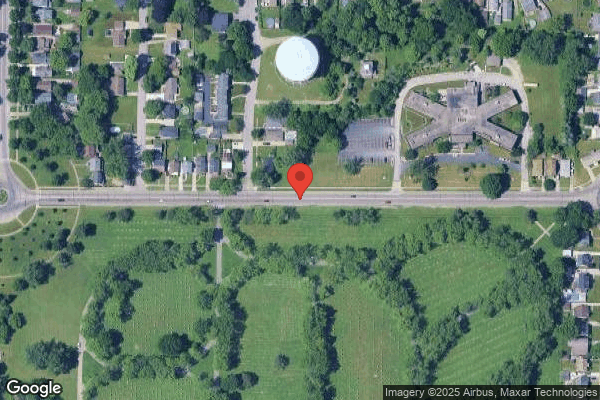
Understanding Severity Codes (click to expand)
Life-Threatening (Immediate Jeopardy)
J - Isolated K - Pattern L - Widespread
Actual Harm
G - Isolated H - Pattern I - Widespread
Potential for Harm
D - Isolated E - Pattern F - Widespread
No Harm (Minor)
A - Isolated B - Pattern C - Widespread

Questions to Ask on Your Visit

  • "Why is there high staff turnover? How do you retain staff?"
  • "Can I speak with families of current residents?"
  • "What's your RN coverage like on weekends and overnight?"

Our Honest Assessment

Strengths
  • • No major safety red flags. No abuse findings, life-threatening violations, or SFF status.
Concerns
  • • 19 deficiencies on record. Higher than average. Multiple issues found across inspections.
  • • $19,647 in fines. Above average for New York. Some compliance problems on record.
  • • 58% turnover. Above average. Higher turnover means staff may not know residents' routines.
Bottom line: Mixed indicators with Trust Score of 68/100. Visit in person and ask pointed questions.

About This Facility

What is Safire Rehabilitation Of Southtown, L L C's CMS Rating?

CMS assigns SAFIRE REHABILITATION OF SOUTHTOWN, L L C an overall rating of 4 out of 5 stars, which is considered above average nationally. Within New York, this rating places the facility higher than 99% of the state's 100 nursing homes. This rating reflects solid performance across the metrics CMS uses to evaluate nursing home quality.

How is Safire Rehabilitation Of Southtown, L L C Staffed?

CMS rates SAFIRE REHABILITATION OF SOUTHTOWN, L L C's staffing level at 2 out of 5 stars, which is below average compared to other nursing homes. Staff turnover is 58%, which is 11 percentage points above the New York average of 46%. High turnover can affect care consistency as new staff learn residents' individual needs.

What Have Inspectors Found at Safire Rehabilitation Of Southtown, L L C?

State health inspectors documented 19 deficiencies at SAFIRE REHABILITATION OF SOUTHTOWN, L L C during 2021 to 2025. These included: 18 with potential for harm and 1 minor or isolated issues.

Who Owns and Operates Safire Rehabilitation Of Southtown, L L C?

SAFIRE REHABILITATION OF SOUTHTOWN, L L C is owned by a for-profit company. For-profit facilities operate as businesses with obligations to shareholders or private owners. The facility is operated by SAPPHIRE CARE GROUP, a chain that manages multiple nursing homes. With 120 certified beds and approximately 114 residents (about 95% occupancy), it is a mid-sized facility located in BUFFALO, New York.

How Does Safire Rehabilitation Of Southtown, L L C Compare to Other New York Nursing Homes?

Compared to the 100 nursing homes in New York, SAFIRE REHABILITATION OF SOUTHTOWN, L L C's overall rating (4 stars) is above the state average of 3.1, staff turnover (58%) is significantly higher than the state average of 46%, and health inspection rating (4 stars) is above the national benchmark.

What Should Families Ask When Visiting Safire Rehabilitation Of Southtown, L L C?

Based on this facility's data, families visiting should ask: "How do you ensure continuity of care given staff turnover, and what is your staff retention strategy?" "Can you walk me through typical staffing levels on day, evening, and night shifts?" "Can I visit during a mealtime to observe dining assistance and food quality?" "How do you handle medical emergencies, and what is your hospital transfer rate?" These questions are particularly relevant given the facility's high staff turnover rate and the below-average staffing rating.

Is Safire Rehabilitation Of Southtown, L L C Safe?

Based on CMS inspection data, SAFIRE REHABILITATION OF SOUTHTOWN, L L C has a clean safety record: no substantiated abuse findings (meaning no confirmed cases of resident harm), no Immediate Jeopardy citations (the most serious violation level indicating risk of serious injury or death), and is not on the Special Focus Facility watch list (a federal program monitoring the lowest-performing 1% of nursing homes). The facility has a 4-star overall rating and ranks #1 of 100 nursing homes in New York. While no facility is perfect, families should still ask about staff-to-resident ratios and recent inspection results during their visit.

Do Nurses at Safire Rehabilitation Of Southtown, L L C Stick Around?

Staff turnover at SAFIRE REHABILITATION OF SOUTHTOWN, L L C is high. At 58%, the facility is 11 percentage points above the New York average of 46%. High turnover means new staff may not know residents' individual needs, medications, or preferences. It can also be disorienting for residents, especially those with dementia who rely on familiar faces. Families should ask: What is causing the turnover? What retention programs are in place? How do you ensure care continuity during staff transitions?

Was Safire Rehabilitation Of Southtown, L L C Ever Fined?

SAFIRE REHABILITATION OF SOUTHTOWN, L L C has been fined $19,647 across 3 penalty actions. This is below the New York average of $33,275. While any fine indicates a compliance issue, fines under $50,000 are relatively common and typically reflect isolated problems that were subsequently corrected. Families should ask what specific issues led to these fines and confirm they've been resolved.

Is Safire Rehabilitation Of Southtown, L L C on Any Federal Watch List?

SAFIRE REHABILITATION OF SOUTHTOWN, L L C is not on any federal watch list. The most significant is the Special Focus Facility (SFF) program, which identifies the bottom 1% of nursing homes nationally based on persistent, serious quality problems. Not being on this list means the facility has avoided the pattern of deficiencies that triggers enhanced federal oversight. This is a positive indicator, though families should still review the facility's inspection history directly.