UNITED HELPERS CANTON NURSING HOME
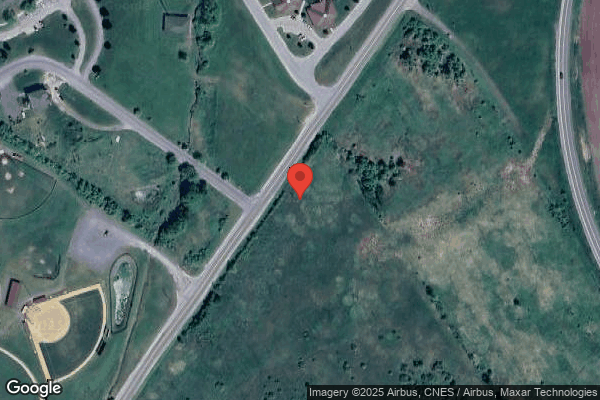
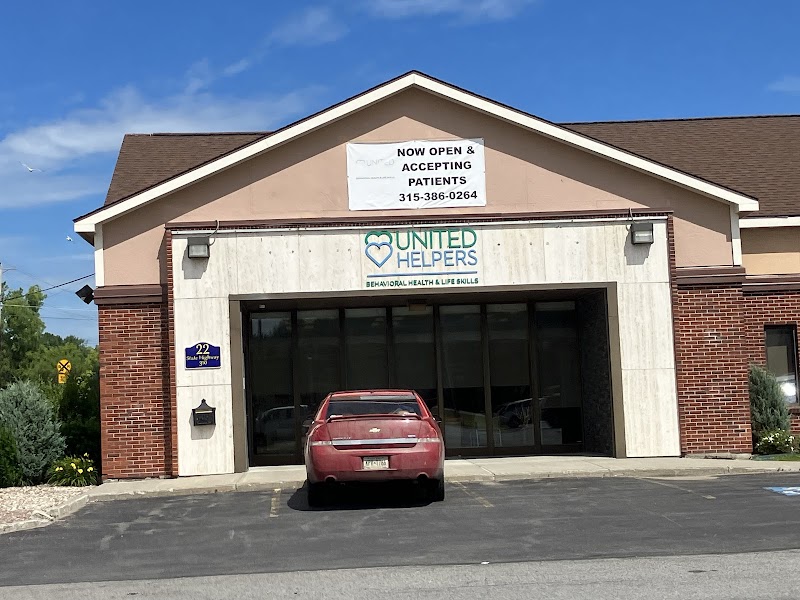
205 STATE STREET ROAD, CANTON, NY 13617 (315) 386-4541
Non profit - Corporation 160 Beds Independent Data: November 2025
Trust Grade
80/100
#249 of 594 in NY
Last Inspection: August 2024

Within standard 12-15 month inspection cycle. Federal law requires annual inspections.

Overview

United Helpers Canton Nursing Home has a Trust Grade of B+, indicating it is above average and recommended for families considering care options. It ranks #249 out of 594 facilities in New York, placing it in the top half, and #2 out of 4 in St. Lawrence County, meaning only one local facility is rated higher. The facility is stable with its performance, having reported three issues in both 2022 and 2024. Staffing is rated 4 out of 5 stars, but the turnover rate of 44% is average, suggesting some staff may leave. While there are no fines on record, which is a positive sign, there were specific concerns noted in recent inspections, such as inadequate maintenance of hot water temperatures, soiled wheelchairs, and medication errors for some residents, highlighting areas that require improvement.

Trust Score
B+
80/100
In New York
#249/594
Top 41%
Safety Record
Low Risk
No red flags
Inspections
Holding Steady
3 → 3 violations
Staff Stability
○ Average
44% turnover. Near New York's 48% average. Typical for the industry.
Penalties
✓ Good
No fines on record. Clean compliance history, better than most New York facilities.
Skilled Nurses
○ Average
Each resident gets 37 minutes of Registered Nurse (RN) attention daily — about average for New York. RNs are the most trained staff who monitor for health changes.
Violations
○ Average
9 deficiencies on record. Average for a facility this size. Mostly minor or procedural issues.
★★★★☆
4.0
Overall Rating
★★★★☆
4.0
Staff Levels
★★★☆☆
3.0
Care Quality
★★★★☆
4.0
Inspection Score
Stable
2022: 3 issues
2024: 3 issues

The Good

  • 4-Star Staffing Rating · Above-average nurse staffing levels
  • Full Sprinkler Coverage · Fire safety systems throughout facility
  • No fines on record
  • Staff turnover below average (44%)

    4 points below New York average of 48%

Facility shows strength in staffing levels, fire safety.

The Bad

Staff Turnover: 44%

Near New York avg (46%)

Typical for the industry

The Ugly 9 deficiencies on record

Aug 2024 3 deficiencies
CONCERN (D)

Potential for Harm - no one hurt, but risky conditions existed

Deficiency F0760 (Tag F0760)

Could have caused harm · This affected 1 resident

Based on observation, record review, and interview during the recertification survey conducted 8/6/2024-8/9/2024, the facility did not ensure residents were free of any significant medication errors f...

Read full inspector narrative →
Based on observation, record review, and interview during the recertification survey conducted 8/6/2024-8/9/2024, the facility did not ensure residents were free of any significant medication errors for 3 of 4 resident (Residents #9, #53, and #59) reviewed. Specifically, Residents #9 and #53 did not receive medications as ordered and the medical provider was not notified, and Resident #59 did not receive their medication for Parkinson's disease (a progressive neuorological disorder) timely as ordered. Findings include: The facility policy, Medication Policies Program, revised 9/16/2024, documented all drugs were to be administered in compliance with the physician's orders, were administered safely, and were administered without error. The person who administered the medication would ensure the six rights of medication administration: the right person, the right medication, the right dose, the right time, the right method/route, and the right documentation. 1) Resident #9 had diagnoses including depression, heart failure, and hypothyroidism (underactive thyroid). The 6/4/2024 Minimum Data Set (a health assessment tool) documented the resident had severely impaired cognition, appeared down, depressed, or hopeless for several days, had no behavioral symptoms, was dependent or required touching assistance for activities of daily living, and took an antidepressant and a diuretic (waterpill) medication daily. The 2/1/2023 Nurse Practitioner #16's medical order documented one furosemide (diuretic) 40 milligram tablet twice a day for heart failure at 7:00 AM and 1:00 PM. The 12/14/2023 Physician #'17's medical order documented duloxetine capsule (antidepressant), delayed release, 30 milligrams once a day for depression at 7:00 AM. The 7/19/2024 Nurse Practitioner #16's medical order documented levothyroxine (thyroid medication) 137 micrograms one tablet once a day for hypothyroidism at 7:00 AM. The 8/7/2024 Medication Administration Record documented by Licensed Practical Nurse #2 included: - the 7:00 AM dose of duloxetine capsule, delayed release, 30 milligram was not administered due to the drug/item was unavailable. - the 7:00 AM dose of furosemide tablet 40 milligrams was not administered due to the drug/item was unavailable. - the 7:00 AM dose of levothyroxine tablet 137 micrograms was not administered due to the drug/item was unavailable. There was no documented evidence the medical provider was notified of the medications that were not administered due to being unavailable. During an interview on 8/9/2024 at 9:10 AM, Licensed Practical Nurse #2 stated the electronic medical record prompted the nurses on what medications to give and then the nurse double checked the dose against the medication card (blister pack) to verify what medication to give and how much. If they did not have the required medication card in the cart, they checked the medication room to see if a refill card was there. If there was no medication card in the medication room, they checked the electronic stock medication supply system. If the medication was not available in the electronic stock medication supply system, they made sure they notified the pharmacy to resupply the medication either by clicking the button in the electronic medical record if applicable, or by faxing the pharmacy. They documented the medication was not given. If the medication was not given, they wrote a progress note in the resident's electronic medical record. If the medication was a significant medication they let the providers and the oncoming nurse know the medication was not given. They considered levothyroxine and furosemide to be significant medications. Duloxetine was a behavior or depression medication and was not as significant. They did not inform the provider that Resident #9 did not receive their duloxetine, levothyroxine, or furosemide as ordered on 8/7/2024. They stated 8/7/2024 was the day they did their cassette exchange, which meant pharmacy brought the new month's supply of medication, and they were out of quite a few medications. They did not believe anything could happen to the resident from the missed doses. At 10:34 AM, Licensed Practical Nurse #2 stated when the new cassettes came in on 8/7/2024, they did not give the missed doses of medication to the resident as the medications came in around 10-10:30 AM. Some of the medications had an afternoon dose and they did not want the doses to be too close together. 2) Resident #53 had diagnoses including dementia with behavioral disturbances, depression, and type 2 diabetes without complications. The 6/5/2024 Minimum Data Set documented the resident had severely impaired cognition, had no behavioral symptoms, was dependent or required moderate assistance for most activities of daily living except, and took an antipsychotic (mood stablaizer) medication daily. The 11/16/2023 Nurse Practitioner #16's medical order documented Seroquel (antipsychotic) 25 milligram tablet, give 12.5 milligrams once a day at 6:00 PM for major depressive disorder. The Medication Administration Record documented on 8/5/2024 and 8/6/2024 the 6:00 PM dose of Seroquel 12.5 milligrams was not administered by Licensed Practical Nurse #18 due to the drug/item was unavailable. There was no documented evidence the medical provider was notified of the medications that were not administered due to being unavailable. During an interview on 8/8/2024 at 3:41 PM, Licensed Practical Nurse #18 stated they administered medications by pulling up the orders on the electronic medical record. Once the resident took the medication, they clicked off the order was completed in the medical record. If a resident refused their medications or the medications were not available, they marked it in the electronic medical record. They did not inform anyone because the information was on the electronic medical record the provider and nursing supervisor had access to so they would know if the resident took their medications or did not take their medications. During an interview on 8/9/2024 at 9:30 AM, Registered Nurse Unit Manager #3 stated if a resident refused their medication or missed their medication dose due to it not being in stock, they should be informed. It was not an acceptable practice to mark the medication was not given in the electronic medical record and not inform them, the nurse supervisor, or the medical providers. Levothyroxine, furosemide, duloxetine, and Seroquel were all significant medications.They were unaware that Resident #9 did not receive their levothyroxine, furosemide, and duloxetine as ordered on 8/7/2024 due to it not being in stock. They stated a missed dose of furosemide could lead to fluid overload and a missed dose of levothyroxine was important because it was thyroid related. They were unaware that Resident #53 did not receive their Seroquel on 8/5/2024 and 8/6/2024 due to it not being in stock. They stated missed doses of Seroquel could lead to behavior spikes and they needed to know the resident had missed doses when evaluating the resident's behaviors for medication changes. They stated the floor nurses should document a progress note in the electronic medical record the resident did not receive their medications as ordered and why, and that the Nursing Supervisor, the Nurse Manager, or the provider were made aware. The nurses were educated about informing the Nurse Manager/Nursing Supervisor or provider about missed medication doses. During an interview on 8/09/2024 at 10:14 AM, the Director of Nursing stated if a medication was not available or not in stock, the nurse should check the electronic stock medication supply system to see if it was available. The medication should immediately be reordered via the button in the electronic medical record. For any dose that was not given due to not having the medication in stock, the nurse should get an order to hold the medication. The nurses should make someone aware that a dose of medication was not given due to the medication not being in stock even if it is marked as not given in the electronic medical record. Levothyroxine, furosemide, and Seroquel were significant medications. Duloxetine was a significant medication, but the difference was a single dose did not treat immediate behaviors. 8/7/2024 was the day they received the new medication cards for the month and normally, if a resident was out of medications but the medication came, they would give the dose late. They were unaware Resident #53 had missed two doses of Seroquel on 8/5/2024 and 8/6/2024. They were unaware if Seroquel was stocked in the electronic stock medication supply system. 3) Resident #59 had diagnose including Parkinson's disease and muscle weakness. The 6/26/2024 Minimum Data Set assessment documented the resident #59 was cognitively intacthad no drug regimen review or medication follow-ups. The comprehensive care plan initiated 5/16/2024 documented the resident had Parkinson's Disease and required medication management to relieve or reduce the decline in activities of daily living. Interventions included determine assistance needed for activities of daily living, administer medications per physician order and monitor for side effects, report side effects to physician, and consult or meet with neurologist as needed. Physician orders documented: - on 7/23/2024 carbidopa-levodopa tablet; 25-100 milligrams; 2 tablets twice daily at 11:00 AM and 5:00 PM for Parkinson'r disease. - on 7/23/2024 carbidopa-levodopa tablet; 25-100 milligrams; 2 1/2 tablets teice daily at 8:00 AM and 5:00 PM for Parkinson's disease. - on 7/24/2024 carbidopa-levodopa extended release; 25-100 milligrams; 2 tablets every day at 8:00 PM for Parkinson's disease. The 8/2024 electronic Medication Administration Record documented; - carbidopa-levodopa tablet; 25-100 milligrams, administer 2 1/2 tablet at 8:00 AM and 2:00 PM with a start date of 7/23/2024. The medication was documented as administered late on 8/1/2024 at 10:32 AM scheduled for 8:00 AM (2 hours, 32 mins); on 8/5/2024 at 9:35 AM scheduled for 8:00 AM (1 hour 35 mins); on 8/6/2024 at 9:47 AM scheduled for 8:00 AM (1 hour, 47 mins); on 8/9/2024 at 9:19 AM scheduled for 8:00 AM (1 hour, 19 mins); and 8/3/2024 at 3:23 PM scheduled for 2:00 PM (1 hour, 23 mins). - carbidopa-levodopa tablet; 25-100 milligrams, administer 2 tablets at 11:00 AM and 5:00 PM with a strat date of 7/23/2024. The medication was documented as administered late on 8/4/2024 at 12:20 PM scheduled for 11:00 AM (1 hour 20 minutes); and at 6:16 PM scheduled for 5:00 PM (1 hour, 16 mins). - carbidopa-levodopa tablet extended release; 25-100 milligrams; administer 2 tablets at 8:00 PM with a start date of 7/24/2024. During an interview on 8/6/2024 at 10:34 AM, Resident #59 stated they were happy living in the facility and their only complaint was their Parkinson's medication was given late. They stated they received carbidopa-levodopa five times a day and their doses were always late. During an interview on 8/9/2024 at 9:51 AM, Licensed Practical Nurse #8 stated Resident #59 had Parkinson's disease and received medication for this several times throughout the day. The medication times were set by the neurology clinic. They stated the electronic medical record time stamped when a nurse gave a medication. If it documented late administration or charted late that meant the medication was given late. The computer system would not let them continue until they clicked they administered the medication.They stated it was important to give Parkinson's medications on time as it could affect the resident's whole body. During an interview on 8/9/2024 at 10:09 AM, Registered Nurse Unit Manager #3 stated the electronic medication records had a preperation side and an administration side for medication administration. The nurses clicked on the prepped side, administered the medications to the resident, and then clicked on the administered button to complete the task in the electronic record. They stated medications nurses should not click administered until the resident took their medications just in case they refused them. If the electronic medication record documented 'charted late', then the resident received their medication late. If Resident #59's Parkinson's disease medications were not administered on time it could affect their blood pressure. During an interview on 8/9/2024 at 11:30 AM, the Director of Nursing stated after looking in the resident's electronic medical record, the resident received medication for Parkinson's disease several times per day. If Resident #59 did not receive their medications on time it could lead to an exacerbation of their Parkinson's disease symptoms and could affect their whole body. 10NYCRR 415.12(m)(2)
CONCERN (D)

Potential for Harm - no one hurt, but risky conditions existed

Deficiency F0761 (Tag F0761)

Could have caused harm · This affected 1 resident

Based on observation and interview during the recertification survey conducted 8/6/2024-8/9/2024, the facility did not ensure drugs and biologicals were labelled and stored in accordance with currentl...

Read full inspector narrative →
Based on observation and interview during the recertification survey conducted 8/6/2024-8/9/2024, the facility did not ensure drugs and biologicals were labelled and stored in accordance with currently accepted professional principles and included the appropriate accessory and cautionary instructions when applicable for 1 of 4 medication carts (North neighborhood, Oak, and Elm Cart) reviewed. Specifically, the North neighborhood (the secured unit) Oak and Elm medication cart was left unlocked and unattended. Findings include: The facility policy, Medication Policies Program, revised 9/7/2016, documented medication rooms, medication cupboards, medication carts, and drug preparation areas would be kept clean, neat, and orderly at all times and the area would be kept locked unless under direct visual control by the staff person responsible for the medication administration. All mobile medication carts must be under visual control of the designated staff administering medications at all times. The following observations were made on 8/7/2024: - At 12:24 PM, the medication cart for Oak and Elm was in the dining room. The medication cart had the computer screen open with visible resident information and the cart was unlocked and unattended. There were residents in the dining room awaiting lunch. - At 12:26 PM, the top drawer of the medication cart was opened and then shut by the surveyor to verify the cart was unlocked. Licensed Practical Nurse #2 (the assigned medication nurse) was not near the unattended medication cart. -At 12:28 PM, Licensed Practical Nurse #2 came back to cart, shut the computer screen, and walked away from the cart. The cart remained unlocked and unattended. -At 12:31 PM, Licensed Practical Nurse #2 was sitting on a resident's four wheeled walker in the dining room with their back to the medication cart. The cart remained unlocked. -At 12:32 PM, Licensed Practical Nurse #2 walked behind the kitchenette, out of sight of the medication cart. The medication cart was unlocked and unattended. During an interview on 8/9/2024 at 9:10 AM, Licensed Practical Nurse #2 stated the top drawer of the medication cart contained insulin pens and eye drops, the second and third drawers contained prescribed medications in blister packs, the third drawer contained stock medications, and the bottom drawer had treatment powders and creams. They stated the medication cart should not be left unlocked. They stated they left the cart unlocked on 8/7/2024 as they got busy running around. Residents or anyone could get into the cart and take things out if it was unlocked and unattended. During an interview on 8/09/2024 at 9:30 AM, Registered Nurse Manager #3 stated nurses should not leave the medication carts unlocked. If a medication cart was unlocked the residents, or anyone could get into the cart. The nurses were constantly educated on not leaving their medication carts unlocked. During an interview on 8/9/2024 at 10:14 AM, the Director of Nursing stated nurses should not leave their medication carts unlocked. If a nurse walked away from their unlocked medication cart, someone could get into the cart and possibly take the medications. 10 NYCRR 415.18(d)
CONCERN (E)

Potential for Harm - no one hurt, but risky conditions existed

Safe Environment (Tag F0584)

Could have caused harm · This affected multiple residents

**NOTE- TERMS IN BRACKETS HAVE BEEN EDITED TO PROTECT CONFIDENTIALITY** Based on record review, observation, and interview during the recertification survey conducted 8/6/2024-8/9/2024, the facility d...

Read full inspector narrative →
**NOTE- TERMS IN BRACKETS HAVE BEEN EDITED TO PROTECT CONFIDENTIALITY** Based on record review, observation, and interview during the recertification survey conducted 8/6/2024-8/9/2024, the facility did not ensure residents had the right to a safe, clean, comfortable, and homelike environment for 2 of 2 resident neighborhoods (North and [NAME] Neighborhoods). Specifically, hot water was not maintained at acceptable temperatures in the North and [NAME] neighborhoods; resident wheelchairs were soiled and in disrepair on the [NAME] Neighborhood; there were sticky floors in several areas of the North Neighborhood; and the kitchenettes on the North and [NAME] Neighborhoods were in disrepair. Findings include: The facility policy, Resident's Rights, dated 8/15/2017, documented residents of the facility had the right to live in a clean and safe environment. The facility policy, Maintaining and Monitoring Water Temperatures - SNF (Skilled Nursing Facility), dated 2/2021 documented the water temperature must be capable of attaining a temperature of 90 degrees Fahrenheit and must not attain a temperature more than 120 degrees Fahrenheit. A routine temperature check of the hot water temperature would be made at various points in the hot water system to verify that temperatures were in accordance with facility policy. The facility policy, Work Orders/Requests, dated 2/13/2024 documented repairs of any unsafe and failing equipment was completed in a timely manner, and facility staff used a maintenance work order system. The Maintenance Department would prioritize the maintenance work orders and keep the signed work order on file for at least one year. The electronic communication from the Administrator dated 8/8/2024 at 12:34 PM, documented the facility did not have written policy for floor cleaning, kitchenette cleaning, or housekeeping. The electronic communication from the Administrator dated 8/9/2024 at 12:10 PM, documented the facility did not have written policy for routine maintenance. Water Temperatures Not Maintained: During observations on 8/6/2024, the following water temperatures were measured: - at 1:25 PM, the Oak Cottage shower room's water temperature was 123.5 degrees Fahrenheit. - at 1:28 PM, resident room [ROOM NUMBER]'s bathroom sink water temperature was 123.4 degrees Fahrenheit. - at 3:30 PM, the Maple Cottage shower room's water temperature was 85.4 degrees Fahrenheit; and the Oak Cottage shower room's water temperature was 122 degrees Fahrenheit. - at 3:32 PM, resident room [ROOM NUMBER]'s bathroom sink water temperature was 121 degrees Fahrenheit. - at 3:41 PM, resident room [ROOM NUMBER]'s bathroom sink water temperature was 89 degrees Fahrenheit. - at 3:42 PM, resident room [ROOM NUMBER]'s bathroom sink water temperature was 123.3 degrees Fahrenheit. - at 3:45 PM, resident room [ROOM NUMBER]'s bathroom sink water temperature was 122.1 degrees Fahrenheit. - at 3:47 PM, the [NAME] Cottage shower room's water temperature was 126.2 degrees Fahrenheit. - at 3:51 PM, resident room [ROOM NUMBER]'s bathroom sink water temperature was 87.4 degrees Fahrenheit. During an observation on 8/7/2024, the following water temperatures were measured: - at 1:38 PM, the [NAME] Cottage shower room's water temperature was 121.9 degrees Fahrenheit. - at 1:42 PM, resident room [ROOM NUMBER]'s bathroom sink water temperature was 122.3 degrees Fahrenheit. - at 1:44 PM, resident room [ROOM NUMBER]'s bathroom sink water temperature was 122.8 degrees Fahrenheit, verified by Physical Therapy Assistant #10. - at 1:53 PM, resident room [ROOM NUMBER]'s bathroom sink water temperature was 120.3 degrees Fahrenheit. - at 2:22 PM, resident room [ROOM NUMBER]'s bathroom sink water temperature was 81.7 degrees Fahrenheit. - at 2:23 PM, resident room [ROOM NUMBER]'s bathroom sink water temperature was 81.4 degrees Fahrenheit, verified by Certified Nurse Aide #11. - at 2:30 PM, resident room [ROOM NUMBER]'s bathroom sink water temperature was 81.4 degrees Fahrenheit, verified by Certified Nurse Aide #11. During an interview on 8/6/2024 at 1:02 PM, Resident #40 stated the water in their bathroom was never hot and the water was cold for several days last week and this week. During an interview on 8/6/2024 at 4:28 PM with the Director of Building and Grounds, and the Maintenance Coordinator, the Director of Building and Grounds stated hot water flowed from the boiler through the mixing valve, and there was a different valve for each unit. The circulation order for the hot water on the North Neighborhood was Oak, Elm, Willow, and the Birch Cottage was last. The circulation order for cottages for the hot water on the [NAME] Neighborhood was [NAME], Ash, Cherry, and Maple was last. The acceptable temperature range for hot water was 110-120 degrees Fahrenheit in sinks. The Maintenance Coordinator stated they checked the temperatures in every cottage. On 8/6/2024, they tested the water in the shower rooms between 8:00 AM and 8:30 AM, there were no abnormal temperatures. If the temperature was higher than 120 degrees Fahrenheit, they would see what happened and continue to check the temperatures until they were normal. The Director of Building and Grounds stated 122 degrees Fahrenheit was not an acceptable temperature. Hotter water could be caused by back feed, and colder water could be caused by not letting the water run long enough. Depending on the time of day it could take a couple minutes to get hot water. If the water was too hot it could burn a resident. They stated had not received any complaints about hot water but had complaints about cold water. The Maintenance Coordinator stated that if the water was cold the residents could refuse bathing or be uncomfortable while bathing. During an interview on 8/7/2024 at 8:45 AM, Maintenance Worker #7 stated in the morning they ran the sink water to get the hot water out of the pipes because the water would be sitting in them all night. The boiler constantly circulated the water, so it did not cool off in the pipes. They ran the water then checked the temperatures to ensure they were in acceptable ranges for resident showers. During an interview on 8/7/2024 at 2:30 PM, Certified Nurse Aide #11 stated sometimes residents complained that the water was cool or cold. There was a resident they cared for that ran the water in their room for 20 minutes before they got warm water. During an interview on 8/9/2024 at 11:01 AM, the Administrator stated they were aware that variances were found in the water temperatures from hot and cold, some were close to 120 degrees Fahrenheit and could creep over. They made some adjustments to made sure the temperatures did not go over the 90-120 degrees Fahrenheit. During an interview on 8/9/2024 at 11:30 AM, the Director of Nursing stated staff made them aware of showers being too cold. If a resident complained about the water, it would not be home like. Wheelchairs In Disrepair: During an observation on 8/6/2024 at 10:34 AM, Resident #59's electric wheelchair was dirty with food substances. Resident #71's wheelchair was observed: - on 8/6/2024 at 10:45 AM, the footrest was ripped in several places and the seat area was dirty with food substances. - on 8/7/2024 at 9:35 AM, the blue footrest was ripped in several places. - on 8/7/2024 at 10:13 AM, the black positioning cushion on the right side of the chair was soiled with food substances, and the footrest was ripped in several places. - on 8/8/2024 at 10:21 AM, the seat and the black positioning cushion were soiled with dried food substances. During an interview on 8/8/2024 at 10:24 AM, Housekeeper #15 stated they could not recall if they were instructed to clean equipment but if they saw that a wheelchair was dirty, they would wipe down the seat or armrest. During an interview on 8/8/2024 at 11:37 AM, Certified Nurse Aide #9 stated wheelchairs should be cleaned by all staff but was mostly done by the midnight shift when the residents were sleeping. It was not homelike to have a dirty wheelchair. During an interview on 8/9/2024 at 9:59 AM, Licensed Practical Nurse #8 stated anyone could clean a wheelchair, but the night shift staff was responsible for cleaning the wheelchairs. They stated Resident #59's wheelchair was not clean. Resident #71's wheelchair was always dirty and should be cleaned. It was not homelike to have unclean wheelchairs. During an interview on 8/9/2024 at 10:09 AM, Registered Nurse Manager #3 stated the midnight shift certified nurse aides were responsible for cleaning wheelchairs. The wheelchairs should be cleaned, as it was not homelike or dignified for the residents to have dirty wheelchairs. During an interview on 8/9/2024 at 11:30 AM, the Director of Nursing stated the midnight shift certified nurse aides were responsible for cleaning wheelchairs. Resident #71 frequently had a dirty wheelchair, and it was cleaned regularly. Accessories on the wheelchair should also be cleaned. It was important to create a homelike environment, and it was a dignity issue if the wheelchairs were dirty. Sticky Floors: The following observations of sticky floors were made on 8/6/2024: - at 9:46 AM, the floor in resident room [ROOM NUMBER] at the vestibule between the two sides. - at 9:49 AM, the floor in resident room [ROOM NUMBER] - at 9:52 AM, the floor in resident room [ROOM NUMBER] - at 9:56 AM, the floor in resident room [ROOM NUMBER] - at 10:08 AM, the floor in resident room [ROOM NUMBER] - at 10:16 AM, the floor in resident room [ROOM NUMBER] - at 10:19 AM, the floor in resident room [ROOM NUMBER] - at 10:34 AM, the floor in resident room [ROOM NUMBER] on side A - at 10:47 AM, the floor in resident room [ROOM NUMBER] - at 12:00 PM, there were sticky floors in the North Neighborhood in the back of the dining room near the countertop and windows. The following observations of sticky floors were made on 8/7/2024; - at 9:17 AM, in the Elm Cottage the floor in the dining room near the windows. - at 9:31 AM, in Birch Cottage the floor in the dining room near the windows, in front of the counter with cabinets. - at 12:18 PM, the floor in front of the nurses' station between Oak and Elm Cottages was sticky. During an interview on 8/9/2024 at 11:34 AM, Housekeeper #5 stated they were responsible for sweeping the floors, making rooms presentable, and using wet floor signs. If the floors were sticky they were supposed to use warm water with chemicals. They stated the stickiness might have been from a buildup of chemicals. They would use just hot water to help remove the buildup. They stated sticky floors were not homelike. During an interview on 8/9/2024 at 11:59 AM, the Maintenance Coordinator stated the process for cleaning the floor was to sweep then mop daily. The floors should not be sticky, it was not homelike. If staff noted the floors were sticky, they should let housekeeping know. Kitchenette Maintenance: The following observations were made in the North Neighborhood kitchenette on 8/6/2024 at 11:20 AM: - the cabinet door under the handwash sink was damaged (an approximate 2-inch section of the door was missing). - one of the drawers was missing the drawer front. - an upper cabinet located over the toaster was missing an approximate 3 feet by 1 foot access door. - the countertop near the handwash sink was water damaged and in disrepair. - hardware for two cabinets were not connected with doors and door handles were loose with missing screws. - in the kitchenette pantry miscellaneous cabinet fronts and door parts were found. The following observations were made in the [NAME] Neighborhood kitchenette with Dietary Aide #13 on 8/7/2024 at 11:55 AM: - a lower cabinet in the kitchenette pantry was missing an access door (where resident soda was stored). - the handwash sink faucet was loose and the hot water was not fully flowing out of the faucet. - part of the access door of a cabinet under the handwash sink came loose and fell off in the surveyor's hands. A side piece of the door had water damage and appeared to be swelled up. - the cabinet under the handwash sink had chemicals stored on top of unsealed plywood. The plywood was discolored, and water stained. - there was water on the floor on both sides of the dish machine, and wet debris around the edges of the floor base material (dish machine was not on at the time of the observation). During an interview on 8/7/2024 at 2:00 PM, Dietary Aide #13 stated they observed the hot water was not flowing properly out of the [NAME] Neighborhood kitchenette pantry handwash sink. They were told by the Maintenance Coordinator that it would be addressed. They stated the lower cabinet door had been missing for at least a week and was not sure where the door was located. They should tell a maintenance worker or the Food Service Director if they observed an issue. During an interview on 8/8/2024 at 1:55 PM, Dietary Aide #12 stated they worked in the North Neighborhood kitchenette, and there had been cabinet issues off and on for the last two and a half years. They were told they could fill out work orders if they identified issues but was never told where to find the work order forms. Dietary Aide #12 stated they were never shown how to fill out a work order and they reported their concerns directly to the Food Service Director. During an interview on 8/8/2024 at 2:28 PM, the Food Service Director stated they were not aware of the damaged/broken hardware and door handles in the kitchenettes. Within the last 4 months between April 2024 and August 2024 they asked the maintenance department about the status of the North Neighborhood kitchenette repairs and had been told they were being worked on. They were not aware of the damaged lower cabinet door under the hand wash sink. They stated it was important that work orders were filled out and completed so the facility was maintained in a safe and comfortable environment for residents. During an interview on 8/8/2024 at 2:40 PM, the Maintenance Coordinator stated when a work order form was completed for the Food Service Department, the department would be given the yellow completed work order form. They verified that a 4/1/2024 work order had been signed off as completed and a 4/2/2024 work order had been assigned to a maintenance worker for the North Neighborhood kitchenette. The Maintenance Coordinator stated they did not follow up after the repairs made to the North Neighborhood kitchenette on 4/3/2024. They stated they could not find any work orders for the issues identified in the [NAME] Neighborhood kitchenette pantry and was not aware of the damaged part of the lower cabinet door under the hand wash sink. The Maintenance Coordinator stated it was important that work orders were filled out and completed so the facility was maintained in a safe and comfortable environment for residents. 10 NYCRR 415.29(j)(1)
Jun 2022 3 deficiencies
CONCERN (D)

Potential for Harm - no one hurt, but risky conditions existed

Safe Environment (Tag F0584)

Could have caused harm · This affected 1 resident

Based on observation, interview, and record review during the recertification survey conducted 6/7/22-6/9/22, the facility failed to exercise reasonable care for the protection of resident property fr...

Read full inspector narrative →
Based on observation, interview, and record review during the recertification survey conducted 6/7/22-6/9/22, the facility failed to exercise reasonable care for the protection of resident property from loss for 1 of 3 residents (Resident #26) reviewed. Specifically, Resident #26's hearing aids were missing and there was no documented evidence the missing hearing aids were reported or an investigation was initiated. Findings include: The facility policy Misappropriation of Resident Property revised 6/26/17 documented: - All employees have the responsibility to protect the resident's property and to alert the appropriate individuals of any occurrence of misappropriation. - Upon receipt of an allegation of misappropriation (either verbally or written) by the resident, designated representative, or other individual or source, it shall be reported to the administrator or designee immediately and investigation will be undertaken not later than 48 hours after receipt. Resident #26 was admitted to the facility with diagnoses including hemiplegia (paralysis on one side of the body) and hemiparesis (partial paralysis on one side of the body) following a cerebral vascular infarction (stroke) and aphasia (difficulty speaking and understanding). The 4/5/22 Minimum Data Set (MDS) assessment documented the resident had severely impaired cognition, required extensive assistance for most activities of daily living, had moderate difficulty with hearing and used a hearing aid. The 8/23/21 physician order documented to place hearing aids in the resident's ears bilaterally every morning and remove at bedtime. The 4/6/22 revised comprehensive care plan (CCP) documented the resident had difficulty communicating their needs. The CCP did not document the resident had a hearing deficit or used hearing aids. The 4/12/22 CCP documented the resident had impaired hearing and had left and right hearing aids. The 5/2022 Medication Administration Record documented: - on 5/3/22 at 8:00 AM by licensed practical nurse (LPN) #18, the resident's left hearing aid was missing. - on 5/4/22 at 8:00 PM by LPN #7 the left hearing aid was missing, and the right was in the cart. - on 5/9/22 at 8:00 PM by LPN #10 could not find hearing aids. - on 5/18/22, by LPN #19 the resident refused to give their hearing aid back at 8:00 PM. - on 5/19/22, by LPN #19 the resident's hearing aids were missing. - from 5/21/22 through 5/30/22, the hearing aids were documented as not provided or removed as the item was unavailable. There was no documented evidence the missing hearing aids was reported or investigated. The 6/2022 MAR documented the resident's hearing aids were missing form 6/1/22 through 6/6/22. The order for hearing aids was discontinued on the MAR on 6/6/22. The 6/6/22 updated Care Plan documented the resident's hearing aids were discontinued. There was no documented explanation why the hearing aids were discontinued on 6/6/22. There was no other documentation the resident had missing hearing aids; the missing hearing aids were reported, or an investigation had been initiated. During an interview on 6/6/22 at 1:26 PM, the resident's representative stated both resident's hearing aids were lost and the staff had stated they would keep an eye out for them. The hearing aids were important for the resident to hear and understand. The representative was unsure what the next step was for the hearing aids. The representative stated they noticed one of the hearing aids had gone missing a few weeks before the second one. A nurse had notified the representative the other hearing aid had been missing the previous week and they were unsure which nurse had notified them of the second missing hearing aid. On 6/8/22 at 9:23 AM and 6/9/22 at 10:49 AM, the resident was observed without hearing aids in their ears. During an interview on 6/8/22 at 2:46 PM, social services assistant #6 stated the process for missing items was to do an initial check for the missing items (laundry, resident room) and complete a grievance form if the item was not located. Any staff, resident, or family member could complete the grievance form. The forms were to be submitted to the Social Services Department for follow up. During an interview on 6/9/22 at 11:18 AM, licensed practical nurse (LPN) #10 stated hearing aids were kept in the cart. The LPN looked in the medication cart in May 2022 and the resident's hearing aid case was empty. The resident had lost both hearing aids and the LPN was unsure when. The resident was without both hearing aids at this time, and they thought LPN Clinical Leader #11 was aware. During an interview on 6/9/22 at 1:10 PM, LPN Clinical Leader #11 stated residents with hearing aids had orders in the electronic medical record to place the aids in the morning and remove in the evening. The medication nurse had to sign off in the computer, which helped to track if a hearing aid went missing to know when it was last known to be in use. The LPN stated the resident was missing one hearing aid and they believed the resident still had one in place. They reviewed the resident's orders and saw the order was discontinued on 6/6/22 and the MAR documentation showed both hearing aids were missing through the month of June. The LPN stated the staff had searched for at least one of the hearing aids. The LPN stated they should have been notified that both hearing aids were missing. During an interview on 6/9/22 at 1:25 PM, social services assistant #12 stated missing items were reported to them and they would search the resident's room and unit. If an item was not found, they would contact the family to look into replacing them. Hearing aids had an order in the electronic medical record, which the social services assistant would review to find out when they were last seen or checked to initiate the investigation. The social services assistant stated they were unaware the resident was missing their hearing aids and no investigation had been started. They expected to be notified as soon as possible since that was the best chance of finding them. 10NYCRR 415.5(h)(1)
CONCERN (D)

Potential for Harm - no one hurt, but risky conditions existed

Investigate Abuse (Tag F0610)

Could have caused harm · This affected 1 resident

Based on observation, interview, and record review during the recertification and abbreviated surveys (NY00293106) conducted 6/7/22 to 6/9/22, the facility failed to thoroughly investigate all alleged...

Read full inspector narrative →
Based on observation, interview, and record review during the recertification and abbreviated surveys (NY00293106) conducted 6/7/22 to 6/9/22, the facility failed to thoroughly investigate all alleged violations of abuse, neglect, exploitation, or mistreatment for 1 of 3 residents (Resident #46) reviewed. Specifically, Resident #46 had a bruise which was not thoroughly investigated to rule out abuse, neglect, or mistreatment. Findings include: The facility policy Reporting & Investigating Resident Incidents dated 6/26/17 documented: - If a resident was subjected to an incident, any employee must report such an incident or suspicion to the charge nurse/supervisor/department head/DON (Director of Nursing)/Administrator. - The supervisor or designee must complete an Incident Report. If an incident occurred, the Administrator or designee would be immediately notified, and an investigation initiated. - The Building Supervisor would notify the Administrator or designee if any injury of unknown origins occurred, which was considered a possible reportable incident to the New York State Department of Health. The facility policy Incident Management Program Overview dated 12/13/19 documented: - Regardless of how minor an accident or incident may be, it must be reported to the charge nurse/supervisor/department head immediately or when informed of such accident or incident is learned. - All resident incidents would be documented on an Incident Report to rule out potential abuse or neglect, as well as to determine cause or prevent recurrence. For injuries of unknown origin, such as skin tears or bruises, witness statements or interviews would be obtained from staff that had direct knowledge related to the incident up to the preceding 3 shifts as applicable. Resident #56 was admitted to the facility with diagnoses including dementia. The 5/3/22 Minimum Data Set (MDS) assessment documented the resident had severely impaired cognition and was dependent for activities of daily living (ADLs). The 8/26/21 comprehensive care plan (CCP) documented the resident had dementia which resulted in the loss of ability to complete ADLs independently. Staff were to document any resistiveness to personal care. The 3/19/22 at 9:17 PM licensed practical nurse (LPN) #17's progress note documented the certified nurse aide (CNA) brought the resident to the nursing station; the resident had a skin tear on the top of their left hand. The area was cleansed with normal saline and Opsite (adhesive dressing) was applied. A new order was entered to cleanse the area on top of the left hand followed by Opsite, change every 3 days, and as needed, and to check placement each shift. There was no documentation regarding possible causes of the skin tear. On 6/7/22 at 1:28 PM, the resident was observed with dark purple/red bruising with some blue areas on the back of their left hand extending to the wrist. There was no documentation in the medical record of the bruising on the resident's left hand. On 6/9/22 at 8:20 AM, the Director of Nursing (DON) stated in an interview, there were no incident reports for the 3/19/22 injury or the bruising observed on 6/7/22. During an interview on 6/9/22 at 9:45 AM, CNA #14 stated the resident had a bruise on their left hand for a few days. During an interview on 6/9/22 at 11:06 AM, LPN #7 stated if a resident had a bruise, they would check the resident and possibly take vital signs. They would speak with LPN Clinical Leader #11 to see if it was an old or new bruise. If it was new, they would initiate an incident report and document in the electronic medical record (EMR) and include the measurements of the bruise. If they were unsure where the bruise came from, the incident report would include statements from everyone on the unit. It was important to fill out an incident report to keep track of patterns of bruising and a paper trail so they could identify any patterns, whether the bruises could be care related or medication related. If the LPN was unsure about abuse, neglect, or mistreatment, they would speak with LPN Clinical Leader #11 or the DON. Following the interview, the surveyor and LPN #7 went into the resident's room and observed their hands. LPN #7 stated they were previously unaware of bruising on the resident's left hand and needed to report it to LPN Clinical Leader #11. During an interview on 6/9/22 at 1:42 PM, LPN Clinical Leader #11 stated they were responsible for reviewing incident reports and incident reports should be completed for any bruises or skin tears. Incident reports were reviewed with the DON, Assistant DON, and registered nurse (RN) #15, and they would determine if there was abuse, neglect, mistreatment, or reportable incidents. If a resident had a bruise, they should look back 24 hours and all staff that were working should complete a statement to try to determine when the bruising happened. LPN #11 stated the resident had bruises on both hands and they should have been made aware of the bruises sooner. CNAs should be reporting issues immediately. LPN #11 stated it was important to know about bruises in a timely manner to rule out abuse with every bruise. During an interview on 6/9/22 at 2:04 PM, the DON stated they would investigate anything out of the ordinary which included skin tears and bruising, if the resident was unable to state what happened. They investigated 24 hours from when the bruise was found to try to find the source and put interventions in place. During the investigation, they would rule out abuse and neglect. An investigation started with the LPN, who would notify the RN. The Nurse Manager would get the incident report and obtain staffing for the previous 24 hours. The DON reviewed the incident reports to ensure all the information needed was provided and any follow-up notes. The ADON and the DON were ultimately responsible for determining if abuse or neglect occurred and signing off on the report. If there was no incident report for the resident, they would start interviewing staff who had cared for the resident. They would review the nursing progress notes; sometimes there was a late entry and the DON expected documentation regarding bruising in the nursing progress notes. The DON expected to be notified about the resident's left hand bruising sooner, and they expected documentation in the nursing progress notes, an incident report, and assessment sooner. There should have also been an investigation regarding the 3/19/22 skin tear as well. If they were unable to rule out abuse, neglect, or mistreatment, the DON would report to the New York State Department of Health. 10NYCRR 415.4(b)(3)
CONCERN (D)

Potential for Harm - no one hurt, but risky conditions existed

ADL Care (Tag F0677)

Could have caused harm · This affected 1 resident

**NOTE- TERMS IN BRACKETS HAVE BEEN EDITED TO PROTECT CONFIDENTIALITY** Based on observation, interview, and record review during the recertification and abbreviated surveys (NY00289301) conducted 6/7...

Read full inspector narrative →
**NOTE- TERMS IN BRACKETS HAVE BEEN EDITED TO PROTECT CONFIDENTIALITY** Based on observation, interview, and record review during the recertification and abbreviated surveys (NY00289301) conducted 6/7/22-6/9/22, the facility failed to ensure a resident who was unable to carry out activities of daily living (ADL) received the necessary services to maintain good nutrition, grooming, and personal and oral hygiene for 1 of 5 residents (Resident #55) reviewed. Specifically, Resident #55 was not provided protective heel boots as care planned. Findings include: Resident #55 had diagnoses including dementia and chronic pain. The 4/26/22 Minimum Data Set (MDS) assessment documented the resident had severe cognitive impairment, did not exhibit behavioral symptoms or rejection of care, was dependent for ADLs, was at risk for pressure ulcer/injury, and had pressure reducing devices for the chair and bed. The comprehensive care plan (CCP) initiated 8/30/21 documented the resident was at risk for pressure ulcers due to impaired mobility and chronic disease. Interventions included observe skin daily with personal care and see the Care Sheet for prevention strategies. The 2/9/22 physician order documented skin prep (protective film) to bilateral heels every shift. The resident Care Sheet (care instructions) reviewed 5/3/22 documented the resident was dependent for positioning, was non-ambulatory, utilized a Geri-chair (a specialty wheelchair for comfort) and was to have booties on both feet while in the Geri-chair. The resident was observed in their Geri-chair: - on 6/7/22 from 1:04 PM to 2:00 PM with both feet on the foot pedals, a left heel boot upside down off the foot, and no right heel boot was observed. - On 6/7/22 at 4:37 PM with no right heel boot on. - On 6/8/22 at 9:13 AM, 12:24 PM, and at 1:19 PM with no heel boots on either foot. - On 6/9/22 at 9:25 AM, with a left heel boot coming off the foot and no right heel boot. On 6/9/22 at 9:45 AM, the resident's heels were observed in the presence of certified nurse aide (CNA) #15. Both heels were slightly [NAME] than the surrounding skin and no open areas were observed. During an interview with CNA #14 on 6/9/22 at 10:00 AM, they stated they could not locate the resident's right heel boot and the resident was to have heel boots on both feet while in the Geri-chair. The CNA stated it was in the care book the heel boots needed to be checked each shift and they were important for protection to prevent skin breakdown. During an interview with licensed practical nurse (LPN) #7 on 6/9/22 at 11:06 AM, they stated some heel boots were care planned and most residents who had skin prep treatments to the heels had heel boots. The LPN was not certain if the instructions for heel boots were on the care cards or how CNAs knew to utilize them. The LPN was not aware the resident had not had both heel boots on and that one was not on correctly. They had heard someone was missing a heel boot but was not sure who it was. The LPN stated heel boots were important for protection from skin breakdown for at risk residents. During an interview with LPN Clinical Support Leader #11 on 6/9/22 at 11:28 AM, they stated CNAs were responsible to ensure heel boots were placed on residents. Heel boots were to protect residents' heels from skin breakdown or injury. CNAs were expected to look at the care card in the book at the beginning of each shift. It was the responsibility of any staff to adjust a heel boot if not on properly and to obtain one if missing. 10NYCRR 415.12(a)(3)
Jun 2019 3 deficiencies
CONCERN (D)

Potential for Harm - no one hurt, but risky conditions existed

Deficiency F0657 (Tag F0657)

Could have caused harm · This affected 1 resident

**NOTE- TERMS IN BRACKETS HAVE BEEN EDITED TO PROTECT CONFIDENTIALITY** Based on interview and record review during the recertification survey, the facility did not ensure that each resident and/or re...

Read full inspector narrative →
**NOTE- TERMS IN BRACKETS HAVE BEEN EDITED TO PROTECT CONFIDENTIALITY** Based on interview and record review during the recertification survey, the facility did not ensure that each resident and/or resident representative, was involved in developing the plan of care and making decisions about his or her care for 1 of 1 resident (Resident #52) reviewed for care planning. Specifically, Resident #52 was not invited to attend her annual care plan meeting. Findings include: The 4/7/17 Resident/Family Participation policy documented residents are invited to attend and participate in the care planning conferences on at least an annual basis and advanced notice of the care planning conference is provided to the resident by mail, telephone, and/or in person. Social services maintains a record of such notices by documentation in the resident's medical record and/or keeping a copy of mailed notices. Resident #52 was admitted to the facility on [DATE] with diagnoses of Parkinson's disease and dementia. The 12/4/18 annual Minimum Data Set (MDS) assessment documented the resident had moderately impaired cognition, required limited or extensive assistance for most ADLs, and the resident and her family participated in the assessment. The 12/11/18 social work assistant #1 progress note documented the interdisciplinary team (IDT) met on that date for the resident's annual team conference. The progress note included a list of attendees. There was no documented evidence Resident #52 or her representative were invited to or attended the annual care plan conference On 6/25/19 at 11:02 AM, the resident stated she had never been invited to her annual care planning meeting and expressed interest in attending. During an interview on 6/27/19 at 11:18 AM, social work assistant #1 stated she was responsible for inviting residents and families to the annual care plan meetings. She invited families by phone and residents in person. If residents were present at the meeting, she included them in the attendance in the social work progress note. She did not document if Resident #52 was invited to the meeting or if the resident declined the invitation. She stated the resident did not attend the last annual care plan meeting and social work assistant #1 could not remember if she had invited the resident to that meeting, During an interview on 6/27/19 at 1:20 PM, the Director of Social Work stated the social work department was responsible for inviting residents to the care plan meetings. She expected social work staff to document in the IDT progress note if residents were invited and if the resident declined. Resident #52 should have been invited to the annual care plan meeting. 10NYCRR 415.11(c)(2)(ii)
CONCERN (D)

Potential for Harm - no one hurt, but risky conditions existed

Deficiency F0688 (Tag F0688)

Could have caused harm · This affected 1 resident

**NOTE- TERMS IN BRACKETS HAVE BEEN EDITED TO PROTECT CONFIDENTIALITY** Based on observation, record review and interview during the recertification survey the facility did not ensure residents with l...

Read full inspector narrative →
**NOTE- TERMS IN BRACKETS HAVE BEEN EDITED TO PROTECT CONFIDENTIALITY** Based on observation, record review and interview during the recertification survey the facility did not ensure residents with limited range of motion (ROM) received appropriate treatment and services to increase range of motion and/or to prevent further decrease in range of motion for 1 of 2 residents (Resident #22) reviewed for ROM. Specifically, Resident #22 had recommendations for a palm protector for hand contractures and the resident was observed without the palm protector in place. Additionally, guidelines for use of the palm protector were unclear. Findings include: The 2/29/08 Documentation of Range of Motion Limitations and Contractures Policy documented a resident with limited range of motion will receive appropriate treatment and services to improve range of motion and/or prevent further decline in his/her range of motion. Resident #22 was admitted to the facility on [DATE] with diagnoses of dementia and osteoarthritis. The 4/23/19 Minimum Data Set (MDS) assessment documented the resident had severely impaired cognition, required extensive assistance with activities of daily living, and did not have functional limitation in upper or lower extremities. The 9/20/18 occupational therapist (OT) #10 progress note documented the resident had decreased range of motion, stiffness, and discomfort in her left hand and a palm protector was implemented to prevent further decline and breakdown of the skin. There was no documentation referencing the wearing schedule for the palm protector. The 5/2/19 revised comprehensive care plan (CCP) documented the resident had a contracture of the left hand and required a palm protector. The 5/2/19 Certified Nurse Aide (CNA) [NAME] (care instructions) documented the resident had a left palm protector to be worn while in bed. On 6/25/19 at 1:46 PM and 6/26/19 at 10:12 AM, the resident was observed in bed not wearing a palm protector. The palm protector was observed on the bed side stand. During an interview on 6/27/19 at 11:22 AM, registered nurse (RN) Unit Manager #7 stated the resident should wear the palm guard at HS (hour of sleep) and not during the day while in bed. During an interview on 6/27/19 at 11:25 AM, the Director of Nursing (DON) stated he expected staff to follow the care plan and [NAME] for adaptive devices such as palm protectors. If the resident refused, the CNA should notify the charge nurse and a variance form was to be filled out. During an interview on 6/27/19 at 11:44 AM, OT #10 stated she recommended a palm protector for the resident a few months ago for arthritis and to prevent a further decline in range of motion. She expected the resident to wear the palm protector anytime she was in bed and if the resident refused, the nurse should be notified, and a variance form should be completed. OT #10 reviewed the [NAME] and stated the wearing schedule should be clarified for the palm protector. During an interview on 6/27/19 at 1:12 PM, CNA #11, stated the resident's palm protector was to be worn anytime she was in bed. She stated that she had put resident in bed in the morning on 6/26/19 and could not recall if she put the palm guard on. During an interview on 6/27/19 at 1:20 PM, CNA #12 stated the resident wore the palm protector anytime she was in bed. During an interview on 6/27/19 At 1:53 PM, CNA #13 stated that she was instructed to place the resident's palm protector on at HS. She cared for the resident on 6/25/19 starting at 2:30 PM. The resident was in bed without her palm protector and she did not apply the palm protector because the resident was only taking a nap. The CNA stated the resident rarely refused to wear the palm protector. 10NYCRR 412.12(e)(2)
CONCERN (D)

Potential for Harm - no one hurt, but risky conditions existed

Deficiency F0804 (Tag F0804)

Could have caused harm · This affected 1 resident

Based on observation, record review and interview during the recertification survey, the facility did not ensure the provision of food and drink was palatable, attractive, and at a safe and appetizing...

Read full inspector narrative →
Based on observation, record review and interview during the recertification survey, the facility did not ensure the provision of food and drink was palatable, attractive, and at a safe and appetizing temperature for 1 of 2 meals (West Unit dinner) tested. Specifically, food at a lunch meal was not served at palatable and safe temperatures. Findings include: The 2/13/12 Food Service Production policy documented hot food items must be stored at a temperature of at least 140 degrees Fahrenheit (F) to prevent food borne illnesses. All thermometers will be tested weekly to ensure accurate food temperatures. The 6/26/19 Temperature Sheet for the lunch meal documented that the whole grilled chicken had a measured temperature of 190 F and the mashed potatoes were 189 F. There was no documented time or location when the temperatures were obtained. During a unit dining observation on 6/26/19 at 12:21 PM, a tray was assembled by a staff member for a resident that was not eating and was set aside. Diet Technician/Supervisor #16 observed one of the burners on the steam table was turned off. The food located on the burner included whole grilled chicken, mashed potatoes, and gravy. At 12:24 PM, the tray was tested for temperature and palatability by the surveyor. The whole grilled chicken had a measured temperature of 102 F using the surveyor thermometer and 92 F using a facility thermometer. The chicken was bland and lacked flavor. At 12:30 PM, the mashed potatoes from the steam table had a measured temperature of 112 F using the surveyor thermometer. The mashed potatoes were lukewarm and lacked flavor. The gravy remaining in the steam table was observed to be very thick. During an interview on 6/28/19 at 9:34 AM, the Food Service Director stated there was no policy for steam tables and she expected steam table dial settings to be set at 8 of higher. She stated chicken was required to be held at 145 F or higher. The food service thermometers were calibrated once a week on Wednesdays and test trays were done quarterly by kitchen staff. During an interview on 6/28/19 at 9:46 AM, Diet Technician/Supervisor #16 stated she expected steam tables to be set at 8 of higher to keep food temperature warm and this was the first time she saw a food server not turn on a burner. She stated food temperatures should be measured just before serving time. 10NYCRR 415.14(d)(1)(2)
Understanding Severity Codes (click to expand)
Life-Threatening (Immediate Jeopardy)
J - Isolated K - Pattern L - Widespread
Actual Harm
G - Isolated H - Pattern I - Widespread
Potential for Harm
D - Isolated E - Pattern F - Widespread
No Harm (Minor)
A - Isolated B - Pattern C - Widespread

Questions to Ask on Your Visit

  • "Can I speak with families of current residents?"
  • "What's your RN coverage like on weekends and overnight?"

Our Honest Assessment

Strengths
  • • Grade B+ (80/100). Above average facility, better than most options in New York.
  • • No major safety red flags. No abuse findings, life-threatening violations, or SFF status.
  • • No fines on record. Clean compliance history, better than most New York facilities.
  • • 44% turnover. Below New York's 48% average. Good staff retention means consistent care.
Concerns
  • • No significant concerns identified. This facility shows no red flags across CMS ratings, staff turnover, or federal penalties.
Bottom line: Generally positive indicators. Standard due diligence and a personal visit recommended.

About This Facility

What is United Helpers Canton's CMS Rating?

CMS assigns UNITED HELPERS CANTON NURSING HOME an overall rating of 4 out of 5 stars, which is considered above average nationally. Within New York, this rating places the facility higher than 99% of the state's 100 nursing homes. This rating reflects solid performance across the metrics CMS uses to evaluate nursing home quality.
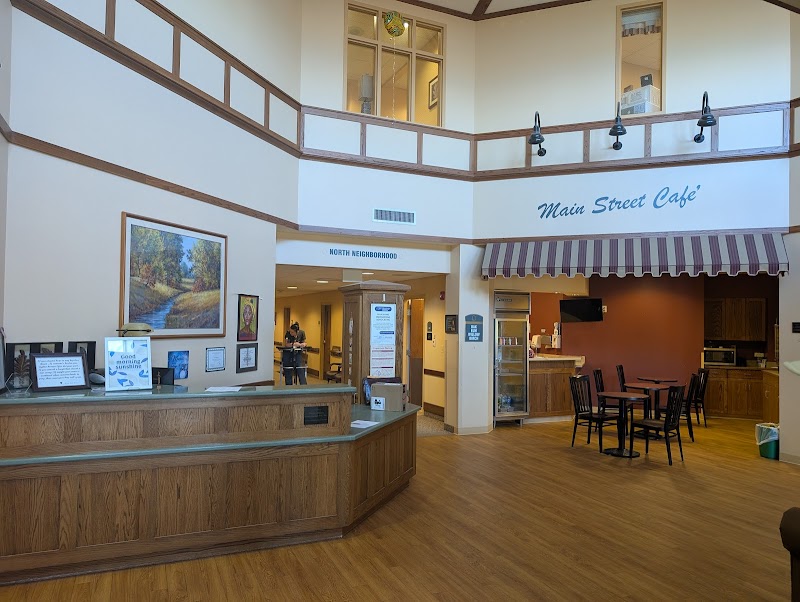
How is United Helpers Canton Staffed?

CMS rates UNITED HELPERS CANTON NURSING HOME's staffing level at 4 out of 5 stars, which is above average compared to other nursing homes. Staff turnover is 44%, compared to the New York average of 46%. This relatively stable workforce can support continuity of care.

What Have Inspectors Found at United Helpers Canton?

State health inspectors documented 9 deficiencies at UNITED HELPERS CANTON NURSING HOME during 2019 to 2024. These included: 9 with potential for harm.
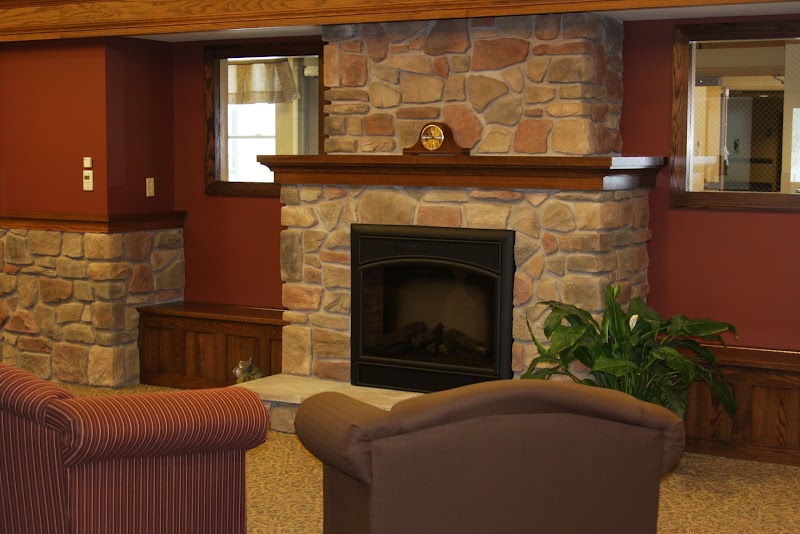
Who Owns and Operates United Helpers Canton?

UNITED HELPERS CANTON NURSING HOME is owned by a non-profit organization. Non-profit facilities reinvest revenue into operations rather than distributing to shareholders. The facility operates independently rather than as part of a larger chain. With 160 certified beds and approximately 92 residents (about 57% occupancy), it is a mid-sized facility located in CANTON, New York.
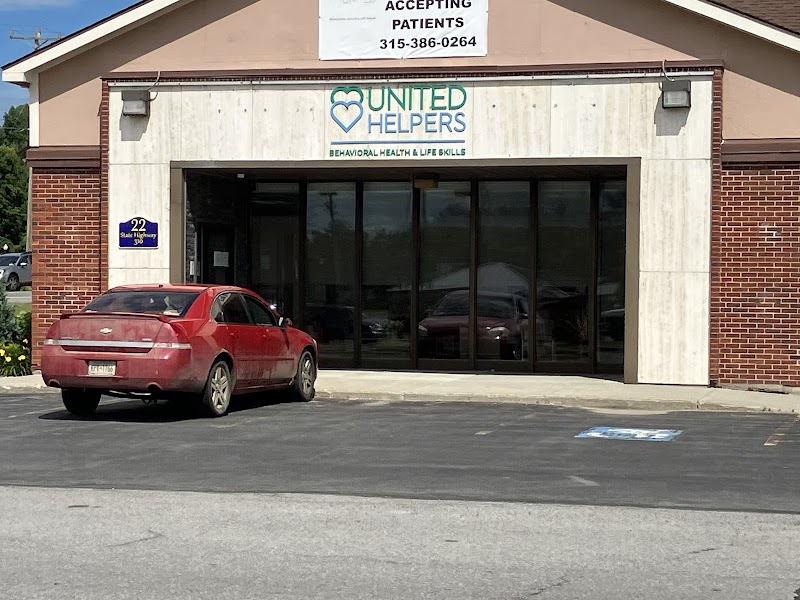
How Does United Helpers Canton Compare to Other New York Nursing Homes?

Compared to the 100 nursing homes in New York, UNITED HELPERS CANTON NURSING HOME's overall rating (4 stars) is above the state average of 3.1, staff turnover (44%) is near the state average of 46%, and health inspection rating (4 stars) is above the national benchmark.

What Should Families Ask When Visiting United Helpers Canton?

Based on this facility's data, families visiting should ask: "Can I visit during a mealtime to observe dining assistance and food quality?" "How do you handle medical emergencies, and what is your hospital transfer rate?" "Can I speak with family members of current residents about their experience?"

Is United Helpers Canton Safe?

Based on CMS inspection data, UNITED HELPERS CANTON NURSING HOME has a clean safety record: no substantiated abuse findings (meaning no confirmed cases of resident harm), no Immediate Jeopardy citations (the most serious violation level indicating risk of serious injury or death), and is not on the Special Focus Facility watch list (a federal program monitoring the lowest-performing 1% of nursing homes). The facility has a 4-star overall rating and ranks #1 of 100 nursing homes in New York. While no facility is perfect, families should still ask about staff-to-resident ratios and recent inspection results during their visit.

Do Nurses at United Helpers Canton Stick Around?

UNITED HELPERS CANTON NURSING HOME has a staff turnover rate of 44%, which is about average for New York nursing homes (state average: 46%). Moderate turnover is common in nursing homes, but families should still ask about staff tenure and how the facility maintains care continuity when employees leave.

Was United Helpers Canton Ever Fined?

UNITED HELPERS CANTON NURSING HOME has no federal fines on record. CMS issues fines when nursing homes fail to meet care standards or don't correct problems found during inspections. The absence of fines suggests the facility has either maintained compliance or corrected any issues before penalties were assessed. This is a positive indicator, though families should still review recent inspection reports for the full picture.

Is United Helpers Canton on Any Federal Watch List?

UNITED HELPERS CANTON NURSING HOME is not on any federal watch list. The most significant is the Special Focus Facility (SFF) program, which identifies the bottom 1% of nursing homes nationally based on persistent, serious quality problems. Not being on this list means the facility has avoided the pattern of deficiencies that triggers enhanced federal oversight. This is a positive indicator, though families should still review the facility's inspection history directly.