GREENE MEADOWS NURSING AND REHABILITATION CENTER
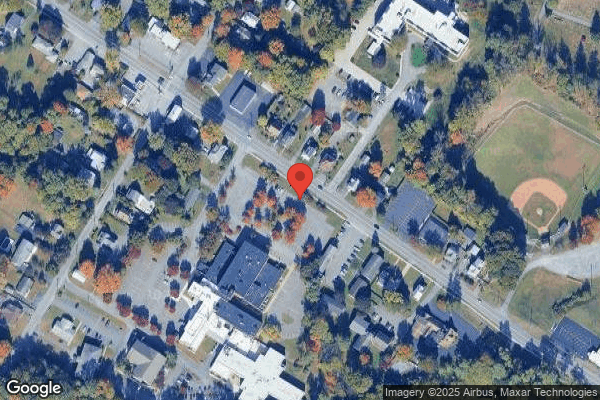

161 JEFFERSON HEIGHTS, CATSKILL, NY 12414 (518) 943-9380
For profit - Corporation 120 Beds JONATHAN BLEIER Data: November 2025
Trust Grade
45/100
#410 of 594 in NY
Last Inspection: September 2023

Over 2 years since last inspection. Current conditions may differ from available data.

Overview

Greene Meadows Nursing and Rehabilitation Center has a Trust Grade of D, indicating below-average performance with some significant concerns. It ranks #410 out of 594 facilities in New York, placing it in the bottom half, but is the top option in Greene County. Unfortunately, the facility is worsening, with the number of issues increasing from 4 in 2021 to 11 in 2023. Staffing is average with a 3/5 rating, but the turnover rate is high at 63%, which is concerning compared to the state average of 40%. While there have been no fines, there are notable deficiencies, including poor housekeeping that left many ceiling tiles stained and inadequate food safety practices in the kitchen, raising potential health risks for residents.

Trust Score
D
45/100
In New York
#410/594
Bottom 31%
Safety Record
Low Risk
No red flags
Inspections
Getting Worse
4 → 11 violations
Staff Stability
⚠ Watch
63% turnover. Above average. Higher turnover means staff may not know residents' routines.
Penalties
✓ Good
No fines on record. Clean compliance history, better than most New York facilities.
Skilled Nurses
○ Average
Each resident gets 32 minutes of Registered Nurse (RN) attention daily — about average for New York. RNs are the most trained staff who monitor for health changes.
Violations
⚠ Watch
24 deficiencies on record. Higher than average. Multiple issues found across inspections.
★★☆☆☆
2.0
Overall Rating
★★★☆☆
3.0
Staff Levels
★★★☆☆
3.0
Care Quality
★★☆☆☆
2.0
Inspection Score
Stable
2021: 4 issues
2023: 11 issues

The Good

  • Full Sprinkler Coverage · Fire safety systems throughout facility
  • No fines on record

Facility shows strength in fire safety.

The Bad

2-Star Overall Rating

Below New York average (3.1)

Below average - review inspection findings carefully

Staff Turnover: 63%

17pts above New York avg (46%)

Frequent staff changes - ask about care continuity

Chain: JONATHAN BLEIER

Part of a multi-facility chain

Ask about local staffing decisions and management

Staff turnover is elevated (63%)

15 points above New York average of 48%

The Ugly 24 deficiencies on record

Sept 2023 11 deficiencies
CONCERN (D) 📢 Someone Reported This

A family member, employee, or ombudsman was alarmed enough to file a formal complaint

Potential for Harm - no one hurt, but risky conditions existed

Resident Rights (Tag F0550)

Could have caused harm · This affected 1 resident

Based on record review, observation, and interview during the recertification survey on 9/7/2023 through 9/14/2022, the facility did not ensure each resident was treated with respect and dignity in a ...

Read full inspector narrative →
Based on record review, observation, and interview during the recertification survey on 9/7/2023 through 9/14/2022, the facility did not ensure each resident was treated with respect and dignity in a manner and in an environment that promotes maintenance or enhancement of his or her quality of life, in 2 (2 North and 2 South), of 2 dining rooms and 1 (Resident #3) observed. Specifically, residents in the 2 North and 2 South dining rooms waited for up to 31 minutes after their dining mates were served, for their meals to be served and for Resident #3, personal care was provided with an opened door, exposing the resident to anyone in the hallway. The findings are: Finding 1: The policy and procedure titled Food and Nutritional Services dated 7/18/2023 documented, meals will be provided in a timely manner so that hot foods are served hot and cold foods are served cold. A schedule of mealtimes was provided that documented the lunch meals were served to the units at the following times: 1 South at 12:05 PM 1 South at 12:30 PM 2 North at 12:15 PM 2 North at 12:40 PM 2 South at 12:25 PM 2 South at 12:30 PM During a meal observation on 9/7/2023 on Unit 2 North the first food service cart arrived on the unit at 1:20 PM and residents were served meals in their rooms and in the dining room. At 1:29 PM a second cart arrived on the unit, with staff bringing meals to residents in their rooms and in the dining room. At 1:37 PM a third cart arrived on the unit and was served to the remaining 3 residents in the dining room. Most residents in the dining room had already completed their meals before the last three (3) were served. During a meal observation on 9/7/2023 in the 2 South dining room at 1:29 PM, five (5) residents had finished their meals while others had not yet been served. At 1:43 PM the remaining residents were served. During a meal observation on 9/11/2023 on Unit 2 North the first food service cart arrived on the unit at 12:22 PM and residents were served meals in their rooms and in the dining room. At 12:51 pm there were 5 residents in the 2 North dining room, 3 had already finished their meals while the other 2 had not yet been served. At 12:53 PM, a second cart arrived on the unit, with staff bringing meals to residents in their rooms and serving the remaining residents in the dining room. During a meal observation on 9/11/2023 in the 2 South dining room at 12:46 PM, the first food service cart arrived and 4four (4) of fourteen (14) residents seated in the dining room were served. At 1:08 PM, the second cart arrived and the remining residents were served. During meal observation on 9/12/2023 at 12:50 PM, nine (9) residents were in the 2 North dining room. One (1) resident had not been served and Certified Nurse Aid (CNA) #1 stated they were going to find the tray. At 12:54 PM ,CNA #1 returned with the resident's tray stating it was on a cart on 2 South Unit. CNA #1 stated this is a common problem, they typically try to re-organize the trays as the carts come up because there is no organization. During an interview on 9/07/23 at 1:20 PM, Licensed Practical Nurse/Unit Manager (LPN/UM) #2 stated most lunches have not arrived yet, we got one (1) cart on each unit and many residents are upset because they didn't get theirs yet. During an interview on 09/11/2023 at 12:12 PM, the Regional Manager notified the survey team that two (3) carts are served onto each unit, one (1) cart is delivered to each unit; then after each unit has received one (1) cart delivered, the 2nd cart is delivered to each unit. During an interview on 09/12/2023 at 12:35 PM, Resident #2 stated if their tray is not on the first cart, they know they will wait for at least 20 minutes to get any food, it's frustrating. During an interview on 09/14/2023 at 11:15 AM, the facility Administrator stated we've identified issues with food service, we're using a dietary management company and have notified their higher leadership. They have been sending people onsite periodically for audits and reviewing policy and process, also our dietician is involved. During an interview on 09/14/2023 at 11:15 AM, the Director of Nursing stated they have identified the issues with late and cold meals and are working to solve it. Finding 2: Resident #3 was admitted with diagnosis of multiple sclerosis, seizure disorder, and anxiety disorder. The Minimum Data Set (MDS - an assessment tool) dated 8/19/2023, documented that the resident was understood, could understand others and had moderately impaired cognition. During an observation on 9/12/2023 at 1:54 PM, a staff member was observed from the hallway assisting Resident #3 with personal hygiene. The resident's door was open, the privacy curtain was not pulled, and the resident was observed to be exposed from the waist up using their arms to cover private areas. During an interview on 9/12/2023 2:30 PM, CNA #2 stated they had provided care to the resident and was not aware the resident was exposed while they were providing care. CNA #2 stated they might have pulled the curtain back to go get something and not closed it completely when they came back. CNA #2 stated they would never intentionally leave a resident exposed. During an interview on 9/12/2023 2:40 PM, LPN/UM #2 stated the curtain or the door should be closed any time care is provided. 10NYCRR 483.10)a)(1)
CONCERN (D) 📢 Someone Reported This

A family member, employee, or ombudsman was alarmed enough to file a formal complaint

Potential for Harm - no one hurt, but risky conditions existed

Deficiency F0577 (Tag F0577)

Could have caused harm · This affected 1 resident

Based on observation and interview during a recertification and abbreviated survey conducted on 9/7/2023 to 9/14/2023, the facility did not ensure that the results of the most recent survey of the fac...

Read full inspector narrative →
Based on observation and interview during a recertification and abbreviated survey conducted on 9/7/2023 to 9/14/2023, the facility did not ensure that the results of the most recent survey of the facility conducted by Federal or State surveyors and any plan of correction in effect with respect to the facility was posted in a place readily accessible to residents, and family members and legal representatives of residents, and did not ensure to post notice of the availability of such reports in areas of the facility that are prominent and accessible to the public. Specifically, the facility did not ensure that the residents and staff knew where the survey report was located. This was evidenced by: During a meeting with a group of 6 residents on 9/7/2023 at 3:01 PM, the residents stated they did not know where the survey report was located. During an observation on 9/7/2023 at 4:15 PM, surveyors were not able to locate the survey results on the units and at the front desk. During an interview on 9/7/2023 at 4:35 PM, the receptionist at the front desk was unable to find the survey results and requested assistance from the Director of Nursing (DON). During an observation on 9/7/2023 at 4:48 PM, the DON found the Survey Results Binder behind the reception desk. The Survey Results Binder was facing backwards and not readily available to residents and staff without their asking and without going behind the desk. During an interview on 9/7/2023 at 5:01 PM, the DON stated the binder had been tethered to the wall and must have pulled away. They were not sure how long it had been like that but that would need to be addressed to be in compliance with the regulation. 10NYCRR415.3(c)(1)(v)
CONCERN (D) 📢 Someone Reported This

A family member, employee, or ombudsman was alarmed enough to file a formal complaint

Potential for Harm - no one hurt, but risky conditions existed

Grievances (Tag F0585)

Could have caused harm · This affected 1 resident

Based on interviews and record reviews conducted during the recertification and abbreviated survey (Case #NY00298115) the facility did not ensure prompt efforts were made to file and resolve a grievan...

Read full inspector narrative →
Based on interviews and record reviews conducted during the recertification and abbreviated survey (Case #NY00298115) the facility did not ensure prompt efforts were made to file and resolve a grievance concerning missing items and did not take appropriate timely corrective action in accordance with State Law for 1 (Resident #116) of 1 resident reviewed for grievances. Specifically, for Resident #116, the facility did not ensure they promptly acknowledged the resident's complaint regarding missing hearing aids and did not promptly make attempts to resolve the complaint. This was evidenced by: A document titled Grievance/Concern Form dated 10/2016 and revised 5/2018, 9/2017, 1/2020, 3/19/2021, and 10/28/2021 documented the following; Policy: Our facility will assist residents, their representatives, family members or resident advocates in filing a grievance/concern form or completing a review on the customer service kiosk when concerns are expressed, which may not be able to be handled immediately by the facility staff, requires further investigation, or requires consultation with other facility staff, the attending physicians or outside service providers. Purpose; To assist residents, their representatives, family members or resident advocates to file a Grievance/Concern Form or complete a review on the Customer service kiosk to resolve concerns in a timely, professional manner to bring resolution to the concern. Procedure: 1. Any resident, his/her representative, family member or advocate may file a Grievance/Concern Form or complete a review on the Customer service kiosk regarding treatment, facility services, Medical care, behavior of other residents or staff members, theft of property, missing items, Discrimination, etc. without fear of threat or reprisal in any form. 2. All new residents will be informed of the information on how to file a grievance/concern and who the grievance officer is at the facility. 3. The facility will post information on how to file a grievance and information on the name, phone number and contact information (including mail and email) for the facility grievance officer. Grievances may be received in writing, orally or anonymously. 4. As necessary, the facility will take immediate action to prevent further potential violations of any resident rights while the alleged violation is being investigated. 5. The facility will practice immediate reporting standards as required by state law of all alleged violations involving neglect, abuse, including injuries of unknown source, and/or misappropriation of resident property, by anyone furnishing services on behalf of the provider, to the administrator or the provider. 6. The grievance official at the facility will ensure that all written grievance decisions include the date the grievance/concern was received, a summary statement of the resident's grievance/concern, the steps taken to investigate the grievance, a summary of the pertinent findings or conclusions regarding the resident's concern(s), a statement as to whether the grievance/concern was confirmed or not confirmed, any corrective action taken or to be taken by the facility as a result of the grievance/concern, and the date the written decision was issued. 7. The facility will maintain evidence demonstrating the results of the grievances for a period of no less than 3 years from the issuance of the grievance decision. 8. Grievance/concern forms may be submitted orally or in writing to any facility staff member or anonymously. Staff receiving the concern will immediately report the issue to the Unit Manager on duty. The Unit Manager or RN Supervisor will resolve the issue or assist the resident, resident representative or concerned person to complete a Grievance/Concern Form or complete the form, If accepting an oral compliant which cannot be immediately resolved. 9. The resident or concerned person filing a Grievance/Concern Form will be offered the opportunity to sign the written form. 10. The Grievance Form will be submitted to the Grievance Official if the concern was not adequately resolved by the Unit Manager or RN Supervisor. The Grievance Official or designee will bring the concern to the Administrator's or Director of Nursing's attention as soon as possible, if unresolved. 11. Upon receipt of a written Grievance/Concern Form, the Grievance Official or designee will forward the Concern Form to the appropriate department for investigation. The investigating department will submit a written report of findings and resolutions to Grievance Official. 12. If the concern has not been resolved to the satisfaction of the resident / resident representative, within 5 days the Administrator will review the findings with the person who completed the investigation to determine what corrective action, if any, needs to be taken. 13. The original written Grievance/Concern Form, investigation report with resolution, and written summary will be filed in the facility Concern Log in the Social Service Office. The Grievance Official will complete the Resident Concern Log. 14. The grievance official at the facility will be notified at the next business day. A summary of the investigation and findings will be provided to the resident/resident representative in accordance with the facility's grievance process. A document titled Inventory/Personal Belongings dated 03/2019 and revised 1/2020, 3/2020, and 8/11/2023 documented the following; Policy: Residents are permitted to retain and use personal possessions and appropriate clothing as space permit. Procedure: A documented inventory of all residents' personal belongings will be completed upon admission by the nursing department, or another department identified by the facility. The inventory sheet will be updated when new items are acquired if the facility has been notified by the responsible party. 1. Each resident will be offered/provided a locked drawer or equivalent with key for small valuables. 2. Missing items should be reported immediately to a staff member on the unit and placed on a concern/grievance form with follow through based on the concern grievance policy. 3. Missing items will be thoroughly investigated and replaced if listed on the inventory form as approved by the Administrator. The outcome of the investigation will be discussed with the resident and/or resident representative. (Hearing aids and dentures will be replaced at the facility discretion based on the investigation and facility responsibility). 4. The facility will ensure protection of personal and property rights of the residents, while in the facility, and upon discharge or after death, including the return of any personal property remaining at the facility within 30 days after discharge or death or per State specific guidelines. 5. Facility representative and resident/resident representative will sign, date and time the inventory sheet when items are picked up. If another party is picking up the belongings other than the resident/resident representative, written permission from the resident or representative must be documented. 6. The facility representative releasing the belongings will document in the medical record the disposition of the belongings. Resident #116 Resident #116 was admitted to the facility with diagnoses of metabolic encephalopathy, diabetes mellitus, malnutrition, and chronic obstructive pulmonary disease (COPD). The Minimum Data Set (MDS, an assessment tool) dated 8/02/2021, documented the resident was understood and could understand others with intact cognition for daily decision making. The resident was discharged from the facility prior to this survey. A review of the resident's medical records did not include documentation of the following: 1. Written summary of the grievance. 2. Documentation regarding that the resident's hearing aids were missing. 3. Inventory of items the resident brought to the nursing facility. 4. Summary of the resolution of findings and outcome. 5. Grievance officers follow up with HCP in writing. A Physician phone order dated 7/19/2023 at 11:36 AM, documented the following: Treatment, Bilateral hearing aids to be kept in case bedside when not in use. Every day 7:00 AM to 3:00 PM: 3:00 PM -11:00 PM. The electronic Treatment Administration Record (eTAR) for 7/2021 documented the following: Bilateral hearing aids to be kept in case at bedside when not in use. Start Date: 07/19/2021 11:36 AM. Nursing initials for Signatures were recorded on both shifts beginning on 7/19/2021 to 7/30/2021. One shift on 7/28/2021, 7:00 AM to 3:00 PM was missing a signature. A Nursing Progress Note dated 7/30/2021 at 7:13 PM, documented the following; called to resident's room to assess lethargy and weakness. Physician notified; resident ordered to ER for evaluation. 911 called. Daughter notified. During an interview on 9/13/2023 at 8:30 AM with Residents #116 HCP stated the resident was discharged from the facility in the evening and sent out to the hospital for complications. The HCP was not going to allow the resident to return and went to the facility to pick up the resident's belongings. The Social Worker (SW) brought the residents items to them and on inspection of the residents belongings while the SW was present it was discovered the hearing aids were missing. A grievance was completed, and a missing items report was done. The SW reported they were going to look for them and call when they were located. That never happened. Multiple forms of contact with the facility to resolve this and replace the lost HA was continued until July of 2022 when a complaint was filed with New York State Department of Health. (NYSDOH). During an interview on 9/13/2023 at 9:35 AM, Licensed Practical Nurse Unit Manager (LPNUM) #1 stated they were at the facility during Resident #116's admission. The eTAR was initialed when a check was done during the day and evening shift that the residents hearing aids were observed bedside. LPNUM #1 stated You would have to open the case in the residents bedside stand, observe the hearing aids were there or in the residents ears and then verify by signing the eTAR. If the hearing aids were missing, you would notify the supervisor and search for the item or items missing. If not found the grievance officer was notified and a missing items/grievance form was completed. LPNUM #1 further stated an investigation should be started if an item is lost or missing and the family should be notified. During an interview on 9/13/2023 at 10:45 AM, SW #1 stated they were the Grievance Officer for the facility. Grievances are reviewed with the residents in Resident Council and at admission. A form listing items that the resident brought with them was completed when admitted . The SW stated they were not at the facility during the residents admission but had worked with Resident #116 Health Care Proxy (HCP) to try to resolve the complaint and replacement of the hearing aids. The concerns of the missing hearing aids were escalated to the corporate level but never resolved. Documentation of the grievance and a resident personal items list was not included in the residents records. The SW stated they were aware of the missing items because the HCP had continually called about replacing the items. A grievance should have been done and placed in the residents record and an investigation into what was done to find the HA should have been done as well. It was the responsibility of the facility to replace the HA once they were lost. The grievance process was not followed. During an interview on 9/13/2023 at 11:15 AM, the Director of Nursing (DON) stated the matter of the missing hearing aids had not been resolved. The SW had been working on the matter. The DON did not provide documention of an investigation or a grievance regarding Resident #116's missing hearing aids. The SW who was at the facility at the time of the residents admission no longer works at the facility. Facility records from Resident #116 stay were not onsite. An inventory of Resident #116's personal property was not available. During an interview on 9/14/2023 at 1:36 PM, the Administrator stated they had not been the ADMIN at the time of Resident #116's admission. The facility had finally reimbursed the residents HCP for the missing HA yesterday. This should not have gone unaddressed for 2 years. The grievance process that was in place to protect the residents was not followed. An investigation was not completed and that made it difficult to trace the actual events that occurred. The SW who was no longer at the facility and the previous Administrator had not followed through with Corporate to address the situation. 10NYCRR 415.3(c)(1)(ii)
CONCERN (D) 📢 Someone Reported This

A family member, employee, or ombudsman was alarmed enough to file a formal complaint

Potential for Harm - no one hurt, but risky conditions existed

Comprehensive Care Plan (Tag F0656)

Could have caused harm · This affected 1 resident

Based on record review and interview conducted during the recertification survey dated 9/7/2023 through 9/14/2022, the facility did not ensure the development of comprehensive person-centered care pla...

Read full inspector narrative →
Based on record review and interview conducted during the recertification survey dated 9/7/2023 through 9/14/2022, the facility did not ensure the development of comprehensive person-centered care plans, that included measurable objectives and time frames to meet the resident's medical, nursing, and mental and psychosocial needs that were identified in the comprehensive assessment, for 2 (Resident #s 19 and #80) of 30 residents reviewed for comprehensive care plans (CCP). Specifically, for Residents #19 and #80, the facility did not ensure a CCP was developed to address the use of psychotropic medications and for Resident #80, did not ensure a CCP was person-centered. This was evidenced by The Policy and Procedure (P&P) titled Care Planning Process and Care Conference dated 6/2023 documented the facility will develop a comprehensive, resident centered care plan for each resident based on the individual needs/problems of each resident. Resident #19 Resident #19 was admitted to the facility with the diagnoses of major depressive disorder, hypothyroidism, and generalized anxiety disorder. The Minimum Data Set (MDS - an assessment tool) dated 7/21/2023, documented that the resident was understood, could understand others and was cognitively intact. The Physician's Order documented alprazolam (a psychotropic medication used to treat anxiety and panic disorders) 0.5 mg give 1 tablet by oral route two times per day for anxiety disorder due to known physiological condition. The Physician's Order documented trazodone (a psychotropic medication used to treat depression) 50 mg give 1.5 tablets (75 mg) by oral route once daily at bedtime for insomnia. The Physician's Order documented fluoxetine (a psychotropic medication used to treat depression) 20 mg give 1 capsule by oral route daily in the morning for major depressive disorder. The Physician's Order documented duloxetine (a psychotropic medication used to treat depression) 60 mg extended release give 1 capsule by oral route one daily for major depressive disorder. The Physician's Order documented levothyroxine (a medication used to treat hypothyroidism) 100 mcg give 1 tablet by oral route once daily for hypothyroidism. The Comprehensive Care Plans (CCP) did not include a care plan that addressed the use of psychotropic medication. The CCP titled Hypo/Hyperthyroidism did not clearly indicate which diagnosis the resident was receiving medication for, hypothryoidism or hyperthryoidism. The interventions also were not resident specific with the only intervention being administer medication as ordered. During an interview on 9/14/2023 at 10:25 AM, the Director of Nursing (DON) stated that if a resident is prescribed a psychotropic medication there should be a corresponding care plan. The DON stated that a care plan should be individualized and resident centered to include specific diagnoses, interventions and goals. Resident #80 Resident #80 was admitted to the facility with the diagnoses of generalized anxiety disorder, vascular dementia, and psychotic disorder with delusions due to known physiological condition. The Minimum Data Set (MDS - an assessment tool) dated 8/13/23, documented that resident was sometimes understood, could sometimes understand others and was severely cognitively impaired. The Physician's Order documented quetiapine (a psychotropic medication used to treat psychotic disorders) 25 mg give 1 tablet by oral route 3 times a day for psychotic disorder with delusions due to known physiological condition. The Physician's Order documented alprazolam (a psychotropic medication used to treat anxiety and panic disorders) 0.5 mg give 1 tablet by oral route 2 times per day for 7 days as needed for anxiety disorder. The Medication Administration Record documented this as needed medication as administered 9/6/2023, 9/7/2023, and 9/9/2023. The Comprehensive Care Plan (CCP) did not include a care plan that addressed the use of psychotropic medications. During an interview on 9/14/2023 at 10:25 AM, the Director of Nursing (DON) stated that if a resident is prescribed a psychotropic medication there should be a corresponding care plan. 10 NYCRR 415.11(c)(1)
CONCERN (D) 📢 Someone Reported This

A family member, employee, or ombudsman was alarmed enough to file a formal complaint

Potential for Harm - no one hurt, but risky conditions existed

Quality of Care (Tag F0684)

Could have caused harm · This affected 1 resident

Based on observation, record review and interviews during a recertification survey on 9/7/2023 through 9/14/2023 the facility did not ensure residents received treatment and care in accordance with pr...

Read full inspector narrative →
Based on observation, record review and interviews during a recertification survey on 9/7/2023 through 9/14/2023 the facility did not ensure residents received treatment and care in accordance with professional standards of practice, the comprehensive person-centered care plan, and the residents' choices for 1 (Resident #12) of 30 residents reviewed. Specifically, for Resident #12, the facility did not ensure physician ordered Silvadene 1% topical cream was applied twice daily to right knee wound along with border gauze dressing completed in accordance with the physician order and comprehensive care plan and did not ensure the physician was notified when the medication was not applied and dressing not completed. This is evidenced by: Resident #12 was admitted with diagnoses of right knee joint infection, chronic obstructive pulmonary disease (COPD), coronary artery disease (CAD) and peripheral vascular disease (PVD). Resident #12 had a total knee replacement and subsequently developed post op infection, had three months of IV antibiotics, and a stage II revision. After the revision the resident developed another infection and has essentially been on chronic suppression with oral antibiotics. Wound cultures are positive for MRSA (methicillin resistant staph aureus-infection is caused by a type of staph bacteria that's become resistant to many of the antibiotics used). The resident has refused an above the knee amputation. The Minimum Data Set (MDS-an assessment tool) dated 7/23/2023, documented the resident was cognitively intact, could understand others and could make themselves understood. The Policy and Procedure (P&P) titled Medication Errors and Adverse Event Consequences dated 2/2023 documented the interdisciplinary team evaluates medication usage in order to prevent and detect adverse consequences and medication related problems. Adverse consequences may include medication error. Examples of medication errors include omission of drug ordered but not administered. The P&P titled Medication Administration/Disposition dated 6/2023 documented the policy was to ensure medication was administered in a safe and timely manner, and as prescribed. If a drug was withheld, refused, or given at a time other than at the scheduled time, the individual administering the medication shall document this in the electronic medical record and this must be communicated to the medical practitioner. A Physician Order dated 8/16/2023 documented Silvadene 1% topical cream. Apply inches (number of inches not indicated on the Medication Administration Report (MAR)) by topical route 2 times per day apply to right knee wound, cover with border gauze dressing. The MAR for September 2023 did not include documentation that Silvadene was administered on 5 occasions from 9/2/2023 to 9/12/2023 (9/2/2023 day shift, 9/5/2023 evening shift, 9/6/2023 evening shift, 9/7/2023 evening shift and 9/9/2023 day shift.) The Comprehensive Care Plan for Skin and Wound Care, dated 7/23/2023, documented to give medications and change dressings as ordered and to monitor/document side effects and effectiveness. During an interview on 9/8/2023 at 10:45 AM, the Licensed Practical Nurse Unit Manager (LPNUM) #3 stated the nurse on (duty) missed dates worked weekends through an agency and was difficult to keep up with. The Medication and Treatment Missed Report is reviewed each morning for the previous day. A subsequent report is given to the floor nurse to explain and or if done to go back and sign for missed medications and or treatments. During an interview on 9/8/2023 at 12:30 PM, LPN #1 (staff nurse), who worked on 9/2 and 9/9/2023 days, stated both days were Saturdays and due to short staffing LPN #1 could not get to the treatments. Per LPN #1 most Saturdays are short and only one nurse is assigned to 40 residents. LPN #1 stated they did not notify the MD and or their supervisor of the missed medications. They stated that information regarding the missed medications was passed on to their relief nurse. On 9/8/2023 at 1:00 PM, a call was made to agency nurse, LPN #2 who worked 9/5, 9/6 and 9/7/2023. A message was left to return the call. A second attempt was made to reach LPN #2 via text message as instructed by the DON. There was no response from LPN #2. LPN #2 was unable to be reached. During an interview with the Director of Nursing (DON) on 9/14/2023 at 11:45 AM, the DON stated they were not aware treatments were missed due to staffing. The DON stated the Unit Manager runs a daily report that indicates any missed medications and or treatments. The Unit Manager then follows up with the nurse who missed the orders. If the nurse does not complete or explain the reason for missed orders, further education and a write up is the next step. In this case there was no documentation of follow up by the Unit Coordinator. The DON will investigate, and will plan is to educate and write up nurses who missed treatments in the future. The DON stated that when nurses are not able to complete tasks/meds and or treatments, the nurse should report to their supervisor. There is no documentation that the supervisor was made aware. NYCRR 415.12
CONCERN (D) 📢 Someone Reported This

A family member, employee, or ombudsman was alarmed enough to file a formal complaint

Potential for Harm - no one hurt, but risky conditions existed

Accident Prevention (Tag F0689)

Could have caused harm · This affected 1 resident

Based on observation, record review and interviews, during a recertification survey and an abbreviated survey (Case #NY00317162) the facility did not ensure the residents environment remained as free ...

Read full inspector narrative →
Based on observation, record review and interviews, during a recertification survey and an abbreviated survey (Case #NY00317162) the facility did not ensure the residents environment remained as free of accident hazards as is possible; and each resident receives adequate supervision and assistance devices to prevent accidents in accordance with professional standards of practice, and the comprehensive person-centered care plan or 1 (Resident #214) of 30 residents reviewed. Specifically, for Resident #214 the facility did not ensure preparation of heated soup temperature was tested and served at a safe temperature resulting in a first degree burn to the resident's bilateral groin, blistering on their right hand and right thigh area. This is evidenced by: Resident #214 Resident #214 was admitted with the diagnoses of chronic osteomyelitis with draining sinus, right tibia fibula, mechanical loosening of the right knee prosthetic joint and lymphedema. The Minimum Data Set (MDS-an assessment tool) dated 4/10/2023, documented the resident was cognitively intact, could understand others and could make themselves understood. The Policy and Procedure (P&P) titled Food and Nutritional Services, dated 7/1/2023 documented that the facility will ensure temperature is tested and served according to Safe Serve guidelines. The Comprehensive Care Plan for Skin and Wound Care dated 6/22/23 documented the resident will remain free of risk and injury. Review of the medical record included documentation dated 5/23/2023 that the resident picked up a styrofoam cup of Ramen noodles and the cup bent resulting in hot liquid falling into the resident's into lap. On 5/23/2023 about 10:00 AM, staff reported the resident spilled hot soup in their lap, causing redness and several small blisters. The resident was assessed by RN #1 and a damp towel was applied for comfort. Nurse Practitioner (NP) #1 was made aware and assessed the resident who incurred a first degree burn to the resident's bilateral groin. There was blistering on the right-hand side of the upper thigh area and redness. It documented that the resident refused further evaluation at the hospital. Silvadene cream four times a day x 14 days and OT/PT evaluations were ordered. The record documented to utilize adaptive smock and chux pad on lap and adaptive equipment such as a mug when utilizing hot liquids. During an interview on 9/11/23 at 12:15 PM, Certified Nursing Assistant (CNA) #1 stated although the resident was not assigned to her, the resident asked them to heat up a cup of ramen noodles. CNA #1 stated they followed the instructions on the cup, heated the cup for 3 minutes, let the cup sit 1 minute and set it on resident table in the resident's room. CNA #1 learned later that day Resident spilled hot soup in his lap. CNA #1 stated there had been no training in heating food for residents. CNA #1 stated they received training after the incident and now knows when heating soup to remove it from the container and place soup in a bowl. CNA #1 verbalized they would make sure the bowl was not hot before serving to residents. CNA #1 stated there were no thermometers to test food prior to the incident and to their knowledge there are no thermometers on the unit to test food temps. During an interview on 9/14/23 at 11:45 AM, the Director of Nursing stated post incident training to all staff has been completed on heating or reheating meals for residents. During an interview on 9/14/23 at 12:45 PM, CNA #2 verbalized going forward staff will check the temperature of foods heated for residents with thermometer in the nourishment room. A thermometer was located at the nutrition station. NYCRR415.12(h)(2)
CONCERN (D) 📢 Someone Reported This

A family member, employee, or ombudsman was alarmed enough to file a formal complaint

Potential for Harm - no one hurt, but risky conditions existed

Deficiency F0804 (Tag F0804)

Could have caused harm · This affected 1 resident

**NOTE- TERMS IN BRACKETS HAVE BEEN EDITED TO PROTECT CONFIDENTIALITY** Based on observation, interview, and record review conducted during a Standard survey completed 9/14/2023, the facility did not ...

Read full inspector narrative →
**NOTE- TERMS IN BRACKETS HAVE BEEN EDITED TO PROTECT CONFIDENTIALITY** Based on observation, interview, and record review conducted during a Standard survey completed 9/14/2023, the facility did not provide food and drink that were prepared by methods that conserved flavor, and appearance, were palatable and at a safe and appetizing temperature, for 3 (Units 1, 2 South, and 2 North) of 3 units. Specifically, food and beverages were served at suboptimal temperatures and were not palatable. Additionally, food temperatures were not obtained prior to serving meals. The findings are: The policy and procedure titled Food and Nutritional Services dated 7/18/2023 documented, meals will be provided in a timely manner so that hot foods are served hot and cold foods are served cold. A facility policy titled Food Temperatures, revised 6/20/2021, documented Hot food items may not fall below 135 degrees Fahrenheit after cooking. All cold food items must be maintained and served at a temperature of 41 degrees Fahrenheit or below. Temperatures should be taken periodically to assure hot foods stay above 135 degrees Fahrenheit and cold foods stay below 41 degrees Fahrenheit during the portioning, transporting, and delivery process, until received by the individual recipient. A schedule of mealtimes was provided that documented the lunch meals were served to the units at the following times: 1 South at 12:05 PM 1 South at 12:30 PM 2 North at 12:15 PM 2 North at 12:40 PM 2 South at 12:25 PM 2 South at 12:30 PM The [NAME] Meadows Week-At-A-Glance, Spring Summer w/BBQ Meals Week 4 documented the meal served on 9/11/2023 was a breaded chicken cutlet, baked potato, southern green beans, and tropical fruit. During an observation on 09/11/2023 at 12:22 PM on the 2 North Unit the first food cart arrived and service to residents began immediately. The last tray was served from the cart and the test tray was provided at 12:37 PM. The test tray temperatures were taken, and all items served were tasted. The results were as follows: - coffee was 120.9 F (degrees Fahrenheit) warm to touch - pineapple 75.1 F and tasted bland - milk was 56.3 F, felt tepid - juice was 56.1 F, felt tepid - baked potato was 136.8 F, felt hot, and tasted plain with no butter/condiments - green beans were 111.4 F, felt warm and tasted bland. - chicken was 116.1 F, felt warm, and tasted like a frozen chicken patty with a cold salty gravy on it. During an observation on 09/11/2023 at 12:46 PM, the first cart arrived on the 2 South Unit. The test tray temperatures were taken, and all items served were tasted. The results were as follows: - coffee was 112.6 F, warm to touch - pears were 73.6 F and tasted okay - milk was 59.2 F, felt tepid - juice was 57.9 F, felt lukewarm - baked potato was 127.6 F, felt hot, and tasted plain - green beans with bacon were 102 F, felt warm and tasted good - chicken was 110.8 F, felt warm, tasted like a frozen patty During an observation on 09/11/2023 at 12:49 PM the second cart arrived the 1 South Unit with the last tray served at 12:59 PM when the test tray was taken from cart. The test tray temperatures were taken, and all items served were tasted. The results were as follows: - coffee was 119 F, warm to touch - pineapple was 74.9 F and tasted bland - milk was 53 F, felt tepid - juice was 53 F, felt tepid - baked potato was 126 F, felt hot, and tasted plain - green beans were 108 F, felt warm and tasted like metal can - chicken was 119.2 F, felt warm, breading was mushy and it tasted salty During an observation on 09/11/2023 at 12:53 PM on the 2 North Unit the second food cart arrived and service to residents began immediately. The last tray was served from the cart and the test tray was provided at 1:00 PM. The test tray temperatures were taken, and all items served were tasted. The results were as follows: - pineapple was 75.2 F and tasted bland - milk was 56.3 F, felt tepid, not appetizing - juice was 56.7 F, felt tepid - baked potato was 143.8 F, felt hot, and tasted plain, there were no butter/condiments provided - green beans were 101.5 F, felt warm and tasted bland. - chicken was 115.7 F, felt warm, and tasted like a frozen chicken patty with a cold salty gravy on it. It was not palatable. During an observation on 09/11/2023 at 1:08 PM, the second cart arrived on the 2 South Unit with the last tray served at 1:13 PM when the test tray was taken from cart. The test tray temperatures were taken, and all items served were tasted. The results were as follows: - coffee was 138.1 F, warm to touch - pears were 69.7 F and tasted okay - milk was 58.1 F, felt tepid, not appetizing - juice was 52.9 F, felt lukewarm - baked potato was 127.2 F, felt hot, and tasted plain - green beans with bacon were 102.8 F, felt warm and tasted good - chicken was 109.2 F, felt warm, tasted like a frozen patty with peppered gravy During an interview on 09/11/2023 at 12:12 PM, the Regional Manager notified the survey team that two carts are served onto each unit, one cart is delivered to each unit; then after each unit has received one cart delivered, the 2nd cart is delivered to each unit During an interview on 09/13/2023 at 10:12 AM, the Regional Manager and the Director of Dietary Department stated that hot foods should be served at 142 degrees Fahrenheit and cold foods at 38 degrees Fahrenheit. The [NAME] checks the temperature several times throughout the process and 2-4 test trays per week are checked for temperature at point of service to the residents, however no test trays were done this week. The Regional Manager stated they had personally put the sweet and sour sauce on all the pork served on 9/12/2023. They also stated the sauce used was not red in appearance as sweet and sour sauce is known to be. There was no sauce left to be observed. During an interview on 09/07/2023 at 12:29 PM, Resident #83 stated the food is terrible, once in a great while they will serve a good meal. Meals are often late and cold. During an interview on 09/07/2023 1:55 PM Resident #46 stated the food is awful, it's cold and just terrible. During a meal observation on 09/12/2023 at 12:35 PM, Resident #2 stated the food doesn't usually look good. Resident #2 removed the food cover to find a bland looking pile of cut up meat, plain bowtie pasta and vegetables. The resident read the meal ticket and stated it's supposed to be sweet and sour pork but there's no sauce so it's just plain dry pork. Resident #2 asked staff if they could call the kitchen to get sauce. The staff was observed to use the telephone and return to tell the Resident The kitchen says there is no sauce, but they are sending you some melted butter to put on it. When asked if the pork had any seasoning the resident tasted it and said, no it's plain dry meat. During a meal observation on 09/12/2023 at 12:40 PM, Resident #99's meal ticket documented the meal was sweet and sour pork, minced with extra sauce, bowtie pasta, and carrots. The minced meat appeared to have gravy on it. The pasta and carrots were dry. Resident #99 stated it's terrible and that's not sweet and sour, that's horrible gravy. During an interview on 09/14/2023 at 11:15 AM, the facility Administrator stated we've identified issues with food service, we're using a dietary management company and have notified their higher leadership. They have been sending people onsite periodically for audits and reviewing policy and process, also our dietician is involved. During an interview on 09/14/2023 at 11:15 AM, the Director of Nursing stated they have identified the issues with late and cold meals and are working to solve it. 10 NYCCR 415.14(d)(2)
CONCERN (D)

Potential for Harm - no one hurt, but risky conditions existed

Garbage Disposal (Tag F0814)

Could have caused harm · This affected 1 resident

Based on observation and interviews during the recertification survey dated 09/07/2023 through 09/14/2023, the facility did not dispose of garbage and refuse properly. Specifically, the dumpster cover...

Read full inspector narrative →
Based on observation and interviews during the recertification survey dated 09/07/2023 through 09/14/2023, the facility did not dispose of garbage and refuse properly. Specifically, the dumpster cover was open exposing kitchen food waste stored within, the cover was heavily soiled with black grime, and the grounds around the dumpster were littered. This was evidenced as follows: During observations on 09/07/2023 at 11:08 AM, the dumpster cover was open exposing kitchen food waste stored within, the cover was heavily soiled with black grime, and the grounds around the dumpster were littered. During an interview on 09/07/2023 at 11:08 AM, the Director of Dietary Department stated that kitchen staff should have both kept the dumpster closed after filling and the litter picked up. The Director of Dietary Department stated that the maintenance department will be contacted about having the dumpster cleaned. During an interview on 09/07/2023 at 1:56 PM, the Director of Dietary Department stated that the dumpster is now closed, and the litter around the dumpster has been picked up. During an interview on 09/07/2023 at 1:59 PM, the Administrator stated that the dumpster and grounds will be kept cleaned, staff will be in-serviced on closing the dumpster door and cleaning up litter, and the dumpster company will be contacted to clean the dumpster. 10 NYCRR 415.14(h)
CONCERN (E) 📢 Someone Reported This

A family member, employee, or ombudsman was alarmed enough to file a formal complaint

Potential for Harm - no one hurt, but risky conditions existed

Safe Environment (Tag F0584)

Could have caused harm · This affected multiple residents

**NOTE- TERMS IN BRACKETS HAVE BEEN EDITED TO PROTECT CONFIDENTIALITY** Based on observation and interviews during the recertification survey dated 09/07/2023 through 09/14/2023, the facility did not ...

Read full inspector narrative →
**NOTE- TERMS IN BRACKETS HAVE BEEN EDITED TO PROTECT CONFIDENTIALITY** Based on observation and interviews during the recertification survey dated 09/07/2023 through 09/14/2023, the facility did not provide effective housekeeping services on three (3) of 3 resident units and the resident common areas. Specifically, the following ceiling tiles had water stains: 11 ceiling tiles had water stains in room [ROOM NUMBER], 5 ceiling tiles were stained in room [ROOM NUMBER], 2 tiles were stained in #140, 2 ceiling tiles were stained in the corridor outside of room [ROOM NUMBER], 6 were stained in the corridor outside of room [ROOM NUMBER], 5 ceiling tiles were stained by the first floor nurse station, 6 were stained in the Activities Room, 8 were stained in the corridor outside the Activities Room, 1 ceiling tile was stained in room [ROOM NUMBER], 2 in #215, 2 in #220, 3 in #242, 5 ceiling tiles were stained in the corridor outside of room [ROOM NUMBER], 9 in the corridor between room #s 207 and 220, 16 in the corridor between room #s 231 and 243, 25 ceiling tiles were stained by the second floor nurse station, 8 were stained in the second floor high-side dining room, and 2 in the second floor low-side dining room; and the windows in room #s 114, 118, 125, 126, 129, 131, 132, 140, 201, 204, 211, 215, 224, 225, 226, 233, 242, and 249 and in the Lobby were soiled with water stains and air-borne debris. This is evidenced as follows: Stained Ceiling Tiles During observations on 09/12/2023 at 1:54 PM, the following ceiling tiles had water stains: 11 ceiling tiles had water stains in room [ROOM NUMBER], 5 ceiling tiles were stained in room [ROOM NUMBER], 2 tiles were stained in #140, 2 ceiling tiles were stained in the corridor outside of room [ROOM NUMBER], 6 were stained in the corridor outside of room [ROOM NUMBER], 5 ceiling tiles were stained by the first floor nurse station, 6 were stained in the Activities Room, 8 were stained in the corridor outside the Activities Room, 1 ceiling tile was stained in room [ROOM NUMBER], 2 in #215, 2 in #220, 3 in #242, 5 ceiling tiles were stained in the corridor outside of room [ROOM NUMBER], 9 in the corridor between room #s 207 and 220, 16 in the corridor between room #s 231 and 243, 25 ceiling tiles were stained by the second floor nurse station, 8 were stained in the second floor high-side dining room, and 2 in the second floor low-side dining room. Soiled Windows During observations on 09/12/2023 at 1:54 PM, the windows in room #s 114, 118, 125, 126, 129, 131, 132, 140, 201, 204, 211, 215, 224, 225, 226, 233, 242, and 249 and in the Lobby were soiled with water stains and air-borne debris. The document titled Housekeeping Operations Manual and dated 03/2020, (the manual housekeepers are to follow for cleaning the facility) documents that windows are to be cleaned monthly. The document titled SC & BP Services Inc. dated (document not dated), is the facility policy on cleaning windows, and documents that housekeepers will notify the Maintenance Director to remove windows if they need cleaning on the outside. Interviews During interviews with the Administrator and the Director of Building and Grounds on 09/13/2023 at 12:01 PM, the Director of Building and Grounds stated that stained ceiling tiles on the first floor are due to condensation from the chilled water lines servicing the air conditioning (AC) system, and to solve the problem, the original insulation-wrap on the AC water lines need to be professionally replaced when the AC system is not running. The Director of Building and Grounds stated that on the second floor, the stained are due to roof leaks that have been repaired, but the facility ran out of new tiles; new ceiling tiles are scheduled to arrive onsite on 09/20/23. The Director of Building and Grounds stated that windows can be removed for cleaning, and upon request, the maintenance department will assist housekeepers with removing then reinstalling windows. The Administrator stated that the facility is aware of the issue with stained ceiling tiles, the stains are caused by condensation from the AC water lines dripping onto the tiles, and ownership will be contacted about having the AC water lines properly insulated; the Administrator emphasized that stained tiles are replaced as they become available from the supplier. The Administrator stated that facility knows the windows need cleaning, and the onsite cleaning company director, when contacted in May 2023, stated that their service did not include cleaning windows (either inside or outside). Further, the Administrator accepted responsibility during this interview, for not having contacted but will now contact both the facility ownership and the cleaning company ownership for clarification and a resolution regarding cleaning the facility windows; and housekeeping staff will be re-educated on the window cleaning policy and procedures. 483.10(i)(3); 10 NYCRR 415.5(h)(4)
CONCERN (E)

Potential for Harm - no one hurt, but risky conditions existed

Food Safety (Tag F0812)

Could have caused harm · This affected multiple residents

Based on observation, record review, and interviews during the recertification survey dated 09/07/2023 through 09/14/2023, the facility did not ensure food was stored, prepared, distributed, or served...

Read full inspector narrative →
Based on observation, record review, and interviews during the recertification survey dated 09/07/2023 through 09/14/2023, the facility did not ensure food was stored, prepared, distributed, or served food in accordance with professional standards for food service safety in the main kitchen and two (2) of 2 kitchenettes. Specifically, in the main kitchen, the facility did not have test papers to check the concentration of the chemical sanitizer in the low-temperature dishwashing machine, and the facility did not have test papers to check the concentration of quaternary ammonium compound (QAC) used to manually sanitize food contact equipment in the 3-compartment sink. In the main kitchen, the slicer was soiled with food particles; the kitchen floor, floor behind cooking equipment, and walk-in freezer floor were soiled with food particles and/or a black build-up; and the ceiling was soiled with black dust. In the One South kitchenette, the microwave oven, freezer door gasket, floor, waste receptacle, and countertop were soiled with food particles or dirt. In the Second Floor kitchenette, the microwave oven, refrigerator, walls, and floor were soiled with food particles and/or dirt. This is evidenced as follows: During observations of the on 09/07/2023 at 10:03 AM, in the main kitchen, the facility did not have test papers to check the concentration of the chemical sanitizer in the low-temperature dishwashing machine, and the facility did not have test papers to check the concentration of QAC used to manually sanitize food contact equipment in the 3-compartment sink. In the main kitchen, the slicer was soiled with food particles; the kitchen floor, floor behind cooking equipment, and walk-in freezer floor were soiled with food particles and/or a black build-up; and the ceiling was soiled with black dust. In the One South kitchenette, the microwave oven, freezer door gasket, floor, waste receptacle, and countertop were soiled with food particles or dirt. In the Second Floor Kitchenette, the microwave oven, refrigerator, walls, and floor were soiled with food particles and/or dirt. During an interview with the Regional Manager/(named) company and the Director of Dietary Department on 09/07/2023 at 10:53 AM, the Regional Manager/(named) company stated that it is an oversight as to why the slicer, kitchen floor, floor behind cooking equipment, ceiling, and walk-in freezer floor are not clean, but housekeepers are responsible for keeping the kitchenettes clean including the floors and counter tops. The Regional Manager/(named)company stated that test papers were on the premises last month, and that though it cannot be accounted for as to why there are not any, more test strips will be brought to the facility today. The Director of Dietary Department stated that the floor was cleaned last night and soiled only from this morning. The Director of Dietary Department stated that the concentration of sanitizer should be checked 3 times per day, and staff are instructed to notify the supervisor when out of test papers, but no one did. During an interview on 09/07/2023 at 2:04 PM, the Administrator stated that the Regional Manager/(named) company has since brought in the test papers for the dishwashing machine and QAC, the Director of Dietary Department will be consulted regarding properly cleaning the kitchen, ensuring test papers are on the premises for use, and auditing for compliance. The Administrator stated that all kitchen staff will be in-serviced on communication with their supervisors regarding not having test papers. 10 NYCRR 415.14(h)
CONCERN (E)

Potential for Harm - no one hurt, but risky conditions existed

Deficiency F0813 (Tag F0813)

Could have caused harm · This affected multiple residents

**NOTE- TERMS IN BRACKETS HAVE BEEN EDITED TO PROTECT CONFIDENTIALITY** Based on observation, record review, and interviews during the recertification survey dated 09/07/2023 through 09/14/2023, the f...

Read full inspector narrative →
**NOTE- TERMS IN BRACKETS HAVE BEEN EDITED TO PROTECT CONFIDENTIALITY** Based on observation, record review, and interviews during the recertification survey dated 09/07/2023 through 09/14/2023, the facility did not ensure food brought for residents by family or visitors (food) was stored in a way that is either separate or easily distinguishable from facility food and was labeled according to the facility policy in two (2) of 2 kitchenettes. Specifically, in the One South Nourishment Station (kitchenette) refrigerator, an insulated bag containing cut watermelon, and cottage cheese did not have an identifying label with a name, date, or room number. In the Second Floor Kitchenette refrigerator, a restaurant entre labeled with a resident name and room number was not dated. This is evidenced is as follows: During observations on 09/07/2023 at 10:03 AM, in the One South Nourishment Station (kitchenette) refrigerator, an insulated bag containing cut watermelon and cottage cheese did not have an identifying label with a name, date, or room number. In the Second Floor Kitchenette refrigerator, a restaurant entre labeled with a resident name and room number was not dated. A document titled Outside Food Policy undated dated documented that food brought by family/visitors is to be labeled and dated by staff. During an interview on 09/07/2023 at 2:14 PM, the Regional Manager/(named) company stated that when the facility receives food [NAME] to residents from visitors, the food should be labeled with the resident name, room number and date. During an interview on 09/07/2023 at 2:17 PM, the Administrator stated that nursing or dietary are responsible to label food brought in for residents with the resident name, date, and room number; and the food found during survey has since been discarded. The Administrator stated that to prevent reoccurrence, the nursing and dietary departments will be in-serviced not to store their personal food (if that is the issue) in the kitchenette refrigerators and will be in-serviced to properly label food that is brought in for residents. 10 NYCRR (no state equivalent tag)
Jun 2021 4 deficiencies
CONCERN (D)

Potential for Harm - no one hurt, but risky conditions existed

Deficiency F0578 (Tag F0578)

Could have caused harm · This affected 1 resident

Based on observation, interview, and record review during a recertification survey, the facility did not ensure the resident or the resident's representative was informed and provided written informat...

Read full inspector narrative →
Based on observation, interview, and record review during a recertification survey, the facility did not ensure the resident or the resident's representative was informed and provided written information regarding advance directive information nor was an dvance directive formulated for 1 (Resident #51) of 2 residents reviewed for Advance Directives. Specifically, for Resident #51, the facility did not ensure Advance Directives or code status of the resident was addressed upon admission or during the resident's nursing home stay. This was evidenced by: Resident #51: Resident #51 was admitted with diagnoses of unspecified dementia with behavioral disturbance, type 2 diabetes mellitus and thrombocytopenia. The Minimum Data Set (MDS-an assessment tool) dated 5/08/2021, documented the resident was cognitively intact. The resident was able to understand others and to be understood by others. A Social Services Note dated 5/10/2021 at 2:57 PM, documented the resident was admitted to the facility for respite care on 5/07/2021 through 5/28/2021. The resident lived at home with the spouse and had a code status of a Full Code. On 6/15/2021 at 11:53 AM, a review of the resident's medical record did not include documentation of a physician's order for advance directives or a code status for the resident. After a discussion with the DOH surveyor regarding the resident's code status, Social Worker (SW) #3 reviewed advance directives and code status with the resident and the resident's spouse. A Social Services Note dated 6/16/2021 at 1:35 PM, documented that SW #3 completed the Health Care Proxy (HCP) and Medical Orders for Life Sustaining Treatment (MOLST) with the resident and their spouse resulting in a code status decision for DNR (do not resuscitate)/DNI (do not intubate). The MOLST and HCP was placed on the resident's unit for the medical doctor to sign. A Nursing Progress Note dated 6/16/2021 at 1:42 PM, documented the MOLST was reviewed with the physician and a verbal order was given to follow the resident's wishes. Two nurses were present for the conversation with doctor to obtain the order. During an interview on 6/16/2021 at 11:48 AM, LPN #2 could not find the resident's code status in the computer when looking through the physician orders, nor when the paper chart was reviewed. Licensed Practical Nurse (LPN) #2 stated the resident's code status should have been in the physician's orders but was not. LPN #2 stated since there also was no DNR sticker on the binder containing the resident's paper chart, the LPN stated maybe the resident was a Full Code. During an interview on 06/16/2021 at 12:47 PM, Registered Nurse/Unit Manager (RNUM) #2 reviewed the physician orders in the computer. RNUM #2 was unable to find a code status for the resident, RNUM #2 called SW #3 and was told it was assumed the resident was a Full Code. The resident was initially admitted to a room downstairs for respite and had been moved up to the second floor for safety. RNUM #2 stated typically the family wishes are known. During an interview on 06/16/2021 at 1:37 PM, SW #3 stated advance directives for the resident had not been addressed because the family did not want to deal with the issue. SW #3 stated that the paper work was done today but should have done prior to this date. The resident wanted to do it with the spouse. SW #3 stated that nurses should also check a resident's code status upon the resident's admission. During an interview on 06/16/2021 at 2:07 PM, the Director of Nursing (DON) stated the expectation was to have had a code status for the resident prior to today's date. It is part of the process for nurses to also check the resident's code status. The DON reviewed the resident's MOLST and stated the resident was now a DNR. During an interview on 06/17/2021 at 10:12 AM, the resident's spouse stated yesterday was the first time the facility inquired about the resident having advance directives. The spouse stated they were not asked regarding the resident's advance directive status upon the resident's admission for respite. The resident already had a Living Will from the doctor at the hospital (named) which documented the resident was a DNR. It was the resident's decision to be a DNR. During a second interview on 06/18/2021 at 1:19 PM, SW #3 stated a few attempts to call the resident's spouse were previously made but the Social Worker was never able to reach the spouse. SW #3 briefly reviewed the chart and stated there probably was not any documentation indicating that the calls were made to the spouse. 10NYCRR415.3(e)(1)(ii)
CONCERN (D)

Potential for Harm - no one hurt, but risky conditions existed

Food Safety (Tag F0812)

Could have caused harm · This affected 1 resident

Based on observation, manufacturer's directions review, and staff interview during the recertification survey, the facility did not store, prepare, distribute and serve food in accordance with profess...

Read full inspector narrative →
Based on observation, manufacturer's directions review, and staff interview during the recertification survey, the facility did not store, prepare, distribute and serve food in accordance with professional standards for food service safety. The safe and sanitary operation of a professional kitchen is to include particular methods of operation. Specifically, the automatic dishwashing machine (dish machine) was not operating within the manufacturer's specifications, a test kit was not provided to measure the parts per million (ppm) concentration of available chlorine used to sanitize tableware in the dish machine (chemical test kit), the concentration of chemical sanitizing rinse (QAC) was less than that required by the manufacturer, spray bottles and food containers were not labeled, sections of the floor and walls were not in good repair, and equipment, walls, and floor required cleaning. This is evidenced as follows. The kitchen was inspected on 06/14/2021 at 6:23 PM. The concentration of QAC used in the sanitizing rinse sink was found to be 500 parts per million (ppm) when measured at 75 degrees Fahrenheit (F). The manufacturer's label directions stated the concentration is to be between 150 ppm and 400 ppm when the solution is measured between 65 F and 75 F. When checked, the automatic dishwashing machine final rinse was 30 pounds per square inch (psi) water pressure, and a chemical test kit was not available. The automatic dishwashing machine information date plate states that the minimal final rinse water temperature is to be between 15 and 20 pounds per square inch (psi). A spray bottle with pink liquid was not labeled. The bulk flour and bulk powered thickener containers were not labeled. The microwave oven, can opener and holder, food processor, casing of 4 food temperature thermometers, kitchen timer, utility cart by stove, wall behind and floor under stoves, large wall exhaust fan grill, exhaust hood filters were soiled and required cleaning. On the unit kitchenettes, the floors and microwave ovens require cleaning. The kitchen floor was missing grout and not in good repair. The wall by the convection oven had a hole and was missing wall tiles. Dietary Supervisor #1 stated in an interview on 06/14/2021 at 6:40 PM, that the automatic dishwashing machine is hooked up to a chemical sanitizer, but doesn't have any test strips; They will notify the kitchen manager about the QAC concentration, a chemical test kit for the dishwashing machine, the cleaning items found; and will have the spray bottle and bulk thick-it and the bulk flour labeled; and he will speak with maintenance about the floor grout, wall hole, and dishwashing machine final rinse water pressure. 10 NYCRR 415.14(h); Chapter 1 State Sanitary Code Subpart 14-1.43(e), 14-1.60, 14-1.110, 14-1.112, 14-1.113
CONCERN (D)

Potential for Harm - no one hurt, but risky conditions existed

Deficiency F0813 (Tag F0813)

Could have caused harm · This affected 1 resident

Based on record review and interview during the recertification survey, the facility did not ensure the policy regarding foods brought to residents is in accordance with adopted regulations. Specifica...

Read full inspector narrative →
Based on record review and interview during the recertification survey, the facility did not ensure the policy regarding foods brought to residents is in accordance with adopted regulations. Specifically, the facility does not have a policy that includes a procedure to ensure all residents have the necessary assistance in accessing and consuming food brought to them by visitors, and the facility does not provide information for family and other visitors on safe food handling practices or safe reheating of food that is brought in to residents. This is evidenced is as follows. The facility policy for food brought in by visitors was reviewed on 06/15/2021. This policy states that the Dietary Manager will give information to family and visitors on proper food handling to promote food safety. The policy did not include a procedure to assist residents that are unable to independantly access and consume food brought to them by visitors. The Food Service Director (Dietary Manager) stated in an interview on 06/15/2021 at 1:07 PM, that they do not provide information on safe food handling to families or visitors that bring food to residents. The Administrator stated in an interview on 06/15/2021 at 1:34 PM, that upon request from families or visitors, the facility provides information on food safety; and the resident and family Welcome Booklet will be updated, based on the language in State Operations Manual, regarding the requirement to provide safe food handling information to families and to assist residents in procuring the food brought to them. 10 NYCRR 415.14(h)
CONCERN (E)

Potential for Harm - no one hurt, but risky conditions existed

Pharmacy Services (Tag F0755)

Could have caused harm · This affected multiple residents

**NOTE- TERMS IN BRACKETS HAVE BEEN EDITED TO PROTECT CONFIDENTIALITY** Based on observation, interview, and record review during a recertification survey the facility did not ensure pharmaceutical se...

Read full inspector narrative →
**NOTE- TERMS IN BRACKETS HAVE BEEN EDITED TO PROTECT CONFIDENTIALITY** Based on observation, interview, and record review during a recertification survey the facility did not ensure pharmaceutical services (including procedures that assure the accurate acquiring, receiving, dispensing, and administering of all drugs and biologicals) were provided to meet the needs of each resident for 2 (Resident #'s 53 and #57) of 4 residents reviewed. Specifically, for Resident #53, the facility did not ensure a medication prescribed to treat diabetic neuropathy was available to administer three times per day, and for Resident #57, the facility did not ensure nursing administration was notified when a physician's order to renew the resident's narcotic pain medication did not arrive from pharmacy and was not available for administration. This was evidenced by: Resident #53: Resident #53 was admitted to the facility with the diagnoses of diabetes due to underlying condition w/diabetic neuropathy, major depressive disorder, recurrent and fibromyalgia. The Minimum Data Set (MDS) dated [DATE], documented the resident had no cognitive impairment. The resident was able to understand others and was able to be understood by others. A Physician's Order with a start date of 12/03/2020, documented the resident was to receive Lyrica 150 mg capsule, give one capsule 3 times per day for diabetic neuropathy. The care plan for pain dated 11/28/2020, documented interventions to administer medications as ordered by the physician, and to notify the provider with increased pain not relieved by medications. The electronic Medication Administration Record (eMAR) section Not Administered for April 2021, documented the resident did not receive Lyrica 150 mg capsule (a medication to treat diabetic neuropathy) on 4/22/2021 at 8:00 PM and on 4/23/21 at 8:00 AM, 2:00 PM or 8:00 PM. The eMAR section Not Administered for June 2021, documented the resident did not receive Lyrica 150 mg capsule on 6/12/2021 at 2:00 PM; 6/13/21 at 8:00 AM, 2:00 PM, or 8:00 PM; 6/14/2021 at 8:00 AM or 2:00 PM. A Nursing Note dated 6/13/2021 at 10:38 PM, documented the resident was very angry that Lyrica was not presently available and wanted drugs the resident brought in, which are kept in the safe. During an interview on 6/17/2021 at 10:36 AM, Licensed Practical Nurse (LPN) #4 stated she had ordered the medication a couple of times but it did not go through due to a computer error. The medication should be ordered 8 to 10 days prior to it running out. During an interview on 06/17/2021 at 10:43 AM, RNUM #3 stated when the narcotic medication is re-ordered, a script would need to be signed by the physician. It should be reviewed twice a week prior to the physician arriving. This should be done a week ahead of time. If the script goes through later in the day, the medication will be on the next narcotic delivery. There have been some problems with the computer. If this occurs, the nurses should call the pharmacy. Anytime a medication is not available or missed, the doctor should be called. The RNUM was not aware the medication was not given on multiple occasions. This information should have been on report. During an interview on 06/17/2021 at 11:38 AM, the Director of Nursing (DON) stated the expectation is to re-order the medication within 5 days prior to it running out. The nurses would click re-order on the eMAR. If the medication is a controlled substance medication, it cannot be refilled. A physician will have to sign the script. When the nurses click reorder it is sent to the physician and pharmacy as a re-order. If a dose is missed, the physician should be notified. It is expected that the nurses report this to their manager and/or supervisor for immediate follow up. The physician would determine to either hold the medication or find an alternative. There are two deliveries from the pharmacy per day usually between 2:00 PM and 4:00 PM and usually between 10:00 PM and midnight for routine medications. For new admissions, if the medication is not available in the facility, pharmacy will deliver more rapidly. A stat delivery can be ordered for a 2-3 hour window. During an interview on 06/18/2021 at 8:50 AM, Pharmacist #7 stated a 30 day supply of Lyrica was sent on 6/02/2021 with a 15 day supply, The medication was also sent on 6/14/2021. Nurse #5 signed for the medication on 6/03/2021. The pharmacist stated a 30 day order by the physician would help the situation. To avoid running out of the medication, nursing should place an order when they are down to the last 3 day supply. They should phone or email the pharmacy that day before 10:00 PM. If an order is requested before 4:00 or 5:00 AM, the medication can also be added to the shipment for that day. Nurses should try to get their orders into the pharmacy before 10:00 AM for a noon delivery. A local vendor can also pick up the medication if there is a nearby pharmacy and bring it to the nursing home. Back up medication can also be replenished. During an interview on 06/18/2021 at 11:34 AM, the Assistant Director of Nursing, (ADON) stated there was a problem with communication of the software programs. If the signal is weak, the order can be pending for up to 25 hours and if it goes through on the 25th hour, the problem would not be realized. If the order does not go through, the facility would receive a transmission error that it failed. Three weeks ago, physicians came to the ADON about the problem. The problem was resolved but facility learned this week that it had occurred again. The nurses should check every day to see if the script is going through and also check when the last time an order was submitted. In the future the issue will be closely monitored. Resident #57: Resident #57 was admitted to the facility with the diagnoses of perforation of intestine, colostomy malfunction, and hypertensive heart disease. The Minimum Data Set (MDS - an assessment tool) dated 5/24/2021, documented the resident had intact cognition, could understand others, and could make self-understood. The undated Policy and Procedure (P&P) titled Medication Administration documented medications ordered must be available for use and all medications on hand must have a corresponding order. The Nursing Supervisor is to be notified when/if medication has not been received from the pharmacy. The Supervisor will be responsible for contacting the physician and obtaining directives. A Physician's Order dated 5/18/2021, documented Morphine (MSO4) (narcotic pain medication) 15 mg immediate release tablet. Give 1 tab by mouth (PO) every 4 hours as needed (PRN) for pain. Maximum daily dosage (MDD) = 60 mg. A Physician's Renewal Order dated 6/11/2021, documented MSO4 15 mg immediate release tablet. Give 1 tab PO every 4 hours PRN for pain. MDD = 60 mg. A Physician's Order dated 6/11/2021, documented Oxycodone (narcotic pain medication) 5 mg tablet give 1 tab PO every 4 hours until MSO4 15 mg tablets arrive. May take from PYXIS (an automated medication dispensing system), MDD = 6 tabs PRN A Physician's Order dated 6/13/2021, documented Oxycodone 5 mg tab, give 1-tab PO. May access PYXIS, MDD =1 tab. The Care Plan (CP) titled Pain Management, dated 5/17/2021, documented: -An intervention to administer medications as ordered by MD. -A CP note dated 5/19/2021, documented Morphine 15 mg immediate release for pain for abdominal wound and excoriated surrounding skin. A Nursing Note dated 6/14/2021, documented the resident complained of pain in legs and skin around wound and colostomy, skin excoriated and red. Administered PRN oxycodone from PYXIS with some results. Repositioned and became more comfortable. A Nursing Note dated 6/16/2021, documented PRN oxycodone 5 mg administered after patient expressed pain at abdominal wound site. During an interview on 06/17/2021 at 11:06 AM, Licensed Practical Nurse (LPN) #1 stated Resident #57's PRN MSO4 15 mg that was renewed on 6/11/2021 is not here yet. The prescribed medication had not arrived from the pharmacy. An order for an alternate pain medication (oxycodone) was obtained from the physician to use until the MSO4 arrives from the pharmacy. It has been 6 days and they are administering the oxycodone from the emergency box. During an interview 06/17/2021 at 12:12 PM, Pharmacist #3 stated they did not have a renewal order for MSO4 15 mg PO every 4 hours PRN for pain in the system. They did fill the original order written on 5/18/2021, which was delivered and signed for by the facility on 5/19/2021. During an interview on 06/17/2021 at 12:19 PM, Registered Nurse (RN) #1 stated there has been a problem with the system. They electronically send the request to the doctor; the doctor signs the order and it gets transmitted to the pharmacy. The Physician did sign off on and renew the order on 6/11/2021. RN #1 would not know if the medications did not arrive unless the medication nurses informed them. During an interview on 06/17/2021 at 12:39 PM, the Director of Nursing stated they identified an issue with the pharmacy not receiving the physicians order(s). They communicated with the pharmacy and their software/electronic medical record company. The Assistant Director of Nursing (ADON) is working with the software engineers to prevent any future occurrences. The physicians order will sit in que in the system for up to 24 hours then is should go through. The nurses should know to report if a medication has not arrived from the pharmacy for patient use. During an interview on 06/18/2021 at 10:16 AM, RN #2 stated they would not necessarily know if a medication has come from the pharmacy. The medication nurse would notify RN #2 if there was a delay with administering the medication. During an interview on 06/18/2021 at 08:17 AM, Physician #4 stated there are problems with the electronic interface for orders that Physician #4 is finding out about. Some residents are not getting the medications they need. During an interview on 06/18/2021 at 08:37 AM, LPN #2 stated if a medication order did not come from the pharmacy for a resident, LPN #2 would act upon it immediately and tell the charge nurse. If a medication is not in the PYXIS, they would call the pharmacy to review order. In addition to the pharmacy, they would call the physician for a replacement, or guidance until the medication comes in. During an interview on 06/18/2021 at 09:44 AM, the ADON stated there is a weak Wi-Fi signal between the software programs communication. When an order is sent, it is pending submission. If the Wi-Fi signal is weak, it may take up to 24 hours for the order to be submitted. If the order is not submitted, there will be a transmission error telling you the order was not submitted. They thought this problem was resolved when it happened a few weeks ago. The medication nurses should call the pharmacy and tell a supervisor if an ordered medication has not arrived from the pharmacy. 10NYCRR415.18(a)
Aug 2019 9 deficiencies
CONCERN (D)

Potential for Harm - no one hurt, but risky conditions existed

Deficiency F0582 (Tag F0582)

Could have caused harm · This affected 1 resident

Based on record review and interviews during a recertification survey, the facility did not ensure the resident and/or resident representative were provided with timely and specific notification when ...

Read full inspector narrative →
Based on record review and interviews during a recertification survey, the facility did not ensure the resident and/or resident representative were provided with timely and specific notification when the facility determined that the resident no longer qualified for Medicare Part A skilled services and the resident had not used all the Medicare benefit days for that episode for 3 (Resident's #13, 67, and #305) of 3 residents reviewed for Beneficiary Protection Notification. Specifically, for Resident #'s 13 and #67, the facility did not ensure the residents' or the residents' representatives were informed of the beneficiary's potential liability for payment and related standard claim appeal rights using the Skilled Nursing Facility Advance Beneficiary Notice (SNFABN), form CMS-10055. Additionally, for Resident #'s 67 and #305, the facility did not ensure the beneficiary was issued the Notice to Medicare Provider Non-coverage (NOMNC), form CMS-10123, in a timely manner to inform the beneficiary of his or her right to an expedited review of a service termination. This is evidenced by: A record review on 8/12/19 for Resident #13, documented the resident's last covered day of Medicare Part A services was 2/25/19. The resident remained in the facility and was not issued a SNFABN. A record review on 8/12/19 for Resident #67, documented the resident's last covered day of Medicare Part A services was 4/19/19. The resident remained in the facility and was issued an incomplete SNFABN form. The resident was issued a NOMNC on 4/19/19 and was not provided the notification 2-days prior to termination of services. The facility was unable to provide documentation that an SNFABN form was issued to the resident or resident representative. A record review on 8/12/19 for Resident #305, documented the resident's last covered day of Medicare Part A services was 6/6/19. The resident was discharged to the community and was issued a NOMNC on 6/5/19. The resident was not provided with the notification 2-days prior to termination of services. During an interview on 8/12/19 at 2:03 PM, Social Worker (SW) #3 stated she was responsible for issuing the notifications, SNFABN and NOMNC, when a resident was no longer going to be covered by Medicare Part A. She stated the MDS coordinator was responsible for the dates documented on the notifications. She stated she was aware that the NOMNC had to be issued at least 2 days prior to the end of Medicare Part A services and referred any questions regarding the timeliness of the notices to the MDS coordinator. During an interview on 08/12/19 at 2:11 PM, MDS Coordinator #5 stated the NOMNC forms should have issued 2 days prior to the end of Part A services and Resident #'s 67 and 305 were not given enough notice. She stated she did not know why the two residents were not given timely notification. For Resident #13, she stated the SW or the MDS Coordinator could complete the information on the SNFABN and she was unsure why the SNFABN was not completed with the information needed on the form prior to issuing it to the resident. She stated for Resident #67, she did not know why the resident or resident representative was not issued an SNFABN and should have been. She stated when a resident's Part A services were being terminated, there was plenty of time for the notices to be issued timely. She states the facility has a process for issuing the notifications and was unsure why the NOMNC and/or SNFABN were either not completed and/or provided timely for the three sampled residents. 10NYCRR 415.3 (g)
CONCERN (D)

Potential for Harm - no one hurt, but risky conditions existed

Transfer Notice (Tag F0623)

Could have caused harm · This affected 1 resident

**NOTE- TERMS IN BRACKETS HAVE BEEN EDITED TO PROTECT CONFIDENTIALITY** Based on record reviews and interviews during the recertification survey the facility did not ensure that residents and/or resid...

Read full inspector narrative →
**NOTE- TERMS IN BRACKETS HAVE BEEN EDITED TO PROTECT CONFIDENTIALITY** Based on record reviews and interviews during the recertification survey the facility did not ensure that residents and/or resident's representatives were notified in writing of the reason for the transfer/discharge to the hospital in a language they understand for two (Resident #21 and #455) of two residents reviewed for hospitalization. Specifically, for Resident #'s 21 and #455, the facility did not provide written notice of transfer/discharge to the residents and/or residents' representatives when the residents were transferred to the hospital, and the facility did not send a copy of the discharge notice to a representative of the Office of the State Long-Term Care Ombudsman. This is evidenced by: Resident #21: The resident was admitted to the facility on [DATE] with the diagnoses of chronic obstructive pulmonary disease (COPD), rheumatoid arthritis (RA), and diabetes mellitus (DM). The Minimum Data Set (MDS- an assessment tool) dated 6/12/19 documented the resident was cognitively intact and was able to make self understood and understand others. A progress note dated 5/6/19 at 9:00 AM, documented the resident complained of trouble breathing. Physician updated and order received to send the resident to the emergency room, call placed to 911 and awaiting transfer. The medical record did not include documentation that the transfer/discharge notification was provided to the resident and/or representative at the time of the transfer. During an interview on 08/14/19 at 1:00 PM, Registered Nurse Manager (RNUM) #2 stated we call the family when a resident goes to the hospital and document the phone call. We do not send a written notice of discharge to the hospital to the resident or representative. Resident #455: The resident was admitted to the facility on [DATE], with diagnosis of hypertension, Alzheimer's Disease, and depression. The Minimun Data Set (MDS- an assessment tool) dated 5/13/19, documented the resident was cognitively intact and able to make needs known. A progress note dated 7/23/19 at 7:47 PM, documented the resident was weak, had increased lethargy, was unable to consume food or fluids and was sent to the hospital for an evaluation as per physician's instructions. A progress note dated 7/24/19 at 7:20 AM, documented the resident was admitted to the hospital with diagnosis of sepsis and pneumonia. A progress note dated 8/7/19 at 3:30 PM, documented the resident was readmitted to the facility with diagnosis of sepsis, pneumonia and urinary tract infection. During an interview on 8/12/19 at 11:03 AM, RNUM #4 stated nursing did not provide written notice of transfer/discharge with the reasons for transfer in a language they could understand to the resident and/or representative at the time of transfer. During an interview on 08/12/19 2:14 PM, the Social Worker (SW) #3 stated they do not provide written notice of transfer/discharge to residents and/or representatives at the time of transfer and she did not notify the ombudsman. During an interview on 8/12/19 at 2:26 PM, the Director of Resident and Family Services stated the social workers do not provide written notice of transfer/discharge to resident and/or residents representatives at the time of transfer/discharge and the social workers do not notify the ombudsman of all transfers/discharges. During an interview on 8/13/19 at 3:42 PM, the Administrator stated the facility did not provide written notice of transfer/discharge with the reasons for transfer in a language they could understand to residents and/or residents representatives at the time of transfer/discharge, and the facility did not notify a representative of the Office of the State Long-Term Care Ombudsman of all resident transfers/discharges. 10NYCRR415.3(h)[1](iii)(a-c)
CONCERN (D)

Potential for Harm - no one hurt, but risky conditions existed

Deficiency F0625 (Tag F0625)

Could have caused harm · This affected 1 resident

**NOTE- TERMS IN BRACKETS HAVE BEEN EDITED TO PROTECT CONFIDENTIALITY** Based on record reviews and interviews during the recertification survey, the facility did not ensure two (Resident #21 and #455...

Read full inspector narrative →
**NOTE- TERMS IN BRACKETS HAVE BEEN EDITED TO PROTECT CONFIDENTIALITY** Based on record reviews and interviews during the recertification survey, the facility did not ensure two (Resident #21 and #455) of two residents reviewed for hospitalization received a bed hold policy notice upon transfer. Specifically, for Resident #'s 21 and #455, the facility did not ensure that the residents and/or the residents' representatives were notified in writing of the bed hold policy when the resident was transferred to the hospital. This is evidenced by: Resident #21: The resident was admitted to the facility on [DATE], with the diagnoses of chronic obstructive pulmonary disease (COPD), rheumatoid arthritis (RA), and diabetes mellitus (DM). The Minimum Data Set (MDS- an assessment tool) dated 6/12/19, documented the resident was cognitively intact and was able to make self understood and understand others. A progress note dated 5/6/19 at 9:00 AM, documented the resident complained of trouble breathing. Physician updated and order received to send the resident to the emergency room, call placed to 911 and awaiting transfer. The medical record did not include documentation that the bed hold policy was provided to the resident and/ or representative at the time of transfer During an interview on 08/14/19 at 1:00 PM, the Registered Nurse Unit Manager (RNUM) #2 stated we call the family when a resident goes to the hospital and document the phone call. We do not send a written notice of bed hold to the resident or representative. Resident #455: The resident was admitted to the facility on [DATE], with diagnosis of hypertension, Alzheimer's Disease, and depression. The Minimum Data Set (MDS- an assessment tool) dated 5/13/19, documented the resident was cognitively intact and able to make needs known. A progress note dated 7/23/19 at 7:47 PM, documented the resident was weak, had increased lethargy, was unable to consume food or fluids and was sent to the hospital for an evaluation as per physician's instructions. A progress note dated 7/24/19 at 7:20 AM, documented the resident was admitted to the hospital with diagnosis of sepsis and pneumonia. A progress note dated 8/7/19 at 3:30 PM, documented the resident was readmitted to the facility with diagnosis of sepsis, pneumonia and urinary tract infection. During an interview on 8/12/19 at 11:03 AM, RNUM #4 stated nursing did not provide written notice of the bed hold policy to the residents and/or residents representative at the time of transfer to the hospital. During an interview on 08/12/19 2:14 PM, the Social Worker (SW) #3 said did not provide written notice of the bed hold policy to residents and/or residents representatives at the time of transfer to the hospital. During an interview on 8/12/19 at 2:26 PM, the Director of Resident and Family Services stated the social workers did not provide written notice of the bed hold policy to residents and/or residents representatives at the time of transfer to the hospital. During an interview on 8/13/19 at 3:42 PM, the Administrator stated the facility did not provide written notice of the bed hold policy to residents and/or residents representatives at the time of transfer to the hospital. 10NYCRR415.3(h)[4(i)(a)]
CONCERN (D)

Potential for Harm - no one hurt, but risky conditions existed

Deficiency F0657 (Tag F0657)

Could have caused harm · This affected 1 resident

**NOTE- TERMS IN BRACKETS HAVE BEEN EDITED TO PROTECT CONFIDENTIALITY** Based on observation, record review and interviews during the recertification survey the facility did not ensure comprehensive c...

Read full inspector narrative →
**NOTE- TERMS IN BRACKETS HAVE BEEN EDITED TO PROTECT CONFIDENTIALITY** Based on observation, record review and interviews during the recertification survey the facility did not ensure comprehensive care plans (CCP) were reviewed and revised as necessary for 3 of 24 residents reviewed. Specifically, Resident #9's care plan was not revised after the diiscontinuation of an anticoagulant medication, Resident #47's careplan was not revised io include the resident's current level of assistance for care, and Resident #53's careplan was not revised to include interventions post fall. This was evidenced by: Resident #9: The resident was admitted to the facility on [DATE], with the diagnoses of dementia, anxiety and right humeral and femoral fracture. The Minimum Data Set (MDS-an assessment tool) dated 8/7/19, documented the resident was cognitively intact and was sometimes able to make herself understood and usually able to understand. The Medication Administration Record (MAR) dated August 2019, documented the resident received aspirin once daily for long term use of anticoagulants. The Comprehensive Care Plan (CCP) titled Anticoagulation therapy dated 5/17/19, documented the resident was on anticoagulation therapy and received Heparin (anticoagulant blood thinner that prevents the formation of blood clots). During an interview on 08/13/19 at 2:50 PM, the Registered Nurse Manager #2 (RNM) stated care plans are revised when assessments are due or a goal is due. Care plans are revised for significant changes, a new intervention or if it needs to be amended. The care plan should have been updated if the heparin was discontinued, the resident was not on a heparin regimine. Resident #47: The resident was admitted to the facility on [DATE], with diagnoses of bipolar disorder, chronic obstructive pulmonary disease, and chronic pain. The Minimum Data Set (MDS - an assessment tool) dated 7/2/19, documented the resident had severely impaired cognition, could understand others and could make self understood. The resident required total dependence of two staff for transfers and extensive assist of one staff member for toilet use. The Comprehensive Care Plan (CCP) for Activities of Daily Living, last updated on 8/6/19, documented the resident required limited assistance of one person for transfers and limited assistance of one person toilet use. The Resident Nursing Instructions (caregiving guide) with a print date of 8/14/19, documented the resident required an extensive assist of one for transfers and extensive assist of one for toilet use. During an interview on 8/14/19 at 12:28 PM, Registered Nurse Unit Manager #6 stated the resident required an extensive assist of one person for transfers and an extensive assist of one person for toilet use. She stated as the RN Unit Manager, she was responsible for updating the care plans. She stated the care plan had not been revised to reflect the resident's current level of care and the care plan reflected the resident's previous status. She stated the care plans were reviewed quarterly and was not sure why the care plan was reviewed but not revised. Resident #53: The resident was admitted to the facility on [DATE], with diagnoses of dysphagia, dementia, and chronic obstructive pulmonary disease. The Minimum Data Set (MDS - an assessment tool) dated 7/10/19, documented the resident had severely impaired cognition, could sometimes understand others and could sometimes make self understood. The Comprehensive Care Plan (CCP) for Falls initiated on 7/3/19, documented the resident had the potential for accidents/incident. There were no documented interventions or goals. A nursing progress note dated 7/11/19 at 9:54 AM, documented the resident was on the floor next to his bed lying on his right side. His head was partially resting on the base of the over bed table and blood was noted on the right side of the head. His pupils were non-accommodating and did not reaction to light. He would open his eyes to verbal stimuli. The resident's right wrist was developing a bruise with swelling. The resident was transported to the hospital. A nursing progress note dated 7/11/19 at 7:04 PM, documented the resident returned from the hospital status post fall. The CCP documented revisions on 7/17/19; to investigate a fall immediately, anticipate the resident's needs, use appropriate assistive devices and level of assistance recommended by Rehab, encourage use of glasses, and to keep call bell within reach. The goal initiated on 7/17/19, was for the resident to remain free of injuries related to falls. During an interview on 2:31 PM at 8/13/19, the Director of Nursing stated he reviewed the resident's fall care plan that was initiated on 7/3/19. The care plan was not revised after the resident's fall on 7/11/19. He stated the Registered Nurse who would have been responsible for initiating the accident report on 7/11/19 and updating the care plan was no longer employed at the facility. He stated he would expect appropriate interventions to be put into place after a resident had a fall. 10NYCRR415.11(c)(2)(i-iii)
CONCERN (D)

Potential for Harm - no one hurt, but risky conditions existed

Deficiency F0757 (Tag F0757)

Could have caused harm · This affected 1 resident

**NOTE- TERMS IN BRACKETS HAVE BEEN EDITED TO PROTECT CONFIDENTIALITY** Based on record review and interviews, the facility did not ensure that each resident's drug regimen was free from unnecessary d...

Read full inspector narrative →
**NOTE- TERMS IN BRACKETS HAVE BEEN EDITED TO PROTECT CONFIDENTIALITY** Based on record review and interviews, the facility did not ensure that each resident's drug regimen was free from unnecessary drugs, which was any drug used in excessive dose, for excessive duration, without adequate monitoring, without adequate indications for its use, or in the presence of adverse consequences which indicated the dose should be reduced or discontinued for 1 (Resident #66) of 1 resident reviewed for anticoagulation medication. Specifically, for Resident #66, the facility did not ensure a physician order for Heparin injections (anticoagulation medication) had an adequate indication for use and did not ensure the resident was free from adverse, uncomfortable or unpleasant, consequences related to the administration of the injections which resulted in the resident's refusal of the medication. This is evidenced by: Resident #66: The resident was admitted to the facility on [DATE] with diagnoses of atrial fibrillation, chronic pain, and diabetes. The Minimum Data Set (MDS - an assessment tool) dated 7/12/19 documented the resident was cognitively intact, could understand others and could make himself understood. The Policy and Procedure titled Anticoagulant Monitoring, last revised 1/2016, documented resident education was an integral component of anticoagulation therapy to help residents understand the risks involved in anticoagulation therapy and the need for compliance with regular monitoring. The Comprehensive Care Plan (CCP) for anticoagulation therapy, last reviewed 7/9/19, documented the resident received Heparin for a recent spinal abscess with impaired mobility and paresis and to administer the anticoagulant as directed. A physician order dated 4/4/19, documented Heparin 5,000 unit/ml injection solution and to inject 1ml (5,000 units) every 12 hours for the diagnosis of atrial fibrillation. A review of nursing progress from 7/1/19 through 8/12/19 documented on: 7/8/19 at 10:08 PM, the resident had been refusing Heparin injections since 7/5/19. He stated he no longer wanted to be a pin cushion. 7/12/19 at 11:11 PM, the resident refused the administration of Heparin after 3 attempts. 7/19/19 at 8:09 PM, the resident refused the administration of Heparin after 3 attempts. 8/6/19 at 9:05 PM, the resident refused the administration of Heparin at 8:00 PM. 8/8/19 at 9:07 PM, the resident refused the administration of Heparin at 8:00 PM. 8/11/19 at 9:45 PM, the resident refused the administration of Heparin at 8:00 PM. A medical provider's progress note dated 7/25/19, documented the resident's physician orders were renewed. The note documented the resident was on many medications and there was a need to try to reduce number of medications. The provider's note did not address the use of Heparin or the resident's refusal of Heparin injections. A review of the Physician Communication Book from 7/1/19 - 8/12/19, documented on 7/7/19 the resident was refusing Heparin injections and wanted the medication discontinued. The Physician Communication Book did not include documentation that the notation on 7/7/19 was addressed by a medical provider. The July 2019 Medication Administration Record (MAR) documented Heparin was not administered 37 out of 62 opportunities. The August 2019 MAR from August 1- August 12 documented Heparin was not administered 16 out of 24 opportunities. During an interview on 8/8/19 at 11:06 AM, the resident stated he was on Heparin injections for anticoagulation. He stated he did not want to continue to receive the injections and had expressed he wanted the injections discontinued. He stated did not like being stuck with a needle so often and that was the reason he refused the medication. During an interview on 8/13/19 at 9:47 AM, Licensed Practical Nurse (LPN) # 1 stated the resident had been refusing the Heparin injections for months. She stated the Registered Nurse (RN) was aware of the resident's refusals and she believed the physicians were also aware, but she had not made a physician aware. During an interview on 8/13/19 at 9:51 AM, RN #2 stated she was aware the resident had been refusing the Heparin injections but was not aware how often the resident declined the medication. She stated the doctor and nurse practitioner were also aware that the resident refused the Heparin. She stated she met with the resident about his refusal of the medication but did not document her conversations. She stated the resident received Heparin injections for Deep Vein Thrombosis (DVT- blood clots form in veins) prevention due to immobility. She stated he did not receive Heparin for atrial fibrillation as documented in the physician's order. She stated the LPNs should report every refusal and then it could be presented to the physician to come up with a resolution which would include to continue or discontinue the medication. During an interview on 8/13/19 at 10:45 AM, Director of Nursing (DON) stated the physician should be aware of the resident's refusals of medication and there should be documentation in the record addressing the refusals. He stated the doctor determined the diagnosis for the medication and therefore, if the physician's order documented Heparin was for atrial fibrillation then that was the diagnosis for the use of Heparin. He stated it did not appear from the progress notes that a physician was notified of the resident's refusals and should have been. He stated the provider should have initialed in the physician communication book to acknowledge the resident was refusing the heparin and to acknowledge the resident wanted the medication discontinued. He stated residents had the right to refuse medication, but it should have been documented, care planned, and the physician should have been aware. During an interview on 8/13/19 at 1:35 PM, Medical Director stated he was not aware of the resident's refusals of Heparin or that the resident stated he wanted the Heparin discontinued. He stated if he had been notified sooner, he would have discontinued the injections so the resident would not have had to be stuck with two needles a day. The Medical Director stated the resident was on Heparin was for DVT prophylaxis (prevention) and it was more appropriate for the medication to be discontinued in a long-term care setting. Heparin was not being used for atrial fibrillation. He stated, for Resident #66, the use of Heparin was over treatment, and although it was not dangerous per se, it was over treating the resident for DVT prophylaxis. The Medical Director discontinued the resident's Heparin on the afternoon of 8/13/19 and stated there was no real need to continue the Heparin injections. During an interview on 8/14/19 at 9:09 AM, the Nurse Practitioner stated she was not aware the resident was actively refusing Heparin. She stated she typically advocated for residents to come off Heparin once the goals of care had been determined. She stated Heparin was administered for DVT prevention and atrial fibrillation was not an indication for use for Heparin two times a day. She stated she would expect to be notified if a resident had been consistently declining a medication. 10NYCRR415.12(I)(1)
CONCERN (D)

Potential for Harm - no one hurt, but risky conditions existed

Food Safety (Tag F0812)

Could have caused harm · This affected 1 resident

Based on observation and staff interview during the recertification survey, the facility did not store, prepare, distribute or serve food in accordance with professional standards for food service saf...

Read full inspector narrative →
Based on observation and staff interview during the recertification survey, the facility did not store, prepare, distribute or serve food in accordance with professional standards for food service safety. Food preparation and serving areas are to be kept clean. Specifically, the ceiling and the exhaust fan guards in the main kitchen were not clean. This is evidenced as follows. The main kitchen was inspected on 08/08/2019 at 8:35 AM. The ceiling tiles by the exhaust hood were heavily soiled with grease. The exhaust fan guards over the grill line were covered in a slight buildup of grease and one guard was missing. The Director of Food Service stated in an interview on 08/08/2019 at 10:35 AM, that the ceiling tiles in the kitchen are extremely greasy and should be replaced. Additionally, he stated that staff will clean the exhaust fan guards, and he will order an additional guard for the exhaust hood. 10 NYCRR 415.14(h); Chapter 1 State Sanitary Code Subpart 14-1.90, 14-1.110, 14-1.170
CONCERN (E)

Potential for Harm - no one hurt, but risky conditions existed

Deficiency F0655 (Tag F0655)

Could have caused harm · This affected multiple residents

**NOTE- TERMS IN BRACKETS HAVE BEEN EDITED TO PROTECT CONFIDENTIALITY** Based on interviews and record review during a recertification survey, the facility did not develop and implement a baseline car...

Read full inspector narrative →
**NOTE- TERMS IN BRACKETS HAVE BEEN EDITED TO PROTECT CONFIDENTIALITY** Based on interviews and record review during a recertification survey, the facility did not develop and implement a baseline care plan for each resident that included the instructions needed to provide effective and person-centered care of the resident that met professional standards of quality care for 7 (Residents #'s 1, 9, 21, 47, 53, 106 and #455) of 24 residents reviewed for baseline care plans. Specifically: For Resident #'s 1, 9, 21, 47, 53, and 106 the facility did not ensure the written summary of the baseline care plan was provided to the resident and/or resident representative; For Resident #455, who had a diagnosis of pneumonia, the facility did not ensure a baseline care plan was developed to address the resident's respiratory needs and that a summary was reviewed with the resident and/or residents' representative within 48 hours of admission. This is evidenced by Resident #9: The resident was admitted to the facility on [DATE]. with the diagnoses of dementia, anxiety and dysphagia. The Minimum Data Set (MDS- an assessment tool) dated 5/5/19, documented the resident had severe cognitive impairment and was usually able to make self understood and could usually understand others. During a record review, the medical record did not include documentation that a written summary of the baseline care plan was provided to the resident and/or resident representative. During an interview on 8/14/19 at 2:00 PM, the Administrator stated he sent instruction for the baseline care plans to be implemented, soon after November 2017. The baseline care plans are no longer being done and he did not know how long or why they were stopped. Resident #53: The resident was admitted to the facility on [DATE], with diagnoses of dysphagia, dementia, and chronic obstructive pulmonary disease. The Minimum Data Set (MDS - an assessment tool) dated 7/10/19, documented the resident had severely impaired cognition, could sometimes understand others and could sometimes make self understood. During a record review, the medical record did not include documentation a written summary of the baseline care plan was provided to the resident and/or resident representative. During an interview on 08/12/19 at 2:03 PM, Social Worker #3 stated nursing was responsible for the baseline care plans upon admission. She stated nursing was completing the baseline care plans, but since the initiation of the baseline care plans, the completion of them had dwindled. She was unsure why the baseline care plans had not been consistently completed or provided to families. She referred to the Administrator for any questions regarding the baseline care plans. Resident #455: The resident was admitted to the facility on [DATE], with diagnosis of hypertension, Alzheimer's Disease, and depression. The MDS dated [DATE], documented the resident was cognitively intact and able to make needs known. A progress note dated 7/23/19 at 7:47 PM, documented the resident was weak, had increased lethargy, was unable to consume food or fluids and was sent to the hospital for an evaluation as per physician's instructions. A progress note dated 7/24/19 at 7:20 AM, documented the resident was admitted to the hospital with diagnosis of sepsis and pneumonia. A progress note dated 8/7/19 at 3:30 PM, documented the resident was readmitted to the facility with diagnosis of sepsis, pneumonia and urinary tract infection. A Hospital Discharge summary dated [DATE], documented a discharge diagnosis of multi-lobar pneumonia and new orders for Augmentin (antibiotic) 500 mg two times a day orally for three days and Prednisone (steroid) 20mg tablet taper for 12 days. On 8/12/19 at 11:00 AM, the medical record did not include documentation that a summary of a baseline care plan to address the resident's respiratory needs was developed and reviewed with the resident and/or residents' representative within 48 hours of admission. During an interview on 8/12/19 at 11:09 AM, Registered Nurse Unit Manager (RNUM) #8 stated a baseline care plan to address the resident's respiratory care needs was not developed and a summary of the baseline care plan was not reviewed with the resident and/or residents' representative within 48 hours of admission. 10NYCRR415.11
CONCERN (E)

Potential for Harm - no one hurt, but risky conditions existed

Accident Prevention (Tag F0689)

Could have caused harm · This affected multiple residents

Based on observation and staff interview during the recertification survey the environment was not free from accident hazards over which the facility has control. Specifically, resident room wardrobes...

Read full inspector narrative →
Based on observation and staff interview during the recertification survey the environment was not free from accident hazards over which the facility has control. Specifically, resident room wardrobes on 3 of 3 units were not secured from toppling. This is evidenced as follows. A selection of resident rooms on the First Floor, Second Floor North, and Second Floor Units were inspected on 08/08/2019 at 10:15 AM. The wardrobes in resident room #'s 125, 141, 210, 233, and #242 were free-standing and could topple over when tested with normal body weight. The Director of Maintenance stated in an interview on 08/08/2019 at 10:00 AM, that he understands that the unsecured wardrobes in resident rooms could cause an accident, and he will secure all the wardrobes to the wall. 10 NYCRR 415.12(h)(1)
CONCERN (E)

Potential for Harm - no one hurt, but risky conditions existed

Infection Control (Tag F0880)

Could have caused harm · This affected multiple residents

**NOTE- TERMS IN BRACKETS HAVE BEEN EDITED TO PROTECT CONFIDENTIALITY** Based on observation, interview and record review during a recertification survey, the facility did not establish and maintain a...

Read full inspector narrative →
**NOTE- TERMS IN BRACKETS HAVE BEEN EDITED TO PROTECT CONFIDENTIALITY** Based on observation, interview and record review during a recertification survey, the facility did not establish and maintain an infection prevention and control program designed to help prevent the development and transmission of communicable diseases and infections determined for 2 (Resident #'s 15 and 87) of 2 residents. Specifically, the facility did not ensure standard precautions were maintained during a dressing change for Residents #'s 15 and 87. This is evidenced by: Resident #15: The resident was admitted on [DATE], with diagnoses of multiple sclerosis, epilepsy and unspecified convulsions. The Minimum Data Set (MDS) dated [DATE], documented the resident was moderately impaired for cognition, understood others and was usually understood by others. A Policy and Procedure for Non-Sterile Dresssing Change dated 08/2016 documented: - Prepare/open dressing item on the table. Open packages and cut tape. - Remove soiled dressing. Remove gloves, wash hands, apply new gloves. - Cleanse and dry the wound. Remove gloves,wash hands, apply new gloves. Physician Wound Evaluation and Management Summary dated 8/08/19, documented the resident had a healing stage 4 wound to her right ischium measuring 5.3 (centimeters) cm x 4 cm x 2.5 cm with moderate serious exudate. Collagen powder, alginate calcium with silver and skin prep applied once daily. Cover with foam silicone border dressing. During an observation of a dressing change to the resident's right ischium, on 8/13/19 at 10:28 AM: - Licensed Practical Nurse (LPN) #2 put on a pair of gloves and removed the old dressing, opened a bottle of normal saline and cleansed the wound, opened a gauze package and dried the wound with the gauze. She did not remove her gloves, wash her hands and apply a new pair of gloves after opening the bottle of normal saline and after opening the package containing the gauze. - The LPN removed her gloves, washed her hands and put on a new pair of gloves, opened the package containing the calcium alginate, pulled out the rope used for packing. She placed the foam rope and collegen on the wound. The LPN picked up the dressing, remembered she forgot to apply the skin prep, and then placed the dressing on the barrier touching the middle of the inside of the dressing with her gloved thumb. She applied the skin prep and dressing to the wound. The LPN then removed her gloves and washed her hands. She did not remove her gloves, wash her hands and apply a new pair of gloves after touching the outside of the dressing packages and prior to proceeding with the dressing change. During an interview on 8/13/19 at 10:50 AM, LPN #2 stated she should not have touched the outside of the dressing packages without first removing her gloves and washing her hands as the nurses are inserviced on proper dressing change practices all the time. During an interview on 8/13/19 at 02:08 PM, Registered Nurse Manager (RNM) #4 stated the LPN should not have proceeded with the dressing change after touching the outside of the dressing packages without first removing their gloves, washing their hands and applying new gloves. During an interview on 8/13/19 at 02:31 PM, the Staff Educator #3, stated the nurses will be inserviced which will include a demonstration of a correct dressing change. Gloves need to be removed, hands washed and new pair of gloves donned after touching the outside of the dressing packages. Resident #87: The resident was admitted on [DATE], with diagnoses of dementia, pressure ulcer of the sacral region and chronic pulmonary embolism. The Minimum Data Set (MDS) (an assessment tool) dated 7/25/19 documented the resident was severely impaired for cognition, was sometimes able to understand others and was able to be understood by others. Physician Wound Evaluation and Management Summary dated 8/08/19, documented the resident had a healing stage 4 wound to her coccyx measuring 0.4 (centimeters) cm x 0.3 cm x 0.2 cm with moderate serious exudate. Apply a piece of calcium alginate with silver to the wound bed only. Apply skin prep to peri wound and cover with foam silicone dressing every day. During an observation of a dressing change to the resident's right ischium, on 8/12/19 at 10:50 AM: - LPN #4 put on a pair of gloves and removed the old dressing, cleansed the wound with a normal saline soaked gauze. Wearing the same gloves she touched the package of skin prep and applied it, packed the wound with calcium aginate and applied the dressing. She did not change her gloves during the entire dressing change. During an interview on 8/12/19 at 11:00 AM, LPN #4 stated she had been inserviced not to touch the outside of the dressing packages without first removing her gloves and washing her hands and applying a new pair of gloves prior to proceeding with the dressing change. During an interview on 8/12/19 at 11: 12 AM, RNM #4 stated the LPN should not have proceeded with the dressing change after touching the outside of the dressing packages without first removing her gloves, washing her hands and applying new gloves. She also should have changed her gloves after removing the old dressing, cleansing the wound and proceeded with applying the clean dressing. During an interview on 8/13/19 at 02:31 PM, Staff Educator #3, stated the LPN should have removed her gloves after taking off the dirty dressing. She will be inserviced on the correct procedure to follow when performing a dressing change which will include the LPN demonstrating a correct dressing change. 10NYCRR415.19(a)(1-3)
Understanding Severity Codes (click to expand)
Life-Threatening (Immediate Jeopardy)
J - Isolated K - Pattern L - Widespread
Actual Harm
G - Isolated H - Pattern I - Widespread
Potential for Harm
D - Isolated E - Pattern F - Widespread
No Harm (Minor)
A - Isolated B - Pattern C - Widespread

Questions to Ask on Your Visit

  • "Why is there high staff turnover? How do you retain staff?"
  • "Can I speak with families of current residents?"
  • "What's your RN coverage like on weekends and overnight?"

Our Honest Assessment

Strengths
  • • No major safety red flags. No abuse findings, life-threatening violations, or SFF status.
  • • No fines on record. Clean compliance history, better than most New York facilities.
Concerns
  • • 24 deficiencies on record. Higher than average. Multiple issues found across inspections.
  • • Grade D (45/100). Below average facility with significant concerns.
  • • 63% turnover. Above average. Higher turnover means staff may not know residents' routines.
Bottom line: Trust Score of 45/100 indicates significant concerns. Thoroughly evaluate alternatives.

About This Facility

What is Greene Meadows's CMS Rating?

CMS assigns GREENE MEADOWS NURSING AND REHABILITATION CENTER an overall rating of 2 out of 5 stars, which is considered below average nationally. Within New York, this rating places the facility higher than 0% of the state's 100 nursing homes. A rating at this level reflects concerns identified through health inspections, staffing assessments, or quality measures that families should carefully consider.
How is Greene Meadows Staffed?

CMS rates GREENE MEADOWS NURSING AND REHABILITATION CENTER's staffing level at 3 out of 5 stars, which is average compared to other nursing homes. Staff turnover is 63%, which is 17 percentage points above the New York average of 46%. High turnover can affect care consistency as new staff learn residents' individual needs.

What Have Inspectors Found at Greene Meadows?

State health inspectors documented 24 deficiencies at GREENE MEADOWS NURSING AND REHABILITATION CENTER during 2019 to 2023. These included: 24 with potential for harm.

Who Owns and Operates Greene Meadows?

GREENE MEADOWS NURSING AND REHABILITATION CENTER is owned by a for-profit company. For-profit facilities operate as businesses with obligations to shareholders or private owners. The facility is operated by JONATHAN BLEIER, a chain that manages multiple nursing homes. With 120 certified beds and approximately 110 residents (about 92% occupancy), it is a mid-sized facility located in CATSKILL, New York.

How Does Greene Meadows Compare to Other New York Nursing Homes?

Compared to the 100 nursing homes in New York, GREENE MEADOWS NURSING AND REHABILITATION CENTER's overall rating (2 stars) is below the state average of 3.1, staff turnover (63%) is significantly higher than the state average of 46%, and health inspection rating (2 stars) is below the national benchmark.

What Should Families Ask When Visiting Greene Meadows?

Based on this facility's data, families visiting should ask: "How do you ensure continuity of care given staff turnover, and what is your staff retention strategy?" "Can I visit during a mealtime to observe dining assistance and food quality?" "How do you handle medical emergencies, and what is your hospital transfer rate?" "Can I speak with family members of current residents about their experience?" These questions are particularly relevant given the facility's high staff turnover rate.

Is Greene Meadows Safe?

Based on CMS inspection data, GREENE MEADOWS NURSING AND REHABILITATION CENTER has a clean safety record: no substantiated abuse findings (meaning no confirmed cases of resident harm), no Immediate Jeopardy citations (the most serious violation level indicating risk of serious injury or death), and is not on the Special Focus Facility watch list (a federal program monitoring the lowest-performing 1% of nursing homes). The facility has a 2-star overall rating and ranks #100 of 100 nursing homes in New York. While no facility is perfect, families should still ask about staff-to-resident ratios and recent inspection results during their visit.

Do Nurses at Greene Meadows Stick Around?

Staff turnover at GREENE MEADOWS NURSING AND REHABILITATION CENTER is high. At 63%, the facility is 17 percentage points above the New York average of 46%. High turnover means new staff may not know residents' individual needs, medications, or preferences. It can also be disorienting for residents, especially those with dementia who rely on familiar faces. Families should ask: What is causing the turnover? What retention programs are in place? How do you ensure care continuity during staff transitions?

Was Greene Meadows Ever Fined?

GREENE MEADOWS NURSING AND REHABILITATION CENTER has no federal fines on record. CMS issues fines when nursing homes fail to meet care standards or don't correct problems found during inspections. The absence of fines suggests the facility has either maintained compliance or corrected any issues before penalties were assessed. This is a positive indicator, though families should still review recent inspection reports for the full picture.

Is Greene Meadows on Any Federal Watch List?

GREENE MEADOWS NURSING AND REHABILITATION CENTER is not on any federal watch list. The most significant is the Special Focus Facility (SFF) program, which identifies the bottom 1% of nursing homes nationally based on persistent, serious quality problems. Not being on this list means the facility has avoided the pattern of deficiencies that triggers enhanced federal oversight. This is a positive indicator, though families should still review the facility's inspection history directly.