ELDERWOOD AT CHEEKTOWAGA
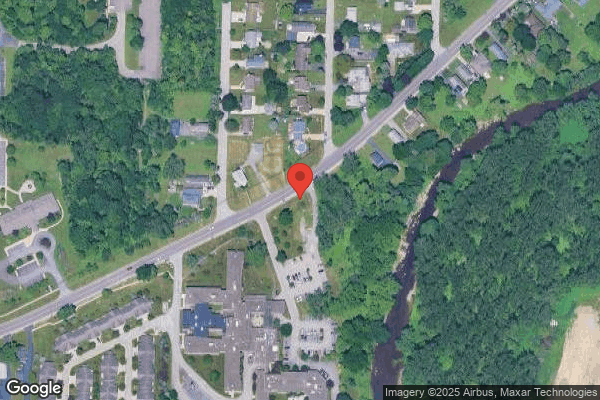

225 BENNETT ROAD, CHEEKTOWAGA, NY 14227 (716) 681-9480
For profit - Limited Liability company 172 Beds ELDERWOOD Data: November 2025
Trust Grade
65/100
#276 of 594 in NY
Last Inspection: June 2024

Within standard 12-15 month inspection cycle. Federal law requires annual inspections.

Overview

Elderwood at Cheektowaga has a Trust Grade of C+, which means it is slightly above average but still has room for improvement. It ranks #276 out of 594 facilities in New York, placing it in the top half, and #21 out of 35 in Erie County, indicating only a few local options are better. However, the trend is worsening, as the number of issues reported jumped from 1 in 2023 to 9 in 2024. Staffing is a weakness here, with a rating of 2 out of 5 stars and a turnover rate of 46%, which is around the state average but still concerning for continuity of care. On the positive side, the facility has not faced any fines, which is a good sign, and it has average RN coverage, helping to address health issues that may arise. Specific incidents include a failure to monitor a resident's prolonged antibiotic use, which raises concerns about infection control, and not properly implementing a system for advanced directives, potentially disregarding resident wishes. These findings highlight some areas of compliance issues, but overall, there are strengths alongside weaknesses that families should consider when researching this nursing home.

Trust Score
C+
65/100
In New York
#276/594
Top 46%
Safety Record
Low Risk
No red flags
Inspections
Getting Worse
1 → 9 violations
Staff Stability
⚠ Watch
46% turnover. Above average. Higher turnover means staff may not know residents' routines.
Penalties
✓ Good
No fines on record. Clean compliance history, better than most New York facilities.
Skilled Nurses
⚠ Watch
Each resident gets only 25 minutes of Registered Nurse (RN) attention daily — below average for New York. Fewer RN minutes means fewer trained eyes watching for problems.
Violations
⚠ Watch
18 deficiencies on record. Higher than average. Multiple issues found across inspections.
★★★☆☆
3.0
Overall Rating
★★☆☆☆
2.0
Staff Levels
★★★★☆
4.0
Care Quality
★★★☆☆
3.0
Inspection Score
Stable
2023: 1 issues
2024: 9 issues

The Good

  • 4-Star Quality Measures · Strong clinical quality outcomes
  • Full Sprinkler Coverage · Fire safety systems throughout facility
  • No fines on record

Facility shows strength in quality measures, fire safety.

The Bad

3-Star Overall Rating

Near New York average (3.1)

Meets federal standards, typical of most facilities

Staff Turnover: 46%

Near New York avg (46%)

Higher turnover may affect care consistency

Chain: ELDERWOOD

Part of a multi-facility chain

Ask about local staffing decisions and management

The Ugly 18 deficiencies on record

Jun 2024 7 deficiencies
CONCERN (D)

Potential for Harm - no one hurt, but risky conditions existed

Deficiency F0578 (Tag F0578)

Could have caused harm · This affected 1 resident

**NOTE- TERMS IN BRACKETS HAVE BEEN EDITED TO PROTECT CONFIDENTIALITY** Based on observation, interview and record review conducted during a Standard survey completed [DATE], the facility did not ensu...

Read full inspector narrative →
**NOTE- TERMS IN BRACKETS HAVE BEEN EDITED TO PROTECT CONFIDENTIALITY** Based on observation, interview and record review conducted during a Standard survey completed [DATE], the facility did not ensure the system developed for advanced directives was implemented in a manner that was consistent with residents' wishes for one (Resident #8) of one resident reviewed for advanced directives. Specifically, Resident #8's Medical Orders for Life-Sustaining Treatment (MOLST) form and was not reviewed and renewed since [DATE]. The finding is: The policy and procedure titled Advanced Directives Surrogates and MOLST (Medical Orders for Life-Sustaining Treatment)-NY (New York) dated [DATE] documented Medical Orders for Life Sustaining Treatment (MOLST) works in alignment with known directives to assure that resident preferences are known and available across all continuum settings at the point of care, to guide 'right now' and 'from this time forward' treatment decisions. Do Not Resuscitate orders on Medical Orders for Life Sustaining Treatment (MOLST) will be reviewed and renewed no less than every 60 days, or upon change in order. Resident #8 had diagnoses that included cognitive communication deficit, hemiplegia (paralysis on one side of body) and hemiparesis (weakness of one side of body) following cerebral infraction (stroke) and type 2 diabetes mellitus. The Minimum Data Set (a resident assessment tool) dated [DATE] documented Resident #8 was understood, understands, and had moderate cognitive impairment. Advance directives in section S of the Minimum data set did not check other treatment restrictions. The comprehensive care plan initiated [DATE] documented Resident #8's advance directives included: Medical Orders for Life Sustaining Treatment (MOLST) for do not resuscitate (DNR)-see orders for additional decisions. Interventions dated [DATE] included: advanced directive wishes will be followed per provider order, review advanced directive documentation status quarterly and as needed. Additional interventions dated [DATE] included: ensure compliance with requirements of state law regarding advanced directives and maintain documentation in the record for the directive to be considered current and binding. Resident #8's goal was for their wishes to be honored throughout facility stay. Review of Resident #8's Medical Orders for Life Sustaining Treatment (MOLST) signed by Resident #8 on [DATE] and medical provider on [DATE] documented orders: do not attempt resuscitation (DNR) (allow natural death), limited medical interventions, do not intubate (DNI), no feeding tube, a trial of intravenous (administered into vein) fluids, and do not use antibiotics. Review and renewal of the Medical Orders for Life Sustaining Treatment (MOLST) orders on the form were not reviewed and signed since [DATE] by a medical provider. Review of Progress Notes dated [DATE] at 6:31 PM, medical provider note documented Resident #8 was seen for an admission visit. Capacity determination completed by medical doctor and documented Resident #8 did not wish for any changes to their previous medical orders for life sustaining treatment (MOLST), Resident #8 was not to be resuscitated and intubated. There was no additional evidence that advance directives or capacity determination had been reviewed by a medical provider since [DATE]. Review of social services Progress Notes date range [DATE] to [DATE] revealed no evidence that Resident #8's advanced directives, medical orders for life sustaining treatment, were reviewed with Resident #8 during this time. During an interview on [DATE] at 9:45 AM, Resident #8 stated they would want to receive cardio-pulmonary resuscitation (CPR) and didn't recall the last time their advanced directives had been reviewed with them. During an interview and observation on [DATE] at 11:11 AM, Physician Assistant #1 stated the Medical Orders for Life Sustaining treatment (MOLST) form were the orders for life sustaining treatment and should be listed under the order tab in the electronic medical record. Physician Assistant #1 stated the Medical Orders for Life Sustaining Treatment (MOLST) form for Resident #8 should have been reviewed, renewed at intervals, at least every 60-90 days, and had not been since 2021 per the form. Physician Assistant #1 stated it was important that medical orders for life sustaining treatment were reviewed so residents' goals for care were maintained and wishes are not gone against. Additionally, Physician Assistant #1 stated it was important for nursing staff to know a residents' medical orders for life sustaining treatment so when communicating with medical provider they aren't receiving orders that go against the residents wishes. During an interview on [DATE] at 11:26 AM, Social Worker #2 stated Medical Orders for Life Sustaining Treatment (MOLST) were reviewed by social worker at least yearly or as needed if a resident wishes change. Social Worker #2 stated it was important to honor a resident's Medical Orders for Life Sustaining Treatment (MOLST) as it respected their autonomy and their wishes. Social Worker #2 stated it was nursing responsibility to ensure a resident's medical orders for life sustaining treatment were being carried out. Additionally, Social Worker #2 stated that advance directives should be reviewed quarterly during the interdisciplinary care plan meeting. During an interview on [DATE] at 11:40 AM, Registered Nurse #1 Unit Manager stated they believed a medical provider was supposed to sign resident's medical orders for life sustaining treatment (MOLST) form every 60 days. Registered Nurse #1 Unit Manager stated the physician and social workers were responsible to ensure the medical orders for life sustaining treatment (MOLST) forms were being reviewed with the resident and signed. During an interview on [DATE] at 11:47 AM, Social Worker #2 stated they completed an advance directive audit on Resident #8 last week and orders for no feeding tube, trial intravenous fluids and no antibiotic use needed to be added to orders in the electronic medical record. Social Worker #2 stated it was important that the orders were reflected in the electronic medical record so nursing staff could follow them. During an interview on [DATE] at 1:00 PM, the Director of Nursing stated resident's medical orders for life sustaining treatment (MOLST) should be reassessed every 90 days. The Director of Nursing stated they would expect medical provider to review and sign the medical orders for life sustaining treatment (MOLST) form when there were changes in the resident's status and after hospitalizations. 10 NYCRR 400.21 (e)(1)
CONCERN (D) 📢 Someone Reported This

A family member, employee, or ombudsman was alarmed enough to file a formal complaint

Potential for Harm - no one hurt, but risky conditions existed

Notification of Changes (Tag F0580)

Could have caused harm · This affected 1 resident

Based on interview, and record review conducted during a Complaint investigation (#NY00330303) during the Standard survey completed on 6/18/24, the facility did not ensure the residents representative...

Read full inspector narrative →
Based on interview, and record review conducted during a Complaint investigation (#NY00330303) during the Standard survey completed on 6/18/24, the facility did not ensure the residents representative was notified of the need to alter treatment or to commence a new form of treatment and when there was a change in room assignment for one (Resident #152) of two residents reviewed. Specifically, the resident and resident's responsible party were not notified of a room change on 11/30/23. Additionally, when Resident #152 tested positive for COVID-19 on 12/17/23, there was no evidence their responsible party was notified. The finding is: Review of the policy and procedure titled Notification of Resident Changes dated 5/31/18 documented the facility will immediately inform the resident, consult with the resident's physician, and if known, notify the resident's legal representative or an interested family member when there is a need to alter treatment, commence a new form of treatment or a change in room or roommate assignment. Resident #152 had diagnoses which included hypertension, atrial fibrillation (irregular heart rate), and congestive heart failure (the heart doesn't pump blood as well as it should). The Minimum Data Set (a resident assessment tool) dated 11/9/23 documented the resident had moderately impaired cognition, usually understands and was usually understood. The comprehensive care plan dated 2/24/24 documented Resident #152 had a history of COVID-19 and did not reflect the room change that occurred on 11/30/23. a. Review of the twenty-four-hour Nursing Report dated 11/30/23 documented Resident #152's room changed. There was no documented evidence the resident or the responsible party had been notified. Review of nursing and social work Progress Notes and assessments dated 11/20/23-12/30/23 revealed no documentation Resident #152 and their representative were informed of the room change. Review of the printed screenshot of the census data provided by the facility on 6/14/24, documented Resident #152's room had changed on 11/30/23. During a telephone interview on 6/17/24 at 9:32 AM, Resident #152's family member stated their parent's room was changed on 11/30/23. Resident #152 and family member were not notified of the room change. During an interview on 6/17/24 at 10:55 AM, Social Worker #1 stated room change notification forms were completed and documented by the social worker on the plan of care. The process was the resident and responsible party were supposed to be notified before the change. Social Worker #1 stated there should have been documentation of the room change that occurred on 11/30/23 and there was no documented evidence that the family member or Resident #152 were notified. During an interview on 6/18/24 at 11:18AM, the Director of Social Work stated Unit Managers were responsible for notification when room changes occurred due to illness. Social workers notified residents and their responsible party for planned room changes. b.Review of the COVID-19 Status Evaluation form with an effective date of 12/17/23 documented Resident #152 was symptomatic and tested positive for COVID-19. Review of the twenty-four-hour Nursing Report dated 12/17/23 documented Resident #152 tested positive for COVID-19. There was no documented evidence the responsible party had been notified. Review of the nursing Progress Notes from 12/15/23 through 12/30/23 revealed no documented evidence the responsible party was notified that Resident #152 tested positive for COVID-19 on 12/17/23. Review of the Medication Administration Record dated 12/2023 documented Resident #152 received Molnupiravir (medication used to treat mild to moderate COVID-19) Capsule 200 milligrams, four capsules by mouth every morning and at bedtime for COVID-19 treatment for five days from 12/18/23 through 12/22/23. During a telephone interview on 6/17/24 at 9:40 AM, Resident #152's family member stated they arrived onto Unit one on 12/20/23. A nurse told them they couldn't enter Resident #152's room. The family member was not informed and preferred to be notified sooner of the change in condition. The change occurred over the weekend, there was a lack of communication, and they were upset over the whole situation. During an interview on 6/17/24 at 11:04 AM, Registered Nurse #4, Unit Manager stated families and residents were supposed to be notified to keep them updated on current treatments or changes in the plan of care as changes occurred. During an interview on 6/18/24 at 10:00 AM, the Director of Nursing in the presence of the Registered Nurse/Infection Preventionist stated the unit manager should have notified the responsible party before the room change occurred and immediately when there's a change in condition. Informing the responsible party kept them updated of current treatment and prevented possible further spread of the infection. During an interview on 6/18/24 at 12:41 PM, the Chief Nursing Officer in the presence of the Regional Nurse Consultant and the Administrator stated the unit manager should have notified the family member before the change occurred and documented in the electronic medical record. Change in condition's warranted immediately family notification with documentation in the nursing progress notes and the twenty-four-hour report. A room change notification form should be filed in the chart. There was no documentation for notification of the room change or when Resident #152 had COVID-19. 10NYCRR 415.3(d)(2)(ii)(a) 10NYCRR 415.3(f)(2)(ii)(c)
CONCERN (D) 📢 Someone Reported This

A family member, employee, or ombudsman was alarmed enough to file a formal complaint

Potential for Harm - no one hurt, but risky conditions existed

Deficiency F0583 (Tag F0583)

Could have caused harm · This affected 1 resident

Based on observation, interview, and record review conducted during a Complaint investigation (#NY00340373) during a Standard survey completed 6/18/24, the facility did not ensure residents have the r...

Read full inspector narrative →
Based on observation, interview, and record review conducted during a Complaint investigation (#NY00340373) during a Standard survey completed 6/18/24, the facility did not ensure residents have the right to personal privacy for one (Resident #41) of one resident reviewed. Specifically, staff did not provide privacy during personal care. The finding is: The policy and procedure dated 6/6/22 documented that each staff member will be personally responsible for ensuring that the rights of each resident are respected and not violated. Staff shall ensure that all residents are afforded their right to privacy in treatment and care for personal needs. The policy and procedure dated 8/1/2019 documented each resident has the right to be treated with dignity and respect. All activities and interactions with residents by any staff must focus on assisting the resident in maintaining and enhancing their self-esteem and self-worth. Resident #41 had diagnoses which included congestive heart failure, ischemic cardiomyopathy (disease of the heart muscle), and osteoarthritis (degenerative joint disease). The Minimum Data Set (a resident assessment tool) dated 4/12/24 documented Resident #41 had moderate cognitive impairments, was understood, and understands. The resident was dependent on staff for toileting hygiene. The comprehensive care plan initiated 1/3/24 documented Resident #41 was incontinent of bowel and bladder. Interventions included to provide for privacy. During an observation and interview on 6/14/24 between 9:01 AM and 9:28 AM, Resident #41 was in bed, Certified Nursing Assistant #9 initiated incontinent care by removing top sheet, unfastening incontinent brief, and tucking soiled brief between Resident #41's thighs. At 9:07 AM Certified Nursing Assistant #9 exited Resident #41's room, leaving resident exposed and uncovered from below chest (left breast exposed from under t-shirt) to their feet and visible to the hallway. Resident #41 complained of being left exposed with no modesty. At 9:12 AM Certified Nursing Assistant #9 returned, along with Certified Nursing Assistant #8 and completed incontinent care. Upon completion of care, Certified Nursing Assistants #8 and #9 exited Resident #41's room, leaving hallway door opened and Resident uncovered, wearing only their t-shirt and brief. Resident #41 called out Hey would you cover me up, the doors open! During an interview on 6/14/24 at 9:54 AM, Licensed Practical Nurse #5 stated all nursing staff were responsible to ensure that personal privacy was provided during care to maintain residents' dignity. During an interview on 6/14/24 at 10:28 AM, Certified Nursing Assistant #8 stated Certified Nursing Assistant #9 should have closed Resident #41's door upon leaving their room so they weren't exposed and visible to others. Certified Nursing Assistant #8 stated a resident's personal privacy should be maintained for dignity. During an interview on 6/14/24 at 11:01 AM, Certified Nursing Assistant #9 stated they did not cover Resident #41 up prior to leaving their room during incontinent care and should have for dignity. During an interview on 6/17/24 at 4:43 PM, the Director of Nursing stated they expected staff to provide dignity and privacy both during and after care. 10 NYCRR 415.3(e)(1)(i)
CONCERN (D)

Potential for Harm - no one hurt, but risky conditions existed

Deficiency F0761 (Tag F0761)

Could have caused harm · This affected 1 resident

Based on observation, interview, and record review conducted during the Standard survey completed on 6/18/24, the facility did not ensure that drugs and biologicals used in the facility were labeled i...

Read full inspector narrative →
Based on observation, interview, and record review conducted during the Standard survey completed on 6/18/24, the facility did not ensure that drugs and biologicals used in the facility were labeled in accordance with currently accepted professional principles and include the expiration date when applicable for one (Unit 4) of two medication storage rooms observed. Specifically, the Unit 4 medication storage room refrigerator had three opened, undated and one opened, outdated multi-dose vials of Tubersol solution (medication injected just under the skin to test for tuberculosis). Additionally, the Unit 4 medication storage room cabinet had issues with expired over the counter medications. The finding is: The policy and procedure titled Medication Rooms on Nursing Units dated 1/18/2024 documented medication rooms on the nursing units of the facility will be the areas where medications for residents are stored. The policy documented authorized persons are allowed in the room for the purposes outlined: Licensed Nurses (Licensed Practical Nurse, Registered Nurse) for administration of medication to residents or for storage and or return of medication, Purchasing Assistant /designee under supervision of the Unit Manager/Assistant Unit Manager/Charge Nurse for storing or inventory stock medication and general supply items, and Pharmacy Consultant or Pharmacy staff to conduct inspections or re-label medication containers. Review of the manufacturer's Package Insert for Tubersol solution vial revealed that a vial of solution which has been entered and in use for 30 days should be discarded. A Unit 4 medication storage room observation with Licensed Practical Nurse #5 on 6/14/24 at 11:25 AM, revealed there were four open multi-dose vials of Tubersol in the medication storage room refrigerator. Three of the four opened vials had no documented open date on the vials or outer box. The other vial of Tubersol was opened, with a date 8/18 written on the vial and box, the manufacturer expiration date was 10/2026. Additionally, there were expired stock medications stored in the medication storage room cabinet that included one bottle of liquid Acetaminophen (pain reliever) with an expiration date of December 2021, one bottle of liquid Sorbitol Solution (laxative) with an expiration date of May 2024, and one bottle of Multi-Vite Liquid (multi-vitamin) with an expiration date February 2024. During an interview on 6/14/24 at 11:25 AM at the time of observation, Licensed Practical Nurse #5 stated the Shipping/Receiving Manager was responsible for stocking the medications in the storage room cabinet and would remove expired medications. Licensed Practical Nurse #5 verified three Tubersol vials were open with no open date and stated the other Tubersol vial was dated 8/18. They stated when they administered one dose last month, they opened a new bottle but did not label it with the open date. Licensed Practical Nurse #5 stated they should have dated the new bottle when they opened it. During an interview on 6/17/24 at 3:15 PM, the Shipping/Receiving Manager stated they were responsible for stocking the nursing medication storage rooms with the over the counter medications. They stated they only stocked the medications in the cabinet and would not stock refrigerator medications because they did not have access. The Shipping/Receiving Manager stated the Pharmacy Technician would be responsible for checking and removing expired medications from the medication storage rooms and medication carts. During a telephone interview on 6/18/24 at 8:52 AM, the Pharmacy Consultant stated multi-dose vials should be dated once opened and discarded within 28 days, specifically Tubersol solution, it would be less potent. The Pharmacy Consultant stated staff should not use vials without an open date documented and would expect staff to discard medications if expired or not labeled with an open date. During an interview on 6/18/24 at 10:16 AM, the Pharmacy Technician stated they were responsible as well as the nurses to check medication storage rooms and refrigerators for expired or unlabeled medications. The Pharmacy Technician stated they checked the medication storage rooms once a week and was not aware of expired medications. The Pharmacy Technician stated nurses were responsible to date multi-dose vials once opened. They stated medications should be discarded and not used if there was not an open date documented or if it was expired. They stated bacteria could form on vials or there was a potential that the resident would have an adverse reaction when the medication was administered. During an interview on 6/18/24 at 10:45 AM, Registered Nurse #1 Unit Manager stated that they expected all nurses on every shift to check medication rooms, remove expired medications and to label all multi-dose vials with an open date. They stated an open multi-dose vial was good for 28-30 days and would expect nurses to discard it, if it was not dated. During an interview on 6/18/24 at 11:09 AM, the Director of Nursing stated the expectation was that every nurse would check for expired and unlabeled prior to administration. The Director of Nursing stated multi-dose vials should be labeled and dated by the nurse when opened. They stated the expectation would be for the nurses to discard any expired or unlabeled medications, because that medication could be ineffective. During an interview on 6/18/24 at 11:46 AM, the Administrator stated their expectation would be all medication rooms and carts would be free of expired medications and open vials of medications would be labeled and dated. 10 NYCRR 415.18 (e)(4)
CONCERN (D) 📢 Someone Reported This

A family member, employee, or ombudsman was alarmed enough to file a formal complaint

Potential for Harm - no one hurt, but risky conditions existed

Deficiency F0776 (Tag F0776)

Could have caused harm · This affected 1 resident

Based on record review and interview conducted during a Complaint investigation (#NY00336714) during the Standard survey completed on 6/18/24, the facility did not obtain or provide radiology services...

Read full inspector narrative →
Based on record review and interview conducted during a Complaint investigation (#NY00336714) during the Standard survey completed on 6/18/24, the facility did not obtain or provide radiology services to meet the needs of its residents for one (Resident #150) of one resident reviewed. Specifically, Resident #150 was ordered to have a lumbar (section of the spine) x-ray completed on 2/28/24 but did not have the x-ray completed until 3/4/24. Additionally, the order for x-rays obtained on 2/28/24 was not entered into Resident #150's electronic medical record. The finding is: The policy and procedure titled Electronic Physician Orders (Create, Confirm, Processing Orders) dated 7/23/2018 documented the licensed nurse who has obtained the order from the Medical Doctor, Physician Assistant or Nurse Practitioner transcribing the medical order into the electronic medical record will ensure the correct date, time, ordering prescriber, medication name, order category, communication method, route of administration, frequency, schedule, indications for use or diagnosis and source details are listed. Resident #150 had diagnoses including dementia, hemiparesis (weakness of one side of the body) and repeated falls. The Minimum Data Set (a resident assessment tool) dated 3/11/24 documented Resident #150 was usually understood, usually understands and was severely cognitively impaired. The comprehensive care plan dated 11/29/23 documented Resident #150 was at risk for falls related to a history of falls. Interventions included call light within reach, bed mat next to bed, and a low bed. Review of the Un-witnessed Fall documentation dated 2/28/24 at 9:30 AM, completed by Registered Nurse #1, documented Resident #150 was observed laying on the floor with their knees bent, complaining of lower back pain and left elbow pain. It was documented Resident #150 was medicated with Tylenol, Nurse Practitioner #1 was notified, and x-rays ordered of elbow and lumbar, sacral (area of the spine above the tail bone) spine. Review of the text message documentation provided by Nurse Practitioner #1 dated 2/28/24 at 9:40 AM, revealed Registered Nurse #1 notified Nurse Practitioner #1 that Resident #150 was on the floor complaining of right elbow and back pain. Nurse Practitioner #1 responded to RN #1 with an order for a right elbow x-ray and asked Registered Nurse #1 where the back pain was. Registered Nurse #1 responded the pain was in the low back. Nurse Practitioner #1 responded to get lumbar and sacral x-ray. Review of the nursing progress note dated 2/28/24 at 10:12 AM, Registered Nurse #1 documented at 9:30 AM Resident #150 was found on the floor behind the nurse's station complaining of left elbow pain and low back pain. X-rays were ordered of the elbow and sacral lumbar area. Nurse Practitioner #1 was notified. Review of a radiology report dated 2/28/24 at 11:29 AM, documented Resident #150 received an x-ray to the right elbow, sacrum, and coccyx due to pain from a fall. Results showed no evidence of acute fracture or dislocation. There was no evidence a lumbar spine x-ray was obtained. Review of the nursing progress note dated 2/29/24 at 1:55 PM, Registered Nurse #1 documented the sacral and elbow x-rays were negative. There was no documentation that a lumbar spine x-ray was obtained. Review of the addendum progress note dated 3/1/24 at 10:18 AM, Nurse Practitioner #1 documented they ordered lumbar spine and sacral x-rays on 2/28 given a mechanical fall. Review of the Order Recap Report (medical provider orders) dated 2/1/24 through 3/31/24 documented lumbar sacral x-ray stat for pain with an order date of 3/4/24. There were no orders for the x-rays obtained on 2/28/24. Review of the progress note dated 3/4/24 at 4:20 PM, Nurse Practitioner #1 documented I wanted to order a STAT (without delay) lumbar x-ray, as it appears (Resident #150) only received a sacral/coccyx x-ray. During an interview on 6/17/24 at 9:28 AM, Unit Clerk #1 stated when there was a new order for x-rays or labs, they were responsible for calling the company to set up the x-ray and labs. Unit Clerk #1 stated when there was a new order, Registered Nurse #1 would write the order in a book that was kept at the nurse's station, and they would leave the book open on the Unit Clerk's keyboard to signal there were new orders. Unit Clerk #1 stated Resident #150's orders for x-rays were not written in the book on 2/28/24. During an interview of 6/17/24 at 10:30 AM, Registered Nurse #1 stated when there was a new order for an x-ray, they would tell Unit Clerk #1. Registered Nurse #1 stated they did not use the notebook that Unit Clerk #1 had for x-rays in February. Registered Nurse #1 stated they remembered Resident #150 had x-rays ordered for the elbow and sacral/lumbar regions and they had told Unit Clerk #1 that all three x-rays were needed. Registered Nurse #1 stated they received the results for the sacrum and elbow x-rays on 2/29/24 around 2:00 PM but did not remember noticing if there was an x-ray for the lumbar spine. Registered Nurse #1 stated the lumbar x-ray should have been done on 2/28/24 and completing it on 3/4/24 was considered a delay in treatment. During a telephone interview on 6/17/24 at 11:20 AM, Nurse Practitioner #1 stated when they were notified of the fall, they specifically ordered a lumbosacral x-ray which would include the lumbar region of the spine and the sacrum below it. Nurse Practitioner #1 stated they were notified that Resident #150 was complaining of lower back pain which included both the lumbar and sacral regions. Nurse Practitioner #1 stated it was important to receive both x-rays because when Resident #150 complained of lower back pain it was difficult to exactly pinpoint where the pain was in the lower back. Nurse Practitioner #1 stated Registered Nurse #1 should have entered the orders into the electronic medical record. During an interview on 6/18/24 at 11:26 AM, the Director of Nursing stated it was expected that when a Nurse Practitioner, Medical Doctor or Physician Assistant ordered x-rays, that the nurses ordered the correct x-rays. The Director of Nursing stated there was a breakdown in communication on 2/28/24 between the staff ordering the x-rays for Resident #150 and that the nurses were able to put orders into the electronic medical record. During an interview on 6/18/24 at 12:04 PM, the Medical Doctor stated they would have expected Resident #150 to receive all x-rays as ordered by Nurse Practitioner #1. 10NYCRR 415.21(a)(1)
CONCERN (E)

Potential for Harm - no one hurt, but risky conditions existed

Drug Regimen Review (Tag F0756)

Could have caused harm · This affected multiple residents

Based on interview and record review conducted during the Standard survey completed on 6/18/24, the facility did not ensure that the pharmacist reported irregularities to the attending physician, the ...

Read full inspector narrative →
Based on interview and record review conducted during the Standard survey completed on 6/18/24, the facility did not ensure that the pharmacist reported irregularities to the attending physician, the facility's Medical Director and Director of Nursing (DON) for one (Resident #25) of five residents reviewed for drug regimen reviews. Specifically, the Consultant Pharmacist did not identify, or report medications prescribed and administered (antibiotic) for an excessive duration and did not identify and report inadequate indications for the continued use of that antibiotic. The finding is: The policy and procedure titled Medication Regiment Review by Pharmacy Consultant dated 12/2021 documented the pharmacy consultant will assess the medication regimen and review the medical chart of all residents monthly. The pharmacy consultant will review the medication regimen for appropriateness and rationality to determine if the medication therapy is optimally effective and has the least possible risk of adverse effects and identify irregularities. Irregularities include but are not limited to excessive duration; without adequately monitoring; without adequate indications for its use; and in the presence of adverse consequences which indicate the dose should be reduced or discontinued. The policy and procedure titled Antibiotic Stewardship Program dated 10/2018 documented the Consultant Pharmacist will monitor and track oral antibiotic utilization and pattern of use: Antibiotics with no expiration dates and make recommendations for discontinuation. Review of the policy and procedure titled Care Planning (IDT) revised 1/2019 documented the interdisciplinary team will develop and implement a comprehensive person-centered care plan for each resident consistent with the resident rights that include measurable objectives and timeframe's to meet a resident's needs. Resident #25 had diagnoses which included osteomyelitis (infection of bone), pressure ulcers of left and right hip, and schizophrenia. The Minimum Data Set (a resident assessment tool) dated 5/24/24 documented Resident #25 had severe cognitive impairment, was sometimes understood, and sometimes understands. The Minimum Data Set documented that Resident #25 received antibiotics. The comprehensive care plan dated 5/29/20 and revised 5/28/24, documented Resident #25 had pressure ulcers to left and right trochanter (widest part of the hip). Interventions included to apply treatment as ordered and assess for signs and symptoms of infection. Long-term antibiotic use was not reflected in the care plan. The Order Summary Report printed by the facility on 6/18/24 documented an active physician's order to give Doxycycline Monohydrate Capsule 100 milligrams by mouth every morning and at bedtime. The start date was 11/22/20 and there was no end date documented. The Medication Administration Record dated June 2024 documented Resident #25 received Doxycycline Monohydrate 100 milligrams by mouth every morning and at bedtime as ordered. Review of the Medication Regimen Reviews from 11/2022 through 5/2024 revealed there was no evidence of recommendations to the provider regarding the continued use of Doxycycline Monohydrate for Resident #25. During a telephone interview on 6/18/24 at 8:33 AM, the Pharmacy Consultant stated they were aware of the prophylactic antibiotic for Resident #25 since 11/22/20. A list was sent to the facility which included the monthly antibiotics used. The Pharmacist Consultant stated they had no documented evidence to the provider in regarding the use of Doxycycline Monohydrate dated back to 2020. Prophylactic antibiotics should be reviewed monthly for appropriateness. Communication was not good, It's my responsibility. There were no specific recommendations for the indication or the duration of the antibiotic. During an interview on 6/18/24 at 10:10 AM, the Director of Nursing stated they didn't know Resident #25 received an antibiotic, and that four years was a long time, Prophylactic antibiotics should be included on the comprehensive care plan, reviewed quarterly. The Director of Nursing stated they expected antibiotics be reviewed monthly by the provider and the Pharmacy Consultant for effectiveness and irregularities. During an interview on 6/18/24 at 12:50 PM, the Chief Nursing Officer in the presence of the Administrator stated the Pharmacy Consultant should have identified the irregularities and notified the provider to reevaluate the antibiotic during their monthly reviews. That was the expected role. 10 NYCRR 415.18(c)(2)
CONCERN (E)

Potential for Harm - no one hurt, but risky conditions existed

Antibiotic Stewardship (Tag F0881)

Could have caused harm · This affected multiple residents

Based on record review and interviews conducted during the Standard survey completed on 6/18/24, the facility did not ensure that the facility's infection and control program included antibiotic use p...

Read full inspector narrative →
Based on record review and interviews conducted during the Standard survey completed on 6/18/24, the facility did not ensure that the facility's infection and control program included antibiotic use protocols and a system to monitor antibiotic use for one (Resident #25) of one resident reviewed. Specifically, Resident #25 was receiving an antibiotic since 11/22/20. The use of the antibiotic was not monitored and tracked by the Infection Preventionist (IP)/Antibiotic Stewardship Program. The finding is: Review of the policy and procedure titled Antibiotic Stewardship Program dated 1/2018, documented that the antibiotic stewardship program will provide a framework to ensure that antimicrobials are used appropriately and prudently within the facility. The framework would be overseen by the Infection Prevention and Control Committee. The Consultant Pharmacist will be aware of established guidelines and verify appropriate doses of antimicrobial therapy upon review of the medical chart. Tracking of antibiotic usage will occur by the Infection Preventionist/designee and will be reported to the Infection Prevention and Control Committee on a routine basis to ensure the compliance, effectiveness, and outcomes of the antimicrobial program. Antibiotic tracking and infection tracking forms will be used to determine benchmarks and assist with determining the success of the antibiotic stewardship program. The consultant Pharmacist will monitor and track antibiotic utilization, pattern of use, make recommendations for discontinuation. Resident #25 had diagnoses which included osteomyelitis (infection of bone), pressure ulcers of left and right hip, and schizophrenia. The Minimum Data Set (a resident assessment tool) dated 5/24/24 documented Resident #25 had severe cognitive impairment, was sometimes understood, and sometimes understands. The Minimum Data Set documented Resident #25 received antibiotics . The comprehensive care plan dated 5/29/20 and revised 5/28/24, documented Resident #25 had pressure ulcers to left and right trochanter (widest part of the hip). Interventions included to apply treatment as ordered and assess for signs and symptoms of infection. The Infectious Disease Consult dated 6/15/20 documented a diagnosis of Methicillin-Resistant Staphylococcus Aureus (bacteria) sepsis (infection in the bloodstream) and recommended Doxycycline Monohydrate 100 milligrams by mouth twice daily for lifelong suppression. There were no additional infectious disease consults. The Physicians' Progress Notes dated 2/26/24 documented that Resident #25 was followed by infectious disease in the past for Methicillin-Resistant Staphylococcus Aureus, osteomyelitis, bacteremia, and wound infections. Resident #25 receives Doxycycline Monohydrate 100 milligrams by mouth twice daily for chronic lifelong suppression with no issues. The Order Summary Report printed by the facility on 6/18/24 documented an active physician's order to give Doxycycline Monohydrate Capsule 100 milligrams by mouth every morning and at bedtime. The start date was 11/22/20 and there was no end date documented. The Medication Administration Record dated June 2024 documented Resident #25 received Doxycycline Monohydrate 100 milligrams by mouth every morning and at bedtime as ordered. Review of the facilities Resident Infection Tracking from 3/1/24 through 6/18/24 revealed there was no evidence the Doxycycline Monohydrate for Resident #25 was reviewed, monitored and tracked. During a telephone interview on 6/18/24 at 8:33 AM, the Pharmacy Consultant stated the pharmacy generated an Antimicrobial Days of Therapy Report (list of antibiotics used) and was sent monthly to the Administrator, Corporate and Regional staff. The Administrator was expected to share that report with the Infection Preventionist, the Director of Nursing, and medical providers. The Pharmacy Consultant stated prophylactic antibiotics should be included in the facilities monthly antibiotic monitoring program. During an interview on 6/18/24 at 9:32 AM, Registered Nurse/Infection Preventionist stated they reviewed/tracked/monitored antibiotics monthly based on what was displayed on the dashboard in the computer. There were currently two residents in the facility that received prophylactic antibiotics for wounds. They stated that they were unaware that Resident #25 was ordered a prophylactic antibiotic. The Doxycycline Monohydrate did not appear on the dashboard for Resident #25, was not on the generated monthly report and therefore was not monitored and it should have been. During an interview on 6/18/24 at 10:10 AM, the Director of Nursing stated they didn't know Resident #25 received an antibiotic, and that four years was a long time. Prophylactic antibiotics were monitored by the antibiotic stewardship program for appropriateness and trends. If the antibiotics didn't appear on the dashboard, they were not monitored. The Director of Nursing stated they expected antibiotics to be reviewed monthly by the provider and the Pharmacy Consultant for effectiveness and irregularities. There was a break in the system. During an interview on 6/18/24 at 11:06 AM, the covering Medical Director stated Doxycycline Monohydrate was used for chronic wound osteomyelitis and should be traced through the antibiotic stewardship program. During an interview on 6/18/24 at 12:50 PM, the Chief Nursing Officer in the presence of the Administrator stated Registered Nurse/Infection Preventionist should have monitored and tracked the use of the prophylactic antibiotic. This could have limited the duration of its use. They further stated there was no process in place to review the Antimicrobial Days of Therapy Report that's generated by the pharmacy. The Chief Nursing Officer stated that limiting the use of antibiotics prevented multidrug resistance within the resident population. 10 NYCRR 415.12(l)(1)
Feb 2024 2 deficiencies
CONCERN (D) 📢 Someone Reported This

A family member, employee, or ombudsman was alarmed enough to file a formal complaint

Potential for Harm - no one hurt, but risky conditions existed

Report Alleged Abuse (Tag F0609)

Could have caused harm · This affected 1 resident

Based on interview and record review conducted during a Complaint Investigation (#NY00328763) completed 2/8/24, the facility did not ensure that all alleged violations of abuse, were reported immediat...

Read full inspector narrative →
Based on interview and record review conducted during a Complaint Investigation (#NY00328763) completed 2/8/24, the facility did not ensure that all alleged violations of abuse, were reported immediately, but not later than two hours after the allegation was made, if the events that caused the allegation involved abuse, to the facility's Administrator and the State Survey Agency for one (Resident #1) of three resident reviewed. Specifically, Resident #1 reported an allegation of abuse/mistreatment to facility staff on 11/24/23 and it was not reported in the required timeframe to the Administrator and the New York State Department of Health. The finding is: The facility policy and procedure titled Facility Incident Reporting to DOH-NYS, modified on 9/20/23, documented the facility will be responsible for reporting allegations or occurrences to the New York Department of Heath that involve physical abuse or mental/verbal abuse. The policy and procedure documented that the facility Administrator or designee will report all alleged violations to state agencies immediately, but no later than two hours after the allegation of abuse or mistreatment. Resident #1 had diagnoses that included hemiplegia following a cerebral infarction (stroke that caused weakness or paralysis to one side of the body), hypertension and rheumatoid arthritis. The Minimum Data Set (a resident assessment tool) dated 10/18/23 documented Resident #1 was understood, understands and was cognitively intact. The assessment tool documented that Resident #1 had impairment to one side of their upper extremity and was dependent for showering and bathing. The comprehensive care plan dated 10/12/23 documented that Resident #1 was independent with decision making and was alert and oriented. Review of the Grievance/Concern/Complaint Log Form dated 11/25/23 signed by Resident #1's family member, documented that on 11/24/23 in the morning, Resident #1 was being showered by Certified Nursing Assistant #1 and when Resident #1 said they were being hurt and would yell, Certified Nursing Assistant #1 replied yell as loud as you want, no one will hear. The grievance form documented that Resident #1 was also left unattended in the shower during that time. Review of the progress note dated 11/24/23 at 9:33 PM, Licensed Practical Nurse #1 documented that Resident #1 complained of a Certified Nursing Assistant being rough with them during their shower on the morning shift and they would report this to social work. There was no documentation that the Director of Nursing or Administrator were notified of the allegation. Review of the New York State Department of Health Automated Complaint Tracking System (ACTS) from 11/24/23 to 2/5/24 revealed there was no report submitted by the facility of an abuse allegation for Resident #1. During a telephone interview on 2/6/24 at 1:50 PM, Resident #1's family member stated that Resident #1 reported to them that on 11/24/23 a Certified Nursing Assistant took them into the shower room, started the water and left them alone for an extended length of time. The family member stated that Resident #1 reported that when the Certified Nursing Assistant returned, they were hurting them by pulling on their contracted arms. The family member stated that Resident #1 told the Certified Nursing Assistant to stop numerous times and if they did not, they were going to scream. Resident #1 reported that the Certified Nursing Assistant responded, go ahead and scream no one will hear you. The family member stated the Resident #1 was upset and scared about the incident. The family member stated they reported the incident to Registered Nurse #1 on 11/25/23. During an interview on 2/6/24 at 2:40 PM, Social Worker #2 stated that they were first notified of Resident #1's allegation of abuse at morning report on 11/27/23 by the former Director of Nursing. The Social Worker #2 stated the former Director of Nursing gave them a grievance form dated 11/25/23 written by the resident's family member and after morning report they spoke with Resident #1. The Social Worker #2 stated Resident #1 reported that Certified Nursing Assistant #1 was rough with them during their shower and that they (Social Worker #2) considered Resident #1's statement an allegation of abuse. During a telephone interview on 2/7/24 at 10:21 AM, Licensed Practical Nurse #1 stated they were notified by Resident #1's nurse (unknown name) that Resident #1 reported an allegation of abuse. Licensed Practical Nurse #1 stated they spoke with Resident #1 and the resident stated that they were treated roughly by a Certified Nursing Assistant during their shower. Licensed Practical Nurse #1 stated after they spoke to the resident they wrote a grievance form, told a social worker (unsure of the name of the social worker) and notified the former Director of Nursing. Licensed Practical Nurse #1 stated that they considered what Resident #1 reported an allegation of abuse. Licensed Practical Nurse #1 stated they were unsure of the date and believe it was after 3:00 PM when they were notified of this incident. During an interview on 2/7/24 at 12:59 PM, the Director of Social Work #1 stated they were responsible for resident grievances. The Director of Social Work #1 stated they were not aware of Resident #1 grievance until 2/6/24. Director of Social Work #1 stated they were not notified by any staff member that Resident #1 had made an allegation of abuse. The Director of Social Work #1 stated that when an allegation of abuse was made, the Director of Nursing and Administrator needed to be notified immediately and then the Department of Health within two hours. During an interview on 2/7/24 at 2:12 PM, Registered Nurse #1 stated they were supervising the building on 11/25/23 when Resident #1's family member informed them that Resident #1 stated they were left alone in the shower on 11/24/23 for a period of time and it was cold. Registered Nurse #1 stated that they were also informed that during the shower Resident #1 kept telling Certified Nursing Assistant #1 that they were hurting them. Registered Nurse #1 stated that it was reported that Certified Nursing Assistant #1 told Resident #1 you can scream, and no one is going to hear you. Registered Nurse #1 stated they reported the allegation to the former Director of Nursing via the telephone and they did not notify the Administrator because that would be the responsibility of the former Director of Nursing. Registered Nurse #1 stated that Resident #1's allegation of being hurt in the shower room was an allegation of abuse. During an interview on 2/7/24 at 3:16 PM, the Acting Administrator stated that they did not know if the former Administrator was notified of Resident #1's allegation of abuse on 11/24/23. The Acting Administrator stated that any allegation of abuse needed to be reported to the Administrator and the Department of Health within two hours and was unsure why the allegation of abuse made by Resident #1 on 11/24/23 was not reported. During a telephone interview on 2/8/24 at 10:17 AM, the former Administrator stated they were familiar with Resident #1 and their family. The former Administrator stated that they were never notified that Resident #1 had made an allegation on abuse. The former Administrator stated that if a resident stated that a Certified Nursing Assistant was rough and was hurting them during a shower that would be an allegation of abuse. The former Administrator stated that any allegation of abuse needed to be reported to the Administrator immediately by the Director of Nursing and then one of them would need to report it to the Department of Health within two hours. 10NYCRR 415.4(b)(2)
CONCERN (D) 📢 Someone Reported This

A family member, employee, or ombudsman was alarmed enough to file a formal complaint

Potential for Harm - no one hurt, but risky conditions existed

Investigate Abuse (Tag F0610)

Could have caused harm · This affected 1 resident

Based on interview and record review conducted during a Complaint investigation (Complaint #NY00328763) completed on 2/8/24, the facility did not ensure that all alleged violations of abuse, neglect o...

Read full inspector narrative →
Based on interview and record review conducted during a Complaint investigation (Complaint #NY00328763) completed on 2/8/24, the facility did not ensure that all alleged violations of abuse, neglect or mistreatment were thoroughly investigated for one (Resident #1) of three residents reviewed. Specifically, there was no evidence that Resident #1's allegation of abuse/mistreatment on 11/24/23 was thoroughly investigated. The finding is: The facility policy and procedure titled Abuse Prevention, Identification, Investigation, Protection and Reporting, modified 6/19/23, documented upon identification of an observed act or outcomes of abuse and mistreatment or expressions of fear that could be an indication of abuse and mistreatment, all staff were required to report the observation immediately to their direct supervisor, the Director of Nursing, or the Administrator so an investigation could begin. The policy documented that the facility Administrator, Director of Nursing, or designee would be responsible for the investigation and that all allegations of abuse, mistreatment or neglect will be investigated. The investigation would include interviewing all involved person and others who might have knowledge of the allegation. The policy documented the investigation would conclude if abuse, mistreatment, or neglect occurred, the extent and cause. The policy documented that complete and thorough documentation of the investigation will be maintained. Resident #1 had diagnoses that included hemiplegia following a cerebral infarction (stroke that caused weakness or paralysis to one side of the body), hypertension and rheumatoid arthritis. The Minimum Data Set (a resident assessment tool) dated 10/18/23 documented Resident #1 was understood, understands and was cognitively intact. The assessment tool documented that Resident #1 had impairment to one side of their upper extremity and was dependent for showering and bathing. Review of the Grievance/Concern/Complaint Log Form dated 11/25/23 signed by Resident #1's family member, documented that on 11/24/23 in the morning Resident #1 was being showered by Certified Nursing Assistant #1. Resident #1 said they were being hurt and would yell and Certified Nursing Assistant #1 replied yell as loud as you want, no one will hear. The grievance form documented that Resident #1 was also left unattended in the shower during that time. The form did not document the facility's initial response/steps taken to investigate nor any pertinent findings or conclusions. The form was not signed by any facility staff. The comprehensive care plan dated 10/12/23 documented that Resident #1 was independent with decision making and was alert and oriented. The comprehensive care plan documented that Resident #1 had a deficit in activities of daily living related to an acute stroke. An intervention dated 11/3/23 documented for bathing Resident #1 required total assistance of two persons for upper and lower extremities. Review of the progress note dated 11/24/23 at 9:33 PM, Licensed Practical Nurse #1 documented that Resident #1 complained of a Certified Nursing Assistant being rough with them during their shower on the morning shift and they would report this to social work. There was no documentation that the Director of Nursing or Administrator were notified of the allegation and that an investigation was started. During a telephone interview on 2/6/24 at 1:50 PM, Resident #1's family member stated that Resident #1 stated that during their shower on 11/24/23 a Certified Nursing Assistant took them into the shower room, started the water and left them alone for an extended length of time. The family member stated that Resident #1 reported when the Certified Nursing Assistant returned, Certified Nursing Assistant was hurting them by pulling on their contracted arms. The family member stated that Resident #1 told the Certified Nursing Assistant to stop numerous times and that they were going to scream. The family member stated that the Certified Nursing Assistant responded, go ahead and scream no one will hear you. The family member stated Resident #1 was very upset and scared about the incident. The family member stated they reported the situation to Registered Nurse #1. During an interview on 2/6/24 at 2:40 PM, Social Worker #2 stated that they were first notified of Resident #1's allegation of abuse at morning report on 11/27/23 by the former Director of Nursing. The Social Worker #2 stated they spoke with Resident #1 after morning report and the resident stated that Certified Nursing Assistant #1 was rough with them during their shower. Social Worker #2 stated that they considered Resident #1's statement an allegation of abuse. Social Worker #2 stated they did not interview staff or other residents about the allegation. Social Worker #2 stated they did not document about Resident #1's allegation and if they did, they would document it on the grievance form. During a telephone interview on 2/7/24 at 10:21 AM, Licensed Practical Nurse #1 stated they were notified by Resident #1's nurse (unknown name) that Resident #1 reported an allegation of abuse. Licensed Practical Nurse #1 stated they spoke with Resident #1 and Resident #1 stated that they were put into the shower and treated roughly by a Certified Nursing Assistant. Licensed Practical Nurse #1 stated that Resident #1 appeared to be upset. Licensed Practical Nurse #1 stated they spoke with the involved Certified Nursing Assistant (unknown name), and they denied that anything happened. Licensed Practical Nurse #1 stated they did not send the Certified Nursing Assist (unknown name) home pending an investigation and they didn't have the Certified Nursing Assistant write a statement. Licensed Practical Nurse #1 stated that they considered a resident stating they were treated roughly an allegation of abuse. During an interview on 2/7/24 at 12:59 PM, the Director of Social Work #1 stated they were responsible for resident grievances. The Director of Social Work #1 stated they were not aware of Resident #1's grievance until 2/6/24. The Director of Social Work #1 stated they were not notified by any staff member at the time of the allegation in November, and they did not know if the allegation was investigated. The Director of Social Work #1 stated that they considered Resident #1's statement of a Certified Nursing Assistant being rough with them in the shower an allegation of abuse. Director of Social Work #1 stated that when an allegation of abuse was made an investigation should be started for resident safety. During an interview on 2/7/24 at 2:12 PM, Registered Nurse #1 stated they were supervising the building on 11/25/23 when a family member of Resident #1 informed them that Resident #1 stated they were left in the shower alone on 11/24/23 and was cold. Registered Nurse #1 stated it was reported that while in the shower, Resident #1 kept telling Certified Nursing Assistant #1 that they were hurting them. Registered Nurse #1 stated that it was reported that Certified Nursing Assistant #1 told Resident #1 you can scream, and no one is going to hear you. Registered Nurse #1 stated they reported the allegation to the former Director of Nursing via the telephone. Registered Nurse #1 stated they did not interview any staff or other residents about the allegation and didn't obtain statements from any staff. Registered Nurse #1 stated Resident #1's family member filled out the grievance form and they placed it into the former Director of Nursing's mailbox. Registered Nurse #1 stated that Resident #1's allegation of being hurt in the shower room was an allegation of abuse and was worth investigating. During an interview on 2/7/24 at 2:30 PM, the Director of Nursing stated they started employment at the facility three weeks ago. The Director of Nursing reviewed Resident #1's grievance form and stated they would consider the statement an allegation of abuse. The Director of Nursing stated they could not locate any documented evidence that an investigation was completed and that they should have been able to present one. The Director of Nursing stated that it was important to perform an investigation immediately following any allegation of abuse to make sure abuse was not occurring and that the residents were being cared for properly and safely. During an interview on 2/7/24 at 3:16 PM, the Acting Administrator stated that they could not locate documented evidence that an investigation was completed on Resident #1's allegation of abuse on 11/24/23. The Acting Administrator could only locate the grievance form dated 11/25/23. The Acting Administrator stated that any allegation of abuse should have an investigation conducted and that investigation should be documented. The Administrator stated they do not know why an investigation was not conducted but based on the circumstance there should have been. The Acting Administrator stated the reason an investigation should be completed was to protect the resident. During a telephone interview on 2/8/24 at 10:17 AM, the former Administrator stated they were familiar with Resident #1 and their family. The former Administrator stated that they were never notified that Resident #1 had made an allegation on abuse. The former Administrator stated they had never seen documentation on an investigation of alleged abuse for Resident #1. The former Administrator stated that if a resident stated a Certified Nursing Assistant was rough and was hurting them during a shower, it would be an allegation of abuse and required an investigation. 10NYCRR 415.4(b)(3)
Nov 2023 1 deficiency
CONCERN (D) 📢 Someone Reported This

A family member, employee, or ombudsman was alarmed enough to file a formal complaint

Potential for Harm - no one hurt, but risky conditions existed

Deficiency F0658 (Tag F0658)

Could have caused harm · This affected 1 resident

Based on observation, interview, and record review conducted during an Abbreviated survey (Complaint #NY00322117) started completed 11/21/23, the facility did not ensure that services were provided to...

Read full inspector narrative →
Based on observation, interview, and record review conducted during an Abbreviated survey (Complaint #NY00322117) started completed 11/21/23, the facility did not ensure that services were provided to meet professional standards of quality care for one (Resident #1) of three residents reviewed. Specifically, medications were left unattended on Resident #1 bedside table and were not verified that they were taken as ordered. The finding is: The facility policy and procedure (P&P) titled Medications Administration Methods last modified 7/12/2022 documented a medication must never be left at bedside or be out of sight of the nurse administering the medication. The nurse must watch each resident take the medication, and ensure the medication is swallowed, unless the resident has an order for self-administration of medications. Medication administration is recorded on the Medication Administration Record (MAR). 1. Resident #1 had diagnoses that included schizophrenia, bipolar disorder, and heart failure. The Minimum Data Set (MDS-a resident assessment tool) dated 10/13/23 documented Resident #1 was moderately cognitively impaired, understood and understands. The comprehensive care plan (CCP) revised 4/14/23 documented Resident #1 displays alteration in their mood/behavior related to a diagnosis of schizophrenia and will refuse medications. Interventions included to administer medications as ordered and was initiated on 3/9/22. The facility Order Summary Report dated 11/21/23 documented an active order for Resident #1; PLEASE MAKE SURE RESIDENT IS SWALLOWING MEDS every shift dated 10/27/23. Review of the Medication Admin Audit Report schedule dated 11/20/23, Licensed Practical Nurse (LPN #1) administration and documented time order, PLEASE MAKE SURE RESIDENT IS SWALLOWING MEDS every shift, was completed at 9:20 AM. During an observation and interview on 11/20/23 at 9:28 AM, Resident #1 was in their room lying in bed and Resident #2 who was visiting. On Resident #1's tray table there was a clear plastic medication cup containing 5 medications (4 white and 1 cream in color). Resident #1 stated the nurse brought the medications to them about 20 minutes ago and they hadn't had a chance to take them yet. Resident #1 stated they were aware of what medications they were, identified the Lasix (diuretic, medication that promotes excretion of urine) and stated they will not take. During an observation and interview on 11/20/23 at 10:19 AM to 10:22 AM, Resident #1 was sitting up in their wheelchair and there were five medications on floor of their room The clear plastic medication cup was empty and upside down on tray table. Housekeeper #1 entered room and picked up a small white round pill and put it into the garbage. Housekeeper #1 stated they don't tell anyone when they find medication on floor, they just sweep and throw away. During an interview and observation on 11/20/23 from 10:24 AM to 10:36 AM, LPN #1 stated they remain with residents while they take their medications. LPN #1 then stated if medications were left at the bedside they always go back and verify the resident took their medications. Upon observing Resident #1's room, LPN #1 stated Oh, I see there's some on the floor here. LPN #1 picked up 4 medications from floor and placed them into a cup. Additionally, LPN #1 stated the medications were in prefilled packets, so they would verify with the packet to see which medications resident took and what medications were on the floor. During an interview on 11/20/23 at 10:39 AM, Resident #1 stated they feel the nurse should stay with them while they take the medications because they spill medications and some of them, they need to take. During an observation on 11/20/23 at 1:21 PM, Resident #1 was sitting in their wheelchair in their room with the tray table positioned near them. There were medications on floor again; one in front of garbage can and two partially dissolved medications were under ledge of dresser on floor. During a follow up interview and observation on 11/20/23 at 1:54 PM, LPN #1 stated they verified which medications were on floor for Resident #1, threw them away, then popped new ones and stood there this time and watched Resident #1 take the medications (scheduled morning). LPN #1 stated that it was their responsibility to check the MAR, they did not see the order to make sure resident was swallowing meds. LPN #1 then went to Resident #1's room to observe medications on floor. LPN #1 stated they didn't know where those (medications) came from, as they removed three medications from Resident #1's floor. LPN #1 stated they saw Resident #1 put the medications in their mouth, take a sip of water, then assumed they swallowed them. LPN #1 stated they even had them open their mouth a bit. LPN #1 stated they should not have signed the medications out this morning on the MAR until they knew for sure that Resident #1 swallowed them. During an interview on 11/20/23 at 2:26 PM, the Director of Nursing (DON) stated medications should never be left at a resident's bedside. If the resident was not going to take them, the nurse should remove from the room and offer again later. The DON stated all residents have the right to refuse medications and it should be documented. The DON stated if any facility staff find medication on floor, they should report it to someone so it can be investigated. Additionally, the DON stated the nurse should have verified the resident took their medications before signing them off on the MAR. During a telephone interview on 11/20/23 at 3:11 PM, LPN #4 Unit Manager (UM) stated medications should never be left unattended. LPN #4 UM stated Resident #1 refused their medications all the time and that medications should not be checked off on the MAR until it was verified that the resident took them as ordered. During an interview on 11/20/23 at 3:41 PM, Assistant Housekeeping/Environmental Service Supervisor stated they would expect their housekeepers to notify a nurse if medications were found on the floor. During a telephone interview on 11/21/23 at 2:20 PM, Nurse Practitioner (NP) #1 stated they do not recommend medications being left on Resident #1 nightstand considering their history. NP #1 stated if the medications were given outside parameters LPN #1 should have notified them so they could have done something at that time. NP #1 stated they were not notified. 10 NYCRR 415.11(c)(3)(i)
Oct 2022 3 deficiencies
CONCERN (D)

Potential for Harm - no one hurt, but risky conditions existed

Incontinence Care (Tag F0690)

Could have caused harm · This affected 1 resident

**NOTE- TERMS IN BRACKETS HAVE BEEN EDITED TO PROTECT CONFIDENTIALITY** Based on observation, interview, and record review conducted during the Standard survey completed 9/27/22 through 10/3/22, the f...

Read full inspector narrative →
**NOTE- TERMS IN BRACKETS HAVE BEEN EDITED TO PROTECT CONFIDENTIALITY** Based on observation, interview, and record review conducted during the Standard survey completed 9/27/22 through 10/3/22, the facility did not ensure that a resident, with an indwelling catheter (Foley - tube inserted into the bladder to drain urine), received the appropriate care and services to prevent urinary tract infections (UTIs) to the extent possible for two (Residents #106 and 120) of three residents reviewed for urinary catheters. Specifically, staff improperly handled the urinary catheter tubing and urinary collection bag while resident displayed symptoms of a UTI (Residents #106 and 120). In addition, Resident #120 had no leg bag in place when out of bed as ordered by the physician. The facility policy and procedure (P&P) titled Catheter, Daily Care, (Indwelling) dated 4/2018 documented residents with indwelling catheters will have daily cleansing of the catheter tubing and perineal area for the purpose of preventing urinary tract infections. Ensure the drainage bag is inside a privacy bag. Attach the drainage bag to bedframe or wheelchair and the drainage bag/tubing cannot touch the floor. The findings are: 1. Resident #106 was re-admitted to the facility with diagnoses including septic shock secondary to chronic Foley catheter, acute kidney failure (AKF-kidneys unable to filter waste from the blood), and urinary retention (difficulty emptying the bladder). The Minimum Data Set (MDS - a resident assessment tool) dated 9/7/22 documented the resident had intact cognition and an indwelling urinary catheter. The Comprehensive Care Plan (CCP) revised 9/14/22 documented Resident #106 had an indwelling Foley catheter related to urinary retention with a history of UTIs. Interventions included catheter care was provided daily and as needed. The readmission History and Physical dated 9/14/22, written by the Medical Director (MD) documented a diagnosis of septic shock secondary to a catheter associated UTI. The Foley continued and was to be kept clean. The current Visual/Bedside [NAME] Report (a guide used by staff to provide care) dated 10/2/22, documented catheter care daily, urinary catheter strap at all times and urinary leg bag when out of bed (OOB). Intermittent resident observations revealed the following: -on 9/27/22 at 12:30PM, Resident #106 was in bed, the Foley drainage bag was on the floor under the bed and under the wheel of the over the bed table. Resident #106 stated they were experiencing burning in their bladder. -on 9/30/22 at 11:41AM, Resident #106 was seated in their wheelchair (w/c). The Foley drainage bag was hooked under the w/c with half of the drainage bag touching the floor. Resident #106 did not have a leg bag in place per the plan of care. The Order Summary Report dated 10/2/22 documented a physician's order with the start date of 9/30/22 for Nitrofurantoin (antibiotic)100 milligrams (mg) one tablet every morning and at bedtime for 7 days for a UTI. During an interview on 9/30/22 at 11:42 AM, Licensed Practical Nurse (LPN) #1 stated the bag and tubing should be contained in a privacy bag, hooked under the w/c, not on the floor due to infection control risk. The tubing and the bag should be changed due to contamination. During an interview on 9/30/22 at 11:43AM, Certified Nurse Aide (CNA) #2 stated the Foley tubing and drainage bag should be stored in a privacy bag hooked under the chair, not on the floor because the tubing could get yanked out and there was a risk of infection. 2. Resident #120 was admitted to the facility with diagnoses including history of UTI, high blood pressure, and diabetes mellitus. The MDS dated [DATE] documented the resident had intact cognition and an indwelling urinary catheter. The CCP dated 7/22/22 documented the resident had an indwelling Foley catheter related to urinary retention with a history of UTIs. Interventions included catheter care daily and as needed, a catheter security strap at all times, a urinary leg bag when out of bed and urology consults as needed. The Treatment Administration Record (TAR) dated 9/1/22 through 9/30/22 revealed an active physicians' order from 7/14/22 to apply a leg bag while OOB and apply a drainage bag while in bed every shift. The current Visual/Bedside [NAME] Report (a guide used by staff to provide care) with dated 10/2/22, documented catheter care daily, urinary catheter strap at all times and urinary leg bag when out of bed. The Order Summary Report dated 10/2/22 documented current physician's orders with a start date of 7/14/22 for a Urinary Catheter 16 Fr (size)5 ml (milliliters) to gravity secondary to urinary retention and to apply a leg bag while out of bed. During an observation and interview on 9/28/22 at 9:10 AM, Resident #120 was in their w/c. The Foley drainage bag was lying on the floor with visible yellow urine in the drainage bag and tubing. Resident #120 stated they had a burning sensation, and a urine sample was collected. Resident #120 had no leg bag on when out of bed. The nursing Progress Note dated 9/29/22 at 3:37 PM, written by LPN #1 documented the resident had burning and pain in their bladder area, and urine was cloudy with odor. The nursing Progress Note dated 9/29/22 at 3:45 PM, Registered Nurse (RN) #2 Unit Manager documented the resident had burning from their urethra (tube connecting the urinary bladder to the genitalia for removal of urine out of the body) and cloudy urine. A physician's order was obtained for a urinalysis and culture and sensitivity (C&S). Further observations and interviews revealed the following: -On 9/30/22 at 9:10AM, Resident #120 was seated in their w/c with the Foley drainage bag lying on the floor. At 9:15 AM, CNA #1 and LPN #1 observed and verified the Foley drainage bag was on the floor. LPN #1 stated it should have been contained in a privacy bag up off the floor to prevent bacteria from causing an infection and that Resident #120 preferred not to wear a leg bag. CNA #1 stated they forgot to secure the drainage bag to the chair and never offered a leg bag to the resident. -On 9/30/22 at 12:58 PM, CNA #1 transferred Resident #120 from the w/c to the bed and removed the Foley drainage bag from inside the resident's pants. Resident #106 did not have a leg bag on. CNA #1 removed the brief which was saturated with foul smelling yellow urine. -On 10/3/22 at 8:08 AM, Resident #120 was in their w/c. The drainage bag was hooked under the w/c with six inches of catheter tubing visible with yellow urine touching the floor. At 8:14 AM, CNA #1 & LPN #2 observed and verified that six inches of the catheter tubing was touching the floor which contained visible yellow urine. LPN #2 stated the tubing and drainage bag should be contained up off the floor as it caused infection. Resident #120 should have a leg bag on and CNAs were responsible to apply leg bags per the plan of care. CNA #1 stated nurses were responsible to apply the leg bags. The tubing and bag should never touch the floor for infection control purposes. During an interview on 10/3/22 at 8:11AM, RN #2 Unit Manager stated the urinary tubing and drainage bags were to be secured and kept off the floor to prevent microorganisms from entering the tube and creating infection. Nurses were responsible to ensure leg bags were on as ordered. During an interview on 10/3/22 at 8:18 AM, RN #1 Nurse Educator stated nurses were responsible to apply a leg bag because they should have a physician's order. Documentation of resident refusals to wear a leg bag should be reflected on the TAR or nursing progress notes supporting the resident's preference. The RN #1 Nurse Educator stated Residents #106 and #120 drainage bags and tubing should be placed in a privacy bag under the w/c or the bed. Tubing should be secured and never on the floor to prevent infection and reduce the risk of trauma. During an interview on 10/3/22 at 12:42PM, the interim Director of Nursing (DON)/Infection Preventionist (IP) stated tubing and drainage bags should be kept off the floor due to infection purposes. The interim DON/IP stated Unit Managers were responsible to ensure Foleys were kept off the floor and secured. 415.12(d)(1)
CONCERN (D)

Potential for Harm - no one hurt, but risky conditions existed

Medication Errors (Tag F0758)

Could have caused harm · This affected 1 resident

Based on observation, interview, and record review completed during the Standard survey conducted 9/27/22 through 10/3/22, the facility did not ensure that residents who use psychotropic drugs receive...

Read full inspector narrative →
Based on observation, interview, and record review completed during the Standard survey conducted 9/27/22 through 10/3/22, the facility did not ensure that residents who use psychotropic drugs receive gradual dose reductions (GDR), and behavioral interventions, unless clinically contraindicated, in an effort to discontinue these drugs for one (Resident #88) of five residents reviewed for unnecessary medications. Specifically, a physician order to discontinue the antipsychotic medication Quetiapine Fumarate (Seroquel) was not implemented, which caused the resident to receive the medication without adequate indication for continued use. The finding is: Review of facility policy and procedure (P&P) titled Psychotropic Drugs last modified 7/6/18, documented residents prescribed psychotropic drugs will receive only those medications, in doses and for duration clinically indicated to treat the resident's assessed condition(s). Re-evaluation of medications by the medical provider may be indicated during routine order renewals and upon any irregularity identified in the consultant pharmacist monthly medication regimen review. Review of facility P&P titled Medication Regimen Review by Pharmacy Consultant Policy last modified 12/13/21, documented the pharmacy consultant will assess the medication regimen and review the medical chart/medication regimen, monthly, and identify any irregularities or unnecessary drugs. The Pharmacy Consultant makes comments and recommendations to the attending physician on the pharmacy consultant medication regimen/physician communication form concerning any unnecessary medications detected in the review of the resident's medication regimen. The attending physician will document in the medical record (or directly on the written recommendation from the consultant pharmacist) that the identified irregularity has been reviewed, and what, if any action has been taken to address it. Reviewed and signed recommendations will be filed in the medical record. 1. Resident #88 was admitted with diagnoses including Alzheimer's disease, diabetes, and vascular dementia without behavior, psychotic, or mood disturbance. The Minimum Data Set (MDS - a resident assessment tool) dated 8/25/22 documented the resident had moderate cognitive impairment and had no potential indicators of psychosis and no physical, verbal, or other behavioral symptoms directed towards others. Additionally, the MDS documented the resident received antipsychotic medication, a GDR had not been attempted, and a GDR had not been documented by a physician as clinically contraindicated. The comprehensive care plan (CCP) initiated on 2/1/22 documented the resident had the potential for altered behavior/mood related to vascular dementia and Alzheimer's disease without behavioral disturbances. The resident was placed in LTC (long term care) on 3/4/22, had poor motivation, and preferred to remain in bed in their room. On 5/18/22 the resident participated and came out of their room more. Interventions included to administer medications as ordered, monitor for changes in mood, and psychiatric/psychological consults. The CCP documented the resident received psychotropic medication related to delirium and memory impairments. On 3/16/22 medication was started for depression/hopelessness and on 4/15/22 the antidepressant medication was increased. Interventions included to ensure the lowest therapeutic dose was used and to implement psychotropic drug reduction program (GDR) as per MD/NP (Nurse Practitioner) order. Review of an Order Recap Report dated 10/2/22 documented the following physician orders: -Quetiapine Fumarate (Seroquel) 25 milligrams (mg) by mouth (po) at bedtime (hs) for delirium with a start date of 2/2/22 and end date of 8/4/22. -Seroquel 25mg po at hs for delirium with a start date of 8/4/22 and no end date. Review of electronic Medication Administration Records (MAR) dated 2/1/22 through 9/30/22 documented the resident received Seroquel 25mg at hs from 2/2/22 to 9/30/22. Intermittent observations of Resident #88 from 9/27/22 through 9/30/22 between 8:00 AM and 4:00 PM, revealed the resident was calm, pleasant, smiling, and cooperative with staff and peers. They self-propelled in their wheelchair to and from the dining room, spent time in their room watching TV, reading, and resting at times. Resident #88 was pleasant with their roommate and staff on all observations. Review of the Pharmacist Medication Review report dated 5/24/22, electronically signed by the Consultant Pharmacist, documented a recommendation was made and forwarded to appropriate IDT (interdisciplinary team) members. Review of the Consultant Pharmacist Review: Potential Irregularity report dated 5/24/22, documented the Zoloft (antidepressant medication) was increased and the resident benefitted, reassess necessity of the Seroquel. The section Physician/Prescriber Response signed and dated 6/6/22 by the MD, documented the MD agreed with the Consultant Pharmacist's recommendation and wrote an order to discontinue (d/c) the Seroquel. Resident #88's Behavioral Health Services notes documented the following: - On 5/31/22 the patient was out of bed, attended bingo and was more active on a daily basis. Would like to do therapy or a walking program as they were motivated to get more independence. Will continue to monitor mood and provide support. The note was signed off as reviewed by the MD on 6/6/22. -On 8/2/22 the patient made significant improvement and reported feeling much better. Denied feeling depressed or anxious, reported feeling content at the nursing home (NH), accepted the need for care and having less independence. They felt their mood was stable but requested to continue counseling for maintenance support. The IDT Progress Notes from 3/1/22 through 9/30/22 lacked documented evidence the resident had delirium or psychotic behaviors. During an interview on 9/30/22 at 10:01 AM, Certified Nurse Aide (CNA) #3 stated Resident #88 was nice, able to make their needs known, compliant and never had behavioral concerns or any combativeness with care. During interview on 9/30/22 at 10:04 AM, Licensed Practical Nurse (LPN) #3 stated resident #88 was very nice and was never known to have behavioral concerns, combativeness, agitation, or aggression. During interview on 9/30/22 at 10:23 AM, LPN #4 Unit Manager (UM) stated the process for Consultant Pharmacist recommendations was that the Consultant Pharmacist sent them to the Director of Nursing (DON) and SW and they placed it in the UM's mailbox. LPN #4 UM stated, my responsibility would be to place in MD/provider folder and give/review with provider when they are here on the next visit. LPN #4 UM stated the MD/provider either agreed or disagreed with the pharmacy recommendation, would write any notes or orders and then the orders were transcribed/implemented as applicable. The pharmacy recommendation was signed by the MD and the nurse who reviewed the form. The Unit secretary then scanned it into the Electronic Medical Record (EMR) miscellaneous tab, and then it went to medical records. LPN #4 UM stated Resident #88 has not had any pharmacy recommendations since they have been the UM. During interview on 9/30/22 at 11:02 AM, the SW stated that initially the resident had poor motivation and preferred to isolate in their room. The resident's history of depression improved with the addition of Zoloft. The SW stated they were not aware of a Consultant Pharmacy recommendation to discontinue Seroquel in May 2022. During interview on 9/30/22 at 4:15 PM, the interim Director of Nursing (DON)/Infection Preventionist (IP) reviewed the Consultant Pharmacist recommendation dated 5/24/22 and stated it looked like it was lost in transit and that the MD reviewed, agreed, and wrote an order to d/c the Seroquel on 6/6/22, but it was never implemented. The DON stated the recommendation was never initialed or signed off by a nurse that it was reviewed. The DON stated that was their usual process and they would have to address it with a provider now. During interview on 10/3/22 at 10:21 AM, the Consultant Pharmacist stated they wrote the recommendation for the provider to consider discontinuing the Seroquel when the resident was started/titrated up on Zoloft. Per documentation and nursing reports, the resident's depression symptoms improved after initiating the Zoloft. The Consultant Pharmacist stated they would expect the recommendation to be addressed by the provider on the next scheduled visit with the resident. The Consultant Pharmacist stated the recommendation would be followed up on at the next quarterly IDT meeting which was scheduled for last week, but was rescheduled. During interview on 10/3/22 at 11:45 AM, the MD stated Resident #88 had a history of depression. The resident was seen by the Psych MD, followed with supportive counselling and depression symptoms improved. The MD stated they agreed with the Consultant Pharmacist recommendation and wrote an order to d/c Seroquel on 6/6/22. They would have expected that to be implemented within 48-72 hours after writing the order. The MD stated Resident #88 didn't have any behaviors and if they did, would have expected to see documentation to support the continued use of Seroquel. During an interview on 10/3/22 at 12:30 PM, the interim DON/IP stated they would expect a Consultant Pharmacist recommendation to be reviewed with the MD/Provider within a week and that Resident #88's pharmacy recommendation from 5/24/22 was reviewed by the MD, but not reviewed by a nurse and implemented and it should have been at that time. 415.12 (l)(2)(i)(a)
CONCERN (D)

Potential for Harm - no one hurt, but risky conditions existed

Deficiency F0804 (Tag F0804)

Could have caused harm · This affected 1 resident

Based on observation, interview and record review conducted during a Standard survey started 9/27/22 and completed on 10/3/22 the facility did not provide food and drink that was palatable, attractive...

Read full inspector narrative →
Based on observation, interview and record review conducted during a Standard survey started 9/27/22 and completed on 10/3/22 the facility did not provide food and drink that was palatable, attractive, and at a safe and appetizing temperature. Specifically, two (Units one and two) of four resident units reviewed for food temperatures during meals had issues involving food items that were not served at safe and appetizing temperatures. Residents #1, #14, #63 and #73 were involved. The findings are: Review of the facility Policy and Procedure (P&P) titled Food Temperature Requirements and Holding Time dated 6/28/19 documented steamtable thermostats will be turned on 30 minutes prior to meal service and set to maintain hot food between 140-160° F (degrees Fahrenheit). Cold food items should be held in an appropriate container or bin to maintain the temperature below 41 degrees. a. During an interview on 9/27/22 at 10:36 AM, Resident #63 stated staff poured the coffee and let it sit on the table and then it gets cold, most of the food is lukewarm and bland. During an interview on 9/28/22 at 10:10 AM, Resident #1 stated the food was cold sometimes and the coffee was cold if it's brought down to their room. During a meal observation on 9/30/22 PM at 12:18 PM, all lunch trays from the first-floor Unit One last meal cart from the servery were passed to the residents. The test tray temperatures were then taken by the Director of Dietary Services (DDS) using the facility's thermometer at 12:20 PM. The temperatures obtained were as follows: -lasagna measured 114 °F and tasted cool -milk measured 51 °F and tasted lukewarm -cranberry juice measured 70° F and tasted warm b. During a meal observation on 9/30/22 PM at 12:32 PM, all lunch trays from the first-floor Unit Two last meal cart from the servery were passed to the residents. The test tray temperatures were then taken by the surveyor using the surveyor's thermometer at 12:33 PM. The temperatures obtained were as follows: -lasagna measured 121.1 °F and tasted cool -cranberry juice measured 67 °F and tasted warm During an interview on 9/30/22 at 12:37 PM, the DDS stated the juice came out of the machine that's why it was warmer than it should have been. The lasagna was below acceptable temperature, and they did not know why because it was hot when temped on the steam table. The DDS also stated they like to have hot foods between 140° - 160° F and the juices below 40° . During an interview on 9/30/22 at 12:45 PM, Resident #73 stated lunch was good, but the lasagna could have been warmer. During an interview on 9/30/22 at 12:51 PM, Resident #14 stated they didn't like the lunch, only ate the soup and the lasagna was cold. During an interview on 10/03/22 at 12:35 PM, the Registered Dietitian (RD) stated hot foods should be around 140°F and cold foods below 40° F. The RD also stated they did a facility test tray, and the lasagna was 125°F. 415.14 (d)(2)
Nov 2019 5 deficiencies
CONCERN (D)

Potential for Harm - no one hurt, but risky conditions existed

ADL Care (Tag F0677)

Could have caused harm · This affected 1 resident

**NOTE- TERMS IN BRACKETS HAVE BEEN EDITED TO PROTECT CONFIDENTIALITY** Based on observation, interview and record review conducted during a Complaint investigation (Complaint # NY00243378) during the...

Read full inspector narrative →
**NOTE- TERMS IN BRACKETS HAVE BEEN EDITED TO PROTECT CONFIDENTIALITY** Based on observation, interview and record review conducted during a Complaint investigation (Complaint # NY00243378) during the Standard survey completed on 11/12/19, the facility did not ensure that each resident who is unable to carry out activities of daily living (ADL) receives the necessary services to maintain grooming and personal hygiene. Specifically, one (Resident #4) of two residents dependent on staff for ADL's had long jagged fingernails with brown debris beneath fingernails on both hands. The finding is: The policy and procedure (P&P) titled Hygiene and Grooming with a revision date of 7/24/18 documented designated nursing staff will ensure that residents are clean and appropriately groomed at all times. Additionally, nails are cleaned and trimmed as part of the bath/shower routine and whenever needed. A licensed nurse trims the nails of those residents with diabetes or severe peripheral vascular disease (poor circulation of the extremities). 1. Resident #4 had diagnoses that included dementia, asthma, and chronic obstructive pulmonary disease (COPD). The Minimum Data Set (MDS- a resident assessment tool) dated 10/31/19 documented the resident was moderately cognitively impaired, was usually understood and usually understands. The resident required extensive assist of one person for dressing and personal hygiene. The resident had not rejected care. Review of the Comprehensive Care Plan (CCP) with an initiated date of 6/21/16 and revised dated of 2/2019 documented the resident had a deficit in ADL function/mobility requiring extensive assistance of one staff for personal hygiene and bathing. Review of the Visual/Bedside [NAME] Report (guide used by staff to provide care) dated 11/12/19, documented the resident required extensive assist of one staff member for upper and lower extremity bathing. Additionally, shower days were scheduled on Wednesday and Saturday on the 2:00 PM to 10:00 PM shift. During multiple intermittent observations from 11/5/19 through 11/7/19 between 9:16 AM and 3:45 PM, the resident's fingernails were approximately 1 to 1.5 centimeters (cm) long, jagged with dried brown debris under several of the fingernails. Additionally, the resident's right hand was contracted with her fingers curled inward toward her palm. Review of the Nursing Progress Notes dated 11/2/19 at 10:42 PM, documented a shower was given this date with no new skin issues noted. Review of Nursing Progress Notes dated 11/6/18 at 11:23 PM, documented that a shower was given. During an interview on 11/7/19 at 9:16 AM, when the resident was asked if she preferred her nails long, the resident looked at her nails and stated no, I would like them cut. During an observation on 11/7/19 at 9:18 AM, the resident was sitting in her wheelchair, in her room, with the overbed table in front of her. She had a snack container with small crackers that she was grabbing and feeding to herself using her fingers. The resident's fingernails were long jagged with brown debris. During an interview on 11/7/19 at 3:39 PM, the Inservice/Infection Control (IC) Registered Nurse (RN) stated that anyone can do nails when they see they need to be done. Support aides can check, soak, clean, file and polish nails. Certified Nursing Assistants (CNA) can clip nails unless the resident is diabetic then that would be a nurse's responsibility to clip. During an observation on 11/7/19 at 3:45 PM, with the IC RN present, the resident's nails were 1 to 1.5 cm long, jagged with brown debris. The IC RN stated, her nails are jagged and could be cut. During an interview on 11/7/19 at 3:48 PM, CNA #11 stated she does nail care after a resident's shower and cleans them with a wooden nail (manicure) stick. She stated she gave the resident a shower last night but I don't know if I did her nails, I was kind of busy, I probably forgot to do them. I don't like to cut them. I will usually tell the nurse to see if diabetic or not but sometimes I will soak and clean nails with the wooden stick. During an interview on 11/7/19 at 3:51 PM, with IC RN present, RN #1 Unit Manager (UM) stated that she expects nails to be soaked in warm water and cleaned when they are dirty. She stated she expects nails to be done on shower days. I do audits to see who needs or hasn't had them done. The IC RN stated that when resident's have their weekly skin check the nurse also checks to see if nails need to be done. Additionally, the RN #1 UM stated the resident has contractures in her hand. Therapy worked with her to try to get a cone or splint into the right hand but the resident couldn't tolerate it, it was too painful for her. During an interview on 11/12/19 at 12:57 PM, the Director of Nursing stated nails should be done on shower days. I would expect them to be trimmed, filed, cleaned or whatever is observed that needs to be done, when it is noted that they need to be done. During an interview on 11/12/19 at 1:06 PM, the Occupational therapist stated the resident was on therapy program for a few weeks but couldn't tolerate a splint or a towel roll due to the severity of the contraction. She stated she did education with the nurses on the unit regarding the importance of nail care, trimming, and keeping the resident's hand washed and clean due to the severity of the contracture. 415.12 (a)(3)
CONCERN (D)

Potential for Harm - no one hurt, but risky conditions existed

Medication Errors (Tag F0758)

Could have caused harm · This affected 1 resident

**NOTE- TERMS IN BRACKETS HAVE BEEN EDITED TO PROTECT CONFIDENTIALITY** Based on observation, interview, and record review conducted during the Standard survey completed on 11/12/19, the facility did ...

Read full inspector narrative →
**NOTE- TERMS IN BRACKETS HAVE BEEN EDITED TO PROTECT CONFIDENTIALITY** Based on observation, interview, and record review conducted during the Standard survey completed on 11/12/19, the facility did not ensure that each resident's drug regimen is free from unnecessary drugs. One (Resident #44) of five residents reviewed for the unnecessary antipsychotic medications had issues. Specifically, the lack of an adequate indication for the use of Risperidone (antipsychotic medication). The facility policy titled Psychotropic Drugs dated 7/6/18 documented residents who have not used psychotropic drugs are not given these drugs unless the medication is necessary to treat a specific condition as diagnosed and documented in the clinical record. Antipsychotic Medications- should be generally used for the following conditions: Schizophrenia; Schizo-affective disorder; Schizophreniform disorder; Mood disorders: Psychosis in the absence of dementia; Medical illnesses with psychotic symptoms or treatment related psychosis or mania. 1. Resident #44 had diagnoses that included unspecified dementia with behavioral disturbances, congestive heart failure (CHF), and urinary tract infection (UTI). The Minimum Data Set (MDS, a resident assessment tool) dated 8/19/19 documented the resident was severely cognitively impaired and was usually understood and usually understands. Section E: documented no hallucinations or delusions. Section N: documented the resident received antipsychotic medications on a routine basis and GDR 9gradual dose reduction) was attempted 8/19/19. The Visual/Bedside [NAME] Report (guide used by staff to provide care) dated 11/7/19 documented to redirect, intervene and provide distraction during episodes of agitation; remove resident from stimuli and to speak in calm manor. The Comprehensive Care Plan (CCP) dated 10/25/19 documented potential alteration in mood/behavior related to yelling out for help even though my needs are met, and self-transfer at times. The plan included to monitor environmental stimuli; observe for pain; provide support/reassurance; re-approach; redirect, intervene and distraction during periods of agitation and to speak in a calm manner. Additionally, the CCP documented Psychotropic Medication with the following plan: attempt non-pharmacological interventions such as remove from stimuli, monitor for pain, assure all ADL's (activities of daily living) are met and to provide a distraction such activity board or sensory stimulation. The Order Summary Report dated 8/12/19 documented a physician's order for Risperidone 0.5 mg (milligrams) one tablet by mouth for behaviors related to dementia. Review of the Nursing Progress Notes dated 8/14/19 documented the patient had no behavioral signs of pain, mildly combative with hands on care, pushing away. The nurse provided comfort and support. Review of the Consultant Pharmacist Recommendation: Potential Irregularity form dated 8/18/19 documented there were no documented behaviors secondary to dementia as indicated for the use of Risperidone, consider if medication is necessary or a GDR could be attempted. Review of Additional Physician's Orders dated 8/19/19 revealed a Physician's Order to decrease Risperidone to 0.25 mg by mouth at bedtime for seven days then discontinue. Review of the Medication Administration Record (MAR) dated 8/2019 revealed Risperidone was given per Physician Order and was discontinued on 8/26/19. Review of the 24-hour Nurses Report Sheets dated 8/19/19 through 9/4/19 documented the resident was yelling out and called out at times. Review of the interdisciplinary team (IDT) Psychoactive Medication Review Evaluation dated 8/20/19 documented in the absence of behaviors, IDT (interdisciplinary team) will GDR. Risperdal GDR on 8/19/19 to 0.25 mg at bedtime. A Physician's Progress Note dated 8/23/19 documented the resident was recently placed on a lower dose of Risperidone. On 8/26/19 the physician documented the patient noted to be yelling out on decreased dose of Risperidone. In addition, the assessment plan documented failed GDR of Risperidone, will restart. Review of the Social Work interdisciplinary team Progress Notes dated 8/25/19 documented patient has been observed yelling out, hallucinating, and pushing away while care was being provided. Further review of the Nursing Progress Notes dated 8/26/19 through 9/4/19 documented the patient calling and yelling out at times; Help me, help me. The Nursing Progress Notes further documented the resident was easily redirected with positive effect. Further review of the Physician's Progress Notes dated 9/4/19 documented patient has noted continual progression in yelling out and agitated after her past GDR of Risperidone, impacting sleep. Staff report emotional lability and increased agitation and confusion. Further review of the Physician's Orders dated 9/4/19 revealed a Physician's Order to restart Risperidone 0.25 mg by mouth daily for dementia with behaviors. In addition, the Risperidone was increased to 0.5 mg by mouth at bedtime on 9/16/19. Further review of the 24-hour Nurse Report Sheets dated 9/5/19 through 9/19/19 documented yelling, calling out, and pushed nurses' hands away during medication administration, and attempted to get out of bed. Further review of the IDT Psychoactive Medication Review Evaluation dated 9/20/19 documented Risperidone 0.25 mg at bedtime for dementia with behaviors such as calling out, attention seeking, and resistive to care. In addition, documented resident failed her GDR and her behaviors escalated. She had more calling out with limited effects. And restarted on low therapeutic dose of Risperidone 0.25 mg on 9/4/19. Review of the Medication Administration Record (MAR) dated 9/4/19 documented Risperidone 0.25 mg give one tablet by mouth at bedtime for dementia with behaviors. Monitor for calling out, attention seeking, and resistance with care. Further review of the MAR revealed increased Risperidone 0.25 mg two tablets were given 9/16/19 for dementia with behaviors and monitor for calling out, attention seeking, and resistive to care. Additional review of the IDT Psychoactive Medication Review Evaluation dated 10/25/19 documented increased Risperidone to 0.25 mg 2 tabs at bedtime for dementia with behaviors such as calling out, attention seeking, and resistive to care on 9/16/19. In addition, the IDT Psychoactive Medication Review Evaluation documented ongoing support, 1:1 with staff redirection. Observation on 11/7/19 at 9:17 AM Resident #44 was watching television in the lounge area with a cup of coffee. No behaviors identified. Observation on 11/7/19 at 9:45 AM Resident #44 was calm and actively participating in activities. During interview on 11/7/19 at 9:52 AM, Certified Nurse Aide (CNA) #2 stated she was not aware of any behaviors or she would have communicated them to the nurse. During interview on 11/7/19 at 12:26 PM, CNA #3 stated Resident #44 would call or scream out for help, but typically was fine after her needs were met. It was nothing that was un-directable, just meet her needs. During interview on 11/7/19 at 12:05 PM, the Director of Nurses (DON) stated CNA's are expected to report behaviors to the nurse and the nurses were responsible to document behaviors on the 24- hour report and in the Nursing Progress Notes. During interview on 11/7/19 at 1:30 PM, the Consultant Pharmacist stated he requested the physician consider if the Risperdal was necessary or to attempt a GDR because he could not find any documented behaviors indicated for the use of the medication. During interview on 11/7/19 at 2:04 PM, the Social Worker stated the resident would call for help, when approached the resident would state they did not know they were calling for help. In addition, the resident was not a harm to herself or others. During interview on 11/7/19 at 2:23 PM, the Director of Activities stated the resident engaged in activity programs, needed encouragement and verbal cues but was not disruptive. During interview on 11/8/19 at 1:12 PM, Registered Nurse (RN) #2 stated the resident's behaviors included screaming out more when she was off the Risperdal and would not allow staff to help. She just never knew what she was yelling for. During interview on 11/8/19 at 1:16 PM, CNA #7 stated the resident would occasionally call out for help but would hold the resident's hand. She wanted the attention, and after she got it, she was fine. During interview on 11/8/19 at 1:30 PM, the Physician stated he agreed to decrease the Risperidone because the resident had not been in the facility that long to establish a baseline. The resident was agitated and was calling out. That what was reported by the staff. In addition, the behaviors included medication and treatment refusals, and displayed paranoia behavior upon assessment and did not want to be touched. He increased the Risperidone to 0.5 mg because the symptoms of calling out worsened, jeopardized her care causing insomnia and believed sleep disturbance is detrimental to one's health. During further interview on 11/12/19 at 11:45 the DON stated behavior documentation was expected to reflect the actual behavior that occurred. Non-pharmacological interventions and outcomes are expected to be documented in the Nursing Progress Notes to support antipsychotic use. 415.12(1)(2)(ii)
CONCERN (D)

Potential for Harm - no one hurt, but risky conditions existed

Deficiency F0804 (Tag F0804)

Could have caused harm · This affected 1 resident

**NOTE- TERMS IN BRACKETS HAVE BEEN EDITED TO PROTECT CONFIDENTIALITY** Based on observation and interview conducted during the Standard survey completed on 11/12/19, the facility did not provide food...

Read full inspector narrative →
**NOTE- TERMS IN BRACKETS HAVE BEEN EDITED TO PROTECT CONFIDENTIALITY** Based on observation and interview conducted during the Standard survey completed on 11/12/19, the facility did not provide food and drink that was palatable, attractive, and served at appetizing temperature. Specifically, two (Units One & Two) of two units observed for food temperatures during meals had issues involving food items that were not palatable and not served at appetizing temperatures. Residents #6 and #101 were involved. The findings are: Review of a facility policy titled Food Temperature and Holding Requirements and Holding Time dated 6/28/19 documented steamtables should be set to maintain hot foods between 140 to 160 degrees. Resident #6 had diagnoses which include type 2 diabetes, (DM), osteoarthritis, and lupus (autoimmune disease that results in systematic inflammation in and outside the body). The Minimum Data Set (MDS-a resident assessment tool) dated 10/23/19 documented the resident was cognitively intact. During an interview on 11/6/19 at 8:10 AM, the resident stated the food was often cold. Additionally, eggs taste rotten cold. Observation of the Unit 2 dining room on 11/7/19 revealed the lunch meal service was started at 12:00 PM for the residents in the dining area and in their rooms. After all trays were served at 12:41 PM, a test tray was conducted at 12:55 PM. The Food Service Director, using a facility digital thermometer, obtained temperatures of the food on a plate. The results were as follows: -Chicken measured at 100 degrees Fahrenheit (F) and tasted cool. -Macaroni & Cheese measured at 100 degrees F and tasted luke warm. -Asparagus measured 85 degrees F and was cold to taste. During an interview on 11/7/19 at 1:00 PM, the Food Service Director (FSD) stated the temperature of the food should be no lower than 135 degrees F. 2. Resident #101 had diagnoses including left femur fracture, hypertension (HTN), and anxiety. The MDS dated [DATE] documented the resident was cognitively intact. During interview on 11/5/19 at 10:16 AM, the resident stated the hamburger served for supper last night was too dry, it tasted bland and was served cold. Observation of the Unit 1 dining room on 11/7/19 revealed the lunch meal meal service was stated at 12:00 PM for the residents dining area and in their rooms. After all trays were served at 12:41 PM, a test tray was conducted. The Diet Technician, using a facility digital thermometer, obtained temperatures of the food on a plate. The results were as follows: -Chicken was measured at 104.5 F and tasted cold and dry. During interview on 11/7/19 at 12:49 PM, the Diet Technician stated the chicken should be above 140 degrees F and 104.5 F was unacceptable. 415.14(d)(2)
CONCERN (D)

Potential for Harm - no one hurt, but risky conditions existed

Food Safety (Tag F0812)

Could have caused harm · This affected 1 resident

Based on observation, interview, and record review conducted during a Standard Survey completed on 11/12/19, the facility did not store and distribute food in accordance with professional standards fo...

Read full inspector narrative →
Based on observation, interview, and record review conducted during a Standard Survey completed on 11/12/19, the facility did not store and distribute food in accordance with professional standards for food service safety. Specifically, one (Unit Two) of four unit kitchenettes had an issue with outdated and undated food. The finding is: The facility policy titled Food Brought into Facility from Outside Sources, Reheating Food SNF (skilled nursing facility) dated 10/30/18 documented all food items brought in from an outside source will be properly labeled by nursing staff with the resident's name and number. All food will be dated by nursing staff with the date the item was brought into the facility. Perishable food items will be discarded three days after the label date. During the initial tour of the Unit Two kitchenette on 11/5/19 at 9:55 AM the following was observed: -one 8 ounce (oz.) carton of fat free milk with a sell by date of 10/31/19 -seven 8 oz. cartons of fat free milk with a sell by date of 11/3/19 -one 8 oz. carton of 2% (percent) milk with a sell by date of 11/3/19 -one container of resident specific casserole (ham, beans, and rice) that was not dated -one bag of soup labeled and dated 10/26/19 The Kitchenette Cleaning Checklist dated 11/3/19 through 11/9/19 hanging on the fridge documented housekeeping to complete all duties at 9:00 AM and 1:00 PM and sign off. Nursing staff to complete all duties at 7:00 PM and 11:00 PM to 6:00 AM shift and sign off on the checklist sheet. The duties included but not limited to dispose of all employee food and dispose of any unlabeled food. The sheet had no sign off signatures on it from 11/3/19 to 11/5/19. During an interview on 11/5/19 at 10:10 AM, Certified Nurse Aide (CNA) #10 stated the 11:00 PM to 7:00 AM shift takes care of the kitchenette at night and house keeping takes care of it during the day. During an interview on 11/5/19 at 10:05 AM, the Registered Dietitian (RD) stated dietary stocks the kitchenette and nursing cleans it. During an interview on 11/5/19 at 10:15 AM, the Food Service Director stated it is the night shift Supervisors responsibility to clean the kitchenette. Dietary staff would not throw out food brought in by family and nursing would be alerted to the issue. Additionally, the milk should not be served. During an interview on 11/12/19 at 12:40 PM, the Dairy purveyor (person who sell or deals in particular goods) Customer Service Agent stated the milk should not be served passed the sell by date. The facility should send it back to us for credit on their account. 415.14 (h)
CONCERN (D)

Potential for Harm - no one hurt, but risky conditions existed

Infection Control (Tag F0880)

Could have caused harm · This affected 1 resident

**NOTE- TERMS IN BRACKETS HAVE BEEN EDITED TO PROTECT CONFIDENTIALITY** Based on observation, interview and record review conducted during a Complaint investigation (Complaint # NY00243378) during the...

Read full inspector narrative →
**NOTE- TERMS IN BRACKETS HAVE BEEN EDITED TO PROTECT CONFIDENTIALITY** Based on observation, interview and record review conducted during a Complaint investigation (Complaint # NY00243378) during the Standard survey completed on 11/12/19, the facility did not establish and maintain an infection prevention and control program designed to provide a safe, sanitary and comfortable environment and to help prevent the development and transmission of communicable diseases and infections. This affected two (Unit One and Unit Four) of four resident units. Specifically, dirty bed linens (Unit One) were placed directly on the floor without a protective barrier. Additionally, ready for resident use oxygen nasal cannula (NC- plastic tubing that delivers oxygen (02) through the nose) tubing (Unit Four) was observed directly on the floor during multiple observations. Resident #4 and #15 were involved. The findings are: The policy and procedure (P&P) titled Linen Handling with a revision date of 2/8/18 documented all linen will be handled, stored, transported and processed in a manner that will prevent contamination and maintain a clean environment for residents, healthcare workers and visitors. Linen is never placed on the floors. Soiled linen is placed in/on a barrier, when necessary, in a resident room and deposited as soon as possible in a covered laundry bin. The P&P titled Oxygen Therapy (Oxygen Cylinder) with a revision date of 3/27/18 documented to discard and change tubing, mask/cannula at least every seven days (or more often if necessary), label 02 tubing with date and initials and if cannula/mask not in use on resident, place in a plastic bag. 1. Resident #15 had diagnoses including anxiety, hypertension (HTN), and depression. The Minimum Data Set (MDS- a resident assessment tool) dated 8/12/19 revealed the resident had moderately impaired cognition. During an observation on 11/6/19 at 8:10 AM the Support Aide #1 removed dirty linens and a blanket from Resident's #15 bed and proceeded to place the dirty linens onto the carpeted floor without a protective barrier. During interview on 11/6/19 at 8:22 AM, Support Aide #1 stated when she changes the bed sheets, she rolls the linens up and places them on the floor. I was not aware I could not do that. During continued observation and interview on 11/6/19 at 8:23 AM, Certified Nurse Aide (CNA) #9 observed the bed linens on the floor. She stated clean or dirty linens on the floor without some type of barrier was unacceptable, because of cross contamination and sure does not look good. During interview on 11/12/19 at 11:04 AM Registered Nurse, RN #6 stated the expectation would be safe handling of linens and applying a barrier. Nothing is to be thrown onto the floor to reduce the spread of infection. During an interview on 11/12/19 at 11:45 AM, the Director of Nurses (DON) stated appropriate infection control practices were expected to be followed including proper handling of clean and soiled linens, and handwashing. It was unacceptable to place any linen on the floor. 2. Resident #4 had diagnoses that included dementia, asthma, and chronic obstructive pulmonary disease (COPD). The MDS dated [DATE] documented the resident was moderately cognitively impaired, was usually understood and usually understands. Additionally, it documented the resident received 02 therapy. The Comprehensive Care Plan (CCP) with an initiated date of 6/20/16 and a revised date of 3/1/19 documented an intervention for 02 at 2 liters (L) NC at hour of sleep (HS). Review of the Physician Order Summary Report revealed an order for oxygen 2L NC at bedtime for hypoxia (deficiency in the amount of oxygen reaching the tissues) per Pulmonologist (physician who specializes in the respiratory system) with a start date of 4/9/18. Additional review revealed an order for verify placement of tubing when not in use, to avoid being on the ground, every shift with a start date of 7/29/19. During an observation on 11/5/19 at 8:52 AM the oxygen concentrator was next to the resident's nightstand. The oxygen tubing was connected to the concentrator and the nasal cannula (part that goes into the nose) was lying on the floor next to the nightstand. There was no bag on the concentrator to hold the tubing. The tubing was not labeled. The resident was out of bed (OOB) and not in the room. During an observation on 11/7/19 at 9:16 AM the resident was OOB sitting in her wheelchair in her room. The 02 concentrator was next to the nightstand with the oxygen tubing draped over the concentrator and the NC was hanging over onto the floor. There was no bag on the concentrator. The tubing was dated with a piece of tape 11/6/19. During an observation on 11/7/19 at 1:45 PM the resident was in bed resting and positioned on her left side. The resident was receiving 02 via NC at 2L. HOB was elevated, and the tubing was dated 11/6/19. Additionally, an observation at 3:45 PM revealed the resident was still in bed wearing the 02 at 2L via NC that was dated 11/6/19. During an observation on 11/8/19 at 7:03 AM the resident was fully dressed after morning care awaiting to be assisted OOB to get up for breakfast. 02 was not in use at this time. The NC was tucked into the drawer of the resident's nightstand. There was no bag on the concentrator or inside of the drawer. The tubing was dated 11/6/19. During an observation on 11/12/19 at 8:19 AM, the concentrator was next to the resident's nightstand with the oxygen tubing was connected to the concentrator and NC was on the floor behind the concentrator. There was not bag on the concentrator and the tubing was dated 11/6/19. The resident was OOB and not in the room. During an interview on 11/12/19 at 8:48 AM, CNA #1 stated resident's that use 02 should have a bag on their concentrator to hold the tubing when not in use. She stated that she took care of the resident this morning and the resident did not have a bag on her concentrator. She stated she was moving so fast this morning she can't remember if she wrapped her tubing up or not or if she told the nurse there was no bag on the resident's concentrator. During an interview on 11/12/19 at 8:51 AM, Licensed Practical Nurse (LPN) #1 stated the process for storing NC tubing when a resident was not wearing their 02 was to place it in a bag taped to the concentrator. NC tubing was changed weekly by the night shift nurses. During an observation on 11/12/19 at 9:00 AM, with LPN #1 present, the resident's concentrator was observed. She stated oh yea, she doesn't have any NC tubing on hers, someone must have thrown it out. She did have a bag on it yesterday, I had one on there over the weekend. We have it on the Treatment Administration Record (TAR) to check and make sure it's not on the floor. Her family came in and saw her tubing on the floor and got upset. We have it on the TAR to make sure it's not on the floor when not being used. It shouldn't be on the floor for any resident. The floor is dirty. Especially for her, she has respiratory issues. For anyone actually, for infection control purposes. During an interview on 11/12/19 at 8:57 AM, Registered Nurse (RN) #1 Unit Manager stated occasionally tubing will end up on the floor, I will throw it out. We try to keep it wrapped up and tucked into a bag in the drawer for infection control purposes. The floor is dirty. During an interview on 11/12/19 at 12:57 PM, the Director of Nursing (DON) stated there should be a baggie attached to the 02 concentrator so tubing can be off the floor when not in use for infection control purposes. It shouldn't be on the floor because it's dirty. 415.19 (a)(1)(c)
Understanding Severity Codes (click to expand)
Life-Threatening (Immediate Jeopardy)
J - Isolated K - Pattern L - Widespread
Actual Harm
G - Isolated H - Pattern I - Widespread
Potential for Harm
D - Isolated E - Pattern F - Widespread
No Harm (Minor)
A - Isolated B - Pattern C - Widespread

Questions to Ask on Your Visit

  • "Can I speak with families of current residents?"
  • "What's your RN coverage like on weekends and overnight?"

Our Honest Assessment

Strengths
  • • No major safety red flags. No abuse findings, life-threatening violations, or SFF status.
  • • No fines on record. Clean compliance history, better than most New York facilities.
Concerns
  • • 18 deficiencies on record. Higher than average. Multiple issues found across inspections.
Bottom line: Mixed indicators with Trust Score of 65/100. Visit in person and ask pointed questions.

About This Facility

What is Elderwood At Cheektowaga's CMS Rating?

CMS assigns ELDERWOOD AT CHEEKTOWAGA an overall rating of 3 out of 5 stars, which is considered average nationally. Within New York, this rating places the facility higher than 0% of the state's 100 nursing homes. This mid-range rating indicates the facility meets federal standards but may have areas for improvement.

How is Elderwood At Cheektowaga Staffed?

CMS rates ELDERWOOD AT CHEEKTOWAGA's staffing level at 2 out of 5 stars, which is below average compared to other nursing homes. Staff turnover is 46%, compared to the New York average of 46%. This relatively stable workforce can support continuity of care. RN turnover specifically is 58%, which is notably high. RNs provide skilled clinical oversight, so turnover in this role can affect medical care quality.

What Have Inspectors Found at Elderwood At Cheektowaga?

State health inspectors documented 18 deficiencies at ELDERWOOD AT CHEEKTOWAGA during 2019 to 2024. These included: 18 with potential for harm.

Who Owns and Operates Elderwood At Cheektowaga?

ELDERWOOD AT CHEEKTOWAGA is owned by a for-profit company. For-profit facilities operate as businesses with obligations to shareholders or private owners. The facility is operated by ELDERWOOD, a chain that manages multiple nursing homes. With 172 certified beds and approximately 164 residents (about 95% occupancy), it is a mid-sized facility located in CHEEKTOWAGA, New York.

How Does Elderwood At Cheektowaga Compare to Other New York Nursing Homes?

Compared to the 100 nursing homes in New York, ELDERWOOD AT CHEEKTOWAGA's overall rating (3 stars) is below the state average of 3.1, staff turnover (46%) is near the state average of 46%, and health inspection rating (3 stars) is at the national benchmark.

What Should Families Ask When Visiting Elderwood At Cheektowaga?

Based on this facility's data, families visiting should ask: "Can you walk me through typical staffing levels on day, evening, and night shifts?" "Can I visit during a mealtime to observe dining assistance and food quality?" "How do you handle medical emergencies, and what is your hospital transfer rate?" "Can I speak with family members of current residents about their experience?" These questions are particularly relevant given the below-average staffing rating.

Is Elderwood At Cheektowaga Safe?

Based on CMS inspection data, ELDERWOOD AT CHEEKTOWAGA has a clean safety record: no substantiated abuse findings (meaning no confirmed cases of resident harm), no Immediate Jeopardy citations (the most serious violation level indicating risk of serious injury or death), and is not on the Special Focus Facility watch list (a federal program monitoring the lowest-performing 1% of nursing homes). The facility has a 3-star overall rating and ranks #100 of 100 nursing homes in New York. While no facility is perfect, families should still ask about staff-to-resident ratios and recent inspection results during their visit.

Do Nurses at Elderwood At Cheektowaga Stick Around?

ELDERWOOD AT CHEEKTOWAGA has a staff turnover rate of 46%, which is about average for New York nursing homes (state average: 46%). Moderate turnover is common in nursing homes, but families should still ask about staff tenure and how the facility maintains care continuity when employees leave.

Was Elderwood At Cheektowaga Ever Fined?

ELDERWOOD AT CHEEKTOWAGA has no federal fines on record. CMS issues fines when nursing homes fail to meet care standards or don't correct problems found during inspections. The absence of fines suggests the facility has either maintained compliance or corrected any issues before penalties were assessed. This is a positive indicator, though families should still review recent inspection reports for the full picture.

Is Elderwood At Cheektowaga on Any Federal Watch List?

ELDERWOOD AT CHEEKTOWAGA is not on any federal watch list. The most significant is the Special Focus Facility (SFF) program, which identifies the bottom 1% of nursing homes nationally based on persistent, serious quality problems. Not being on this list means the facility has avoided the pattern of deficiencies that triggers enhanced federal oversight. This is a positive indicator, though families should still review the facility's inspection history directly.