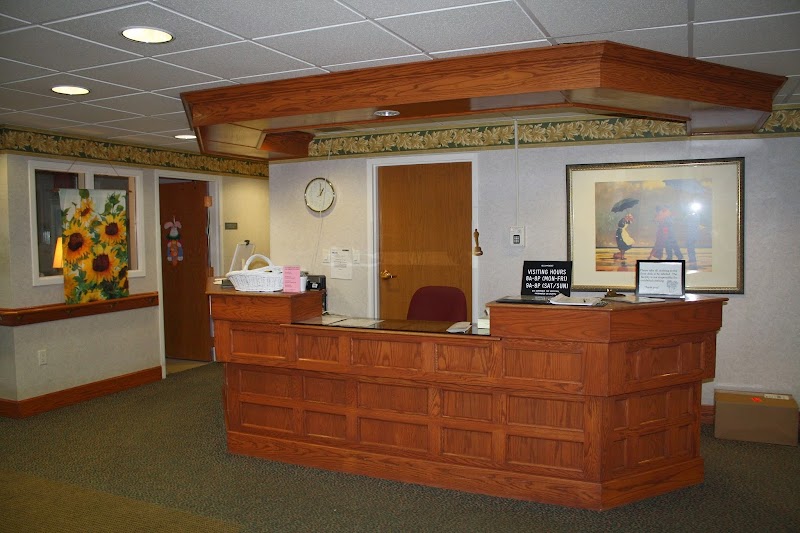
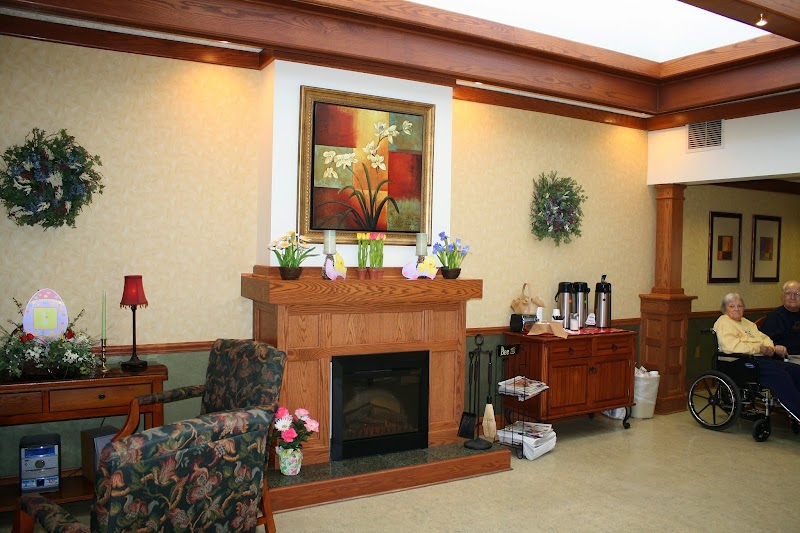
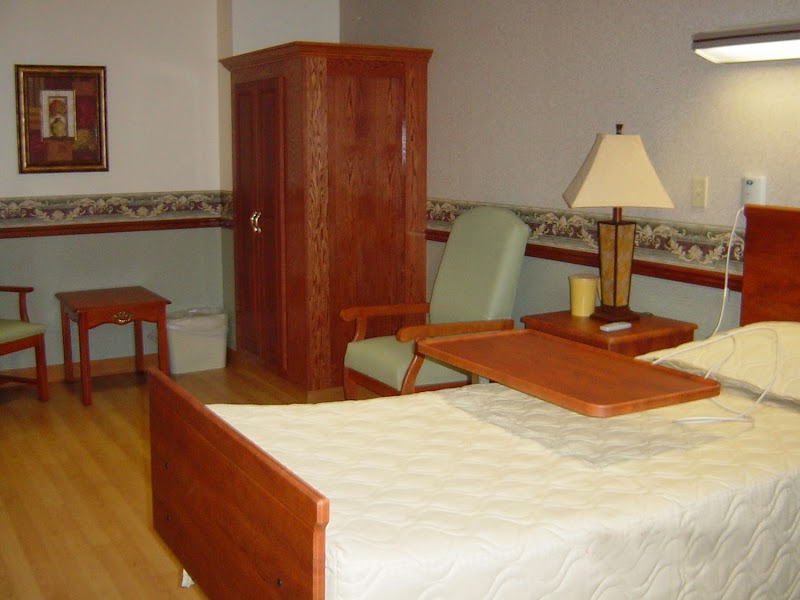
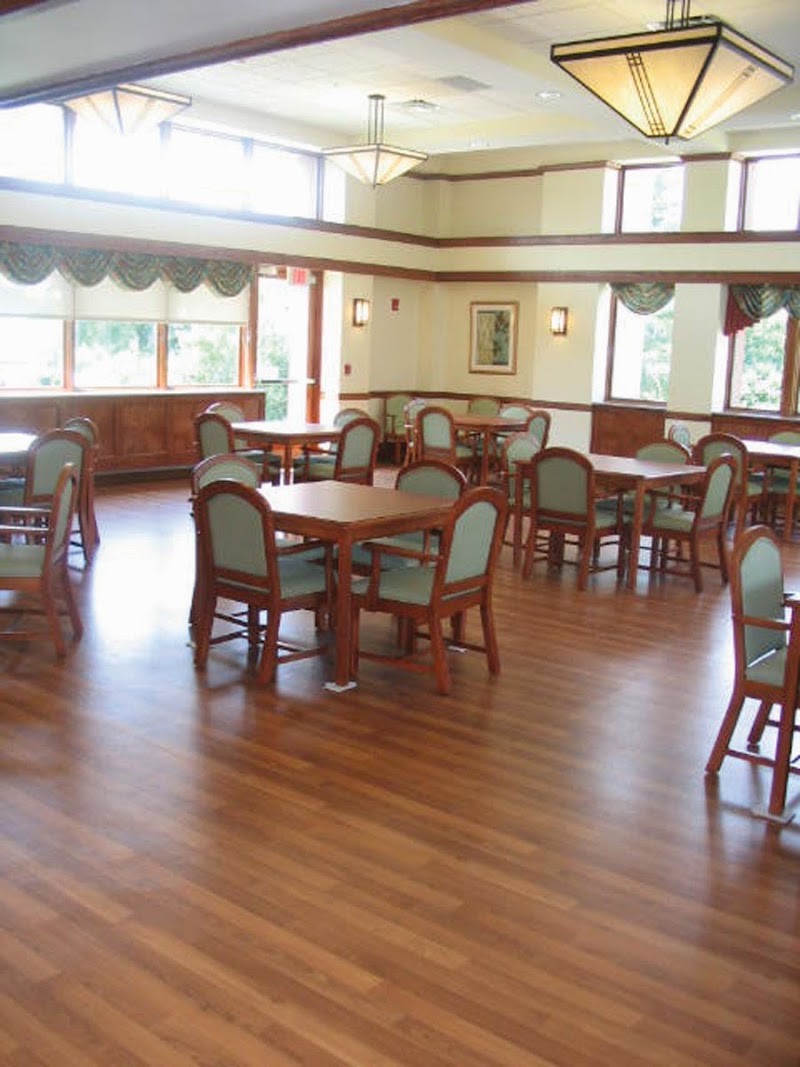
GARDEN GATE HEALTH CARE FACILITY

2365 UNION ROAD, CHEEKTOWAGA, NY 14227 (716) 668-8100
For profit - Limited Liability company 184 Beds THE MCGUIRE GROUP Data: November 2025
Trust Grade
60/100
#282 of 594 in NY
Last Inspection: March 2025

Within standard 12-15 month inspection cycle. Federal law requires annual inspections.

Overview

Garden Gate Health Care Facility in Cheektowaga, New York, has a Trust Grade of C+, which means it is slightly above average but still has room for improvement. Ranking #282 out of 594 facilities in New York places it in the top half, while its county rank of #22 out of 35 indicates that only a few local options are better. Unfortunately, the facility is experiencing a worsening trend, with issues increasing from 3 in 2023 to 11 in 2025. Staffing is rated average, with a turnover rate of 45%, which is similar to the state average, but the facility has concerningly less RN coverage than 80% of other New York facilities. While the facility has had no fines, which is a positive sign, there have been significant concerns noted in inspector findings, including serving food at unsafe temperatures, failing to properly store food, and not maintaining infection control measures like mask-wearing and flu vaccinations for staff. Overall, while there are strengths such as no fines and excellent quality measures, the facility needs to address its rising issues and improve food safety and infection control practices for better resident care.

Trust Score
C+
60/100
In New York
#282/594
Top 47%
Safety Record
Low Risk
No red flags
Inspections
Getting Worse
3 → 11 violations
Staff Stability
⚠ Watch
45% turnover. Above average. Higher turnover means staff may not know residents' routines.
Penalties
✓ Good
No fines on record. Clean compliance history, better than most New York facilities.
Skilled Nurses
⚠ Watch
Each resident gets only 27 minutes of Registered Nurse (RN) attention daily — below average for New York. Fewer RN minutes means fewer trained eyes watching for problems.
Violations
⚠ Watch
21 deficiencies on record. Higher than average. Multiple issues found across inspections.
★★★☆☆
3.0
Overall Rating
★★★☆☆
3.0
Staff Levels
★★★★★
5.0
Care Quality
★★☆☆☆
2.0
Inspection Score
Stable
2023: 3 issues
2025: 11 issues

The Good

  • 5-Star Quality Measures · Strong clinical quality outcomes
  • Full Sprinkler Coverage · Fire safety systems throughout facility
  • No fines on record

Facility shows strength in quality measures, fire safety.

The Bad

3-Star Overall Rating

Near New York average (3.1)

Meets federal standards, typical of most facilities

Staff Turnover: 45%

Near New York avg (46%)

Higher turnover may affect care consistency

Chain: THE MCGUIRE GROUP

Part of a multi-facility chain

Ask about local staffing decisions and management

The Ugly 21 deficiencies on record

Mar 2025 9 deficiencies
CONCERN (D)

Potential for Harm - no one hurt, but risky conditions existed

ADL Care (Tag F0677)

Could have caused harm · This affected 1 resident

**NOTE- TERMS IN BRACKETS HAVE BEEN EDITED TO PROTECT CONFIDENTIALITY** Based on observation, interview, and record review conducted during the Standard survey completed on 3/19/25, the facility did n...

Read full inspector narrative →
**NOTE- TERMS IN BRACKETS HAVE BEEN EDITED TO PROTECT CONFIDENTIALITY** Based on observation, interview, and record review conducted during the Standard survey completed on 3/19/25, the facility did not ensure that residents who were unable to carry out activities of daily living, received the necessary services to maintain good grooming and personal hygiene for two (Residents #6 and #63) of eight residents reviewed for activities of daily living. Specifically, Resident #6 had a moderate amount of chin and upper lip hair and Resident #63 had long fingernails on both hands with dark brown debris underneath on multiple observations. Staff did not offer or provide shaving or nail care during care observations. The findings are: The policy titled Activities of Daily Living, last revised 10/2023, documented each resident would receive and the facility would provide the necessary care and services to attain or maintain the highest practicable physical, mental, and psychosocial well-being, consistent with the resident's comprehensive assessment and plan of care. This included the facility ensuring that the resident was given the appropriate treatment and services to maintain or improve his or her ability to carry out activities of daily living, including hygiene (bathing, dressing, grooming, and oral care). Certified Nurse Aides would follow the [NAME] (guide used by staff providing care), if a resident refused care or had a change in condition requiring a level of care differing from the [NAME], the Certified Nurse Aide would alert the licensed nurse/nurse supervisor. The policy titled AM (morning) and HS (evening) Care, last revised 1/2024, documented all residents were provided with morning and evening care on a daily basis. Morning care procedure consisted of oral care, washing face, neck, under arms and under breasts. Washing resident's genital areas and buttocks if resident was unable to do so. Provide assistance with shaving using disposable razor or electric razor. Shaving cream used based on resident preference/need. The policy titled Nail Care, last revised 10/2011, documented routine nail care was to be completed following bathing/showering and whenever possible to ensure cleanliness and prevent infection. 1.Resident #6 had diagnoses including type 2 diabetes mellitus with diabetic chronic kidney disease (body has trouble controlling blood sugar and using it for energy), unspecified dementia (loss of memory) with other behavioral disturbance, and essential tremor (a nervous system disorder that causes rhythmic shaking). The Minimum Data Set (a resident assessment tool) dated 1/3/25 documented Resident #6 was severely cognitively impaired, was usually understood, and usually understands. Required supervision or touching assist of one staff member with personal hygiene and substantial/maximal assist of one staff member with bathing. The comprehensive care plan dated 3/30/21 documented Resident #6 required a minimal assist of one staff member for personal hygiene and a moderate assist of one staff member with bathing upper extremities related to impaired balance, limited mobility and limited range of motion. The [NAME] (a guide used by staff providing care) with a printout date of 3/14/25 documented Resident #6 received their showers Saturdays during the 7:00 AM - 3:00 PM shift. Review of nursing progress notes dated 2/1/25 - 3/14/25 revealed no documented evidence that Resident #6 was offered or refused shaving. During an observation and interview on 3/12/25 at 1:01 PM, Resident #6 was sitting up in their bed eating lunch, with ½ inch to 1-inch long, gray, curly facial hair on their upper lip and chin. Resident #6 stated they minded having facial hair and no one had ever offered to shave them. During follow up observations on 3/13/25 at 9:23 AM and 4:05 PM, Resident #6 was lying in bed sleeping and the facial hair remained. Photographs of Resident #6 were on the wall of their room. No facial hair was observed on the resident in those photographs. During an observation and interview on 3/14/25 at 10:58 AM, with the Clinical Educator present, Certified Nurse Aide #1, with assistance from Certified Nurse Aide #2, washed Resident #6's face, arm pits, under breasts and completed incontinent care and assisted with dressing. Certified Nurse Aide #1 discarded the soiled linen on the barrier, dumped the soiled water into the toilet and stated they were completed with care. Shaving was not offered to Resident #6 and their facial hair remained. During a follow up interview on 3/14/25 at 11:10 AM, Certified Nurse Aide #1 stated morning care for residents typically consisted of incontinent care, brushing hair and teeth, applying deodorant and shaving if needed. Certified Nurse Aide #1 stated Resident #6 had tons of facial hair, and they should have offered the resident to be shaved during care, but they did not. Certified Nurse Aide #1 stated morning care for Resident #6 had been completed on their first rounds at the beginning of the shift and they had not offered to shave Resident #6 then either. They stated Certified Nurse Aides were responsible for shaving residents whenever facial hair was noticed, it was important for dignity reasons. During an observation and interview on 3/14/25 at 11:13 AM, Licensed Practical Nurse #1 stated morning care included a half bed bath: wash face, hands, arm pits, incontinent care, oral care, brush hair, and shaving on shower days or whenever facial hair was noticed. They walked into Resident #6's room, observed the facial hair on the resident's upper lip and chin, then stated Certified Nurse Aide #1 should have offered to shave Resident #6 because they had long facial hair. It needed to be addressed, it was important to keep the resident feeling and looking nice. During an interview on 3/14/25 at 11:30 AM, Licensed Practical Nurse #2 Unit Manager stated morning care consisted of washing hands, face, arm pits, arms, incontinent care, oral care and shaving whenever it was noticed. There were no specific times that shaving should be offered or completed, it could be completed any time throughout the shift, not just with morning care. They would have expected Certified Nurse Aide #1 to shave Resident #6 during incontinent care, or at least have offered. It was important for dignity reasons. During a follow up interview on 3/17/25 at 10:27 AM, Licensed Practical Nurse #1 and Licensed Practical Nurse #2 Unit Manager stated the Certified Nurse Aide assigned to the resident was responsible for ensuring shaving was offered and completed whenever they noticed facial hair. During an interview on 3/17/25 at 11:28 AM, Licensed Practical Nurse #6 Clinical Educator stated shaving should be offered whenever facial hair was noticed, it did not matter if care was being provided or not. The Certified Nurse Aide assigned to the resident was responsible for ensuring shaving was completed. They stated Certified Nurse Aide #1 should have offered to shave Resident #6 and they did not. It was important to shave dependent residents who had facial hair for dignity reasons, so they can feel good, fresh, and clean. During an interview on 3/19/25 at 9:13 AM, the Director of Nursing stated Certified Nurse Aides were responsible for offering and providing shaving to dependent residents. Nurses could offer and help if they had the extra time. The Director of Nursing stated Certified Nurse Aide #1 should have offered to shave Resident #6 during morning care, or whenever the facial hair was noticed. Shaving should be completed by Certified Nurse Aides first thing in the morning with first rounds, or whenever time was available throughout the shift. It was important to keep residents looking good, for integrity and dignity purposes. During an interview on 3/19/25 at 11:58 AM, the Administrator stated they expected Certified Nurse Aides to offer shaving to residents in need of it at some point throughout the day; during morning care, on shower days and anytime it was needed or noticed. The Certified Nurse Aides were responsible for ensuring activities of daily living were carried out for residents, team leaders were to ensure they were completed. It was important for dignity purposes. 2. Resident #63 had diagnoses including unspecified dementia with psychotic disturbance, depression and anxiety disorder. The Minimum Data Set, dated [DATE], documented Resident #63 was moderately cognitively impaired, no behaviors were exhibited and did not reject care. Resident #63 required partial/moderate assistance with personal hygiene. The comprehensive care plan last revised 3/13/25, documented Resident #63 had a personal hygiene activities of daily Living self-care performance deficit related to activity intolerance, limited mobility and impaired balance with interventions including nail care on bath day and / or as needed. Review of the Visual/Bedside [NAME] Report, undated, documented nail care on bath day and/or as needed. During observations on 3/12/25 at 11:46 AM and 3/13/25 at 10:26 AM, all fingernails on Resident #63's right hand were long with dark brown debris beneath. During an observation at 3/14/25 at 1:00 PM, Resident #63 was in the dining room feeding themself. All fingernails on their right hand were long with dark brown debris beneath. During an observation on 3/17/25 at 10:04 AM, with Licensed Practical Nurse #6 Clinical Educator present, Certified Nursing Assistant # 5 provided morning care to Resident #63 while they were in bed. The resident's fingernails on their right hand were long with dark brown debris beneath all nails and the 2nd,3rd, 4th and thumb fingernails on their left hand were long with dark brown debris beneath the nails. Certified Nursing Assistant #5 completed care and exited Resident #63's room. During an interview on 3/17/25 at 10:34 AM, Certified Nursing Assistant #5 stated they had completed Resident #63's morning care and they were finished. They stated Resident #63 refused their shower that morning therefore all their care was provided while they were in bed and stated they did not observe Resident #63's fingernails while providing care and they should have. They stated fingernail care included trimming and cleaning beneath the fingernails and was completed on shower days and as needed. Certified Nursing Assistant #5 and Clinical Educator Licensed Practical Nurse #6 reentered Resident #63's room and observed Resident #63's fingernails. Certified Nursing Assistant #5 stated Resident #63's fingernails were long with dark brown debris, and they needed to be trimmed and cleaned. They stated they should have provided nail care during morning care. Certified Nursing Assistant #5 stated Resident #63 used their hands to feed themselves therefore it was important to keep their fingernails clean and trimmed for infection control purposes. During an interview on 3/17/25 at 10:35 AM, Clinical Educator Licensed Practical Nurse #6 stated Certified Nursing Assistant #5 did not offer fingernail care during AM care and should have. Upon observation of Resident #63's fingernails Clinical Educator Licensed Practical Nurse #6 stated Resident #63's fingernails are long with dark brown debris. During an interview on 3/18/25 at 1:19 PM, Unit Manager Licensed Practical Nurse #4 stated Certified Nursing Assistant #5 should have cleaned Resident #63's fingernails during morning care. They stated resident's fingernails are to be trimmed and cleaned on shower day and any time when they are long or noted with brown debris beneath them. They stated all nurses and certified nursing assistants are responsible to ensure resident's fingernails are clean and trimmed during care. During an interview on 3/19/25 at 12:05 PM, the Director of Nursing stated they would have expected Certified Nursing Assistant #5 to have trimmed and cleaned Resident #63's fingernails during morning care. They stated it was important to have resident's fingernails trimmed and clean for infection control purposes and dignity. They stated it was the responsibility of all nurses and certified nursing assistants to observe resident's fingernails whenever providing care and would have expected them to have been cleaned and trimmed. 10NYCRR 415.12(a)(3)
CONCERN (D)

Potential for Harm - no one hurt, but risky conditions existed

Quality of Care (Tag F0684)

Could have caused harm · This affected 1 resident

**NOTE- TERMS IN BRACKETS HAVE BEEN EDITED TO PROTECT CONFIDENTIALITY** Based on observation, interview, and record review conducted during the Standard survey completed on 3/19/25 the facility did no...

Read full inspector narrative →
**NOTE- TERMS IN BRACKETS HAVE BEEN EDITED TO PROTECT CONFIDENTIALITY** Based on observation, interview, and record review conducted during the Standard survey completed on 3/19/25 the facility did not ensure that residents receive treatment and care in accordance with professional standards of practice and the comprehensive person-centered care plan for one (Resident #120) of three residents reviewed for nutrition. Specifically, weekly weights recommended by the dietician were not obtained consistently by the dietician as planned and Resident #120 had a continued weight loss. The finding is: The policy titled Weight Monitoring revised 5/2013 documented a weight record is used to facilitate monitoring of changes in weights on a weekly or monthly basis. Admission/ re-admission weights are obtained weekly for the first four weeks, then monthly thereafter unless more frequent monitoring is indicated by the resident's condition. Weekly or more frequent weight checks may be indicated on residents with anorexia, dehydration, obesity, edema, significant change or as indicated by certain medication regimes. Weight frequency will be increased as deemed necessary by Nursing, dietary or a physician. Consistent monitoring of weight gain or loss provides guidance for appropriate intervention in conjunction with the Dietician, as indicated. A licensed nurse monitors the weight sheets and significant changes are reported to dietary and physician as needed. Dietary records the weight in the Electronic Medical Record. Resident #120 had diagnoses which included Parkinson's disease, depression, and severe protein-calorie malnutrition (reduced availability of nutrients leads to changes in the body). The Minimum Data Set- (a resident assessment tool) dated 1/31/25 documented Resident #120 was cognitively intact, understands and was understood. The Minimum Data Set further documented Resident #120 weighed 125 pounds and had a weight loss of five percent or more in the last month or loss of ten percent or more in the last six months and was not on a physician's prescribed weight-loss regimen. The comprehensive care plan dated 2/19/25 documented that Resident #120 was at risk for alteration in nutrition related to parkinsonism, depression, below the ideal body weight, significant weight-loss, and protein-calorie malnutrition. The plan included to weigh weekly, supplements on meal trays: mighty shakes three times per day and nutritional medication pass which included liquid protein supplement. The Visual/Bedside [NAME] Report (guide used by staff to provide care) with the as of date of 3/18/25 documented Resident #120 required maximal assist for meals and ate meals on the unit. Weekly weights were not reflected on the [NAME] report. The Dietary Nutritional Screen dated 1/27/25 documented a weight of 124.8 pounds and was a 15.2 pound weight loss since discharged from the facility on 10/16/24 at a weight of 140 pounds. Weekly weights were incorporated into the plan and Resident #120's weight would gradually increase by the next review. Review of the Medical Visit Note dated 3/6/25 Nurse Practitioner #2 documented the most recent weight was 124.4 and was obtained on 2/12/25. Resident #120 had severe protein calorie malnutrition due to chronic disease, and Parkinson's. Nurse Practitioner recommended to continue vitamin/mineral supplementation and was followed by Nutrition. During an observation and interview on 3/13/25 at 9:02 AM, Resident #120 was eating breakfast in bed and stated they preferred no assistance with eating from the staff and wanted to remain as independent as possible. They did not like the food and were unsure how much weight they lost but knew they had lost weight. Review of the meal consumption sheets dated from 2/17/25 through 3/17/25 documented Resident #120's average intakes ranged from 25 percent to 50 percent. The nutrition snack before bedtime consumption sheets from 2/19/25 through 3/17/25 documented Resident #120 refused on 2/19/25 and accepted the snacks on the following evenings: 2/28/25, 3/1/25, 3/4/25, 3/8/25, 3/17/25. It was documented Resident #120 was offered snacks before bedtime on six evenings between 2/19/25 and 3/17/25. Review of the B Unit weekly weight tracking sheets on 3/17/25 at 10:32 AM verified by Registered Dietician # 2 that from 1/28/25 through 3/11/25 revealed Resident #120 had inconsistent documented weekly weight tracking. The weights were blank on 2/18/25, 2/25/25, 3/4/25, and 3/11/25. The Nutrition Weight Audit Tool for B Unit provided by Registered Dietician #2 on 3/18/25 dated 2/27/25 and 3/13/25 the weight column for Resident #120 was blank. During an interview on 3/18/25 at 12:44 PM, Registered Dietician #2 stated they distributed weekly weight sheets on Monday mornings. Certified nursing assistants documented the weights weekly on the tracking sheets. The sheets were collected at the end of the day shift on Wednesdays then documented into the electronic medical record. Nutrition Weight Audit Tools indicated missed weights and were emailed on Thursdays to Registered Nurse Unit Coordinator #2, Assistant Director of Nursing #1 and Director of Nursing #1. Registered Dietician #2 assumed no additional weight loss had occurred for Resident #120 based on meal and bedtime snack consumption but was not definite. The last documented weight was 124.4 pounds on 2/12/25. Weights were monitored weekly for four weeks, then monthly thereafter unless directed by the physician. Weights warranted the need for revisions to resident's daily meal plan and prevented further weight loss. Further during an interview on 3/18/25 at 2:56 PM, Registered Dietician #2 stated Resident #120's current weight on 3/18/25 was 120.6 pounds and was 4 pounds down from readmission on [DATE] but was not significant. They would have implemented more protein and prevented further muscle wasting. Registered Dietician #2 stated they would have notified the provider sooner of the downward trend and suggested an appetite stimulant if it would not be contraindicated with their other medications. During an interview on 3/19/25 at 9:36 AM, Certified Nursing Assistant #4 stated they were responsible for Resident #120's weekly weights. Weights were important to monitor fluid balances and health. Certified Nursing Assistant # 4 stated providing care was more important than getting weights. During an interview on 3/19/25 at 10:51 PM, Nurse Practitioner #2 stated they would have expected the recommendations of Registered Dietician #2 to be followed to catch trends of weight loss or gains. Interventions with additional supplements or vitamins may have been warranted. During an interview on 3/19/25 at 12:02 PM, Registered Nurse #2 Unit Coordinator stated weights were written down daily on the certified nurse aides assignments sheets. The assigned certified nurse aide documented the weight on the weight board kept at the nurse's station. Registered Nurse #2 Unit Coordinator did not know why weekly weights were inconsistently documented for Resident #120, but they should have been completed and documented weekly. During an interview on 3/19/25 at 12:08 PM, Director of Nursing #1 stated Certified Nurse Aide # 4 should have weighed Resident #120 weekly per Registered Dietician #2's recommendation and their plan of care. 10 NYCRR 415.12
CONCERN (D)

Potential for Harm - no one hurt, but risky conditions existed

Accident Prevention (Tag F0689)

Could have caused harm · This affected 1 resident

**NOTE- TERMS IN BRACKETS HAVE BEEN EDITED TO PROTECT CONFIDENTIALITY** Based on observation, interviews, and record review conducted during a Standard survey completed on 3/19/25, the facility did no...

Read full inspector narrative →
**NOTE- TERMS IN BRACKETS HAVE BEEN EDITED TO PROTECT CONFIDENTIALITY** Based on observation, interviews, and record review conducted during a Standard survey completed on 3/19/25, the facility did not ensure that the resident environment remained as free from accident hazards as was possible and that each resident received adequate supervision to prevent accidents for one (Resident #115) of three residents reviewed. Specifically, Resident #115 was served regular consistency soup with intact broccoli pieces and the soup should have been pureed. The finding is: The policy and procedure titled Accident/Incident Investigation and Prevention with a revised date of 6/23 documented the facility provides an environment that is free from accident hazards and provided supervision to each resident to prevent avoidable accidents. The policy and procedure titled Eating Assistance revised 3/25 documented that facility staff is responsible for assisting and/or feeding residents as needed. It documented that when the meal is presented to the resident, staff will check the meal ticket for the type of assistance required and to assure the correct diet has been provided, and the prescribed liquid/food consistency are present. The policy and procedure titled Solid and Liquid Consistency revised 9/22 documented that consistency alterations are indicated when residents have difficulty chewing or swallowing due to various problems such as poor dentition, facial paralysis, senility and dysphagia. It documented that for an order of thickened liquids, all soups are served puree and modified to the correct consistency. Resident #115 had diagnoses including aphasia following Cerebral Infarction (a language disorder that impairs a person's ability to communicate, including speaking, understanding, reading, and writing, due to damage to the brain's language center), dysphagia (difficulty swallowing, which can occur due to damage to the brain regions controlling swallowing, leading to potential complications like malnutrition and pneumonia), and dementia (a condition characterized by progressive or persistent loss of intellectual functioning). The Minimum Data Set (an assessment tool) dated 2/7/25 documented Resident #115 had a moderate level of cognitive impairment and was sometimes understood and understood sometimes. Resident #115's Comprehensive Care Plan documented that Resident #115 required verbal cues/encouragement and supervision when eating and was to eat all meals in the main dining room. Resident #115's [NAME] (guide used by staff to provide care) dated 3/16/25 documented the resident ate all meals in the main dining room and their diet order was for nectar thick liquids and they required supervision and verbal cueing and encouragement. During an evening meal observation in the main dining room on 3/16/24 all trays were passed by nursing staff at 6:41 PM. At 6:47 PM, Resident #155's meal ticket documented the resident was to receive a pureed soup and have supervision with encouragement and verbal cueing at mealtime. The soup on Resident #115's tray was uncovered, and was of regular consistency and contained pieces of broccoli. Resident #115 had not eaten any of the soup, however was able to pick up their sandwich and eat. There were staff in the dining room supervising at this time. Review of Resident #115's diet order documented that Resident #115 was ordered a house diet, ground texture, nectar thick liquids with large portions, with an effective date 10/25/24. Review of the Swallow Discharge summary dated [DATE] documented Resident #115 was aphasic, dysarthric (difficulty speaking due to damage or dysfunction of the muscles or nerves controlling speech), confused, and lethargic. The resident was able to manage ground food consistency and required nectar thick liquids due to a delayed trigger and coughing persisting with thin liquids. Additional recommendations were to provide supervision during meals, provide verbal encouragement, decrease the rate and amount of consumption, alternate liquids and solids, and alternate hot and cold. The Swallow Discharge Summary noted that Resident #115 was unable to follow the recommendations independently. Review of Section GG (Functional Abilities) of Resident #115's Minimum Data Set (an assessment tool) dated 2/7/25 documented the resident usually required supervision or touching assistance while eating. During an interview on 3/16/25 at 6:48 PM, Food Service Director #1 stated Resident #115 should have received a pureed nectar thick soup with their meal and had they attempted to eat the regular soup, they could have choked. During an interview on 3/17/25 at 10:56 AM, Speech-Language Pathologist #1 reviewed Resident #115's chart and stated Resident #115's soups should be pureed and nectar thick and they could be at risk of aspiration if they ate regular consistency soup with pieces of broccoli. They stated that supervision at mealtime meant that someone should be checking on the resident throughout the meal. During an interview on 3/17/25 at 12:37 PM, Licensed Practical Nurse #4 stated that to their understanding, supervision was considered nursing staff being present in the dining room during mealtime for Resident #115. During an interview on 3/19/25 at 8:56 AM, Director of Nursing #1 stated that Resident #115 could have aspirated or choked if they had eaten regular consistency soup with pieces of broccoli. The stated that meal tickets and care plans should always be followed. 10NYCRR 415.12 (h)(1)(i) (2)
CONCERN (D)

Potential for Harm - no one hurt, but risky conditions existed

Drug Regimen Review (Tag F0756)

Could have caused harm · This affected 1 resident

Based on interview and record review conducted during a Standard survey completed on 3/19/25, the facility did not ensure that the pharmacist reported irregularities to the Attending Physician, the Di...

Read full inspector narrative →
Based on interview and record review conducted during a Standard survey completed on 3/19/25, the facility did not ensure that the pharmacist reported irregularities to the Attending Physician, the Director of Nursing and the facility's Medical Director, and that these reports were acted upon for one (Resident #145) of five residents reviewed for drug regimen reviews. Specifically, recommendations made by the Consultant Pharmacist on 1/17/25 were not reported to the Attending Physician, and the facility's Medical Director. Additionally, these recommendations were not acted upon. The finding is: The policy titled Unnecessary Medications Medication Regimen Review, last revised 10/2018, documented the Consultant Pharmacist conducted a medical record review and assessed the drug therapy of each resident monthly. During routine reviews the Consultant Pharmacist identifies any irregularities or additional identified concerns using the Medication Regimen Review Form. When there were pharmacy recommendations that were routine, the pharmacist would move the medication regime review form to the physician section of the chart. On the next scheduled visit, the attending physician reviewed and documented the irregularity and what/if any action had been taken to address. Should there be no change, the physician documented their rationale. The physician responded/followed up within 60 days of routine recommendations. If physician follow up exceeded 60 days, the Consultant Pharmacist would notify the Director of Nursing Services/facility designee. The finding is: Resident #145 had diagnoses including type 2 diabetes mellitus, dementia without behavioral disturbance, and depression. The Minimum Data Set (a resident assessment tool) dated 12/3/24 documented Resident #145 was moderately cognitively impaired, was usually understood, usually understands, and received hypoglycemic medication (used to lower blood sugar). Review of the comprehensive care plan dated 11/26/24 documented Resident #145 had an alteration in nutrition related to diabetes mellitus with an intervention to monitor for signs and symptoms of hyper/hypoglycemia (high/low blood sugar). Review of Pharmacy Drug Regimen Review form dated 1/17/25 at 6:22 PM, Consultant Pharmacist #1 documented the medication regimen of Resident #145 was reviewed. A recommendation was made to the attending physician. Review of Note to Attending Physician/Prescriber dated 1/17/25, revealed Consultant Pharmacist #1 identified Resident #145 was receiving a weekly CBC with diff (complete blood count with differential; a blood test that goes beyond a standard complete blood count by providing a detailed analysis of the different types of white blood cells in addition to the standard complete blood count measurements) and a BMP (basic metabolic panel; a blood test that measures electrolytes and blood sugar) and they questioned if it was still required weekly. Additionally, they identified Resident #145 was receiving Lantus (a medication that lowers the blood sugar slowly over a 24-hour period) 100 units/milliliter 8 units injected every morning, Humalog (a medication that lowers the blood quickly over a short period of time) 100 units/milliliter per sliding scale before each meal (which required the resident to have their blood sugar taken by a finger stick three times a day), Metformin (a medication that lowers blood sugar over a 24-hour period) 1000 milligrams twice a day and Ozempic (a medication that lowers the blood sugar slowly over a 7 day period) 2 milligrams/3 milliliters 0.5 milligrams injected once every Wednesday. They documented Resident #145's blood sugar range was between 80-233 from 1/1/25 to 1/17/25 and questioned if the residents sliding scale insulin checks should continue as ordered due to only requiring insulin three times out of fifty finger sticks, and if not how often should blood sugar be monitored. There was no documented follow up, signature, or date on the report by a medical provider. Review of the physicians Order Summary Report dated 3/18/25 revealed Resident #145 had active physician's orders to receive weekly lab work consisting of a complete blood count with differential and a basic metabolic panel and Humalog 100 unit/milliliter inject per sliding scale three times a day before meals. During a telephone interview on 3/18/25 at 11:34 AM, Licensed Practical Nurse #5 Unit Manager stated when they received a pharmacy recommendation, they placed them into the medical providers box to be addressed. The medical provider would write if they agreed or disagreed with the recommendation, sign it, and put in the order if there was a change. The Unit Manager would then approve the order, and the recommendation was then filed in the resident's medical chart. Licensed Practical Nurse #5 Unit Manager stated they could not recall the recommendation or if the medical provider had been updated on the recommendation from Consultant Pharmacist #1 for Resident #145 from 1/17/25. During a telephone interview on 3/18/25 at 11:56 AM, Consultant Pharmacist #1 stated they review all residents' medications and medical record monthly and make recommendations based on their findings. The recommendations were emailed to the Unit Managers and Director of Nursing. The Unit Managers review them and then gives them to the medical providers to address. They expected all recommendations to be addressed based on the severity of them, but no later than the next monthly review. Consultant Pharmacist #1 stated they made recommendations for Resident #145 on 1/17/25 to reduce their finger sticks and injection burden. The recommendations were not addressed so they sent an email on 2/18/25 notifying the facility (Licensed Practical Nurse #5 Unit Manager) that it had not been responded to. During the interview the consultant reviewed Resident #145's medical record and stated the recommendations had not been addressed as of 3/18/25. They had not completed the monthly review for March yet, so that was the last communication regarding the orders. Review of a facility provided e-mail sent to Licensed Practical Nurse #5 Unit Manager dated 2/18/24 revealed Consultant Pharmacist #1 attempted to follow up on the recommendations for Resident #145. The e-mail was sent to Licensed Practical Nurse #5 Unit Manager with the monthly unit report and documented there were old items that had not been addressed by the medical provider for Resident #145 from 1/17/25. There was no documented evidence the email was replied to, or that the recommendations were addressed. During an interview on 3/18/25 at 12:05 PM, Nurse Practitioner #1 stated the process for monthly medication recommendations was that they were placed in a box outside of their office by the Unit Managers, were then reviewed by the medical provider who would write if they agreed or disagreed with the recommendation, sign them, then enter any changes into the medical record. They stated they do not recall every being given a recommendation for Resident #145 from 1/17/25 regarding weekly lab draws or Humalog sliding scale changes. Nurse Practitioner #1 reviewed Resident #145's medical record and physician notes and stated a medical provider would have put a note in regarding reviewing the recommendations, and there was no note, so they did not think any other medical provider saw the recommendation either. They stated Resident #145 was now long term in the facility so they probably did not need lab work drawn weekly and their Humalog would be appropriate to change to once a day instead of three times a day to lessen the finger sticks, they received. Nurse Practitioner #1 stated it was important to review pharmacy recommendations in a timely manner to make any needed changes to the residents' plan of care. During an interview on 3/19/25 at 9:17 AM, Director of Nursing #1 stated the current process for monthly medication reviews were that the Consultant Pharmacist emailed all recommendations to the Unit Managers and themselves (Director of Nursing), then they were given to the medical providers by the unit managers to address and then given back to medical records to file accordingly. They stated they would have expected the recommendations made for Resident #145 on 1/17/25 to have been given to the medical provider by Licensed Practical Nurse #5 Unit Manager. It was important to ensure recommendations were followed through with in a timely manner so that things did not fall through the cracks like the incident with Resident #145. Additionally, Director of Nursing #1 stated they expected to be included on any follow up correspondence regarding recommendations not being addressed. During an interview on 3/19/25 at 10:49 AM, Medical Director #1 stated their expectations regarding monthly medication regimen reviews sent by the Consultant Pharmacist were that they were given to the medical providers and addressed within a week of the Unit Managers receiving them. There were providers in house daily, so there was no excuse for the recommendations for Resident #145 made on 1/17/25 to not have been addressed. They stated it was important for reviews to be addressed timely for the safety of residents. Additionally, Medical Director #1 stated they valued the Consultant Pharmacist recommendations. During an interview on 3/19/25 at 11:54 AM, the Administrator stated the Unit Managers, with oversight from the Director of Nursing, were responsible for reviewing medication regimen reviews and giving to the medical providers to address. 10 NYCRR 415.18 (c)(2)
CONCERN (D)

Potential for Harm - no one hurt, but risky conditions existed

Antibiotic Stewardship (Tag F0881)

Could have caused harm · This affected 1 resident

**NOTE- TERMS IN BRACKETS HAVE BEEN EDITED TO PROTECT CONFIDENTIALITY** Based on record review and interviews conducted during the Standard survey completed on 3/19/25, the facility did not ensure tha...

Read full inspector narrative →
**NOTE- TERMS IN BRACKETS HAVE BEEN EDITED TO PROTECT CONFIDENTIALITY** Based on record review and interviews conducted during the Standard survey completed on 3/19/25, the facility did not ensure that the facility's infection and control program included antibiotic use protocols and a system to monitor antibiotic use for two (Resident #16 and #52) of two residents reviewed. Specifically, Resident #16 was receiving an antibiotic since 10/30/24 and Resident #52 was receiving an antibiotic since 10/2/21. The use of the antibiotic was not monitored and tracked by the Infection Preventionist (IP) / Antibiotic Stewardship Program. The findings are: The policy and procedure titled Antibiotic Stewardship Program revised 3/2025, documented the antibiotic stewardship program is a component of the facility's Infection Prevention and Control Program. It is a coordinated program that promotes the use of antimicrobials, improves patient outcomes, reduces microbial resistance, and decreases the spread of infections caused by multidrug-resistant organisms. The primary goal of antibiotic stewardship is to optimize the treatment of infections and clinical outcomes while minimizing unintended consequences of antibiotic use. The facility has a quality assessment and assurance committee that will review the antibiotic use and resistance data. The Administrator, Medical Director, Director of Nursing Services, and Consultant Pharmacist are responsible for antibiotic stewardship in the facility. The facility will track adherence including but not limited to clinical assessment documentation of signs and symptoms, vital signs, physical examination findings of infection, dose, duration and indication, and adverse drug events. 1. Resident #16 had diagnoses which included osteomyelitis (infection of bone), diabetes mellitus, and peripheral vascular disease (poor circulation of lower extremities). The Minimum Data Set (a resident assessment tool) dated 1/3/25 documented Resident #16 had moderate cognitive impairment, was understood, and understands. The Minimum Data Set documented Resident #16 received antibiotics. The comprehensive care plan dated 12/3/24 and revised 2/22/25, documented Resident #16 was at risk for infection related to diabetes, a right foot vascular wound and a right heel wound. Interventions included to apply treatments, administer antibiotics as ordered, and assess for signs and symptoms of infection. The Medical Visit Note dated 1/17/25 documented Resident #16 was evaluated by vascular surgery and refused surgical intervention. The infectious disease physician recommended Cefadroxil (antibiotic) indefinitely. The Order Summary Report printed by the facility on 3/19/25 documented a physician's order with a start date of 10/30/24 and a discontinued date of 3/18/25 for Cefadroxil Oral Capsule 500 milligrams by mouth every twelve hours for suppressive therapy. The Medication Administration Record dated March 2025 documented Resident #16 received Cefadroxil Oral Capsule 500 milligrams by mouth every twelve hours as ordered. 2. Resident #52 had diagnoses which included multiple sclerosis, acute promyelocytic leukemia (a rare and fast developing blood cancer that affects immature white blood cells called promyelocytes) in remission, and urinary tract infections. The Minimum Data Set, dated [DATE] documented Resident #52 was cognitively intact and received antibiotics. The comprehensive care plan dated 12/2/24, documented Resident #52 was at risk for infection related to history of urinary tract infections, indwelling medical devices, suprapubic catheter, colostomy, pressure ulcer sacrum, vascular ulcer and right media calf. Interventions included administer antibiotic/medication according to physician's order. The Medical Visit Note dated 11/22/24 documented Resident #52 had neurogenic bladder - suprapubic in place and continue Macrobid for prophylaxis. The Order Summary Report printed by the facility on 3/19/25 documented a physician's order with a start date of 10/2/21 with no end date for Nitrofurantoin Monchyd Macro (Macrobid) Capsule 100 milligrams by mouth one time a day at bedtime for prophylaxis. Review of the following lists provided by the facility as their mechanisms to monitor antibiotic use for Antibiotic Stewardship had no documented evidence Resident #16 and #52 were receiving antibiotics. -Order Listing Report of Active, Completed, and Discontinued antibiotics dated 1/1/25 through 3/17/25 printed 3/17/25. -Detailed list of residents on antibiotics dated 1/1/25 through 3/17/25 printed 3/17/25 from the facility's Data Analyst #1. -Antibiotic Utilization by Resident dated 1/1/25 through 3/17/25 from the facility's Consultant Pharmacist #1, printed 3/17/25. During an interview on 3/18/25 at 11:36 AM, the facility's Pharmacy Client Successor #1 stated they don't know why some of the anti-infectious agents (antibiotics) were not listed on the provided documents and believed this was a computer program error. The information should be analyzed differently to capture that Resident #52 was on Nitrofurantoin Monchyd Macro (Macrobid). During an interview on 3/18/25 at 12:05 PM, Consultant Pharmacist #1 stated Resident #16 and #52 prophylactic antibiotics were not being reported on the lists they provide to the facility and did not know why. They also stated they did not know if the facility had discussed Resident #16 and #52 at the Antibiotic Stewardship/ Quality Assurance and Performance Improvement meetings. Consultant Pharmacist #1 stated they believed there was an Antibiotic Stewardship Program system failure because Residents #16 and #52 were not being identified. They stated it was important to review all antibiotic usage in the facility to ensure antibiotics were being ordered for the appropriate use. During an interview on 3/19/25 at 9:30 AM, Assistant Director of Nursing #1 stated Antibiotic Stewardship was a collaborative effort between them and the Director of Nursing. They stated they had no documented evidence Resident #16 and #52 have been reviewed, monitored and tracked for antibiotic use and the residents should have been, tracked reviewed and monitored. During an interview on 3/19/25 at 12:13 PM, Director of Nursing #1 stated the Cefadroxil for Resident #16 and Nitrofurantoin Monchyd Macro (Macrobid) for Resident #52 was not on the facility's monthly antibiotic tracking list therefore was not reviewed for effectiveness, side effects, or resistance during the Quality Assurance meetings. The Cefadroxil and Nitrofurantoin Monchyd Macro (Macrobid) should have been monitored monthly. The Director of Nursing #1 verified the Cefadroxil for Resident #16 was started on 10/30/24 for suppression therapy and had no stop date until 3/18/25 and Nitrofurantoin Monchyd Macro (Macrobid) was started 10/2021 for prophylactic treatment for urinary tract infections with no end date. During an interview on 3/19/25 at 1:09 PM, the Administrator stated they would have expected that Resident #16 and #52's antibiotic use would have been discussed monthly at the Antibiotic Stewardship/Quality Assurance Improvement Program meetings by reviewing the antibiotic medication type, dose, reason, and duration to ensure the antibiotic usage was appropriate. 10 NYCRR 415.12(l)(1)
CONCERN (E) 📢 Someone Reported This

A family member, employee, or ombudsman was alarmed enough to file a formal complaint

Potential for Harm - no one hurt, but risky conditions existed

Food Safety (Tag F0812)

Could have caused harm · This affected multiple residents

Based on observations, interviews, and record review conducted during a Complaint (NY00353368) investigation during the Standard survey completed on 3/19/25, the facility did not store, prepare, distr...

Read full inspector narrative →
Based on observations, interviews, and record review conducted during a Complaint (NY00353368) investigation during the Standard survey completed on 3/19/25, the facility did not store, prepare, distribute, and serve food in accordance with professional standards for food service safety for one of one kitchen. Specifically, the kitchen had unlabeled and undated food items stored in the freezer and coolers. The main kitchen coffee maker was not functioning and kitchen equipment was not cleaned after previous use. There was food and trash debris on the kitchen and dish washing room floors; there were un-covered meal trays with un-eaten food on open carts, on top of tray caddies, on the counters in the main dining room and hallway adjacent to the main dining room. Additionally, there were fruit flies observed on several occasions. Resident #137 was involved. The findings are: The policy and procedure titled Food Preparation, Service, and Distribution effective 7/2008 and revised 10/22 documented the facility would assure safe and sanitary food preparation, holding, transport and distribution. Food contact equipment would be clean, washed and sanitized between uses. The policy and procedure titled Dining Room/Servery Meal Service with a revised date of 3/2011 documented it was to establish the times, methods, delivery, pick-up, supervision and disbursement of resident trays. It documented that dietary staff will be responsible for the delivery and pick up of food carts to and from each station, nursing personnel will be responsible for the disbursement of trays and returning the finished tray to the food cart, that prior to removing the cart from the unit, dietary personnel will check to see that they have all available trays at that time. The dietary and nursing personnel will clear the residents' meal, clean and sanitize the area and re-set the table. During the initial walk-through of the kitchen and food storage areas on 3/12/25 from 8:48 AM to 9:08 AM, the following were observed: There was an open metal cart containing two shallow pans with two tied roasts each (total of 4 roasts) in the walk-in freezer. They were uncovered and not labeled or dated. The floor stand mixer had dried spills on both arms, the soup kettle had dried on spills around the outside and on the base, and the meat slicer had meat pieces stuck at the bottom of the blade and blade guard along with solidified greasy drips in the catch area. At the time of the observation, Food Service Director #1 stated that the meat slicer had last been used during the evening shift on 3/11/25 and should have been cleaned by the cook who used it to slice ham. The slide-out stove drip trays under the cooking surface had four different types of burned-on pasta and various other unidentifiable burned on substances on them. The splash guard at the back of the stove was greasy and the surface finish of it was flaking. The kitchen reach-in prep cooler contained the following unlabeled and undated items: one cut in half tomato wrapped in clear plastic wrap, half of a turkey breast wrapped in clear plastic wrap, and one resealable clear plastic bag appearing to contain chopped cooked turkey breast. The walk-in cooler contained a metal pan with half of an uncovered/unwrapped liver sausage and a clear plastic resealable bag of cheese. The bag, liver sausage and pan was not labeled or dated and the open end of the liver sausage was dark and dried out. The kitchen and dish washing room floors were littered with food debris and used napkins, plastic covers, single use condiments, single use supplement containers that had been consumed, etc. There was a box of broken ceramic plates on a shelf under the three-part sink. The broken pieces were covered in debris. During an interview on 3/12/25 at 9:08 AM, Food Service Director #1 identified the debris on the plates as herbs and spices and stated they did not know why that box would be there. During the interview on 3/12/25 at 9:08 AM, Food Service Director #1 stated they were working on a cleaning schedule for the kitchen and that they expected cooks to clean any equipment they used when they finished using it. They also expected dietary staff to clean their stations along the tray line when tray line was finished. There were two un-covered large trash cans in use in the kitchen, after morning tray line clean-up. During an observation on 3/12/25 at 9:26 AM, the dish washing room was crowded with serving carts of dirty dishes, there were three full carts of dirty dishes in the main dining area outside of the dish washing room, and the cart containing the four tied roasts observed earlier in the walk-in freezer was now in the dish washing room with the roasts still in the shallow pans on the cart. There was no one working in the dish washing room, at the time of this observation. During an interview on 3/19/25 at 11:26 AM, Food Service Director #1 stated that the roasts observed in the walk-in freezer were roasted turkey that had been prepared the night before and they were overcooked. Dietary staff ended up disposing of the four roasts. All items in the reach-in and walk-in coolers that were unlabeled and undated were disposed of and dietary staff should always dispose of anything that was unlabeled and undated, as there was no way to know when it was opened. During an interview on 3/13/25 at 8:38 AM, Dietary Aide #1 stated that when tray line was finished, all dietary staff cleaned up their areas of tray line and after that they all go on break. During an observation on 3/12/25 at 4:35 PM, there were three open tray carts with uneaten food on lunch trays in the main dining room just outside of the dish washing room. During an observation on 3/16/25 at 4:45 PM, in the main dining room, the tablecloths on the tables were soiled, the floor had food debris on it, there were two lunch trays with leftover food in the main dining room, one on a tray table, the other on top of a tray caddy (identified as lunch trays based on the food items and the meal tickets on the trays), there was one meal tray with breakfast leftovers on the counter near the main dining room servery area (identified by the food items and the meal ticket on the tray). A long table where feeding assistance was provided had a pile of soiled clothing protectors on it, and the coffee station had opened and emptied single serve containers of creamer on a tray and the area was littered with what appeared to be spilled sugar or artificial sweetener. There were six insulated tray caddies in the hallway and one of them had a partially eaten plastic yogurt cup with a soiled napkin and spoon placed on top of it. During an interview at this time PM, Food Service Director #1 stated the dishes from the lunch service should have been washed after the lunch service and the tablecloths in the dining room should have been changed. It was dining staff and housekeeping staff's responsibility to clean the main dining room between meals. During an observation on 3/16/25 at 5:44 PM, the dish washing room had several fully loaded carts of dirty dishes, including a cart with a stack of dirty steam table pans, identified by Food Service Director #1 as steam table pans from the lunch meal, the floor was littered with food debris and single use used plastic cup and bowl covers, empty single use ice cream cups, etc. No one was working in the dish washing room. During an interview at the time of this observation, Food Service Director #1 stated they had been onsite since 3:30 PM and work every other weekend and they were unsure who their assigned dish washing dietary staff was for this shift. b. During the initial kitchen walk-through on 3/12/25 from 8:48 AM to 9:08 AM, several small fruit flies were observed in the food preparations area. Fruit flies were also observed at the following times and in the following locations: 3/12/25 at 10:03 AM in the hallway outside of the kitchen and main dining room had several small flies hovering around uneaten food on meal trays that had been placed on top of closed insulated tray transport caddies and were stored along the hallway wall. There was no one observed doing dishes at this time. 3/12/25 at 3:19 PM in the main dining room just outside of the dishwashing room, several small flies flying around two carts of left over meal trays with uneaten and uncovered food. 3/14/25 at 10:31 AM a small fly was observed in the food preparation area of the kitchen during the puree observation. 3/18/25 at 3:20 PM a small fly was observed in the main dining room near the dish washing room door. Review of Pest Control Service Reports documented the following: On a report dated 8/9/24: A lot of fruit flies due to poor kitchen cleanliness. On a report dated 9/5/24: Heavy fruit fly activity due to poor cleanliness. On a report dated 11/20/24: Heavy fly activity, water leak in dishwasher area puddling on floor. Food debris under all equipment. Replaced monitors as needed. Treated floor drains. On a report dated 1/2/25: Activity level was high. Replaced all monitors throughout. Foamed all drains. Replaced all glue boards in fly lights. On a report dated 2/19/25: Inspected kitchen, heavy fly activity found. Sanitation remains an issue as floors have standing water and food debris. Replaced glue boards and treated drains to aid with fly activity. On a report dated 3/5/25: Activity levels are high, especially in the dishwash area. During an observation and interview on 3/13/25 at 4:46 PM, Resident #137 was in their bed conversing with the surveyor, a fruit fly was flying around in the resident's room, and they were continuously swatting it away. Resident #137 stated the fruit flies came in with the meal trays and it was bothersome to them. During an interview on 3/18/25 at 3:47 PM, Licensed Practical Nurse #2 stated they had not seen any fruit flies on the unit recently, but there had been a problem with fruit flies in the summer time and nursing staff had been instructed to clear meal trays left on the unit of leftover food and dispose of it in the trash. They were instructed to return used meal trays to the kitchen, if the caddy was no longer on the unit for transport. During an interview on 3/18/25 at 3:20 PM, the Administrator stated they were aware of fruit flies in the building and the facility was using lights installed by their pest control vendor to combat them. They also stated they had a professional cleaning company come in to deep clean the walls and floors and had ordered lids for the kitchen trash cans. They stated that dining staff were responsible to return used meal trays to the kitchen after meal service and that any trays left on units after that were nursing staff's responsibility to return to the kitchen. The Administrator stated that Environmental Services Manager #1 was responsible to review service reports from the pest control vendor and that issues noted on the reports had been addressed in huddles by Food Service Director #1 with dietary staff. During an interview on 3/19/25 at 8:50 AM, Environmental Services Manager #1 and Housekeeping/Laundry Supervisor #1 stated they were aware of fruit flies in the building and Environmental Services Manager #1 stated they had spoken with the pest control vendor on what to look for that attracts them. They were the person who would power wash floors in the kitchen and dish washing rooms. Things to look for were for dietary staff to be on top of trays when they are returned to the kitchen and there had been some improvement since Food Service Director #1 had started their position in dietary. c. On 3/13/25 at 8:37 AM, Certified Nurse Aide #3 was observed at the kitchen door in the main dining room, requesting kitchen staff to re-heat a cup of coffee that had been served to a resident in A unit. While Dietary Aide #1 took the coffee cup to reheat, Certified Nurse Aide #1, in an interview, stated they often had to bring coffee cups to reheat, per resident requests. During an interview on 3/13/25 at 8:38 AM, Dietary Aide #1 stated the coffee maker was not functioning as it did not heat the water for brewing coffee. Dietary Aide #1 stated that kitchen staff had to heat water up, pour it into the coffee maker, and the coffee maker would then brew the coffee. During an observation in the main dining room on 3/13/25 at 8:59 AM there was a tray of coffee cups next to a thermal container; when checking the cups for cleanliness, they were visibly wet with water both inside and out. During an interview on 3/13/25 at 8:59 AM, Food Service Director #1 stated the kitchen staff had to do some dishes this morning and the cups should have been left to air dry completely prior to being placed in the main dining room for resident use. Food Service Director #1 stated the coffee maker was no longer heating the water and were waiting for a new machine to arrive. During an interview on 3/13/25 at 9:05 AM, Director of Program Management #1 stated the coffee maker broke on 3/7/25 and was being replaced. They stated the coffee maker was still brewing, but no longer heated the water to the correct temperature and this was the only coffee maker available in the facility. NYCRR 415.14 (h) Chapter 1 State Sanitary Code Subpart 14-1 14-1.42, 14-1.43,14-1.95,14-1.110,14-1.170. NYCRR 415.29(j)(5) 14-1.160
CONCERN (E)

Potential for Harm - no one hurt, but risky conditions existed

Infection Control (Tag F0880)

Could have caused harm · This affected multiple residents

Based on observation, interview and record review conducted during a Standard Survey completed 3/19/25, the facility did not maintain an infection prevention and control program designed to provide a ...

Read full inspector narrative →
Based on observation, interview and record review conducted during a Standard Survey completed 3/19/25, the facility did not maintain an infection prevention and control program designed to provide a safe, sanitary, and a comfortable environment, to help prevent the development and transmission of communicable diseases and infections for one of one facility. Specifically, staff were not wearing face masks in resident care areas and were not immunized with the Influenza vaccine and New York State had declared Influenza Prevalent. The finding is: The policy titled Influenza (Seasonal/H1N1) Program - Employees/ Volunteers/Students documented, employees, volunteers and students are provided with influenza immunization, based on availability, unless medically contraindicated. Control of influenza is increasingly important because the long-term care resident is prone to developing serious complications when they contact the flu. Employees, volunteers and/or students that decline the influenza vaccine will be required to wear asks in all areas of the building except for the main kitchen and service corridor when influenza is deemed prevalent in New York State. Facility records are required to be maintained for employee vaccinations status. New York State Department of Health memo dated 12/18/24 to Article 28, 36, and 40 Healthcare and Residential Facilities and Agencies from the Office of the Commissioner documented, New York State Department of Health Commissioner declares Influenza Prevalent in the State. In accordance with Section 2.59 of the New York State Sanitary Code (10NYCXRR 2.59), all healthcare and residential facilities and agencies regulated pursuant to Article 28, 36, or 40 of the public health law, shall ensure that all personnel, as defined in the regulation, not vaccinated against influenza for the current influenza season wear a surgical or procedure mask while in the areas where patients or residents are typically present. This declaration shall remain in effect until the Commissioner declares influenza no longer prevalent in New York State. A facility e-mail dated 12/18/24 at 2:29 PM from the Quality Assurance Corporate Nurse to the Director of Nursing with a subject: Advisory: Influenza declared prevalent in New York State for 2024 - 2025 Influenza season, documented Masks on for those that are not vaccinated. A facility e-mail dated 12/18/24 at 2:38 PM from the Director of Nursing to management nursing personnel including Unit Manager Licensed Practical Nurse #4 with subject: Masks documented, Masks MUST be worn for all staff that have not received the flu vaccination. Review of untitled and undated employee list identified by the Director of Nursing as the current employee list of acceptance/declination of the Influenza vaccine, documented staff members; Certified Nurse Aides #5, #8, #9, #10, Licensed Practical Nurse #9 and #10 were identified as having declined the influenza vaccine. Certified Nurse Aide #11 was not listed on the employee list. Review of the facility forms titled Employee Consent / Declination of Immunizations revealed the following: Certified Nurse Aide #5 declined the Influenza vaccine on 11/1/24. Certified Nurse Aide #8 declined the Influenza vaccine on 11/1/24. Certified Nurse Aide #9 declined the Influenza vaccine on 11/1/24. Certified Nurse Aide #10 declined the Influenza vaccine on 11/9/24. Certified Nurse Aide #11 declined the Influenza vaccine on 3/13/25. Licensed Practical Nurse #9 declined the Influenza vaccine on 11/11/24. Licensed Practical Nurse #10 declined the Influenza vaccine on 11/14/24. During an observation on 3/17/25 at 10:04 AM Certified Nurse Aide #5 (in the presence of Licensed Practical Nurse Clinical Educator #6) provided hands on morning care to Resident #63 with their face mask below their mouth covering only their chin and neck. During an interview on 3/17/25 at 10:34 AM, Certified Nursing Assistant #5 stated they were wearing a face mask for their own protection in case the resident coughed. They stated they had not placed it over their mouth and nose because the resident had not coughed. Certified Nurse Aide #5 stated they had not had the Influenza vaccine, and did not know they were to wear a mask in resident care areas if they did not have the Influenza vaccine. During an interview on 3/17/25 at 10:35 AM, Licensed Practical Nurse Clinical Educator #6 stated they did not know where the facility's list was that identified the staff members that had declined the Influenza vaccine. They stated Certified Nurse Aide #5 and any staff members who had not received an Influenza vaccine were required to wear a face mask covering their mouth and nose in resident care areas for the resident's safety for infection control because New York State had declared Influenza Prevalent. During intermittent morning observations on 3/17/25 Licensed Practical Nurse #9 was on Unit C and not wearing a face mask in resident care areas. During an interview on 3/17/25 at 11:15 AM, they stated they had declined the Influenza vaccine and had been providing care without wearing a face mask. They stated they were not informed of the need to wear a face mask for resident safety because of the declaration of Influenza prevalence. During an observation and interview on 3/17/25 at 11:15 AM Certified Nurse Aide #8 was sitting in the Unit C resident lounge area with residents and was not wearing a face mask. They stated they had declined the Influenza vaccine, had not been wearing a mask while providing care and did not know they were required to wear a mask. During an observation on 3/17/25 at 10:20 AM Certified Nurse Aide #9 was not wearing a face mask and assisted Resident #63 with positioning in bed. At 11:15 AM Certified Nurse Aide #9 was sitting in the Unit C resident lounge with residents present and was not wearing a face mask. At this time Certified Nurse Aide #9 stated they declined the Influenza vaccine and had not been wearing a mask while providing care unless a resident was specifically on precautions. They stated they were not informed they needed to wear a face mask for resident safety because of the declaration of Influenza prevalence. During intermittent observations in the morning on 3/17/25 Certified Nurse Aide #11 was in a resident area on Unit B and was not wearing a face mask. During an interview on 3/17/25 at 11:28 AM, they stated they had declined the Influenza vaccine and had not been wearing a mask while providing care. They stated it was important to wear a mask during the Influenza season. During intermittent observations on 3/17/25 Licensed Practical Nurse #10 passed medications to residents and was in resident care areas on Unit D and was not wearing a face mask. In an interview on 3/17/25 at 11:37 AM, they stated they were a corporate float staff nurse and had not provided the facility with the Influenza vaccination documentation and should have been wearing a mask in the resident care areas. During an observation and interview on 3/17/25 at 11:28 AM, Certified Nurse Aide #10 was on Unit B in resident care areas and was not wearing a face mask. They stated they should have been wearing a face mask during Influenza season for resident safety. During an interview on 3/18/25 at 1:27 PM, Licensed Practical Nurse Unit Manager #4 of Unit C stated they were not aware that Certified Nurse Aides #5, #8, #9 and Licensed Practical Nurse #9 had not had the Influenza vaccine and were working on the unit without a face mask. They stated they did not know New York State had declared influenza prevalent and should have been informed by the Assistant Director of Nursing or Director of Nursing. They stated had they been made aware, they would have ensured staff members where wearing a face mask while in resident care areas. During an interview on 3/18/25 at 2:06 PM, the Infection Control Preventionist Director of Nursing #1 stated the Assistant Director of Nursing #1 was responsible to ensure the employee Influenza vaccine declination was accurate and inclusive of all current staff and it was not. They stated they did not know New York State has declared Influenza prevalence and should have known. During an interview on 3/19/25 at 9:30 AM, the Assistant Director of Nursing #1 stated they were aware that New York State had declared Influenza prevalence. They were responsible to ensure the employe Influenza vaccine declinations and lists were up to date and current with any changes and they were not. They stated all staff that had not provided documentation of receiving the Influenza vaccine and all staff who had declined the vaccination were required to wear a face mask. They stated they believe all staff were notified of Influenza Prevalence in New York State through verbal conversations and the Unit Mangers were made aware though morning meetings; however stated they did not have any written documentation or formal education that staff were aware. They stated they would have expected any staff member who had not received the Influenza vaccine to have been wearing a face mask while in any resident care area. During an interview on 3/19/25 at 11:27 AM, the Administrator stated New York State had declared Influenza prevalence in December and had sent e-mails to the Department Directors, Nurse Managers and had discussed Influenza Prevalence in meetings. They stated they would have expected the Assistant Director of Nursing #1 and Director of Nursing #1 to have ensured they had a current employee Influenza vaccine declination list, and that staff were educated and followed the face mask requirement. NYCRR 415.19(a)(4)
CONCERN (F)

Potential for Harm - no one hurt, but risky conditions existed

Deficiency F0804 (Tag F0804)

Could have caused harm · This affected most or all residents

Based on observation, interviews, and record review conducted during the Standard survey completed on 3/19/25, the facility did not ensure that food and drink was palatable, attractive and at a safe a...

Read full inspector narrative →
Based on observation, interviews, and record review conducted during the Standard survey completed on 3/19/25, the facility did not ensure that food and drink was palatable, attractive and at a safe and appetizing temperature for five (B Unit dining room, D Unit dining room, C Unit hallway, A Unit hallway, and Main dining room) of five test trays. Specifically, food and beverages during meals were served at suboptimal temperatures and were not palatable. Residents #38, #54, #60, #79, #87, #92, #101, #104, #118, #120, #127, #143, #145, and #173 were involved. Residents attending the resident council meeting also expressed concerns about food and food temperatures. The findings are: The policy titled Food Preparation, Service, and Distribution effective 7/2008 and revised 10/22 documented that the facility will assure safe and sanitary food preparation, holding, transport and distribution to prevent foodborne illness. It documented that foods would be held at temperatures outside of the danger zone (temperatures above 41 degrees Fahrenheit and less than 135 degrees Fahrenheit) in tray-line and/or alternate meal preparation and service areas that may include steam tables, where hot prepared foods are held and served and chilled areas where cold foods are held and served. The policy and procedure further documented the facility will serve hot foods hot and cold foods cold in accordance with resident preference. a.Review of Resident Council Meeting Notes and Resident Council Concern & Comment Forms revealed the following concerns: -December 2024, late mealtimes, sometimes 45 minutes to an hour late and food being cold, as well as no condiments placed on trays, no menus posted -January 2025, late meals, cold food, tea, and coffee; all mostly at dinner time. -February 2025, food continued to be frequently late and cold, as well as incorrect; still issues with condiments; residents have been told they can't have seconds because the leftover food was thrown out; issues with coffee, they questioned if the machine was broken. b.Initial Pool Interviews and Observations During an interview on 3/12/25 at 8:56 AM, Resident #79 stated the kitchen has gotten worse lately and meals were being served way later than the projected times. They were lucky if they received lunch by 1:15 PM in the main dining room. They stated the coffee maker had been broken for a month, so they were not receiving hot coffee or tea. Most of the time food was served cold. They stated they brought up the concerns at Resident Council, so the facility was aware of the issues. During an interview on 3/12/25 at 9:30 AM, Resident #60 stated the food sucks. There was often black residue in their tea and coffee cups and the silverware on the meal trays came dirty often. The meal trays were dirty and did not look like they were washed in between meal services. Resident #60 stated they had spoken with Food Service Director #1 on multiple occasions with complaints of missing items on their tray and inedible, cold, hard food. During an interview on 3/12/25 at 11:08 AM, Resident #92 stated the food temperatures were fair but not hot, meats and vegetables tasted bland. During an interview on 3/12/25 at 12:16 PM, Resident #127 stated food is mushy, it tastes bad, bland and the food is always cold. During an interview on 3/12/25 at 12:30 PM, Residents #79 and #104 stated they always had to ask for hot water for tea or for coffee and condiments at every meal. They stated that the dinner meal was always late, dinner had been served as late as 7:40 PM. Late dinners make it difficult for the nurses on the units to pass out medications in a timely manner, and Certified Nurse Aides on the units have less time to give showers and get residents ready for bed. Residents #79 and #104 stated that the facility's coffee machine had been broken for several weeks now and the quality of the coffee being served, if there was coffee served at all, was bad. During a follow up interview on 3/12/25 at 1:34 PM, Resident #60 stated the ham was just warm, the gravy on the potatoes was barely warm, and they did not receive any tea, sugar or creamer, and that bothered them. During an interview on 3/12/25 at 1:16 PM, in the main dining room, Resident #87 stated they usually try to come to the main dining room at about 5 PM and spend time talking with other residents who are waiting for the meal service. They stated that dinner often did not come out until 7:30 PM and it was usually cold. During an interview on 3/12/25 at 1:39 PM, Resident #143 stated the quality and taste of the food was awful. The ham was too salty and there was no salt in the mashed potatoes. The hot water for tea was not very hot. During an interview on 3/12/25 at 3:24 PM, Resident #38 stated they usually received a cup of water for tea on their meal tray and a lot of the time, the water was too cold to make tea. They stated they usually ate in their room and dinner often did not come until 7:00 PM and lunch sometimes did not come until 2:00 PM. During an interview on 3/13/25 at 9:04 AM, Resident #101 stated that the food was atrocious and always cold. They stated that at times they did not receive meals at all and did not receive a breakfast tray at all on Monday, 3/10/25. They ordered out dinner due to not receiving dinner and they would like to have tea but were not aware if that was available. During an interview on 3/13/25 at 4:46 PM, Resident #137 stated they often received their meal trays with cold food items that are supposed to be hot, which makes them not want to eat the food anymore. They stated they did not bother asking for items to be reheated because staff never came back after asking them for something. During an interview on 3/14/25 at 8:15 AM, Resident #60 stated the dinner meal the night prior had consisted of a meat ball sub and green beans. The green beans were not in a separate bowl, so the juices caused their bun to become soggy and fall apart. It was disgusting and inedible. c.Test Tray Observations and Interviews: During a tray line observation on 3/14/25 from 11:27 AM to 1:15 PM, temperatures of food items placed on the steam table were taken with a facility thermometer by [NAME] #1 at 11:25 AM, and were as follows: Catch of the Day - regular 179 degrees Fahrenheit Catch of the day - pureed 189 degrees Fahrenheit French fries - 190 degrees Fahrenheit Glazed baked ham 189 degrees Fahrenheit The lunch meal caddies left the kitchen at the following times: B unit caddy left the kitchen with the test tray at 12:18 PM A unit caddy left the kitchen with the test tray at 12:32 PM C unit caddy left the kitchen with the test tray at 12:46 PM D unit caddy left the kitchen with the test tray at 12:57 PM Main dining room caddy left the kitchen with the test tray at 1:13 PM During an observation of a lunch meal test tray on 3/14/24 from 12:10 PM to 12:25 PM, the second tray caddy arrived on B unit in the dining room at 12:20 PM. The test tray temperatures were taken with a facility thermometer. The test tray contained the alternative meal selection in ground consistency. The food was tasted and tested with Registered Dietician #2 at 12:25 PM and the temperatures were as follows: -Ground ham measured 104 degrees Fahrenheit, tasted lukewarm, and was not palatable. During an observation of a lunch meal test tray on 3/14/25 on Unit A, the meal cart arrived on the unit at 12:33 PM, all trays were passed at 12:50 PM. The tray contained the regular meal selection for this service with regular consistency food and regular consistency liquids. The food temperatures on the test tray were taken at 12:55 PM by the Dietician #1, using a facility thermometer and were as follows: -Fish measured 118 degrees Fahrenheit; tasted bland and not warm enough. -French Fries measured 100.0 degrees Fahrenheit; and were bland and not warm. -Hot water measured at 94 degrees Fahrenheit; and was not warm. During an observation of a lunch meal test tray on 3/14/25 at 1:01 PM on C unit, all trays were passed at 1:01 PM. The tray contained a regular meal with regular consistency and regular liquids. The food temperatures on the test tray were taken at 1:01 PM by Food Service Director #1, using a facility thermometer and were as follows: -Coffee measured 106 degrees Fahrenheit; tasted tart and not warm enough. During an interview at the time of the test tray, Food Service Director #1 stated they believe the coffee sat too long and it cooled down. They stated hot foods should come out of the kitchen at 165 degrees and be palatable to the taste and temperature. During an observation of a lunch meal test tray on 3/14/25 from11:57 AM to 1:04 PM, the tray caddy arrived on D unit, 5 staff members assisted with passing trays, the doors remained open for a short period, then staff kept one door open at a time while passing trays on that side. At 12:58 PM the second caddy arrived with the test tray on it. Trays were passed to residents seated in the dining room on D unit. The doors remained open, and trays were continuously passed. All trays were served at 1:02 PM, and the test tray temperatures were taken with a facility thermometer. The tray contained the regular meal for this meal service in regular consistency with regular fluids. Food was tasted and tested with Registered Dietician #1 at 1:04 PM and were as follows: -French fries measured 102 degrees Fahrenheit; tasted gritty, lukewarm and dry. -Coffee measured 92 degrees Fahrenheit; was not warm enough, had no flavor, and was not appetizing. During an interview at the time of the test tray, Registered Dietician #1 stated the French fries were hard to take a temperature on and the coffee, and all warm foods, should be over 140 degrees Fahrenheit. Below favorable temperatures could make food less palatable, and it was important to keep temperatures in the safe zone for food safety. During an observation of a lunch meal test tray on 3/14/25 from 1:15 PM to 1:22 PM, the two tray caddies arrived in the main dining room at 1:15 PM, facility and corporate staff assisted with passing trays and all trays were passed at 1:19 PM, and the test tray temperatures were taken with a facility thermometer. The tray contained the Regular meal with puree consistency and regular fluids. Food was tested and tasted with Food Service Director #1 at 1:21 PM and temperatures and taste were as follows: -Pureed fried fish measured 135 degrees Fahrenheit and tasted dry for a pureed diet. -Coffee/water measured 106 degrees Fahrenheit and tasted too cold for coffee. During an interview at the time of the test tray, Food Service Director #1 stated that they thought all food items on the tray tasted good and the coffee was too cold. During an interview on 3/14/25 at 1:12 PM, Resident #60 stated the lunch they received that day was ham and French fries and everything was cold, including their tea. This was upsetting to them. During an interview on 3/14/25 at 1:05 PM, Resident #173 stated they received their lunch tray with cold ham and runny ice cream. They stated after their ham was reheated it was good. Resident #173 stated their coffee was cold and that was typical. They stated the coffee should be warmer. During an interview on 3/14/25 at 1:12 PM, Resident #120 stated their lunch was kinda warm but could have been warmer. They stated the coffee was lukewarm, bland and was usually cold. During an interview on 3/14/25 at 1:14 PM, Resident #145 stated their French fries were cold and the coffee was warm, not hot. They stated the coffee should be hot. During an interview on 3/14/25 at 1:17 PM, Resident #118 stated their fish and French fries were cold. Resident #118 stated they didn't drink their coffee because it was cold. They stated the meals and coffee were always cold. During an interview on 3/18/25 at 10:48 AM Registered Dietician #2 and #3 stated they had heard about issues with coffee in the facility and they would expect tea, hot chocolate, and coffee to be available at mealtimes. Registered Dietician #3 stated they expected hot drinks and hot food to get to the residents at 140 degrees Fahrenheit or above, as below that, the items would be in the danger zone. Hot food should be greater than 140 degrees Fahrenheit and cold food should be less than 40 degrees Fahrenheit. During an interview on 3/19/25 at 8:50 AM Director of Nursing #1 (infection Preventionist) stated they could not answer what the correct food temperatures for hot and cold food were and would have to resort to the Registered Dietician's expertise. They stated if food was not cooked enough there was a potential for salmonella, and if food was served too hot, there would be a potential for burns. They stated they were aware there had been issues with the coffee maker and the facility did not allow staff on units to reheat any food items. Unit staff had been instructed to go to the kitchen if a resident requested that something be reheated. Director of Nursing #1 also stated that cold coffee would not taste good and tea water that is lukewarm would not make good tea. 10 NYCRR 415.14 (d)(1)(2)
MINOR (B) 📢 Someone Reported This

A family member, employee, or ombudsman was alarmed enough to file a formal complaint

Minor Issue - procedural, no safety impact

Safe Environment (Tag F0584)

Minor procedural issue · This affected multiple residents

**NOTE- TERMS IN BRACKETS HAVE BEEN EDITED TO PROTECT CONFIDENTIALITY** Based on observation, interview, and record review during a complaint investigation (NY00353368 & NY00369586) conducted during a...

Read full inspector narrative →
**NOTE- TERMS IN BRACKETS HAVE BEEN EDITED TO PROTECT CONFIDENTIALITY** Based on observation, interview, and record review during a complaint investigation (NY00353368 & NY00369586) conducted during a Standard survey completed on 3/19/2025, the facility did not ensure that housekeeping and maintenance services necessary to maintain a sanitary, orderly, and comfortable interior for three (A Unit, C Unit, and D unit) of four resident units observed. Specifically, there were issues with walls in disrepair or spackled and not sanded or painted (C Unit); floors in resident rooms and common areas with black debris (C and D Units); an over the bed light that was not functioning and accessible to the resident (C Unit); and soiled and rusty commode chairs (C Unit). The findings are: The policy titled Basic Floor Care Definitions dated 6/1/2000, documented that dust mopping will remove approximately 90% of the soil and debris bound most hard and resilient floor surfaces. The policy titled Frequency of Types of Floor Care for Resilient Floors dated 6/1/2000 documented that flooring will be maintained in a clean state. The policy titled Maintenance Electronic Work Order System dated 9/2024 documented that the facility will utilize an electric work order system to better facilitate maintenance repairs/requests. The use of the system will further enable Maintenance to address any issues that affect the safety, comfort and dignity of the residents. The policy titled Room and Equipment Cleaning Procedures dated 11/2024 document that cleaning of every resident room is done daily; that sinks and toilets are cleaned with a disinfectant cleaner inside and out; that flooring is dust mopped and then wet mopped with the appropriate cleaner; and that a resident room will be thoroughly cleaned not less than every 90 days. The facility job title Housekeeping Aide documented that housekeeping aides are responsible for mopping rooms daily and once weekly with a disinfectant cleaner; and reports maintenance repairs, problems, or needs to their supervisor. Observations on 3/12/2025 from 9:00 AM to 1:00 PM revealed the following: A Unit room [ROOM NUMBER] - there was brown debris in the bathroom sink and on the toilet. C Unit room [ROOM NUMBER] - the light over the bed did not turn on. room [ROOM NUMBER] - multiple areas of missing paint on the bathroom door; multiple brown and black debris on the floor at the foot end of bed and next to bed; wall behind headboard a spackled area, not sanded or painted approximately 2 1/2 feet x 6 inches wide. room [ROOM NUMBER] - toilet bowl and back edge of toilet with scattered brown debris; commode chair with brown debris on back of it in between the metal frames of the chair; approximately 2 feet long of the baseboard behind the toilet was falling off the wall exposing crumbling drywall; the tray table had debris from spilled items. B Unit room [ROOM NUMBER] - a urine-soaked hospital gown and linens remained on the floor for 40 minutes as staff walked by. room [ROOM NUMBER] - the bathroom had a soiled gown and washcloth on the floor; black stains on the floor and black residue on the floor around the toilet; the residents room floor had multiple areas of black debris next to the chest of drawers and bed. During an observation of room [ROOM NUMBER] and interview on 3/12/2025 at 12:47 PM, Licensed Practical Nurse #7 Unit Manager stated the linens were foul smelling and soiled with urine. Soiled linens belonged in the receptacle in the soiled utility room, not on the floor where people walk, and it was unsanitary. During an interview on 3/12/2025 at 1:03 PM, Certified Nurse Aide #7 stated they did not know how the soiled linens ended on the floor and stated they left them in the middle of the bed in a bundle and somehow, they ended up on the floor. The linens should have been disposed of in the soiled utility room down the hall. During an interview on 3/12/2025 at 1:05 PM, Certified Nurse Aide #6 stated they looked in room [ROOM NUMBER] as they walked by at 12:45 PM, saw the linens on the floor and left them there at the foot of the bed. They stated they were busy transporting other residents to lunch and had no excuse for leaving soiled linens on the floor. They stated it was against infection control practices and could cause cross contamination. Observations on 3/13/2025 from 7:00 AM to 12:00 PM revealed the following: A Unit room [ROOM NUMBER] - brown debris on the toilet and in the sink; soiled incontinence pad on the bathroom floor. C Unit room [ROOM NUMBER] - multiple dark brown/black debris spots on the floor; multiple used tissues on the floor on the left side of the bed. Observations on 3/14/2025 from 7:45 AM to 12:00 PM: C Unit room [ROOM NUMBER] - the light over the bed did not turn on. At the time of the observation, the resident stated that they told someone about the light not working but could not remember who. The resident attempted to reach the light to pull the cord, but they could not reach it. room [ROOM NUMBER] - multiple areas of missing paint on the bathroom door; multiple brown and black debris on the floor at the foot end of the bed and next to the bed; wall behind headboard a spackled area, not sanded or painted approximately 2 1/2 feet x 6 inches wide room [ROOM NUMBER] - commode chair with brown debris on back of it in between the metal frames of the chair; baseboard behind the toilet falling off wall approximately 2 feet exposing crumbling drywall; tray table had debris from spilled items. Observation of room [ROOM NUMBER] on 3/14/25 at 1:10 PM, with the Housekeeping/Laundry Supervisor present, revealed the over the toilet commode chair had rust along the front bar in the bathroom. The rusted area measured five inches wide and was located on the horizontal bar that would be in contact with the back of the user's legs. The Housekeeping/ Laundry Supervisor stated the chair needed to be replaced due to the rust. During an observation of room [ROOM NUMBER] on 3/17/2025 at 9:12 AM, a bag of briefs and a roll of paper towel were on the floor next to the toilet; a blackish/brownish stain was noted around the floor of the toilet. At the time of the observation, Licensed Practical Nurse #3 stated that resident supplies should not be stored on the bathroom floor and should be put away in a resident's drawer. Licensed Practical Nurse #3 stated that the floors were dirty and needed to be mopped. During an interview on 3/17/2025 at 9:30 AM with Housekeeper #1, they stated that the floors were a lot dirtier last Friday on Unit D. They stated that the floors were waxed by accident as the floors should have not been waxed and that's why the dirt sticks to the floor. They stated that they are removing the wax to get the floors clean. During an interview on 3/17/2025 at 10:56 AM, Housekeeper #2 stated that housekeepers were responsible for cleaning the toilets and floors. They stated that if there were maintenance issues with a resident's room, they verbally reported it to maintenance or to their housekeeping supervisor. During an interview on 3/17/2025 at 12:23 PM the Housekeeping/Laundry Supervisor stated that they expected their housekeeping staff to clean the sinks and the toilet bowls daily. They stated that if there were any issues about cleaning or removing debris from a sink or toilet bowl, staff should be notifying them. They stated that staff should notify them if there were any maintenance issues so they can be fixed. They stated that they would notify maintenance by using an internal system so maintenance can have a work order to fix an issue in a resident's room. During an interview on 3/18/2025 at 10:30 AM, Resident #92 stated they stated that it bothered them they didn't have a light that worked over their bed, and it had not worked for a month. They stated that it would be nice to have a light that worked. During an interview on 3/19/2025 at 9:15 AM, the Administrator stated they expected the housekeeping staff to clean resident room floors, sinks, and toilets every day. They stated that they expect staff to report any maintenance issues to maintenance or to their supervisor so the issues can be addressed. They stated that they were working on getting the floors replaced so they can be easily maintained. During an interview on 3/19/2025 at 11:58 AM, the Director of Nursing stated that dirty linens on the floor can cause cross contamination. They stated dirty linens should be put away right away after care. They expected the staff to put dirty linens into the soiled linen room right after care. 10 NYCRR 415.5 (h)(2)
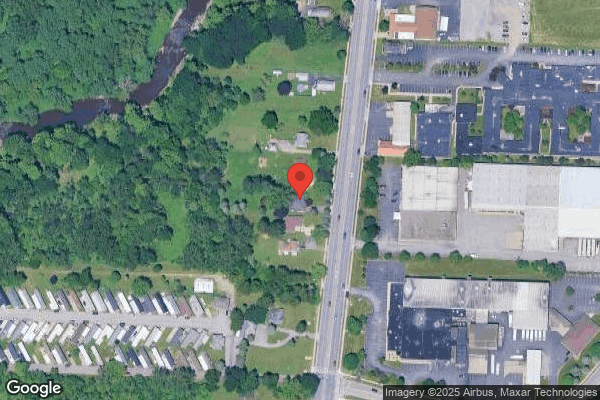
Jan 2025 2 deficiencies
CONCERN (D) 📢 Someone Reported This

A family member, employee, or ombudsman was alarmed enough to file a formal complaint

Potential for Harm - no one hurt, but risky conditions existed

Incontinence Care (Tag F0690)

Could have caused harm · This affected 1 resident

**NOTE- TERMS IN BRACKETS HAVE BEEN EDITED TO PROTECT CONFIDENTIALITY** Based on observations, interviews, and record review completed during a complaint investigation (Complaint #NY00335847), the fac...

Read full inspector narrative →
**NOTE- TERMS IN BRACKETS HAVE BEEN EDITED TO PROTECT CONFIDENTIALITY** Based on observations, interviews, and record review completed during a complaint investigation (Complaint #NY00335847), the facility did not ensure that each resident received adequate treatment and services for a foley catheter (tube that drains urine) for one (Resident #4) of two residents reviewed for catheter care. Specifically, staff did not keep the urine collection bag below the level of Resident #4's bladder during care and the resident had a history of frequent urinary tract infections. The finding is: Review of the policy titled Catheter Drainage Bag Care dated 1/01/2000 revealed urinary drainage bag care is performed appropriately to prevent complications caused by the presence of an indwelling urethral catheter. The catheter and tubing must remain patent, with the drainage bag kept below the level of the bladder, to maintain unobstructed urine flow and prevent pooling and backflow of urine into the bladder. Care should be taken to make sure the tubing does not touch or drag on the floor. Resident #4 had diagnoses including cerebral infarction (stroke) and diabetes. The Minimum Data Set (a resident assessment tool), dated 10/11/2024, documented Resident #4 had mild cognitive impairment, was usually understood, usually understands, and had an indwelling catheter. Review of the Comprehensive Care Plan initiated on 11/12/2024 revealed Resident #4 had obstructive uropathy (obstruction in the urinary tract) with the use of a Foley catheter and frequent urinary tract infections with directions for catheter care every shift. Review of the Medical Visit Note History and Physical dated 11/11/2024 revealed the resident was recently readmitted to the facility from the hospital where they were diagnosed with a urinary tract infection and COVID-19. Review of the [NAME] (used by staff to guide care) dated 12/30/2024 directed staff to complete urinary catheter care every shift. During an observation on 12/24/2024 at 11:28 AM, Certified Nursing Aides #1 and #2 were at the resident's bedside providing hands on care. During the provision of care Certified Nurse Aide #2 placed the urine collection bag through a pair of pants and hung it over the footboard toward the top of the board; the resident was lying on their back with the head of the bed slightly elevated. The urine collection bag was level with the resident's bladder and cloudy yellow urine with mucous shreds was visible in the tubing and occasionally back flowed with the resident's movement and position changes during care. The collection bag remained in that position during incontinence care. At 11:51 AM, Licensed Practical Nurse #1 entered the room and applied a treatment to the resident's buttocks. During the treatment, the urine collection bag remained in the same position and the resident was in the same recumbent (lying down on back) position. The resident was transferred to a wheelchair via a mechanical lift with the urine collection bag placed on the resident's lap. The urine collection bag was not placed below the resident's bladder until the resident was seated in their wheelchair. During an interview on 12/24/2024 at 12:05 PM, Certified Nurse Aide #1 stated they did not notice the position of the urine collection bag and did not handle the collection bag, the other Certified Nurse Aide (#2) did. During an interview on 12/24/2024 at 12:17 PM, Certified Nurse Aide #2 was unaware of the position of the urine collection bag during Resident #4's care and stated it should be kept below the resident's bladder and was unaware that they had placed the bag just over the top of the footboard in an incorrect position. During an interview on 12/24/2024 at 12:19 PM, Licensed Practical Nurse #2, Unit Manager stated a Foley catheter bag should remain below the resident's bladder during hands on care to prevent urinary tract infections. During a telephone interview on 1/14/2025 at 2:59 PM with the Assistant Director of Nursing and Director of Nursing, who was also the facility's Infection Preventionist, the Assistant Director of Nursing stated that during hands on care staff were required to keep the Foley below the resident's bladder to prevent urinary tract infections. The Director of Nursing agreed with this statement. 10 NYCRR 415.12(d)(1)
CONCERN (D) 📢 Someone Reported This

A family member, employee, or ombudsman was alarmed enough to file a formal complaint

Potential for Harm - no one hurt, but risky conditions existed

Infection Control (Tag F0880)

Could have caused harm · This affected 1 resident

**NOTE- TERMS IN BRACKETS HAVE BEEN EDITED TO PROTECT CONFIDENTIALITY** Based on observation, interview, and record review completed during a complaint investigation (Complaint #NY00335847), the facil...

Read full inspector narrative →
**NOTE- TERMS IN BRACKETS HAVE BEEN EDITED TO PROTECT CONFIDENTIALITY** Based on observation, interview, and record review completed during a complaint investigation (Complaint #NY00335847), the facility did not ensure provision of a safe, sanitary, and comfortable environment to help prevent the development and transmission of communicable diseases and infections for one (Resident #4) of three residents reviewed for infection control practices. Specifically, Resident #4 was on enhanced barrier precautions (interventions designed to reduce transmission of multi-drug resistant organisms including gown and glove use during high contact resident care activities) and staff did not wear proper personal protective equipment (gowns) during care while emptying a urine drainage bag, applying a skin treatment, and while handling soiled linens. Additionally, there were no receptacles for soiled linen or personal protective equipment in or near the resident's room. The finding is: Review of the facility's policy titled Policy on Disease-Specific Isolation/Precautions dated 1/01/2000 revealed procedures for isolation and universal precautions will be placed for residents suspected or confirmed to have a contagious or infectious disease. Masks, gowns and gloves should be used as protective barriers when needed to reduce the risk of exposure of the health care worker's skin or mucous membranes to potentially infectious material. Enhanced Barrier Precautions are used in conjunction with standard precautions and expand the use of personal protective equipment to donning (putting on) of gown and gloves during high-contact resident care activities that provide opportunities for transfer of multi-drug resistant organisms to staff hands and clothing including dressing, bathing/showering, transferring, changing linens, changing briefs, wound care, and contact with a urinary catheter. Resident #4 had diagnoses including cerebral infarction (stroke) and diabetes. The Minimum Data Set (a resident assessment tool) dated 10/11/2024, documented Resident #4 has mild cognitive impairment, usually understood, and usually understands. Resident #4 required partial/moderate assistance for personal hygiene, substantial/maximal assistance for toilet hygiene and dressing, and was dependent on staff for bed mobility and transfer. Review of the Comprehensive Care Plan initiated on 11/12/2024 revealed Resident #4 required moderate assistance for personal hygiene, maximal assistance for upper and lower body dressing, had a Foley (tube inserted into the bladder to drain urine) catheter with plans for incontinence care every shift, and required incontinent care every 2-3 hours for frequent loose stools. The resident was identified at risk for infection related to pressure ulcers and urinary tract infections and the resident was placed on enhanced barrier precautions. Review of the [NAME] (used by staff to guide care) dated 12/30/2024 revealed the resident required maximal to moderate assistance of one staff for bathing and dressing their upper and lower body, was a mechanical lift with the assistance of two staff for transfers and required enhanced barrier precautions. During an observation on 12/24/2024 at 11:28 AM, a sign for enhanced barrier precautions was posted on Resident #4's door and directed staff to use a mask, gowns, and gloves for hands on care. Two Certified Nurse Aides #1 and #2, were observed at the resident's bedside wearing a mask and gloves, but no gowns. Certified Nurse Aide #1 emptied Resident #4's urine collection bag into a plastic measuring canister. Certified Nurse Aide #1 placed the canister with cloudy urine with mucus threads on a paper towel on the sink counter, measured the urine, emptied the canister into the toilet and returned to the resident's bedside after washing their hands and changing gloves. Certified Nurse Aide #2 placed the urine collection bag through a pair of clean pants, partially dressed the resident in the pants and hung the urine collection bag over the footboard toward the top. At 11:44 AM, Certified Nurse Aide #2 unfastened the resident's incontinence brief, provided Foley care, and washed the resident's buttocks which were reddened with a large area of moisture associated skin damage (skin inflammation and damage caused by prolonged exposure to moisture). The soiled gown, incontinence pad, sheets, and bedcover were gathered by Certified Nurse Aide #1 and placed directly on the floor under the windowsill. While wearing the gloves used to wash the resident, Certified Nurse Aide #2 used their gloved hands to pull up their own pants and adjust their own clothing. Licensed Practical Nurse #1 entered the room without donning a gown and applied a treatment to the resident's buttocks. During the treatment the Licensed Practical Nurse #1's uniform came in direct contact with the bed linens. Certified Nurse Aide #1 gathered the soiled linens off the floor and held them next to their chest directly in contact with their uniform clothing and took them down the hall to the soiled linen room. There was no receptacle for soiled linen or barrier bags used at the resident's bedside or in the resident's hallway outside the room. During an interview on 12/24/2024 at 12:05 PM, Certified Nurse Aide #1 stated yes, they should have had a gown on in Resident #4's room, they forgot. Certified Nurse Aide #1 stated they should have had a gown on when they emptied the urine collection bag and was unsure if they were supposed to wear a gown during other hands-on care activities with the resident. Certified Nurse Aide #1 stated they did not use a hamper for the soiled linen because there wasn't one in the room. During an interview on 12/24/2024 at 12:17 PM, Certified Nurse Aide #2 stated they were unsure why the resident was on enhanced barrier precautions and was not aware that their contaminated gloves came in contact with their uniform clothing. Certified Nurse Aide #2 stated they probably should have worn a gown. During an interview on 12/24/2024 at 12:20 PM, Licensed Practical Nurse #1 stated they were unaware the resident was on enhanced barrier precautions because they were off for an extended period of time and did not notice the sign on the door. During an interview on 12/24/2024 at 12:19 PM, Licensed Practical Nurse #2, Unit Manager stated staff were required to wear mask, gloves, and gown when proving hands on resident care which included, personal hygiene, Foley care and resident treatments for residents on enhanced barrier precautions, which included Resident # 4. Soiled linens should not be on the floor, they should be placed in a soiled linen bin in the room which should be in all residents' rooms who were on enhanced barrier precautions. During a telephone interview on 1/14/2025 at 2:59 PM, with the Assistant Director Nursing and the Director of Nursing, who was also the facility's Infection Preventionist, the Assistant Director of Nursing stated that staff were required to wear a gown, gloves and a mask, when providing hands on care for a resident that was on enhanced barrier precautions to prevent any potential for spread of infection. The Director of Nursing agreed with this statement. 10 NYCRR 415.19(a)(2)
Oct 2023 3 deficiencies
CONCERN (D)

Potential for Harm - no one hurt, but risky conditions existed

Comprehensive Care Plan (Tag F0656)

Could have caused harm · This affected 1 resident

**NOTE- TERMS IN BRACKETS HAVE BEEN EDITED TO PROTECT CONFIDENTIALITY** Based on observation, interview, and record review conducted during a Standard survey completed on 10/18/23, the facility did no...

Read full inspector narrative →
**NOTE- TERMS IN BRACKETS HAVE BEEN EDITED TO PROTECT CONFIDENTIALITY** Based on observation, interview, and record review conducted during a Standard survey completed on 10/18/23, the facility did not ensure that a comprehensive person-centered care plan (CCP) was implemented for each resident. Specifically, for one (Resident #62) of one resident reviewed for vascular ulcers was observed without their heel booties as planned. The finding is: The facility policy and procedure (P&P) titled Interdisciplinary Care Planning, last revised 2/10/23 documented a comprehensive resident-centered Care Plan is developed by the Interdisciplinary team upon admission and reviewed/updated on a regular basis throughout the resident's length of stay. 1. Resident #62 had diagnoses that included type II diabetes with other circulatory complications including skin ulcers, Alzheimer's disease, and atherosclerosis (hardening of the arteries). The Minimum Data Set (MDS-a resident assessment tool) dated 9/26/23 documented Resident #62 was severely cognitively impaired, sometimes understood and sometimes understands. The MDS documented the resident was at risk for developing pressure ulcers, had one stage 3 pressure ulcer and four venous arterial ulcers present on admission. The comprehensive care plan (CCP) dated 9/19/23 documented Resident #62 had impaired skin integrity related to vascular ulcers of both lower extremities (legs), with an intervention to turn and position every two hours and as needed. On 10/3/23, heel booties (pressure relieving device) were added to the CCP to be on when in bed to tolerance. The [NAME] (guide used by staff to provide care) documented Resident #62 was to wear heel booties at all times while in bed to tolerance. During observations on 10/12/23 at 10:47 AM and 11:34 AM, Resident #62 was observed lying flat on their back in bed without heel booties in place. There were two blue heel booties in a chair next to the resident's bed. During an observation on 10/16/23 at 7:49 AM, Resident #62 was observed lying flat on their back in bed without heel booties in place and the heel booties were in the chair next to the resident's bed. During an observation on 10/16/23 at 12:59 PM, Certified Nursing Assistant (CNA) #4 assisted Licensed Practical Nurse (LPN) #4 with Resident #62's skin treatments. Resident #62 had ulcers on both heels. After the treatments were completed, Resident #62 was covered and left in their bed, lying flat on their back. The staff members did not put the heel booties on as per the resident's plan. During an observation on 10/17/23 at 10:32 AM, Resident #62 was lying in their bed, flat on their back and the resident's heel booties were in the chair next to their bed. During an interview on 10/17/23 at 10:40 AM, CNA #4 they had been instructed to look at the [NAME] each time they enter a resident's room because there could be changes. CNA #4 stated that Resident #62 should have had their heel booties when they were in bed. During an interview on 10/17/23 at 11:02 AM, LPN #4 stated that they expect the CNAs to look at the resident's care plan to know what devices or interventions the resident needs. They also stated that they would expect a dependent resident to have their heel booties on at all times while they were in bed, as planned. They stated that the booties were important to relieve pressure from the wounds/heels. During an interview on 10/17/23 at 12:52 PM, Registered Nurse (RN) #2, the Unit Manager, stated that they expected the CNAs to follow the resident's care plan. They stated that a dependent resident should have their heel booties on, at all times, when they were in bed, as planned. They stated that heel booties were important to prevent further injuries to the heels. RN #2 stated that the ulcer on Resident #62's right heel was acquired while in the facility. During an interview on 10/18/23 at 10:10 AM, The Director of Nursing (DON) stated that they would expect the CNA's and LPNs to make sure that care planned devices, such as heel booties, were in place as planned. 10NYCRR 415.11 (c)(1)
CONCERN (D)

Potential for Harm - no one hurt, but risky conditions existed

ADL Care (Tag F0677)

Could have caused harm · This affected 1 resident

**NOTE- TERMS IN BRACKETS HAVE BEEN EDITED TO PROTECT CONFIDENTIALITY** Based on observation, interview, and record review conducted during a Standard survey completed on 10/18/23, the facility did no...

Read full inspector narrative →
**NOTE- TERMS IN BRACKETS HAVE BEEN EDITED TO PROTECT CONFIDENTIALITY** Based on observation, interview, and record review conducted during a Standard survey completed on 10/18/23, the facility did not ensure that each resident who was unable to carry out Activities of Daily Living (ADL's) received the necessary services to maintain good nutrition for one (Resident #100) of two residents reviewed for ADL assistance with meals. Specifically, Resident #100 required continual verbal and physical assistance with eating and was not provided continual verbal or physical assistance during meals. The finding is: The policy and procedure (P&P) titled Eating Assistance revised 5/07, documented facility staff was responsible for assisting and/or feeding residents as needed. The P&P further documented, when meal is presented to the resident, staff checks the tray card for type of assistance needed, assures the correct diet has been provided, prescribed liquid/food consistency, presence of adaptive devices and assists resident as indicated. 1. Resident #100 had diagnoses that included dementia, anxiety, and transient ischemic attack (TIA - temporary impairment of blood flow to the brain). The Minimum Data Set (MDS - a resident assessment tool) dated 9/1/23 documented Resident #100 was usually understood, usually understands, and had severe cognitive impairment. The MDS documented Resident #100 did not exhibit rejection of care and required extensive assistance of one staff member for eating assistance. The comprehensive care plan (CCP) revised 10/29/21 documented the resident had an eating self-performance deficit related to physical impairment and cognitive impairment. Interventions included continual physical assist and continual verbal cues with meals. The untitled [NAME] (a guide used by staff to provide care) dated 10/17/23, documented the resident required continual physical assist and continual verbal cues during meals. Review of the untitled meal ticket dated 10/17/23, located on Resident #100's breakfast tray, documented the resident needed continual verbal and continual physical assistance. Review of the meal consumption lookback dated 10/3/23-10/15/23, revealed the resident consumed 0-25% of their meal 26 times and consumed more than 25% of their meal only five times. Review of Resident #100's nursing progress notes dated 9/2/23 through 10/17/23 revealed there was no documentation the resident refused assistance with meals. During a continuous observation on 10/16/23 from 8:51 AM through 9:25 AM, Resident #100 was in their room, lying in bed. At 8:51 AM, CNA #3 brought Resident #100 their breakfast tray, left the room, and then went back into the room with CNA #1. CNA #1 left the room at 8:54 AM. CNA #3 left the room at 8:57 AM, holding the lid of the meal plate. Resident #100 was sitting up in their bed with the meal in front of them, set up on the over the bed tray table. There was no staff in the room after CNA #1 and CNA #3 left the room. At 9:25 AM, CNA #3 re-entered the room and asked Resident #100 Are you finished eating? Resident #100 stated they wanted milk. A nursing student entered the room and began to assist Resident #100 with their oatmeal. During a continuous observation on 10/17/23 from 9:22 AM through 9:39 AM, Resident #100 was in their room, lying in bed with the head of the bed approximately 45 degrees elevated. At 9:22 AM, CNA #1 brought Resident #100 their tray. Resident #100 stated to CNA #1, I'm hungry. CNA #1 placed two bowls of oatmeal on the over the bed tray table, in front of the resident and stated they needed to go get sugar for the oatmeal. At 9:28 AM, CNA #1 brought brown sugar to Resident #100's room and added it in the oatmeal. CNA #1 then asked Resident #100 You got it from here? and left the room. At 9:33 AM, Resident #100 was heard yelling from their room, I need my spoon and I need you to help me. There was no staff in the room or in the hallway at that time. At 9:38 AM, a nursing student entered Resident #100's room and stated, oh you're spilling. Resident #100 stated, I don't like this all over me, it's oatmeal stuff. At 9:39 AM the nursing student offered to clean up Resident #100 and assist them with their breakfast. Resident #100 was observed with oatmeal scattered all over the upper half of their shirt. During an interview on 10/17/23 at 10:05 AM, CNA #1 (Resident #100's assigned CNA) stated, when they passed trays, they first checked the meal ticket with the food on the tray and then took the tray to the resident. CNA#1 stated they would then set the resident up with their meal. CNA #1 stated if a resident needed help, then they would stay with the resident. CNA #1 stated they did not know Resident #100 had continual verbal/physical assist on their meal ticket. CNA #1 stated Resident #100 usually fed themselves. CNA #1 stated they were just used to giving (Resident #100) their oatmeal and sausage and then leaving the room. During an interview on 10/17/23 at 10:50 AM, the Registered Dietitian (RD) stated Resident #100 required continual physical and continual verbal cues with meals. The RD stated continual verbal/physical assist on a meal ticket meant someone should be with the resident for the whole meal. The RD stated based on the intake log, Resident #100 was not eating well and that could be because they were not getting proper assistance. During an interview on 10/17/23 at 11:03 AM, Licensed Practical Nurse Unit Coordinator (LPN/UC) #2 stated when the meal ticket had continual verbal/physical assist, that meant a staff member should be with the resident during the meal. LPN/UC #2 stated Resident #100 was a continual verbal/physical assist for meals because the resident would spill food on themselves or at times, they would not eat at all. During an interview on 10/18/23 at 9:03 AM, the Director of Nursing (DON) stated staff should have stayed with Resident #100 for the meal. The DON stated it was only acceptable for staff to step away in the event of an emergency or if they needed to get condiments or a beverage for the resident. The DON stated it was not acceptable to set up the tray and leave the room because the resident required continual verbal/physical assistance. The DON stated Resident #100 was a continual assist to encourage intakes. The DON stated without that assistance, there was potential that Resident #100's nutrition would be affected. During an interview on 10/18/23 at 9:55 AM, the Administrator stated during meals, it was expected the staff should have provided the proper level of assistance per the meal ticket. The Administrator stated it was expected the staff stay with the resident when the meal ticket documented continual verbal/physical assistance. The Administrator stated it was appropriate if the staff needed to leave to get a condiment or straw, but they should return to the resident; not leave them for an extended period of time. 10NYCRR 415.12(a)(3)
CONCERN (D)

Potential for Harm - no one hurt, but risky conditions existed

Deficiency F0804 (Tag F0804)

Could have caused harm · This affected 1 resident

Based on interview, observation, and record review conducted during a Standard survey completed on 10/18/23, the facility did not ensure that food and drink were prepared by methods that conserved fla...

Read full inspector narrative →
Based on interview, observation, and record review conducted during a Standard survey completed on 10/18/23, the facility did not ensure that food and drink were prepared by methods that conserved flavor and appearance, were palatable and at a safe and appetizing temperature. Specifically, two (Units B and D) of four test trays had issues with food and beverages served at suboptimal temperatures and were not palatable. Residents #11, #12, #113, #165, and Resident Council were involved. The findings are: The Policy and Procedure (P&P) titled, Food Preparation, Service, and Distribution dated 10/2022, documented that the facility will assure safe and sanitary food preparation, holding, transport, and distribution to prevent foodborne illness. The P&P documented that the facility will not hold foods in the danger zone of temperatures above 41 degrees Fahrenheit (° F) and less than 135° F. The facility will serve hot foods hot and cold foods cold in accordance with resident preferences. 1.Review of the Resident Council Minutes for 3/21/23, documented that the food that the residents received was cold and salty; Resident Council Minutes dated 6/20/23, documented that coffee was not fresh; and Resident Council Minutes dated 8/17/23 documented that the coffee continued to be cold. During an interview on 10/12/23 at 1:32 PM, Resident #165 stated that the food at the facility was always cold. During an interview on 10/12/23 at 2:55 PM, Resident #113 stated the food was not served warm enough and was definitely cold. Resident #113 stated some meals didn't look appetizing and tasted disgusting. During an interview on 10/13/23 at 8:31 AM, Resident #11 stated that every meal at the facility was not good and was always cold. During a lunch meal observation on B unit on 10/16/23 at 11:56 AM, both lunch carts were on the unit. Staff finished passing resident trays at 12:14 PM. At 12:15 PM the test tray temperatures were taken with [NAME] #1 present, using the facility's gauged thermometer. The results were as follows: Broccoli 100° F, tasted bland and cool Rice Pilaf 138° F, tasted bland and wasn't hot Milk 58° F, tasted warm Cranberry Juice 58° F, tasted watery and warm Coffee 126° F, tasted watery and wasn't hot During an interview on 10/16/23 at 12:15 PM, [NAME] #1 stated that cold foods should be served below 40 degrees and hot foods should be at least 135 degrees. They stated that the food ranges were important because that was the range that no bacteria could grow. [NAME] #1 stated the hot food should have been warmer. During an interview on 10/16/23 at 12:45 PM, Resident #11 stated that the food was not good today. They stated that the broccoli was hard, and the coffee was not hot enough. They decided to eat a sandwich, brought in by a visitor, instead. 2.During a lunch meal observation on 10/16/23 on Unit D, the first lunch cart arrived on unit at 12:18 PM and staff started passing trays. At 12:40 PM, the second cart arrived in the dining room and all staff passed trays. The following test tray temperatures were obtained at 12:44 PM, with the Food Service Manager #2 present using the facility's digital thermometer: Broccoli 100° F, tasted bland and cool Rice Pilaf 110° F, tasted bland and cool Coffee 110° F, tasted watery and cool Cranberry juice 58° F, tasted warm During an interview on 10/16/23 at 12:44 PM, the Food Service Manger #2 tasted the food and stated the broccoli and rice tasted cool and bland, they should be warmer, between 135 degrees to 140 degrees. The Food Service Manager #2 tasted the cranberry juice said it should be colder. During an interview on 10/16/23 at 12:59 PM, Resident #12 stated the chicken could have been warmer. 10 NYCRR 415.14(d)(1)(2)
Feb 2022 7 deficiencies
CONCERN (D)

Potential for Harm - no one hurt, but risky conditions existed

Investigate Abuse (Tag F0610)

Could have caused harm · This affected 1 resident

Based on interviews and record review conducted during a Complaint investigation (Complaint #NY00286781) during the Standard survey completed on 2/11/22, the facility did not ensure that all allegatio...

Read full inspector narrative →
Based on interviews and record review conducted during a Complaint investigation (Complaint #NY00286781) during the Standard survey completed on 2/11/22, the facility did not ensure that all allegations of abuse, neglect, exploitation, or mistreatment were thoroughly investigated for one (Resident #108) of two residents reviewed for abuse. Specifically, the facility's investigation of an abuse allegation lacked documented statements from all staff members involved. The finding is: The facility policy and procedure (P&P) titled, Abuse Reporting and Facility Incident Reporting revised 4/7/21, documented upon receiving reports of abuse, the supervisor immediately examines the resident. Findings of the examination are recorded in the resident's medical record. For each incident reported, the facility should have the following information gathered and available: witness statement(s); resident statement(s); photographic evidence (if available); facility investigation; care plan(s); resident cognition evaluation; and plan to prevent reoccurrence. 1. Resident #108 had diagnoses including chronic obstructive pulmonary disease (COPD-inflammatory lung disease), type 2 diabetes mellitus (DM-insufficient production of insulin), and insomnia (trouble falling and/or staying asleep). The Minimum Data Set (MDS-a resident assessment tool) dated 9/3/21 documented Resident #108 had moderately impaired cognition. Review of the HERDS: NH Incident Form-NH dated 11/20/2021 at 6:13 AM, revealed Resident #108 was noted with confusion, alleged abuse after witnessed hands on care following combative behavior. No injuries were noted. No willful infliction of harm demonstrated by staff, event was witnessed, and they were collecting statements from all caregivers/witnesses. Review of the Progress Note written by Licensed Practical Nurse (LPN) #14 dated 11/20/2021 at 6:13 AM, documented that Resident #108 stated, Stop abusing me; look what you did to me. Resident #108 was sitting in a wheelchair at the nurse's desk and continued to scream at anyone walking past them, Look what they did to me; they abused me. Resident #108 was noted to have 2 small purpura (blood spots, skin hemorrhages) near their wristwatch that were there prior. Review of LPN #14's written statement that was documented on a Progress Note printed on 11/20/21 at 7:07 AM, revealed Certified Nurse Aide (CNA) #7 was putting on Resident #108's shirt and Resident #108 grabbed the wheelchair with their left upper extremity and was attempting to get out of bed. CNA #7 was on Resident #108's right side and LPN #14 was on their left side. Resident #108 was assisted into the wheelchair by LPN #14 and CNA #7 while CNA #8 assisted with the wheelchair. Resident #108 was placed in the hallway and then yelled out See what they did to me, they abused me and showed staff their arms and called CNA #7 a name. Review of RN (Registered Nurse) Supervisor #5's untimed written statement dated 11/20/21, revealed that during morning rounds RN #5 heard Resident #108 yelling see what they did to me and showed their arm to staff. RN #5 observed small purpura. RN #5 documented that the unit nurse (LPN #14) was questioned on what had occurred during the night and Resident #108 was unable to be questioned due to agitation. The incident was then reported to the oncoming supervisor to follow up. Review of an undated and untimed statement written by Social Worker (SW) #2, documented Resident #108 said the CNA put pressure on their arms, when the resident said they would report them, the CNA laughed about it and the Resident #108 was worried about retaliation. Resident #108 was unable to remember the name of CNA, but gave a description of physical appearance. Review of an untitled facility document, identified as the facility's investigation by the ADON (Assistant Director of Nursing), signed on 11/24/21 by the ADON revealed the investigation concluded Resident #108's abuse allegations were unsubstantiated. No physical signs of abuse were noted at that time. The investigation did not include statements from all staff involved (CNAs #7 and #8). During an interview on 2/10/22 at 10:59 AM, the ADON (Assistant Director of Nursing) stated CNA #7 had already left the facility upon their arrival to investigate the abuse allegation. The ADON stated no statement was ever obtained from CNA #7 though attempts were made. ADON stated they performed a skin check for Resident #108 on 11/20/21 and recalled purpura being on their arm with the watch. The ADON had no documentation to reflect attempts made to contact the agency to interview or obtain a witness statement from CNA #7. The ADON further stated that a statement should have been obtained from CNA #7 because an accusation of abuse was made, and that LPN #14 should have had the CNA write a statement. During an interview on 2/10/22 at 11:45 AM, SW #2 stated they spoke with Resident #108 regarding an abuse allegation on 11/20/21 between 8:15 AM and 8:30 AM. SW #2 stated Resident #108 claimed that one of the aides was pushing and placed pressure down on the resident's arm. SW #2 stated that Resident #108 showed them a bruise on their arm. The SW #2 was unable to recall which arm but described the bruise as being on the anterior forearm. On 2/10/22 at 3:41 PM, attempt made to contact RN Supervisor #5 on duty at the time of the allegation via phone but was unsuccessful. During an interview on 2/10/22 at 4:02 PM, LPN #14 stated they reported the abuse allegation to RN Supervisor #5 right away because Resident #108 stated they were abused. LPN #14 further stated that they did not collect statements from staff involved or present on the unit when Resident #108 reported the abuse. On 2/10/22 at 4:54 PM, attempt made to contact agency CNA #7 via phone but was unsuccessful. During an interview on 2/11/22 at 9:57 AM, the Staffing Agency Supervisor, stated CNA #7 had not worked for them since November of 2021. The last shift worked at the facility was 11/20/2021. The Staffing Agency Supervisor stated that they were unaware of the abuse allegation involving CNA #7 and never received any emails or calls from the facility regarding this employee. During an interview on 2/11/22 at 10:27 AM, the ADON stated the alleged abuser in this allegation would have been agency CNA #7. The ADON stated they had no record of a statement being received from agency CNA #7. The ADON stated they ruled out abuse by speaking with the other two employees (CNA #8 and LPN #14) that were present in Resident #108's room at the time of the event. The ADON was unable to provide written documentation that addressed conversations they had with CNA #8 and written statements from CNAs #7 and #8. During an interview on 2/11/22 at 10:39 AM, the Director of Nursing (DON) stated when investigating abuse allegations statements should be obtained from all staff involved. The staffing agency should always be notified that the facility was investigating an abuse allegation if it involved their employee and request employee contact information. Attempts should be made to call and get ahold of the employee. The Nursing Supervisor should have gotten statements from the CNAs when they were made aware of the allegation. During an interview on 2/11/22 at 2:35 PM, Administrator stated that this was not a thorough investigation in their opinion. Statements and interviews should have been obtained from all witnesses. The staffing agency should have been contacted to get information to conduct the investigation. 415.4 (b)(3)
CONCERN (D)

Potential for Harm - no one hurt, but risky conditions existed

Accident Prevention (Tag F0689)

Could have caused harm · This affected 1 resident

Based on observation, interview and record review conducted during the Standard Survey completed on 2/11/22, the facility did not ensure the environment remained as free of accident hazards as possibl...

Read full inspector narrative →
Based on observation, interview and record review conducted during the Standard Survey completed on 2/11/22, the facility did not ensure the environment remained as free of accident hazards as possible for one (Resident #70) of seven residents reviewed. Specifically, Resident #70 sustained a superficial L shaped scratch to the base of left index finger and a superficial scratch on their right forearm from an over the bed table that was in disrepair with jagged, sharp, and peeling laminate separating from the table. The finding is: Review of facility policy titled Accident/Incident (A/I) Continuous Quality Improvement Summary Investigation and Prevention last revised 4/15 documented the following: -All accidents/incidents are recorded, investigated and corrective measures initiated. -It is the responsibility of the licensed nursing staff to document and complete the follow-up investigation of each incident. -All residents who have an A/I will have a documented Registered Nurse (RN) assessment. -Charting of any A/I should be noted in the nurse's notes for 24 hours or more often dependent on the nature and severity of the injury. -If an equipment item is suspected of malfunction, the report should relate the facts that indicate the malfunction. The equipment should be removed from service and the Maintenance department be notified regarding the need for repair. -Skin tears (ecchymosis (bruising), scratch, abrasion) will be treated according to facility policy. A facility policy titled Maintenance dated 9/2021 documented that all equipment and furnishings of this facility are repaired as needed by the Maintenance department including over the bed tables. The policy also documented that any furnishings that cannot be repaired are replaced. 1. Resident #70 was admitted with diagnoses including diabetes, atrial fibrillation (irregular heartbeat), and intestinal malabsorption. The Minimum Data Set (MDS- a resident assessment tool) dated 1/7/22 documented Resident #70 was cognitively intact. During observation and interview on 2/8/22 at 8:45 AM, Resident #70's over the bed table was observed with laminate peeling around the edges with jagged, sharp edges. Resident #70 stated they had been scratched many times as recently as last week. The resident revealed a superficial L shaped scratch near the base of their left index finger between index finger and thumb (approximately 1.0-centimeter (cm- on the long end) by 0.5 cm (short end)) and another superficial scratch top of right forearm near their elbow (approximately 1 cm). Resident #70 stated I use my grabber (reacher) to reach for things and my arm gets scratched from the table. I have been asking for a tray table. The facility has stated they will get me a new one but haven't for about two years. Resident #70 stated they informed Licensed Practical Nurse (LPN) #17 when it happened about a week ago. During an interview on 2/9/22 at 11:07 AM, Resident #70 stated they informed LPN #17, and nobody ever checks my skin unless I tell them about something. Review of facility A/I's for Resident #70 for the past six months revealed there was no documented evidence A/I's were completed for superficial scratches obtained from the over the bed table. Review of the Comprehensive Care Plan (CCP) last reviewed on 1/12/22 documented a focus area for falls. Intervention included a reacher. Additional focus areas included skin related injury and skin integrity with interventions to monitor skin for changes daily during care and document weekly on shower day. Review of the physician Order Summary Report dated 2/1/22 and signed by the physician revealed an order to complete skin inspection on bath/shower every dayshift on Wednesday. Review of the Treatment Administration Record (TAR) dated 2/1/22 through 2/28/22 documented bath/shower every dayshift on Wednesday complete skin inspection was signed off as completed 2/9/22. Review of the Quality Improvement Skin Inspection dated 2/2/21 was not completed and signed by a certified nurse aide (CNA) or Nurse. The Quality Improvement Skin Inspection dated 2/9/21 was signed off as no skin issue and signed by LPN #12 with a line through no skin issue and signature with error written next to the line. During an interview on 2/11/22 at 11:15 AM, LPN #12 stated they did not complete Resident #70 skin check due to working on the opposite hall. LPN #12 states the sheet was marked in error as they mistook the sheet for one of their assigned residents. Review of Progress Notes dated 1/21/22 through 2/10/22 lacked documented evidence of skin checks or resident report of scratches to left index finger and right forearm. Intermittent observations from 2/8/22 through 2/11/22 between 8:00 AM and 4:00 PM revealed the following: - over the bed table was observed with laminate peeling around the edges with jagged, sharp edges. -L shaped superficial scratch near the base of the left index finger between index finger and thumb and superficial scratch top of right forearm near the elbow. During an interview on 2/11/22 at 9:18 AM, Housekeeper #1 stated that they clean the surfaces in residents' rooms including over the bed tables. During an interview on 2/11/22 at 10:26 AM, CNA #9 stated they were assigned to Resident #70 and completed the shower 2/9/22. CNA #9 stated they did not observe any areas of concern on Resident #70 skin, and nothing was reported by the resident. CNA #9 stated if a nurse can't make it in the shower for a skin check they do it before or after. CNA #9 could not recall any issues with the over the bed table. During an interview on 2/11/22 at 10:56 AM, CNA #10 stated they were assigned Resident #70 on 2/2/22 and assisted the resident with their shower. The CNA stated they did not recall the resident reporting any scratches on their body. CNA #10 did not recall any issues with the residents over the bed table. Attempts to reach the nurse (LPN #13), via telephone, assigned to the resident 2/9/22 were unsuccessful on 2/11/22 at 11:03 AM. Voice mail message left, call not returned. Attempt to reach LPN #17, via telephone, was unsuccessful on 2/11/22 at 11:20 AM. Voice mail message left, call not returned. During observation and interview on 2/11/22 at 11:26 AM, Resident #70 showed LPN #2 Unit Coordinator (UC) the scratches and over the bed table. LPN #2 UC stated they would get the resident a new table. I will get one. It is jagged and peeling. This is the first I am hearing about this. LPN #2 UC stated an A/I should have been completed and followed up. The source of injury could have been removed. During an interview on 2/11/22 at 2:29 PM, the Director of Nursing (DON) stated skin checks were expected to be done weekly. An A/I should have been completed and the skin areas monitored for follow up. The residents over the bed table should have been taken out of service, a request for maintenance for repair, and table replaced so the resident did not obtain further injury. 415.12 (h)(1)
CONCERN (D)

Potential for Harm - no one hurt, but risky conditions existed

Incontinence Care (Tag F0690)

Could have caused harm · This affected 1 resident

**NOTE- TERMS IN BRACKETS HAVE BEEN EDITED TO PROTECT CONFIDENTIALITY** Based on observation, interview, and record review conducted during the Standard survey completed on 2/11/22, the facility did n...

Read full inspector narrative →
**NOTE- TERMS IN BRACKETS HAVE BEEN EDITED TO PROTECT CONFIDENTIALITY** Based on observation, interview, and record review conducted during the Standard survey completed on 2/11/22, the facility did not ensure that a resident with an indwelling catheter (Foley - tube inserted into the bladder to drain urine), received the appropriate care and services to prevent urinary tract infections (UTI's) to the extent possible. Specifically, one (Resident #9) of three residents reviewed for urinary catheters had issues that involved improper urinary catheter care and the lack of maintaining proper infection control measures for a resident with a history of UTI's. The finding is: The facility policy and procedure (P&P) titled Incontinent Care dated 1/1/2000 documented the purpose was to prevent skin breakdown caused by bacteria from urine/feces and to avoid infections and odor. Explain procedure to resident and bring equipment to bedside. Place on a clean barrier. Wash hands and apply gloves. Remove brief, clothing and bed linen and place on soiled barrier. Place clean barrier under resident for incontinent care. Wet washcloth at sink with warm water or fill and use basin. Apply soap or spray wet washcloth with Peri wash. Wash perineum, anus, buttocks, abdomen, hips and thighs. Rinse if using soap. Pat dry with a towel. Remove gloves and wash hands. The P&P titled Perineal Care dated 1/1/2000 documented perineal care is provided to clean the perineum and provide comfort. Wash hands before and after perineal care. Wear gloves. For Residents with foley catheters; cleanse urethral meatus around the tubing, washing away from the body and down the catheter about 3-4 inches thoroughly removing clots, secretions and drainage. The P&P titled Policy on Hand Washing dated 1/1/2000 documented proper handwashing technique is used for the prevention of transmission of infectious diseases. All personnel working in the long-term care setting are required to wash their hands when: Hands are visibly soiled: Before and after direct resident contact: Upon and after coming in contact with resident skin: Before and after assisting a resident with toileting: After handling soiled or used linens, dressings, bedpans, catheters and urinal: and after removing gloves. 1. Resident #9 was admitted to the facility with diagnoses including urinary tract infection-UTI, hypertension (HTN - high blood pressure), and spinal stenosis (a narrowing of the spinal canal). The Minimum Data Set (MDS - a resident assessment tool) dated 11/19/21 documented Resident #9 had moderate cognitive impairments and an indwelling catheter. The Comprehensive Care Plan (CCP) dated 6/8/21 documented Resident #9 was incontinent of stool and had a urinary catheter. Interventions included to provide incontinent care as needed for bowel movements, urinary catheter care every shift, and to monitor for signs and symptoms of a urinary tract infection. The Visual/Bedside [NAME] Report (a guide used by staff to provide care) dated 2/9/22 documented to provide urinary catheter care every shift and incontinent care as needed for bowel movements. The Order Summary Report dated 1/27/22 documented to obtain a urine sample for urinalysis (U/A) and culture and sensitivity C&S and an order for Cefdinir (antibiotic) 300mg with instructions to give one capsule by mouth every 12 hours. The order had a start date of 1/28/22 and an end date of 2/2/22. The Lab Results Report dated 1/28/22 revealed a urine culture greater than 100,000 cfu (colony forming unit- number of bacteria cells)/ml (milliliters) for Escherichia coli (bacteria). The Medical Visit Note dated 2/1/22 documented Resident #9 was assessed in follow-up for a UTI. The plan was to continue Cefdinir until 2/2/22. The Medication Administration Record (MAR) documented Cefdinir was administered from 1/28/22 through 2/22/22 as ordered. During intermittent observations on 2/7/22 at 8:35 AM and 2/8/22 at 9:47 AM, revealed Resident #9 was lying in bed and the catheter drainage bag was lying directly on the floor under the resident's bed. During an observation on 2/9/22 at 10:01 AM, Certified Nurse Aide (CNA) #3 performed fecal incontinence care for Resident #9 in the presence of Licensed Practical Nurse (LPN) #4 and LPN #7. CNA #3 put on gloves and removed Resident #9's soiled incontinence brief which contained a large amount of mushy brown stool. The outside of the incontinence brief was also soiled with stool. Once removed, the soiled brief was placed onto a barrier at the end of the resident's bed. Without removing their soiled gloves, or providing a clean barrier under the resident, CNA #3 soaked a washcloth into the soapy water in a wash basin and washed Resident #9's soiled buttocks/sacrum. While completing stool incontinence care, CNA #3 without removing their soiled gloves or performing hand hygiene gathered clean washcloths from a stack on the counter next to the sink 2 additional times. At 10:11 AM, without removing their soiled gloves or performing hand hygiene CNA #3 rolled Resident #9 onto their back, gathered another clean washcloth from the stack next to the sink. CNA #3 submerged the washcloth into the same basin and washed the resident's perineum (the area between the anus and the genitalia). CNA #3 washed the catheter tubing with a washcloth 3-4 inches down from the insertion site and dried the perineum with a clean dry towel. CNA #3 did not separate the genitalia and did not clean the catheter at the insertion site. CNA #3 without changing their soiled gloves or performing hand hygiene placed a clean brief onto Resident #9. After the CNA #3 disposed the soiled water, cleaned and stored the basin in the bottom drawer of the nightstand they removed their gloves and performed hand hygiene. During an interview on 2/9/22 at 10:35 AM, CNA #3 stated a clean barrier should have been placed under the resident after they removed the soiled brief. CNA #3 stated that hand hygiene should have been completed before touching the clean washcloths, after fecal incontinence care and before catheter care to prevent cross contamination. The catheter should have been cleaned from the insertion site, and did not thoroughly clean (separate) the genitalia. CNA #3 stated they didn't think to change the water it was not visibly soiled, but I guess the water would still be contaminated. During an interview on 2/9/22 at 10:40 AM, LPN #7 stated catheter care was not done appropriately. Hand hygiene was expected after removing of the soiled brief, after fecal incontinent care, after catheter care to prevent cross contamination and for infection control purposes. LPN #7 stated hand hygiene was expected and was not completed appropriately. During an interview on 2/9/22 at 10:44 AM, LPN #2 Unit Coordinator, stated CNAs were expected to separate the genitalia and wash front to back and Foley care starts at the insertion site and moves down the tubing away from the body 3-4 inches. In addition, LPN #2 stated catheter drainage bags should not be on the floor and would be a contamination issue. During an interview on 2/11/22 at 8:55 AM, LPN#4 Clinical Instructor stated CNA #3 just did not wash their hands and change their gloves at the appropriate times. During an interview on 2/11/22 at 11:00 AM Registered Nurse (RN) #2 Infection Preventionist stated proper catheter care, fecal incontinence care and adequate hand hygiene were expected to avoid infection control issues and cross contamination. Foley catheter drainage bags were not to left on the floor to reduce the risk of urinary tract infections. 415.12(d)(1)
CONCERN (D)

Potential for Harm - no one hurt, but risky conditions existed

Deficiency F0761 (Tag F0761)

Could have caused harm · This affected 1 resident

**NOTE- TERMS IN BRACKETS HAVE BEEN EDITED TO PROTECT CONFIDENTIALITY** Based on observation, interview and record review conducted during the Standard survey completed on 2/11/22, the facility did no...

Read full inspector narrative →
**NOTE- TERMS IN BRACKETS HAVE BEEN EDITED TO PROTECT CONFIDENTIALITY** Based on observation, interview and record review conducted during the Standard survey completed on 2/11/22, the facility did not maintain drugs and biologicals labelled in accordance with currently accepted professional standards, and include the appropriate accessory and cautionary instructions, and the expiration date when applicable for one (A Station) of four units reviewed. Specially, inspection of medication room and Team 3/Long Term (LT) medication cart had multi-dose vials of insulin that were expired or outdated beyond the opened/use by expiration date and open multi-dose vials of insulin that were, open, not labeled with open/discard date. This involved Residents #50 and 98. The finding is: The facility policy and procedure titled Medication/Treatment Labeling and Storage revised 7/2013 documented it shall be the policy of the facility to maintain proper labels for medications and proper storing instructions. The vendor or facility pharmacy will label medication/treatments with auxiliary labels such as refrigerate, shake well, and whatever added directions for storage or use supply. A CDC (Centers for Disease Control and Prevention) guidance dated 6/20/2019 titled FAQs regarding Safe Practices for Medical Injections documented if a multi-dose vial has been opened or accessed (e.g., needle-punctured) the vial should be dated and discarded within 28 days unless the manufacturer specifies a different (shorter or longer) date for that opened vial. The manufacturer's expiration date refers to the date after which an unopened multi-dose vial should not be used. The beyond-use-date refers to the date after which an opened multi-dose vial should not be used. The beyond-use-date should never exceed the manufacturer's original expiration date. 1. Resident #50 was admitted with diagnoses including dementia, heart failure and diabetes. The Minimum Data Set (MDS- a resident assessment tool) dated 12/31/21 documented Resident #50 had severe cognitive impairment. Review of the Physicians Order Summary Report dated 1/21/22 and signed by the physician documented and order for Insulin Glargine 100 units/milliliter (ml) inject 8 units subcutaneously (sq) at bedtime for diabetes dated 12/16/21. Review of the Medication Administration Record (MAR) dated 12/1/21 through 12/31/21, 1/1/22 through 1/31/22, and 2/1/22 through 2/28/22 documented the resident received Insulin Glargine every day (QD) at bedtime (HS). 2. Resident #98 was admitted with diagnoses including diabetes, dependence on renal dialysis, metabolic encephalopathy (brain dysfunction caused by a chemical imbalance in the blood). The MDS dated [DATE] documented Resident #98 was cognitively intact. Review of the Physicians Orders Summary Report dated 1/21/22 and signed by the physician documented an order for Semglee Solution100units/ml (Insulin Glargine) inject 10 units sq at HS dated 11/17/21. Review of the Medication Administration Record (MAR) dated 12/1/21 through 12/31/21, 1/1/22 through 1/31/22, and 2/1/22 through 2/28/22 documented the resident received Semglee (Glargine Insulin) QD at HS. During observation of the A Station medication room and interview on 2/10/21 at 12:29 PM, in the presence of Licensed Practical Nurse (LPN) #8, revealed the following: - Novolog insulin 10 milliliter (ml) multi-dose vial, opened and dated 3/20/21. Label on the box was not labelled with open date or date vial expires and documented discard after 28 days. - Semglee (glargine) insulin 10 ml multi-dose vial, opened and dated 12/6 for Resident #98. The fill date from pharmacy dated 11/17/21. The vial was not labelled with date vial expires and documented discard after 28 days. - Lispro insulin 10 ml multi-dose vial, opened, with no open date or vial expires date. The vial was approximately three quarters full. - Lispro insulin 10 ml multi-dose vial, opened, with no open date or vial expires date. The vial was approximately one quarter full. - Lispro insulin 10 ml multi-dose vial, opened and dated 10/5/21. The vial was approximately three quarters full. - Glargine Insulin 10 ml multi-dose vial, opened, with no open date or vial expires date. The manufacturer labeling documented use within 28 days after initial use. During an interview at 12:24 PM, LPN #8 stated insulin should be dated when it was opened and discarded after 28 days as indicated on the bottle. During an interview on 2/10/22 at 12:36 PM, Registered Nurse (RN) #1 Director of Sub Acute Rehab (SAR) stated the expectation was that all opened multi- dose vials should be dated when opened so you know when the vial expires or should no longer be used. During observation of the A Station Team 3 LT medication cart on 2/10/21 at 4:48 PM, in the presence of LPN #9, revealed the following: - Glargine Insulin 10 ml multi-dose vial, opened, in the box labelled for Resident #50. The vial was dated 12/31/21. The manufacturer labelling documented discard after 28 days. - Glargine Insulin 10 ml multi-dose vial, opened, in the box with no resident identification. The vial nor box was labelled with open date or vial expires date. The manufacturer labelling documented use within 28 days after initial use. During an interview LPN #9 stated the multi-dose vials should have an opened date on them. LPN #9 that some staff date them, others do not. Apparently, I am not checking the dates well enough. Additionally, LPN #9 stated they administer glargine insulin to Resident #50 and #98. During an interview on 2/10/22 at 4:55 PM, RN #1 Unit Director of SAR stated, I just don't know what to say, they should all be dated. During an interview on 2/11/22 at 10:30 AM, LPN #16, (in the presence of RN #3 Unit Coordinator and RN #1 Unit Director of SAR) stated all nurses should be looking through the medications when they are administering them. No one was assigned to check the carts. Before COVID, the night shift used to check medication carts for expired medications. If insulin is not dated I would toss it because it is only good for 30 days. RN #1 Unit Director of SAR stated all nurses should be checking the date as part of their checks and tossing the medication if it is outdated beyond the use by or discard date. During an interview on 2/11/22 at 11:43 AM, the Consultant Pharmacist stated insulin should be dated when opened and discarded after 28 days, per the guidelines on the package insert, due to variability. Additionally, the Consultant Pharmacist stated they did an audit of the facility medication rooms/carts on 2/7/22. Review of Medication Room Inspection sheets dated 2/7/22 documented insulin was not dated, and open vial not dated on A Station Team 1 & 2 med cart, B Station Team 3 & Team 4 med cart, D Station Medication Room and Team 2 medication cart. During an interview on 2/11/22 at 2:20 PM, the Director of Nursing (DON) stated the expectation was that once medications are opened, they should be dated and follow the dates on the packaging as to when they expire. All nurses were responsible for making sure those dates are okay, or to let someone know if they are not sure. 415.18 (d)
CONCERN (D)

Potential for Harm - no one hurt, but risky conditions existed

Infection Control (Tag F0880)

Could have caused harm · This affected 1 resident

**NOTE- TERMS IN BRACKETS HAVE BEEN EDITED TO PROTECT CONFIDENTIALITY** Based on observation, interview and record review conducted during the Standard survey completed on 2/11/22, the facility did no...

Read full inspector narrative →
**NOTE- TERMS IN BRACKETS HAVE BEEN EDITED TO PROTECT CONFIDENTIALITY** Based on observation, interview and record review conducted during the Standard survey completed on 2/11/22, the facility did not establish and maintained an infection prevention and control program designed to provide a safe, sanitary and comfortable environment and to help prevent the development and transmission of communicable diseases and infections. Specifically, two (Unit A and B) of three resident units observed for infection control practices during blood glucose monitoring nursing staff did not properly clean and disinfect shared glucose meters between resident use in accordance with the manufacture's guidelines. Residents #14, #31 and #73 were involved. In addition, two (Resident #9 and 98) of three residents observed for infection control practices during fecal incontinent care staff were observed to empty the dirty washbasin water directly into the sink of shared bathrooms. The findings are: Review of the facility's policy and procedure (P&P) titled Glucometer Monitoring 8/2017 documented glucometers are cleaned and disinfected with an approved disinfectant after each use. Review of the (Brand Name) Blood Glucose Monitoring System User Guide undated provided by the facility did not include the use of 70% Isopropyl Alcohol as an EPA validated disinfectant. Review of the CDC (Center for Disease Control) Infection Prevention during Blood Glucose Monitoring and Insulin Administration dated 2/6/13 revealed, Whenever possible, blood glucose meters should be assigned to an individual person and not be shared. If blood glucose meters must be shared, the device should be cleaned and disinfected after every use, per manufacturer's instruction, to prevent carry-over of blood and infectious agents. If the manufacturer does not specify how the device should be cleaned and disinfected, then it should not be shared. 1. During an observation on 2/9/22 at 4:22 PM Licensed Practical Nurse (LPN) #14 completed a blood glucose meter test on Resident #14 with a (Brand Name) blood glucose meter. After obtaining the reading, LPN #14 cleaned the blood glucose meter with an alcohol prep pad with 70% Isopropyl Alcohol for 3 seconds and laid the glucose meter on top of the Unit B medication cart. At 4:32 PM, LPN #14, then completed a blood glucose meter test on Resident #73. After obtaining the reading, LPN #14 cleaned the blood glucose meter with an alcohol prep pad and placed the blood glucose meter into a drawer of the Unit B medication cart. During an interview on 2/9/22 at 4:38 PM, LPN #14 stated the glucose meter was to be cleaned with a 70% alcohol prep pad in between residents because the meter was shared between residents. LPN #14 stated they cleaned the glucose meter with 70% alcohol Prep pad in between residents to save time. LPN #14 stated they were not educated on using (Brand Name) disinfectant wipes to clean the glucose meter in between each resident use. During an observation on 2/10/22 at 7:34 AM on A Unit LPN #15 completed a blood glucose meter test on Resident #31 with a (Brand Name) glucose meter. After obtaining the reading LPN #15 cleaned the blood glucose meter with 70% Isopropyl Alcohol prep pad. During an interview at the time of the observation LPN #15 stated the glucose meter on the medication cart was clean and ready for use on the next resident. LPN #15 stated they had always used alcohol prep pads to clean the (Brand Name) glucose meter before and after each resident. LPN #15 stated they have (Brand Name) disinfectant wipes on available on the medication cart, however, was not aware they were to disinfect the glucose meter with the (Brand Name) wipes. During an interview on 2/10/22 at 8:06 AM, LPN #4 Corporate Clinical Instructor stated alcohol prep pads should not be used to clean the blood glucose meters and (Brand Name disinfectant wipes) should always be used before and after each resident's glucose test. LPN #4 Corporate Clinical Instructor stated alcohol prep pads were not an approved disinfectant. During an interview on 2/10/22 at 12:54 PM, the Assistant Director of Nursing (ADON) Infection Preventionist (IP) stated they expected the nurses to use (Brand Name) wipes that are supplied on the medication carts to clean the glucose meters, not alcohol prep wipes. During an interview on 2/10/22 at 1:00 PM, the Director of Nursing (DON) stated they expected the nurses to clean the blood glucose meters with (Brand Name) wipes, because it was the approved disinfectant, and kills more micro bacterial organisms than the alcohol wipes. During a telephone interview on 2/11/22 at 1:06 PM, the Product Support Specialist for (Brand Name) Products stated that validated registered cleaning disinfectants were to be used to clean the (Brand Name) glucose meter. Alcohol prep pads inhibited the cleaning process. 2a. Resident #9 was admitted to the facility with diagnoses including urinary tract infection, hypertension (HTN - high blood pressure), and spinal stenosis (a narrowing of the spinal canal). The Minimum Data Set (MDS - a resident assessment tool) dated 11/19/21 documented Resident #9 had moderate cognitive impairments. Review of the Comprehensive Care Plan (CCP) dated 6/8/21 documented Resident #9 was incontinent of stool. Interventions included to provide incontinent care as needed for bowel movements. During an observation on 2/9/22 at 10:01 AM, Certified Nurse Aide (CNA #3) completed fecal incontinent care for Resident #9. Incontinence care was completed in bed and a wash basin was used. After care was completed, CNA #3 emptied the soiled water into the resident's sink. The sink was a shared resident sink. During an interview on 2/9/22 at 10:09 AM, CNA #3 stated soiled basin water should be discarded into the toilet in the resident's bathroom and not a shared resident sink where residents would brush their teeth. During an interview on 2/11/22 at 8:55 AM, LPN #4 Corporate Clinical Instructor stated CNA #3 should have dumped the soiled water from the basin in the toilet opposed to the sink for infection control purposes. b. Resident #98 was admitted with diagnoses including diabetes, dependence on renal dialysis, metabolic encephalopathy (brain dysfunction caused by a chemical imbalance in the blood). The MDS dated [DATE] documented Resident #98 was cognitively intact, required extensive assist of two staff for toileting. The CCP dated 1/10/21 documented Resident #98 was incontinent of bowel and bladder. Interventions included to provide incontinent care every 2-3 hours and as needed. During an observation on 2/10/22 at 9:59 AM, in the presence of LPN Corporate Clinical Instructors #4, #11 and assisted by CNA #5. Resident #98 was incontinent of a small amount of soft brown stool. Incontinence care was provided in the resident's bed and a wash basin was used. During and after fecal incontinence care CNA #4 emptied the soiled wash basin water into a shared sink a total of three times. During interviews on 2/10/22 at 10:26 AM with CNAs #4, #5 and LPN #4, #5 revealed the following: CNA #4 stated the wash basin water should have been emptied into the toilet for infection control purposes, because the water was dirty. CNA #5 stated the wash basin water should be emptied into the toilet because resident's get washed up, and brush their teeth at the sink. LPN Corporate Clinical Instructors #4 and #11 both stated wash basin water should not be emptied into resident sinks for infection control purposes. During an interview on 2/11/22 at 11:00 AM, Registered Nurse (RN) #2 Infection Preventionist stated dirty water from the basin should be disposed of into the toilet. Soiled water with BM (bowel movement) would contaminate the sink and spread potentially infectious bacteria. Review of the facility P&P titled Incontinent Care and Perineal Care dated 1/2000 did not include disposal of soiled basin water. 415.19 (a)(1)(b)(4)
MINOR (B)

Minor Issue - procedural, no safety impact

Deficiency F0554 (Tag F0554)

Minor procedural issue · This affected multiple residents

Based on observation, interview and record review conducted during the Standard Survey 2/11/22, a resident has the right to self-administer medications if the interdisciplinary team has determined tha...

Read full inspector narrative →
Based on observation, interview and record review conducted during the Standard Survey 2/11/22, a resident has the right to self-administer medications if the interdisciplinary team has determined that this practice is clinically appropriated. Specifically, the facility did not ensure a resident assessment was completed to determine their ability to safely self-administer/inject medication when clinically appropriate for one (Resident #67) of one resident reviewed. Additionally, there was no physician's order for self-administration/injection of Glatiramer Acetate Solution (medication used to treat multiple sclerosis), and it was not developed into Resident #67's comprehensive care plan (CCP). The finding is: A facility policy and procedure titled Self-Administration of Medications revised 7/2017 documented it shall be the policy of the facility to permit bedside medications for residents when the interdisciplinary team (IDT) determines that it is safe and clinically appropriate. When deemed appropriate, self-administration of medications will be ordered specifically by the attending physician. The resident will indicate whether they prefer to utilize the facility's nursing service for administration of medication. This preference shall be documented o the resident care plan (CP). The Unit Coordinator/Designee will conduct a Self- Medication Administration Data Collection Tool. The tool will be reviewed, and the IDT shall determine if self-medication is clinically appropriate and safe for self-administration. The IDT shall document its decision in the resident CP. There shall be a written order form the physician for the specific medication (s) which can be self-administered by the resident. Continued approval of the self-administration of medication by the resident is dependent on the resident's compliance with physician orders and facility procedures. The Self- Medication Administration Data Collection Tool will be completed periodically based on the changes in the resident's medical and decision- making status. 1. Resident #67 was admitted to the facility with diagnoses which included multiple sclerosis (MS-disease involving damage to the sheaths of nerve cells in the brain and spinal cord), osteoporosis (weak and brittle bones), and hypertension (high blood pressure). The Minimum Data Set (MDS-a resident assessment tool) dated 1/7/22 documented Resident #67 was cognitively intact and received injectable medications. Review of the CCP, last reviewed 1/12/22, did not address self-administration/injection of medications. Review of physician Order Summary Report dated 11/16/21, signed by the physician, documented an order for Glatiramer Acetate Solution prefilled syringe 40 milligram(mg)/milliliter(ml) inject 1ml subcutaneously one time a day every Monday (M), Wednesday (W), and Friday (F) for MS dated 6/16/21. There was no order for Resident #67 to self-administer/inject the medication. Review of Nursing admission Evaluation dated 6/16/21 revealed that it lacked documentation that Resident #67 may self-administer/inject medications. Review of Neurologist (specialist) consult visit note dated 11/30/21 lacked documentation, or a physician order, that Resident #67 may self-administer/inject their Glatiramer. Review of the electronic medical record (EMR) Progress Notes and Evaluations file tab dated 6/16/21 through 2/10/22 lacked documented evidence of the Self- Medication Administration Data Collection Tool. Review of Medication/Treatment Administration Record (MAR/TAR) dated 6/1/21-6/30/21, 12/1/21-12/31/21, 1/1/22-1/31/22 and 2/1/22-2/28/22 lacked documentation of a physician order for self-administration/injection of Glatiramer Acetate. During an observation and interview on 2/7/22 at 11:43 AM a capped, empty syringe of Glatiramer Acetate was observed on Resident #67's over the bed table. Resident #67 stated they self-administer/inject the MS medication every M-W-F and the nurse didn't come back to pick it up, yet. During observation and interview on 2/9/22 at 9:44 AM a capped, empty syringe of Glatiramer Acetate was observed on Resident #67's over the bed table, inside the plastic packing that it was supplied in, with the covering peeled back. Resident #67 stated the medication was brought to them by the nurse. Resident #67 stated they (the resident) load the syringe into an autoject (medication delivery system), self- injects, unloads the autoject, and the nurse comes back to dispose of the syringe. During an interview on 2/9/22 at 10:34 AM, Licensed Practical Nurse (LPN) #12 stated if a resident was able to self-administer medication it is indicated on the MAR as an order so the nurses know that the medication can be left at the bedside and/or that the resident can self- administer their medication. During an interview on 2/11/22 at 8:10 AM, Resident #67 stated they had not received their Glatiramer from the nurse yet. I have been doing this for about 20 years. I open and load the autoject, load the syringe and inject myself. I'm not sure if the staff has ever evaluated me. They just drop off the medication and I do it myself, then they come back later and pick up the syringe to throw it away. During an interview on 2/11/22 at 8:14 AM, LPN #10 stated Resident #67 self-administers/injects their MS medication. When it is taken into the room, Resident #67 doesn't always want to self-administer the medication, right away, so Resident #67 will call to come pick up the syringe later. Additionally, LPN #10 stated a resident must be assessed by nursing, have a form filled out, and if they are appropriate/safe with self-administering medication an order would be obtained from the physician. During an interview on 2/11/22 at 8:20 AM, Registered Nurse (RN) #1, Director of Sub Acute, stated at first there were no residents that self-administered medication on their unit; then stated they forgot Resident #67 administered their MS medication. RN #1 reviewed the resident's care plan and physician orders, in the EMR, and stated there was no physician order and it was not included on the CCP but should be. RN #1 stated they would have to check facility policy to check if an evaluation/assessment was required for resident self-administering medication. Additionally, RN #1 stated care plans were reviewed/revised quarterly but updates can also be added to the care plan as issues arise with residents. During an observation on 2/11/22 at 9:27 AM, with LPN #10 and LPN Clinical Instructor #11 present, the resident prepared the autoject, loaded the Glatiramer syringe, swabbed her abdomen with an alcohol prep pad, and self -injected the medication. The resident unloaded the syringe, recapped the needle, and extended her arm to hand the used syringe to LPN #10. LPN #10 stated, oh you usually put the syringe back in the packaging sleeve for me when I come back and pick it up. During interview on 2/11/22 at 9:40 AM, the Medical Director stated resident evaluation of self-administration of medication starts with nursing but should include the IDT. The physician must be involved to make sure the resident was capable. The facility has a policy and there should be an order for self administration of medication. During an interview, on 2/11/22 at 10:36 AM, RN#1 stated there should be an evaluation/assessment for self-administration/injection of medication, but Resident #67 does not have one. There should also be an order. Resident #67 should have both. The evaluation should probably be done quarterly. During an interview 2/11/22 at 1:52 PM, the Consultant Pharmacist stated they were not aware the Resident #67 self-administered/injected their Glatiramer. The order will usually read MSA, may self-administer. They should have had an order. During an interview 2/11/22 at 2:24 PM, the Director of Nursing (DON) stated there was a policy for resident's self-administering medication. There was an evaluation/assessment tool that is used, and completed by nursing. There should be an order in the EMR so the staff know that the resident may self-administer. The physician should be approving the resident for safety and capability to self-administer. 415.3(e)(1)(vi)
MINOR (B)

Minor Issue - procedural, no safety impact

Safe Environment (Tag F0584)

Minor procedural issue · This affected multiple residents

**NOTE- TERMS IN BRACKETS HAVE BEEN EDITED TO PROTECT CONFIDENTIALITY** Based on interview, observations, and record review conducted during a Complaint investigation (NY00288068) during the Standard ...

Read full inspector narrative →
**NOTE- TERMS IN BRACKETS HAVE BEEN EDITED TO PROTECT CONFIDENTIALITY** Based on interview, observations, and record review conducted during a Complaint investigation (NY00288068) during the Standard survey completed on 2/11/22, it was determined that the facility did not ensure a safe, clean, comfortable environment and provide housekeeping and maintenance services necessary to maintain a sanitary, orderly, and comfortable interior. Specifically, three of three shower rooms (Units A, C, D) and two of four resident units (Units C and D) had issues that involved floors, walls and garbage cans soiled and/or in disrepair, garbage and debris on the floors, soiled privacy curtains, and soiled linens that were not properly disposed. The findings are: A facility policy titled Room Cleaning Procedures dated 7/2009 documented that staff are to check cubicle curtains and drapes for soiling and, if soiled, record that they need to be laundered. Further review of the policy documented that shower room tiles are wiped down and floors damp mopped with a disinfectant cleaner. A facility policy titled General Daily Cleaning dated 6/1/2000 documented that the entire facility will be kept clean at all times. Further review of the policy documented that the facility is to be cleaned on a daily basis including resident rooms and bathing areas. A facility policy titled Maintenance dated 9/2021 documented that the entire facility including, but not limited to, the floors, walls, doors, windows, ceilings, lighting, furnishings, and equipment shall be maintained in good repair. Further review of the policy documented that all equipment and furnishings of this facility are repaired as needed by the Maintenance department. A facility policy titled Pull Room Procedures dated 6/1/2000 documented that a thorough cleaning of every room in each facility will be done not less than once every ninety days. Further review of the policy documented that any spots on the wall are to be wiped off with a disinfectant cleaner and that used linen are the responsibility of the nursing department. A facility policy titled Maintenance Electronic Work Order System dated 12/2008, documented that the use of this system will help Maintenance address any issues that affect the safety, comfort, and dignity of residents. 1. Observations of Resident Rooms on C Unit 2/7/22 between 9:00 AM and 12:00 PM revealed the following: Resident room [ROOM NUMBER] 9:39 AM - the privacy curtain between the door and window bed had was soiled with brown splatters. Resident room [ROOM NUMBER] 11:09 AM - the garbage can lid; walls and floor were soiled with multiple brown spots. Observations of Resident Rooms on Unit C and Unit D 2/8/22 between 8:00 AM and 2:00 PM revealed the following: Unit D Resident room [ROOM NUMBER] 10:52 AM - the wall next to resident's bed had numerous small gouges. Unit C Resident room [ROOM NUMBER] 1:10 PM - the privacy curtains inside Resident room [ROOM NUMBER] were soiled brown splatters. During an interview at the time of the observation, Resident A stated the curtains have been stained for a long time and they would like the curtains to be changed. Observations of Resident Rooms on Unit C and Unit D 2/9/22 between 8:00 AM to 12:00 PM revealed the following: Unit D Resident room [ROOM NUMBER] 8:56 AM - the wall next to resident's bed remained in disrepair. Unit C Resident room [ROOM NUMBER] 9:34 AM - the garbage can lid, walls and floor remained soiled with multiple brown spots. During an interview on 2/8/22 at 12:30 PM, the Environmental Service Manager stated each resident room gets cleaned by a Housekeeper one time per day, each Tuesday they high dust and each Wednesday, they wipe flat surfaces. During an interview on 2/11/22 at 9:18 AM, Housekeeper #1 stated that they clean the surfaces in residents' rooms including doorknobs and over the bed tables. During an interview on 2/11/22 at 1:18 PM, the Director of Nursing (DON) stated they expected staff to notify maintenance about issues with resident rooms or equipment. 2. Observations on 2/9/22 between 8:00 AM to 12:00 PM revealed the following: Unit D Shower Room- 9:38 AM - there were six floor tiles chipped or cracked and grout along the shower floor missing, stained brown or black, and debris (a piece of a an incontinence brief) on the shower stall floor and a wash basin on the floor of the shower stall. Unit C Shower Room- 11:33 AM - Eight floor tiles were cracked or chipped; black stains along the floor and base of the shower stall; two soiled washcloths in the shower stall; three soiled gloves on the floor; a commode bucket lid with smears of brown debris; shower chairs with black debris on the straps; 12 one-inch tiles were missing on the shower stall floor; and 11 one-inch tiles buckled up from the shower stall floor. Unit A Shower Room- 11:48 AM - there were 15 cracked tiles on the shower stall floor; additionally, there was a soiled glove and shaving cream can on top of a clean linen cart. Observations of the facility on 2/10/22 between 7:00 AM to 11:00 AM: Unit C Shower Room- 7:29 AM - Eight floor were tiles cracked or chipped; black stains along the floor and base of the shower stall; two used washcloths in the shower stall; three used gloves on the floor; three used washcloths on the floor; a commode bucket lid with smears of brown debris; shower chairs with black debris on the straps; 12 one-inch tiles missing on the shower stall floor; and 11 one-inch tiles buckled up from the shower stall floor. Unit D Shower Room- 7:43 AM - Six floor tiles chipped or cracked and grout along the shower floor missing, stained brown or black, or in disrepair; a piece of a brief on the shower stall floor; an unlabeled, undated wash basin on the floor of the shower stall; and approximately 20 ants on a piece of brown debris in the toilet room with brown debris smeared on the floor. Unit A Shower Room- 9:48 AM - 15 crack tiles; and a used glove with shaving cream and a used shaving cream can on the clean linen shelves. During an interview on 2/8/22 at 12:30 PM, the Environmental Service Manager stated that if soiled linen were on the floor, Certified Nurse Aides (CNAs) would be responsible to pick the linen up, and if trash or food debris was on the floor, Housekeeping would be responsible for to pick it up. During an interview on 2/10/22 at 9:18 AM, the Licensed Practical Nurse (LPN) Clinical Educator #3 stated they expect staff to pick up any used linens and throw away any garbage in the shower rooms. They also stated that they expect the shower rooms to be cleaned by staff after a shower. During an interview on 2/10/22 at 9:48 AM, the Registered Nurse (RN) #1 Director of Subacute stated the Group A CNA is expected to check the shower room for soiled linens, garbage, and they should put those items in the soiled linen and in the garbage can. They also stated that the CNA can also call Housekeeping to clean the shower rooms as well. During an interview on 2/11/22 at 9:34 AM, CNA #2 stated that CNAs were responsible for cleaning up the shower rooms after giving residents showers. During an interview on 2/11/22 at 1:18 PM, the Director of Nursing (DON) stated the CNAs were responsible for keeping the shower rooms clean and it's the responsibility of the nurses to check the shower rooms at the end of their shift to ensure it is clean. The DON expected staff to report any concerns with tiles to maintenance. 3. Observation of Unit D Lounge on 2/10/22 at 8:15 AM revealed the following: -the open door across from the refrigerator was soiled with brownish-yellow streaks -the wall between the soap dispenser and the garbage can had a large area covered with brown streaks and included a duplex electrical outlet that was crusted with a brown substance -the wall directly below the soap dispenser was soft from water exposure and had a ring of a black substance where the countertop met the wall and the black substance measured five inches long by one-half inch high -the wall to the left of the soap dispenser had brown streaks -the wall behind the sink had brown streaks -the wall behind the condiment's storage container had a large that measured 30 inches wide by six inches high of white dots and splatters -the ceiling tiles and ceiling tile grid was soiled with splatters of a yellowish-brown substance. -the walls above and to the left of the refrigerator were soiled with brown streaks and spatters. During an interview on 2/10/22 at 8:40 AM, the Falls Coordinator stated the Housekeepers wipe down this area. The Falls Coordinator added that they personally sometimes wipe down the area, mainly the refrigerator, and that they did not know what the black substance below the soap dispenser was, and the room needed a deep cleaning. During an interview on 2/10/22 at 8:45 AM, the Environmental Service Manager stated the area needed to be washed and repainted. They stated the splatters on the walls and ceiling were probably food and the black substance below the soap dispenser was probably mildew from the constant water exposure. The Environmental Service Manager also stated the Housekeepers should clean the floor and take the garbage out every day and clean the walls when they are visibly soiled, and they currently are visibly soiled. Additionally, they stated the wall below the soap dispenser would need to be re-done due to the water damage. During an interview on 2/11/22 at 11:03 AM, the RN #2 Infection Preventionist/ADON (Assistant Director of Nurses) stated that they expected staff to properly dispose of soiled linens and garbage, and for staff to label and date resident equipment. RN #2 further stated that if things are not disposed of properly or labeled this can spread of infection. During a further interview on 2/11/22 at 11:41 AM, the Environmental Service Manager stated any staff member can report resident room or equipment issues that need to be repaired. 415.5(h)(2)
Understanding Severity Codes (click to expand)
Life-Threatening (Immediate Jeopardy)
J - Isolated K - Pattern L - Widespread
Actual Harm
G - Isolated H - Pattern I - Widespread
Potential for Harm
D - Isolated E - Pattern F - Widespread
No Harm (Minor)
A - Isolated B - Pattern C - Widespread

Questions to Ask on Your Visit

  • "Can I speak with families of current residents?"
  • "What's your RN coverage like on weekends and overnight?"

Our Honest Assessment

Strengths
  • • No major safety red flags. No abuse findings, life-threatening violations, or SFF status.
  • • No fines on record. Clean compliance history, better than most New York facilities.
Concerns
  • • 21 deficiencies on record. Higher than average. Multiple issues found across inspections.
Bottom line: Mixed indicators with Trust Score of 60/100. Visit in person and ask pointed questions.

About This Facility

What is Garden Gate Health Care Facility's CMS Rating?

CMS assigns GARDEN GATE HEALTH CARE FACILITY an overall rating of 3 out of 5 stars, which is considered average nationally. Within New York, this rating places the facility higher than 0% of the state's 100 nursing homes. This mid-range rating indicates the facility meets federal standards but may have areas for improvement.

How is Garden Gate Health Care Facility Staffed?

CMS rates GARDEN GATE HEALTH CARE FACILITY's staffing level at 3 out of 5 stars, which is average compared to other nursing homes. Staff turnover is 45%, compared to the New York average of 46%. This relatively stable workforce can support continuity of care.

What Have Inspectors Found at Garden Gate Health Care Facility?

State health inspectors documented 21 deficiencies at GARDEN GATE HEALTH CARE FACILITY during 2022 to 2025. These included: 18 with potential for harm and 3 minor or isolated issues.

Who Owns and Operates Garden Gate Health Care Facility?

GARDEN GATE HEALTH CARE FACILITY is owned by a for-profit company. For-profit facilities operate as businesses with obligations to shareholders or private owners. The facility is operated by THE MCGUIRE GROUP, a chain that manages multiple nursing homes. With 184 certified beds and approximately 177 residents (about 96% occupancy), it is a mid-sized facility located in CHEEKTOWAGA, New York.

How Does Garden Gate Health Care Facility Compare to Other New York Nursing Homes?

Compared to the 100 nursing homes in New York, GARDEN GATE HEALTH CARE FACILITY's overall rating (3 stars) is below the state average of 3.1, staff turnover (45%) is near the state average of 46%, and health inspection rating (2 stars) is below the national benchmark.

What Should Families Ask When Visiting Garden Gate Health Care Facility?

Based on this facility's data, families visiting should ask: "Can I visit during a mealtime to observe dining assistance and food quality?" "How do you handle medical emergencies, and what is your hospital transfer rate?" "Can I speak with family members of current residents about their experience?"

Is Garden Gate Health Care Facility Safe?

Based on CMS inspection data, GARDEN GATE HEALTH CARE FACILITY has a clean safety record: no substantiated abuse findings (meaning no confirmed cases of resident harm), no Immediate Jeopardy citations (the most serious violation level indicating risk of serious injury or death), and is not on the Special Focus Facility watch list (a federal program monitoring the lowest-performing 1% of nursing homes). The facility has a 3-star overall rating and ranks #100 of 100 nursing homes in New York. While no facility is perfect, families should still ask about staff-to-resident ratios and recent inspection results during their visit.

Do Nurses at Garden Gate Health Care Facility Stick Around?

GARDEN GATE HEALTH CARE FACILITY has a staff turnover rate of 45%, which is about average for New York nursing homes (state average: 46%). Moderate turnover is common in nursing homes, but families should still ask about staff tenure and how the facility maintains care continuity when employees leave.

Was Garden Gate Health Care Facility Ever Fined?

GARDEN GATE HEALTH CARE FACILITY has no federal fines on record. CMS issues fines when nursing homes fail to meet care standards or don't correct problems found during inspections. The absence of fines suggests the facility has either maintained compliance or corrected any issues before penalties were assessed. This is a positive indicator, though families should still review recent inspection reports for the full picture.

Is Garden Gate Health Care Facility on Any Federal Watch List?

GARDEN GATE HEALTH CARE FACILITY is not on any federal watch list. The most significant is the Special Focus Facility (SFF) program, which identifies the bottom 1% of nursing homes nationally based on persistent, serious quality problems. Not being on this list means the facility has avoided the pattern of deficiencies that triggers enhanced federal oversight. This is a positive indicator, though families should still review the facility's inspection history directly.