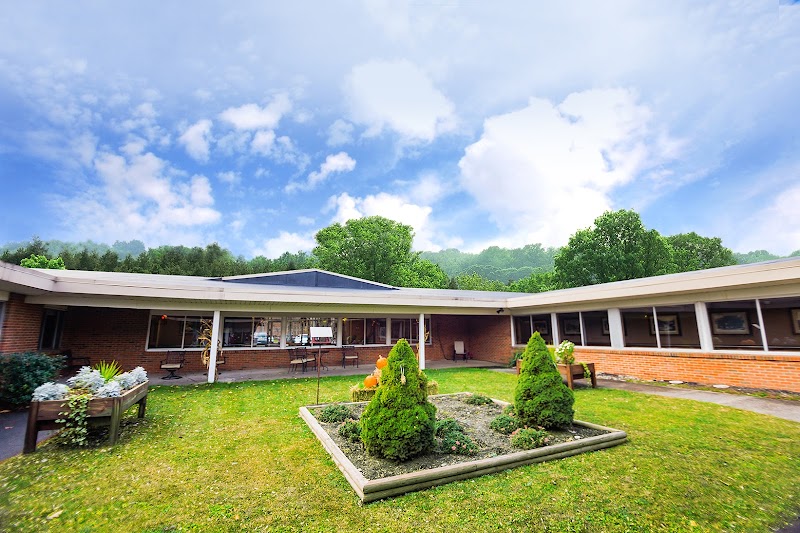
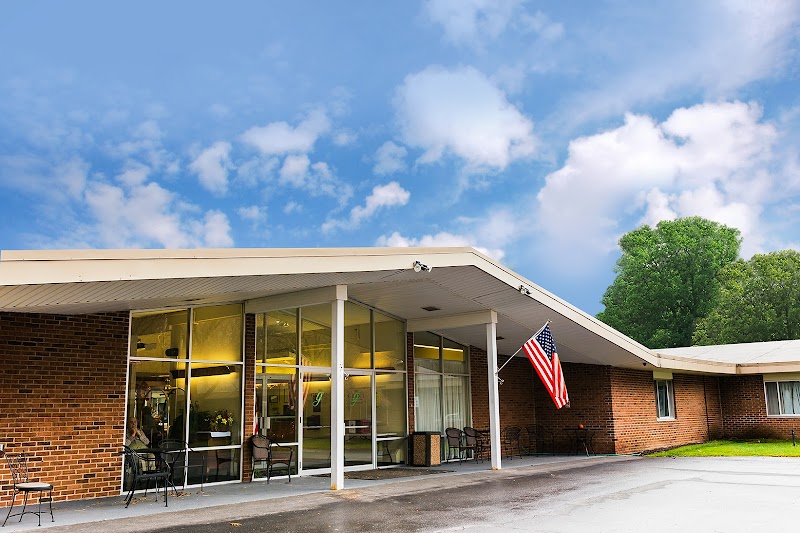
THE GRAND REHABILITATION AND NRSG AT CHITTENANGO

331 RUSSELL STREET, CHITTENANGO, NY 13037 (315) 510-6400
For profit - Individual 80 Beds THE GRAND HEALTHCARE Data: November 2025 1 Immediate Jeopardy citation
Trust Grade
16/100
#570 of 594 in NY
Last Inspection: January 2024

Within standard 12-15 month inspection cycle. Federal law requires annual inspections.

Overview

The Grand Rehabilitation and Nursing at Chittenango has received a Trust Grade of F, indicating significant concerns about the quality of care provided. This facility ranks #570 out of 594 in New York, placing it in the bottom half, and #3 out of 3 in Madison County, meaning there are no better local options. Unfortunately, the situation appears to be worsening, with the number of reported issues rising from 4 in 2021 to 9 in 2024. Staffing is particularly concerning, with a rating of only 1 out of 5 stars and a high turnover rate of 72%, which is significantly above the state average of 40%. Additionally, the facility has incurred $16,448 in fines, higher than 84% of other facilities in New York, which suggests ongoing compliance problems. While the facility does have some RN coverage, it is still less than 82% of state facilities, which raises concerns about the quality of care. Specific incidents reported include critical failings in managing advance directives for recently admitted residents during a cardiac emergency, which placed them at serious risk. Other findings noted that residents did not receive necessary personal hygiene assistance, leading to a lack of proper grooming. Overall, families should weigh these significant weaknesses against any strengths when considering this facility for their loved ones.

Trust Score
F
16/100
In New York
#570/594
Bottom 5%
Safety Record
High Risk
Review needed
Inspections
Getting Worse
4 → 9 violations
Staff Stability
⚠ Watch
72% turnover. Very high, 24 points above average. Constant new faces learning your loved one's needs.
Penalties
○ Average
$16,448 in fines. Higher than 64% of New York facilities. Some compliance issues.
Skilled Nurses
⚠ Watch
Each resident gets only 21 minutes of Registered Nurse (RN) attention daily — below average for New York. Fewer RN minutes means fewer trained eyes watching for problems.
Violations
⚠ Watch
21 deficiencies on record. Higher than average. Multiple issues found across inspections.
★☆☆☆☆
1.0
Overall Rating
★☆☆☆☆
1.0
Staff Levels
★★☆☆☆
2.0
Care Quality
★☆☆☆☆
1.0
Inspection Score
Stable
2021: 4 issues
2024: 9 issues

The Good

  • Full Sprinkler Coverage · Fire safety systems throughout facility
  • No fines on record

Facility shows strength in fire safety.

The Bad

1-Star Overall Rating

Below New York average (3.0)

Significant quality concerns identified by CMS

Staff Turnover: 72%

26pts above New York avg (46%)

Frequent staff changes - ask about care continuity

Federal Fines: $16,448

Below median ($33,413)

Minor penalties assessed

Chain: THE GRAND HEALTHCARE

Part of a multi-facility chain

Ask about local staffing decisions and management

Staff turnover is very high (72%)

24 points above New York average of 48%

The Ugly 21 deficiencies on record

1 life-threatening
Nov 2024 1 deficiency
CONCERN (D) 📢 Someone Reported This

A family member, employee, or ombudsman was alarmed enough to file a formal complaint

Potential for Harm - no one hurt, but risky conditions existed

Quality of Care (Tag F0684)

Could have caused harm · This affected 1 resident

Based on record review and interviews during the abbreviated survey (NY00297623), the facility did not ensure residents received treatment and care in accordance with professional standards of practic...

Read full inspector narrative →
Based on record review and interviews during the abbreviated survey (NY00297623), the facility did not ensure residents received treatment and care in accordance with professional standards of practice, the comprehensive person-centered care plan, and resident choices for 1 of 1 resident (Resident #5) reviewed. Specifically, Resident #5 had an unwitnessed fall, complained of pain the following morning, an x-ray was ordered, the x-ray was completed 10 hours after the resident complained of pain, and results were received 14 hours after they were ordered. Subsequently, the resident was hospitalized and was diagnosed with a right hip fracture. Additionally, the resident was not medicated for complaints of pain. Findings include: The facility policy, Falls Prevention Program, last reviewed 1/2024, documented residents must be assessed in a timely manner for potential causes of falls. The physician would identify medical conditions affecting fall risk and the staff would evaluate and document falls that occurred while the individual was in the facility; for example, when and where they happened and any observations of the event. The Interdisciplinary Team, with the physician's guidance, would follow-up on any associated injury until the resident was stable and delayed complications had been ruled out or resolved. Delayed complications such as late fractures or major bruising may occur hours or several days after a fall, while signs of subdural hematomas or other intracranial bleeding could occur up to several weeks after a fall. Resident #5 had diagnoses including pneumonia, chronic obstructive pulmonary disease (lung disease), and muscle weakness. The 5/25/2022 admission assessment documented the resident had moderate cognitive impairment; required partial/moderate assistance of 1 for toileting and sitting to stand position; substantial/maximum assistance of 1 for sitting to standing, chair to bed transfers, toileting transfers; had no previous falls; and had no pain. The Comprehensive Care Plan initiated 5/25/2022 documented Resident #5 was at risk for falls related to limited mobility, weakness, and a history of falls. Interventions included a clutter-free environment; call bell in reach; a safe environment; educate family and resident on what to do if a fall occurs; physical therapy evaluation and treatment; and re-educate on safety precautions when needed. A 5/25/2022 at 10:55 PM Licensed Practical Nurse #9 nursing progress documented Resident #5 was discovered on the floor during last room checks near the far wall. All changes in condition were reviewed with the on-call medical professional. The resident did not present with pain. There was no documented evidence of the results of the telephone assessment review by the on-call medical provider. There were no documented nursing notes from 5/25/2022 at 10:55 PM until 5/26/2022 at 9:38 AM. A 5/25/2022 at 10:55 PM Licensed Practical Nurse #9 fall risk evaluation documented a recent fall, the resident had a history of 1-2 falls over the last 6 months, was confined to a chair, was disoriented, and exhibited loss of balance with standing. The resident was evaluated at a high fall risk. A 5/25/2022 at 10:55 PM handwritten (black ink) Accident/Incident Report completed by Licensed Practical Nurse #9 documented the resident was on the floor near the wall, away from the bed during last checks. The resident stated they were looking for a family member. The level of injury was marked as none apparent in black ink. The level of injury was marked as major injury with a fractured right hip (in blue ink). Additional signatures and titles were illegible and signed on 5/26/2022. On 5/26/2022 at 9:27 AM, Assistant Director of Nursing #12 Interdisciplinary Team Meeting progress note documented a meeting was held for Resident #5. The resident's 5/25/2022 fall and physical and occupational services for the resident were discussed. A 5/26/2022 at 9:38 AM Assistant Director of Nursing #12 assessment documented the resident had a fall on 5/25/2022 at 10:55 PM. The resident was choosing not to ambulate or move their right lower extremity due to pain. The resident could not lift the leg on their own which they were previously able to do. The resident stated the pain was in their femur (thigh bone) and the right hip. There was point tenderness to the femur and hip area. The right upper leg was swollen, and there was no bruising or redness. The physician was notified and ordered X-Rays. A 5/26/2022 at 2:08 PM Licensed Practical Nurse #4 progress note documented the resident demonstrated or verbalized controlled pain levels with current interventions. The resident's right lower extremity range of motion was within normal limits. The note did not document the resident's previous fall, complaints of right leg pain, or orders for an X-ray. A 5/26/2022 at 5:10 PM Physical Therapy evaluation by Physical Therapist #17 documented the resident was seen for an initial evaluation and refused to get out of bed due to right hip pain. A 5/26/2022 at 9:35 PM Licensed Practical Nurse #21 progress note documented the resident demonstrated no signs or symptoms or verbalization of pain or discomfort. The resident's right lower extremity range of motion was within normal limits. The note did not document the resident's previous fall, complaints of right leg/hip pain, or if the X-rays were completed. The 5/26/2022 24 hour report sheet documented the resident was a new admit and was Day 1 of a fall. The 7:00 AM-3:00 PM shift documented awaiting right hip/femur X-ray. The 3:00 PM-11:00 PM shift documented X-ray completed awaiting results. The 11:00 PM-7:00 AM shift documented right hip fracture and right femur fracture. A 5/26/2022 X-ray company's order detail log documented: - at 12:16 PM, an X-ray order for Resident #5 was entered (two and one half hours after the X-ray was ordered). - at 6:36 PM the order was dispatched (6 hours after order was entered) - at 7:33 PM, the X-ray order was completed (7 hours after the order was entered). - at 11:16 PM, the X-ray results were uploaded to the facility (almost 4 hours from the X-ray completion). - at 1:29 AM, a verbal report of the resident's X-ray results was given to the facility (15 hours after the X-rays were ordered). The 5/26/2022 X-ray report documented impressions were an acute fracture of the right hip and right femur at the intertrochanteric region (where hip and thigh meet). A 5/27/2022 at 12:16 AM Registered Nurse Supervisor #10 progress note documented the resident's X-ray results were faxed to the facility at 11:17 PM with results of an acute fracture to the right hip. The resident was in extreme pain, more so with movement and the on-call physician was phoned. An order for narcotic pain-relieving medication was obtained, oxycodone 5 milligrams to be given by oral route twice a day for 3 days. The first dose would be taken from the facility's automatic medication dispenser. -At 2:50 AM, Registered Nurse Supervisor #10 documented the resident's X-ray results additionally showed a fracture to the right proximal (closer to center of body) femur at the intertrochanteric region. The 5/2022 Medication Administration Record documented: - extra strength Tylenol 500 milligrams, give 2 tablets by mouth every 6 hours as needed for pain or fever. There was no documented evidence the resident received the Tylenol from 5/25/2022-5/27/2022 when they were discharged to the hospital. - oxycodone 5 milligram capsule, give 1 capsule by mouth every 12 hours as needed for moderate to severe pain. The oxycodone was not documented as administered on 5/27/2022. - the resident's pain level was documented as 0 on all shifts on 5/26/2022 despite registered nurse and physical therapy progress note documenting the resident was in pain. A 5/27/2022 at 7:09 AM Licensed Practical Nurse Unit Manager #3 progress note documented the resident had a change in condition, a fracture to their right hip after a fall on 5/25/2022 and at 7:21 AM, and Physician Assistant #11 was notified. Physician Assistant #11 recommended to send the resident to the emergency room for evaluation. A 5/27/2022 at 7:54 AM Licensed Practical Nurse Unit Manager #3 progress note documented the resident was sent to the hospital via ambulance and the resident's representative was notified. A 5/27/2022 hospital emergency room progress note documented Resident #5 arrived at the emergency room at 8:28 AM, had a right hip fracture and their right leg was shortened and externally rotated (in an outward position away from the midline of the body). During an interview on 10/23/2024 at 9:20 AM, Licensed Practical Nurse #9 stated they used to work on the evening and overnight shifts as an agency nurse and did not recall Resident #5. They stated there was not a Registered Nurse Supervisor in the building most of the time they worked. The registered nurses were on-call. If a resident fell, they called the on-call registered nurse who would walk them through an assessment over the phone. The on-call registered nurse asked them to check the resident's arms and legs for injuries. Licensed Practical Nurse #9 stated when the phone assessment was completed, they filled out the accident/incident form. In-person assessments were often delayed as it depended on who the staff was. They were not comfortable filling out the assessment forms as it was beyond their scope of practice. It was not uncommon for a resident's hospital transfer to be delayed. X-ray results were often delayed depending on who the nurse was who obtained the order. During an interview on 10/25/2024 at 11:05 AM, the X-ray company's Operations Manager stated X-rays resulted based on their order input, whether they were placed as routine or as stat (emergent). Resident #5's x-rays orders were received on 5/26/2022 at 12:16 PM as a routine order. They stated on 5/26/2022 at 11:15 PM, the resident's x-ray results were uploaded to the resident's electronical medical records and faxed to the facility at 11:16 PM. During an interview on 10/28/2024 at 11:07AM, Licensed Practical Nurse Unit Manager #3 stated they did not remember the resident and looked up information in the resident's chart. The resident had a fall and suffered a fractured hip, and they sent them to the hospital the morning of 5/27/2022. They stated if a resident had a fall on the off-shifts (3:00 PM-11:00 PM or 11:00 PM to 7:00AM), an on-call registered nurse completed the assessment. Back in 2022 the staff were given calendars to notify them who was on-call. They stated Resident #5's x-rays were not done timely and there were problems in the past with results being delayed. They stated the resident should have been sent to the hospital immediately when the x-rays resulted instead of calling the medical provider for medication. Licensed Practical Nurse Unit Manager #3 stated the resident's transfer to the hospital was not done in a timely manner. During an interview on 10/29/2024 at 2:51 PM, Physician Assistant #16 stated they no longer worked at the facility and did not have access to Resident #5's records. They would occasionally take on-call assignments for the facility as a courtesy. They did not recall receiving a phone call regarding a resident with a hip fracture. Physician Assistant #16 stated if they received a phone call from an off-shift nurse relaying a resident had a fall and results were a fractured hip they would have recommended immediate stabilization and immobilization of the hip, calling 911, and notifying the resident's health care proxy as it was important to send them to the hospital immediately for a surgical consult. Administering a narcotic pain relieving medication only would not be appropriate. A delay in treatment could result in complications such as blood clots or extreme pain. Physician Assistant #16 stated if the resident's transfer to the hospital was 2 days after the fracture occurred, it was not appropriate. This could result in undue pain and suffering for the resident. During an interview on 10/30/2024 at 2:18 PM, Registered Nurse #14 stated they no longer worked for the facility, and they were the former Director of Nursing. Registered Nurse #14 stated they did not recall Resident #5 or the incident. They would often be on-call day at night and staff would call them if a resident fell. The Licensed Practical Nurse Supervisor or unit nurse would call, and a registered nurse would have to go into the facility. Phone assessments were done over the phone occasionally if the resident was a high fall risk and care planned as such. If a resident required x-rays and the x-rays were delayed it was unacceptable. They did not think it was appropriate for Resident #5's x-rays to have resulted late or their transfer to the hospital 2 days after a fall. During an interview on 11/4/2024 at 3:35 PM, Registered Nurse #12 stated they were the former Assistant Director of Nursing. Their duties included filling out incident reports if a resident had a fall. If a resident fell during the off shifts, there was supposed to be a Registered Nurse Supervisor available to perform an assessment. They were unsure if assessments were done over the phone or if a registered nurse was in the building at night. Registered Nurse #12 stated they did not recall the resident or the incident. If a resident fell and x-rays were ordered, the x-ray company was portable and the results were often delayed, sometimes up to 1-2 days. Registered Nurse #12 stated If they performed a fall assessment and the resident complained of pain, the criteria for sending a resident to the hospital would be extreme pain, swelling and/or symptoms of limited range of motion. 10 NYCRR 415.12
Oct 2024 1 deficiency
CONCERN (D) 📢 Someone Reported This

A family member, employee, or ombudsman was alarmed enough to file a formal complaint

Potential for Harm - no one hurt, but risky conditions existed

ADL Care (Tag F0677)

Could have caused harm · This affected 1 resident

**NOTE- TERMS IN BRACKETS HAVE BEEN EDITED TO PROTECT CONFIDENTIALITY** Based on observation, record review, and interview during the abbreviated survey (NY00303220) the facility did not ensure reside...

Read full inspector narrative →
**NOTE- TERMS IN BRACKETS HAVE BEEN EDITED TO PROTECT CONFIDENTIALITY** Based on observation, record review, and interview during the abbreviated survey (NY00303220) the facility did not ensure residents who were unable to carry out activities of daily living received the necessary services to maintain grooming and personal hygiene for 1 of 3 residents (Resident #1) reviewed. Specifically, Resident #1 was not assisted with toileting timely. Findings include: The facility policy, Resident Rights, last reviewed 1/2024 documented residents' basic rights included to be treated with respect, kindness, and dignity. The facility policy, Resident Care with Activities of Daily Living, last reviewed 1/2022, documented to provide residents with adequate toileting, maintaining maximum level of toileting and continence staff would first review the resident care instructions prior to assisting the resident to ensure appropriate numbers of person were available for assistance. Residents on toileting program would be offered toileting every 2- 4 hours and as needed. During napping or hour of sleep resident would be provided the bed pan and/or urinal if preferred every 2- 4 hours and as needed. Resident #1 had diagnoses including Alzheimer's Disease and cerebrovascular accident (stroke). The 9/29/2024 Minimum Data Set assessment documented the resident had severely impaired cognition, did not refuse care, required substantial/maximal assistance for toileting hygiene, supervision and touching assistance with toilet transfers, was frequently incontinent of urine and always incontinent of stool, and was not on a toileting program. The undated care instructions documented the resident always required 2 staff during care, required substantial/maximal assistance for toileting hygiene, was on every 45-minute safety checks, the resident's call bell was to be within reach and encouraged to be used for assistance. The 8/22/2024 Comprehensive Care Plan documented the resident had bowel and bladder incontinence, was at risk for falls, and for impaired skin integrity. Interventions included offer toileting every 2 hours or check resident every 2 hours, encourage resident to use their call bell for assistance, check skin for impairment every shift, minimize extended exposure of skin to moisture by providing incontinence care and prompt removal of wet/damp clothing or sheets as needed, identify voiding patterns, and initiate a toilet schedule if indicated. During an observation on the A unit on 10/17/2024 at 9:59 AM, there was a strong odor of urine and stool noted outside of Resident #1's room. Upon entering the room, Resident #1 was in their low bed with their head hanging off the left side. There was a pillow on the floor, and the resident's feet were off to the right side of the bed. The resident was dressed in blue pants and a green shirt, their bed sheet had a large brown circle and appeared wet. Their call bell was not in reach and was wedged behind the headboard of the bed and the wall. Licensed Practical Nurse #4 was notified by the surveyor the resident appeared to be falling out of bed and they stated, give me one minute and proceeded to walk away from the resident's room to the nurse's station. When Licensed Practical Nurse #4 entered the resident's room approximately 2 minutes later, they repositioned the resident in bed by pulling them over to the right and they covered the resident with a sheet. Licensed Practical Nurse #4 stated that not all residents were required to have their call bell. During an observation on the A unit on 10/17/2024 at 11:16 AM, Resident #1 was in their bed asleep with the sheet over them. The resident's call bell was tucked under their right side, and there was a strong odor of urine and stool. During an interview on 10/17/2024 at 11:18 AM, Licensed Practical Nurse Unit Manager #3 stated that Certified Nurse Aide #5 was assigned to care for Resident #1 but was on their break. During an observation at on 10/17/2024 at 11:20 AM, Licensed Practical Nurse #7 was applying antibiotic ointment to Resident #1's right eyebrow suture area and repositioned the resident straighter in the bed. They completed the treatment and exited the room. There was a strong odor of urine and stool in the room. During an observation and interview on 10/17/2024 at 11:30 AM, Licensed Practical Nurse #7 approached Certified Nurse Aide #6 to assist them with getting Resident #1 out of bed to change their clothing and wash them. They sat the resident on the edge of the bed and stood them up and the resident's green shirt was wet up their back and their blue pants were wet down to the back of their right leg. Certified Nurse [NAME] #6 stated the resident was wet with urine and they walked the resident to the bathroom and sat them on the toilet. The linen on the bed was wet with a brown ring on the sheet and the two soaker pads on the bed were wet. During an interview on 10/17/2024 at 11:41 AM, Certified Nurse Aide #5 stated they were assigned to Resident #1, but the nurse had told them in morning report to let the resident sleep until lunch and then wake them and provide care. They stated they went into the room at 10:40 AM and the resident had their call bell and was asleep. They did not notice an odor. They would typically wash residents in the morning but was told not to wake the resident up until lunch, so no care was provided to the resident. They stated it was important to not leave residents is urine soaked clothing or linen because this could lead to infection or skin irritation. The 10/17/2024 toileting and bathing tasks for Resident #1 documented the resident received bathing and bladder and bowel care by Certified Nurse Aide #5 at 2:59 PM. During an interview on 10/17/2024 at 1:26 PM, Licensed Practical Nurse Unit Manager #3 stated all residents should have their call bells in reach. No one reported to them about not providing care to Resident #1 and leaving them in bed. The resident should have been checked on and changed even if they were sleeping. The resident required assistance of 2 for assistance with care and they were always available to assist with toileting and bathing. The resident's linen should have been changed as soon as it was noted to be wet. During an interview on 10/18/2024 at 11:22 AM, the Director of Nursing stated Resident #1 had dementia and required substantial/maximum assistance with toileting and required two staff present for care due to the resident's behaviors. All residents should have a call bell in reach even if they could not use it. All residents should be checked and changed every 2 hours per policy. Leaving a resident in bed without their call bell and wet linen was not safe, was a dignity issue, and could lead to infections and skin integrity issues. They stated Resident #1 was on every 45-minute checks and staff should have noticed the resident was incontinent and cleaned them. 10NYCRR 415.12(a)(3)
Jan 2024 7 deficiencies 1 IJ (1 affecting multiple)
CRITICAL (K)

Immediate Jeopardy (IJ) - the most serious Medicare violation

Deficiency F0578 (Tag F0578)

Someone could have died · This affected multiple residents

**NOTE- TERMS IN BRACKETS HAVE BEEN EDITED TO PROTECT CONFIDENTIALITY** Based on record review and interviews during the recertification survey conducted 1/22/2024- 1/26/2024 the facility failed to en...

Read full inspector narrative →
**NOTE- TERMS IN BRACKETS HAVE BEEN EDITED TO PROTECT CONFIDENTIALITY** Based on record review and interviews during the recertification survey conducted 1/22/2024- 1/26/2024 the facility failed to ensure residents' advance directives were documented for 6 of 14 residents reviewed (Residents #172, #174, #222, #223, #224, and #320). Specifically, Residents #172, #174, #222, #223, #224, and #320 were admitted within the last 30 days (12/26/2023- 1/23/2024) and did not have physician orders for advance directives. Subsequently, during a cardiac emergency event, staff would not know Residents #172's, #174's, #222's, #223's, #224's, and #320's wishes for life-sustaining treatment. This placed Residents #172, #174, #222, #223, #224, and #320 at risk for the likelihood of serious harm or death that was Immediate Jeopardy. Finding include: The facility policy Advance Directives revised 1/2022 documented: -Upon admission, the resident will be provided with written information concerning the right to refuse or accept medical or surgical treatment and to formulate an advance directive if they chose to do so. - Prior to or upon admission, the Social Service Director or designee will inquire of the resident, their family members, or legal representative, about the existence of any written advance directives. - Information about whether the resident had executed an advanced directive should be displayed prominently in the medical record. - The Director of Nursing or designee will notify the attending physician of the advance directives so that the appropriate orders would be documented in the resident's medical record and plan of care. - The attending physician will provide information to the resident and legal representative regarding the resident's health status, treatment options, and expected outcomes during the development of the initial comprehensive assessment and care plan. The facility policy Emergency Procedure- Cardiopulmonary Resuscitation reviewed 1/2024 documented: -If the residents' do not resuscitate (allow natural death) status was unclear cardiopulmonary resuscitation (chest compressions and artificial breathing to restart the heart) would be initiated until it was determined that there was a do not resuscitate or physician order not to administer cardiopulmonary resuscitation -In an event that an individual was found unresponsive a staff member should verify the do not resuscitate or code status of said individual. 1)Resident #223 was admitted to the facility on [DATE] with diagnoses including Parkinson's disease (a progressive neurological disorder) and dementia. The 1/2/2024 Minimum Data Set assessment documented the resident had moderately impaired cognition. The resident and the resident's family participated in the assessment and goal setting. The residents discharge packet from the previous skilled nursing facility, scanned into the electronic medical record, included a physician's order form that documented the resident wished to have a do not resuscitate order. The 12/26/2023 at 3:44 PM admission progress note by registered nurse #17 documented the resident entered the facility with their spouse/significant other and family at their bedside. The resident was alert and confused. There was no documented evidence of Resident #223's advance directive wishes. The Physician Order Summary report with active orders from 12/26/2023-1/24/2024 did not include orders for advance directives. The 12/26/2023 social work progress note by the Social Services Director documented the resident was admitted from another skilled nursing facility. The resident's spouse was their Health Care Proxy (a person designated to make health care decisions on behalf of the resident). The resident had moderate cognitive impairment based on a Brief Interview for Mental status score of 10. Advance Directives were reviewed with family and the resident was a full code (initiate cardiopulmonary resuscitation in the event of cardiac arrest). Medical provider progress notes dated 12/27/2023-1/16/2024 did not document discussions with the resident or Health Care Proxy regarding advance directive wishes or their current code status. A 1/22/2024 at 12:37 PM physician #28 progress note documented the resident was a full code. 2)Resident #224 was admitted to the facility on [DATE] with diagnoses including acute respiratory failure, dehydration, and pneumonia. The 1/17/2024 Minimum Data Set assessment documented the resident was cognitively intact. The resident and the resident's family participated in the assessment and goal setting. The residents discharge packet from the previous skilled nursing facility, scanned into the electronic medical record, included a 12/20/2023 hospital admission history and physical that documented the resident wished to have a do not resuscitate order. The physician order summary report with active orders from 12/30/2023-1/24/2024 did not include orders for advance directives. The 12/30/2023 at 1:38 PM nursing admission progress note by registered nurse Supervisor #17 documented the resident was cognitively intact. There was no documented evidence of Resident #224's advance directive wishes. The comprehensive care plan initiated 1/11/2024 and reviewed by the Interdisciplinary Care Team on 1/15/2024 did not include advance directives. The 1/17/2024 2:02 PM physician #28 progress note documented the resident was admitted to the facility for short term rehabilitation. There was no documentation of discussion with the resident regarding advance directive wishes or their current code status. During an interview on 1/23/2024 at 4:07 PM, Resident #224 stated they did not want cardiopulmonary resuscitation. They stated if something were to happen (became unresponsive) to them they did not want anything done. 3)Resident #320 was admitted to the facility on [DATE] with diagnoses including hypertension and atrial fibrillation (an irregular heart rate). The 1/19/2024 entry tracking Minimum Data Set assessment did not include cognitive status for the resident. The resident was discharged from an assisted living facility on 1/19/2024. The discharge documents included an unsigned physician order that documented the resident wished to have a do not resuscitate order. The 1/19/2024 at 4:48 PM nursing admission note by registered nurse #20 documented the resident was cognitively intact. There was no documented evidence of Resident #320's advance directive wishes. The physician order summary report with active orders from 1/19/2024-1/24/2024 did not include orders for advance directives. The residents Medical Orders for Life-Sustaining Treatment was signed by the resident on 1/22/2024 at 3:45 PM and documented do not resuscitate. The physician signed the document on 1/24/2024 5 days after admission. During an interview on 1/23/2024 at 2:39 PM, licensed practical nurse #7 stated resident code status was listed in the electronic record on the medication administration record at the top of the electronic medical record. They stated if they needed to find a code status, they would look in the medication administration record or they could access the Medical Orders for Life-Sustaining Treatment book that was located at the nurse's station. During an interview on 1/23/2024 at 2:42 PM, licensed practical nurse #5 stated if a resident was a full code or a do not resuscitate this information would be at the top of the electronic medical record under their picture. Some residents had code status bracelets on their wrist or on their wheelchair. If staff were unable to find a bracelet or order, they would look in the Medical Orders for Life-Sustaining Treatment book at the nurse's station. During an interview on 1/23/2024 at 3:50 PM, licensed practical nurse #1 stated the resident order for code status was listed in the electronic record or could be accessed from the Medical Orders for Life-Sustaining Treatment binder at the nurse's station. If there was no order they would notify the supervisor, but the resident would be treated as a full code, and cardiopulmonary resuscitation would be completed until there was a physician order obtained for code status. During an interview on 1/23/2024 at 4:03 PM, Social Service Director stated they were responsible for ensuring the advance directives were in place for all newly admitted residents and for inquiring about their current wishes and what they wanted in the future. If the resident lacked the capacity, they would call their health care proxy or power of attorney and ask them to bring in copies of their documented wishes. Advance directive status should be completed as soon as possible. On 1/23/2024 at 5:56 PM, a list of the current residents and their code status orders was provided to the survey team. The provided current list did not include Residents #172, #174, #222, #223, #224, and #320. During an interview on 1/23/2023 at 6:55 PM, the Director of Nursing stated the facility policy for advance directives and code status included that every resident who was admitted to the facility should have a code status order and every resident should have a Medical Orders for Life-Sustaining Treatment completed with the assistance of the social worker. Code status could be obtained from the discharge paperwork for any new admission. When a resident was admitted , the registered nurses did the admission assessment and reviewed the discharge paperwork. If the resident code status was not documented, they should discuss this with the resident if they were alert and oriented. If the resident was disoriented, they should reach out to family. If the resident arrived with a Medical Orders for Life-Sustaining Treatment they should review it with the resident for accuracy, and this was scanned into the chart. The standard of care if a resident did not have a code status or a Medical Orders for Life-Sustaining Treatment was the resident would automatically be a full code. The staff should be calling the provider to obtain a full code order. It was important to have a medical order for code status so that they did not inadvertently harm someone or provide care the resident did not want. During an interview on 1/23/2024 at 7:06 PM, the Administrator stated they were not sure what the advance directive policy included and would refer to the Director of Nursing. They stated all residents should have a code status and should be listed with an order. This was important for the residents to make sure their wishes were met, and care was provided in the manner they requested. They were not aware there were residents in the facility without medical orders for their code status. During an interview on 1/24/2024 at 11:41 AM, the Medical Director stated they were not aware there were residents in the facility without documented orders for code status. The residents should have code status and all advance directives orders inputted in the medical record immediately upon admission. If a resident did not have their code status documented, it would be a medical and legal matter. The facility would want to be sure the residents' wishes were addressed for the safety of the resident. When a resident was admitted from an outside facility staff should ask the resident about their wishes, and if the resident was unable to answer they should speak to the resident health care proxy or legal representative to verify the resident's resuscitation wishes. During an interview on 1/24/2024 at 12:20 PM, the Assistant Director of Nursing stated if a resident was found unresponsive, they would call a code and would determine the resident code status from the electronic medical record or the Medical Orders for Life-Sustaining Treatment book. They were not sure if the advance directives were part of the admission evaluations, but they state the advance directives should be addressed upon admission by the Unit Managers, the Director of Nursing, or themself. They were not aware there were 6 residents without a documented code status order. It was important to have code status addressed upon admission for resident safety. Advance directives required a physician order. admission orders should be reviewed with the physician on admission or the day after and if the provider was not in the facility, they could get advance directives orders. During an additional interview on 1/24/2024 at 12:41 PM, the Director of Nursing stated they were responsible for all the nursing staff and oversight of the appropriate documentation in the resident record. They stated when a resident was admitted their code status orders should be reviewed. They stated sometimes staff were able to review a resident's advance directives prior to the resident admission to the facility. The registered nurse admitting the resident was responsible for addressing the code status. They should ask the resident their status and if the resident was unable to answer they should reach out to the health care proxy or legal representative. The registered nurse should call the provider for orders and then put the orders in the electronic record and the provider would sign the order when they were in the facility. They stated Residents #172, #174, #222, #223, #224, and #320 did not have their codes status addressed upon admission. According to their policy and procedure it was nursing's and social work responsibility to ensure the resident code status was addressed upon admission. The interdisciplinary team should ensure the resident code status was addressed upon admission and the provider had been made aware of the order for their code status. ____________________________________________________________________________________ Immediate Jeopardy was identified, and the facility Administrator was notified on 1/23/2024 at 8:59 PM. Immediate Jeopardy was removed on 1/24/2024 at 1:30 PM prior to survey exit based on the following corrective actions taken: -On 1/24/2024 at 12:04 PM, Residents #172, #174, #222, #223, #224, and #320 physician orders were updated to reflect code status. All the residents and/or their representatives had advance directives reviewed and code status was updated appropriately. - The facility identified all the residents could be affected. As a result, a facility wide audit was conducted to ensure all resident had an order for their code status. There were no other issues identified. - All staff were re-educated on Advance Directives and an understanding of what to do if a resident was found without an order for their code status. A posttest was initiated to ensure the retention of the training information. They had 68% of their staff trained and the goal was to have 100% of their staff trained. They had 100% of all working staff trained. - the facility planned to do daily audits on all new admissions to ensure that they had an order for code status. This would be done daily for 60 days and then weekly for four weeks. The results would be discussed with the interdisciplinary team. The Director of Nursing would be responsible for this audit and the continued staff education. 10NYCRR 400.21(c)
CONCERN (D) 📢 Someone Reported This

A family member, employee, or ombudsman was alarmed enough to file a formal complaint

Potential for Harm - no one hurt, but risky conditions existed

Free from Abuse/Neglect (Tag F0600)

Could have caused harm · This affected 1 resident

Based on observation, record review, and interviews during the recertification and abbreviated surveys (NY00298057, NY00320417, and NY00326044) from 1/22/2024-1/26/2024, the facility did not ensure re...

Read full inspector narrative →
Based on observation, record review, and interviews during the recertification and abbreviated surveys (NY00298057, NY00320417, and NY00326044) from 1/22/2024-1/26/2024, the facility did not ensure residents were free from abuse for 2 of 5 residents (Residents #14 and #28) reviewed. Specifically, the facility did not implement plans to protect residents from abuse and prevent resident to resident abuse when Residents #14 and #28 did not have safety checks as planned and Resident #28 did not have a stop sign across their door as planned and continued to have access to their reacher device (a tool to grab out of reach items) after they hit someone with it and the plan was for the reacher to be removed. Findings include: The facility policy Abuse Prevention Program/Abuse and Neglect-Clinical Protocol/Abuse Investigation and Reporting reviewed on 1/2024 documented residents have the right to be free from abuse to include protecting resident from abuse from other residents. The administration would implement measures that addressed factors that may lead to abusive situations, identify and assess all possible incidents of abuse, protect residents during abuse investigations, and implement changes to prevent future occurrences of abuse. If an investigation involved a resident's behavior, revisions in care plan were completed with an appropriate evaluation. Resident to resident interactions would then be monitored. 1) Resident #28 had diagnoses including mood affective disorder, bipolar disorder (a mental health condition that causes extreme mood swings), and dementia without behavior disorder. The 12/21/2023 Minimum Data Set assessment documented the resident had moderately impaired cognition, exhibited no behavioral symptoms, and required moderate to maximal assistance for all activities of daily living. The comprehensive care plan, revised 1/14/2024, documented the resident had verbally and physically aggressive behaviors that included hitting another resident and throwing food. They had resident to resident altercations on 10/13/2023 and 1/14/2024. Additional Interventions included: - intiated 10/13/2023 remove the personal grabber (reacher) from the resident's room and apply a stop sign up at the resident's room door. - initiated 10/15/2023 30-minute safety checks - initiated on 1/14/2024 15-minute safety checks and a stop sign up at the resident's room door. The 10/13/2023 incident report completed by Licensed Practical Nurse #36 for a resident-to-resident documented Resident #28 intentionally struck another resident with their personal item grabber when the other resident came into Resident #28's room and was touching items on Resident #28's bedside table. The interventions from the incident summary report registered nurse supervisor #16 included to put a stop sign up on Resident #28's door, to keep the residents apart in common areas, to place Resident #28 on 30-minute safety checks, to educate Resident #28 to call for help if another resident wandered into their room, and to remove Resident #28's personal item grabber. The 1/14/2024 incident report completed by registered nurse supervisor #16 for a resident-to-resident documented another resident, not Resident #14, wandered into Resident #28's room and was touching Resident #28's items on their bedside table. Resident #28 hit the other resident in the head with their room phone. The interventions from the incident report included to put a stop sign up on Resident #28's door, to keep the residents apart in common areas, to place Resident #28 on 15-minute safety checks, and to educate Resident #28 to call for help if another resident wandered into their room. The interventions initiated were similar to the 10/13/2023 incident interventions. The 10/15/2023 physician's order documented nurses were to do a behavior note every shift. The treatment administration record documented the behavior notes were not completed consistently on every shift each month. The January 2024 certified nurse aide care record documented Resident #28 was on 15-minute safety checks. The following were the only 15-minute safety checks documented: -On 1/14/2024 four times in a row the 15 minute safety checks, which all stated 7:57 PM, one time which stated 8:13 PM, four times in a row the 15 minute safety checks, which all stated at 9:01 PM, one time which stated 9:20 PM, and which stated at 10:39 PM. -On 1/15/2024 at 2:22 AM, 11:25 AM, 4:34 PM, and 11:41 PM. -On 1/16/2024 at 10:41 AM, 6:35 PM, and 11:26 PM. -On 1/17/2024 at 12:07 PM and 5:39 PM. -On 1/18/2024 at 1:39 AM, 12:01 PM, and 3:45 PM. -On 1/19/2024 at 12:27 AM, 9:20 AM, 3:37 PM, and 11:42 PM. -On 1/21/2024 at 8:23 AM, 4:35 PM, and 11:49 PM. -On 1/22/2024 at 8:28 AM, 3:47 PM, and 11:21 PM. -On 1/2023/2024 at 12:24 PM and 9:39 PM. -On 1/2024/2024 at 1:48 AM and 12:58 PM. The following observations were made of the resident's stop sign: - On 01/22/2024 at 7:55 PM, was not across the doorway with the door open and the resident was in bed. - On 01/24/2024 at 2:12 PM, was down on the floor, not across doorway, with the door open and the resident in bed. At 2:26 PM, certified nurse aide #23 took the stop sign down to exit the room with a resident lift device, re-entered the room, then exited the room and did not replace the stop sign. Stop sign was hanging down on ground. At 2:31 PM, the stop sign was still down. At 2:47 PM, certified nurse aide #24 left the resident's room after answering their call light and the stop sign remained down. -On 01/25/2024 at 6:14 AM, Resident #28's door was closed with no stop sign over door. Additionally, from 12:55 PM until 5:09 PM, several staff members walked by the residents door with the stop sign down and did not replace it or put is up across the door as care planned. Those staff that walked by the resident's room with the stop sign down and did not replace it included an unidentified laundry staff member, an unidentified certified nurse aide, the Social Services Director, certified nurse aide #24 and #22, licensed practical nurse #19, licensed practical nurse #1, and the Administrator. The following observations were made of the resident's personal item grabber: -On 1/22/2024 at 6:38 PM, the resident had a personal item grabber on their nightstand within reach. -On 1/25/2024 at 11:32 AM, the resident had a personal item grabber on their nightstand within reach. The following continuous observations were made of the resident's door and room on 1/25/2024: -From 9:26 AM, when certified nurse aide #24 left the resident's room with breakfast tray and shut resident's door, to 10:48 AM no nursing clinical staff had opened the resident's door or entered resident's room for 15-minute safety checks. -From 10:48 AM, when certified nurse aide #25 went into resident's room and left within the same minute with linens in hand, to 11:32 AM no nursing clinical staff had opened the resident's door or entered resident's room for 15-minute safety checks. -From 1:22 PM, when certified nurse aide #25 left the resident's room, to 1:40 PM, no nursing clinical staff entered resident's room for 15-minute safety checks. During an interview on 1/22/2024 at 6:42 PM, Resident #28 stated they recently had an altercation with another resident who wandered into their room. They stated they warned the other resident verbally and by hitting their table with their phone. They stated the other resident left then came back and started going through their stuff. Resident #28 stated they hit the other resident in the head with their phone because they were going through their stuff. Resident #28 stated staff told them the other was hard of hearing and Resident #28 could not hit other residents. Resident #28 stated they would do it again because that resident was going through their stuff. During an interview on 1/25/2024 at 3:45 PM, certified nurse aide #22 stated stop signs were supposed to be always across resident the resident's door. If the stop sign is down, staff should put it back up. They stated Resident #28 has a stop sign due to two resident-to-resident altercations. They stated if the stop sign was down and a resident-to-resident occurred, the staff would be liable due to not following the care plan. They were unaware of any restrictions Resident #28 had regarding their personal item grabber. They should follow the care plan as the residents could get hurt if the staff does not follow the care plan. During an interview on 1/25/2024 at 4:10 PM, licensed practical nurse #1 stated the stop signs should always be across a resident's door. They stated if the sign was down, a staff member should check the resident's room to make sure nothing had happened while the sign was down and then put the sign up. They stated the stop signs were a bright color for a reason. If a resident got confused and went into a room that wasn't theirs thinking it was, they could hurt the actual occupant of the room. They stated that Resident #28's stop sign had been taken down totally due to no resident-to-resident altercations and then put back into place about a week ago. They were unaware of any restrictions Resident #28 had regarding their personal item grabber and state they knew the resident had one. They stated staff should always follow the resident's plan of care to ensure resident safety. During an interview on 1/26/2024 at 9:31 AM, certified nurse aide #29 stated on 1/14/2024 they had witnessed another resident had wheeled themselves into Resident #28's room. Resident #28 was yelling at the other resident to get out of their room. Certified nurse aide #29 stated when they walked into the room as Resident #28 threw their room phone at the other resident. The base of the phone had remained in Resident #28's hand and the receiver of the phone struck the other resident in the head. Certified nurse aide #29 stated Resident #28 had a stop sign at the time of the incident but did not know if it was up prior to the other resident rolling into Resident #28's room. During an interview on 1/26/2024 at 9:39 AM, registered nurse Unit Manager #20 stated a resident's stop sign should always be up even if the door was shut. Registered nurse Unit Manager #20 was unaware if Resident #28 should have their personal grabber or not. They stated if it was care planned that the resident's personal grabber was removed, they should not have it. They stated care plans were updated in an interdisciplinary team meeting quarterly, annually, and as needed. During an interview on 1/26/2024 at 11:22 AM, Director of Nursing stated a resident's stop sign should be always across a resident's doorway, especially if a resident has remained in bed all day. If a staff member was to come across a downed stop sign, they should put it back up. This applied to all staff members. They stated they were unaware if the original personal grabber for Resident #28 was removed and then provided back. They stated if the resident was provided the personal item grabber back, the care plan should have been updated. 2) Resident #14 had diagnoses of vascular dementia with agitation, hypertension (high blood pressure), and chronic obstructive pulmonary disease (lung disease). The 11/24/2023 Minimum Data Set assessment documented severely impaired cognition, exhibited physical and verbal behavioral symptoms, moderate assistance for most activities of daily living and moderate assistance for wheelchair mobility and management. The 10/13/2023 incident report completed by Licensed Practical Nurse #36 documented Resident #14 had entered Resident #28's room and was hit in the head with a personal item grabber by Resident #28 when the resident did not hear the Resident #28's directive to leave. Resident #14 sustained a laceration to the head. Resident #14 was placed on 30-minute safety checks and was to be kept apart from Resident #28 in common areas. The comprehensive care plan, revised 1/21/2024, documented the resident had exhibited behavioral symptoms which included being physically aggressive, throwing objects, and resident to resident altercations. The resident had 10 documented resident to resident altercations on: 1/31/2023, 2/25/2023, 3/12/2023, 3/25/2023, 7/16/2023, 7/17/2023, 9/18/2023, 9/19/2023, 10/13/2023, and 12/7/2023. The interventions included 15-minute safety checks from the incident dated 7/17/2023, 30-minute safety checks from the incident dated 10/13/2023, and 15-minute safety checks from from the incident dated 12/7/2023. Psychiatric-Mental Health Nurse Practitioner #34's note dated 12/11/2023 documented the resident had an altercation where they attacked another resident on 12/7/2023 which caused both residents to fall with injury to the other resident. The resident had shown increased agitation with their wandering. The resident did not participate in dicussion with Psychiatric-Mental Health Nurse Practitioner #34. They recommended a medication increase for management of agitation and aggression with dementia. The 12/7/2023 incident report completed by registered nurse supervisor #37 documented the resident had entered another resident's room and an altercation occurred which resulted in a fall for both residents. Resident #14 was sent out to the hospital for evaluation. There was no documented evidence the resident was on a current safety check or that the safety checks were being completed. The following observations were made of Resident #14: -On 01/22/2024 at 8:06 PM, they were laying in bed alone, no staff around. -On 01/23/2024 at 8:41 AM, they were sleeping in bed on a bare mattress, no staff around. At 11:04 AM, they were sleeping in bed on a bare mattress, no staff around or have checked on resident. -On 01/24/2024 at 2:19 PM, they were laying in bed alone, no staff around. During an interview on 01/22/24 08:06 PM, Resident #14 had not wanted to engage in questions. During an interview on 1/25/2024 at 3:45 PM, certified nurse aide #22 stated that certified nurse aides were supposed to make a direct observation of a resident who was on safety checks at the interval specified. They were unsure if any resident was on 15-minute safety checks currently. They stated the safety checks were documented by the certified nurse aides in the electronic medical record. They stated the task for certified nurse aides turned yellow every 15 minutes when a resident was on 15-minute safety checks, so it triggered the certified nurse aide to document. If the safety checks were not completed, it could be a safety issue for the resident or other residents. During an interview on 1/25/2024 at 4:10 PM, licensed practical nurse #1 stated currenlty there were no residents on 15-minute safety checks. They stated if a resident was on 15-minute safety checks, the nurses have a check list to make sure they were adhered to. They stated 15-minute safety checks should be done every 15 minutes but there were different degrees of urgency based on the reason for the safety checks. They stated if the safety checks were not conducted, a lot could happen as a lot of the residents are naturally confused. During an interview on 1/26/2024 at 9:39 AM, registered nurse Unit Manager #20 stated 15-minute safety checks were conducted by rounding on the resident and the staff had to have make a direct observation of a resident. They stated certified nurse aides should document in the electronic medical record every 15 minutes when a resident was on 15-minute safety checks. They stated that if a resident was removed from safety checks, it should have been removed from their care plan. They stated Resident #14 should have had the safety checks removed from their care plan. If an intervention was no longer applicable to the resident or resident situation, it should have been removed from the care plan, so the staff had a clear directive of the resident's plan of care. During an interview on 1/26/2024 at 11:22 AM, Director of Nursing stated the certified nurse aides should document in the electronic medical record at the time interval the safety check is designated. The certified nurse aides should make a direct observation of a resident when a safety check was conducted. They stated if the safety checks were not conducted, it could have a negative impact on the resident. The care plan should also be updated when a safety check was no longer applicable to a resident. They stated Resident #14 should have had the safety checks removed from their care plan after they were completed. If the care plan was not updated, it could cause confusion with the staff and the care for that resident. 10NYCRR 415.4(b)
CONCERN (D) 📢 Someone Reported This

A family member, employee, or ombudsman was alarmed enough to file a formal complaint

Potential for Harm - no one hurt, but risky conditions existed

ADL Care (Tag F0677)

Could have caused harm · This affected 1 resident

Based on observation, record review, and interviews during the recertification and abbreviated (NY00321647 and NY00323860) surveys conducted 1/22/2024-1/26/2024, the facility did not ensure residents ...

Read full inspector narrative →
Based on observation, record review, and interviews during the recertification and abbreviated (NY00321647 and NY00323860) surveys conducted 1/22/2024-1/26/2024, the facility did not ensure residents who were unable to carry out activities of daily living received the necessary services to maintain good nutrition, grooming, and personal and oral hygiene for 2 of 4 residents (Residents #11 and #37) reviewed. Specifically, Resident #11 was not assisted with nail care and had food particles on their clothing; and Resident #37 was not assisted with personal hygiene and clothing changes. Findings include: The facility policy Resident Care with Activities of Daily Living effective 7/2021 and reviewed 1/2022 documented residents would receive accurate assistance and support with their needs for activities of daily living. Staff were to review the resident's care plan to assess for any special needs and notify the Supervisor if the resident refused the procedure. The facility policy Care of Fingernails/Toenails reviewed 1/2024 documented nail care included daily cleaning and regular trimming. The procedure for cleaning fingernails documented the resident should soak their hands in warm soapy water for approximately 5 minutes and dirt should be gently removed from under each nail with an orange stick. 1) Resident #11 had diagnoses of muscle weakness, lack of coordination, and need for assistance with personal care. The 12/10/2023 Minimum Data Set assessment documented the resident was cognitively intact, used a walker and a wheelchair, required assistance of 2 for transfers, substantial/moderate assistance for bathing, and partial/moderate assistance for personal hygiene. The comprehensive care plan revised 9/18/2023 documented the resident required assistance with activities of daily living related to weakness. Interventions included extensive assistance of 1 with personal hygiene, and assistance of 2 with bathing and transfers. The 1/2024 resident care instructions documented the resident required extensive assistance of 2 for personal hygiene, dressing, bathing, and used a wheelchair. Resident #11 was observed: - on 1/23/2024 at 10:06 AM, sitting in their wheelchair in the front lobby wearing a gray shirt, black pants, and brown shoes. There were food crumbs on their shirt and wheelchair cushion. The resident had a dark brown substance under all 10 of their fingernails and white stains on their shoes. - on 1/24/2024 at 2:20 PM, dressed in a red shirt, red plaid pajama pants and brown shoes. The resident had a dark brown substance under all 10 fingernails. There were food crumbs on their red shirt and white stains on their brown shoes. - on 1/25/2024 at 10:02 AM, the resident had a dark brown substance under all 10 of their fingernails. During an interview on 1/25/2024 at 3:17 PM, certified nurse aide #10 stated they looked up how to care for a resident in the resident's care profile in the electronic record. Resident #11 was dependent on staff for care and morning care included nail care. Certified nurse aide #10 stated the resident did not refuse care. During an interview on 1/26/2024 at 8:27 AM, licensed practical nurse #13 stated the resident required total care with their activities of daily living and did not refuse care. A dark substance under the resident's nails was not appropriate or dignified. During an interview on 1/26/2024 at 9:49 AM, licensed practical nurse Unit Manager #14 stated the resident was dependent on morning care, required assistance of 1 with personal hygiene, and could not clean their own nails. Licensed practical nurse Unit Manager #14 stated nurses were responsible for cutting the resident's nails, but anyone could clean them. During an interview on 1/26/2024 at 10:44 AM, the Director of Nursing stated Resident #11 was diabetic, required assistance with personal hygiene. Nail care was part of morning care but could be performed at any time. If nursing staff observed dirty nails, they expected them to be cleaned right away. If the resident was diabetic, they would expect licensed nurses to perform nail care due to risk of infection and would expect certified nurse aides to alert the licensed nurses that the resident needed nail care. 2) Resident #37 had diagnoses of muscle weakness and need for assistance with personal care. The 10/12/2023 Minimum Data Set assessment documented the resident was cognitively intact, required supervision/touch assistance for personal hygiene and supervision/touch assistance with dressing. The comprehensive care plan revised 12/01/2023 documented the resident required assistance with self-care and mobility related to impaired balance and limited mobility. Interventions included partial/moderate assistance with bathing, supervision/touch assistance with personal hygiene, and supervision/touch assistance with upper and lower body dressing. The 1/2024 resident care instructions documented to encourage the resident to change their shirt when soiled, the resident required partial/moderate assistance of 1 for bathing and supervision with setup for dressing. Resident #37 was observed: - on 1/22/2024 at 7:22 PM wearing a rust-colored shirt, black pants, black sneakers, and had a beard. They were drooling while holding a chocolate milk container in their hands. They had a tan liquid substance in their beard and their clothing was soiled. - on 1/23/2024 at 8:23 AM, wearing the same soiled clothing from 1/22/2024, a rust-colored shirt and black pants. The resident was self-propelling their wheelchair in the lobby wearing a clothing protector around their neck. At 11:19 AM, the resident was self-propelling in their wheelchair around the unit and had drool and food substances in their beard and was wearing soiled pants. - on 1/25/2024 at 10:14 AM, exiting their room wearing a gray hooded sweatshirt jacket, blue track pants, and a green shirt. The resident had drool, liquids, and food substances in their beard and on their clothing. Their wheelchair was soiled with a food substance. - on 1/26/2024 at 8:14 AM, propelling their wheelchair up the hall wearing the same soiled clothing from 1/25/2024, a gray hooded sweatshirt, blue track pants, and a green shirt. During an interview on 1/25/2024 at 10:24 AM certified nurse aide #11 stated they knew how to care for a resident by looking at their care profile in the electronic record. Resident #37 required assistance of 1 for personal hygiene, drooled a lot, did not usually refuse care, and got up for the day on the night shift. Certified nurse aide #11 stated during the day shift if they noticed the resident's clothing was soiled, they would assist them with changing their clothes. It was not dignified to wear soiled clothing. During an interview on 1/26/2024 at 8:27 AM, licensed practical nurse #13 stated Resident #37 was somewhat independent and tried to dress themselves but needed assistance of 1 for personal hygiene. All nursing staff were responsible for personal hygiene and the resident should be assisted with clothing changes every day. It was not dignified for the resident to wear soiled clothing. During an interview on 1/26/2024 at 9:49 AM, licensed practical nurse Unit Manager #14 stated the resident was independent with dressing and transferring but required assistance of 1 with personal hygiene. Licensed practical nurse Unit Manager #14 stated the resident should be assisted with changing their shirt if it was soiled. It was not dignified to wear soiled clothing. The certified nurse aides should document if they refused care. During an interview on 1/26/2024 at 10:44 AM the Director of Nursing stated the resident drooled a lot and often soiled their beard and clothing. They stated the resident needed assistance with personal hygiene. The resident should be assisted with changing their soiled clothing and they expected the nursing staff to assist them. If the resident was observed for several days wearing the same soiled clothing with liquid and food substances in their beard and on their clothing, it gave the appearance the resident was not being cared for and was not dignified. 10NYCRR 415.12 (a)(3)
CONCERN (D)

Potential for Harm - no one hurt, but risky conditions existed

Respiratory Care (Tag F0695)

Could have caused harm · This affected 1 resident

Based on observation, record review, and interviews during the recertification survey conducted 1/22/2024-1/26/2024, the facility did not ensure a resident received respiratory care consistent with pr...

Read full inspector narrative →
Based on observation, record review, and interviews during the recertification survey conducted 1/22/2024-1/26/2024, the facility did not ensure a resident received respiratory care consistent with professional standards of practice for 1 of 1 resident (Resident #11) reviewed. Specifically, Resident #11 had a physician order for 2 liters of oxygen and received 1.5 liters and was observed not wearing oxygen as ordered. Findings include: The facility policy Oxygen Administration reviewed 1/2024 documented staff were to verify there was a physician order for oxygen. Staff should review the physician's orders and the resident's care plan to assess for any special needs; check the tubing connected to the oxygen cylinder to assure it is free of kinks; place appropriate oxygen device on the resident (mask, nasal cannula, nasal catheter) and adjust the oxygen delivery device so that it was comfortable for the resident and the proper flow of oxygen was being administered. Resident #11 had diagnoses including acute respiratory failure with hypoxia (low oxygen levels in the blood), congestive heart failure (heart does not pump blood efficiently), and chronic obstructive pulmonary disease (lung disease). The 12/10/2023 Minimum Data Set assessment documented the resident was cognitively intact and required oxygen therapy. The comprehensive care plan revised 7/6/2023 documented Resident #11 had an alteration in cardio-vascular function related to hyper/hypotension (high and low blood pressure), atrial fibrillation (abnormal heart rhythm), and congestive heart failure. Interventions included to administer medications as ordered, assess oxygen needs and provide oxygen as ordered by the physician, monitor blood pressure and vital signs, and offer for resident to go back to bed after meals for rest periods. The 1/2024 resident care instructions documented critical supplies for the resident included oxygen. The 1/19/2024 physician #15 orders documented oxygen at 2 liters per minute via nasal cannula every shift, check oxygen tank level every 4 hours, and change oxygen tubing weekly on Monday night shift. During an observation on 1/23/2024 at 10:05 AM, Resident #11 was sitting in their wheelchair with a portable oxygen tank attached to the back of their chair and nasal cannula tubing in their nose. The dial on the oxygen tank was set at 1.5 liters, the nasal cannula was twisted near their neck, and the tank was almost empty. At 11:40 AM, the resident was sitting in their wheelchair with a portable oxygen tank attached to their chair. The oxygen tank dial was set at 1.5 liters per minute. The oxygen tank gauge needle was almost in the red refill area of the gauge. During an observation on 1/24/2024 at 2:20 PM, Resident #11 was transferred via mechanical lift into their bed and assisted with toileting needs. At 2:32 PM, the resident was transferred back to their wheelchair and their oxygen nasal cannula tubing was not applied. The oxygen tubing was observed lying towards the back of the wheelchair near the right wheel. During an interview on 1/25/2024 at 3:17 PM, certified nurse aide #10 stated the resident required oxygen. If the resident's oxygen tubing was displaced and was not on the resident, they would go and get a nurse for assistance. They stated certified nurse aides were not allowed to handle oxygen or the tubing. During an interview on 1/26/2024 at 8:27 AM, licensed practical nurse #13, stated the resident was dependent for care and oxygen needs. The physician order for the resident's oxygen was for 2 liters, nurses were responsible to check the oxygen and the tubing and to ensure it was on the correct flow rate. If the tank was set to 1.5 liters that was not the correct amount. Certified nurse aides were only allowed to check the tank to see if it was full or empty and they should notify a nurse if the resident required assistance with their oxygen. During an interview on 1/26/2024 at 9:49 AM, licensed practical nurse Unit Manager #14 stated the resident was dependent on oxygen and their physician order documented 2 liters. They stated nurses were responsible for the resident's oxygen orders. 1.5 liters was not the correct amount of oxygen for the resident and the risk of the resident not receiving the ordered amount of oxygen could result in their blood oxygen levels decreasing and they could develop shortness of breath and end up in the hospital. During an interview on 1/26/2024 at 10:44 AM, the Director of Nursing stated licensed nurses were responsible for residents on oxygen as it was a medication order. The resident had significant cardiovascular medical conditions, was dependent on oxygen and their physician order was for 2 liters per minute. If the resident's oxygen tank was set to 1.5 liters, they would not receive the prescribed amount of oxygen and the resident could develop shortness of breath and their blood oxygen levels could decrease. Oxygen tubing should also be properly placed on the resident so they would receive the oxygen therapy. 10NYCRR 415.12 (k)(6)
CONCERN (D) 📢 Someone Reported This

A family member, employee, or ombudsman was alarmed enough to file a formal complaint

Potential for Harm - no one hurt, but risky conditions existed

Infection Control (Tag F0880)

Could have caused harm · This affected 1 resident

Based on observation, interview, and record review during the recertification and abbreviated (NY00314269) surveys conducted 1/22/2024-1/26/2024, the facility did not establish and maintain an infecti...

Read full inspector narrative →
Based on observation, interview, and record review during the recertification and abbreviated (NY00314269) surveys conducted 1/22/2024-1/26/2024, the facility did not establish and maintain an infection prevention and control program designed to provide a safe, sanitary, and comfortable environment and to help prevent the development and transmission of infection for 4 of 5 residents (Residents #7, #29, #64, and #270) reviewed. Specifically, Resident #64's wound care was completed without appropriate hand hygiene and precautions to prevent contamination of the wound or clean supplies; and Residents #7, #29, and #270 had their blood glucose (blood sugar) checked and the glucometer (device used to measure blood sugar levels using a droplet of blood) was not disinfected between use or disinfected with an appropriate high-level disinfectant. Findings include: The facility policy Hand Hygiene - Guidelines for Hand Washing and Hand Antisepsis reviewed 1/2020 documented situations that required hand hygiene included before and after performing any invasive procedure, before and after assisting a resident with personal care, before and after changing a dressing (bandage), before and after assisting a resident with toileting, after handling used linens and dressings, after performing personal hygiene, and after removing gloves or other personal protective equipment. The facility policy Wound care reviewed 1/2024 documented to put on exam gloves to remove the bandage, use the glove to cover the bandage to dispose of it, put on another pair of gloves and other personal protective equipment if needed, and use a no-touch technique to apply ointments or creams. If the wound required physical touching sterile gloves were to be worn, and exam gloves were needed to dress (apply new bandage) the wound with the no-touch technique. The facility policy Cleaning and Disinfection of Glucometer reviewed 1/2024 documented that reusable items and durable medical equipment would be cleaned and disinfected according to current Center for Disease Control recommendations for disinfection and the Occupational Safety Health Act bloodborne pathogen standard. Glucometer cleaning should take place before and immediately after each use to prevent the spread of pathogens from blood or body fluids. In cases where the manufacturer had no cleaning recommendations, the use of an Environmental Protection Agency-register high-level disinfectant was the standard. Glucose meters used in a clinical setting for testing multiple persons must be cleaned and disinfected between patients. Infection Control Not Maintained During a Dressing Change Resident #64 was admitted to the facility with diagnoses including stroke, Alzheimer's dementia, and osteoporosis. The 9/14/2023 Minimum Data Set assessment documented the resident had severely impaired cognition, required extensive assistance of 1 for personal hygiene, extensive assistance of 2 for bed mobility, transfers, and toileting, was frequently incontinent of bladder and bowel, and did not have any pressure ulcers. The comprehensive care plan initiated 9/21/2023 documented the resident had bowel incontinence related to cognitive impairment. The comprehensive care plan initiated on 11/13/2023 documented the resident had impaired skin integrity related to deep tissue injury on bilateral heels. Interventions included treatment per medical orders, evaluate the wound for size, depth, margins, and monitor for sign and symptoms of infection. The care plan initiated on 12/14/2023 documented the resident had alterations in skin integrity related to actual pressure ulcers. Physician orders documented: - on 12/28/2203 cleanse coccyx (end of tail bone) wound with wound cleanser, pat dry, apply calcium alginate (dressing used to absorb wound fluid) cut to fit wound bed, cover with silicone dressing as needed when soiled and in the morning for pressure injury. -on 1/11/2024 cleanse and dry the left heel and apply hydrogel (a dressing used to maintain the wounds moisture), then abdominal pad (thick gauze dressing) and wrap with Kling (elastic gauze) once a day for heel care. During an observation on 1/25/2024 at 6:55 AM, licensed practical nurse #19 and certified nurse aide #22 assisted Resident #64 with morning care and dressing changes. Licensed practical nurse #19 completed hand hygiene and put gloves on. They set up a border gauze (an absorbent dressing) and tape marked with the current date. They removed the old bandage from the left heel and rolled it up in the old gauze and placed it in the trash bin near the bed. They did not change their gloves or perform hand hygiene and sprayed with wound cleansing spray. They did not change their gloves or perform hand hygiene and the new bandage was placed with dry gauze and Kling and secured with tape. Licensed practical nurse #19 then assisted certified nurse aide #22 with dressing the resident and providing incontinence care. They removed the resident's dirty incontinence brief and rolled the resident to their left side. The dirty brief and bed pad were rolled up and left under the resident's left hip. Licensed practical nurse #19 cleansed the resident's bottom with a wet soapy washcloth. They did not change their gloves or perform hand hygiene. The wound was sprayed with wound cleanser, wiped with a wet soapy washcloth from the water bin from morning care, and dried with a white towel from the linen cart. They did not change their gloves or perform hand hygiene. A small piece of hydrogel from the package was placed on the wound, without cutting it to the size of the wound, and dated border gauze was applied over the area. The licensed practical nurse removed their gloves and completed hand hygiene. During an interview on 1/25/2024 at 2:41 PM, licensed practical nurse #19 stated the correct order of a dressing change was to get staff assistance, unwrap and remove the old dressing, clean the wound as best as possible, apply a new dressing, and wash their hands. They stated they would put on gloves before removing the old dressing and should have changed their gloves after the old dressing was removed. The resident did not require a sterile or clean technique for their wound care/dressing change. It was important to change their gloves between the removal of the old bandage and the application of the new bandage because the old bandage could transfer unknown substances to the gloves that could then be transferred to the wound or the new bandage. During an interview on 1/25/2024 at 3:20 PM, registered nurse #20 stated wound care was done with a clean technique and should include barriers, several pairs of gloves, and hand sanitizer. Hand hygiene and glove changes should occur between the removal of the old bandage and the application of the new bandage. Additionally, hand hygiene and glove changes should occur after the removal of an incontinence brief and before the start of wound care. It was important to change gloves because it should be a clean procedure, and incontinence briefs and old bandages were not clean. Changing gloves was important to prevent cross-contamination between the old bandage and the new bandage. The lack of hand hygiene and glove changes could negatively affect the resident's quality of care. During an interview on 1/26/2024 at 10:01 AM, registered nurse #18 stated the expectation of performing a dressing change was to gather all required supplies, complete hand hygiene, apply gloves, remove the old dressing, clean the wound per orders, complete hand hygiene, put on new gloves, and apply a clean dressing with the date and time. Hand hygiene should be completed after supplies were cleaned up and when they exited the resident's room. Gloves should be changed between dressing changes to get rid of potential bacteria and for infection control. It was not appropriate to maintain the same pair of gloves for 2 dressing changes and assistance with morning care. This process could contaminate the wound with new bacteria from the incontinence brief change and general morning care. Infection control was important to keep residents safe, healthy, and reduce potential for resident compromise. During an interview on 1/26/2024 at 10:11 AM, registered nurse #21 stated they were working toward their infection preventionist certification. The expectation of wound care was that it be completed with clean technique and depending on the wound and resident with sterile (totally clean free from bacteria or microorganisms) technique. Gloves were required to be changed between dressings to avoid cross-contamination from the old dressing to the new dressing. The best practice was to remove the old dressing, put on new gloves, and apply the new dressing. It was not appropriate to maintain the same gloves for both dressing changes and morning care that included changing a dirty incontinence brief. Every task should start with a new pair of gloves. There were several bacteria that could be introduced to a wound that come from an incontinence brief change. During an interview on 1/26/24 at 10:22 AM, the Director of Nursing stated gloves should be changed between wound treatments. The importance of changing gloves between tasks was to reduce cross-contamination between wounds. One wound could have bacteria and it should not be given the opportunity to move to the other wounds. This could compromise the resident's health. It was not appropriate to maintain the same pair of gloves for changing a brief and then providing wound care. The process should have been to clean the resident, wash their hands, put on new gloves, then proceed with the wound care bandage change as ordered. The importance of changing gloves was patient safety. Glucometer Not Disinfected Between Residents The following was observed during a medication administration observation on 1/25/2024 with licensed practical nurse #19: - at 11:50 AM, licensed practical nurse #19 completed a blood glucose finger stick on Resident #270. They wiped the resident's left index finger with alcohol, obtained a blood sample, and put the multi-person use glucometer back in top drawer of medication cart without disinfecting the device. The injected 9 units of insulin in the right upper deltoid after sanitizing the site with alcohol. Licensed practical nurse #19 did not wear gloves. - at 11:59 AM, licensed practical nurse #19 completed a blood glucose finger stick on Resident #7 in the hall in front of the medication cart. The same glucometer that was used for Resident #270 was removed from top drawer of the medication cart. Licensed practical nurse #19 put gloves on, prepped the glucometer, wiped the resident's right index finger with alcohol, obtained a blood sample, discarded the supplies, and removed their gloves. The resident's insulin pen was removed from the top drawer, and 8 units were injected in the left abdomen after the area was cleaned with alcohol. Licensed practical nurse #19 put the glucometer back in the top drawer of the medication cart without disinfecting. Licensed practical nurse #19 stated they were done and did not perform hand hygiene. During a medication administration observation on 1/25/2024 at 12:19 PM, registered nurse #26 completed a blood glucose finger stick on Resident #29. Registered nurse #26 set the glucometer on the bare overbed table without a clean barrier, put on their gloves, wiped the resident's finger with an alcohol pad, obtained a blood sample, and returned the glucometer to the overbed table. Insulin was administered to right abdomen, and they discarded their supplies. The glucometer was disinfected with alcohol wipes, and then set on the metal shelf in the bathroom while the nurse washed their hands. They exited the resident room holding the glucometer in their ungloved hand. During the observation, the Director of Nursing interjected and corrected registered nurse #26 to disinfect the glucometer again after picking it up from the metal shelf before placing it back in the medication cart. During an interview on 1/25/2024 at 3:37 PM, registered nurse #20 stated glucometers should be placed on a sanitized table with a barrier. After the blood glucose finger stick, the glucometer should be sanitized with alcohol, placed on a clean barrier, and staff should wash their hands after removing gloves. They should not put the glucometer on a dirty surface after cleansing it and should put a barrier on top of the cart or place the machine in the top drawer of the cart. Gloves should be worn when obtaining blood glucose finger sticks as standard infection control precautions/prevention, the same goes for disinfecting of the glucometers. The glucometer should also be disinfected between residents. They stated Residents #7, #29, and #270 did not have bloodborne pathogen concerns. During an interview on 1/26/2024 at 11:22 AM, licensed practical nurse #19 stated infection control education was done annually and as needed and it covered hand hygiene. Hand hygiene should be completed before any dressing changes, when they passed out meals, before a medication pass, when toileting residents, before taking care of a resident, and after taking care of a resident. Gloves should probably be worn when using the glucometer due to possible exposure to blood. They stated they forgot to put them on prior to using the glucometer. They were supposed to sanitize their hands prior to and after glucometer use and disinfect the glucometer in between each resident to prevent spread of infection. The top of the cart and the top drawer was contaminated thus possibly contaminating other objects on the top of the cart and in the top drawer. They stated they did not wear gloves the first time they used the glucometer and was not sure if they sanitized their hands. During an interview on 1/26/2024 at 11:48 AM, registered nurse #18 stated they did not know the last time glucometer education occurred. They expected a yearly competency to be done for infection control, and glucometer procedures. Staff were supposed to put on gloves prior to obtaining blood samples. They were supposed to sanitize hands between residents. During an interview on 1/26/2024 at 11:59 AM, registered nurse #21 stated staff should put on their gloves prior to cleaning the glucometer, change gloves and sanitize their hands, put on new gloves, perform the finger stick, take off their gloves, sanitize their hands, put on new gloves, disinfect the glucometer with alcohol wipes, remove their gloves, and sanitize their hands. They were supposed to put the glucometer on a barrier when in a resident's room to prevent cross contamination and prevent blood from getting on their skin and transmitting to others. The purpose of hand washing was to prevent spread of germs even if not visible. They were supposed to sanitize their hands between each resident and glove changes. The purpose of sanitizing the glucometer between residents was to prevent germs from going from resident to resident. If they put a non-sanitized glucometer on top of cart or in top drawer, items touching those surfaces were then contaminated. During an interview on 1/26/2024 at 12:10 PM, the Director of Nursing stated staff should sanitize glucometers before and after each use to prevent cross contamination of infection. They were supposed to use gloves during blood glucose finger sticks to prevent potential bodily fluids exposure. They were supposed to sanitize their hands before putting on gloves, during each glove change, after taking gloves off, and between each resident to prevent cross contamination of germs. 10NYCRR 415.19(b)(1) & 415.19(b)(4)
CONCERN (D)

Potential for Harm - no one hurt, but risky conditions existed

Room Equipment (Tag F0908)

Could have caused harm · This affected 1 resident

Based on observation, interview, and record review during the recertification survey conducted 1/22/2024-1/26/2024, the facility did not maintain equipment in safe operating condition for the main kit...

Read full inspector narrative →
Based on observation, interview, and record review during the recertification survey conducted 1/22/2024-1/26/2024, the facility did not maintain equipment in safe operating condition for the main kitchen and for 1 of 2 resident wings (B-unit). Specifically, the main kitchen hood exhaust fan was not functional; and there was no ice-dispenser machine available for resident use on the B-unit. Findings include: Main Kitchen exhaust: During an observation on 1/22/2024 at 6:15 PM, the kitchen hood exhaust was not functional when tested. The undated kitchen exhaust fan outage timeline of events documented on the morning of 12/13/2023 it was discovered that the exhaust fan in the kitchen hood was not functioning, and maintenance attempted repairs. During an interview on 1/22/2024 at 6:15 PM, the Kitchen Supervisor stated they knew the hood motor blew a couple of weeks ago. They believed a part was ordered and needed to be replaced. They were not sure when the exhaust fan would be functional. They stated the kitchen staff left the windows open for ventilation when cooking. During an interview on 1/23/2024 at 11:39 AM, the Food Service Director stated the exhaust fan motor has not been working for weeks and staff left the windows open for ventilation. During an interview on 1/24/2024 at 2:42 PM, the Maintenance Supervisor stated about a month ago they found the exhaust fan motor had burnt out and not functioning. The part should have arrived and corporate was supposed to install the part tomorrow. They believed the kitchen staff opened the windows in the kitchen for ventilation until the exhaust was fixed. Ice-dispenser machine: During an observation on 1/23/2024 at 11:01 AM, there was no ice-dispenser machine available for resident use on the B-unit. Inside the B-unit kitchenette there was no ice-dispenser machine installed like the A-unit had. There was a 32-quart cooler with ice and an ice scoop on a rolling cart adjacent to the nurse's station. During an interview on 1/23/2024 at 11:01 AM, the Director of Facilities stated there had been no ice machine on the unit for years as it went bad. They were not aware of any attempt to replace the ice-dispenser machine for the unit. During an interview on 1/23/2024 at 11:35 AM, the Food Service Director stated the B-unit did not have an ice-dispenser machine and they used a cooler full of ice that came from the kitchen. Kitchen staff filled the cooler three times a day and delivered it to the unit. During an interview on 1/24/2024 at 2:42 PM, the Maintenance Supervisor stated the B-unit did not have an ice machine. The nursing staff had a cooler that was filled with ice and a drink cooler with water and ice for the residents. They were not aware if there was going to be an ice machine for the unit. During an interview on 1/25/2024 at 2:52 PM, certified nurse aide #24 stated the ice in the cooler was filled two or three times a day. The kitchen staff also provided the ice scoop for the ice cooler. They knew the A-unit had an ice machine and was not sure why the B-unit did not have one. 10NYCRR 415.29 10NYCRR 713-2.5
CONCERN (E)

Potential for Harm - no one hurt, but risky conditions existed

Deficiency F0582 (Tag F0582)

Could have caused harm · This affected multiple residents

**NOTE- TERMS IN BRACKETS HAVE BEEN EDITED TO PROTECT CONFIDENTIALITY** Based on record review and interview during the recertification survey conducted 1/22/2024 through 1/26/2024, the facility did n...

Read full inspector narrative →
**NOTE- TERMS IN BRACKETS HAVE BEEN EDITED TO PROTECT CONFIDENTIALITY** Based on record review and interview during the recertification survey conducted 1/22/2024 through 1/26/2024, the facility did not provide the appropriate liability and appeal notices to Medicare beneficiaries for 3 of 3 residents (Residents #271, 272, and 273) reviewed. Specifically, Residents #271, #272, and #273 were discharged to home and were not provided with Notice of Medicare Non-Coverage (Centers for Medicare and Medicaid Services-10123) for Medicare Part A as required. Findings include: The Centers for Medicare and Medicaid Services instructions for the Notice of Medicare Non-Coverage form 10123 documents a Medicare provider or health plan (Medicare Advantage plans and cost plans, collectively referred to as plans) must deliver a completed copy of the Notice of Medicare Non-Coverage to beneficiaries/enrollees receiving covered skilled nursing, home health (including psychiatric home health), comprehensive outpatient rehabilitation facility, and hospice services. The Notice of Medicare Non-Coverage must be delivered at least two calendar days before Medicare covered services end or the second to last day of service if care is not being provided daily. The facility policy, Cut Notices revised 5/2022 documents [Minimum Data Set] staff will issue the Notice of Medicare Non-Coverage to the resident/family and follow the rules for the patient's rights to appeal for Health Maintenance Organization A (medical insurance group that provides health services for a fixed annual fee) and Medicare A residents. Resident #271 was admitted to the facility with diagnoses including acute kidney failure, cardiomegaly (an enlarged heart), and essential hypertension (high blood pressure). The Minimum Data Set, dated [DATE] documented it was a planned discharge and was a Skilled Nursing Facility Part A Prospective Payment System discharge assessment. The resident was cognitively intact. Resident #272 was admitted to the facility with diagnoses including lack of coordination, history of falling, and osteoarthritis of the knee. The Minimum Data Set, dated [DATE] documented it was a planned discharge and was a Skilled Nursing Facility Part A Prospective Payment System discharge assessment. The resident was cognitively intact. Resident #273 was admitted to the facility with diagnoses including paroxysmal atrial fibrillation (an abnormal heart rhythm) and osteoporosis without a fracture. The Minimum Data Set, dated [DATE] documented it was a planned discharge and was a Skilled Nursing Facility Part A Prospective Payment System discharge assessment. The resident was cognitively intact. There was no documented evidence Residents #271, #272, and #273 were provided with Notice of Medicare Non-Coverage Centers for Medicare and Medicaid Services-10123 at least two calendar days before Medicare covered services ended. During an interview on 1/23/2024 at 4:31 PM, the Regional Director of Admissions stated they and the Social Services Director issued the managed Medicare notices. They did not issue Medicare A notices and facility policy stated the Minimum Data Set Coordinator should have issued the notices. During an interview on 1/25/2024 at 4:32 PM, registered nurse Minimum Data Set Coordinator #32 stated they had worked in the facility since May 2023 and had never issued a Notice of Medicare Non-Coverage Centers for Medicare and Medicaid Services form 10123 to a resident. The Regional Director of Admissions and Social Services Director issued the notices; they kept track of which residents were due to be cut and wrote it down in a book for tracking. They did not know how to fill out the forms the surveyor handed in regarding the Notice of Medicare Non-coverage and had to call their regional boss to find out how to fill them out. Registered nurse Minimum Data Set Coordinator #32 stated the Regional Director of Admissions and Social Services Director received electronic mailings on which residents needed a notice. During a follow-up interview on 1/25/2024 at 4:46 PM, the Regional Director of Admissions stated they never issued Notice of Medicare Non-Coverage Centers for Medicare and Medicaid Services-10123 forms to Medicare A residents being discharged home because the residents agreed to the discharge. They stated they issued Notice of Medicare Non-Coverage Centers for Medicare and Medicaid Services-10123 forms to managed Medicare patients to explain their appeal rights because the resident's insurance determined they were ready for discharge. They stated they didn't realize if a resident wanted to go home it was considered a facility-initiated discharge. During an interview on 1/25/2024 at 5:11 PM, the Social Services Director stated the facility initiated the discharge planning process. They met with the resident and/or family, assessed whether the resident's goals were met, set up home health services and follow up medical appointments and gave the resident discharge paperwork to sign on the day of discharge. They stated they gave one-week notice before discharge and had never had a situation arise when a resident was not ready for discharge and was discharged . 10 NYCRR 415.3(g)(2)(iii)
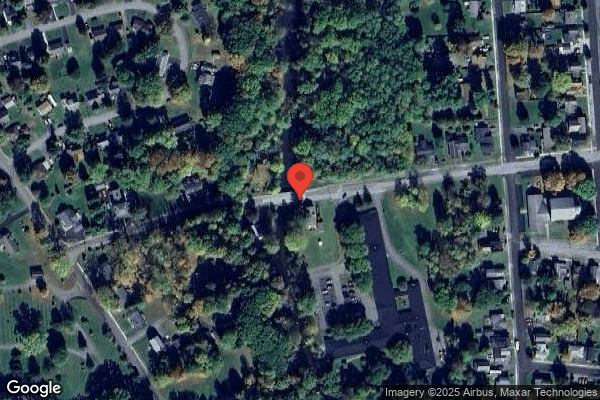
Aug 2021 4 deficiencies
CONCERN (D)

Potential for Harm - no one hurt, but risky conditions existed

Safe Environment (Tag F0584)

Could have caused harm · This affected 1 resident

Based on observation, record review and interview during the recertification survey conducted 8/16-8/19/21, the facility failed to maintain a safe, clean, comfortable and homelike environment for 2 of...

Read full inspector narrative →
Based on observation, record review and interview during the recertification survey conducted 8/16-8/19/21, the facility failed to maintain a safe, clean, comfortable and homelike environment for 2 of 2 nursing units (Units A and B). Specifically, observations included damaged walls, different colored paint, dried drips, duct tape on a wheelchair, and spackling on a wall throughout the nursing units and maintenance work orders were not reported or addressed timely. For Residents #34 and 74 the facility did not ensure a homelike environment with personalized décor. Resident #3 continued to reside in a room during repairs to the walls that included sheetrock replacement, mudding, and painting. Additionally, Resident #3's room had loose electrical outlets, loose curtain rods, and missing baseboards that were not repaired timely. Findings include: The undated facility policy Work Order Policy documents in the event there was a need for a repair or general maintenance, staff were to enter the request into the maintenance care application located on the touchscreen kiosks located throughout the building. Examples of items that were to be entered: anything in the resident's room that was in disrepair or broken, anything electrical (cords, personal devices), plumbing issues or damage to walls. Any repairs that take more than two days to complete are to be evaluate by the Director of Plant Operations to determine if the project needs to be outsourced. The facility policy Quality of Life: Homelike Environment dated 1/2021 documents residents are provided a safe, clean and comfortable homelike environment and encouraged to use their personal belongings to the extent possible. The facility shall maximize those characteristics of the facility that reflect a personalized homelike setting including inviting colors and decor and personalized furniture and room arrangements. Resident Equipment During an observation on 8/16/21 at 10:30 AM, the left arm of Resident #53's geriatric chair was ripped/torn. On 8/17/21 at 2:15 PM, the residents left chair arm had duct tape placed over the rip. During an observation on 8/17/21 at 9:10 AM, the back of Resident #56's wheelchair was unclean. During an interview with the Director of Plant Operations on 8/17/21 at 2:15 PM, the Director stated duct tape was not an appropriate way to fix a tear in the arm of a wheelchair. Resident Room/Areas: During an observation on 8/16/21 at 10:45 AM, the main dining room wall corner had a loose corner protector with sharp exposed edges. During an observation on 8/16/21 at 11:20 AM, Resident #8's room had a section of wall near the bathroom that was damaged with exposed corner bead. During an observation on 8/16/21 at 11:50 AM, Resident #12's room wall had a section of wall near the bathroom that was damaged with exposed corner bead. During an observation on 8/17/21 at 9:35 AM and 1:44 PM, Resident #34's wall parallel to the resident's bed had patches of different colored paints and 2 streaks of food particles. There were 6 screws visible in the wall with no attached items. During an observation on 8/17/21 at 9:10 AM, Resident #56's room had multiple unfinished/unpainted spackled areas. At 1:49 PM, Resident #56's room wall had patches of different colored paint, there was sheetrock on one wall that was pulled away from the wall, and there were areas of white spackle. During an observation on 8/17/21 at 9:23 AM, Resident #4's room walls had areas of dried plaster and were unpainted. During an observation on 8/17/21 at 2:06 PM, Resident #76's room had a crack down the wall where the wall settled and paint peeled, from floor to ceiling. The edge of the wall was damaged/cracked. During an observation of Resident #3's room on 8/18/21 at 11:07 AM there were 2 electrical outlets that were visibly loose and able to be pulled out of an interior and exterior wall. There was clear lineage on wall where a new piece of sheet rock had been placed in an L shape and approximate 5 feet at base and from floor to six feet in height. There were dry patches on the wall and mudding along edges. The baseboard was missing the full length of the interior wall, and approximately a foot into the exterior wall, under the television. The resident's bed was pulled away from the wall about 3 feet. The curtain was off from the hook on the curtain rod. The resident stated they had some water in their room that morning, but the facility had started working on their room about a month prior. They stated the facility had not worked on it in sometime and they were living in the room while it had been worked on. At that time there was dripping from the casing over the ceiling pipes. During an observation on 8/19/21 at 10:30 AM, Resident #3's room smelled of paint fumes. The resident's interior wall was newly painted and 1 electrical socket was now tight to wall, and the other was now a solid plate, tight to the wall. The resident stated the facility staff had come in that morning and painted their room. The curtain remained off the hook and the resident stated no one had tried to adjust that before. The resident stated they had remained in the room that morning during repairs. A maintenance work order documented as created on 7/29/21 to repair a leak above the TV in Resident #3's room. The Director of Plant Operations noted on the order, dated 7/30/21, the room needed to be taped and mudded, a couple gaps here and there, and we are going to need an oversized place cover for the left wall. Please try to get the first coat on tomorrow. There were no additional work orders for the resident's room until 8/18/21 at 12:45 PM. The 8/18/21 work order documented a socket under the TV was out of the wall and the air conditioning was dripping on the floor. The work order did not document disrepair of additional outlets, missing wall paint and baseboards. During an interview with the Director of Plant Operations on 8/17/21 at 4:45 PM, the Director stated they were not aware of the damage to the main dining room and Residents #4, 8, 12, 34, 56 and 76 rooms. The damage was not reported in the facility kiosk used for maintenance requests. The Director stated these issues should have been entered using the facility kiosks located throughout the facility. During an interview with the Director of Plant Operations on 8/19/21 at 11:00 AM, they stated two work order tickets were entered on 8/18/21 for the resident's room. The Director of Plant Operations noticed an electrical outlet was out of wall, the air conditioning unit was on, and both windows were open. The Director stated there was a leak in Resident #3's room last week, and new sheetrock was put up/seamed and completed last week on Monday. The wall was prepped and ready for paint. The Director of Plant Operations thought there was a ticket for the original leak repairs. During an interview with the Maintenance Supervisor on 8/19/21 at 12:00 PM, they stated there were work orders put in for the Resident #3's room repairs. The Supervisor stated that a few new staff members had asked how to use the work order ticket system and were shown how to use it. All the repair issues should have been entered using the facility kiosks located throughout the facility. During an interview with certified nurse aide (CNA) #11 on 8/19/21 at 12:02 PM, they stated Resident #3 completed most of their own care and the CNA only brought meal trays into the resident. The CNA had not noticed any maintenance or work needed on the resident's room. The CNA stated if a resident needed something fixed, there was an electronic tablet to enter work orders for maintenance. The CNA stated they had not done this for Resident #3's room. During an interview with licensed practical nurse (LPN) Unit Manager #9 on 8/19/21 at 12:34 PM, they stated maintenance had been completing work on Resident #3's room for a while and they did not know why. The Manager stated the resident had been residing in the room while maintenance continued to work on the room, as there had not been another room to move the resident to. Maintenance had worked on the wall a couple weeks ago and finished it a week or two ago. The Manager stated at one point there had been plastic on the wall while the sheetrock was changed. They stated they had not put in a ticket until yesterday because of sockets coming out of the wall in the room. Homelike Environment Resident #74 had diagnoses including dementia and major depressive disorder. The 7/23/21 Minimum Data Set (MDS) assessment documented the resident was severely cognitively impaired and required supervision with most activities of daily living. The 1/31/21 comprehensive care plan (CCP) documented staff were to provide the resident with a homelike environment, visible clocks, a calendar, low glare light, and familiar objects. An 8/9/21 physician progress note documented to stimulate the resident both mentally and physically to maintain highest functional level. An 8/11/21 psychiatry progress note documented the resident found pleasure in framing pictures as this was the resident's business in the past. During an interview on 8/16/21 at 10:50 AM, the resident stated they used to enjoy photography and framing photos. The resident stated they used to have photos hanging in their room at home and they liked having photos and decorations on the wall. The resident's room was observed with 3 empty/undecorated walls and two 8-inch paper butterflies hanging on the center of one wall. The resident's room was observed with the same limited decorations/personalization on 8/19/21 at 12:27 PM. During an interview with certified nurse aide (CNA) #11 on 8/19/21 at 12:02 PM, the CNA stated they had not noticed the lack of decorations in the resident's room. During an interview with task aide #10 on 8/19/21 at 12:18 PM, the task aide stated the resident had never mentioned their room and the task aide had not noticed. The task aide was not aware of a process in the facility to notify anyone if a resident needed personalization to their room. During an interview with licensed practical nurse (LPN) Unit Manager #9 on 8/19/21 at 12:34 PM, the Manager stated the concierge, and the Director of Activities were responsible for ensuring room personalization. The Manager stated they had not been notified the resident's room lacked personalization. During an interview with the Director of Activities #8 on 8/19/21 at 12:52 PM, the Director stated residents were able to bring in their own decorations. If they did not, families could bring items in. Sometimes the activity department was able to purchase or locate items to personalize resident rooms. The Director had not been notified the resident's room lacked a home-like environment and they would have liked to be notified so they could make the resident's room more, homey. 10NYCRR 415.5(h)(1)(j)(1)
CONCERN (D)

Potential for Harm - no one hurt, but risky conditions existed

Deficiency F0698 (Tag F0698)

Could have caused harm · This affected 1 resident

Based on record review and interview during the recertification survey conducted from 8/16/21-8/19/21, the facility failed to ensure that residents who require dialysis (a process of purifying the blo...

Read full inspector narrative →
Based on record review and interview during the recertification survey conducted from 8/16/21-8/19/21, the facility failed to ensure that residents who require dialysis (a process of purifying the blood of a person whose kidneys are not working normally) receive such services, consistent with professional standards of practice, the comprehensive person-centered care plan, and the residents' goals and preferences for 1 of 1 resident (Resident #42) reviewed. Specifically, the facility did not maintain ongoing communication and collaboration with the dialysis facility regarding Resident #42's dialysis care and services and proper infection control precautions required for the resident. Findings include: The facility policy Dialysis revised 1/2021 documents the facility will maintain a communication log with the respective dialysis centers on all its residents who go out for dialysis in order to communicate the resident's needs and response to the dialysis treatments. Inter-facility communications will be tracked and followed up on. Resident #42 was admitted to the facility with diagnoses including end stage renal disease, renal dialysis dependence, and enterocolitis due to Clostridium difficile (C. Diff; a highly infectious bacteria causing inflammation of the colon). The 6/29/21 Minimum Data Set (MDS) assessment documented the resident was cognitively intact, required extensive assistance with most activities of daily living (ADLs), was occasionally incontinent of urine and frequently incontinent of bowel, was on a therapeutic diet, received insulin and a diuretic (water pill) and received dialysis. The 6/11/21 physician orders documented dialysis 3 times a week at the designated dialysis center with early morning pick up. A 6/14/21 physician history and physical documented the resident was on an antibiotic for C. Diff. There was no documentation between the facility and the dialysis center regarding the resident's scheduled dialysis day on 6/14/21. There was no documentation the dialysis center was notified of the resident's C. Diff diagnosis. There was no documentation of communication between dialysis and the facility on scheduled dialysis days of 6/30, 7/2, 7/5, 7/12 and 7/14/21. The 7/16/21 dialysis communication form had no documentation by the facility. The dialysis center requested the facility send the resident's medication administration record (MAR) on the next treatment date. There were no additional dialysis communication forms between 7/17-8/15/21. The 8/16/21 at 11:49 AM nursing progress note documented licensed practical nurse (LPN) Unit Manager #3 spoke with the dialysis charge nurse about a better communication system and that LPN Manager #3 found 5 communication folders in the resident's bag as the resident did not turn the forms in to the facility. The note documented LPN Unit Manager #3 made the dialysis charge nurse aware the physician removed the resident from precautions (contact). The 8/16/21 at 2:10 PM nursing progress note documented the resident was placed back on antibiotics until 8/26/21. There was no documentation the resident's dialysis forms were uploaded into the electronic record or nursing communication with the dialysis center. When interviewed on 8/18/21 at 9:54 AM, LPN Unit Manager #3 stated the resident was sent to each dialysis appointment with a communication form and any returned forms were uploaded into the resident's electronic chart. The LPN stated resident concerns would be communicated via telephone with the dialysis center and should be documented in a progress note. When interviewed on 8/18/21 at 11:03 AM, dialysis center charge nurse #7 stated resident communication should be done on communication forms and the center did not receive them on a routine basis. The charge nurse stated she was unaware the resident was on contact precautions, and special procedures would have been in place to prevent the spread of infection. When re-interviewed on 8/18/21 at 11:49 AM, LPN Unit Manager #3 stated the facility had just found 5 folders with communication forms in the resident's dialysis bag, the forms were given to medical records to scan, the physician was called, and the resident was going to be taken off precautions. The Manager stated the process with the dialysis communication forms was for the facility night staff to send the resident's dialysis folder with any communication forms to dialysis on each treatment day, and the center was to call with questions. Upon the resident's return, the resident was supposed to hand the folder to the receptionist for scanning and processing. The receptionist was to ask for the folder if the resident did not provide it. The form went in a unit mailbox at the reception area for the LPN Unit Manager to review and ensure the physician saw it. Nursing was to ensure the physician reviewed the form and it was then filed. The LPN Unit Manager stated the Manager was to review the form to ensure any changes were acted on. The LPN Unit Manager was unaware of any dialysis center issues, did not ask the receptionist if the forms were returned, and had not called the dialysis center to inquire why the forms were not being returned with the resident. When interviewed on 8/18/21 at 12:41 PM, night shift registered nurse Supervisor (RNS) #4 stated communication with dialysis was done via phone or a form in the resident's packet. The resident's communication form was sent with the resident to dialysis by the night shift nurse and the LPN Unit Manager was supposed to check the packet when the resident returned from treatment. When interviewed on 8/19/21 at 12:29 PM, receptionist #5, who also worked in medical records full time, stated the receptionist was to get the dialysis communication folder from each resident coming back from dialysis or a consult, the forms were to be copied by medical records and put in the appropriate mailboxes behind the reception desk. The receptionist was to ask for the folder if not given by the resident. The receptionist stated multiple communication forms for Resident #42 were scanned on 8/18/21 that had not been done so prior. The receptionist stated the facility had not been getting the communication forms from the resident on a routine basis. The receptionist had not asked why the forms were not being returned or scanned. When interviewed on 8/19/21 at 12:58 PM, the Director of Nursing (DON)/Infection Preventionist stated LPN Unit Managers were expected to read, look at recommendations and follow up with any consult forms and dialysis communication forms. The DON expected the nurses to document in the resident's progress notes any recommendations and dialysis communication. The DON expected the Managers to report to her if communication forms were not being returned to the facility for processing. The DON stated the communication forms were necessary to provide continuity of care for the resident and for prevention of the spread of a disease, such as C. Diff, which was highly contagious. 10NYCRR 415.12(k)
CONCERN (E)

Potential for Harm - no one hurt, but risky conditions existed

ADL Care (Tag F0677)

Could have caused harm · This affected multiple residents

Based on observation, record review and interview during the recertification survey conducted from 8/16-8/19/21, the facility did not ensure 3 of 4 residents (Residents #20, 34 and 74) received the ne...

Read full inspector narrative →
Based on observation, record review and interview during the recertification survey conducted from 8/16-8/19/21, the facility did not ensure 3 of 4 residents (Residents #20, 34 and 74) received the necessary services to maintain good grooming and personal hygiene. Specifically, Residents #20 and 34 were not assisted with timely nail care and shaving and Resident #74 was not assisted with shaving. Findings include: The facility policy Quality of Life-Dignity reviewed on 1/2021 documented residents shall be groomed as they wish to be groomed (hair styles, nails, facial hair, etc.). 1) Resident #34 had diagnoses including dementia and unspecified lack of coordination. The 6/14/21 Minimum Data Set (MDS) assessment documented the resident was severely cognitively impaired and required supervision with hygiene. The comprehensive care plan (CCP) initiated 4/11/21 documented the resident required supervision with set up help for hygiene. The CCP had no documentation pertaining to the resident's preference for facial hair, plan for nail care, or history of declining/refusing care/assistance. The 8/18/21 care instructions documented the resident required supervision/set up help with hygiene. Staff were to encourage and assist the resident to practice good hygiene. The CNA instructions did not specify the resident's preference for facial hair, nor that the resident had a history of declining/refusing any care. Interdisciplinary progress notes between 8/1-8/18/21 did not document the resident had refused or declined assistance with care. During an interview with the resident on 8/17/21 at 9:35 AM, the resident was observed with long fingernails on both hands with thick dark build up under the fingernails. The resident stated they wanted their fingernails trimmed and cleaned. The resident stated they had asked a staff member to do their nails recently and the staff never came back to do the nails. They stated they did like to be shaved, could shave themself, but did not know if they had a razor available. The resident stated, I need a manicure. The resident was observed with facial hair growth and long, unclean nails on 8/17/21 at 2:05 PM; and on 8/18/21 at 11:35 AM, 2:07 PM, 3:34 PM, and 4:20 PM. During an interview with certified nursing assistant (CNA) #14 on 8/19/21 at 11:20 AM, the CNA stated they had been assigned to the resident on 8/18/21 and gave the resident a shower. The CNA stated when they worked with the resident, they set the resident up with items for self-performance of personal hygiene. The CNA stated the resident did not seem to initiate care on their own. CNAs were responsible for filing and cleaning nails and the nursing staff would clip nails. The CNA stated they had checked the nails during the shower on 8/18 and there was not that much buildup under the resident's nails, and they did not seem long. The CNA stated there was a list at the nursing station that had the resident's scheduled shower days. The CNA instructions did not mention any specifics about resident's preferences for care or behaviors during care. During an interview with CNA #12 on 8/19/21 at 11:36 AM, the CNA stated the resident required a lot of reminders and encouragement with care. The CNA stated the resident needed assistance with upper body hygiene as the resident would not initiate it on their own. Staff were responsible for shaving the resident and checking the resident's nails, as the resident would not ask or approach staff for help with this. During an interview with licensed practical nurse (LPN) #13 on 8/19/21 at 11:45 AM, the LPN stated they had not done nail care or been asked to complete nail care on the resident. During an interview with LPN Unit Manager #3 on 8/19/21 at 12:59 PM, the LPN stated the resident required assistance with care, including shaving. The resident did not have their own razor and staff would have to retrieve a disposable razor. The resident would decline care and staff would have to re-approach or come up with ideas to encourage the resident to accept care. The LPN stated nail care should be done with showers. The LPN stated the resident's record and did not note if the resident refused care or a plan on how to address it if they did. The LPN stated the care plan did state that staff were to encourage good hygiene. The LPN stated if a resident declined care by a CNA the CNA was to notify nursing and then there should be a note in the resident's record that they had declined care. 2) Resident #74 had diagnoses including dementia without behavioral disturbance, major depressive disorder and need for assistance with personal care. The 7/23/21 Minimum Data Set (MDS) assessment documented the resident was severely cognitively impaired and required supervision with set up help with personal hygiene. The comprehensive care plan (CCP) initiated on 4/11/21 documented the resident was independent and required no assistance for personal hygiene. There was no documentation of the resident's preference for facial hair or that the resident refused/declined participation in care. The care instructions active on 8/17/21, documented the resident was independent with hygiene and staff were to encourage good hygiene. Interdisciplinary progress notes dated between 8/1-8/18/21 had no documentation the resident refused or declined participation in care. The activities of daily living (ADL) record documented the resident was independent with personal hygiene on most dates, and supervision with hygiene on 8/15/21. During an interview with the resident on 8/16/21 at 10:50 AM, the resident stated they were able to shave themself, but had not recalled when they last shaved. The resident felt their face and stated, oh I guess I have not done it in a while. The resident stated they used to wear a suit and tie and shave every day and liked to have a clean-shaven face. The resident was observed with a thick layer of facial hair growing on their mouth, cheek, and chin. The resident was observed with long facial hair on 8/16/21 at 3:32 PM and on 8/17/21 at 1:32 PM. During an interview with certified nursing assistant (CNA) #11 on 8/19/21 at 12:02 PM, the CNA stated the resident completed their own care and was able to complete shaving. The CNA stated they had never watched to make sure the resident shaved before. During an observation in the resident's room on 8/19/21 at 12:27 PM there was no available razor in the room. During an interview with licensed practical nurse (LPN) Unit Manager #9 on 8/19/21 at 12:34 PM, the LPN stated the resident required assistance from staff with shaving. The LPN stated a CNA had shaved the resident on 8/18/21, but the LPN was not aware how long the facial hair growth had been before the resident had been shaved. 3) Resident #20 had diagnoses including Parkinson's disease (a progressive neurological disease) and major depressive disorder. The 5/24/21 Minimum Data Set (MDS) assessment documented the resident was cognitively intact, felt down depressed/hopeless and required supervision with hygiene. The 4/28/21 comprehensive care plan (CCP) documented the resident required extensive assistance with hygiene. The care instructions, active on 8/17/21, documented the resident required extensive assistance with hygiene. There was no documentation of the resident's preference for shaving or nail care. Interdisciplinary progress notes between 8/1-8/18/21, had no documentation the resident refused/declined care. The certified nursing assistant (CNA) activities of daily living (ADL) record documented provision of personal hygiene with extensive assistance on 8/16-8/18/21. On 8/16/21 at 11:25 AM the resident was observed sitting outside the facility entrance with long, unclean fingernails on both hands and facial hair growth. The resident preferred to discuss topics other than ADLs (activities of daily living). During an interview with CNA #11 on 8/19/21 at 12:02 PM, the CNA stated staff had to provide all care to the resident as the resident was unable to do their own care. The CNAs were responsible for shaving and providing nail care to the resident. The CNA had provided nail care to the resident in the past but had not completed it that week. During an interview with task aide (TA) #10 on 8/19/21 at 12:18 PM, the TA stated staff had to provide all care to the resident as the resident was unable to complete their own personal hygiene. The TA stated they had worked with the resident but had not shaved them. The TA stated they were able to clean the resident's nails, and had, but the resident got their nails dirty after meals. The TA stated they had never trimmed the resident's nails and did not feel they were long when the TA had seen them. During an interview with licensed practical nurse (LPN) Unit Manager #9 on 8/19/21 at 12:34 PM, the LPN stated the CNAs should do nail care at least weekly, unless the resident was diabetic, then a licensed practical nurse (LPN) would cut the nails. The LPN stated if staff were signing off that hygiene and showers were completed, it was expected that would include nail care and shaving. The LPN stated they were aware the resident did not maintain cleanliness during meals and the resident likely got their nails dirty often. The LPN stated the resident would require a plan of care to address the nails more frequently, and that was not currently in place. 10NYCRR 415.12(a)(3)
CONCERN (E)

Potential for Harm - no one hurt, but risky conditions existed

Deficiency F0925 (Tag F0925)

Could have caused harm · This affected multiple residents

Based on observation and interview during the recertification survey conducted 8/16-8/19/21, the facility failed to maintain an effective pest control program so that the facility was free of pests an...

Read full inspector narrative →
Based on observation and interview during the recertification survey conducted 8/16-8/19/21, the facility failed to maintain an effective pest control program so that the facility was free of pests and rodents for the main kitchen, the main dining room and 2 of 2 resident units (A unit and B unit). Specifically, fruit flies were observed on the walls and tiles near the dish washing area in the main kitchen, in resident rooms on A and B units, on ceiling tiles in the A and B Unit hallways, in the main dining room, around the nursing stations, and in nursing offices. This is evidenced by: The facility policy Pest Control dated 1/2021 documented the facility would implement a continuing and effective pest control prevention and monitoring program to maintain the facility as pest and rodent free as possible. A technician from a contracted licensed extermination service will provide periodic and as needed visits to the facility. Monitoring of pest control is part of weekly environmental rounds and follow-up of findings is performed by Building Services, Performance Improvement and department supervisory staff. The following observations were made on 8/16/21: - at 10:00 AM, over 30 fruit flies were in the kitchen, mostly on the walls and ceiling tiles near the dish washing area. - at 11:10 AM, there were over 30 fruit flies on the ceiling tiles in the hall between rooms B2 and B6 on B Unit. - at 11:14 AM, there were 5 fruit flies on the ceiling tiles over the B Unit nursing station and at 12:48 PM there were 2 fruit flies around the B Unit nursing station. - at 1:05 PM, there was a fruit fly landing on Resident #40's sandwich on their bedside table and on snacks located on a shelf in the resident's room located on the A Unit. The following observations were made on 8/17/21: - at 10:27 AM, Resident #62 was lying in bed in their room on the A unit and 2 fruit flies were flying around the resident and their bed. - at 12:00 PM, there were multiple fruit flies observed in the kitchen. - at 12:25 PM, there were fruit flies around the B Unit nursing station. - at 2:00 PM, there were 10 fruit flies in hall near B unit nursing station. - at 2:01 PM, there were two fruit flies in resident room B4. - at 2:02 PM, there was one fruit fly in hall wall outside B7. - at 2:19 PM, during the Resident Council meeting, 2 fruit flies were flying throughout the room. At 2:49 PM, 3 residents stated there had been fruit flies in the facility, it had improved, but the fruit flies continued. One fruit fly was flying through the meeting at the time of the question. The following observations were made on 8/18/21: - at 9:47 AM, there was a fruit fly around the B Unit nursing station with 6 residents seated by nursing station. - at 3:21 PM, 1 fruit fly was flying in the large dining area near the kitchen exit. At 3:34 PM, a fruit fly was in the same area as a resident stood in that location. The following observations were made on 8/19/21: - at 12:34 PM, a fruit fly was in the nursing office on A Unit. - at 12:59 PM, a fruit fly was in the nursing office on B Unit. During an interview on 8/17/21 at 4:35 PM, the Director of Plant Operations was not aware of fruit flies in the facility. The Director of Plant Operations stated that kiosks located in the hallways could access a pest control section in which specific issues could be entered by staff, and once entered could be modified/completed as needed. There had been no fruit fly sighting entries from facility staff since 8/2020. 10NYCRR 415.29(j)(5)
Nov 2019 8 deficiencies
CONCERN (D)

Potential for Harm - no one hurt, but risky conditions existed

Resident Rights (Tag F0550)

Could have caused harm · This affected 1 resident

**NOTE- TERMS IN BRACKETS HAVE BEEN EDITED TO PROTECT CONFIDENTIALITY** Based on observation, interview, and record review during the recertification survey, the facility did not ensure each resident ...

Read full inspector narrative →
**NOTE- TERMS IN BRACKETS HAVE BEEN EDITED TO PROTECT CONFIDENTIALITY** Based on observation, interview, and record review during the recertification survey, the facility did not ensure each resident had the right to a dignified dining experience for 1 of 18 residents (Resident #4) reviewed for dining. Specifically, Resident #4 was not assisted with her meal in a timely manner after being served. Findings include: The Assistance with Meals policy dated 3/19 documented all resident will be encouraged to eat in the dining room. Facility staff will serve resident trays and will help resident who require assistance with eating. Resident #4 was admitted to the facility on [DATE] with diagnoses including hemiplegia and hemiparesis (weakness and paralysis on one side) following a cerebral infarction (stroke) and dysphagia (difficulty swallowing). The 7/23/19 Minimum Data Set (MDS) assessment documented the resident's cognitive status was severely impaired and she had limited range of motion on one side requiring extensive assistance with activities of daily living (ADL) including eating. The comprehensive care plan (CCP) dated 10/21/19 documented the resident had a nutritional problem or identified problem related to therapeutic diet and self-feeding difficulty and was at risk for dehydration/electrolyte imbalance, poor intake and had recent significant weight loss. A dietary progress note dated 11/18/19 documented the resident was provided a regular diet, pureed textures, honey thick liquids, and was on aspiration precautions with no straws. The resident was a hit or miss, she would eat well, or refuse her entire meal. On 11/14/19, the following was observed in the main dining room: - Resident #4 was served her meal at 12:53 PM, certified nurse aide (CNA) #20 placed a clothing protector on the resident, asked her if she wanted salt and pepper on her food, and then set the food in front of the resident on a bedside table next to the dining room table. At 12:56 PM, CNA #20 left the resident with her food. The resident looked at her food and did not attempt to reach her food or drinks; and - At 1:10 PM, CNA #20 returned to Resident #4 and handed the resident a nosey cup (an adaptive cup with a u-shape cut out) to drink. The CNA then rolled her chair over to an adjacent table to assist another resident. At 1:21 PM CNA #20 returned to Resident #4 who did not want to finish her meal. During an interview on 11/14/19 at 2:15 PM, licensed practical nurse (LPN) # 21 stated there was not enough staff to assist with lunch on that date. During an interview on 11/14/19 at 2:37 PM, CNA #20 stated there was not enough staff in the facility on that day to assist with meal service. There was typically a nurse and 2 CNAs from both units of the facility to assist with meals. She stated she did not know how to feed everyone and make sure the residents' food did not get cold. During an interview on 11/15/19 at 11:00 AM, LPN Unit Manager #15 stated there should be 2 nurses and at least 3 CNAs to assist with meals, especially in the afternoon as this was when most residents were in the dining room. 10NYCRR 415.5(a)
CONCERN (D)

Potential for Harm - no one hurt, but risky conditions existed

Deficiency F0554 (Tag F0554)

Could have caused harm · This affected 1 resident

**NOTE- TERMS IN BRACKETS HAVE BEEN EDITED TO PROTECT CONFIDENTIALITY** Based on observation, interview, and record review during the recertification survey, the facility did not ensure each resident ...

Read full inspector narrative →
**NOTE- TERMS IN BRACKETS HAVE BEEN EDITED TO PROTECT CONFIDENTIALITY** Based on observation, interview, and record review during the recertification survey, the facility did not ensure each resident had the right to self-administer medications if the interdisciplinary team has determined that this practice is clinically appropriate for 1 of 1 resident (Resident #19) reviewed for medication self-administration. Specifically, Resident #19 had a medicated cream in an unlocked cabinet at her bedside without a physician order to self-administer and to keep at her bedside. Findings include: The 3/2019 revised Self-Administration of Medications policy documented staff and the practitioner will assess each resident's mental and physical abilities to determine whether self-administering medications is clinically appropriate for the resident. The staff and the practitioner will document their findings for residents determined able to self-administer medications. Self-administered medications will be kept in a safe place that is not accessible to other residents. Staff shall identify and give to the Charge Nurse any medications found at the bedside that are not authorized for self-administration. Nursing staff will review the self-administered medication record on each nursing shift, and they will transfer pertinent information to the medication administration record (MAR). Resident #19 was admitted to the facility on [DATE] with diagnoses including osteoarthritis. The 8/16/19 Minimum Data Set (MDS) assessment documented the resident had moderately impaired cognition, required limited to extensive assistance with most activities of daily living, and had not had pain in the previous 5 days. The 11/7/18 comprehensive care plan (CCP) documented the resident had osteoporosis and osteoarthritis. Medications were to be administered as ordered by the physician. There was no documentation the resident could self-administer medications. The 1/29/19 physician order documented the resident was to receive a Lidocaine patch (pain reliever) to her knees daily. There was no documented order for Aspercreme (topical medicated cream for pain) or if the resident could self-apply medications. The 9/5/19 physician progress note documented the resident was having knee pain, she had relief with topical rubs in the past, and desired a topical rub to put on her knees. She also wanted an order for Steno Bi-Flex (supplement for joint pain) which her family was going to purchase, the resident would keep at her bedside, and take as needed. The 9/5/19 nursing progress note documented the medication must be kept in the medication cart and the resident could not keep it at her bedside per facility policy. The 11/2019 medication administration record (MAR) did not document that the resident had an order for Aspercreme. On 11/12/19 at 1:14 PM, the resident was observed in her room. She had a tube of Aspercreme in the unlocked portion of her beside cabinet. She stated that the nurses put it on her knees for pain. During an interview on 11/15/19 at 7:25 AM, licensed practical nurse (LPN) #10 stated residents were not allowed to keep medicated creams at their bedside unless they had an order. She stated she did not see an order for Aspercreme or that the resident was able to keep medications at her bedside. The resident's family often brought things in for the resident and she would usually get an order for her to use it. During a follow up interview on 11/15/19 at 7:33 AM, LPN #10 stated that the resident reported that her family brought the Aspercreme in. LPN #10 stated she was going to report it to the charge nurse. During an interview on 11/15/19 at 7:36 AM, LPN Unit Manager #11 stated medicated creams were not supposed to be in resident rooms and were to be locked in the treatment cart. If staff saw a cream in a resident's room, they were supposed to remove it and give it to her. She did not know the resident had Aspercreme in her room, the resident's family often brought things in for her. The Aspercreme was not provided by the facility. During an interview on 11/15/19 at 1:51 PM, the physician stated residents could have medicated creams in their room with a physician order. The resident did not have an order for the Aspercreme until he was alerted that morning. The family had requested to bring in a different medication for the resident and they brought in the Aspercreme as well. 10NYCRR 415.3 (e)(1)(vi)
CONCERN (D)

Potential for Harm - no one hurt, but risky conditions existed

Deficiency F0657 (Tag F0657)

Could have caused harm · This affected 1 resident

**NOTE- TERMS IN BRACKETS HAVE BEEN EDITED TO PROTECT CONFIDENTIALITY** Based on record review and interview during the recertification survey, the facility did not ensure each resident was invited to...

Read full inspector narrative →
**NOTE- TERMS IN BRACKETS HAVE BEEN EDITED TO PROTECT CONFIDENTIALITY** Based on record review and interview during the recertification survey, the facility did not ensure each resident was invited to their admission care plan meeting for 1 of 1 resident (Resident #60) reviewed for care plans. Specifically, Resident #60 was not invited to participate in her admission comprehensive care plan meeting. Findings include: The 8/2010 Interdisciplinary Care Conference policy documents a care conference will be held within 14 days of admission in order to formulate a plan of care. Social services will be responsible for arranging the plan of care meeting with the resident and/or their designated representative. This person will document the date and time on the Plan of Care Meeting. Resident #60 was admitted to the facility on [DATE] with diagnoses including anoxic brain injury (lack of oxygen to the brain). The 10/9/19 Minimum Data Set (MDS) assessment documented the resident was cognitively intact, required extensive assistance for activities of daily living (ADLs), the resident participated in the assessment, and she did not have a discharge plan. The 10/9/19 admission Evaluation documented the resident's placement was short-term and discharge status was uncertain at that time. Interventions included educating the resident about community resources and to facilitate discharge planning with all disciplines via a comprehensive care plan meeting. The 10/14/19 social work progress note documented the resident was admitted to the facility for physical and occupational therapy and she was at the facility for long-term placement. The 10/18/19 comprehensive care plan (CCP) documented the resident was in long term care and placement was appropriate. She was at risk for an adjustment problem related to loss of independence, placement in the facility, and recent illness; interventions included to encourage family involvement, encourage resident to participate in activities and ADLs, provide emotional support and encouragement, and to provide an opportunity for the resident to express herself. The was no documentation the resident participated in the development of her CCP. During an interview on 11/12/19 at 3:15 PM, the resident stated she was not invited to a care plan meeting and she would like to participate in her care. She stated she transferred from a different facility to receive therapy and to go home. During an interview on 11/15/19 at 8:24 AM, the Director of Social Work stated admission care plans were to be completed within 21 days of admission, the resident had recently been admitted was not invited to her admission care plan meeting. 10NYCRR 415.11(c)(2)(ii)
CONCERN (D)

Potential for Harm - no one hurt, but risky conditions existed

Accident Prevention (Tag F0689)

Could have caused harm · This affected 1 resident

**NOTE- TERMS IN BRACKETS HAVE BEEN EDITED TO PROTECT CONFIDENTIALITY** Based on observation, record review and interview during the recertification survey, the facility did not ensure all residents r...

Read full inspector narrative →
**NOTE- TERMS IN BRACKETS HAVE BEEN EDITED TO PROTECT CONFIDENTIALITY** Based on observation, record review and interview during the recertification survey, the facility did not ensure all residents received adequate supervision and assistance to prevent accidents for 2 of 5 residents (Residents #22 and 60) reviewed for accidents. Specifically, Resident #60 required transfer assistance from 2 staff, was assisted with 1, and had to be lowered to the floor. Resident #22 required an altered consistency diet and consumed food that was not compliant to his diet. Findings Include: The 3/2019 revised Using the Care Plan policy documents the care plan shall be used in developing the resident's daily care routines. Certified nurse aides (CNAs) are responsible for reporting to the Nurse Supervisor any change in the resident's condition. 1) Resident #60 was admitted to the facility on [DATE] with a diagnosis including anoxic brain injury (lack of oxygen). The 10/16/19 Minimum Data Set (MDS) assessment documented the resident was cognitively intact, required extensive assistance for most activities of daily living (ADLs), extensive assistance of 2 plus for transfers, and had not had any falls. The 10/9/19 comprehensive care plan (CCP) documented the resident was at risk for falls related to difficulty ambulating and weakness, and she had a fall on 10/21/19 in the bathroom when her knee buckled while standing at the grab bar. The 10/21/19 updated CCP documented the resident required extensive assistance of 2 staff members for transfers. The updated 11/7/19 CCP documented the resident had a fall on 11/2/19 when she slid from her wheelchair. No other falls were updated on the resident's care plan. The 11/12/19 licensed practical nurse (LPN) Unit Manager #11 late entry progress note documented the resident was being transferred from her bed to her wheelchair by a certified nurse aide (CNA) when her legs gave out and she had to be lowered to the floor. On 11/15/19 at 8:19 AM, the Accident and Incident Report for the 11/12/19 incident was provided by the Director of Nursing (DON). It documented that the resident's knees buckled during a transfer, she was being assisted by 1 CNA, she needed assistance of 2 staff for transfers, and the intervention was to educate staff on transfers. It was signed by LPN Unit Manager #11. During an interview on 11/12/19 at 3:09 PM, the resident stated 1 CNA was assisting her out of bed on the morning of 11/12/19 when she hit her hip on the edge of her wheelchair and had to be lowered to the ground. She was supposed to be assisted by 2 staff members and was often assisted by only 1 CNA. During an interview on 11/15/19 at 8:19 AM, CNA #13 stated the computer kiosk documented resident transfer status. Transfer status was communicated between CNAs and she could look it up in the computer if she did not know. The resident was documented to require 2 staff to assist with transfers. She transferred the resident by herself on 11/12/19 when the resident's knees buckled, and she had to lower the resident to the floor. The CNA stated she has been transferring the resident by herself and the resident had been doing fine up until the morning of 11/12/19. During an interview on 11/15/19 at 10:11 AM, LPN Unit Manager #11 stated the CNA instructions were documented in the computer and she expected staff to follow the transfer instructions; if a resident required 2 staff for transfers, then 2 staff should be used. If the CNA staff felt there was a change or improvement in the resident's transfer status, they needed to notify the therapy department and not make the decision on their own. The resident's fall was a result of a care plan violation and she notified the DON. The LPN Unit Manager stated that she initiated the incident report on 11/13/19 and the LPN on at the time was LPN #23. During a follow up interview on 11/15/19 at 10:16 AM, CNA #13 stated she was assisting the resident by herself with transfers because that was the transfer status she was given in verbal report when the resident moved from another unit. During an interview on 11/15/19 at 11:31 AM, the DON stated she expected the staff to review the care instructions daily to check for changes. If staff did not follow the care plan as with this resident, it was considered a violation and the staff would be suspended. CNA #13 was disciplined that morning. 2) Resident #22 was admitted to the facility on [DATE] with diagnoses including dementia with behavioral disturbances and dysphagia (difficulty swallowing). The 8/28/19 Minimum Data Set (MDS) assessment documented the resident had severely impaired cognition, required extensive assistance with most activities of daily living (ADLs), and was independent with eating. The 1/2/19 speech therapy discharge summary documented the resident was downgraded to a pureed consistency diet due to difficulty managing solid consistencies. The 7/12/19 Nutritional Quarterly Assessment documented that resident was on a no added salt (NAS), pureed texture, thin liquids due to aspiration (inhaling food/fluid into the lungs) precautions. The 10/22/19 nursing progress note documented the resident was found in the dining room eating a regular diet with no issues. He was later found eating paper towels and was chewing so long that he fell asleep with a wad of paper towel still in his mouth. The comprehensive care plan (CCP) active from 11/12/19 to 11/15/19 documented the resident was on aspiration precautions and could not have Styrofoam or paper products on his tray. The certified nurse aide (CNA) care instructions, active on 11/15/19, had no documentation the resident had wandering behaviors, ate non-edible food items, or had a history of taking foods from other residents. On 11/15/19 at 1:31 PM during a dining room observation, Resident #22 was observed placing his plate of food on the floor, wheeled himself to another table, and took a plate of food from another resident. Resident #22 put the plate of food in his lap and wheeled out of the dining room into the hallway. The plate of food contained whole pieces of broccoli which were not pureed. There were no observed staff interventions with resident. During an interview on 11/14/19 at 2:00 PM with certified nurse aide (CNA) #17, she stated there was not enough help during meal time to supervise residents. Resident care on the units was a priority which caused an issue with adequate staff in the dining room to assist and supervise residents. There should have been 2-3 CNAs and one licensed practical nurse (LPN) from each of the two units, and there was 2 CNAs and 1 LPN at lunch on 11/14/19. The resident was known to take items from other resident's trays, he was on a pureed diet, and was at risk for choking if he ate foods which were not compliant to his diet. During an interview on 11/15/19 at 1:34 PM with registered dietitian (RD) #19, she stated the resident did not swallow properly, had advanced dementia, and he was on a pureed diet for his safety. The resident had a history of picking up items from other residents' trays and placing them in his mouth which put him at risk for aspiration. The resident required supervision which was difficult as he wandered in his wheelchair throughout the day. During an interview on 11/15/19 at 1:46 PM with LPN #15, she stated there was not enough staff in the dining room on 11/14/19; there should have been 4 CNAs and 2 LPNs and there were 2 CNAs and 1 LPN. The resident was on a pureed diet, he did receive speech therapy services for safety with swallowing, and he was at risk for choking because he placed non-edible objects in his mouth such as condiments and napkins. 10NYCRR 415.12(h)(1)
CONCERN (D)

Potential for Harm - no one hurt, but risky conditions existed

Deficiency F0694 (Tag F0694)

Could have caused harm · This affected 1 resident

**NOTE- TERMS IN BRACKETS HAVE BEEN EDITED TO PROTECT CONFIDENTIALITY** Based on observation, interview and record review during the recertification survey, the facility did not provide care and servi...

Read full inspector narrative →
**NOTE- TERMS IN BRACKETS HAVE BEEN EDITED TO PROTECT CONFIDENTIALITY** Based on observation, interview and record review during the recertification survey, the facility did not provide care and services consistent with professional standards of practice for Peripherally Inserted Central Catheter (PICC, an intravenous line passed through an arm vein to a vein in the chest near the heart) care for 1 of 7 residents (Resident #281) reviewed for medication administration. Specifically, Resident #281's intravenous (IV) line was not adequately primed (removing air in the tubing by placing IV fluid in the tubing prior to attaching to the resident) prior to a medication administration via PICC line. Findings include: The 3/2019 revised Administration Set/Tubing changes policy documented to open the roller clamp to prime tubing and allow all of the air bubbles to leave tubing. The policy documented to ensure that no air bubbles remain in tubing and to disinfect catheter hub with antiseptic solution (usually alcohol). Resident #281 was admitted to the facility on [DATE] and had diagnoses including endocarditis (heart infection), sepsis (systemic infection) and a PICC. The 10/31/19 Minimum Data Set (MDS) assessment documented the resident had intact cognition, required extensive assistance for most activities of daily living (ADLs), received an antibiotic daily, and received IV medications. The 10/24/19 comprehensive care plan (CCP) documented the resident was receiving IV antibiotic therapy and had an infection. The goal was the resident would not have complications of infection. Interventions included monitor for antibiotic side effects and adverse reactions, and provide medication as ordered. The 10/24/19 physician order documented sodium chloride (normal saline) 0.9% 10 milliliters (ml) IV four times a day for maintenance of IV patency (to ensure it did not clog). The 11/14/19 physician order documented vancomycin (antibiotic) reconstituted 1 gram (gm) in the afternoon for endocarditis until 11/20/19. During a medication administration observation on 11/14/19 at 9:00 AM, registered nurse (RN) Staff Educator #6 gathered the supplies, mixed the powder medication in an attached closed system vial using the normal saline in the IV bag, washed her hands, donned gloves, primed the IV tubing prior to placing it in the pump leaving about 1 foot of air left in the end of the tubing, programmed the IV pump, wiped the purple port (end of the PICC), instilled 10 ml of saline, re-wiped the end of the port, instilled another 10 ml of saline and connected the IV tubing which still contained about 1 foot of air. She started the IV pump and discarded the used supplies. The surveyor asked her 3 times if the tubing was fully primed and she stated no, she primed it the best the machine would let her. The IV pump contained a priming button. She did not stop the IV, disconnect the tubing and manually or via the pump continue to fully prime the tubing. She stated the purpose of priming the tubing was to prevent air from getting in the IV system. She washed her hands and exited the resident's room. When interviewed on 11/14/19 at 9:10 AM, the physician stated about a foot of air in the tubing was not detrimental to resident. He stated it would take much more to be a significant issue. When interviewed on 11/14/19 at 9:24 AM, the Director of Nursing (DON) stated the standard of care for IV therapy was to hook up the tubing, fully prime the tubing leaving no air, put it in machine, disinfect the port with alcohol, let the ends air dry and connect the tubing to the port. Staff should then wait to ensure there were no issues with the infusion. She stated she was unsure if staff had PICC line competencies done recently. She expected the tubing to be fully primed as it was a standard of practice and a policy to completely prime the tubing. 10NYCRR 415.12(k)(2)
CONCERN (D)

Potential for Harm - no one hurt, but risky conditions existed

Medication Errors (Tag F0758)

Could have caused harm · This affected 1 resident

**NOTE- TERMS IN BRACKETS HAVE BEEN EDITED TO PROTECT CONFIDENTIALITY** Based on record review and interview during the recertification survey, the facility did not ensure each resident's drug regimen...

Read full inspector narrative →
**NOTE- TERMS IN BRACKETS HAVE BEEN EDITED TO PROTECT CONFIDENTIALITY** Based on record review and interview during the recertification survey, the facility did not ensure each resident's drug regimen must be free from unnecessary drugs for 1 of 5 residents (Resident #61) reviewed for unnecessary medications. Specifically, Resident #61 was prescribed an antipsychotic medication and did not have sufficient documentation that her behavioral disturbances warranted the use of an antipsychotic. Findings include: The 3/2019 revised Antipsychotic Medication Use policy documents antipsychotic medications may be considered for residents with dementia but only after medical, physical, functional, psychological, emotional psychiatric, social, and environmental causes of behavioral symptoms have been identified and addressed. The policy documented the following: - The Attending Physician and other staff will gather and document information to clarify a resident's behavior, mood, function, medical conditions, specific symptoms, and risks to the residents and others. - Residents who are transferred from a hospital who are already receiving antipsychotic medications will be evaluated for appropriateness and indications for use and the interdisciplinary team will re-evaluate the use of the medication at admission and/or within two weeks at the initial Minimum Data Set (MDS) assessment to consider whether the medication can be adjusted; and the physician will determine whether to continue or adjust the medication based on the resident's symptoms and overall situation. - A diagnosis of a specific condition which requires antipsychotic medications is necessary which did not include dementia. - Antipsychotic medications will not be used for the following symptoms: wandering, poor self-care, restlessness, impaired memory, mild anxiety, insomnia, inattention or indifference to surroundings, sadness or crying alone, fidgeting, nervousness, or uncooperativeness. - Staff will observe, document, and report to the attending physician information regarding the effectiveness of any interventions, including antipsychotic medications. Resident #61 was admitted to the facility on [DATE] and had diagnoses including dementia with behaviors, traumatic subdural hematoma (brain bleed), and cerebral atherosclerosis (thickening of blood vessels). The 10/16/19 Minimum Data Set (MDS) assessment documented the resident had severely impaired cognition, was depressed at times, required extensive assistance with most activities of daily living (ADLs), and received an antipsychotic and antidepressant daily. The 10/9/19 hospital discharge summary documented the resident had a fall prior to admission, had a subdural hematoma, and was started on Seroquel (antipsychotic) 12.5 milligrams (mg) twice a day for some disorientation and agitation which her family member stated was normal for her at home. The 10/9/19 physician order documented Seroquel 12.5 mg twice a day for dementia and Zoloft (antidepressant) 50 mg daily. The Seroquel order was discontinued on 10/29/19. The 10/10/19 admission History and Physical documented the resident had dementia, was alert and pleasant, and was an unreliable historian. She repeated herself multiple times during the examination. There were no hallucinations or delusions noted during the examination. The resident was to continue Seroquel for behaviors. The 10/15/19 physician progress note documented the resident continued to have altered mental status, was lethargic, looked around, and was confused. The 10/24/19 physician progress note documented the resident had low blood sugars, her insulin was changed, and she was pleasantly confused. The 10/29/19 physician order documented to complete a behavior monitoring note in her chart every shift for 7 days due to discontinuance of Seroquel. The 10/2019 medication administration record (MAR) documented the resident received Seroquel 12.5 mg twice a day for dementia from 10/9-10/29/19 except on 10/16/19 and the evening dose on 10/13/19. The MAR documented complete behavior monitoring every shift for 7 days due to discontinuance of Seroquel. The 10/29/19 at 2:31 PM nursing progress note documented the physician discontinued the Seroquel as a gradual dose reduction (GDR) attempt and to monitor the resident's behaviors. The nursing progress notes documented the resident had no behaviors on: - 10/29/19 at 9:00 PM - 10/30/19 at 9:03 AM and 11:31 PM - 10/31/19 at 10:37 AM and 11:15 PM - 11/2/19 at 4:44 PM - 11/4/19 at 10:09 AM The 10/29/19 at 9:00 PM, 10/30/19 at 9:03 AM and 11:31 PM, 10/31/19 at 10:37 AM and 11:15 PM behavioral evaluations documented she experienced no behaviors. The 10/31/19 revised comprehensive care plan (CCP) documented the resident used psychotropic medications related to dementia and depression, had impaired cognition, and was at risk for adjustment difficulties. Interventions included medications as ordered, monitor and document side effects and effectiveness, review medications and modify as applicable to minimize adverse side effects, monitor and report changes, encourage simple structured activities and eating in dining room for socialization, provide emotional support and encouragement, consistent routine, and social services to meet regarding identified needs. The 11/3/19 at 4:47 PM behavioral evaluation documented the resident was in her room repeatedly telling her husband that he did not care. The 11/4/19 at 10:57 AM nurse progress note documented the husband reported on 2 separate occasions over the weekend that the resident became angry with him and yelled at him. He requested the resident be restarted on the Seroquel. The 11/4/19 at 8:15 PM nurse progress note documented the resident had increased confusion and per her husband, continuously asked the same questions repeatedly during dinner which was unlike her normal behavior. The 11/5/19 at 8:53 AM nurse progress note documented the resident had increased verbal outbursts, was at the nurse station repeatedly asking what was going on and asking to go to her room. Redirection attempts were unsuccessful (drink, breakfast, therapy notification, and talking to her). The note documented she remained anxious in therapy. The 11/5/19 at 8:56 AM behavioral evaluation documented the resident was repeatedly asking what was going on and if she could go to her room. Reassurance and drinks were not effective. She was taken to therapy and remained anxious. The 11/5/19 physician progress note documented the resident had increased behaviors correlating with the elimination of her Seroquel, would become increasingly anxious, would repeatedly ask questions, and would not follow directions or be redirected. The physician documented he did not believe she needed any change in medications or return to the Seroquel as it had been a brief period that she began having behaviors again. Staff should use non-pharmacological interventions to control behaviors. The 11/5/19 at 5:50 PM nurse progress note documented the resident was wandering in the hallway asking for her husband, was upset with staff related to not being able to find her husband, and redirection was unsuccessful. The 11/6/19 at 2:36 PM nurse progress note documented the resident was calling out for help several times, and attempts to redirect (snacks, bathroom, activities, and nap) her were unsuccessful. The 11/7/19 at 12:33 PM nurse progress note documented the physician saw the resident regarding increased behaviors, and Seroquel was restarted at 12.5 mg twice a day for psychosis. The 11/7/19 physician order documented Seroquel 12.5 mg twice a day for psychosis. The 11/7/19 physician progress note documented nursing staff reported her behaviors had returned and were getting worse since being taken off Seroquel. It was reported she was calling out constantly to staff due to confusion and did not know what she was supposed to do. The Seroquel was to be restarted at 12.5 mg twice a day and continue to use non-pharmacological interventions to control her behavior. During an observation on 11/13/19 from 9:07 AM until 10:30 AM, the resident was sitting in her wheelchair in her room, was dressed and groomed, and was watching television. From 2:07 PM until 3:00 PM, she was observed sitting quietly in her wheelchair in the hallway by the nursing station. The 11/14/19 physician progress note documented when speaking to the resident her dementia and confusion were obvious. During an observation on 11/14/19 at 8:46 AM, the resident was sitting in her wheelchair at the nursing station table covered by a blanket with no breakfast tray in front of her. A male resident was sitting next to her eating his breakfast and she was not talking. She was served her tray at 9:00 AM and began eating by herself. She quietly completed her meal by 9:30 AM. From 12:38 PM to 1:45 PM, she was observed sitting at the table near the nursing station eating and then began coloring in a book. When interviewed on 11/15/19 at 9:30 AM, the Director of Social Services stated the resident was a little confused when first admitted , and a gradual dose reduction (GDR) was done. She stated the resident's Seroquel was reduced, her behaviors of crying out and repeatedly asking for help when near the nursing station increased. She thought the resident was missing her husband. She stated the only behaviors she witnessed was extreme tearfulness and crying out. Her anxiousness and behaviors were not to the point where it was harmful to herself or others, and she was not physical with anyone. The resident calmed down when her husband came in daily. She stated the resident was taking Zoloft and Seroquel. On 10/9/19, the hospital summary documented the resident was put on Seroquel 12.5 mg and did not document why she was on it. She had not had a psychiatric referral since admission to the facility and one was usually obtained if a resident was on a psychotropic medication. She expected staff to determine the cause of crying out, redirect and assist with individual activity as non-pharmacological interventions. When interviewed on 11/15/19 at 11:02 AM, certified nurse aide (CNA) #18 stated the resident had dementia, became confused easily, and her husband visited daily. Her behaviors included crying for help and did not know what was wrong when asked. She became anxious at times repeatedly asking what she needed to do. She stated the resident was not loud with her behaviors. She does not get physical with care or with other residents. She stated her behaviors were normal for a dementia resident. When interviewed on 11/15/19 at 12:03 PM, licensed practical nurse (LPN) Unit Manager #11 stated the resident had repetitive crying out, increased confusion, anxiety, and repeatedly asking what she needed to do. A GDR of her Seroquel was done last month. She was not behavioral up until the GDR, a trial was done for 7 days, she became behavioral on the 7th day, and was restarted on the Seroquel. She was verbally repetitive, and interventions did not work with her. She was now back on the same dose of Seroquel that was first ordered. When interviewed on 11/15/19 at 12:34 PM, the Director of Nursing (DON) stated the resident was forgetful, impulsive, got agitated at times, was not aggressive, and her behaviors were not a detriment to herself or others. She stated the facility recently did a GDR of her Seroquel, and she thought her symptoms were more related to dementia that psychosis. Seroquel would not usually be given to a resident with her symptoms. She expected behaviors to be documented in the behavioral evaluation report or in progress notes. When interviewed on 11/15/19 at 01:53 PM, the attending physician #16 stated a diagnosis for the use of Seroquel was psychosis, which included harm to the resident themselves or other residents. He stated he was told by staff and read in progress notes that the resident was experiencing behaviors such as repeating herself, trying to get up by herself, and had a history of falls. He expected staff to use non-pharmacological interventions first. He felt staff were under pressure from the resident's husband to put her on the medication, and as a physician he wanted to keep the resident safe. He stated from his understanding the resident did not act like this at home, was not herself since admission, and had multiple episodes of repeating herself. He expected unit staff to document the behaviors she was exhibiting, as there should be documented rational for the use of the Seroquel. He stated he ordered a urinalysis on 11/14/19 to determine if that may be causing her increased behaviors. 10NYCRR 415.12(l)(2)
CONCERN (D)

Potential for Harm - no one hurt, but risky conditions existed

Infection Control (Tag F0880)

Could have caused harm · This affected 1 resident

Based on observation, record review and interview during the recertification survey, the facility did not ensure that all laundry is handled, stored, processed and transported in a safe and sanitary m...

Read full inspector narrative →
Based on observation, record review and interview during the recertification survey, the facility did not ensure that all laundry is handled, stored, processed and transported in a safe and sanitary method to help prevent the development and transmission of communicable diseases and infections for all 78 residents of the facility. Specifically, the laundry room workflow did not prevent cross-contamination of dirty and clean laundry. Findings include: The undated facility Linen Procedures for 3:00 PM-11:00 PM Shift, documented the last step on the laundry process is all of the heavy soiled linen that may require thorough pre-rinsing in the slow sinks and possible a second wash if necessary. During an observation on 11/13/19 at 2:00 PM, the washer/dryer laundry room lacked a hand wash sink and a dirty utility sink. There was one washer and one dryer in the room. Dirty articles of clothing, linens, etc. would enter through the door, be washed and dried and go back out the same door. This flow provided the opportunity for cross-contamination from soiled to clean laundry. There was no personal protective equipment (gowns, gloves, mask) available for staff in the laundry room. The personal protective equipment was located outside the room in the hallway. During an interview on 11/14/19 at 2:15 PM, the Regional Director of Plant Operations who was also acting as the Housekeeping Director stated the layout of the laundry for the building was built prior to him working at the facility. He was aware of cross contamination of the washer/dryer laundry room. Currently, if there was a soiled article of clothing or linen in the washer/dryer laundry room it would have to be brought back to the unit it came from, and then cleaned off in the unit dirty utility room hopper. It would then be brought back into the washer/dryer laundry room. 10NYCRR 415.12(k), 415.19(a), 415.29(k)(10)
CONCERN (E)

Potential for Harm - no one hurt, but risky conditions existed

Comprehensive Care Plan (Tag F0656)

Could have caused harm · This affected multiple residents

**NOTE- TERMS IN BRACKETS HAVE BEEN EDITED TO PROTECT CONFIDENTIALITY** Based on observation, interview, and record review during the recertification survey, the facility did not develop and implement...

Read full inspector narrative →
**NOTE- TERMS IN BRACKETS HAVE BEEN EDITED TO PROTECT CONFIDENTIALITY** Based on observation, interview, and record review during the recertification survey, the facility did not develop and implement a comprehensive person-centered care plan for each resident for 3 of 6 residents (Residents #10, 22, and 61) reviewed for behavioral and dementia care plans. Specifically, Residents #10, 22, and 61 did not have personalized care plans addressing their behaviors. Findings include: 1) Resident #61 was admitted to the facility on [DATE] and had diagnoses including dementia with behaviors, traumatic subdural hematoma (brain bleed), and cerebral atherosclerosis (thickening of brain arteries). The 10/16/19 Minimum Data Set (MDS) assessment documented the resident had severely impaired cognition, was depressed at times, required extensive assistance with most ADLs, used a walker and a wheelchair and received an antipsychotic and antidepressant daily. The 10/29/19 at 9:00 PM, 10/30/19 at 9:03 AM and 11:31 PM, 10/31/19 at 10:37 AM and 11:15 PM, and 11/2/19 at 4:44 PM behavioral evaluations documented the resident experienced no behaviors. The 10/31/19 revised comprehensive care plan (CCP) documented the resident used psychotropic medications related to dementia and depression, had impaired cognition, and was at risk for adjustment difficulties. Interventions included medications as ordered, monitor and document side effects and effectiveness, encourage activities for socialization, encourage simple structured activities, provide emotional support and encouragement, ask yes/no questions to determine needs, introduce self and explain procedures prior to care, consistent routine, limit choices, use cueing, written lists, monitor and report changes, review medications, encourage eating in dining room to provide socialization, and encourage individual activities. The CCP did not document specific behavioral interventions. The 11/3/19 at 4:47 PM behavioral evaluation documented the resident was in her room repeatedly telling her husband that he did not care. The 11/4/19 at 10:09 AM behavioral evaluation documented she had no behaviors. The 11/5/19 at 8:56 AM behavioral evaluation documented the resident was repeatedly asking what was going on and if she could go to her room. Providing reassurance and drinks were not effective. She was taken to therapy and remained anxious. The 11/7/19 physician order documented Seroquel (antipsychotic) 12.5 mg twice a day for psychosis. During observations on 11/13/19 from 9:07 AM until 10:30 AM, the resident was sitting in her wheelchair in her room, dressed and groomed, and was quietly watching television. From 2:07 PM until 3:00 PM, she was quietly sitting in her wheelchair in the hallway by the nursing station. During an observation on 11/14/19 at 8:46 AM, the resident was sitting in her wheelchair at the nursing station table covered by a blanket with no breakfast tray in front of her. A male resident was sitting next to her eating his breakfast and she was not talking. She was served her tray at 9:00 AM and began eating by herself. She completed her meal by 9:30 AM and remained quiet. From 12:38 PM to 1:45 PM, she was observed sitting quietly at the table near the nursing station eating, and then began coloring in a book. The 11/15/19 [NAME] (care instructions) documented floor mats when in bed; transfer, ambulate, toilet, dress and bath with limited assist; limit choices; reeducate as needed to safety precautions; provide rest periods as needed; schedule activities during periods of most energy; and report to the nurse changes in cognitive function. It did not document specific behavioral interventions. When interviewed on 11/15/19 at 9:30 AM, the Director of Social Services stated she was responsible for completing the social services portion of care plans which included psychiatric referrals. She stated nursing was responsible for the behavioral portion of care plans. She stated the resident was a little confused when first admitted , a gradual dose reduction (GDR) was completed for the resident's Seroquel, it was reduced, and her behaviors increased. She stated the resident's behaviors included crying out and asking for help when near the nursing station. She stated she thought the resident just missed her husband. She had witnessed the resident with extreme tearfulness and crying out, which could be signs of dementia. She stated the resident calmed down when her husband visited daily. Her behaviors had not been harmful to herself or others. Psychotropic medications were used to benefit her mental health for a better quality of life. She expected staff to determine the cause of crying out and if unsure, staff should redirect and assist with individual activity. She stated the resident's CCP interventions were not resident specific. When interviewed on 11/15/19 at 11:02 AM, certified nurse aide (CNA) #18 stated the facility had dementia in-services via computer and staff were supposed to have an in-house training that was postponed. She stated interventions for the resident included redirection, talking to her, taking her for a nap, listening to big band area music via iPad, taking her to an activity, sitting her near the nurse station to interact with another resident, taking her for walks, asking what she wants to do next, and toileting her. Interventions should be documented on the [NAME]. CNAs documented behaviors in the electronic chart and were able to make a note. She stated staff usually did not document a behavior if it occurred daily and reported all behaviors to the nurse. She stated the resident's behaviors were not abnormal for a dementia resident. When interviewed on 11/15/19 at 12:03 PM, licensed practical nurse (LPN) Manager #11 stated the facility was to provide an in-service 11/1/19 that was cancelled due to weather, and she did not remember any other provided dementia in-services. The CNAs knew how to provide care for a demented resident by completing a computer-based in-service upon hire and yearly. She stated the [NAME] provided resident specific dementia care interventions, only the registered nurses initiated and updated the CCP and the LPNs could update the [NAME] only. She stated interventions did not work with the resident. The resident's CCP was not resident specific. When interviewed on 11/15/19 at 12:34 PM, the Director of Nursing (DON) #7 stated there was an in-service for dementia care that was cancelled due to weather and had not been rescheduled. Behavioral interventions should be included in each resident's CCP, she had updated all the residents' CCPs, and LPNs could update the [NAME]. The CCP should be resident specific regarding dementia and behaviors, and Resident #61's CCP was not resident specific regarding dementia and behaviors. 2) Resident #22 was admitted to the facility on [DATE] with diagnoses including dementia with behavioral disturbances. The 8/28/19 Minimum Data Set (MDS) assessment documented the resident had severely impaired cognition, inattention and disorganized thinking, did not exhibit behaviors, and required extensive assistance for most activities of daily living (ADLs) and supervision for locomotion on and off the unit. The 3/15/19 comprehensive care plan (CCP) documented the resident had socially inappropriate behaviors and wandered. Interventions included a wander alert device and distraction. There was no documentation of personalized interventions used for distraction. The 9/2/19 nursing progress note documented the resident was at high risk for wandering. The progress notes from 8/1/2019 to 11/15/19 did not document that the resident had wandering behaviors. On 11/13/19 at 3:09 PM, the resident was observed on a unit other than his own. He wheeled himself towards a doorway leading to the outside and attempted to open the door. An unidentified staff member intervened and redirected the resident. The resident was speaking but did not make sense. The unidentified staff member left and notified an unidentified certified nurse aide (CNA) on the unit that the resident was there. The CNA wheeled the resident to another area. During an interview on 11/15/19 at 9:32 AM, CNA #14 stated there was not a behavior section on their care plans, interventions were discussed through staff report, and she thought the CNAs should have more information available to them. The resident was very busy and never sat still. He wandered into other resident's rooms or on to the other unit, but he would follow staff if they redirected him away from somewhere. He could also be redirected with food and 1:1 attention. During an interview on 11/15/19 at 9:48 AM, licensed practical nurse (LPN) Unit Manager # 15 stated that she did not document in the CCP. She did not look at the behavior care plans for the residents since she could not alter or add anything. Interventions were developed by the regular staff by being on the unit and building a rapport with residents. The resident was in and out of rooms and wandered down the hallways. During an interview on 11/15/19 at 12:34 PM, the DON stated behavioral interventions should be included in each resident's CCP. The CCP should be resident specific regarding dementia and behaviors, and if interventions were not resident specific, the CNAs would not know what specific interventions worked for each resident. 3) Resident #10 was admitted to the facility on [DATE] with diagnoses including dementia with behavioral disturbances. The 10/22/19 Minimum Data Set (MDS) assessment documented the resident had severely impaired cognition, had verbal and physical behaviors 1-3 days a week, and required extensive assistance with most activities of daily living. The 8/2/19 comprehensive care plan (CCP) documented the resident exhibited behavioral symptoms such as verbal aggression with profanities towards staff and could be resistive to care. Interventions/tasks included: administer psychotropic medications as ordered; document al behaviors, attempt to identify pattern to target interventions; notify the physician of inappropriate behavior; notify the physician of negative behavior or activity; praise and reinforce appropriate behavior; and to redirect negative behavior as needed. The CCP did not document individualized, person-centered interventions to address the resident's behaviors. The 7/1/19 to 11/15/19 nursing progress notes were reviewed, and 7 instances of verbal and/or physical behaviors were documented. There was no documentation that non-pharmacological interventions were attempted with the resident. The 6/29/19 to 11/15/19 social work progress notes did not document the resident had behaviors or person-centered interventions. During an interview on 11/15/19 at 8:24 AM, the Director of Social Work stated she was not involved in the behavior care plans, she only referred to psychology services if needed, and nursing addressed behaviors. During an interview on 11/15/19 at 9:18 AM, certified nurse aide (CNA) #13 stated that behavioral interventions were not documented on the care plans for the CNAs and it would be helpful. During an interview on 11/15/19 at 9:32 AM, CNA #14 stated there was not a behavior section on their care plans, interventions were discussed through staff report, and she thought the CNAs should have more information available to them. The resident was known to yell and be verbally abusive while being dressed. During an interview on 11/15/19 at 9:48 AM, licensed practical nurse (LPN) Unit Manager # 15 stated that she did not document in the CCP. She did not look at the behavior care plans for the residents since she could not alter or add anything, and interventions were developed by the regular staff through being on the unit and building a rapport with residents. During an interview on 11/15/19 at 12:34 PM, the DON stated behavioral interventions should be included in each resident's CCP. The CCP should be resident specific regarding dementia and behaviors, and if interventions were not resident specific, the CNAs would not know what specific interventions worked for each resident. 10NYCRR 415.11(a)
Understanding Severity Codes (click to expand)
Life-Threatening (Immediate Jeopardy)
J - Isolated K - Pattern L - Widespread
Actual Harm
G - Isolated H - Pattern I - Widespread
Potential for Harm
D - Isolated E - Pattern F - Widespread
No Harm (Minor)
A - Isolated B - Pattern C - Widespread

Questions to Ask on Your Visit

  • "What changes have you made since the serious inspection findings?"
  • "Why is there high staff turnover? How do you retain staff?"
  • "Can I speak with families of current residents?"
  • "What's your RN coverage like on weekends and overnight?"

Our Honest Assessment

Strengths
  • • Licensed and certified facility. Meets minimum state requirements.
Concerns
  • • Multiple safety concerns identified: 1 life-threatening violation(s). Review inspection reports carefully.
  • • 21 deficiencies on record, including 1 critical (life-threatening) violation. These warrant careful review before choosing this facility.
  • • $16,448 in fines. Above average for New York. Some compliance problems on record.
  • • Grade F (16/100). Below average facility with significant concerns.
Bottom line: Trust Score of 16/100 indicates significant concerns. Thoroughly evaluate alternatives.

About This Facility

What is The Grand Rehabilitation And Nrsg At Chittenango's CMS Rating?

CMS assigns THE GRAND REHABILITATION AND NRSG AT CHITTENANGO an overall rating of 1 out of 5 stars, which is considered much below average nationally. Within New York, this rating places the facility higher than 0% of the state's 100 nursing homes. A rating at this level reflects concerns identified through health inspections, staffing assessments, or quality measures that families should carefully consider.

How is The Grand Rehabilitation And Nrsg At Chittenango Staffed?

CMS rates THE GRAND REHABILITATION AND NRSG AT CHITTENANGO's staffing level at 1 out of 5 stars, which is much below average compared to other nursing homes. Staff turnover is 72%, which is 26 percentage points above the New York average of 46%. High turnover can affect care consistency as new staff learn residents' individual needs. RN turnover specifically is 92%, which is notably high. RNs provide skilled clinical oversight, so turnover in this role can affect medical care quality.

What Have Inspectors Found at The Grand Rehabilitation And Nrsg At Chittenango?

State health inspectors documented 21 deficiencies at THE GRAND REHABILITATION AND NRSG AT CHITTENANGO during 2019 to 2024. These included: 1 Immediate Jeopardy (the most serious level, indicating potential for serious harm or death) and 20 with potential for harm. Immediate Jeopardy findings are rare and represent the most serious regulatory concerns. They require immediate corrective action.

Who Owns and Operates The Grand Rehabilitation And Nrsg At Chittenango?

THE GRAND REHABILITATION AND NRSG AT CHITTENANGO is owned by a for-profit company. For-profit facilities operate as businesses with obligations to shareholders or private owners. The facility is operated by THE GRAND HEALTHCARE, a chain that manages multiple nursing homes. With 80 certified beds and approximately 76 residents (about 95% occupancy), it is a smaller facility located in CHITTENANGO, New York.

How Does The Grand Rehabilitation And Nrsg At Chittenango Compare to Other New York Nursing Homes?

Compared to the 100 nursing homes in New York, THE GRAND REHABILITATION AND NRSG AT CHITTENANGO's overall rating (1 stars) is below the state average of 3.0, staff turnover (72%) is significantly higher than the state average of 46%, and health inspection rating (1 stars) is much below the national benchmark.

What Should Families Ask When Visiting The Grand Rehabilitation And Nrsg At Chittenango?

Based on this facility's data, families visiting should ask: "What changes have been made since the serious inspection findings, and how are you preventing similar issues?" "How do you ensure continuity of care given staff turnover, and what is your staff retention strategy?" "Can you walk me through typical staffing levels on day, evening, and night shifts?" "Can I visit during a mealtime to observe dining assistance and food quality?" These questions are particularly relevant given the facility's Immediate Jeopardy citations, the facility's high staff turnover rate, and the below-average staffing rating.

Is The Grand Rehabilitation And Nrsg At Chittenango Safe?

Based on CMS inspection data, THE GRAND REHABILITATION AND NRSG AT CHITTENANGO has documented safety concerns. Inspectors have issued 1 Immediate Jeopardy citation (the most serious violation level indicating risk of serious injury or death). The facility has a 1-star overall rating and ranks #100 of 100 nursing homes in New York. Families considering this facility should ask detailed questions about what corrective actions have been taken since these incidents.

Do Nurses at The Grand Rehabilitation And Nrsg At Chittenango Stick Around?

Staff turnover at THE GRAND REHABILITATION AND NRSG AT CHITTENANGO is high. At 72%, the facility is 26 percentage points above the New York average of 46%. Registered Nurse turnover is particularly concerning at 92%. RNs handle complex medical decisions and coordinate care — frequent RN changes can directly impact care quality. High turnover means new staff may not know residents' individual needs, medications, or preferences. It can also be disorienting for residents, especially those with dementia who rely on familiar faces. Families should ask: What is causing the turnover? What retention programs are in place? How do you ensure care continuity during staff transitions?

Was The Grand Rehabilitation And Nrsg At Chittenango Ever Fined?

THE GRAND REHABILITATION AND NRSG AT CHITTENANGO has been fined $16,448 across 1 penalty action. This is below the New York average of $33,243. While any fine indicates a compliance issue, fines under $50,000 are relatively common and typically reflect isolated problems that were subsequently corrected. Families should ask what specific issues led to these fines and confirm they've been resolved.

Is The Grand Rehabilitation And Nrsg At Chittenango on Any Federal Watch List?

THE GRAND REHABILITATION AND NRSG AT CHITTENANGO is not on any federal watch list. The most significant is the Special Focus Facility (SFF) program, which identifies the bottom 1% of nursing homes nationally based on persistent, serious quality problems. Not being on this list means the facility has avoided the pattern of deficiencies that triggers enhanced federal oversight. This is a positive indicator, though families should still review the facility's inspection history directly.