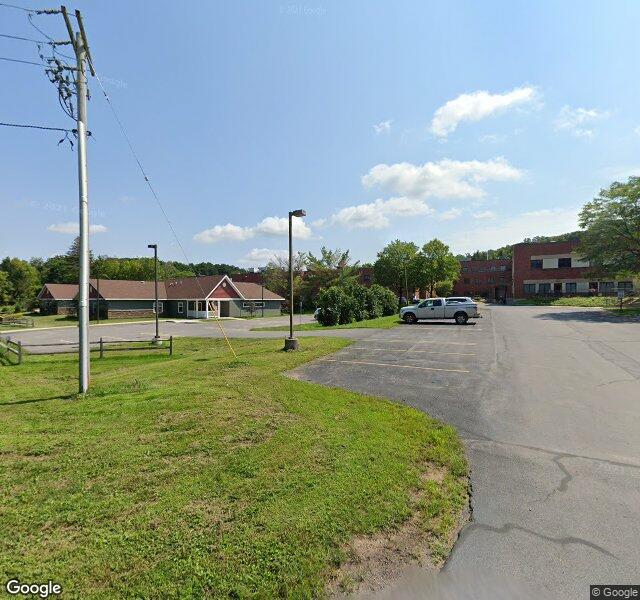
KATHERINE LUTHER RESIDENTIAL HLTH CARE & REHAB

110 UTICA ROAD, CLINTON, NY 13323 (315) 853-5515
Non profit - Church related 280 Beds Independent Data: November 2025
Trust Grade
15/100
#523 of 594 in NY
Last Inspection: August 2024

Within standard 12-15 month inspection cycle. Federal law requires annual inspections.

Overview

Katherine Luther Residential Health Care & Rehab has received a Trust Grade of F, indicating significant concerns about the quality of care provided. It ranks #523 out of 594 facilities in New York, placing it in the bottom half and #11 out of 17 in Oneida County, meaning there are better local options available. The facility is currently improving, having reduced the number of issues from 10 in 2024 to just 1 in 2025; however, there are still serious concerns. Staffing has a turnover rate of 0%, which is excellent and suggests that staff are stable and familiar with the residents, but the facility has incurred $80,558 in fines, which is higher than 87% of other New York facilities, indicating compliance problems. Specific incidents include a resident who developed a bowel obstruction due to inadequate monitoring and treatment, another who suffered worsening pressure ulcers because of delayed care, and a third who sustained burns from a portable space heater, all highlighting the critical need for improvements in care practices.

Trust Score
F
15/100
In New York
#523/594
Bottom 12%
Safety Record
High Risk
Review needed
Inspections
Getting Better
10 → 1 violations
Staff Stability
○ Average
Turnover data not reported for this facility.
Penalties
✓ Good
$80,558 in fines. Lower than most New York facilities. Relatively clean record.
Skilled Nurses
○ Average
Each resident gets 34 minutes of Registered Nurse (RN) attention daily — about average for New York. RNs are the most trained staff who monitor for health changes.
Violations
⚠ Watch
31 deficiencies on record. Higher than average. Multiple issues found across inspections.
★☆☆☆☆
1.0
Overall Rating
★☆☆☆☆
1.0
Staff Levels
★★★☆☆
3.0
Care Quality
★☆☆☆☆
1.0
Inspection Score
Stable
2024: 10 issues
2025: 1 issues

The Good

  • Full Sprinkler Coverage · Fire safety systems throughout facility
  • No fines on record

Facility shows strength in fire safety.

The Bad

1-Star Overall Rating

Below New York average (3.0)

Significant quality concerns identified by CMS

Federal Fines: $80,558

Well above median ($33,413)

Moderate penalties - review what triggered them

The Ugly 31 deficiencies on record

3 actual harm
May 2025 1 deficiency 1 Harm
SERIOUS (G) 📢 Someone Reported This

A family member, employee, or ombudsman was alarmed enough to file a formal complaint

Actual Harm - a resident was hurt due to facility failures

Quality of Care (Tag F0684)

A resident was harmed · This affected 1 resident

Based on record review and interviews during the abbreviated survey (NY00379334), the facility failed to ensure residents received treatment and care according to professional standards of practice, t...

Read full inspector narrative →
Based on record review and interviews during the abbreviated survey (NY00379334), the facility failed to ensure residents received treatment and care according to professional standards of practice, the comprehensive person-centered care plan, and the resident's choices for one (1) of three (3) residents (Resident #1) reviewed. Specifically, Resident #1 developed abdominal distention with pain, had one bowel movement in 6 days, was provided bowel medications without a physician order, and was not assessed by a qualified professional in a timely manner. Subsequently, Resident #1 was hospitalized for a bowel obstruction requiring emergency surgery. This resulted in actual harm to Resident #1 that was not Immediate Jeopardy. Findings include: The facility policy, Bowel Management Protocol, reviewed 3/21/2021, documented certified nurse aides documented bowel movements into the electronic medical record. The licensed nurse monitored the electronic medical record dashboard for alerts of residents with no bowel movements in 72 hours and would initiate the bowel protocol. If no bowel movement for three (3) days, prune juice would be given, then milk of magnesia on the 2nd shift, then a suppository on the 3rd shift. Abnormal findings would be reported to the physician. If findings were normal, a suppository would be given rectally, and results documented in the electronic medical record. For residents with a history of chronic constipation, nursing was to consult with the physician and dietitian for bowel interventions. The facility policy, Notification of Resident Conditions to Providers reviewed 10/25/2022 documented nursing would notify the resident, resident's physician and family representative for a significant change in the resident's physical status that is a deterioration in their health, including non-immediate no bowel movements for three (3) days with a distended abdomen and other abdominal symptoms. Resident #1 had diagnoses including Parkinson's Disease, (a progressive neurological disease), dementia, and constipation. The 1/29/2025 Minimum Data Set assessment documented the resident had moderately impaired cognition, required setup/clean up assistance with eating, had no weight loss, required a therapeutic diet, and required substantial/maximum assistance for toileting, had frequent bladder incontinence and was always continent of bowel. The Comprehensive Care Plan initiated 8/5/2024 and resolved (discontinued) 12/30/2024 documented Resident #1 had a history of constipation related to Parkinson's Disease. Interventions included: follow the facility bowel protocol, monitor medications for side effects of constipation, keep the physician informed of any problems, monitor/document/report any signs or symptoms of complications related to constipation (change in mental status, sleepiness, inability to maintain posture, agitation, slow/low pulse, abdominal distension, vomiting, small or loose stools). Physician orders documented: - on 8/5/2024, bowel routine as per policy. - on 8/5/2024, MiraLAX oral powder (a laxative used for constipation), 17 grams per scoop, give 1 scoop by mouth once a day for supplement, mix with 9 ounces of juice or water. - on 8/6/2024, Senokot-S tablet, (sennosides-docusate sodium, a stool softener combined with a laxative) 8.6/50 milligrams, give 2 tablets by mouth one time a day for constipation. - on 8/6/2024, Dulcolax suppository (a laxative in suppository form), insert 1 suppository rectally once a day every 3 days to regulate bowel movements. The 1/29/2025 Registered Dietitian #13 quarterly nutritional assessment documented the resident had a decline in their meal intake and had consumed an average of 937 milliliters of fluids during meals, leaving 25% on their tray. Interventions were initiated to add more fluids. The 1/31/2025 resident care instructions documented Resident #1 required substantial/maximum assistance of one (1) staff with toilet transfers and hygiene and required toileting every two hours. The 3/2025 Documentation Survey Report (daily care log) from 3/5/2025 through 3/10/2025 documented the resident did not have a bowel movement (six days). The 3/1/2025-3/10/2025 Clinical and Order Alerts Listing Report (no bowel movement report) did not contain any documentation related to Resident #1. The 3/8/2025, at 6:00 AM Medication Administration Record documented Resident #1 received a Dulcolax suppository (scheduled) by Licensed Practical Nurse #15. There was no documented evidence a registered nurse assessment was completed, or a medical provider was notified the resident had not had a bowel movement for three days. The 3/8/2025 at 2:04 PM Licensed Practical Nurse #6 progress note documented the resident was on the bowel list, (a list generated if a resident had not had a bowel movement in three days, however the resident was not shown on this list when provided to the surveyor), the resident had some abdominal bloating, bowel sounds were active, and they were given as needed (not scheduled) Milk of Magnesia per the bowel protocol. There was no documented evidence a registered nurse assessment was completed, or the medical provider was notified related to the resident's distended abdomen and no bowel movement. There was no documented evidence the medical provider was notified for an order for the Milk of Magnesia that was provided. The March 2025 Medication Administration Record did not include documentation the Milk of Magnesia was provided, as there was no documented physician order for the medication. The following information related to Resident #1's condition was obtained from staff interviews completed 5/5/2025 to 5/7/2025: - On 3/8/2025 at 6:30 AM, Certified Nurse Aide #5 reported to Licensed Practical Nurse #15 Resident #1's abdomen was hard, bloated, and did not look right. - Licensed Practical Nurse #15 stated they were completing their shift at 6:30 AM on 3/8/2025 (overnight) and passed the information on to Licensed Practical Nurse #6 and advised Licensed Practical Nurse #6 to call a supervisor. - Licensed Practical Nurse #6 was made aware on 3/8/2025 the resident had a suppository with no results and gave the resident Milk of Magnesia. The resident's abdomen was distended, and the resident complained of pain and discomfort. They thought they notified a supervisor but was unsure if an assessment was completed. The nurse stated a physician's order was not required for Milk of Magnesia and was not necessary to document on the Medication Administration Record. - Licensed Practical Nurse #8 worked 3/8/2025 during the 7:00 AM - 3:00 PM shift. The resident's family member discussed the resident's abdomen with them, but Licensed Practical Nurse #8 did not think the resident had any issues. They did not call a supervisor to assess the resident. - Registered Nurse Supervisor #10 was the supervisor on 3/8/2025 from 7:00 AM - 3:00 PM. They were unaware Resident #1 had a change in condition and would have expected to be notified. They did not have documentation Resident #1 was assessed and did not recall being notified for an assessment on their abdomen. - Certified Nurse Aide #3 was assigned to Resident #1 on 3/8/2025 during the 2:00 PM - 10:00 PM shift. The resident's abdomen was noticeably bloated, and the resident did not have a bowel movement all shift. They could not recall if they told a nurse that day. There was no documented evidence a supervisor was notified, or assessment completed on 3/8/2025 related to Resident #1's complaints of discomfort and distended abdomen. The 3/8/2025 at 4:18 PM nursing progress note by Licensed Practical Nurse #7 documented the resident had a large bowel movement. The characteristics of the bowel movement were not documented (loose, formed). There was no documentation related to how Licensed Practical Nurse #7 received the information (per certified nurse aide report or other). The 3/2025 Documentation Survey Report (daily care log) on 3/8/2025 documented the resident did not have a bowel movement. The following information related to Resident #1's condition was obtained from family and staff interviews completed 5/2/2025 to 5/7/2025: - The family representative visited Resident #1 during the weekend of 3/8/2025 - 3/9/2025, their abdomen was bloated, distended, and hard to the touch. The resident complained of abdominal discomfort, constipation, and was squirming. The family representative communicated their concerns to Licensed Practical Nurses #7 and #8. They stated no one came to observe the resident's abdomen and no assessments were completed. - Licensed Practical Nurse #7 stated Resident #1 had a large loose bowel movement on 3/8/2025 on the 3:00 PM - 11:00 PM shift. On 3/9/2025, during the 3:00 PM - 11:00 PM shift the resident complained of discomfort and no bowel movement. The nurse gave the resident prune juice with no results and did not document it. By 11:00 PM, the resident's abdomen was more distended, the resident was complaining of discomfort, and Registered Nurse Supervisor #11 was notified. Licensed Practical Nurse #7 insisted on sending the resident to the hospital as the resident's abdomen was clearly more distended and the resident was uncomfortable, complaining they could not have a bowel movement. Registered Nurse Supervisor #11 declined to assess the resident as the resident had a recent bowel movement and did not think it was necessary based on a previous hospital transport when the diagnosis was only gas. Licensed Practical Nurse #7 disagreed and attempted to advocate for the resident to no avail. - Registered Nurse Supervisor #11 worked double evenings and overnight shifts on weekends. Resident #1 had a history of constipation and received a routine suppository. The resident had a history of complaining about gas and their bowels and the supervisor thought it was behavioral. They were not aware Resident #1 had not had a bowel movement and expected the licensed practical nurses to let them know if the resident had an issue. They would have documented a nursing progress note if they assessed the resident. There was no documented evidence nursing or medical staff addressed concerns related to Resident #1's complaints of discomfort, constipation, or abdominal distention on 3/9/2025. The 3/10/2025 at 4:29 AM progress note entered by Licensed Practical Nurse #7 documented the resident's abdomen was distended, hard to the touch, with bowel sounds, complaints of gas pain. Registered Nurse Supervisor #11 was made aware. The routine gas pill was given, and staff were to continue to monitor for changes in condition. There was no documented evidence of an assessment by a registered nurse or notification of a medical provider following the 3/10/2025 at 4:29 AM progress note. The 3/10/2025 at 8:49 AM nursing progress note by Registered Nurse #9 documented an assessment was performed on Resident #1, bowel sounds were absent, they directed an (unnamed) licensed practical nurse to give Milk of Magnesia, the medical provider was notified, and an x-ray of the kidneys, ureters, and bladder was obtained. The 3/10/2025 at 9:40 AM x-ray report documented critical findings of colonic ileus (paralysis of the large intestine) versus obstruction (blocked intestinal tract), that correlated clinically (symptoms similar, could not differentiate). The 3/10/2025 at 10:44 AM nursing progress note by Registered Nurse #9 documented Resident #1's x-ray results were abnormal, and the resident was sent to the hospital emergency room for evaluation and the family was notified. The 3/10/2025 hospital record documented: - Resident #1 arrived in the emergency room due to abdominal distention, abdominal discomfort, and an abnormal x-ray. The resident complained of constipation and a decreased appetite. - Computed Axial Tomography Scan (a type of imaging that uses X-ray technique to create detailed images of the body) results documented the resident had severe fecal impaction and a dilated (enlarged) intestine. There was evidence a cecal volvulus (a condition where the first part of the intestine twists around itself) and surgical consultation was recommended - Resident #1 was seen for a surgical consult, surgery was recommended to untwist the intestine and remove the blockage. If the surgery was not completed, a life-threatening condition would have occurred where the intestine became ischemic (loss of blood flow to the tissue) and would have also required emergency surgery. - The Surgical Operative Report documented the resident had an open sigmoid resection with an end colostomy (a surgical procedure where the sigmoid colon is removed through an open incision and the remaining portion is diverted to an artificial opening created in the abdominal wall). During an interview on 5/5/2025 at 12:00 PM with Registered Nurse Manager #9, they stated when they arrived for their shift on 3/10/2025 at 7:00 AM, they were alerted by nursing staff Resident #1 had not had a bowel movement in six days. They assessed the resident, and their abdomen was distended to the extent they appeared as if they were going to have a baby, and their abdomen was hard to the touch. Registered Nurse Manager #9 stated Licensed Practical Nurse #7 documented the resident had a large bowel movement, but it was not documented in the point of care documentation, so they questioned it. There was no bowel movement documented for the resident for six days. The facility's bowel management protocol was initiated when a resident did not have a bowel movement for three days. Bowel protocol medications (Milk of Magnesia, suppository) required a physician order. They could not understand how staff did not notice the amount of abdominal distention they had. They were unaware of any assessments on the overnight shift. They notified the medical provider, and an x-ray of their abdomen was ordered. The resident was transferred to the hospital for abnormal x-ray results. Registered Nurse Manager #9 stated the resident should have been assessed at an earlier date and sent to the hospital. It was important to do an assessment because bowel issues could be serious. During an interview on 5/5/2025 at 1:00 PM with Nurse Practitioner #12, they stated a physician order for a bowel protocol was a blanket order that meant if a resident had constipation issues, it could be implemented. Medications on the bowel protocol required a physician order and should be listed on the electronic medication administration records if/when administered. If a nurse had to administer Milk of Magnesia for constipation, they would expect to be notified first, as they would have prescribed an alternative medication such as lactulose (a synthetic sugar used to treat constipation) for Resident #1. Assessments should have been done every other day if a resident had a history of constipation and had been taking multiple bowel medications. They would expect a registered nurse to do an assessment and notify them of any concerns. Resident #1 had sennosides-sodium, Dulcolax suppositories and MiraLAX ordered routinely. There was no physician order for Milk of Magnesia and it was not shown on the electronic medication administration record. If nursing administered Milk of Magnesia, there should have been an order. They were not notified of Resident #1's change in condition and were not aware the resident had not had a bowel movement in six days. They stated Resident #1's bowel medications were not effective and the hospitalization and bowel obstruction was not a planned outcome. During an interview on 5/9/2025 at 1:20 PM, the Medical Director stated Resident #1 had constipation issues from time to time. They expected to be notified if a resident had not had a bowel movement in three days. Resident #1 should have had an abdominal assessment; they expected a registered nurse to do the assessment and report any abnormal findings. Licensed practical nurses could not assess and should have alerted a registered nurse if Resident #1 had not had a bowel movement and had abdominal distention. The Medical Director stated a volvulus occurred when the intestines twisted on itself and caused an obstruction. It could occur from constipation, or the volvulus could occur and cause constipation. The Medical Director stated it was difficult to state a cause, and that even one or two days of constipation could be life-threatening. It was important to notify a medical provider to get an x-ray to determine the seriousness of a resident's condition. 10 NYCRR 415.12
Aug 2024 10 deficiencies
CONCERN (D) 📢 Someone Reported This

A family member, employee, or ombudsman was alarmed enough to file a formal complaint

Potential for Harm - no one hurt, but risky conditions existed

Safe Transfer (Tag F0626)

Could have caused harm · This affected 1 resident

**NOTE- TERMS IN BRACKETS HAVE BEEN EDITED TO PROTECT CONFIDENTIALITY** Based on record review and interview during the recertification and abbreviated (NY00348869) surveys conducted 8/1/2024-8/7/2024...

Read full inspector narrative →
**NOTE- TERMS IN BRACKETS HAVE BEEN EDITED TO PROTECT CONFIDENTIALITY** Based on record review and interview during the recertification and abbreviated (NY00348869) surveys conducted 8/1/2024-8/7/2024, the facility did not permit a resident to return to the facility after they were hospitalized for 1 of 1 resident (Resident # 360) reviewed. Specifically, Resident #360 was sent to the hospital for evaluation for behaviors, was medically cleared by the hospital to return to the facility, was transported back to the facility, and was refused return to the facility. Findings include: The facility's undated admission Agreement documented a resident may have a medical illness or other matter that required them to be away from the facility for some period. All nursing home residents had the option to have their bed kept available for their return. The facility policy, Resident Transfer and Discharge, effective 2/22/2029, documented emergency transfers to an acute care facility were considered a facility-initiated transfer, not a discharge. The resident must be permitted to return to the facility if the facility has evidence that the resident status at the time the resident seeks to return to the facility meets the required criteria. Resident #360 was admitted to the facility with diagnoses including dementia, anxiety, and metabolic encephalopathy (a chemical imbalance in the blood affecting the brain and mental status). The entry Minimum Data Set assessment documented the resident was admitted on [DATE] from a short-term general hospital. The 7/19/2024 at 1:04 PM hospital discharge summary documented the resident was hospitalized [DATE]-[DATE]. The resident's primary discharge diagnoses were acute renal (kidney) failure with a secondary diagnosis of acute metabolic encephalopathy and vascular dementia with hyperactive delirium (increased agitation). Due to progression of their dementia process it was determined they were discharged to a skilled nursing facility for continued care. The admission Record Face sheet documented the resident was their own responsible party and their spouse was their emergency contact. The unsigned 7/19/2024 Nursing admission Assessment documented the resident was admitted to the facility from the hospital for dementia and deconditioning. The resident was confused and had a short-term memory problem. The resident was angry, aggressive, resistive, and had disorganized thinking. The resident was totally dependent for bed mobility, transfers, did not walk, and used a wheelchair. Nursing notes dated 7/19/2024-7/20/2024 documented the resident was agitated, yelling, and throwing items. A 7/202/2024 at 7:29 PM Registered Nurse Supervisor #20 progress note documented they received an order for IM (intramuscular) Haldol (antipsychotic) 5 milligrams one time from Nurse Practitioner #33. A 7/21/2024 at 6:03 PM Registered Nurse Supervisor #20 progress note documented the resident has not allowed staff to provide care since admission. The resident threw their lunch tray and would not eat or drink. The resident was provided as needed medication for anxiety. The on call provider Physician Assistant #17 was called and a message was left. A 7/21/2024 at 6:41 PM Registered Nurse Supervisor #20 progress note documented a telephone order was received from Physician Assistant #17 to send the resident to the emergency room for evaluation. A 7/21/2024 at 7:38 PM Registered Nurse Supervisor #20 progress note documented Emergency Medical Services and police responded to transfer the resident. The resident's family member was aware on was on the way to facility. When family arrived, the resident was transferred onto the stretcher and left the building at 7:57 PM. There was no documented evidence the discharge and plan to return to the facility was discussed with the family members. The 7/22/2024 emergency department medical decision-making note by the emergency room physician documented the resident's increased agitation was likely due to a urinary tract infection and the resident was discharged with a plan for primary care provider follow up. The resident was given a prescription for levofloxacin (antibiotic) and strict return precautions for fever. The emergency department patient care timeline from 7/21/2024-7/22/2024, documented attempts to call a medical report on the resident's condition to the facility were made on 7/22/2024 at 12:18 AM and again at 12:34 AM but the telephone at the facility was not answered. The resident was discharged from the emergency department back to the facility at 12:55 AM. The 7/22/2024 Emergency Medical Service report documented the resident left the hospital at 12:58 AM and arrived at the facility at 1:11 AM. The crew attempted to use the facility intercom system to reach staff to let them in and knocked on the front door without success. When they could not reach the facility after approximately 15 minutes, they called their dispatcher. At 1:25 AM they received a call back from their dispatcher who told them they had contacted Registered Nursing Supervisor #20 on the third telephone attempt, who reported to them the resident was difficult and they could not deal with it. Emergency Medical Services was advised to return the resident to the hospital emergency department. The crew again attempted to call the Nursing Supervisor to provide additional information, but the phone was not answered. The crew then called the emergency room Charge Nurse #21 at the hospital and explained that the facility refused to accept the resident back and they would be returning the resident to the emergency department. At 1:47 AM the resident returned to the hospital. There were no documented facility medical, nursing, social work, or psychiatry notes regarding the resident's discharge from the facility. During an interview on 8/6/2024 at 10:30 AM Registered Nurse Supervisor #20 stated when they received a telephone call from Emergency Medical Services, they told them Resident #360 was no longer a resident at the facility. They thought when a rehabilitation resident was sent out for evaluation, they were discharged , so they discharged them out of the electronic medical system. They did not contact the hospital or speak with anyone at the hospital. The resident's family member was present when they were transferred to the hospital, but they did not communicate to them that the resident was not allowed to return to the facility. They stated they always had the supervisor telephone in their possession. During an interview on 8/6/2024 at 12:54 PM the resident's family member stated they were at the facility when the resident was transferred to the hospital and was at their bedside in the emergency department until it was determined the resident was cleared for discharge back to the facility. They left the hospital. They were not notified by anyone at the facility that the resident was not allowed to return until a few days after that when they received a call from The Director of Admissions to pick up a box of the resident's personal belongings. The resident now resided with them at their home. During an interview on 8/6/2024 at 1:16 PM the Director of Admissions stated the Registered Nurse Supervisor #20 called them on 7/21/2024 and told them the resident was sent to the emergency department for behaviors and the plan was for the resident not to return to the facility. They backed up the Nursing Supervisor's decision. They knew the resident had behaviors but accepted them for admission because they were a former employee. Registered Nurse Supervisor #20 should have told the hospital in nurse-to-nurse report that they were not to return to the facility. The nurse that sent the resident out was responsible to communicate with the hospital. They had communicated with the social worker at the hospital on 7/22/2024 during business hours when they returned to work and explained that the resident could not return to the facility until their behaviors improved with medication adjustments and they could review them again for future admission. During an interview on 8/6/2024 at 1:42 PM the Director of Nursing stated they were notified on 7/21/2024 by Registered Nurse Supervisor #20 that the resident was transferred to the hospital, they were not taking them back, and had called the Director of Admissions that night and told them. The resident had difficult behaviors and verbal aggression. They expected Registered Nurse Supervisor #20 to communicate with the hospital. Resident #360 had dementia and their communication was not great. Registered Nurse Supervisor #20 told them they did not speak to the hospital but provided their phone number on the paperwork. All after hour calls to the facility went to the Nursing Supervisor's phone. They looked through the phone log and could not verify any communication with the hospital for 7/21/2024. During an interview on 8/6/2024 at 3:28 PM with the emergency room Charge Nurse #21, they stated the resident was seen and evaluated in the emergency department, was diagnosed with a urinary tract infection, and medically cleared to return to the facility. Attempts were made to call a nurse-to-nurse report, but the phone was not answered. Their hospital policy stated if attempts at report with a facility were unsuccessful, the resident was returned because there were always staff at the facility. The Emergency Medical Service crew reported to them the facility refused to take the resident back and they returned to the hospital. There was no communication between the facility and the hospital even after the facility refused the resident and sent them back to the hospital. The resident's discharge/ transfer notice was requested from the facility on 8/6/2024 at 5:15 PM. On 8/7/2024 at 2:33 PM, the requested document had not yet been received and the Administrator and the Health Information System Director verbally confirmed they did not have this document. The resident's transfer/ discharge notice was received from the facility at 8/7/2024 at 3:28 PM. The form was not signed or dated. 10NYCRR 415.3(h)(4)(iii)
CONCERN (D)

Potential for Harm - no one hurt, but risky conditions existed

Quality of Care (Tag F0684)

Could have caused harm · This affected 1 resident

Based on observations, record review, and interviews during the recertification survey conducted 8/1/2024-8/7/2024, the facility did not ensure residents received treatment and care in accordance with...

Read full inspector narrative →
Based on observations, record review, and interviews during the recertification survey conducted 8/1/2024-8/7/2024, the facility did not ensure residents received treatment and care in accordance with professional standards of practice, the comprehensive person-centered care plan, and the residents' choices for 3 of 5 residents (Residents #48, #57, and #88) reviewed. Specifically, Resident #48 did not receive a lid for their hot beverage cups as care planned and did not have their palm guard (contracture management device) applied as care planned; Resident #57 did not have their palm guards applied as care planned; and Resident #88 did not have their elastic tubular compression bandage (Tubigrip) applied as ordered. Findings include: The facility policy, Orthotic Devices, revised 8/1/2023, documented the purpose of orthotic devices was to maintain joint range of motion and elasticity and provide proper body alignment. The rehabilitation department would provide orthotic devices for residents who could benefit from their use. Nursing staff would be instructed in the proper position of the extremity, proper application of the device, wearing schedule, precautions, and goal/purpose of the device. The comprehensive care plan would be updated to include any changes in status, goals, and recommendations, to reflect the wearing of the orthotic device. 1) Resident #48 had diagnoses including dementia and muscle weakness. The 6/27/2024 Minimum Data Set Assessment documented the resident had severely impaired cognition, did not reject care, had impairment to 1 upper extremity, required setup or clean-up assistance with eating, and received a therapeutic diet. The Comprehensive Care Plan revised 7/12/2024 documented the resident had self-feeding difficulty, received a regular diet with thin liquids, and used a lip plate, Dycem mat (anti-slip material), and mugs with lids for hot beverages. The undated care instructions documented the resident received a regular diet with thin liquids, required supervision at meals, and was to be provided lip plate, Dycem mat, mugs with lids for hot beverages. The resident was observed in the dining room drinking hot beverages from a mug without a lid on 8/1/24024 at 12:23 PM and on 8/5/2024 at 12:13 PM. During an observation on 8/6/2024 at 12:43 PM, Certified Nurse Aide #6 provided the resident with a hot beverage in a mug without a lid. The resident drank 100% of their hot beverage. Their meal ticket documented they were to receive a mug with a lid for their hot beverages. During an interview on 8/6/2024 at 12:59 PM, Certified Nurse Aide #6 stated they provided the resident with their hot beverage but did not put a lid on the mug. The resident was supposed to have a lid on their mug for all hot beverages. They thought the resident was supposed to have a lid on their hot beverage so they could not spill it on themself. Staff were supposed to review the meal tickets prior to serving the residents to ensure they received the correct items on their meal tray. During an interview on 8/6/2024 at 2:40 PM, Licensed Practical Nurse #5 stated staff should review the residents' meal tickets prior to serving the resident to ensure they received the correct diet and adaptive equipment at mealtime. Resident #48 was supposed to receive a lid for their hot beverages because they sometimes spilled their drinks. The lid helped to prevent the drink from spilling on the resident or the table. During an interview on 8/7/2024 at 10:04 AM, Registered Dietitian #12 stated staff should review the meal tickets prior to serving the residents to ensure they received the correct food items and equipment. The resident's meal ticket indicated they were supposed to have a lid on their hot beverages. This had been in place on their meal pattern profile since September 2018. During an interview on 8/7/2024 at 12:02 PM, the Director of Nursing stated staff should be reading the meal tickets to ensure all items were present and correct prior to serving the resident. If items were missing, they should let a nurse know. 2) Resident #57 had diagnoses including dementia, contracture (tightening of the muscles, tendons, and joints) of the right arm, and muscle weakness. The 7/4/2024 Minimum Data Set Assessment documented the resident had severely impaired cognition, did not reject care, had impairment to both upper extremities, and was dependent for dressing. The 5/14/2024 physician order documented the resident was to be screened and/or evaluated for occupational therapy. A 5/14/2024 Registered Nurse Unit Manager #3 progress note documented a referral was put in for contracture management. The 5/14/2024 Occupational Therapist #30 Evaluation & Plan of Treatment documented the resident had contractures of the left and right hands and was referred for skilled occupational therapy services to address contracture of bilateral hands. Goals included the resident would safely wear a palm guard on the left hand for up to 8 hours with minimal signs and symptoms of redness, swelling, discomfort, or pain. The caregiver would increase compliance with orthotic management instructions to dependence in order to maintain joint integrity and improve skin integrity and hygiene. Recommendations included palm guard with finger separators on right hand and palm guard on left hand. The revised 5/16/2024 Comprehensive Care Plan documented the resident had an activity of daily living self-care performance deficit related to decreased mobility, pain, and contractures. Interventions included the resident was to wear a palm guard on the left hand, and a palm guard with finger separators on the right hand. The undated care instructions documented to provide a palm guard for the left hand and a palm guard with finger separators for the right hand. The resident was dependent for dressing. The resident was observed without a palm guard on the left hand or a palm guard with finger separators for the right hand: - on 8/1/2024 at 12:03 PM sitting in their recliner chair; at 12:55 PM, while being assisted with their lunch meal; and at 2:41 PM, lying in bed. - on 8/2/2024 at 8:50 AM, while being assisted with their breakfast meal. - on 8/5/2024 at 9:32 AM, while being assisted with their breakfast meal; and at 1:35 PM, while seated in their recliner in their room. During an interview on 8/5/2024 at 1:35 PM Certified Nurse Aide #9 stated the resident did not have any orthotic devices for their hands at this time. During a follow up interview at 2:40 PM, they stated the care instructions alerted staff if a resident required any palm guards or splints. If a resident was not provided with their palm guards or splints as care planned their contractures could worsen. If a resident refused to wear their splint or palm guard, they should let the nurse know so they could attempt to apply the device and document any refusals. There was nowhere for the certified nurse aides to document the device was applied or refused. They stated the resident was supposed to have devices in both of their hands because of their contractures, but they could not find them. The resident did not refuse care. They stated they did not tell anyone they were unable to find the devices. During an interview on 8/5/2024 at 2:50 PM Licensed Practical Nurse Assistant Unit Manager #4 stated staff should review the care instructions daily. It was important to follow the care instructions for resident safety. The care instructions included information on palm guards or splints. It was important to apply contracture devices as care planned to prevent worsening of the contractures and skin breakdown. If staff were unable to find the contracture devices or the resident was refusing to wear the devices, staff should alert a nurse so they could approach the resident to encourage them to wear the device or document the refusal. There was no place to document the device was applied or refused in the electronic medical record. The nurses could enter a progress note if the device was refused or missing. They should also contact the therapy department to alert them a replacement device was needed. They were not made aware the resident's contracture devices were missing. 3) Resident #88 had diagnoses including edema (swelling caused by fluid). The 6/35/2024 Minimum Data Set assessment documented the resident was cognitively intact, required partial/moderate assistance with lower body dressing and putting on/taking off footwear, had edema, received a diuretic (water pill), and did not reject care. The Comprehensive Care Plan initiated 3/27/2024 and revised 7/17/2024 documented the resident had a history of edema blisters to both lower extremities (legs). Interventions did not include the use of Tubigrips. The 4/25/2024 physician order documented apply Tubigrips in the morning and remove in the evening. Resident #88 was observed at the following times: - On 8/1/2024 at 3:34 PM, in their room sitting up in their wheelchair eating a banana. They were wearing shorts and their Tubigrips were in the chair across from their bed. - On 8/5/2024 at 11:07 AM and at 11:52 AM, in their room sleeping in their recliner chair with their legs elevated on their footrest. Their Tubigrips were in the chair across from their bed. The August 2024 Treatment Administration Record documented Tubigrips on in the AM, off at hour of sleep every day with a start date of 4/25/2024. The Tubigrips were documented as put on in the morning by Licensed Practical Nurse #27 on 8/1/2024 and 8/5/2024. During an interview on 8/5/2024 at 12:11 PM, Licensed Practical Nurse #27 stated Tubigrips were used to reduce swelling and promote circulation. They were put on in the morning and taken off in the evening. Completion of this task was documented in the Treatment Administration Record and if it was documented as completed it meant the Tubigrips were on. Sometimes the certified nurse aides put the Tubigrips on, but it was their responsibility to check they were on. They had not verified placement of the Tubigrips for Resident #88 yet, but they signed it off. Resident #88 wore the Tubigrips for edema and it was important that they were worn daily. If the resident did not wear them, they could retain fluid and their legs could swell. The resident did not refuse care. During an interview on 8/5/2024 at 12:21 PM, Registered Nurse Unit Manager #26 stated they expected nurses to follow orders. If something was documented as completed in the Treatment Administration Record it meant it was done. The certified nurse aides could place the Tubigrips, but the nurse was ultimately responsible and should verify they were on before signing as completed. It was not appropriate to document the treatment was completed prior to verification of placement of the Tubigrips. Resident #88 had swelling to their legs and had a history of worsening edema with blisters and discomfort and the Tubigrips were utilized to prevent reoccurrence. Without routine use of the Tubigrips as ordered the resident's edema could get worse. 10 NYCRR 415.12
CONCERN (D)

Potential for Harm - no one hurt, but risky conditions existed

Pressure Ulcer Prevention (Tag F0686)

Could have caused harm · This affected 1 resident

**NOTE- TERMS IN BRACKETS HAVE BEEN EDITED TO PROTECT CONFIDENTIALITY** Based on observation, record review, and interview during the recertification survey conducted 8/1/2024-8/7/2024 the facility di...

Read full inspector narrative →
**NOTE- TERMS IN BRACKETS HAVE BEEN EDITED TO PROTECT CONFIDENTIALITY** Based on observation, record review, and interview during the recertification survey conducted 8/1/2024-8/7/2024 the facility did not ensure residents with pressure ulcers or at risk for pressure ulcers received the necessary treatment and services, consistent with professional standards of practice, to promote wound healing, prevent infection, and prevent new ulcers from developing for 2 of 4 residents (Residents #14 and #312) reviewed. Specifically, Residents #27 and #312 had specialty air mattresses (mattresses that provides air flow to relieve pressure) that did not have individualized settings and were not monitored to ensure appropriate settings were used. Findings include: The facility policy, Prevention of Pressure Ulcers/Injuries, dated 5/24/2024, documented the purpose was to provide information regarding identification of pressure ulcer/injury risk factors and interventions for specific risk factors. Appropriate support surfaces were selected based on the resident's mobility, continence, skin moisture and perfusion (blood flow), body size, weight, and overall risk factors. These may include (but were not limited to): 1. Specialty mattresses designed to help reduce the amount of pressure that existed between the bed surface and the resident. These were specifically constructed and designed to enhance comfort and better distribute weight. Mattresses could be made of foam, gel, air columns/pockets, or water columns/pockets. Mattress Overlays were secured to a mattress and provided additional support. The manufacturer's guidelines for the air mattress were requested from the facility and were unable to be located. 1) Resident #14 had diagnoses including multiple sclerosis (a disease of the central nervous system), diabetes, and paraplegia (paralysis of the legs). The 7/17/2024 Minimum Data Set assessment documented the resident had intact cognition, did not reject care, required substantial assistance for bed mobility, was dependent for transfers, had an indwelling catheter, was at risk for developing pressure ulcers, did not have pressure ulcers, and had a pressure reducing device for the bed. The comprehensive care plan last revised 11/20/2023 documented the resident had a self-care deficit due to multiple sclerosis with limited mobility. They required extensive assistance for bed mobility and was dependent on a mechanical lift for transfers. The comprehensive care plan last revised 12/7/2023 documented the resident was at risk for skin impairment related to impaired mobility, urination from penis, and altered sensation in lower extremities. On 12/5/2023 the resident had a deep tissue injury (purple/[NAME] discoloration due to damage of underlying tissue) to the right sacrum (bony structure at base of spine) surrounded by moisture associated skin damage. Interventions included turn and position every 2-3 hours when in bed, float heels always when in bed, and a pressure reducing/relieving mattress on the bed. A risk assessment tool used to predict the likelihood pf pressure ulcers was completed 5/5/2024, 6/5/2024, 7/5/2024, and 7/13/2024 and documented the resident was at high risk for the development of pressure ulcers. There were no documented physician orders for an alternating pressure mattress. There were no documented settings or monitoring plans in place for the alternating pressure mattress. The August Medication Administration and Treatment Administration Records did not include the use of an alternating pressure mattress that included settings and monitoring. The resident's weight summary documented a weight of 203.3 pounds on 8/1/2024. The following observations were made: - on 8/1/2024 at 11:31 AM the resident was in bed, their feet appeared to be higher than their head, an alternating pressure mattress was in place and on and was set at 580 pounds, alternate every 10 minutes. - on 8/2/2024 at 12:01 PM the resident's alternating pressure mattress was in place and on and was set at 580 pounds, alternate every 10 minutes. - on 8/5/2024 at 9:55 AM the resident's alternating pressure mattress was in place and on and was set at 580 pounds, alternate every 10 minutes. During an interview on 8/7/2024 at 11:07 AM, Licensed Practical Nurse #22 stated pressure relieving interventions included frequent repositioning. Air mattresses were also used, some of which provided repositioning, Resident #14 had an air mattress. Maintenance placed air mattresses at the request of nursing, and they were not sure who set controls. They checked for them being on when they were in the room but did not document anywhere. Resident #14 had a pressure area in the past which placed them at increased risk for developing pressure areas. They also had limited ability to reposition themself independently. They were not sure what the pressure mattress should be set at. They observed the resident's mattress and stated it was set at 580 pounds, comfort, alternate every 10 minutes. The resident did not weigh 580 pounds so the air pressure in the mattress would not be appropriate. 2) Resident #312 had diagnoses including pressure ulcers of right buttock. The 7/18/2024 Minimum Data Set assessment documented the resident had intact cognition, was dependent on staff for bed mobility and transfers, had an indwelling catheter, was at risk for developing pressure ulcers, and had no unhealed pressure ulcers. The comprehensive care plan initiated 7/12/2024 documented the resident had a self-care performance deficit related to decreased mobility/recent hospitalization. The resident was dependent for bed mobility and required extensive assistance of 2. The comprehensive care plan updated 7/26/2024 documented the resident had actual impairment to skin integrity of the buttocks related to moisture associated skin damage, an unstageable area to the left buttock, and a Stage 2 (partial loss of top layer of skin) area to the right buttock. Interventions included an air mattress on the bed, offer repositioning to resident every 2 hours, and the resident would often refuse to turn/reposition. A 7/27/2024 physician order documented check placement of air mattress every shift and ensure proper functioning every shift. There were no documented settings in place for the air mattress. The 8/2024 Treatment Administration Record documented check placement of air mattress every shift and ensure proper functioning every shift. The air mattress was checked as in place and properly functioning 8/1/2024-8/6/2024. The resident's weight summary documented a weight of 225.2 pounds on 8/1/2024. The following observations were made: - on 8/5/2024 at 9:29 AM the resident was sitting on the edge of the bed; the air mattress overlay control light was on and set midway between minimum and maximum. The resident stated this mattress was a little more comfortable than the last one. - on 8/7/2024 at 11:26 AM the air mattress overlay on the resident's bed was set midway between minimum and maximum, and the light was on as functioning. During an interview on 8/7/2024 at 11:27 AM, Certified Nurse Aide #23 stated they should check to make sure the air mattresses were on, and in place. They were not sure what they should to be set at. The air mattress overlay for residents was set up by maintenance. During an interview on 8/7/2024 at 11:38 AM, Registered Nurse Unit Manager #26 stated pressure reducing devices included cushions in chairs and mattresses all had pressure reducing properties. Residents at increased risk for pressure injury got air mattress overlays or alternating pressure mattresses. Maintenance set up the mattresses, nursing decided on the settings based on weight, need for alternating or not. Resident #312's air overlay mattress was set midway between minimum and maximum, and they were not sure who set the air flow. They thought it was set for resident comfort to reduce pressure. Every time a resident was cared for, the mattress should be checked for functionality. During an interview on 8/7/2024 at 12:49 PM, The Director of Nursing stated pressure reducing devices used were wheelchair cushions, air mattress overlays, and low air loss alternating mattresses. The purpose was to relieve pressure for residents who had open areas, skin issues, or were at increased risk for pressure injury. The need was identified by nursing, and maintenance put the mattress on the bed. A registered nurse decided the settings and they were typically based on weight. They would not want it to be set above their weight as it would be too firm and may place too much pressure on the skin. They felt it should be documented on the care plan and the [NAME]. There should be a spot on the administration record for nursing to check. The settings needed to be resident specific, a resident who weighed 200 pounds should not have their air mattress set at 500 pounds. The goal was to help heal or prevent pressure areas. 10NYCRR 415.12(c)(1) .
CONCERN (D)

Potential for Harm - no one hurt, but risky conditions existed

Accident Prevention (Tag F0689)

Could have caused harm · This affected 1 resident

**NOTE- TERMS IN BRACKETS HAVE BEEN EDITED TO PROTECT CONFIDENTIALITY** Based on observation, record review, and interview during the recertification survey conducted 8/1/2024-8/7/2024 the facility di...

Read full inspector narrative →
**NOTE- TERMS IN BRACKETS HAVE BEEN EDITED TO PROTECT CONFIDENTIALITY** Based on observation, record review, and interview during the recertification survey conducted 8/1/2024-8/7/2024 the facility did not ensure each resident received adequate supervision and the environment remained as free of accident hazards as possible for 2 of 5 residents (Residents #44 and #106) reviewed. Specifically, Resident #44's bed was not maintained in the low position as care planned; and Resident #106's meal was reheated in a microwave by nursing staff and the temperature was not checked prior to serving the meal to the resident. Findings include: The facility policy, Managing Falls and Fall Documentation, last reviewed 5/22/2024 documented team members would seek to identify and document resident risk factors and identify interventions related to the resident specific risks and causes to try to prevent the resident from falling and try to minimize complications from falls. The facility policy, Food Safety, last reviewed 3/18/2024 documented accurate food thermometers were available and used by all food employees during storage, preparation, display, service, and transportation. Thermometers must be accurate to at least +/- two degrees and sanitized before use. All food products were required to be cook to internal temperature; reheat foods rapidly to 165 degrees Fahrenheit, minimum temperature for minimum of 15 seconds; and hold hot foods at 135 degrees Fahrenheit or above. The policy did not include instructions for safely reheating resident meals in microwaves. The facility policy, Food from Outside Sources, reviewed 10/25/2022, documented the Food from Outside Temperature Log must be completed when reheating food for residents. The form was located near the microwave in each pantry. The policy did not include instructions for safely reheating resident meals in microwaves and recommended temperatures for safety. 1) Resident #44 had diagnoses including Alzheimer's disease, muscle weakness, and unsteadiness on feet. The 5/23/2024 Minimum Data Set assessment (a health screening tool) documented the resident had severely impaired cognition, did not reject care, was dependent for transfers from sitting to standing and chair to bed transfers, did not walk, used a manual wheelchair, and did have any falls since admission or the prior assessment. The 6/1/2024 Incident Investigation completed by Registered Nurse Supervisor #31 documented the resident had an unwitnessed fall at 6:00 AM while attempting to self-transfer out of bed to the wheelchair. The resident was found lying on the floor on their back. The resident had no apparent injuries, denied pain, and denied hitting their head on the floor. Neurological checks were at baseline. The resident was non-ambulatory and was put back to bed with a mechanical lift. Changes were made to care plan to have a therapy evaluation for transfers and ambulation, frequent observations and room checks. The 6/1/20024 Comprehensive Care Plan documented the resident had an actual fall related to dementia, and poor safety awareness. Interventions included frequent checks while in their room; move the resident to area with better visual access to the nurse's station, and physical therapy referral for transfers and ambulation. The 6/15/24 Incident Investigation completed by Registered Nurse Supervisor #32 documented the resident had an unwitnessed fall at 10:40 AM, while attempting to get out of bed to go to lunch. The resident was found lying on their back next to their bed. Changes implemented to prevent reoccurrence was to put the bed in the lowest position. On 6/16/2024 the Comprehensive Care Plan for falls included an additional intervention to place the bed in the lowest position. The undated care instructions ([NAME]) documented the resident's bed was to be in the lowest position. The following observations of Resident #44's bed were made: - On 8/1/2024 at 11:01 AM and 2:25 PM, the bed was at mid-thigh height. - On 8/2/2024 at 8:35 AM, the resident was in bed and the bed was at knee height. - On 8/2/2024 at 10:07 AM and 10:55 AM, the resident was in bed and the bed was at knee height. - On 8/2/2024 at 12:07 PM, the resident was in bed with their door closed and the bed was at hip height. - On 8/5/2024 at 9:20 AM, the resident was in bed and the bed was at knee height. During an interview on 8/6/2024 at 11:02 AM, Certified Nurse Aide #7 stated they assisted Resident #44 today with their care. The resident's bed was not in the low position. The bed should be in the lowest position because the resident had tried to get out of bed. If the resident bed was not in the low position, it would be a safety issue and it was important to follow the resident's care plan for their safety. During an interview on 8/6/2024 at 11:46 AM, License Practical Nurse #5 stated the [NAME] would provide instructions for safety such as a low bed position. A low bed position was usually an intervention due to falls. If the bed was care planned to be in low position, it would be a safety risk if it was not in the lowest position. Resident #44 was not able to raise or lower their own bed. During an interview on 8/6/2024 at 2:49 PM, Licensed Practical Nurse Assistant Nurse Manager #4 stated the resident was care planned for low bed for falls. The resident preferred to stay in their room. The care plan should be followed for safety reasons. All the staff should be checking to ensure the bed was set at the proper height. If the resident was in bed and not eating or drinking the resident's bed should be in the lowest position. During an interview on 8/7/2024 at 11:52 AM, the Director of Nursing stated the registered nurse should determine the fall interventions required for a resident. If the intervention was for a low bed, the bed should always be in the lowest position. The resident should not be left in their room alone if the bed was not in the low position. It was important to follow the care plan for the safest care of the resident. 2) Resident #106 had diagnoses including dementia and moderate protein-calorie malnutrition. The 6/28/2024 Minimum Data Set assessment documented the resident had moderately impaired decision making ability and was dependent on staff for most of activities of daily living including eating. The comprehensive care plan initiated 6/26/2024 documented the resident had an activities of daily living self-care performance deficit related to aggressive behavior, Alzheimer's confusion, impaired balance, and limited mobility. Interventions included the resident required substantial/maximum assistance of one staff for eating; sit up in their wheelchair for all meals; and give one items at a time to limit distractions. The undated care instructions ([NAME]) documented the resident required substantial to maximum assistance of one staff for eating and the resident should be in their wheelchair for all meals. During an observation and interview on 8/5/2024 at 1:10 PM, Certified Nurse Aide #8 heated up the resident's meal items (Salisbury steak, mashed potatoes, and peas) for 15 seconds and covered the meal to bring out to the resident. They did not take the temperature of the food prior to serving the resident. Certified Nurse Aide #8 stated they just wing it when they warmed up food in the microwave. The food was still warm, so they just heated it up. They did not have training on how to heat food in the microwave. They stated they would test the temperature of the food on their wrist or hover their hand over the food. They were not sure if there was a thermometer in the kitchen. They stated it was important to check temperatures of food to prevent burns and for food safety, but they had never noticed any reheating instructions. During an interview on 8/5/2024 at 1:24 PM, Food Service Aide #33 stated there were no thermometers to check the temperatures of food heated in the microwave. They should not heat food in the microwave. There were no reheating instructions. The resident should have received a new tray if the food was not warm enough and nursing staff should just request another tray. Food that was heated in the microwave could be too hot. During an interview on 8/7/2024 at 11:59 AM, the Director of Nursing stated they were not sure about nursing staff heating food in the microwave. They stated staff that heat food prior to serving the resident should have received education for safety reasons to prevent burns to the resident. 10 NYCRR 415.12(h)(2)
CONCERN (D)

Potential for Harm - no one hurt, but risky conditions existed

Respiratory Care (Tag F0695)

Could have caused harm · This affected 1 resident

Based on observation, record review, and interview during the recertification survey conducted 8/1/2024-8/7/2024, the facility did not ensure residents who needed respiratory care were provided such c...

Read full inspector narrative →
Based on observation, record review, and interview during the recertification survey conducted 8/1/2024-8/7/2024, the facility did not ensure residents who needed respiratory care were provided such care, consistent with professional standards of practice for 1 of 1 resident (Resident #88) reviewed. Specifically, Resident #88 received oxygen at a higher flow rate than the physician ordered. Findings include: The facility policy, Oxygen Concentrator Initiation/ Discontinuation, reviewed 12/15/2020 documented the licensed nurse was responsible to ensure the physician orders for the resident were checked. The flow rate was charted in the resident record every shift. Resident #88 had diagnoses including chronic obstructive pulmonary disease (lung disease), pleural effusion (fluid buildup between the lung and the chest wall) and need for assistance with personal care. The 6/25/2023 Minimum Data Set assessment documented the resident was cognitively intact, had shortness of breath, and required oxygen therapy. The comprehensive care plan initiated 4/15/2024 and revised 6/14/2024 documented the resident had oxygen therapy related to shortness of breath. Interventions included medications to be given as ordered, monitor for signs and symptoms of respiratory distress and report to physician as needed. Oxygen settings 2 liters via nasal prong. The 4/17/2024 physician order documented the resident was to receive oxygen via nasal cannula at 2 liters per minute continuously. Resident #88 was observed at the following times: - On 8/1/2024 at 3:34 PM, in their room sitting up in their wheelchair eating a banana. They were receiving oxygen from an oxygen concentrator via nasal cannula that was set at 4 liters. - On 8/2/2024 at 9:07 AM, in their room sitting in their recliner chair. They were receiving oxygen from an oxygen concentrator via nasal cannula that was set at 4 liters. - On 8/2/2024 at 10:32 AM, in their room sitting in their recliner chair visiting with family. They were receiving oxygen from an oxygen concentrator via nasal cannula that was set at 4 liters. - On 8/5/2024 at 11:07 AM, in their room sleeping in their recliner chair. They were receiving oxygen from an oxygen concentrator via nasal cannula that was set at 4 liters. The August 2024 Treatment Administration Record documented oxygen at 2 liters via nasal cannula continuous every shift with a start date of 4/17/2024. Licensed Practical Nurse #27 documented the resident's oxygen was administered via nasal cannula at 2 liters per minute on 8/1/2024, 8/2/2024, and 8/5/2024 during the day shift. During an interview on 8/5/2024 at 12:11 PM Licensed Practical Nurse #27 stated the flow rate of a resident's oxygen was in the physician orders and documented in the Treatment Administration Record. Settings were checked once per shift and if it was documented as completed, it meant the flow rate was correct. Too much oxygen could be bad for the resident's lungs and oxygen levels in the blood. Resident #88 had an order for oxygen at 2 liters per minute. They had already documented in the Treatment Administration Record, but they had not checked the oxygen flow rate, and they should have prior to documenting. They did not know the resident's concentrator was set a 4 liters per minute for several days. During an interview on 8/5/2024 at 12:21 PM Registered Nurse Unit Manager #26 stated they expected nurses to follow orders, and oxygen required a physician order. Oxygen administration was signed by the nurses in the Treatment Administration Record and if it was documented as completed, it meant the nurse checked to make sure the setting was appropriate. It was not appropriate it was documented if it was not checked. Oxygen ordered flow rates could change and accuracy of the flow rate was important to be checked. For residents with chronic obstructive pulmonary disease, it was especially dangerous if they received higher than ordered oxygen flow rates. This could cause shortness of breath, dizziness, or they could hyperventilate (breathing at an abnormally rapid rate). Resident #88 had chronic obstructive pulmonary disease and had an order for oxygen at 2 liters per minute, and it was not appropriate they received 4 liters per minute. 10NYCRR 415.12(k)(6)
CONCERN (D)

Potential for Harm - no one hurt, but risky conditions existed

Deficiency F0804 (Tag F0804)

Could have caused harm · This affected 1 resident

**NOTE- TERMS IN BRACKETS HAVE BEEN EDITED TO PROTECT CONFIDENTIALITY** Based on record review, observation, and interview during the recertification survey conducted 8/1/2024-8/7/2024, the facility d...

Read full inspector narrative →
**NOTE- TERMS IN BRACKETS HAVE BEEN EDITED TO PROTECT CONFIDENTIALITY** Based on record review, observation, and interview during the recertification survey conducted 8/1/2024-8/7/2024, the facility did not ensure each resident received and the facility provided food and drink that was palatable, attractive, and at a safe and appetizing temperature for 2 of 2 meals (lunch meal on [NAME] and [NAME] Units on 8/5/2024) reviewed. Specifically, food was not served at palatable and appetizing temperatures for the lunch meals on [NAME] and [NAME] Units on 8/5/2024. Findings include: The facility policy, Resident Meal Service, dated 10/25/2022 documented each resident was provided with an appealing, tasteful, nutritious meal served in a timely manner and in a pleasant environment. The facility policy, Food Safety, originally dated 1/21/2016 and reviewed 3/18/2024 documented all Temperature Controlled for Safety foods must meet the following temperature requirements during storage, preparation, display, service, and transportation: Hot foods, hold foods at 135 degrees Fahrenheit; cold foods hold foods at 40 degrees Fahrenheit or below. During an observation on 8/5/2024 at 12:54 PM on the [NAME] Unit, Resident #106's lunch tray was sitting on the counter ready to be served and was planned to be used as a test tray. At 1:10 PM Certified Nurse Aide #8 heated food from the resident's tray in the microwave for 15 seconds. A replacement tray was requested for the resident. The temperatures of the microwaved food were measured as follows: the Salisbury steak was127 degrees Fahrenheit, the mashed potatoes were 122 degrees Fahrenheit, the peas were 117 degrees Fahrenheit, the Mighty Shake (nutritional supplement) was 50 degrees Fahrenheit, and the cranberry juice was 56 degrees Fahrenheit. During an observation on 8/5/2024 at 12:49 PM on the [NAME] Unit, Resident #363's lunch tray was selected as a test tray and a replacement was requested. The following food temperatures were measured: peas were 100 degrees Fahrenheit, cheddar mashed potatoes were 111degrees Fahrenheit, Salisbury steak was 147 degrees Fahrenheit, and a Mighty Shake (nutritional supplement) was 41 degrees Fahrenheit. The mashed potatoes and peas were cold to taste. The temperatures of the foods on the tray line steam meal were measured as follows: the peas measured at 115 degrees Fahrenheit, and the cheddar mashed potatoes were 141 degrees Fahrenheit. On 8/5/2024 at 1:26 PM the temperature of the 3 steam table water bins on the [NAME] Unit were measured at 192 degrees Fahrenheit, 112 degrees Fahrenheit, and 168 degrees Fahrenheit (from right to left). During an interview on 8/7/2024 at 12:07 PM, the Food Service Director stated nursing used the microwaves on the unit for heating food. They should have checked the food temperatures before serving them to a resident. There was a thermometer on the unit for this use. Food should be thoroughly reheated to 165 degrees Fahrenheit. No test trays had been done since the food service contractor left in November 2023. The appropriate temperatures for palatable food served was over 140 degrees Fahrenheit for hot food, and below 40 degrees Fahrenheit for cold food. 110 degrees Fahrenheit for peas and 111 degrees Fahrenheit for mashed potatoes was not appropriate. It was important for residents to get food at the proper temperatures, so it was palatable, and to prevent the spread of food borne illness. Kitchen storage areas and food service equipment should be properly maintained and cleaned for food safety and to prevent the spread of food borne illness. 10NYCRR 415.14(d)(1)(2)
CONCERN (E)

Potential for Harm - no one hurt, but risky conditions existed

Deficiency F0558 (Tag F0558)

Could have caused harm · This affected multiple residents

Based on observation, interview, and record review during the recertification survey conducted 8/1/2024-8/7/2024, the facility did not ensure the right to reside and receive services with reasonable a...

Read full inspector narrative →
Based on observation, interview, and record review during the recertification survey conducted 8/1/2024-8/7/2024, the facility did not ensure the right to reside and receive services with reasonable accommodation of resident needs and preferences for 10 of 10 residents (Residents #2, #18, #53, #58, #59, #66, #67, #101, and #312) reviewed. Specifically, Residents #2, #18, #53, #58, #59, #66, #67, #101, and #312 were previously assessed for appropriate siderail use to improve functional independence and bed mobility, and their siderails were subsequently removed without explanation or replacement of an alternative positioning device. Findings included: The facility policy, Use of Side Rails, originally dated 4/10/2028 and reviewed 7/29/2024 documented the facility was siderail free. All admissions into the facility would be evaluated by the rehabilitation therapy department to assess their ability for mobility and transfer. Upon the results of the therapy evaluation, alternative methods of mobility and transfer would be put into place should the assessment determine the resident needed additional assistance. Should the Interdisciplinary Care Team deem that a siderail was the only alternative and was medically necessary for a resident, the final determination would be made by the Director of Nursing based on documentation and evaluations from the entire Interdisciplinary Care Team. 1) Resident # 53 had diagnoses of cardiomyopathy (a disease that affects the heart muscle), chronic obstructive pulmonary disease (lung disease), and diabetes. The 7/16/2024 Minimum Data Set admission assessment documented the resident had intact cognition, did not have behavioral symptoms, required substantial assistance for bed mobility and transfers, was at risk for developing pressure ulcers, and did not use side rails. The 7/9/2024 admission face sheet documented the resident was their own responsible party. The 7/9/2024 Bed Rail assessment completed by nursing and therapy documented for bed mobility and transfers the resident had bed rails that were used for positioning from side to side, pulling and holding self over, aiding in supporting self, and aiding in safe entry into bed. Therapy assessed the resident would use the bed rails for turning side to side, moving up and down in bed, holding self to one side, pulling self from lying to sitting position, for improving balance during transfers, supporting self during transfers, exiting bed safely, and entering bed safely. Bilateral quarter bed rails were recommended to enable the resident to achieve their highest level of functional. independence in bed mobility and transfers. A 7/26/2024 at 3:03 PM Director of Nursing progress note documented the Interdisciplinary Team and provider determined the use of bed rails was not medically required and the resident's bed rails would be removed. The resident's wife was spoken to and agreed with the plan. An 8/1/2024 physician order documented bilateral enablers/ 1/4 bed rails to bed were discontinued. During an interview on 8/2/2024 at 11:06 AM, Resident# 53 stated their bed rails were removed from their bed with no explanation and they had used them for independent bed mobility. Their bed was very narrow and without the bed rails it was difficult to move around in bed. Maintenance came in and removed them with no explanation. They were not offered an alternative assistive device to aid in bed mobility. They stated it would have been all right for the change to be discussed with their spouse, but they felt they should have been notified also. 2) Resident # 67 had diagnoses of rheumatoid arthritis (a chronic inflammatory disorder that can affect joints), diabetes, and depression. The 7/2/2024 quarterly Minimum Data Set assessment documented the resident had intact cognition, required partial assistance with bed mobility and transfers, was at risk for pressure ulcers, and did not use bed rails. The 7/2/2024 bed rail assessment completed by nursing and therapy documented the resident used bed rails for turning from side to side, moving self up and down in bed, pulling and holding self over, pulling self from lying to sitting position, aiding in safe entry into bed, and aiding in safe exiting from bed. Therapy assessed the resident would use the bed rails for bed mobility and transfers. Bilateral quarter bed rails were recommended to enable the resident to achieve their highest level of functional independence in bed mobility and transfers. An 8/1/2024 physician documented bilateral enablers/ 1/4 bed rails to bed were discontinued. During an interview on 8/6/2024 at 9:44 AM Resident # 67 stated they were never told their bed rails were going to be removed. The bed rails were removed about 2 weeks ago while they were out of the room. The 2 rails were always up, and they needed stand by assistance of one person with the rail. They stated without the rails, they were shaky because they were afraid of falling. Now if they wanted to reposition themself in bed it was not as easy because they had nothing firm to hold on to. Their bed mobility/side rail use was not reevaluated, and they were not offered any alternative assistive device. They stated they mentioned their concern to staff. Staff told them they heard the same complaint from everybody and that it was a State law they could not change. During an interview on 8/6/2024 at 12:07 PM, Certified Nurse Aide #29 stated residents had the bed rails taken away because of the State. There were complaints from residents almost every day, especially when they rolled residents in bed. Bed rails were used for rolling, helped with standing, and helped promote independence. Resident #67 had bed rails they used to pull themself side to side and in and out of bed. Staff now had to bear more of their weight with transfers, whereas before they did not. The resident was shakier and was fearful without the bed rails. 3) Resident #2 had diagnoses including surgical aftercare following surgery of the digestive system, paraplegia (paralysis of the legs), and pressure ulcers sacral region. The 6/26/2024 Minimum Data Set comprehensive assessment documented the resident had intact cognition, required assistance with bed mobility and transfers, was at risk for pressure ulcers, and did not use bed rails. The 6/19/2024 admission face sheet documented the resident was their own responsible party. The 6/20/2024 bed rail assessment completed by nursing and therapy documented the resident had bed rails used for turning from side to side, moving self up and down in bed, and pulling and holding self over. Therapy assessed how the resident would use the bed rails and recommended bilateral quarter bed rails to enable the resident to achieve their highest level of functional independence in bed mobility and transfers. A 7/25/2024 at 3:34 PM Director of Nursing progress note documented they met with the resident regarding removal of bed rails. The resident was assured that therapy and nursing would assess the resident to meet their comfort and safety needs. Risks versus benefits of bed rails were discussed with the resident and the resident voiced understanding. There was no documented reason for the removal of the resident's bed rails. During the resident council meeting on 8/1/2024 at 2:10 PM, Resident #2 stated they attended the meeting specifically to bring up their bed rails being removed. They stated they were reluctant to bring it up as it could cause unrest. Several residents stated their bed rails were removed without it being discussed with them. They stated they were told by the facility it was a state law they could not have bed rails. An 8/2/2024 physician order documented discontinue bilateral enablers/ 1/4 bed rails to bed. During an interview on 8/5/2024 at 2:41 PM, Resident # 2 stated maintenance just came and took the bed rails off. Maintenance said they were told to take them off. The resident stated no one talked to them about removing the bed rails before then. They were not given a choice or offered an alternative. They stated they had a trapeze since after admission and had requested it to pull up on and try to their strengthen arms. They were not able to use it to reposition themself in bed. During an interview on 8/6/2024 at 10:12 AM, Certified Nurse Aide #28 stated nobody had bed rails anymore. They were all removed because of State law. Resident #2 had bed rails previously, and they were probably the most upset about the removal. They now needed assistance to roll in bed. The trapeze only helped them to sit up, it did not help them roll independently. During an interview on 8/6/2024 at 10:17 AM, Registered Nurse Unit Manager #3 stated bed rails were used for bed mobility and transfers to assist residents that had been screened by therapy. Bed rail reduction began about 2 months ago with therapy determining safety and need. Bed rail assessments were being completed quarterly. They were not sure if assessments were done before the bed rails were removed. There were residents on the unit that benefited from bed rail use. During an interview on 8/6/2024 at 2:55 PM, the Director of Maintenance stated the Director of Nursing instructed them to remove bed rails for resident safety. They believed every resident and family members were told about the removal. They stated the use of bed rails came with risks. They performed bed rail entrapment zone checks annually. The last one was done 12/2023, with no issues identified. During an interview on 8/7/2024 at 11:02 AM, the Director of Therapy stated bed rails were used to enhance independence with bed mobility. They enhanced bed mobility from sitting/ lying and getting up to the side of the bed. A bed rail screen was done on admission and quarterly to see if they would benefit the resident. From a therapy standpoint they were good but from a safety standpoint there were risks. They stated the facility had way too many bed rails, so therapy was supposed to look at them. They were then told they were all being removed. It was not fair to residents who could use them to promote independence with bed mobility. The goal was for residents to be at their highest functional level. During an interview on 8/7/2024 at 12:49 PM, the Director of Nursing stated there was a new policy for no bed rails in the building starting on 7/29/2024. The decision was made because the bed rail use in the facility was not being monitored as it should have been. They stated Centers for Medicare and Medicaid Services guidelines were used to develop the plan. They had Interdisciplinary Team Meeting with discussions to match their sister facility bed rail free policy. There were some instances where bed rails may have benefits. Therapy evaluated residents that may benefit from bed rail use and try alternatives such as over the bed trapeze. Residents should have been told they were going to be removed and offered alternatives to the bed rails before they were removed. If a resident did not have bed rails for independence with positioning, it could lead to increased risk for pressure ulcers and loss of dignity. During an interview on 8/7/2024 at 2:40 PM, the Administrator stated the bed rail policy changed on 7/29/2024. They were attempting to remove all bed rails that were not medically necessary. The goal was making sure residents were safe. The team talked at morning report, families were called, and residents were spoken to. They were not sure if all residents were notified before the bed rails were removed. Some residents could benefit from bed rail use for bed mobility. 10NYCRR 415.5(e)(1)
CONCERN (E) 📢 Someone Reported This

A family member, employee, or ombudsman was alarmed enough to file a formal complaint

Potential for Harm - no one hurt, but risky conditions existed

Safe Environment (Tag F0584)

Could have caused harm · This affected multiple residents

**NOTE- TERMS IN BRACKETS HAVE BEEN EDITED TO PROTECT CONFIDENTIALITY** Based on record review, observation, and interview during the recertification and abbreviated (NY00345143) surveys conducted 8/1...

Read full inspector narrative →
**NOTE- TERMS IN BRACKETS HAVE BEEN EDITED TO PROTECT CONFIDENTIALITY** Based on record review, observation, and interview during the recertification and abbreviated (NY00345143) surveys conducted 8/1/2024-8/7/2024, the facility did not ensure residents had a safe, clean, comfortable, and homelike environment for 3 of 3 resident units ([NAME], [NAME], and [NAME]) reviewed. Specifically, water temperatures were greater than 120 degrees Fahrenheit in shower rooms and resident bathrooms on [NAME] and [NAME] Units; The bathroom floor in room [ROOM NUMBER] on the [NAME] Unit was in disrepair and stained with a brown substance at the base of the toilet; resident wheelchairs on [NAME] and [NAME] Units were unclean; and the mechanical lifts on [NAME] and [NAME] Units were unclean with debris on the footplates. Findings include: The facility admission Agreement documented the facility strived to provide an environment that was safe, clean, comfortable, and welcoming to its residents, families, and friends. The facility policy, Water Temperatures, dated 2/23/2022 documented water temperatures shall be maintained between 90 degrees Fahrenheit and 120 degrees Fahrenheit to assure resident safety. Building services performed daily inspections (to include weekends) of water temperatures. Any temperature that did not fall between 90 degrees Fahrenheit and 120 degrees Fahrenheit would be reported to a building service supervisor. The facility policy, Cleaning of Resident Rooms, dated 10/19/2022 documented the nursing facility would maintain clean, attractive surroundings without disrupting resident care. The facility policy, Creating a Work Order, dated 2/15/2021 documented that all team members could report needed repairs through an electronic communication system. Work orders were received and assigned to building services team members by the Building Services Director. Work orders were completed and signed off by the completing team member based on the type of repair, availability of parts, and necessity to arrange needed outside vendor services to complete the request. The facility policy, Wheelchair Safety and Care, dated 10/21/2022 documented cleaning of wheelchairs would take place when they were visibly soiled or upon a resident's request. Surface cleaning (of spills and surface dirt) should be completed using disinfectant wipes. For deeper cleaning, a wheelchair cleaning station was available in a designated location to thoroughly clean chairs. The facility policy, Use of a Mechanical Lift, dated 4/11/2024 documented lift care included: disinfection of lift surfaces after each use. The lifts should be wiped with a clean towel until dry. WATER TEMPERATURES Water temperatures (measured in degrees Fahrenheit) on the [NAME] Unit were as follows: - on 8/2/2024 at 11:22 AM the bathroom sink beside the dining room was 126 degrees. - on 8/2/2024 at 11:39 AM room [ROOM NUMBER]'s bathroom sink was 121.1 degrees - on 8/2/2024 at 11:38 AM room [ROOM NUMBER]'s bathroom sink was 122 degrees. - on 8/2/2024 at 11:41 AM the shower room near room [ROOM NUMBER] was 121 degrees, - on 8/2/2024 at 11:47 AM the shower room (across from the dining room) sink was 124 degrees. During an observation on the [NAME] Unit on 8/2/2024 at 11:39 AM room [ROOM NUMBER]' s bathroom sink was 124.2 degrees. The June 2024, July 2024, and August 2024 water temperature log did not document any recorded temperatures greater than 120 degrees. During an interview on 8/2/2024 at 12:00 PM, Maintenance Worker #32 stated a couple of maintenance workers checked the water temperatures daily, usually a little before 8:00 AM. They tested on e room on each unit and checked both the water and the air temperatures. They tried to switch the rooms checked so it was random. During an interview on 8/2/2024 at 12:21 PM, Certified Nurse Aide #9 stated no residents had complained about too hot or too cold water. They would feel the water temperature before they used it for residents, and had the residents feel it as well. If the resident could not tell them, they touched the water and watched the residents' facial expressions. They were not aware of any residents that were burned from the shower room water. They stated they also tested resident rooms sink temperatures prior to washing their hands in the sink. During an interview on 8/7/2024 at 2:21 PM, the Maintenance Director stated the boiler was set at 115 degrees Fahrenheit. It was checked with a thermometer every day in three different locations on each unit. They had measured 126 degrees on the [NAME] Unit on 8/2/2024 at 11:22 AM and did not know where that spike in temperature came from. It was important that hot water be maintained properly to keep people from getting burned. ROOMS The following observation of resident room [ROOM NUMBER] were made: - on 8/2/2024 at 9:06 AM the floor was soiled with brown spots, there were dirty dishes at the bedside, a cold full bowl of soup was on the bedside table, and there was a gauze bandage on the floor. The bathroom floor had brown stains surrounding the base of the toilet, and the flooring was ripped and loose. - on 8/5/2024 at 9:34 AM the bathroom floor had brown stains, and the tile around the toilet was stained and loose. - on 8/5/2024 at 2:29 PM the floor was spotted with brown spots, there was garbage on the floor, the bathroom toilet was leaking brown fluid around the toilet base, and the bathroom floor tiles were loose and ripped. A 4/25/2024 open work order created by Environmental Services Supervisor # 39 documented the floor was torn in resident room [ROOM NUMBER]'s bathroom. During an interview on 8/6/2024 at 10:51 AM, Housekeeper #40 stated they were responsible for cleaning the whole unit. There was no set schedule for room cleaning, and they were not able to get to each room daily. They emptied trash and cleaned each bathroom daily. They replenished toilet paper and paper towels and would put work orders in if they found a repair was needed. Sometimes they asked the Unit Secretary to call maintenance if there was a sink or toilet plugged and a response was needed right away. The resident in room [ROOM NUMBER] did not always allow housekeeping in their room. They stated they had put work orders in for the missing tile in that bathroom. During an interview on 8/6/2024 at 2:55 PM, the Director of Maintenance stated the housekeeping schedule consisted of cleaning all rooms. They partially cleaned if that was all they had time for. The work orders should be completed as timely as possible. There should have been a work order for the brown liquid seeping out at the bottom of a toilet and for loose flooring. During a follow-up interview on 8/7/2024 at 10:13 AM, they stated there was a work order placed for the damaged floor at the base of the toilet in room [ROOM NUMBER]'s bathroom. They were not sure why it had not been completed yet. The dangers of a damaged floor included difficulty keeping the floor clean and infection control issues. Bare concrete and loose flooring could increase the risk of slips, trips, or falls. They expected that work orders were completed as timely as possible. During an interview on 8/7/2024 at 10:37 AM, Environmental Services Supervisor # 39 stated housekeepers have a daily duty sheet with a space for work orders. They keep track of rooms done so they know where to pick up the next day. They received the duty sheets at day's end and entered any maintenance work orders into the computer. Maintenance took care of them when they were able. A damaged floor could be a tripping hazard or infection control issue. Especially in the bathroom moisture or other debris could get underneath which may promote mold/bacteria growth. They remembered putting a work order in for the floor in room [ROOM NUMBER] bathroom. WHEELCHAIRS The following observations of Resident #58 were made: - on 8/1/2024 at 12:09 PM in their room with their spouse visiting. Their wheelchair was unclean with food debris build up on the right side and a thick brownish substance on the frame. - on 8/2/2024 at 8:54 AM in the dining room, their wheelchair was unclean with food debris build up on the right side and a thick brownish substance on the frame. - on 8/5/2024 at 9:37 AM in the dining room, their wheelchair was unclean with food debris build up on the right side and a thick brownish substance on the frame. - on 8/6/2024 at 11:22 AM their wheelchair was unclean with food debris build up on the right side and a thick brownish substance on the frame. During an observation on 8/5/2024 at 9:34 AM Resident #43 was in their room sitting in their wheelchair. The seat was soiled with crumbs and there were scrambled eggs on the chair. The [NAME] unit wheelchair cleaning log was requested, and the facility was unable to provide a log for July/August 2024. During an interview on 8/6/2024 at 11:23 AM, Certified Nurse Aide #6 stated night shift certified nurse aides were assigned to wheelchair cleaning. Staff on any shift could clean wheelchairs if needed. Unclean wheelchairs were not homelike, dignified, and could be an infection control issue. During an interview on 8/6/24 at 11:37 AM Licensed Practical Nurse #4 stated the night shift was supposed to clean wheelchairs. There was a night shift schedule but no schedule for when there was 1 certified nurse aide scheduled. There was no July 2024 log for them to document wheelchairs were cleaned. The night nurse was supposed to make sure the log was completed. During an interview on 8/7/2024 at 11:39 AM, the Director of Nursing stated wheelchairs should be cleaned on the night shift and any time they were unclean. Clean wheelchairs provided dignity and a homelike environment. They should be clean for infection control issues. MECHANICAL LIFTS During an interview on 8/5/2024 at 9:44 AM, Resident # 59 stated the sit to stand lift they used was soiled. They stated it frequently had unidentified discolored spots present on the surface. During an observation on 8/5/2024 at 9:50 AM, the sit to stand lift on the [NAME] unit had dirt and debris on the foot plate. During an observation on 8/6/2024 at 8:59 AM, the sit to stand lift on the [NAME] unit had debris on the foot plate. During an interview on 8/7/2024 at 10:37 AM, Environmental Services Supervisor #39 stated it was not a housekeeping duty to clean mechanical lifts. It was a nursing responsibility and should be performed after each use. During an interview on 8/7/2024 at 11:27 AM, Certified Nurse Aide #23 stated mechanical lifts were cleaned by certified nurse aides after each use. They stated the sit to stand lift platform was really gross looking and should be cleaned. They used the bleach wipes in the clean utility room or on the nurse's cart to clean the lifts. During an interview on 8/7/2024 at 11:56 AM, Certified Nurse Aide #24 stated they cleaned lifts with disinfectant wipes after every use to prevent spreading germs. The foot plate was cleaned when it was visibly soiled, and crumbs on the foot plate should be cleaned off. 10 NYCRR 415.29 (f)(6), (j)(1)
CONCERN (E)

Potential for Harm - no one hurt, but risky conditions existed

Food Safety (Tag F0812)

Could have caused harm · This affected multiple residents

**NOTE- TERMS IN BRACKETS HAVE BEEN EDITED TO PROTECT CONFIDENTIALITY** Based on observation, interview, and record review during the recertification survey conducted 8/1/2024 - 8/7/2024, the facility...

Read full inspector narrative →
**NOTE- TERMS IN BRACKETS HAVE BEEN EDITED TO PROTECT CONFIDENTIALITY** Based on observation, interview, and record review during the recertification survey conducted 8/1/2024 - 8/7/2024, the facility did not ensure food was stored, prepared, distributed, and served in accordance with professional standards for food service safety in the main kitchen and in 3 of 3 nursing unit kitchenettes ([NAME], [NAME], and [NAME] Units) reviewed. Specifically, the main kitchen walk-in cooler and walk-in freezer floor were unclean and soiled with food debris; the dishwasher in the main kitchen was not working properly; the refrigerator in the [NAME] Unit kitchenette had a broken temperature gauge and was not at an appropriate temperature; the refrigerator/freezer in the [NAME] Unit pantry was unclean with food spills; and the [NAME] Unit microwave was unclean with food debris, and the sink was leaking into the cabinet below. Findings include: The facility policy, Cleanliness and Sanitation, dated 3/18/2024 documented high standards of cleanliness and sanitation would be maintained to achieve a clean, sanitary environment. Refrigerators/freezers walls, ceilings, and floors should be free of ice, stains, spots, food, drippings, and debris. Free standing refrigerators and freezers should be clean, smooth to touch, and free of dirt and debris inside and out. Microwave oven interiors would be free of debris and grease, with no grease build up. The facility policy, Food Safety, dated 3/18/2024 documented food safety standards were maintained for the safety of all residents. Accurate food thermometers were available and used by all food employees during storage, preparation, display, service, and transportation. Thermometers must be accurate to at least +/- 2 degrees and sanitized before use. Refrigerators must maintain foods at 41°F or below. Refrigerator and freezer thermometers must be accurate to at least +/- 2 degrees. Washing, rinsing, and sanitizing procedures must be posted and adhered to at all pot washing and dish washing stations in use. The following observations were made in the main kitchen with the Food Service Director present: - on 8/1/2024 at 9:55 AM the main walk in cooler had multiple juice containers and Mighty Shake supplements directly on the floor under the shelves. The Food Service Director stated the floor should be mopped every evening and nothing should be stored on the floor. - on 8/1/2024 at 9:57 AM the walk-in freezer had 2-inch ice buildup by the door and door seal, and debris on the floor under the shelves. - on 8/1/2024 at 10:03 AM the nourishment reach in cooler contained cups of ice water with ice open to the air without lids, and a 1/4 pan on top of them. The Food Service Director stated they were cups residents would drink out of and should have lids to prevent contamination. - on 8/1/2024 10:12 AM the hot box had no thermometer inside, and the outside thermometer read 118 degrees Fahrenheit. The dishwasher temperature for the wash cycle was 139 degrees Fahrenheit, the rinse cycle was 133 degrees Fahrenheit, and the final rinse cycle was 133 degrees Fahrenheit. The dish washer final rinse log was not marked. The Food Service Director stated the final rinse should be checked 3 times daily. During an interview on 8/1/2024 at 10:23 AM, Dishwasher #37 stated dishwasher temperatures should be checked 2 times a day, once after breakfast and again after lunch. They stated they did not check the temperature that morning. During an interview on 8/1/2024 at 10:23 AM, the Food Service Director stated it was important to sanitize dishes to prevent the spread of infections. They expected it was checked when starting the cycle and not at the end of the cycle. The booster light was not on, and nobody told them it was not working. Improper sanitation could affect all the residents in the building. At 12:10 PM, the Food Service Director stated the booster was broken on the dishwasher. They were going to disposable dishware and switched to chemical sanitizer. They stated according to the temperature log, temperatures were up and down. During an observation on 8/2/2024 at 2:03 PM the [NAME] Unit kitchenette refrigerator's outside temperature gauge was not working. A probe thermometer was placed at 2:14 PM and read 54 degrees Fahrenheit. At 2:19 PM, the thermometer read 54 degrees Fahrenheit; and at 2:21 PM the thermometer read 50 degrees Fahrenheit. The temperature controlled for safety foods were discarded. During an interview on 8/2/2024 at 2:10 PM, Food Service Aide #33 stated they took the [NAME] Unit refrigerator temperature at 7:40 AM and documented on the paper it was 40 degrees Fahrenheit. There was a thermometer in the refrigerator. During an observation on 8/2/2024 at 2:27 PM the [NAME] Unit pantry refrigerator and freezer were unclean with food spills. The temperature at 2:33 PM was 48 degrees Fahrenheit, and at 2:44 PM was 43 degrees Fahrenheit. The Food Service Director stated refrigerator temperatures should be 40 degrees Fahrenheit or less. The food service aides were supposed to clean the refrigerators every shift if there were spills. During an observation on 8/2/2024 at 2:50 PM, the [NAME] Unit kitchenette microwave oven was unclean with food debris. The Food Service Director stated it should be cleaned every shift and when spills occurred. The freezer was not working, but there was no sign, and it was not locked. It was important to have the sign posted so people would not use the freezer. They stated the sink was leaking into the cabinet under the sink. During an interview on 8/6/2024 at 11:38 AM, the Food Service Director stated the dishwasher was transitioned to chemical sanitization after it was identified that it was not hitting the correct temperature on 8/1/2024. The Food Service Director and the Surveyor measured the final rinse water which did not register any sanitizer. The rinse temperature was reading 134 Fahrenheit. The Food Service Director was not sure of the machine's specifications for chemical sanitization. They stated they had been monitoring the sanitizer but had not been documenting it. 10NYCRR 415.14(h)
CONCERN (E)

Potential for Harm - no one hurt, but risky conditions existed

Infection Control (Tag F0880)

Could have caused harm · This affected multiple residents

Based on observation, record review, and interview during the recertification survey conducted 8/1/2024-8/7/2024, the facility did not establish and maintain an infection prevention and control progra...

Read full inspector narrative →
Based on observation, record review, and interview during the recertification survey conducted 8/1/2024-8/7/2024, the facility did not establish and maintain an infection prevention and control program designed to provide a safe, sanitary, and comfortable environment and to help prevent the development and transmission of communicable diseases and infections for 2 of 2 residents (Residents #14 and #312) reviewed and for 2 of 2 staff (Licensed Practical Nurses #1 and #2) observed. Specifically, Resident #312's and #14's urinary catheter drainage tubing was laying directly on the floor; Licensed Practical Nurse #2 provided wound care without performing appropriate hand hygiene or taking precautions to prevent contamination of the wound and clean supplies; and Licensed Practical Nurse #1 did not practice appropriate glove usage or hand hygiene during multiple resident care tasks. Findings include: The facility policy, Dressings-Dry/Clean, revised 11/21/2022 documented scissors would be disinfected; gloves would be changed, and hands would be washed after removing soiled dressings; and gloves would be changed, and hands would be washed after cleansing the wound. The facility policy, Handwashing Technique, revised 5/15/2023 documented hands would be washed before and after each procedure, between contact with different residents, and before serving food; the use of gloves did not eliminate the need for hand hygiene; and hand sanitizer would be used when contact had been made with people, equipment, or furniture. The facility policy Foley Catheters revised 7/25/2023 documented the facility would assure the appropriate care of catheters and the condition of the tubing would be monitored. 1) Resident #312 had diagnoses including acute cystitis (inflamed bladder) with hematuria (blood in urine). The 7/18/2024 Minimum Data Set documented the resident had intact cognition, required assistance required with activities of daily living, used a wheelchair for mobility, used an indwelling urinary catheter, and had a urinary tract infection in the last 30 days. The 7/12/2024 physician order documented 16 French (size of tube) 10 milliliter bulb (used to anchor the device in the bladder) drainage device, change every 42 days, and provide device care every shift. The Comprehensive Care Plan revised 7/12/2024 documented the resident had a urinary drainage device. Interventions included enhanced barrier precautions, monitor for pain/discomfort due to device, and monitor for signs of a urinary tract infection. The following observations of Resident #66 were made: - on 8/5/2024 at 9:29 AM sitting on the edge of their bed with the catheter tubing directly on the floor. - on 8/5/2024 at12:45 and 2:32 PM sitting in their wheelchair with their catheter tubing directly on the floor. - on 8/6/2024 at 9:06 AM sitting in their wheelchair with their catheter tubing directly on the floor under their wheelchair. During an interview on 8/7/2024 at 11:27 AM, Certified Nurse Aide #23 stated urinary drainage device care was provided at least once a shift and included switching bags, emptying bags, and documenting output. To prevent infections, the drainage bag should be positioned below the bladder and tubing should not be on the floor. During an interview on 8/7/2024 at 11:56 AM, Certified Nurse Aide #24 stated urinary drainage device care was provided once a shift, bags should be positioned below the level of the resident's bladder in a dignity bag, and tubing and bags should not touch the floor to prevent infection. During an interview on 8/6/2024 at 8:17 AM, Infection Preventionist Registered Nurse #25 stated catheter care was a yearly education and additional training was provided if a problem was identified. They expected staff to practice infection prevention as it was everyone's job to prevent infection. Catheter tubing should not be on the floor because the floor was dirty, and this contact could increase the risk of infection. 2) Resident #66 had diagnoses including left hip Stage 3 (full thickness tissue loss) pressure ulcer. The 4/23/2024 Minimum Data Set documented the resident had intact cognition, required assistance with bed mobility, and had one Stage 3 pressure ulcer. The 7/23/2024 physician order documented cleanse left hip wound with wound cleanser, pack undermining (a passageway underneath the skin's surface) with iodoform (an antiseptic gauze that removes dead tissue) soaked with wound gel (provides moisture) and collagen powder (promotes wound healing), apply moist 2 x 2 gauze, cover with absorbent dressing then dry protectant dressing twice a day. During a wound care observation on 8/6/2024 at 10:12 AM, Licensed Practical Nurse #2 entered Resident #66's room and applied gloves and a gown. They removed the soiled wound dressing, removed their gloves, did not perform hand hygiene, and applied new gloves. They cleansed the wound, retrieved a pair of scissors from the resident's dresser drawer, cut off a strip of iodoform using the scissors, soaked the iodoform strip as ordered, used their gloved fingers to directly pack iodoform into the wound, and covered the wound with a gauze moistened with normal saline (from an undated partially used bottle), They did not change their gloves or perform hand hygiene after cleansing the wound and retrieving the scissors and before applying the new dressing. During an interview on 8/6/2024 at 10:25 AM, Licensed Practical Nurse #2 stated hand hygiene should be performed before and after wound care and in between changing gloves only if they touched something dirty. Multi dose bottles of normal saline should be dated when opened and open dates should be checked before using wound care products. They were unsure when the bottle of normal saline was last used or originally opened as there was no date written on it. If proper hand hygiene was not performed bacteria could be spread resulting in a wound infection. During an interview on 8/6/2024 at 2:27 PM, Registered Nurse Manager #3 stated hand hygiene should be performed in between removing soiled gloves and applying clean gloves. Hand hygiene could be either washing with soap and water or using hand sanitizer. If clean gloves touched something dirty, they could be contaminated and should be changed before touching or applying clean wound care items. Any time a small bottle of normal saline was opened it should be dated with the date it was opened. The bottle would be good for 30 days from that open date. A bottle that was opened and not dated should not be used as it could be expired and ineffective. Not properly performing hand hygiene and using supplies with unknown expiration dates could cause treatments to be less effective or cause infection. During an interview on 8/6/2024 at 8:17 AM, Infection Preventionist Registered Nurse #25 stated gloves should be worn when providing personal care, wound care, or anytime there was the potential of encountering blood or body fluids. Gloves should be changed when soiled and in between removal of a dirty dressing and application of a clean dressing. They were initially unsure if hand hygiene should be performed in between glove changes, but after referring to the policy stated anytime gloves were removed hand hygiene should be performed. Gloves did not provide a 100% barrier and hands were not clean just because gloves had been worn. The Unit Managers completed weekly hand hygiene audits and submitted to them, and no related issues had been reported. Staff received training at least annually that included hand washing, standard/contact/droplet precautions, and the use of personal protective equipment. The most recent training was one week ago. 3) During an observation on 8/1/2024 at 12:52 PM, Licensed Practical Nurse Assistant Manager #1 was in the dining room assisting residents with lunch wearing gloves. While wearing the same pair of gloves Licensed Practical Nurse Assistant Manager #1 provided hands on assistance to a resident attempting to sit in a chair, touched Resident #25's sandwich, provided Resident #54 hands on assistance with eating, recorded meal intakes, cleaned up dirty dishes, touched and positioned dishes with food in front of Resident #25, then removed the gloves and assisted a resident in a wheelchair to their room. During an interview on 8/7/2024 at 1:53 PM, Licensed Practical Nurse #1 stated to prevent the spread of infection hand hygiene should be performed before resident care and before and after glove use. Gloves should be changed when visibly soiled, in between providing care to different residents, between going from one resident room to another, and after providing hands on assistance with feeding. Clean gloves should be applied if making direct contact with residents' food. During an interview on 8/6/2024 at 8:17 AM, Infection Preventionist Registered Nurse #25 stated the same pair of gloves should not be worn to feed a resident that were previously worn to touch dirty dishes. This could result in contamination of gloves and the spread of germs from one resident to another. 10NYCRR 415.19(b)(1)
Apr 2022 7 deficiencies
CONCERN (D)

Potential for Harm - no one hurt, but risky conditions existed

Resident Rights (Tag F0550)

Could have caused harm · This affected 1 resident

Based on observation, interview, and record review during the recertification survey conducted 4/13/22-4/19/22, the facility failed to ensure each resident had the right to a dignified existence for 3...

Read full inspector narrative →
Based on observation, interview, and record review during the recertification survey conducted 4/13/22-4/19/22, the facility failed to ensure each resident had the right to a dignified existence for 3 of 3 residents (Residents #25, 41, and 87) reviewed. Specifically, Residents #41 and 87 were observed in the dining room during meals waiting to be assisted while other residents were eating their meals. Residents #25's tube feeding pump was unclean. Findings include: The facility policy Nutrition Services revised 12/2017 documents all residents will be offered nutritionally adequate diets and receive supportive nutritional care, as needed. Meals will be modified as needed to maintain quality of life and respect resident rights. The staff is adequately trained and educated in food preparation and service. 1) Resident #41 had diagnoses including Alzheimer's disease, adult failure to thrive, and major depression. The 2/1/22 Minimum Data Set (MDS) assessment documented the resident had severely impaired cognition and required limited assistance of one for eating. Resident #87 had diagnoses including Alzheimer's disease and bipolar disorder. The 4/3/22 MDS assessment documented the resident had severely impaired cognition required extensive assistance of one for eating. During a meal observation on 4/13/22 the following was observed: - At 1:08 PM Resident #41 was seated in the dining room at a table across from a resident who was eating independently. At 1:33 PM, certified nurse aide (CNA) #11 placed Resident #41's food on the table in front of them and walked away. The resident was asleep in their wheelchair. At 1:44 PM, CNA #16 assisted Resident #41 with their meal after they had finished assisting other residents at a different table. - At 1:18 PM Resident #87 was seated at a table in the dining room with two other residents. Resident #87's meal was placed in front of them, uncovered. The other two residents at the table were eating independently and there was no staff assisting Resident #87 with their meal. At 1:28 PM, CNA#16 sat down to assist the resident, and at 1:49 PM, the resident had finished eating 100% of their meal. During a meal observation on 4/14/22 at 9:03 AM, CNA #11 placed Resident #87's food in front of the resident uncovered and stated they would be right back. There was another resident sitting at the table eating their breakfast independently. At 9:07 AM, the resident's food remained in front of them, untouched and there was no staff assisting them with eating. At 9:17 AM, an unidentified staff took the resident's food to the kitchen to warm it up. At 9:19 AM, CNA #11 sat to assist the resident with eating their meal. At 9:23 AM, CNA #11 interrupted feeding Resident #87 to move another resident out of the dining room. At 9:39 AM, CNA #11 finished assisting Resident #87 with their breakfast and the resident consumed 100% of their meal. During an interview on 4/18/22 at 12:05 PM CNA #11 stated they were assigned to Resident #87 on 4/14/22. They stated the resident would eat good for staff once staff sat down to assist the resident. Residents should not be left with their food getting cold while another resident was eating at the same table. The CNA stated they did not have enough staff to help feed the residents at breakfast. During an interview on 4/18/22 at 2:23 PM, licensed practical nurse (LPN) #7 stated residents should not wait to be fed while other residents were eating in front of them. They did not have enough help during mealtime, and a lot of their residents needed assistance to eat. They stated when staff placed a resident's food in front of them, they should sit to feed the resident at that time. If they were unable to feed the resident, they should keep the food covered. All residents at a table should be eating at the same time. The LPN stated they usually have 3 CNAs and 1 LPN to assist with meals and that was not enough. On 4/19/22 at 2:06 PM, the Director of Nursing stated during mealtimes, the Unit Manager should be on the floor interacting with the resident and assisting with meals. The LPNs and the registered nurses (RNs) on the units were responsible for assisting residents during mealtime. 2) Resident #25 had diagnoses including anoxic (lack of oxygen) brain injury, dysphagia (difficulty swallowing), and severe protein-calorie malnutrition. The 1/24/22 Minimum Data Set (MDS) assessment documented the resident had moderately impaired cognition, required extensive assistance with for all activities of daily living (ADLs), and received a tube feeding. The comprehensive care plan (CCP) initiated 9/13/18 documented the resident had an ADL self-performance deficit related to a hypoxic (low oxygen levels) brain injury, was NPO (nothing by mouth) and had a PEG (percutaneous endoscopic gastrostomy, feeding tube). The undated care instructions documented the resident was NPO, had a G-tube for all intakes and ensure proper placement of G-tube during care. Physician orders dated 1/19/22 documented tube feedings of Vital AF 1.2 (a tube feeding formula) to be infused at 65 milliliters (mls) an hour continuously for 24 hours. The resident was observed in their room with an unclean tube feeding pump and pole with a brown dried on substance: - On 4/13/22 at 9:58 AM, 1:00 PM, and 4:43 PM; - On 4/14/22 at 8:49 AM, 10:24 AM, 10:46 AM, and 4:07 PM; - On 4/15/22 at 9:05 AM, 9:19 AM, 9:28 AM, 10:06 AM, 10:27 AM, and 10:37 AM; - On 4/17/22 at 2:25 PM; and - On 4/18/22 at 8:02 AM. During an interview with housekeeper #38 on 4/18/22 at 10:32 AM, they stated they cleaned resident equipment in the residents' rooms, which included over the bed tables and IV (intravenous) poles. They stated IV poles should be wiped down every day because sometimes they dripped. When housekeeper #38 observed the resident's tube feeding pump and pole, they stated it was unclean and needed to be cleaned. They stated it was the housekeeper's job to clean the tube feeding pumps and poles. They stated if anyone observed an unclean tube feeding pole or pump, they should clean them or tell the nurse so housekeeping could be notified. They stated it was important for the tube feeding pumps and poles to be clean for sanitary and dignity reasons. During an interview with licensed practical nurse (LPN) #10 on 4/18/22 at 11:26 AM, they stated the LPN on the 11:00 PM-7:00 AM shift cleaned the tube feeding pumps and poles once a week as well as housekeeping. They did not notice Resident #25's tube feeding pump and pole were unclean, as they were the only nurse on the unit. During an interview with LPN #22 on 4/18/22 at 1:26 PM, they stated they typically worked the 11:00 PM-7:00 AM shift. They stated they did not observe the resident's tube feeding pump or pole to be unclean. If they had noticed they would have cleaned it. Staff should wipe up any spills. During an interview with registered nurse (RN) Unit Manager #21 on 4/18/22 at 1:50 PM, they stated most of the resident equipment was cleaned on the evening shift by the certified nursing aides (CNA). It was not the responsibility of the housekeeping department. Tube feeding poles and pumps should be wiped down weekly. If the tube feeding pump and pole was observed unclean anyone could clean it, but they should let a nurse know. 10NYCRR 415.5(a)
CONCERN (D)

Potential for Harm - no one hurt, but risky conditions existed

Report Alleged Abuse (Tag F0609)

Could have caused harm · This affected 1 resident

**NOTE- TERMS IN BRACKETS HAVE BEEN EDITED TO PROTECT CONFIDENTIALITY** Based on record review and interview during the recertification survey conducted 4/13/22-4/19/22, the facility failed to ensure ...

Read full inspector narrative →
**NOTE- TERMS IN BRACKETS HAVE BEEN EDITED TO PROTECT CONFIDENTIALITY** Based on record review and interview during the recertification survey conducted 4/13/22-4/19/22, the facility failed to ensure that all allegations of abuse, neglect, exploitation, or mistreatment were reported to the New York State Department of Health (NYS DOH) for 1 of 1 resident (Resident #30) reviewed. Specifically, Resident #30 was inappropriately touched by Resident #9 and the incident was not reported to the NYS DOH as required. Findings include: The 8/2016 NYS DOH incident reporting manual documented that sexual abuse can be resident to resident, staff to resident, family/visitor to resident. At least one of the following elements must be present for an incident to be reportable to the NYS DOH: - Non-consensual sexual intrusion or penetration; - Touching intimate body parts or the clothing covering intimate body parts; - Examination or treatment of the resident for other than [NAME] fide medical purposes; and - Observation or photographs of another person's intimate body parts. The facility policy Abuse, Neglect, Mistreatment, and Misappropriation of Resident Property effective/review date of 1/22/22 documents the Administrator or designee will report Abuse to the state agency per State and Federal requirements. Abuse can include verbal, mental, sexual, or physical abuse, corporal punishment, or involuntary seclusion. New York had amended the definition of abuse to make the clarification in the NYS DOH incident reporting manual. The State abuse definition is inappropriate physical contact with a resident which harms or is likely to harm the resident. Inappropriate physical contact includes, but is not limited to, striking, punching, shoving, bumping, and sexual molestation. Resident #9 had diagnoses including dementia with behaviors, impulse disorder, and insomnia. The 1/11/22 Minimum Data Set (MDS) assessment documented the resident had severely impaired cognition; usually made self understood; usually understood others; wandered daily; needed extensive assistance of 1 for bed mobility, locomotion on the unit, dressing, and hygiene; assistance of 2 for transfers and toilet use; did not walk; used a wheelchair; received an antipsychotic medication daily and used an elopement alarm daily. Resident #9's 10/26/21 comprehensive care plan (CCP) documented the resident was dependent on staff for social needs, had dementia, wandered, had behaviors of inappropriate urination, wandering into female residents' rooms, and sexual comments towards women. Interventions included reading, 1:1, TV, country music, pet visits, church services, family involvement, extensive assistance of 1 with most activities of daily living (ADLs), offer to sit outside if restless, roam alert left device on wrist, close observation when out of room, medications as ordered, anticipate needs, divert to another area, snacks, monitor doorway sensor (revised 6/8/21 after 14 days no issues), psychiatric referral to local behavioral health care as needed. The 12/20/21 updated comprehensive care plan (CCP) documented the resident had dementia and sexual like behaviors. Interventions included close observation at all times when out of room, medications as ordered, positive interaction with resident, divert to another area when displaying increase in restlessness or anxiety, offer snack, movies/TV, psychiatric referral as needed, music, redirect; and 1:1. Resident #30 had diagnoses including dementia without behaviors, anxiety, and depression. The 1/26/22 Minimum Data Set (MDS) assessment documented the resident had severely impaired cognition and required extensive assistance of 1 for bed mobility, locomotion on the unit, dressing, and hygiene and used a walker and wheelchair. Resident #30's 1/20/22 updated comprehensive care plan (CCP) documented the resident had the potential to be vulnerable to abuse, had cognitive deficits, limited mobility, anxiety, and a communication problem related to dementia. Interventions included ongoing awareness of who the resident socializes with, wheelchair with leg rests as needed, intervene as necessary to protect the rights and safety of others, and staff would anticipate needs as resident could not make needs known. The 1/28/22 at 4:00 PM registered nurse (RN) Manager #21 progress note documented Resident #9 was wheeling down the hallway in a wheelchair, stopped and inappropriately touched Resident #30's left breast while gently rubbing Resident #30's abdominal area. Resident #30 did not demonstrate discomfort or fear. Resident #9 was immediately removed from the area. The 1/28/22 at 3:39 PM social worker #28 note documented a certified nurse aide (CNA) reported that they witnessed Resident #9 inappropriately touching Resident #30's left breast while gently rubbing Resident #30's abdominal area. Resident #9 was immediately removed from the area and placed on close observation while out of their room. Resident #30 did not appear in distress at lunch. The 1/28/22 incident report documented at 11:55 AM, Resident #9 was sitting in a wheelchair in front of Resident #30. CNA #29 noted Resident #9 was rubbing Resident #30's stomach area and had inadvertently touched her left breast. Resident #30 was fully clothed and unable to verbalize details of the incident. When interviewed, Resident #9 did not recall the incident and called staff crazy. Both residents had severely impaired cognition and no injuries or ill effects were noted. Staff immediately separated the residents, Resident #9 was brought to their room, Resident #9 was to be closely monitored and to see the psychiatric nurse practitioner. The incident report documented NYS DOH was not called as there were no indications of intent to harm or abuse. Neither resident recalled the incident, and neither resident showed fear or intimidation of the other. When interviewed by RN Manager #21 about touching Resident #30, Resident #9 stated yea I touched her chest, did you see it, you see everything. Resident #9 did not state why they touched Resident #30. CNA #29's witness statement documented Resident #9 was observed sitting beside Resident #30 touching Resident #30's abdominal area over their clothing. There was no fear or emotion from Resident #30 and Resident #9 was redirected without difficulty. During an observation on 4/19/22 at 11:50 AM, Resident #30 was sitting dressed and groomed in a high back wheelchair in front of the unit nursing station. The resident's clothed breasts were resting on their upper abdomen. When interviewed on 4/19/22 at 10:45 AM, the Director of Nursing (DON) stated incidents were reported based on the 8/2016 NYS DOH reporting manual. The DON stated they summarized the report to the Administrator. Both determined whether an incident was reportable, based on the criteria in the reporting manual. They concluded that Resident #9 did not deliberately touch Resident #30's breast and was attempting to touch the abdominal area. Resident #30's breasts hung low, and Resident #9 inadvertently touched the breast while rubbing their abdomen. Both residents had severely impaired cognition and neither had ill effects nor remembered the occurrence. Both the DON and Administrator felt although Resident #9 had touched Resident #30's breast, Resident #9 did not intend to touch Resident #30's breast and it was not sexual in nature. The DON stated Resident #9 had a history of sexual inappropriateness but that was a long time ago. The DON stated Resident #9 was unable to state or recall their intentions at the time of the incident. The DON stated one of the 4 reporting criteria did occur as Resident #39 had touched Resident #30's breast despite the facility feeling it was non-intentional. The investigation was thorough and complete. The investigation was signed off by both the DON and Administrator. When interviewed on 4/19/22 at 11:25 AM, the Administrator stated incidents were reported based on the 8/2016 NYS DOH incident reporting manual. The Administrator and DON determined if something sexual in nature needed to be reported. The Administrator stated reportable incidents per the reporting manual were non-consensual intrusion, touching of intimate body parts, photographing residents' body parts, and examination of resident body parts for other than medical purposes. Resident #9 liked female company and attention, had a history of sexual inappropriateness, and had a history of invading other residents' space. Resident #9 had been on 1:1 supervision in the past for behaviors. The Administrator stated they were told Resident #9 reached for Resident #30's stomach, touched their breast, and the facility were not sure if it was Resident #9's intentions to touch the breast. The facility thought Resident #9 did not intend to touch Resident #30's breasts. The Administrator stated if the facility felt Resident #9 had intentions of touching the breast, the incident would have been reported. When interviewed on 4/19/22 at 12:44 PM, CNA #29 stated the CNA was coming around a hallway corner when they observed Resident #9's left hand moving their fingers in a grasping/kneading motion on Resident #30's breast. Resident #9's wheelchair was next to Resident #30's wheelchair, and they were facing opposite directions. Both residents were fully clothed. The residents were separated. The CNA stated they told RN Manager #21 and completed a witness statement. The CNA stated they also made the Administrator and DON aware of exactly what was observed. 10NYCRR 415.4(b)(2)
CONCERN (D)

Potential for Harm - no one hurt, but risky conditions existed

ADL Care (Tag F0677)

Could have caused harm · This affected 1 resident

Based on observation, record review and interview during the recertification and abbreviated (NY00272132) surveys conducted 4/13/22-4/19/22, the facility failed to ensure that residents who are unable...

Read full inspector narrative →
Based on observation, record review and interview during the recertification and abbreviated (NY00272132) surveys conducted 4/13/22-4/19/22, the facility failed to ensure that residents who are unable to carry out activities of daily living (ADLs) received the necessary services to maintain good nutrition, grooming, and personal and oral hygiene for 3 of 10 residents (Residents #19, 41, and 87) reviewed. Specifically, Residents #19, 41 and 87 were not assisted with dressing for 2 days of survey. Findings include: The facility policy Supporting Activities of Daily Living (ADLs) dated 8/27/19 documents appropriate care and services will be provided to residents who are unable to carry out ADLs independently, with consent of resident and in accordance with plan of care, including appropriate support and assistance with hygiene (bathing, dressing, grooming, and oral care). 1) Resident #19 had diagnoses including mood affective disorder, major depressive disorder, and anxiety disorder. The 1/5/22 Minimum Data Set (MDS) assessment documented the resident had moderate cognitive impairment, rejected evaluation of care 1 to 3 days of the assessment period, wandered 4 to 6 days of the assessment period, and required extensive assistance with dressing and personal hygiene. The 3/15/22 comprehensive care plan (CCP) documented the resident required extensive assistance with dressing. The activities of daily living (ADL) record documented that certified nurse aide (CNA) #1 provided extensive assistance with dressing on 4/13/22 and CNA #2 provided total dependence with dressing on 4/14/22. The care instructions, active on 4/18/22, documented the resident required extensive assistance of 1 for dressing. Nursing progress notes on 4/13 and 4/14/22 had no documentation the resident declined assistance with dressing or care. The resident was observed wearing a hospital gown: - On 4/13/22 at 10:42 AM, in the hallway of the resident unit with multiple staff and residents in the area. At 11:01 AM, the resident was lifting their gown in the air exposing themselves. At 11:58 AM, sitting at the end of the unit hallway. - On 4/14/22 at 8:18 AM, 8:29 AM and 8:58 AM seated at a breakfast table for their meal with multiple residents and staff present; at 9:49 AM, in the hallway near the nursing station with multiple residents around; at 10:48 AM, seated in the hallway near the nursing station and the nursing office with multiple residents and staff in the area; and at 4:08 PM, sitting in their room. During an interview with CNA #5 on 4/15/22 at 9:31 AM, they stated there was extra clothing available on the unit to provide to any resident that needed them. There was no reason a resident should not be dressed, and it was not dignified. During an interview with CNA #1 on 4/18/22 at 4:46 PM, they stated there was no clothing available for the resident when they cared for them on 4/13/22. If a resident did not have clothing or if clothing had not returned from laundry, then they were to dress the resident in a hospital gown. 2) Resident #41 had diagnoses including Alzheimer's disease, adult failure to thrive, and major depressive disorder. The 2/1/22 Minimum Data Set (MDS) assessment documented the resident has severely impaired cognition and required extensive assistance with dressing and personal hygiene. The 4/14/22 comprehensive care plan (CCP) documented the resident required extensive assistance with dressing. The activities of daily living (ADL) record documented from 4/1/22-4/13/22 the resident was provided extensive assistance with dressing. Nursing progress notes on 4/13/22 and 4/14/22 had no documentation the resident declined assistance with dressing or care. Nursing staff documented there were no behaviors noted on all shifts. The resident was observed wearing a hospital gown: - On 4/13/22 at 10:22 AM, staff pushed the resident in their wheelchair to the front of the nursing station after breakfast with multiple other residents sitting and walking around them; and at 1:33 PM, sleeping in a wheelchair in the dining room, during a meal when other residents were eating. - On 4/14/22 at 9:19 AM, sitting in the dining room waiting for breakfast; and at 4:07 PM, sleeping in a wheelchair in front of the nursing station, with multiple staff and residents walking by the resident. During an interview with CNA #11 on 4/18/22 at 12:08 PM, they stated the resident sometimes pinched staff and refused to get dressed. On 4/13/22 and 4/14/22 they were on a time crunch for breakfast and sometimes the residents could eat breakfast in their gowns and get dressed later. They were unsure if the resident had clothing available or if their clothing was at the laundry. They could not explain why the resident was in a gown. They stated residents should be completely dressed for meals. 3) Resident #87 had diagnoses including Alzheimer's dementia and bipolar disorder. The 3/4/22 Minimum Data Set (MDS) assessment documented the resident had severely impaired cognition and required extensive assistance of two with dressing and personal hygiene. The 3/22/22 comprehensive care plan (CCP) documented the resident required extensive assistance of two with dressing. The activities of daily living (ADL) record documented from 4/5/22-4/17/22 the resident was totally dependent on staff for dressing and required one person physical assistance with dressing. Nursing progress notes on 4/13/22 and 4/14/22 had no documentation the resident declined assistance with dressing or care. The resident was observed wearing a hospital gown: - On 4/13/22 at 12:45 PM, sitting in their wheelchair in the dining room with other residents. - On 4/14/22 at 8:51 AM, eating breakfast in the dining room; and at 4:06 PM, sleeping in their wheelchair in front of the nursing station, near the main hallway where multiple staff and residents were walking. During an interview with CNA #11 on 4/18/22 at 12:08 PM they stated they were not sure if the resident's clothing was in the laundry or if the resident had any available clothing in their room. The resident should have been completely dressed for all meals. During an interview with registered nurse (RN) Unit Manager #3 on 4/18/22 at 1:41 PM, they stated residents' clothing had been bagged for infection control precautions. There had been a few sets of clothing kept with the residents and the rest of the clothing was in the process of being returned to the residents' rooms. During an interview with the Infection Preventionist on 4/18/22 at 2:00 PM, they stated that the infection control precautions should not have stopped direct care staff from getting the residents dressed in day clothes. Even though items had been recently bagged for infection precaution measures, they had made sure each resident had clothing available, so they were still able to be dressed each day. 10NYCRR 415.12(a)(3)
CONCERN (D)

Potential for Harm - no one hurt, but risky conditions existed

Deficiency F0692 (Tag F0692)

Could have caused harm · This affected 1 resident

**NOTE- TERMS IN BRACKETS HAVE BEEN EDITED TO PROTECT CONFIDENTIALITY** Based on observation, interview, and record review during the recertification survey conducted 4/13/22- 4/19/22, the facility fa...

Read full inspector narrative →
**NOTE- TERMS IN BRACKETS HAVE BEEN EDITED TO PROTECT CONFIDENTIALITY** Based on observation, interview, and record review during the recertification survey conducted 4/13/22- 4/19/22, the facility failed to ensure residents maintained acceptable parameters of nutritional status for 1 of 5 residents (Resident #114) reviewed. Specifically, Resident #114 had a significant weight loss with advance directive wishes for a trial period of a feeding tube and there was no documented evidence those wishes were honored or addressed following the significant weight loss. Additionally, the resident had multiple tooth extractions impacting their nutritional intake and they did not have denture molds done timely as recommended. Findings include: The facility policy Nutritional Assessment dated 12/15/2017 documents residents at high nutritional risk are documented on a minimum of every 7-30 days, and all residents are assessed and documented on in the designated electronic medical record a minimum of every 90 days; however, the frequency depends ultimately on the condition of the resident. The facility policy Significant Weight Loss dated 10/18/2019 documents the facility shall assure that residents with unplanned significant weight loss of greater than 5% in 30 days or greater than 10% in 180 days are receiving necessary monitoring to provide appropriate nutrition and hydration. The facility policy Advanced Directives effective/reviewed 2/28/22 documented Medical Orders for Life Sustaining Treatment (MOLST) is a document designed to help health care providers honor the treatment wishes of their patients. The MOLST document is a summary of a patient's current treatment preferences. Resident #114 had diagnoses including moderate protein-calorie malnutrition, diabetes, adult failure to thrive, and bilateral above the knee amputations. The Minimum Data Set (MDS) assessment dated [DATE] documented the resident was cognitively intact, ate independently after set-up, had frequent pain, limited day to day activities due to pain, weighed 99 pounds, had a weight loss of 5% or more in last month or 10% in last 6 months, received a mechanically altered and therapeutic diet, and did not have mouth or facial pain, discomfort, or difficulty chewing. The resident had appointed a Health Care Proxy (HCP) and an alternate on 1/29/16 to make any and all health care directions for the resident, to the extent the resident stated otherwise. The proxy was to take effect only when the resident became unable to make their own health care decisions. A Medical Orders for Life-Sustaining Treatment (MOLST) form dated 1/23/19 documented the resident was their own decision maker and verbally consented to their documented wishes. The resident wanted cardiopulmonary resuscitation (CPR) in the event their heart stopped and a trial of tube feedings and a trial of intravenous (IV) fluids if necessary. The form was signed by nurse practitioner (NP) #14. The physician order summary report dated 10/1/21-4/30/22 did not include a diet order. Dental consults documented: - on 6/4/21 the resident required full mouth dental extractions. - on 12/10/21 the resident had surgical extraction of 6 lower teeth. - on 1/7/22 the resident had surgical extraction of 5 upper teeth. The comprehensive care plan (CCP) initiated 1/9/20, documented Resident #114 had potential for a nutrition/hydration problem related to the need for a therapeutic diet due to diabetes and the need for a mechanically altered diet. The CCP included focuses of: - 6/23/21 lower teeth extracted, plan upper extractions. - 9/14/21 114.6 pounds (lbs), non-significant weight loss. Continued to need mechanical soft diet related to teeth extractions and difficulty chewing. - 12/10/21 6 lower teeth extracted. - 12/29/21 fluid restriction discontinued. - 3/1/22 101.3 lbs, significant loss 10.7 % in 90 days, 12.2 % in 180 days. - 3/14/22 99.3 lbs, significant loss 8.3 % in 30 days, await upper and lower denture molds. - 3/21/22 trial puree diet per resident's consent and complaints of difficulty chewing. - 3/22/22 change back to mechanical soft as the resident did not like the pureed foods. - 4/6/22 96.8 lbs, significant loss 13.1 % in 90 days, 16.6 % in 180 days. Interventions included: - initiated 5/12/17 weigh resident per policy at least monthly. - revised 12/29/21 provide a mechanical soft diet due to dental pain, consistent carbohydrate diet. - initiated 3/3/22 nutrition supplement no sugar added chocolate shake at breakfast and lunch. The weight record documented on 1/7/22, the resident weighed 111.4 lbs and on 2/2/22 weighed 102.2 lbs (9.2 lbs/8.2% in 1 month). A progress note dated 2/12/22 by attending physician #20 documented the resident had moderate protein-calorie malnutrition and was losing weight. The plan was to encourage liked foods, registered dietitian (RD) to continue to follow and assess need for any supplements. A dental progress note by dentist #44 dated 2/17/22 documented follow-up post extractions and was healing well. Partial bone was seen on upper causing discomfort. The resident was edentulous (no teeth), and the plan was to follow up in 2 weeks for upper and lower molds. There was no documented evidence the resident was seen by the dentist in 2 weeks for upper and lower molds. RD #25's progress note dated 3/7/22 documented the resident's evening snack of 1/2 sandwich was discontinued due to refusals. The RD documented the resident's weight history: - 9/1/21, 114.6 pounds (lbs). - 12/1/21, 112.7 lbs - 2/1/22, 102.2 lbs. - 3/3/21, 101.3 lbs The resident had recent tooth extractions, intake declined significantly, currently averaging 15% solids and 648 milliliters (ml) fluids per day. The resident refused many meals and was only consuming 10% of many others and had a significant weight loss over the past 90 and 180 days. A new intervention of Mighty Shake (supplement) was added at lunch and dinner and a plan to continue a consistent carbohydrate, mechanical soft diet, consume at least 50% of meals and have no other significant weight loss. Nurse practitioner (NP) #14's progress note dated 3/8/22 documented a discussion with the resident regarding overall general decline, and weight loss. The plan was to decrease Lasix (diuretic) to 20 milligrams (mg) daily. An attempt was made to discuss advance directives, but the resident did not have a good understanding of their age, current health status, and recent decline. A new order was given for psychologist #43 to help address the resident's decision-making capacity. A 3/8/22 social service progress note by social worker #46 documented a referral to psychologist #43 to see the resident to determine capacity. RD #35's 3/22/22 progress note documented they spoke to the resident on 3/21/22 who reported continued difficulty chewing due to not having teeth. The plan was for the dentist to make molds for the upper and lower dentures. The resident was anxious to get the process for dentures moving. The RD offered pureed/blenderized food and the resident agreed to try on 3/21/22 at supper. On 3/22/22 the resident wanted to go back to the mechanical soft diet. Psychologist #43's progress note on 3/28/22, documented they asked the resident about their advance directive wishes. The resident could not understand the concepts including the concept of a tube feeding. The psychologist determined the resident lacked capacity to make medical decisions. Physician #20's progress note dated 3/31/22 documented the resident's weight was 98.1 pounds. The resident denied any complaints or concerns. The resident was working on getting dentures and reported trouble chewing food as a result. The resident was seen by psychiatry on 3/28, notes were reviewed and appreciated. There was no documentation the resident's treatment wishes for a tube feeding were discussed with the resident's HCP after it was determined the resident did not have capacity to make medical decisions. Section F of the MOLST documents the physician or nurse practitioner must review and renew the MOLST orders if the patient has a major change in health status. The resident's MOLST documented it was last reviewed on 4/1/22 and there were no changes. The reviewer's name and signature was illegible. A progress note dated 4/19/22 at 1:57 PM by dentist #44 documented the resident was seen 4/7/22. Initial impressions for full upper and full lower dentures were sent to the lab. RD #35's progress note dated 4/7/22 documented: - on 3/10/22, the resident weighed 99.8 lbs. - on 4/6/22, the resident weighed 96.8 lbs - on 1/7/22 the resident weighed 111.4 lbs, significant loss of 13.1 % in 90 days. - on 10/13/21 the resident weighed 116 lbs, significant loss 16.6 % in 180 days. The resident continued to await their dentures and reported difficulty chewing some foods. Pureed foods were tried, and the resident did not like pureed foods and requested mechanical soft consistency. The RD swapped many items that the resident indicated may be difficult to chew. The resident was eating only 11% of solids at meals, was refusing the no sugar added Mighty Shake at supper and refused 10 meals in the past 7 days. The plan was to change the Mighty Shakes to breakfast and lunch. The resident's MOLST indicated CPR, trial tube feeding, and IV fluids were desired. The weight record documented the resident weighed 93.2 lbs on 4/12/22 (4 % loss in 6 days). The following observations of Resident #114 were made: - on 4/14/22 at 8:44 AM, sitting up in bed with their breakfast tray on the bedside table. The resident received 4 ounces (oz.) chocolate shake, French toast, ground sausage, 8 oz hot chocolate, and 4oz milk. The resident was not eating and stated the food was too sweet. The resident drank some of the shake. At 9:46 AM, no assistance had been offered or provided and no alternative meal was offered to the resident. At the end of the meal the resident drank some of the hot chocolate and shake. - on 4/15/22 at 1:20 PM the resident's lunch tray included fish, coleslaw, soft red potatoes, diet pudding, 4 oz Mighty Shake, 4 oz diet hot cocoa, 4 oz ginger ale, and 4 oz orange juice. Certified nurse aide (CNA) #47 stated the resident only ate 25% and drank 360 ml fluids. - on 4/18/22 at 9:30 AM was sitting up in bed sleeping with their untouched breakfast tray in front of them. - on 4/18/22 at 9:47 AM awake and drinking a shake. The breakfast tray included 4 oz chocolate shake, 4 oz milk, 4 oz water, toast, scrambled eggs, 8 oz hot chocolate, and cereal. At 9:49 AM a CNA removed the breakfast tray. A couple of bites of scrambled eggs were eaten and 4 oz of chocolate shake was consumed. No alternatives were observed to be offered. The resident declined to be interviewed during the recertification survey. During an interview on 4/18/22 at 10 AM with CNA #37 they stated they did not know why Resident #114 was not eating but the resident liked sweets. CNA #37 stated they offered the resident ice cream and peanut butter cups that the resident had in their room and the resident did not ask for other foods. During an interview with registered nurse (RN) Unit Manager #36 on 04/19/22 at 1:12 PM, they stated they did not know the resident well but stated the reason they thought the resident was losing weight was due to dental issues. RN #36 reported they noticed the resident had lost weight, their normal intake was 25%, and the CNAs weighed the resident and documented it. The RD decided how often residents were weighed. RN #36 stated sometimes the RD put interventions on the medication administration records (MARS), or sometimes they were added on the meal trays, so the staff knew what to do. RN #36 stated the physician was notified of residents with weight loss. During an interview with RD #35 on 4/19/22 at 11 AM, they stated the resident had a Mighty Shake supplement in place on 3/8/22 and they were aware that the resident continued to lose weight. The resident had tooth extractions and was having dentures made. The RD stated they did not think the weight loss was entirely related to chewing issues. They had changed the resident to puree, they did not like it, so they changed it back to mechanical soft. The resident also stopped going to the dining room. RD #35 stated the supplement was not working and a tube feeding should have been recommended. They would report significant weight loss to the MDS Coordinator, Unit Manager, and nursing staff but did not report to medical unless they saw them in their office. Medical did not usually seek them out. RD #35 stated they monitored interventions for the resident by monitoring intakes and adjusting accordingly. During an interview with social worker #46 on 4/19/22 at 1:01 PM, they stated the resident had issues with their teeth and they were extracted. The resident started refusing to eat and stopped coming out of their room. They had 3-4 appointments with the dentist who was in the process of making the dentures. The resident had never told them the tooth extractions were making it difficult to eat. The psychologist saw the resident on 3/16/22 to determine capacity and assess for decision-making ability. The resident had a HCP and MOLST in place so they were unsure why nursing asked them to make a referral for a capacity determination. Nutrition and medical would address the tube feeding wishes and not social work. The social worker stated they thought they should consult psychology again because the resident was staying in their room more and was not eating. During an interview with NP #14 on 4/19/22 at 1:13 PM, they stated they were aware of the resident's weight loss. They notified psychology and wanted the resident evaluated for decision making capacity. Psychology determined the resident could not make medical decisions. They spoke to the HCP recently and updated them and told them they would have to start making decisions for the resident. 10 NYCRR 415.12(i)(1)(j)
CONCERN (D)

Potential for Harm - no one hurt, but risky conditions existed

Tube Feeding (Tag F0693)

Could have caused harm · This affected 1 resident

Based on observation, record review, and interview during the recertification survey conducted 4/13/22- 4/19/22, the facility failed to ensure a resident who was fed by enteral means received the appr...

Read full inspector narrative →
Based on observation, record review, and interview during the recertification survey conducted 4/13/22- 4/19/22, the facility failed to ensure a resident who was fed by enteral means received the appropriate treatment and services to prevent complications of enteral feedings for 1 of 1 resident (Resident #25) reviewed. Specifically, Resident #25 received nutrition and hydration via a gastrostomy tube (G-tube, a feeding tube) with continuous feedings. The resident's tube feeding was observed; - disconnected and pooling on the floor; - not running and empty; causing the resident to not receive the calculated amount of tube feeding to meet their nutritional needs. Additionally, there was no documented evidence the medical provider was informed timely of the lapses in tube feeding administration. Finding include: Resident #25 had diagnoses including anoxic (lack of oxygen) brain injury, dysphagia (difficulty swallowing), and severe protein-calorie malnutrition. The 1/24/22 Minimum Data Set (MDS) assessment documented the resident had moderately impaired cognition, required extensive assistance for all activities of daily living (ADLs), weighed 159 pounds (lbs), had no significant weight changes, had a feeding tube, received 51% or more of their total calories through a tube feeding, and received an average fluid intake per day by tube feeding of 501 cc/day or more. The 9/13/18 comprehensive care plan (CCP) documented the resident had an ADL self-performance deficit related to a hypoxic brain injury; was NPO (nothing by mouth); and had a PEG (percutaneous endoscopic gastrostomy tube, feeding tube). The CCP was updated on 10/21/20 and documented the resident was at risk for G-tube dislodgement related to spastic hand movements at times. Staff were to ensure the G-tube was in an area where the resident could not grasp during spastic movements, ensure gown or clothes covered G-tube, ensure proper placement of G-tube during cares, and if G-tube was dislodged, notify medical. The undated care instructions documented the resident was NPO and had a G-tube for all intakes. Staff were to ensure proper placement of G-tube during care and ensure the G-tube was not in an area where the resident could grasp with hands during spastic movements. Physician orders dated 1/19/22 documented the resident was NPO and received tube feedings of Vital AF 1.2 (a tube feeding formula) to be infused at 65 milliliters (mls) an hour continuously for 24 hours. Total volume infused over 24 hours was 3660 mls, total calories was 1872, and total protein 116 grams (g). Registered dietitian (RD) #48's progress note dated 2/14/22 documented the resident received continuous tube feedings of Vital AF 1.2 at 65 ml/hr. Estimated needs based on weight of 162.4 pounds were 1800 Kcals (kilocalories), 74 grams protein (1.0 gram per kilogram), and 2200 mls of fluid per day (30 ml/kilogram). The enteral (tube) feedings met 100% of protein, Kcal, and fluid recommended dietary allowances. The 4/2022 medication administration record (MAR) documented: - Tube feeding was to be checked 3 times daily at 6:00 AM, 12:00 PM, and 6:00 PM; and - prior to using tube for feeding, medications, and flushes: aspirate for stomach contents. Replace stomach contents only, not air. If more than 100 cubic centimeters (cc) contents (residuals) return the contents and notify physician. If other signs of GI (gastrointestinal) intolerance may need to hold tube feeding. - on 4/14/22 at 5:51 AM licensed practical nurse (LPN) #22 documented the resident's G-Tube placement was checked and verified. The resident tolerated their tube feeding, flushes, and medications. There was 1 cc of residual noted. On 4/14/22 from 10:23 AM-10:46 AM, the resident was observed in their room seated in their recliner. Their tube feeding had become disconnected and was pooling on the floor forming a 6-inch circle. Their tube feeding pump was on and running. At 10:48 AM, certified nurse aide (CNA) trainee #31 entered the resident's room. CNA trainee #31 stated I gotta call a nurse. The CNA trainee cleaned up the pool of tube feeding on the floor and walked out of the room to the nursing station. On 4/14/22 at 3:11 PM, LPN #10 documented the resident's G-tube placement was checked and verified. They had 10 mls of residual noted and the resident tolerated their tube feeding well. There was no documentation that the resident's tube feeding had become disconnected, and the resident did not receive the ordered volume. On 4/15/22 the resident was observed: - from 9:05 AM to 10:27 AM, sitting in their recliner chair in their room. Their tube feeding pump was not on, was not not alarming, and the bottle of tube feeding was empty. - At 10:27 AM, CNAs #33 and 34 entered the resident's room. They provided care and moved the resident from their recliner chair into their bed and did not address the tube feeding pole. - From 10:37 AM to 10:46 AM, lying in their bed. Their tube feeding pump was not on, was not alarming, and the bottle of tube feeding was empty. - At 10:46 AM, LPN #30 entered the room and hung a new, full bottle of tube feeding. During an interview with LPN #30 at 10:48 AM, they stated CNAs #33 and 34 told them the resident's tube pump was beeping and the tube feeding bottle was empty. They stated the resident was on a continuous tube feeding of Vital AF 1.2 at 65 mls per hour. The last time they had checked on the resident was around 7:45 AM. They were unaware the tube feeding pump was not alarming and was unsure how long the resident's tube feeding bottle had been empty. They stated the pump was currently turned off and CNAs were allowed to turn the tube feeding pump off if it was alarming. They stated they would let the Nurse Manager know the tube feeding pump was off. They were unsure if the resident's tube feeding rate would need to be adjusted to make up for the time the pump was off, and the bottle was empty. They stated it was important for the resident to receive their ordered amount of tube feeding as it was their source of nourishment. During an interview on 4/15/22 at 10:57 AM, CNA #34 stated if a resident received a tube feeding it was listed on their care instructions and CNAs were not allowed to turn the tube feeding pump off. If they heard it beeping, they should alert the nurse that the pump was alarming. They stated when they entered the resident's room to help provide care and move the resident to their bed, the tube feeding pump was not alarming and they did not observe CNA #33 turn it off. The resident did not eat, and they received all their nutritional needs from the tube feeding. On 4/15/22 at 11:01 AM, CNA #33 stated they were assigned to the resident. The care instructions indicated if a resident received a tube feeding. If a tube feeding pump was alarming, they would not turn it off and they would let a nurse know the pump was alarming. They stated the pump was not alarming when they went into the room to provide care and they did not turn it off. The resident's tube feeding bottle was empty when they placed them in their bed from their recliner chair. They had last been in the resident's room between 7:00 AM and 8:00 AM, at that time the pump was on, and the tube feeding was running. The CNA stated at 8:00 AM, they and CNA #32 went down the hall to get another resident up and CNA #32 reported the tube feeding pump was alarming. They were unsure if CNA #32 let the nurse know the tube feeding pump was alarming or if they had turned the pump off. It was important for the resident to receive their tube feeding because they did not eat food. During an interview with CNA #32 on 4/15/22 at 11:08 AM, they stated if a resident received tube feeding it was listed on the care instructions, CNAs do not touch the tube feeding pumps. They stated they heard the tube feeding pump alarming when they were assisting another resident in a room nearby. At that time, they went to the room and observed the pump alarming and the tube feeding bottle empty. They should have told the nurse at that time the pump was alarming, and the bottle was empty. They could not remember if they let the nurse know. It was important to notify the nurse if they observed any issues with the tube feeding because the resident received their nutritional needs from the tube feeding. During an interview with CNA trainee #31 on 4/15/22 at 1:46 PM, they stated when they entered the resident's room on 4/14/22, they observed a puddle of tube feeding on the floor and the resident's tube feeding was disconnected. They cleaned up the tube feeding on the floor and let LPN #10 know. They did not touch the tube feeding pumps and they would have let the nurse know if they heard it alarming, but it was not alarming. During an interview with LPN #10 on 4/15/22 at 1:55 PM, they stated on 4/14/22 CNA #31 alerted them the resident's tube feeding had become disconnected, was going all over, and they were unsure how long the resident's tube feeding had been spilling on the floor. They should have documented the resident's tube feeding had become disconnected. They stated they had let the Nurse Manager know about the issue. They stated CNAs should not touch the tube feeding pumps. If there were any issues with the resident's tube feeding medical should be made aware and they did not do that. The resident was dependent on their tube feeding to meet their nutritional needs. During an interview registered nurse (RN) Unit Manager #21 on 4/18/22 at 1:54 PM, they stated if a resident's tube feeding was found to be disconnected for an undetermined amount of time the nurse should document it in a progress note and medical should be made aware. They stated LPN #10 mentioned the tube feeding being disconnected and they asked them to write a note, but they did not write it on the day it occurred. They put in a late entry the following day. They expected nurses to document the day it happened and not wait. They stated CNA #32 told them they had turned off the tube feeding pump when they had heard it alarming and did not tell anyone. CNA #32 should have let a nurse know the pump was alarming and the bottle was empty. It was important for the resident to receive their full amount of tube feeding because it was their source of nutrition. They made medical aware the day the resident's tube feeding pump was off. They did not make the RD aware the resident's tube feeding had been disconnected or not administered per medical order. On 4/19/22 at 11:25 AM, RD #35 stated they expected the resident to receive their ordered tube feeding unless medical ordered otherwise. They expected to be made aware if the resident's tube feeding was not being administered as ordered, as it may impact the resident's nutritional status. They were unaware the resident did not receive their tube feeding as ordered on 2 days. During an interview with nurse practitioner (NP) #6 they stated they expected to be notified if a resident did not receive their tube feeding as ordered for an extended or undetermined amount of time. The RN Unit Manager let them know the resident's tube feeding was stopped and restarted with no issues. They were made aware the next day the resident's tube feeding was disconnected. 10NYCRR 415.12(g)(2)
CONCERN (E)

Potential for Harm - no one hurt, but risky conditions existed

Safe Environment (Tag F0584)

Could have caused harm · This affected multiple residents

**NOTE- TERMS IN BRACKETS HAVE BEEN EDITED TO PROTECT CONFIDENTIALITY** Based on observation, interview and record review during the recertification survey conducted 4/13/22-4/18/22, the facility fail...

Read full inspector narrative →
**NOTE- TERMS IN BRACKETS HAVE BEEN EDITED TO PROTECT CONFIDENTIALITY** Based on observation, interview and record review during the recertification survey conducted 4/13/22-4/18/22, the facility failed to ensure residents had the right to a safe, clean, comfortable, and homelike environment for 3 of 4 nursing units ([NAME], [NAME], and [NAME]) reviewed. Specifically, ceilings and floors were not maintained for the [NAME] unit, and walls and floors were not maintained for the [NAME] and [NAME] units. Findings include: The facility policy Preventative Maintenance reviewed 10/29/19 documents all preventative maintenance is planned for the calendar year and printed from the work order system. The frequency of preventative maintenance ranges from daily to annually depending on the need. The facility Environmental Services Department Duty List, dated 4/13/22, documented there was a section on the form where staff could document a work order. Ceilings During observations on 4/13/22, between 10:30 AM and 11:03 AM, the [NAME] unit ceiling grid near the soiled utility room had two, 2-foot x 4-foot ceiling tiles that had been replaced with plastic inserts. Attached to the ceiling inserts was plastic tubing that hung below the ceiling tiles and went through a hole in the corridor wall, over the housekeeping closet, and into the housekeeping closet utility sink. During an interview on 4/15/22 at 11:02 AM, the Maintenance Director stated the two plastic ceiling inserts and the plastic tubing near the [NAME] unit soiled utility room were removed on 4/13/22. Two regular ceiling tiles were placed, and the two holes in the walls were patched and painted that day. Over time the condensation from the ductwork would stain these two ceiling tiles and when that happened they would be replaced again. The Maintenance Director stated the plastic ceiling inserts and tubes were installed in August/September 2021 to eliminate water from soaking into the ceiling tiles and dripping onto the resident floor. The rooftop air conditioning unit had water condensation when used during the summer months, and prior to this installation the ceiling tiles were being replaced as needed. On 4/19/22 at 11:17 AM, the Maintenance Director stated the HVAC (heating, ventilation, and air conditioning) ductwork from the rooftop air conditioning unit would cause water condensation to drip onto the ceiling tiles. This set-up was kept in place for safety reasons to prevent water dripping on the floor and causing ceiling tiles from falling onto the ground when wet and warped. A third-party vendor invoice documented that two, drop-system diversion systems (plastic ceiling tiles to collect water drips and direct water through tubes into a slop sink) were ordered on 8/26/2021. These were installed in the [NAME] unit. Walls Walls in disrepair were observed: - on 4/13/22 at 11:15 AM, the [NAME] unit west shower room had a damaged 4-inch x 4-inch wall tile. - on 4/14/22 at 1:18 PM, there was a 1-foot x 4-inch hole in a wall near the kitchenette in the [NAME] Unit dining room. - on 4/15/22 at 8:52 AM there was a damaged 3-foot x 2-foot section of wall behind the resident's bed in room [ROOM NUMBER]. - on 4/15/22 at 8:54 AM, the bathroom door in room [ROOM NUMBER] had a missing protective cover and there were glue remains on the door. There was a 1-foot x 1-foot damaged section of wall near the resident's bed. - on 4/15/22 at 8:57 AM there was a 4-inch x 4-inch hole near the bottom of the bathroom wall in room [ROOM NUMBER], and there was another hole in the wall located near the resident's bed. - on 4/15/22 at 1:26 PM, there was a hole in the wall about 6 inches off the floor on the right side next to the side access door in the [NAME] unit dining room. The Maintenance Director was interviewed on 4/19/22 at 11:42 AM and stated that no work orders were found for the hole in the wall in room [ROOM NUMBER]. A work order should have been made by floor staff. They stated they had observed the missing door protective cover sheet on the bathroom door in room [ROOM NUMBER] while touring with a surveyor on the first day of survey. A door protective cover sheet was installed on 4/18/22, a work order was made for the missing cover, and there were no work orders for other issues identified in that room. The damaged wall should have been reported by a staff member. There were also no work orders for the damaged section of wall in room [ROOM NUMBER] and it should have been reported by a staff member. They stated the damaged tile within the [NAME] unit west shower room was corrected on 4/13/22, after the original surveyor observation. No work orders could be found for the hole in the wall in the [NAME] unit dining room and it should have been reported by staff. Floors Damaged resident room floors were observed: - on 4/13/22 at 11:06 AM, the floor in room [ROOM NUMBER] was unclean and the floor in room [ROOM NUMBER] was unclean and had food particles on it. - on 4/14/22 at 9:39 AM, the floor in room [ROOM NUMBER] was sticky and shoes stuck to the floor when walking in the room. There was food debris and dark brown spots scattered throughout the floor of the room. - on 4/15/22 at 8:40 AM the floor in room [ROOM NUMBER] had two, 2-foot x 2-foot sections with brown, spotty stains. One section was located near a resident bed and one section was located underneath a resident bed. At 9:53 AM, the floor had a brown substance smeared on the floor. At 11:50 AM, the floor was unclean with visible stain streaks, shoe marks, a 14-inch x 8-inch brownish mark, and miscellaneous debris on the floor. There were two reddish/pink liquid stains on the dresser. At 1:41 PM, the floor was dirty near the resident bed. - on 4/15/22 at 8:47 AM, the floor in room [ROOM NUMBER] had a 6-inch x 6-inch section near the window side of the resident bed that was sticky and stained. There was a nightstand in disrepair with no handles and a damaged top. - on 4/15/22 at 9:48 AM and at 11:15 AM the floor in room [ROOM NUMBER] was unclean and there was a sticky substance on the floor in front of the dresser with visible footprints. The floor in room [ROOM NUMBER] had a sticky substance near the bathroom door with visible shoe prints. At 11:15 AM the floor in room [ROOM NUMBER] was still sticky and the visible shoe prints remained. - on 4/15/22 at 9:52 AM, the floor in room [ROOM NUMBER] was unclean and had food particles on it. - on 4/15/22 at 11:50 AM, the floor in room [ROOM NUMBER] was unclean and sticky, and there was a shoe print on the floor near a resident bed. Dining room floors were observed: - on 4/13/22 at 11:52 AM, the floor of the [NAME] unit dining room was unclean and had footprints in and around the dining room, including near the kitchenette. - on 4/14/22 at 9:04 AM, the [NAME] unit dining room floor was sticky with a film on it. Shoes stuck to the floor when walked across. - on 4/18/22, between 9:49 AM and 11:00 AM, the [NAME] unit dining room floor was stained and discolored. - on 4/18/22, between 9:49 AM and 11:00 AM, the [NAME] unit dining room floor was stained and discolored with bubbled wax spots. During an interview on 4/14/22 at 9:32 AM, the Maintenance Director stated the floor cleaner made the floor sticky, and the [NAME] dining room floor had not yet been completely stripped yet. The flooring within the facility had been done systematically as time allowed, and the facility had been stripping the floors back to bare tile after-hours and re-waxing them. Two-thirds of the [NAME] dining room had already been stripped and waxed. During an interview on 4/15/22 at 10:30 AM, housekeeper #17 stated resident unit hallways were cleaned three times a week and resident room floors were done two to three times a week. The night shift housekeepers would strip and wax the floors, and the chemical used was an all-purpose floor cleaner that had been used for a while. Housekeepers were responsible for cleaning resident rooms and hallways, and when a resident moved to another room or left the facility the room would be deep cleaned. Floors were mopped with chemicals on Mondays, Wednesdays, and Fridays, and the floors were mopped with water on Tuesdays and Thursdays. A little water added to the chemical would make the floors less sticky, and the auto-scrubber chemical did not get as sticky. During an interview on 4/18/22 at 9:49 AM and 11:00 AM, housekeeper #18 stated they would do garbage duty at the start of the morning shift, and afterwards, and if needed, would use the floor machine. The floor machine had a two-container system and one of the chemicals made the floor shinier. Resident rooms and hallways were cleaned 2 to 3 times a week, and more if time would allow. When the floor machine was parked it would leave a water spot and if there was time, they would run the vacuum on the machine over that spot to soak up the water. The [NAME] unit dining room floor had old wax stains that looked like grease, it did not look homelike and was not acceptable. The [NAME] unit dining room floor was not acceptable, and they were not aware of the bubbled wax spots and old wax stains. They were aware of some of the stains on the [NAME] unit floor carpet, had requested stain cleaner to take care of these stains, and the facility's carpet extractor chemicals helped clean and disinfect the carpets. The [NAME] unit dining room floor was discolored and not homelike and looked like it was just mopped and dried in random spots, which was not acceptable. Resident room [ROOM NUMBER]'s floor had discolored old wax stains and possible urine stains, and they did not believe that chemicals were causing the stickiness on the floors in that room. All resident room floors were mopped daily, and this mopping should have eliminated the urine, juice, and other miscellaneous spills on the floor. During an interview on 4/18/22 at 11:48 AM and 11:53 AM, housekeeper #27 stated the floors started to be stripped on the [NAME] unit in March 2022 and at that time the facility only had buffing pads and old outdated equipment. Once the new equipment came in the floors started being stripped during the night shift. They were one of the two staff that were stripping and was aware that the building floors were in disrepair. They stated they were not given a deadline to have the floors stripped and waxed. Over the weekend on 4/16/22 and 4/17/22, the [NAME] unit dining room was completely stripped and waxed. The chemicals used on floors could become sticky. After two hours the floors would not be sticky anymore, and if the floors were still sticky a special buffer brush and hot water could be used. The other housekeeper on duty would clean the resident rooms, and they would help as needed. All rooms were cleaned every night and should also be done during the day. Both the [NAME] unit and [NAME] unit dining room floors had old wax on them, and they would not consider it homelike or acceptable. They had been assigned to stripping/waxing the non-resident room floors for a year and would use the floor machine in the hallways every night while the residents were having dinner because they did not want to do that task too late in the night. During an interview on 4/18/22 at 1:48 PM, the Maintenance Director stated the last three areas in the building that were not stripped and waxed were the three unit dining rooms, and that it was decided to strip the old wax and finish the dining room floors in the middle of February 2022. These floors were being worked on during the weekly night shifts, on top of doing regular tasks like handling the garbage, bringing soiled linen to the laundry room, and working in the laundry room. Over the years the three unit dining rooms in the one building had layers of older wax. The use of the top scrub chemical had created a bubbling/lifting of the old wax on the floor. The floor conditions in the unit dining rooms were not homelike and not acceptable. Resident rooms were cleaned and mopped minimally once a day, and these rooms had not been waxed for many years. They would expect beds, chairs, and furniture to be moved when the resident rooms were deep cleaned monthly, unless they needed to be done more frequently. The maintenance department had tried to have all resident room floors cleaned with a buffing machine semi-annually. All maintenance staff were expected to watch the training video annually on how to clean floors. Room audits were done every month and reported to the quality assurance team. They stated the sticky and stained sections of floor were hard to clean as the floor machine would get caught up in the tack strips on the floor and spots could get missed. The floor stains in room [ROOM NUMBER] were left behind by an old floor mat and various liquids had soaked into the linoleum flooring. This section of flooring could not be cleaned, and there was no housekeeping documentation of this area having been cleaned. They stated they were not aware of the unclean floor in room [ROOM NUMBER] near the window side resident bed. The floor should have been cleaned as there was surface dirt/debris on the floor. On 4/19/22 at 11:43 AM the Maintenance Director stated that no work orders could be found for the sticky and stained section of floor in room [ROOM NUMBER]. A work order should have been made by staff. They were aware that the floor in 115 had old stains and marks on it, and there were no cleanable stains on the surface. 10 NYCRR 415.29(j)(1)
CONCERN (E)

Potential for Harm - no one hurt, but risky conditions existed

Infection Control (Tag F0880)

Could have caused harm · This affected multiple residents

**NOTE- TERMS IN BRACKETS HAVE BEEN EDITED TO PROTECT CONFIDENTIALITY** Based on observation, interview and record review during the recertification survey conducted 4/13/22-4/19/22, the facility fail...

Read full inspector narrative →
**NOTE- TERMS IN BRACKETS HAVE BEEN EDITED TO PROTECT CONFIDENTIALITY** Based on observation, interview and record review during the recertification survey conducted 4/13/22-4/19/22, the facility failed to establish and maintain an infection prevention and control program designed to provide a safe, sanitary and comfortable environment and to help prevent the development and transmission of communicable diseases and infections, including COVID-19, for 1 of 12 residents (Resident #67) and for 3 staff (maintenance worker #25, licensed practical nurse [LPN] #10, and LPN #12). Specifically; - Resident #67 was exposed to influenza and was not placed on transmission-based precautions; - Maintenance worker #25 did not wear appropriate personal protective equipment (PPE) on a unit with COVID-19 positive residents; - LPN #10 did not wear PPE appropriately on a unit with contact precautions; - LPNs #10 and 12 did not properly disinfect a glucometer (device used to measure blood glucose using a drop of blood) and did not use barriers between the glucometer and the surface on which it was placed. Findings include: The facility policy Infection Prevention and Control Program dated 3/1/2019 documented the purpose was to systematically identify and reduce the risk of acquiring and transmitting infections among residents, visitors, and health care workers. Isolate or cohort residents with known or suspected infectious diseases to reduce the risk of disease transmission. Employees support resident safety by adhering to all policies and procedures related to infection prevention. The facility policy Blood Glucose Monitoring System effective/reviewed 8/3/21 documents: - Ensure glucometer has been cleaned/disinfected using bleach-based germicidal wipes after last resident use and/or between resident uses. - Place on a clean paper towel to dry; drying time between uses: 5 minutes. The facility policy Droplet Precautions effective/reviewed 6/15/20 documents in addition to standard precautions, implement droplet precautions for an individual documented or suspected to be infected with microorganisms transmitted by droplets that can be generated by coughing, sneezing, and talking. Resident placement included a private room if possible. Limit the movement of resident from room to room to essential purposes only. If transport or movement from the room is necessary, place a mask on the individual and encourage the resident to follow respiratory hygiene/cough etiquette to minimize dispersal of droplets. The facility policy Prevention and Control of Nosocomial Scabies (scabies, a contagious, intensely itchy skin condition caused by tiny, burrowing mites) documented all residents on the unit should be screened for a suspicious rash and placed on contact precautions if identified, an order should be obtained for a skin scraping to rule out scabies. If there is more than one resident case or symptomatic health care worker: all residents with positive diagnosis are to remain on contact precautions until the completion of their second treatment. 1) Resident #67 had diagnoses of dementia with behavior disturbance, major depressive disorder, and need for assistance with personal care. The Minimum Data Set MDS) assessment dated [DATE] documented the resident had moderately impaired cognition and required extensive assistance for activities of daily living (ADL). On 4/18/22 the [NAME] unit entrance door was observed with signage that documented the need for mask and eye protection while on the unit, and the unit was closed to daily activity. Personal protective equipment (PPE) was in a bin outside the entrance to the unit. A 4/18/22 physician #20 progress note documented the resident was seen at the request of nursing staff due to influenza exposure. The resident was asymptomatic. The resident received the influenza vaccine on 11/1/21. The plan was to place the resident on Tamiflu (an antiviral drug used to treat or prevent the flu) 75 milligrams (mg) daily for 10 days. Continue with precautions. There was no corresponding physician order for Tamiflu or precautions. On 4/18/22 at 1:45 PM, during an interview with registered nurse (RN) Unit Manager #3, they stated the unit was under activity restriction due to a resident having been diagnosed with the flu. That resident had gone to the hospital on 4/14/22 with respiratory symptoms. The diagnosis of influenza was communicated to the Unit Manager the morning of 4/18/22 by the Infection Preventionist. Resident #67 was the roommate of the influenza positive resident and was to be put on Tamiflu and have vital signs monitored for 7 days. The Unit Manager stated they were not instructed to place the resident on enhanced precautions for flu exposure which included isolating the resident to their room or placing them on droplet precautions post exposure to flu. On 4/19/22 at 10:04 AM, the resident was observed in bed with their eyes closed. There was no signage present on their door to indicate droplet/contact precautions as ordered and there was no personal protective equipment (PPE) outside of room. On 4/19/22 at 10:05 AM during an interview with licensed practical nurse (LPN) #7, they stated the resident had been out to the dining room for breakfast that morning. They stated resident #67 had eaten at a table with another resident. There were also other residents in the dining room at that time. On 4/19/22 at 10:19 AM during an interview with the Infection Preventionist, they stated a resident exposed to influenza should receive prophylactic Tamiflu and be monitored for symptoms. If they became symptomatic then they would be placed on droplet precautions and tested. The resident was exposed to the flu when their roommate tested positive. The resident should have been started on Tamiflu. There was no order in the electronic health record for Tamiflu. It would be expected that medical was made aware. The nurse manager was made aware during a lengthy conversation in morning report on 4/18/22 regarding the steps that needed to be taken. A resident exposed to COVID-19 or flu should have been placed on droplet/contact precautions immediately. Influenza was contagious and could have dangerous outcomes for this population. The medical record should include documentation of the exposure. The resident's medical record did not have documentation of exposure. They stated that an exposed resident should be placed on droplet precautions. The entire unit was placed on hold, there were no group activities with other units, and no in and out for any residents. The resident should have been distanced from others in the dining room and their care plan should have been updated with the flu exposure. The Nurse Manager was responsible for updating the care plan. On 4/19/22 at 11:28 AM during an interview with the Director of Nursing (DON), they stated that Resident #67 was exposed to influenza and should have been placed on droplet precautions and isolated to their room for 7 days. The unit was restricted to no residents leaving the unit, and no group activities. The flu was contagious and could cause serious complications or even death in this population. On 4/19/22 at 12:03 PM during an interview with nurse practitioner (NP) #6, they stated a resident exposed to the flu should be isolated, tested and monitored for symptoms. It would have been important to keep the resident away from others as the flu was very contagious and dangerous to the residents. On 4/19/22 at 1:11 PM during an interview with physician #20, they stated that if there was an exposure to influenza medical should be notified. Tamiflu prophylaxis would be started if appropriate, and they would presume droplet precautions would be started. They did see the resident on 4/18/22 and the plan was to order Tamiflu. The order was not transferred, and it was to start today. A physician order dated 4/19/22 documented droplet/contact precautions for exposure to flu, and Tamiflu 75 mgs once daily for 10 days due to exposure to the flu. The 4/2022 medication administration record (MAR) documented Tamiflu capsule 75 mg, 1 capsule by mouth one time a day for flu exposure for 10 days. The MAR had a documented start date of 4/20/22 at 8:00 AM. 2) During an entrance interview with the Administrator and Director of Nursing on 4/13/22 at 9:00 AM they stated the facility had 5 COVID-19 positive residents and they all resided on the Maplewood unit. During an observation on 4/15/22 at 9:20 AM, there were signs on both Maplewood unit entrance vestibule doors documenting STOP, additional PPE is required when entering this unit- see nursing with questions/concerns and Warning Coronavirus/COVID-19 yellow zone authorized staff only. There was a fully stocked personal protection equipment (PPE) station between the plastic zippered vestibule doors leading into the COVID unit. There were signs on the vestibule wall that described and had pictures of how to don and doff appropriate PPE and included gowns and gloves. On the interior vestibule plastic zippered doorway was a sign documenting Danger- Do not enter Coronavirus COVID-19 contaminated area Red Zone authorized staff only wearing required PPE. There was a fully stocked PPE station inside the unit door near the nursing station and another halfway down the hallway. The 4/14/22 Rapid COVID-19 test documented a positive result for Resident #116. The 4/14/22 physician order documented Resident #116 was on contact/droplet precautions. The 4/14/22 updated CCP documented Resident #116 was COVID- 19 positive. Interventions included droplet and contact precautions; and to educate resident, family, staff and visitors of COVID-19 signs, symptoms, and precautions. Maintenance worker #25's health record documented the employee was fully vaccinated for COVID-19 on 1/26/21 and boosted on 11/2/21. During an observation on 4/15/22 at 10:38 AM, maintenance worker #25 arrived on the Maplewood unit wearing eye protection (goggles) and a N95 mask covered by a surgical mask. There were 2 residents wearing surgical masks sitting in wheelchairs at the nursing station. The worker walked within 5 feet of the residents and past RN Unit Manager #21. The worker was carrying a cordless drill and bedrails and was not wearing a gown or gloves. The worker then walked down to the end of the hallway into Resident #116's room without wearing a gown or gloves. The worker proceeded to put bedrails on the resident's bed while the resident was lying across the middle of the bed without a mask. The worker picked up the door side floor mat and leaned it against a wall near the bathroom. They moved pillows on the resident's bed and adjusted the linen while the resident remained in the bed. The worker did not perform hand hygiene. They exited the room and readjusted a heater unit cover at the end of the hallway and walked to the opposite end of the hallway, spoke with LPN #24, and both entered Resident #116's room. The LPN was wearing appropriate PPE. The LPN moved the resident's bed away from the wall and the maintenance worker put the other bed rail on the head of the bed using the cordless drill. The resident was lying across the middle of the bed without a mask on. The LPN moved the bed back to its original position and left the room. The maintenance worker then left the room and walked down the hall to the unit vestibule entrance. The worker placed their hand on the door zipper. The maintenance worker was observed not wearing a gown or gloves while on the unit, not sanitizing their hands while on the unit, and walking past 2 PPE stations in the unit hallway. When interviewed on 4/15/22 at 10:48 AM, maintenance worker #25 stated staff were to wear a N95 mask covered with a surgical mask and eye protection throughout the buildings. Staff were to put on a gown and gloves while providing resident care. The maintenance worker was educated on PPE last fall. The worker stated the purpose of proper PPE was to protect themselves and residents by not spreading germs. Maplewood unit was a COVID-19 unit and staff were to wear a N95 masks covered by a surgical mask, eye protection, a gown, and gloves while on the unit. The worker stated they were not thinking when they entered the unit and did not don a gown and gloves as required. The maintenance worker stated required PPE was to be put on in the vestibule prior to entering the COVID-19 unit and taken off in the same area prior to exiting the unit. The maintenance worker stated hands were to be washed or sanitized after exiting a room, prior to leaving the unit and after leaving the unit. When interviewed on 4/15/22 at 10:59 AM, registered nurse (RN) Unit Manager #21 stated they told maintenance worker #25 they had to wear a gown and gloves on the unit that day. They stated after being told, the maintenance worker exited through the inner vestibule door, sanitized their hands and equipment, and exited through the outer vestibule door. When interviewed on 4/15/22 at 11:11 AM, licensed practical nurse (LPN) #24 stated all staff on the COVID unit were responsible for ensuring every staff member wore appropriate PPE on the unit. The LPN stated they told maintenance worker #25 about not wearing the appropriate PPE that morning, but that the maintenance worker had already been down the unit into the resident's room. The LPN stated they had not seen the maintenance worker come onto the unit. When interviewed on 4/18/22 at 1:10 PM, the Infection Preventionist stated infection control, COVID-19, and PPE education was done during orientation, annually and as needed. Staff were expected to wear a N95 mask and eye protection throughout the facility. Gowns and gloves were to be put on prior to entering the COVID-19 unit. Before entering a COVID-19 positive room, the staff member was expected to add another gown over the one they had on and remove the second one prior to exiting the room. All staff had been educated on the procedure and were expected to wear appropriate PPE even if vaccinated. The purpose of the PPE was to prevent cross contamination of any bacteria or virus. Staff were expected to wash or sanitize hands before and after each resident contact, after bathroom use, and prior to eating. 3)The following continuous observations were made of licensed practical nurse (LPN) #10 on 4/15/22 on the [NAME] unit: - at 12:11 PM entered the bathroom adjacent to room [ROOM NUMBER] wearing a yellow gown (personal protective equipment), exited the bathroom at 12:13 PM wearing the same gown. The bathroom was observed and there were no gowns in the bathroom. - at 12:16 PM entered room [ROOM NUMBER] to administer medications. Exited room [ROOM NUMBER] without performing hand hygiene or changing their gown, went back to the medication cart and began setting up their next medication pass. - at 12:19 PM entered the dining room where 10 residents were observed watching TV and administered medications to a resident. Returned to the medication cart at 12:20 PM and entered the nursing office wearing the same gown. - at 12:27 PM came out of the nursing office to clean a resident who had vomited. The LPN put on gloves and continued wearing the same gown. - at 12:29 PM the LPN discarded their gloves and entered the clean utility room to get towels to clean the resident who had vomited. The LPN put on gloves and sat with the resident, wearing the same gown. - at 12:33 PM entered the soiled utility room and exited within seconds, wearing the same gown. The LPN began to pass out clothing protectors to residents in the dining room. The LPN was holding a stack of clothing protectors against the gown. The LPN began to pass meal trays. - at 1:12 PM sitting at a dining table assisting a resident with their meal. The LPN had been observed from 12:33 PM-1:12 PM and did not change their gown. - at 1:33 PM the LPN took the resident to get their medications outside of the nursing station then brought the resident into their room while wearing the same gown. - at 1:37 PM entered Resident #9's room who was on contact precautions. Returned to the medication cart, changed their gloves and did not change their gown. - from 1:39 PM-1:45 PM passed medications in 2 resident rooms, proceeded to pass medications to residents as they left the dining room wearing the same gown. During an interview with LPN #10 on 4/18/22 at 11:11 AM they stated they were unable to take the prophylactic medications when scabies (scabies, a contagious, intensely itchy skin condition caused by tiny, burrowing mites) broke out on the unit. The LPN stated they were supposed to wear a gown on the unit at all times according to the Infection Control Nurse. For Resident #9 who was on contact precautions they wore gloves and washed their hands and changed their gown before leaving the resident's room. They would use the gowns hanging on the resident's door. During an observation at 11:15 AM there were no gowns observed hanging in Resident #9's room. During an interview with the Infection Preventionist on 4/18/22 at 2:00 PM they stated they used reverse isolation on the [NAME] unit when scabies was diagnosed meaning the LPN should be protecting residents from scabies by wearing a gown. Staff should be changing gowns when they enter or exit a resident room who was on precautions. New PPE should be used before going into another room, and hand hygiene should be performed. 4) Licensed practical nurse (LPN) #12 was observed performing a blood glucose fingerstick on Resident #12 using a glucometer on 4/14/22 at 11:18 AM. - the LPN performed hand hygiene and donned gloves. - the glucometer was removed from the top drawer of the medication cart and placed on top of the cart without a barrier. - the glucometer was taken to the resident's room and placed on the overbed table without a barrier or without disinfecting the overbed table. - LPN #12 obtained the resident's fingerstick, took the glucometer back to the medication cart and set it down on top of the cart without a barrier. - the glucometer was then placed inside the top drawer of the medication cart without being cleaned/disinfected. LPN #10 was observed performing a blood glucose fingerstick on Resident #470 on 4/18/22 at 11:00 AM. - the LPN gathered the required supplies, performed hand hygiene, and donned clean gloves. -the LPN held the glucometer in their hand while performing the fingerstick. - the LPN returned to the medication cart, disinfected the glucometer, set the glucometer on the medication cart without a barrier, and placed the glucometer back into the medication cart without allowing for the recommended drying time. Immediately after the observation the LPN stated they should have used a barrier while in the resident's room. They stated the glucometer should have been cleaned and placed on a barrier on the medication cart. The LPN was unsure how long the drying time was after using a disinfectant wipe on the glucometer. During an interview with LPN #12 on 4/19/22 at 8:44 AM they stated they were supposed to clean/disinfect the glucometers with a germicidal wipe when they were done using it. They thought they wiped it down after use on 4/14/22. They did not use a barrier for the glucometer and was not sure what that meant. The glucometer should be disinfected to prevent germs and they should have wiped it down. They did not recall receiving a training regarding glucometer use. When interviewed on 4/19/22 at 10:19 AM, the Infection Preventionist stated the glucometer should be cleansed with sanitizing wipes and have a drying time of at least 5 minutes to ensure proper disinfecting procedures. A barrier was expected to be placed under the glucometer during the drying time on top of the medication cart and when stored in the medication cart. 10NYCRR 415.19(a)(1)(b)(4)(5)
Oct 2019 13 deficiencies 2 Harm
SERIOUS (G)

Actual Harm - a resident was hurt due to facility failures

Pressure Ulcer Prevention (Tag F0686)

A resident was harmed · This affected 1 resident

**NOTE- TERMS IN BRACKETS HAVE BEEN EDITED TO PROTECT CONFIDENTIALITY** Based on observation, record review and interview during the recertification survey the facility did not ensure residents with p...

Read full inspector narrative →
**NOTE- TERMS IN BRACKETS HAVE BEEN EDITED TO PROTECT CONFIDENTIALITY** Based on observation, record review and interview during the recertification survey the facility did not ensure residents with pressure ulcers received necessary treatment and services, consistent with professional standards of practice, to promote healing, prevent infection and prevent new ulcers from developing for 1 of 4 residents (Resident # 158) reviewed for pressure ulcers. Specifically, Resident #158 developed a pressure ulcer that was not treated timely and there was no evidence pressure relief interventions were implemented to promote healing. Subsequently the pressure ulcer worsened, and the resident required surgical intervention to promote healing. This resulted in actual harm to Resident #158 that was not immediate jeopardy. Findings include: The facility's Pressure Injury Management Policy reviewed 6/11/19 documented a head to toe skin assessment and Braden Scale Risk for Pressure Ulcer would be completed by a registered nurse (RN) within 8 hours of admission, any resident admitted to the sub-acute rehab unit had a pressure reducing mattress and wheelchair cushion, and a licensed or registered nurse would perform a weekly skin check and document findings in the resident record. Resident #158 was admitted to the facility on [DATE] with diagnoses of status post cervical fracture repair and need for short term rehabilitation with anticipated discharge to the community. The 7/10/19 admission Minimum Data Set (MDS) assessment documented the resident had moderate cognitive impairment, required extensive assistance of 2 for bed mobility, was dependent on 2 for transfers, was frequently incontinent of urine and bowel, was at risk for developing pressure ulcers and did not have any pressure ulcers. The 7/3/2019 admission skin assessment did not document any skin alterations. The comprehensive care plan (CCP) dated 7/3/19 documented the resident was at risk for skin breakdown. The CCP did not document any interventions to prevent skin breakdown. The certified nurse aide (CNA) care instructions report dated 7/3/19 documented to inspect skin with daily care and report new or reddened areas to the nurse immediately. The care instructions also instructed to encourage the resident to change positions periodically. The CNA activities of daily living (ADL) documentation report dated 7/3/19-9/30/19 noted the resident was considered extensive assistance and at times dependent for bed mobility and required assistance of at least one staff to turn in bed. There was no documentation of a turning and positioning schedule or pressure relief interventions. A revision to the CCP dated 7/8/2019 documented a gel cushion was placed in the resident's wheelchair. A registered nurse (RN) progress note dated 8/5/2019 documented the resident had an open excoriated (superficial skin abrasion) area on the left upper buttock. The excoriation measured 0.5 centimeters (cm) x 0.5 cm. The RN documented the plan was to apply Zinc Oxide (protective cream) daily. There was no documented evidence a provider was notified of the skin alteration or that Zinc Oxide was implemented. There was no documented evidence of any treatment to the excoriated area to prevent worsening or any changes to the CCP. A nursing progress note dated 8/14/2019 documented the resident had an Unstageable (full-thickness skin and tissue loss obscured by dead tissue) pressure ulcer on the left upper buttock. The wound measured 3.0 cm x 3.0 cm and contained 100% necrotic (dead tissue). The physician was notified. There was no documentation between 8/5/19 and 8/14/19 addressing the resident's skin integrity and/or wound status. A physician order dated 8/14/19 documented to cleanse the wound to the buttock with normal saline, apply Betadine (an anti-infective drying agent) and cover with an absorbent dressing daily until resolved. The CCP revised on 8/15/19 documented the resident had a pressure area to the left low back, top of buttock with an intervention of an alternating air mattress on his bed. There was no documentation of a turning and positioning program to address the resident's need for extensive assistance with bed mobility. The 8/28/19 weekly wound evaluation documented the wound on the left buttock remained Unstageable and measured 3 cm x 2.5 cm. The wound bed contained 10% slough (moist dead tissue) and 90% necrotic tissue. The 8/8, 8/15, 8/21 and 8/28/19 provider progress notes did not contain any documentation regarding the resident's Unstageable pressure ulcer. A 9/5/19 nursing progress note documented the resident was transferred from the rehabilitation unit to a long-term care unit at 1:30 PM. A physician order dated 9/5/19 documented to cleanse the wound with normal saline and apply Santyl (an ointment that breaks down dead tissue) cover with a 3 x 3 gauze and Optiloc (absorbent dressing) and a 6.0 cm x 6.0 cm bordered dressing once daily. The CCP was revised on 9/5/19 and included interventions of turning and repositioning every 2 hours while in bed, side to side, back to bed for rest/off load periods when resident allows. Nursing progress notes dated 9/7/2019 and 9/8/2019 documented the wound contained a moderate amount of brown, foul smelling drainage. A physician progress note dated 9/10/19 documented a history and physical was completed for a transfer of service. The resident was receiving Santyl for a left sided sacral pressure ulcer. The plan was to continue with Santyl and follow closely. A weekly wound evaluation dated 9/18/19 documented an Unstageable pressure ulcer to the lower back measuring 4 cm x 3.8 cm x 1.5 cm. There was 2.5 cm of tunneling at the 11 o'clock position of the wound. The wound had 90% tan, moist slough. The wound clinic had been contacted and the facility was awaiting an appointment. A 9/21/19 nursing progress note documented the resident was transferred to the hospital secondary to a syncopal episode (loss of consciousness). A hospital Discharge summary dated [DATE] documented the resident had a sacral wound on admission and surgery was consulted for debridement (removal of dead tissue). Under general anesthesia, the resident underwent surgical debridement of the wound on 9/26/19. A colostomy was performed on 9/30/19 per surgical recommendations to promote wound healing. The resident was provided with a urinary catheter. Plastic surgery was consulted for possible flap placement over the sacral wound once the resident's physical strength and nutritional status improved. A skin/treatment observation of Resident #158 was done with LPN #43 on 10/24/2019 at 1:55 PM. The LPN removed the dressing to the pressure ulcer on the left buttock and the dressing contained a moderate amount of thick tan colored drainage. The margins of the pressure ulcer contained significant undermining at 6 and 8 o'clock and the remaining margins were pink granulation tissue. The remaining of the wound bed contained tan colored slough. During an interview with the resident on 10/22/2019 at 11:50 AM he stated he had developed a pressure ulcer on his buttock after he was admitted to the facility. At some point he was moved to the long-term care unit and they put a special mattress on his bed and special pillow for his heels. He was not repositioned regularly or had a special mattress prior to that. He had a difficult time repositioning himself since his admission. During an interview on 10/25/19 at 1:50 PM with licensed practical nurse (LPN) # 6 he stated most residents on the rehabilitation unit were mobile, so pressure reduction and prevention was not an issue. He did not recall Resident #158 having a specialty mattress. During an interview with CNA #7 on 10/25/2019 at 2:00 PM she stated the care instructions would document any special instructions for residents. She did not recall any specialty mattress for the resident. The resident did have a gel cushion on his wheelchair and at some point, they put a cushion in his chair for his back. He required assistance of two for repositioning as he was tall and was weak. She tried to reposition him when she could which was usually between 2 and 4 hours when she worked. The resident had developed a wound on his bottom and the first time she had seen it, there was a dressing on it. At some point the dressing fell off and it was black and ugly. She stated it had a dressing, so she knew someone was aware of it. During an interview with NP #9 on 10/25/2019 at 3:00 PM she stated if a resident developed a pressure ulcer it should be treated before it worsened to an Unstageable pressure ulcer. This places the resident at risk of developing infection and osteomyelitis (bone infection). She would expect to be notified of a pressure ulcer immediately and she would assess the wound and reassess to ensure treatments were working. She had not evaluated the resident until after he was admitted to the long-term care unit. During an interview with physician #10 on 10/25/2019 at 3:15 PM he stated if a resident developed a pressure ulcer he would expect to be notified as he would not want the pressure ulcer to worsen. He had evaluated the resident after he was moved to the long-term care unit and his wound required an evaluation at the wound clinic which was ordered for him. The plan was to follow up with the resident after the evaluation at the clinic, but the resident was sent to the hospital. 10NYCRR 415.12(c)(1,2)
SERIOUS (G)

Actual Harm - a resident was hurt due to facility failures

Accident Prevention (Tag F0689)

A resident was harmed · This affected 1 resident

**NOTE- TERMS IN BRACKETS HAVE BEEN EDITED TO PROTECT CONFIDENTIALITY** Based on record review and interview during the recertification and abbreviated surveys (NY00232603) the facility did not ensure...

Read full inspector narrative →
**NOTE- TERMS IN BRACKETS HAVE BEEN EDITED TO PROTECT CONFIDENTIALITY** Based on record review and interview during the recertification and abbreviated surveys (NY00232603) the facility did not ensure the resident environment remained as free of accident hazards as possible and that each resident received adequate supervision to prevent accidents for 1 of 5 residents (Residents #227) reviewed for accidents hazards. Specifically, Resident #227 sustained second degree burns (partial-thickness) from an electric fireplace (portable space heater) located in the main lobby. (See Life Safety Code recertification survey K781 Portable Space heaters.) This resulted in actual harm to Resident #227 that was not immediate jeopardy. Findings include: The 8/30/19 Electrical Safety for Residents policy documented residents will be protected from injury associated with the use of electrical devices, including electrocution, burns and fire. Portable space heaters are not permitted in resident areas. Resident #227 was admitted to the facility on [DATE] and had diagnoses including diabetes with bilateral neuropathy (nerve damage causing numbness and pain), and hemiparesis (partial paralysis on one side). The 11/9/18 Minimum Data Set (MDS) assessment documented the resident was cognitively intact, required extensive assistance with locomotion on and off the unit and utilized a wheelchair. The 1/11/19 at 2:45 PM investigation, initiated by registered nurse (RN) Unit Manager #29, documented the resident returned from the outside in his electric wheelchair. The resident stated his hands were cold, so he placed them on the metal grate of the fireplace in the front lobby. After removing his hands, he saw 3 fluid blister and he returned to the unit. The resident had poor sensation related to peripheral vascular disease (PVD) and diabetes. The physician was present on the unit and assessed the areas. There were 2 blisters on the left thumb and first finger, right hand first finger, all were intact second-degree burns. The 1/11/19 investigation did not document staff interviews to determine why the electrical fireplace was in use with a functional heating element and how it had been turned on. A 1/11/19 at 3:27 PM RN Unit Manager #29 progress note documented the resident returned to the unit and stated that he had burned a couple of his fingers on the electric fireplace in the lobby area. The areas were assessed and there were 3 distinct blisters noted, 2 blisters on left hand thumb and first finger, and on the right hand first finger. The resident stated that his hands were cold, and he put his hands on the fireplace to warm them and he did not realize it was a real fire and that it would burn him. There was no pain from injured areas at this time, resident noted to have little to no sensation to his fingers. The physician was on the unit at the time of the event and assessed the area. An order was obtained for skin prep (skin protectant) to the intact blisters. A 1/11/19 at 6:45 PM RN #45 documented the resident suffered burns that day resulting in blisters to right index finger and left thumb and index finger. The resident had a new physician order to apply triple antibiotic ointment to blisters twice daily (BID) and cover with non-adherent dressings. During an observation on 10/22/19 at 4:15 PM, the main lobby had an electric fireplace (portable space heater) that was not plugged in. During an interview on 10/22/19 at 4:26 PM, the Operations Manager stated he thought the heater element for the electric fireplace had been disabled, and he was surprised when a resident was burned on the device. He stated the fireplace had been in the facility since approximately 2014. During an interview on 10/22/19 at 4:48 PM, the Maintenance Supervisor stated he thought the electric fireplace was only for ambiance, did not know it could be used for heat, and had never seen it on before. During an interview on 10/25/19 at 1:15 PM, the Interim Director of Nursing (DON) stated incident reports should have enough information to attempt to determine a cause of an event. During an interview on 10/25/19 at 1:44 PM, RN #29 stated a receptionist would have been present in the lobby near the fireplace at the time of the event. RN #29 stated she was not aware of how the fireplace was turned on and it was not included in the investigation. 10NYCRR 415.12(h)(1)
CONCERN (D)

Potential for Harm - no one hurt, but risky conditions existed

Resident Rights (Tag F0550)

Could have caused harm · This affected 1 resident

**NOTE- TERMS IN BRACKETS HAVE BEEN EDITED TO PROTECT CONFIDENTIALITY** Based on observation, record review and interview during the recertification survey the facility did not protect and promote the...

Read full inspector narrative →
**NOTE- TERMS IN BRACKETS HAVE BEEN EDITED TO PROTECT CONFIDENTIALITY** Based on observation, record review and interview during the recertification survey the facility did not protect and promote the rights of 9 of 13 residents (Residents #21, 55, 70, 100, 104, 142, 156, 191 and 384) reviewed for resident rights and dignity. Specifically, Residents #21, 70, 100, 104, 142, 156 and 191 were not invited or in attendance at the Resident Council Meeting on 10/23/19. Resident #55 was not provided advance notice of the Resident Council Meeting and arrived late. Resident #384 did not have protection of her personal space maintained when another resident continuously entered her room. Findings include: The 3/15/18 Therapeutic Recreation policy documented staff were to assist in transporting residents to and from recreation programs; and have events listed daily on the dry erase boards for each respective unit, as well as the ones that will be handed out to each resident room by room. The residents will be advised of change and/or cancellations. The Long Term Care Survey Process (LTCSP) Procedure Guide effective 5/2019 documented surveyors would conduct an interview with the active members of the Resident Council. Surveyors can invite residents, even those not in the Resident Council they encounter who are able to converse and provide information. Dignity 1) Resident #384 was admitted to the facility on [DATE], re-admitted on [DATE], and had diagnoses including atrial fibrillation (A-fib, abnormal heart beat), lung cancer, and chronic obstructive pulmonary disease (COPD). The 8/12/19 Minimum Data Set (MDS) assessment documented the resident had intact cognition, required extensive assistance with most activities of daily living (ADLs), did not walk, used a walker and wheelchair, had limited use of one arm and privacy was important to her. The 8/6/19 comprehensive care plan (CCP) did not document the resident was at risk for being a victim or the use/purpose of the stop sign on her doorway. The 10/2/19 MDS documented the resident had full cognition, felt down/depressed/hopeless most days, and had trouble sleeping most nights. The 10/4/19 at 12:29 AM nursing progress note documented the resident was upset that another resident entered her room and urinated on the floor. The floor was cleaned, and the resident was reassured of her safety. Her call bell was within reach. When interviewed on 10/22/19 at 9:58 AM, Resident #384 stated Resident #175 went into her room a lot at night while she was sleeping, staff placed a stop sign across her doorway that he went under, he urinated on her floor at times, and he pulled his pants down. She stated the stop sign did not prevent him from entering her room. She stated he once rubbed her knees, did not mean anything bad about it, and it really did not bother her afterwards. She stated staff immediately intervened when they saw him. He also laid on the floor and staff had to pick him up. She stated staff frequently had to redirect him and it occurred more at night. She stated he came into her room and touched things, went behind the nursing desk and fiddled with papers, and the unit was usually short staffed. She stated she had told staff in the past that she was frightened of him at first, as she had woken to him standing in her room watching her. Resident #175 was observed wandering independently on the unit on 10/22/19 at 8:20 AM, 10/23/19 at 8:37 AM and 8:52 AM. When interviewed on 10/23/19 at 2:13 PM, licensed practical nurse (LPN) #17 stated she was very familiar with Residents #384 and 175. She stated Resident #175 was confused and demented, wandered throughout the unit, had a wander alert device on his right ankle that was checked every night, went into other residents' rooms, urinated on floors, and his behaviors upset Resident #384 and others. She stated some residents were afraid of Resident #175. She stated sometimes the stop signs kept him from wandering into other's rooms, and unit staff were constantly having to redirect him. When interviewed on 10/23/19 at 2:33 PM, certified nurse aide (CNA) #16 stated Resident #175 wandered into other resident's rooms frequently, and often urinated in other's rooms. She stated Resident #384 had complained about him coming into her room in the past and a stop sign was placed across her doorway. She was aware that he urinated in front of Resident #384 last week. When interviewed on 10/25/19 at 2:42 PM, the Director of Social Services #5 stated she was not aware of any resident being upset about Resident #175 wandering into their rooms. Resident Council On 10/21/19 at 7:27 PM, the facility administration was notified of the request to meet with the residents and Resident Council members. On 10/22/19 at 10:26 AM, the survey team was notified by facility administration that the Resident Council meeting was scheduled for 10/23/19 at 9:30 AM. The 10/23/19 at 9:30 AM Resident Council meeting began at 9:38 AM with 6 residents in attendance. At 9:40, Resident #55, the president of Resident Council, joined the meeting. He stated he had just learned of the meeting. On 10/23/19 at 10:27 AM, the Ombudsman stated the Resident Council meeting was not posted and several residents had wanted to attend but were not invited. They were not given notice. She stated the Activities Department was extremely short-staffed. She provided a list of specific residents who were not invited. When interviewed on 10/23/19 at 11:30 AM, Resident #100 stated he did not know the Resident Council meeting was on 10/23/19, he thought it was on 10/24/19. He stated he did not know he missed it on 10/23 until he was asked. When interviewed on 10/24/19 at 4:15 PM, Resident #156 stated she did not know they were holding a Resident Council meeting this week. If she had been notified, she would have attended. She always attended the meetings and expressed her concerns. When interviewed on 10/25/19 at 9:46 AM, the Lifestyle Enrichment Specialist #24 stated she did not come in to work until 9:30 AM. The meeting that was held would have residents going down to it before she even got to work. She did not know who would have attended. When interviewed on 10/25/19 at 12:36 PM, the Director of Activities stated there was a flyer specifically for Resident Council. She stated the Resident Council meeting with the Department of Health (DOH) should have been on the white boards on the units. She sent an email to the nursing management, department heads, and activities staff so they could let staff and residents know. She stated there was no process of communication from the nursing units to the activities staff as far as who wanted to attend and who needed an escort. She stated there needed to be better communication. 10NYCRR 415.3(c)(1)(i)
CONCERN (D)

Potential for Harm - no one hurt, but risky conditions existed

Deficiency F0553 (Tag F0553)

Could have caused harm · This affected 1 resident

Based on record review and interview during the recertification survey the facility did not ensure 1 of 1 resident (Resident #125) reviewed for care plans had the right to participate in the developme...

Read full inspector narrative →
Based on record review and interview during the recertification survey the facility did not ensure 1 of 1 resident (Resident #125) reviewed for care plans had the right to participate in the development and implementation of her person-centered plan of care. Specifically, Resident #125 was not invited to or in attendance at her comprehensive care plan meeting. Findings include: The 6/25/19 Interdisciplinary Care Plan Policy documented the facility will develop care plans for each individual residing in the facility. The plan of care shall include the guest (resident) preferences, desires, and goals of care. It shall meet the medical, psychological and nutritional needs of the guest. The policy did not address the facility's process for inviting residents and/or their representative to the meeting. Resident #125 was admitted to facility on 8/26/19 with diagnoses of chronic respiratory failure with hypoxia (lack of oxygen) and diabetes. The 9/2/19 Minimum Data Set (MDS) assessment documented the resident had intact cognition and required extensive assistance with activities of daily living (ADLs). The 8/19 comprehensive care plan (CCP) documented that resident was alert and able to make her needs known. The 9/12/19 at 3:17 PM Interdisciplinary Care Plan meeting sign in documented neither the resident nor a representative were in attendance. The resident/family section did not document the resident or family members were invited to the care plan meeting. During an interview on 10/22/19 at 8:57 AM, Resident #125 stated that she or her family had never been invited to attend a care plan meeting. During an interview on 10/24/19 at 4:24 PM, Director of Social Work #5, stated she thought residents were usually invited to the care plan meeting. A resident would be given a verbal notice and the family a written notice sent by mail. Residents were also reminded the day of the meeting. During an interview on 10/25/19 at 10:58 AM, social worker #4 stated that she remembered holding the initial care plan meeting in the resident's room, but she did not write a progress note to reflect it. She stated the initial care plan meetings were held about 2 weeks after a resident was admitted . Letters were sent out to families at the beginning of the month and if residents were alert, they were told about the meeting verbally in person. She stated if residents were not alert, the families got a letter. She stated notes were completed during the meeting and attendance was taken and recorded. 10NYCRR 415.3(e)(v)
CONCERN (D)

Potential for Harm - no one hurt, but risky conditions existed

Comprehensive Care Plan (Tag F0656)

Could have caused harm · This affected 1 resident

**NOTE- TERMS IN BRACKETS HAVE BEEN EDITED TO PROTECT CONFIDENTIALITY** Based on observation, record review, and interview during the recertification survey, the facility did not ensure the developmen...

Read full inspector narrative →
**NOTE- TERMS IN BRACKETS HAVE BEEN EDITED TO PROTECT CONFIDENTIALITY** Based on observation, record review, and interview during the recertification survey, the facility did not ensure the development and implementation of a comprehensive person-centered care plan for 1 of 3 residents (Resident #384) reviewed for anticoagulant (blood thinner) therapy. Specifically, Resident #384's comprehensive care plan (CCP) did not include a plan and approaches for use of an anticoagulant. Findings include: Resident #384 was admitted to the facility on [DATE] with diagnoses including atrial fibrillation (A-fib, abnormal heart beat), thrombocytopenia (low blood platelets for clotting blood) and long-term anticoagulant use. The 8/12/19 Minimum Data Set (MDS) assessment documented the resident had full cognition, required extensive assistance with most activities of daily living (ADLs), used a walker and wheelchair and did not receive an anticoagulant since admission. The 8/5/19 nursing admission assessment documented the resident was on an anticoagulant and had bruising on her arms. The assessment documented some short-term goals included medication and health status education. Physician orders documented: -on 8/5/19 Eliquis (apixaban, an anticoagulant) 5 milligram (mg) at bedtime for A-fib. -on 8/6/19 Eliquis 5 mg twice a day for A-fib and discontinue previous dose. -on 8/28/19 Eliquis 2.5 mg twice a day for thrombocytopenia and discontinue previous dose. -on 9/24/19 Eliquis 5 mg twice a day and discontinue previous dose. -on 9/25/19 Eliquis 2.5 mg twice a day for A-fib and discontinue previous dose. A physician progress note dated 9/25/19 documented the resident was refusing the 5 mg dose of Eliquis and would only take 2.5 mg twice daily per her oncologist recommendations and due to problems with bleeding in the past. The resident had superficial skin tears on both legs and had diffuse (spread over a large area) bruising to all 4 extremities. The comprehensive care plan (CCP) initiated on 8/7/19 and revised on 9/25/19 did not document a focus area of anticoagulation therapy with goals and interventions addressing bleeding and bruising precautions. A 10/18/19 nurse practitioner (NP) progress note documented the resident had bruising to both arms. A 10/22/19 nursing progress note documented the resident had 3 skin tears to her left forearm with much bruising noted around the skin tears. When interviewed on 10/22/19 at 9:58 AM, Resident #377 stated she was on a blood thinner and bruised very easily if she banged her forearms, wrists or hands on something. When interviewed on 10/23/19 at 2:33 PM, certified nurse aide (CNA) #16 stated Resident #377 had very fragile skin. She stated she talked to the nurse just last night about getting the resident foam arm protectors to help prevent bruising or skin tears. When interviewed on 10/25/19 at 1:00 PM, registered nurse (RN) Unit Manager #15 stated the RN Manager, RN admission nurse or an RN Supervisor (RNS) were responsible for initiating a section of the CCP. She expected an area of anticoagulant use in a resident's CCP within a week of admission if they were taking the medication upon admission. She expected interventions to include monitoring for abnormal bleeding, following with specialists, laboratory tests per order, skin and bruising monitoring, and an area in the CCP pertaining to anticoagulants specifically. She stated there was no documentation of anticoagulant therapy in the resident's CCP and she expected there to be. The purpose of the CCP was to inform staff how to provide resident specific care and to monitor abnormal bleeding to prevent or deter complications from high risk and unnecessary bleeding. When interviewed on 10/25/19 at 1:59 PM, the acting Director of Nursing (DON) #13 stated the admission nurse was responsible for initiating the care plan on admission. She stated she expected bleeding precautions and the problem area of anticoagulants to be on the CCP if the resident was taking an anticoagulant. She stated the RN Managers reviewed the CCPs on a monthly basis or when there were any significant changes. The purpose of a care plan was to inform staff about resident specific care. 10NYCRR 415.11(c)(1)
CONCERN (D)

Potential for Harm - no one hurt, but risky conditions existed

ADL Care (Tag F0677)

Could have caused harm · This affected 1 resident

**NOTE- TERMS IN BRACKETS HAVE BEEN EDITED TO PROTECT CONFIDENTIALITY** Based on observation, record review and interview during the recertification survey the facility did not ensure 3 of 5 residents...

Read full inspector narrative →
**NOTE- TERMS IN BRACKETS HAVE BEEN EDITED TO PROTECT CONFIDENTIALITY** Based on observation, record review and interview during the recertification survey the facility did not ensure 3 of 5 residents (Residents #9, 167 and 186) who are unable to carry out activities of daily living (ADLs) received the necessary services to maintain good grooming and personal and oral hygiene. Specifically, Residents #9, 167, and 186 were observed with poor oral hygiene, positioning, nail care, and/or unclean attire. Findings include: 1) Resident #9 was admitted to the facility on [DATE] and had a diagnosis of dementia. The 7/4/19 Minimum Data Set (MDS) assessment documented the resident was severely cognitively impaired and required extensive assistance with most activities of daily living (ADLs). The 8/13/18 comprehensive care plan (CCP) documented the resident had a self-care deficit. The resident was totally dependent on staff for personal hygiene. Staff were to check nail length and clean on bath days and as necessary. The 10/2019 certified nurse aide (CNA) care instructions documented the resident required total assistance of 1 staff for hygiene, oral care, and dressing. There was no documentation in 10/2019 in nursing progress notes or the ADL record the resident had declined assistance with care. The resident was observed on 10/21/19 at 7:05 PM in her wheelchair in her room facing the door. The resident had a hospital gown on that was above her knees and nothing covering her lap. She had a large wet brownish spill on the gown. The resident smelled sour, had long unclean nails, and a build-up of debris in her teeth. During an interview with CNA #26 on 10/25/19 at 9:00 AM, she stated the resident's preference was to be dressed in regular clothing. If the resident needed clean clothes the staff could place new pants on her, even if it was not time for her to get ready for dinner or bed. The resident was totally dependent on staff for care including dressing and oral care. She stated she had not provided oral care to the resident. During an interview with CNA #28 on 10/25/19 at 9:14 AM, she stated that staff had to provide all care to the resident including dressing. She stated staff would have to change her and the resident would not be aware if changing was needed. During an interview with licensed practical nurse (LPN) Charge Nurse #34 on 10/25/19 at 11:52 PM, she stated the resident required total assistance by staff for ADLs. The resident preferred to be up and dressed in regular clothing. She stated staff should be providing oral hygiene and nail care. 2) Resident #186 was admitted to the facility on [DATE] and had a diagnosis of dementia. The 9/19/19 Minimum Data Set (MDS) assessment documented the resident required extensive assistance with dressing and personal hygiene. The 10/2019 comprehensive care plan (CCP) documented the resident had impaired vision related to blindness. The resident required extensive assistance with dressing and total dependence with personal hygiene. The certified nurse aide (CNA) instructions, active in 10/2019, documented the resident required extensive assistance with dressing and total dependence on staff with personal hygiene and oral care. The CNA ADL task record documented CNA #33 provided care to the resident during the day shift on 10/21 and 10/22/19. The resident was observed on 10/21/19 at 7:13 PM seated by the nursing station. The resident had dried crusted matter around and on her eye lids; her sweater had several holes and was worn, and her teeth had a build-up of food debris. During an interview with CNA #33 on 10/25/19 at 11:40 AM, she stated that staff had to provide all care to the resident, including oral and facial hygiene. She stated she provided care in the morning when assisting the resident out of bed. She stated once in a while the resident would get messy in the dining area. The resident did not handle nail care well and the nurses were responsible for cutting the nails. The CNA stated she tried to keep the resident's nails clean. During an interview with CNA #27 on 10/25/19 at 12:13 PM, she stated the resident would get food under her nails. The resident was legally blind and required care by staff. She stated if clothing needed replacing it would be addressed, she had not seen the resident's clothing in poor condition. 3) Resident #167 was admitted to the facility on [DATE] and had diagnoses including dementia, muscle weakness and abnormal posture. The 9/17/19 Minimum Data Set (MDS) assessment documented the resident was severely cognitively impaired and required extensive assistance with most activities of daily living (ADLs) including dressing, bed mobility, and personal hygiene. The 10/2019 certified nurse aide (CNA) instructions documented the resident's level of assistance for ADLs was extensive assistance. There was no documentation pertaining to positioning the resident. The 10/2019 comprehensive care plan (CCP) documented the resident had a self-care deficit and required extensive assistance with most ADLs including dressing and bed mobility. The CCP was updated on 10/18/19 and documented the resident had been referred for proper positioning in his wheelchair. The CCP did not document a plan for positioning the resident. A 10/18/19 physical therapist (PT) evaluation note documented the resident's left arm bolster was discontinued, he was provided a calf board for proper positioning, and no other changes were made. The CNA ADL record documented CNA #33 provided total dependence with dressing to the resident on 10/22/19. The resident was observed sitting in the unit lounge in his manual wheelchair in plaid pajama bottoms, dried food on his bottoms, dried food on the chest of his shirt, and leaning to the left on 10/22/19 from 10:34 AM through 12:25 PM. No staff approached or assisted the resident during that time, and he remained in the same position and clothing. No positioning devices were observed. During an interview with CNA #26 on 10/25/19 at 9:00 AM, she stated that she thought the resident sat up well in his chair, he could be difficult with care, and he was often asleep in his chair when she arrived at the start of her shift. During an interview with CNA #42 on 10/25/19 at 11:24 AM, she stated the resident seemed to be sleepy. She thought he sat upright in his wheelchair. During an interview with CNA #27 on 10/25/19 at 12:13 PM, she said the resident seemed sleepy and she had never seen him leaning in his chair. If he as leaning staff should assist him in sitting upright. 10NYCRR 415.12(a)(3)
CONCERN (D)

Potential for Harm - no one hurt, but risky conditions existed

Deficiency F0679 (Tag F0679)

Could have caused harm · This affected 1 resident

**NOTE- TERMS IN BRACKETS HAVE BEEN EDITED TO PROTECT CONFIDENTIALITY** Based on observation, record review and interview during the recertification survey, the facility did not ensure 3 of 6 resident...

Read full inspector narrative →
**NOTE- TERMS IN BRACKETS HAVE BEEN EDITED TO PROTECT CONFIDENTIALITY** Based on observation, record review and interview during the recertification survey, the facility did not ensure 3 of 6 residents (Residents #121, 167, and 186) reviewed for activities received an ongoing program of activities to meet the interest of and support the physical, mental and psychosocial well-being of each resident. Specifically, Residents #121, 167 and 186 did not have consistent documentation that they received activities that met their interests and needs. Findings include: The 3/15/18 Therapeutic Recreation policy documented the purpose of the policy was to develop a recreation therapy/activities program that will be broad enough in appeal and content to give every resident an opportunity to participate and to create programs consisting of meaningful social, mental, creative, physical, leisure, spiritual, and sensory fulfillment and therapeutic and diversional activities for each resident. 1) Resident #186 was admitted to the facility on [DATE] and had a diagnosis including dementia. The 9/19/19 Minimum Data Set (MDS) assessment documented the resident was severely cognitively impaired and required total dependence on staff with locomotion on and off the unit. The 3/21/19 MDS assessment documented the resident was severely cognitively impaired and her activity preferences included music, pets, groups of people, participating in favorite activities, spending time outdoors, and religion. The 1/5/18 comprehensive care plan (CCP) documented the resident was dependent on staff for meeting emotional, intellectual, physical and social needs. She enjoyed attending Sunday church service, music-based programs, hymn sing, sensory-based programs and receiving pet visits. During free time she enjoyed listening to music and socializing with family and fellow residents. Staff were to ensure adaptive equipment needs were provided and functional, and she would require books on tape. Staff were to engage in simple, structured activities such as sensory-based programs, hand massages/manicures, pet visits, music-based programs and religious programs. The resident would attend activities of choice 2-3 times weekly. The 9/17/19 activity assessment documented the resident had reduced energy level, impaired cognition, and required assistance/cueing. Activity preferences included pets, movies/TV, music in room/performer, independent; hymn sing, music performances, family visits and sensory based programs. The 10/2019 certified nurse aide (CNA) care instructions documented the resident preferred classic music, visits with son and other residents, Sunday church service, and pet visits. The activity attendance records between 8/1-10/24/19 documented the resident: - was provided Movie/TV/Companion Radio 9 times; - was provided Unit Music/Pre-Meal Music 7 times; - was provided sensory, pet visits, music entertainment and a social event 1 time each. There was no further documentation the resident was provided additional structured programs as specified in the plan of care including, but not limited to, pet visits, sensory programs, and hand massages. The resident was observed: -Sitting at the nursing station with her head down and not engaged at 10/21/19 at 7:13 PM and 7:31 PM. - On 10/22/19 from 10:34 AM-11:43 AM seated in the unit lounge area where no staff approached her or interacted with the resident. A talk show played in the background and the resident was not watching and had her head down sleeping. During an interview with CNA #26 on 10/25/19 at 9:00 AM, she stated that the facility usually only had day programs. Now and then there would be an evening program. She stated the resident did not go to activities such as Bingo or Cards. She stated there would be someone that would come around and paint nails. She was not aware of any other activities for the resident. During an interview with activities staff #24 on 10/25/19 at 9:46 AM, she stated the resident was usually good with her participation in activity programs. The resident enjoyed music and visited with her family member who came in. She stated any participation in activities would be recorded in the electronic record. She did not know if direct care staff were able to document if an activity was provided. She stated they were currently short staffed in the activities department and she did the best she could. During an interview with CNA #33 on 10/25/19 at 11:40 AM, she stated the resident was not able to participate in programs, should be able to sing, and she had a visual impairment so she could not do activities such as ball catching. She stated there were not individual activity supplies available on the unit for direct care staff to use; and there was not enough time for direct care staff to provide programs outside of daily care. During an interview with CNA #27 on 10/25/19 at 12:13 PM, she stated the resident was legally blind and could engage; however, she was not someone that would approach another person on her own. She stated the staff would take the resident to musicals and stuff like that. She said the resident enjoyed talking and liked if others spoke with her. There was an occasional time when direct care staff could do that. 2) Resident #167 was admitted to the facility on [DATE] and had a diagnosis of dementia. The 9/17/19 Minimum Data Set (MDS) assessment documented the resident was severely cognitively impaired, had inattention, disorganized thinking and found music, animals and his favorite activities very important to him. He required extensive assistance with locomotion on the unit and total dependence on staff for locomotion off the unit. The 9/16/19 comprehensive care plan (CCP) documented the resident was dependent on staff for meeting emotional, intellectual, physical and social needs. When available, the resident enjoyed attending music and sensory-based programs. He also enjoyed watching a variety of TV and listening to music during his free time. Staff were to ensure the activities were compatible with physical and mental capabilities, known interests, preferences, and adapt as needed. The resident was to be engaged in simple, structured activities such as pet visits, 1:1 visits, sensory-based programs, hymn sing, and music-based programs. The resident enjoyed movies, ESPN sports and the news. The 9/14/19 activity assessment documented the resident was a military veteran, read large print, and heard adequately. The resident was interested in holiday parties, activities breakfast, reminiscence, music entertainment, socials/conversation, dining room music, worship services, hymn music, pet visits (dogs), [NAME] visits, sensory, movies, music groups, family/friend visits, and TV/radio. The resident was comfortable with small groups, large groups and 1:1. The resident was a passive participant, had a long history of unease joining with others, and would need reminders. Staff were to encourage the resident to attend 2-3 programs weekly. Between 9/10-10/24/19 the activity attendance record documented the resident received unit music/pre-meal music 6 times; Musical Entertainment 1 time; Movie/TV/Radio 8 times; hymn 2 times; and sensory 1 time on 9/24/19. There was no further documentation the resident participated in additional sensory based programs, pet visits, or 1:1 visits as specified in the CCP. The resident was observed seated in the resident lounge area, where no staff were present, his head down and not interacting with others on 10/22/19 from 10:34 AM through 12:25 PM. The resident was the only remaining resident in the room as all other residents had been brought to the dining area. No staff approached the resident during the observation. During an interview with CNA #28 on 10/25/19 at 9:14 AM, she stated that she did not know if the resident participated in activities as he mostly sleeps. She stated the resident would sit in front of a room and sleep. During an interview with activities staff #24 on 10/25/19 at 9:46 AM, she stated the resident participated in hymn sing. He was a passive participant. She said she would speak to the family or provide sensory for someone that could not participate, such as tactile stimulation or music. She stated they had toy therapy cats available in the facility, and some floors had items to provide activities when activity staff were not available. She stated their department was currently short staffed and she had done the best she could. She stated the white board on the unit was updated daily with activity programs taking place in the building. Any activity a resident participated in or attended would be recorded in the electronic record in the activity programs. 3) Resident #121 was admitted to the facility on [DATE] with diagnoses of Alzheimer's disease and major depressive disorder. The 8/29/19 Minimum Data Set (MDS) assessment documented the resident was severely cognitively impaired and required total dependence with most activities of daily living (ADLs) including locomotion on and off the unit. The 11/28/18 activity assessment documented the resident was unresponsive with flat affect. The resident had a passive/unresponsive approach with activities. The resident interacted on a limited basis and interests included pets, watching/reading news, movies/TV, religion, spiritual, music in room or by a performer. There were no activity assessments or progress notes following this date. The 9/17/19 comprehensive care plan (CCP) documented the resident depended on staff for meeting emotional, intellectual, physical and social needs. The resident had limited participation in recreation programs related to cognitive impairment. The resident was non-verbal and sat with her eyes closed with little response to her environment and activities. The resident had occasional facial expressions such as smiling or maintaining eye contact. Staff were to adapt to physical and mental capabilities as needed and provide 1:1 and group sensory stimulation. Her program of activities plan included holding hands, music, religion, pet visits, hand massages, and manicures. The CCP interventions had not been revised since 9/3/17. The 9/19/19 interdisciplinary care plan review documented the resident had impaired cognition, reduced energy level, passive/unresponsive, and did not routinely participate in therapeutic recreation programs. The 10/2019 certified nurse aide (CNA) care instructions documented interests or specialized activities staff were to offer the resident. Staff were to provide opportunity for positive attention including stopping and talking with the resident when passing by and attempt to comfort her by rubbing her arm, hands and hair. The 8/1-10/24/19 activity attendance records: - documented the resident attended spiritual program once weekly; - was involved in social program that was documented as Movie/TV/Companion Radio or Unit Music/Pre-Meal Music; and - was provided sensory programming 4 times. There was no documentation that 1:1 or further sensory programs were provided to the resident. The activity records did not document what type of sensory programming was provided to the resident or that pet visits were provided as specified in her CCP. The resident was observed seated in the unit lounge area on 10/22/19 from 10:34 AM-11:45 AM, when she was brought directly into the unit dining room for lunch. The lounge area had a talk show on. No staff approached the area or engaged with the resident. During an interview with activities staff #24 on 10/25/19 at 9:46 AM, she stated that sensory programs were available for residents that were not able to participate, and this would include tactile stimulation. Activities provided to the residents would be in their electronic record. She did not know if direct care staff were able to provide activities. The activities department was currently short-staffed, and she did the best she could. During an interview with CNA #33 on 10/25/19 at 11:40 AM, she stated there were no individual activity supplies available on the unit for direct care staff to use; and there was not enough time for direct care staff to provide programs outside of daily care. During an interview with CNA #27 on 10/25/19 at 12:13 PM, she stated the resident was not able to actively participate in programs. She stated the resident did not speak and she was just there. She stated that it was up to activities and therapy to provide sensory programs to her. 10NYCRR 415.5(f)(1)
CONCERN (D)

Potential for Harm - no one hurt, but risky conditions existed

Deficiency F0700 (Tag F0700)

Could have caused harm · This affected 1 resident

**NOTE- TERMS IN BRACKETS HAVE BEEN EDITED TO PROTECT CONFIDENTIALITY** Based on observation, record review and interview during the recertification survey the facility did not ensure correct installa...

Read full inspector narrative →
**NOTE- TERMS IN BRACKETS HAVE BEEN EDITED TO PROTECT CONFIDENTIALITY** Based on observation, record review and interview during the recertification survey the facility did not ensure correct installation, use and maintenance of bed rails for 2 of 3 residents (Residents #66 and 201) reviewed for accident hazards. Specifically, Residents #66 and 201 were assessed to not require bed rails and were observed on multiple days of survey with bed rails in use. Findings include: The 3/1/19 facility Use of Bed rails policy documented the facility will create a safe bed environment by using bed rails only when the IDT (Interdisciplinary Team) assessment has deemed them appropriate. 1) Resident #66 was admitted to the facility on [DATE] and had diagnoses including spastic quadriplegic cerebral palsy (jerking motions in all 4 limbs), contractures, and severe intellectual disability. The 8/15/19 Minimum Data Set (MDS) assessment documented the resident was severely cognitively impaired, was totally dependent on one or two staff for all activities of daily living (ADLs) and bed rails were not used. The 5/21/19 therapy bed rail assessment documented the resident had poor safety awareness, limited trunk or upper body strength, and was non-weight bearing or had difficulty bearing weight. Bed rails were not recommended. The 7/29/19, 8/10/19 and 8/27/19 therapy bed rail assessment documented bed rails were not recommended. There was no physician order for the use of bed rails. The 3/22/19 comprehensive care plan (CCP) documented the resident was totally dependent on two staff for bed mobility. There was no care planned intervention regarding the use of bed rails. The undated certified nurse aide (CNA) [NAME] did not document the use of bed rails. On 10/21/19 at 7:15 PM, the resident was observed in a wheelchair in his room with his left hand contracted. The bed was observed to have two bed rails at the head of the bed in the up position. On 10/23/19 at 9:01 AM and 10/24/19 at 9:23 AM, the resident was observed in bed with both bed rails at the head of the bed in the up position. During an interview on 10/24/19 at 2:30 PM, the Director of Physical Therapy (PT) #37 stated residents had to be safe and follow commands for bed rails to be used. Bed rails were not used for residents with dementia. The purpose of the bed rails was to improve bed mobility, help transfer and increase independence. He stated residents who were totally dependent were not usually given bed rails unless they could grab on to them. The residents were screened for use of bed rails using a two-part process with nursing and PT. PT recommendations for bed rail use were sent to nursing through the electronic medical record (EMR). Resident #66 was totally dependent for care so should not have bed rails and he was not aware the resident had bed rails. When interviewed on 10/25/19 at 9:45 AM, CNA #36 stated she had to look at the [NAME] for use of bed rails. She was not sure why the resident had them. She stated she did not look at the [NAME] when she took care of the resident on 10/24/19 and did not realize he did not need bed rails. When interviewed on 10/25/19 at 9:50 AM, CNA #38 stated if a resident used bed rails it would be documented on the [NAME]. She stated she provided care for Resident #66 twice during the week and she did not look at the [NAME] to see if the resident needed the bed rails. She stated the bed rails were up, so she just assumed he needed them. 2) Resident #201 was admitted to the facility on [DATE] with diagnoses of anoxic brain damage (lack of oxygen), contractures, and muscle spasm. The 9/10/19 MDS assessment documented the resident was severely cognitively impaired, was totally dependent on staff for all ADLs and bed rails were not used. The 9/1/18, 12/18/18, 3/21/19 and 7/9/19 therapy bed rail assessments documented bed rails were not recommended. There was no physician order for bed rail use. The 9/13/18 comprehensive care plan (CCP) revised on 4/2/19 by licensed practical nurse (LPN) #40 documented the resident had an ADL self-care deficit related to anoxic brain injury. Interventions included 1/4 length bed rails to assist with holding self over with care, assist and encourage use, monitor for entrapment, reposition as necessary. The undated [NAME] documented the resident was totally dependent on two staff for repositioning and turning in bed every 2 hours and as necessary, had 1/4 bed rails to assist with holding self over with care, assist and encourage use. The resident was observed in his bed with both bed rails up on 10/21/19 at 6:32 PM, 10/23/19 at 12:19 PM, and 10/24/19 at 12:25 PM. On 10/24/19 1:54 PM, the resident's incontinence care was observed with CNA #35 and CNA #36. CNA #35 stated the resident could not move on his own. The resident was rolled to his left side with CNA #36 holding him. CNA #36 stated she had cared for the resident before and had never seen him grab the bed rail. She stated if she told the resident to grab the bar, he could not do it and she was not sure why he had the bed rails. The resident was observed sleeping during care and his hands were observed to be contracted. When interviewed on 10/24/19 at 2:19 PM, LPN #39 stated bed rails were given to residents that could pull themselves up in bed and to residents that could fall. They should try alternatives before using bed rails. Residents who were totally immobile would not have bed rails. Resident #201 could not pull himself up in bed. She stated therapy evaluated bed rails and their use was in the resident's care plan. During an interview on 10/24/19 at 2:30 PM, the Director of Physical Therapy (PT) #37 stated residents had to be safe and follow commands for bed rails to be used. Bed rails were not used for residents with dementia. The purpose of the bed rails was to improve bed mobility, help transfer and increase independence. He stated residents who were totally dependent were not usually given bed rails unless they could grab them. The residents were screened for bed rail use in a two-part process with nursing and PT. PT recommendations for bed rail use were sent to nursing through the EMR. Resident #201 was totally dependent for care so should not have bed rails. He stated he was not aware the resident had bed rails up in bed. When interviewed on 10/25/19 at 2:18 PM, LPN #40 stated she got information to update CCPs from therapy, from residents when they had preferences, from families, and the diagnoses generated CCPs. When therapy made a change, it would show up in the home screen in the EMR (electronic medical record) when she logged on. She recalled the resident had hand contractures and used bed rails because he could assist and grab the bed rails at one point. She stated she did not recall changing the CCP in 4/2019. Since the resident was recommended for no bed rails since his 9/2018 admission, she stated she did not know how the CCP was mixed up. 10NYCRR 415.12(h)(1)(2)
CONCERN (D)

Potential for Harm - no one hurt, but risky conditions existed

Deficiency F0744 (Tag F0744)

Could have caused harm · This affected 1 resident

**NOTE- TERMS IN BRACKETS HAVE BEEN EDITED TO PROTECT CONFIDENTIALITY** Based on record review, observation, and interview during the recertification survey the facility did not ensure that a resident...

Read full inspector narrative →
**NOTE- TERMS IN BRACKETS HAVE BEEN EDITED TO PROTECT CONFIDENTIALITY** Based on record review, observation, and interview during the recertification survey the facility did not ensure that a resident who displays or is diagnosed with dementia, receives the appropriate treatment and services to attain or maintain his or her highest practicable physical, mental, and psychosocial well-being for 1 of 6 residents (Resident #175) reviewed for dementia care. Specifically, Resident #175 resided on the short-term rehabilitation unit and did not have an individualized person-centered plan in place to address wandering into other resident rooms. In addition, staff did not possess the appropriate competencies and skill sets to support the resident's diagnosis of dementia. Findings include: The facility admission Packet documented each resident had the right to dignity, respect and a comfortable living environment, and the right to be free from physical or mental abuse. The updated 9/24/19 Abuse, Neglect, Mistreatment and Misappropriation of Resident Property policy documented each resident will be free from Abuse. Abuse can include verbal, mental, sexual or physical abuse. The facility's population presents the following factors which could result in maltreatment of residents: residents who have behaviors such as entering other resident's rooms. The facility will ensure a comprehensive dementia management program to prevent resident abuse. Resident #175 was admitted to the facility on [DATE] and had diagnoses including Alzheimer's dementia, depression, and anxiety. The 9/6/19 admission Minimum Data Set (MDS) assessment documented the resident had severely impaired cognition, rarely made self understood or understood others, had highly impaired vision, was inattentive and had disorganized thinking, had verbal and physical behaviors directed at others, the behaviors significantly disrupted others care or living environment, wandered, required extensive assistance with activities of daily living (ADLs), used a walker or wheelchair, was frequently incontinent of urine, received therapy, had a wander detection device and received an antipsychotic, antianxiety and diuretic medications daily. A physician order dated 8/30/19 documented Xanax (antianxiety) 0.25 milligrams (mg) every 6 hours as needed (prn for agitation. The 9/4/19 physician progress note documented the resident had dementia with behaviors, was not aggressive but was noncompliant, and she would ask psychiatric services to see the resident. The 9/9/19 at 7:54 AM psychiatric nurse practitioner (NP) progress note documented the resident had a history of dementia and major depression, was not sedated, did not converse, was ambulatory, was not oriented, could be extremely unpredictable, did not appear to be psychotic, could be aggressive with care and required redirection. She would follow-up as needed. The 9/16/19 comprehensive care plan (CCP) documented the resident was at risk for injury due to being resistive and combative, wandered on the unit aimlessly, was a high fall risk, was on antianxiety medication, was on anti-psychotic medication, was incontinent of urine, and had dementia. Interventions included escort to activities, he preferred to watch golf, liked to fold clothes, fold tissues, crunch papers, tactile activities, preferred to walk around unit, build blocks and ice chips calmed him down. Distract the resident by offering structured activities, food, conversation, television, books, toilet, walking inside and outside, reorientation signs, pictures and memory boxes. The resident had a roam alert on his right leg and an orange bracelet to alert staff he was a wandering risk. The resident was to be kept in populated areas for closer observation. Converse with resident while providing care, invite to functions, encourage family involvement, introduce resident to others with similar backgrounds, distract from unsafe wandering by offering pleasant diversions, provide with direct supervision, maintain consistency, present with homelike environment, present one thought/idea/question at a time, and frequent room checks and observations. The 9/16/19 at 4:25 AM nursing progress note documented the resident was wandering on the unit and attempting to urinate in different places. The 9/23/19 at 1:55 PM psychiatric NP progress note documented the resident was seen for follow-up, was tolerating his antipsychotics well, was noted to be wandering about the unit, did not have meaningful conversation, did not remember what he did, was ambulatory, was not oriented, and could be extremely unpredictable. The 9/27/19 at 11:27 PM nurse progress note documented the resident attempted to take a blanket away from another resident and was redirected by staff. The resident attempted to push another resident in their wheelchair, but the brakes were locked. He grabbed another resident by the left shoulder which required 2 staff members to get him to let go. He was placed on direct supervision at that time. There was no documentation the resident's care planned interventions were attempted. A 9/29/19 at 10:59 PM nursing progress note documented the resident was medicated with as needed (prn) Xanax (antianxiety) twice on this date for anxiety/agitation with positive effect. There was no documentation the resident's care planned interventions were attempted. A nursing progress note dated 10/2/19 at 1:14 PM documented the resident's behaviors were discussed with the physician. The resident had been easier to redirect, sleeping at length with the 1 milligram (mg) dose of Xanax (antianxiety). A new order was obtained to discontinue 1 mg as needed (prn) Xanax and start Xanax 0.25 mg twice daily routinely and Xanax 0.5 mg every 12 hours as needed for increased agitation and anxiety. The 10/4/19 at 12:24 AM a nursing progress note documented the resident was wandering around the unit in and out of resident rooms and urinated on the floor in another resident's room. The resident was medicated with as needed (prn) Xanax (antianxiety medication) with some effect noted. There was no documentation the resident's care planned interventions were attempted. A 10/17/19 at 1:25 AM nursing progress note documented the resident continued with wandering behaviors and agitation. An attempt was made to redirect the resident with conversation and prn Xanax was given with good effect. There was no documentation the resident's care planned interventions were attempted. On 10/22/19 at 8:20 AM, Resident #175 was observed wandering alone into the open nursing station located in the middle of the unit, and then into the Unit Manager's office which had a door on it. He exited the office and was redirected to the dining room by staff. On 10/23/19 from 8:37 AM until 8:52 AM, Resident #175 was standing by a closed doorway to the dementia unit dressed in a t-shirt and pajama pants. One hand was near the push bar to open the door and he had his head down. He held a cordless phone in his left hand. He then stood in front of another resident's door near the dementia unit entrance door and continued to hold the cordless phone to an ear as if talking on the phone. He was redirected by staff to a seat near the nursing station. The staff member took the phone from him, stated hello, did not say anything else and took the phone to a charging dock at the nursing station. When interviewed on 10/23/19 at 2:13 PM, licensed practical nurse (LPN) #17 stated Resident #175 was confused and demented, wandered throughout the unit, had a wander detection device on his right ankle that was checked every night. He went into other resident rooms, urinated on floors, and his behaviors upset other residents. She stated some residents feared Resident #175 and he was not appropriate for the rehab unit. Sometimes the stop signs kept him from wandering into other's rooms, and unit staff were constantly having to redirect him. When interviewed on 10/25/19 at 10:02 AM, Unit Helper #18 stated the resident was on 1:1 and he did not know why. The resident frequently wandered throughout the unit and into other residents' rooms, fidgeted with items on their table and dressers, and had never been physical with any other resident. He stated the resident was aggressive when he first arrived on the unit, had calmed down since, was sleepy most days, and active during evening and night hours. He stated he had not had any dementia care education provided by the facility and would notify the nurse if the resident exhibited behaviors. When interviewed on 10/25/19 at 10:13 AM, CNA #19 stated the resident was very confused, wandered all around the unit and into other resident rooms, and was recently placed on 1:1 due to falls. He stated he had not been provided any dementia care education by the facility since he started working there. When interviewed on 10/25/19 at 11:25 AM, dementia unit RN Manager #12 stated dementia training was provided by the facility via the online training system. She stated specialized dementia training was provided in the past by the facility and was mandatory for dementia unit staff and voluntary for all other staff. If there was a resident that wandered into other resident's rooms and multiple residents were complaining, they should be transferred to the locked dementia unit as they were inappropriate for a normal unit. When interviewed on 10/25/19 at 12:36 PM, RN Educator #3 stated dementia care training was done during orientation. and on the online education system and all nursing staff received it. She stated within the past year a dementia care specialist come in at various times to provide education to those on the dementia unit. The only staff required to attend those sessions were those from the dementia unit. When interviewed on 10/25/19 at 2:12 PM, acting DON #13 stated the interdisciplinary team determined resident placement on a unit, and the usual cognition level for the rehabilitation unit was alert and oriented. She considered behaviors such as striking out, yelling loudly, and putting themselves on the floor inappropriate for the rehabilitation unit. Resident #175 was placed on direct supervision for his own safety, and staff on the unit had not been recently trained on dementia care. She stated the team was discussing the appropriateness of Resident #175's placement on the rehab unit, he had behaviors since his admission, and he had been looked at for transitioning to the long-term care units. She stated the facility's goal was to provide the best possible care to each resident. When interviewed on 10/25/19 at 2:42 PM, Director of Social Services #5 stated the facility sometimes admitted residents with cognition issues to the rehabilitation unit and she was not sure the staff on the rehabilitation unit were trained in dementia care. She stated the facility did not have any room available on the locked dementia unit, the interdisciplinary team met and thought he would not do better on another unit due to his confusion, and they did not want to transfer him to an unfamiliar unit as it would be worse for him. She was not aware of any resident being upset about him wandering into their rooms. There were a lot of cognizant residents on the rehabilitation unit, as well as the occasional confused resident. 10NYCRR 415.12
CONCERN (D)

Potential for Harm - no one hurt, but risky conditions existed

Medication Errors (Tag F0758)

Could have caused harm · This affected 1 resident

**NOTE- TERMS IN BRACKETS HAVE BEEN EDITED TO PROTECT CONFIDENTIALITY** Based on observation, record review and interview during the recertification survey, the facility did not ensure that residents ...

Read full inspector narrative →
**NOTE- TERMS IN BRACKETS HAVE BEEN EDITED TO PROTECT CONFIDENTIALITY** Based on observation, record review and interview during the recertification survey, the facility did not ensure that residents who use psychotropic drugs receive gradual dose reductions (GDR), and behavioral interventions, unless clinically contraindicated, in an effort to discontinue these drugs for 1 of 5 residents (Resident #122) reviewed for psychotropic drug use. Specifically, Resident #122's antipsychotic medication dosage was increased without documented evidence of behavioral symptoms or non-pharmacological interventions. Findings include: The facility policy Anti-Psychotic Medication use dated 3/5/19 documented anti-psychotic medication use for residents with dementia will only be considered after an assessment of medical, physical, functional, psychological, emotional, psychiatric and environmental causes of behaviors, after diagnosis with a specific condition for which the medication was necessary to treat, and will be prescribed at the lowest possible dosage for the shortest period of time and are subject to GDR and re-review of need. Resident #122 was admitted to the facility on [DATE] with diagnoses including Parkinson's Disease and recurrent major depressive disorder. The 8/29/19 Minimum Data Set (MDS) assessment documented the resident was severely cognitively impaired, exhibited verbal behavioral symptoms directed towards others, required extensive assistance for all activities of daily living (ADLs) and received daily anti-psychotic and antidepressant medications. A gradual dose reduction (GDR) was attempted 6/28/18 and a GDR had not been documented by a physician as clinically contraindicated. The comprehensive care plan (CCP) updated 1/4/19 documented the resident was seen by a psychiatric nurse practitioner (NP) and documented Risperdal (antipsychotic) 0.5 mg by mouth once daily to be added to medications. Interventions included monitor and document any signs or symptoms of depression, monitor, record and report increased anger, agitation or if resident feels threatened by others or displays thoughts of harming someone. The resident preferred ice cream, coffee, a walk and talking about farm animals. The CCP was updated on 2/6/19 and documented the resident was involved in a physical altercation with another resident. Risperdal was adjusted due to the increased behaviors and interventions added included when resident was agitated, assess for hunger and pain. The undated certified nurse aide (CNA) care instructions documented interventions for resident mood and behaviors included to distract the resident from unsafe wandering, offer resident pleasant diversions. The resident enjoyed ice cream, coffee, a walk and conversation related to farm animals. Nursing progress notes documented: -6/4/19 the resident was noted to be agitated at supper. The resident was calmer the rest of the shift. -6/19/19 the resident was noted to be yelling, upsetting other residents after supper. -6/25/19 after supper the resident was noted to be yelling, upsetting other residents. There was no documentation of non-pharmacological interventions attempted when the resident became agitated. There was no nursing documentation the resident exhibited behavioral symptoms after 6/25/19. A nursing progress note dated 6/28/19 documented the resident was seen by the psychiatric nurse practitioner (NP) and a new order was obtained to discontinue Risperdal 0.75 mg daily and give Risperdal 1 mg daily. There was no documentation of the rationale for the increased dosage of Risperdal. A 6/28/19 physician order documented Risperdal 1.0 mg tablet by mouth once a day for agitation. A NP progress note dated 8/23/19 documented the last time the resident was seen the Risperdal was increased at bedtime due to behaviors. Nursing staff reported that the resident was having increased agitation again mainly after breakfast and lunch. He was yelling frequently and could be disruptive to other residents. The plan was to increase Risperdal to 1 mg in the morning and continue 1 mg at bedtime. A physician order dated 8/23/19 documented to increase Risperdal to 1.0 mg by mouth twice a day. The CCP was updated 8/23/19 and documented Risperdal was increased to twice a day due to increased behaviors. There was no documentation that non-pharmacological interventions were implemented prior to the increase in the dose of Risperdal. The CNA behavioral monitoring task dated between 6/8/19 -10/25/19 did not document any behavioral symptoms. On 10/25/19 from 11:35 AM to 11:50 AM, the resident was observed awake and sitting quietly in the hall by the nursing station. During an interview with the Director of Social Services on 10/25/19 at 10:38 AM, she stated if documentation of behavioral notes was not in the interdisciplinary notes, it may be noted in the resident's care plan. She then reviewed the resident's care plan. She stated the changes in the resident's Risperdal were noted in the care plan. She stated the care plan noted he was weepy at time, wandered, and made statements he wanted to go home. He would yell at staff and other residents. She stated interventions included discussing farms, offering ice cream, and if agitated make sure to assess for hunger and pain. She stated these updates were made on 1/4 and 1/14/19. She stated any nurse entering a progress note can trigger the electronic system to go directly to the resident's care plan and interventions can be addressed immediately. She could not find any adjustments or attempted new interventions following these dates, relating to the resident's mood or behaviors. She stated it would be important for staff to note if interventions were working and adjust the care plan so that other staff would know what to do. During an interview on 10/25/19 at 11:52 AM, LPN #34 stated the resident was alert and oriented, once in a while he got agitated, but not that often. She stated the resident told staff what he wanted. She stated when the resident was agitated, she asked if he wanted to watch TV. She stated she offered food if he was still hungry depending on the time of day. She called activities when interventions did not work. She stated most of the time he was re-directable. She stated the resident had changes with psychotropic medications. She stated previously the resident had yelled a lot and was not able to be redirected and the nurse called the nurse practitioner. There was a place in the computer to document behaviors. She stated the documentation sent an alert to the nurse and the nurse called the doctor. During an interview on 10/25/19 at 12:13 PM, CNA #27 stated she had worked with the resident and the resident had moments at night when he yelled and screamed. She stated the resident put his fist in the air but did not hit anyone. The resident had pain and he was redirected. She stated she calmed him down most of the time. She stated she documented behaviors in the kiosk. She stated she did not document when the resident yelled but she documented if there was a behavior. She let the nurse know if the resident had behaviors and the nurse gave instruction on what interventions to try. She stated specific interventions were not in the CNA care instructions. Psychiatric NP #46 was contacted by phone on 10/25/19 at 12:55 PM and was unavailable to interview. 10NYCRR 415.12(l)(2)(i)
CONCERN (D)

Potential for Harm - no one hurt, but risky conditions existed

Infection Control (Tag F0880)

Could have caused harm · This affected 1 resident

**NOTE- TERMS IN BRACKETS HAVE BEEN EDITED TO PROTECT CONFIDENTIALITY** Based on observation, record review and interview during the recertification survey the facility did not maintain an infection p...

Read full inspector narrative →
**NOTE- TERMS IN BRACKETS HAVE BEEN EDITED TO PROTECT CONFIDENTIALITY** Based on observation, record review and interview during the recertification survey the facility did not maintain an infection prevention and control program designed to provide a safe, sanitary and comfortable environment and to help prevent the development and transmission of communicable disease and infection for 1 of 5 residents (Resident #93) reviewed for pressure ulcers. Specifically, staff did not follow proper infection control technique during a wound treatment observation for Resident #93. Findings include: The 2/25/19 Wound Care Policy documented to wipe reusable supplies with alcohol as indicated (i.e. outside of containers that were touched by unclean hands, scissor blades etc.). The policy did not document disinfecting surfaces after wound care was completed. Resident #93 was admitted to the facility on [DATE] and had diagnoses including Parkinson's Disease (a neurological disorder) and a Stage III (full-thickness skin loss) pressure ulcer of the right hip. The 8/22/19 Minimum Data Set (MDS) assessment documented the resident had intact cognition, required extensive assistance with all activities of daily living (ADLs), had a wound infection in the last 7 days, received antibiotics for 2 of 7 days and had an unstageable pressure ulcer. The comprehensive care plan (CCP) initiated 9/5/19 documented the resident was on antibiotic therapy due to signs and symptoms of infection to the wound on right hip. Interventions included treatment to area per physician orders. A nurse practitioner (NP) progress note dated 9/11/19 documented the resident had 2 pressure ulcers previously treated with antibiotics. The 2 pressure ulcers had formed into one Stage IV (full-thickness skin and tissue loss with exposed muscle, tendon, ligament, cartilage or bone). A wound culture was done, and the resident was treated with intramuscular (IM) Rocephin (antibiotic) for 5 doses while waiting for culture results. The 9/19 comprehensive care plan (CCP) documented the resident had actual skin impairment and was being treated with a wound vac (vacuum assisted wound closure) with orders to change every Monday, Wednesday, and Friday. The 10/19 physician orders documented a wound vac to be placed on the right ischium (rear lower part of the hip bone) with suction at a rate of 125 millimeter of mercury (mmHg) and to change the vac every Monday, Wednesday, and Friday. On 10/23/19 at 11:04 AM, licensed practical nurse (LPN) #1 was observed changing the wound vac dressing. She placed a barrier next to the resident on her bed. She then placed the dressing supplies including a package of black foam (dressing placed in the wound) and a package of drape (clear adhesive dressing) on the resident's bedside table without a barrier under them. She placed unpackaged 4 x 4 gauze dressings on top of the other packaged supplies. She washed her hands and donned gloves then removed the old dressings from the resident's wound. Without changing her gloves, she cleaned the wound with the unpackaged 4x4 gauze moistened with saline. She changed her gloves, reached into her uniform pocket and retrieved a pair of bandage scissors. Without cleaning the scissors, she cut the black foam and wound drape, placed the black foam into the wound bed, applied the vacuum tubing to the drape, then turned on the vacuum suction. She placed her gloves in the garbage, put the scissors back in her pocket without cleaning them, changed the garbage with her bare hands, then washed her hands. The bedside stand was not disinfected after use. During an interview on 10/23/19 at 11:04 AM, LPN #1 stated she should have used a disinfectant and wiped down the bedside table and her scissors. She stated that was the facility policy, she was nervous, and forgot to disinfect the table and her scissors. She stated that she had received education in the past regarding the importance of cleaning equipment and wiping down surfaces. During an interview on 10/23/19 at 2:06 PM, LPN Unit Manger #2 stated the expectation was that all equipment and surfaces be disinfected before and after use so there was no spread of germs or contamination. She stated that last week all the nurses attended an in-service regarding wound vacs. During an interview on 10/25/19 at 12:40 PM, Infection Control registered nurse (RN) #3 stated that the expectation was that table tops be sanitized prior to placing supplies down on a barrier and then sanitized after use. She stated she expected scissors to be disinfected prior to and after use, especially if cutting foam that was being placed directly in a wound bed. She stated the purpose of disinfecting the scissors was to prevent possible contamination of dressings. Facility employees were educated on this during orientation. 10NYCRR 415.19(a)(1)(b)(2)
CONCERN (E)

Potential for Harm - no one hurt, but risky conditions existed

Safe Environment (Tag F0584)

Could have caused harm · This affected multiple residents

**NOTE- TERMS IN BRACKETS HAVE BEEN EDITED TO PROTECT CONFIDENTIALITY** Based on observation and interview during the recertification survey the facility did not ensure a clean and comfortable environ...

Read full inspector narrative →
**NOTE- TERMS IN BRACKETS HAVE BEEN EDITED TO PROTECT CONFIDENTIALITY** Based on observation and interview during the recertification survey the facility did not ensure a clean and comfortable environment was maintained for 5 of 7 resident units (Applewood, [NAME], Mapleview, Valleycrest, and Willowway Units). Specifically, stained and unclean furniture, unclean floors, doors, and heating units, and resident equipment were observed on Applewood, [NAME], Mapleview, Valleycrest, and Willowway Units. Findings include: Applewood Unit The following was observed on the Applewood Unit: -on 10/22/19 at 12:15 PM and 12:28 PM; on 10/23/19 at 8:49 AM; and on 10/24/19 at 8:36 AM and 12:32 PM, a recliner in the common area was observed unclean with stains and dried food debris. On 10/23/19 and 10/24/19, there were pieces of incontinence brief on the recliner and on the floor by the recliner. -on 10/22/19 at 12:29 PM, the floor in the backside of the unit was unclean. -on 10/23/19 at 8:49 AM, the dining room floor had a buildup of dirt and debris by the brown cabinet and steam table. -on 10/23/19 at 8:49 AM, the resident in room [ROOM NUMBER] stated that her sink had an ongoing issue with clogging, and she had to hurry to brush her teeth before the sink overflowed. A dark unclean area on the wall behind the toilet in room [ROOM NUMBER] was observed. [NAME] Unit The following was observed on the [NAME] Unit: -on 10/21/19 at 8:12 PM, the carpeted areas in the hallways had paper debris on them. The common area surrounding the outer nursing station had food pieces, crumbs and debris smashed into the carpet. -on 10/22/19 at 3:41 PM, food pieces and crumbs were observed smashed into the carpet under chairs that were sitting against the walls. The area behind the nursing station had pieces of paper debris, pistachio shells, and crumbs along the edge and under the desk and in the center of the nursing station. The windows between the unit nursing station area and the dining room had splatters of dried liquid on them. Mapleview Unit The following was observed on Mapleview Unit: -on 10/21/19 at 6:44 PM and 7:05 PM and on 10/23/19 at 10:51 AM, the bathroom sink in room [ROOM NUMBER] bathroom was dripping and would not turn off. On 10/23/19 at 3:42 PM the bathroom sink in room [ROOM NUMBER] was dripping and had a build-up of white deposit around the faucet fixtures. -on 10/22/19 at 11:27 AM, the entrance to room [ROOM NUMBER] was dark and unclean. -on 10/22/19 at 11:29 AM, the entrances to rooms [ROOM NUMBERS] were unclean. -on 10/22/19 at 11:35 AM and 10/23/19 at 1:29 PM, the blue/pink patterned chair (by puzzle table) arm rest was stained, dark, and unclean. -on 10/22/19 at 12:17 PM, the floor behind the nursing station was dark with dirt buildup and unclean. -on 10/22/19 at 12:47 PM, the bottom of the doors for resident rooms 607, 609, 611, 613 and 615 and the storage and medication room were unclean with dark build up. Valleycrest Unit The following was observed on Valleycrest Unit: -on 10/24/19 at 11:25 AM, in room [ROOM NUMBER] the paint/wall behind and next to the toilet in the bathroom was peeling with water damage. The heating vent in the room was pushed inwards and had a buildup of dust and dirt on the floor at the base of the heating unit. Willowway Unit The following was observed on Willowway Unit: -on 10/22/19 at 12:30 PM, the full length of the hallway down the unit was unclean with dried marks and it was dark and stained. On 10/24/19, between 12:00 PM and 12:45 PM, the following was observed with the Operations Manager present: - there were multiple flooring areas throughout the facility that were stained brown; - the [NAME] Unit carpet near the nursing station was stained in multiple areas; and - a recliner in the Applewood unit was in disrepair, stained and had miscellaneous debris on and around it. During an interview on 10/24/19 between, 12:00 PM and 12:45 PM, the Operations Manager stated: - the brown stains on the flooring was from new wax over browned older wax. The floors were cleaned but look dirty. - the [NAME] Unit nursing station carpets were clean yesterday and they were permanent stains. The carpet was cleaned 3 to 4 times a month. - the stained Applewood unit recliner was a specific resident's recliner and only she/he uses it. This is the third recliner the resident's family had purchased in the last 6 to 8 month. The chair is cleaned with upholstery cleaner as needed. During an interview with housekeeper #41 on 10/25/19 at 2:31 PM, he stated that he was normally responsible for flooring through the whole building. He was currently covering as a housekeeper on the units. He stated housekeepers should take care of high and low dust in resident rooms and areas. If there was debris on the wall or floor carpets, there were different cleaning steps that could be taken to clean them. He stated they had a cleaning product that could get rid of scuffs and marks. Housekeeping was also responsible for ensuring clean faucets. He had not seen any that dripped. He stated on a good day he would be able to clean a resident's door. He stated the housekeeping staff would not know something required attention if it was not a room or area on their scheduled day and they would have to be notified if there was something additional that needed addressing. 10NYCRR 415.29(j)(1)
CONCERN (E)

Potential for Harm - no one hurt, but risky conditions existed

Drug Regimen Review (Tag F0756)

Could have caused harm · This affected multiple residents

**NOTE- TERMS IN BRACKETS HAVE BEEN EDITED TO PROTECT CONFIDENTIALITY** Based on record review and interview during the recertification survey the facility did not maintain medical records on each res...

Read full inspector narrative →
**NOTE- TERMS IN BRACKETS HAVE BEEN EDITED TO PROTECT CONFIDENTIALITY** Based on record review and interview during the recertification survey the facility did not maintain medical records on each resident that were complete, accurately documented, readily accessible and systematically organized for 4 of 4 residents (Residents #46, 101, 129, and 131) reviewed for medication regimens. Specifically, Residents #46, 101, 129 and 131 did not have pharmacy drug regimen reviews included in the medical record or maintained in the facility, readily available for review. Findings include: The 3/15/19 Pharmacy Drug Regimen Review facility policy documented the consultant pharmacist will perform a drug review on each resident living in the facility at the time of the resident's admission and at least monthly and when requested by team members of the facility. 1) Resident #46 was admitted to the facility on [DATE] with diagnoses of dementia with/ behavioral disturbance, anxiety disorder and depressive disorder. The 8/6/19 Minimum Data Set (MDS) assessment documented the resident was severely cognitively impaired. She received antipsychotics and antidepressants. The 10/30/16, 11/26/16, 2/13/18 and 3/20/19 scanned Note to Attending Physician/Prescriber documented the pharmacist requested to change medications to forms that could be crushed, to clarify blood pressure monitoring orders, and to reduce a dose of medication based on the resident's blood work. There was no documentation in the resident's electronic medical record of a monthly pharmacist medication regimen review. 2) Resident #129 was admitted to the facility on [DATE] with diagnoses of pneumonia, anoxic brain injury and protein calorie malnutrition. The 9/3/19 Minimum Data Set (MDS) assessment documented the resident was severely cognitively impaired and received daily antipsychotics, antidepressants and anti-anxiety medications. The 11/7/18, 12/20/18, 1/31/19, 3/6/19, 3/20/19 and 5/10/19 scanned Note to Attending Physician/Prescriber documented the pharmacist recommended various medication changes such as discontinuing a medication if desired effect was not being obtained and changing a medication to a form consistent with the resident's prescribed fluid consistency. There was no documentation in the resident's electronic medical record of a monthly pharmacist medication regimen review. 3) Resident #131 was admitted on [DATE] with diagnoses of Alzheimer's disease and dementia without behavioral disturbance. The 9/3/19 Minimum Data Set (MDS) assessment documented the resident was severely cognitively impaired. The 9/6/16 updated comprehensive care plan (CCP) documented the resident had a risk for skin impairment related to fragile skin and anticoagulant (blood thinner) use. There was no documentation in the resident's electronic medical record of a monthly pharmacist medication regimen review after 11/1/18. When interviewed on 10/23/19 at 10:17 AM, registered nurse (RN) Unit Manager #12 stated she did not receive monthly pharmacist review notices, there was a monthly meeting for gradual dose reductions, and a different unit was reviewed each month. She stated she received a monthly printout that included every resident who had a pharmacy recommendation, but she did not receive an individual monthly review for each resident. On 10/23/19 at 4:44 PM, the resident monthly medication pharmacy reviews were requested from the Administrator. During an interview with the Administrator and the Director of Social Services the Director of Social Services stated she thought the Director of Nursing (DON) received the monthly reviews in an e-mail for the entire facility. The medication reviews were not accessible in each resident's electronic medical record or readily available for review. On 10/23/19 at 5:05 PM, the resident monthly medication reviews were requested a second time from the Administrator. She stated she had them in emails and would provide the monthly reviews to the surveyor the next morning. When interviewed on 10/24/19 at 10:08 AM, pharmacist #11 stated she reviewed the medication regimen for every resident monthly and a report of the review was sent to the administrator and the DON after the reviews. If there were any recommendations from her, they were sent with the monthly report and then given to the nurse manager of the unit to post for the provider to see. Once the provider addressed the recommendation, it was scanned into the resident's electronic record. On 10/24/19 at 11:03 AM, the Administrator brought in documents from the pharmacy report. She stated she had it in her e-mail and these were printed examples of what the e-mail entailed. The provided documents were for some residents that had pharmacy recommendations. The paperwork did not include the monthly medication regimen review. The Administrator stated the facility would not know if the pharmacist was completing the necessary reviews. She stated she would have to go back into her monthly emails to see if all the residents were listed. When interviewed on 10/25/19 at 10:17 AM, the acting DON stated she had never received monthly reports of medication reviews. She stated no one would know that the pharmacist was completing the monthly reviews if they were not in the resident record. Medications were very important for the residents and the facility had to be on top of resident care. She was unsure if the pharmacist had access to document in the resident medical record. When interviewed on 10/25/19 at 1:04 PM, RN Unit Manager #14 stated she received pharmacy recommendation forms from the DON monthly or every other month whenever the pharmacy sent them, then she followed up with the provider. She only received sheets when there were recommendations. She was not aware of the process if there were no recommendations and was not sure if the pharmacist documented anything or not. 10NYCRR 415.18(c)(2)
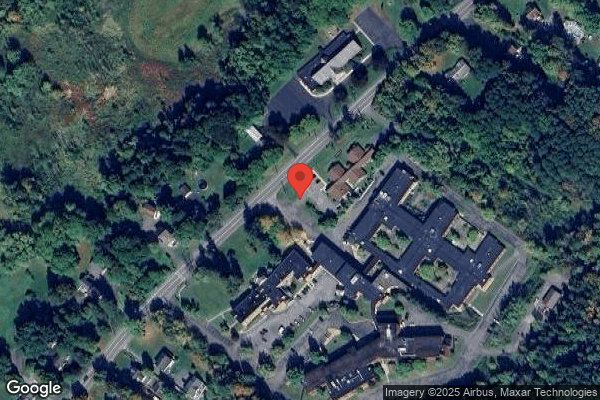
Understanding Severity Codes (click to expand)
Life-Threatening (Immediate Jeopardy)
J - Isolated K - Pattern L - Widespread
Actual Harm
G - Isolated H - Pattern I - Widespread
Potential for Harm
D - Isolated E - Pattern F - Widespread
No Harm (Minor)
A - Isolated B - Pattern C - Widespread

Questions to Ask on Your Visit

  • "Can I speak with families of current residents?"
  • "What's your RN coverage like on weekends and overnight?"

Our Honest Assessment

Strengths
  • • Licensed and certified facility. Meets minimum state requirements.
Concerns
  • • Multiple safety concerns identified: 3 harm violation(s), $80,558 in fines. Review inspection reports carefully.
  • • 31 deficiencies on record, including 3 serious (caused harm) violations. Ask about corrective actions taken.
  • • $80,558 in fines. Extremely high, among the most fined facilities in New York. Major compliance failures.
  • • Grade F (15/100). Below average facility with significant concerns.
Bottom line: Trust Score of 15/100 indicates significant concerns. Thoroughly evaluate alternatives.

About This Facility

What is Katherine Luther Residential Hlth Care & Rehab's CMS Rating?

CMS assigns KATHERINE LUTHER RESIDENTIAL HLTH CARE & REHAB an overall rating of 1 out of 5 stars, which is considered much below average nationally. Within New York, this rating places the facility higher than 0% of the state's 100 nursing homes. A rating at this level reflects concerns identified through health inspections, staffing assessments, or quality measures that families should carefully consider.

How is Katherine Luther Residential Hlth Care & Rehab Staffed?

CMS rates KATHERINE LUTHER RESIDENTIAL HLTH CARE & REHAB's staffing level at 1 out of 5 stars, which is much below average compared to other nursing homes.

What Have Inspectors Found at Katherine Luther Residential Hlth Care & Rehab?

State health inspectors documented 31 deficiencies at KATHERINE LUTHER RESIDENTIAL HLTH CARE & REHAB during 2019 to 2025. These included: 3 that caused actual resident harm and 28 with potential for harm. Deficiencies causing actual harm indicate documented cases where residents experienced negative health consequences.

Who Owns and Operates Katherine Luther Residential Hlth Care & Rehab?

KATHERINE LUTHER RESIDENTIAL HLTH CARE & REHAB is owned by a non-profit organization. Non-profit facilities reinvest revenue into operations rather than distributing to shareholders. The facility operates independently rather than as part of a larger chain. With 280 certified beds and approximately 98 residents (about 35% occupancy), it is a large facility located in CLINTON, New York.

How Does Katherine Luther Residential Hlth Care & Rehab Compare to Other New York Nursing Homes?

Compared to the 100 nursing homes in New York, KATHERINE LUTHER RESIDENTIAL HLTH CARE & REHAB's overall rating (1 stars) is below the state average of 3.0 and health inspection rating (1 stars) is much below the national benchmark.

What Should Families Ask When Visiting Katherine Luther Residential Hlth Care & Rehab?

Based on this facility's data, families visiting should ask: "Can you walk me through typical staffing levels on day, evening, and night shifts?" "Can I visit during a mealtime to observe dining assistance and food quality?" "How do you handle medical emergencies, and what is your hospital transfer rate?" "Can I speak with family members of current residents about their experience?" These questions are particularly relevant given the below-average staffing rating.

Is Katherine Luther Residential Hlth Care & Rehab Safe?

Based on CMS inspection data, KATHERINE LUTHER RESIDENTIAL HLTH CARE & REHAB has a clean safety record: no substantiated abuse findings (meaning no confirmed cases of resident harm), no Immediate Jeopardy citations (the most serious violation level indicating risk of serious injury or death), and is not on the Special Focus Facility watch list (a federal program monitoring the lowest-performing 1% of nursing homes). The facility has a 1-star overall rating and ranks #100 of 100 nursing homes in New York. While no facility is perfect, families should still ask about staff-to-resident ratios and recent inspection results during their visit.

Do Nurses at Katherine Luther Residential Hlth Care & Rehab Stick Around?

KATHERINE LUTHER RESIDENTIAL HLTH CARE & REHAB has not reported staff turnover data to CMS. Staff turnover matters because consistent caregivers learn residents' individual needs, medications, and preferences. When staff frequently change, this institutional knowledge is lost. Families should ask the facility directly about their staff retention rates and average employee tenure.

Was Katherine Luther Residential Hlth Care & Rehab Ever Fined?

KATHERINE LUTHER RESIDENTIAL HLTH CARE & REHAB has been fined $80,558 across 2 penalty actions. This is above the New York average of $33,884. Fines in this range indicate compliance issues significant enough for CMS to impose meaningful financial consequences. Common causes include delayed correction of deficiencies, repeat violations, or care failures affecting resident safety. Families should ask facility leadership what changes have been made since these penalties.

Is Katherine Luther Residential Hlth Care & Rehab on Any Federal Watch List?

KATHERINE LUTHER RESIDENTIAL HLTH CARE & REHAB is not on any federal watch list. The most significant is the Special Focus Facility (SFF) program, which identifies the bottom 1% of nursing homes nationally based on persistent, serious quality problems. Not being on this list means the facility has avoided the pattern of deficiencies that triggers enhanced federal oversight. This is a positive indicator, though families should still review the facility's inspection history directly.