CROWN PARK REHABILITATION AND NURSING CENTER
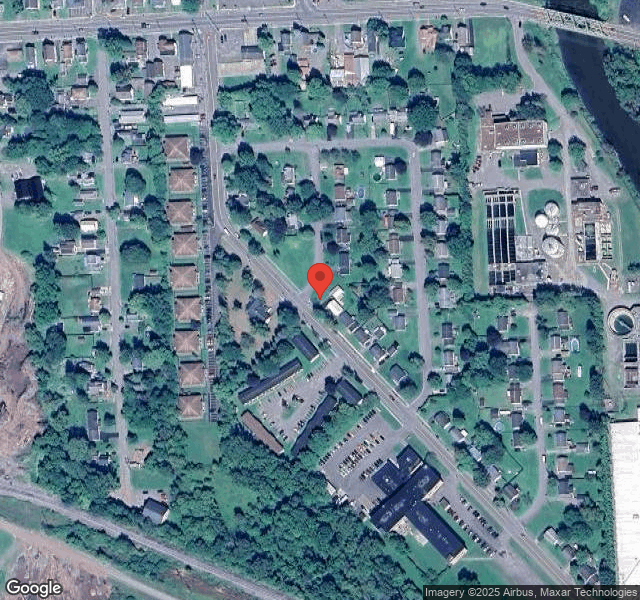
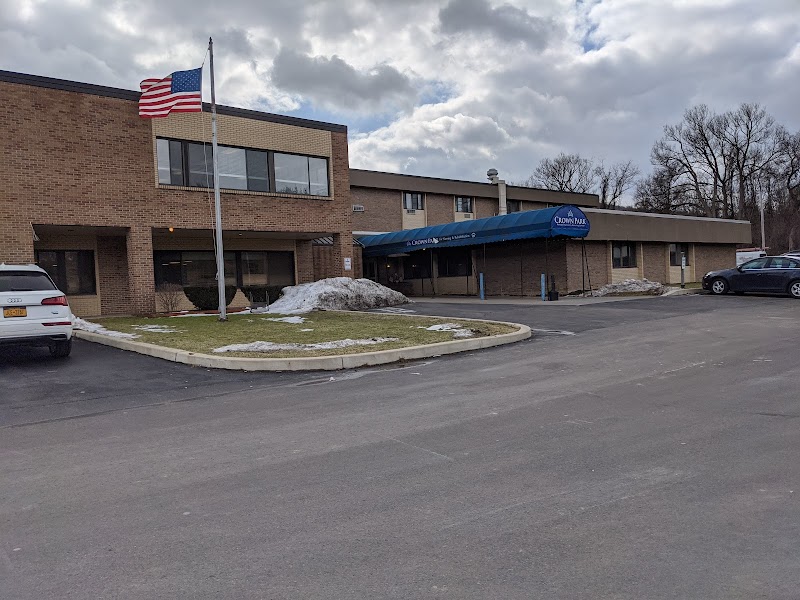
28 KELLOGG ROAD, CORTLAND, NY 13045 (607) 753-9631
For profit - Partnership 200 Beds UPSTATE SERVICES GROUP Data: November 2025
Trust Grade
35/100
#497 of 594 in NY
Last Inspection: January 2025

Within standard 12-15 month inspection cycle. Federal law requires annual inspections.

Overview

Crown Park Rehabilitation and Nursing Center has received a Trust Grade of F, indicating significant concerns about care quality. Ranking #497 out of 594 facilities in New York places it in the bottom half, and #3 out of 3 in Cortland County suggests it is the least favorable option in the area. The facility is worsening, with issues increasing from 6 in 2023 to 9 in 2025, and while staffing turnover is impressively low at 0%, the overall staffing rating is only 2 out of 5 stars, which is below average. There have been serious incidents, such as a resident not receiving necessary blood tests after a hospital discharge and the facility failing to maintain safe food storage temperatures, raising concerns about the quality of care and environment provided. Additionally, while there have been no fines, the overall health inspection score is poor, highlighting a need for significant improvements.

Trust Score
F
35/100
In New York
#497/594
Bottom 17%
Safety Record
Moderate
Needs review
Inspections
Getting Worse
6 → 9 violations
Staff Stability
○ Average
Turnover data not reported for this facility.
Penalties
✓ Good
No fines on record. Clean compliance history, better than most New York facilities.
Skilled Nurses
⚠ Watch
Each resident gets only 26 minutes of Registered Nurse (RN) attention daily — below average for New York. Fewer RN minutes means fewer trained eyes watching for problems.
Violations
⚠ Watch
24 deficiencies on record. Higher than average. Multiple issues found across inspections.
★☆☆☆☆
1.0
Overall Rating
★★☆☆☆
2.0
Staff Levels
★★☆☆☆
2.0
Care Quality
★☆☆☆☆
1.0
Inspection Score
Stable
2023: 6 issues
2025: 9 issues

The Good

  • Full Sprinkler Coverage · Fire safety systems throughout facility
  • No fines on record

Facility shows strength in fire safety.

The Bad

1-Star Overall Rating

Below New York average (3.0)

Significant quality concerns identified by CMS

Chain: UPSTATE SERVICES GROUP

Part of a multi-facility chain

Ask about local staffing decisions and management

The Ugly 24 deficiencies on record

1 actual harm
Sept 2025 1 deficiency 1 Harm
SERIOUS (G) 📢 Someone Reported This

A family member, employee, or ombudsman was alarmed enough to file a formal complaint

Actual Harm - a resident was hurt due to facility failures

Quality of Care (Tag F0684)

A resident was harmed · This affected 1 resident

Based on record review and interview during the abbreviated survey (NY00370972, iQIES# 452008), the facility failed to ensure residents received treatment and care in accordance with professional stan...

Read full inspector narrative →
Based on record review and interview during the abbreviated survey (NY00370972, iQIES# 452008), the facility failed to ensure residents received treatment and care in accordance with professional standards of practice for one (1) of three (3) residents (Resident #2) reviewed. Specifically, Resident #2 was discharged from the hospital to the facility with atrial fibrillation (irregular heartbeat) and a mechanical heart valve replacement and was ordered weekly Prothrombin Time/International Normalized Ratio's (blood test that checks how long it takes for blood to clot) and anticoagulant (blood thinner) therapy. There was no documentation in the resident's electronic record of a diagnosis of a mechanical heart valve replacement and no documented evidence of a provider rationale for the reason International Normalized Ratios were not maintained at the recommended levels for mechanical heart valves (2.5-3-5). Additionally, there was no documented evidence the resident's Prothrombin Time/International Normalized Ratio was obtained as ordered on 10/22/2024 and no documented evidence the provider was notified that it was not obtained. Three (3) days after the missed Prothrombin Time/International Normalized Ratio, the resident presented with impaired speech, was more confused and sent to the hospital where they were found with a subtherapeutic (blood level below desired treatment range) International Normalized Ratio (1.16) and they were diagnosed with an acute stroke. This resulted in actual harm that was not Immediate Jeopardy for Resident #2. Findings include: Findings include: The facility policy Coumadin (warfarin) Therapy and Monitoring, dated 10/2024 documented:-Anticoagulation was needed for stroke, atrial fibrillation, pulmonary embolism and mechanical heart valve replacements. Dosage: to achieve target International Normalized Ratio was usually 1.5 to 2.5 times control. Mechanical heart valve target International Normalized Ratio was usually higher at 2.5 -3.5. Care planning for residents on anticoagulant medication including reporting lab values as soon as they were received, monitoring side effects- International Normalized Ratio testing, observation, prevention of side effects-falls, identifying procedures where medication should be held, education and certified nurse aide plan. Nursing documented in the nursing progress notes and 24-hour report. -Residents on anticoagulant therapy i.e., Coumadin (generic name: warfarin), would be tracked using a red binder located on each unit, utilizing the Anticoagulant Therapy Flow Sheet to ensure appropriate care and treatment, as well as monitoring for side effects. Procedure: the licensed nurse (day/evening shift) initiated the Anticoagulant therapy flow sheet and placed Prothrombin Time/ International Normalized Ratio lab order on the laboratory log for the date ordered. The licensed nurse (night shift) reviewed laboratory log and completed the lab requisition form. The licensed nurse received and reviewed the laboratory report and called the physician to report lab results and obtain orders for Coumadin therapy. Resident #2 had diagnoses including atrial fibrillation and Parkinson's Disease. The 09/05/2024 Minimum Data Set assessment documented the resident's cognition was intact, they were dependent with most activities of daily living, and the resident took anticoagulant medications during the assessment period. The resident's Diagnosis Sheet and 09/05/2024 Minimum Data Set assessment did not document the resident had a mechanical heart valve replacement. The 08/30/2024 hospital discharge summary documented Resident #2 was admitted with syncope (temporary loss of consciousness), collapse, and urinary tract infection. The resident had history of atrial fibrillation (irregular heartbeat that could increase risk of stroke), mechanical aortic valve replacement (surgical procedure where aortic valve is replaced with an artificial valve, higher risk of blood clots) and supratherapeutic (blood level higher than desired treatment range) International Normalized Ratio (blood test that checks how long it takes for blood to clot). Discharge medications included warfarin (anticoagulant) 2 milligrams, alternating 1 milligram and 2 milligrams every night. The 09/03/2024 Physician Assistant #4 progress note documented the resident was seen following hospitalization for falls and a urinary tract infection. The resident's diagnoses and assessment included atrial fibrillation, continue on warfarin, and they would order International Normalized Ratio to assess further. The 09/19/2024 History and Physical completed by the Medical Director documented the resident was admitted following hospitalization. The resident's diagnoses included atrial fibrillation. The History and Physical did not address a mechanical heart valve. The 10/02/2024 former Physician Assistant #4 note documented a follow up for atrial fibrillation. The recent International Normalized Ratio was 3.3 and supratherapeutic. The plan was to reduce the dose and repeat International Normalized Ratio in one (1) week. There was no documentation related to the resident's mechanical heart valve. The 10/02/2024 physician order documented warfarin 1 milligram every other day. The 10/07/2024 Comprehensive Care Plan did not document the resident had atrial fibrillation or a mechanical heart valve and did not address a plan for monitoring the resident related to anticoagulation therapy. The 10/09/2024 former Physician Assistant #4 note documented a follow up for atrial fibrillation. The resident's recent International Normalized Ratio was 1.9 and was therapeutic. The resident would continue the current dose and recheck bloodwork in one (1) week. The 10/10/2024 physician order documented Prothrombin Time (measurement of blood clotting)/International Normalized Ratio weekly on Tuesdays. There was no documentation of a therapeutic range in the order. The 10/15/2024 Nurse Practitioner #5 documented the resident's International Normalized Ratio was 2.2 and was in therapeutic range. The plan was to continue the current dose and recheck blood work in one (1) week. There was no documented evidence the resident's Prothrombin Time/International Normalized Ratio was completed on 10/22/2024 as ordered every week. The 10/02/2024 to 10/23/2024 Medication Administration Record documented the resident was administered warfarin Sodium 1 milligram tablet every other day. On 10/23/2024, Physician Assistant #4 documented the resident was seen for high cholesterol. The note did not address the resident's Prothrombin Time/International Normalized Ratio that was scheduled to be drawn the previous day (10/22/2024). The 10/25/2024 at 9:01 AM Licensed Practical Nurse #6 note documented the (unnamed) medical provider was aware the resident's Prothrombin Time/International Normalized Ratio was not drawn that week. A new order was obtained to redraw on 10/29/2024 as the level (Prothrombin Time/International Normalized Ratio ) had been stable. The 10/25/2024 at 11:08 AM Assistant Director of Nursing #3 progress note documented Resident #2 had increased shaking in their hands and arms, they were unable to speak, and speech was unclear and minimal. The medical provider was notified. On 10/25/2024, Physician Assistant #4 documented the resident was seen for physical decline and not answering questions per their baseline. Family was present and requested to send the resident to the hospital. The 10/25/2024 hospital record documented the family reported Resident#2 was more confused and not as talkative and had a history of stroke. The resident's International Normalized Ratio was 1.16 and Computerized Tomography Scan (specialized x-ray) findings were concerning for acute to subacute infarct (stroke). Neurology reported the resident was found with aphasia (impaired speech from dysfunction of the brain), drowsiness and with acute/subacute left middle cerebral artery (supplies blood to large portion of the brain) infarct. The resident was outside the window for administration of thrombolytic therapy (treatment that dissolves blood clots). The resident had a mechanical heart valve was on warfarin but with the acute stroke and was at high risk of hemorrhage. The resident most likely had a stroke as evidenced by subtherapeutic (blood level below desired treatment range) International Normalized Ratio. During an interview on 08/19/2025 at 12:18 PM, Assistant Director of Nursing #3 stated nursing staff filled out the laboratory requisition prior to the lab coming on Tuesdays and Thursdays. Prothrombin Time/International Normalized Ratios were typically drawn on Tuesdays. If a resident's lab work was missed, they expected the medical provider to be notified immediately and follow the medical provider's order. Assistant Director of Nursing #3 confirmed Resident #2's record documented orders for weekly Prothrombin Time/International Normalized Ratio's. The resident had labs drawn on 10/22/2024; however, those labs did not include the Prothrombin Time/International Normalized Ratio and Assistant Director of Nursing #3 was not sure of the reason. They stated the medical provider should have been notified on 10/22/2024 the lab was missed. During an interview on 08/19/2025 at 12:55 PM, Physician Assistant #4 stated they became aware of a resident's diagnoses upon admission by reviewing the hospital paperwork or the diagnoses entered by the admission nurse. Warfarin was a blood thinner and used for blood clots or atrial fibrillation and was monitored by blood work. If a resident's Prothrombin Time/International Normalized Ratio was missed, they expected to be notified and they would either order labs to be done the next day or the next scheduled lab day. For a resident with diagnoses of both atrial fibrillation and a mechanical heart valve replacement, they expected the International Normalized Ratio to be maintained between 2.5-3.5. They were not sure of the reason Resident #2's diagnosis of mechanical heart valve was not in their progress notes or in the resident record. They stated if they knew the resident had a mechanical heart valve, they might have considered increasing the warfarin dose on 10/09/2024, provided the residents condition was relatively stable. However, they would have weighed the risks if the resident was a high fall risk. Physician Assistant #4 did not recall being notified on 10/22/2024 of the resident's missed International Normalized Ratio and expected to be notified. During an interview on 09/04/2025 at 12:54 PM, the Medical Director stated they became aware of a resident's diagnoses by reviewing the diagnoses sheet which was entered by nursing and by reviewing hospital records. For a resident with atrial fibrillation and a mechanical heart valve, they would want to see the International Normalized Ratio around 2.5-3. If they did not document the resident had a mechanical heart valve in their 09/19/2024 History and Physical, they probably were not aware of the diagnosis, as it was their consistent practice to enter all diagnoses in which they were aware. The diagnosis should have been on the resident's diagnoses sheet and in the care plan. On 10/09/2024, when the resident's International Normalized Ratio was 1.9, they may have increased the resident's warfarin depending on previous trends of International Normalized Ratio's. When the resident's International Normalized Ratio was not drawn on 10/22/2024, they should have been notified in order to determine the next steps to be implemented. On 10/25/2024, when the resident was sent to the hospital, the lack of timely International Normalized Ratio monitoring and failure to maintain the resident's International Normalized Ratio in the recommended range for a mechanical heart valve could have contributed to the resident's stroke. 10 NYCRR 415.12
Jan 2025 8 deficiencies
CONCERN (D) 📢 Someone Reported This

A family member, employee, or ombudsman was alarmed enough to file a formal complaint

Potential for Harm - no one hurt, but risky conditions existed

ADL Care (Tag F0677)

Could have caused harm · This affected 1 resident

Based on observations, record review, and interviews during the recertification and abbreviated (NY0035593 and NY00322139) surveys conducted 1/13/2025-1/17/2025, the facility did not ensure residents ...

Read full inspector narrative →
Based on observations, record review, and interviews during the recertification and abbreviated (NY0035593 and NY00322139) surveys conducted 1/13/2025-1/17/2025, the facility did not ensure residents who were unable to carry out activities of daily living received the necessary services to maintain grooming and personal hygiene for 1 of 1 resident (Resident #119) reviewed. Specifically, Resident #119 was not provided oral care as planned. Findings include: The facility policy, Activities of Daily Living Support, revised 1/2025, documented residents who were unable to carry out activities of daily living independently would receive the services necessary to maintain good nutrition, grooming, and personal and oral hygiene. The facility policy, Mouth Care, dated 1/2022, documented residents' lips and oral tissues were kept moist, and the mouth should be cleansed and freshened to prevent oral infection. The equipment and supplies necessary included toothpaste, emesis basin, and applicators or gauze sponges. Resident #119 had a diagnosis including Parkinson's Disease (a progressive neurological disorder), stroke, and tremors. The 11/8/2024 Minimum Data Set Assessment documented that the resident was cognitively intact, did not reject care, and required substantial/maximal assistance with oral hygiene. The 12/20/2024 Comprehensive Care Plan for activities of daily living documented that the resident required substantial/maximum assistance for oral hygiene. Intervention included a helper was needed to perform more than half of the oral hygiene for the resident, the resident had their own teeth, and observe the mouth for sores, gum irritation, and any complaint of tooth pain. During an interview and observation on 1/13/2025 at 1:21 PM the resident had a thick white substance on their mouth and tongue. The resident stated their teeth were not brushed at all that day or the day before. They stated, historically when they had the ability to care for their own mouth, it was done 2-3 times a day. The resident stated the aides were busy and did not get time to clean their mouth every day. During an interviews and observations on 1/14/2025 at 1:43 PM the resident was in bed and stated oral care was not done and they had a very dry mouth. The resident's mouth appeared dry. At 3:45 PM the resident stated they had not received oral care. The resident's tongue and lips were dry. During an interview and observation on 1/15/2025 at 10:02 AM Certified Nurse Aide # 8 provided care to Resident #119. Certified Nurse Aide # 8 completed the bed bath and incontinence care, dressed the resident in a clean gown, gave the resident their call bell and exited the room. Certified Nurse Aide # 8 stated the care for the resident was complete and they did not offer oral care. Oral care should have been offered and provided but was missed in error. They stated it was important to maintain excellent oral care for the resident to maintain cleanliness and to check for sores in resident's mouth. During an interview on 1/16/25 at 9:00 AM Licensed Practical Nurse Unit Manager #5 stated the resident should have oral care done morning and night. It was important to maintain optimal oral care as it was essential to the resident's hygiene and just to feel good. Licensed Practical Nurse Unit Manager #5 stated the resident was on thickened liquids and their mouth had thick secretions as a result. The resident was also on a blood thinner, and they used the green sponge swabs to clean their mouth to avoid bleeding. Licensed Practical Nurse Unit Manager #5 was unaware that oral care was not provided for Resident #119. During an interview on 1/16/2025 at 2:00 PM Registered Nurse Unit Manager #9 stated they expected oral care to be done minimally in the morning and in the evening by the certified nurse aides and documented in the electronic medical record. Oral care was documented as not being done for the resident on 1/13/2025, 1/14/1025, and 1/15/2025 during the day shifts. 10 NYCRR 412.12(A)(3)
CONCERN (E)

Potential for Harm - no one hurt, but risky conditions existed

Safe Environment (Tag F0584)

Could have caused harm · This affected multiple residents

**NOTE- TERMS IN BRACKETS HAVE BEEN EDITED TO PROTECT CONFIDENTIALITY** Based on record review, observations, and interviews during the recertification survey conducted 1/13/2025-1/19/2025, the facili...

Read full inspector narrative →
**NOTE- TERMS IN BRACKETS HAVE BEEN EDITED TO PROTECT CONFIDENTIALITY** Based on record review, observations, and interviews during the recertification survey conducted 1/13/2025-1/19/2025, the facility did not ensure residents had the right to a safe, clean, comfortable, and homelike environment for 4 of 5 resident units (Units 2 North, 2 South, and 3 South) reviewed. Specifically, Units 2 North, 2 South and 3 South had several walls with missing paint, patched up holes unpainted, resident room doors with missing thresholds where dirt/debris had collected, missing tiles, dirty linen on the resident room floors, and the 2 south dining room that was not decorated or homelike. Findings include: The facility policy, Resident Rights, revised 2/2022, documented the residents had rights to a dignified existence. The facility policy, Quality of Life- Homelike Environment, revised on 2/2022, documented the residents were provided a safe, clean and comfortable and homelike environment. The facility staff and management should to the extent possible, reflect a personalized homelike setting that included clean, sanitary, and orderly environment, inviting colors and décor. The undated facility Housekeeper/Room Attendant Job Description documented the housekeepers were responsible for the cleaning and sanitation of the facility daily. All housekeepers must report problems, concerns, and maintenance issues to the supervisor. Review of the facility work orders dated 11/1/2024 to 1/16/2025 there were multiple open work orders that had not been completed. The following were observations on 2 north unit: - On 1/13/2025 at 10:46 AM, room [ROOM NUMBER]-B, there was a large approximately 2 feet tall by 6 inches wide scraped missing painted area on the wall behind the head of bed. - On 1/16/2025 at 7:38 AM, room [ROOM NUMBER]- B, the wall to the right of the head of the bed there was an unpainted 10 x 10-inch spot of plaster. During an interview on 1/17/2025 at 9:36 AM, Registered Nurse Unit Manger #7 stated the staff should use the computer to enter a work order if they noticed something needed to be fixed. For a home-like environment, the walls in the residents' room should be maintained. They were not aware of any issues with the walls in rooms 265-B and 272-B. The following were observations on 2 South unit: - On 1/13/2025 at 10:29 AM, room [ROOM NUMBER], missing floor tiles near the bed and peeling paint around the bathroom sink. - On 1/13/2025 at 11:04 AM, room [ROOM NUMBER], the door threshold was missing and caused an uneven floor surface. - On 1/13/2025 at 12:55 PM, room [ROOM NUMBER] had several empty 2 liter bottles of soda on the floor and at the foot of the resident's bed. The door threshold was missing that caused an uneven floor surface and the area was discolored black and brown. - On 1/14/2025 at 8:46 AM, room [ROOM NUMBER] the door threshold was missing and caused an uneven floor surface. - On 1/14/2025 At 1:09 PM, room [ROOM NUMBER] had a bag of dirty linens on floor, there was a pizza box resting on the trash can, four 2 liter bottles of soda on the floor at the foot of the bed, and the doorway threshold was missing leaving a black and brown surface and uneven floor.- At 1:09 PM, room [ROOM NUMBER] had a bag of dirty linens on floor, there was a pizza box resting on the trash can, four 2-Liter bottles of soda on the floor at the foot of the bed, and the doorway threshold was missing leaving a black and brown surface and uneven floor. - On 1/14/2025 at 1:12 PM, room [ROOM NUMBER] had 3 bags of dirty linens under sink and towel on the floor saturated with yellow colored liquid. - On 1/14/2025 at 2:49 PM, room [ROOM NUMBER] had a grapefruit sized missing paint spot to the right of the door when opened, several areas of scuffed missing paint on the left wall entering the resident's room and a missing floor tile outside the door that was covered with brown debris. - On 1/15/2025 at 11:35 AM, room [ROOM NUMBER] had a sticky yellow fluid on the floor the size of a basketball at the bottom of the bed. - On 1/16/2025 at 10:32 AM, room [ROOM NUMBER] was missing portions of the door threshold causing an uneven floor surface. - On 1/16/2025 at 10:33 AM, room [ROOM NUMBER] was missing the threshold between the door and hallway. The area contained a black and brownish substance and caused an uneven floor surface; and there were 2 bags of dirty linen on the floor at the foot of the bed. - On 1/16/2025 at 10:40 AM, the dining room on 2 South had a hole in the wall near the floor, and the molding was discolored black. There was missing paint on the wall under the left side of the television and on the right side there was a white patched, unpainted area. Other than a blank chalk board and a clock, there were no homelike or personalized items. - On 1/16/2025 at 10:46 AM, room [ROOM NUMBER] had a missing threshold and the area on the floor was discolored and uneven, and on the left side of the wall when entering the room, there was a patched-up section of wall with missing paint. During an interview on 1/16/2025 at 10:47 AM, Certified Nurse Aide #1 stated when something on the unit was broken, they were supposed to put in a work order on the computer and it would go to the appropriate department. They confirmed the threshold in room [ROOM NUMBER] was mostly missing and the area was brown. They stated they would notify maintenance because it was a tripping hazard. They confirmed there was also missing paint in the same room. The one bigger spot was from when there was a hole in the wall that was patched up and it was not repainted. The holes and missing paint were not homelike. They stated the bags of dirty linen should not be left on the floor as it was an infection control issue, and it was not homelike. They were not sure why the walls at the end of the hallway were painted different colors. They stated room [ROOM NUMBER] was missing most of the threshold and was discolored and this was a tripping hazards, they always catch their own shoe on it. During an interview on 1/16/2025 at 10:58 AM, Housekeeper #2 stated they were responsible for cleaning rooms, bathrooms, nurses' station, and dining room and shower rooms. They stated if they saw something broken, they would remove and replace it. If there was something they could not fix they would put in a work order, and which went directly to maintenance. Maintenance was responsible for replacing thresholds in the doorways. Missing thresholds would be a tripping hazard. They stated they have seen dirty linen on the floor in resident rooms. The certified nurse aides were responsible to place dirty linen in the dirty room. Dirty linens and uneven floors were not homelike. The following observations on were made on 3 south: - On 1/15/2025 at 3:27 PM, the door across from the nurses' station was missing the molding on the doorknob side, and the door behind the nurses' station had a large scrape across the middle of the door. - On 1/16/2025 at 10:18 AM, the door jam and framing around room [ROOM NUMBER] had several spots of palm sized chipped and peeling paint. - On 1/17/25 at 8:41 AM, on 3 south room [ROOM NUMBER], the door jam and framing had several palm sized areas of chipped and peeling paint remained. At 8:42 AM, there was a door across from the 3 south nurses station missing molding on the doorknob side and the door behind the nurses' station had a large scrape across the middle. At 8:43 AM, the clean linen room door was still missing paint across middle of door between molding. During an interview on 1/17/2025 at 8:44 AM, License Practical Nurse Unit Manager #5 stated if they noticed an environmental issue they would complete a work order. Typically, the issue was fixed the same day. Any staff member could fill out a work order. They had not noticed the molding across from nurses' station or clean linen door missing paint. It was not homelike for the residents. During an interview on 1/17/2025 at 8:49 AM, Certified Nurse Aide #6 stated if they noticed a maintenance issue, they would notify the charge nurse or fill out a work order. They had not noticed the missing paint or the missing molding. They stated it was an eyesore and not homelike for the residents. During an interview on 1/16/25 at 1:18 PM, the Director of Housekeeping and Laundry stated every day one of the residents' room were assigned to be deep cleaned and then documented on the calendar. Dirty linen should be brought to the soiled room. Some of the housekeepers do not know how to the use the work order system so they would leave a handwritten note. During rounds they have noticed many thresholds were missing. They do not think anyone understood the thresholds need to be reported to maintenance to replace. A missing threshold would cause the floor to be uneven which would cause a tripping hazard. Missing sections of a tile should also be reported. Any staff member could fill out a work order. During an interview on 1/16/2025 at 1:42 PM, the Director of Maintenance stated they had a computerized work order system, and all staff were trained on how to complete a work order. They stated once they get a work order it depends on the work for how long it would take to fix. For example, broken faucets were fixed in 24 hours or when they get the part, ceiling tiles were fixed in 24 hours and floors that needed to be fixed may take 2-3 days. Most of the work orders were completed in 24 hours. There were 3 or 4 rooms that needed to be painted. They did not have any outstanding work orders for missing thresholds. If the threshold was missing it could be a tripping hazard. 10 NYCRR 415.29(j)(1)
CONCERN (E) 📢 Someone Reported This

A family member, employee, or ombudsman was alarmed enough to file a formal complaint

Potential for Harm - no one hurt, but risky conditions existed

Grievances (Tag F0585)

Could have caused harm · This affected multiple residents

**NOTE- TERMS IN BRACKETS HAVE BEEN EDITED TO PROTECT CONFIDENTIALITY** Based on observations, record review, and interview during the recertification and abbreviated (NY00322139) surveys conducted 1/...

Read full inspector narrative →
**NOTE- TERMS IN BRACKETS HAVE BEEN EDITED TO PROTECT CONFIDENTIALITY** Based on observations, record review, and interview during the recertification and abbreviated (NY00322139) surveys conducted 1/13/2025-1/17/2025, the facility did not ensure prompt efforts were made to resolve grievances for 9 of 9 anonymous residents and 1 additional resident (Resident #446) reviewed. Specifically, 9 of 9 residents during the resident group meeting stated they did not know who the grievance official was or how to file a grievance. Long call bell wait times were a recurrent complaint in the monthly resident council meetings and Resident #446 had filed a grievance regarding long call bell wait times. Findings include: The facility policy, Grievance/ Complaint Procedure, reviewed 11/2023 documented the facility provided residents the means and assistance to file a grievance or complaint concerning their treatment. The Director of Social Services served as the facility's grievance official. The facility policy, Call Bell, reviewed 3/2024 documented call bells were answered promptly by all employees. The facility policy, Resident Rights, reviewed 3/2024 documented residents had the right to voice grievances and have the facility respond to those grievances. During a resident group meeting on 1/13/2025 at 2:03 PM, 9 anonymous residents stated the Director of Activities was present during monthly resident council meetings and recorded the group's concerns. They were not sure if the facility had an official grievance officer or who that person was. They had never filed a formal grievance and were not sure of the process. Long call bell wait times were an ongoing problem they voiced at the monthly meetings and continued to be an issue. Certified nurse aides were taking breaks together leaving minimal staff on the floor to answer the call bells. The resident council meeting notes documented call bell timeliness concerns were included in the 7/17/2024, 8/21/2024, 9/18/2024, 10/16/2024, and 11/27/2024 meetings. The Director of Social Services and the Director of Activities were listed as staff in attendance for the August 2024- November 2024 meetings. The grievance log from August 2024-January 2025 documented a formal grievance was filed for call bell timeliness on 1/11/2025 by Resident #446. From 1/13/2025-1/17/2025, there was no posted information observed in the facility related to the facility grievance officer, contact information, or accessible grievance forms. The following call bell observations were made: - On 1/13/2025 at 12:22 PM, the call light in room [ROOM NUMBER] went off. At 12:35 PM an unidentified staff member entered and exited the room, and the call bell continued to go off. At 12:35 PM, the Registered Nurse Unit Manager #7, looked down the hallway with the active call bell and went into their office. At 12:36 PM, an unidentified staff walked past room [ROOM NUMBER] with the call bell still activated. At 12:39 PM, the call bell was answered. - On 1/13/2025 at 12:31 PM, the 3-tone alarm panel displayed room [ROOM NUMBER]'s call bell had been going off for 43 minutes. - On 1/14/2025 at 8:21 AM, the 3-tone alarm panel displayed room [ROOM NUMBER]'s call bell had been going off for 28 minutes. An unidentified licensed practical nurse was standing at the nurse's station desk and an unidentified staff was in the office labeled unit manager across from the alarm panel display and 2 unidentified staff members were talking in the secretary's office behind the nurse's station. - On 1/14/2025 at 2:36 PM, the call bell was initiated in room [ROOM NUMBER]. At 3:03 PM, the call bell was answered. - On 1/15/2025 at 9:20 AM, the 3-tone alarm panel displayed room [ROOM NUMBER]'s call bell had been going off for 45 minutes. During an interview on 1/17/2025 at 9:12 AM, the Director of Activities stated they attended all resident council meetings and long call bell times were a recurrent monthly complaint and had been as long as they had been employed at the facility. These concerns went to the Administrator and the Director of Nursing. It was important call bells were answered timely because it meant the resident needed something and staff was there to take care of the residents' needs. During an interview on 1/17/2025 at 9:35 AM, the Director of Social Services stated they were the official grievance officer. There were frequent complaints of long call bell wait times on all units. Long call bell times were investigated through the formal grievance process. The nurse managers investigated what staff were working on during the call bell complaint and education was provided. They were aware of certified nurse aides going on breaks together, but they should not be unless they were on separate units. It was important call bells were answered timely for resident safety and care. It was important grievances were responded to timely, so the residents felt heard and that they were taken seriously. During an interview on 1/17/2025 at 9:46 AM, the Director of Nursing stated long call bell wait times were a frequent grievance. In-services were completed and staff assignments were changed. The goal was as nursing management strengthened; long call bell times could be corrected. This was a global issue, and all staff were responsible to answer the call bells. They had not yet found a solution that worked to correct long call bell wait times but was working on it. It was important call bells were answered timely because the resident needed attention in that moment. 10NYCRR 415.13(C)(1)(ii)
CONCERN (E)

Potential for Harm - no one hurt, but risky conditions existed

Deficiency F0761 (Tag F0761)

Could have caused harm · This affected multiple residents

Based on observation, record review, and interview during the recertification survey conducted 1/13/2025-1/17/2025, the facility did not ensure drugs and biologicals were labeled and stored in accorda...

Read full inspector narrative →
Based on observation, record review, and interview during the recertification survey conducted 1/13/2025-1/17/2025, the facility did not ensure drugs and biologicals were labeled and stored in accordance with currently accepted professional standards for expiration dates for 2 of 5 medication carts (3 North A side and 2 North A side carts) and 1 of 3 medication storage rooms (3 North) reviewed, and 1 medication cart (3 south B side cart) was observed unlocked and unattended. Specifically, the 3 North A Side cart had eye drops, multidose diabetic pens (device used to deliver injectable medication), a multidose insulin vial, and inhalers without opened or discard dates; the 2 North A side cart had multidose diabetic pens without opened dates or discard dates, and a multidose diabetic pen without a resident identifier or an opened or discard date; the 3 North medication refrigerator contained a multidose influenza vaccine vial and a multidose tuberculin vial that were expired; and an additional multidose influenza vaccine vial that did not have an opened date or discard date. Additionally, the 3 South B side cart was observed unlocked and unattended in the common resident hallway. Findings include: The facility policy, Storage of Medications revised 8/2024 documented medications and biologicals were stored safely, securely, and properly, following manufacturer's recommendations. The medication supply was accessible only to the licensed nursing personnel, pharmacy personnel, or staff members lawfully authorized to administer medications. Medication rooms, carts, and medication supplies were locked when they were not attended by persons with authorized access. Outdated medications were immediately removed from inventory, disposed of, and reordered from the pharmacy. Certain medications such as multiple dose injectable vials and ophthalmic (eye) medications required an expiration date shorter than the manufacturer's expiration date once opened to ensure medication purity and potency. The nurse placed a date opened sticker on the medication and recorded the dated opened and the new date of expiration. The expiration date of the vial or container was 30 days from opening unless the manufacturer recommended another date. The nurse checked the expiration date of each medication before administering it. Expired medications were not administered. During an observation on 1/14/2024 at 8:35 AM, the 3 North A side medication cart was observed with Licensed Practical Nurse #24. Resident #43 had opened ciprofloxacin (antibiotic) 0.3% eye drops without an opened or expiration/ discard date; Resident #45 had an opened Ozempic (GLP-1 agonist) multidose pen and 2 opened Trelegy Ellipta inhalers (treats chronic lung disease) without an opened or expiration/ discard date; Resident #59 had an opened Lantus (insulin) multidose pen, an opened Humalog (insulin) multidose vial, and a Trelegy Ellipta inhaler without opened or expiration/ discard dates; Resident #111 had an opened Lantus multidose pen and 2 opened Anoro Ellipta inhalers without opened or expiration/ discard dates; and Resident #125 had opened prednisolone (steroid) 1% eye drops and ketorolac (treats irritation) 0.5% eye drops without opened or expired/ discard dates. Licensed Practical Nurse #24 stated without opened dates, they would not know if a medication was good. The nurse that opened the medications was responsible they were dated. Nurses were also responsible to look at the medication dates prior to administration. Insulin was good for 30 days and the eye drops, and the inhalers should also follow the 30 day expiration rule. If expired medications were given, they were not as effective. They did not think they had given any of the undated medications this morning. During an observation on 1/14/2025 at 8:54 AM, the 3 North Medication Storage room was observed with Licensed Practical Nurse #25. The refrigerator contained an opened box with a multidose vial of influenza vaccines with a date on the box of 11/2024 and an opened box of tuberculin skin test multidose vial with a date on the box of 11/2024. There was also an opened box with a multidose vial of influenza vaccines that did not have an opened or expiration/ discard date. Licensed Practical Nurse #24 stated these vials were good for 30 days and if they were not dated it would not be known if they were any good. During an interview on 1/14/2025 at 9:04 AM, Registered Nurse Unit Manager #9 stated all multidose medications were labeled when opened so the nurses knew how long they were good for. The date was checked by the nurse before administering medications to make sure they were not expired. Expired medications could be less effective or there could be adverse reactions. They did audits of the medication carts weekly and ensured medications were dated and not expired. There was a document from the pharmacy the nurses checked if they were unsure how long a medication was good for. Insulins, eye drops, and inhalers all had expiration dates. During an observation on 1/14/2025 at 9:06 AM, the 2 South A side medication cart was observed with Licensed Practical Nurse #21. Resident #76 had an opened Basaglar (insulin) multidose pen without an opened or expiration/ discard date; Resident #163 had an opened Humalog (insulin) multidose pen without an opened or expiration/ discard date; and there was a Trulicity multidose pen without resident identifiers or an opened or expiration/ discard date. Licensed Practical Nurse #21 stated without opened dates, there was no way of knowing when the medications expired. Expired medications were not as effective, and residents could have higher blood sugars if they received these expired mediations. Insulins were good for 40 days. During an interview on 1/16/2025 at 3:53 PM, Registered Nurse Unit Manager #22 stated medications were labeled when they were opened so the nurses knew how long they were good for. If a medication was not dated it needed to be thrown out because they would not know if the medication was still good. Insulin was good for 28 days and if it was expired, it may not effectively manage blood sugar. During an observation on 1/17/2025 at 8:44 AM, the 3 South B side medication cart was unlocked and unattended in the hallway. Licensed Practical Nurse Unit Manager #5 stated they just stepped away for a moment to put their coffee in the office. They stated residents and other staff should not have access to their medication cart. During an interview on 1/17/2025 at 9:46 AM, the Director of Nursing stated insulins should have been dated when opened or the nurse could not guarantee the effectiveness of the medication and that it was not expired. All medications were only guaranteed effective for certain time. The nurse that opened the medication was responsible it was dated. The night shift was supposed to check the carts and removed items that were expired or not dated as opened. No medications should be administered without an opened date. Expired medications were no longer in their intended form. Medication carts should be locked when not attended. The expectation was nurses hit the lock button on the cart any time they walked away from it. 10NYCRR 415.18(d)
CONCERN (E)

Potential for Harm - no one hurt, but risky conditions existed

Deficiency F0804 (Tag F0804)

Could have caused harm · This affected multiple residents

Based on observation and interview during the recertification survey conducted 1/13/2025-1/17/2025, the facility did not ensure each resident received food and drink that was palatable, flavorful, and...

Read full inspector narrative →
Based on observation and interview during the recertification survey conducted 1/13/2025-1/17/2025, the facility did not ensure each resident received food and drink that was palatable, flavorful, and at an appetizing temperature for 2 of 2 meals (the 1/14/2025 1st floor lunch meal and the 1/15/2025 3rd floor lunch meal) reviewed. Specifically, food was not flavorful and was not served at palatable and appetizing temperatures during the lunch meals on 1/14/2025 and 1/15/20254. Additionally, 9 of 9 anonymous residents present at the Resident Council meeting and Resident #103 stated the food was not appetizing. Findings include: The 1/2022 updated facility policy, Food Temperatures, documented all hot food items must be cooked to appropriate internal temperatures, held, and served at a temperature of at least 135 degrees Fahrenheit. All cold food items must be maintained and served at a temperature of 41 degrees Fahrenheit or below. Temperatures should be taken periodically to assure hot foods stay above 135 degrees Fahrenheit and cold foods stay below 41 degrees Fahrenheit during the portioning, transporting, and delivery process until received by the individual recipient. During an interview on 1/13/2025 at 12:39 PM, Resident #103 stated the food was not hot and was not palatable. During a resident group interview on 1/13/2025 at 2:30 PM, 9 anonymous residents stated the food was not hot and was lukewarm. Their concerns included burnt grilled cheese sandwiches, the meat was tough, noodles were overcooked, and there was not enough variety with ham every week. The cold foods were not served cold. During a 1st floor lunch meal observation on 1/14/2025 at 12:13 PM Resident #7 was served their lunch meal tray and used as a test ray. The resident refused a replacement meal, as they had ordered food from outside the facility. The ham was measured at 121.1 degrees Fahrenheit, the corn was 113.9 degrees Fahrenheit, and the orange juice was 52 degrees Fahrenheit. The food temperatures were verified by Licensed Practical Nurse #12. The ham was very dried out, with a jerky like appearance, and the corn was tough with a plastic texture to the casing. During an interview on 1/15/2025 at 8:19 AM, Certified Nurse Aide #13 stated that residents complained about the food, and some would order out instead of eating the facility food. During a 3rd floor lunch meal observation on 1/15/2025 at 12:39 PM Resident #173 was served their lunch meal tray. A replacement tray was ordered, and Resident #173's original meal tray was tested. The tuna noodle casserole was measure at 133 degrees Fahrenheit, the cooked carrots were 110.8 degrees Fahrenheit, the mashed potatoes were 126.9 degrees Fahrenheit, and the gravy was 128.5 degrees Fahrenheit. The food temperatures were verified by Certified Nurse Aide #14. During an interview on 1/17/2025 at 9:12 AM, the Director of Activities stated there were recurrent food complaints during the Resident Council meetings. The complaints included cold food, not getting the food they wanted, and waiting too long for their called down second-choice meal to arrive. The Director of Activities stated residents should enjoy their food. If they did not eat it could lead to weight loss, skin problems, and poor quality of life. During an interview on 1/17/2025 at 9:42 AM, Dietary Aide #17 stated hot food should be served at a temperature higher than 140 degrees Fahrenheit, and cold food should be served under 40 degrees Fahrenheit. The temperatures of the tuna noodle casserole, carrots, mashed potatoes, gravy, ham, and the corn were too cold. The orange juice was too warm for a cold beverage. Food should be palatable and served at appropriate temperatures. It should look appetizing as we eat with our eyes first. If it did not look good to the kitchen staff, it would not look good to the residents. It was important for residents to enjoy their food for proper nutrition and healing purposes. During an interview on 1/17/2025 at 10:02 AM, the Corporate Regional Director stated hot food should be served at 135 degrees Fahrenheit or higher, and cold food should be 41 degrees Fahrenheit or below to remain out of the danger zone. Residents should have palatable and enjoyable food. It was important to serve the residents food at appropriate temperatures because bacteria could grow in the danger zone between 41 degrees Fahrenheit and 135 degrees Fahrenheit and could make them sick. The tuna noodle casserole, cooked carrots, mashed potatoes, gravy, ham, and corn temperatures were not acceptable. 10NYCRR 415.14(d)(1)(2)
CONCERN (E)

Potential for Harm - no one hurt, but risky conditions existed

Food Safety (Tag F0812)

Could have caused harm · This affected multiple residents

Based on observations, record review, and interviews during the recertification survey conducted 1/13/2025-1/17/2025, the facility did not ensure food was stored, prepared, distributed, and served in ...

Read full inspector narrative →
Based on observations, record review, and interviews during the recertification survey conducted 1/13/2025-1/17/2025, the facility did not ensure food was stored, prepared, distributed, and served in accordance with professional standards for food service safety in the main kitchen. Specifically, food stored in the walk-in freezer was not protected, kitchen lighting was not properly shielded, and there were multiple unclean and uncleanable surfaces. Findings include: The facility policy, Food Storage, last reviewed 7/2023 documented: - food was stored in an area that was clean, dry, and free from contaminants. - all foods should be covered, labeled, and dated. - all refrigerator units were always kept clean and in good working condition. - all freezer units were always kept clean and in good working condition. The light bulb specifications provided by the facility did not document the bulbs were coated or shatter resistant. The following observations were made in the main kitchen: - on 1/14/2025 at 10:47 AM, there was an uncovered open box of hamburgers, an open junction box with exposed wiring, ice build-up on the ceiling, and food and packaging debris under shelving in the walk-in freezer. - on 1/14/2025 at 10:53 AM, the majority of the lights in the kitchen were not protected. - on 1/14/2025 at 11:26 AM, the condenser outside of the cooler had dirt and grease build-up. - on 1/14/2025 at 12:47 PM, the cove molding tiling was in disrepair beneath the two-bay sink. - on 1/14/2025 at 1:49 PM, there were several broken floor tiles under the three-door freezer in the dry storage room. During an interview on 1/15/2025 at 3:13 PM, Regional Food Service Director #18 stated it was important to have foods properly stored in the coolers to prevent contamination from something spilling into the food and fans blowing material into the food products. Floors should have been swept during the day and mopped at night. The stock person was responsible for cleaning the walk-in coolers. The walk-in freezer should have been cleaned weekly. There should not be packaging or food debris under the shelving. Broken floor tiles were not smooth and not easily cleanable. They stated it was important floors and equipment were kept clean to prevent cross-contamination, bacteria transmission, and pest control. Cleaning of the kitchen should be documented on the sanitation logs and periodic audits were conducted. The Kitchen Cleaning log audit for 12/2024 and 1/2025 was blank without entries. During an interview on 1/15/2025 at 3:36 PM, Kitchen Supervisor #27 stated they were not sure how long exactly the light covers had been missing from the kitchen, but they had been missing for several years. They were also not sure if the bulbs were shatter resistant. They stated it was important lights in the kitchen were protected to prevent light bulb fragments and other foreign objects such as insects and dust from falling into food. 10NYCRR 415.14(h)
CONCERN (E)

Potential for Harm - no one hurt, but risky conditions existed

Infection Control (Tag F0880)

Could have caused harm · This affected multiple residents

Based on observations, record review, and interviews during the recertification survey conducted 1/13/2025-1/17/2025, the facility did not ensure they established and maintained an infection preventio...

Read full inspector narrative →
Based on observations, record review, and interviews during the recertification survey conducted 1/13/2025-1/17/2025, the facility did not ensure they established and maintained an infection prevention and control program designed to provide a safe, sanitary, and comfortable environment and to help prevent the development and transmission of communicable diseases and infections for 1 of 1 resident (Resident #17) reviewed and 1 of 5 medications rooms (2 South B). Specifically, Resident #17's urinary drainage collection bag was not stored in a manner to prevent contamination and was observed lying directly on the floor, and the 2 South B side medication room sink was not functional. Findings include: The facility policy, Infection Prevention and Control, revised 5/2024, documented to prevent the spread of disease, handwashing was encouraged. The facility policy, Urinary Catheter Care, revised 5/2024, documented catheter tubing and drainage bags were kept off the floor. 1) Resident #17 had diagnoses including urinary retention (difficulty emptying the bladder), obstructive and reflux uropathy (blockage of urine flow), urinary tract infections, and extended spectrum beta lactamase resistance (an enzyme that makes bacteria resistant to some antibiotics). The 10/25/2024 Minimum Data Set assessment documented the resident had severe cognitive impairment, had an indwelling urinary, and had multidrug-resistant organisms. The 7/1/2024 Nurse Practitioner #20 medical order documented the resident was to have a 16-inch French (size of the catheter) urinary catheter for obstructive uropathy. The Comprehensive Care Plan dated 11/1/2024 documented Resident #17 had an alteration in bladder elimination related to obstructive uropathy. Interventions included a urinary catheter, the urinary drainage bag should be covered with a dignity bag and kept below the bladder and observe for signs and symptoms of urinary tract infections. During observations on 1/14/2025 at 1:22 PM and 2:56 PM, Resident #17's urinary catheter drainage bag was laying under the bed directly on the floor without a barrier. During an interview on 1/15/2025 at 8:19 AM, Certified Nurse Aide #13 stated they cared for Resident #17 a few times that week during the day shift. They received catheter training when they were hired, and it was important to keep drainage bags off the floor for infection control reasons. The floor was dirty, and Resident #17 could develop a urinary tract infection. During an interview on 1/15/2025 at 8:51 AM, Licensed Practical Nurse #21 stated certified nurse aides and nurses were responsible for catheter care. The drainage bag should never touch the floor and should always be in a dignity bag. If the drainage bag was on the floor, it should be sanitized and switched out for a new one. They stated floors were dirty with bacteria, which could cause Resident #17 to develop a urinary tract infection. During an interview on 1/16/2025 at 3:53 PM, Registered Nurse Unit Manager #22 stated nursing staff received training on catheters when hired. Urinary drainage bags were to be hung on the wheelchair or bedframe, so they did not touch the floor. If the drainage bag was on the floor, they expected nursing staff to pick it up off the floor immediately and clean the bag or change it out for a new one. They stated it was important for Resident #17's drainage bags to be kept off the floor because floors were dirty, and it could put the resident at risk for an infection. During an interview on 1/17/2025 at 9:20 AM, Infection Preventionist #23 stated urinary drainage bags should be kept below the resident's waist, in a blue dignity bag, and should not rest on the floor. The floor was dirty, the bag could become contaminated and lead to a urinary tract infection. 2) During an observation and interview on 1/15/2025 at 8:51 AM, the sink in the 2 South B side medication room had a white substance on both handles, rust on the right side of the handle, towels in the sink, and a basin over the towels on each side of the sink. The water was not able to be turned on. Licensed Practical Nurse #21 stated they notified maintenance months ago there was a problem with the sink. They shut the water off and there was no longer running water in the medication room. If you wanted to wash your hands you went to the nearest bathroom. They carried their own hand sanitizer in their pocket because proper hand hygiene was the number one way to prevent an infection. Facility Work Orders dated November 2024 to January 2025 documented: - on 12/2/2024 a work order was placed for the 2 South Nurse's Station sink for flooding and a broken sink. The work order was closed on 12/4/2024, it was a repeat work order, and there was a temporary fix in place completed by Maintenance Technician #25. - on 12/6/2024 a work order was placed for the 2 South Nurse's Station medication room leaking sink. It was closed on 12/10/2024. There were no visible leaks, and everything was dry, and the lines were checked. Maintenance Technician #25 spoke with the nurses. During an interview on 1/16/2025 at 1:42 PM, Maintenance Director #4 stated their department was responsible for maintaining rooms in the facility. When they received a work order, they looked at the problem, ordered parts if necessary, and fixed any issues, most of them within 24 hours. Faucets were fixed in 24 hours as it was important for staff and residents to have running water to wash their hands. They had not been in the medication room on 2 South B side recently. Maintenance Director #4 observed the sink, and stated there was a significant buildup of calcium along with rust. They were not sure why the sink was turned off. There should be a functioning sink in the medication room to wash hands. During an interview on 1/16/2025 at 3:53 PM, Registered Nurse Unit Manager #22 stated hand washing was the best way to prevent an infection and there was not a functioning sink in the 2 South B side medication room since at least September. They had completed a work order, and it remained broken. Staff could use the sink in the dining room to wash their hands. During an interview on 1/17/2025 at 9:20 AM, Infection Preventionist #23 stated handwashing was the primary way to prevent the spread of infections. They were not aware there was a sink that was not functioning in the medication room of 2 South B side. All sinks should be in working order. 10 NYCRR 415.19
CONCERN (F)

Potential for Harm - no one hurt, but risky conditions existed

Room Equipment (Tag F0908)

Could have caused harm · This affected most or all residents

Based on observations, record review, and interviews during the recertification survey conducted 1/13/2025-1/17/2025, the facility did not maintain all mechanical, electrical, and patient care equipme...

Read full inspector narrative →
Based on observations, record review, and interviews during the recertification survey conducted 1/13/2025-1/17/2025, the facility did not maintain all mechanical, electrical, and patient care equipment in safe operating condition for 1 of 2 kitchen walk-in coolers. Specifically, the left walk-in cooler was not maintaining proper temperature. Findings include: The facility did not have a policy or procedure for preventative maintenance of the walk-in coolers. The facility policy, Food Storage, revised 7/2023, documented perishable food such as meat, poultry, fish, dairy products, fruits, vegetables, and frozen products must be frozen or stored in the refrigerator or freezer immediately after receipt to assure nutritive value and quality. Refrigeration temperatures should be thermostatically controlled to maintain food temperatures at or below 41 degrees Fahrenheit. All refrigerator units were kept clean and in good working condition at all times. Potentially hazardous food, or time/temperature control for safety food must be maintained at or below 41 degrees Fahrenheit unless otherwise specified by law. Periodically take temperatures of refrigerated foods to assure temperatures were maintained at or below 41 degrees Fahrenheit. During an interview on 1/14/25 at 11:03 AM, Food Service Director #26 stated coolers were checked every morning between 2:30 AM and 3:30 AM, and every evening between 7:30 PM and 8:30 PM. They stated they did not check the cooler temperature at any other times during the day. The facility's Refrigeration Temperature Record for the left walk-in cooler (log sheet labeled #2) documented the temperature was 36 at 3:30 AM on 1/14/2025. Staff could not identify the initials of the person who recorded the temperature. During an observation on 1/14/2025 at 10:46 AM, a small plastic 6-inch by 6-inch container labeled ground frank and beans and dated 1/9 was located on the top shelf of the left walk-in cooler and was measured at 45 degrees Fahrenheit. On a lower shelf, a shallow plastic container of ham salad was measured at 47 degrees Fahrenheit; and pulled pork measured at 46 degrees Fahrenheit. The external thermometer on the walk-in cooler read 45 degrees Fahrenheit. A small white plastic thermometer just inside the cooler read 30 degrees Fahrenheit. During an observation and interview on 1/14/2025 at 1:00 PM, the contents of the left walk-in cooler were measured with Regional Food Service Director #18. The plastic 6-inch by 6-inch container of ground frank and beans was measured at 45 degrees Fahrenheit, ham salad was measured at 47 degrees Fahrenheit, a one gallon jug of olives measured at 48 degrees Fahrenheit, a 5-pound block of ham measured at 46 degrees Fahrenheit, and left over pork chops were measured at 46 degrees Fahrenheit. A small white thermometer at the front of the cooler read 32 degrees Fahrenheit and the external thermometer read 45 degrees Fahrenheit. Regional Food Service Director #18 stated the cooler temperatures were checked daily. The morning staff had already left for the day, and they could not find anyone who knew how long some items were in the cooler. They stated they did not know how long the cooler was out of temperature. The following items were measured and discarded: items dated 1/15/2025: rice 51 degrees Fahrenheit; ground pork 46 degrees Fahrenheit; ground chicken 47 degrees Fahrenheit; 2 full hotel pans of pork 49 - 51 degrees Fahrenheit, 1 and a half hotel pans of turkey stew 52 degrees Fahrenheit, pureed chicken 54 degrees Fahrenheit; items dated 1/13: hot dogs (half hotel pan) 47 degrees Fahrenheit, pureed chicken 49 degrees Fahrenheit; beef stew 46 degrees Fahrenheit; ground chicken 47 degrees Fahrenheit; pureed pasta 46 degrees Fahrenheit; pureed tuna 46 degrees Fahrenheit; half deli ham - 46 degrees Fahrenheit; half deli turkey 47 degrees Fahrenheit; and 3 full hotel pans of beef stew 46 - 47 degrees Fahrenheit 47; and a pan of ground turkey dated 1/12 was measured at 50 degrees Fahrenheit. During an interview on 1/14/2025 at 1:07 PM, Dietary Aide #17 stated they checked and documented cooler temperatures occasionally as part of their routine duties. They stated for the left walk-in cooler, they used the small white thermometer just inside the cooler. They stated they were not sure what the required temperatures were and would have to look on the form posted beside the cooler. During an interview on 1/15/2025 at 3:13 PM, Regional Food Service Director #18 stated the cooler temperatures should have been 41 degrees and below. If something was out of temperature, the process was to notify the supervisor who checked the food, transferred the food within temperature to another location, and discarded food out of temperature. They stated staff checked the cooler by reading the thermometer and they did not measure the temperature of the contents to ensure the thermometer was correct. They stated it was important for foods to be properly stored to prevent the growth of bacteria that could cause foodborne illness. Bacteria could grow quickly resulting in residents becoming sick which was of great concern due to resident's underlying conditions and immune systems that might not be strong enough to fight off the bacteria. 10NYCRR 415.29
Jan 2023 6 deficiencies
CONCERN (D)

Potential for Harm - no one hurt, but risky conditions existed

Resident Rights (Tag F0550)

Could have caused harm · This affected 1 resident

Based on interviews during the recertification survey conducted 1/11/23-1/20/22, the facility failed to ensure the resident has the right to exercise their rights as a resident of the facility and as ...

Read full inspector narrative →
Based on interviews during the recertification survey conducted 1/11/23-1/20/22, the facility failed to ensure the resident has the right to exercise their rights as a resident of the facility and as a citizen of the United States for all 145 residents of the facility. Specifically, mail from the United States Postal Service (USPS) was not delivered to residents on Saturdays, thereby denying all residents the same rights provided to other citizens of the general community. Findings include: The undated facility Resident Orientation Handbook documented mail was to be distributed daily on each unit. If a resident had an outgoing letter, staff would assist in getting the mail to the Post Office During a resident group interview on 1/11/23 at 2:30 PM, seven anonymous residents in attendance stated personal mail was not delivered to them on Saturdays. Two residents stated the mail was received at the front desk, sent to the business office during the week for sorting during regular business hours, and Saturday's personal mail was not delivered to the residents. The residents stated Saturday mail would not be distributed until Monday or Tuesday. During an interview with the Business Office Manager on 1/17/23 at 9:32 AM, they stated the mail was received in the business office for sorting. Mail that was addressed to the facility would be set aside and residents' personal mail was given to the Activities Department to deliver to the residents. They stated they did not work weekends, but thought mail was delivered to residents because the Activities Department had staff that worked on Saturdays. During an interview on 1/17/23 at 9:45 AM with the Activities Director, they stated they were responsible for overseeing the residents' personal mail, and they and three additional activity staff members delivered personal mail to residents. If residents received personal mail on Saturdays, it was only in the form of packages from box store vendors. All personal mail coming from the USPS was placed in a white bin and tucked away safely until the Business Office Manager retrieved it on Monday morning for sorting and delivery to the residents. During an interview with certified nurse aide (CNA) #18 on 1/18/23 at 9:44 AM, they stated they sometimes worked at the front lobby desk. The mail was brought to the facility by a postal worker. The mail was in a white bin and was sent to the business office for distribution during the week. On Saturdays, the mail sat in a bin and waited until the business office opened on Mondays. Residents did not get personal mail delivered to them on Saturdays. During an interview with the Administrator on 1/18/23 at 2:30 PM, they stated mail came into the facility and was distributed from the front desk to the residents by the business office and activities staff. Residents should receive personal mail on the same days they would at their home. The front desk, business office and activities department were responsible for overseeing mail delivery. They were not aware residents did not receive personal mail on Saturdays. 10NYCRR 415.3(c)(l)(i)
CONCERN (D) 📢 Someone Reported This

A family member, employee, or ombudsman was alarmed enough to file a formal complaint

Potential for Harm - no one hurt, but risky conditions existed

Report Alleged Abuse (Tag F0609)

Could have caused harm · This affected 1 resident

Based on observations, record review and interview during the recertification and abbreviated surveys (NY00297359) conducted 1/11/23-1/20/23 the facility failed to ensure that all alleged violations i...

Read full inspector narrative →
Based on observations, record review and interview during the recertification and abbreviated surveys (NY00297359) conducted 1/11/23-1/20/23 the facility failed to ensure that all alleged violations involving abuse, neglect, exploitation or mistreatment, including injuries of unknown origin were reported no later than 24 hours if the events that caused the allegation do not involve abuse and do not result in serious bodily injury were reported to the New York State Department of Health (NYSDOH) for 1 of 3 residents reviewed (Resident #60). Specifically, Resident #60 was found with a blistered area on their abdomen and the injury was not reported timely to the NYSDOH as required. Findings include: The facility policy Abuse Prevention revised 2/2022 documented that reports of abuse, including injuries of unknown origin, were immediately and thoroughly investigated to rule out abuse. The facility would ensure injuries of unknown sources were reported to NYSDOH within 2 hours after the incident was discovered if serious bodily injury occurred or not later than 24 hours if the event did not involve abuse or serious bodily injury. Serious bodily injury was defined as extreme physical pain, substantial risk of death, loss or impairment of a bodily member/organ/mental faculty or requiring surgery/hospitalization/physical rehabilitation. Resident #60 had diagnoses including Parkinson's disease (a progressive neurological disease) and depression. The 6/7/22 Minimum Data Set (MDS) assessment documented the resident had severely impaired cognition, had physical behavioral symptoms directed towards others almost daily, required extensive assistance of 1 for bed mobility, supervision for eating, and had no active skin conditions. The 4/30/22 comprehensive care plan (CCP) documented the resident was at risk for bruising, had mood disturbances and delusions, and had ADL (activities of daily living) deficits. Interventions included gentle handling with care, monitor for pain/swelling and report changes. The resident received a regular consistency diet with thin liquids and staff were to ensure the resident was sitting upright for all meals, and staff were to open all containers and pour drinks into cups. The resident was independent with eating. A 6/8/22 RN #30 progress note documented at 4:00 PM, a CNA informed RN #30 the resident had skin tears on their abdomen, left hip, and left waist. The area was cleansed, a dressing applied, and the supervisor was notified. The 6/9/22 at 4:56 PM RN #31 progress note documented the resident had an abdominal wound with 2 blisters, the area was reported to be a scratch but later blistered, the wound was not witnessed but possibly caused by spilled hot coffee. An untimed 6/9/22 incident report completed by RN #31 documented the resident sustained a burn on their abdomen area on 6/8/22. The abdominal reddened area was 23 centimeters (cm) x 14 cm. Medical was notified on 6/9/22 at 2:15 PM and family was notified on 6/9/22 at 2:20 PM. An occupational therapy (OT) referral, up in dining room for all meals, and a sippy cup for all hot drinks were to be implemented. The 6/9/22 CNA #32 witness statement documented the CNA was called into the resident's room. The resident had blisters on their abdomen and 1 had opened. The CNA and another CNA got the nurse to look at the area. The 6/9/22 at 5:03 PM CNA #33 witness statement documented the CNA went to check on the resident and noticed burn marks on their stomach. The CNA then told the nurse. The 6/9/22 RN Supervisor #31 witness statement documented they were the supervisor on 6/8/22 and the unit floor nurse texted them that the resident had scratches. The RN Supervisor assessed the resident on 6/9/22. The resident had a reddened area 23 cm x 14 cm that contained 2 smaller open areas. The undated incident summary documented the resident was assessed and witness statements were obtained. Upon investigation, the resident was served lunch on 6/8/22 and was sitting up in bed to feed themself. The next time staff checked on the resident; the resident had coffee stains on their clothes. There were also skin tears on their left waist and center abdomen. The resident was immediately assessed by a RN and a treatment was initiated. The resident was reassessed by the Director of Nursing (DON) in the morning on 6/9/22 and it was decided the skin tears were opened burn blisters with minimal redness. The DON immediately notified medical for same day assessment. Coffee was poured in the kitchen and delivered to the unit for meals. Coffee temperatures were taken in the kitchen before meals. When first assessed by staff, it was thought the possible blister area was initially thought to be caused by an incontinence brief as it was in the same area as the brief waistline contact area. Upon further assessment by the DON, it was determined to be a blister from the resident has not reported any pain and no change in [their] routine [they] were at their baseline. The incident was reported to NYSDOH on 6/10/22 at 8:37 PM approximately 54 hours after the discovery of the skin impairment. When interviewed on 1/18/23 at 11:00 AM, CNA #37 stated they had seen the resident's abdominal area was red and blistered the morning of 6/9/22 while providing care. When the CNA asked the resident what happened, the resident told the CNA they spilled coffee on themselves. The resident had hand tremors and did not have lids on her cups. When interviewed on 1/19/23 at 11:48 AM, CNA #33 stated they first saw the burn when washing the resident up before dinner on 6/9/22. There were bubbles on their abdomen and chest. The CNA immediately informed the nurse. The resident's gown and linen did not have any coffee stains. When interviewed on 1/19/23 at 1:29 PM, the DON stated reportability determination was done using the NYSDOH reporting guidelines. Guidance was then requested from corporate if needed. The DON was unsure of specific reporting timelines. The DON stated using the guidelines, the Administrator and the DON made the determination if an incident needed to be reported to NYSDOH. The DON did not remember how the facility concluded the burn was caused by coffee spillage but thought a staff member reported seeing a coffee stain on the resident's linen or clothes. The DON stated the facility usually dated the investigation summary and did not know why this one was undated. For every incident, witness statements were obtained from all unit on-duty staff during a 24 hour look back period. Incident reports were initiated by the RN Manager, RN Supervisor, or unit LPN. All assessments were done by a RN. The Administrator and DON were responsible to ensure each incident report was thorough and complete. The Administrator was responsible for NYSDOH reporting. The DON stated they looked at the area after staff reported it to them and the area looked like it was a burn. When interviewed on 1/19/23 at 2:19 PM, the Administrator stated incident reports were reported based on the Nursing Home Incident Reporting Manual. They or the DON would report incidents after review of the incident report. Any incident with serious bodily injury was to be reported within 2 hours after suspicion and all other incidents of resident harm must be reported within 24 hours. The Administrator stated the incident report and checklist were reviewed over 5 days post incident to ensure thoroughness and completion. The Administrator stated the resident's burn was first noticed on 6/8/22 and looked like a skin tear when assessed. The blisters were noted on 6/9/22 at 5:45 PM, and the incident was reported on 6/10/22 at 8:37 PM. It was reported later than 24 hours whether the burn area occurred on 6/8/22 or 6/9/22. The Administrator stated they submitted the report to NYSDOH. The Administrator stated the facility determined the resident had some coffee colored stains on their sheets and that was how the facility determined what caused the burns. They could not recall who said they saw the coffee stains. The Administrator did not know why the investigative summary was not dated and timed, and therefore did not know when the summary was written. 10NYCRR 415.4 (b)(2)(3)
CONCERN (D)

Potential for Harm - no one hurt, but risky conditions existed

Accident Prevention (Tag F0689)

Could have caused harm · This affected 1 resident

Based on observation, interview and record review during the recertification survey conducted 1/11/23 - 1/19/23, the facility failed to ensure the resident environment remained free of accident hazard...

Read full inspector narrative →
Based on observation, interview and record review during the recertification survey conducted 1/11/23 - 1/19/23, the facility failed to ensure the resident environment remained free of accident hazards as is possible for 2 of 5 point of use water dispensers (Unit 1 resident lounge and Unit 3 South nursing station water dispensers) reviewed. Specifically, the point of use water dispensers in the Unit 1 resident lounge and at the Unit 3 South nursing station had hot water spigots accessible to residents that dispensed hot water measuring 161-166 degrees Fahrenheit (F). Findings include: There was no facility policy on point of use water dispensers. During an observation on 1/13/23 at 2:10 PM, the water dispenser at the Unit 3 South nursing station had a functional hot water spigot accessible to residents. The dispensed hot water was measured at 166 F. During an observation on 1/13/23 at 2:30 PM, the water dispenser in the Unit 1 resident lounge had a functional hot water spigot. The dispenser was accessible to residents in the open common area resident lounge. The dispensed hot water was measured at 163 F. During an interview on 1/13/23 at 2:30 PM, certified nursing assistant (CNA) #22 stated they had used the 1st floor resident lounge water dispenser to get hot water for residents. They had never seen staff from other units come down and use the hot water from the dispenser in the 1st floor lounge. They had never seen a resident use the water dispensers, but residents did have access to them. The CNA stated they added ice to a beverage if they thought it was too hot and according to how hot the cup felt. They had made hot cocoa for residents in the past using the hot water from the water dispenser. The CNA stated there was a thermometer next to the microwave that could be used to take food and water temperatures if needed. They stated they were not trained on how to use the thermometer for hot water from the water dispenser. They had not used the thermometer to test water temperatures in the past. During an interview on 1/13/23 at 3:14 PM, certified nurse aide (CNA) #8 stated residents did not use the water dispensers much on 3 South, but they did have access to the water dispensers on the unit. The hot water did not function on the water dispenser in the dining room, however the one at the nursing station on 3 South did function for hot water. They stated they had used the hot water from the 3 South water dispenser to make hot chocolate for a resident and it was really hot. They had to add cold water to it to cool it down before giving it to the resident. During an interview on 1/13/23 at 3:14 PM licensed practical nurse (LPN) #5 stated they used the hot water from the 3 South water dispenser to make tea for residents. The temperature was usually 165 F from the dispenser, and they let it cool to about 145 F before serving the residents and checked it with a probe thermometer. The water dispenser was accessible to the residents and there was the possibility for residents to be burned from the hot water if it was too hot. Staff were trained to reheat food and the food reheating policy and thermometer were available on all microwaves in the nursing office. During an interview on 1/13/23 at 3:18 PM, Resident #36 stated they had gone behind the nursing station on 3 South in the past to use the water dispenser for hot water. During an interview on 1/13/23 at 3:23 PM, CNA #24 stated they had used the hot water from the dispensers on 1 South and 3 South. They had made hot chocolate, tea, and coffee for residents using the hot water from the dispensers. They had not been trained on how to use the water dispensers or what temperature the water should be. They did not think thermometers were available. They stated they would test the water temperature prior to serving beverages to residents by feeling the cups and by looking for the steam coming from the cup. They would tell the residents to wait a while before drinking the beverage. They had seen residents use the hot water spigots on all the units. The residents were not supposed to use the water dispensers, but they did. During a collaborative interview on 1/13/23 at 4:01 PM with the Administrator, Regional Administrator and Consulting Corporate Regional registered dietitian (RD), the Regional Administrator and Administrator stated they were not aware any of the water dispensers on the units that had functional hot water. The Consulting Corporate RD stated the dispensers were usually never set up to produce hot water. Hot water should be 90 F to 120 F. During an interview on 1/18/23 at 12:15 PM, the Maintenance Director stated they were aware that the water dispensers had a hot water option. They thought the hot water switch had been disconnected from the water coolers when the new water dispensers were installed in the facility. There was no maintenance for the water coolers besides daily external cleanings, and there had never been any temperature checks done for the hot water coming from the dispensers. The 5 water dispensers were installed at the facility in April 2022. 10 NYCRR 415.12(h)(1)
CONCERN (D)

Potential for Harm - no one hurt, but risky conditions existed

Deficiency F0761 (Tag F0761)

Could have caused harm · This affected 1 resident

Based on observation, interview, and record review during the recertification survey conducted 1/11/23-1/19/23, the facility failed to ensure drugs and biologicals were labeled in accordance with curr...

Read full inspector narrative →
Based on observation, interview, and record review during the recertification survey conducted 1/11/23-1/19/23, the facility failed to ensure drugs and biologicals were labeled in accordance with currently accepted professional principles and included the expiration date when applicable for 3 of 5 medication carts (Units 1 South, 2 South, and 3 South) and 3 of 3 medication storage rooms (Units 1 South, 2 South, and 3 South) observed. Specifically, Unit 2 South had expired stock medications in the medication cart and expired biologicals in the medication room; Unit 1 had an expired stock medication in the medication cart and medication room, and the medication refrigerator contained an expired biological; and Unit 3 had expired biologicals and insulin pens in the medication cart and an expired biological in the medication room. The facility policy Insulin Administration last reviewed 2/2022, documented all insulin was to be dated when opened and was good for 28 days. The undated facility policy Storage of Medications documented: - Any opened vials would contain an opened date. The nurse was to check the expiration date of each medication prior to administration. No expired medications would be administered to a resident. - The facility should not use discontinued, outdated, or deteriorated drugs or biologicals and such drugs should be destroyed. Each residents' medications would be assigned to an individual holding area to prevent the possibility of mixing medications of residents. During an observation on 1/12/23 at 10:21 AM with licensed practical nurse (LPN) #19, the following were observed in the 2 South medication cart: - an opened bottle of famotidine (Pepcid, reduces stomach acid) 10 milligrams (mg) with a manufacturer's expiration date of 10/21. The bottle had a handwritten opened date of 8/16/22 written on the bottle and there were 3 pills left inside the bottle. - an opened bottle of Vitamin C 500 mg with a manufacturer's expiration date of 4/21. The bottle had a handwritten opened date of 1/6/23. - an unopened bottle of simethicone (anti-gas) 80 mg with a manufacturer's expiration date of 12/22. During an observation on 1/12/23 at 10:30 AM with LPN #19, the following were observed in the 2 South medication room refrigerator: - Afluria (influenza vaccine) vial with an opened date of 11/9/22 handwritten on the box. - Tubersol (Tuberculin test) vial with no open date on the box or vial. When interviewed on 1/12/23 at 10:41 AM, LPN #19 stated that the famotidine, Vitamin C, simethicone, Afluria and Tubersol in the unit 2 South medication room and medication refrigerator were expired. Some were opened after the expiration date per the handwritten opened date on them and should not have been. LPN #19 did not know who opened them or if they were given to residents. The opened vials of Afluria vaccine and Tubersol test solution were considered expired 30 days after the open date. If there was no opened date written on the meds, they could not determine when they were opened and when they expired. LPN #19 stated they had not given any opened vial medications to residents and both vials were considered expired. During a 1 South B side cart medication storage observation on 1/12/23 at 10:55 AM with LPN #20, there was an opened bottle of Geri Mox (liquid antacid) with a manufacturer's expiration date of 11/22. During a 1 South medication room observation on 1/12/23 at 11:00 AM with LPN #20, there was an opened vial of Aplisol (Tuberculin test) in the medication refrigerator with no opened date. During a 3 South medication room observation on 1/12/23 at 11:00 AM with LPN #5, the medication refrigerator contained an open vial of Aplisol (Tuberculin test) with no opened date on the box or vial. The LPN stated they were unaware of when it was opened, and it expired after 30 days of opening. When interviewed on 1/12/23 at 11:05 AM, LPN #20 stated the open vial of Aplisol was good for 30 days once opened, there was no opened date on the vial, and was considered expired as they could not determine how long it had been opened. LPN #20 stated the Nurse Manager checked for expired medications on the unit routinely and each nurse was to check each medication's expiration date prior to administration. Medications should be discarded at the end of the month prior to the monthly expiration date and the day before if there was a more specific date listed. During a 3 South B side cart medication storage observation 1/12/23 at 4:26 PM with registered nurse (RN) #21, the following were observed: - bacteriostatic water, 2 multi-dose vials in a plastic bag. Both were opened and less than half full. They were labeled for Resident #10 and were not dated when opened. - Lispro (insulin) vial, opened with no date and labeled with the name of a resident no longer in the facility, - Lidocaine 1% (numbing agent) multi-dose vial was opened and was not labeled with an opened date. - 2 Glargine (insulin) pens, opened, labeled for Residents #56 and #89 and did not include an opened date. When interviewed on 1/12/23 at 4:28 PM RN #21 stated the Lidocaine 1% was used that morning to administer an antibiotic to a resident. RN #21 stated both the bacteriostatic water and Lidocaine 1% should have included the opened date. The insulin pens should have an opened date on them. RN #21 stated they were unsure how long the opened vials or insulin pens were good for once opened. They stated using expired insulin could be harmful to a resident. When interviewed on 1/19/23 at 11:20 AM, RN Unit Manager #11 stated medications should be checked at least weekly by unit nurses for expiration dates. Each nurse should check the expiration dates prior to administration. The medication should be discarded at the beginning of the expiration month or the end of the day prior to the expiration date. The RN Manager stated staff should not administer an expired medication to a resident. Opened vials were good for 30 days and should be dated with the opened date by the nurse opening the vial. If there was no opened date the vial should be discarded. 10 NYCRR 415.18 (d)
CONCERN (D)

Potential for Harm - no one hurt, but risky conditions existed

Deficiency F0925 (Tag F0925)

Could have caused harm · This affected 1 resident

**NOTE- TERMS IN BRACKETS HAVE BEEN EDITED TO PROTECT CONFIDENTIALITY** Based on observation, interview and record review during the recertification survey conducted 1/11/23-1/19/23, the facility fail...

Read full inspector narrative →
**NOTE- TERMS IN BRACKETS HAVE BEEN EDITED TO PROTECT CONFIDENTIALITY** Based on observation, interview and record review during the recertification survey conducted 1/11/23-1/19/23, the facility failed to maintain an effective pest control program so that the facility was free of pests for 1 of 3 residential units (Unit 2) reviewed. Specifically, there were dead mice and mouse droppings found in multiple resident rooms. Findings include: The facility policy Pest Control revised 2/2022, documented staff would report pest sightings to the Maintenance Director via work order or email. If a pest situation was reported, maintenance may treat the area and would request the contractor come in as soon as possible to treat the area identified. The monthly facility pest control vendor reports dated 7/2022 to 10/2022 did not document the presence of mice. The General Comments section from the 11/1/22 monthly facility pest control vendor report documented customer also states mice activity is pretty heavy on the inside of the building. The 12/9/22 monthly facility pest control vendor report did not document the presence of mice. The facility Mouse Logs completed from 11/2022 to 1/2023 documented that mice were present and captured on the second floor unit. There was a mouse identified and captured in a trap within resident room [ROOM NUMBER], and multiple other rooms on the Mouse Log, which was indicated by a 1 on the spreadsheet. Pest control related work orders dated 10/20/22 to 1/10/23, documented on 12/8/22 work orders for mice were created for resident rooms [ROOM NUMBERS]. The following observations were made: - on 1/11/23 at 2:30 PM, in room [ROOM NUMBER] there were mouse droppings and a trap with a dead mouse on the floor near the head of the resident bed. - on 1/11/23 at 2:37 PM, resident room [ROOM NUMBER] had mouse droppings on the floor along the edge of the wall. During an interview on 1/13/23 at 12:43 PM, certified nursing assistant (CNA) #53 stated that two to three weeks ago there were three mice in resident room [ROOM NUMBER], and they scurried when the light was turned on. They stated that there had been mice in resident room [ROOM NUMBER], and they had seen mice in resident room [ROOM NUMBER] climbing up the TV cord. They stated that they had told the nurse but was not sure which one. During an interview on 1/13/23 at 12:54 PM, licensed practical nurse (LPN) #51 stated they had seen a mouse in a trap last night. They stated that the mice had been in the facility since it started getting cold about 3 months ago. They stated they had seen mice in resident rooms 272, 250, 259 and 260 and it was not acceptable for mice to be in resident areas. During an observation on 1/13/23 at 12:58 PM, there was a dead mouse in a trap on the floor under the wall heater in resident room [ROOM NUMBER]. During an interview on 1/12/23 at 4:27 PM, the Maintenance Director stated that the exterminator vendor was onsite on 1/11/23 for an emergency service, and that this had been scheduled prior to the start of the federal survey. They stated they were aware mice were caught in resident room [ROOM NUMBER]. On 1/13/23, between 2:28 PM and 3:22 PM, the following was observed: - resident room [ROOM NUMBER] had 2 mouse traps on the floor with dead mice, one near the head of the resident bed and one under the heater. - resident room [ROOM NUMBER] had mouse droppings under the heater. - resident room [ROOM NUMBER] had mouse droppings in three drawers of the nightstand. - resident room [ROOM NUMBER] had mouse droppings under the heater. - resident room [ROOM NUMBER] had mouse droppings on the floor near the window side resident bed. There was a hole in a wall near the droppings. During an interview on 1/13/23 at 3:26 PM, the Social Work Director stated that they had been made aware of mice on the second floor about a month ago by the residents on the floor and it was not acceptable for mice to be found in resident areas. They stated that a work order had been created each time they were told about the mice in resident rooms. During an interview on 1/17/23 at 10:45 AM, the DON stated if nursing staff had seen any mouse droppings inside nightstands/dressers, on floors, surfaces etc., they should notify maintenance to verify the observation, then the housekeeping department should clean the areas. They stated that resident rooms [ROOM NUMBERS] had mouse sightings, and they could not recall if the mouse sightings had been brought up during the last two monthly quality assurance meetings. During an interview on 1/17/23 at 11:03 AM, the Administrator stated they were notified of the mice on the second floor in November 2022 and maintenance created a mouse log in November. They stated the pest issue was mentioned during the last monthly quality assurance meeting. The Administrator stated they had requested staff to start looking at resident rooms more frequently. They stated in January 2023 the facility had a contract with a new pest control vendor, and that the pest sightings had decreased since the new vendor had started treating the facility. During an interview on 1/17/23 at 12:19 PM, the Maintenance Director stated they had been told about mouse sightings in room [ROOM NUMBER], and that the resident in the room was feeding them. They stated that they had received work orders from the 2nd floor nursing staff regarding mouse sightings, had created a monthly mouse sighting log, and that pest sightings had been brought to the attention of quality assurance meetings for the last two months. The Maintenance Director stated that once this mouse issue was brought to the attention of the third party pest control vendor, the vendor came onsite and placed glue boards in specific resident rooms where mice had been seen. They stated that the pest control vendor had recommended that the facility put door sweeps on outside doors and was provided with a stack of spare glue boards to place as needed. The Maintenance Director stated that in January 2023 the facility contacted another third party vendor, they came that same month for an initial assessment of the pest issue, and a contract was made on 1/6/2023 with the new vendor. They stated that the facility had been proactive in removing the mice, had taken immediate steps that included creating an internal facility monthly mouse log, and that the mice sightings had decreased since the new vendor had been at the facility. The Maintenance Director stated that a 1 on the mouse log indicated when a mouse had been captured in a resident room, and that the log was stopped when the new pest control vendor had taken over. During an interview on 1/18/23 at 9:29 AM, Resident #63 stated they had seen mice in room [ROOM NUMBER] and they had never fed any of them. 10NYCRR 415.29(j)(5)
CONCERN (E)

Potential for Harm - no one hurt, but risky conditions existed

Safe Environment (Tag F0584)

Could have caused harm · This affected multiple residents

**NOTE- TERMS IN BRACKETS HAVE BEEN EDITED TO PROTECT CONFIDENTIALITY** Based on observation, record review, and interview during the recertification survey conducted 1/11/23-1/19/23, the facility fai...

Read full inspector narrative →
**NOTE- TERMS IN BRACKETS HAVE BEEN EDITED TO PROTECT CONFIDENTIALITY** Based on observation, record review, and interview during the recertification survey conducted 1/11/23-1/19/23, the facility failed to ensure residents had the right to a safe, clean, comfortable, and homelike environment for 7 isolated resident areas (resident rooms 224, 250, 262, 272, and 319, the third floor hall near the nursing station, and the second floor common area); and 2 pieces of resident equipment (Residents #27's and 47's wheelchairs). Specifically, the third floor hall, and Resident rooms 224, 250, 262, 272, and 319 had walls in disrepair, the second floor common area had three stained ceiling tiles, and the wheelchairs for Residents #27 and 47 had damaged/torn arms. Findings include: The housekeeping department Wheelchair and Equipment Cleaning Logs had been completed for the last two months. The log included the areas of the facility that was cleaned, the date it was completed, and the name of the person who completed the task. WHEELCHAIRS The following observations were made: - on 1/11/23 at 11:06 AM and 1:01 PM, both armrests on Resident #25's wheelchair had broken and cracked vinyl coverings with padding showing. - on 1/11/23 at 11:14 AM and 1:01 PM, and on 1/12/23 at 8:43 AM both armrests on Resident #47's wheelchair had missing sections and damaged sections of vinyl with padding showing. - on 1/12/23 at 8:43 AM, both armrests on Resident #47's wheelchair had missing sections and damaged sections of vinyl with padding showing. - on 1/12/23 at 9:08 AM, both armrests on Resident #25's wheelchair had broken and cracked vinyl coverings with padding showing, and a section of the frame above the foot pedals was unclean and soiled with a dried pink substance, dirt, and dust. - on 1/13/23 at 1:20 PM, both armrests on Resident #25's wheelchair had broken and cracked vinyl coverings with padding showing, and parts of the wheelchair were unclean with debris. - on 1/18/23 at 10:37 AM, both armrests on Resident #47's wheelchair had missing sections and damaged sections of vinyl with padding showing. During an interview on 1/12/23 at 2:39 PM, housekeeper #47 stated that wheelchairs were usually cleaned weekly, and there was a wheelchair cleaning list. During an interview on 1/12/23 at 2:45 PM, the Housekeeping Director stated that Resident #27's wheelchair had been deep cleaned monthly on 11/17/22 and 12/22/22. They stated that the resident would eat in the chair, and the chair was cleaned monthly and as needed. During an interview on 1/18/23 at 1:50 PM, the Maintenance Director stated all staff should notice details like damaged/worn armchairs and work orders completed. They stated that if a work order was placed for the wheelchair arms the maintenance department would replace the damaged parts. There was no scheduled maintenance for the wheelchairs by the maintenance department. During an interview on 1/18/23 at 2:44 PM, the Director of Therapy stated the therapy department issued wheelchairs to residents and would deliver the wheelchair to the resident's room. They stated the wheelchairs issued to the residents would be reviewed during the quarterly screening of residents. The Director stated if staff identified a wheelchair in disrepair, they should send a work order via the electronic work order system. They stated that if the vinyl on the wheelchair arms were worn, the pad was worn, or the seat was worn, a work order should be sent to the maintenance department. The Director stated the wheelchair part would be replaced and if the part was unserviceable the wheelchair would be taken out of service and another wheelchair would be provided to the resident. They stated that the therapy department only had extra leg rests. Resident #47's last quarterly screening was on 11/30/22, there were no wheelchair issues identified, and it was not acceptable if more than half of the armrest was missing. They stated there was no work order entered to replace Resident #47's wheelchair arms. The Director stated that damaged wheelchair arms could cause skin tears and other skin issues and were a dignity issue if the vinyl was missing. During an interview on 1/18/23 at 3:06 PM, certified nursing assistant (CNA) #49 stated they were assigned to Resident #47 until the resident was moved about 3 weeks ago. They CNA stated they had never cleaned the resident's wheelchair. If they saw a mess, they would clean the wheelchair. CNA #49 stated that they were not sure who was responsible for cleaning wheelchairs and would report disrepair of wheelchairs to the maintenance department. The CNA stated they had not paid any attention to the wheelchairs. They stated they had submitted work orders in the past and it sometimes took the maintenance department a couple of days to repair the wheelchairs. During an interview on 1/19/23 at 10:06 AM, licensed practical nurse (LPN) #50 stated that work orders were submitted by the computer and that all unit staff could submit a work order. They stated that the wheelchair arm rests should be entirely covered in black vinyl, cleaned when dirty, and staff should submit work orders immediately so maintenance could fix broken wheelchairs timely. LPN #50 stated they were not sure if staff was regularly checking the condition of wheelchairs and did not know if there was a routine schedule for cleaning. They stated that they had not looked at Resident #47's wheelchair since they resident changed rooms and would expect unit staff to let the nurse know or submit a maintenance work order if the arm rests were in poor condition. LPN #50 observed Resident #47's wheelchair and stated the chair arms were in disrepair and should have been fixed. The LPN stated they thought the arms had been that way for a while. The resident had showers on the evening and the wheelchair should have been noticed at that time. LPN #50 stated that the condition of the current arm rests could potentially cause skin issues by scraping the skin or irritating the skin. During an interview on 1/19/23 at 10:58 AM, registered nurse (RN) Unit Manager #11 stated that resident wheelchairs were supposed to be clean and in good repair. They stated that if a wheelchair was found to be unclean or broken, it should be cleaned and a work order for any issues would be created. RN Unit Manager #11 stated that the maintenance department would fix and or replace damaged parts. They were not sure what spare parts were kept onsite and would expect the arms of the wheelchair to be fixed. They stated that missing vinyl on the wheelchair arms could cause skin irritation or scratches, and it was also a dignity issue for the resident. RN Unit Manager #11 stated the night shift would clean the wheelchairs as needed, and that they were not sure if there was a set schedule for cleaning. They stated they were not sure if there were any audits on wheelchair condition, but unit staff should be mindful and submit a work order if needed. WALLS/CEILINGS The following observations were made: - on 1/11/23 at 2:25 PM, resident room [ROOM NUMBER] had a damaged/scuffed wall with a damaged outlet cover. - on 1/11/23 at 2:52 PM, resident room [ROOM NUMBER] had a wall based call bell unit that was not attached to the wall, dangling by the wires. - on 1/11/23 at 2:58 PM, the 2nd floor common area had 3 stained ceiling tiles. - on 1/11/23 at 3:08 PM, the wall behind the bed in resident room [ROOM NUMBER] was missing a section of cove base. - on 1/13/23 at 12:49 PM, the hallway wall near the third floor nursing station was missing a section of handrail. - on 1/13/23 at 1:03 PM, resident room [ROOM NUMBER] had a 6 foot section of missing cove base, and a wall by the sink was scrapped/damaged. - on 1/13/23 at 3:18 PM, the wall behind the bed in resident room [ROOM NUMBER] had a hole in it. Part of the bariatric bed had been pushed into the wall. During an interview on 1/18/23 at 10:40 AM, the Maintenance Director stated that they were not aware of the wall and ceiling issues identified or of the wheelchairs in disrepair. They stated the housekeeping department was responsible for wheelchair cleaning and nursing should have made the maintenance department aware of the damaged wheelchair armrests. The Maintenance Director stated that they were not aware of any active work orders for handrails. The Director stated it was not acceptable for parts of a bed to be located inside a damaged wall. They stated that they would round the facility monthly and during this rounding five random rooms would be checked. The Maintenance Director stated that all staff entering resident rooms and common areas knew how to create a work order for any issues they identified. 10 NYCRR 415.29(j)(1)
Dec 2019 9 deficiencies
CONCERN (D)

Potential for Harm - no one hurt, but risky conditions existed

Resident Rights (Tag F0550)

Could have caused harm · This affected 1 resident

**NOTE- TERMS IN BRACKETS HAVE BEEN EDITED TO PROTECT CONFIDENTIALITY** Based on observation, record review and interview conducted during the recertification survey, the facility did not ensure each ...

Read full inspector narrative →
**NOTE- TERMS IN BRACKETS HAVE BEEN EDITED TO PROTECT CONFIDENTIALITY** Based on observation, record review and interview conducted during the recertification survey, the facility did not ensure each resident had a right to a dignified existence and care for each resident in a manner and in an environment that promoted maintenance or enhancement of his or her quality of life for 2 of 4 residents (Resident #95 and 100) reviewed for dignity. Specifically, Resident #95 was observed with poorly fitted pants that exposed the resident's skin that was not addressed by staff and Resident #100 was not provided non-disposable dishware to assist with fluids at meals. Findings include: There was no policy on dining experience or adaptive equipment. 1) Resident #100 was admitted to the facility with diagnoses including dementia. The 11/4/19 Minimum Data Set (MDS) assessment documented the resident had severely impaired cognition and required limited assistance with eating. The 12/8/16 comprehensive care plan (CCP) documented the resident had an ADL (activities of daily living) self-care deficit; he was able to feed himself with intermittent supervision after setup, he required finger foods, and did best with a clear cup with or without a straw when out of bed. The 11/21/19 physician order documented the resident was to receive a regular diet with mechanical soft texture and thin liquids with finger foods and soups in bowls. The 12/10/19 nutrition progress note documented the resident had decreased intake and remained resistant to assistance from staff at meals. Staff had been reported the resident had been drinking well. The 12/18/19 tray ticket documented the resident received 8 ounces of whole milk and an individual Ensure Clear (8 ounces). On 12/12/19 at 12:57 PM, the resident was observed in the dining room with spilled milk down the inside of his chair on the left side creating a puddle underneath him. The resident was using a disposable cup. On 12/13/19 at 8:30 AM, the resident was observed in the dining room with a puddle of orange juice underneath his left side. On 12/16/19 at 1:10 PM, the resident was observed with an empty non-disposable cup in their hand and had no spills down his wheelchair or puddle underneath him. On 12/17/19 at 12:46 PM, the resident was observed in the dining room with milk spilled down the inside of the chair on the left side. Registered nurse (RN) Unit Manager #11 was overheard commenting that the kitchen did not send up enough non-disposable cups for the all the resident's in the dining room and there were not straws on the trays. During an interview on 12/17/19 at 2:12 PM, certified nurse aide (CNA) #16 stated that the kitchen did not always send up enough non-disposable cups and they had to use the disposable plastic cups in the unit stock. The disposable plastic cups were difficult for the residents, particularly Resident #100 to grip. The resident was very resistant to staff assistance, would swat staff away if they tried to help with meals, and had the best intake when the resident ate on his/her own. On 12/18/19 at 7:07 AM, RN Unit Manager #11 stated residents are supposed to have enough non-disposable cups for each beverage. The resident needed a non-disposable hard cup because he squeezed the disposable plastic cups and spilled his beverages. She was going to care plan the resident to receive enough nondisposable cups with each beverage. During an interview on 12/18/19 at 7:58 AM, the corporate registered dietitian (RD) and Food Service Director stated that each beverage should come with a nondisposable cup on the tray, except for milk cartons which should have a straw available. They had not been notified that there were not enough cups in the kitchen and the dishwasher had not been malfunctioning. There should have been cups on the trays and if the resident needed non-disposable cups for all beverages including milk, a note could be made on the tray ticket. During an interview on 12/18/19 at 8:50 AM, RD #20 stated that residents should be provided with enough non-disposable cups per beverage on their tray. It was a dignity issue and should be a homelike experience with nondisposable dishware. The disposable plastic cups were flimsy, and the residents were more likely to spill their beverages which was also a dignity issue. The resident was very resistant to staff assistance, drank well, and did always have good intake of solids. She was unaware that the resident was spilling beverages and she stated the disposable plastic cups were an issue because it would decrease their consumption of liquids. If the kitchen had been running out of non-disposable cups or if the dishwasher was down, she expected the staff to notify the Food Service Director. During an interview on 12/18/19 at 9:18 AM, food service worker #23 stated that he worked as a starter on the line and his job task included putting nondisposable cups on the trays. Every resident was to get a non-disposable cup per beverage. He was usually the starter, he worked in that position on 12/17/19 at lunch, and he stated there was not a shortage of cups. If he ran out of cups nearby the line, there were more by the dishwasher. He did not remember what happened on 12/18/19 at lunch or why he did not put non-disposable cups on all the trays. 2) Resident #95 was admitted with diagnoses including Parkinson's disease, muscle wasting and schizophrenia. The 10/30/19 Minimum Data Set (MDS) assessment documented the resident was cognitively intact. The resident had hallucinations and delusions, did not reject care or wander. An interview for daily and activity preferences was not conducted and was independent for most activities of daily living (ADLs). The active comprehensive care plan (CCP) documented the resident had an activities of daily living deficit. The Intervention regarding dressing documented they were independent but may need cueing/supervision at times. The current active certified nurse aide care instructions ([NAME]) documented for dressing the resident, approach resident in a calm and kind manner with clothing and state It is time to change your clothes, the clothes you have on are dirty. If the resident was resistive, ask when a good time for them would be. The 1/27/17 revised Personal Property facility policy did not address assisting residents with replacing ill-fitting clothing. On12/12/19 at 11:46 AM, the resident was observed leaving the common television (TV) room. When the resident stood, their grey sweat pants slid down exposing the resident's bottom. They walked out into the nurse's station area, then returned to sit in the TV room. 12/16/19 at 11:51 AM, the resident was observed walking down the hall. Grey sweat pants were observed to have slid down and their shirt had risen up exposing the resident's bottom. They looked at the calendar and then returned to their room. Staff in the hall did not assist in covering his bottom. When interviewed on 12/16/19 at 2:53 PM, CNA #15 stated Resident #95 did not always allow staff to help. The resident got agitated. She stated she noticed the sweats and how they fell down. It happened often. She used to work as a resident assistant but had been a CNA for 4 days. She had tried to help keep them up but had not been in the room to see what he had for pants. She stated staff walked behind and told the resident they were just checking their pants and pulled them up. She stated she did not think they realized the pants are down so she felt like it was a dignity issue. She stated sometimes clothes were donated when residents passed away. She did not know if Resident #95 got his clothes from anyone or had family come in. The resident used to get angry and was much better now so she was going to try to get him into other pants tomorrow. On 12/17/19 at 10:12 AM, the resident was observed in the front of the dining room during an activity, Christmas Carols on the TV. The resident had red sweatpants on, their back was facing the doorway, and their bottom was exposed between the slats in the chair. The room was full of other residents watching the program. An unidentified licensed practical nurse (LPN) was providing drinks. She did not offer to assist the resident in covering the residents bottom. When interviewed on 12/17/19 at 10:26 AM, LPN #12 stated the resident's pants fell down a lot and she had asked if the resident wanted to wear a robe and did for a bit. She did not know if anyone had approached him/her about getting pants that fit. She stated the CNAs and activities staff just said to pull them up. Activities staff shopped with residents as long as they had money or if a resident had no money there were racks of donated clothing the staff could look through, but she personally had not tried to do that. It was a dignity issue for the resident. When interviewed on 12/17/19 at 11:32 AM, registered nurse (RN) Unit Manager #7 stated the resident mostly did their own thing. She had made notes about their pants being dirty and not wanting to change them. They had red ones on that seemed to fit. Activities staff usually talked to residents about getting other clothing but sometimes residents refused. When interviewed on 12/17/19 at 11:43 AM, the Director of Social Services #24 stated staff notified them when a resident was in need. She was unsure if anyone mentioned it to the resident's former social worker who was no longer working there, and his staff had not come to her. They could look at the donations or ask family if appropriate. She had talked to him yesterday about the pants and had asked if they wanted to go get a different pair of pants on from their room. The resident said no. They could not just take money out of the resident personal account but she did not know if anyone had tried to get other pants that fit. She stated it was a dignity issue, but in the past, the resident never wanted anyone to purchase things. She stated it was hard to tell if the resdient was even aware that the pants slid down. When interviewed on 12/17/19 at 1:00 PM, the Director of Housekeeping and Laundry #25 stated there was a supply of donated clothes from discharged residents in the laundry room. She stated the social worker or unit staff would inform her of a need, they would come to her office and pick out the clothes, and laundry would relabel the clothes with the new resident's name. She showed the surveyor a rack of men's clothes categorized by size and a women's rack with the same categories. She had another rack of clothes in the laundry supply room that had about 10 more days left and then these would be placed on the other racks. She stated that was the lost and found rack and clothes were generally held there for at least 30 days. When interviewed on 12/17/19 at 3:25 PM, the Director of Nursing (DON) stated she expected staff to educate the resident regarding clothing, and the resident had the right to refuse to do something with their attire if they chose. Staff were encouraged to have a resident change their clothing if ripped or ill fitting. The facility had a lost and found for clothing, had a lot of clothes that had been donated, and could also purchase new clothes if needed. She expected staff to offer the options to the resident and to document the conversation. She stated the resident had a lot of clothes in their room. 10NYCRR 415.3(c)(1)(i)
CONCERN (D)

Potential for Harm - no one hurt, but risky conditions existed

Deficiency F0554 (Tag F0554)

Could have caused harm · This affected 1 resident

Based on observation, record review and interviews conducted during the recertification survey, the facility did not determine through the interdisciplinary team that for 1 of 1 residents (Resident #6...

Read full inspector narrative →
Based on observation, record review and interviews conducted during the recertification survey, the facility did not determine through the interdisciplinary team that for 1 of 1 residents (Resident #66) reviewed for self-administration of medications it was clinically appropriate for a resident to self-administer medications. Specifically, nursing left medications for Resident #66 to self-administer without documentation the resident was assessed as safe to self-administer medications. Findings include: Resident #66 was admitted with diagnoses including adult failure to thrive, anxiety disorder, and depression. The 10/15/19 Minimum Data Set (MDS) assessment documented the resident was cognitively intact, had no behavioral symptoms and participated in her assessment. The resident received anti-anxiety, anti-depressant, anti-coagulant, diuretic, and opioid medications daily. The 12/2019 comprehensive care plan (CCP) did not document the resident self-administered medications. The 12/2019 physician orders had no documentation the resident could self-administer medications. On 12/12/19 at 12:55 PM, the surveyor walked down the unit and entered the resident's room. At that time, licensed practical nurse (LPN) #27 was three doors down inside another resident's room with the medication cart in the unit hallway. Resident #66 was in the room in a wheelchair with a bed-side table in front of them and their roommate was in a wheelchair present in the room. The resident had a plastic pill cup with a small circular pill in the cup. Next to it was an orange drink with a visible dissolving pill at the bottom of the cup. The surveyor continued to speak with the resident and roommate. The resident said the orange drink was a medicine and was supposed to take it a couple times a day. Several minutes later the LPN entered the room and asked the resident if they had taken the pill and the resident stated they had not. The LPN asked the resident to take the pill and said she was not allowed to leave the area until she did. The resident then picked up the plastic pill cup and used a sip of the orange drink to take the pill. The LPN then left the room. The resident's orange 6 oz drink remained full. Two certified nurse aides (CNAs) then came into the room with the resident's and roommate's meal trays. One of the CNAs picked up the orange drink to place down the meal tray and placed the orange drink on the back of the meal tray. The CNA left the room. The resident began looking at the solid meal items and began to to set up to eat the meal. During an interview with LPN #26 on 12/17/19 at 12:35 PM, she stated if a resident was able to self-administer it would be in the resident's plan of care. She stated there should be an order for a resident to self administer in order to leave a medication with a resident. She did not think the resident would be able to self-administer her medication. She stated the resident received a potassium supplement that would be mixed in a drink and that may have been what the resident had received on 12/12/19. During an interview with registered nurse (RN) Unit Manager #11 on 12/17/19 at 2:34 PM, she stated there was a specific assessment that was to be completed in order for a resident to self-administer their medications. She stated a nurse would assess the resident and then there would be a physician order in place. She stated the resident would not be able to self-administer her medication and it was absolutely not ok to leave medication with her. She stated even if the resident was receiving potassium mixed in a drink the nurse should stay and ensure it was gone and it was not ok to leave it with the resident. During an interview with LPN #27 on 12/18/19 at 10:42 AM, she stated the resident received a 25 milligram Tramadol (pain medication) and some Promod that was to be mixed in with water just prior to lunch time. She stated she would monitor the resident after she left the medications in the resident's room. She stated the resident was able to take their own medications when left. She would rely on shift to shift report in order to determine if a resident could self-administer. She had worked at the facility some time and knew the residents well. 10NYCRR 415.3(e)(1)(vi)
CONCERN (D)

Potential for Harm - no one hurt, but risky conditions existed

Deficiency F0561 (Tag F0561)

Could have caused harm · This affected 1 resident

**NOTE- TERMS IN BRACKETS HAVE BEEN EDITED TO PROTECT CONFIDENTIALITY** Based on observation, record review, and interviews conducted during the recertification survey, the facility did not promote an...

Read full inspector narrative →
**NOTE- TERMS IN BRACKETS HAVE BEEN EDITED TO PROTECT CONFIDENTIALITY** Based on observation, record review, and interviews conducted during the recertification survey, the facility did not promote and facilitate resident self-determination through support of resident choice including but not limited to the right to choose activities and schedules consistent with his/her interests, assessments and plan of care for 1 of 3 residents (Resident #24) reviewed for choices. Specifically, Resident #24 had a preference to eat meals in the dining area and was not assisted out of his room or bed during meal times. Findings include: The 11/2016 Your Rights as a Nursing Home Resident in New York State policy documented that as a nursing home resident, one had the freedom of choice to make their own independent decisions. The resident has a right to a dignified existence and self-determination. Resident #24 was admitted to the facility with diagnoses including morbid obesity and neuropathy (nerve disease causing numbness or weakness). The 9/26/19 Minimum Data Set (MDS) assessment documented the resident was cognitively intact. The resident required assistance of one for transfers and dressing. It was very important to do his/her favorite activities. The 1/28/19 revised comprehensive care plan (CCP) documented the resident had a self care deficit related to activity intolerance and obesity. Interventions included limited assist of one for transfers, used a bariatric walker, assist of 1 to 2 staff for toileting, personal hygiene, oral care, and dressing. The CCP did not address the resident's preference to eat in the dining room. The active 12/2019 certified nurse aide (CNA) care instructions ([NAME]) documented the resident enjoyed participating in activities of choice and eating meals in the main dining room. During an interview on 12/12/19 at 2:18 PM, Resident #24 stated he/she had to miss showers at times because there was not enough staff. He/she ate breakfast in bed because they got out of bed around 10:30 AM, not by choice but because he/she was willing to wait until staff were less busy after breakfast. Resident #24 stated that if they had help and got up earlier, he/she would sit in the dining room for meals. On 12/16/19 at 9:33 AM, the resident was observed in bed, and ate breakfast in bed. On 12/16/19 at 12:20 PM, the resident was observed in bed. When interviewed, Resident #24 stated he/she planned on going to eat in the main dining room for lunch. This was their normal routine. The resident stated he/she was upset that they were unable to get assistance getting out of bed. Resident #24 stated at 10:30 AM, he/she rang and rang the call bell. CNA #13 came and assisted with the use the urinal but told him that he had a different CNA assigned and she would tell his CNA he wanted up. Resident #24 stated the CNA never came. Resident #24 rang again and asked to get out of bed. CNA #13 answered the call bell and stated the assigned CNA had gone to lunch. The resident stated he would love to have eaten in the dining room, but there had been no one to help get them up. He/she stated none of the CNAs working that day were familiar with the resident and did not know how to transferred from bed to chair. When interviewed on 12/16/19 at 1:57 PM, CNA #14 stated he normally worked on Unit 1 South and had floated to 2 North and was assigned to Resident #24. He stated he looked at the [NAME] to know what care the residents needed. The [NAME] was not always current made it hard to provide care. He had taken care of Resident #24 before and required extensive assistance. The resident did not mention going to the dining room to him. The residnet might have said something to the other CNAs. He did not know the routine on the unit to know when the resident got up normally. Someone definitely had to be there to get the resident up. When interviewed on 12/16/19 at 2:06 PM, CNA #13 stated she normally worked on Unit 1 South but found out that morning she was floating to 2 North. She checked the residents' care plans before she gave residents their care. It told her how many staff they needed for transfers. She was not assigned to the resident but answered his call bell. He told her he wanted to get up and she told CNA #14 who said he would take care of it. The resident did not mention going to the dining room, but did say he/she wanted to get up. The resident self propelled in his chair once out of bed. When interviewed on 12/16/19 at 2:46 PM, CNA #15 stated she work on the resident's unit and knew the resident. She left at 7:45 that morning to go on an appointment with a resident. Normally they woke the resident, gave the resident breakfast, then would ring to get up at some point in the day and would be up for most of the day. The resident ate downstairs in the dining room, that was their preference. She was surprised to learn he/she was still in bed. She wished she knew how he/she transferred, she would get the resident up but she had not been shown. If residents asked her to get them up she checked the care plan and got someone to help her. She did not know if the resident required one or two staff to get up. When interviewed on 12/17/19 at 10:32 AM, licensed practical nurse (LPN) #12 stated she was aware the resident had not gotten out of bed all day the day prior. The resident went to lunch everyday in the dining room. It was their choice and preference. The CNAs could have called the scheduler to get more help or called another unit to see if someone could help them. The CNAs did not report to her that they could not get the resident up. She thought she heard someone say they were going to get him up. It was important for the resident to get up because that was what he/she wanted. It got him/her out of his room and was how he/she socialized. It was not good for him/her to lay in bed all day. When interviewed on 12/17/19 at 11:13 AM, registered nurse (RN) Unit Manager #7 stated she had talked to the resident yesterday that the staff were aware to get him/her out of bed and were working their way down the hall. She just changed his care plan to state he/she wanted out of bed after breakfast before lunch so that when someone floated to her unit, they would know his preference. It was important for him/her to get out of bed for his/her dignity and quality of life. It was good for his/her physical and mental health. 10NYCRR 415.5(b)(1-3)
CONCERN (D)

Potential for Harm - no one hurt, but risky conditions existed

Safe Environment (Tag F0584)

Could have caused harm · This affected 1 resident

**NOTE- TERMS IN BRACKETS HAVE BEEN EDITED TO PROTECT CONFIDENTIALITY** Based on observation and interview during the recertification survey, the facility did not maintain a clean and home-like enviro...

Read full inspector narrative →
**NOTE- TERMS IN BRACKETS HAVE BEEN EDITED TO PROTECT CONFIDENTIALITY** Based on observation and interview during the recertification survey, the facility did not maintain a clean and home-like environment for 2 of 3 nursing units (Units 2 and 3). Specifically, there were stained ceiling tiles on Unit 2S, an unclean/damaged ice machine on unit 2N, damaged/broken bed foot boards in resident room [ROOM NUMBER], the gap between the air conditioner and the wall cut-out in resident room [ROOM NUMBER] was in disrepair, and a damaged/torn wheelchair in resident room [ROOM NUMBER]. Findings include: The undated Electrical Equipment/Quality Control Policy documented ice machines were not added as part of non-patient care electrical equipment. The 9/2019 to 12/2019 work orders did not include documentation for work orders for Resident #8's wheelchair, room [ROOM NUMBER]'s foot boards, room [ROOM NUMBER]'s air conditioner, or the ice machine in the 2N television/common area. On 12/12/19 at 10:08 AM, Resident 8's wheelchair was observed at his bedside while the resident was in bed. The foot rest was ripped, and the back of chair was tearing on both sides near the handle bars. The right handle bar was missing the protective covering. The resident said his wheelchair was falling apart and he would accept a new one if they offered it to him. On 12/12/19 at 10:26 AM, both resident beds in room [ROOM NUMBER] had foot boards that were damaged, with missing wood and peeling protective covering. Resident #146 stated his footboard had been that way since he was admitted to the facility. On 12/12/19 at 11:57 AM, resident room [ROOM NUMBER] had stained and bowing ceiling tiles in corner of the room. Resident #26 stated he/her reported the stained and bowing ceiling tiles and a man came in to look at them a while ago. On 12/13/19 at 9:21 AM, the ice machine in the Unit 2 North television/common lounge area was unclean and damaged. The bottom tray area was full of standing water and it had rust and debris in it. There was a plastic drinking cup under one of the bottom shelf corners. The stainless-steel surface was splattered and dirty with old drips dried on across the front of the machine. On 12/16/19 at 1:41 PM, the ice machine bin in the Unit 2 North television/common lounge area had a bottom tray with standing water and ice in it. There was brown buildup within the bottom tray. Under the ice machine there was a bucket with brown water and unknown brown floating substance in it. There was a clear plastic cup holding part of the ice machine bottom tray up. During an interview on 12/16/19 at 4:03 PM, the Maintenance Director stated he was not sure who was responsible to keep the ice machine clean and he was not aware of its condition. The ice machine was not new and had been there for years. He thought the plastic cup was under the bottom tray to help the drainage pitch of the tray. He did not know about the bucket of water under the ice machine. He found out that the bucket was there because there was a leak in the drain valve of the ice machine. He could not find any work orders for the issues observed on the second floor ice machine. On 12/17/19 at 9:58 AM, there was a stained ceiling tile in resident room [ROOM NUMBER] bathroom. On 12/17/19 at 9:59 AM, there was a stained ceiling tile in resident room [ROOM NUMBER] bathroom. Also, the bottom of one of the walls in the bathroom was damaged. On 12/17/19 at 11:11 AM, the wheelchair in resident room [ROOM NUMBER] was damaged/torn. During an interview on 12/17/19 at 11:13 AM, the Maintenance Director stated either nursing staff or housekeeping staff should have identified the broken wheelchair in resident room [ROOM NUMBER]. He was not aware of the damaged/torn chair in resident room [ROOM NUMBER]. On 12/17/19 at 11:20 AM, the gap between the air conditioner and the wall cut-out in resident room [ROOM NUMBER] was filled with cloth towels. During an interview on 12/17/19 at 11:20 AM, the Maintenance Director stated he was not aware of the towels that were shoved inside the gaps around the wall air conditioner unit of resident room [ROOM NUMBER], and he stated that they were not allowed to be used for this purpose. On 12/17/19 at 11:27 AM, both beds had damaged/broken foot boards in resident room [ROOM NUMBER]. During an interview on 12/17/19 at 11:27 AM, the Maintenance Director stated he was not aware of the damaged/broken foot boards. During an interview on 12/17/19 at 1:30 PM, the corporate registered dietitian (RD) stated the facility did not have any policy for ice machine cleaning/maintenance. During an interview on 12/17/19 at 2:31 PM, the Regional Director of Operations, covering as Food Service Director, stated he was not sure who was responsible for cleaning of the ice machines. The 6/2016 Ice Machine Manual, reviewed on 12/17/19, documented there were daily, weekly, and monthly requirements for the cleaning of the equipment. During an interview on 12/18/19 at 10:28 AM, certified nurse aide (CNA) #30 stated that she had not noticed the resident's wheelchair had any damage. During an interview on 12/18/19 at 10:32 AM, CNA #31 stated that he had put in a work order for room [ROOM NUMBER] ceiling tiles in the past and had notified his supervisors and those tiles were not addressed. 10NYCRR 415.5(h)(1)(2)
CONCERN (D)

Potential for Harm - no one hurt, but risky conditions existed

ADL Care (Tag F0677)

Could have caused harm · This affected 1 resident

**NOTE- TERMS IN BRACKETS HAVE BEEN EDITED TO PROTECT CONFIDENTIALITY** Based on observation, record review, and interviews conducted during the recertification survey, the facility did not ensure tha...

Read full inspector narrative →
**NOTE- TERMS IN BRACKETS HAVE BEEN EDITED TO PROTECT CONFIDENTIALITY** Based on observation, record review, and interviews conducted during the recertification survey, the facility did not ensure that 2 of 6 residents (Residents #141 and 164) reviewed for activities of daily living (ADLs) received the necessary services to maintain good grooming and personal and oral hygiene. Specifically, Resident #141 was not provided nail care and Resident #164 did not receive showers as care planned. Findings include: The facility did not have a policy specific to ADL nail or bathing care needs. 1) Resident #164 was admitted to the facility with diagnoses including an above the knee amputation. The 12/3/19 Minimum Data Set (MDS) assessment documented the resident had intact cognition, required extensive assistance for activities of daily living (ADLs), and had moisture- associated skin damage. The 12/30/15 comprehensive care plan (CCP) documented the resident required extensive assistance with one staff member for showering. It was the resident's preference to be showered once per week. There was no documentation for the resident's scheduled shower day and time. The 10/2019 CNA (certified nurse aide) ADL Documentation documented the resident received all his/her scheduled showers on Tuesday day shifts. The 11/2019 CNA ADL Documentation documented the resident refused a shower on 11/19/19 and there was no documentation on 11/26/19. On 11/5/19 and 11/12/19, the documentation said no for Did the resident refuse a shower/bed bath. The documentation did not specify if the resident received a bed bath or a shower. The 11/8/19 nursing progress note documented the resident transferred to 3 North on that date. The 12/2019 CNA ADL Documentation documented the activity did not occur on 12/3/19 and the resident refused on 12/10/19 by CNA #22. The [NAME] (CNA care guide) active from 12/12/19-12/17/19 documented the resident required extensive assistance with 1 staff member for showers. There was no documentation for the resident's scheduled shower day and time. During an interview on 12/12/19 at 12:09 PM, Resident #164 stated he/she had not received a shower since being transferred to 3 North because he/she was not on the shower schedule. He/she used to receive a shower every week in at the previous unit, and only received bed baths now, and would feel clean if the resident receive a shower. During an interview on 12/17/19 at 5:22 AM, CNA #22 stated she knew when residents were scheduled for showers based on the paper schedule. She was familiar with the resident, she did not know if he/she refused showers because he/she was not scheduled for showers on the day shift when she usually worked. She checked the schedule and stated the resident was not on the schedule for day shifts or for that day (Tuesday). On 12/17/19 at 12:19 PM, CNA #19 provided the resident shower schedule which was taped to the clipboard with CNA daily assignments. The resident was not on the shower schedule for any day or shift of the week. During an interview on 12/17/19 at 2:24 PM, CNA #19 stated she used the paper schedule created by registered nurse (RN) Unit Manager #11 to determine shower days and documented in the electronic record when the resident received a shower. If a resident's shower task popped up in the computer but was not on the shower sheet, it would be confusing to the CNA. She had never noticed that happened before until that day for the resident. She notified licensed practical nurse (LPN) #21 when she noticed. The CNA reviewed the 3 North shower sheet and stated that the resident was not on it at all. She said that was a huge issue as that meant the resident was not offered a shower and he was entitled to one. During an interview on 12/17/19 at 2:39 PM, LPN #21 stated that it would be questionable if a resident had a shower task pop up in the electronic record and was not on the paper schedule. She stated there was a problem the other day on either 12/13/19 or 12/16/19, the resident told the CNAs he was not on the shower schedule, and the CNAs notified RN Unit Manager #11. She did not know the outcome, she did not know if the resident had been showered, and the resident stated he/she had not. During an interview on 12/17/19 at 3:20 PM, RN Unit Manager #11 stated she incorporated the resident's preference and the CNAs input when creating the shower schedule. She expected nursing to document that the resident was refusing their shower and to notify her if continued to happen so she could fix the problem. She changed the resident's shower day on that date to Saturday's because she was notified the resident was refusing. She thought the resident had not showered since he/she returned from the hospital on [DATE]. There was an issue with the electronic record as the shower documentation prompt was Did the resident refuse a shower/bed bath, which was confusing as it did not distinguish between a shower or a bed bath. The RN stated she was first notified on 12/16/19 that he had not been getting his/her showers and had she notified her sooner, she would have changed the resident's shower day sooner. It became conflicting in this situation. During an interview on 12/17/19 at 8:24 AM, the Director of Nursing (DON) stated she expected residents to be showered twice a week or once a week if that was their preference. If a resident refused a shower, the CNA should be communicating with the nurse or RN Unit manager. Staff should be documenting refusals. CNAs used the shower schedules and on the electronic record. If a resident was not on the shower schedule, the CNAs should have followed the electronic record when the task prompted them. She stated the resident should have still been offered a shower when prompted in the computer. She stated it should be documented in the care plan and the [NAME]; when she checked the [NAME], the resident's shower day was not documented. 2) Resident #141 was admitted to the facility with diagnoses including Alzheimer's disease, dementia with behavioral disturbance and psychosis. The 12/9/18 Minimum Data Set (MDS) assessment documented the resident was severely cognitively impaired and required extensive assistance with two personal physical assist for personal hygiene. The comprehensive care plan (CCP), active in 12/2019, documented the resident had a self-care deficit related to her dementia. The resident required extensive assistance of 1 staff for personal hygiene. The 12/2019 certified nurse aide (CNA) care instructions documented the resident required extensive assistance of 1 staff for personal hygiene and bathing. Staff were to check nail length and trim and clean on bath days and as necessary. The resident was observed with long unclean nails to all nails on both of his/her hands on 12/16/19 at 2:05 PM and 12/17/19 at 2:06 PM. During an interview with CNA #29 on 12/17/19 at 2:11 PM, she stated the resident was totally dependent on staff to meet his/her care needs. She stated they did not have enough staff to be able to do additional or as needed tasks like nail care. She stated resident assistants were able to assist with nail care, but they had not had one recently. During an interview with CNA #16 on 12/17/19 at 2:21 PM, she stated the resident was totally dependent on staff to meet his/her care needs. She stated the CNAs were responsible for ensuring the resident's nails were clean. She stated the CNAs would try to keep them as clean as possible or try to cut them. She stated their unit did not always have enough staff to be able to do those extra tasks. She stated she had not done nail care on the resident recently. During an interview with RN Unit Manager #11 on 12/17/19 at 2:34 PM, she stated that staff should attempt hygiene care if it was not able to be completed it should be reported to nursing to document. She stated that hygiene care should be provided to residents every AM and before bed. 10NYCRR 415.12(a)(3)
CONCERN (D)

Potential for Harm - no one hurt, but risky conditions existed

Deficiency F0804 (Tag F0804)

Could have caused harm · This affected 1 resident

Based on observation, interview, and record review during the recertification survey, the facility did not provide food and drink that was palatable, attractive, and at a safe and appetizing temperatu...

Read full inspector narrative →
Based on observation, interview, and record review during the recertification survey, the facility did not provide food and drink that was palatable, attractive, and at a safe and appetizing temperature for 4 of 4 meal trays conducted on 3 different units (Unit 1 dinner, Unit 2 North lunch, and Unit 3 North dinner and breakfast) tested. Specifically, mixed vegetables, mixed fruit, skim milk, soup, goulash, green beans, eggs, hashbrown, and orange juice were not within a palatable temperature range. The 4/2011 Meal Distribution and Tray Delivery Method policy documents food will be delivered promptly to assure quality of food for the residents. The food cart is taken directly from the kitchen to the unit by a dietary aide to ensure proper food temperatures. The 4/2011 Food Temperatures and Thermometer Calibration Policy documents the facility ensure that food temperatures are systematically checked to guarantee that foods are served at appropriate temperatures to reduce the risk of food-borne illness. Any food temperatures outside of the acceptable range of greater than 41 degrees Fahrenheit (F) for cold foods and less than 140 degrees F for hot foods will require immediate action prior to serving. The resident Food Committee Meeting Minutes documented: -During the 10/23/19 meeting, one resident reported receiving cold eggs daily; and -During the 11/27/19 meeting, two residents reported receiving cold scrambled eggs, one resident reported a lot of temp problems with the food. On 12/12/19 at 12:10 PM, Resident #164 stated that the food was not hot when he ate in his room. On 12/12/19 at 12:28 PM, Resident #116 stated the hot food was not hot and the cold food was not cold. On 12/12/19 at 5:09 PM, Resident #126 stated the food was not always hot. On 12/13/19 from 2:07 PM to 3:19 PM, a resident council meeting was conducted, and several members had complaints regarding the food. The resident council president stated there was a food committee council that met, which also had concerns with the food temperatures. On 12/15/19 at 5:48 PM, dinner trays were delivered to 3N. At 5:56 PM, an unidentified resident was served his tray and it was taken for temperatures. The mixed vegetables were in a separate bowl with a lid and were 111.7 degrees Fahrenheit (F). The skim milk in a Styrofoam cup was 48.9 degrees F and the mixed fruit was 66 degrees F. On 12/16/19 at 12:17 PM, lunch trays were delivered to 2N. At 12:22 PM, the lunch tray was delivered to Resident #116 and taken for temperatures. The soup was 129 degrees F. At 12:45 PM, Resident #116 was delivered another tray without a tray ticket and a different meal, which she would not accept. The resident's replacement tray was found at 12:55 PM and the soup was 119 degrees F with the state thermometer and corporate registered dietitian (RD)'s thermometer. On 12/16/19 at 5:05 PM, dinner trays were delivered to 1S. At 5:20 PM, two trays remained unpassed in the cart and an unidentified resident's tray was taken for temperatures. The goulash entrée was 155 degrees F, the green beans were 126 degrees F, the soup was 133 degrees F, and the milk was 52 degrees F. The corporate RD was present for the soup, which was 130 degrees F when he tested it. There was no warmer under the entrée and it was covered with a dome. During an interview on 12/17/19 at 9:18 AM, certified nurse aide (CNA) #1 stated that the plates no longer had warmers underneath them and had dome cover the plate. She stated that they started passing the trays as soon as they arrived to the unit most of the time, it took about 20 minutes for all the trays to be delivered, some residents had complained about the temperature of the food, and there was a microwave available if needed. During an interview on 12/17/19 at 3:25 PM, the Director of Nursing (DON) stated resident's trays should be passed within 15 minutes of deliver to the unit. She had not heard any resident's complaints regarding the food being cold and she expected staff to reheat food in the microwave if the food was cold. On 12/18/19 at 7:47 AM, the breakfast trays were delivered to 3N. At 7:54 AM, the nursing staff began delivering trays to resident's rooms and Resident #164's tray was obtained. The hash brown was 108 degrees F, the fried egg was 107 degrees F, and the orange juice was 53 degrees F. At 7:58 AM, the corporate RD was present and took temperatures; the eggs were 101 degrees F and the hash brown was 99 degrees F. During an interview on 12/18/19 at 7:59 AM, the corporate RD and Food Service Director stated hot food should be greater than 135 degrees F and cold foods should be less than 45 degrees F. The food temperatures of the foods including the soup, eggs, hash brown, mixed vegetables, skim milk, and orange juice that were out of that range were not acceptable and would not be palatable. 10NYCRR 415.14(d)(1)(2)
CONCERN (D)

Potential for Harm - no one hurt, but risky conditions existed

Deficiency F0825 (Tag F0825)

Could have caused harm · This affected 1 resident

**NOTE- TERMS IN BRACKETS HAVE BEEN EDITED TO PROTECT CONFIDENTIALITY** Based on observation, interview, and record review during the recertification survey the facility did not ensure each resident r...

Read full inspector narrative →
**NOTE- TERMS IN BRACKETS HAVE BEEN EDITED TO PROTECT CONFIDENTIALITY** Based on observation, interview, and record review during the recertification survey the facility did not ensure each resident received specialized rehabilitative services for 1 of 2 residents (Resident #70) reviewed for rehabilitation services. Specifically, Resident #70 was not provided a rehabilitation evaluation and treatment in a timely manner after it was ordered by the physician. Findings include: The Functional Impairment Policy dated 3/2018 documented that the medical provider will order a relevant therapy evaluation and include the reason for ordering the evaluation. Resident #70 was admitted to the facility on [DATE] with diagnoses including, type 2 diabetes, morbid obesity, chronic respiratory failure, chronic cellulitis. The Minimum Data Set (MDS) assessment dated [DATE], documented the resident was cognitively intact, required extensive assistance with activities of daily living (ADLs), did not ambulate more than once or twice, was occasionally incontinent of urine and always incontinent of bowel. The resident was receiving physical therapy (PT) 5 times weekly. The 6/6/19 physician orders documented a referral for PT to evaluate and treat for strengthening and gait training to work towards discharge. The comprehensive care plan (CCP) dated 6/6/19 documented the resident wished to return home after short term rehab, received aide services each day in his home for 1 hour a day 7 days a week prior to admission to the nursing home. Physical Therapy plan of care documented the resident had been picked up for PT on the following dates 6/7/19-7/4/19, 7/4/19-7/31/19, 8/14/19-9/10/19, 10/11/19-11/7/19 the resident was discharged from therapy on 10/25/19. A PT progress note dated 8/14/19- documented the resident required extra time to participate in therapy, goal changed to be able to utilize a sit to stand bariatric lift for transfers, the resident had improved and burden of care was less. The progress note documented the prognosis was good for further progress to be made. A PT progress note dated 10/23/19 documented the resident was slowing down but continued to make progress and would be discharged from PT on 10/25/19. Physician orders dated 11/7/19 documented referral for PT to evaluate and treat for strengthening, and gait training to work towards discharge to home. There was no documentation this was done. During an interview on 12/12/19 at 12:55 PM, Resident #70 stated he/she was frustrated because it had been over a month since he/she had received physical therapy. Resident #70 stated his/her goal was to return to home where he/she previously lived alone and had lost much of the progress made because he/she was in bed most of the time and was not getting the necessary therapy needed. During an interview on 12/16/19 at 3:02 PM, registered nurse (RN) #6 stated the nurse manager wrote in the physician orders for a PT evaluation assessment and also initiated the request for evaluation under the clinical tab in the electronic medical record. She stated that she had just started on the unit this week but the previous nurse manager now worked on the second floor. She attempted to locate the nursing request for evaluation and was not able to locate one in the chart. She stated that PT would not be aware of the need for evaluation because it was not put in correctly. She stated it would be important to make sure the evaluation was initiated as it would affect the residents ability to get back to baseline and get him home. In addition, cardiology and the physician recommended it because he needed strengthening to be able to go home. During an interview on 12/16/19 at 3:19 PM RN #7 stated she put the order in to the computer, wrote a progress note and let PT know verbally about the referral. She was unable to recall who she had spoken with about the referral. She stated she honestly did not know the protocol for doing evaluation requests. She stated in the past the nurse would have started the assessment form but then a new director took over and said it did not get done that way. She stated she did not know if the delay would make a difference to the resident or have an effect on his ability to go home. During an interview on 12/16/19 at 4:10 PM, physician assistant #8 stated when he made a referral for therapy, he expected the evaluation would be completed within 72 hours. He stated if therapy was delayed the resident goal would not be met and the patient's abilities would further deteriorate. He stated when he wrote orders he communicated with the nurse managers. During an interview on 12/17/19 at 9:13 AM, with PT #9 she stated the program director went to morning meeting each day and the unit managers would say something to the director, the director brought information back and the evaluation was completed. She stated mostly the evaluation would be completed the day of or the day after a referral was made. She stated a delay in treatment effected the resident because the resident did not receive the care they needed, and it would delay the rehab process. During an interview on 12/17/19 at 9:18 AM with the Director of Rehabilitation Services, she stated in the electronic medical record, there was a therapy referral section that was located in the clinical tab. She stated the nurse chose the option. She stated the therapy department did not know about an evaluation unless the form was initiated by the nurse transcribing the order. She looked at 11/7/19 and noted there was no referral for Resident #70 on that date. A referral had been initiated on 12/16/19. She stated a delay in therapy would delay the residents progress. During an interview on 12/17/19 at 3:21 PM, the Director of Nursing stated the provider wrote the order for a referral, the RN took off the order and initiated the nursing referral to therapy form. She stated all the nurses knew that. She stated it was not accurate that the nursing referral was not used. She stated if the form was not completed the service would not have gotten initiated. she stated a delay in treatment would be a concern and the resident, would not get stronger and it was likely their ability would decline. 10NYCRR 415.16(a)
CONCERN (D)

Potential for Harm - no one hurt, but risky conditions existed

Infection Control (Tag F0880)

Could have caused harm · This affected 1 resident

**NOTE- TERMS IN BRACKETS HAVE BEEN EDITED TO PROTECT CONFIDENTIALITY** Based on observation, record review and interview conducted during the recertification survey for 1 of 7 residents (Resident #13...

Read full inspector narrative →
**NOTE- TERMS IN BRACKETS HAVE BEEN EDITED TO PROTECT CONFIDENTIALITY** Based on observation, record review and interview conducted during the recertification survey for 1 of 7 residents (Resident #134) observed for infection, the facility did not ensure the facility established and maintained an infection prevention and control program designed to provide a safe, sanitary and comfortable environment and to help prevent the development and transmission of communicable diseases and infections. Specifically, for Resident #169 staff did not disinfect the Apex (mechanical) lift after use in a contact precaution room. Findings include: The 9/2012 Multi-drug Resistant Organisms (MDROS) policy documented the purpose was to prevent transmission of MDROS. Prevention, containment and eradication measures including use of contact precautions are indicated to prevent the spread of resistant microorganisms that have been identified within a facility. Cleaning of environmental surfaces shall be consistently performed using recommended methods. The 10/2012 Methicillin-resistive Staphylococcus aureus (MRSA- highly contagious antibiotic resistant infection) policy documented it was the facility policy to utilize accepted infection control methods to prevent and control MRSA. The purpose was to prevent the transmission of MRSA to residents, staff and visitors. The policy did not document the procedures to disinfect equipment used in the room. Resident #169 was admitted [DATE] and had diagnoses including Methicillin-resistive Staphylococcus aureus (MRSA- highly contagious antibiotic resistant infection), stroke, and chronic osteomyelitis (bone infection). The 12/4/19 Minimum Data Set (MDS) assessment documented the resident had full cognition, did not walk, was extensive assist of 2 with transfers, extensive assist with most other activities of daily living (ADLs), used a wheelchair, was frequently incontinent of bowel and bladder, had major surgery prior to admission, had a surgical wound, and received an antibiotic daily. The 11/26/19 hospital discharge summary documented the resident had chronic osteomyelitis status post amputation of his/her left 5th toe. He/she was to remain on antibiotics for a week post discharge. The 11/27/19 comprehensive care plan (CCP) documented the resident had MRSA in his/her foot, a surgical incision to left lateral foot after amputation of his/her left 5th toe and had an ADL self-care deficit. Interventions included contact isolation, wear gowns and gloves, monitor for infection, place linen in biohazard bags and close tightly before taking to laundry, treatment as ordered, he required an APEX (sit to stand) lift with extensive assist of 2 for transfers, required extensive assist of 1 or 2 for toileting every 2 hours, antibiotics as ordered, and place soiled linens in a red biohazard bag. The 11/27/19 physician order documented doxycycline (antibiotic) 100 milligrams (mg) twice a day (BID) for MRSA. The 11/30/19 at 10:59 AM nursing progress note documented the resident was on isolation precautions for MRSA in his wound and was on antibiotics for it. On 12/12/19 at 11:32 AM, there was a sign outside the resident's room and contact isolation supplies on the door. Staff put on isolation gowns and gloves, as he/she was on contact precautions, brought an Apex lift into the resident's room, transferred the resident from his/her wheelchair to the toilet, toileted the resident and then used the Apex lift to transfer him/her to bed. Certified nurse aide (CNA) #2 removed her gown and gloves, washed her hands and exited the room. CNA #1 removed her gown and gloves, washed her hands and wheeled the Apex lift down the hall to a storage area. There were no disinfectant wipes in the room. She then walked out of the storage room and down the hall. She did not disinfect the lift prior to leaving the resident's room or the storage area. On 12/12/19 at 1:20 PM, there were no disinfectant wipes in the storage area where mechanical lifts were stored. There were 2 Hoyer (mechanical) lifts, 1 sit-to-stand (mechanical) lift, an emergency response cart, and a wheelchair scale in the storage area. The 12/14/19 at 8:10 PM nursing progress note documented the resident was given doxycycline 100 mg BID for MRSA. There were no laboratory results provided concerning wound cultures from his foot. When interviewed on 12/16/19 at 4:54 PM, CNA#1 stated Resident #169 was the only resident that she was aware of that used an Apex lift on 12/12/19. He/she was on contact isolation for MRSA in his/her left foot, which was highly contagious. The resident required assistance of 2 staff with the Apex lift for transfers, and she did not disinfect the Apex the first time she transferred him/her when the surveyor was observing. She put the Apex in the storage area after she brought it out of the room and was supposed to disinfect it with bleach wipes prior to bringing it out of the room. She stated the purpose of disinfecting it was to prevent the spread of the contagious germs. When interviewed on 12/17/19 at 1:03 PM, registered nurse (RN) Educator #3 stated contact precautions education was done during general orientation and annually. She stated it was her expectation the mechanical lifts were to be cleaned prior to going into and prior to leaving the room by disinfecting them with bleach. This was done to prevent the spread of contagious germs. When interviewed on 12/17/19 at 3:04 PM, Infection Control RN #4 stated equipment going into and out of a contact precautions room should be disinfected with a bleach wipe prior to exiting the room to prevent the spread of infection to the next resident by preventing cross contamination. Education was provided during yearly in-services and at orientation covering the disinfection of equipment for isolation. The CNAs should have disinfected the Apex prior to leaving Resident #169's room, and MRSA was highly contagious. When interviewed on 12/17/19 at 3:20 PM, the Director of Nursing (DON) stated staff should have taken the Apex from the room to the soiled utility room and cleansed it with a bleach wipe to prevent the spread of infection, especially since the resident had MRSA. Staff were educated yearly during the infection control stage of their annual trainings. 10NYCRR 415.19(b)(1)
CONCERN (D)

Potential for Harm - no one hurt, but risky conditions existed

Deficiency F0925 (Tag F0925)

Could have caused harm · This affected 1 resident

Based on observation, record review and interview conducted during the recertification survey, the facility did not maintain an effective pest control program for the main kitchen and 2 of 4 units (Un...

Read full inspector narrative →
Based on observation, record review and interview conducted during the recertification survey, the facility did not maintain an effective pest control program for the main kitchen and 2 of 4 units (Units 3 South and 3D) inspected. Specifically, there were pest control issues (small flies) observed in the kitchen and on Units 3South and 3D. Findings include: During observation on 12/12/19 at 9:35 AM, there were approximately 15 small flies in kitchen near the dish washing area. During observation on 12/13/19 between 10:52 AM and 12:10 PM, there was a small fly in the conference room. During observation on 12/13/19 between 1:00 PM and 1:36 PM, there was a small fly on unit 3 South around the desk area. During observation on 12/15/19 at 3:10 PM, there was a small fly on unit 3D near the doorway to the dining room. During observation on 12/16/19 at 11:21 AM and 11:48 AM, there was a small fly in the Unit 3 South dining area. On 12/16/19 at 1:52 PM and 2:06 PM, a small fruit fly was observed in the 3D dining room at the small table underneath the cabinet which contained extra cups and tablecloths. During a follow-up inspection of the kitchen on 12/16/19 at 5:00 PM, there were approximately 15 small flies observed in the kitchen. On 12/17/19 at 12:41 PM, a small fruit fly was observed in the 3D dining room at the small table underneath the cabinet which contained extra cups and tablecloths. During record review on 12/17/19 of third-party pest control logs there were no reports of small flies on the third floor. The 10/2019, 11/2019, and 12/2019 facility work orders reviewed documented there were no work orders submitted for fruit flies on the third floor. During an interview on 12/17/19 between 1:00 PM and 2:00 PM, the Maintenance Director stated there was no pest control log on each floor. A pest sighting would be placed on a work order and the pest control company would be called. He was not aware of the small flies found on the third floor. During an interview on 12/17/19 at 2:26 PM, the Regional Director of Operations covering for the Food Service Director, stated he was here on weekly basis and had not heard of small flies on any units. Fly sightings were to be reported to maintenance and a work order was to be created. During an interview with certified nurse aide (CNA) #28 on 12/18/19 at 10:22 AM, she stated small flies on Unit 3 South may be from family bringing it fruit items. If staff saw them they should wipe down the areas with bleach. She did not recall if she had to do that recently, but it should be reported to housekeeping. 10NYCRR 415.29(j)(5)
Understanding Severity Codes (click to expand)
Life-Threatening (Immediate Jeopardy)
J - Isolated K - Pattern L - Widespread
Actual Harm
G - Isolated H - Pattern I - Widespread
Potential for Harm
D - Isolated E - Pattern F - Widespread
No Harm (Minor)
A - Isolated B - Pattern C - Widespread

Questions to Ask on Your Visit

  • "Can I speak with families of current residents?"
  • "What's your RN coverage like on weekends and overnight?"

Our Honest Assessment

Strengths
  • • No fines on record. Clean compliance history, better than most New York facilities.
Concerns
  • • 24 deficiencies on record, including 1 serious (caused harm) violation. Ask about corrective actions taken.
  • • Grade F (35/100). Below average facility with significant concerns.
Bottom line: Trust Score of 35/100 indicates significant concerns. Thoroughly evaluate alternatives.

About This Facility

What is Crown Park Rehabilitation And Nursing Center's CMS Rating?

CMS assigns CROWN PARK REHABILITATION AND NURSING CENTER an overall rating of 1 out of 5 stars, which is considered much below average nationally. Within New York, this rating places the facility higher than 0% of the state's 100 nursing homes. A rating at this level reflects concerns identified through health inspections, staffing assessments, or quality measures that families should carefully consider.
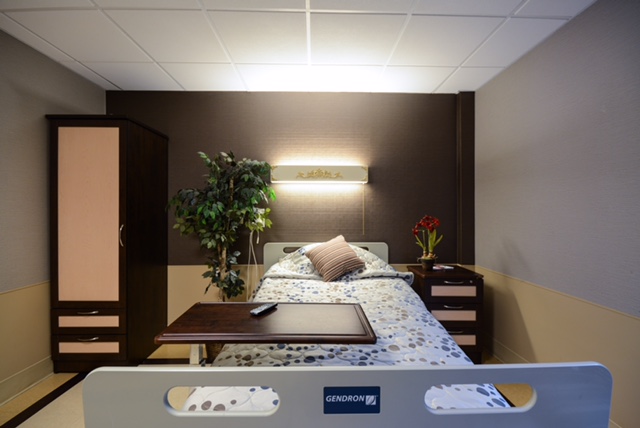
How is Crown Park Rehabilitation And Nursing Center Staffed?

CMS rates CROWN PARK REHABILITATION AND NURSING CENTER's staffing level at 2 out of 5 stars, which is below average compared to other nursing homes.

What Have Inspectors Found at Crown Park Rehabilitation And Nursing Center?

State health inspectors documented 24 deficiencies at CROWN PARK REHABILITATION AND NURSING CENTER during 2019 to 2025. These included: 1 that caused actual resident harm and 23 with potential for harm. Deficiencies causing actual harm indicate documented cases where residents experienced negative health consequences.
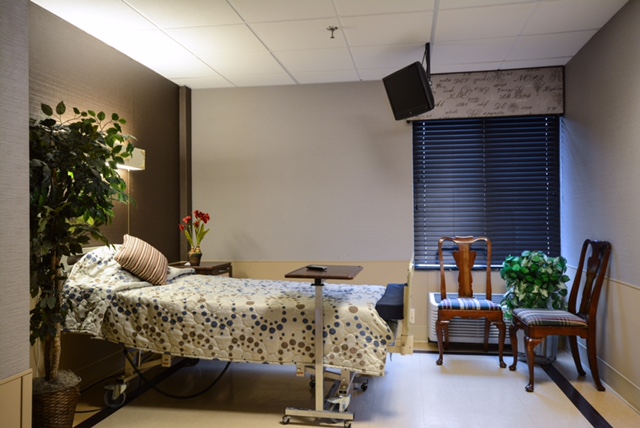
Who Owns and Operates Crown Park Rehabilitation And Nursing Center?

CROWN PARK REHABILITATION AND NURSING CENTER is owned by a for-profit company. For-profit facilities operate as businesses with obligations to shareholders or private owners. The facility is operated by UPSTATE SERVICES GROUP, a chain that manages multiple nursing homes. With 200 certified beds and approximately 188 residents (about 94% occupancy), it is a large facility located in CORTLAND, New York.
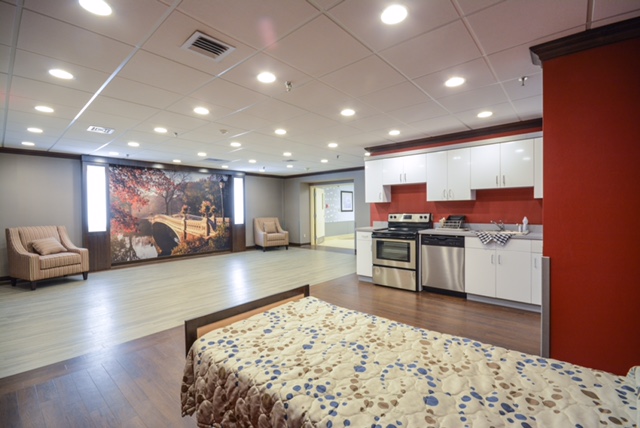
How Does Crown Park Rehabilitation And Nursing Center Compare to Other New York Nursing Homes?

Compared to the 100 nursing homes in New York, CROWN PARK REHABILITATION AND NURSING CENTER's overall rating (1 stars) is below the state average of 3.0 and health inspection rating (1 stars) is much below the national benchmark.

What Should Families Ask When Visiting Crown Park Rehabilitation And Nursing Center?

Based on this facility's data, families visiting should ask: "Can you walk me through typical staffing levels on day, evening, and night shifts?" "Can I visit during a mealtime to observe dining assistance and food quality?" "How do you handle medical emergencies, and what is your hospital transfer rate?" "Can I speak with family members of current residents about their experience?" These questions are particularly relevant given the below-average staffing rating.

Is Crown Park Rehabilitation And Nursing Center Safe?

Based on CMS inspection data, CROWN PARK REHABILITATION AND NURSING CENTER has a clean safety record: no substantiated abuse findings (meaning no confirmed cases of resident harm), no Immediate Jeopardy citations (the most serious violation level indicating risk of serious injury or death), and is not on the Special Focus Facility watch list (a federal program monitoring the lowest-performing 1% of nursing homes). The facility has a 1-star overall rating and ranks #100 of 100 nursing homes in New York. While no facility is perfect, families should still ask about staff-to-resident ratios and recent inspection results during their visit.

Do Nurses at Crown Park Rehabilitation And Nursing Center Stick Around?

CROWN PARK REHABILITATION AND NURSING CENTER has not reported staff turnover data to CMS. Staff turnover matters because consistent caregivers learn residents' individual needs, medications, and preferences. When staff frequently change, this institutional knowledge is lost. Families should ask the facility directly about their staff retention rates and average employee tenure.

Was Crown Park Rehabilitation And Nursing Center Ever Fined?

CROWN PARK REHABILITATION AND NURSING CENTER has no federal fines on record. CMS issues fines when nursing homes fail to meet care standards or don't correct problems found during inspections. The absence of fines suggests the facility has either maintained compliance or corrected any issues before penalties were assessed. This is a positive indicator, though families should still review recent inspection reports for the full picture.

Is Crown Park Rehabilitation And Nursing Center on Any Federal Watch List?

CROWN PARK REHABILITATION AND NURSING CENTER is not on any federal watch list. The most significant is the Special Focus Facility (SFF) program, which identifies the bottom 1% of nursing homes nationally based on persistent, serious quality problems. Not being on this list means the facility has avoided the pattern of deficiencies that triggers enhanced federal oversight. This is a positive indicator, though families should still review the facility's inspection history directly.