GUTHRIE CORTLAND MEDICAL CENTER
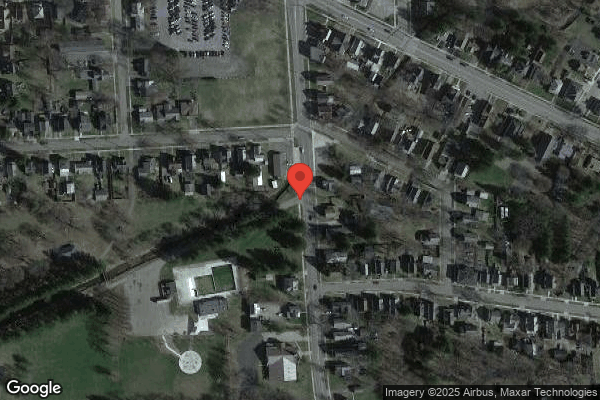
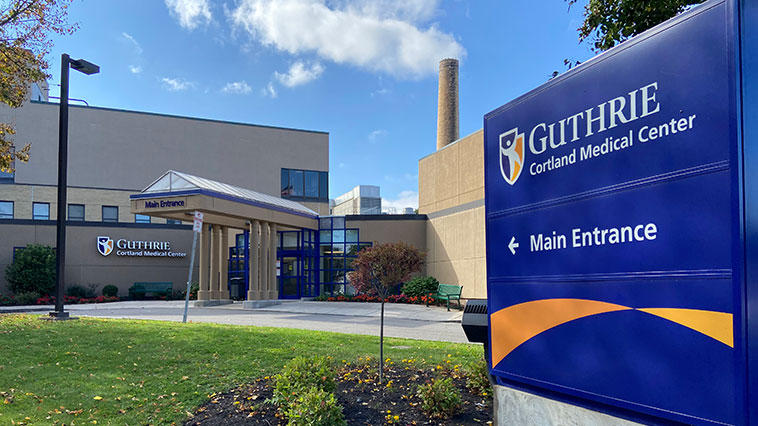
134 HOMER AVENUE, CORTLAND, NY 13045 (607) 756-3909
Non profit - Corporation 80 Beds Independent Data: November 2025
Trust Grade
80/100
#43 of 594 in NY
Last Inspection: March 2024

Within standard 12-15 month inspection cycle. Federal law requires annual inspections.

Overview

Guthrie Cortland Medical Center has a Trust Grade of B+, indicating it is above average and recommended for families considering care options. It ranks #43 out of 594 facilities in New York, placing it in the top half, and is the best option among the three nursing homes in Cortland County. However, the facility's trend is worsening, with issues increasing from 1 in 2021 to 5 in 2024. While staffing is a strength with a 5/5 star rating and a turnover rate of 31%, below the state average, the facility's fines of $70,434 are concerning, being higher than 95% of New York facilities. Specific incidents include improper food storage practices that risk contamination and lack of proper staff training for managing medical devices, highlighting the need for improvement despite strong staffing and care ratings.

Trust Score
B+
80/100
In New York
#43/594
Top 7%
Safety Record
Moderate
Needs review
Inspections
Getting Worse
1 → 5 violations
Staff Stability
○ Average
31% turnover. Near New York's 48% average. Typical for the industry.
Penalties
⚠ Watch
$70,434 in fines. Higher than 86% of New York facilities, suggesting repeated compliance issues.
Skilled Nurses
✓ Good
Each resident gets 57 minutes of Registered Nurse (RN) attention daily — more than average for New York. RNs are trained to catch health problems early.
Violations
⚠ Watch
12 deficiencies on record. Higher than average. Multiple issues found across inspections.
★★★★★
5.0
Overall Rating
★★★★★
5.0
Staff Levels
★★★★☆
4.0
Care Quality
★★★★☆
4.0
Inspection Score
Stable
2021: 1 issues
2024: 5 issues

The Good

  • 5-Star Staffing Rating · Excellent nurse staffing levels
  • 4-Star Quality Measures · Strong clinical quality outcomes
  • Full Sprinkler Coverage · Fire safety systems throughout facility
  • No fines on record
  • Staff turnover below average (31%)

    17 points below New York average of 48%

Facility shows strength in staffing levels, quality measures, fire safety.

The Bad

Staff Turnover: 31%

15pts below New York avg (46%)

Typical for the industry

Federal Fines: $70,434

Well above median ($33,413)

Moderate penalties - review what triggered them

The Ugly 12 deficiencies on record

Mar 2024 5 deficiencies
CONCERN (D)

Potential for Harm - no one hurt, but risky conditions existed

Deficiency F0726 (Tag F0726)

Could have caused harm · This affected 1 resident

**NOTE- TERMS IN BRACKETS HAVE BEEN EDITED TO PROTECT CONFIDENTIALITY** Based on observation, record review, and interview during the recertification survey conducted 3/11/2024-3/15/2024, the facility...

Read full inspector narrative →
**NOTE- TERMS IN BRACKETS HAVE BEEN EDITED TO PROTECT CONFIDENTIALITY** Based on observation, record review, and interview during the recertification survey conducted 3/11/2024-3/15/2024, the facility did not ensure nursing staff had the appropriate competencies and skills sets to provide nursing and related services to assure resident safety and attain or maintain the highest practicable physical, mental, and psychosocial well-being for 1 of 1 resident (Resident #45) reviewed. Specifically, Resident #45 used an external catheter device (a soft flexible wick that draws urine away from the body into a sealed canister using suction) to manage urinary incontinence and there was no documented evidence nursing possessed the competencies and skill sets to manage the device. Additionally, there was no medical order for use of the device. Findings include: The facility policy Compliance Training and Education revised 1/25/2023 documented employees were to be provided with ongoing training and education to mitigate noncompliance. Training/education were completed upon hire, annually, and as needed. The facility policy External urine collection device use, assigned female at birth revised 12/11/2023 documented external urine collection devices serve as an alternative to indwelling urinary catheters. The device reduces the risk of urinary tract infection, prevents incontinence associated dermatitis (irritated skin due to urine or feces), and promotes comfort. After securing the device properly, turn on the continuous suction to at least 40 millimeter of mercury, assess the patient's skin, empty the urine collection canister as needed, and replace the device every 8 to 12 hours or whenever it becomes soiled. Documentation associated with the device included: date and time of application/replacement, assessment findings, tolerance to the procedure, provider notification (if applicable), and teaching provided to the patient/family as needed. Resident #45 had diagnoses including acute kidney failure and difficulty walking. The 1/25/2023 Minimum Data Set assessment documented the resident was cognitively intact, was frequently incontinent of urine, had an external catheter, moisture associated skin damage, and was dependent on staff for toileting, personal hygiene, and bed mobility. The comprehensive care plan initiated 3/7/2024 documented the resident had alteration in skin integrity related to incontinence associated dermatitis (skin inflammation). Interventions included assessment and documentation of skin integrity upon admission and per policy, thorough skin care after episodes of incontinence with barrier cream application, and treatment for any areas of breakdown upon admission. The care plan did not include use of an external urinary catheter device. The resident [NAME] (care instructions) with a print date of 3/15/2024 documented the resident was frequently incontinent and had an external catheter. The 3/14/2024 order summary report did not include a medical order for an external catheter. Nursing progress notes dated 2/22/2024-3/9/2024 did not include the use of an external catheter. There was no documented evidence the March 2024 treatment administration record included external catheter care and maintenance from 3/1/2024-3/14/2024. During an observation and interview on 3/13/2024 at 10:40 AM, Resident #45 was lying in bed. There was a urine collection canister on the wall, half full of clear yellow urine. Resident #45 stated they had been using an external urinary catheter device for a few months due to increased skin breakdown from incontinence. They stated it was usually changed daily by a nurse or a certified nurse aide, and some of the nurses had never worked with one before so they would need to find assistance and have someone else change it. They stated they could feel when the catheter fell off and they would have to remind staff it needed to be changed. During an interview on 3/14/2023 at 1:54 PM, certified nurse aide #7 stated they looked at the resident's care plan ([NAME]) to know how to care for them. It included if they had a catheter, and what kind of assistance they needed. Resident #45 used an external urinary catheter device, but they were not sure if it was on the care plan. They thought the nurse was responsible for changing the external urinary catheter device and thought it should be changed daily. It was usually changed every shift when it became soiled. They stated they were notified by one of the nurses when resident #45 started to use the external urinary catheter device. The nurse showed them how to change it, and they did not recall if they received formal education on the device. Resident #45 notified them if it fell off and they notified the nurse. They stated it was important to know how to change the external urinary catheter device because if it was not changed properly the resident could get an infection or their skin could get worse and breakdown. During an interview on 3/14/2024 at 2:20 PM, licensed practical nurse #9 stated Resident #45 had an external urinary catheter device. They were not sure who was responsible for changing the external urinary catheter device and they had not taken care of Resident #45 since they started to use it. They stated they received education from the Nurse Manager, but they were not sure how often it had to be changed. They stated it was important to know how often it needed changed so it did not put Resident #45 at risk for infection or more skin breakdown. During an interview on 3/14/2024 at 2:31 PM, registered nurse Unit Manager #8 stated each resident had their care instructions in their room and the care instructions were generated from the care plan. The resident used an external urinary catheter device that needed to be changed every 12 hours and as needed. The nurses were responsible for changing the device. Resident #45 let the nurses know when it needed to be changed and staff knew to change it when providing care if it was soiled. They were not sure if staff needed to document in the electronic medical record when it was changed, and they did not think instructions for changing the external urinary catheter device were on the treatment administration record. They stated all the nurses on the unit watched an educational video on how to manage the external urinary catheter device, and they signed their names after receiving the education. They stated if it was not changed, or staff did not know the resident had an external urinary catheter device Resident #45 would be at increased risk for infection or skin breakdown. There was no documented evidence staff received education on the use and care of an external wick catheter device. During an interview on 3/14/2024 at 3:17 PM, Director of Nursing/interim Administrator #3 stated nursing staff looked at the resident's care instructions to know how to care for them and the care instructions were generated from the care plan. The external urinary catheter device should be listed on Resident #45's care plan, so staff knew they had one and how to care for it. They stated the certified nurse aide, or the nurse could change the external urinary catheter device, but they were not sure how often it had to be changed. Registered nurse Unit Manager #8 had instructions for use and provided education to the staff on the unit. They thought nursing staff should have been documenting when the external urinary catheter device was changed, and it was important to change it as needed to prevent infections and skin breakdown. During an interview on 3/15/2024 at 8:37 AM, interim Director of Nursing #12 stated registered nurse Unit Manager #8 had nursing staff watch a video on managing the external urinary catheter device but did not have an attendance record of who received the education. 10 NYCRR 415.26(c)(1)(iv)
CONCERN (D) 📢 Someone Reported This

A family member, employee, or ombudsman was alarmed enough to file a formal complaint

Potential for Harm - no one hurt, but risky conditions existed

Deficiency F0760 (Tag F0760)

Could have caused harm · This affected 1 resident

**NOTE- TERMS IN BRACKETS HAVE BEEN EDITED TO PROTECT CONFIDENTIALITY** Based on observation, record review, and interview during the recertification and abbreviated (NY00294915) surveys conducted 3/1...

Read full inspector narrative →
**NOTE- TERMS IN BRACKETS HAVE BEEN EDITED TO PROTECT CONFIDENTIALITY** Based on observation, record review, and interview during the recertification and abbreviated (NY00294915) surveys conducted 3/11/2024-3/15/2024, the facility did not ensure residents were free of any significant medication errors for 1 of 5 residents (Resident #34) reviewed. Specifically, Resident #34's prepared medications were left in a cup unattended on their bedside table for over 2 hours and licensed practical nurse #1 documented the medications were administered at 8:00 AM when they were not. Additionally, licensed practical nurse #1 crushed extended release medications (potassium chloride extended release and pantoprazole delayed release). Findings include: The facility policy Medication Administration revised 12/1/2020 documented the nurse should stay with the resident until the medication was swallowed and should not leave medications at the bedside. All medications were signed for at the time of administration after the resident had taken the medications. Medications could be administered an hour before or an hour after the scheduled administration time. A facility Pharmacist's Letter titled Meds that Should Not be Crushed updated February 2023 documented crushing extended-release medications could result in administration of a large dose all at once. Crushing delayed release medications could alter the mechanism designed to protect the drug from gastric (stomach) acids or prevent gastric mucosal (lining of the stomach) irritation. Pantoprazole delayed release and potassium chloride extended-release medications were included in the list of common medications that should not be crushed. The facility policy Medication Administration Standardization Schedule and Terminology revised 2/5/2024 documented all residents received their medications in a manner that optimized therapeutic effect. The standardized time schedule met the resident's needs in accordance with accepted medical and pharmaceutical practice. Medications ordered daily were given at either 8:00 AM or 9:00 AM and medications ordered twice daily were given at either 8:00 AM and 4:00 PM or 9:00 AM and 5:00 PM. Resident #34 was admitted to the facility with diagnoses including hypertension (high blood pressure), hypokalemia (low blood potassium), and gastro-esophageal reflux disease (stomach acid flows up). The Minimum Data Set assessment dated [DATE] documented the resident had moderate cognitive impairment, was independent with eating, and did not reject care. The comprehensive care plan initiated 4/27/2023 and revised 3/8/2024 documented the resident had coronary artery disease (blockage of heart arteries), hypertension, congestive heart failure (the heart does not pump efficiently), and gastro-esophageal reflux disease. Interventions included administer medications as ordered. The 4/28/2023 physician orders documented the resident was to receive the following oral medications: - amlodipine besylate (treats high blood pressure) 10 milligram oral tablet, one tablet by mouth one time a day for hypertension; - aspirin 81 milligram chewable tablet, one tablet by mouth one time a day for coronary artery disease; - clopidogrel bisulfate (blood thinner) 75 milligram tablet, one tablet by mouth one time a day for coronary artery disease; - furosemide (diuretic) 20 milligram tablet, one tablet by mouth one time a day for edema (swelling). - lisinopril (treats high blood pressure) 20 milligram tablet, one tablet by mouth one time a day for hypertension; - potassium chloride (mineral) extended release 10 milliequivalent tablet, one tablet by mouth one time a day for hypokalemia (included on do not crush list); - pantoprazole sodium (acid reducer) delayed release 40 milligram tablet, one tablet by mouth before meals two times a day for gastro-esophageal reflux disease (included on do not crush list). There was no documented evidence of a physician order to self-administer medications or an evaluation for self-administration of medication. During an observation and interview on 3/11/2024 at 10:25 AM, Resident #34 was lying in their bed. There was a plastic medication cup on their bedside table that contained a spoon and applesauce with colorful flecks. There was no staff present in the room. The resident stated the plastic medication cup contained their morning medications for that day. The Medication Administration Record documented the following medications were administered by licensed practical nurse #1 on 3/11/2024 during the scheduled 8:00 AM medication pass. - amlodipine besylate 10 milligram oral tablet, one tablet by mouth one time a day - aspirin 81 milligram chewable tablet, one tablet by mouth one time a day - clopidogrel bisulfate 75 milligram tablet, one tablet by mouth one time a day - furosemide 20 milligram tablet, one tablet by mouth one time a day - lisinopril 20 milligram tablet, one tablet by mouth one time a day - potassium chloride extended release 10 milliequivalent tablet, one tablet by mouth one time a day - pantoprazole sodium delayed release 40 milligram tablet, one tablet by mouth before meals. During an interview on 3/11/2024 at 11:59 AM Resident #63 stated the nurses frequently left medications on their bedside table and did not watch them take their medications. They stated the nurses knew they would take their medications. The resident stated they were concerned because someone else could take a medication from their cup. They stated licensed practical nurse #1 left a syringe on their bedside table that morning because they were not ready for their injection at that time, and they did not think that was safe. During an interview on 3/14/2024 at 2:07 PM, licensed practical nurse #1 stated they administered medications scheduled for 8:00 AM to Resident #34 on 3/11/2024. They had an hour before and an hour after the scheduled time to administer the medication. They stated they crushed the resident's medications on 3/11/2024 and put them in applesauce and it was sometimes time consuming to watch the resident take their medications. If they did not watch the resident take their medications, then they had no way of knowing they took them. There were certain medications that should not be crushed such as extended-release medications. If they were uncertain there was a document in the medication room that referenced medications that could not be crushed. If a medication was documented as administered on the medication administration record it meant they witnessed the medication taken. It was not appropriate to leave medications at the bedside because there were residents that wandered who could take medications that were not intended for them. It was not appropriate for medications to be documented as given if the medication cup was left untouched at the bedside. Syringes should not be left on bedside tables because there could be an accidental needle stick and it was also an infection control issue. During an interview on 3/14/2024 at 2:33 PM registered nurse Unit Manager #2 stated Resident #34 sometimes took medications whole one at a time and sometimes crushed. They stated some medications could not be crushed such as extended-release medications. They expected nurses to watch residents take their medications to ensure they were taken without difficulty. If it was documented as given in the medication administration record, it meant the nurse watched the resident swallow the medication. Nurses had an hour before and after scheduled administration time to give the medications. If a resident did not take the medications, they expected it to be documented as refused. It was not appropriate to leave medications at the bedside for safety reasons because anyone could take the medications. It was important residents took medications because they were ordered to address medical conditions and there could be a negative effect if they did not take them. It was also not appropriate to leave syringes on bedside tables because residents or staff could get injured. They stated they sometimes did the medication pass and many residents had told them that other nurses left medications in their room and did not watch them take them. During an interview on 3/14/2024 at 2:54 PM the Director of Nursing stated there were medications that could not be crushed, and that information was posted in the medication room. Residents needed to be watched when given their medications to ensure they were taken. It was acceptable to give medications up to an hour before and after the scheduled administration time. If a medication was documented as given, they expected the nurse had witnessed ingestion of the medications. If a nurse did not watch the resident take the medications, they could not be certain they were taken. If a resident refused a medication, it should be documented as a refusal. It was not appropriate for medications to be left unattended at the bedside because there were residents that wandered who could take the medications. It would only be appropriate for medications to be left at bedside if there was an order and an assessment that determined a resident could safely self-administer medications. Resident #34 was not cognitively appropriate to self-administer medications and medications should not be left at their bedside. If the registered nurse Unit Manager #2 was aware that nurses were leaving medications at the bedside, they expected them to educate the nurses and write it up as a medication error. 10NYCRR 415.11(c)(3)(i)
CONCERN (D)

Potential for Harm - no one hurt, but risky conditions existed

Deficiency F0761 (Tag F0761)

Could have caused harm · This affected 1 resident

Based on observation, interview, and record review during the recertification survey conducted 3/11/2024-3/15/2024, the facility did not ensure drugs and biologicals were labelled and stored in accord...

Read full inspector narrative →
Based on observation, interview, and record review during the recertification survey conducted 3/11/2024-3/15/2024, the facility did not ensure drugs and biologicals were labelled and stored in accordance with currently accepted professional principles and included the appropriate accessory and cautionary instructions when applicable for 1 of 3 medication carts (3rd floor Team1 cart) reviewed. Specifically, the 3rd floor Team 1 medication cart contained 1 insulin pen and 1 insulin vial without an opened date, and 1 insulin pen that was expired. Findings include: The facility policy Medication Storage in the Facility dated May 2018 documented medications and biologicals were stored safely, securely, and properly following manufacturer's recommendations or those of the supplier. When the original seal of a manufacturer's container or vial was initially broken, the container or vial was dated. The nurse placed a date opened sticker on the medication and entered the new date of expiration. The expiration date of the vial or container was 30 days unless the manufacturer recommended another date or regulations/guidelines required different dating. The facility policy, Residential Care Facility FlexPen revised 3/1/2019 documented FlexPens (prefilled insulin pens) were stored in the refrigerator until needed. Once a FlexPen was opened, it was labeled with the resident's name and date. The FlexPen no longer required refrigeration and was stored in the medication cart. The manufacturer's recommendations for expiration date were used. Manufacturer's instructions for lispro insulin (rapid acting insulin) documented once opened insulin lispro vials, prefilled pens, and cartridges were to be thrown away after 28 days. During an observation of the 3rd floor Team 1 medication cart with licensed practical nurse #1 on 3/13/2024 at 12:00 PM there was an insulin lispro pen with no opened date, an insulin lispro pen with an opened date of 2/10/2024, and an opened vial of insulin lispro with no documented opened date on the vial or box. Licensed practical nurse #1 stated all 3 insulins were currently being used for residents on the unit. The nurse stated when insulin was opened, it should be dated as a safety precaution. They could not tell when 2 of the insulins were opened because there was no date on the pen or vial. They stated they could tell the undated pen was not expired by the amount of insulin in the pen because the pens were usually used up quite quickly. Expired medications should not be used, they may not be as effective and blood sugar could stay too high. When giving insulin, they should always check expiration dates. They stated the insulin lispro pen with pen date opened of 2/10/2024, may be expired. They were not sure how long it was good for after opening. The nurse that opened the insulin was responsible for dating it so the expiration date could be determined. During an interview on 3/13/2024 at 12:45 PM, registered nurse Unit Manager #2 stated expired medication's potency may decrease or increase and could change the desired effect of the medication. The nurses should be checking expiration dates daily when administering medications. Pharmacy technicians came periodically to check the medication carts. The Unit Manager stated they did spot checks periodically and was not sure when they last checked the Team 1 medication cart. Insulin expired 28 days from opening and the nurse that opened the insulin should have dated it when opened. The nurse administering the insulin should check to make sure it was dated and not expired. They stated insulin may not be as effective if expired. During an interview on 3/15/2024 at 9:35 AM, the Director of Nursing stated nurses were responsible for making sure medications in the cart were not expired. During administration they should check for proper labeling and expiration dates. Expired meds may not have the expected potency and may not have the desired effect. Insulin was stored in the refrigerator until opened and should be dated when opened because insulin was only good for a specific number of days after opening. Insulin should always be checked when administered for an opened date to ensure it was not expired. 10 NYCRR 415.18(d)
CONCERN (E)

Potential for Harm - no one hurt, but risky conditions existed

Food Safety (Tag F0812)

Could have caused harm · This affected multiple residents

**NOTE- TERMS IN BRACKETS HAVE BEEN EDITED TO PROTECT CONFIDENTIALITY** Based on observation, record review, and interview during the recertification survey conducted 3/11/2024 - 3/15/2024, the facili...

Read full inspector narrative →
**NOTE- TERMS IN BRACKETS HAVE BEEN EDITED TO PROTECT CONFIDENTIALITY** Based on observation, record review, and interview during the recertification survey conducted 3/11/2024 - 3/15/2024, the facility did not ensure food was stored in accordance with professional standards for food service safety in the main kitchen. Specifically, walk-in freezer #3 within the main kitchen had ice dripping from the compressor onto food that was stored below. Findings include: The facility policy Food Safety Operations and Infection Control revised 8/20/2023 documented all walk-in refrigerators and freezers have temperature dials and thermometers inside. The temperature of the thermometers and condition of the food is monitored daily. The following observations were made: - on 3/11/2024 at 9:58 AM, walk-in freezer #3 had ice dripping from the compressor onto cases of food product stored below. - on 3/12/2024 at 12:14 PM, walk-in freezer #3 had ice dripping from the compressor onto a case of bread, a gallon jug of chocolate milk, and a sheet pan of cake partially covered with plastic wrap. The ice was in contact with the cake. During an interview on 3/12/2024 at 3:22 PM, the Food Service Director stated the coolers were cleaned weekly. They stated the source of the ice was a leak from the compressor condensation. The Executive Chef periodically used a golf club to knock down the ice which had been an issue for at least a year. They believed maintenance had been informed of the problem via a work order. The Food Service Director stated it was important for food to be stored unadulterated to protect the residents from the possibility of unsafe food. The ice that dripped from the compressor onto the food below was unacceptable. During an interview on 3/15/2024 at 10:00 AM, the Executive Chef stated the freezer was cleaned and deiced monthly by the kitchen cleaner. They checked it themself at least every other week and had not removed ice from the compressor. [NAME] freezer #3 has been looked at by maintenance and an outside contractor. The seals were worn and could not be fixed. They were aware of the condensation on the walls forming ice and falling on food boxes below. It was not appropriate for ice to be on the food. They tried to keep all stored items away from the back of the cooler where they saw the ice. During an interview on 3/15/2024 at 11:06 AM, Facilities Supervisor stated that work orders were to be entered into the electronic system. The work was then assigned to maintenance for completion. If there was an emergency, maintenance should be called. Walk-in freezer #3 had preventive maintenance performed every 3 months and staff should notify the maintenance department if there was ice buildup in the freezer. They had not been notified that ice buildup was present in walk-in freezer #3. If ice was falling onto food products or the freezer floor, that would not be safe. They had an app on their phone that notified them of any freezer temperatures out of range and they had not received any such notifications. The Preventative Maintenance Work Orders documented walk-in freezer #3 had the evaporator cleaned, condenser cleaned, and the door gasket checked on 12/14/2023, 2/4/2023, 11/21/2022, and 3/21/2022. On 12/14/2023 and 11/21/2022 the Facilities Supervisor documented under comments, Preventative maintenance completed to manufacturer's specification. Additional documentation had an entry on 3/9/2022, Old Walk in Freezer #3, and on 8/17/2023, Freezer 3 door not closing tight. There was no documented evidence the dripping ice was addressed. 10NYCRR 415.14(h)
MINOR (C)

Minor Issue - procedural, no safety impact

Deficiency F0577 (Tag F0577)

Minor procedural issue · This affected most or all residents

Based on observation and interview during the recertification survey conducted 3/11/2024-3/15/2024, the facility did not ensure the results of the most recent survey of the facility conducted by Feder...

Read full inspector narrative →
Based on observation and interview during the recertification survey conducted 3/11/2024-3/15/2024, the facility did not ensure the results of the most recent survey of the facility conducted by Federal or State surveyors and any plan of correction were posted in a place readily accessible to residents, family members, and legal representatives. Specifically, the survey results and plan of correction were in a pink binder on a shelf behind the nursing station on Cedar Run (second floor) and in a black binder on a shelf in the dining room on Misty Glen (third floor). Additionally, there were no notices of the availability of such reports posted in areas that were prominent and accessible to the public. Findings include: The facility policy Resident Rights revised 2/2024 documented the facility allowed residents to examine the results of the most recent survey of the facility conducted by Federal or State surveyors including any statements of deficiencies, any plan of correction in effect with respect to the facility and any enforcement actions taken by the Department of Health. The results would be made available for examination. They would be in a place readily accessible to residents and designated representatives without staff assistance. A copy of the most recent survey reports (statement of deficiencies) is available for inspection in the Cedar Run (second floor) dining room. Inquiries concerning the examination of survey results would be referred to the Administrator and/or the Director of Nursing. During an anonymous resident group meeting on 3/12/2024 at 10:03 AM, two residents stated they did not know where the previous survey results were posted. During an observation on 3/12/2024 at 10:37 AM, the Department of Health survey results were not located on Cedar Run (second floor), Misty Glen (third floor), or the main lobby. During an observation on 3/13/2024 at 11:51 AM, the Department of Health survey results were not located on Cedar Run (second floor), Misty Glen (third floor), or the main lobby. During an observation on 3/14/2024 at 11:51 AM, the Department of Health survey results were not located on Cedar Run (second floor), Misty Glen (third floor), or the main lobby. During an observation and interview on 3/14/2024 at 11:37 AM Staffing Coordinator #11 was seated at their desk located at the main entrance. They stated part of their duties included allowing visitors into the facility. They had never observed the Department of Health survey results in the main lobby area. During an interview on 3/14/2024 at 11:42 AM unit clerk #10 stated the Department of Health survey results were in a pink binder on a shelf bind the Cedar Run nursing station. They stated the Department of Health survey results had been there for a while and they were unsure who placed them there. Only staff was able to go behind the desk, and non-employees would have to ask for staff assistance to view the survey results. During an interview on 3/14/2024 at 2:51 PM registered nurse Unit Manager #2 stated the Department of Health survey results were kept in a binder on a shelf in the dining room next to the audio equipment. They stated there was no signage to alert residents or visitors of the location of the survey results and they were unsure how they would know where the survey results were located without asking for staff assistance. During an interview on 3/14/2024 at 3:05 PM the Director of Nursing/ Acting Administrator stated a copy of the Department of Health survey results were in a binder behind the nursing station on Cedar Run (second floor) and in the dining room on Misty Glen (third floor). There was no signage to alert residents and visitors of the location of the survey results and the survey results were not readily accessible to view without staff assistance. They were aware that Department of Health survey results needed to be in a place readily accessible to view without staff assistance, but they thought the previous Administrator had ensured the survey results were in visible locations. 10NYCRR 415.3(1)(c)(1)(v)
Dec 2021 1 deficiency
CONCERN (D)

Potential for Harm - no one hurt, but risky conditions existed

Grievances (Tag F0585)

Could have caused harm · This affected 1 resident

Based on observations, record review and interview during the recertification and abbreviated surveys (NY00267452) conducted from 12/15/21-12/17/21 the facility failed to make prompt efforts to resolv...

Read full inspector narrative →
Based on observations, record review and interview during the recertification and abbreviated surveys (NY00267452) conducted from 12/15/21-12/17/21 the facility failed to make prompt efforts to resolve grievances the resident may have for 1 of 1 resident (Resident #13) reviewed. Specifically, the resident and the resident representative requested the resident's personal laundry be done by the resident representative and the facility denied the request. In addition, when the facility began permitting resident representatives to do laundry again, there was no documented evidence staff followed-up with the resident representative regarding the change in the policy. Findings include: The facility policy Resident Personal Laundry reviewed 10/2020 documents when clothing is removed from the resident it will be placed in the laundry bags in the hallway. Once full they are put in the dirty utility room. The Housekeeping Linen Personnel will be responsible for sorting resident's laundry and returning the clean linen to each resident's room. Washer/dryer is available on second and third floors for emergency use to ensure that residents have clean clothing. The policy did not include procedures for personal laundry done by resident representatives outside the facility. The facility COVID-19 Plan updated 10/2021 did not include procedures for handling of resident personal laundry. Resident #13 was admitted to the facility with diagnosis including diabetes, and anxiety. The 10/22/20 Minimum Data Set (MDS) assessment documented the resident had intact cognition. The 5/7/2020 MDS documented it was very important to the resident to take care of personal belongings. The comprehensive care plan (CCP) initiated 5/19/20 documented the resident had potential for adjustment issues during the current pandemic and DOH (Department of Health) guidelines. Interventions included the resident would be encouraged to speak about their concerns and would continue to speak to family members on the phone, iPad, and window visits. Interdisciplinary progress notes from 9/1/20-12/31/20 did not include documented discussions of the resident/resident representative preference for doing the resident's personal laundry or where the resident's laundry would be done. During an interview with the resident on 12/15/21 at 9:54 AM, the resident stated their family member was not currently doing their personal laundry and it was being sent out to an outside laundry service. The resident stated their family member had been doing their laundry before COVID-19, but the facility staff never told the resident why the family member could no longer do the laundry. The resident stated they would like to have their laundry done by their family member. The resident stated even now since the family member could come for visits, they were not allowed to do the laundry. The resident's closet was observed with a sign reading Please send Laundry to {outside laundry company} The closet contained multiple shirts, pants and fleece jackets all marked with the resident's name. During a telephone interview with the resident's family member on 12/16/21 at 11:50 AM, they stated before COVID-19 they could do the resident's laundry. They stated when visitation was on hold, they asked the facility if staff could bring the resident's laundry to the front door to be picked up by the family member and they were told that would not be allowed. The family member stated if they did the laundry only one person would be touching the laundry versus multiple people at the laundry service. The family member stated there was nothing wrong with the laundry service but when they did the resident's laundry, they took special care of the clothes and some items did not go in the dryer, so they wanted to do the laundry themselves. The family member stated they were unsure how often the resident's laundry was done. During an interview with certified nurse aide (CNA) #2 on 12/16/21 at 1:29 PM, they stated the resident's laundry was sent out to the laundry service because the resident was there for long-term care. Clothes would go out in the evening and came back on Mondays, Wednesdays, and Fridays in the resident hamper. The CNA stated before COVID-19 the resident's family member took the resident's laundry home to do but then the laundry was kept confined to the facility during COVID-19. The CNA stated the family member had been in to visit and had not mentioned the laundry since visitation resumed. During an interview on 12/17/21 at 10:24 AM, the Director of Nursing (DON) stated they would probably be the best person to speak with related to laundry. The DON stated families could take laundry home if they wished to wash them for the residents. During COVID-19 they were not allowing families to bring laundry home. The DON stated there were currently no COVID-19 positive residents in the building and they had reopened so families were able to do laundry again. During an interview on 12/17/21 at 10:41 AM with registered nurse (RN) Unit Manager #4 they stated prior to the COVID-19 pandemic, the resident's family member was doing the resident's laundry. When there was no visitation, they implemented a plan for the facility to do all residents' laundry. The Nurse Manager stated the resident had not mentioned their preference for the family member to do the laundry. During a follow-up interview with the resident's family member on 12/17/21 1:28 PM, they stated they spoke to the Administrator about the laundry a couple of times. The family member stated the social workers tried to help and then the Administrator made the decision not to allow them to do the resident's laundry. The family member stated the were not aware that they could do laundry again and had not been told or updated. During an interview with social worker #5 on 12/17/21 at 1:42 PM, they stated they were aware of the family member's request to do the resident's laundry. The family member had spoken to a lot of people about it. The social worker stated during COVID-19 and times of no visitation, the facility was not allowing family members to take laundry home to reduce contact and exposure for infection control purposes. There were a few people that were set up for taking laundry home because those residents had anxiety. Now the families were able to take laundry home again. The social worker stated the directive came from Administration. The facility Administrator was unavailable for interview during the recertification survey. 10 NYCRR 415.3(c)(1)(i)
Aug 2019 6 deficiencies
CONCERN (D)

Potential for Harm - no one hurt, but risky conditions existed

Deficiency F0657 (Tag F0657)

Could have caused harm · This affected 1 resident

**NOTE- TERMS IN BRACKETS HAVE BEEN EDITED TO PROTECT CONFIDENTIALITY** Based on interview and record review, the facility did not ensure the participation of the resident and the resident's represent...

Read full inspector narrative →
**NOTE- TERMS IN BRACKETS HAVE BEEN EDITED TO PROTECT CONFIDENTIALITY** Based on interview and record review, the facility did not ensure the participation of the resident and the resident's representative in the comprehensive care plan for 1 of 1 residents (Resident #54) reviewed for care plan invitations. Specifically, Resident #54 was not invited to his initial comprehensive care plan meeting. Findings include: The 3/2019 Minimum Data Set (MDS) Assessment and Care Plans policy documented the comprehensive MDS shall be completed within 14 days of admission, after a significant change, and at least once every 365 calendar days and will be developed with each resident. The social worker is responsible for notifying and inviting the resident and family to the care conference as appropriate. Resident #54 was admitted to the facility on [DATE] with diagnoses including multiple sclerosis (MS, an autoimmune disease causing progressive muscle weakness) and femur (thigh bone) fracture. The 4/19/19 Minimum Data Set (MDS) assessment documented the resident had moderately impaired cognition, required extensive assistance for most activities of daily living (ADLs), expected to be discharged to the community, and participated in his care plan. The 4/17/19 updated CCP documented the resident was resistive to care related to adjustment to the nursing home; interventions included to educate the resident, encourage as much participation and interaction as possible, and provide the resident with opportunities for choice during care provision. The 4/9/19 social work progress note documented the admission paperwork was reviewed with the resident, he was formerly from an assisted living facility, and the plan was for him to return to the assisted living facility. There was no documentation the resident was invited to or attended his comprehensive care plan meeting. On 7/31/19 at 12:01 PM, the resident stated he had not been invited to his care plan meeting and it sounded really interesting. During an interview on 8/2/19 at 9:26 AM, the social worker stated residents were invited to their annual care plan meeting per the facility policy, which meant after they had been in the facility for a year. The resident was not invited to a care plan meeting since he had not been there a year yet. 10NYCRR 415.11(c)(2)(ii)
CONCERN (D)

Potential for Harm - no one hurt, but risky conditions existed

Accident Prevention (Tag F0689)

Could have caused harm · This affected 1 resident

**NOTE- TERMS IN BRACKETS HAVE BEEN EDITED TO PROTECT CONFIDENTIALITY** Based on observation, record review and interview during the recertification survey the facility did not ensure each resident re...

Read full inspector narrative →
**NOTE- TERMS IN BRACKETS HAVE BEEN EDITED TO PROTECT CONFIDENTIALITY** Based on observation, record review and interview during the recertification survey the facility did not ensure each resident received adequate supervision and assistance devices to prevent accidents for 1 of 2 residents (Resident #24) reviewed for positioning and mobility. Specifically, Resident #24 was observed without elbow protectors in place as planned. Findings include: Resident #24 was admitted to the facility on [DATE] with diagnoses including Parkinson's disease (a neurological disorder) and dementia. The 5/23/19 Minimum Data Set (MDS) assessment documented the resident had a severe cognitive impairment, required total assistance with all activities of daily living (ADLs) and did not have any skin problems. The undated certified nurse aide (CNA) [NAME] (care instructions) documented the resident was to have on elbow protectors to both elbows when out of bed. The 6/12/19 comprehensive care plan (CCP) did not document the use of bilateral elbow protectors. The resident was observed out of bed in her wheelchair without elbow protectors on 7/31/19 at 10:39 AM and on 8/1/19 at 12:59 PM. During an interview with CNA #7 on 8/1/19 at 1:46 PM, she stated she was assigned to the resident today and on 7/31/19, and she forgot to put the resident's elbow protectors on. During an interview with registered nurse (RN) Unit Manager #8 on 8/1/19 at 2:02 PM, she stated she would expect the CNA to follow the care plan. In a follow up interview at 2:31 PM, she stated that the elbow protectors were put in to place related to a skin tear the resident had developed. During an interview with licensed practical nurse (LPN) #9 on 8/1/19 at 2:13 PM, she stated that the LPNs supervise the CNAs to ensure elbow protectors were on; however, this resident did not have directions in the MAR (medication administration record) or TAR (treatment administration record) to let the LPN know the elbow protectors were part of the plan of care. She stated a physician order would need to be in place for a device to be monitored by the LPN. During a follow up interview with RN Unit Manager #8 on 8/2/19 at 10:49 AM, she stated that in their current electronic system, they did not enter nursing orders and elbow protectors would be considered a nursing order. She stated she expected LPNs to follow the CNA care instructions to know what required monitoring. 10NYCRR 415.12(h)(1)
CONCERN (D)

Potential for Harm - no one hurt, but risky conditions existed

Respiratory Care (Tag F0695)

Could have caused harm · This affected 1 resident

**NOTE- TERMS IN BRACKETS HAVE BEEN EDITED TO PROTECT CONFIDENTIALITY** Based on observation, record review and interview during the recertification survey, the facility did not ensure respiratory car...

Read full inspector narrative →
**NOTE- TERMS IN BRACKETS HAVE BEEN EDITED TO PROTECT CONFIDENTIALITY** Based on observation, record review and interview during the recertification survey, the facility did not ensure respiratory care was provided consistent with professional standards of practice for 2 of 3 residents (Residents #6 and 61) reviewed for respiratory care. Specifically, Resident #6 did not have documented directions for maintenance of oxygen accessories (tubing, humidifier) and Resident #61 was observed with an empty oxygen tank. Findings include: The 10/2018 Oxygen Therapy and Maintenance of Oxygen and Respiratory Equipment documented the following: - Oxygen tubing/nasal cannula, all extension tubing, connectors, and humidifier bottles (bubble bottles) will be changed the 1st day of each month by a licensed nurse. The nurse will document day of change on the Treatment Administration Record (TAR). - The certified nurse aides (CNAs) were responsible for each resident on their assignment. The CNAs were to check each resident every hour for the presence of oxygen as ordered and documented in the electronic medical record to verify the resident received the oxygen ordered. 1) Resident #61 was admitted to facility 3/31/14 with a diagnosis including non-rheumatic aortic stenosis (narrowing of the aorta). The 7/13/19 Minimum Data Set (MDS) assessment documented he was moderately cognitively impaired, required extensive assistance for all activities of daily living and received oxygen therapy. The 2/21/19 physician order documented oxygen at 2 liters (L) via nasal cannula at all times. The 7/23/19 comprehensive care plan (CCP) did not include a plan for oxygen for the resident The following observations were made on 8/1/19: - At 9:19 AM, the resident was in the hallway with an oxygen tank attached to the back of the chair and receiving oxygen via a nasal cannula. The gauge on the oxygen tank indicated the tank was low (gauge was touching the red zone). - At 9:38 AM, the resident's oxygen tank in his wheelchair was observed with the gauge in the red zone indicating the tank was empty. The resident was in bed and was receiving oxygen from the wall unit. - At 12:40 PM, the resident was in his wheelchair at a table in the dining room. The attached oxygen tank was empty with the gauge all the way in the red zone. The resident did not exhibit any signs or symptoms of respiratory distress. -The oxygen tank was changed at 1:30 PM by licensed practical nurse (LPN) #3. The certified nurse aide (CNA) documentation report documented to check the oxygen tank every hour while in use. On 8/1/19 the oxygen tank was documented as checked every hour from 12:00 AM to 11:00 PM. During an interview on 8/2/19 at 9:45 AM, CNA #5 stated she and CNA #2 were responsible for the resident on 8/1/19 and she documented for the shift from 6:00 AM to 2:00 PM. She stated portable tanks were checked every hour to make sure the resident had oxygen; if the tank was empty, she would have notified the nurse. She did not recall if she had looked at the oxygen gauge during the shift that day. The resident was at risk for being short of breath if the oxygen tank ran out. During an interview on 8/2/19 at 10:14 AM, CNA #2 stated CNAs were responsible to ensure the resident's oxygen was on. She stated the portable tanks last 2 hours. She and CNA #5 were responsible for the resident on 8/1/19. She did not check the oxygen as CNA #5 had checked the resident's oxygen. The resident always wore oxygen and if the tank was empty, he could have a hard time breathing and develop respiratory distress. During an interview on 8/2/19 at 10:48 AM, licensed practical nurse (LPN) #3 stated that everyone was responsible for checking oxygen tanks and the CNAs monitored oxygen therapy hourly. The CNA would prepare the tank and the nurse turned the oxygen off and on. The resident's tank could be observed anytime a staff member walked by. She stated she made rounds twice a shift to check oxygen tanks. She stated she had made rounds later in the shift on 8/1/19, observed the resident's empty tank and changed it. She stated she was not aware how long the oxygen tank had been empty. The resident was dependent on oxygen and he would become short of breath without it. During an interview on 8/2/19 at 11:17 AM, registered nurse (RN) Unit Manager #4 stated the facility policy documented when portable tanks were used, the CNAs checked the tanks hourly, and notified the nurse when the tank needed to be changed. The CNAs were responsible to monitor all residents in their assigned area that used portable tanks. It was a concern when the tank was empty if it was not changed right away. A resident that did not receive oxygen as ordered could become short of breath and die. 2) Resident #6 was admitted to the facility on [DATE] with diagnoses including dementia and pneumonia. The 5/2/19 Minimum Data Set (MDS) assessment documented the resident had intact cognition, required extensive assistance with most of activities of daily living (ADLs) and did not receive oxygen therapy. The 2/6/19 comprehensive care plan (CCP) documented that the resident required oxygen 2 liters (L) via nasal cannula for shortness of breath or oxygen saturation below 90%. The 7/2019 and 8/2019 physician orders documented the resident was on 2 L of continuous oxygen via nasal cannula. The 7/2019 and 8/2019 treatment administration records (TAR) had no documentation regarding maintenance of the resident's oxygen accessories including tubing and humidifier bottle. During observations on 7/31/19 at 12:17 PM and on 8/1/19 at 9:25 AM the resident's oxygen tubing and humidifier bottle were not labeled or dated During an interview with registered nurse (RN) Unit Manager #8 on 8/1/19 at 2:06 PM, she stated the resident's oxygen tubing should be changed routinely on the night shift once a month. She stated this would usually be noted on the TAR. She reviewed the resident's record during the interview and stated there were no directions for oxygen tube changing documented. 10NYCRR 415.12(k)(6)
CONCERN (D)

Potential for Harm - no one hurt, but risky conditions existed

Food Safety (Tag F0812)

Could have caused harm · This affected 1 resident

Based on observations, record review and interviews during the recertification survey, the facility did not store, prepare, distribute and serve food in accordance with professional standards for food...

Read full inspector narrative →
Based on observations, record review and interviews during the recertification survey, the facility did not store, prepare, distribute and serve food in accordance with professional standards for food service safety for 1 of 10 residents (Residents #9) reviewed for dining. Specifically, proper food handling techniques were not used by staff when feeding Resident #9. Findings include: The 2/2018 Food Service Infection Control policy documented proper handwashing and hand care are critical to preventing cross-contamination and ready to eat foods should never be handled with bare hands. Resident #9 was admitted to facility on 11/9/18 with diagnoses including dementia and adult failure to thrive. The 7/23/19 Minimum Data Set (MDS) assessment documented the resident had severely impaired cognition and required extensive assistance with all activities of daily living. During a lunch observation on 8/1/19 at 12:47 PM, certified nurse aide (CNA) #2 assisted the resident with his meal. While wearing gloves, she obtained syrup for another unidentified resident, touched multiple containers on the condiment cart, opened the refrigerator door, and touched several items in the kitchenette. She returned to the resident and put both hands on the arms of her chair to sit and fed the resident his roll with her gloved hands. She touched her face, the table, and another unidentified resident's back and fed the resident a cookie while wearing the same gloves. During an interview on 8/2/19 at 9:50 AM, CNA #2 stated she wore gloves when assisting residents in the dining room to prevent the spread of infection. She stated gloves should be changed every time they are contaminated, which could occur after touching the table, other residents and her face. She did not recall touching multiple surfaces without changing her gloves and stated it was an infection control issue. During an interview on 8/2/19 at 11:45 AM, with registered nurse (RN) Unit Manager #4, she stated nursing staff wore gloves whenever they assisted a resident with eating. Gloves were to be changed between residents and when soiled. She stated the CNA should not have touched so many surfaces without changing her gloves before touching the food. She stated gloves must be changed because of infection control. 10NYCRR 415.14(h)
CONCERN (D)

Potential for Harm - no one hurt, but risky conditions existed

Infection Control (Tag F0880)

Could have caused harm · This affected 1 resident

**NOTE- TERMS IN BRACKETS HAVE BEEN EDITED TO PROTECT CONFIDENTIALITY** Based on observation, record review, and interviews during the recertification survey, the facility did not establish and mainta...

Read full inspector narrative →
**NOTE- TERMS IN BRACKETS HAVE BEEN EDITED TO PROTECT CONFIDENTIALITY** Based on observation, record review, and interviews during the recertification survey, the facility did not establish and maintain an infection prevention and control program designed to provide a safe, sanitary and comfortable environment and to help prevent the development and transmission of communicable diseases and infections for 3 of 4 residents (Residents #29, 63, and 78) reviewed for infection control. Specifically, Resident #63's urinary catheter bag was observed hanging on a garbage can; and a registered nurse (RN) did not perform appropriate infection control practices during a medication administration observation for Residents #29 and 78. Findings include: 1) The Foley Catheter Care policy and procedure, reviewed 1/19, documented to not let the Foley (a type of urinary catheter) catheter bag lay on the floor. Resident #63 was admitted to the facility on [DATE] with a diagnosis including a urinary catheter for neurogenic bladder (lack of bladder control due to nerve damage). The 6/27/19 Minimum Data Set (MDS) assessment documented the resident was cognitively intact, required limited to extensive assistance with activities of daily living (ADLs) and had an indwelling catheter. The comprehensive care plan (CCP) initiated 6/14/19 documented the resident had a urinary catheter due to neurogenic bladder and poor fluid intake with goals of no catheter related trauma and to be free from signs and symptoms of urinary tract infections. The resident was observed in his room in a recliner with his urinary drainage bag hanging from the garbage can on 7/31/19 at 10:26 AM; on 8/1/19 at 9:24 AM; and on 8/2/19 at 9:46 AM. During an interview on 8/1/19 at 9:34 AM, the resident stated it was probably not the best place to hang his urinary drainage bag as it was an infection risk. He stated that was where the staff always put it. During an interview on 8/2/19 at 10:12 AM, CNA #2 stated she provided catheter care to the resident on 7/31/19 and 8/1/19. She stated when she did catheter care she made sure the bag was lower than the bladder and did not touch a dirty surface. She placed the bag on the garbage can because that is where the resident liked it. The resident would move the bag to the garbage can no matter what was tried. She had not informed the nurse about the catheter bag. She stated the garbage can was not a good place to hang the bag because it was not a clean surface and could pose a risk for infection. During an interview on 8/2/19 at 9:45 AM, CNA# 5 stated that the resident's catheter bag was hung on the garbage can. She stated she had received training on catheter care during the CNA course and again during orientation when she was hired at the facility about a month ago. She stated that catheter bags could not be on the floor and should be changed if they came in contact with a dirty area and the garbage can was a dirty area. She had not informed the nurse about the bag being hung on the garbage can. During an interview on 8/2/19 at 11:17 AM, registered nurse (RN) Unit Manager #4 stated the facility policy was to keep catheter bags and tubing off the floor. She stated the bag should have been hung on the hook of the recliner and hanging it from the garbage can was not acceptable. If a resident did not want the catheter bag hung on the chair, it could be placed in a basin on the floor or a barrier could have been placed between the catheter bag and the trash can to reduce the potential for infection and contamination. 2) The 10/31/18 Blood Glucose and Glucometer Management, Maintenance and Quality Control policy documented all glucometers were to be cleaned and disinfected between patients. The glucometer was cleaned with Super-Sani Germicidal -wipes and was to have a dwell time (the amount of time the wipe was in contact with the glucometer) of 2 minutes, then allowed to air dry. The policy documented the machine was to be fully saturated except for the testing port. Resident #29 was admitted to the facility on [DATE] with a diagnosis of diabetes. The 6/17/19 Minimum Data Set (MDS) assessment documented the resident was cognitively intact, required minimal assistance with activities of daily living (ADLs), and received insulin injections daily. The 5/31/19 physician orders documented finger sticks (taking a blood sample to place in glucometer to determine blood sugar levels) before each meal and at bedtime. Resident #78 was admitted to the facility on [DATE] with a diagnosis of insulin-dependent diabetes. The 8/2/19 MDS assessment documented the resident was cognitively intact, required extensive assistance for activities of daily living, and required insulin injections daily. The 7/18/19 physician orders documented finger sticks before each meal and at bedtime. During a medication administration on 8/1/19 at 12:21 PM with registered nurse (RN) #6 the following observations were made: - RN #6 donned gloves, entered Resident #78's room and set the glucometer down on the resident's bedside table without cleaning the surface of the table or placing a barrier; - She performed the finger stick, carried the glucometer out of the room and set it on top of the medication cart with no barrier in place. - She did not remove her gloves, opened the computer and documented the blood glucose, reached into her pocket to get the keys to open the medication cart, pulled out the insulin pen and attached a new needle; - She returned to the Resident #78's room and administered the insulin still wearing the same gloves; - Still wearing the same gloves, she returned to the medication cart and documented the administration of the insulin, disposed of the needle and returned the insulin pen to the medication cart drawer; - She wiped the glucometer with a germicidal wipe. She set the glucometer back on the top of the medication cart where it had been placed after the blood sample was taken. The was no barrier in place and the medication cart surface had not been disinfected; - RN #6 cleansed her hands with hand sanitizer and donned a pair of gloves; - She removed the glucometer from the top of the cart and entered Resident #29's room, placed the glucometer on the resident bedside table without cleaning the surface of the table or placing a barrier; - She performed the fingerstick, picked up the glucometer and set the glucometer on the top of the medication cart without a barrier; - She opened the computer and documented the results with the same gloves on; - She reached into her pocket, retrieved the keys for the cart, opened the cart and prepared insulin for administration; - She touched the computer screen, placed the keys back in her pocket and entered Resident #29's room; - She administered the insulin returned to the cart, disposed of the needle, reached in to her pocket for the keys for the medication cart and returned the insulin pen to the resident drawer; - She removed her gloves, donned a new pair of gloves, wiped down the glucometer and set it down on the top of the medication cart that had not been disinfected or have a barrier. During an interview on 8/2/19 at 10:30 AM, RN #6 stated she was not aware she had forgotten to remove her gloves each time she entered and left both resident's rooms. She stated she knew not to wear gloves outside of the resident room, and to set the glucometer on a bedside table. She stated that it did not occur to her that setting the glucometer on the medication cart without a barrier was contaminating the glucometer. She stated it did pose an infection control concern. She stated the glucometer policy did not address the use of a barrier for the glucometer. During an interview on 8/2/19 at 11:55 AM, RN Unit Manager #4 stated the glucometers were to be cleaned between each use and should not be put on the top of a medication cart or any surface without a barrier. Gloves were removed immediately after exiting a resident room to prevent cross contamination of other surfaces and residents. She stated RN #6 did not follow standard infection control practices. 10NYCRR 415.19(a)(1-3)
CONCERN (E)

Potential for Harm - no one hurt, but risky conditions existed

Deficiency F0582 (Tag F0582)

Could have caused harm · This affected multiple residents

**NOTE- TERMS IN BRACKETS HAVE BEEN EDITED TO PROTECT CONFIDENTIALITY** Based on record review and interview conducted during the recertification survey, the facility did not ensure 3 of 3 residents (...

Read full inspector narrative →
**NOTE- TERMS IN BRACKETS HAVE BEEN EDITED TO PROTECT CONFIDENTIALITY** Based on record review and interview conducted during the recertification survey, the facility did not ensure 3 of 3 residents (Residents #21, 42 and 120) and/or their designated representative were fully informed of potential financial liability for rehabilitative services during a non-covered stay. Specifically, Residents #21, 42, and 120 who remained in the facility and had received covered rehabilitative services were not provided with the SNF (Skilled Nursing Facility) ABN (Advanced Beneficiary Notice), Form CMS (Centers for Medicaid and Medicare Services)-10055, when services were no longer covered by Medicare A benefits. Findings include: The facility did not have a policy in place for the Skilled Nursing Facility (SNF) Advanced Beneficiary Notice (ABN). 1) Resident #21 was admitted to the facility on [DATE]. The 4/1/19 quarterly Minimum Data Set (MDS) assessment documented the resident had moderately impaired cognition and required extensive assistance with activities of daily living (ADLs). The 4/15/19 MDS assessment documented it was a SNF PPS (skilled nursing facility, prospective payment system) Part A discharge assessment. The Beneficiary Protection Notification Review documented the resident started Medicare Part A Skilled Services on 3/19/19 and the resident's last covered day was 4/15/19. The facility noted they initiated the discharge from Medicare Part A services when benefit days were not exhausted. The notification review documented the resident was not provided with Form CMS-1005 as a verbal notification was completed. 2) Resident #42 was admitted to the facility on [DATE]. The 1/25/19 Minimum Data Set (MDS) assessment documented the resident was cognitively impaired and required assistance with activities of daily living (ADLs). The 2/4/19 MDS assessment documented it was a SNF PPS (skilled nursing facility, prospective payment system) Part A discharge assessment. The Beneficiary Protection Notification Review documented the resident started Medicare Part A Skilled Services on 12/18/18. The resident's last covered day was 2/4/19. The facility noted they initiated the discharge from Medicare Part A services when benefit days were not exhausted. The notification review documented the resident was not provided with Form CMS-1005 as a verbal notification was completed. 3) Resident #120 was admitted to the facility on [DATE]. The 5/1/19 Minimum Data Set (MDS) assessment documented the resident was cognitively impaired and required extensive assistance with all activities of daily living (ADLs). The 5/2/19 MDS assessment documented it was a SNF PPS (skilled nursing facility, prospective payment system) Part A discharge assessment. The Beneficiary Protection Notification Review documented the resident started Medicare Part A Skilled Services on 4/18/19. The resident's last covered day was 5/2/19. The facility noted they initiated the discharge from Medicare Part A services when benefit days were not exhausted. The notification review documented the resident was not provided with Form CMS-1005 as a verbal notification was completed. During an interview with social worker #1 on 8/2/19 at 11:21 AM, she stated she was responsible for completing the notification of non-coverage to residents and/or their representatives. She stated if a resident was not cognitively intact, she would notify the family two days ahead of time. She stated she explained they would be private pay if they wished to remain on services. She did not know how much that was, did not notify the family of the cost and it would be the responsibility of the therapy department to do so. She did not document in Resident #21, 42 or 120's medical record phone contact was made with the residents's responsible parties to provide verbal notification of Medicare Part A discharge. 10NYCRR 415.3(g)(2)(iii)
Understanding Severity Codes (click to expand)
Life-Threatening (Immediate Jeopardy)
J - Isolated K - Pattern L - Widespread
Actual Harm
G - Isolated H - Pattern I - Widespread
Potential for Harm
D - Isolated E - Pattern F - Widespread
No Harm (Minor)
A - Isolated B - Pattern C - Widespread

Questions to Ask on Your Visit

  • "Can I speak with families of current residents?"
  • "What's your RN coverage like on weekends and overnight?"

Our Honest Assessment

Strengths
  • • Grade B+ (80/100). Above average facility, better than most options in New York.
  • • 31% turnover. Below New York's 48% average. Good staff retention means consistent care.
Concerns
  • • 12 deficiencies on record. Higher than average. Multiple issues found across inspections.
  • • $70,434 in fines. Extremely high, among the most fined facilities in New York. Major compliance failures.
Bottom line: Generally positive indicators. Standard due diligence and a personal visit recommended.

About This Facility

What is Guthrie Cortland Medical Center's CMS Rating?

CMS assigns GUTHRIE CORTLAND MEDICAL CENTER an overall rating of 5 out of 5 stars, which is considered much above average nationally. Within New York, this rating places the facility higher than 99% of the state's 100 nursing homes. This rating reflects solid performance across the metrics CMS uses to evaluate nursing home quality.
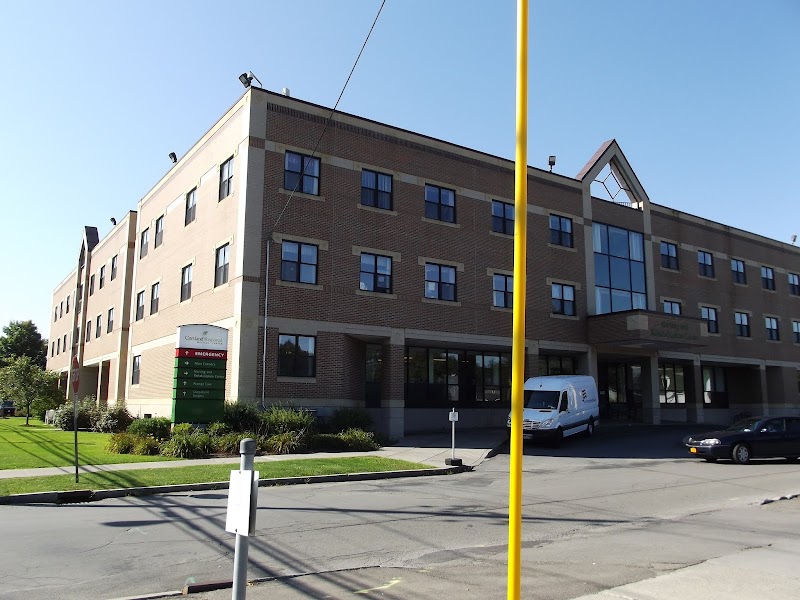
How is Guthrie Cortland Medical Center Staffed?

CMS rates GUTHRIE CORTLAND MEDICAL CENTER's staffing level at 5 out of 5 stars, which is much above average compared to other nursing homes. Staff turnover is 31%, compared to the New York average of 46%. This relatively stable workforce can support continuity of care.

What Have Inspectors Found at Guthrie Cortland Medical Center?

State health inspectors documented 12 deficiencies at GUTHRIE CORTLAND MEDICAL CENTER during 2019 to 2024. These included: 11 with potential for harm and 1 minor or isolated issues.
Who Owns and Operates Guthrie Cortland Medical Center?

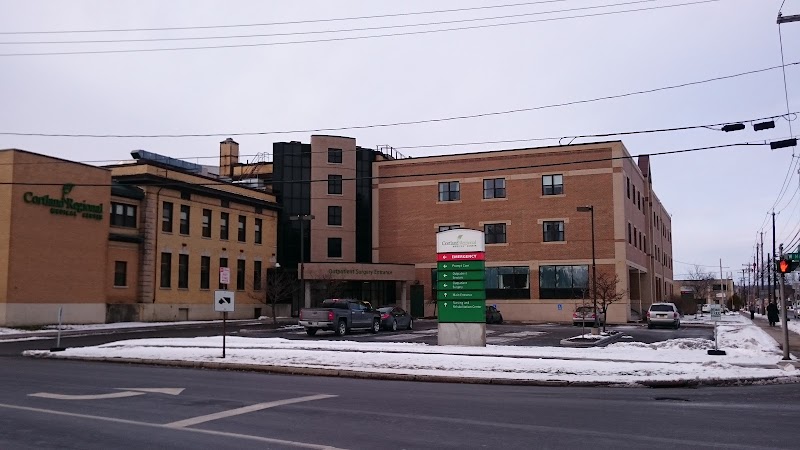
GUTHRIE CORTLAND MEDICAL CENTER is owned by a non-profit organization. Non-profit facilities reinvest revenue into operations rather than distributing to shareholders. The facility operates independently rather than as part of a larger chain. With 80 certified beds and approximately 72 residents (about 90% occupancy), it is a smaller facility located in CORTLAND, New York.
How Does Guthrie Cortland Medical Center Compare to Other New York Nursing Homes?

Compared to the 100 nursing homes in New York, GUTHRIE CORTLAND MEDICAL CENTER's overall rating (5 stars) is above the state average of 3.1, staff turnover (31%) is significantly lower than the state average of 46%, and health inspection rating (4 stars) is above the national benchmark.

What Should Families Ask When Visiting Guthrie Cortland Medical Center?

Based on this facility's data, families visiting should ask: "Can I visit during a mealtime to observe dining assistance and food quality?" "How do you handle medical emergencies, and what is your hospital transfer rate?" "Can I speak with family members of current residents about their experience?"

Is Guthrie Cortland Medical Center Safe?

Based on CMS inspection data, GUTHRIE CORTLAND MEDICAL CENTER has a clean safety record: no substantiated abuse findings (meaning no confirmed cases of resident harm), no Immediate Jeopardy citations (the most serious violation level indicating risk of serious injury or death), and is not on the Special Focus Facility watch list (a federal program monitoring the lowest-performing 1% of nursing homes). The facility has a 5-star overall rating and ranks #1 of 100 nursing homes in New York. While no facility is perfect, families should still ask about staff-to-resident ratios and recent inspection results during their visit.

Do Nurses at Guthrie Cortland Medical Center Stick Around?

GUTHRIE CORTLAND MEDICAL CENTER has a staff turnover rate of 31%, which is about average for New York nursing homes (state average: 46%). Moderate turnover is common in nursing homes, but families should still ask about staff tenure and how the facility maintains care continuity when employees leave.

Was Guthrie Cortland Medical Center Ever Fined?

GUTHRIE CORTLAND MEDICAL CENTER has been fined $70,434 across 1 penalty action. This is above the New York average of $33,783. Fines in this range indicate compliance issues significant enough for CMS to impose meaningful financial consequences. Common causes include delayed correction of deficiencies, repeat violations, or care failures affecting resident safety. Families should ask facility leadership what changes have been made since these penalties.

Is Guthrie Cortland Medical Center on Any Federal Watch List?

GUTHRIE CORTLAND MEDICAL CENTER is not on any federal watch list. The most significant is the Special Focus Facility (SFF) program, which identifies the bottom 1% of nursing homes nationally based on persistent, serious quality problems. Not being on this list means the facility has avoided the pattern of deficiencies that triggers enhanced federal oversight. This is a positive indicator, though families should still review the facility's inspection history directly.