YORKTOWN REHABILITATION & NURSING CENTER
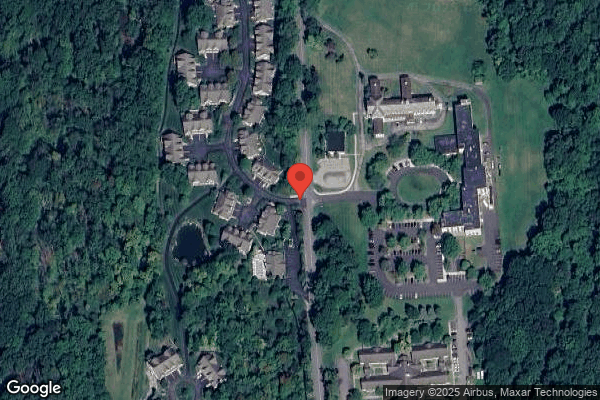
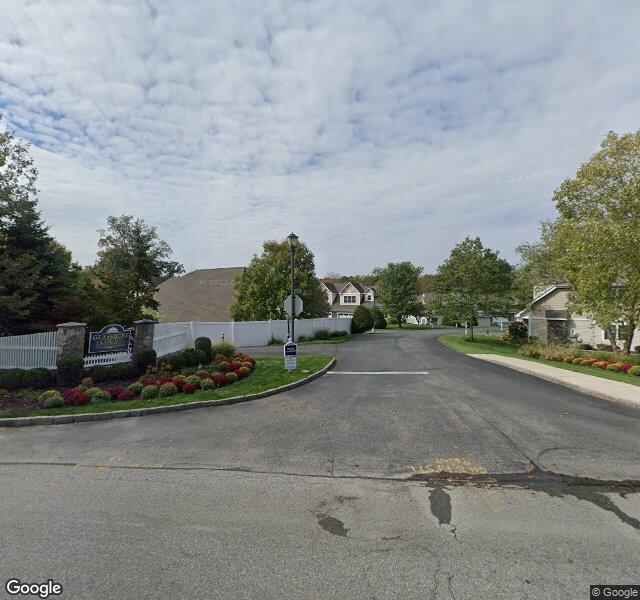
2300 CATHERINE STREET, CORTLANDT MANOR, NY 10567 (914) 739-2244
For profit - Corporation 200 Beds PERSONAL HEALTHCARE, LLC Data: November 2025
Trust Grade
68/100
#369 of 594 in NY
Last Inspection: January 2024

Within standard 12-15 month inspection cycle. Federal law requires annual inspections.

Overview

Yorktown Rehabilitation & Nursing Center has a Trust Grade of C+, indicating it is decent and slightly above average compared to similar facilities. It ranks #369 out of 594 in New York, placing it in the bottom half, and #27 out of 42 in Westchester County, meaning only a few local options are better. The facility has shown improvement, decreasing its issues from 7 in 2024 to 2 in 2025. Staffing is a strength with a 4/5 rating and a low turnover rate of 27%, which is better than the state average, suggesting that staff are experienced and familiar with residents. However, there were some concerning incidents, such as improper food storage practices that could lead to contamination and a failure to create proper care plans for residents, which could affect their health and safety. Overall, while there are notable strengths in staffing and improvement trends, families should be aware of the facility's past issues with care planning and food safety.

Trust Score
C+
68/100
In New York
#369/594
Bottom 38%
Safety Record
Low Risk
No red flags
Inspections
Getting Better
7 → 2 violations
Staff Stability
✓ Good
27% annual turnover. Excellent stability, 21 points below New York's 48% average. Staff who stay learn residents' needs.
Penalties
✓ Good
No fines on record. Clean compliance history, better than most New York facilities.
Skilled Nurses
○ Average
Each resident gets 40 minutes of Registered Nurse (RN) attention daily — about average for New York. RNs are the most trained staff who monitor for health changes.
Violations
⚠ Watch
20 deficiencies on record. Higher than average. Multiple issues found across inspections.
★★★☆☆
3.0
Overall Rating
★★★★☆
4.0
Staff Levels
★★★★★
5.0
Care Quality
★★☆☆☆
2.0
Inspection Score
Stable
2024: 7 issues
2025: 2 issues

The Good

  • 4-Star Staffing Rating · Above-average nurse staffing levels
  • 5-Star Quality Measures · Strong clinical quality outcomes
  • Low Staff Turnover (27%) · Staff stability means consistent care
  • Full Sprinkler Coverage · Fire safety systems throughout facility
  • No fines on record
  • Staff turnover is low (27%)

    21 points below New York average of 48%

Facility shows strength in staffing levels, quality measures, staff retention, fire safety.

The Bad

3-Star Overall Rating

Near New York average (3.1)

Meets federal standards, typical of most facilities

Chain: PERSONAL HEALTHCARE, LLC

Part of a multi-facility chain

Ask about local staffing decisions and management

The Ugly 20 deficiencies on record

Aug 2025 2 deficiencies
CONCERN (D) 📢 Someone Reported This

A family member, employee, or ombudsman was alarmed enough to file a formal complaint

Potential for Harm - no one hurt, but risky conditions existed

Assessment Accuracy (Tag F0641)

Could have caused harm · This affected 1 resident

**NOTE- TERMS IN BRACKETS HAVE BEEN EDITED TO PROTECT CONFIDENTIALITY** Based on record review and interviews during an abbreviated survey (NY00348017/806183), the facility did not ensure assessments ...

Read full inspector narrative →
**NOTE- TERMS IN BRACKETS HAVE BEEN EDITED TO PROTECT CONFIDENTIALITY** Based on record review and interviews during an abbreviated survey (NY00348017/806183), the facility did not ensure assessments accurately reflected the resident's status for 1 out of 3 residents (Resident #1) reviewed for assessments. Specifically, Resident #1 who was cognitively impaired, had chronic confusion and gait/balance disturbances was not identified as a high risk for falls on admission. Resident #1 had an unwitnessed fall on 06/08/2024 and sustained a laceration to their left eyebrow and a bruise to their left elbow. Review of Resident #1's fall risk assessment dated [DATE] revealed it was not completed, reflecting inaccurate scoring on the assessment tool.The findings are:Resident #1 was admitted with diagnoses including but not limited to Chronic Obstructive Pulmonary Disease, Type 2 Diabetes Mellitus and Peripheral Vascular Disease.An admission Minimum Data Set, dated [DATE] documented Resident #1 had severe cognitive impairment. Resident #1 had impairment to their upper extremities on both sides and required a walker or a wheelchair for locomotion. The resident required set up assistance with meals, moderate assistance with toileting, maximal assistance with bed mobility and transfers. Review of a risk for falls care plan initiated 05/06/2024 documented Resident #1 was at a low risk for falls as evident by the scoring tool. Resident #1 had a fall risk score of 6 indicating a low risk for falls. Interventions listed included assist resident with ambulation and transfers utilizing therapy recommendations and determine resident's ability to transfer.Review of a fall risk assessment dated [DATE] documented Resident #1 was alert and oriented x 3 and chairbound. The gait/balance section and remainder of the assessment was not completed, indicating a partial fall risk score was tallied and incorrect. Review of an impaired cognition care plan initiated 05/07/2024 documented Resident #1 had an impaired thought process related to their Brief Interview of Mental Status score assessment. Interventions listed included ask yes/no questions in order to determine the resident's needs, communicate with and the resident/family/caregivers regarding resident's needs and monitor/document/report as needed any changes in cognitive function.Review of Resident #1's admission assessment dated [DATE] documented Resident #1 was chronically confused and had mild cognitive impairment.During a telephone interview on 08/27/2025 at 12:12 PM, the Director of Nursing stated the fall risk assessment, and the admission assessment were completed by Registered Nurse #2. The Director of Nursing stated they reviewed Resident #1's fall assessment and they noticed the assessment was incomplete because the balance/gait section was not completed by Registered Nurse #2. The Director of Nursing stated Resident #1 was not alert and oriented as indicated on the admission assessment by Registered Nurse #2. The Director of Nursing stated Registered Nurse #2 choose the wrong option out of the 3 choices indicated on the form for mental status. If they had performed the assessment, they would have chosen the option for intermittent confusion. With the fall risk assessment, the total tally will reflect the information documented during the assessment. Resident #1's fall risk assessment was incomplete and therefore the score tallied by the system was inaccurate. During a telephone interview on 08/28/2025 at 9:45 AM, Registered Nurse #2 stated they completed Resident #1's admission and fall risk assessments on 05/06/2024. Registered Nurse #2 stated during the admission assessment they asked the resident questions to check their mental capacity, and this is how they determine the resident's cognitive status. Registered Nurse #2 stated they documented Resident #1's mental status based on their answers to questions asked. On the fall risk score evaluation, Registered nurse #2 stated sometimes there are glitches within point click care (the electronic medical record system) and the system will generate a different score. The fall risk score of 6 for Resident #1 was inaccurate as it indicates the resident is a low fall risk. The facility is now using a different version of the fall risk assessment form which is shorter and all information to be gathered are located on the same form to avoid errors such as this. Registered Nurse #2 stated some of the errors encountered with the new system was when a section of the form was not completed, the system does not allow you to return to the uncompleted portion of the form to enter any updates. These omissions then generate inaccurate scores/tallies because of the omissions. The scores/tallies do not reflect the complete assessment.Registered Nurse #2 did not provide an answer as to why they documented Resident #1's cognitive status as alert and oriented x3 on the admission assessment and chronic confusion with mild cognitive impairment on the fall assessment on 05/08/202510 NYCRR 415.11(b)
CONCERN (D) 📢 Someone Reported This

A family member, employee, or ombudsman was alarmed enough to file a formal complaint

Potential for Harm - no one hurt, but risky conditions existed

Accident Prevention (Tag F0689)

Could have caused harm · This affected 1 resident

**NOTE- TERMS IN BRACKETS HAVE BEEN EDITED TO PROTECT CONFIDENTIALITY** Based on record review and interviews during an abbreviated survey (NY00348017/806183), the facility did not ensure the resident...

Read full inspector narrative →
**NOTE- TERMS IN BRACKETS HAVE BEEN EDITED TO PROTECT CONFIDENTIALITY** Based on record review and interviews during an abbreviated survey (NY00348017/806183), the facility did not ensure the resident environment remained as free of accident hazards as is possible; and that each resident received adequate supervision to prevent accidents for 1 out of 3 residents (Resident #1) reviewed for safety and supervision. Specifically, Resident #1 who had severe cognitive impairment with impaired thought process was assessed on admission as a low fall risk for fall. Resident #1 was left alone in their room on 6/8/2024. The resident had an unwitnessed fall and sustained a laceration to their left brow and bruising to their left elbow. Resident #1's room was located behind the nurse's station out of view from. Resident #1 had no specific measures in place for monitoring and oversight. The findings are:The facility Accident and Incident Prevention/Fall Risk policy last revised 11/21 documented it id the policy of the facility that safety is everyone's responsibility. Being alert and anticipating hazards can prevent most accidents. The best defense against injury is safety awareness. The facility cannot prevent all fall, but they can identify those at risk and place appropriate interventions to minimize the risk of falling and specifically minimize the risk of injury. Resident #1 admitted to the facility on [DATE] with diagnoses including but not limited to Chronic Obstructive Pulmonary Disease, Type 2 Diabetes Mellitus and Peripheral Vascular Disease.An admission Minimum Data Set, dated [DATE] documented Resident #1 had severe cognitive impairment. Resident #1 had impairment to their upper extremities on both sides and required a walker or a wheelchair for locomotion. The resident required set up assistance with meals, moderate assistance with toileting, maximal assistance with bed mobility and transfers. Review of a risk for falls care plan initiated 05/6/2024 documented Resident #1 was at a low risk for falls. Resident #1 was scored at a 6 indicating a low risk for falls. Interventions listed included assist resident with ambulation and transfers utilizing therapy recommendations and determine resident's ability to transfer.Review of an impaired cognition care plan initiated 05/7/2024 documented Resident #1 had an impaired thought process related to their Brief Interview of Mental Status score assessment. Interventions listed included ask yes/no questions in order to determine the resident's needs, communicate with the resident/family/caregivers regarding resident's needs and monitor/document/report as needed any changes in cognitive function.Review of Resident #1's admission assessment dated [DATE] documented interventions for safety as the call light will be in reach, the resident would have 1/2 side rails. Resident #1 had an unsteady gait and poor balance.During rounds in the facility Resident #1's room was observed to be behind the nurse's station out of staff view. There was no documented evidence of any supervision or monitoring of Resident #1's safety in place.During an interview on 08/7/2025 at 11:40 AM Licensed Practical Nurse #1 stated the morning of the fall Resident #1 was acting impulsive, but generally they were not impulsive. During an interview on 08/7/2025 at 11: 51 AM Registered Nurse #1 stated Resident #1 was a fall risk, and they were not safe to be left alone in their room.During an interview on 08/7/2025 at 12:45 PM the Director of Nursing stated Resident #1 was safe to be in the room by their self, but the resident was confused and impulsive. The Director of Nursing stated Resident #1's representatives would push them to walk a lot when they were visiting. The Director of Nursing stated the rehabilitation unit had private rooms, so Resident #1 was in a room by themself. The Director of Nursing stated Resident #1's room was moved to a viewed room near the nursing station after their fall, due to the resident getting up from the wheelchair.During an interview on 08/7/2025 at 2:40 PM the Administrator stated their investigation findings revealed that rounding is important.During a telephone interview on 08/27/2025 at 10:17 AM Certified Nurse Aide #1 stated the day of the incident, they were assigned to Resident #1. That was their first time taking care of the resident. The resident was a fall risk, so they were the first resident provided cares to and got them up. Certified Nurse Aide #1 stated they were informed during shift report from other certified nurse aides and Licensed Practical Nurse #1 that Resident #1 was a fall risk. Certified Nurse Aide #1 stated after they finished with Resident #1, they handed them their call bell and their urinal and left the resident in their wheelchair with the wheels locked. Certified Nurse Aide #1 stated they handed out the breakfast trays to the residents on the unit and there was a thirty-to-forty-minute time gap since they had last saw the resident. Certified Nurse Aide #1 stated they heard a commotion and went to Resident #1's room and found the resident on the floor. They wheeled the resident out to the nurses' station after their care and the nurse told them the family does not like it and wheel the resident back into their room. Certified Nurse Aide #1 stated Resident #1's representatives requested Resident #1 not be placed by the nurse's station and to leave them in their room. Certified Nurse Aide #1 stated usually residents that are a fall risk are left by the nurse's station so they can be observed by staff. 10 NYCRR 415.12(h)(1)
Apr 2024 2 deficiencies
CONCERN (D) 📢 Someone Reported This

A family member, employee, or ombudsman was alarmed enough to file a formal complaint

Potential for Harm - no one hurt, but risky conditions existed

Quality of Care (Tag F0684)

Could have caused harm · This affected 1 resident

**NOTE- TERMS IN BRACKETS HAVE BEEN EDITED TO PROTECT CONFIDENTIALITY** Based on observation, record review, and interview conducted during the abbreviated survey (NY00315980) the facility did not ens...

Read full inspector narrative →
**NOTE- TERMS IN BRACKETS HAVE BEEN EDITED TO PROTECT CONFIDENTIALITY** Based on observation, record review, and interview conducted during the abbreviated survey (NY00315980) the facility did not ensure that 1 of 3 residents (Resident #3) reviewed for quality of care, received treatment and care in accordance with professional standards of practice. Specifically, Resident #3 exited the building unnoticed and was found on the ground. There was no documented evidence the resident was assessed before being transferred to the wheelchair and taken back into the building. The resident was sent to the hospital over 12 hours later with a broken hip. Findings include: Resident # 3 was admitted to the facility on [DATE] with a diagnosis of Anxiety, Altered Mental Status and Diabetes Mellitus. The admission Minimum Data Set (an assessment tool) dated 5/1/2023 documented the resident had severely impaired cognition. The resident required two-person assistance for bed mobility and one-person physical assist for transfer, dressing, toilet use, and personal hygiene; and one-person physical assist for locomotion on and off the unit. The Incident Report dated 5/4/23 at 5:30 AM and completed by Staff #4 (Registered Nurse Supervisor) documented Resident #3 was found on campus grounds, unobserved. The description of the incident was the 2nd floor stairwell alarm sounded, staff observed the resident was not in their room, a Code 1000 (code for missing resident) was initiated, and staff proceeded to search for the resident until found. Steps taken to prevent recurrences included the resident was transferred to 320 for enhanced safety and psychiatric consult. The physician was notified and responded at 7 AM. The Incident Report was left blank in many areas and did not document an assessment of the resident, the type of incident, if there were injuries, treatment, or the disposition of the resident. Staff #4's (Registered Nurse Supervisor) progress note dated 5/4/2023 at 8:56 AM, documented the unit nurse on Unit 1A announced 3 times that the center stairway alarm was going off at around 5:28 AM. Staff checked the center stairway but did not see any resident. At 5:30AM the Certified Nurse Aide on unit 2A reported to the Registered Nurse Supervisor that Resident #3 was not in their room. The second alarm went off while staff started searching for resident. All the rooms in the facility were thoroughly searched room to room, the stairways, daycare building, and they were unable to locate the resident. Staff drove off the facility down the street and the surrounding neighborhood. The Director of Nursing was made aware within 15 minutes, Police was made aware the police came within 10 minutes. The family was updated. The resident was found at 6:55 AM by staff coming in for work, the resident was found kneeling on the pavement at the entrance to the facility. There was no further documentation by Staff #4, including an assessment of Resident #3's status when found outside. Review of staff statements regarding the incident included: -Staff #23 (Certified Nurse Aide) documented they were outside looking for the resident and Staff #2 (Registered Nurse) told them they saw someone outside and they (Staff #23) ran to the area and found the resident. The resident asked for help. Staff #23, Staff #6 (Nursing Supervisor) and Staff #24 (Physical Therapy Assistant) helped the resident get up and stand and get into the wheelchair. When an interviewed on 2/7/2024 at 2:28 PM, Staff #23 stated that the morning of the incident they saw the resident on the ground in the driveway around 6:50 AM. Staff # 24, Staff # 4, and Staff #25 (Certified Nurse Aide) approached the resident and Staff #6 ask the resident if they had pain. Three staff transferred the resident to the wheelchair and returned to the building. - Staff #24 (Physical Therapy Assistant) documented when they arrived to work the child care exit door alarm was sounding and they saw nothing. When they found out there was a missing resident, they saw the resident and Staff #23 and assisted Staff #23 to get the resident back in the building. When interviewed on 2/8/24 at 10:00 AM, Staff #24 stated that it had been a long time and could not remember the details of the incident. - Staff #25 (Certified Nurse Aide) documented when the resident was found they took a wheelchair out to the resident and staff. Staff brought the resident back into the building. A nursing progress note by the Registered Nurse Unit Manager, dated 5/4/2023 at 9:10 AM, documented a bodily assessment was done and the resident had a bruise to left knee, no swelling was noted on body or head. The physician was updated, and neurological checks were ongoing. (There was no evidence the resident's range of motion was assessed.) When interviewed on 2/7/2024 at 3:30 PM, the Registered Nurse Unit Manager stated that they assessed the bruise on the resident's left knee, they denied pain and was transferred to bed. Review of the Physician Assistant progress note dated 5/4/2023 (time unknown) documented the resident had eloped from the facility that morning, and at 10:33 AM the resident's blood pressure 132/68, pulse 74, and pain level of zero. The note documented the musculoskeletal assessment showed minimal movement of the lower extremities, no ecchymosis or swelling to joints, pain to palpation of left mid-thigh and hip joint, no obvious external rotation or leg shortening. The plan was to get x-rays of the left hip and femur and hold physical therapy. When interviewed on 2/7/24 at 2:39 PM, the Physician Assistant stated they were not sure when they examined the resident but usually came in around 8:30 AM. They stated they were updated on what transpired. The resident was in bed, had pain in the left leg, and an x-ray was ordered. The nursing progress note dated 5/4/23 at 2:27 PM documented the resident was given medication one time for hip pain and a new order for a STAT (immediate) x-ray of the left hip and femur. The physician order dated 5/4/24 at 2:34 PM documented STAT x-ray of the left hip and femur due to pain. The physical therapy note dated 5/4/23 at 3:21 PM documented the resident was seen in bed, unable to perform supine to sit due to increased pain on left hip area. Any movement caused the resident pain and the resident stated they fell, thus the bruising on left leg and pain on left hip and thigh. X-ray was ordered by nursing, pending results. The nursing progress note dated 5/4/2023 at 10:02 PM documented the X-ray revealed evidence of facture of the left hip and the resident was sent to the hospital at 9:55 PM. During an interview on 2/7/24 at 3:22 PM, Staff # 4 stated an employee coming in for work stated they saw someone at the end of the driveway on the ground with two certified nurse aides and the therapy assistant. They (Staff #4) asked the resident if they had pain and they said no. They (Staff#4) instructed the other staff to transfer her to the wheelchair and brought her back to the building. During an interview on 2/8/2024 at 10:17 AM, the Director of Nursing stated on the morning of 5/4/23, Resident #3 left the building and was found on the ground of the driveway. Resident #3 complained of pain in the left thigh upon assessment, an x-ray revealed a broken hip and the resident was transferred to the hospital. The Director of Nursing stated they did not think there was a delay in treatment and the resident was assessed timely. During a follow-up interview on 4/1/2024 at 11:48 AM, the Director of Nursing stated there was not a progress note documenting Staff #4's assessment. The Director of Nursing stated Staff #4's assessment was on Incident Report and pointed to the Incident Report review by the Nurse Manager that summarized the entire event up to the resident's transfer to the hospital. The Director of Nursing also stated the Registered Nurse Unit Manager also documented the bodily assessment done in the note that read no swelling was noted, and the left knee was bruised. 10 NYCRR 415.12
CONCERN (D) 📢 Someone Reported This

A family member, employee, or ombudsman was alarmed enough to file a formal complaint

Potential for Harm - no one hurt, but risky conditions existed

Accident Prevention (Tag F0689)

Could have caused harm · This affected 1 resident

**NOTE- TERMS IN BRACKETS HAVE BEEN EDITED TO PROTECT CONFIDENTIALITY** Based on observation, record review and interviews during the abbreviated survey ( NY00315980) the facility did not ensure resid...

Read full inspector narrative →
**NOTE- TERMS IN BRACKETS HAVE BEEN EDITED TO PROTECT CONFIDENTIALITY** Based on observation, record review and interviews during the abbreviated survey ( NY00315980) the facility did not ensure residents were provided supervision to avoid accident hazards for 1 of 3 residents (Resident #3) reviewed for accidents. Specifically, Resident #3 exited the building on 5/4/23 at 5:28 AM, undetected by staff, and was found an hour and half later at the end of the driveway. Later it was determined the resident had a fractured (broken) left hip. Findings include: The Policy and Procedure titled Elopement Prevention and Protocol for Missing Resident revised 9/2022 documented the facility will assess each resident upon admission, readmission, quarterly, annually, and when there is a significant change, to identify residents who have the potential for wandering and elopement to safeguard the health and welfare of those entrusted in our care. Residents will be protected from actual potential harm in a safe and secure manner while encouraging a restraint free environment. Resident #3 was admitted to the facility on [DATE] with diagnoses including Anxiety, Altered Mental Status and Diabetes Mellitus. The admission elopement assessment dated [DATE] documented the resident was not at risk for elopement. The admission Minimum Data Set (MDS, an assessment tool) dated 5/1/2023 documented Resident #3 had severely impaired cognition. The resident required a two person assist for bed mobility and one-person physical assist for transfer, dressing, toilet use, personal hygiene, and locomotion on and off the unit. A progress note dated 5/1/2023 documented Resident #3 attempted to get on the elevator in their wheelchair twice and staff had difficulty redirecting the resident. The resident was given a WanderGuard (electronic monitoring device usually placed on the wrist or ankle) and placed on 15 minutes checks for safety. There was no documented evidence that further elopement risk assessment was completed. A physician order dated 5/1/23, documented to apply a WanderGuard and to check placement and function every shift. The Close Observation Watch form (15-minute check sheet), dated 5/4/23, documented resident was in bed sleeping from 12 AM to 1:15 AM, in the bathroom at 1:30 AM, in bed sleeping from 1:45 AM to 4:00 AM, in the bathroom at 4:15 AM, in bed awake at 4:30 AM, and in bed sleeping from 4:45 AM to 5:15 AM. There was no documentation regarding the resident's whereabouts after 5:15 AM until 7:00 AM. The Registered Nurse Supervisor's progress note dated 5/4/2023 at 8:56 AM, documented the unit nurse on Unit 1A announced 3 times that the center stairway alarm was going off at around 5:28 AM. Staff checked the center stairway but did not see any resident. At 5:30AM the Certified Nurse Aide on unit 2A reported to the Registered Nurse Supervisor that Resident #3 was not in their room. The second alarm went off while staff started searching for resident. All the rooms in the facility were thoroughly searched room to room the stairways, daycare building, and they were unable to locate the resident. Staff drove off the facility down the street and the surrounding neighborhood. The Director of Nursing was made aware within 15 minutes, Police was made aware the police came within 10 minutes. The family was updated. The resident was found at 6:55 AM by staff coming in for work, the resident was found kneeling on the pavement at the entrance to the facility. The nursing schedule dated 5/3/2023 beginning 11 PM to 7 AM, documented Staff #6 (Licensed Practical Nurse), and Staff #1 and #3 (Certified Nurse Aides) were working on Unit 2A, where Resident #3 resided; and Staff #4 was the Regisitered Nurse Supervisor. The physical therapy note dated 5/4/23 at 3:21 PM documented the resident was seen in bed, unable to perform supine to sit due to increased pain on left hip area. Any movement caused the resident pain and the resident stated they fell, thus the bruising on left leg and pain on left hip and thigh. X-ray was ordered by nursing, pending results. Review of the progress note dated 5/4/2023 at 10:02 PM documented X-ray result revealed evidence of facture of the left hip and the resident was sent to the hospital at 9:55 PM. Review of the physical therapy (PT) Discharge note dated 5/4/24 documented prior to the incident the resident could ambulate approximately 75 feet with a contact guard. The physical therapy note also documented that prior to the incident, a care plan meeting was held with the resident's spouse and the spouse stated the resident was observed toileting themselves without assistance. During an interview on 1/19/24, the Director of Nursing walked with the surveyor from Resident #3's room to where the resident was found outside. The Director of Nursing stated the resident went past the elevator and opened the alarmed exit door, wearing a bathrobe and sneakers, went down 2 flights of stairs, through another door and then a third alarmed door. The resident was found outside the main entrance down the driveway. During an interview 1/22/24 at 10:05AM Staff #3 (Certified Nurse Aide) stated Resident #3 was assigned to them and on 15 minutes checks. Staff #3 stated they did not remember exactly when they last saw Resident #3 and was doing cares for another resident, heard the alarms go off and then an announcement. They checked the resident's room and bathroom but were unable to locate resident. They told the nurse and they searched for the resident in the building and outside. The resident was finally found in the driveway. During an interview on 1/23/24 at 2:00PM Staff #6 (Licensed Practical Nurse) stated they were passing morning medications and heard the alarm go off and then the page. Staff started looking in rooms, and Staff #3 stated the Resident #3 was missing. They stated the resident had a WanderGuard and it only worked for the elevator. They stated they searched inside and got in their care outside the building. Resident was finally found by a staff coming into work. During an interview on 1/22/24 at 10:13 AM Staff #2 (Registered Nurse) stated on 5/4/23 they were coming into work and saw a body lying in the driveway flailing her arms. They parked their car told the supervisor and the staff went outside and brought the resident back to the building. During an interview on 1/22/24 at 10:11AM Staff #4 (Registered Nurse Supervisor) stated it was about 5:30AM the alarm went off and they were notified by staff they could not find Resident #3. Code 1000 (code for missing resident) was immediately called and the search for the resident began in the building first then outside. The census that night was about 13 residents and three staff members on the unit. The resident was finally found by a staff member coming into work she was missing for about an hour and half. During an interview on 1/22/24 at 11:45AM the Director of Nursing stated the resident was exit seeking on 5/1/23 and was put 15 minutes checks and applied a WanderGuard. The elopement risk assessment and care plan were not updated. During an interview on 1/22/24 at 11:14AM the Administrator stated the staff did everything as per protocol to keep the resident safe. 415.12(h)(a)
Jan 2024 5 deficiencies
CONCERN (D)

Potential for Harm - no one hurt, but risky conditions existed

Deficiency F0574 (Tag F0574)

Could have caused harm · This affected 1 resident

Based on observation and interview conducted during the Recertification Survey from 01/17/24 to 01/24/24, the facility failed to ensure that the residents were informed and educated about their rights...

Read full inspector narrative →
Based on observation and interview conducted during the Recertification Survey from 01/17/24 to 01/24/24, the facility failed to ensure that the residents were informed and educated about their rights for 7 of 7 residents (Residents #44, #33, #91, #43, #32, #12, and #17) attending the Resident Council meeting. Specifically, the Residents' [NAME] of Rights was not posted on two of three floors in the facility. Findings include: The facility policy and procedure for Federal and State Rights of Residents, dated 05/09/22, documented the facility must furnish a written description of residents' legal rights which includes a posting in a conspicuous place in the facility. During the Resident Council meeting on 01/18/24 at 11:05 AM with 7 (#44, #33, #91,#43,#32,#12, #17) residents in attendance, all 7 stated they were unaware of the residents' legal rights. During an interview on 01/18/24 at 11:39 AM, Staff #11 (Activities Director) stated the Residents' Rights were posted on each floor in the shadow box. During an observation on 01/18/24 at 12:30 PM, the Residents [NAME] of Rights was posted on the first floor in a shadow box, however they were not posted on the second and third floor. During a follow-up interview on 1/23/24 at 9:48 AM, Staff #11 stated the Residents' [NAME] of Rights were removed from the second and third floor during the facility construction and could not recall how long ago. 10 NYCRR 415.3
CONCERN (D) 📢 Someone Reported This

A family member, employee, or ombudsman was alarmed enough to file a formal complaint

Potential for Harm - no one hurt, but risky conditions existed

Safe Environment (Tag F0584)

Could have caused harm · This affected 1 resident

**NOTE- TERMS IN BRACKETS HAVE BEEN EDITED TO PROTECT CONFIDENTIALITY** Based on observation, interview, and record review conducted during the recertification and abbreviated (NY00309033) surveys fro...

Read full inspector narrative →
**NOTE- TERMS IN BRACKETS HAVE BEEN EDITED TO PROTECT CONFIDENTIALITY** Based on observation, interview, and record review conducted during the recertification and abbreviated (NY00309033) surveys from 1/17/24 to 1/24/24, the facility did not maintain a safe, clean, and comfortable environment in 2 (Rooms 137, and 138) resident rooms. Specifically, room [ROOM NUMBER] had a hole in the wall, and room [ROOM NUMBER] had a hole on the window soffit ceiling. Findings include: During an observation on 01/17/24 at 11:01 AM, room [ROOM NUMBER] had a rectangular shaped opening in the wall facing the resident bed. The opening measured approximately 2.5 inches X 4 inches, and red, white, and black electrical wires were visible; a metal lamp shade was hanging from the opening. During an observation on 01/17/24 at 11:06 AM, room [ROOM NUMBER] had a round hole on the window soffit ceiling. The hole was approximately 5 inches wide and had black debris around the edge circumference. During an interview on 01/19/24 at 2:43 PM Certified Nurse Aide #21, stated they were assigned to the resident in room [ROOM NUMBER] and stated if they noticed any problems with the environment, they would report it to their nursing supervisor. Certified Nurse Aide #21 observed the hole with the surveyor and stated they had not noticed it before. During an interview on 01/19/24 at 2:46 PM Registered Nurse Unit Manager #10 observed the presence of the hole on window soffit ceiling of room [ROOM NUMBER] and stated she would send an email to maintenance. When interviewed on 01/19/24 at 2:48 PM, the resident residing in room [ROOM NUMBER] stated they were admitted to the facility in October 2023 and noticed the hole in the ceiling upon admission and did not like looking at it and thought something might crawl out of it. During an interview on 01/22/24 at 9:23 AM, the Director of Maintenance stated the facility did not have a worklog for maintenance issues and that the staff communicated any problems via email. The Director of Maintenance stated they received an email for work needed for room [ROOM NUMBER], but not for room [ROOM NUMBER]. During an interview on 01/24/24 at 9:42 AM the Director of Maintenance stated they were not aware of the open electrical wall mount box in room [ROOM NUMBER]. The Director of Maintenance stated it should have been reported by housekeeping or nursing. 10 NYCRR 415.3
CONCERN (D)

Potential for Harm - no one hurt, but risky conditions existed

Menu Adequacy (Tag F0803)

Could have caused harm · This affected 1 resident

**NOTE- TERMS IN BRACKETS HAVE BEEN EDITED TO PROTECT CONFIDENTIALITY** Based on observations, interviews, and record reviews conducted during the recertification survey from 1/17/24-1/24/24, the faci...

Read full inspector narrative →
**NOTE- TERMS IN BRACKETS HAVE BEEN EDITED TO PROTECT CONFIDENTIALITY** Based on observations, interviews, and record reviews conducted during the recertification survey from 1/17/24-1/24/24, the facility did not ensure that the menus met the nutritional needs and preferences for 1 of 2 residents (Resident #4) reviewed for food. Specifically, Resident #4 did not receive double portions of food as planned. Findings include: The facility policy titled Nutritional and Hydration Policy dated 4/2018 documented the intent of this policy is to ensure, to the extent possible, that acceptable nutritional and hydration status and that the facility provides a therapeutic diet that take into account the resident's clinical condition, and preferences when there is nutritional indication. Resident #4 was admitted to the facility on [DATE] with diagnoses including cervicalgia, pulmonary embolism, and heart disease. The 12/19/2023 admission/5-day Minimum Data Set (MDS) assessment documented the resident's cognition was intact, and they required supervision with bed mobility and eating, and moderate assistance with toileting and transfers. The comprehensive care plan dated 12/14/23, and updated on 1/4/23, documented Resident #4's diet was to include double portions. The Nutritional Comprehensive assessment dated [DATE] and signed on 12/17/23 by the dietitian documented that food preferences for Resident #4 were to be implemented as able and did not document double portions. Review of meal tickets for breakfast, lunch, and dinner from 1/17/24 thru lunch on 1/22/24 did not document that Resident #4 received double portions. When interviewed on 01/17/24 at 10:53 AM, Resident #4 stated that they had been receiving double portions of food and was now receiving single portions. Resident #4 was unable to recall when they stopped receiving double portions. During lunch observations on 01/17/24 at 12:08 PM, 01/18/24 at 12:20 PM and 01/22/24 at 12:30 PM, Resident #4 was eating in the dining room. The resident received single portions of food and the meal ticket did not document double portions. When interviewed on 01/22/24 at 01:03 PM, Resident #4 stated they spoke to the dietitian about their food preferences and was not receiving their preferences. When interviewed on 01/22/24 at 01:05 PM, Staff #5 (Food Service Director) stated they were unaware Resident #4 was supposed to receive double portions. When interviewed on 01/22/24 at 02:24 PM, the Director of Nursing stated that Resident #4 was care planned for double portions and was supposed to receive double portions. When interviewed on 01/22/24 at 04:17 PM, Staff #13 (Registered Dietitian) stated that when they received individual food preferences from the residents, they would update nutritional management or email the Director of Food Services to implement the changes on the meal tickets. Staff #13 stated Resident #4 was supposed to receive double portions of food and that the food preference was not communicated to food services. 10NYCRR 415.14(c) (1-3)
CONCERN (D)

Potential for Harm - no one hurt, but risky conditions existed

Deficiency F0919 (Tag F0919)

Could have caused harm · This affected 1 resident

**NOTE- TERMS IN BRACKETS HAVE BEEN EDITED TO PROTECT CONFIDENTIALITY** Based on observations, record review and interviews conducted during the recertification survey from 1/17/24-1/24/24, the facili...

Read full inspector narrative →
**NOTE- TERMS IN BRACKETS HAVE BEEN EDITED TO PROTECT CONFIDENTIALITY** Based on observations, record review and interviews conducted during the recertification survey from 1/17/24-1/24/24, the facility did not ensure that they were adequately equipped to allow residents to call for staff assistance through a communication system which relays the call directly to a staff member or to a centralized staff work area for 1 of 2 residents (Resident #72) reviewed. Specifically, the call system unit at the bedside for Resident #72 was not operational and the call system push button was broken and not accessible. Findings include: The facility's policy titled Call Bell Procedure dated 5/2017 documented the availability of the call light/bell is mandatory by this facility and if a call bell is defective, report immediately to maintenance or designee, and provide tap bell until fixed. Resident #72 was admitted to the facility on [DATE] with diagnoses including atrial fibrillation, major depressive disorder, and muscle weakness. The 11/1/23 quarterly Minimum Data Set (MDS) assessment documented the resident's cognition was moderately intact, and the resident required supervision with eating, toileting, and transfers, and was independent with bed mobility. The falls care plan dated 11/8/23 documented Resident #72 was at risk for falls. Interventions included the resident's call light to be within reach and to encourage the resident to use it for assistance as needed. During observations on 01/17/24 at 11:15 AM and 01/18/24 at 09:23 AM, Resident #72 was observed lying in bed, awake. The call system push button was observed to be broken/missing and Resident #72 stated that the call system push button had been broken for a long time. They stated they wanted someone to repair it because when they needed help, they had to get up out of bed and go in the hallway to request help. Resident #72 stated they mentioned the broken call bell to staff on multiple occasions and no one came to repair it. When interviewed on 01/18/24 at 09:30 AM, Staff #9 (Certified Nurse Aide) stated that Resident #72 should always have their call bell in place to call for assistance and that they did not realize the call bell was broken. When interviewed on 01/18/24 at 10:06 AM, Staff #10 (Registered Nurse Unit Manager) stated they were not aware Resident #72's call bell was broken and was just told by Staff #9 a few minutes ago and then put in a work order for the call bell to be repaired. When interviewed on 01/23/24 at 11:12 AM, the Director of Nursing stated that Resident #72 should always have their call bell within reach and functioning. The Director of Nursing stated that nursing staff should have been checking to make sure that the call bell was functioning properly, and they were unaware that Resident #72's call bell was not functioning. When interviewed on 01/24/24 09:41 AM, the Director of Maintenance stated that they received a work order for Resident #72's call bell on 1/18/24. They stated that the nursing supervisor had access to the storage room where the call bells were kept and could replace a call bell if needed. 10NYCRR 415.29
CONCERN (E)

Potential for Harm - no one hurt, but risky conditions existed

Food Safety (Tag F0812)

Could have caused harm · This affected multiple residents

Based on observations, interview, and record review, the facility did not ensure that food was stored, prepared, distributed, and served in accordance with professional standards for food service safe...

Read full inspector narrative →
Based on observations, interview, and record review, the facility did not ensure that food was stored, prepared, distributed, and served in accordance with professional standards for food service safety. Specifically, 1) Food brought into the facility for use by staff was stored in a freezer unit, 2) Two (2) soiled cooling coil fans were in use in the dairy refrigerator, and this presented a risk for food contamination. 3) Open, perishable foods were not appropriately labeled. 4) a. For 4 of 4 microwaves in use on the resident units, there were no thermometers available to check food temperatures when reheating foods to ensure safe temperatures for food service, and b. for 3 of 4 microwaves there were no procedures or guidance posted for microwave use. Findings include: The initial tour of the kitchen was conducted on 1/17/24 at 10:21 AM with Staff #5 (Food Service Director) in attendance. The following were observed: 1) On 1/17/2024 at 10:29 AM, an opened, unlabeled, undated, plastic bag containing pieces of an uncooked, reddish-colored item was observed stored on a shelf in a freezer unit. In an interview, Staff #22 (Cook) stated the reddish-colored item was goat, and Staff #14 had brought it in for a staff holiday party. During a follow up tour of the kitchen on 1/23/2024 at 11:58 AM, Staff #14 (Dietary Supervisor) stated that the goat belonged to them, they had brought it in for the holiday party for co-workers, the freezer was only to store food for the residents' use, but they brought the goat in and did not want to take it back home as they had co-workers on the weekend that they wanted to make the goat for. 2) On 1/17/2024 at 10:46 AM, during an inspection of the dairy refrigerator the grills on two (2) cooling coil fans (a component of an air conditioning or refrigeration system) were observed to be soiled with gray-ish colored dust. Surveyor requested that Staff #12 (Director of Maintenance) turn off the cooling coil fans in order to observe the cooling coil fan blades, and the cooling coil fan blades were observed to be soiled with a gray-ish colored residue. In interviews conducted at that time, Staff #5 stated that maintenance was responsible to clean the cooling coil fans. Staff #5 stated the fans were dusty and there was potential for the dust to get into the food. Staff #5 stated that they call an outside company that comes out to make repairs as needed on all refrigerators and, when they came to make repairs, they would clean the cooling coil fans. Staff #12 stated that cleaning the fans would be the responsibility of kitchen staff unless maintenance was asked to clean the fans. Staff #12 stated that if Staff #5 notified them that the cooling coil fans needed to be cleaned, then they would call the outside company and have them clean the cooling coil fans. 3) On 1/17/24 at 11:06 AM during an inspection of the dairy refrigerator the following were observed: -An open, 5-pound bag of parmesan blend grated cheese did not have a manufacturers expiration date or use by date, the facility labeled open date was 1/13/2024, and there was no facility use by labeling on bag. At that time, Staff #5 covered the bag with plastic wrap, returned it to the refrigerator, and stated they would call the company that made the cheese and ask them what their food dating code system was. - An open, 5-pound bag of low moisture mozzarella cheese had a manufacturer packed on date of 12/4/2023 and did not have a manufacturers expiration date. The facility opened date was 1/14/2024. At that time, Staff #5 stated they should have labeled the cheese with a use by date. 4) Inspections of the unit pantries and dining rooms were conducted on 1/23/2024 between 9:05 AM and 10:02AM and the following were observed: - The 3rd floor unit pantry had a microwave, no policy or guidance was posted for use of the microwave, and no food thermometer was found in the pantry. In an interview, Staff #15 (Licensed Practical Nurse) stated they would check the temperature of the heated foods with a gloved hand and would use common sense and clinical judgement in heating foods for the residents, and they did not have a thermometer to check the food temperature. - The 3rd floor unit dining room had a microwave, and no food thermometer was found. In an interview, Staff #19 (Activities Aide) stated that they would put the microwave on for 30 seconds. They had not been told to use a thermometer to check the temperature of heated foods, and they had not seen a thermometer in the pantry or dining room. - The 2nd floor unit pantry had a microwave, no policy or guidance was posted for use of the microwave, and no food thermometer was found in the pantry. In an interview, Staff #17 (Certified Nurse Aide) stated that they put the microwave on a number that was not too hot and not too cold. Staff #17 stated that if they were heating a hot beverage they would feel the cup, and if they were heating a plate of food, they would gauge the temperature by the number on the microwave that they felt was good. Staff #17 stated they had not seen a thermometer in the pantry, and they had not been told to check the temperature of the reheated food. - The 1st floor unit pantry had a microwave. No food thermometer was found in the pantry. The microwave policy posted next to the microwave did not specify how to check the temperature of the food or the temperature the food should be heated to. In an interview, Staff #18 (Certified Nurse Aide) stated they would put the food on for 30 seconds and put their hand over the food to see if it was too hot. Staff #18 stated they had not been told to use a thermometer to check the temperature of heated foods. 10 NYCRR 415.14(h)
Jun 2023 1 deficiency
CONCERN (D) 📢 Someone Reported This

A family member, employee, or ombudsman was alarmed enough to file a formal complaint

Potential for Harm - no one hurt, but risky conditions existed

Safe Transfer (Tag F0626)

Could have caused harm · This affected 1 resident

**NOTE- TERMS IN BRACKETS HAVE BEEN EDITED TO PROTECT CONFIDENTIALITY** Based on interviews and record reviews conducted during an abbreviated survey (NY00314913), the facility did not ensure that a r...

Read full inspector narrative →
**NOTE- TERMS IN BRACKETS HAVE BEEN EDITED TO PROTECT CONFIDENTIALITY** Based on interviews and record reviews conducted during an abbreviated survey (NY00314913), the facility did not ensure that a resident was allowed to return to the facility after having their hospital stay. This was evident for 1 of 3 residents (Resident#1). Specifically, Resident #1 was transferred to the hospital on [DATE] for psychiatric evaluation. On 04/17/2023 the facility refused to allow Resident#1's return to the facility. The Findings are: A facility policy and procedure titled, readmission to Facility dated 10/13/2023, documented Residents who have been discharged to the hospital or for therapeutic leave will be readmitted to the facility based on the facilities ability to meet the resident's needs. Resident #1 was admitted to the facility on [DATE] with diagnoses that included anxiety disorder, major depressive disorder, delusional disorder, schizoaffective disorder. The Minimum Data Set (MDS, an assessment tool) on 04/15/2023 documented Resident #1 had a Brief Interview for Mental Status (BIMS, used to determine attention, orientation, and ability to recall information) score of 13/15, associated with moderate impairment of cognition (00-7 severe impairment, 08-12 moderate impairment and 12-15 cognitively intact). The Facility undated Statement of Intent (SOI) documented the facility was aware of Resident #1' s history of suicidal ideation prior to admission. The SOI revealed the resident had suicidal ideation on 3/4/2023 with intent to jump off a balcony and was placed on constant 1:1 observation. Resident#1 was seen by hospital psychiatrist on 4/6/2023 and was deemed low suicidal risk and no longer on constant 1:1 observation and was cleared by psychiatrist. Resident#1 was admitted to facility on 4/12/2023 for short term rehabilitation. Physician Order with start date 04/12/2023 documented every 15-minute safety checks every shift for monitoring. Review of Close Observation Watch documentation for Resident #1 for 4/12/2023 through 4/15/2023 was completed as ordered. Licensed Practical Nurse note dated 4/15/2023 documented writer was notified by Certified Nurse Aide (CNA) about resident punching the window screen because they were trying to get out of here and go home through the window Screen observed partially ripped, window open. MD aware, received orders to send resident via 911 to psych hospital for evaluation Physician Progress Note dated 04/17/2023 documented Resident #1 had recent psychiatric hospitalization in November 2022 and January 2023 and was admitted to the facility after a fall. Psychiatry services cleared Resident #1 for discharge and denied any suicidal risk. Resident #1 had an attempt to jump out of window from second floor and was taken by EMS to hospital. Discussions were had with Resident #1's son and hospital social worker to offer alternate discharge plan: Resident #1 could probably benefit from inpatient psychiatric hospitalization. Options included discharging home. Resident #1's son refused any alternate options provided. Facility unable to offer higher level of psychiatric help for Resident #1. Hospital Final Report Physician notes dated 04/17/2023 documented Resident #1 referred by facility for evaluation of suicidal attempt. Resident #1 stated I wanted to go home, and they were guarding the door so I was trying to get out and leave through the window. I didn't like being imprisoned. Resident #1 denied suicidal or homicidal ideations. Resident #1 was admitted to hospital over the weekend from nursing home for medical and mental health assessment. Resident #1 remained under observation and was seen 4/17/2023. Resident #1 appeared comfortable, not in distress, anxious, no suicidal or homicidal ideation, denied history of non-suicidal self-injurious behavior. Resident #1 absolutely denied that they tried to jump out of window. Resident #1 stated they felt stuck, confined. Resident #1 was concerns about who was going to pay for their stay at the hospital. Hospital Referral Response History dated 04/17/2023 documented communication between hospital and facility admissions departments documented Resident #1 was not cleared by facility IDT team and needed clearance from DON and Psychiatrist. Facility will be unable to provide 1:1 observation with Resident #1. Facility did not have an available room on the first floor for Resident #1 and they needed prior authorization before Resident #1 could be returned to the facility. Resident had been out of the facility for over 24 hours. The facility indicated in the referral response for the hospital to contact Resident #1's son to set up a discharge plan for Resident #1 to go home. Resident #1's psych needs require 1:1 supervision which the facility could not accommodate. If hospital needs additional information from Medical Director or Psychiatrist, they will provide their contact information. Nurse Practitioner Progress Note dated 04/17/2023 documented Resident#1's case was discussed with interdisciplinary team. Although resident was cleared by hospital for discharge, it was their professional determination that Resident #1 required a higher level of psychiatric care and monitoring that cannot be provided in the facility to maintain their safety. Interview with Director of admission (DOA) on 5/1/23, DOA stated Resident #1 wasn't readmitted due to their suicidal attempt and being a threat to themselves. DOA stated Resident #1 was not cleared for readmission by Medical Director. Interview with Hospital Social Worker (HSW) on 5/1/23, HSW stated the facility refused to take Resident #1 back because they felt they needed 1:1 supervision. HSW stated Resident #1 stayed in the hospital until 4/21/2023 and the resident ended up going home because the hospital could not keep them any longer. HSW stated the facility gave options to send Resident #1 home but refused to take the resident back, basically dumping Resident #1 at the hospital emergency room. An Interview was conducted with the Director of Nursing (DON) on 5/1/2023 at 1:23 PM. The DON stated that when they admitted Resident #1 their suicidal ideations were passive. Resident #1 tried to commit suicide at the facility. DON stated when Resident #1 was initially admitted to the facility they were a low suicidal risk but that changed when Resident #1 had a suicidal attempt in the facility. DON stated the facility had a meeting with the IDT team and they decided Resident #1 needed a higher level of care. DON stated the hospital stated Resident #1 was cleared for discharge from their standpoint but clinical staff at the facility felt Resident #1 needed a higher level of care. An Interview was conducted with the Medical Director (MD), on 5/1/23 at 1:38 PM. MD stated Resident #1 was cleared by the hospital to come back to the facility however they felt that was not valid. MD stated Resident #1 had prior suicide attempt before being admitted to the facility before they admitted them. MD stated after admission to the facility Resident #1 tried to attempt suicide. MD stated they felt the hospital clearing Resident #1 to return to the facility was not valid due to what happened previously. MD stated they did not trust Resident #1 being cleared back to the facility due to the bad experience (suicidal experience) with the resident. An Interview was conducted with the Administrator (ADM) on 5/1/2023 at 1:54 PM. The ADM stated Resident #1 was admitted with passive suicidal ideations however when they were admitted the plan became active and Resident #1 was attempted to commit suicide. ADM stated the hospital notified the facility Resident #1 was ready for discharge on [DATE]. ADM stated the IDT team which consisted of themselves, Psychiatric Nurse Practitioner and Medical Director made the decision that Resident #1 needed a higher level of psychiatric inpatient care. ADM stated they spoke to the hospital and explained why they could not readmit Resident #1. Additional documents requested received from facility on 6/1/2023. 415.3(h)(4)
Dec 2022 1 deficiency
CONCERN (D) 📢 Someone Reported This

A family member, employee, or ombudsman was alarmed enough to file a formal complaint

Potential for Harm - no one hurt, but risky conditions existed

Safe Environment (Tag F0584)

Could have caused harm · This affected 1 resident

**NOTE- TERMS IN BRACKETS HAVE BEEN EDITED TO PROTECT CONFIDENTIALITY** Based on observation, interview and record reviews conducted during an abbreviated survey (NY00296050), the facility failed to e...

Read full inspector narrative →
**NOTE- TERMS IN BRACKETS HAVE BEEN EDITED TO PROTECT CONFIDENTIALITY** Based on observation, interview and record reviews conducted during an abbreviated survey (NY00296050), the facility failed to exercise reasonable care for the protection of resident property from loss for 1 of 1 resident (Resident #1) reviewed. Specifically, Resident #1 expired in the facility and the Power of Attorney (POA) never received the residents' belongings. There was no documented evidence that Resident #1 and/or Resident #1's representative received the items from the facility. The findings are: The undated facility policy titled Resident Personal Belongings documented that upon admission, any clothing that is brought into the facility must be clean and inventoried using the resident clothing inventory form. All items will be placed in a clear bag in the room for a nursing aide to pick up on the day of admission or following morning at placed at nursing station for laundry pick up. Review of the facility admission packet revealed a notice stating all personal belongings including clothing and electronics must be properly inventoried by staff. Resident #1 was admitted to the facility on [DATE] with diagnoses of cellulitis of abdominal wall, cellulitis of left lower limb, congestive heart failure and type 2 diabetes. There was no Minimum Data Set (MDS, an assessment tool) documented for the resident. Resident #1 was admitted after 5PM on [DATE] and expired at 5AM on [DATE]. Review of Resident #1 electronic health record revealed there was no Inventory Form completed for Resident #1 on admission on [DATE]. Review of the Social Service Progress notes dated [DATE] documented Resident #1 died in the facility on [DATE]. Staff spoke with Resident #1' son who stated they would be picking up Resident #1's personal belongings. Review of the Missing Personal Item Report form dated [DATE] completed by the Social Worker (SW) documented, I was contacted by Resident #1's daughter, who is not on Resident #1's contact list to report that a cell phone and outfit was missing from were Resident #1 was in the facility. Resident # was admitted on [DATE] and died the next morning on [DATE]. I received an email on [DATE]. I received email on [DATE] from nursing reporting that Resident #1's son was picking up their cell phone and hospital bag with outfit. On Monday [DATE], I was informed by nursing that over the weekend Resident #1's family called asking where the personal belongings were, and nursing informed them they were picked up. On [DATE], Resident #1's daughter left a voice message and on [DATE] I called them back. Resident #1's daughter asked where Resident #1's cell phone and outfit were, and I explained that Resident #1's son told nursing they were coming to pick them up in the morning. I was informed that the family called but nothing has turned up and I wasn't aware of anything else. I informed Resident #1's daughter that the team was aware and will continue to search for Resident #1's personal belongings. No inventory sheet was found in Resident #1's medical chart. The facility did not provide documentation that Resident's belongings were picked up by family During an Interview conducted with SW on [DATE] at 10:39 AM, SW revealed they were told by nursing that Resident #1's son was going to pick up their belongings. SW stated they thought the belongings had been picked up already until Resident #1's daughter called stating no one had picked up the belongings. SW stated they initiated a grievance for Resident #1's belonging and there was no inventory sheet completed. SW stated Resident #1' son never reached out to the facility on the daughter. SW stated they never heard anything else from the son or daughter regarding the belongings and they were never located within the facility. During an interview with the Registered Nurse (RN) on [DATE] at 2:21 PM, the RN stated when a resident is newly admitted there is supposed to be an inventory sheet completed with a list of all their belongings. RN stated they completed the admission information for Resident #1. The RN stated they did not complete an inventory sheet for Resident #1's belongings because they were admitted after 3:00 PM and the RN's shift ended at 3:00 PM. The RN stated they stayed after 3:00 PM on that day to complete the admission forms in the computer and they thought the evening shift would complete the inventory sheet. The RN stated Resident #1 did have a cell phone at the time of admission. The RN stated usually when a resident expires their belongings are either packed up and left at the nursing station or in the room. The RN stated they did not know what happened to Resident #1's cell phone. The RN stated they were questioned by the Assistant Director regarding Resident #1's cell phone and s/he informed them that the resident was admitted with a cell phone. An Interview was conducted with the Director of Nursing (DON) on [DATE] at 2:42 PM. The DON stated that when a resident is admitted to the facility there should be an inventory sheet filled out with all the items that they bring with them. The DON stated the inventory form should be completed within the first 24 hours of being admitted to the facility. The DON stated the SW and RN supervisors are responsible for ensuring inventory forms are complete. The DON stated they completed a grievance for Resident #1's items which were a cell phone and a clothing outfit. DON stated they would expect to see documentation in the EMR if the personal items were picked up. DON stated if items are not located after the grievance process, they are replaced by the facility. DON stated normally they will write on the inventory sheet that the facility is not responsible for missing items but since Resident #1 expired within 24 hours nothing was able to be completed. A follow up interview was conducted with the DON on [DATE] at 12:11 PM. The DON revealed the SW, or the Nursing staff are responsible for reaching out to see if resident items were picked up. The DON stated resident items that are waiting to be picked up are usually left in the room or held by the SW. The DON stated ongoing documentation regarding if the items were picked up or not can be documented in the health records but doesn't have to be. The DON stated the staff communicates amongst each other regarding items, sometimes they document and sometimes they don't. 415.5(h)(1)
Oct 2020 8 deficiencies
CONCERN (D)

Potential for Harm - no one hurt, but risky conditions existed

Pressure Ulcer Prevention (Tag F0686)

Could have caused harm · This affected 1 resident

**NOTE- TERMS IN BRACKETS HAVE BEEN EDITED TO PROTECT CONFIDENTIALITY** Based on observation, interview and record review conducted during a recertification survey, it cannot be ensured that the facil...

Read full inspector narrative →
**NOTE- TERMS IN BRACKETS HAVE BEEN EDITED TO PROTECT CONFIDENTIALITY** Based on observation, interview and record review conducted during a recertification survey, it cannot be ensured that the facility provided the appropriate care to promote healing of an existing pressure ulcer for 1 of 3 residents (Resident #12) reviewed for pressure ulcers. Specifically, Resident #12 was observed several times to be positioned on his back without prescribed adaptive equipment as ordered. Review of the Minimum Data Set (MDS; an assessment tool) dated 4/13/2020 showed that Resident #12 was admitted on [DATE] with a Stage 3 pressure ulcer (PU). The MDS notes that Resident #12 is to utilize a pressure reducing device while in a chair and in a bed. Resident #12 also receives pressure ulcer/injury care, has a Turning and Repositioning program and has nutrition and hydration interventions to manage skin problems. Review of Resident #12's Braden Scale for Predicting Pressure Ulcers dated 7/21/2020, documents a risk score of 14 which means he is at moderate risk for pressure ulcers. The Braden Scale includes a clinical recommendation to turn and position Resident #12 at least every 2 hours while in bed. Review of a Wound Care Note dated 10/6/2020 showed that Resident #12's sacral pressure injury has progressed to a Stage 4 PU with bone exposed. Review of the Activities of Daily Living (ADLs) Care Plan, updated on 10/7/2020 documents that Resident #12 is to receive total assistance of 2 staff to turn and position in bed every 2 hours and as necessary. Review of the Significant Change in Status MDS dated [DATE] shows that Resident #12 is moderately cognitively impaired, requires extensive two-person assistance for bed mobility, transfer, and toilet use; extensive one-person assistance for dressing, personal hygiene, bathing and requires limited one-person assistance (2/2) for eating. Resident #12 has diagnoses including Neuroendocrine Tumor, Skin Cancer, Muscle Weakness, Unspecified Protein Calorie Malnutrition and Depression. Resident #12 is frequently incontinent of bowel and bladder. Review of the Pressure Ulcer Care Plan updated on 10/16/2020 showed that Resident #12 had a Stage 4 PU to the sacrum. Interventions included to administer all treatments as ordered, encourage good nutrition and hydration, instruct resident on offloading techniques, keep skin dry and clean, keep nails short to reduce risk of scratching, turn and reposition from side to side every 2 hours while in bed avoiding the back. Resident #12 is also to use a Roho cushion on the wheelchair, a wedge cushion to his back and a soft cushion under the arm he is leaning toward. Resident #12 was observed on 10/23/2020 at 10:11AM and 12PM where the resident remained in bed, on his back and the wedge cushions were not in place nor was a soft cushion under his arm. On 10/23/2020 at 12:56 PM, the resident was observed to be in bed, propped up on two pillows, eating lunch. At 1:52PM, Resident #12 remained in bed, propped up on two pillows while on his back. On 10/26/2020 at 09:21AM Resident #12 was observed in bed on his back without the wedge cushions in place and the soft cushion was not under the arm that the resident leans toward. During observation on 10/27/2020 at 10AM, Resident #12 was in bed on his back. During observation on 10/28/2020 at 2:30PM, Resident #12 was in bed on his back, propped up on two pillows. The wedge cushions were located on the side table. During interview on 10/26/2020 at 11:14 AM, the Director of Rehabilitation stated that an Occupational Therapy (OT) evaluation was completed on 9/3/2020. The resident declined in his abilities from 7/19/2020 to 9/3/2020. She stated that Resident was referred by a nurse on 3A for concerns with wheelchair positioning and increased difficulty in functional mobility. During interview on 10/26/2020 at 01:36PM, Certified Nursing Assistant (CNA #1) stated that Resident #12 has one sacral ulcer which recently got worse. She stated that she noticed it during cares and reported it to the charge nurse who then informed the wound doctor. CNA #1 also explained that Resident #12 is to be turned every 2 hours which is to be recorded in the system. She stated that she tries to do it when she has the time but sometimes, she does not. On 10/28/2020 at 2:44PM, Licensed Practical Nurse (LPN #1) was interviewed. When questioned, LPN #1 could not explain why Resident #12 was in bed, on his back without the wedge cushion or any other pressure relieving device. She further stated that wedges are to be used to off load Resident #12. LPN #1 explained that residents with PUs are always to be off loaded from their backs. She stated that if a pressure relieving device is ordered in the care plan, that is what should be used. LPN #1 said that she has frequently observed the CNAs using rolled up towels because it is faster to place than the cushion or wedges.
CONCERN (D)

Potential for Harm - no one hurt, but risky conditions existed

Accident Prevention (Tag F0689)

Could have caused harm · This affected 1 resident

**NOTE- TERMS IN BRACKETS HAVE BEEN EDITED TO PROTECT CONFIDENTIALITY** Based on observations, interviews and record reviews conducted during the Recertification Survey it could not be ensured that th...

Read full inspector narrative →
**NOTE- TERMS IN BRACKETS HAVE BEEN EDITED TO PROTECT CONFIDENTIALITY** Based on observations, interviews and record reviews conducted during the Recertification Survey it could not be ensured that the facility did not ensure that each resident received adequate transfer assistance and assistance devices to prevent accidents for 1 (Resident #65) of 3 residents reviewed for accidents. Specifically, 1) a chair alarm was not being utilized as per the plan of care and, 2) transfer assistance was not consistently provided as per physician order and per plan of care. Findings Include: The facility Policy and Procedure titled, Certified Nursing Assistant (CNA) Care/Documentation effective date 4/2018, indicated that the level of care should be followed as detailed on the [NAME] and the care plan. The CNAs are to review the [NAME] to know the level of assistance to be provide for each resident. The 9/24/2020 Significant Change Minimum Data Set assessment (MDS; an assessment tool) indicated that Resident #65 had severe cognitive impairment, received total staff support of 2 for transfers, bed mobility, and toilet needs. Resident #65 had no falls since the last assessment. The 2/3/2019 care plan titled, Activities of Daily Living (ADLs) Self-Care Performance Deficit Related to Dementia included interventions for the use of a bed and chair alarm. The ADL care plan was updated on 10/14/2020 to include that Resident #65 required extensive assistance of 1 staff for support during transfers. The 5/10/2019 care plan titled, High Risk For Falls was updated on 9/1/2020 due to a reported fall on the previous shift while Resident #65 was attempting to self-ambulate with a rolling bedside table and no staff assistance. No injuries were reported from the fall and R4esident #65 was recommended to continue with bed and chair alarms and encouraged to sit in a supervised area when out of bed. and The 9/18/2020 Fall Risk Assessment indicated resident #65 had a score of 19, putting him at high risk for falls. Review of the Physician's Orders dated 10/7/2020 revealed that Resident #65 requires extensive assistance of 2 staff for support during transfers. Review of the 10/2020 CNA Care Guide flow sheet indicated that Resident #65 required moderate assistance of 2 staff for support during transfers and a chair alarm is to be utilized on every shift. Review of the 10/2020 Visual/Bedside [NAME] Report indicated that the resident required extensive assistance of 1 staff for support during transfers. It also indicated that Resident #65 is to utilize a safety chair alarm. During observation on 10/23/2020 at 12:48PM, Resident #65 was sitting on the side of the bed with complaints of dizziness. CNA #1 encouraged Resident #65 to sit until she felt better, and then encouraged the resident to place a hand on the wheelchair. CNA #1 then guided Resident #65 into the wheelchair which had no chair alarm enabled. After the resident was seated in the wheelchair, CNA #1 left the room with Resident #65 not having a chair alarm. Follow up observation on 10/23/2020 at 2:15PM revealed that Resident #65 remained in the room, without the use of the chair alarm. During the above-mentioned observations, the chair alarm was resting on the top of the dresser in the resident's room. An interview was conducted on 10/23/2020 at 3:58PM with the Physical Therapy Aide (PTA). The PTA indicated that the transfer recommendation for Resident #65 was extensive assistance of 1 staff for support for transfers. He further indicated that the resident was a fall risk due to impaired cognition and maladaptive behaviors. Review of the 10/27/2020 daily CNA assignment form indicated that Resident #65 required the assistance of 1 staff for support during transfers and was to utilize a chair alarm. The CNA assignment sheet did not indicate what level of transfer support the resident needed for transfers. An interview was conducted on 10/27/2020 at 11:20AM with CNA #5. She indicated that the CNA assignment sheet had 1 staff assist for Resident #65's transfers but did not indicate how much assist was needed. She further indicated that approximately 2 weeks prior, she was assigned to Resident #65 and at that time she provided limited assistance for transfers. An interview was conducted on 10/27/2020 at 12:17PM with CNA #1. CNA #1 indicated that she had transferred the resident alone, providing limited assistance, after having Resident #65 sit on the side of the bed for a few moments due to complaints of dizziness. CNA #1 indicated that she followed the CNA assignment sheet to determine the staff support that Resident #65 needed. When asked how much transfer assistance Resident #65 needed, she indicated that she thought limited assistance, not extensive assistance. CNA #1 was also asked if Resident #65 should be using a chair alarm and she stated that it was not on the resident's chair. During observation on 10/27/2020 at 12:22PM, Resident #65 was sitting next to the unit 3 nursing station without the chair alarm. The chair alarm was on top of the dresser in the resident's room. An interview was conducted on 10/27/2020 at 12:30PM with the Registered Nurse Unit Manager (RNUM#1). RNUM #1 indicated that the CNA staff are supposed to follow the [NAME] and care plan when providing cares. She indicated that Resident #65 was a fall risk and should be transferred with the assistance of 2 staff for support and that a chair alarm should be in place. She further indicated that she was responsible to update the directives for the residents' care on the [NAME]. RNUM #1 went on to say that she would update/correct the [NAME] and the daily CNA assignment sheet. 415.12(h)(2)
CONCERN (D)

Potential for Harm - no one hurt, but risky conditions existed

Deficiency F0710 (Tag F0710)

Could have caused harm · This affected 1 resident

**NOTE- TERMS IN BRACKETS HAVE BEEN EDITED TO PROTECT CONFIDENTIALITY** Based on observations, record reviews and interviews conducted during a recertification survey, it could not be ensured that the...

Read full inspector narrative →
**NOTE- TERMS IN BRACKETS HAVE BEEN EDITED TO PROTECT CONFIDENTIALITY** Based on observations, record reviews and interviews conducted during a recertification survey, it could not be ensured that the facility provided timely medical supervision for 1 of 6 residents (Resident #88) reviewed for nutrition. Specifically, the Physician and/or the Nurse Practitioner (NP) were unaware of and therefore did not address the resident's unplanned significant weight loss. Review of facility policy and procedure (P/P) dated 4/2018, revised 1/2020 and titled, Weights documented that, the Dietitian/designee will notify the nurse manager, Medical Doctor (MD), care team of any significant weight variance. The findings are: Resident #88 is [AGE] years old who was admitted to the facility on [DATE] with diagnoses including Hyperlipidemia, Arteriosclerotic Heart Disease and Major Depressive Disorder. Resident #88 was discharged to Assisted Living on 3/18/2020 and subsequently readmitted to the facility on [DATE] with additional diagnoses including Benign Prostatic Hypertrophy and Urinary Retention. On 9/21/2020 the resident was hospitalized and re-admitted to the facility on [DATE] with diagnoses including Urinary Tract Infection, Dementia without behavioral disturbance, Adult Failure to Thrive, Hypertension, Neuromuscular Dysfunction, Hyperosmolality and Hyponatremia. The Significant Change MDS (MDS; a resident assessment and screening tool) dated 10/5/2020 documented a Brief Interview for Mental Status (BIMS) score of 8, indicating that Resident #88 has moderately impaired cognition for decision making, functional ability for eating with the limited assistance of one person, no dental issues and no signs or symptoms of a swallowing disorder. Resident #88 was measured to weigh 119 pounds with no significant weight changes. The Nutrition Care Plan dated 2/11/2019 and revised 10/12/2020 documented that the goal for Resident #88 was to maintain adequate nutritional status as evidenced by maintaining weight within 117-22 pounds, no signs or symptoms of malnutrition, consuming at least 50-75% of all meals daily and no dehydration or fluid overload. The interventions included a regular diet, monitor/document/report signs or symptoms of dysphagia, obtain and monitor lab/diagnostic work as ordered. Report results to MD and follow up as indicated. Resident #88 is to be provided supplements as ordered including Boost, Vitamin C, Vitamin D and Multivitamin. The Registered Dietician (RD) is to evaluate and make recommendations as needed. Furthermore, Resident #88 is to be weighed at the same time of day, to be recorded weekly. Review of Resident #88's weights showed a 12.1% weight loss from 10/1/2020 through 10/27/2020. a) 10/1/2020 - 120.6 pounds (lbs) b) 10/3/2020 - 118.9 lbs (-1.7 lbs from 10/1/2020) c) 10/5/2020 - 118 lbs (-2.6 lbs from 10/1/2020) d) 10/20/2020 - 113.9 lbs (-6.7 lbs from 10/1/2020) e) 10/27/2020 - 106 lbs (-14.6 lbs from 10/1/2020) Review of the Nutritional Comprehensive assessment dated [DATE] showed that Resident #88's usual body weight (UBW) was 122 lbs, with an Ideal body weight (IBW) of 125 lbs. The report reflected no significant weight loss (5% or more in the last month or 10% or more in the last 6 months) noted over the one-month period. Resident #88's estimated dietary needs are 1431-1696 Kilocalories daily, 58-70 grams of protein daily and an average fluid intake of 1700 ml per day. He has inadequate energy intake related to poor appetite as evidenced by generally consuming 25-50% of meals. Resident #88 is at risk for unintended weight loss/malnutrition. The Registered Dietician (RD) was interviewed on 10/26/2020 at 1:53PM and revealed she had not addressed the resident's most recently recorded (10/20/2020) weight of 113.9 lbs which reflected a 4.1 lb (3.47%) loss since the previous weight reading (10/5/2020) and a 6.7 lb (5.56%) loss in 19 days. Notes written by the Physician and Nurse Practitioner (NP) from re-admission [DATE] through the morning of 10/27/2020 were reviewed . Notes written by the Physician were dated 10/1/2020, 10/8/2020 and 10/15/2020. Notes written by the NP were dated 10/15/2020, 10/18/2020 and 10/26/2020. None of these notes acknowledged and/or addressed the weight loss. The NP was interviewed on 10/27/2020 at 10:10AM and explained that that the RD or Nursing staff monitor weights and are to update the NP. The NP stated that she monitors resident hydration, Creatinine, BUN, electrolytes and observes each resident. She also noted that when a weight loss is reported to her, she will discuss with nursing to determine the cause and will order interventions if indicated. No evidence was available for review to show that the RD or the Nursing staff had updated the NP regarding Resident #88's weights since his re-admission on [DATE]. The MD was interviewed on 10/27/20 10:42 AM and reported that she had not been notified of resident's weight losses since re-admission [DATE]. The Unit 1A Registered Nurse Manager (RNM) was interviewed on 10/27/2020 at 10:46AM and reported that she was unaware of Resident #88's weight loss since re-admission on [DATE]. The RNM explained that nursing monitors resident intake as well as obtains weights, the CNAs obtain weights, writes it on the weight sheet and reports to the RNM any weight gain or loss. The RNM stated that the RD is responsible to review the weights and discuss any significant changes with the RNM. The RNM further stated that if she were aware of weight loss or gain, she would then investigate the cause of the weight changes and report it to the RD and MD. 415.15(b)(1)(i)(ii)
CONCERN (E)

Potential for Harm - no one hurt, but risky conditions existed

Comprehensive Care Plan (Tag F0656)

Could have caused harm · This affected multiple residents

**NOTE- TERMS IN BRACKETS HAVE BEEN EDITED TO PROTECT CONFIDENTIALITY** Based on interview and record review conducted during the recertification survey, it cannot be ensured that the facility did dev...

Read full inspector narrative →
**NOTE- TERMS IN BRACKETS HAVE BEEN EDITED TO PROTECT CONFIDENTIALITY** Based on interview and record review conducted during the recertification survey, it cannot be ensured that the facility did developed a person-centered comprehensive care plan with measurable goals, time frames and appropriate interventions based on the resident's comprehensive assessment or ensured that interventions were implemented as per the plan of care for 1 of 4 residents (Resident #99) reviewed for positioning/range of motion and 1 of 6 residents (Resident #69) reviewed for unnecessary medications. Specifically, 1) Resident #99 did not have a care plan to address the use of assistive devices to prevent further upper extremity contractures, 2) Resident #69 did not have a care plan with measurable goals and appropriate interventions to address multiple diagnoses for which the resident was receiving medication management and 3) Resident #65 was not provided transfer assist and the use of a chair alarm as per the plan of care. Review of a facility Policy and Procedure (P/P) dated 11/28/2019 showed that an individualized person-centered Comprehensive Care Plan (CCP) must be initiated by an RN (Registered Nurse) upon admission for all residents which, will include measurable objectives and timetables in order to meet the resident's medical, nursing, and psychosocial needs that are identified from admission assessments, the Comprehensive assessment (MDS 3.0) and application of the Resident Assessment Protocols (CAAs), and the CCP will be completed no later than 7 days following completion of the admission comprehensive assessment. The findings are: 1. Resident #99 was admitted to the facility on [DATE] with diagnoses including Cerebrovascular Accident, Respiratory Failure and Hypertension. The 7/3/2020 admission Minimum Data Set (MDS; an assessment tool) and 10/2/2020 Quarterly MDS assessments indicated that Resident #99 had severely impaired cognition, received total assistance for bed mobility and transfers, had functional limitation of bilateral upper and lower extremities and received 4 days of Occupational and Physical therapies. Review of the Physician's Orders dated 9/30/2020 included right resting hand splint to be worn during the day as tolerated to prevent contractures and to remove it at night, apply stockinette before placing splint, check skin integrity every shift and remove during cares. Physician's Orders dated 10/1/2020 further directed to place gauze in Resident #99's left hand at all times to prevent further contracture, check skin every shift and remove for hygiene. Review of the October 2020 Treatment Administration Record (TAR) indicated that the nurse signed daily for Right upper extremity resting hand splint being worn during the day as tolerated to prevent contractures and removed at night, apply stockinette before placing splint, check skin integrity every shift and remove during cares, place gauze in left hand at all times to prevent further contracture to left hand, check skin every shift and remove for cares. Review of Resident #99's care plans revealed that no care plans with measurable goals and interventions to address the use of a left-hand roll or right resting hand splint. An interview was conducted on 10/26/2020 at 10:12AM with the Registered Nurse Unit Manager (RNUM #1). RNUM #1 indicated that she was responsible for developing care plans. When asked if she had completed a care plan to address Resident #99's use of a right resting hand splint and left hand roll for prevention of further contractures, she indicated if it was not in the resident record then she did not complete the care plan. During observation on 10/22/2020 at 2:00PM, 10/23/20 at 12:00PM, 1:30PM and 4:00PM Resident #99 had a closed left hand (in a fist position) without the use of the physician ordered left hand roll. Observation at the above-mentioned times also revealed that Resident #99 had the physician ordered right upper extremity resting hand splint applied improperly, not allowing the right hand to remain in a functional position. Resident #99's right had was observed to be closed, in a fist position. 2. Resident #69 is [AGE] years old and was admitted to the facility on [DATE] with diagnoses including Sepsis, Pneumonia, Type 2 Diabetes Mellitus, Atelectasis, Bronchiectasis, Hypertension, Cerebral Infarction, Chronic Kidney Disease - Stage 3, Atrial Fibrillation, Congestive Heart Failure, Fractured rib and Gout. The admission Minimum Data Set (MDS; an assessment tool) dated 9/11/2020 revealed that Resident #69 had moderately impaired cognition for decision making and mild depression. The MDS also noted that Resident #69 had active diagnoses including Coronary Artery Disease, Heart Failure, Hypertension, Gastroesophageal Reflux Disease (GERD), Renal Insufficiency, Pneumonia, Septicemia, Diabetes Mellitus, Hyperlipidemia, Thyroid Disorder, other Fracture, Cardiovascular Accident, Atelectasis, Bronchiectasis with lower respiratory infection, Chronic Kidney Disease - Stage 3 and Gout. Resident #69 received scheduled and as needed (prn) pain medications, insulin injections daily, anticoagulant therapy 6 of 7 days per week, antibiotic therapy 5 of 7 days per week and a diuretic 6 of 7 days per week. The resident's CCPs were reviewed on 10/23/2020 and despite several requests, no Plans of Care were available for review that address the following diagnoses and related medications: a. Diagnosis of Type 2 Diabetes Mellitus; medication interventions including Humalog (Physician's Order dated 9/15/2020 - Humalog Kwik pen solution pen-injector 100 unit/ml 6 units sc before meals; Physician's Order dated 9/8/2020 Humalog Kwik pen solution pen-injector 100 unit/ml SSI before meals and at bedtime, notify MD for results 70 and below and 250 or above), Levemir (Physician's Order dated 9/5/2020 - Levemir FlexTouch solution pen-injector 100 unit/ml Inject 10 units sc at bedtime) and Metformin (Physician's Order dated 9/5/2020 - Metformin HCL 500 mg 1 tablet po 2x/day). b. Diagnosis of Hypertension; medication interventions including Metoprolol (Physician's Order dated 9/5/2020 - Metoprolol 25 mg tablet by mouth 2x/day), Losartan Potassium (Physician's Order dated 9/5/2020 - Losartan Potassium tablet 50 mg 1 tablet po 1x/day) and Felodipine ER (Physician's Order dated 9/5/2020 - Felodipine ER tablet ER 24 hrs. 2.5 mg 1 tablet po 1x/day). c. Diagnosis of Congestive Heart Failure; medication intervention including Lasix (Physician's Order dated 9/5/2020 - Lasix 20 gm 1 tablet by mouth 2x/day). d. Diagnosis of Atrial Fibrillation; medication intervention including Xarelto (Physician's Order dated 9/5/2020 - Xarelto 15 mg 1 tablet po in the evening). e. Diagnosis of Hyperlipidemia; medication intervention including Simvastatin (Physician's Order dated 9/5/2020 - Simvastatin tablet 40 gm 1 tablet po at bedtime). f. Diagnosis of Hypothyroidism; medication intervention including Levothyroxine (Physician's Order dated 9/5/2020 - Levothyroxine 100 mcg 1 tablet po 1x/day). g. Diagnosis of Gastroesophageal Reflux Disease (GERD); medication intervention including Pantoprazole (Physician's Order dated 9/5/2020 - Pantoprazole tablet 40 mg 1 tablet 1x/day). h. Diagnosis of Diabetic Neuropathy; medication intervention including Gabapentin (Physician's Order dated 9/5/2020 - Gabapentin Capsule 100 MG 1 capsule po 2x/day). The admission MDS had a completion date of 9/18/2020. As per the facility Policy and Procedure, the CCP was to be completed within the following 7 days (9/25/2020). The Registered Nurse (RN#2) responsible for development and implementation of the residents' CCP was interviewed on 10/23/2020 at 3:06 PM. At that time, RN#2 reviewed the residents CCP and reported that she had not fully developed and implemented the CCP for Resident #69 as of 10/23/2020. 3. Resident #65 was admitted to the facility on [DATE] and had diagnoses including Hypertension, Dementia and Psychotic Disorder. The 9/24/2020 Significant Change Minimum Data Set assessment (MDS; an assessment tool) indicated that Resident #65 had severe cognitive impairment, received total staff support from 2 staff, assist for transfers, bed mobility, and toilet needs. Resident #65 has had no falls since the previous assessment. The 9/18/2020 Fall Risk Assessment indicated Resident #65 had a score of 19 (high risk). Review of the Physician's Orders dated 10/7/2020 showed that Resident #65 requires extensive assist from 2 staff for transfers. The 5/10/2019 care plan titled High Risk For Falls, updated on 9/1/2020, showed that Resident #65 sustained a fall on the previous shift while attempting to self-ambulate using the rolling bedside table without staff assistance. No injuries we noted and Resident #65 was to continue with bed and chair alarms. Staff are to encourage Resident #65 to sit in a supervised area when out of bed. The 2/3/2019 Care Plan titled, Activities of Daily Living (ADL) Self-Care Performance Deficit Related to Dementia included interventions for the use of bed and chair alarms and was updated 10/14/2020 to include transfers with extensive assist of 1 staff for support. Review of the 10/2020 Certified Nursing Assistant (CNA) care guide flow sheet indicated that transfers require moderate assist of 2 staff for support and a chair alarm is to be utilized every shift. Review of the 10/2020 Visual/Bedside [NAME] Report indicated that the resident requires extensive assist of 1 staff for support and precautions/safety chair alarm. Observation on 10/23/2020 at 12:48PM showed that CNA #1 guided the Resident #65 to her wheelchair without first putting the chair alarm in place. After the resident was seated in the wheelchair, CNA #1 left the room. Follow up observation on 10/23/2020 at 2:15PM showed that Resident #65 remained in the wheelchair without the application of the chair alarm. During the above-mentioned observations, the chair alarm was resting on the top of the dresser in the Resident #65's room. Observation on 10/27/20 at 12:22PM showed Resident #65 sitting in her wheelchair next to the unit 3 nursing station without the chair alarm. The chair alarm was observed to be on top of the dresser in Resident #65's room. An interview was conducted on 10/23/2020 at 3:58PM with the Physical Therapy Aide (PTA). The PTA indicated that the transfer recommendation for Resident #65 was to have extensive assistance of 1 staff for support. He further indicated that the resident was a fall risk due to impaired cognition and maladaptive behavior. An interview was conducted on 10/27/2020 at 11:20AM with CNA #2. She indicated that the CNA assignment sheet had 1 staff assist for Resident #65's transfers but did not indicate how much assistance was needed. She further indicated approximately 2 weeks ago she had Resident #65 on her assignment and at that time she provided limited assistance for transfers. An interview was conducted on 10/27/2020 at 12:17PM with CNA # 1. CNA #1 indicated she had transferred the resident with limited assistance. She indicated that she followed the CNA assignment sheet to determine that the resident needed 1 staff for assistance. When asked how much transfer assist the resident required, she indicated that she thought limited assistance. When asked if the resident should use the chair alarm, she stated that it was not on the resident's chair. An interview was conducted on 10/27/2020 at 12:30PM with the Registered Nurse Unit Manager (RNUM #1). RNUM #1 indicated that the CNAs are to follow the [NAME] and Care Plan when providing cares. She indicated that the resident was a fall risk and should be transferred with assistance of 2 staff for support. She added that a chair alarm should be in place. RNUM #1 further indicated that she was responsible to update the directives for the residents' care on the [NAME]. 415.11(c)(1)
CONCERN (E)

Potential for Harm - no one hurt, but risky conditions existed

Deficiency F0657 (Tag F0657)

Could have caused harm · This affected multiple residents

**NOTE- TERMS IN BRACKETS HAVE BEEN EDITED TO PROTECT CONFIDENTIALITY** Based on record review and interview conducted during a recertification survey, it cannot be ensured that the facility reviewed ...

Read full inspector narrative →
**NOTE- TERMS IN BRACKETS HAVE BEEN EDITED TO PROTECT CONFIDENTIALITY** Based on record review and interview conducted during a recertification survey, it cannot be ensured that the facility reviewed and revised the residents' Comprehensive Care Plans (CCPs) with measurable objectives, time frames and appropriate interventions to address unplanned significant weight loss for 1 of 7 residents (Resident #88) reviewed for Nutrition, and to address the risk for Urinary Tract Infections for 1 of 4 residents (Resident #58) reviewed for hospitalization. The findings are: 1. Resident #88 is [AGE] years old and was readmitted to the facility on [DATE] with diagnoses including Benign Prostatic Hypertrophy and Urinary Retention. On 9/21/2020 Resident #88 was hospitalized and re-admitted to facility on 10/1/2020 with diagnoses including Urinary Tract Infection, Dementia without Behavioral Disturbance, Adult Failure to Thrive, Hypertension, Neuromuscular Dysfunction, Hyperosmolality and Hyponatremia. The Significant Change Minimum Data Set Assessment (MDS: a resident assessment and screening tool) dated 10/5/2020 documented a Brief Interview for Mental Status (BIMS) score of 8 indicating moderately impaired cognition for decision making. The MDS also noted that Resident #88 had functional ability for eating with limited assistance of one person and no significant weight changes. Furthermore, Resident #88 had no dental issues or signs or symptoms of a swallowing disorder. Review of the facility policy and procedure dated 4/2018, revised 1/2020 and titled, Weights documented that each resident's Plan of Care will be reviewed and revised to ensure that it considers current clinical condition and that it is consistent with his/her current goals. The Nutrition Care Plan dated 2/11/2019 and revised 10/12/2020 documented that the goal for Resident #88 was to maintain adequate nutritional status as evidenced by maintaining weight within 117-22 pounds, no signs or symptoms of malnutrition, consuming at least 50-75% of all meals daily and no dehydration or fluid overload. The interventions included a regular diet, monitor/document/report signs or symptoms of dysphagia, obtain and monitor lab/diagnostic work as ordered. Report results to MD and follow up as indicated. Resident #88 is to be provided supplements as ordered including Boost, Vitamin C, Vitamin D and Multivitamin. The Registered Dietician (RD) is to evaluate and make recommendations as needed. Furthermore, Resident #88 is to be weighed at the same time of day, to be recorded weekly. Review of Resident #88's weights showed a 12.1% weight loss from 10/1/2020 through 10/27/2020. a. 10/1/2020 - 120.6 pounds (lbs) b. 10/3/2020 - 118.9 lbs (-1.7 lbs from 10/1/2020) c. 10/5/2020 - 118 lbs (-2.6 lbs from 10/1/2020) d. 10/20/2020 - 113.9 lbs (-6.7 lbs from 10/1/2020) e. 10/27/2020 - 106 lbs (-14.6 lbs from 10/1/2020) Review of the Nutritional Comprehensive assessment dated [DATE] showed that Resident #88's usual body weight (UBW) was 122 lbs, with an Ideal body weight (IBW) of 125 lbs. The report reflected no significant weight loss (5% or more in the last month or 10% or more in the last 6 months) noted over the one-month period. Resident #88's estimated dietary needs are 1431-1696 Kilocalories daily, 58-70 grams of protein daily and an average fluid intake of 1700 ml per day. He has inadequate energy intake related to poor appetite as evidenced by generally consuming 25-50% of meals. Resident #88 is at risk for unintended weight loss/malnutrition. The Registered Dietician (RD) was interviewed on 10/26/2020 at 1:53PM and revealed she had not addressed the resident's most recently recorded (10/20/2020) weight of 113.9 lbs which reflected a 4.1 lb (3.47%) loss since the previous weight reading (10/5/2020) and a 6.7 lb (5.56%) loss in 19 days. Surveyor review of Resident #88's 10/12/2020 CP on 10/27/2020 revealed that the plan of care had not been reviewed or revised to reflect significant weight loss had occurred and no changes to weight goal were documented. 2. Resident #58 was re-admitted to the facility on [DATE] with diagnoses including Alzheimer's Disease, Hypertension and a Urinary Tract Infection. Review of the 9/6/2020 Quarterly MDS showed that Resident #58 had severely impaired cognition, used a Foley catheter and received total assistance for transfers, bed mobility and toilet needs. The 8/22/2019 care plan titled, Resident has Bladder Incontinence Related to Confusion included establishing voiding patterns, undergarment changes every 2-4 hour and as needed, and to check every 2-4 hours and as needed for incontinence. The care plan did not include interventions to address measures to prevent urinary tract infections. An interview was conducted on 10/3/2020 at 12:30PM with the Registered Nurse Unit Manager (RNUM #1). She indicated that she was responsible for reviewing and revising all resident care plans but did not revise Resident #58's care plan to include measurable goals and interventions to prevent urinary tract infections. 483.21(b)(2)
CONCERN (E)

Potential for Harm - no one hurt, but risky conditions existed

Deficiency F0688 (Tag F0688)

Could have caused harm · This affected multiple residents

**NOTE- TERMS IN BRACKETS HAVE BEEN EDITED TO PROTECT CONFIDENTIALITY** Based on observation, record review and interview conducted during the recertification survey, it cannot be ensured that the fac...

Read full inspector narrative →
**NOTE- TERMS IN BRACKETS HAVE BEEN EDITED TO PROTECT CONFIDENTIALITY** Based on observation, record review and interview conducted during the recertification survey, it cannot be ensured that the facility applied assistive devices appropriately and/or applied per physician's order to improve and/or prevent a further decline in range of motion (ROM). Specifically, a physician ordered left hand roll was not applied and a right-hand resting hand splint was not applied appropriately for 1 of 4 residents (# 99) reviewed for positioning and limited mobility. The findings are: Resident #99 was admitted to the facility on [DATE] with diagnoses including Cerebrovascular Accident, Respiratory Failure and Hypertension. The 7/3/2020 admission Minimum Data Set (MDS; an assessment tool) and the 10/2/2020 Quarterly MDS assessment indicated that Resident #99 had severely impaired cognition, received total assistance for bed mobility and transfers, had functional limitation of bilateral upper and lower extremities and received 4 days of Occupational and Physical therapies per week. Review of the Physician's Orders dated 9/30/2020 included a right resting hand splint to be worn during the day as tolerated to prevent contractures and that it is to be removed at night. The Physician's Orders also noted to apply a stockinette before placing the splint, check skin integrity every shift and remove the device during cares. The Physician's Orders dated 10/1/2020 called for gauze to be placed in Resident #99's left hand at all times to prevent further contracture, check skin every shift and remove for hygiene. Review of the facility's Adaptive Devices policy and procedure effective date 9/2017 and revised 10/2018 revealed that the Certified Nursing Assistant (CNA)/nurse assigned to the resident with an adaptive device is responsible for ensuring it is in place per orders, and 2) adaptive devices for arm extremities will be issued by the therapy department for application by nursing staff as ordered by the medical doctor. If there are any issues with application of the ordered device, therapy will provide in-servicing to the nursing staff to ensure appropriate application and care of the devices. Review of the October 2020 Treatment Administration Record (TAR) indicated that the nurse signed daily for the Right upper extremity resting hand splint to be worn during the day as tolerated to prevent contractures and remove at night, apply stockinette before placing splint, check skin integrity every shift and remove during cares and place gauze in Resident #99's left hand at all times to prevent further contracture to hand, check skin every shift and remove for cares Review of care plans revealed there were no care plans with measurable goals and interventions to address the use of a left-hand roll or right-hand resting hand splint. During observation on 10/22/20 at 2:00PM, and 10/23/20 at 12:00PM, 1:30PM and 4:00PM revealed resident # 99 had a closed left hand (in a fist position) without the use of the physician ordered left hand roll. Observation at the above-mentioned times also revealed that Resident # 99 had a closed right hand (in a fist position) while wearing the physician ordered right upper extremity resting hand splint which was not properly applied to allow the right hand to remain in a functional position. During an interview conducted on 10/23/2020 at 3:00PM with the Director of Physical Therapy, she indicated that the staff on unit 3 staff had not been provided an in-service for the use of the right-hand resting hand splint. An interview was conducted on 10/26/2020 at 10:12AM with the Registered Nurse Unit Manager (RNUM #1). RNUM #1 indicated that she was not familiar with the application/use of the resting hand splint and that the splint was always on the resident's right hand at the start of her shift. RNUM #1 indicated she did not check to see that the right hand was placed properly in the splint. She stated since the resident had been transferred to her unit therapy had not provided the staff an in-service on the proper use/application/placement of the resting hand splint. She indicated that the left-hand roll should always be in place . An interview was conducted on 10/26/2020 at 10:22AM with Certified Nursing Assistant (CNA #3). CNA #3 indicated she was a float and was not aware if Resident #99 was supposed to wear a resting hand splint or not. She indicated she was not familiar with the resting hand splint and had not been provided education for proper placement of the right resting hand splint. An interview was conducted on 10/26/2020 at 1:17PM with Licensed Practical Nurse (LPN #1). LPN #1 indicated that whenever he worked, the resting hand splint was in place to the right hand/arm and that he checked the Resident #99's skin but did not remove the resting hand splint. He further indicated that he had not been in serviced on the use of the devices, why the resident was wearing the devices or how the devices should be positioned on the right hand/arm. 415.12(e)(1)
CONCERN (E)

Potential for Harm - no one hurt, but risky conditions existed

Food Safety (Tag F0812)

Could have caused harm · This affected multiple residents

**NOTE- TERMS IN BRACKETS HAVE BEEN EDITED TO PROTECT CONFIDENTIALITY** Based on observations, record reviews and interviews conducted during a recertification survey, it could not be ensured that th...

Read full inspector narrative →
**NOTE- TERMS IN BRACKETS HAVE BEEN EDITED TO PROTECT CONFIDENTIALITY** Based on observations, record reviews and interviews conducted during a recertification survey, it could not be ensured that the facility stored foods in accordance with professional standards for food service safety to ensure prevention of foodborne illness. Specifically, 1) two kitchen refrigeration units contained expired or undated foods, 2) one kitchen refrigeration unit was found to have a) an internal thermometer reading greater than 41-degrees Fahrenheit (F), b) contain time and temperature controlled for safety (TCS) foods which were not maintained at 41 degrees (F) or less, and c) contain contaminated food and 3) inspection of 4 nourishment refrigerators identified: a) 2 of 4 contained unlabeled, undated or expired foods; b) 2 of 4 did not have internal thermometers. Review of an undated facility policy and procedure titled, Time and Temperature Control showed that, food temperature is in the danger zone whenever its temperature falls between 41 degrees F and 140 degrees F. It further notes to, check temperatures of all equipment. For example, refrigerators should be set to 41 degrees F or below and freezers should be at 0 degrees F and below. Review of an undated facility policy and procedure tilted, Food Supply and Storage showed that, all food items will be stored in a clean and sanitary storage area (dry storage, cooler, and freezer), all food items will be used by the manufacturers expiration date, and all storage areas are to be kept clean and in good working condition at all times. Review of a facility policy and procedure dated 3/19/2020 and titled, Food Brought in by Family/Visitors: Updated for Covid-19 Pandemic showed that, arrangements will be made by family/designated representatives with the Dietitian/designee to drop off prepared, stored and labeled meals at the receptionist desk at a designated time; dropped off meals should be secured in a plastic bag or paper bag labeled with the resident's name, perishable foods must be stored in resealable containers with lids or sealable bags in the refrigerator. All containers will be labeled with the resident's name and date. These items are good for 48 hours only and will be discarded after such time, 'The Housekeeping Department will clean and inspect labeled food items in all unit refrigerators on a weekly basis. Any outdated items will be immediately discarded., and The Nursing Department will conduct daily inspections of the nourishment refrigerator temperatures on each unit to ensure that it is within range -- generally 40 degrees F or below is the optimal refrigerator temperature. Immediate action should be taken for any temperatures not within the specified range of 36 degrees F to 40 degrees F. The findings are: The initial tour of the kitchen on 10/21/20 at 9:21 AM revealed: 1. Refrigeration Unit #1 (dairy refrigerator) contained a five-pound container of sour cream dated 10/2 and the manufacturer best if used by date was 9/21/2020. The Food Service Director (FSD) was interviewed and reported that the 10/2 date was the day the sour cream was received. Refrigeration Unit #3 (meat refrigerator) contained a five-pound box of cooked bacon in multiple packages dated 9/4/2020. One package of cooked bacon was opened and partially used but was not labeled with an opened date or use by date. The FSD was interviewed and reported that the 9/4/2020 date was the delivery date and that the bacon should have been used within 7 days of opening (9/11/2020). Additionally, refrigeration unit #3 contained an opened package of deli turkey weighing 3 pounds and dated 10/8. The [NAME] was interviewed and reported that the turkey should have been used within 4 days (10/12/2020). 2. Review of an invoice dated 9/30/2020 for work done on the walk-in refrigerator (Refrigeration Unit #2) showed that on 9/30/20 the technician found the unit at a high temperature due to low charge. The invoice also noted that the unit is, probably not worth fixing. Need new equipment. The Director of Maintenance was interviewed on 10/21/2020 at approximately 10:10AM and reported that he was aware that 2 weeks ago, Refrigeration Unit #2's compressor was not working properly. He said that he cleaned the unit and it started to work better, then malfunctioned again. He stated that it would be expensive to replace Refrigeration Unit #2's compressor, so the facility is looking for parts to repair it. Multiple interviews were conducted with the FSD on 10/21/2020 between 10:00AM and 10:50AM where she stated that she was aware of Refrigeration Unit #2's compressor not working properly. She went on to share that the maintenance department was aware as well, but she continued to use the unit because they needed the space. She stated that she was unaware that the Refrigeration Unit's compressor was leaking. a. Refrigeration Unit #2 was observed, and the thermometer read an internal temperature of 52° F. Furthermore, TCS foods were stored in the unit and their temperatures were obtained by the Dietary Aide (DA #1) including: i. egg salad sandwich with a temperature measured to be 57° F ii. turkey sandwich with a temperature measured to be 59° F iii. tuna salad sandwich with a temperature measured to be 59° F iv. 4 oz commercial shake with a temperature measured to be 56° F DA #1 was interviewed 10/21/20 at 9:43AM and explained that the sandwiches were made that morning and stored in Refrigeration Unit #2 at approximately 7:20AM. He said that the shakes, egg salad, tuna salad, and turkey are all perishable items that should be maintained at 39°-40° F. b. A 25-pound, open box of apples was observed to be stored on a shelf under the compressor area. Fluid was observed to be leaking from the compressor into the open box of apples. 3. On 10/26/2020 between 4:15PM and 5:15PM, four of four nourishment refrigerators were inspected, and the following was identified: a. Unit 1A: On 10/26/2020 at 4:16PM, two plastic bags dated 10/14/2020 and labeled room [ROOM NUMBER] were found in the lower drawer of the refrigeration unit. The bags contained: i. Four - 8 oz chocolate milks dated 10/15/2020 ii. Six - 8 oz chocolate milks dated 10/16/2020 iii. Three - unlabeled, undated ham and cheese sandwiches in individual plastic bags iv. Four - unlabeled, undated, individual, cooked, brownish colored patties with a roll in individual plastic bags v. One - unlabeled and undated 12 oz. container of pasta with cheese vi. One - undated 12 oz. container of pasta with meatballs and cheese vii. One - undated 4 oz. containers of cooked broccoli An interview was conducted on 10/26/2020 at 4:23PM with the Unit 1A Registered Nurse (RN) showed that nursing and dietary staff are to check the refrigerator. She explained that she did not check the refrigeration unit today (10/26/2020) She went on to say that staff on the overnight shift are responsible to check the refrigeration unit and document. An interview was conducted with the Unit 1A Licensed Practical Nurse (LPN) on 10/26/2020 at 4:24PM. She explained that she checked the refrigeration unit today (10/26/2020) but did not check the lower drawer. LPN stated that items in the refrigeration unit should be labeled, dated and discarded in 2 days. Unit 2A: On 10/26/2020 at 4:57PM the following items were observed in the refrigerator: i. One - unlabeled and undated sandwich with a light tannish colored filling ii. One - unlabeled and undated takeout container of cooked rice and black-eyed peas iii. One - unlabeled and undated container of a cooked brown food item iv. One - unlabeled and undated container of rice and vegetables. An interview conducted with the Unit 2A Nurse Manager (NM) on 10/26/2020 at 4:57PM where she shared that she did not know where the items came from. An interview was conducted on 10/26/2020 at 4:41PM with the Food Service Supervisor who stated that she checked the refrigeration unit on Unit 1A on 10/23/2020 and did not see anything in the drawer. During interview with CNA #2 on 10/26/2020 at approximately 5:05PM, he noted that he was assigned to Unit 2A. He further stated that the 3 cooked items belonged to him. b. Refrigeration units located on Units 3A and 3B did not have thermometers in their nourishment refrigerators. 483.60(i)(2)
CONCERN (E)

Potential for Harm - no one hurt, but risky conditions existed

Room Equipment (Tag F0908)

Could have caused harm · This affected multiple residents

Based upon observations, interviews and record reviews conducted during a recertification survey it could not be ensured that the facility maintained all mechanical, electrical, and patient care equip...

Read full inspector narrative →
Based upon observations, interviews and record reviews conducted during a recertification survey it could not be ensured that the facility maintained all mechanical, electrical, and patient care equipment in safe operating condition. Specifically, a kitchen refrigeration unit (Unit #2) was not maintained in good working condition to keep foods at or below 41 degrees. Review of an invoice dated 9/30/2020 for work done on the walk-in refrigerator (Refrigeration Unit #2) showed that on 9/30/20 the technician found the unit at a high temperature due to low charge. The invoice also noted that the unit is, probably not worth fixing. Need new equipment. The Director of Maintenance was interviewed on 10/21/2020 at approximately 10:10AM and reported that he was aware that 2 weeks ago, Refrigeration Unit #2's compressor was not working properly. He said that he cleaned the unit and it started to work better, then malfunctioned again. He stated that it would be expensive to replace Refrigeration Unit #2's compressor, so the facility is looking for parts to repair it. Multiple interviews were conducted with the FSD on 10/21/2020 between 10:00AM and 10:50AM where she stated that she was aware of Refrigeration Unit #2's compressor not working properly. She went on to share that the maintenance department was aware as well, but she continued to use the unit because they needed the space. She stated that she was unaware that the Refrigeration Unit's compressor was leaking. 483.90(d)(2)
Oct 2018 1 deficiency
MINOR (B)

Minor Issue - procedural, no safety impact

MDS Data Transmission (Tag F0640)

Minor procedural issue · This affected multiple residents

Based on record review and interview conducted during a recertification survey, the facility did not electronically transmit in a timely manner encoded and completed MDS (Minimum Data Set; a federally...

Read full inspector narrative →
Based on record review and interview conducted during a recertification survey, the facility did not electronically transmit in a timely manner encoded and completed MDS (Minimum Data Set; a federally mandated process for clinical assessment of residents in Medicare or Medicaid certified nursing homes) to CMS (Centers for Medicare and Medicaid Services) as required for quality measure purposes. This was evident for 9 out of 11 residents reviewed for Resident Assessments (Residents #1, 2, 3, 4, 5, 6, 7, 9, 11, 12, and 34). According to the MDS 3.0 Resident Assessment Instrument User's Manual, Comprehensive Assessments must be submitted no later than the comprehensive care plan date plus 14 days. All of the assessments must be submitted not later than the MDS completion date plus 14 calendar days. The findings include, but are not limited to: The facility's MDS 3.0 assessment data completion and submission activities were reviewed on 10/5/18 during the annual survey. It was revealed that the following residents reviewed exceeded the required 14 day timeframe for submission/ transmission into the MDS data system. - Resident (R) #1 - the admission and the ARD (Assessment Reference Date) was 4/9/18 and the MDS was completed on 4/15/18. The assessment was submitted to the MDS system on 5/17/18. - R #2 - ARD was 3/30/18, completed on 4/4/18, and was submitted on 5/17/18; - R #3 - ARD was 4/17/18, completed on 3/6/18, and was submitted on 5/17/18; - R #4 - ARD was 3/01/18, completed on 3/6/18, and was submitted on 5/17/18; - R #6 - ARD was 2/06/18, completed on 2/8/18, and was submitted on 5/17/18; - R #34 - ARD was 7/4/17, completed on 7/7/17, and was submitted on 8/15/17. The current MDS Coordinator was interviewed and reviewed the MDS data with the surveyor on 10/5/18 at 11:00 AM and at 2:00 PM regarding the late MDS transmissions. She stated she started working in the facility as coordinator in March 2018 and there was no coordinator in the facility to submit the MDS data. She further stated that she tried to get caught up with what had been done, tried to be on top of what was due at the time, and at the same time worked on getting her number from CMS to be able to submit all the MDS that were due. She continued to state that it took two weeks for her to the number to submit the MDS, hit the wrong button, and it reset all the MDS that had been submitted to 5/17/18. 415.11
Understanding Severity Codes (click to expand)
Life-Threatening (Immediate Jeopardy)
J - Isolated K - Pattern L - Widespread
Actual Harm
G - Isolated H - Pattern I - Widespread
Potential for Harm
D - Isolated E - Pattern F - Widespread
No Harm (Minor)
A - Isolated B - Pattern C - Widespread

Questions to Ask on Your Visit

  • "Can I speak with families of current residents?"
  • "What's your RN coverage like on weekends and overnight?"

Our Honest Assessment

Strengths
  • • No major safety red flags. No abuse findings, life-threatening violations, or SFF status.
  • • No fines on record. Clean compliance history, better than most New York facilities.
  • • 27% annual turnover. Excellent stability, 21 points below New York's 48% average. Staff who stay learn residents' needs.
Concerns
  • • 20 deficiencies on record. Higher than average. Multiple issues found across inspections.
Bottom line: Mixed indicators with Trust Score of 68/100. Visit in person and ask pointed questions.

About This Facility

What is Yorktown Rehabilitation & Nursing Center's CMS Rating?

CMS assigns YORKTOWN REHABILITATION & NURSING CENTER an overall rating of 3 out of 5 stars, which is considered average nationally. Within New York, this rating places the facility higher than 0% of the state's 100 nursing homes. This mid-range rating indicates the facility meets federal standards but may have areas for improvement.

How is Yorktown Rehabilitation & Nursing Center Staffed?

CMS rates YORKTOWN REHABILITATION & NURSING CENTER's staffing level at 4 out of 5 stars, which is above average compared to other nursing homes. Staff turnover is 27%, compared to the New York average of 46%. This relatively stable workforce can support continuity of care.

What Have Inspectors Found at Yorktown Rehabilitation & Nursing Center?

State health inspectors documented 20 deficiencies at YORKTOWN REHABILITATION & NURSING CENTER during 2018 to 2025. These included: 19 with potential for harm and 1 minor or isolated issues.

Who Owns and Operates Yorktown Rehabilitation & Nursing Center?

YORKTOWN REHABILITATION & NURSING CENTER is owned by a for-profit company. For-profit facilities operate as businesses with obligations to shareholders or private owners. The facility is operated by PERSONAL HEALTHCARE, LLC, a chain that manages multiple nursing homes. With 200 certified beds and approximately 120 residents (about 60% occupancy), it is a large facility located in CORTLANDT MANOR, New York.

How Does Yorktown Rehabilitation & Nursing Center Compare to Other New York Nursing Homes?

Compared to the 100 nursing homes in New York, YORKTOWN REHABILITATION & NURSING CENTER's overall rating (3 stars) is below the state average of 3.1, staff turnover (27%) is significantly lower than the state average of 46%, and health inspection rating (2 stars) is below the national benchmark.

What Should Families Ask When Visiting Yorktown Rehabilitation & Nursing Center?

Based on this facility's data, families visiting should ask: "Can I visit during a mealtime to observe dining assistance and food quality?" "How do you handle medical emergencies, and what is your hospital transfer rate?" "Can I speak with family members of current residents about their experience?"

Is Yorktown Rehabilitation & Nursing Center Safe?

Based on CMS inspection data, YORKTOWN REHABILITATION & NURSING CENTER has a clean safety record: no substantiated abuse findings (meaning no confirmed cases of resident harm), no Immediate Jeopardy citations (the most serious violation level indicating risk of serious injury or death), and is not on the Special Focus Facility watch list (a federal program monitoring the lowest-performing 1% of nursing homes). The facility has a 3-star overall rating and ranks #100 of 100 nursing homes in New York. While no facility is perfect, families should still ask about staff-to-resident ratios and recent inspection results during their visit.

Do Nurses at Yorktown Rehabilitation & Nursing Center Stick Around?

Staff at YORKTOWN REHABILITATION & NURSING CENTER tend to stick around. With a turnover rate of 27%, the facility is 18 percentage points below the New York average of 46%. Low turnover is a positive sign. It means caregivers have time to learn each resident's needs, medications, and personal preferences. Consistent staff also notice subtle changes in a resident's condition more quickly. Registered Nurse turnover is also low at 18%, meaning experienced RNs are available to handle complex medical needs.

Was Yorktown Rehabilitation & Nursing Center Ever Fined?

YORKTOWN REHABILITATION & NURSING CENTER has no federal fines on record. CMS issues fines when nursing homes fail to meet care standards or don't correct problems found during inspections. The absence of fines suggests the facility has either maintained compliance or corrected any issues before penalties were assessed. This is a positive indicator, though families should still review recent inspection reports for the full picture.

Is Yorktown Rehabilitation & Nursing Center on Any Federal Watch List?

YORKTOWN REHABILITATION & NURSING CENTER is not on any federal watch list. The most significant is the Special Focus Facility (SFF) program, which identifies the bottom 1% of nursing homes nationally based on persistent, serious quality problems. Not being on this list means the facility has avoided the pattern of deficiencies that triggers enhanced federal oversight. This is a positive indicator, though families should still review the facility's inspection history directly.