DELHI REHABILITATION AND NURSING CENTER

41861 STATE ROUTE 10, DELHI, NY 13753 (607) 464-4444
For profit - Limited Liability company 176 Beds PERSONAL HEALTHCARE, LLC Data: November 2025
Trust Grade
50/100
#389 of 594 in NY
Last Inspection: July 2024

Within standard 12-15 month inspection cycle. Federal law requires annual inspections.

Overview

Delhi Rehabilitation and Nursing Center has a Trust Grade of C, which means it is average and falls in the middle of the pack for nursing homes. It ranks #389 out of 594 facilities in New York, placing it in the bottom half, and #3 out of 3 in Delaware County, indicating only one local option is better. The facility is improving, having reduced its issues from 16 in 2022 to 11 in 2024. Staffing is a strength, with a 4 out of 5-star rating and turnover at 47%, which is close to the state average. However, there are concerns with RN coverage, as it has less RN availability than 85% of New York facilities. Specific incidents noted by inspectors include failures in medication storage, where opened medications were not labeled correctly, and complaints from residents about food being unappetizing and served cold. Additionally, the facility's dishwashing machine was not functioning properly, failing to sanitize dishes adequately. While there are strengths in staffing and a lack of fines, the issues with food service and medication management indicate areas needing improvement.

Trust Score
C
50/100
In New York
#389/594
Bottom 35%
Safety Record
Low Risk
No red flags
Inspections
Getting Better
16 → 11 violations
Staff Stability
⚠ Watch
47% turnover. Above average. Higher turnover means staff may not know residents' routines.
Penalties
✓ Good
No fines on record. Clean compliance history, better than most New York facilities.
Skilled Nurses
⚠ Watch
Each resident gets only 22 minutes of Registered Nurse (RN) attention daily — below average for New York. Fewer RN minutes means fewer trained eyes watching for problems.
Violations
⚠ Watch
44 deficiencies on record. Higher than average. Multiple issues found across inspections.
★★☆☆☆
2.0
Overall Rating
★★★★☆
4.0
Staff Levels
★★★★★
5.0
Care Quality
★☆☆☆☆
1.0
Inspection Score
Stable
2022: 16 issues
2024: 11 issues

The Good

  • 4-Star Staffing Rating · Above-average nurse staffing levels
  • 5-Star Quality Measures · Strong clinical quality outcomes
  • Full Sprinkler Coverage · Fire safety systems throughout facility
  • No fines on record

Facility shows strength in staffing levels, quality measures, fire safety.

The Bad

2-Star Overall Rating

Below New York average (3.1)

Below average - review inspection findings carefully

Staff Turnover: 47%

Near New York avg (46%)

Higher turnover may affect care consistency

Chain: PERSONAL HEALTHCARE, LLC

Part of a multi-facility chain

Ask about local staffing decisions and management

The Ugly 44 deficiencies on record

Jul 2024 11 deficiencies
CONCERN (D)

Potential for Harm - no one hurt, but risky conditions existed

Comprehensive Assessments (Tag F0636)

Could have caused harm · This affected 1 resident

**NOTE- TERMS IN BRACKETS HAVE BEEN EDITED TO PROTECT CONFIDENTIALITY** Based on record review and interviews during a recertification survey, the facility did not ensure the facility conducted initia...

Read full inspector narrative →
**NOTE- TERMS IN BRACKETS HAVE BEEN EDITED TO PROTECT CONFIDENTIALITY** Based on record review and interviews during a recertification survey, the facility did not ensure the facility conducted initially and periodically comprehensive, accurate, standardized reproducible assessments of each resident's functional capacity and completed not less than once every 12 months for 1 (Resident # 108) of 32 residents reviewed for Comprehensive Resident Assessments. Specifically, for Resident # 108, Comprehensive Resident Assessments was not completed to reflect changes in the resident's physical and medical conditions. This is evidenced by: A facility policy and procedure titled Minimum Data Set (MDS) - Resident Assessments dated 10/2017, documented that the assessment must accurately reflect the resident's status and be reflective of the resident's state at the time of assessment. Resident #108 was admitted with diagnoses including unspecified dementia (a neurological disorder affecting memory), hemiplegia and hemiparesis following cerebral infarction affection left non-dominant side (a clot in the brain causing one side of the body to be weak or nonfunctional), and gastro-esophageal reflux disease with esophagitis, with bleeding. The Minimum Data Set, dated [DATE], documented the resident was usually understood and could sometimes understand others and required extensive assistance for most activities of daily living. The Minimum Data Set, dated [DATE] documented Resident #108 did not have any symptoms and behaviors indicative of cognitive incapacity. The Minimum Data Set also did not document the gastro-esophageal reflux disease with esophagitis, with bleeding that the resident experienced which required medications to treat and minimize future similar gastric issues. Physician order dated 4/24/2024 documented Protonix 40 milligrams by mouth once daily for gastrointestinal bleeding prevention. During a telephone interview on 7/29/2024 at 11:50 AM, Minimum Data Set Coordinator #1 stated the assessments were done telephonically. They stated when doing the Minimum Data Sets, the facility would inform them that a resident needed an assessment. Minimum Data Set Coordinator #1 stated if information was needed regarding a resident's assessment, they got assistance from the facility staff to help gather the needed information. They stated that the social work department, the Director of Nursing, and the therapy departments have provided information through emails and or phone calls. The Minimum Data Set Coordinator stated they had never been physically in the nursing home. 10 New York Code of Rules and Regulations 415.11(a)(2)
CONCERN (D)

Potential for Harm - no one hurt, but risky conditions existed

Comprehensive Care Plan (Tag F0656)

Could have caused harm · This affected 1 resident

**NOTE- TERMS IN BRACKETS HAVE BEEN EDITED TO PROTECT CONFIDENTIALITY** Based on record reviews and interviews conducted during the recertification survey, the facility did not develop and implemented...

Read full inspector narrative →
**NOTE- TERMS IN BRACKETS HAVE BEEN EDITED TO PROTECT CONFIDENTIALITY** Based on record reviews and interviews conducted during the recertification survey, the facility did not develop and implemented comprehensive person-centered care plans for each resident that included measurable objective and timeframes to meet a resident's medical, nursing, and mental and psychosocial needs that were identified in the comprehensive assessment for 2 (Resident #'s 124 and 150) of 32 residents reviewed for care plans. Specifically, (a.) Resident #124 had orders for congestion and fungal cream that were not care planned. (b.) Resident #150 had orders for 5 medications. There was no documented evidence that a comprehensive person-centered care plans was developed and implemented for their medication use. This is evidenced by: A facility policy and procedure titled Comprehensive Care Planning dated 12/05/2020, documented that the comprehensive care plan would include measurable objectives identified from admission assessment and the Minimum Data Set assessment. The interdisciplinary team would review and revised the care plan quarterly following Minimum Data Set completion, with a significant change, return following hospital admission, annually, and as needed. Resident #124 was admitted with diagnoses of unspecified dementia (a degenerative disease of the mind causing confusion and memory loss), toxic effect of methanol, intentional self-harm (intentionally ingested toxic amounts of alcohol- based chemical), type 2 diabetes (an endocrine dysfunction causing uncontrolled blood sugar levels). The Minimum Data Set (an assessment tool) dated 5/13/2024 documented the resident had significant cognitive impairment, could usually be understood, and understand others. The Comprehensive Care Plan initiated 10/31/2022, and last revised on 5/31/2024, did not document the resident's medical conditions of congestion and fungal infection) that required 2 medications, the use of the medications, and the signs and symptoms of adverse reactions to the medications, the adverse effects of the medical issues that required or any signs or symptoms of resolution or abatement of the medical condition requiring the ordered medications. There was no documented evidence that acare plan was developed or implemented for antifungal cream and Claritin medication use. Physician order dated 10/31/2023 at 9:00 AM documented Claritin 10 milligrams by mouth daily for congestion. There was no end date for this medication order. Physician order dated 6/24/2024 at 8:00 PM documented Clotrimazole antifungal cream for an infection on their genitals. There was no end date for this medication order. Resident #150 was admitted with diagnoses of schizoaffective disorder, bipolar type (a mental health disorder causing extreme mood swings), type 2 diabetes (a dysfunction of the endocrine system causing inability to regulate blood sugar), and hypertension (high blood pressure). The Minimum Data Set, dated [DATE] documented the resident had significant cognitive impairment, could usually be understood, and understand others. The Comprehensive Care Plan initiated 4/23/2024, last revised 6/12/2024, did not document the resident's medical conditions that required 5 medications, the use of the medications, and the signs and symptoms of adverse reactions to the medications, or the adverse effects of the medical issues that required them. Physician orders dated 4/24/2024 documented Hydrochlorothiazide 25 milligrams once daily for hypertension, Aspirin 81 milligrams once daily for coronary artery disease, Protonix 40 milligrams once daily for gastroesophageal reflux disease, Flomax 0.4 milligrams once daily for an enlarged prostate, and Atorvastatin 20 milligrams daily for cholesterol. Review of the Comprehensive Care Plan did not have documented evidence of care plan developed and implemented for Hydrochlorothiazide, Aspirin, Protonix, Flomax, and Atorvastatin use. During an interview on 7/30/2024 at 10:38 AM, Assistant Director of Nursing #1 stated care plans should be updated as things change. Sometimes care plans were updated at care reviews which were done every 3 months. For example, if a resident was receiving antibiotic therapy and the infection was resolved, the care plan should have been updated to read completed or resolved. Care plans should not have outdated therapy or treatments listed on it. During an interview on 7/20/2024 at 10:49 AM, Director of Nursing #1 stated that care plans were supposed to updated at least quarterly and anytime there were changes. They stated when a resident's condition change or medications added or removed, the care plan should be updated to reflect that. When asked why a care plan might not be updated to reflect resident medications or changes. Director of Nursing #1 stated that the facility tries to focus the care plans more on diagnoses and what the diagnoses required, not just medications. 10 New York Codes, Rules, and Regulations 415.11(c)(1)
CONCERN (D) 📢 Someone Reported This

A family member, employee, or ombudsman was alarmed enough to file a formal complaint

Potential for Harm - no one hurt, but risky conditions existed

Deficiency F0657 (Tag F0657)

Could have caused harm · This affected 1 resident

**NOTE- TERMS IN BRACKETS HAVE BEEN EDITED TO PROTECT CONFIDENTIALITY** Based on record review, and interviews conducted during a recertification and abbreviated (NY00344171) survey, the facility did ...

Read full inspector narrative →
**NOTE- TERMS IN BRACKETS HAVE BEEN EDITED TO PROTECT CONFIDENTIALITY** Based on record review, and interviews conducted during a recertification and abbreviated (NY00344171) survey, the facility did not ensure Comprehensive Care Plans were reviewed and revised to reflect f resident current conditions for 2 (Resident #'s 33 and 108) of 32 residents reviewed. Specifically, for (a.) Resident #33's Comprehensive Care Plan for accidents and abuse was not revised after the resident was involved in a resident-to-resident altercation; (b.) Resident #108's, Comprehensive Care Plan for medications was not reviewed and revised to include completion of treatment and resolution of medical issues. This is evidenced by: Resident #33 was admitted with diagnoses of sensorineural hearing loss (hearing loss in the inner ear), chronic obstructive pulmonary disease, and major depressive disorder. The Minimum Data Set (an assessment tool) dated 5/16/2024, documented the resident had moderate cognitive impairment, could be understood, and could understand others. The Comprehensive Care Plan for Behavior and Aggressive tendencies last updated on 5/13/2024 documented the resident would demonstrate appropriate coping skills. The Comprehensive Care Plan was not updated after an altercation had occurred between Resident #33 and another resident resulting in an injury to Resident #33 on 6/04/2024. During an interview on 7/25/2024 at 12:22 PM, Social Worker #1 stated Resident #33 did not have any issues or problems since the initial altercation on 6/04/2024 and the care plans should have been updated. During an interview on 7/29/2024 at 1:01 PM, Registered Nurse #1 stated the Comprehensive Care Plans should be person-centered and include non-pharmacological interventions and monitoring. The Comprehensive Care Plan should be reviewed and changed as necessary, based on changing goals, preferences, and needs of the resident and in response to current interventions reviewed and revised by the interdisciplinary team after each assessment. Resident #108 was admitted with diagnoses including unspecified dementia (a neurological disorder affecting memory), hemiplegia and hemiparesis following cerebral infarction affection left non-dominant side (a clot in the brain causing one side of the body to be weak or nonfunctional), and gastrointestinal hemorrhage (bleeding in the digestion track, stomach and/or intestines). The Minimum Data Set, dated [DATE], documented the resident was usually understood and could sometimes understand others. The Minimum Data Set did not document resident's cognition status. The Comprehensive Care Plan for Infection initiated 3/29/2023 and last updated on 4/22/2024 documented the resident had a history of cellulitis to their left hand and required antibiotics twice a day for 10 days. The completion of the antibiotic therapy and resolution of the infection was not documented on the care plan. Physician order dated 3/20/2024 documented Doxycycline 100 milligrams twice a day for 10 days. The Comprehensive Care Plan for infection initiated 4/23/2023 and last revised on 4/26/2024 documented the resident had a history of a urinary tract infection and required antibiotics for 7 days. The completion of therapy and resolution of the infection was not documented on the care plan. Physician order dated 4/23/2024 documented Cephalexin 500 milligrams twice a day for 7 days for Urinary tract infection. There was no documented evidenced on the care plan that the care plan was updated or revised when the resident completed the antibiotic use. During an interview on 7/30/2024 at 10:38 AM, Assistant Director of Nursing #1 stated care plans should be updated as things change. They stated care plans were updated at care reviews which were done every 3 months. For example, if a resident was receiving antibiotic therapy and the infection was resolved, the care plan should have been updated to read completed or resolved. Care plans should not have outdated therapy or treatments listed on it. Assistant Director of Nursing #1 stated that care plans were based more on medical management than individual treatments. 10 New York Codes of Rules and Regulations 415.11(c)(2)(i-iii)
CONCERN (D) 📢 Someone Reported This

A family member, employee, or ombudsman was alarmed enough to file a formal complaint

Potential for Harm - no one hurt, but risky conditions existed

Quality of Care (Tag F0684)

Could have caused harm · This affected 1 resident

**NOTE- TERMS IN BRACKETS HAVE BEEN EDITED TO PROTECT CONFIDENTIALITY** Based on observations, record review, and interviews conducted during a Recertification and Abbreviated (Case #NY00330031) Surve...

Read full inspector narrative →
**NOTE- TERMS IN BRACKETS HAVE BEEN EDITED TO PROTECT CONFIDENTIALITY** Based on observations, record review, and interviews conducted during a Recertification and Abbreviated (Case #NY00330031) Survey, the facility did not provide needed care and services that were resident centered and in accordance with professional standards of practice to meet each resident's physical, mental, and psychosocial needs for 2 (Resident #'s 24 and 87) of 32 residents reviewed for quality of care. Specifically, for (a.) Resident #24 missed two scheduled specialist appointments. Resident #24 had multiple co-morbid conditions and subsequently underwent amputation of 5 toes. (b.) Resident #87 went on a 3-day Leave of Absence without supplies for daily wound care. Resident returned on day #3, and on day #4 dressings were still unchanged. This is evidenced by: The Facility's Transportation Policy dated July 2023; documented facility would assist residents in arranging transportation to/from outpatient clinic appointments/diagnostic appointments when necessary. In the event that the transportation company canceled transportation for a consult, alternative means of transportation would be made, if possible. If alternate transportation was not available, medical provider would be informed and consult would be rescheduled. A virtual consult or alternative medical review (i.e. In-house provider/contract vendor) would be pursued to the extent possible in the event that alternate transportation arrangements were not available. The Facility's Out on Pass (OOP) Therapeutic Leave Policy effective 7/13/2023, documented Nurse would order necessary medications from pharmacy for Out on Pass as needed. Nurse would provide education to resident/responsible party regarding any medication that is sent Out on Pass. Resident #24 was admitted to the facility with diagnoses of diabetes type 2 (a problem in the way the body regulates and uses sugar as a fuel), diabetic foot ulcers leading to osteomyelitis (inflammation or swelling that occurs in the bone usually as a result of infection), and peripheral vascular disease (a slow and progressive circulation disorder caused by narrowing, blockage or spasms in a blood vessel). The Minimum Data Set (an assessment tool) dated 10/11/2023, documented resident had severe cognitive impairment, could be understood, and understand others. Based on review of complaint NY00330031, the complainant stated Resident #24 had repeated cancellations of appointments related to the nursing home not having transportation. The resident ended up having to have a full amputation. Wound Care progress note dated 10/19/2023 documented Resident #24 was seen on follow up for left 3rd toe wound. Resident had left partial hallux and second digit amputation for presumed infection and osteomyelitis on 8/1/8/2023. Wound status: worsening. Size: Size: 1 centimeter x 1 centimeter x u.1 centimeter. ca1cu1atect area 1s 1 sq centimeter. Exudate: Moderate amount of serous drainage. Wound Care progress note dated 12/19/2023 documented Resident #24 rescheduled for amputation of left 3rd toe on 12/21/2023, secondary to transportation needs. Left 3rd toe showed exacerbation and deterioration. During an interview on 7/25/2024 at 11:28 AM, Licensed Practical Nurse #5 stated Resident #24 was admitted to the facility with diabetic foot ulcers and a history of osteomyelitis. Resident was hospitalized for foot infections in August, September, and October of 2023. Thereafter, Resident was seen by infectious disease in November of 2023, along with orthopedics every two weeks in November of 2023. In December 2023 resident underwent amputation of left 5 metatarsals (toes). Resident had been stable since amputation in 2023. During an interview on 7/25/2024 at 11:54 AM, Transportation Scheduler #1, stated orthopedic appointment on 10/25/2023 for Resident #24 was re-scheduled to 11/08/2023. They stated the facility had two residents with appointments for same day. The facility did not have transportation because both were non-Medicaid and had no transportation benefit. Therefore, the facility was to provide transportation. Transportation Scheduler #1 stated the new admission resident had a post-op appointment which took priority. They stated on 11/16/2023 orthopedic appointment for Resident #24 was re-scheduled due to COVID positive and Resident #24 had an appointment on 11/24/2023 of the following week. During an interview on 7/26/2024 at 11:17 AM, Director of Nursing #1 stated Resident #24 was admitted in July of 2023 with history of gangrene and osteomyelitis. They stated Resident #24 was sent to hospital on the following dates: -8/12/2023 - 8/24/2023 after seen on wound rounds with left great toe red and warm to touch. -9/2/2023 - 9/6/2023 diagnosis of Altered Mental Status, oxygen desaturation and sepsis. -9/13/2023 - 9/14/2023 replaced peripherally inserted central catheter (PICC) line. -10/1/2023 - 10/5/2023 Sepsis -12/21/23 - 12/27/23 Amputation left 5 metatarsals (toes). Director of Nursing #1 stated Resident #24 had scheduled orthopedic appointments. The 10/25/2023 appointment was rescheduled to 11/08/2023 because facility was unable to provide transportation for two residents appointments on the same day. The 11/16/2023 orthopedic appointment was canceled because Resident #24 was COVID positive, and the resident had another scheduled appointment on 11/24/2023. They stated the two appointments were rescheduled at their discretion and the facility physician and or Nurse Practitioner were not notified. they stated moving forward, physician and or Nurse Practitioner would be notified according to facility's policy and procedure. During an interview on 7/29/2024 at 2:34 PM, Nurse Practitioner #1 stated if a resident missed an appointment the protocol was to notify the provider. The provider would then make an assessment and determine what alternative could be done for missed appointments or if appropriate for appointment to be rescheduled. Resident #87 was admitted to the facility with diagnoses of cervical region radiculopathy (inflammation of any of the nerve roots of your cervical spine (neck), contracture left wrist (a deformity caused by injury to the muscles), and adjustment disorder (a group of symptoms, such as stress, feeling sad or hopeless, and physical symptoms that could occur after you go through a stressful life event). The Minimum Data Set, dated [DATE], documented resident had intact cognition, could be understood, and understand others. During an observation on 7/29/2024 at 12:07 PM, Resident #87 was observed sitting in wheelchair in their room. They were calm and cooperative and stated they were waiting for nurse to change bilateral lower extremity dressings. Resident #87 stated they were Out on Pass from Friday 7/26/2024 and returned Sunday 7/28/2024. They were not provided with any supplies to change bilateral lower extremity dressings while on leave, and dressings had not been changed even after their return on Sunday 7/28/2024. Dressings observed were soiled and sliding down both legs. Review of the Treatment Administration Record dated July 2024 documented the following order : Medihoney Wound/Burn Dressing External Paste (Wound Dressings). Apply to right 1st &5th toe topically as needed for wound care. Cleanse all areas on bilateral feet with Dakin's 0.125% Apply Medihoney & calcium alginate to wound bases and cover with bordered foam dressing. Review of the Treatment Administration Record dated July 2024 documented the following order: Medihoney Wound/Burn Dressing External Paste (Wound Dressings). Apply to right heel topically as needed for wound care, Cleanse wound to right heel with Dakin's 0.125% apply Medihoney & calcium alginate to wound bed, cover with foam dressing. During an interview on 7/29/2024 1:00 PM, Licensed Practical Nurse #5 stated Resident #87 was Out on Pass Friday 7/26/2024 and returned Sunday 7/28/2024. Resident sent with medication for dates out of facility. They stated since request for Out on Pass was last minute, they forgot about sending dressing change supplies and did not enter a nurse note. Licensed Practical Nurse #5 stated whoever took care of resident would be educated on dressing change. During an interview on 7/29/2024 at 2:34 PM, Nurse Practitioner #1 stated residents who were Out on Pass were required to give the facility a 72-hour notice. The facility physician and or Nurse Practitioner would assess if resident was stable to go Out on Pass. If appropriate for Out on Pass, a responsible person, such as a family member, was advised to sign-out resident. The person who signed resident out would be given medications and supplies for dates out on pass; educated on when and how to administer prescribed medications, and on any treatments or dressing changes that were ordered during leave of absence. During an interview on 7/29/2024 at 2:52 PM, Director of Nursing #1 stated Out on Pass policy request required 3 days in advance of leave, pharmacy preferred 5 days notice. The request was discussed during morning meeting. Once approved for Out on Pass, nurse manager would give medications and supplies that would be needed during leave to resident or resident representative upon leaving. An Out on Pass form would be signed by resident or representative upon leaving and then upon return. A progress note would be documented in Point Click Care (an electronic medical record) and Resident would be placed on leave until return. Upon return resident would return to Point Click Care as active, and a nurse should conduct a brief assessment. 10 New York Codes, Rules, and Regulations 415.12
CONCERN (D) 📢 Someone Reported This

A family member, employee, or ombudsman was alarmed enough to file a formal complaint

Potential for Harm - no one hurt, but risky conditions existed

Accident Prevention (Tag F0689)

Could have caused harm · This affected 1 resident

**NOTE- TERMS IN BRACKETS HAVE BEEN EDITED TO PROTECT CONFIDENTIALITY** Based on observation, record review, and interviews during a recertification survey, the facility did not ensure the resident en...

Read full inspector narrative →
**NOTE- TERMS IN BRACKETS HAVE BEEN EDITED TO PROTECT CONFIDENTIALITY** Based on observation, record review, and interviews during a recertification survey, the facility did not ensure the resident environment remained as free of accidents hazards as possible and provided adequate supervision to prevent accidents for 1 (Resident #11) of 32 residents reviewed for accidents and hazards. Specifically, for Resident #11, medications were left in the resident's room unattended without the resident being assessed to independently self- administer their medication. Additionally, Resident #11 was in the bathroom when the medication was left unattended on their lunch tray. This is evidenced by: Resident #11 was admitted with diagnoses including multiple sclerosis (a degenerative muscle disease), bipolar disorder (a mental health disorder causing variable mood swings), and failure to thrive (inability to care for oneself). The Minimum Data Set (an assessment tool) dated 4/22/2024, documented the resident had minimal cognitive impairment, could be understood, and could understand others. The Minimum Data Set, dated [DATE] did not document that Resident #11 was capable or desired to self-administer their medications. A facility policy and procedure titled Administration of Medications - General dated 9/2020, documented that medications may not be left unattended and medications should be always secured in a locked area or in visible control. The policy also documented that medication should be administered at the time it was prepared and never pre-poured. The policy also documented that medication were never to be left at resident bedside, and if a situation occurred which necessitated that the nurse must step away from the resident prior to administration of all medications, medication must be removed from room and secured in locked medication cart until medications could be administered to the resident. A facility policy and procedure titled Self-Administration of Medications dated 3/2022, documented residents have the right to self-administer medications if the interdisciplinary team had determined that it was clinically appropriate and safe for the resident to do so. Additionally, the policy documented that the staff and practitioner will document an evaluation of decision-making capacity and the resident's ability and desire to self-administer their medications. The Comprehensive Care Plan initiated 5/21/2021 and last updated on 7/03/2024, did not document that Resident #11 was capable or desired to self-administer their medications. During an observation on 7/23/2024 at 9:38 AM, a medication cup with 4 medications i was observed sitting on the Resident #11's lunch tray in room # 107 B, (Aspen unit) unattended. Resident#11 was observed to be in the bathroom [ROOM NUMBER] feet away and not within the site of the medication. A review of all the physician orders on 7/28/2024 did not have documented evidence of a physician orders for the Resident #11 to self-administer their medications. During an interview on 7/25/24 at 1:10 PM, Licensed Practical Nurse #4 stated it was not appropriate to leave medications at the resident's bedside. During an interview on 7/25/2024 at 2:07 PM, Licensed Practical Nurse #3 stated medications could be left at the bedside if the physician indicated the resident could self- administer their own medication. They stated resident's care plan should reflect that they were capable to self- administer their own medication and not cause any harm to roommate by leaving their medication unattended. During an interview on 7/30/2024 at 10:38 AM, Assistant Director of Nursing #1 stated it was never appropriate to leave medications unattended with residents unless they had assessments that allowed the resident to do that. During an interview on 7/30/2024 at 10:50 AM, Director of Nursing #1 stated medications should not be left at the bedside unless the resident was assessed to be able to self-administer their medications. The nursing staff that left the medication sitting on the bedside table of Resident #11 was not available for interview. New York Codes of Rules and Regulations 415.12(h)(1)
CONCERN (D)

Potential for Harm - no one hurt, but risky conditions existed

Medication Errors (Tag F0758)

Could have caused harm · This affected 1 resident

**NOTE- TERMS IN BRACKETS HAVE BEEN EDITED TO PROTECT CONFIDENTIALITY** Based on record review and interview conducted during a recertification survey, the facility did not ensure that residents who u...

Read full inspector narrative →
**NOTE- TERMS IN BRACKETS HAVE BEEN EDITED TO PROTECT CONFIDENTIALITY** Based on record review and interview conducted during a recertification survey, the facility did not ensure that residents who used psychotropic drugs received gradual dose reductions, unless clinically contraindicated, in an effort to discontinue these drugs for 2 (Resident #s108 and #150) of 32 residents reviewed for unnecessary medications. Specifically, for (a.) Resident #108 was ordered 3 psychotropic medications (Seroquel, Mirtazapine, and Zoloft) and (b.) Resident #150 was ordered 3 psychotropic medications (Trileptal, Olanzapine, and Clonazepam). There was no documented evidence that a gradual dose reduction was attempted. The Policy titled Psychotropic Medications -Unnecessary use effective 10/24/2022 documented the faculity would ensure that psychotropic medications were prescribed appropriately and were routinely evaluated and monitored; each resident's drug regimen would be free from unnecessary medications. The Policy further documented Gradual Dose Reduction (GDR) as the stepwise tapering of a dose to determine if symptoms, conditions, or risk could be managed by a lower dose or if the dose or medication could be discontinued. Resident #108 was admitted to the facility with diagnoses of heart failure (dysfunction of the heart muscles to contract properly), unspecified dementia (a degenerative memory disease), post traumatic stress disorder (an emotional disorder caused by a traumatic experience), and depression. The Minimum Data Set (an assessment tool) dated 6/03/2024 documented resident had significant cognitive impairment, could sometimes be understood, and sometimes understand others. A Physician order dated 2/28/2024 at 8:00 PM documented Resident #108 was to receive Seroquel 50 milligrams by mouth twice a day. No end date was documented. A Physician order dated 2/28/2024 at 10:00 PM documented Resident #108 was to receive Mirtazapine 7.5 milligrams by mouth at bedtime. No end date was documented. A Physician order dated 2/29/2024 at 8:00 AM documented Resident #108 was to receive Zoloft 100 milligrams by mouth daily. The Minimum Data Set, section N (Medication), dated 6/03/2024 documented Resident #108 received antipsychotic medication on a routine basis. Section N0450 antipsychotic review documented no gradual dose reduction (GDR) attempted. Review of Resident #108's medical record on 7/25/2024 did not have documented evidence that a gradual dose reduction was attempted for the resident. Resident #150 was admitted to the facility with diagnoses of schizoaffective disorder / bipolar type (a mental disorder causing variable mood swings), depression nspecified, and disruptive mood disorder /dysregulation disorder (a mental disorder that increases the chance of the resident reacting inappropriately to situations). The Minimum Data Set, dated [DATE], documented the resident had a fluctuating cognitive pattern with disorganized thinking /behavior present, could sometimes be understood, and sometimes understood others. During an observations of the Aspen unit on 7/22/2024 at 12:53 PM, Resident #150 was observed in their room yelling loudly and banging their hand on the bed. A Physician Order dated 4/23/2024 at 8:00 PM documented Resident #150 was to receive Trileptal 600 milligrams by mouth twice a day. No end date was documented. A Physician Order dated 4/23/2024at 8:00 PM documented Resident #150 was to receive Olanzapine 15 milligrams by mouth twice a day. No end date was documented. A Physician Order dated 7/19/2024 at 8:00 AM documented Resident #150 was to receive Clonazepam 0.5 milligrams by mouth daily No end date was documented. The Minimum Data Set, section N (Medication), dated 4/30/2024 documented Resident #150 received antipsychotic medication on a routine basis. Section N0450 antipsychotic review documented no gradual dose reduction (GDR) attempted. Review of Resident #150's medical record on 7/25/2024 did not have documented evidence that a gradual dose reduction was attempted for the resident. During an interview on 7/29/2024 at 7:57 AM, Administrator #1stated a local psychiatric facility sent a large number of residents to the facility prior to the current administrator's hiring. Administrator #1 further stated that the Nurse Practitioner that was used by the facility had just received psychiatric certification 3 weeks ago and would be reviewing the plans for the psychiatrically challenged residents at the facility. During a subsequent interview on 7/30/2024 at 12:25 PM, Administrator #1 stated telehealth psychiatric services were used and residents with psychiatric care were set up with telehealth psych appointments 2 days per week. The psychiatric provider had never been physically in the building. New York Codes of Rules and Regulations 415.12 (1)(2)(ii)
CONCERN (E)

Potential for Harm - no one hurt, but risky conditions existed

Deficiency F0761 (Tag F0761)

Could have caused harm · This affected multiple residents

**NOTE- TERMS IN BRACKETS HAVE BEEN EDITED TO PROTECT CONFIDENTIALITY** Based on observation, record review, and interviews conducted during the recertification survey, the facility did not ensure dru...

Read full inspector narrative →
**NOTE- TERMS IN BRACKETS HAVE BEEN EDITED TO PROTECT CONFIDENTIALITY** Based on observation, record review, and interviews conducted during the recertification survey, the facility did not ensure drugs and biologicals were labeled and stored in accordance with professional standards of practice for 3 of 3 medication carts, and 2 (Elm and Aspen units) of 3 medication storage rooms reviewed. Specifically, (a.) opened medications had no open and/or expiration dates; (b.) stock medication open and expiration dates were not legible; (c.) personal items were stored in double locked cabinet with controlled substances; (d.) a pre-poured medication cup was noted in medication cart; and (e.) a narcotic was not signed out correctly when administered. This is evidenced by: The facility's Storage -Labeling - Maintenance of Medications Policy effective [DATE], documented all medications maintained in the facility would be properly labeled in accordance with current state and federal guidelines and regulations. Medications with shortened expiration dates (i.e. Insulin's, injections, ophthalmic drops, etc.) must be dated when opened. See Recommended Minimum Storage Parameters for specific information. Only drugs (and supplies necessary for their administration) were to be kept in medicine cabinets and carts. Medication must be checked regularly for expiration dates and deterioration. Medication labels must be legible at all times. The facility's Administration of Medication - General Policy effective 9/2020, documented it was the facility's policy that medications would be administered to residents in a timely and accurate manner by a licensed nurse or physician. Nurse should check expiration dates on packaged containers. Nurse Administers medication at the time it was prepared. Never pre-pours medications. Nurse should immediately chart medications administered in the proper time and date square via initials and identified initials by signature in designated space on the administration record. During an observation on [DATE] at 12:35 PM, the Elm Unit Medication room [ROOM NUMBER] refrigerator contained an open bottle of purified protein derivative (PPD) with no open and or expiration date. During an observation on [DATE] at 1:15 PM, Elm Unit Medication Cart #1 contained a cup of pre-poured medications for Resident #62. Licensed Practical Nurse #2 stated they poured medication for Resident #62, but they were not in their room. Licensed Practical Nurse #2 stated they placed the cup of pills in medication cart and planned to give medications when resident returned. The following had no expiration dates after opening: 2 Humalog insulin Kwik pens, 1 Basaglar insulin Kwik pen, and 1 opened Breo Ellipta inhaler had no open date. During an observation on [DATE] at 10:33 AM, the Aspen Unit medication cart #2 contained: an opened bottle of nitroglycerin pills with no open and or expiration date, 1 bottle of zinc stock medication where the open and expiration dates were not legible. Licensed Practical Nurse #3 discarded the bottle of zinc. The Narcotic count for Resident #19 oxycodone 10 milligrams count was 104, sign out book reflected 103. Licensed Practical Nurse #3 stated Resident #19 was also prescribed oxycodone 5mg as well and they signed medication out on the incorrect page. Oxycodone 5mg count was 11, and book reflects 12. Licensed Practical Nurse #3 made the correction. During an observation on [DATE] at 10:40 AM, the Aspen unit medication #2 room narcotic lock box contained a wallet and $2 cash. Licensed Practical Nurse #3 stated they belonged to a resident and was kept for safe keeping. During an observation on [DATE] at 11:00 AM, the Birch Unit medication cart #1 contained the following with no expiration dates after opening: 1 vial Fiasp insulin; 1 Degludec insulin kwik pen; 1 Humalog insulin kwik pen; 1 Timolol eye drop; and 1 bottle artificial tears. During an interview on [DATE] at 11:00 AM, Licensed Practical Nurse #4 stated, pharmacy placed expiration dates on medication. Insulin expired 30 days after opening and they were not aware of Medications with shortened expiration dates (i.e. Insulin's, injections, ophthalmic drops, etc.). During an interview on [DATE] 11:13 AM, Director of Nursing #1 stated all residents had a locked drawer in their room to keep personal items. There was also a safe to keep valuables. Director of Nursing #1 did not know where the safe or key to the safe was located. Director of Nursing #1 stated Activities generally assisted residents with accessing personal needs account and ordering out when needed. During a subsequent interview on [DATE] at 2:52 PM, Director of Nursing #1 stated nursing staff were to date medications upon opening and check expiration date with each medication pass. Nurses should not pre-pour medications. 10 New York Codes, Rules, and Regulations 415.18(d)
CONCERN (E) 📢 Someone Reported This

A family member, employee, or ombudsman was alarmed enough to file a formal complaint

Potential for Harm - no one hurt, but risky conditions existed

Deficiency F0804 (Tag F0804)

Could have caused harm · This affected multiple residents

**NOTE- TERMS IN BRACKETS HAVE BEEN EDITED TO PROTECT CONFIDENTIALITY** Based on observations, record reviews, and interviews during the recertification and abbreviated (NY00322544) survey, the facili...

Read full inspector narrative →
**NOTE- TERMS IN BRACKETS HAVE BEEN EDITED TO PROTECT CONFIDENTIALITY** Based on observations, record reviews, and interviews during the recertification and abbreviated (NY00322544) survey, the facility did not ensure that food and drink were palatable and attractive for 19 (Resident #s 1, 11, 12, 23, 26, 60, 62, 63, 65, 66, 71, 74, 76, 78, 108, 127, 131,145, and 150) of 32 residents reviewed for palatable and attractive food and drink. Specifically, residents complained of food being cold, unattractive, and not palatable in general during the resident council meeting. Additionally, 3 units (Aspen, Fir, and Chestnut) of 6 units served food that was not palatable and was not appetizing in appearance. This is evidenced by: A facility policy titled Food and Nutrition Services dated 11/15/2023 documented the facility would provide each resident with a nourishing, palatable, well-balanced diet that met their daily nutritional and special dietary needs, considering each resident's preferences. Resident #11 was admitted with diagnoses of cerebral infarction due to embolism (stroke due to blood clot), mild vascular dementia with other behavior disturbances, and seizures. The Minimum Data Set (an assessment tool) dated 4/22/2024, documented the resident had no cognitive impairment, could be understood, and understood others. During an interview on 7/23/2024 at 9:13 AM, Resident #11 stated that the food was not very good but was edible. Resident #62 was admitted with the diagnoses of morbid obesity due to excessive calories, acute kidney failure dependent on dialysis, and anxiety disorder. The Minimum Data Set, dated [DATE], documented the resident had minimal cognitive impairment, could be understood, and understood others. During an interview on 7/23/2024 at 12:24 PM, Resident #62 stated the food was not very good, always cold, and had no flavor. They stated that they usually received sandwiches for dinner or ordered out because the food was not very good. Resident #66 was admitted with the diagnoses of end-stage renal disease dependent on dialysis, type 2 diabetes mellitus, and peripheral artery disease (a circulatory condition in which narrowed blood vessels reduce blood flow to the limbs). The Minimum Data Set, dated [DATE], documented the resident had no cognitive impairment, could be understood, and understood others. During an interview on 7/23/2024 at 10:14 AM, Resident #66 stated the food was not appealing and that they were on a dialysis diet. They stated they do not get specialized diet as they were told by staff that they do not have the budget for those items. Resident #74 was admitted with the diagnoses of end-stage renal disease dependent on dialysis, acute, chronic respiratory failure with hypoxia (a condition when the lungs have trouble loading oxygen into the blood or removing carbon dioxide), and type 2 diabetes with neuropathy. The Minimum Data Set, dated [DATE], documented the resident had no cognitive impairment, could be understood, and understood others. During an interview on 7/23/2024 at 11:25 AM Resident #74 stated that food was good once in a blue moon, and always cold. They stated there was supposed to be an alternate but when asked for the alternate, they were told that they do not have any. During a resident council meeting conducted on 7/23/2024 at 11:50 AM with Residents #'s 1, 26, 62, 78, and 127. Each resident stated that the food at the facility was usually cold, not attractive, or appetizing. Many resident council participants stated they usually would order food out to be delivered because of the unappetizing food. The resident council had a separate food council meeting before the regular meetings. Review of food council minutes from May 2024, June 2024, and July 2024 meetings, documented resident concerns were cold food, under or over-cooked food, inedible food due to cooking and temperatures, and food not matching on menus distributed. During a test trays for temperature and taste performed on multiple units. The following were observed: -A lunch meal test tray was obtained on 7/26/24 at 12:26 PM, on the Chestnut unit. The beef [NAME] was 101 degrees Fahrenheit, the bun was 76.2 degrees Fahrenheit, the cottage cheese and fruit was 46 degrees Fahrenheit, macaroni salad was 49.4 degrees Fahrenheit. The taste of the hotdog was adequate no condiments were provided, and the bun for the hotdog was soft and chewable. The macaroni salad had no seasoning or flavor. -A lunch meal test tray was obtained on 7/29/24 at 12:22 PM, on the Fir unit. The grilled chicken was 114.6 degrees Fahrenheit, the carrots was 99.1 degrees Fahrenheit, the milk was 51.3 degrees Fahrenheit, and the soda was 52.2 degrees Fahrenheit. The tray ticket had designated a fruit cup to be included but was missing. The taste of the chicken was bland, had no flavor, and was very tough to eat. The carrots were hard to chew and no flavor to them. -A breakfast meal test tray was obtained on 7/30/2024 at 8:16 AM, on the Aspen unit. The meal ticket documented biscuits and sausage gravy matched the meal with the exception that cranberry juice was not included. Orange juice was given as a substitute for the cranberry juice. The biscuits were 122 degrees Fahrenheit, and the sausage gravy was 114.3 degrees Fahrenheit. The appearance of the meal was not appealing or flavorful and the biscuits were slightly difficult to chew and cut. 10 New York Code of Rules and Regulations 415.14(d)(1)(2)
CONCERN (E)

Potential for Harm - no one hurt, but risky conditions existed

Food Safety (Tag F0812)

Could have caused harm · This affected multiple residents

Based on observation, record review, and interviews during the recertification survey, the facility did not store, prepare, distribute, and serve food in accordance with professional standards for foo...

Read full inspector narrative →
Based on observation, record review, and interviews during the recertification survey, the facility did not store, prepare, distribute, and serve food in accordance with professional standards for food service safety. Specifically, the automatic dishwashing machine was not in good repair and did not provide a sanitizing final rinse, and equipment required cleaning. This is evidenced by: During observations on 7/22/24 at 11:19 AM, the thermometer on the automatic dishwashing machine was not functioning, and the concentration of sanitizing chemical in the final rinse of the automatic dishwashing machine final rinse was zero parts per million of available chlorine. The directions on the bottle of sanitizing chemical concentrate state the concentration is to be between 50 and 100 ppm. During observations on 7/22/2024 from 11:19 AM, the following equipment in the Elm Unit, Fir Unit, Birch Unit, Aspen Unit, Chestnut Unit, and/or Dogwood Unit nourishment rooms and servery kitchens were soiled with food particles or food drips: • microwave oven • K-rated fire extinguisher • microwave ovens • refrigerators • cabinetry During observations on 7/24/2024 at 1:21 PM through 2:31 PM: • In the main kitchen, the floor drains were soiled with food debris and/or a black residue, the floor and drain below and behind the dishwashing machine were heavily soiled with a black build-up, and dead insects were found above the suspended ceiling and in ceiling light fixtures. • In the Aspen/Birch Servery, dead insects were found above the suspended ceiling, and the floor was caked with a black build-up and food debris along the wall and under the steamtable, worktable, and dishwashing machine. • In the Chestnut/Dogwood Servery, food debris and dead insects were found on the floor under the steamtable, worktable, and dishwashing machine. During an interview on 7/22/2024 at 12:22 PM, Food Service Director #1 stated that the vendor would be contacted to repair the automatic dishwashing machine. During an interview on 7/25/2024 at 12:27 PM, Administrator #1 stated that they would speak to the Food Service Director regarding training staff to monitor the dishwashing machine final rinse and maintaining the cleanliness of the nourishment rooms. 10 New York Codes, Rules, and Regulations 415.14(h) Chapter 1 State Sanitary Code Subpart 14-1
CONCERN (E)

Potential for Harm - no one hurt, but risky conditions existed

Deficiency F0923 (Tag F0923)

Could have caused harm · This affected multiple residents

Based on observation and interviews during the recertification survey, the facility did not provide adequate outside ventilation by means of windows, or mechanical ventilation, or a combination of the...

Read full inspector narrative →
Based on observation and interviews during the recertification survey, the facility did not provide adequate outside ventilation by means of windows, or mechanical ventilation, or a combination of the two. Specifically, components of the heating and air conditioning system were not repaired or replaced as necessary. This is evidenced by: During observations on 7/24/2024 from 8:00 AM through 3:00 PM and on 7/25/2024 at 10:25 AM, the air quality in the Family Conference Room was humid and stuffy. During an interview on 7/25/2024 at 10:27 AM, Director of Maintenance #1 stated for about one year, the closed loop air handler servicing the Family Conference Room had a clogged water line which interfered with the functioning of the system. Director of Maintenance #1 stated several air conditioning heat pumps (approximately 10 of 300) were failing and required replacement; the facility had purchased and had onsite, 3 replacement heat pumps that would be installed by facility staff, and in the interim, window air conditioning units were placed in the rooms affected. During an interview on 7/26/2024 at 11:09 AM, Administrator #1 stated the air handling system servicing the Family Conference Room would be diagnosed and repaired if necessary, and all heat pumps not functioning properly would be repaired or replaced as necessary. 10 New York Codes, Rules, and Regulations 415.29(h)
CONCERN (E) 📢 Someone Reported This

A family member, employee, or ombudsman was alarmed enough to file a formal complaint

Potential for Harm - no one hurt, but risky conditions existed

Deficiency F0925 (Tag F0925)

Could have caused harm · This affected multiple residents

Based on observation, record review, and interviews during the recertification, the facility did not maintain a pest-free environment and an effective pest control program on 2 of 2 resident unit serv...

Read full inspector narrative →
Based on observation, record review, and interviews during the recertification, the facility did not maintain a pest-free environment and an effective pest control program on 2 of 2 resident unit serveries and the main kitchen. Specifically, evidence of insect infestation was found in the main kitchen and resident unit serveries, and the facility did not implement the remediation recommendations of the pest control vendor. This is evidenced by: During observations of the main kitchen on 7/24/2024 at 1:21 PM and again on 7/30/2024 at 9:37 AM: • A swarm of small flies were found around the drink preparation area floor drain. • A swarm of small flies were found around the drain in and in the corridor just outside of the cart-wash room. • 7 of 7 floor drains in the main kitchen were soiled with food debris and/or a black residue. • The floor drain in the cart-wash room was heavily soiled with a black build-up. • The floor and drain below and behind the dishwashing machine were heavily soiled with a black build-up. • Dead cockroaches were found above the suspended ceiling and in ceiling light fixtures in the main kitchen and the main kitchen servery. • Door sweeps were not installed on the 3 doors to the main pantry and the door to the snack pantry. • Empty boxes and wiring debris was found above the suspended ceiling. During observations of the Aspen/Birch Servery on 7/24/2024 at 1:51 PM: • Small flies were found around the floor drain. • Dead cockroaches were found above the suspended ceiling. • The floor was caked with a black build-up and food debris along the wall and under the steamtable, worktable, and dishwashing machine. During observations of the Chestnut/Dogwood Servery on 7/24/2024 at 2:14 PM: • food debris and dead cockroaches were found on the floor under the steamtable, worktable, and dishwashing machine. • small flies were found around the floor drain in the serving station. During observations on 7/24/2024 at 2:31 PM, vegetation overgrowth was found around the perimeter of the building, and old equipment and solid waste was found in the receiving area behind the building. The facility pest control sighting log documented that from 7/24/2023 through 7/15/2024, facility staff had sighted cockroaches and/or drain flies on the Chestnut Unit, Birch Unit, main kitchen, and reception area. The document titled [vendor] Service Report and dated 6/17/2024, 5/29/2024, 5/14/2024, 4/19/2024, 10/18/2023, 09/22/2023, 8/23/2023, and 7/11/2023 documented that the pest control vendor advised the facility to clean floor drains and kitchen floors daily, to install sweeps to the kitchen pantry doors, and to clear vegetation from the perimeter of the building. There was no documented evidence that a pest control vendor provided services from 11/2023 through 03/2024. During an interview on 7/24/2024 at 12:14 PM, Director of Maintenance #1 stated that about 11 months ago, the dietary staff reported sightings of cockroaches first in the main kitchen then in the servery kitchens. The pest control vendor was contacted and began treatment to control and overtake the infestation. Treatment was not provided from November 2023 through March 2024 as the vendor canceled their contract with the facility. A sweep was installed on the rear exit door from the main kitchen several years ago, but the pest control vendor had not updated their records. During an interview on 7/25/2024 at 12:14 PM, Administrator #1 stated that the facility was in process of addressing the concerns listed on the pest control vendor reports, such as clearing vegetation from around the building and cleaning and monitoring the cleanliness of kitchens and floor drains; the pest control vendor wouldl be asked to reassess the facility to ensure their recommendations were being followed. 10 New York Codes, Rules, and Regulations 415.29(j)(5)
Feb 2022 16 deficiencies
CONCERN (D)

Potential for Harm - no one hurt, but risky conditions existed

Transfer Requirements (Tag F0622)

Could have caused harm · This affected 1 resident

**NOTE- TERMS IN BRACKETS HAVE BEEN EDITED TO PROTECT CONFIDENTIALITY** Based on record review, and interviews during a recertification survey the facility did not ensure the resident's medical record...

Read full inspector narrative →
**NOTE- TERMS IN BRACKETS HAVE BEEN EDITED TO PROTECT CONFIDENTIALITY** Based on record review, and interviews during a recertification survey the facility did not ensure the resident's medical record contained required documentation on the basis for the transfer and appropriate information was communicated with the receiving medical provider for one (Resident #17) of three residents reviewed for hospitalizations. Specifically for Resident #17, the resident's medical record did not include documentation regardng the basis for the transfer, the specific resident's needs that could not be met at the facility, or communication with the physician regarding the need for transfer to the hospital. Additionally, Resident #17's transfer paperwork was not completed and sent to the hospital with the resident. Resident #17: The resident was re-admitted to the facility with diagnoses of cellulitis of the bilateral lower extremities (infection of the skin and the soft tissues underneath), diabetes and chronic kidney disease. The Minimum Data Set (MDS- an assessment tool) dated 1/17/2022, documented the resident was without cognitive impairment, understood and could understand. The Facility did not have transfer to hospital form for January 2022 and were unable to provide. Review of Resident #12's record revealed there was no transfer summary, and nursing progress notes from 12/30/2021 through 1/4/2022 lacked documentation of the resident's vital signs, current condition, or communication with the physician. A facility provided document titled, Hospital Discharge Summary dated 1/10/2022, documented the resident was admitted to the hospital on [DATE] from the facility (named Delhi Rehabilitation) for diagnoses of cellulitis of the lower extremity. It documented upon initial assessment the resident had redness to lower extremities and abdominal wall and that the resident reported the redness had been ongoing for 2-3 weeks. During an interview on 2/2/2022 at 10:37 AM, Registered Nurse Unit Manager (RNUM) #1 stated they could not recall the events surrounding the resident's transfer to the hospital on 1/4/2022. RNUM #1 stated there was no documentation in the resident's medical record that indicated a need for transfer to the hospital or treatment measures performed at the facility prior to transfer to the hospital. RNUM #1 stated, a medical provider should have been contacted, a resident assessment completed and vital signs done prior to the resident's transfer to the hospital and this should be documented in the resident's medical record. During an interview on 2/2/2022 at 11:16 AM, the Director of Nursing (DON) stated when a resident required transfer to the hospital, communication with the medical provider should occur and a transfer form was completed. The transfer form would include the reason why the resident needed to go to the hospital and include the resident's MOLST (Medical Orders for Life Sustaining Treatment) and a current resident medication list should be sent. The transfer records that are sent with the resident should be maintained in the resident's medical record. 10NYCRR 483.15(c)(2)
CONCERN (D)

Potential for Harm - no one hurt, but risky conditions existed

Deficiency F0660 (Tag F0660)

Could have caused harm · This affected 1 resident

**NOTE- TERMS IN BRACKETS HAVE BEEN EDITED TO PROTECT CONFIDENTIALITY** Based on observation, record review and interview during the recertification survey the facility did not ensure they developed a...

Read full inspector narrative →
**NOTE- TERMS IN BRACKETS HAVE BEEN EDITED TO PROTECT CONFIDENTIALITY** Based on observation, record review and interview during the recertification survey the facility did not ensure they developed and implemented an effective discharge planning process that focused on the resident's discharge goals, the preparation of residents to be active partners and effectively transition them to post-discharge care, and the reduction of factors leading to preventable readmissions for 1 (Resident #85) of 2 residents reviewed for discharged planning. Specifically, for Resident #85, the facility did not ensure the discharge planning process was developed, implemented, and evaluated based on the resident's request to return home. Additionally, the facility did not discuss a discharge plan with the resident following the exhaustion of Medicare Part A benefits and the resident's discharge from Rehabilitation Services. This was evidenced by: The Policy & Procedure (P&P) titled Discharge Planning and dated 9/2017 documented, Discharge planning is an on-going process. Regular reevaluation to identify any changes in the resident's plan of care and the resident's potential for discharge, is evaluated throughout their stay in the facility. The discharge plan will be updated on an on-going basis to reflect the resident's progress and any discharge needs that may be required. Resident #85: Resident #85 was admitted to the facility with the diagnoses of non-displaced fracture of sacrum, osteoarthritis, and hypertension. The Minimum Data Set (MDS-an assessment tool) dated 12/13/2021, documented the resident was cognitively intact, was able to make self understood and able to understand others. The MDS further documented there was an active discharge plan in place for the resident to return to the community. During an interview on 01/26/2022 at 12:04 PM, Resident #85 stated they planned on going home but had no idea when. Resident #85 stated the Medicare Part A had run out and the private insurance would not pay for the nursing home stay. Resident was not sure what was going on, and that they had been seen by a social worker or any other staff about their discharge. The comprehensive care plan (CCP) dated 09/12/2021 documented, Resident plans to return to the community after completing therapy services. The interventions included, encourage to discuss feelings and concerns with impending discharge, evaluate and discuss with the resident/family/caregivers the prognosis for independent or assisted living, evaluate the resident's motivation to return to the community, make arrangements with required community resources. The interventions on the CCP were last updated on 09/12/2021. A review of the medical record documented that a Care Conference was held on 9/30/21 and was attended by the Minimum Data Set Coordinator, Registered Nurse, Director of Activities, and Social Worker. The resident was not present, and attempts made to contact the resident's daughter on the phone was unsuccessful. A review of the medical record following the initial Care Conference dated 9/30/2021, did not include documentation that an IDT (interdisciplinary team) meeting was held to review the resident's discharge plan, and did not include documentation from a Social Worker. The Physical Therapy Discharge summary dated [DATE], documented that benefits were exhausted. The resident was discharged to reside in this LTC (long term care) facility. Discharge recommendations documented the resident required 24-hour care. During an interview on 02/02/2022 at 09:18 AM, the Physical Therapist (PT) stated Resident #85's prior level of independence was when they lived alone and was able to stand and toilet self. When Resident #85 was admitted to the facility the plan was for the resident to go home. Resident #85 did have limitations with arthritis and pain, so we thought the family member could help Resident #85 for her to go home. Resident #85 was working on therapy with the thought of going home, sometimes Resident #85 would have lack of motivation. Resident #85 was discharged from therapy on 12/17/2021, because the Medicare Part A days were exhausted and at this time she would require 24-hour care. During an interview on 02/02/2022 at 09:26 AM, the Rehabilitation Director (Rehab D) stated they attended the discharge meetings for the residents. The care plan meetings are held within the first 3 weeks after admission, Resident #85 did have a care plan the goal to go home. There was no documentation of subsequent meetings to discuss the discharge plan, but Rehab D remembered talking with the daughter on the phone with the resident present. Resident #85 stopped therapy on 12/17/2021 because her Medicare part A days ran out, and in their case Resident #85 was not making significant improvement on skilled needs. Resident #85 is Long Term Care now. Resident #85 was assigned to a Social Worker who left the facility, then was assigned to another social worker who since quit. Now the facility only has one social worker. During an interview on 02/02/2022 at 11:10 AM, the SW stated Resident #85 was assigned to the previous Social Worker Director who left in August 2021, then Resident #85 was assigned to another (SWD) that started in October 2021 and was assigned to Resident #85, and that SWD was currently out on leave since January 18, 2022. SW stated she did see in the computer that a care conference was done on 09/30/2021, SW further stated they could not find any SW notes for Resident #85, and the care plan had not been updated since admission of September 2021. There should have been more discharge plan meetings with the Resident and the daughter, and the care plan should have been updated. In addition, before Resident #85 got the cut letter there should have been an IDT Team meeting to let the Resident and Daughter, know what the path going forward would be. During an interview on 02/02/2022 at 11:45 AM, the Registered Nurse Manager (RNM) #2 stated they had been working in the facility for about a month and did not know much about Resident #85, other than was very particular about the way they wanted things done but beyond that, did not know more. RNM #2 had not been made aware of a discharge plan for Resident #85 and had no idea of the status in their stay. During an interview on 02/02/2022 at 01:20 PM, the Administrator stated that they were aware that discharge meetings would be held with the IDT Team for those residents with a discharge plan. The Administrator was not aware that the discharge plan for Resident #85 had not been followed through on. 10 NYCRR 415.11(d)(3)
CONCERN (D)

Potential for Harm - no one hurt, but risky conditions existed

ADL Care (Tag F0677)

Could have caused harm · This affected 1 resident

**NOTE- TERMS IN BRACKETS HAVE BEEN EDITED TO PROTECT CONFIDENTIALITY** Based on record review and interviews during a recertification and an abbreviated survey (Case #NY00277014), the facility did no...

Read full inspector narrative →
**NOTE- TERMS IN BRACKETS HAVE BEEN EDITED TO PROTECT CONFIDENTIALITY** Based on record review and interviews during a recertification and an abbreviated survey (Case #NY00277014), the facility did not ensure residents who were unable to carry out activities of daily living (ADLs) received the necessary services to maintain good nutrition, grooming, and personal and oral hygiene for 2 (Resident #'s 49 and #125) of 7 residents reviewed for ADL's. Specifically, for Resident #49, who was dependent on staff for ADL care, the facility did not ensure showers were provided in accordance with the resident's care plan and did not ensure Resident #49 was assisted out of bed per the resident's preference and for Resident #125, the facility did not ensure the resident received denture care or assistance with oral hygiene. This is evidenced by: The Policy and Procedure (P&P) titled Activities of Daily Living- Range of Motion and Mobility dated 9/2017, documented it was the facility's policy that based on the comprehensive assessment of a resident and consistent with the resident's needs and choices, care and services would be provided to maintain their current ADL status. A resident with limited mobility received appropriate services, equipment, and assistance to maintain or improve mobility with the maximum practicable independence unless a reduction in mobility was demonstrably unavoidable. Resident #49: Resident #49 was admitted to the facility with the diagnoses of multiple sclerosis (MS), urinary incontinence and major depressive disorder. The Minimum Data Set (MDS - an assessment tool) dated 11/20/2021, documented the resident had moderately impaired cognition, could understand others and could make self understood. The Comprehensive Care Plan (CCP) for ADL self-care performance deficit, last revised 11/13/2021, documented the resident required the extensive assist of 2 staff for bathing/showers, and the resident required supervision for locomotion in the facility with an electric wheelchair. The CCP for Psychosocial Well-Being, last revised on 11/19/2021, documented the resident enjoyed the mobility freedom offered through using their electric wheelchair. Interventions included: the resident felt comfortable in their electric wheelchair and to offer the resident their electric wheelchair to engage in facility life. A review of progress notes and ADL documentation from 01/18/2022 to 1/31/2022, did not include documentation the resident declined to shower or declined to get out of bed into the resident's electric wheelchair. During an observation and interview on 1/26/2022 at 11:44 AM, Resident #49 was lying in bed and their hair was greasy. The resident stated the staff did not get them out of bed anymore and they only got the resident out of bed for showers. The resident did not know why staff did not get them out of bed. The resident stated they did not prefer to stay in bed all day. The resident stated they were supposed to get a shower once a week but that did not always happen. The resident stated their last shower was last Wednesday. The resident stated they did not refuse to get out of bed and did not refuse to shower. During an observation and interview on 1/31/2022 at 10:02 AM, Resident #49 was lying in bed and their hair was greasy. The resident stated the staff did not assist them to get out of bed this weekend and the resident did not receive a shower last week. The resident stated they would prefer to get out of bed daily. The resident stated they did not decline to get out of bed this weekend and did not decline their shower last week. During an observation and interview on 2/01/2022 at 8:36 AM, Resident #49 was lying in bed and their hair was greasy. At 10:00 AM, a Certified Nursing Assistant (CNA) asked the resident if they needed to be changed and the resident stated they did not need to be changed. The CNA did not offer or ask the resident if they would like a shower or to get out of bed. During an interview on 2/1/2022 at 11:00 AM, CNA #8 stated the residents were scheduled for a shower once a week. If a resident refused a shower after 3 offers, the CNA would notify the nurse and the nurse would document a note that the resident refused a shower, and the CNA would also document the refusal of the shower. During an interview on 2/1/2022 at 11:10 AM, Licensed Practical Nurse (LPN) #2 stated the residents were to be offered a shower once a week and the CNAs were to ask the resident 3 times to shower. If the resident refused all 3 times, then the CNA would report it to the nurse and the nurse would document in a progress note that the resident refused to shower or refused any care including getting out of bed. During an interview on 2/1/2022 at 11:36 AM, CNA #9 stated the residents were supposed to be showered once a week. The CNA stated that showers did not always happen once a week, especially with the residents who required the assist of 2 staff. The CNA stated 2 assists were more difficult to do for all care, including showers and getting them out of bed, because they required 2 staff at all times and sometimes there was not time for 2 staff to assist one resident. The CNA stated Resident #49 did not get out of bed anymore and did not know why the resident did not get up. The CNA stated Resident #49 did not refuse care or showers and stated the resident used to get up to go in their electric wheelchair. The CNA stated they did not normally ask Resident #49 if they wanted to get out of bed. The CNA stated if the resident did refuse, then it should be documented by the CNA. During an interview on 02/01/2022 at 1:04 PM, LPN #1 stated Resident #49 used to up in their electric chair but now the resident refused to get out of bed. The LPN stated the resident was showered once a week and did not refuse their showers. The LPN did their best to monitor that the care plans were being followed and also educated staff to refer to the care cards when providing care to the residents to ensure all the care was being provided. During an interview on 02/02/2022 at 9:44 AM, Registered Nurse (RN) #3 stated when they started working at the facility there was an issue with the showers not getting done. The RN stated they went around and verified with the residents when they wanted their showers. As far as the RN was aware, showers were getting done more consistently and if a shower could not be given on one shift, it would be passed on the oncoming shift. The RN stated they had not heard that Resident #49 was not being showered weekly. The RN stated it was a matter of them being able to oversee the process. The RN stated most of their time was spent on a medication cart on any one of the units throughout the facility. During an interview on 02/02/2022 at 1:41 PM, the Assistant Director of Nursing (ADON) stated the interventions from the care plans flowed over to the [NAME] (caregiving instructions) and the staff should follow what was on the [NAME] for that resident. The ADON stated they were hired as the ADON/Staff Educator but worked more in the capacity of a floor nurse passing medications. The ADON stated when they were working on a medication cart, they tried to oversee the unit while passing medications to make sure the CNAs had their assignments and were providing care to the residents. The ADON stated they had not been taught the duties of an RN Unit Manager, so they did not know what the RN Unit Managers duties were. Resident #125: Resident #125 was admitted with diagnoses of dementia, atrial fibrillation, and hypertension. The Minimum Data Set (MDS- an assessment tool) dated 1/1/2022, documented the resident had severe cognitive impairment, understood, and could understand. A [NAME] (caregiving instructions), dated 1/29/2022, documented the resident required limited assistance by one person for personal care/oral hygiene. During an observation and interview on 2/1/2022 at 8:49 AM, Resident #125 had dentures in their mouth that did not appear cleaned and were covered with a tan and grey colored debris. During an interview on 2/1/2022 at 8:50 AM, Resident #125's spouse reported the resident did not allow her to assist him with oral hygiene or denture care. Additionally, the resident's spouse reported the facility staff did not assist the resident with oral hygiene or denture care. During an interview on 2/1/2022 at 9:09 AM, CNA #4 stated they regularly were assigned to care for Resident #125 and were not aware the resident had dentures. During an interview on 2/1/2022 at 9:11 AM, CNA #7 stated they were unaware the resident had dentures. CNA #7 stated the CNA [NAME] should reflect when a resident had dentures and this did not. CNA #7 stated they thought the resident's spouse assisted with oral hygiene. During an interview on 2/1/2022 at 11:15 AM, CNA #5 stated Resident #125's spouse provided assistance with care and if the resident's spouse requested assistance the staff would provide it. During an interview on 2/1/2022 at 11:37 AM, Registered Nurse Unit Manager (RNUM) #1 stated the resident required limited assistance by one staff member for all personal hygiene. RNUM #1 stated they were unaware that Resident #125 had dentures, and this should be noted on the CNA [NAME] and care plan. RNUM #1 stated they would have expected the staff to assist the resident with oral care and or confirm the resident's spouse assisted with this care every morning. RNUM #1 stated the resident's teeth had evidently not been cleaned, they confirmed with the resident's spouse the resident's dentures were not being cared for by them or by staff. During an interview on 2/2/2022 at 11:35 AM, the Director of Nursing (DON) stated each resident was evaluated for dentures on admission and the resident's oral hygiene needs were placed on the CNA [NAME]. The DON stated staff were expected to be aware the resident had dentures, and to ensure each resident received the level of assistance with personal hygiene and oral care that was needed. 10NYCRR415.12(a)(3)
CONCERN (D)

Potential for Harm - no one hurt, but risky conditions existed

Pressure Ulcer Prevention (Tag F0686)

Could have caused harm · This affected 1 resident

Based on record review and interviews during a recertification survey, the facility did not ensure a resident with pressure ulcers received necessary treatment and services, consistent with profession...

Read full inspector narrative →
Based on record review and interviews during a recertification survey, the facility did not ensure a resident with pressure ulcers received necessary treatment and services, consistent with professional standards of practice, to promote healing, prevent infection and prevent new ulcers from developing for 1 (Resident #138) of 3 residents reviewed. Specifically, for Resident #138, the facility did not ensure the resident received care and treatment in accordance with professional standards to promote healing and minimize infection after it was reported that the tip of a Q-tip (cotton swab) had broken off inside the tunnel of a Stage 4 pressure ulcer (full-thickness skin and tissue loss) on the resident's left lateral gluteal (left buttock away from the midline of the body) on 1/24/2022. This is evidenced by: Resident #138: Resident #138 was admitted to the facility with the diagnoses of stage 4 pressure ulcers, chronic respiratory failure, and diabetes. The Minimum Data Set (MDS - an assessment tool) dated 1/6/2022 documented the resident was cognitively intact, could understand others and could make self understood. The undated Policy and Procedure (P&P) titled Wound and Skin Care Protocols, documented guidelines to ensure all nursing staff were familiar with procedures for pressure ulcer risk identification, prevention measures, and treatments and that treatments would be carried out according to the protocol established by the facility. The P&P documented there would be ongoing documentation by the charge nurses in the medical record to describe the effectiveness of interventions and the resident's response to therapy. The wound would be assessed every 24-72 hours when the dressing was changed and recorded at least weekly in the medical record. Significant changes in the wound status would be recorded at the time they were noted. The Comprehensive Care Plan for Actual Skin Impairment, last revised 12/6/2021, documented the resident had chronic stage 4 ulcers of: right lateral buttock, left buttock, left medial (toward the midline of the body) gluteal fold, left outer gluteal fold. Interventions included: follow facility protocols for treatment of injury, monitor and document the location, size and treatment of the skin injury and report abnormalities to the physician, and the resident was not to be out of bed longer than 60 minutes. A Physician Order dated 10/25/2021, documented left gluteal (lateral and medial) 1. cleanse with normal saline, 2. pack tunneled area with Iodoform (antiseptic gauze strips used to absorb drainage), 3 apply skin prep to surrounding skin, let dry completely, 4. apply calcium alginate with silver (highly absorbent wound covering to promote healing) every day shift. The order was discontinued on 1/26/2022. A Physician Order dated 1/26/2022, documented left gluteal lateral; irrigate lateral tunneled area with peroxide; apply skin prep to surrounding skin, let dry and apply calcium alginate with silver. The physician orders were not changed on 1/24/2022 to promote healing and minimize infection after it was reported that the tip of a Q-tip (cotton swab) broke off inside the tunneling of a stage 4 pressure ulcer on the resident's left lateral gluteal. Additionally, the physician orders did not include an order for a surgical consultation. A review of the Treatment Administration Record (TAR) documented the wound care treatment was administered to the resident's left lateral gluteal, in accordance with the physician order dated 10/25/2021, on the evening and night shifts on 1/24/2022 and 1/25/2022, after the tip of a Q-tip had broken off inside the tunnel of a Stage 4 pressure ulcer on the resident's left lateral gluteal (buttock) on 1/24/2022 on the day shift. A review of Progress Notes documented: -1/24/2022, late entry, a Q-tip tip broke off in the resident's wound. The Physician's Assistant (PA) and Registered Nurse (RN) were notified. New orders were given to irrigate with peroxide and a surgical consult was placed. (The progress note was a late entry documented on 1/27/2022. Prior to 1/27/2022, the medical record did not include documentation that tip of a Q-tip had broken off in a tunneled area of the resident's wound.) -1/27/2022, the Director of Nursing (DON) spoke with resident about a surgical consult for their wound and the resident agreed. The facility would set up an appointment. -1/27/2022, the wound nurse went down to Resident #138's room with PA to address the broken Q-tip in the tunneled area of the resident's wound. The PA advised the resident of their options, including an emergency room (ER) visit, but the resident declined stating How long am I going to sit there. The wound nurse explained to the resident that they could not be sure of how long the resident would sit in the ER. The note documented orders were given to flush the area daily. During a record review on 1/27/2022, medical record did not include documentation by the PA of the incident with the broken Q-tip or documentation of the treatment plan going forward. A review of the accident and incident (A&I) report dated 1/26/2022, documented on 1/24/2022 at 1:00 PM, the tip of the Q-tip broke off when pushing Iodoform into the tunneled area of the resident's wound. The tip of the Q-tip did not come out with the Iodoform. The RN wound care nurse and the PA were immediately notified. A Surgical Consultation dated 1/28/2022, documented the resident's wound was opened and explored. There was no foreign body pocketed. The recommendation was to use plastic Q-tip for wound packing. During an interview on 1/27/2022 at 2:30 PM, Resident #138 stated on Monday, 1/24/2022 during their wound care, the tip of a Q-tip was broken off inside the tunneled area of one of their wounds on their backside. The resident was concerned that they now had to go for a surgical consult because the staff were unable to get the broken Q-tip out of the wound. The resident felt that would bring them back to square one with wound healing because the surgeon would have to open the wound to get the broken Q-tip out. During an interview on 1/27/2022 at 3:10 PM, the Wound Care/Infection Control Nurse (WC/ICN) stated they were made aware the tip of the Q-tip had broken off inside the tunnel of the wound on Monday, 1/24/2022 after wound rounds when the nurse on the unit was doing the resident's wound care treatment. The WC/ICN stated the PA was also called back down to look at the wound and the PA tried to remove the tip of the Q-tip but could not. The WC/ICN stated they did know how deep the tunneling went and the wound was constantly draining. The WC/ICN stated the wound was being irrigated since the incident on happened on 1/24/2022 to try to flush the Q-tip out. The resident was asked if they wanted to go to the ER, but the resident refused. The WC/ICN stated there was no talk of a surgical consultation on 1/24/2022. The PA told the resident if the resident wanted to go the ER, the resident may be able to get a surgical consult at the hospital. The WC/ICN stated the PA oversaw the care of the wound and wrote weekly notes about the wounds and wound care treatments. During an interview on 1/27/2022 at 3:16 PM, the Director of Nursing (DON) stated they were not made aware of the Q-tip breaking in the tunneling of the wound until Tuesday, 1/25/2022 because they had worked nights Sunday into Monday. The PA was going to discuss the incident with a colleague to see what should be done next and was hoping the Q-tip would come out on its own. The DON felt the resident needed a surgical consult sooner than later and discussed the next steps with the facility NP, instead of waiting for the PA to discuss the incident with colleagues. The DON stated they were concerned that the tip of the Q-tip could still be in the resident's wound. The DON stated the NP agreed to a surgical consult on 1/25/2022 or 1/26/2022. The DON was unsure of the date they spoke with the facility NP. The NP stated they would put the order in for the surgical consult. The DON had not spoken with the resident prior to today but today, encouraged the resident to go for a surgical consult. The DON stated the nurses had been irrigating the wound since Monday, 1/24/2022 even though the order was not put into the computer until 1/26/2022. The DON stated there were only a few LPNs that did the resident's wound care treatment, and they were made aware verbally to irrigate the wound in place of the usual treatment. The DON stated the A&I was completed on 1/26/2022, 2 days after the incident. The DON stated a surgical consult appointment had not been arranged for the resident and the appointment scheduler would be arranging for the consultation before they left for the day today. On 1/27/2022 at 3:45 PM, the DON provided the Surveyor with a note that documented the resident had an appointment with a surgeon on 1/28/2022 at 10:30 AM. During an interview on 1/28/2022 at 9:23 AM, Resident #138 stated they felt if they went to the ER, they would have been waiting in for 8 hours before being evaluated. The resident did not recall being offered to go to the ER multiple times by staff and stated when they were offered to go to the ER after the incident happened, Resident #138 told the staff they wanted the wound to first be evaluated by the surgeon's office before going to the hospital. The resident stated they were first made aware of the possibility of a surgical consult yesterday, 1/27/2022 by the NP and the resident agreed. The resident stated they never refused or been offered a surgical consult before 1/27/2022. When a surgical consult was offered, they accepted. During an interview on 2/2/2022 at 11:37 AM, Licensed Practical Nurse (LPN) #1 stated on the day of the incident, they were packing the resident's wound with Iodoform when the tip of the Q-tip broke off in a tunneled area. The wound nurse and the PA, who oversaw wound care in the facility, were immediately notified. The PA took forceps to try to remove to the tip of the Q-tip. The wound had closed a lot and the PA was unable to get the tip of the Q-tip out. It was discussed with the resident on 1/24/2022 about going to the ER for evaluation, but the resident did not want to go to the ER because they did not want to sit for hours on their wounds waiting to be seen. The PA left it up to the resident what to do next; to wait to see if the tip of Q-tip came out on its own or to go to the ER. The LPN was not aware that the order for the peroxide flush had not been put in the computer and that a surgical consult had not been placed until 2 days later on 1/26/2022. The LPN stated the wound nurse would normally put in the orders related to wound care but did not. The LPN stated on Wednesday, 1/26/2022, Administration asked the LPN for the A&I. The LPN stated they did not realize it had not been completed the day of incident because the wound nurse would typically complete it. The LPN stated even though the orders for the peroxide flush had not been put in the computer, LPN #1 verbally communicated to the oncoming nurse on the next shift to flush the resident's wound and not to pack it with the Iodoform. The LPN thought the resident had been offered a surgical consult on Wednesday, 1/26/2022. 10 NYCRR 415.12(c)(1)
CONCERN (D)

Potential for Harm - no one hurt, but risky conditions existed

Deficiency F0692 (Tag F0692)

Could have caused harm · This affected 1 resident

**NOTE- TERMS IN BRACKETS HAVE BEEN EDITED TO PROTECT CONFIDENTIALITY** Based on observation, record review, and interviews during the recertification survey and abbreviated survey (NY00289117 & NY002...

Read full inspector narrative →
**NOTE- TERMS IN BRACKETS HAVE BEEN EDITED TO PROTECT CONFIDENTIALITY** Based on observation, record review, and interviews during the recertification survey and abbreviated survey (NY00289117 & NY00277014), the facility did not ensure acceptable parameters of nutritional status were maintained for 5 (Resident #'s 8, 60, 71, 125 and 127) of 7 residents reviewed for nutritional status. Specifically, for Resident #8, the facility did not ensure weekly weights were obtained in accordance with the physician order and did not ensure the facility's procedure to re-weigh a resident with an increase or decrease of 5 pounds or more from the previous documented weight entry was followed and did not ensure meal intakes were consistently obtained and monitored in accordance with professional standards, and that nutritional care plan interventions were consistently implemented and monitored; for Resident #60, the facility did not ensure the resident was weighed weekly times 4 weeks, and every month as ordered by the physician, and did not have a reweigh done immediately after a weight showing a significant change and the facility did not ensure meal intakes were consistently obtained and monitored in accordance with professional standards and for Resident #'s 71, 125 and #127 the facility did not ensure residents received all items on their meal tickets on at least two observed meal tray passes and for Resident #125, the facility did not ensure the amount of nutritional supplement consumed was accurately monitored and documented. This is evidenced by: The Policy & Procedure (P&P) titled Nutritional Recommendations and dated 9/2017 documented, it is the policy of the facility to ensure that all residents maintain, to the extent possible, acceptable parameters of nutritional status and that the facility: provided nutritional care and service to each resident, consistent with the resident's comprehensive assessment, recognizes and evaluates and addresses the need of every resident. The procedures included each resident was to be weighed upon admission/readmission weekly for 4 weeks and monthly thereafter unless otherwise specified. The Dietician will be responsible for evaluating and transferring the weights recorded by the CNA (Certified Nurse Aide) to the resident's individual weight sheet. The Dietician must notify the Nurse Manager to verify any weight variance of 5 pounds or more, by immediate reweight. The P&P titled Weighing Residents and dated 03/2017 documented, all residents will be weighed upon admission/readmission; weekly for 4 weeks post admission and monthly thereafter unless otherwise ordered by the MD or indicated by the Dietician. All residents will be weighed for monthly weight by the end of the first full week of each month. All weights will be recorded in the resident's medical record and compared with the previous weight entered. Any resident with an increase/decrease of 5 lbs. or greater from the previous documented entry will be re-weighed with the two persons check system. The CNA will notify the LPN to be present to verify the accuracy of the weight. Weights will be assessed monthly by the Dietician for significant change. Residents with a significant weight loss will have weekly weights implemented for 4 weeks for closer monitoring. The P&P titled Oral Nutritional Supplements dated 12/2014, documented the Registered Dietician would determine the overall nutritional risk upon scheduled assessments or change in condition warranting review. The overall risk would be determined based on a variety of factors, including intake levels, weight, medications, and any additional factor deemed relevant by the assessor. The RD/designee would determine any monitoring criteria deviating from the standards, for example weekly weights, labs, medical evaluation, or an interdisciplinary team meeting, and would implement as indicated. The RD/designee would evaluate effectiveness of changes to plan of care including nutritional supplements with each subsequent nutritional assessment as part of the complete plan of care. Resident #8: Resident #8 was admitted to the facility with the diagnoses of Alzheimer's disease, multiple sclerosis (MS) and anxiety disorder. The Minimum Data Set (MDS - an assessment tool) dated 10/29/2021 documented the resident had moderately impaired cognition, could understand others and could make self understood. Finding 1: The facility did not ensure weekly weights were obtained in accordance with the physician order and did not ensure the facility's procedure to re-weigh a resident with an increase or decrease of 5 pounds or more from the previous documented weight entry was followed. The Comprehensive Care Plan (CCP) for Nutritional Risk, last reviewed 2/8/2022, documented to monitor and report significant weight loss and to weigh the resident at the same time of day and record: weekly x 4 weeks and then monthly. A physician order dated 9/27/2021, documented weekly weights every day shift on Monday. A review of the resident's weights documented: -07/26/2021, 134.5# (pounds) -08/09/2021, 130# -08/18/2021, 127.5# -09/01/2021, 124# -09/07/2021, 122.5# -09/27/2021, 123# -10/18/2021, 124# -11/01/2021, 112.5# (No evidence of a re-weigh with a weight difference greater than 5# per facility policy) -11/08/2021, 118# (No evidence of a re-weigh with a weight difference greater than 5# per facility policy) -11/15/2021, 113# (No evidence of a re-weigh with a weight difference of 5# per facility policy) -11/17/2021, 111# -11/22/2021, 110.5# -12/13/2021, 103.0# (No evidence of a re-weigh with a weight difference greater than 5# per facility policy) -01/13/2022, 113.0# (No evidence of a re-weigh with a weight difference greater than 5# per facility policy) The medical record did not include documentation weekly weights were obtained in accordance with the physician order for the following dates: 10/4/2021, 10/11/2021, 10/25/2021, 11/27/2021, 12/6/2021, 12/20/2021, 12/27/2021, 1/3/2022, 1/20/2022, 1/17/2022, 1/24/2022, and 1/31/2022. A Nutrition/Registered Dietician (RD) assessment dated [DATE], documented the resident's weight was stable x 30 days. The resident had a 6-pound weight loss since admission (-4.6%). A RD note dated 12/23/2021, documented weight change note: the resident was noted to have significant weight loss over 30 days (8.8%; -10#). The resident's current weight was 103#. The RD documented the resident's intake was good but variable at times and there were adequate interventions in place due to weight loss. The recommendation was to continue resident on weekly weights and the RD would continue to monitor and follow up. An RD note date 1/10/2022, documented the resident's monthly weight was pending. The recommendation was to continue weekly weights. A Nutrition/RD assessment dated [DATE], documented favorable significant weight gain x 30 days (10#; +9.7%). Weight gain was desired as resident had a significant weight loss last month (-11 pounds loss over 90 days). Interventions prescribed were effective. During an interview on 2/1/2022 at 11:36 AM, Certified Nursing Assistant (CNA) #9 stated it was the CNAs' responsibility to get the resident's weight monthly and weekly if the resident was on weekly weights. Every resident was to be weighed monthly on the 1st of the month and the nurse told the CNAs who needed a weekly weight every Monday. The CNA stated after they obtained the resident's weight, they would tell the nurse and the nurse would document the weight in the computer. The CNAs were not responsible for documenting the weights in the medical record. During an interview on 2/1/2022 at 12:55 PM, Licensed Practical Nurse (LPN) #1 stated they oversaw the CNAs obtaining resident weights the best they possibly could. The LPN gave the CNAs the list of residents who needed to be weighted and then the LPN would document the weights in the medical records of each resident. It was the LPN's responsibility to input weights in the medical record and it was the RD's responsibility to monitor the resident's weights. The RD would decide if a resident needed to be put on supplements based the resident's weights and if the resident had lost weight. During an interview on 2/2/2022 at 9:44 AM, Registered Nurse (RN) #3 stated they were aware there was an issue with obtaining resident weights. The RN stated weekly weights might not be done, but the RN tried to input in the monthly weights. The RN stated weights were not necessarily being done according to the physician order. The RN stated they would request that the CNAs obtain the resident's weight, and the CNAs may not get it. The RN stated it was difficult to manage the unit as an RN and be on a medication cart passing medication. It was a matter of having the time to be able to oversee the unit. During an interview on 2/2/2022 at 10:15 AM, the RD stated the facility had issues getting weights completed at times. The RD had to follow with nursing and rely on nursing staff to obtain the weights. The RD stated Resident #8 had weight loss from the month of November to December. The RD stated the resident was missing weights and had requested a reweigh several times but did not get it. The RD stated it was a struggle to get weights done. The RD stated they did not believe the December weight of 103# was accurate, but a re-weigh was never obtained. The RD stated the resident came into the facility at 134# and then a couple days later the resident was 130#. The RD stated the resident had significant weight loss but was not certain of the accuracy of the weights obtained considering re-weighs were also not obtained for the resident. Finding 2: The facility did not ensure meal intakes were consistently obtained and monitored in accordance with professional standards. The CCP for Nutritional Risk, last reviewed 2/8/2022 documented to provide and serve diet as ordered and monitor intake and record every meal. A review of the resident's meal intakes from 1/23/2022 to 1/31/2022 documented the resident consumed: -01/23/2022 at 10:35 AM, 26-50% and at 1:00 PM, 26-50%; 2 meal intakes were documented. -01/24/2022 at 1:07 PM, 76-100%; 1 meal intake was documented. -01/25/2022 at 9:44 AM, 51-75%; 1 meal was documented. -01/26/2022 at 9:59 AM, 76-100% and 8:46 PM, 76-100%; 2 meal intakes were documented. -01/27/2022 at 9:57 AM, 51-75%; 1 meal was documented. -01/28/2022 at 9:59 AM, 51-75% and at 8:50 PM, 0-25%; 2 meal intakes were documented. -01/29/2022 at 10:48 AM, 26-50%; 1 meal was documented. -01/30/2022, meal intakes were not documented. -01/31/2022 at 10:10 PM, 26-50%; 1 meal was documented. From 1/23/2022 to 1/31/2022, the evening dinner meal was not documented 9 out of 9 days. A Registered Dietician (RD) note dated 12/23/2021, documented the resident received a regular diet, mechanical soft texture, and thin liquids. The RD documented the resident's intake was good but variable at times and there were adequate interventions in place due to weight loss. The RD would continue to monitor and follow up. An RD note date 1/10/2022, documented the resident's intake was good but variable. A Nutrition/RD assessment dated [DATE], documented the resident ate with independence and intake was 50-75%, variable, suboptimal, and need encouragement. The assessment documented the resident declined at times. During an interview on 2/2/2022 at 8:32 AM, CNA #10 stated they did not have access to the medical record to document but would write on a piece of paper and give it to the house CNA (CNA employed by the facility) to document in the medical record. The CNA stated the CNAs were supposed to document the meal intakes for all the residents. During an interview on 2/2/2022 at 8:35 AM, CNA #11 stated the CNAs were supposed to document how much the residents ate at each meal. During an interview on 2/2/2022 at 9:44 AM, Registered Nurse (RN) #3 stated the house staff were trained to document in the medical record. The RN was not sure if some of the agency staff were trained, had access, or if they were documenting meal intakes in the medical record. The RN stated meal intakes were supposed to be documented for every resident and that was an issue that needed to be addressed because it was not happening. The RN stated they knew the staff was very inconsistent with documenting meal intakes and that was something that needed to change. The RN stated the Food Services Director (FSD) and Registered Dietician (RD) had been in contact with the RN notifying them that documentation was missing for intakes. During an interview on 2/1/2022 at 12:55 PM, LPN #1 stated it was the RD's responsibility to monitor meal intakes. The RD would decide if a resident needed to be put on supplements based on the resident's intake at meals as well as the resident's weights. During an interview on 2/2/2022 at 12:28, the Director of Nursing (DON) stated they were aware documentation was not being completed and meal intakes should be documented by the CNAs. During an interview on 2/2/2022 at 1:41 PM, Assistant Director of Nursing (ADON) stated they were not aware the CNAs were not documenting meal intakes. During an interview on 2/2/2022 at 10:15 AM, the RD stated they noticed the resident's meal intakes were not well documented. The RD stated some of the best indicators of how a resident was doing nutritionally is how much the resident is consuming at their meals and the resident's supplement consumption. The RD stated the importance of the CNAs accurately and completely filling out the meal intakes for each resident. The RD stated the Unit Manager was responsible for monitoring and tracking the documentation and the RD relied on CNA documentation to assist with evaluating the resident's overall nutritional status. The RD stated if there was not documentation of the meal intakes in the medical record, they would communicate with nursing when assessing how the resident was doing with meal consumption. Finding 3: The facility did not ensure nutritional care plan interventions were consistently implemented and monitored. The CCP for Nutritional Risk, last reviewed 2/8/2022 documented to provide coffee, orange juice, and whole milk with all meals, the resident needed encouragement/prompting with feeds, adaptive equipment foam built up silverware, right curved fork, right curved spoon, provide supplements Mighty Shake (nutritional supplement), Two Cal (nutritional supplement), and fortified foods: oatmeal at breakfast and mashed potatoes and pudding at lunch and dinner. A physician order dated 9/1/2021, documented Mighty Shake three times a day 120 cubic centimeter (cc) at 10:00 AM, 2:00 PM and at hours of sleep (HS). A physician order dated 8/24/2021, documented Two Cal (2 Cal) two times a day 120 cc due to weight loss. A review of the January 2022 Medication Administration Record (MAR) documented the resident was administered Mighty Shake three times a day 120 cc and Two Cal (2 Cal) two times a day 120 cc but did not include documentation of the amount consumed by the resident. A Nutrition/RD assessment dated [DATE], documented the resident's weight was stable times 30 days. Interventions in place were effective and the resident's nutrient needs were assessed for weight maintenance. A Registered Dietician (RD) note dated 12/23/2021, documented there were adequate interventions in place due to weight loss. The supplements included 2 Cal 120 cc twice a day and mighty shakes three times a day, in addition to fortified foods: oatmeal at breakfast, mashed potatoes and pudding at lunch and dinner. An RD note date 1/10/2022, documented the resident needed the following to eat adequately: adaptive equipment two handles cup with lid and straw foam built up silverware right curved fork right curved spoon straw interventions in place due to weight loss. Supplements included 2 Cal 120 cc twice a day, mighty shakes three times a day and fortified foods: oatmeal at breakfast, mashed potatoes and pudding at lunch and dinner. A Nutrition/RD assessment dated [DATE], documented favorable significant weight gain x 30 days (10 pounds; +9.7%). Weight gain was desired as resident had a significant weight loss last month (-11# over 90 days). Interventions prescribed were effective. During an observation on 1/27/2022 at 9:10 AM, Resident #101 did not receive yogurt, fruit cocktail, whole milk and orange juice as documented on the resident's meal ticket. During an observation on 2/01/2022 at 8:23 AM, the resident's breakfast was delivered to their room. The resident was in bed. Adaptive silverware was not provided with the meal. A regular set of silverware was provided with the breakfast plate. At 2/1/2022 at 10:16 AM, the resident was in their wheelchair and drank the drinks provided with their breakfast. The resident had not eaten their breakfast. The resident's breakfast was mechanical soft consistency and was hardened over. The puree food had not been disturbed or touched as evidenced by its shape and hardened exterior. During an interview on 2/2/2022 at 8:32 AM, CNA #10 stated it was not their responsibility to make sure the resident's meal plate and meal ticket matched. CNA #10 stated that was done in the kitchen. During an interview on 2/2/2022 at 8:35 AM, CNA #11 stated the CNAs did not make sure the resident's plate and meal ticket matched because Dietary did that in the kitchen before the plates came to the unit. During an interview on 2/1/2022 at 12:55 PM, LPN #1 stated the medication nurses signed off that the nutritional supplement was given to the resident and then the physician order prompted the nurse to document how much of the supplement was consumed. The LPN stated there should be documentation in the medical record of how much the resident consumed of the supplement. During an interview on 2/2/2022 at 9:44 AM, Registered Nurse (RN) #3 stated they documented how much of the supplement the resident consumed when they were on the medication cart. The RN stated the nurses administering the supplement should document how much was consumed. During an interview on 2/2/2022 at 10:52 AM, the Food Service Director (FSD) stated tray service was tricky and stated the facility needed to go back to dining services in the dining rooms for more monitoring. The FSD stated dining room service allowed for better monitoring to ensure the meal tickets matched the resident's plate and to ensure the resident who needed adaptive equipment received the equipment. The FSD stated the dietary staff matched the tickets to the plates in the kitchen but the staff on the unit who were passing out the meal plates were the last check. The staff were required to make sure the meal ticket was fulfilled, and adaptive equipment, fortified foods, and desserts were provided as indicated for specific residents. The FSD stated it was a work in progress. During an interview on 2/2/2022 at 10:15 AM, the RD stated they added supplements for Resident #8 and the resident had a lot of nutritional interventions in place such as mighty shakes, 2 Cal, and fortified foods due to weight loss. The RD stated they saw that the MAR did not document how much of the supplement was being consumed by the resident. The RD stated the nurses were only checking off on the MAR that the supplements were provided, not the amount consumed by the resident. The RD stated Resident #8 had several different supplements and nutritional interventions and stated if the resident had been consuming all of them, the resident's weight should have been stable. When asked how the RD determined nutritional interventions and supplements were effective when the documentation did not indicate how much the resident was consuming, the RD stated they did not document in their notes that the nutritional interventions were effective, they documented that the interventions were adequate. The RD stated they did not always rely on the documentation and would also communicate with the nursing staff. The RD stated they had worked to get the resident the assistance the resident needed, and the adaptive equipment needed to improve the resident's intakes. During an interview on 2/2/2022 at 1:41 PM, Assistant Director of Nursing (ADON) stated the care plans should be resident specific with resident specific interventions and the interventions would flow over to the [NAME] (caregiving instructions). The staff should follow what is on the [NAME] for that resident and implement the interventions. The ADON stated when passing supplements, it was resident specific for which residents needed to have the amount consumed documented for their supplement. Only some residents had it set up where the nurse had to document the quantity taken by the resident, otherwise the nurse just signed that it was provided. Resident #60: Resident #60 was admitted to the facility with the diagnoses of dementia, depression, and lymphedema. The Minimum Data Set (MDS-an assessment) dated 11/26/2021, documented the resident was able to make self understood, able to understand others and had severe cognitive impairment. The physician orders documented: -08/20/2021, Regular diet, regular texture, thin liquids, dietary supplements -01/26/2022, mighty shake 2 times per day 120 ml (milliliters) -08/27/2021, Proform protein supplement 2 times per day 30 ml for wound healing -08/20/2021 Weekly weights times 4 weeks, then monthly. The weight report dated 02/01/2022 documented the following: -08/27/2021=152.4 lbs. -09/01/2021=150.1 lbs. -11/17/2021=148 lbs. -12/01/2021=146.5 lbs. -01/25/2022=126 lbs. There were no weekly weights done for 09/07/2021 and 09/14/2021. There were no monthly weights done for 10/2021 and 01/01/2022. There was no reweigh done following the 01/25/2022 weight of 126 lbs. The Nutrition Intake Record dated January 2022, documented the amount eaten for meals: The 9:00 AM intake for breakfast for 31 days documented the resident ate 26% to 50% on 1 day, the resident ate 51% to 75% on 1 day, the resident ate 76% to 100% on 14 days, there were no documented intake for 15 days. The 1:00 PM intake for lunch for 31 days documented the resident ate 0 to 25% on 1 day, the resident ate 26% to 50% on 1 day, the resident ate 51% to 75% for 2 days, the resident ate 76% to 100% on 3 days, there was no documented intake for 24 days. The 6:00 PM intake for dinner for 31 days documented the resident ate 26% to 50% on 1 day, the resident ate 76% to 100% on 3 days, the resident refused the meal on 3 days. There was no documented intake for 24 days. The Registered Dietician, Nutrition Note dated 01/26/2022 documented the resident was noted with a significant weight change of a 19 lb. weight loss this month. Re-weight pending, diet regular, regular texture, thin liquids, intake excellent. Will provide mighty shake twice per day, will continue to monitor, and recommend weekly weight. During an interview on 02/01/22 at 09:00 AM, CNA #1 stated that all residents have their intake documented by the CNA in the computer under the CNA tasks. The weights are done by the CNAs and documented on a piece of paper that is given to the unit nurse. CNA #1 does not know what the nurses do with the weights after receiving them. During an interview on 02/02/2022 at 10:31 AM, the Registered Dietician (RD) stated they just did a review with Resident #60 who had stable weights up to December 2021. There were delays in getting the resident weights done, it was an ongoing problem with weights getting done due to staffing. Resident #60 was weighed on 01/25/2022 and showed a significant weight loss of 19 lbs. The reweigh was done yesterday (02/01/2022) and the weight loss was confirmed. At the time of the weight loss on 01/25/2022, the mighty shake was added to be given twice per day, the RD stated they were waiting for the reweigh to confirm the significant weight loss before they made any additional changes. In addition, the resident was not weighed the first week in January as they should have been; if that weight had been done the weight loss would have been caught earlier. The weekly weights were another problem, we are struggling with getting the weekly weights done due to short staffing. The RD stated the intakes that were documented in the computer by the CNAs for Resident #60, were mostly 75-100% with some 25-50% intake of meals. RD stated they would determine the resident appetite based on the intakes that were documented, and did not consider all the blanks in the intake record. The RD stated they send out a monthly report of resident weight changes and interventions and the Administrator received the report. The RD did not report the day-to-day problems with weights and intakes to the Administrator. The physician had not yet been notified of Resident #60's significant weight loss. The RD stated they were waiting for the reweight to confirm the weight loss. During an interview on 02/02/2022 at 12:35 PM, RNM #2 stated they had noticed a problem with CNAs getting the weights done timely. The lack of intake documentation is also something that had been noted by RNM #2 and were working with her staff. Resident #60 did eat independently and did not want help. RNM #2 was not aware of a decrease in appetite. During an interview on 02/02/22 at 01:26 PM, the Administrator stated they were aware the weights were not being done, and will be part of QA for improvement. The documentation of intakes is a part of what we must evaluate. A problem with intakes was identified on our last survey. During an interview on 02/02/22 at 01:43 PM, the Director of Nursing (DON) stated they were aware of a problem with resident weights getting done and were working on it. The CNA documentation was noted to be spotty at best, we will be working on the documentation. Resident #125: Resident #125 was admitted with diagnoses of dementia, atrial fibrillation, and hypertension. The Minimum Data Set (MDS- an assessment tool) dated 1/1/2022, documented the resident had severe cognitive impairment, understood, and could understand. Finding #1 Physician Orders dated 11/1/21-1/31/22 documented that from 7/6/21 through 1/11/22 the resident was to receive Mighty Shake 120 cc twice daily. A Treatment Administration Record (TAR) dated November 2021, documented the resident received Mighty Shake twice daily for 60 out of 60 opportunities. A Treatment Administration Record (TAR) dated December 2021, documented the resident received Mighty Shake twice daily for 59 out of 60 opportunities. A Quarterly Nutritional Review Note dated 12/29/21, documented the resident goals were to maintain weight/ gradual weight increase. It documented the resident had a current BMI of 19.1 and a goal BMI of 23. An intervention in place included mighty shake twice daily and fortified vanilla pudding with lunch. A Plan of Care Note dated 1/11/22, documented an interdisciplinary team meeting was completed and the resident's plan of care was reviewed. Documentation did not reflect the resident's nutritional status or the resident's compliance with supplements. During an interview on 1/27/2022 at 9:03 AM, Resident #125's spouse and roommate reported the resident had not been receiving supplemental shakes for several months. Resident #125's spouse stated a supplemental shake was increased to three times daily following the care plan meeting this month. During an interview on 2/1/2022 at 11:31 AM, Registered Nurse Unit Manager (RNUM) #1 stated it was reported by the resident's spouse in a care planning meeting, that the resident's Mighty Shake was being discarded and the resident was not consuming the supplement. RNUM #1 stated the resident's mighty shake was being poured into a plastic cup and provided to the resident and staff did not observe or check if the mighty shake was consumed by the resident. RNUM #1 stated staff should have confirmed the resident consumed the Mighty Shake prior to signing out that it was administered. RNUM #1 stated the dietician would be unable to accurately assess the resident's nutritional needs when the resident's meals were not provided as per the meal ticket and when the amount of nutritional supplements the resident consumed were inaccurately documented. Finding #2 During an observation on 1/26/2022 at 12:31 PM, Resident #125's lunch was served by Certified Nurse Assistant (CNA) #14. Resident #125's meal ticket indicated the resident was to receive milk and ice cream. Milk and ice cream were not provided. During an observation on 1/27/2022 at 9:01 AM, the resident was served breakfast. The resident's meal ticket indicated the resident would have cottage cheese. The resident did not receive cottage cheese. During an interview on 1/26/2022 at 12:43 PM, CNA #14 stated they do not check to ensure the resident's meal ticket matched what the resident was being served. CNA #14 stated it was the kitchen's staff's responsibility to ensure all items were sent to the unit, and if an item was missing, they did not notify a nurse or the kitchen. During an interview on 1/26/22 at 12:49 PM, CNA #4 stated the CNAs did not check the resident's meal ticket for accuracy. CNA #4 stated the kitchen staff were responsible for ensuring the resident received all items on the meal ticket. During an interview on 2/1/22 at 11:38 AM, RNUM #1 stated any staff handing out meal trays were responsible for ensuring residents received all items as listed on their meal ticket. RNUM #1 stated they were made aware during survey that CNAs on the unit were not completing this task. 10NYCRR415.12(i)(1)
CONCERN (D)

Potential for Harm - no one hurt, but risky conditions existed

Deficiency F0697 (Tag F0697)

Could have caused harm · This affected 1 resident

Based on observation, record review and interview during a recertification survey, the facility did not ensure that pain management was provided to a resident who required such services, consistent wi...

Read full inspector narrative →
Based on observation, record review and interview during a recertification survey, the facility did not ensure that pain management was provided to a resident who required such services, consistent with professional standards of practice for 1 (Resident #346) of 3 residents reviewed for pain management. Specifically, Resident #346 had requested pain medication and did not receive it for 24 hours after being admitted to the facility. This was evidenced by: A facility policy and procedure titled Pain Management dated 2/02/2022 documented, as a person with pain you have the right to have your pain thoroughly assessed and promptly treated. A facility policy and procedure titled Medication Administration dated 4/2017 documented, if a medication is unavailable from the primary pharmacy, the medication can be ordered through the facilities contracted back-up pharmacy or Cubex (an automated medication dispensing system). Resident #346: Resident #346 was admitted to the facility with the diagnoses of intervertebral disc degeneration lumbar region, acute kidney failure and acute cystitis with hematuria. A progress note titled Social Work admission Note dated 1/24/2022 at 3:17 PM documented the resident was cognitively intact and able to make needs known. A Physician Order dated 1/24/2022 at 4:49 PM documented the resident was to receive Hydrocodone-Acetaminophen Tablet 7.5-325 milligrams (mg), give 1 tablet by mouth every 6 hours as needed for pain. Medication Administration Record (MAR) dated 1/2022 documented the resident's pain level was 9 out of 10 with the first dose of Hydrocodone-Acetaminophen Tablet 7.5-325 mg being administered to the resident on 1/25/2022 at 3:30 PM. On 1/26/2022 at 11:49 AM, the resident stated they were in constant pain and did not receive any pain medication for 24 hours after being admitted to this facility. The resident stated their back, leg and foot were killing them. During an interview on 1/28/2022 at 9:42 AM, Licensed Practical Nurse (LPN) #1 stated when a resident was admitted after 3:00 PM, the medications orders are usually delivered that evening and emergency medications were available in the Cubex. When the pain medication had not yet been delivered by pharmacy, the physician should have been notified and an order to take the medication from the Cubex would have been obtained. A resident should not have to wait 24 hours before receiving pain medications. During an interview on 1/28/2022 at 10:09 AM, Registered Nurse (RN) #3 stated the Nursing Supervisor should have been notified when a new admission's medications were not available from pharmacy, and the nurse should have notified the physician and requested an order for pain medication based on what was available in the Cubex. During an interview on 2/02/2022 at 9:06 AM, the resident stated on 1/24/2022 during the evening shift, they had made multiple requests for pain medications and was told that they had to wait until the medication was delivered from the pharmacy. During an interview on 2/1/2022 at 12:18 PM, Pharmacist #1 stated the admission orders for resident #346 were received by the pharmacy on 1/24/2022 at 8:56 PM, the orders were filled and left the pharmacy on 1/25/2022 at 1:00 AM and signed for as received by the facility on 1/25/2022 at 4:50 AM. The order for Hydrocodone-Acetaminophen Tablet 7.5-325 milligrams (mg)give 1 tablet by mouth every 6 hours as needed for pain was received by the pharmacy on 1/24/2022 at 9:27 PM, the order was filled and left the pharmacy on 1/25/2022 at 8:10 AM and for as received by the facility on 1/25/2022 at 2:00 PM. Pharmacist #1 stated orders submitted before 9:00 PM would be filled and sent out on the 1:00 AM delivery, and the order for Hydrocodone-Acetaminophen 7.5-325 mg give 1 tablet by mouth every 6 hours as needed for pain missed the 9:00 PM cut time and therefore it was sent on the next delivery. On 2/02/2022 at 9:16 AM, the Director of Nursing (DON) stated the expectation was that the nurse on duty would notify the on-call physician and get an order for a pain medication that was available in the Cubex. Nurses know that residents' complaints of pain should be addressed promptly, and they should have done more for this resident. 10 NYCRR 415.12
CONCERN (D)

Potential for Harm - no one hurt, but risky conditions existed

Deficiency F0741 (Tag F0741)

Could have caused harm · This affected 1 resident

**NOTE- TERMS IN BRACKETS HAVE BEEN EDITED TO PROTECT CONFIDENTIALITY** Based on record review and interview during a recertification survey, the facility did not ensure it had sufficient staff, who p...

Read full inspector narrative →
**NOTE- TERMS IN BRACKETS HAVE BEEN EDITED TO PROTECT CONFIDENTIALITY** Based on record review and interview during a recertification survey, the facility did not ensure it had sufficient staff, who provided direct services to residents, with the appropriate competencies and skills sets to provide nursing and related services to assure resident safety and attain or maintain the highest practicable physical, mental and psychosocial well-being of each resident on 3 (Elm, Dogwood, and Fir) of 6 units. Specifically, the facility did not ensure staff received education, training, and guidance to effectively care for residents with dementia. This is evidenced by: Refer to F-744 Treatment/Services for Dementia The Facility assessment dated [DATE], documented the care offered based on resident needs included person centered/directed care; psychosocial and spiritual care. This included building relationships and engaging residents in covnersations, incorporating resident preferences and routines, supporting emotional and mental well-being, meeting spiritual, cultural, and ethical needs, and providing life enrichment activities and socialization. The Facility Assessment documented the facility's training programs and compentencies for Communication Training, Resident Rights and Facility Responsibility, QAPI (Quality Assurance and Performance Improvement), and Infection Control. The Facility's 2021 Annual In-Service PowerPoint packet was reviewed. The Dementia Care PowerPoint slide included 11 approaches that were helpful when caring for residents with dementia. The Annual In-Service post test had 1 question regarding Dementia Care. The question asked staff to describe 2 approaches when handling a resident with dementia. The facility was unable to provide documentation that dementia care training was completed by Certified Nursing Assistant (CNA) #8, CNA #12 and Registered Nurse (RN) #3. During an interview on 2/1/2022 at 11:00 AM, CNA #8 stated they had not gone through dementia training. The CNA did not work on the designated dementia unit and stated the Activities staff did activities on and off the unit. The designated dementia unit was upstairs and the CNA stated they worked downstairs on the unit Fir. The CNA stated Acitivity staff came through the unit at least once a day to see if any of the residents wanted to do anything, like coloring. The CNA would bring the residents coloring sheets if they asked the CNA. During an interview on 2/1/2022 at 1:12 PM, Licensed Practical Nurse (LPN) #1 stated the unit they were usually assigned to was Elm and Elm was a long-term care unit, not a unit specific to dementia care. The residents had to go down to the activities that were held off the unit. LPN #1 stated activities were not held on the unit. The LPN stated they did not receive yearly dementia care training and it had been a while since they had received dementia care training. During an interview on 2/2/2022 at 8:50 AM, the Assistant Director of Nursing (ADON) stated they were also the staff educator. The staff received dementia training during orientation and annually after that. The ADON stated the facility did not have a dementia care program that they used for training. The ADON stated dementia care training was provided as part of the packet used for orientation and annual inservices. The PowerPoint slide related to dementia care was reviewed with the ADON who stated that 1 PowerPoint slide was what the facility used for their dementia care training. During an interview on 2/2/2022 at 9:44 AM, RN #3 stated they had not been trained on dementia care since being hired at the facility. The RN stated their assigned units were Elm and Fir, but they worked throughout the facility wherever they were needed. The RN stated they were a Registered Nurse so they had received dementia training at other places of employment but not at this facility. During an interview on 2/2/2022 at 11:17 AM, CNA #12 stated they completed dementia care training during their CNA class in 2020. The CNA stated they had not received dementia care training since and they worked on the designated dementia unit in the facility (Dogwood). The CNA stated they did not know specific resident interventions but learned from the resident what do to for them. The CNA stated they would watch the residents and learn from them on how to redirect them. The CNA stated they mainly used redirection as an intervention with the residents. The CNA stated Activities staff did activities with the residents, the CNAs did not. During a subsequent interview on 2/2/2022 at 11:52 AM, the ADON stated they could not locate Dementia Care training for CNA #8, CNA #12 and RN #3 and would have them complete it as soon as possible. During an interview on 2/2/2022 at 12:28 PM, the Director of Nursing (DON) stated Dementia Care Training was part of the CNA's CNA training and the DON believed dementia training was part of their yearly staff education. The DON stated the facility did not follow a specialized program for dementia. The resident specific interventions would be on the [NAME] (caregiving instructions) for the CNAs to follow. The CNAs cannot see the care plans but they know to refer to the [NAME] where the resident specific interventions would be.
CONCERN (D)

Potential for Harm - no one hurt, but risky conditions existed

Deficiency F0744 (Tag F0744)

Could have caused harm · This affected 1 resident

**NOTE- TERMS IN BRACKETS HAVE BEEN EDITED TO PROTECT CONFIDENTIALITY** Based on record review and interviews during the recertification survey, the facility did not ensure residents diagnosed with de...

Read full inspector narrative →
**NOTE- TERMS IN BRACKETS HAVE BEEN EDITED TO PROTECT CONFIDENTIALITY** Based on record review and interviews during the recertification survey, the facility did not ensure residents diagnosed with dementia, received the appropriate treatment and services to attain or maintain his or her highest practicable physical, mental, and psychosocial well-being for 1 (Resident # 74) of 3 residents reviewed for dementia care. Specifically, for Resident #74, the facility did not ensure person-centered care plans with individualized interventions that included and supported the residents' dementia care needs were developed. This is evidenced by: Resident #74: Resident #74 was admitted to the facility with the diagnoses of cerebrovascular disease, vascular dementia without behavioral disturbance, and anxiety disorder. The Minimum Data Set (MDS - an assessment tool) dated 12/21/2021, documented the resident had severely impaired cognition, could usually understand others and could usually make self understood. The Policy and Procedure (P&P) titled Dementia Care dated 1/5/2022, documented the facility provided persons who suffer from dementia or related disorders a quality of life filled with respect, dignity and caring in a friendly, clean and safe environment that enhances each resident's physical, mental and psychosocial abilities. The P&P documented facility would implement appropriate, individualized, person-centered interventions and document the results; Communicate and consistently implement the care plan, over time and across various shifts; and staff would monitor and document the implementation of the care plan, identify the effectiveness of interventions relative to target behaviors and/or psychological symptoms and changes in a resident's level of distress or emergence of adverse consequences. During an observation on 1/31/2022 from 11:45 AM to 2:04 PM, the resident was sitting in their wheelchair in a common area in front of the nursing station. There were no meaningful activities or interactions observed with the resident. At 1:51 PM, the resident got up from their wheelchair and stated they were going to bed. The resident walked from the common area to the double doors that was an entrance to another Unit. A staff member coming up the hall toward the nursing station saw the resident walking unassisted and intervened. The Certified Nursing Assistant (CNA) told the resident that they could not lay down in bed until after the resident ate lunch. The CNA told the resident they had to sit down and wait for lunch. During an observation on 2/1/2022 from 8:36 AM to 10:49 AM, the resident was in bed. At 9:13 AM, the resident was provided breakfast in bed. After breakfast was served, there were no meaningful activities or interactions observed with the resident. The Comprehensive Care Plan (CCP) for Impaired Cognitive Function related to Dementia, last revised 11/17/2021, documented to identify yourself at each interaction, face the resident when speaking and make eye contact reduce any distractions (turn off TV, radio, close door), use consistent simple directive sentences, provide the resident with necessary cues, stop and return if agitated, cue, reorient, and supervise as needed, encourage the resident in simple structured activities that avoid overly demanding tasks, and to keep the resident's routine consistent. The CCP for the potential to experience adjustment difficulties, last revised 11/3/2021, documented to encourage the resident to participate in conversation, offer activities of choice, and to provide as many situations as possible which gives the resident control over their environment and care delivery. The resident's medical record did not include a CCP to provide meaningful activities. The facility did not provide the resident's activity attendance for the month of January 2021. During an interview on 2/1/2022 at 11:00 AM, CNA #8 they had not gone through dementia training. The CNA stated this was just a regular long term care unit, so they did not do dementia care or activities with the residents. The CNA did not work on the designated dementia unit. The Activities staff did activities on and off the unit and came through the unit at least once a day to see if any of the residents wanted to do anything, like coloring. The CNA would bring the residents coloring sheets if they asked the CNA. During an interview on 2/1/2022 at 1:12 PM, Licensed Practical Nurse (LPN) #1 stated this was a long-term care unit, not a dementia care specific unit. The residents had to go down to the activities that were held off the unit. LPN #1 stated activities were not held on the unit. The LPN stated they did not receive yearly dementia care training and it had been a while since they had received dementia care training. During an interview on 2/2/2022 at 8:50 AM, the Assistant Director of Nursing (ADON) stated they were also the Staff Educator. The staff received dementia training during orientation and annually after that. The ADON stated the facility did not have a dementia care program that they used for training. The ADON stated they had their PowerPoint presentation for dementia care training upon hire and then annually. PowerPoint slide reviewed with the ADON who stated that 1 PowerPoint slide was what the facility used for their dementia care training. During an interview on 2/2/2022 at 9:44 AM, Registered Nurse (RN) #3 stated they had not been trained on dementia care since starting employment at the facility. During an interview on 2/2/2022 at 11:17 AM, CNA #12 stated they did dementia care training during their CNA class in 2020. The CNA stated they had not received dementia care training since. The CNA stated they did not know specific resident interventions but learned from the resident what do to for them. The CNA stated they would watch the residents and learn from them on how to redirect them. The CNA stated they mainly used redirection as an intervention with the residents. The CNA stated Activities staff did activities with the residents, the CNAs did not. During an interview on 2/2/2022 at 12:28 PM, the Director of Nursing (DON) stated dementia care training was part of the CNA training the CNAs received to be certified and the DON believed dementia training was part of their yearly staff education. The DON stated the facility did not follow a specialized program for dementia. The resident specific interventions would be on the [NAME] (caregiving instructions) for the CNAs to follow. The CNAs cannot see the care plans but they know to refer to the [NAME] where the resident specific interventions would be. During a subsequent interview on 2/2/2022 at 1:41 PM, the ADON stated the care plans should be resident specific with resident specific interventions. The interventions flow over to the [NAME], and staff should follow what was on the [NAME] for that resident. 10NYCRR415.12
CONCERN (D)

Potential for Harm - no one hurt, but risky conditions existed

Drug Regimen Review (Tag F0756)

Could have caused harm · This affected 1 resident

Based on record review and interview during the recertification survey the facility must develop and maintain policies and procedures for the monthly drug regimen review that include, but are not limi...

Read full inspector narrative →
Based on record review and interview during the recertification survey the facility must develop and maintain policies and procedures for the monthly drug regimen review that include, but are not limited to, time frames for the different steps in the process and steps the pharmacist must take when an irregularity is identified that requires urgent action to protect the resident. Specifically, the facility did not ensure the facility policy and procedure developed for the monthly Medication Regimen Review (MRR) included time frames for the different steps in the process. This is evidenced by: A facility policy and procedure titled Medication Regimen Reviews dated 7/08/2021 did not include documentation of the time frames for the steps in the MRR process. During an interview on 2/2/2022 at 2:15 PM the Director of Nursing (DON) stated they were not aware the MRR policy did not document specific time frames for the steps of the process, and the MRR policy should include the necessary time frames for the steps of the process. 10NYCRR415.18(c)(2)
CONCERN (D)

Potential for Harm - no one hurt, but risky conditions existed

Deficiency F0804 (Tag F0804)

Could have caused harm · This affected 1 resident

Based on observation and interviews during the recertification survey, the facility did not ensure residents received food prepared by methods that conserved flavor and that were palatable. Specifical...

Read full inspector narrative →
Based on observation and interviews during the recertification survey, the facility did not ensure residents received food prepared by methods that conserved flavor and that were palatable. Specifically, for Resident #138, the facility did not ensure food was served at appetizing temperatures. This is evidenced by: Resident #138: Resident #138 was admitted to the facility with the diagnoses of stage 4 pressure ulcers, chronic respiratory failure and diabetes. The Minimum Data Set (MDS - an assessment tool) dated 1/6/2022, documented the resident was cognitively intact, could understand others and could make self understood. During an interview on 1/26/2022 at 12:29 PM, the resident stated they received cold food a lot. During an observation and interview on 1/27/2022 at 9:34 AM, the resident was eating pancakes. The resident stated they were eating cold pancakes and did not like cold pancakes. During an observation and interview on 1/31/2022 at 10:18 AM, the resident was eating scrambled eggs. The resident stated they just received cold scrambled eggs from the kitchen. The resident requested scrambled eggs because they had received oatmeal, but did not like oatmeal. The resident did not like cold scrambled eggs. During an interview on 2/1/2022 at 11:00 AM, Certified Nursing Assistant (CNA) #8 stated sometimes there were complaints from the residents about the food being cold. CNA #8 stated the staff were to call the kitchen and ask them to reheat the plate or bring a new plate of food. CNA #8 stated staff on the unit did not reheat the food. It had to go back through kitchen. During an interview on 2/1/2022 at 1:09 PM, Licensed Practical Nurse (LPN) #1 stated they were aware residents received cold food because the residents complained they received cold food. LPN #1 stated when the residents complained they would call the kitchen for a new tray. LPN #1 stated they could not reheat the meals on the unit because there were no directions for reheating. The kitchen was to be called for a new tray. During an interview on 2/2/2022 at 9:44 AM, Registered Nurse (RN) #3 stated they had heard on occasion the food was cold. When a resident complained their food was cold, RN #3 stated they would take the resident's plate and send it back to the kitchen to be re-heated or would send it back to get a fresh plate of food. RN #3 stated the staff did not reheat the resident's food on the unit because they did not have a thermometer to verify the correct temperatures. During an interview on 2/2/2022 at 10:52 AM, the Food Service Director (FSD) stated they had received concerns the food was cold. The FSD stated the facility had gone back to using regular dishses and phased out all disposable wear. The FSD stated they used a plate warmer in the kitchen and then used insulated domes and bases after the food was plated to deliver the meals to the residents. The FSD stated they were trying to hold a food council meeting two times a month to get feedback from the residents because monthly meetings was not sufficient for all the dining concerns there were in the facility. The FSD stated tray service was tricky when trying to keep meals warm. The FSD stated when the residents ate in the dining rooms, the dining service eliminated the cold food issue because the meals were served off the steam tables and delivered directly to the residents in the dining room. There was also more monitoring taking place when the residents ate in the dining rooms and it was easier and faster to replace any cold food items. During an interview on 2/2/2022 at 1:41 PM, the Assistant Director of Nursing (ADON) stated they were aware residents complained about cold food. It was discussed in morning report where the Food Service Director was also present. 10NYCRR415.14(d)(1)(2)
CONCERN (E)

Potential for Harm - no one hurt, but risky conditions existed

Deficiency F0583 (Tag F0583)

Could have caused harm · This affected multiple residents

Based on observation, record review and interviews during the recertification survey the facility did not ensure to respect the residents right to personal privacy, including the right to privacy in h...

Read full inspector narrative →
Based on observation, record review and interviews during the recertification survey the facility did not ensure to respect the residents right to personal privacy, including the right to privacy in his or her oral (that is, spoken), written, and electronic communications, including the right to send and promptly receive unopened mail and other letters, packages and other materials delivered to the facility for 2 (Resident #'s 29, and 143) of 2 residents reviewed for right to privacy. Specifically, the facility did not ensure that Resident #29 and #143's, mail was delivered unopened. This was a repeat deficiency from the recertification survey dated 11/13/2019. This was evidenced by: The Policy & Procedure (P&P) titled Resident Mail dated 1/2021, documented mail will be delivered to the residents within 24 hours of receipt into the facility unopened/untampered. Resident #29: Resident #29 was admitted to the facility with the diagnoses of chronic obstructive pulmonary disease (COPD), hypertension (HTN) and diabetes mellitus (DM). The Minimum Data Set (MDS-an assessment tool) dated 11/15/2021, documented the resident was cognitively intact and was able to understand others and make self understood. Resident #143: Resident #143 was admitted to the facility with the diagnoses of diabetes mellitus (DM), hypertension (HTN) and atrial fibrillation. The Minimum Data Set (MDS-an assessment tool) dated 01/08/2021, documented the resident was cognitively intact and was able to understand others and make self understood. During the Resident Council Meeting on 01/27/2022 at 11:12 AM, with six (6) (Resident #'s 29, 40, 70, 132, 138 & #143) residents in attendance, resident rights regarding residents' receiving their mail unopened was discussed. Resident #29 stated that their mail is sometimes delivered opened. Resident #143 stated they have received bank statements that have been opened prior to their delivery. During an interview on 02/02/2022 at 09:48 AM, the Front Desk Receptionist stated when the mail comes in the receptionist sorts the mail. The mail is seperated by the unit the resident resides and placed in the unit mailbox. All mail that is addressed to a resident that has a return address for the Social Security Administration, the Treasury Department, or the County Social Security Office will be placed into the Finance Office mailbox. In addition, mail addressed to a resident that appears to be a bill, such as those from the transportation company, or a hospital will be placed in the Finance Office mailbox. The remainder of resident mail goes to the Activity Department to be distributed to the residents. During an interview on 02/02/2022 at 10:09 AM, the Finance Office (FO) staff member stated when the resident mail comes to the finance office, if it is from the county, it may be a NAMI letter (Net Available Monthly Income, is the amount of a nursing home resident's income that is expected to contribute toward the cost of the nursing home stay) and the FO opens it. If it comes from Medicaid, it may be a needs letter and the FO would open it. The letters would be scanned into the finance office system and the FO would talk to the resident about the letter. If something comes from a bank and is addressed to a resident it was either a 5 year look back or a statement, the FO will open it and scan it into the system, unless the resident had communicated that they wanted to see it first. If a bill addressed to a resident is from the transportation company or a hospital, the FO opens it and scan it into the system. The FO stated they were not aware that mail addressed to a resident could not be opened without resident permission. The FO stated if the resident did not have Chronic Care Medicaid coverage, their mail would not be opened by finance. During an interview on 02/02/2022 at 01:17 PM, the Administrator stated they were not aware that resident mail was being opened without resident permission. The mail addressed to the resident should not opened and should be delivered to the resident unopened. 10NYCRR415.3(d)(2)(i)
CONCERN (E)

Potential for Harm - no one hurt, but risky conditions existed

Safe Environment (Tag F0584)

Could have caused harm · This affected multiple residents

Based on observation and staff interview during the recertification survey, the facility did not provide effective housekeeping and maintenance services. Specifically, the facility did not ensure wall...

Read full inspector narrative →
Based on observation and staff interview during the recertification survey, the facility did not provide effective housekeeping and maintenance services. Specifically, the facility did not ensure walls and floors were clean on 5 of 6 resident units. This is evidenced as follows: During observations on 02/01/2022 at 9:30 AM, the walls or floors had scuff marks or floors were soiled in resident rooms A106, A109, A-118, B108, B109, B110, B112 (including cobwebs), B118, C201, C203, C205, C206, E101, E132, E133, E139, F151, F159, F163, F167, and F168. The corridor floors were soiled in corners and next to walls on the A-unit, B-unit, C-unit, E-unit, and F-unit; the floors were soiled in the A-unit activity area and F-unit common area. The nurse station floors were soiled on the A-unit and B-unit. Additionally, the service area corridor and cart-wash room required cleaning. During an interview on 02/01/22 at 1:49 PM, the Administrator stated that the floors and walls will be cleaned 483.10(i)(3); 10 NYCRR 415.5(h)(4)
CONCERN (E)

Potential for Harm - no one hurt, but risky conditions existed

Report Alleged Abuse (Tag F0609)

Could have caused harm · This affected multiple residents

Based on record review and interviews during a recertification survey and abbreviated surveys (Case #'s NY00277014 and NY00289938), the facility did not ensure that all alleged violations involving ab...

Read full inspector narrative →
Based on record review and interviews during a recertification survey and abbreviated surveys (Case #'s NY00277014 and NY00289938), the facility did not ensure that all alleged violations involving abuse, neglect, exploitation or mistreatment, including injuries of unknown source and misappropriation of resident property, are reported immediately, but not later than 2 hours after the allegation is made, if the events that cause the allegation involve abuse or result in serious bodily injury, or not later than 24 hours if the events that cause the allegation do not involve abuse and do not result in serious bodily injury, to the administrator of the facility and to other officials (including to the State Survey Agency and adult protective services where state law provides for jurisdiction in long-term care facilities) in accordance with State law through established procedures for three (Resident #'s 17, #125 and #111) of three residents reviewed for abuse. Specifically, for Resident #17, the facility did not ensure a resident's allegations that a facility staff member was rough during care, spoke rudely to the resident, and would not provide care to the resident was reported and investigated, for Resident #111, the facility did not ensure staff immediately reported an alleged violation of abuse and neglect to the Administrator on 3/24/2021 when facility staff witnessed a Certified Nursing Assistant (CNA) push the resident into the doorframe of the resident's room (Staff reported the incident 2 days after it occurred on 3/26/2021), and for Resident #127, the facility did not ensure that an alleged incident involving a staff arguing with a resident and subsequently telling the resident to leave the facility if they didn't like the way they were treated was reported and investigated. Additionally for Resident #125, the facility did not ensure a resident-to-resident interaction was investigated and reported to the state agency. This is evidenced by: The facility Policy and Procedure (P&P) titled, Abuse- Definitions and Examples Policy reviewed 4/21 documented the facility would not use nor permit verbal, mental, sexual, or physical abuse of residents. The facility required reporting of any potential violation to administration and would take immediate action to address actual occurrences. Resident #17: The resident was re-admitted to the facility with diagnoses of cellulitis of the bilateral lower extremities (infection of the skin and the soft tissues underneath), diabetes and chronic kidney disease. The Minimum Data Set (MDS- an assessment tool) dated 1/17/22, documented the resident was without cognitive impairment, was understood and could understand. The facility did not have grievances or Investigations for Resident #17 from August 2021 through January 2022. During an interview on 1/26/2022 at 1:12 PM, Resident #17 stated Registered Nurse Unit Manager (RNUM) #1 was rough with them during care and was rude to them when they requested assistance. The resident stated they refused all care and services from RNUM #1 because of the way RNUM #1 treated them. Resident #17 stated there was an incident about three months ago when RNUM #1 was rough with Resident #17 during peri-care and several occurrences of RNUM #1 being rough with Resident #17's legs when providing wound care. Resident #17 stated RNUM #1 was rude and disrespectful to them. Resident #17 stated Resident #17 told several staff members about this, and nothing was done. During an interview on 2/1/2022 at 8:48 AM, Training Nurse Aide (TNA) #4 stated Resident #17 regularly complained to staff that Registered Nurse Unit Manager (RNUM) #1 was rough when the nurse completed dressing changes to the resident's legs and was often rude to them. TNA #4 stated they did not report the resident's complaints about RNUM #1 as the RNUM #1 was their boss and the unit manager and the Director of Nursing (DON) were friends. During an interview on 2/1/2022 at 8:54 AM, Certified Nurse Assistant (CNA) #7 stated Resident #17 regularly complained about RNUM #1 being rough with their care and being mean to them. CNA #7 stated RNUM #1 would refuse to go into Resident #17's room and would not provide care and treatment to the resident. CNA #7 stated they did not report this to Administration and should have. During an interview on 2/1/2022 at 11:15 AM, CNA #5 stated several residents complained about RNUM #1 being mean, abrupt, and rough with care. Additionally, CNA #5 stated they often witnessed RNUM #1 refusing to provide treatments to residents. CNA #5 stated Resident #17 would regularly report to facility staff that RNUM #1 was rough with treatments. CNA #5 stated Resident #17 no longer allowed RNUM #1 in their room, as the resident reported they did not want to be treated bad by RNUM #1. CNA #5 stated resident complaints and allegations of mistreatment by RNUM #1 was reported to the Assistant Director of Nursing (ADON). During an interview on 2/2/2022 at 11:41 AM, the ADON stated they could not recall if staff reported resident and staff complaints of mistreatment by RNUM #1. The ADON stated they were consistently required to pass medications in the facility, so if a complaint of mistreatment was reported they would have told the DON and the DON would have followed up. During an interview on 2/2/2022 at 10:37 AM, RNUM #1 stated Resident #17 refused treatments and care from them. RNUM #1 stated there was an incident a few months ago with Resident #17 and since that time, RNUM #1 would have to call nurses from other units to provide care to Resident #17. RNUM #1 stated they were unsure why the resident refused care from them, and the DON and Social Worker were made aware of the resident's ongoing refusal of care from them. During an interview on 2/22/2022 at 11:20 AM, the DON stated they were not aware Resident #17 consistently refused care from RNUM #1 and thought it was an intermittent behavior. The DON stated they did not complete an interview with the resident several months ago regarding refusal of care from RNUM #1. Resident #111: Resident #111 was admitted to the facility with the diagnoses of dementia without behavioral disturbance, instability, and pain. The Minimum Data Set (MDS - an assessment tool) dated 12/24/2021, documented the resident had severely impaired cognition, could rarely/never understand others and could rarely/never understand make self understood. The Nursing Home Incident Form documented staff witnessed an alleged violation of abuse and/or neglect when another staff member pushed the resident in their chair into the doorframe of the resident's room. The incident occurred on 3/24/2021 at 12:30 PM and was reported to NYSDOH on 3/26/2021 at 6:18 PM. The Facility Investigation initiated on 3/26/2021, documented an incident that occurred on 3/24/2021, that involved a staff member pushing Resident #111 in their chair into the doorframe of the resident's room, was reported to Administration on 3/26/2021. The investigation document on 3/24/2021 at 12:30 PM, Resident #111 was in their scoot chair at the nurses' station after finishing lunch. Certified Nursing Assistant (CNA) #13 came up behind the resident and pushed their chair out of the way. The CNA let go of the chair watching the resident roll quickly forward resulting in the resident's scoot chair hitting into the doorframe of their room. The resident was propelled approximately 6 to 8 feet. The chair hit the doorframe halting the movement. The incident was witnessed. The investigation included witness statements from an Activity staff and the Director of Maintenance. Resident #111 had body assessment completed with no physical or emotional harm noted. The resident was interviewed by the Director of Nursing (DON). The resident only verbally responded yes to the question are you ok. The resident did not provide any further details or responses to questions regarding the incident. The investigation revealed there was cause to believe the alleged resident abuse, mistreatment, or neglect involving Resident #111 had occurred. During an interview on 2/2/2022 at 12:28 PM, the DON stated there was a delay in reporting the incident that occurred with Resident #111 by the staff who had witnessed it. The staff who witnessed the incident were an Activity staff and the Director of Maintenance. On 3/26/2021, the Director of Maintenance reported the incident to Administration. This was 2 days after the witnessed incident occurred on 3/24/2021. The DON stated no other staff members had brought it forward prior to the Director of Maintenance reporting to Administration. The Director of Maintenance and the Activity staff who discussed what they witnessed together, and the Director of Maintenance reported it because both staff were not comfortable with the incident they had witnessed with CNA #13 and Resident #111. The incident was reported to the previous Administrator and the NYSDOH on 3/26/2021. Resident #127: The resident was admitted to the facility with diagnoses of traumatic brain injury, hypertensive heart disease, and chronic pain. The Minimum Data Set (MDS- an assessment tool) dated 1/1/2022, documented the resident was without cognitive impairment, understood and could understand. Finding #1: Resident #127, the facility did not ensure that an alleged incident involving a staff arguing with a resident and subsequently telling the resident to leave the facility if they didn't like the way they were treated was reported and investigated. The facility did not have grievances for Resident #127 from May 2021 - January 2022. During an interview on 1/26/2022 at 1:20 PM, Resident #127 stated they complained to RNUM #1 about the cleanliness of the facility. The resident reported RNUM #1 argued with them and told the resident that they could leave the facility if they didn't like the way they were treated. The resident stated they reported to facility staff including TNA #4 and CNA #5 this incident occured in January 2022. During an interview on 2/1/2022 at 8:50 AM, TNA #4 stated Resident #127 reported to them that RNUM #1 and the resident got into an argument about the shower. TNA #4 stated Resident #127 reported that RNUM #1 told the resident to leave the facility if they didn't like things. TNA #4 stated they did not report the resident's allegations of mistreatment to administrative staff. During an interview on 2/1/2022 at 11:08 AM, CNA #5 stated Resident #127 reported an argument between the resident and RNUM #1 occurred, and the resident stated RNUM #1 was rude to them and told them to leave the facility if they didn't like things. CNA #5 stated they reported the resident's statements to the ADON. Finding #2 The facility did not ensure a resident-to-resident interaction was investigated and reported to the state agency. The facility document titled Resident/ Accident/Incident Report for Resident # 127 dated 5/29/2021, documented the incident was a resident to resident. The incident report documented Resident #127 reported another resident entered their room and when they stopped the other resident from taking their walker they were pinned in their chair with the walker. It documented Resident #127 did not understand dementia and was scared and yelled. During an interview on 1/26/22 at 1:39 PM, Resident #127 stated a resident entered their room on Memorial Day weekend in 2021 and pinned them in their chair with a walker. Resident #127 screamed for help and staff entered the room and removed the other resident from their room. Resident #127 stated they were frightened of this resident prior to this incident, as this resident wandered in and out of their room regularly. Resident #127 stated the other resident was moved to another unit following this incident, and they were still fearful of them, however felt safe with the resident on a different unit. During an interview on 2/1/2022 at 11:06 AM, CNA #5 stated Resident #127 was fearful of residents wandering into their room. CNA #5 stated Resident #127 reported they were pinned in their recliner by a resident and their leg was injured. During an interview on 2/1/2022 at 11:53 AM, RNUM #1 stated, Resident #127 reported being pinned in their chair by another resident and complained of knee pain following the incident. RNUM #1 stated Resident #127 was fearful of the resident that pinned them in the chair and Resident #127 misunderstood that the other resident didn't mean to harm them. RNUM #1 stated a resident-to-resident investigation was not needed because the confused resident did not intentionally cause harm to Resident #127. During an interview on 2/2/2022 at 11:42 AM, the DON stated they did not initially feel the incident between Resident #127 and a confused resident was considered a resident-to-resident interaction. The DON stated an investigation for a resident to resident was not completed and not reported to the Department of Health and should have been. Interviews: During an interview on 2/1/22 at 9:40 AM, the DON stated if a resident reported a staff member was rough with them or they felt mistreated by a staff member, they would expect the staff to report this to either the RNUM, Supervisor, ADON or DON. The DON stated all staff were educated about reporting abuse, neglect, and mistreatment upon hire and at a minimum annually. 10NYCRR 415.4
CONCERN (E)

Potential for Harm - no one hurt, but risky conditions existed

Comprehensive Care Plan (Tag F0656)

Could have caused harm · This affected multiple residents

**NOTE- TERMS IN BRACKETS HAVE BEEN EDITED TO PROTECT CONFIDENTIALITY** Based on observation, record review, and interviews during a recertification survey and abbreviated survey (Case #NY00289117), t...

Read full inspector narrative →
**NOTE- TERMS IN BRACKETS HAVE BEEN EDITED TO PROTECT CONFIDENTIALITY** Based on observation, record review, and interviews during a recertification survey and abbreviated survey (Case #NY00289117), the facility did not ensure comprehensive care plans (CCP) were developed and implemented for each resident consistent with the resident rights and that included measurable objectives and timeframes to meet a resident's medical, nursing, and mental and psychosocial needs for 8 (Resident #'s 8, 17, 49, 60, 74, 99, 116, and 125) of 35 residents reviewed. Specifically, for Resident #8, the facility did not ensure the care plan for actual skin impairment addressed moisture associated skin damage (MASD) on the resident's right buttock, did not ensure a care plan was developed for edema, and tdid not ensure the care plan documenting the resident was a picky eater included interventions; for Resident #17 the facility did not ensure a care plan was developed for the diagnoses of cellulitis (bacterial infection underneath the skin surface characterized by redness, warmth, swelling, and pain); for Resident #49, the facility did not ensure facility staff followed the Activities of Daily Living (ADLs) care plan to provide incontinence care with the assistance of another staff; for Resident #60, the facility did not ensure the care plan for Activities included interventions; for Resident #74, the facility did not ensure care plans were developed to address blood clot prevention, hypertension, the use of psychotropic medications, and the diagnoses of depression and anxiety; for Resident #99, did not ensure care plans were developed to address the resident's diagnoses of seizures, hypothyroidism, chronic obstructive pulmonary disease and oxygen use; for Resident #116, the facility did not ensure a pain care plan was developed to address pain management; and for Resident #125 the facility did not ensure a resident specific care plan was developed for denture care/oral hygiene. This was evidenced by: The Policy & Procedure titled Comprehensive Care Planning and dated 10/2019 documented, it was the policy of the facility that an individualized or person centered comprehensive care plan (CCP) must be initiated by a Registered Nurse (RN) upon admission for all residents. Nursing care plans are available for many focus problems and will be individualized for each resident based on assessment results. All residents have the right to participate in the development and implementation of their person centered plan of care and included, right to receive the goods and services outlined in the plan of care. Resident #17: Resident #17 was re-admitted to the facility with diagnoses of right and left lower extremity cellulitis (bacterial infection underneath the skin surface characterized by redness, warmth, swelling, and pain), diabetes, and chronic kidney disease. The Minimum Data Set (MDS) dated [DATE], documented the resident was without cognitive impairment, was understood and could understand. Review of the resident's medical record did not include a Comprehensive Care Plan (CCP) for cellulitis or infection. A Progress Note dated 1/4/2022, documented the resident was admitted to the hospital with a diagnosis of cellulitis. A Hospital Discharge summary dated [DATE], documented the resident was admitted to the hospital with diagnosis of cellulitis of the lower extremities. The resident was treated with intravenous antibiotics while hospitalized and was to continue with oral antibiotics upon discharge. A Nurse Practitioner (NP) Note dated 1/11/2022 documented Resident #71 was sent to the hospital following a week of redness, pain and [NAME] to their bilateral lower extremities suggestive of cellulitis and subsequently admitted . The resident was treated and returned to the facility. The resident had intact dressings to both legs. During an interview on 2/2/2022 at 10:37 AM, Registered Nurse Unit Manager (RNUM) #1 stated the resident had recurring cellulitis and infections to his bilateral lower extremities. RNUM #1 stated the resident should have a CCP for care and treatment of cellulitis as well as ongoing monitoring for infection and did not. During an interview on 2/2/2022 at 11:16 AM, the Director of Nursing (DON) stated resident's hospitalized for diagnosis like infection or cellulitis should have a CCP in place to monitor and treat this. Resident #49: Resident #49 was admitted to the facility with the diagnoses of multiple sclerosis (MS), urinary incontinence and major depressive disorder. The Minimum Data Set (MDS - an assessment tool) dated 11/20/2021, documented the resident had moderately impaired cognition, could understand others and could make self understood. The Comprehensive Care Plan (CCP) for ADL Self-Care Performance Deficit, last revised 11/13/2021, documented the resident required the extensive assist of 2 staff to use the bed pan or incontinent care and an extensive assist of 2 staff for bed mobility. During an interview and observation on 1/31/2022 at 10:02 AM, Resident #49 stated they had not received morning care yet. At 11:19 AM, Certified Nursing Assistant (CNA) #11 opened the resident's door to answer the call light. The resident told the CNA they had a bowel movement. The CNA left the resident's room. At 11:23 AM, the CNA returned to the resident's room carrying a clean incontinence pad and towel. CNA #11 entered the room and closed the door. At 11:31 AM, the CNA exited the resident's room with dirty linen. A second staff did not enter the room to assist with the resident's care while CNA #11 was in the room caring for the resident. During an interview on 1/31/2022 at 11:32 AM, CNA #11 stated they just finished providing the resident with incontinence care. The CNA stated they did not normally work on the unit where Resident #49 resided, and the CNA did not know the residents on this unit. The CNA stated Resident #49, and all the residents who required assistance, should be checked and changed every 2 hours and when they put their call light on. The CNA stated Resident #49 was not on their assignment, but they had provided incontinence care to the resident because the resident had put their light on and asked for assistance. The CNA assisted the resident by providing incontinence care. The CNA stated staff were to check what level of assistance the resident required at the nurses' station where it was written down and, on the resident's [NAME] (caregiving instructions). The CNA was not aware of the Resident #49's level of assistance and there was not another staff in the room. During an interview on 2/1/2022 at 11:36 AM, CNA #9 stated the CNAs were supposed to check the resident's [NAME] on the computer before caring for a resident to see if the resident was an assist of 1 or 2 staff. The CNA stated staff should not do care for a resident with 1 staff member if the resident required 2 staff. The CNA stated it was sometimes difficult to provide care to the residents who required 2 staff because the CNA would have to find another staff member to help them. During an interview on 2/1/2022 at 1:04 PM, Licensed Practical Nurse (LPN) #1 stated the resident was a 2 assist and a 2 assist should not be done by 1 staff member. The LPN stated they monitored whether care plans were being followed the best they could and tried to educate the staff on the level of assistance each resident required. The LPN stated they were not aware the resident was cared by 1 staff member, and it was the CNA's responsibility to look at [NAME] or ask the LPN if they were not sure how to care for the resident. During an interview on 2/2/2022 at 9:44 AM, Registered Nurse (RN) #3 stated they were hired to be the Unit Manager for 2 Units and had not had a full education or training on the responsibilities of an RN Unit Manager. The RN stated they had minimal training on care plans. The RN knew how to view a care plan but did not know how to initiate a care plan, update a care plan, or add new interventions to a care plan. During an interview on 2/2/2022 at 12:28 PM, the Director of Nursing (DON) stated they did not know why the resident was care planned to be a 2 assist for bed mobility and incontinent care but if the care plan documented the resident was a 2 assist, the staff should be having 2 staff assist the resident. The staff should always follow the care plan. Resident #116: Resident #116 was admitted to the facility with the diagnoses of right hip fracture, chronic obstructive pulmonary disease (COPD) and spinal stenosis. The Minimum Data Set (MDS-an assessment tool) dated 01/04/2022, documented the resident was able to make self understood, was able to understand others and had moderate cognitive deficit. The physician orders documented the following medications: On 01/26/2022 - Gabapentin (neuropathic pain medication) 300 mg (milligrams) 4 times per day for neuropathic pain; on 01/26/2022 Hydrocodone-Acetaminophen 5-325 (narcotic pain reliever) 4 times per day for pain management. A review of the Comprehensive Care Plans (CCP) did not include a care plan to address the resident's pain or pain management. During an interview on 02/02/2022 at 11:36 AM, RNM #2 stated they had only been working at the facility for 1 month and had not been shown how to do the care plans yet. Resident #116 does have pain and is on a pain control program. Resident #116 should have a care plan for pain. During an interview on 02/02/2022 at 11:39 AM the Director of Nursing (DON) stated they had realized there was a problem with care plans, and they were working on getting back on track with writing the care plans. 10NYCRR 415.11(c)(1)
CONCERN (E)

Potential for Harm - no one hurt, but risky conditions existed

Deficiency F0725 (Tag F0725)

Could have caused harm · This affected multiple residents

**NOTE- TERMS IN BRACKETS HAVE BEEN EDITED TO PROTECT CONFIDENTIALITY** Based on observations, interviews and record review during the recertification survey, the facility did not ensure provision of ...

Read full inspector narrative →
**NOTE- TERMS IN BRACKETS HAVE BEEN EDITED TO PROTECT CONFIDENTIALITY** Based on observations, interviews and record review during the recertification survey, the facility did not ensure provision of sufficient nursing staff with the appropriate competencies and skills sets to provide nursing and related services to assure resident safety and attain or maintain the highest practicable physical, mental, and psychosocial well-being of each resident throughout the facility. Specifically, the facility did not ensure the desired staffing levels for Licensed Practical Nurses (LPNs), as documented in the Facility Assessment, were met 5 of 6 calendar days from 1/25/2022 to 1/30/2022 and Registered Nurses (RNs), as documented in the Facility Assessment, were met 6 out of 6 calendar days from 1/25/2022 to 1/30/2022. As a result of the insufficient staffing, nursing staff reported that indirect resident care activities were unable to be completed. This included the inability to develop comprehensive care plans and the inability to supervise the implementation of resident-specific care plans. This is evidenced by: Refer to F-656- Comprehensive Care Plans The Facility assessment dated [DATE], documented 18 was the desired number of Licensed Practical Nurses (LPNs) in a 24-hour period. The Facility Assessment documented 6 was the desired number of Registered Nurse (RN) Managers in a 24-hour period Monday - Friday, 2 RN Supervisors was the desired number Monday - Friday, and 3 RN Supervisors was the desired number for Saturday and Sunday. A review of Staffing Sheets dated 1/25/2022 - 1/30/2022 documented in a 24-hour period: 1/25/2022- 12.5 LPNs 1/26/2022- 15 LPNs 1/27/2022- 16 LPNs 1/28/2022- 14 LPNs 1/29/2022- 18.5 LPNs 1/30/2022- 12 LPNs 1/25/2022- 3 RN unit managers (RNUM); 1 building wide RN; 1 Assistant Director of Nursing (ADON); 1 Director of Nursing (DON) 1/26/2022- 3 RN Unit Managers; 1 RN supervisor; 1 ADON; 1 DON 1/27/2022- 3 RN Unit Managers; 1 building wide RN; 1 ADON; 1 DON 1/28/2022- 3 RN Unit Managers; 1 building wide RN; 1 ADON; 1 DON 1/29/2022- 2 RN Supervisors 1/30/2022- 1 RN Supervisor The Staffing Sheets for the 6 sampled days, 1/25/2022 - 1/30/2022, did not meet the desired staffing levels, as documented in the Facility Assessment, for Registered Nurses 6 of 6 days and did not meet the desired staffing levels for Licensed Practical Nurses 5 of 6 days. During an interview on 2/1/2022 at 1:15 PM, LPN #1 stated RNs sometimes had to take a medication cart when there were not enough LPNs to cover the units, but with RNs helping to take medication carts, there was enough staff to meet the resident's needs. During an interview on 2/2/2022 at 8:49 AM, the Staff Scheduler stated even with staff call outs, there was still enough staff because RNs dropped down to be on medication carts to cover the units when there were not enough LPNs to cover the medication carts. During an interview on 2/2/2022 at 9:44 AM, RNUM #3 stated they were hired 3 months ago to be the Unit Manager for 2 Units and had not had a full education or training on the responsibilities of an RN Unit Manager. They stated 98% of their time was spent on a medication cart passing medications due to issues with staffing. The RNUM stated they had minimal training on care plans. The RNUM knew how to view a care plan but did not know how to initiate a care plan, update a care plan, or add new interventions to a care plan. RNUM #3 stated they did not have time to do RN Unit Manager duties because they were on a medication cart throughout the facility. The RNUM tried to oversee and monitor the staff on whatever unit they were assigned to pass medications, but it was difficult to pass medications and be the Unit Manager. RNUM #3 stated they could not say when the last time was that they worked in an RN Unit Manager capacity. During an interview on 2/2/22 at 10:37 AM, RNUM #1 stated they were unable to complete Unit Manager tasks such as developing or updating care plans, ensuring documentation was complete and accurate or ensuring staff are providing care and services as per the resident's care plan. RNUM #1 stated the Director of Nursing (DON) was aware of their inability to complete RNUM tasks as they often had to fill in on other units covering medications carts or being the floor nurse on their unit. During an interview on 2/2/2022 at 11:16 AM, the DON stated they were aware Unit Managers were unable to complete their assigned tasks as they were having to fill in on med carts and on other units. The DON stated they often had to fill in on units and medication carts, as well as off-shift hours as the facility struggled with staffing nursing positions. During an interview on 02/02/2022 at 11:36 AM, RNM #2 stated they had only been working at the facility for 1 month and had not been shown how to do the care plans yet. During an interview on 2/2/2022 at 1:41 PM, the ADON stated they were hired 3 months ago as the ADON/Educator but worked more in the capacity of a floor nurse passing medication. The ADON stated they did not know a lot about care plans and they had only dealt with fall care plans since being hired. The ADON stated they knew they had to put in a new intervention with every fall to prevent further falls. The ADON stated they had not been taught the duties of an RN Unit Manager so they did not know what a Unit Managers responsibilities were. They were familiar with the responsibilites and duties of a nurse passing medications. The ADON stated they tried to oversee the unit when they were passing medications and tried to make sure the CNAs had their assignments and were providing care to the residents. 10NYCRR415.13(a)(1)(i-iii)
CONCERN (E)

Potential for Harm - no one hurt, but risky conditions existed

Food Safety (Tag F0812)

Could have caused harm · This affected multiple residents

Based on observation, manufacturer's directions review, and staff interview during the recertification survey, the facility did not store, prepare, distribute and serve food in accordance with profess...

Read full inspector narrative →
Based on observation, manufacturer's directions review, and staff interview during the recertification survey, the facility did not store, prepare, distribute and serve food in accordance with professional standards for food service safety. Specifically, the concentration of quaternary ammonium compound chemical sanitizing rinse (QAC) was less than that required by the manufacturer, and equipment and surfaces required cleaning in the kitchen and 6 of 6 unit nourishment kitchens. This is evidenced as follows. The kitchen and unit nourishment kitchens were inspected on 01/26/2022 at 10:33 AM. During the inspection of the kitchen, the concentration of QAC used to sanitize food contact equipment at the 3-bay sink was found to be less than 200 parts per million (ppm) when measured at 72 degrees Fahrenheit (F). The manufacturer's label directions stated the concentration is to be between 200 ppm and 400 ppm when the solution is measured between 65 F and 75 F. The can opener and holder, floor mixer, stove drip pans, servery area reach-in refrigerator, dry storage area ceiling lights, and floor under dishwashing machine were soiled with food particles or dirt. During the inspection of the unit nourishment kitchens, microwave ovens, refrigerators, countertops, sinks, cupboards, drawers, and/or cabinets were soiled with food particles. During an interview on 01/26/2022 at 11:33 AM, the Director of Nutritional Services stated a cleaning schedule will be developed to address the items in the kitchen and nourishment rooms, and the vendor will be contacted to adjust the QAC concentration in the 3-bay sink. During an interview on 02/01/22 at 1:49 PM, the Administrator stated that the problem with the QAC has been fixed and the nourishment kitchens will be cleaned. 10 NYCRR 415.14(h); Chapter 1 State Sanitary Code Subpart 14-1.110, 14-1.112
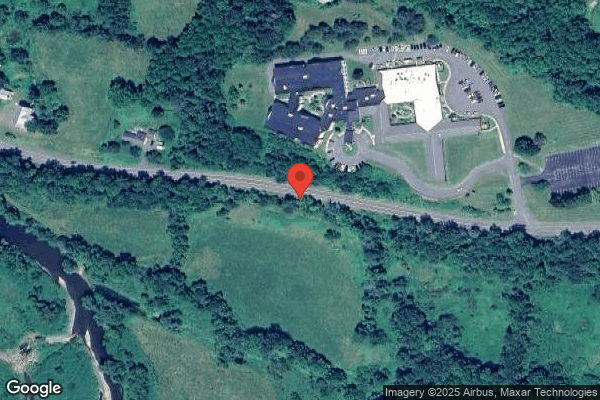
Sept 2019 17 deficiencies
CONCERN (D)

Potential for Harm - no one hurt, but risky conditions existed

Deficiency F0582 (Tag F0582)

Could have caused harm · This affected 1 resident

**NOTE- TERMS IN BRACKETS HAVE BEEN EDITED TO PROTECT CONFIDENTIALITY** Based on record review and interview during a recertification survey, the facility did not ensure the residents and/or resident ...

Read full inspector narrative →
**NOTE- TERMS IN BRACKETS HAVE BEEN EDITED TO PROTECT CONFIDENTIALITY** Based on record review and interview during a recertification survey, the facility did not ensure the residents and/or resident representatives were provided with specific notification when the facility determined that the residents no longer qualified for Medicare Part A services and Medicare benefit days remained for 1 of 3 (Resident #'s 1, 15, and #258) residents reviewed for Beneficiary Protection Notification. Specifically, for Resident #1, the facility did not ensure the resident or resident representative was informed of the beneficiary's potential liability for payment and related standard claim appeal rights using the Skilled Nursing Facility Advance Beneficiary Notice (SNFABN), form CMS-10055 and did not issue the Notice to Medicare Provider Non-coverage (NOMNC), form CMS-10123, to convey to the beneficiary his or her right to an expedited review of a service termination. This is evidenced by: Resident #1: The resident was admitted to the facility on [DATE], with the diagnoses of hypertension, dementia, and seizures. The Minimum Data Set (MDS- an assessment tool) dated 4/15/19, documented the resident had severely impaired cognition, could usually understand others, and could make self understood. The facility was unable to provide documentation that a SNFABN and NOMNC was issued to the resident or resident representative when Medicare Part A services were terminated on 4/23/19. During an interview on 9/17/19 at 11:09 AM, the Finance Coordinator stated she was responsible for issuing the required notices when a resident's Medicare part A services were terminated. She stated she did not have an explanation as to why the notices were not issued to the resident or resident representative. She was not employed at the facility when the notices were due to be issued. 10NYCRR 415.3 (g)
CONCERN (D)

Potential for Harm - no one hurt, but risky conditions existed

Deficiency F0583 (Tag F0583)

Could have caused harm · This affected 1 resident

**NOTE- TERMS IN BRACKETS HAVE BEEN EDITED TO PROTECT CONFIDENTIALITY** Based on observation, record review and interviews during the recertification survey the facility did not ensure the right to pr...

Read full inspector narrative →
**NOTE- TERMS IN BRACKETS HAVE BEEN EDITED TO PROTECT CONFIDENTIALITY** Based on observation, record review and interviews during the recertification survey the facility did not ensure the right to privacy in his or her oral, written, and electronic communications, including the right to send and promptly receive unopened mail and other letters, packages and other materials delivered to the facility for the resident. Specifically, the facility did not ensure Resident #17, and all resident's mail was delivered unopened. This was evidenced by: The Policy & Procedure (P&P) titled Resident Mail dated 9/2017, documented the facility would ensure that all residents have privacy in written communications, including the right to send and receive mail promptly, that is unopened. Resident #17: The resident was admitted to the facility on [DATE], with the diagnosis of hypertension, cerebral vascular accident (CVA), and depression. The Minimum Data Set (MDS) dated [DATE], documented the resident was cognitively intact and was able to make himself understood and understand others. During the Resident Council Meeting on 09/16/19 at 10:09 AM, with 5 (Resident #'s 17, 29, 42, 49, & #159), a discussion of Resident Rights took place to include residents receiving mail unopened. Resident #17 stated that he had received mail within the last month that had been opened. During an interview on 09/16/19 at 1:05 PM, the Activity Director stated the front desk receptionist sorts the residents mail when it comes in. The activity staff receive the residents mail from the front desk receptionist and delivers it to the residents unopened. During an interview on 09/16/19 at 01:12 PM, the Front Desk Receptionist #23 stated it is the receptionist's responsibility to sort the mail that comes into the facility. The resident's mail is sorted to go into different envelopes; one to be delivered to the residents, and second one to give to the finance office. The resident mail that looked like health insurance, a transportation bill or other kind of bill will be placed in the finance envelope. The mail for resident's who cannot comprehend will also go to finance. During an interview on 09/16/19 at 1:32 PM, the Finance Office Staff member stated she opens residents insurance mail, any bills and/or Social Security mail. She then looks to see if the resident is covered under Medicaid or Medicare and deals with the bills appropriately. She does not open bank statements unless the resident is Medicaid pending, then she will open it and will make a copy. No residents have ever complained to her about the mail being opened. During an interview on 09/16/19 at 1:41 PM, the Administrator stated the mail comes in and is sorted by reception, then the activity staff deliver it to the residents. Finance should not be opening any resident's mail. A resident's business mail should go to the resident first. He stated the previous finance person was found to be opening resident mail and they no longer work for the facility. The Administrator stated he did not know this was happening again. 10NYCRR415.3(d)(2)(i)
CONCERN (D)

Potential for Harm - no one hurt, but risky conditions existed

Deficiency F0604 (Tag F0604)

Could have caused harm · This affected 1 resident

Based on observations, record review, and interviews during a recertification survey the facility did not ensure each resident was free from physical restraints imposed not required to treat the resid...

Read full inspector narrative →
Based on observations, record review, and interviews during a recertification survey the facility did not ensure each resident was free from physical restraints imposed not required to treat the resident's medical symptoms for one Resident (#109) of one reviewed for restraints. Specifically, the facility did not ensure that the resident's freedom of movement was not inhibited when seated in his geri chair with the wheels locked, and pushed up to table and counter. This is evidenced by: Resident #109: The resident was admitted to the nursing home on 5/3/19 with diagnoses of dementia, constipation, and pain. The Minimum Data Set (MDS-an assessment tool) dated 5/10/19, assessed the resident as having severely impaired cognitive skills for daily decision making. It documented that the resident sometimes understood and was sometimes understood by others. Section F for preferences was not assessed. A Policy titled Restraints, dated 9/2017, documented that an example of a restraint was using devices in conjunction with a chair such as a table, that the resident could not remove and prevented the resident from rising. The medical record did not include a Comprehensive Care Plan (CCP) for Restraints. The following observations were made: - On 9/15/19 from 9:45 AM-11:34 AM, 11:59 AM - 12:35 PM, and 3:08 PM - 3:48 PM, and 9/16/19 from 9:06 AM- 9:19 AM, and 01:39 PM - 2:08 PM, the resident was sitting in a geri chair pushed up to the nursing stating counter facing into the nursing station with the lock on the geri chair. The resident kept attempting to stand but was unable to stand fully because of the counter. - On 9/15/19 from 3:08 PM - 3:48 PM, the resident was seated in his geri chair, pushed up to the table in the day room facing away from the TV with the chair locked. During observations on 9/15/19 from 9:45 AM-11:34 AM, 11:59 AM - 12:35 PM, and 9/16/19 from 9:06 AM- 9:19 AM, and 01:39 PM - 2:08 PM, the resident was pushed up to the counter in front of the nursing station with the wheels to his geri chair locked. The resident kept attempting to stand up from the chair. On 3/15/19 from 3:08 -3:48 PM and 9/17/19 10:47 AM - 11:30 AM, the resident was pushed up a table in the common area with the wheels to his geri chair locked. He was facing away from the television, did not have an activity and attempted to stand multiple times. During an interview on 9/17/19 at 9:04 AM, Certified Nursing Assistant (CNA) #4 stated the resident was always locked up to the table because he will try to get up and will sometimes get agitated and try to move the chair. She would not consider it a restraint because it would not be safe without the barrier. During an interview on 9/17/19 09:10 AM, the Nurse Practitioner (NP) stated locking the resident's chair while up at the table or counter meets the definition of a restraint. Staff should not be using a restraint unless he was assessed, care planned, and the Medical Doctor ordered. During an interview on 9/17/19 on 1:33 PM, Licensed Practical Nurse Manager (LPNM) #3 stated locking the resident's geri chair when it was pushed up to a table or counter was considered a restraint and saw this occur. She had had been telling staff this constantly for a month, and even wrote staff up; they said he would get up and fall. During an interview on 9/18/19 at 3:21 PM the Director of Nursing stated she was not aware that the resident was being pushed up to a table or counter with his geri chair locked and that would be a restraint. She was not sure that the Certified Nursing Assistants (CNAs) would not necessarily recognize that as being a restraint. 10NYCRR 415.4(a)(2-7)
CONCERN (D)

Potential for Harm - no one hurt, but risky conditions existed

Deficiency F0625 (Tag F0625)

Could have caused harm · This affected 1 resident

**NOTE- TERMS IN BRACKETS HAVE BEEN EDITED TO PROTECT CONFIDENTIALITY** Based on interview and record review during the recertification survey, the facility did not ensure written notice was provided ...

Read full inspector narrative →
**NOTE- TERMS IN BRACKETS HAVE BEEN EDITED TO PROTECT CONFIDENTIALITY** Based on interview and record review during the recertification survey, the facility did not ensure written notice was provided to the resident and/or the resident's representative of the bed hold policy for 1 (Resident #12) of 1 residents reviewed for hospitalization. Specifically, the facility did not ensure there was documented evidence the resident and/or the resident's representative received written notice of the bed hold policy when the resident was transfered and admitted to the hospital. This evidenced by: Resident #12: The resident was admitted to the facility on [DATE], with a diagnosis of Parkinson disease (a progressive nervous system disorder that affects movement), heart failure and pneumonia. The MDS dated [DATE], documented the resident could understand and make self-understood. The policy and procedure titled Reserved Bed Days Policy dated 2/2019, documented that written notice must be provided to the resident/resident representative regarding bed-hold upon transfer to the hospital. A review of the medical record documented the resident was admitted to the hospital on [DATE] and readmitted to the facility on [DATE]. During an interview on 9/18/19 at 1:22 PM, Social Worker #6 stated behold notice was not provided because the facility was not at capacity. During an interview on 9/18/19 at 2:13 PM, Finance worker #5 stated the facility does not provide bed-hold notices since they are not at capacity. 10NYCRR415.3(h)(4)(i)(a)
CONCERN (D)

Potential for Harm - no one hurt, but risky conditions existed

Deficiency F0637 (Tag F0637)

Could have caused harm · This affected 1 resident

**NOTE- TERMS IN BRACKETS HAVE BEEN EDITED TO PROTECT CONFIDENTIALITY** Based on observation, record review and interview conducted during the recertification survey, the facility did not ensure a Sig...

Read full inspector narrative →
**NOTE- TERMS IN BRACKETS HAVE BEEN EDITED TO PROTECT CONFIDENTIALITY** Based on observation, record review and interview conducted during the recertification survey, the facility did not ensure a Significant Change (a major decline or improvement in a resident's status that will not normally resolve itself ) Minimum Data Set (MDS - an assessment tool) assessment was completed for 1 (Resident #12) of 1 residents reviewed for significant changes in health status. Specifically, for Resident #12, the facility did not ensure that a significant change MDS was completed upon the resident's admission to Hospice services. This is evidenced by: Resident #12: The resident was admitted to the facility on [DATE], with a diagnosis of Parkinson disease (a progressive nervous system disorder that affects movement), heart failure and pneumonia. The MDS dated [DATE], documented the resident could understand and make self-understood. A physician's order dated 8/26/18, documented a Hospice consult/services and diagnosis for acceptance in the program. A Social Services note dated 8/27/19, documented hospice services were in place with an admitting diagnosis of Parkinson's disease. Review of the MDS's on 9/18/19, did not include documentation that a significant change MDS was completed for the resident's admission to Hospice services on 8/27/19. During an interview on 9/18/19 at 1:10 PM, the Registered Nurse MDS Coordinator #2 stated all types of MDS's, admission, quarterly, annual, and significant change, had been completed late due to the MDS coordinator leaving in April 2019. She stated she did not believe significant change MDS's had been missed, but there was a possibly that a significant change MDS could have been missed if she was not made aware of the resident's significant change. She stated she would not know a resident needed a significant change MDS unless the team made her aware that the resident had a significant change in his or her condition. During an interview on 9/18/19 at 2:40 PM, the Administrator stated he was aware the MDS's were late. He stated the facility had successfully hired an MDS nurse and prior to her hire utilized corporate Registered Nurses to assist with the completion of MDS's. He stated with the implementation of the new electronic medical record system, it would help the facility complete and submit the MDS's more timely. 10NYCRR415.11(a)(3)(ii)
CONCERN (D)

Potential for Harm - no one hurt, but risky conditions existed

Deficiency F0679 (Tag F0679)

Could have caused harm · This affected 1 resident

**NOTE- TERMS IN BRACKETS HAVE BEEN EDITED TO PROTECT CONFIDENTIALITY** Based on observations, record review, and interviews during a recertification survey the facility did not ensure it had an ongoi...

Read full inspector narrative →
**NOTE- TERMS IN BRACKETS HAVE BEEN EDITED TO PROTECT CONFIDENTIALITY** Based on observations, record review, and interviews during a recertification survey the facility did not ensure it had an ongoing program to support residents in their choice of activities, both facility-sponsored group and individual activities and independent activities, designed to meet the interests of and support the physical, mental, and psychosocial well-being of each resident for one (Resident #109) of one reviewed for activities. Specifically, the facility did not ensure that the resident was provided activities based on his mental and physical abilities. This is evidenced by: Resident #109: The resident was admitted to the nursing home on 5/3/19, with diagnoses of dementia, constipation, and pain. The Minimum Data Set (MDS-an assessment tool) dated 5/10/19, assessed the resident as having severely impaired cognitive skills for daily decision making. It documented that the resident sometimes understood and was sometimes understood by others. Section F for preferences was not assessed. An Activities assessment dated [DATE], documented the preferred activity structure for the resident was individual 1:1, that he liked soothing music, painting, sketch pad and pencils, and puzzles. The medical record did not include a Comprehensive Care Plan for Activities. During observations on 9/15/19 from 9:45 AM-11:34 AM, 11:59 AM - 12:35 PM, and 3:08 PM - 3:48 PM, and 9/16/19 from 9:06 AM- 9:19 AM, and 01:39 PM - 2:08 PM, the resident was sitting at the counter in front of the nursing station, facing away from the television and without music or activities. On 9/17/19 10:47 AM - 11:30 AM, the resident was pushed up to a table in the common area facing away from the television without music or an activity. The resident's activity log for 9/1/19 - 9/17/19, documented 15 meet and greets (per the Activity Director (AD) each meet and greet for this resident lasted only a couple minutes) and approximately 2.5-3 hours of group activity. A record of 1:1 Activities Form for the resident under description of Activity, documented the following: - 5/5/19, took pictures for the Medication Administration Record and Face sheet. - 8/16/19, talked to him while he played with blocks. - 9/17/19, took the resident to activities then took him to watch TV. There were no other entries on the form. During an interview on 9/17/19 at 9:04 AM, Certified Nursing Assistant (CNA) #4 stated Activities did not do independent activities with the residents. Staff on the unit have brought toys in for him and he will sometimes use them. During an interview on 9/17/19 on 1:33 PM, Licensed Practical Nurse Manager (LPNM) #3 stated the resident got anxious in group activities. If activities had enough staff, she would ask them to get something that he liked to do. Staff would do 1:1 maybe 2 times a week because they didn't have enough staff. During an interview on 9/17/19 at 3:46 PM, the Activity Director stated they did have a sensory activity for residents that had a short attention span but don't have the staff to do it. The resident needed 1:1 so they could not do activities with him if they didn't have an extra activity person. They try to do 1:1 activity 2-3 times a week. The activity person does a meet and greet daily to talk to residents and tell them what activities were going on. This could be done as a group like when the activity aide is in the dining room. Resident #109's meet and greet would only be a couple minutes, because he did not communicate. 10NYCRR 415.5(f)(1)
CONCERN (D)

Potential for Harm - no one hurt, but risky conditions existed

Pressure Ulcer Prevention (Tag F0686)

Could have caused harm · This affected 1 resident

**NOTE- TERMS IN BRACKETS HAVE BEEN EDITED TO PROTECT CONFIDENTIALITY** Based on record review, and interviews during a recertification survey and abbreviated survey (Case #NY00243367) the facility di...

Read full inspector narrative →
**NOTE- TERMS IN BRACKETS HAVE BEEN EDITED TO PROTECT CONFIDENTIALITY** Based on record review, and interviews during a recertification survey and abbreviated survey (Case #NY00243367) the facility did not ensure that each resident received care, consistent with professional standards of practice, to prevent pressure ulcers unless the individual's clinical condition demonstrated that they were unavoidable for one (Resident #309) of two residents reviewed for pressure ulcers. Specifically, the facility did not ensure that an initial nursing and skin assessment were completed upon the resident's admission, and did not develop a Comprehensive Care Plan (CCP) that addressed the resident's risk for pressure ulcer development, when facility's risk scale (Braden Scale - an algorithm to show risk for pressure sore development) done on admission, assessed the resident as being at moderate risk for skin breakdown. This is evidenced by: Resident #309: The resident was admitted to the nursing home on 7/25/19, with diagnoses of heart failure, chronic obstructive pulmonary disease, and atrial fibrillation. An admission Minimum Data Set (MDS-an assessment tool) was not completed for this resident. The Baseline Care Plan dated 7/25/19, documented the resident as being alert and oriented. A facility Policy for Pressure Injury Prevention & Management dated 9/2017 documented; - A comprehensive skin assessment utilizing the facility's risk scale (Braden Scale) on admission and for four consecutive weeks. - When a resident is identified as a risk for development of a pressure injury the Comprehensive Care Plan (CCP) team will initiate a care plan that recognizes the resident's needs and goals and addresses individualized interventions consistent with recognized standards of practice. i.e. turning and positioning, pressure reducing mattress and chair cushions, used draw sheet to prevent shearing and toileting schedules. The policy defined avoidable pressure injury as: the resident developed a pressure injury and the facility did not; - Evaluate the resident's clinical condition and risk factors for pressure injury developement. - Develop and implement interventions that were consistent with the residents needs and goals as well as being consistent with recognized standards of practice and conduct ongoing monitoring. A Braden Scale dated 7/25/19, assessed the resident as a moderate risk with a score of 14. The resident was assessed as being very moist (incontinent), chairfast, mobility very limited and friction and shear (occurs when layers of skin rub against each other or when the skin remains stationary and the underlying tissue moves and stretches and angulates or tears the underlying capillaries and blood vessels causing tissue damage) was a problem. The CCP did not include a care plan to address the resident's risk for a pressure ulcer with interventions to prevent a pressure sore from developing. The medical record did not include an initial nursing or skin assessment. The Baseline Care Plan dated 7/25/19, was blank for skin concerns and that the resident had a wheelchair cushion. A Nutritional assessment dated [DATE], documented the resident was on hospice and skin was intact. Wound Tracking Sheets documented the following: - 8/8/19, there were skin concerns from family as to possible open areas developed as of this date. They would continue Calmoseptine cream with every incontinence change; an air mattress was ordered, and they would need to order a cushion for the wheel chair as a preventative measure. - Wound 1 (W-1) was a Stage 2 (Partial thickness loss of dermis presenting as a shallow open ulcer with a red, pink wound bed without slough) pressure ulcer on the left upper buttock measuring 0.6 centimeters (cm) x 0.5 cm; the granulation tissue was beefy red. - Wound 2 (W-2) - Stage 1 (Intact skin with non-blanchable redness of a localized area, usually over a bony prominence) pressure ulcer on the left lower buttock measuring 2 cm x 1.5 cm; old red/deep purple scar tissue without open area. During an interview on 9/17/19 at 1:26 PM, Licensed Practical Nurse Manager (LPNM) #3 stated the resident would not always lay on her side. The ulcers had not gotten worse and the resident was on hospice. LPNM #3 stated she is not allowed to care plan as it was out of her scope of practice. During an interview on 9/18/19 at 3:21 PM, the Director of Nursing stated if a resident is at risk for developing a pressure sore, they put them on a turning and positioning program, use barrier creams and some get air mattresses. The resident should have had offloading devices in place when she was assessed as being at risk. They are a new facility and do not have air mattresses and other devices on hand and must order them. If they were expedited, they could get them overnight. 10NYCRR 415.12 (c)(1)
CONCERN (D)

Potential for Harm - no one hurt, but risky conditions existed

Deficiency F0692 (Tag F0692)

Could have caused harm · This affected 1 resident

**NOTE- TERMS IN BRACKETS HAVE BEEN EDITED TO PROTECT CONFIDENTIALITY** Based on observations, record review, and interviews during a recertification survey the facility did not ensure that each resid...

Read full inspector narrative →
**NOTE- TERMS IN BRACKETS HAVE BEEN EDITED TO PROTECT CONFIDENTIALITY** Based on observations, record review, and interviews during a recertification survey the facility did not ensure that each resident maintained acceptable parameters of nutritional status, such as usual body weight or desirable body weight range and electrolyte balance, unless the resident's clinical condition demonstrates that this is not possible or resident preferences indicate otherwise; for one (Resident #48) of three reviewed for nutrition. Specifically, for Resident #48. the facility did not ensure that a dental consult was done to address the resident's difficulty with chewing related to dentures, that a Comprehensive Care Plan (CCP) was developed to address potential nutritional problems, and that intakes were monitored when the care plan was developed on 8/12/19, that the resident's weight was monitored weekly per the Medical Doctor (MD) Order, and the facility did not ensure the medical provider was notified when the resident refused meals. This is evidenced by: Resident #48: The resident was admitted to the nursing home on 5/22/18 with diagnoses of diarrhea, lactose intolerance, and gastroesophageal reflux disease (GERD). The Minimum Data Set (MDS-an assessment tool) dated 6/10/19, assessed the resident as having moderately impaired cognitive skills for daily decision making. It documented that the resident understood and was understood by others. The admission MDS dated [DATE], documented the resident was 58 tall and weighed 83 pounds (Lb). A Nutritional assessment dated [DATE], documented the resident's desired or usual body weight was 76 - 84 Lbs. A facility Policy titled, Change in Status, dated 4/29/19, documented the attending physician (MD) or designee would be notified of any situation that required a change in the resident's care plan, medication or treatment regimen including intake and output, appetite, and weight loss. Finding #1: The facility did not ensure that a dental consult was done to address the resident's difficulty chewing related to dentures. An admission assessment dated [DATE], documented the resident had difficulty chewing due to her dentures. An admission Progress note dated 5/22/18, documented that per the resident her dentures made chewing difficult. A Social Work (SW) Progress note dated 10/11/18, documented the resident wanted her upper and lower dentures looked at by the dentist. A message was left in the Dentist's mailbox. Dental exams documented the following: - 6/8/18, initial exam; the resident wore full dentures with the lowers being supported by implants and she would like help to clean her dentures. -9/14/18, the resident lost retention rings (hold implant in place) in lower denture and will need an outside dentist for repair. -10/26/18, previous dentist needed to be contacted for dental repair; the resident needed retention rings. A review of the medical record did not include documentation that the resident had an outside dental consult or documentation regarding the reason an outside dental consult was not done. During an interview on 9/18/19 at 3:12 PM, the receptionist stated that the request for consults come to the reception desk and the receptionist schedules them. The receptionist went through scheduled consults and did not find one for this resident. During an interview on 9/15/19 at 10:56 AM, the resident stated she had a hard time eating because of her teeth; food got built up in them and it hurt. During an interview on 9/18/19 at 12:54 PM, the Social Worker (SW) stated she did not recall that the resident had dental issues. During an interview on 9/18/19 at 3:00 PM, the Diet Technician (DT) stated she was not aware of any pain or oral issues and she was on a mechanically altered diet. The DT was not aware of any change in resident's intake or increased need for assistance. During an interview on 9/18/19 at 3:21 PM, the Director of Nursing (DON) stated there should have been a dental consult done on the resident. Finding #2: The facility did not ensure that a CCP for nutrition was developed from 5/22/18 - 8/11/19. The facility did not ensure that the intervention for monitoring the resident's intake documented on the CCP on 8/12/19, was implemented. The medical record did not include a CCP for a Nutritional Problem or Potential Nutritional Problem from 5/22/18 - 8/11/19. A Comprehensive Care Plan (CCP) for Nutritional Problem or Potential Nutritional Problem that was developed on 8/12/19, documented to monitor intake and record every meal. Review of the CCP's did not include documentation that addressed nutrition. Nursing Assistant (CNA) Flow Sheets (form that CNAs use to document care provided and intake and output) documented the following: - For the 59 occasions for meals between 8/12/2019- 8/31/19, the resident's intake was not documented on 18 occasions. - For the 51 occasions for meals between 9/1/19 - 9/17/19, the resident's intake was not documented on 4 occasions. During an interview on 9/17/19 at 11:01 AM, Registered Dietitian (RD) #7 stated she looked at the resident's intakes and weights for quarterly reviews and the Food Service Director (FSD) and DT looked between times. During an interview on 9/17/19 at 01:44 PM, Licensed Practical Nurse Manager (LPNM) #3 stated nurses checked the CNA documentation weekly to ensure it was completed. Dietary also looked at intake records to see how much of the meals and supplements had been consumed. During an interview on 9/17/19 at 4:46 PM, the Food Service Director (FSD) stated the RD and DT looked at the intake records. During an interview on 9/18/19 at 3:21 PM, the Director of Nursing (DON) stated there should have been a care plan that addressed nutrition from 5/22/18 - 8/11/19 and when it was developed on 8/12/19, it said to monitor and document the intake each shift, so staff should have been doing it; not monitoring intakes could contribute to wt loss. Finding #3: The facility did not ensure that MD was notified that the resident was refusing meals, the resident's weight was obtained weekly as ordered by the MD, and that reweights were done for a significant weight loss or gain in 1 week. A Nutritional assessment dated [DATE], documented the resident's desired or usual body weight was 76 - 84 Lbs. Nursing Assistant (CNA) Flow Sheets (form that CNAs use to document care provided and intake and output) documented the following: -for the 90 occasions for meals for 7/1/2019- 7/30/19, the resident refused meals on 11 occasions - for the 81 occasions for meals for 8/2/2019- 8/28/19 the resident refused meals on 8 occasions - for the 45 occasions for meals from 9/1/19 - 9/15/19, the resident refused on 11 occasions. A MD order dated 7/15/19, documented to obtain weights weekly every Thursday. Of the 10 opportunities for weekly weights from 7/17/19 - 9/17/19, the resident's weight was obtained 7 times, and were as followed: 07/17/19 = 62.8 lb 08/01/19 = 62.4 lb 08/05/19 = 62.0 lb 08/15/19 = 62.0 lb 08/22/19 = 62.0 lb 09/01/19 = 68.0 lb (8.82% weight gain in 1 week) there was no reweight until notified by the DOH on 9/17/19. 09/17/19 = 61.0 lb (10.29% weight loss from 9/1/19) A Weight and Vital Sign Summary dated 9/17/19 documented that the resident's weight was 61 lbs which was a 7.5% weight loss since 9/1/19. During an interview on 9/17/19 09:10 AM, the Nurse Practitioner (NP) stated she would expect to be notified of weight loss and meal refusals. During an interview on 9/17/19 at 10:52 AM, Certified Nursing Assistant (CNA) #5 stated the resident used to be a weekly weight, but she did not think she was anymore. During an interview on 9/17/19 10:46 AM, Licensed Practical Nurse (LPN) #4 stated residents were weighed monthly and dietary would let them know if a reweight was needed. Weekly weights would be on the Medication Administration Record (MAR) and the LPN would let the CNA know if a weight was needed. During an interview on 9/17/19 at 11:01 AM, the RD stated the resident was on monthly weights. The DT looked every week for a significant weight changes and documented it. The FSD took part in high risk meetings where significant weight issues were discussed. She was not aware of the meal refusals and undocumented intakes. During an interview on 9/17/19 at 1:44 PM, LPNM #3 stated dietary would notify them if a re-weight was needed. She would expect a re-weight after the resident's 9/1/19 weight because it was a 6 lb difference in one week. She got an email from the Diet Technician (DT) on 9/15/19 requesting a re-weight for the resident's 9/1/19 weight. she would expect staff to report when the resident was not eating so she could notify dietary and the MD. During an interview on 9/17/19 at 4:46 PM, the Food Service Director (FSD) stated if the weight was not in the facility's electronic Medical Record, it was not done. The RD and DT were responsible to look at the CNA intake records. During an interview on 9/18/19 at 12:28 PM, the MD stated not monitoring the weights as ordered could be detrimental. The fact that it was not addressed or identifed definitely could lead to the wt loss. He had noticed that whe ever someone was put on comfort care, staff tended to put on brakes. Dietary should have put more interventions in place. During an interview on 9/18/19 at 3:00 PM, the Diet Technician (DT) stated she was familiar with the resident and that she was a little thing. The process for weekly weights was that she gave a sheet every Monday to each unit for the weights that were needed. She checked monthly weights, and would request reweights when indicated. She only worked on Mondays, so she did not follow up during the remainder of the week; it was nursing's responsibility. Weights should be completed by Thursday. She would alert the unit manager if the weights weren't done by using the same method, she would bring the sheet down to the unit. I saw her weight was up and that was beneficial. She was not sure why a re-weigh was not done. Nothing changed that week to make the resident gain weight that she was aware of, and she did not question the weight. The DT did see that the resident lost weight again and asked for the reweigh. The resident did not have a history of refusing weights, and she was not aware of any change in resident's intake or increased need for assistance. During an interview on 9/18/19 at 03:21 PM, the Director of Nursing (DON) stated there was not a steady RD in building; they come in look at the weights, but don't even really know the resident. There needed to be more communication. At the end of July they started risk meetings weekly to discuss residents at risk and changes in condition. There was an email on 8/12/19 where it listed the resident at risk but not much was done because the risk meeting is the next day and they need time to review the record; they did not look into why her weights were low. 10 NYCRR 415.12(i)(l)
CONCERN (D)

Potential for Harm - no one hurt, but risky conditions existed

Deficiency F0740 (Tag F0740)

Could have caused harm · This affected 1 resident

**NOTE- TERMS IN BRACKETS HAVE BEEN EDITED TO PROTECT CONFIDENTIALITY** Based on interview and record review during the recertification survey, the facility did not ensure each resident received the n...

Read full inspector narrative →
**NOTE- TERMS IN BRACKETS HAVE BEEN EDITED TO PROTECT CONFIDENTIALITY** Based on interview and record review during the recertification survey, the facility did not ensure each resident received the necessary behavioral health care and services to attain or maintain the highest practicable physical, mental, and psychosocial well-being, in accordance with the comprehensive assessment and plan of care for 1 (Resident #358) of 2 residents reviewed for mood and behavior. Specifically, the facility did not ensure the resident was provided with a physician ordered psychological consultation to address her behavioral health care and needs. This is evidenced by: Resident #358: The resident was admitted to the facility on [DATE], with the diagnoses od dementia, anxiety, and traumatic brain injury (TBI). The medical record did not include documentation of a Minimum Data Set (MDS - an assessment tool). A Brief Interview for Mental Status (BIMS) dated 6/21/19, documented the resident had severely impaired cognition. A Comprehensive Care Plan (CCP) for Risk for Unwanted Affection, last updated 6/20/19, documented staff were to ensure the resident was able to have companionship and be free from unwanted sexual contact. The CCP documented staff were to monitor for any changes in behavior, allow hand holding, encourage resident to sit with another resident in a common area, monitor every 15 minutes if the resident insisted on laying in bed fully clothed with the door open, and monitor for emotional distress. A CCP for Behavior Problems, last updated 6/24/19, documented the resident had poor coping skills and inability to protect self, and staff were to provide psychiatry consult as able. An undated peer abuse assessment tool (potential to abuse others) documented the resident was at moderate risk, had dementia, delusions, was unable to tolerate frustration, and acted out impulsively. An undated potential to be a victim of abuse assessment tool documented the resident was at moderate risk, and was vulnerable due to cognitive and physical disabilities. A resident Accident and Incident report dated 6/20/19, documented a certified nursing assistant (CNA) found the resident laying in bed naked with another resident in his bed, and referrals were made to psychological services. A physician order dated 6/24/19, documented the resident was to receive a psychotherapy evaluation. A progress note dated 6/30/19, documented the resident was extremely weepy all shift. A review of the medical record did not include documentation of a psychological evaluation. During an interview on 9/18/19 at 12:31 PM, the physician stated he was not aware the psychotherapy consult was not completed. The physician stated he would expect that it would have been done promptly after the incident occurred. During an interview on 9/18/19 at 12:54 PM, the social worker stated she emailed psychological services on 6/25/19 to request the resident be seen. She stated she sent a follow up email on 8/29/19. She stated she did not have documentation of the resident receiving a psychological evaluation. During an interview on 9/18/19 at 1:05 PM, the Administrator stated the facility would expect follow up from the interdisciplinary team recommendations would occur quickly, and the physician should have been aware if the evaluation was not completed. 10NYCRR 415.12(f)(1)
CONCERN (D)

Potential for Harm - no one hurt, but risky conditions existed

Deficiency F0760 (Tag F0760)

Could have caused harm · This affected 1 resident

**NOTE- TERMS IN BRACKETS HAVE BEEN EDITED TO PROTECT CONFIDENTIALITY** Based on record review and interview during an abbreviated survey (Case #NY00235924) and recertification survey the facility did...

Read full inspector narrative →
**NOTE- TERMS IN BRACKETS HAVE BEEN EDITED TO PROTECT CONFIDENTIALITY** Based on record review and interview during an abbreviated survey (Case #NY00235924) and recertification survey the facility did not ensure the residents were free from significant medication errors for 1 (Resident #308) of 6 residents reviewed. Specifically, the facility did not ensure the resident received significant medications in a timely manner upon admission. This was evidenced by: Resident #308: The resident was admitted to the facility on [DATE], with the diagnosis of right ankle fusion, diabetes mellitus and arthritis. The Minimum Data Set (MDS) dated [DATE], documented the resident was cognitively intact and was able to make herself understood and could understand others. The physician orders dated 2/12/19, documented the following medications to be administered: Xarelto (a prescription blood thinner) 10 milligrams (MG) once per day; Basaglar Insulin ( long-acting insulin used to control high blood sugar) 28 units once per evening; Baclofen (used to treat muscle spasms) 10 MG two times per day; Gabapentin (can treat seizures and pain) 800 MG three times per day. The Medication Administration Record (MAR) dated February 2019, documented the following medications were not administered on the evening shift of admission on [DATE]: Xarelto 10 MG at 5:00 PM; Basaglar Insulin 28 units at 10:00 PM; Baclofen 10 MG at 8:00 PM; Gabapentin 800 MG at 8:00 PM. The first progress note dated 2/12/19 at 3:00 PM, and signed by a Registered Nurse documented; received resident from the hospital, status post ankle fusion, resident denies pain or discomfort. Doctor (MD) aware, medications reviewed and ordered. During an interview on 09/18/19 at 10:31 AM, the Director of Nursing (DON) stated she had been the Nurse Manager in February 2019 and she was not aware that Resident #308 did not receive medications on the evening of admission. During that time in February 2019 the facility used a different pharmacy than they do now. Typically the medications would be delivered on the evening shift if they received the orders by 3:00 PM. It was not uncommon for newly admitted residents to not have their medications on the evening of admission. There was no back-up pharmacy then, so if medications were not delivered we had to wait till the next day delivery. The only emergency kit in February was for narcotics. When new admissions came in, the nurse would call the MD to review the discharge medications and receive the orders for them, then order the medications from the pharmacy. The medication nurse had a duty to call the pharmacy if the medications were not delivered and should have called the MD if medications were not administered. When the insulin was not administered the nurse should have monitored the blood sugar. Anytime a resident does not receive their MD ordered medication, the MD must be notified. Resident #308 not receiving those medications was a medication error. 10NYCRR415.12(m)(2)
CONCERN (D)

Potential for Harm - no one hurt, but risky conditions existed

Deficiency F0806 (Tag F0806)

Could have caused harm · This affected 1 resident

Based on observation, interview and record review, the facility did not ensure foods were served to accommodate resident allergies. Specifically, the facility did not ensure the gluten free menu was f...

Read full inspector narrative →
Based on observation, interview and record review, the facility did not ensure foods were served to accommodate resident allergies. Specifically, the facility did not ensure the gluten free menu was free from foods containing gluten, an appropriate alternative was served to a resident on a gluten free diet, and gluten free toast was prepared without being cross contaminated. This is evidenced by: Finding #1: The facility did not ensure the gluten free menu was free from foods containing gluten. A review of the facility menu dated 9/15/19, documented the residents on a gluten free diet were to receive the following gluten containing foods; corn muffin, vegetable lasagna, strawberry ice box cake, lemon cake, carrot spice muffin. The diet manual dated 2013 documented residents on a gluten free diet were not to receive foods that contained wheat, and cross contamination with gluten containing grains during food handling should be avoided. The undated gluten free guidelines documented no cake and no lasagna were to be served. During an interview on 9/17/19 at 1:45 PM, the Nutrition Services Director stated the gluten free diet menus contained foods containing gluten and the menus were revised today. Finding #2: The facility did not ensure an appropriate alternative was served to a resident on a gluten free diet During an observation on 9/15/19 at 1:12 PM, the Aspen-Fir unit dining room dietary aide stated to the nursing staff that the kitchen did not give her gluten free pasta today, and they could give the resident a custard. The resident received green beans and custard. The resident's lunch meal ticket dated 9/15/19, documented the resident was to receive a gluten free diet, gluten free pasta, ground creamed corn, and fruit. During an interview on 9/17/19 at 10:22 AM, the Nutrition Services Director stated the gluten free items must have been missed on production sheet, and gluten free products were hard to get. She stated dietary staff should call down to the kitchen if they do not have an item that is on the resident's meal ticket. Finding #3: The facility did not ensure gluten free toast was prepared without cross contamination. During an observation on 9/17/19 at 9:05 AM, the dietary aide prepared gluten/wheat free toast in the same toaster that was used to prepare the toast containing gluten/wheat and did not change her gloves between handling the gluten/wheat free toast and the toast containing gluten/wheat, the toast was served, and the resident consumed the toast. The resident's breakfast meal ticket dated 9/17/19, documented the resident was to receive a gluten free diet and gluten free toast. During an interview on 9/17/19 at 9:13 AM, Dietary Aide #4 stated she had gluten/wheat free toast to serve to Resident #359, and she prepared the toast in the same toaster used to prepare the toast containing gluten/wheat that was served to the other residents. During an interview on 9/17/19 at 10:14 AM, the Registered Dietitian stated if we had a resident on a gluten free diet, we would have someone sanitize food preparation equipment and would expect glove changes. During an interview on 9/17/19 at 10:22 AM, the Nutrition Services Director stated she did not provide staff education on cross contamination and allergens. 10NYCRR415.14(d)(4)
CONCERN (E)

Potential for Harm - no one hurt, but risky conditions existed

Comprehensive Assessments (Tag F0636)

Could have caused harm · This affected multiple residents

**NOTE- TERMS IN BRACKETS HAVE BEEN EDITED TO PROTECT CONFIDENTIALITY** Based on record review and interviews during a recertification survey, the facility did not ensure the facility conducted initia...

Read full inspector narrative →
**NOTE- TERMS IN BRACKETS HAVE BEEN EDITED TO PROTECT CONFIDENTIALITY** Based on record review and interviews during a recertification survey, the facility did not ensure the facility conducted initially and periodically comprehensive, accurate, standardized reproducible assessments of each resident's functional capacity and completed within 14 calendar days after admission for 8 (Resident #'s 9, 32, 35, 46, 109, 309, 358, and #359) 19 residents reviewed for Comprehensive Resident Assessments. Specifically, for Resident #'s 9, 32, 35, 46, 109, 309, 358, and #359, the facility did not ensure Comprehensive Resident Assessments were completed within 14 calendar days after admission. This is evidenced by: Resident #32: The resident was admitted to the facility on [DATE], with diagnoses of vascular dementia, cerebral infarction, and anxiety disorder. The Minimum Data Set (MDS - an assessment tool) dated 12/27/19, documented the resident had severely impaired cognition, could usually understand others and could usually make self understood. During a record review, the Comprehensive MDS dated [DATE], documented the MDS was signed by the Registered Nurse (RN) as completed on 3/7/19. Resident #35: The resident was admitted to the facility on [DATE], with the diagnoses of schizoaffective disorder, pain, and coronary artery disease. A Minimum Data Set (MDS- an assessment tool) was not completed for this resident. During a record review, the Comprehensive MDS dated [DATE], documented the MDS was signed by the RN as completed on 6/18/19. Resident #46: The resident was admitted to the facility on [DATE], with diagnoses of hypertension, chest dermatitis, and scabies. The Minimum Data Set (MDS - an assessment tool) dated 1/24/19, documented the resident had severely impaired cognition, could usually understand others and could usually make self understood. During a record review, the Comprehensive MDS dated [DATE], documented the MDS was signed by the RN as completed on 3/13/19. During an interview on 9/18/19 at 1:10 PM, the RN MDS Coordinator stated all types of MDS's, admission, quarterly, annual, and significant change, had been completed late due the the MDS Coordinator leaving in April 2019. She stated every resident should have had an initial MDS completed within 14 days of admission, but some of the newer residents to the facility may not have had an initial comprehensive MDS completed. She stated since she had been helping the facility with MDS's, she has been trying to get the MDS's completed and transmitted to Center for Medicare and Medicaid Services (CMS) to get the facility up-to-date with their MDS's. During an interview on 9/18/19 at 2:40 PM, the Administrator stated he was aware the MDS's were late. He stated the facility had successfully hired an MDS nurse and prior to her hire utilized corporate Registered Nurses to assist with the completion of MDS's. He stated the implementation of the new electronic medical record system will help the facility complete and submit the MDSs more timely. 10NYCRR415.11(a)(2)
CONCERN (E)

Potential for Harm - no one hurt, but risky conditions existed

Deficiency F0638 (Tag F0638)

Could have caused harm · This affected multiple residents

**NOTE- TERMS IN BRACKETS HAVE BEEN EDITED TO PROTECT CONFIDENTIALITY** Based on record review and interviews during a recertification survey, the facility did not ensure residents were assessed using...

Read full inspector narrative →
**NOTE- TERMS IN BRACKETS HAVE BEEN EDITED TO PROTECT CONFIDENTIALITY** Based on record review and interviews during a recertification survey, the facility did not ensure residents were assessed using the quarterly review instrument specified by the State and approved by Center for Medicare and Medicaid Services (CMS) not less frequently than once every 3 months for 12 (Resident #'s 1, 2, 3, 5, 8, 9, 16, 17, 18, 36, 39, and #50) of 14 residents system selected for Resident Assessments. Specifically, for Resident #'s 1, 2, 3, 5, 8, 9, 16, 17, 18, 36, 39, and #50 the facility did not ensure each resident was assessed using the standardized Quarterly Review assessment tool no less than once every 3 months between comprehensive assessments. This is evidenced by: Resident #1: The resident was admitted to the facility on [DATE] with the diagnoses of hypertension, dementia, and seizures. The Minimum Data Set (MDS- an assessment tool) dated 4/15/19. documented the resident had severely impaired cognition, could usually understand others, and could make self understood. The medical record did not include documentation that a Quarterly MDS was completed after 4/15/19. Resident #2: The resident was admitted to the facility on [DATE], with the diagnoses of hypothyroidism, dehydration, and osteoporosis. The MDS dated [DATE], documented the resident could usually understood others and could make self understood. The MDS did not include documentation regarding the resident's cognitive status. The medical record did not include documentation that a Quarterly MDS was completed after 4/3/19. Resident #36: The resident was admitted to the facility on [DATE], with the diagnoses of diabetes, schizophrenia, and major depressive disorder. The MDS dated [DATE], documented the resident could usually understand and make self understood. The MDS did not document the resident's cognitive status. The medical record did not include documentation that a Quarterly MDS was completed after 3/22/19. Interviews: During an interview on 9/18/19 at 1:10 PM, Registered Nurse MDS Coordinator #2 reviewed the identified residents and stated the residents should have had quarterly assessments completed, but had not. She stated the MDSs were late. She stated the MDS's were not completed because the facility had not had a full time MDS coordinator since April 2019, when the previous MDS Coordinator left the facility. She was helping the facility catch up on the MDS's while the facility was trying to hire a new MDS Coordinator. She stated the previous MDS Coordinator left a lot of work behind and that was the reason MDS's were not completed and submitted timely. During an interview on 9/18/19 at 2:40 PM, the Administrator stated he was aware the MDS's were late. He stated the facility had successfully hired an MDS nurse and prior to her hire utilized corporate Registered Nurses to assist with the completion of MDS's. He stated with the implementation of the new electronic medical record system, it would help the facility complete and submit the MDSs more timely. 10NYCRR415.11(a)(4)
CONCERN (E)

Potential for Harm - no one hurt, but risky conditions existed

MDS Data Transmission (Tag F0640)

Could have caused harm · This affected multiple residents

Based on record review and interviews during a recertification survey, the facility did not ensure within 14 days after the facility completed resident assessments that the assessments were electronic...

Read full inspector narrative →
Based on record review and interviews during a recertification survey, the facility did not ensure within 14 days after the facility completed resident assessments that the assessments were electronically transmit encoded, accurate, and complete Minimum Data Set (MDS) data to the Center for Medicare and Medicaid Services (CMS) System, including the following: (i)admission assessment. (ii) Annual assessment. (iii) Significant change in status assessment. (iv) Significant correction of prior full assessment. (v) Significant correction of prior quarterly assessment. (vi) Quarterly review. (vii) A subset of items upon a resident's transfer, reentry, discharge, and death. (viii) Background (face-sheet) information, for an initial transmission of MDS data on resident that did not have an admission assessment. Specifically, the facility did not ensure required Minimum Data Sets (MDS's), which included admissions, annuals, quarterly, and significant change assessments, were transmitted as required to CMS. This is evidenced by: The Policy and Procedure titled, MDS- Resident Assessments dated 9/2017, documented in accordance with regulatory grouping 483.20 in the CMS Manual, specific requirements will be followed with regards to automated data processing requirements. On 9/17/19 at 11:40 AM, the survey team requested a list of the facility's MDS's that were not submitted timely to CMS. During record review on 9/17/19 at 12:45 PM, the facility's software Visual for MDS entry and transmission documented 171 out of 210 completed MDS's had not been transmitted to CMS within 14 days after being completed. During an interview on 9/17/19 at 1:26 PM, the Registered Nurse MDS Coordinator #2 stated the previous MDS Coordinator left the facility in April 2019 and a lot of work was incomplete when she left. She stated the facility tried to hire a few MDS coordinators but was not successful. A new MDS coordinator was hired and started yesterday, 9/16/19. She stated the facility was aware the MDS's were either late or not completed. She stated there were approximately 400 MDS's that needed to be completed and/or submitted to CMS when the previous MDS coordinator left the facility in April. She stated since she had been helping the facility with MDS's, she had submitted a total of 72 MDS's. She stated out of the 72 MDS's she submitted, all the MDS's were likely submitted late to CMS because she started by transmitting the MDS's that were the most overdue. She was aware MDS's were to be transmitted within 14 days after the facility completed the resident assessment. During an interview on 9/18/19 at 2:40 PM, the Administrator stated he was aware the MDS's were late. He stated the facility had successfully hired an MDS nurse and prior to her hire utilized corporate Registered Nurses to assist with the completion of MDS's. He stated with the implementation of the new electronic medical record system, it would help the facility complete and submit the MDS's more timely.
CONCERN (E)

Potential for Harm - no one hurt, but risky conditions existed

Comprehensive Care Plan (Tag F0656)

Could have caused harm · This affected multiple residents

**NOTE- TERMS IN BRACKETS HAVE BEEN EDITED TO PROTECT CONFIDENTIALITY** Based on observation, record review and interviews during the recertification survey the facility did not ensure they developed ...

Read full inspector narrative →
**NOTE- TERMS IN BRACKETS HAVE BEEN EDITED TO PROTECT CONFIDENTIALITY** Based on observation, record review and interviews during the recertification survey the facility did not ensure they developed and implemented a comprehensive person-centered care plan (CCP) for each resident that included measurable objectives and timeframes to meet the resident's medical, nursing, and mental and psychological needs that are identified in the comprehensive assessment for 10 (Resident #'s 11, 29, 35, 46, 48, 109, 309, 311, 358, and #359) of 19 residents reviewed. Specifically, for Resident #11, the facility did not ensure that a CCP(s) was developed to address the diagnoses of depression and anxiety and did not ensure the psychotropic medication related to behavior care plan included resident specific interventions; for Resident #29, the facility did not ensure that a CCP was developed for constipation; for Resident #35, the facility did not ensure a CCP was developed for urinary incontinence; for Resident #46, the facility did not ensure a CCP was developed for an upper body rash; for Resident #48, the facility did not ensure a CCP for nutrition was developed prior to 8/12/19; for Resident #109, the facility did not ensure a CCP was developed to address the resident placing inanimate objects in his mouth; for Resident #309, the facility did not ensure the CCP did addressed the resident's non-compliance with turning and positioning; for Resident #311, the facility did not ensure a CCP was developed for contractures of the resident's left arm and hand; for Resident #358, the facility did not ensure the comprehensive care plan for behavior problems was implemented; for Resident #359, the facility did not ensure a comprehensive care plan was developed for a wheat allergy: This is evidenced by: The Policy & Procedure (P&P) titled Comprehensive Care Planning dated 4/23/19, documented that an individualized or person-centered CCP must be initiated by a Registered Nurse upon admission for all residents. The CCP will include measurable objectives and timetables in order to meet the resident's medical, nursing and psychosocial needs that are identified from admission assessments, comprehensive assessments and application of the Resident Assessment Protocols. Resident #11: The facility did not ensure that a CCP was developed to address the diagnoses of depression and anxiety and did not ensure the care plan titled Psychotropic medication related to behavior included resident specific interventions. The resident was admitted to the facility on [DATE], with the diagnosis of anxiety, depression and vascular dementia. The Minimum Data Set (MDS-an assessment tool)) dated 3/20/19, documented the resident had severe cognitive impairment and was rarely/never understood. The physician orders dated 2/7/19, documented Lorazepam (treats anxiety) 0.5 milligrams (MG) twice per day (BID), for anxiety. Effexor 150 MG once per day (QD) for depression. During a record review on 9/18/19, the medical record included a comprehensive care plan (CCP) for Resident uses psychotropic medications Ativan, Effexor related to (r/t) Behavior Management. The goal documented, will remain free of psychotropic drug related complications. Interventions included; administer psychotropic medications as ordered, Monitor for adverse reactions. There were no resident specific interventions documented. The medical record did not include a CCP for the diagnosis of anxiety or depression with resident specific symptoms or behaviors and interventions to address them. During an interview on 9/18/19 at 3:04 PM the Licensed Practical Nurse Manager (LPNM) stated she works with the adjoining units Registered Nurse Manager (RNM) on care plans. She stated she did not realize Resident #11 did not have a CCP for depression and anxiety. The resident should have a care plan to address his diagnoses and specific interventions to address them. During an interview on 9/18/19 at 3:12 PM, the RNM stated the resident's CCP needed to include his depression and anxiety diagnoses. The care plan needed to be more resident specific to his needs and behaviors. Resident #46: The facility did not ensure that a comprehensive care plan for an upper body rash was developed. The resident was admitted to the facility on [DATE], with diagnoses of scabies, chest dermatitis, and hypertension. The Minimum Data Set (MDS - an assessment tool) dated 1/24/19, documented the resident had severely impaired cognition, could usually understand others and could usually make self understood. During an interview on 9/15/19 at 11:03 AM, the resident stated she itched all over her upper body. She stated she did not know why she felt so itchy. The medical record did not include documentation of a comprehensive care plan to address an upper body rash. A physician order dated 7/24/19, documented Calmoseptine- Apply thin amount topically every shift for itching until resolved; active order A physician order dated 8/23/19, documented Ivermectin (an anthelmintic or antiparasitic drug) 3 mg and to give 3 tablets by mouth one time only for an itch. A Nurse Practitioner note dated 8/23/19, documented the resident had a continued rash for 2 weeks. The resident had been treated with hydrocortisone 1% cream without relief and the rash was spreading with increased itching. The rash was scattered and slightly raised on the resident's chest, arms and back. The note documented adermatitis (skin irritation)/scabies (itchy rash caused by a mite) and there was a low clinical threshold for diagnosis due to facility presentation. what does this mean? During an interview on 9/17/19, the Registered Nurse (RN) #3 stated the resident should have had a care plan in place to address her upper body rash. She stated a care plan would help to monitor the status of the resident's skin condition. She stated the resident still had the rash and it seemed to be improving, but the resident continued to receive treatment for the rash. Resident #311: The facility did not ensure that a CCP was developed for the resident's contracted left arm and hand. The resident was first admitted to the facility on [DATE], with the diagnoses of heart failure, hypertension, and cerebrovascular accident (CVA). The Minimum Data Set (MDS- an assessment tool) dated 12/12/18, documented the resident had moderately impaired cognition, could understand others, and could make self understood. The MDS documented the resident had limited range of motion in both lower extremities and one upper extremity. The comprehensive care plan for Activies of Daily Living and the [NAME] (CNA caregiving instructions) dated 4/18/19, did not include documentation for range of motion (ROM) or positioning. During an interview on 09/17/19 at 10:15 AM, Certified Nursing Assistant (CNA) #2 stated the resident did not have full function of his left arm and hand and could not lift it. During an interview on 9/17/19 at 3:13 PM, the Director of Rehabilitation stated the resident was last see in May of 2018 by Occupational Therapy and in her opinion, any resident with a contracture should have ROM performed. She was not sure how ROM would get on the care plan or the [NAME] During an interview on 9/17/19 at 3:31 PM, Licensed Practical Nurse Unit Manager (LPNUM) #1 stated that therapy would tell her, or would put an order in for ROM and the nurse would sign it. She reviewed the resident's care plan and [NAME] and stated neither documented range of motion and positioning for the resident's contracted left arm/hand. LPNUM #1 stated she would expect documentation on his care plan related to his CVA, paralysis, and contracture for ROM and positioning. 10NYCRR415.11(c)(1)
CONCERN (E)

Potential for Harm - no one hurt, but risky conditions existed

Food Safety (Tag F0812)

Could have caused harm · This affected multiple residents

Based on observation and staff interview during the recertification survey the facility did not store, prepare, distribute and serve food in accordance with professional standards for food service saf...

Read full inspector narrative →
Based on observation and staff interview during the recertification survey the facility did not store, prepare, distribute and serve food in accordance with professional standards for food service safety. Food packages shall be in good condition and shall protect the integrity of the contents so that the food is not exposed to adulteration or potential contaminants. Food temperature thermometers shall be calibrated, and sanitizer solution must be maintained at proper concentrations. Specifically, cans of food were dented, a food temperature thermometer was not in calibration, and a sanitizer bucket did not have the proper chemical residual. This is evidenced as follows. The main kitchen was inspected on 09/16/2019 at 10:35 PM. One can of sweet potatoes and one can of beets were found in the dry stock area with V-shaped dents in the hermetic seal. One of 2 in-use thermometers were found out of calibration when checked by the standard ice-bath method measuring 40 degrees Fahrenheit (F). Chemical residual of the sanitizer bucket solution on the main kitchen food preparation counter measured 0 parts per million (ppm). The Director of Food Service stated in an interview on 09/16/2019 at 1:07 PM, that the dented can with common stock was probably not noticed and staff will have to pay better attention; they don't know why the one thermometer was off calibration; and she will monitor the chemical concentrations in the sanitizer solution buckets. 10 NYCRR 415.14(h); State Sanitary Code Subpart 14-1.32, 14-1.85, 14-1.170, 14-1.171
CONCERN (E)

Potential for Harm - no one hurt, but risky conditions existed

Deficiency F0813 (Tag F0813)

Could have caused harm · This affected multiple residents

Based on record review and interview during the recertification survey, the facility did not ensure a policy was developed regarding use and storage of foods brought to residents by family and other v...

Read full inspector narrative →
Based on record review and interview during the recertification survey, the facility did not ensure a policy was developed regarding use and storage of foods brought to residents by family and other visitors to ensure safe and sanitary storage, handling, and consumption. Specifically, the facility did not ensure the policy included a process for assisting residents in accessing and consuming the food if a resident was unable to do so on his/her own and the facility did not provide information for family and visitors on safe food preparation and handling practices. This is evidenced by: A Policy and Procedure (P&P) titled Food From Outside Sources dated 12/2017, did not include documentation on safe food handling and storage practices, and did not include information regarding residents that are unable to access and consume foods on their own. During an interview on 9/18/19 at 12:41 PM, the Nutrition Services Director stated the policy did not include how dependent residents would access food, and does not include any information on food safety practices. 10 NYCRR 415.14(h)
Understanding Severity Codes (click to expand)
Life-Threatening (Immediate Jeopardy)
J - Isolated K - Pattern L - Widespread
Actual Harm
G - Isolated H - Pattern I - Widespread
Potential for Harm
D - Isolated E - Pattern F - Widespread
No Harm (Minor)
A - Isolated B - Pattern C - Widespread

Questions to Ask on Your Visit

  • "Can I speak with families of current residents?"
  • "What's your RN coverage like on weekends and overnight?"

Our Honest Assessment

Strengths
  • • No major safety red flags. No abuse findings, life-threatening violations, or SFF status.
  • • No fines on record. Clean compliance history, better than most New York facilities.
Concerns
  • • 44 deficiencies on record. Higher than average. Multiple issues found across inspections.
  • • Grade C (50/100). Below average facility with significant concerns.
Bottom line: Mixed indicators with Trust Score of 50/100. Visit in person and ask pointed questions.

About This Facility

What is Delhi Rehabilitation And Nursing Center's CMS Rating?

CMS assigns DELHI REHABILITATION AND NURSING CENTER an overall rating of 2 out of 5 stars, which is considered below average nationally. Within New York, this rating places the facility higher than 0% of the state's 100 nursing homes. A rating at this level reflects concerns identified through health inspections, staffing assessments, or quality measures that families should carefully consider.

How is Delhi Rehabilitation And Nursing Center Staffed?

CMS rates DELHI REHABILITATION AND NURSING CENTER's staffing level at 4 out of 5 stars, which is above average compared to other nursing homes. Staff turnover is 47%, compared to the New York average of 46%.

What Have Inspectors Found at Delhi Rehabilitation And Nursing Center?

State health inspectors documented 44 deficiencies at DELHI REHABILITATION AND NURSING CENTER during 2019 to 2024. These included: 44 with potential for harm.

Who Owns and Operates Delhi Rehabilitation And Nursing Center?

DELHI REHABILITATION AND NURSING CENTER is owned by a for-profit company. For-profit facilities operate as businesses with obligations to shareholders or private owners. The facility is operated by PERSONAL HEALTHCARE, LLC, a chain that manages multiple nursing homes. With 176 certified beds and approximately 165 residents (about 94% occupancy), it is a mid-sized facility located in DELHI, New York.

How Does Delhi Rehabilitation And Nursing Center Compare to Other New York Nursing Homes?

Compared to the 100 nursing homes in New York, DELHI REHABILITATION AND NURSING CENTER's overall rating (2 stars) is below the state average of 3.1, staff turnover (47%) is near the state average of 46%, and health inspection rating (1 stars) is much below the national benchmark.

What Should Families Ask When Visiting Delhi Rehabilitation And Nursing Center?

Based on this facility's data, families visiting should ask: "Can I visit during a mealtime to observe dining assistance and food quality?" "How do you handle medical emergencies, and what is your hospital transfer rate?" "Can I speak with family members of current residents about their experience?"

Is Delhi Rehabilitation And Nursing Center Safe?

Based on CMS inspection data, DELHI REHABILITATION AND NURSING CENTER has a clean safety record: no substantiated abuse findings (meaning no confirmed cases of resident harm), no Immediate Jeopardy citations (the most serious violation level indicating risk of serious injury or death), and is not on the Special Focus Facility watch list (a federal program monitoring the lowest-performing 1% of nursing homes). The facility has a 2-star overall rating and ranks #100 of 100 nursing homes in New York. While no facility is perfect, families should still ask about staff-to-resident ratios and recent inspection results during their visit.

Do Nurses at Delhi Rehabilitation And Nursing Center Stick Around?

DELHI REHABILITATION AND NURSING CENTER has a staff turnover rate of 47%, which is about average for New York nursing homes (state average: 46%). Moderate turnover is common in nursing homes, but families should still ask about staff tenure and how the facility maintains care continuity when employees leave.

Was Delhi Rehabilitation And Nursing Center Ever Fined?

DELHI REHABILITATION AND NURSING CENTER has no federal fines on record. CMS issues fines when nursing homes fail to meet care standards or don't correct problems found during inspections. The absence of fines suggests the facility has either maintained compliance or corrected any issues before penalties were assessed. This is a positive indicator, though families should still review recent inspection reports for the full picture.

Is Delhi Rehabilitation And Nursing Center on Any Federal Watch List?

DELHI REHABILITATION AND NURSING CENTER is not on any federal watch list. The most significant is the Special Focus Facility (SFF) program, which identifies the bottom 1% of nursing homes nationally based on persistent, serious quality problems. Not being on this list means the facility has avoided the pattern of deficiencies that triggers enhanced federal oversight. This is a positive indicator, though families should still review the facility's inspection history directly.