ST CABRINI NURSING HOME
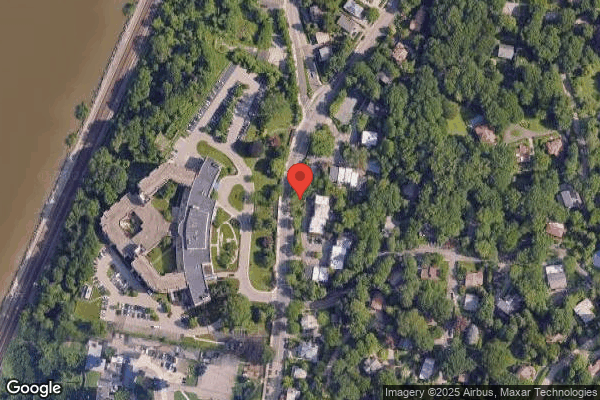
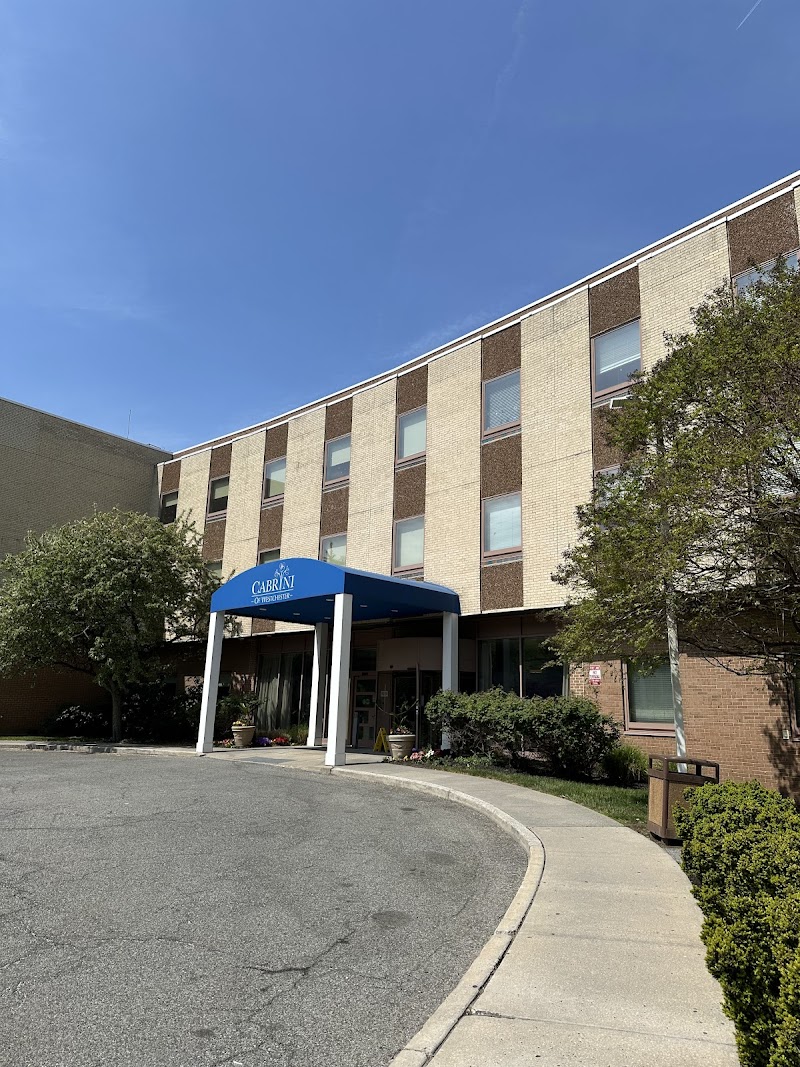
115 BROADWAY, DOBBS FERRY, NY 10522 (914) 693-6800
Non profit - Corporation 304 Beds Independent Data: November 2025
Trust Grade
65/100
#331 of 594 in NY
Last Inspection: May 2023

Over 2 years since last inspection. Current conditions may differ from available data.

Overview

St. Cabrini Nursing Home in Dobbs Ferry, New York has a Trust Grade of C+, indicating it is decent and slightly above average compared to other facilities. It ranks #331 out of 594 in the state, placing it in the bottom half, and #22 out of 42 in Westchester County, meaning there are only a few better options nearby. The facility has shown improvement, decreasing from 11 issues in 2023 to just 1 in 2025, suggesting a positive trend in care quality. Staffing is a relative strength, with a 4/5 star rating and a turnover rate of 24%, significantly lower than the state average. Although there were no fines recorded, there were concerns regarding food safety and timely medical treatment for residents, such as unlabeled food in the kitchen and delays in notifying a physician about medication adjustments, which could impact resident well-being. Overall, while there are strengths in staffing and recent improvements, families should be aware of the identified concerns to make an informed decision.

Trust Score
C+
65/100
In New York
#331/594
Bottom 45%
Safety Record
Low Risk
No red flags
Inspections
Getting Better
11 → 1 violations
Staff Stability
✓ Good
24% annual turnover. Excellent stability, 24 points below New York's 48% average. Staff who stay learn residents' needs.
Penalties
✓ Good
No fines on record. Clean compliance history, better than most New York facilities.
Skilled Nurses
✓ Good
Each resident gets 43 minutes of Registered Nurse (RN) attention daily — more than average for New York. RNs are trained to catch health problems early.
Violations
⚠ Watch
24 deficiencies on record. Higher than average. Multiple issues found across inspections.
★★★☆☆
3.0
Overall Rating
★★★★☆
4.0
Staff Levels
★★★☆☆
3.0
Care Quality
★★★☆☆
3.0
Inspection Score
Stable
2023: 11 issues
2025: 1 issues

The Good

  • 4-Star Staffing Rating · Above-average nurse staffing levels
  • Low Staff Turnover (24%) · Staff stability means consistent care
  • Full Sprinkler Coverage · Fire safety systems throughout facility
  • No fines on record
  • Staff turnover is low (24%)

    24 points below New York average of 48%

Facility shows strength in staffing levels, staff retention, fire safety.

The Bad

3-Star Overall Rating

Near New York average (3.1)

Meets federal standards, typical of most facilities

The Ugly 24 deficiencies on record

May 2025 1 deficiency
CONCERN (D) 📢 Someone Reported This

A family member, employee, or ombudsman was alarmed enough to file a formal complaint

Potential for Harm - no one hurt, but risky conditions existed

Quality of Care (Tag F0684)

Could have caused harm · This affected 1 resident

Based on observation, record review, and interview conducted during the recertification and abbreviated survey (NY00365065) from May 13, 2025, to May 20, 2025, the facility did not ensure residents re...

Read full inspector narrative →
Based on observation, record review, and interview conducted during the recertification and abbreviated survey (NY00365065) from May 13, 2025, to May 20, 2025, the facility did not ensure residents received treatment and care in accordance with professional standards of practice for Resident #489 reviewed for quality of care. Specifically, the physician was not notified timely of an 8/9/24 consultant cardiologist recommendation to reduce Carvedilol (used to treat heart failure and high blood pressure) from 25 mg to 6.25 mg. Subsequently Resident #489 continued to receive Carvedilol 25 mg until 8/13/24. The findings included: The policy and procedure titled Outside Facility Medical Consultation, dated January 2019, required nursing staff to complete a consult form and notify the attending physician of the consult report. A completed consultation form should be left for the physician's review. Resident #489 had diagnoses including chronic diastolic congestive heart failure, and chronic obstructive pulmonary disease. The 6/13/2024 admission Minimum Data Set Assessment documented Resident #489 had moderately impaired cognition. The current Comprehensive Care Plan titled Altered Cardiovascular Status documented administer medication as ordered, monitor and document side effects and effectiveness. The 8/9/2024 Nursing Progress Note documented Resident #489 left for a doctor appointment with their son at noon. The 8/9/2024 Cardiologist Report documented junctional bradycardia/recommended a decreased Carvedilol dose, to Carvedilol 6.25 mg by mouth twice daily. There was no documented evidence the cardiologist's recommendation had been reported to the physician. The August 2024 Medication Administration Record documented Carvedilol 25 mg was administered on 8/9/2024 at 9:00 AM and 9:00 PM, 8/10/2024 at 9:00 AM and 9:00 PM, 8/11/2024 at 9:00 AM and 9:00 PM and 8/12/2024 at 9:00 AM and 9:00 PM. The 8/12/2024 Physician Progress Note documented with normalized blood pressure and while receiving Carvedilol 25 mg twice daily, monitoring of blood pressure values and cardiac status would continue. The August 2024 Medication Administration record documented Carvedilol 25 mg was administered on 8/13/2024 at 9:00 AM. The 8/13/2024 Physician Progress Note documented the intention to reduce the Carvedilol dose to 6.25 mg twice daily. The 8/13/2024 Physician Order documented administer Carvedilol 6.25 mg twice daily. During an interview on May 19, 2025, at 10:35 AM, Resident #489's family stated an outside appointment with the cardiologist occurred. Upon return, a packet was handed to a nurse, and the presence of recommendations was communicated. They stated the facility did not initiate the new dose until Tuesday. During an interview on May 19, 2025, at 11:32 AM, Registered Nurse #5 stated they worked both shifts on August 9, 2024. They stated standard procedure included reviewing recommendations, calling the physician, and documenting. No documentation was found showing that the physician was notified. During an interview on May 19, 2025, at 11:45 AM, Registered Nurse Unit Manager #6 stated the nurse should have read the recommendations and called the physician. They stated they had no recollection of receiving the cardiologist's paperwork from the nurse. They stated the physician was not notified until Tuesday. During an interview on May 19, 2025, at 12:00 PM, Physician #7 stated no call was received from the nursing staff regarding the cardiologist's recommendations. The resident was noted to be bradycardic after the evaluation. The Carvedilol dosage was reduced from 25 mg to 6.25 mg. The resident who had received the 25 mg dose of the medication did not experience any harm. 10NYCRR 415.12 (m)(2)
Oct 2023 1 deficiency
CONCERN (D) 📢 Someone Reported This

A family member, employee, or ombudsman was alarmed enough to file a formal complaint

Potential for Harm - no one hurt, but risky conditions existed

Incontinence Care (Tag F0690)

Could have caused harm · This affected 1 resident

Based on record review and interviews during an abbreviated Survey (NY00325770), the facility did not ensure a resident who was incontinent of bowel received appropriate treatment and services to assu...

Read full inspector narrative →
Based on record review and interviews during an abbreviated Survey (NY00325770), the facility did not ensure a resident who was incontinent of bowel received appropriate treatment and services to assure normal bowel function as possible for 1 of 3 residents reviewed for bowel care. Specifically, Resident #1's constipation care plan and the facility policy 'Bowel Protocol' were not followed. There was no documented evidence that the Physician was notified that the resident had no documented bowel movements from 08/01/2023 to 08/05/2023. The Findings are: The facility policy on Bowel Protocol last revised on 12/2017 documented that resident's bowel movements will be monitored and documented on the certified nurse aide (CNA) accountability each shift, and if a resident does not have a bowel movement in 72 hours (or 3 days), the Certified Nursing Assistant (CNA) will report to the nurse, the nurse will report to the Physician, and the Physician may order a bowel protocol. The nurse will update the care plan and document in a progress note, the events of the bowel protocol. Resident #1 had diagnoses including but not limited to Parkinson's disease, Alzheimer's disease, and Diabetes Mellitus. The Quarterly Minimum Data Set (MDS- a resident assessment tool) dated 7/03/2023 documented that the resident had moderately impaired cognition. The resident required one-person extensive physical assistance with transfers and toilet use and was incontinent of bowel. The comprehensive care plan (CCP) last reviewed on 06/30/2023 documented the resident exhibited potential risk for constipation. The interventions included medical follow-up as needed, monitor for bowel movement daily, and report if no bowel movement within 48-72 hours The CNA accountability record from 08/01/2023 to 08/08/2023 documented that the resident did not have a bowel movement on 08/01/2023, 08/02/2023, 08/03/2023, 08/04/2023, 08/05/2023, and 08/06/2023 The Physician's Orders from 08/01/2023 to 08/08/2023 documented an order for Senna Oral Tablet 86mg 2 tablets every evening. There was no evidence of new orders related to the resident having no documented bowel movement from 08/01/2023 to 08/06/2023. The Comprehensive Progress Notes from 08/01/2023 to 08/31/2023 revealed no documented evidence that the Physician was notified regarding the resident having no bowel movements from 08/01/2023 to 08/06/2023. The Nursing Progress Note documented by Licensed Practical Nurse (LPN #2) dated 8/6/23 revealed that at 8:15 PM resident's son called stating resident was wet and had feces on them. The Medication Administration Record (MAR) from 08/01/2023 to 08/08/2023 revealed no documented evidence of any additional medications/regimen to follow related to the absence of bowel movement from 08/01/2023 to 08/06/2023. The Treatment Administration Record (TAR) from 08/01/2023 to 08/08/2023 revealed no documented evidence of any treatments related to the resident having no documented bowel movement from 08/01/2023 to 08/06/2023. During an interview conducted with CNA #1 on 10/17/23 at 4:00 PM, CNA #1 stated the process for documenting resident's bowel movements in the CNA Kiosk. CNA #1 stated they report to the nurse if any resident on their assignment does not have a bowel movement on their shift. CNA #1 stated they do not know how to check the resident's bowel record to see if the resident had a bowel movement on previous shifts During an interview conducted with the Registered Nurse Unit Manager (RNUM) #1 on 10/17/23 at 4:20 PM, RNUM #1 stated that at the end of the shift, the nurses should ask the CNAs if any residents did not have a bowel movement on their shift During an interview conducted with the Director of Nursing (DON) on 10/17/23 at 4:45 PM, the DON stated the CNAs should document the resident's bowel movements on their shift, and that at the end of each shift, the nurses and CNAs should communicate whether any residents did not have a bowel movement. The DON stated that nurses should report to the Physician if a resident did not have a bowel movement in the past 72 hours, per the facility procedure During an interview conducted with CNA #2 on 10/20/23 at 2:30 PM, CNA #2 who was assigned to the resident on the day shift on 08/01/2023, 08/04/2023, 08/05/2023, and 08/06/2023. CNA #2 stated they do not have access to see previous shifts in order to check if a resident had a bowel movement on a previous shift. Stated they did not report to the nurse that the resident did not have a bowel movement on any of the above dates. Stated they were never instructed to inform the nurse if a resident on their assignment does not have a bowel movement. Stated they do not know how bowel history is recorded. During an interview conducted with LPN #3 on 10/20/23 at 2:55 PM, LPN #3 who was responsible for the resident on the day shift on 08/05/2023, and 08/06/2023 stated the CNAs did not report that the resident did not have a bowel movement. LPN #3 stated the CNAs do not see bowel reports from previous shifts. LPN #3 stated they do not know how the facility checks if a resident did not have a bowel movement in 72 hours. Stated they did not get report that the resident had not had a bowel movement on 08/01/2023, 08/02/2023, 08/03/2023, 08/04/2023, or 08/05/2023. During an interview conducted with CNA # 3 on 10/20/23 at 3:47 PM, CNA # 3 who was assigned to the resident on the evening shift on 08/04/2023, 08/06/2023, and 08/07/2023 stated they did not document any bowel movements on those dates. CNA # 3 stated they usually tell the nurse if a resident does not have a bowel movement on their shift, but not always. CNA # 3 stated they are not sure if the CNAs must always tell the nurse if a resident did not have a bowel movement on their shift. 10NYCRR 415.12
Jun 2023 2 deficiencies
CONCERN (D) 📢 Someone Reported This

A family member, employee, or ombudsman was alarmed enough to file a formal complaint

Potential for Harm - no one hurt, but risky conditions existed

Comprehensive Care Plan (Tag F0656)

Could have caused harm · This affected 1 resident

**NOTE- TERMS IN BRACKETS HAVE BEEN EDITED TO PROTECT CONFIDENTIALITY** F656 Based on record review and interview conducted during an abbreviated survey (NY00318793), the facility did not implement in...

Read full inspector narrative →
**NOTE- TERMS IN BRACKETS HAVE BEEN EDITED TO PROTECT CONFIDENTIALITY** F656 Based on record review and interview conducted during an abbreviated survey (NY00318793), the facility did not implement interventions in accordance with the resident's care plan for 1 of 4 residents (Resident #1) reviewed for Nutrition. Specifically, Resident #1 who had a significant weight loss (greater than 5%) was not consistently weighed weekly in accordance with the care plan. In addition, Resident #1's meal intake was also not consistently monitored. The findings are: The facility policy for Weight Monitoring dated 12/2019 documented that all residents are weighed upon admission and readmission. Residents may be placed on weekly weights at any time at the discretion of the nurse, dietician, manager, or physician. Resident #1 was admitted to the facility on [DATE] with diagnoses that included Heart Failure, Dysphagia and Parkinson's Disease. The admission Minimum Data Set (MDS, an assessment tool) dated 5/18/2023 documented that the Resident had moderately impaired cognitive skills, required 1- person assistance for eating, was on mechanical altered diet, and weighed 180 lbs. and had no dental issues. The Nutrition/Therapeutic Diet Nutrition Care Plan dated 5/15/2023 documented a goal to maintain Resident #1's weight. Interventions included dietary supplements 3 x day; multivitamin supplement; monitor weights for the first 4 weeks upon admission then monthly thereafter as needed; staff will provide and monitor tolerance of dietary supplements. The weight logged into the residents Electronic Medical Record (EMR) documented that on 5/17/2023 (5 days after admission) the resident weighed 180lbs; on 5/26/2023 the resident weighed 179 lbs.; there was no documented evidence that the resident was weighed from 5/27/2023 to 6/11/2023. The residents weight on 6/12/2023 was 165 lbs. reflecting a 15-pound weight loss. The meal intake log from May 12th 2023 documented intake amounts for 1-2 meals per day (35 out of 59 mealtimes) and from June 1st to June 8th 2023 documented intake amounts for 1 meal per day (7 out of 21 mealtimes). During an interview conducted with the Certified Nurse Assistant (CNA #1) on 6/29/2023 at 2:15PM, CNA #1 stated the resident ate independently in the dining room and was not fed by staff until 6/11/2023. Resident #1 drank thin liquids. The residents' intake amounts were recorded in the CNA tasks portion of the record, the documentation of amounts consumed by resident was not done consistently. During an interview conducted with the Registered Nurse Unit Manager (RNUM #1) on 6/29/2023 at 2:00 PM, RNUM #1 stated CNA's are supposed to perform resident weights as directed by the dietician on the weekly weight sheet. The resident's name was on the weekly weight scheduled but did not know why they were not performed. The RNUM #1 stated if the weights were done the weight loss would have been picked up sooner. During an interview conducted with Dietician #1 on 6/28/2023 at 2:30PM, they stated they do not always look at meal intakes in the residents record but instead will observe meals. The Dietician stated they were aware of the missed weights but could not recall if they reminded the CNAs, Nurses or Nurse manager to make sure the weights were obtained. 415.11(c)(1)
CONCERN (D) 📢 Someone Reported This

A family member, employee, or ombudsman was alarmed enough to file a formal complaint

Potential for Harm - no one hurt, but risky conditions existed

Deficiency F0710 (Tag F0710)

Could have caused harm · This affected 1 resident

**NOTE- TERMS IN BRACKETS HAVE BEEN EDITED TO PROTECT CONFIDENTIALITY** Based on record reviews and interviews conducted during an abbreviated survey (NY00318973), the facility did not ensure that 1 o...

Read full inspector narrative →
**NOTE- TERMS IN BRACKETS HAVE BEEN EDITED TO PROTECT CONFIDENTIALITY** Based on record reviews and interviews conducted during an abbreviated survey (NY00318973), the facility did not ensure that 1 of 4 residents (Resident #1) reviewed for nutrition was adequately supervised. Specifically, the physician did not ensure aspiration precautions were in place for Resident #1 who had a diagnosis of dysphagia (difficulty swallowing) and a history of aspiration pneumonia. The findings are: The facility policy titled Feeding residents at risk for aspiration dated 5/2002 and revised 5/2021 documented residents requiring assistance in feeding and or at risk for aspiration, will be fed and monitored using proper technique to ensure their safety and quality of life, to prevent aspiration. Resident #1 had diagnoses that included heart failure, pneumonia, dysphagia and Parkinson's disease. The admission Minimum Data Set (MDS, an assessment tool) dated 5/18/2023 documented Resident #1 had moderately impaired cognitive skills. Resident #1 required extensive assistance of 1 staff for eating. Review of Resident #1's Physician order dated 5/12/2023 documented an order for Pureed diet/thin liquids. Review of Resident #1's Speech therapy evaluation dated 5/13/2023 documented plan of care for swallowing difficulty and or oral function for feeding. Resident will safely consume pureed thin liquid diet during intake without s/s of aspiration across 3 consecutive sessions. Resident will safely consume least restrictive diet to maintain nutrition needs. The physician signature for certification of need for care was not signed. There was no documented evidence of a physician order for aspiration precautions in the electronic medical record (EMR) from 5/13/2023 to 6/12/2023. Review of Resident #1's Nurses note dated 6/12/2023 documented appetite poor, on intravenous fluids (IV) fluids, no distress, family requested Resident #1 to be sent to the hospital for cough and not eating, sent to hospital for failure to thrive. Review of Resident #1's Nurses note dated 6/12/2023 documented follow-up hospital disposition, Resident #1 was admitted to the hospital on [DATE] with diagnosis of pneumonia. During an interview conducted with Certified Nursing Assistant (CNA #2) on 6/28/2023 at 2:18PM, CNA #2 stated Resident #1 ate in the dining room and was not fed by staff until 6/11/2023. CNA #2 stated that Resident #1 was coughing a lot in the last days before they were sent to the hospital. During an interview conducted with the Physician on 6/29/2023 at 10:50 AM, the Physician stated they did not give an order for aspiration precautions because no one asked them for that order and was not aware that the resident was not on aspiration precautions. During an interview conducted with the Director of Nursing (DON) on 6/29/2023 at 6: 15 PM, the DON stated they were not aware and could not provide a reason that Resident #1, who had a dysphagia diagnosis, did not have an aspiration precaution order or a care plan for aspiration precautions. The DON stated when residents needed to be on aspiration precautions it came from the recommendation of the Speech Language Pathologist (SLP). The SLP communicated their recommendations to the clinical team by email and wrote their evaluation in the progress note of the Electronic Medical Record (EMR). The Physician reviewed the SLP's recommendation and then would write the order. Resident #1 should have had an aspiration precaution order in place. 415.15(b)(1)(i)(ii)
May 2023 8 deficiencies
CONCERN (D)

Potential for Harm - no one hurt, but risky conditions existed

Resident Rights (Tag F0550)

Could have caused harm · This affected 1 resident

**NOTE- TERMS IN BRACKETS HAVE BEEN EDITED TO PROTECT CONFIDENTIALITY** Based on observation, interview, and record review during the 5/10/23 to 5/18/23 recertification survey, the facility did not en...

Read full inspector narrative →
**NOTE- TERMS IN BRACKETS HAVE BEEN EDITED TO PROTECT CONFIDENTIALITY** Based on observation, interview, and record review during the 5/10/23 to 5/18/23 recertification survey, the facility did not ensure all residents had the right to a dignified existence for 2 of 2 residents (Residents #153 and #43) reviewed for dignity. Specifically, (1) A Nurse was observed removing an Intravenous Therapy (IV) from the arm of Resident #153 in the dining room and (2) Resident #43 had a urinary drainage bag that was not covered and was visible from the hallway. Findings include: The policy and procedure titled Quality of Life-Dignity last revised 5/2022 documented staff shall promote, maintain, and protect resident privacy, including bodily privacy, during assistance with personal care and treatment procedures. 1) Resident #153 was admitted to the facility on [DATE] with diagnoses including Benign Prostatic Hyperplasia, history of Malignant Thyroid Neoplasm and Secondary Malignant Neoplasm of Unspecified Lung. The 3/1/23 Quarterly Minimum Data Set (MDS, a resident assessment tool) Assessment documented Resident #153 had moderately impaired cognition. The 5/3/23 physician order documented Cefepime HCL Intravenous Solution 1 gram (gm)/50 milliliter (ml)-use 1 gm intravenously two times a day for Urinary Tract Infection (UTI) for 7 days. The 5/3/23 physician order Dextrose- Sodium Chloride (NaCl) IV solution 5-0.45% use 80 ml/hour intravenously every shift for 7 days. On 05/10/23 at 11:40 AM Licensed Practical Nurse (LPN) #1 was observed removing the IV line from the arm of Resident #153 while the resident was sitting in the dining area. During an interview on 5/10/23 at 11:42 AM LPN #1 stated Resident #153 pulled on the IV and the site was bleeding, so they just removed the IV. LPN #1 stated they were aware that they should not have attended to the IV line in the dining room. During an interview on 5/18/23 at 10:33 AM, Registered Nurse Unit Manager (RNUM) #2 stated LPN #1 informed them that Resident #153's IV site was bleeding heavily so they attended to the IV site in the dining room. RNUM #2 stated the resident's room was at the end of the hallway, so LPN #1 decided to attend to the IV site in the dining room. RNUM #2 stated they informed LPN #1 if the resident was bleeding heavy they should apply pressure and return the resident to their room to provide care.2) Resident #43 had diagnoses including Hypertension, Neurogenic Bladder and Heart Disease. The 2/28/23 Quarterly MDS documented Resident #43 was cognitively intact and used a urinary catheter for urine output. On 5/10/23 at 11:42 AM, 5/11/23 at 10:05 AM, and 5/15/23 at 8:05 AM, Resident #43 was observed in bed with the resident's urinary drainage bag hanging from the bed frame. The urinary drainage bag was visible from the hallway and not concealed to prevent direct observation by other residents and visitors. During an interview on 5/10/23 at 2:19 PM, Certified Nursing Assistant (CNA) #9 stated that they did not know urinary drainage bags needed to be covered. During an interview on 5/10/23 at 2:25 PM, Registered Nurse Unit Manager (RNUM) #4 stated urinary drainage bags should be covered for privacy and did not know why a pillow case or dignity cover was not used to cover the bag. During a follow interview on 5/15/23 at 11:03 AM RNUM #4 was asked why the urinary drainage bag was still not covered and RNUM #4 stated they forgot to cover it. 415.5(a)
CONCERN (D) 📢 Someone Reported This

A family member, employee, or ombudsman was alarmed enough to file a formal complaint

Potential for Harm - no one hurt, but risky conditions existed

Report Alleged Abuse (Tag F0609)

Could have caused harm · This affected 1 resident

**NOTE- TERMS IN BRACKETS HAVE BEEN EDITED TO PROTECT CONFIDENTIALITY** Based on record review and interview conducted during the 5/10/23-5/18/23 recertification survey and abbreviated surveys (#NY003...

Read full inspector narrative →
**NOTE- TERMS IN BRACKETS HAVE BEEN EDITED TO PROTECT CONFIDENTIALITY** Based on record review and interview conducted during the 5/10/23-5/18/23 recertification survey and abbreviated surveys (#NY00305519, #NY00302752 and NY00285524) the facility did not ensure all alleged violations involving physical abuse, including injuries of unknown source were reported timely to the New York State Department of Health (NYSDOH) and local law enforcement. This was evident for 4 of 8 residents (Resident #169, #171, #148 and #19) reviewed for abuse. Specifically, (1)Resident #169 reported on 10/21/2021 that they were hit by a staff member on 10/20/2021 and they had pain to the left side. The facility did not report the incident to the New York State Department of Health (NYSDOH) until 10/28/2021,(2) On 9/18/2022 Resident #171 hit Resident #148 with their reacher (assistive device) resulting in Resident #148 sustaining a 0.5 centimeter (cm) skin tear on the head. The facility did not report the incident to the NYSDOH until 09/23/2022, and (3) On 11/09/2022, Resident #19 was observed with discoloration and swelling of the left index finger. An X-ray was completed on 11/10/2022 and revealed an acute fracture of the 2nd proximal phalanx with associated soft tissue swelling. The facility did not report the incident to the NYSDOH until 11/16/2022. The findings are: The Facility Policy on Assurance of Resident's Freedom from Abuse, Mistreatment, Neglect and Misappropriation of Property dated 09/2021 documented that a full investigation will be conducted immediately upon receipt of any report of resident abuse/neglect. The facility is committed to thoroughly investigate all incidents of unknown origin and reports of abuse, neglect, or mistreatment and to respond in a timely manner to all parties involved. Centers for Medicare & Medicaid Services (CMS) expects that allegations of abuse be reported immediately, but not later than 2 hours after allegation is made. All allegations of abuse, with or without injury, fall into the immediate reporting category. 1. Resident #169 was admitted to the facility on [DATE] with diagnoses that included Osteoarthritis, Psychotic Disorder, and Dementia. The Quarterly MDS (an assessment tool) dated 09/21/2021 documented a Brief Interview for Mental Status (BIMS) score of 8, denoting moderate cognition impairment. Resident # 169 required extensive one-person assistance with transfer, and walk in room; total dependence one-person assistance with locomotion on and off the unit. The Incident / Accident (I/A) Investigation documented that the incident occurred on 10/21/2021 at 8:55 PM when the resident alleged that someone hit them yesterday (on 10/20/2021). The resident was assessed and had no visible injury. The Medical Doctor (MD) examined the resident on 10/21/2021 at 7:30 PM and the resident complained of pain on the left side after palpation. STAT (immediate) x-ray was ordered and resulted in no acute injury. The facility conducted a look back investigation and gathered staff statements and interviews. Staff denied observing any abuse situation as alleged. The accused (CNA #3) denied the allegation and had no related discipline. The facility was able to explain that the resident was probably sore on their left side due to post first day physical therapy and post fall and must have perceived that CNA #3 was causing the pain and the facility ruled out abuse and mistreatment on 10/24/2021. The I/A was signed by the Director of Nursing (DON) on 10/25/2021, by the Administrator on 10/26/2021, and by the Medical Director on 10/27/2021. The facility reported to the NYSDOH on 10/28/2021 at 9:02 AM (after 7 days). 2. Resident #171 was admitted to the facility on [DATE] with diagnoses that included Benign Prostatic Hypertrophy (BPH), Peripheral Vascular Disease (PVD), and Depression. The Quarterly MDS dated [DATE] documented a BIMS score of 12, denoting moderate cognition impairment. Resident # 171 required two-person extensive physical assistance for bed mobility, transfer, and toileting. Resident #148 was admitted to the facility on [DATE] with diagnoses that included Hypertension, Cerebrovascular Accident (Stroke), and Hyperlipidemia. The Quarterly MDS dated [DATE] documented a BIMS score of 10, denoting moderate cognition impairment. Resident # 148 required supervision for bed mobility, transfer, walking, and locomotion off unit. The resident was identified with wandering behavior. The I/A Investigation documented that the incident occurred on 09/18/2022 at 3:30 PM when unit staff responded to the noises coming from Resident #171's room. Resident #171 stated that Resident #148 was always wandering to their room and was not welcome in their room, so they hit them with their reacher. Resident #148 was assessed with a skin tear on the head measuring 0.5 cm. The I/A was signed by the DON on 09/23/2022, by the Administrator on 09/23/2022, and by the Medical Director on 09/28/2022. The facility reported to the NYSDOH on 09/23/2022 at 5:13 PM (after 5 days). 3. Resident #19 was admitted to the facility on [DATE] with diagnoses that included Osteoarthritis with Fracture of Nasal Bones, Legal Blindness, and Polyneuropathy. The MDS dated [DATE] documented a BIMS score of 15, denoting intact cognition. The resident's vision was severely impaired. The resident required extensive one-person physical assistance for bed mobility, transfer, locomotion on the unit, dressing, toilet use, personal hygiene, and bathing. The I/A Investigation documented that the incident occurred on 11/09/2022 at 4:30 PM when Resident #19 was observed with a swollen left index finger. The MD was notified with order for X-ray of left hand resulted with acute appearing fracture of the 2nd proximal phalanx, with associated soft tissue swelling. The facility conducted a look back investigation and gathered staff statements and interviews. Staff denied observing any abuse situation as alleged. The facility ruled out abuse, neglect, or mistreatment had occurred on 11/09/2022. The I/A was signed by the DON on 11/10/2022, by the Administrator on 11/10/2022, and by the Medical Director on 11/10/2022. The facility reported to the NYSDOH on 11/16/2022 at 10:59 AM (after 7 days). During an interview conducted with the Administrator on 05/18/23 at 08:59 AM, the Administrator stated that they are informed about abuse incidents from the beginning of the incident to the closure. They are informed during morning report, or sometimes informally while they are doing the investigation and of course they sign on it upon completion of the investigation. The Administrator stated that their policy includes timeliness reporting and they do need to be reminded to ensure prompt submission. The Administrator stated that they were informed as soon as any allegation/incident was reported. The Administrator stated that they were immediately notified by staff regarding the incidents involving Residents #169, #171, #148 and #19. The Administrator stated they cannot answer why the incidents were not reported timely to the NYSDOH. During an interview conducted with the Director of Nursing (DON) on 05/18/2023 at 9:26 AM, the DON stated that they last revised the Abuse Policy on September 2021 and that it includes guidance on reporting to the NYSDOH through the Health Commerce System (HCS) or Hotline. The DON stated that their staff call and inform them when there is an allegation of abuse. The DON stated that they are involved in the completion of the investigation. The DON stated that they know now that they can call the hotline to report because using the portal can get very tricky, they sometime take more than 2 hours doing it. The DON was unable to explain why they did not report timely the abuse incidents involving Residents #169, #171, #148, and #19. During an interview conducted with the Assistant Director of Nursing (ADON) on 05/18/2023 at 1:45 PM, the ADON stated that it is the DON who is the abuse prohibition officer, and they do the reporting to the NYSDOH. The ADON stated that the Nursing Supervisors are trained to report to the DON and ADON all allegations of abuse and all I/A's, and the two of them report it to the Administrator. The ADON stated that they thought they were to report within 2 hours incidents with major injury only and for other cases they have 5 working days to report. 415.4(b)(1)(i)
CONCERN (D)

Potential for Harm - no one hurt, but risky conditions existed

Assessment Accuracy (Tag F0641)

Could have caused harm · This affected 1 resident

**NOTE- TERMS IN BRACKETS HAVE BEEN EDITED TO PROTECT CONFIDENTIALITY** Based on record review, and interview conducted during the 5/10/23 to 5/18/23 Recertification Survey, the facility did not ensur...

Read full inspector narrative →
**NOTE- TERMS IN BRACKETS HAVE BEEN EDITED TO PROTECT CONFIDENTIALITY** Based on record review, and interview conducted during the 5/10/23 to 5/18/23 Recertification Survey, the facility did not ensure that the Minimum Data Set Assessments (MDS, a resident assessment tool) accurately reflected the resident's status. Specifically, Resident #224's diagnosis of Psychosis was not documented on MDS Assessments dated 5/07/21, 8/03/21, 11/01/21, 1/28/22, 4/18/22, 7/01/22, 9/29/22, and 1/30/23. This was evident for 1 of 5 residents reviewed for Unnecessary Medications. The finding is: The facility policy and procedure titled Minimum Data Set effective date: 1/11, last revised 5/2019, documented the facility will use the MDS 3.0 RAI User's Manual for completing the Minimum Data Set to establish and maintain an ongoing process of assessment, care planning, evaluating and revising resident's care in order to attain or maintain the highest practical physical, mental and psycho-social functioning as possible the assessment process will include reviewing the resident medical record Resident # 224 was admitted on [DATE] with diagnoses which included Alzheimer's Disease, Anxiety Disorder, Unspecified Dementia, and Major Depressive Disorder. Review of the Physician's Orders included: 4/30/21 to 5/07/21 Ativan 0.5 mg twice a day, 4/30/21 to 4/05/23 Seroquel 25 mg three times a day for Anxiety, 5/01/21 Lexapro 20 mg daily for depression, 5/03/21 Psychiatric Consult, 5/07/21 to 12/03/22 Clonazepam 0.5 mg three times a day for Anxiety, 12/03/22 Clonazepam 0.5 mg every 12 hours for Anxiety and 4/05/23 Seroquel 25 mg twice a day. A review of the Psychiatrist Consultation Reports dated 5/20/2021, 6/17/21, 7/29/21, 9/30/21, 11/11/21,1/6/22, 8/19/22 documented diagnoses which included history of early onset Dementia with Depression, Anxiety and reported history of Psychosis. There was no documented evidence for the diagnosis of Psychosis in the Minimum Data Set (MDS) admission assessment dated [DATE], 8/03/21, 11/01/21, 1/28/22, 4/18/22, 7/01/22, 9/29/22, 11/28/22 and 1/30/23. A review of the Care Plan Psychotropic Drug Use dated 6/01/21, last reviewed 3/15/23 documented the resident continues on Clonazapam 0.5 mg, Seroquel 25 mg for anxiety and Lexapro 20 mg for depression. Interventions included Psychiatry consult as needed and administer medications as ordered, monitor for changes in activities of daily living (ADLs), mood, behavior, weight, labs as ordered. On 5/18/23 at 9:25 AM, an interview was conducted with the resident's primary physician, who stated they are aware that the resident has diagnoses which include Depression, Anxiety, Delusional Disorder, and Psychosis, as listed in the Psychiatrist's Consultation reports. On 5/18/23 at 9:50 AM, an interview was conducted with the covering MDS Coordinator. The MDS Coordinator stated the MDS assessor should review all the consults from the quarter and add any new diagnoses. The covering MDS coordinator reviewed the resident's MDS assessments dated 5/07/21, 8/03/21, 11/01/21, 1/28/22, 4/18/22, 7/01/22, 9/29/22, 11/28/22, 1/30/23, and confirmed that the diagnoses of Psychotic Disorder or Delusional Disorder were not added to the assessments. On 5/18/23 at 9:10 AM, an interview was conducted with the Assistant Director of Nursing (ADON) who stated that the MDS nurse who is completing the assessment should review all consultation reports including the Psychiatrist's Consultation Reports and should add diagnoses as appropriate. 415.11
CONCERN (D) 📢 Someone Reported This

A family member, employee, or ombudsman was alarmed enough to file a formal complaint

Potential for Harm - no one hurt, but risky conditions existed

Quality of Care (Tag F0684)

Could have caused harm · This affected 1 resident

**NOTE- TERMS IN BRACKETS HAVE BEEN EDITED TO PROTECT CONFIDENTIALITY** Based on record reviews and interviews during the 5/10/23 to 5/18/23 recertification and abbreviated survey (NY 00310780), the f...

Read full inspector narrative →
**NOTE- TERMS IN BRACKETS HAVE BEEN EDITED TO PROTECT CONFIDENTIALITY** Based on record reviews and interviews during the 5/10/23 to 5/18/23 recertification and abbreviated survey (NY 00310780), the facility did not ensure residents received treatment and care in accordance with professional standards of quality for 1 of 4 residents (Resident #380) reviewed for Urinary Tract Infection (UTI). Specifically, Resident #380 had a change in condition and follow up of lab results for an urinalysis (UA) and C&S (culture and sensitivity) were not performed timely to rule out a UTI resulting in the resident not receiving treatment until twenty-one days after symptom onset, Findings include: Resident #380 was admitted to the facility on [DATE] with diagnoses including a history of Urinary Tract Infection (UTI), Dementia, and Hypertension. The 9/7/22 Significant Change Minimum Data Set assessment (MDS, a resident assessment tool) documented Resident #380 had severe cognitive impairment, required extensive assistance for toilet use and personal hygiene, and was frequently incontinent of bladder and bowel. The 4/01/21 Comprehensive Care Plan (CCP) documented the resident had urinary and bowel incontinence and interventions included to monitor for signs and symptoms of urinary tract infections and monitor lab values, and report any abnormalities to the Medical Doctor (MD). The 11/11/22 Physician Orders documented to obtain a urinalysis (U/A) and culture and sensitivity (C&S). The 11/11/22 Nursing Progress note documented the resident was observed with grayish urine. The MD was notified and ordered lab tests, U/A and C&S. The 11/12/22 Nursing Progress note documented U/A and C&S to be collected 11/13/22. An 11/13/22 photocopy of the Lab Requisition revealed a circle around the test for U/A only; C&S was not circled. The 11/14/22 Lab Report documented the urine sample collected on 11/14/22 was turbid (normal range is clear), had trace blood (normal range is negative blood) 3+ leukocytes, (normal range negative), greater than 50 WBC (white blood cells, normal range negative), 4+ bacteria (normal range negative). There was no result for the C&S as ordered. The 11/25/22 Physician Orders documented STAT (immediate) repeat U/A and C&S. The 11/30/22 Nursing Progress note documented the laboratory was called to inquire about the urine specimen sent to the lab on 11/25/22. The specimen was canceled because there was no resident name or date of birth on the specimen. The 12/3/22 Lab Report documented the resident's urine had greater than 100,000 col/ml Escherichia coli. The 12/4/22 Nursing Progress note documented the resident was started on Bactrim DS tablet 800-160 mg for urinary tract infection (UTI). There was no documented evidence that the facility staff followed up with the lab to determine why they had not received the results for 11/13/22 physician ordered C&S. There was no documented evidence prior to 11/30/22 that the facility followed up with the laboratory to determine why they had not received results for the 11/25/22 physician ordered STAT U/A and C&S. During an interview on 5/16/23 at 10:45 AM, Registered Nurse Unit Manager (RNUM) #2 stated the process for specimen collection was to collect the urine as soon as it was ordered and if unable to collect, report to the next shift to collect. RNUM #2 stated that from the time the specimen was collected it could take about five days for results to come back. RNUM #2 stated there was no one person assigned to monitor labs and look out for results. RNUM #2 stated after the first U/A results came in on 11/14/22 they just waited for the C&S result. RNUM #2 stated they did not know at the time the C&S was not indicated on the lab requisition and did not call the lab to follow up to determine why the results were not sent. RNUM #2 stated on 11/25/22 they spoke with the physician (MD#1) and a STAT U/A and C&S was ordered. RNUM #2 stated they did not follow up with the lab until 11/30/22 to inquire why they had not received the results of the ordered STAT U/A and C&S because these things take time. RNUM #2 stated they called the lab on 11/30/22 and found out the specimen was canceled. During an interview on 5/16/23 at 11:40 AM, the Director of Nursing (DON) stated specimen collections were on the morning report and were tracked until the results came in. The DON stated there had been problems with the lab and they were looking into switching labs. The DON stated they would begin tracking infections at the time the resident was prescribed antibiotics, but they did not monitor for the timely receipt of lab results and the timely initiation of treatment. The DON stated that following-up with the lab was the responsibility of the nurse managers, and stated they provided no oversight or monitoring of residents with signs and symptoms of infection until the treatment was started. During an interview on 5/18/23 at 10:04 AM, MD#1 stated that someone should have checked sooner so the resident could have been treated sooner. MD#1 did not treat empirically because the resident did not appear to be septic and they really want to know exactly what organism to treat so the best antibiotic could be used. MD#1 stated the delay could have been prevented and blamed a communication breakdown with labs and staff. 415.12
CONCERN (D)

Potential for Harm - no one hurt, but risky conditions existed

Deficiency F0688 (Tag F0688)

Could have caused harm · This affected 1 resident

Based on observation, record review and interview conducted during the 5/10/23 to 5/18/23 recertification survey it was determined for 1 of 1 resident (Resident #127) reviewed for range of motion/posi...

Read full inspector narrative →
Based on observation, record review and interview conducted during the 5/10/23 to 5/18/23 recertification survey it was determined for 1 of 1 resident (Resident #127) reviewed for range of motion/position mobility, the facility did not ensure all residents with limited range of motion received appropriate treatment and services to increase range of motion and/or to prevent a further decrease in range of motion. Specifically, Resident #127 required left hand resting splint as per therapy evaluations and recommendations and was observed without the resting splint in place. The findings are: The Policy and Procedure titled Range of Motion last revised 5/2019 documented the nurse manager, or nursing supervisor in collaboration with the Rehabilitation Department determined the type and frequency of Range of Motion (ROM) to be done on selected joints. This determination and approach were to be documented on the care plan. Resident # 127 was admitted to the facility 3/23/22 and had diagnoses that included Non-Alzheimer's Dementia, Muscle Weakness and Abnormalities of Gait and Mobility. The 2/8/23 Occupational Therapy (OT) note documented to evaluate and treat for contracture of the left hand and the goal was to exhibit decreased pain with movement, and during splint management to decrease pain level of 2/10 in the left hand and in the left wrist. The 2/24/23 Quarterly Minimum Data Set (MDS, resident assessment tool) Assessment documented Resident #127 had severe cognitive impairment with both short term and long-term memory problems; required extensive assist of one person for bed mobility; extensive assist of two persons for transfer and toileting; and extensive assist of one for eating. The 2/24/23 Occupational Therapy (OT) Discharge Assessment documented that Passive Range of Motion (PROM) was done to left hand/wrist with resident still in some degree of pain during maneuver. Splint placement to left hand was done after mobilization and noted less degree of stiffness/contracture. Nursing was informed that the last day of OT was today, and that staff were to continue with splint management and to refer to OT for any issues with the splint. The 4/17/23 Physician Order documented to apply the resting splint to the left hand every day and evening shift for contracture; and to remove at night and during hygiene. There was no documented evidence in the April 2023 Treatment Administration Record (TAR) for the use of the left-hand splint on 4/20/23 day shift, 4/22/23 day shift, 4/22/23 evening shift-blank, and 4/29/23 day shift. There was no documented evidence in the May 2023 Treatment Administration Record (TAR) for the use of the left-hand splint on 5/2/23 day and evening shift, 5/3/23 day and evening shift, 5/5 evening, 5/11/23 day shift, 5/12/23 evening shift, 5/14/23 day shift, 5/15/23 evening shift and 5/16/23 day shift. There was no documented evidence on the Activities of Daily Living Comprehensive Care Plan (CCP) dated 3/23/22 for the use of the left-hand resting splint. During observations on 5/11/23 at 12:21 PM and 5/16/23 at 2:53 PM, Resident #127 did not have the left-hand resting splint in place. During an interview on 5/18/23 at 9:48 AM, Certified Nurse Assistant (CNA) #2 stated Resident #127 had a contracture and cried in pain when CNA #2 would attempt to apply the splint. CNA #2 stated they did not put the splint on Resident #127 because it was painful for the resident. CNA #2 stated they informed the nurse that the resident was in pain and even when the nurse tried to apply the splint the resident cried. During an interview on 5/18/23 at 9:55 AM, Licensed Practical Nurse (LPN) #2 stated that the CNAs informed LPN #2 that Resident #127 was crying in pain when they tried to put the splint on. LPN #2 stated they had to sign for the splint in the TAR and stated that they signed and indicated 9 for (other) because the resident could not tolerate the splint due to the pain. LPN #2 stated they informed the therapist from rehab about the pain but was tolerating the splint when the resident was discharged from program. During an interview with Occupational Therapist (OT#1) on 05/18/23 10:08 AM, OT #1 stated the only way rehab would be aware of any concerns with a splint or device would be dependent upon a referral from nursing for reassessment. OT #1 stated they were not informed verbally or in writing of the pain the resident was having with the splint. During an interview on 5/18/23 at 10:15 AM, the Director of Rehabilitation stated the formal procedure for therapy was for the staff to inform the nurse or nurse manager of any concerns and the nurse should send an OT referral. The Director of Rehabilitation stated they were not able to find a referral from nursing regarding resident #127 having pain with the use of the splint. The Director of Rehabilitation stated they have a tracker of referrals and did not find Resident #127 on the list. During an interview on 5/18/23 at 10:39 AM, Registered Nurse Unit Manager (RNUM) #2 stated there was no need for a referral to OT for pain with the splint. RNUM #2 stated resident #127 was not in pain and that the resident was just confused and resisted cares. 10 NYCRR 415.12(e)(1)
CONCERN (D)

Potential for Harm - no one hurt, but risky conditions existed

Deficiency F0692 (Tag F0692)

Could have caused harm · This affected 1 resident

Based on record review, observation, and interviews during the 5/10/23 to 5/18/23 recertification survey, the facility did not ensure residents were provided nutritional supplementation consistent wit...

Read full inspector narrative →
Based on record review, observation, and interviews during the 5/10/23 to 5/18/23 recertification survey, the facility did not ensure residents were provided nutritional supplementation consistent with the resident's plan of care for one of two residents (Resident #135) reviewed for Nutrition. Specifically, Resident #135 did not receive their nutritional supplement as ordered by the physician. The findings are: The Policy and Procedure titled Nutrition Supplement Monitoring dated 2/2020, documented residents with weight loss or at risk for weight loss were provided with nutritional supplements as ordered by physician. Resident #135 was admitted to facility on 4/26/19 with diagnoses including Unspecified Dementia, Hypo-Osmolality and Hyponatremia. The physician orders documented on: - 10/21/22, 120 milliliter (ml) Milkshakes 3 times a day with meals; - 12/19/22, Magic cup 4 oz. at lunch meals; - 2/17/23, Liquid Protein Supplement (LPS) Sugar Free (SF) 30 ml 3 times a day; - 3/17/23, HI Cal 4 oz. 3 times a day; and - 5/11/23, Magic cup 4 oz. at supper. The 11/4/22 weight report documented Resident #135 weighed 85.3 pounds. The 2/23/23 Significant Change Minimum Data Set (MDS) Assessment documented Resident #135 had severe cognitive impairment, and required extensive assist of 1 person for eating. Resident #135's height was documented as 64 inches and Resident #135 weighed 77 pounds. The 3/3/23 Significant Change Nutrition Assessment documented resident's current weight: 76.8 pounds, loss of 8.5 pounds (9.9%) x 3 months. Current diet ordered was regular diet, mechanical soft texture, thin liquids. Appetite/fluid intakes remained varied approximately 25-75% per observations/staffing reports. Resident required extensive assist with feeding. Food preferences were reviewed with staff/designated representative on an ongoing basis. Supplements included LPS SF 30 ml 3 x daily, Ensure Enlive 4 oz- 3 x daily (25-100% per MAR), 4 oz Milkshakes 3 x daily (75-100% per MAR), Magic cup @ lunch and supper L-S (100% per MAR), fortified foods; super cereal at breakfast, super potatoes at lunch and supper. The 4/10/23 weight report documented Resident #135 weighed 74 pounds. During an observation on 5/16/23 at 12:05 PM the lunch tray ticket documented egg salad sandwich with no crust, ½ cup super-potato, ½ cup chopped broccoli, 1 cup vanilla magic cup, 4-ounce milk shake, cranberry juice, tea, water, salt, pepper, and sugar. The tray for Resident #135 was missing the supplements including the super potato, magic cup, 4 oz. milkshake and the ½ cup of chopped broccoli. During an observation on 5/17/23 at 8:43 AM, the breakfast tray ticket documented hard cooked egg, super cereal, 8 oz milk, 4 oz vanilla milkshake, butter, coffee, orange juice, water, salt, pepper, and sugar. The tray for Resident #135 was missing the 4 oz vanilla milkshake. During interviews on 5/16/23 at 12:14 PM and 5/18/23 at 12:03 PM, the Registered Dietician (RD) #2 stated they were unsure why Resident #135 was not provided with the supplements on their tray. RD #2 stated when the food comes up from the kitchen the dietary staff should put the supplements on the tray. RD #2 stated they tried to keep the supplements on the tray to help Resident #135 since their weight fluctuated. RD #2 stated the nurses documented in the Medication Administration Record (MAR) the intake of the supplements and the dietician monitors the MAR monthly. If there was a recent change in a supplement RD #2 would review 7 days of supplements in the MAR to see how the resident was accepting the supplement. During an interview on 5/16/23 at 12:40 PM Certified Nurse Assistant (CNA) # 1 stated dietary staff were responsible for putting all the food items on the tray including the supplements. CNA # 1 stated when they took the tray from the dietary staff they double checked the tickets. When CNA #1 was asked why the supplements were not on Resident #135's tray, CNA # 1 stated the resident was constantly refusing food/supplements so they did not put it on the tray. CNA # 1 stated they did inform the dietician previously and that the dietician should have removed the supplements from the diet. During an interview on 5/16/23 at 12:51 PM Dietary Aide #3 stated that when they prepared a tray, they looked at the tray ticket and put the food and drinks that were listed on the ticket on the tray, including the supplements. Dietary Aide #3 stated they were never told to remove supplements from the tray of Resident #135. Dietary Aide #3 stated the reason for not putting the supplement on the tray of Resident #135 was because they knew Resident #135 well and that Resident #135 refused the supplements. During interviews on 5/17/23 at 3:20 PM and 5/18/23 at 11:44 AM the Food Service Director (FSD) stated they received the order for who needs the supplements, and the kitchen would ensure the residents received it on their trays. The FSD stated if a resident was refusing supplements; the process was the CNA should go their nursing supervisor and inform them resident was refusing, then the nursing supervisor would inform dietician and then they would proceed to make a decision with the MD and discuss a plan. 415.12(i)(1)
CONCERN (D)

Potential for Harm - no one hurt, but risky conditions existed

Infection Control (Tag F0880)

Could have caused harm · This affected 1 resident

Based on observations, interviews and record review during a recertification survey from 5/10/23 to 5/18/23, the facility did not ensure that an infection surveillance plan based on the facility asses...

Read full inspector narrative →
Based on observations, interviews and record review during a recertification survey from 5/10/23 to 5/18/23, the facility did not ensure that an infection surveillance plan based on the facility assessment was implemented for identifying, tracking, and monitoring infections, communicable diseases, and outbreaks. Specifically, infections were not being documented on the infection line list at onset of signs and symptoms of infection. The findings are: The facility Policy and Procedure Infection Surveillance effective 9/2002, and last updated 6/2022, documented an infection control program is developed and implemented to identify and investigate infections, to control the spread of infections The Infection line listing is to collect data on each potential or actual infection and to evaluate the infection control methods and to identify and clarify problems with policies or techniques, and bring to the attention of the Safety Committee and QAPI Committee. A review of the Infection Preventionist's Infections logs documented: Skin & Wound Infections Methycillin Resistant Staff Aureus (MRSA) and Cellulitis, three residents did not have documented onset dates of signs and symptoms, whether lab testing was collected, or whether lab results were obtained although they were documented to be on an antibiotic treatment. Urinary Tract Infections (UTI), four residents did not have documented onset dates of signs and symptoms, whether the Physician (MD) or Nurse Practitioner (NP) were notified, whether lab testing was collected, or whether lab results were obtained although they were documented to be on antibiotic treatment. COVID, seven residents did not have documented onset date of signs and symptoms or whether treatment was ordered and in progress. Pneumonia (PNA), BRONCHITIS, Upper Respiratory Infection (URI) and INFLUENZA, fifteen residents did not have documented onset date of signs and symptoms. On 5/18/23 at 1:22 PM, an interview was conducted with the Infection Preventionist/Director of Nursing (IP/DON). The IP/DON stated they were made aware of infections when the nurse managers gave morning report and infections were documented on the end of shift report, but they did not add those residents to their line list of infections until treatment was started. The IP/DON stated the Nurse Managers were responsible for completing assessments, notifying the MD or NP, transcribing orders, collecting specimens, getting lab results, and notifying the MD/NP of the lab results. The IP/DON stated that although they were aware of residents with signs and symptoms of infection, they did not evaluate if there were clusters of infection on a particular unit or provide staff education for prevention purposes. When asked, the IP/DON stated they did not know how many residents were on precautions at the time or how many UTI's were currently in house. The IP/DON stated their role as Infection Preventionist was to provide staff education regarding hand hygiene, hand washing, and personal protective equipment (PPE ). On 5/18/23 at 2:13 PM an interview was conducted with the facility Administrator. The Administrator stated that infections and specimens and physician's orders for labs were documented on the end of shift reports by the Registered Nurse Unit Managers (RNUMs) or Registered Nurse (RN) Supervisors on the evenings, weekends, and nights, and were not entered onto the infection line lists until treatment was started. 415.19
CONCERN (E) 📢 Someone Reported This

A family member, employee, or ombudsman was alarmed enough to file a formal complaint

Potential for Harm - no one hurt, but risky conditions existed

Food Safety (Tag F0812)

Could have caused harm · This affected multiple residents

Based upon observation, record review and interview conducted during the 5/10/23 to 5/18/23 recertification and abbreviated surveys (NY00305325) the facility did not ensure food was prepared, stored, ...

Read full inspector narrative →
Based upon observation, record review and interview conducted during the 5/10/23 to 5/18/23 recertification and abbreviated surveys (NY00305325) the facility did not ensure food was prepared, stored, and served in accordance with professional standards for food service safety to ensure prevention of foodborne illness. Specifically, 1. Unlabeled food was found in one freezer unit and one refrigerated unit, 2. cooling logs were not in use, 3. the main kitchen' s three bay sink sanitizer solution was under the minimum required quaternary ammonium sanitizer test range of 150 parts per million (PPM), and 4. food contact and non-food contact equipment and kitchenware were not maintained in sanitary condition. The findings are: A facility policy and procedure dated 2/22/04, revised on 1/3/2023, and titled: Dating and Labeling of Food Products documented: The Food Service Department will follow proper food handling practices to store and prepare food. Purpose: To follow proper sanitation and food handling practices to reduce the risk of food contamination and thereby prevent foodborne illness. To ensure FIFO (first in/first out) inventory control .All food products placed in freezer for re-use will be dated with date placed in freezer as well as product name .Discard product after expiration date or once used, if used before expiration date. For clarification purposes the latest date posted on a product is the expiration date. The initial tour of the kitchen was conducted on 5/10/23 between 10:30 AM and 10:55 AM and the following issues were identified: Freezer #R 001 contained: (5) ten-pound packages of frozen ground beef labeled by the manufacturer with a use by date of 1/26/23. The beef was not labeled with a received by date or date placed in the freezer. In an interview on 5/10/2023 at 10:40 AM the Food Service Director (FSD) reported that the ground beef should have been labeled with a received date and would be discarded. (1) One ten-pound bag of boneless, skinless chicken thighs. No manufacturer expiration date or use by date was found on the bag. No received by date or date placed in the freezer was found on the bag. A product code was found on the bag. In an interview on 5/10/2023 at 10:45 AM the FSD reported they did not know how to interpret the product code and the chicken thighs would be discarded. Refrigerator #R 005 contained: (3) Hormel USDA select ribeye labeled by the manufacturer with a packed on date of 9/22/22. No received by labeling was found on the ribeye. A handwritten note on a piece of paper was observed on top of the ribeye and noted: came in 5/8/23, frozen to be defrosted to prep for Mothers ' Day. In an interview on 5/10/2023 at 10:50 AM the FSD reported that the ribeye should have been individually labeled with a pull date when pulled from the freezer, then labeled with a use by date and used within 3 days of pull date. The FSD further reported that the ribeye would be discarded. In an interview on 5/10/2023 at 10:55 AM the Food Service Manager (FSM) was asked to produce the kitchen' s cooling logs and reported that they have not been using cooling logs. A follow up tour of the Kitchen on 5/16/2023 between 10:10AM and 11:00 AM revealed the following: Sanitizer sink of the 3-bay sink was filled with water and was being checked for the sanitizer concentration by the FSM. The sanitizer concentration was found to be less than the required 150 -200 parts per million (PPM). In an interview on 5/16/2023 at 10:20 AM, the FSM reported that the concentration should be 200 ppm. The FSM stated they will call the lab for service, and will empty the sanitizer sink. In an interview on 5/16/2023 at 10:30 AM the FSD reported that they had been having problems with the sanitizer concentration since last Monday (5/8/23) or Tuesday (5/9/23), and a call was placed a call to the lab on one of those days, and since then they have been spot checking the sanitizer concentration and have continued to use the sanitizer sink. At that time, the FSD was asked for the sanitizer sink sanitizer concentration log and reported that there was no sanitizer concentration log. A four-rack metal and plastic drying rack filled with an assortment of cleaned, wet food service equipment (metal steamtable pans, small pots, and 2 blenders), was observed in the dishwashing area. A large standing fan was on and was in a proximity visually estimated to be 18 inches from the drying rack. The grate of the fan was observed to be soiled with black-ish colored debris, and the fan was blowing air towards the drying rack. In an interview on 5/16/2023 at 10:40 AM the Pot Washer responsible for cleaning and ensuring the proper drying of food service equipment reported that they rinse the pans, pots, and blenders, then wash, sanitizes, and rinses them, puts them on the drying rack, and uses the fan to dry them. In an interview on 5/16/2023 at 10:50 AM the FSD reported that they were not aware that the fan was soiled and was being used to dry food service equipment. The cook ' s area revealed: Four clear plastic storage containers with covers were stored on the bottom of a stainless-steel food preparation table. The four containers were observed to be soiled on the outside. The four containers held a total of more than 80 miscellaneous utensils and kitchen tools used for preparing and serving foods including spatulas, spoons, and scrapers. The interiors of all four plastic storage containers were soiled with dried bits of food and dust. Multiple utensils and kitchen tools were soiled with dust, water spots, food residue, and dried orange and pink colored spills. In an interview on 5/16/2023 at 11:00 AM the FSD reported that they had not yet developed a cleaning schedule. 415.14(h)
Apr 2019 9 deficiencies
CONCERN (D)

Potential for Harm - no one hurt, but risky conditions existed

Abuse Prevention Policies (Tag F0607)

Could have caused harm · This affected 1 resident

**NOTE- TERMS IN BRACKETS HAVE BEEN EDITED TO PROTECT CONFIDENTIALITY** Based on interview and record review conducted during the recertification survey, the facility did not ensure that all employees...

Read full inspector narrative →
**NOTE- TERMS IN BRACKETS HAVE BEEN EDITED TO PROTECT CONFIDENTIALITY** Based on interview and record review conducted during the recertification survey, the facility did not ensure that all employees are screened to rule out a history of abuse and neglect in accordance with its written policy. Specifically, 1 of 5 newly hired employees whose personnel records were reviewed was not screened via the Nurse Aide Registry to rule out a history of abuse/neglect of residents. The findings are: According to the facility's policies and procedures (P&P) for abuse and neglect, all employees are to be screened for history of abuse. The P&P further states that Appropriate licensing boards and registries are utilized (e.g. [NAME]). On 4/18/19 the Director of Human Resources (DHR) was asked to provide the surveyor the personnel record of 5 employees (3 CNAs, a housekeeper and a Licensed Practical Nurse, LPN) that should contain their screening records. Evidence was lacking that the housekeeper was screened via the State Nurse Aide Registry. In an interview on 4/18/19 with the DHR a request was made for evidence that the housekeeper was screened via the Nurse Aide Registry. The DHR stated that only CNAs were screened via this registry and Licensed employees were screened by their respective licensing authorities. 415.4(b)(1)(i)
CONCERN (D)

Potential for Harm - no one hurt, but risky conditions existed

Assessment Accuracy (Tag F0641)

Could have caused harm · This affected 1 resident

**NOTE- TERMS IN BRACKETS HAVE BEEN EDITED TO PROTECT CONFIDENTIALITY** Based on interview and record review conducted during the recertification survey, the facility did not ensure that the comprehen...

Read full inspector narrative →
**NOTE- TERMS IN BRACKETS HAVE BEEN EDITED TO PROTECT CONFIDENTIALITY** Based on interview and record review conducted during the recertification survey, the facility did not ensure that the comprehensive assessment for 1 of 2 residents (Resident #276) reviewed for bladder incontinence accurately reflected the resident's bladder status. Specifically, the Minimum Data Set (MDS-a resident assessment tool) documented the resident was continent of bladder, which was not consistent with prior assessments and data collection in the resident's clinical record. This resulted in a care plan not being developed to address the resident's actual level of bladder continence. The findings are: Resident #276 was admitted to the facility on [DATE] with the diagnoses of Seizure Disorder. The resident had a significant change MDS done on 3/14/19. This MDS showed that the resident had no cognitive impairment and was continent of bladder. However, the certified nursing assistant (CNA) record showed that during the look behind assessment period of seven days for this MDS, the resident had an episode of incontinence on 3/11/19. This data should have resulted in the MDS being coded for the resident as being occasionally incontinent. The resident was interviewed on 4/11/19 at 2:31 PM and asked if she was incontinent. The resident stated that she was and that she was on a toileting program. The resident also stated that she had a sense of urgency related to a small bladder. The CNA assigned to care for the resident (CNA #2) was interviewed on 4/15/19 at 11:36 AM. She stated that the resident had episodes of incontinence but that she was mostly continent. CNA #2 also stated that the resident wore pull-ups disposable briefs. A review of the bladder incontinence data record from showed the following number of days with incontinence episodes: December 2018- 5 days January 2019- 18 days February 2019 - 8 days March 2019 - 7 days April 1, 2019 to April 15 - 6 days Interview with the Registered Nurse/MDS Coordinator on 4/16/19 at 3:00 PM revealed that the data reflected in the MDS may have been incorrect. The surveyor then showed the MDS Coordinator that the CNA data documented the resident had multiple episodes of incontinence prior to 3/11/19 and subsequently. The resident's current plan of care noted that she was continent and included no specific measurable goals and interventions to address/decrease/prevent the occasional episodes of incontinence. 415.11(b)
CONCERN (D)

Potential for Harm - no one hurt, but risky conditions existed

Comprehensive Care Plan (Tag F0656)

Could have caused harm · This affected 1 resident

**NOTE- TERMS IN BRACKETS HAVE BEEN EDITED TO PROTECT CONFIDENTIALITY** 3. Resident #63 was admitted to the facility on [DATE] with diagnoses of Diabetes Mellitus, Non-Alzheimer Dementia and Dysphasia...

Read full inspector narrative →
**NOTE- TERMS IN BRACKETS HAVE BEEN EDITED TO PROTECT CONFIDENTIALITY** 3. Resident #63 was admitted to the facility on [DATE] with diagnoses of Diabetes Mellitus, Non-Alzheimer Dementia and Dysphasia. The annual MDS dated [DATE] noted that the resident had severe cognitive impairment, is fed via gastrostomy tube and had no issues with constipation. The plan of care to address constipation was initially developed on 5/12/14. The goal for the resident was to have a normal bowel movement at least every 3 days. The interventions to achieve this goal included: monitor medications for side effects of constipation and keep the physician informed of any problems; record bowel movement pattern each day, describe amount, color and consistency; and monitor and report to the physician any small or loose stools. The physician current orders showed the following BM medications were prescribed; -3/1/2015 Polyethylene Glycol 3350 (Miralax) packet, give 1 packet via G-Tube at bedtime for constipation dissolve in 4-8 oz of liquid. - 3/1/2015 Docusate Sodium (Colace)100 mg. give 2 capsules via G-tube at bedtime for constipation; - 5/9/2018- Enema (Sodium Phosphate), Insert 1 application rectally in the morning every Monday, Wednesday and Friday for bowel movement. The TAR (Treatment Administration Record) showed that the enema was administered on the scheduled days at 6:00 AM. Record review of resident's bowel pattern from December 2018 to April 2019 showed in CNA Tasks that the resident had multiple episodes of loose bowel movements (LBMs) and/or soft BMs (SBM) ranging from 1 to 6 times in one day frequently each month. Additionally, the resident was administered enemas as ordered days after the resident had multiple LBMs and/or SBMs on the previous days. Specifically, for April 2019 the resident's bowel movement record and the TAR (for the enema) showed the following; 4/01/19 - 3 LBMs 4/02/19 - 1 LBM and 5 SBMs* 4/03/19 - 1 LBM and 5 SBMs 4/04/19 - 2 LBMs and 3 SBMs* 4/05/19 - 2 LBMs and 3 SBMs 4/06/19 - 1 LBM and 3 SBMs, 4/07/19 - 3 SBMs 4/08/19 - 4 LBM and 2SBM, 4/09/19 - 1 LBM and 4SBM,* 4/10/19 - 2 LBM and 3 SBM 4/11/19 - 3 SBM* 4/12/19 - 2 LBM and 4 SBMs 4/13/19 - 4 LBM and 2 SBM, 4/14/19 - 5 LBM and 2 SBM* 4/15/19 - 2 LBM and 4LBM 4/16/19 - 2 LBM and 4 SBM* 4/17/19 - 2 LBM and 3 SBM *Indicates that the resident was given enema the following day. A review of the resident's record showed no documented evidence that the nursing staff notified the physician of the ongoing loose/soft BMs and the need to continue the use of the enema and the laxatives. Also, there was no documented evidence that the nursing staff addressed the need to administer the enema when the resident had multiple soft/loose stools the days before the enema was to be administered. The resident was observed in bed on the following days and times: 4/11/19 at 9:45AM, 10:30 AM and 1:00 PM 4/12/19 at 10:00 AM, 11:15 AM and 2:45 PM 4/17/19 at 10:20 AM and 11:30 AM. 4/18/19 at 11AM The surveyor interviewed the primary care LPN #3 on 4/17/17 at 11:30 AM as to why the resident was being kept in bed for several days. The LPN stated that the resident had frequent loose bowel movements so staff kept her in bed to change, re-position and keep her dry. On 4/18/19 at 11:30 AM the Diet Technician (DT) was interviewed to determine if she was aware that resident had been having frequent loose bowel movements. The DT stated that she monitored the resident's weights and recommended adjusting feeding flow rate. The DT stated that the reason for the laxatives was to prevent constipation and that she would call the physician and discuss the resident's status. On 4/18/19 at 12:20 PM RN#3-Nurse Manager was interviewed regarding the resident being observed in bed for several days during the survey. The manager stated that staff kept the resident in bed related to frequent loose bowel movements. There was no documented evidence that the physician was notified of the resident's ongoing LBMs and SBMs in accordance with the above-mentioned care plan prior to surveyor intervention. 415.11(c)(1) Based on observation, interview and record review the facility did not ensure that 1) a care plan was developed to address issues following a hospitalization, and 2) a care plan was implemented for a resident to prevent further weight loss and 3) a care plan was implemented for a resident with ongoing loose bowel movements. This was evident for 1 of 3 residents reviewed for hospitalization (Resident #187), 1 of 6 residents reviewed for nutrition (Resident #188) and 1 of 7 residents reviewed for unnecessary medications (Resident #63). The findings are: 1) Resident #187 was admitted to the facility on [DATE]. Diagnoses as identified on the 12/31/18 annual Minimum Data Set (MDS - a resident assessment tool) included Anemia and Gastrointestinal Hemorrhage. Review of the Nursing Progress Notes dated 12/20/18 indicated the resident vomited coffee ground material and passed black stool. The physician was made aware and ordered transfer to the hospital to rule out Gastrointestinal Bleeding. The resident was on Aspirin 81 mg daily. Review of the 12/24/18 Nursing Progress Note revealed the following; resident was readmitted . Given IV Protonix in the hospital. Continue Protonix 40 mg daily and Aspirin 81 mg was discontinued as of 12/24/18. Hemoglobin 8.8 (normal range 12-16) and Hematocrit 26 (normal range 36-40). Review of the 12/27/19 Physician Progress Note revealed the following; returned from the hospital for hematemesis and melena ( dark, tarry stool ). Received 1 pint of packed red blood cells. The note indicated UGI (upper gastrointestinal) bleed and chronic anemia. Current MD orders indicated the resident still receives Protonix 40 mg. The resident also receives Ferrous Gluconate 324 mg for Anemia. Review of the comprehensive care plan indicated no care plan for GI bleed/anemia. In an interview with the RN supervisor (RN#3) who is responsible for updating the care plan, he stated if a treatment continues following return from the hospital it would be included in the care plan. Protonix was continued and a care plan should have been initiated. 2) Resident #188 was admitted to the facility on [DATE]. Current diagnoses included Coronary Artery Disease, Congestive Heart Failure and Malignant Neoplasm of the Esophagus. The MDS quarterly assessment dated [DATE] indicated the resident's weight was 148 lbs and height was 66 inches at the time of the assessment. No significant weight loss or gain in the past 1-6 months was identified. The resident was receiving a therapeutic diet. The annual MDS assessment dated [DATE] indicated the weight was 125 lbs. No significant weight loss or gain was identified in the past 1-6 months. The quarterly assessment dated [DATE] indicated the resident required limited assistance of 1 person for eating. Review of the Weight Summary in the EMR (electronic medical record) indicated the following: Weight on 10/30/18 - 147.5 lbs Weight on 3/27/19 - 138.5 lbs A loss of 6.1% in 5 months Observation of the resident at lunch on 4/18/19 at 12:30 PM revealed the resident was sleeping in her wheelchair at the table during the meal. The meal was untouched. The aide cut up the meat and tried to feed the resident, but she refused to eat. The aide stated she's like this sometimes and other times she eats all of her food. Review of the care plan for Nutrition last reviewed on 4/10/19 indicated the resident is at nutritional risk due to Dementia, Hypertension, Congestive Heart Failure, Coronary Artery Disease, Anemia, Hyperlipidemia and pressure ulcer. Included in the care plan was an intervention to provide the following supplements; Liquid Protein Supplement 30 ml three times daily, Hi-Cal (a nutritional supplement) 120 ml twice daily and Ensure Plus daily at 10:00 AM. The Medication Administration Record (MAR) for March and April 2019 were reviewed. The Liquid Protein Supplement was documented on both MARs with the nurse's initials indicating that it was provided three times daily at 9AM, 1PM and 5PM. Ensure Plus was included on both MARs but there were no initials to indicate the supplement was provided. The Hi-Cal which was ordered on 2/27/19 did not appear on either of the MARs. In an interview with RN supervisor (RN#3) on 4/18/19 at 2:25 PM when asked about the Hi-Cal order he stated the order was entered incorrectly so it wouldn't show up on the MAR. When asked how the LPNs would know to give the Hi-Cal he stated they wouldn't know. LPN #3 was interviewed on 4/18/19 at 2:28 PM. When asked how she knows to give Hi-Cal to the resident she stated it should show up on the MAR. She then checked and stated the Hi-Cal not there. She further stated the resident wouldn't be getting it because the nurses wouldn't know to give it if it doesn't appear on the MAR.
CONCERN (D)

Potential for Harm - no one hurt, but risky conditions existed

Deficiency F0688 (Tag F0688)

Could have caused harm · This affected 1 resident

**NOTE- TERMS IN BRACKETS HAVE BEEN EDITED TO PROTECT CONFIDENTIALITY** Based on observation, record review and interview conducted during the recertification survey, the facility did not ensure that ...

Read full inspector narrative →
**NOTE- TERMS IN BRACKETS HAVE BEEN EDITED TO PROTECT CONFIDENTIALITY** Based on observation, record review and interview conducted during the recertification survey, the facility did not ensure that residents were provided the appropriate treatment and services to improve and/or prevent a further decline in range of motion (ROM). Specifically, a resident did not have a left- hand splint applied as per Physician order. This was evident for 1 of 4 residents (#166) reviewed for positioning and limited mobility. The findings are: Resident #166 was admitted to the facility on [DATE] with diagnoses including Arthritis, Alzheimer's disease, and Diabetes. The 5/24/18 Significant Change Minimum Data Set (MDS; an assessment tool) indicated Resident #166 had cognitive impairment, no impairment of upper or lower extremities, and received 5 days of Occupational (OT)and Physical (PT)Therapies, The 2/23/19 Quarterly MDS indicated mild cognitive impairment, no impairment of the upper or lower extremities, and received 5 days of Occupational (OT)and 4 days Physical (PT) Therapy. Review of the Physician's Order dated 2/16/19 revealed an order for a left hand splint at all times. Review of the comprehensive care plan revealed; 1/5/17- Potential for skin breakdown related to Alzheimer's disease with the following interventions; staff will provide ROM as ordered, staff will assess for and provide appropriate pressure relieving devices as recommended by PT/OT (splint), staff to provide protective/preventative skin care. 11/5/18- Resident presents with decline in ROM to left upper extremity, limited movement to left elbow and wrist and contractures to digits 2-5, skilled OT for improved ROM, ease of hygiene and Activities of Daily Living (ADL) care and decrease in pain. The plan of care did not reflect the use of a hand roll in place of the left hand splint. Review of the January, February, March and April 2019 treatment administration records (TARs) indicated left hand splint at all times and check skin integrity under left hand splint every 2 hours. An observation on 04/11/19 at 01:41 PM revealed the left hand with a hand roll in place without the use of the left- hand splint. An observation on 4/12/19 at 10:40 AM and 12:45 PM revealed the left hand tightly closed. There was no hand roll or splint in place. An observation on 4/15/19 at 10:36 AM revealed the left hand with a hand roll without the use of the left- hand splint. During an interview on 4/15/19 at 10:40 AM with the Certified Nursing Assistant (CNA #1) she stated it had been a while since the resident used the left- hand splint and she had reported this to the therapy and nursing departments. She added that in the past the resident was not keeping the hand splint on and therapy had removed it. She further stated the CNA care guide did not indicate the use of the hand roll but did indicate the use of the left-hand splint. During an interview on 4/15/19 at 11:01 AM with Registered Nurse (RN#1) she stated the resident had used a left- hand roll for the last 3 months and had not been using the splint. She further stated she had signed the TAR daily indicating the use of the left hand splint and that there should have been follow up to clarify the order. During an interview on 4/15/19 at 11:07 AM with Unit Manager #1 he stated the resident had used a hand splint prior to her February 2019 hospitalization and that the hand splint was not present when she returned from the hospital. He stated he was not sure if she was supposed to wear a left- hand splint or a hand roll. 415.12(e)(1)
CONCERN (D)

Potential for Harm - no one hurt, but risky conditions existed

Incontinence Care (Tag F0690)

Could have caused harm · This affected 1 resident

**NOTE- TERMS IN BRACKETS HAVE BEEN EDITED TO PROTECT CONFIDENTIALITY** Based on observation, record review and interview conducted during the recertification survey the facility did not ensure that 1...

Read full inspector narrative →
**NOTE- TERMS IN BRACKETS HAVE BEEN EDITED TO PROTECT CONFIDENTIALITY** Based on observation, record review and interview conducted during the recertification survey the facility did not ensure that 1)Resident #31 who was continent of bladder on admission received services and assistance to maintain continence. 2) Resident #276 received an accurate assessment of urinary status to determine the type of incontinence. The findings are: 1. Resident #31 was admitted to the facility on [DATE] with diagnoses including Parkinson's disease, Psychotic Disorder, and Hypertension. The 5/26/18 Significant Change Minimum Data Set (MDS; an assessment tool) documented the resident was cognitively intact, received supervision with completion of Activities of Daily Living (ADLs) was always continent, received 2 days of diuretic therapy, and 5 days of occupational (OT) and physical (PT) therapies. The 1/7/19 Quarterly MDS indicated cognitive impairment, resident received supervision with ADLS, was occasionally incontinent of bladder, and received 7 days of diuretic therapy. Review of the care plan initiated on 4/28/18 regarding bladder elimination revealed notes dated 11/7/18 that the resident remains continent. Further review revealed notes dated 1/25/19 that document the following; the resident was noted to have occasional incontinence of bladder, care provided, proceed with plan of care. Care plan interventions included; administer meds as ordered, establish void problems, inspect skin, instruct resident to call for assistance, keep skin clean and dry, provide assistance with toileting needs, and provide incontinent cares as needed. A review of the Bladder Incontinence Record documented by the certified nursing assistants (CNA's) since January 2019 were as follows: January 2019 14 episodes February 2019 32 episodes March 2019 59 episodes April 2019: 26 episodes There was no documented evidence that attempts were made to determine why the resident was having increased episodes of incontinence and if she would benefit from a bladder retraining program. During an interview conducted on 4/17/19 at 10:46 AM with Resident #31, when asked if she was incontinent of urine she stated she knew when she had to urinate, but at times could not make it to the bathroom in time without assistance. She further stated she was not on a toileting schedule and wore pull ups (disposable briefs). During an interview on 4/17/19 at 11:26AM with the Registered Nurse (RN#2) she stated the resident experienced a combination of continence and incontinence. She stated the resident currently required extensive assist of 1 person with handling the pull ups. When asked if interventions were in place to address the decline in bladder function she stated the resident was on a plan A toilet schedule which indicated toileting every 2-3 hours. The plan did not reflect the ongoing episodes of incontinence or interventions to assist with bladder retraining. During an interview on 4/17/19 at 11:33 AM with the MDS Coordinator, he stated the resident was having frequent episodes of incontinence. When asked if any interventions were in place to address the increased incontinence, he stated an individualized care plan was not created. In an interview on 4/18/19 at 10:57 AM with the Nurse Practitioner (NP) she stated the resident has had an overall decline in ADLS and now required staff assistance. She stated the decline had occurred since February 2019 and the resident had not returned to her baseline. She added there was no medical indication for the incontinence. 2. Resident #276 was admitted to the facility on [DATE] with the diagnosis of Seizure Disorder. On 11/7/18 a urinary incontinence assessment was completed for the resident. This assessment showed contradictory information regarding the resident's bladder status. The first question on the assessment form noted that the resident was continent. However, the second question noted that the resident was wet 1-2 times daily. This assessment did not respond to the heading Suspected Type of Urinary Incontinence to determine what type of incontinence the resident had (urge, stress, overflow, functional, mixed and/or transient. The 11/14/18 admission MDS noted that the resident was occasionally incontinent. The 2/11/19 MDS noted that the resident was frequently incontinent. A review of Bladder incontinence data recorded by the CNAs noted the number of days with incontinence episodes as follows: December 2018 - 5 days January 2019 - 18 days February 2019 - 8 days On 2/27/19 a care plan was developed to address the resident's bladder status. The goal reflected in this plan was for the resident to maintain continence of bladder. The planned interventions to achieve this goal were to instruct the resident to call for assistance, report need to use bathroom, monitor for changes, and provide appropriate assistance for toileting. This plan did not address the fact that the resident was incontinent of bladder at times The resident had a significant change MDS done on 3/14/19 (the most recent full MDS). This MDS showed that the resident had no cognitive impairment and was continent of bladder. However, the CNA record showed that during the look behind assessment period of seven days for this MDS, the resident had an episode of incontinence on 3/11/19. This data would have resulted in the MDS being coded for the resident as being occasionally incontinent, which would have triggered the need for the interdisciplinary team to proceed with care planning goals and interventions to address incontinence. Further review of the bladder incontinence data collection by the CNAs revealed that the resident continued to have incontinent episodes for multiple days as follows: March 2019 - 7 days and April 1, 2019 to April 15th - 6 days. The resident was interviewed on 4/11/19 at 2:31 PM. The surveyor asked the resident if she was incontinent and was she on a toileting program such as a prompted voiding schedule. The resident stated that she was incontinent at times and that she was not on a toileting program. The resident also stated that she had a sense of urgency related to having a small bladder. The CNA assigned to care for the resident (CNA #6) was interviewed on 4/15/19 at 11:36 AM. She stated that the resident had episodes of incontinence but that she was mostly continent. CNA #6 also stated that the resident wore pull-ups. 415.12(d)(1)
CONCERN (D)

Potential for Harm - no one hurt, but risky conditions existed

Tube Feeding (Tag F0693)

Could have caused harm · This affected 1 resident

Resident #63 Tube Feeding Based on observation, interview and record review conducted during the recertification survey, the facility did not ensure that the necessary care and services were provided...

Read full inspector narrative →
Resident #63 Tube Feeding Based on observation, interview and record review conducted during the recertification survey, the facility did not ensure that the necessary care and services were provided in accordance with the physician's orders for a resident receiving a tube feeding. This was evident for 1 resident reviewed for tube feeding. (Resident #63). The findings are: Resident #63 has diagnoses including; Diabetes Mellitus, Dysphagia and Gastrostomy. The annual Minimum Data Set (MDS- a resident assessment tool) dated 1/14/2019 documented the resident had a BIMS (Brief Interview for Mental Status) score of 2 out of a possible 15 which indicated she had severe cognitive impairment. This assessment further documented the resident required total assistance of 2 persons for bed mobility, transfers and personal hygiene. The care plan related to tube feeding included the following goals; resident will be free of signs and symptoms of aspiration, free of signs and symptoms of complications and free from fluid imbalance. Current April 2019 physician's orders document the following; administer Jevity 1.5 at 6 pm daily, give total of 810 ml per day at 45 ml per hour for 18 hours a day, keep head of bed elevated at 45 degrees during feeding and 45 minutes after feeding. The following observations were made; 4/11/2019 at 9: 45 AM resident was observed in bed with head of bed flat and G-Tube feeding in progress. At 10: 30 AM resident was observed in bed with head of bed flat with feeding in progress. 4/12/2019 at 10:00AM -resident was observed in bed with head of the bed flat and feeding in progress. At that time the Licensed Practical Nurse (LPN) was interviewed and stated that she had been instructing the certified nursing assistants (CNAs) to keep the head of the bed elevated after caring for the resident. 415.12(g)(2)
CONCERN (D)

Potential for Harm - no one hurt, but risky conditions existed

Deficiency F0726 (Tag F0726)

Could have caused harm · This affected 1 resident

**NOTE- TERMS IN BRACKETS HAVE BEEN EDITED TO PROTECT CONFIDENTIALITY** Based on interview and record review conducted during the recertification survey, the facility did not ensure that a Certified N...

Read full inspector narrative →
**NOTE- TERMS IN BRACKETS HAVE BEEN EDITED TO PROTECT CONFIDENTIALITY** Based on interview and record review conducted during the recertification survey, the facility did not ensure that a Certified Nurse Aide (CNA) demonstrated competency in dealing with a confrontational/difficult situation involving the CNA and one resident reviewed for abuse (Resident #276). Specifically, the CNA did not communicate or respond appropriately to the resident's behavior regarding a situation involving the resident's roommate in order to prevent the situation from escalating. Complaint: #NY00236060 The findings are: Resident #276 was admitted to the facility on [DATE] with the diagnosis of Seizure Disorder. Review of the significant change minimum data set (MDS- a resident assessment tool) done on 3/14/19 documented that the resident had no cognitive impairment, felt down/depressed, and exhibited no behavior problems. Review of the Incident report dated 3/22/19 documented that on 3/20/19 the resident claimed that she was pushed in the face during an argument with the CNA. The Registered Nurse/Supervisor (RNS) interviewed the resident. The resident told the RNS that the CNA left her roommate in the bathroom too long so she confronted the CNA. The CNA responded to her it's none of your business. The resident responded that it was as she is my roommate. The CNA then closed the bathroom door and the resident tried to open it. They were fighting over the door, going back and forth, closing and opening the door. The CNA was wagging her fingers on the resident's face and she (the resident) did the same to the CNA. The CNA then pushed the resident's face with her hand. The Incident report further documented the following account by the CNA: The CNA denied the allegations. She stated that the resident called her Fucking bitch. The CNA denied having any physical contact with the resident. The CNA stated that the resident came to her and was quarreling with her. The resident told the CNA that she was leaving the resident too long on the toilet. The CNA closed the bathroom door and the resident opened it, cursed at her, and pointed her finger in the CNA's face. The CNA told the resident that she had a right to leave the resident in the toilet . The CNA admitted telling the resident leave me alone and let me do what I have to do. During an interview with the resident on 4/17/19 at 9:20 AM the resident informed the surveyor that about 3 weeks ago in the evening while she was in her room, a CNA placed her roommate in the bathroom. She was irritated about the amount of time it usually took the CNA to assist the roommate in the bathroom. The CNA told me to mind my own business and I told her that it was my business because the resident was her roommate. The CNA got more irritated and put her hand on my face. I then moved away and told her you better not do that again. The CNA, who was suspended (CNA #3), was interviewed via telephone on 4/15/19 at 12:03 PM. CNA #3 stated the following: The resident started cursing at me, using profanity, Fucking bitch. The resident stated that I kept leaving the roommate on the toilet. I was washing the resident for bed. I told the resident to leave me alone and let me do what I have to do. The resident then stated this is not going to happen anymore while pointing her fingers towards my face. I said I want to finish what I am doing so leave me alone I closed the bathroom door and the resident pushed it back open. I then closed the door and the resident pushed the door open again. I stopped paying attention and she went away. I never touched the resident. CNA #3 was interviewed on 4/15/19 at 2:00 PM regarding inservice training on abuse prevention and stated that she was trained about abuse prior to this incident. She further stated she is supposed to report any suspected evidence of abuse toward residents to a nurse. CNA #3 also stated she could have spoken to the resident using different words to be less confrontational. 415.13(a)(l)(i-iii)
CONCERN (D)

Potential for Harm - no one hurt, but risky conditions existed

Deficiency F0757 (Tag F0757)

Could have caused harm · This affected 1 resident

**NOTE- TERMS IN BRACKETS HAVE BEEN EDITED TO PROTECT CONFIDENTIALITY** Based on observation, interview and record review conducted during the recertification survey, the facility did not ensure that ...

Read full inspector narrative →
**NOTE- TERMS IN BRACKETS HAVE BEEN EDITED TO PROTECT CONFIDENTIALITY** Based on observation, interview and record review conducted during the recertification survey, the facility did not ensure that the medication regimen for 1 of 7 residents (Resident #63) was adjusted to address continued use of three laxatives in the presence of adverse effects which indicated that the medications should be reduced or discontinued. Specifically, Resident #63 remained on Miralax, Colace and an enema three times weekly while experiencing multiple loose/soft BMs weekly for at least 4 months. The findings are: Resident #63 is a [AGE] year old female admitted to the facility on [DATE] with diagnoses of Diabetes Mellitus, Non-Alzheimer's Dementia and Depression. The annual Minimum Data Set ( MDS-a resident assessment tool) dated 1/14/19 noted that the resident had severe cognitive impairment, is fed via gastrostomy tube and was not constipated. The resident's current plan of care addressing constipation was initially developed on 5/12/14. The goal for the resident was to have normal bowel movements at least every 3 days. The interventions to achieve this goal included: monitor medications for side effects of constipation and keep the physician informed of any problems; record bowel movement pattern each day, describe amount, color and consistency; and monitor and report to the physician small or loose stools. The current 2019 physician's orders documented the following; - Polyethylene Glycol 3350 (Miralax) packet, give 1 packet via G-Tube at bedtime for constipation dissolve in 4-8 oz of liquid; - Docusate Sodium (Colace)100 mg, give 2 capsules via G-tube at bedtime for constipation; - Enema (Sodium Phosphate), Insert 1 application rectally in the morning every Monday, Wednesday and Friday for bowel movement. The Treatment Administration Record (TAR) showed that the enema was administered on the days ordered at 6:00 AM. For the month of April 2019 the resident's bowel movement record and the TAR documented the following : 4/01/19 - 3 LBMs 4/02/19 - 1 LBM and 5 SBMs* 4/03/19 - 1 LBM and 5 SBMs 4/04/19 - 2 LBMs and 3 SBMs* 4/05/19 - 2 LBMs and 3 SBMs 4/06/19 - 1 LBM and 3 SBMs, 4/07/19 - 3 SBMs 4/08/19 - 4 LBM and 2 SBM, 4/09/19 - 1 LBM and 4 SBM,* 4/10/19 - 2 LBM and 3 SBM 4/11/19 - 3 SBM* 4/12/19 - 2 LBM and 4 SBMs 4/13/19 - 4 LBM and 2 SBM, 4/14/19 - 5 LBM and 2 SBM* 4/15/19 - 2 LBM and 4 LBM 4/16/19 - 2 LBM and 4 SBM* 4/17/19 - 2 LBM and 3 SBM *Indicates that the resident was given an enema the following day. A review of the resident's record showed no documented evidence that the nursing staff notified the physician of the ongoing loose/soft BMs and the need to continue the use of the enema and the other laxatives. Also, there was no documented evidence that the nursing staff addressed the need to administer the enema when the resident had multiple soft/loose stools on the days the enema was to be administered. The resident was observed in bed on the following days and times: 4/11/19 at 9:45 AM, 10:30 AM and 1:00 PM 4/12/19 at 10:00 AM, 11:15 AM and 2:45 PM 4/17/19 at 10:20 AM and 11:30 AM. 4/18/19 at 11:00 AM The primary care Licensed Practical Nurse (LPN) was interviewed on 4/17/17 at 11:30 AM as to why the resident was being kept in bed for those days. The LPN stated that the resident had frequent, loose bowel movements so staff kept her in bed to change and re-position her and keep her dry. On 4/18/19 at 11:30 AM the Diet Technician (DT) was interviewed. The DT stated that she monitored the resident's weights and recommended adjusting the tube feeding flow rate. The DT further stated that maybe the reason for the laxatives was to prevent constipation and that she would call the physician and discuss the resident's status with him. On 4/18/19 at 12:20 PM the unit Nurse Manager/Registered Nurse (RN#3) was interviewed. She stated that staff kept the resident in bed for episodes of loose bowel movements. There was no documented evidence that the physician was notified of the resident's ongoing LBMs and SBMs in accordance with the above-mentioned care plan. On 4/18/19 at 2:30 PM the DT informed the surveyor that the physician discontinued Miralax, Colace and Enema effective that date. 415.18(c)(1)
CONCERN (E)

Potential for Harm - no one hurt, but risky conditions existed

Deficiency F0657 (Tag F0657)

Could have caused harm · This affected multiple residents

**NOTE- TERMS IN BRACKETS HAVE BEEN EDITED TO PROTECT CONFIDENTIALITY** 3. Resident #63 is a [AGE] year-old female admitted to the facility on [DATE] with diagnoses of Diabetes Mellitus and Non-Alzhei...

Read full inspector narrative →
**NOTE- TERMS IN BRACKETS HAVE BEEN EDITED TO PROTECT CONFIDENTIALITY** 3. Resident #63 is a [AGE] year-old female admitted to the facility on [DATE] with diagnoses of Diabetes Mellitus and Non-Alzheimer's Dementia. The physician's April 2019 orders documented the following laxatives were prescribed; 1. Polyethylene Glycol 3350 (Miralax) packet, give 1 packet via G-Tube at bedtime for constipation dissolve in 4-8 oz of liquid; 2. Docusate Sodium (Colace)100 mg, give 2 capsules via G-tube at bedtime for constipation; 3. Enema (Sodium Phosphate), Insert 1 application rectally in the morning every Monday, Wednesday and Friday. The Treatment Administration Record showed that the enema was administered on the days ordered at 6:00 AM. The resident's bowel pattern from December 2018 to April 2019 is documented under CNA Tasks on the electronic medical record. It revealed that the resident had multiple episodes of loose bowel movements (LBMs) and/or soft BMs (SBMs) ranging from 1 to 6 times in one day frequently each month. Additionally, the resident was administered enemas as ordered days after the resident had multiple LBMs and/or SBMs on the previous days. Specifically, for the month of April 2019, the resident's bowel movement record and Treatment Administration Record (for the enemas) showed the following : 4/01/19 - 3 LBMs 4/02/19 - 1 LBM and 5 SBMs* 4/03/19 - 1 LBM and 5 SBMs 4/04/19 - 2 LBMs and 3 SBMs* 4/05/19 - 2 LBMs and 3 SBMs 4/06/19 - 1 LBM and 3 SBMs, 4/07/19 - 3 SBMs 4/08/19 - 4 LBMs and 2 SBMs, 4/09/19 - 1 LBM and 4 SBMs* 4/10/19 - 2 LBMs and 3 SBMs 4/11/19 - 3 SBMs* 4/12/19 - 2 LBMs and 4 SBMs 4/13/19 - 4 LBMs and 2 SBMs, 4/14/19 - 5 LBMs and 2 SBMs* 4/15/19 - 2 LBMs and 4 LBMs 4/16/19 - 2 LBMs and 4 SBMs* 4/17/19 - 2 LBMs and 3 SBMs *Indicates that the resident was given enema the following day. A review of the resident's medical record revealed no documented evidence that the nursing staff notified the physician of the ongoing loose/soft BMs and the need to continue the use of enemas and laxatives. Further, there was no documented evidence that the nursing staff addressed the need to administer the enema when the resident had multiple soft/loose stools the days before the enema was to be administered. The resident was observed in bed on the following days and times: 4/11/19 at 9:45AM, 10:30 AM and 1:00 PM 4/12/19 at 10:00 AM, 11:15 AM and 2:45 PM 4/17/19 at 10:20 AM and 11:30 AM. 4/18/19 at 11AM The Licensed Practical Nurse (LPN #3) was interviewed on 4/17/17 at 11:30 AM. She stated that the resident had frequent loose bowel movements so staff kept her in bed to change, re-position and keep her dry. On 4/18/19 at 11:30 AM the Diet Technician (DT) was interviewed to determine if she was aware that the resident was having frequent loose/soft bowel movements. She stated that maybe the reason for the laxative was to prevent constipation and that she would notify the physician. On 4/18/19 at 12:20 PM the unit Nurse Manager/Registered Nurse (RN#3) was interviewed. She stated that staff kept the resident in bed related to several episodes of loose bowel movements. 415.11(c)(2)(i-iii) 2) Resident #31 was admitted to the facility on [DATE] with diagnoses including Parkinson's disease, Psychotic Disorder, and Hypertension. The 5/26/18 Significant Change Minimum Data Set (MDS; an assessment tool) indicated the resident was cognitively intact, received supervision with completion of Activities of Daily Living (ADL) was always continent, and received 2 days of diuretic therapy. The 1/7/19 Quarterly MDS indicated the resident had cognitive impairment, received supervision with ADLS, was occasionally incontinent of bladder and received 7 days of diuretic therapy. Review of the care plan initiated on 4/28/18 for alteration in bladder elimination revealed the following notes; 11/7/18 remains continent and 1/25/19 resident noted with occasional incontinence of bladder, care provided, proceed with plan of care. Interventions included: administer meds as ordered, establish void problems, inspect skin, instruct resident to call for assistance, keep skin clean and dry, provide assistance with toileting needs, and provide incontinent cares as needed. A Review of the Bladder Incontinence Record documented by CNA's showed the number of incontinence episodes since January 2019 were as follows: January 2019 14 episodes February 2019 32 episodes March 2019 59 episodes April 2019: 26 episodes There was no documented evidence that attempts were made to determine why the resident was having increased episodes of incontinence, or if she would benefit from a bladder retraining program. In an interview conducted on 4/17/19 at 10:46 AM with Resident #31, she stated she knew when she had the urge to urinate, but at times could not make it to the bathroom quick enough without help. She stated she wore a pull up. In an interview on 4/17/19 at 11:26AM with the Registered Nurse (RN#2) she stated the alteration in bladder elimination care plan had not been updated to reflect the worsening urinary incontinence or the reason for the decline. In an interview on 4/17/19 at 11:33 AM with the MDS Coordinator, he stated the resident was having frequent episodes of incontinence. He further stated an individualized care plan was not created. Based on record review and interview conducted during the recertification survey the facility did not ensure that care plan interventions had been evaluated for their effectiveness. Specifically, 1) care plan interventions to prevent further weight loss were not reviewed and evaluated for their effectiveness for 1 of 6 residents reviewed for nutrition (Resident #199); 2) care plan interventions were not updated to address a resident's decline in urinary status and to potentially restore bladder function, for one of two residents reviewed for urinary incontinence (Resident #31); and 3) the care plan for Resident #63 was not updated to address the resident's issue with ongoing loose stools. The findings are: 1) Resident #199 was admitted to the facility on [DATE] with diagnoses including; Hypertension, Alzheimer's Disease and Chronic Right Foot Ulcer, non-pressure. The admission minimum data set (MDS- a resident assessment tool) dated 5/25/18 indicated the resident was 60 inches tall and weighed 115 lbs at the time of the assessment. There was no significant weight loss or gain in the past 1-6 months and she was receiving a mechanically altered therapeutic diet. The assessment indicated the resident requires extensive assistance of one person for eating. The annual assessment dated [DATE] indicated the resident's weight was 92 lbs at the time of the assessment. Significant weight loss in the past 1-6 months was identified and she was not on a physician prescribed weight loss regimen. The resident was coded as totally dependent on one person for eating, indicating a decline. The care plan for Nutrition last updated on 3/12/19 indicated the resident is at risk due to Alzheimer's Dementia, HTN, Falls and a history of Pressure and Non-pressure ulcers. Interventions included: Dietary nourishments/fortified foods - Magic Cup at lunch and dinner. Dietary supplements: Hi-Cal 120 ml three times daily and Liquid Protein Supplement 30 ml three times daily. Encourage food intake Monitor skin Monitor weights The care plan for Gradual Weight Loss initiated on 2/28/19 was reviewed. Interventions included calorie count x 3 days, document significant weight changes, provide dietary supplements and weekly weights. The Medication Administration Record (MAR) for April 2019 was reviewed and indicated the resident was receiving Hi-Cal supplement but the amount consumed was not documented on the MAR. The Certified Nurse Aide (CNA) documentation for food intake between 2/5/19 and 4/15/19 indicated the resident's intake was mostly 75-100%. There is no separate place to document nourishments such as Magic Cup. On 4/15/19 at 12:33 PM the resident was observed eating lunch. Her menu included pureed veal and peppers, pureed noodles, nectar thick milk, pureed peaches, nectar thick cranberry juice, nectar thick apple juice and Magic cup. The resident ate about 60% of the meal and was still eating the Magic Cup. The CNA stated she is doing good. She's just slow. At 12:52 PM the resident had consumed about 1/2 of the Magic Cup. The CNA was feeding her thickened apple juice with a spoon. She stated that's the only way she drinks, from a spoon The thickened milk was still on her placemat. The CNA stated she doesn't really like that. The Dietetic Technician Registered (DTR) was interviewed on 4/15/19 at 2:46 PM and she stated the resident had been slowly losing weight. She stated she is receiving Hi-Cal three times daily and Magic Cup with meals which is included in the calorie count. A three-day calorie count was completed, and she is meeting her needs. When asked how much of the supplement and Magic Cup is consumed she stated she takes all of it. When asked how she knows that, she stated the nurses tell her. When asked about documentation that identifies how much of the supplement is consumed she stated there isn't any. A Food and Nutrition Progress Note dated 3/12/19 indicated the resident's calorie count demonstrated that her intake meets her needs, despite further weight loss. Hi-Cal twice daily was increased to three times daily. In a second interview with the DTR on 04/16/19 at 9:40 AM regarding the resident's continued weight loss, she stated she calculates the resident's intake based on the reports she gets from nursing and they report that she consumes all the supplement and nourishment. LPN #1 was interviewed on 4/16/19 at 9:50 AM. She administered medication to the resident and provided the supplement. When asked how the resident takes the supplement the nurse stated she drinks it. When asked about the resident's inability to drink except from a spoon, another LPN stated a straw helps. They stated there is no place on the MAR to document how much the resident drinks.
Aug 2017 3 deficiencies
CONCERN (D)

Potential for Harm - no one hurt, but risky conditions existed

Deficiency F0242 (Tag F0242)

Could have caused harm · This affected 1 resident

**NOTE- TERMS IN BRACKETS HAVE BEEN EDITED TO PROTECT CONFIDENTIALITY** Based on interview and record review conducted during a recertification survey, the facility did not ensure that the right to ma...

Read full inspector narrative →
**NOTE- TERMS IN BRACKETS HAVE BEEN EDITED TO PROTECT CONFIDENTIALITY** Based on interview and record review conducted during a recertification survey, the facility did not ensure that the right to make choices about aspects of life that were important to 1 of 3 residents reviewed for choices (#379) was provided. Specifically, the resident was not given the choice to choose between a bed bath and a shower. The findings are: Resident # 379 was re-admitted to the facility on [DATE] for long-term with diagnoses and conditions including Stage 4 pressure ulcer of the sacral region, Cerebral Infarction, and unspecified thrombosis of deep veins of the lower extremities. The admission Minimum Data Set (MDS; a resident assessment tool) of 12/2/16 and the Quarterly MDS of 5/8/17 and 7/17/17, indicated that the resident scored 15 out of 15 on the Brief Interview for Mental Status (BIMS; a test used to measure orientation and memory recall) which suggested that the resident had no cognitive impairment. On Section F of these MDS assessments (interview for daily preferences), the resident answered that it is very important for her to choose between a tub bath, shower, bed bath or sponge bath. Review of Section G of the MDS dated [DATE], 5/3/17 and 7/17/17 indicated the resident required total assistance of two persons for bed mobility, transfers and personal hygiene. The care plan for Activities for Daily Living dated 11/11/16 documented that one of the interventions was that bathing will be according to the resident's preference. This care plan further indicated that the resident required participation of two staff members with transfers, bed mobility, personal hygiene, and required total assistance of two persons with bathing twice a week as necessary. The unit shower schedule revealed that the resident is to receive her showers on Mondays and Thursdays on the 7 AM -3 PM shift and a mechanical lift (Hoyer lift) should be used for transfers. Review of the Certified Nursing Aide (CNA) documentation dated 2/1/17 to 8/1/17 revealed the following: 2/1/17-2/28/17: the resident received no showers, all bed baths/baths. 3/1/17-3/31/17: one shower, the rest bed baths/baths. 4/1/17-4/30/17: one shower, the rest, bed baths/baths. 5/1/17-5/31/17: three showers, the rest bed baths/baths. 6/1/17-6/30/17: no showers, all bed baths/baths. 7/1/17-7/31/17: two showers, the rest bed baths/baths. The resident was interviewed on 7/27/17 at 12:06 PM regarding how many times a week does she take a bath or shower. The resident responded that she does not take a bath or a shower because the staff don't want to do it. The resident further stated that she preferred a shower but they gave her bed baths. The assigned Social Worker (SW) and the director of SW were interviewed on 7/31/17 at 4:08 PM as to whether there has been any discussion in the care planning meetings that the resident was refusing her showers. The assigned SW stated No and that the resident is usually very compliant with cares. The director of SW stated that she does not know why the resident was only getting bed baths. The assigned CNA was interviewed on 8/1/17 at 12:34 PM and stated that the resident used to get showers until she got an infection, that's when the showers stopped because they did not want to take her to the shower room. The assigned CNA stated that when she is on duty, she makes sure the resident gets a good wash and washes her hair in bed and at the end of the day, she documents all her activities in the computer. The MDS Coordinator, who was the covering unit charge nurse, was interviewed on 8/1/17 at 11:00 AM and stated that the unit manager was responsible in entering the tasks for the CNA into the computer. He stated that assigned CNA gets the information from the computer regarding the type of care given to the resident. When asked where it was documented that the resident was given a choice of a bed bath or a shower, he could not provide any documentation. The Director of Nursing (DON) was interviewed on 8/1/17 at 2:00 PM and stated that the facility policy is to meet the resident preferences and she does not know why the resident was not receiving her showers. The DON stated that it is the facility's responsibility to make provisions to accommodate the needs of the residents. 415.5(b)(1-3)
CONCERN (D)

Potential for Harm - no one hurt, but risky conditions existed

Deficiency F0282 (Tag F0282)

Could have caused harm · This affected 1 resident

**NOTE- TERMS IN BRACKETS HAVE BEEN EDITED TO PROTECT CONFIDENTIALITY** Based on observation, record review, and interview conducted during a recertification survey, the facility did not ensure that c...

Read full inspector narrative →
**NOTE- TERMS IN BRACKETS HAVE BEEN EDITED TO PROTECT CONFIDENTIALITY** Based on observation, record review, and interview conducted during a recertification survey, the facility did not ensure that care and treatment were implemented in accordance with the care plan for 1 of 3 residents (#379) reviewed for pressure ulcers. Specifically, bilateral heel boots used to offload the resident's heels were not consistently applied to promote healing and/or prevent development and/or recurrence of pressure ulcers. The finding is: Resident # 379 is a long-term care resident and was re-admitted to the facility on [DATE] with diagnoses and conditions including Stage 4 pressure ulcer to the sacral region, Cerebral Infarction, unspecified thrombosis of deep veins of the lower extremity. The Quarterly Minimum Data Set (MDS; a resident assessment tool) of 5/8/17 indicated that the resident had a BIMS of 15 out of 15 (Brief Interview for Mental Status; used to measure orientation and memory recall) which suggested that the resident was not cognitively impaired. Additionally, this MDS indicated the resident is high risk for developing pressure ulcers, has one Stage 4 pressure ulcer and two unstageable pressure ulcers that were present upon admission. The resident's clinical record showed that the resident has a Stage 4 pressure ulcer on the sacrum and right ischium and Stage 3 on the right heel and the left heel. The right heel pressure ulcer resolved on 7/25/17 per the wound care notes from the wound care clinic and that the left heel, right ischium and sacrum were improving slowly. The Physician's Orders for July 2017 indicated to offload bilateral heels at all times and heel protector boots to be worn at all times. The care plan for pressure ulcer dated 11/10/16 included an intervention for staff to apply protective /preventive measures including an air mattress and bilateral heel lift boots. Observation on 8/1/17 at 10:26 AM revealed there was no bilateral heel boots. The resident's heels were wrapped with a roller bandage dressing, with socks on and were directly resting on the bed. At this time, the resident's heel boots were placed at the side of the television. The MDS Coordinator unit charge nurse and the Licensed Practical Nurse (LPN) who was doing the wound care, were interviewed at this time regarding the use of the heel boots. The MDS coordinator responded that they should be on the resident at all times. 415.11(c)(3)(ii)
CONCERN (D)

Potential for Harm - no one hurt, but risky conditions existed

Deficiency F0314 (Tag F0314)

Could have caused harm · This affected 1 resident

**NOTE- TERMS IN BRACKETS HAVE BEEN EDITED TO PROTECT CONFIDENTIALITY** Based on record review, interview and observation conducted during a recertification survey, the facility did not ensure that ca...

Read full inspector narrative →
**NOTE- TERMS IN BRACKETS HAVE BEEN EDITED TO PROTECT CONFIDENTIALITY** Based on record review, interview and observation conducted during a recertification survey, the facility did not ensure that care and treatment were implemented for 1 of 3 residents (#379) reviewed for pressure ulcers. Specifically, bilateral heel boots used to offload the resident's heels were not consistently applied to promote healing and/or prevent development of further pressure ulcers. The finding is: Resident # 379 is a long-term care resident and was re-admitted to the facility on [DATE] with diagnoses and conditions including Stage 4 pressure ulcer to the sacral region, Cerebral Infarction, unspecified thrombosis of deep veins of the lower extremity. The Quarterly Minimum Data Set (MDS; a resident assessment tool) of 5/8/17 indicated that the resident had a BIMS of 15 out of 15 (Brief Interview for Mental Status; used to measure orientation and memory recall) which suggested that the resident was not cognitively impaired. Additionally, this MDS indicated the resident is high risk for developing pressure ulcers, has one Stage 4 pressure ulcer and two unstageable pressure ulcers that were present upon admission. The resident's clinical record showed that the resident has a Stage 4 pressure ulcer on the sacrum and right ischium and Stage 3 on the right heel and the left heel. The right heel pressure ulcer resolved on 7/25/17 per the wound care notes from the wound care clinic and that the left heel, right ischium and sacrum were improving slowly. The Physician's Orders for July 2017 indicated to offload bilateral heels at all times and heel protector boots to be worn at all times. The care plan for pressure ulcer dated 11/10/16 included an intervention for staff to apply protective /preventive measures including an air mattress and bilateral heel lift boots. Observation on 8/1/17 at 10:26 AM revealed there was no bilateral heel boots. The resident's heels were wrapped with a roller bandage dressing, with socks on and were directly resting on the bed. At this time, the resident's heel boots were placed at the side of the television. The MDS Coordinator unit charge nurse and the Licensed Practical Nurse (LPN) who was doing the wound care, were interviewed at this time regarding the use of the heel boots. The MDS coordinator responded that they should be on the resident at all times. 415.12(c)(1)
Understanding Severity Codes (click to expand)
Life-Threatening (Immediate Jeopardy)
J - Isolated K - Pattern L - Widespread
Actual Harm
G - Isolated H - Pattern I - Widespread
Potential for Harm
D - Isolated E - Pattern F - Widespread
No Harm (Minor)
A - Isolated B - Pattern C - Widespread

Questions to Ask on Your Visit

  • "Can I speak with families of current residents?"
  • "What's your RN coverage like on weekends and overnight?"

Our Honest Assessment

Strengths
  • • No major safety red flags. No abuse findings, life-threatening violations, or SFF status.
  • • No fines on record. Clean compliance history, better than most New York facilities.
  • • 24% annual turnover. Excellent stability, 24 points below New York's 48% average. Staff who stay learn residents' needs.
Concerns
  • • 24 deficiencies on record. Higher than average. Multiple issues found across inspections.
Bottom line: Mixed indicators with Trust Score of 65/100. Visit in person and ask pointed questions.

About This Facility

What is St Cabrini's CMS Rating?

CMS assigns ST CABRINI NURSING HOME an overall rating of 3 out of 5 stars, which is considered average nationally. Within New York, this rating places the facility higher than 0% of the state's 100 nursing homes. This mid-range rating indicates the facility meets federal standards but may have areas for improvement.
How is St Cabrini Staffed?

CMS rates ST CABRINI NURSING HOME's staffing level at 4 out of 5 stars, which is above average compared to other nursing homes. Staff turnover is 24%, compared to the New York average of 46%. This relatively stable workforce can support continuity of care.

What Have Inspectors Found at St Cabrini?

State health inspectors documented 24 deficiencies at ST CABRINI NURSING HOME during 2017 to 2025. These included: 24 with potential for harm.

Who Owns and Operates St Cabrini?

ST CABRINI NURSING HOME is owned by a non-profit organization. Non-profit facilities reinvest revenue into operations rather than distributing to shareholders. The facility operates independently rather than as part of a larger chain. With 304 certified beds and approximately 286 residents (about 94% occupancy), it is a large facility located in DOBBS FERRY, New York.
How Does St Cabrini Compare to Other New York Nursing Homes?

Compared to the 100 nursing homes in New York, ST CABRINI NURSING HOME's overall rating (3 stars) is below the state average of 3.1, staff turnover (24%) is significantly lower than the state average of 46%, and health inspection rating (3 stars) is at the national benchmark.

What Should Families Ask When Visiting St Cabrini?

Based on this facility's data, families visiting should ask: "Can I visit during a mealtime to observe dining assistance and food quality?" "How do you handle medical emergencies, and what is your hospital transfer rate?" "Can I speak with family members of current residents about their experience?"

Is St Cabrini Safe?

Based on CMS inspection data, ST CABRINI NURSING HOME has a clean safety record: no substantiated abuse findings (meaning no confirmed cases of resident harm), no Immediate Jeopardy citations (the most serious violation level indicating risk of serious injury or death), and is not on the Special Focus Facility watch list (a federal program monitoring the lowest-performing 1% of nursing homes). The facility has a 3-star overall rating and ranks #100 of 100 nursing homes in New York. While no facility is perfect, families should still ask about staff-to-resident ratios and recent inspection results during their visit.

Do Nurses at St Cabrini Stick Around?

Staff at ST CABRINI NURSING HOME tend to stick around. With a turnover rate of 24%, the facility is 22 percentage points below the New York average of 46%. Low turnover is a positive sign. It means caregivers have time to learn each resident's needs, medications, and personal preferences. Consistent staff also notice subtle changes in a resident's condition more quickly.

Was St Cabrini Ever Fined?

ST CABRINI NURSING HOME has no federal fines on record. CMS issues fines when nursing homes fail to meet care standards or don't correct problems found during inspections. The absence of fines suggests the facility has either maintained compliance or corrected any issues before penalties were assessed. This is a positive indicator, though families should still review recent inspection reports for the full picture.

Is St Cabrini on Any Federal Watch List?

ST CABRINI NURSING HOME is not on any federal watch list. The most significant is the Special Focus Facility (SFF) program, which identifies the bottom 1% of nursing homes nationally based on persistent, serious quality problems. Not being on this list means the facility has avoided the pattern of deficiencies that triggers enhanced federal oversight. This is a positive indicator, though families should still review the facility's inspection history directly.