CHAUTAUQUA NURSING AND REHABILITATION CENTER
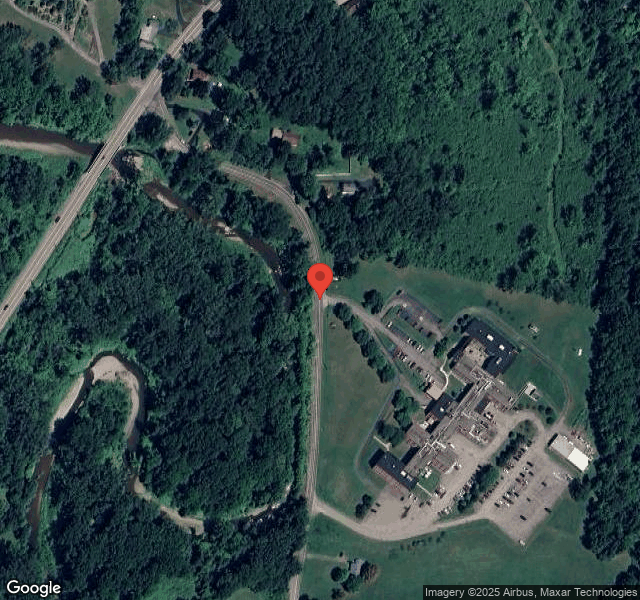
10836 TEMPLE ROAD, DUNKIRK, NY 14048 (716) 366-6400
For profit - Limited Liability company 216 Beds Independent Data: November 2025
Trust Grade
78/100
#148 of 594 in NY
Last Inspection: December 2023

Within standard 12-15 month inspection cycle. Federal law requires annual inspections.

Overview

Chautauqua Nursing and Rehabilitation Center has a Trust Grade of B, indicating it is a good option for families seeking care, though it is not without its concerns. It ranks #148 out of 594 facilities in New York, placing it in the top half, and #2 of 5 in Chautauqua County, meaning only one other local facility is rated higher. Unfortunately, the facility is experiencing a worsening trend, with issues increasing from 1 to 2 over the past year. Staffing is a weak point, with a rating of 2 out of 5 stars and a turnover rate of 46%, which is around the state average. In terms of compliance, the facility has faced some significant issues; for example, a resident missed 20 doses of their antipsychotic medication due to a failure to consult the physician when medications were not administered as ordered. Additionally, another resident had a fall while left alone in a bathroom with a lift, resulting in a bruise. While the nursing home has average RN coverage, the presence of such incidents raises concerns about the quality of care. Overall, while there are strengths, such as its good overall rating, families should be aware of these weaknesses when considering this facility.

Trust Score
B
78/100
In New York
#148/594
Top 24%
Safety Record
Low Risk
No red flags
Inspections
Getting Worse
1 → 2 violations
Staff Stability
⚠ Watch
46% turnover. Above average. Higher turnover means staff may not know residents' routines.
Penalties
○ Average
$8,926 in fines. Higher than 51% of New York facilities. Some compliance issues.
Skilled Nurses
⚠ Watch
Each resident gets only 22 minutes of Registered Nurse (RN) attention daily — below average for New York. Fewer RN minutes means fewer trained eyes watching for problems.
Violations
○ Average
10 deficiencies on record. Average for a facility this size. Mostly minor or procedural issues.
★★★★☆
4.0
Overall Rating
★★☆☆☆
2.0
Staff Levels
★★★☆☆
3.0
Care Quality
★★★★☆
4.0
Inspection Score
Stable
2024: 1 issues
2025: 2 issues

The Good

  • Full Sprinkler Coverage · Fire safety systems throughout facility
  • No fines on record

Facility shows strength in fire safety.

The Bad

Staff Turnover: 46%

Near New York avg (46%)

Higher turnover may affect care consistency

Federal Fines: $8,926

Below median ($33,413)

Minor penalties assessed

The Ugly 10 deficiencies on record

Mar 2025 2 deficiencies
CONCERN (D) 📢 Someone Reported This

A family member, employee, or ombudsman was alarmed enough to file a formal complaint

Potential for Harm - no one hurt, but risky conditions existed

Notification of Changes (Tag F0580)

Could have caused harm · This affected 1 resident

Based on interviews and record review conducted during a Complaint Investigation (NY00339323) the facility did not ensure they consulted with the resident's physician when there was a need to alter tr...

Read full inspector narrative →
Based on interviews and record review conducted during a Complaint Investigation (NY00339323) the facility did not ensure they consulted with the resident's physician when there was a need to alter treatment significantly for one (1) (Resident #1) of three (3) residents reviewed. Specifically, the facility did not ensure they consulted with the resident's physician when a medication was not administered as ordered, resulting in 20 missed doses. The finding is: The policy titled Medication/Treatment Administration Documentation, last revised 6/24, documented when medications or treatments are not available for administration as ordered inform the Nursing Supervisor immediately, Emergency medication kit is used, and the medical provider is notified, and immediate medication delivery is requested. The policy titled Change in Resident's Condition, Medication/Treatment or status, last revised 2/2025, documented the resident and/or responsible party and the attending physician are promptly notified in changes of care and resident condition. Nursing services will notify the resident's physician when a need to alter treatment significantly (discontinue or changes to an existing treatment due to adverse consequences, or to commence a new form of treatment). Resident #1 had diagnoses including Parkinson's disease (tremors and rigidity of movement), anxiety disorder, and unspecified psychosis not due to a substance or known physiological condition. The Minimum Data Set (a resident assessment tool) dated 1/24/24 documented Resident #1 was cognitively intact, understands, was usually understood and received an antipsychotic. Review of comprehensive care plan dated 11/3/21 documented Resident #1 had history of falls with an intervention that resident is known to intentionally place self on floor and crawl on knees, added on 2/24/23. The comprehensive care plan documented Resident #1 had a history of periods of paranoid thoughts and expressions; seeing people/animals that weren't there; wandering into others' rooms, and an overnight mental health stay at hospital on 4/4/23. Interventions included to monitor therapeutic effects and side effects and report to the provider as needed. The nursing progress note dated 1/24/24 at 3:15 PM, Licensed Practical Nurse Unit Manager #1 documented Resident #1 was seen by Psychiatrist/Neurologist with new order to receive Nuplazid (antipsychotic medication) 10 milligrams once daily at bedtime. Awaiting approval (from insurance). In a follow up note dated 1/31/24 at 4:32 PM, they documented the order for Nuplazid was approved for 14 days at a time. Review of a Psychiatry note dated 1/24/24, Resident #'1s Neurologist/Psychiatrist documented the resident was to start Nuplazid 10 milligrams due to continued behaviors of crawling on the floor, refusing and fighting with staff when they attempted to provide care. Review of the Order Summary Report printed 3/4/25, revealed an order for Nuplazid 10 milligrams, give 1 tablet at bedtime for Parkinson's with a start date of 1/31/24. The medication was not ordered from 3/28/24 to 4/11/24 and 4/26/24 to 4/30/24. There were no directions to contact the medical provider to have the medication reordered every 14 days. Review of Medication Administration Records dated March 2024 - April 2024 documented that there was no order in place for Nuplazid 10 milligrams at bedtime from 3/28/24 to 4/11/24 and 4/26/24 to 4/30/24 and the medication was not administered on these dates. Review of the nursing progress notes dated 3/28/24 to 4/10/24 and 4/26/24 to 4/30/24 revealed the medical provider was not updated regarding Resident #1's missed medication doses or the need to reorder the medication (Nuplazid). Review of the Physician progress note dated 4/11/24, Physician #1 documented Resident #1 had a psychiatry consult on 3/6/24 and recommendations were followed. However, the resident's Nuplazid fell off after two weeks and would be resumed. Physician progress notes from 3/28/24 to 4/10/24 and 4/26/24 to 4/30/24 revealed no documentation the provider was updated regarding the need to reorder the Nuplazid or the missed medication doses. The nursing progress note dated 4/11/24 at 2:52 PM, Licensed Practical Nurse Unit Manager #2 documented Resident #1 had a monthly physician visit and Nuplazid 10 milligrams daily was reordered. A note dated 4/11/24 at 2:57 PM, they documented Nuplazid must be reordered every 14 days per insurance, reorder on 4/12/24. During an interview on 3/4/25 at 1:26 PM, Licensed Practical Nurse Unit Manager #2 stated there had been an issue with the reordering process for Resident #1's Nuplazid due to insurance only covering a 14-day supply at a time. Every 14 days there had to be a new prescription written and signed off by the physician. During this time frame, Resident #1 had increased behaviors of placing themselves on the floor, was refusing their medication and was aggressive towards staff. They stated at the beginning of May 2024 they realized they did not reorder Resident #1's Nuplazid and they went without it for a couple days. As soon as they realized the medication was not ordered, they contacted the doctor and had the order restarted. They stated they should have had a better system in place to remind them to call the provider as soon as the medication needed to be reordered. During an interview on 3/4/25 at 2:02 PM, Resident #1's Neurologist/Psychiatrist stated they ordered Resident #1 Nuplazid 10 milligrams daily and the resident should take it as ordered. Without the medication, Resident #1 became very dysfunctional and if taken properly could have prevented them from having increased behaviors leading to falls. They stated the facility should follow their protocols for updating their physician anytime there was a lapse in treatment. They would have expected to have been updated if the facility was unable to obtain the medication. During an interview on 3/4/25 at 2:16 PM, the Assistant Director of Nursing (interim Director of Nursing) stated Resident #1's Nuplazid was only able to be ordered every 14 days due to their insurance. Every 14 days a new prescription had to be entered and signed off by the physician. They stated the medication cart nurse was responsible for reordering medication and if they were unable to do so they should inform the unit manager. They stated at the end of March 2024 to the beginning of April 2024 they were in between unit managers for the unit and that is possibly how the medication fell off. They stated the physician should have been made aware as soon as the medication needed to be reordered so that it could be administered accordingly. The physician should have been updated on any missed doses of medications. The resident should be assessed for any adverse effects. If anyone goes without their antipsychotic for any amount of time, there were risks to the resident. During an interview on 3/4/25 at 2:45 PM, Licensed Practical Nurse Unit Manager #1 stated they were the unit manager in February and March of 2024. They stated they usually tried to reorder Resident #1's Nuplazid before the 14-day mark but could not recall times when it was ordered late. Resident #1 was on the medication because they hallucinated, had behaviors and would place themself on the floor. They stated that Resident #1 had only been on it a short time before they left as unit manager, but their behaviors improved in that time frame. They stated anytime there was a lapse in a resident receiving any medication that was ordered daily, the facility should update the physician. It was important to reorder medications, especially antipsychotics so that they could be administered as ordered. During an interview on 3/4/25 at 2:49 PM, the Consultant Pharmacist stated when a person abruptly stopped taking Nuplazid behaviors and hallucinations could emerge. They stated Nuplazid was an important medication for Resident #1, and they should've received it as ordered. They stated they do a monthly review of antipsychotics but nurses in the facility were responsible for monitoring any issues in the interim. During an interview on 3/5/25 at 11:34 AM, the Medical Director stated they expected to be updated immediately when a residents medication needed to be reordered and when there was a lapse in a resident's medication. It was the facility's responsibility to ensure residents received their medications as ordered. 10NYRCC 415.3(f)(2)(ii)(c)
CONCERN (D) 📢 Someone Reported This

A family member, employee, or ombudsman was alarmed enough to file a formal complaint

Potential for Harm - no one hurt, but risky conditions existed

Pharmacy Services (Tag F0755)

Could have caused harm · This affected 1 resident

Based on interview and record review conducted during a Complaint investigation (#NY00339323) the facility did not ensure that pharmaceutical services (including procedures that assure the accurate ac...

Read full inspector narrative →
Based on interview and record review conducted during a Complaint investigation (#NY00339323) the facility did not ensure that pharmaceutical services (including procedures that assure the accurate acquiring, receiving, dispensing and administering of all drugs and biologicals) met the needs of each resident. Specifically, for one (Resident #1) of three residents reviewed the facility did not ensure medications were acquired and administered in accordance with the physician's orders and professional standards. Resident #1 was not administered 20 doses of their antipsychotic medication. The finding is: The policy titled Ordering Medications/Treatments from Pharmacy, last revised 5/2023, documented medications and treatments would be obtained as prescribed by the prescribing practitioner for individual resident use. The policy titled Medication/Treatment Discrepancy/Error, last revised 3/2011, documented the purpose of the policy was to assure proper medication/treatment administration and compliance with the legal requirements of medication administration and to report all errors in medication administration and documentation. The attending Physicians shall be notified and the Consultant or Vendor Pharmacist and resulting orders carried out. A Medication Discrepancy/Error Report Form will be completed on all medication errors. 1. Resident #1 had diagnoses including Parkinson's disease (tremors and rigidity of movement), anxiety disorder, and unspecified psychosis not due to a substance or known physiological condition. The Minimum Data Set (a resident assessment tool) dated 1/24/24 documented Resident #1 was cognitively intact, understands, was usually understood, and received an antipsychotic. Review of comprehensive care plan dated 11/3/21 documented Resident #1 had history of falls and was known to intentionally place self on floor and crawl on their knees (2/24/23). The comprehensive care plan documented Resident #1 had history of periods of paranoid thoughts and expressions; seeing people/animals that aren't there; wandering into others' rooms, and an overnight mental health stay at hospital on 4/4/23. Interventions included to monitor therapeutic effects and side effects and report to provider as needed. The Psychiatry note dated 1/24/24 completed by the Neurologist/Psychiatrist documented Resident #1 was to start Nuplazid (antipsychotic medication used to treat hallucinations) 10 milligrams for continued behaviors of crawling on floor, refusing and fighting with staff when attempting to provide care. A nursing progress note dated 1/24/24 at 3:15 PM Licensed Practical Nurse Unit Manager #1 documented Resident #1 was seen by the Psychiatrist and had a new order for Nuplazid 10 milligrams once daily at bedtime. The note documented they were awaiting approval from the insurance company. On 1/31/24 at 4:32 PM it was documented the order for Nuplazid was approved for 14 days at a time. The Order Summary Report dated 3/4/25 documented a physician's order for Nuplazid 10 milligrams, give 1 tablet by mouth at bedtime time for 14 days starting on 1/31/24. The order was to be renewed and continued every 14 days. Review of the Medication Administration Records dated 1/1/24 to 5/31/24 revealed there was no order in place for the Nuplazid 10 milligrams from 3/28/24 to 4/11/24 and 4/26/24 to 4/31/24. The medication was not administered on those dates. Review of the 72 Hour Summary dated 3/28/24 to 4/11/24 revealed there was no documented evidence Resident #1's Nuplazid was reordered or administered. The facility was unable to provide the 72 Hour Summary for 4/26/24 to 4/31/24. A nursing progress note dated 4/11/24 at 2:52 PM completed by Licensed Practical Nurse Unit Manager #1 revealed Resident #1 was examined for their monthly physician visit, and it was noted that Nuplazid 10 milligrams daily was reordered to start every night. In a follow up note on 4/11/24 at 2:57 PM, they documented Nuplazid must be reordered every 14 days per insurance, reorder on 4/12/24. A Physician progress note dated 4/11/24, Physician #1 documented Resident #1's psychiatry consult from 3/6/24 was appreciated and recommendations followed. However, the patient's Nuplazid fell off after two weeks. Will resume. Review of Resident #1 chart dated 3/28/24 to 5/1/24 revealed there was no documented evidence that medication error reports were completed regarding the 20 missed doses of Nuplazid. During an interview on 3/4/25 at 1:26 PM, Licensed Practical Nurse Unit Manager #2 stated they were not aware they had to physically write a new order every 14 days for Resident #1's Nuplazid. They thought it was like all other medications where you just click the reorder button. In mid-April the physician noted the medication needed to be reordered, so they wrote a new order at that time. Resident #1 had some behaviors during that time where they were refusing their medications and hands on care and had some episodes of placing themselves on the floor. Licensed Practical Nurse Unit Manager #2 stated they then realized the medication was not administered for a couple days again at the end of April and put the order in on 5/1/24. At that time they stated a reminder was added to their calendar to ensure it did not happen again. Licensed Practical Nurse Unit Manager #2 stated Nuplazid was very important for Resident #1's health status. Someone taking an antipsychotic should never stop it abruptly. Any time there was a lapse in a medication being given, the physician should be notified. If the doctor would have been updated about the reorder not being done, then they could have reordered it, and the resident wouldn't have gone without it for that long of a period. During an interview on 3/4/25 at 2:02 PM, the Neurologist/Psychiatrist stated Nuplazid was an important medication for Resident #1, to maintain their current mental health status. Resident #1 became dysfunctional without the medication. Resident #1 should have received the medication as ordered, once a day. The Neurologist/Psychiatrist stated the facility should have followed their protocols and reordered the medication according to the order. During an interview on 3/4/25 at 2:16 PM, the Assistant Director of Nursing (interim Director of Nursing) stated Nuplazid was a specific medication that required a new prescription to be written and signed by the physician every 14 days and needed to be entered into the computer system each time. There was a period when they were between unit managers on Resident #1's unit and this incident occurred during that time frame. The Assistant Director of Nursing (interim Director of Nursing) stated the cart nurses were responsible for alerting the unit managers when the medication was running low so that a new order could be written. Nuplazid was ordered by the resident's Neurologist/Psychiatrist and should have been followed per their recommendations. When a resident had a missed dose of any medication the provider should be made aware, especially an antipsychotic. The resident should be assessed for any adverse effects. If anyone goes without their antipsychotic for any amount of time, there were risks to the resident. During an interview on 3/4/25 at 2:45 PM, Licensed Practical Nurse Unit Manager #1 (former UM) stated the insurance company would only allow 2 weeks' worth of Nuplazid at a time, and they had to keep reordering it before it would run out. If there was a lapse in receiving a medication, the facility would have to update the physician. During an interview on 3/4/25 at 2:49 AM, the Consultant Pharmacist stated when a person abruptly stops taking Nuplazid behaviors and hallucinations could emerge. Resident #1 should have received it as ordered. They stated they stated they do a monthly review of antipsychotics but do not have any sort of role in the process or monitoring of reordering medications. The review and ordering process was typically done by nursing. If it was an insurance issue the nursing staff should ensure they were reordering the medication according to the time frame provided by the insurance company to ensure there was an adequate supply available. During an interview on 3/5/25 at 9:45 AM, the Administrator stated there were no medication error reports completed for Resident #1. During an interview on 3/5/25 at 11:34 AM, the Medical Director stated Nuplazid was specific in decreasing Resident #1's hallucinations and was used to put their mind at ease. They would have expected the medication to be given as ordered and notified if the medication was not reordered or administered. It was the facilities responsibility to ensure residents were receiving their medications as ordered. 10NYRCC 415.18 (a)
Aug 2024 1 deficiency
CONCERN (D) 📢 Someone Reported This

A family member, employee, or ombudsman was alarmed enough to file a formal complaint

Potential for Harm - no one hurt, but risky conditions existed

Accident Prevention (Tag F0689)

Could have caused harm · This affected 1 resident

**NOTE- TERMS IN BRACKETS HAVE BEEN EDITED TO PROTECT CONFIDENTIALITY** Based on interview and record review conducted during an Abbreviated survey (Complaint #NY00337078) the facility did not ensure ...

Read full inspector narrative →
**NOTE- TERMS IN BRACKETS HAVE BEEN EDITED TO PROTECT CONFIDENTIALITY** Based on interview and record review conducted during an Abbreviated survey (Complaint #NY00337078) the facility did not ensure that each resident receives adequate supervision and assistance devices to prevent accidents for one (Resident #1) of 3 residents reviewed. Specifically, Resident #1 was left alone in the bathroom while attached to a sit to stand lift and had a fall that resulted in a bruise to the side of their head. The finding is: The policy and procedure titled, Accident/Incident Investigation and Prevention, revised on 6/2023, stated the facility provides an environment that is free from accident hazards over which the facility has control and provides supervision and assistive devices to each resident to prevent avoidable accidents. The policy and procedure titled Interdisciplinary Care Planning, revised on 4/15/2024, stated the comprehensive care plan and [NAME] (guide used by staff to provide care) must always be current and accurately reflect the resident's status. The Care plan/[NAME] must always be reviewed by staff prior to initiating resident care. Additionally, Care Plans are accessible in electronic format to any person involved in care of the resident. Direct care staff has easy accessibility on the touch screen should they require access to the comprehensive Care Plan. Resident #1 had diagnoses that included hemiplegia (paralysis on one side of the body) and hemiparesis (weakness of one side of body) affecting right dominant side, malignant neoplasm (a fast-growing cancer) of the brain, and vascular dementia. The Minimum Data Set (a resident assessment tool) dated 2/15/24 documented Resident #1 was cognitively intact was understood and understands. The comprehensive care plan dated 8/16/21 documented Resident #1 was at risk for falls related to cognition, mobility, and right sided weakness. An intervention was added on 3/9/22 stating Resident #1 must be supervised by staff while on the toilet. Additionally, the comprehensive care plan had an intervention dated 10/4/22 that Resident #1 required a sit to stand lift with 2 persons assist for all transfers The current [NAME] with a print date of 7/25/24 still reflected the safety interventions (that were in place at the time of the fall) to include the resident must be supervised by staff while on the toilet and required a sit to stand lift with 2 persons assist for all transfers. Review of ACTS Complaint/Incident Investigation Report dated 3/6/24 at 3:10 PM documented Resident #1 was found lying on the floor in their bathroom between the toilet and wall, had the sling from sit to stand lift around their waist, only attached on one side. Certified Nurse Aide #1's statement documented they entered the bathroom and found the resident lying on the floor in their urine, resident was alone in the bathroom upon entering. During a revie completed on 8/12/24 of Safe Patient Handling Standing Lift Skills Competency dated 3/13/24 documented Certified Nursing Assistant #1 was educated by Registered Nurse #1 on locking breaks and using a second assist during transfers. This education was provided to Certified Nursing Assistant #1 when a break in care plan was identified after Resident #1's fall. The Nurse Progress Note dated 3/6/24 at 6:45 PM, written by Registered Nurse #3, documented Resident #1 was complaining they were unable to move their right knee, and had pain in their right hip and knee. The doctor was notified, and Resident #1 was transported to the ER (emergency room) for evaluation. The Hospital Discharge summary dated [DATE] at 10:12 PM documented Resident #1 was seen in the emergency room after a fall. Resident #1 was diagnosed and discharged with a subgaleal hematoma (an accumulation of blood within the layers of soft tissue of the head between the connective tissue and membrane tissue that covers the surface of the skull) and hip pain. During an interview on 7/25/24 at 10:08 AM, Licensed Practical Nurse #1 stated that on 3/6/24 a certified nursing aide came and got them because Resident #1 was found on the floor. Registered Nurse #1 was then called and came to assess the resident. During an interview on 7/25/24 at 10:48 AM, Certified Nursing Assistant #1 stated that on 3/6/24 they assisted Resident #1 onto the toilet using the sit to stand lift. They then handed the resident their call bell, closed the door and exited the resident's room. When they returned to answer the call bell, Resident #1's belt was unbuckled, and they were lying half on the floor. Certified Nursing Assistant #1 stated they were not aware that Resident #1 had a care plan intervention in place to be supervised while on the toilet at the time of the fall. Certified Nursing Assistant #1 stated they don't check care plans very often. They stated they we're re-educated on the incident by Registered Nurse #1 and were educated on how to properly use the sit to stand lift. During a telephone interview on 7/25/24 at 10:57 AM, Registered Nurse #2 stated they recalled the incident and assessed Resident #1 Resident #1 in the bathroom and then again once they were in bed. During an interview on 7/25/24 at 11:45 AM, Licensed Practical Nurse #2 (former Unit Manager) stated they were alerted to the resident falling and went down to assess the situation. They stated Registered Nurse #1 was already in the room, so they started the investigation. Licensed Practical Nurse #2 stated when a resident needs to be supervised that means the resident must be within eyesight of the staff. During an interview on 7/25/24 at 12:40 PM, Resident #1 stated they were put onto the toilet with the sit to stand lift and left there by themselves. They were attempting to grab a urinal that was on the railing and could not reach it. Resident #1 stated they then unhooked the belt on the lift and attempted to reach further causing them to fall off the toilet. Resident #1 stated they were able to grab the call bell and ring it. Two aides then came into the room and found them on the floor. During an interview on 7/25/24 at 1:59 PM, the Director of Nursing stated they would expect Certified Nursing Assistants to check the [NAME] prior to providing care to a resident. They should be checking the [NAME]'s daily. The Director of Nursing stated supervision to them would be within eyesight or ear shot. The Director of Nursing stated that if there was a break in care plan there could be injury or possible death to a resident. The Director of Nursing stated that if a break in care plan was found, they would expect education to be provided to that staff member. During an interview on 7/26/24 at 9:49 AM, Registered Nurse #1 (Educator Inservice Coordinator) stated they expected certified nurse aides prior to read the care plan prior to providing care to a resident and if they don't know what they're doing, to ask for help. Registered Nurse #1 stated certified nurse aides were taught to check care plans daily though their expectation would be for the certified nurse aides to check the care plans at least once a week for any changes. Registered Nurse #1 stated it was important for staff to check the care plans regularly because it spells out how to provide care for that resident. If they were not checking them regularly then breaks in care plan could occur resulting in abuse, falls, accidents, and indents. Registered Nurse #1 stated Certified Nurse Aide #1 was educated on 3/13/24 for failure to lock breaks and not using a second assist for this incident, this was a break in Resident #1's care plan. 10NYCRR 415.12(h)(1)
Dec 2023 3 deficiencies
CONCERN (D)

Potential for Harm - no one hurt, but risky conditions existed

ADL Care (Tag F0677)

Could have caused harm · This affected 1 resident

Based on observation, interview, and record review conducted during the Standard survey completed on 12/1/23, the facility did not ensure that a resident who was unable to carry out activities of dail...

Read full inspector narrative →
Based on observation, interview, and record review conducted during the Standard survey completed on 12/1/23, the facility did not ensure that a resident who was unable to carry out activities of daily living (ADLs) received the necessary services to maintain good grooming, personal and oral hygiene for one (Resident #166) of four residents reviewed. Specifically, a resident who was dependent on staff for hygiene with facial hair was not shaved or offered to be shaved after their shower. The finding is: The policy and procedure (P&P) titled Activities of Daily Living dated 11/2016 documented each resident will receive and the facility will provide the necessary care and services to attain or maintain the highest practicable physical, mental, and psychosocial well-being, consistent with the resident's comprehensive assessment and plan of care. 1. Resident #166 had diagnoses which included Alzheimer's disease (a type of dementia), depression, and weakness. Review of the Minimum Data Set (MDS - a resident assessment tool) dated 10/17/23 documented the resident was rarely understood, rarely understands, and had severe cognitive impairment. Additionally, the MDS documented Resident #166 required maximal assistance of staff for hygiene. Review of the untitled comprehensive care plan (CCP) revised 10/23/23 documented Resident #166 had a personal hygiene self-care performance deficit related to Alzheimer's disease and required maximal assist for hygiene. Review of the Kardex Report (a guide for staff to provide care) dated 11/30/23 revealed Resident #166 required maximal assist for personal hygiene. Review of the Nursing Progress Notes dated 11/1/23-11/30/23 revealed no evidence that Resident #166 refused ADL care, including shaving. Review of the Documentation Survey Report dated 11/1/23-11/30/23 documented Resident #166 refused care twice during the 7-3 shift for the month of November. During an observation on 11/27/23 at 9:47 AM, Resident #166 had multiple hairs on their chin approximately 0.25(inch) and longer. During an observation on 11/29/23 at 11:12 AM, Resident #166 had multiple black and white hairs on their chin approximately 0.5 long and many hairs on their upper lip approximately 0.25 long. During an observation on 11/30/23 at 8:13 AM, Certified Nurse Aide (CNA) #1 ambulated Resident #166 to the shower room. Resident #166 tried to leave the shower room soon after CNA #1 brought them to the room. CNA #1 opened the door for the shower room, ambulated Resident #166 into the hallway, and stated they were going to get Licensed Practical Nurse (LPN) #4 Unit Manager to help. Both CNA #1 and LPN #4 redirected Resident #166 back to the shower room and were able to complete the shower. Upon completion of the shower, CNA #1 dressed Resident #166 and LPN #4 assisted Resident #166 back to their room. LPN #4 assisted Resident #166 with brushing their hair. CNA #1 and LPN #4 offered deodorant and oral care to Resident #166. Resident #166 stated no and began to walk out of their room. Neither CNA #1 nor LPN #4 offered or attempted to shave Resident #166 during morning care. During an interview on 11/30/23 at 8:41 AM, CNA #1 stated they had completed care with Resident #166. CNA #1 stated if Resident #166 did not attempt to leave the room, they would have attempted to apply deodorant and provide oral care. CNA #1 stated they could not think of anything else that was needed to complete care. CNA #1 stated Resident #166 had a few whiskers and they should have attempted to shave them. CNA #1 stated shaving could have been part of Resident #166's routine prior to admitting to the facility, which would have made it important to the resident. CNA #1 stated Resident #166 was dependent on the staff for assistance both cognitively and for shaving. CNA #1 stated they were used to working with alert and oriented residents on another unit and that was why they did not think to attempt to shave the resident. During an interview on 11/30/23 at 8:43 AM, LPN #4 stated shaving was part of morning care. LPN #4 stated Resident #166 was not familiar with CNA #1 and that was probably why Resident #166 was more tough to provide care. LPN #4 stated the whiskers growing on Resident #166's chin could have been a dignity issue. LPN #4 stated, as the unit manager, ultimately, they were responsible to make sure the CNAs were providing care to the residents. LPN #4 stated they thought Resident #166 might have pushed a razor away if they saw it, but shaving should have still been attempted. During an interview on 12/1/23 at 10:20 AM, the Director of Nursing (DON) stated part of morning care was to shave residents if they wanted to be shaved. The DON stated it was expected for staff to reapproach the resident if they refused care. The DON stated when a CNA floats from one unit to the memory care unit, they were expected to anticipate all needs of the memory care residents, including shaving. The DON stated, many of the memory care residents were unable to tell the staff what they want and do not want and that was why their needs needed to be anticipated by staff. The DON stated the only policy they had regarding shaving and morning care was the ADL policy. 10 NYCRR 415.12(a)(3)
CONCERN (D)

Potential for Harm - no one hurt, but risky conditions existed

Quality of Care (Tag F0684)

Could have caused harm · This affected 1 resident

**NOTE- TERMS IN BRACKETS HAVE BEEN EDITED TO PROTECT CONFIDENTIALITY** Based on observation, interview, and record review conducted during the Standard survey completed on 12/1/23, the facility did n...

Read full inspector narrative →
**NOTE- TERMS IN BRACKETS HAVE BEEN EDITED TO PROTECT CONFIDENTIALITY** Based on observation, interview, and record review conducted during the Standard survey completed on 12/1/23, the facility did not ensure that residents received treatment and care in accordance with professional standards of practice, the comprehensive person-centered care plan for two (Resident #192 and #31) of seven reviewed for quality of care. Specifically, there was lack of wound assessments for Resident #192 and #31 and #192 lacked a care of plan revision to accurately reflect the resident's status. The findings are: The policy and procedure (P&P) titled, Documentation of Pressure Ulcer and Chronic Wounds revision date 6/23 documented pressure ulcers and chronic wounds are monitored closely to monitor effectiveness of treatment and change in risk factors. Pressure, stasis and/or chronic wounds will be monitored daily (with documentation, when a complication or change is identified) which should include observations of the area if no dressing present or status of the dressing, signs/symptoms of possible complications and whether pain, if present, is adequately controlled. The P&P titled, Interdisciplinary Care Planning revision date 2/10/2023 documented a comprehensive resident-centered Care Plan is developed by the Interdisciplinary Team (IDT) upon admission and reviewed/updated on a regular basis throughout the resident's length of stay. The comprehensive Care Plan and [NAME] (guide used by staff to provide care) must always be current and accurately reflect the resident's status. 1. Resident #192 had diagnoses including unspecified dementia, unspecified nondisplaced fracture of sixth cervical vertebra, and type 2 diabetes mellitus. The Minimum Data Set (MDS-a resident assessment tool) dated 9/29/23 documented Resident #192 had moderate cognitive impairment and was at risk for developing pressure injury (PI)/ ulcer (PU). Additionally, Resident #192 had a stage 2 (partial-thickness skin loss with exposed dermis) PU and a MASD (moisture associated skin damage) present upon admission. The comprehensive care plan (CCP) initiated 9/22/23 documented Resident #192 was at risk for impaired skin integrity related to (r/t) impaired skin integrity r/t dementia, diabetes, impaired mobility, pressure ulcer to the left buttocks, recent hospital stays and 11/18/23 right heel blister. The CCP was not revised to include Resident #192 had a left heel DTI (deep tissue injury). Review of Weekly Skin Tracking Sheet provided by Registered Nurse (RN) #1 Unit Manager, dated March 3, 2023, documented Resident #194 had a stage 2 PU, clear blister right heel, with an onset date of 11/18/23. The PU measured 3.5 x 4.5. The tracking sheet did not include the units of measure (inches (in), centimeters (cm)). Review of facility progress note dated 11/18/23 at 3:43 PM, LPN #7 documented Resident #192 had a soft boggy blister to their right heel and the nursing supervisor was aware. Additional review revealed progress notes dated 11/19/23 - 11/30/23 did not document any skin concerns to the resident's left heel. Review of Weekly Skin Status Documentation effective 11/23/23 the RN Unit Manager #1 documented Resident #192 had a Stage 2 to their left buttock that measured 0.3 x 0.2 x 0.1 centimeters (cm). There was no documentation regarding the right heel blister that included staging or measurements. Review of Wound Care Vascular Specialty Group note dated 11/23/23 documented Resident #192 had one stage 2 pressure wound to their left buttock and included measurements. There was no documented evidence the right heel was assessed and measured. During an interview on 11/27/23 at 1:42 PM, Resident #192 stated they had a sore on their buttock, and a blister or something on their heel. Resident #192 stated they had discomfort to their butt if they sat to long and that their heels throb at night. Additionally, Resident #192 stated staff were aware. The PT (physical therapy) daily treatment note documented on 11/28/23 Resident #192 reported pain in left heel, nursing notified. The Order Recap Report order dates 11/20/23-11/29/23, documented skin prep wipes (protective barrier), apply to right heel topically twice a day (BID) for blister. Order dates 11/29/23-11/30/23, documented skin prep wipes, apply to right and left topically BID for skin break down prevention. There was no location documented. Additionally, active order dated 11/30/23 documented skin prep wipes, apply to right and left heels topically BID for skin break down prevention. The Treatment Administration Record (TAR) documented Resident #192 had a weekly skin check completed by RN #1, unit manager on 11/29/23. Skin prep wipes ordered 11/29/23 at 7:00 AM was signed as completed by RN #1, Unit Manager on 11/29/29, morning (AM). During an observation on 11/30/23 at 8:04 AM, LPN #6 completed scheduled treatment to Resident #192's heels. Left lateral heel was noted with a dime size, deep purple area flush to surrounding reddened skin. The right heel was noted to have a large fluid filled blister. During an interview on 11/30/23 at 8:38 AM, LPN #6 stated Resident #192's left heel had a discolored area. LPN #6 stated it needed to be evaluated by the wound team and brought to the Unit Managers attention. During an observation and interview on 11/30/23 at 9:29 AM, Nurse Practitioner (NP #1), Wound Consultant, evaluated Resident #192's skin and stated this is the first-time hearing about it (referring to the heels). Resident #192 complained of pain to both heels during the evaluation. NP #1 stated the resident had a DTI to the left lateral heel that measured 1.5 (cm) by(x) 1.7 cm and was boggy (soft), and intact fluid filled blister to the right lateral heel measuring 3.5 cm x 4.5 cm and was very tender. NP #1 stated the skin alterations to Resident #192's bilateral heels were related to pressure based on evidence-based practice. During an interview on 11/30/23 at 10:04 AM, Certified Nursing Assistant (CNA) #3 stated Resident #192 had skin concerns to both of their heels. CNA #3 stated there was a black circular area on left and was present Monday (11/27/23) morning. CNA #3 stated they reported left heel skin concern to the nurse that worked Monday. CNA #3 also stated Resident #192 utilized heel booties, but other staff may not know because they weren't on their care plan ([NAME]). During an interview on 11/30/23 at 10:14 AM, Licensed Practical Nurse (LPN) #8 reviewed Resident #192's TAR's and stated they would not know Resident #192 had a PU because it was indicated for prevention. LPN #8 stated they weren't aware Resident #192 had any pressure ulcers but that it would be important to know, so they could monitor their plan of care. During an interview on 11/30/23 at 10:54 AM, RN #1 Unit Manager (UM) stated they observed Resident #192's heels last week and they were boggy, and no blisters observed. RN #1 UM stated skin prep was initiated to heels as a preventative treatment. RN #1 UM stated they weren't aware that Resident #192 had any complaints of pain to their heels. RN #1 UM stated Resident #192 was at risk for PU development due to age, fragile skin, poor circulation, and DM. RN #1 UM stated Resident #192 could develop PU's to their heels from not being off loaded, as heels were pressure points. Additionally, RN #1 UM stated they send an email to the DON (Director of Nursing), MD, and NP, about skin concerns and discuss them in morning meetings. RN #1 UM wasn't sure they sent an email related to Resident #192's boggy heels, because it was busy, and they were also a supervisor. During an interview on 12/1/23 at 10:24 AM, LPN #7 stated they weren't aware Resident #192 had a skin concern to their left heel, only a blister bubble, to their right heel. Additionally, LPN #7 stated Resident #192 received heel booties after the right heel blister was found a couple Saturdays ago. During an interview on 12/1/23 at 1:03 PM, the Director of Nursing (DON) stated as soon as any skin concern was noted they expected documentation by immediate supervisor on location, measurements, a description, MD notification, a treatment order and family notification. The DON stated it was their responsibility to oversee RN assessments, but they need to be aware of skin concerns to assess them. The DON stated they were notified today (12/1) of Resident #192's skin concerns. Additionally, DON stated once an intervention was implemented, they expected it to be reflected on the resident's care plan and [NAME] as it was the primary communication on how staff take care of their residents. 2. Resident #31 had diagnoses that included heart failure, atrial fibrillation (irregular heart rate), chronic obstructive pulmonary disease (COPD). The MDS dated [DATE] documented Resident #31 had moderate cognitive impairments. Resident #31's comprehensive care plan (CCP) revised 11/27/23, documented risk for impaired skin integrity. Interventions included to administer treatment per MD order, monitor, and document progress. The progress notes dated 11/13/23, revealed LPN #1 documented Resident #31 had a fluid filled blister to their right great toe. The resident denied pain and the supervisor was notified. Physician's orders dated 11/1/23 to 11/30/23 documented an active order with a start date of 11/13/23 to apply iodine (antiseptic) to the fluid filled blister on Resident #31's right great toe every morning (AM). The Treatment Administration Record (TAR) dated from 11/14/23 to 11/30/23 documented iodine was applied to the fluid filled blister on resident #31's right great toe as ordered. Review of interdisciplinary progress notes, MD progress notes and weekly skin documentation sheets dated 11/11/23 - 11/30/23 revealed there was no documented evidence of skin assessments for Resident #31's right great toe to include measurements. During an observation on 11/27/2023 at 10:52 AM, Resident #31 was sitting on side of bed with their right foot resting on the base of tray table. There was a soiled dressing on the floor beneath the tray table base and the resident's right foot was reddened and there was an open area on their right great toe. During an observation and interview on 11/30/2023 at 9:23 AM, LPN #1 cleansed Resident #31's right great toe with normal saline and applied iodine. The resident's right great toe was noted to be dark red with an open area that measured 2.5 cm x 1.0 cm. At the time of the observation LPN #1 stated they noted the blister to the right great toe on 11/11/23, documented the concern in progress notes, and told the supervisor (who they believed may have been the LPN Unit Manager #10 but was not sure). LPN #1 stated they do not assess wounds and that a Registered Nurse (RN) was required to complete the assessment. During an interview on 11/30/23 at 11:29 AM, LPN #9 Unit Manager (UM) stated they were not aware Resident #31 had a blister to their right great toe, until this AM when they were notified by LPN #1. LPN #9 UM stated a Registered Nurse (RN) should have been notified to complete an assessment. During an interview on 11/30/23 at 4:06 PM, the acting Director of Nursing (DON) stated if a resident had an alteration in their skin, it should have been reported to the RN nursing supervisor, and an RN assessment should have been completed. The DON stated they became aware of the Resident #31's skin concerns (toes) on 11/29/23. The DON stated they reviewed the resident's medical record and stated there was no RN assessment to include measurements and would have expected it to be done and documented. During an interview on 12/1/23 at 8:07 AM, LPN #10 Unit Manager stated the skin team was emailed, they did not notify an RN of Resident #31's skin concerns (right great toe). LPN #10 Unit Manager stated they should have had the resident's toes assessed and measurements should have been taken. Review of an email provided by Director of Nursing dated 11/27/2023, revealed Licensed Practical Nurse (LPN) #10 Unit Manager sent an email to the Nurse Practitioner (skin team) that documented it was brought to their attention that Resident #31's right great toe looks awful, and the baby toe now had blistered area, they were weeping and quite red. 10 NYCRR 415.12
MINOR (C)

Minor Issue - procedural, no safety impact

Deficiency F0836 (Tag F0836)

Minor procedural issue · This affected most or all residents

Based on observation, interview, and record review during the Standard survey completed on 12/01/23, the facility did not operate and provide services in compliance with all applicable Federal, State,...

Read full inspector narrative →
Based on observation, interview, and record review during the Standard survey completed on 12/01/23, the facility did not operate and provide services in compliance with all applicable Federal, State, and local laws, regulations, and codes. Specifically, the facility was not in compliance with Section 915 of the 2020 Fire Code of New York State, which requires carbon monoxide detection in all rooms and sleeping areas with fuel-burning appliances, and on-going preventative maintenance of carbon monoxide detectors. This affected three (Ground, First, and Second floors) of three resident use floors and one of one Basement. The findings are: According to the 2020 Fire Code of New York State, patient rooms in nursing homes are defined as sleeping units. In residential and commercial buildings that contain a fuel burning appliance, carbon monoxide detection shall be installed in all rooms, occupiable space, dwelling units, sleeping areas, and sleeping units that contain a fuel-burning appliance. Additionally, the 2020 Fire Code of New York State stated carbon monoxide detectors shall be maintained in good working order in accordance with Section 915 of this code, National Fire Protection Association (NFPA) 720 (Standard for the Installation of Carbon Monoxide Detection and Warning Equipment), and the manufacturer's instructions/recommendations. Review of the battery operated carbon monoxide alarm with silence feature manufacturer's user's manual documented, regular maintenance, to keep the carbon monoxide alarm in good working order: test it every week using the test/ silence button. Vacuum carbon monoxide alarm cover at least once a month using the soft brush attachment. Test carbon monoxide alarm again after vacuuming. 1a. Observations on 11/27/23 between 10:09 AM and 2:59 PM and on 11/28/23 between 8:20 AM and 2:52 PM revealed plug-in style carbon monoxide alarms with battery back-up were installed on the Ground, First, and Second floors and the Basement. Further observation during these dates and times revealed resident sleeping rooms were located on the Ground, First, and Second floors and fuel burning appliances were located on the Ground floor and the Basement. During an interview on 12/1/23 at 8:17 AM the Plant Operations Director stated the carbon monoxide detectors located on the Ground, First, and Second floors and the Basement were plug-in style carbon monoxide detectors with battery back-up. The Plant Operations Director further stated the plug-in style carbon monoxide detectors were tested monthly and batteries were changed annually. The Plant Operations Director also stated the facility had documentation for the monthly testing of the carbon monoxide detectors and the facility was not conducting any cleaning of the plug-in style carbon monoxide detectors. Review of carbon monoxide detector log sheets showed the building's carbon monoxide detectors were located on the Ground, First, and Second floors and the Basement, the detectors had been tested monthly from January through November of 2023 and the last time the detectors were tested was on 11/13/23. 42 CFR 483.70(b) 10NYCRR: 415.29(a)(2), 711.2(a)(1) 2020 Fire Code of New York State, Section 915: 915.3.1, 915.6
Oct 2021 2 deficiencies
CONCERN (D)

Potential for Harm - no one hurt, but risky conditions existed

Investigate Abuse (Tag F0610)

Could have caused harm · This affected 1 resident

**NOTE- TERMS IN BRACKETS HAVE BEEN EDITED TO PROTECT CONFIDENTIALITY** Based on observation, interview, and record review conducted during the Standard Survey completed on 10/1/21, the facility did n...

Read full inspector narrative →
**NOTE- TERMS IN BRACKETS HAVE BEEN EDITED TO PROTECT CONFIDENTIALITY** Based on observation, interview, and record review conducted during the Standard Survey completed on 10/1/21, the facility did not have the evidence that all alleged violations of abuse, mistreatment and neglect were thoroughly investigated for one (Resident #138) of two residents reviewed. Specifically, the lack of investigation into facial bruising of unknown origin. The finding is: The policy and procedure (P&P) titled Incident Accident Reporting dated 6/21 documented it shall be the policy to distinguish between an accident and incident, but to nevertheless report and investigate both such events through formal, but distinctly different, reporting processes to rule out abuse, neglect, or mistreatment. All incidents are to be reported immediately to the Charge Nurse on duty and Nursing Supervisor will then be notified. For any incident/accident where abuse, neglect, mistreatment, is known or suspected, notify the Director of Nursing and Administrator immediately and begin investigation. The P&P titled Abuse Reporting and Facility Incident Reporting dated 7/17 documented all personnel promptly report any incident or suspected incident of abuse, mistreatment, neglect and injuries of an unknown source. 1. Resident #138 was admitted with diagnoses which included Alzheimer's Disease, dementia with behavioral disturbance, and major depressive disorder. Review of the Minimum Data Set (MDS - a resident assessment tool) dated 8/23/21 documented Resident #138 had moderately impaired cognition, was usually understood and usually understands. Section J documented Resident #138 had no falls since admission. The Comprehensive Care Plan, CCP dated 8/27/19 documented Resident #138 had a history of falls in the past 90 days. Planned interventions included Dycem (non- slip material); Hipsters (hip protectors); activities; call for assistance; and trench mattress (raised perimeter to prevent injury). The MDS Resident Matrix dated 9/27/21 documented Resident #138 had a fall. The Visual/Bedside [NAME] Report (guide used by staff to provide care) dated 9/30/21 documented Resident #138 was known to place self onto the floor and scootch across the floor. On 9/27/21 at 9:35 AM Resident #138 was observed seated in the hallway in their wheelchair, the resident had a 2-inch purplish pink bruise under their left eye with a large 6-inch faded yellowish green area on their forehead above their left eye. During an interview at the time of the observation Resident #138 stated they did not recall what occurred. Review of the Unit 1A 24-hour Summary from 9/1/21 through 9/29/21 revealed there was no documented evidence that Resident #138 had facial bruising, a fall or injury. Review of the Nursing Progress Notes from 9/1/21 through 9/29/21 revealed there was no documented evidence Resident #138 had bruising under their left eye and forehead. Review of the Nursing Weekly Skin Observations from 9/7/21 through 9/28/21 for Resident #138 revealed there was no documented evidence of bruising to the resident's eye and forehead. Review of the Facility Accident/Incident Reports provided by the facility revealed there was no investigation into the bruising below Resident #138's left eye and their forehead. During an interview on 9/30/21 at 9:36 AM, Registered Nurse (RN) #1 Unit Manager stated accidents/incidents were to be reported to the Nursing Supervisor. The Nursing Supervisor was responsible for completing a thorough investigation and notifying the family and the physician. The RN Unit Manager stated they noticed the bruising under Resident #138's left eye and forehead 2 weeks ago. The color was faded and thought it appeared old and had been reported. RN #1 UM stated they never followed up to ensure an investigation was conducted. During an interview on 9/30/21 at 10:11 AM, Licensed Practical Nurse (LPN) #2 stated they reported the bruise under Resident #138's left eye and forehead to LPN #3, Nursing Supervisor on 9/18/21. LPN #2 stated the LPN #3 Nursing Supervisor was responsible for completing an investigation into the bruise. During a telephone interview on 9/30/21 at 10:31 AM, LPN #3 Nursing Supervisor stated LPN #2 had reported the bruising under Resident #138's left eye and forehead on 9/18/21. LPN #3 Nursing Supervisor stated that Resident #138 stated to them that they (the resident) dug their knuckles into their cheek, therefore, LPN #3 stated they (LPN#3) ruled out abuse and mistreatment. LPN #3 instructed LPN #2 to review the nursing progress notes to determine if the bruising had been documented, and to initiate an investigation. LPN #3 stated they should have followed up with LPN#2 to ensure an investigation was completed and that anyone could initiate an investigation. During interview on 10/1/21 at 12:29 PM, the Director of Nurses (DON) the stated the expectation of the nurse on the unit was to notify the Nursing Supervisor if a suspected injury occurred. The Nursing Supervisor was responsible to start an accident/incident investigation, notifying the physician, family, and implement any care plan changes if needed. The information should be passed along via the twenty-four-hour report and verbal communication to the next shift. The DON stated they were unaware Resident #138 had any facial bruising. LPN #3 should have assessed the data, would expect a full investigation if there was no known cause of the bruising. The purpose of the investigation was to refute that abuse occurred. LPN #3 should have had better communication as a Nursing Supervisor and would expect to have been notified by telephone of a bruise of unknown origin. 415.4 (b)(2)
CONCERN (D)

Potential for Harm - no one hurt, but risky conditions existed

Medication Errors (Tag F0758)

Could have caused harm · This affected 1 resident

**NOTE- TERMS IN BRACKETS HAVE BEEN EDITED TO PROTECT CONFIDENTIALITY** Based on observation, interview, and record review conducted during the Standard survey completed on 10/1/21 the facility did no...

Read full inspector narrative →
**NOTE- TERMS IN BRACKETS HAVE BEEN EDITED TO PROTECT CONFIDENTIALITY** Based on observation, interview, and record review conducted during the Standard survey completed on 10/1/21 the facility did not ensure that residents who use psychotropic drugs receive gradual dose reductions (GDR), and behavioral interventions, unless clinically contraindicated, in an effort, to discontinue these drugs. One (Resident #138) of five residents reviewed for unnecessary medication use was on Seroquel (anti-psychotic medication) without an adequate indication for continued use. In addition, there was no supporting documentation to justify an increased Seroquel dose on 9/21/21 and for continued use of the medication. The finding is: Review of a facility policy entitled Psychotropic Med Use Initiation and Gradual dose reduction dated 3/07 revealed residents were evaluated for the initiation/continued need for psychotropic medications and the determination of whether he/she is being maintained on the lowest effective dose. The Unit Coordinator in concert with the Interdisciplinary Team IDT determines if a resident's behavior is of new onset or worsening and requires daily monitoring via Behavior Monitoring record. Non-pharmacological approaches are trialed prior to psychological medication initiation. The behavior monitoring record captures specific behavior categories, medication side effects, medication changes, and behavioral interventions. The Attending physician, social worker and the Unit Coordinator evaluates the continued need of psychopharmacological medication use and determine whether the resident is being maintained on the lowest effective dose. A determination is made based on evaluation of target symptoms, effect of medication, clinical stability and/or resolution of underlying causes. 1. Resident #138 had diagnoses which included Alzheimer's Disease, dementia with behavioral disturbance, and major depressive disorder (MDD). Review of the Minimum Data Set (MDS - a resident assessment tool) dated 8/23/21 revealed that the resident had moderately impaired cognition, was usually understood and usually understands. The MDS documented there were no potential indicators of psychosis, no behavioral symptoms, no behaviors were exhibited during care and no wandering behavior was exhibited. The MDS also documented the resident received an antidepressant and antipsychotic medication on a routine basis. Review of the Comprehensive Care Plan (CCP) dated 6/30/20 revealed the resident was on Seroquel (antipsychotic) 50mg (milligrams), was weepy, cried often, and missed their family. Goals included the resident would continue to be free of mood and behavior problems through next review. Approaches included music therapy, opportunities for participation in song writing/song discussion, tele med psych services, behavioral counseling, and to listen to expression of feelings. Review of an undated Visual/Bedside [NAME] Report (care guide used by staff to direct care) revealed re-direction and diversional activities for safety. Review of the Physician's Orders from 5/19/21 through 9/20/21 revealed Seroquel 25 mg one tablet by mouth at bedtime for dementia with behaviors. On 9/21/21 the Physician's Orders revealed a new order for Seroquel 50mg one tablet by mouth at bedtime for depression. In addition, there was an order for Zoloft (antidepressant) 200 mg by mouth daily for depression. Review of Medication Administration Records (MAR) from May 21, 2021 through September 20th, 2021 revealed the resident received Seroquel 25mg every day for dementia with behaviors. Further review of the MAR dated 9/21/21 through 9/29/21 revealed Seroquel 50mg one tablet by mouth was given at bedtime for depression. Intermittent observations made from 9/27/21 and 9/30/21 between 8:00 AM and 3:00 PM revealed Resident #138 was in the Unit 1A hallway asleep in a wheelchair. In addition, on 9/29/21 at 1:17 PM Resident #138 self-propelled in their wheelchair from the Unit 1A dining room to the hallway engaged in conversation with other residents and laughing. There were no weepy or aggressive behaviors observed. Review of the Behavior Flow Sheet/Psychoactive Drug Records from May 2021 through September 2021 revealed the following target behaviors: May 2021: weeping was noted 27 times and self-transfers was noted 15 times June 2021: weeping was noted 28 times July 2021: weeping was noted two times August 2021: weeping was noted two times September 2021: weeping was noted 12 times Review of the Physician Progress Notes revealed the following: 5/24/21- Alzheimer's dementia with behavioral disturbances. Stable; continue all current measures, Major depression characterized by anorexia, flattened affect, decreased intake and history of weight loss. Weight is stable. 6/28/21, 8/2/21, and 9/9/21 the notes documented the resident was stable and to continue all current measures. There was no documentation of resident behaviors or whether decreasing psychotropic medication was clinically contraindicated. Review of the Behavioral Health Consults dated 5/28/21, 6/18/21,7/9/21, and 8/6/21 revealed the Licensed Certified Social Worker (LCSW) documented staff reported Resident #138 had been stable and reported no concerns. Review of the Nursing Progress Notes from 5/20/21 through 9/21/21 revealed the following notes regarding behaviors and non-pharmacological interventions that were provided: On 5/20/21 at 2:19 PM, increased yelling and weeping at times. 1:1 with no effect. On 5/20/21 at 9:58 PM, resident a little agitated at the beginning of the shift. On 5/22/21 at 2:58 PM, weepy this afternoon she didn't know what to do with herself. On 7/6/21 at 5:59 AM, weepy this shift, did not sleep at all. Resident wanted to go home and see their family. Resident self-transferred onto the floor and scooted themself out into the hallway. Resident redirected and put back to bed and then self-transferred several times. On 9/13/21 at 2:43 PM, increase in weeping, 1:1 with little effect. On 9/14/21 at 2:42 PM, cried on and off, 1:1 with some effect. On 9/16/21 at 1:39 PM, sad, always leaning on right arm, refused activities. On 9/20/21 at 2:43 PM, sad and wanted to go home, 1:1 with no effect. Review of a Nursing Progress Note dated 6/16/21 at 2:28PM revealed the resident was discussed during a Gradual Dose Reduction (GDR) meeting. Pharmacy recommended to discontinue (D/C) Seroquel 25mg. Resident 138's son was not in agreement to discontinue the Seroquel. There was no documentation the family was educated about side effects of psychotropic medication or that a decrease in psychotropic medications was clinically contraindicated. A Nursing Note dated 9/21/21 at 10:38 AM the Registered Nurse (RN) Unit Manager (UM) (RN #1) documented the Physician was notified Resident #138 had increased weeping and crying spells. Seroquel 25 mg was increased to Seroquel 50mg once daily. On 9/22/21 at 8:05 AM RN #1 UM further documented Resident #138 was discussed at the GDR meeting on 9/21/21 and family requested no changes to medications. Review of the Behavioral Health Consult dated 9/24/21 revealed the LCSW documented Resident #138 continued to be weepy most of the time. Services were no longer medically necessary and resident was not a good candidate for services due to memory loss and ability to recall what had been discussed. Behavioral visits were discontinued. Review of the Unit 1 A Order Listing Report (used by staff during GDR meetings) revealed the following for Resident #138: May 18th, 2021- On Seroquel 25 mg one tablet by mouth at bedtime for dementia with behaviors. Self-toileting and crying were listed as target behaviors. September 21, 2021- On Seroquel 50 mg one tablet by mouth at bedtime for depression. No target behaviors were identified and revealed no GDR per family request. During an interview on 9/29/21 at 1:06 PM, Certified Nurse Aide (CNA) #1 stated target behaviors for Resident #138 included weeping, wandering and self-transferred. During an interview on 9/29/21 at 1:29PM, CNA #2 stated Resident #138 would cry and want to go home. After distraction and redirection, the crying subsided. During an interview on 9/29/21 at 3:22PM, Licensed Practical Nurse (LPN) #1 stated Resident #138 looked for their spouse, occasionally was weepy. The LPN stated the behaviors were not a threat to the resident or others and when the resident was consoled and redirected, they were fine. During an interview on 9/30/21 at 9:36AM, Registered Nurse (RN) Unit Manager (UM) (RN #1) stated, CNA's reported resident behaviors to the LPN's. The LPNs documented target behaviors on the Behavior Flow Sheet/ Psychoactive Drug Record. After discussion with the Interdisciplinary Team (IDT), target behaviors for Resident #138 were determined as weeping and self-transfers. RN (UM) RN#1, stated Resident #138 was depressed, cried, and self-transferred. Non-Pharmacological interventions were behavior counseling, music therapy, and 1:1 interaction. RN UM (RN#1) stated they notified the Medical Director after the GDR meeting on 9/21/21 because Resident #138 had increased weeping. During a telephone interview on 10/1/21 at 8:53 AM, the Consultant Pharmacist stated the last GDR meeting was on 9/21/21. The IDT discussed Resident #138's uncontrolled crying related to depression therefore the RN UM (RN#1) notified the Medical Director of increased crying episodes. The Medical Director increased Seroquel 25mg to Seroquel 50mg one time daily by mouth for depression. The Consultant Pharmacist was unable to recall additional behaviors and stated the crying posed a risk to the resident or others within the environment and agreed with the increased Seroquel on 9/21/21. During an interview on 10/1/21 at 10:29AM, the Unit 1 A Social Worker stated Resident #138 felt their family had abandoned them and was mad at the world and cried unconsolably. Resident #138 would get up and down without assistance and was at high risk for falls. The Social Worker stated, the facility had used antipsychotics for residents who self-transferred. The Social Worker stated the Seroquel was used for Resident #138's inconsolable crying and depression. During a telephone interview on 10/1/21 at 10:56 AM, the LCSW stated Resident #138's mood had improved and was unable to participate in counseling due to impaired cognition. Therefore, Resident #138 was discharged from counseling services on 9/24/21. The LCSW was unaware of the increased Seroquel 50mg that was ordered by the Physician on 9/21/21. During an interview on 10/1/21 at 12:36 PM, the Director of Nurses (DON) in the presence of the Administrator and the Regional [NAME] President, stated Resident #138 had cried frequently and would have expected the nurses to document a well-rounded story of the occurrences, trends and behaviors that had escalated to support the use of the antipsychotic medication. The DON stated antipsychotics were indicated for a resident when a behavior imposed a negative impact to themselves or others. The DON stated Resident #138 could get paranoid and fearful, but nothing was reported recently. Weepiness, along with self-transferring were not appropriate target behaviors. During a telephone interview on 10/1/21 at 1:15 PM, the Medical Director stated antipsychotics were used for refractory depression. Resident #138 cried and had dark circles under their eyes. The antidepressant Zoloft was at the maximum dose achieved. RN UM (RN#1) called them (the Medical Director) on 9/21/21 and was informed of the resident's increased crying episodes. Typically, the Medical Director advised the nursing staff to contact psych services for residents on dual therapy. The facility had trouble reaching out to psych services and therefore decided to increase the Seroquel to 50mg. The Medical Director stated, we could have stopped the Zoloft or switched to a different therapy. The Seroquel was used to treat severe depression, not agitation. 415.12(1)(2)(ii)
Jan 2019 2 deficiencies
CONCERN (D)

Potential for Harm - no one hurt, but risky conditions existed

Respiratory Care (Tag F0695)

Could have caused harm · This affected 1 resident

**NOTE- TERMS IN BRACKETS HAVE BEEN EDITED TO PROTECT CONFIDENTIALITY** Based on observation, interview, and record review completed during a Standard survey completed on 1/18/19, the facility must en...

Read full inspector narrative →
**NOTE- TERMS IN BRACKETS HAVE BEEN EDITED TO PROTECT CONFIDENTIALITY** Based on observation, interview, and record review completed during a Standard survey completed on 1/18/19, the facility must ensure that a resident who needs respiratory care, is provided such care, consistent with professional standards of practice, the comprehensive person-centered care plan for two (Resident #15 and #181) of two residents reviewed for respiratory care. Specifically, both resident's oxygen (O2) concentrators had filters that were soiled with thick grey dusty debris and unlabeled, undated O2 tubing. The findings are: Review of the policy and procedure entitled Oxygen Equipment dated 1/1/15 revealed all oxygen equipment will be maintained on a monthly basis. A supply of replacement filters, tubing and batteries are kept in stock for the various brands of O2 concentrators. Filters are cleaned weekly and the tubing is changed every two weeks. 1. Resident #15 was admitted to the facility on [DATE] with a diagnosis of dementia, depression and chronic obstructive pulmonary disease (COPD- a group of progressive lung disorders characterized by increasing breathlessness). The Minimum Data Set (MDS - a resident assessment tool) dated 1/4/19 revealed the resident was sometimes understood, sometimes understands and was severely cognitively impaired. The MDS documented the resident required the use of oxygen therapy. The comprehensive care plan (CCP) last reviewed 10/17/18 documented the resident had impaired pulmonary function related to COPD with interventions that included oxygen per the physician's order. The undated Order Review Report documented an order to apply O2 via nasal cannula (NC) at two liters at bedtime (HS) when resident refuses CPAP (Continuous Positive Airway Pressure, treatment that uses mild air pressure to keep your breathing airways open) machine and remove in the morning. Review of the Medication and Treatment Administration Records (MAR and TAR) dated December 2018 and January 2019 revealed an order entry to apply O2 via nasal cannula at two liters at HS when resident refuses CPAP machine and remove in the morning. Further review of the TAR with an order date of 1/16/19 revealed to change O2 filter and change tubing weekly on Tuesdays on the night shift. There was no documented evidence on the December TAR to change the O2 concentrator filters or change the tubing. Intermittent observations of Resident #15 from 1/15/19 to 1/18/19 revealed the following: - 1/15/19 at 6:54 AM - Resident was in bed and O2 was on at two liters via NC. The oxygen tubing was labeled 1/14/19 and the filter on the left side of oxygen concentrator was covered with thick grey debris. - 1/16/19 at 7:35 AM - Resident was in bed and O2 was on at two liters via NC. The oxygen tubing was labeled and the filter on the left side of oxygen concentrator was covered with thick grey debris. - 1/17/19 at 7:00 AM - Resident was in bed and O2 was on at two liters via NC. The oxygen tubing was labeled and the filter on the left side of oxygen concentrator was covered with thick grey debris. - 1/18/19 at 11:30 AM - Resident was out of bed and O2 was not in use. The filter on the left side of the oxygen concentrator was still covered with thick grey debris. 2. Resident #181 was admitted to the facility on [DATE] with a diagnosis of lung cancer, COPD, and depression. The MDS dated [DATE] documented the resident was understood, understands and was moderately cognitively impaired. The MDS also documented the resident required the use of oxygen therapy. The comprehensive care plan (CCP) last reviewed 12/25/18 documented the resident had cancer of the left upper lung. The undated Order Review Report documented an order to apply O2 at two liters via nasal cannula continuously. Review of the MAR and TAR dated December 2018 and January 2019 revealed order entry for O2 via nasal cannula at two liters continuously. Further review of the TAR with an order date of 1/16/19 reveal change O2 filter and change tubing weekly on Tuesdays on the night shift. There was no documented evidence on the December TAR to change the O2 concentrator filters or change the tubing. Intermittent observations of Resident #181 from 1/14/19 to 1/18/19 revealed the following: - 1/14/19 at 2:10 PM - Resident was in bed and O2 was on at two liters via NC. The oxygen tubing was not dated or labeled, and the filter on the left side of oxygen concentrator was covered with thick grey debris. - 1/15/19 at 2:00 PM - Resident was in bed and the O2 tubing was labeled 1/15/18. The filter on left side of the oxygen concentrator was still covered with thick grey dusty debris - 1/16/19 at 2:08 PM - Resident was sitting up in a w/c (wheel chair) in their room and O2 was on at two liters via NC. The left side filter of the oxygen concentrator remained dusty with grey debris. - 1/17/19 at 9:59 AM - Resident was in bed and O2 was on at two liters via NC. The oxygen tubing was not labeled, and left side filter was covered with thick grey debris. - 1/18/19 at 11:34 AM - Resident was in bed and O2 was at two liters via. The oxygen tubing was not labeled, and the left side filter of the oxygen concentrator was still covered with thick grey debris. During an interview on 1/16/19 at 2:17 PM, the Licensed Practical Nurse (LPN #1) stated the 11:00 PM to 7:00 AM shift changes the O2 tubing weekly, extension tubing would be changed monthly, and filters get cleaned by the 11:00 PM to 7:00 AM shift as well. There would be an order and it would be on the MAR/ TAR; any resident on O2 would have orders on the MAR/ TAR to change the tubing and clean the concentrator filters. During an interview on 1/16/19 at 2:26 PM, the Registered Nurse Unit Manager (RN UM #2) stated the LPNs on the 11:00 PM to 7:00 AM shift maintain the oxygen equipment; they change the tubing and clean the filters weekly. There should be orders and it would on the MAR/ TAR. If it's not on the MAR/ TAR they wouldn't know to change the tubing or clean the filters. During an interview on 1/17/19 at 7:12 AM, RN UM #2 stated she checked all the residents on the unit for orders to change the oxygen tubing and to clean the filters weekly. Only one out of the seven or eight residents had an order. She wasn't sure if it didn't get carried over when they switched to electronic medical records. 415.12(k)(6)
MINOR (B)

Minor Issue - procedural, no safety impact

Transfer Notice (Tag F0623)

Minor procedural issue · This affected multiple residents

**NOTE- TERMS IN BRACKETS HAVE BEEN EDITED TO PROTECT CONFIDENTIALITY** Based on interview and record review conducted during the Standard survey completed on 1/18/19, the facility did not ensure that...

Read full inspector narrative →
**NOTE- TERMS IN BRACKETS HAVE BEEN EDITED TO PROTECT CONFIDENTIALITY** Based on interview and record review conducted during the Standard survey completed on 1/18/19, the facility did not ensure that written notification was sent to the resident, the resident's representative, and a representative from the Office of the State-Long Term Care (LTC) Ombudsman of the resident's transfer or discharge for two (Residents #145, 199) of two residents reviewed for admission, transfer, discharge notice requirements. Specifically, there was no documented evidence the resident, resident's representative, or ombudsman were notified in writing by the facility when the residents were transferred to a hospital from the facility. The findings are: The facility policy entitled Discharge Notice dated 1/1/15 documented when a resident is temporarily transferred on an emergency basis to an acute care facility, notice of the transfer may be provided to the resident and resident representative as soon as practicable. Copies of the notices for emergency transfers must also still be sent to the ombudsman, but they may be sent when practicable, such as in a list of residents on a monthly basis. 1. Resident #199 was admitted to the facility on [DATE] with diagnoses including diabetes mellitus (DM), heart failure, and chronic obstructive pulmonary disease (COPD, a group of lung diseases that block airflow and make it difficult to breathe). Review of the Minimum Data Set (MDS - a resident assessment tool) accepted into the database included Discharge Assessment Return Anticipated dated 12/11/18 and 12/20/18. Review of the nursing Progress Notes dated 12/11/18 revealed the resident was sent to the hospital and admitted for UTI (urinary tract infection) and sepsis (a severe blood infection). Additionally, a Progress Note dated 12/20/18 revealed the resident was sent to the hospital and admitted for UTI and leukocytosis (elevated white blood cell count). Review of the entire medical record revealed there was no documented evidence that discharge notices were provided to the resident, resident's representative, and a copy was sent to the Office of the State Long-Term Care Ombudsman as required. During an interview on 1/18/19 at 11:00 AM, the Discharge Planner stated she has not been giving the discharge notice to the residents who go to the hospital nor has she been letting the ombudsman's office know about it. The discharge planner stated it was just brought up recently that she should be doing it. During an interview on 1/18/19 at 12:15 PM, the Social Worker (SW) stated the Discharge Planner was supposed to have been giving the notices. A previous staff member was responsible for doing it but she no longer works at the facility. During a telephone interview on 1/18/19 at 12:40 PM, the ombudsman representative stated they have not been getting the notices of transfers or discharges from this facility. 2. Resident #145 was admitted to the facility on [DATE] with diagnoses of aphasia (loss of the ability to understand or express speech), traumatic brain injury, and anxiety. The Minimum Data Set (MDS - a resident assessment tool) dated 12/8/18 documented the resident had long and short-term memory problems, rarely understood by others, and rarely understands others. Review of the Minimum Data Set (MDS - a resident assessment tool) accepted into the database included Discharge Assessment Return Anticipated dated 10/28/18 and 11/1/18. Review of the entire medical record revealed there was no documented evidence that discharge notices were provided to the resident, resident's representative, and a copy was sent to the Office of the State Long-Term Care Ombudsman as required. Review of the nursing Progress Notes dated 10/28/18 at 12:55 AM revealed that the resident's J tube (a tube that is inserted into the small intestine for venting air or drainage or providing an alternate way for feeding) was leaking and the facility staff could not obtain an X-ray to determine the location of the tube. The resident left the facility at 1:25 AM and went to the emergency department at a local hospital. The hospital then transferred the resident to another hospital that was more familiar with her case. The resident returned to the facility on [DATE] at approximately 4:00 PM. A review of the Social Work Progress note dated 10/31/18 revealed that the resident was evaluated for an admission/ readmission by Social Work. A review of the nursing Progress Notes dated 11/1/18 revealed that the resident was to be sent to a medical center for scheduled surgery. The resident was discharged from the facility on 11/1/18 and was readmitted to the facility on [DATE]. A review of a Social Work Progress note dated 11/8/18 revealed that the resident was evaluated for an admission/ readmission by Social Work. During an interview on 1/18/19 at 12:13 PM, Social Worker (SW) #2 revealed that she oversaw the unit that the resident was on. She did not send out a discharge letter to the facility's Ombudsman or the Ombudsman's office. She also stated that the person who used to do the discharge letters no longer works at the facility. She stated they used to send a fax to the Ombudsman office at the end of the month for all that month's discharges. She stated that they have not sent out discharge letters since that person left. 415.3(h)(1)(iv)(d)
Understanding Severity Codes (click to expand)
Life-Threatening (Immediate Jeopardy)
J - Isolated K - Pattern L - Widespread
Actual Harm
G - Isolated H - Pattern I - Widespread
Potential for Harm
D - Isolated E - Pattern F - Widespread
No Harm (Minor)
A - Isolated B - Pattern C - Widespread

Questions to Ask on Your Visit

  • "Can I speak with families of current residents?"
  • "What's your RN coverage like on weekends and overnight?"

Our Honest Assessment

Strengths
  • • No major safety red flags. No abuse findings, life-threatening violations, or SFF status.
Concerns
  • • No major red flags. Standard due diligence and a personal visit recommended.
Bottom line: Generally positive indicators. Standard due diligence and a personal visit recommended.

About This Facility

What is Chautauqua's CMS Rating?

CMS assigns CHAUTAUQUA NURSING AND REHABILITATION CENTER an overall rating of 4 out of 5 stars, which is considered above average nationally. Within New York, this rating places the facility higher than 99% of the state's 100 nursing homes. This rating reflects solid performance across the metrics CMS uses to evaluate nursing home quality.
How is Chautauqua Staffed?

CMS rates CHAUTAUQUA NURSING AND REHABILITATION CENTER's staffing level at 2 out of 5 stars, which is below average compared to other nursing homes. Staff turnover is 46%, compared to the New York average of 46%.

What Have Inspectors Found at Chautauqua?

State health inspectors documented 10 deficiencies at CHAUTAUQUA NURSING AND REHABILITATION CENTER during 2019 to 2025. These included: 8 with potential for harm and 2 minor or isolated issues.
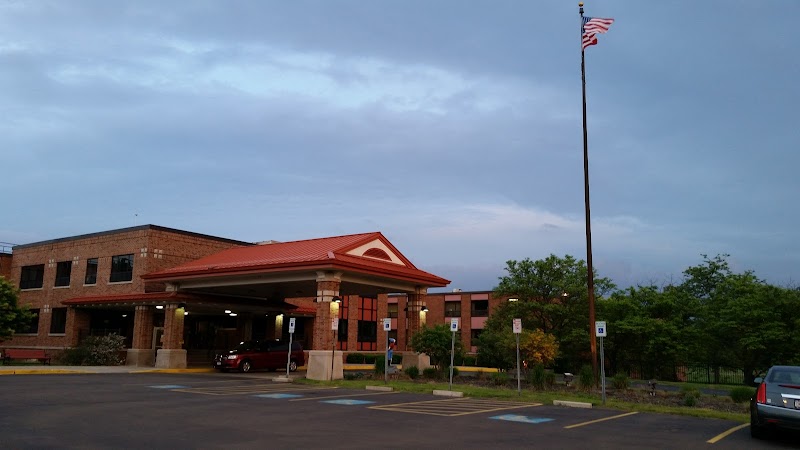
Who Owns and Operates Chautauqua?

CHAUTAUQUA NURSING AND REHABILITATION CENTER is owned by a for-profit company. For-profit facilities operate as businesses with obligations to shareholders or private owners. The facility operates independently rather than as part of a larger chain. With 216 certified beds and approximately 201 residents (about 93% occupancy), it is a large facility located in DUNKIRK, New York.
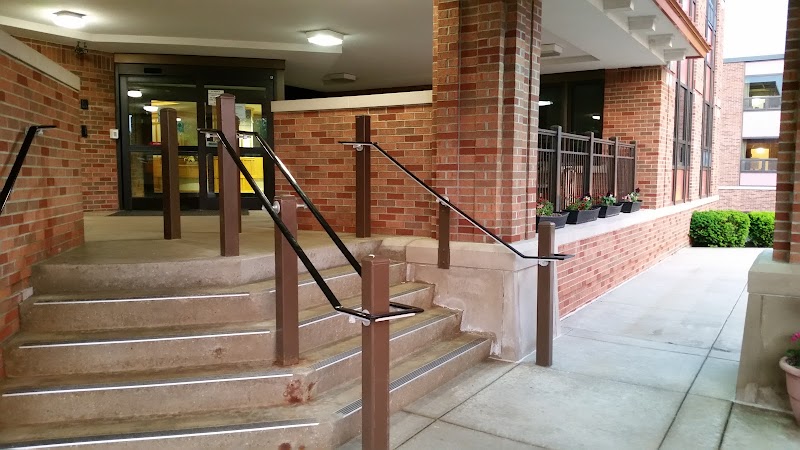
How Does Chautauqua Compare to Other New York Nursing Homes?

Compared to the 100 nursing homes in New York, CHAUTAUQUA NURSING AND REHABILITATION CENTER's overall rating (4 stars) is above the state average of 3.1, staff turnover (46%) is near the state average of 46%, and health inspection rating (4 stars) is above the national benchmark.

What Should Families Ask When Visiting Chautauqua?

Based on this facility's data, families visiting should ask: "Can you walk me through typical staffing levels on day, evening, and night shifts?" "Can I visit during a mealtime to observe dining assistance and food quality?" "How do you handle medical emergencies, and what is your hospital transfer rate?" "Can I speak with family members of current residents about their experience?" These questions are particularly relevant given the below-average staffing rating.

Is Chautauqua Safe?

Based on CMS inspection data, CHAUTAUQUA NURSING AND REHABILITATION CENTER has a clean safety record: no substantiated abuse findings (meaning no confirmed cases of resident harm), no Immediate Jeopardy citations (the most serious violation level indicating risk of serious injury or death), and is not on the Special Focus Facility watch list (a federal program monitoring the lowest-performing 1% of nursing homes). The facility has a 4-star overall rating and ranks #1 of 100 nursing homes in New York. While no facility is perfect, families should still ask about staff-to-resident ratios and recent inspection results during their visit.

Do Nurses at Chautauqua Stick Around?

CHAUTAUQUA NURSING AND REHABILITATION CENTER has a staff turnover rate of 46%, which is about average for New York nursing homes (state average: 46%). Moderate turnover is common in nursing homes, but families should still ask about staff tenure and how the facility maintains care continuity when employees leave.

Was Chautauqua Ever Fined?

CHAUTAUQUA NURSING AND REHABILITATION CENTER has been fined $8,926 across 3 penalty actions. This is below the New York average of $33,168. While any fine indicates a compliance issue, fines under $50,000 are relatively common and typically reflect isolated problems that were subsequently corrected. Families should ask what specific issues led to these fines and confirm they've been resolved.

Is Chautauqua on Any Federal Watch List?

CHAUTAUQUA NURSING AND REHABILITATION CENTER is not on any federal watch list. The most significant is the Special Focus Facility (SFF) program, which identifies the bottom 1% of nursing homes nationally based on persistent, serious quality problems. Not being on this list means the facility has avoided the pattern of deficiencies that triggers enhanced federal oversight. This is a positive indicator, though families should still review the facility's inspection history directly.