ABSOLUT CTR FOR NURSING & REHAB AURORA PARK L L C
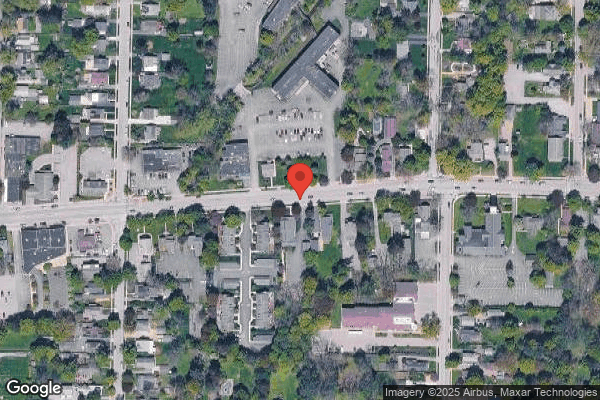

292 MAIN STREET, EAST AURORA, NY 14052 (716) 652-1560
For profit - Limited Liability company 320 Beds ABSOLUT CARE Data: November 2025
Trust Grade
65/100
#255 of 594 in NY
Last Inspection: December 2024

Within standard 12-15 month inspection cycle. Federal law requires annual inspections.

Overview

The Absolut Center for Nursing & Rehab Aurora Park has a Trust Grade of C+, which means it is slightly above average but not exceptional. It ranks #255 out of 594 nursing homes in New York, placing it in the top half of facilities in the state, and #20 out of 35 in Erie County, indicating there are only a few better local options. The facility is improving, as the number of issues reported decreased from six in 2023 to five in 2024. Staffing is relatively stable with a turnover rate of 38%, which is better than the state average, but the facility has concerning RN coverage that is lower than 97% of facilities in New York. While there have been no fines, which is a positive aspect, recent inspections revealed food safety concerns, including improperly stored and unlabeled food, and a lack of gradual dose reductions for residents on psychotropic medications, highlighting areas needing attention despite the facility's strengths.

Trust Score
C+
65/100
In New York
#255/594
Top 42%
Safety Record
Low Risk
No red flags
Inspections
Getting Better
6 → 5 violations
Staff Stability
○ Average
38% turnover. Near New York's 48% average. Typical for the industry.
Penalties
✓ Good
No fines on record. Clean compliance history, better than most New York facilities.
Skilled Nurses
⚠ Watch
Each resident gets only 18 minutes of Registered Nurse (RN) attention daily — below average for New York. Fewer RN minutes means fewer trained eyes watching for problems.
Violations
⚠ Watch
15 deficiencies on record. Higher than average. Multiple issues found across inspections.
★★★☆☆
3.0
Overall Rating
★★★☆☆
3.0
Staff Levels
★★★☆☆
3.0
Care Quality
★★★☆☆
3.0
Inspection Score
Stable
2023: 6 issues
2024: 5 issues

The Good

  • Full Sprinkler Coverage · Fire safety systems throughout facility
  • No fines on record
  • Staff turnover below average (38%)

    10 points below New York average of 48%

Facility shows strength in fire safety.

The Bad

3-Star Overall Rating

Near New York average (3.1)

Meets federal standards, typical of most facilities

Staff Turnover: 38%

Near New York avg (46%)

Typical for the industry

Chain: ABSOLUT CARE

Part of a multi-facility chain

Ask about local staffing decisions and management

The Ugly 15 deficiencies on record

Dec 2024 5 deficiencies
CONCERN (D)

Potential for Harm - no one hurt, but risky conditions existed

Deficiency F0561 (Tag F0561)

Could have caused harm · This affected 1 resident

**NOTE- TERMS IN BRACKETS HAVE BEEN EDITED TO PROTECT CONFIDENTIALITY** Based on observation, interview and record review conducted during the Standard survey completed on 12/20/24, the facility did n...

Read full inspector narrative →
**NOTE- TERMS IN BRACKETS HAVE BEEN EDITED TO PROTECT CONFIDENTIALITY** Based on observation, interview and record review conducted during the Standard survey completed on 12/20/24, the facility did not ensure residents had the right to interact with members of the community and participate in community activities inside the facility for one (Resident #33) of two residents reviewed. Specifically, staff did not accommodate Resident #33's choice to attend the Resident Council Meeting on 12/17/24. The finding is: The policy and procedure titled Resident Rights and Responsibilities revised 4/2/24 documented the facility functions on the premise that the service it renders should demonstrate its belief in the dignity and worth of every individual. It is the objective of the facility to provide the Patient/Resident with optimal nursing and psychosocial care. Every effort is made by the staff to meet the Patient/Resident's individual needs and requirements. Resident #33 had diagnoses which included multiple sclerosis, paraplegia (paralysis of lower extremities) and anxiety. The Minimum Data Set (MDS, a resident assessment tool) dated 12/9/24 documented Resident #33 was cognitively intact. The Minimum Data Set, dated [DATE] documented it was very important for Resident #33 to participate in their favorite activities and with groups of people. The comprehensive care plan revised 9/18/24 documented Resident #33 would select daily activities of choice. The planned activities included Resident #33 enjoyed watching television, listening to music, playing bingo, attending resident council, and socializing with peers and staff. The [NAME] (guide used by staff to provide care) with a print date of 12/18/24 documented Resident #33 required transport assistance to leisure time activities as needed. The December 2024 [NAME] 3 Activity Calendar revealed a Resident Council Meeting was scheduled at 10:30 AM on 12/17/24. During an observation on 12/17/24 at 10:30 AM the Resident Council Meeting took place in the [NAME] 3 dining room. During an observation and interview on 12/17/24 at 11:23 AM, Resident #33's call bell was activated and illuminated above their bedroom door. Resident #33 was lying in bed, and stated they were upset. They had their call light on for over an hour and no one had come to get them up and they had missed the Resident Council Meeting at 10:30 AM. Resident #33 stated they attended the Resident Council Meetings on a regular basis. They stated they told the Director of Activities that they had planned on attending the meeting this morning. Review of the Resident Council Meeting minutes from June 2024 through November 2024 revealed Resident #33 attended the Resident Council meetings regularly. During an interview on 12/18/24 at 9:33 AM, Certified Nurse Aide #6 stated Resident #33 actively participated and attended Resident Council meetings. During an interview on 12/18/24 at 9:34 AM, Registered Nurse #1 Unit Manager stated the Director of Activities should have informed Certified Nurse Aide #13 that Resident #33 wanted to attend the Resident Council Meeting on 12/17/24. During an interview on 12/18/24 at 9:50 AM, the Director of Activities stated Resident council meetings were held every third Tuesday of the month and were announced during the Daily Chronicle at 9:30 AM for a reminder. In addition, the Director of Activities invited Resident #33 to the Resident Council Meeting on 12/17/24 because they attended the meetings regularly. Resident #33 had told them that they were not feeling good and assumed that they did not want to attend. Resident #33 liked to be in the know of what's going on and that was their right and should not have assumed. During an interview on 12/18/24 at 10:50 AM, Certified Nurse Aide #14 stated they took over for Certified Nurse Aide #13 on 12/17/24 at 10:00 AM. Certified nurse aide #14 was sidetracked and couldn't provide care timely; there for Resident #33 missed the Resident Council Meeting. Certified Nurse Aide #14 stated attending the meeting was the resident's right and they should have prioritized their assignment and accommodated Resident #33's preference. During a telephone interview on 12/18/24 at 1:43 PM, Certified Nurse Aide #13 stated they provided care for Resident #33 at 9:00 AM on 12/17/24 and Resident #33 did not mention a thing about going to the Resident Council meeting. During an interview on 12/20/24 at 11:07 AM, the Director of Nursing stated the Director of Activities knows who wants to attend activities and should have let the nursing staff know. Attending the meeting was Resident #33's right and would have expected the staff to accommodate that right. I'm sure it was miscommunication. During an interview on 12/20/24 at 10:57 AM, the Administrator stated they would have expected Resident #33 to attend the meeting based on their preference. 10 NYCRR 415.5 (b) (1,3)
CONCERN (D) 📢 Someone Reported This

A family member, employee, or ombudsman was alarmed enough to file a formal complaint

Potential for Harm - no one hurt, but risky conditions existed

Free from Abuse/Neglect (Tag F0600)

Could have caused harm · This affected 1 resident

**NOTE- TERMS IN BRACKETS HAVE BEEN EDITED TO PROTECT CONFIDENTIALITY** Based on interview and record review conducted during a Complaint investigation (#NY00347404) during a Standard survey completed...

Read full inspector narrative →
**NOTE- TERMS IN BRACKETS HAVE BEEN EDITED TO PROTECT CONFIDENTIALITY** Based on interview and record review conducted during a Complaint investigation (#NY00347404) during a Standard survey completed on 12/20/2024, it was determined the facility did not protect residents from sexual abuse for two (Resident #165 and Resident #151) of seven residents reviewed. Specifically, residents who lacked ability to consent were observed undressed and in bed together. The policy and procedure titled Abuse Prohibition dated 02/2023 documented that residents have a right to be free from abuse including sexual abuse. The policy and procedure titled Abuse Prohibition Staff Responsible for Coordinating and Implementing dated 11/19/2021 documented that the Administrator is responsible for preventing abuse of the residents. The findings are: 1. Resident #165 was admitted to the facility with diagnoses of Alzheimer's disease and dementia. The Minimum Data Set (a resident assessment tool) dated 5/30/24 documented Resident #165 was severely cognitively impaired and had wandering behaviors. The comprehensive care plan dated 5/24/24 documented Resident #165 had wandering behaviors and displayed promiscuous behaviors at times. Resident #165 was alert and oriented to person only and could ambulate independently in their room and in the hall. The Patient Resident's Rights and Responsibilities dated 5/29/24 documented that Resident #165 was unable to give consent due to cognitive capacity. The Determination of Capacity dated 5/31/24 documented Resident #165 lacked the capacity to make health care decision and the reason for this lack of capacity was due to Alzheimer's disease. The Mini Mental State Examination dated 6/4/24 documented Resident #165 scored a 13 out of 30 which indicates that Resident #165 severely cognitively impaired. Review of a progress note written on 6/3/2024 at 4:35 PM by the Director of Social Work documented that capacity determination was signed by provider and the concurring provider stated that Resident #165 does not have capacity to make their own medical decisions. Resident #151 was admitted to the facility with diagnoses of dementia and Parkinson's disease. Review of the Minimum Data Set, dated [DATE] documented Resident #151 was moderately cognitively impaired and had wandering behaviors. The comprehensive care plan dated 5/21/2024 documented Resident #151 had an alteration in decision making skills related to dementia. The comprehensive care plan documented the resident encourages others behavioral tendencies at times. Additionally, it documented a potential for alteration in mood and behavior patterns related to dementia and adjustment difficulties. Review of the patients' rights and responsibilities dated 5/21/2024 documented Resident #151 does not have capacity to give consent. Review of the determination of capacity dated 5/23/2024 documented that Resident #151 lacks the capacity to make health care decisions. It documented that the lack of capacity was due to dementia. An incident report dated 7/6/2024 at 4:45 PM completed by Licensed Practical Nurse Supervisor #2 documented while doing their medication pass, Licensed Practical Nurse #4 walked into Resident #151's room and found Resident #151 sitting on their bed with Resident #165 without clothes on. Resident #151 stated at this time, that it had been 23 years since I had sex, and they (Resident #165) were willing. The incident report documented that Resident #165 was dressed and escorted from the room. It documented that both residents were assessed for injuries, and none were found. Review of an investigation statement dated 7/6/2024 documented that Licensed Practical Nurse #4 walked into Resident #151's room to pass medications and found Resident #151 and Resident #165 unclothed in Resident 151's bed. The statement documented that Licensed Practical Nurse #4 instructed Resident #165 and Resident #151 to get dressed. Licensed Practical Nurse #4 then notified Licensed Practical Nurse Supervisor #3 and other staff. An investigation report dated 7/11/2024 documented that Resident #165 was last seen by staff at 3:15 PM on 7/6/2024. Resident #165 was found close to the genital area of Resident #151 by Licensed Practical Nurse #4 on 7/6/2024 at 4:45 PM. The investigation documented the residents were noted to be unclothed in Resident #151's room. Resident #165 was dressed by staff and re-directed out of the room. Resident #151 stated they did not have sex with Resident #165 but Resident #165 did perform oral sex on them. The conclusion of the investigation documented the residents' cognitive status, they were unable to give consent for sexual activities and this was reported to the New York State Department of Health. Review of a progress note from the Psychiatric Nurse Practitioner dated 7/16/2024 documented that Resident #165 was seen for sexual inappropriateness. The progress noted documented that Resident #165 had poor insight, poor memory, and poor judgement due to dementia. During an interview on 12/18/2024 at 1:22 PM, Certified Nurse Aide #1 stated that staff were looking for Resident #165 prior to the incident, but they did not witness anything between Resident #165 and Resident #151. During an interview on 12/19/24 at 9:27 AM, Social Worker #1 stated Resident #151 does not have the capacity to consent. They stated residents with dementia cannot consent to anything. During an interview on 12/19/24 at 9:36 AM, the Director of Social Work stated that non-consenting adults having sex would be considered abuse. They stated that Resident #151 does not have capacity to consent. During an interview on 12/19/2024 at 10:33 AM, the Assistant Director of Nursing stated because there was no psychosocial harm between Resident #165 and Resident #151, there was no abuse. They stated that Resident #165's going into other residents' rooms was a new behavior and that's why Resident #165 was put on one-to-one supervision to prevent Resident #165 from repeating this wandering behavior. During an interview on 12/19/2024 at 1:11 PM, Resident #151's responsibility party stated visited Resident #151 right after the incident occurred. They stated that Resident #151 told them that Resident #165 had performed oral sex on them. The Responsible Party stated they spoke to Resident #151 about informed consent and that other residents might not be able to consent to sex. During an interview on 12/19/2024 at 1:21 PM, Licensed Practical Nurse #4 stated they stand by what was in their statement. They stated that if two residents do not have the ability to consent to sex, then it was considered abuse. During an interview on 12/19/2024 at 3:58 PM, Resident #165's responsible party stated they were not aware that Resident #165 was unclothed and in bed with Resident #151. The facility informed them that Resident #165 was fully clothed, and that Resident #151 only had their pants down. They stated the facility informed them they couldn't find Resident #165 for over an hour and that the security cameras were not working on the memory unit. During an interview on 12/19/2024 at 4:33 PM, the Medical Director stated that if residents cannot consent to sex, then it was considered abuse. They stated that they do not believe Resident #165 could consent. During an interview on 12/20/2024 at 9:26 AM, the Psychiatric Nurse Practitioner stated that Resident #165 does not have the capacity to consent. Two residents who don't have the capacity to consent; can't consent to sex so they would consider this abuse. During an interview on 12/20/2024 at 12:08 PM with local law enforcement, they stated that they were called to the facility concerning an incident between two residents. They stated that the facility told them the contact was consensual and they did not initiate an investigation because of what the facility told them. During an interview on 12/20/2024 at 12:23 PM, Licensed Practical Nurse Supervisor #3 stated that Resident #165 does not have the ability to say yes or no. Resident #165 was put on one to one supervision after the incident because they did not want Resident #165 to wander in and out of other residents' rooms to protect them and other residents from possible abuse. They stated they had contacted the local police department because they thought it may have been abuse. During an interview on 12/20/2024 at 1:21 PM, the Director of Nursing stated that what happened between Resident #151 and Resident #165 was not abuse because nothing was witnessed. The Director of Nursing stated that a reasonable amount of time to do a Registered Nurse assessment for an incident between two residents was 12 to 24 hours after the incident. During an interview on 12/20/2024 at 1:36 PM, Licensed Practical Nurse #2 stated that confused residents do not have the ability to consent. They stated that two residents unclothed in a room together would be considered abuse and should be reported right away to the Director of Nursing or Administrator. During an interview on 12/20/2024 at 1:44 PM, Registered Nurse Supervisor #2 stated they started their shift at 7:00 PM on 7/6/2024. They had assessed Resident #151 a little after 7:00 PM when they started their rounds, and they did not find any injuries on the resident at that time. Registered Nurse Supervisor #2 stated they did not assess Resident #165 right away because the resident was sleeping. They stated they assessed Resident #165 around 1:00 AM when Resident #165 was receiving a medication and they did not observe any marks or injuries at that time. Registered Nurse Supervisor #2 stated at the time of the incident, there didn't seem to be a sense of urgency, so they assumed there was no abuse involved. During an interview on 12/20/24 at 2:06 PM Licensed Practical Nurse Inservice Coordinator #1 stated, if two residents who lacked capacity to consent were found naked in bed together it would be considered abuse. 10 NYCRR 415.4(b)(1)(i)
CONCERN (D)

Potential for Harm - no one hurt, but risky conditions existed

Infection Control (Tag F0880)

Could have caused harm · This affected 1 resident

**NOTE- TERMS IN BRACKETS HAVE BEEN EDITED TO PROTECT CONFIDENTIALITY** Based on observation, interview, and record review conducted during the Standard survey completed on 12/20/24, the facility did ...

Read full inspector narrative →
**NOTE- TERMS IN BRACKETS HAVE BEEN EDITED TO PROTECT CONFIDENTIALITY** Based on observation, interview, and record review conducted during the Standard survey completed on 12/20/24, the facility did not maintain an infection prevention program designed to provide a safe, sanitary, and comfortable environment and to help prevent the development and transmission of communicable diseases and infection for one (Resident #10) of three residents reviewed. Specifically, staff placed linens soiled with urine and fecal matter and soiled incontinence briefs directly on the floor and on the resident's bed headboard and footboard while providing care. The finding is: The policy and procedure titled Incontinent Care revised 3/2022 documented to remove brief, clothing and bed linen and place on a soiled barrier. Wash perineum, anus, buttocks, abdomen, hips, and thighs. Rinse if using soap. Pat dry with a towel. Remove gloves, wash hands, apply new gloves and apply a thin layer of protective skin barrier per care plan. Apply one glove before leaving room to place linen in hamper. The policy and procedure titled Infection Prevention and Control General Statement revised 11/2024 documented the primary purpose of this facility's infection prevention and control program is to establish guidelines to provide a safe, sanitary, and comfortable environment and to help prevent the development and transmission of communicable diseases and infections. Establish guidelines to follow in implementing Standard and Transmission Precautions for handling of blood, body fluids, secretions, excretions, mucous membranes, and non-intact skin. Resident #10 was admitted with diagnoses of depression, anxiety, and paranoid schizophrenia. The Minimum Data Set (a resident assessment tool) dated 10/23/24 documented Resident #10 was usually understood, usually understands and was cognitively intact. Additionally, Resident #10 required partial/moderate assistance from staff for personal hygiene. The comprehensive care plan dated 7/29/24 documented Resident #10 had a self-care performance deficit related to Parkinson's Disease and was incontinent of bowel and bladder. The resident required maximal assist for bathing and incontinent care. The Visual/Bedside [NAME] Report (a guide for staff to provide care) dated 12/19/24 documented incontinent care was to be provided every 2-3 hours and the resident required maximum assist of two people. During an observation of morning care on 12/19/24 at 8:13 AM, Certified Nurse Aide #4 and Certified Nurse Aide #5 performed hand hygiene and donned gloves. Certified Nurse Aide #4 wet a washcloth at the sink in the room and then began to cleanse Resident #10's face. Certified Nurse Aide #4 placed the washcloth that was used on Resident #10's face on top of the headboard of the bed. Certified Nurse Aide #5 placed a barrier for soiled items at the foot of the bed and stated to Certified Nurse Aide #4 that the dirty barrier was placed at the foot of the bed. Certified Nurse Aide #4 cleansed Resident #10's chest and then placed the used washcloth directly on the footboard of the bed, away from the soiled barrier. Certified Nurse Aide #4 provided urinary incontinent care with another washcloth and then placed that washcloth on the footboard of the bed, away from the soiled barrier. Prior to rolling Resident #10 on their side and removing the urine soiled brief, Certified Nurse Aide #4 stated to Certified Nurse Aide #5 that Resident #10 was usually incontinent of urine whenever they were rolled and then placed a rolled clean towel between Resident #10's legs. They rolled Resident #10 onto their right side and Certified Nurse Aide #4 removed the urine soiled brief and placed it directly on the floor. They used the washcloth to cleanse the buttocks and anus. There was a small amount of brown debris on the washcloth after Certified Nurse Aide #4 cleansed the anus. Certified Nurse Aide #4 dropped the washcloth to the floor near the brief that was on the floor. Certified Nurse Aide #4 cleansed the anus again with another washcloth, there was a small amount of brown debris on the washcloth and Certified Nurse Aide #4 placed the washcloth directly on the floor. The Certified Nurse Aides rolled Resident #10 onto their left side after placing a clean brief under them. The Certified Nurse Aides rolled Resident #10 onto their back and Certified Nurse Aide #4 removed the towel from between Resident #10's legs and placed it on the bed alongside Resident #10's left hip. Certified Nurse Aide #5 asked if the towel was wet and Certified Nurse Aide #4 held it up and stated Yes, [Resident #10] peed on it. The towel was visibly wet. Without changing their gloves and performing hand hygiene Certified Nurse Aide #4 then took the towel that was next to the resident's hip, the washcloths and the brief from the floor, walked over to the door and placed their hand on the door handle. Certified Nurse Aide #5 stated to Certified Nurse Aide #4 to stop what they were doing and to place the soiled items in a bag before leaving. Certified Nurse Aide #4 then placed all items directly on the floor. Certified Nurse Aide #5 stated to Certified Nurse Aide #4 to place items on the dirty barrier and wash their hands. Certified Nurse Aide #4 picked the soiled items off the floor, placed them on the dirty barrier, removed their gloves, washed their hands, and then left the room. They returned with bags and placed the soiled items into the bags. During an interview on 12/19/24 at 8:54 AM, Certified Nurse Aide #5 stated Certified Nurse Aide #4 should have used a dirty barrier for the washcloths and brief because without the barrier they were contaminating the surfaces in the room. During an observation and interview on 12/19/24 at 8:56 AM, Certified Nurse Aide #4 stated that the floor was the correct place to put the soiled brief and washcloths because there was fecal matter on the washcloths. They stated if they would have placed the soiled brief and washcloths on the barrier that was on the bed then they would have contaminated the bed. They stated that placing the used washcloths and towel on the headboard, footboard and alongside Resident #10 contaminated those areas of the bed. During an interview on 12/19/24 at 8:58 AM, Registered Nurse Unit Manager #3 stated Certified Nurse Aide #4 should have used the barrier that was placed by Certified Nurse Aide #5 from the start of care. They should not have placed the soiled washcloths, towel, or brief on the headboard, on the footboard, along the side of Resident #10, or on the floor because that was an infection control risk. During an interview on 12/19/24 at 9:43 AM the Registered Nurse Assistant Director of Nursing Infection Preventionist stated Certified Nurse Aide #4 needed to be re-educated regarding the use of dirty barriers. They stated it was expected that certified nurse aides used proper hand hygiene including glove changes and used dirty barriers and bags to handle soiled linen during morning care and routine incontinent care. They stated the nurses, unit managers, and in-service coordinators were responsible to make sure the certified nurse aides were educated on infection control. During an interview on 12/20/24 at 10:49 AM, the Director of Nursing stated they expected Certified Nurse Aide #4 to follow the correct procedure during care and follow infection control guidelines because it was for the protection of the resident. They stated it was everyone's responsibility to follow infection control guidelines including certified nurse aides, licensed practical nurses, unit managers, the director of nursing and in-service coordinators. They stated ultimately, the Director of Nursing was responsible for the nursing staff on the units. 10 NYCRR 415.19(a)(1)(c)
CONCERN (D)

Potential for Harm - no one hurt, but risky conditions existed

Deficiency F0883 (Tag F0883)

Could have caused harm · This affected 1 resident

**NOTE- TERMS IN BRACKETS HAVE BEEN EDITED TO PROTECT CONFIDENTIALITY** Based on observation, interview, and record review conducted during the Standard survey completed on 12/20/24, the facility did ...

Read full inspector narrative →
**NOTE- TERMS IN BRACKETS HAVE BEEN EDITED TO PROTECT CONFIDENTIALITY** Based on observation, interview, and record review conducted during the Standard survey completed on 12/20/24, the facility did not ensure each resident was offered the pneumococcal and influenza immunizations and received education regarding the benefits and potential side effects of the immunizations for two (Residents #171 and #10) of six residents reviewed. Specifically, Resident #171 was not given the influenza vaccine after their responsible party consented to the vaccination nor were they offered and educated about the pneumococcal vaccination. Additionally, Resident #10 was not given the pneumococcal vaccination after their responsible party consented to the vaccination. The findings are: The policy and procedure titled Policy on Influenza Immunization revised 10/2020, documented the facility assures that all residents receive a flu vaccination, unless medically contraindicated, or the resident makes an informed choice of refusal. The resident is immunized once the influenza vaccine consent form has been signed. The policy and procedure titled Pneumococcal Vaccination Program Residents revised 10/2024 documented the facility assures that all residents receive a pneumococcal pneumonia vaccine, unless medically contraindicated, or the resident makes an informed choice of refusal. An immunization history will be obtained upon admission and the physician will be consulted regarding an order for vaccination. The vaccine will be offered to all residents and administered with consent, unless medically contraindicated or the resident has previously received the vaccination. All residents/responsible parties will be educated on the risks and benefits of the pneumococcal vaccine using the current CDC/ACIP (Centers for Disease Control/Advisory Committee on Immunization Practices) Guidelines as the basis for the education. If a resident/responsible party refuses the vaccine, a declination form is obtained by the nurse and filed in the medical record. 1. Resident #171 was admitted with diagnoses of pneumonia, necrotizing encephalopathy (a severe brain disease that can occur after a viral infection), and dementia. The Minimum Data Set (a resident assessment tool) dated 10/31/24 documented Resident #171 was sometimes understood, sometimes understands and was severely cognitively impaired. The Minimum Data Set documented the influenza vaccine was not received in the facility and the pneumococcal vaccination was not up to date and not offered. Review of the nursing progress notes dated 9/1/24 - 12/19/24 lacked documented evidence that Resident #171, or their responsible party were offered, declined, or were provided education regarding the pneumococcal immunization. Review of Resident #171's electronic medical record on 12/19/24 lacked documented evidence of the pneumococcal immunization consent/declination form. Review of the Influenza (Seasonal and H1N1) Vaccine Consent/Declination Form dated 9/26/24, completed by Licensed Practical Nurse Unit Manager #8, documented verbal consent was obtained from Resident #171's responsible party. Review of the nursing progress note dated 9/26/24 at 4:06 PM, Licensed Practical Nurse Unit Manager #8 documented they had spoken with the resident's responsible party regarding the resident receiving the influenza vaccine. Education was provided and the resident's responsible party gave consent for the resident to receive the vaccine. There was no documented evidence Licensed Practical Nurse Unit Manager #8 provided education or offered the pneumococcal vaccination. Review of the Medication Administration Records dated 9/1/24-9/30/24, 10/1/24-10/31/24, and 11/1/24-11/30/24 lacked documented evidence the influenza vaccination was given. Review of the Immunization Report dated 12/19/24 documented Resident #171 was not eligible for the influenza vaccination. Review of the Order Listing Report dated 12/19/24 lacked documented evidence of an order for the influenza vaccine. During an interview on 12/19/24 at 11:01 AM, Hospice Doctor #1 stated patients who were on the hospice program received the influenza vaccination based on their functional status and overall goals of care. They stated there were families and patients who requested the vaccine in order to avoid the burden of symptoms of the flu and they were welcomed to receive vaccinations. The only time they may have advised against vaccinations, as a Hospice Doctor, was when death was imminent. They stated Resident #171 had a prognosis of months, meaning death was not imminent. They stated, according to the medical record, there was no egg allergy that would make Resident #171 ineligible for the vaccination and the only other reason that would make Resident #171 ineligible was a history of an adverse reaction. However, they stated, if Resident #171's responsible party consented to the vaccination, then they would have assumed there was never an adverse reaction to the vaccination in the past. They stated, in their experience, there were many hospice patients throughout the area and many of them received the influenza vaccination, unless their death was expected within the next two weeks. During an interview on 12/19/24 at 11:07 AM, Resident #171's responsible party stated they consented to the influenza vaccination, but they were unaware if Resident #171 received it. Resident #171 received the vaccination in the past and never had any adverse reactions to it. They stated they remembered asking a staff member about the pneumococcal vaccination because they thought it would be a good idea since Resident #171 was admitted to the facility with pneumonia, but nobody had followed up with them. They stated they wanted Resident #171 to receive both vaccinations. During an interview on 12/19/24 at 11:19 AM, Licensed Practical Nurse Unit Manager #7 reviewed the electronic medical record, and stated they did not see any consent or declination for the pneumococcal vaccine. They stated it may have been documented in the nursing progress notes if it was offered. They stated the influenza consent form was in the electronic medical record and dated 9/26/24. Licensed Practical Nurse Unit Manager #7 stated the immunization documentation in the electronic medical record stated Resident #171 was not eligible to receive the influenza vaccination. They stated Resident #171 was a Hospice resident and a vaccination could be painful and that may have been why they were not eligible to receive the vaccination. They stated Resident #171 became a Hospice resident on 10/18/24 and they were not on the Hospice program at the time of the consent form. During an interview on 12/19/24 at 11:34 AM, Licensed Practical Nurse Unit Manager #8 stated there was not a pneumococcal consent/declination form in Resident #171's electronic medical record and if it was offered, the consent/declination form would have been completed and scanned into the electronic medical record. Resident #171 had a consent/declination form completed for the influenza vaccination and it was their responsible party who had consented to the vaccination. They stated in the electronic medical record, Resident #171 was ineligible for the influenza vaccination. Licensed Practical Nurse Unit Manager #8 stated that Resident #171 may have been on antibiotics at some point and that was why they were ineligible. Resident #171 was ordered to have antibiotics from 10/10/24-10/17/24. They stated they should have received the influenza vaccination at some point after 10/20/24. They stated the Unit Managers were responsible to ensure the residents on their units had consent/declination forms completed for vaccinations and that they received the vaccination if there was consent received. They stated Resident #171 should have received the vaccinations because the vaccinations could lessen the symptoms of influenza and pneumonia. The residents in the facility had the right to be offered a consent or declination to vaccinations. During a telephone interview on 12/19/24 at 4:30 PM, the Medical Director stated Resident #171 had severe dementia and their responsible party made medical decisions for them. They stated Resident #171 was not ineligible to receive the influenza vaccine and they should have received it. The Medical Director stated the pneumococcal vaccination should have been discussed with the responsible party and offered to the resident. 2. Resident #10 was admitted with diagnoses adult failure to thrive (a decline in physical and mental functioning), depression, and anxiety. The Minimum Data Set, dated [DATE] documented Resident #10 was usually understood, usually understands and was cognitively intact. Review of the Absolut Care Determination of Capacity dated 7/19/24 documented Resident #10 lacked the capacity to make health care decisions due to a diagnosis of dementia. Review of the Resident Consent/Declination of Immunizations and Health Screening form dated 11/21/24 documented Resident #10's responsible party consented to the influenza vaccine and the pneumococcal vaccine. Review of the nursing progress notes dated 11/1/24 through 12/19/24 lacked documented evidence that the pneumococcal vaccine was ordered, refused, or given. Review of the Medication Administration Record dated 11/1/24-11/30/24 lacked documented evidence the pneumococcal vaccination was given. Review of the Medication Administration Record dated 12/1/24-12/31/24 documented the pneumococcal vaccine was ordered for a one time administration from 12/19/24-12/21/24, but was not signed by a nurse as given or refused. Review of the Immunization Report printed on 12/19/24 documented the Prevnar-20 (pneumococcal vaccine) was refused. During an interview on 12/19/24 at 11:46 AM Registered Nurse Unit Manager #3 stated Resident #10 has not received the pneumococcal vaccine because it has not been given yet and there was no order for it. Registered Nurse Unit Manager #3 stated they spoke with Resident #10 in May 2024, and they refused because they had already received the vaccine but did not know when. Nurse Practitioner #1 completed the consent form with Resident #10's responsible party on 11/21/24 and they may have requested having the pneumococcal vaccine spaced apart from the influenza vaccine. They stated both the medical providers and unit managers were responsible to put orders into the electronic medical record; nurses and unit managers were responsible to ensure vaccines were given. During an observation and interview on 12/19/24 at 11:59 AM, Nurse Practitioner #1 stated they remembered discussing the risks and benefits of vaccinations with Resident #10's Responsible Party and they had consented to both the influenza and pneumococcal vaccination. They stated they preferred to space vaccinations out by two weeks instead of giving them all at once. They stated, Resident #10 should have had an order to receive the pneumococcal vaccine on 12/6/24, two weeks after they received the influenza vaccine on 11/22/24. They stated there was nothing in Resident #10's chart contraindicating them from receiving the pneumococcal vaccine. They stated there should have been an order in the electronic medical record because there needed to be an order for it to be given. They stated they preferred the Unit Managers put the orders in because they were not comfortable putting the orders into the electronic medical record. Resident #10 should have received the pneumococcal vaccine because older adults could become very ill and respiratory illnesses spread a lot faster in the communal setting. Registered Nurse Unit Manager #3 was observed requesting an order for the pneumococcal vaccine for Resident #10 from Nurse Practitioner #1. Nurse Practitioner #1 gave a verbal order for the pneumococcal vaccine for Resident #10, and it was entered into the electronic medical record by Registered Nurse Unit Manager #3. During an interview on 12/20/24 at 9:11 AM, the Registered Nurse Assistant Director of Nursing/Infection Preventionist stated Resident #171 should have received the influenza vaccination and should have been offered the pneumococcal vaccination. They stated both vaccinations were important because in the geriatric population the vaccinations could protect them from respiratory symptoms and illness. They stated because Nurse Practitioner #1 usually waited a couple weeks between vaccinations, they felt Resident #10 received their pneumococcal vaccination timely. The physicians were responsible for giving the order for vaccinations, but at the end of the day the Unit Managers were responsible to make sure the consent/declination form was completed, and if there was consent for the vaccination, they were responsible to make sure the vaccination was administered. During an interview on 12/20/24 at 10:49 AM, the Director of Nursing stated they expected the influenza and pneumococcal vaccinations to be offered to the residents or the responsible parties. They expected the unit managers or nurses on the unit to obtain the orders for the vaccination and to administer the vaccinations. 10 NYCRR 415.19(a)(1)
CONCERN (F)

Potential for Harm - no one hurt, but risky conditions existed

Food Safety (Tag F0812)

Could have caused harm · This affected most or all residents

**NOTE- TERMS IN BRACKETS HAVE BEEN EDITED TO PROTECT CONFIDENTIALITY** Based on observation, interview, and record review conducted during the Standard survey completed on 12/20/24, the facility did ...

Read full inspector narrative →
**NOTE- TERMS IN BRACKETS HAVE BEEN EDITED TO PROTECT CONFIDENTIALITY** Based on observation, interview, and record review conducted during the Standard survey completed on 12/20/24, the facility did not store, prepare, distribute, and serve food in accordance with professional standards for food service safety. Specifically, five ([NAME] 3, [NAME] 2, Willink A, Willink C, Willink Legacy Cove) of five unit Nourishment Room refrigerators contained undated, unlabeled, and out of date food and drink items and a staff member's personal food was stored with residents' food. The findings are: The policy and procedure titled Food Receiving and Storage, revised 12/2012, documented potentially hazardous foods stored in the refrigerator will be labeled and dated and discarded after three days once opened. All non-potentially hazardous foods stored in the refrigerator will be labeled and dated and discarded after five days once opened. The policy and procedure titled Food(s) Brought in from Outside the Facility, revised 12/2019, documented perishable foods brought in must be labeled with resident's name and dated and consumed promptly. The facility is responsible for storing food brought in by family or visitors in a way that is separate from or easily distinguishable from facility food. All foods are labeled/ dated and discarded after three days. 1a. Observation in the [NAME] 3 Nourishment Room on 12/16/24 at 9:10 AM revealed the following items were stored in the refrigerator: -One 8.8-ounce glass jar of raw wildflower honey, opened, not labeled with the date opened, and no manufacturer expiration date. -One poured applesauce cup with a facility sticker that stated, use by Saturday 12/14. -One poured pudding cup with a facility sticker that stated, use by Saturday 12/14. -One opened 32-ounce thickened lemon water, not labeled with the date opened, manufacturer instructions stated discard if not used with in four days of opening. -One opened 46-ounce thickened dairy beverage, not labeled with the date opened, manufacturer instructions stated after opening, may be kept for up to seven days under refrigeration. -Two opened 46-ounce thickened apple juices, not labeled with the date opened, manufacturer instructions stated discard if not used within ten days of opening. -One individual bottle of water, one individual bottle of iced tea, one individual bottle of blue electrolyte drink, all opened, not labeled with a resident name or date opened. During an interview at the time of the observation, Registered Nurse Unit Manager #1 stated Dietary staff maintained the refrigerators in the Nourishment Rooms, but Nursing staff was responsible for dating the items when they were opened. 1b. Observation in the [NAME] 2 Nourishment Room on 12/16/24 at 10:15 AM revealed the following items were stored in the refrigerator: -One commercially prepared individual container of ready to eat oats, manufacturer best by' date 10/22/24. -Two opened 32-ounce nectar and honey consistency beverages, not labeled with the date opened, manufacturer instructions discard if not used within four days of opening. During an interview at the time of the observation, the Director of Environmental Services stated the ready to eat oats needed to be discarded because its manufacturers best by date had passed. 1c. Observation in the Willink A Nourishment Room on 12/16/24 at 11:15 AM revealed the following items were stored in the refrigerator: -One plastic storage container of cut vegetables labeled with a resident's name, but no date. -One tray of food labeled with a resident's name, but no date. -Two unopened commercially prepared individual turkey meals labeled with a resident's name; manufacturer instructions stated keep frozen. -Two unopened commercially prepared individual scrambled egg cups, labeled with a resident's name, manufacturer 'best by' date 24Nov24. Additional observation revealed a sign was posted on the Willink A Nourishment Room refrigerator that read, All items in this refrigerator must be dated and labeled. During an interview at the time of the observation, Certified Nurse Aide #2 stated resident foods needed to be dated. They stated the resident that the individual turkey meals and scrambled egg cups belonged to was no longer at the facility. At this time, Certified Nurse Aide #2 voluntarily discarded the turkey meals and stated manufacturer's instructions to keep frozen were not followed. Certified Nurse Aide #2 also voluntarily discarded the scrambled egg cups and stated they should not be eaten because they were past the manufacturer's 'best by' date. 1d. Observation in the Willink Legacy Cove Nourishment Room on 12/16/24 at 12:00 PM revealed the following items were stored in the refrigerator: -A plastic container of chicken and pasta, labeled with a name, but no date. -A purple plastic container with pasta and crackers in a black bag, no name or date appeared on the black bag or the items inside the black bag. -A pitcher of lemonade with a facility sticker that stated, Use by Sunday 12/15. -One opened 46-ounce thickened apple juice, not labeled with the date opened, manufacturer instructions stated discard if not used within ten days of opening. During an interview at the time of the observation, Licensed Practical Nurse #5 stated food in this refrigerator was supposed to be labeled and dated. When juice containers were opened, it was the responsibility of whoever opened it to date it at that time. They further stated the container of chicken and pasta was their own personal lunch and it was brought in today. Licensed Practical Nurse #5 stated staff were not supposed to keep their personal food in the Nourishment Room refrigerators, but there was no other nearby refrigerator. 1e. Observation in the Willink C Nourishment Room on 12/16/24 at 12:25 PM revealed an opened 32-ounce cardboard box of tomato soup was stored in the refrigerator. It was labeled with a resident's name, but not labeled with the date opened. Manufacturer instructions stated refrigerate after opening. During an interview at the time of the observation, Nurse Aide Trainee #1 stated food brought in from residents' families should be labeled with the date it was opened. The tomato soup belonged to a resident whose family brought in food frequently and usually the family labeled the items with the date they were opened but did not write the opened date on this container of tomato soup. During an interview on 12/20/24 at 1:00 PM, Dietary Aide #1 stated Dietary staff performed a daily check of each Nourishment Room refrigerator. The daily checks occurred seven days per week and included temperature, number of nourishments, and dates on all items in each refrigerator. Dietary Aide #1 stated foods brought into the facility from residents' families should be labeled with the resident's name and date and whoever put the food in the refrigerator was responsible for labeling it. All foods were to be discarded after three days, except large items such as containers of coffee creamer or salad dressings, which could be kept until the manufacturer's date on the package. Once thickened beverage containers were opened, they needed to be dated, and were kept in the refrigerator for four to five days. Dietary Aide #1 stated if any thickened beverages were not dated when opened, at the end of each week, they would get rid of any opened containers that they had been noticing in that refrigerator throughout the week. During an interview on 12/20/24 at 1:10 PM, the Food Service Director stated a member of the Dietary staff checked each Nourishment Room refrigerator seven days per week. They would check for expired product and unlabeled product. They stated any opened product needed to be discarded after three days. Foods brought in by residents' families needed to be labeled and dated by Nursing staff, as family members and residents did not have access to the Nourishment Rooms, they needed to ask Nursing staff for access. During Dietary staff's daily rounds of Nourishment Room refrigerators, if something was found without a name or date, it should be discarded. The Food Service Director stated thickened juices needed to be dated when opened, otherwise Dietary staff would not know when to discard, as Dietary staff followed manufacturer instructions on how many days thickened beverages could be stored after opening. They stated this past weekend, the Dietary department was short-staffed, and they were not sure if anyone performed the daily rounds of Nourishment Room refrigerators. Additionally, the Food Service Director stated staff food needed to be kept in the Breakroom, not Nourishment Rooms. NYCCR 415.14 (h) Subpart 14-1 Food Service Establishments 14-1.31(c), 14-1.40, 14-1.43(e)
Jun 2023 5 deficiencies
CONCERN (D)

Potential for Harm - no one hurt, but risky conditions existed

Safe Environment (Tag F0584)

Could have caused harm · This affected 1 resident

Based on interview and record review, conducted during a Standard survey completed 6/28/23, the facility did not ensure the resident has a right to a safe, clean, comfortable, and homelike environment...

Read full inspector narrative →
Based on interview and record review, conducted during a Standard survey completed 6/28/23, the facility did not ensure the resident has a right to a safe, clean, comfortable, and homelike environment. The facility did not exercise reasonable care for the protection of resident's property from loss or theft for one (Resident #43) of 3 reviewed. Specifically, Resident #43 reported to the facility in February 2023 that their cell phone went missing during a room change from one unit to another. The facility did not investigate and follow up on the missing property report. The findings are: The policy Loss/Misappropriation of resident Property, dated/revised 11/4/2021 documented that reports of misappropriation of resident property are promptly and thoroughly investigated. The facility does not request or require residents to waive potential facility liability for losses of personal property. All Lost Property/Damaged Property Reports are filed in a file found in the Administrator's/Designee's office. This shall service as the log of allegations and subsequent investigations as required by the New York State Code of Rules and Regulations. The procedure section documented that upon notification of lost or damaged property, the informed employee is to immediately notify the Team Leader/designee on the unit. The team leader is to initiate a search of the resident's room and other areas where the resident has been during the past several hours. The Lost or Damaged Property Report is to then be initiated by Nursing or Social Work. If the investigation concludes that misappropriation of resident property has occurred, the appropriate police agency is notified by the administrator. Depending on the nature and circumstance of the loss, the administrator may act to replace the item with a comparable product. 1. Resident #43 was admitted to the facility with diagnoses including multiple sclerosis, paraplegia (paralysis of the legs), and narcolepsy (sleep disorder that makes people extremely drowsy during the day) without cataplexy (sudden loss of muscle tone while a person is awake). The Minimum Data Set (MDS - a resident assessment tool) dated 6/6/23 documented Resident #43 was cognitively intact, was understood and understands. During a Resident Council meeting on 6/23/23 at 10:45 AM, Resident #43 stated that their cell phone went missing when they were moved from one unit to another. During an interview on 6/26/23 at 9:47 AM, Resident #43 stated the facility moved them from a unit they were closing to their current unit. During the move, Resident #43's stated that their cell phone, which they had received as a gift from their father, went missing. The resident also stated the cell phone was given to them to have a way to communicate with family members. Resident #43 stated that a purse had also gone missing, but the purse was located by facility staff and returned to them. Resident #43 stated they had left a voicemail for the social work office about the missing items and that they had reported the missing phone and purse to Unit Manager (LPN #4). Resident #43 stated that LPN #4 investigated on the unit and was able to return the purse to them but was not able to locate the cell phone. During telephone interview on 6/27/23 at 8:45 AM, LPN #4 stated they were aware of the missing phone, had completed a Missing Property Form and submitted the form to the Social Work department after searching the unit with no success. LPN #4 stated they had located the missing purse and returned that to Resident #43. LPN #4 stated the facility process was to conduct a search, if unsuccessful, complete a Missing Property Form, get as much information as possible, and submit the form to social work. Social Work takes it from there. During an interview on 6/27/23 at 9:35 AM, SW (Social Worker) #2 stated they were not aware of the missing cell phone until yesterday (6/26). They stated they did not remember any voicemail from Resident #43 regarding a missing cell phone, nor had they seen any Missing Property Form for the cell phone. SW #2 stated the completed Missing Property forms were kept in the DON's (Director of Nursing's) office. During an interview on 6/27/23 at 9:56 AM with the DON, the DON provided a Missing Property Report for Resident #43's missing cell dated 6/26/23. Review of the Missing Property Report dated 6/26/23 documented that Resident #43 was missing a phone and a purse and that the date missing was unknown. The purse was documented as having been found and the person taking the report was documented as LPN #7. The form documented that room searches had been completed and that housekeeping, and laundry had been checked and the facility and resident were negotiating reimbursement at this time. During an interview on 6/27/23 at 10:48 AM, LPN #7 stated they had found out about the missing cell phone, as Resident #43 had talked about that and the missing purse at a mealtime on 6/26/23. LPN #7 stated resident #43 had stated that the purse had been recovered and the cell phone was still missing. When asked about the Missing Property Report, LPN #7 stated they did not know what it said, as it was completed by SW #2 and they only put their name on it. Review of an email dated 2/28/23 at 7:32 AM (provided by LPN #4) revealed Nursing Supervisor #1 sent an email to SW #1, SW #2, and LPN #4. The email documented that Resident #43's cell phone had been reported missing by a family member on 2/27/23 and that a missing property report had already been completed and was about to be submitted. Review of an email dated 3/16/23 at 12:55 PM (provided by LPN #4) sent from LPN #4 to SW #2 that documented LPN #4 following up on Resident #43's request for a landline until they got another cell phone and that Resident #43 had reached out to SW #2 about this. Further review of the email revealed SW #2 responded they had received the voicemail on 3/15/23 and meant to come over to talk to Resident #43 and completely forgot. It also stated that family would have to bring in a phone and set the service up. A record review of Resident #43's progress notes from 2/10/23 through 6/26/23 revealed that Resident #43 was moved to their current room on 2/14/23, and SW #4 documented on 2/20/23 that Resident is adjusting well to room change. No concerns at this time. SW will remain available. During an interview on 6/28/23 at 11:50 AM, the DON stated that either the Unit Manager or the Social Worker of a unit should be completing a Missing Property Report for any resident property that was not found during a search. They expect family contacts and resident contacts to be documented by the social work department in progress notes and emails to document communications between facility staff/departments. During an interview on 6/28/23 at 11:50 AM, the Director of Social Work SW #1 stated they did not recall an email in February regarding a missing cell phone and that Missing Property Reports would either be received by the being handed to Social Work staff or they can be left in the Social Work mailbox. SW #1 stated they would expect social work staff to document any resident and family contacts to be documented in progress notes under Social Work. 10 NYCRR 415.5 (h)(1)
CONCERN (D) 📢 Someone Reported This

A family member, employee, or ombudsman was alarmed enough to file a formal complaint

Potential for Harm - no one hurt, but risky conditions existed

Transfer Notice (Tag F0623)

Could have caused harm · This affected 1 resident

**NOTE- TERMS IN BRACKETS HAVE BEEN EDITED TO PROTECT CONFIDENTIALITY** Based on interview and record review conducted during a Complaint Investigation (NY00310847) during a Standard survey completed ...

Read full inspector narrative →
**NOTE- TERMS IN BRACKETS HAVE BEEN EDITED TO PROTECT CONFIDENTIALITY** Based on interview and record review conducted during a Complaint Investigation (NY00310847) during a Standard survey completed on 6/28/23, the facility did not ensure that residents, residents' representative, and the Office of the State Long Term Care Ombudsman receive a written notice of transfer or discharge must be made by the facility at least 30 days before the resident is transferred or discharged . Specifically, three (Residents #221, 220, 219) of four, their representatives, and the New York State Ombudsman office did not receive a written transfer or discharge notices 30 days prior to being transferred to another facility. The findings are: The policy and procedure titled Discharge Notice dated 12/03 documented that a notice will be issued at least 30 days prior to the transfer/discharge unless there is an urgent medical need, the health or safety of the residents are endangered, or there is a sufficient improvement in the resident's health where the services of the skilled nursing facility is no longer needed. 1. Resident #220 was admitted to the facility with diagnoses of cancer and malnutrition. The Minimum Data Set (MDS - a resident assessment tool) dated 7/31/22 documented Resident #220 was cognitively intact, was understood, and understands others. Further review of the MDS documented there was not an active discharge plan in place for the resident. Resident #220's care plan dated 7/26/22 documented the resident did not express a return to the community and was a long-term placement. A Social Work (SW) progress note dated 1/10/23 documented that Resident #220's discharge plan was to remain in the facility. Review of a letter sent by the facility dated 1/13/23 documented that [NAME] and C units were closing temporarily with the intent to make upgrades to those units. Further review of the letter documented that the Social Work department was to contact families of all the residents to discuss their preferences to care. Review of the transfer/discharge notice dated 1/31/23 documented that Resident #220 was going to be discharged to another facility on 2/3/23 due the resident's unit closing. Further review of the transfer/discharge notice documented that Resident #220 family representative was verbally notified 1/30/23 and the notice was emailed to the NYS Ombudsman office on 1/31/23. During an interview on 6/22/23 at 1:11 PM, the Ombudsman stated they were concerned about the lack of proper notifications to residents for transfer or discharge. During an interview on 6/27/23 at 9:41 PM, the Discharge Planner Social Worker stated that they initiated calls to families that were on a list of residents who would consider going to another facility. They also stated the facility was downsizing and that the residents needed to a place to go. They stated they only knew of 30-day notice of discharge or transfer in cases of non-payment of bills. During an interview on 6/27/23 at 9:45 AM, the Director of Social Work, stated they called families to ask if there was another facility they wanted their family member to go to due to the unit closing. The Director stated that they were not aware of a written 30-day notice if a transfer was facility initiated. During a telephone interview on 6/27/23 at 10:54 AM, the former Administrator stated that the letter notifying families of the unit closure was sent in January 2023 as the facility was temporarily downsizing. The former Administrator stated the facility SW department initiated the phone calls to families about being transferred to another facility. During a telephone interview on 6/27/23 at 12:12 PM, Resident #220's representative stated they received a letter from the facility concerning their family member's unit closing at the facility. They also stated they did not receive in writing a notice of discharge or transfer from the facility. The representative stated that they, nor another representative did not request Resident #220 to be moved to another facility. The representative stated the facility called them and told them Resident #220 had to be moved as soon as possible. They were not aware they could appeal a facility-initiated discharge. During an interview on 6/28/23 at 8:58 AM, Registered Nurse Resident Care Coordinator (RN RCC) #1 stated they were covering [NAME] 2 and [NAME] 3 as the RCC. They stated they were notified about the unit's closing sometime around January 2023. They stated that the conversation about transfers and discharges between the facility and families were initiated by SW. They stated that they received phone calls from concerned families after the letters about units closing. During an interview on 6/28/23 at 9:35 AM, the Assistant Director of SW stated the family did not call to initiate the transfer. They verified that the dates on the transfer/discharge notice were correct. They also stated that Resident #220 and their representative were notified verbally on 1/30/23 and an email was sent to the Ombudsman on 1/31/23. During an interview on 6/28/23 at 9:57 AM, the SW Assistant stated they do not recall if they notified families about transfers or discharges prior to 1/31/23. The SW Assistant stated there were many families to be called by SW. They also stated they called families that had expressed prior interest in transferring to another facility. They do not recall any contact with Resident #220 or their family concerning discharge. They stated they would have documented it in the electronic medical record if they did. During an interview on 6/28/23 at 10:16 AM, Licensed Practical Nurse (LPN) RCC #1 stated they formerly worked on [NAME] 3 and recalled being notified about the unit's closing in January. They stated that around the same time, the letters notifying families about the unit closings went out. They stated that they do not recall Resident #220 nor the family initiating a transfer. During an interview on 6/28/23 at 10:30 AM, the Regional [NAME] President, stated the letters were sent out 1/13/23 to families and given to the residents in the facility. They stated that this letter would not be a notice of discharge. They stated that the facility initially asked families who had a previous interest in possibly transferring to another facility. They also stated that if a resident or their representative didn't want the resident to be transferred, they could have stayed in the facility. They stated they were not aware of any residents that wanted to stay at the facility. 2. Resident #219 was admitted to the facility with diagnoses of dementia and aphasia (a communication disorder that affects your ability to speak, write, or understand language). The MDS dated [DATE] documented that Resident #219 was severely cognitively impaired, usually understood by others, and usually understands others. The MDS also documented the resident was to remain in the facility. Resident's #220's care plan dated 8/5/22 documented the resident does not express an interest in returning to the community and is a long-term placement. Further review of the care plan documented the resident could not make independent decisions. Review of the transfer/discharge notice dated 1/31/23 documented that Resident #220 was going to be discharged to another facility on 2/3/23 due the resident's unit closing. Further review of the transfer/discharge notice documented that Resident #220 family representative was verbally notified 1/30/23 and the notice was emailed to the NYS Ombudsman office on 1/31/23. During an interview on 6/27/23 at 12:12 PM, Resident #219's representative stated they received a letter from the facility concerning their family member's unit closing at the facility. They also stated that they did not receive in writing a notice of discharge or transfer from the facility 30 days before the resident's move. During an interview on 6/28/23 at 9:35 AM, the Assistant Director of SW, stated the family did not call to initiate the transfer. They verified that the dates on the transfer/discharge notice were correct. They also verified that Resident #219 and their representative were notified verbally on 1/30/23 and an email was sent to the Ombudsman on 1/31/23. They stated that SW initiated the calls to families and residents to see if there were interested in transferring to another facility. 3. Resident #221 was admitted to the facility with diagnoses of aphasia, malnutrition, and diabetes mellitus. The MDS dated [DATE] documented Resident #221 was cognitively intact, usually understood by others, and usually understands others. The MDS documented that there was no active discharge plan in place for the resident. Resident #221's care plan dated 12/28/21 documented the resident does not express a return to the community and was a long-term placement. SW progress note dated 12/19/22 documented that Resident #221's discharge plan was for the resident to stay in the facility. SW progress note dated 1/20/23 at 11:07 AM documented that SW attempted to call the resident's spouse about a lateral transfer to another facility. SW progress note dated 1/20/23 at 11:11 AM documented that SW spoke with the resident's son to discuss a potential transfer to another facility. Further review of the progress note documented that the SW would reach out to another facility. SW progress note dated 1/24/23 documented that Resident #221 was notified that they were being transferred to another facility. Review of the transfer/discharge notice dated 1/24/23 documented that Resident #221 was verbally notified on 1/24/23 that they were to be transferred on 1/26/23. Further review of the notice documented that the Ombudsman was notified by email on 1/24/23. During an interview on 6/28/23 at 9:35 AM, the Assistant Director of SW stated, the family did not call to initiate the transfer. They verified that the dates on the transfer/discharge notice were correct. They also verified that Resident #221 and their representative were notified verbally on 1/24/23 and an email was sent to the Ombudsman on 1/24/23. They stated that SW initiated the calls to families and residents to see if there were interested in transferring to another facility. 10 NYCRR 415.3(i)(1)(iv)
CONCERN (D)

Potential for Harm - no one hurt, but risky conditions existed

ADL Care (Tag F0677)

Could have caused harm · This affected 1 resident

**NOTE- TERMS IN BRACKETS HAVE BEEN EDITED TO PROTECT CONFIDENTIALITY** Based on observation, interview, and record review conducted during a Standard survey completed on 6/29/23, the facility did not...

Read full inspector narrative →
**NOTE- TERMS IN BRACKETS HAVE BEEN EDITED TO PROTECT CONFIDENTIALITY** Based on observation, interview, and record review conducted during a Standard survey completed on 6/29/23, the facility did not ensure that each resident who was unable to carry out Activities of Daily Living (ADL's) received the necessary services to maintain grooming and personal hygiene for one (Residents #7) of four residents reviewed for ADL's. Specifically, Residents #7 had dark thick debris under their fingernails. The findings are: The policy and procedure (P&P) titled Nail Care revised 10/11 documented purpose was to ensure cleanliness and to prevent infection. Routine nail care is to be done following bath/shower whenever possible. The P&P titled Bathing and Grooming revised 2/2019 documented all residents are bathed as often as necessary to maintain cleanliness, refresh and stimulate circulation. Care of fingers and toenails is part of the bath. Be certain nails are clean and trim as needed. 1. Resident #7 had diagnoses that included unspecified dementia, type 2 diabetes mellitus, and peripheral vascular disease (PVD- poor circulation of lower extremities). The Minimum Data Set (MDS - a resident assessment tool) dated 5/24/23 documented Resident # 7 had intact cognition and did not exhibit rejection of care. The resident required extensive assistance of one person for personal hygiene. Resident #7's comprehensive care plan (CCP) revised 9/1/21 documented Resident #7 had a self-care performance deficit. Interventions included grooming-extensive assist of one (revised:5/26/23), and nail care on bath day and/or as needed (revised:6/27/23). Goal included will have optimal personal hygiene daily. Resident #7's [NAME] (a guide used by staff to provide care) as of 6/28/23, documented nail care on bath day and/or as needed, anticipate needs, and skin and feet check with daily care. Review of the physician orders revealed an active order dated 9/13/21 that documented weekly skin and nail monitoring in the evening every Tuesday for skin integrity/hygiene. Review of the Treatment Administration Records (TAR) dated 5/8/23 -6/26/23 revealed no documented evidence the resident refused nail care. Resident #7's facility progress notes 5/8/23- 6/26/23 did not document any refusal of care. During an observation on 6/22/23 at 10:34 AM, Resident #7's right hand fingernails were long, over pads of fingers, with pink nail polish and dark debris under them. During an observation on 6/26/23 at 8:24 AM, Resident #7 was eating breakfast, utilizing right hand with spoon. Right hand fingernails with dark debris under them. Debris under nails able to be observed through painted nails extending over pads of fingertips. During an observation on 6/27/23 from 7:50-7:54 AM, Resident #7 was lying in bed, after receiving am care, waiting to be transferred out of bed for breakfast. Resident #7's right hand fingernails noted with dark debris under them through painted nails. During an interview on 6/22/23 at 10:34 AM, Resident #7 stated they liked their nails long, but it bothered them that they were dirty and would like them cleaned. Resident #7 stated the staff don't bother; they can't get staff to come in, so they don't ask anymore. During an interview on 6/27/23 at 11:34 AM, Certified Nursing Assistant (CNA) #1 stated the CNAs were responsible to perform nail care on residents. CNA #1 stated residents could have food or feces under their nails, and they always check residents' nails during care in the morning. Additionally, CNA #1 stated it was important to complete nail care for dignity. During an interview on 6/27/23 at 11:56 AM, CNA #2 stated the CNAs were responsible for nail care, so the residents look presentable. CNA #2 stated they usually check resident's fingernails before and after meals to make sure there is nothing caked up under them. CNA #2 stated bacteria can build up under nails and be a risk for infection. During an interview on 6/27/23 at 11:48 AM, Licensed Practical Nurse (LPN) #2 stated they would expect nail care to be done on the resident's shower day and any time as needed during the week. LPN #2 stated it was important nail care was completed to prevent infection and maintain cleanliness as stuff can get under nails. During a further interview and observation on 6/27/23 at 12:01 PM, CNA #2 stated Resident #7's nails definitely needed to be cleaned as it appeared they had food debris under all their nails on the right hand. During an interview and observation on 6/27/23 at 12:04 PM, CNA #1 stated they completed morning (AM) care today on Resident #7 and should have cleaned their nails because they have dark debris under their nails. During an interview and observation on 6/27/23 from 12:11 PM to 12:14 PM, Director of Nursing (DON) stated it was the resident's preference on when nail care was provided. DON stated nail care should be done on shower day, as needed and with AM care if needed for infection control reasons and fragile skin. DON observed Resident #7s right hand/fingernails and stated they absolutely needed to have their nails cleaned. 10 NYCRR 415.12 (a)(3)
CONCERN (E)

Potential for Harm - no one hurt, but risky conditions existed

Medication Errors (Tag F0758)

Could have caused harm · This affected multiple residents

Based on observation, interview, and record review conducted during a Standard survey completed on 6/28/23, the facility did not ensure that residents who receive a psychotropic medication have gradua...

Read full inspector narrative →
Based on observation, interview, and record review conducted during a Standard survey completed on 6/28/23, the facility did not ensure that residents who receive a psychotropic medication have gradual dose reductions (GDR), unless clinically contraindicated, in an effort to discontinue these drugs for one (Resident #7) of six residents reviewed for psychotropic medication use. Specifically, there was a lack of a GDR attempt for a resident receiving an antipsychotic medication without adequate supporting evidence for its continued use. The finding is: The policy and procedure (P&P) titled Psychotropic Med Use Initiation and Gradual dose reduction dated revised 10/22 documented each resident is evaluated for the initiation/continued need of psychotropic medications and the determination of whether he/she is being maintained on the lowest effective dose. Each resident receiving psychotic medication(s) require a GDR unless deemed and documented as clinically contraindicated. A determination is made if GDR/discontinuation is appropriate based on evaluation of resident's target symptoms, effect of medication, clinical stability and/or resolution of underlying causes. GDR/tapering for psychotropic medication and antipsychotics must: Occur within the 1st year after initiation; GDR in 2 separate quarters, with at least one month between attempts unless contraindicated; After the 1st year, GDR must be attempted annually, unless clinically contraindicated. The requirements underlying guidance emphasize the importance of seeking an appropriate dose and duration for each medication and minimizing the risk of adverse consequences. The purpose of tapering a medication is to find an optimal dose to determine whether continued use of the medication is benefiting the resident. Clinical contraindication for resident receiving psychotropic medication to treat behavioral symptoms related to dementia, the GDR is considered clinically contraindicated if: The resident's target symptoms returned or worsened after the most recent attempt at a GDR within the facility; and the physician has documented the clinical rationale for why any additional attempted dose reductions at that time would be likely to impair the resident's function or increase distressed behavior. 1. Resident #7 had diagnoses including altered mental status (onset:8/31/21), unspecified dementia, with other behavioral disturbance (onset:10/3/22), and psychotic disorder with delusions due to known physiological condition (onset: 4/27/22). The Minimum Data Set (MDS- a resident assessment tool) dated 5/24/23 documented Resident #7 was cognitively intact, understands and was understood. Resident #7 had no hallucinations or delusions, and no behaviors were exhibited. The MDS documented Resident #7 received an antipsychotic medication on a routine basis. The Comprehensive Care plan (CCP) revised on 6/7/22, documented Resident #7 had potential for alteration in mood and behavior pattern related to anxiety, depression, psychotic disorder with delusions and disease process (AMS-altered mental status). Behaviors included accusatory statement toward staff and peers, refuses medications, refuses out of bed (OOB). Interventions included to respect and listen to expression of feelings, report changes, monitor mood/behavior for change, respond to behaviors with the following diversions/approaches: redirection, change tone of voice, offer activities, discuss clairvoyance abilities, and administer psychotropic medication per MD order. The facility Order Recap Report dated 9/1/21-6/30/23, documented a physician order by MD #1 on 9/3/21 for Haloperidol Decanoate Solution (anti-psychotic medication) 100 milligrams (mg) per millimeters (ml) inject 100 mg intramuscularly (IM) one time a day every 30 day(s) for psychosis with delusions. An order on 3/19/22 changed the indication for use to vascular dementia with behavioral disturbance. An order on 4/5/22 changed the administration to the 20th and ending on the 20th every month. An order on 4/28/22 changed the indication for use to psychotic disorder with delusions. Active order dated 5/20/22, with no end date, documents Haloperidol Decanoate solution 100mg/ml inject 100mg IM one time a day starting on the 20th and ending on the 20th every month for psychotic disorder with delusions. The SW (social worker) Psychotropic Medication Review dated 4/12/22, 7/2/22, 9/23/22, 10/7/22 and 4/12/23, reviewed at BMARC (Behavior Modification Assessment Record Committee), documented there was no psych eval (psychiatric evaluation) completed, psychotropic medication-Haldol and there was no specific reason documented as to why a GDR was contraindicated. The SW Review completed 7/15/22 through 5/23/23 revealed there was no documented history of a Haldol GDR and why a GRD had not been attempted. Review of the Resident #7's Physician Progress Notes revealed the Medical Doctor (MD) #1 documented the following: - 9/2/21, Medical History anxiety disorder-unspecified, Major Depressive Disorder-Single Episode-Unspecified, Vascular Dementia with behavioral disturbance and unspecified dementia without behavioral disturbance. Review of Systems (ROS) denies anxiety, insomnia, suicidal thoughts; positive for depression. Physical Exam (PE) mood & affect: upset, anxious; attention span & concentration: decreased; delusions: present. Mood is pleasant today, attention and concentration decreased, agitated today. Plan patient is still not taking medication, and, in my opinion, patient does not have capacity and therefore if they continue to not take medication, patient may have to be given Haldol injection to stabilize. - 8/11/22, Medical History included altered mental status-unspecified, communication deficit, and psychotic disorder with delusions due to known physiological condition. ROS denies insomnia, suicidal thoughts; positive for depression, anxiety PE distress: none; status: cooperative; judgement: appropriate; mood & affect: appropriate; attention span & concentration: intact; thoughts: normal; associations: normal. Plan continue behavioral counseling and gentle redirection therapy. Patient likely had some issues for which they were hospitalized however now stabilized and taking their medications appropriately. Patient was on Zoloft 50 mg but discontinued, also on Haloperidol 100mg injection once a month for their behavioral issues. - 4/12/23, Medical History included major depressive disorder-recurrent-severe with psychotic symptoms. ROS and PE- no changes from previous review 8/11/22. Plan continue haloperidol. Review of the Resident #7's Nurse Practitioner (NP) Progress Notes revealed NP #1 documented the following: -11/11/22, Member continues Haldol IM for depression with psychosis. Has been doing well with no adverse side effects. Follows with psychiatric NP. Hallucinations: negative; angry: negative; upset negative; socially appropriate, coherent and cooperative. GDR contraindicated and would exacerbate condition and decrease QOL (quality of life). Continue to follow with psychiatric provider. -1/27/23, Dementia is mild to moderate and complicated by their mental health disease. Depression and anxiety and schizoaffective disorder managed with Haldol IM monthly follows with psychiatric NP. Spoke to nursing denies concerns. Plan Member with dementia with behavioral disturbance/psychosis-sometimes will refuse care but less frequently on Haldol. Resident #7 is followed by psychiatric provider. GDR of Haldol is contraindicated and would decrease QOL and exacerbate current condition. -3/31/23, resident being seen for monthly visit and follow up dementia. Appears to have lost weight. Appetite has been poor, sleeps through most meals. Negative for hallucinations. GDR of Haldol is contraindicated and would decrease QOL and exacerbate current condition. -5/10/23, resident being seen for follow up depression, last month Remeron started for poor appetite and depression. No changes in behavior. Plan: Resident with major depression, recurrent with psychotic symptoms. Mood and behaviors stabilized Haldol 100mg IM monthly. GDR contraindicated and would exacerbate condition and decrease QOL also put member at risk. Continue to follow with psychiatric provider. Review of Geriatric Psychiatry Consultation Services dated 9/10/21 documented reason for consultation, Refuses medications-3 weeks, resistive to HOC (Hands on Care) at times-won't allow blood draw, thinks meds interfere with psychic abilities-tarot card reader. Recommendations: urinalysis (UA) and culture- foul smelling urine and difficulty urinating; discontinue Seroquel (anti-psychotic) to minimize meds and avoid use of 2 anti-psychotics; continue Zoloft (anti-depressant) 50 mg-could GDR in future; continue haloperidol 100mg monthly for delusions, paranoia; Psych follow up 3-4 weeks or as needed. There were no further psychiatry notes provided by the facility after initial consult on 9/10/21. Review of the CHE Behavioral notes from 1/24/22-3/25/22 documented that Resident #7 had no documented evidence of psychotic behaviors that were detrimental to the resident or others. CHE Behavioral note dated 3/25/22 documented Resident #7 denied symptoms and declined need for ongoing counseling services. Case closed on this date per Resident #7 request. There were no further psychological notes after 3/25/22. Review of Note To Attending Physician/Prescriber MRR (Medication Regime Review by Consultant Pharmacist on 3/18/22 suggested dose of haloperidol decanoate be reduced to 80 mg IM every (q) 30 days from current dose of 100mg IM q30 days for Resident #7. Physician/Prescriber Response dated 3/25/22 documented, disagree-stable, doing well. Followed by psych. Resident #7 was last seen by Psychiatry 9/10/21 and psychological services on 3/25/22. Review of Resident #7's progress notes 3/14/22 through 6/30/22 and 1/4/23 through 6/26/23 revealed there was documented evidence of hallucinations, agitation, anxiety and accusatory statements toward staff and peers. Adjusted well to room changes 4/26/22 and 5/2/22. During intermittent observations on 6/22/23 to 6/27/23 from 7:50 AM to 2:30 PM, Resident #7 had no anxiety, delusions, refusal of medications, and refusals to get out of bed, outbursts, striking out at staff or residents. Additionally, Resident #7 had tremors of their upper extremities and involuntary jaw movements while awake During an interview on 6/26/23 at 10:29 AM, Resident #7 stated it was hard for them to feed themselves because their arms shake like crazy and on 6/28/23 at 12:09 PM, Resident #7 stated the movement in their jaw bothers them and it had been occurring for years. On 6/27/23 at 7:54 AM during a mechanical lift transfer observation, Resident #7 displayed no negative behaviors, was pleasant and calm with care. During an interview on 6/28/23 at 9:35 AM, Certified Nursing Assistant (CNA) #3 stated Resident #7 has had no behaviors to their knowledge. CNA #3 stated Resident #7 hands shake and that they have a difficult time feeding themselves. They have noticed the resident's tongue moves, back and forth, in their mouth and had brought it to the attention of the nurse. During an interview on 6/28/23 at 9:42 AM, Licensed Practical Nurse (LPN) #3 stated Resident #7 has never displayed behaviors, had delusions, or made any accusations to their knowledge. LPN #3 stated Resident #7 had tremors to both of their hands. During an interview on 6/28/23 at 10:01 AM, Registered Nurse (RN) #1 stated Resident #7 has had no recent delusions or hallucinations and had not been seen by a psychiatrist in a while. Additionally, RN #1 stated that Resident #7 had tremors to their hands and wasn't sure when they started. During an interview on 6/28/23 at 10:56 AM, Director of Social Worker (SW) #1 stated Resident #7 was not currently receiving any services from psychiatry and was not aware of any recent displays of behaviors. Additionally, SW #1 stated they were not aware of any GDRs of Resident #7 Haloperidol. During an interview on 6/28/23 at 12:23 PM, Medical Doctor (MD) #1 stated the order for Haloperidol came from the psychiatrist. MD #1 stated they do not give orders for Haloperidol unless the psychiatrist gave the recommendation. The order may be signed by them but was prescribed by psychiatrist for delusional disorder. MD #1 stated Resident #7 has been on Haloperidol for a long time and would not change order unless recommended by the psychiatrist. MD #1 stated that they were not aware that Resident #7 had not been followed up by a psychiatrist since 9/2021. During an interview on 6/28/23 at 12:50 PM, NP #1 stated they would have expected Resident #7 to have been seen by the psychiatrist every three months and that GDR discussions occurred every month. Additionally, NP #1 stated the psychiatrist was involved in the GDR discussions but not sure if they were available at every meeting. During an interview on 6/28/23 at 1:43 PM, Director of Nursing (DON) stated their expectation was that a GDR would occur unless there is hard core evidence documented that a GDR failed, and documentation was provided by a medical provider to support why or why not a medication shouldn't be reduced. At 2:10 PM, the DON stated Resident #7 should have been seen by the psychiatrist as recommended, and that they have no additional evidence to support the resident was followed by psychiatry services to evaluate current order and use of Haloperidol. NY 10CRR 415.12(l)(2)(ii)
MINOR (C)

Minor Issue - procedural, no safety impact

Deficiency F0836 (Tag F0836)

Minor procedural issue · This affected most or all residents

**NOTE- TERMS IN BRACKETS HAVE BEEN EDITED TO PROTECT CONFIDENTIALITY** Based on observation, interview, and record review during the Standard survey completed on 6/28/23, the facility did not operate...

Read full inspector narrative →
**NOTE- TERMS IN BRACKETS HAVE BEEN EDITED TO PROTECT CONFIDENTIALITY** Based on observation, interview, and record review during the Standard survey completed on 6/28/23, the facility did not operate and provide services in compliance with all applicable Federal, State, and local laws, regulations, and codes. Specifically, the facility was not in compliance with Section 915 of the 2020 Fire Code of New York State, which requires carbon monoxide detection in buildings with fuel-burning appliances and on-going preventative maintenance of carbon monoxide detectors. This affected three ([NAME], [NAME], Willink) of three resident use buildings. The finding is: The policy and procedure called, Carbon Monoxide Detectors, effective 5/2019, documented carbon monoxide detectors shall be installed, tested and cleaned as per manufacturer's recommendations. Testing of carbon monoxide detectors will occur on a weekly basis and carbon monoxide detectors will be vacuumed monthly to remove any accumulated dust. Observations during the building tour on 6/22/23 from 8:36 AM through 3:24 PM and 6/23/23 from 10:00 AM through 1:54 PM revealed fuel-burning appliances were located on the ground floor of the [NAME], [NAME], and Willink buildings. At these times revealed two brands (Brand A and Brand B) plug-in style single-station carbon monoxide detectors were located in each of the three buildings. Continued observation during these times revealed Brand A, Brand B, or both brands of carbon monoxide detectors were located on the First, Second, and Third floors of the [NAME] building, the First, Second, and Third floors of the [NAME] building, and on Unit A, Unit C, and Vintage Cove in the Willink building. Review of Brand A carbon monoxide detector manufacturer's User's Manual revealed to keep the alarm working properly, test it every week and vacuum its cover at least once a month. Review of Brand B carbon monoxide detector manufacturer's User Guide revealed to keep the alarm in good working order, test it once a week by pressing the test/ reset button and vacuum the alarm cover once a month to remove accumulated dust. Review of the facility's log called, Carbon Monoxide Monthly Test Log, Test Per Manufacture Specifications revealed it included 21 carbon monoxide detectors located in three of three buildings. The log included columns for monthly testing and monthly cleaning. The logs dated 4/14/23, 5/12/23, and 6/9/23 had checkmarks in the testing column for all 21 carbon monoxide detectors and nothing in the cleaning column. During an interview on 6/26/23 at 8:45 AM, the Maintenance Assistant/ Transportation Coordinator stated they tested the facility's carbon monoxide detectors every month. They further stated they cleaned them each month too, even if it was not marked on the log. The Maintenance Assistant/ Transportation Coordinator also stated they usually followed the manufacturer's recommendations for the maintenance of equipment, and they did not know the carbon monoxide detector manufacturers recommended weekly testing. During an interview on 6/28/23 at 8:45 AM, the Environmental Services Director stated carbon monoxide detectors have always been tested monthly, which was the direction in the ESM (Environmental Services Manager) report. They further stated they were not aware that the policy and procedure indicated it was a weekly task. 42 CFR 483.70(b) 10NYCRR: 415.29(a)(2), 711.2(a)(1) 2020 Fire Code of New York State, Section 915: 915.3.1, 915.6
Apr 2023 1 deficiency
CONCERN (D) 📢 Someone Reported This

A family member, employee, or ombudsman was alarmed enough to file a formal complaint

Potential for Harm - no one hurt, but risky conditions existed

Accident Prevention (Tag F0689)

Could have caused harm · This affected 1 resident

**NOTE- TERMS IN BRACKETS HAVE BEEN EDITED TO PROTECT CONFIDENTIALITY** Based on interview and record review conducted during an Abbreviated survey (Complaint #NY00313656) completed 4/5/23, the facili...

Read full inspector narrative →
**NOTE- TERMS IN BRACKETS HAVE BEEN EDITED TO PROTECT CONFIDENTIALITY** Based on interview and record review conducted during an Abbreviated survey (Complaint #NY00313656) completed 4/5/23, the facility did not ensure the resident environment was free of accident hazards as possible for one (Resident #1) of three residents reviewed. Specifically, staff did not follow the residents plan of care which resulted in a fall. The finding is: The policy and procedure (P&P) titled Accidents/ Incident Continuous Quality Improvement Summary Investigation and Prevention revised 4/15 documented the facility provides an environment that is free from accident hazards over which the facility has control and provides supervision and assistive devices to each resident to prevent avoidable accidents. An accident was defined as any unexpected or unintentional incident, which may result in injury to a resident. A fall was defined as an intentional change in position coming to rest on the ground, floor or onto the next lower surface. The P&P titled Interdisciplinary Care Planning revised 2/23 documented the comprehensive resident-centered care plan is developed by the Interdisciplinary Team upon admission and reviewed/updated on a regular basis throughout the resident's length of stay. 1. Resident #1 had diagnosis including chronic obstructive pulmonary disease (COPD, diabetes mellitus, and dyspnea (difficulty or distress in breathing). The Minimum Data Set (MDS-a resident assessment tool) dated 3/27/23 documented Resident #1 was cognitively intact, was understood and understands. The MDS documented the resident did not ambulate (walk). The Comprehensive Care Plan (CCP) dated 3/21/23 documented Resident #1 was non-ambulatory (did not walk). The Physical Therapy (PT) Evaluation & Plan of Treatment dated 3/22/23 documented Resident # 1 was non-ambulatory. The [NAME] (guide used by staff to provide care) dated 3/27/23 documented Resident #1 transferred with an extensive assist of one staff member with the use of a gait belt and a rolling walker, and that Resident #1 was non-ambulatory. The investigation report dated 3/27/23 at 7:30 AM, completed by License Practical Nurse (LPN #1) Resident Care Coordinator documented Resident #1 was found lying on their back between the bed and the privacy curtain. Resident #1 was short of breath and unable to state what happened. The investigation report documented Resident #1 was walking out of the bathroom with their rolling walker and Certified Nurse Aide (CNA) #1. Resident #1 lost their balance and fell. There were no injuries were noted. The report documented that CNA #1 did not follow Resident #1's plan of care. During an interview on 4/5/23 at 10:37 AM, Registered Nurse (RN) #1 stated Resident #1 had a fall on the floor on 3/27/23. Resident #1's legs gave out and fell to the floor. Resident #1 was non- ambulatory. During a telephone interview on 4/5/23 at 12:14 PM, CNA #1 stated during the breakfast tray pass on 3/27/23, Resident #1 stood up unassisted from their wheelchair. CNA #1 intervened and ambulated Resident #1 using a rolling walker to and from the bathroom. While walking back to the wheelchair from the bathroom Resident #1 fell backwards onto the floor. CNA #1 stated Resident #1 did not have a gait belt on, was unaware Resident #1 was non-ambulatory and never checked Resident #1's [NAME]. During an interview on 4/5/23 at 1:45 PM, LPN #1 Resident Care Coordinator stated CNA #1 did not follow Resident #1's care plan. CNA #1 should have redirected Resident #1 to sit in the wheelchair, kept Resident #1 safe, checked the [NAME], and then transferred the resident to and from the toilet using the wheelchair and a gait belt. The [NAME] documented Resident #1 was non ambulatory, therefore Resident #1 should not have been walking. The fall could have been prevented. During an interview on 4/5/23 at 2:12 PM, the Director of Nursing (DON) stated residents could get injured when care plans were not followed. The expectation was for the [NAME] be reviewed to adequately provide safe care. During an interview on 4/5/23 at 2:43 PM, the Administrator stated CNA #1 walked a resident that was not supposed to walk which resulted in a fall. Reading the plan of care could have prevented the fall on the floor. 10 NYCRR 415.12(h)(2)
Aug 2021 4 deficiencies
CONCERN (D)

Potential for Harm - no one hurt, but risky conditions existed

ADL Care (Tag F0677)

Could have caused harm · This affected 1 resident

**NOTE- TERMS IN BRACKETS HAVE BEEN EDITED TO PROTECT CONFIDENTIALITY** Based on observation, interview, and record review conducted during the Standard survey completed on 8/11/21, the facility did n...

Read full inspector narrative →
**NOTE- TERMS IN BRACKETS HAVE BEEN EDITED TO PROTECT CONFIDENTIALITY** Based on observation, interview, and record review conducted during the Standard survey completed on 8/11/21, the facility did not ensure that each resident who is unable to carry out Activities of Daily Living (ADL's) receives the necessary services to maintain grooming and personal hygiene. Specifically, one (Resident # 205) of four residents reviewed for ADL's had long jagged fingernails. The finding is: A facility policy and procedure (P&P) titled Activities of Daily Living dated 3/20 documented that each resident will receive, and the facility will provide the necessary care and services to attain or maintain the highest practicable physical, mental, and psychosocial well-being, consistent with the resident's comprehensive assessment and plan of care. A facility P&P titled Nail Care dated 3/2020 documented the purpose was to ensure cleanliness and prevent infection, routine nail care is to be done following bath/ shower whenever possible and report pertinent observations. 1. Resident #205 had diagnoses that include polyosteoarthritis (is characterized by joint pain and stiffness), congestive heart failure (CHF), and gastro-esophageal reflux disease (GERD, digestive disorder). The Minimum Data Set (MDS - a resident assessment tool) dated 7/9/21 documented Resident #205 was understood and understands and does not exhibit behavior of reject of care. In addition, Resident #205 required extensive assistance of one for personal hygiene, Review of a Visual/Bedside [NAME] Report (guide used by staff to provide care) with a print date of 8/11/21 revealed the Resident #205 required extensive assist of one person for bathing of upper extremities. Review of the comprehensive care plan (CCP) dated 4/27/21 revealed Resident #205 had a bathing self-care performance deficit related to confusion, limited mobility, limited range of motion (ROM) and Osteoarthritis (OA) and required extensive assistance of one for upper extremities. Review of the Progress Notes dated 7/25/21 through 8/11/21 for Resident #205 revealed there was no documented evidence of nail care provided or the resident refused care. During intermittent observations on 8/5/21 at 9:41 AM, 8/9/21 at 8:30 AM, revealed Resident #205's fingernails were long (past the fingertips) and jagged. During an observation on 8/9/21 at 9:33 AM of morning (AM) care provide by certified nursing assistant (CNA) #5 and CNA #6 with Clinical Regional Quality Assurance (QA) Registered Nurse (RN) present AM care was completed, and the CNAs did not trim or offer to trim Resident #205's fingernails. During additional intermittent observations 8/10/21 at 8:19 AM and 8/11/21 at 7:31 AM revealed Resident #205's fingernails were still long (past the fingertips) and jagged During an interview on 8/11/21 at 7:31 AM, Resident #205 stated their fingernails were long and wanted them cut. During an interview on 8/11/21 at 7:31 AM, CNA #7 stated Resident #205 AM care was completed. CNA #7 observed Resident #205's fingernails and stated the resident's fingernails were long, jagged and should have been trimmed with morning care. During an interview on 8/11/21 at 7:37 AM, Registered Nurse (RN) #5 observed the Resident #205's fingernails and stated the resident's fingernails were long and jagged. RN #5 stated fingernails should be trimmed and filed to maintain cleanliness and appropriate length to prevent self-scratches. During an interview on 8/11/21 at 7:56 AM, the Clinical Regional QA RN stated they had not observed the length of the resident's fingernails during the observation of AM care on 8/9/21 at 9:33 AM and would expect the CNAs and Nurses to make observations during daily routine care and offer fingernail trimming on shower day or as needed. The Clinical Regional QA RN stated fingernails should be maintained trimmed and filed for infection control purposes, dignity, and safety to prevent potential self-injury related to self-scratching. 415.12 (a)(3)
CONCERN (D)

Potential for Harm - no one hurt, but risky conditions existed

Quality of Care (Tag F0684)

Could have caused harm · This affected 1 resident

**NOTE- TERMS IN BRACKETS HAVE BEEN EDITED TO PROTECT CONFIDENTIALITY** Based on observation, interview, and record review conducted during a Standard survey completed on 8/11/21, the facility did not...

Read full inspector narrative →
**NOTE- TERMS IN BRACKETS HAVE BEEN EDITED TO PROTECT CONFIDENTIALITY** Based on observation, interview, and record review conducted during a Standard survey completed on 8/11/21, the facility did not ensure that residents receive treatment and care in accordance with professional standards of practice and the comprehensive person-centered care plan for one (Resident #6) of six residents reviewed for non-pressure related skin issues. Specifically, a nurse did not complete the wound treatment as ordered by the physician and there was a lack of hand hygiene and glove change, during wound treatment. The finding is: The facility policy and procedure (P&P) titled Physician Orders effective 3/1/20 documented it shall be facility policy to assure that medication/treatment orders are implemented accurately, timely, and in accordance with the Health Code of the State of NY and Federal Government agencies. Review of facility P&P titled Dressing-Clean Technique effective 3/1/20 documented a clean dressing technique is used to provide and appropriate and safe environment conducive to wound healing. Procedure included following: -Verify order -Wash hands and don (put on) gloves -Remove soiled dressing and discard into a clear plastic bag. Change gloves, washing hands prior to donning new gloves. Review of facility P&P titled Policy on Hand Washing effective 3/2020 documented proper handwashing technique is used for prevention of transmission of infectious diseases. All personnel working in the long- term care facility is required to wash their hands in the following situations, but not limited to: -Before and after direct resident contact -Before and after change a dressing -After contact with a resident's mucous membranes and body fluids or excretions -After removing gloves or aprons. 1. Resident #6 was admitted with diagnoses including multiple sclerosis (MS-disease involving damage to the nerve cells in the brain and spinal cord) with paraplegia (paralysis of legs and lower body), cellulitis (bacterial skin infection), and peripheral vascular disease (PVD- circulation disorder in which narrowed blood vessels reduce blood flow to the limbs). The Minimum Data Set (MDS- a resident assessment tool) dated 6/7/21 did not document the number of venous and arterial ulcers. The MDS dated [DATE] documented Resident #6 had two. Resident #6 was cognitively intact. The Comprehensive Care Plan (CCP) dated 6/15/21 documented Resident #6 was at risk for skin injury related to PVD and had impaired skin integrity, and infection risk related to cellulitic ulcer of left knee, vascular ulcer to right calf, left shin and left plantar (sole) foot. Interventions included treatment per MD order. Review of Physician re-admission History-Physical dated 6/19/21 documented the resident went to the hospital with history of sepsis secondary to lower extremity (LE) cellulitis and came back to the facility on 6/14/21. Review of systems documented LE ulcers. Plan documented resident regularly getting wound care by the wound care team and ulcers in different stages of healing. Continue current care. Review of facility document Other Ulcer and Injury Tracking Sheet dated 7/29/21 to be reviewed 8/12/21 documented Resident #6 had vascular wounds on L lateral shin, L plantar foot, right calf/shin and a cellulitic ulcer of L knee. Documented under Treatment was xeroform for L lateral shin, right calf/shin and Santyl (sterile ointment to remove dead tissue and advance wound healing) for L plantar foot and L knee wounds. Review of nursing progress note Nrsng: Wound-Weekly RN Assessment dated 8/3/21 through 8/4/21 revealed the following ulcers: -Left lateral shin- vascular- 7.0 centimeters (cm) x 4.5 cm x 0.1 cm depth -Right shin-vascular- 2.0 cm x 2.0 cm x 0.1 cm -Right calf- vascular- 1.0 cm x 1.0 cm x 0.1cm -Left Knee- cellulitic- 1.6 cm x 1.6cm -Left plantar foot- vascular- 1.5 cm x 1.5 cm x 0.1 cm Review of physician Order Summary Report dated 8/10/21 revealed the following orders: -6/15/21 Cleanse left (L) lateral shin wound with NS (normal saline), apply xeroform gauze and dry clean dressing (DCD), secure with kerlix every day- shift for wound care -6/15/21 Cleanse right shin/calf wound with NS, apply xeroform gauze with DCD and secure with kerlix every day (QD) -6/15/21 Santyl ointment apply to L knee topically QD shift for wound, cleanse with NS, apply nickel thick Santyl and cover with DCD -6/15/21 Santyl ointment apply to L plantar foot topically QD shift for wound, cleanse with NS, apply nickel thick Santyl and cover with DCD During an observation of wound care on 8/10/21 at 10:37 AM, Licensed Practical Nurse (LPN) #5 and Clinical Regional QA Registered Nurse (RN) both washed hands, and donned (applied) clean gloves. LPN #5 removed the soiled dressing from the Resident #6's L knee. LPN #5 doffed (removed) gloves, washed hands, and donned a new pair of clean gloves. LPN #5 opened a container of NS placed clean 4x4 gauze on top of the container and tipped it upside down to moisten the gauze. LPN #5 cleansed the L knee wound bed with the NS moistened gauze and patted dry with a new gauze pad. A small amount of blood was observed on both gauze pads. Without changing gloves, the LPN opened a tube of Santyl, labelled with the resident's name, and squeezed some on to their gloved fingers tips and rubbed the ointment onto the residents wound. Without changing gloves or performing hand hygiene the LPN placed a clean island dressing (an all- in one dressing that conforms around wound and seals on all four sides) to the L knee wound. Two small spots of bright red blood were observed on the top of the island dressing. LPN #5 removed gloves and washed hands. During continued observation at 10:44 AM, Clinical Regional QA RN assisting, LPN #5 donned new clean gloves and removed the soiled dressing from the resident's L lateral leg. The wound bed was red with granulation tissue (tissue that forms on surface of a wound during healing) and had fresh blood dripping from the wound onto the bed linens beneath. Without changing gloves LPN #5 placed clean gauze on top of the NS container and tipped it upside down to moisten the gauze, then cleansed the wound. Fresh red blood was observed on the moistened gauze. With the same gloved hands LPN #5 placed dry gauze to the wound bed and went over to the resident's bedside table to grab a chux (disposable, fluid impervious) pad to place on the bed, beneath the resident's left leg. LPN#5 doffed their gloves. Clinical Regional QA RN rested the resident's LLE on the chux pad and left the room to retrieve a new box of gloves for LPN #5. Without washing hands LPN #5 opened the xeroform (non- adherent gauze with petrolatum) and island dressing to be used for the treatment. LPN#5 labelled the island dressing with initials and date. Continued observation at 10:49 AM, QA RN returned with a new box of gloves and both washed their hands and donned clean gloves. With QA RN holding the residents LLE, LPN #5 removed the bloody gauze from the wound, placed clean 4x4 gauze on top of the container to moisten with NS and proceeded to re-cleanse the wound with fresh blood observed on the moistened gauze. With the same gloved hands, LPN #5 then placed xeroform gauze to the wound bed followed by island dressing. LPN #5 doffed their gloves and donned a new pair of clean gloves without washing hands. At 10:54 AM LPN #5 removed the soiled dressing from Resident #6 L plantar foot wound that was pink and appeared to be healing. Without washing hands or changing gloves LPN #5 placed clean 4x4 gauze on top of the NS container, tipped it over to moisten, then cleanse the wound, followed by xeroform and small island dressing. LPN #5 folded the slightly bloody barrier beneath the resident's LLE, and QA RN rested the leg on the folded barrier. During an observation on 8/10/21 at 10:56 AM, with QA RN assisting, LPN #5 washed hands and donned new clean gloves. LPN #5 removed the soiled dressing from Resident #6 right shin/calf wound revealing 2 small wounds with granulation tissue. LPN #5 doffed their gloves and donned a new, clean pair without washing hands. They placed 4x4 gauze to the NS container and tipped to moisten, cleansed the wound, and repeated the process for the two wounds followed by patting dry with a new 4x4 gauze for the two wounds. LPN #5 doffed the gloves and donned new clean gloves without washing hands. LPN #5 then placed xeroform to the wounds followed by island dressing. During an interview on 8/10/21 at 12:10 PM, LPN #5 stated they were very familiar with Resident #6 and their treatment orders. They reviewed them prior to the treatment and had written the treatment orders on scrap paper prior to completing the treatments. LPN #5 stated they used xeroform, instead of Santyl for the L plantar foot because they thought the wound appeared to be healing and did not need Santyl any longer. LPN #5 stated they should have completed the treatment as ordered by the physician and informed RN Resident Care Coordinator (RCC) #1 if improvement or decline is noted in a wound so it can be reassessed. They stated they did not realize they didn't wash hands, at times, after removing soiled dressings and between glove changes, but they should have because there could be contamination after cleansing the wound prior to applying new treatment. LPN #5 stated they had never been told Santyl should be applied with an applicator and that they always applied it with gloved fingers. LPN #5 stated they did not see the blood on the new dressing applied to the L knee or they would have changed it. LPN #5 did not say why they used island dressing as opposed to kerlix wrap, as ordered by the physician. During an interview on 8/10/21 at 1:26 PM, RN RCC #1 stated they would expect to be informed by staff, of any signs of infection, improvement or decline in a wound so it could be assessed for physician update, and new orders if required. Additionally, RN RCC #1 stated gloves should be changed, and hands washed when removing a soiled dressing, and after cleansing a wound because the wound is considered dirty. Gloves should be changed, and hands washed for infection control purposes, so the wound is not contaminated. During an interview on 8/11/21 at 10:39 AM, Clinical Regional QA RN stated LPN #5 should have followed the physician order and should not have adjusted the treatment without notifying an RN, having the wound assessed, and physician updated for order change, if applicable. On follow up interview on 8/11/21 at 10:54 AM, RN RCC #1 stated the expectation was that Santyl should be applied to a wound with some type of applicator, Q-tip, gauze, or tongue blade, not a gloved hand for infection control purposes. The physician order should be followed. Kerlix wrap should have been used for the BLE as ordered. If the resident refuses it would be OK to substitute a different dry, clean dressing but I would expect that to be documented and that I be notified so the physician could be updated and order adjusted, per the resident preference. I am not aware that Resident #6 had refused kerlix gauze wrap to the lower legs. During an interview on 8/11/21 at 1:58, the acting Director of Nursing (DON) stated they would expect staff to remove gloves and wash hands after removing a soiled dressing prior to application of a new/clean treatment. Best practice would be to apply Santyl using a clean product or applicator not gloved hands. Hands should be washed after wound cleansing as to not contaminate the new dressing. I would expect staff to follow the physician's orders and notify an RN if they feel a wound needed to be assessed for a possible treatment order change. During an interview on 8/11/21 at 2:21 PM, the Assistant Director of Nursing (ADON)/ Infection Preventionist (IP) stated the expectation for wound care was that hands should be washed prior to starting a treatment, after a soiled dressing was removed, after cleansing a wound and between glove changes so not to cross contaminate the wound when applying a new treatment. If a dressing was soiled or contaminated by infectious material it should be changed. 415.12
CONCERN (E)

Potential for Harm - no one hurt, but risky conditions existed

Room Equipment (Tag F0908)

Could have caused harm · This affected multiple residents

**NOTE- TERMS IN BRACKETS HAVE BEEN EDITED TO PROTECT CONFIDENTIALITY** Based on observation, interview, and record review conducted during a Standard survey completed on 8/11/21, the facility did not...

Read full inspector narrative →
**NOTE- TERMS IN BRACKETS HAVE BEEN EDITED TO PROTECT CONFIDENTIALITY** Based on observation, interview, and record review conducted during a Standard survey completed on 8/11/21, the facility did not maintain all essential mechanical, electrical, and patient care equipment in a safe operating condition. Specifically, one ([NAME]) of two kitchens in use had issues with sub-optimal dish machine water temperatures for proper cleaning and sanitizing of dishes. The findings are: Review of facility dish machine Installation and Operation Manual dated 2013 provided by vendor documented, in the hot water sanitizing mode the temperature gauge labels must specify 160°F (degrees Fahrenheit) minimum wash temperature and 180°F minimum rinse temperature. Observation of the [NAME] kitchen on 8/10/21 at 12:30 PM revealed Dietary Aide #2 sent three racks of dishes (trays, bowls, and juice cups) through the hot water sanitizing mode dish machine. The wash cycle temperature gauge did not go above 150 °F and the rinse cycle did not go above 110 °F. Review of the thermostat instructions posted on the dish machine revealed the wash cycle temperature should be a minimum of 160 °F and the rinse cycle temperature should be a minimum of 180 °F. During an interview on 8/10/21 at 12:40 PM, Dietary Aide #2 stated temperatures of dish machine were checked by the supervisors. Dietary Aide #2 was not aware of any problems with the dish machine and stated, usually, the temperatures are up to par. Dietary Aide #2 further stated they were unaware of how to verify the dish machine wash and rinse cycle temperatures. During an interview on 8/10/21 at 12:52 PM, the Assistant Food Service Director (AFSD) stated it was sometime after breakfast the Food Service Director (FSD) made them aware the dish machine was not reaching proper hot water temperatures during the wash and rinse cycles. The AFSD stated that they did not notify dietary support staff of the issue, and the dish machine should not have been used until a low temperature sanitizer could be set up or the problem was fixed with the machine. Observation of the [NAME] Kitchen on 8/10/21 at 1:45 PM revealed the Assistant Food Service Director ran a dish cycle through the hot water sanitizing mode. The wash cycle temperature did not go above 152 °F and rinse cycle temperature did not go above 120 °F. The chlorine test stripe revealed 0 (zero) ppm indicating the machine was not utilizing a chemical sanitizer. Review of a facility document titled Dish Machine/Pot Washing Log dated August 1 through 10, included instructions to record the wash and rinse temperatures when washing the dishes prior to utilizing the dish machine to ensure the wash and rinse temperatures are properly monitored and controlled. If chemical sanitizers are in use, log the PPM (parts per million) of the sanitizer prior to each use for both the dish machine and/or the pot sinks. The log should be initialed by those directly involved in the dishwashing process. Additionally, the log documented the breakfast on 8/10/21 wash temperature as 160, the rinse temperature was 179 and the PPM was documented as 200. There were no temperatures logged for the dinner check. During an interview on 8/10/21 at 2:00 PM, Dietary Aide #1 stated that no one had informed them the dish machine was not working properly. During an interview on 8/10/21 at 2:00 PM, the Dietary Supervisor stated the dish machine temperature checks were done three times daily (breakfast, dinner and super). The opening supervisor completed the temperature check in the morning. The Dietary Supervisor stated they were not aware the dish machine was not reaching the proper temperatures until about 15 minutes ago. The Dietary Supervisor further stated that the wash cycle temperature should be at least 150° F and the rinse cycle temperature should be at least 180°F with the hot water sanitizing mode. During an interview on 8/10/21 at 2:20 PM, the Food Service Director (FSD) stated they checked the dish machine temperatures around 6:00 AM, and the dish machine was working properly. The FSD stated that they could not recall who told them, but in passing was told the dish machine wash not reaching the proper temperature. The FSD stated the facility did not have the sanitizing detergent available to use with the low temperature rinse. The FSD stated the facility does not have a policy for the dish machine. Additionally, at the time of the interview the facility was unable to provide an operation manual for the dish machine. During a follow up interview on 8/11/21 at 8:59 AM, the FSD stated the technician from vendor who serviced dish machine on 8/10/21 indicated that the booster heater (utilized to achieve required temperature for rinse) needed to be replaced. During an interview on 8/11/21 at 9:41 AM, the Administrator stated there should have been prompt communication between the FSD and the dietary support staff regarding the dish machine issue. The FSD should have verified chemical back up and ensured the dish machine was up and running properly. 415.29 (b) Sub part 14-1 14-1.113 (b)(c) 14-11.115
MINOR (B)

Minor Issue - procedural, no safety impact

Assessment Accuracy (Tag F0641)

Minor procedural issue · This affected multiple residents

**NOTE- TERMS IN BRACKETS HAVE BEEN EDITED TO PROTECT CONFIDENTIALITY** Based on interview and record review conducted during a Standard Survey completed on 8/11/21, the facility did not ensure that e...

Read full inspector narrative →
**NOTE- TERMS IN BRACKETS HAVE BEEN EDITED TO PROTECT CONFIDENTIALITY** Based on interview and record review conducted during a Standard Survey completed on 8/11/21, the facility did not ensure that each resident receives an accurate assessment, reflective of the resident's status at the time of the assessment for five (Residents #'s 14, 60, 88, 205 and 210) of forty residents reviewed for Minimum Data Set 3.0 (MDS, a resident assessment tool) accuracy. Specifically, the facility did not ensure that the MDS Assessments accurately reflected the residents' status. The findings are but not limited to: The facility policy and procedure titled, Minimum Data Set (MDS) dated 3/2020, documented the nurse obtains information to complete the MDS by the following means: Resident observation and communication/interview. Oral, written communication and via the electronic health record with direct care staff from all shifts, as well as with licensed professionals from all disciplines who have recently observed, evaluated, or treated the resident. Resident family/significant others; Resident's physician and the resident's medical record. 1. Resident #210 had diagnoses of cerebral vascular accident (CVA-stroke), obstructive and reflux uropathy (a condition in which the flow of urine is blocked), benign prostatic hyperplasia (BPH) with lower urinary tract symptoms. The MDS dated [DATE] documented Resident #210 was usually understood, usually understands, and had moderate cognitive impairments. The MDS documented the resident had an indwelling catheter and was always incontinent (no episodes of continent voiding). The Comprehensive Care Plan (CCP) dated 5/11/21 documented Resident #210 had a urinary catheter related to obstructive uropathy. During an interview on 8/10/21 at 1:35 PM, Certified Nursing Assistant (CNA) #8 stated that Resident #210's foley did not leak. If Resident #210 was wet, due to urine; it was because Resident #210 would forget to clamp the foley. During an interview on 8/10/21 at 3:59 PM, Registered Nurse (RN) #1 stated, that Resident #210 was not incontinent of urine and that their foley catheter does not leak urine. RN #1 stated, that if Resident #210 was wet from urine it was because they unclamp the foley clip or fidget with the catheter bag. During an interview on 8/11/21 at 9:53 AM, RN #2 stated, they were responsible for completing section H (Bladder and Bowel) on the MDS dated [DATE] for Resident #210. RN #2 stated that Resident #210 had an indwelling catheter, and that Resident #210 should have not been coded as always incontinent. RN #2 stated that they coded urinary incontinence in error and should had coded the question as not rate due to resident having an indwelling catheter. 2. Resident #88 had diagnoses of CVA with hemiplegia (paralysis of one side of the body) and dysphagia (difficulty swallowing of food and/or liquids), gastrostomy (surgical opening in the abdominal wall for the introduction of food) status and dementia without behaviors. The MDS dated [DATE] documented Resident #88 was rarely/never understood, rarely/never understands, and had severe cognitive impairments. The MDS documented the resident had a feeding tube and was a total assist of two staff for eating. The Comprehensive Care Plan (CCP) dated 3/10/21 documented Resident #88 had an alteration in nutrition related to dysphagia and gastrostomy. The CCP documented Resident #88 was a total assist with the peg, and to have nothing by mouth, and to administer enteral nutrition as ordered. During an interview on 8/11/21 at 1:44 PM, RN #1 stated Resident #88 had a feeding tube and does not require two staff members to provide care for feeding. During an interview on 8/11/21 at 10:12 AM, RN #4 stated, they were responsible for completing section G (Functional Status) on the MDS dated [DATE] for Resident #88. RN #4 stated that Resident #88 had a feeding tube and that they coded eating of two staff assistance in error and should have coded the resident's eating status as a staff assist of one. 3. Resident #60 had diagnoses of diabetes mellitus, dementia without behaviors, aortic valve stenosis (narrowing of the valve of a blood vessel branching off the heart) and atherosclerotic heart disease (hardening and narrowing of the arteries). The MDS dated [DATE] documented Resident #60 was usually understood, usually understands, and had mild cognitive impairments. The MDS documented Resident #60 received seven days of anticoagulant medication. Review of the Medication Administration Record for Resident #60 dated 5/1/21-5/31/21 revealed Resident #60 did not receive anticoagulant for the month of May 2021. During an interview on 8/11/21 at 9:52 AM, RN #3 stated, they were responsible for completing section N (Medications) on the MDS dated [DATE] for Resident #60. RN #3 stated that Resident #60 was receiving Clopidogrel Bisulfate (Plavix, antiplatelet). RN #3 stated that Plavix was not an anticoagulant and they should not have coded Resident #3 as receiving an anticoagulant. During an interview on 8/11/21 at 10:12 AM, the Acting Director of Nursing (DON) stated that the medication Plavix was an antiplatelet and should not have been coded on the MDS as an anticoagulant. The DON stated that they were unsure how incontinence was to be coded for a resident with an indwelling catheter. The acting DON stated that Resident #88 has not been combative and would have only needed a one staff member assist for feeding. The acting DON stated that coding errors occurred due to poor documentation. During an interview on 8/11/21 at 11:14 AM, the Administrative stated the MDS's were not in compliance. 415.11(b)
Understanding Severity Codes (click to expand)
Life-Threatening (Immediate Jeopardy)
J - Isolated K - Pattern L - Widespread
Actual Harm
G - Isolated H - Pattern I - Widespread
Potential for Harm
D - Isolated E - Pattern F - Widespread
No Harm (Minor)
A - Isolated B - Pattern C - Widespread

Questions to Ask on Your Visit

  • "Can I speak with families of current residents?"
  • "What's your RN coverage like on weekends and overnight?"

Our Honest Assessment

Strengths
  • • No major safety red flags. No abuse findings, life-threatening violations, or SFF status.
  • • No fines on record. Clean compliance history, better than most New York facilities.
  • • 38% turnover. Below New York's 48% average. Good staff retention means consistent care.
Concerns
  • • 15 deficiencies on record. Higher than average. Multiple issues found across inspections.
Bottom line: Mixed indicators with Trust Score of 65/100. Visit in person and ask pointed questions.

About This Facility

What is Absolut Ctr For Nursing & Rehab Aurora Park L L C's CMS Rating?

CMS assigns ABSOLUT CTR FOR NURSING & REHAB AURORA PARK L L C an overall rating of 3 out of 5 stars, which is considered average nationally. Within New York, this rating places the facility higher than 0% of the state's 100 nursing homes. This mid-range rating indicates the facility meets federal standards but may have areas for improvement.

How is Absolut Ctr For Nursing & Rehab Aurora Park L L C Staffed?

CMS rates ABSOLUT CTR FOR NURSING & REHAB AURORA PARK L L C's staffing level at 3 out of 5 stars, which is average compared to other nursing homes. Staff turnover is 38%, compared to the New York average of 46%. This relatively stable workforce can support continuity of care.

What Have Inspectors Found at Absolut Ctr For Nursing & Rehab Aurora Park L L C?

State health inspectors documented 15 deficiencies at ABSOLUT CTR FOR NURSING & REHAB AURORA PARK L L C during 2021 to 2024. These included: 13 with potential for harm and 2 minor or isolated issues.
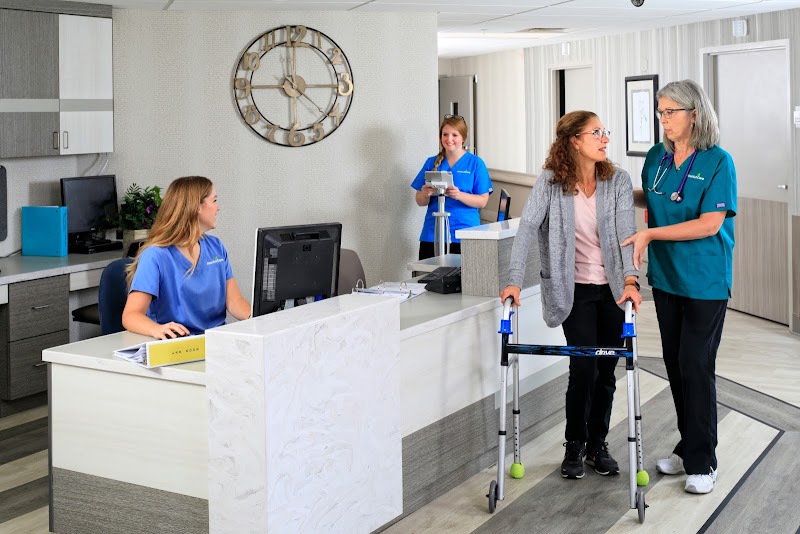
Who Owns and Operates Absolut Ctr For Nursing & Rehab Aurora Park L L C?

ABSOLUT CTR FOR NURSING & REHAB AURORA PARK L L C is owned by a for-profit company. For-profit facilities operate as businesses with obligations to shareholders or private owners. The facility is operated by ABSOLUT CARE, a chain that manages multiple nursing homes. With 320 certified beds and approximately 196 residents (about 61% occupancy), it is a large facility located in EAST AURORA, New York.

How Does Absolut Ctr For Nursing & Rehab Aurora Park L L C Compare to Other New York Nursing Homes?

Compared to the 100 nursing homes in New York, ABSOLUT CTR FOR NURSING & REHAB AURORA PARK L L C's overall rating (3 stars) is below the state average of 3.1, staff turnover (38%) is near the state average of 46%, and health inspection rating (3 stars) is at the national benchmark.

What Should Families Ask When Visiting Absolut Ctr For Nursing & Rehab Aurora Park L L C?

Based on this facility's data, families visiting should ask: "Can I visit during a mealtime to observe dining assistance and food quality?" "How do you handle medical emergencies, and what is your hospital transfer rate?" "Can I speak with family members of current residents about their experience?"

Is Absolut Ctr For Nursing & Rehab Aurora Park L L C Safe?

Based on CMS inspection data, ABSOLUT CTR FOR NURSING & REHAB AURORA PARK L L C has a clean safety record: no substantiated abuse findings (meaning no confirmed cases of resident harm), no Immediate Jeopardy citations (the most serious violation level indicating risk of serious injury or death), and is not on the Special Focus Facility watch list (a federal program monitoring the lowest-performing 1% of nursing homes). The facility has a 3-star overall rating and ranks #100 of 100 nursing homes in New York. While no facility is perfect, families should still ask about staff-to-resident ratios and recent inspection results during their visit.

Do Nurses at Absolut Ctr For Nursing & Rehab Aurora Park L L C Stick Around?

ABSOLUT CTR FOR NURSING & REHAB AURORA PARK L L C has a staff turnover rate of 38%, which is about average for New York nursing homes (state average: 46%). Moderate turnover is common in nursing homes, but families should still ask about staff tenure and how the facility maintains care continuity when employees leave.

Was Absolut Ctr For Nursing & Rehab Aurora Park L L C Ever Fined?

ABSOLUT CTR FOR NURSING & REHAB AURORA PARK L L C has no federal fines on record. CMS issues fines when nursing homes fail to meet care standards or don't correct problems found during inspections. The absence of fines suggests the facility has either maintained compliance or corrected any issues before penalties were assessed. This is a positive indicator, though families should still review recent inspection reports for the full picture.

Is Absolut Ctr For Nursing & Rehab Aurora Park L L C on Any Federal Watch List?

ABSOLUT CTR FOR NURSING & REHAB AURORA PARK L L C is not on any federal watch list. The most significant is the Special Focus Facility (SFF) program, which identifies the bottom 1% of nursing homes nationally based on persistent, serious quality problems. Not being on this list means the facility has avoided the pattern of deficiencies that triggers enhanced federal oversight. This is a positive indicator, though families should still review the facility's inspection history directly.