ELMHURST CARE CENTER INC
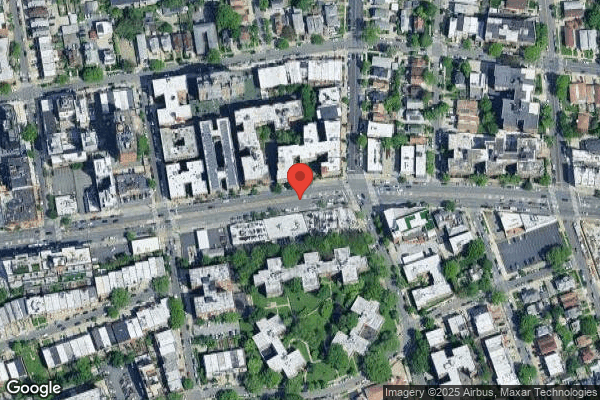

100 17 23RD AVENUE, EAST ELMHURST, NY 11369 (718) 205-8100
For profit - Corporation 240 Beds Independent Data: November 2025
Trust Grade
75/100
#166 of 594 in NY
Last Inspection: July 2024

Within standard 12-15 month inspection cycle. Federal law requires annual inspections.

Overview

Elmhurst Care Center Inc has a Trust Grade of B, indicating it is a good option for families considering nursing homes, though not the best available. Ranking #166 out of 594 in New York places it in the top half of facilities in the state, and it is #16 out of 57 in Queens County, meaning there are only a few better local options. However, the facility is experiencing a concerning trend, worsening from 5 issues in 2022 to 6 in 2024, which raises flags about ongoing compliance. Staffing is rated average with a 3/5 star rating, and a turnover rate of 30% is below the state average, suggesting that many staff members remain, but there are reports of short staffing, particularly on weekends. Notably, there were no fines on record, which is a positive sign. On the downside, there are specific concerns highlighted by inspectors, including inadequate housekeeping and maintenance, such as stained furniture and dirty dining areas. Additionally, several staff reported a lack of sufficient nursing staff, which could impact the care residents receive. Lastly, the facility failed to post nurse staffing information in a visible location, limiting residents' and families' ability to stay informed about available care. Overall, while there are strengths in staffing retention and no fines, the rising number of issues and maintenance concerns should be carefully considered by families.

Trust Score
B
75/100
In New York
#166/594
Top 27%
Safety Record
Low Risk
No red flags
Inspections
Getting Worse
5 → 6 violations
Staff Stability
○ Average
30% turnover. Near New York's 48% average. Typical for the industry.
Penalties
✓ Good
No fines on record. Clean compliance history, better than most New York facilities.
Skilled Nurses
○ Average
Each resident gets 31 minutes of Registered Nurse (RN) attention daily — about average for New York. RNs are the most trained staff who monitor for health changes.
Violations
⚠ Watch
14 deficiencies on record. Higher than average. Multiple issues found across inspections.
★★★★☆
4.0
Overall Rating
★★★☆☆
3.0
Staff Levels
★★★★☆
4.0
Care Quality
★★★★☆
4.0
Inspection Score
Stable
2022: 5 issues
2024: 6 issues

The Good

  • 4-Star Quality Measures · Strong clinical quality outcomes
  • Full Sprinkler Coverage · Fire safety systems throughout facility
  • No fines on record
  • Staff turnover below average (30%)

    18 points below New York average of 48%

Facility shows strength in quality measures, fire safety.

The Bad

Staff Turnover: 30%

15pts below New York avg (46%)

Typical for the industry

The Ugly 14 deficiencies on record

Jul 2024 6 deficiencies
CONCERN (D)

Potential for Harm - no one hurt, but risky conditions existed

Resident Rights (Tag F0550)

Could have caused harm · This affected 1 resident

**NOTE- TERMS IN BRACKETS HAVE BEEN EDITED TO PROTECT CONFIDENTIALITY** Based on observation, record review, and interview during the re-certification survey, the facility did not ensure that each res...

Read full inspector narrative →
**NOTE- TERMS IN BRACKETS HAVE BEEN EDITED TO PROTECT CONFIDENTIALITY** Based on observation, record review, and interview during the re-certification survey, the facility did not ensure that each resident was treated with dignity and cared for in a manner that promotes maintenance or enhancement of his or her quality of life. Specifically, the physical therapist assistant was observed holding up the residents oversized red sweat pants during floor ambulation. This was evident for one (1) of one (1) resident reviewed for Dignity (Resident #10). The finding is: The facility policy reviewed April 2024, titled, Dignity: Quality of Life, documented, Encouraging and assisting residents to dress in their own clothes (according to season and appropriately fitting). Resident #10 was admitted on [DATE] and re-admitted on [DATE] with diagnoses which included, but not limited to Major Depressive Disorder, Dementia and Schizophrenia. The Quarterly Minimum Data Set 3.0 (MDS), Assessment Reference Date (ARD) 03/21/2024, documented that the resident had clear speech and was usually understood and usually understands. The resident had a brief interview mental status score of 14 out of 15, indicating good cognitive status. No rejection of care behaviors were identified. The resident required supervision to limited staff assistance for activities of daily living needs. Review of Resident #10 Comprehensive Resident Centered Care Plan for Activities of Daily Living dated 10/01/24, documented promote privacy, dignity and respect. On 06/26/24 at 10:35 AM, Resident #10 was observed ambulating on the unit corridor with the physical therapist assistant at their side and holding onto the waist of the residents red sweat pants. The physical therapist ambulated the resident into their room and was heard saying out loud, these pants are too big and they fall down. On 06/27/24 at 9:47 AM Resident #10 was observed sitting in the dining room during breakfast, in a wheelchair wearing the same over sized red sweat pants. On 06/27/24 at 11:02 AM Resident #10 was observed together with the same physical therapist assistant, ambulating on the unit corridor. The physical therapist assistant was observed holding up their red sweat pants by the waist. On 07/01/24 at 11:50AM Resident #10 was observed with the same physical therapist assistant, during floor ambulation. The physical therapist assistant was walking beside the resident. The resident was wearing proper fitting jean shorts that were just above the knee and a dark print shirt. The physical therapist assistant was not holding onto the waist of the pants. On 07/01/24 at 11:53 AM the physical therapist assistant # 6 was interviewed and stated that the they grabbed onto the waist of Resident #10's pants during the floor ambulation to prevent the pants from falling down. I should have reported this to the nurse as this is about his dignity and has the potential of causing the resident to trip and fall. On 07/01/24 at 12:22 PM the assigned Certified Nurse Aide # 3 was interviewed and stated the following: When I come in the morning the resident is sometimes wearing the same clothing they wore the day before or sometimes wearing no clothing. I ask them what clothing they would like to wear. If there is a need for clothing we let the Social Worker know. Sometimes the resident refuses to change their clothing. I know those pants are big and I should have spoken to the nurse about this. The resident does have clothing in their closet. Wearing oversized clothing is an embarrassment and the resident can trip over their pants. I have been inserviced on how to provide quality of care to the residents. Residents should be presentable, well groomed and wear proper fitting clothing. On 07/01/24 at 12:40 PM Registered Nurse #1 was interviewed and stated, that their daily routine upon the start of their shift is to check the units acuity and unit staffing levels. To ensure that residents are being cared for I make daily rounds and I speak with residents about their care and needs. I look to ensure that residents are clean and safe. If any resident needs clothing the staff would let us know and we can notify the family. We also have donated clothing to offer those residents who need clothing. On 07/01/24 at 01:14 PM the Director of Nursing was interviewed and stated that staff are educated and re- educated on reporting lack of clothing concerns to the unit nurse and the nurse will notify the social worker, and notify families if there is a need for clothing. We have donated clothing located in the basement. Residents should be appropriately dressed and if the resident refuses or insists on wearing inappropriate clothing, they need to be notifying the unit supervisor. The unit supervisor could also involve the unit social worker. This is an interdisciplinary approach which always works best for all involved. 415.5(a)
CONCERN (D)

Potential for Harm - no one hurt, but risky conditions existed

Comprehensive Care Plan (Tag F0656)

Could have caused harm · This affected 1 resident

**NOTE- TERMS IN BRACKETS HAVE BEEN EDITED TO PROTECT CONFIDENTIALITY** Based on observations, interviews, and record reviews conducted during the Recertification Survey, the facility did not ensure t...

Read full inspector narrative →
**NOTE- TERMS IN BRACKETS HAVE BEEN EDITED TO PROTECT CONFIDENTIALITY** Based on observations, interviews, and record reviews conducted during the Recertification Survey, the facility did not ensure that a comprehensive person-centered care plan was developed and implemented for each resident. This was evident for 1 (Resident # 134) of 38 sampled residents. Specifically, ) Resident #134 had no care plan in place for antibiotic therapy. The findings are: The facility policy and procedure titled Comprehensive Care Planning, with the last revised date of March 2024, documented that the registered nurse coordinator is responsible for seeing that the comprehensive care plan correlates with the care area assessment. The care plan must be kept current, and problems well stated. Resident #134 was admitted to the facility with diagnoses that include Respiratory Failure and Hypertension. The Quarterly Minimum Data Set assessment dated [DATE] documented Resident #134's cognition as severely impaired with a Brief Interview for Mental Status score of 6. A Physician Order dated 06/24/2024 documented the application of Erythromycin 5 mg/gram (0.5 %) eye ointment 1 centimeter by ophthalmic (eye) route 3 times per day for 7 days for Hordeolum Extermum left upper eyelid. A review of the Medication Administration Record dated 6/26/2024 to 07/02/2024 documented that Erythromycin eye ointment was administered to Resident #134. A review of Resident #134's medical records revealed no documented evidence that a comprehensive care plan with interventions for Resident #134's antibiotic therapy was initiated and implemented. On 07/02/2024 at 11:15 AM, Registered Nurse #6 was interviewed and stated that Resident #134 is on Erythromycin eye ointment for swelling of the left eyelid; it was started on 06/26/2024 for seven days. I do not see an antibiotic care plan for the resident. Usually, once we place an order for antibiotics, we put in a care plan. The nurse who enters the order creates the care plan. On 07/02/2024 at 3:18 PM, the Director of Nursing was interviewed and stated that there was no care plan for the antibiotic use. Resident #134 is receiving erythromycin eye ointment for redness and swelling in the eye. Whoever picked up the order should have initiated the care plan. Every medication needs a care plan. There should have been a care plan in place for the antibiotic use. 415.11 (c) (1)
CONCERN (E)

Potential for Harm - no one hurt, but risky conditions existed

Safe Environment (Tag F0584)

Could have caused harm · This affected multiple residents

**NOTE- TERMS IN BRACKETS HAVE BEEN EDITED TO PROTECT CONFIDENTIALITY** Based on observation and interview during the Recertification survey, the facility did not ensure that housekeeping and maintena...

Read full inspector narrative →
**NOTE- TERMS IN BRACKETS HAVE BEEN EDITED TO PROTECT CONFIDENTIALITY** Based on observation and interview during the Recertification survey, the facility did not ensure that housekeeping and maintenance services were maintained. Specifically: 1) Seating furniture in resident room and in the common area were stained, soiled and faded. 2) Holes in the ceiling and walls in the staff bathroom and clean linen closet. 3) Dining room tables were wobbly. 4) Dining room walls and ceiling with dried food particles and stains. 5) Missing window panels. 6) Mechanical lifts, scales layered with accumulation of dust and dirt. 7) Wheelchairs with torn armrest and torn back sides. 8) Window blinds missing vertical panels. This was evident for three (3) of (6) six resident units. (units 4, 5 and 6). The findings are: The following was observed during the initial unit observations and subsequent dates on 06/26/24 at 10:37 AM on the 4th floor and on 06/27/19 at at 7:18 AM on the 5th fl and 06/28/24 at 8:01 AM on the 6th floor. 4th floor unit: Resident scale layered with dirt and stains which was located in the medication cart room. The armrest and back sides of wheelchairs were cracked and torn. Common area seating furniture with faded fabric, seating stained and soiled. Wooden frame heavily worn. The dining room area: walls and ceiling noted with dried food particles and stains. 5th floor unit: room [ROOM NUMBER] bathroom with large brownish ceiling tile stain room [ROOM NUMBER] b with torn right arm rest room [ROOM NUMBER] bathroom door largely chipped and cracked. 5th floor base of mechanical lift layered with dust and dirt. 6th floor unit: Clean linen closet observed with large ceiling opening exposing inner pipes. Corridor moldings layered with accumulation of dirt and dust. Resident scale layered with dirt and dust in the medication cart room. Staff bathroom with large holes in the ceiling, and walls above and below the sink. room [ROOM NUMBER] a bed frame layered with accumulation of dirt and dust and encrusted food particles. room [ROOM NUMBER] b missing window shade panels Dining room: wobbly dining tables Corridor moldings layered with accumulation of dust and dirt Clean linen cart covers with torn and tattered mesh. On 07/03/24 at 09:28 AM housekeeper # 1 was interviewed and stated that they perform routine housekeeping chores for the safety and cleanliness of all residents and staff. If there is an issue that needs repair we communicate in person to our supervisor and a maintenance log book is located on each unit. On 07/03/24 at 10:05 AM the Director of Maintenance was interviewed and stated that they are covering for the Director of Operations today. The Maintenance Director stated I am responsible for ensuring that the residents physical environment is safe functional and in good condition and good repair. The Director of Operations makes daily early morning rounds. We have another staff from housekeeping who comes in early who makes early morning rounds to ensure environmental safety and cleanliness. I have a maintenance log book located on each unit for reporting issues. There is a staff who checks the maintenance log book daily to ensure that issues are addressed. Six to eight wheelchairs are powered washed nightly by the night housekeeping staff. The cleaning of hoyer lifts and scales are the responsibility of housekeeping and need to be cleaned and maintained. 415.5(h)(4)
CONCERN (E) 📢 Someone Reported This

A family member, employee, or ombudsman was alarmed enough to file a formal complaint

Potential for Harm - no one hurt, but risky conditions existed

Deficiency F0725 (Tag F0725)

Could have caused harm · This affected multiple residents

**NOTE- TERMS IN BRACKETS HAVE BEEN EDITED TO PROTECT CONFIDENTIALITY** Based on record review and interviews conducted during the Recertification and Abbreviated survey (NY00342009) from 6/26/24 to 7...

Read full inspector narrative →
**NOTE- TERMS IN BRACKETS HAVE BEEN EDITED TO PROTECT CONFIDENTIALITY** Based on record review and interviews conducted during the Recertification and Abbreviated survey (NY00342009) from 6/26/24 to 7/03/24, the facility did not ensure that there was sufficient nursing staff to attain or maintain the highest practicable physical, mental, and psychosocial well-being of each resident. Specifically, 1) the facility reported short staffing on weekends confirmed by a review of the Daily Staffing and the Payroll Based Journal (PBJ) Staffing Data Report, and 2) multiple nursing staff members reported a lack of sufficient staffing. The findings include but are not limited to: The Facility Staffing policy reviewed March 2024 documented it is the policy of this facility to provide sufficient staffing to meet the needs of all residents. The Facility Assessment tool dated 11/28/23 did not provide a staff to resident ratio for comparison and did not provide the number of staff required to work on each of the units. The New York State Department of Health Intake #NY00342009 dated 5/13/2024 documented that hotline call from Certified Nurse Assistant #4 who claims staffing on the night shift is the worst. Management has cut staff down to 2 Certified Nurse Assistants to 40 residents but that it is always 1 Certified Nurse Assistant to 40 residents as someone will call out sick. Certified Nurse Assistant #4 also claimed this is causing residents to not be changed for many hours. The PBJ Staffing Data Report dated Fiscal Year (FY) Quarter 2 2024 (January 1- March 31) documented the facility triggered for the metric of excessively low weekend staffing. A review of Daily Staffing sheets from 5/01/24 to 6/16/24 revealed there were documented call outs or no shows on Sunday 5/05/24, Sunday 5/12/24, Monday 5/13/24, Sunday 6/02/24, Friday 6/14/24, Saturday 6/15/24, and Sunday 6/16/24 resulting in 1 Certified Nurse Assistant working on a 40-bed unit. Resident #176 has a diagnosis of Bipolar disorder, Schizophrenia, and Chronic kidney disease. Minimum Data Set, dated [DATE] documents resident #176 has intact cognition and needs extensive to total assistance of staff to complete Activities of Daily Living (ADL). On 7/03/24 at 11:03 AM Resident #176 was interviewed and stated weekends are horrible. The aides come eventually, and their incontinent brief is changed only once on over night shift. Resident #176 further stated they have to wait a long time to be changed lately. On 6/27/2024 at 4:10 PM, the Certified Nurse Assistant #4 was interviewed and stated if a Certified Nurse Assistant calls out, there is not much backup. There should be sufficient Certified Nurse Assistants scheduled on each floor in case there is a call out. In the past the facility used to schedule 3 Certified Nurse Assistants for a census of 40 residents then they cut back to only 2 Certified Nurse Assistants. So, when there is a call out, that leaves the floor with only one Certified Nurse Assistant and the Certified Nurse Assistant is instructed to only care for residents on one side of the unit. Certified Nurse Assistant #4 further stated the nurse on the unit does not help and many residents require 2 persons assist as well. On 7/2/24 at 9:06 AM the Certified Nurse Assistant #7 was interviewed and stated they worked one time by themself on the overnight shift because the aide who was scheduled to work with them did not show up. The Certified Nurse Assistant stated they started early and tried their best and was only able to change the incontinent residents one time during the night shift. The Certified Nurse Assistant further stated they worked as a team that night with the nurse on the unit. On 7/2/24 at 9:12 AM the Licensed Practical Nurse #1 was interviewed and stated they work nights and when there is a call out, they help the Certified Nurse Assistant with residents who need 2 assists. On 7/2/24 at 2:51 PM the Staffing Coordinator was interviewed and stated the Administrator's staffing goals are 5 Certified Nurse Assistants on the day shift, 4 Certified Nurse Assistants on the evening shift, and 3 Certified Nurse Assistants on the night shift. The Staffing Coordinator also stated they try to meet those goals as much as they can but are only able to staff 2 Certified Nurse Assistants on nights and sometimes 3. The Staffing Coordinator stated the problem is there are many call outs and no shows. The Staffing Coordinator further stated they are using incentives, agencies, and job sites to try and reach their goals. On 7/03/24 at 9:23 AM the Director of Nursing was interviewed and stated we schedule the appropriate amount of Certified Nurse Assistants, and some end up calling out or not showing up. When there is one Certified Nurse Assistant on the floor on the 11:00 PM to 7:00 AM shift, the nurse will help the Certified Nurse Assistant and together they can manage. Technically their Par level is 5 Certified Nurse Assistants on the day shift, 4 on the evening shift, and 3 on the night shift. The Director of Nursing stated they offer incentives to fill a call out such as they will give a 4-hour bonus for an 8-hour shift or if the aide can work 9:00 AM-3:00 PM, they will pay them an extra 2 hours. In addition, they will pay for an Uber to replace a call out quickly. The Director of Nursing further stated they also call agencies to inquire if any on-call Certified Nurse Aides are available. On 7/03/24 at 1:05 PM The Administrator was interviewed and stated the callouts are still shocking. Most of the time it's the newer employees. The Administrator stated many times, they have good staffing on the schedule but then the callouts occur. Sometimes there are 6 callouts on a weekend. The disciplinary situation is hard because if they discipline, they have no one to cover them. The Administrator stated it is a constant struggle to schedule the 5, 4, 3 PAR levels and they would also like to schedule an extra 3 Certified Nurse Assistants for callouts. The Administrator stated one Certified Nurse Assistant on nights is unacceptable. The Administrator further stated inhouse and agency salaries have been raised and they will keep hiring and they also give extra pay for weekends, for both in house and agency. 415.13(a)(1) (i-iii)
CONCERN (E) 📢 Someone Reported This

A family member, employee, or ombudsman was alarmed enough to file a formal complaint

Potential for Harm - no one hurt, but risky conditions existed

Staffing Information (Tag F0732)

Could have caused harm · This affected multiple residents

Based on observations and interviews conducted during the Recertification Survey from 06/26/2024 to 07/03/2024, the facility did not ensure that the nurse staffing information was posted appropriately...

Read full inspector narrative →
Based on observations and interviews conducted during the Recertification Survey from 06/26/2024 to 07/03/2024, the facility did not ensure that the nurse staffing information was posted appropriately. Specifically, the posting of daily nurse staffing information was not posted in a prominent area which was readily accessible to residents and visitors. The findings are: The facility policy and procedure titled Staff Posting Policy reviewed March 2024 documented the daily nursing patterns will be posted daily and updated by shifts in front of the nursing supervisor's office to ensure prominent placement to allow accessibility to all residents and visitors of the facility. During observations conducted on 06/26/2024, 06/27/2024, 06/28/2024, 07/01/2024, and 07/02/2024, the State Surveyor was unable to locate the postings of the daily nurse staffing levels for each shift or any signage instructing residents or visitors where it was located. On 07/02/2024 at 2:50 PM, the State Surveyor asked the Staffing Coordinator where the staffing information was located and was shown the posting located in the Subcellar level hallway posted on a staff bulletin board near the nursing supervisor's office. This area was not readily accessible to residents or visitors. On 07/02/2024 at 2:51 PM, the Staffing Coordinator was interviewed and stated the Registered Nurse Supervisors are responsible to post the staffing on the bulletin board 15 minutes before the shift starts. The Staffing Coordinator stated Staffing used to be posted in a common area in the lobby on the cellar level, but that area is under construction. The Staffing Coordinator further stated there is no staff postings posted in the temporary main entrance. On 07/03/2024 at 9:23 AM The Director of Nursing was interviewed and stated we previously posted the staff posting in the main entrance area but due to construction we had to move it. The Director of Nursing stated they do not post the staffing in the temporary entrance area where security is situated because of the Health Insurance Portability and Accountability Act. The Director of Nursing further stated they will read the regulations on staff postings. 10 NYCRR 415.13
MINOR (C)

Minor Issue - procedural, no safety impact

Deficiency F0577 (Tag F0577)

Minor procedural issue · This affected most or all residents

Based on observations, record review, and interviews conducted during the Recertification Survey from 06/26/2024 to 07/03/2024, the facility did not ensure that the survey results were posted in a pla...

Read full inspector narrative →
Based on observations, record review, and interviews conducted during the Recertification Survey from 06/26/2024 to 07/03/2024, the facility did not ensure that the survey results were posted in a place readily accessible to residents, and family members or legal representatives of residents. Specifically, the survey results were located on top of high shelf in the lobby with no signage in the area and was not readily accessible to residents. The finding is: The facility policy and procedure titled Residents' Rights with a last revision date of 03/2024 documented that residents has the right to examine the results of the most recent survey of the facility conducted by Federal or State surveyors and any plan of correction in effect with respect to the facility. During multiple observations between 06/26/2024 to 06/28/2024 of prominent areas and resident units in the facility, the survey results or information about the whereabouts of the survey results could not be located. On 06/28/2024 at 11:46 AM, the facility security staff showed the Surveyor that the binder for survey results was in the lobby on a high shelf, residents on wheelchair would not be able to access and reach for the survey results. There was no signage in the area indicating where the survey results were. During the Resident Council meeting on 06/28/2024, none of the residents who attended knew where to find the facility survey results. On 07/01/2024 at 12:05 PM, the Administrator was interviewed and stated that the survey result book was always available to the public. 10 NYCRR 415.3(1)(c)(1)(v)
Sept 2022 5 deficiencies
CONCERN (D)

Potential for Harm - no one hurt, but risky conditions existed

Deficiency F0557 (Tag F0557)

Could have caused harm · This affected 1 resident

**NOTE- TERMS IN BRACKETS HAVE BEEN EDITED TO PROTECT CONFIDENTIALITY** Based on observation and staff interviews conducted during the Recertification Survey from 9/19/22 to 9/27/22, the facility did ...

Read full inspector narrative →
**NOTE- TERMS IN BRACKETS HAVE BEEN EDITED TO PROTECT CONFIDENTIALITY** Based on observation and staff interviews conducted during the Recertification Survey from 9/19/22 to 9/27/22, the facility did not ensure that a resident was cared for in a manner that maintained or enhanced their dignity. Specifically, a resident's Foley catheter bag and tubing were not covered. This was evident for 1 of 2 residents reviewed for Dignity out of a sample of 38 residents. (Resident # 67) The findings are: The Facility's Policy titled 'Foley Catheter- Indwelling' reviewed April 2022, documented that it is the Policy of Elmhurst Care Center to prevent infection to those residents who has indwelling urinary catheters. Catheters will be cared and monitored as often as possible. The Policy also documented that indwelling Foley catheter drainage bag will be placed inside a cover/liner bag to prevent to prevent direct contact of the drainage bag in the floor that can cause infection. Resident # 67 was admitted with diagnoses which included Benign Prostatic Hyperplasia (BPH) and Prostate Cancer. During multiple observations on 09/19/22 at 09:55 AM, 09/20/22 at 10:19 AM, 09/21/22 at 08:53 AM, 09/23/22 at 09:55 AM and 11:50 AM the resident was observed lying in bed. The resident's Foley catheter drainage bag and catheter tubing with amber urine draining into the bag, was exposed and visible from the hallway. The Quarterly Minimum Data Set (MDS) dated [DATE] documented that resident was severely impaired, required extensive assistance of one person for bed mobility, transfers, and toilet use, and had an indwelling catheter. The Comprehensive Care Plan (CCP) titled Foley Catheter, secondary to diagnoses of BPH, Prostate CA, was created on 8/11/22 and included interventions of monitor urine output every shift and change bedside drainage bag weekly and PRN. Physician's Orders dated 08/19/22 documented catheter change as needed, change bedside drainage bag every weekly. If using leg bag, out of bed, change bedside drainage bag daily. On 09/23/22 at 10:03 AM, Registered Nurse (RN)#1 was interviewed and stated that Resident #67 sometimes stays in bed and that the Foley bag should be covered since the door is open and the resident is exposed. RN #1 also stated that they do provide privacy bags for the residents with Foley bags and that Resident #67 should have had a privacy bag. On 09/23/22 at 11:49 AM, CNA#1 who was assigned to Resident #67 was interviewed. CNA #1 stated that when the residents are in the wheelchair, the foley bags are usually covered in the resident's clothing and residents should have a privacy bag for the Foley bag, even when they are in the bed. CNA #1 also stated that he/she was not told that Resident #67 should have a privacy bag. On 09/23/22 at 11:55 AM, the Assistant Director of Nursing (ADON) was interviewed and stated that residents with Foley Catheters, need to have a privacy bag, be it in the bed or the chair. The ADON also stated that staff is aware that residents use the privacy bags. ADON observed Resident # 67 without the Foley privacy bag and said that they should have had one at the bedside. 415.5 (a)
CONCERN (D)

Potential for Harm - no one hurt, but risky conditions existed

Assessment Accuracy (Tag F0641)

Could have caused harm · This affected 1 resident

Based on record review and staff interview conducted during a Recertification survey from 9/19/22 to 9/27/22, the facility did not ensure that each portion of the MDS assessment accurately reflect the...

Read full inspector narrative →
Based on record review and staff interview conducted during a Recertification survey from 9/19/22 to 9/27/22, the facility did not ensure that each portion of the MDS assessment accurately reflect the resident's status. Specifically, the most recent MDS did not accurately document that the resident had a diagnosis of Psychosis as documented in the psychiatric consultant notes and physician's orders. This was evident for 1 of 6 residents investigated for Unnecessary Medication out of 38 sampled residents. (Resident # 198). The findings are: The Center for Medicare and Medicaid Services Long-Term Facility Resident Assessment Instrument 3.0 User's Manual Version 1.17.1 dated October 2019 documented check the following information sources in the medical record for the last 7 days to identify active diagnoses: transfer documents, physician progress notes, recent history and physical, recent discharge summaries, nursing assessments, nursing care plans, medication sheets, doctor's orders, consults and official diagnostic reports, and other sources as available. 1.Resident #198 was admitted to the facility with diagnoses that included Non-Alzheimer's Dementia, and Depression. The Physician's order dated 7/03/22, last renewed 8/31/22 documented the following: Risperidone 0.5mg 1 tablet by mouth at daily bedtime for diagnosis of Psychotic Disorder. The Psychiatry consult dated 11/21/21 documented that the resident was on Psychotropics: Risperdal 0.5 mg 1 tablet daily for diagnosis of Psychotic Disorder. The most recent Psychiatry consult dated 06/05/22 documented that the resident was on Psychotropics: Risperdal 0.5 mg 1 tablet daily for diagnosis of Psychotic Disorder. The MDS did not accurately document the resident had a diagnosis of Psychotic Disorder during the assessment period. On 09/22/22 at10:53 AM, an interview was conducted with the MDS Assessor (MDSA) who is also the Director of MDS. The MDSA stated that they are the only person completing MDS assessments. The MDSA also stated that when completing the MDS they look at the physician notes and physician orders, speak with nurse, aides, Rehab, dietary and all disciplines in order to conduct to complete the MDS. The MDSA further stated that even if the physician order documents the diagnosis and the physician note did not indicate the diagnosis, they are not required to code it on the MDS as stated by the RAI manual. 415.11 (b)
CONCERN (D)

Potential for Harm - no one hurt, but risky conditions existed

Comprehensive Care Plan (Tag F0656)

Could have caused harm · This affected 1 resident

Based on interviews and record review conducted during the Recertification survey from 9/19/22 to 9/27/22, the facility did not ensure that a Comprehensive Care Plan (CCP) that includes measurable obj...

Read full inspector narrative →
Based on interviews and record review conducted during the Recertification survey from 9/19/22 to 9/27/22, the facility did not ensure that a Comprehensive Care Plan (CCP) that includes measurable objectives and timeframes to meet a resident's medical, nursing, and mental and psychosocial needs that are identified in the comprehensive assessment was developed. Specifically, a care plan was not developed to address a resident's pacemaker. This was evident for 1 of 6 residents reviewed for Unnecessary Medications out of sample of 38 residents (Resident #162). The finding is: The policy and procedure titled Comprehensive Care Planning reviewed April 2022 documented all long-term care residents will be reviewed, as necessary, and at intervals not to exceed 90 residents day. At these quarterly meetings (or subsequent review) the responses to the current plan of care and the establishment of new goals and treatment plans are executed. Resident # 162 was admitted to the facility with diagnoses that included Rheumatoid Arthritis, Coronary Artery Disease - Status Post (S/P) Pacemaker Insertion, Heart Failure, Hypertension and Alzheimer's Disease. The Minimum Data Set 3.0 dated 08/14/2022 assessment identified the resident's cognition as severely impaired with Brief Interview for Mental Status score of 3 (BIMS). On Activities of Daily Living (ADLS), needing assistance with 1 person assist in most care and 2 person assist with use of mechanical lift on transfers. Physician's order initiated 5/25/21 renewed 09/19/2022 documented Pacemaker check every 3 months. Review of the Comprehensive Care Plan (CCP) on Cardiac Dysfunction dated 05/08/2021 documented resident at risk for Cardiovascular dysfunction secondary to: ASHD /Hyperlipidemia contained interventions which included administer medication as per Medical Doctor(MD) order, Cardiology or Neurology consult if ordered, diet as per MD order, EKG as per MD order, monitor for signs and symptoms of Cardiovascular dysfunction such as chest pain, edema, fatigue, palpitation, bradycardia, tachycardia, dyspnea, change in mental status, elevated B/P, Report to MD promptly, monitor labs, report abnormal to MD promptly, monitor pulse rate, inform MD if below 60 or above 100. The CCP contained no rationale, goals, or interventions to address the resident's use of a pacemaker. Review of the nurses notes from 06/01/2022 to 09/22/2022 reveals no documentation on the presence of a pacemaker. On 09/23/2022 at 12:00 PM, the Licensed Practical Nurse (LPN) #1 was interviewed about the resident's pacemaker site. Surveyor accompanied LPN #1 to observe Resident #62 and observed that the pacemaker is located on the resident's left lower clavicle area. LPN #1 stated that they had worked on the unit for the past two months and was not aware of the presence of a pacemaker for this resident. LPN #1 also stated that care plans are initiated by the Registered Nursing Supervisor. On 09/23/2022 at 3:00 PM, the Assistant Nursing Director (ADON) was interviewed and stated that it is the Nursing Supervisor who initiates and updates care plans. The ADON reviewed the medical record and stated that the care plan for pacemaker may have been overlooked or dropped off when a CCP update was done. 415.11 (c)(1)
CONCERN (D)

Potential for Harm - no one hurt, but risky conditions existed

Deficiency F0688 (Tag F0688)

Could have caused harm · This affected 1 resident

**NOTE- TERMS IN BRACKETS HAVE BEEN EDITED TO PROTECT CONFIDENTIALITY** Based on observations, record review, and staff interviews during the Recertification survey from 9/19/2022 to 9/27/2022, the fa...

Read full inspector narrative →
**NOTE- TERMS IN BRACKETS HAVE BEEN EDITED TO PROTECT CONFIDENTIALITY** Based on observations, record review, and staff interviews during the Recertification survey from 9/19/2022 to 9/27/2022, the facility did not ensure a resident with limited range of motion (ROM) and mobility received appropriate treatment and services to increase range of motion and or to prevent further decrease in range of motion. Specifically, a left ankle foot orthosis (AFO) and a left wrist hand and finger orthotic device were not provided to the resident as per physician order. This was evident in 1 of 4 residents reviewed for Position, Mobility and 1 of 6 residents reviewed for Activities of Daily Living out of 34 sampled residents. (Resident #3 and #74). The finding is: The facility policy titled Assistive/Adaptive Devices revised 4/2022 documented the following: It is the policy of Elmhurst Care Center to provide assistive/adaptive devices for residents who presents with decreased motor functioning that impairs the ability to use their extremities. Staff will make sure that applications of devices are carried out daily as per PT/OT recommendations. Resident #3 was admitted to the facility with diagnoses which include Type 2 Diabetes Mellitus, Peripheral Vascular Disease, and Cerebral Infarction. The Minimum Data Set (MDS) assessment dated [DATE] documented Resident #3 had mildly impaired cognition and required limited to extensive assistance of one person for Activities of Daily Living (ADL) and had impairments on one side of upper and lower extremities. In addition, resident used a pressure reducing device for chair and bed. On 9/19/2022 at 11:45AM the resident was observed in their room sitting in a wheelchair. There was no device placed on resident's left ankle or foot. Resident stated device was left on the other unit where resident transferred from over 3 weeks ago. On 9/19/2022 at 3:00PM, the resident was observed sitting in wheelchair in bedroom. No Ankle Foot Orthosis (AFO) device observed on the resident's left ankle. On 9/23/2022 at 12:20PM, the resident was observed in the dining room sitting in their wheelchair. No AFO device observed in place on the resident's left ankle. Physical Therapy (PT) Evaluation and Plan of Treatment certification dated 3/26/2022 - 6/23/2022 documented resident referred to skilled PT due to noted muscle weakness and decline in function. Skilled PT services indicated to return to prior level of functioning (PLOF) which included but not limited to minimum assist on level surfaces with left AFO. Physician's Order dated 10/14/2017 and renewed 9/02/2022 documented the following: (L) AFO to be worn out of bed (OOB). Remove for skin check and hygiene. Active Certified Nursing Assistant (CNA) instructions documented left AFO to be worn OOB. Remove for skin check and hygiene. There is no documented evidence in Progress Notes or Care Plans that resident was noncompliant with left AFO device. On 9/27/22 at 10:33AM. Interview was held with Physical Therapist (PT). PT stated Resident #3 is noncompliant and refused aide to put on AFO. We changed AFO order on 9/23/22 because resident was placed on therapy program. We have AFO downstairs in PT room now and rehab therapist applies device with DARCO shoe when resident ambulates in rehab. After PT treatment is finished, resident will be placed on ambulation program. The PT will inservice aide that is assigned on applying AFO. Order will be documented in Sigma and also reflected on resident's care plan. On 9/27/22 at 11:47AM the Licensed Practical Nurse (LPN #1) was interviewed and stated, I have worked here for about 2 months. I never knew Resident #3 had a left AFO order in place. The AFO is not documented in CNA instructions. I just went to resident's room to look for the device and the resident told me that the device was left on another unit where they transferred from. On 9/27/22 at 11:0 AM Certified Nursing Aide (CNA #4) was interviewed and stated this is the first time I heard about this device. There are no instructions in the CNA care plan for Resident #3 to have an AFO applied. Usually if a resident needs a device, the nurse instructs the aides on how to apply. On 9/27/22 at 11:22 AM the Registered Nurse (RN #2) was interviewed and stated, If a resident needs a device, we document this in the CNA Assignment. The CNA then documents the device in their own documentation section in SIGMA. The charge nurse is responsible to make rounds to ensure that resident's devices were applied. Devices are also documented in in the ADL and PT care plans. CNAs are required to report any noncompliance and then the nursing supervisor documents noncompliance in the resident's care plan. On 9/27/22 at 12:2 PM the Director of Nursing Services (DNS) was interviewed and stated, We tried to look for the resident's AFO but couldn't find it. CNAs document under CNA care provided for adaptive devices. CNA's did not document that resident didn't have or refused device. The CNA's did not notify us. 2. Resident #74 is [AGE] year old admitted to the facility with diagnoses including : Hemiplegia/Hemiparesis , Seizure Disorder , Malnutrition ,Depression , Asthma , Chronic Obstructive Pulmonary Disease and Cerebral Palsy. The Minimum Data Set 3.0 dated 6/10/2022 identified the resident with score of 10 on the Brief Interview for Mental Status (BIMS). On Activities of Daily Living (ADLS) with limited assist with 1 person on transfer and bed mobility. On locomotion on and off unit with extensive assist with 1 person. Resident was observed several times during the recertification survey. On 09/21/22 at 10:28 AM, resident was observed during the initial tour seated in a wheelchair. Resident was not wearing pants and both lower extremities were exposed. There were no devices observed for either the hands or lower leg. On 9/23/2022 at 12;30PM the resident was seen with their upper body across the bed, legs dangling with no device observed on either their hands or lower extremity. Review of the Physician's Order on 9/14/2022 documented: Nursing rehabilitation as follows: Active Assist range of motion to bilateral upper extremities three times a day for 15 minutes , Out of Bed to Hi- back reclining wheelchair with antirust cushion and lateral support , left wrist hand and finger orthotic on for 4 hours and off for 4 hours daily and mechanical lift transfer x 2 persons assist. Review of the Comprehensive Care Plan (CCP) titled Range of Motion initiated on 11/18/2020 states Range of motion for upper and lower extremities to maintain joint mobility and to prevent tightness and contractures. The goal set: Perform active assist range of motion (AAROM) of upper exts for total of 15 mins daily x 30 days. The interventions listed are: Encourage resident to participate in ROM and praises for the accomplishment/Explain procedure/Move extremities slowly and gently/Never force movements/Perform ACTIVE/PASSIVE ROM per MD order. Perform on one joint at a time/Stop whenever there is any pain or if the resident shows any pain. On 09/27/2022 at 10:45AM, Certified Nursing Assistant assigned to the residnet was interviewed and stated The resident is assigned to me on and off for 2-3 months now and I know him. Re : devices used on him? CNA stated I cannot tell a lie because it was only recently they put that in my Certified Nursing Assistant Accountability Report (CNAAR) on what is to be done on him. He did not even have them on the bedsides. I think , they told me several days ago that the resident has to have those devices. Now that they are available I will use and apply them. On 09/27/2022 at 10:00 AM Licensed Practical Nurse (LPN) # 1 was interviewed and stated I am new here and only 2 months on the unit and still learning who amongst my residents has devices. There is no list that is available for residents with devices. On 09/27/2022 at 11:00AM the Registered Nursing Supervisor (RNS) was interviewed and stated There used to be a list given by the Rehabilitation Department of all residents who use assistive devices. On 09/27/2022 at 12:00PM the Director of Rehabilitation was interviewed and stated the department weekly gives the Nursing Department a list of all residents with devices and a copy was provided with the resident's name on it. 415.12(e)(2)
CONCERN (E)

Potential for Harm - no one hurt, but risky conditions existed

MDS Data Transmission (Tag F0640)

Could have caused harm · This affected multiple residents

**NOTE- TERMS IN BRACKETS HAVE BEEN EDITED TO PROTECT CONFIDENTIALITY** Based on record review and staff interview conducted during the Recertification survey from 9/19/22 to 9/27/22, the facility did...

Read full inspector narrative →
**NOTE- TERMS IN BRACKETS HAVE BEEN EDITED TO PROTECT CONFIDENTIALITY** Based on record review and staff interview conducted during the Recertification survey from 9/19/22 to 9/27/22, the facility did not ensure that the Minimum Data Set (MDS) 3.0 Assessments were electronically transmitted to the Centers of Medicare/Medicaid Services Data System (CMSDS) within 14 days of completion. Specifically, thirty two (32) Resident MDS Assessments triggered as being over 120 days old. This was evident for, but not limited to, Resident # 51; Resident #34; Resident #13; Resident #10; Resident #12; and Resident # 48. The findings are: The facility's undated Nursing Standards Policies & Procedures protocol Assessment Minimum Data Set 3.0, documented, the Centers for Medicare & Medicare Services has specified a resident assessment for use in nursing facilities called the Minimum Data Set (MDS) 3.0. The MDS 3.0 is used for conducting comprehensive resident assessment at defined timeframes. 1) Resident #51 was admitted on [DATE]. Per CMS Submission Report MDS 3.0 NH Final Validation Report, the target date for the Quarterly MDS was 08/15/2022. The Quarterly MDS was submitted on 9/21/22. The report also documented Record Submitted Late: the submission date is more than 14 days after. on this new Quarterly assessment. 2) Resident #34 was admitted on [DATE]. Per CMS Submission Report MDS 3.0 NH Final Validation Report, the target date for the Quarterly MDS was 08/16/2022. The Quarterly MDS was submitted on 9/20/2022. The report also documented Record Submitted late: the submission date is more than 14 days after on this new Quarterly assessment. 3) Resident #13 was admitted on [DATE]. Per CMS Submission Report MDS 3.0 NH Final Validation Report, the target date for Quarterly MDS was 07/19/2022. The Quarterly MDS was submitted on 09/20/2022. The report also documented Record Submitted Late: the submission date is more than 14 days after on this new assessment. 4) Resident #10 was admitted [DATE]. Per CMS Submission Report MDS 3.0 NH Final Validation Report target date for the Comprehensive MDS was 07/26/2022. The Comprehensive MDS was submitted 09/20/2022. The report also documented Record Submitted Late: the submission was submitted more than 14 days after for on this comprehensive assessment. 5) Resident #12 was admitted on [DATE]. Per CMS Submission Report MDS 3.0 NH Final Validation Report target date for Quarterly MDS was 07/17/2022. The Quarterly MDS was submitted on 09/21/2022. The report also documented Record Submitted Late: the submission date is more than 14 days after on this new assessment. 6) Resident #48 was admitted on [DATE]. Per CMS Submission Report MDS 3.0 NH Final Validation Report target date for the Quarterly MDS was 08/14/2022. The Quarterly MDS was submitted 09/21/2022. The report also documented Record Submitted Late: the submission date is more than 14 days after on this new assessment. On 09/23/22 at 9:19 AM, an interview was conducted with the MDS Coordinator (MDSC) who stated that the Minimum Data Set (MDS) is an assessment tool used to plan and implement a plan of care and services that a resident needs and is also used for reimbursement. The MDSC also stated there was a COVID outbreak in July 2022 that affected the submission of MDS assessments for 70 residents. The MDSC further stated that the issue was presented during the QA meetings and the Administrator stated that efforts were being made to hire another MDS assessor. On 09/23/22 at 11:44 AM, the Administrator was interviewed and stated that the second MDS Assessor Registered Nurse (RN), recently was hurt and had been unavailable to return to work. The Administrator also stated that they had hired a consultant to assist our MDS coordinator, and were exploring efforts to second assessor to work remotely until they can fully return to work. 415.11
Dec 2019 3 deficiencies
CONCERN (D)

Potential for Harm - no one hurt, but risky conditions existed

Deficiency F0658 (Tag F0658)

Could have caused harm · This affected 1 resident

**NOTE- TERMS IN BRACKETS HAVE BEEN EDITED TO PROTECT CONFIDENTIALITY** Based on observation, record review, and interview during the recertification survey, the facility did not ensure that services ...

Read full inspector narrative →
**NOTE- TERMS IN BRACKETS HAVE BEEN EDITED TO PROTECT CONFIDENTIALITY** Based on observation, record review, and interview during the recertification survey, the facility did not ensure that services provided, as outlined by the comprehensive care plan, met professional standards of quality. Specifically: (1) A resident with a Gastrostomy Tube (GT) and Nothing by Mouth (NPO) order was given water by mouth. (2) Insulin was not administered as ordered (Resident #200). This was evident for 2 of 38 sampled residents (Resident #221 and #200). The findings are: 1.) Resident # 221 was admitted with diagnoses that included: Dysphagia, Vascular Dementia, and Malignant Neoplasm of the Colon. The Quarterly Minimum Data Set (MDS) Assessment Reference Date 10/27/2019, documented the resident had severely impaired cognition. The MDS further documented the resident received tube feeding for nutrition and hydration. The Comprehensive Care Plan (CCP) for Tube feeding documented that, the resident requires tube feeding due to inability to intake nutrition orally due to dysphagia. On 12/01/19 at 11:43 AM, the Certified Nurse Aide (CNA #1) was observed giving the resident water from a cup using a straw. The resident was sitting in a reclinter with her torso and head slightly elevated. No coughing or choking sounds were heard. The resident asked for more, and the CNA gave the resident more water. No coughing or choking sounds were heard. The Physician's Orders dated 11/20/19 documented instructions for GT Protocol- Nothing by Mouth (NPO) and Aspiration Precautions. Dietary: Formula: Fibersource HN 1250 milliters (ml), at 80 cubic centimeter (cc) per hour. The Medication Administration Record (MAR) for December, 2019, documented, GT Protocol- NPO status. On 12/02/19 at 2:03 PM, CNA # 1 was interviewed and stated that he was aware that the resident has a feeding tube, but the resident asks for water. He stated he asked the unit nuse if it was okay to give the resident water before doing so. On 12/02/19 at 2:15 PM, the Licensed Practical Nuse (LPN # 1) was interviewed and she stated that she is the charge nurse on the unit. She stated that CNA # 1 asked if he could give some water to Resident # 221, and she said, Yes. She stated that the resident asks for water at times, and she felt it was OK to do so. She knows that the resident has a feeding tube, and she should have looked up the resident's current MD orders. The LPN futher stated that there is a risk of aspiration when a resident who is NPO drinks water by mouth. On 12/03/19 at 9:50 AM RN # 1 was interviewed and she stated that she supervises all the nurses, during her shift, together with the Assistant Director of Nursing, (ADON). She stated that he LPN should have checked the physicians orders first and should not have allowed water to be given to the resident. The resident has dysphagia and takes nothing by mouth. She stated that she makes rounds and random checks on her staff and residents to ensure quality of care and treatment. On 12/03/19 at 09:41 AM, the Speech Therapist (ST) was interviewed and stated that she last evaluated the resident in November 2019. The resident has severe dysphagia, which means difficulty swallowing, and is at high risk for aspiration. The resident also has Dementia and impaired cognition. These are the reasons why the resident has a GT. Water can cause aspiration, and she remains on NPO status. The physician was interviewed on 12/03/19 at 2:10 PM and stated that the resident is NPO status because of dysphagia and increased dementia status. The potential negative outcome from drinking water is aspiration of fluid into the lungs. He assessed the resident and found her lungs to be clear. He stated he ordered a chest X ray to rule out aspiration, and the results were negative for infiltrate or lung tissue damage. The Speech Therapy evaluation in November 2019 showed the resident had dysphagia and spillage when swallowing. Further follow-up by the speech therapist has been requested. 2)The facility policy on Insulin Administration with a revised date of October 2019 documented: Patients with diabetes do not produce sufficient quantities of Insulin and therefore depend on exogenous insulin for survival. The Nurse will only hold insulin administration as per a physician order and/or in the Nurse's clinical judgement resident is experiencing signs and symptoms of hypoglycemia. Resident #200 was admitted with diagnoses which include: Diabetes Mellitus on Insulin, Hypertension, and Dementia. The Minimum Data Set 3.0 (MDS ) assessment dated [DATE] identified the resident had severely impaired cognition. The resident required total assistance for Activities of Daily Living. The Comprehensive Care Plan (CCP) for Diabetes mellitus dated 10/04/2019 documented interventions to administer medications as ordered, check blood glucose as ordered, and assess for s/s (signs and symptoms) of hypo/hyperglycemia. The physician's order dated 11/22/2019 documented : Humulin 70/30 insulin- 18 units subcutaneous route ( SQ ) once daily in the morning, Humulin 70/30 insulin - 7 units SQ once daily in evening, and Humulin R SQ with sliding scale coverage twice a day (BID ) at 7:30 am and 4:30 PM. The orders instruct nurses to call the medical doctor for blood glucose levels below 60 and above 400. The Physician's Order did not include any instructions with parameters for holding the Humulin 70/30 standing insulin orders. The Medication Administration Record (MAR) from 11/01/2019 to 11/30/2019 documented there were seven days that the evening dose of Humulin 70/30 insulin 7 units was not administered to the resident as ordered. The nurse documented the insulin was not administered because the resident's blood sugar level was within normal range. The MAR further documented that the resident experienced elevated blood glucose levels the next morning after the missed doses. The dates of the missed insulin doses were 11/2/19, 11/4/19, 11/7/19, 11/10/19, 11/11/19, 11/17/19, and 11/26/19. The morning finger stick results on the days following the missed evening doses in milligrams per deciliter (mg/dL) were: 232 (11/3/19), 185 (11/5/19), 277 (11/8/19), 241 (11/11/19), 300 (11/12/19), 157 (11/18/19), and 200 (11/27/19). On 12/04/2019 at 3:44 PM, the Licensed Practical Nurse (LPN # 3) was interviewed about why the standing order for the evening dose of Humulin 70/30- 7 units was held on those days. The LPN stated the insulin was held because the blood glucose reading was within normal range. The nurse could not provide any parameters set by the physician. The nurse stated that she could find any documentation in the record to show that the supervisor or Physician was informed. On 12/05/2019 at 12:00 PM, the Registered Nurse Supervisor ( RN supervisor #1) was interviewed and stated she did not remember LPN #3 contacting her about the resident. She said if fhe was informed, she would ask her to repeat the blood glucose level and assess the resident. She would the contact the Physician and document the information in the medical record. On 12/05/2019 at 12:18 PM, the evening RN Supervisor # 2 was interviewed by phone and stated thy did not receive a call from LPN #3 regarding the withholding of insulin. The RN further stated that the MD would have been informed and a note would be documented in the medical record. 415.11(c)(3)(i)
CONCERN (D)

Potential for Harm - no one hurt, but risky conditions existed

Quality of Care (Tag F0684)

Could have caused harm · This affected 1 resident

**NOTE- TERMS IN BRACKETS HAVE BEEN EDITED TO PROTECT CONFIDENTIALITY** Based on observation, record review, and interview during the recertification survey, the facility did not ensure that residents...

Read full inspector narrative →
**NOTE- TERMS IN BRACKETS HAVE BEEN EDITED TO PROTECT CONFIDENTIALITY** Based on observation, record review, and interview during the recertification survey, the facility did not ensure that residents received treatment and care in accordance with professional standards of practice, the comprehensive person-centered care plan, and the residents' choices. Specifically: (1) A resident with a Gastrostomy Tube (GT) and Nothing by Mouth (NPO) order was given water by mouth. (2) Insulin was not administered as ordered (Resident #200). This was evident for 2 of 38 sampled residents (Resident #221 and #200). The findings are: 1.) Resident # 221 was admitted with diagnoses that included: Dysphagia, Vascular Dementia, and Malignant Neoplasm of the Colon. The Quarterly Minimum Data Set (MDS) Assessment Reference Date 10/27/2019, documented the resident had severely impaired cognition. The MDS further documented the resident received tube feeding for nutrition and hydration. The Comprehensive Care Plan (CCP) for Tube feeding documented that, the resident requires tube feeding due to inability to intake nutrition orally due to dysphagia. On 12/01/19 at 11:43 AM, the Certified Nurse Aide (CNA #1) was observed giving the resident water from a cup using a straw. The resident was sitting in a reclinter with her torso and head slightly elevated. No coughing or choking sounds were heard. The resident asked for more, and the CNA gave the resident more water. No coughing or choking sounds were heard. The Physician's Orders dated 11/20/19 documented instructions for GT Protocol- Nothing by Mouth (NPO) and Aspiration Precautions. Dietary: Formula: Fibersource HN 1250 milliters (ml), at 80 cubic centimeter (cc) per hour. The Medication Administration Record (MAR) for December, 2019, documented, GT Protocol- NPO status. On 12/02/19 at 2:03 PM, CNA # 1 was interviewed and stated that he was aware that the resident has a feeding tube, but the resident asks for water. He stated he asked the unit nuse if it was okay to give the resident water before doing so. On 12/02/19 at 2:15 PM, the Licensed Practical Nuse (LPN # 1) was interviewed and she stated that she is the charge nurse on the unit. She stated that CNA # 1 asked if he could give some water to Resident # 221, and she said, Yes. She stated that the resident asks for water at times, and she felt it was OK to do so. She knows that the resident has a feeding tube, and she should have looked up the resident's current MD orders. The LPN futher stated that there is a risk of aspiration when a resident who is NPO drinks water by mouth. On 12/03/19 at 9:50 AM RN # 1 was interviewed and she stated that she supervises all the nurses, during her shift, together with the Assistant Director of Nursing, (ADON). She stated that he LPN should have checked the physicians orders first and should not have allowed water to be given to the resident. The resident has dysphagia and takes nothing by mouth. She stated that she makes rounds and random checks on her staff and residents to ensure quality of care and treatment. On 12/03/19 at 09:41 AM, the Speech Therapist (ST) was interviewed and stated that she last evaluated the resident in November 2019. The resident has severe dysphagia, which means difficulty swallowing, and is at high risk for aspiration. The resident also has Dementia and impaired cognition. These are the reasons why the resident has a GT. Water can cause aspiration, and she remains on NPO status. The physician was interviewed on 12/03/19 at 2:10 PM and stated that the resident is NPO status because of dysphagia and increased dementia status. The potential negative outcome from drinking water is aspiration of fluid into the lungs. He assessed the resident and found her lungs to be clear. He stated he ordered a chest X ray to rule out aspiration, and the results were negative for infiltrate or lung tissue damage. The Speech Therapy evaluation in November 2019 showed the resident had dysphagia and spillage when swallowing. Further follow-up by the speech therapist has been requested. 2) The facility policy on Insulin Administration with a revised date of October 2019 documented: Patients with diabetes do not produce sufficient quantities of Insulin and therefore depend on exogenous insulin for survival. The Nurse will only hold insulin administration as per a physician order and/or in the Nurse's clinical judgement resident is experiencing signs and symptoms of hypoglycemia. Resident #200 was admitted with diagnoses which include: Diabetes Mellitus on Insulin, Hypertension, and Dementia. The Minimum Data Set 3.0 (MDS ) assessment dated [DATE] identified the resident had severely impaired cognition. The resident required total assistance for Activities of Daily Living. The Comprehensive Care Plan (CCP) for Diabetes mellitus dated 10/04/2019 documented interventions to administer medications as ordered, check blood glucose as ordered, and assess for s/s (signs and symptoms) of hypo/hyperglycemia. The physician's order dated 11/22/2019 documented : Humulin 70/30 insulin- 18 units subcutaneous route ( SQ ) once daily in the morning, Humulin 70/30 insulin - 7 units SQ once daily in evening, and Humulin R SQ with sliding scale coverage twice a day (BID ) at 7:30 am and 4:30 PM. The orders instruct nurses to call the medical doctor for blood glucose levels below 60 and above 400. The Physician's Order did not include any instructions with parameters for holding the Humulin 70/30 standing insulin orders. The Medication Administration Record (MAR) from 11/01/2019 to 11/30/2019 documented there were seven days that the evening dose of Humulin 70/30 insulin 7 units was not administered to the resident as ordered. The nurse documented the insulin was not administered because the resident's blood sugar level was within normal range. The MAR further documented that the resident experienced elevated blood glucose levels the next morning after the missed doses. The dates of the missed insulin doses were 11/2/19, 11/4/19, 11/7/19, 11/10/19, 11/11/19, 11/17/19, and 11/26/19. The morning finger stick results on the days following the missed evening doses in milligrams per deciliter (mg/dL) were: 232 (11/3/19), 185 (11/5/19), 277 (11/8/19), 241 (11/11/19), 300 (11/12/19), 157 (11/18/19), and 200 (11/27/19). On 12/04/2019 at 3:44 PM, the Licensed Practical Nurse (LPN # 3) was interviewed about why the standing order for the evening dose of Humulin 70/30- 7 units was held on those days. The LPN stated the insulin was held because the blood glucose reading was within normal range. The nurse could not provide any parameters set by the physician. The nurse stated that she could find any documentation in the record to show that the supervisor or Physician was informed. On 12/05/2019 at 12:00 PM, the Registered Nurse Supervisor ( RN supervisor #1) was interviewed and stated she did not remember LPN #3 contacting her about the resident. She said if fhe was informed, she would ask her to repeat the blood glucose level and assess the resident. She would the contact the Physician and document the information in the medical record. On 12/05/2019 at 12:18 PM, the evening RN Supervisor # 2 was interviewed by phone and stated thy did not receive a call from LPN #3 regarding the withholding of insulin. The RN further stated that the MD would have been informed and a note would be documented in the medical record. 415.12
CONCERN (D)

Potential for Harm - no one hurt, but risky conditions existed

Accident Prevention (Tag F0689)

Could have caused harm · This affected 1 resident

Based on observation, interview, and record review, the facility did not ensure that the resident's environment remained free of accident hazards. Specifically, the floor tiles at the foot of the bed ...

Read full inspector narrative →
Based on observation, interview, and record review, the facility did not ensure that the resident's environment remained free of accident hazards. Specifically, the floor tiles at the foot of the bed in a resident's room were lifting up and uneven with a hole measuring approximately 3 inches by 3 inches with a circumference of approximately 10 inches. This was evident for 1 of 1 residents reviewed for Accident (Resident #93). The finding is: Resident # 93 was admitted with diagnoses which include: Hemiparesis, Cerebral Vascular Accident (CVA) and Seizure Disorder. The Quarterly Minimum Data Set 3.0 (MDS) Assessment Reference Date (ARD) of 09/05/19 documented the resident had moderately impaired cognition. The MDS further documented the resident required extensive assist for activities of daily living needs (ADL). A walker and/or wheelchair were used for mobility. On 12/01/19 at 11:01 AM, the the floor tiles by the foot of the resident's bed were loose and uneven with a hole measuring approximately 3 inches by 3 inches with a circumference of approximately 10 inches. Staff were observed entering and exiting the room. Resident # 93, was observed ambulating while pushing his wheelchair in his room, with an unsteady gait and coordination, as he walked over the broken floor tiles. On 12/04/19 at 10:00 AM, Resident #93 was again observed ambulating in his room, walking over the uneven and broken floor tiles, as he pushed his wheelchair from behind with a limp. Impairment to his right arm which was slightly bent at the elbow were observed. Resident #93 was interviewed on 12/04/19 at 10:10 AM and stated that he noticed the broken floor tiles a long time ago, and thought of being more careful when walking in his room. He stated that the flooring should be in good condition as he tends to walk in his room. He stated he has to be more careful about walking around the broken tiled area. On 12/04/19 at 10:15 AM, the assigned Certified Nurse Aide (CNA) # 2 was interviewed and she stated that the resident ambulates in his room with his walker and has weakness to his right side. She noticed the uneven flooring and broken floor tiles. She did not report this, but she should have, especially since the resident has a weaker side and could potentially fall. On 12/04/19 at 10:26 AM, Housekeeper #6 was interviewed and stated that she is assigned to perform housekeeping duties on the unit. She sweeps the rooms daily and informs the maintenance supervisor or nurse if something needs repair. About a week ago, she verbally reported to the maintenance supervisor that the floor tiles were broken. She stated that the raised floor tiles create a potential for falls, especially for someone with weakness to one side like Resident #93. On 12/04/19 at 10:50 AM, the Director of Environmental Services was interviewed and he stated that there is a maintenance log book on each unit. He stated that an assigned staff goes through the maintenance log book, daily to repair items that are noted in the log book. He oversees staff by going behind them and spot checking their work and assignments. He expects his staff to observe their environment and report issues of urgency that need repair. He stated this has not been brought to my attention, and he will correct this right away. On 12/4/19 at 11:27 AM, the unit Licensed Practical Nurse (LPN) #1 was interviewed and stated that she reported this about 2 months ago to someone in housekeeping, but she did not follow up on this and should have. These are environmental risk factors that require attention. 415.12(g)(2)
Understanding Severity Codes (click to expand)
Life-Threatening (Immediate Jeopardy)
J - Isolated K - Pattern L - Widespread
Actual Harm
G - Isolated H - Pattern I - Widespread
Potential for Harm
D - Isolated E - Pattern F - Widespread
No Harm (Minor)
A - Isolated B - Pattern C - Widespread

Questions to Ask on Your Visit

  • "Can I speak with families of current residents?"
  • "What's your RN coverage like on weekends and overnight?"

Our Honest Assessment

Strengths
  • • No major safety red flags. No abuse findings, life-threatening violations, or SFF status.
  • • No fines on record. Clean compliance history, better than most New York facilities.
  • • 30% turnover. Below New York's 48% average. Good staff retention means consistent care.
Concerns
  • • 14 deficiencies on record. Higher than average. Multiple issues found across inspections.
Bottom line: Generally positive indicators. Standard due diligence and a personal visit recommended.

About This Facility

What is Elmhurst Inc's CMS Rating?

CMS assigns ELMHURST CARE CENTER INC an overall rating of 4 out of 5 stars, which is considered above average nationally. Within New York, this rating places the facility higher than 99% of the state's 100 nursing homes. This rating reflects solid performance across the metrics CMS uses to evaluate nursing home quality.
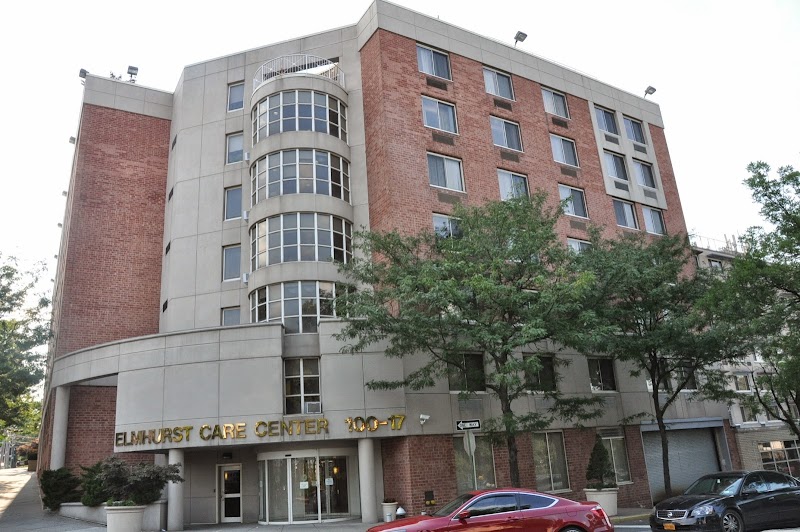
How is Elmhurst Inc Staffed?

CMS rates ELMHURST CARE CENTER INC's staffing level at 3 out of 5 stars, which is average compared to other nursing homes. Staff turnover is 30%, compared to the New York average of 46%. This relatively stable workforce can support continuity of care.

What Have Inspectors Found at Elmhurst Inc?

State health inspectors documented 14 deficiencies at ELMHURST CARE CENTER INC during 2019 to 2024. These included: 13 with potential for harm and 1 minor or isolated issues.
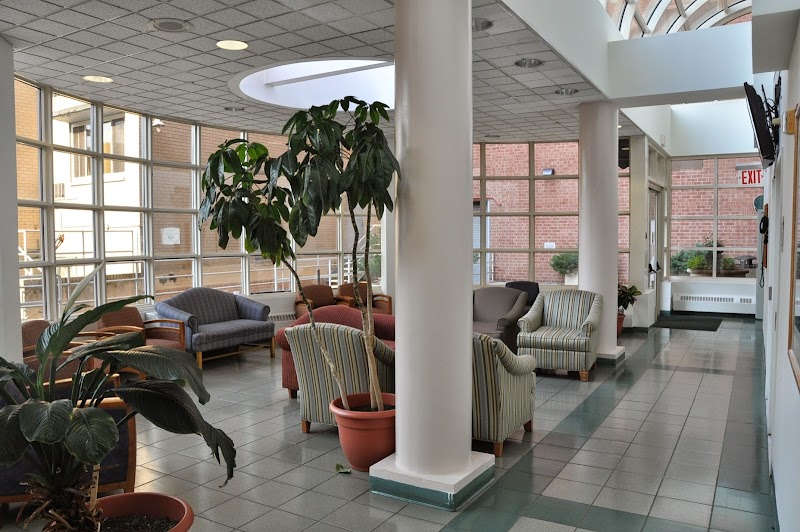
Who Owns and Operates Elmhurst Inc?

ELMHURST CARE CENTER INC is owned by a for-profit company. For-profit facilities operate as businesses with obligations to shareholders or private owners. The facility operates independently rather than as part of a larger chain. With 240 certified beds and approximately 225 residents (about 94% occupancy), it is a large facility located in EAST ELMHURST, New York.
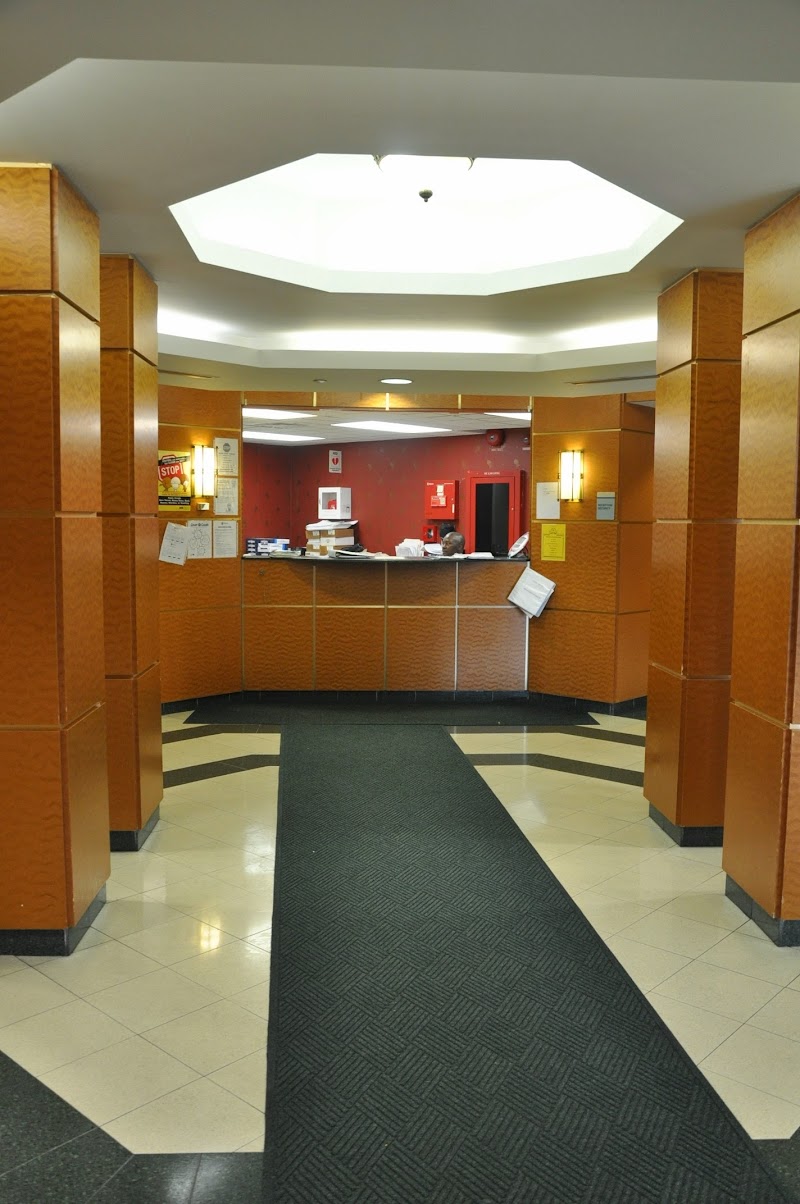
How Does Elmhurst Inc Compare to Other New York Nursing Homes?

Compared to the 100 nursing homes in New York, ELMHURST CARE CENTER INC's overall rating (4 stars) is above the state average of 3.1, staff turnover (30%) is significantly lower than the state average of 46%, and health inspection rating (4 stars) is above the national benchmark.

What Should Families Ask When Visiting Elmhurst Inc?

Based on this facility's data, families visiting should ask: "Can I visit during a mealtime to observe dining assistance and food quality?" "How do you handle medical emergencies, and what is your hospital transfer rate?" "Can I speak with family members of current residents about their experience?"

Is Elmhurst Inc Safe?

Based on CMS inspection data, ELMHURST CARE CENTER INC has a clean safety record: no substantiated abuse findings (meaning no confirmed cases of resident harm), no Immediate Jeopardy citations (the most serious violation level indicating risk of serious injury or death), and is not on the Special Focus Facility watch list (a federal program monitoring the lowest-performing 1% of nursing homes). The facility has a 4-star overall rating and ranks #1 of 100 nursing homes in New York. While no facility is perfect, families should still ask about staff-to-resident ratios and recent inspection results during their visit.

Do Nurses at Elmhurst Inc Stick Around?

ELMHURST CARE CENTER INC has a staff turnover rate of 30%, which is about average for New York nursing homes (state average: 46%). Moderate turnover is common in nursing homes, but families should still ask about staff tenure and how the facility maintains care continuity when employees leave.

Was Elmhurst Inc Ever Fined?

ELMHURST CARE CENTER INC has no federal fines on record. CMS issues fines when nursing homes fail to meet care standards or don't correct problems found during inspections. The absence of fines suggests the facility has either maintained compliance or corrected any issues before penalties were assessed. This is a positive indicator, though families should still review recent inspection reports for the full picture.

Is Elmhurst Inc on Any Federal Watch List?

ELMHURST CARE CENTER INC is not on any federal watch list. The most significant is the Special Focus Facility (SFF) program, which identifies the bottom 1% of nursing homes nationally based on persistent, serious quality problems. Not being on this list means the facility has avoided the pattern of deficiencies that triggers enhanced federal oversight. This is a positive indicator, though families should still review the facility's inspection history directly.