BROOKHAVEN HEALTH CARE FACILITY L L C


801 GAZZOLA BLVD, EAST PATCHOGUE, NY 11772 (631) 447-8800
For profit - Corporation 160 Beds THE MCGUIRE GROUP Data: November 2025
Trust Grade
58/100
#265 of 594 in NY
Last Inspection: November 2024

Within standard 12-15 month inspection cycle. Federal law requires annual inspections.

Overview

Brookhaven Health Care Facility LLC has earned a Trust Grade of C, which means it is average and sits in the middle of the pack among nursing homes. It ranks #265 out of 594 in New York, placing it in the top half, but is #24 out of 41 in Suffolk County, indicating that there are only a few local options that perform better. The facility's overall performance is stable, with 5 issues reported in both 2023 and 2024. Staffing is a strength with a rating of 4 out of 5 stars, although the turnover rate of 42% is just above the state average, suggesting that while staff generally stay, there is still some turnover. However, there are concerning incidents, including a serious finding where a resident at high risk for falls was left unattended in the bathroom and sustained a laceration, as well as issues related to medication management and proper care for residents requiring intravenous fluids. Overall, while Brookhaven Health Care Facility has some positive aspects, families should weigh these alongside the noted deficiencies.

Trust Score
C
58/100
In New York
#265/594
Top 44%
Safety Record
Moderate
Needs review
Inspections
Holding Steady
5 → 5 violations
Staff Stability
○ Average
42% turnover. Near New York's 48% average. Typical for the industry.
Penalties
⚠ Watch
$7,901 in fines. Higher than 77% of New York facilities, suggesting repeated compliance issues.
Skilled Nurses
✓ Good
Each resident gets 45 minutes of Registered Nurse (RN) attention daily — more than average for New York. RNs are trained to catch health problems early.
Violations
⚠ Watch
14 deficiencies on record. Higher than average. Multiple issues found across inspections.
★★★☆☆
3.0
Overall Rating
★★★★☆
4.0
Staff Levels
★★★★☆
4.0
Care Quality
★★★☆☆
3.0
Inspection Score
Stable
2023: 5 issues
2024: 5 issues

The Good

  • 4-Star Staffing Rating · Above-average nurse staffing levels
  • 4-Star Quality Measures · Strong clinical quality outcomes
  • Full Sprinkler Coverage · Fire safety systems throughout facility
  • No fines on record
  • Staff turnover below average (42%)

    6 points below New York average of 48%

Facility shows strength in staffing levels, quality measures, fire safety.

The Bad

3-Star Overall Rating

Near New York average (3.1)

Meets federal standards, typical of most facilities

Staff Turnover: 42%

Near New York avg (46%)

Typical for the industry

Federal Fines: $7,901

Below median ($33,413)

Minor penalties assessed

Chain: THE MCGUIRE GROUP

Part of a multi-facility chain

Ask about local staffing decisions and management

The Ugly 14 deficiencies on record

1 actual harm
Nov 2024 5 deficiencies
CONCERN (D)

Potential for Harm - no one hurt, but risky conditions existed

Deficiency F0554 (Tag F0554)

Could have caused harm · This affected 1 resident

**NOTE- TERMS IN BRACKETS HAVE BEEN EDITED TO PROTECT CONFIDENTIALITY** 2) Resident #293 was admitted with diagnoses including Asthma, Dementia, and Chronic Obstructive Pulmonary Disease. The resident...

Read full inspector narrative →
**NOTE- TERMS IN BRACKETS HAVE BEEN EDITED TO PROTECT CONFIDENTIALITY** 2) Resident #293 was admitted with diagnoses including Asthma, Dementia, and Chronic Obstructive Pulmonary Disease. The resident's Minimum Data Set assessment was not yet completed as the resident was recently admitted to the facility. The Social Worker Review for New admission Residents dated 11/12/2024 documented Resident #293 had a Brief Interview of Mental Status (BIMS) score of 11, which indicated the resident had moderately impaired cognition. The physician's orders dated 11/11/2024 documented: Fluticasone Propionate Nasal Suspension 50 microgram per actuation (Fluticasone Propionate) 2 spray in each nostril one time a day. The physician's orders dated 11/15/2024 included the following: -Incruse Ellipta Inhalation Aerosol Powder Breath Activated 62.5 microgram per actuation, 1 inhalation, inhale orally one time a day for Chronic Obstructive Pulmonary Disease. -Wixela Inhub Inhalation Aerosol Powder Breath Activated 250-50 microgram per actuation, 1 inhalation, inhale orally two times a day for Chronic Obstructive Pulmonary Disease Resident #293 did not have a physician's order to self-administer their medications. The medical record did not indicate that Resident #293 was assessed to self-administer their medications. The Comprehensive Care Plan for Impaired Pulmonary Function documented administering treatment per the physician's order. During the initial tour on 11/20/2024 at 10:12 AM, Resident #293 was present in their room. There were Flonase nasal spray, Incruse Ellipta Inhaler, and Fluticasone Propionate/Diskus inhalers on the resident's bedside table. Resident #293 stated they administer their inhalers themselves and take their time to use the inhalers and the nasal spray. The nurses leave the inhalers in their room on the table and pick them up later. During an interview on 11/22/2024 at 10:41 AM, Licensed Practical Nurse #7 stated they usually stay in Resident #293's room until the medication administration is completed because the resident has to rinse the mouth after using the inhalers. Resident #293 had a Dementia diagnosis and could take multiple doses of inhalers and Flonase nasal spray because of forgetfulness, which is not safe. Licensed Practical Nurse #7 stated on 11/20/2024 while they were administering medications to Resident 293, they got called into another room. Licensed Practical Nurse#7 stated they left the inhalers in the resident's room and went to attend to another resident. During an interview on 11/22/2024 at 11:51 AM, Registered Nurse Unit Manager #6 stated it was not a usual practice for Licensed Practical nurses to leave the inhalers and nasal sprays in the resident rooms. Registered Nurse Unit Manager #6 stated due to Resident#293's diagnosis of Dementia, it was not safe to leave the inhalers and the nasal spray in the resident's room unattended. Registered Nurse Unit Manager #6 stated Resident #293 did not have a physician's order to self-administer their medication. During an interview on 11/22/2024 at 11:50 AM, the Director of Nursing Services stated the residents were not allowed to self-administer their medications without a Brief Interview for Mental Status Score assessment by a social worker. The nurses are supposed to evaluate the resident's capacity to self-administer their medications and develop a care plan for self-medication administration. if the resident was not allowed to self-administer their medications then all medications must be stored in the medication cart; however, if the resident was allowed to self-administer their medications and wanted to keep the medication in their room, the medications must be stored in the locked drawer. The Director of Nursing Services stated Resident#293 was not assessed to self-administer their medications and should not have administered inhalers and nasal spray medications on their own. During an interview on 11/25/2024 at 9:50 AM, Medical Doctor #1 stated Resident #293 was at risk for taking the inhalers and Flonase multiple times due to Resident #293's cognitive decline and Dementia diagnosis. Medical Doctor #1 stated If the resident had a cognitive decline and was not assessed for self-administration of medication, the nurse should not have left the medications in the resident's room. 10 NYCRR 415.18(e)(1-4) Based on observations, record review, and interviews during the Recertification Survey initiated on 11/20/2024 and completed on 11/26/2024, the facility did not ensure the right to self-administer medications if the interdisciplinary team has determined that this practice is clinically appropriate. This was identified for two (Resident #242 and Resident #293) of two residents reviewed for Choices. Specifically, 1) Resident #242 was observed with the inhalers and nasal spray medications at their bedside during the initial tour and the resident stated they self-administered their inhaler medications. There was no documented evidence that Resident #242 was assessed to self-administer their medications. 2) Resident #293 was observed with the inhalers and a nasal spray medication at their bedside during the initial tour. There was no documented evidence that Resident #293 was assessed to self-administer their medications. The finding is: The facility's Self Administration of Medications policy and procedure last revised on 11/23/2021, documented that Residents have a right to be involved in all aspects of their care including self-administration of medications if the interdisciplinary team deems it clinically appropriate. Each resident and family member as applicable, is given a detailed explanation of the medications that they may self-administer, the reason for the medication, what to expect, and possible side effects within their cognitive ability to understand. Staff re-evaluates the resident's knowledge by having the resident report their understanding of the information presented to them. The medication shall be stored in a locked drawer or locked compartment under proper temperature conditions. 1) Resident #242 was admitted with the diagnoses of Chronic Obstructive Pulmonary Disease, Fracture of the right tibia (leg bone), and Congestive Heart Failure. Resident #242 did not yet have a completed admission Minimum Data Set assessment during the recertification survey. The Social Work admission assessment dated [DATE] documented that Resident #242 had a Brief Interview for Mental Status Score of 12, indicating the resident had moderately impaired cognition. The Neurological/Memory care plan dated 11/11/2024 documented Resident #242 had a Brief Interview for a Mental Status Score of 12 and was alert and oriented to person, family, and time. The care plan documented Resident #242 had memory loss and deficit related to some forgetfulness upon admission. The Decision-Making care plan dated 11/11/2024 documented that Resident #242 had an alteration in decision-making skills in new situations. The interventions included medications to be administered by the nurse per the resident's preference. The physician's orders dated 11/11/2024 documented Fluticasone Propionate Hydrofluoroalkane Inhalation Aerosol 110 micrograms per actuation (a corticosteroid nasal spray), inhale 1 puff orally every 12 hours for Chronic Obstructive Pulmonary Disorder. The order was discontinued on 11/14/2024. The physician's orders dated 11/11/2024 documented Albuterol Sulfate Hydrofluoroalkane Inhalation Aerosol Solution 108 (90 Base) micrograms per actuation (bronchodilator), inhale 2 puffs orally every 4 hours as needed for shortness of breath. The order was discontinued on 11/21/2024. The physician's orders dated 11/17/2024 documented Flonase (Fluticasone Propionate-Corticosteroid medication) Allergy Relief Nasal Suspension, 50 micrograms per actuation spray, 1 spray in each nostril one time a day for Cough/Congestion until 11/24/2024. During the initial tour on 11/20/2024 at 12:00 PM, Resident #242 was observed lying in bed with a cast on the left leg. A Flonase nasal spray was observed in a labeled Ziploc bag placed on top of the overbed table at the resident's bedside. Resident #242 stated they self-administer the Flonase nasal spray and were permitted to keep the Flonase at their bedside. Resident #242 stated they also self-administered other inhaler medications, which were also stored in their room, A zip lock bag with the following inhalers was observed on top of the dresser on the left side of the bed: Albuterol Sulfate Hydrofluoroalkane Inhalation Aerosol Solution 108 (90 Base) micrograms per actuation inhaler (bronchodialator), Fluticasone Propionate Hydrofluoroalkane Inhalation Aerosol 110 micrograms per actuation inhaler (Corticosteroid medication), and Anoro Ellipta 62.5 micrograms per actuation inhaler (bronchodialator). A review of the physician's orders revealed there was no physician's order for the use of Anoro Ellipta 62.5 micrograms per actuation inhaler and there was no physician's order to self-administer any medications. A review of the resident's care plan on 11/20/2024 revealed there was no indication that Resident #242 was assessed and approved to self-administer medications. A review of the resident's medical record on 11/20/2024 revealed there was no Nursing Evaluation for Self-Administration form completed for Resident #242. During an observation and interview on 11/20/2024 at 12:12 PM, Licensed Practical Nurse #3 entered the resident's room and confirmed the nasal spray on the overbed table was Flonase. Licensed Practical Nurse #3 stated that the resident preferred the medications to be left at their bedside table. Licensed Practical Nurse #3 then walked over to the resident's dresser and pulled the Ziploc bag with three inhalers. Licensed Practical Nurse #3 stated the bag contained an Albuterol inhaler, Anro Ellipta inhaler, and Fluticasone Aerosol inhaler. Licensed Practical Nurse #3 stated the inhalers and the Flonase nasal spray are usually left in the room with the resident. During an interview on 11/20/2024 at 12:13 PM, Resident #242 stated they usually leave the inhaler medications on the nightstand closer to their bed. Resident #242 stated they did not have a key for the locked drawer on the nightstand to secure the medications. During an interview on 11/20/2024 at 12:18 PM, Licensed Practical Nurse #3 stated they observed Resident #242 self-administer the Flonase nasal spray at 8:00 AM on 11/20/2024 and that Resident #242 typically self-administers the Flonase and the inhaler medications which are stored in the resident's room. Licensed Practical Nurse #3 the resident did not have a physician's order to self-administer the medications. Licensed Practical Nurse #3 stated they were unaware if the resident had a care plan for self-administration and to store the medications in the room. During an interview on 11/20/2024 at 12:20 PM, Registered Nurse #3 stated there was no care plan or Physician's order for Resident #242 to self-administer their medications. Registered Nurse #3 stated the resident was alert and had requested to self-administer the inhalers. Registered Nurse #3 stated the resident was assessed by them (Registered Nurse #3) to self-administer and deemed able to self-administer. Registered Nurse #3 reviewed the medical record and stated there was no documentation related to self-administration of medication assessment in the resident's medical record. Registered Nurse #3 stated they should remove the medications from the room and store them in the medication cart. During an interview on 11/21/2024 at 2:47 PM, Licensed Practical Nurse #4 stated they completed the intake admission assessment for Resident #242 and added the intervention to the resident's care plan for the nurse to administer the resident's medications because the resident preferred the nurse to administer the medications and did not express a preference to self-administer any medications. During an interview on 11/22/2024 at 11:50 AM, the Director of Nursing Services stated the nursing staff should have completed the Nursing Evaluation for Self-Administration evaluation tool for Resident #242. Resident #242 should have a care plan for self-administration if the nursing staff believed that the resident could provide a detailed explanation of the medications, their purposes, and possible side effects. The Director of Nursing Services stated the nurses are expected to monitor the resident's self-administration and document in the medical record.
CONCERN (D)

Potential for Harm - no one hurt, but risky conditions existed

Deficiency F0694 (Tag F0694)

Could have caused harm · This affected 1 resident

**NOTE- TERMS IN BRACKETS HAVE BEEN EDITED TO PROTECT CONFIDENTIALITY** Based on observations, record review, and interviews during the Recertification Survey initiated on 11/20/2024 and completed on ...

Read full inspector narrative →
**NOTE- TERMS IN BRACKETS HAVE BEEN EDITED TO PROTECT CONFIDENTIALITY** Based on observations, record review, and interviews during the Recertification Survey initiated on 11/20/2024 and completed on 11/26/2024 the facility did not ensure each resident received care and services for the provision of parenteral fluids consistent with professional standards of practice, physician orders, and the comprehensive person-centered care plan. This was identified for one (Resident #343) of four residents reviewed for Infection Control. Specifically, Resident #343 was observed on 11/20/2024 with a left arm Midline Intravenous Catheter dressing that was dated 11/01/2024. Additionally, the external Midline catheter length was not measured and recorded as per the physician's orders. The finding is: The facility's policy titled Peripherally Inserted Central Catheter Line/ Midline Care and Treatment last revised on 5/2024, documented that Midline dressing changes are done within 24 hours of new line placement and then every week and as needed. Measure the external catheter length and record the length in centimeters in the Treatment Administration Record. Label the dressing with the date, time, and initials. Resident #343 was admitted with diagnoses that include Retroperitoneal abscess, Methicillin-Resistant Staph Aureus infection (antibiotic-resistant organism), and Acute Respiratory Failure. The Minimum Data Set assessment dated [DATE] documented a Brief Interview for Mental Status score of 12, which indicated the resident had moderate cognitive impairment. The Minimum Data Set assessment documented Resident #343 had intravenous access and received intravenous medications. The Comprehensive Care Plan titled Intravenous Therapy dated 11/08/2024 documented interventions that included dressing changes and flushing the intravenous catheter as per the facility policy and physician orders. The physician's order dated 11/08/2024 documented that a Registered Nurse is to change the Midline insertion site dressing and measure the external catheter length in centimeters, and date, time, and initial the dressing, every 7 days and as needed. The Medication Administration Record for November 2024 documented that the intravenous Midline insertion site dressing was to be changed weekly and the external catheter was to be measured and documented. The following was identified: -On 11/09/2024 there was no documentation of the intravenous Midline insertion site dressing change or the external catheter measurement. -On 11/16/2024 Registered Nurse Unit Manager #2 documented the intravenous Midline insertion site dressing change was completed; however, the external Midline catheter length was documented as zero. -On 11/23/2024, the Director of Nursing Services documented the intravenous Midline insertion site dressing change was completed; however, external Midline catheter measurements were not documented. Resident #343 was observed in bed sleeping on 11/20/2024 at 10:10 AM. The resident had an intravenous catheter in their left arm and was receiving intravenous medication. The dressing on the insertion site was dated 11/01/2024. A nursing progress note dated 11/20/2024 at 2:50 PM, written by Registered Nurse Unit Manager #1, documented the Mid-line dressing was changed on 11/20/2024. Resident #343 was observed in bed sleeping on 11/21/2024 at 08:10 AM. The resident had an intravenous catheter in their left arm. The dressing on the insertion site did not indicate a date, initials, or time the dressing was changed. During an interview on 11/21/2024 at 2:39 PM, Registered Nurse Unit Manager #1 stated they changed the Midline insertion site dressing yesterday and forgot to sign and date the new dressing. They also did not document the external Midline catheter measurement. Registered Nurse Unit Manager #1 stated it is important to measure and monitor the external Midline catheter length to determine if the catheter line is moving. Registered Nurse Unit Manager #1 stated the intravenous site dressing should be changed weekly and when they changed the dressing on 11/20/2024, the old dressing was dated 11/1/2024 (indicating the dressing was last changed on 11/1/2024). A nursing progress note dated 11/21/2024 at 4:10 PM, written by Registered Nurse Unit Manager #1, documented that the Midline external catheter measured 13 centimeters. During an interview on 11/25/2024 at 10:24 AM Registered Nurse Unit Manager #2 stated they did the Midline insertion site dressing change on 11/16/2024 and should have documented the Midline external catheter measurement accurately and not a zero. The Midline insertion site dressing should be changed every 7 days, and the catheter length should be measured, and recorded in the Medication Administration Record. The midline insertion site dressing should be dated and initialed when changed. During an interview on 11/25/2024 at 10:50 AM, the Director of Nursing Services stated a Registered Nurse is responsible for measuring the Midline catheter length weekly and changing the Midline insertion site dressing. The dressing should be dated, timed, and initialed. Resident #343's Midline insertion site. The dressing change and measurement should be done weekly by a Registered Nurse and documented in the Medication Administration Record. The Director of Nursing Services stated the Midline catheter was placed at the hospital and the insertion site dressing should have been changed weekly after the resident was admitted to the facility. 10 NYCRR 415.12(k)(2)
CONCERN (D)

Potential for Harm - no one hurt, but risky conditions existed

Respiratory Care (Tag F0695)

Could have caused harm · This affected 1 resident

**NOTE- TERMS IN BRACKETS HAVE BEEN EDITED TO PROTECT CONFIDENTIALITY** Based on observation, record review, and interviews during the Recertification Survey initiated on 11/20/2024 and completed on 1...

Read full inspector narrative →
**NOTE- TERMS IN BRACKETS HAVE BEEN EDITED TO PROTECT CONFIDENTIALITY** Based on observation, record review, and interviews during the Recertification Survey initiated on 11/20/2024 and completed on 11/26/2024, the facility did not ensure that a resident who needs respiratory care is provided such care consistent with professional standards of practice. This was identified for one (Resident #84) of one resident reviewed for Respiratory Care. Specifically, Resident #84 had a physician's order to continuously receive oxygen therapy via a nasal cannula at 3 Liters per minute. Resident #84 was observed on 11/20/2024, receiving oxygen therapy via a nasal cannula. The nasal cannula was connected to an oxygen tank which was set to deliver oxygen at 3 liters; however, the oxygen tank gauge needle indicated the tank was empty. The finding is: The facility policy titled Oxygen Therapy last revised on 9/2023, documented apply oxygen per physician's order. The clinical staff is to monitor the oxygen tank gauge during care and at 15-minute intervals and notify the nurse if empty. Nurses are to record oxygen usage in supervisors' reports as indicated. Resident #84 was admitted with diagnoses including Chronic Respiratory Failure, Toxic Encephalopathy, and Diabetes Mellitus Type 2. The Minimum Data Set assessment dated [DATE] documented the resident's Brief Interview for Mental Status as a 12, which indicated moderate cognitive impairment. The Minimum Data Set assessment documented active diagnosis of respiratory failure. The Minimum Data Set assessment documented Resident #84 was on continuous oxygen therapy. The Comprehensive Care Plan for Impaired Pulmonary Function initiated on 9/12/2024 and last reviewed on 10/02/2024, documented interventions that included oxygen administration as per the physician's orders. A physician's order dated 9/12/2024 documented to administer oxygen every shift, continuously, via a nasal cannula at 3 liters per minute. During an observation on 11/20/2024 at 9:40 AM, Resident #84 was asleep in their bed with a nasal cannula applied to their nose. The nasal cannula tubing was connected to an oxygen tank. The oxygen delivery rate was set to 3 liters per minute; however, the oxygen gauge needle (which indicates the amount of oxygen in the tank) indicated the tank was empty and had no oxygen supply. During an observation and interview on 11/20/2024 at 9:43 AM, Licensed Practical Nurse #2 went into Resident #84's room and confirmed that the oxygen tank was empty. Licensed Practical Nurse #2 stated that they were responsible for checking and changing the oxygen tanks. They began their shift at 7 AM; however, they did not go into the resident's room until now. Licensed Practical Nurse #2 stated the Oxygen tanks should be checked by nursing staff each shift and replaced before the tank is empty. During an interview on 11/22/2024 at 8:47 AM, Registered Nurse Unit Manager #1 stated nursing staff should conduct rounds at the beginning of their shifts. The rounds involve checking on all residents and inspecting necessary items, such as oxygen tanks. Resident #84's oxygen tank should have been checked by the assigned nurse at the start of their shift, not at 9:43 AM during the medication pass. The nursing staff is responsible for monitoring the oxygen equipment, which includes setting up and changing the oxygen tanks. During an interview on 11/22/2024 at 2:35 PM, Physician Assistant #1 stated that Resident #84 had an order for 3 liters of oxygen therapy per minute to be delivered continuously. The nursing staff is expected to follow this order and if they need to adjust the oxygen flow, they should do so and notify them afterward. Physician Assistant #1 stated the lack of oxygen could cause shortness of breath and a higher heart rate indicating respiratory distress, which may require transferring the resident to the emergency room. During an interview on 11/26/2024 at 8:35 AM, the Director of Nursing Services stated that nurses are responsible for monitoring and changing the oxygen tanks for the residents. The Director of Nursing Services stated Nurses should check the oxygen tanks at the beginning of their shift, during medication pass, and at the end of their shift. The Director of Nursing Services stated nurses should change the oxygen tank as needed. The Director of Nursing Services stated Certified Nursing Assistants can also monitor the oxygen tanks but must inform a nurse when an oxygen tank needs to be changed. The oxygen tanks should be replaced as necessary. 10 NYCRR 415.12 (k)(6)
CONCERN (D)

Potential for Harm - no one hurt, but risky conditions existed

Deficiency F0740 (Tag F0740)

Could have caused harm · This affected 1 resident

**NOTE- TERMS IN BRACKETS HAVE BEEN EDITED TO PROTECT CONFIDENTIALITY** Based on observation, record review, and interviews during the Recertification initiated on 11/20/2024 and completed on 11/26/20...

Read full inspector narrative →
**NOTE- TERMS IN BRACKETS HAVE BEEN EDITED TO PROTECT CONFIDENTIALITY** Based on observation, record review, and interviews during the Recertification initiated on 11/20/2024 and completed on 11/26/2024, the facility did not ensure that all residents received the necessary behavioral health care and services to attain or maintain the highest practicable physical, mental, and psychosocial well-being. This was identified for one (Resident #242) of one resident reviewed for Mood and Behavior. Specifically, Resident #242's hospital records indicated that they experienced suicidal ideation and were placed on a three-day suicide watch before admission to the facility. Direct care staff at the facility were not knowledgeable of the resident's recent history of suicidal ideation and did not develop a person-centered plan of care to address the resident's mental health needs based on the resident's psychosocial history. The finding is: The facility's Behavioral Health Services policy dated 11/2016 documented that each resident will receive, and the facility will provide the necessary behavioral health care and services to attain or maintain the highest practicable physical, mental, and psychosocial well-being, in accordance with the comprehensive assessment and plan of care. Behavioral health encompasses a resident's whole emotional and mental well-being, which includes, but is not limited to, the prevention and treatment of mental and substance use disorders. An initial psychosocial history, assessment, and at least quarterly progress notes which provide information reflective of the resident's status and information helpful to the staff in understanding and caring for each resident will be maintained in the medical record. The psychosocial history shall include relevant historical information as appropriate and necessary. The hospital discharge narrative dated 11/6/2024 documented on 11/3/2024 patient expressed suicidal ideations to staff. Patient was placed on suicide watch with one-to-one observation. A psychiatry consultation was obtained. Patient required a three-night stay. On 11/4/2024 Patient was re-evaluated by psychiatry and was deemed not to have the capacity to make their own medical decisions. On 11/5/2024, the Psychiatrist re-evaluated and reported the patient no longer required one-to-one and was stable for discharge. Resident #242 was admitted with the diagnoses of Chronic Obstructive Pulmonary Disease, Fracture of the right tibia (leg bone), and Congestive Heart Failure. Resident #242 did not have a completed admission Minimum Data Set assessment during the recertification survey. The Comprehensive Care Plan dated 11/11/2024 documented that Resident #242 had an alteration in psychosocial well-being, mood, and behavior patterns related to functional decline. Interventions included to encourage the resident to express emotions in a safe environment; establish trust with the resident, facilitate access to community resources; provide a calm, quiet, and reassuring environment; respect and listen to the expression of feelings; and monitor mood/behavior for change. The care plan did not indicate the resident's history of Depression and recent suicidal ideation. The physician's order dated 11/11/2024 documented Quetiapine (an antipsychotic medication) 50 milligrams, give one tablet by mouth at bedtime for sleep. The physician's order dated 11/11/2024 documented Oxycodone Hydrochloride (an opioid medication) tablet 5 milligrams, give two tablets (total of 10 milligrams) by mouth every four hours as needed for severe pain. The Social Work admission assessment dated [DATE] documented Resident #242 had a Brief Interview for Mental Status assessment score of 12, indicating the resident had moderately impaired cognition. Social Worker #1 documented that Resident #242 presented with sadness during admission and verbalized being upset with the current placement. There was no indication of the resident's history of depression or recent suicidal ideation while at the hospital. The Physician admission Evaluation dated 11/12/2024 documented the resident denied suicidal ideations and thoughts of hopelessness. The Physician documented the resident's psychiatric/mental state was alert, and oriented with normal affect. The resident had impaired judgment and insight at times. The plan included a psychiatric re-evaluation for Quetiapine one tablet at bedtime. There was no indication of the resident's history of depression or suicidal ideation while at the hospital. The Psychiatry Care Note dated 11/16/2024 documented Resident #242 reported a history of lifelong Depression and denied current Depression symptoms. Resident #242 reported Anxiety secondary to being at the facility and they spoke with their Physician about wanting Xanax (an anti-anxiety medication). The resident denied suicidal or homicidal ideation and manic (a psychiatric state of elevated energy) symptoms. The resident declined the use of antidepressants at this time and was only interested in using Xanax. The nursing staff reported that the resident had a depressed mood. The resident reported they had a previous psychiatric diagnosis but could not remember what it was and that they used to be seen at a community mental health clinic for medication management but the clinic closed two years ago. The resident was currently on Quetiapine 50 milligrams one tablet by mouth at bedtime for sleep. The Psychiatric Nurse Practitioner documented Resident #242 presented with adjustment disorder with mixed Anxiety and depressed mood. The physician's order dated 11/17/2024 documented Alprazolam (Xanax) oral disintegrating 0.25 milligrams, give one tablet by mouth every 8 hours as needed for Anxiety for 14 days. The order was discontinued on 12/1/2024. The Physician's progress note dated 11/18/2024 documented Resident #242 reported worsening Anxiety and a headache that wraps around the forehead. The resident verbalized that the smaller dose of Xanax was somewhat effective, but not enough. Resident #242 requested an increase in Xanax dosage and wanted as well as Vicodin (an opioid medication). The Physician's progress note dated 11/19/2024 documented Resident #242 continued to report worsening anxiety with a consistent headache. The resident reported the current dose of Xanax is not helpful. The Xanax dosage was increased to 0.5 milligrams today with recommendation for a psychiatric evaluation. The physician's order dated 11/19/2024 documented Alprazolam oral 0.5 milligrams, give one tablet by mouth every 8 hours as needed for Anxiety for 14 days. The order was discontinued on 12/3/2024. During the initial tour on 11/20/2024 at 12:00 PM, Resident #242 was observed lying in bed with a cast on the left leg. A small clear plastic cup was observed at the overbed table with a peach-colored tablet inside the cup. Resident #242 stated the tablet was Xanax. Resident #242 stated the nurse just came in and administered the Xanax tablet at 11:50 AM, but the resident wanted to take the Xanax with Oxycodone, which is why the nurse left the medication at the bedside and told the resident they would come right back; however, the nurse did not return with the Oxycodone yet. Resident #242 stated that they refused to take the Xanax tablet without the Oxycodone. During an observation and interview on 11/20/2024 at 12:12 PM, Licensed Practical Nurse #3 stated they administered Xanax 0.5 milligram tablet to Resident #242 at 11:30 AM. Licensed Practical Nurse #3 stated Resident #242 was upset because the resident wanted Oxycodone to be administered with Xanax. Licensed Practical Nurse #3 entered the resident's room and confirmed that the tablet stored in the plastic cup was Xanax. Licensed Practical Nurse #3 told the resident I saw you put the pill in your mouth. Resident #242 denied spitting out the medication back into the cup. Licensed Practical Nurse #3 told Resident #242 that they could overdose if they took the Oxycodone with the Xanax. Licensed Practical Nurse #3 stated the resident was insisting on taking Oxycodone with Xanax even though they had already taken the Oxycodone at 8:00 AM. During an interview on 11/20/2024 at 12:20 PM, Registered Nurse #3 stated they were regularly assigned to Resident #242 since their admission and none of the medication nurses reported Resident #242 was cheeking (when someone hides pills, liquids, or films in their cheek to avoid swallowing them) their Xanax medication and storing it for later use. Registered Nurse #3 stated the medication nurse should stay with the resident to confirm the resident swallowed their medications and Xanax should not be left at the bedside. During an interview on 11/21/2024 at 2:47 PM, Licensed Practical Nurse #4 stated they completed Resident #242's intake admission assessment on 11/11/2024. Licensed Practical Nurse #4 stated they reviewed the hospital record and were aware that the resident had suicidal ideation at the hospital and was one-to-one observation. The resident was cleared by the hospital Psychiatrist and that is why they (Licensed Practical Nurse #4) did not alert the facility staff about the resident's suicidal ideation history. During an interview on 11/21/2024 at 3:25 PM, Social Worker #1 stated they were covering for the assigned social worker on 11/11/2024 and completed the admission intake for Resident #242. Social Worker #1 stated the resident denied Depression, a mental health history of Depression, or suicidal ideation. Social Worker #1 stated they were not aware that the resident had a recent history of suicidal ideation in the hospital. Social Worker #1 stated they only reviewed the Patient Review Instrument and Screen information from the hospital when completing the Social Worker admission evaluation. Social Worker #1 stated if they read that the resident had suicidal ideation on 11/3/2024 in the hospital, they would have recommended increased monitoring and referred the resident for psychiatric care sooner. During an interview on 11/21/2024 at 3:43 PM, Social Worker #2 stated they were the assigned Social Worker for Resident #242 and had first met the resident on 11/19/2024 to discuss the resident's care plan. During the meeting, Resident #242 requested a higher dose of Xanax for Anxiety. Social Worker #2 stated they did not know about Resident #242's suicidal ideation while at the hospital on [DATE]. If they knew, they would have requested mental health services immediately and implemented increased monitoring. Social Worker #2 stated they did not know that on 11/20/2024, Resident #242 cheeked the Xanax to combine it later with Oxycodone. Social Worker #2 stated they would have met with the resident and offered psychotherapy services with the Psychologist. During an interview on 11/22/2024 at 9:14 AM, Physician Assistant #1 stated they reviewed the hospital records and were aware of the resident's suicidal ideation. Physician's Assistant #1 stated that the resident was fine and upon their initial assessment, the resident denied suicidal ideation. Physician's Assistant #1 stated they did not document the resident's recent history of suicidal ideation in the medical record because they wanted to be careful as to what they documented in the chart. Physician Assistant #1 stated they referred and informed the Psychiatrist about the resident's history of suicidal ideation. Physician Assistant #1 stated they were aware of Resident #242's attempts to save Xanax medication and the nursing staff implemented a two-person approach during medication administration. During an additional interview on 11/22/2024 at 9:30 AM, Licensed Practical Nurse #3 stated did not know of Resident #242's recent history of suicidal ideation while at the hospital. Licensed Practical Nurse #3 stated if they knew, the nursing team would have implemented suicide prevention measures such as placing the resident closer to the nursing station and implementing hourly rounds while the resident was in their room. Licensed Practical Nurse #3 stated the resident did not verbalize suicidal ideation; however, the resident was drug-seeking and frequently asked for Oxycodone every two hours and wanted to consume Xanax with Oxycodone. During an additional interview on 11/22/2024 at 9:37 AM, Registered Nurse #3 stated they did not know of Resident #242's recent history of suicidal ideation in the hospital. Registered Nurse #3 stated if they had been made aware, the resident's room would have been cleared for potentially hazardous items such as wires and the resident would have been placed on 15-minute checks. Registered Nurse #3 stated they would have encouraged the resident to come out to the lounge area instead of staying in their room all the time and they would have made a referral for a Psychologist to meet with the resident to address their mental health needs. During an interview on 11/22/2024 at 11:50 AM, the Director of Nursing Services stated they would not expect suicide prevention measures to be put in place at the facility because Resident #242 was cleared by psychiatry at the hospital. The Director of Nursing Services stated if the nursing team noticed new signs and symptoms of Depression, they would have psychiatry come in to evaluate the resident. The Director of Nursing Services stated they did not know what the Social Services should look for when conducting the admission evaluation. The Director of Nursing Services stated that the nurses, who were aware of the resident's repeated [medication] cheeking behavior, should have alerted the Social Work team to meet and discuss the care plan with the resident. 10 NYCRR 415.12(f)(1)
CONCERN (D)

Potential for Harm - no one hurt, but risky conditions existed

Deficiency F0761 (Tag F0761)

Could have caused harm · This affected 1 resident

**NOTE- TERMS IN BRACKETS HAVE BEEN EDITED TO PROTECT CONFIDENTIALITY** 2) Resident #293 was admitted with diagnoses including Asthma, Dementia, and Chronic Obstructive Pulmonary Disease. The resident...

Read full inspector narrative →
**NOTE- TERMS IN BRACKETS HAVE BEEN EDITED TO PROTECT CONFIDENTIALITY** 2) Resident #293 was admitted with diagnoses including Asthma, Dementia, and Chronic Obstructive Pulmonary Disease. The resident's Minimum Data Set assessment was not yet completed as the resident was recently admitted to the facility. The Social Worker Review for New admission Residents dated 11/12/2024 documented that Resident #293 had a Brief Interview of Mental Status score of 11, which indicated the resident had moderately impaired cognition. The physician's orders dated 11/11/2024 documented: Fluticasone Propionate Nasal Suspension 50 microgram per actuation (Fluticasone Propionate) 2 spray in each nostril one time a day. The physician's orders dated 11/15/2024 included the following: -Incruse Ellipta Inhalation Aerosol Powder Breath Activated 62.5 microgram per actuation, 1 inhalation, inhale orally one time a day for Chronic Obstructive Pulmonary Disease. -Wixela Inhub Inhalation Aerosol Powder Breath Activated 250-50 microgram per actuation, 1 inhalation, inhale orally two times a day for Chronic Obstructive Pulmonary Disease Resident #293 did not have a physician's order to self-administer their medications. During the initial tour on 11/20/2024 at 10:12 AM, Resident #293 was present in their room. There were Flonase nasal spray, Incruse Ellipta Inhaler, and Fluticasone Propionate/Diskus inhalers on the resident's bedside table. Resident #293 stated they administer their inhalers themselves and take their time to use the inhalers and the nasal spray. The nurses leave the inhalers in their room on the table and pick them up later. During an interview on 11/22/2024 at 10:41 AM, Licensed Practical Nurse #7 stated they usually stay in Resident #293's room until the medication administration is completed. Resident #293 had a Dementia diagnosis and could take multiple doses of inhalers and Flonase nasal spray because of forgetfulness, which is not safe. Licensed Practical Nurse #7 stated on 11/20/2024 while they were administering medications to Resident 293, they got called into another room. Licensed Practical Nurse#7 stated they left the inhalers in the resident's room and went to attend to another resident. During an interview on 11/22/2024 at 11:51 AM, Registered Nurse Unit Manager #6 stated it was not safe to leave the inhalers and the nasal spray in the resident's room unattended. During an interview on 11/22/2024 at 11:50 AM, the Director of Nursing Services stated if the resident was not allowed to self-administer their medications then all medications must be stored in the medication cart; however, if the resident was allowed to self-administer their medications and wanted to keep the medication in their room, the medications must be stored in the locked drawer. During an interview on 11/25/2024 at 9:50 AM, Medical Doctor #1 stated Resident #293 was at risk for taking the inhalers and Flonase multiple times due to Resident #293's cognitive decline and Dementia diagnosis. Medical Doctor #1 stated If the resident had a cognitive decline and was not assessed for self-administration of medication, the nurse should not have left the medications in the resident's room. 10 NYCRR 415.18(e)(1-4) Based on observations, record review, and interviews during the recertification initiated on 11/20/2024 and completed on 11/26/2024, the facility did not store all drugs and biologicals in secured locked compartments. This was identified for two (Resident #242 and Resident #293) of two residents reviewed for Choices. Specifically, 1) Resident #242 was observed with multiple inhalers and a nasal spray medication at their bedside during the initial tour. There was no nurse observed in the vicinity. 2) Resident #293 was observed with multiple inhalers and a nasal spray medication at their bedside. There was no nurse observed in the vicinity The finding is: The facility's Medication/Treatment Labeling and Storage policy and procedure last revised on 7/2013 documented resident's medications/treatments are to be placed in the proper storage area; medication room, supplies in a clean utility room, treatment cart, or medication cart. Controlled substances are stored in double-locked cabinets in the locked medication room. 1) Resident #242 was admitted with the diagnoses of Chronic Obstructive Pulmonary Disease, Fracture of the right tibia (leg bone), and Congestive Heart Failure. Resident #242 did not have a completed admission Minimum Data Set assessment during the recertification survey. The Social Work admission assessment dated [DATE] documented Resident #242 had a Brief Interview for Mental Status assessment score of 12, indicating the resident had moderately impaired cognition. The decision-making care plan dated 11/11/2024 documented that Resident #242 had an alteration in decision-making skills in new situations. The interventions included medications to be administered by the nurse per the resident's preference. The physician's orders dated 11/11/2024 documented Fluticasone Propionate Hydrofluoroalkane Inhalation Aerosol 110 micrograms per actuation, inhale 1 puff orally every 12 hours for Chronic Obstructive Pulmonary Disorder. The order was discontinued on 11/14/2024. The physician's orders dated 11/11/2024 documented Albuterol Sulfate Hydrofluoroalkane Inhalation Aerosol Solution 108 (90 Base) micrograms per actuation, inhale 2 puffs orally every 4 hours as needed for shortness of breath. The order was discontinued on 11/21/2024. The physician's orders dated 11/17/2024 documented Flonase (Fluticasone Propionate) Allergy Relief Nasal Suspension, 50 micrograms per actuation spray, 1 spray in each nostril one time a day for Cough/Congestion until 11/24/2024. A review of the physician's orders revealed there was no physician's order for Anoro Ellipta 62.5 micrograms per actuation inhaler. During the initial tour on 11/20/2024 at 12:00 PM, Resident #242 was observed lying in bed with a cast on the left leg. A Flonase nasal spray in a labeled Ziploc bag was observed on top of the overbed table at the resident's bedside. Resident #242 stated they self-administer the Flonase nasal spray and were permitted to keep the Flonase beside them. Resident #242 stated they also self-administered inhaler medications, which were also stored in the room. A zip lock bag with the following inhalers was observed on top of the dresser on the left side of the bed: Albuterol Sulfate Hydrofluoroalkane Inhalation Aerosol Solution 108 (90 Base) micrograms per actuation inhaler (bronchodilator), Fluticasone Propionate Hydrofluoroalkane Inhalation Aerosol 110 micrograms per actuation inhaler (Corticosteroid medication), and Anoro Ellipta 62.5 micrograms per actuation inhaler (bronchodilator). During an observation and interview on 11/20/2024 at 12:12 PM, Licensed Practical Nurse #3 entered the resident's room and confirmed the nasal spray on the overbed table was Flonase. Licensed Practical Nurse #3 stated that the resident preferred the medications to be left at their bedside table. Licensed Practical Nurse #3 then walked over to the resident's dresser and pulled the Ziploc bag with three inhalers. Licensed Practical Nurse #3 stated the bag contained an Albuterol inhaler, Anro Ellipta inhaler, and Fluticasone Aerosol inhaler. Licensed Practical Nurse #3 stated the inhalers and the Flonase nasal spray are usually left in the room with the resident. During an interview on 11/20/2024 at 12:13 PM, Resident #242 stated they usually leave the inhaler medications on the nightstand closer to their bed. Resident #242 stated they did not have a key for the locked drawer on the nightstand to secure the medications. During an interview on 11/20/2024 at 12:18 PM, Licensed Practical Nurse #3 stated they observed Resident #242 self-administer the Flonase nasal spray at 8:00 AM on 11/20/2024 and that Resident #242 typically self-administers the Flonase and the inhaler medications which are stored in the resident's room. Licensed Practical Nurse #3 the resident did not have a physician's order to self-administer the medications. Licensed Practical Nurse #3 stated they were unaware if the resident had a care plan for self-administration and to store the medications in the room. During an interview on 11/20/24 at 12:20 PM, Registered Nurse #3 reviewed the medical record and stated they could not locate any documentation of the assessment deeming the resident able to self-administer their medications. Registered Nurse #3 stated they should remove the medications from the room and store them in the medication cart. During an interview on 11/22/24 at 11:50 AM, the Director of Nursing Services stated medications should be stored in the medication cart even when a resident is cleared to self-administer the medication. The Director of Nursing Services stated if the team feels a medication can be left in the room, it should be stored away in a locked drawer and the resident should have a key to access the medications.
Aug 2023 5 deficiencies 1 Harm
SERIOUS (G) 📢 Someone Reported This

A family member, employee, or ombudsman was alarmed enough to file a formal complaint

Actual Harm - a resident was hurt due to facility failures

Accident Prevention (Tag F0689)

A resident was harmed · This affected 1 resident

**NOTE- TERMS IN BRACKETS HAVE BEEN EDITED TO PROTECT CONFIDENTIALITY** Based on interviews and record review during the Recertification and Abbreviated Survey (NY00304131) initiated on 8/16/2023 and ...

Read full inspector narrative →
**NOTE- TERMS IN BRACKETS HAVE BEEN EDITED TO PROTECT CONFIDENTIALITY** Based on interviews and record review during the Recertification and Abbreviated Survey (NY00304131) initiated on 8/16/2023 and completed on 8/23/2023, the facility did not ensure that each resident received adequate supervision to prevent accidents. This was identified for one (Resident #209) of three residents reviewed for accidents. Specifically, Resident #209, who was assessed at high risk for falls, had specific directions on their Comprehensive Care Plan (CCP) for staff to stay inside the bathroom when toileting the resident. Resident #209 was left in the bathroom unattended by staff on 10/20/2022, fell, and sustained a right eyebrow laceration (a deep cut or tear in the skin) measuring 3 centimeters (cm) by 2 cm by 1 cm requiring sutures. This resulted in actual harm that is not immediate jeopardy for Resident #209. The finding is: The facility's Accident/Incident Investigation and Prevention policy dated 6/2023 documented the facility will provide an environment that is free from accident hazards over which the facility has control and provide supervision to each resident to prevent avoidable accidents. The facility's Activities of Daily Living policy dated 11/2016 documented that each resident will receive the necessary care and services to attain or maintain the highest practicable physical, mental, and psychosocial well-being, consistent with the resident's comprehensive assessment and plan of care. Resident #209 was admitted with diagnoses including Fracture of Thoracic T 11- T 12 Vertebra (small bones in the spine), History of Falling and Syncope (temporary loss of consciousness caused by a fall in blood pressure), and Collapse. The admission Minimum Data Set (MDS) assessment dated [DATE] documented a Brief Interview for Mental Status (BIMS) score of 12 which indicated the resident had moderately impaired cognition. The MDS assessment documented that Resident #209 required extensive assistance with one-person physical assistance for transfers and extensive assistance with two-person physical assistance for toilet use. The MDS assessment also documented that Resident #209 was not steady while moving on and off the toilet and was only able to stabilize themself with staff assistance. The nursing progress note dated 9/20/2022 documented Resident #209 had an episode of unresponsiveness witnessed by unit staff. As per the assigned medication nurse and Certified Nursing Assistant (CNA), Resident #209 became unresponsive for approximately five to ten minutes during transfer from the bed into a wheelchair. The Physician ordered to transfer Resident #209 to the hospital for evaluation to rule out Syncope. The Comprehensive Care Plan (CCP) for Continence initiated on 9/20/2022 documented Resident #209 had an alteration in bladder function related to incontinence and prostate enlargement. The care plan intervention initiated on 9/20/2022 documented staff to stay with Resident #209 when inside the bathroom for toileting the resident. Resident # 209 was re-admitted to the facility on [DATE]. The Fall Risk assessment dated [DATE] documented that Resident #209 had confusion; poor safety awareness and forgets to ask for assistance; had a fall in the past 90 days; ambulatory with device and or gait/balance issues; and was in unstable condition. The instructions on the Fall Risk assessment indicated that two or more check marks put the resident at risk for falls. Resident #209's [NAME] (provides direction to the Certified Nursing Assistants (CNA) for resident care needs) report included directions under the elimination section, dated 9/23/2022, as follows, Staff to stay with the resident (inside the bathroom) for toileting. The Accident and Incident (A&I) report dated 10/20/2022 documented that RN #1 assisted Resident #209 onto the toilet at 9:25 AM as requested and instructed Resident #209 to pull the call bell when finished. The nurse responded to the emergency call bell five minutes later and found Resident #209 sitting on their buttocks on the floor in front of the toilet, with their back against the wall with both legs extended. The wheelchair was locked next to Resident # 209. Resident #209 was alert and oriented times (X) 3 (person, place, and time) and stated that they stood up from the toilet and fell. Resident #209 admitted to hitting their head. RN #1's statement documented that Resident #209 stated they had to use the bathroom. Resident #209 had the bathroom call bell and when RN #1 entered the bathroom Resident # 209 was found sitting on the floor. Resident #209 was assessed for injury and was noted with an actively bleeding laceration to the right eyebrow which measured 3 cm x 2 cm x 1 cm. Two small abrasions measuring 1 cm each to the right knee were noted with no bleeding. Resident #209 complained of pain to the right eyebrow and was medicated with acetaminophen per the physician's order. Resident #209's right eyebrow laceration was cleansed with normal saline and a pressure dressing was applied. Resident #209's right knee was cleansed with normal saline and left open to air. The physician ordered to transfer the resident to the hospital for a trauma workup. The current safety care plan measures included staff to stay with Resident #209 inside the bathroom for toileting. The facility's official statement (investigation summary) dated 10/20/2022 documented that at approximately 9:25 AM on 10/20/2022, RN #1 assisted Resident #209 onto the toilet as requested and directed Resident #209 to pull the emergency call bell when finished. RN #1 responded to the call bell five minutes later and Resident #209 was found on the floor. The A&I investigation revealed Resident #209's plan of care stated staff should stay with Resident #209 inside the bathroom for toileting, however, RN#1 left the bathroom to provide Resident #209 some privacy and directed Resident #209 to ring the call bell when finished. Resident #209 failed to do so. The resident stood up unassisted, fell, and then rang the call bell to alert staff. Occupational Therapist (OT) #1 was interviewed on 8/18/2023 at 12:13 PM. OT #1 stated that they performed the initial evaluation for Resident #209 on 9/26/2022. OT #1 stated that the toileting care assessment was conducted in two parts: performing the toileting task (i.e. clothing management and toilet care) and toileting transfer. OT #1 stated that they entered the intervention for staff to stay with Resident #209 inside the bathroom for toileting for safety. OT #1 stated that Resident #209 needed the staff to be in the bathroom to monitor and assist the whole time. OT #1 stated that they expected that Resident #209 would receive hands-on assistance for toileting care and transfer. RN #1 was interviewed on 8/21/2023 at 12:35 PM. RN #1 stated they were the regularly assigned Medication Nurse for Resident #209's unit. RN #1 stated that they did not normally provide toileting care to Resident #209 but responded to Resident #209's call bell on 10/20/2022. RN #1 stated that they reviewed the care plan and verified that Resident #209 was one-person assistance for transfer. RN #1 stated they assisted the resident with toileting. RN #1 stated that they instructed Resident #209 to utilize the emergency call bell inside the bathroom when Resident #209 was finished. RN #1 stated that Resident #209 understood the direction so RN #1 left the bathroom. RN #1 stated that they did not see the instruction on the CCP to stay with Resident #209 while toileting. RN # 1 stated that the call bell rang so they returned to the bathroom and found the resident on the floor. RN #1 stated that they immediately called the supervisor, who was the Assistant Director of Nursing Services (ADNS), and reported the accident. RN #1 stated after the incident they were made aware that Resident #209 had been care planned for staff to stay inside the bathroom while toileting. RN #1 stated that they would have stayed in the bathroom if they knew about the intervention. The Assistant Director of Nursing Services (ADNS) was interviewed on 8/22/2023 at 11:59 AM. The ADNS stated that they were responsible for investigating all the facility's accidents and incidents and they were the nursing supervisor who responded to Resident #209's fall in the bathroom on 10/20/2022. The ADNS stated that they assessed Resident #209 and observed a laceration to the right eyebrow and documented the extent of the injury in the investigative summary. The ADNS also reviewed the care plan and saw that there was an instruction to not leave Resident #209 alone in the bathroom. The ADNS stated that a break in care plan was identified because RN #1 should have remained with Resident #209 in the bathroom but instead left Resident #209 alone with instruction to use the emergency call bell. The ADNS expected Resident #209 to be always supervised by a staff member during the toileting task. The ADNS did not recall why the resident had a care plan intervention to not be left alone in the bathroom. The Director of Nursing Services (DNS) was interviewed on 8/22/2023 at 5:00 PM. The DNS stated that all staff, including Registered Nurses, who provide resident care are educated and are expected to follow the care plan. The DNS stated that RN #1 should have checked the care plan and seen if Resident #209 could be left alone. The DNS stated that if it was identified that Resident #209 could not be left alone in the bathroom, the DNS expected RN #1 to stay in the bathroom with the resident until toileting was completed and assist Resident #209 back out of the bathroom. The DNS stated that RN #1 should not have left Resident #209 alone in the bathroom. The DNS stated that during the investigation, it was learned that RN #1 only checked the care plan for transfers but did not check the care plan for toileting. The DNS stated that RN #1 did not see the instruction about staying with the resident on the CCP developed for continence care. The DNS stated that they reviewed the investigative summary with the ADNS and determined that no abuse or neglect took place. Attending Physician #2 was interviewed on 8/23/2023 at 12:05 PM. Physician #2 stated that they expected all instructions and interventions in the care plan to be followed. Physician #2 stated that if Resident #209 was to be supervised in the bathroom at all times, then nursing should stay in the bathroom. Physician #2 stated that if Resident #209 wanted privacy, it should be reported to the team and safety should be evaluated to determine if Resident #209 can be left alone. Physician #2 stated that the laceration to the eyebrow that required sutures was concerning because it is not known how hard Resident might have hit their head to cause that level of laceration. The Medical Director was interviewed on 8/23/2023 at 1:46 PM. The Medical Director stated that they expected that if protocols or care plans were followed, the fall could have been prevented because there would be staff inside the bathroom with the resident. The Medical Director stated that if the resident was care planned to be supervised in the bathroom at all times then the staff should stay with the resident at all times. The Medical Director stated that the resident sustained a laceration as a result of the fall in the bathroom. 10 NYCRR 415.12(h)(2)
CONCERN (D) 📢 Someone Reported This

A family member, employee, or ombudsman was alarmed enough to file a formal complaint

Potential for Harm - no one hurt, but risky conditions existed

Transfer Requirements (Tag F0622)

Could have caused harm · This affected 1 resident

**NOTE- TERMS IN BRACKETS HAVE BEEN EDITED TO PROTECT CONFIDENTIALITY** Based on record review and interviews during the Recertification and Abbreviated survey (NY00316297) initiated on 8/16/2023 and ...

Read full inspector narrative →
**NOTE- TERMS IN BRACKETS HAVE BEEN EDITED TO PROTECT CONFIDENTIALITY** Based on record review and interviews during the Recertification and Abbreviated survey (NY00316297) initiated on 8/16/2023 and completed on 8/23/2023, the facility did not permit a resident to return to the facility after hospitalization and did not ensure there was documented evidence that the Resident's representative was notified of discharge. This was identified for one (Resident #411) of five residents reviewed for discharge (DC). Specifically, Resident # 411 was transferred to the hospital on 5/2/2023 and the facility did not allow the resident to be re-admitted to the facility. Resident # 411 was transferred from the hospital to another Nursing Home. Additionally, there was no documented evidence that Resident #411 or the resident's representative received a notice of discharge/transfer with their appeal rights. The finding is: The Policy and Procedure (P&P) titled Discharge Notice dated 5/2022, documented the facility accepts and retains only those residents that it can provide care for. The policy included but was not limited to: residents may be discharged for non-payment of services provided. The resident has failed, after reasonable and appropriate notice, to pay for (or to have paid under Medicare or Medicaid) a stay at the facility. Non-payment applies if the resident does not submit the necessary paperwork for third party payment or after the third party, including Medicare or Medicaid, denies the claim and the resident refuses to pay for his or her stay. For a resident who becomes eligible for Medicaid after admission to a facility, the facility may charge a resident only allowable charges under Medicaid. Nursing homes must provide residents with a detailed, written discharge/transfer notice, which must include specific information regarding a resident's rights in this process, such as how to appeal a discharge/transfer determination; a statement that the resident has the right to be represented by legal counsel, a relative, themselves, a friend or a spokesperson in such appeal and the contact information of the State Long Term Care (LTC) Ombudsman. For Emergency Transfers- When a resident is temporarily transferred on an emergency basis to an acute care facility, notice of the transfer may be provided to the resident and resident representative as soon as practicable. A) At the time of hospital transfer or as soon as practical, the social worker notifies the resident/responsible party as detailed below: 1) Prior to discharge or as soon as practical, the administrator advises the resident and responsible party, in writing and in a language and manner they understand. The notice confirms information regarding: a.) Date of notice b.) Resident's identity c.) Reason for discharge d.) Effective date c.) Discharge destination f.) Right of appeal to the New York State Department of Health, including address, phone, and fax number of Department of Health g.) Local Ombudsman - name, address, and phone number h.) Disability Rights New York contact information Resident #411 was admitted on [DATE] with diagnoses of Osteomyelitis of spine, L4-L5 Laminectomy and Neurogenic bladder. The admission Minimum Data Set (MDS- an assessment tool), dated 3/9/2023, documented the resident had a Brief Interview for Mental Status (BIMS) score of 12, indicating the resident had moderately impaired cognition. A Nursing Note dated 5/2/2023 at 1:24 PM documented Resident # 411 had worsening abdominal pain, with vomiting and diarrhea, Zofran (Anti-emetic) was given with no effect. Resident # 411 was seen by the Physician (MD), and the resident was transported by ambulette to Hospital. A Nursing Note dated 5/2/2023 at 2:04 PM documented Resident # 411 was seen by a Physician's Assistant (PA) at bedside. The resident reported the persistence of previous symptoms of abdominal pain, retching and nausea. The resident stated they wanted to go to the hospital. As per orders, the resident was sent to hospital at 1:10 PM via stretcher. A Comprehensive Care Plan (CCP) for Discharge planning, last updated 5/9/2023 documented the resident expresses an interest in returning to the community: New Admit, Sub-Acute Care. Goals included will honor resident's goals for admission and discharge as practicable through next review and to facilitate safe discharge to community with appropriate services. Interventions included to evaluate preferences and needs for possible transition to community. A Social Worker Note dated 5/3/2023 documented that Resident #411 was transferred to the hospital and was discharged from the facility. The admissions Coordinator was interviewed on 8/18/2023 at 2:30 PM and stated Resident #411 was not complying with requests to apply for Medicaid. As of 5/3/2023, the resident was still Medicaid pending and was not denied Medicaid. Resident # 411 was not re-admitted from the hospital. When the facility found out the resident's Medicaid was approved, they called the hospital. The Hospital informed the facility, that Resident #411 was transferred to another Nursing Home. The admission Coordinator called that Nursing Home and spoke to the other facility's social worker. Their Social worker told us they would get back to us and they never did. A review of the resident's electronic medical record revealed the discharge documentation that is provided to the resident or the resident representative, was not maintained in the medical record. Business Office Manager # 1 was interviewed on 8/18/2023 at 2:45 PM and stated Resident #411 owes money to the facility. As of 5/3/2023, the resident was pending Medicaid approval. Social Worker (SW) #1 was interviewed on 8/18/2023 at 1:50 PM and stated when a resident is discharged to the hospital, we write a discharge note and ensure the residents belongings are safely stored. The resident's SW is responsible to work with the nursing staff for family notification and to coordinate storage of resident's belongings. SW #1 stated that no transfer notice was provided to the resident, the resident's representative, or the Ombudsman by Social Services. The Resident Care Coordinator # 1 was interviewed on 8/21/2023 at 4:55 PM. The Resident Care Coordinator #1 stated that they are responsible to mail a Discharge notice. The Discharge notice was mailed to the resident's ex-spouse; however, Resident Care Coordinator #1 had no documented evidence of mailing the discharge notice. The Resident Care Coordinator #1 stated they had no copy of the discharge notice. Review of the payor source on the resident's face sheet in the electronic medical record revealed the resident had Insurance - Commercial Part A on 3/02/2023. On 4/9/2023, the resident was Medicaid pending. The Administrator was interviewed on 8/21/2023 at 12:33 PM and stated Resident #411 was very resistive in complying with providing documents while applying for Medicaid and the resident's status prior to discharge was Medicaid pending. The resident's last day of Health Maintenance Organization (HMO) coverage was in April 2023. The resident had no payor source from April 2023 to May 2023. Resident #411 had a bill at the time of the hospital discharge. Resident #411 was not taken back because there was no payor source, and the resident was non-compliant with providing documents for Medicaid. The hospital discharged the resident to another Nursing home because we would not take the resident back. When we were made aware the resident was approved for Medicaid, the resident was residing in another Nursing Home. We called the Nursing home where the resident was residing and offered to accept the resident back into our facility. No response was received by the Nursing home. The Administrator further stated the discharge notice was sent to the resident's representative; however, there is no documented evidence of the discharge notice. 10 NYCRR 415.3 (i)(1)(ii)(a)(b)
CONCERN (D)

Potential for Harm - no one hurt, but risky conditions existed

Assessment Accuracy (Tag F0641)

Could have caused harm · This affected 1 resident

**NOTE- TERMS IN BRACKETS HAVE BEEN EDITED TO PROTECT CONFIDENTIALITY** Based on observation, record review and staff interviews during the Recertification Survey initiated on 8/16/2023 and completed ...

Read full inspector narrative →
**NOTE- TERMS IN BRACKETS HAVE BEEN EDITED TO PROTECT CONFIDENTIALITY** Based on observation, record review and staff interviews during the Recertification Survey initiated on 8/16/2023 and completed on 8/23/2023 the facility did not ensure that the Minimum Data Set (MDS) assessment accurately reflect the resident's current status. This was identified for one (Resident # 362) of three residents reviewed for Pressure Ulcers. Specifically, the Nursing admission Skin assessment dated [DATE] documented Right and Left heel Deep Tissue Injuries (DTI). The admission MDS assessment dated [DATE] documented No in section M0210- Unhealed Pressure Ulcer /Injuries. The MDS assessment did not reflect the DTI to the resident's bilateral heels that were noted on the Nursing admission Assessment. The finding is: The facility's, Assessment of Residents policy and procedure updated 2/2020 documented the comprehensive assessment includes at a minimum the resident's skin condition. Review of assessments includes the professional staff shall examine each resident no less than once every 92 days, and as appropriate, revise the resident's comprehensive assessment to assure the continued accuracy of the assessment. Resident #362 was admitted with diagnoses that included Right and Left Heel Deep Tissue Injuries, Hypertension, and Congestive Heart Failure. The admission MDS Assessment date 6/13/2023 documented the resident's Brief Interview for Mental Status (BIMS) score was 7 which indicated the resident had severe cognitive impairment. The resident required extensive assistance of two staff members for bed mobility, toileting, and total assistance of two staff members for transfers. The MDS documented the resident was at risk for developing pressure ulcers. The MDS documented in section M0210 that the resident had no unhealed pressure ulcers. There was no documented evidence of the resident's right and left heel DTIs reflected in the MDS. The Nursing admission Skin assessment dated [DATE] documented the resident had redness to the right heel with purple tissue measuring 1.5 centimeter (cm) by (x) 1.0 cm and redness to the left heel with purple tissue measuring 1.0 cm x 1.0 cm. A Comprehensive Care Plan (CCP) dated 6/6/2023 documented the resident had Impaired skin integrity related to Dementia, Impaired Mobility, and a recent hospital stay. The care plan documented the resident had redness to the right heel with purple tissue measuring 1.5 centimeters (cm) x 1.0 cm and redness to the left heel with purple tissue measuring 1.0 cm x 1.0 cm. The Nursing weekly Skin Status Documentation dated 7/5/2023 documented the resident had a right heel suspected DTI measuring 1.0 cm x 1.5 cm x 0.1 cm with 90% epithelial tissue and 10% eschar covered area to the right heel. The treatment was to cleanse the right heel with normal saline (NS), pat dry, apply Betadine, pad with abdominal pad and secure with loosely wrapped ace. The Nursing weekly Skin Status Documentation dated 7/5/2023 documented the left heel had a suspected DTI measuring 1.0 cm x 1.0 cm x 0.1 cm with 100% eschar covering the heel. Treatment was to cleanse the left heel with normal saline (NS), pat dry and apply Betadine daily. The Registered Nurse (RN #1) MDS Coordinator was interviewed on 8/22/2023 at 5:10 PM. MDS RN #1 stated that they had completed the admission MDS dated [DATE]. The MDS RN (#1) stated the resident's right and left DTI was not reflected in the MDS because they did not read the skin integrity comment on the Nursing admission Evaluation section and that they thought the resident did not have any skin impairment. The MDS RN #1 stated that the resident's right and left heel DTIs should have been reflected on the admission MDS dated [DATE] and that they would complete a MDS modification dated 8/22/23 to reflect the DTIs to the resident's bilateral heels. The Director of Nursing Services (DNS) was interviewed on 8/22/2023 at 5:17 PM. The DNS stated they expected the MDS RNs to review the Nursing admission Skin Evaluations for MDS completion purposes. The MDS nurses should review the body diagram and should also review the comments section of the evaluation. The DNS stated the MDS RNs should review the Physician's order for treatment orders and also assess the residents. The DNS further stated the admission RN noted the DTI to the resident's right and left heel and that the MDS should have reflected the resident's bilateral heel DTIs on the admission MDS dated [DATE]. 10 NYCRR 415.11(b)
CONCERN (D)

Potential for Harm - no one hurt, but risky conditions existed

Respiratory Care (Tag F0695)

Could have caused harm · This affected 1 resident

**NOTE- TERMS IN BRACKETS HAVE BEEN EDITED TO PROTECT CONFIDENTIALITY** Based on observations, record review, and interviews during the Recertification Survey initiated on 8/16/2023 and completed on 8...

Read full inspector narrative →
**NOTE- TERMS IN BRACKETS HAVE BEEN EDITED TO PROTECT CONFIDENTIALITY** Based on observations, record review, and interviews during the Recertification Survey initiated on 8/16/2023 and completed on 8/23/2023, the facility did not ensure that a resident who needs respiratory care is provided such care, consistent with professional standards of practice, and the comprehensive person-centered care plan. This was identified for one (Resident #21) of three residents reviewed for respiratory care. Specifically, Resident #21 received oxygen treatment continuously for an acute respiratory infection since 4/18/2023. Resident # 21 was seen by the Pulmonologist on 5/24/2023 who recommended a weaning program and discontinuation of supplemental oxygen; however, Resident #21 remained on continuous oxygen with no indication of need. The finding is: The facility Oxygen Therapy policy revised on 8/2018 documented oxygen is administered appropriately to residents to improve oxygenation and provide comfort to residents experiencing respiratory difficulties. The policy did not address the procedure for weaning and discontinuing oxygen therapy. The facility Medical Care Manual revised on 7/2015 documented that any consultant recommendations for treatment, or the use of any medication, must be ordered by the attending physician. Resident #21 was admitted with diagnoses that include Parkinson's Disease, Hemiplegia and Hypertension. The Quarterly Minimum Data Set (MDS) assessment dated [DATE] documented a Brief Interview for Mental Status (BIMS) score of 3 which indicated the resident had severely impaired cognition. The assessment documented that resident had no active diagnoses of Asthma, Chronic Obstructive Pulmonary Disease, Chronic Lung Disease or Respiratory Failure. The Physician's order initiated on 4/18/2023, and renewed on 6/8/2023, documented Respiration: Oxygen continuous every shift : oxygen via nasal cannula at 2 liters per minute (LPM). The Pulmonary Comprehensive Care Plan (CCP) dated 4/19/2023 documented that Resident #21 had Impaired Pulmonary Function related to (r/t) Shortness of Breath (SOB). Interventions included but were not limited to: monitor vital signs, oxygen saturation (SpO2), breath sounds, shortness of breath, chest pain and administer oxygen as per the physician's order. The care plan was revised on 8/22/2023 to attempt a trial to discontinue continuous oxygen. The Pulmonary Consultation note dated 5/24/2023 documented that the resident was on oxygen at 2 liters per minute via nasal cannula. The resident reported no coughing and denied feeling short of breath. The nursing staff reported that the resident's cough had significantly improved from the prior assessment. The Chest x-ray from 5/2/2023 indicated stable condition. The assessment documented that Resident #21's Bronchitis was resolved and recommended a plan to wean off 2 liters of oxygen via nasal cannula as tolerated. There was no indication on the Pulmonary Consultation that the attending physician was informed of the recommendation. The Physician's Monthly Progress notes were reviewed from May 2023 to August 2023. There was no documented evidence that Resident #21's attending physician had reviewed the Pulmonology recommendation or planned to wean Resident #21 off continuous oxygen use. Resident #21 was observed seated in a wheelchair across from the nurse's station on 8/16/2023 at 2:25 PM. Resident #21 denied shortness of breath. Resident # 21 stated they did not feel that continuing to use the oxygen helped them breath any better and did not know why they still needed the oxygen. The oxygen tank was observed to be set to 2 L/min. Resident #21 was observed again on 8/22/2023 at 10:27 AM. The resident was wearing their nasal cannula with the oxygen tank attached to the back of their wheelchair. The oxygen tank was set to 2L/min. Certified Nursing Assistant (CNA) #1, who was Resident #21's regularly assigned CNA, was interviewed on 8/22/2023 at 10:28 AM. CNA #1 stated that Resident #21's nasal cannula often slipped off but the resident denied that they tried to remove it. CNA #1 stated that the resident never told them that they did not want the oxygen but was upset that they (Resident #21) needed to use oxygen. CNA #1 stated that they (CNA#1) would adjust Resident #21's cannula if they observed the nasal cannula was out of place. Licensed Practical Nurse (LPN) #1, who was the medication nurse on Resident # 21's unit, was interviewed on 8/22/2023 at 10:32 AM. LPN #1 stated that Resident # 21 was alert and able to verbalize their needs and preferences. LPN #1 stated Resident #21 sometimes would remove their nasal cannula and sometimes the tubing would slip off when the resident scratched their face or nose. LPN #1 stated that Resident #21 did not tell them (LPN#1) that they (Resident #21) did not want the oxygen. LPN #1 stated that if the resident refused to use oxygen, they (LPN #1) would educate the resident on why they needed to use oxygen and notify the nurse and physician to assess if the resident still needed to be on oxygen. LPN #1 stated that the resident was maintained on 2 liters of oxygen since they transferred to the unit and there was no plan to try to wean the resident off oxygen. LPN #2, the unit manager, was interviewed on 8/22/2023 at 10:54 AM. LPN #2 stated that they were not aware that the resident refused oxygen treatment. LPN #2 stated that they would notify the physician if the resident verbalized to them (LPN #2) that they did not want to be on oxygen. LPN #2 stated that Resident #21 was maintained on 2 liters of continuous oxygen since they (Resident #21) transferred to the unit and there has been no plan to wean the resident off oxygen since the transfer. The attending physician (MD) #1 was interviewed on 8/22/2023 at 1:50 PM and stated that they followed the resident's care during their stay at the facility. MD #1 stated that Resident #21 required oxygen treatment in April 2023 after suffering from an acute respiratory infection. MD #1 stated that they were aware that the Pulmonologist was following the resident and that the resident has made a good recovery and was clinically stable. MD #1 stated that they thought the resident was already weaned off oxygen. MD #1 stated that the resident was maintained on continuous oxygen for several months because they (MD#1) were not aware that the Pulmonologist recommended weaning the resident from continuous oxygen. MD #1 stated that the Pulmonologist normally does not reach out to MD #1 unless it was an emergency. MD #1 stated that otherwise, the nursing staff on the unit would usually notify them of any non-emergent recommendation by the specialist. MD #1 stated that they did not see the notes from the Pulmonologist in May 2023. MD #1 stated that if residents no longer required oxygen treatment, they would wean them off as early as possible. MD #1 stated that if it was brought to their attention earlier, they would have discontinued continuous oxygen earlier. The Medical Director was interviewed on 8/22/2023 at 3:16 PM and stated that they (Medical Director) expected the two physicians to communicate with each other more effectively to ensure that the resident was not receiving unnecessary oxygen treatment. The Medical Director stated that any resident who no longer requires oxygen should be weaned off as early as appropriate as per physician assessment. 10 NYCRR 415.51(k)(6)
CONCERN (D)

Potential for Harm - no one hurt, but risky conditions existed

Deficiency F0711 (Tag F0711)

Could have caused harm · This affected 1 resident

**NOTE- TERMS IN BRACKETS HAVE BEEN EDITED TO PROTECT CONFIDENTIALITY** Based on observations, record review, and interviews during the Recertification Survey initiated on 8/16/2023 and completed on 8...

Read full inspector narrative →
**NOTE- TERMS IN BRACKETS HAVE BEEN EDITED TO PROTECT CONFIDENTIALITY** Based on observations, record review, and interviews during the Recertification Survey initiated on 8/16/2023 and completed on 8/23/2023, the facility did not ensure that the physician reviewed the resident's total program of care, including medications and treatments. This was identified for one (Resident #21) of three residents reviewed for respiratory care. Specifically, Resident #21's attending physician did not evaluate the necessity of the resident to have continuous oxygen treatment and did not address the Pulmonologist's recommendation made on 5/24/2023 for weaning the resident off continuous oxygen . The finding is: The facility's Medical Care policy and procedure revised on 7/2015 documented that the attending physician is responsible for the care of the resident at all times. The attending physician is expected to review medications and note resident response to medications and treatments, monitor for continued need for medication and treatments based on the indication, and review consultations. Any consultant recommendations for treatment, or the use of any medication, must be ordered by the attending physician. Resident #21 was admitted with diagnoses that include Parkinson's Disease, Hemiplegia and Hypertension. The Quarterly Minimum Data Set (MDS) assessment dated [DATE] documented a Brief Interview for Mental Status (BIMS) score of 3 which indicated the resident had severely impaired cognition. The assessment documented that resident had no active diagnoses of Asthma, Chronic Obstructive Pulmonary Disease, Chronic Lung Disease, or Respiratory Failure. The Physician's order initiated on 4/18/2023, and renewed on 6/8/2023, documented Respiration: Oxygen continuous every shift: oxygen via nasal cannula at 2 liters per minute (LPM). The Pulmonary Comprehensive Care Plan (CCP) dated 4/19/2023 documented that Resident #21 had Impaired Pulmonary Function related to (r/t) Shortness of Breath (SOB). Interventions included but were not limited to: monitor vital signs, oxygen saturation (SpO2), breath sounds, shortness of breath, chest pain, and administer oxygen as per the physician's order. The care plan was revised on 8/22/2023 to attempt a trial to discontinue continuous oxygen. The Pulmonary Consultation note dated 5/24/2023 documented that the resident was on oxygen at 2 liters per minute via nasal cannula. The resident reported no coughing and denied feeling short of breath. The nursing staff reported that the resident's cough had significantly improved from the prior assessment. The Chest x-ray from 5/2/2023 indicated stable condition. The assessment documented that Resident #21's Bronchitis was resolved and recommended a plan to wean off 2 liters of oxygen via nasal cannula as tolerated. There was no indication on the Pulmonary Consultation that the attending physician was informed of the recommendation. The Physician's Monthly Progress notes were reviewed from May 2023 to August 2023. There was no documented evidence that Resident #21's attending physician had reviewed the Pulmonology recommendation or planned to wean Resident #21 off continuous oxygen use. Resident #21 was observed seated in a wheelchair across from the nurse's station on 8/16/2023 at 2:25 PM. Resident #21 denied shortness of breath. Resident # 21 stated they did not feel that continuing to use the oxygen helped them breath any better and did not know why they still needed the oxygen. The oxygen tank was observed to be set to 2 L/min. Resident #21 was observed again on 8/22/2023 at 10:27 AM. The resident was wearing their nasal cannula with the oxygen tank attached to the back of their wheelchair. The oxygen tank was set to 2 L/min. Certified Nursing Assistant (CNA) #1, who was Resident #21's regularly assigned CNA, was interviewed on 8/22/2023 at 10:28 AM. CNA #1 stated that the resident never told them that they did not want the oxygen but was upset that they (Resident #21) needed to use oxygen. Licensed Practical Nurse (LPN) #1, who was the medication nurse on Resident # 21's unit, was interviewed on 8/22/2023 at 10:32 AM. LPN #1 stated that the resident was maintained on 2 liters of oxygen since they transferred to the unit and there was no plan to try to wean the resident off oxygen. LPN #2, the unit manager, was interviewed on 8/22/2023 at 10:54 AM. LPN #2 stated that Resident #21 was maintained on 2 liters of continuous oxygen since they (Resident #21) transferred to the unit and there has been no plan to wean the resident off oxygen since the transfer. The attending physician (MD) #1 was interviewed on 8/22/2023 at 1:50 PM and stated that they followed the resident's care during their stay at the facility. MD #1 stated that Resident #21 required oxygen treatment in April 2023 after suffering from an acute respiratory infection. MD #1 stated that they were aware that the Pulmonologist was following the resident and that the resident had made a good recovery and was clinically stable. MD #1 stated that they thought the resident was already weaned off oxygen. MD #1 stated that the resident was maintained on continuous oxygen for several months because they (MD#1) were not aware that the Pulmonologist recommended weaning the resident from continuous oxygen. MD #1 stated that the Pulmonologist normally does not reach out to MD #1 unless it was an emergency. MD #1 stated that otherwise, the nursing staff on the unit would usually notify them of any non-emergent recommendation by the specialist. MD #1 stated that they did not see the notes from Pulmonologist in May 2023. MD #1 stated that if residents no longer require oxygen treatment, they would wean them off as early as possible. MD #1 stated that if it was brought to their attention earlier, they would have discontinued continuous oxygen earlier. The Medical Director was interviewed on 8/22/2023 at 3:16 PM and stated that they (Medical Director) expected the two physicians to communicate with each other more effectively to ensure that the resident was not receiving unnecessary oxygen treatment. The Medical Director stated that any resident who no longer requires oxygen should be weaned off as early as appropriate as per physician assessment. 10 NYCRR 415.15(b)(2)(iii)
Aug 2021 4 deficiencies
CONCERN (D)

Potential for Harm - no one hurt, but risky conditions existed

Deficiency F0554 (Tag F0554)

Could have caused harm · This affected 1 resident

**NOTE- TERMS IN BRACKETS HAVE BEEN EDITED TO PROTECT CONFIDENTIALITY** Based on the observation, record review and interviews during the Recertification survey completed on 8/30/2021 the facility did...

Read full inspector narrative →
**NOTE- TERMS IN BRACKETS HAVE BEEN EDITED TO PROTECT CONFIDENTIALITY** Based on the observation, record review and interviews during the Recertification survey completed on 8/30/2021 the facility did not ensure that each resident has the right to self-administer medications if the Interdisciplinary Team (IDT) has determined that this practice is clinically appropriate. This was identified for one (Resident #82) of six residents reviewed for accidents. Specifically, Resident # 82 was observed in their room with multiple unattended medications on the over-bed table. There was no documented evidence the IDT assessed the resident for safe self-administration of medications. The finding is: The facility reported they had no Policy and Procedure to assess residents for self-administration of medications. Resident # 82 was admitted with diagnoses including Atherosclerotic Heart Disease (AHD) and Depression. The Quarterly Minimum Data Set (MDS) assessment dated [DATE] documented the resident had a Brief Interview for Mental Status (BIMS) score of 15 which indicated the resident was cognitively intact. The MDS assessment documented the resident required extensive assistance of one person for bed mobility and had impairment to one side of their lower extremities for range of motion. During an observation on 8/26/2021 at 11:15 AM Resident #82 was observed in bed with the following unattended vitamins and medications in a medication cup: Vitamin D supplement; Amlodipine 5 milligram (mg) for Hypertension (HTN); Aspirin EC (Enteric Coated) one Tablet Delayed Released 81 mg for prophylaxis; Colace 100 mg two capsules, used as a stool softener; Duloxetine HCI Capsule Delayed Released Particles 60 mg one capsule for Depression; Famotidine 20 mg one tablet for Gastroesophageal Reflux Disease (GERD); Furosemide 40 mg one tablet used as a Diuretic; Losartan potassium tablet 25 mg for HTN; Meloxicam Tablet 7.5 mg one tablet, anti-inflammatory; Metoprolol Tartrate Tablet 25 mg one tablet for HTN; Oxybutynin Chloride Tablet Extended Release 10 milliequivalent (meq) 3 tablets for overactive bladder; Spironolactone Tablet 25 mg for Congestive Heart Failure (CHF); Therems-M Tablet (Multivitamins -minerals ) one tablet; Vitamin D3 Capsule 1.25 mg supplement; and Tylenol 325 mg two tablets for Pain. Review of the Physician's orders revealed Resident #82 did not have a Physician's order to self-administer medications. The care plan for Decision Making documented on 3/21/2021 the resident was Independent in Decision Making and preferred that Medications were to be administered by a nurse. The License Practical Nurse (LPN) # 3 was interviewed on 8/26/2021 at 11:20 AM and stated Resident #82 takes too long to take their medications. All nurses leave the medication cup on the bedside table or the nightstand. LPN #3 further stated Resident #82 can take the medications unattended throughout the day, every shift since Resident #82 is alert and oriented to person, place, and time. LPN #3 further stated that LPN #3 did not know if Resident #82 was assessed to take their medications independently. The Director of Nursing Services (DNS) was interviewed on 8/26/2021 at 11:45 AM and stated that the facility did not have a policy for assessing resident for self- administration of medication. The DNS further stated that the residents with BIMS scores of 15 can take their own medications unattended if they want to. 415.3(e)(1)(vi)
CONCERN (D)

Potential for Harm - no one hurt, but risky conditions existed

Comprehensive Care Plan (Tag F0656)

Could have caused harm · This affected 1 resident

**NOTE- TERMS IN BRACKETS HAVE BEEN EDITED TO PROTECT CONFIDENTIALITY** 2) Resident # 82 was admitted with diagnoses including Atherosclerotic Heart Disease (AHD) and Depression. The Quarterly Minimum...

Read full inspector narrative →
**NOTE- TERMS IN BRACKETS HAVE BEEN EDITED TO PROTECT CONFIDENTIALITY** 2) Resident # 82 was admitted with diagnoses including Atherosclerotic Heart Disease (AHD) and Depression. The Quarterly Minimum Data Set (MDS) assessment dated [DATE] documented the resident had a Brief Interview for Mental Status (BIMS) score of 15 which indicated the resident was cognitively intact. The MDS assessment documented the resident required extensive assistance of one person for bed mobility and had impairment to one side of their lower extremities for range of motion. During an observation on 8/26/2021 at 11:15 AM Resident #82 was observed in bed with the following unattended vitamins and medications in a medication cup: Vitamin D supplement; Amlodipine 5 milligram (mg) for Hypertension (HTN); Aspirin EC (Enteric Coated) one Tablet Delayed Released 81 mg for prophylaxis; Colace 100 mg two capsules, used as a stool softener; Duloxetine HCI Capsule Delayed Released Particles 60 mg one capsule for Depression; Famotidine 20 mg one tablet for Gastroesophageal Reflux Disease (GERD); Furosemide 40 mg one tablet used as a Diuretic; Losartan potassium tablet 25 mg for HTN; Meloxicam Tablet 7.5 mg one tablet, anti-inflammatory; Metoprolol Tartrate Tablet 25 mg one tablet for HTN; Oxybutynin Chloride Tablet Extended Release 10 milliequivalent (meq) 3 tablets for overactive bladder; Spironolactone Tablet 25 mg for Congestive Heart Failure (CHF); Therems-M Tablet (Multivitamins -minerals ) one tablet; Vitamin D3 Capsule 1.25 mg supplement; and Tylenol 325 mg two tablets for Pain. Review of the Physician's orders revealed Resident #82 did not have a Physician's order to self-administer medications. The care plan for Decision Making documented on 3/21/2021 the resident was Independent in Decision Making and preferred that Medications were to be administered by a nurse. The License Practical Nurse (LPN) # 3 was interviewed on 8/26/2021 at 11:20 AM and stated Resident #82 takes too long to take their medications. All nurses leave the medication cup on the bedside table or the nightstand. LPN #3 further stated Resident #82 can take the medications unattended throughout the day, every shift since Resident #82 is alert and oriented to person, place, and time. LPN # 3 also stated LPN #3 makes sure the residents with a diagnosis of Dementia take their medication in front of LPN #3. LPN #3 further stated that LPN #3 did not know if Resident #82 was assessed to take their medications independently. The Director of Nursing Services (DNS) was interviewed on 8/26/2021 at 11:45 AM and stated that the facility did not have a policy for assessing resident for self- administration of medication. The DNS further stated that the residents with BIMS scores of 15 can take their own medications unattended if they want to. Social Worker #1 was interviewed on 8/26/2021 at 2:04 PM and stated Resident #82's BIMS score was 15 and the resident's preference was for medications to be administered by the nurses. 415.11(c)(1) Based on record review and interviews during the Recertification Survey completed on 8/30/2021 the facility did not ensure that a comprehensive person-centered care plan was developed and implemented for each resident that includes measurable objectives and timeframes to meet a resident's medical and nursing needs for one (Resident #124) of one resident reviewed for Dialysis and one (Resident #82) of six residents reviewed for Accidents. Specifically, 1)Resident #124 received Dialysis services; however, there was no Comprehensive Care Plan (CCP) developed for Dialysis services. 2) Resident #82 requested a nurse be present to administer medication to the resident. Resident #82 was observed in their room with multiple unattended medications on the over-bed table. The findings are: 1) Resident #124 was admitted with diagnoses including Dependence on Renal Dialysis, Diabetes Mellitus, and Cerebrovascular Accident (CVA). The admission Minimum Data Set (MDS) assessment dated [DATE] documented a Brief Interview for Mental Status (BIMS) score of 8, indicating the resident had moderate cognitive impairment. A physician's admission order dated 6/29/2021 and active as of 8/26/2021 ordered may go out on pass for Dialysis. There was no specific schedule indicated in the order. The Licensed Practical Nurse (LPN) charge nurse (LPN #1) was interviewed on 8/26/2021 at 1:43 PM. LPN #1 stated that Resident#124 receives Dialysis services at a hospital Dialysis center on Mondays, Wednesdays, and Fridays. LPN #1 reviewed Resident #124's entire comprehensive care plan and was unable to find a dialysis care plan. LPN #1 stated that whoever does the initial admission assessment is responsible to initiate the care plans. Resident #124 was observed in a wheelchair in the resident's room on 8/26/2021 at 2:11 PM. The Permacath (Dialysis access site) to the resident's right chest wall was observed with a Certified Nursing Assistant (CNA) #4 present. The dressing was clean, dry, and intact. The Director of Nursing Services (DNS) was interviewed on 8/26/2021 at 2:21 PM. The DNS stated there should be a care plan for Dialysis. The DNS stated that the order for Dialysis was not specific because sometimes the Dialysis schedule changes. The DNS was interviewed on 8/27/2021 at 12 PM. The DNS stated that the admission MDS dated [DATE] did not indicate in Section O that the resident received Dialysis while a resident at the facility. The DNS stated that the 7/6/2021 admission MDS was corrected on 8/27/2021 to indicate in Section O that the resident received Dialysis while a resident at the facility.
CONCERN (D)

Potential for Harm - no one hurt, but risky conditions existed

Deficiency F0676 (Tag F0676)

Could have caused harm · This affected 1 resident

**NOTE- TERMS IN BRACKETS HAVE BEEN EDITED TO PROTECT CONFIDENTIALITY** Based on the observation, record review and interviews during the Recertification Survey completed on 8/30/2021 the facility did...

Read full inspector narrative →
**NOTE- TERMS IN BRACKETS HAVE BEEN EDITED TO PROTECT CONFIDENTIALITY** Based on the observation, record review and interviews during the Recertification Survey completed on 8/30/2021 the facility did not ensure the residents with limited ambulatory ability received appropriate services to maintain and improve their ambulatory ability for one (Resident #100) of six residents reviewed for Accidents. Specifically, Resident #100 was discharged from Physical Therapy (PT) services on 8/9/2021 with recommendations to start the Nursing Floor Ambulation Program. There was no documented evidence the resident received the ambulation services as recommended by PT. The finding is: The facility reported there was not a Policy and Procedure for Floor Ambulation Program developed. Resident #100 was admitted with diagnoses of status post Right Hip Fracture, Generalized Anxiety Disorder, and Parkinson's Disease. The Minimum Data Set (MDS) assessment dated [DATE] documented a Brief Interview for Mental Status (BIMS) score of 11 which indicated the resident had moderately impaired cognition. The resident had no behaviors and required extensive assistance of one person for transfers. The MDS also documented that walking in the room did not occur, walking in the corridor did not occur. The resident had functional limitation in range of motion to both upper and lower extremities. A PT Discharge (D/C) summary dated 8/2/2021 documented a recommendation for Floor Ambulation Program 20 to 40 feet with one assist and a rolling walker with the wheelchair to follow. The Comprehensive Care Plan (CCP) dated 7/28/2021 for Self-Performance deficit related to right Femur fracture documented Resident #100 was on a Nursing (Floor) Ambulation Program with one staff member with a rolling walker 20 to 40 feet daily, with a second person to follow with the wheelchair. Review of the medical record revealed no Physician's orders for Floor Ambulation Program. Additionally, there was no documented evidence of the Floor Ambulation Program on the Certified Nursing Assistant (CNA) task record. Resident # 100 was interviewed on 8/27/21 at 3:15 PM and stated Resident #100 was not receiving floor ambulation. The Director of Rehabilitation was interviewed on 8/27/2021 at 9:45 AM and stated that Resident #100 was placed on the Floor Ambulation Program on 5/13/2021 after the Occupational Therapy (OT) and PT therapy programs were completed. The Director of Rehabilitation further stated that the CNAs are responsible to provide the Floor Ambulation Program and document the ambulation on the CNA task record. The 7 AM- 3PM CNA #1 was interviewed on 8/27/2021 at 3:00 PM and stated that the nurse instructs the CNA daily on how much floor ambulation to provide to the resident. The CNA stated that they track the distance the resident ambulated by counting the ceiling tiles. The Licensed Practical Nurse (LPN) # 3 medication nurse was interviewed on 8/27/2021 at 2:45 PM and stated the CNAs are responsible for ambulation and they do not document floor ambulation. The LPN stated that there is a care plan behind the door and each CNA is responsible to review the care plan before providing care to the resident. The LPN was not made aware of the resident's complaint of not being ambulated. CNA #3 was interviewed on 8/27/2021 at 2:55 PM and stated that the resident currently has COVID-19, and the floor ambulation program is currently on hold. The 3- 11 CNA #2 on 8/27/2021 at 3:10 PM, was interviewed and stated that the morning shift CNA lets them (CNA #2) know if the resident was ambulated. If the resident was not ambulated during the day shift, CNA #2 would ambulate the resident during their shift. The Director of PT was interviewed on 8/30/2021 at 11:00 AM and stated that Resident #100 completed the OT and PT programs and was placed on the floor ambulation program. The Director of PT further stated there is no policy to document the distance the resident ambulated, and the Director of PT assumed that the CNAs would let the Director of PT know if there was a decline in the resident's condition. The Director of Nursing Services (DNS) was interviewed on 8/27/2021 at 1:57 PM and stated that documentation for the floor ambulation was not necessary. The DNS was reinterviewed on 8/30/2021 at 1:51 PM and stated there is currently no paperwork to document the ambulation program. The DNS stated there should be a way of tracking if the resident was ambulated. The DNS stated that the facility does not have a system to track or evaluate the resident's decline or improvement in ambulation status. The facility relies on the CNAs to report to the PT department. The DNS further stated the facility should have a system to track the ambulation program. 415.12(a)(2)
CONCERN (D)

Potential for Harm - no one hurt, but risky conditions existed

Deficiency F0760 (Tag F0760)

Could have caused harm · This affected 1 resident

**NOTE- TERMS IN BRACKETS HAVE BEEN EDITED TO PROTECT CONFIDENTIALITY** Based on observation, record review and interviews conducted during the Recertification Survey completed on 8/30/2021, the facil...

Read full inspector narrative →
**NOTE- TERMS IN BRACKETS HAVE BEEN EDITED TO PROTECT CONFIDENTIALITY** Based on observation, record review and interviews conducted during the Recertification Survey completed on 8/30/2021, the facility did not ensure that residents were free of any significant medication errors for one (Resident #100) of two residents reviewed for medication administration. Specifically, Resident #100 was administered eight medications and a multivitamin that were crushed, mixed together and administered at once. Three of the crushed medications and the Multivitamin had manufacturers recommendations to not crush. The finding is: A policy and procedure for Crushing of Medications updated 1/1/2020 documented the following classes of medications should not be crushed: Enteric coated tablets, sustained or extended-release tablets. Resident # 100 was admitted with diagnoses of Hypertension, Generalized Anxiety Disorder and Parkinson's Disease. The Minimum Data Set (MDS) assessment dated [DATE] documented a Brief Interview for Mental Status (BIMS) score of 6 which indicated the resident had severely impaired cognition. The Physician's orders dated 8/27/2021 included: Multivitamin once per day for supplement; Enteric Coated Aspirin 81 milligrams (mg) once daily for prophylaxis; Potassium Chloride extended release 10 milliequivalent (meq) once daily for supplement; and Keppra 500 mg every 12 hours for Seizures. A medication pass observation with Licensed Practical Nurse (LPN) #2 on 8/24/2021 at 10 AM was performed. LPN #2 crushed the following medications Multivitamin; Enteric Coated Aspirin 81 mg; Potassium Chloride extended release 10 meq; and Keppra 500 milligrams tablet; mixed all the crushed medications in apple sauce and administered the medications to Resident #100. LPN #2 was interviewed on 8/24/2021 at 10 AM and stated they did not know they could not crush the medications or the Multivitamin and that a physician's order was required to crush the medications and the vitamin. The Director of Nursing Services (DNS) was interviewed on 8/24/2021 at 2:45 PM and stated LPN #2 should not have crushed the medications without a Physician's order. The DNS further stated that the Multivitamin, Enteric Coated Aspirin 81 mg, Potassium Chloride extended release 10 meq, and Keppra 500 milligrams should not have been crushed. The Pharmacist was interviewed on 8/30/2021 at 2:00 PM and stated Nurses should not crush certain pills because of their enteric coating such as the Multivitamin. Overall enteric coated and extended-release pills, if crushed, would be harsh on the stomach. The Potassium Chloride pill is coated with a product and if crushed it would cause bad gastrointestinal (stomach) problems. Keppra should not be crushed and can also cause gastrointestinal problems. 415.12(m)(2)
Understanding Severity Codes (click to expand)
Life-Threatening (Immediate Jeopardy)
J - Isolated K - Pattern L - Widespread
Actual Harm
G - Isolated H - Pattern I - Widespread
Potential for Harm
D - Isolated E - Pattern F - Widespread
No Harm (Minor)
A - Isolated B - Pattern C - Widespread

Questions to Ask on Your Visit

  • "Can I speak with families of current residents?"
  • "What's your RN coverage like on weekends and overnight?"

Our Honest Assessment

Strengths
  • • 42% turnover. Below New York's 48% average. Good staff retention means consistent care.
Concerns
  • • 14 deficiencies on record, including 1 serious (caused harm) violation. Ask about corrective actions taken.
  • • Grade C (58/100). Below average facility with significant concerns.
Bottom line: Mixed indicators with Trust Score of 58/100. Visit in person and ask pointed questions.

About This Facility

What is Brookhaven Health Care Facility L L C's CMS Rating?

CMS assigns BROOKHAVEN HEALTH CARE FACILITY L L C an overall rating of 3 out of 5 stars, which is considered average nationally. Within New York, this rating places the facility higher than 0% of the state's 100 nursing homes. This mid-range rating indicates the facility meets federal standards but may have areas for improvement.
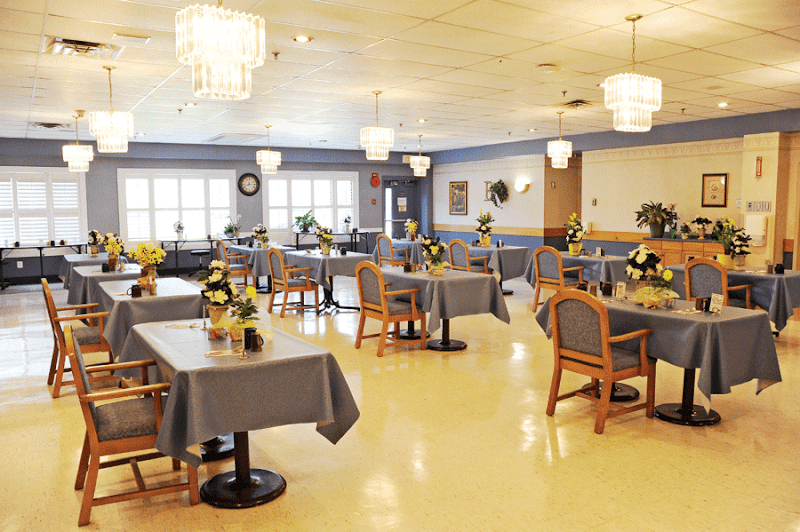
How is Brookhaven Health Care Facility L L C Staffed?

CMS rates BROOKHAVEN HEALTH CARE FACILITY L L C's staffing level at 4 out of 5 stars, which is above average compared to other nursing homes. Staff turnover is 42%, compared to the New York average of 46%. This relatively stable workforce can support continuity of care.

What Have Inspectors Found at Brookhaven Health Care Facility L L C?

State health inspectors documented 14 deficiencies at BROOKHAVEN HEALTH CARE FACILITY L L C during 2021 to 2024. These included: 1 that caused actual resident harm and 13 with potential for harm. Deficiencies causing actual harm indicate documented cases where residents experienced negative health consequences.
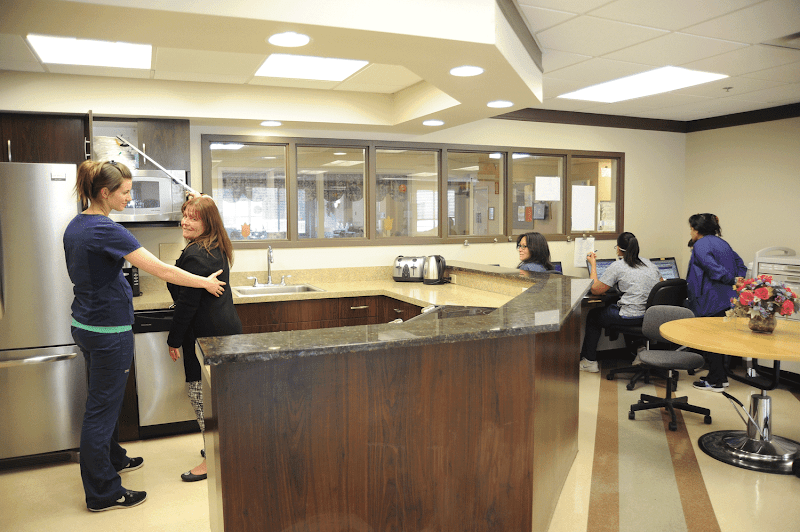
Who Owns and Operates Brookhaven Health Care Facility L L C?

BROOKHAVEN HEALTH CARE FACILITY L L C is owned by a for-profit company. For-profit facilities operate as businesses with obligations to shareholders or private owners. The facility is operated by THE MCGUIRE GROUP, a chain that manages multiple nursing homes. With 160 certified beds and approximately 150 residents (about 94% occupancy), it is a mid-sized facility located in EAST PATCHOGUE, New York.
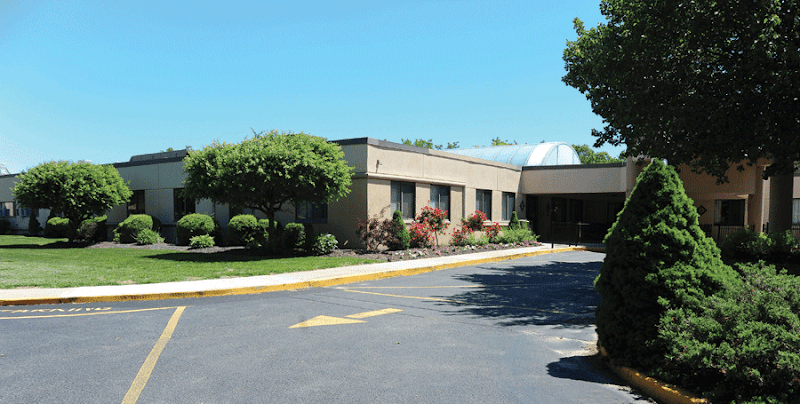
How Does Brookhaven Health Care Facility L L C Compare to Other New York Nursing Homes?

Compared to the 100 nursing homes in New York, BROOKHAVEN HEALTH CARE FACILITY L L C's overall rating (3 stars) is below the state average of 3.1, staff turnover (42%) is near the state average of 46%, and health inspection rating (3 stars) is at the national benchmark.

What Should Families Ask When Visiting Brookhaven Health Care Facility L L C?

Based on this facility's data, families visiting should ask: "Can I visit during a mealtime to observe dining assistance and food quality?" "How do you handle medical emergencies, and what is your hospital transfer rate?" "Can I speak with family members of current residents about their experience?"

Is Brookhaven Health Care Facility L L C Safe?

Based on CMS inspection data, BROOKHAVEN HEALTH CARE FACILITY L L C has a clean safety record: no substantiated abuse findings (meaning no confirmed cases of resident harm), no Immediate Jeopardy citations (the most serious violation level indicating risk of serious injury or death), and is not on the Special Focus Facility watch list (a federal program monitoring the lowest-performing 1% of nursing homes). The facility has a 3-star overall rating and ranks #100 of 100 nursing homes in New York. While no facility is perfect, families should still ask about staff-to-resident ratios and recent inspection results during their visit.

Do Nurses at Brookhaven Health Care Facility L L C Stick Around?

BROOKHAVEN HEALTH CARE FACILITY L L C has a staff turnover rate of 42%, which is about average for New York nursing homes (state average: 46%). Moderate turnover is common in nursing homes, but families should still ask about staff tenure and how the facility maintains care continuity when employees leave.

Was Brookhaven Health Care Facility L L C Ever Fined?

BROOKHAVEN HEALTH CARE FACILITY L L C has been fined $7,901 across 1 penalty action. This is below the New York average of $33,158. While any fine indicates a compliance issue, fines under $50,000 are relatively common and typically reflect isolated problems that were subsequently corrected. Families should ask what specific issues led to these fines and confirm they've been resolved.

Is Brookhaven Health Care Facility L L C on Any Federal Watch List?

BROOKHAVEN HEALTH CARE FACILITY L L C is not on any federal watch list. The most significant is the Special Focus Facility (SFF) program, which identifies the bottom 1% of nursing homes nationally based on persistent, serious quality problems. Not being on this list means the facility has avoided the pattern of deficiencies that triggers enhanced federal oversight. This is a positive indicator, though families should still review the facility's inspection history directly.